
 AI Overview
🪴 In This Guide 🪴

📺 Succulent Terrarium Video Guide

🫙 Why a Succulent Terrarium Must Be Open
Succulents Hate Humidity
Succulents come from dry places and store water in their leaves. They want dry air, dry soil between drinks, and moving air. A closed jar is the opposite: humid, damp, and still. Seal a succulent in one and it rots, usually within weeks.
Closed Jars Are for Tropical Plants
Closed terrariums work beautifully, but for humidity-loving plants like ferns, moss, and Fittonia. If you want to understand how those work, read what a terrarium is and how it works. For succulents, always choose an open container.
What About Shop-Bought Succulent Terrariums?
Many sold in gift shops have succulents glued in place, sitting in decorative sand, or packed in with moss. They look nice for a few weeks, then rot or starve. If you bought one, replant the succulents using the steps below.
🥣 Choosing a Container for a Succulent Terrarium
Wide Opening, Low Sides
The best containers are wide and shallow: a glass bowl, a fishbowl with a big mouth, or a low geometric terrarium with open panels. The wider the opening, the better the airflow and the faster the soil dries. A wide mouth also lets you reach in to plant and water.
Containers to Avoid
Skip tall, narrow vases and bottles with small openings. Air barely moves inside them, the soil stays wet at the bottom, and the plants stretch up toward the light.
Size
A bowl at least 6-8 inches across fits three or four small plants with room to grow. Bigger is easier, because more soil dries more evenly and you have more room for mistakes.
🌵 Best Succulents for a Terrarium
The Best Beginner Picks
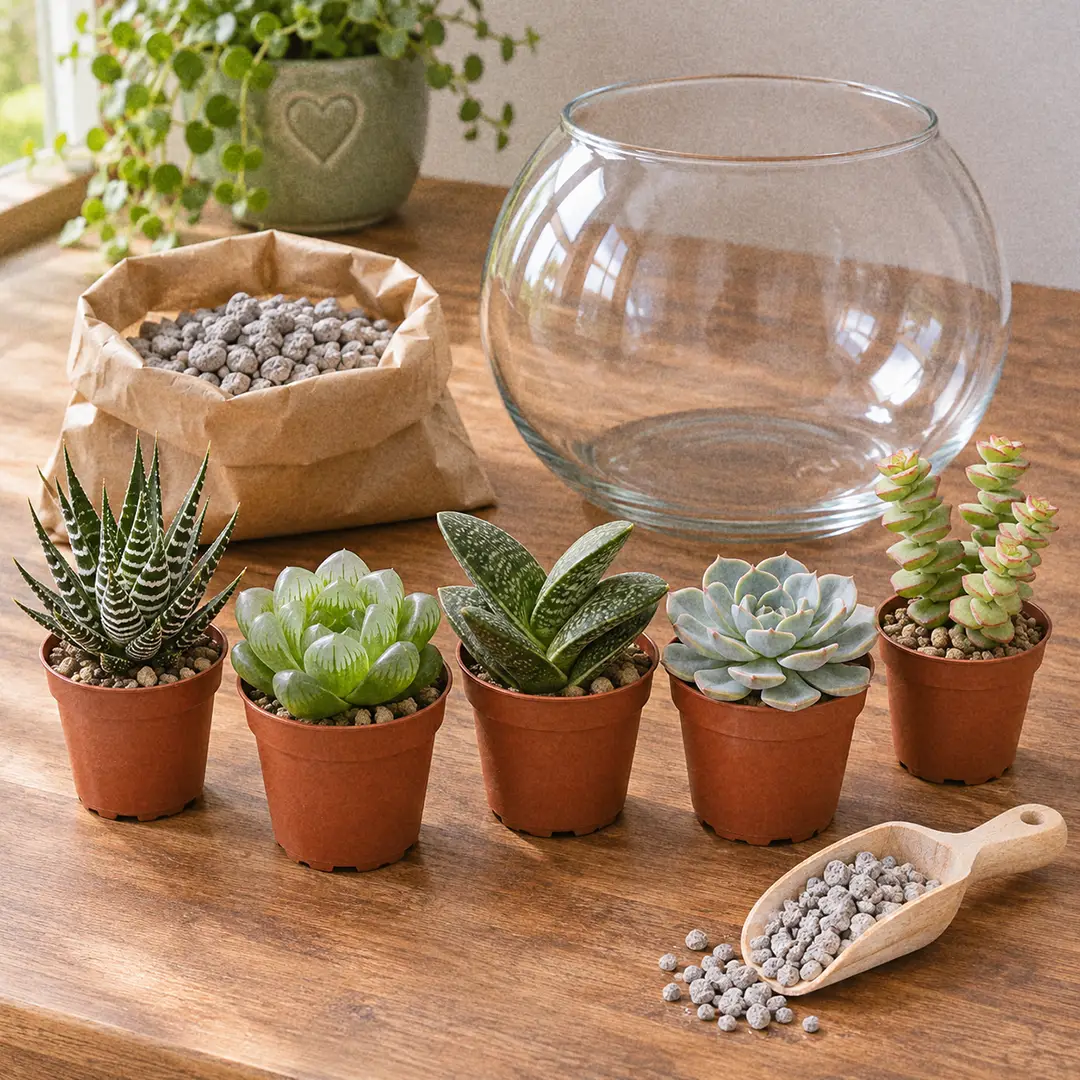
- Zebra Plant (Haworthiopsis attenuata): the best terrarium succulent. Small, slow, striped, and happy in less light than most succulents.
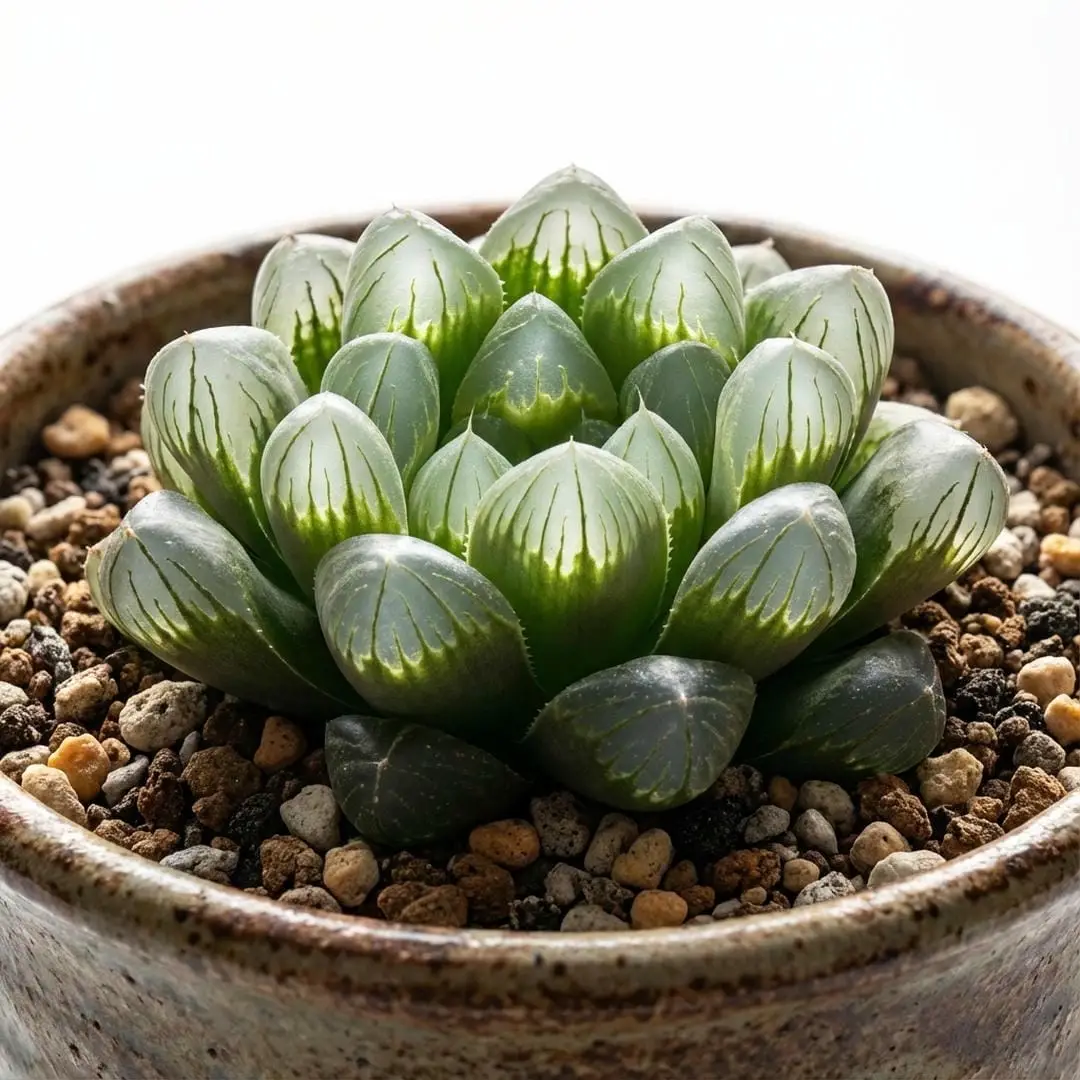
- Haworthia cooperi: plump, translucent leaf tips that glow when light shines through.
- Gasteria: thick, tongue-shaped leaves, very slow, and tolerant of bright indirect light.
- Echeveria elegans: a pale blue rosette that adds color, but it needs your sunniest spot.
Good Accent Plants
String of Buttons (Crassula perforata) adds stacked, geometric shapes. A small Sedum adolphii brings golden color in strong light. A tiny Pincushion Cactus makes a nice spiny contrast if you use tweezers or tongs to plant it.
Succulents to Avoid
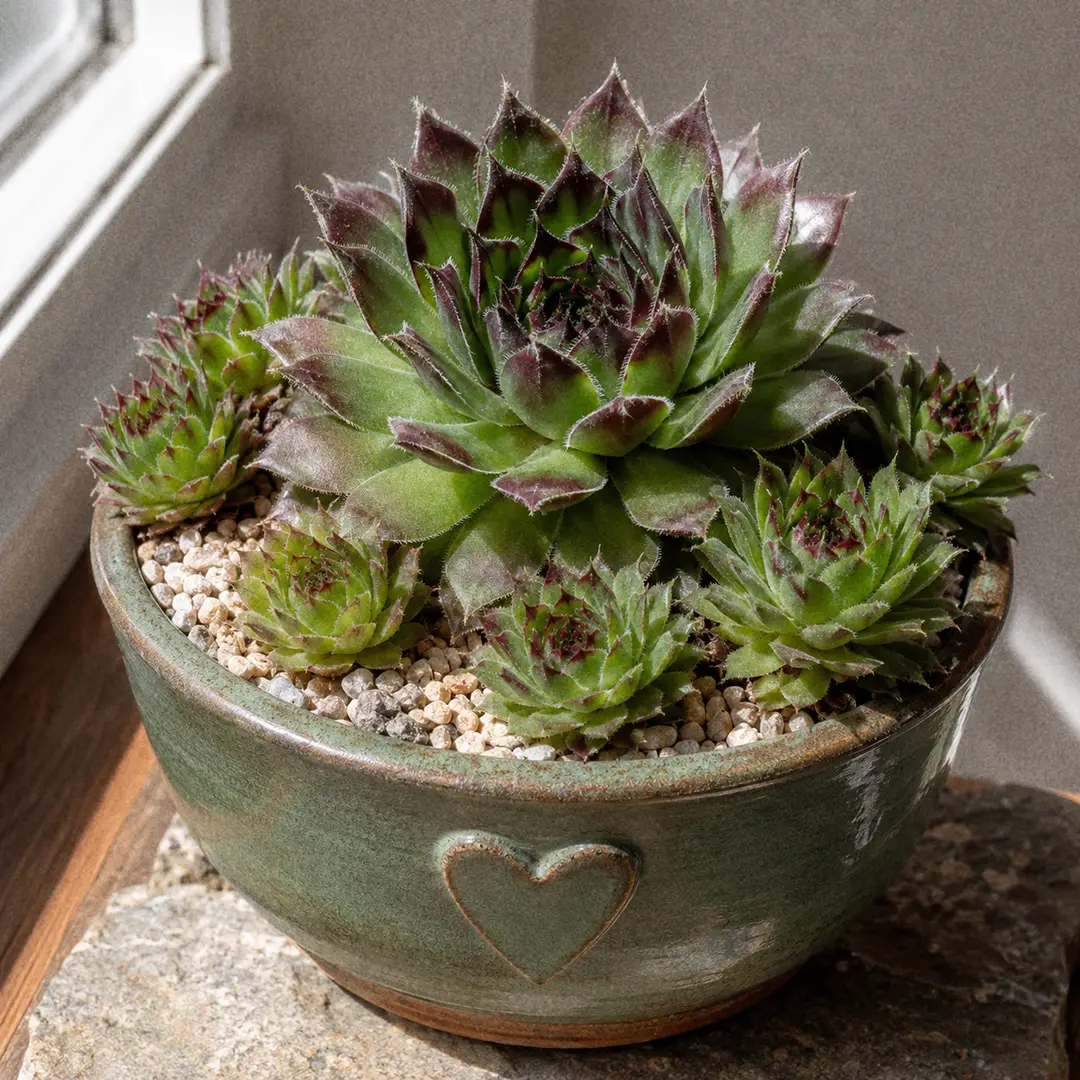
Skip fast growers and large plants like jade, aloe, and Aeonium, which soon outgrow the bowl. Avoid trailing plants like String of Pearls, which need good drainage and rot easily in glass. Hens and Chicks need cold winters and full sun, so they struggle indoors under glass. For more on general care, see our succulent care guide.
🪨 Soil and Layers for a Succulent Terrarium
Drainage Layer
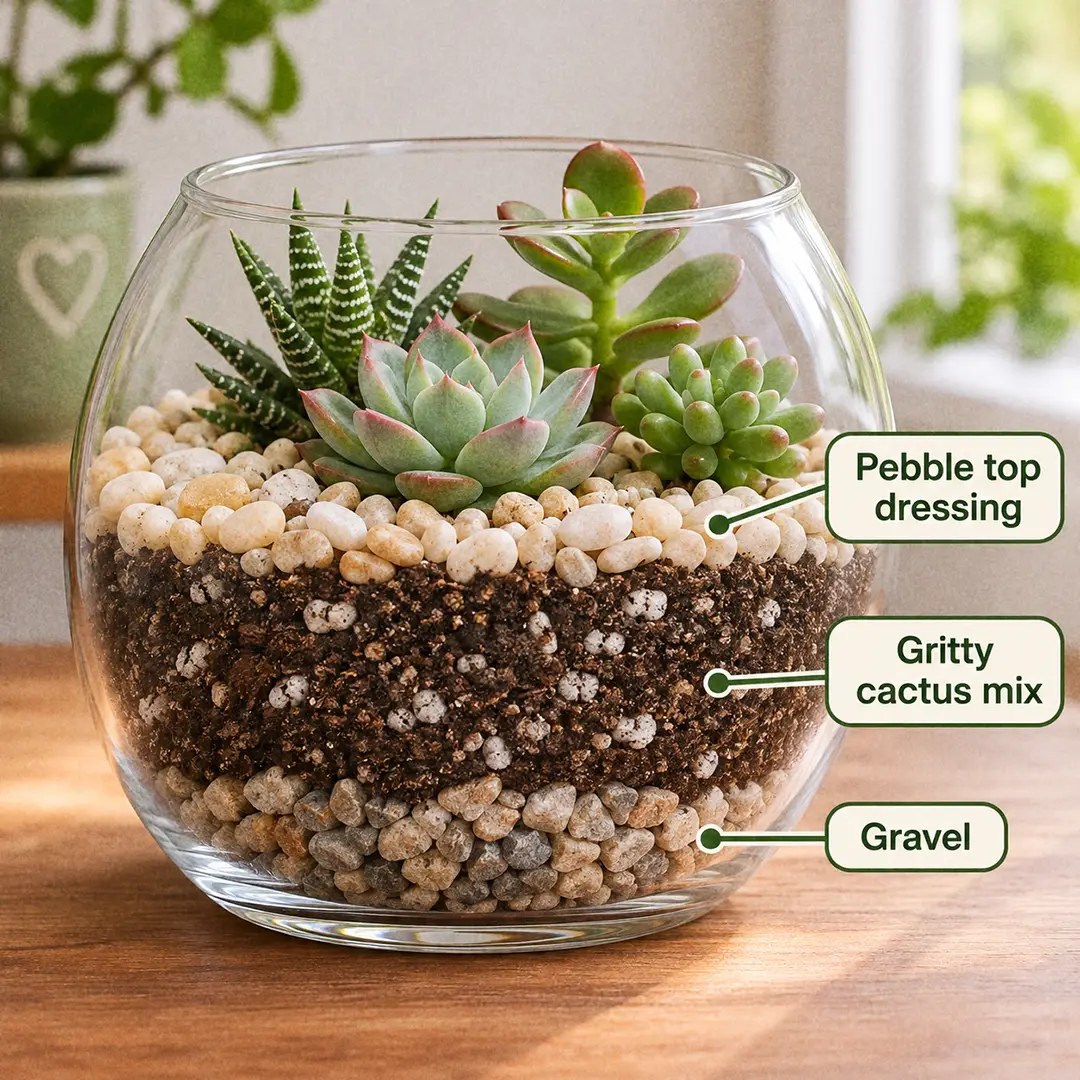
Start with about 1 inch of small gravel, lava rock, or LECA. This is not real drainage. In a normal pot with a hole, a gravel layer does more harm than good, as our succulent care guide explains. In glass with no hole, it acts as a small catch basin for the odd extra spoonful, and it only works because you water so little.
Gritty Soil
This is the most important part. Use a cactus and succulent mix, then add extra pumice or perlite so the mix is about half grit. Regular potting soil holds far too much water for a pot with no hole. Our soil guide and potting soil guide explain the options.
Top Dressing
Finish with a layer of small pebbles, grit, or coarse sand. It keeps the base of each plant dry, which helps prevent rot, and it looks clean. Avoid colored decorative sand mixed into the soil, because it packs down and holds water.
🛠️ How to Make a Succulent Terrarium, Step by Step
What You Need
An open glass bowl, gravel, cactus soil, pumice or perlite, pebbles for the top, three to five small succulents, a spoon, and a small brush. Long tweezers or tongs help with cacti.
Step-by-Step
- Wash and dry the bowl.
- Add about 1 inch of gravel.
- Mix cactus soil with pumice or perlite and add 2-3 inches on top of the gravel.
- Remove the succulents from their pots and gently shake off the old soil, especially if it is dense peat.
- Arrange them with taller plants at the back or center, leaving some space between them.
- Plant each one so the base sits just at the soil surface, and firm the soil around it.
- Add the pebble top dressing and brush soil off the leaves and glass.
- Do not water for about a week. This lets any roots damaged while planting heal, which is the key step for preventing rot.
Placing the Plants
Leave a little space between plants so air can move and each one has room to grow. A crowded terrarium looks full on day one but quickly gets damp and stretched.
☀️ Light for a Succulent Terrarium
The Brightest Spot You Have
Succulents need a lot of light, and glass filters a little of it. Put the terrarium in your brightest window, ideally east-facing with a few hours of gentle morning sun, or a spot right by a south window in winter. Read our light guide for help choosing.
Watch the Heat
Glass gets hot in direct afternoon summer sun, especially if the bowl is deep. If the soil and glass feel hot to the touch, move it back a little or shade it during the hottest hours. Open bowls handle sun much better than closed jars, but they still warm up.
Use a Grow Light in Dim Homes
If your windows are dim, a small grow light 6-12 inches above the terrarium for 12-14 hours a day keeps succulents compact and colorful. Haworthia and Gasteria cope best with lower light, so choose them if light is limited.
💧 How to Water a Succulent Terrarium
How Often
Water only when the soil is completely dry all the way down. In spring and summer that is usually every two to four weeks, and in winter every four to six weeks. Push a wooden skewer into the soil and pull it out: if it comes out clean and dry, it is time to water. For more on watering basics, see how often to water houseplants.
How Much
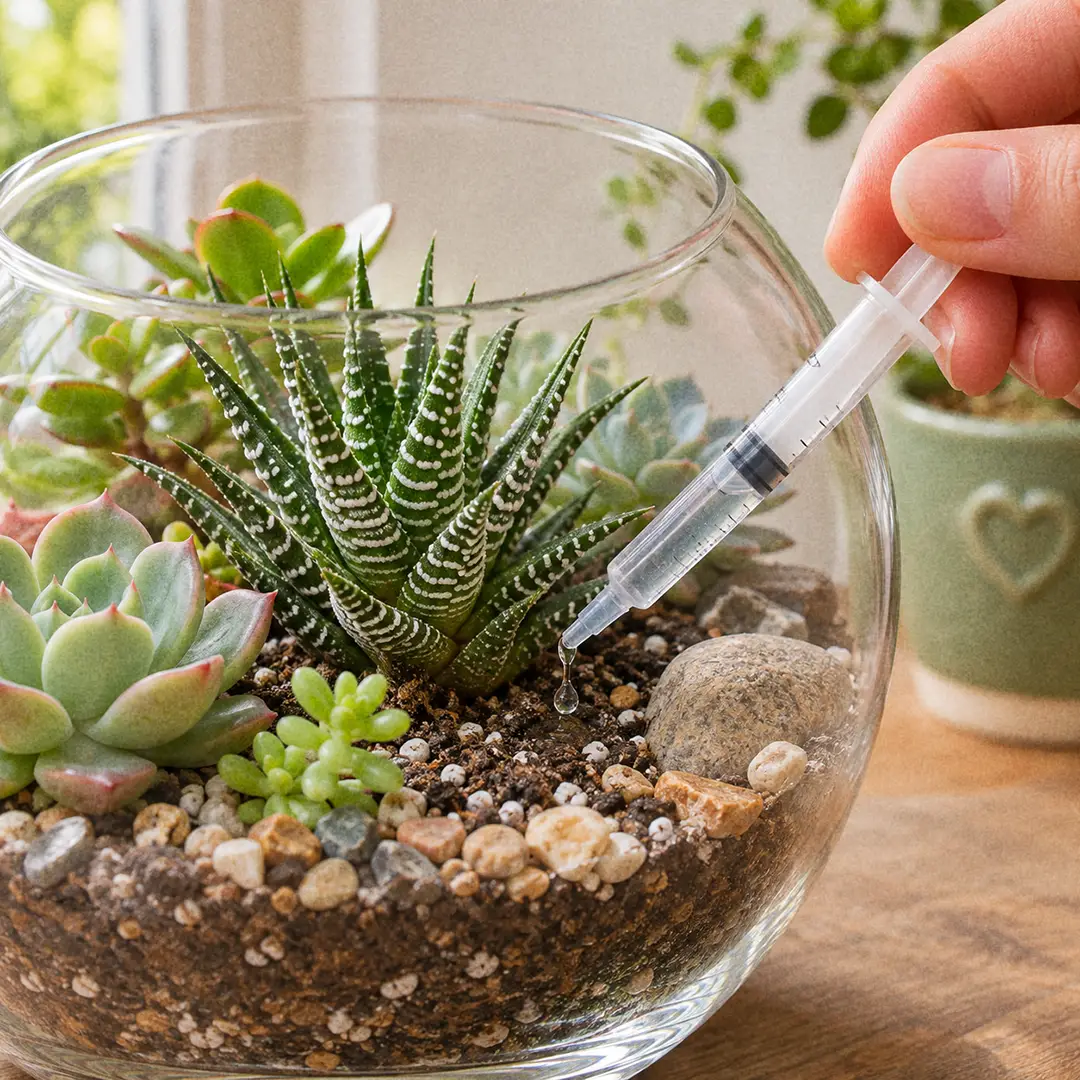
Use a spoon, a squeeze bottle, or a syringe, and water around the base of each plant only. For a small bowl, a few tablespoons per plant is usually enough. You want the soil around the roots damp, not water pooling in the gravel. If you can see water sitting at the bottom of the glass, you used too much.
Avoid Spraying
Do not mist succulents. Water sitting on the leaves and in the rosettes leads to rot, and misting does nothing for the roots.
🩺 Common Succulent Terrarium Problems
Rotting or Mushy Plants
Soft, translucent, or black leaves and stems mean too much water. Remove the affected plant right away, let the soil dry out completely, and water less next time. See mushy stems and root rot for more help.
Stretching and Leaning
Succulents that grow tall, pale, and lean toward the window are not getting enough light. That is leggy growth, and it cannot be reversed, but you can move the bowl somewhere brighter and replant the top of a stretched plant as a cutting. Our succulent propagation guide explains how.
Shriveled Leaves or Burn Marks
Wrinkled, deflated leaves mean the plant is thirsty, so water a little more often. Brown, dry, or white patches on the side facing the window are sunburn, usually from a sudden move into strong sun or a hot summer window.
❓ Frequently Asked Questions
Can you make a succulent terrarium with a lid?
No. A lid traps humidity, and succulents rot in damp, still air within a few weeks. A succulent terrarium must be open, ideally a bowl with a wide mouth so air moves freely.
How often do you water a succulent terrarium?
Only when the soil is completely dry, usually every two to four weeks in spring and summer and every four to six weeks in winter. Use a spoon or syringe to water a little around the base of each plant.
What are the best succulents for a terrarium?
Small, slow growers that tolerate slightly less light: Haworthia, Zebra Plant, Gasteria, small Echeveria, and Crassula like String of Buttons. Avoid fast growers and plants that need full sun.
Do succulent terrariums need sunlight?
Yes, they need the brightest spot you have, ideally a few hours of gentle morning sun. Watch for heat in summer, since glass warms up quickly, and use a grow light if your windows are dim.
Why are the succulents in my terrarium rotting?
Almost always too much water. With no drainage hole, extra water sits at the bottom. Remove rotting plants, let the soil dry out completely, and water less next time.
Why are my terrarium succulents stretching?
They need more light. Stretched, pale, leaning growth is called etiolation. Move the terrarium to a brighter window or add a grow light.
🪴 See also 🪴
Complete Guide to Queen of the Night Care and Growth
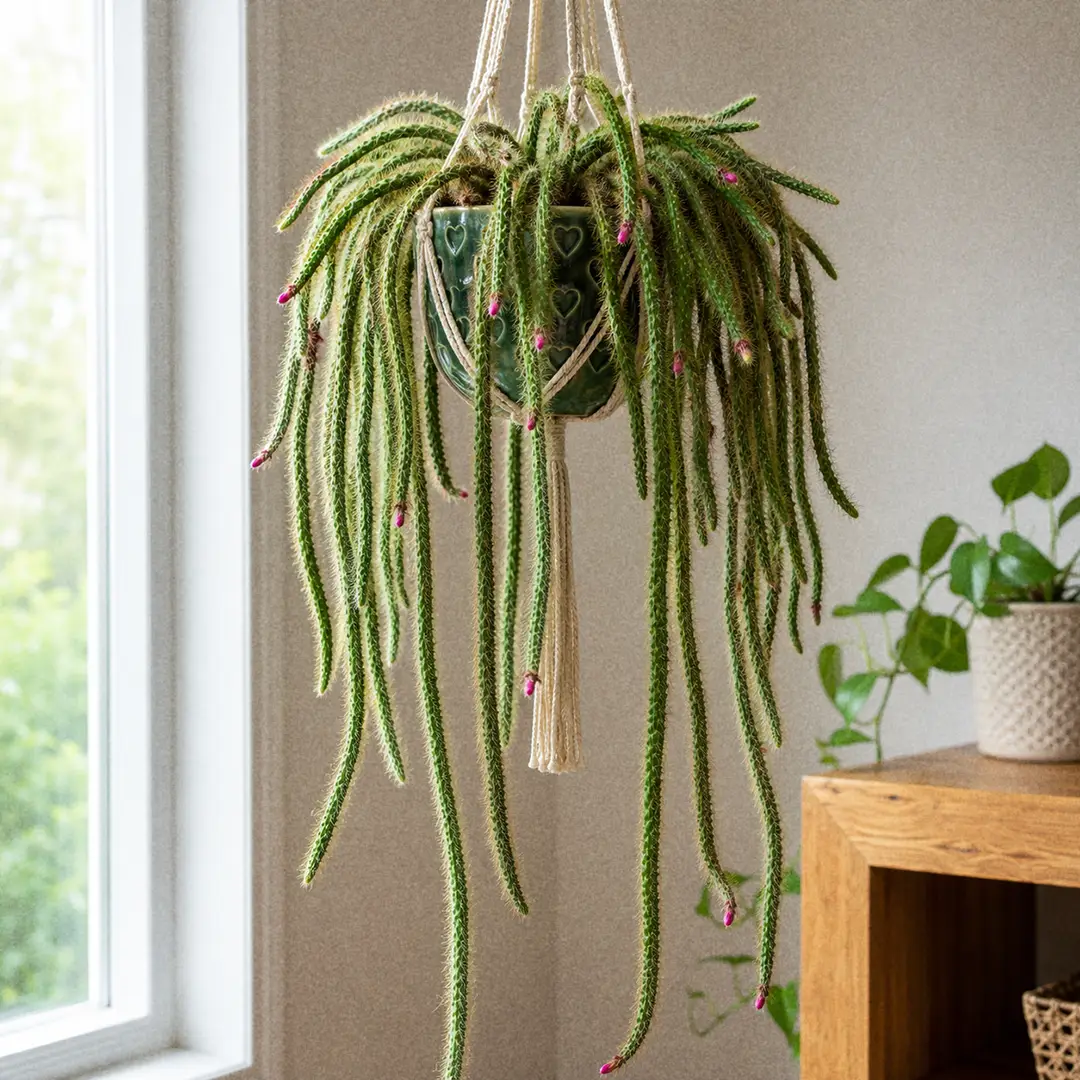
Complete Guide to Rat Tail Cactus Care and Growth
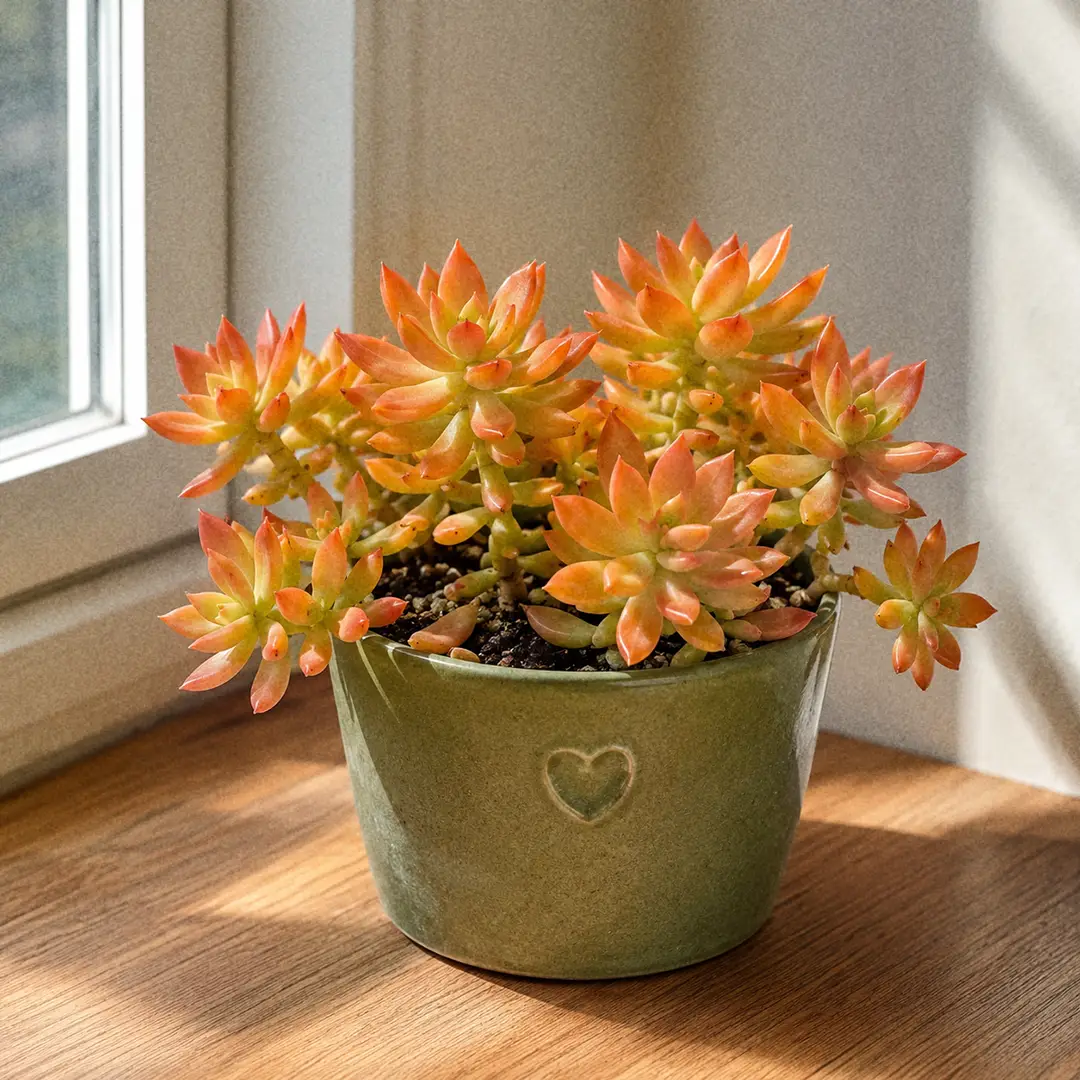
Complete Guide to Sedum Adolphii Care and Growth

How to Acclimate a New Plant to Your Home
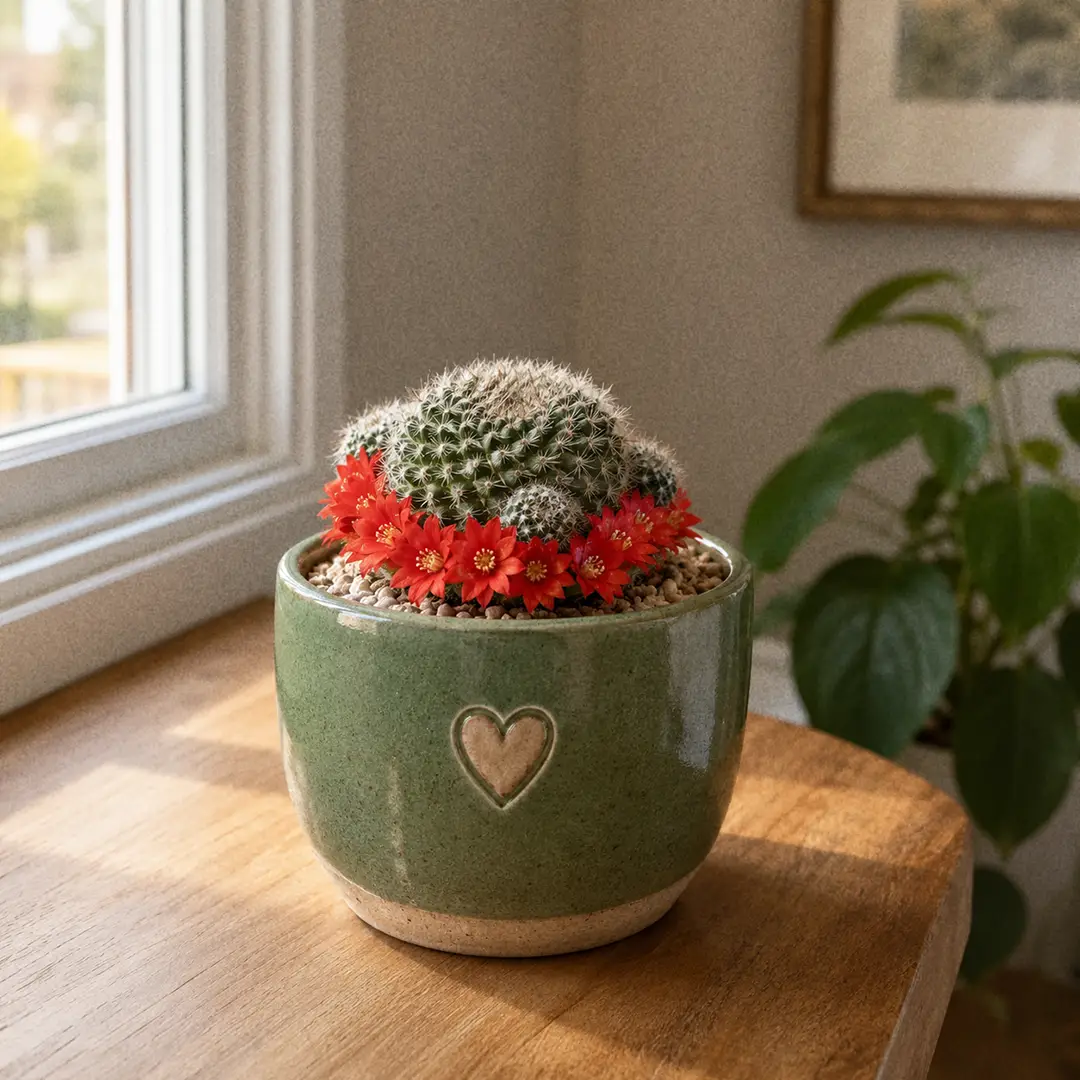
Complete Guide to Crown Cactus Care and Growth
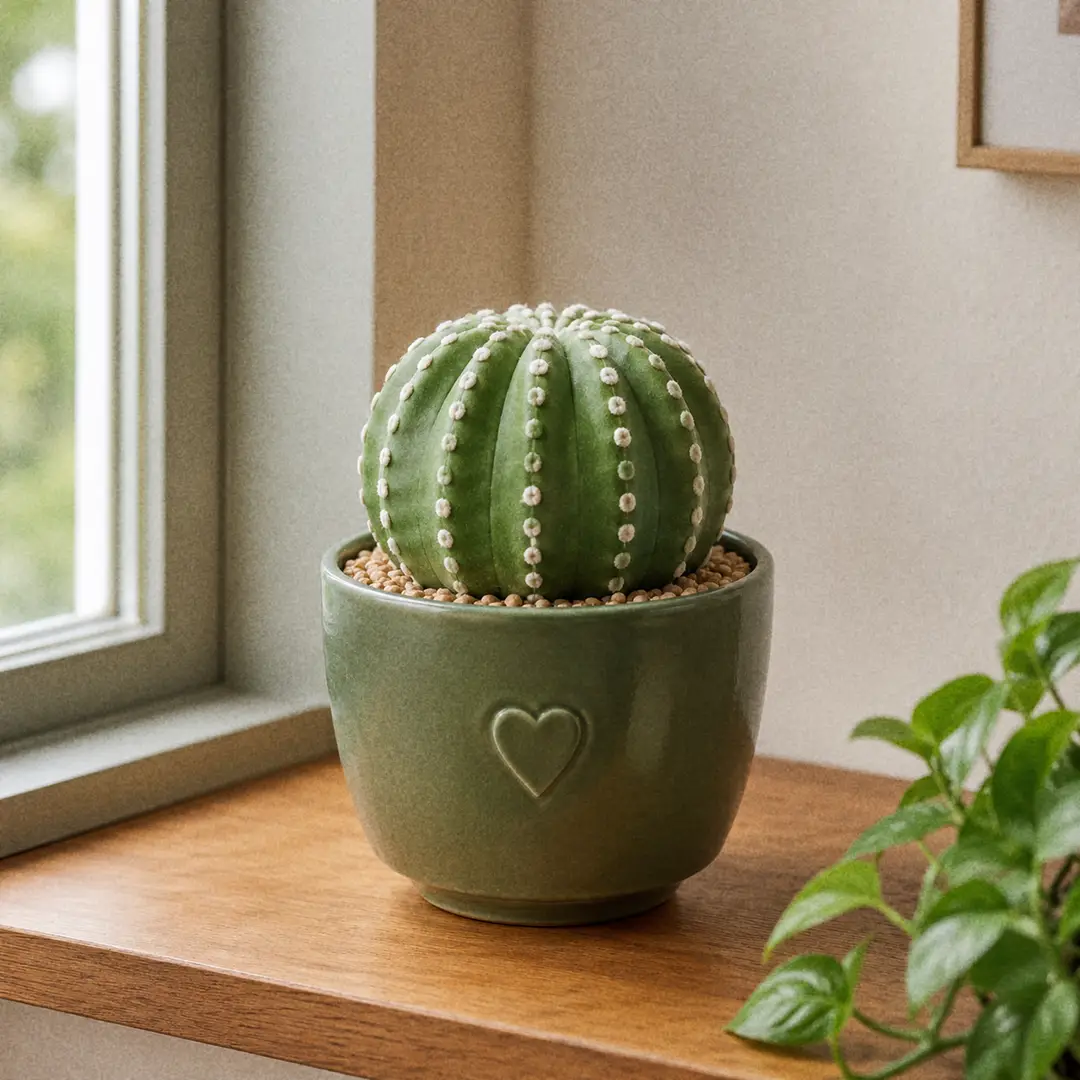
Complete Guide to Domino Cactus Care and Growth
Complete Guide to Easter Lily Cactus Care and Growth

Complete Guide to Elephant Bush Care and Growth
Complete Guide to Fairy Castle Cactus Care and Growth
Complete Guide to Fishbone Cactus Care and Growth
Complete Guide to Gasteria 'Little Warty' Care and Growth
Complete Guide to Ghost Plant Care and Growth
Complete Guide to Haworthia Cooperi Care (Alien Window Plant)
Complete Guide to Hens and Chicks Care and Growth
Complete Guide to Jelly Bean Plant Care and Growth
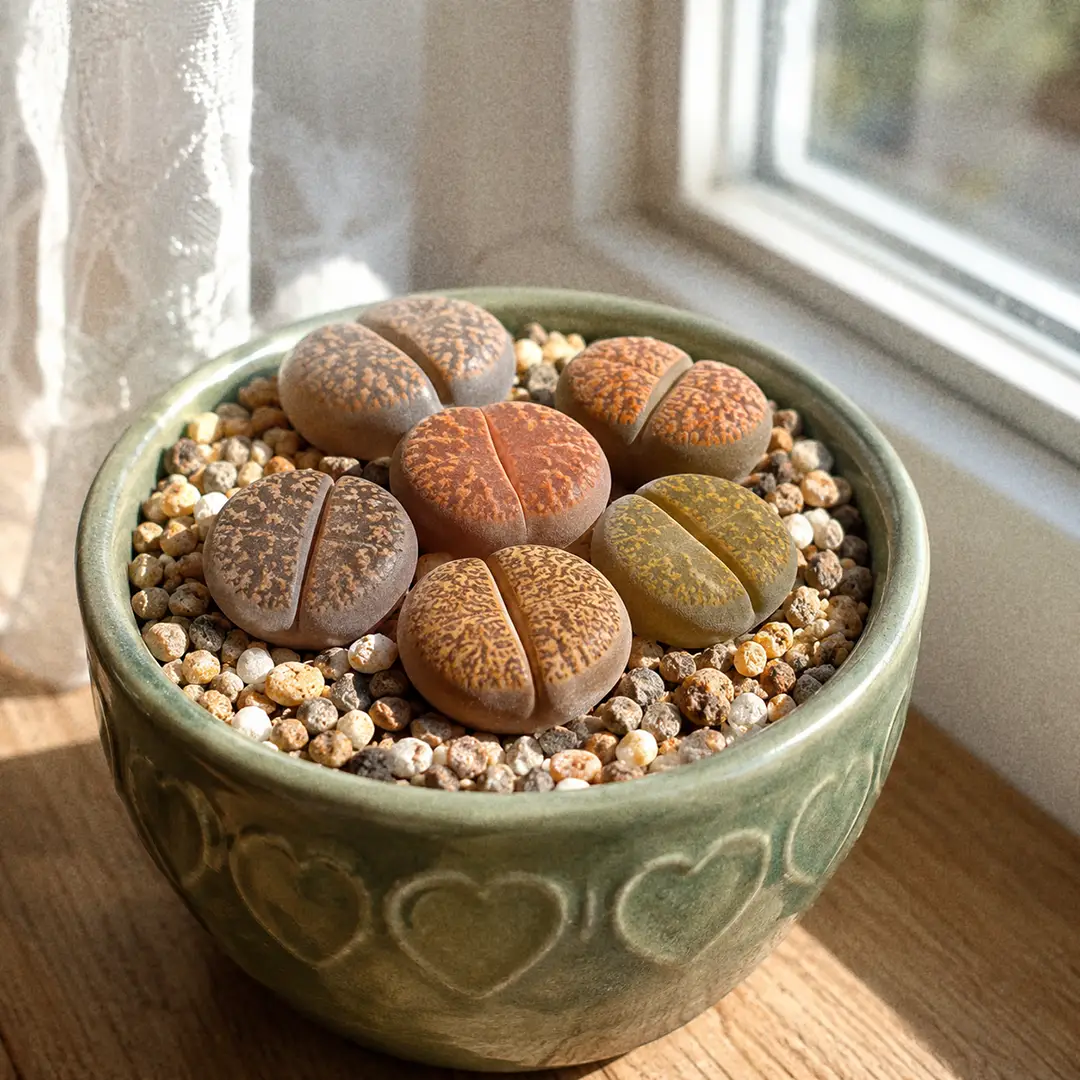
Complete Guide to Lithops Care and Growth (Living Stones)
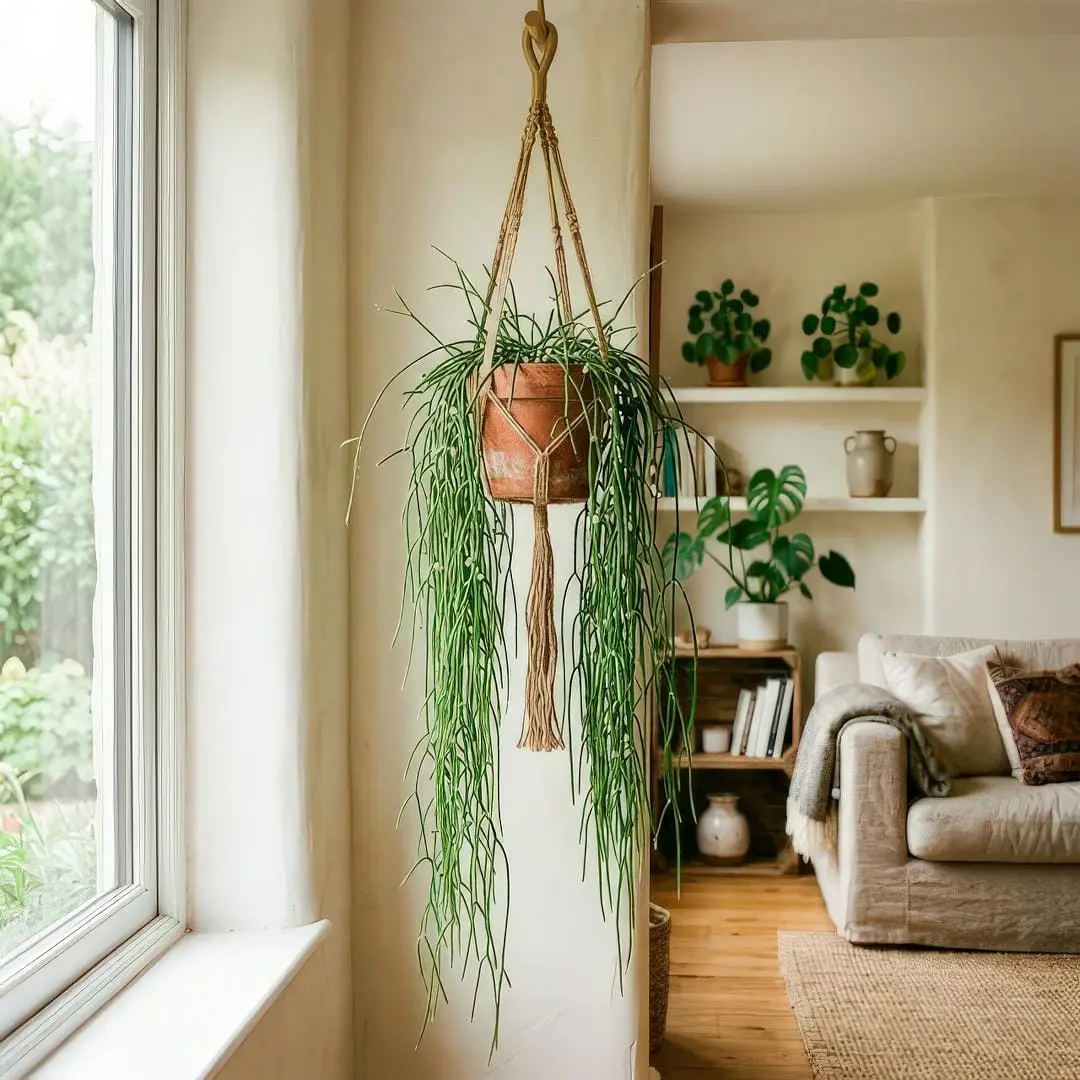
Complete Guide to Mistletoe Cactus Care and Growth
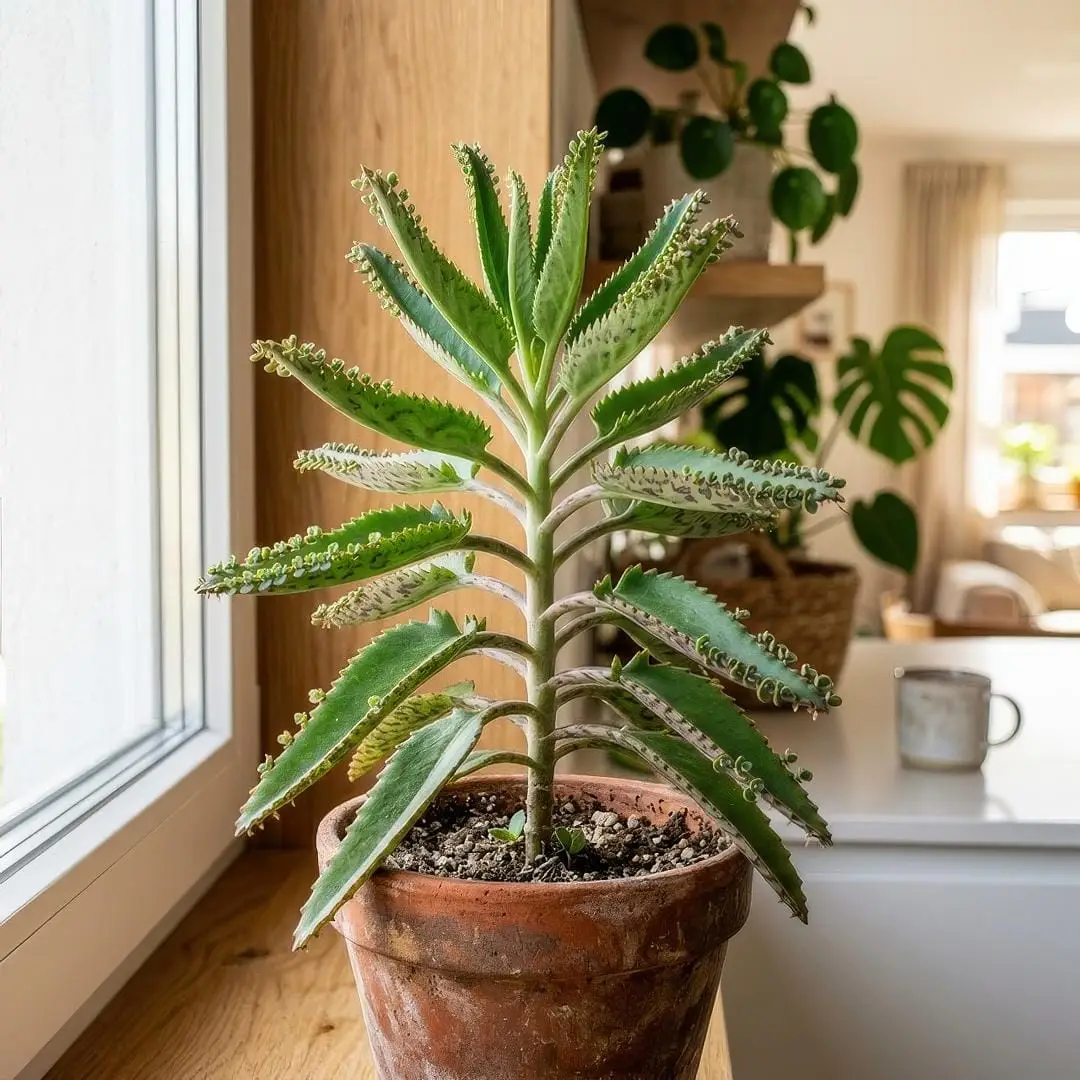
Complete Guide to Mother of Thousands Care and Growth
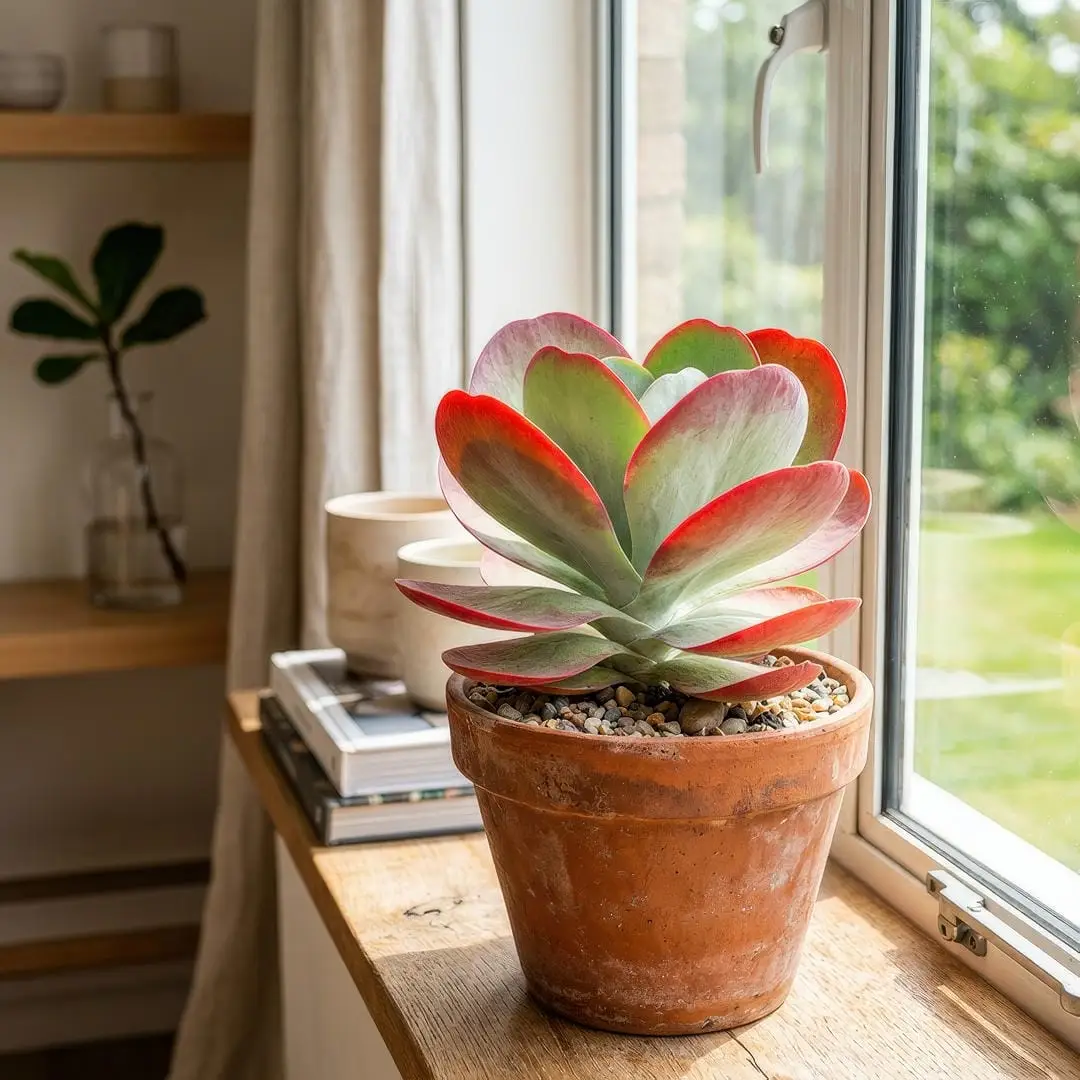
Complete Guide to Paddle Plant Care and Growth
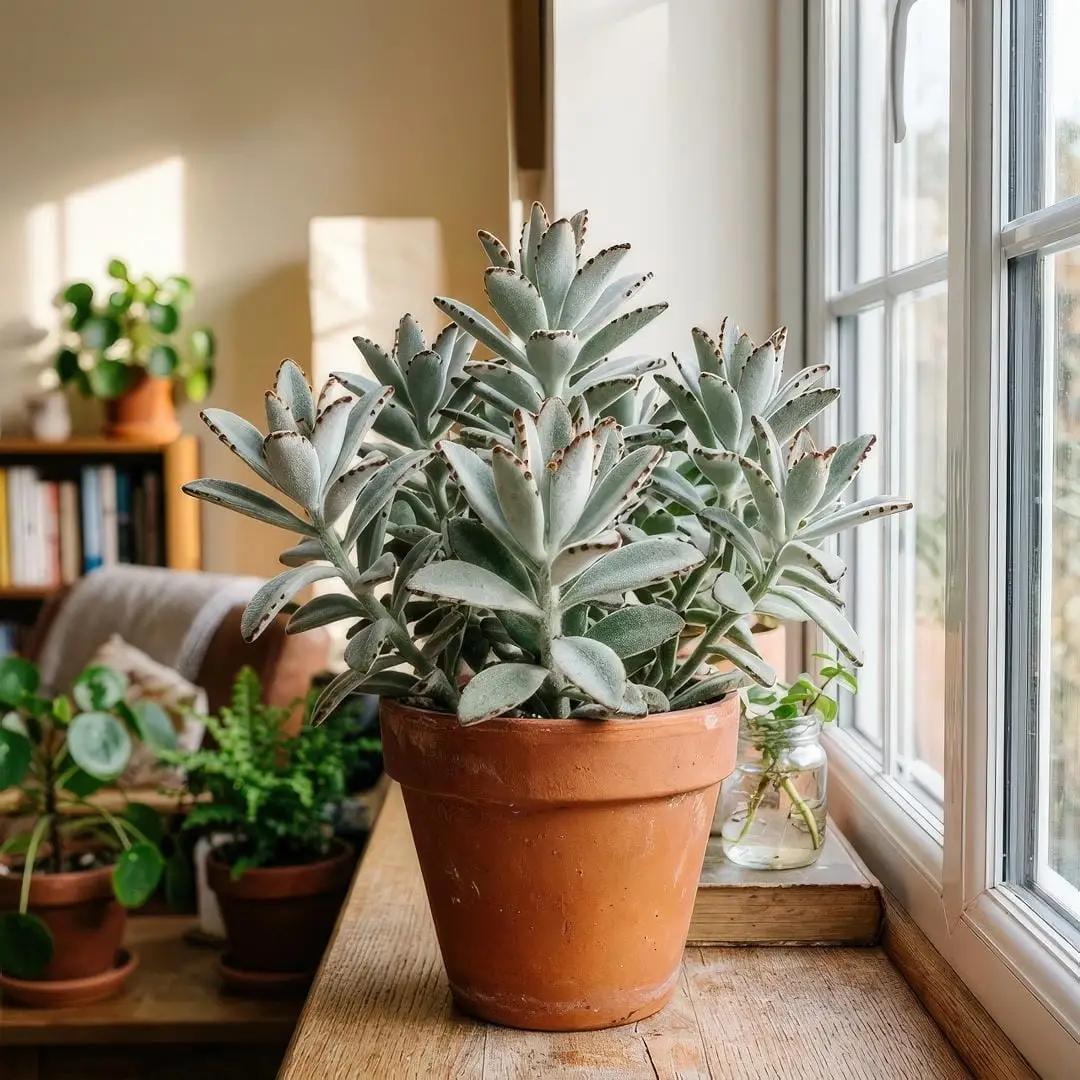
Complete Guide to Panda Plant Care and Growth
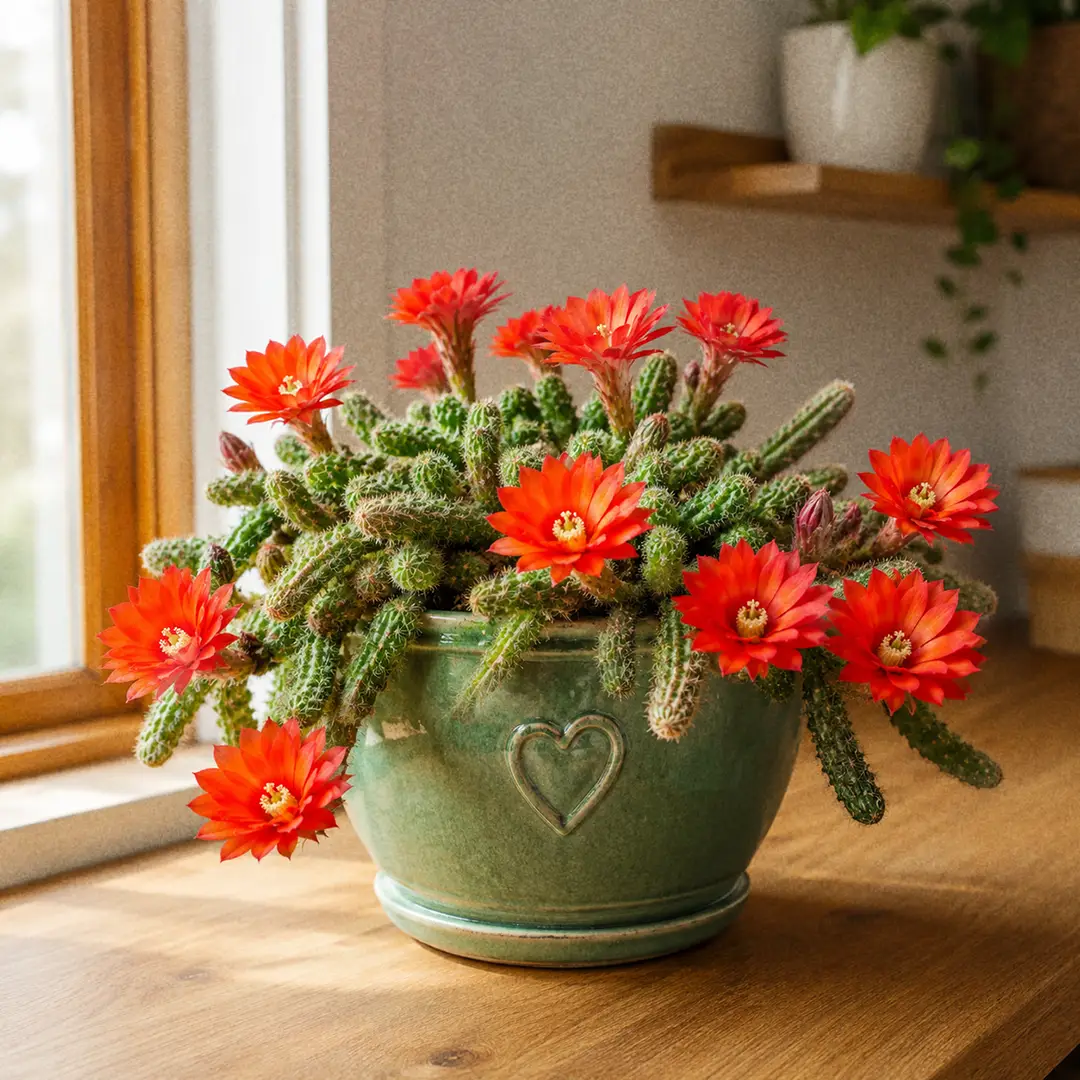
Complete Guide to Peanut Cactus Care and Growth
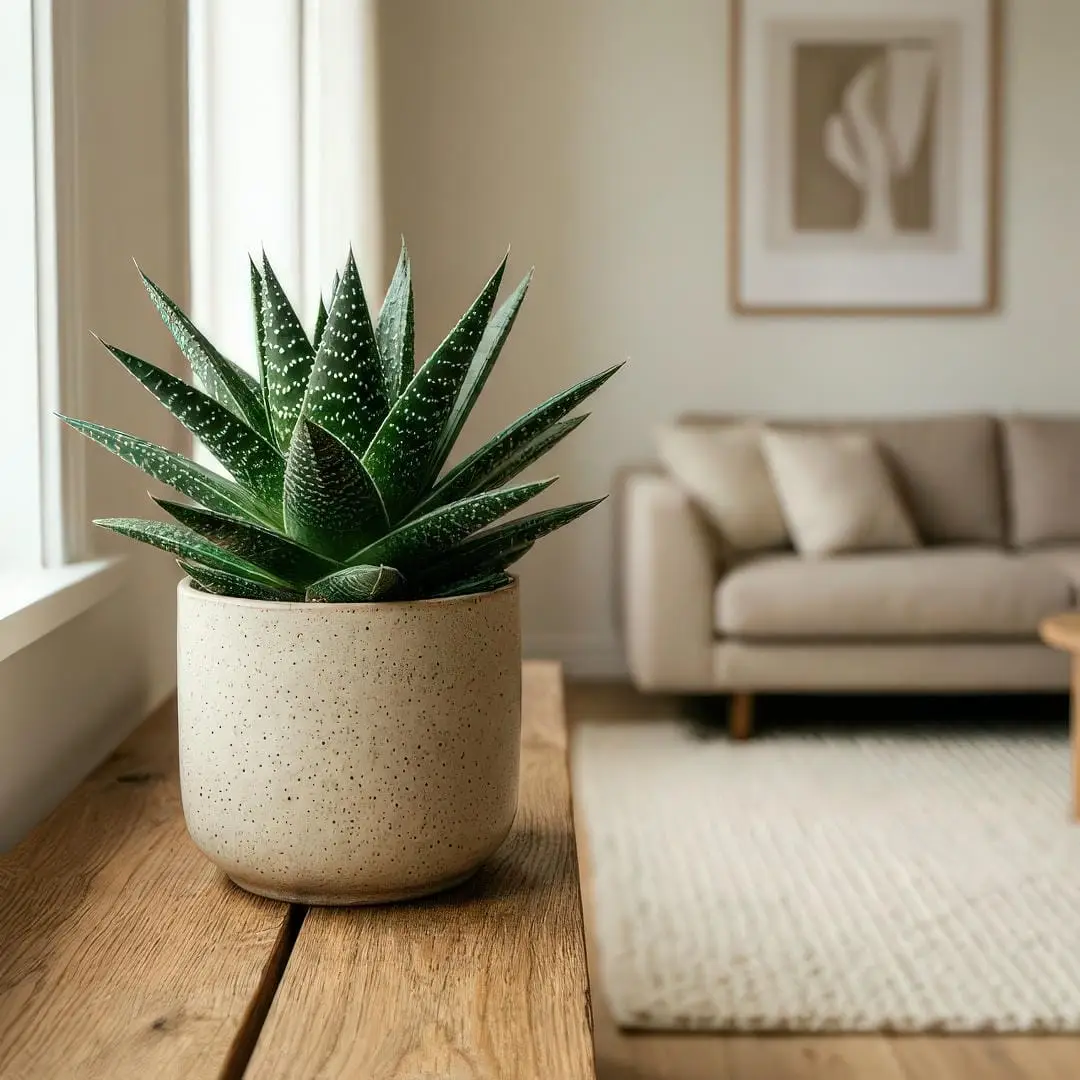
Ox Tongue Care
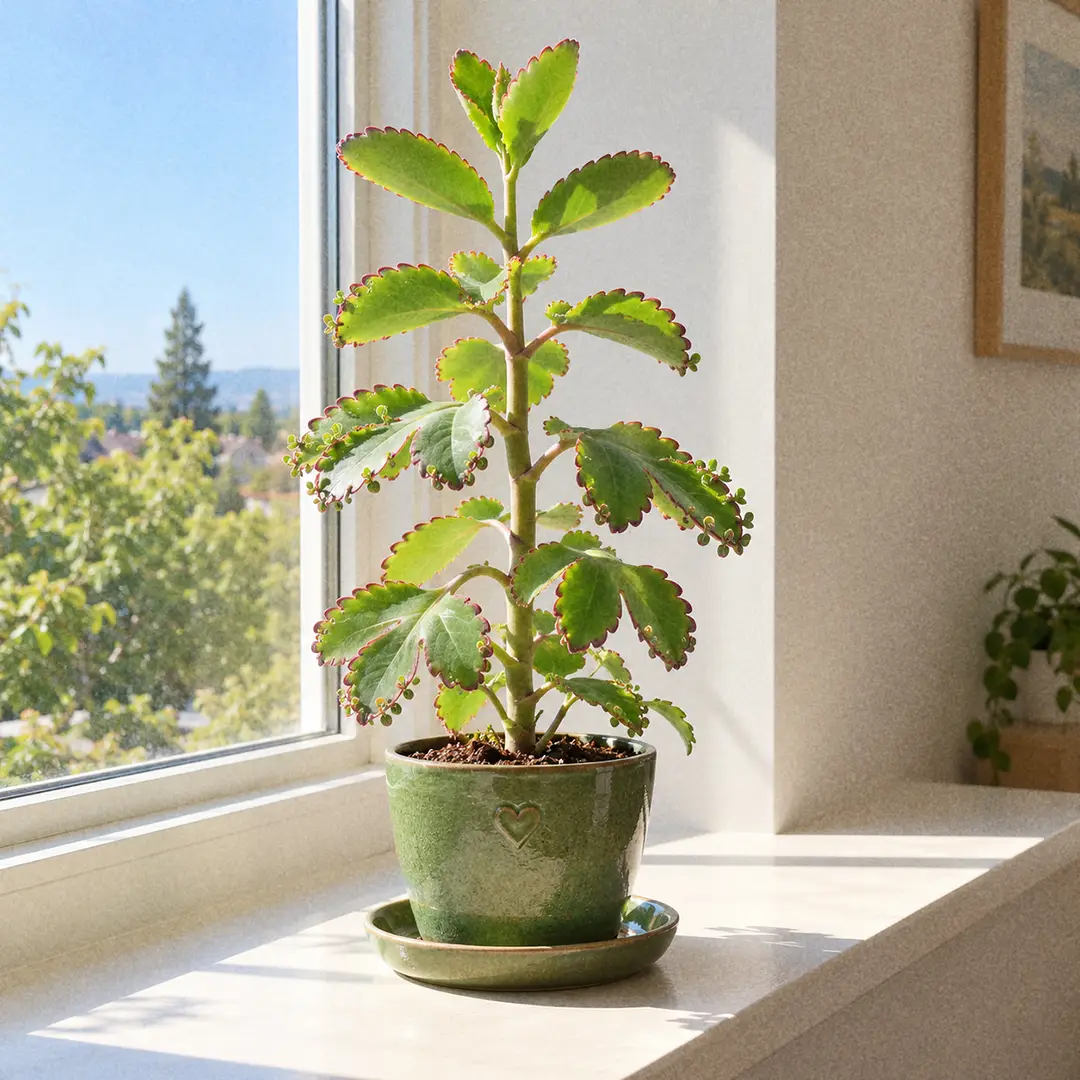
Complete Guide to Leaf of Life Care and Growth
Complete Guide to Aeonium Care and Growth

How Often Should You Water Houseplants?
10 Easiest Houseplants That Are Almost Impossible to Kill

Why Is My Plant Dying? A Beginner's Diagnostic Guide
Complete Guide to Crested Brain Cactus Care and Growth
Complete Guide to Feather Cactus Care and Growth
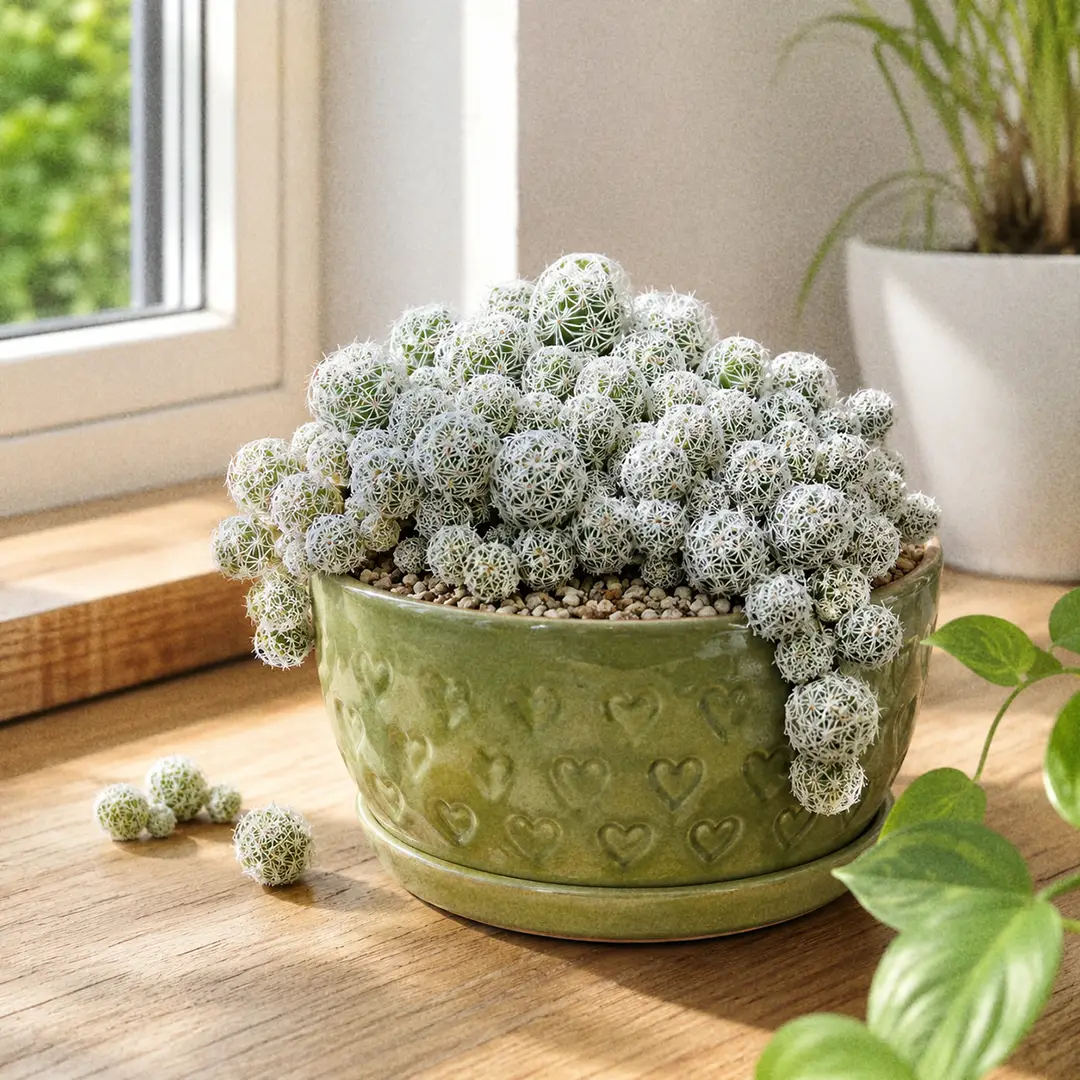
Complete Guide to Snowball Cactus Care and Growth
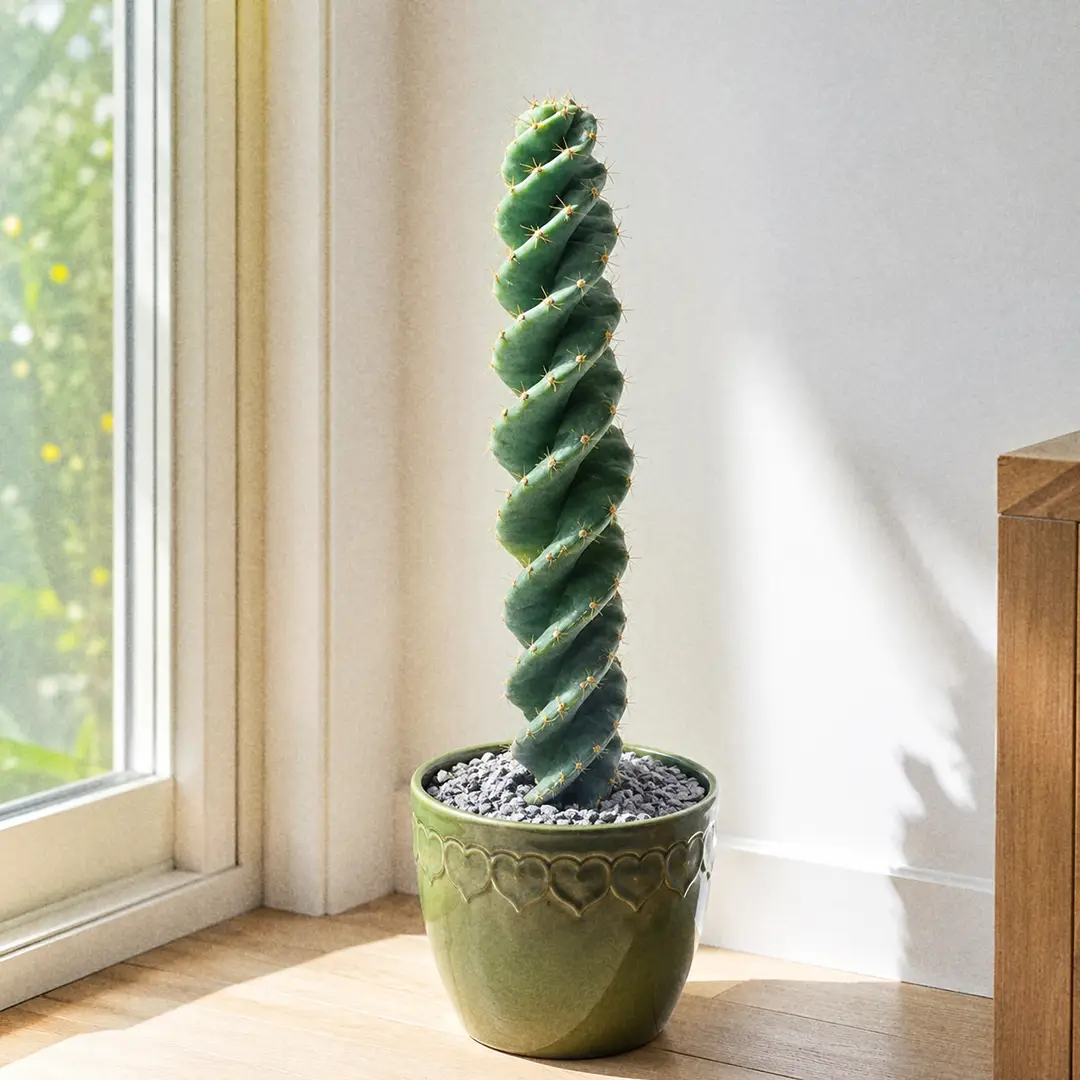
Complete Guide to Spiral Cactus Care and Growth
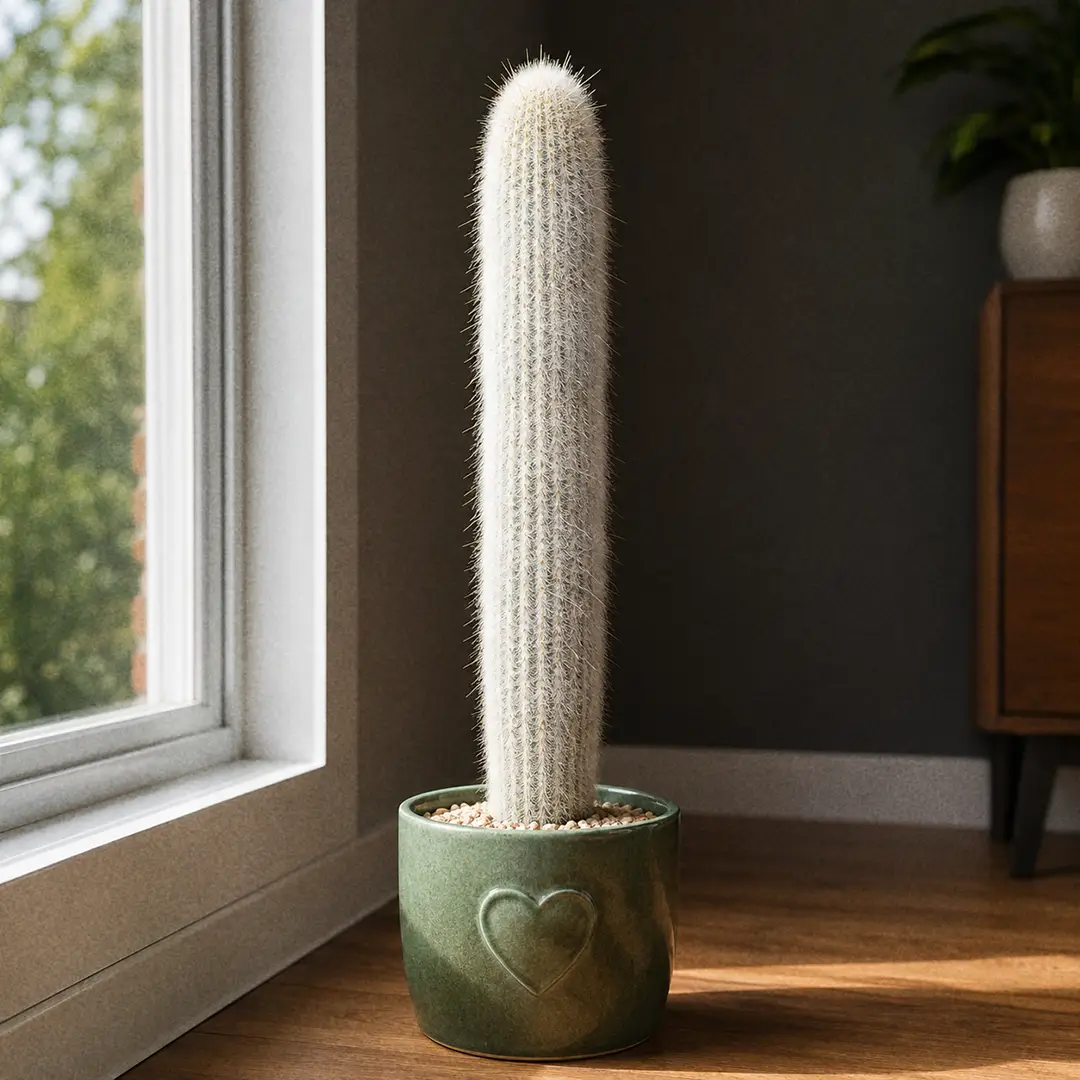
Complete Guide to Silver Torch Cactus Care and Growth
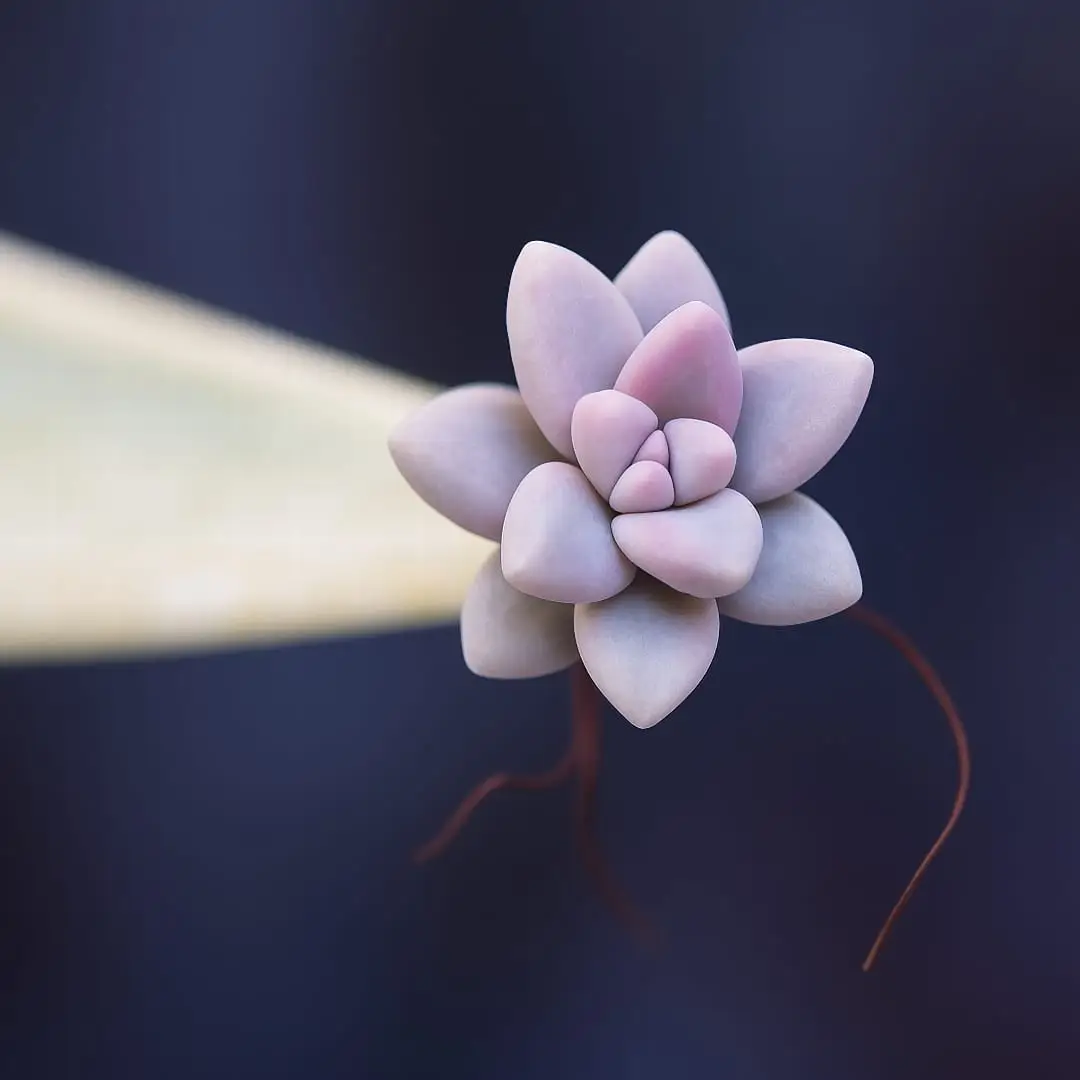
How to Propagate Succulents from Leaves & Offsets
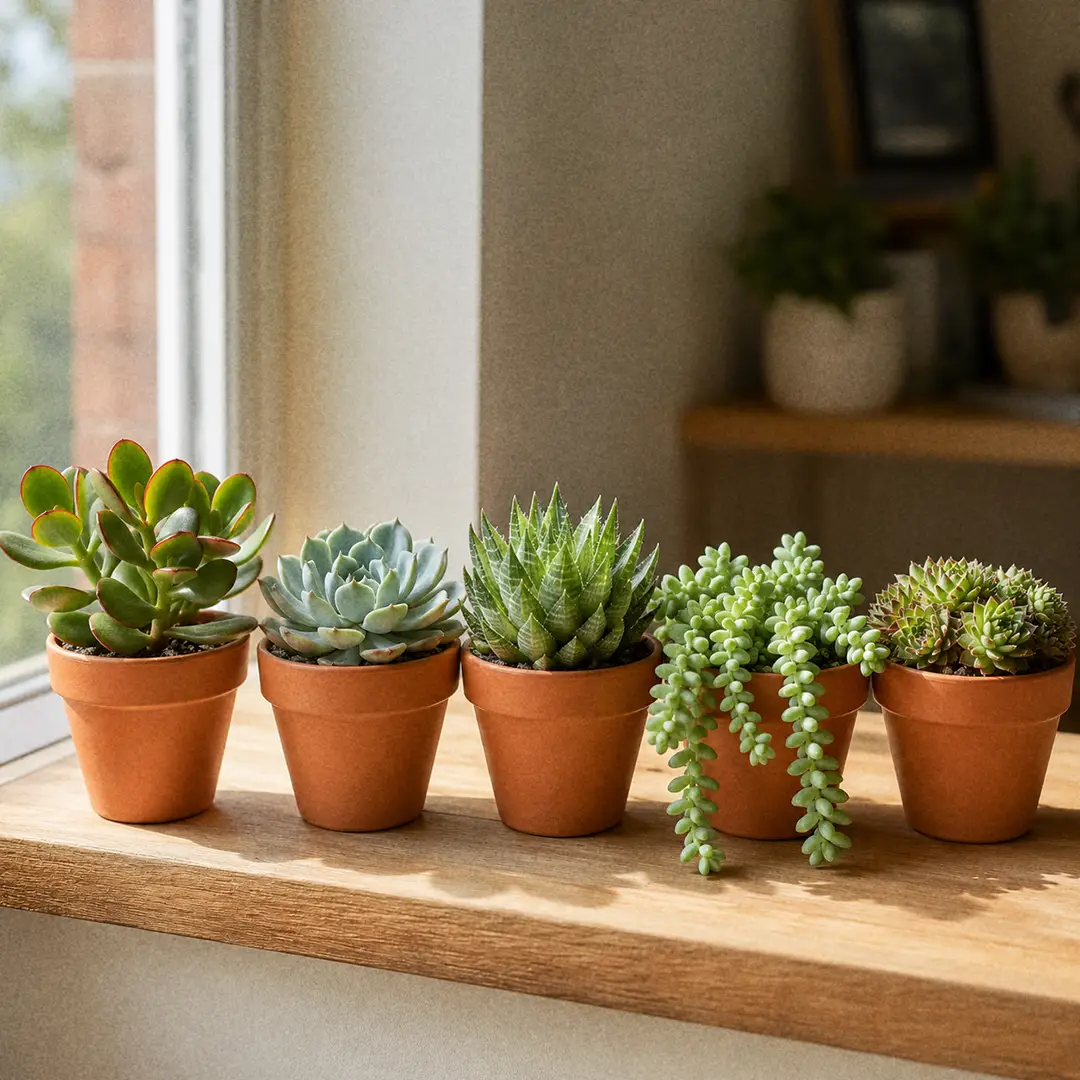
Succulent Care Indoors: How to Stop Killing Jade and Echeveria
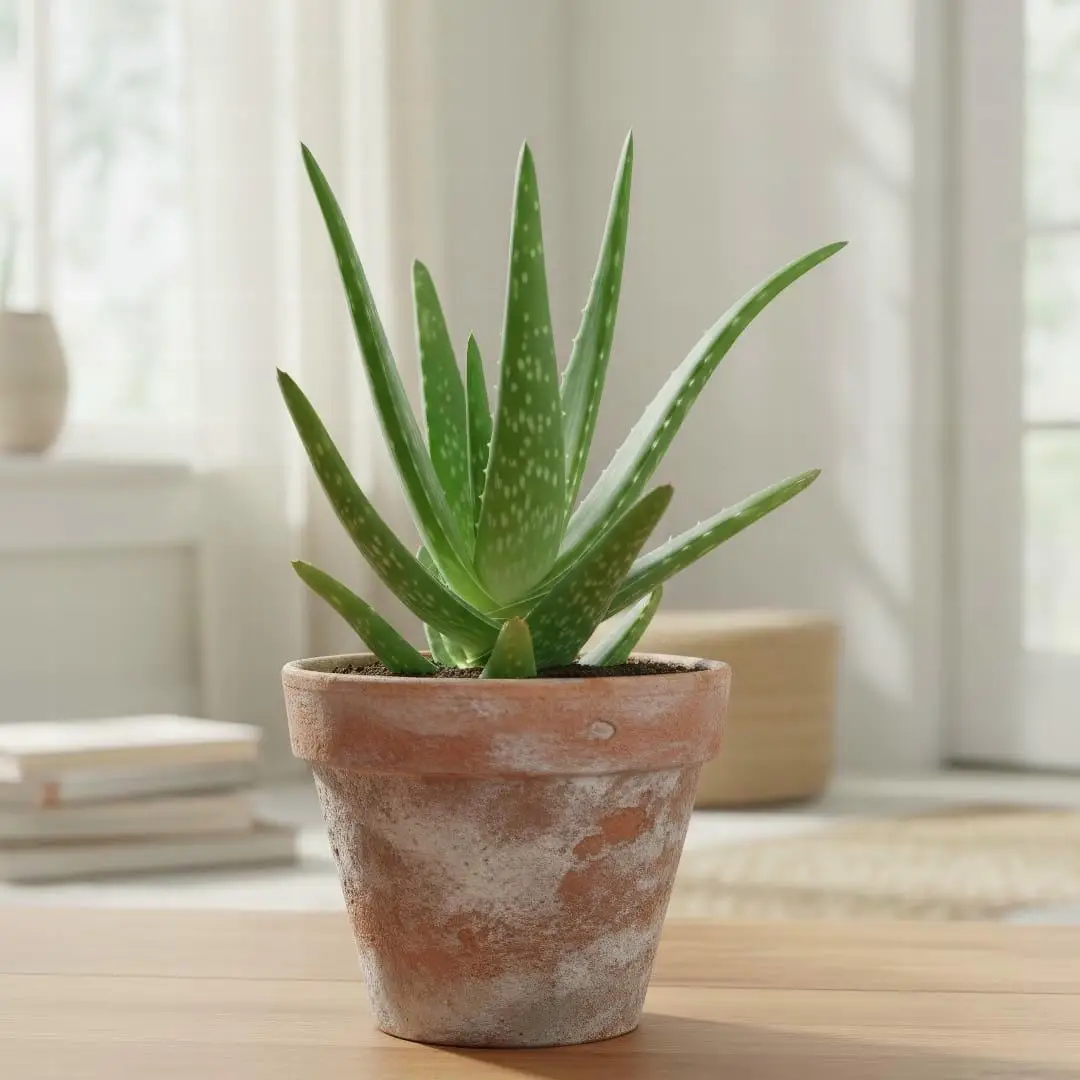
Complete Guide To Aloe Vera Care and Growth
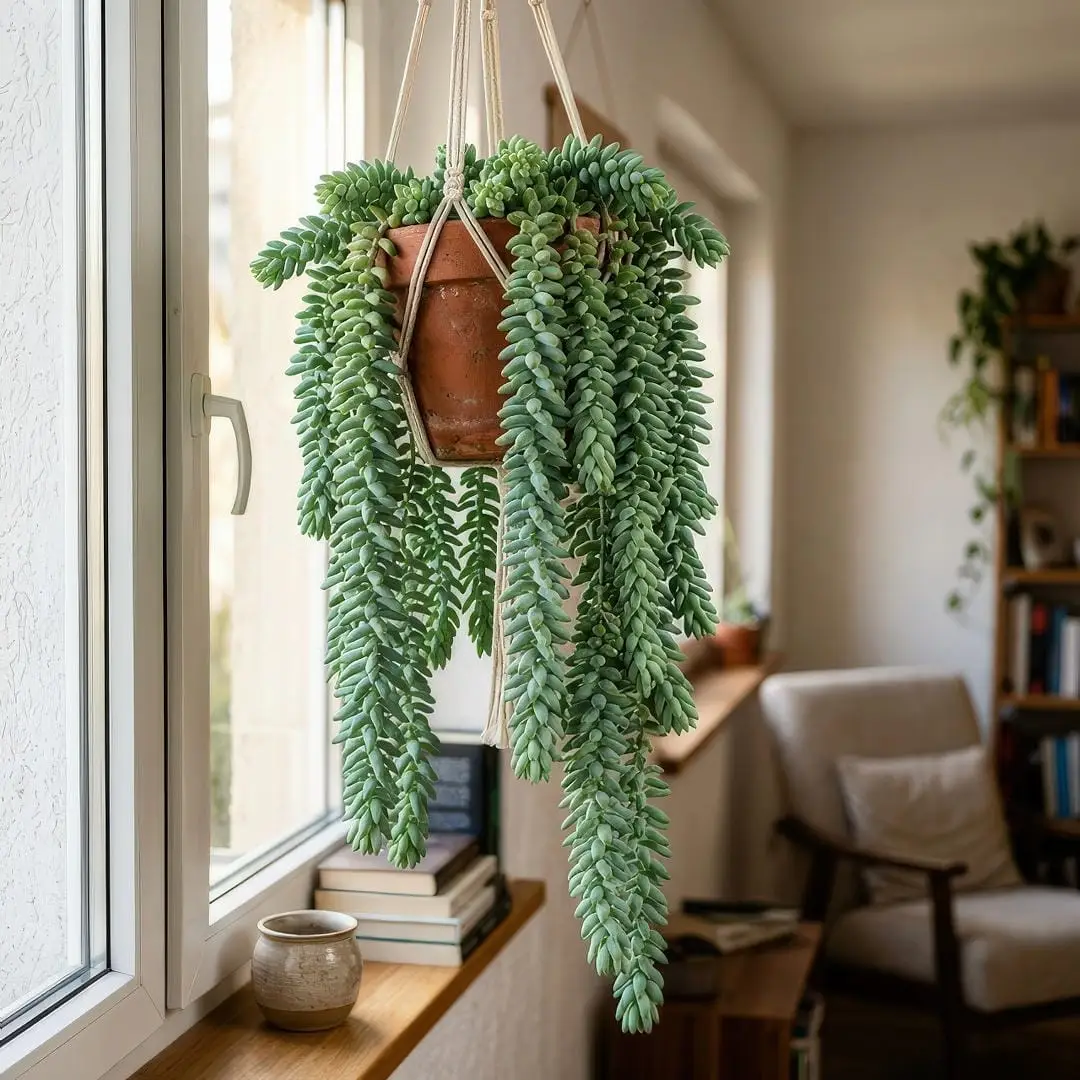
Complete Guide to Burro's Tail Care and Growth
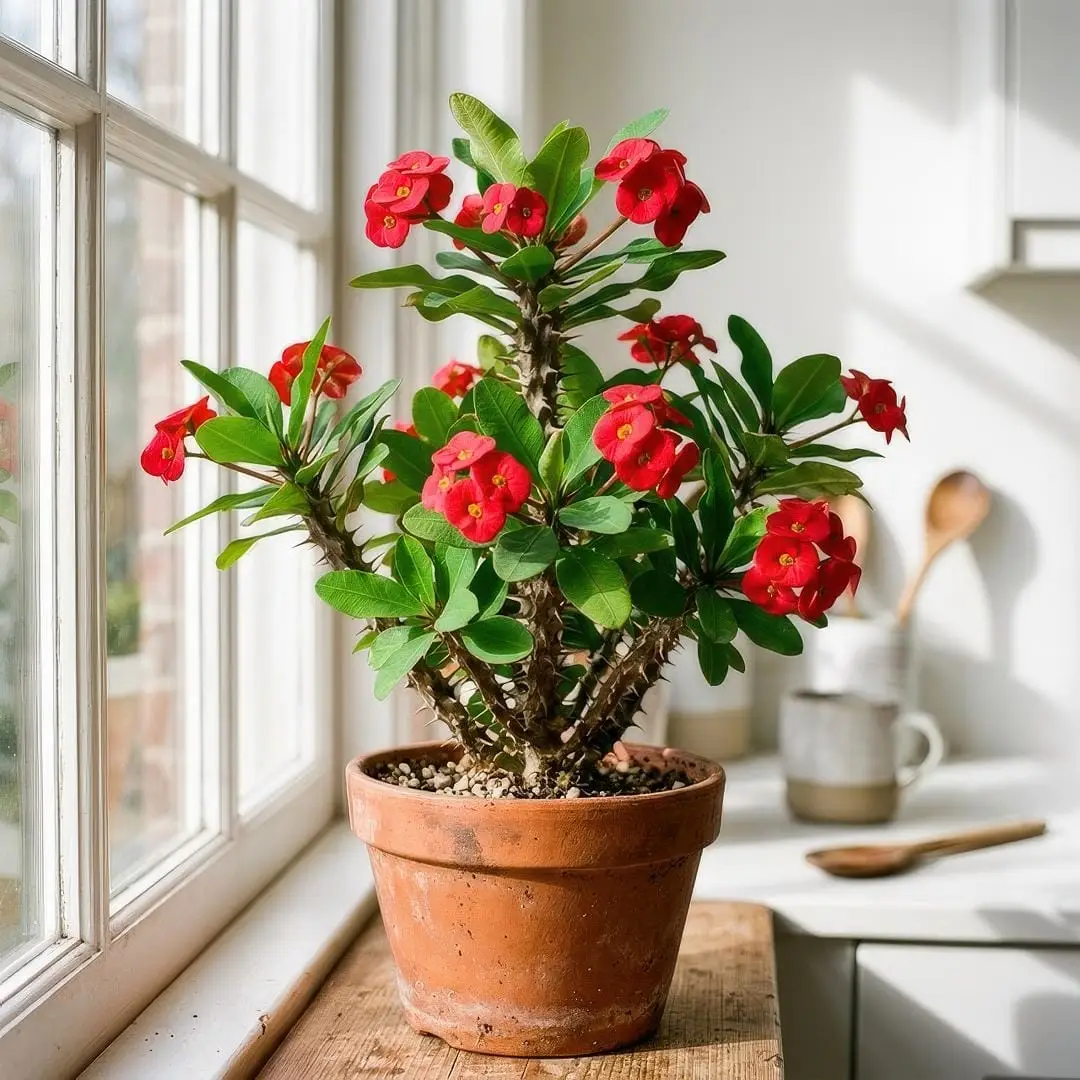
Complete Guide to Crown of Thorns Care and Growth
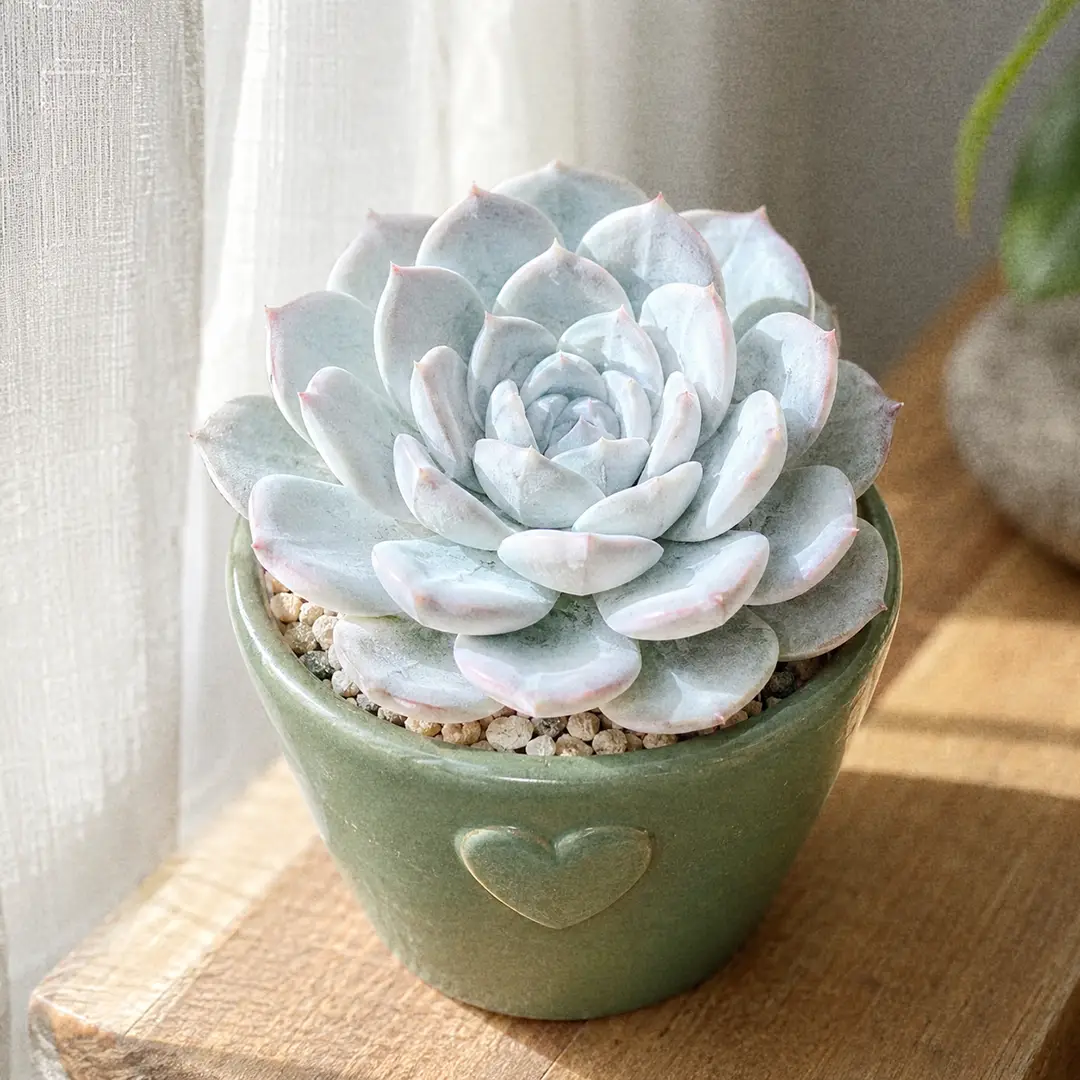
Complete Guide to Echeveria Care and Growth
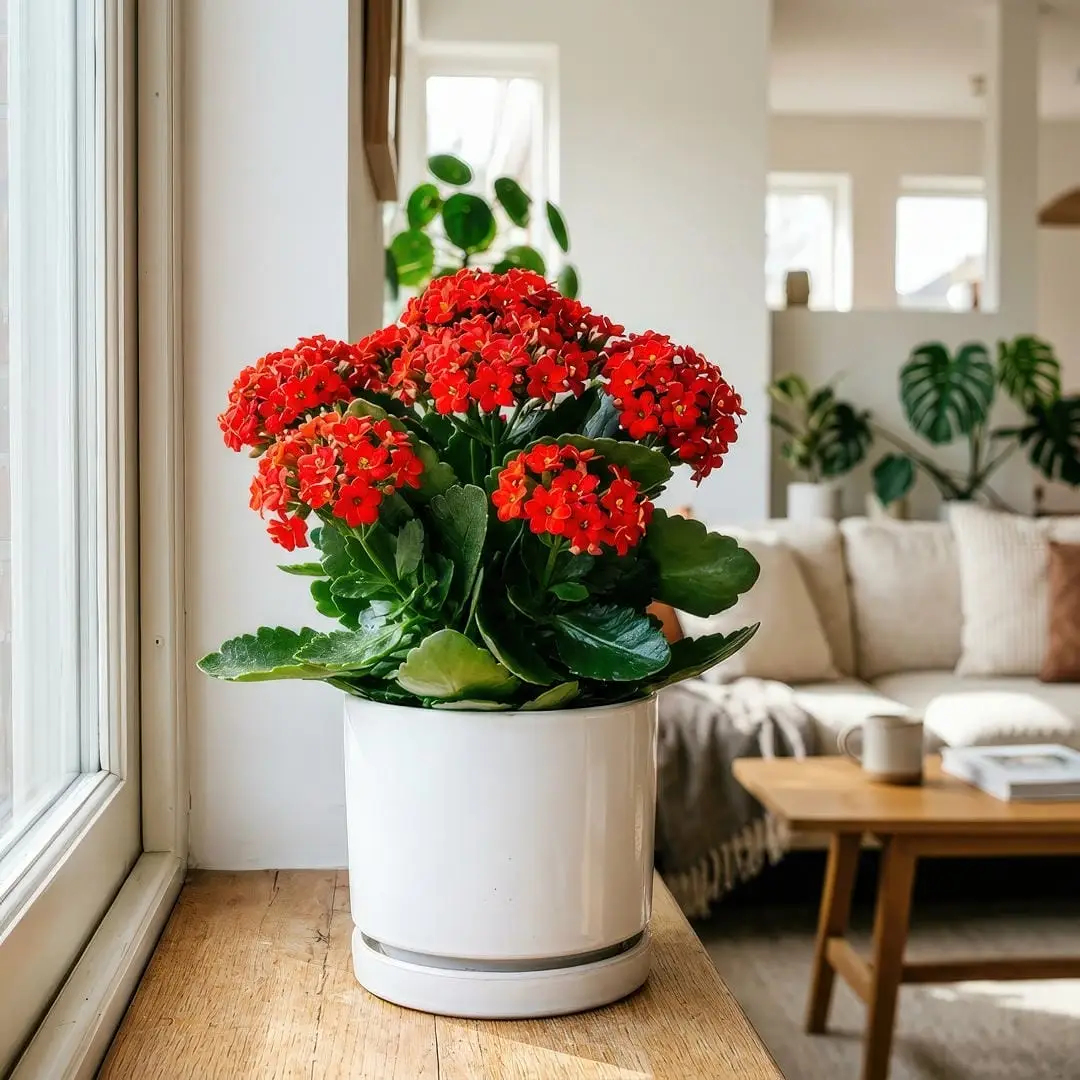
Complete Guide to Flaming Katy Care and Growth
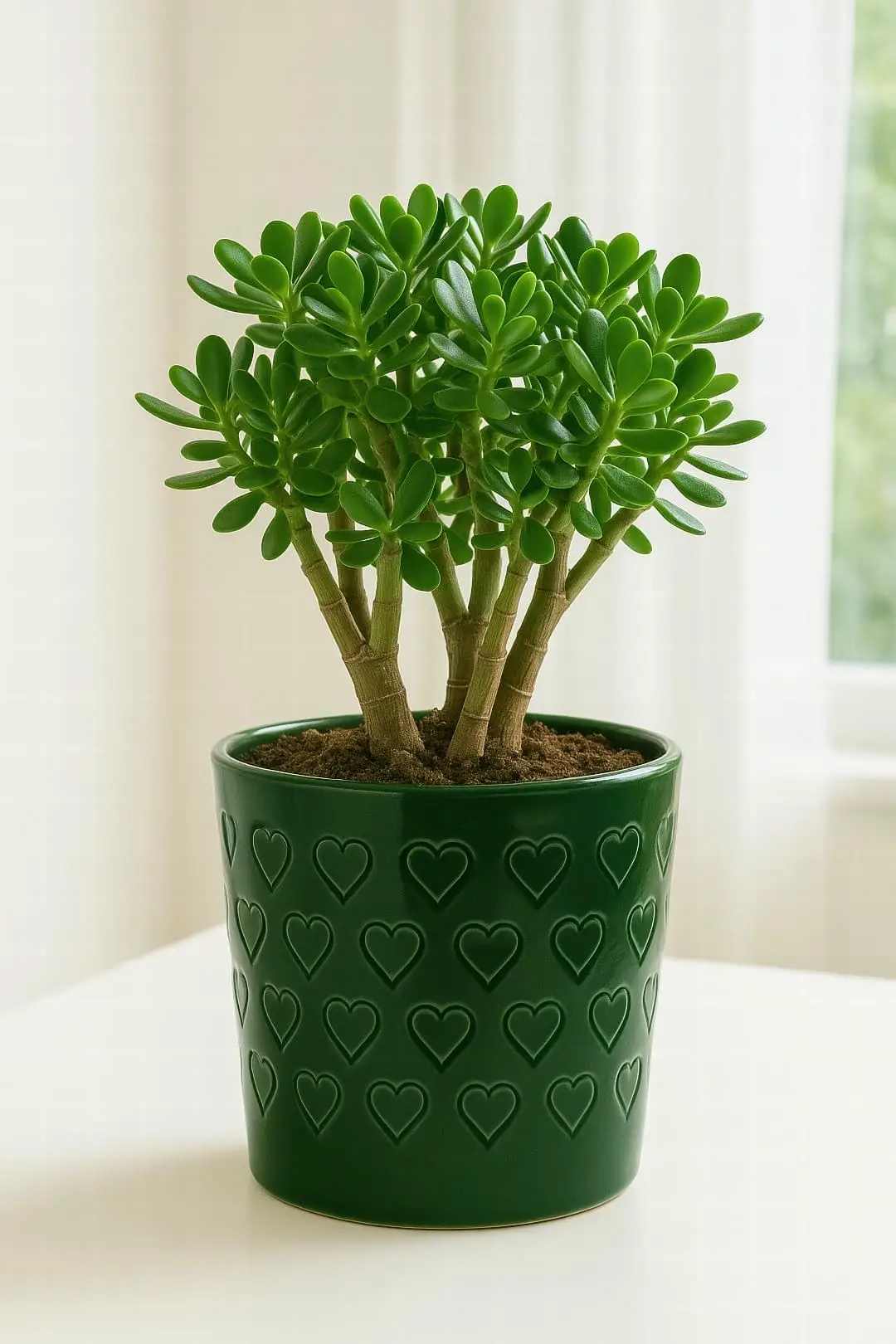
Complete Guide to Jade Plant Care and Growth
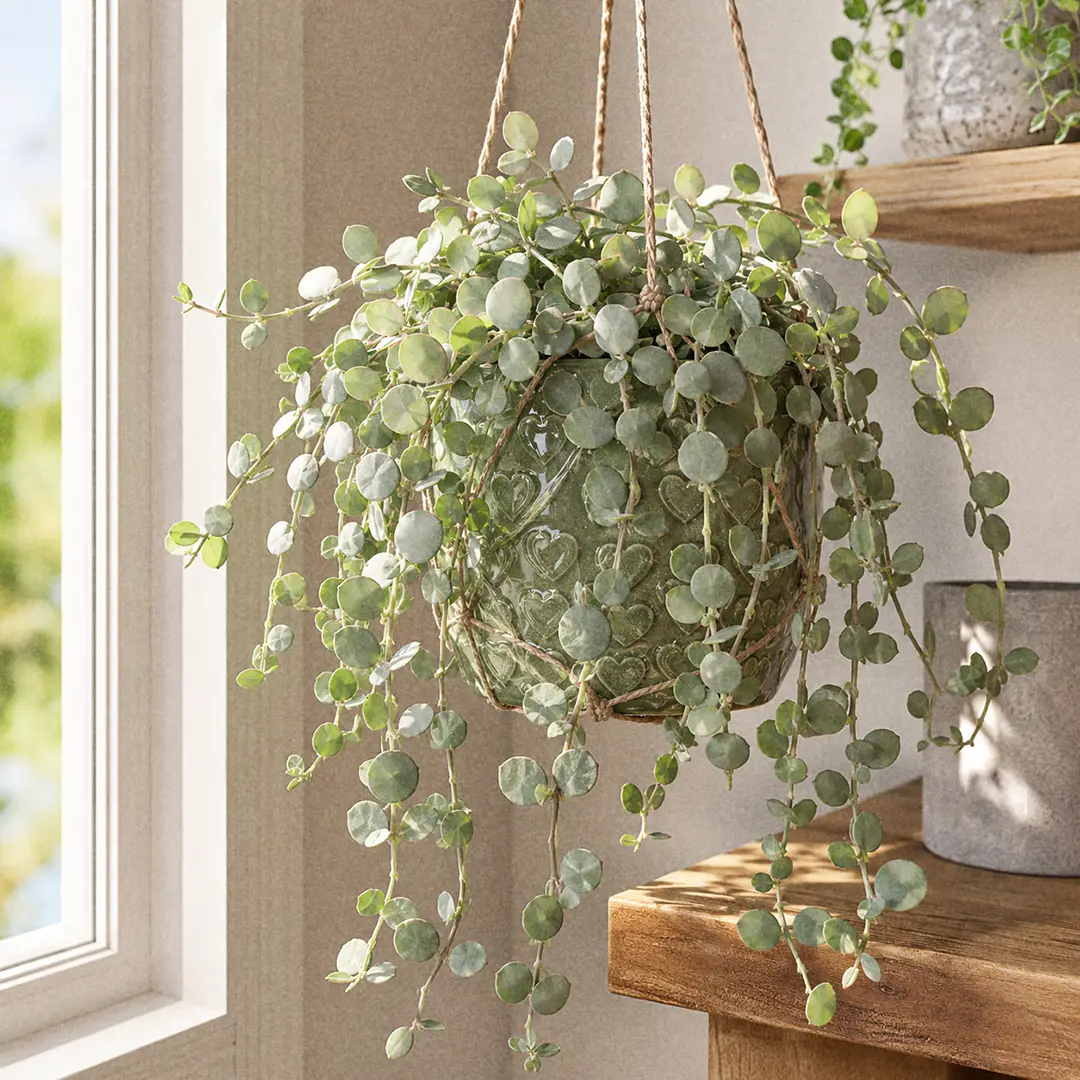
Complete Guide to String of Coins Care and Growth
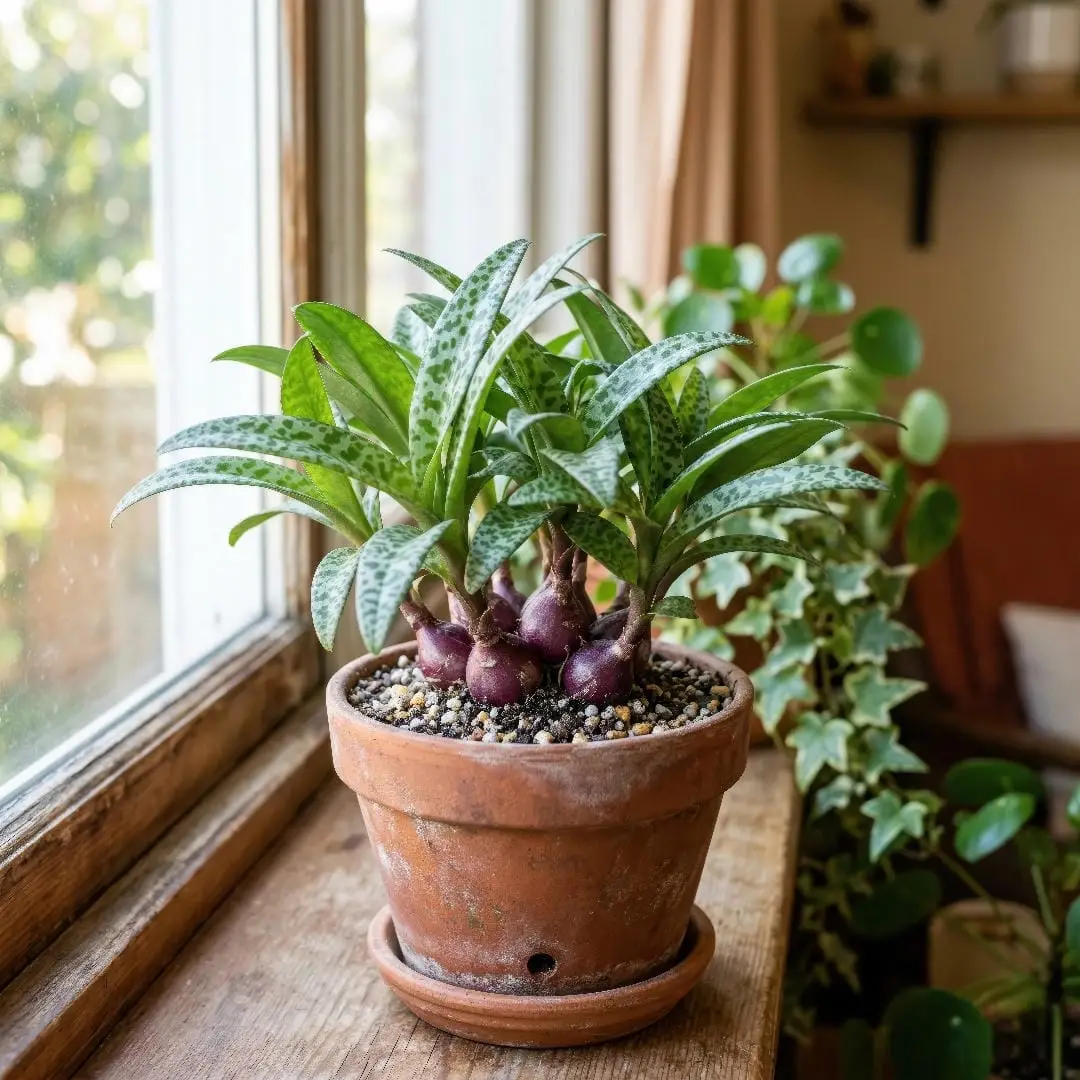
Complete Guide to Silver Squill Care and Growth
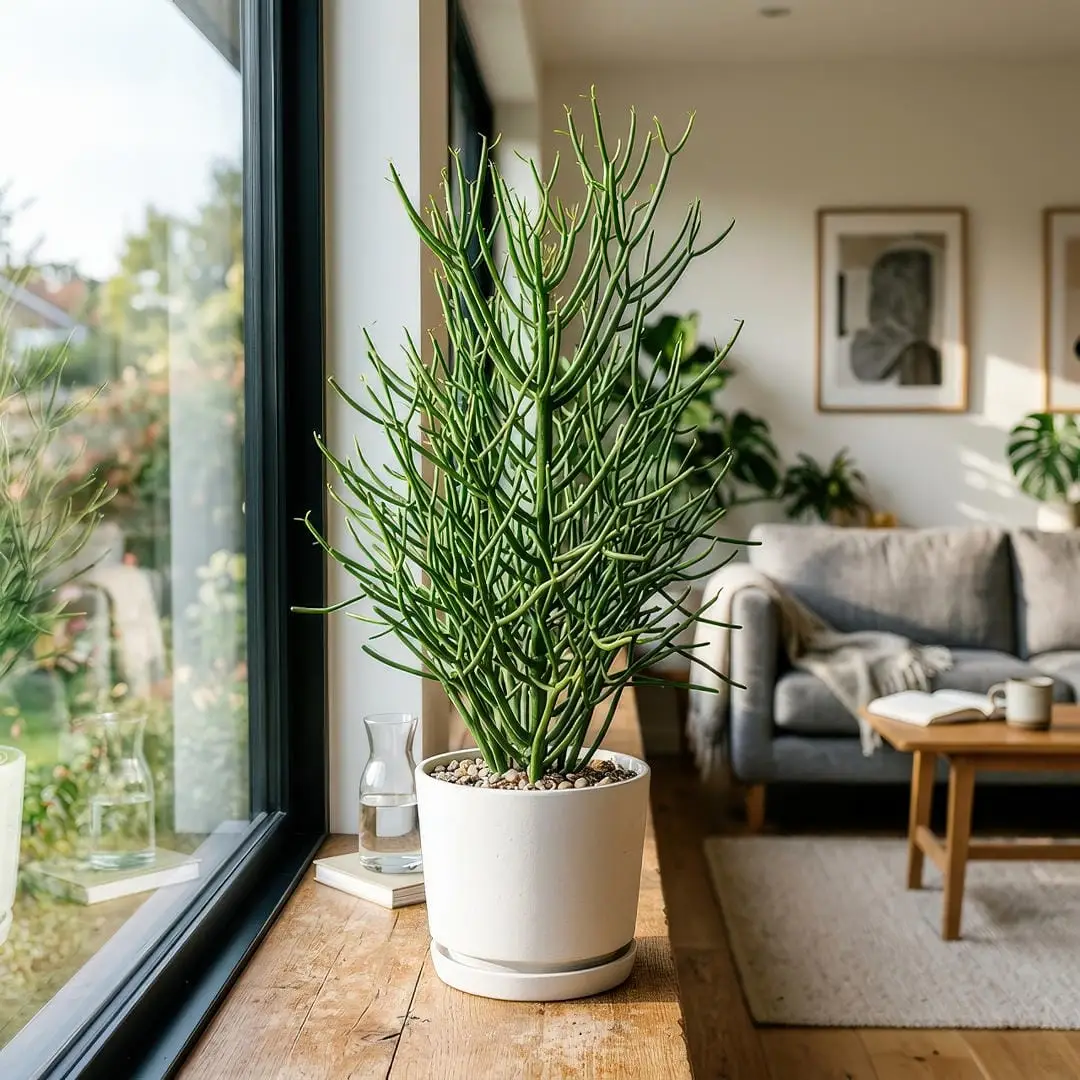
Complete Guide to Pencil Cactus Care and Growth
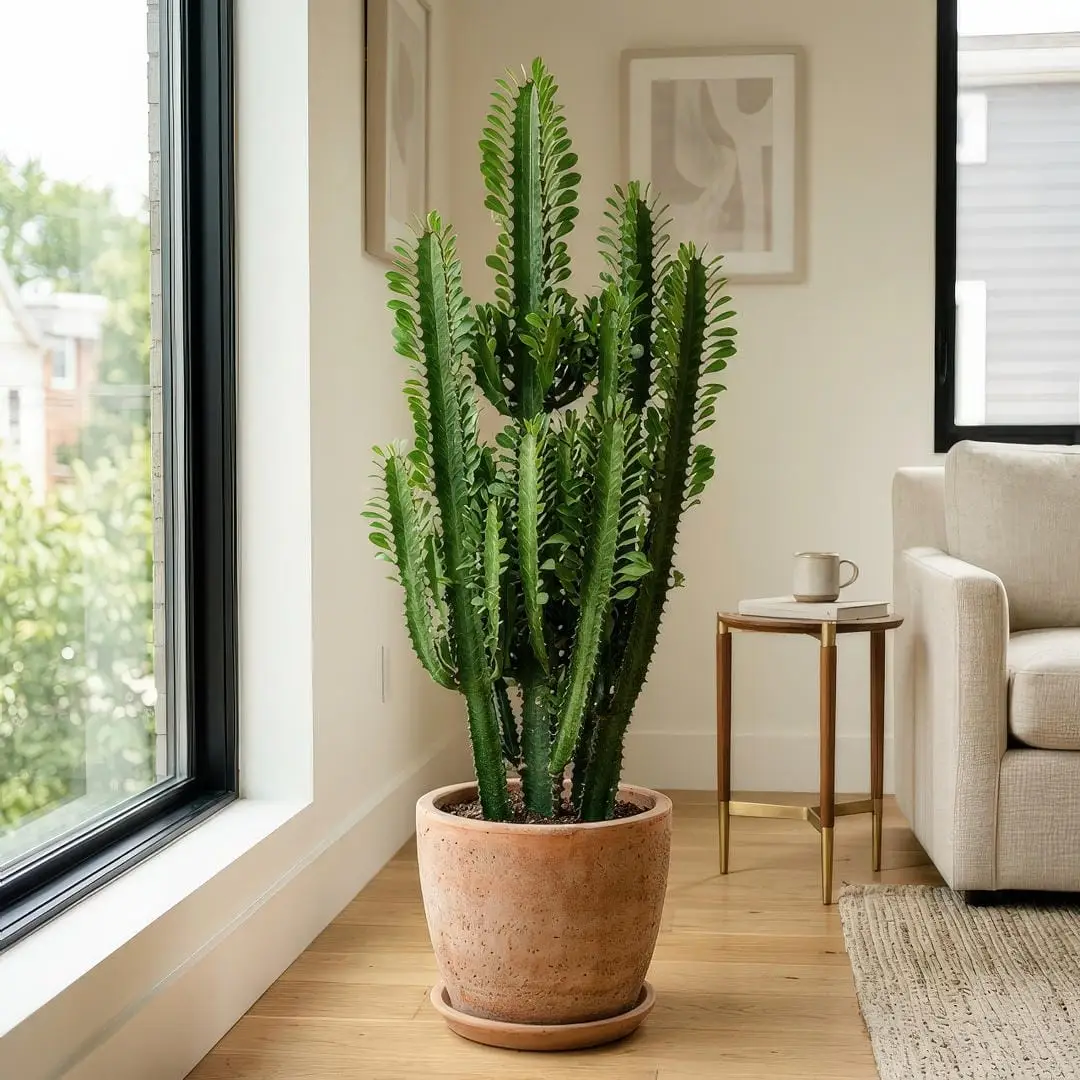
Complete Guide to African Milk Tree Care and Growth

Your First 30 Days: A Beginner's First-Aid Guide
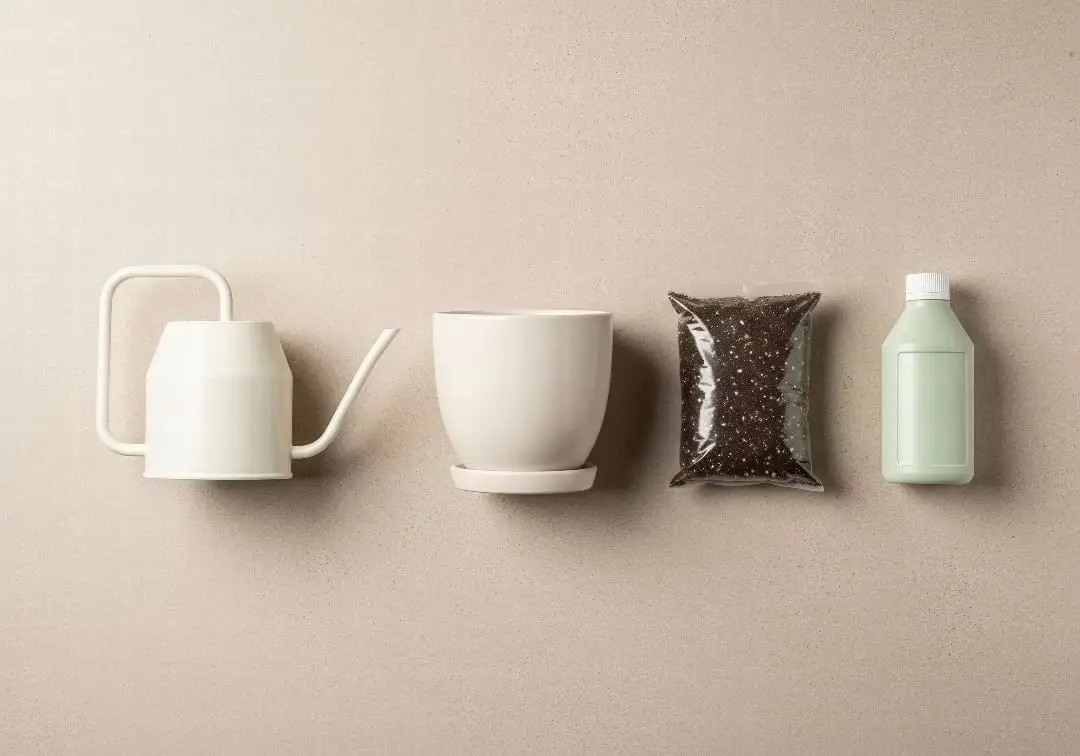
The Only 4 Plant Care Tools You Actually Need to Get Started

Houseplant101 Forum
Questions & Comments
Ask a question, share your plant experience, or help other plant owners.
Comments are temporarily unavailable.
Open the Houseplant101 ForumNo comments yet
Be the first to ask a question or share your experience about this page.
Log in or create an account
Comments use your Houseplant101 Forum account, but you can stay on this page.
Create a new account