
Fairy Castle Cactus
Acanthocereus tetragonus 'Fairy Castle'
Fairy Tale Cactus, Triangle Cactus, Barbed Wire Cactus, Cereus tetragonus, Sword Pear


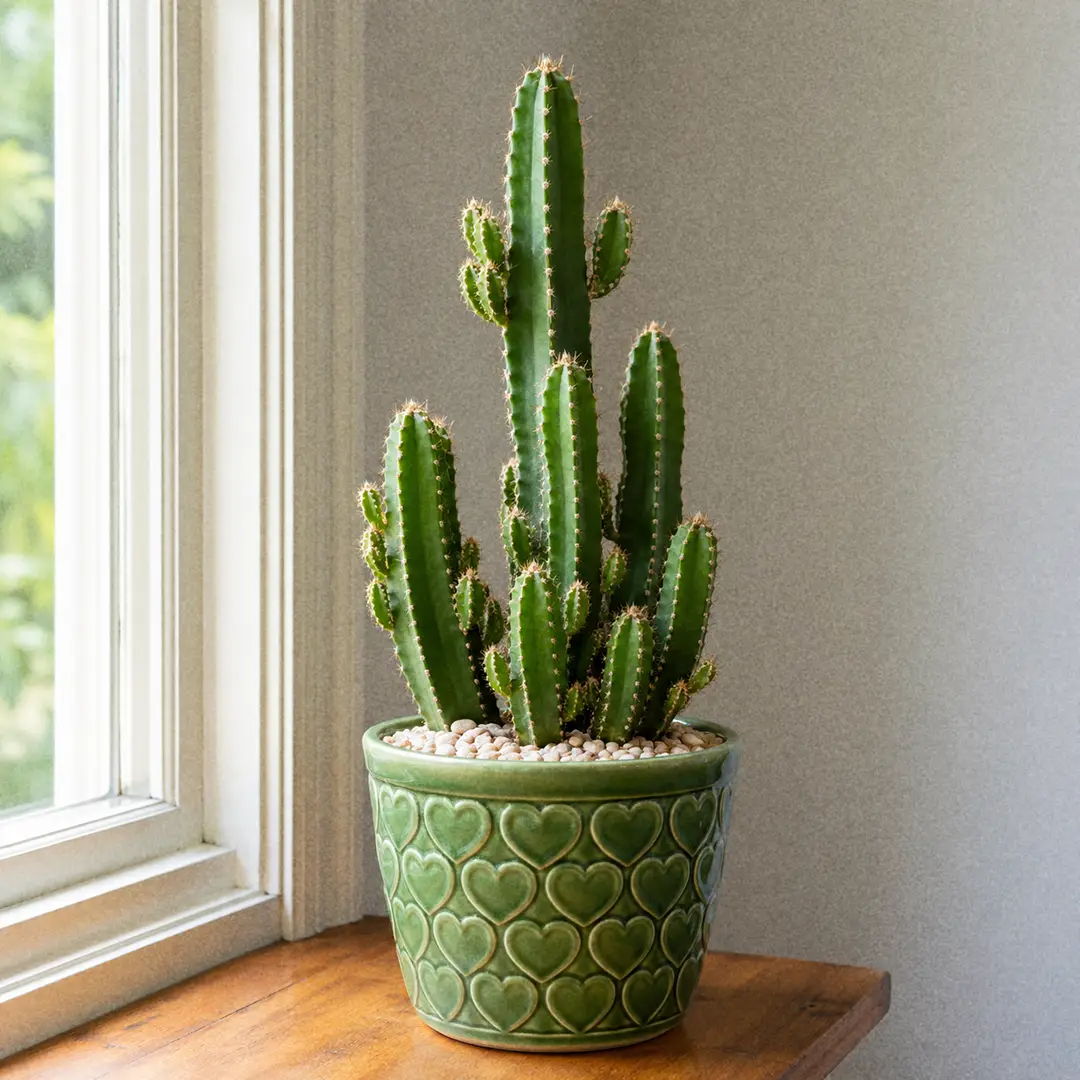
Fairy Castle Cactus grows into a cluster of little green towers at wildly different heights, which is exactly why it looks like a miniature castle. Learn how to grow Acanthocereus tetragonus indoors, why the flower on top of your shop-bought plant is glued on, and how to get it branching properly.
📝 Fairy Castle Cactus Care Notes
🌿 Care Instructions
⚠️ Common Pests
📊 Growth Information
🪴 In This Guide 🪴

☀️ Fairy Castle Cactus Light Requirements (Indoor Lighting Guide)
The Sweet Spot
Fairy Castle Cactus wants the brightest spot you have, with three to six hours of direct sun on top of it. A south or west windowsill is the target, close to the glass. An east window works and keeps the plant alive and green, but growth slows to a crawl and branching thins out.
This makes sense once you know where the species grows. Acanthocereus tetragonus sprawls through open scrub and coastal thickets from Florida down to South America, in full tropical sun. It is not a shade cactus. Our Indoor Lighting Guide helps if you are still learning to read a window by eye.
Too Little Light
The tell here is unmistakable. New growth at the tip of a column turns pale, narrows, and stops making ribs, so you get a skinny pale finger poking out of a fat green tower. That is etiolation, and it never thickens back up. You can cut the stretched section off, but the plant carries the step in its outline forever.
Slow decline is the quieter version. A Fairy Castle in a dim corner may hold its shape for a year and simply add nothing at all. If your winters are dark, a grow light on a timer for eight hours a day keeps the columns fat.
Too Much Light
There is such a thing, but only during a sudden move. Taken straight from a dim shop shelf to a blazing south window in July, the sun-facing side can bleach to yellow-white or develop dry papery patches, which is sunburn. Cacti do not heal that damage, so move the plant outward in stages over two or three weeks.
A bronze or purple-red blush in strong summer sun is a different thing entirely. That is stress pigment, it is harmless, and on this plant it usually means the light is exactly right.

💧 Fairy Castle Cactus Watering Guide (How to Water Properly)
Watering Frequency
The method is soak and dry, with real emphasis on the dry half. Water the pot thoroughly, then leave it completely alone until the mix is dry all the way to the bottom. In a bright summer window with a small terracotta pot, that usually works out to every 2-3 weeks.
Autumn and winter are different. As light drops the plant stops growing, and watering a dormant cactus is how most of them die. Once a month is plenty from November to February, and once every six weeks is safer if the room is cool. Poke a finger two inches down or use a moisture meter, because the surface dries days before the root ball does.
How to Water
Water at the soil, not over the top of the plant, and keep going until it runs freely from the drainage holes. Then tip out the saucer. A cactus sitting in half an inch of standing water for two days is a cactus with root rot starting.
Water pooling in the crevices between branches is the other thing to avoid, since those tight junctions stay damp for ages and rot quietly. Bottom watering sidesteps both problems: stand the pot in an inch of water for 20 minutes, let it wick up, then drain it fully.
Signs of Trouble
A thirsty Fairy Castle goes slightly soft and the ribbed sides look shallow and puckered, like a deflating balloon. One good soak plumps it back within a couple of days, and nothing is lost.
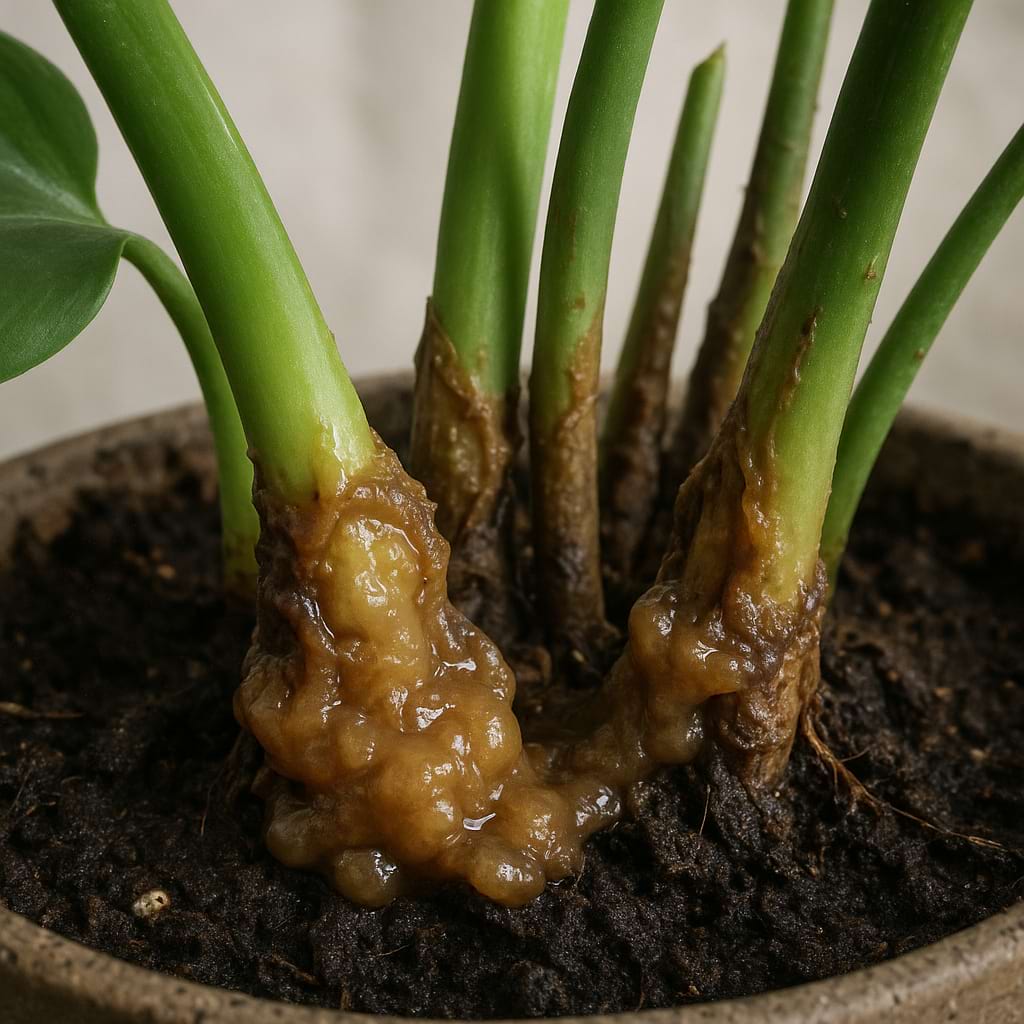
Overwatering looks like the opposite and it is far worse. Yellowing that spreads upward from the base, tissue that dents under a fingertip, or a dark translucent patch at the soil line all mean mushy stems and rot are underway. When you are honestly unsure whether to water, do not. This plant recovers from thirst and rarely from the other thing.
🪴 Best Soil for Fairy Castle Cactus (Potting Mix & Drainage)
What the Soil Needs
Everything comes down to how fast the pot dries out. Fairy Castle Cactus has coarse, shallow roots that want air around them, and they suffocate in soil that stays wet. The mix should be gritty enough that water runs straight through, and lean enough that it does not push soft floppy growth. Ordinary potting compost holds water for a week and will kill this plant, slowly and invisibly, from the bottom up.
DIY Soil Mix
The blend I use is 1 part cactus and succulent soil to 1 part pumice, perlite, or coarse horticultural grit. Pumice is the best of the three because it holds a whisper of moisture without ever going soggy, and it is heavy enough to keep a top-heavy cluster from tipping. Coarse sand works if you use the sharp builders' kind, never the fine play-sand sort that packs into concrete. Our Soil Guide covers why drainage matters more than fertility in a pot.
Pre-Made Options
Bagged cactus mix is a fine starting point, though nearly all of them are too dense out of the bag. Cut it half and half with pumice or perlite and you have a proper cactus mix. Our potting soil guide compares the common brands. Finish with a half-inch layer of gravel on the surface, which keeps the base of each column off damp soil, the exact spot where stem rot likes to start.
🍼 Fertilizing Fairy Castle Cactus
When and How Often
Feed once a month from spring through to the end of summer, and nothing at all from autumn onward. This is a slow plant with modest appetite, so if you forget entirely for a season, nothing bad happens. Always water lightly first and feed into moist soil, because fertilizer poured onto a bone-dry root ball burns the fine root tips.
What to Use
A cactus and succulent fertilizer diluted to half the label strength is ideal, or any balanced houseplant feed at quarter strength. Look for something low in nitrogen. High-nitrogen feeds push soft, watery, pale growth that flops, splits, and attracts pests, which on a plant valued for its firm sculptural columns is the wrong result. Our Fertilizing Guide explains the ratios and the fertilizers guide covers what to buy.
Over-Fertilizing Signs
A white crust on the soil surface, unusually soft new growth, or brown scorched-looking root tips when you unpot all point to salt buildup. Flush the pot through with plain water two or three times, then skip feeding for a couple of months. Overfed tissue is also thin-walled and far more likely to rot, so a light hand here pays off twice.
🌡️ Fairy Castle Cactus Temperature Range
Ideal Range
Normal room temperature suits it perfectly, roughly 65-85°F (18-29°C), and it handles the hot dry air of a summer window without complaint. Growth stops below about 55°F and this plant is not frost hardy at all, so treat 50°F (10°C) as the absolute floor. Outdoors it only survives year-round in zones 9-11.
The Cool Winter Rest
A cooler winter is optional but worth doing. Eight to ten weeks around 50-60°F (10-16°C) with very little water lets the plant rest properly, and rested plants push much stronger growth in spring. A spare room, a cool porch, or a bright hallway all work. Keep it bright throughout, because cool plus dark plus damp is the combination that rots columns.
Drafts and Heat Sources
Keep it off the top of a radiator, where the pot bakes dry in a day and the base cooks. Cold winter draughts from a window frame are more dangerous than for tropical plants, since a chilled column sitting in damp soil is exactly how rot starts. Move it a few inches back from icy glass on the coldest nights.
💦 Fairy Castle Cactus Humidity Requirements
Ideal Humidity
Dry air is not just tolerated here, it is preferred. Ordinary household humidity of 30-50% is right, and this is one of the few houseplants that is genuinely happy next to a radiator or under air conditioning. Skip the misting, skip the pebble tray, skip the humidifier. Damp air combined with cool temperatures is what causes fungal spotting on the columns.
Keeping Air Moving
Airflow does more good here than moisture ever will. In a still, humid room the crevices between branches stay damp for days after watering, and soft spots begin there. A window that gets opened now and then is enough. Our humidity guide covers the topic broadly, but for this plant the instruction is simply to leave it dry.
🌸 Fairy Castle Cactus Flowers (Why Yours Has a Fake One)
The Glued-On Flower
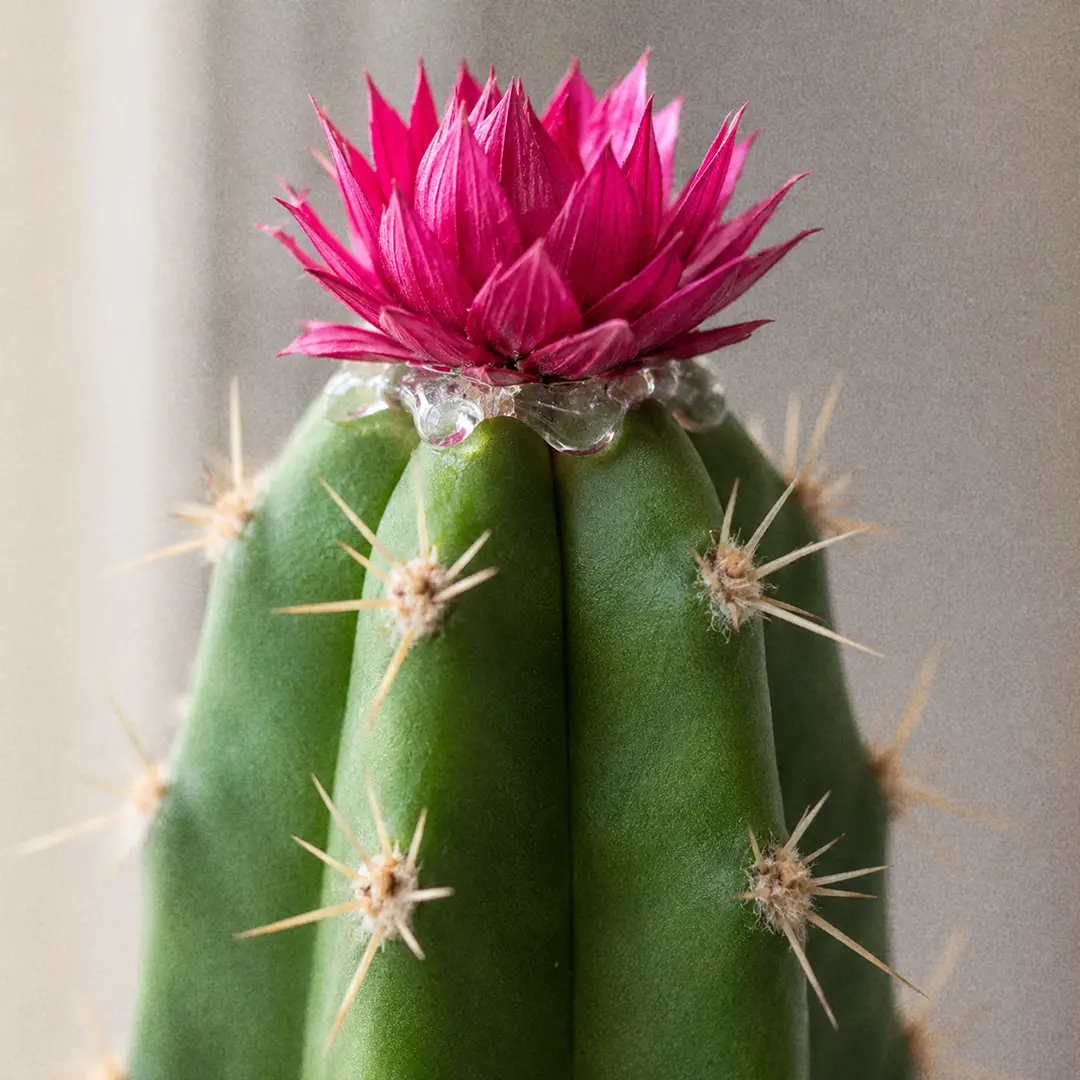
Let us deal with this first, because it is the single most common question about this plant. If your Fairy Castle came home from a garden centre with a vivid pink, yellow, or orange flower perched on top, that flower is dried straw flower stuck on with hot glue. It is not a bud, it is not going to open, and it is not from this plant.
Peel it off. Grip the flower and twist gently, and it usually pops away with the glue blob attached. If it clings, work a fingernail underneath rather than yanking, since ripping takes the soft growing tip with it. Leaving it on is worse: the glue traps moisture against the tip and that spot rots or corks.
Does It Ever Really Flower?
The wild species does, spectacularly. Acanthocereus tetragonus opens large white funnel-shaped flowers up to six inches across, at night, in summer, followed by red edible fruit. That is the plant sold as Barbed Wire Cactus or Triangle Cactus.
'Fairy Castle' is a different story. It is a monstrose mutant, and the same genetic scrambling that makes it branch into uneven towers also disrupts flowering. Most never bloom at all. The rare reports come from very old, very large plants grown outdoors in full sun for a decade or more. Indoors, treat flowers as a lottery ticket, not a goal, so failure to bloom is normal rather than a fault.
If You Actually Want Blooms
Grow the straight species instead of the monstrose form, give it as much direct sun as you can manage, and be patient for years. Or grow something that reliably delivers, like a Crown Cactus, which flowers at two years old, or an Easter Lily Cactus with its huge summer trumpets.
🏷️ Fairy Castle Cactus Types and Lookalikes
'Fairy Castle' (the one you almost certainly have)
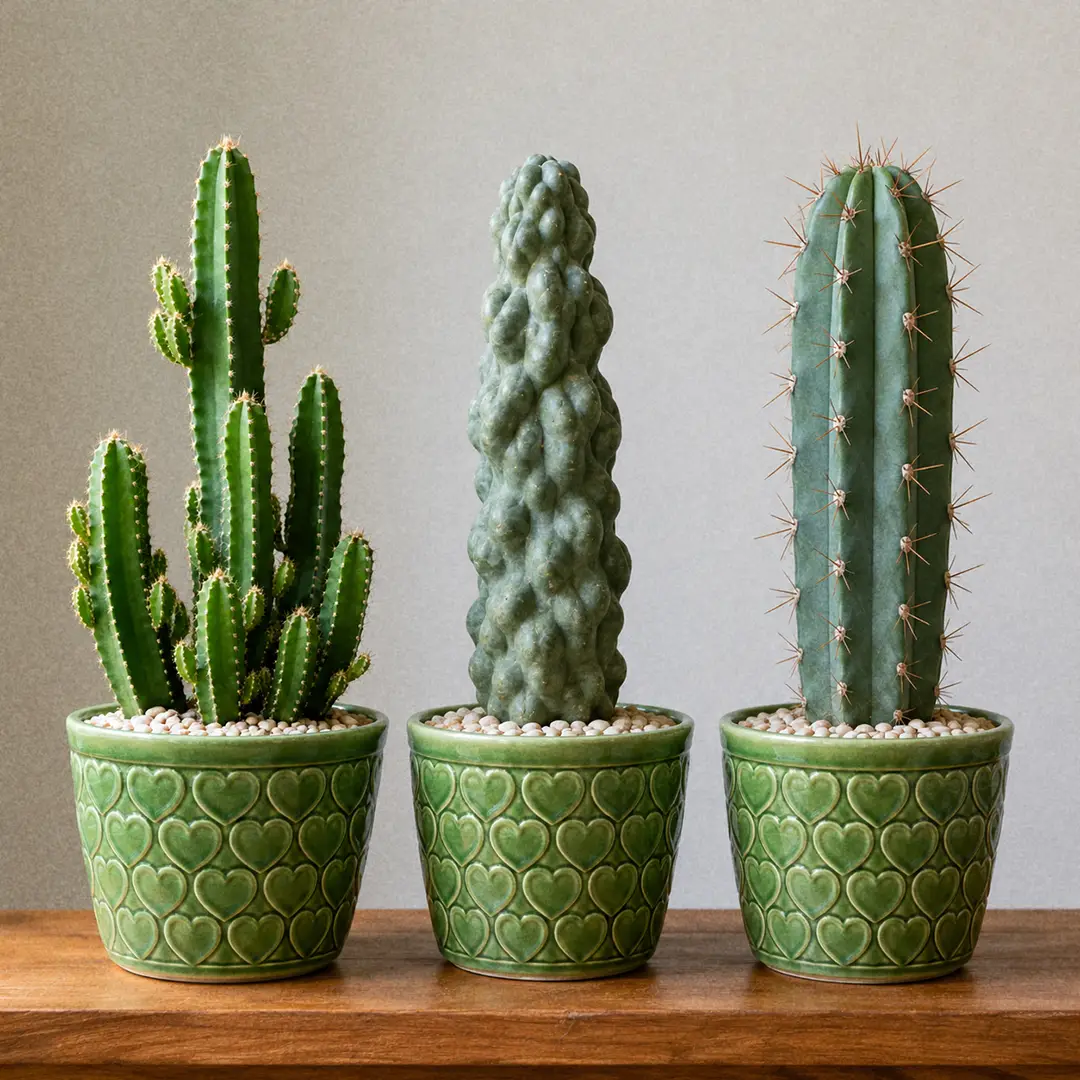
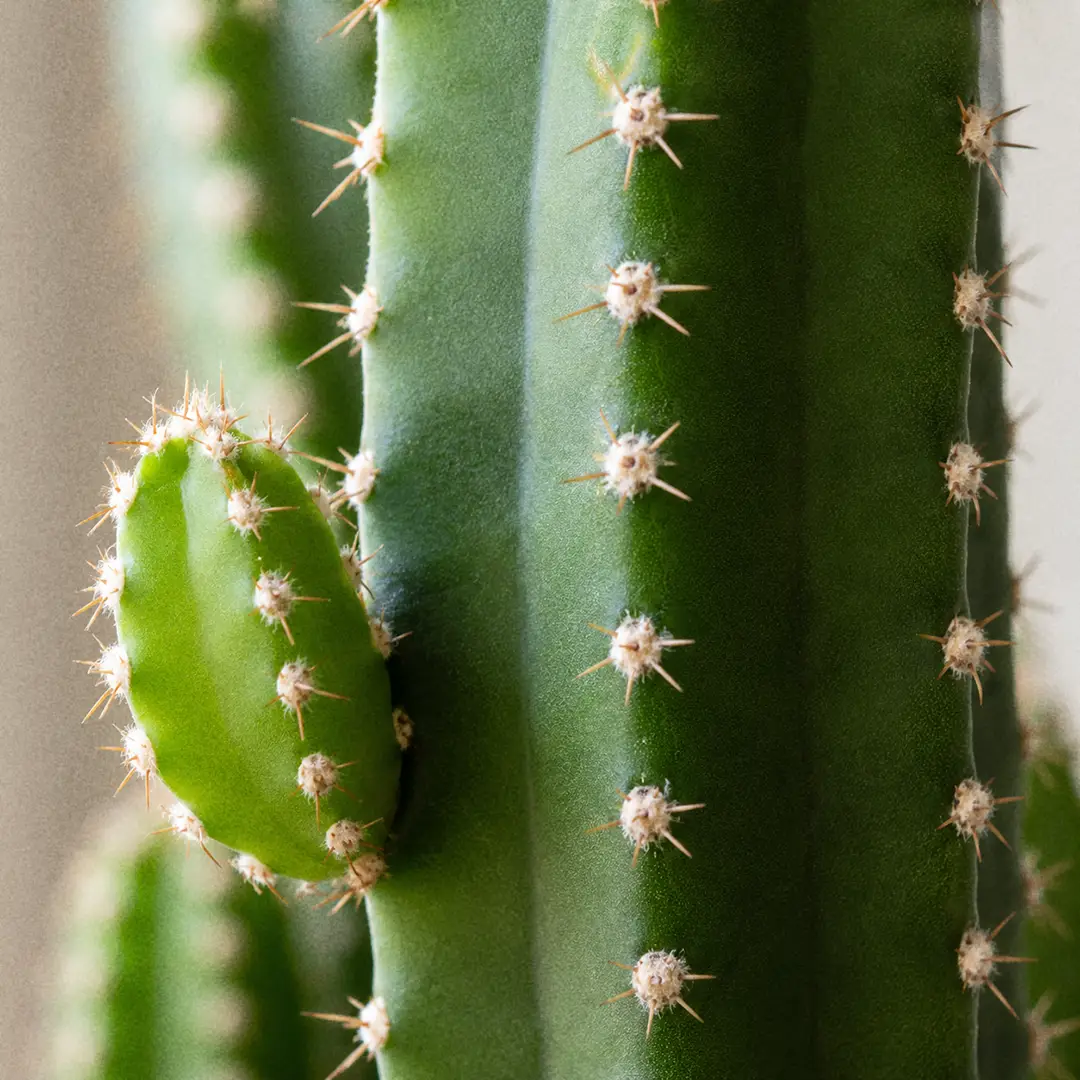
The standard plant: a cluster of five-ribbed green columns at deliberately uneven heights, each edge lined with short cream to brown spines on small woolly areoles. New branches sprout at random points along older columns, which is what builds the castle silhouette over the years. This is the form sold everywhere as Fairy Castle or Fairy Tale Cactus.
The Straight Species (Barbed Wire Cactus)
The unmutated Acanthocereus tetragonus is a sprawling, scrambling plant with long three to five-angled stems that clamber through scrub and root where they touch the ground. It grows fast, gets big, carries proper spines, and flowers at night. Same species, entirely different plant to live with.
Variegated 'Fairy Castle'
A rare and expensive form with cream or pale yellow marbling across the columns. It grows even more slowly than the standard plant and burns easily, so give it bright light without the harshest afternoon sun.
Sorting Out the Lookalikes
Three plants get mistaken for this one constantly. The Totem Pole Cactus is also a monstrose column, but it is smooth, knobbly, and completely spineless, so if you can grab it comfortably it is not a Fairy Castle. The Peruvian Apple Cactus is taller, blue-green, and smooth-ribbed with widely spaced spines, and it grows fast. The monstrose Eve's Needle Cactus has the same congested lumpy habit but scatters tiny green leaves over its stems, which no cactus here does. If it branches into towers and has short spines along the rib edges, it is a Fairy Castle.
🪴 Potting and Repotting Fairy Castle Cactus
When to Repot
Rarely. This plant grows an inch or three a year, so every 3-4 years is plenty, and many people go longer. The real signals are roots coming out of the drainage hole, a cluster wide enough to tip its own pot over, or old mix that has broken down into something dark that stays wet. Spring is the right window, just as growth restarts.
Choosing a Pot
Go one size up, no more. An oversized pot holds a mass of damp soil the roots never reach, and that is the classic route to rot. Terracotta is the smart pick here for two reasons: it breathes and dries fast, and its weight counters a top-heavy cluster of columns that would otherwise topple a light plastic pot. Drainage holes are non-negotiable, so skip the pretty holeless ceramic unless you use it as a cachepot. Our plant pots guide compares the materials.
Step-by-Step Repotting
Let the soil dry out completely first, so the old root ball crumbles away instead of smearing. Wrap the columns in a folded strip of newspaper or a few layers of kitchen roll to handle the plant, since the spines here are short but sharp enough to be annoying.
Ease it out, crumble away the old mix, and snip off any roots that are black, hollow, or shrivelled. Set it into fresh gritty mix at exactly the depth it was growing before, never deeper, because a buried base rots. Firm it in, add your gravel top dressing, and then wait a week before watering so any torn roots seal over. Our repotting guide walks through the general process.
✂️ Pruning Fairy Castle Cactus
Does It Need Pruning?
Not for health. Fairy Castle Cactus builds its own shape and most plants are never cut at all. You would prune for three reasons: removing a rotted or sunburned column, cutting off an etiolated pale tip, or deliberately encouraging more branches.
How to Cut
Use a clean sharp knife, sterilised with rubbing alcohol, and cut straight across a column at the height you want. Do it in spring or early summer so the wound heals fast. Leave the cut surface dry and uncovered, and skip watering for a week. Within a few weeks the cut column usually pushes two or three new heads from just below the wound, which is how a leggy plant is turned back into a bushy one.
A Note on Corking
A brown, hard, bark-like crust creeping up the base of an older plant is not a pruning problem. That is corking, the normal woody ageing of a cactus stem, and it is firm to the touch rather than soft. Cutting it off gains you nothing and opens a wound, so leave it be.
🌱 How to Propagate Fairy Castle Cactus
Best Method: Stem Cuttings
Cuttings are the only practical route, since this plant rarely flowers and therefore rarely offers seed. The good news is that its branches root readily, and a plant that has grown too tall or lopsided is really just a supply of free plants. Late spring through midsummer is the best window, when growth is active and wounds seal quickly. Our succulent propagation guide covers the underlying principles.
Step-by-Step
Choose a healthy branch at least three inches long. Cut it off cleanly at the junction with a sterilised knife, cutting straight across rather than at an angle so the wound is as small as possible.
Now the step people skip: stand the cutting upright somewhere dry, shaded, and airy for one to two weeks until the cut surface hardens into a dry pale callus. Thick columns take the full two weeks. Only then, set the cutting about an inch deep into dry gritty mix, propping it upright with a couple of stones if it wobbles.
Leave it dry for another week, then start misting the surface lightly every few days. Roots typically take four to eight weeks. When a gentle tug meets resistance, it has rooted, and you can begin normal soak-and-dry watering.
Tips for Success
Do not water a fresh cutting. That is the failure mode in nearly every case, and an uncallused cutting in damp soil turns to mush within days. Keep it bright but out of fierce direct sun while it roots, since it has no roots to replace the moisture it loses. Rooting hormone is unnecessary, and three cuttings planted in one pot give you a full-looking castle straight away.
🐛 Fairy Castle Cactus Pests and Treatment
Common Pests
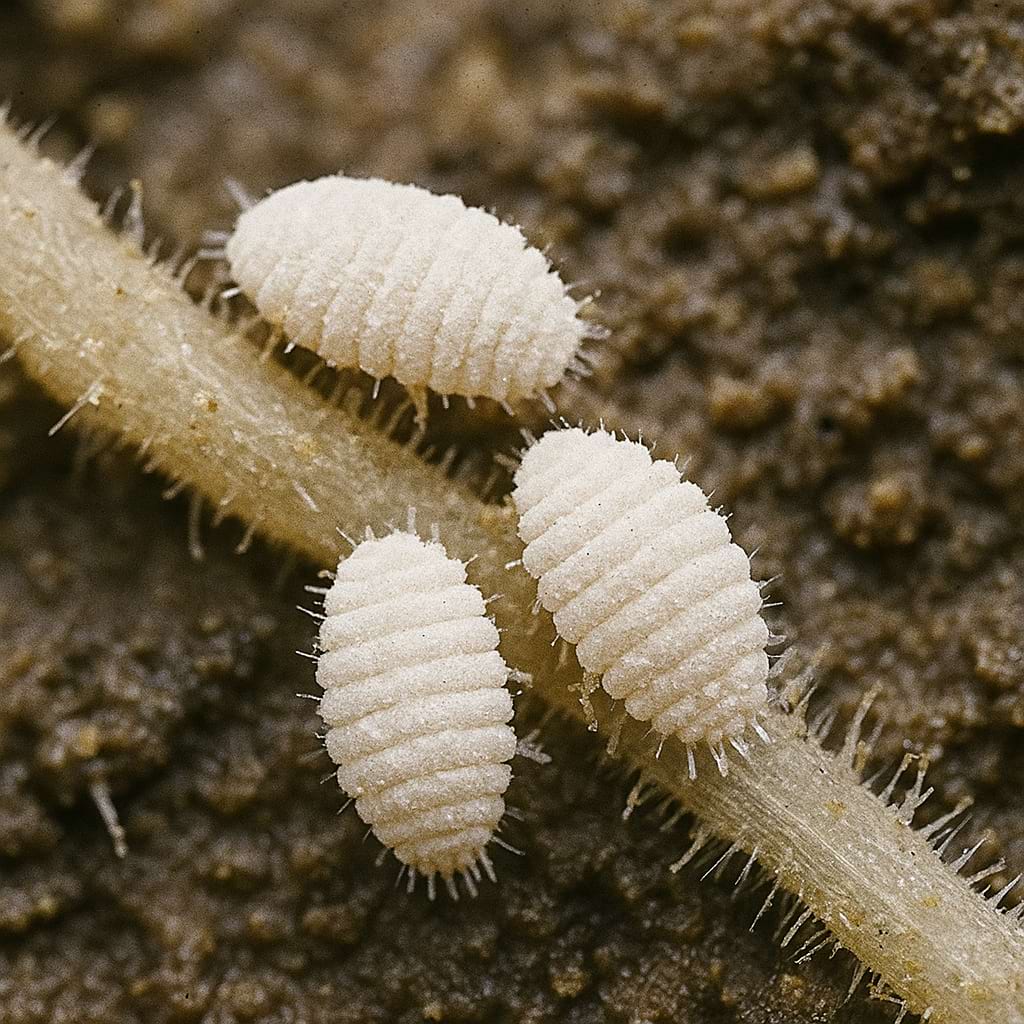
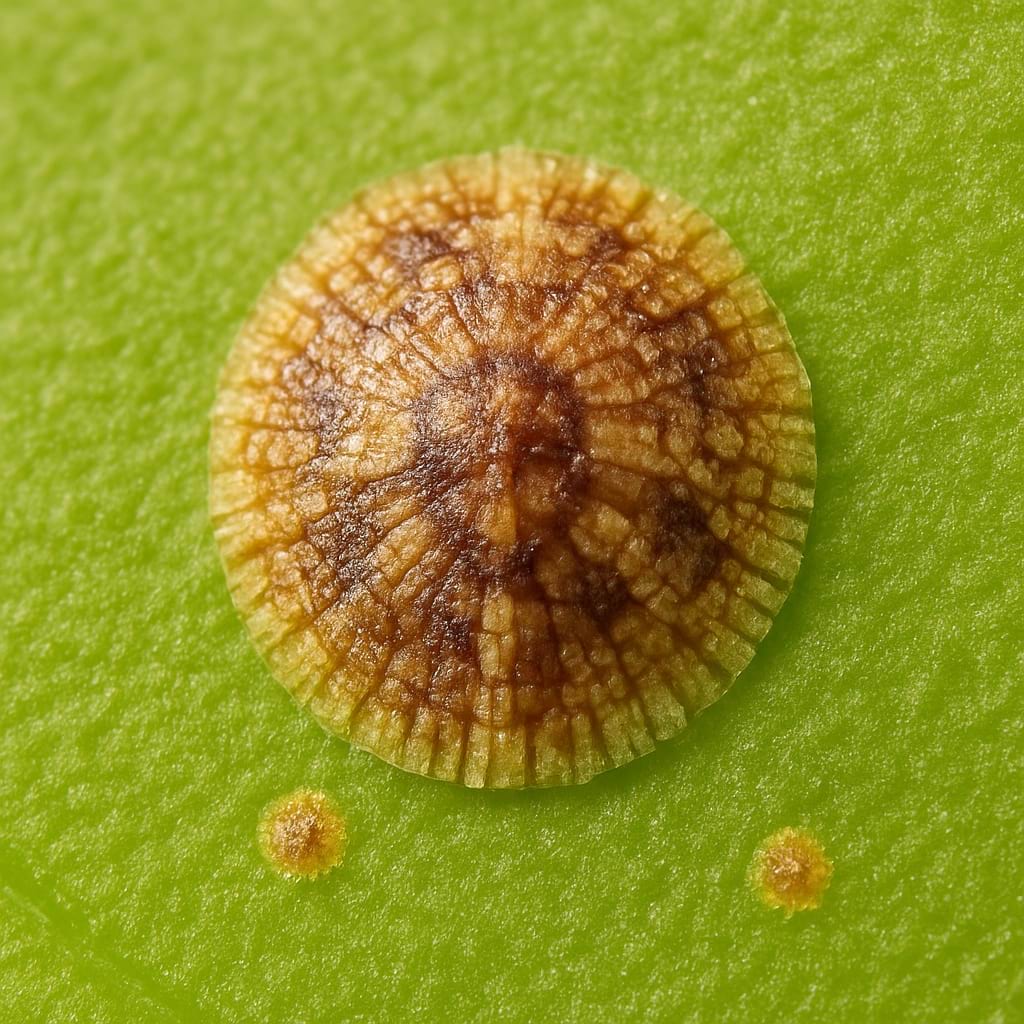
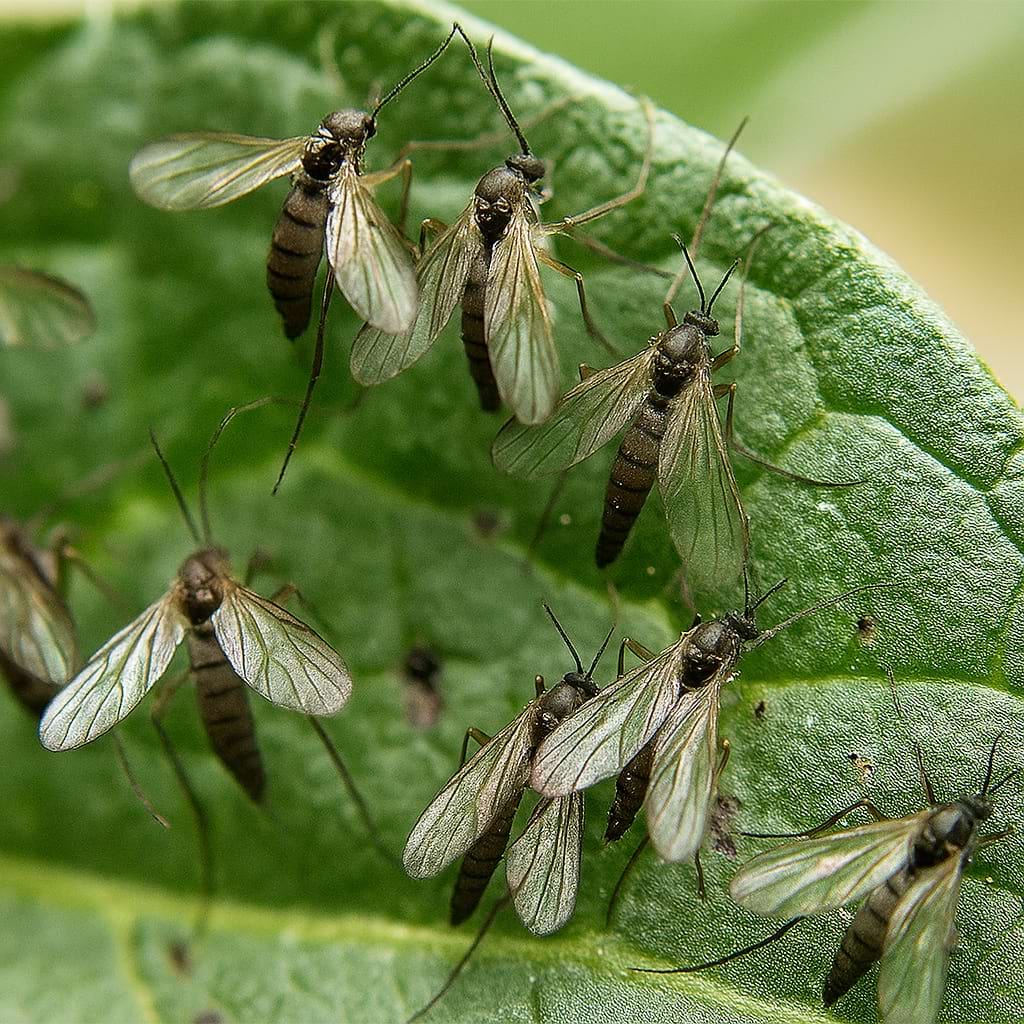
Mealybugs are the main offender, tucking into the crevices between branches and along the areoles as small white cottony blobs. On this plant they are easy to miss because they look a lot like the plant's own woolly areoles, so check whether it moves when prodded. Root mealybugs are the underground version and a genuine menace for slow cacti: white powdery deposits on the roots, and a plant that stalls for a year while you blame the light. Spider mites leave fine webbing between columns and a dull bronze stippling. Scale insects stick to the stems like tiny brown limpets, and fungus gnats are a sign your mix is staying wet far too long.
Treatment and Prevention
Dab mealybugs and scale with a cotton bud soaked in rubbing alcohol, reaching right into the branch junctions, then follow with insecticidal soap or neem a week later. Root mealybugs need the plant unpotted, the roots rinsed under a tap, and a repot into fresh mix in a clean pot. Spider mites clear up with better airflow, and fungus gnats vanish once the soil dries properly between waterings.
Because this plant sits still for months, infestations build quietly. Look into the crevices with a torch every few weeks and quarantine new plants for a month before shelving them together.


🩺 Common Fairy Castle Cactus Problems
Rot From Overwatering
This is what kills Fairy Castle Cactus, and it kills nearly all of them. Root rot and mushy stems usually announce themselves as a soft, dark, sunken patch right at the soil line that spreads upward. Act immediately: unpot the plant, cut the column back until you reach clean white tissue with no brown flecks in the centre, dust the cut with sulphur or cinnamon, and let it callus dry for a week before replanting in dry gritty mix. If the base is gone, take healthy branches as cuttings and start over.
Stretching, Yellowing, and Stalling
A pale narrow tip growing out of a fat column is leggy growth from too little light, and it does not reverse. Move the plant brighter and cut the stretched section off if it bothers you. Yellowing that creeps up from the base means overwatering or exhausted soil, so check the roots. A plant that adds nothing for two full seasons has stunted growth, usually from a pot-bound root system or spent mix rather than anything dramatic.
Sunburn and Cosmetic Damage
Bleached white or papery brown patches on the side facing the window are sunburn from a sudden increase in light, and cacti do not heal scars. New growth will be fine once the plant is acclimated. Small brown corky scabs where a branch rubs a wall or a neighbouring plant are just scar tissue and need nothing.






🖼️ Fairy Castle Cactus Display and Styling Ideas
Solo Setups
The uneven skyline of towers is the whole point, so give it a plain pot that does not compete. A simple terracotta or matte cylinder in a neutral colour, roughly as tall as it is wide, sets off the silhouette best. Top the soil with pale gravel or fine grit, which sharpens the outline and keeps the base dry. Place it where it is seen side-on against a plain wall, not looked down into.
Grouped Arrangements
This plant is made for a small desert shelf. Set it behind a round Golden Barrel Cactus and a low Star Cactus so the eye reads tall, round, and flat together. A smooth Totem Pole Cactus makes a good spineless counterpoint, and a white-haired Old Man Cactus adds texture. In a shallow dish garden it works as the vertical centrepiece with smaller globes clustered around its feet.
Where Not to Put It
Keep it off narrow hallway tables and away from the edges of desks, since the spines catch sleeves and the columns snap surprisingly easily. Skip the bathroom, where damp air and low light do it no favours at all. And avoid dim north-facing rooms entirely, where it will pale, stretch, and slowly stall.
👍 Fairy Castle Cactus Pro Care Tips
🌸 Peel the fake flower off on day one. The glue traps moisture against the growing tip and scars it.
☀️ Right against the glass. South or west, three to six hours of direct sun, no curtain needed once acclimated.
💧 When in doubt, do not water. It bounces back from thirst in two days and rarely from rot at all.
🪨 Add a gravel top dressing. It keeps the base of each column off wet soil, where stem rot begins.
✂️ Cut a column to force branching. A clean cut in spring usually gives you two or three new heads below it.
🕒 Callus cuttings for one to two weeks. Planting a fresh wet cut into soil is the number one propagation failure.
🏺 Use terracotta. It dries faster and its weight stops a top-heavy cluster from tipping over.
❄️ Give it a cool dry winter. Eight to ten weeks near 50-60°F with barely any water sets up stronger spring growth.
❓ Frequently Asked Questions
Is Fairy Castle Cactus toxic to cats and dogs?
No, Acanthocereus tetragonus is not toxic to cats or dogs. The hazard is mechanical rather than chemical: the short spines along the rib edges hurt a curious nose or paw, so keep it out of reach of pets that like to investigate shelves.
Why is the flower on my Fairy Castle Cactus fake?
Because sellers glue dried straw flowers onto the growing tips to make the plant look like it is in bloom. This form almost never flowers, so the flower is decoration, not biology. Twist it off gently along with the glue blob, and be careful not to tear the soft tip underneath.
Will my Fairy Castle Cactus ever bloom?
Almost certainly not indoors. The monstrose mutation that gives it those uneven towers also suppresses flowering, and the rare blooms recorded come from very old, large plants grown outdoors in full sun. The wild species flowers freely at night, but that is a different plant to live with.
How fast does a Fairy Castle Cactus grow?
Very slowly, roughly one to three inches a year indoors. Over a decade it might reach two or three feet, and a large one is a genuinely old plant. If yours has grown several inches in a month, check the new growth is thick and ribbed rather than pale and narrow, which would be stretching, not growth.
Why is my Fairy Castle Cactus turning brown at the base?
Press it gently. If it is soft, dark, and dents under your finger, that is rot from overwatering and you need to cut back to clean tissue immediately. If it is hard, dry, and bark-like, that is corking, the normal woody ageing of a mature cactus stem, and nothing needs doing.
How often should I water a Fairy Castle Cactus?
Roughly every 2-3 weeks in spring and summer, and once a month or less through winter. Never water on a schedule though. Check that the mix is dry two inches down, and only then soak it thoroughly and drain it fully.
Can I cut my Fairy Castle Cactus to make it branch?
Yes, and it works well. Cut a column straight across with a sterilised blade in spring or early summer, leave the wound dry and unwatered for a week, and the plant usually pushes two or three new heads from just below the cut. The removed piece roots into a new plant.
Why has my Fairy Castle Cactus stopped growing?
Slow is normal for this plant, so two or three inches a year is success rather than a problem. A plant that has added nothing for two seasons is usually short on light, root-bound, or sitting in old broken-down mix. Move it to your brightest window first, then repot in spring if nothing changes.
Does Fairy Castle Cactus need direct sunlight?
Yes, several hours a day. It survives in bright indirect light but stops growing and eventually stretches. Increase light gradually over two or three weeks rather than all at once, since a sudden move into full sun scorches the exposed side permanently.
ℹ️ Fairy Castle Cactus Info
Care and Maintenance
🪴 Soil Type and pH: Gritty, sharply draining cactus and succulent mix
💧 Humidity and Misting: Thrives in ordinary dry household air, no misting or pebble trays needed.
✂️ Pruning: Only to remove damaged columns or to cut a branch back, which encourages more of the towers that make the castle shape.
🧼 Cleaning: Dust with a soft dry paintbrush or a puff of air. The ribbed grooves and short spines catch lint, and a damp cloth is awkward and risky here.
🌱 Repotting: Repot every 3-4 years in spring, or when the cluster starts to tip its pot over.
🔄 Repotting Frequency: Every 3-4 years
❄️ Seasonal Changes in Care: Bright light and regular soakings from spring through early autumn, then a cool, nearly dry winter rest at 50-60°F.
Growing Characteristics
💥 Growth Speed: Very slow (1-3 inches a year)
🔄 Life Cycle: Evergreen perennial columnar cactus
💥 Bloom Time: Almost never indoors. The wild species opens large white night flowers in summer, but the monstrose 'Fairy Castle' form rarely flowers at all
🌡️ Hardiness Zones: 9-11
🗺️ Native Area: Southern Florida, southern Texas, Mexico, Central America, the Caribbean, and northern South America
🚘 Hibernation: Cool, nearly dry winter rest around 50-60°F for 8-10 weeks, kept in bright light
Propagation and Health
📍 Suitable Locations: South and west windowsills, bright desks, sunny bookshelves, dish gardens, offices
🪴 Propagation Methods: Cut off a branch, let the wound callus for one to two weeks, then set it in dry gritty mix.
🐛 Common Pests: Mealybugs, Root Mealybugs, Spider Mites, Scale Insects, Fungus Gnats
🦠 Possible Diseases: Root rot, stem rot at the soil line, fungal spotting, corking
Plant Details
🌿 Plant Type: Monstrose branching columnar cactus
🍃 Foliage Type: Evergreen leafless green columns with five ribs
🎨 Color of Leaves: Mid to deep green columns, sometimes bronzing in strong sun
🌸 Flower Color: White to cream (species form only, opening at night)
🌼 Blooming: Extremely rare indoors; most plants never flower in a lifetime
🍽️ Edibility: The species produces an edible red fruit in the wild, and young shoots are eaten locally in parts of Mexico, but indoor plants never fruit.
📏 Mature Size: 6 inches to 3 feet indoors over many years
Additional Info
🌻 General Benefits: Pet-safe, thrives on neglect, stays small for years, tolerates dry air and air conditioning, and has a sculptural shape no other cactus matches
💊 Medical Properties: No documented medicinal uses.
🧿 Feng Shui: A spiny plant best kept away from doorways and bedside tables, but its upward tower shape suits a work desk where growth and focus are the goal.
⭐ Zodiac Sign Compatibility: Capricorn
🌈 Symbolism or Folklore: Patience, quiet ambition, growing at your own pace
📝 Interesting Facts: 'Fairy Castle' is a monstrose mutant, meaning its growing points multiply and misfire, which is why it branches into towers of uneven height instead of growing as one tall column like the wild species. That same mutation is why it hardly ever flowers.
Buying and Usage
🛒 What to Look for When Buying: Look for firm green columns with no soft or brown patches at the soil line and several branches already forming. If there is a bright pink or yellow flower on top, it is a dried straw flower glued on, so peel it off before the glue damages the tip.
🪴 Other Uses: Desk plant, dish garden centrepiece, sunny windowsill specimen, low-effort office plant, and a good first cactus for a teenager.
Decoration and Styling
🖼️ Display Ideas: Sunny windowsills, desks, dish gardens with gravel top dressing, small grouped cactus collections, terracotta on open shelving
🧵 Styling Tips: The uneven tower shape is the whole appeal, so use a plain narrow pot and a pale gravel mulch and let the silhouette do the work.
🪴 See also 🪴

Complete Guide to Leaf of Life Care and Growth
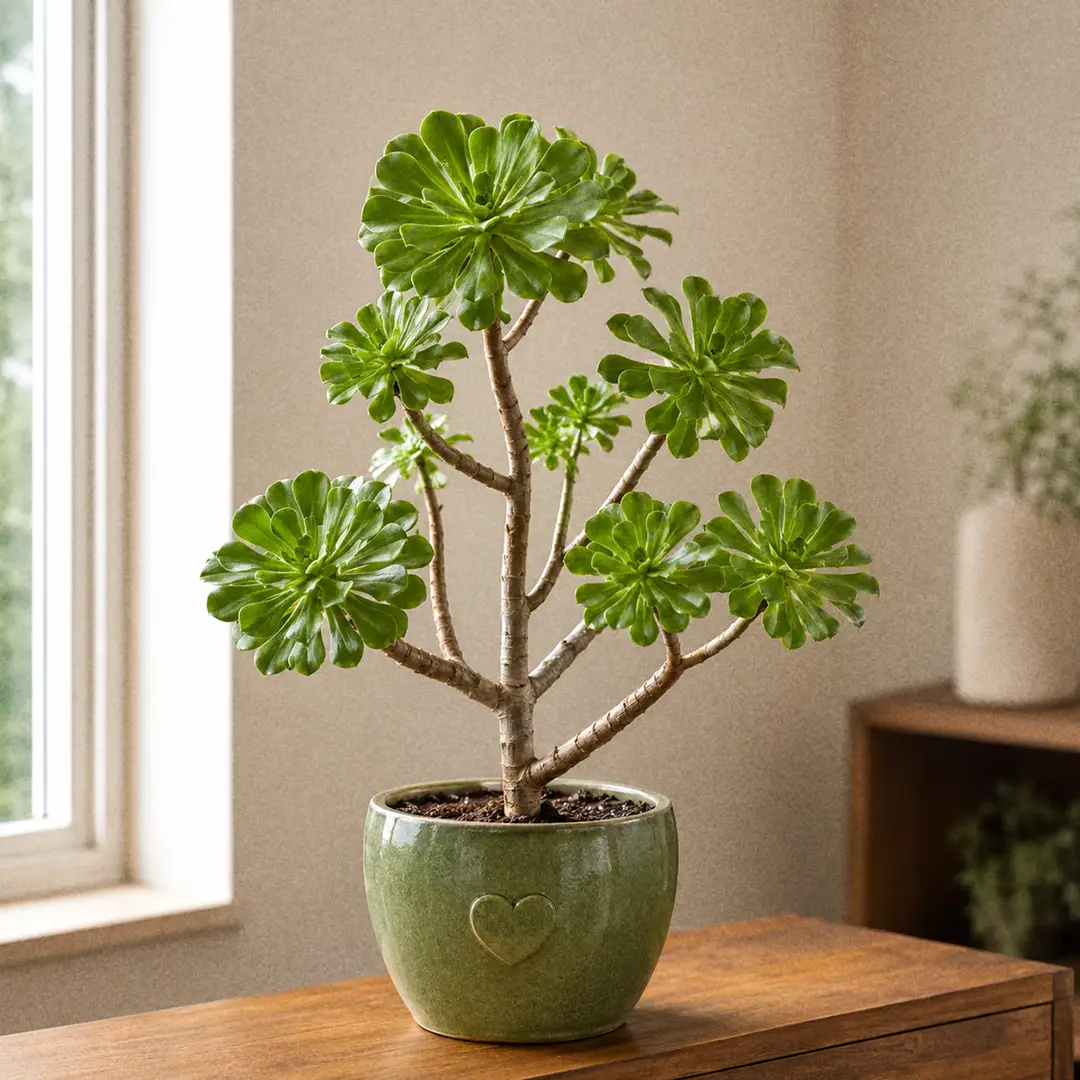
Complete Guide to Aeonium Care and Growth
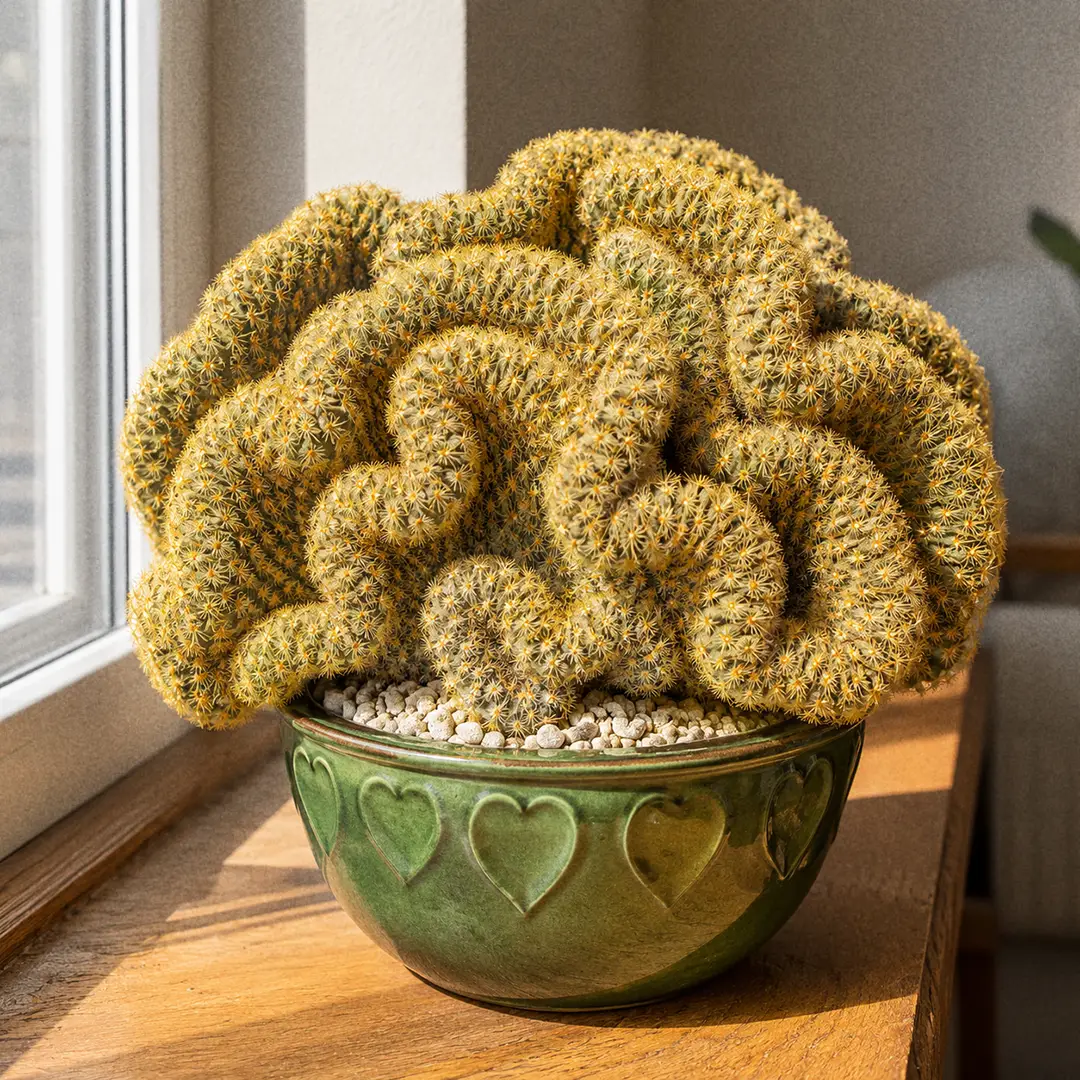
Complete Guide to Crested Brain Cactus Care and Growth
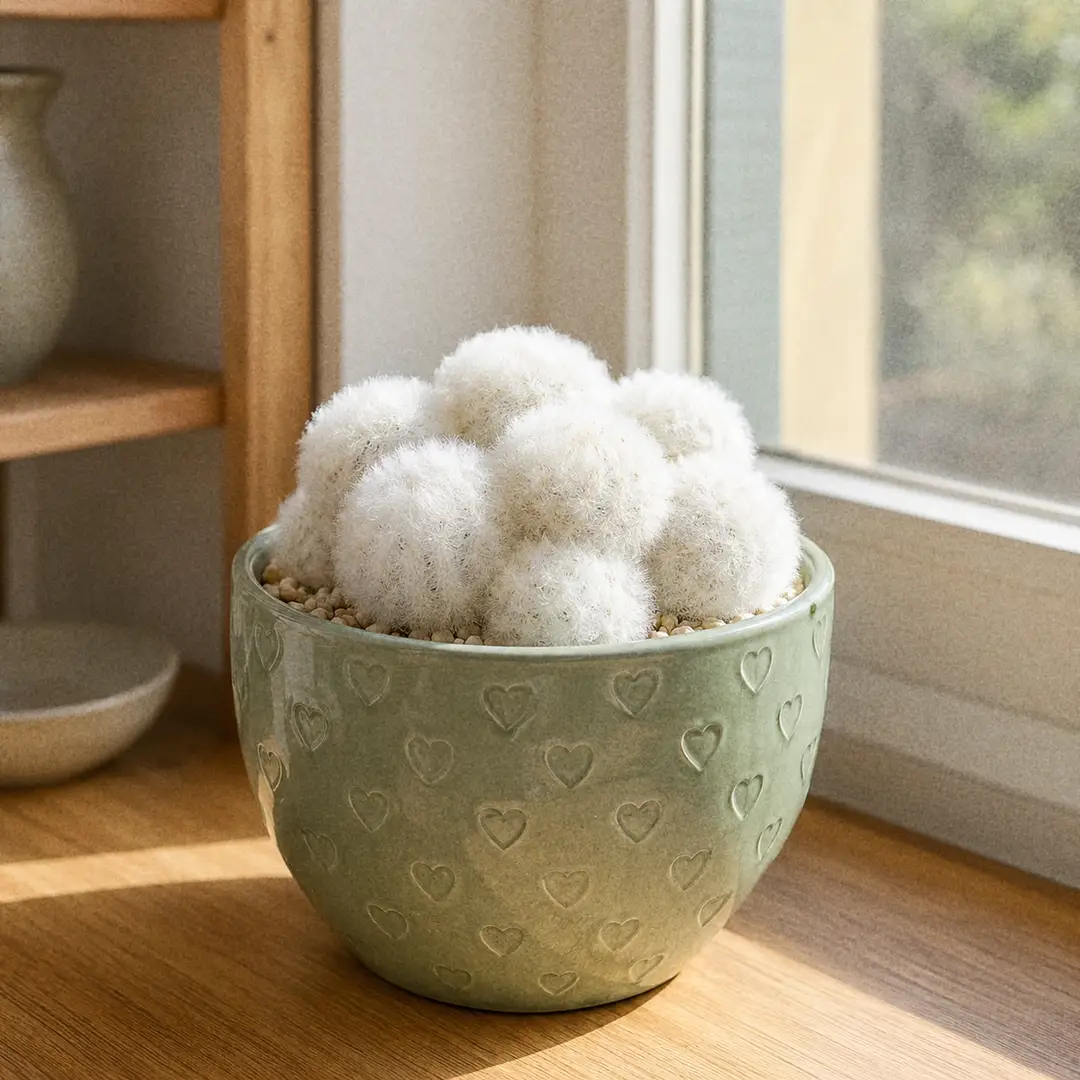
Complete Guide to Feather Cactus Care and Growth
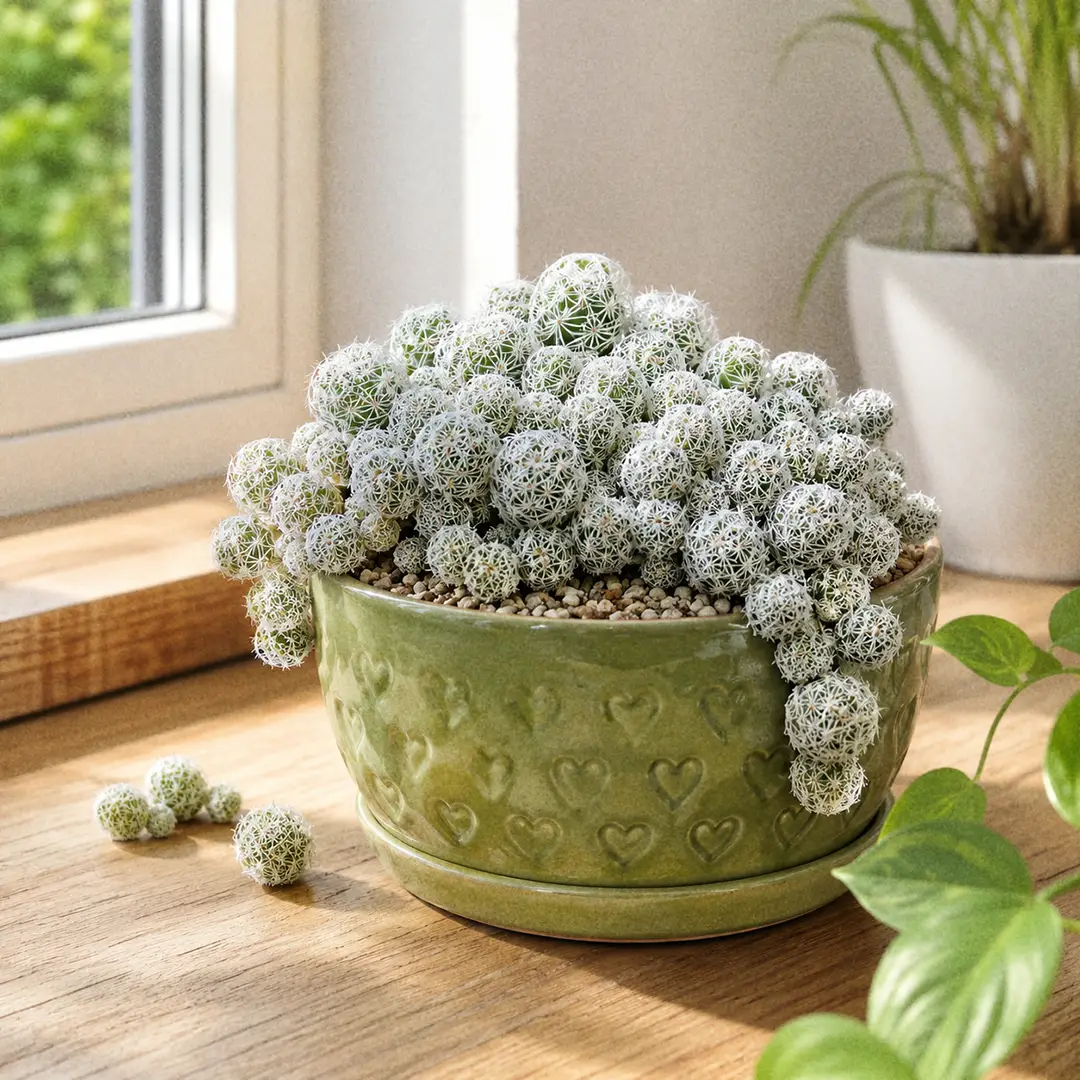
Complete Guide to Snowball Cactus Care and Growth
Complete Guide to Spiral Cactus Care and Growth

Complete Guide to Silver Torch Cactus Care and Growth
Complete Guide to Crown Cactus Care and Growth
How to Propagate Succulents from Leaves & Offsets
Succulent Care Indoors: How to Stop Killing Jade and Echeveria
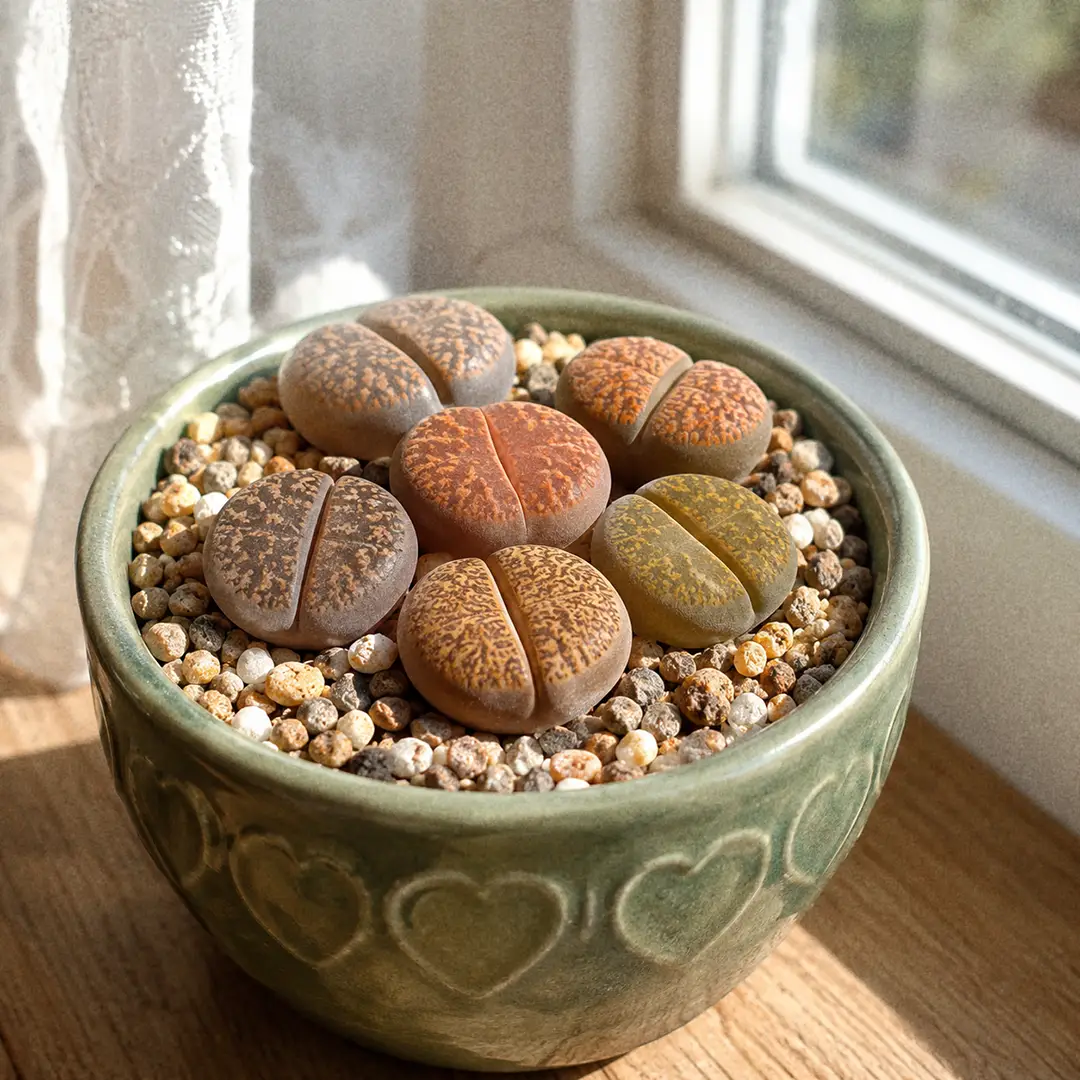
Complete Guide to Lithops Care and Growth (Living Stones)
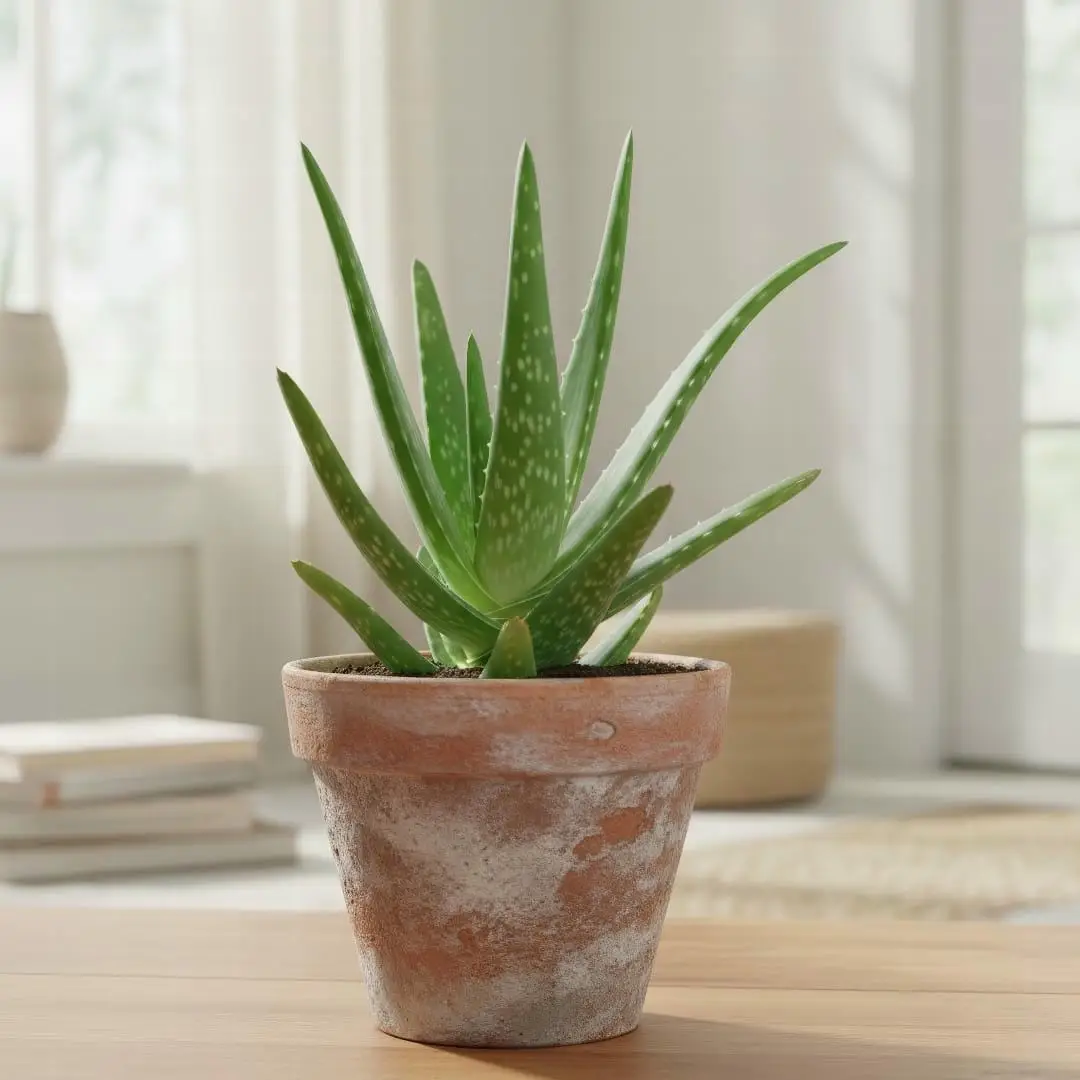
Complete Guide To Aloe Vera Care and Growth
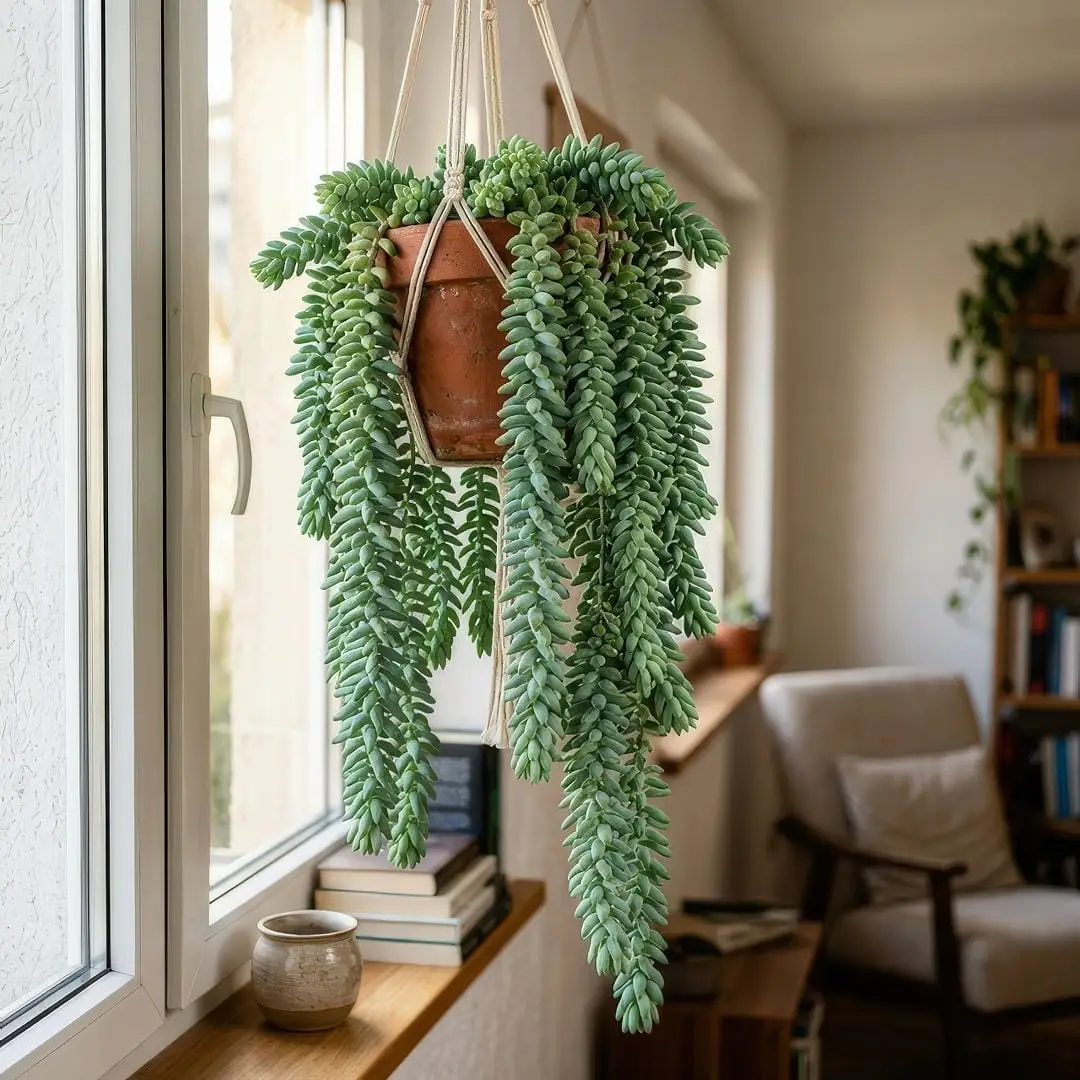
Complete Guide to Burro's Tail Care and Growth
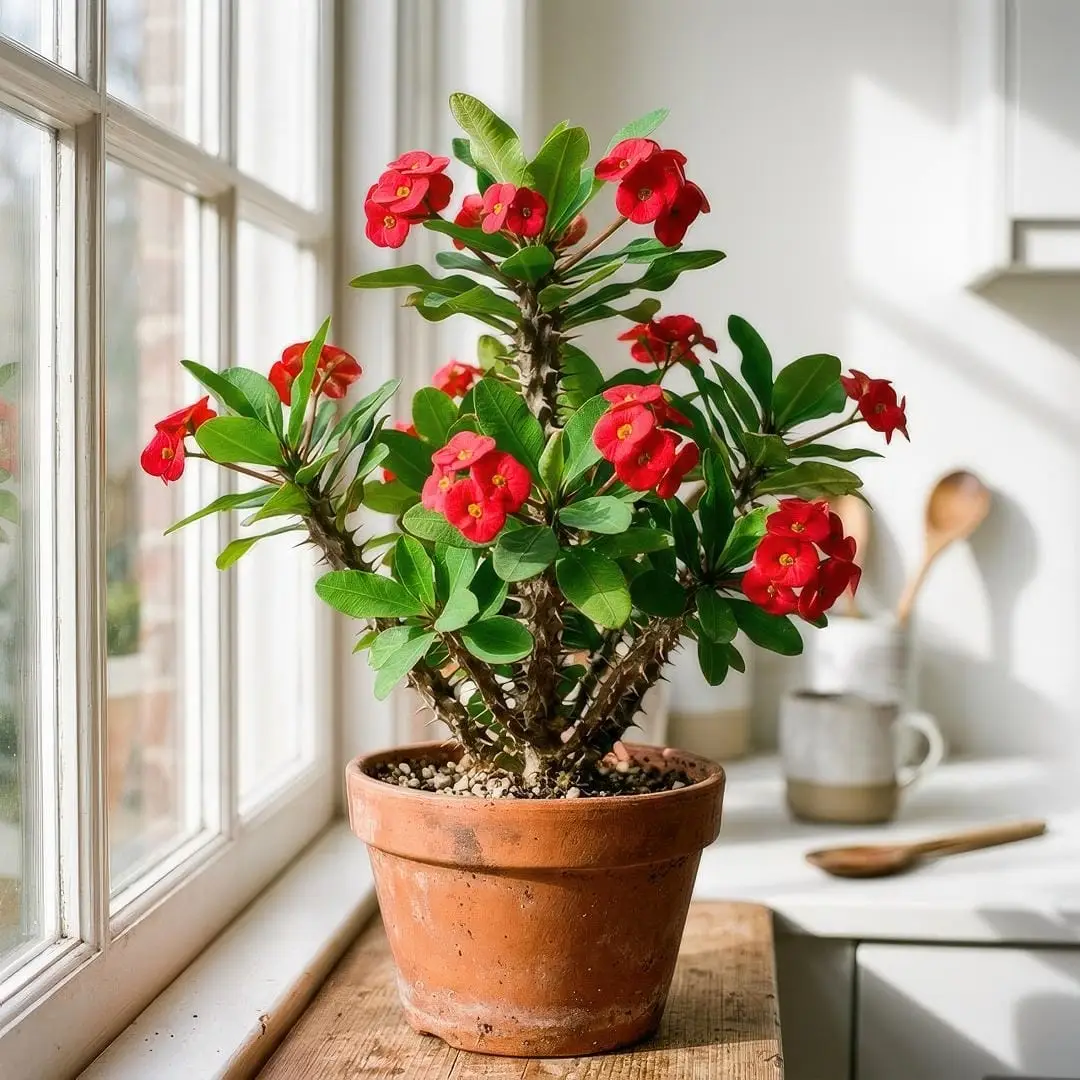
Complete Guide to Crown of Thorns Care and Growth
Complete Guide to Echeveria Care and Growth

Complete Guide to Flaming Katy Care and Growth

Complete Guide to Jade Plant Care and Growth
Complete Guide to Sedum Adolphii Care and Growth
Complete Guide to Queen of the Night Care and Growth
Complete Guide to Domino Cactus Care and Growth
Complete Guide to Easter Lily Cactus Care and Growth
Complete Guide to Peanut Cactus Care and Growth
Complete Guide to Rat Tail Cactus Care and Growth
Complete Guide to Ghost Plant Care and Growth
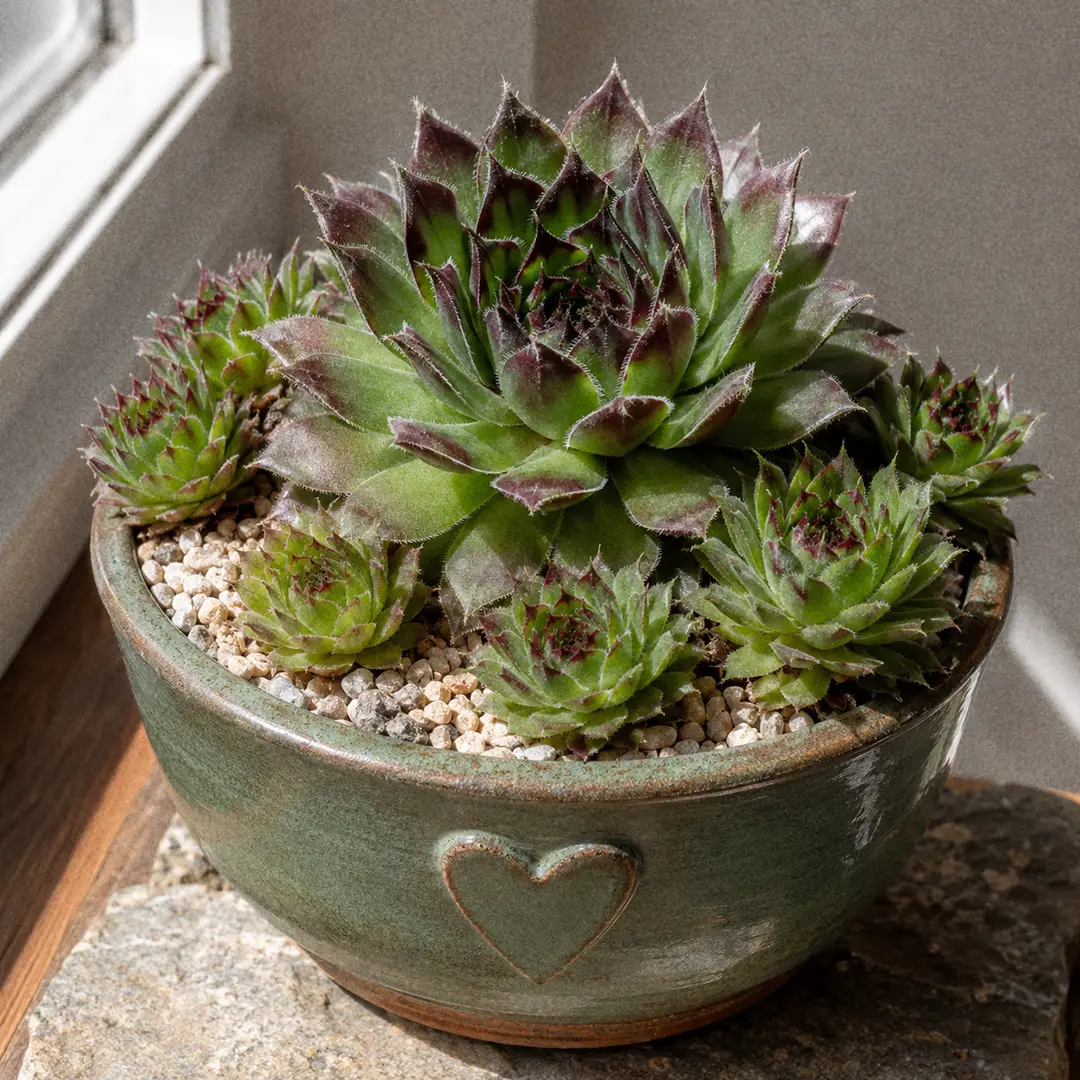
Complete Guide to Hens and Chicks Care and Growth

Complete Guide to String of Coins Care and Growth
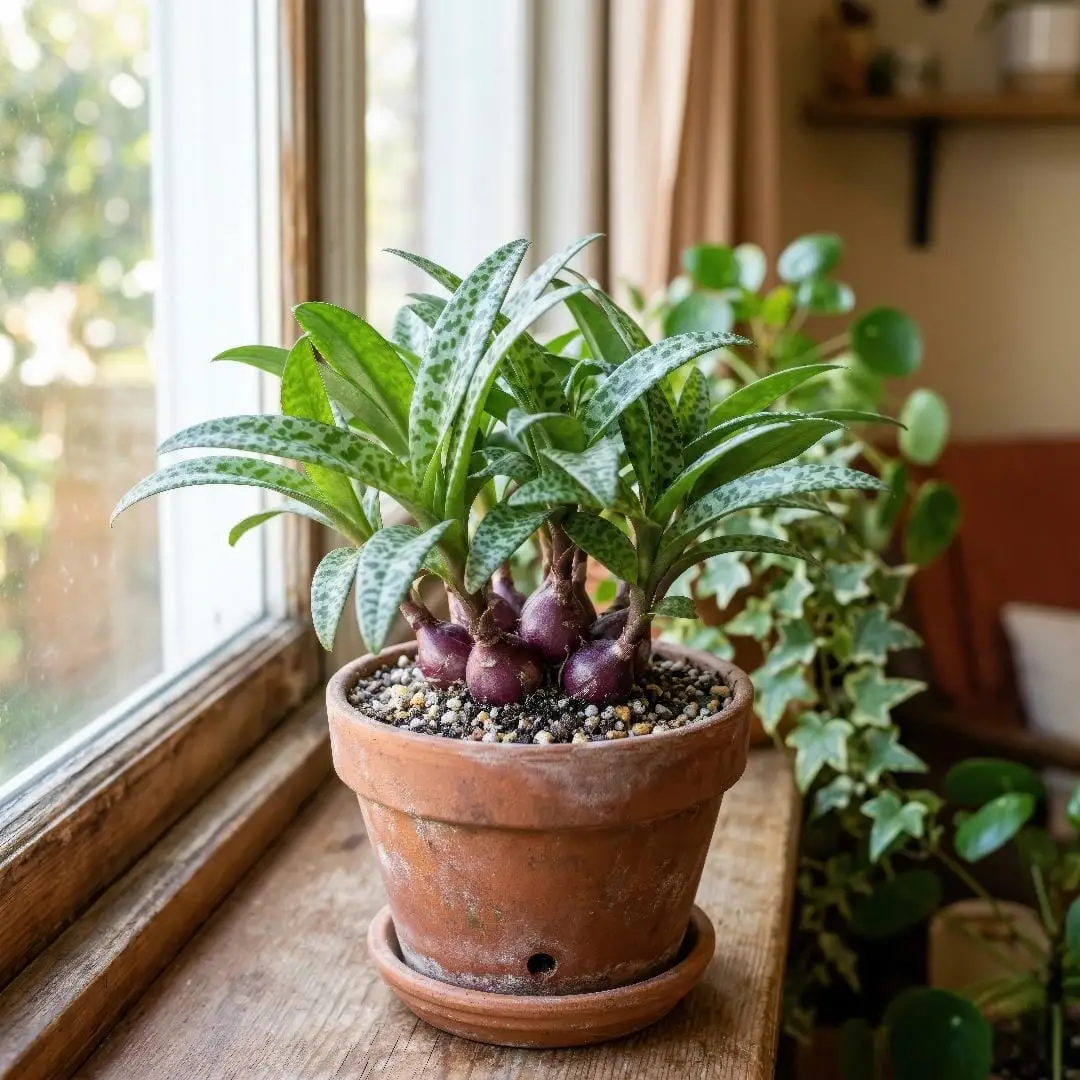
Complete Guide to Silver Squill Care and Growth
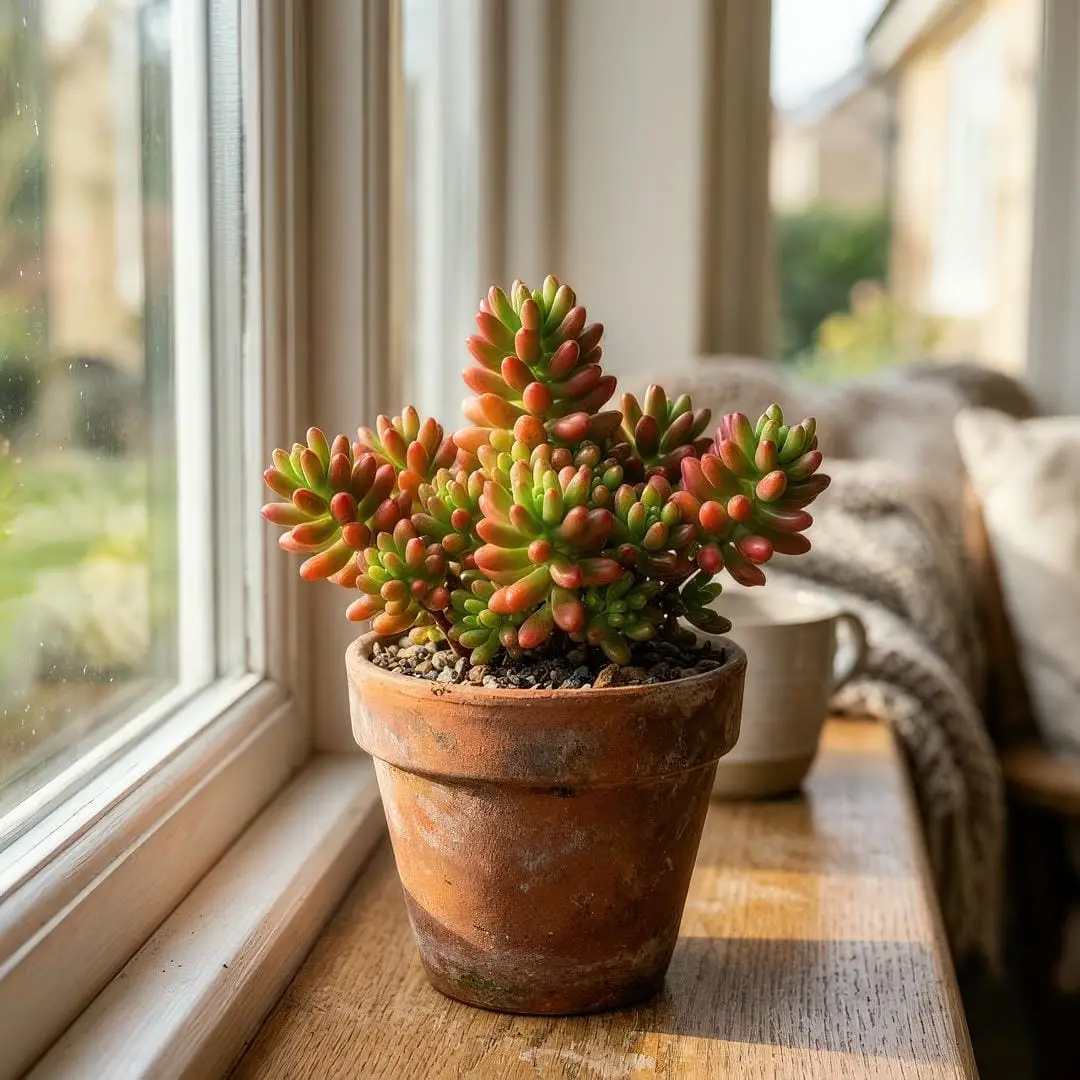
Complete Guide to Jelly Bean Plant Care and Growth

Complete Guide to Fishbone Cactus Care and Growth

Complete Guide to Mistletoe Cactus Care and Growth
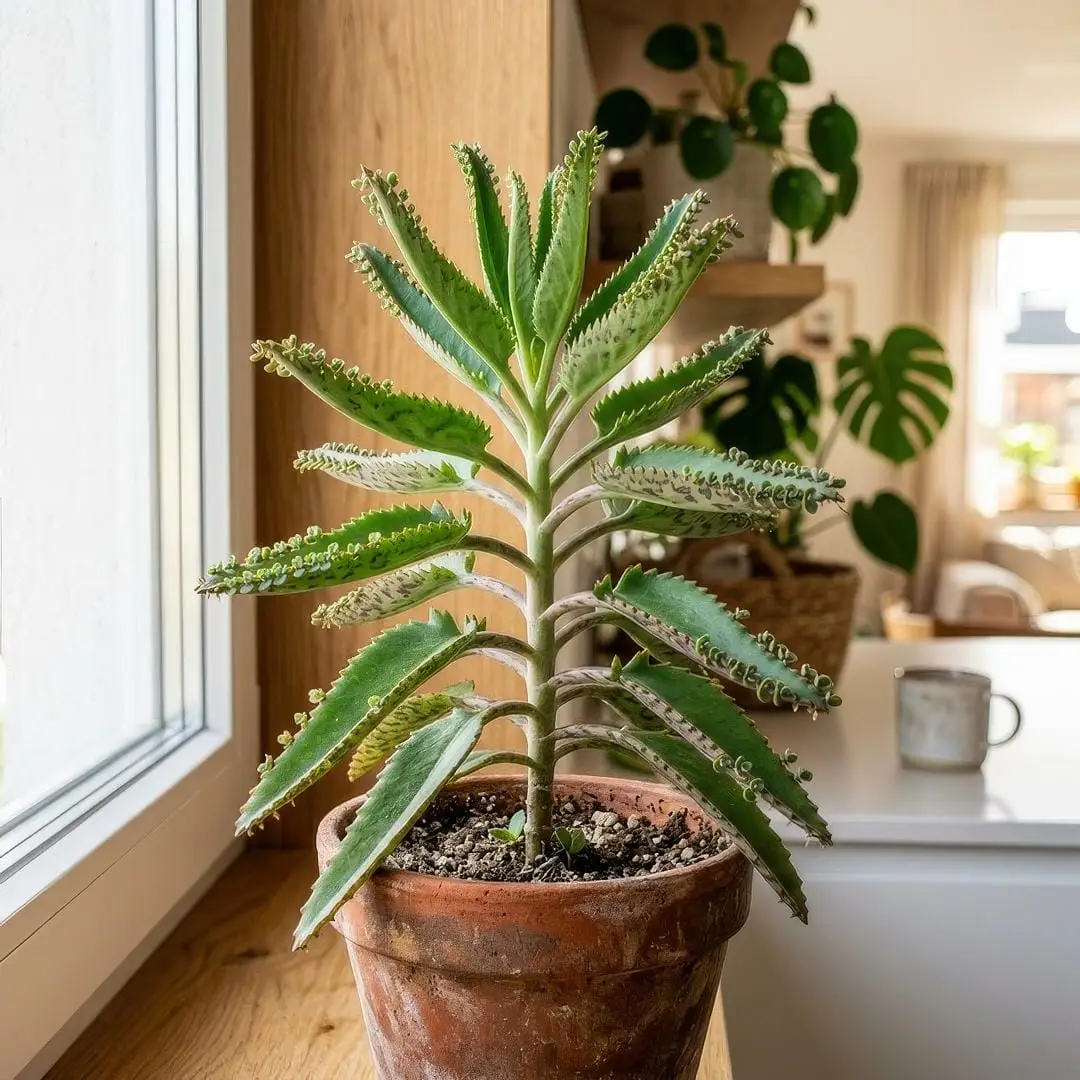
Complete Guide to Mother of Thousands Care and Growth
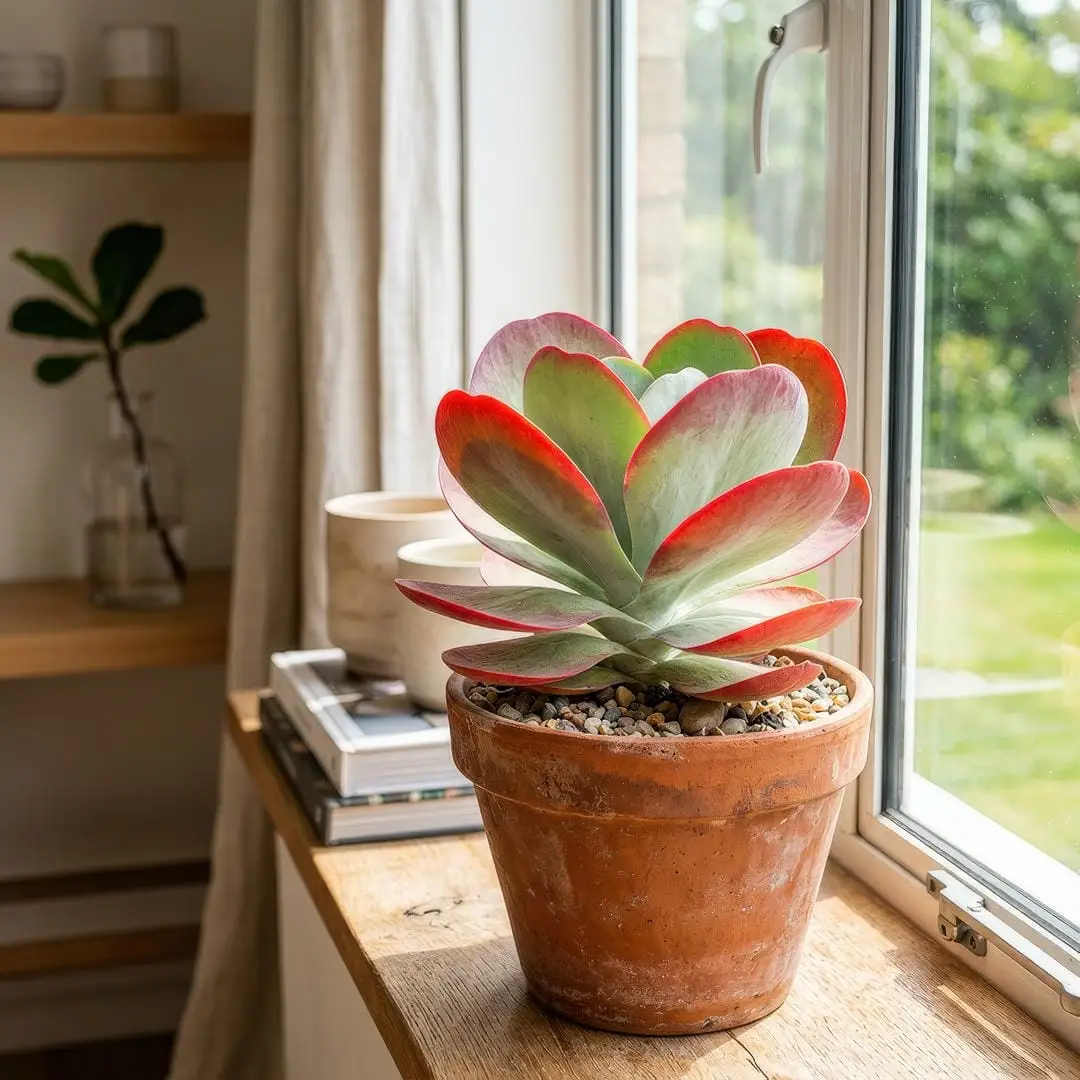
Complete Guide to Paddle Plant Care and Growth

Complete Guide to Panda Plant Care and Growth

Complete Guide to Elephant Bush Care and Growth

Complete Guide to Pencil Cactus Care and Growth

Complete Guide to African Milk Tree Care and Growth

Complete Guide to Gasteria 'Little Warty' Care and Growth

Ox Tongue Care

Houseplant101 Forum
Questions & Comments
Ask a question, share your plant experience, or help other plant owners.
Comments are temporarily unavailable.
Open the Houseplant101 ForumNo comments yet
Be the first to ask a question or share your experience about this page.
Log in or create an account
Comments use your Houseplant101 Forum account, but you can stay on this page.
Create a new account