
Eve's Needle Cactus
Austrocylindropuntia subulata
Eve's Pin Cactus, Eve's Needle, Long Spine Cactus, Cane Cactus, Opuntia subulata


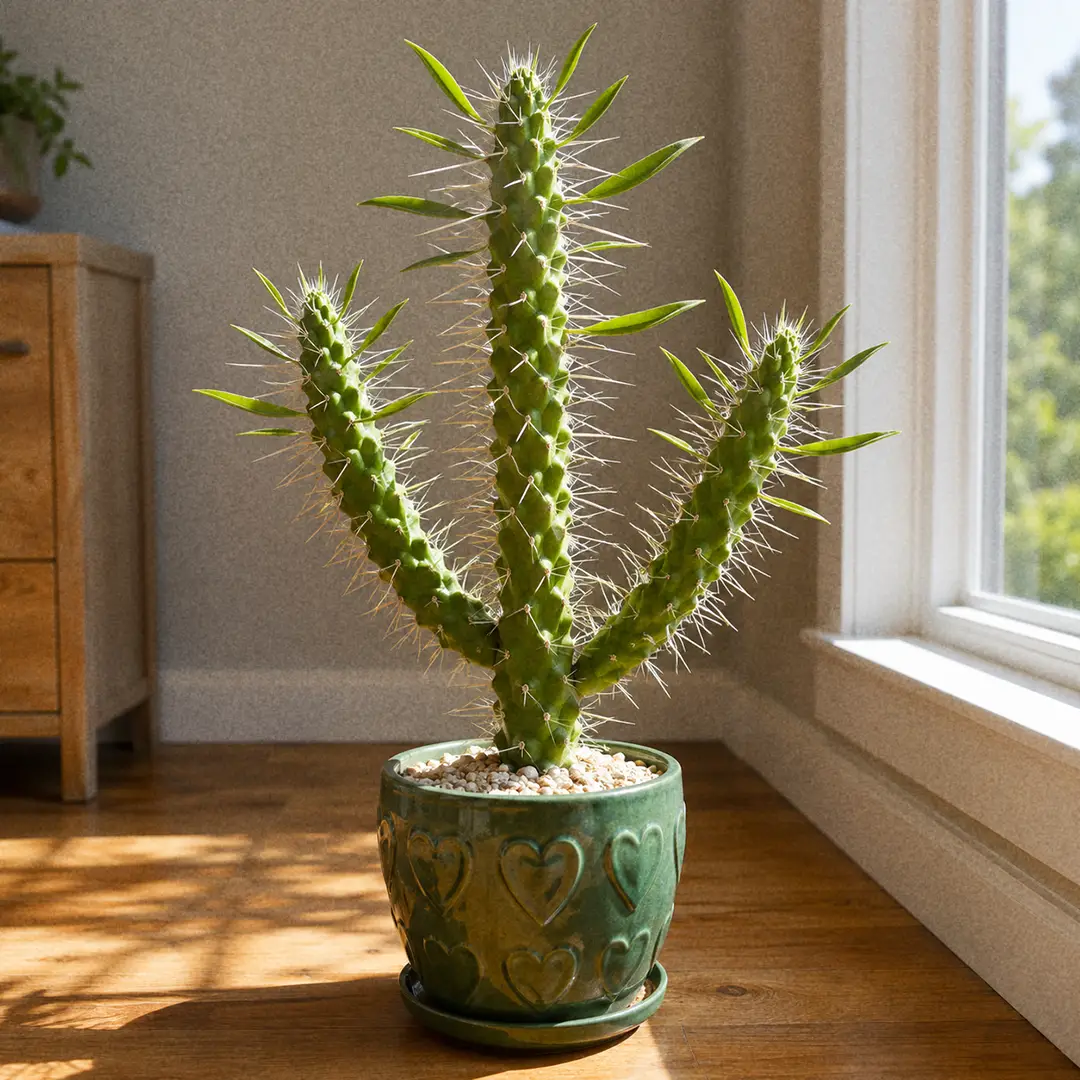
The Eve's Needle Cactus (Austrocylindropuntia subulata) is the rare cactus that keeps real leaves, long green awl-shaped ones that sit right alongside three-inch white spines. It grows fast, asks for almost nothing but sun, and turns into a sculptural green column in a few seasons.
📝 Eve's Needle Cactus Care Notes
🌿 Care Instructions
⚠️ Common Pests
📊 Growth Information
🪴 In This Guide 🪴

☀️ Eve's Needle Cactus Light Requirements (Full Direct Sun)
This is a high-altitude Andean plant that grows in open ground with nothing shading it. Sun is not a preference here, it decides whether you get a firm leafy compact plant or a pale floppy pole.
The Sweet Spot
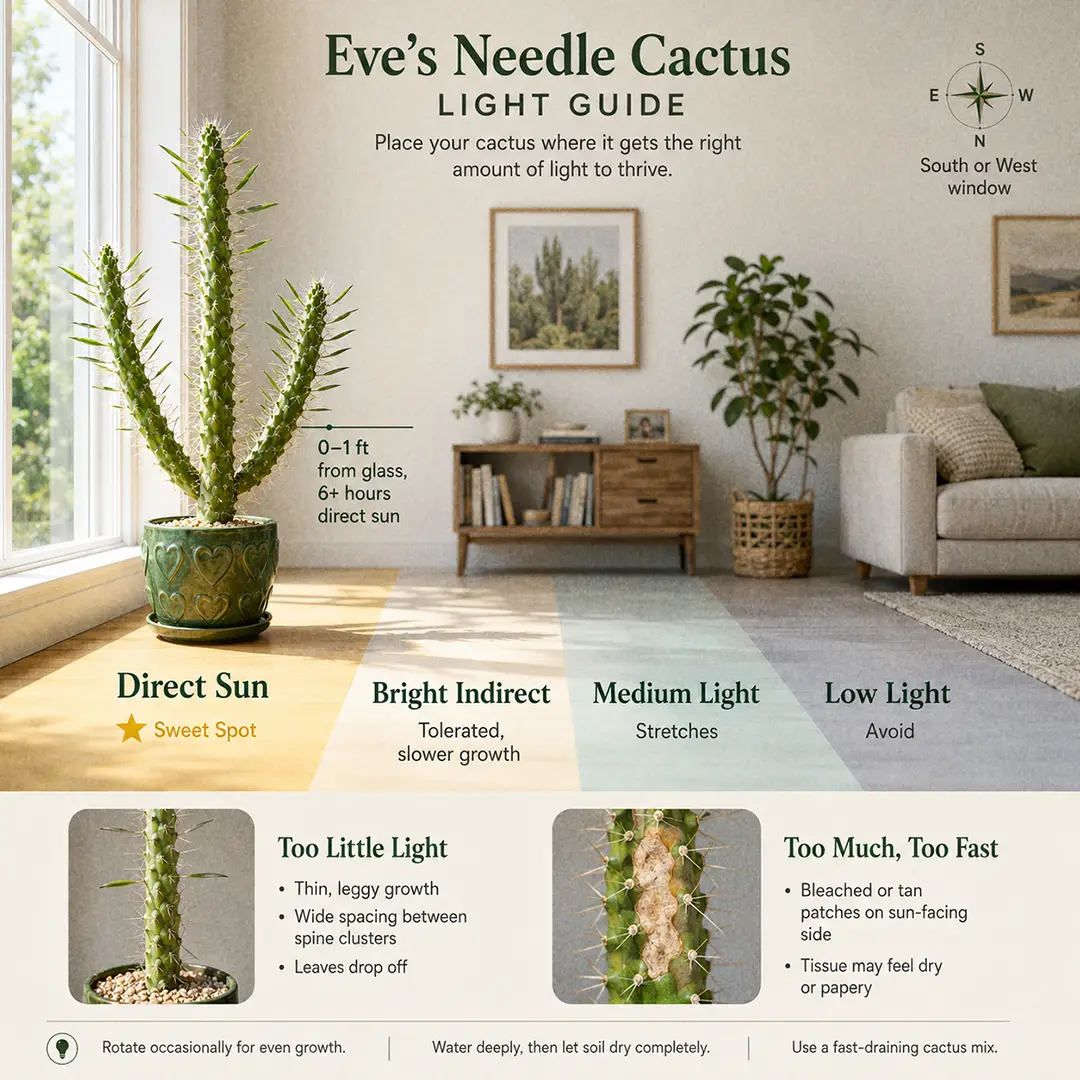
Put it directly in front of your brightest south or west window, close enough to touch the glass, and aim for six or more hours of unfiltered sun a day. A sunroom or glassed-in porch is even better. Outdoors in a frost-free climate, plant it in the open with no overhead cover at all. Strong light keeps the internodes short, the stems fat, and the leaves attached.
Too Little Light
A shaded Eve's Needle stretches. New growth comes in thin and pale, the spacing between areoles doubles, and leaves drop early. The stretching is permanent, so once a section grows thin it stays thin, and the only fix is cutting it back and regrowing in better light. If your brightest window still leaves it reaching, add a strong grow light on a twelve-hour timer.
Too Much Light
Almost impossible for an acclimated plant, but a sudden move matters. Take one from a dim corner straight out to blazing summer sun and you get bleached tan patches on the side that faced the light. Those scars never heal. Move it out over ten days, adding an hour or two of direct exposure at a time.
💧 Eve's Needle Cactus Watering Guide (Only When Bone-Dry)
This plant stores water in its stems and coasts for weeks without a drop, but it has no defense against sitting in wet soil. Every dead Eve's Needle I have seen was drowned, not dried out.
Watering Frequency
From spring through early autumn, water deeply only once the soil is dry from the surface all the way to the bottom of the pot. For a six-inch pot in a hot sunny window, that usually works out to every two to three weeks. Bigger pots and cooler rooms stretch much longer. Skip the schedule and check instead: push a wooden skewer down to the drainage hole, and if it comes out with dark damp soil clinging to it, wait. When you do water, commit to it and pour until it runs freely from the bottom, then tip out the saucer. The general watering rules apply, just dialed far down.
Winter Watering
Growth stalls in the cool months and water needs collapse with it. A plant resting somewhere cool and bright can go six to eight weeks completely dry without complaint, and some growers give it nothing at all from November to February. Stems may wrinkle slightly by late winter, which reverses within days of the first spring watering. A dry winter also stops the plant stretching in weak seasonal light.
Signs of Trouble
Thirst looks like faint wrinkling or a slight softness in the stems, and it corrects fully after a good soak. That is the safe way to get it wrong. Overwatering looks different and worse: yellowing that spreads upward from the soil line, stems going translucent or squishy, mass leaf drop, and a sour smell from the pot. By that point root rot is already established, and the rescue is to unpot, cut back to firm white tissue, callus the cut, and re-root a clean top section in dry mix.
🪴 Best Soil for Eve's Needle Cactus (Sharp and Gritty)
Soil does most of the work of keeping this plant alive, because the right mix makes overwatering much harder to pull off. You want something that drains in seconds and holds barely any moisture.
What the Soil Needs
Aim for a mix that is at least half mineral grit. It should feel gravelly in your hand and water should race straight through. A small share of organic matter holds a trace of nutrients, but the bulk needs to be pumice, coarse sand, or fine gravel. Ordinary potting compost on its own is a slow death sentence.
DIY Soil Mix
- 2 parts standard cactus and succulent mix
- 2 parts coarse pumice or perlite
- 1 part coarse horticultural sand or fine gravel
Squeeze a damp handful and it should crumble the moment you open your fingers. If it holds its shape, add more grit. A layer of gravel across the surface keeps the stem base dry and stops soil splashing into the lower leaves.
Pre-Made Options
Bagged cactus mixes are a fine start but nearly all are too peaty. Cut any commercial mix with an equal volume of pumice or perlite before potting. Our soil guide covers the reasoning, and the same approach works across the succulent and cactus family.
🍼 Fertilizing Eve's Needle Cactus (Light and Occasional)
This cactus grows fast, so it responds to feeding more than a barrel cactus would. Overfeeding still backfires, producing soft swollen growth that rots easily and stretches in poor light.
When and How Often
Feed two or three times across the growing season, spaced roughly six weeks apart from late spring to midsummer. Stop by early autumn so the plant firms up before its winter rest. Never feed a bone-dry plant, and never feed one you repotted in the last two months.
What to Use
Use a low-nitrogen cactus fertilizer, something like 2-7-7 or 5-10-10, diluted to half the label strength. Nitrogen-heavy houseplant food pushes exactly the floppy growth you are trying to avoid. Water with plain water first so the feed never hits dry roots. The fertilizing guide covers the general method.
Over-Fertilizing Signs
A white crusty film on the soil or around the pot rim means mineral salts are building up. Flush the pot with several pot-volumes of plain water, drain fully, then skip the next two feeds. Soft, pale, stretched new growth in good light is the other tell.
🌡️ Eve's Needle Cactus Temperature Range
Coming from high Andean elevations, this plant handles a wider temperature swing than most cacti people keep indoors. It wants real warmth in summer and a genuine cool-down in winter.
Ideal Range
During active growth it is happiest between 65 and 90°F (18 to 32°C), and it will keep growing into higher temperatures as long as it gets air movement and enough water at the roots. Ordinary indoor summer conditions suit it without any effort from you.
Cold Tolerance and Winter Rest
Kept dry, an established plant tolerates brief dips to around 25°F (-4°C), which puts it at zones 9b through 11 outdoors. The word "dry" carries all the weight there, since it is the water inside the stems that freezes and bursts cells. Ideally, give it a winter rest somewhere bright at 45 to 55°F (7 to 13°C) with almost no water. That rest firms the growth, keeps the plant compact, and makes flowering on mature specimens far more likely.
Drafts and Heat Sources
Keep it off radiators and heating vents, where blasting dry air dehydrates one side unevenly. Cold air alone is not the problem; cold air plus damp soil is. If a window gets genuinely icy, pull the pot back a foot so the roots stay above freezing.
💦 Eve's Needle Cactus Humidity Requirements
Humidity is the one variable you can ignore completely. This plant comes from dry mountain air and does better the drier your house is.
Ideal Humidity
Anywhere from 20 to 40 percent is ideal, which describes most homes without any intervention. Never mist it, never sit it on a pebble tray, and keep it out of bathrooms and closed terrariums. The dry winter air that makes your ferns crisp is what this cactus wants.
When Humidity Causes Trouble
The real risk is high humidity paired with cool still air, which tends to happen in a closed room in autumn. That combination brings fungal spotting on the stems and soft rot where leaves attach. Air movement solves it: crack a window on mild days or run a small fan nearby. If you group plants on a shelf, leave a gap around this one.
🌸 Eve's Needle Cactus Flowers (Red, and Rare Indoors)
Be honest with yourself before you get your hopes up. Eve's Needle does flower, and the blooms are lovely, but a potted plant on a windowsill will very likely never produce one.
What the Flowers Look Like
Mature plants push out cupped red to orange-red flowers about two to three inches across near the stem tips, in late spring and summer. Each opens for a day or two and has the papery, slightly crumpled texture common to opuntioid blooms. If pollinated, they give way to elongated green club-shaped fruits, and one of the plant's odder tricks is that those fruits sometimes sprout further flowers straight from their own surface.
How to Trigger Bloom
Three things are non-negotiable: real maturity (usually a plant three or four feet tall and several years old), a full season of unobstructed direct sun, and a cool dry winter rest the year before. Indoor container plants almost never tick all three. Summering it outdoors, or growing it in the ground in zone 9b and warmer, changes the odds enormously.
If It Won't Bloom
Assume light or size is the reason, not nutrients. Feeding harder will not force flowers on a young or shaded plant, it only produces softer growth. If flowers matter more to you than foliage, a Christmas Cactus or Easter Cactus is a far more reliable indoor bloomer.
🏷️ Eve's Needle Cactus Types and Varieties
There is one species in general cultivation plus one very popular mutant form, and then a short list of plants people confuse it with.
The Standard Species
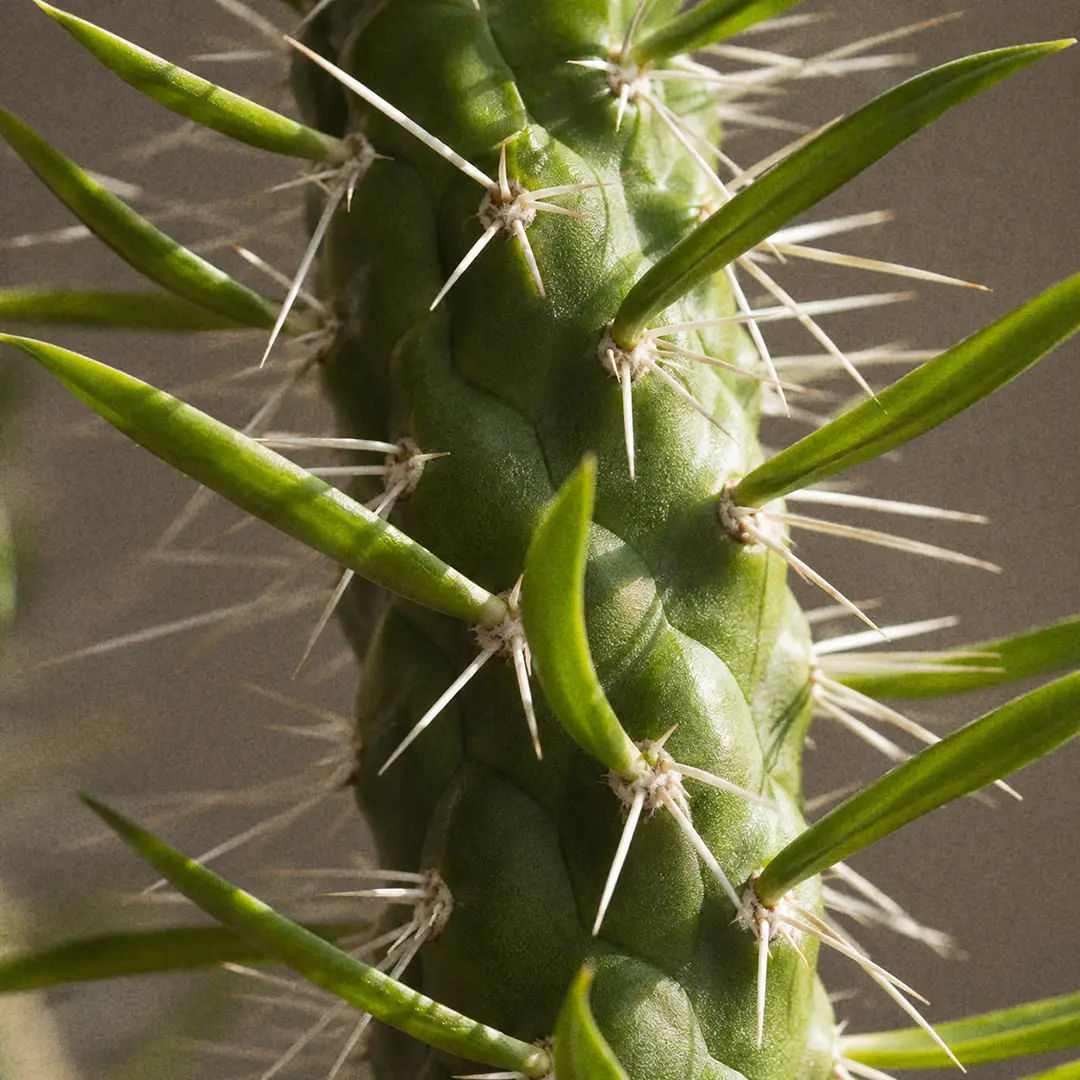
Austrocylindropuntia subulata is the default: upright cylindrical stems in bright green, prominent tubercles, one to three stiff white spines per areole reaching up to three inches, and the awl-shaped leaves that persist for months rather than days. It branches from the sides as it gains height and eventually reads as a small spiny tree.
The Monstrose Form
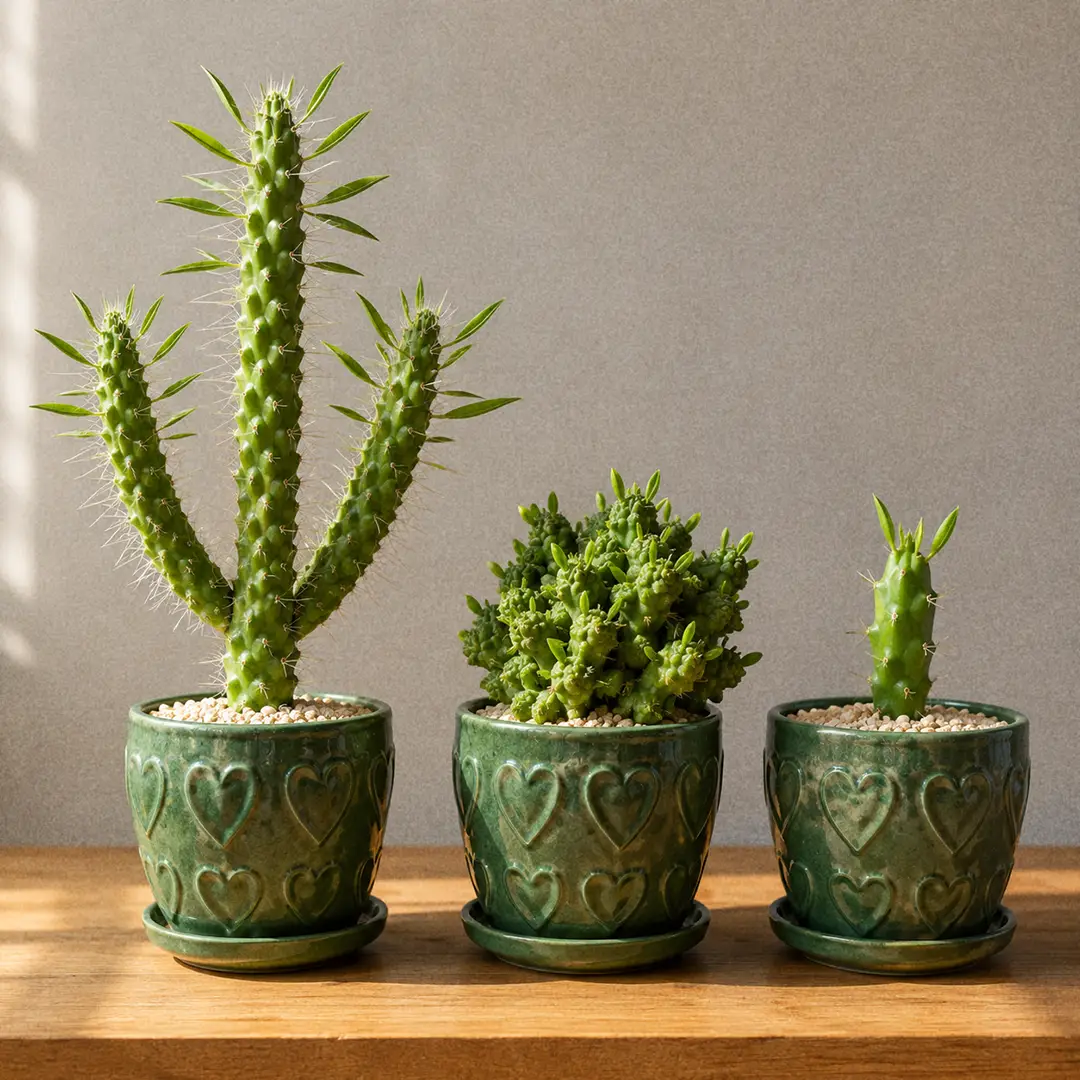
Sold as Austrocylindropuntia subulata f. monstruosa, often labeled Opuntia subulata monstrose, this is the version many shops actually stock. The growth point misbehaves, so instead of one clean column you get a congested lumpy cluster of short stubby segments packed with leaves. Spines are much shorter or nearly absent, which makes it far more house-friendly, and it stays small and slow enough to sit on a table. If you like that knobbly look, the Totem Pole Cactus and Brain Cactus scratch the same itch.
Not the Cane Cactus
Austrocylindropuntia cylindrica is the closest relative in the trade and gets sold under overlapping names. It looks similar but its leaves are much shorter, barely a centimeter, and its spines are short and sparse rather than long white needles. If the leaves are stubby nubs instead of dramatic green spikes, you have cylindrica.
Lookalikes Worth Sorting Out
The Christmas Cholla shares the jointed opuntioid build but has pencil-thin stems, barbed spines, and no persistent leaves. The Pencil Cactus is not a cactus at all but a euphorbia, so a plant that bleeds white latex when cut is not this one. The monstrose form of Eve's Needle is also sold beside the Fairy Castle Cactus and gets confused with it, though the tiny green leaves scattered over these segments settle the question instantly. And unlike its flat-padded cousins the Bunny Ear Cactus and the much larger Prickly Pear, Eve's Needle carries only sparse glochids, so handling it is unpleasant rather than a two-hour tweezers session.
🪴 Potting and Repotting Eve's Needle Cactus
Fast growth means this plant needs repotting more often than most cacti, and its height means the pot has a real job holding it upright.
When to Repot
Every two to three years, or sooner if roots crowd the drainage holes or the plant grows tall enough to tip its pot. Early spring, just as growth resumes, is the best window. A top-heavy plant needs a wider heavier pot even if the roots are not yet crowded, purely for stability.
Choosing a Pot
Go for heavy and breathable: unglazed terracotta, stone, or thick concrete. Weight matters more here than for most cacti, since a three-foot spiny column tipping off a windowsill is a genuinely bad afternoon. Size up only one to two inches wider than the rootball, because a big pot holds a reservoir of damp soil the roots cannot reach. Drainage holes are non-negotiable.
Step-by-Step Repotting
- Wait until the soil is completely dry, which makes the plant lighter and the old mix fall away cleanly.
- Wrap the stems in thick folds of newspaper or grip them with kitchen tongs. Gardening gloves alone are no match for three-inch spines.
- Tip the pot on its side and ease the rootball out rather than pulling the plant upward.
- Shake off the old mix and trim any blackened roots with sterile shears.
- Set the plant at its original depth in fresh gritty mix, working soil into the gaps with a chopstick.
- Wait a full week before watering so nicked roots can callus. Our repotting guide covers the general timing.
✂️ Pruning Eve's Needle Cactus
Most cacti never need pruning. This one does, because it grows fast enough to outgrow its space and stretches if light drops, and it responds to cuts by branching.
When to Prune
Prune in spring or early summer, when the plant is growing and cuts callus fast. Reach for the shears when it is taller than you want, when a section has stretched thin and pale, or when you want a bushier shape instead of a bare pole. Damaged sections come off any time.
How to Prune
Wear thick leather gloves or use long tongs, and use a sharp sterile blade. Cut cleanly across a stem at the height you want, ideally just above a joint where segments meet. The plant responds by pushing two or more side branches from areoles below the cut, so a single cut is how you turn a lanky pole into a candelabra. Let the cut dry in open air and do not water for a week afterward. Every healthy piece you remove is a ready-made cutting, so keep the good ones: root the top, and the stump branches out below.
🌱 How to Propagate Eve's Needle Cactus
Propagation here is close to foolproof, which is part of why the plant spreads so readily where it has naturalized.
Best Method
Stem cuttings, every time. Seed works but takes years to reach anything interesting. Cuttings taken in late spring or early summer root in a few weeks and look like a real plant within a season. Our succulent propagation guide covers the same principles across the family.
Step-by-Step
- Using tongs or thick gloves, cut a healthy stem segment four to eight inches long with a sterile blade.
- Set the cutting somewhere dry, shaded, and airy for one to two weeks until the cut end forms a dry, firm callus. Skipping this is the number one reason cuttings rot.
- Push the callused end an inch or two into dry gritty mix, deep enough that it stands up on its own. Prop it against the pot rim if it wobbles.
- Leave it completely dry, out of blazing direct sun, for two to three weeks.
- Once you feel resistance when you nudge it, roots have formed. Start watering lightly, letting the mix dry out fully between drinks.
Tips for Success
Take cuttings from firm well-lit growth rather than stretched pale sections, since a weak cutting makes a weak plant. Do not root them in water; opuntioid cuttings rot far more often than they root that way. Growers also use this species as grafting stock for slower cactus seedlings, since the vigorous stems push a graft along quickly.
🐛 Eve's Needle Cactus Pests and Treatment
A well-lit plant in gritty soil rarely has pest problems. When bugs do arrive they tuck into the leaf bases and areoles where they are easy to overlook.
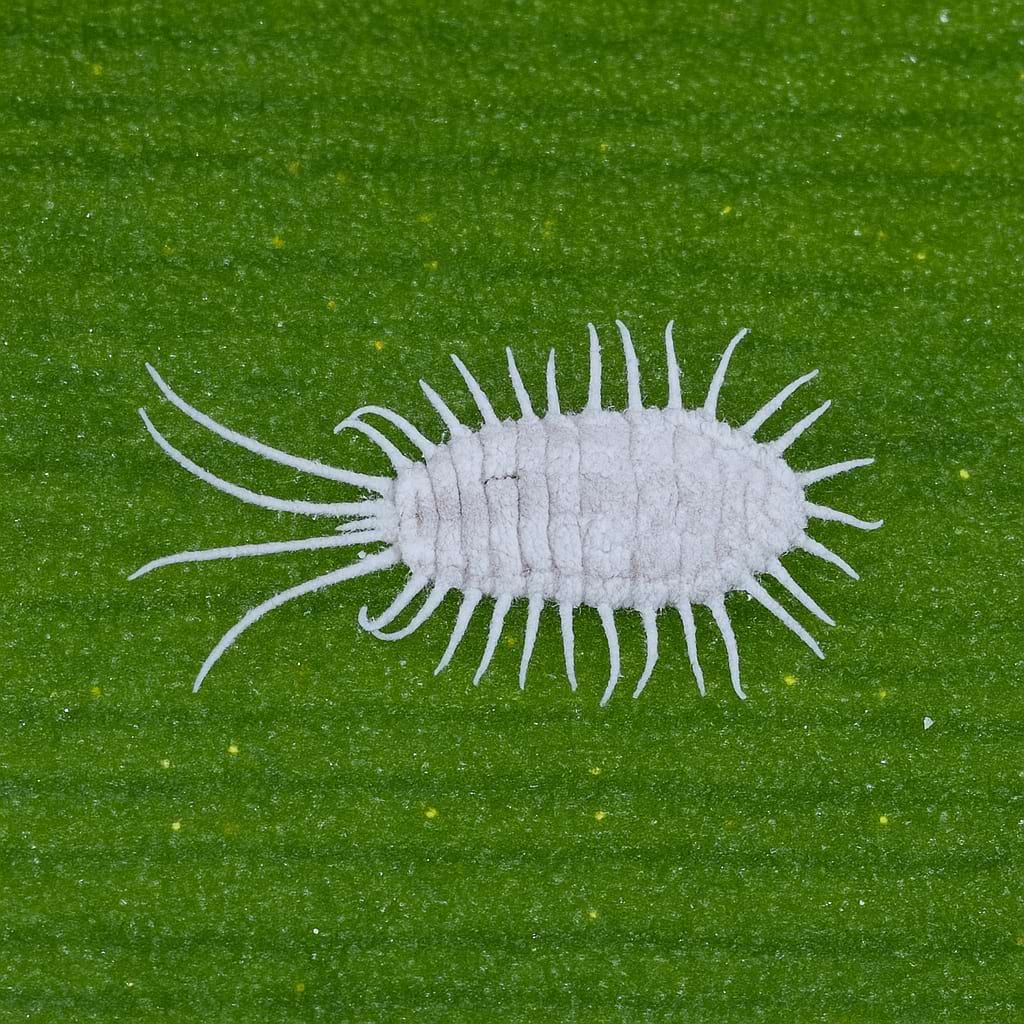
- Mealybugs: The most common visitor. Look for white cottony specks where leaves meet the stem. Dab each one with isopropyl alcohol on a cotton swab every five to seven days, or use a soil drench for a heavy infestation.
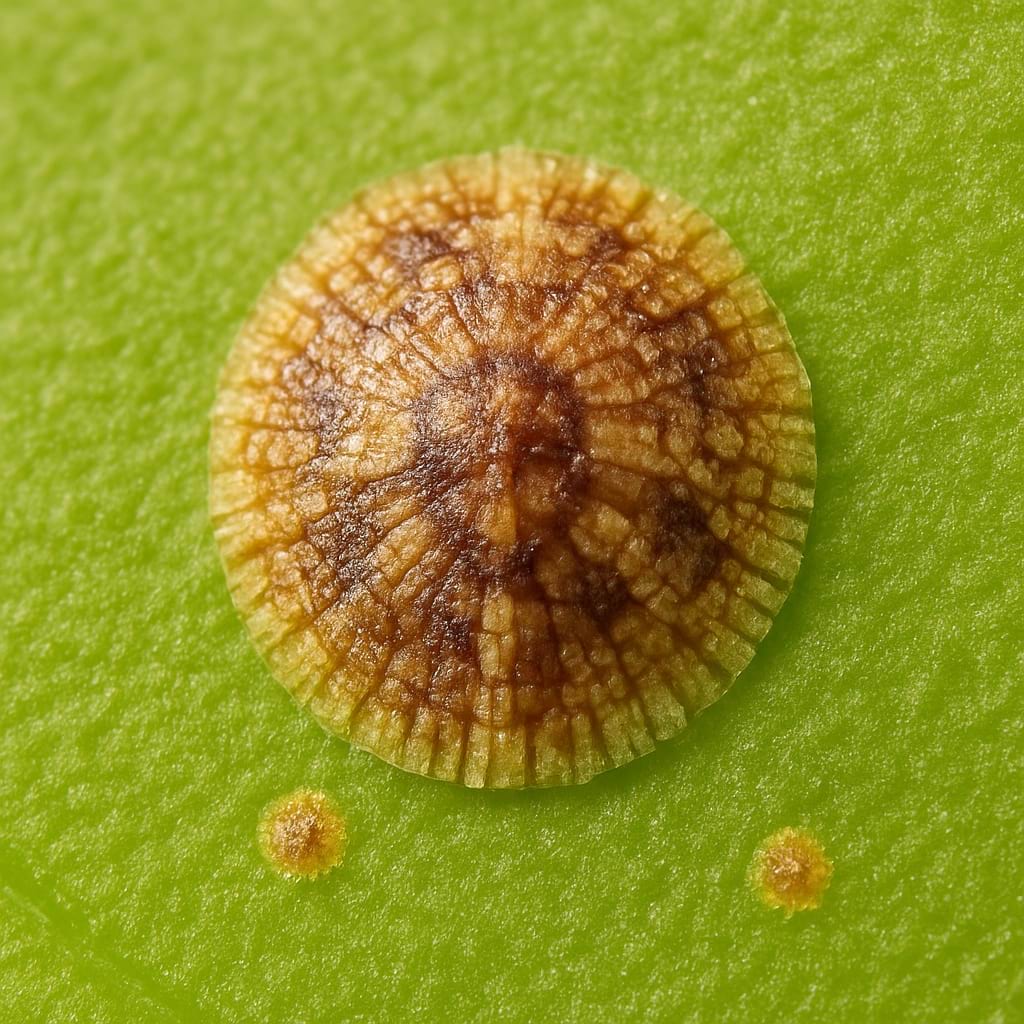
- Scale Insects: Flat brown bumps stuck fast to the stems. Scrape them off with a fingernail or an old toothbrush, working carefully around the spines.
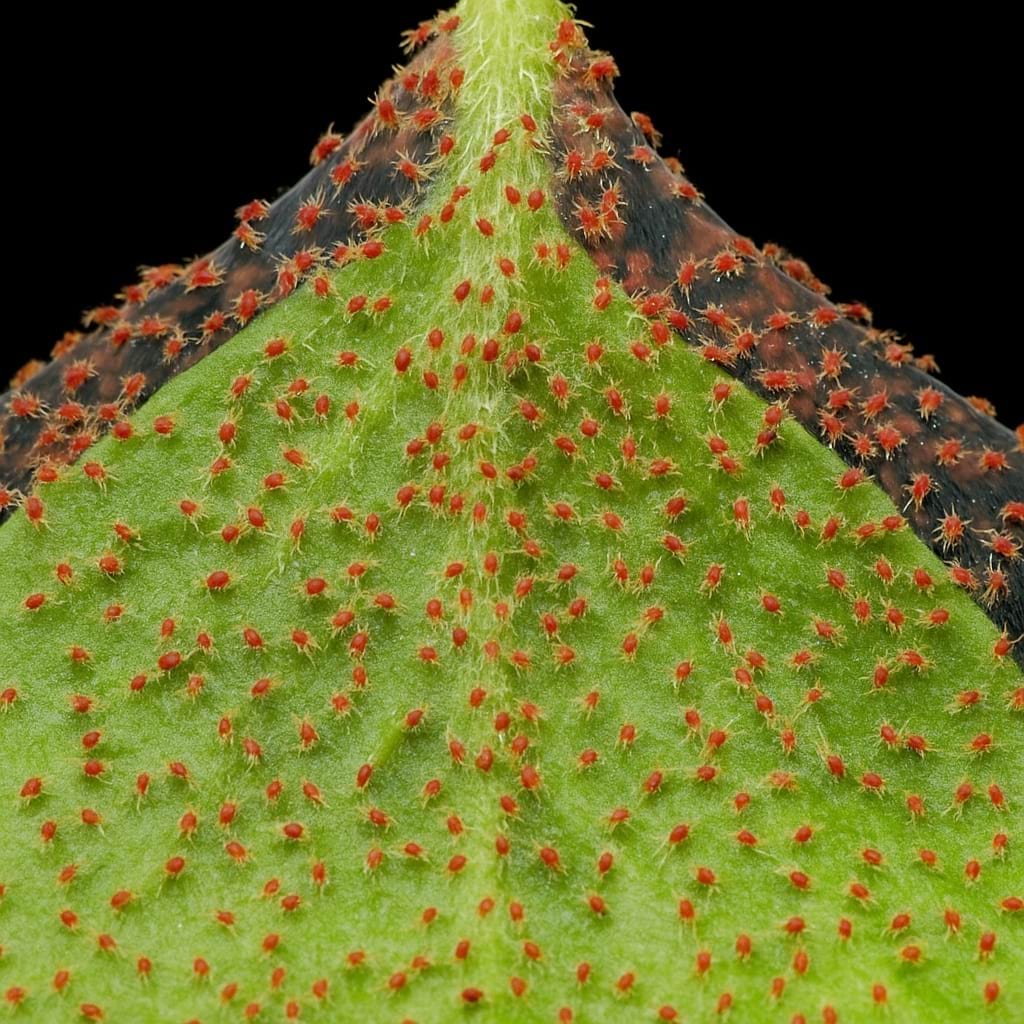
- Spider Mites: Fine webbing and faint stippling, usually in hot stagnant air. Rinse the plant outdoors or treat with a mild horticultural soap.
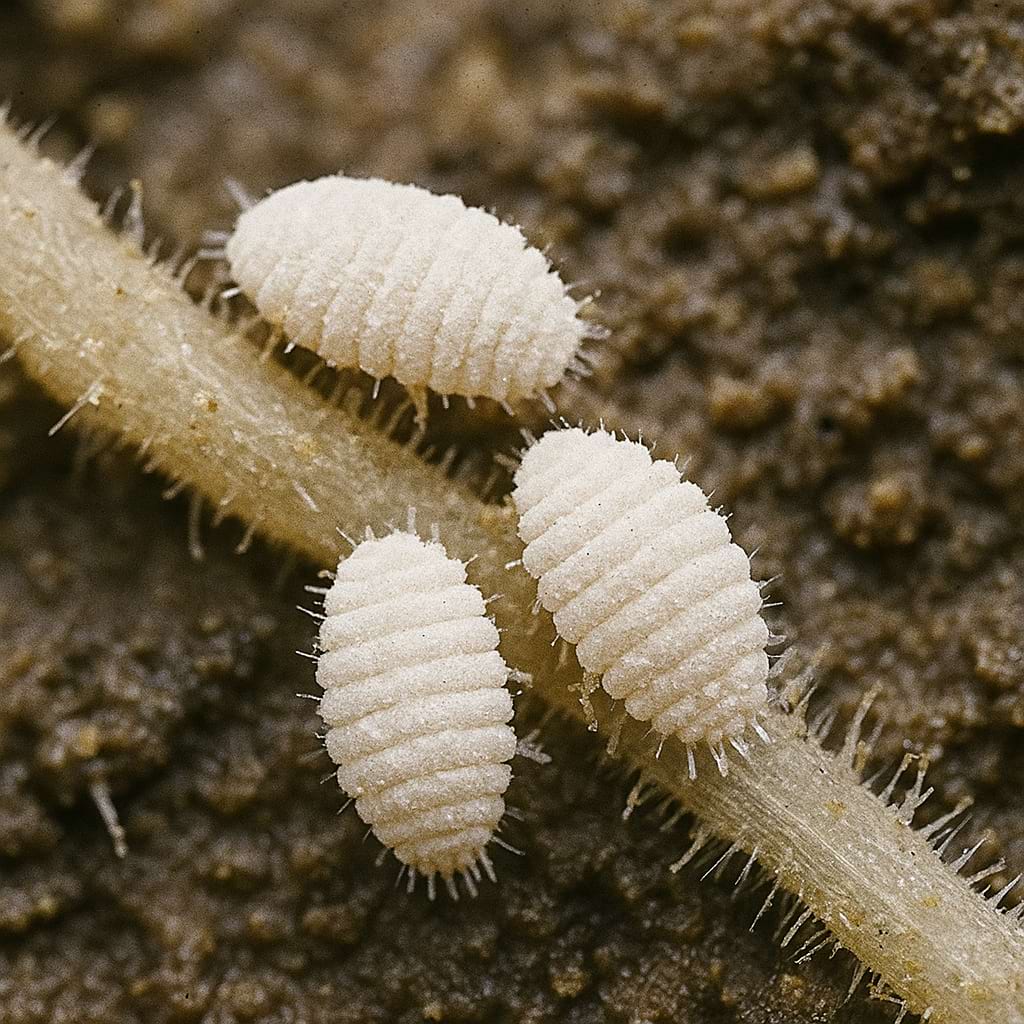
- Root Mealybugs: White powdery clusters on the roots, invisible until you unpot. Wash the roots clean, repot in fresh dry mix, and withhold water for two weeks.
Throw away swabs and brushes after use so pests do not travel back to your other plants.
🩺 Common Eve's Needle Cactus Problems
Nearly every issue traces back to one of two things: too much water or not enough light. Fix those and this plant mostly runs itself.
- Root rot and mushy stems: The main killer. Yellowing that climbs from the soil line, soft translucent tissue, and a sour smell mean the roots have drowned. Cut back to firm tissue, callus the cut, and restart the healthy top in dry mix.
- Leaf drop: Normal on older growth. Sudden loss across the whole plant points to a watering swing, a cold draft, or a sharp drop in light after a move.
- Leggy stretched growth: Thin pale spacing between areoles means weak light. The stretched section will not thicken back up, so improve the light and prune it off in spring.
- Sunburn: Bleached tan patches on the sun-facing side, from moving the plant into strong sun too fast. Acclimate gradually rather than retreating to shade.
- Brown or black spots: Usually fungal, from damp cool stagnant air. Improve airflow and water only at the soil.
- Stunted growth: For a plant this fast, no growth in a full season means poor light, exhausted soil, or quietly damaged roots.

🖼️ Eve's Needle Cactus Display and Styling Ideas
The whole appeal is the silhouette: a green column bristling with white needles and soft green leaves. Styling means getting out of its way.
Solo Setups
One plant in a plain heavy pot against a bare pale wall is the strongest look. The long spines catch low afternoon light and throw a halo, so a spot where late sun rakes across it pays off. Top the soil with pale gravel to keep the stem base dry.
Grouped Arrangements
As the tall element in a desert grouping, it gives height that low rosette succulents cannot. Set it behind a squat Golden Barrel Cactus and a rounded Jade Plant for a strong contrast of shapes, all three in matching pots so the forms do the talking. Leave gaps between pots for airflow and so you can water without reaching over the spines.
Where Not to Put It
Keep it out of walkways, away from seating, off low tables, and clear of doorways. Those spines sit at exactly the wrong height for a passing arm or a curious pet. Give it a corner or a high ledge where nobody blunders into it. If you want desert structure somewhere with foot traffic, a spineless Totem Pole Cactus does the same job safely.
🌟 Eve's Needle Cactus Pro Care Tips
☀️ Give it your single sunniest spot. Everything good about this plant, and the leaves in particular, depends on strong direct light.
💧 When you are unsure, do not water. It forgives drought completely and punishes wet soil quickly.
🧤 Use tongs, not gloves. Three-inch spines go through most gardening gloves without slowing down.
✂️ Cut it to branch it. One clean spring cut turns a bare pole into a multi-headed plant.
🥶 Give it a cold dry winter. Bright, around 50°F, and almost no water keeps it compact and improves flowering odds.
🪴 Pot it heavy. A tall spiny plant tipping over is worse than any watering mistake you could make.
🌱 Never bin a healthy prune. Callus it for a week and you have a free plant.
❓ Frequently Asked Questions
Why does my Eve's Needle Cactus have leaves when other cacti do not?
Most cacti abandoned leaves entirely over evolutionary time and photosynthesize through their stems instead. Eve's Needle sits on an older branch of that family and keeps functional succulent leaves attached for months. They are true leaves, not spines or modified stems, and they let the plant grow noticeably faster than a leafless cactus of the same size.
Why is my Eve's Needle Cactus dropping its leaves?
Losing older leaves near the base as the plant matures is normal. Rapid loss across the whole plant means a watering problem, a sudden drop in light after being moved, or a cold draft. Check the soil first: if it is damp and leaves are falling, cut back on water immediately.
Is the Eve's Needle Cactus toxic to cats and dogs?
It is not chemically toxic, so a nibble will not poison a pet. The hazard is mechanical: those spines are long, stiff, and sharp enough to injure a paw, nose, or eye. Keep it out of reach of pets and small children, which usually means a high ledge or a room they do not use.
How fast does an Eve's Needle Cactus grow?
Fast, by cactus standards. With full sun and a real growing season, expect six to twelve inches of new height in a year. Outdoors in a frost-free climate it reaches six to thirteen feet. Indoors in a pot, two to four feet is the realistic ceiling before you start pruning it back.
Why is my Eve's Needle Cactus growing thin and pale?
That is etiolation, and it means the light is too weak. The plant stretches toward whatever light exists, spacing its areoles further apart and producing thinner stems. Stretched growth never thickens back up, so move it to your brightest window or add a grow light, then prune off the weak section in spring.
Can I grow an Eve's Needle Cactus indoors long term?
Yes, provided you have a genuinely sunny window. A south-facing spot against the glass, a gritty mix, sparing water, and a cool dry winter rest will keep one healthy for years. It stays more compact than an outdoor plant and will almost certainly never flower, but the foliage and form are the reason to grow it anyway.
What is the difference between Austrocylindropuntia subulata and the monstrose form?
Same species, different growth behavior. The standard form grows as an upright column with long white spines and long leaves. The monstrose form has a disrupted growth point, producing a squat lumpy cluster of congested segments with short or absent spines. It stays much smaller and slower, which makes it the easier one to live with indoors.
How do I safely handle an Eve's Needle Cactus?
Use long kitchen tongs or wrap the stem in several thick folds of newspaper. Ordinary gardening gloves are not enough, since three-inch spines go straight through fabric and most leather. Unlike its Opuntia cousins it carries few glochids, so a spine puncture is a clean single wound rather than a shower of invisible barbs. Pull spines out with tweezers in the direction they entered.
ℹ️ Eve's Needle Cactus Info
Care and Maintenance
🪴 Soil Type and pH: Sandy, gravelly, sharply draining cactus mix with low organic content; neutral to slightly alkaline pH.
💧 Humidity and Misting: Happy in ordinary dry household air, roughly 20 to 40 percent; damp stagnant air causes stem spotting.
✂️ Pruning: Cut whole stems back at a joint in spring to control height or start new plants; the cut sprouts side branches.
🧼 Cleaning: Blow dust off with compressed air or a soft dry brush; never wipe the stems by hand, since the spines are long and stiff enough to puncture.
🌱 Repotting: Move up one pot size every two to three years, or sooner if the fast growth makes the plant top-heavy.
🔄 Repotting Frequency: Every 2-3 years
❄️ Seasonal Changes in Care: Strong growth from spring through early autumn, then a cool, bright, nearly dry winter rest that firms the stems and slows stretching.
Growing Characteristics
💥 Growth Speed: Fast
🔄 Life Cycle: Perennial
💥 Bloom Time: Late spring through summer on mature plants, almost always outdoors rather than indoors
🌡️ Hardiness Zones: 9b-11 outdoors; brief dips to about 25°F are survivable if the soil is bone-dry
🗺️ Native Area: The Peruvian Andes at high elevation, naturalized across Bolivia, Ecuador, and northern Argentina
🚘 Hibernation: Cool, bright, nearly dry winter rest between 45 and 55°F
Propagation and Health
📍 Suitable Locations: South-facing windows, sunrooms, glassed porches, bright balconies, and full-sun garden beds in frost-free climates
🪴 Propagation Methods: Snap off a stem segment, let it callus for a week or two, then set it in dry gritty mix.
🐛 Common Pests: Mealybugs, Scale Insects, Spider Mites, Root Mealybugs
🦠 Possible Diseases: Root rot, soft stem rot, fungal stem spotting
Plant Details
🌿 Plant Type: Upright, branching columnar cactus in the Opuntioideae subfamily, Cactaceae
🍃 Foliage Type: Persistent succulent true leaves, unusual among cacti; cylindrical awl-shaped leaves that stay attached for months
🎨 Color of Leaves: Bright fresh green leaves on a slightly darker green stem
🌸 Flower Color: Red to orange-red
🌼 Blooming: Yes, but only on large mature plants grown outdoors in strong sun; indoor plants rarely flower
🍽️ Edibility: The green club-shaped fruits are technically edible but bland, seedy, and not worth harvesting
📏 Mature Size: 2-4 feet in a pot indoors, 6-13 feet in the ground outdoors
Additional Info
🌻 General Benefits: Extremely drought tolerant, fast growing, sculptural year-round structure, widely used as grafting stock for other cacti
💊 Medical Properties: No established medicinal use
🧿 Feng Shui: Sharp protective energy suited to entryways, balconies, and window ledges rather than bedrooms or seating areas
⭐ Zodiac Sign Compatibility: Aries
🌈 Symbolism or Folklore: Endurance, self-defense, and thriving on very little
📝 Interesting Facts: The species name subulata means "awl-shaped," which describes the long, tapering leaves that make this plant so strange to look at. Nearly every other cactus either has no leaves at all or drops them within days of a new segment forming. Eve's Needle holds onto its leaves for months, and sometimes over a year, so you get a plant that looks caught halfway between a cactus and a shrub. In the Andes it is planted in rows as a living fence, and growers worldwide use its fast vigorous stems as grafting stock for slower, fussier cactus seedlings.
Buying and Usage
🛒 What to Look for When Buying: Look for firm bright green stems with plenty of intact leaves still attached, since a leafless plant in a shop has usually been sitting in poor light or has been kept too dry for too long. Check the base for soft brown patches and skip anything wobbly in its pot. A one-foot plant catches up to a three-foot one quickly, so buying small saves money.
🪴 Other Uses: Living fence and barrier planting in frost-free climates, grafting rootstock for cactus seedlings, xeriscape structure plant
Decoration and Styling
🖼️ Display Ideas: Solo in a heavy plain pot where the leafy spiny silhouette reads against a bare wall, or as the tall element in a gritty desert-style container grouping
🧵 Styling Tips: Keep the pot plain and heavy so the odd leaf-and-spine texture stays the focus, and top the soil with pale gravel to make the bright green stems stand out.
🪴 See also 🪴
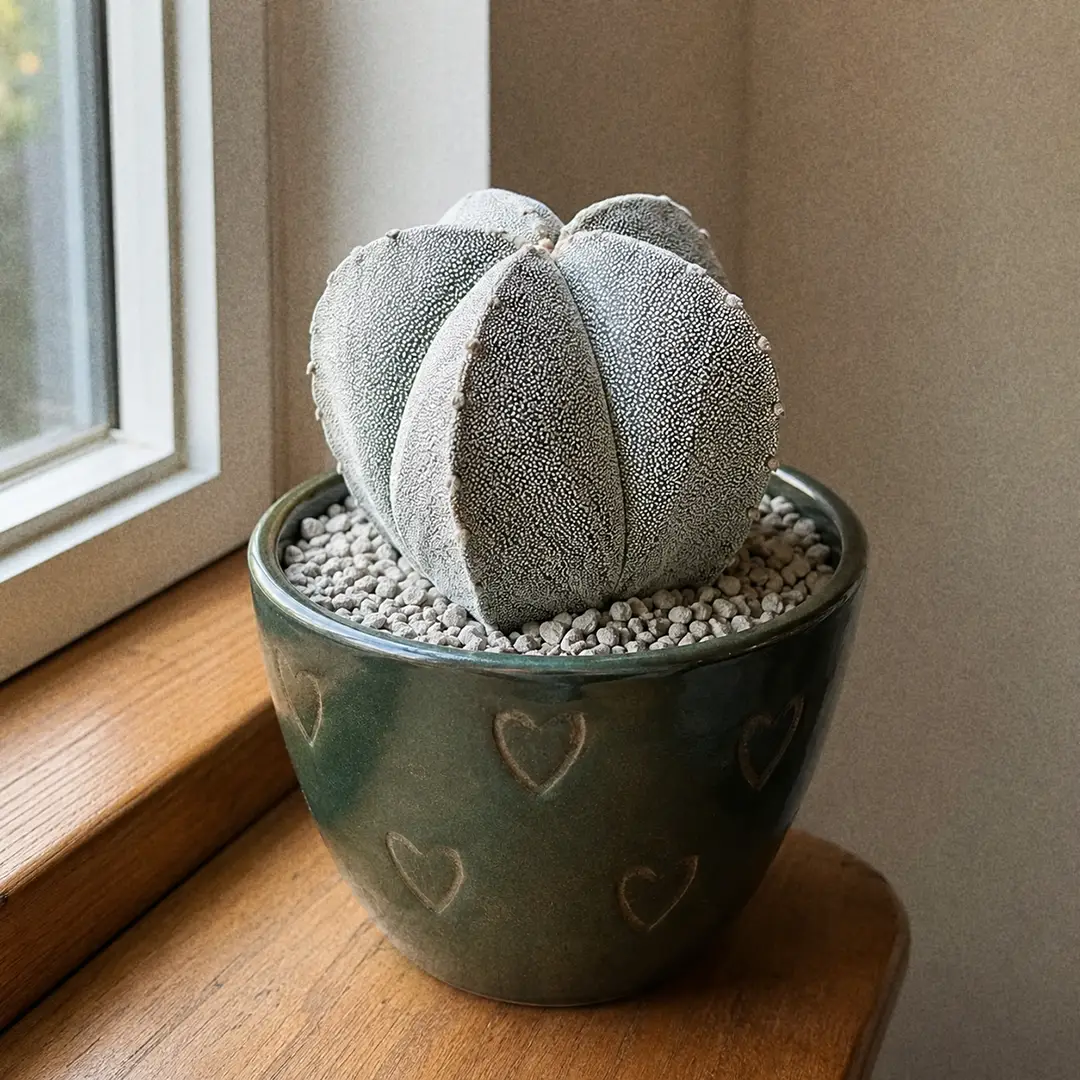
Complete Guide to Bishop's Cap Cactus Care and Growth
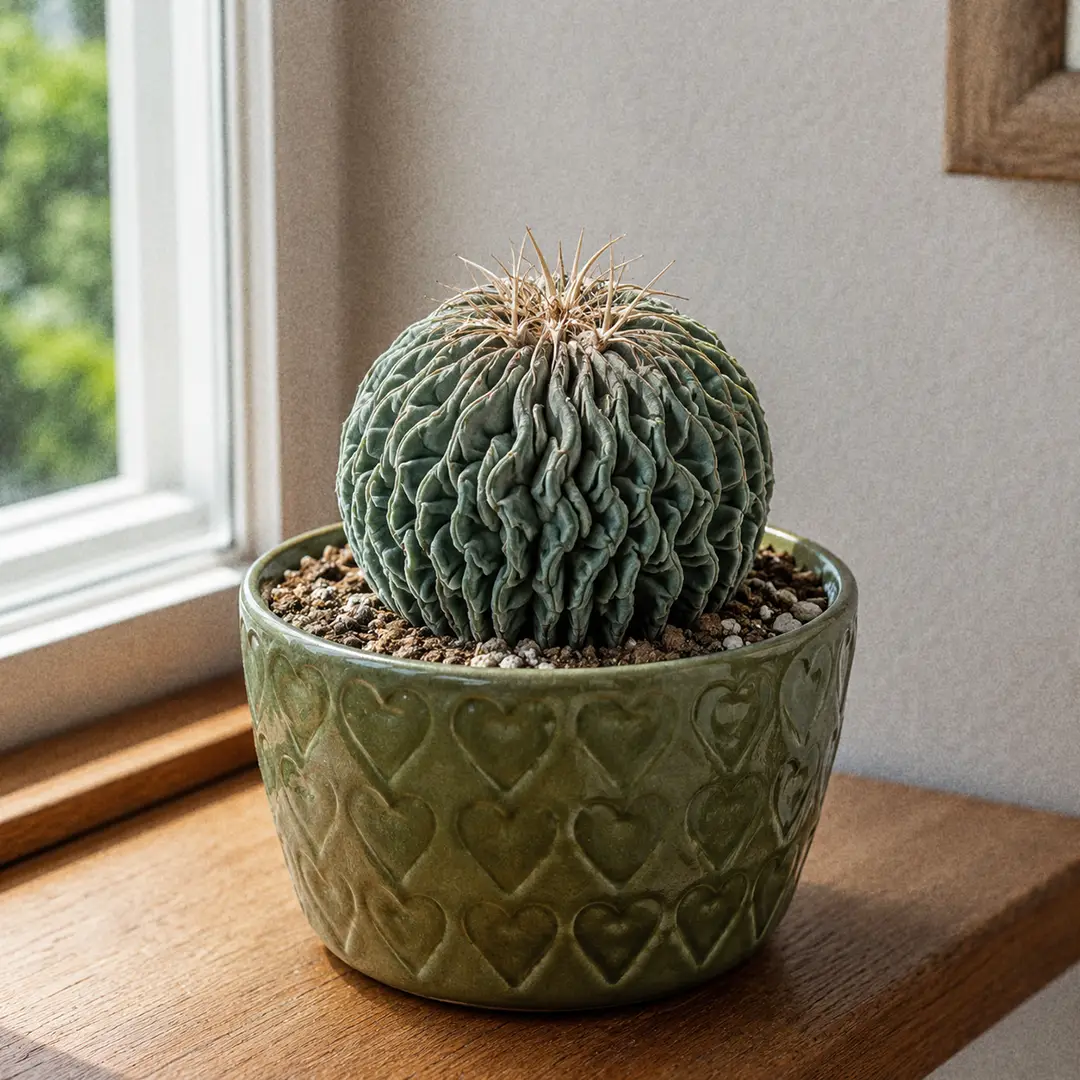
Complete Guide to Brain Cactus Care and Growth
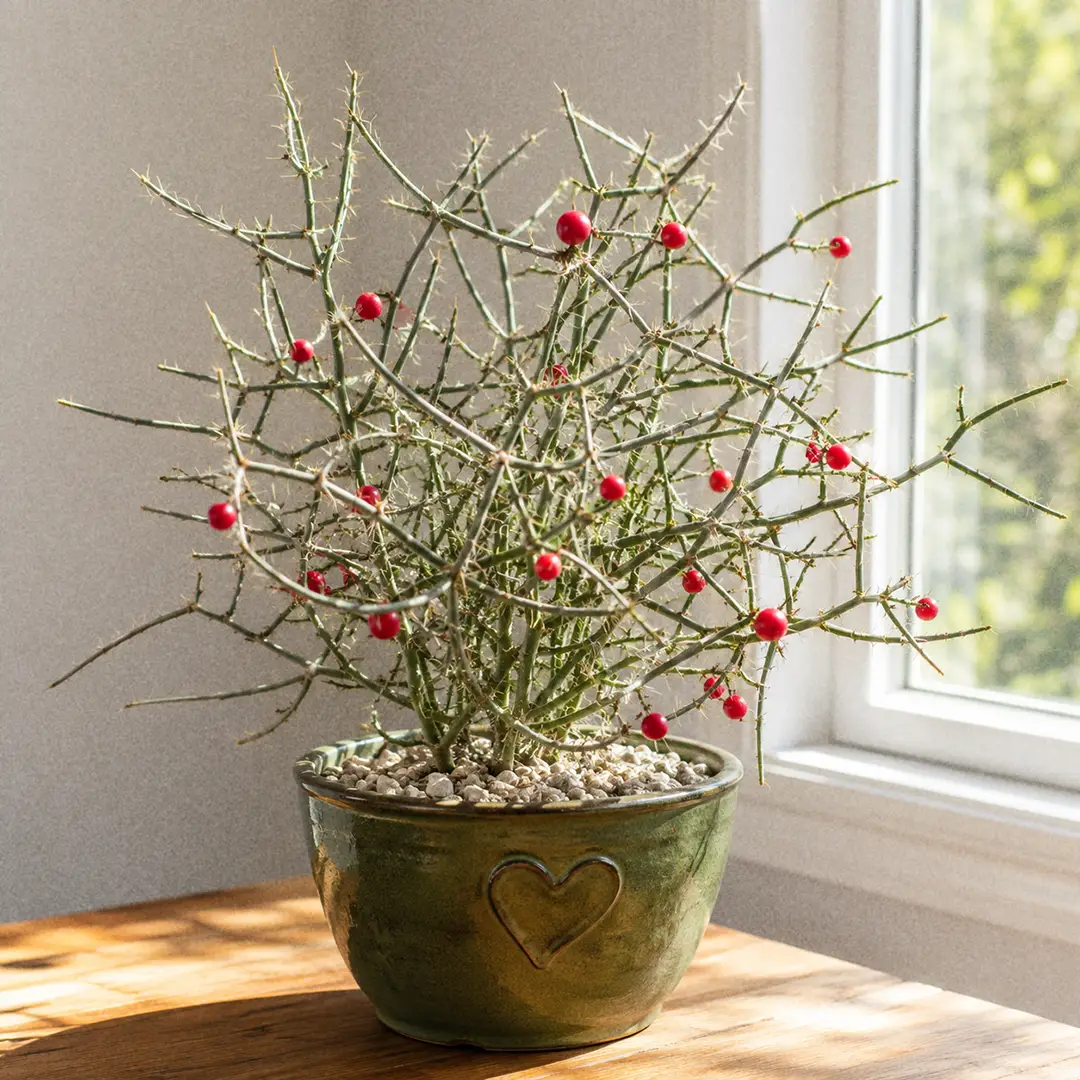
Complete Guide to Christmas Cholla Care and Growth
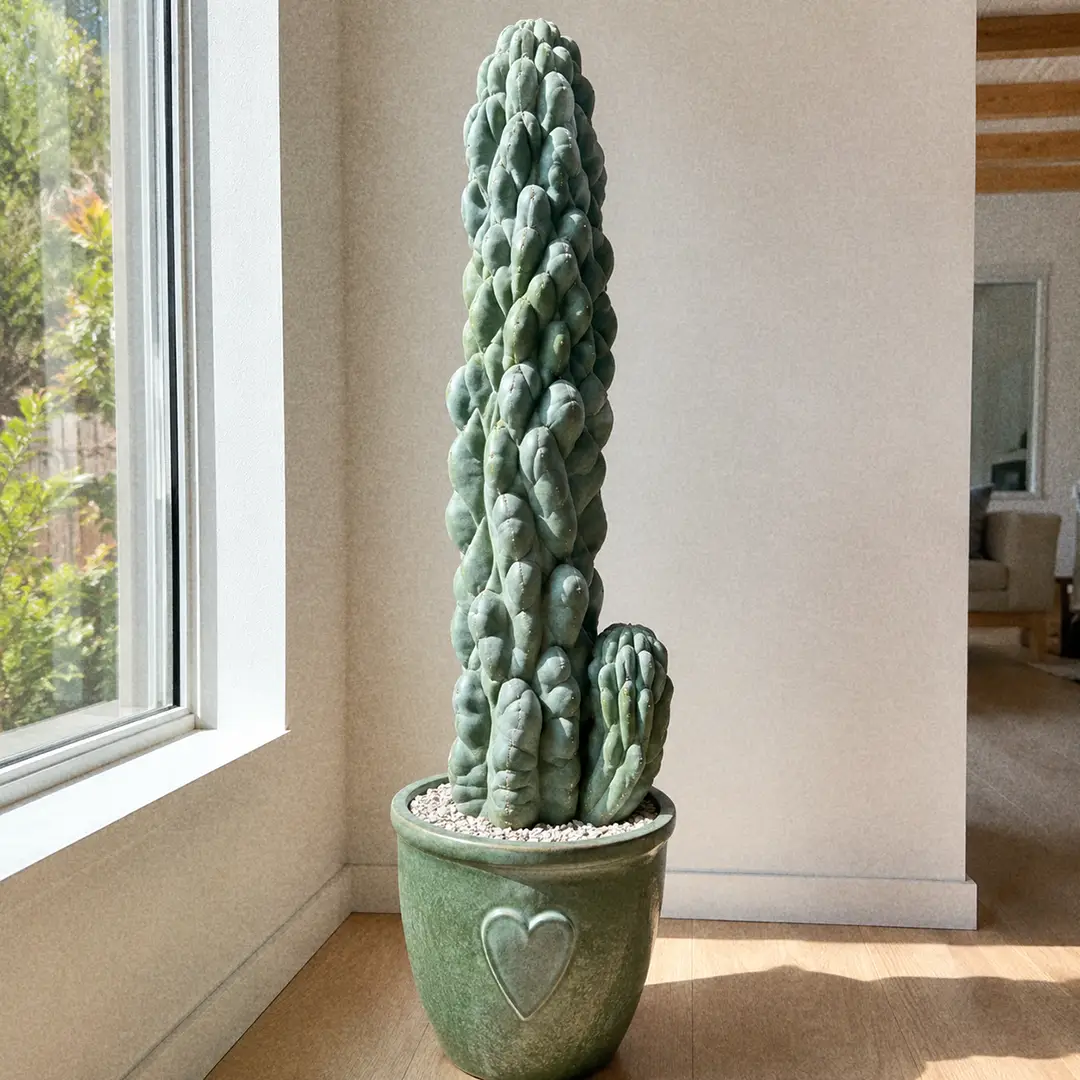
Complete Guide to Totem Pole Cactus Care and Growth
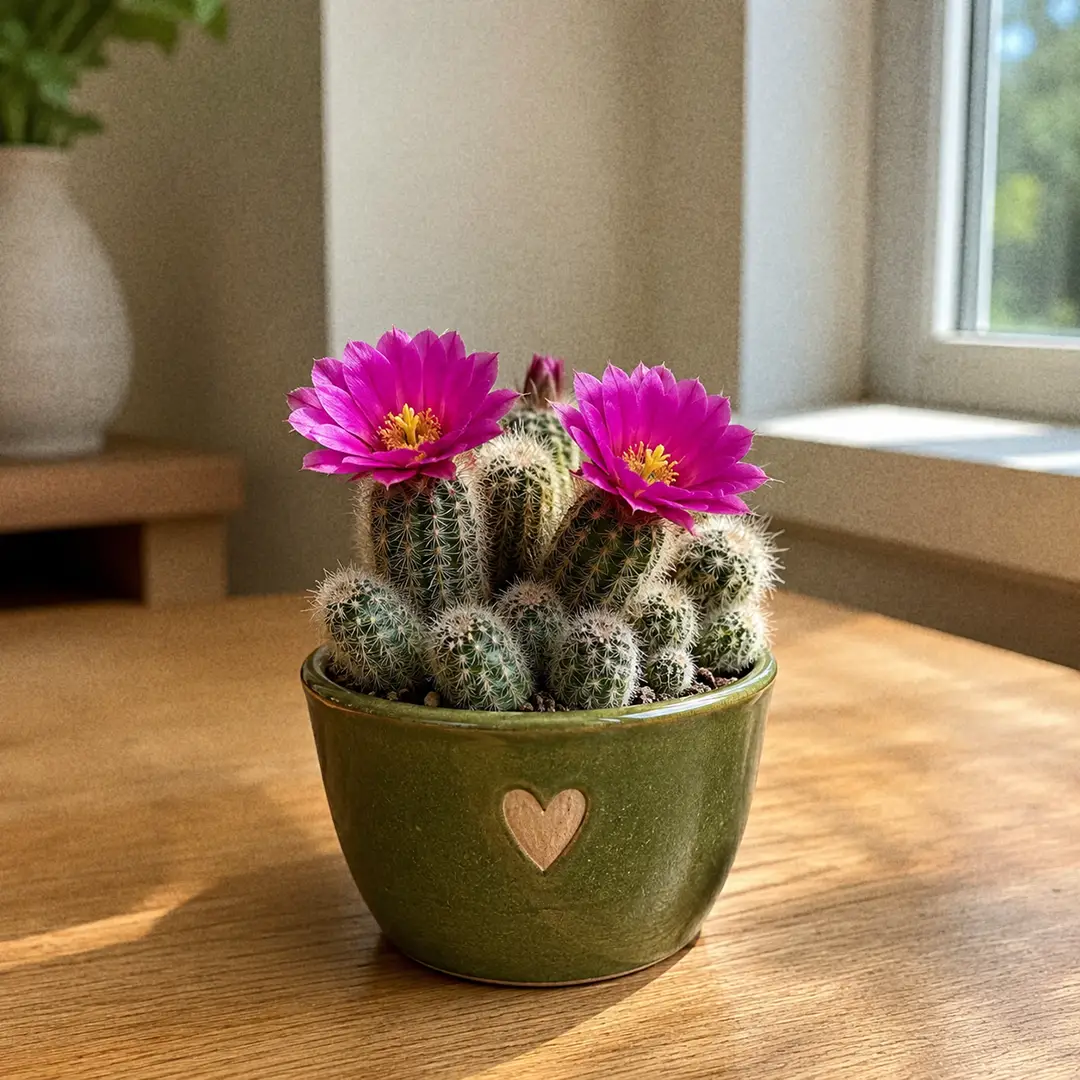
Complete Guide to Hedgehog Cactus Care and Growth
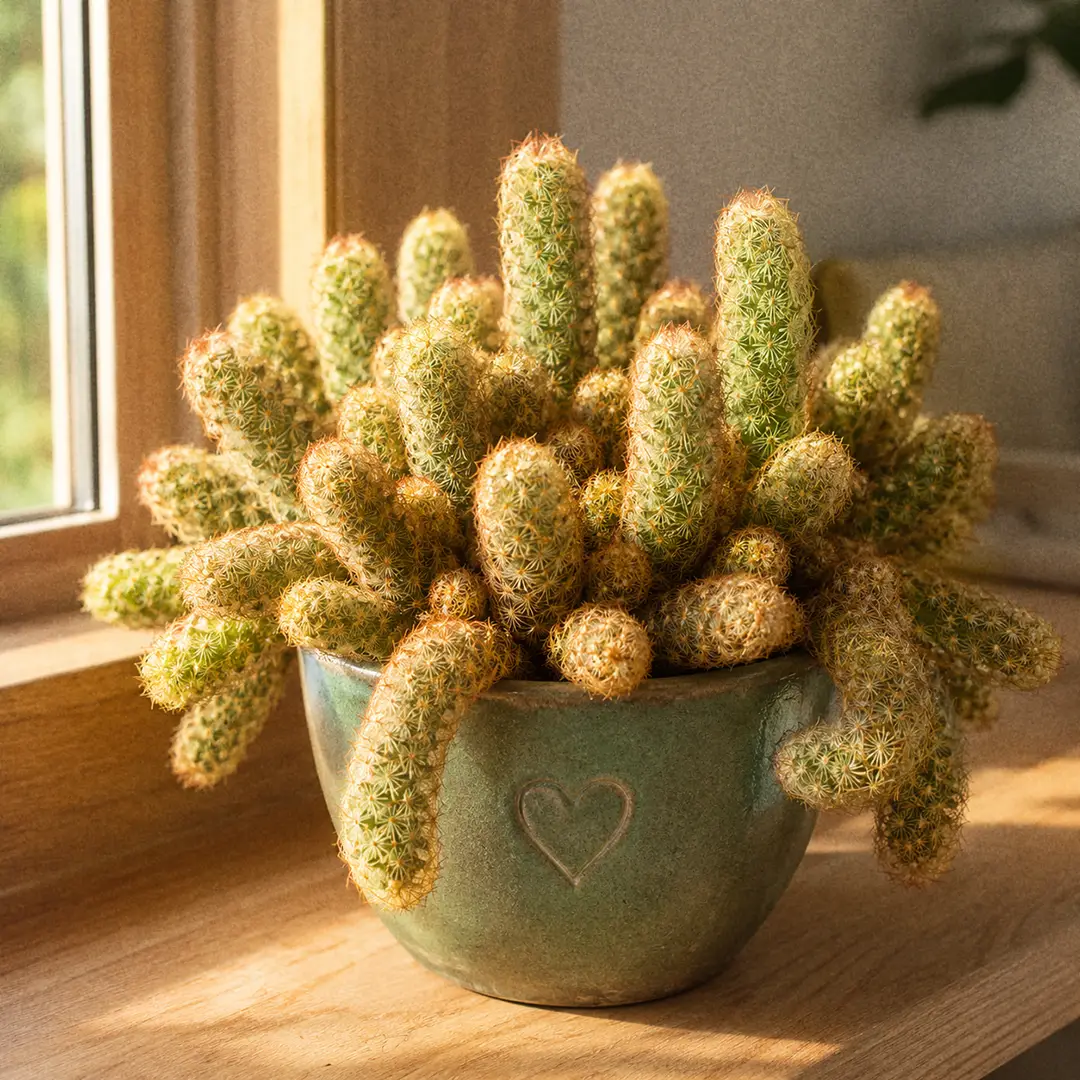
Complete Guide to Lady Finger Cactus Care and Growth
Complete Guide to Old Lady Cactus Care and Growth
Complete Guide to Powder Puff Cactus Care and Growth
Complete Guide to Pincushion Cactus Care and Growth
Complete Guide to Peruvian Old Man Cactus Care and Growth
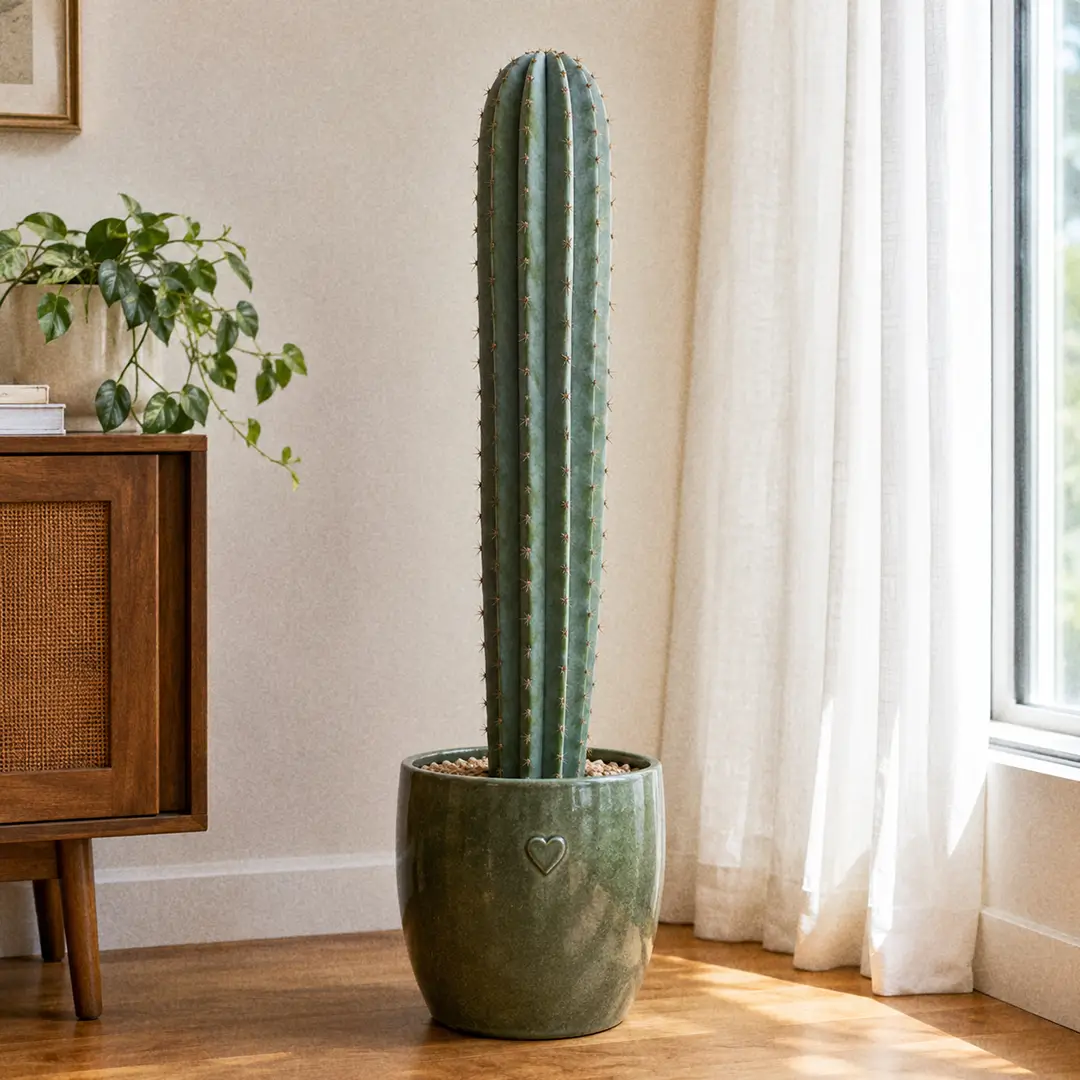
Complete Guide to Peruvian Apple Cactus Care and Growth
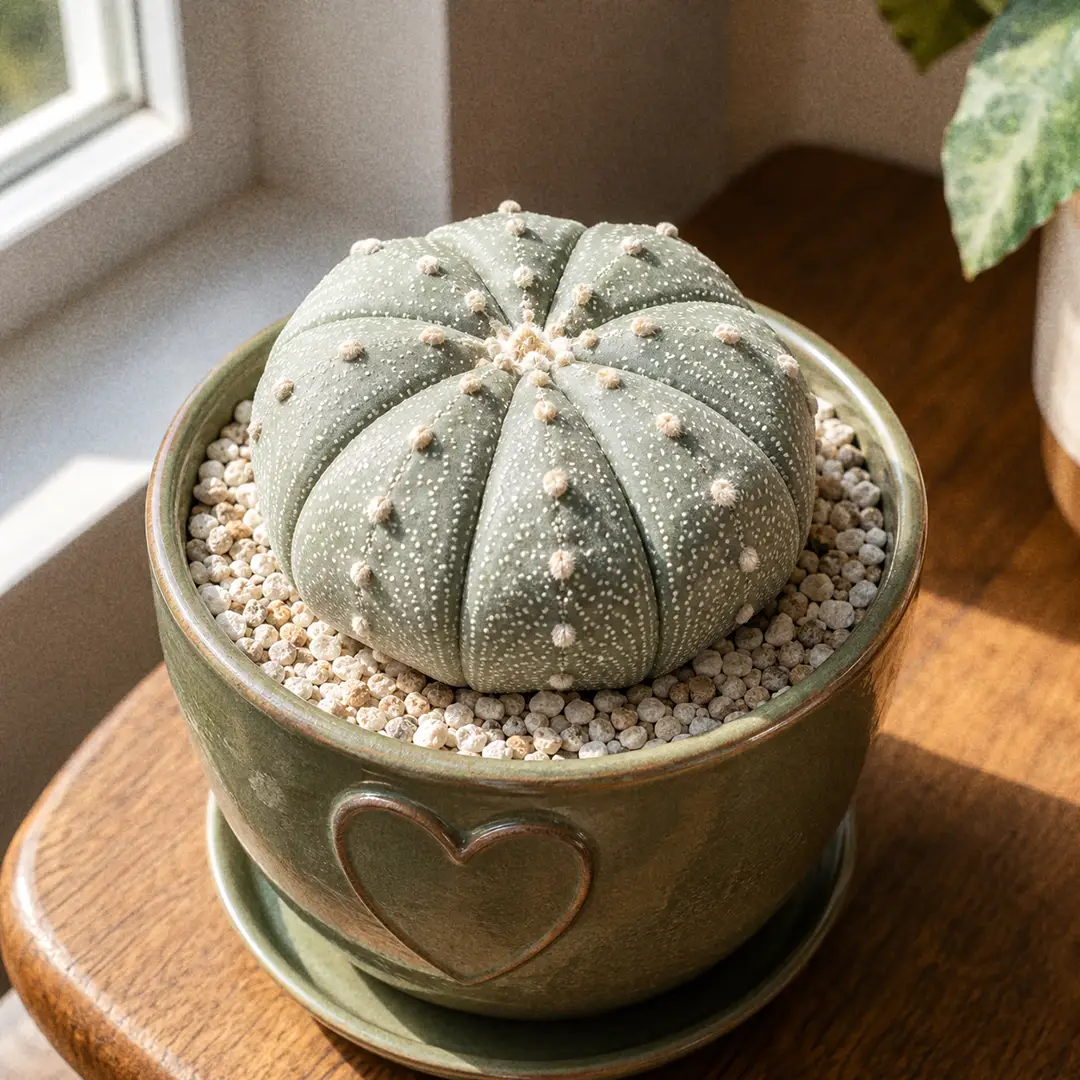
Complete Guide to Star Cactus Care and Growth
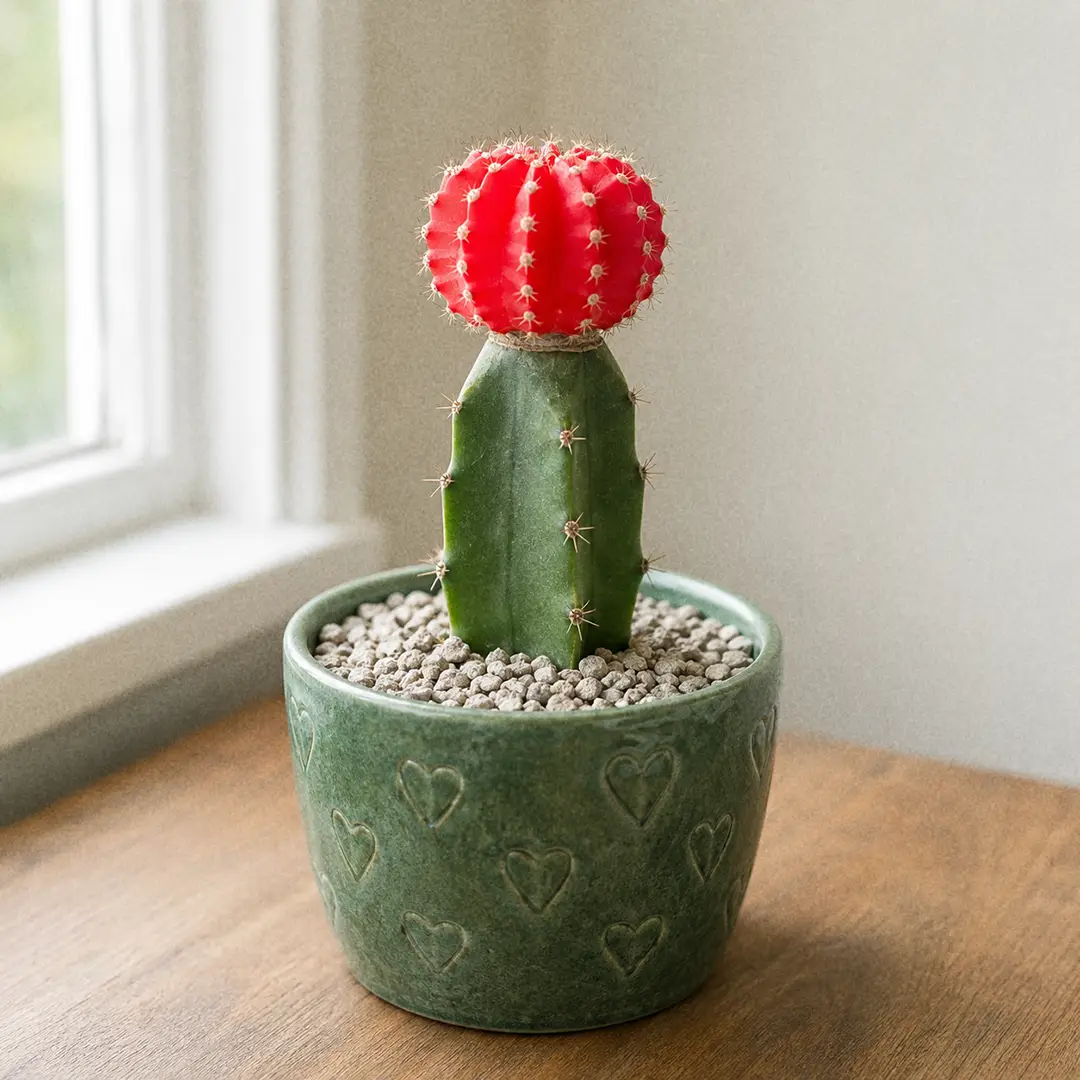
Complete Guide to Moon Cactus Care and Growth

Houseplant101 Forum
Questions & Comments
Ask a question, share your plant experience, or help other plant owners.
Comments are temporarily unavailable.
Open the Houseplant101 ForumNo comments yet
Be the first to ask a question or share your experience about this page.
Log in or create an account
Comments use your Houseplant101 Forum account, but you can stay on this page.
Create a new account