
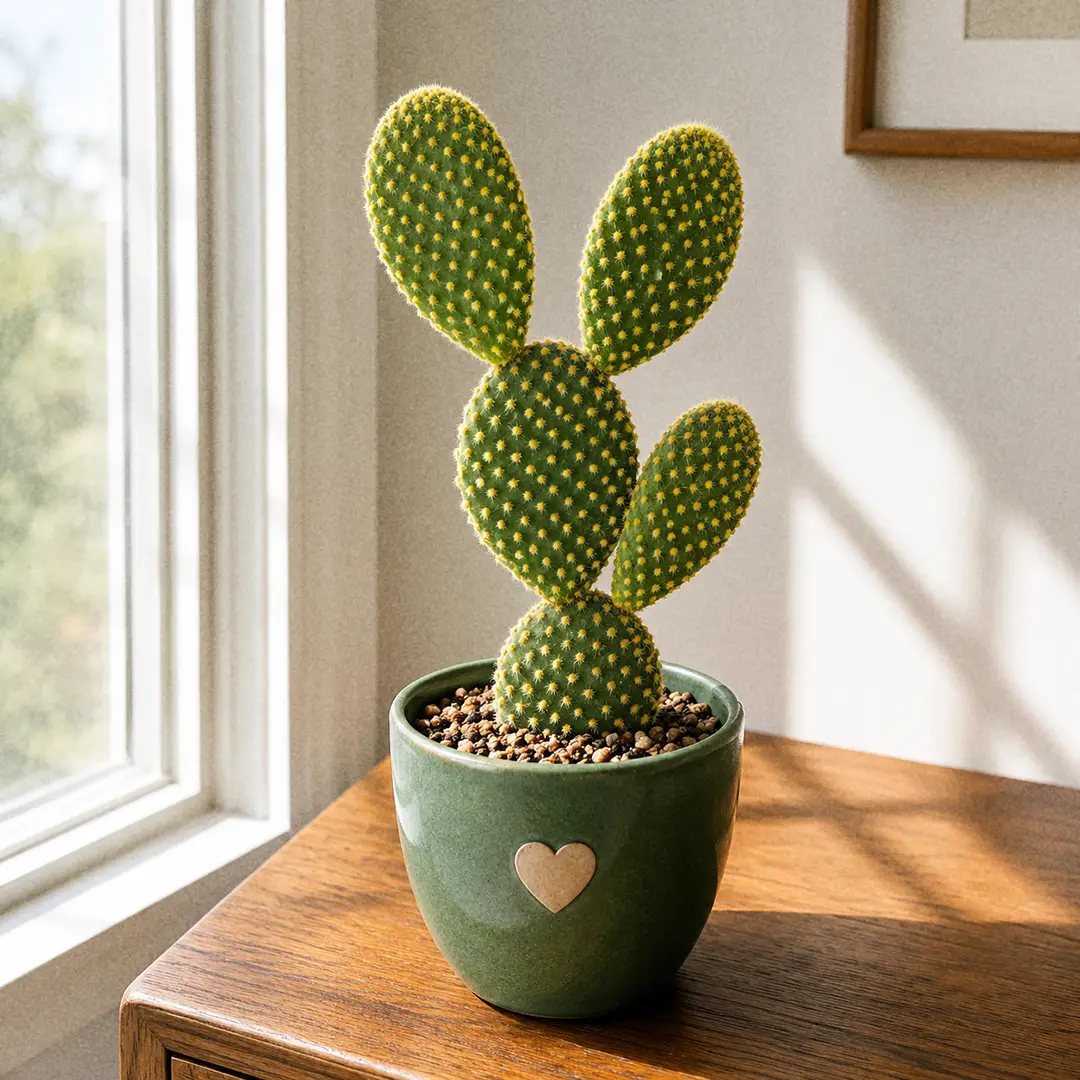
Bunny Ear Cactus
Opuntia microdasys
Bunny Ears Cactus, Polka-Dot Cactus, Angel's Wings, Yellow Bunny Ears, Mickey Mouse Cactus


The Bunny Ear Cactus (Opuntia microdasys) is the friendly-looking little Mexican cactus with flat, paired pads dotted in neat tufts of golden, white, or cinnamon glochids. It is one of the easiest cacti to grow on a sunny windowsill, propagates from a single pad, and rewards a winter rest with cheerful yellow flowers in early summer.
📝 Bunny Ear Cactus Care Notes
🌿 Care Instructions
⚠️ Common Pests
📊 Growth Information
🪴 In This Guide 🪴

📺 Bunny Ear Cactus Video Guide

☀️ Bunny Ear Cactus Light Requirements (Full Sun, Bright Direct)
Light is the biggest variable. A Bunny Ear in adequate light stays compact with plump pads and evenly colored glochids. In poor light it gets tall, narrow, pale, and floppy within months, and it does not bounce back.
The Sweet Spot
Place it right against a south or west window with six or more hours of direct sun. East windows work in sunny climates but leave the plant slightly leggy by year two in cloudy places. North windows are not enough; supplement with a grow light for 10-12 hours a day.
Summer Outdoors
In summer the plant loves a sunny patio as long as nights stay above 60°F (15°C). Acclimate gradually: dappled shade for three days, then an hour of direct sun on day four, building from there.
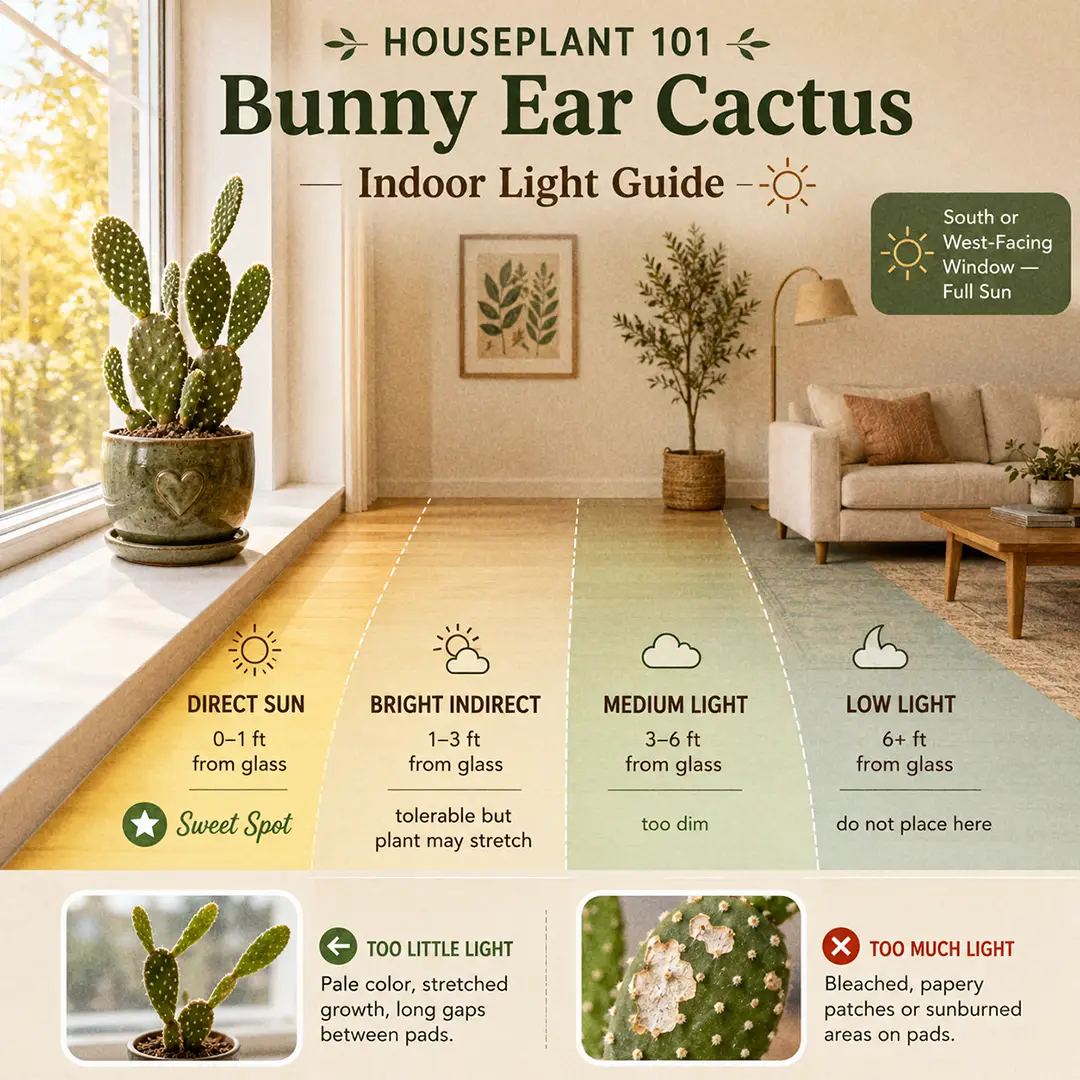
Too Little Light
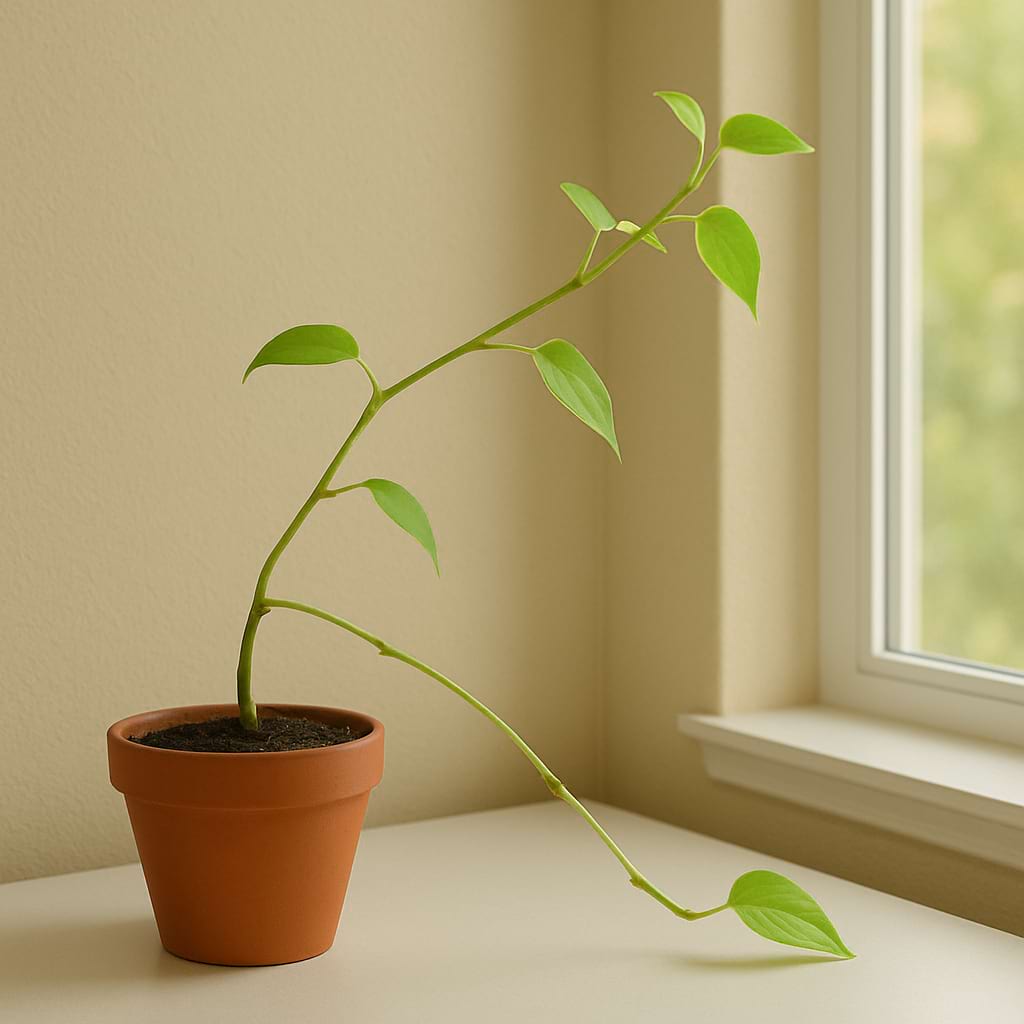
New pads come in thin and elongated, color fades, glochid tufts spread apart, the plant leans. Stretched pads stay stretched. Move it to your brightest window now.
Too Much Light
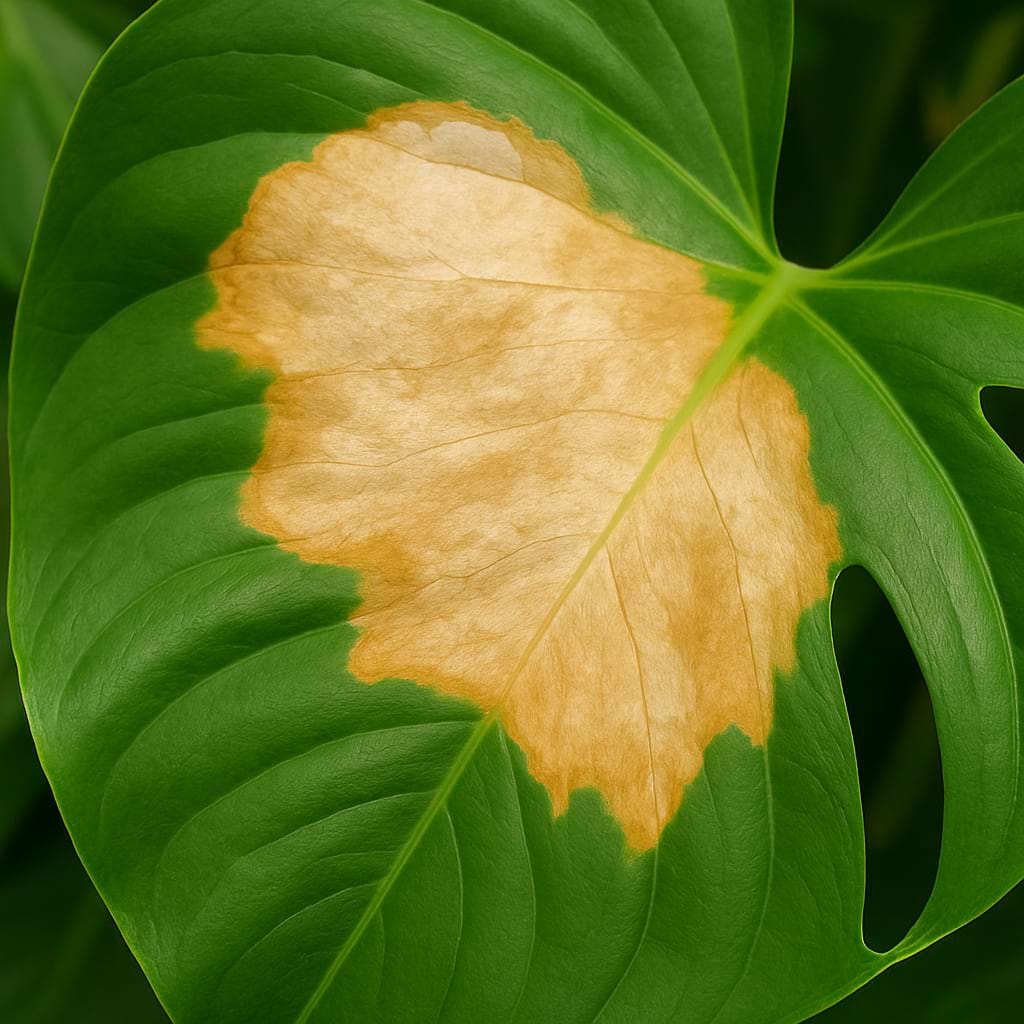
Sunburn shows as bleached patches and papery brown spots, usually from a window plant going straight to outdoor sun without acclimation. The fix is acclimation, not less light.
💧 Bunny Ear Cactus Watering Guide (Only When Bone-Dry)
This is where most new owners go wrong. Cacti die of root rot, not thirst. The strategy: make sure the soil hits truly bone-dry between drinks, and cut watering back hard the moment autumn light fades.
Watering Frequency
In active growth (mid-spring to early autumn), water only when the soil is completely dry top to bottom. For a 4-inch terracotta pot in a sunny window, that lands every 2-3 weeks. Larger plastic pots in cool rooms can stretch to 4-5 weeks. Push a wooden skewer to the bottom: if it comes out damp, wait.
Winter Watering
In winter, watering drops to almost nothing. A plant in a cool 50°F (10°C) sunroom can stay bone dry for three months. A plant in a warm room needs a small drink every 4-6 weeks to prevent shrivelling. Less is always safer than more. See watering houseplants for general background.
How to Water
Pour room-temperature water around the base until it drains, let it drain for ten minutes, then tip out the saucer. Never let the plant sit in standing water. Do not drip water onto the pads; water trapped at the joints causes black spots and soft rot. Bottom watering works if your mix is very gritty.
Signs of Trouble
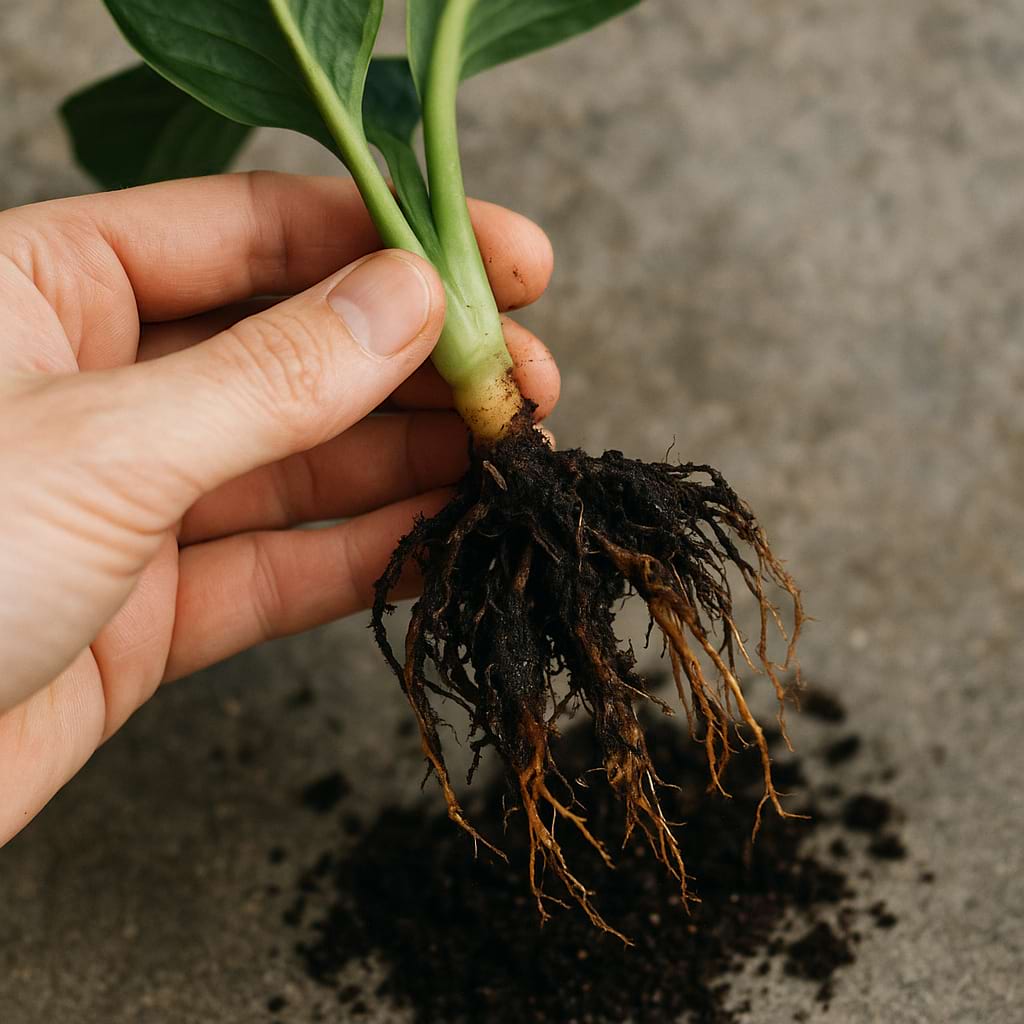
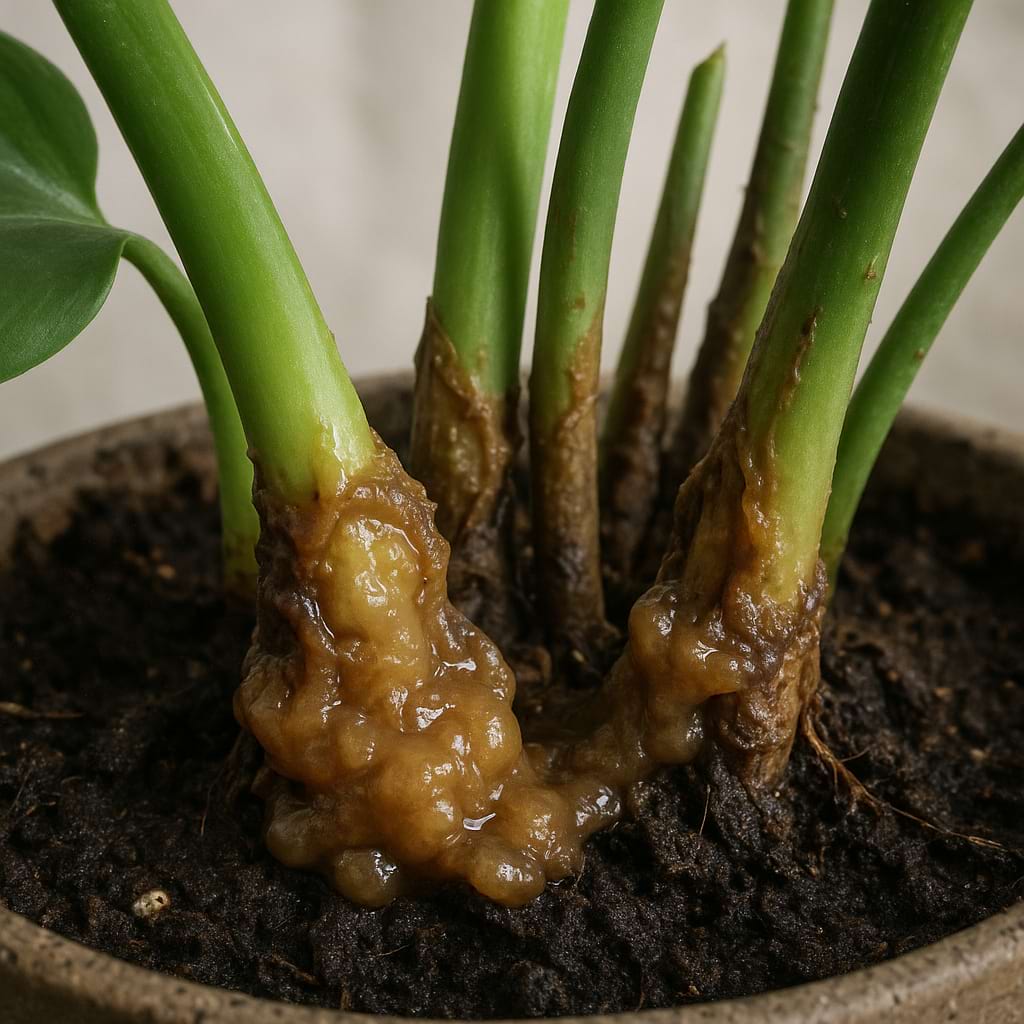
Underwatering looks like soft, wrinkled pads. A single deep watering rehydrates them in a few days. Rarely fatal. Overwatering looks different and is far worse: pads yellow from the base, lower pads turn mushy, soil smells sour. By the time these show, rot is advanced. Last chance: unpot, cut to firm green tissue, callus the cuts for a week, root a fresh pad. No water for a month after replanting.
🪴 Best Soil for Bunny Ear Cactus (Gritty and Free-Draining)
If you get one thing right, make it the soil. Even careful watering cannot save roots in soggy, peat-heavy compost. A good mix drains in seconds, dries out fully, and stays airy so oxygen reaches the roots.
DIY Soil Mix
- 1 part standard cactus and succulent mix
- 1 part coarse pumice (or perlite)
- 1 part coarse horticultural sand (not builder's sand)
Optional: a handful of crushed oyster shell to nudge pH up, a teaspoon of horticultural charcoal. Squeeze a damp handful: it should crumble apart the instant you open your hand. See repotting season for general timing.
Pre-Made Options
A specialist cactus mix is great. Mass-market "cactus mix" is often too peaty; add 50% more pumice or perlite.
Pot Choice
Terracotta. The clay wicks moisture away and shortens drying time. Use a pot only slightly larger than the rootball; oversized pots hold wet soil around the edges.
🍼 Fertilizing Bunny Ear Cactus (Less Is More)
A desert plant from poor soil. Happier underfed than overfed.
When and How Often
Feed only during active growth, mid-spring through late summer. Two feedings per year is enough: one in late April or early May, one in late June or early July. Never fertilize from late autumn through early spring, and never a freshly repotted plant (wait two months).
What to Use
Use a low-nitrogen cactus fertilizer (2-7-7 or 5-10-10) at half label strength. Water with plain water first, then apply the diluted feed. See fertilizing houseplants for the basics. Slow-release granules also work.
Over-Fertilizing Signs
White crust on soil or pot rim means salt build-up. Flush with several pot-volumes of plain water, skip the next two feedings, and dilute more next time.
🌡️ Bunny Ear Cactus Temperature Range
Bunny Ear thrives on seasonal contrast: warm and bright in summer, cool and almost dry in winter. The cold rest is the secret to keeping the plant compact and coaxing summer flowers.
Summer Range
In growing season, 70-95°F (21-35°C) is ideal, with slightly cooler nights. It tolerates indoor heat into the high 90s in dry, airy conditions.
Winter Rest Range
In winter, aim for 45-60°F (7-15°C) if possible. An unheated room, sunroom, or cool conservatory works. The plant survives heated rooms (65-70°F / 18-21°C) but grows tighter and flowers better with a cold cue. Brief drops to just above freezing are fine if the plant is bone dry; never let the soil be both wet and below 40°F (4°C).
Drafts and Heat Sources
Avoid placing directly above a radiator or vent. Cool drafts are not a problem; cold plus damp is.
💦 Bunny Ear Cactus Humidity Requirements
Easy. Bunny Ear prefers low to moderate humidity (30-40%), normal for most homes. No misting, no humidifier, no grouping with tropical plants.
Ideal Humidity
Low to moderate, 30-40 percent. The same dry indoor air that wilts a fern keeps a Bunny Ear happy. Skip the spray bottle entirely.
When Humidity Bites
The one humidity issue is high humidity combined with cool temperatures, especially in late autumn before heating comes on. Stagnant damp air causes fungal spots and joint rot. A small fan a few hours a day solves it. Skip bathrooms, poorly ventilated kitchens, and terrariums.
🌸 Bunny Ear Cactus Flowers (Bright Lemon Yellow, on Mature Plants)
Yes, the plant flowers indoors: bright lemon-yellow, 2-3 inches across, opening at the edges of the upper pads. The catch is you have to earn them.
What the Flowers Look Like
Flower buds appear along the upper edge of the topmost pads in late spring. Each opens into a fragrance-free yellow cup lasting 2-4 days. Flowering continues in waves for weeks, and small reddish-purple fruits sometimes follow.
How to Trigger Bloom
Three things have to line up: the plant must be mature (5+ years, 8-12 pads), it must get very strong direct light in spring and early summer, and it must have had a real cool, dry winter rest at 45-55°F (7-13°C) with almost no water for at least eight weeks. Without the winter cue, even a great-light plant skips flowers.
If It Won't Bloom
If your plant will not bloom, the most common cause is a winter spent in a heated living room. Move it to your coolest bright spot from November through February and try again next year. There is no shortcut.
🏷️ Bunny Ear Cactus Types and Varieties
Three main forms in the trade plus a few rarer cultivars. They share shape but differ in glochid color.
Standard Bunny Ear
Opuntia microdasys. Mid-green pads with golden-yellow glochid tufts. The classic "Polka-Dot Cactus" and the variety most often sold at garden centers.
Angel's Wings (var. Albispina)
Sold as 'Albata.' Creamy white glochids on the same green pads, frosted-looking. Identical care to the standard.
Cinnamon Bunny Ears (var. Rufida)
Blue-green pads with cinnamon to brick-red glochids. Sometimes split as Opuntia rufida, grown identically.
Rarer Cultivars
'Pallida' (pale cream), a crested 'Cristata', and a darker "Mexican Sunset." None change care.
Pairing Ideas
A three-variety display of Standard, Albata, and Rufida in matched terracotta is one of my favorite small arrangements. For different scale or texture on the same shelf, try the upright Old Man Cactus, the round Golden Barrel Cactus, or the chalky White Ghost Cactus. If you want a jolt of color in the lineup, a grafted Moon Cactus drops a candy-bright red or yellow ball into the desert palette, or a low, sprawling Peanut Cactus brings real scarlet flowers to the group each spring. For winter color from a wilder cousin, the Christmas Cholla is another glochid-armed Opuntia relative that hangs bright red berries on bare stems through December. And for height behind the flat pads, the Eve's Needle Cactus is the strangest relative of the bunch, an upright Opuntia cousin that keeps long green leaves growing right beside its spines.
🪴 Potting and Repotting Bunny Ear Cactus
Bunny Ear is slow-growing and happy snug. Repot every 2-3 years, or when the plant gets top-heavy enough to tip its pot.
When to Repot
Every 2-3 years, or when the plant gets top-heavy enough to tip its pot. Spring is the best window, just as growth picks up.
Choosing a Pot
Terracotta is the default; the clay breathes and pulls moisture out. Glazed and plastic work but need a slower watering rhythm. Size up just one inch wider. Bunny Ear has a shallow root system, and oversized pots hold too much wet soil.
Handling Glochids Safely
- Wait until the plant is bone dry; dry pads are lighter and soil falls away cleanly.
- Wrap the plant in folded newspaper or a dish towel, twice around the lower pads.
- Tip the pot sideways, slide the rootball out, and shake off the old soil.
- Trim dead or rotten roots with sterile scissors.
- Place fresh gritty mix in the new pot, settle the plant at the old soil line, and tamp lightly with a chopstick.
- No water for one full week so nicked roots can callus.
Throw away the newspaper or wash the towel separately so loose glochids do not end up in your laundry.
✂️ Pruning Bunny Ear Cactus
Bunny Ear needs very little pruning. The plant keeps a tidy shape on its own; intervene only when something has clearly gone wrong.
When to Prune
Cut only when a pad has shrivelled past recovery, the plant is growing lopsided, or a pad has visible damage. Healthy plants need nothing year-round.
How to Prune
Always wear thick gloves or use tongs. Cut at the joint between pads, never across one. Let the cut callus in dry air for at least a week. A callused healthy pad is a perfect propagation candidate.
🌱 How to Propagate Bunny Ear Cactus
Pad propagation is the easiest cactus propagation you can do. See succulent propagation for the basics.
Step-by-Step Pad Propagation
- Pick a healthy plump pad. Younger pads root faster.
- Wearing thick gloves, twist or cut the pad off at the joint with a sterile blade.
- Callus the cut in dry shade for at least seven days. Skipping this is the biggest failure point.
- Push the bottom inch into dry gritty mix, just deep enough to stand. Do not water.
- Wait 2-3 weeks in bright indirect light.
- After about three weeks, water lightly and let dry out. By 6-8 weeks you should feel resistance when you wiggle the pad.
- A small new pad emerges from the parent a few weeks after rooting.
Tips for Success
Propagate in spring or early summer; the parent has nothing to spare in winter. Use the same gritty mix as for an adult plant, and resist tugging on the pad to check progress.
🐛 Bunny Ear Cactus Pests and Treatment
The dense glochid tufts give pests great shelter.
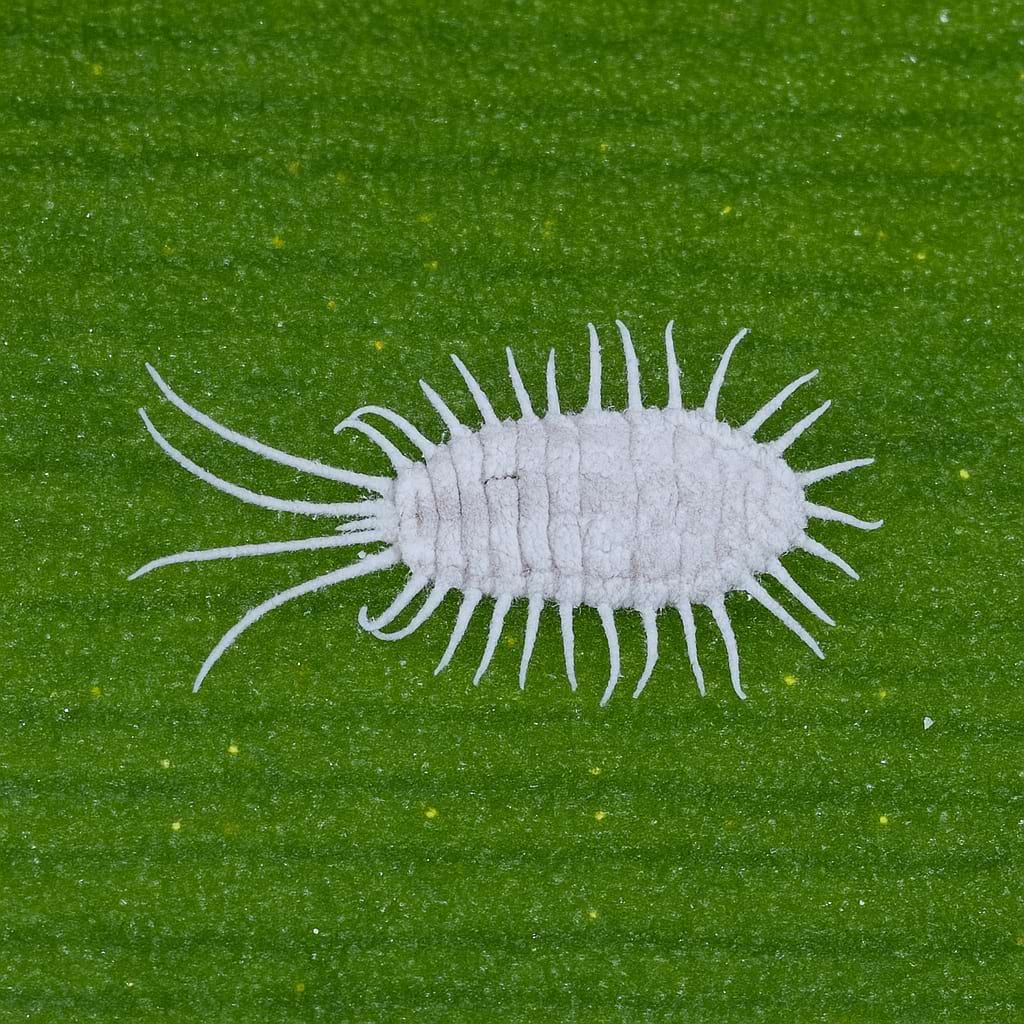
- Mealybugs: The most common. Cotton specks at the joints between pads (not on the pad surface, where glochids cluster in rows). Dab with isopropyl alcohol on a swab every 5-7 days for three weeks; a soil-drench insecticide for big infestations.
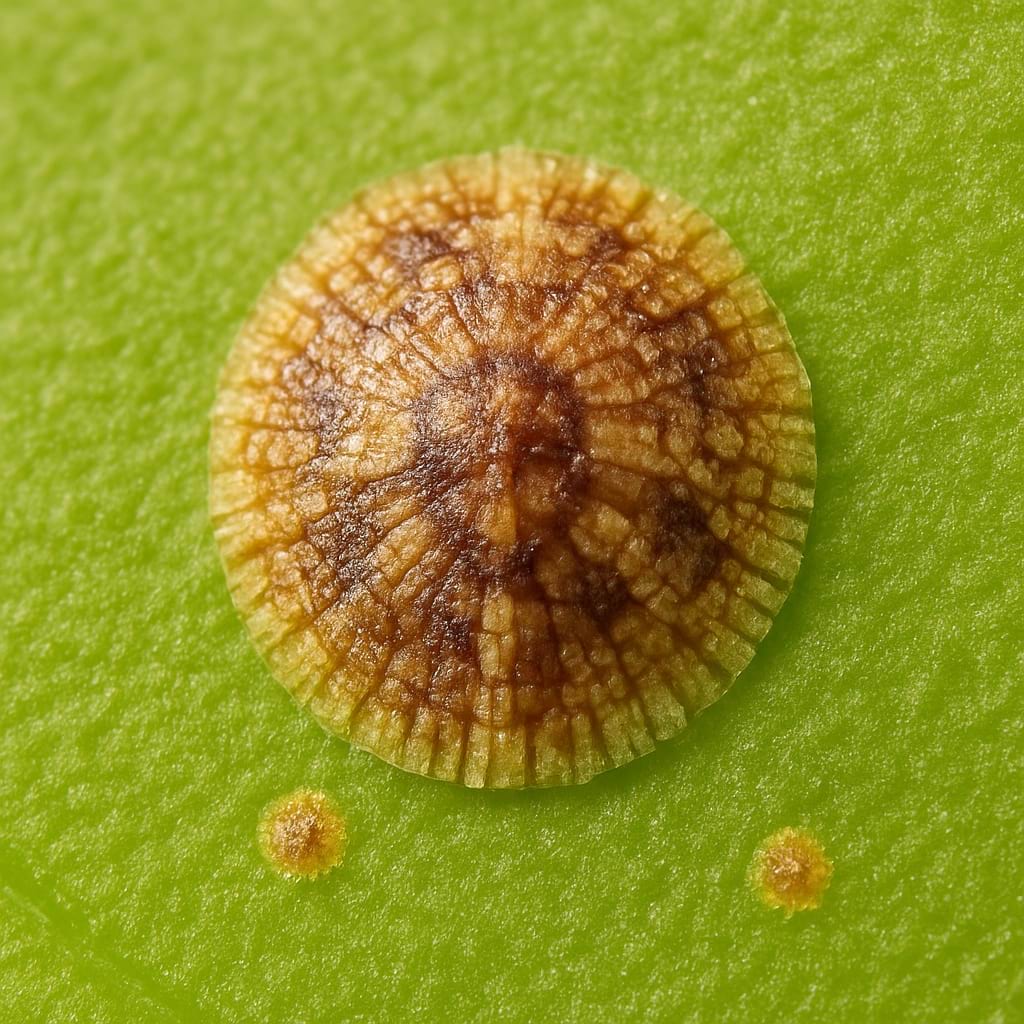
- Scale Insects: Flat brown shells on the pad surface. Scrape off by hand.
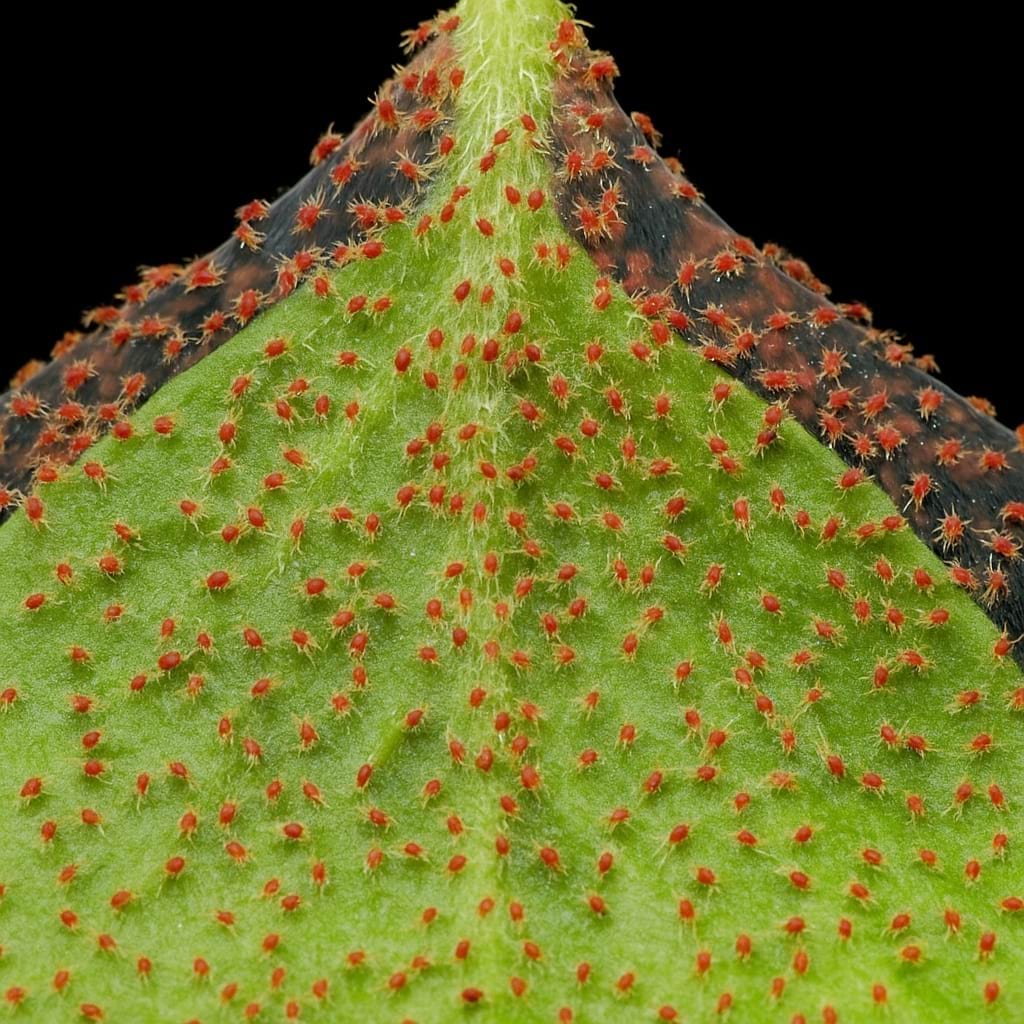
- Spider Mites: Fine webbing between pads in warm dry air. Treat with mild horticultural soap, avoiding the glochid tufts.
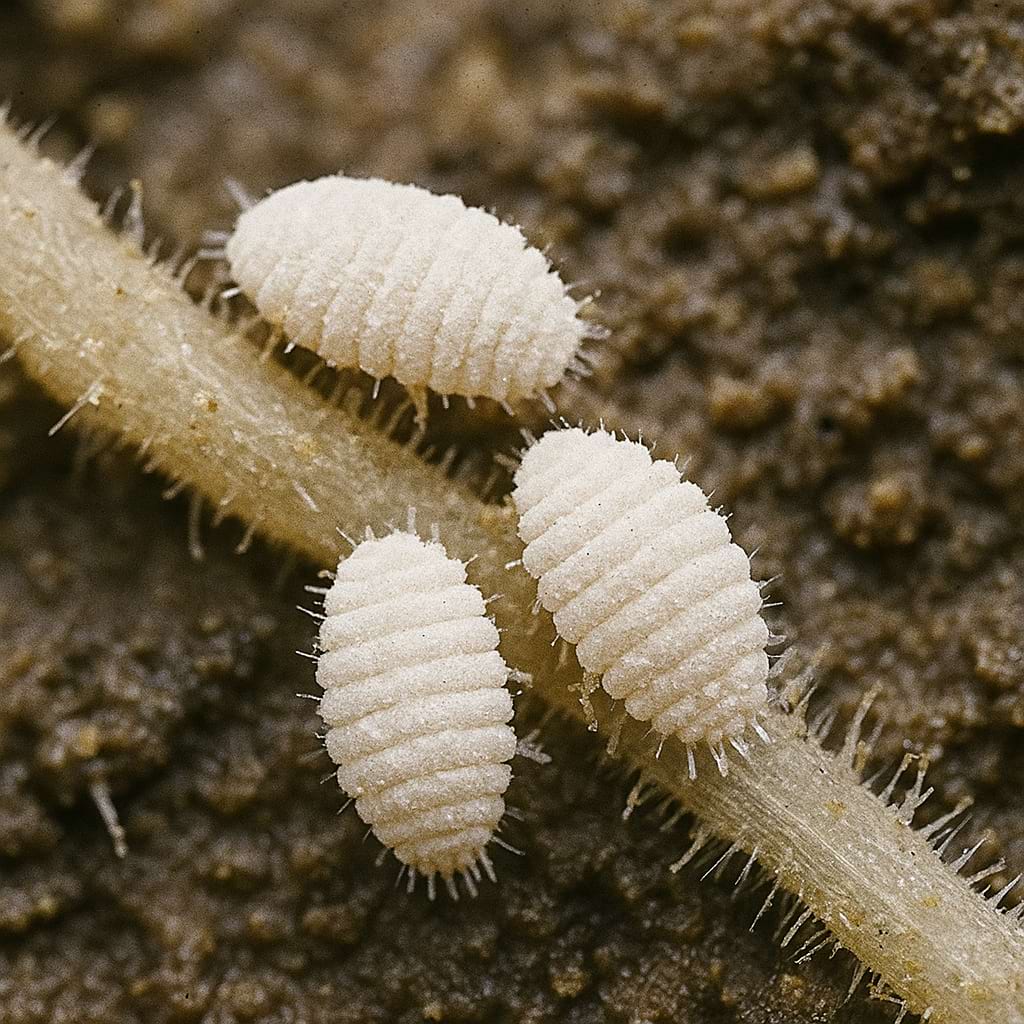
- Root Mealybugs: White powdery clusters on the rootball, invisible until you unpot. Wash roots, repot in fresh dry mix, no water for two weeks.
When treating, avoid pressure-washing (it embeds glochids in sponges and cloths). Use a soft paintbrush or Q-tip and toss it afterwards.
🩺 Common Bunny Ear Cactus Problems
Almost every problem traces back to too much water, not enough light, or rough handling.
- Root rot / mushy pads: The number-one killer. Soft yellowing pads from the base, foul smell. Cut back to firm green tissue, callus, restart from a clean pad.
- Leggy stretched growth: Low light. Move to your brightest window. Stretched growth will not reverse.
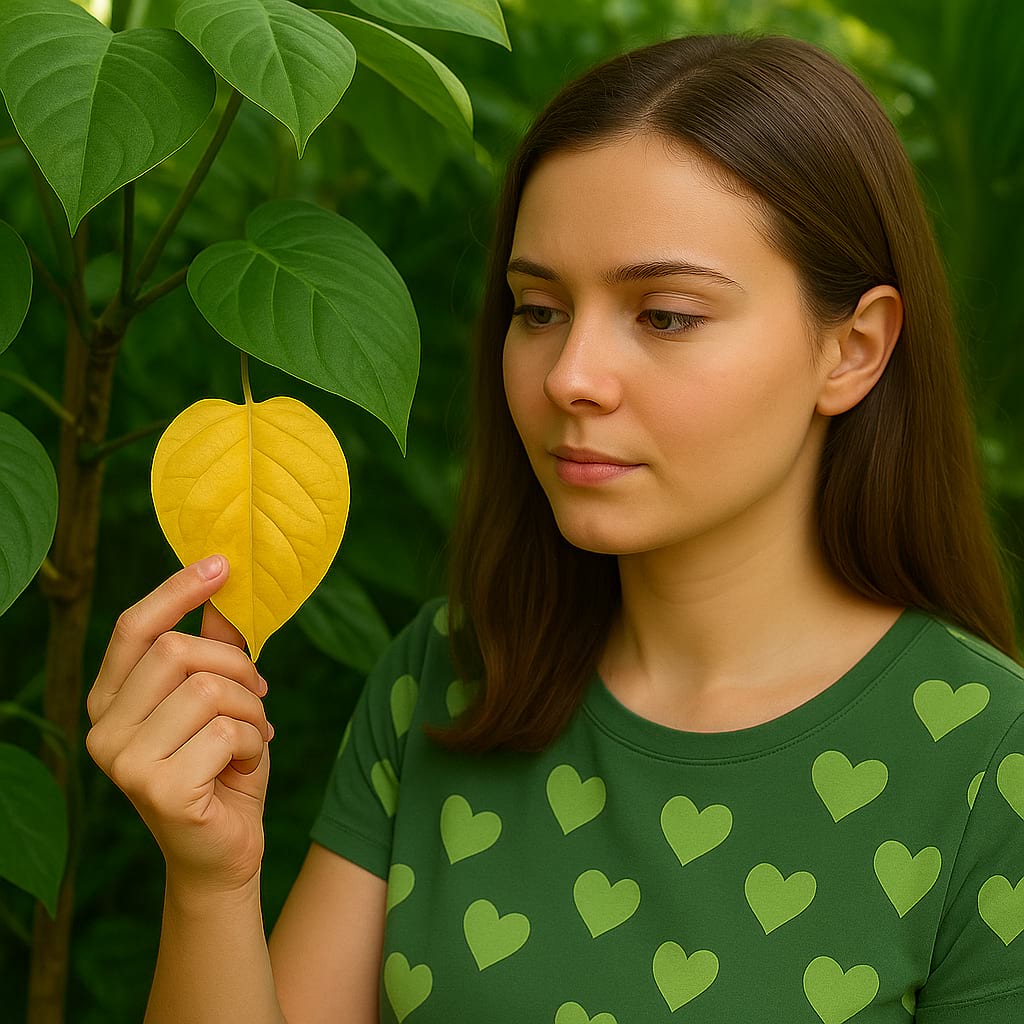
- Yellowing pads: Even yellowing from the base is overwatering; patchy yellowing on the sunny side is sunburn.
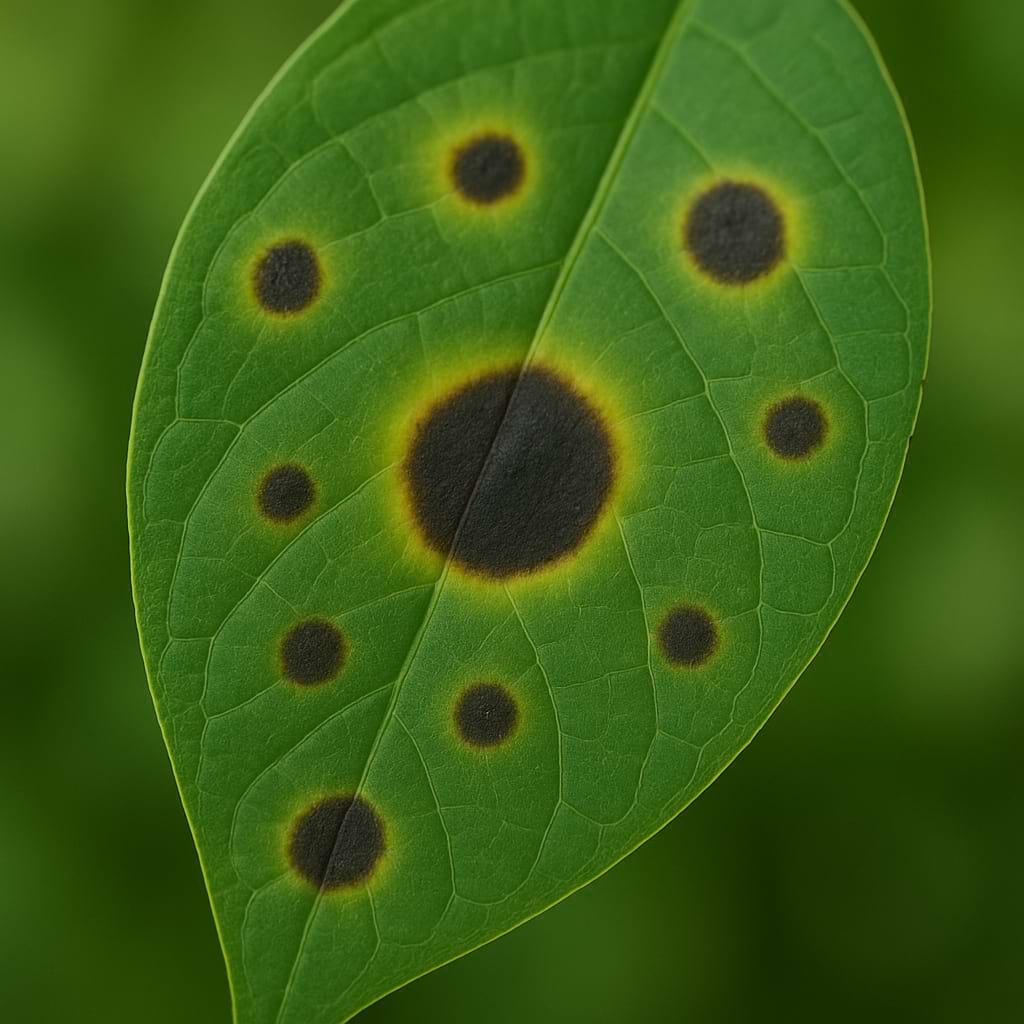
- Brown-black spots: Water trapped at the joints plus damp cool air. Improve airflow, water at soil only.
- Sunburn / leaf scorch: Bleached patches on the sunny side. Acclimate slowly.
- Stunted growth: Low light plus stale soil. Refresh both.
- Wrinkled, wilting pads: Thirst. Confirm the soil is dry and water deeply.
🖼️ Bunny Ear Cactus Display and Styling Ideas
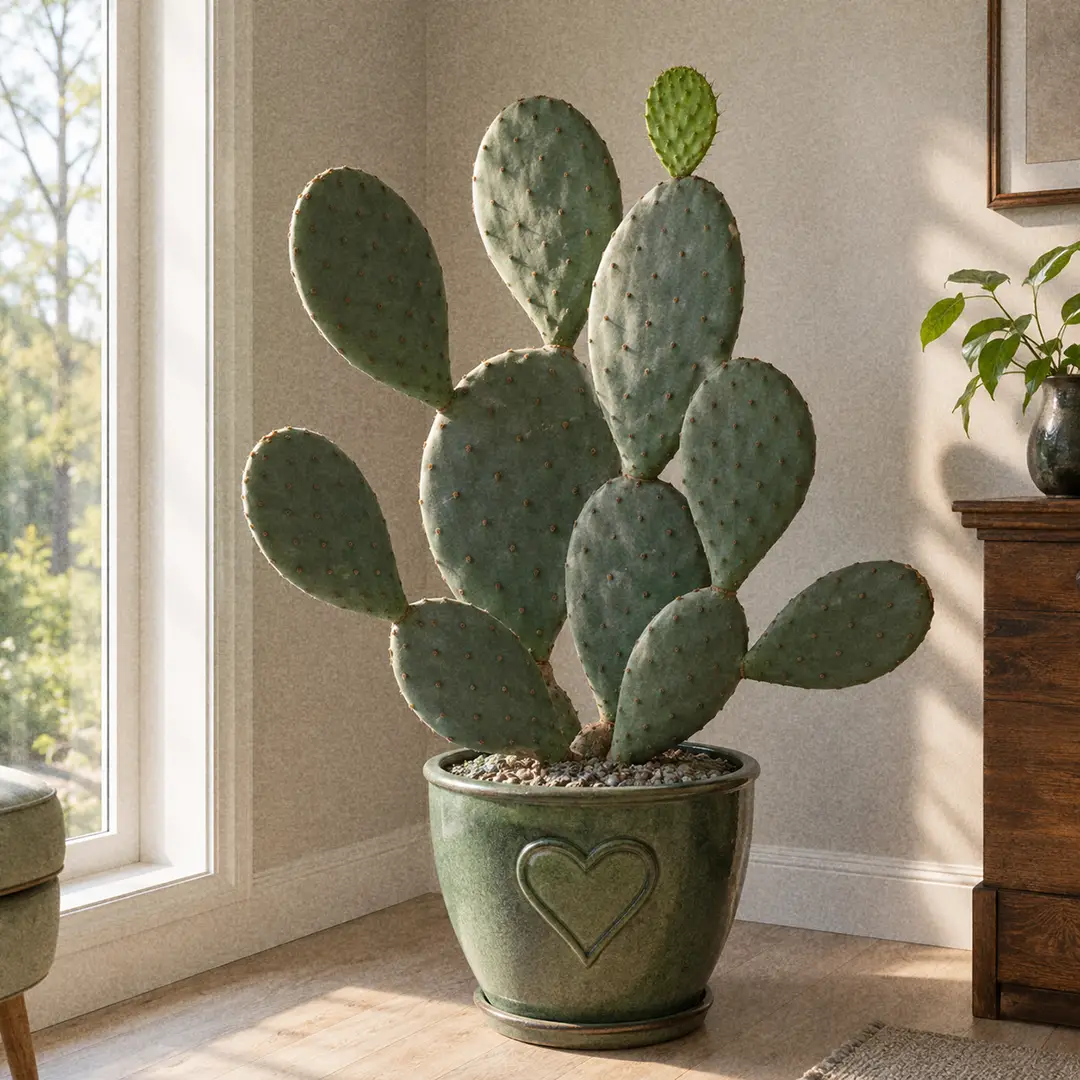
The paired pad shape is so distinctive that a single mature plant looks sculptural in any pot.
Solo Setups
My favorite setup is a mature Bunny Ear in a wide low terracotta bowl with pale grey grit and a single weathered stone. The wide bowl mirrors the horizontal branching habit.
Grouped Arrangements
A three-variety arrangement (Standard, Albata, Rufida) on a sunny shelf reads as a deliberate desert palette: gold through cream to cinnamon.
For a desert dish garden, combine a young Bunny Ear with one or two small companion cacti and a low-growing succulent like Aloe Vera. Keep planting sparse, mulch with bare grit, skip moss and bark.
Where Not to Put It
A sunny kitchen window, south-facing study, or sunroom suits Bunny Ear well. Skip the bathroom (too humid) and the bedroom (often too dim).
🌟 Bunny Ear Cactus Pro Care Tips
✅ Treat the glochids with permanent respect. Newspaper, tongs, or thick gloves every single time.
🧤 If glochids get into skin, do not pick at them. Apply duct tape or white school glue, peel off in the direction the glochids point.
☀️ Give it the sunniest window. South-facing, right against the glass.
🥶 Give it a real winter rest. Cool, bright, almost no water from November to February.
🪴 Use terracotta. The pot does half the work of keeping the roots dry.
🚫 Never mist. Wets the glochid tufts, encourages fungal spots, lifts glochids into the air.
🌬️ Move air. A small clip-on fan a few hours a day reduces autumn and winter fungal problems.
✂️ Save every pad you remove. Callus it for a week, push into dry mix, gift cactus in two months.
🐰 Pet households: keep this plant well out of reach. The glochids are mechanically nasty in a curious nose or paw.
❓ Frequently Asked Questions
Why is my Bunny Ear Cactus turning yellow?
Soft yellowing from the base means overwatering and likely root rot. Cut back to firm green tissue and restart from a healthy pad. Patchy yellowing on the sunny side is sunburn from a too-fast move into bright light.
Is the Bunny Ear Cactus dangerous?
Not chemically toxic, but the glochids embed in skin, lips, and noses on the lightest touch. They are very difficult to remove and irritate for days. Handle with paper wraps or thick gloves, and keep out of reach of pets and small children.
How do I remove glochids from my skin?
Do not pick. Apply duct tape, packing tape, or a thin layer of white school glue (let it dry), then peel off in the direction the glochids point. Most lift cleanly. Finish stubborn ones with tweezers under bright light.
Will my Bunny Ear Cactus flower?
Probably yes, but only on mature plants (5+ years, 8+ pads), in strong spring sun, and after a cool, almost-dry winter rest. Plants in heated living rooms year-round rarely flower.
How fast does it grow?
Slow to moderate: 1-3 new pads per year on a young plant. Indoors it tops out around 2-3 feet tall over many years.
Can I keep it outside in summer?
Yes, on a sunny patio from late spring through early autumn, as long as nights stay above 60°F (15°C). Acclimate over a week. Bring it inside before nights drop below 50°F (10°C) with rain forecast.
Why are the pads on my Bunny Ear shrivelled?
Almost always thirst. Confirm the soil is fully dry and water deeply. If the soil is wet and pads are still wrinkled, root rot is the cause, not thirst.
What's the difference between Bunny Ear and Prickly Pear?
Close cousins. "Prickly Pear" usually means the edible Opuntia ficus-indica or Opuntia engelmannii, much larger plants grown for their pads and fruit, armed with glochids and long sharp spines. Opuntia microdasys is the smaller ornamental cousin with no big spines.
Can I propagate from a single pad?
Yes, the easiest cactus propagation around. Detach at the joint, callus in dry air for a week, push the calloused end an inch deep into dry gritty mix, wait three weeks before light watering. Rooted within two months.
ℹ️ Bunny Ear Cactus Info
Care and Maintenance
🪴 Soil Type and pH: Sandy, gritty, fast-draining cactus mix amended with pumice or coarse sand; slightly alkaline to neutral pH.
💧 Humidity and Misting: Comfortable in low household humidity around 30 to 40 percent; dislikes damp, still air.
✂️ Pruning: Twist or cut off any pad that has shrivelled, scarred, or grown in an awkward direction; otherwise leave the plant alone.
🧼 Cleaning: Brush dust off pads with a soft, dry paint brush; never wipe with a wet cloth, since the glochids will detach into the fabric and your skin.
🌱 Repotting: Move up one pot size only when the plant becomes top-heavy or roots have filled the container, usually every two to three years.
🔄 Repotting Frequency: Every 2-3 years
❄️ Seasonal Changes in Care: Active growth from mid-spring through early autumn; needs a cool, bright, almost dry winter rest to flower and stay compact.
Growing Characteristics
💥 Growth Speed: Slow to Moderate
🔄 Life Cycle: Perennial
💥 Bloom Time: Late spring to early summer on mature plants, after a proper cool winter rest
🌡️ Hardiness Zones: 9-11 outdoors; grown as a houseplant elsewhere
🗺️ Native Area: Central and northern Mexico, in arid scrubland and rocky desert
🚘 Hibernation: Winter rest period at cool temperatures with minimal water
Propagation and Health
📍 Suitable Locations: South-facing or west-facing windowsills, sunrooms, conservatories, bright kitchens, dry porches in summer
🪴 Propagation Methods: Snap or cut a healthy pad at the joint, let it callus for at least a week, then plant the dry pad upright in gritty mix.
🐛 Common Pests: Mealybugs, Scale Insects, Spider Mites, Root Mealybugs
🦠 Possible Diseases: Root rot, soft rot, fungal leaf spot, cochineal scale damage
Plant Details
🌿 Plant Type: Branching, pad-forming cactus in the Opuntia genus (Cactaceae)
🍃 Foliage Type: Succulent, modified stems shaped as flat oval pads (cladodes)
🎨 Color of Leaves: Soft mid-green pads dotted with golden-yellow, white, or cinnamon-red glochid tufts depending on variety
🌸 Flower Color: Bright lemon yellow, occasionally with a faint orange flush as flowers age
🌼 Blooming: Yes, but only on mature plants given a cool, dry winter and very bright spring light
🍽️ Edibility: Pads and fruit of larger Opuntia species are edible after careful glochid removal; this species is grown ornamentally and not commonly eaten
📏 Mature Size: 2-3 feet indoors, occasionally taller in long-lived plants
Additional Info
🌻 General Benefits: Drought tolerant, easy to propagate, sculptural form, brings desert character to a small space
💊 Medical Properties: Other Opuntia species have a long medicinal history in Mexico; this ornamental species is not used medicinally
🧿 Feng Shui: Protective, grounding energy; the dense glochid pads are said to deflect harsh chi, so traditional placement is by entrances or facing a sharp corner rather than in a bedroom
⭐ Zodiac Sign Compatibility: Capricorn
🌈 Symbolism or Folklore: Resilience, gentle appearance with hidden defences, warmth of the Mexican desert
📝 Interesting Facts: The name microdasys translates roughly as "small and hairy," referring to the dense tufts of glochids that coat each pad. Those glochids are technically modified leaves, not spines: each tuft contains hundreds of barbed bristles that detach at the lightest touch and are notoriously difficult to remove from skin. Despite looking spineless and friendly, Bunny Ear Cactus is one of the most-reported cacti at hand clinics. On the brighter side, the polka-dot pad shape is so distinctive that the plant is sometimes nicknamed the "Mickey Mouse cactus" when a young pad branches into the classic two-eared silhouette.
Buying and Usage
🛒 What to Look for When Buying: Choose a plant with firm, plump pads, dense and evenly coloured glochid tufts, and at least one new pad branching from the parent. Avoid plants with wrinkled, soft, or yellowing pads, scarring at the joints, or any dark patches at the soil line. A healthy two-year-old plant in a four-inch pot is a great starting size.
🪴 Other Uses: Desert-themed containers, rock gardens in warm climates, classroom and office plants where a tough, sculptural form is wanted, gift cuttings shared as single callused pads
Decoration and Styling
🖼️ Display Ideas: Solo in a wide low terracotta bowl, a trio of Opuntia microdasys varieties on a sunny shelf, the centrepiece of a desert dish garden with gravel mulch and a stone or two
🧵 Styling Tips: Keep the pot simple and earthy (terracotta, stoneware, sand-glazed ceramic) so the polka-dot pads remain the star; pair with grit-coloured mulch for a clean desert look and avoid moss or bark, which look out of place with this plant.
🪴 See also 🪴

Houseplant101 Forum
Questions & Comments
Ask a question, share your plant experience, or help other plant owners.
Comments are temporarily unavailable.
Open the Houseplant101 ForumNo comments yet
Be the first to ask a question or share your experience about this page.
Log in or create an account
Comments use your Houseplant101 Forum account, but you can stay on this page.
Create a new account