
Hedgehog Cactus
Echinocereus spp.
Strawberry Cactus, Strawberry Hedgehog, Claret Cup Cactus, Rainbow Hedgehog, Kingcup Cactus


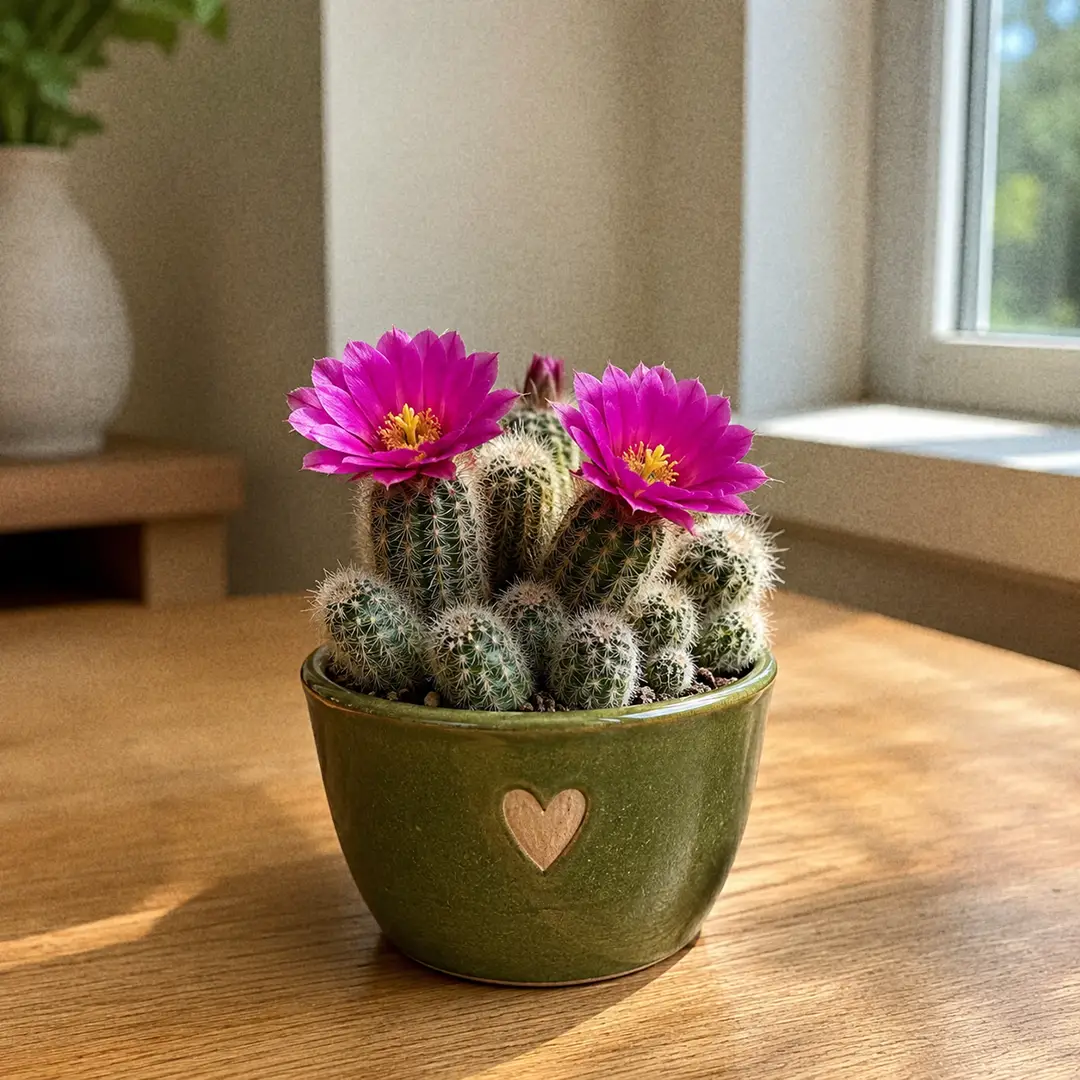
The Hedgehog Cactus (Echinocereus spp.) is a small clumping desert cactus grown for one reason above all: it produces enormous, neon-bright funnel flowers that actually open indoors, last for days, and dwarf the plant itself. It is also one of the most cold-hardy cacti you can grow, surviving hard frost when kept dry.
📝 Hedgehog Cactus Care Notes
🌿 Care Instructions
⚠️ Common Pests
📊 Growth Information
🪴 In This Guide 🪴

☀️ Hedgehog Cactus Light Requirements (Full Sun, Bright Direct)
Light is the single biggest lever on whether your Hedgehog Cactus flowers and keeps its compact shape. These are full-sun desert plants, and indoors they want the brightest spot you can give them. Weak light gives you pale, stretched stems and no flowers; strong light gives you firm, richly colored stems and fat spring buds.
The Sweet Spot
Put it right at a south-facing or west-facing window with at least six hours of direct sun a day. An east window with strong morning sun works in sunny climates but often leaves the plant a little shy of blooming. North windows are not enough on their own; add a grow light running 10 to 12 hours a day, set 6 to 8 inches above the stems.
In late spring and summer the plant is delighted outdoors once nights stay above 50°F (10°C). Move it out gradually: a few days in dappled shade, then an hour of direct sun, adding an hour each day for a week so it does not scorch.

Too Little Light
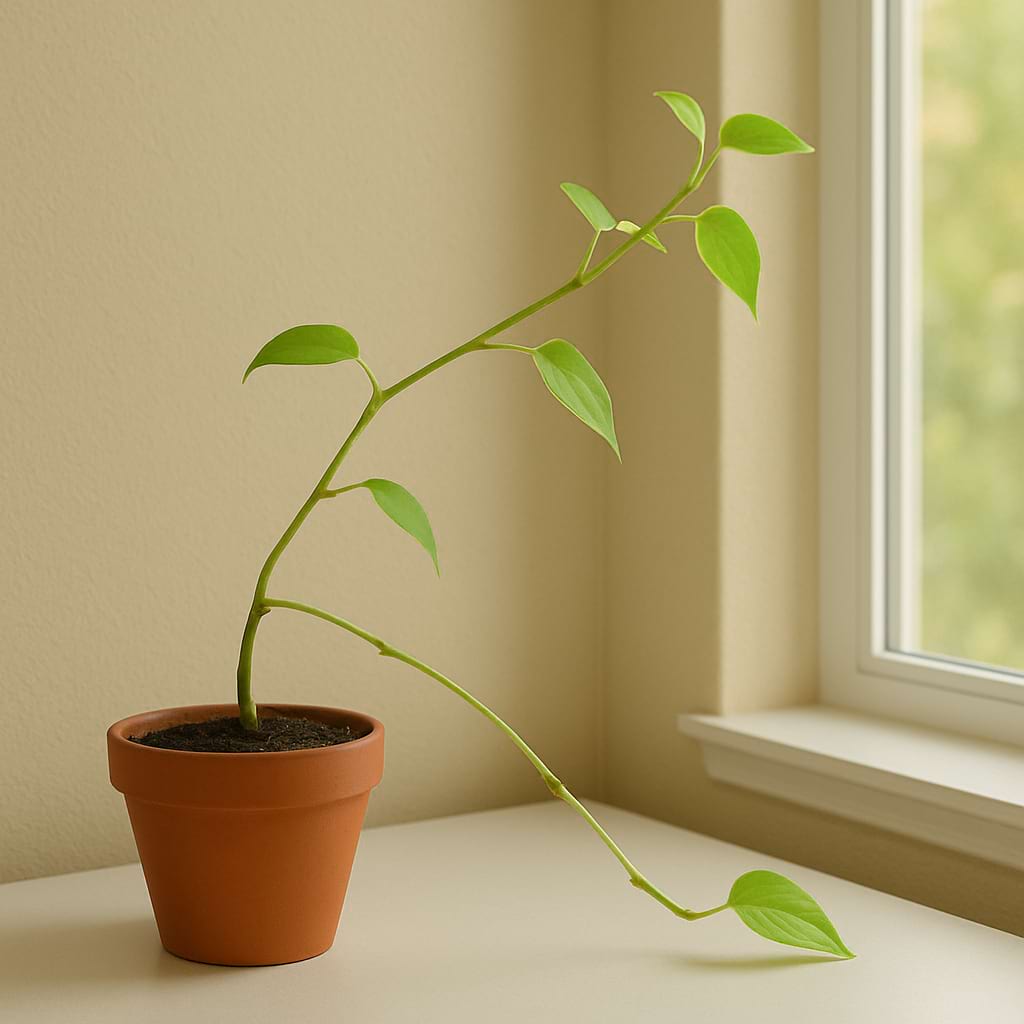
A starved Hedgehog Cactus stretches at the tip, growing a paler, thinner, more pointed section that never thickens back up. Spine color washes out, the plant leans toward the window, and buds simply do not form. Stretched growth is permanent, so move the plant to your brightest window and let firmer new stems take over from there. Do not try to fix stretch by cutting.
Too Much Light
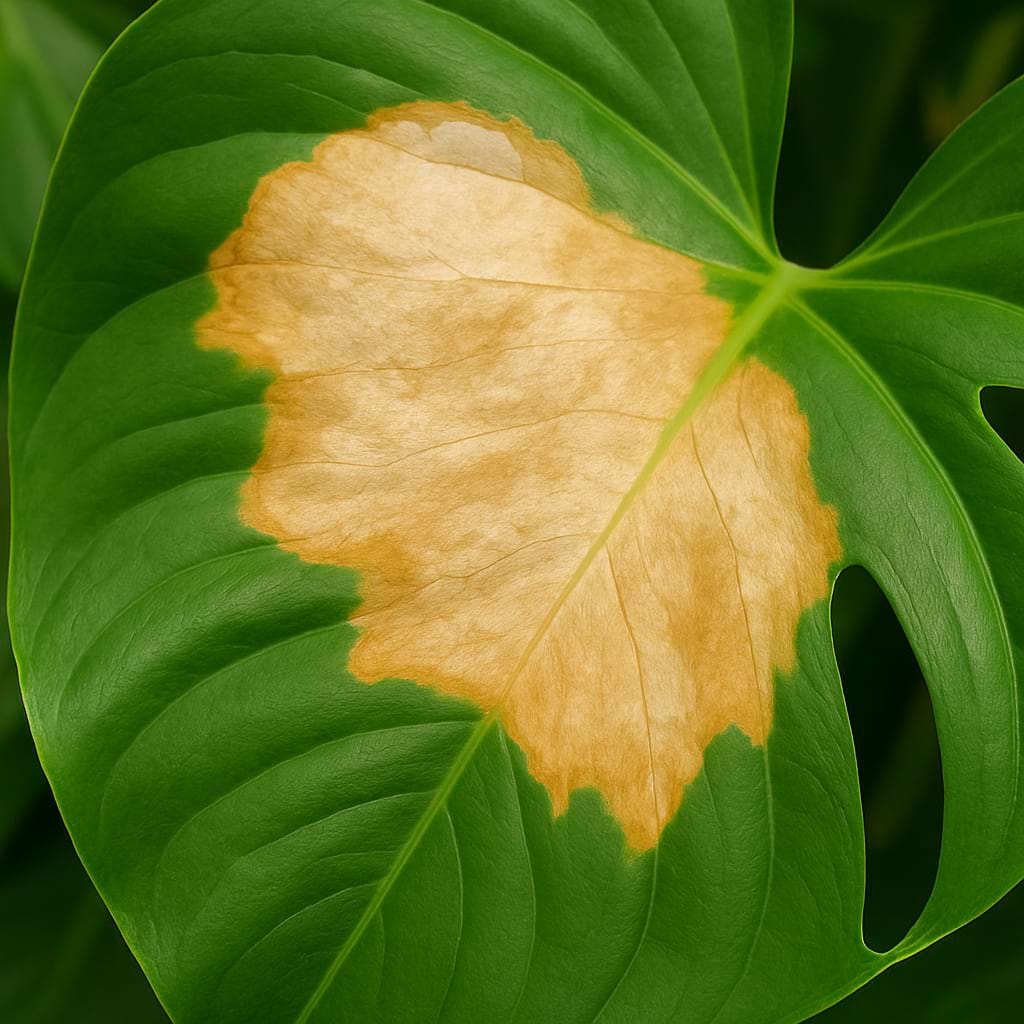
Real sunburn is rare on an acclimated plant but does happen if you move it straight from a dim shop into blazing summer sun. It shows as bleached, yellow-white patches on the side facing the glass, sometimes hardening into brown corky scars. The fix is slow acclimation, not less light overall. Rotate the pot a quarter-turn every couple of weeks so every side gets even sun.
💧 Hedgehog Cactus Watering Guide (Only When Bone-Dry)
Watering is where most cacti die, and the Hedgehog is no exception. The plant stores water in its stems and would rather be too dry than too wet. When in doubt, wait.
Watering Frequency
During active growth from spring through early autumn, water only when the soil is bone-dry from top to bottom. For a 4-inch terracotta pot in a sunny window, that usually lands every 2 to 3 weeks. A larger plastic pot in a cooler room can stretch to 4 or 5 weeks. Push a wooden skewer to the bottom of the pot and check it: any cool dampness means wait a few more days.
In winter the plant needs a cold, nearly dry rest, so watering drops to almost nothing. A plant kept cold at 40 to 50°F (4 to 10°C) can go the whole season on one light drink, or none at all. This dry winter is not neglect; it is the trigger for spring flowers, so resist the urge to "help." See watering houseplants for the general approach, then lean much drier for this plant.
How to Water
Pour room-temperature water around the base of the plant until it runs freely from the drainage holes. Let it drain fully for ten or fifteen minutes, then empty the saucer. Never leave the pot standing in water. Avoid pouring water over the top of the stems, especially into the woolly crown where buds form, since trapped water there invites rot. Bottom watering works nicely for clumping plants like this one.
Signs of Trouble
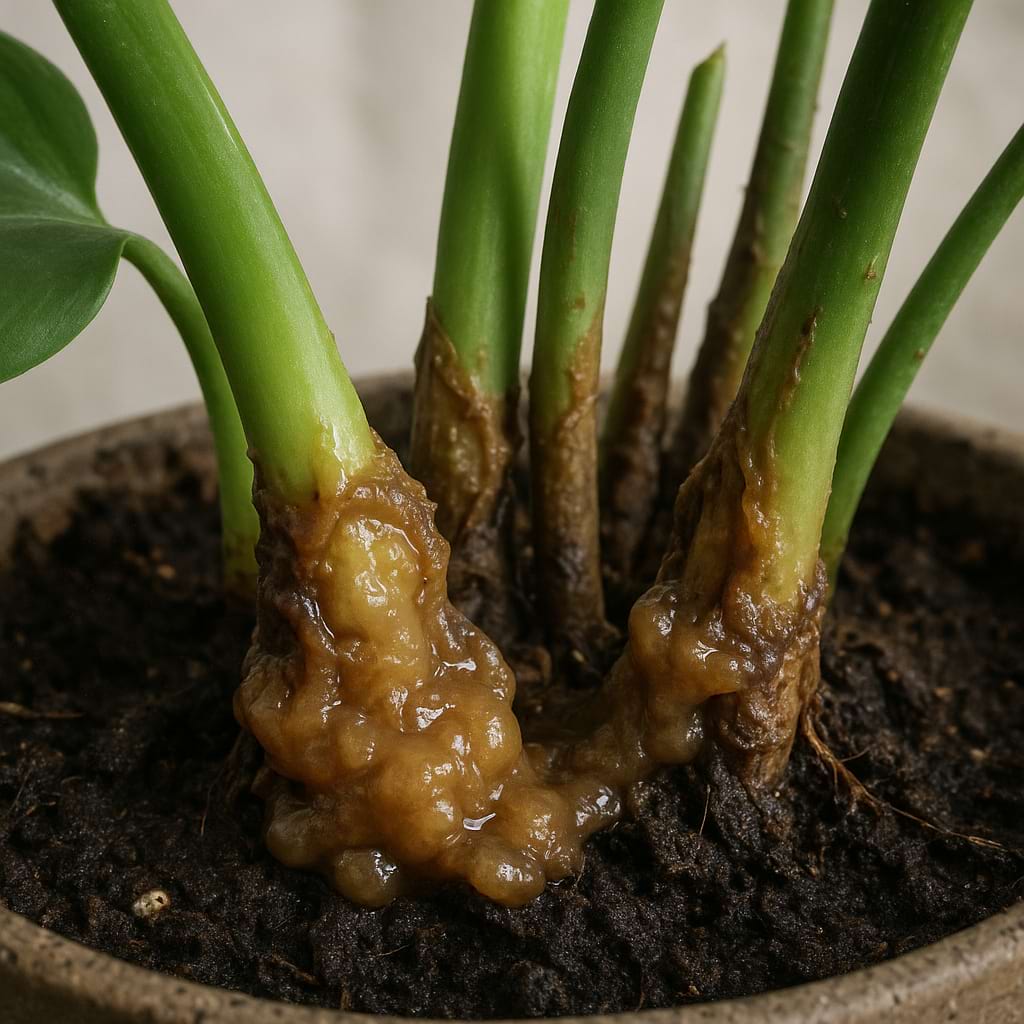
A thirsty Hedgehog Cactus puckers: the ribs draw in, the stems soften slightly, and the pot feels light. A good drink plumps it back within a few days, and thirst rarely kills the plant. Overwatering is the real danger. Watch for a soft, squishy base, yellow-brown discoloration creeping up from the soil line, or a sour smell. By the time those show, root rot is usually underway, and your best move is to cut back to firm green tissue and restart from the healthy section.
🪴 Best Soil for Hedgehog Cactus (Gritty and Mineral-Heavy)
What the Soil Needs
Get the soil right and watering becomes forgiving. Get it wrong and no amount of careful watering will save the roots. Hedgehog Cactus needs a mix that drains within seconds and dries out quickly, so oxygen reaches the roots between drinks. Standard peaty potting compost holds far too much water and is the fast track to rot.
DIY Soil Mix
Aim for more grit than organic matter:
- 1 part standard cactus and succulent mix
- 2 parts coarse pumice or perlite
- 1 part coarse horticultural sand (not fine builder's sand)
A teaspoon of horticultural charcoal helps keep things sweet. Squeeze a damp handful of the finished mix: it should fall apart the moment you open your hand rather than holding a clump.
Pre-Made Options
A good specialist cactus mix works straight from the bag. Mass-market "cactus soil" from a garden center is usually too rich, so cut it with an equal volume of pumice or perlite before potting.
Pot Choice
Terracotta is the safe default. The unglazed clay breathes and pulls moisture out of the soil, which suits a plant that hates wet feet. Choose a pot only a little larger than the clump; an oversized pot holds a ring of damp soil the roots cannot reach.
🍼 Fertilizing Hedgehog Cactus (Less Is More)
These plants evolved in lean, rocky soil and are happier underfed than overfed. A light hand here is part of good care, not a shortcut.
When and How Often
Feed only during active growth, from mid-spring to late summer. Two or three feeds across the whole season is plenty. Never fertilize during the winter rest, never feed a plant that was just repotted (wait at least two months), and never feed a stressed or bone-dry plant. Water with plain water first, then apply the feed to already-damp soil.
What to Use
Use a low-nitrogen cactus fertilizer, something like 2-7-7 or 5-10-10, diluted to half the label strength. The lower nitrogen encourages flowers and firm growth rather than soft, bloated stems. See fertilizing houseplants for the basics. A small spring sprinkle of slow-release granules is an easy alternative if you would rather not mix liquid feed.
Over-Fertilizing Signs
A white crust on the soil surface or around the pot rim means salts are building up. Flush the pot with several pot-volumes of plain water until it runs clear, then skip the next couple of feeds. Soft, oddly elongated growth is another sign you are feeding too much.
🌡️ Hedgehog Cactus Temperature Range
Hedgehog Cactus is built for big temperature swings: hot, bright summers and genuinely cold winters. That seasonal contrast is the secret to flowering, and it is what sets this cactus apart from tender tropical types.
Summer Range
In the growing season the plant is comfortable anywhere from 70 to 95°F (21 to 35°C) and shrugs off the heat of a sunny windowsill or sunroom that other houseplants would sulk in. The hotter and brighter the summer, the better the plant builds up for next spring's bloom.
Winter Rest
This is the important part. To set flower buds, the plant needs a cold, bright, dry rest at roughly 35 to 50°F (2 to 10°C) for at least eight to ten weeks. A bright unheated room, an enclosed porch, or a cold windowsill all work. Many species are remarkably frost-hardy and survive brief dips below freezing without harm, as long as the soil is bone-dry. Wet roots plus cold is the one combination to avoid completely.
Drafts and Heat Sources
Cold drafts are fine for this plant, even welcome in winter. What it dislikes is dry, blasting heat from a radiator or vent, which pulls moisture from the stems faster than the roots can replace it. Keep it off the top of a hot radiator, and do not let a warm room rob it of the cold winter cue it needs.
💦 Hedgehog Cactus Humidity Requirements
Ideal Humidity
Humidity is the easiest box to tick. Hedgehog Cactus prefers low to moderate humidity around 30 to 40 percent, which is normal indoor air in most homes. Do not mist it, do not run a humidifier near it, and do not group it with thirsty tropical plants that raise the local moisture.
When Humidity Goes Wrong
The risk is high humidity combined with cool, still air, which tends to happen in late autumn before the heating comes on. Damp, stagnant conditions invite fungal spots and crown rot. A small fan running a few hours a day keeps the air moving and prevents most of it. Skip humid rooms like bathrooms and poorly ventilated kitchens, and never plant a Hedgehog in a closed terrarium.
🌸 Hedgehog Cactus Flowers (The Main Event)
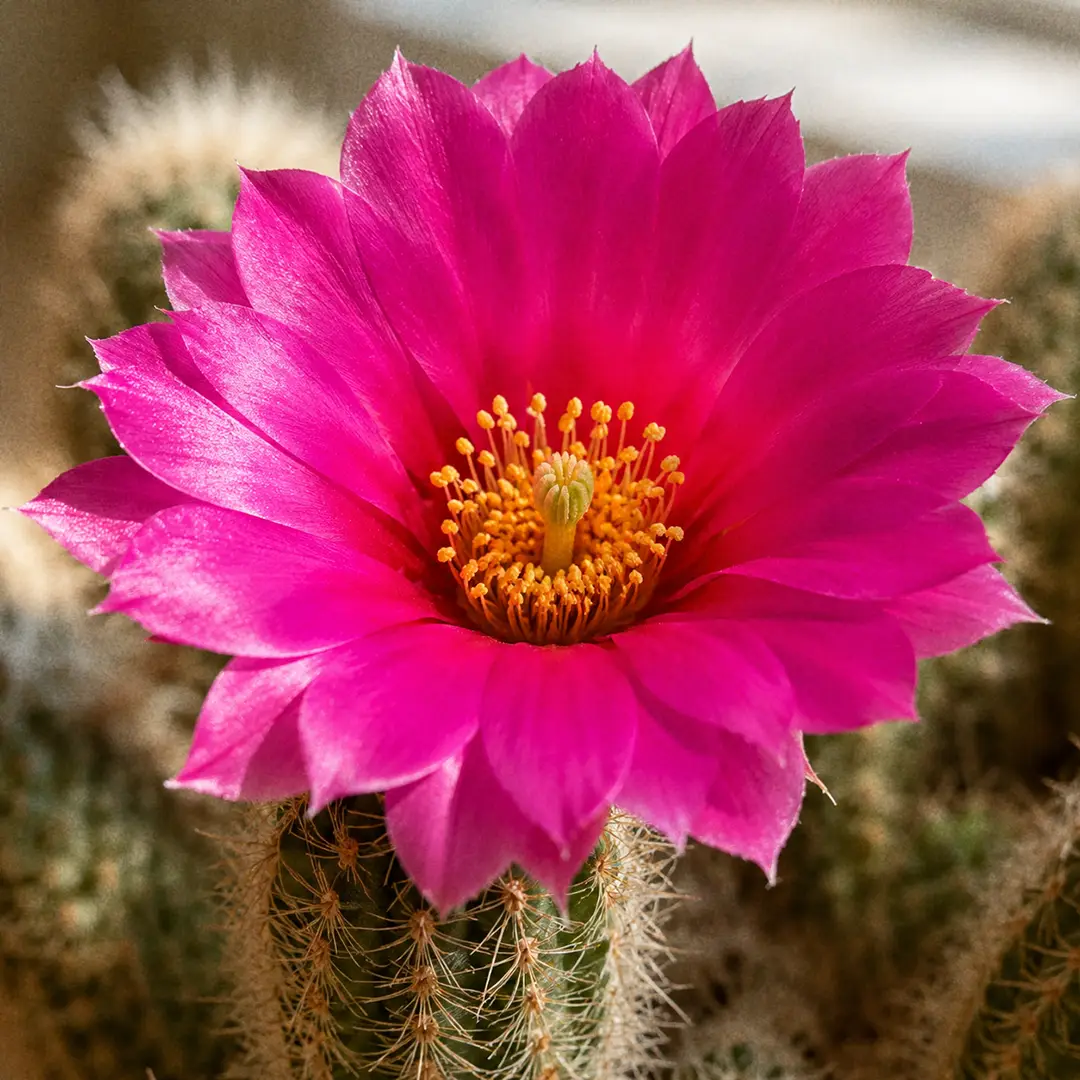
This is why you grow a Hedgehog Cactus. For a plant this small, the flowers are almost comically large, and unlike most cactus blooms, they stick around.
What the Flowers Look Like
Each flower is a wide, glossy funnel that can be nearly as big as the stem it sprouts from, in vivid magenta, hot pink, scarlet, orange, purple, or yellow depending on the species. They open in mid to late spring, often several at once across a clump, and they last for several days, closing each night and reopening the next morning. Several "strawberry hedgehog" species follow the flowers with small, sweet, edible red fruit.
How to Trigger Bloom
Three things have to line up. First, the plant must be mature, which usually means a clump with a few well-developed stems rather than a single young pup. Second, it needs strong, direct light through spring and summer to bank the energy for buds. Third, and most often missed, it needs that cold, dry winter rest at 35 to 50°F (2 to 10°C) with almost no water for at least eight to ten weeks. Skip the cold winter and you will get a healthy green plant that never blooms.
If It Won't Bloom
A Hedgehog that refuses to flower is nearly always too warm in winter, too dim in summer, or simply still young. The fix is patience and a proper cold rest, not more water or more feed. Give it one honest cold winter on a bright sill, and a plant that has sulked for a couple of years will often surprise you the following spring.
🏷️ Hedgehog Cactus Types and Varieties
"Hedgehog Cactus" covers around 70 species in the genus Echinocereus, plus countless garden hybrids. Care is the same across the board; the differences are in spines, flower color, and how cold-hardy each one is.
Rainbow Hedgehog (Echinocereus rigidissimus)
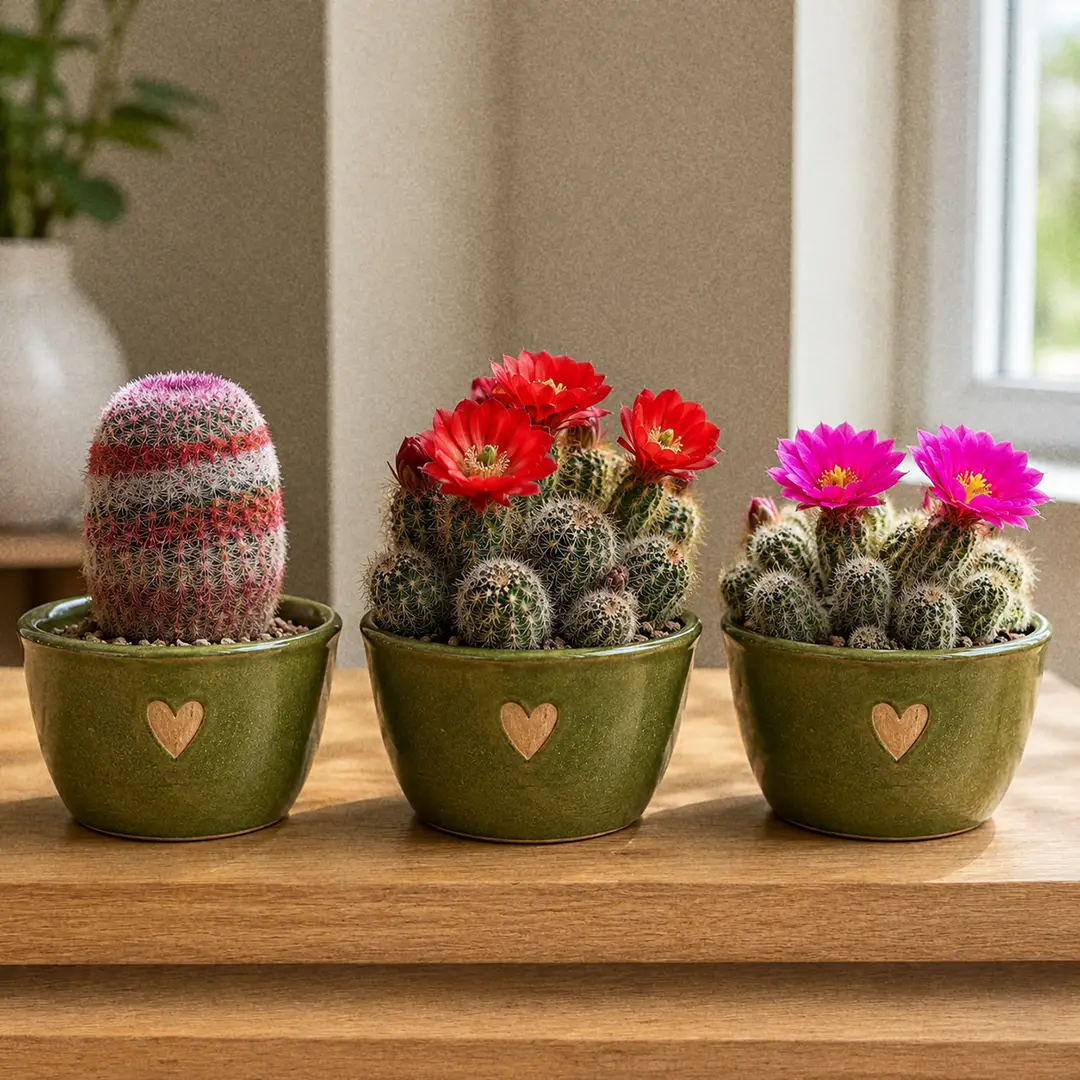
The collector's favorite. Its short stems are wrapped in dense, comb-like spines arranged in horizontal bands of pink, white, and rust, so the plant looks like a striped column even before it flowers. The blooms are large and magenta. It prefers a touch more warmth than the cold-mountain types.
Claret Cup (Echinocereus triglochidiatus)
The cold-hardy champion, native high into the mountains and tolerant of hard frost when dry. It forms generous mounds of stems topped in spring with waxy, hummingbird-pollinated flowers in deep scarlet to orange-red. This is the one to choose for an outdoor rock trough in a cold climate.
Strawberry Hedgehog (Echinocereus enneacanthus and engelmannii)
Named for the small, genuinely strawberry-flavored red fruit that follows the bright magenta spring flowers. These clump enthusiastically into low sprawling mats and are among the easiest to bloom indoors.
Lookalikes and Companions
If you like the clumping, finger-stemmed shape, the Lady Finger Cactus (Mammillaria elongata) gives the same silhouette with tidy yellow spines, and the Peanut Cactus trails into low mats topped with scarlet flowers. For round-bodied contrast on the same shelf, set a Hedgehog beside a Golden Barrel Cactus or a small, ring-flowering Pincushion Cactus. Another big-bloomer worth pairing is the Easter Lily Cactus, which throws giant fragrant trumpets from a similar compact body. For the same outsized flower-to-body ratio in miniature, the Crown Cactus rings its two-inch globe with scarlet blooms and shares the Hedgehog's tolerance for a cold, dry winter.
🪴 Potting and Repotting Hedgehog Cactus
When to Repot
Hedgehog Cactus grows slowly and is happy slightly snug, which also encourages flowering. Repot every 2 to 4 years, or when the clump crowds right up to the rim and there is no room for new stems. Spring, just before active growth, is the best time.
Choosing a Pot
Terracotta is ideal for breathability, though glazed or plastic pots work if you water more cautiously. Size up just one step, about an inch wider than the current pot. Because the plant clumps sideways and roots fairly shallowly, a wide, shallow pot suits it far better than a tall, deep one that holds wet soil down where the roots cannot reach.
Step-by-Step Repotting (Without Getting Speared)
- Wait until the plant is completely dry, ideally 2 to 3 weeks since the last watering.
- Wrap the clump in a folded dish towel or a thick band of newspaper to protect your hands.
- Tip the pot sideways and ease the rootball out, then crumble away most of the old soil.
- Trim any dead or mushy roots with sterile scissors and let the cuts air-dry for a day.
- Settle the plant into fresh gritty mix at the same depth it sat before, firming gently with a chopstick, and top with pale grit.
- Wait at least a week, ideally two, before the first watering so any nicked roots can callus.
Thick gloves or kitchen tongs make the whole job far less painful.
✂️ Pruning Hedgehog Cactus
When to Prune
Hedgehog Cactus almost never needs pruning. You only reach for a blade to remove a stem that has rotted, shrivelled past saving, or been damaged by frost or sunburn. There is no shaping or trimming to do for looks.
How to Prune
Use a sterile, sharp blade and cut the damaged stem off at its base, back to firm, healthy green tissue. Dust the cut with cinnamon or sulphur to discourage infection, and let it callus in dry air for a couple of weeks before you water again. Spent flowers can be gently twisted off once they fade.
What Not to Do
Do not try to "fix" a stretched, etiolated stem by cutting the tip off. The wound is large, slow to heal, and the result is a scarred plant. Better light is the only real cure for stretch, with healthier new stems gradually replacing the weak ones.
🌱 How to Propagate Hedgehog Cactus
Because Hedgehog Cactus clumps so readily, propagation is genuinely easy, which is more than you can say for many cacti.
Best Method: Offsets
The simplest and most reliable route is to separate the offsets, the extra stems that crowd the base of an established clump. They root quickly and grow true to the parent.
Step-by-Step
- Choose a healthy stem at least a couple of inches long from the edge of the clump.
- Twist or cut it cleanly away at the base with a sterile blade.
- Set the offset somewhere dry and shaded and let the cut callus over for one to two weeks. Skipping this step is the most common cause of rot.
- Stand the callused offset upright in dry, gritty mix, just deep enough to hold it steady.
- Wait 2 to 3 weeks, then begin watering lightly. Roots usually follow within a month.
Tips for Success
See succulent propagation for the fundamentals. Keep new offsets in bright but not blazing light while they root, and resist watering too soon, which is the one mistake that undoes the whole effort. Growing from seed is also possible but slow, taking several years to reach flowering size.
🐛 Hedgehog Cactus Pests and Treatment
Hedgehog Cactus is fairly pest-resistant, but its dense spines and tight clump give a few common cactus pests good places to hide, so check the crowns and stem bases now and then.
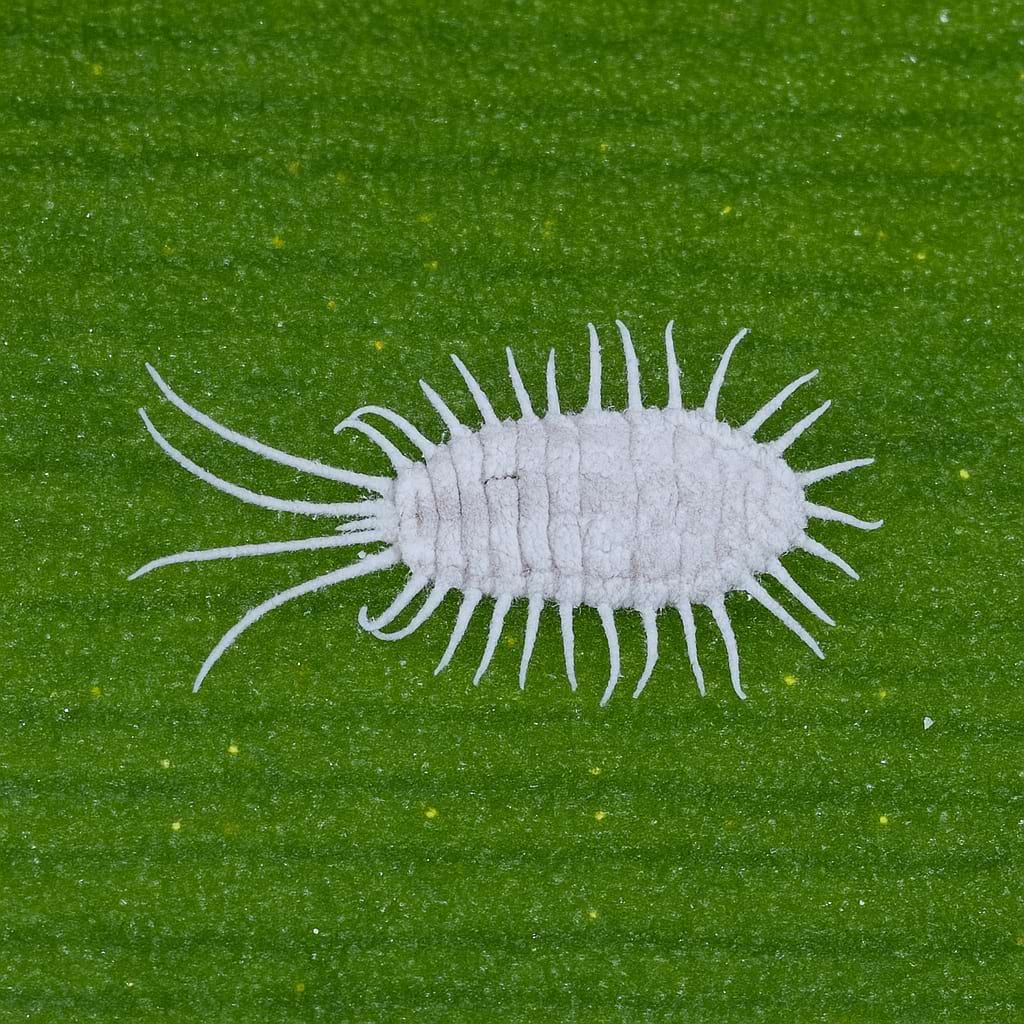
- Mealybugs: Cottony white specks tucked between stems and in the crown. Dab them with isopropyl alcohol on a cotton swab once a week for three weeks; use a soil-drench insecticide for heavy infestations.
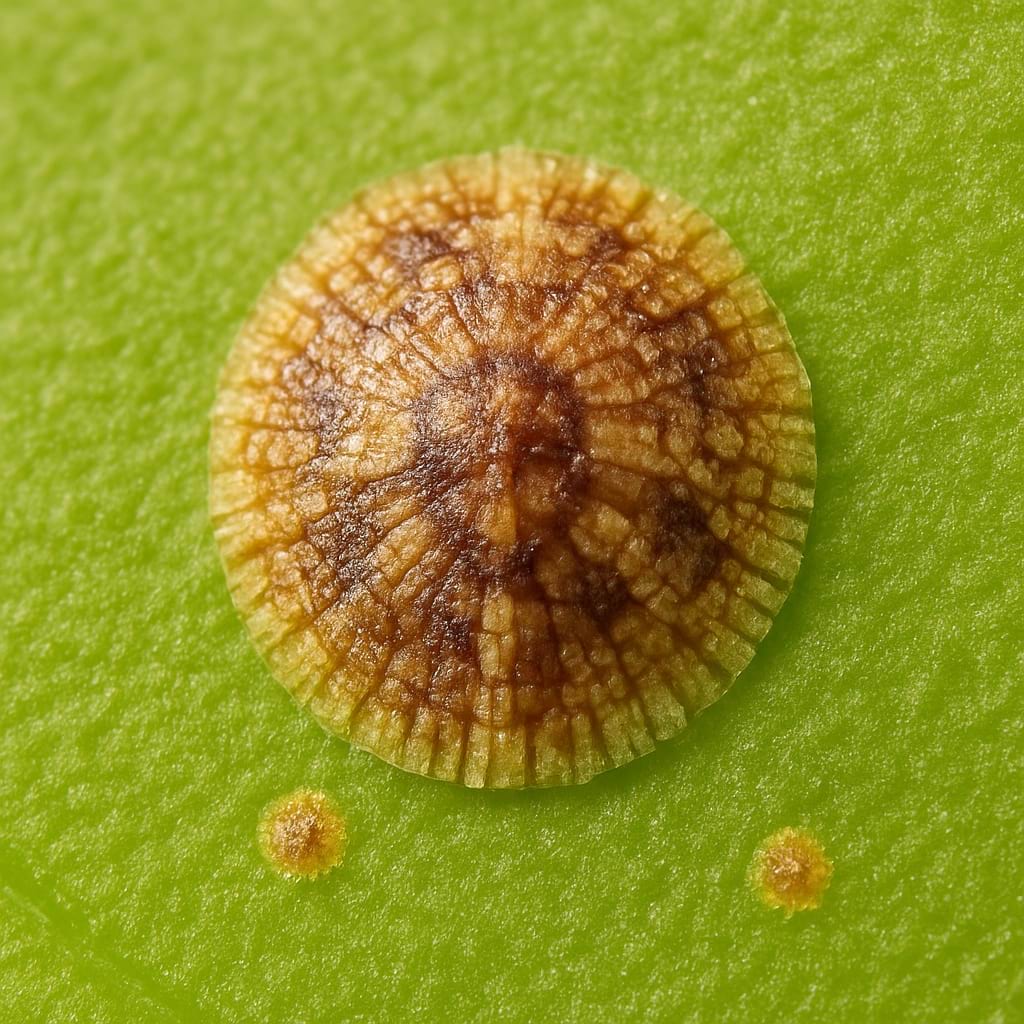
- Scale Insects: Small flat brown shells stuck to the stems. Scrape them off with a wooden toothpick and spot-treat with alcohol.
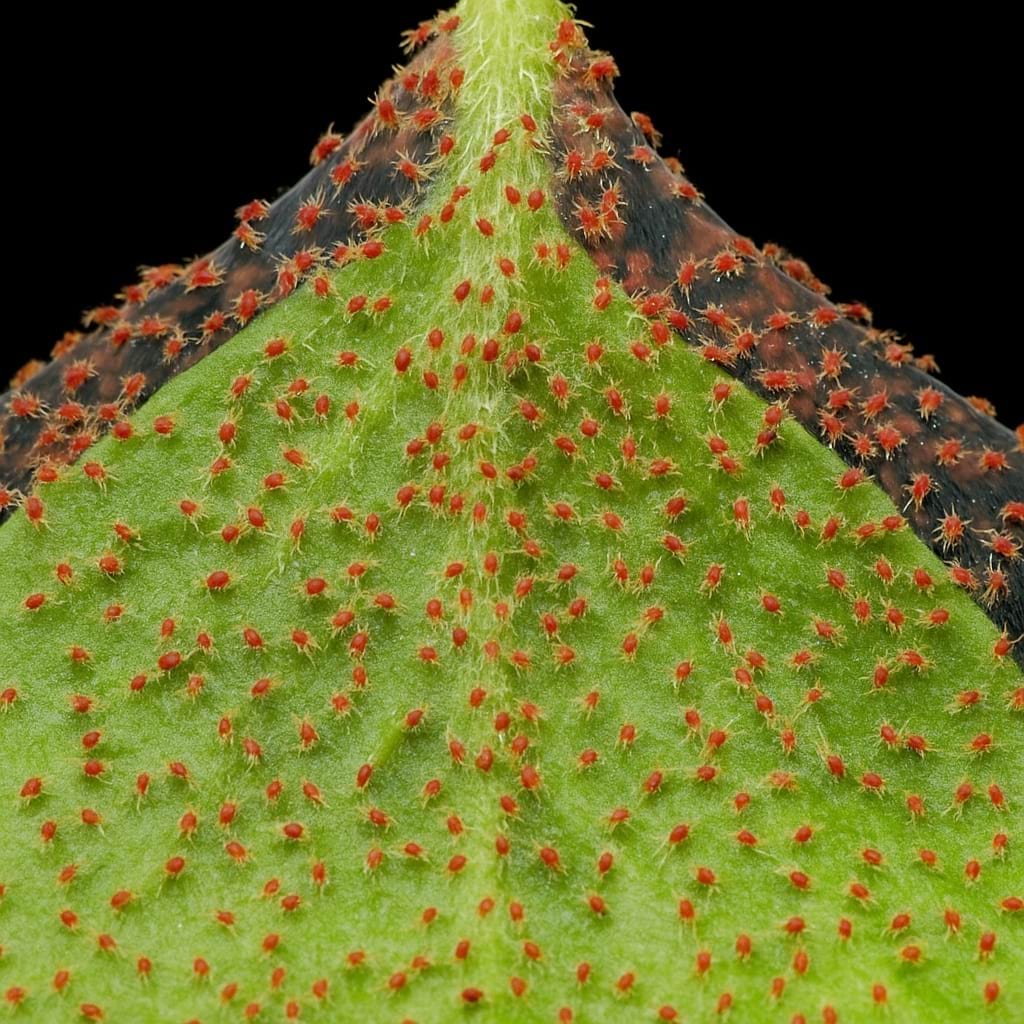
- Spider Mites: Fine webbing between spines and a faint speckling on the skin, worse in hot, dry spells. Treat with horticultural soap and keep the air gently moving.
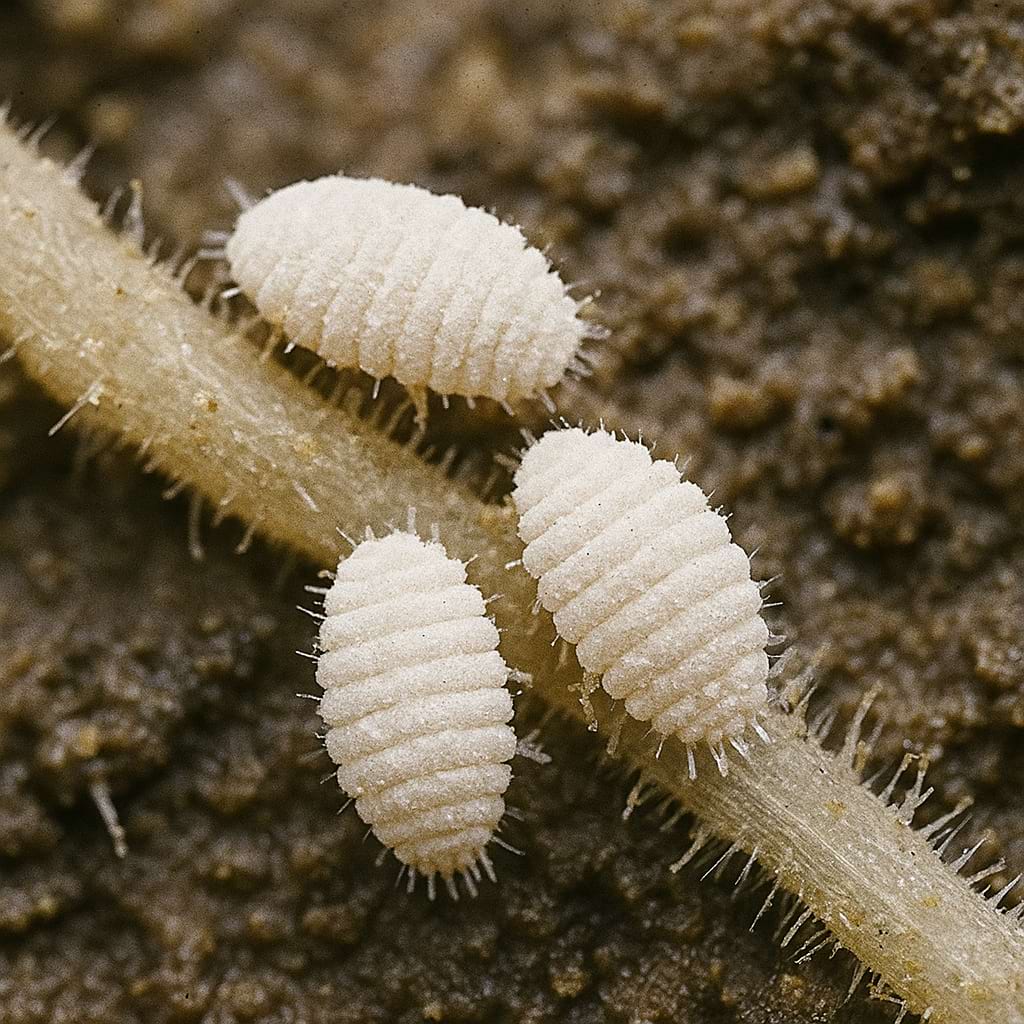
- Root Mealybugs: White powdery clusters on the roots, found at repotting. Wash the roots clean, repot in fresh dry mix, and hold off watering for two weeks.
A soft paintbrush dipped in alcohol is the gentlest way to reach pests hiding deep in a spiny clump.
🩺 Common Hedgehog Cactus Problems
Nearly every problem with this plant comes back to too much water, too little light, or the wrong winter conditions.
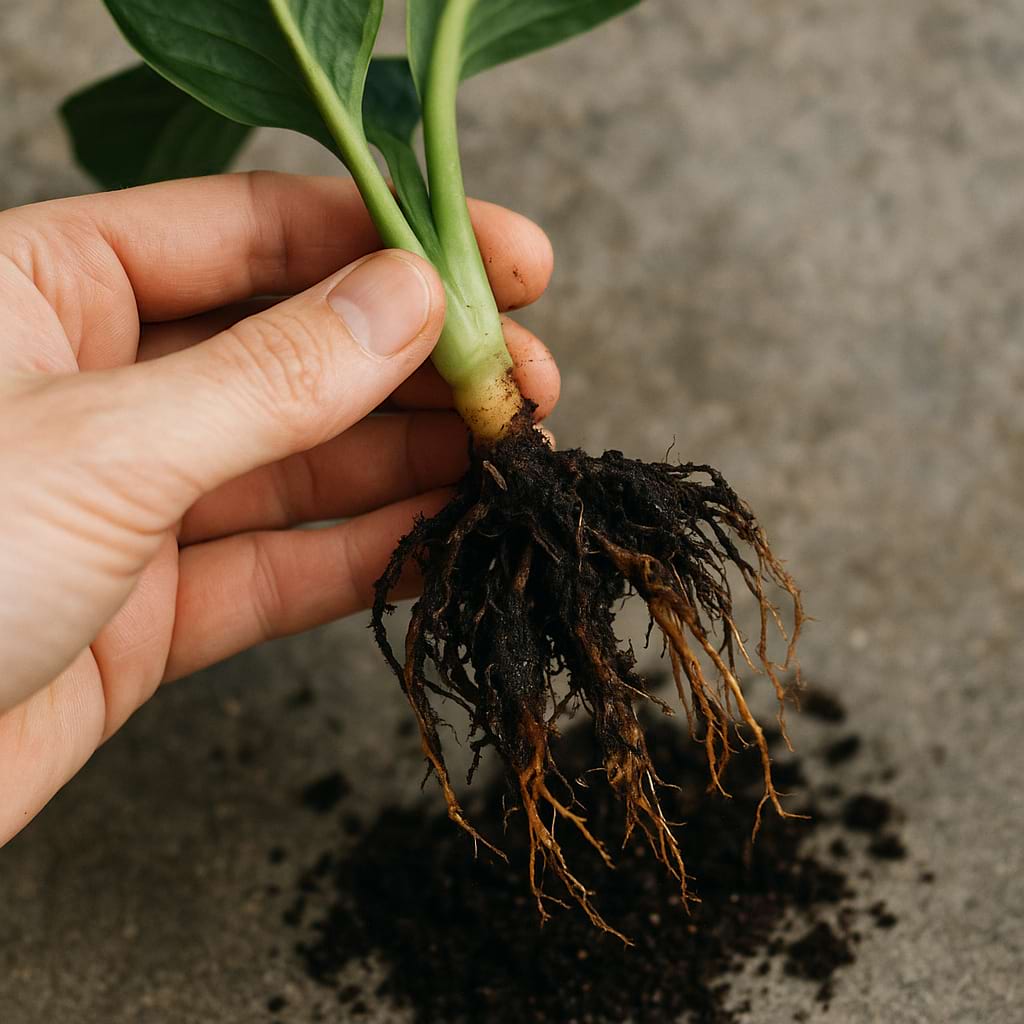
- Root rot: Soft, mushy, discolored base and a sour smell. The number-one killer. Cut back to firm green tissue, callus the cut, and restart from the healthy section.
- Mushy, collapsing stems: Usually overwatering, especially in cold weather. Remove affected stems and let the rest dry out hard.
- Yellowing stems: Soft yellowing from the base means overwatering; patchy yellow on the sunny side is more likely sunburn.
- Brown-black spots: Water trapped in the crown plus damp, still air. Improve airflow and water only at the soil line.
- Leggy, stretched growth: Not enough light. Move to the brightest window; the stretched section will not reverse.
- Stunted growth: Often low light, exhausted soil, or root mealybugs. Refresh the soil, check the roots, and brighten the position.
- Sunburn / scorch: Bleached patches on the sun-facing side. Acclimate slowly when moving the plant into stronger light.
- Wrinkled, wilting stems: Thirst if the soil is dry, root rot if the soil is wet. Check the soil before you act.


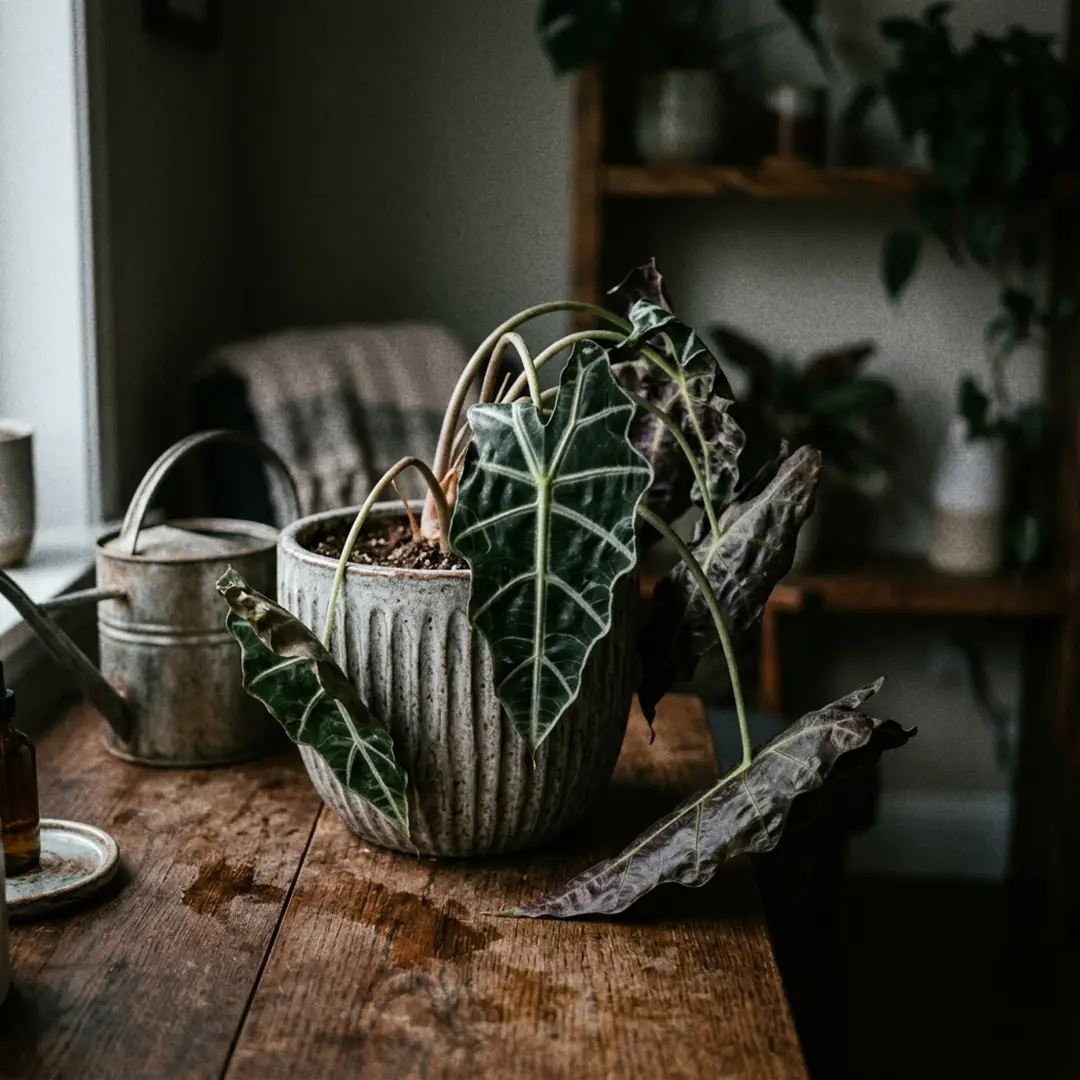
🖼️ Hedgehog Cactus Display and Styling Ideas
The clumping shape and outsized flowers make this an easy plant to style, whether on a windowsill or out in the garden.
Solo Setups
A single clump in a wide, shallow terracotta bowl topped with pale tan grit is hard to beat. The low bowl mirrors the spreading habit, and the pale grit lifts both the spine color and, in spring, the flowers. Keep the pot plain so nothing competes with the bloom.
Grouped Arrangements
Hedgehog Cactus is a natural in a desert dish garden. Set it among other small, sun-loving cacti and succulents of different shapes for contrast: a round Golden Barrel Cactus for a bold globe, a low sprawling Peanut Cactus for extra spring color, and a tidy Pincushion Cactus for its ring of small flowers. Use one shared grit mulch across the planting to tie the group together.
The Cold-Climate Trick
Here is the styling move other cacti cannot pull off: in cold regions, hardy species like the Claret Cup can live outdoors year-round in a raised rock trough or gravel bed. Sharp drainage is the only condition, since it is winter wet, not winter cold, that kills them. That makes a Hedgehog the rare cactus you can plant in a permanent outdoor display well outside the desert.
🌟 Hedgehog Cactus Pro Care Tips
- Give it a real cold winter. No cold rest, no flowers. This is the single most important tip.
- Sunniest window you have. South or west, right against the glass.
- Keep it bone-dry in winter. Cold plus dry is fine; cold plus wet rots the roots.
- Use a wide, shallow pot. The clump spreads sideways more than down.
- Top-dress with pale grit. It sets off the flowers and keeps lower stems out of damp soil.
- Never water into the crown. Trapped water there ruins developing buds.
- Move air in autumn. A small fan a few hours a day prevents fungal spots in damp, cool weather.
- Buy a clump, not a single stem. Multi-stemmed plants flower sooner and look fuller.
❓ Frequently Asked Questions
Why won't my Hedgehog Cactus flower?
Almost always because it did not get a cold, dry winter rest. These plants set their spring buds only after eight to ten weeks at 35 to 50°F (2 to 10°C) with little or no water. A warm windowsill all year gives you a healthy green plant and no blooms. The plant also has to be mature, so a young single stem may simply need another year or two.
Is the Hedgehog Cactus cold-hardy?
Many species are, and remarkably so. The Claret Cup and several relatives tolerate hard frost and even snow when their soil is dry, surviving outdoors in cold mountain climates. The danger is never the cold itself but cold combined with wet roots, so sharp drainage is essential if you grow one outdoors.
Is the fruit really edible?
Yes, on the "strawberry hedgehog" species such as Echinocereus enneacanthus and E. engelmannii. The small red fruit that follows the flowers is sweet and genuinely tastes of strawberry. The fruit of the other species is harmless but not worth eating.
Is the Hedgehog Cactus toxic to pets?
Not chemically. There are no toxins to worry about. The real hazard is mechanical: the stiff, dense spines can injure a curious paw, nose, or mouth, so keep the plant out of reach of pets and children.
How often should I water a Hedgehog Cactus?
In summer, only when the soil is bone-dry top to bottom, which is roughly every 2 to 3 weeks for a small pot in a sunny spot. In winter, nearly never, especially if the plant is being kept cold. When unsure, wait, because this plant tolerates drought far better than excess water.
How big does a Hedgehog Cactus get?
It depends on the species, but most stay compact indoors, around 4 to 12 inches tall, while the clump slowly widens to 6 to 18 inches across as new stems form. They are slow growers, so a small plant stays manageable for years.
Can I keep my Hedgehog Cactus outside in summer?
Yes, and it loves it. From late spring through early autumn, a sunny patio is ideal as long as nights stay above 50°F (10°C). Acclimate it to the stronger light over a week to avoid scorch, and shelter it from heavy, prolonged rain so the roots do not stay soggy.
Why is my Hedgehog Cactus turning soft and brown at the base?
That is the classic sign of overwatering and root rot, usually from too much water, dense soil, or cold wet conditions. Act fast: unpot the plant, cut back to firm green tissue, dust the cut, let it callus for two weeks, and replant the healthy section in dry, gritty mix.
ℹ️ Hedgehog Cactus Info
Care and Maintenance
🪴 Soil Type and pH: Gritty, fast-draining cactus and succulent mix with at least 50 percent mineral content (pumice, perlite, coarse sand); neutral to slightly acidic pH.
💧 Humidity and Misting: Happy in dry household air around 30 to 40 percent; dislikes damp, still conditions.
✂️ Pruning: Rarely needed; only remove rotten, frost-damaged, or shrivelled stems with a sterile blade.
🧼 Cleaning: Dust the ribs and spines gently with a soft, dry brush; never wet the body to clean it.
🌱 Repotting: Move up one pot size only when the clump crowds the rim, usually every 2 to 4 years.
🔄 Repotting Frequency: Every 2-4 years
❄️ Seasonal Changes in Care: Active growth from spring through early autumn; needs a cold, bright, almost dry winter rest to set flower buds.
Growing Characteristics
💥 Growth Speed: Slow to Moderate
🔄 Life Cycle: Perennial
💥 Bloom Time: Mid to late spring, sometimes into early summer, on plants given a proper cold dry winter
🌡️ Hardiness Zones: 5-11 depending on species; many tolerate hard frost when kept dry
🗺️ Native Area: Southwestern United States and Mexico, on rocky desert slopes, grasslands, and canyon walls
🚘 Hibernation: Cold, bright, nearly dry winter rest from late autumn to early spring; this is what triggers blooming
Propagation and Health
📍 Suitable Locations: South-facing or west-facing windowsills, sunrooms, bright cold porches, alpine and desert display troughs
🪴 Propagation Methods: Easiest by separating and rooting offsets from the clump; also grown from seed.
🐛 Common Pests: Mealybugs, Scale Insects, Spider Mites, Root Mealybugs
🦠 Possible Diseases: Root rot, soft stem rot, fungal spotting, sunburn scarring
Plant Details
🌿 Plant Type: Clumping cylindrical ribbed cactus in the Echinocereus genus (Cactaceae)
🍃 Foliage Type: Succulent green ribbed stems with no true leaves; the stem surface does the photosynthesis
🎨 Color of Leaves: Mid to deep green ribbed stems, often masked by dense spines in white, tan, pink, or banded colors
🌸 Flower Color: Magenta, hot pink, scarlet red, orange, yellow, or purple depending on species; very large for the plant
🌼 Blooming: Yes, and reliably indoors for a cactus, after a cold dry winter rest
🍽️ Edibility: The red fruit of several species (the "strawberry" hedgehogs) is edible and sweet
📏 Mature Size: 4-12 inches tall indoors depending on species, taller on old upright types
Additional Info
🌻 General Benefits: Spectacular long-lasting flowers, extreme drought tolerance, cold hardiness, compact size, very long-lived, beginner-friendly
💊 Medical Properties: None in mainstream use; grown ornamentally and, in some species, for edible fruit
🧿 Feng Shui: Like other spiny cacti, traditionally placed near doors, windows, or sharp corners to deflect harsh energy; kept out of bedrooms and quiet rest areas
⭐ Zodiac Sign Compatibility: Aries, Scorpio
🌈 Symbolism or Folklore: Endurance, protection, and a hidden softness; a tough spiny plant that surprises everyone with extravagant flowers
📝 Interesting Facts: Echinocereus flowers are unusual among cacti because they stay open for several days in a row, closing each night and reopening the next morning, where most cactus blooms last only a day or two. The genus name means "hedgehog cereus," a nod to the dense, prickly spines covering the short stems. Several species, including Echinocereus enneacanthus and E. engelmannii, are called "strawberry cactus" for their small, sweet, edible red fruit that genuinely tastes like strawberries. The Claret Cup (Echinocereus triglochidiatus) is pollinated by hummingbirds drawn to its waxy scarlet flowers, and it ranges high into cold mountain country, making it one of the most frost-tolerant cacti in the world.
Buying and Usage
🛒 What to Look for When Buying: Choose a plant with firm, plump green stems, dense even spines, and no soft, sunken, or blackened patches near the soil line. A clump with several healthy stems will flower sooner and look fuller than a single stem. If you can buy in spring, look for plants showing fat flower buds so you know the plant is mature enough to bloom. Avoid stretched, pale, or leaning stems, which signal too little light in the grower's care.
🪴 Other Uses: Focal flowering plant in desert dish gardens, cold-hardy specimen in outdoor alpine and rock troughs, container feature on sunny terraces, edible-fruit novelty for the "strawberry" species
Decoration and Styling
🖼️ Display Ideas: Solo in a wide shallow terracotta bowl with pale grit, grouped with other small cacti in a desert dish garden, planted in an outdoor rock trough in cold climates where most cacti would not survive
🧵 Styling Tips: Keep the pot plain and earthy (terracotta, stoneware, concrete) so the flowers steal the show, and top-dress with pale grit to set off the colored spines and lift the lower stems out of damp soil.
🪴 See also 🪴
Complete Guide to Bishop's Cap Cactus Care and Growth
Complete Guide to Brain Cactus Care and Growth
Complete Guide to Christmas Cholla Care and Growth
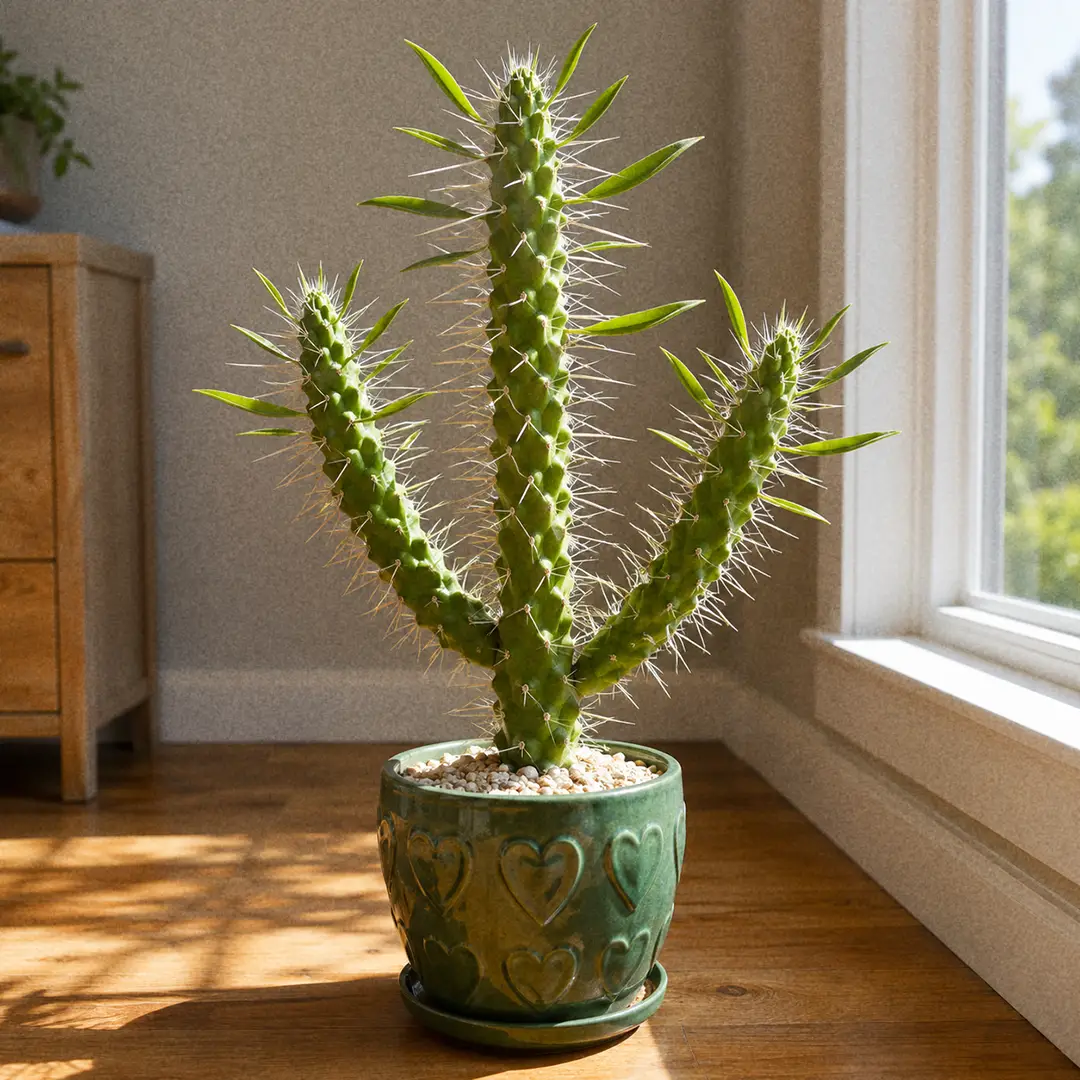
Complete Guide to Eve's Needle Cactus Care and Growth
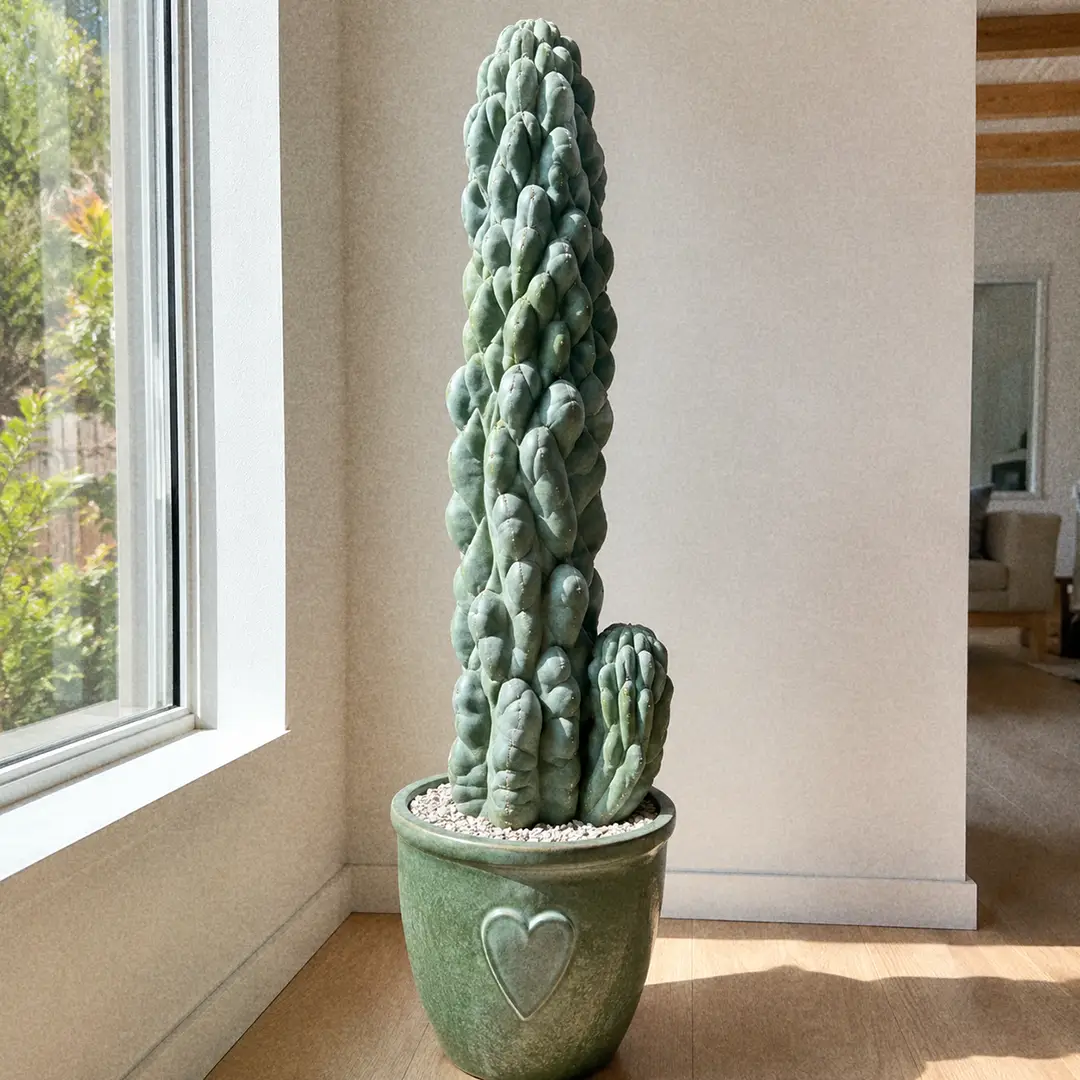
Complete Guide to Totem Pole Cactus Care and Growth
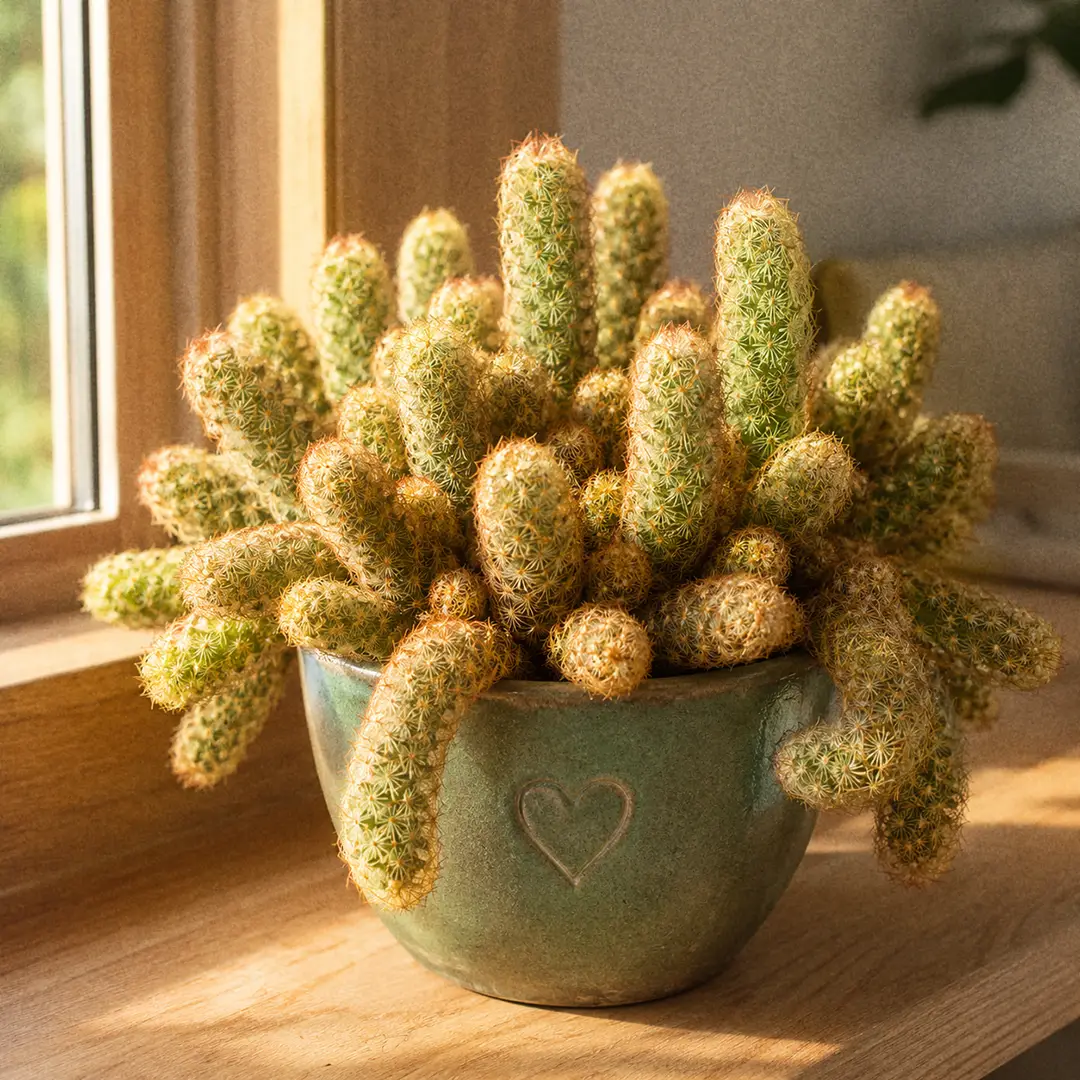
Complete Guide to Lady Finger Cactus Care and Growth
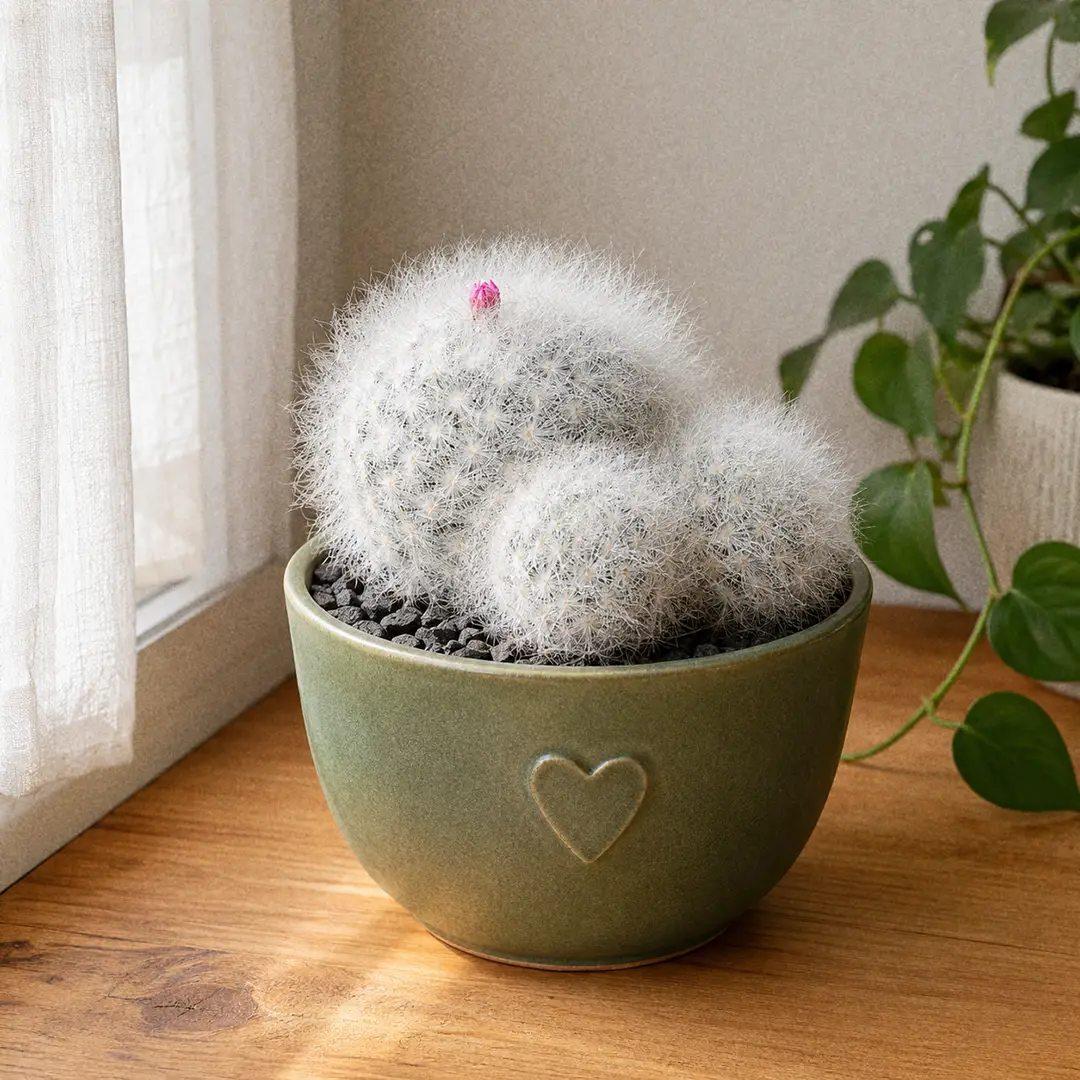
Complete Guide to Old Lady Cactus Care and Growth
Complete Guide to Powder Puff Cactus Care and Growth
Complete Guide to Pincushion Cactus Care and Growth
Complete Guide to Peruvian Old Man Cactus Care and Growth
Complete Guide to Peruvian Apple Cactus Care and Growth
Complete Guide to Star Cactus Care and Growth
Complete Guide to Moon Cactus Care and Growth

Houseplant101 Forum
Questions & Comments
Ask a question, share your plant experience, or help other plant owners.
Comments are temporarily unavailable.
Open the Houseplant101 ForumNo comments yet
Be the first to ask a question or share your experience about this page.
Log in or create an account
Comments use your Houseplant101 Forum account, but you can stay on this page.
Create a new account