
Crown Cactus
Rebutia minuscula
Rebutia, Red Crown Cactus, Aylostera minuscula, Echinopsis minuscula


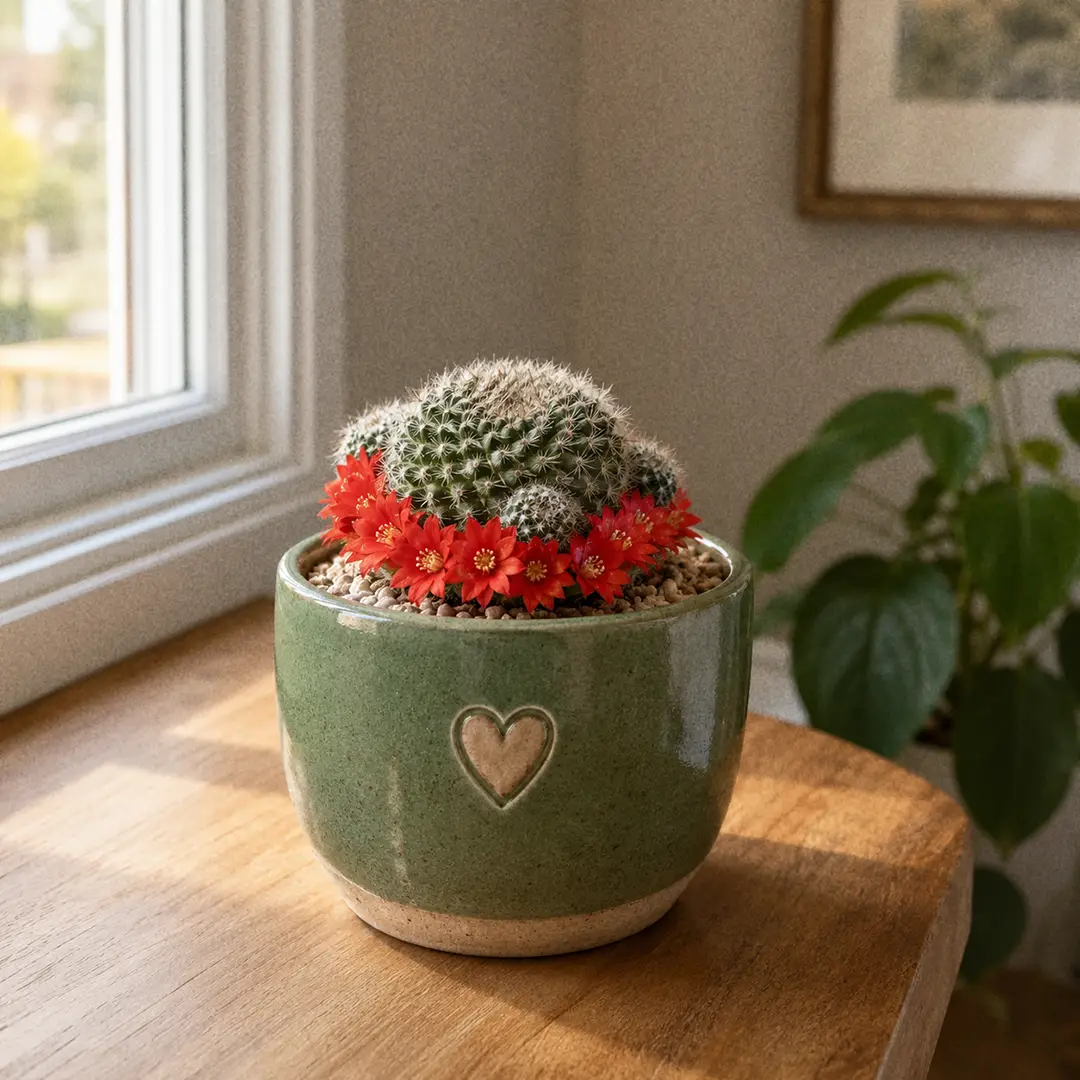
Crown Cactus is a tiny globe cactus that rings itself with scarlet flowers around the base, and it blooms younger than almost any other cactus. Learn how to grow Rebutia minuscula indoors and get that ring of red every spring.
📝 Crown Cactus Care Notes
🌿 Care Instructions
⚠️ Common Pests
📊 Growth Information
🪴 In This Guide 🪴

☀️ Crown Cactus Light Requirements (Indoor Lighting Guide)
The Sweet Spot
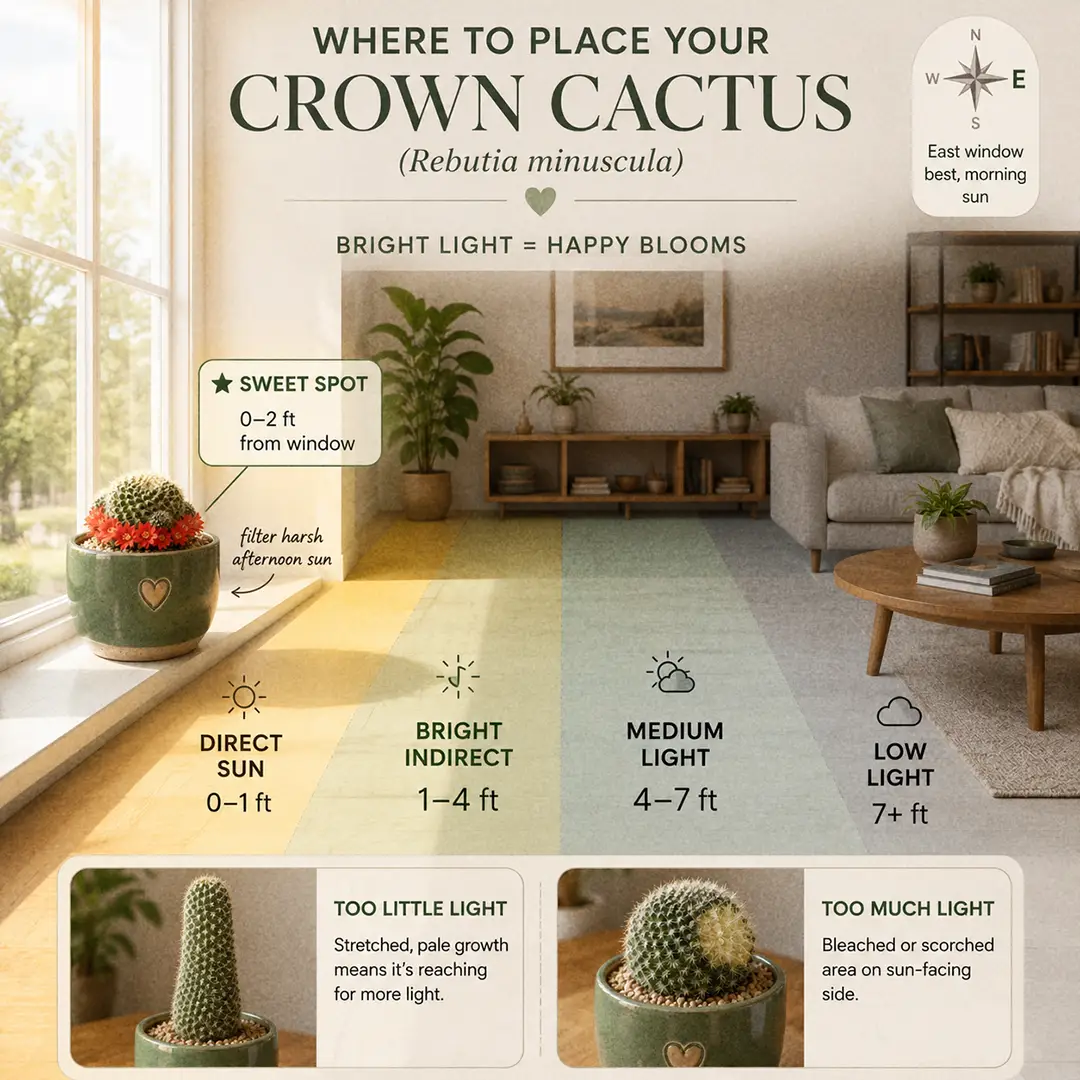
Crown Cactus wants bright light with a few hours of gentle direct sun, which is slightly softer than what most desert cacti ask for. An east-facing windowsill is close to ideal: full morning sun, then bright light for the rest of the day. A south or west window works too, as long as a sheer curtain takes the edge off the hottest midsummer afternoons.
The reason is where this plant comes from. Rebutia grows high on Andean slopes in northern Argentina, tucked between rocks and tufts of grass, so it gets fierce mountain light with shelter at midday. It is not a plant that bakes on open sand all afternoon like a Golden Barrel Cactus. Our Indoor Lighting Guide helps if you are still learning to judge a spot by eye.
Too Little Light
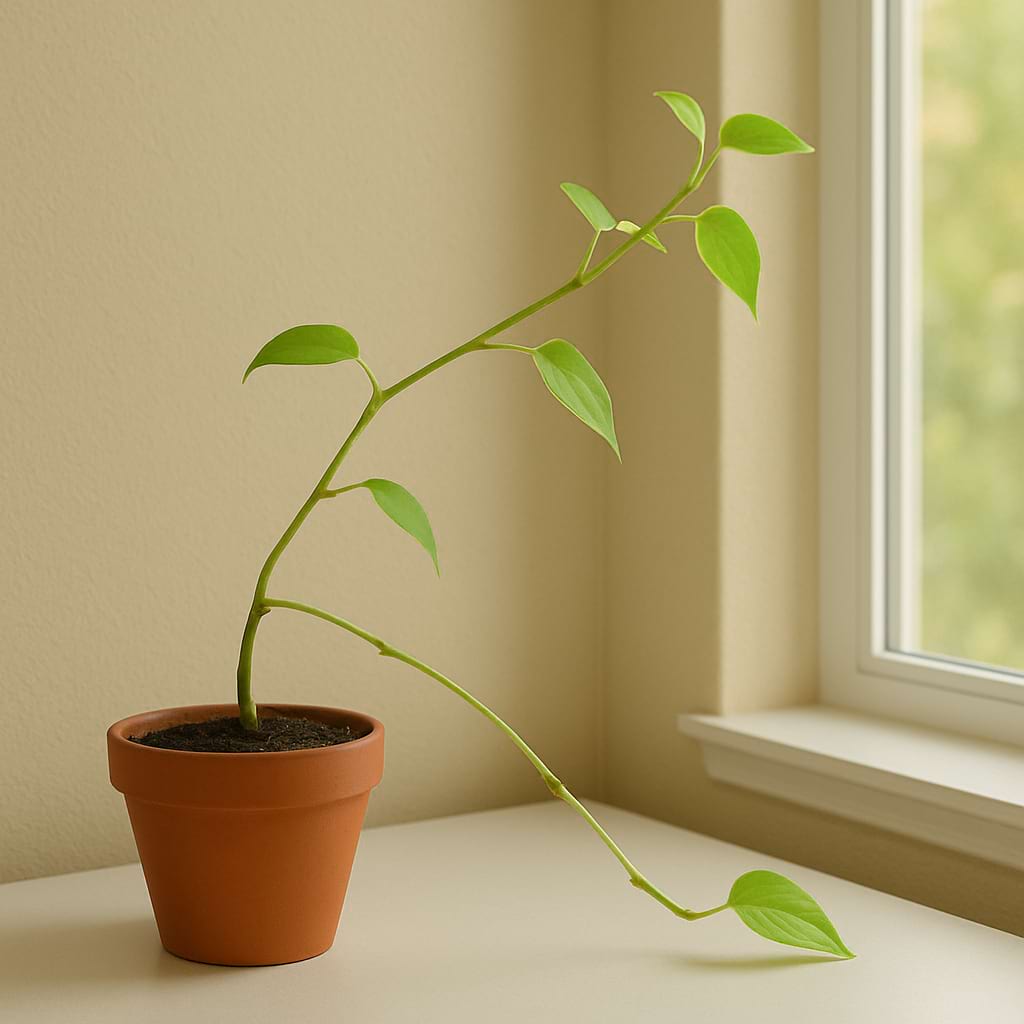
In a dim spot, the neat flat globe starts growing upward into a pale, narrow column. Once a Crown Cactus stretches like that, the elongated part never rounds back out, so the plant carries the scar permanently. That is leggy growth, and it is the most common thing people do to this plant by accident.
The other symptom is silence. A shaded Rebutia often survives for years without complaint and simply never flowers. If your winters are dim, a grow light on a timer keeps the body compact and the buds coming.
Too Much Light
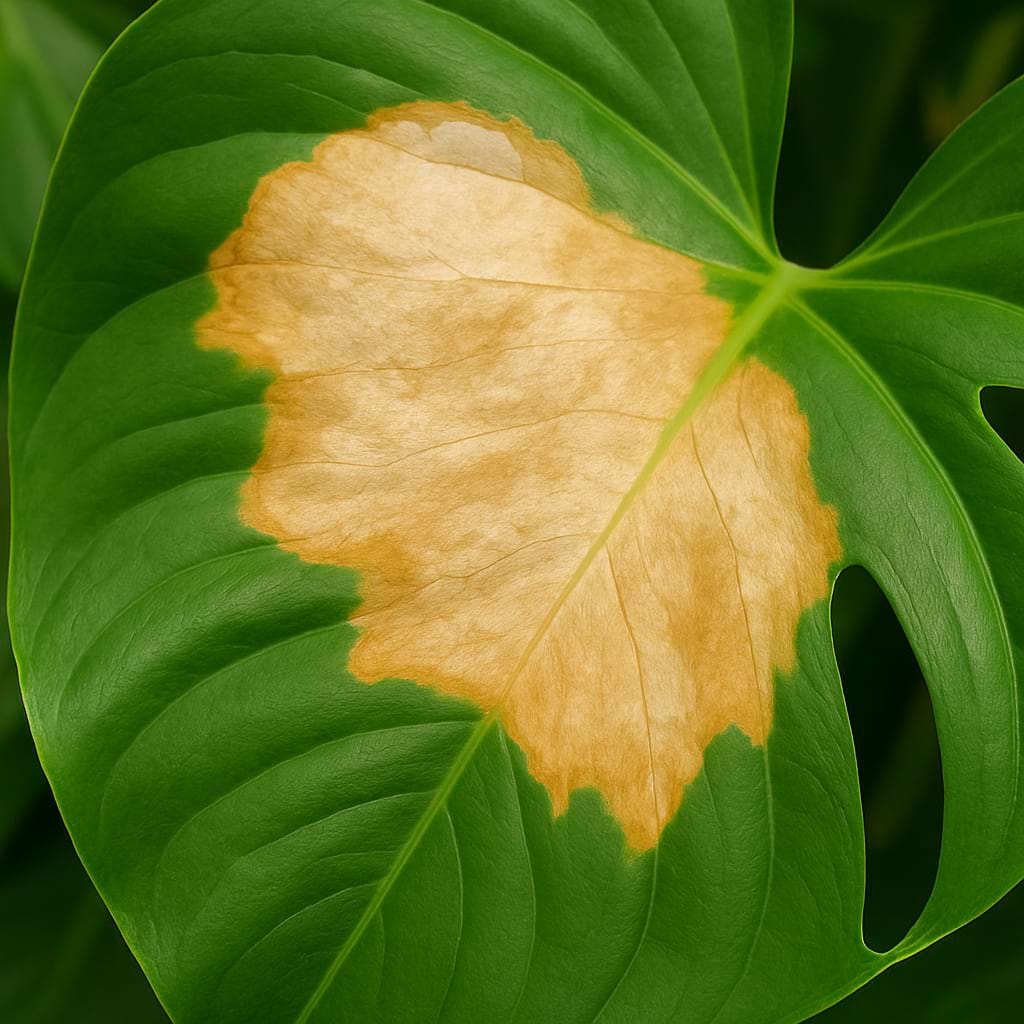
This one does sunburn, unlike its tougher desert relatives. Moved straight from a shop shelf into blazing afternoon sun behind hot glass, it can bleach to yellow-white or develop dry corky patches on the sun-facing side, which is sunburn. That damage never heals, so increase light over two weeks rather than all at once.
A reddish or purplish flush in strong summer sun is different. That is sun stress pigment, it is harmless, and it usually means the plant is getting exactly enough light to bloom well.
💧 Crown Cactus Watering Guide (How to Water Properly)
Watering Frequency
The rule is soak and dry, with a harder dry spell than most houseplants get. Water thoroughly, then wait until the mix is bone dry all the way through. In spring and summer that usually lands around every 10-14 days in a small terracotta pot, less often in plastic or a cool room.
Winter is where people go wrong. From late autumn onward this plant wants nothing at all, ideally a completely dry pot for eight to ten weeks while it rests cold. That dry spell is the switch that turns on spring flowers, so leaving the can in the cupboard is doing the plant a favour. Check the mix with a finger or a moisture meter rather than following a calendar.
How to Water
Water until it runs freely from the drainage holes, then tip out anything that pools in the saucer. Keep water off the body itself, especially the crown where the tubercles pack tightly, because water sitting in that dimple in cool weather invites fungal spotting. That makes bottom watering a good fit: stand the pot in an inch of water for 10-15 minutes, let the mix wick it up, then drain fully.
Signs of Trouble
A thirsty Crown Cactus goes slightly soft and the tubercles look sunken or wrinkled. A good soak plumps it back within a day or two, and that mild shriveling is harmless.
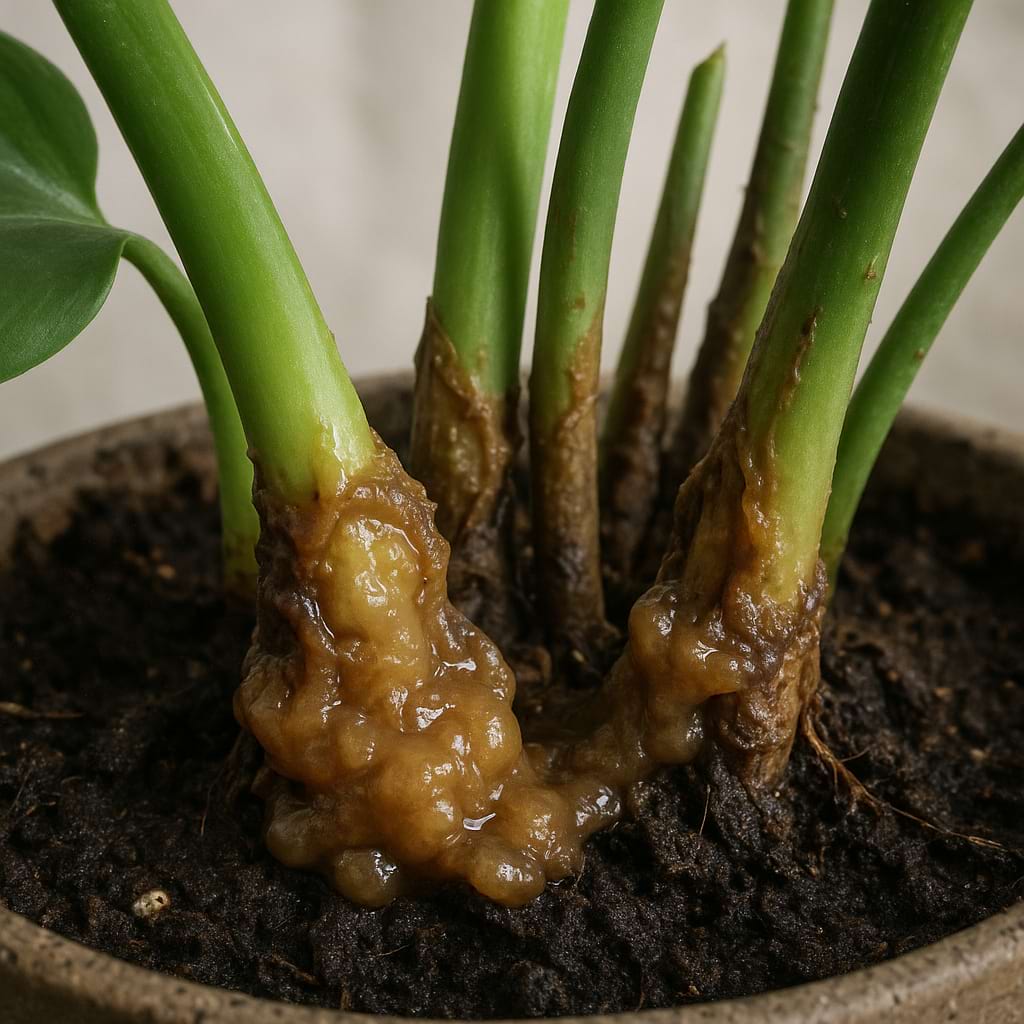
Soft, dark, or translucent tissue at the soil line while the mix is still damp is the emergency. That is root rot or mushy stems setting in, and on a plant this small it moves fast. When you cannot decide whether to water, do not.
🪴 Best Soil for Crown Cactus (Potting Mix & Drainage)
What the Soil Needs
Everything about this plant's survival comes down to how fast the pot dries. Crown Cactus has a fine, shallow root system that rots quickly in soil that stays damp, so the mix has to be gritty, open, and lean. Standard potting compost holds water for days and will eventually kill it.
Grit matters doubly here because this plant sits through a cold winter, and cold plus wet is the deadliest combination there is for a Rebutia. Our Soil Guide covers why drainage matters so much in a pot.
DIY Soil Mix
A reliable blend is 1 part cactus and succulent soil to 1.5 parts pumice, perlite, or coarse grit, a grittier ratio than a big barrel cactus needs. Pumice is the best of the three because it holds a trace of moisture without ever going soggy. Add a top dressing of coarse grit too, which keeps the base of the plant off wet soil where stem rot likes to start.
Pre-Made Options
Bagged cactus mix works as a base, but almost every one is too dense straight from the bag. Cut it half and half with pumice or perlite and it becomes a good Rebutia mix. Our potting soil guide compares the common options. Pair it with a small terracotta pot, whose porous clay pulls moisture out through the walls, and you have solved most of this plant's problems in advance.
🍼 Fertilizing Crown Cactus
When and How Often
Feed only in spring and summer, roughly once every four weeks. Start after the first proper watering of spring and stop by the end of August so the plant hardens off before its cold rest. Nothing during winter dormancy, when the salts just sit in the soil. Always water lightly first, then feed, since fertilizer on a bone-dry root ball scorches the fine roots.
What to Use
A low-nitrogen, higher-potassium cactus fertilizer is the right choice, or a tomato feed diluted to quarter strength. Potassium supports flowering, while too much nitrogen pushes a fat soft body and no buds. Our Fertilizing Guide explains the ratios and the fertilizers guide covers what to buy. Crown Cactus flowers well on very little, so a light touch beats a generous one.
Over-Fertilizing Signs
Watch for a white crust on the soil surface, a swollen and unusually soft body, or pale distorted new growth. Those point to salt buildup. Flush the pot with plain water two or three times, then skip feeding for a couple of months. Excess fertilizer also leaves the tissue watery, raising the risk of both rot and winter cold damage.
🌡️ Crown Cactus Temperature Range
Ideal Range
During the growing season, ordinary room temperatures suit it perfectly, roughly 60-80°F (15-27°C). Crown Cactus prefers things cooler than most cacti and can sulk in prolonged heat above 90°F, a leftover habit from its high-altitude home. If your summer window gets brutally hot, afternoon shade helps more than it would for a desert species.
The Winter Chill It Actually Wants
Crown Cactus needs a cold winter rest at around 40-50°F (4-10°C) for eight to ten weeks, kept bright and completely dry. An unheated porch, a cool spare bedroom, a bright garage that stays above freezing, or a cold frame all work. Without that chill you get a healthy green plant and no flowers, year after year.
Drafts and Heat Sources
Keep it away from radiators and heating vents, which dry the body out and cancel the cool rest you are trying to give it. Cold air is welcome here in a way it is not for tropical plants, so a draughty winter window is rarely a problem. Avoid hard frost on wet soil, though, since frozen water inside the tissue ruptures cells and scars permanently.
💦 Crown Cactus Humidity Requirements
Ideal Humidity
Crown Cactus likes dry air, and ordinary household humidity of 30-50% is exactly right. You can skip the misting and the pebble tray entirely. High humidity combined with cool temperatures is what causes fungal spotting on the body, so damp bathrooms and steamy kitchens are the wrong rooms.
Keeping Air Moving
Airflow matters more than moisture here. In still, humid air the tightly packed tubercles stay damp after watering, and that is where soft spots begin. A windowsill that gets opened now and then is plenty. Our humidity guide covers the topic broadly, but for a Rebutia the instruction is to let it stay dry.
🌸 Crown Cactus Flowers (How to Make It Bloom)
What the Flowers Look Like
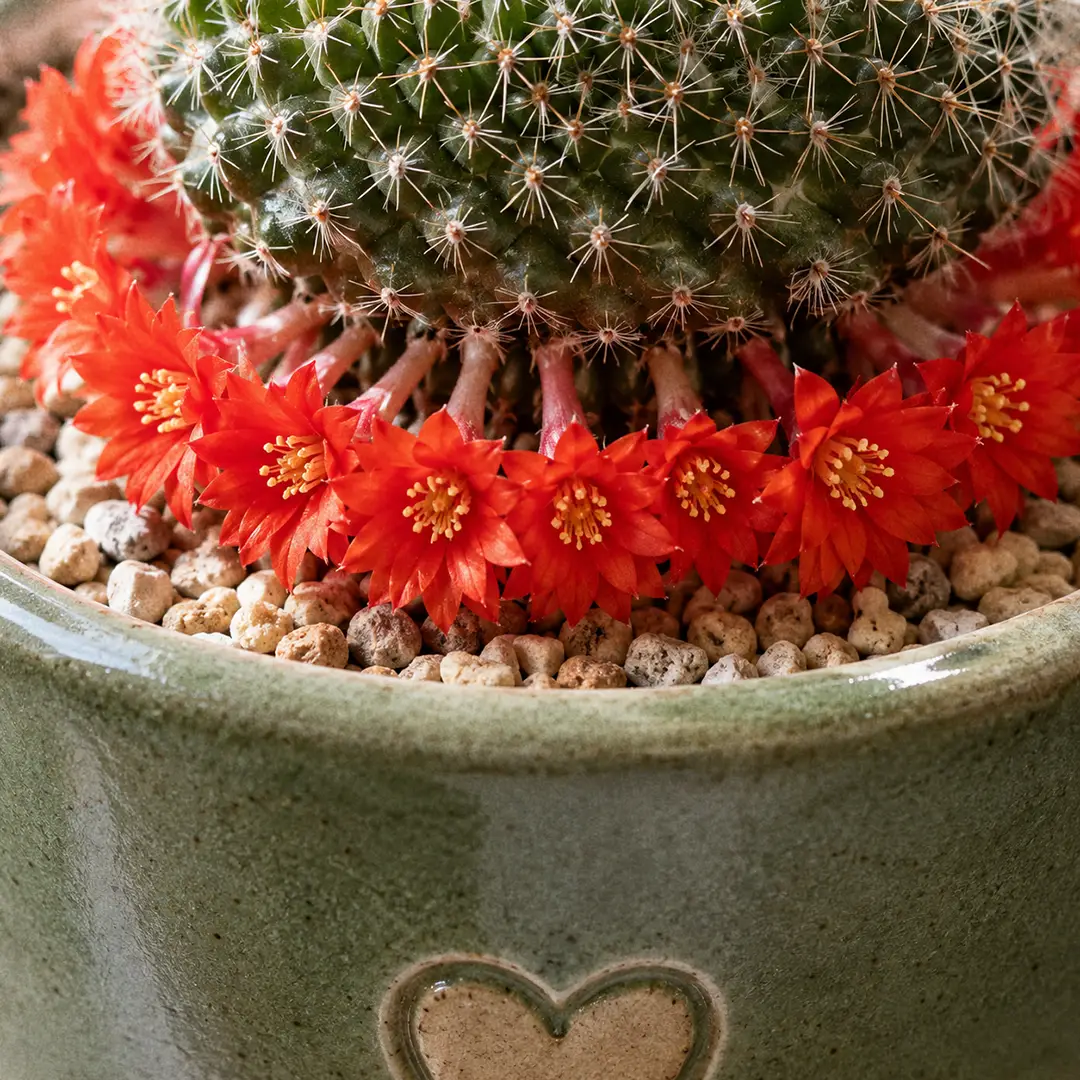
This is the whole reason the plant exists on windowsills. In spring a Crown Cactus produces a circle of funnel-shaped flowers around the bottom of its body, on slender tubes that push out from the lowest areoles, so the plant looks like it is standing in a wreath of scarlet. That base-flowering habit earned it the common name, and it separates Rebutia at a glance from a Pincushion Cactus, which crowns itself with flowers at the top instead.
Each bloom is about an inch and a half across in vivid scarlet to orange-red, with a satiny sheen. Unlike the one-day flowers of many cacti, a Rebutia flower closes at night and reopens for three to five days running. A well-grown plant opens ten or twenty at once and can flower itself almost out of sight.
How to Trigger Bloom
Two things do it: bright light through the growing season, and a cold, dry winter. Give the plant eight to ten weeks at 40-50°F with no water and good light, then warm it up and water in early spring. Buds usually appear within three or four weeks of that first drink, tiny and dark at first, low down near the soil.
Maturity is barely a factor, which is the delightful part. Crown Cactus commonly flowers at two or three years old, when the body is only an inch across. Where a Golden Barrel Cactus may make you wait twenty years, this one pays out almost immediately.
If It Won't Bloom, or Drops Its Buds
A mature plant that never flowers is nearly always missing the cold dry rest, short on light, or getting too much nitrogen. That is failure to bloom, and the winter rest is the piece people skip.
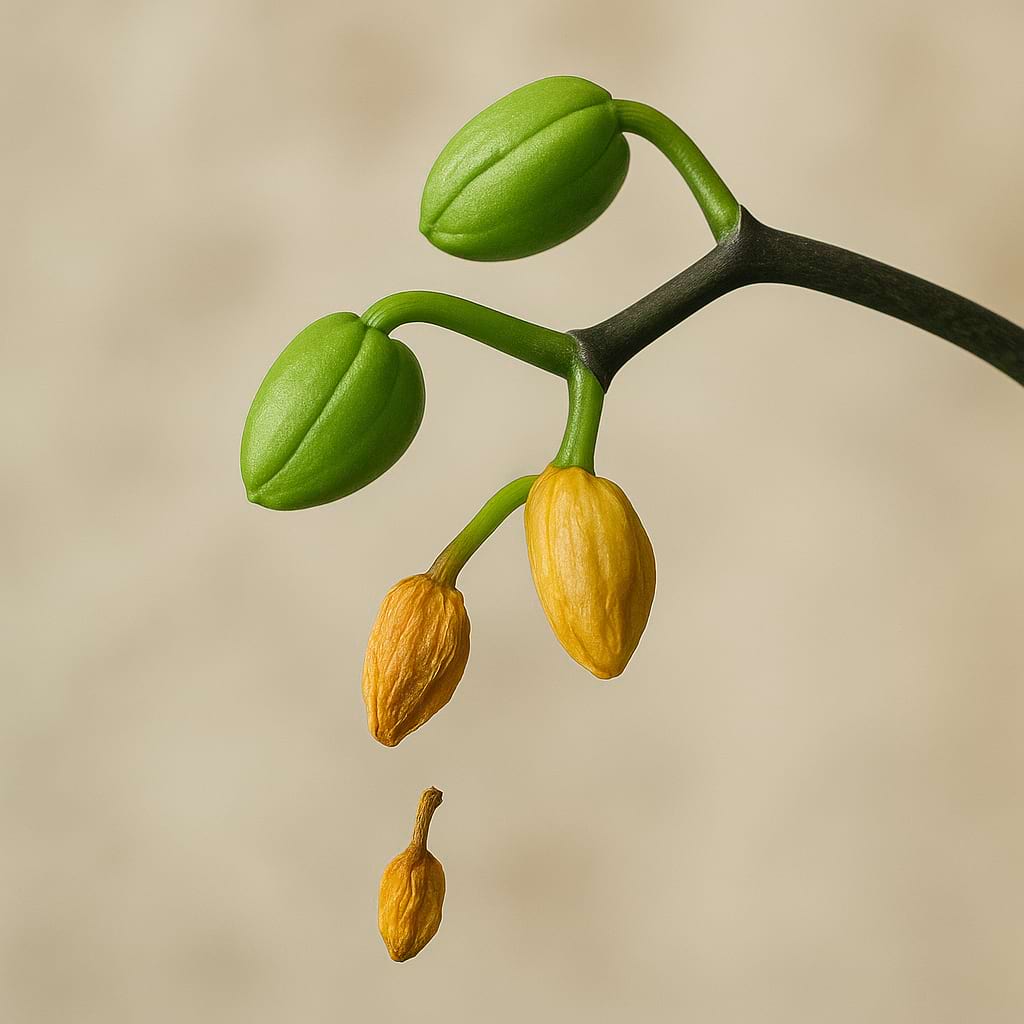
Buds that form and then shrivel before opening are bud blast instead. The usual causes are letting the pot go bone dry while buds develop, a sudden temperature swing, or turning the plant around after the buds have oriented to the light. Once buds appear, keep watering steady and leave the pot facing the same way until the show is over.
🏷️ Crown Cactus Types and Varieties
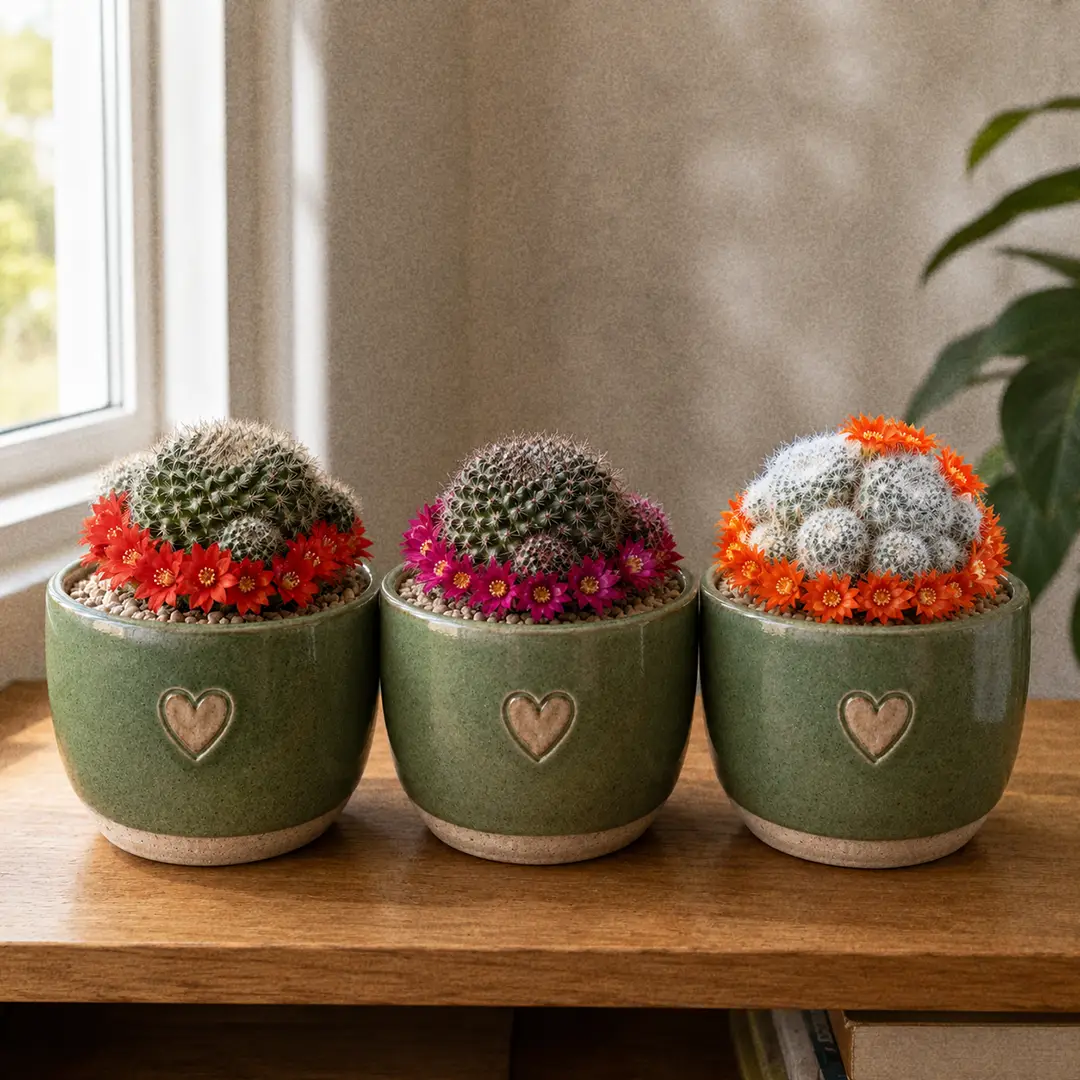
Rebutia taxonomy has been rearranged repeatedly, and several plants once sold as separate species are now treated as forms of R. minuscula. Care is identical across all of them, so the differences that matter to you are flower color and spine texture.
Rebutia minuscula (the standard form)
The classic Crown Cactus described throughout this guide. A flattened green globe two to three inches across, covered in small spiralled tubercles and short white bristly spines, ringed in spring with scarlet flowers. It is the type species of the genus and by far the most widely sold form.
Rebutia minuscula var. violaciflora
Same plant, different palette. This form opens violet to deep magenta flowers on a slightly darker green body. It is still sold under its old name, Rebutia violaciflora, and it makes a striking companion to the red form.
Rebutia 'Krainziana'
A collector favorite with a dark, almost blackish green body studded with bright white woolly areoles in neat spirals, so it looks polka-dotted even out of flower. Blooms are deep red. Taxonomists now fold it into R. minuscula, but it is sold under its own name almost everywhere.
Rebutia muscula
A small clumping species wrapped in dense soft white spines, so the body looks frosted, topped with orange flowers. The white coat gives it a similar appeal to a Powder Puff Cactus, but with the base-ring flowering habit of a Rebutia.
Rebutia heliosa
The specialist's pick. Bodies barely an inch across, covered in silvery spines pressed flat in spiral rosettes, with large salmon-orange flowers on long tubes. Fussier about drainage and slower, so get a season of ordinary Rebutia under your belt first.
Good Shelf Companions
A Crown Cactus reads best beside cacti with a different silhouette. A sprawling Peanut Cactus brings the same scarlet spring color in a low trailing form, while a white-haired Old Lady Cactus flowers in a ring at the top instead of the base. A Feather Cactus is the one to add if you want something in bloom in December, when the Rebutia are resting. A round Golden Barrel Cactus or a flat Star Cactus anchors a group of small globes, and a Hedgehog Cactus adds an outsized funnel bloom above the little ones. For height behind all of them, a white-spined Silver Torch Cactus comes from the same Andean region and wants the same cold dry winter, so the whole shelf can share one routine.
🪴 Potting and Repotting Crown Cactus
When to Repot
Crown Cactus is slow, so repotting every 2-3 years is plenty. The real triggers are offsets crowding over the rim, roots circling out of the drainage hole, or an old mix that has broken down into something dark and slow-draining. Early spring, before growth resumes and before buds form, is the ideal window. Never repot a plant in bud, because the disturbance almost guarantees you lose the flowers.
Choosing a Pot
Go small and shallow. A pot much wider than the clump holds a reservoir of damp soil the modest root system never reaches, which is how rot starts. About an inch wider than the plant is right. Terracotta beats plastic because it breathes and dries faster, and drainage holes are non-negotiable. Our plant pots guide compares materials. Shallow serves the flowers too, because a low rim leaves the ring of blooms in plain sight.
Step-by-Step Repotting
Let the soil dry out completely first, which makes the root ball crumble away cleanly. Wrap the body in a folded strip of newspaper or wear light gloves, though the bristly spines here are far gentler than most cacti. Ease the plant out, crumble off the old mix, and cut away any blackened or shriveled roots.
Set it into fresh gritty mix at exactly the depth it grew before, never deeper, since a buried base rots. Add your grit top dressing, then wait a week before watering so torn roots callus over. Our repotting guide covers the general process.
✂️ Pruning Crown Cactus
Does It Need Pruning?
Essentially no. Crown Cactus grows as a compact globe and never needs shaping, so the only cuts you will ever make are for propagation or to remove damaged tissue.
Removing Spent Flowers
Once a flower finishes, it dries to a papery brown scrap that clings on near the base. Pull those off with tweezers once they are fully dry. It is mostly cosmetic, but dead flower remains pressed against a damp body in cool weather are a classic entry point for fungal rot. Leave a flower on only if you want seed, and note that most Rebutia need a second, genetically different plant to set anything viable.
Splitting a Crowded Clump
The nearest thing to real pruning is dividing an overgrown mound. When a clump gets so dense that the centre stays damp, lift the whole thing in spring, twist off the outer offsets, and replant the mother with more space.
🌱 How to Propagate Crown Cactus
Best Method: Offsets
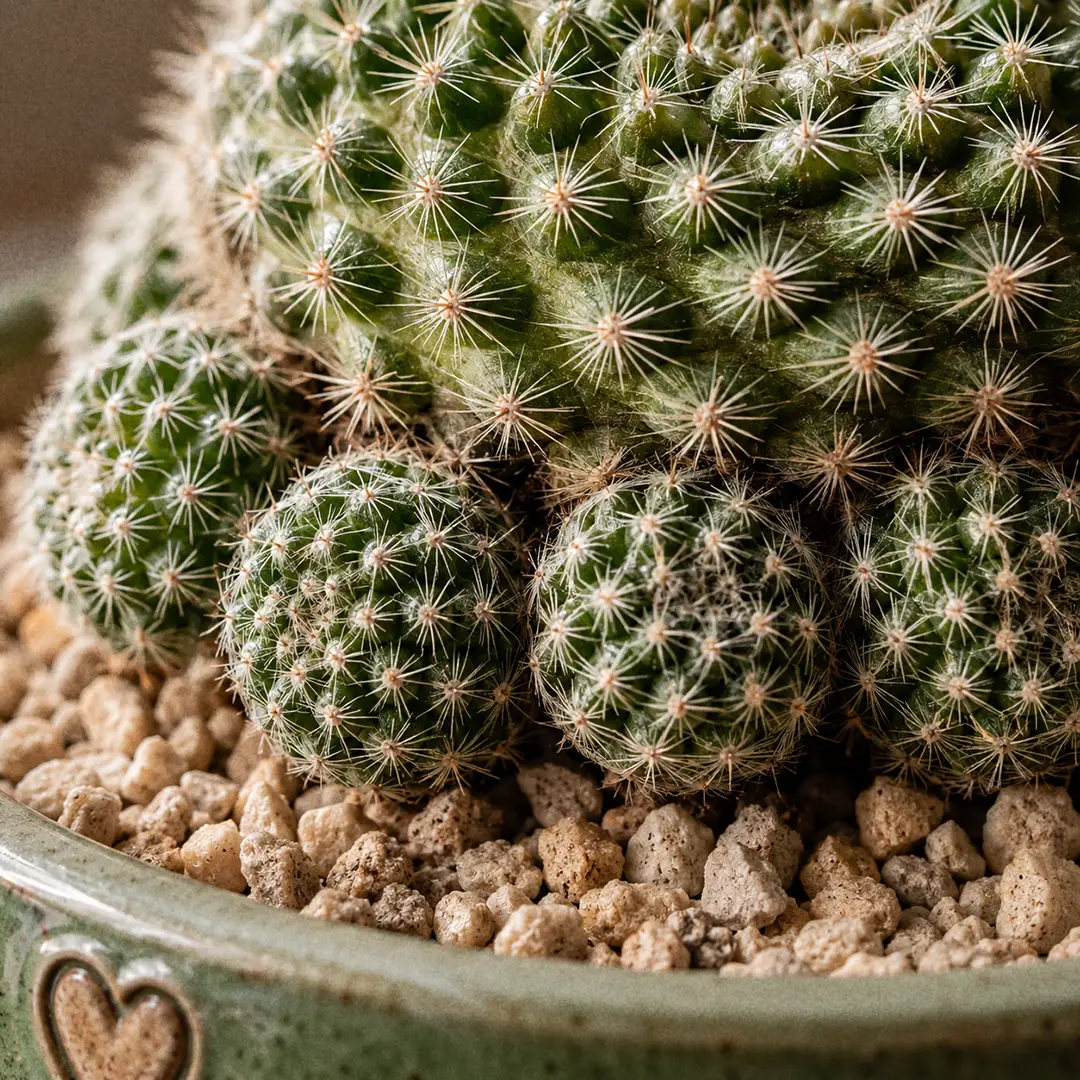
Crown Cactus makes this simple by producing offsets, small clone pups that ring the base of the mother plant. Rooting them is quicker and more reliable than seed, and a healthy plant supplies a steady stream. Late spring or early summer is best, when growth is active and cuts heal fast. Our propagation hub covers the general principles.
Step-by-Step
Choose a pup at least half an inch across with its own visible spines. Twist it gently sideways where it joins the mother and it should snap off cleanly, leaving a small flat scar. If it resists, use a clean sharp blade rather than tearing it.
Set the offset somewhere dry and shaded for three to five days so the wound dries to a firm callus, the step that prevents rot. Then rest it on the surface of barely moist gritty mix, cut side down, without burying it. Keep it bright but out of direct sun and mist the surface every few days instead of watering properly. Roots usually appear in two to four weeks, and a gentle tug that meets resistance tells you it has taken.
Growing From Seed
Rebutia is one of the easier cacti to raise from seed, which is how the unusual varieties get distributed. Sow on the surface of moist gritty mix in spring, cover with a clear lid, and keep warm and bright. Seedlings can flower in their second or third year.
Tips for Success
The only real failure mode is moisture. A pup that sits on damp soil without a proper callus turns to mush in days. Root three or four offsets together in one pot for an instantly full plant, and skip fertilizer until the pup has clearly rooted.
🐛 Crown Cactus Pests and Treatment
Common Pests
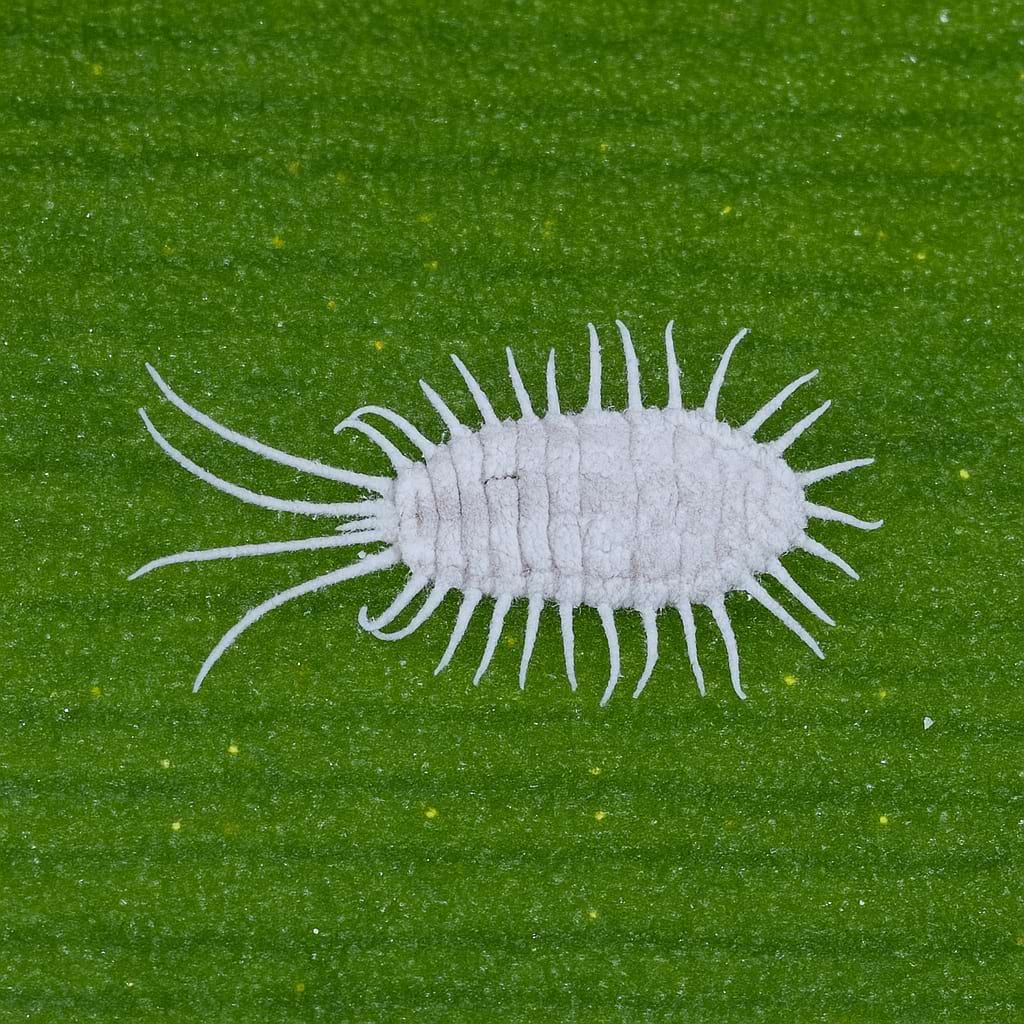
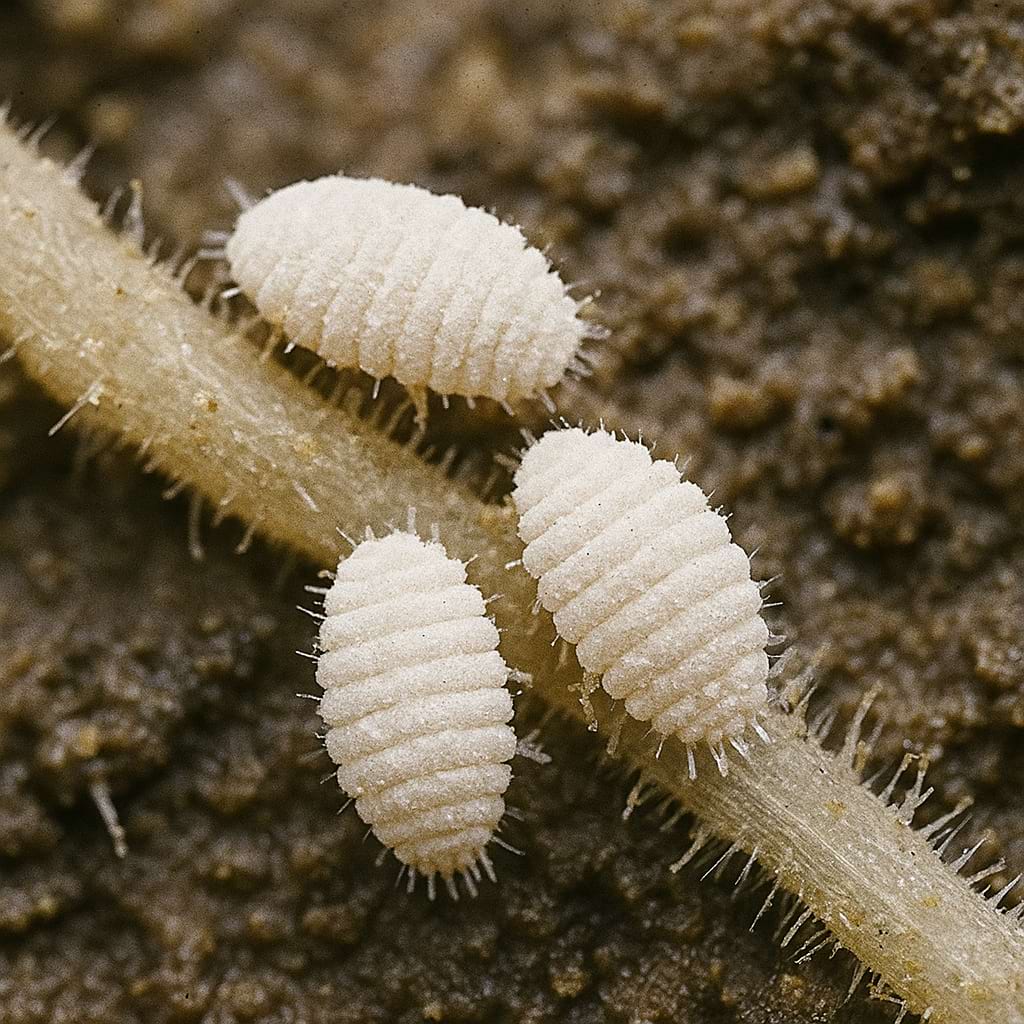
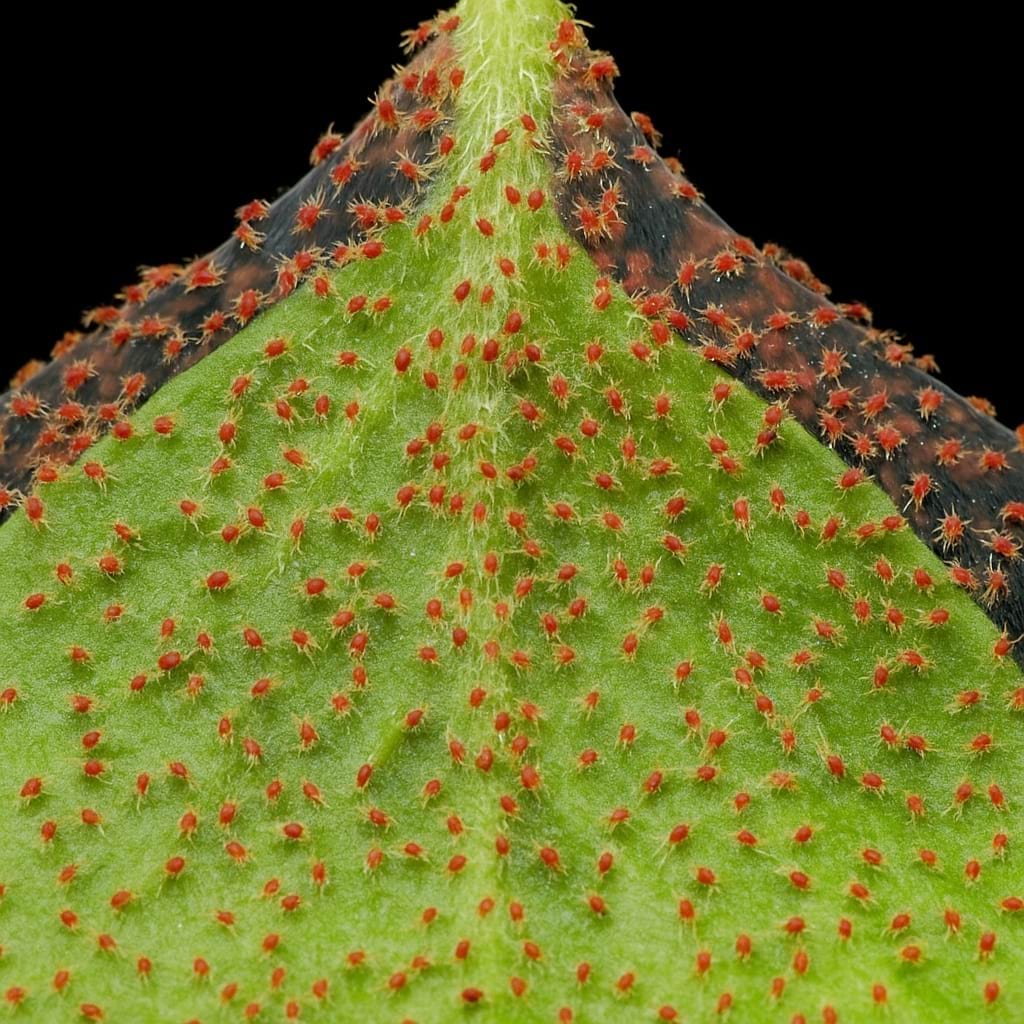
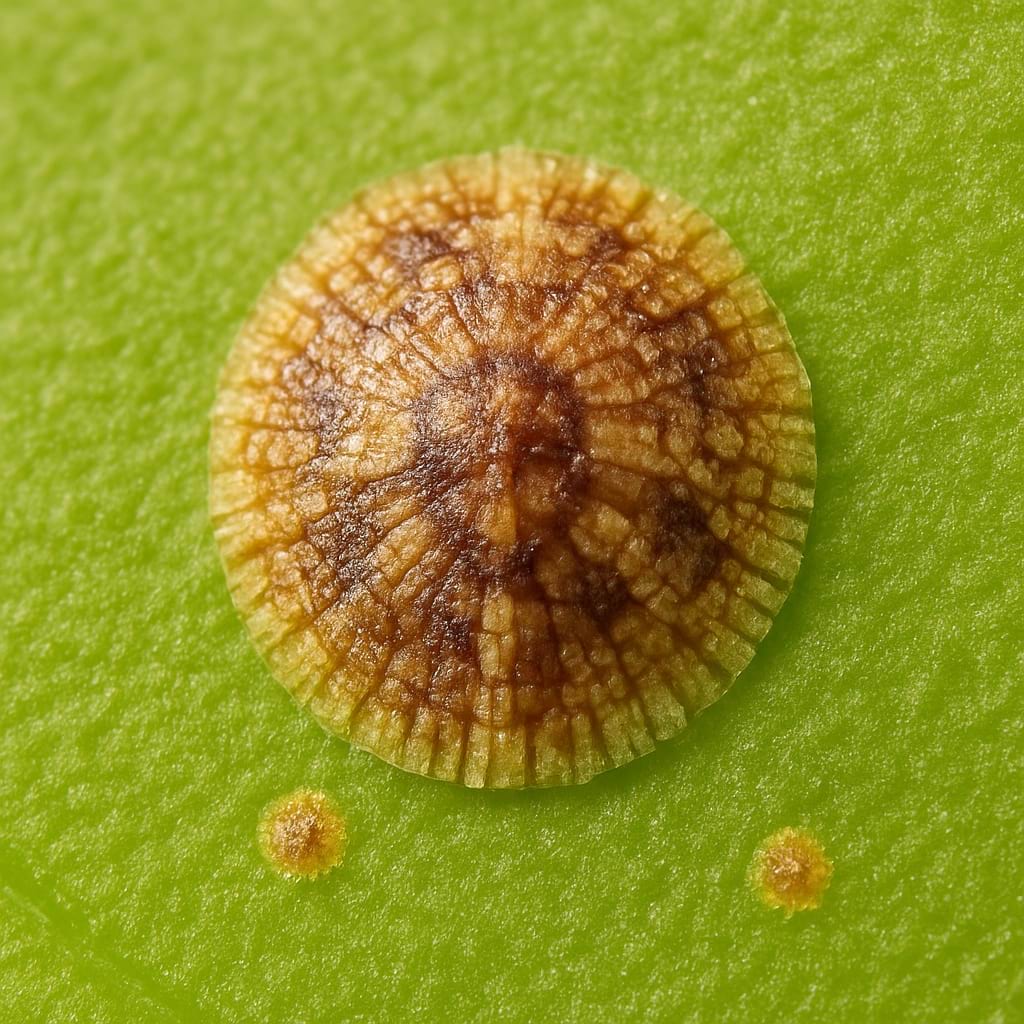
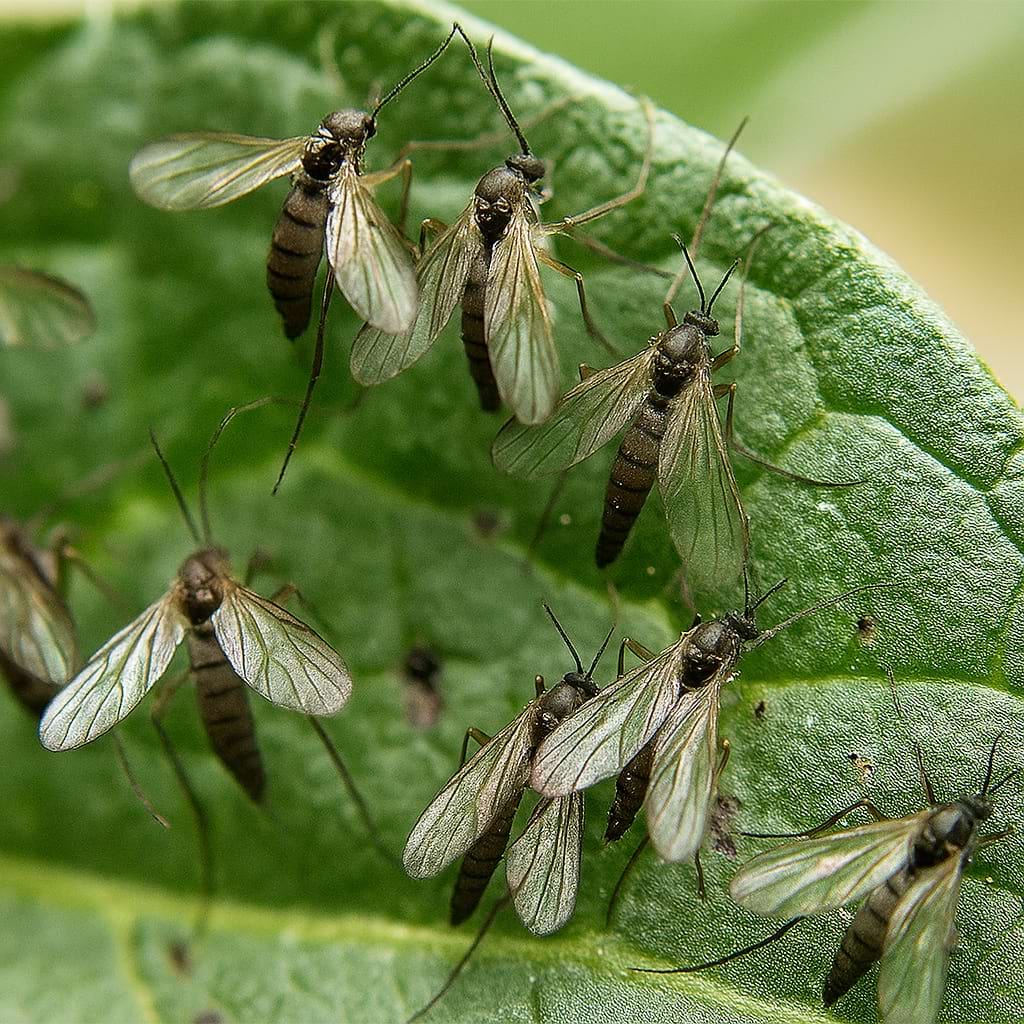
Mealybugs are the usual offender, wedging into the gaps between tubercles as white cottony blobs that are easy to mistake for the plant's own wool. Root mealybugs are the sneakier version and a real problem for small cacti: they live in the soil, look like white powder on the roots, and cause a slow decline that people blame on watering for months. Spider mites show up in hot dry spells as fine webbing and a stippled bronze cast. Scale insects appear as small brown limpets stuck to the skin, and fungus gnats signal that your soil is staying wet far too long.
Treatment and Prevention
Dab mealybugs and scale with a cotton bud dipped in rubbing alcohol, then follow with insecticidal soap or neem if they return. Root mealybugs need the plant unpotted, the roots rinsed clean under a tap, and a repot into fresh mix in a clean pot, since a soil drench alone rarely finishes them. Spider mites retreat with better airflow, and fungus gnats disappear once you stop keeping the mix damp.
Because this plant is small and sits still, pests build up unseen for a long time. Check the base and the drainage holes monthly, quarantine anything new for a few weeks, and read pest prevention in winter before the cold rest starts.
🩺 Common Crown Cactus Problems
Rot From Overwatering
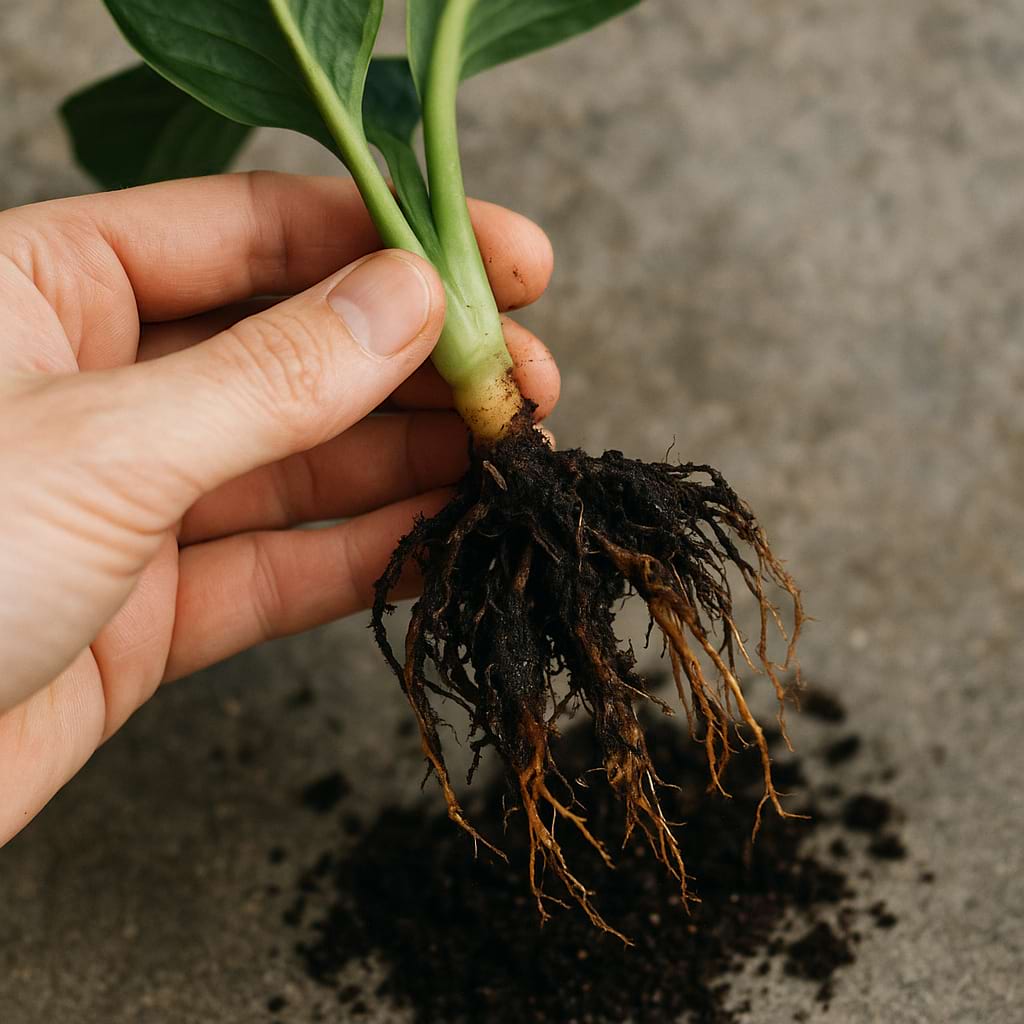
Overwatering causes almost every Crown Cactus death. It shows up as root rot or mushy stems, usually starting as a soft brown or translucent patch right at the soil line and travelling upward. Unpot the plant, cut back to clean white tissue, dust the cut with sulphur or cinnamon, let it dry for several days, and replant in dry gritty mix. If the base is gone, salvage the healthiest offsets as cuttings and start over.
Shriveling, Yellowing, and Corking
A slightly sunken, wrinkled body in summer is normally thirst, and one good soak fixes it. Yellowing or a soft, sickly pallor suggests the opposite, either overwatering or exhausted old soil, so check the roots first. A brown, dry, bark-like crust creeping up from the base of an older plant is corking, natural woody ageing rather than disease. It is firm to the touch, unlike rot, which is soft.
Stretching, No Flowers, and Sunburn
A body growing tall and narrow instead of round is leggy growth from insufficient light, and it does not reverse, though moving the plant brighter returns the newest growth to normal width. A mature plant that never blooms is failure to bloom, almost always traced back to a warm winter. Pale, papery, bleached patches on the sunny side are sunburn from a sudden move into fierce light.


🖼️ Crown Cactus Display and Styling Ideas
Solo Setups
Because the flowers open around the foot of the plant, staging matters more here than for most cacti. A shallow terracotta bowl or a low glazed pot keeps the ring of blooms above the rim and in view, whereas a tall pot swallows the best part of the show. Put it at eye level or just below on a bright sill and top the soil with pale grit.
Grouped Arrangements
Crown Cactus is built for a collection of small globes, since a dozen fit on one windowsill. Group it with a white-woolly Powder Puff Cactus and a spiny Pincushion Cactus for contrasting textures at a similar scale, or set several Rebutia forms together so the scarlet, magenta, and orange flowers open side by side. Give each one room, since crowded bodies trap damp air between them.
Where Not to Put It
Skip the bathroom and any steamy kitchen corner, where humidity and poor airflow set up rot. Avoid dim shelves and north-facing rooms, where it stretches and refuses to flower. And keep it clear of a radiator in winter, since warmth then is the one thing that costs you the spring display.
👍 Crown Cactus Pro Care Tips
❄️ The cold dry winter is not optional. Eight to ten weeks near 40-50°F with zero water decides whether you get flowers.
☀️ East window, not west. Morning sun with bright light afterward suits this high-altitude plant better than an afternoon roasting.
💧 Water the soil, not the body. Keep the crown dry, or bottom water, so damp does not sit in the tubercles.
🪨 Add a grit top dressing. It keeps the base off wet soil, where stem rot almost always begins.
🌸 Do not turn the pot once buds form. Buds orient to the light, and rotating the plant makes them drop.
🪴 Keep the pot small. An oversized pot holds damp soil the fine roots never reach.
🍼 Feed lean and low-nitrogen. Too much nitrogen builds a soft green body and no flowers.
🌱 Twist off pups, do not cut them. A clean twist leaves a small flat scar that calluses in days.
❓ Frequently Asked Questions
Is Crown Cactus toxic to cats and dogs?
Crown Cactus is non-toxic to cats and dogs. The spines are short and bristly rather than long and rigid, so it is one of the safer cacti around pets, though a curious nose can still be pricked.
Why won't my Crown Cactus flower?
The overwhelming reason is a winter spent warm and watered. This plant needs eight to ten weeks at 40-50°F with no water to set buds. The other causes are too little summer light and too much nitrogen. Age is rarely the issue, since Rebutia often blooms at two or three years old.
Why are the flowers coming out at the bottom of the plant?
That is exactly right, and it is where the name comes from. Rebutia produces flowers from the lowest areoles near the base, so the blooms encircle the foot of the plant like a crown. Most other small cacti, Mammillaria included, flower in a ring at the top instead.
How often should I water a Crown Cactus?
Roughly every 10-14 days in spring and summer, but only once the mix is completely dry, never on a schedule. Through the winter rest, do not water at all for eight to ten weeks. Always drain fully and never leave the pot standing in a saucer.
Why is my Crown Cactus turning brown at the base?
Check whether it is soft or firm. Soft, dark, mushy tissue at the soil line is rot from overwatering and needs immediate action. A dry, firm, bark-like crust creeping up an older plant is corking, a normal sign of age that needs nothing done about it.
How big does a Crown Cactus get?
It stays tiny. Heads reach about 2-3 inches across and barely 2-3 inches tall, though a clump spreads to 4-8 inches over the years as offsets fill in. A whole collection fits on one windowsill.
Can Crown Cactus survive frost?
Kept completely dry, established plants tolerate brief dips close to freezing and are hardier than most cacti thanks to their high-altitude origins. Hard frost, or any frost on wet soil, damages the tissue permanently. Treat near-freezing as the floor, not a target.
How do I propagate Crown Cactus?
Twist an offset off the base of the mother plant, let the wound callus in a dry shaded spot for three to five days, then set it on barely moist gritty mix and keep it bright. Roots typically form in two to four weeks.
Is Rebutia minuscula the same as Aylostera?
Partly. Botanists have split and merged these genera several times, and many former Rebutia species now sit in Aylostera, with R. minuscula itself sometimes listed there. Plants sold under either name want identical care, so the label is a taxonomic argument rather than a growing one.
ℹ️ Crown Cactus Info
Care and Maintenance
🪴 Soil Type and pH: Gritty, fast-draining cactus and succulent mix
💧 Humidity and Misting: Happy in dry household air and prone to rot in damp, still, humid rooms.
✂️ Pruning: Not needed beyond removing spent flowers and splitting an overcrowded clump.
🧼 Cleaning: Blow or brush dust off with a soft dry brush. The short bristly spines trap lint between the tubercles.
🌱 Repotting: Repot every 2-3 years in spring, or when offsets have filled the pot to the rim.
🔄 Repotting Frequency: Every 2-3 years
❄️ Seasonal Changes in Care: Bright and watered from spring through summer, then a cold, completely dry winter rest that sets the following spring's flowers.
Growing Characteristics
💥 Growth Speed: Slow to moderate
🔄 Life Cycle: Evergreen perennial high-altitude cactus
💥 Bloom Time: Spring, often with a lighter second flush in early autumn; each flower reopens for several days
🌡️ Hardiness Zones: 9-11
🗺️ Native Area: High Andean slopes of northern Argentina and southern Bolivia
🚘 Hibernation: Cold, bone-dry winter rest near 40-50°F for 8-10 weeks, in bright light
Propagation and Health
📍 Suitable Locations: East windowsills, bright kitchen sills, cool sunrooms, shallow bowls, small collections
🪴 Propagation Methods: Twist off the offsets that ring the base, callus them for a few days, and root them in gritty mix.
🐛 Common Pests: Mealybugs, Root Mealybugs, Spider Mites, Scale Insects, Fungus Gnats
🦠 Possible Diseases: Root rot, stem rot at the soil line, fungal spotting in cold wet soil
Plant Details
🌿 Plant Type: Clumping globular cactus
🍃 Foliage Type: Evergreen leafless globe with spiralled tubercles
🎨 Color of Leaves: Mid to deep green body
🌸 Flower Color: Scarlet to orange-red; violet and magenta in some forms
🌼 Blooming: Yes, freely and from a very young age after a cold, dry winter rest
🍽️ Edibility: Not grown as an edible plant.
📏 Mature Size: 2-3 inches tall
Additional Info
🌻 General Benefits: Pet-safe, blooms younger than almost any other cactus, stays tiny, offsets freely, and tolerates cold better than most cacti
💊 Medical Properties: No documented medicinal uses.
🧿 Feng Shui: A small, low, soft-spined cactus that brings warm flowering energy to a windowsill without the aggressive spikes of a larger desert cactus.
⭐ Zodiac Sign Compatibility: Aries
🌈 Symbolism or Folklore: Early reward, quiet endurance, small things that overachieve
📝 Interesting Facts: Crown Cactus takes its common name from the ring of flowers that opens around the foot of the plant rather than at the top, so it appears to be wearing a crown at its base. The genus honours Pierre Rebut, a French vine grower turned cactus nurseryman, and R. minuscula is its type species.
Buying and Usage
🛒 What to Look for When Buying: Look for a firm, deep green body with tight spiral tubercles and a few offsets already forming. Skip plants that are pale, stretched, soft near the soil line, or sitting in dark wet compost.
🪴 Other Uses: Windowsill flowering specimen, small dish-garden accent, cold-frame or alpine-house plant, and an easy first cactus for a child.
Decoration and Styling
🖼️ Display Ideas: Bright windowsills, shallow bowls, small terracotta pots, alpine-style troughs, grouped mini-cactus collections
🧵 Styling Tips: Because the flowers open at the base, this plant looks best in a shallow pot at eye level or slightly below, where the ring is visible.
🪴 See also 🪴
Complete Guide to Leaf of Life Care and Growth
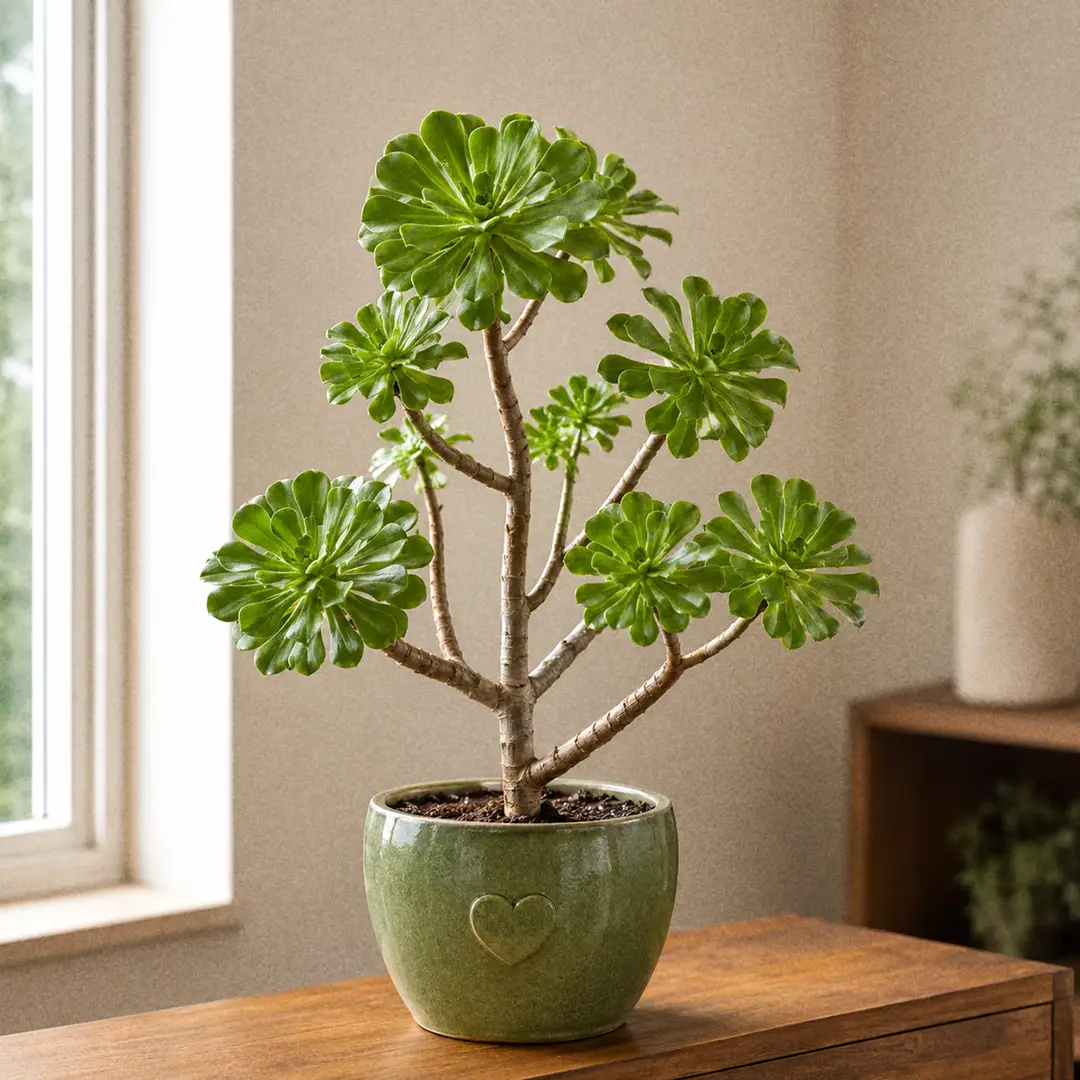
Complete Guide to Aeonium Care and Growth
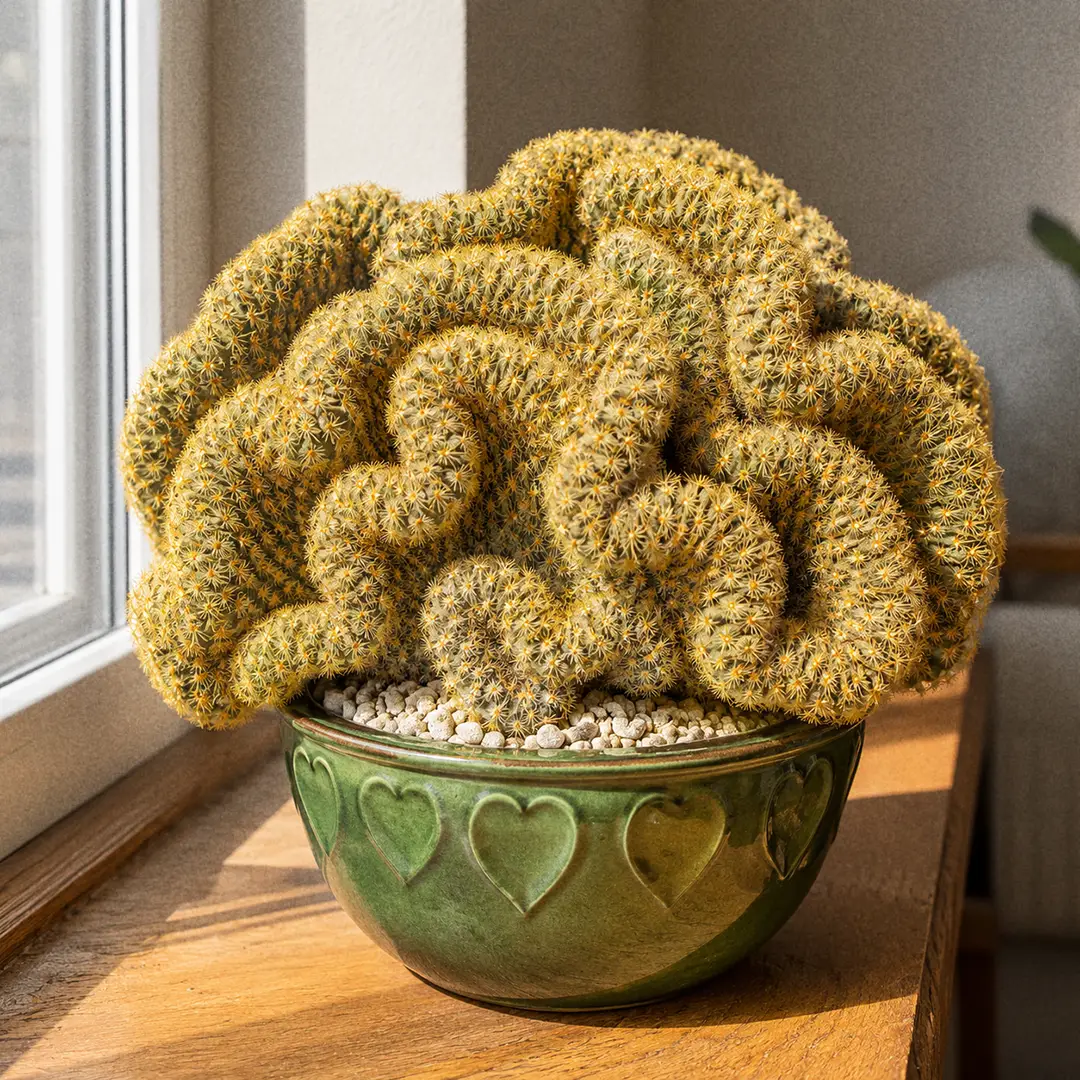
Complete Guide to Crested Brain Cactus Care and Growth
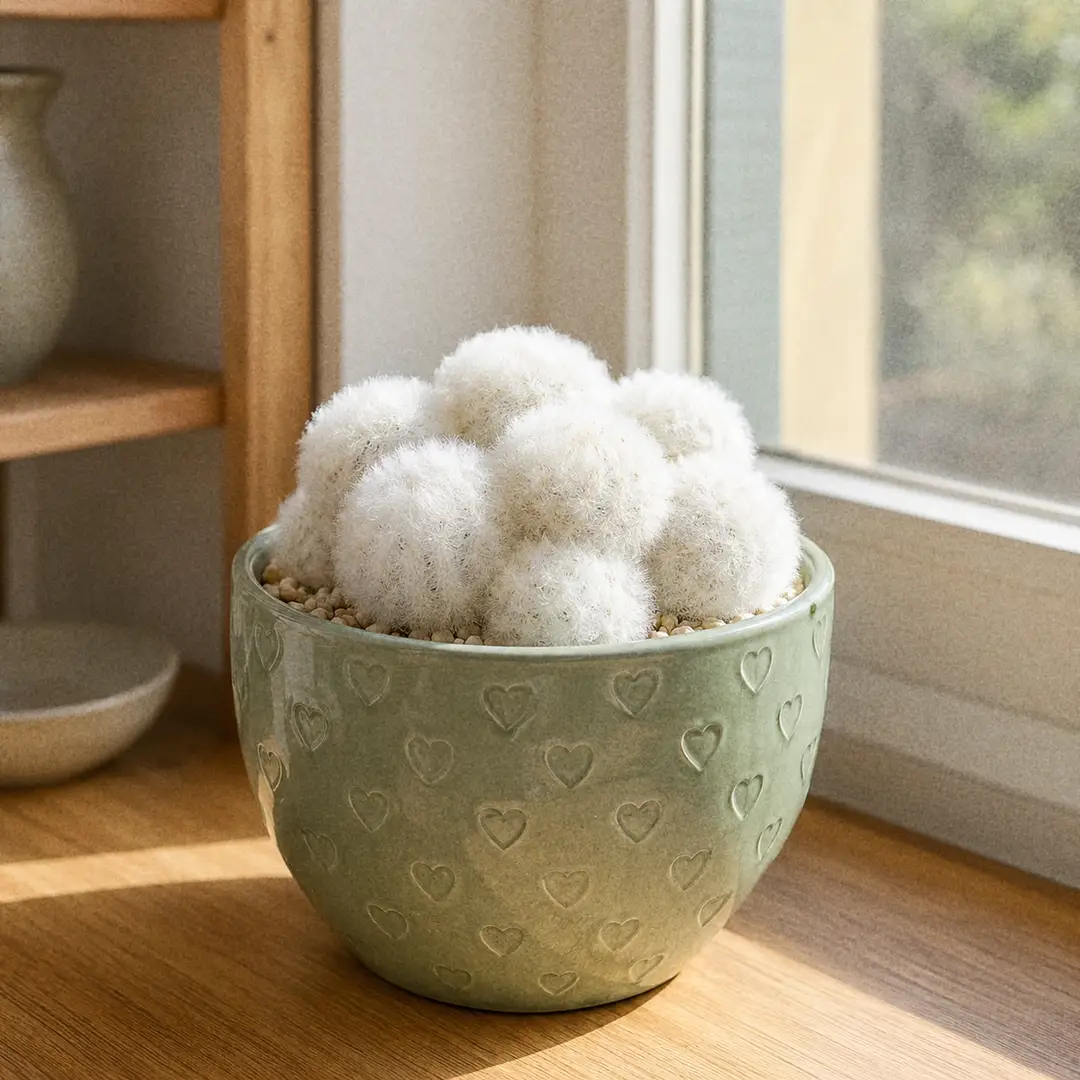
Complete Guide to Feather Cactus Care and Growth
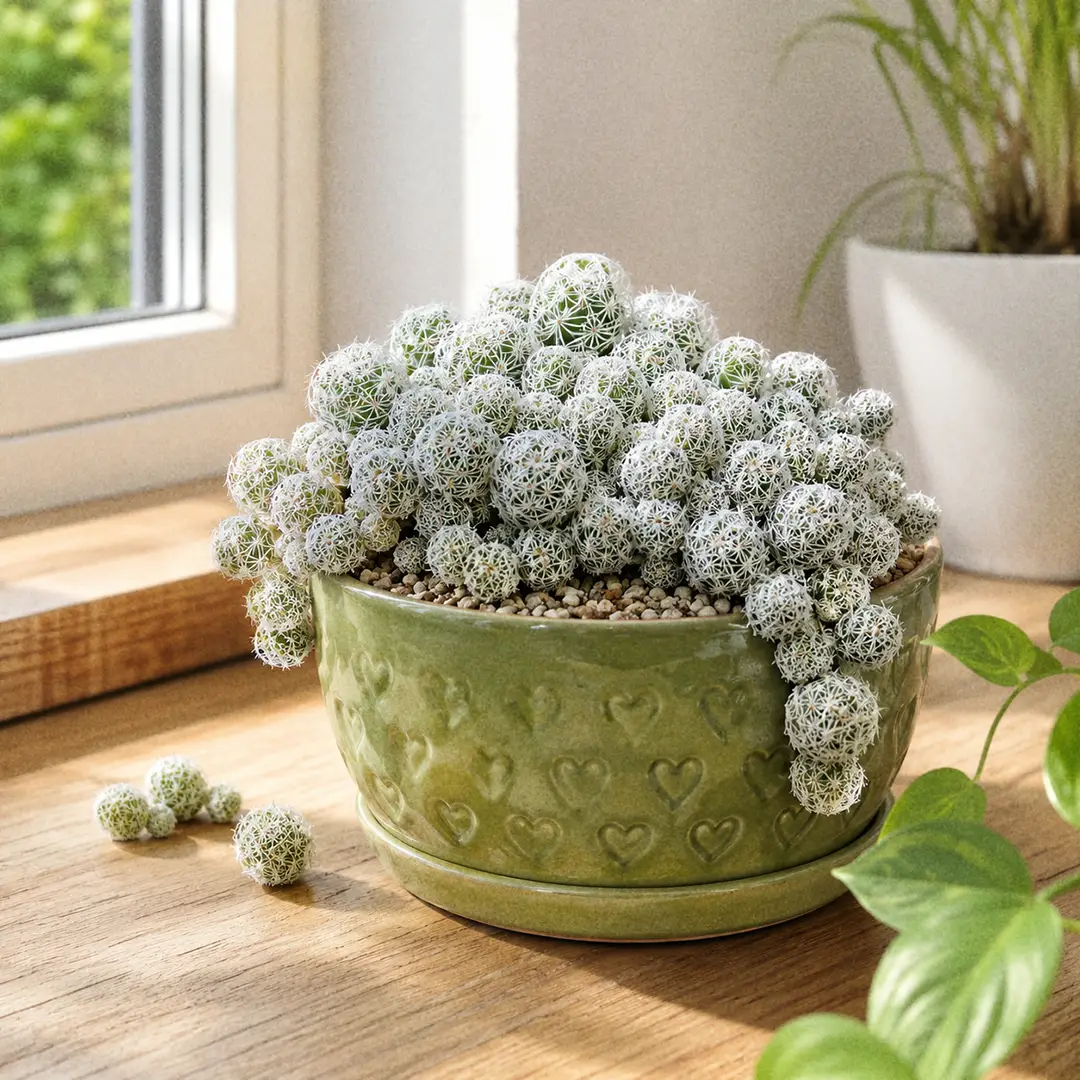
Complete Guide to Snowball Cactus Care and Growth
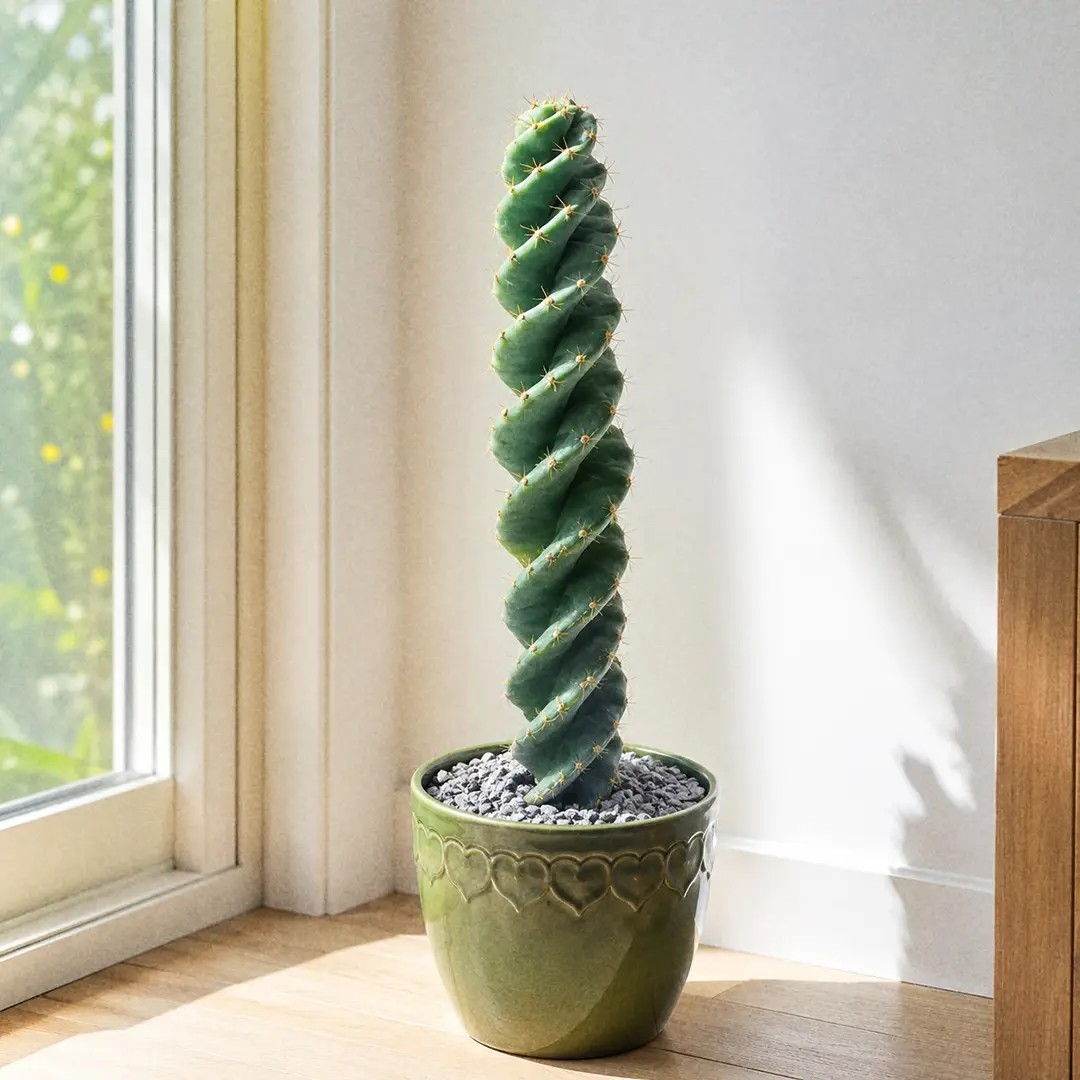
Complete Guide to Spiral Cactus Care and Growth
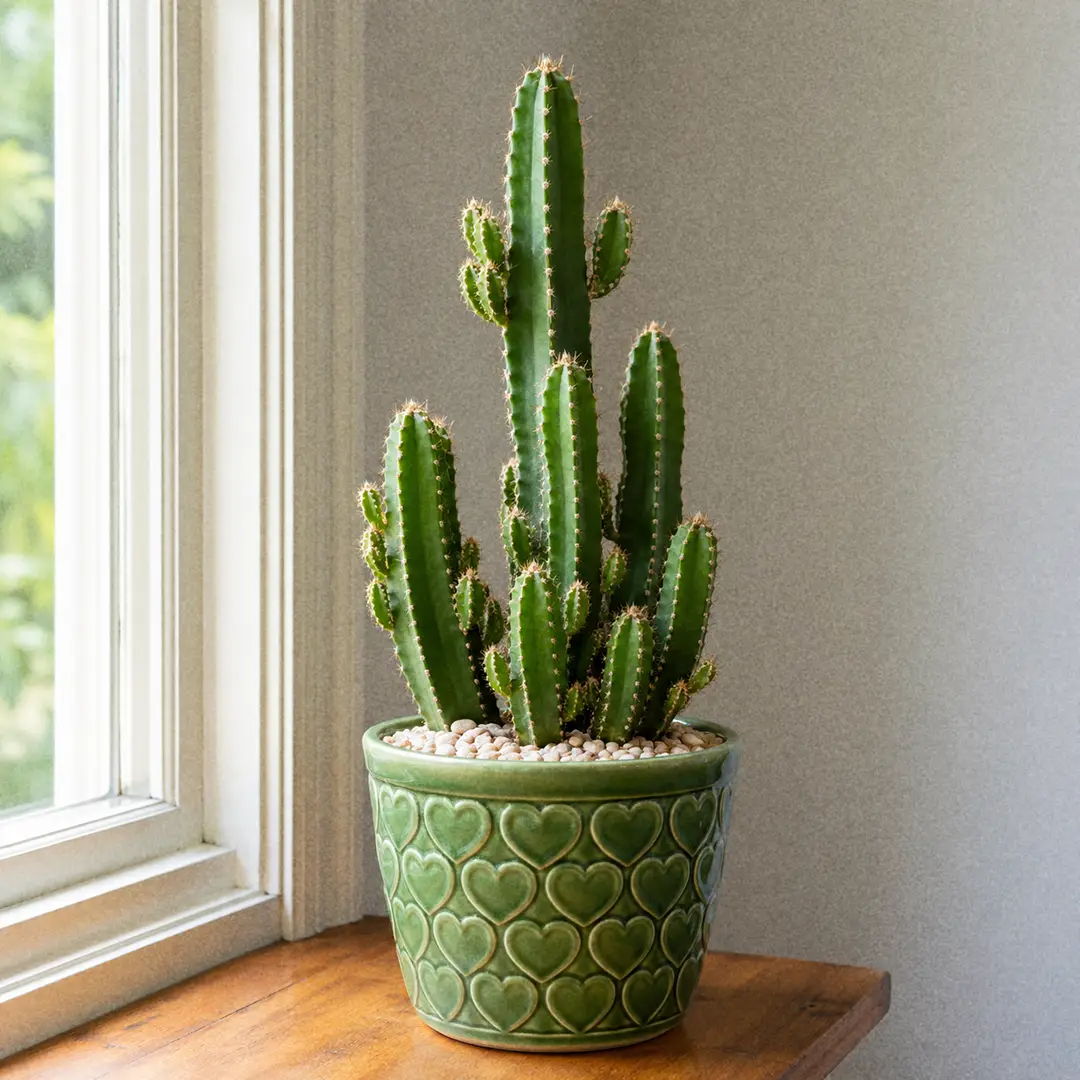
Complete Guide to Fairy Castle Cactus Care and Growth
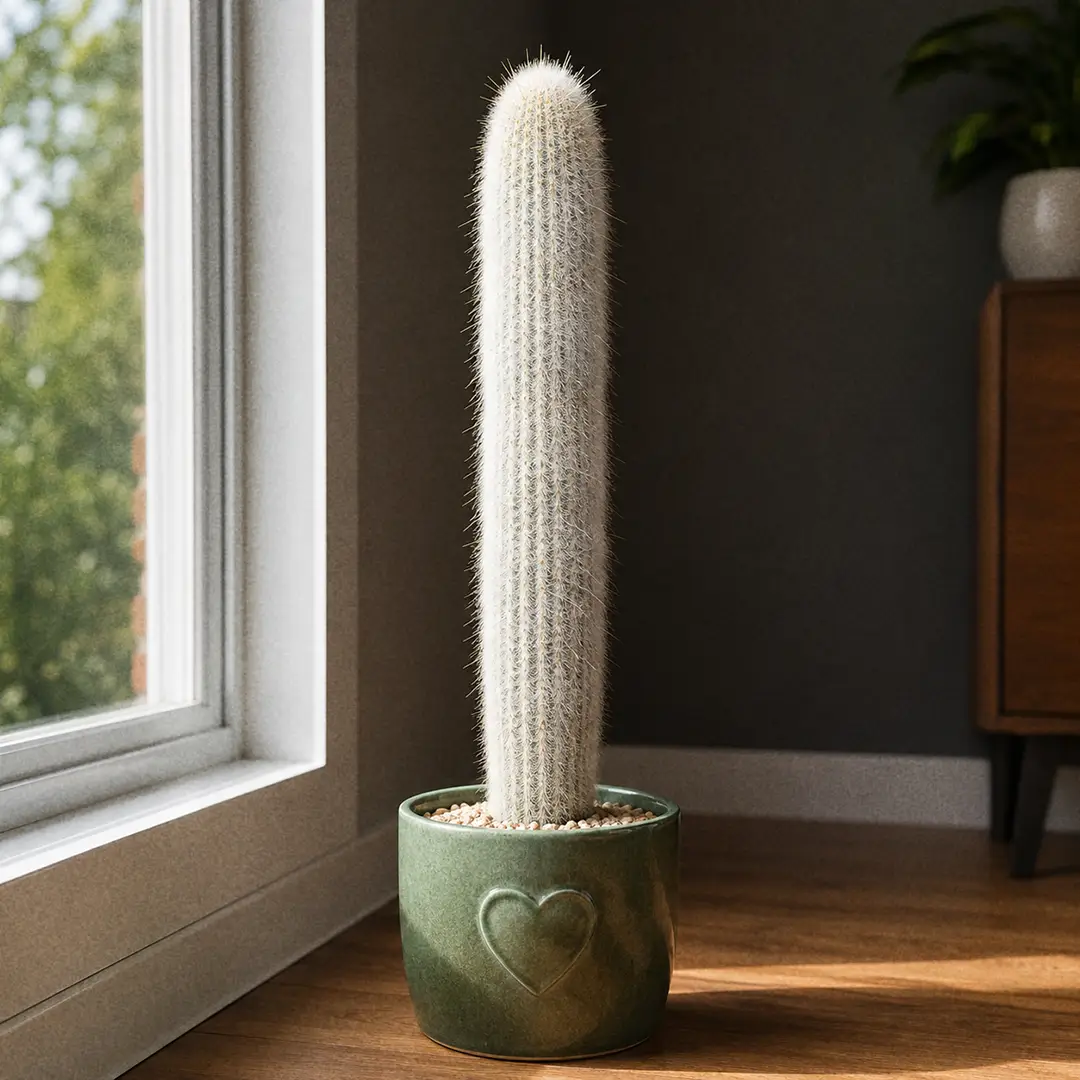
Complete Guide to Silver Torch Cactus Care and Growth
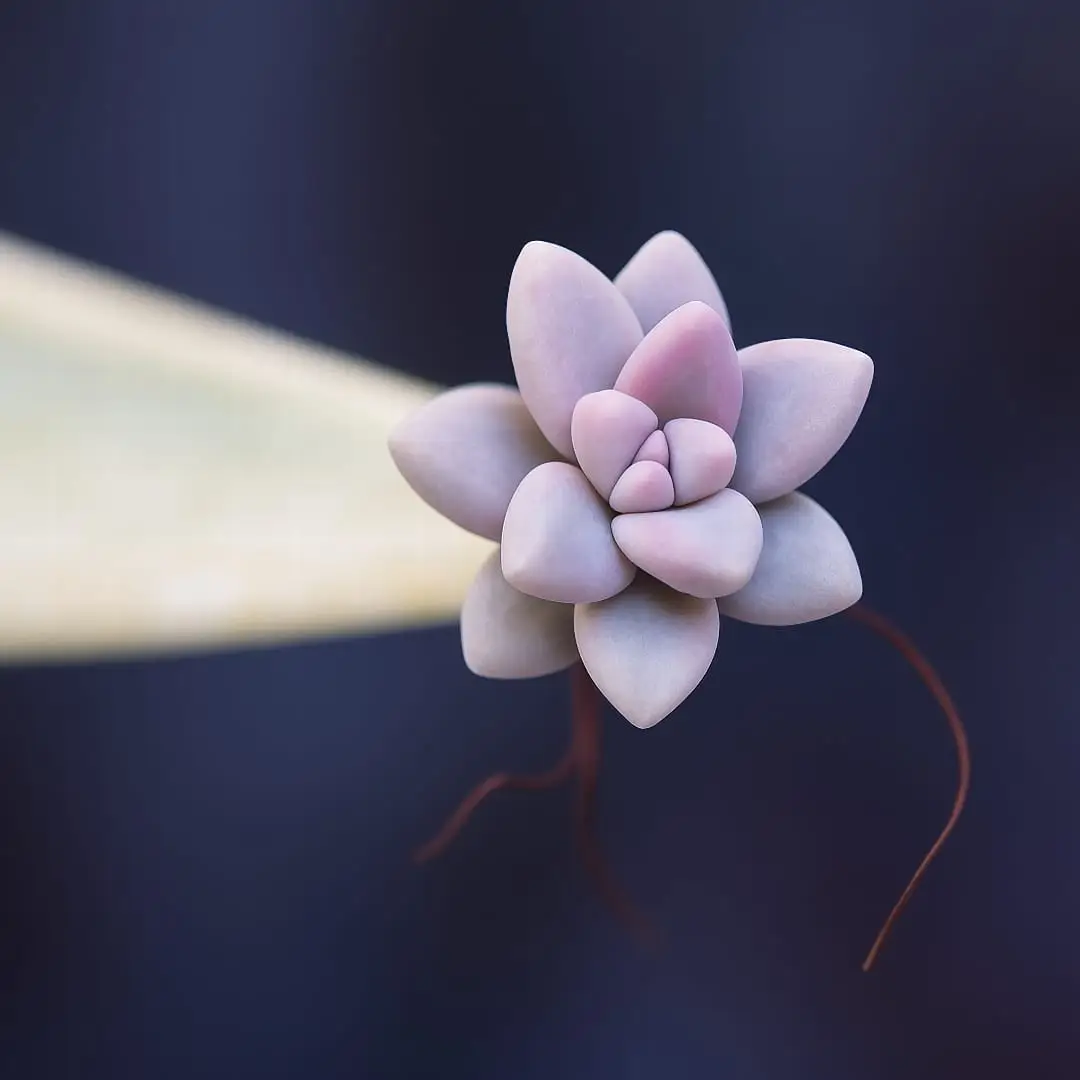
How to Propagate Succulents from Leaves & Offsets
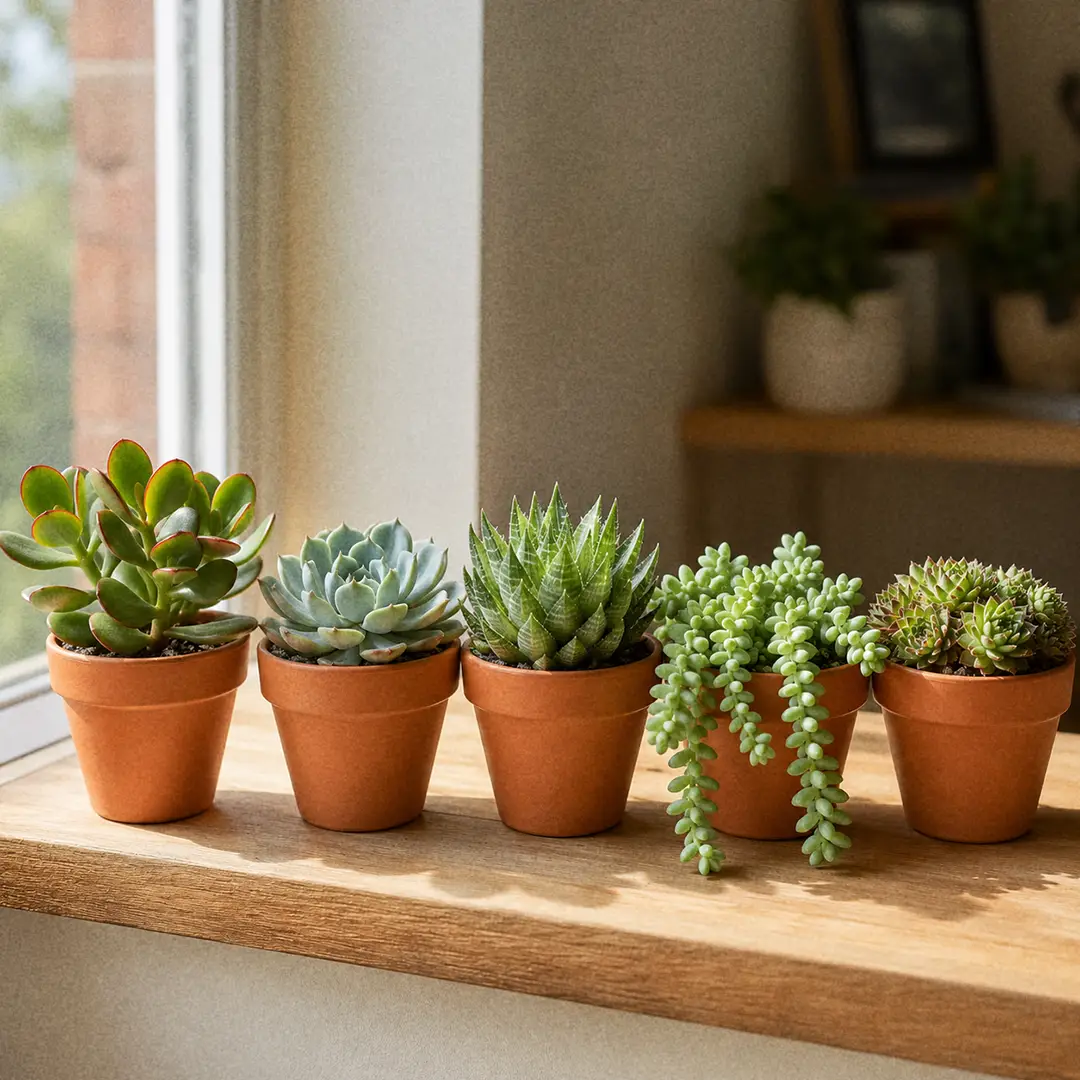
Succulent Care Indoors: How to Stop Killing Jade and Echeveria
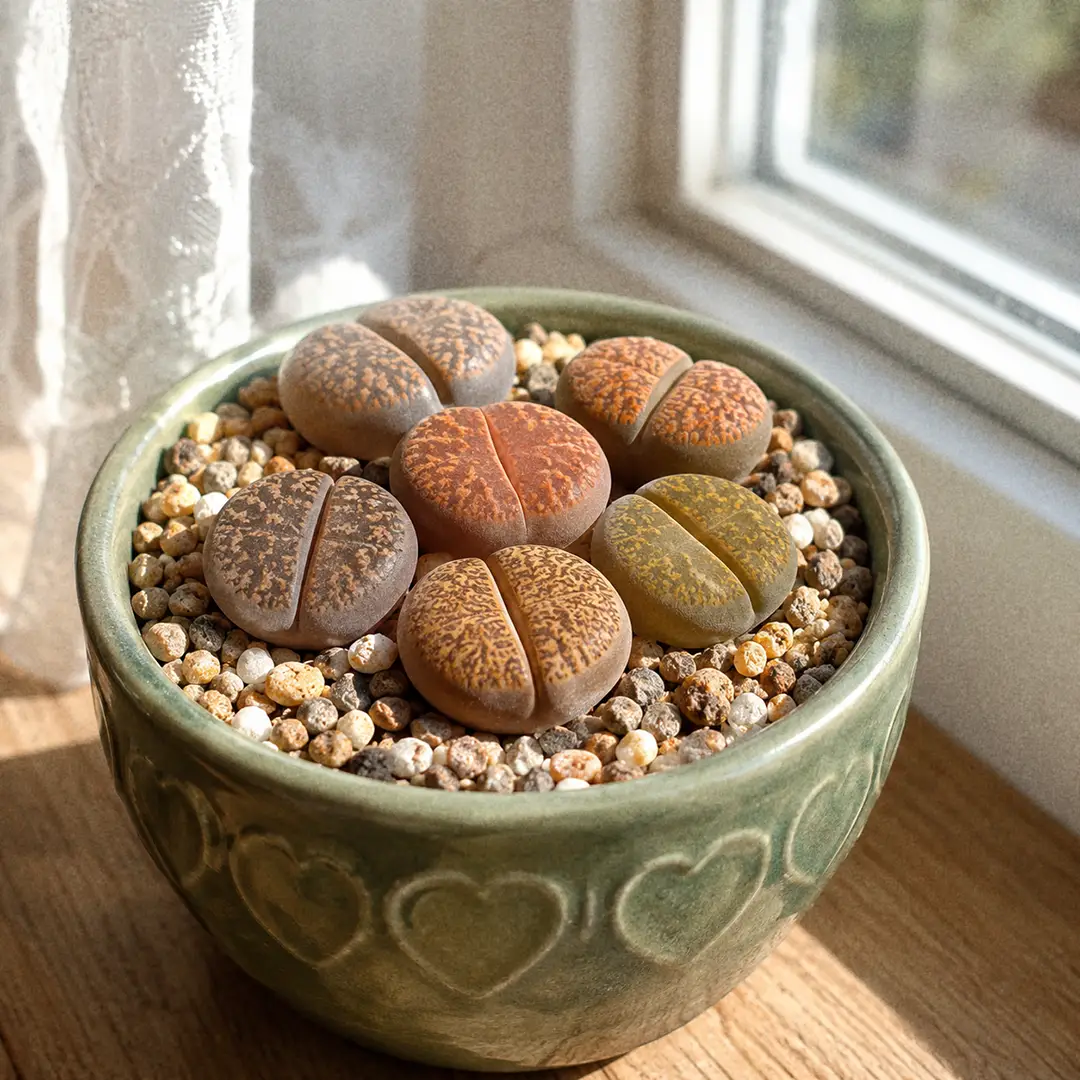
Complete Guide to Lithops Care and Growth (Living Stones)
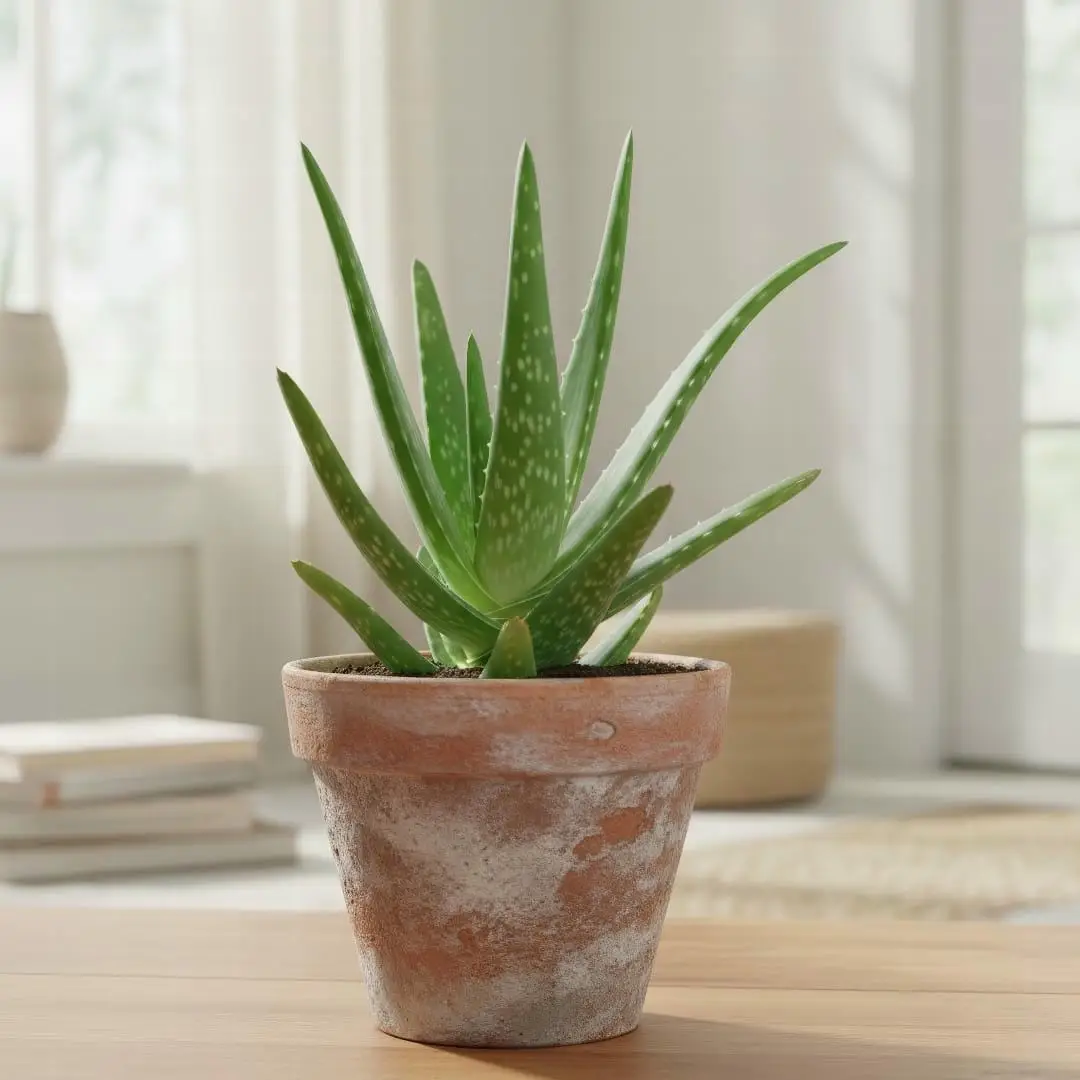
Complete Guide To Aloe Vera Care and Growth
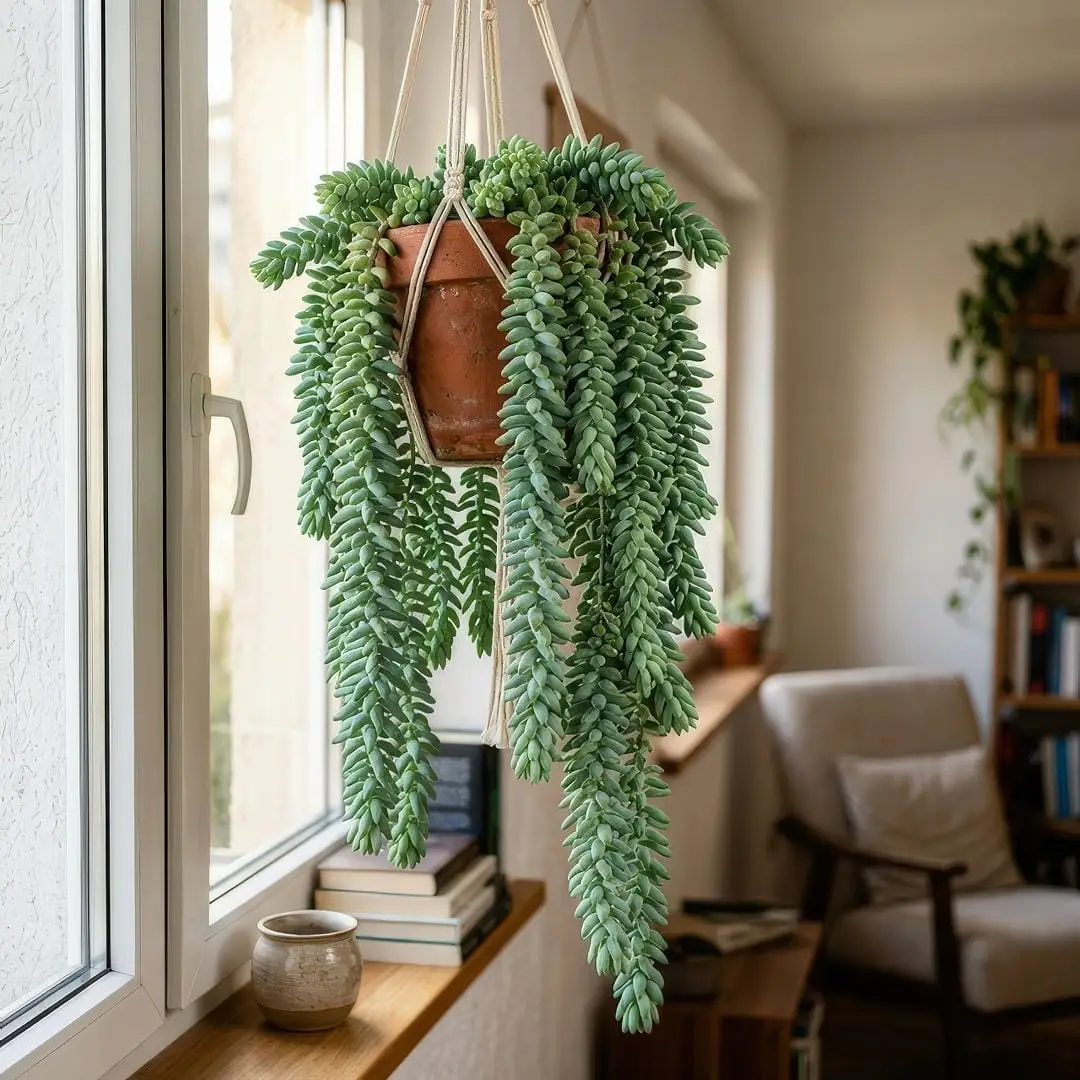
Complete Guide to Burro's Tail Care and Growth
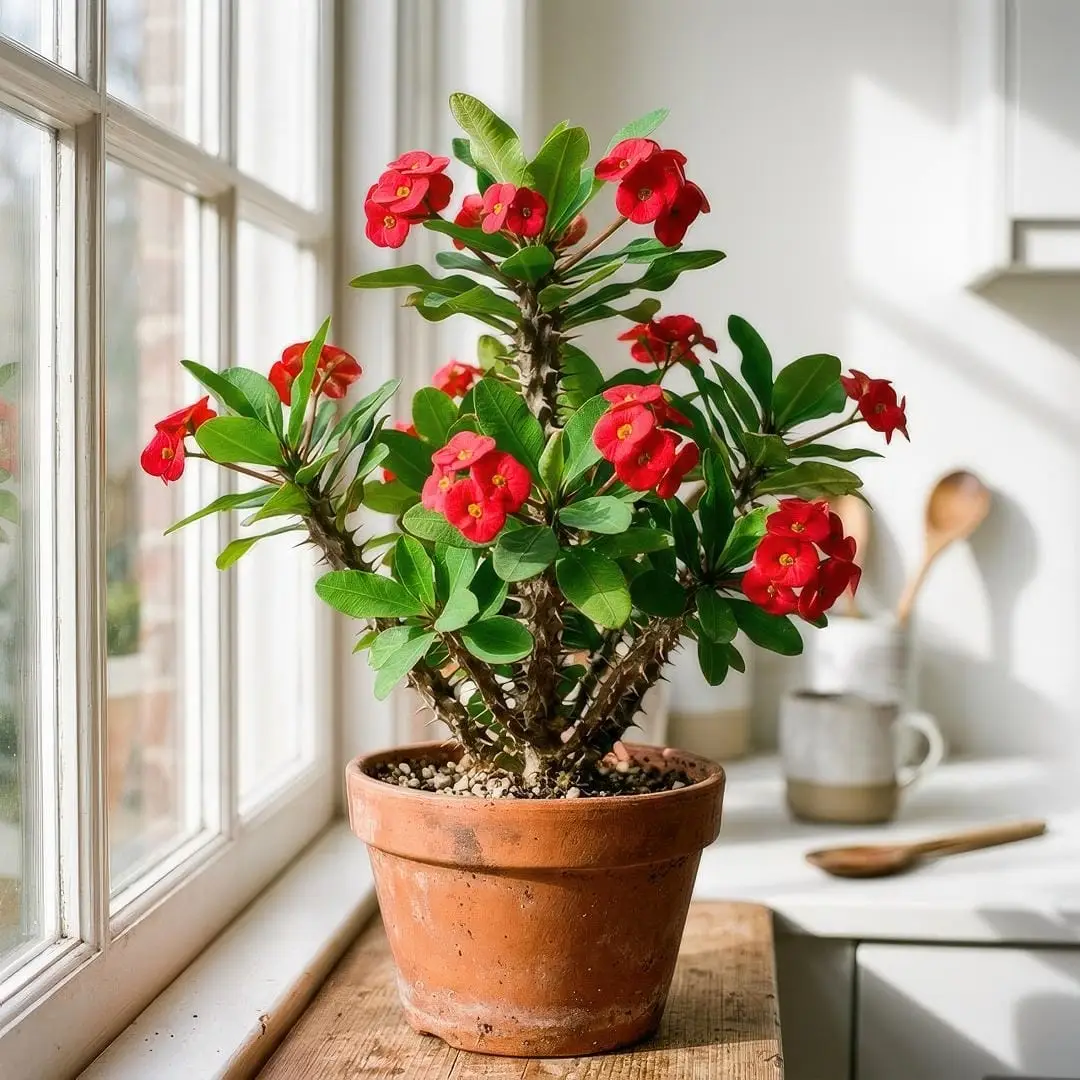
Complete Guide to Crown of Thorns Care and Growth
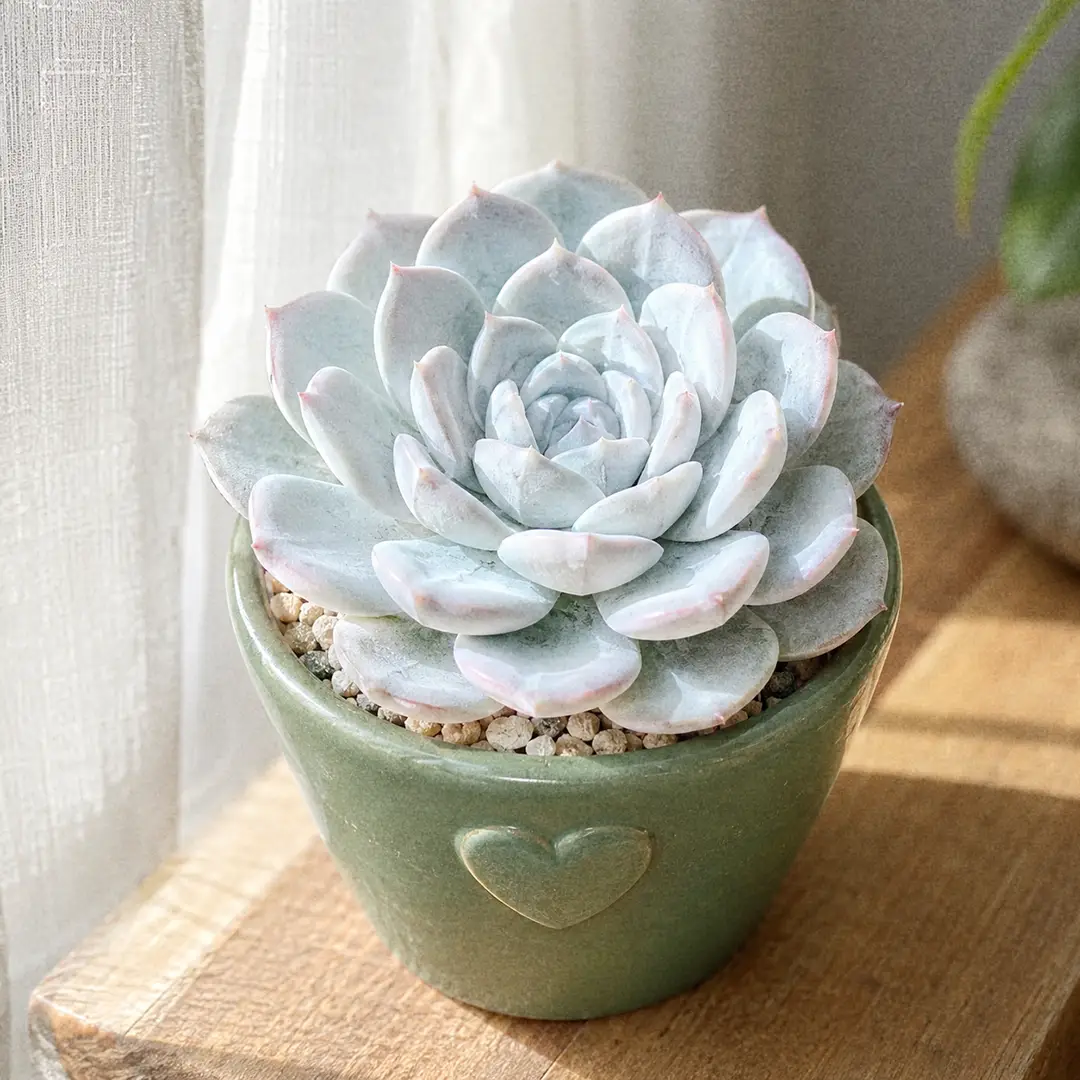
Complete Guide to Echeveria Care and Growth
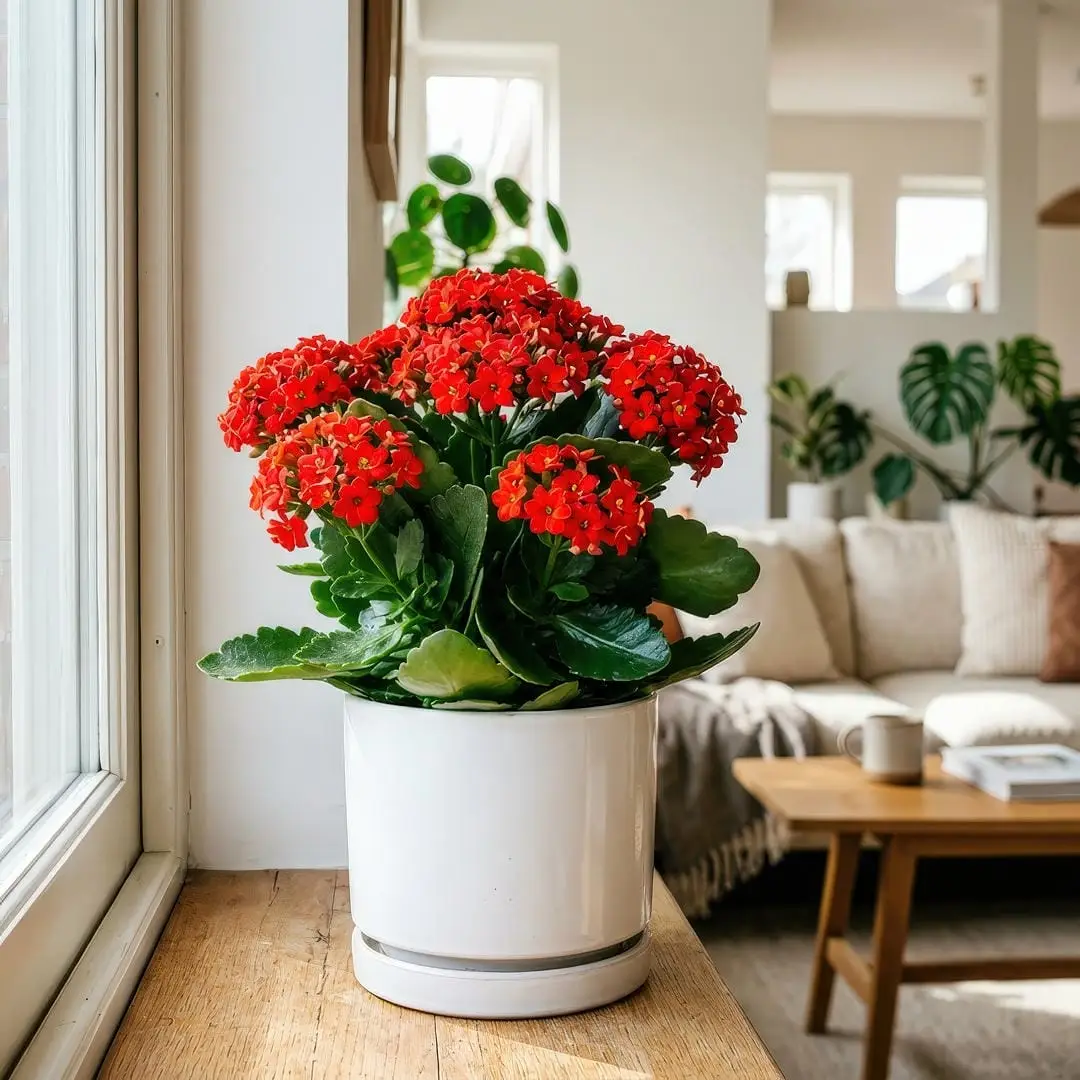
Complete Guide to Flaming Katy Care and Growth
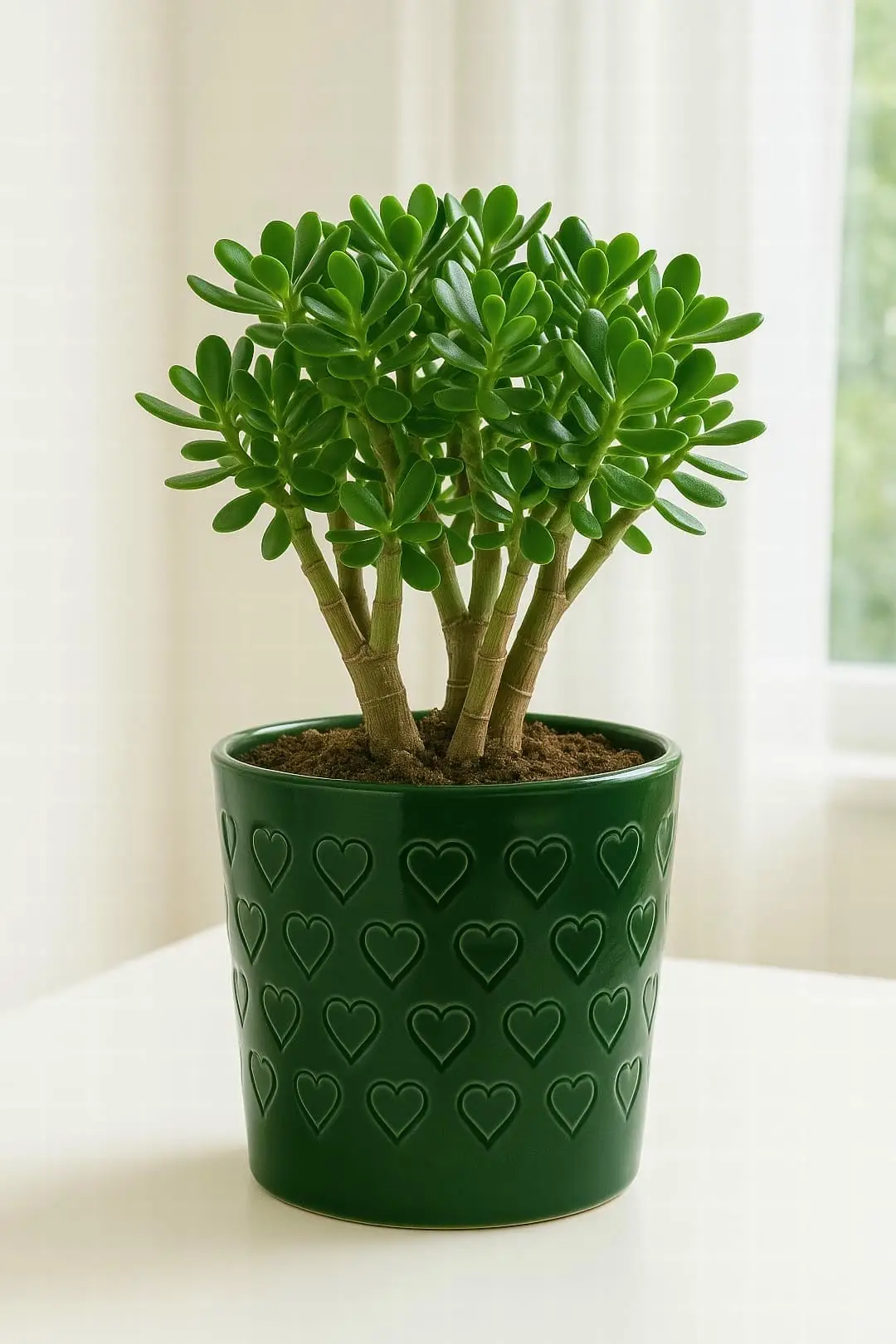
Complete Guide to Jade Plant Care and Growth
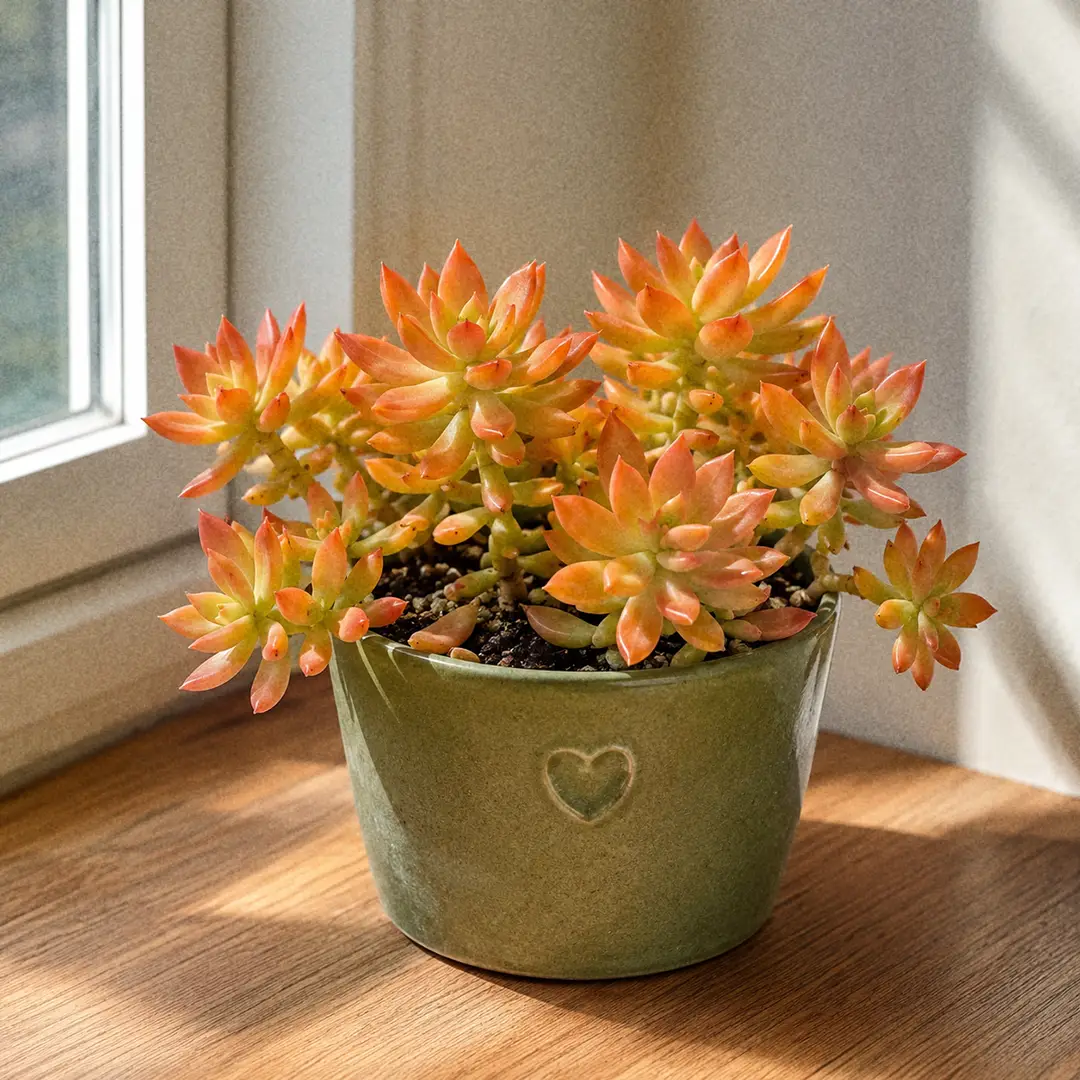
Complete Guide to Sedum Adolphii Care and Growth
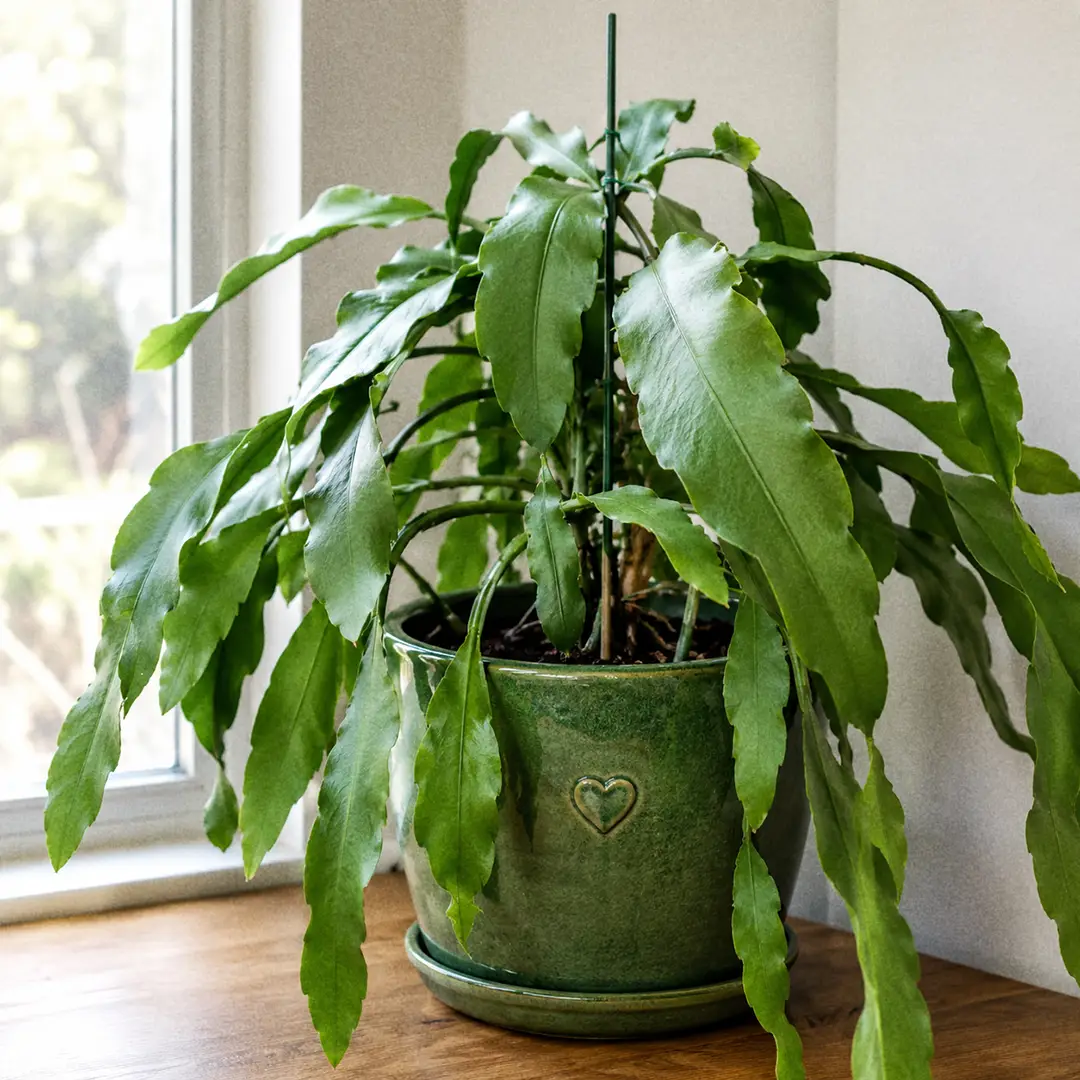
Complete Guide to Queen of the Night Care and Growth
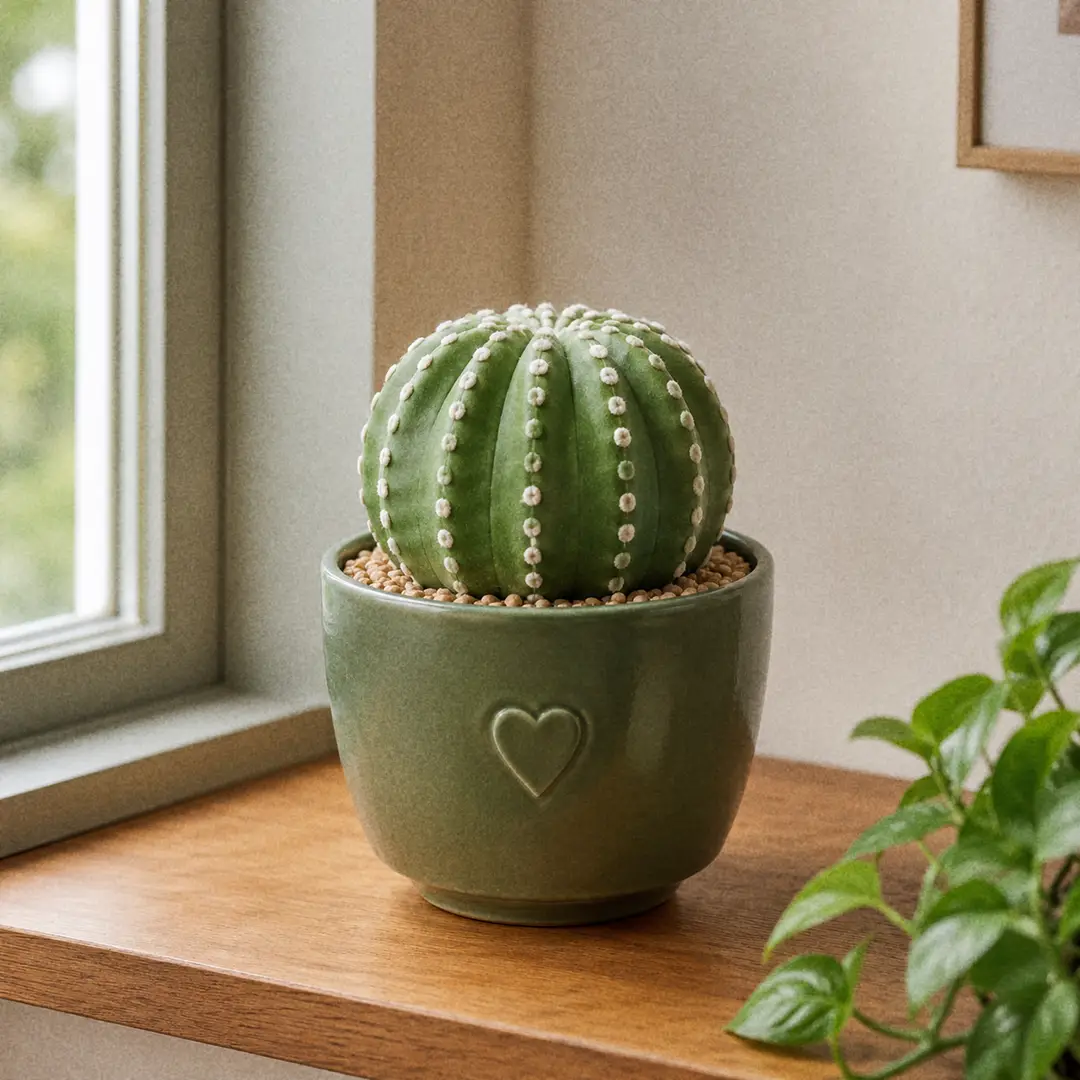
Complete Guide to Domino Cactus Care and Growth
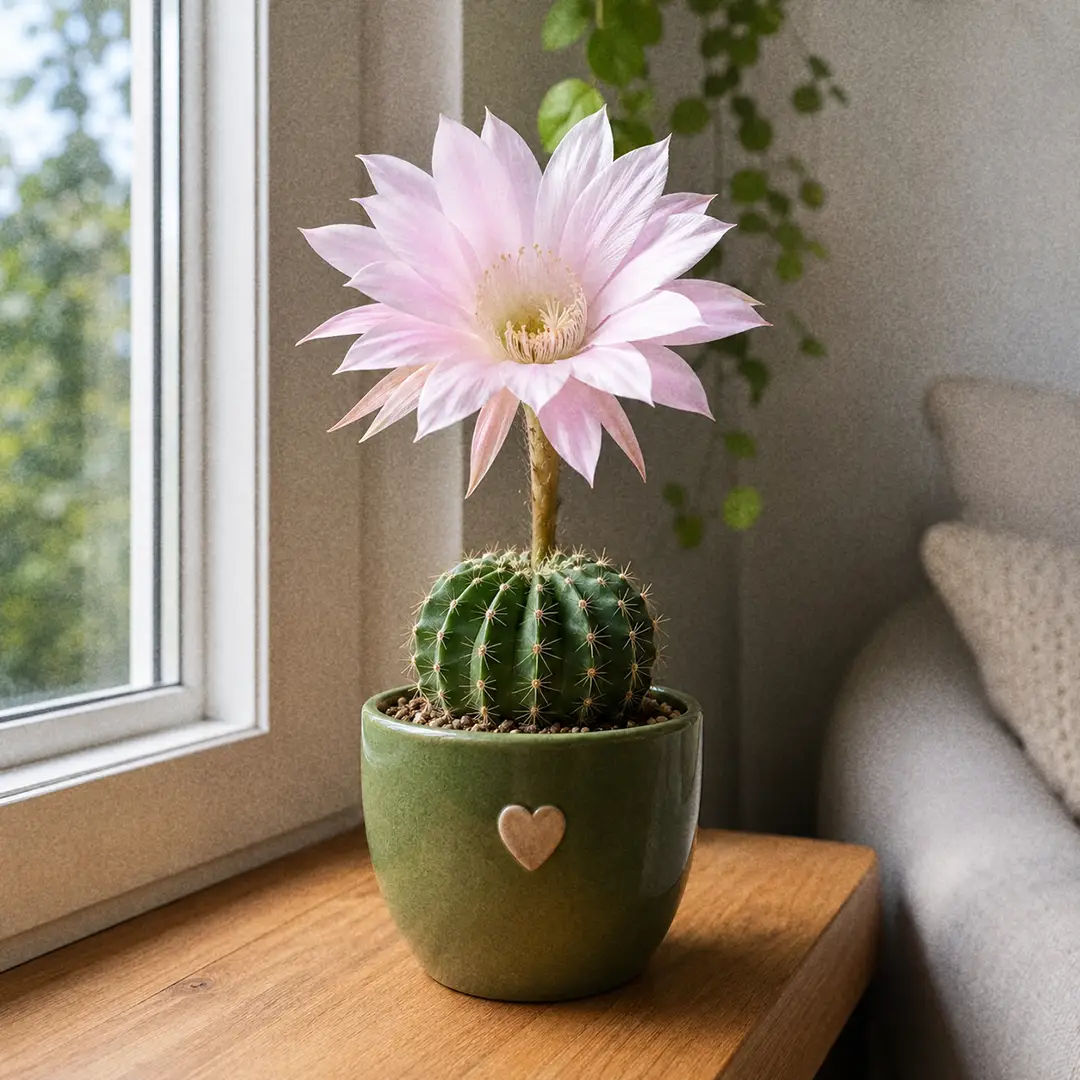
Complete Guide to Easter Lily Cactus Care and Growth
Complete Guide to Peanut Cactus Care and Growth
Complete Guide to Rat Tail Cactus Care and Growth
Complete Guide to Ghost Plant Care and Growth
Complete Guide to Hens and Chicks Care and Growth
Complete Guide to String of Coins Care and Growth
Complete Guide to Silver Squill Care and Growth
Complete Guide to Jelly Bean Plant Care and Growth
Complete Guide to Fishbone Cactus Care and Growth
Complete Guide to Mistletoe Cactus Care and Growth
Complete Guide to Mother of Thousands Care and Growth
Complete Guide to Paddle Plant Care and Growth
Complete Guide to Panda Plant Care and Growth

Complete Guide to Elephant Bush Care and Growth
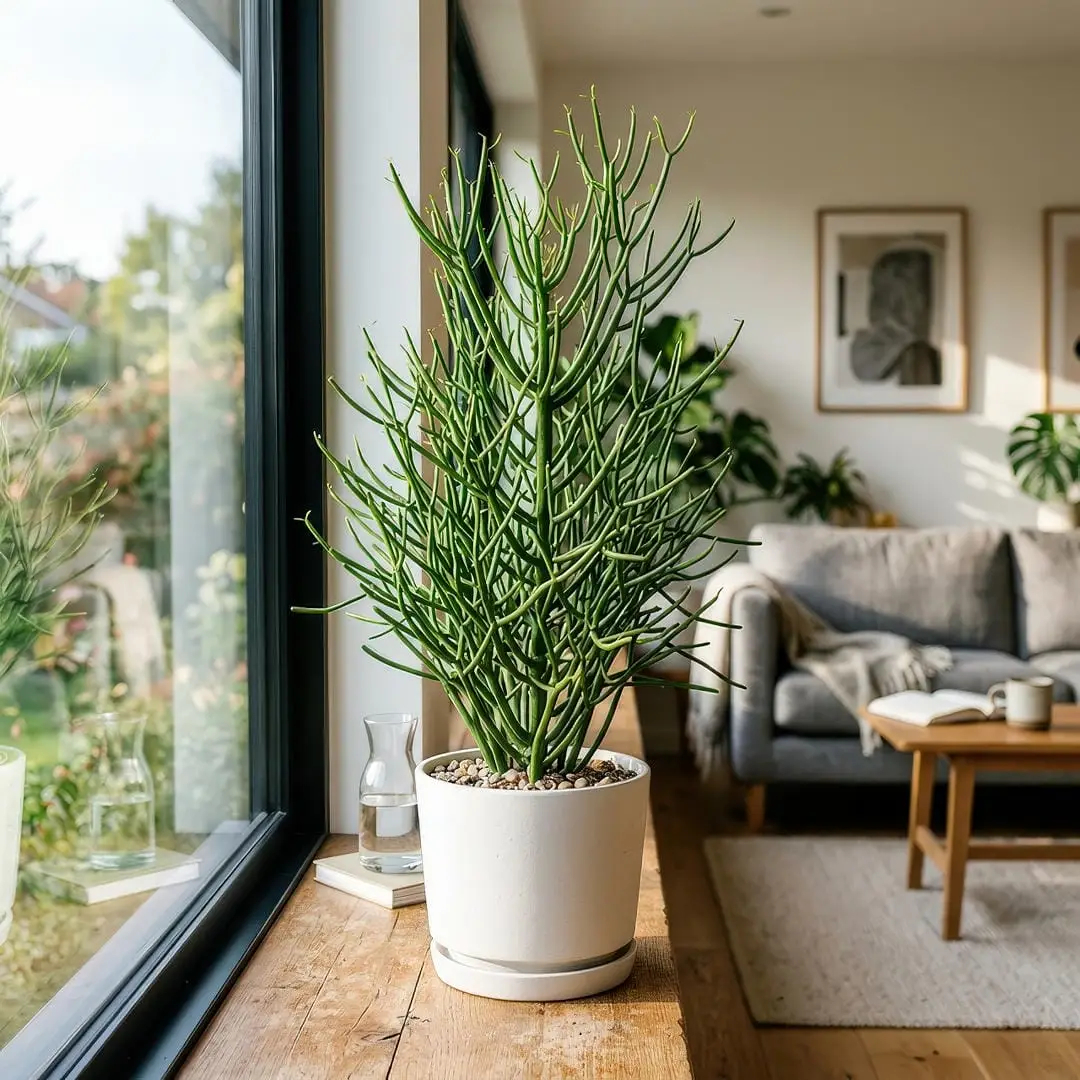
Complete Guide to Pencil Cactus Care and Growth
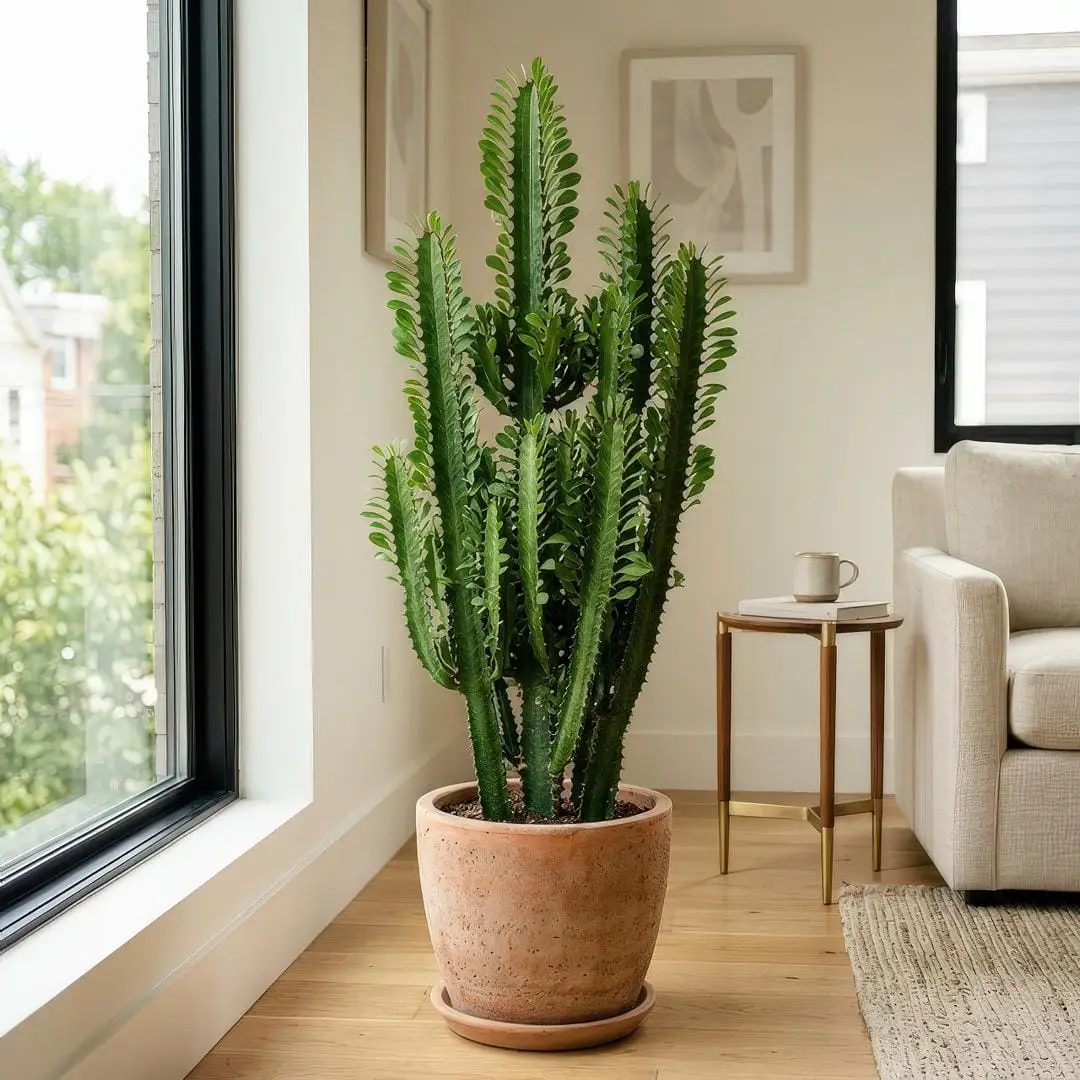
Complete Guide to African Milk Tree Care and Growth
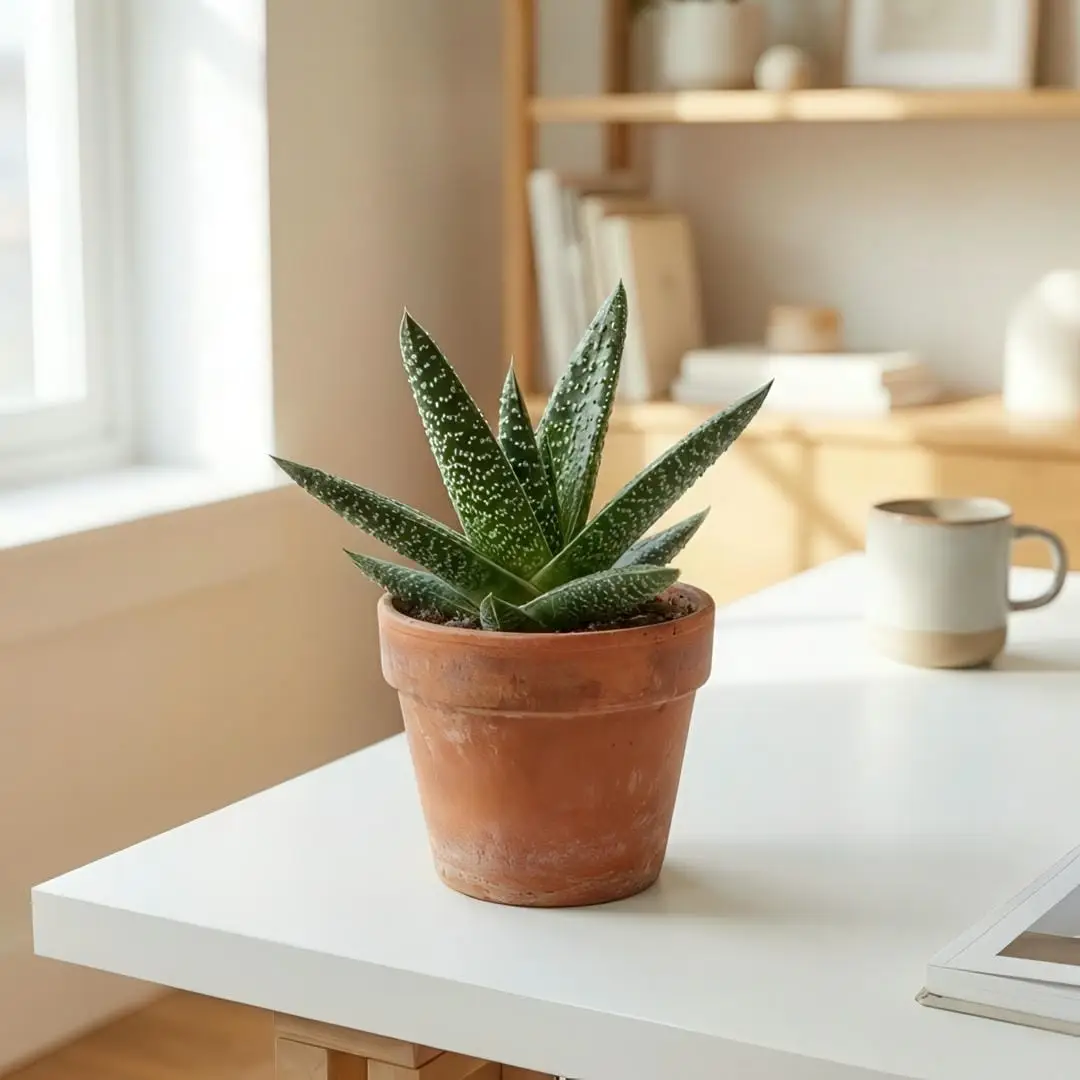
Complete Guide to Gasteria 'Little Warty' Care and Growth
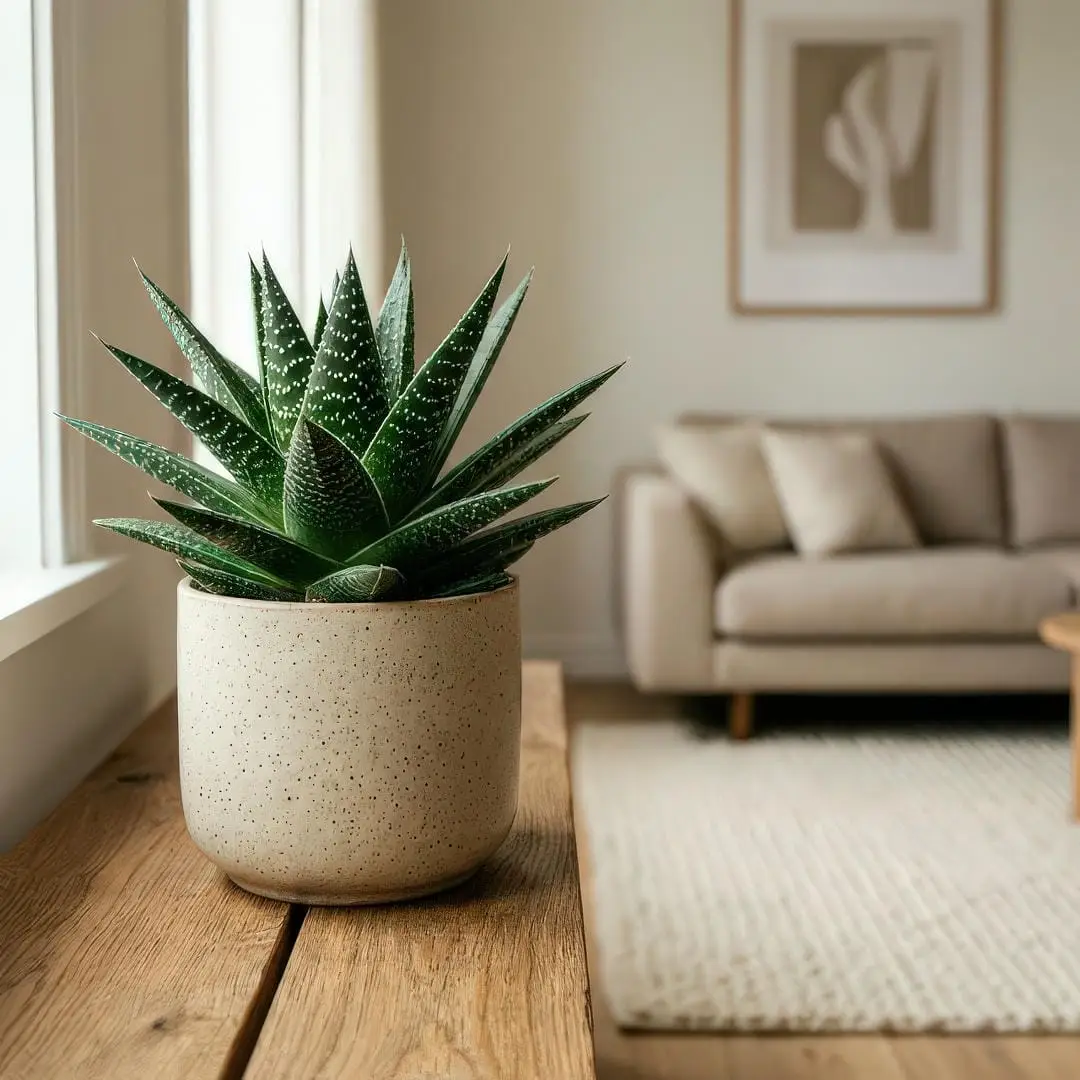
Ox Tongue Care

Houseplant101 Forum
Questions & Comments
Ask a question, share your plant experience, or help other plant owners.
Comments are temporarily unavailable.
Open the Houseplant101 ForumNo comments yet
Be the first to ask a question or share your experience about this page.
Log in or create an account
Comments use your Houseplant101 Forum account, but you can stay on this page.
Create a new account