
Silver Torch Cactus
Cleistocactus strausii
Silver Torch, Wooly Torch, Snow Pole Cactus, Cleistocactus straussii


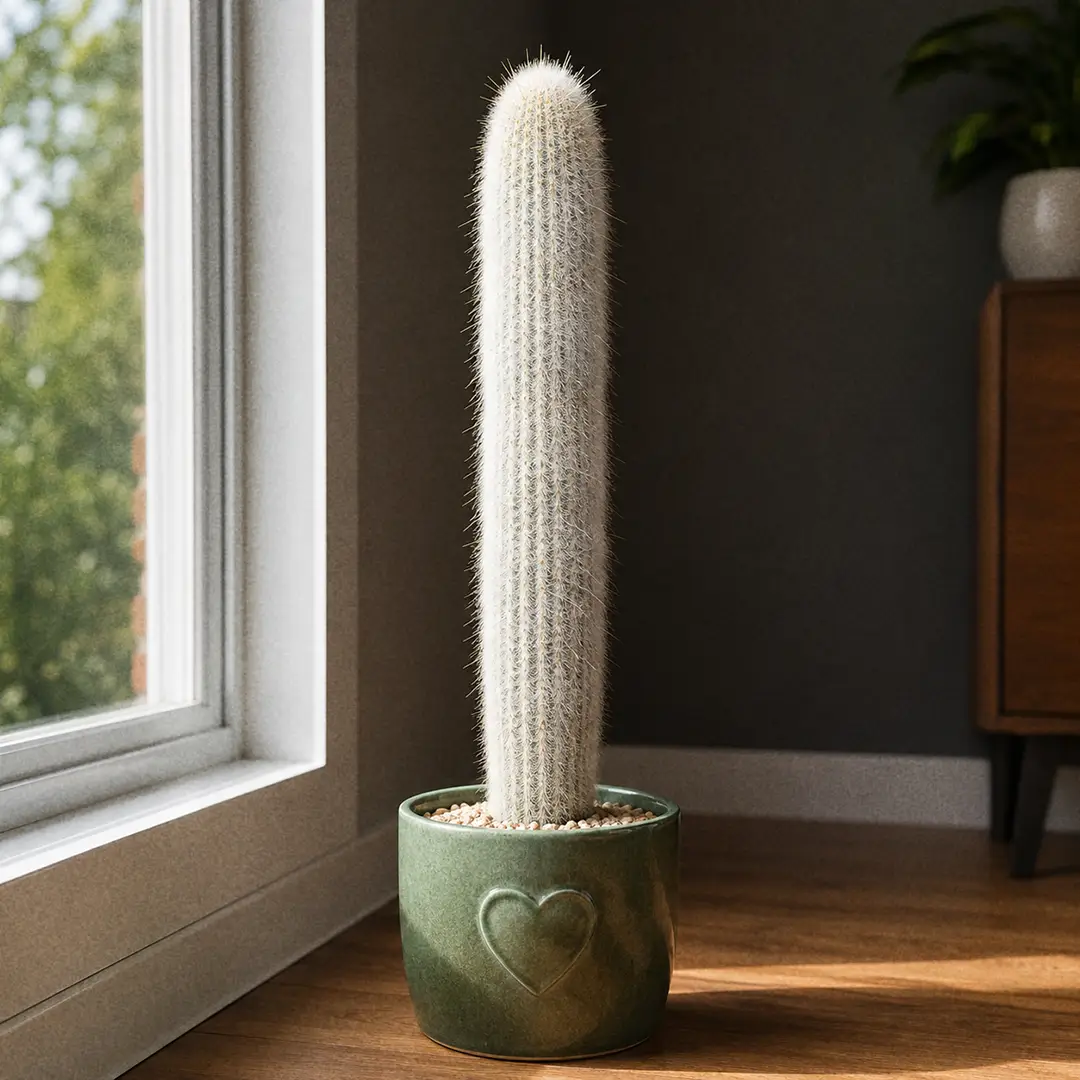
Silver Torch Cactus is a slim white column wrapped in dense silvery spines, and it grows faster than almost any other columnar cactus you can keep indoors. Learn how to grow Cleistocactus strausii and coax out its strange horizontal burgundy flowers.
📝 Silver Torch Cactus Care Notes
🌿 Care Instructions
⚠️ Common Pests
📊 Growth Information
🪴 In This Guide 🪴

☀️ Silver Torch Cactus Light Requirements (Full Sun Guide)
The Sweet Spot
Silver Torch Cactus wants as much direct sun as a window can give it. A south-facing window is the target, with a west window a close second, and the plant should sit right in the glass rather than a few feet back. Six or more hours of direct sun keeps the column thick, straight, and densely spined.
This is a high-altitude Bolivian plant from open mountain slopes where the light is fierce all day, so it has no shade habit to fall back on. That makes it a different proposition from a Crown Cactus, which comes from the same part of the Andes but grows tucked between rocks and prefers a gentler east window. Our Indoor Lighting Guide helps if you are still learning to read a room's light by eye.
Too Little Light
Weak light shows up in the shape of the column. New growth comes in narrower than the stem below it, so the plant develops a taper like a candle whittled at the top, and the spines on that section grow thinner and sparser.
That taper is leggy growth and it does not correct itself. Move the plant brighter and the next section returns to full width, but the pinch stays. In a dim winter, a grow light on a timer for eight hours a day keeps growth even.
Too Much Light
Established plants rarely sunburn, but a plant fresh from a shady shop shelf absolutely will. Moved straight into blazing summer glass, the sun-facing side bleaches to pale yellow-white and can develop dry corky patches, which is sunburn. The scars are permanent on a plant that may live twenty years, so increase exposure over two or three weeks, and do the same when it goes outdoors for summer. Rotate the pot a quarter turn every few weeks so the column grows straight rather than leaning.

💧 Silver Torch Cactus Watering Guide (Soak and Dry)
Watering Frequency
Water on the soak and dry principle: drench the pot completely, then wait until the mix is dry all the way to the bottom before doing it again. In spring and summer that usually works out to every 7-14 days in terracotta, longer in plastic or a cool room.
Silver Torch drinks more than a barrel cactus does, because it is growing fast and building a lot of column. Do not confuse that with tolerance for damp. It wants a real soak followed by a real drought.
Winter is a different plant entirely. From late autumn until early spring it wants nothing at all, ideally eight to twelve weeks of a completely dry pot in a cold bright spot. That rest triggers flowering on mature plants and prevents the cold-and-wet combination that kills more of these cacti than anything else. Check with a finger, a skewer, or a moisture meter instead of a calendar.
How to Water
Pour at the soil surface until water runs from the drainage holes, then empty the saucer. Keep water off the column: wet spines mat into grey clumps that take days to dry, and moisture trapped under that mat is where fungal spotting begins. Bottom watering suits this plant for exactly that reason. Stand the pot in an inch or two of water for fifteen minutes, let the mix wick it up, then drain it fully. Our watering guide covers the technique in more detail.
Signs of Trouble
A thirsty Silver Torch goes slightly soft to a squeeze and the ribs draw in, so the column looks faintly grooved. That is harmless and a good soak plumps it back within a day or two.
Soft, dark, or translucent tissue at the soil line while the mix is still damp is the emergency. That is root rot or mushy stems, and on a tall plant it travels upward until the whole column topples. Because the spines hide the stem, squeeze the base gently every few weeks rather than trusting your eyes.
🪴 Best Soil for Silver Torch Cactus (Mix & Drainage)
What the Soil Needs
The mix has one job: dry out fast. Silver Torch grows in gritty mountain scree where rain drains away within minutes, and its roots have no defence against soil that stays wet. A slightly alkaline, mineral-heavy mix suits it better than a peaty one, which is worth knowing because most bagged cactus soil leans acidic and organic. Our soil guide explains why drainage in a pot behaves so differently from drainage in the ground.
DIY Soil Mix
A reliable blend is 1 part cactus and succulent soil to 1 part pumice, perlite, or coarse grit, and going grittier still does no harm on a tall plant that needs a heavy pot anyway. Pumice is the pick of the three because it holds a trace of moisture without ever turning soggy.
Add a handful of crushed limestone chips if you have them, which nudges the pH up toward what this plant grew up in. Finish with a top dressing of coarse grit to keep the base of the column off damp soil.
Pre-Made Options
Bagged cactus mix works as a base but is nearly always too dense straight from the bag. Cut it half and half with pumice or perlite and it becomes a proper Cleistocactus mix. Our potting soil guide compares the common brands. Pair it with terracotta, whose porous walls pull moisture out from the sides, and most of this plant's problems are solved before they start.
🍼 Fertilizing Silver Torch Cactus
When and How Often
Feed monthly from the first watering of spring through to the end of August, then stop. Nothing during the winter rest, when the plant is not growing and the salts simply accumulate. Water lightly first and feed afterward, because fertilizer poured onto a bone-dry root ball scorches the fine feeder roots.
What to Use
A low-nitrogen cactus fertilizer is right, or a tomato feed diluted to a quarter of the label strength. Potassium and phosphorus support flowering and firm growth, while excess nitrogen builds a soft, swollen column with thin spines and no buds. Our fertilizing guide explains the ratios and the fertilizers guide covers what to buy. Because this species grows quickly it is hungrier than most cacti, so the monthly feed genuinely helps.
Over-Fertilizing Signs
A white crusty film on the soil surface means salt buildup. So does a column that suddenly widens and softens, or pale new growth. Flush the pot with plain water two or three times and skip feeding for the rest of the season. Overfed tissue is watery, which raises the risk of both rot and winter cold damage.
🌡️ Silver Torch Cactus Temperature Range
Ideal Range
Through the growing season, normal room temperatures suit it well, roughly 65-85°F (18-29°C). It handles genuine summer heat outdoors without complaint once acclimated to the sun.
The Winter Chill It Needs
Silver Torch wants a cold winter rest at around 40-50°F (4-10°C) for eight to twelve weeks, bright and completely dry. An unheated porch, a cold spare room, or a bright garage above freezing all work. Kept warm and watered all year, the plant stays green and healthy and simply never flowers.
Dry and cold, this species is tougher than most cacti. Established plants tolerate brief dips to around 14°F (-10°C), which is why it survives outdoors in USDA zone 8b where drainage is sharp. Wet and cold together is fatal at far milder temperatures.
Drafts and Heat Sources
Keep it away from radiators and heating vents in winter, since warm air cancels the rest period you are trying to give it. Cold draughts from a winter window are welcome here in a way they never are for tropical plants. Just avoid a hard frost landing on soil that still holds water.
💦 Silver Torch Cactus Humidity Requirements
Ideal Humidity
Ordinary dry household air of 30-50% is exactly what this plant wants. Skip the misting and the pebble tray. High humidity paired with cool temperatures causes fungal spotting on the stem, so a steamy bathroom or a closed terrarium is the wrong home.
Keeping Air Moving
Airflow matters far more than moisture. The dense spine coat traps humid air against the stem, and in a still room that pocket stays damp long after the surface looks dry. An occasionally opened window, or simply not crowding the plant against a wall, is enough. Our humidity guide covers the subject broadly, but for a Silver Torch the instruction is short: let it stay dry.
🌸 Silver Torch Cactus Flowers (How to Make It Bloom)
What the Flowers Look Like
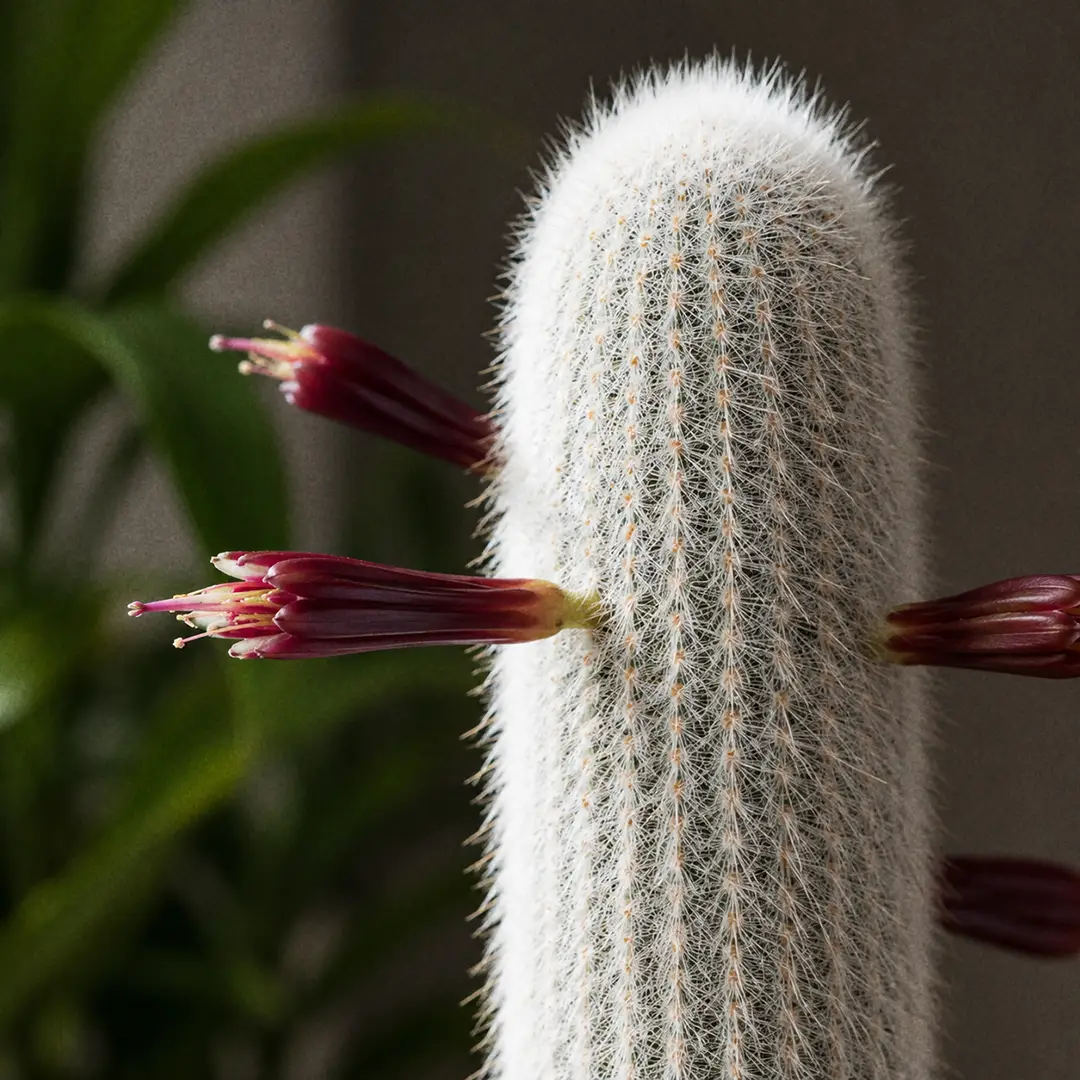
The flowers are genuinely strange, and worth waiting for. Narrow tubes about three to four inches long push out from the sides of the column near the top, almost horizontally, like deep wine-red cigars.
The odd part is that they barely open. The petals part just enough for a hummingbird bill to slip in, while the stamens and style poke out past them. That near-closed habit gave the genus its name, since Cleistocactus means closed cactus. A well-grown column can carry a dozen at once, held out sideways in every direction.
How to Trigger Bloom
Full sun through the growing season, a cold and completely dry winter, and patience. The plant flowers only once the column reaches about three feet tall, which typically means eight to ten years from a seedling. Buying the tallest healthy specimen you can afford is the fastest route.
Once it is tall enough, the winter rest is the switch. Eight to twelve weeks at 40-50°F with no water, then warmth and a first soak in early spring, and buds appear on the upper column through late spring and summer.
If It Won't Bloom
A short plant that does not flower is not a problem, it is a young plant. Below three feet, no amount of correct care produces buds.
A tall plant that never blooms is nearly always missing the cold dry rest, which is failure to bloom in its most common form. Too little light and too much nitrogen are the other causes. If you want reliable flowers on a small plant instead, a Crown Cactus blooms at two or three years old and the size of a golf ball.
🏷️ Silver Torch Cactus Types and Varieties
Cleistocactus strausii has few named cultivars. What you will actually meet in shops are its close relatives in the same genus and a couple of lookalikes, so this section is as much about telling them apart as choosing between them.
Cleistocactus strausii (the standard form)
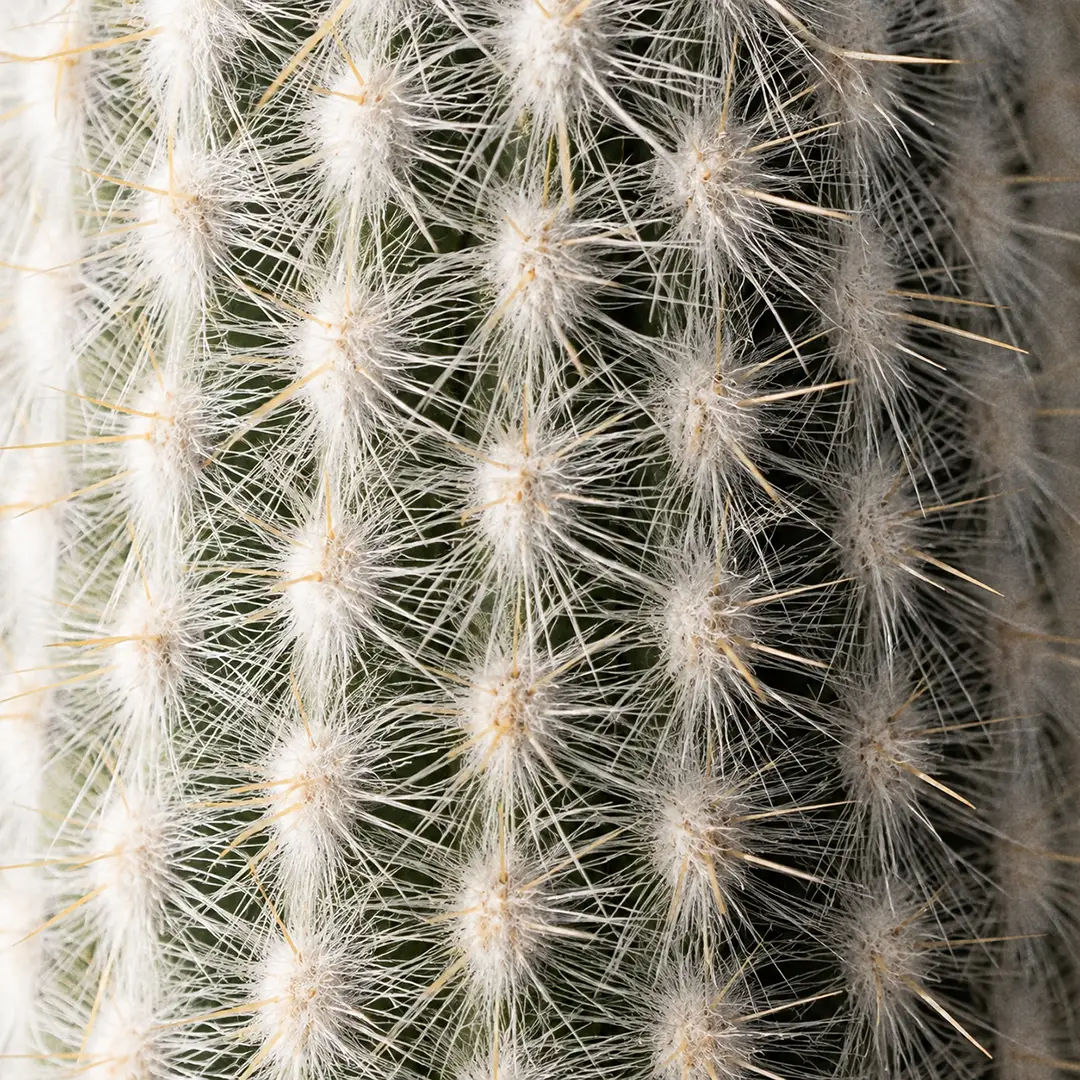
The plant described throughout this guide. Slim columns two to three inches thick, densely wrapped in fine white radial spines with a few longer yellowish centrals, clumping from the base with age. This is the whitest and most upright of the genus.
Cleistocactus strausii f. cristata
The crested form, where the growing point flattens into a fan or brain-shaped ridge instead of a column, still coated in white spines so it reads like a silvery wave. Care is identical, though crests hold moisture in their folds and want an even grittier mix. Slow, expensive, and usually sold grafted.
Cleistocactus winteri (Golden Rat Tail)
The same genus with the opposite habit. Its golden-spined stems arch over and trail, so it is grown in hanging pots. Orange flowers, same care. If you want the Cleistocactus flower shape in a trailing plant, this or a Rat Tail Cactus is the way to get it.
Cleistocactus samaipatanus
A looser, greener, more sprawling Bolivian species with sparse spines and vivid scarlet flowers that appear on much younger plants. Worth knowing if you want Cleistocactus blooms without waiting a decade.
Silver Torch vs Old Man Cactus
The most common mix-up. Old Man Cactus has long, shaggy, loose white hair you can part with a finger, and it grows very slowly. Silver Torch has short, dense, stiff spines pressed tight against the column, a smooth silvery sheen rather than a shaggy coat, and it grows several times faster. The Peruvian Old Man Cactus sits between the two.
🪴 Potting and Repotting Silver Torch Cactus
When to Repot
Every two to three years in early spring is a reasonable rhythm. The real triggers are roots escaping the drainage holes, a mix that has broken down into something dark and slow to dry, or a column tall enough that the pot tips when you brush past it.
Choosing a Pot
Weight matters here more than for any other small cactus, because a three-foot column in a light plastic pot is a falling hazard and falling onto a spined plant is a bad afternoon. Choose heavy terracotta, only an inch or two wider than the current pot, with drainage holes. Our plant pots guide compares materials. Depth beats width: the root system is modest, so an oversized pot just holds damp soil the roots never reach, while a deeper one gives ballast.
Step-by-Step Repotting
Let the soil dry out completely first so the root ball crumbles away cleanly. Then armour up: thick gloves, plus a collar of folded newspaper or old carpet wrapped around the column to lift it. The spines are fine and snap off in skin, which is far more irritating to remove than a few big thorns.
Ease the plant out, crumble away the old mix, and cut off any blackened roots with a clean blade. Set it back at exactly the depth it grew before, never deeper, since a buried section of column rots. Firm the gritty mix around it, add your grit top dressing, and wait a week before watering so torn roots callus over. Our repotting guide covers the general process.
✂️ Pruning Silver Torch Cactus
Does It Need Pruning?
No. Silver Torch grows as a column and needs no shaping at any point in its life. The only cuts you should ever make are to remove damaged tissue or to take a piece for propagation.
Removing Damaged Sections
If the top of a column is scarred, kinked from an old light problem, or damaged by cold, you can behead it. Cut straight across with a clean sharp knife well below the damage, into firm green tissue. The stump usually branches from just below the cut within a season, turning one column into two or three.
Dust the cut with sulphur or cinnamon, keep it dry for a week or two, and do not water heavily until you see new growth. Save the removed top as a cutting.
Managing a Clump
Mature plants throw offsets from the base and build a cluster of columns, which is the classic look and worth leaving alone. If the centre gets so crowded that air stops moving through it, remove the outermost offsets in spring and pot them separately.
🌱 How to Propagate Silver Torch Cactus
Best Method: Offsets
Basal offsets are the easiest route by a wide margin. A mature plant produces small columns around its base, each already a complete plant. Late spring or early summer is the moment, when growth is active and wounds heal fast. Our succulent propagation guide covers the general principles.
Step-by-Step
Choose an offset at least three inches tall. Wrap it in newspaper to hold it, then cut it away from the mother at the narrowest point of the join with a clean sharp knife. Do not twist a column offset the way you would a small globe cactus, because the stem snaps unevenly and leaves a ragged wound.
Stand the cutting upright somewhere dry, shaded, and airy for ten to fourteen days until the cut end dries to a firm pale callus. This is the step people rush and the step that decides whether the cutting roots or rots. Then set the callused end about an inch into dry gritty mix, prop it upright with a couple of stones if it will not stand, and leave it dry for another week before misting the surface every few days. Roots typically form in four to eight weeks.
Column Cuttings and Seed
A section cut from a tall column roots the same way, so a beheaded plant gives you both a branching mother and a new plant. Keep the top-facing end up, since a cutting planted upside down will not root.
Seed is how the crested and unusual forms circulate, but it is slow. Sow on moist gritty mix in spring, cover with a clear lid, keep warm and bright, and expect a plant the size of your thumb after two years.
Tips for Success
Moisture is the only real failure mode. A cutting that goes into damp soil without a proper callus turns to mush within a week or two. Skip fertilizer until it has clearly rooted, and keep it bright but out of fierce midday sun while it establishes.
🐛 Silver Torch Cactus Pests and Treatment
Common Pests
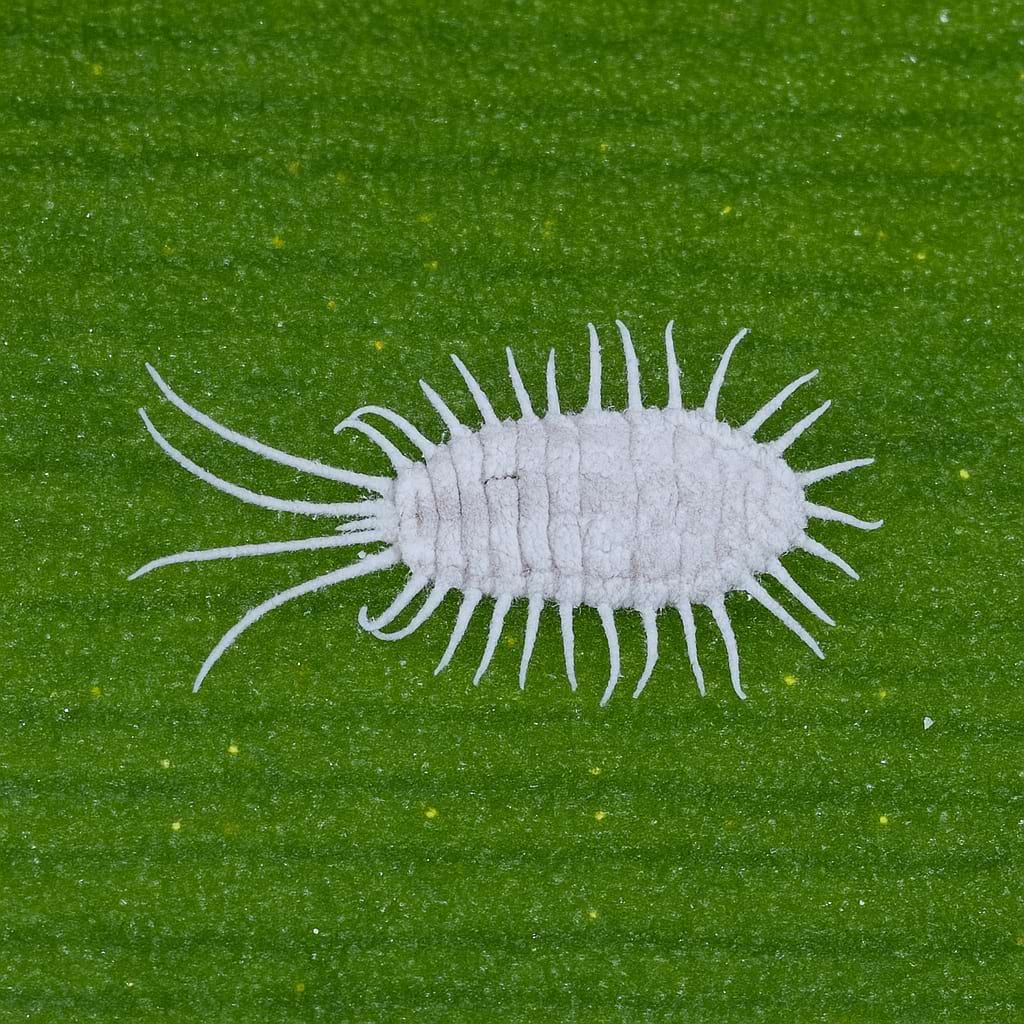
The dense spine coat is excellent cover, so pests get further along here than on a bare-stemmed plant. Mealybugs are the main offender, sitting in the areoles as white cottony blobs that look exactly like the plant's own wool. Part the spines with a skewer and look for the pink insect underneath, or for sticky residue on the stem.
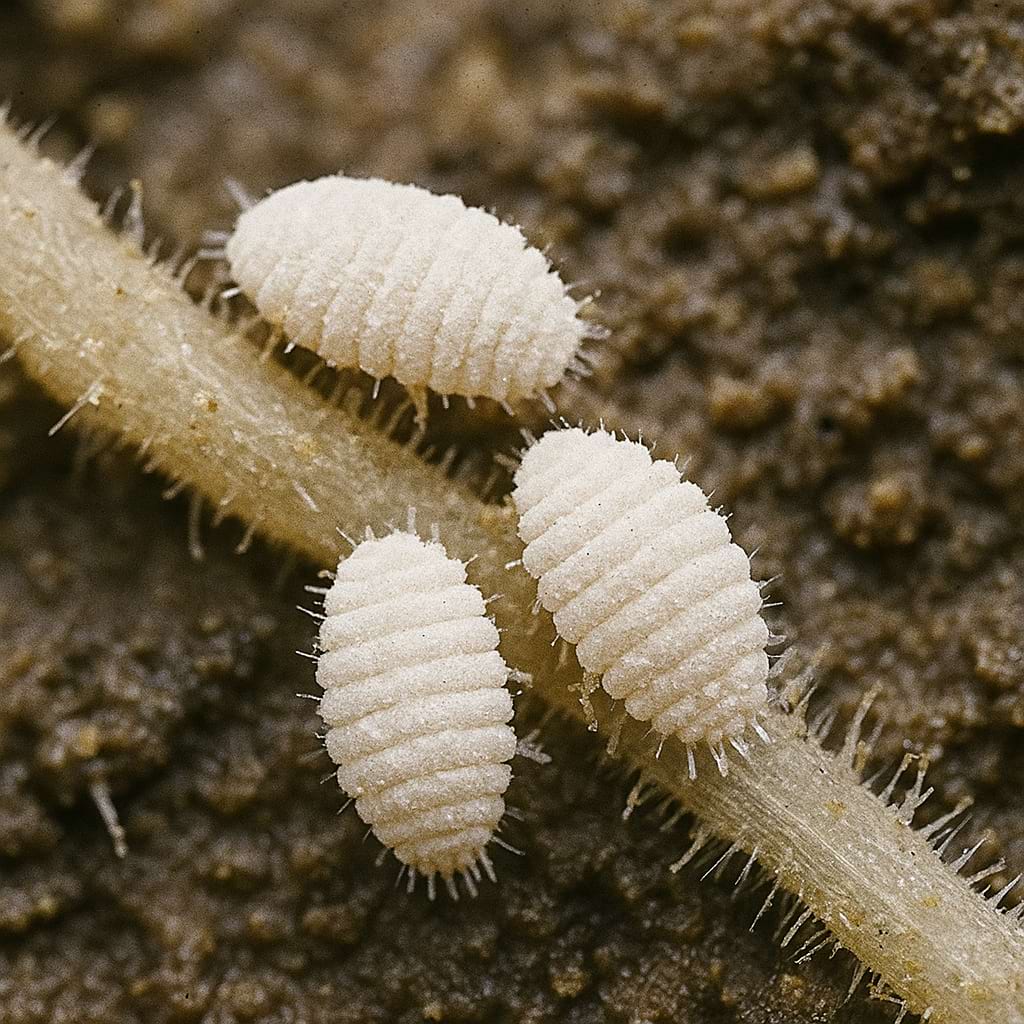
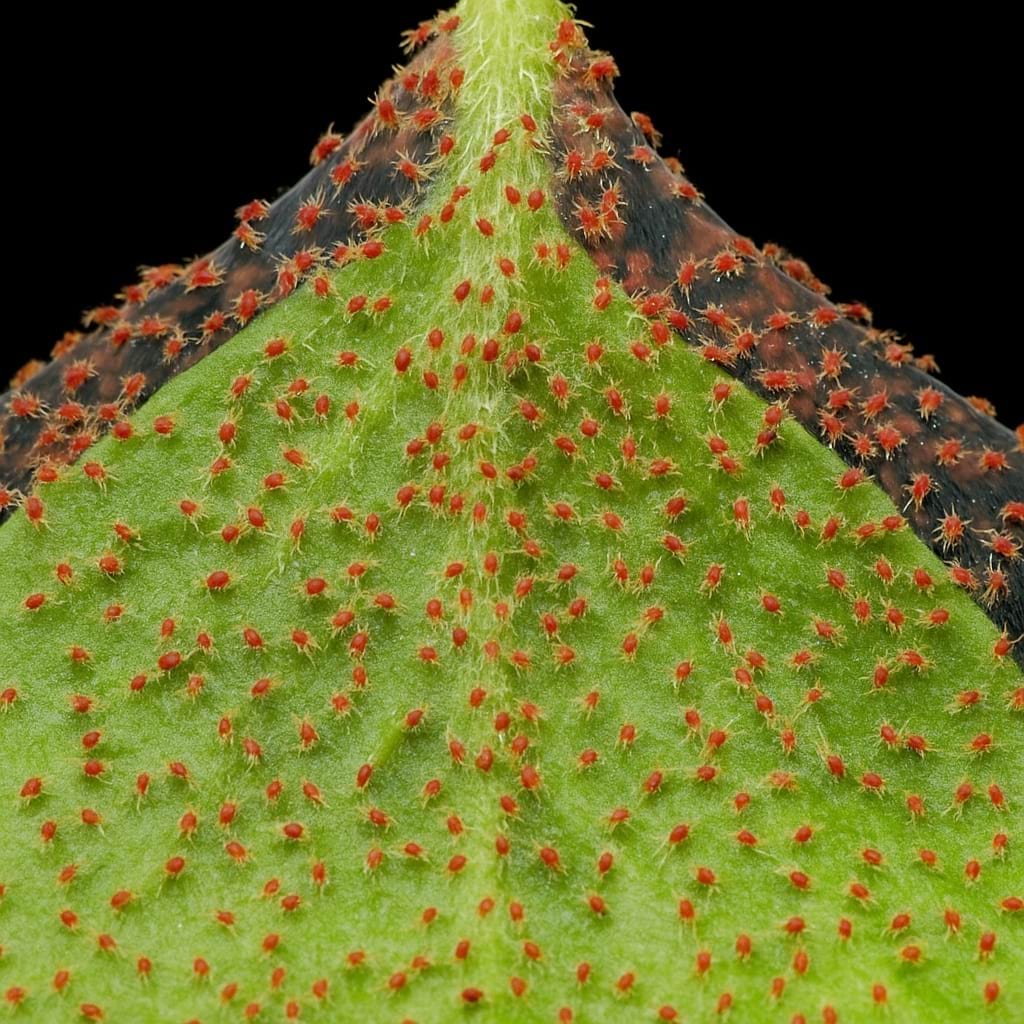
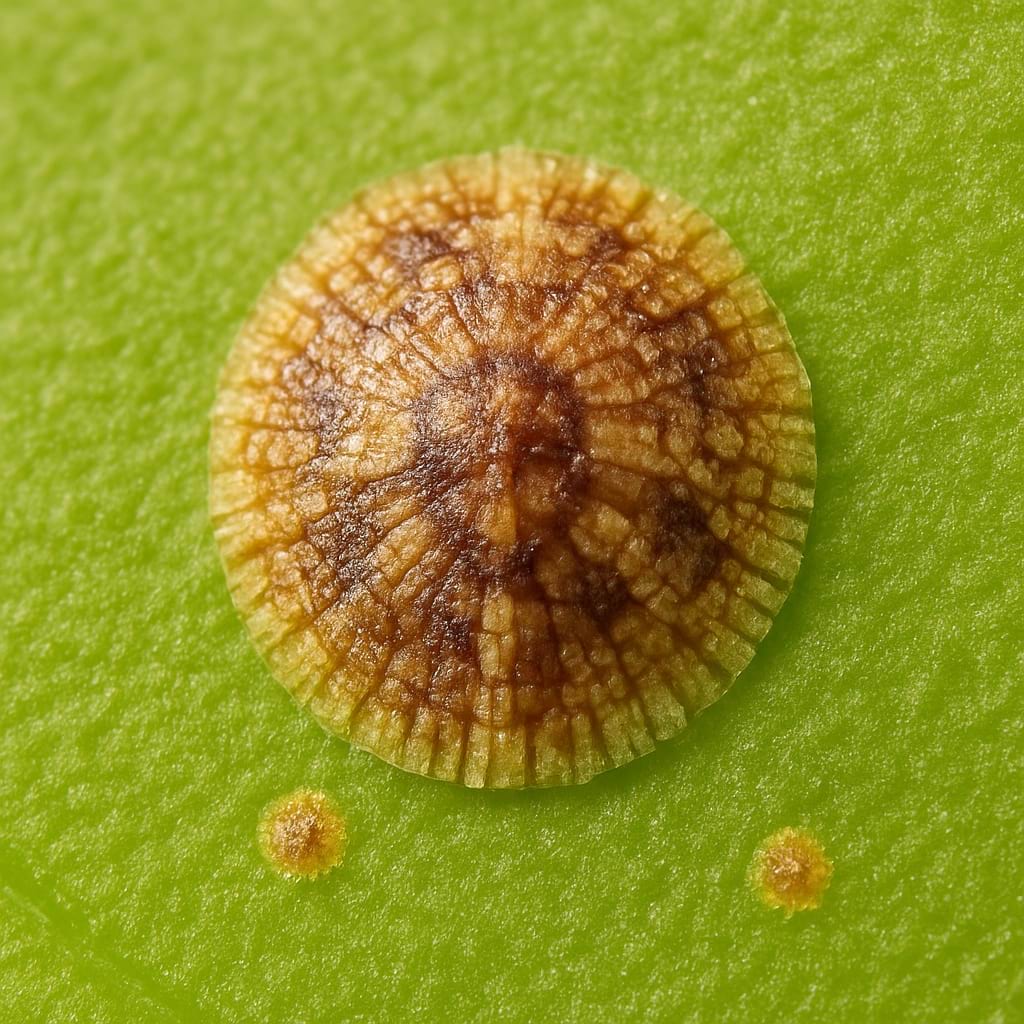
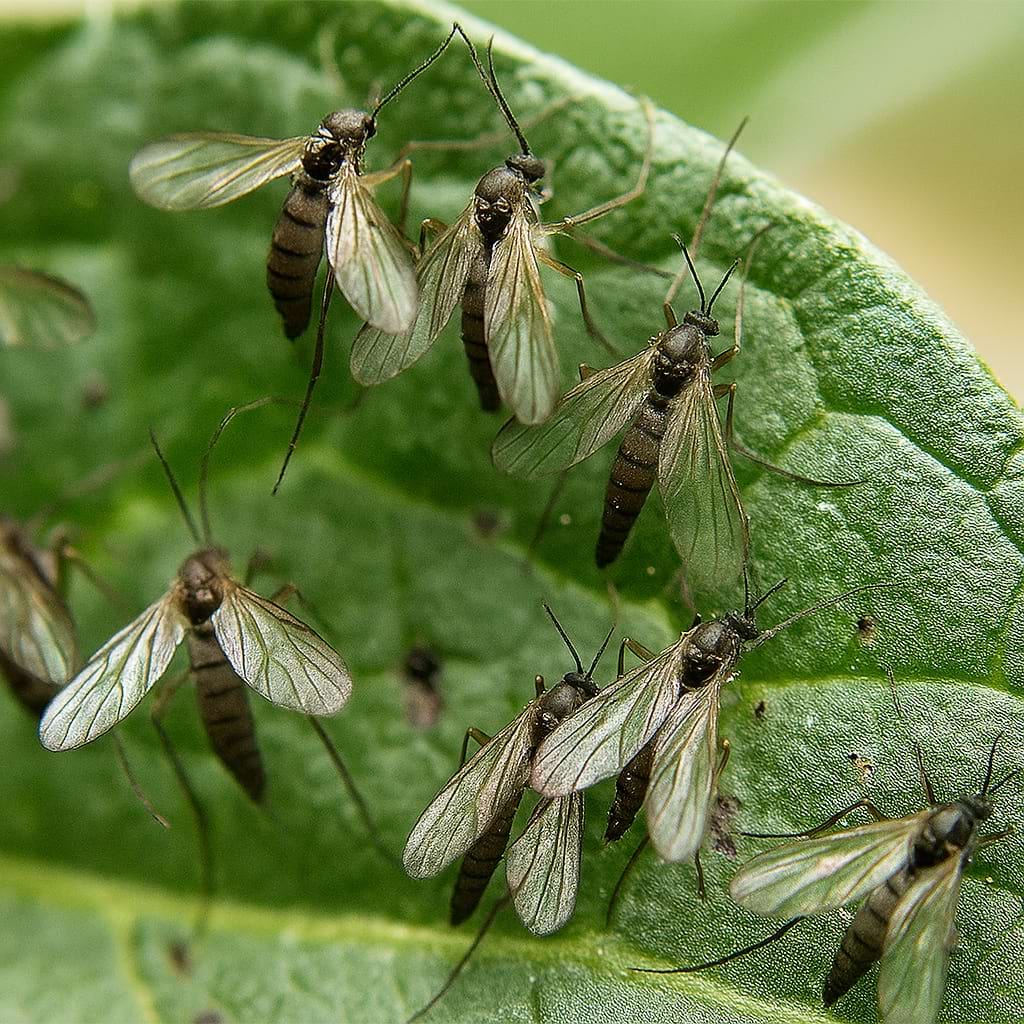
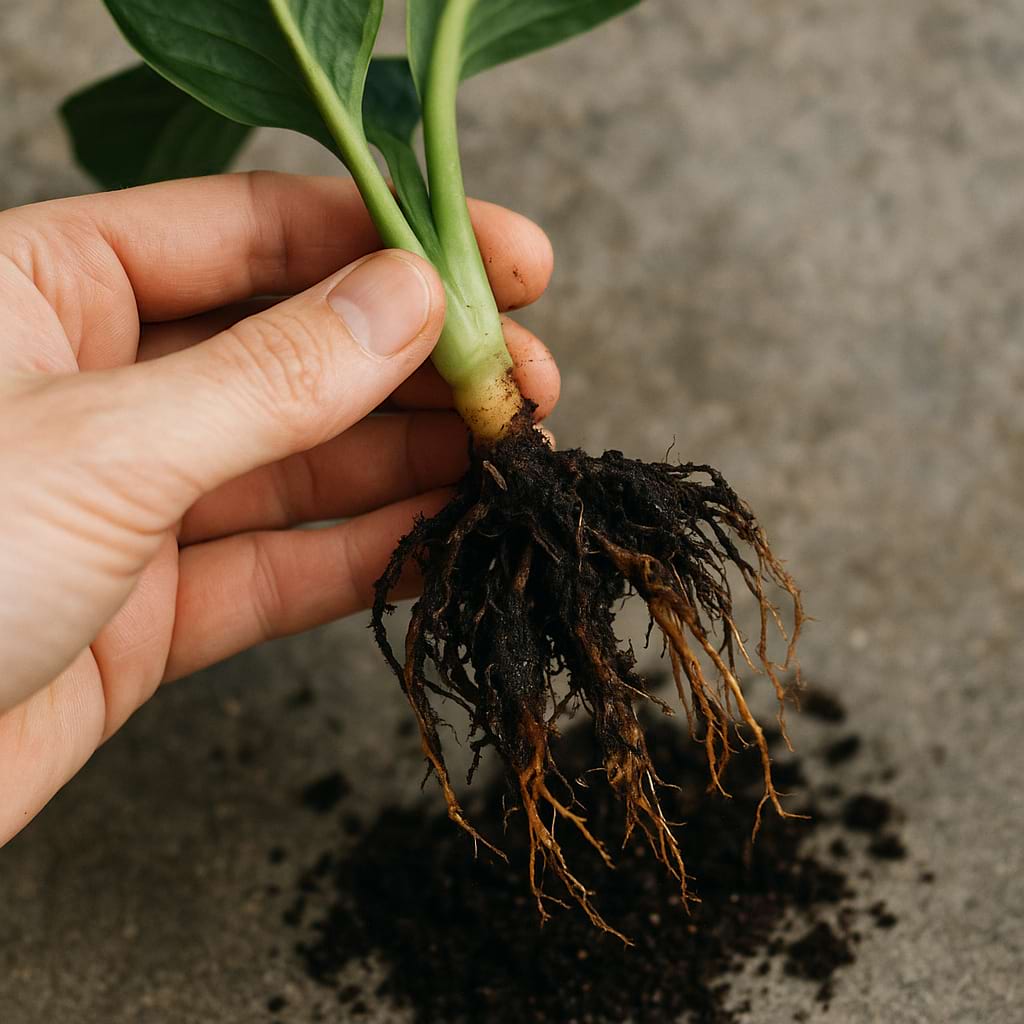
Root mealybugs live in the soil, coat the roots in white powder, and cause a slow decline that people blame on watering for months. Spider mites appear in hot dry spells as fine webbing between spines with a stippled rusty cast underneath. Scale insects look like small brown limpets stuck to the stem, and fungus gnats signal that the mix is staying wet far longer than it should.
Treatment and Prevention
Dab mealybugs and scale with a cotton bud dipped in rubbing alcohol, working it down between the spines, then follow with insecticidal soap or neem if they come back. On a heavily infested column a systemic granule worked into the soil does what sprays cannot, since spray never reaches the stem through the spine coat.
Root mealybugs need the plant unpotted, the roots rinsed under a tap, and a repot into fresh mix in a clean pot. Spider mites retreat with better airflow. Quarantine anything new for a few weeks, check the base and drainage holes monthly, and read pest prevention in winter before the cold rest begins.
🩺 Common Silver Torch Cactus Problems
Rot at the Base
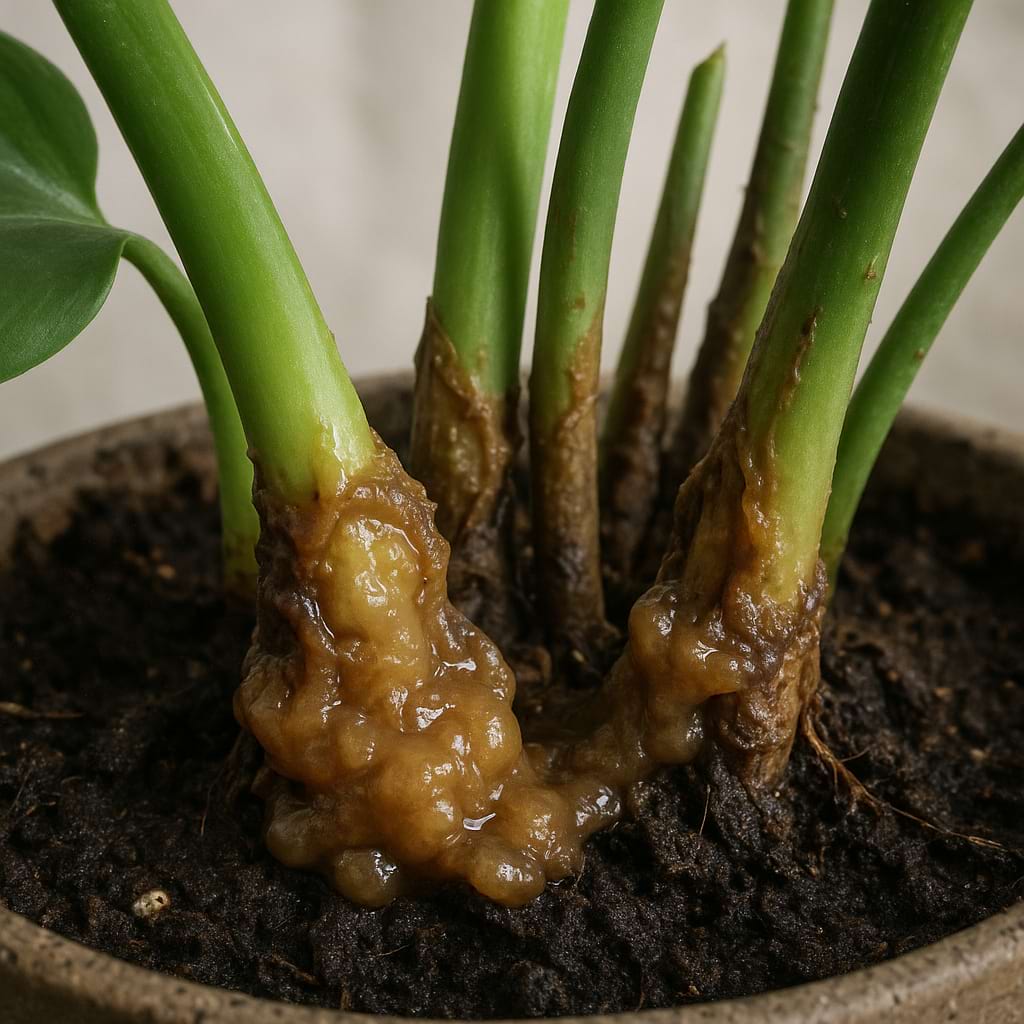
Overwatering causes nearly every Silver Torch death, and this plant hides the evidence. Root rot and mushy stems begin as a soft dark patch at the soil line, concealed under spines and grit, and by the time the column leans the damage is well advanced. Unpot the plant, cut the column back until you reach clean firm white tissue with no brown ring in the centre, dust the cut with sulphur, dry it for two weeks, and re-root it as a cutting. Squeezing the base once a month is the cheapest insurance there is.
A Narrow, Tapered Top
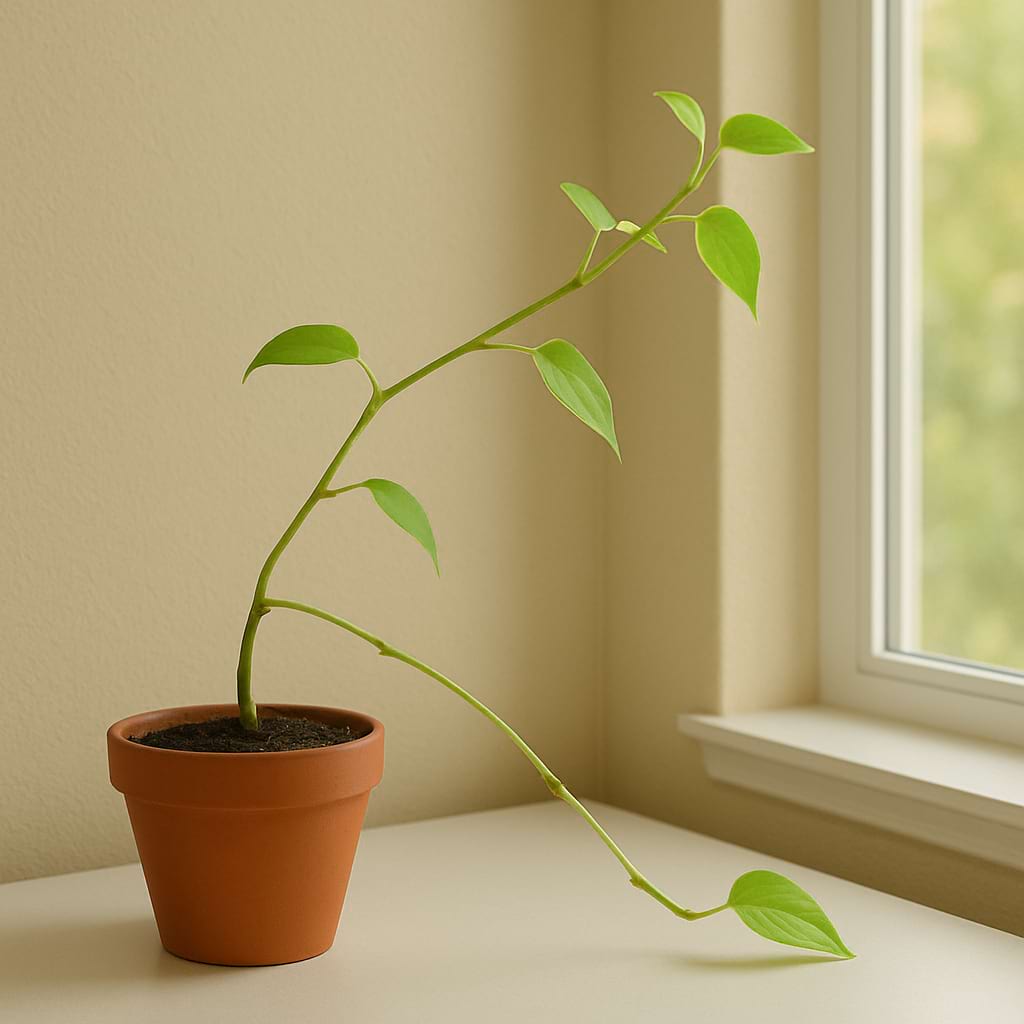
New growth thinner than the stem below it is leggy growth from insufficient light, unmistakable on a columnar cactus. The taper is permanent, though moving the plant into full sun returns the next section to full width. If it bothers you, behead the plant below the pinch and let it branch.
Yellowing, Bleaching, and Corking
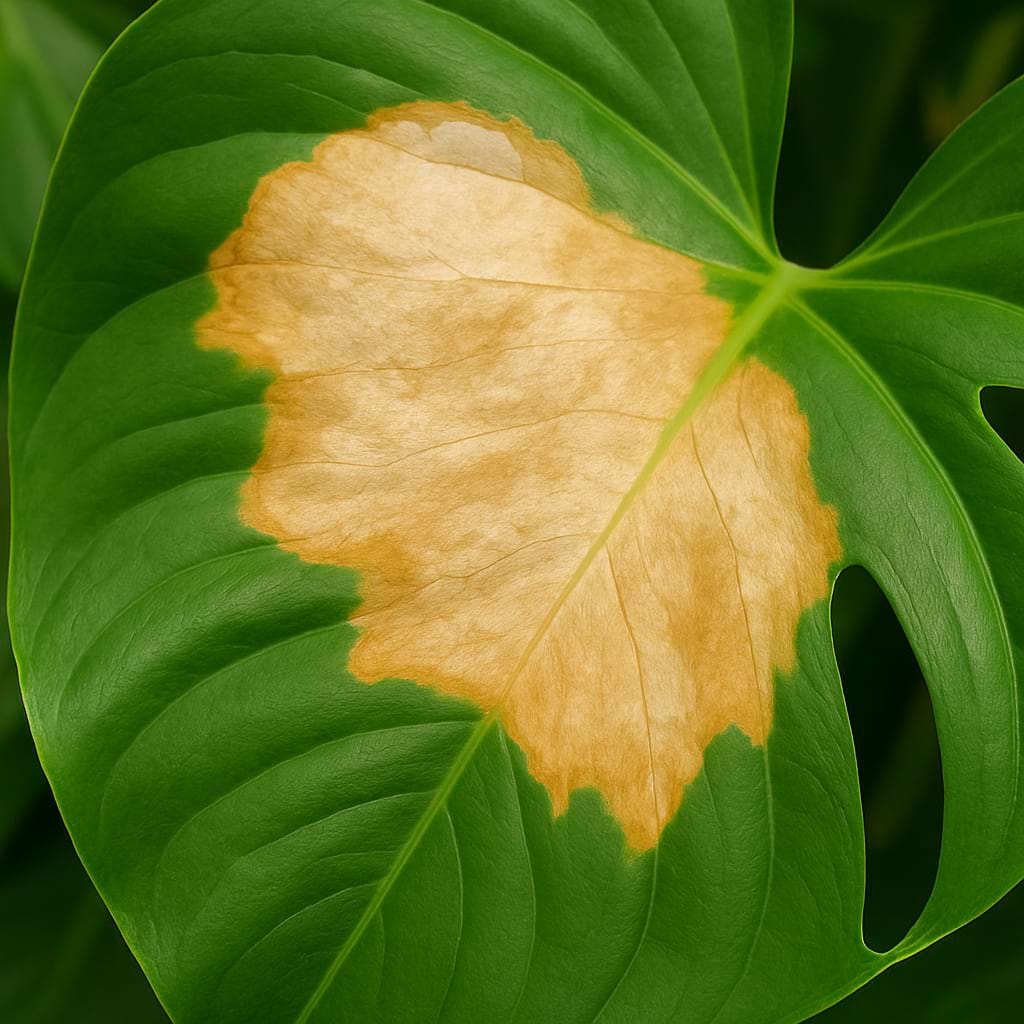
Even yellowing with a soft feel points to overwatering or exhausted soil, so check the roots first. Pale, papery, bleached patches on the sun-facing side only are sunburn from a sudden move into fierce light, and those scars are permanent.
A brown, dry, bark-like crust creeping up from the base of an older plant is corking, normal woody ageing rather than disease. Corking is firm to the touch. Rot is soft. That one test settles most panics.
No Growth at All
A plant that does nothing through spring and summer is usually short on light, sitting in compacted soil, or dealing with root mealybugs. Since this is a fast species, a full season of stunted growth is a real signal rather than normal cactus slowness, and it is worth unpotting to check the roots.

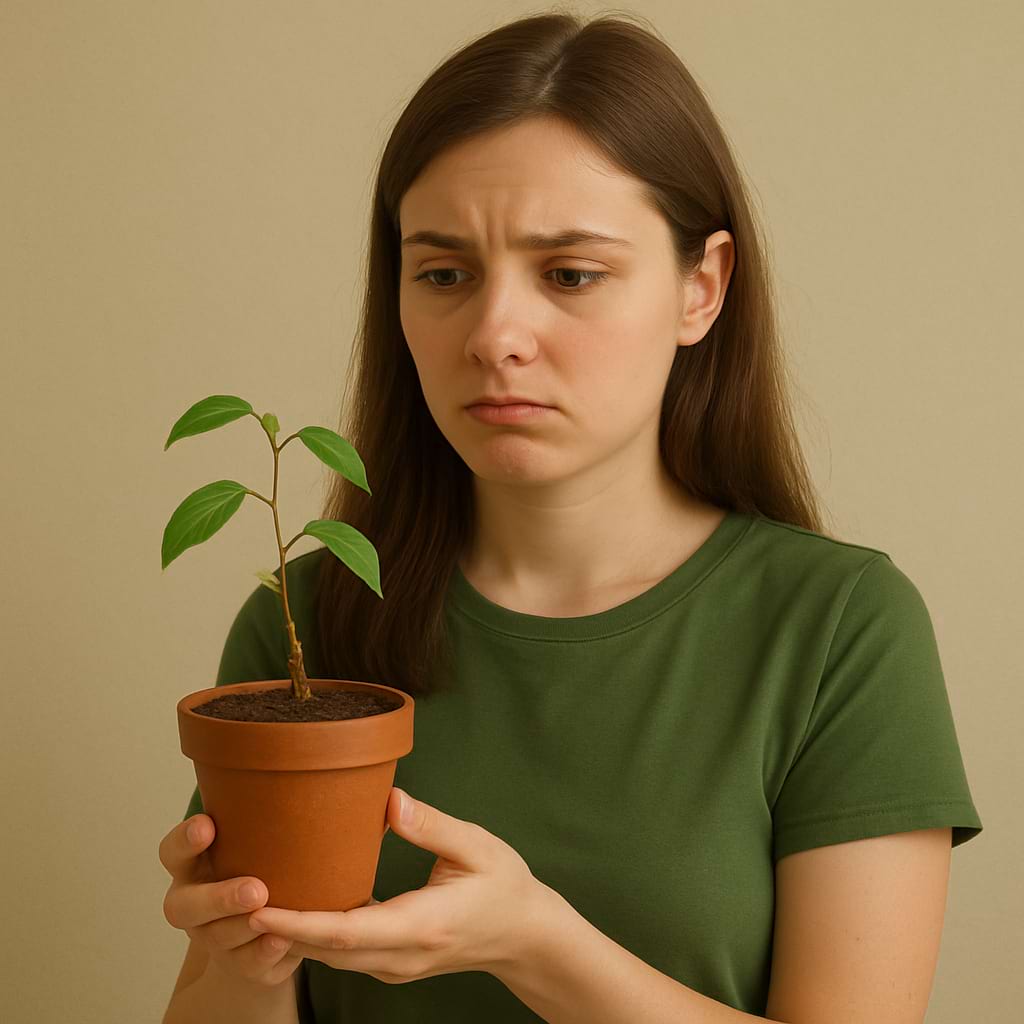

🖼️ Silver Torch Cactus Display and Styling Ideas
Solo Setups
This plant is architecture. A single straight column in a heavy dark terracotta pot, set in a bright corner where nobody walks, gives you a vertical line nothing else on a plant shelf can match. Dark walls flatter it most, since the white spines read as silver against them. Better still, place it where late afternoon sun comes from behind and the whole spine coat lights up into a halo, which is easily the best thing this cactus does.
Grouped Arrangements
In a desert group, Silver Torch is the tall element everything else sits beneath. Pair it with a round Golden Barrel Cactus and a low clumping Powder Puff Cactus for column, globe, and cluster at three heights. A shaggy Old Man Cactus beside it makes the difference in spine texture interesting rather than repetitive, and a Peruvian Apple Cactus behind the group adds a smooth blue-green column taller than either. Swap that one for a Spiral Cactus if you want the second column to earn its own attention, since its ribs wind around the stem instead of running straight.
Where Not to Put It
Not beside a doorway, a sofa, or anywhere along a walking route, because the spines are fine, dense, and break off in skin. Not in a bathroom or steamy kitchen, where humidity and still air start rot under the spine coat. And not on a high shelf, since a tall column becomes top-heavy as it grows.
👍 Silver Torch Cactus Pro Care Tips
☀️ Put it in the glass, not near it. A south window at point-blank range keeps the column thick and the spines dense.
❄️ The cold dry winter is not optional if you want flowers. Eight to twelve weeks at 40-50°F with zero water.
🤲 Squeeze the base once a month. The spine coat hides early rot, and touch catches it long before your eyes do.
🪨 Use a heavy pot and a grit top dressing. One gives ballast, the other keeps the base off damp soil.
💧 Water the soil, never the column. Matted wet spines hold moisture against the stem for days.
🧤 Wrap it in newspaper before lifting it. Fine spines snap off in skin and are miserable to remove.
🔄 Turn the pot a quarter turn every few weeks, or it leans toward the light permanently.
✂️ Behead a pinched column instead of living with it. The stump branches, and you gain a free cutting.
❓ Frequently Asked Questions
Is Silver Torch Cactus toxic to cats and dogs?
Cleistocactus strausii is not toxic to cats or dogs. The hazard is mechanical: the spines are fine, dense, and lodge in paws and noses. Keep it out of reach rather than worrying about poisoning.
How fast does a Silver Torch Cactus grow?
Fast by cactus standards. In good light with regular summer watering, expect four to eight inches of new column a year, several times the rate of an Old Man Cactus.
How tall does it get indoors?
Two to four feet is realistic in a pot, and it takes years to get there. In the ground in a warm climate it reaches ten feet and clumps into a stand of columns.
Why won't my Silver Torch Cactus flower?
Almost always because it is too short. This species flowers when the column reaches around three feet, which takes the better part of a decade from seed. Once it is tall enough, the missing piece is the cold, dry winter rest.
Why is the top of my cactus narrower than the bottom?
The plant has been growing in light too weak for it. Move it to the brightest window you have and the next section comes in at full width. The pinched part stays pinched, so behead it below the narrowing if you want an even column.
Can Silver Torch Cactus survive frost?
Kept bone dry, established plants tolerate brief dips to about 14°F (-10°C), which makes it one of the hardier cacti sold as a houseplant. Dry cold is fine, wet cold is fatal.
How do I clean the white spines?
Use a hairdryer on cool from a foot away, or brush gently along the spines with a soft dry makeup brush. Never wipe against the grain and never wash it with water, since damp matted spines are exactly what rot likes.
Why is my Silver Torch Cactus turning brown at the base?
Feel it. Soft, dark, mushy tissue is rot from overwatering and needs the plant unpotted and cut back immediately. A dry, firm, bark-like crust on an older plant is corking, a normal sign of age.
Can I grow Silver Torch Cactus outdoors?
Yes in USDA zones 8b-11, given full sun and sharp drainage. In colder zones, move the pot outside for summer after acclimating it over two weeks, then bring it back before the first frost.
ℹ️ Silver Torch Cactus Info
Care and Maintenance
🪴 Soil Type and pH: Gritty, sandy, fast-draining, slightly alkaline
💧 Humidity and Misting: Prefers dry air with good airflow. Damp still air mats the spines and invites rot.
✂️ Pruning: Not needed. Cut only to remove damaged tissue or to take a column cutting.
🧼 Cleaning: Blow dust off with a hairdryer on cool, or brush gently along the spines with a soft makeup brush. Never wipe against the grain.
🌱 Repotting: Repot every 2-3 years in spring, or once the column is tall enough to unbalance the pot.
🔄 Repotting Frequency: Every 2-3 years
❄️ Seasonal Changes in Care: Full sun and regular soakings from spring through summer, then a cold, bone-dry winter rest near 40-50°F that sets the following year's flowers.
Growing Characteristics
💥 Growth Speed: Fast for a cactus
🔄 Life Cycle: Evergreen perennial columnar cactus
💥 Bloom Time: Late spring through summer, on mature columns roughly 3 feet tall
🌡️ Hardiness Zones: 8b-11
🗺️ Native Area: High mountain slopes of Bolivia and northern Argentina
🚘 Hibernation: Cold, completely dry winter rest at 40-50°F for 8-12 weeks, in bright light
Propagation and Health
📍 Suitable Locations: South and west windows, sunrooms, bright stairwells, summer patios, unheated porches in winter
🪴 Propagation Methods: Remove basal offsets or take a column cutting, callus the wound for two weeks, then root in dry gritty mix.
🐛 Common Pests: Mealybugs, Root Mealybugs, Spider Mites, Scale Insects, Fungus Gnats
🦠 Possible Diseases: Root rot, stem rot at the soil line, fungal spotting under matted spines
Plant Details
🌿 Plant Type: Columnar cactus
🍃 Foliage Type: Evergreen leafless ribbed column
🎨 Color of Leaves: Green stem, almost entirely hidden by white spines
🌸 Flower Color: Deep burgundy to wine red, occasionally with green tips
🌼 Blooming: Yes, on mature plants. Narrow tubes stick out sideways from the column and barely open.
🍽️ Edibility: Not grown as an edible plant.
📏 Mature Size: 2-4 feet indoors, up to 10 feet outdoors
Additional Info
🌻 General Benefits: Pet-safe, grows fast for a cactus, tolerates cold better than most desert species, and gives strong vertical structure to a plant shelf
💊 Medical Properties: No documented medicinal uses.
🧿 Feng Shui: A tall protective column that suits a bright corner. The dense spines mean it belongs away from doorways and walking routes.
⭐ Zodiac Sign Compatibility: Capricorn
🌈 Symbolism or Folklore: Endurance, quiet strength, patience rewarded
📝 Interesting Facts: The genus name Cleistocactus means closed cactus, because the flowers barely open. The tubes part just enough for a hummingbird bill to reach in, and the stamens push out past the petals rather than sitting inside.
Buying and Usage
🛒 What to Look for When Buying: Look for a firm, straight column with even white spine cover from base to tip. Avoid plants with a narrow pale section at the top, a soft base, or brown patches under the spines.
🪴 Other Uses: Architectural container plant, gravel-garden specimen in mild climates, vertical anchor in a mixed cactus collection.
Decoration and Styling
🖼️ Display Ideas: Solo in a heavy terracotta pot, as the tall element in a desert group, in a bright stairwell corner, or on a summer patio
🧵 Styling Tips: The silver-white column glows against dark walls and dark pots. Backlight it late in the day and the spine coat lights up like a halo.
🪴 See also 🪴
Complete Guide to Leaf of Life Care and Growth
Complete Guide to Aeonium Care and Growth
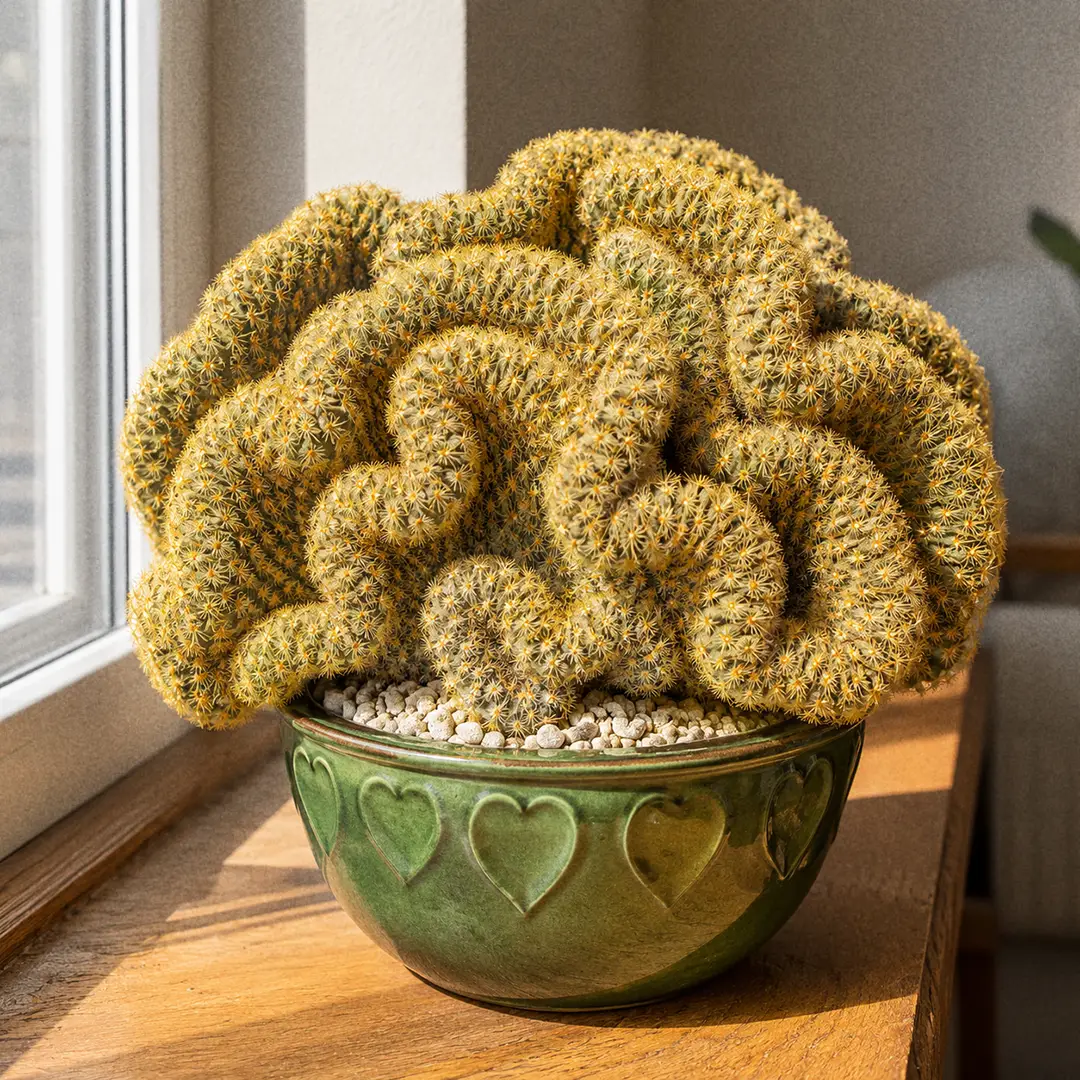
Complete Guide to Crested Brain Cactus Care and Growth
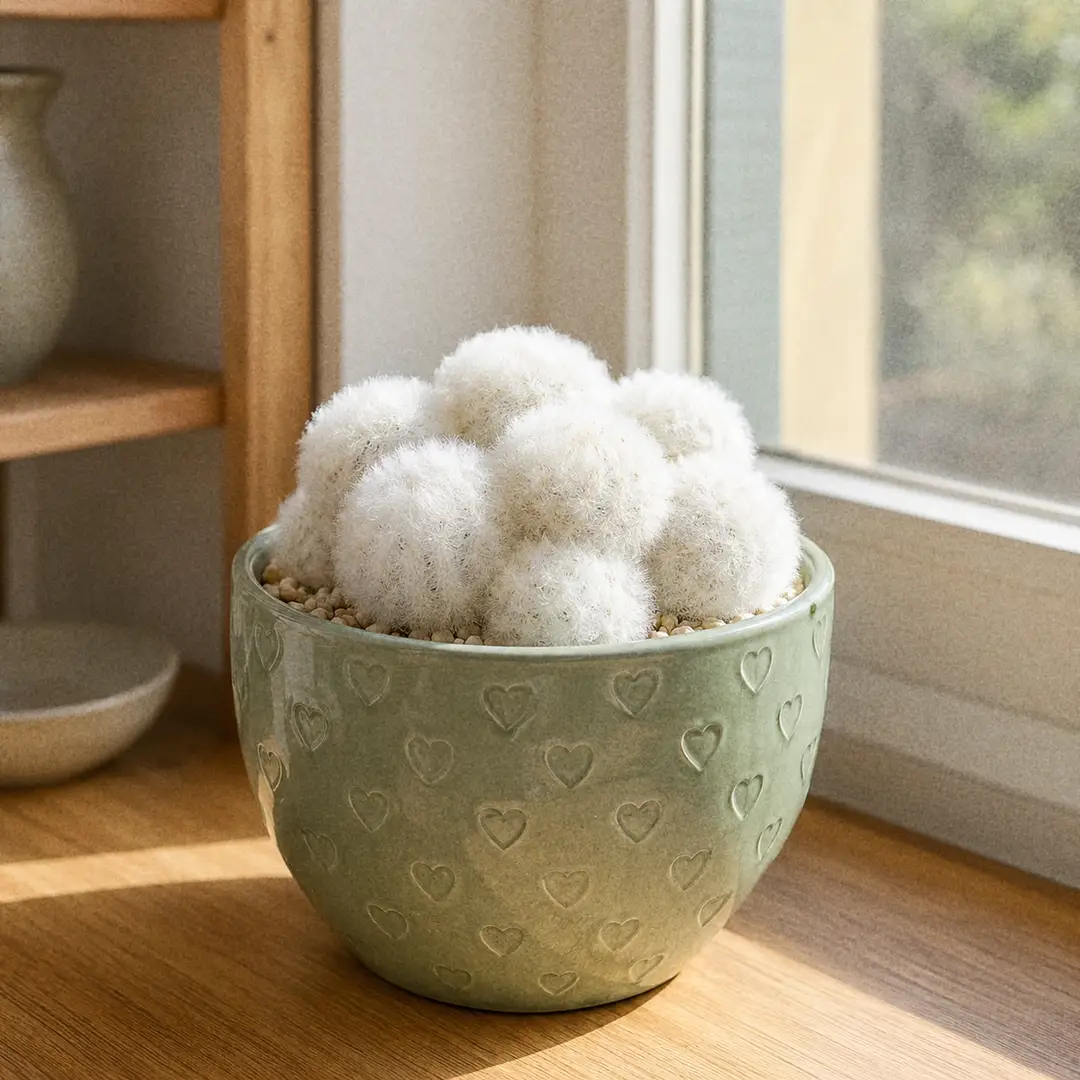
Complete Guide to Feather Cactus Care and Growth
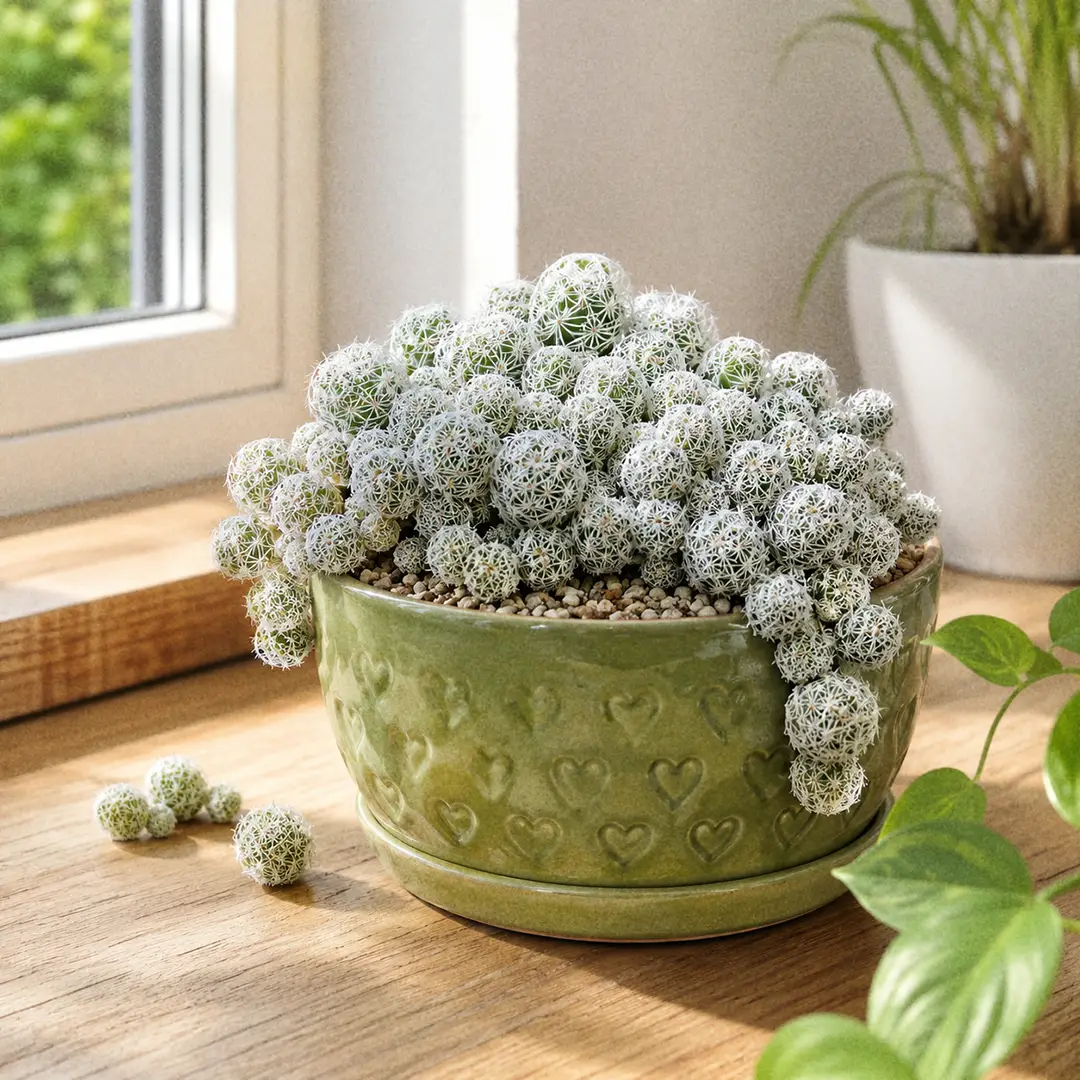
Complete Guide to Snowball Cactus Care and Growth
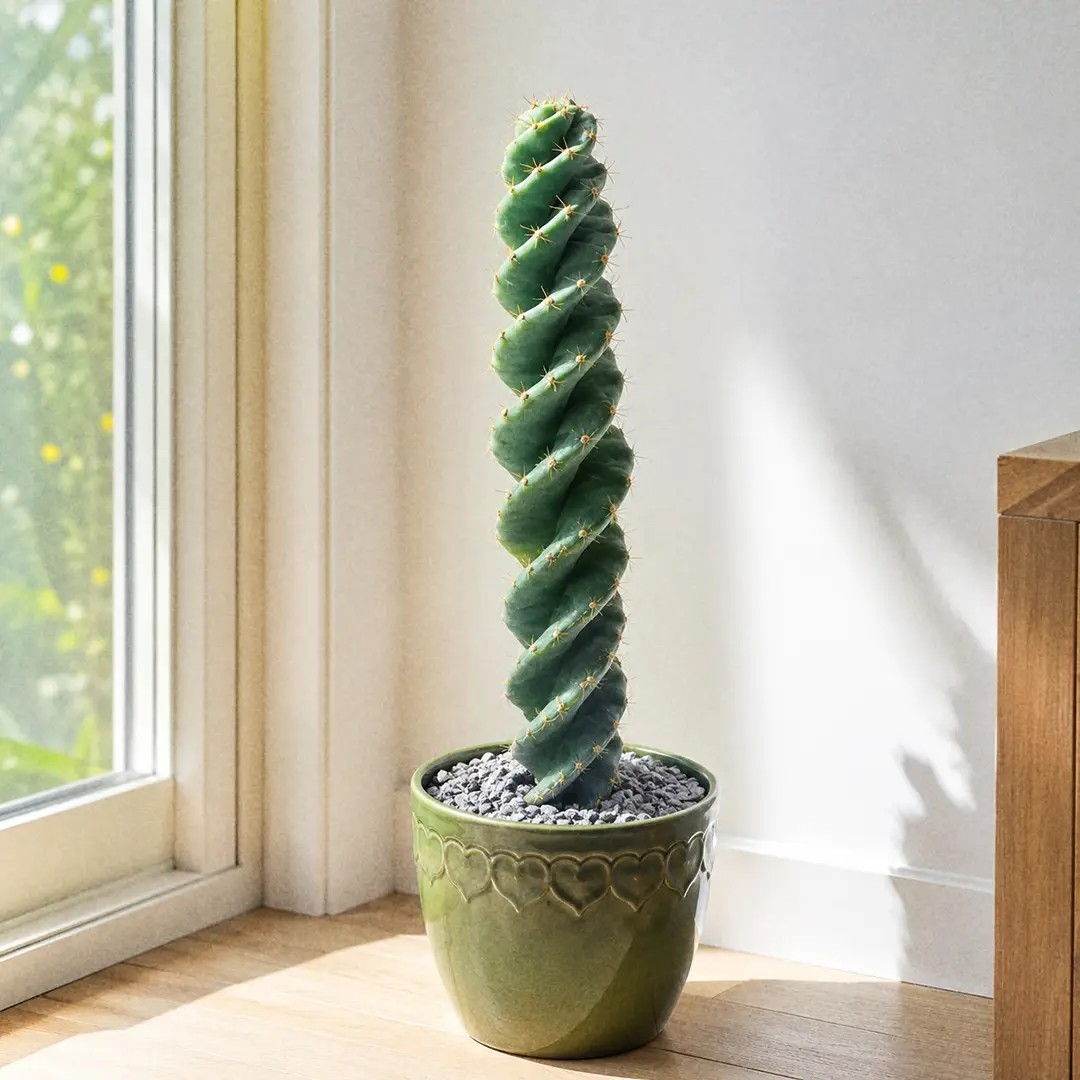
Complete Guide to Spiral Cactus Care and Growth
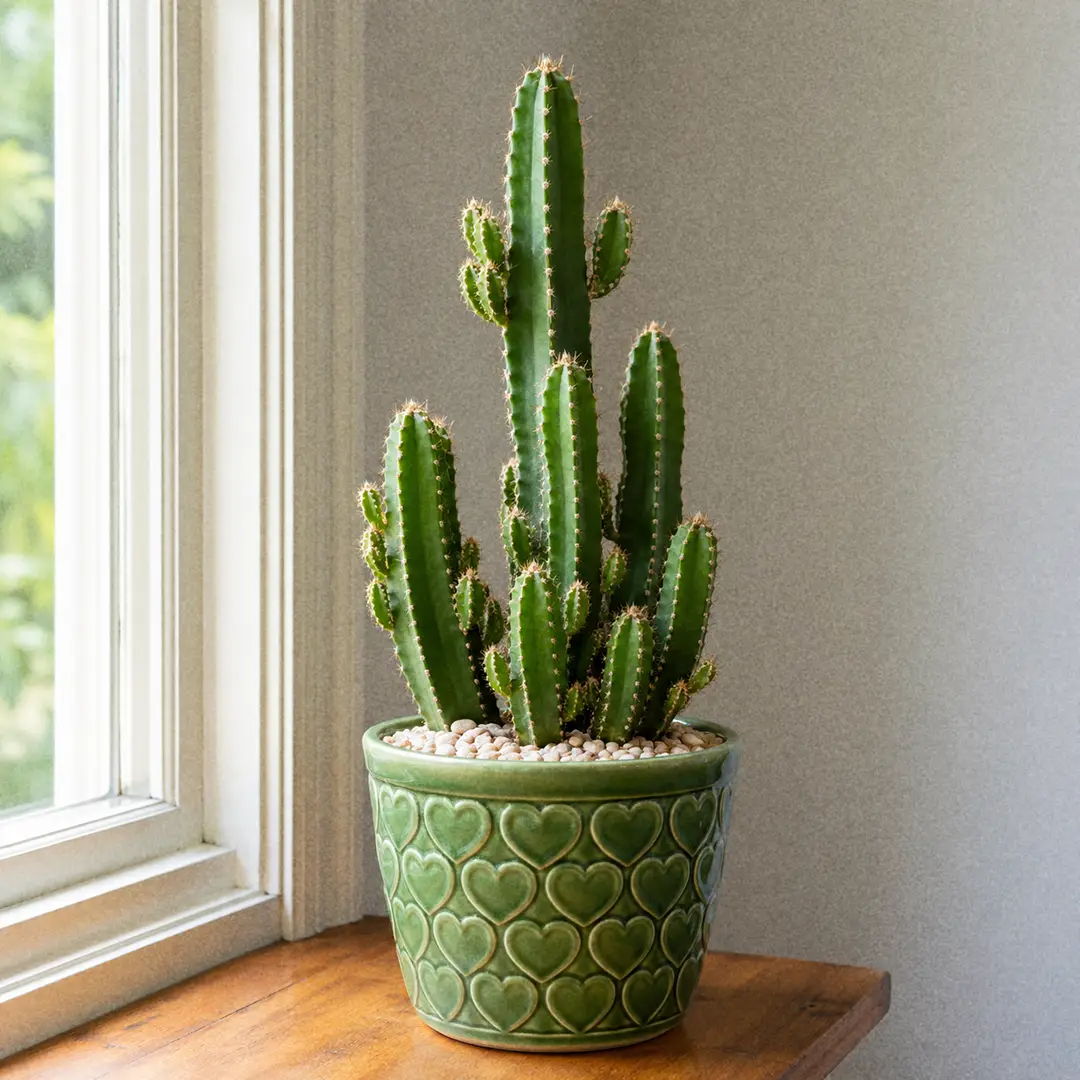
Complete Guide to Fairy Castle Cactus Care and Growth
Complete Guide to Crown Cactus Care and Growth
How to Propagate Succulents from Leaves & Offsets
Succulent Care Indoors: How to Stop Killing Jade and Echeveria
Complete Guide to Lithops Care and Growth (Living Stones)
Complete Guide To Aloe Vera Care and Growth
Complete Guide to Burro's Tail Care and Growth
Complete Guide to Crown of Thorns Care and Growth
Complete Guide to Echeveria Care and Growth
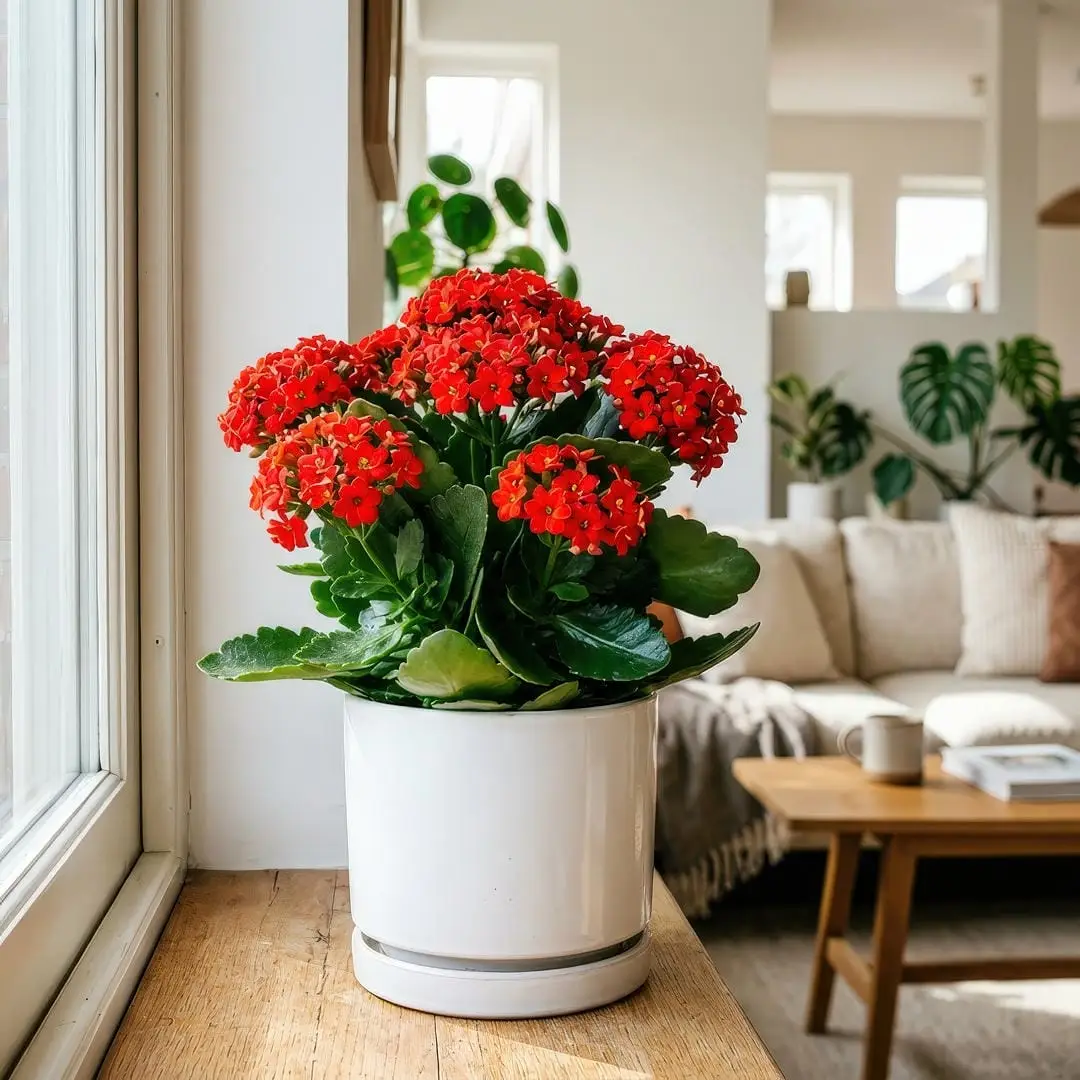
Complete Guide to Flaming Katy Care and Growth
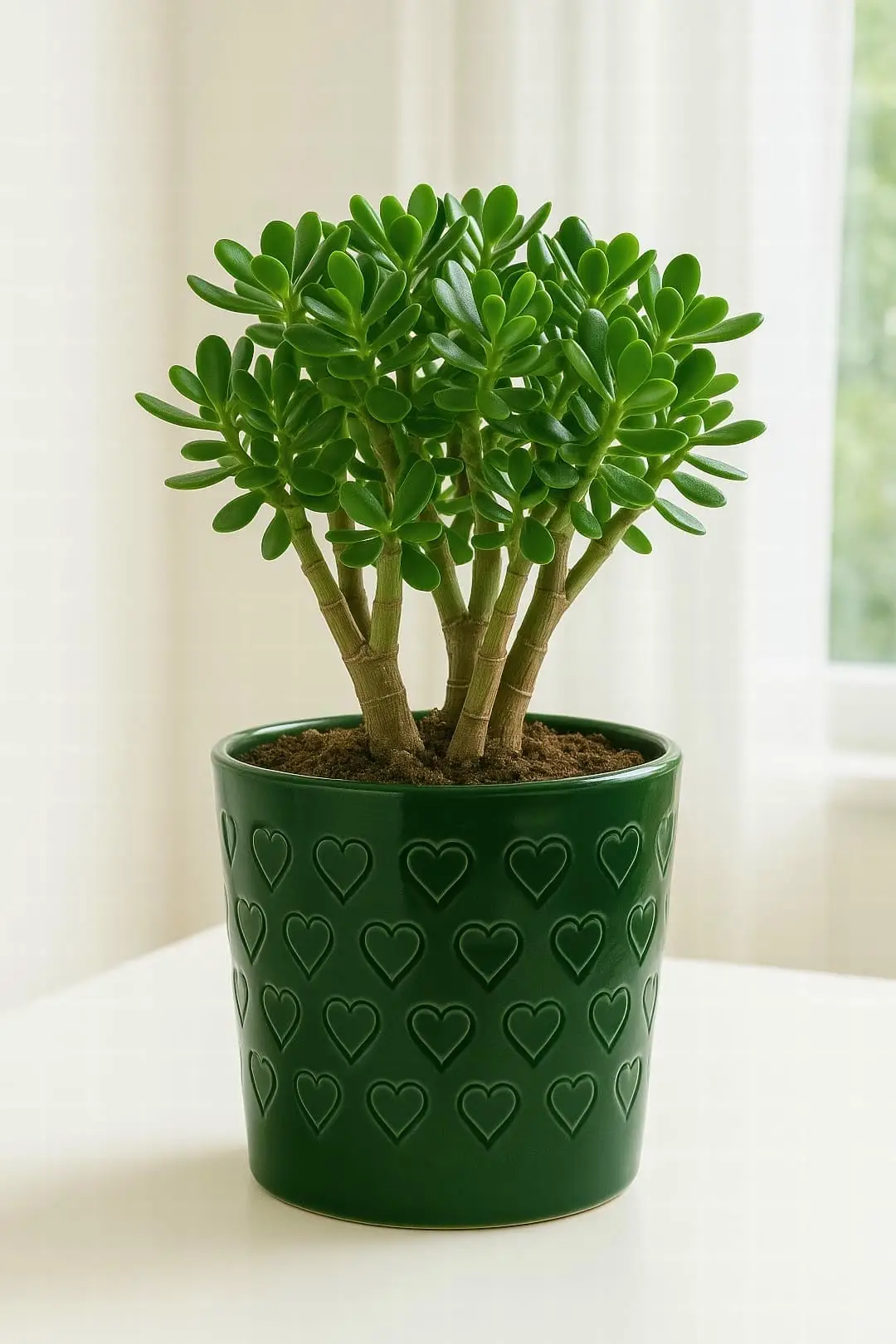
Complete Guide to Jade Plant Care and Growth
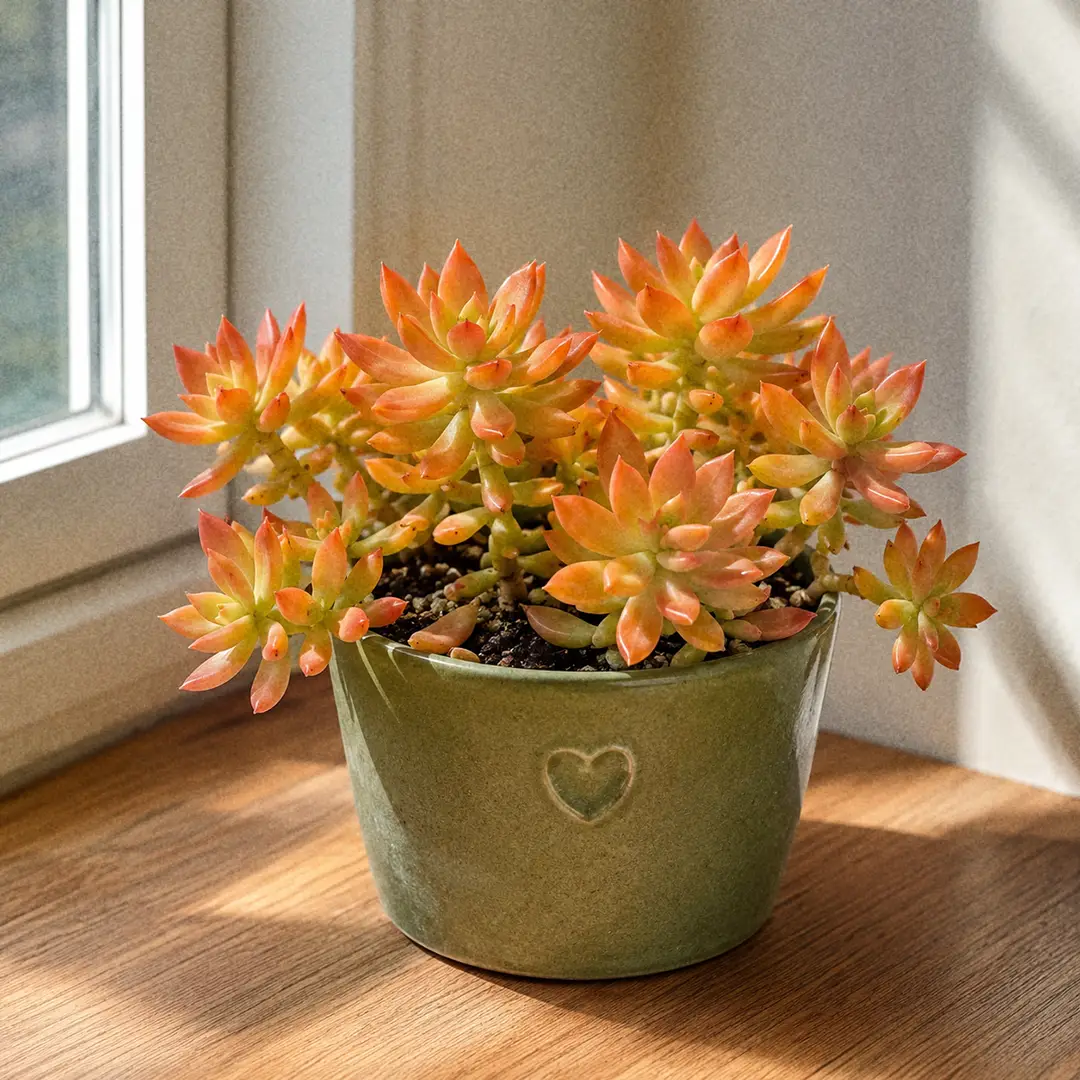
Complete Guide to Sedum Adolphii Care and Growth
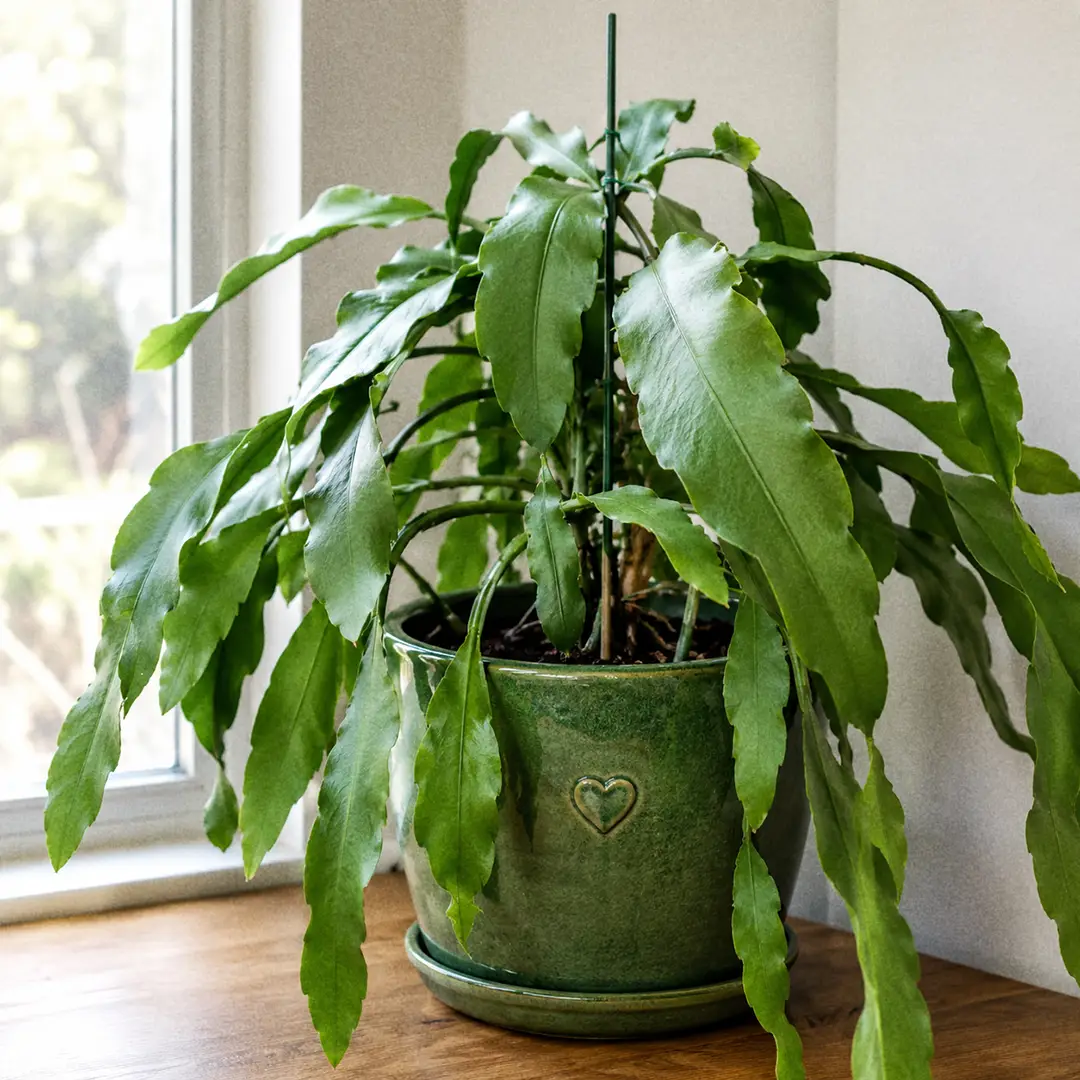
Complete Guide to Queen of the Night Care and Growth
Complete Guide to Domino Cactus Care and Growth
Complete Guide to Easter Lily Cactus Care and Growth
Complete Guide to Peanut Cactus Care and Growth
Complete Guide to Rat Tail Cactus Care and Growth
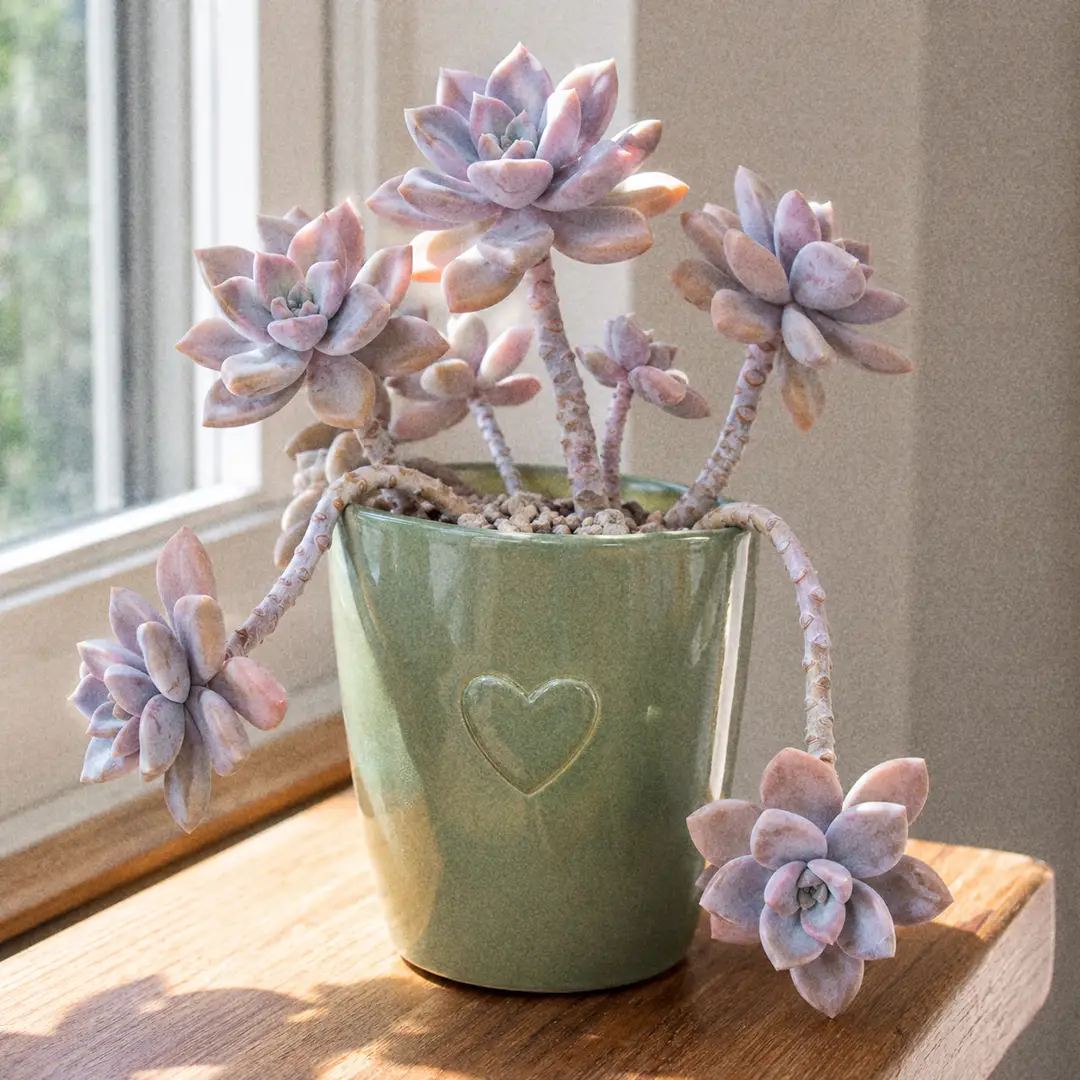
Complete Guide to Ghost Plant Care and Growth
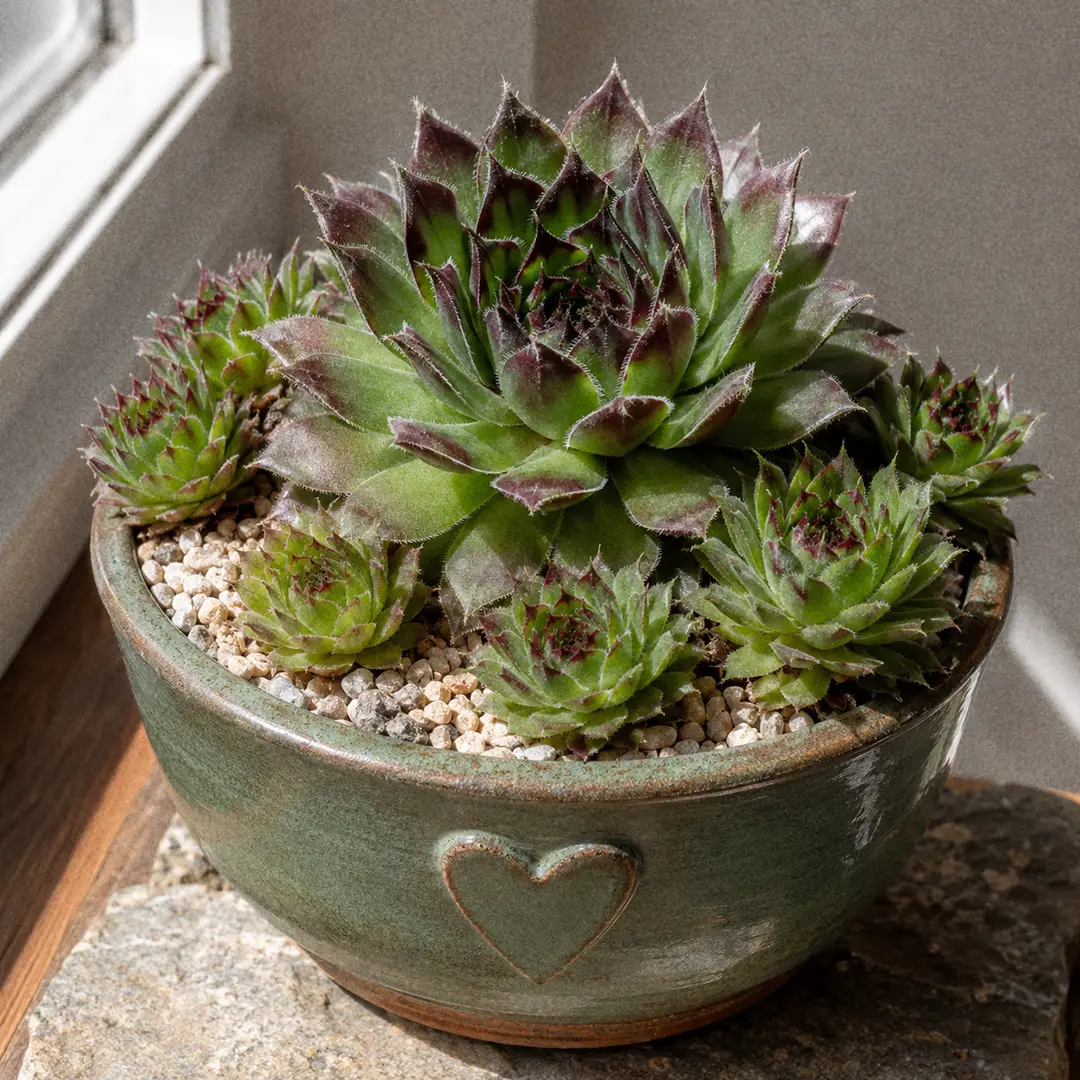
Complete Guide to Hens and Chicks Care and Growth
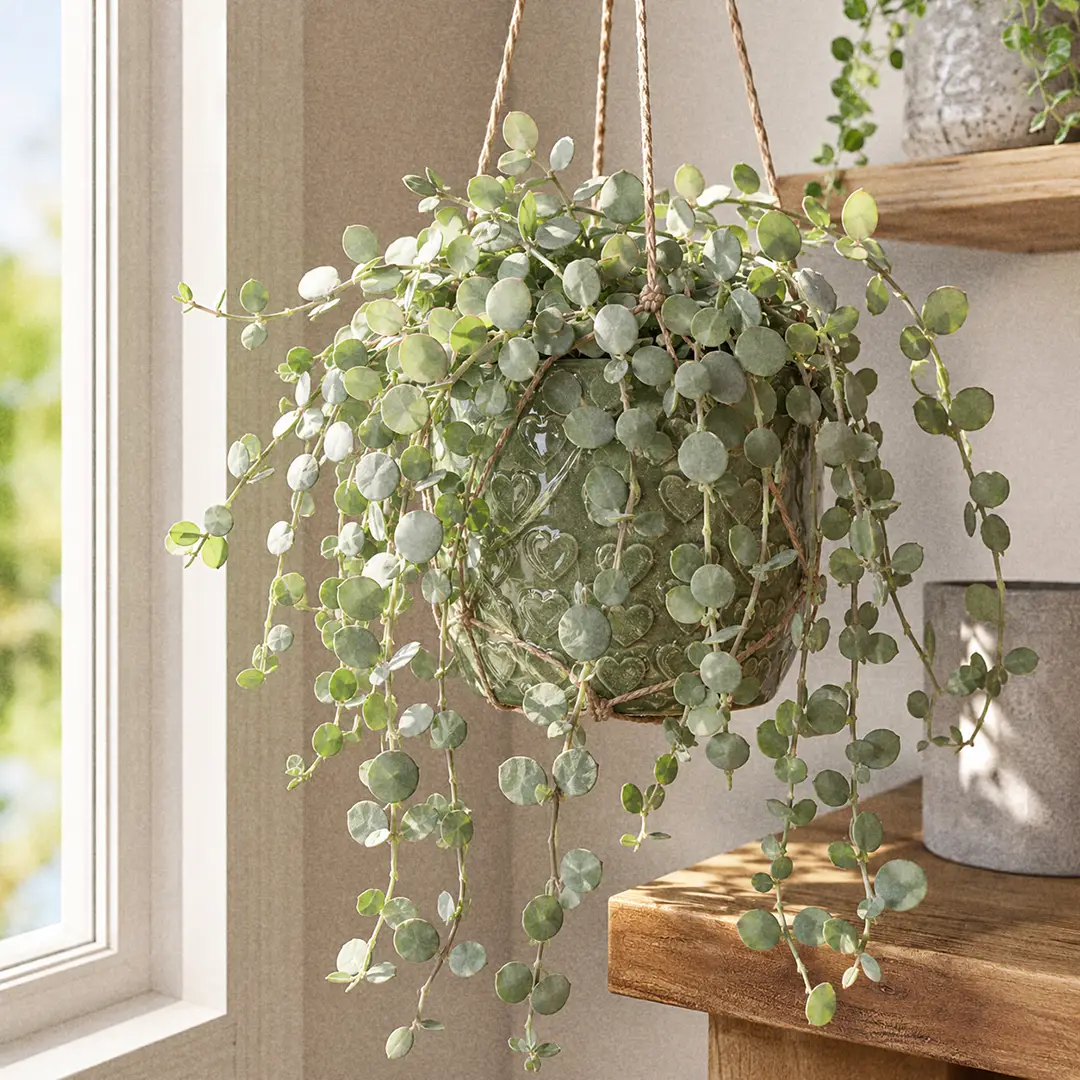
Complete Guide to String of Coins Care and Growth
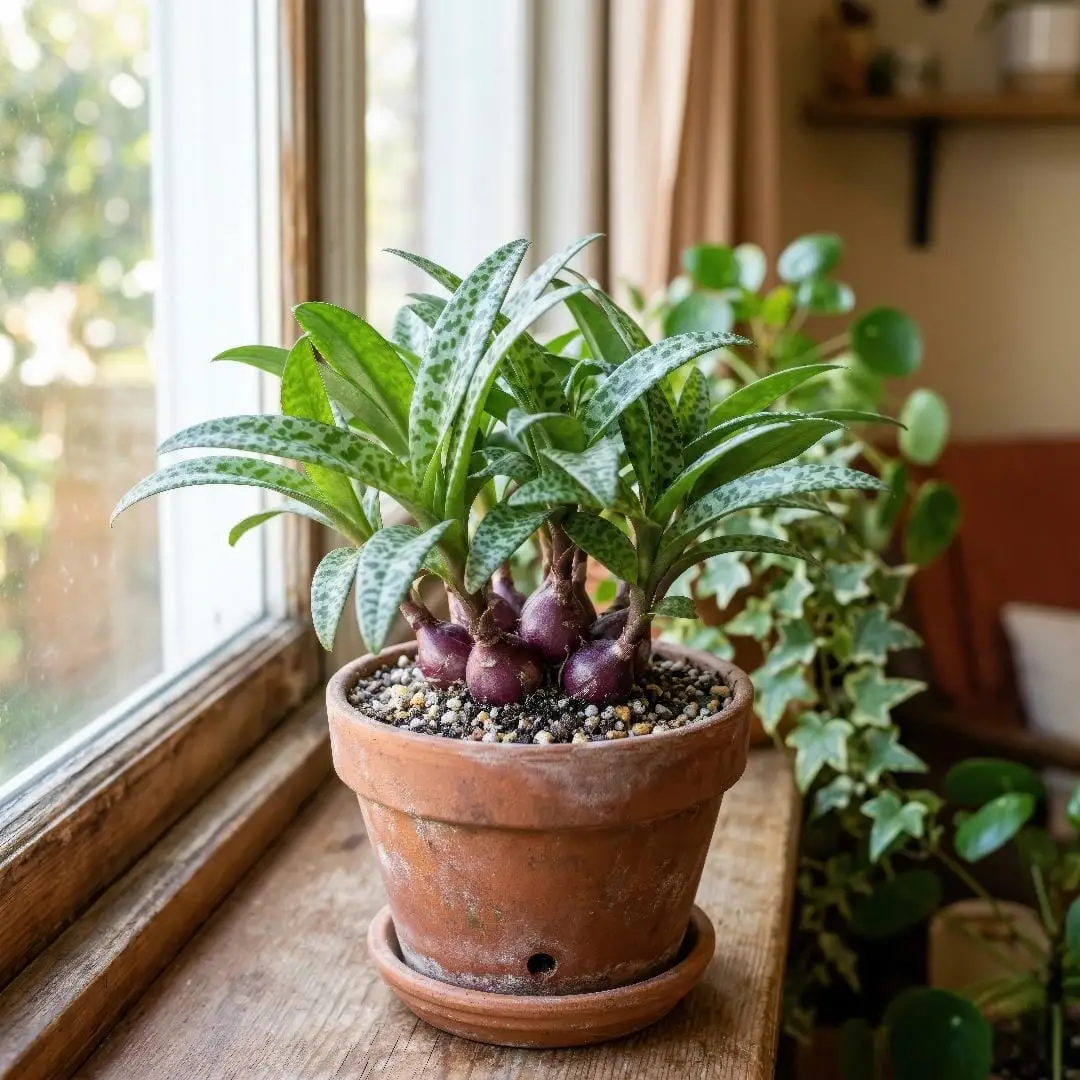
Complete Guide to Silver Squill Care and Growth
Complete Guide to Jelly Bean Plant Care and Growth
Complete Guide to Fishbone Cactus Care and Growth
Complete Guide to Mistletoe Cactus Care and Growth
Complete Guide to Mother of Thousands Care and Growth
Complete Guide to Paddle Plant Care and Growth
Complete Guide to Panda Plant Care and Growth

Complete Guide to Elephant Bush Care and Growth
Complete Guide to Pencil Cactus Care and Growth
Complete Guide to African Milk Tree Care and Growth

Complete Guide to Gasteria 'Little Warty' Care and Growth
Ox Tongue Care

Houseplant101 Forum
Questions & Comments
Ask a question, share your plant experience, or help other plant owners.
Comments are temporarily unavailable.
Open the Houseplant101 ForumNo comments yet
Be the first to ask a question or share your experience about this page.
Log in or create an account
Comments use your Houseplant101 Forum account, but you can stay on this page.
Create a new account