
Queen of the Night
Epiphyllum oxypetalum
Orchid Cactus, Dutchman's Pipe Cactus, Night-blooming Cereus, Night Blooming Cereus


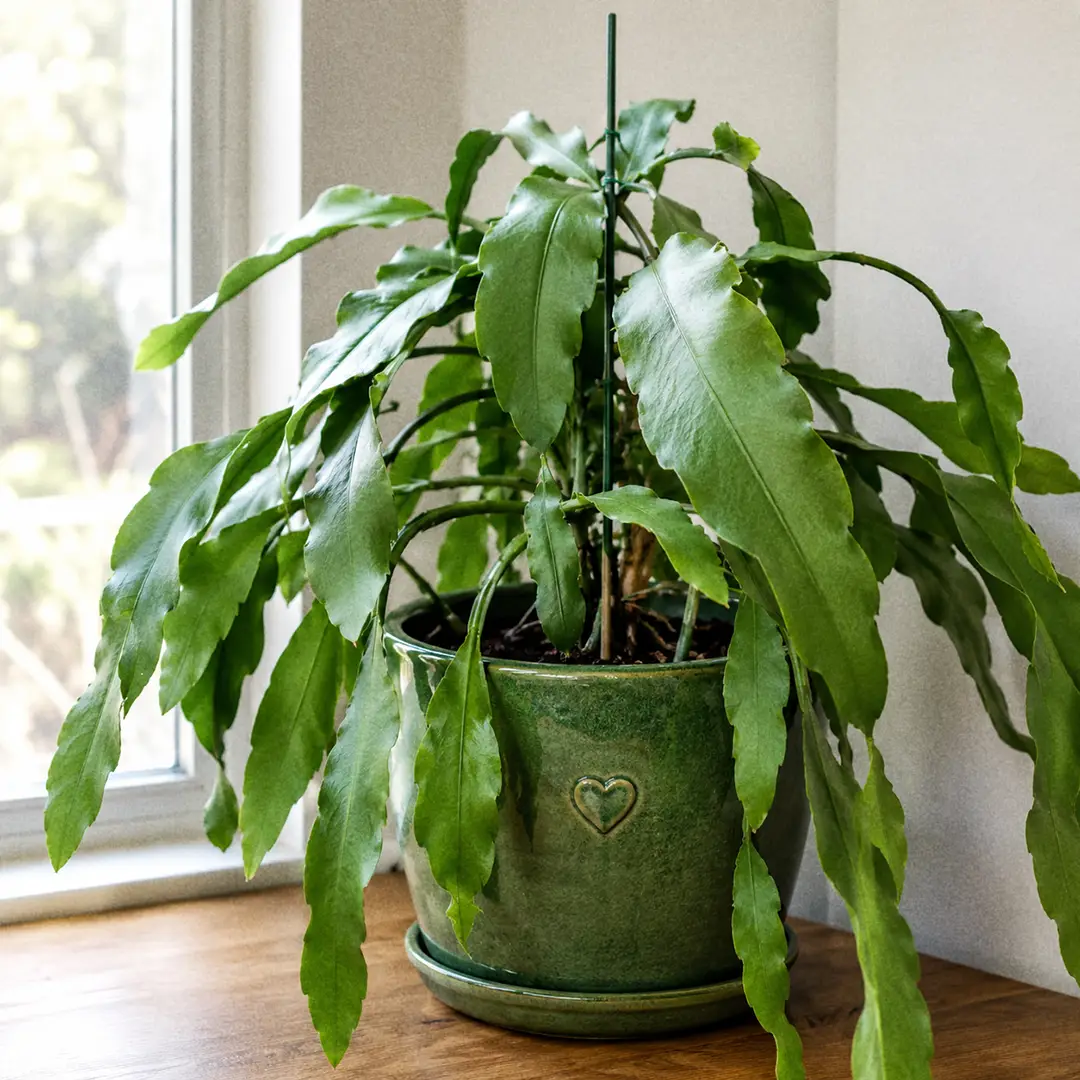
Queen of the Night (Epiphyllum oxypetalum) is a jungle cactus famous for huge, fragrant white flowers that open for a single night. Learn how to grow this Orchid Cactus indoors, keep the flat stems healthy, and coax it into bloom.
📝 Queen of the Night Care Notes
🌿 Care Instructions
⚠️ Common Pests
📊 Growth Information
🪴 In This Guide 🪴
We may earn a commission when you buy through these links. How we choose products →

☀️ Queen of the Night Light Requirements (Indoor Lighting Guide)
Best Light for Queen of the Night
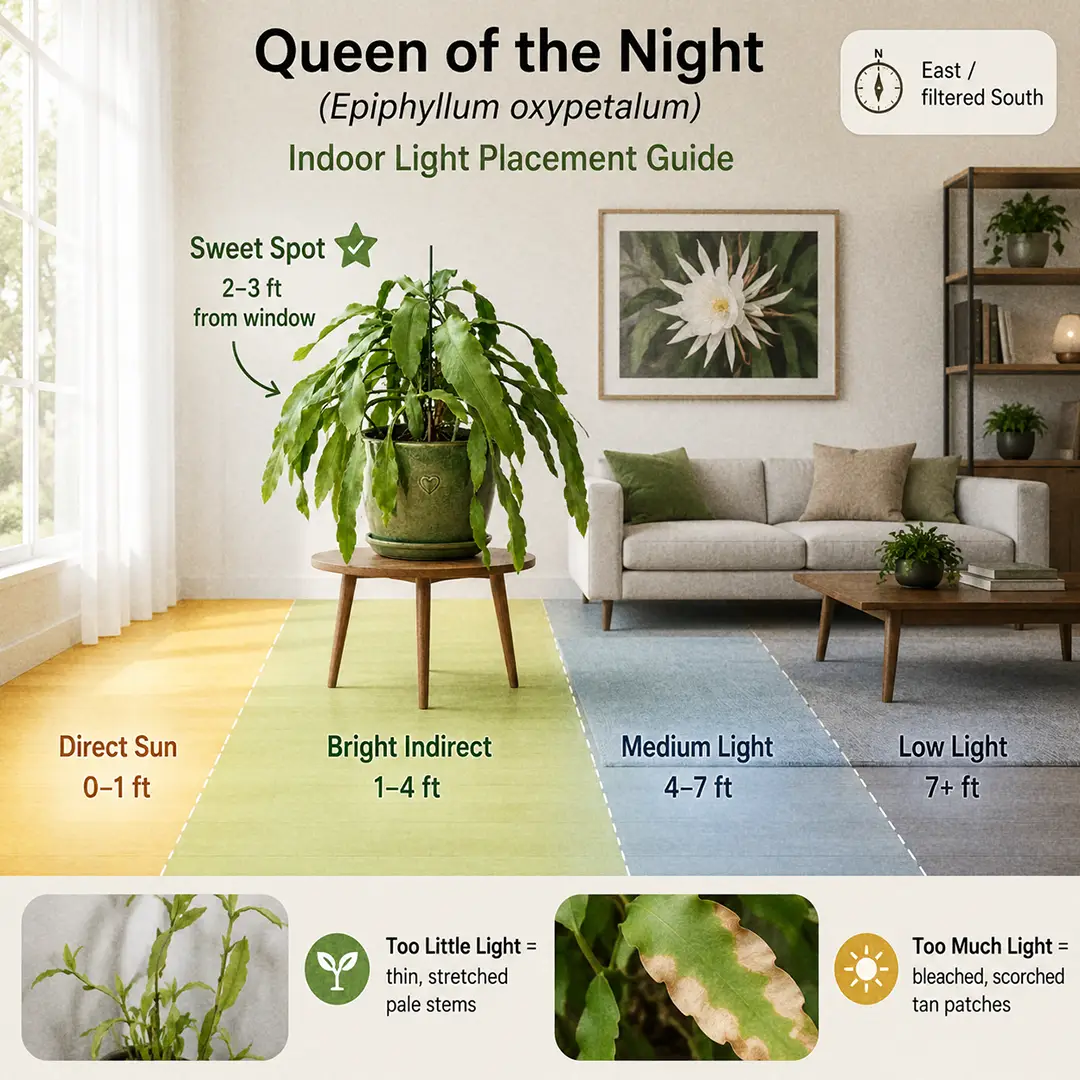
Queen of the Night wants bright, indirect light for most of the day, with maybe a little gentle morning sun. In the wild it grows as an epiphyte, perched in the branches of trees in Mexican and Central American forests, catching dappled light that filters through the canopy. It never bakes in open desert sun, and your indoor plant should not either. Strong direct afternoon light through glass will bleach and scorch the flat stems quickly.
The easiest spots are an east-facing window, a bright north window, or a few feet back from a south or west window behind a sheer curtain. If you want flowers, light is the single biggest factor, so do not tuck this plant into a dim corner and hope. When winter light gets weak, a grow light helps keep growth strong. Our Indoor Lighting Guide is worth a read if you are not sure how bright your spot really is.
Signs of Too Much Light
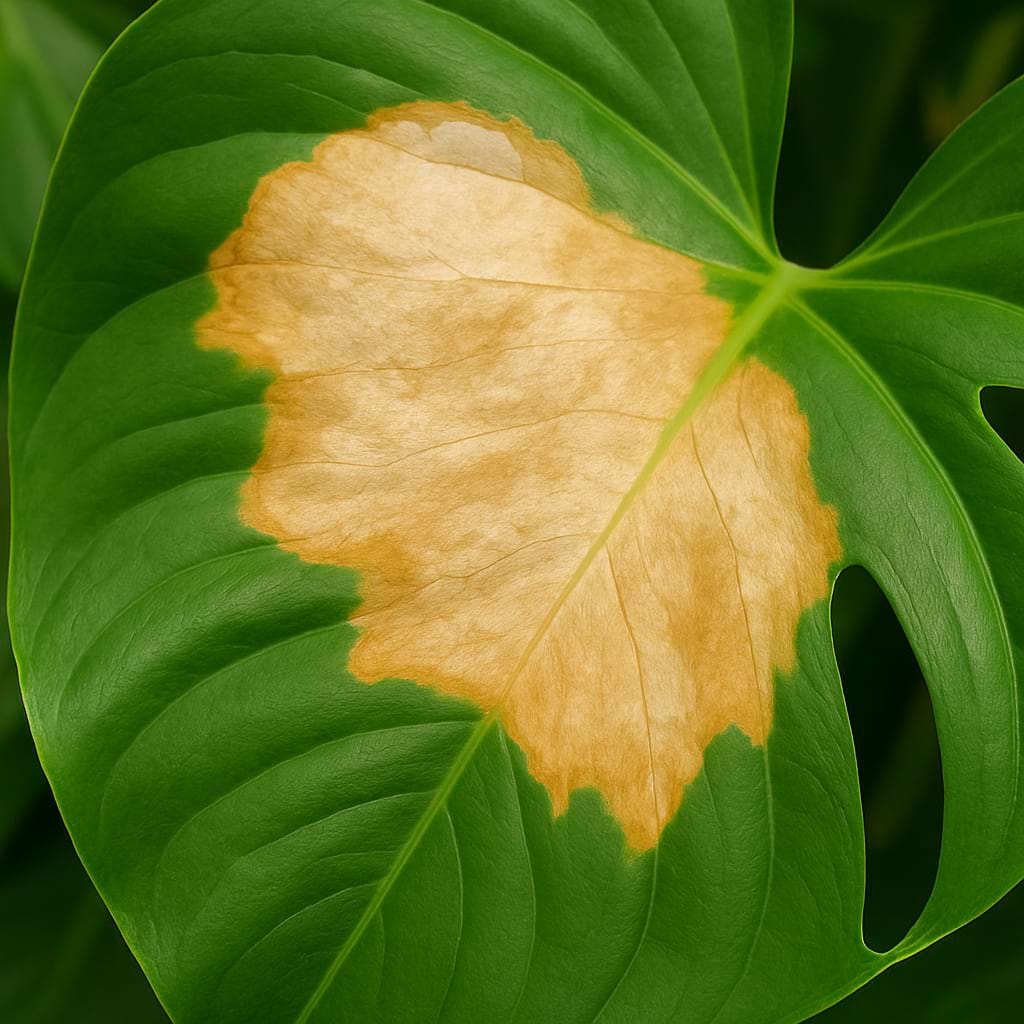
Too much direct sun shows up fast on the flat stems. You will see bleached, washed-out yellow patches, then dry tan or brown areas where the tissue has actually burned. That damage is sunburn or leaf scorch, and it does not heal, so move the plant before it spreads. A plant that is getting slightly too much light often takes on a reddish or purplish tint at the stem edges first, which is your early warning to pull it back from the glass.
Signs of Too Little Light
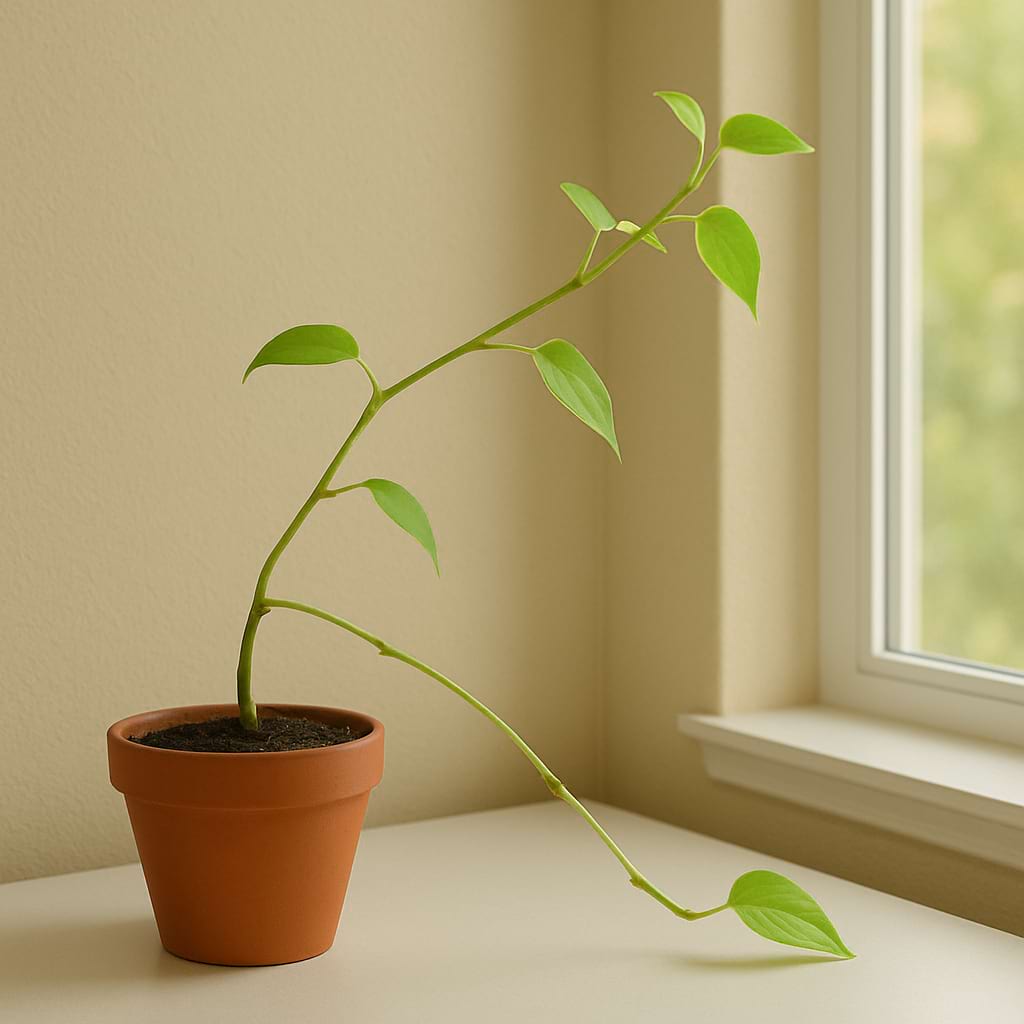
Too little light is the more common problem indoors, and it is the main reason a mature plant refuses to flower. In low light, new stems come out thin, pale, and stretched, reaching toward the window instead of growing sturdy and broad. That weak, searching growth is leggy growth. The plant will survive in a dim room, but it will not store the energy it needs to bloom. The newest stems are your best gauge: if they are firm, wide, and deep green, your light is good.
💧 Queen of the Night Watering Guide (How to Water Properly)
How Often to Water Queen of the Night
This is a jungle cactus, so it wants more water than a desert cactus and less than a thirsty leafy tropical. The reliable rule: water when the top 1-2 inches of the mix feel dry, then water thoroughly. Do not let the whole pot stay bone dry for weeks, and do not keep it soggy. In spring and summer that usually means a drink every 7-10 days in a warm, bright room. In winter, stretch it out to every 2-3 weeks as part of the rest period.
Pot size, light, and your home's warmth all shift that timing, so check the mix with your finger rather than watering by the calendar. A moisture meter takes the guesswork out if you tend to misjudge it. Our full Watering Guide covers how to build better instincts.
How to Water and Drain
Top watering works well. Pour slowly and evenly until water runs from the drainage holes, then let the pot drain completely before it goes back on its saucer. For a large, sprawling plant that is awkward to move, bottom watering gives the root ball a deep soak without you having to wrestle the stems around. Either way, the goal is the same: a full drink, then good drainage so the roots are never sitting in water.
Signs of Watering Trouble
A thirsty Queen of the Night shows it in the stems. They soften slightly, wrinkle, or curl in along the edges, which usually just means it is time to water. What you do not want is the opposite: soft, dark, mushy stems near the base while the soil is still wet. That points to root rot or mushy stems, which are far harder to reverse than simple thirst. When the plant looks limp, always check whether the soil is wet or dry before you reach for the watering can, because the fix is completely different.
🪴 Best Soil for Queen of the Night (Potting Mix & Drainage)
What the Soil Needs
Queen of the Night hates two extremes: dense, water-holding potting soil that stays muddy, and harsh, gritty desert-cactus mix that dries out in a day. As an epiphyte, its roots want air, fast drainage, and a bit of organic matter that holds light moisture without staying wet. The ideal mix feels open and springy, with chunky bits you can see, not smooth and heavy. Good drainage is what keeps this plant alive, since soggy roots are the number one way people lose it.
A Reliable DIY Soil Mix
A simple, forgiving recipe is 2 parts potting mix, 1 part orchid bark, and 1 part perlite or pumice. The bark is the key ingredient because it keeps air channels open around the roots, which is exactly what an epiphyte wants. If your home runs humid or you water heavily, add more bark or perlite. If it runs hot and dry, keep the mix slightly more moisture-retentive. This is close to the mix you would use for a Christmas Cactus or Thanksgiving Cactus, and for good reason, since they share the same jungle-cactus needs. Our Soil Guide explains why aeration matters so much.
Pots and Drainage
A drainage hole is non-negotiable. Even though this plant likes steadier moisture than a desert cactus, it will rot in a pot that traps water. Terracotta is a great choice because it breathes and dries the root zone evenly, but plastic nursery pots inside a decorative cachepot work fine too. Avoid oversized pots, which hold a reservoir of damp soil the roots cannot reach. If you want a pretty container with no hole, keep the plant in a nursery pot inside it and lift it out to water. Our plant pots guide compares materials if you are deciding.
🍼 Fertilizing Queen of the Night
When and How Often to Feed
Queen of the Night is not a heavy feeder, but regular light feeding during the growing season pays off, especially if you want flowers. Feed every 2-4 weeks from spring through late summer while the plant is actively growing. Taper off in early fall and stop completely through the winter rest. Always feed onto slightly moist soil, never a bone-dry root ball, to avoid burning the roots. Our Fertilizing Guide covers timing and dilution in more detail.
What to Use for Blooms
For general growth, a balanced liquid houseplant fertilizer diluted to half strength is fine. As the plant approaches bloom size and you head into spring, switching to a fertilizer with more phosphorus, the kind sold for tomatoes or blooming plants, can nudge it toward flowering. The thing to avoid is heavy, high-nitrogen feeding, which pushes lots of lush green stem growth at the expense of flowers. If your mature plant grows beautifully but never blooms, too much nitrogen is a common culprit.
Signs of Over-Fertilizing
White crust on the soil surface, brown burned stem edges, or oddly distorted new growth all point to fertilizer salts building up. If you see that, flush the pot thoroughly with plain water, let it drain, and skip feeding for a month or so. With this plant, under-feeding causes slow, lazy growth, while over-feeding causes salt damage and a stubborn refusal to flower, so a light, steady hand wins.
🌡️ Queen of the Night Temperature Range
Ideal Temperature
Queen of the Night is comfortable in the same range most people keep their homes: 60-80°F (16-27°C). It enjoys warmth during the growing season and good air circulation, but it is not a desert plant that wants scorching, dry heat. Steady, ordinary room temperatures through spring and summer keep it growing happily.
A Cool Winter Rest for Flowers
Here is the part that makes this plant bloom. Give it a cooler winter rest, with nights around 50-60°F (10-16°C), combined with much less water and no fertilizer for a couple of months. That seasonal dip is the cue that triggers flower buds the following season. Without it, a mature plant often just keeps growing stems and never flowers. An unheated but frost-free spare room, enclosed porch, or cool windowsill works well for this rest.
Temperatures to Avoid
Keep the plant above 50°F (10°C); colder than that risks cold damage and root stress, and frost will kill it outright. On the other end, avoid hot, dry air from heating vents, which dehydrates the stems fast, and skip drafty spots by exterior doors where temperatures swing sharply. If you move the plant outdoors for summer, which it loves, bring it back inside well before the first cold nights of fall.
💦 Queen of the Night Humidity Requirements
Ideal Humidity
For something called a cactus, Queen of the Night likes more humidity than you might expect, around 50-60%. That makes sense once you remember it lives among tropical tree branches, not in dry sand. It tolerates average household air better than a fussy Calathea Orbifolia, but consistently dry indoor air can leave the stem edges dry and crispy and can stress developing buds.
Easy Ways to Raise Humidity
A small room humidifier is the most reliable fix, especially in winter when heating dries the air out. Grouping plants together also lifts the local humidity, and keeping the plant away from heat vents prevents the worst drying. If you already have a good humid spot for a Mistletoe Cactus or holiday cactus, Queen of the Night will be happy nearby. Light misting does little on its own, so do not rely on it. Our humidity guide walks through the methods that actually move the needle.
🌸 How to Make Queen of the Night Bloom (Fragrant Night Flowers)
What the Flowers Look Like
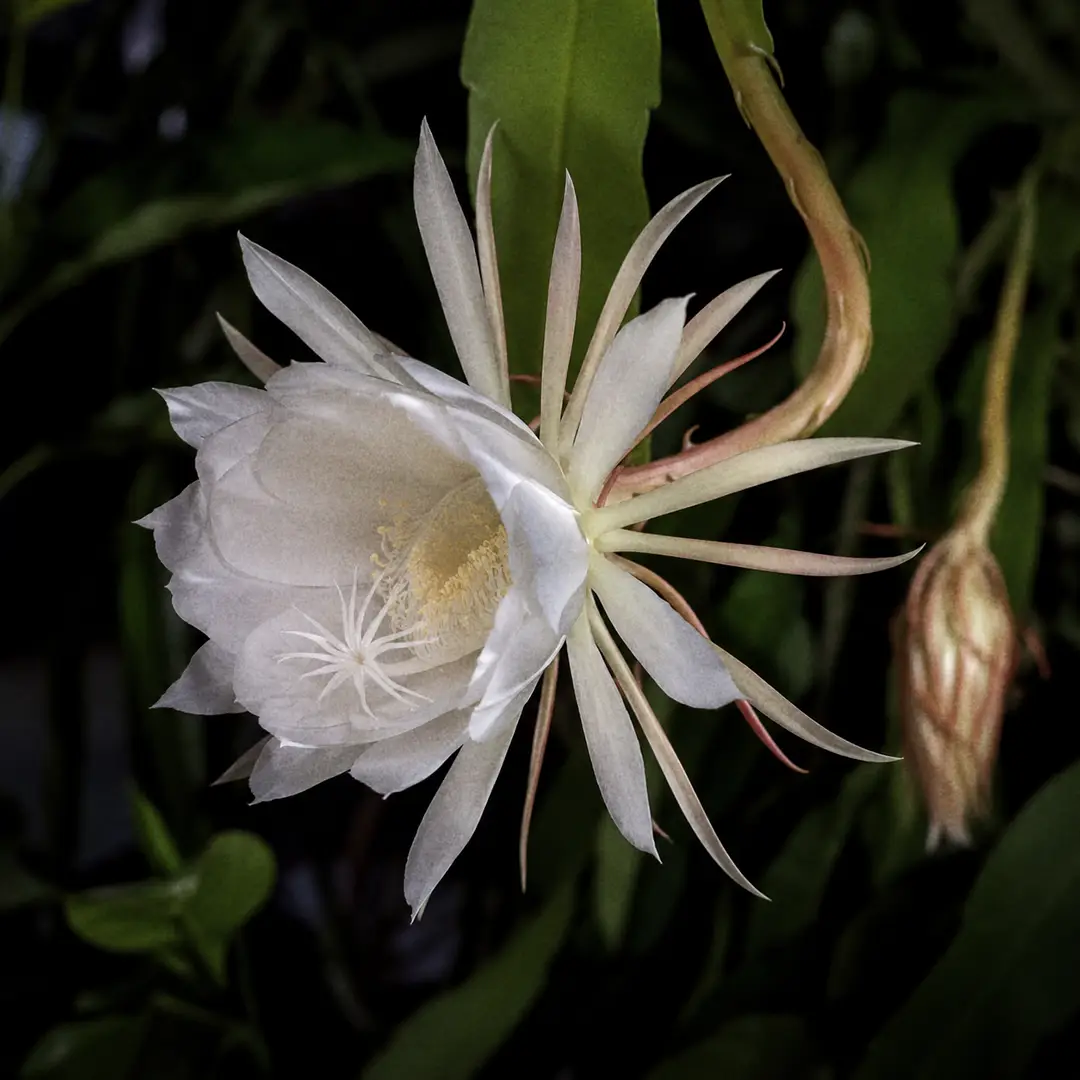
This is the reason the plant exists in collections. The flowers are huge, often 6 inches or more across, pure white with slender cream to pale yellow outer petals that arc back like a starburst. They are powerfully, sweetly fragrant, and they open only after dark, usually in late spring and summer. Each flower opens in the evening, peaks in the middle of the night, and is finished by morning. A bloom that took the plant a whole year to build lasts a single night, which is exactly what makes catching it feel like an event.
How to Trigger Blooming
Maturity comes first. A young plant or a fresh cutting simply will not flower, no matter how well you grow it, and it often takes a few years to reach blooming size. Once the plant is mature, the recipe is consistent: bright light all year, a slightly snug pot, a cool and dry winter rest, lighter winter watering, no winter fertilizer, and a switch to bloom-type feeding in spring. Letting the plant spend summer outdoors in bright shade often pushes it to flower more reliably too. If a mature plant still refuses, failure to bloom almost always traces back to weak light or a missing winter rest.
If Buds Form Then Drop
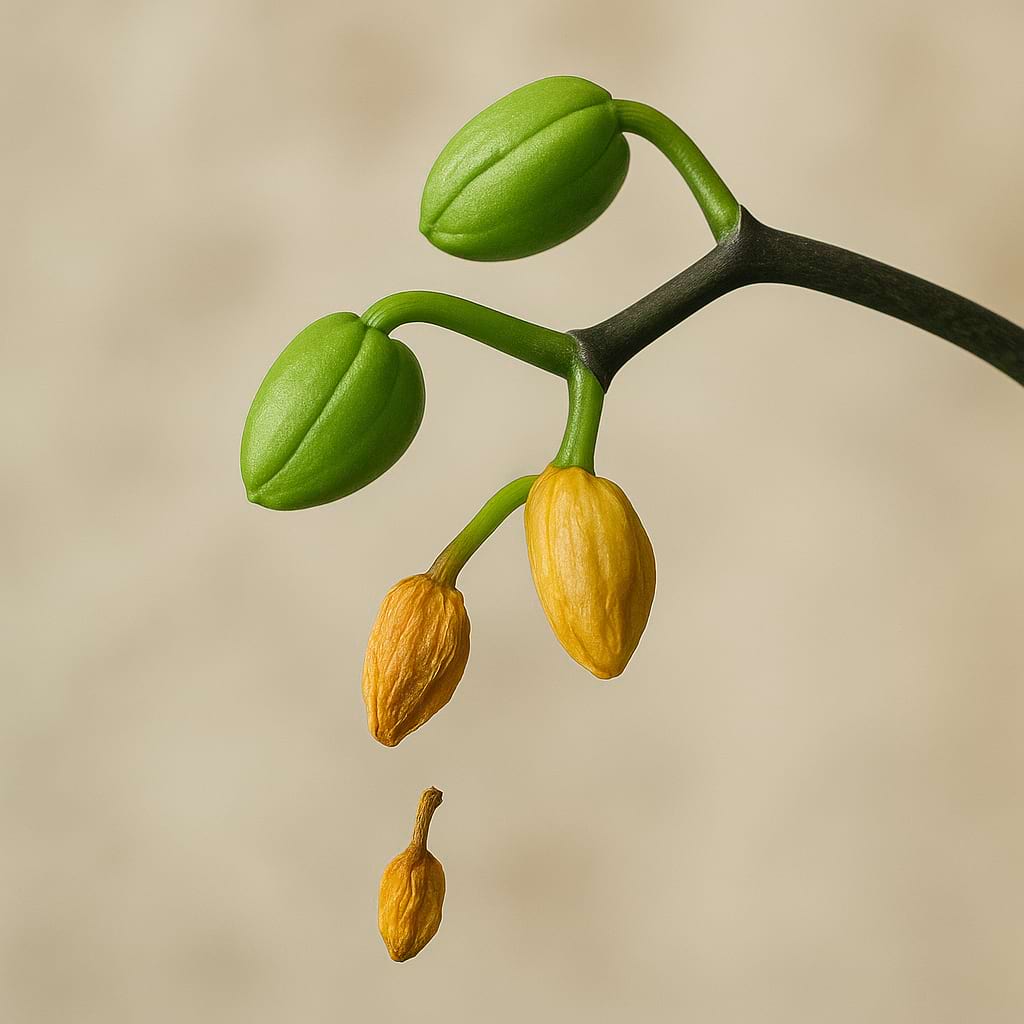
Sometimes buds appear and then shrivel or fall before opening, which is heartbreaking after the long wait. That is bud blast, and it usually comes from stress: letting the soil go bone dry, moving or rotating the plant after buds set, a sudden temperature swing, or low humidity. Once you see buds forming, leave the plant exactly where it is, keep watering even and steady, and resist the urge to fuss with it. Then check it every evening, because the flower can open and close while you sleep.
🏷️ Queen of the Night Types and Lookalikes
True Epiphyllum oxypetalum
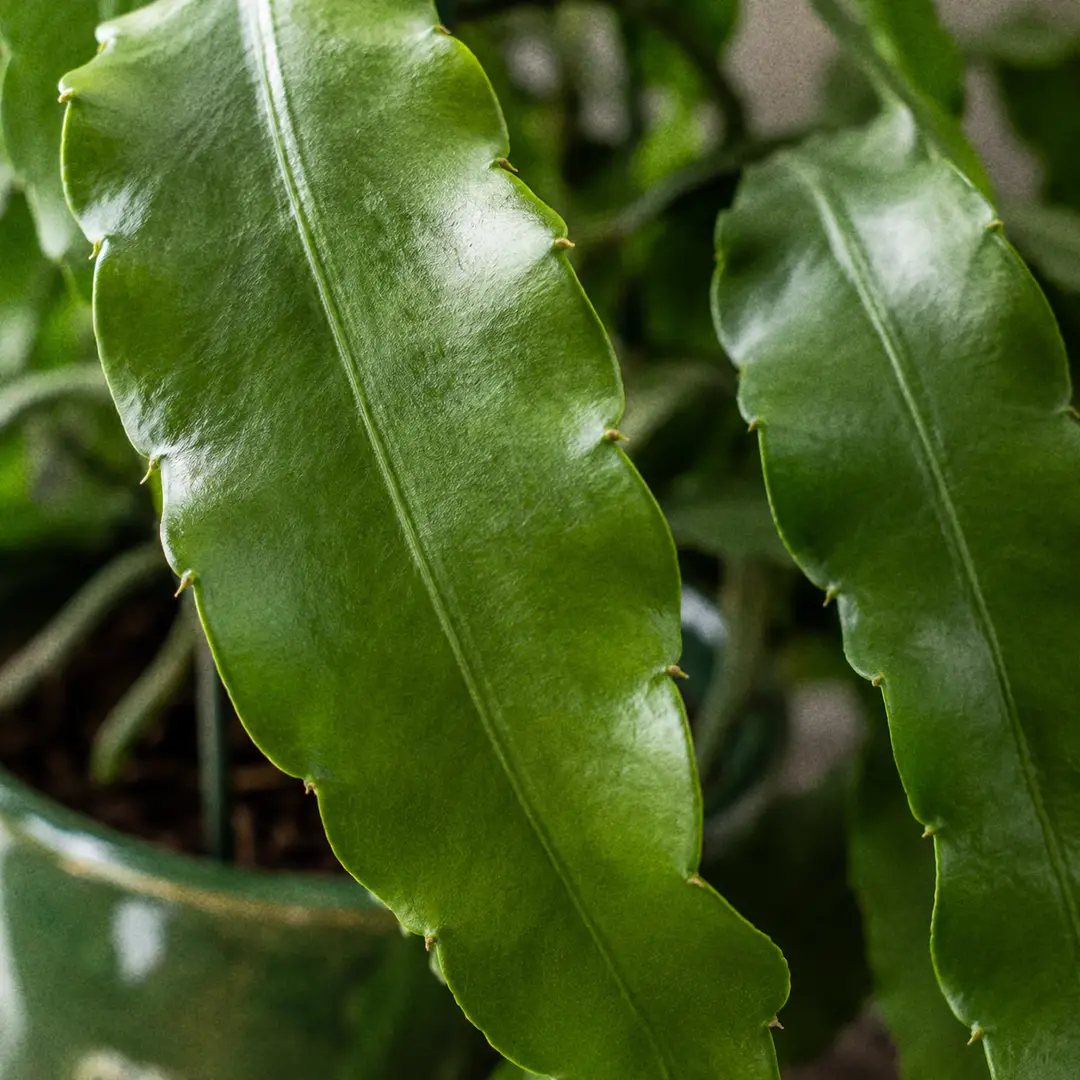
The classic Queen of the Night is the species Epiphyllum oxypetalum: flat, leaf-like green stems on woody main branches, and those signature white, night-opening flowers. When someone says "Queen of the Night" or "Dutchman's Pipe Cactus," this is almost always the plant they mean. If your plant has broad flat stems with scalloped notches along the edges and it bloomed pure white at night, you have the real thing.
Colorful Orchid Cactus Hybrids
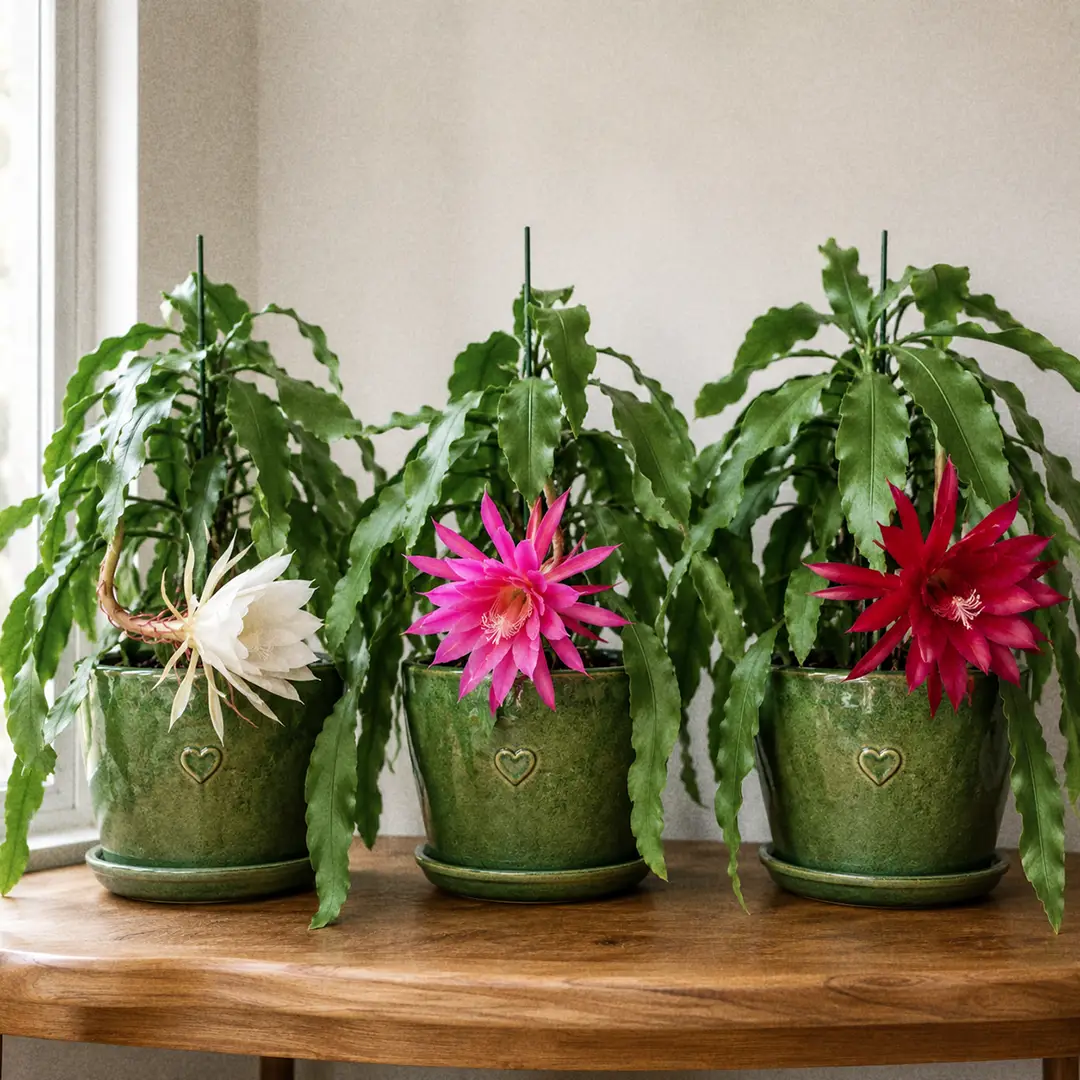
The name "Orchid Cactus" is also used for the wider world of Epiphyllum hybrids, which are bred for spectacular day-opening flowers in pink, red, orange, and purple. These hybrids are grown the same way as Queen of the Night but reward you with longer-lasting, brightly colored blooms instead of a single white night flower. If the dramatic night-only show of oxypetalum tests your patience, a colorful hybrid is a friendlier first orchid cactus.
Easy Mix-Ups
Queen of the Night is often confused with its jungle-cactus relatives. The Fishbone Cactus has the same night-blooming habit but deeply zigzagged stems instead of broad flat ones. The Rat Tail Cactus trades flat stems for long bristly trailing tails. And the holiday cacti, Christmas Cactus, Thanksgiving Cactus, and Easter Cactus, share the airy soil and bright-indirect-light needs but bloom in segments, on cue, in winter or spring. The name "Night-blooming Cereus" is the trickiest, since it gets applied to several unrelated cacti that all happen to bloom at night.
🪴 Potting and Repotting Queen of the Night
When to Repot
This plant does not need frequent repotting, and it often flowers better when slightly root-bound, so do not rush to upsize. Every 2-3 years is typical. Repot when roots are circling tightly, the mix has broken down and stays wet too long, water runs straight through without wetting the root ball, or the plant has grown too top-heavy for its pot. Spring is the best time, and you should avoid repotting a mature plant just as it is building buds.
Choosing a Pot
Go up only 1-2 inches at a time. An oversized pot holds too much damp soil and invites rot, while a snug pot supports steadier growth and better blooming. Because mature plants get large and sprawling, a heavier terracotta or sturdy ceramic pot adds welcome stability. Make sure whatever you choose has drainage. Our repotting guide covers the general process.
Step-by-Step Repotting
Water the plant a day ahead so the root ball holds together. Support the base and ease the plant out rather than pulling on the stems, which snap more easily than they look. Gently loosen circling roots, trim away any black or mushy ones, and settle the plant into fresh airy mix at the same depth it sat before. Wait several days before watering thoroughly so any nicked roots can callous, which lowers the risk of rot. A large plant may also need a stake or trellis added at this point to support its arching stems.
✂️ Pruning Queen of the Night
When to Prune
Queen of the Night gets big and sprawling, so occasional pruning keeps it manageable and tidy. The best time is spring or early summer, during active growth, which also gives you cuttings to propagate. Always remove damaged, yellowing, or mushy stems right away, no matter the season, since those will not recover and can invite rot.
How to Prune
Use clean, sharp scissors or a knife, and cut at a natural joint or where one flat stem meets another. Avoid taking more than about a third of the plant at once so you do not shock it or sacrifice next season's bloom potential. Pruning the tips encourages the plant to branch, which over time makes it fuller and sturdier rather than just longer and floppier. If the base is rotting but the upper stems are healthy, pruning doubles as a rescue: cut well above the damage and restart the plant from those healthy cuttings.
🌱 How to Propagate Queen of the Night (Easy Stem Cuttings)
Why It Is So Easy
Queen of the Night is one of the most generous plants to propagate. Each flat stem cutting is large and roots readily, so a single pruning session can give you several new plants to grow on or share. The one thing to keep in mind: cuttings take a few years to reach blooming size, so propagation is about more plants, not faster flowers. If you are new to this, our propagation hub gives a helpful overview.
Step-by-Step Propagation
Take a healthy stem segment about 6-12 inches long. Let the cut end dry and callous in open air for several days, which is important for a thick succulent stem and prevents the cutting from rotting once it is planted. Then set the calloused end shallowly into a lightly moist, airy mix, keep it warm and in bright indirect light, and water sparingly. Roots usually form in a few weeks. You will know it has taken when the cutting resists a gentle tug or pushes out fresh growth.
Tips for Success
Spring through midsummer is the best window, since warmth and active growth speed up rooting. Do not bury the cutting deep or keep it soggy, both of which cause rot. This is a stem-cutting plant, not a leaf-propagation plant like a rosette succulent, so always start from a whole stem segment. If you would rather watch roots form, you can root a calloused cutting in water and pot it up once roots appear, though it may pause briefly after the move.
🐛 Queen of the Night Pests and Treatment
Common Pests
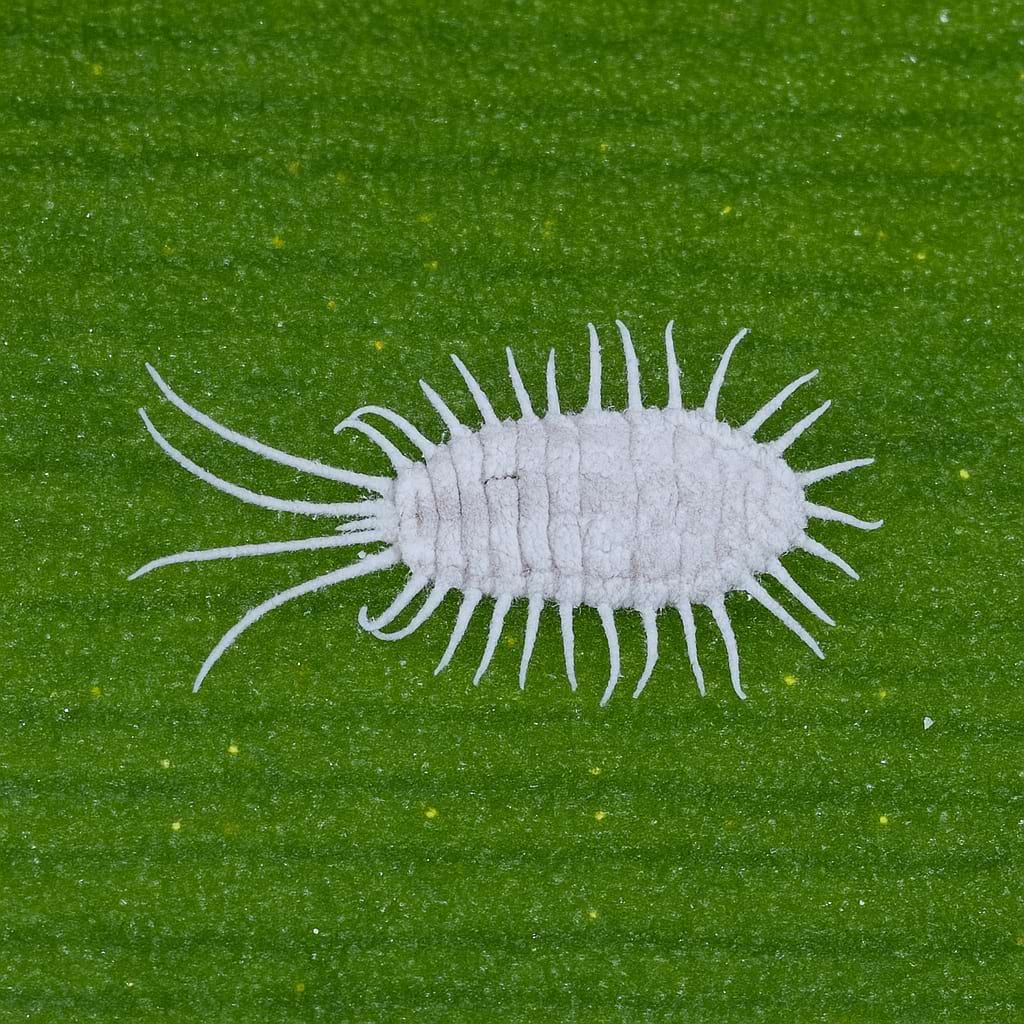
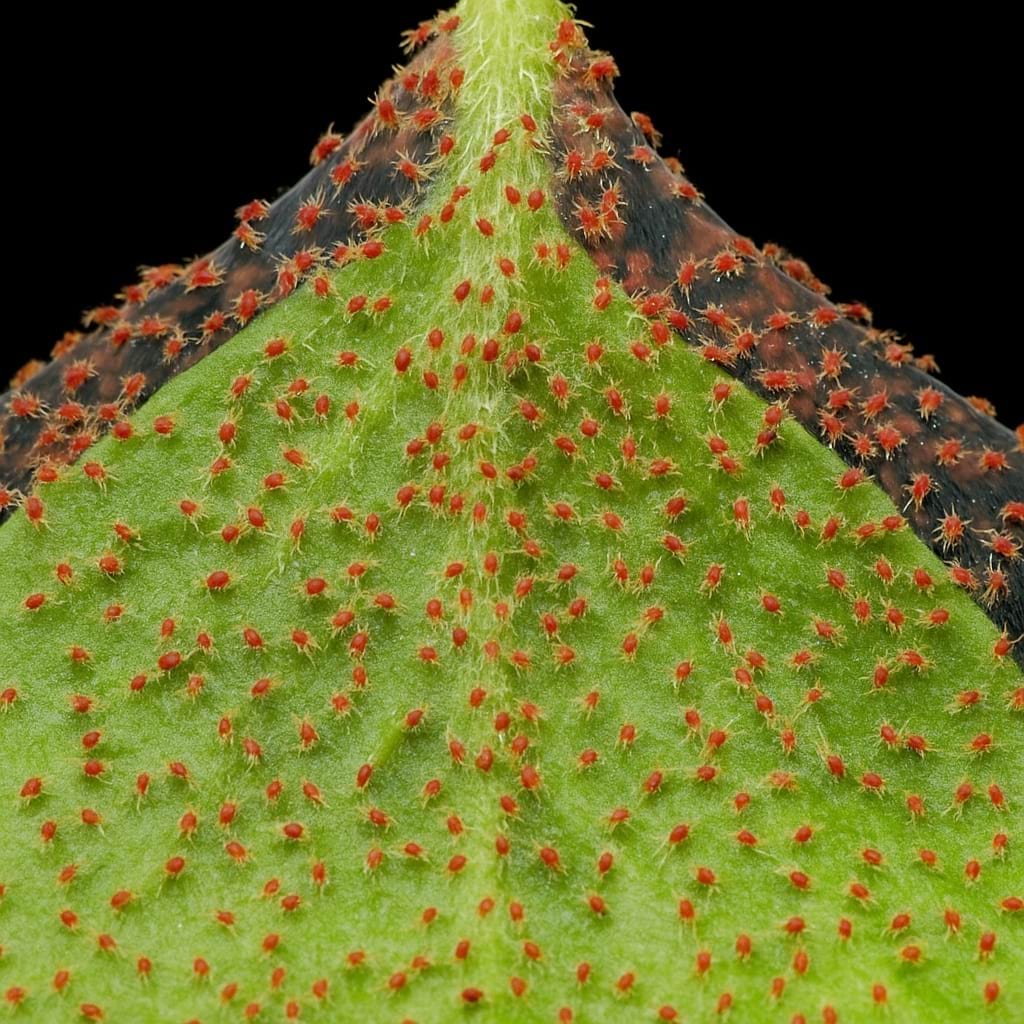
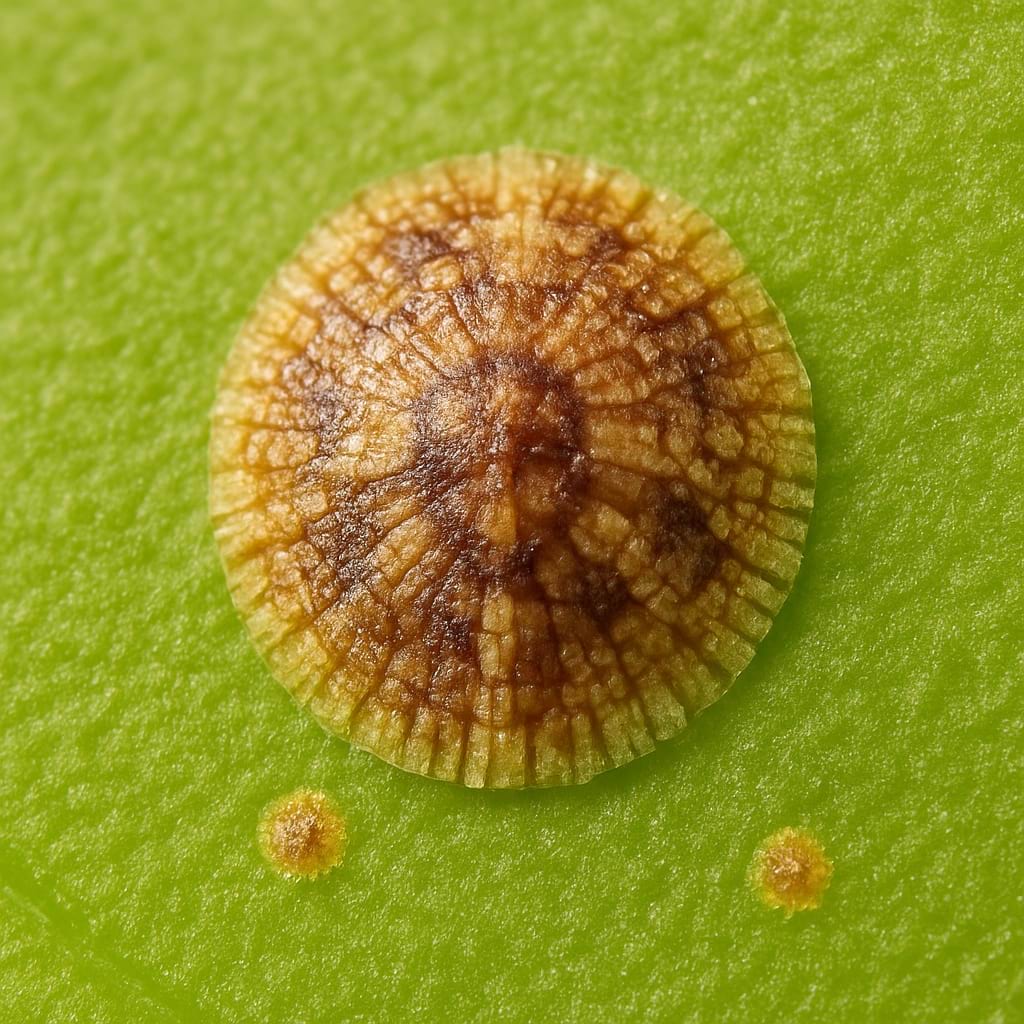
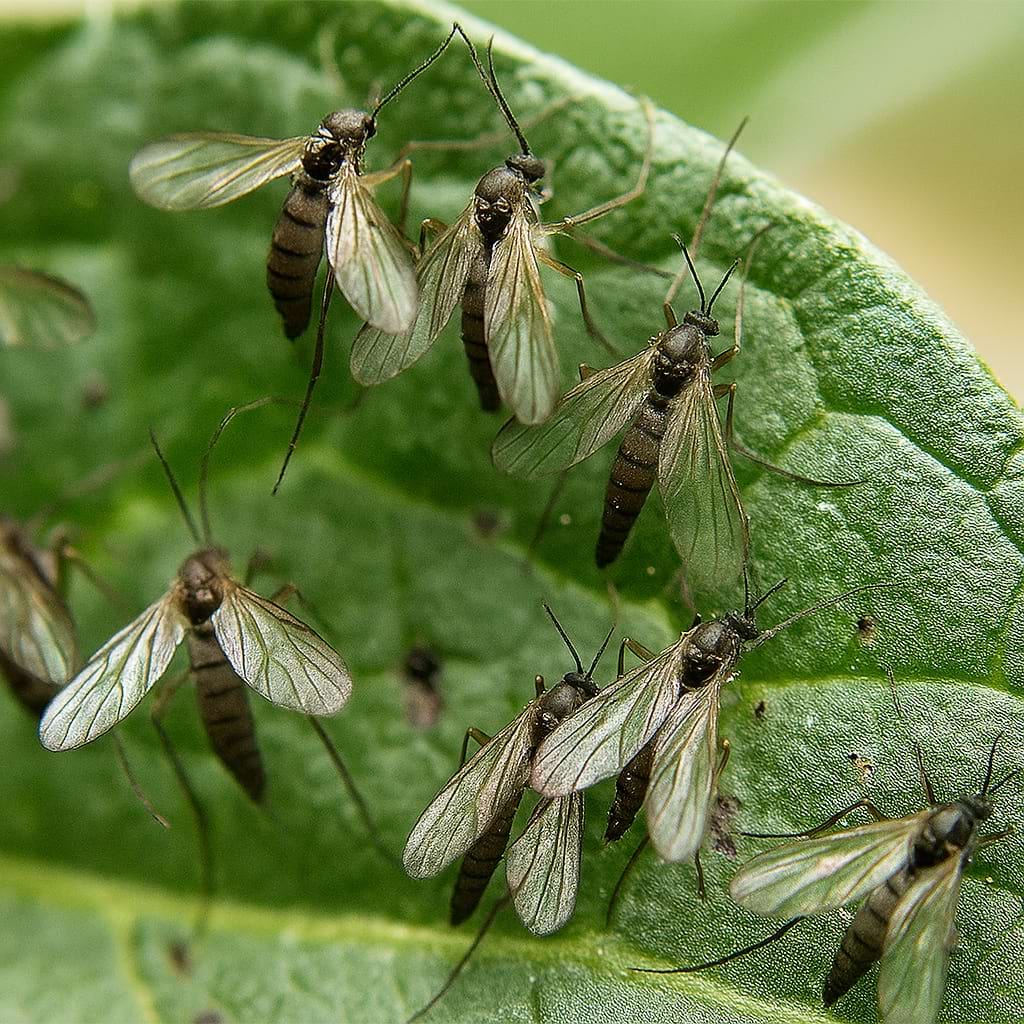
Queen of the Night is fairly tough, but it is not immune to the usual indoor pests. Mealybugs are the most common, hiding as little white cottony clusters in the notches and joints of the stems. Spider mites show up in hot, dry rooms, leaving fine webbing and stippled stems. Scale insects appear as small brown bumps stuck firmly to the stems. Fungus gnats are usually a sign the mix is staying too wet rather than a threat to the plant itself.
How to Prevent and Treat Pests
Inspect any new plant before it joins your collection, and check the stem joints regularly, since dense growth gives pests good hiding spots. For small outbreaks, wipe mealybugs and scale off with a cotton swab dipped in rubbing alcohol, and rinse mites off with a firm shower of water. For bigger infestations, treat with insecticidal soap or a horticultural oil and repeat every week or so until they are gone. Keeping humidity reasonable and the soil from staying soggy heads off most problems. A simple beginner plant toolkit with alcohol, swabs, and sticky traps makes this easy.
🩺 Common Queen of the Night Problems
Overwatering and Rot
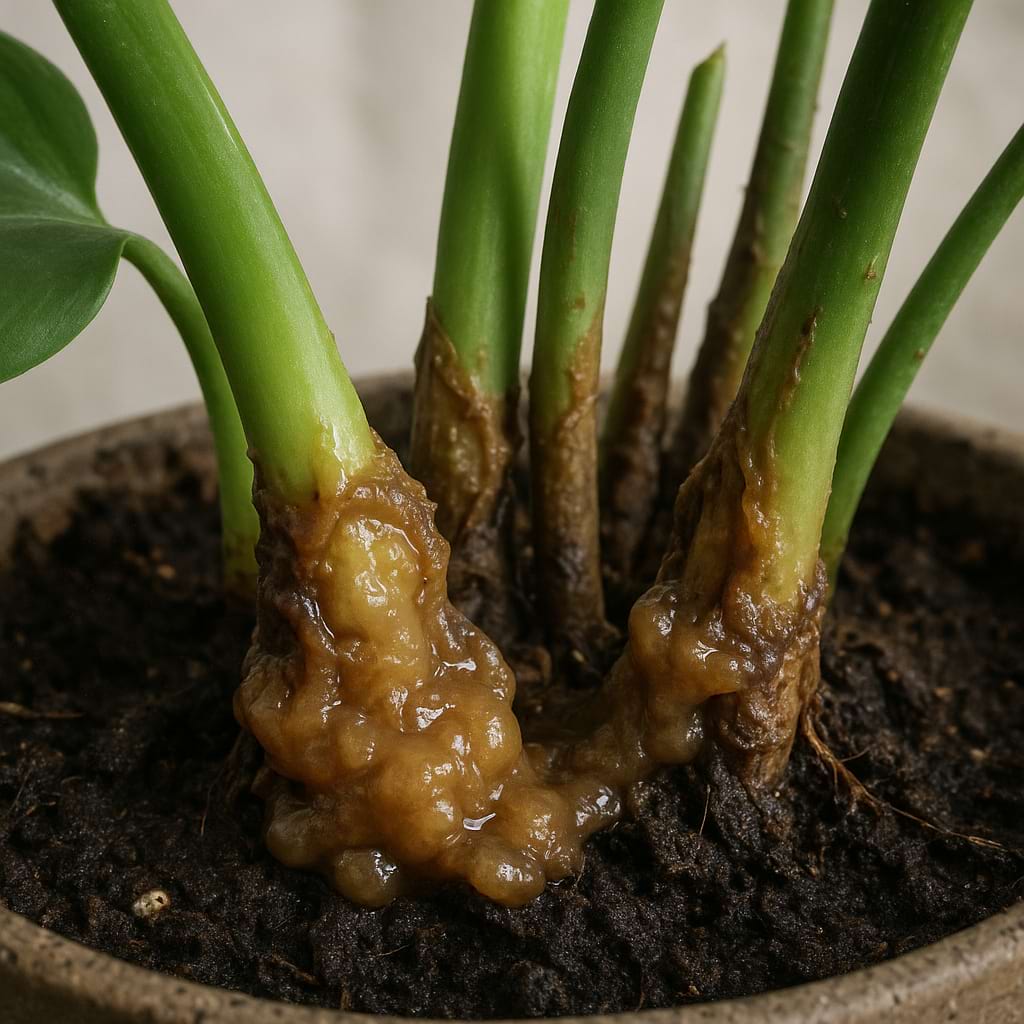
The most serious problem is overwatering, which leads to root rot and mushy stems. The signs are soft, dark, collapsing sections, usually starting at the base, while the soil stays wet. If you catch it, unpot the plant, cut away all rotten roots and stems, let healthy cuttings callous, and restart in fresh, airy mix with much less water. Prevention is far easier than the cure: airy soil, a pot with drainage, and letting the top of the mix dry between waterings.
Yellowing and Stress
Yellowing stems can come from overwatering, too much direct sun, exhausted old soil, or temperature stress. If the yellowing comes with softness, suspect water first. If it comes with dry, bleached, tan patches, suspect sun, which is sunburn. Wrinkled, deflated stems usually just mean thirst, so give the plant a thorough drink and reassess. Thin, stretched, pale new growth is leggy growth from too little light, and the fix is a brighter spot.
Bloom Problems
The most common complaint with this plant is no flowers at all, which is failure to bloom and almost always comes down to immaturity, weak light, too much nitrogen, or a missing cool winter rest. When buds form and then drop before opening, that is bud blast, triggered by dryness, sudden moves, temperature swings, or low humidity. Both come down to the same lesson: give a mature plant strong light, a proper winter rest, and a steady, hands-off routine once buds appear.



🖼️ Queen of the Night Display and Styling Ideas
Giving It Room and Support
Queen of the Night is a big, sprawling plant, and it looks its best when you let the flat stems arch and lean with a little support. A simple stake, trellis, or hoop keeps the floppy stems upright and shows them off, while a heavier terracotta or ceramic pot anchors a top-heavy mature plant. Give it space rather than crowding it onto a packed shelf, since the architectural stems are part of the appeal.
Where to Place It
A bright sunroom corner, a spot a few feet back from an east or filtered south window, or a sheltered patio in summer all suit it well. Because the flowers open at night and smell wonderful, place the plant somewhere you actually spend evenings, near a sitting area, a bedroom window, or a porch, so you do not miss the show. It pairs naturally with other jungle cacti like Fishbone Cactus, Mistletoe Cactus, and the holiday cacti on a shared bright shelf.
Where Not to Put It
Keep it away from hot heating vents, which dry the stems, and away from blasting direct afternoon sun through glass, which scorches them. Skip dark corners, where the stems stretch and the plant will never flower, and avoid high-traffic spots where the brittle stems get knocked and snapped. The best location balances good light with a little protection from bumps.
🌟 Queen of the Night Pro Care Tips
✅ Treat it like a jungle cactus, not a desert one. Bright indirect light, airy soil, and steady moisture beat full sun and neglect.
🌡️ A cool, dry winter rest is the bloom switch. Two months of cool nights and sparse water do more for flowers than any fertilizer.
☀️ Light drives flowering. A mature plant in a dim spot will grow but never bloom.
🍼 Go easy on nitrogen. Switch to a bloom-type feed in spring to encourage flowers instead of just more stems.
📦 Do not oversize the pot. A slightly snug plant is healthier and tends to flower sooner.
🌱 Propagate every trimming. Cuttings root easily, so every prune can become a new plant to share.
🌸 Watch buds in the evening. The flower opens after dark and is gone by morning, so check nightly once buds swell.
🪴 Stake the sprawl. A simple support keeps the floppy stems tidy and shows off the plant.
🐛 Check the notches for mealybugs. Pests love hiding in the joints and scalloped edges.
☀️ Summer outdoors helps. A season in bright shade outside often pushes a mature plant to bloom.
❓ Frequently Asked Questions
Is Queen of the Night toxic to cats and dogs?
Queen of the Night (Epiphyllum oxypetalum) is considered non-toxic to cats and dogs. A pet that chews the stems might get a mild upset stomach from the plant fiber, but it is not a poisonous houseplant.
Why won't my Queen of the Night bloom?
The usual reasons are that the plant is still too young, it is not getting enough bright light, it is being fed too much nitrogen, or it never had a cool winter rest. Mature plants bloom far more reliably after a couple of months of cooler nights and reduced watering in winter.
How often does Queen of the Night flower?
A mature, well-grown plant typically blooms once a year in late spring or summer, sometimes producing several flowers across a few nights. Each individual flower opens after dark and lasts only that single night before closing for good.
Is Queen of the Night the same as Orchid Cactus?
It is one kind of Orchid Cactus. "Orchid Cactus" is a common name for the whole Epiphyllum group. Queen of the Night is the white, night-blooming species Epiphyllum oxypetalum, while many other Orchid Cactus plants are colorful day-blooming hybrids.
How often should I water Queen of the Night?
Water when the top 1-2 inches of soil are dry. In spring and summer that is often every 7-10 days, and in winter every 2-3 weeks during its rest. Always let the pot drain fully and never leave it sitting in water.
Can Queen of the Night take direct sun?
A little gentle morning sun is fine, but strong direct afternoon sun through glass will scorch the flat stems. Bright indirect light is the safest and most productive setup indoors.
How do I get my Queen of the Night to bloom faster?
You cannot rush maturity, but you can give it the best conditions: bright light year-round, a slightly snug pot, a bloom-type fertilizer in spring, and a cool, dry winter rest. A summer spent outdoors in bright shade also helps trigger flowering in mature plants.
How do I propagate Queen of the Night?
Take a healthy stem segment 6-12 inches long, let the cut end callous in the air for a few days, then plant it shallowly in a lightly moist, airy mix. Keep it warm and in bright indirect light, water sparingly, and roots should form within a few weeks.
ℹ️ Queen of the Night Info
Care and Maintenance
🪴 Soil Type and pH: Well-draining epiphytic cactus mix
💧 Humidity and Misting: Prefers 50-60% humidity but tolerates average indoor air better than most tropicals.
✂️ Pruning: Trim long stems to control sprawl, remove damage, and shape the plant.
🧼 Cleaning: Wipe or rinse the flat stems gently to remove dust. Support them while you clean so they do not snap.
🌱 Repotting: Repot every 2-3 years in spring, keeping the plant only slightly larger than the old pot. It often blooms better when a little snug.
🔄 Repotting Frequency: Every 2-3 years
❄️ Seasonal Changes in Care: Grow actively in spring and summer, then give it a cooler, drier winter rest to set flower buds.
Growing Characteristics
💥 Growth Speed: Moderate to Fast
🔄 Life Cycle: Evergreen perennial epiphytic cactus
💥 Bloom Time: Late spring through summer; flowers open after dark and usually last a single night
🌡️ Hardiness Zones: 10-11
🗺️ Native Area: Southern Mexico and Central America
🚘 Hibernation: Cool, dry winter rest with reduced watering and no fertilizer
Propagation and Health
📍 Suitable Locations: East windows, filtered south or west windows, bright sunrooms, large floor spots with a stake or trellis
🪴 Propagation Methods: Very easy from stem cuttings once the cut end callouses for a few days.
🐛 Common Pests: Mealybugs, Spider Mites, Scale Insects, Fungus Gnats
🦠 Possible Diseases: Root rot, stem rot, occasional fungal spotting in cold wet conditions
Plant Details
🌿 Plant Type: Epiphytic tropical cactus
🍃 Foliage Type: Evergreen flattened leaf-like stems
🎨 Color of Leaves: Medium to deep green
🌸 Flower Color: Pure white with cream and pale yellow outer petals
🌼 Blooming: Yes, on mature plants given bright light and a cool winter rest
🍽️ Edibility: The flowers and fruit are eaten in some cuisines, but it is grown indoors as an ornamental, not a food crop.
📏 Mature Size: 6-10 feet (climbing or sprawling)
Additional Info
🌻 General Benefits: Pet-safe, spectacular fragrant night blooms, sculptural stems, very easy to propagate
💊 Medical Properties: Used in some traditional remedies in its native range, but with no established medical backing for home use.
🧿 Feng Shui: A once-a-year night bloom carries a strong symbolism of rare, fleeting good fortune, which suits living rooms and entryways.
⭐ Zodiac Sign Compatibility: Pisces
🌈 Symbolism or Folklore: Rare beauty, fleeting moments, patience rewarded
📝 Interesting Facts: Despite the names Orchid Cactus and Dutchman''s Pipe Cactus, this is a true cactus, not an orchid. The flat green "leaves" are actually stems, and a single bloom can stretch 6 inches or more across before closing forever by morning.
Buying and Usage
🛒 What to Look for When Buying: Choose a plant with firm green stems, fresh growth at the tips, and no mushy or blackened spots at the base. Older, larger plants bloom much sooner than young cuttings.
🪴 Other Uses: Striking specimen plant, conversation piece, and a generous source of cuttings to share with friends.
Decoration and Styling
🖼️ Display Ideas: Large floor plants with a stake, hanging baskets, bright sunroom corners, mixed jungle-cactus shelves
🧵 Styling Tips: The sprawling stems look best with simple support and room to arch. Plain terracotta or matte ceramic keeps the focus on the flowers.
🪴 See also 🪴
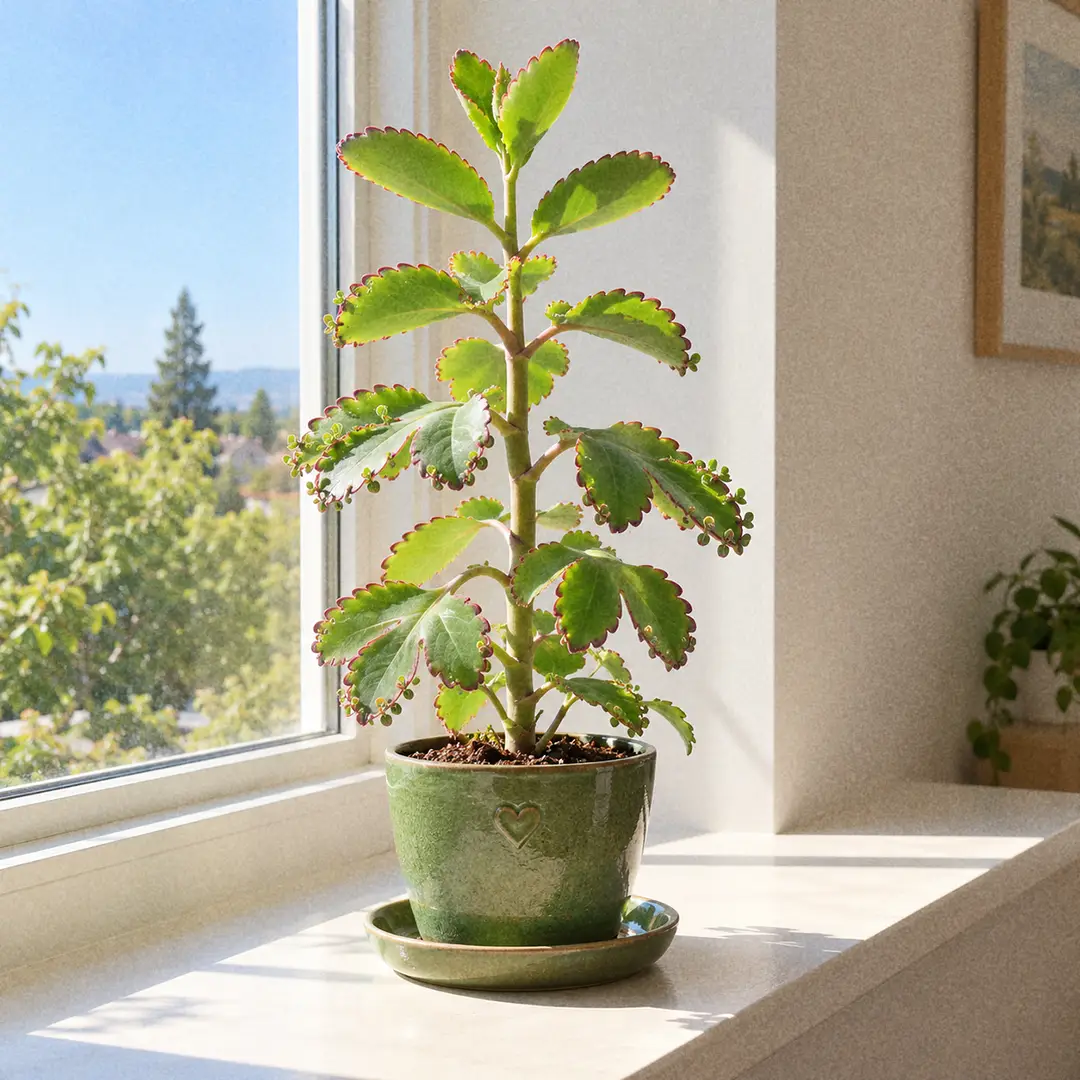
Complete Guide to Leaf of Life Care and Growth
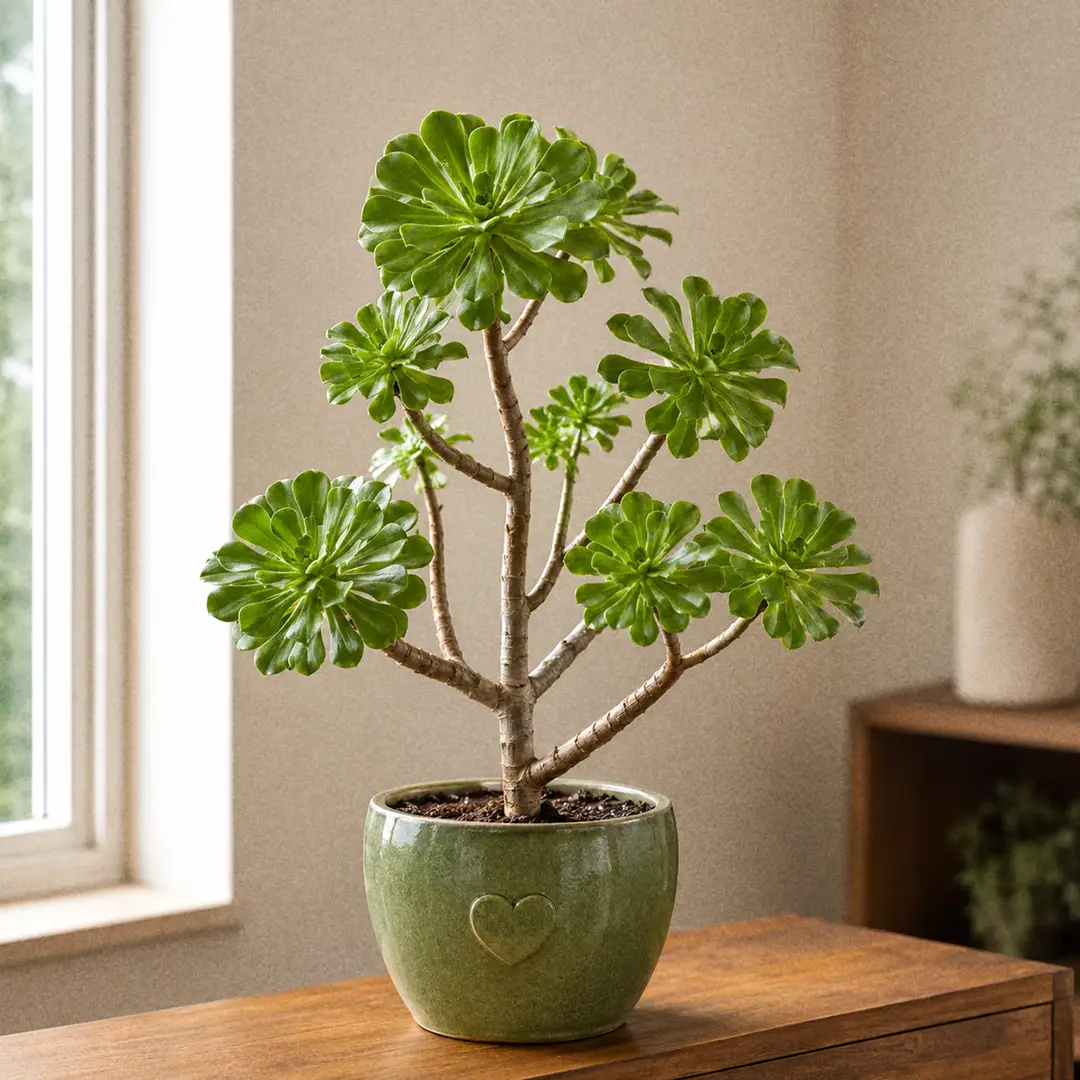
Complete Guide to Aeonium Care and Growth
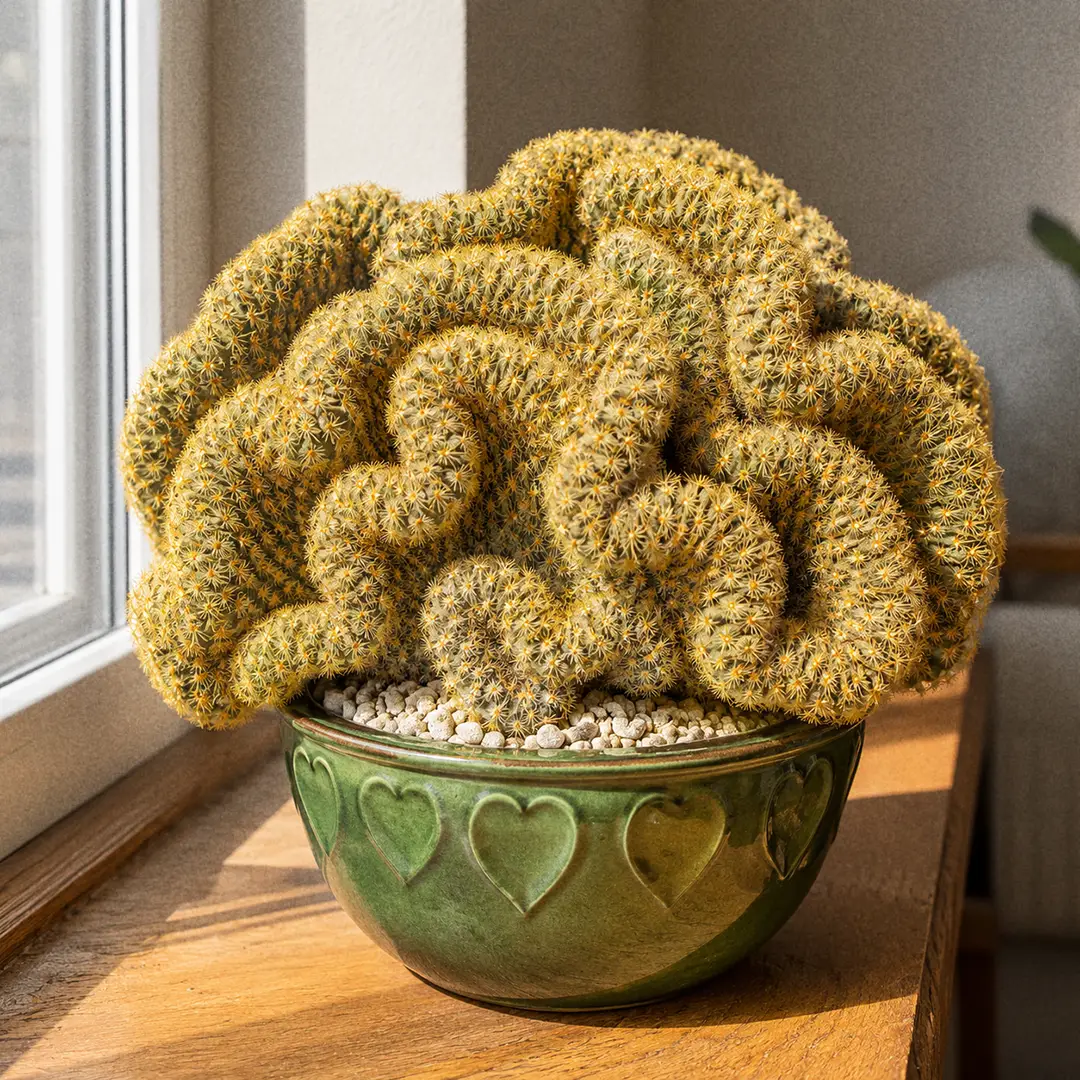
Complete Guide to Crested Brain Cactus Care and Growth
Complete Guide to Feather Cactus Care and Growth
Complete Guide to Snowball Cactus Care and Growth
Complete Guide to Spiral Cactus Care and Growth
Complete Guide to Fairy Castle Cactus Care and Growth
Complete Guide to Silver Torch Cactus Care and Growth
Complete Guide to Crown Cactus Care and Growth
How to Propagate Succulents from Leaves & Offsets
Succulent Care Indoors: How to Stop Killing Jade and Echeveria
Complete Guide to Lithops Care and Growth (Living Stones)
Complete Guide To Aloe Vera Care and Growth
Complete Guide to Burro's Tail Care and Growth
Complete Guide to Crown of Thorns Care and Growth
Complete Guide to Echeveria Care and Growth
Complete Guide to Flaming Katy Care and Growth
Complete Guide to Jade Plant Care and Growth
Complete Guide to Sedum Adolphii Care and Growth
Complete Guide to Domino Cactus Care and Growth
Complete Guide to Easter Lily Cactus Care and Growth
Complete Guide to Peanut Cactus Care and Growth
Complete Guide to Rat Tail Cactus Care and Growth
Complete Guide to Ghost Plant Care and Growth
Complete Guide to Hens and Chicks Care and Growth

Complete Guide to String of Coins Care and Growth
Complete Guide to Silver Squill Care and Growth
Complete Guide to Jelly Bean Plant Care and Growth
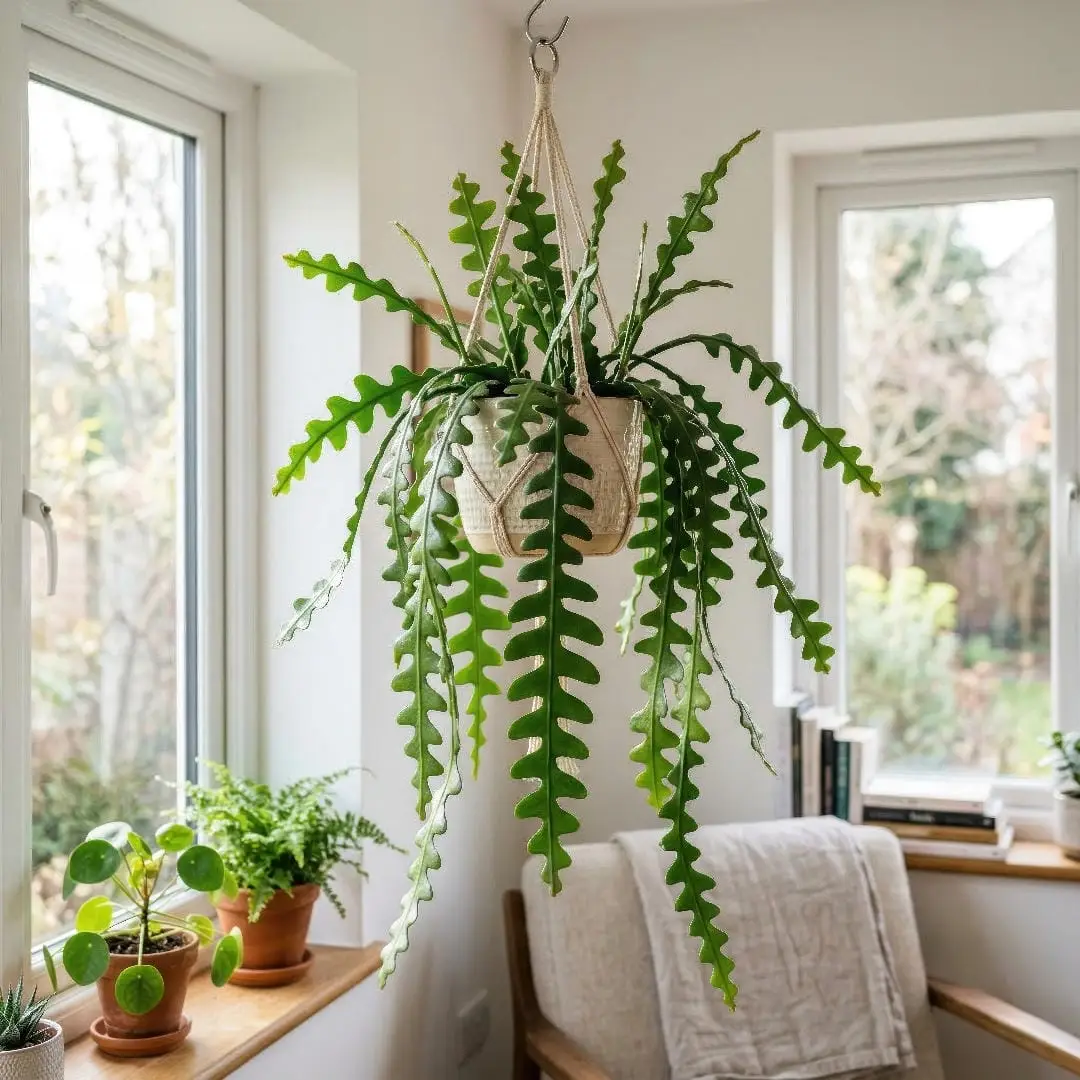
Complete Guide to Fishbone Cactus Care and Growth

Complete Guide to Mistletoe Cactus Care and Growth
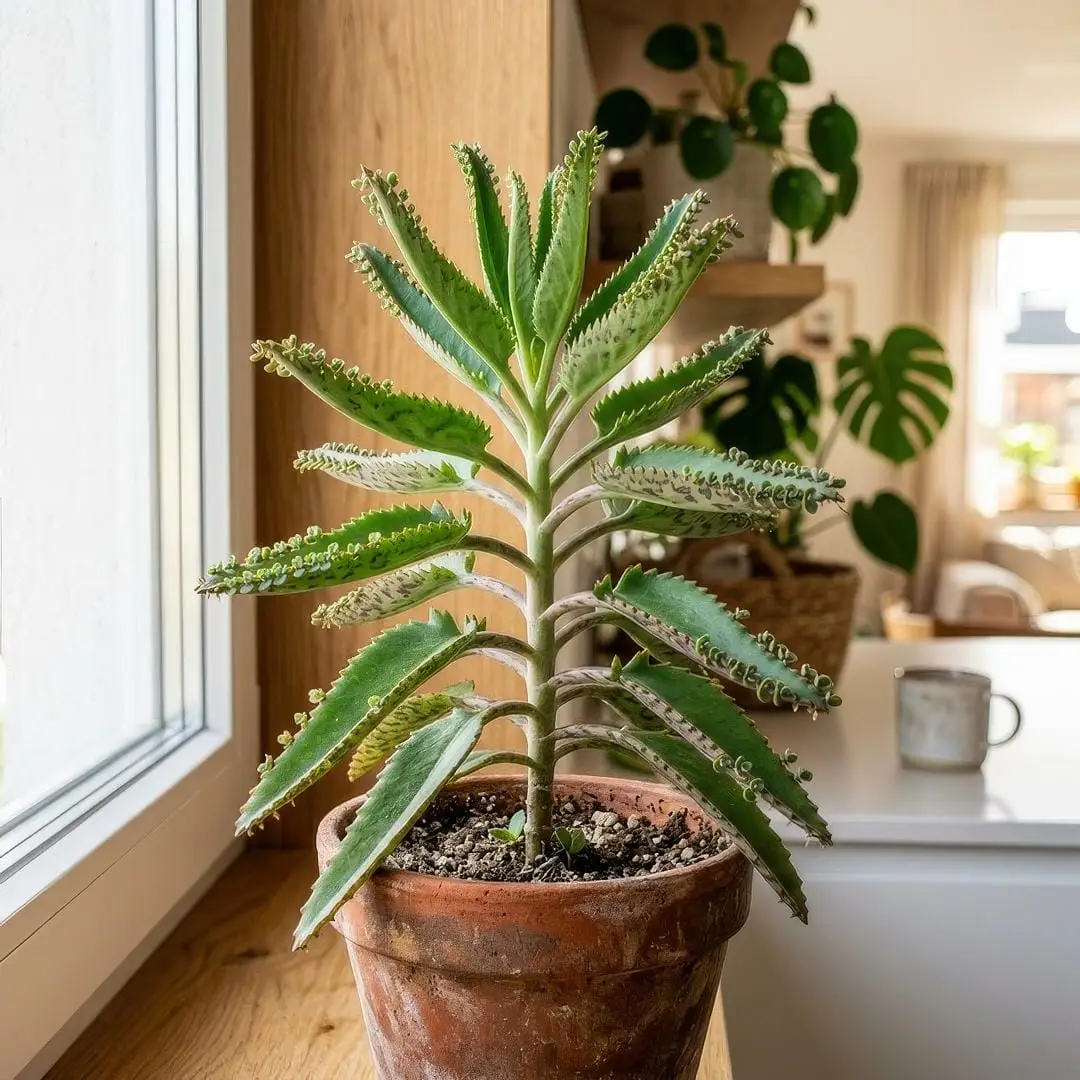
Complete Guide to Mother of Thousands Care and Growth
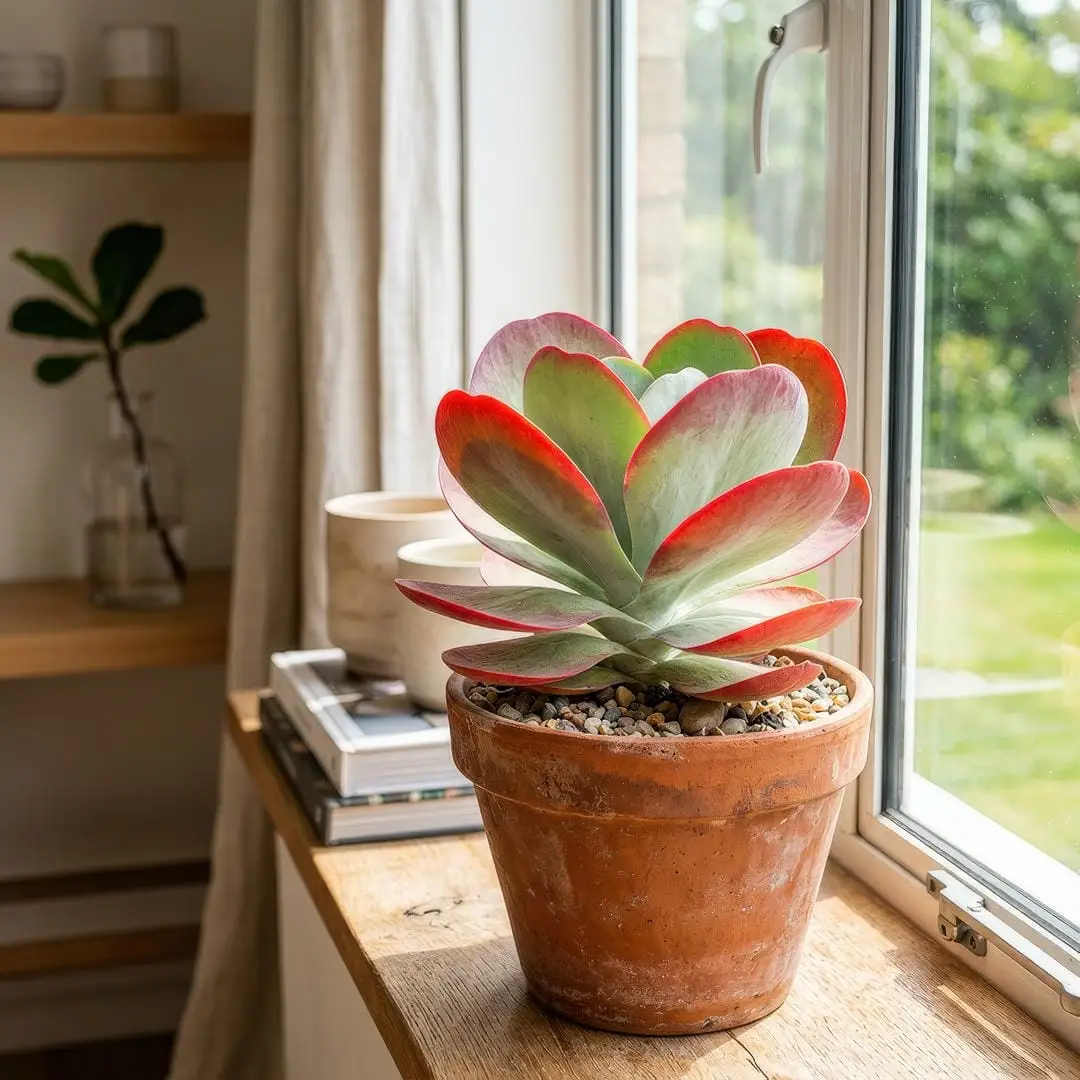
Complete Guide to Paddle Plant Care and Growth
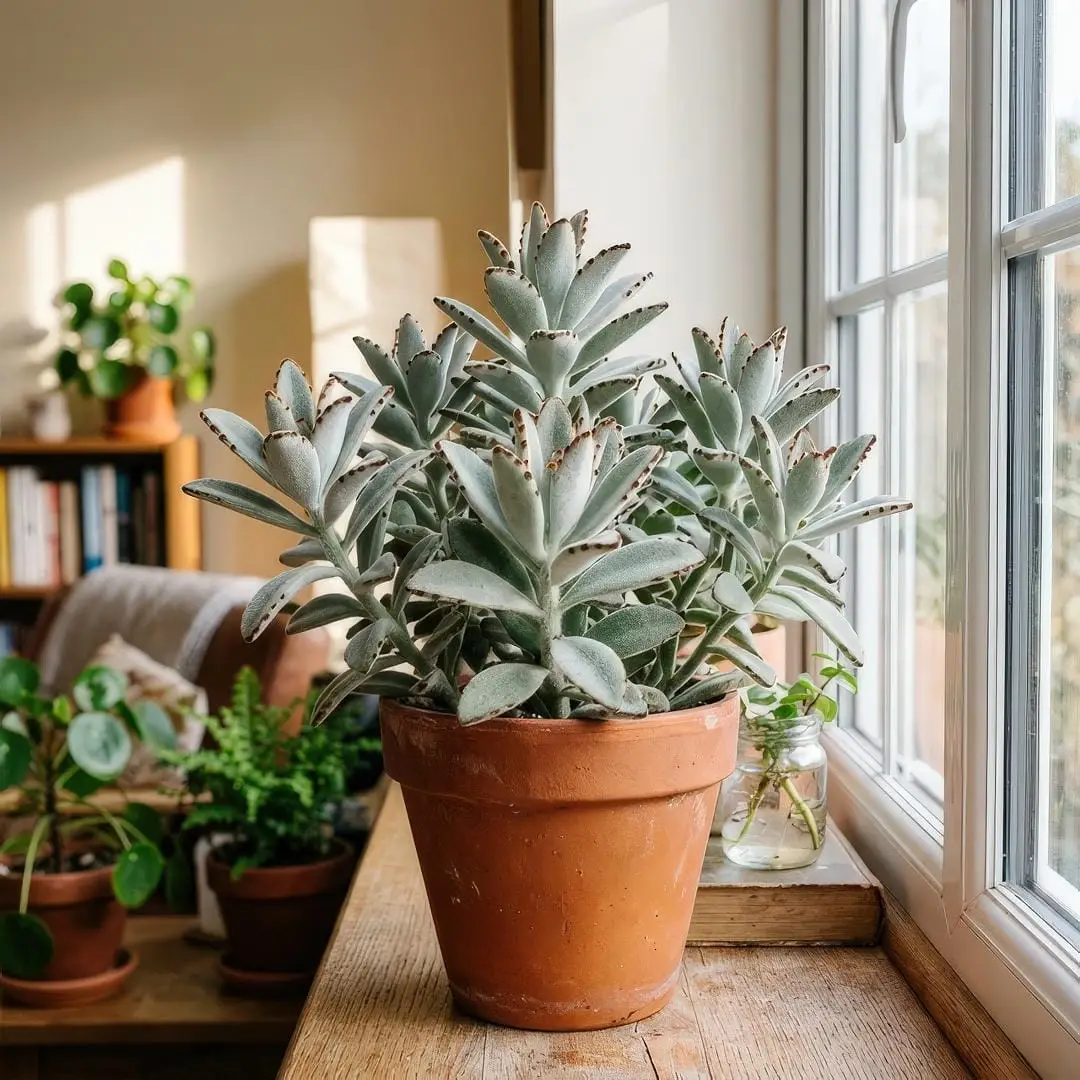
Complete Guide to Panda Plant Care and Growth

Complete Guide to Elephant Bush Care and Growth

Complete Guide to Pencil Cactus Care and Growth
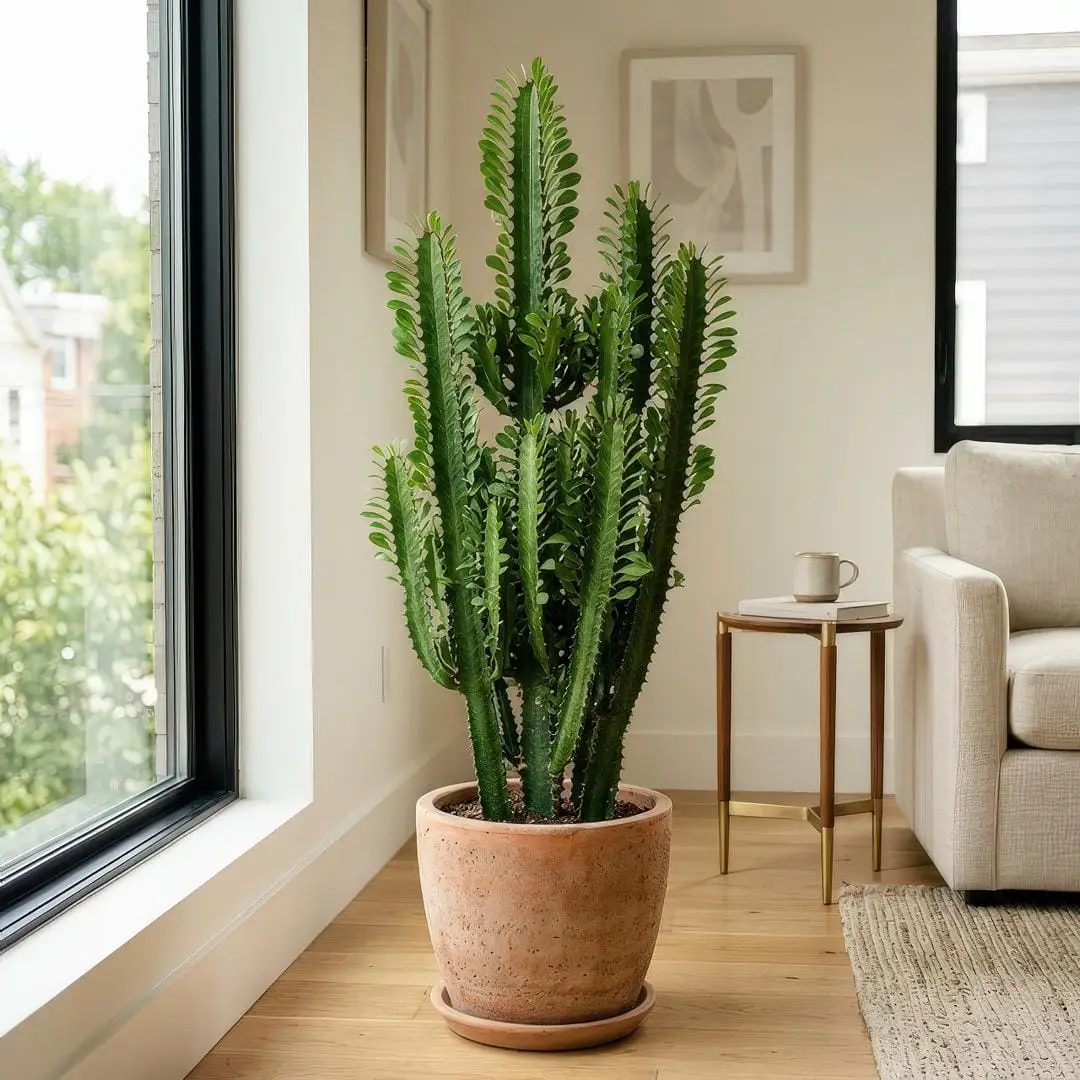
Complete Guide to African Milk Tree Care and Growth

Complete Guide to Gasteria 'Little Warty' Care and Growth

Ox Tongue Care

Houseplant101 Forum
Questions & Comments
Ask a question, share your plant experience, or help other plant owners.
Comments are temporarily unavailable.
Open the Houseplant101 ForumNo comments yet
Be the first to ask a question or share your experience about this page.
Log in or create an account
Comments use your Houseplant101 Forum account, but you can stay on this page.
Create a new account