
Lithops
Lithops spp.
Living Stones, Stone Plants, Pebble Plants, Flowering Stones


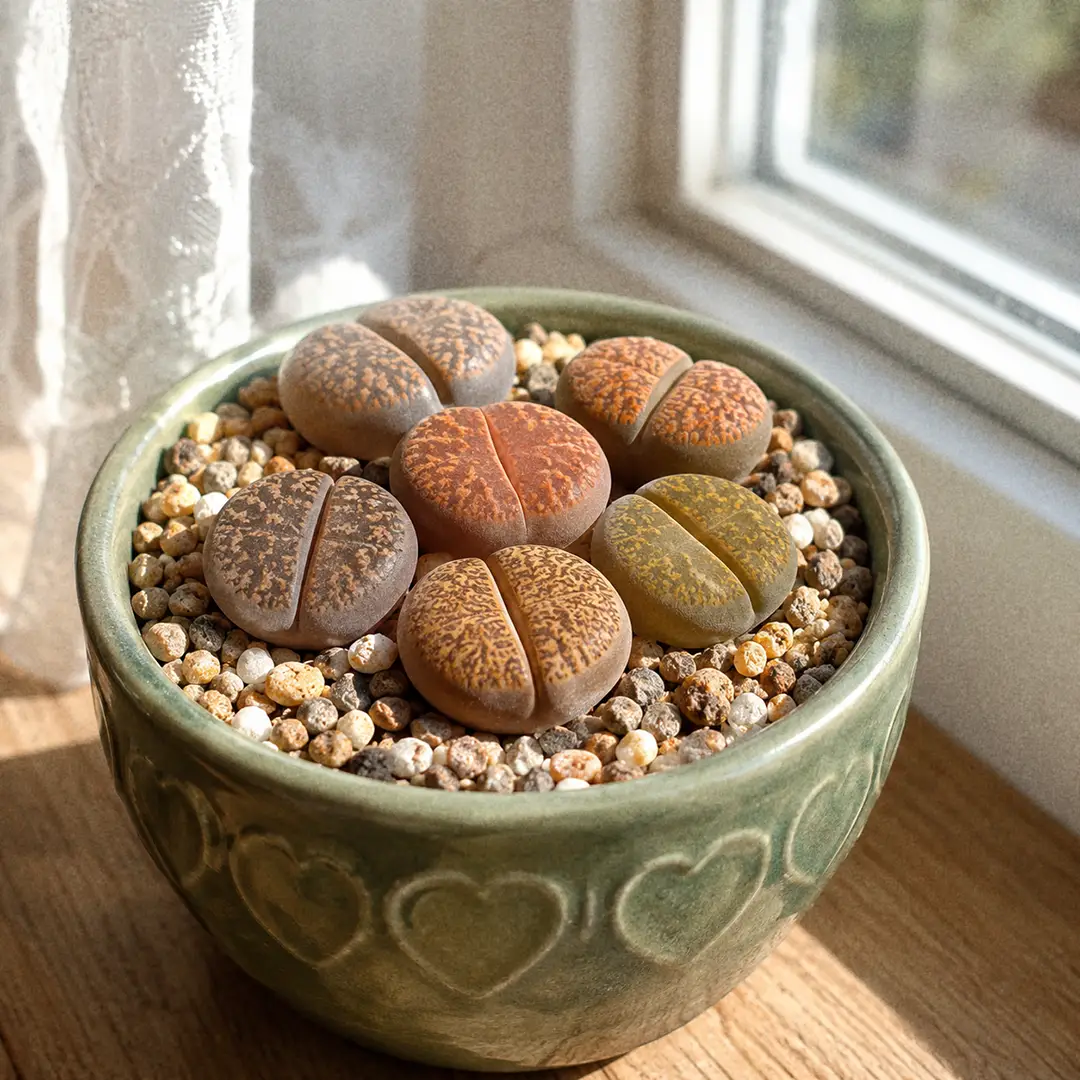
Lithops, better known as Living Stones, are tiny succulents that disguise themselves as pebbles. They ask for almost nothing except sun and restraint with the watering can, and they reward you with a surprise daisy bloom every autumn.
📝 Lithops Care Notes
🌿 Care Instructions
⚠️ Common Pests
📊 Growth Information
🪴 In This Guide 🪴

A Note From Our Plant Expert
Anastasia here. Lithops are the plant I hand to chronic overwaterers, because the rules are refreshingly backwards: full sun, almost no water, and months where you do absolutely nothing. They look like pebbles, split open once a year to grow a fresh pair of leaves, and bloom like tiny daisies in autumn. If you already keep a Haworthia Cooperi alive, Living Stones are your logical next weird little plant. The whole trick to keeping them alive is knowing their calendar, because they die of kindness, not neglect.
☀️ Lithops Light Requirements (Direct Sun, Please)
Most succulent guides on this site tell you to protect the plant from harsh midday rays. Forget that here. Lithops evolved in the deserts of South Africa and Namibia, baking in open gravel plains. Indoors, light is the thing they run out of first.

The Sweet Spot
Give your Lithops 4 to 5 hours of direct sun every day, ideally morning through early afternoon. A south-facing windowsill is the classic spot, with an east-facing sill as runner-up. And I do mean on the sill, not on a shelf across the room. Light drops off fast with every foot of distance, and this plant has no patience for "bright-ish."
If your home simply cannot offer that much sun, a small grow light 6 to 12 inches above the plant, running 6 to 8 hours a day, works well. Our general indoor light guide explains how to judge what your windows actually deliver.
Too Little Light
A light-starved Lithops stretches upward and turns into a soft, elongated blob that loses its stone disguise. Growers call this etiolation, and on Lithops it is a slow death sentence: the stretched tissue never shrinks back, and stretched plants rot easily. If yours is taller than it is wide, move it into more sun now, then let new growth come in compact. The site's page on leggy growth covers the pattern in more detail.
Too Much Light
There is such a thing, but only in one situation: a sudden move. A Lithops that lived in a greenhouse or a dim shop shelf can scorch if you drop it straight onto a blazing west sill in July. Sun damage shows up as bleached white or brown papery patches that never heal. Transition over two weeks, adding an hour of direct sun every few days, and you will never see sunburn on this plant.
💧 Lithops Watering Guide (The Part Everyone Gets Wrong)
Watering is where 90% of Lithops die, and almost always in the same direction: too much, too often. The plant is mostly water storage already. Two fat leaves, one taproot, and a strong opinion about staying dry.
The Seasonal Calendar
Lithops run on an annual cycle, and your watering has to follow it:
- Autumn (September to November): the main growing and blooming season. Water thoroughly when the soil has been bone dry for a week or so, roughly every 2 to 3 weeks.
- Winter (December to April): stop completely. The plant lives off its old leaves while a new pair forms inside. Water now and you interrupt the process or rot the plant.
- Late spring (May to June): once the old leaves have shriveled to papery husks, resume occasional deep watering, maybe twice over the whole period.
- Midsummer (July to August): mostly dry again. The plant rests through peak heat. A light splash once during a long heat wave is plenty.
How to Water
When you do water, do it properly: drench the pot until water runs from the drainage hole, then leave it alone until the cycle says so again. Shallow sips encourage weak surface roots and do nothing for the deep taproot. The standard drench-and-drain method applies, just far less often than for anything leafy.
Signs of Trouble
The plant tells you what it needs if you look at the leaf surface. Wrinkled, slightly deflated leaves during a watering season mean it is thirsty. Firm, plump leaves mean wait. Mushy, translucent, or yellowing leaves mean it has been overwatered, and you should stop all water immediately and check for root rot. A cracked or burst leaf usually means a big drink landed after a long drought; stretch the intervals rather than the volume.
🪴 Best Soil for Lithops (Mineral, Not Potting Mix)
What the Soil Needs
Regular potting soil, and even most bagged "cactus mix," holds too much water for Lithops. In habitat they grow in gravel and coarse sand with barely any organic matter. Your mix should copy that: fast-draining, gritty, and low in nutrients. Aim for 80 to 90% mineral content. When you water, the pot should drain within seconds, not minutes.
DIY Soil Mix
My go-to recipe: 2 parts pumice or perlite, 1 part coarse sand or fine gravel, and 1 part regular cactus soil. That single organic part gives the roots just enough to grip and feed on. If you can find pure pumice or a bonsai substrate like akadama, Lithops grow happily in that with no soil at all.
Pre-Made Options
If mixing feels like a chore, buy a bagged cactus mix and cut it 50/50 with perlite or pumice. Straight from the bag, even the good brands stay damp for days, and days of damp is exactly what kills this plant. Our soil guide breaks down the ingredients if you want to go deeper.
🍼 Fertilizing Lithops (Basically, Don't)
When and How Often
Here is the shortest fertilizer section on the site: Lithops barely need any. In habitat they grow in nutrient-poor grit, and rich feeding produces bloated, split, rot-prone plants. Once a year is the ceiling. If you feed at all, do it once in early autumn as the growing season starts, to nudge blooming along.
What to Use
Use a low-nitrogen cactus fertilizer diluted to a quarter of the label strength, applied to already-moist soil. High-nitrogen food makes the leaves swell faster than the skin can stretch, and they crack open.
Over-Fertilizing Signs
Split leaf surfaces outside the normal splitting season, unusually fast puffy growth, and a plant that sits tall and soft instead of low and firm all point to overfeeding. There is no undo button, so when in doubt, skip the feed. A Lithops that never sees fertilizer in its life will be fine.
🌡️ Lithops Temperature Range
Ideal Range
Lithops like it warm and are comfortable at normal room temperatures, roughly 65-80°F (18-27°C). They shrug off summer spikes above 90°F as long as they are dry and get airflow. Growth mostly happens at moderate temperatures in autumn and spring, which conveniently matches their watering seasons.
Drafts and Heat Sources
Keep them above 50°F (10°C). They can technically survive light frost when bone dry, but a cold and damp Lithops turns to mush overnight, so a winter windowsill is only safe if the plant is completely dry (which, in winter, it should be anyway). Avoid setting the pot right over a radiator; steady bottom heat cooks the taproot and confuses the plant's rest period.
💦 Lithops Humidity Requirements
Ideal Humidity
Dry air is a feature, not a problem. Anything under about 40% relative humidity is ideal, and normal heated-home dryness that torments your ferns makes a Lithops feel right at home. This is one plant that will never ask for a pebble tray or a humidifier.
Easy Airflow Wins
What matters more than the humidity number is airflow. Stale, muggy air around the plant invites fungus and rot at the soil line. A spot with occasional cracked-window ventilation, or a small fan in a crowded plant area, keeps the surface dry and the plant happy. Never mist a Lithops. Water sitting in the central fissure is an open invitation for rot.
🌸 Lithops Flowers (A Daisy From a Stone)
What the Flowers Look Like
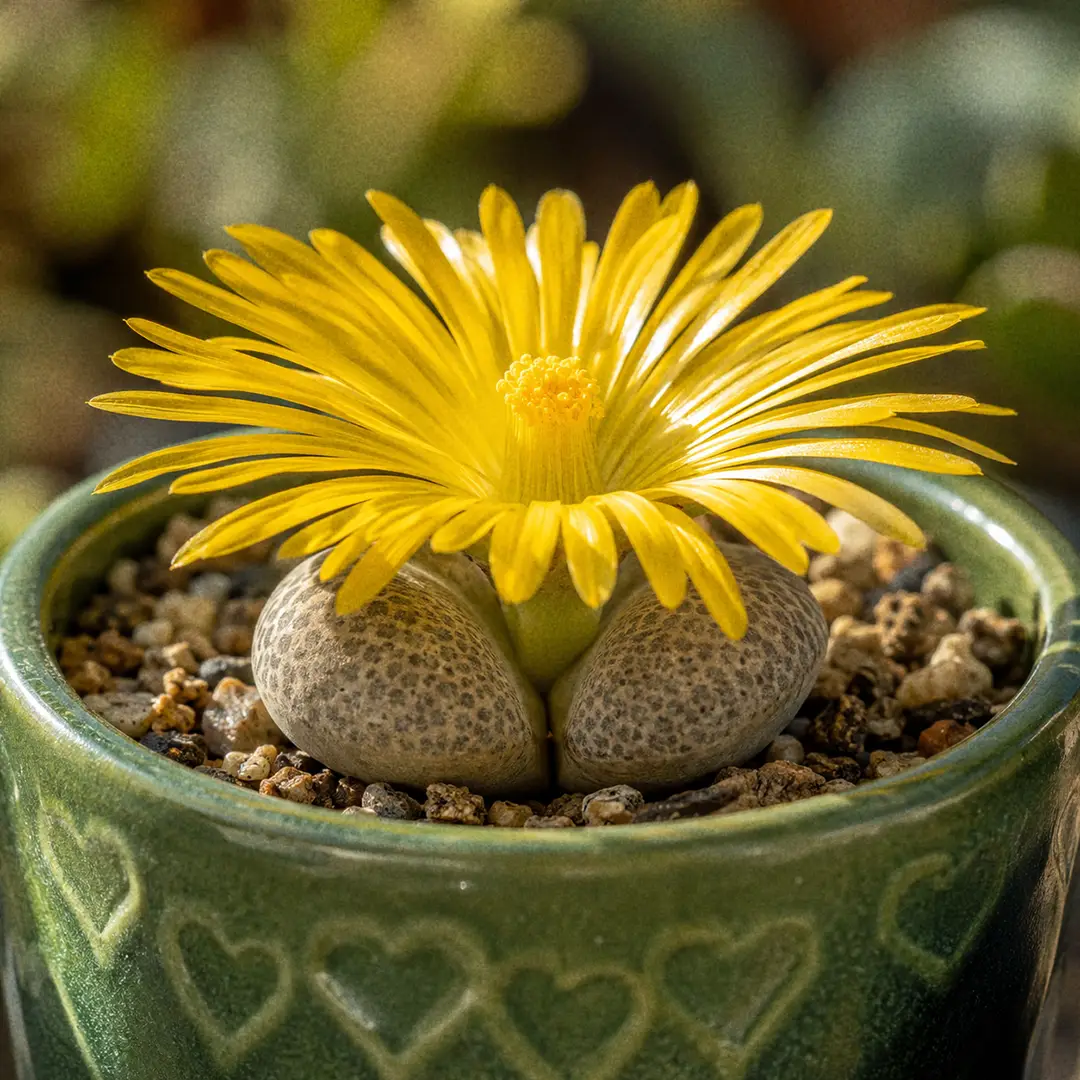
Every autumn, a mature Lithops pushes a single daisy-like flower straight out of the fissure between its two leaves. Most species bloom white or yellow, and the flower is often wider than the entire plant. Blooms open in the afternoon sun and close at night for about a week. Many are lightly scented. The first time it happens, it looks genuinely absurd, like a rock sprouted a flower.
How to Trigger Bloom
Three things set up an autumn bloom: age, sun, and a proper summer rest. Lithops flower only once mature, usually 3 to 5 years from seed, so a young single head may simply not be ready. Beyond that, give maximum sun through summer and autumn, keep the summer mostly dry, then begin autumn watering. That first deep autumn drink after the dry rest is the trigger.
If It Won't Bloom
A healthy Lithops that refuses to flower is nearly always short on sun or short on years. Check the plant's shape first: if it is stretched at all, light is the problem. If it is compact and firm but young, the answer is patience. Skipping the winter dry rest also costs you the bloom, because the plant spends its energy fighting soggy soil instead of setting a bud.
🏷️ Lithops Types and Varieties
There are around 37 recognized species and hundreds of named cultivars, all tiny, all pebble-shaped, and each with its own colors and top patterns. Collectors go deep down this rabbit hole. These four are common in shops and easy to like.
Lithops karasmontana (Karas Mountains Living Stone)
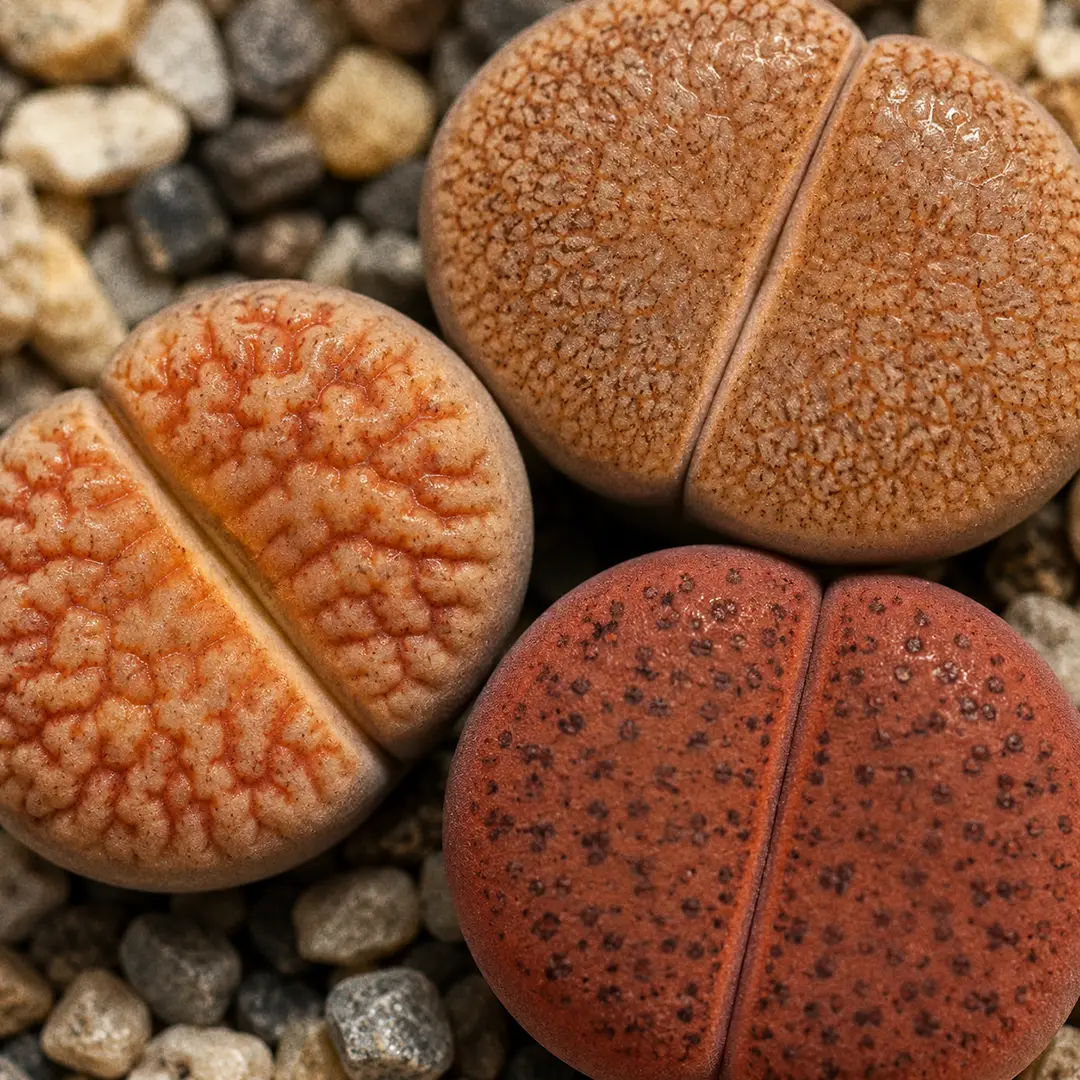
Gray to rusty-orange tops with wrinkled, brain-like patterning that does an uncanny impression of weathered quartzite. Blooms white. One of the most forgiving species for beginners, and the variety 'Top Red' adds vivid rust-red lines.
Lithops lesliei (Leslie's Living Stone)
Coffee-and-caramel tones with a fine, netted pattern across the top window. Blooms golden yellow. It is one of the larger and most widely sold species, and old plants slowly form handsome multi-headed clumps.
Lithops optica 'Rubra' (Purple Living Stone)
The show-off. The whole plant blushes violet to magenta, so it skips the camouflage act entirely. Blooms white with a yellow center. Slightly fussier about rot than the earth-toned species, so be extra strict with the dry seasons.
Lithops aucampiae (Aucamp's Living Stone)
Brick-red to chocolate-brown tops with dark dotted patterning, named after Juanita Aucamp, who found the first specimen on her family's South African farm. Yellow flowers. It tolerates beginner mistakes better than most, which makes it a good first Lithops.
🪴 Potting and Repotting Lithops
Choosing a Pot
The surprise here is depth. A plant half an inch tall grows a taproot several inches long, so it needs a pot at least 3 to 4 inches deep. Skip the cute shallow dish, at least as a single permanent home. Unglazed terracotta is ideal because it wicks moisture out of the soil between waterings, and a drainage hole is non-negotiable.
When to Repot
Almost never, honestly. Every 3 to 4 years is plenty, or when a clump has filled its pot wall-to-wall. The best window is early autumn, right as the growing season starts. Never repot a splitting plant; wait until the old leaves have fully dried.
Step-by-Step Repotting
Let the soil dry completely, then tip the pot and ease the plant out by the root ball, never by pulling the leaves. Shake off old soil, check the taproot for dark mushy spots, and trim any you find with clean scissors. Set the plant in fresh gritty mix at the same depth it grew before, with the leaf shoulders just above the surface. Then, and this is the part people miss, wait a full week before the first watering so any root nicks can callus. The general repotting guide covers technique, but that dry week is succulent-specific.
✂️ Pruning Lithops
The No-Pruning Plant
There is nothing to prune. A Lithops is one pair of leaves, and cutting into them wounds the entire plant. The only thing you ever remove is a spent flower husk, once it has dried completely and lifts away without resistance.
Never "Help" the Split
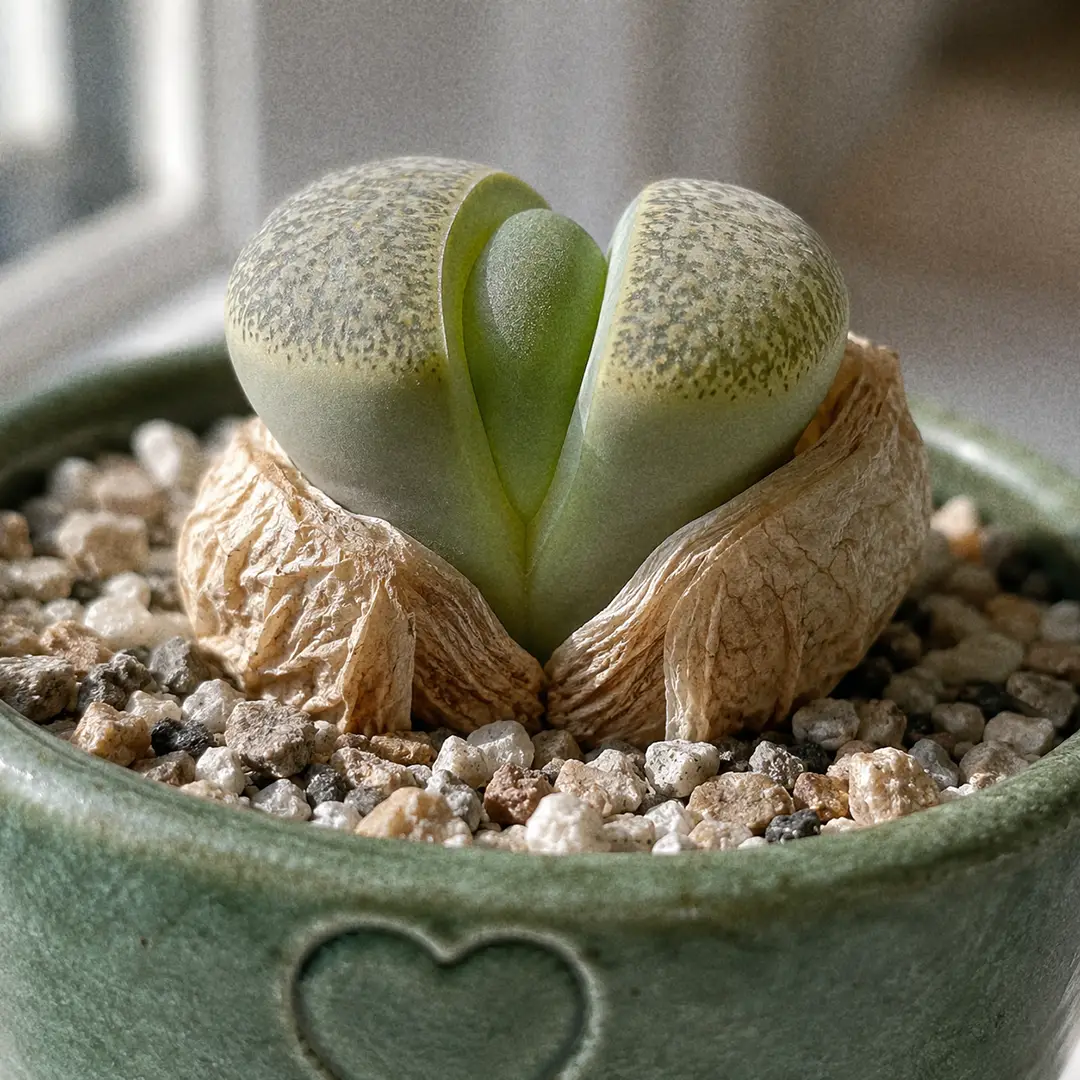
Every winter to spring, the plant splits open and a new leaf pair emerges from the fissure while the old pair shrivels into paper. It looks like something is wrong. It is not. Do not peel, tug, or trim the old leaves while they still have any thickness, because the new leaves are drinking them dry, and that recycled moisture is the whole winter survival plan. Only remove old leaves once they are crisp, weightless husks that fall away at a touch.
🌱 How to Propagate Lithops
Best Method: Seed
Unlike most succulents, Lithops do not grow from leaf or stem cuttings, since the plant is its two leaves. Seed is the main route, and it is slow but genuinely fun. Sow on the surface of a gritty mix in autumn or spring, keep lightly moist and covered until germination (1 to 3 weeks), then gradually reduce moisture as the dust-sized seedlings fatten into recognizable little stones. Expect 2 to 3 years before they look like anything, and 3 to 5 before flowers.
Division for Clumps
If a mature plant has grown into a multi-headed clump, you can divide it during autumn repotting. Unpot the dry plant, gently untangle the roots, and cut between heads so each keeps a section of taproot. Let the divisions sit bare and dry for 2 to 3 days to callus, pot them up in dry mix, and hold off watering for another week.
Tips for Success
Patience is the entire skill. Seedlings die from the same thing adults do, staying wet too long, just faster. Water seed trays from the bottom, give seedlings bright light but not full adult sun in year one, and resist the urge to pot up tiny plants into big pots. For technique basics that carry over, see the succulent propagation guide.
🐛 Lithops Pests and Treatment
The good news: a plant this dry and this small has few pest problems. The bad news: the pests it does get are sneaky.
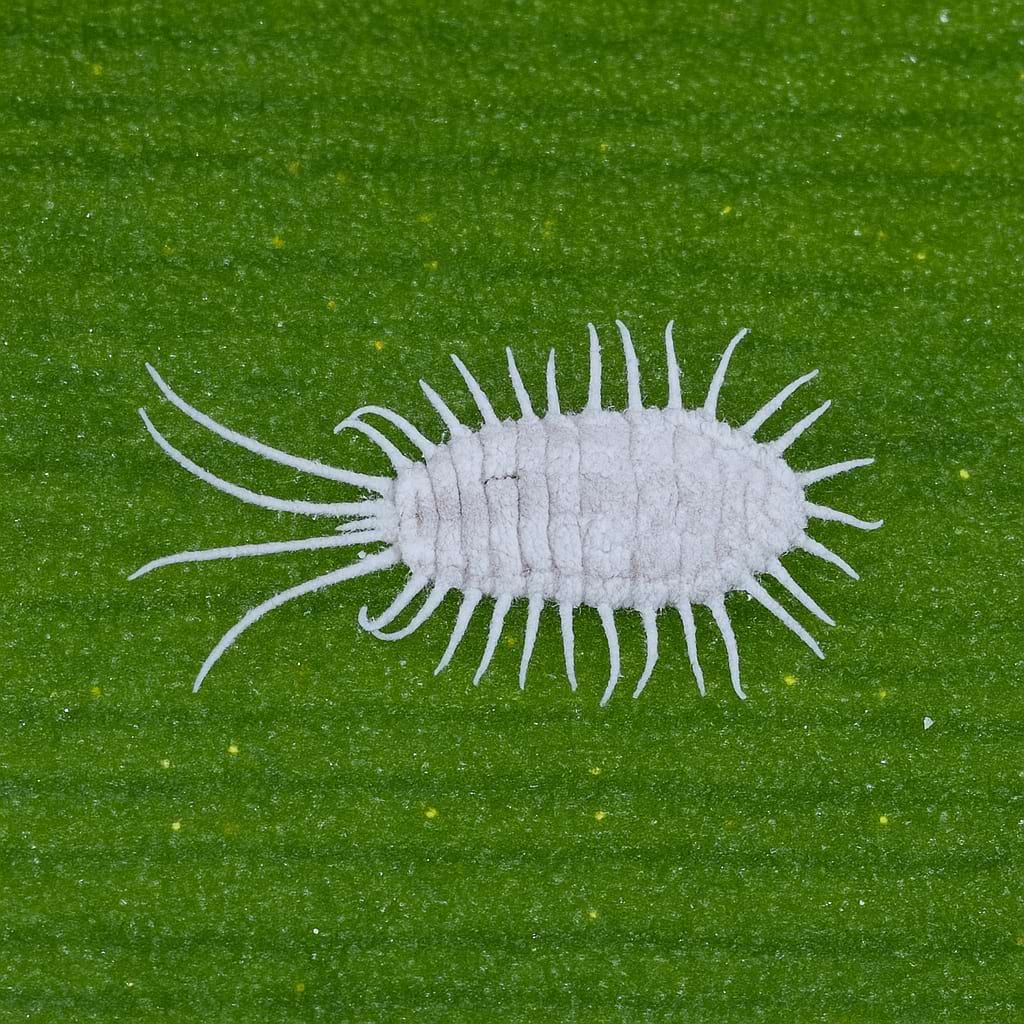
Mealybugs are the main enemy. They tuck into the fissure and around the leaf shoulders as white cottony fluff. Dab them with a cotton swab dipped in isopropyl alcohol, and repeat weekly until clear.
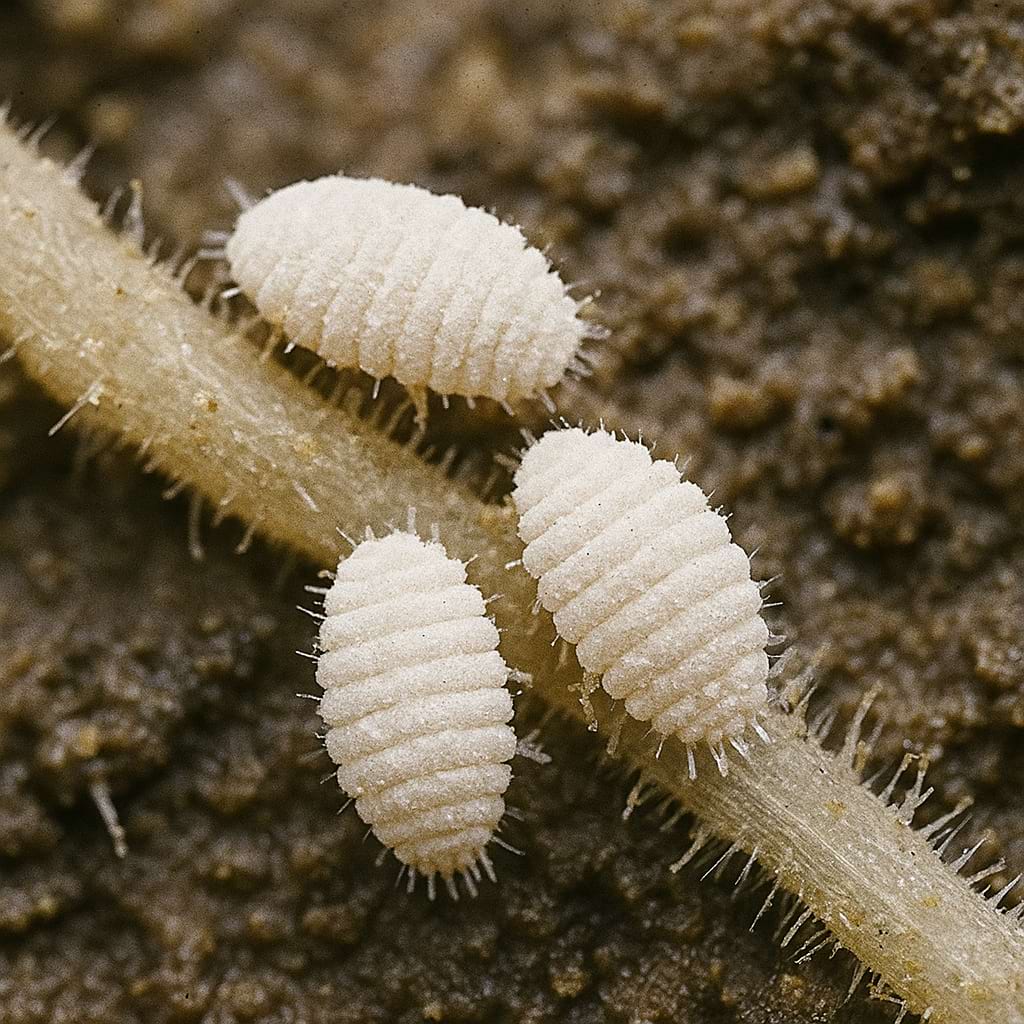
Root mealybugs are worse because they feed unseen on the taproot; a plant that wrinkles and refuses to plump after watering deserves an unpotting to check for white deposits on the roots. Wash the roots, trim damage, and repot in fresh dry mix.
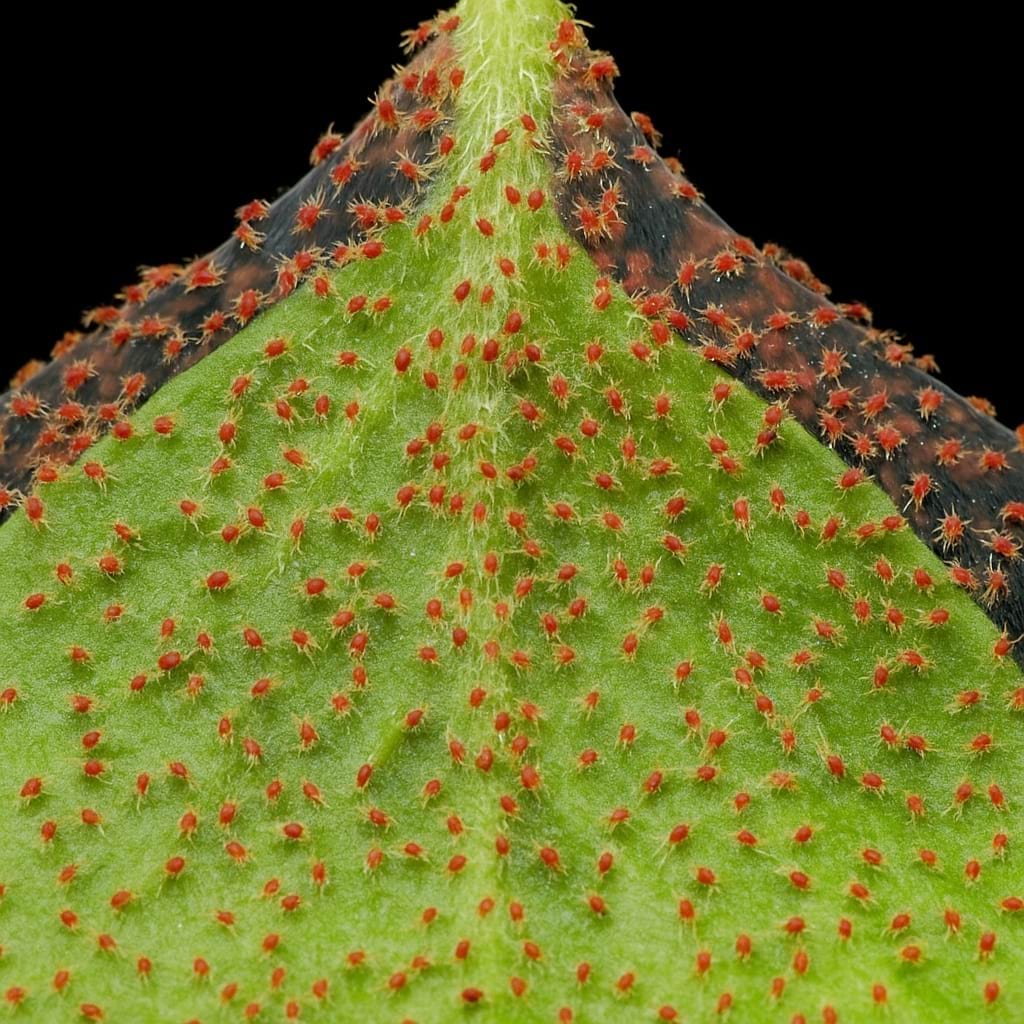
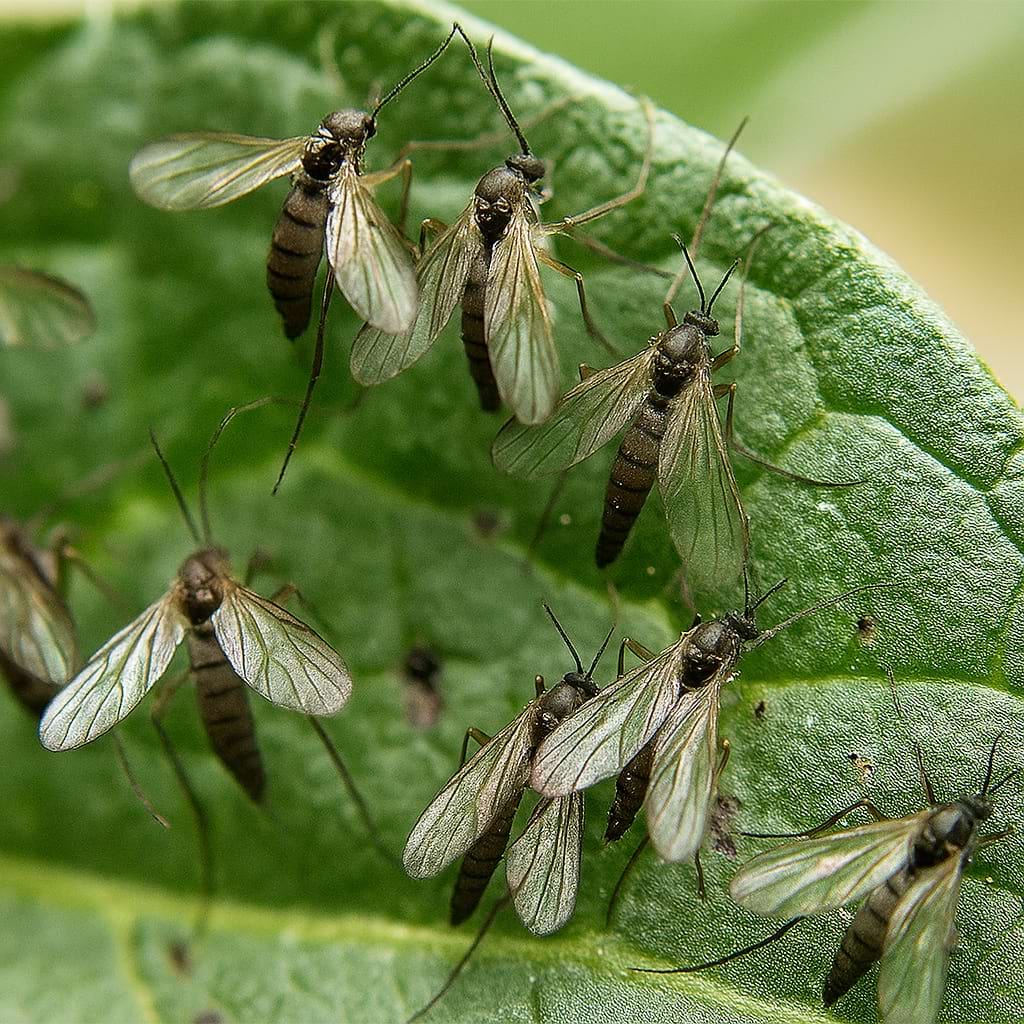
Spider mites occasionally stipple the leaf surface in hot dry spells, and fungus gnats only show up if your soil is staying wet, which on this plant is a louder alarm about your watering than about the gnats.
🩺 Common Lithops Problems
Almost every Lithops problem traces back to water at the wrong time.
Root rot and mushy leaves come from watering during dormancy or from rich soil that stays damp. A rotting Lithops turns soft and translucent from the base up, and by the time it is squishy, it is usually too late. Prevention is the only real cure.
Leggy growth means too little sun. The plant stretches tall, loses its flat-topped stone shape, and becomes rot-prone. More light stops it; nothing reverses it.
Sunburn appears as bleached or brown papery patches after a sudden move into strong sun. Damaged tissue stays scarred until the next leaf pair replaces it.
Edema and cracked leaves follow a heavy drink after long drought, when the leaves swell faster than their skin. Cosmetic, but a sign to space your waterings more evenly within the season.
Stacking, where a new leaf pair sits on top of the old pair that never shriveled, is the classic signature of winter watering. Stop watering entirely and let the plant sort itself out; it usually absorbs the extra pair over the following year.

🖼️ Lithops Display and Styling Ideas
The Pebble Bowl Illusion
The best Lithops display leans into the disguise: a wide shallow bowl (with drainage, and deep enough for roots) planted with several Lithops, then top-dressed with real pebbles in matching colors. Guests have to hunt for the living ones. It never gets old.
Solo on the Sill
A single Lithops in a small terracotta or ceramic pot is a quiet desk-adjacent pet, as long as the desk is a sunny windowsill. Choose a pot color that contrasts with the plant so the pattern on the leaf tops reads clearly, and top-dress with fine gravel to keep the leaf shoulders dry.
Where Not to Put It
Not in a closed terrarium, ever. The trapped humidity is fatal within weeks. Skip the dim bookshelf, the bathroom, and any mixed planter shared with thirstier succulents like Echeveria or Burro's Tail, because you cannot water half a pot. Lithops share soil only with other Lithops.
🌟 Lithops Pro Care Tips
- Write the watering calendar on the pot or a plant tag. "Autumn yes, winter no, spring a little, summer barely" beats memory.
- When in doubt, don't water. A thirsty Lithops wrinkles and waits for weeks; an overwatered one dies in days.
- Buy in autumn when plants are plump and blooming, so you can see health and flower color before paying.
- A plant that looks dead in February, deflated and papery, is usually just mid-split. Hands off until late spring.
- Top-dress with gravel right up to the leaf shoulders. It keeps the rot-prone soil line dry and completes the stone look.
- If you grow under a lamp, keep it running through winter even while you stop watering. The rest period is about water, not light.
- Unpot and inspect the roots of any new plant bought in soggy dark soil, and move it into gritty mix before its first watering at your place.
❓ Frequently Asked Questions
How often should I water Lithops?
Roughly every 2 to 3 weeks during autumn, once or twice in late spring, and not at all in winter or most of summer. Always let the soil go fully dry first, and let wrinkling leaves, not the calendar alone, make the final call.
Why is my Lithops splitting open?
Splitting is normal and healthy. Once a year, usually winter into spring, a new leaf pair grows through the fissure while the old pair shrivels away. Stop watering when the split starts and leave the old leaves alone until they are completely papery.
Is a soft, mushy Lithops save-able?
Usually not, sadly. Mushy, translucent tissue means rot, and on a plant made of two leaves there is nowhere to cut back to. If only the very base is affected you can try unpotting, drying, and trimming the root, but prevention (dry winters, gritty soil) is the real answer.
Why are my Living Stones stretching tall?
Not enough sun. Lithops need several hours of direct light daily, and without it they stretch out of their stone shape. Move the plant to your sunniest sill or add a grow light. Stretched growth never compacts again, but the next leaf pair will grow in properly.
Are Lithops safe for cats and dogs?
Yes. Lithops are non-toxic to cats, dogs, and humans, which makes them one of the safest succulents for a pet household. Their small size means a curious paw can still fling the pot, so keep them out of batting range for the plant's sake.
When do Lithops flower?
In autumn, once the plant is mature at around 3 to 5 years old. The flower is a white or yellow daisy that emerges from the central fissure, opens in afternoon sun, and lasts about a week. Full sun and a dry summer rest are the two triggers.
Can I grow Lithops from the ones I have?
Yes, but not from cuttings. Lithops grow from seed, which takes patience, or by dividing a multi-headed clump during autumn repotting so each head keeps part of the taproot.
Why won't my Lithops plump up after watering?
If the soil is draining fine and the season is right, suspect the roots. Root mealybugs and root rot both cut off water uptake. Unpot the dry plant, inspect the taproot, trim any damage, and repot in fresh gritty mix.
Do Lithops really live for decades?
They can. In habitat and in careful collections, individual plants live 40 to 50 years, slowly building into multi-headed clumps. A Lithops bought today can genuinely outlast most furniture, as long as nobody waters it in winter.
What does the pattern on top of the leaves do?
The mottled top surface is a translucent window. In the wild the plant grows almost buried, and sunlight passes through those windows to reach photosynthetic tissue below the soil line. Indoors the pattern is mostly decoration, but it is also how collectors tell species apart.
ℹ️ Lithops Info
Care and Maintenance
🪴 Soil Type and pH: Mineral-heavy cactus mix, almost no organic matter
💧 Humidity and Misting: Dry air, ideally under 40%, with good airflow.
✂️ Pruning: None. Old leaves shrivel and peel away on their own.
🧼 Cleaning: Brush dust off with a soft dry paintbrush.
🌱 Repotting: Rarely, every 3-4 years. Deep pot for the long taproot.
🔄 Repotting Frequency: Every 3-4 years
❄️ Seasonal Changes in Care: Water in autumn and late spring; keep dry in winter and midsummer.
Growing Characteristics
💥 Growth Speed: Very slow
🔄 Life Cycle: Perennial leaf-pair succulent
💥 Bloom Time: Autumn (white or yellow daisy-like flower from the central fissure)
🌡️ Hardiness Zones: 10-11
🗺️ Native Area: South Africa, Namibia, Botswana
🚘 Hibernation: Winter rest while the new leaf pair absorbs the old one
Propagation and Health
📍 Suitable Locations: Sunniest windowsill in the house, south-facing preferred.
🪴 Propagation Methods: Seed is the main method; mature clumps can be divided.
🐛 Common Pests: Mealybugs, Root Mealybugs, Spider Mites, Fungus Gnats
🦠 Possible Diseases: Root rot and splitting from overwatering.
Plant Details
🌿 Plant Type: Succulent
🍃 Foliage Type: Evergreen (one leaf pair at a time)
🎨 Color of Leaves: Gray, brown, rust, olive, cream, with mottled window patterns
🌸 Flower Color: White or yellow
🌼 Blooming: Yes, autumn, once mature (3-5 years from seed).
🍽️ Edibility: Non-toxic but not edible.
📏 Mature Size: 0.5-2 inches
Additional Info
🌻 General Benefits: Pet safe, tiny footprint, thrives on neglect.
💊 Medical Properties: None.
🧿 Feng Shui: Earth element; a grounding desk companion.
⭐ Zodiac Sign Compatibility: Capricorn (patient, stubborn, quietly tough).
🌈 Symbolism or Folklore: Camouflage, patience, endurance.
📝 Interesting Facts: Each plant is a single pair of fused leaves. The mottled "window" on top is translucent tissue that lets sunlight reach photosynthetic cells buried below ground in habitat.
Buying and Usage
🛒 What to Look for When Buying: Pick plants that sit low and firm with crisp patterns. Avoid soft, tall, or stretched plants, and anything potted in dark peaty soil.
🪴 Other Uses: Macro photography favorite; popular with collectors who trade seed.
Decoration and Styling
🖼️ Display Ideas: A shallow bowl of mixed Lithops topped with real pebbles, so guests have to find the living ones.
🧵 Styling Tips: Top-dress with gravel that matches the plant's own colors to complete the camouflage.
🪴 See also 🪴
Complete Guide to Leaf of Life Care and Growth
Complete Guide to Aeonium Care and Growth
Complete Guide to Crested Brain Cactus Care and Growth
Complete Guide to Feather Cactus Care and Growth
Complete Guide to Snowball Cactus Care and Growth
Complete Guide to Spiral Cactus Care and Growth
Complete Guide to Fairy Castle Cactus Care and Growth
Complete Guide to Silver Torch Cactus Care and Growth
Complete Guide to Crown Cactus Care and Growth
How to Propagate Succulents from Leaves & Offsets
Succulent Care Indoors: How to Stop Killing Jade and Echeveria
Complete Guide To Aloe Vera Care and Growth
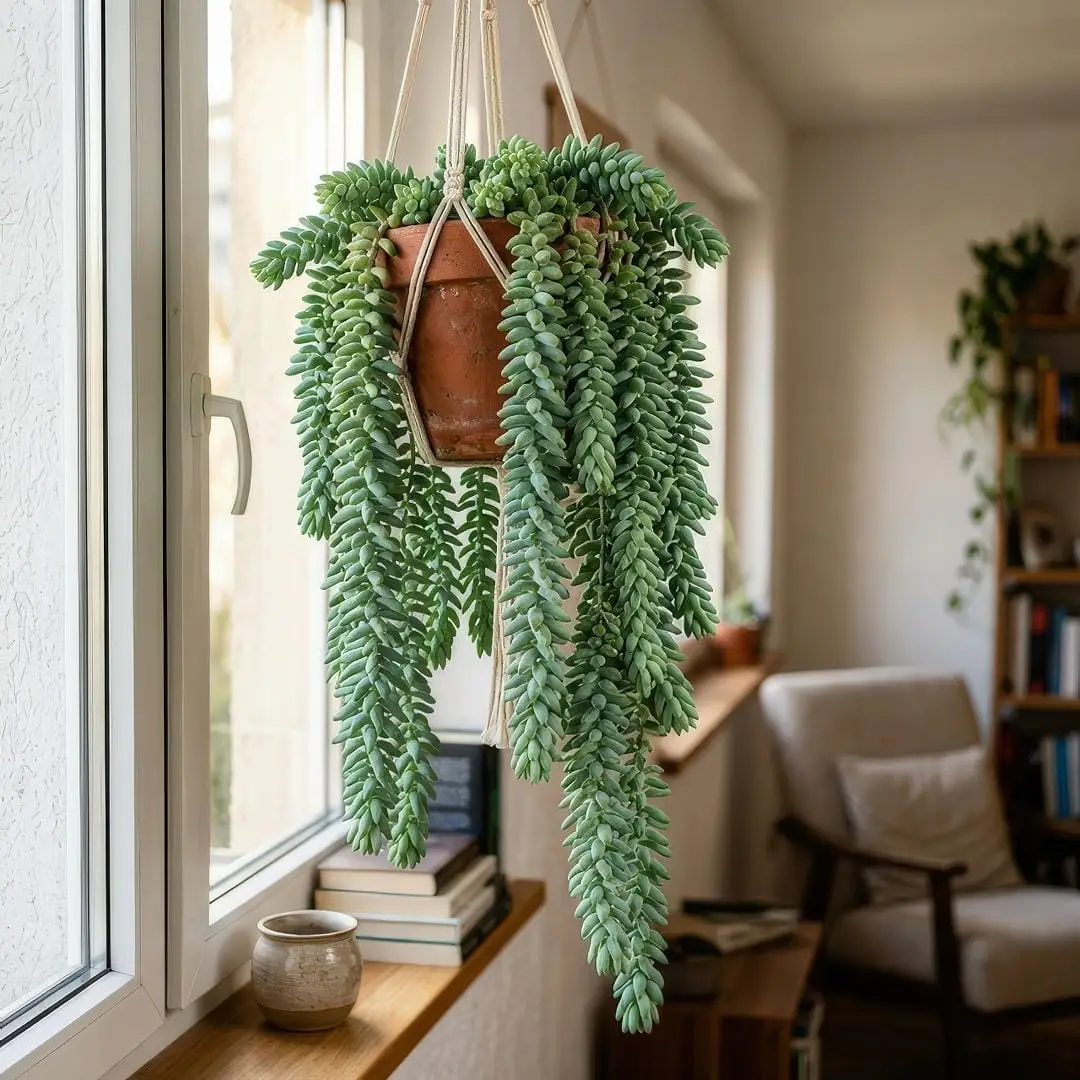
Complete Guide to Burro's Tail Care and Growth
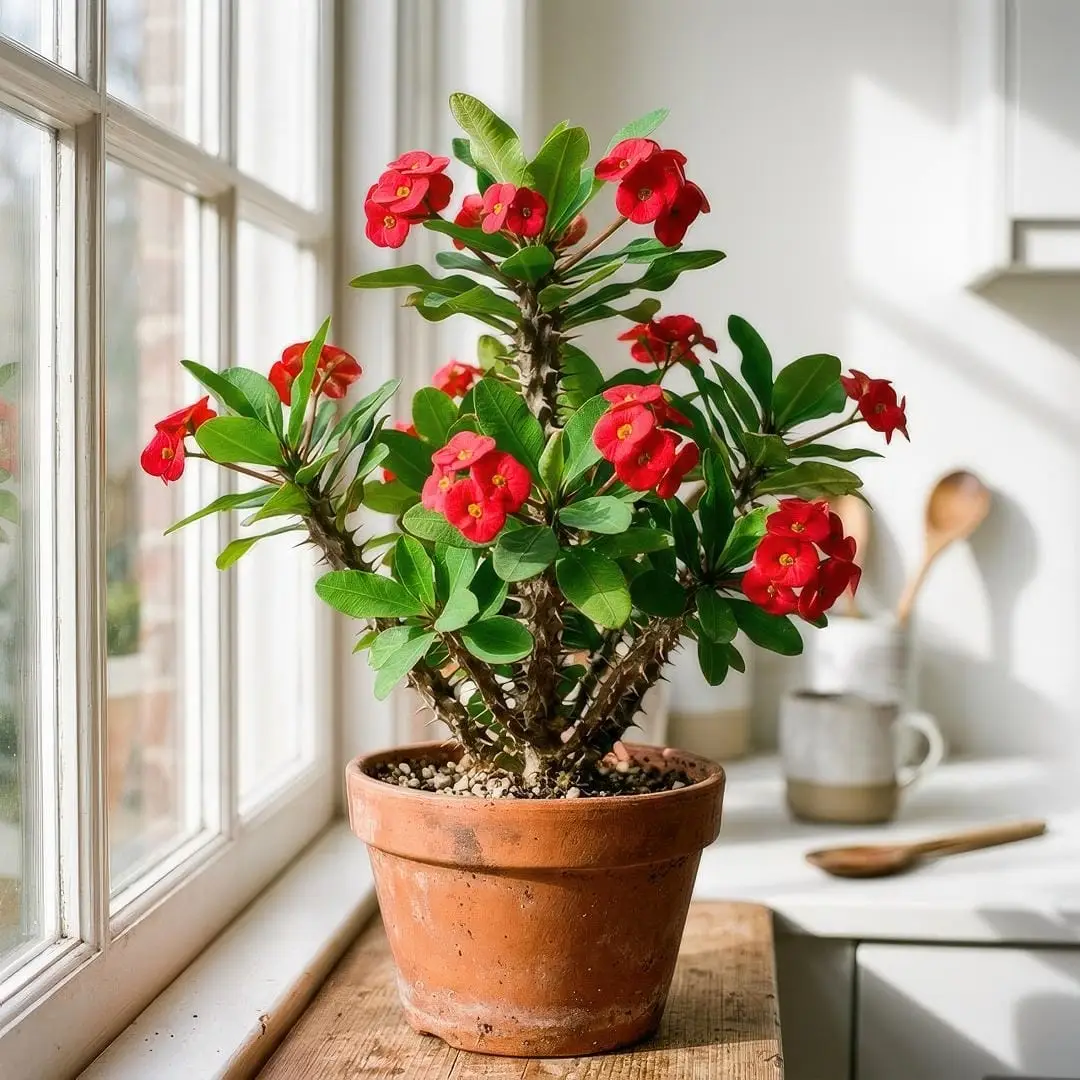
Complete Guide to Crown of Thorns Care and Growth
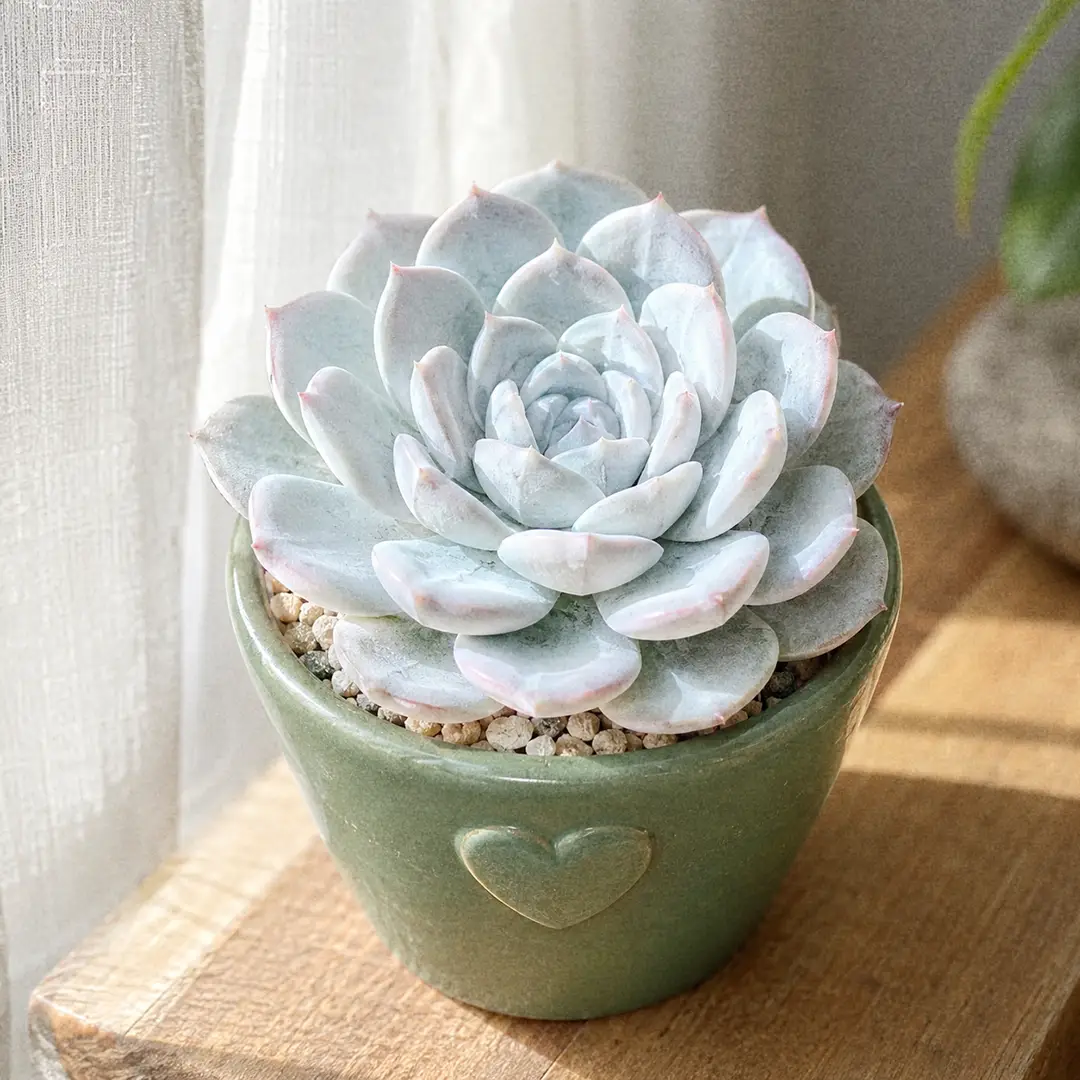
Complete Guide to Echeveria Care and Growth
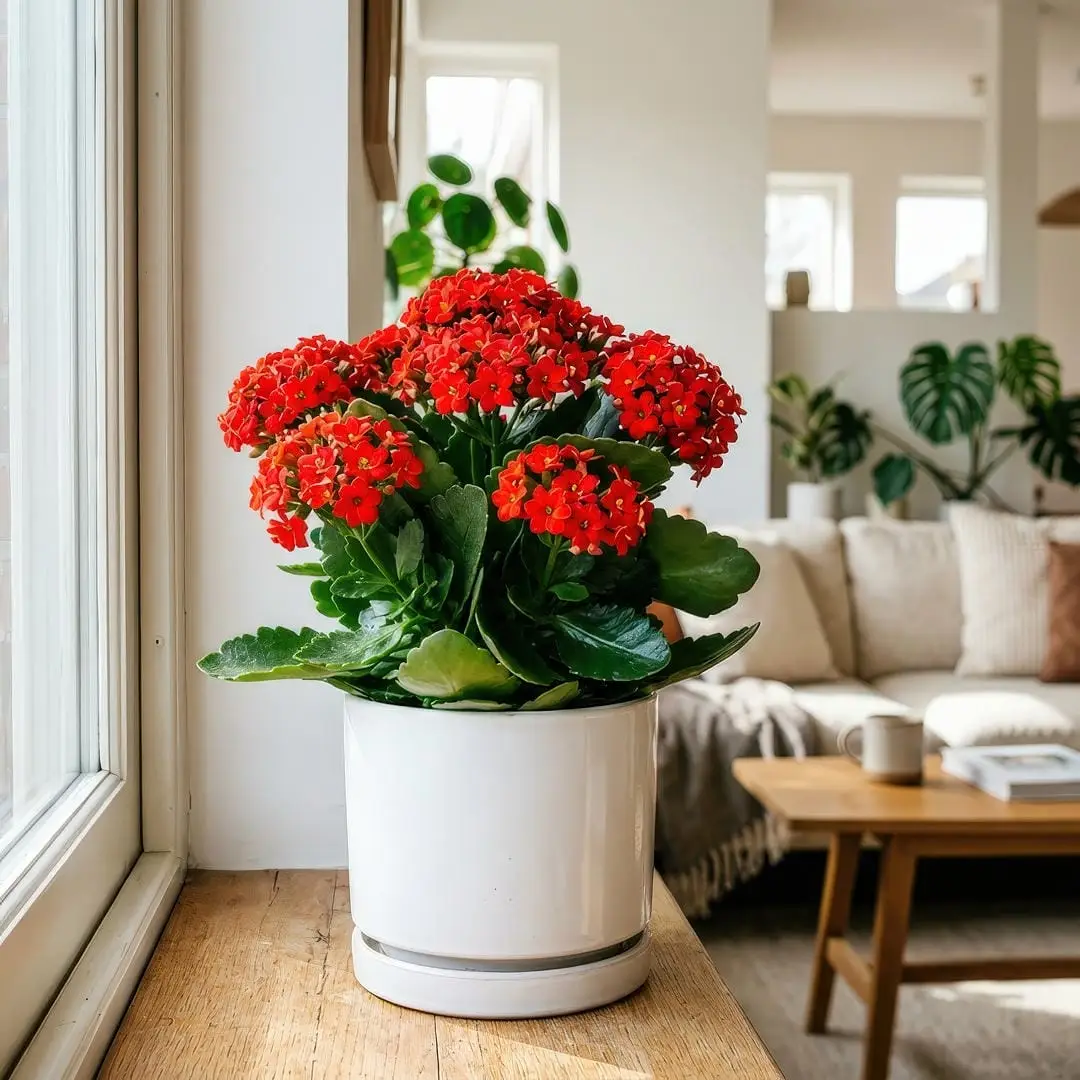
Complete Guide to Flaming Katy Care and Growth
Complete Guide to Jade Plant Care and Growth
Complete Guide to Sedum Adolphii Care and Growth
Complete Guide to Queen of the Night Care and Growth
Complete Guide to Domino Cactus Care and Growth
Complete Guide to Easter Lily Cactus Care and Growth
Complete Guide to Peanut Cactus Care and Growth
Complete Guide to Rat Tail Cactus Care and Growth
Complete Guide to Ghost Plant Care and Growth
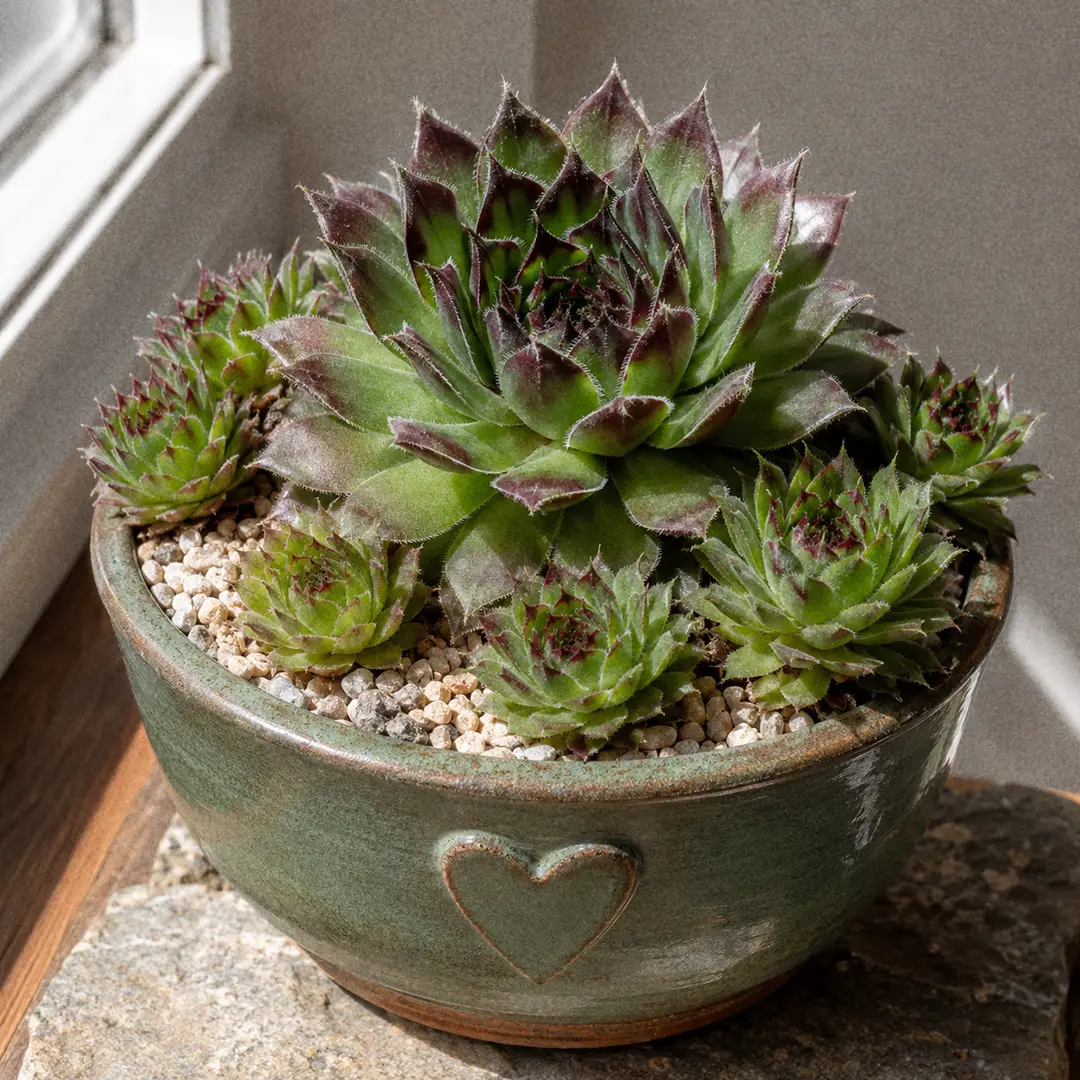
Complete Guide to Hens and Chicks Care and Growth
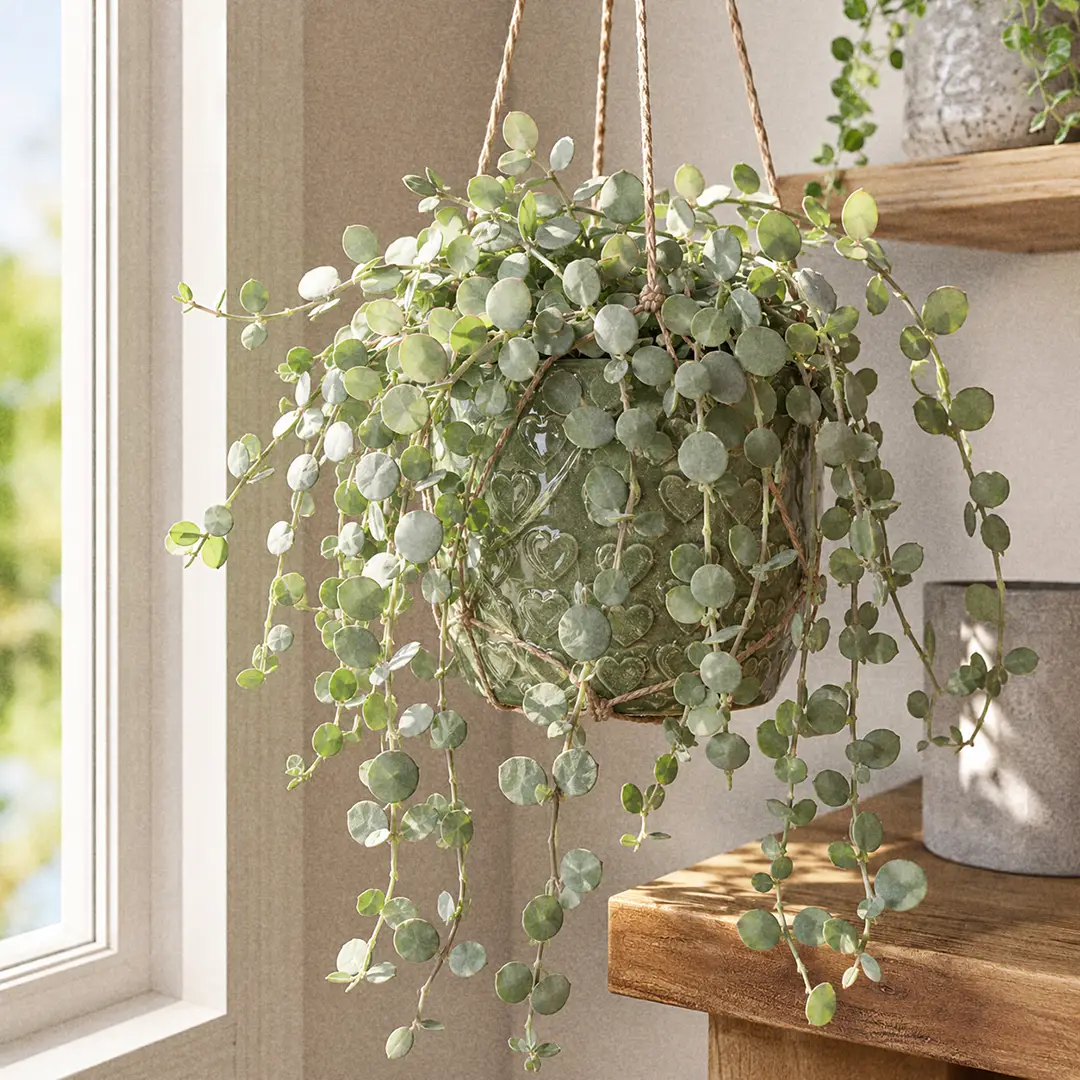
Complete Guide to String of Coins Care and Growth
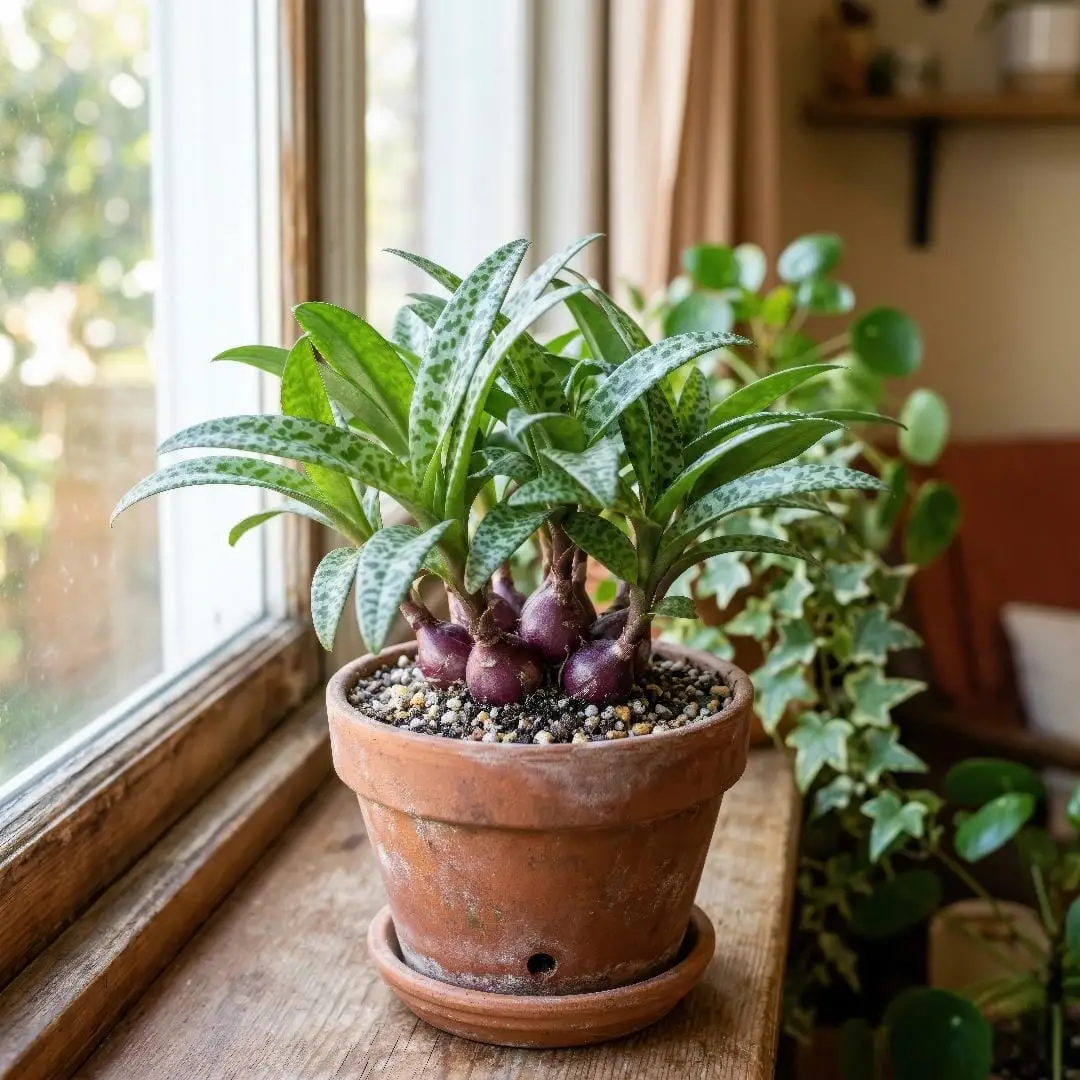
Complete Guide to Silver Squill Care and Growth
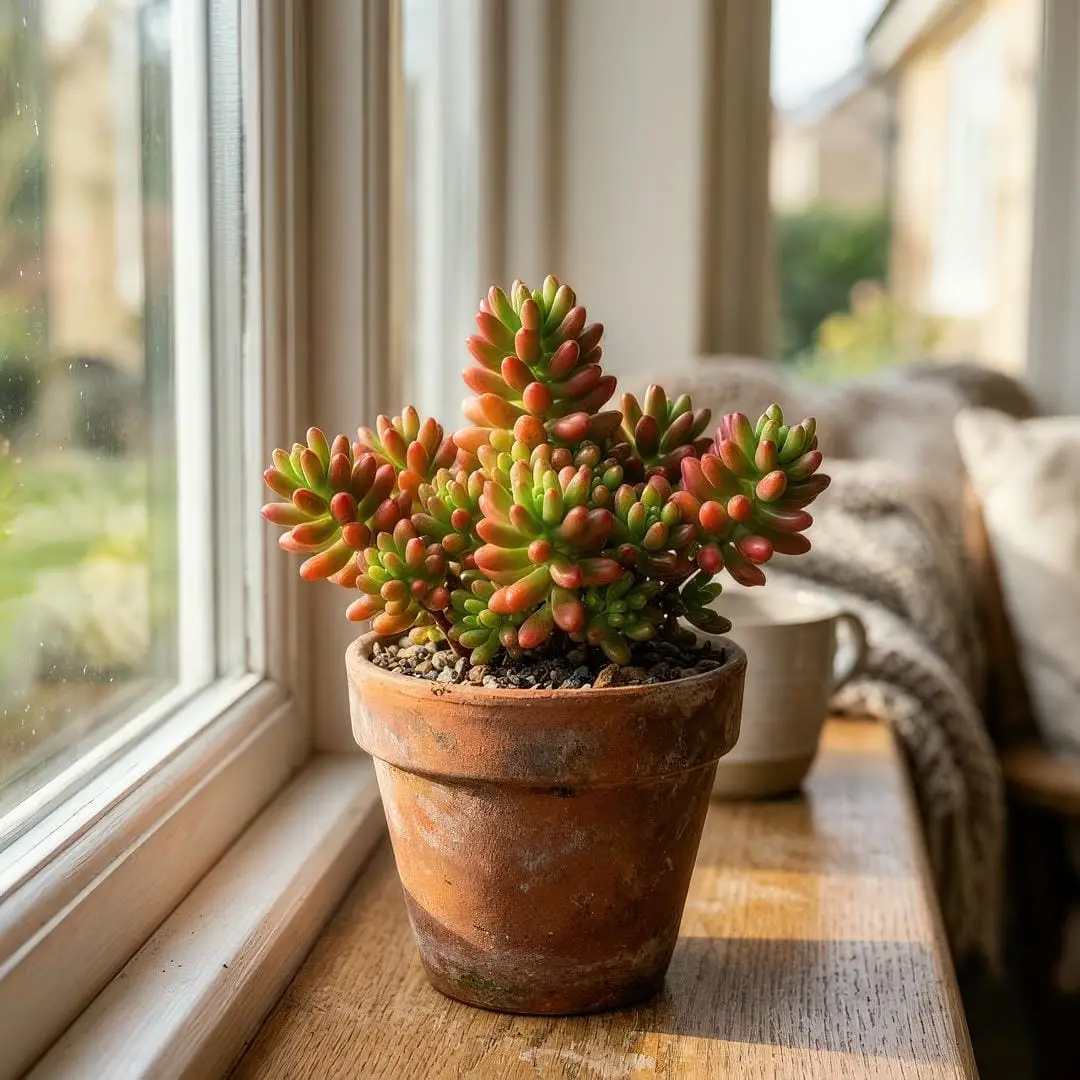
Complete Guide to Jelly Bean Plant Care and Growth
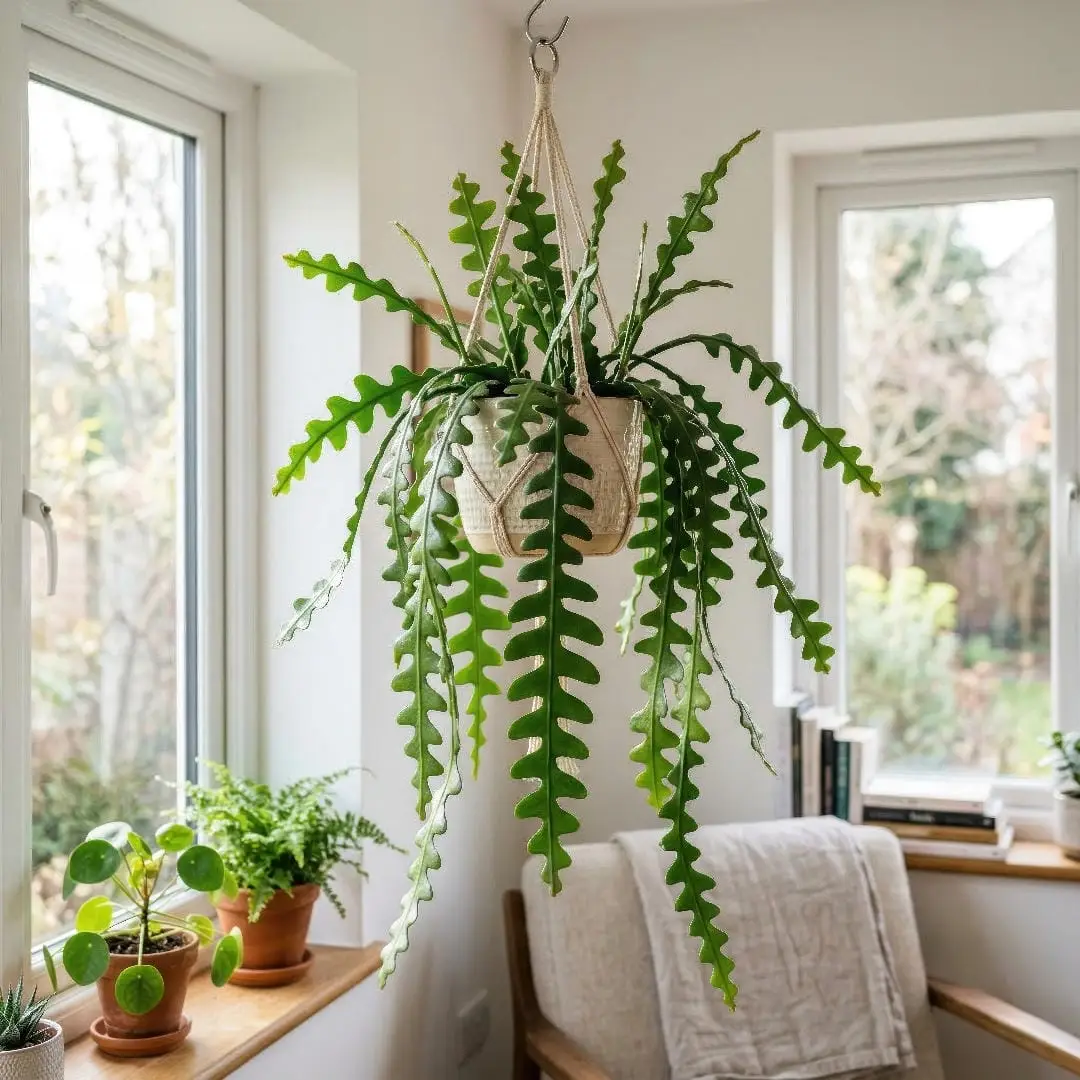
Complete Guide to Fishbone Cactus Care and Growth
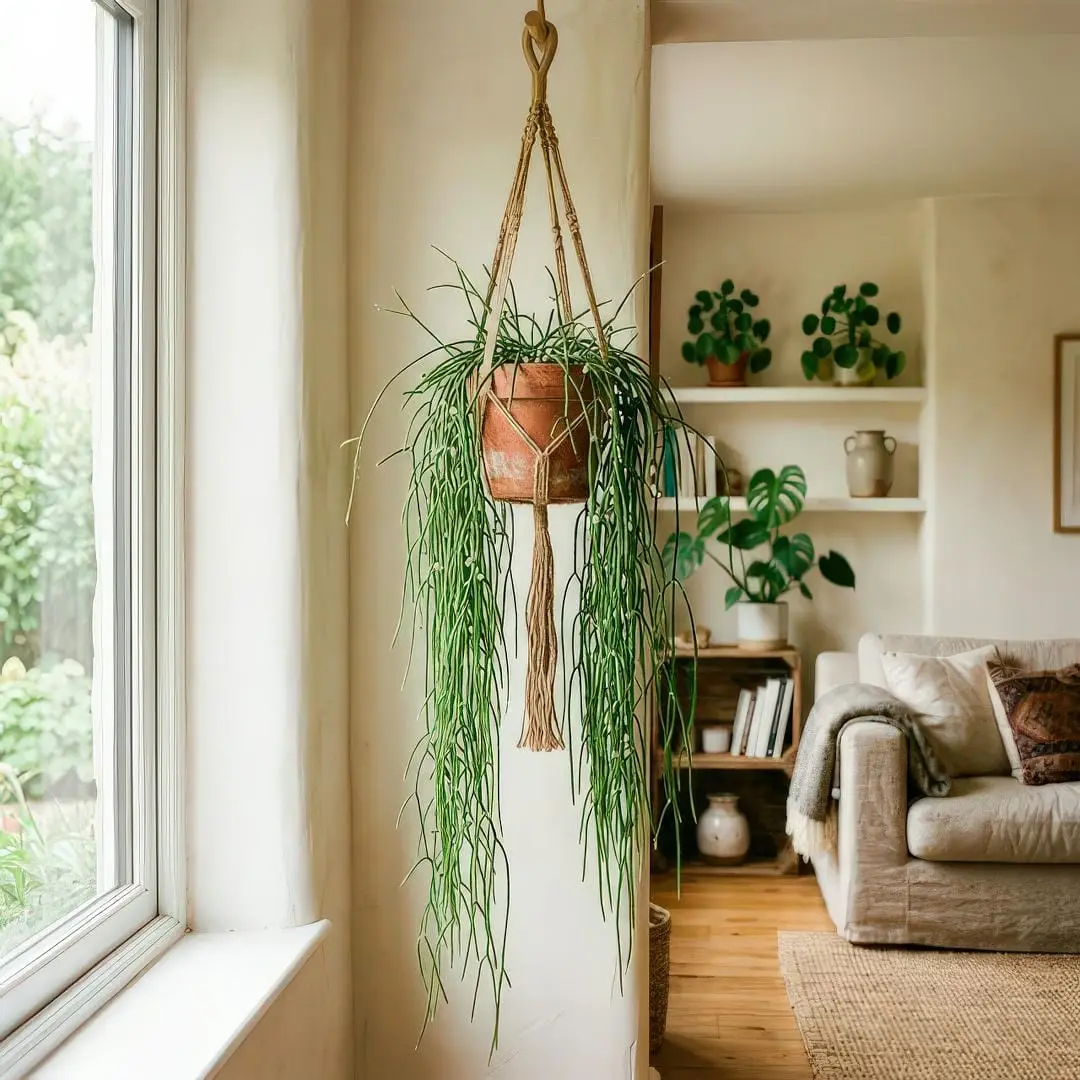
Complete Guide to Mistletoe Cactus Care and Growth
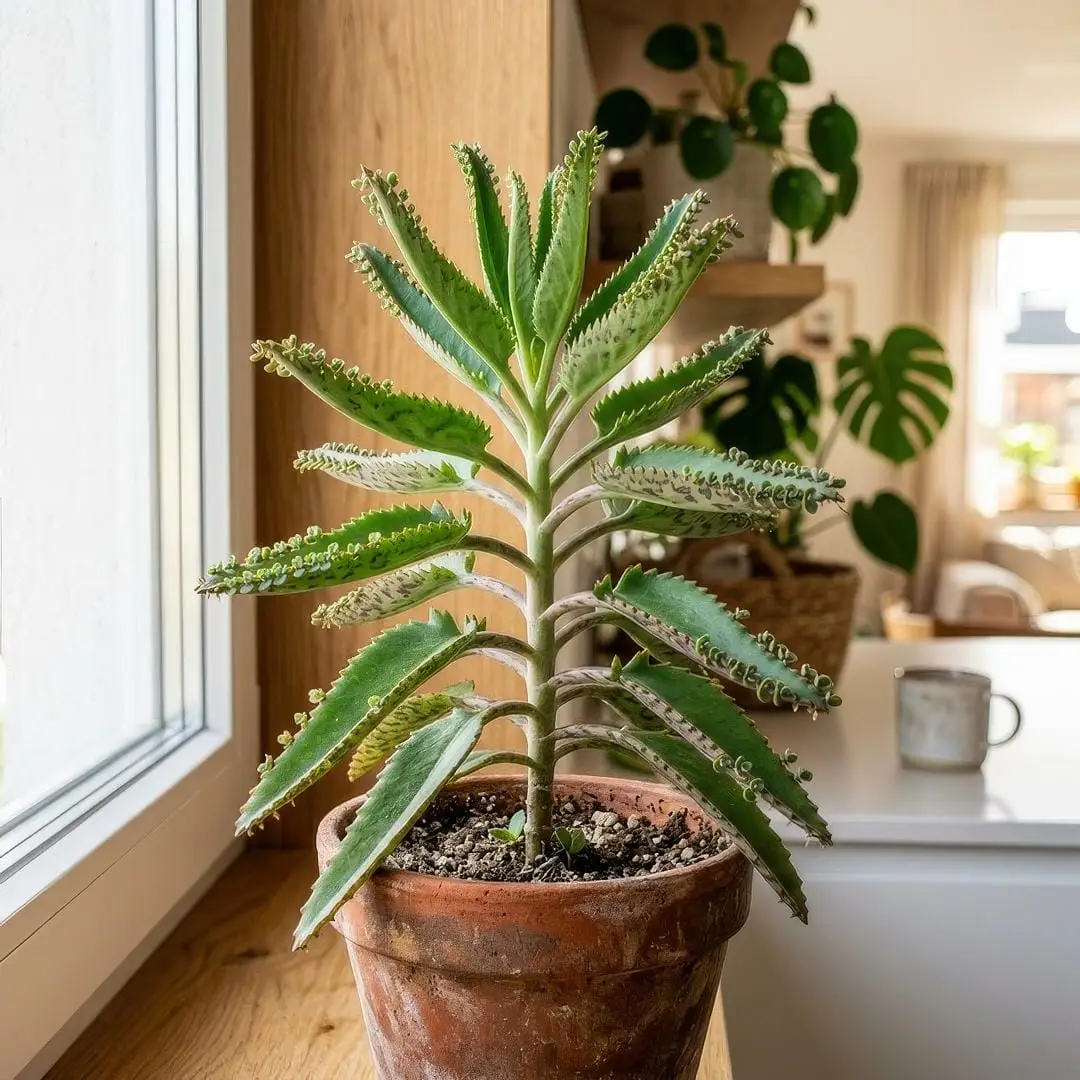
Complete Guide to Mother of Thousands Care and Growth
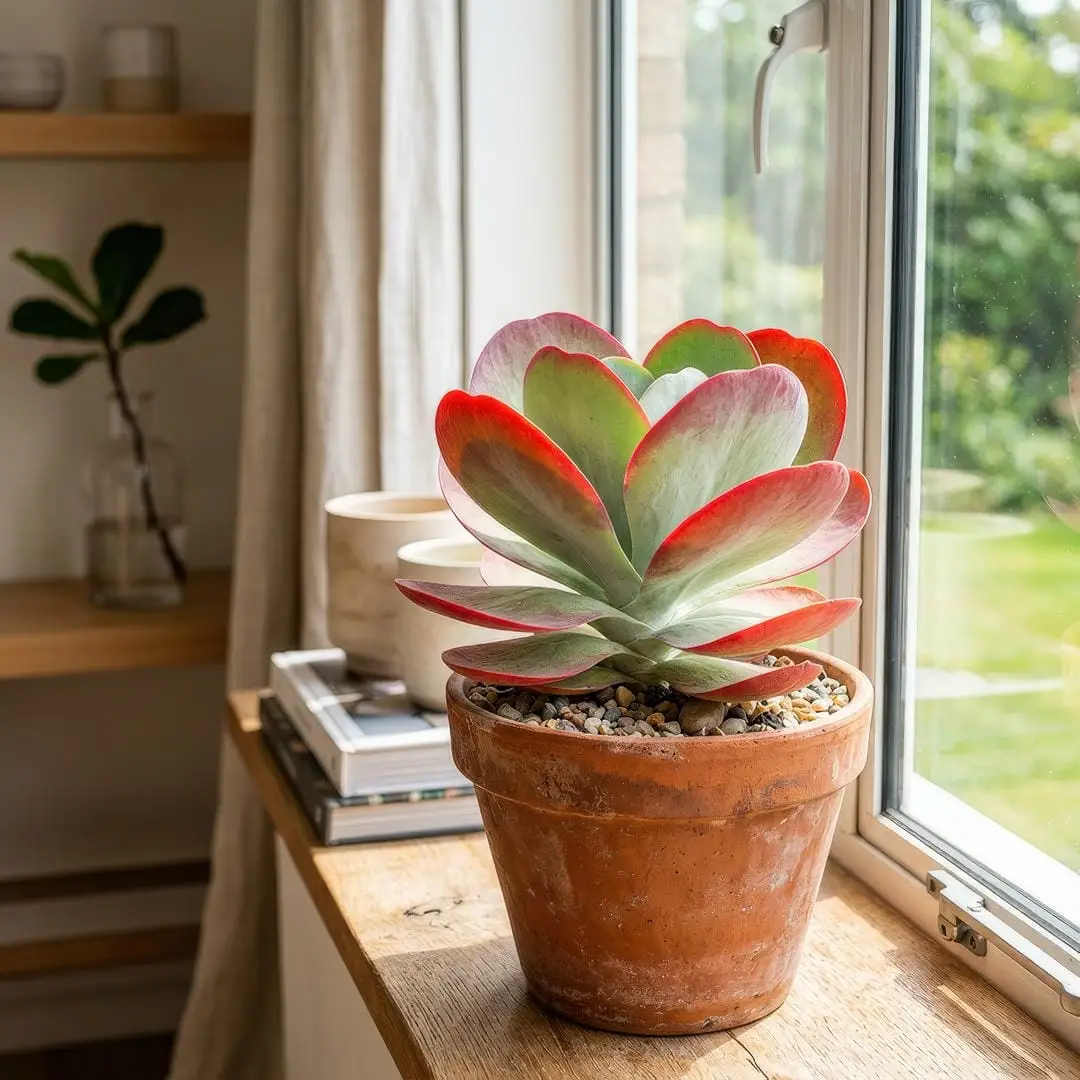
Complete Guide to Paddle Plant Care and Growth
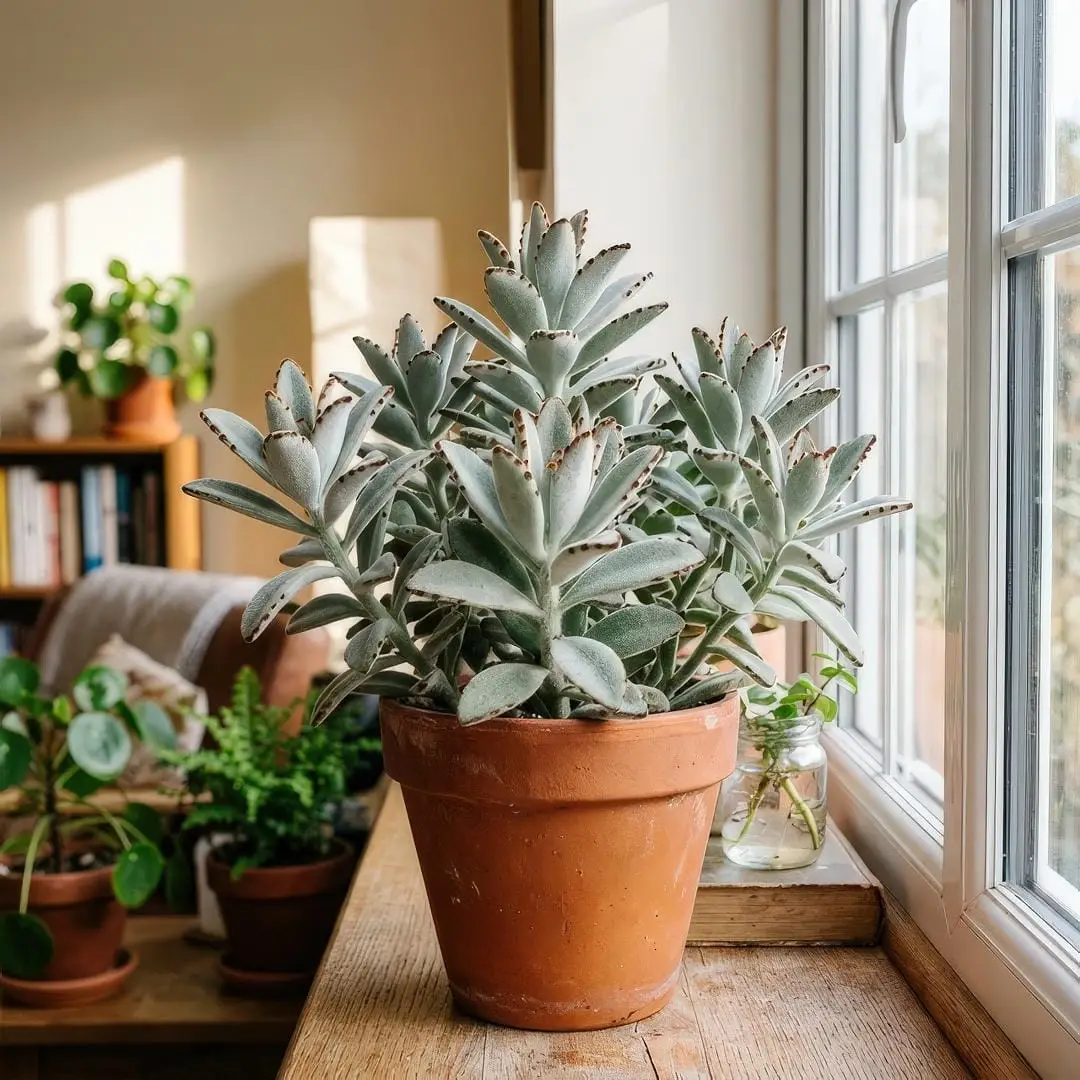
Complete Guide to Panda Plant Care and Growth

Complete Guide to Elephant Bush Care and Growth
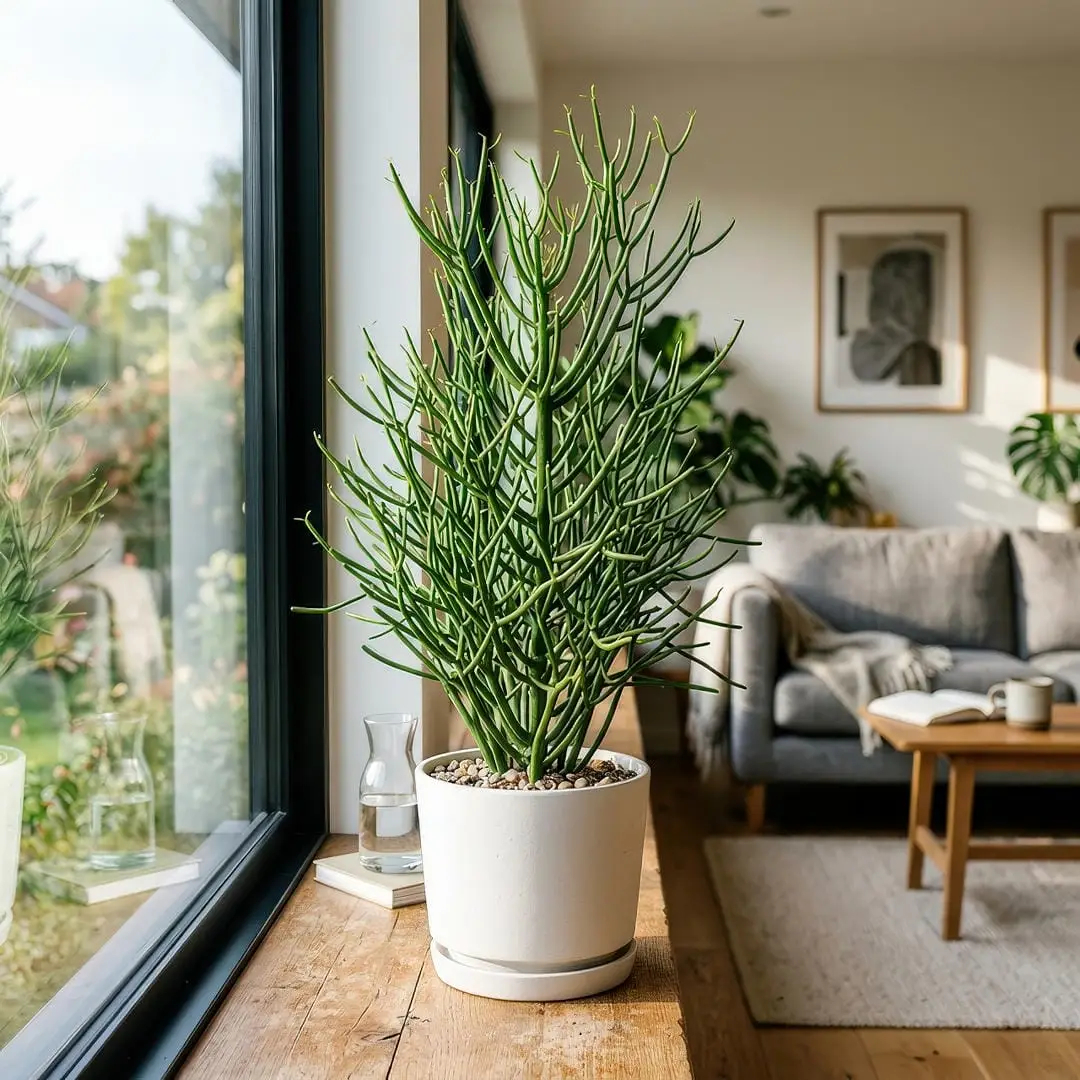
Complete Guide to Pencil Cactus Care and Growth
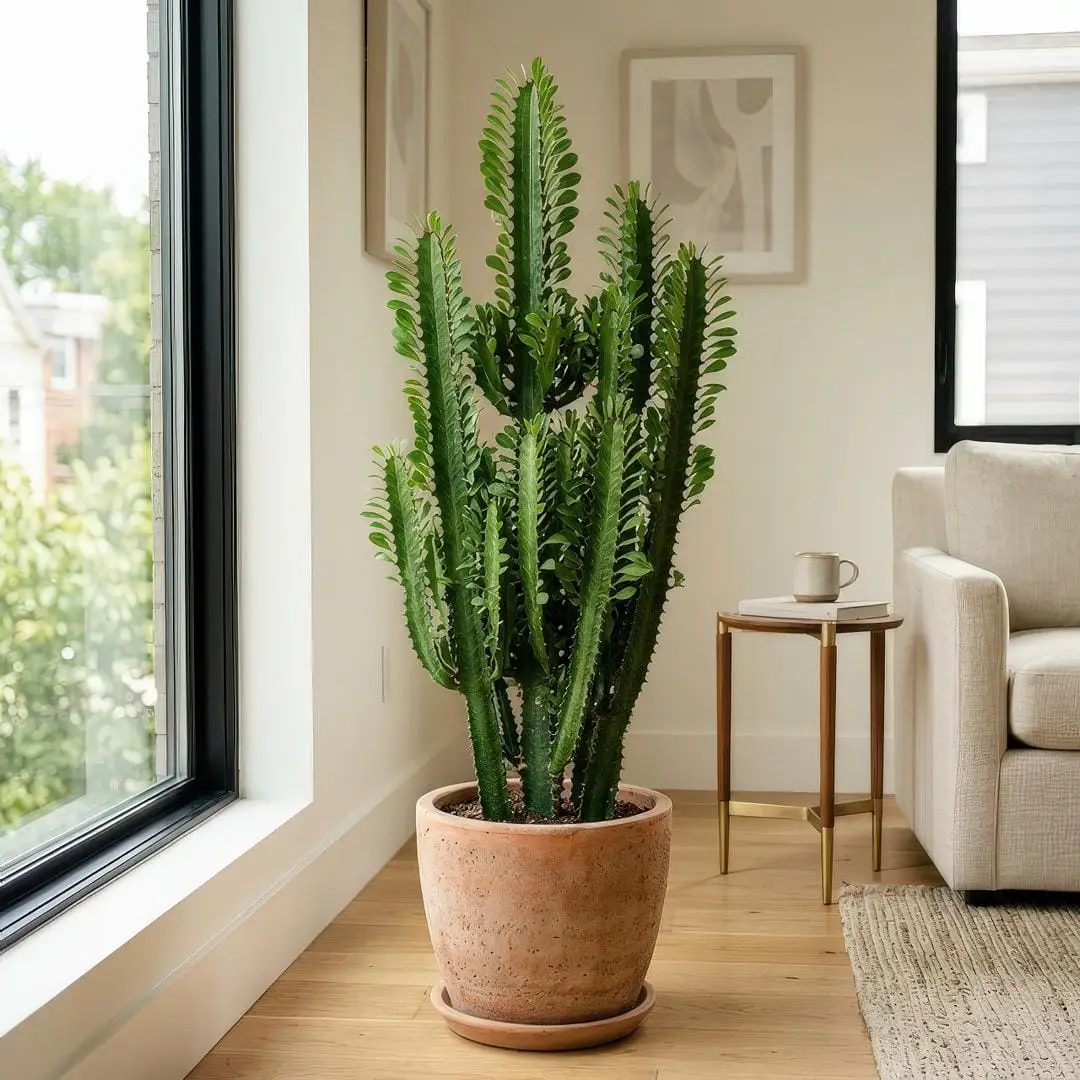
Complete Guide to African Milk Tree Care and Growth
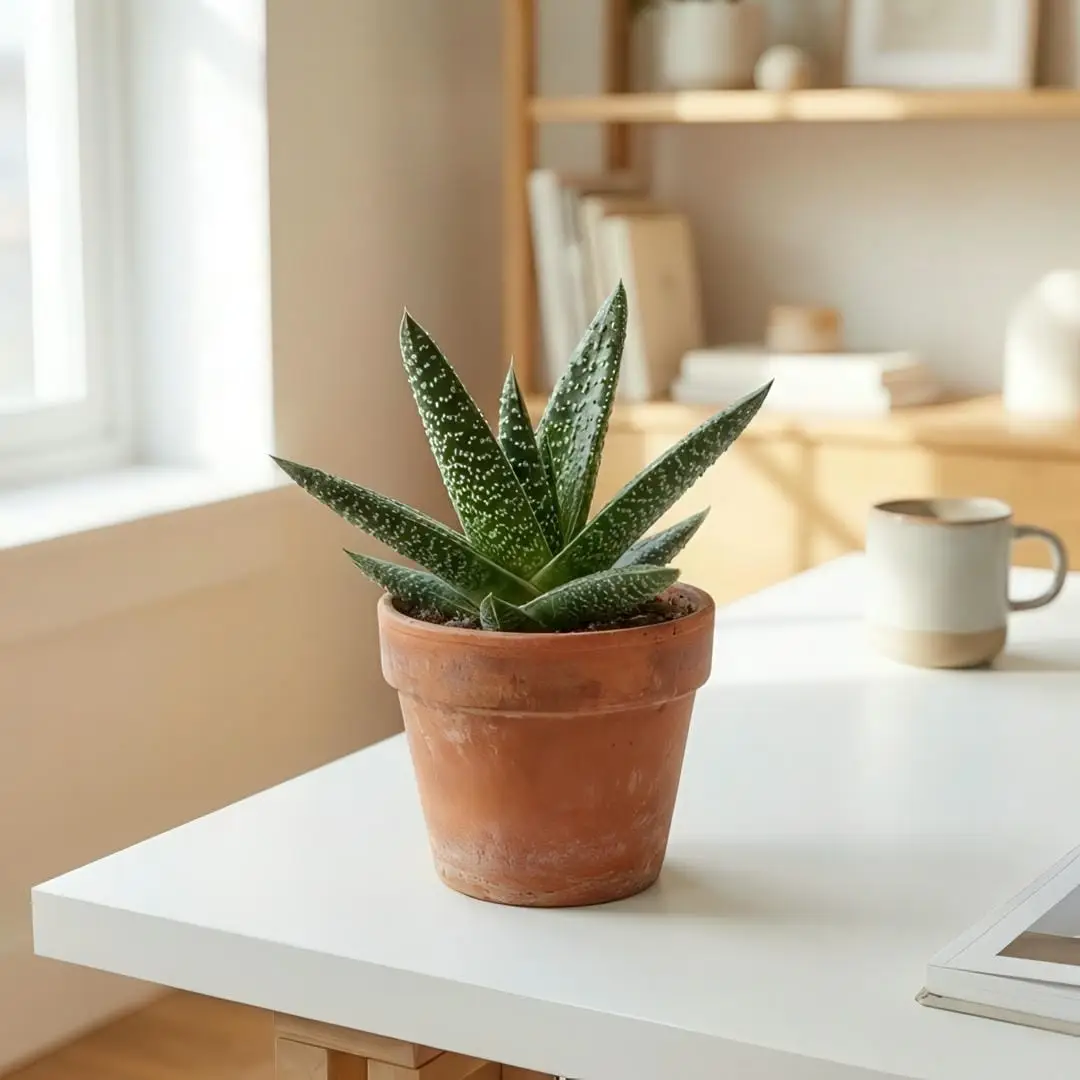
Complete Guide to Gasteria 'Little Warty' Care and Growth
Ox Tongue Care

Houseplant101 Forum
Questions & Comments
Ask a question, share your plant experience, or help other plant owners.
Comments are temporarily unavailable.
Open the Houseplant101 ForumNo comments yet
Be the first to ask a question or share your experience about this page.
Log in or create an account
Comments use your Houseplant101 Forum account, but you can stay on this page.
Create a new account