
Aeonium
Aeonium arboreum
Tree Aeonium, Tree Houseleek, Irish Rose, Desert Pinwheel Rose


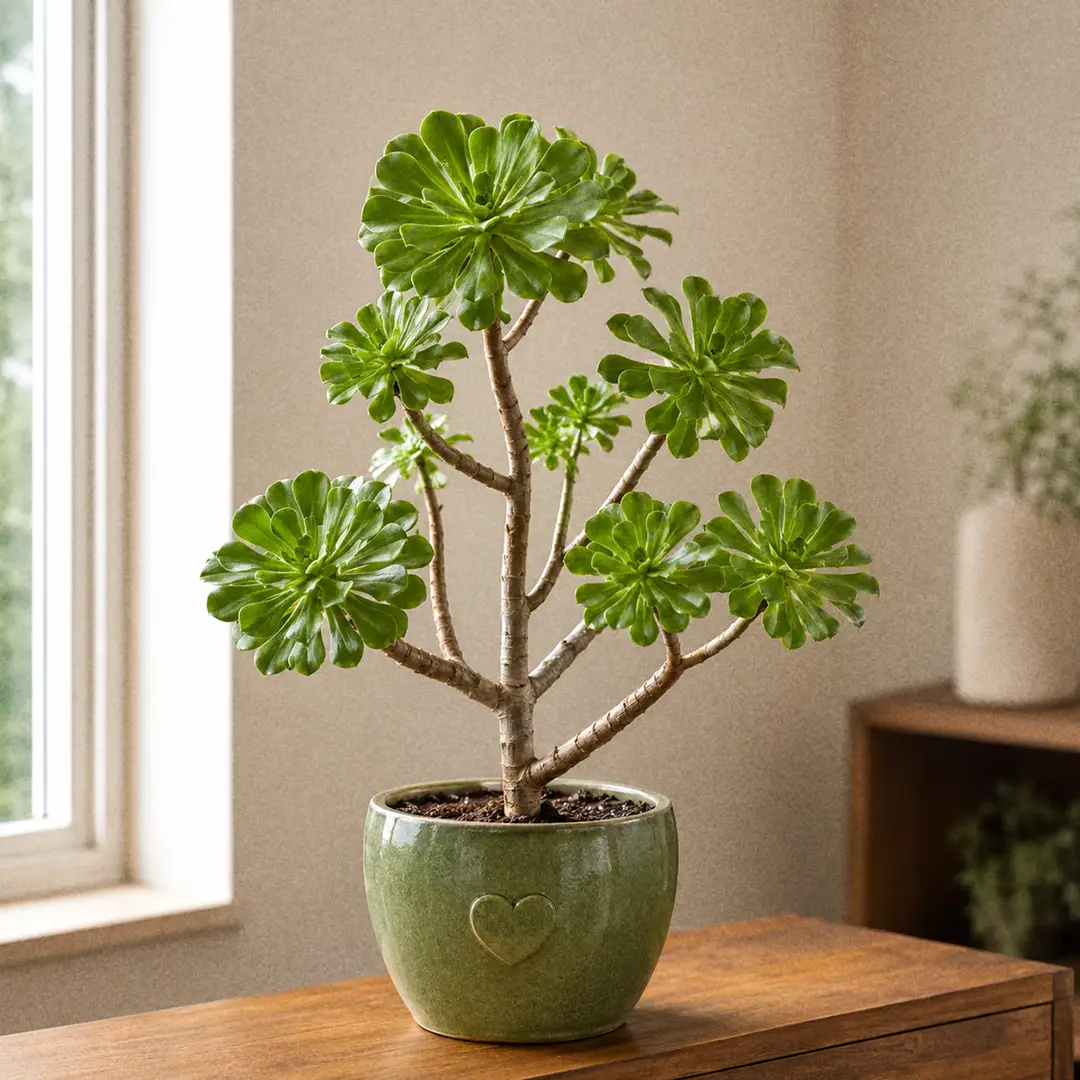
Aeonium (Aeonium arboreum) is the tree-form succulent that carries flat, glossy, perfectly spiraled rosettes on branching woody stems, so it looks like a bonsai made of living roses. Unlike almost every other succulent on the shelf, it grows through the cool months and rests in summer, which is the one quirk that trips up new owners and the one thing this guide makes simple.
📝 Aeonium Care Notes
🌿 Care Instructions
⚠️ Common Pests
📊 Growth Information
🪴 In This Guide 🪴

📺 Aeonium Video Guide

☀️ Aeonium Light Requirements (Bright Light With Some Direct Sun)
Light does two jobs on an Aeonium. It keeps the rosettes tight and flat instead of loose and stretched, and on the colored cultivars it is the only thing that holds the deep purple, burgundy, or red tones. A 'Zwartkop' in weak light quietly turns back to green.
The Sweet Spot
Aim for a bright spot with at least three or four hours of gentle direct sun a day. An east window with soft morning sun is close to perfect, and a south or west window works well as long as you soften the harshest midsummer afternoons with a sheer curtain. Set the pot within a foot or two of the glass. Dark cultivars want the most sun you can give them to stay dark. In a dim room, a full-spectrum grow light running 12 to 14 hours a day, hung eight to ten inches above the rosettes, does the same job. See light for houseplants for the wider picture.

Too Little Light
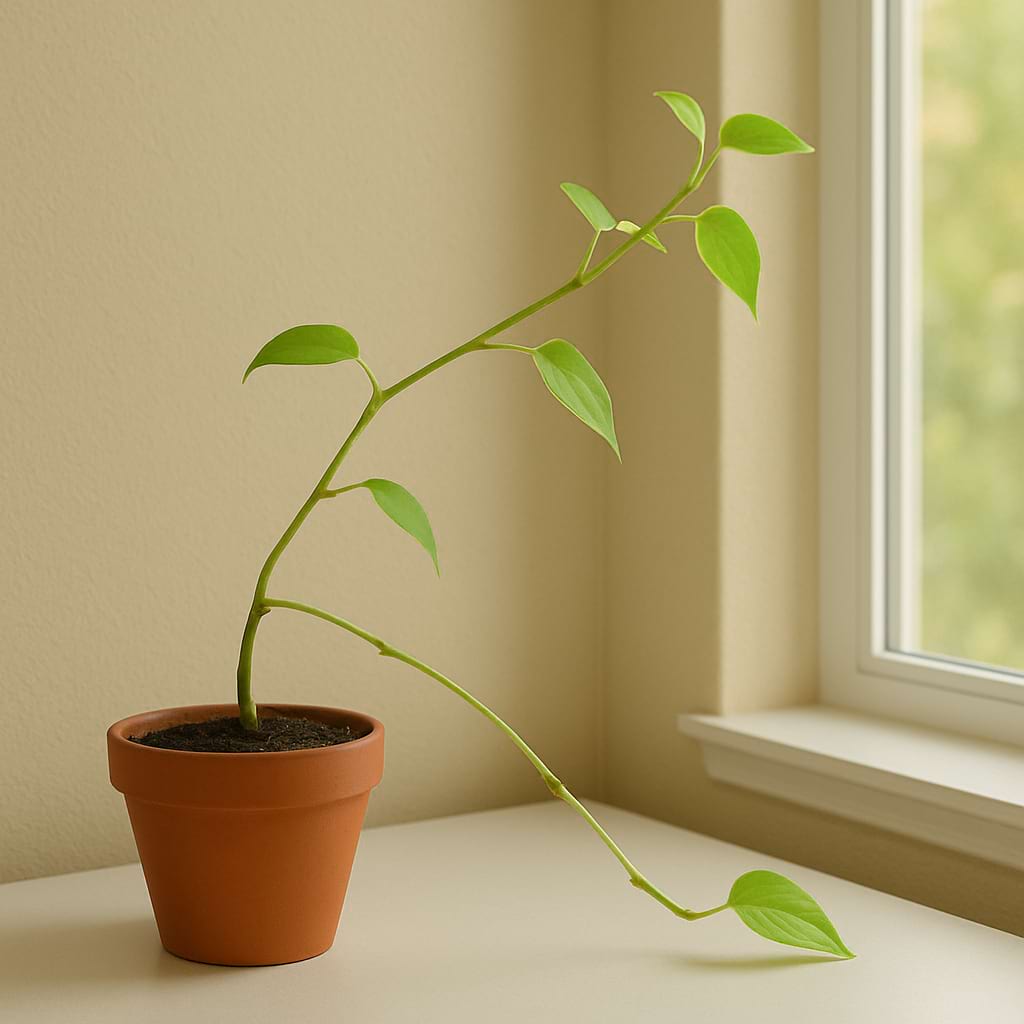
An underlit Aeonium stretches. The stems lengthen, the rosettes open up loose and floppy instead of sitting flat, and the gaps between leaves widen. Colored cultivars fade toward plain green, which is the clearest early warning that the plant wants more sun. Some bare stem is natural and even attractive on this tree-form plant, but a pale, leaning, wide-open rosette on a thin weak stem is the plant reaching for a window it cannot find. Move it brighter, and any new growth comes back tight.
Too Much Light
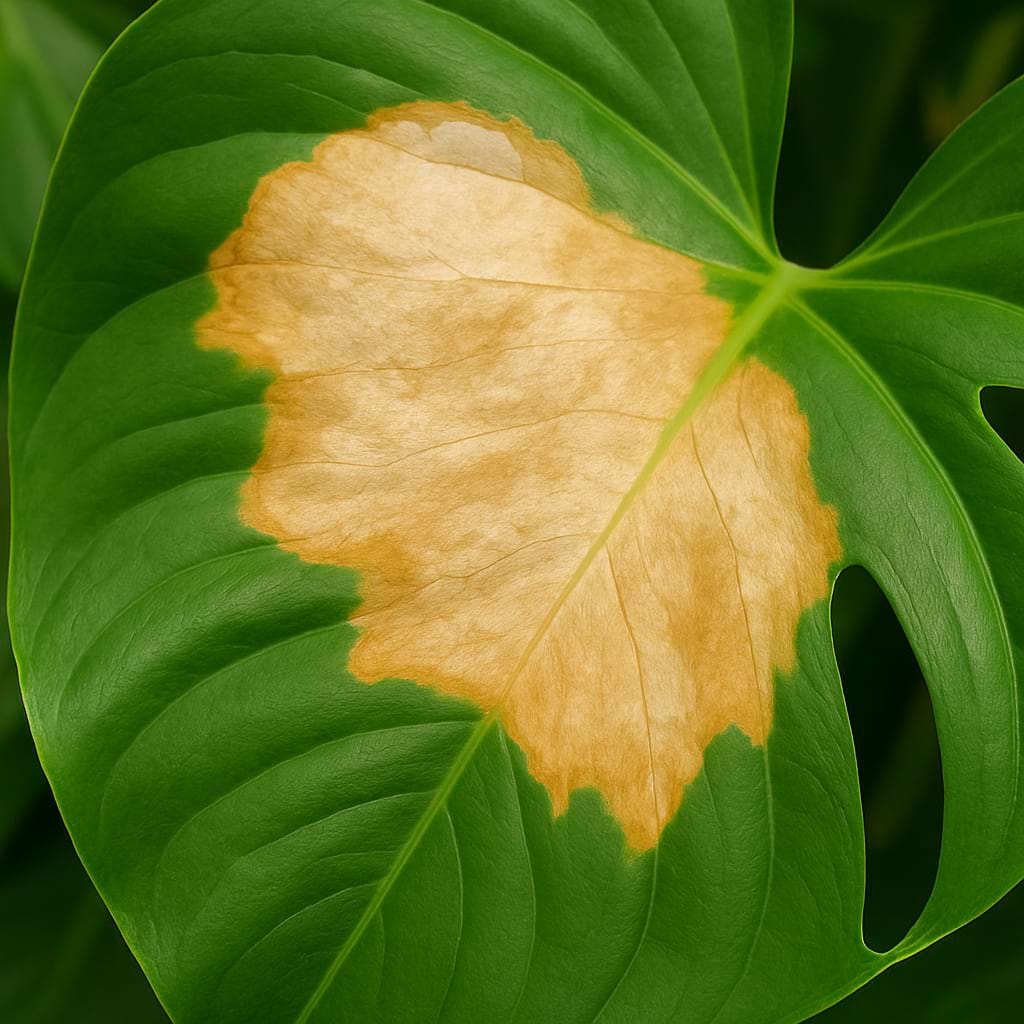
Aeoniums handle more sun than a chalky Echeveria, but a plant moved straight from a shady shop into a blazing summer window can scorch. The damage shows as brown or tan dry patches on the leaves facing the glass, and the scar stays for the life of that leaf. During the summer rest the plant is also least able to cope with intense heat and sun together. Harden a new plant into stronger light over a couple of weeks, and pull it back from the hottest glass in July and August.
💧 Aeonium Watering Guide (Follow the Seasons, Not the Calendar)
This is the section that makes or breaks an Aeonium, and it is where the plant differs most from every other succulent you own. Aeoniums grow in the cool months and rest in summer, so the watering schedule flips upside down compared to a Jade Plant or an Echeveria.
Watering Frequency
Through the growing season, roughly fall through spring, water deeply whenever the soil has dried out. The roots are shallow and the pots are usually wide and low, so that often lands every seven to ten days in a bright warm room, a little less in the coldest, darkest weeks. Aeoniums come from cliffs with wet winters, so they tolerate slightly more regular water than a desert succulent, but the soil must still dry between drinks. Push a wooden chopstick to the bottom of the pot to check; if it comes out damp, wait. See watering houseplants for the general method.
In summer, everything changes. When temperatures climb and the rosettes curl into tight closed balls, the plant has gone dormant and its water needs crash. Give it only a small drink every two or three weeks, just enough to stop the roots from completely desiccating and the lower leaves from crisping off wholesale. Watering a dormant Aeonium on the cool-season schedule is the fastest way to rot it.
How to Water
Water around the base until it runs freely from the drainage hole, wait a few minutes, then empty the saucer. Never leave the pot standing in water. Try to keep water out of the center of the rosette, because droplets trapped in the tight spiral through a cool night can cause fungal spotting. Bottom watering works nicely for Aeoniums as long as the mix is gritty, since it keeps the rosettes dry while the shallow roots drink from below.
Signs of Trouble
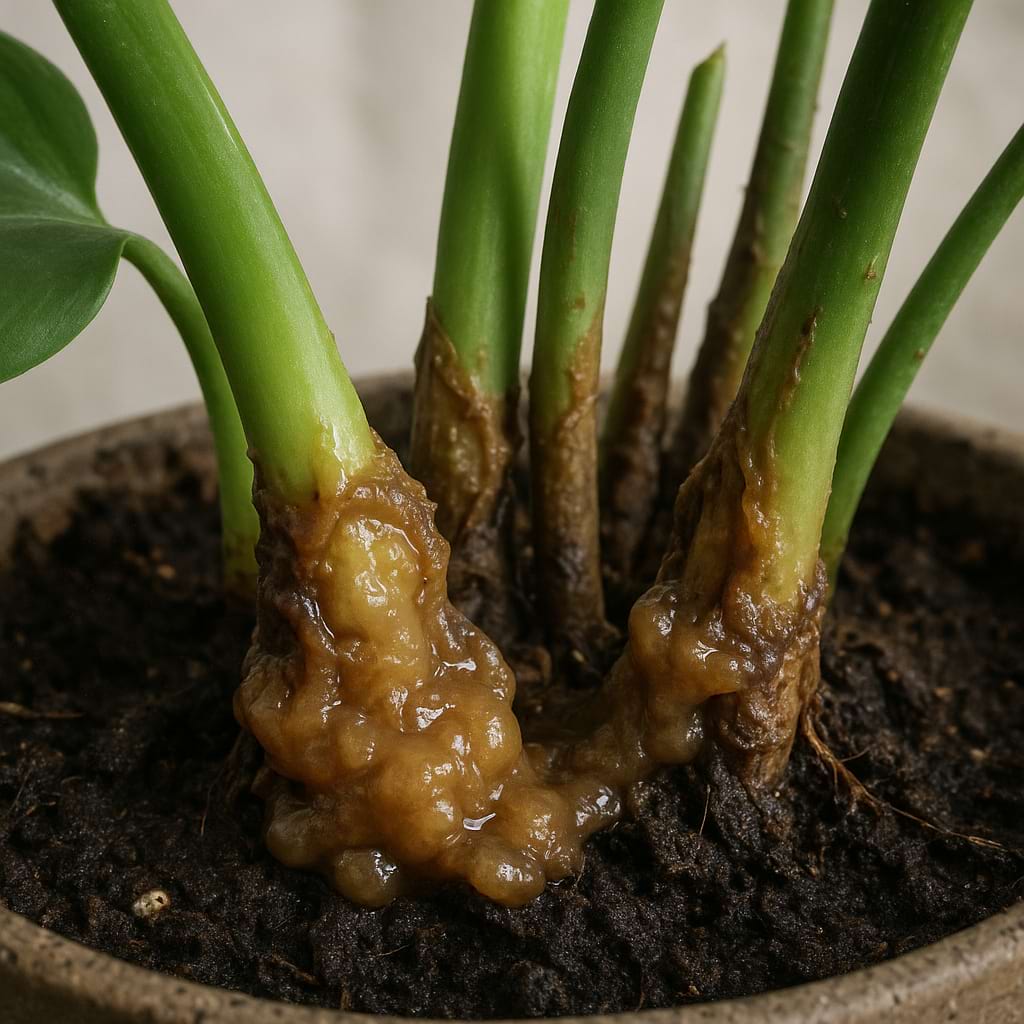
A thirsty Aeonium in growth curls its leaves inward and softens slightly; a good soak plumps it back within a day. Do not confuse this with the tight summer curl, which is normal dormancy and needs less water, not more. An overwatered plant goes the other way: the lower stem darkens and softens, leaves yellow and drop with no resistance, and a sour smell rises from the soil. That is root rot, and the rescue is to cut a clean healthy rosette off the top and re-root it in dry grit.
🪴 Best Soil for Aeonium (Gritty but Not Bone-Dry Desert Mix)
Soil is the safety net behind the watering can. Aeoniums want fast drainage like any succulent, but because they come from damp winter cliffs rather than a baking desert, they take a touch more organic matter than an Echeveria or a cactus.
What the Soil Needs
A mix that drains freely and dries within a week, but holds a little moisture through the cool growing season. Pure mineral grit that dries in a day is actually too lean for an Aeonium in active growth. Neutral pH is fine, and you do not need to measure it. The goal is a blend that feels open and airy in your hand, never dense or muddy.
DIY Soil Mix
- 2 parts standard cactus and succulent mix
- 1 part coarse pumice or perlite
- 1 part compost or coco coir for a little moisture in the growing season
Squeeze a damp handful; it should crumble apart when you open your hand but leave your palm faintly moist rather than dusty-dry. That slight moisture-holding is the difference between an Aeonium mix and a desert-cactus mix. The blend also suits a Ghost Plant, an Elephant Bush, or a Jade Plant on the same shelf.
Pre-Made Options
A bagged cactus and succulent mix works if you cut it with about a third pumice or perlite for extra air. Unlike with fussier desert succulents, you do not need to strip out most of the organic content; a little compost helps this cool-season grower. Skip heavy, water-retentive "premium" potting soils with added moisture crystals, which keep the shallow roots too wet. See repotting for more.
🍼 Fertilizing Aeonium (Feed in the Cool Season Only)
Aeoniums are light feeders, and the timing matters more than the amount. Because they grow in the cool months, you feed on a schedule that looks wrong next to every other succulent in the house.
When and How Often
Feed during active growth only, from early fall through spring. A feed once a month at half strength through that window is plenty. Stop completely in summer, when the plant is dormant and cannot use the nutrients, and never feed a plant that has just been repotted into fresh mix for the first six to eight weeks.
What to Use
A balanced or slightly low-nitrogen succulent fertilizer at half the label strength is ideal. Water with plain water first, then apply the diluted feed to already-damp soil so you never shock dry roots. A weak liquid kelp or a quarter-strength general houseplant feed works just as well. See fertilizing houseplants for dilution guidance.
Over-Fertilizing Signs
A white salt crust on the soil or pot rim means you are feeding too much or too concentrated. Flush the pot with two or three pot-volumes of plain water, skip the next feed, and dilute further. Growth that comes in soft, pale, and stretched, especially on a colored cultivar losing its tone, is a sign the plant is being pushed harder than the light can support.
🌡️ Aeonium Temperature Range
Aeoniums like the same mild conditions people do, and they are quick to tell you when a room swings too hot or too cold. Understanding heat is the key to understanding this plant, because heat, not cold, is what puts it to sleep.
Ideal Range
The comfort zone is 65 to 75°F (18 to 24°C), the mild range of a Canary Island winter. The plant keeps growing happily anywhere from about 40 to 80°F (4 to 27°C). Sustained heat above 80°F (27°C) is the trigger for summer dormancy, when the rosettes close up and growth stops. Aeoniums are not frost-hardy; protect them from anything below about 30°F (-1°C), and indoors keep them clear of freezing window glass in winter.
Drafts and Heat Sources
Keep the plant away from hot, dry air from radiators and heating vents, which speeds up drying and can crisp the thin leaves. In summer, a spot with good airflow and a little shade from the fiercest afternoon sun helps the plant coast through dormancy without stress. A cool, bright, airy room is exactly what an Aeonium wants for its main growing season, so an unheated but frost-free porch or a bright cool bedroom often suits it better than a warm living room.
💦 Aeonium Humidity Requirements
Ideal Humidity
Normal household humidity, anywhere from 30 to 50 percent, is comfortable. Coming from breezy coastal cliffs, an Aeonium copes with slightly higher humidity than a desert succulent, but it still wants moving air and no lingering damp. No misting, no pebble trays, and never a closed terrarium, where trapped moisture rots the tight rosettes.
Easy Humidity Boosters
You almost never need to add humidity for this plant. The real risk runs the other way: hot, stuffy, still air in a closed summer room, where a dormant Aeonium can develop fungal spots at the rosette center. A small fan running a few hours a day, or an open window on mild days, keeps the air moving and the rosettes dry. Skip steamy bathrooms and any corner where condensation collects.
🌸 Aeonium Flowers (Dramatic Cones, With a Catch)
The Aeonium bloom is genuinely spectacular, and it comes with the single most important thing a new owner needs to understand about this plant: the rosette that flowers then dies.
What the Flowers Look Like
A mature rosette that is ready to bloom stops making leaves and instead pushes a tall conical or pyramidal spike packed with dozens of small star-shaped flowers, bright yellow in the species and pale yellow to pink in some cultivars. The whole cone can stand a foot or more above the rosette and lasts several weeks, usually in late winter or spring. It is a showstopper, and pollinators love it if the plant is outdoors.
The Monocarpic Catch
Here is the catch. Aeonium rosettes are monocarpic, which means each individual rosette flowers only once and then slowly dies back after setting seed. On a well-branched plant this is no tragedy, because only the flowering head is lost while the rest carry on, and the plant often responds by branching more. On a single-stemmed, unbranched plant, though, flowering can mean the end of the whole plant. If your Aeonium sends up a bloom, take a few stem cuttings from the healthy non-flowering rosettes first, so you always have the plant continuing in a fresh pot.
If It Won't Bloom
Most indoor Aeoniums bloom rarely, and that is fine. Flowering needs a mature plant, a strong cool growing season, and often a cool winter chill to set buds, conditions that are hard to hit in a warm room. If yours never blooms it simply keeps growing as handsome foliage, which for most owners is the better outcome anyway given the monocarpic cost. See failure to bloom only if a mature plant outdoors is stubbornly leafy year after year.
🏷️ Aeonium Types and Varieties
Aeonium arboreum is one species, but it and its close relatives give us some of the most striking rosettes in the whole succulent world. The colored cultivars are the reason most people fall for this plant.
Aeonium arboreum (the standard green form)
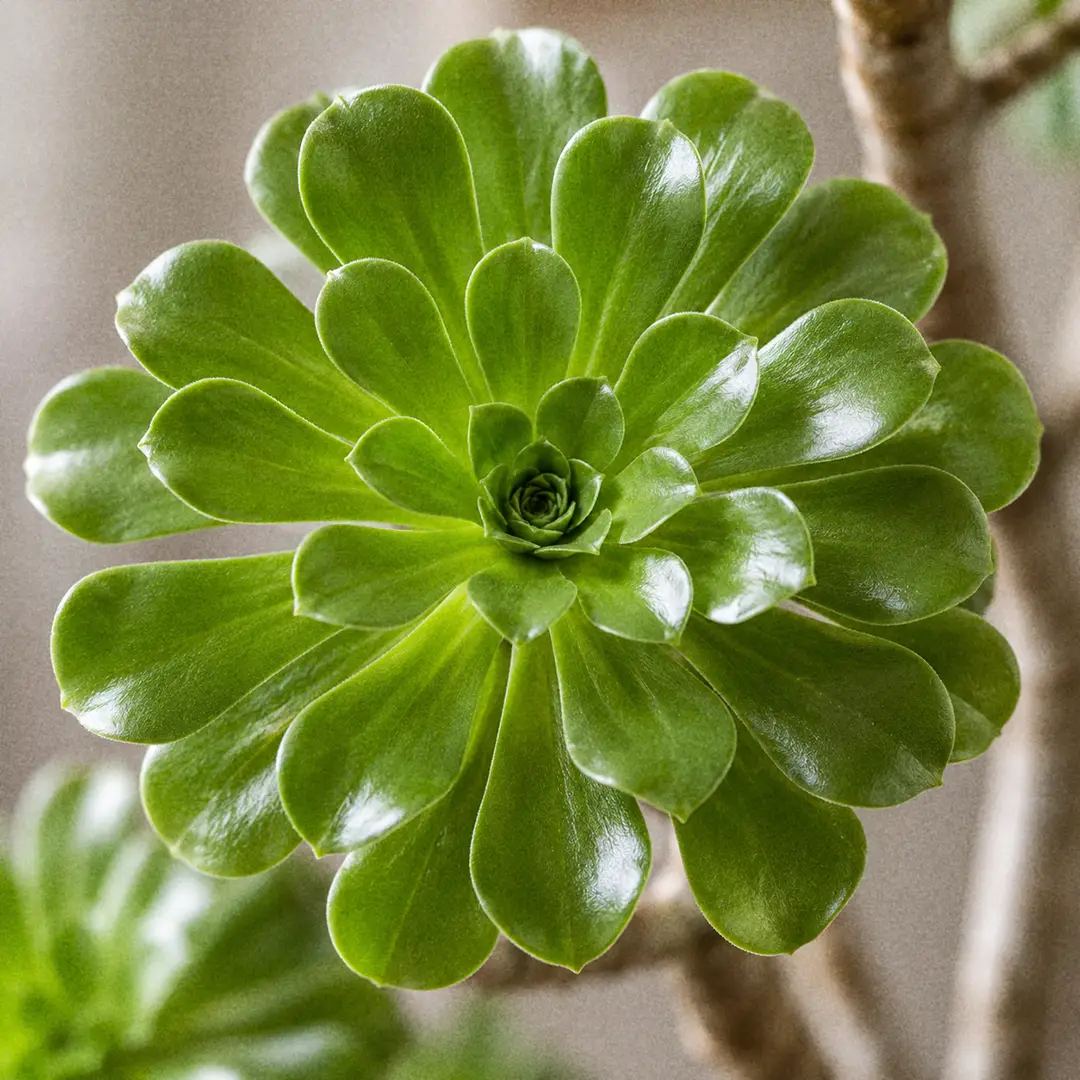
The classic tree Aeonium. Glossy bright green rosettes four to eight inches across, held on branching woody stems that build up into a small shrub or tree over the years. Vigorous, forgiving, and the easiest of the group to grow indoors. Blooms bright yellow on a mature plant.
Aeonium 'Zwartkop' (Black Rose)
The famous near-black cultivar, sometimes sold as 'Schwarzkopf'. In strong sun the rosettes turn a deep glossy purple so dark it reads as black, with just a green heart at the center. It is the most dramatic Aeonium and the most sun-hungry; grown in shade it fades to plain green. Slightly slower and more upright than the green species.
Aeonium arboreum 'Atropurpureum'
A rich burgundy-to-wine-purple form, less inky than 'Zwartkop' but easier to color up in average bright light. The leaves flush deep purple in sun and hold a coppery green in gentler light, so it gives you color without needing the fiercest window in the house.
Aeonium 'Sunburst' and 'Kiwi' (variegated cousins)
Two variegated favorites usually sold alongside true arboreum. 'Sunburst' carries big cream-and-green striped rosettes that blush pink at the edges in sun. 'Kiwi' is a smaller, softer rosette of pale yellow-green centers with rose-tipped leaves. Both want the same care as the species, with a touch more shade to keep the pale variegation from scorching.
Common Look-Alikes Worth Knowing
The glossy rosette shape means Aeoniums get confused with other Crassulaceae. A chalky-leaved Echeveria is the usual mix-up, but Echeveria rosettes sit tight and stemless with a matte, powdery coating, while Aeonium rosettes are glossy, thinner-leaved, and perched at the ends of bare woody branches. True Hens and Chicks (Sempervivum) are also flat rosettes but are cold-hardy alpine plants that want frost, the opposite of a frost-tender Aeonium. When in doubt, look at the stem and the shine: a rose on a stick with glossy leaves is almost always an Aeonium.
Good Shelf Companions
An Aeonium's tree silhouette pairs well with low and trailing succulents. A tight Echeveria or a translucent Haworthia fills the front at rosette height, a trailing Burro's Tail or String of Coins spills from a shelf above, and a fuzzy Panda Plant or patterned Jelly Bean Plant adds contrasting texture at the base. A dark 'Zwartkop' set against pale-leaved companions is one of the best-looking combinations in succulent growing.
🪴 Potting and Repotting Aeonium
When to Repot
Repot every two to three years, or when roots crowd the drainage hole and the plant dries out within a day of watering. The best time is early fall, right as the plant wakes into its growing season. Avoid repotting in the heat of summer while the plant is dormant, when disturbed roots are slow to recover.
Choosing a Pot
Aeoniums have shallow, spreading roots and top-heavy branches, so a wide, shallow, and fairly heavy pot beats a tall narrow one. A low stoneware bowl or a broad terracotta pan gives the roots room to spread and keeps the plant from tipping as it grows. Terracotta wicks away excess moisture, which is helpful for a plant you sometimes water in cool weather. A drainage hole is non-negotiable.
Step-by-Step Repotting
Let the soil dry for a few days first so the root ball loosens cleanly. Ease the plant out, tease away old spent mix, and check the roots and lower stem for any soft brown rot, trimming it off with sterilised scissors. Settle the plant into fresh gritty mix at the same depth it sat before, firm it gently, and wait about a week before the first light water so any nicked roots can callus. Top-dress with a thin layer of grit if you like the look, and give the plant a bright but not blazing spot while it settles.
✂️ Pruning Aeonium
Pruning an Aeonium is mostly about controlling height and shaping the little tree, and every cut you make is a free new plant. This is one of the most rewarding plants to prune because it is so forgiving.
When to Prune
Prune in fall or early in the growing season so cuts heal fast. Behead any stem that has grown too tall, leggy, or lopsided, cutting a few inches below the rosette. The cut stem left behind usually branches into two or three new heads within a season, which is exactly how you turn a single-stem plant into a full bushy tree. Snip spent flower cones off at the base once they finish.
How to Prune
Use a clean, sharp, sterilised blade wiped with rubbing alcohol. Cut cleanly through the woody stem at the height you want, and set the cut top aside to callus for a few days before re-rooting it (see propagation below). The parent stem needs nothing more than its normal care; new rosettes will push from just below the cut.
Shaping for a Fuller Plant
Because every beheading forces branching, regular topping is how you build a dense, many-headed specimen rather than a few tall bare stalks. Take the tops when the plant is actively growing, root them around the base of the parent or in their own pots, and within a couple of seasons a leggy single stem becomes a lush cluster of rosettes.
🌱 How to Propagate Aeonium
Aeoniums are among the easiest succulents to propagate, with one important quirk: you root stem and rosette cuttings, not single leaves. A detached Aeonium leaf almost never grows a new plant the way an Echeveria leaf does, so always take a piece of stem.
Best Method
Stem or rosette cuttings are the only reliable route. Any healthy rosette with a couple of inches of stem attached will root readily, which is why pruning and propagating are really the same job on this plant. Spring and fall, during active growth, give the fastest results. See succulent propagation for the broader principles.
Step-by-Step Cutting Propagation
Use a clean, sharp, sterilised blade to cut a healthy rosette with two to four inches of stem below it. Strip the lowest few leaves off the stem to leave a bare section to plant. Set the cutting somewhere warm, dry, and shaded for three to five days until the cut end calluses over; planting a fresh wet cut invites rot. Once calloused, push the bare stem an inch or so into lightly moist gritty mix, firm it gently, and place it in bright indirect light. Water very lightly once a week. Roots form within two to three weeks, and you will feel the cutting anchor when you give it a gentle tug.
Tips for Success
Bright indirect light beats full sun while a cutting roots, since harsh sun dries the stem before roots form. Keep the soil barely moist, never wet; the single biggest cause of failure is a cutting sitting in soggy mix. Because each cutting is a full rosette, an Aeonium cutting looks like a finished plant almost immediately, which makes this one of the most satisfying succulents to share. Pot several rooted cuttings together for an instantly full arrangement.
🐛 Aeonium Pests and Treatment
A healthy Aeonium in a bright, airy spot rarely has serious pest trouble, but the tight spiral of the rosette and the leaf-to-stem joints are good hiding places for soft-bodied insects. A weekly glance into the center of each rosette is the best prevention.
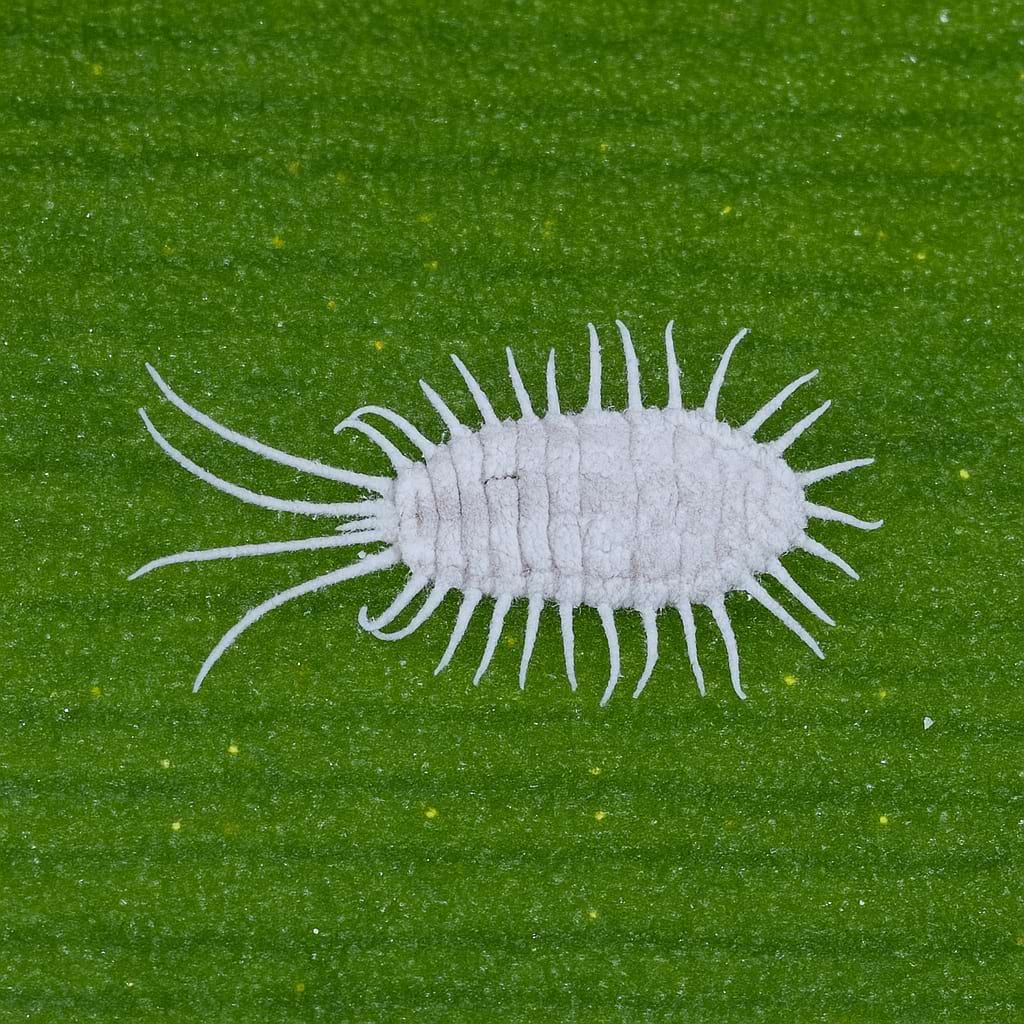
Mealybugs are the most common Aeonium pest, showing up as small tufts of white cotton wedged into the rosette center and the joints where leaves meet the stem. Dab each one with a cotton swab dipped in 70 percent isopropyl alcohol, then repeat weekly until none return for a month. A soil-applied systemic clears a heavy infestation from the inside.
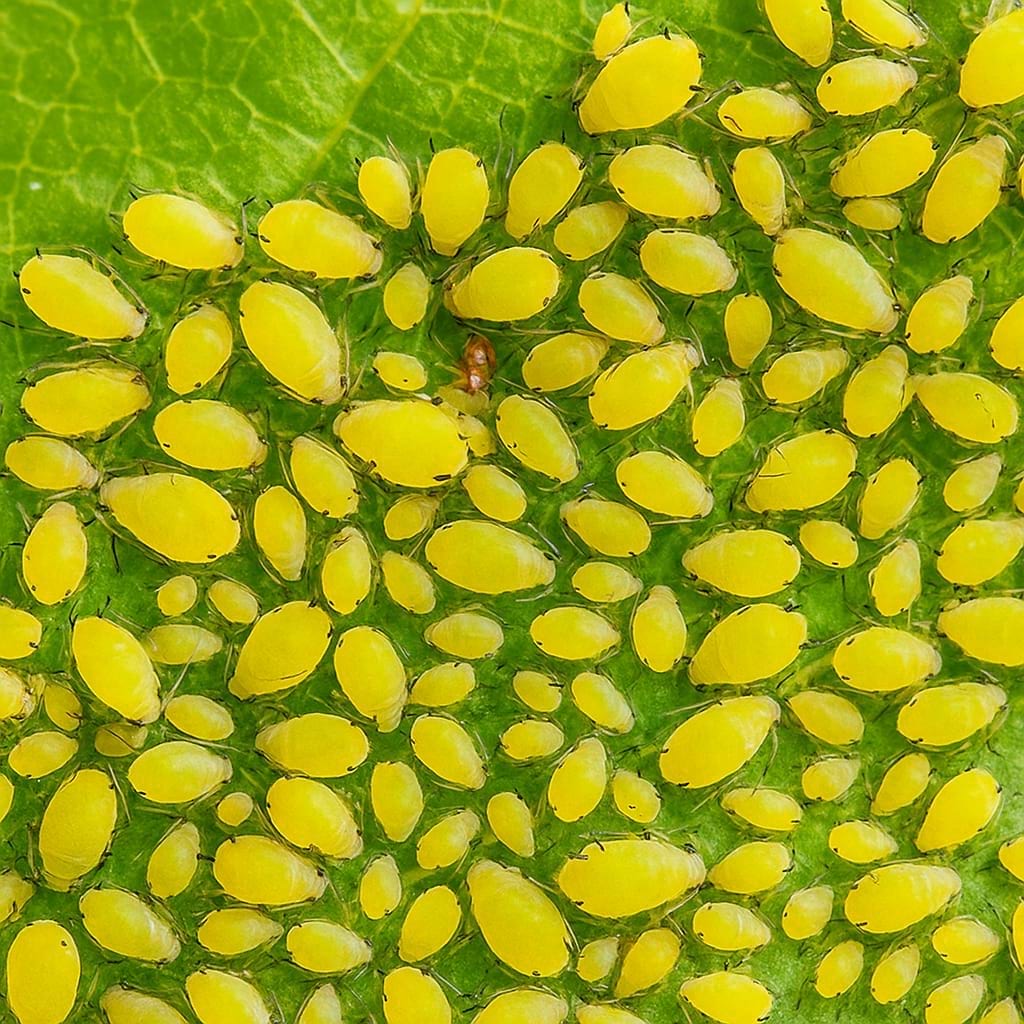
Aphids love the soft new flower stalks, clustering in green or black drifts on the emerging bloom cone. A sharp jet of water knocks most of them off, and a follow-up with insecticidal soap a few days later finishes the job.
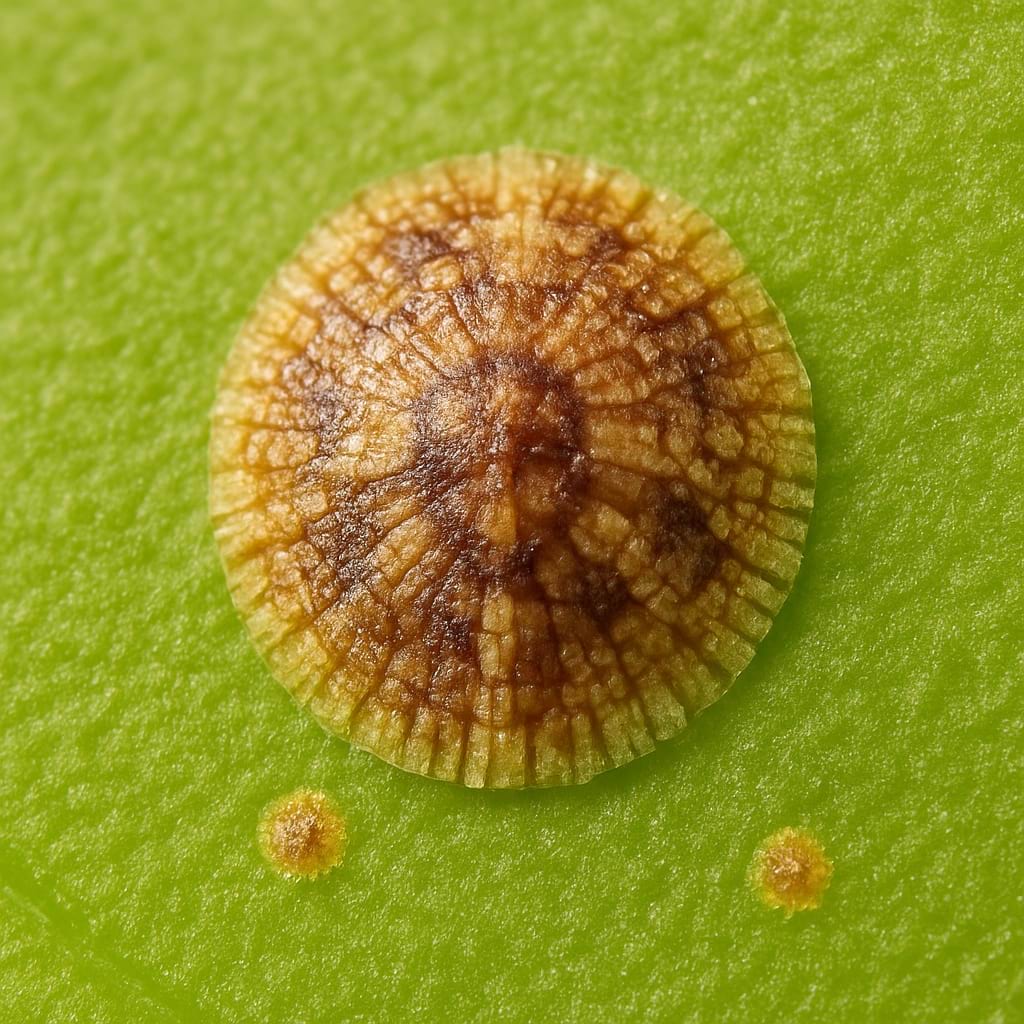
Scale insects appear as small, hard, immobile brown bumps stuck to the stems and leaf undersides. Scrape them off with a wooden toothpick and treat any remainder with horticultural oil.
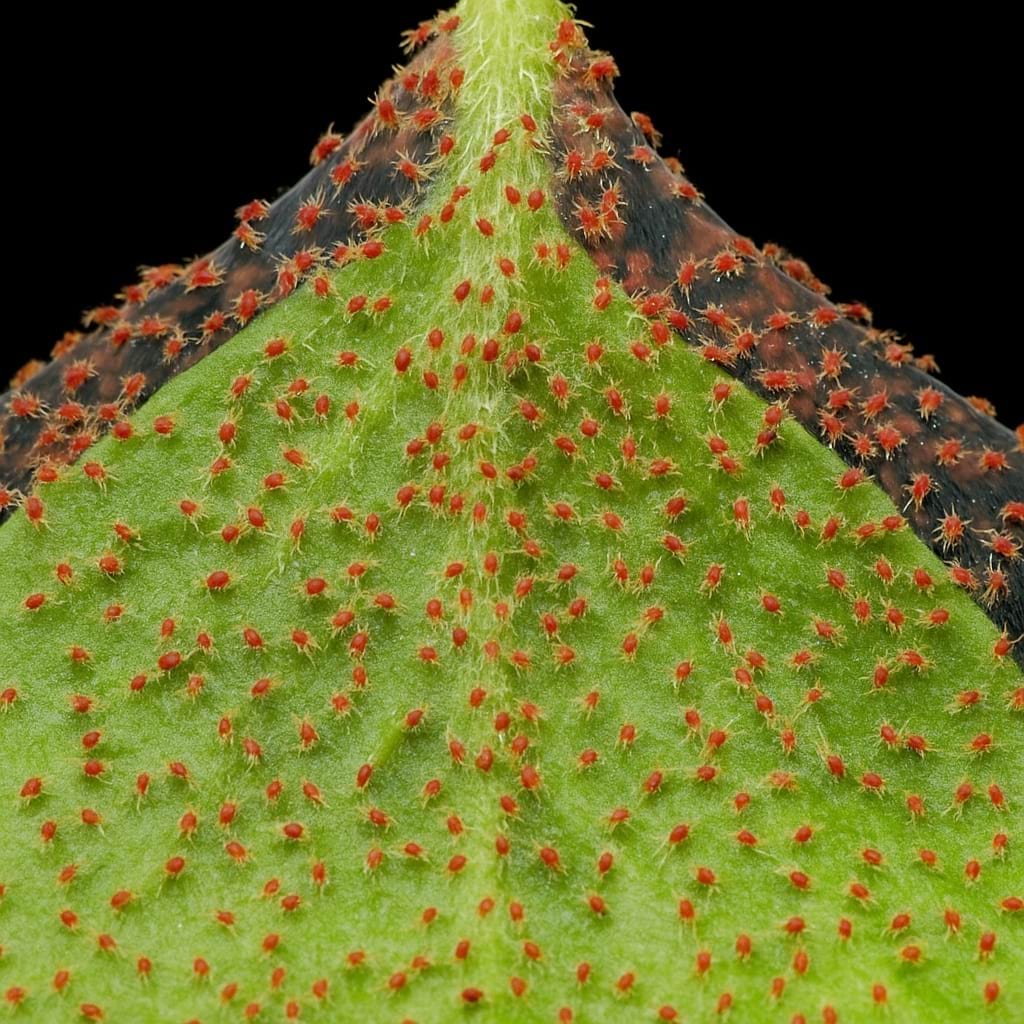
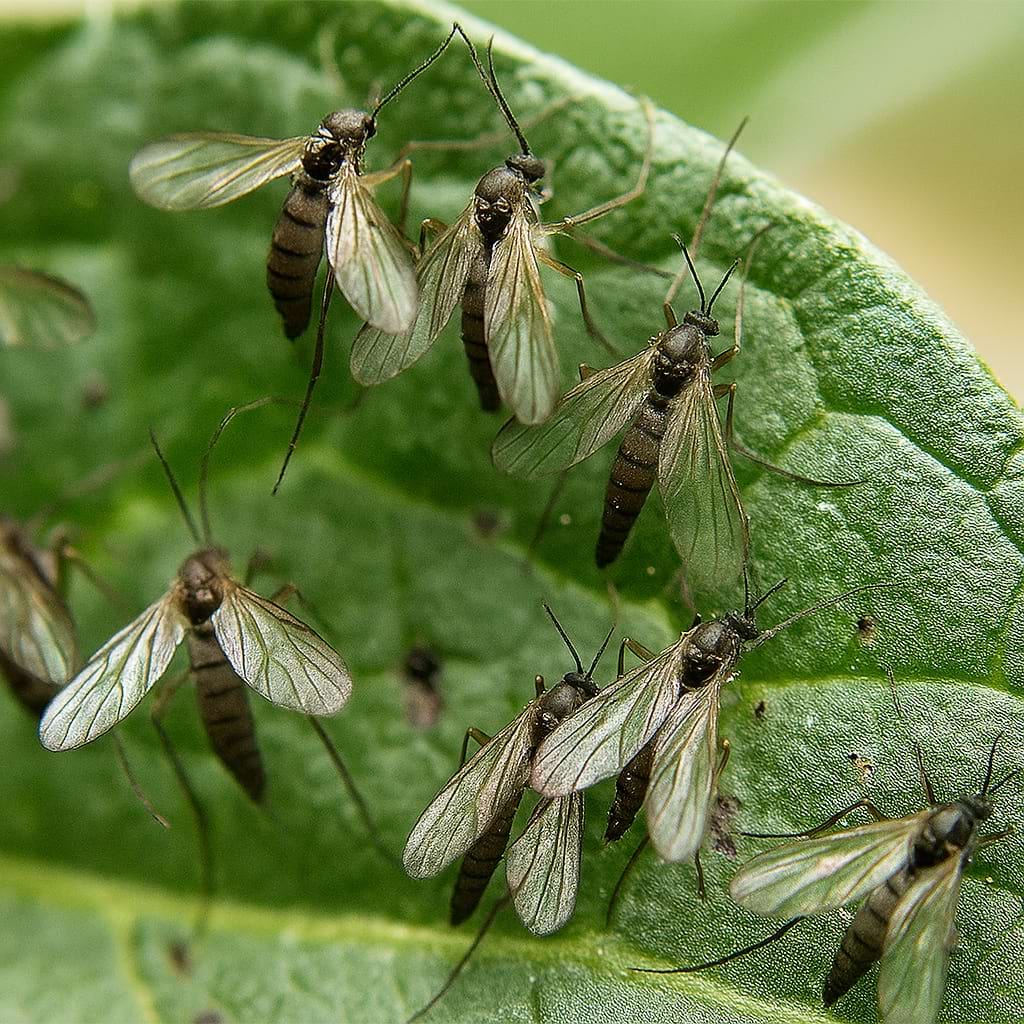
Spider mites turn up in hot, dry, stagnant summer air as fine pale speckling and faint webbing between the leaves, which is one more reason to keep air moving during dormancy. A rinse and a round of insecticidal soap usually clears them. Fungus gnats only appear when the soil stays wet too long, so they are really a watering signal; let the pot dry and they disappear.
🩺 Common Aeonium Problems
Nearly every Aeonium problem comes back to one of three things: watering against the plant's seasons, too little light, or trapped moisture. Read the plant's growth cycle right and it rarely complains.
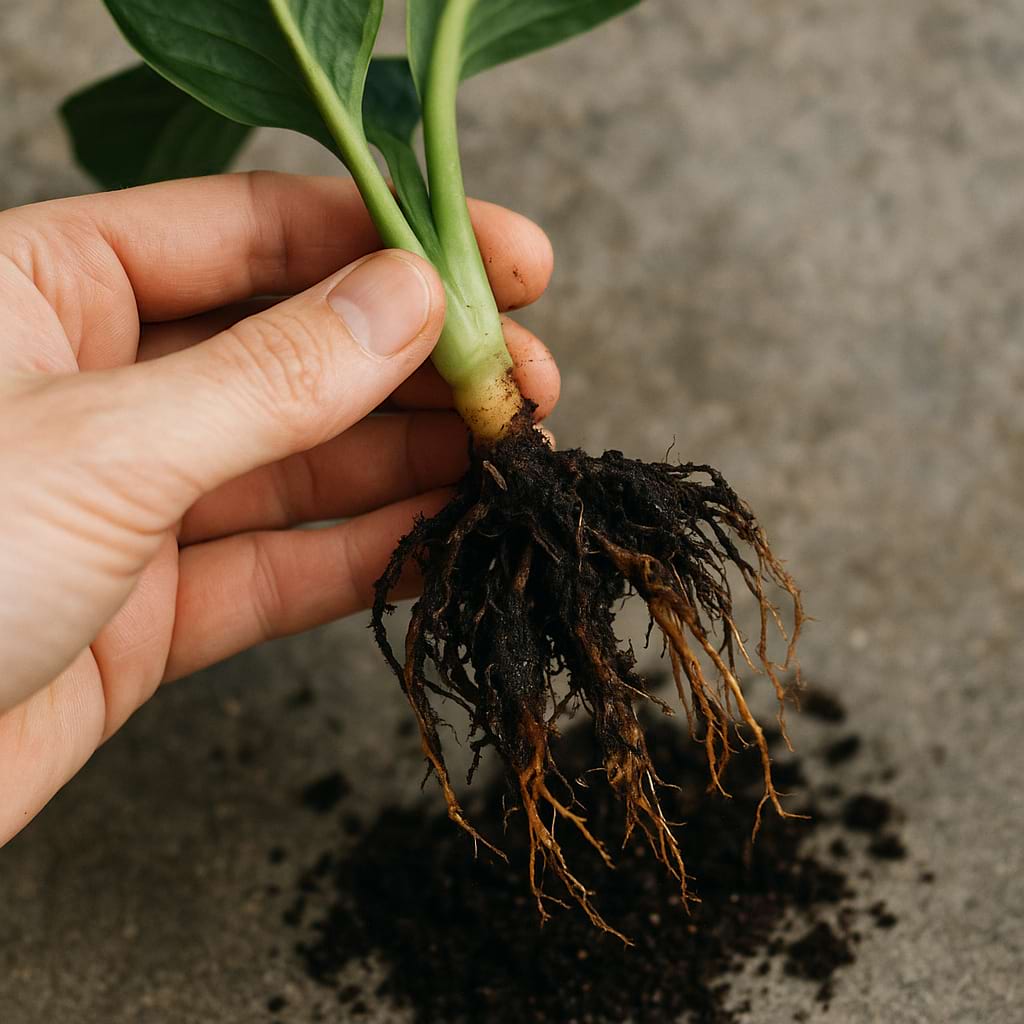
Root rot is the top killer, usually from watering a dormant summer plant on the growing-season schedule. The first signs are yellow, translucent lower leaves and a soft, darkening base. Once the stem goes mushy the roots are gone, but a clean healthy rosette cut from the top will callus and re-root into a fresh plant.
Mushy stems follow rot or cold wet conditions and mean the affected stem is finished. Cut well above the damage into firm green tissue, callus the cutting, and re-root it. Prevention is gritty soil, a pot that drains, and matching your watering to the season.
Leggy growth is tricky with Aeoniums, because some bare stem is natural and part of the tree form. It becomes a problem only when weak light stretches the stems thin and floppy with wide-open pale rosettes. The fix is more light plus a round of beheading, which forces tighter, branchier regrowth.
Sunburn and leaf scorch shows as dry brown patches on the leaves facing the strongest sun, usually after a sudden move to a hot window or midsummer stress during dormancy. The marks are permanent. Harden the plant into stronger light gradually and shade it from the fiercest afternoon sun.
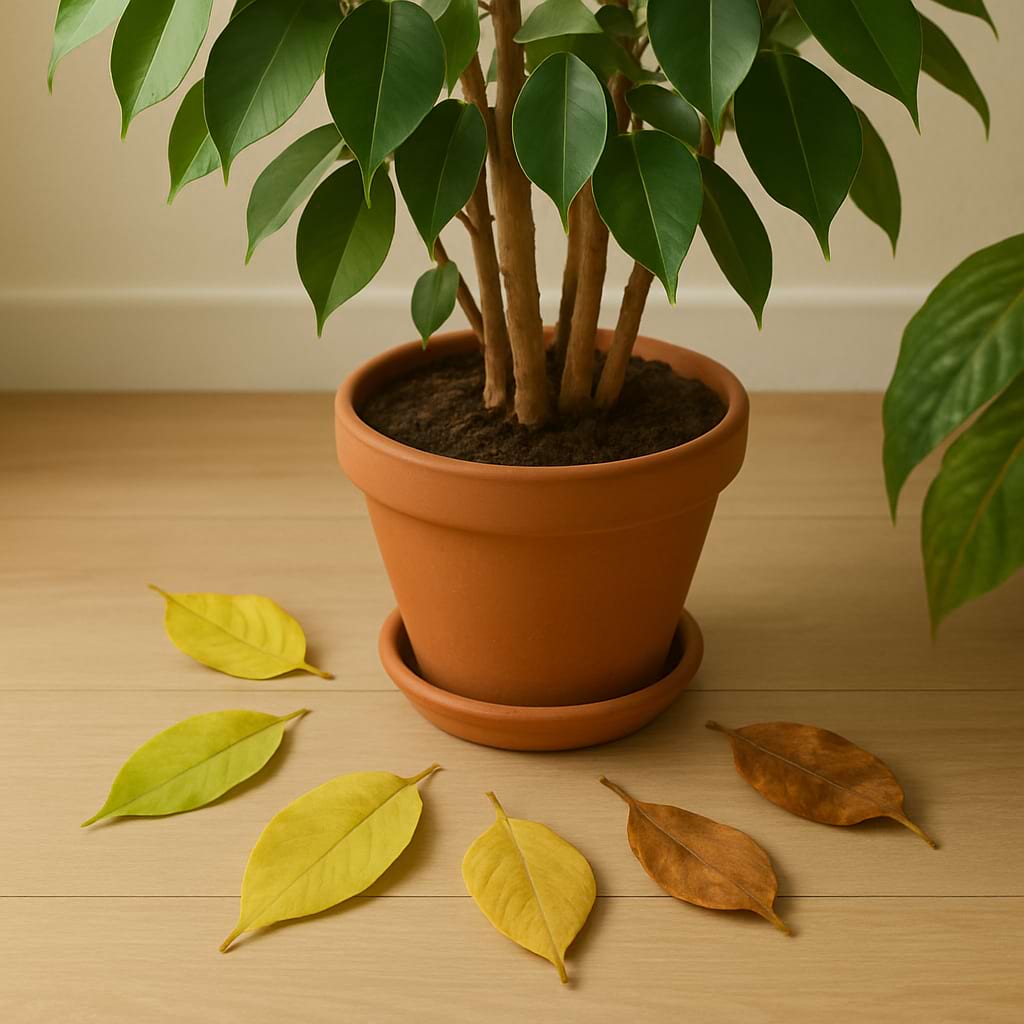
Leaf drop needs context on this plant. Lower leaves shedding as the summer rosettes tighten is completely normal dormancy behavior, not a problem. Sudden heavy leaf drop of upper, healthy leaves points to a watering shock or root rot instead.
Yellowing across the rosette usually means overwatering or a waterlogged pot. Ease off, let the soil dry fully, and check the base for softness.
Stunted growth during the cool season is often a plant kept too warm and dry, or one confused by a hot indoor room that never lets it start its growing cycle. A cooler, brighter spot usually wakes it up.

🖼️ Aeonium Display and Styling Ideas
An Aeonium is a piece of living sculpture, so the styling should let the tree form and the glossy rosettes carry the scene. A simple pot and good light do most of the work.
Solo Setups
A single branched plant in a wide, shallow stoneware bowl reads like a living bonsai and looks best on a windowsill or a low table where you can see the branching silhouette from the side. A dark 'Zwartkop' set against a pale wall, with light raking across the glossy near-black rosettes, is one of the most striking single-plant displays in succulent growing.
Grouped Arrangements
Aeoniums anchor a mixed succulent bowl beautifully, standing tall at the back while lower plants fill in front. Try a dark Aeonium behind a pale Echeveria and a translucent Haworthia, with a trailing Burro's Tail or Elephant Bush softening the edge. Keep the pots in one clay-toned family so the plants stay the focus, and lean on the contrast between dark Aeonium foliage and paler companions.
Where Not to Put It
Skip closed terrariums, steamy bathrooms, and any dim corner more than a few feet from a bright window. A sealed humid case rots the tight rosettes fast, and low light stretches the plant into a floppy shadow of itself. A hot, stuffy, still summer room with no airflow is also a poor choice, since that is exactly the condition that invites center rot during dormancy.
🌟 Aeonium Pro Care Tips
- Learn the plant's calendar. Water and feed from fall through spring, and back right off in summer when the rosettes close up.
- A tight summer curl is normal dormancy, not thirst. Resist the urge to drown a resting plant.
- Behead a leggy stem instead of tossing the plant; the cut top roots into a new plant and the parent branches out.
- Give colored cultivars like 'Zwartkop' the strongest light you have, or they slowly revert to green.
- Choose a wide, shallow, heavy pot so a top-heavy branched plant does not tip over.
- Do not bother trying to root single leaves. Aeoniums propagate from stem cuttings, so take a rosette with stem attached.
- If a rosette sends up a flower cone, take cuttings from the other heads first, because the flowering rosette will die.
- Keep air moving in summer. Stagnant hot air is what causes fungal spots on a dormant plant.
- Quarantine any new succulent for a month before shelving it with your collection, mainly to catch hidden mealybugs.
- Move the plant to a sheltered spot outdoors for the cool growing season if your climate stays above freezing; the light and airflow build the best rosettes.
❓ Frequently Asked Questions
Why is my Aeonium closing up and dropping leaves in summer?
That is normal summer dormancy, not a problem. Aeoniums grow in the cool months and rest through summer heat, curling their rosettes into tight balls and shedding some lower leaves to conserve water. Cut back on watering, keep the plant out of the fiercest sun, and it will open back up and resume growing when the weather cools in fall.
How often should I water an Aeonium?
It depends on the season. During the cool growing months, water deeply whenever the soil has dried out, often every seven to ten days. In summer dormancy, water only lightly every two to three weeks. Always check that the soil is dry before watering, since the shallow roots rot quickly in soggy mix.
Why is my black Aeonium turning green?
Not enough light. The dark color in cultivars like 'Zwartkop' only develops and holds in strong sun. In a shady spot the plant reverts to plain green as it prioritizes photosynthesis over pigment. Move it to your brightest window or add a grow light, and the new growth will darken back up.
Is Aeonium safe for cats and dogs?
Aeoniums are generally regarded as non-toxic to cats and dogs and are not listed among the common toxic succulents. A pet that chews a rosette might get a mild upset stomach simply from the fleshy tissue, but the plant contains no seriously toxic compounds. Note that its relative the Jade Plant is toxic, so do not treat all succulents as equal.
My Aeonium flowered and now it's dying. What happened?
Aeonium rosettes are monocarpic, meaning each rosette flowers only once and then dies. On a branched plant only the flowering head is lost while the rest carry on. On a single-stemmed plant, flowering can take the whole plant with it. Next time, take stem cuttings from the healthy rosettes as soon as a bloom appears so you always have the plant continuing.
Can I propagate an Aeonium from a leaf?
Usually no. Unlike an Echeveria, an Aeonium rarely grows a new plant from a single detached leaf. Propagate from stem or rosette cuttings instead: cut a rosette with a couple of inches of stem, let the cut callus for a few days, then root it in gritty mix.
Why is my Aeonium stretched and floppy?
Weak light. While some bare stem is natural on this tree-form succulent, thin stretched stems with loose, pale, wide-open rosettes mean the plant is reaching for more sun. Move it brighter, and behead the leggy stems to force tighter, branchier regrowth; the cut tops root into new plants.
Do Aeoniums need a lot of humidity?
No. Normal household humidity of 30 to 50 percent is fine. Coming from breezy coastal cliffs, they tolerate slightly more humidity than desert succulents but always want good airflow. Avoid misting, pebble trays, and closed terrariums, all of which trap moisture in the rosette and invite rot.
How big does an Aeonium get indoors?
An indoor Aeonium arboreum usually reaches one to two feet tall, occasionally three feet on an old, well-branched plant, with rosettes four to eight inches across. It grows as a branching little tree rather than a low cushion, so regular topping keeps it full and bushy rather than tall and bare.
Can I grow an Aeonium outdoors?
In frost-free climates (roughly US hardiness zones 9 to 11) Aeoniums thrive outdoors year-round in bright light with fast-draining soil. Everywhere colder, grow them as houseplants or move them outside only for the frost-free part of the year. They cannot survive a hard freeze, so bring them in well before the first frost.
ℹ️ Aeonium Info
Care and Maintenance
🪴 Soil Type and pH: Gritty, fast-draining succulent mix with added pumice or perlite plus a little extra compost or coco coir for light moisture retention; neutral pH.
💧 Humidity and Misting: Happy in normal household humidity around 30 to 50 percent; dislikes hot, stuffy, still air.
✂️ Pruning: Behead leggy stems to shape the plant and re-root the tops; snip spent flower heads at the base.
🧼 Cleaning: Wipe dust off the glossy rosettes with a soft dry brush or a barely damp cloth; the leaves have no chalky bloom to protect, so gentle cleaning is fine.
🌱 Repotting: Bump up one pot size at the start of the growing season in early fall every 2 to 3 years, using a wide shallow pot for the shallow roots.
🔄 Repotting Frequency: Every 2-3 years
❄️ Seasonal Changes in Care: Active growth from fall through spring; a summer rest when rosettes close up tight and lower leaves drop. Water and feed on the cool-season schedule, not the summer one.
Growing Characteristics
💥 Growth Speed: Moderate in the cool season, dormant and static through summer
🔄 Life Cycle: Perennial, with monocarpic individual rosettes
💥 Bloom Time: Late winter to spring on a mature rosette, after which that single rosette dies
🌡️ Hardiness Zones: 9-11 outdoors; grown as a houseplant everywhere colder
🗺️ Native Area: Canary Islands, on coastal cliffs and rocky slopes with mild, wet winters and dry summers
🚘 Hibernation: Summer dormancy rather than winter; rosettes curl into tight balls and growth stops through the hottest months
Propagation and Health
📍 Suitable Locations: Bright south, east, or west windowsills, sunrooms, sheltered summer patios, plant shelves under strong grow lights
🪴 Propagation Methods: Very easy from stem and rosette cuttings; single leaves rarely work on this one.
🐛 Common Pests: Mealybugs, Aphids, Scale Insects, Spider Mites, Fungus Gnats
🦠 Possible Diseases: Root rot, mushy stems, fungal spotting from water trapped in the rosette
Plant Details
🌿 Plant Type: Branching evergreen shrub-form rosette succulent
🍃 Foliage Type: Flat, wide, glossy rosettes of thin spoon-shaped leaves arranged in a tight spiral at the tip of each woody branch, with no chalky wax coating
🎨 Color of Leaves: Glossy green in the species; deep purple-black, burgundy, or cream-and-green variegation in the popular cultivars
🌸 Flower Color: Bright yellow conical clusters in the species; pale yellow to pink in some cultivars
🌼 Blooming: Yes, but the flowering rosette dies afterward; branched plants carry on from their other heads
🍽️ Edibility: Not eaten; regarded as non-toxic but not a food plant
📏 Mature Size: 1-2 feet indoors, occasionally 3 feet on an old branched plant
Additional Info
🌻 General Benefits: Sculptural tree-form succulent, pet-safe, easy from cuttings, grows in the cool season when most plants slow down
💊 Medical Properties: None of significance for indoor growers
🧿 Feng Shui: A dark rosette like 'Zwartkop' anchors a bright corner with quiet drama; the tree form reads as steady, upward growth
⭐ Zodiac Sign Compatibility: Scorpio
🌈 Symbolism or Folklore: Endurance, renewal, and quiet transformation
📝 Interesting Facts: Aeonium arboreum comes from the Canary Islands, a group of Atlantic islands off northwest Africa with a mild, wet winter and a bone-dry summer. That climate is why the plant grows through the cool months and sleeps through the heat, the reverse of most succulents from continental deserts. The genus name comes from the ancient Greek word "aionion," meaning ever-living, a nod to how easily a broken-off rosette roots and carries on. The famous near-black cultivar 'Zwartkop' (Dutch for "black head") only holds its dark color in strong sun; grown in shade it drifts back toward green.
Buying and Usage
🛒 What to Look for When Buying: Choose a plant with firm, glossy rosettes on sturdy stems and no soft or shrivelled patch where the rosette meets the branch. A little bare stem is normal and even desirable on this tree-form succulent, but avoid plants that are pale, stretched, and floppy from a dark shop corner, or any with a mushy base. Buying in fall or winter means you take home a plant in active growth.
🪴 Other Uses: Sculptural container centerpieces, mixed succulent bowls, cutting gifts, cool-season patio pots, dark foliage contrast in arrangements
Decoration and Styling
🖼️ Display Ideas: Solo as a living bonsai in a shallow stoneware bowl, a dark 'Zwartkop' against a pale wall for contrast, or a grouped succulent shelf with rosette and trailing companions
🧵 Styling Tips: Choose a wide, shallow, heavy pot so the top-heavy branches do not tip it, and set a dark cultivar where light rakes across the glossy rosettes to make them shine.
🪴 See also 🪴
Complete Guide to Leaf of Life Care and Growth
Complete Guide to Crested Brain Cactus Care and Growth
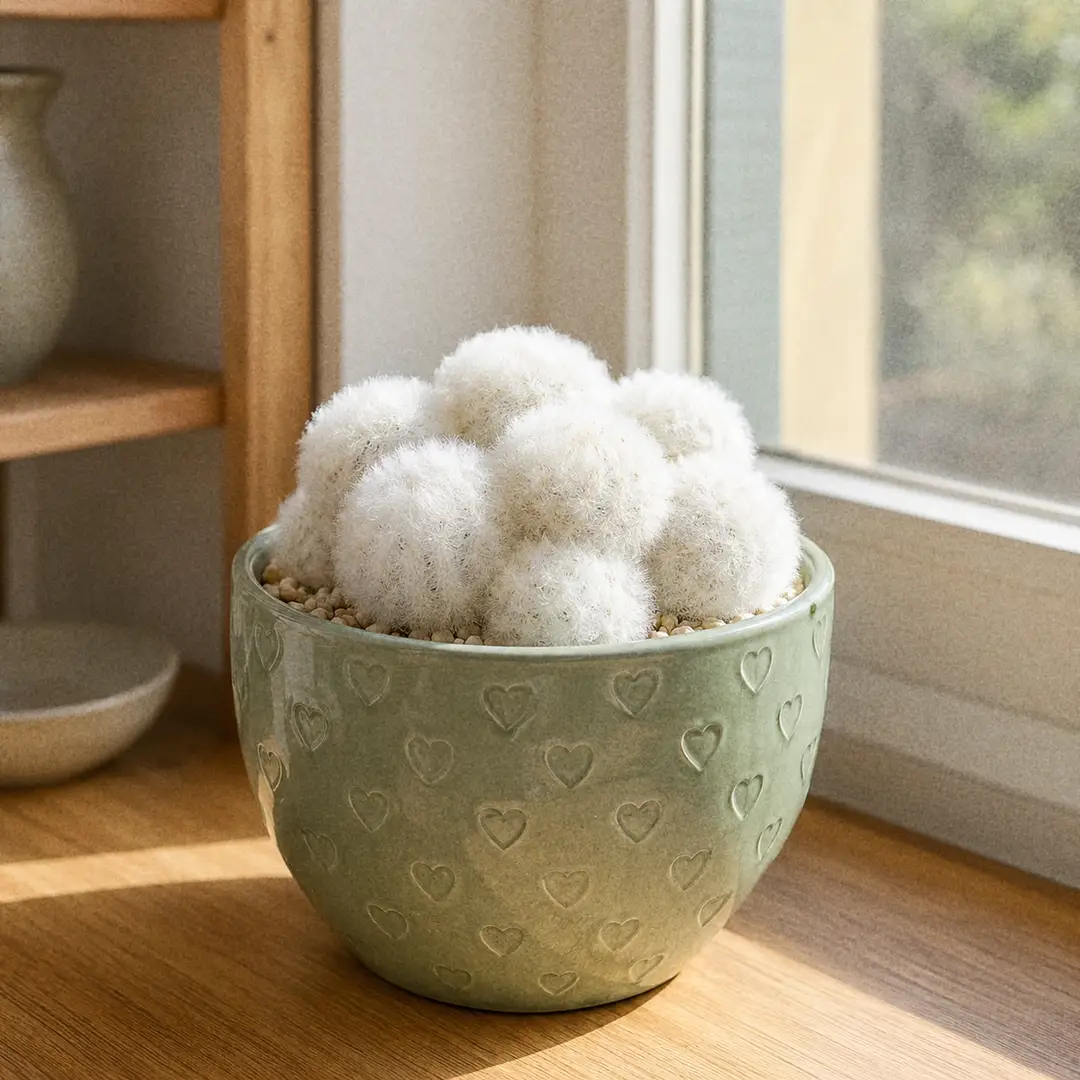
Complete Guide to Feather Cactus Care and Growth
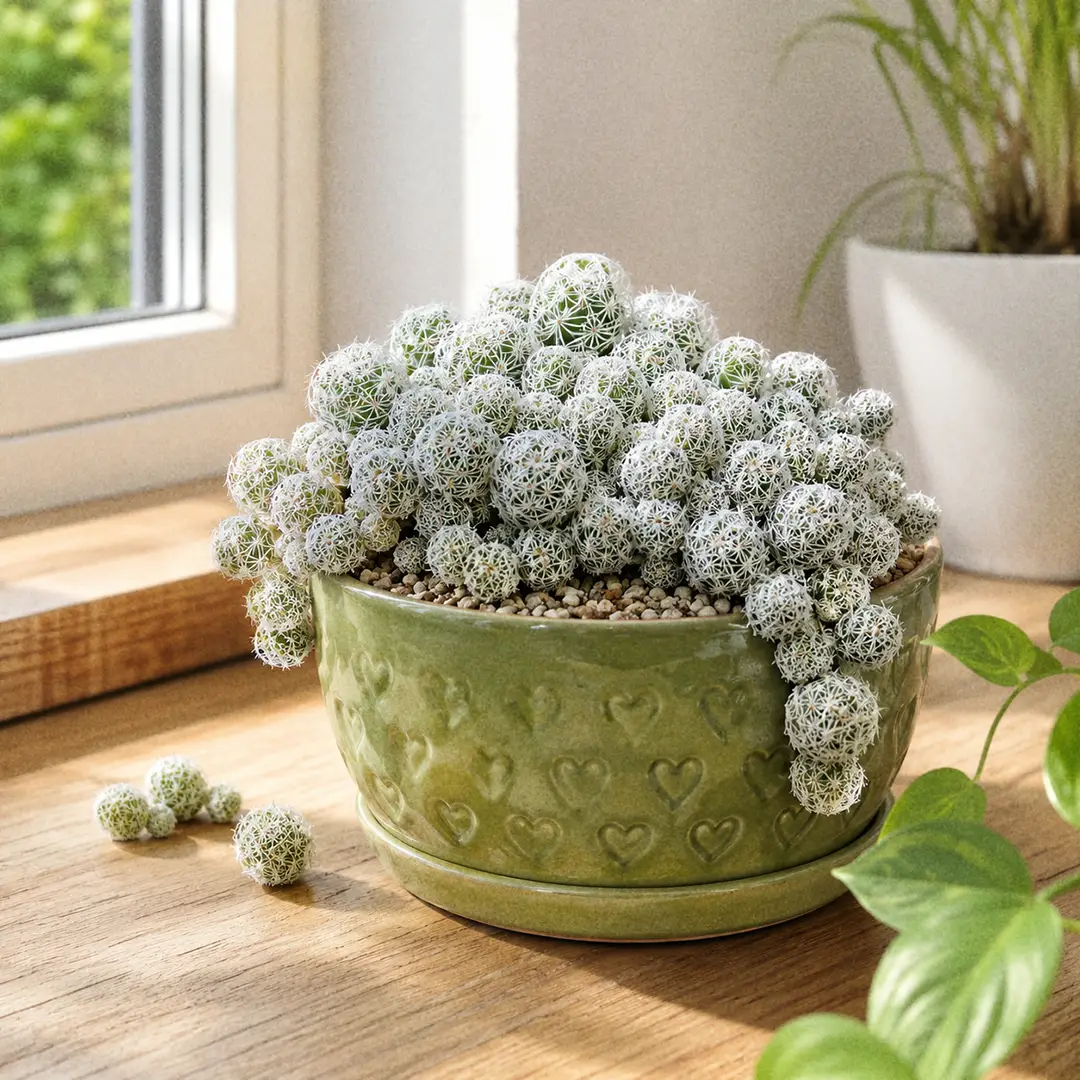
Complete Guide to Snowball Cactus Care and Growth
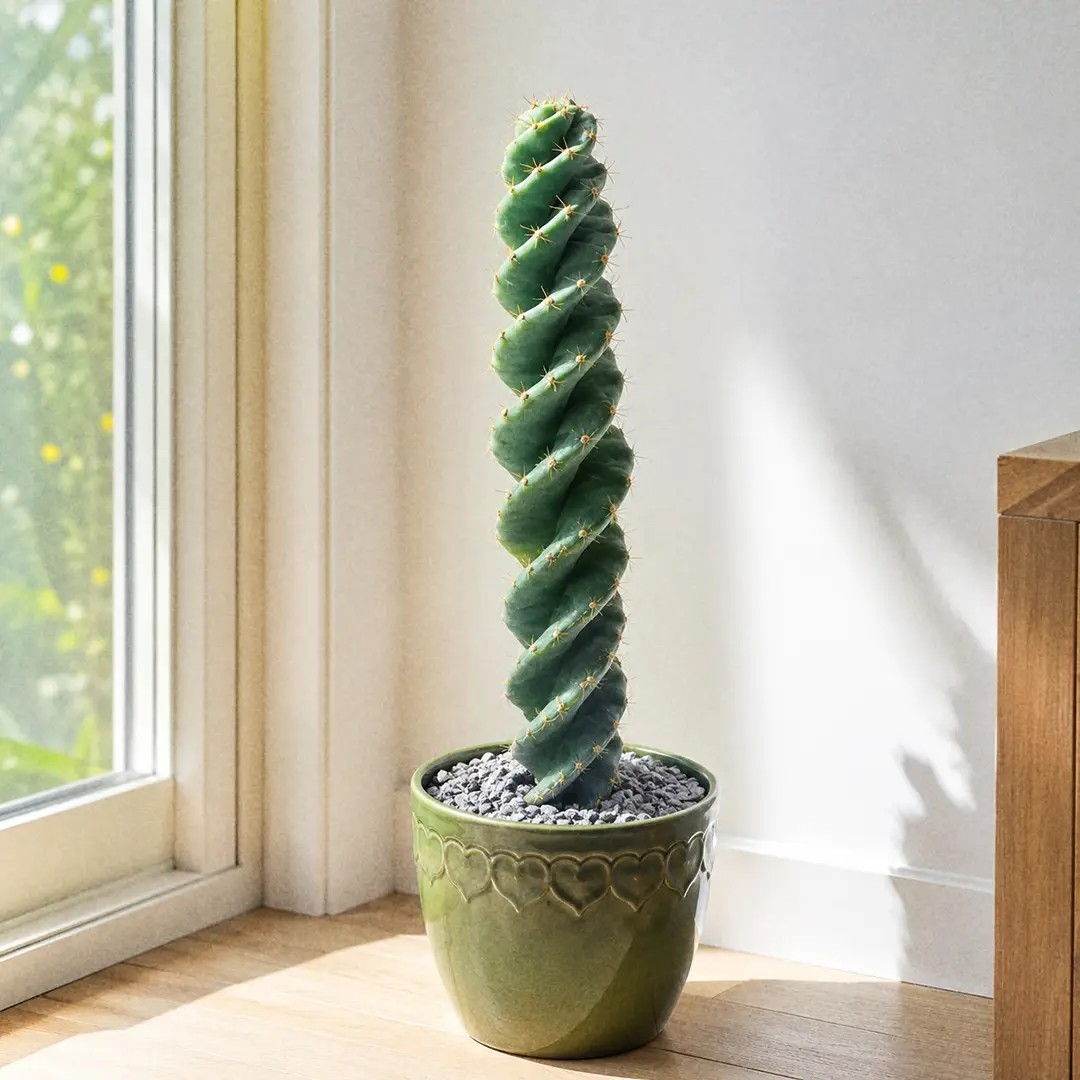
Complete Guide to Spiral Cactus Care and Growth
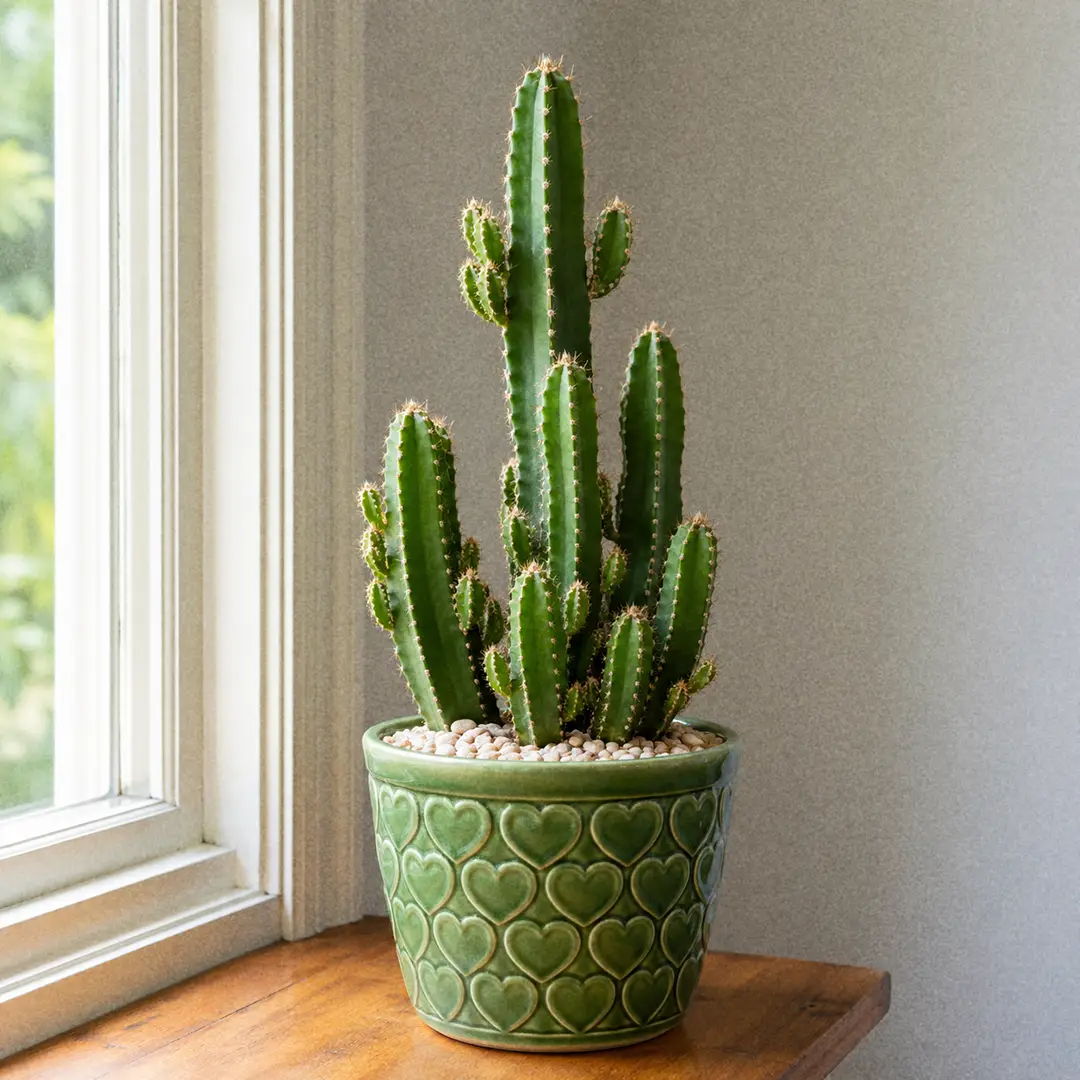
Complete Guide to Fairy Castle Cactus Care and Growth
Complete Guide to Silver Torch Cactus Care and Growth
Complete Guide to Crown Cactus Care and Growth
How to Propagate Succulents from Leaves & Offsets
Succulent Care Indoors: How to Stop Killing Jade and Echeveria
Complete Guide to Lithops Care and Growth (Living Stones)
Complete Guide To Aloe Vera Care and Growth
Complete Guide to Burro's Tail Care and Growth
Complete Guide to Crown of Thorns Care and Growth
Complete Guide to Echeveria Care and Growth
Complete Guide to Flaming Katy Care and Growth
Complete Guide to Jade Plant Care and Growth
Complete Guide to Sedum Adolphii Care and Growth
Complete Guide to Queen of the Night Care and Growth
Complete Guide to Domino Cactus Care and Growth
Complete Guide to Easter Lily Cactus Care and Growth
Complete Guide to Peanut Cactus Care and Growth
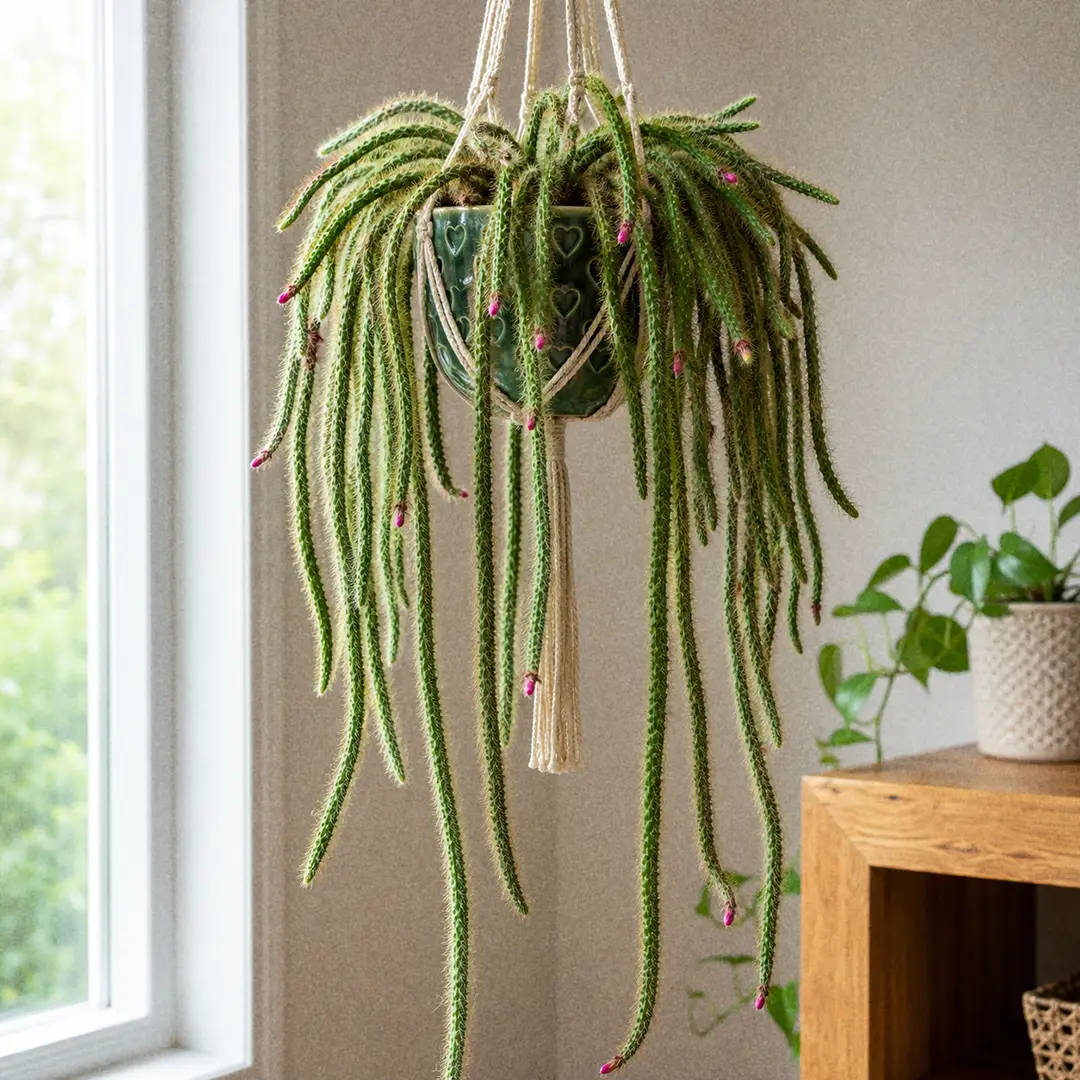
Complete Guide to Rat Tail Cactus Care and Growth
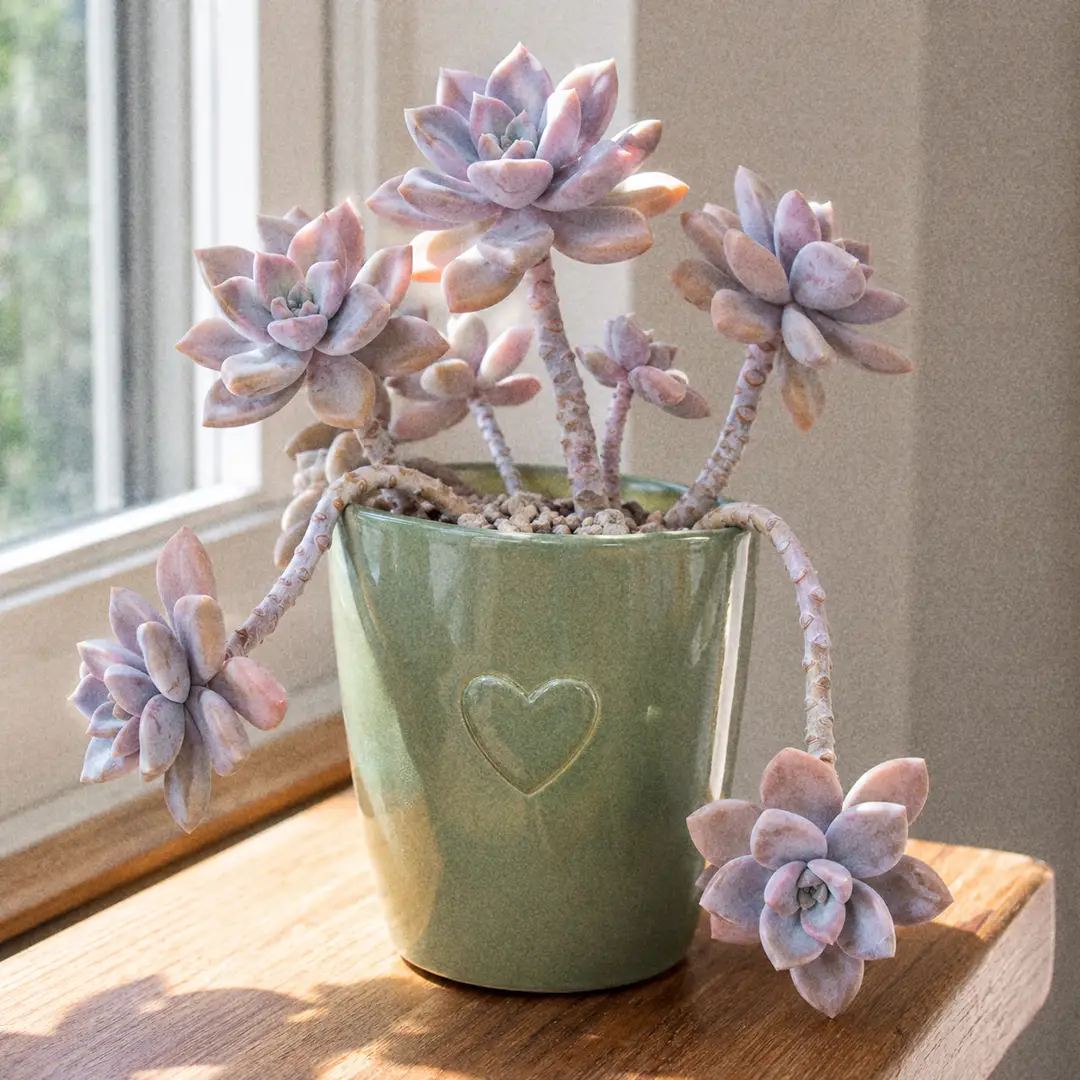
Complete Guide to Ghost Plant Care and Growth
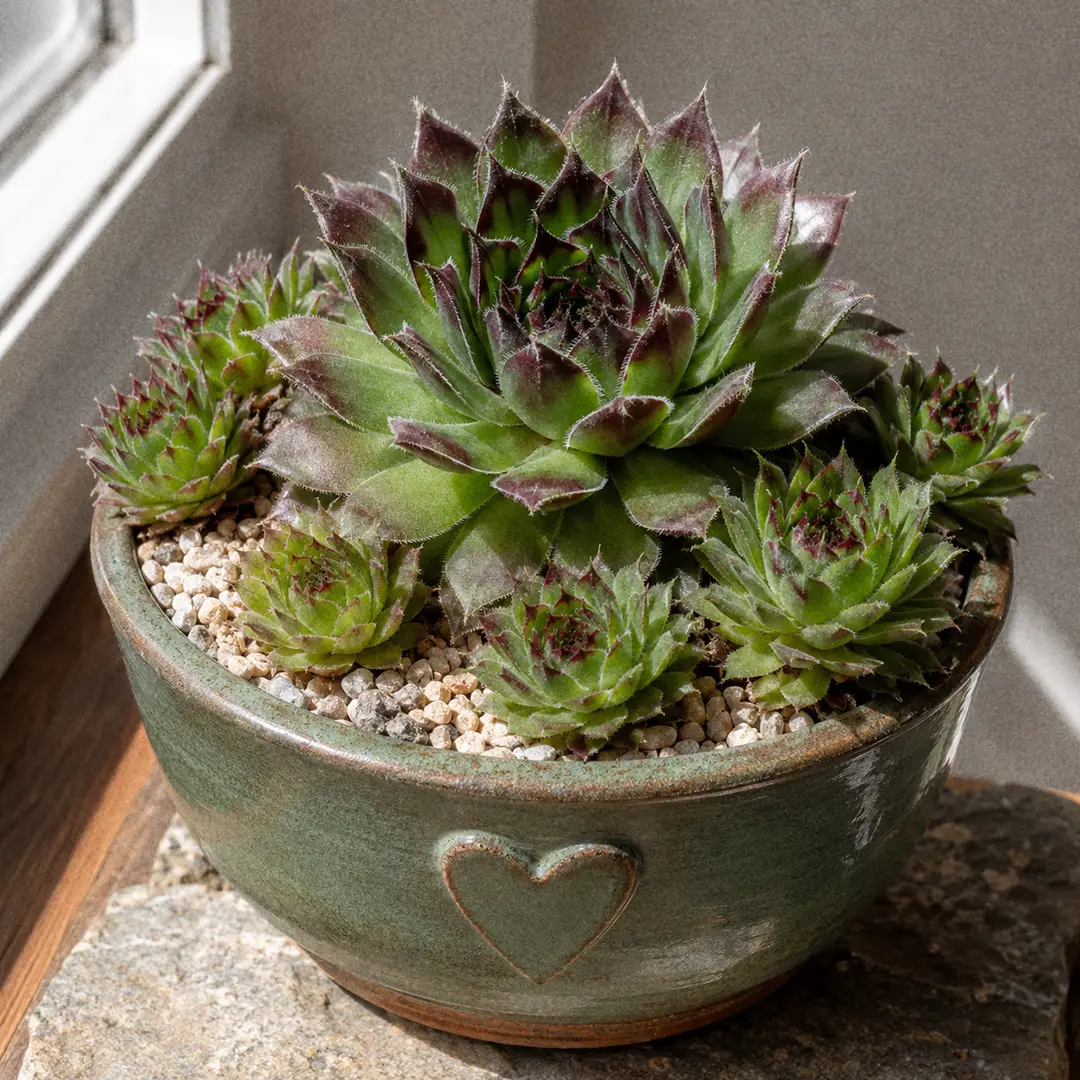
Complete Guide to Hens and Chicks Care and Growth
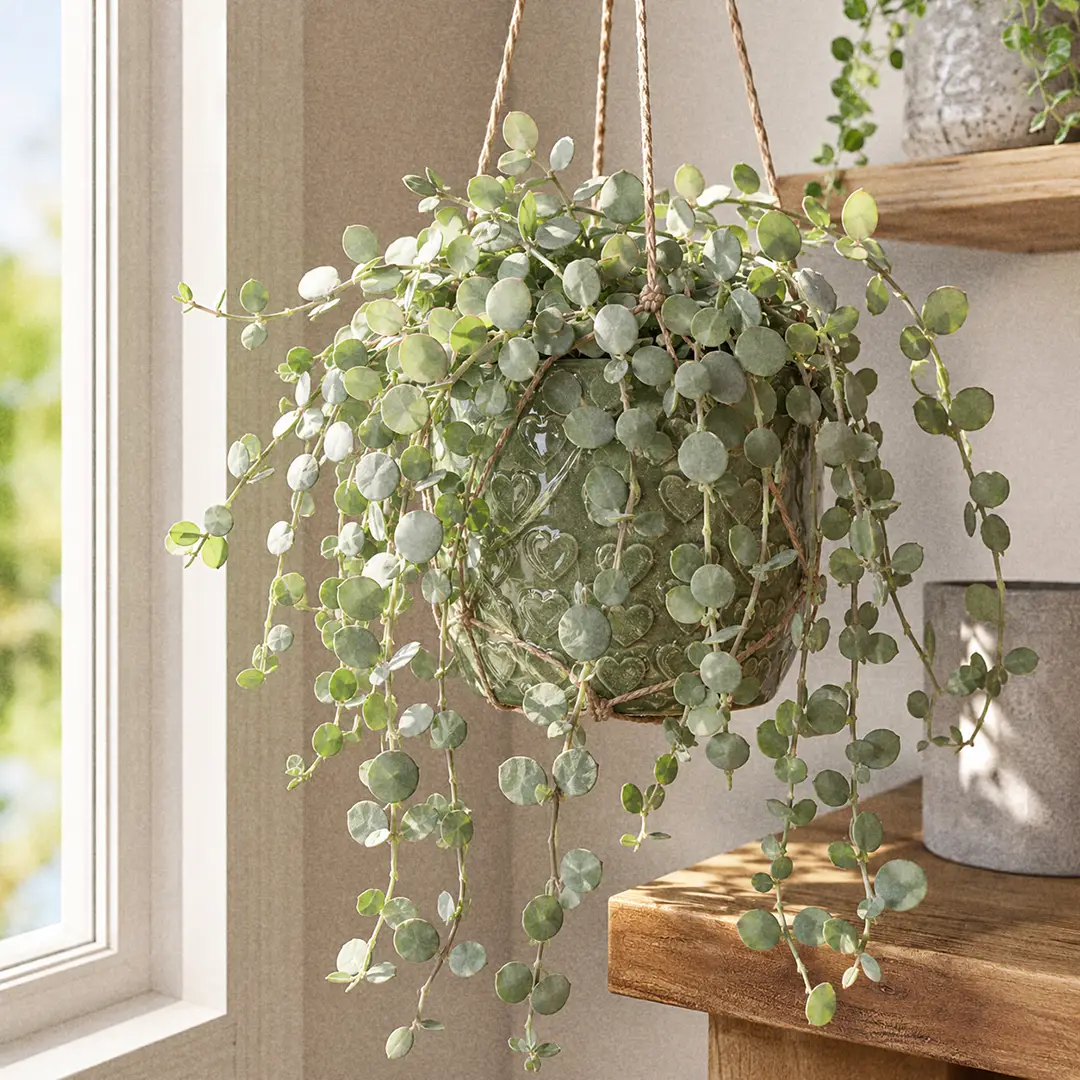
Complete Guide to String of Coins Care and Growth
Complete Guide to Silver Squill Care and Growth
Complete Guide to Jelly Bean Plant Care and Growth
Complete Guide to Fishbone Cactus Care and Growth
Complete Guide to Mistletoe Cactus Care and Growth
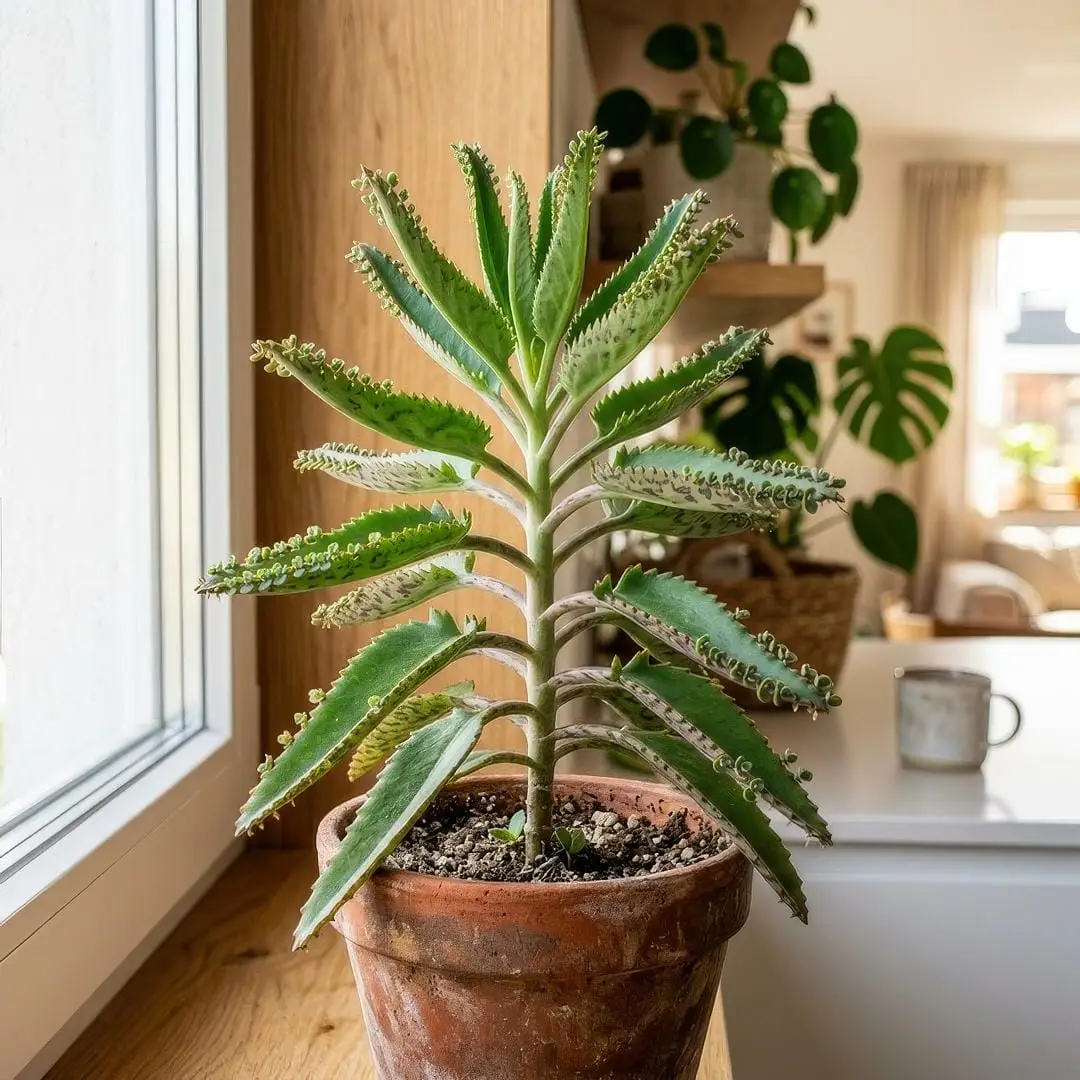
Complete Guide to Mother of Thousands Care and Growth
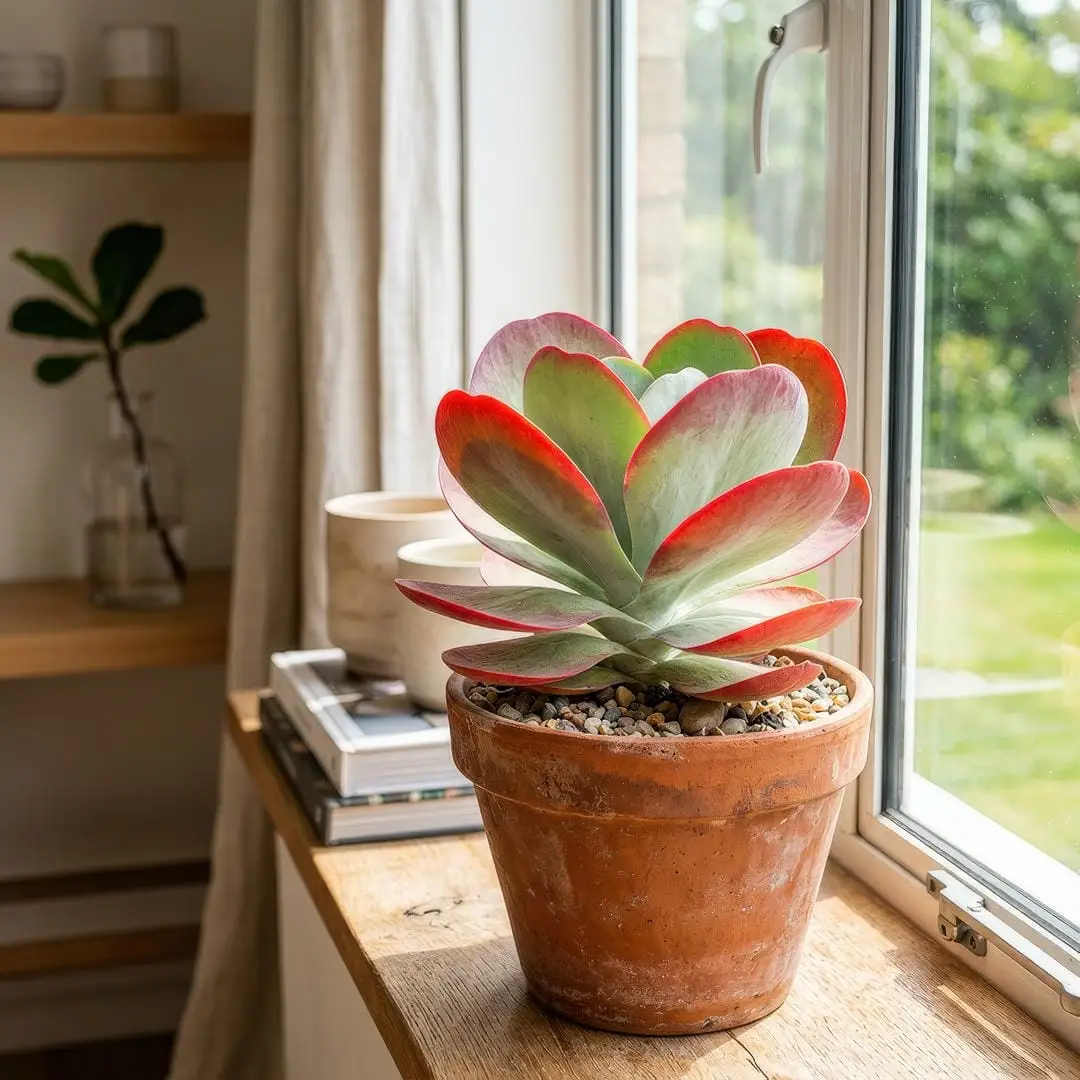
Complete Guide to Paddle Plant Care and Growth
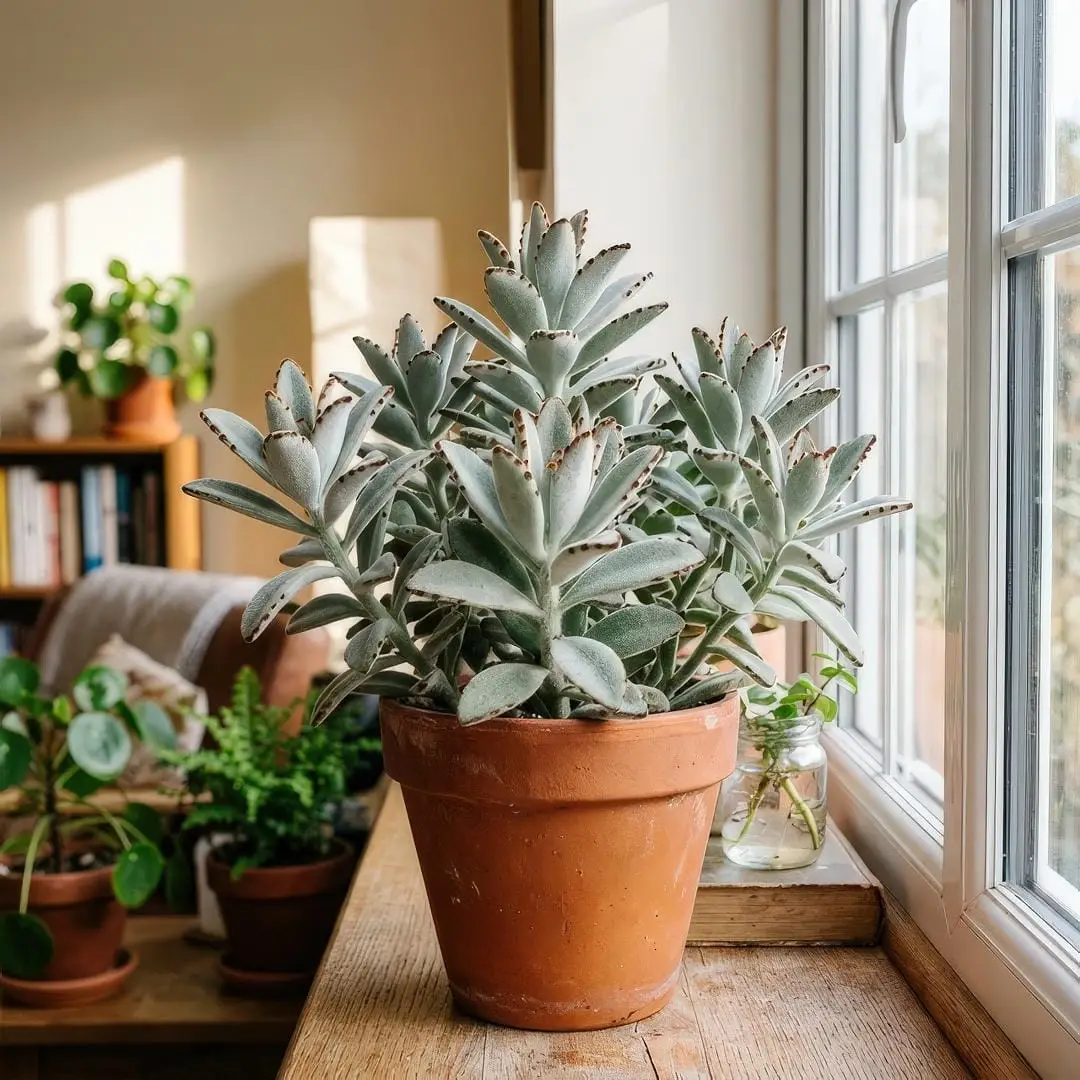
Complete Guide to Panda Plant Care and Growth

Complete Guide to Elephant Bush Care and Growth
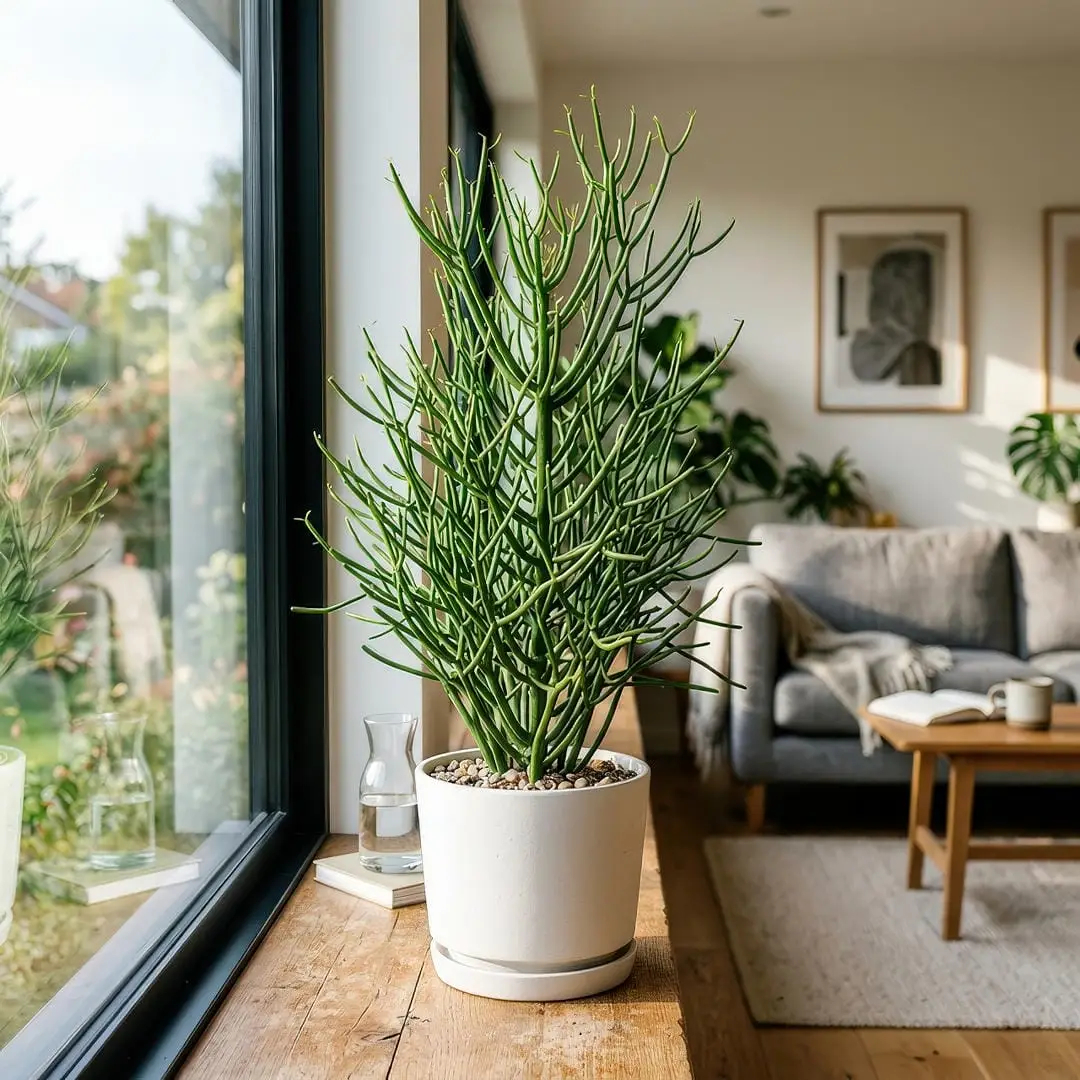
Complete Guide to Pencil Cactus Care and Growth
Complete Guide to African Milk Tree Care and Growth

Complete Guide to Gasteria 'Little Warty' Care and Growth
Ox Tongue Care

Houseplant101 Forum
Questions & Comments
Ask a question, share your plant experience, or help other plant owners.
Comments are temporarily unavailable.
Open the Houseplant101 ForumNo comments yet
Be the first to ask a question or share your experience about this page.
Log in or create an account
Comments use your Houseplant101 Forum account, but you can stay on this page.
Create a new account