
Easter Lily Cactus
Echinopsis oxygona
Echinopsis multiplex, Pink Easter Lily Cactus, Sea Urchin Cactus


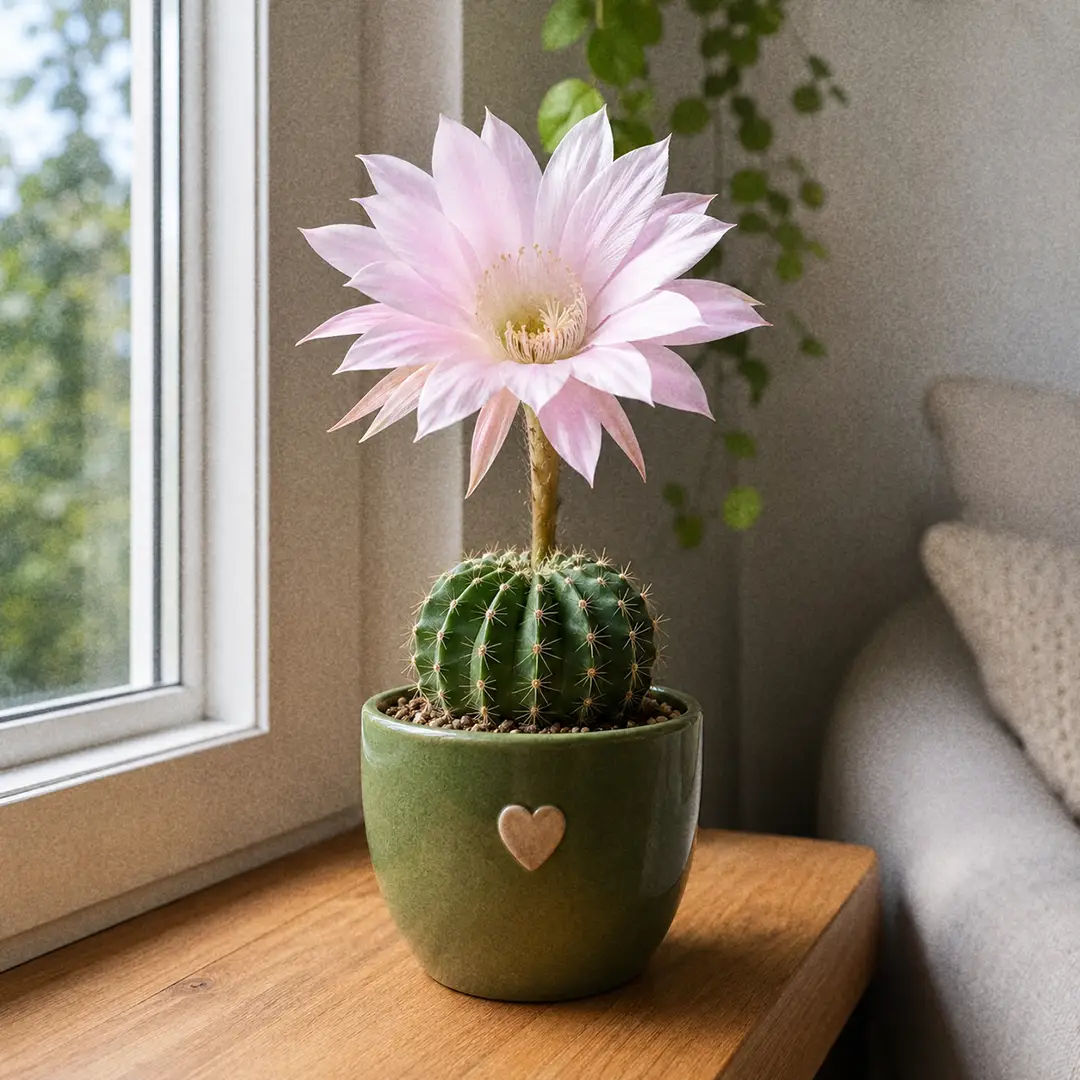
Easter Lily Cactus is a tough little globe of a cactus that erupts in giant, fragrant pink-white trumpet flowers in late spring. Learn how to grow Echinopsis oxygona indoors, multiply its pups, and trigger those show-stopping blooms.
📝 Easter Lily Cactus Care Notes
🌿 Care Instructions
⚠️ Common Pests
📊 Growth Information
🪴 In This Guide 🪴

☀️ Easter Lily Cactus Light Requirements (Indoor Lighting Guide)
The Sweet Spot
Easter Lily Cactus is a desert sun lover. It wants the brightest spot in your home, with several hours of direct sun a day. A south-facing windowsill is close to ideal, and a bright east or west window with a good run of direct morning or afternoon light works well too. This plant comes from the open, sunny grasslands of South America, so it drinks up light that would scorch most leafy houseplants.
Strong light does two jobs. It keeps the globe firm, round, and deep green, and it stores the energy the plant needs for those big spring flowers. If your winters are dim, a grow light keeps the plant compact through the dark months, and our Indoor Lighting Guide helps you judge a window if you're still learning to read light by eye.
Too Little Light
Short on light, the plant stretches. Instead of staying a tidy round ball, the body grows tall, narrow, and pale, reaching toward the window. That elongated, washed-out shape is leggy growth, and once a cactus stretches like this it never fully rounds back out. A plant kept too dark also simply won't flower, no matter how perfect the rest of your care is.
Watch the newest growth at the top of the globe. Firm, deep-green tissue means your light is good. Pale, narrowing, stretched growth means move the plant somewhere brighter, and do it soon.
Too Much Light
Too much light is rarely the problem with this cactus, but it can happen. A plant moved suddenly from a shady shop shelf into blazing summer sun through hot glass can bleach or scorch, showing dry, yellow-white patches that are classic sunburn.
The fix is patience. When you increase light, do it gradually over a week or two so the skin toughens up instead of burning. Once it has adjusted, this cactus handles full sun happily.

💧 Easter Lily Cactus Watering Guide (How to Water Properly)
Watering Frequency
Easter Lily Cactus follows the classic desert rhythm: soak and dry. Water deeply, then wait until the mix is completely dry before watering again. In spring and summer, while the plant is growing and blooming, that often means a thorough drink every 7-10 days. The globe firms up after a soak and softens slightly as it dries, which is your cue.
Winter is a different story. During its cold rest the plant wants to stay nearly dry, with maybe a small splash every 4-6 weeks, sometimes none at all. This near-drought isn't neglect, it's the trigger that sets spring flowers. Pot size, light, and warmth all shift the timing, so test the soil with a finger or a moisture meter instead of watering on a fixed schedule. Our Watering Guide helps you build the habit.
How to Water
Water thoroughly until it runs from the drainage holes, then tip out anything that collects in the saucer. The aim is to wet the whole root ball, then let it dry quickly. Bottom watering suits this plant well: set the pot in an inch of water for 10-15 minutes, let the mix wick moisture up from below, then drain it fully. That keeps water off the body of the cactus, where pooled moisture can cause spotting.
Never leave the pot standing in water. A quick, complete soak followed by a long dry spell is exactly what these roots are built for.
Signs of Trouble
A thirsty Easter Lily Cactus looks a touch deflated, and the ribs may pull in a little. A good soak plumps it back within a day, and that mild softening is normal.
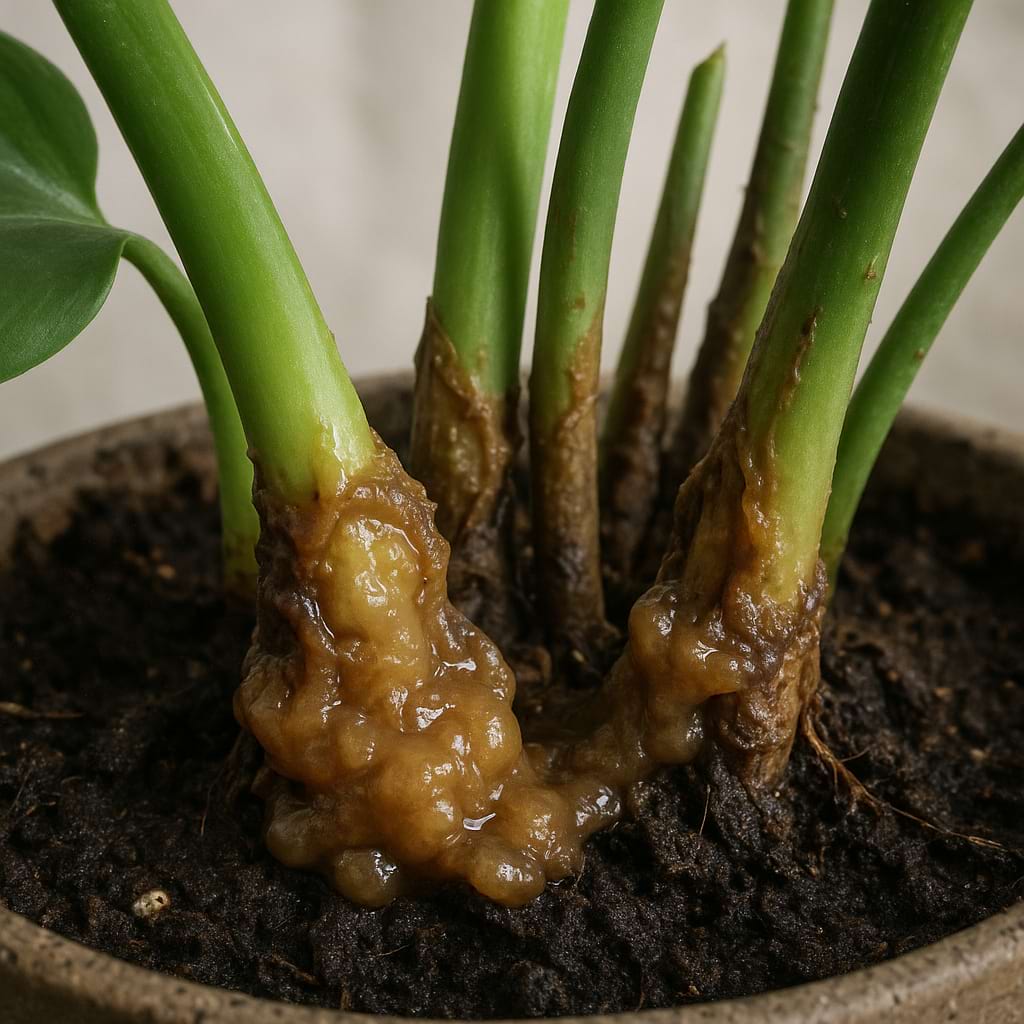
The dangerous signs run the other way. A body that turns soft, mushy, yellow, or dark at the base while the soil is still wet points to mushy stems or root rot from overwatering. With this plant, when you're unsure, wait. Thirst is easy to fix, rot usually isn't.
🪴 Best Soil for Easter Lily Cactus (Potting Mix & Drainage)
What the Soil Needs
Drainage is everything for a desert cactus. Easter Lily Cactus needs a mix that lets water rush straight through and dries fast, because soggy soil around the roots is the quickest way to kill it. Regular potting soil holds far too much water and invites rot, so you want something gritty, open, and lean instead.
Our general Soil Guide explains why drainage and aeration matter so much for potted plants, and it matters double for a cactus that hates wet feet.
DIY Soil Mix
A reliable blend is 1 part cactus and succulent soil to 1 part perlite, pumice, or coarse grit. That roughly half-mineral mix drains fast and still holds enough moisture to carry the plant between soaks. If your home runs humid or you tend to water heavily, push toward more grit. Coarse horticultural sand or fine gravel works too, as long as it's gritty rather than the powdery play-sand kind that sets like concrete.
A generous handful of grit is the small upgrade that makes the difference, opening air channels the same way it helps a Golden Barrel Cactus or any other desert cactus.
Pre-Made Options
If mixing your own isn't appealing, a bagged cactus and succulent mix is a fine base. Most are a little too dense straight from the bag, so cut yours with extra perlite or pumice, about one part grit to two parts mix, so it drains faster. A terracotta pot helps too, since the porous clay pulls moisture out of the soil and speeds the dry-down this plant wants.
🍼 Fertilizing Easter Lily Cactus
When and How Often
Feed only during active growth, from spring through late summer. Every 3-4 weeks is plenty while the plant is putting on new growth and setting buds. Stop completely by early fall and feed nothing through the cold winter rest, when the plant is dormant and can't use it anyway.
Always apply fertilizer to soil that's already slightly moist, never a bone-dry root ball, so you don't scorch the roots.
What to Use
A diluted cactus fertilizer is ideal, or any balanced houseplant feed cut to half strength. A low-nitrogen, higher-potassium formula encourages flowers rather than soft green growth, which matters for a plant you grow mainly for its blooms. Too much nitrogen gives you a plump body and no flowers.
Our Fertilizing Guide covers dilution and timing if you want to fine-tune it. Honestly, this cactus blooms well on very little feeding, so err on the lean side.
Over-Fertilizing Signs
A white crust on the soil, scorched tissue, or oddly soft, distorted new growth all hint at salt buildup from overfeeding. If you spot it, flush the pot with plenty of plain water to rinse the excess out, then skip feeding for a couple of months. With cacti, too little fertilizer is far easier to fix than too much.
🌡️ Easter Lily Cactus Temperature Range
Ideal Range
Through the growing season, Easter Lily Cactus is happy in ordinary room temperatures, roughly 65-85°F (18-29°C). It loves warmth and bright sun in spring and summer and grows steadily when conditions suit it. Normal household warmth is all it needs during these months.
The important part is winter. This is a cold-tolerant cactus, and it actually wants a cool spell of around 40-50°F (4-10°C) for several weeks to set its spring flowers. An unheated porch, a cool spare room, or a bright garage that stays above freezing is perfect. The bloom section covers this in detail, but the short version is that a warm winter usually means no flowers.
Drafts and Heat Sources
Keep the plant away from the dry blast of heating vents and radiators, which can shrivel the body, and out of the path of warm air in winter when you're trying to give it a cool rest. A little cold is welcome here, far more than for most houseplants, but avoid actual frost, which damages the watery tissue.
💦 Easter Lily Cactus Humidity Requirements
Ideal Humidity
This is the easiest section to follow: Easter Lily Cactus likes dry air. Average to low household humidity, somewhere around 30-50%, is perfect. It actively dislikes damp, stuffy, humid conditions, which encourage rot and fungal trouble. There's no pebble tray, no misting, and no humidifier needed here.
Keeping Air Moving
If anything, the goal is the opposite of humidity: good airflow. In a closed, humid room the body can stay damp too long after watering and develop soft spots. A sunny windowsill that gets opened now and then suits it perfectly. Our humidity guide covers the whole topic, but for this plant the rule is simply dry and bright, not babied with moisture.
🌸 Easter Lily Cactus Flowers (How to Make It Bloom)
What the Flowers Look Like
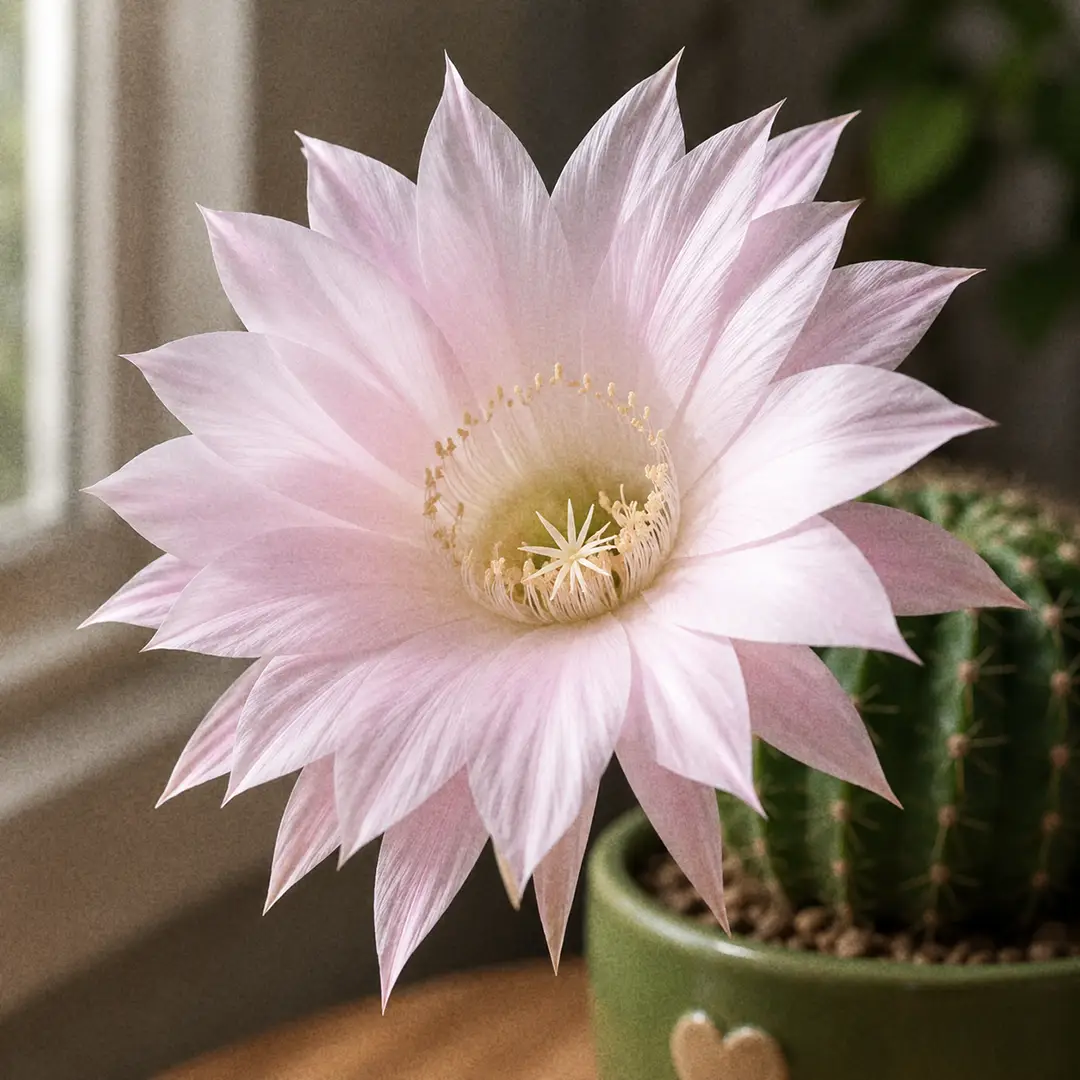
This is the whole reason to grow the plant. In late spring, often right around Easter, a mature Easter Lily Cactus produces enormous funnel-shaped flowers on long tubes, in pale pink to white, sometimes with a rose blush. Each bloom can stretch six to eight inches long, nearly as big as the plant itself, and it carries a strong sweet fragrance that fills a room. The flowers usually open in the evening and into the night, which is why the perfume seems to arrive out of nowhere.
The catch is that each flower lasts only a day or two. A healthy plant opens several over a few weeks, so the show stretches out, but no single bloom hangs around. It's a fleeting, dramatic display that rivals the spring flowers of a Rat Tail Cactus for sheer impact.
How to Trigger Bloom
Two things make this plant flower: maturity and a cold, dry winter. Young plants may not bloom for a year or two, but an established plant flowers reliably with the right cue. That cue is a cold, nearly dry rest: keep the plant around 40-50°F (4-10°C) for several weeks in winter, with little to no water and no fertilizer, in bright light. The chill and drought together tell the plant that spring is on the way.
When you warm it back up and resume watering in spring, buds usually appear within weeks, swelling on long stalks before they open. This is the same seasonal logic that pushes a Christmas Cactus into bloom, just tuned to a cold-desert schedule rather than a tropical one.
If It Won't Bloom
A mature plant that never flowers almost always missed one of three things: not enough light, no cold winter rest, or too much nitrogen fertilizer driving green growth instead of buds. That pattern is failure to bloom. The most common mistake by far is keeping the plant warm and watered all winter, which it reads as endless summer, so it sees no reason to flower. Give it a genuine cold, dry rest and the buds usually follow.
🏷️ Easter Lily Cactus Types and Varieties
The Classic Echinopsis oxygona
The standard Easter Lily Cactus is the round, ribbed green plant with pale pink trumpet flowers described throughout this guide. You'll still see it sold under the old name Echinopsis multiplex on plant tags and in older books, along with casual names like Sea Urchin Cactus for its spiny round shape. They all point to the same easy, free-clumping, fragrant-flowered plant, so don't be thrown by the label.
Pink and White Forms
Flower color varies a little from plant to plant. Most are a soft pink, but some lean nearly white, and others carry a deeper rose flush, especially in cooler conditions. Close relatives like Echinopsis eyriesii have very similar care and pure-white blooms, and they're often sold interchangeably under the Easter Lily Cactus name. If you want the white-flowered look on a smaller, nearly spineless plant, the Domino Cactus (Echinopsis subdenudata) is the soft, dotted cousin to seek out. If exact flower color matters to you, buy a plant in bud or in bloom so you can see what you're getting.
Echinopsis Hybrids
Easter Lily Cactus has been crossed extensively with other Echinopsis and Lobivia species to produce hybrids with bigger, brighter flowers in red, orange, yellow, purple, and bicolors. These keep the easy, clumping habit but offer a far wider color range than the wild plant, and care is essentially identical. One warning: the name "Easter Lily Cactus" is also used for the tropical Easter Cactus, a completely different plant that needs the opposite care, so check the Latin name when you buy.
🪴 Potting and Repotting Easter Lily Cactus
When to Repot
Easter Lily Cactus grows slowly and likes to be a little snug, so it doesn't need frequent repotting. Every 2-3 years is usually enough, or sooner if offsets have filled the pot, the roots are packed tight, or the old mix has broken down and stays wet too long. Spring, as growth picks up, is the best time. Don't jump to a huge pot, since a slightly snug plant blooms better and dries out faster.
Choosing a Pot
Terracotta is the smart choice because it breathes and pulls moisture out of the soil, exactly what this rot-prone cactus wants. A pot just an inch or two wider than the current one is plenty. Drainage holes are non-negotiable. If you love a decorative cachepot, keep the plant in a draining nursery pot tucked inside it. Our plant pots guide compares materials if you're deciding.
Step-by-Step Repotting
The spines are sharp, so grip the body with a folded newspaper sling or thick gloves. Let the soil dry first, then ease the plant out and shake off the old mix. Check the roots and trim any that are black or mushy. Settle the plant into fresh gritty mix at the same depth it sat before, and wait about a week before watering so disturbed roots can callus and heal. Our repotting guide walks through the general steps.
✂️ Pruning Easter Lily Cactus
When to Prune
Easter Lily Cactus barely needs pruning. It's not a plant you shape, just one you tidy now and then. The best time for any work is spring or summer, during active growth, when cuts heal fast and any offsets you remove will root easily. Skip it during the cold winter rest.
How to Tidy the Clump
Over time a plant produces offsets, or pups, around its base, and an old specimen can become a crowded cluster. If it gets too congested, or a pup is growing lopsided, twist or cut it cleanly away at the base. You can also remove any shriveled or scarred tissue to keep the plant looking fresh. Every healthy pup you take off is a free new plant, so set them aside rather than tossing them.
Removing Spent Flowers
After each huge bloom fades, it collapses into a soft, papery mess on its long tube. Snip or gently pull these away once they've dried, both to keep the plant tidy and to remove soft tissue that could attract mold. That's about the extent of routine grooming this cactus asks for.
🌱 How to Propagate Easter Lily Cactus
Best Method
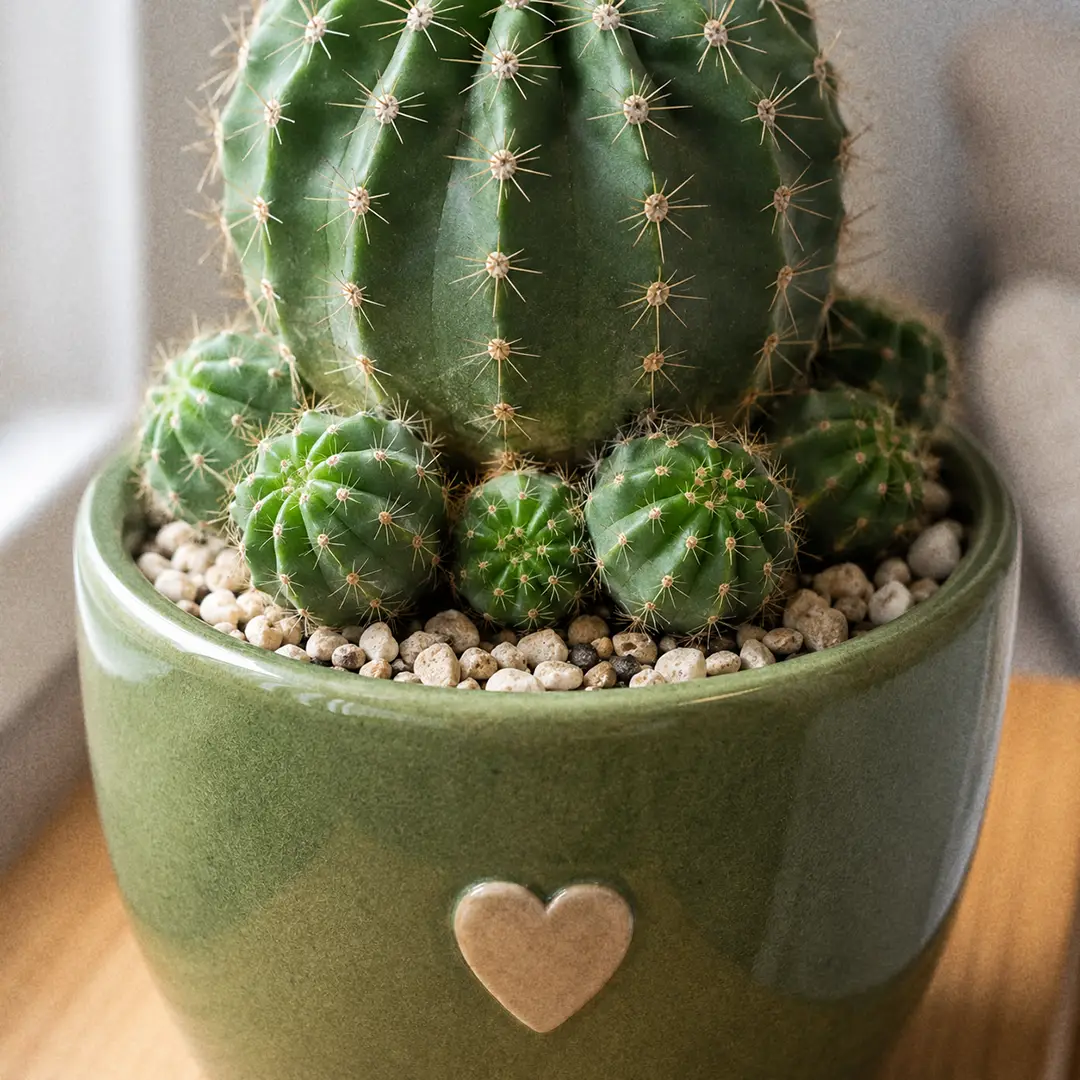
Propagation is where Easter Lily Cactus shines for beginners. A mature plant naturally produces offsets, small round pups, around its base, and each one is a ready-made new plant. Removing and rooting these pups is far easier and faster than starting from seed, which is slow and finicky. Spring and summer give the best results, while the plant is actively growing. Our propagation hub covers the basics if you're new to it.
Step-by-Step
Gently twist or cut a pup away from the parent, taking a clean break at the base. Some pups already have tiny roots, which is a bonus. Set the offset aside in a dry, shaded spot for 3-5 days so the cut end forms a dry callus, the step that prevents rot. Then press the calloused end onto barely moist, gritty cactus mix. Keep it in bright light and water very lightly until roots take hold, usually within a few weeks. This follows the same logic as our succulent propagation guide.
Tips for Success
The only real way to fail is to keep the pup too wet or skip the callus step, both of which rot the offset before it roots. Err dry. A gentle tug that meets resistance tells you roots have formed. Because the plant is so long-lived, a single heirloom specimen can supply giveaways for years.
🐛 Easter Lily Cactus Pests and Treatment
Common Pests
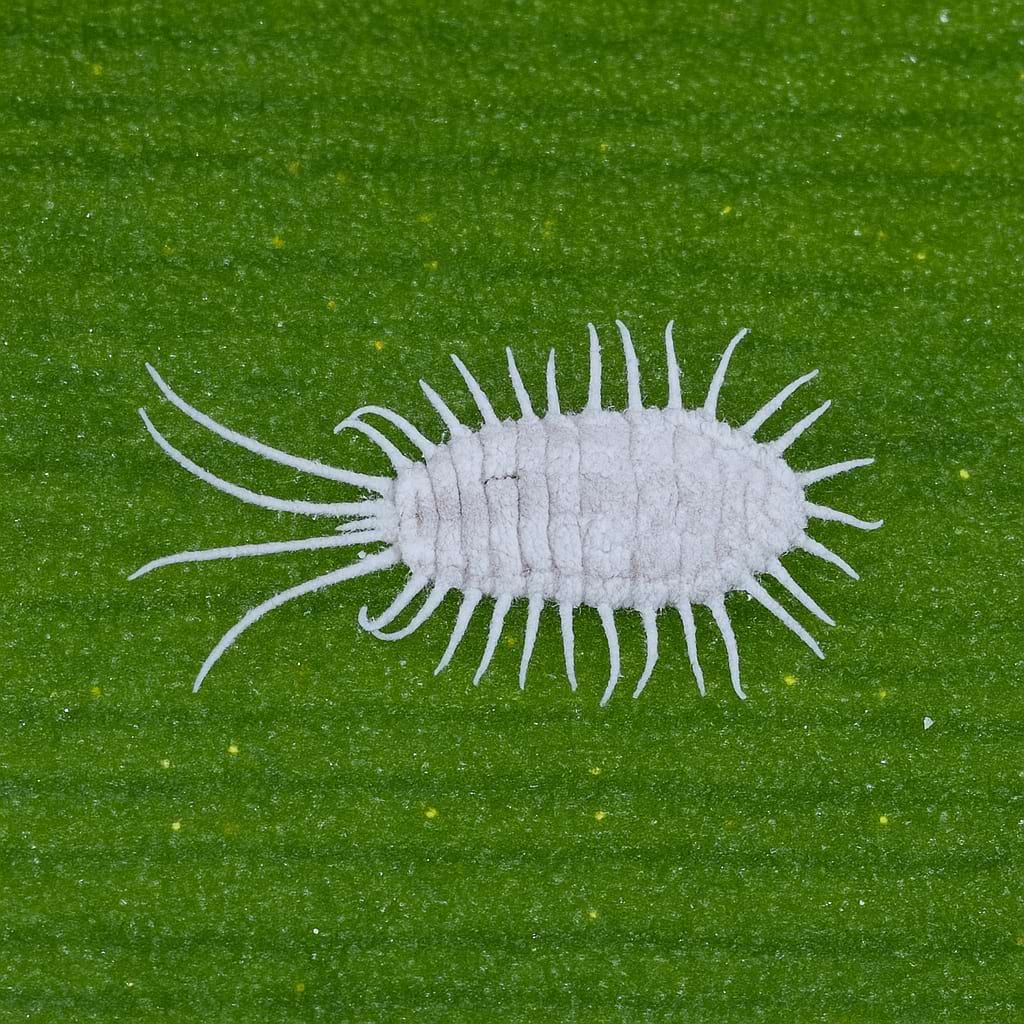
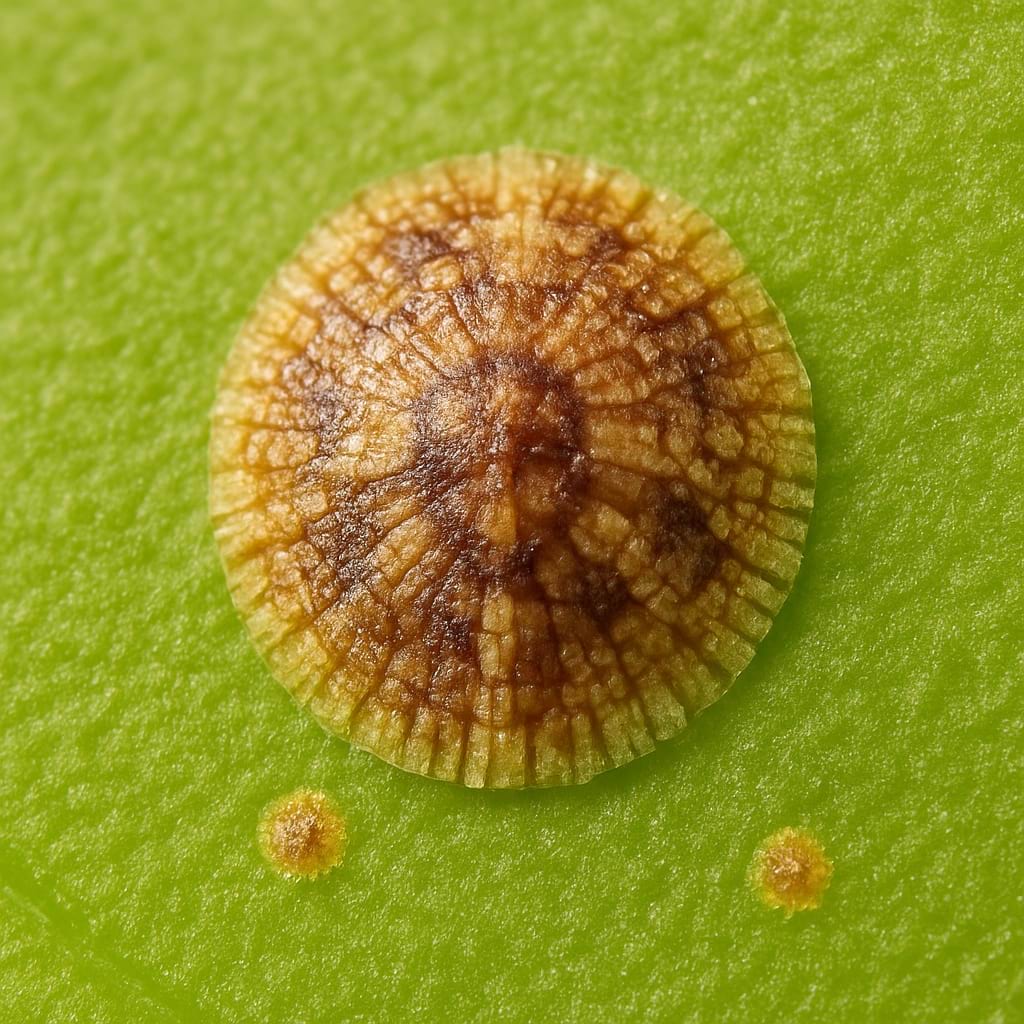
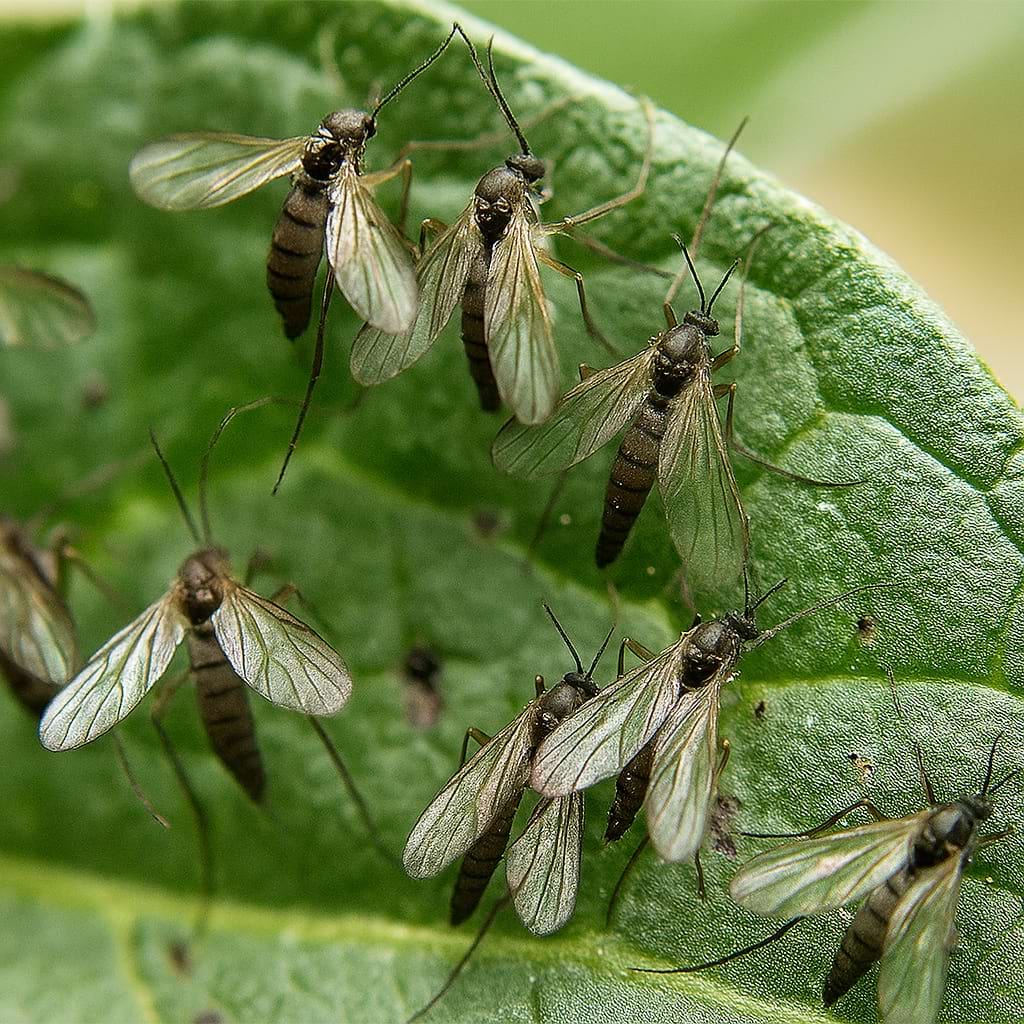
Easter Lily Cactus is tough, but a few pests still find it. Mealybugs are the most common, hiding in the rib grooves and spine clusters as small white cottony specks. Spider mites appear in hot, dry conditions, leaving fine webbing and a stippled, dull look on the body. Scale insects show up as small brown bumps stuck to the skin, and fungus gnats are a warning that the soil is staying too wet.
Treatment and Prevention
For mealybugs and scale, dab them off with a cotton swab dipped in rubbing alcohol, then follow with insecticidal soap or neem if they persist. Spider mites ease off with better airflow and a gentle rinse, and fungus gnats vanish once you let the soil dry out properly between soaks. Inspect any new plant before it joins your collection, and check the rib grooves now and then, since those crevices are exactly where pests hide. The pest prevention in winter article is worth a read, since stressed plants attract the most trouble.

🩺 Common Easter Lily Cactus Problems
Rot From Overwatering
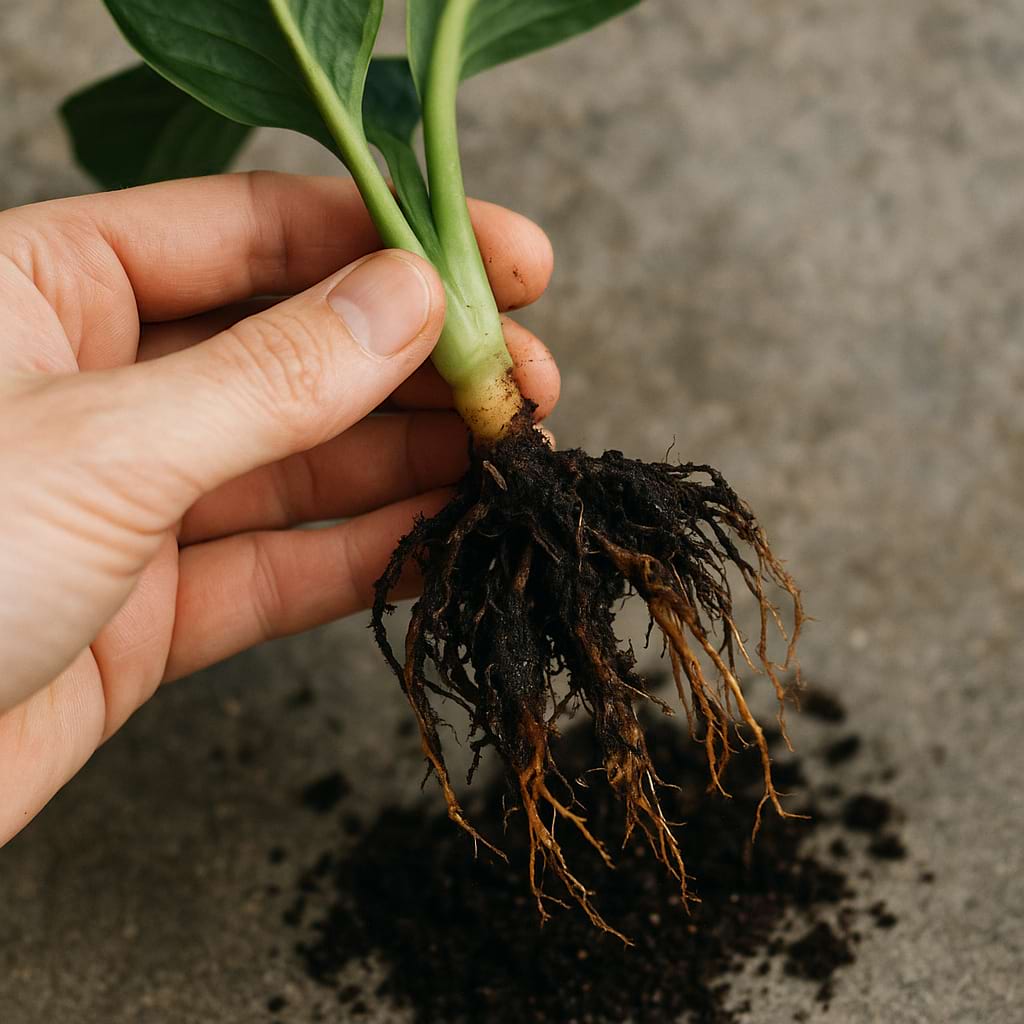
The number one killer is overwatering, which leads to root rot and mushy stems. The signs are soft, dark, collapsing tissue, often starting at the base, while the soil is still damp. Unpot the plant, cut away every rotten root and any mushy body tissue, let it dry out, and repot into fresh gritty mix. If only the top is firm, you can sometimes save the plant by cutting above the rot and rooting the healthy crown. Cold plus wet soil in winter is the riskiest combination, so keep it dry while it rests.
Shriveling and Yellowing
A slightly deflated, softer body usually just means the plant is thirsty, and a good soak firms it back up within a day. Yellowing or a soft, sickly look more often points the other way, toward overwatering or tired old soil. Read the soil first: dry mix plus a wrinkled body means water, while wet mix plus yellow softness means stop and check the roots.
Stretched Growth and No Flowers
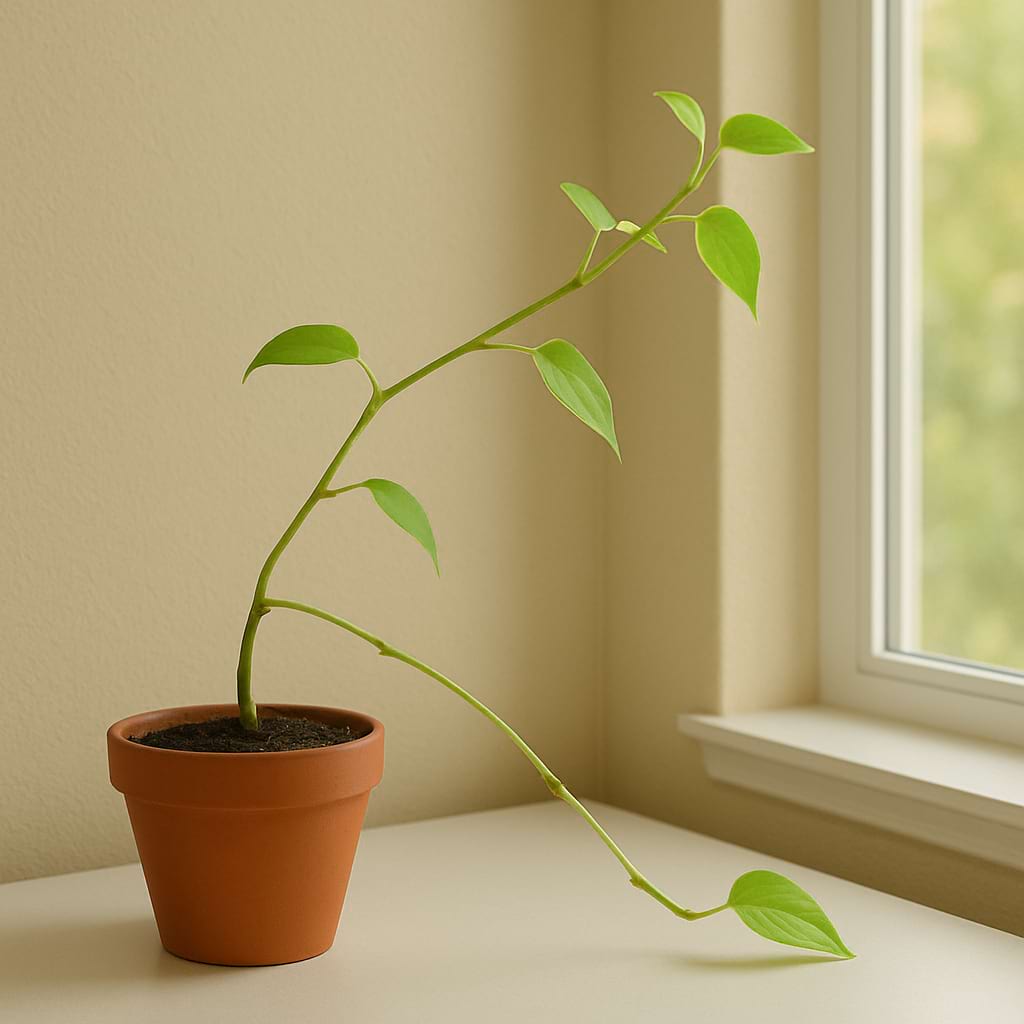
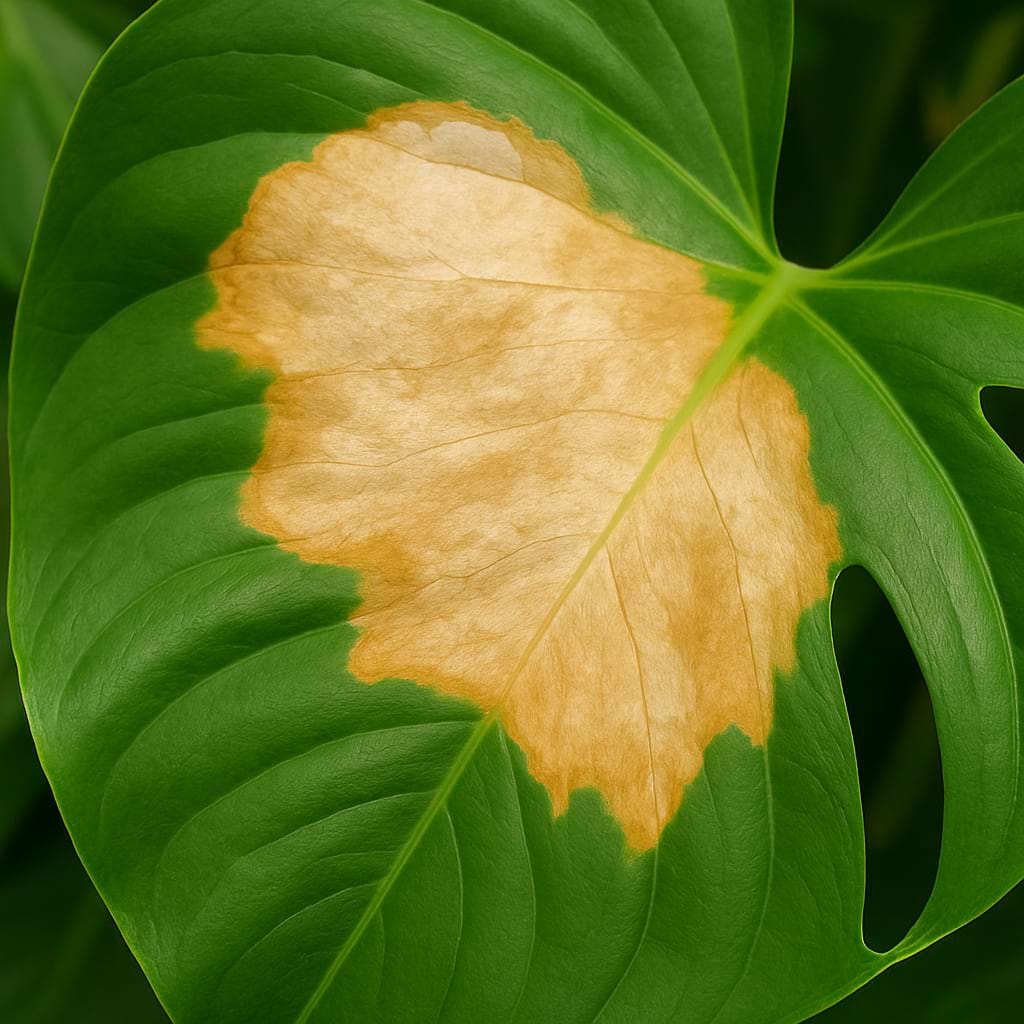
Tall, pale, narrowing new growth is leggy growth from too little light, fixed by moving the plant to a brighter, sunnier spot. A mature plant that refuses to flower is almost always short on light, missing its cold winter rest, or overfed with nitrogen, which falls under failure to bloom. Dry, bleached, papery patches on a body suddenly exposed to harsh sun are sunburn, prevented by acclimating the plant to strong light gradually.


🖼️ Easter Lily Cactus Display and Styling Ideas
Solo Setups
A neat round globe, Easter Lily Cactus makes a handsome solo specimen in a simple terracotta pot on a bright windowsill, where a plain pot keeps the focus on the plant and, in spring, on those huge flowers. Because the blooms are so dramatic and fragrant, give it a spot where you'll actually notice them in the evening, like a kitchen sill or a bedside windowsill.
Grouped Arrangements
In a sunny dish garden it plays well with other desert plants that share its love of bright light and dry soil. Group it with a finger-like Peanut Cactus, a round Golden Barrel Cactus, or a chunky Bunny Ear Cactus for contrasting shapes, then top the soil with pale grit. A Hedgehog Cactus makes a natural partner here, since it shares the same taste for big, showy spring flowers on a compact body. The round body and big spring flowers add a soft note to an otherwise spiky grouping.
Where Not to Put It
Keep it out of dim corners, where it stretches and loses its round shape, and away from humid rooms like bathrooms, where the damp air invites rot. A sunny kitchen sill or a south-facing study is ideal: strong light plus good airflow keeps the plant firm, round, and ready to bloom.
👍 Easter Lily Cactus Pro Care Tips
☀️ Give it real sun. This is a sun-worshipper. Several hours of direct light keep the body firm and the flowers coming.
❄️ Cold, dry winter is the bloom secret. Several weeks near 40-50°F with almost no water is what sets the giant spring flowers.
💧 Soak and dry, then wait. Water deeply, let it dry completely, and when in doubt, wait. Overwatering kills far more of these than thirst.
🌬️ Keep it dry and airy. Unlike tropical plants, this cactus wants low humidity and good airflow, not misting or pebble trays.
🌙 Catch the bloom in the evening. The flowers open at night and fade fast, so check it daily once buds swell or you'll miss the show.
🌱 Save every pup. Each offset roots easily after a callus, so one heirloom plant becomes a whole shelf of giveaways.
🧤 Handle with a sling. The spines are sharp, so grip the body with a folded newspaper or thick gloves when you repot.
🍼 Feed lean. Too much nitrogen gives you a plump body and no flowers. A little low-nitrogen feed in summer is plenty.
❓ Frequently Asked Questions
Is Easter Lily Cactus toxic to cats and dogs?
Easter Lily Cactus (Echinopsis oxygona) is considered non-toxic to cats and dogs. Despite the name, it's a true cactus and is not related to the genuinely toxic Easter lily flower. The sharp spines are the only real hazard, so it's still sensible to keep it out of a curious pet's reach.
Why won't my Easter Lily Cactus bloom?
The usual reasons are too little light, no cold winter rest, or too much nitrogen fertilizer. Give it bright direct sun, a genuine cold and dry spell near 40-50°F for several weeks in winter, and a low-nitrogen feed in summer. Very young plants may simply not be mature enough yet.
How often should I water an Easter Lily Cactus?
Water deeply when the mix is fully dry, which is often every 7-10 days in spring and summer. In winter, during its cold rest, cut back to almost nothing, perhaps a splash every 4-6 weeks or none at all. Always let it drain completely and never leave it sitting in water.
How long do the flowers last?
Each huge flower lasts only a day or two before it fades, and they tend to open in the evening. A healthy plant opens several blooms in waves over a few weeks, so the overall display stretches out even though no single flower hangs around for long.
Is Easter Lily Cactus the same as Easter Cactus?
No, and this trips up a lot of buyers. Easter Lily Cactus (Echinopsis oxygona) is a round desert cactus that wants full sun and dry soil. The Easter Cactus is a flat-segmented tropical plant that wants bright indirect light and more moisture. They need almost opposite care, so always check the Latin name.
How do I propagate Easter Lily Cactus?
Remove an offset, or pup, from around the base of a mature plant, let the cut end callus for 3-5 days, then set it on barely moist gritty cactus mix. Keep it bright and water lightly until roots form in a few weeks. Pups are far easier and faster than growing from seed.
Why is my Easter Lily Cactus growing tall and skinny?
That's leggy growth from too little light. A cactus stretches and narrows when it's reaching for a brighter spot, and the stretched part won't round back out. Move it to your sunniest window or add a grow light. New growth will come back firm and round once the light is right.
How big does an Easter Lily Cactus get?
It stays fairly small, usually around 6-12 inches tall, and clumps slowly outward to a foot or more across as it produces offsets over many years. It's a slow grower and a long-lived one, often outliving the person who first potted it.
ℹ️ Easter Lily Cactus Info
Care and Maintenance
🪴 Soil Type and pH: Gritty, fast-draining cactus and succulent mix
💧 Humidity and Misting: Loves dry household air and dislikes damp, stuffy, humid conditions.
✂️ Pruning: Almost none needed; remove offsets to tidy the clump and start new plants.
🧼 Cleaning: Dust gently with a soft dry brush, working around the spine clusters along each rib.
🌱 Repotting: Repot every 2-3 years in spring, or when the clump fills the pot and offsets crowd the rim.
🔄 Repotting Frequency: Every 2-3 years
❄️ Seasonal Changes in Care: Grow it warm, bright, and watered in spring and summer, then give it a cold, nearly dry winter rest to set its spring flowers.
Growing Characteristics
💥 Growth Speed: Slow to moderate
🔄 Life Cycle: Evergreen perennial desert cactus
💥 Bloom Time: Late spring to early summer, often around Easter; each huge flower lasts a day or two
🌡️ Hardiness Zones: 9-11
🗺️ Native Area: Southern Brazil, Uruguay, Argentina, and Paraguay
🚘 Hibernation: Cold, nearly dry winter rest near 40-50°F with little or no water
Propagation and Health
📍 Suitable Locations: Bright windowsills, south windows, sunrooms, and warm sunny shelves
🪴 Propagation Methods: Easy from the offsets (pups) that cluster around the base of a mature plant.
🐛 Common Pests: Mealybugs, Spider Mites, Scale Insects, Fungus Gnats
🦠 Possible Diseases: Root rot, stem rot, fungal spotting in cold wet soil
Plant Details
🌿 Plant Type: Globular clumping desert cactus
🍃 Foliage Type: Leafless ribbed green globe with spine clusters
🎨 Color of Leaves: Mid to deep green
🌸 Flower Color: Pale pink to white, sometimes rose-tinted
🌼 Blooming: Yes, large fragrant trumpet flowers on mature plants after a cold rest
🍽️ Edibility: Not grown as an edible plant.
📏 Mature Size: 6-12 inches tall
Additional Info
🌻 General Benefits: Pet-safe, fragrant-flowering, long-lived, beginner-friendly, and one of the easiest cacti to share through its offsets
💊 Medical Properties: No documented medicinal uses.
🧿 Feng Shui: A grounding, resilient desert plant for a sunny sill, offering a burst of soft, generous energy when it blooms.
⭐ Zodiac Sign Compatibility: Taurus
🌈 Symbolism or Folklore: Endurance, patient reward, renewal, and quiet generosity
📝 Interesting Facts: Easter Lily Cactus gets its name from its big lily-like flowers that often open right around Easter. The blooms are powerfully fragrant, open in the evening, and can be nearly as large as the plant itself, yet each one lasts only a day or two.
Buying and Usage
🛒 What to Look for When Buying: Choose a firm, deep-green globe with no soft or brown spots near the base. Plants with a few offsets are a bonus and usually older, closer-to-blooming specimens.
🪴 Other Uses: Sunny-windowsill specimen, dish-garden centerpiece, and a long-lived heirloom gift plant passed between generations.
Decoration and Styling
🖼️ Display Ideas: Bright windowsills, terracotta pots, sunny dish gardens, and grouped desert arrangements with other globular cacti
🧵 Styling Tips: A neat round shape that looks best in a simple terracotta pot that lets the clump and its big flowers take center stage.
🪴 See also 🪴
Complete Guide to Leaf of Life Care and Growth
Complete Guide to Aeonium Care and Growth
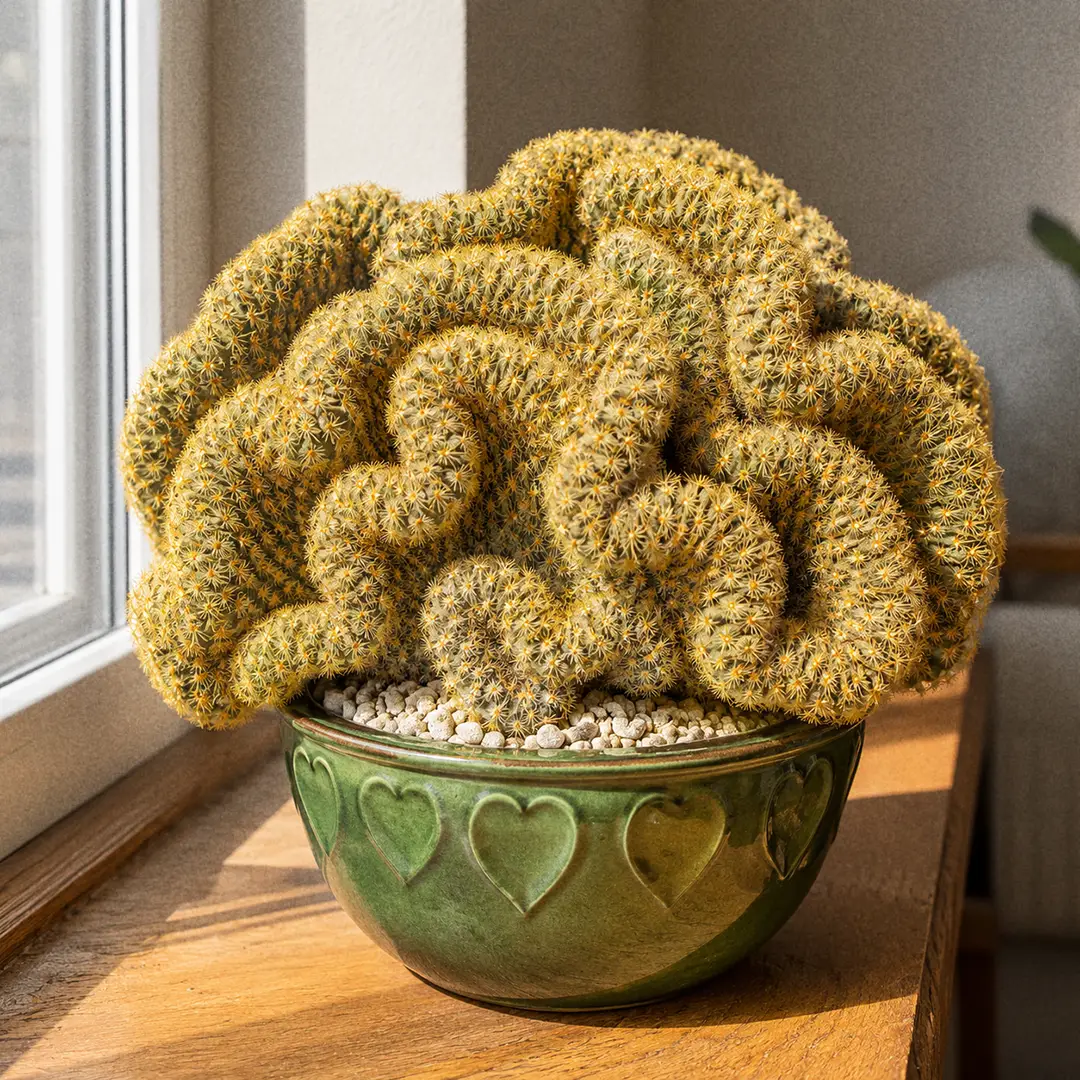
Complete Guide to Crested Brain Cactus Care and Growth
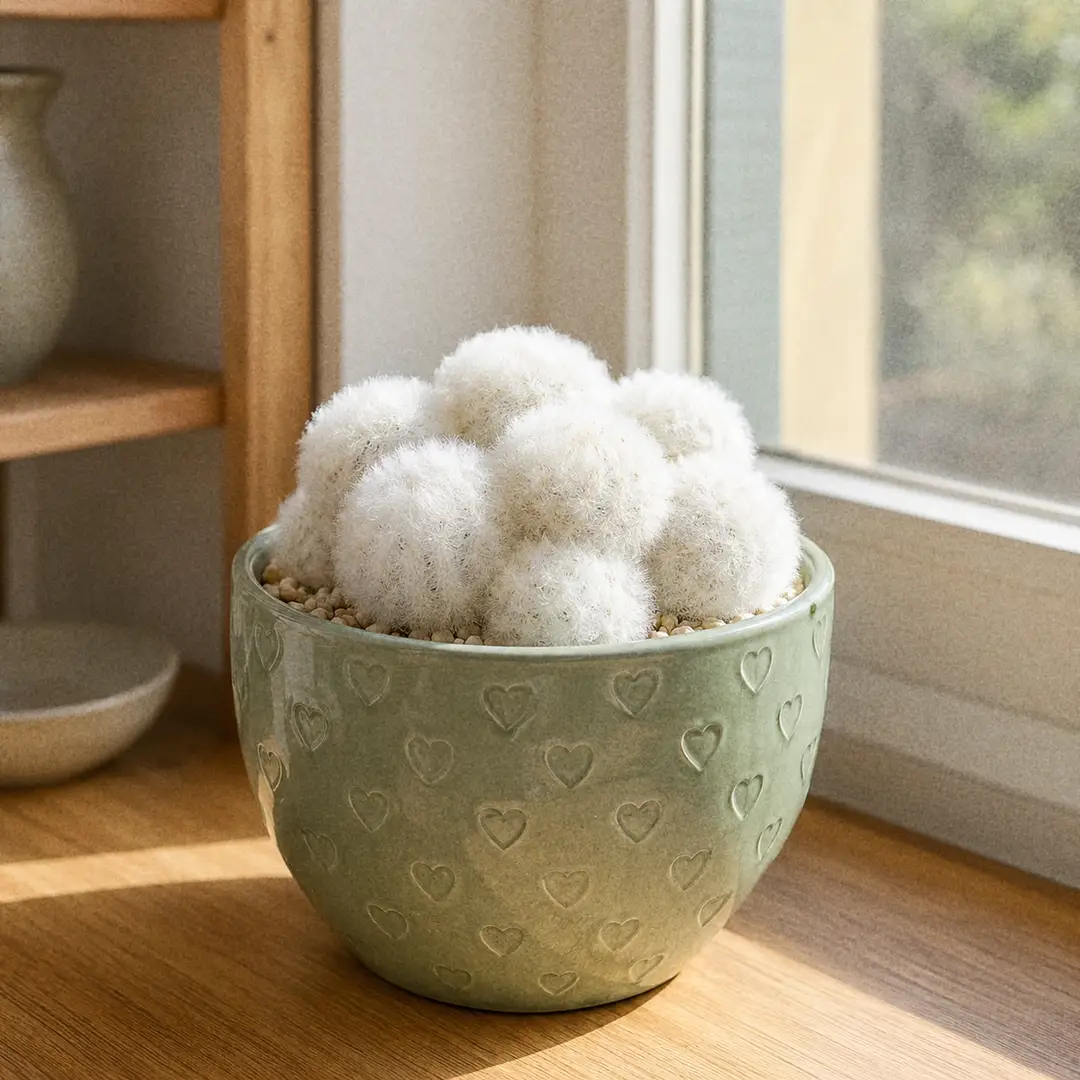
Complete Guide to Feather Cactus Care and Growth
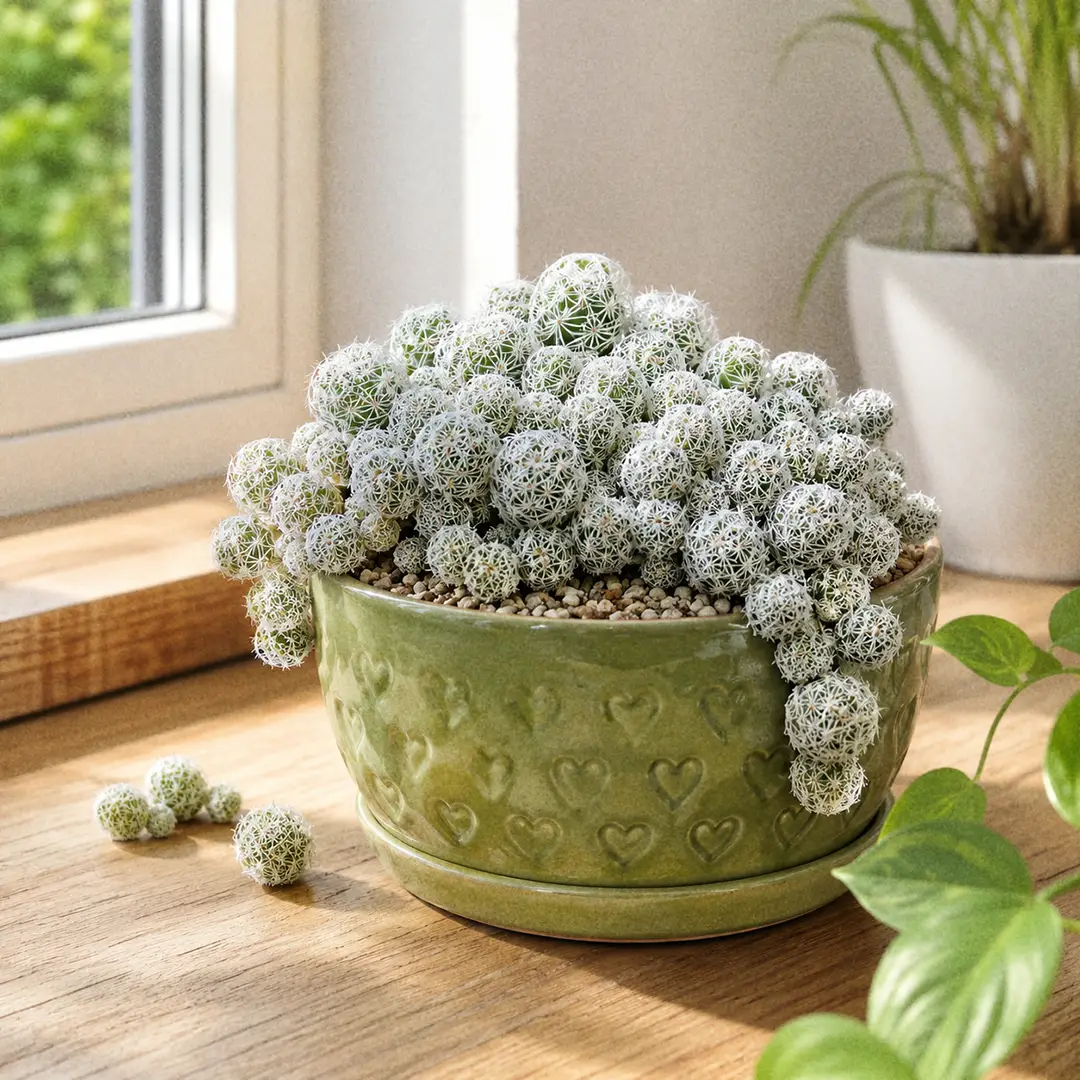
Complete Guide to Snowball Cactus Care and Growth
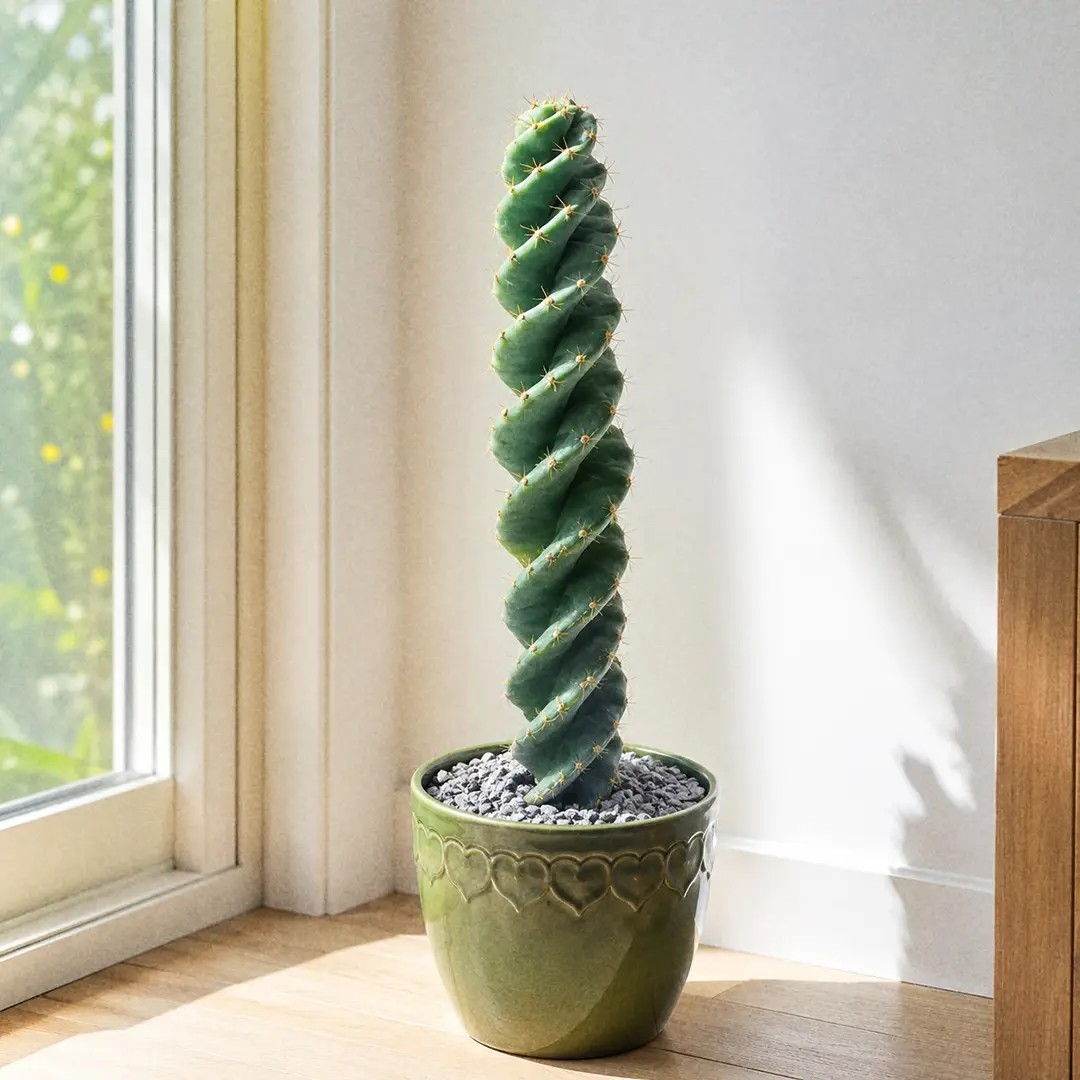
Complete Guide to Spiral Cactus Care and Growth
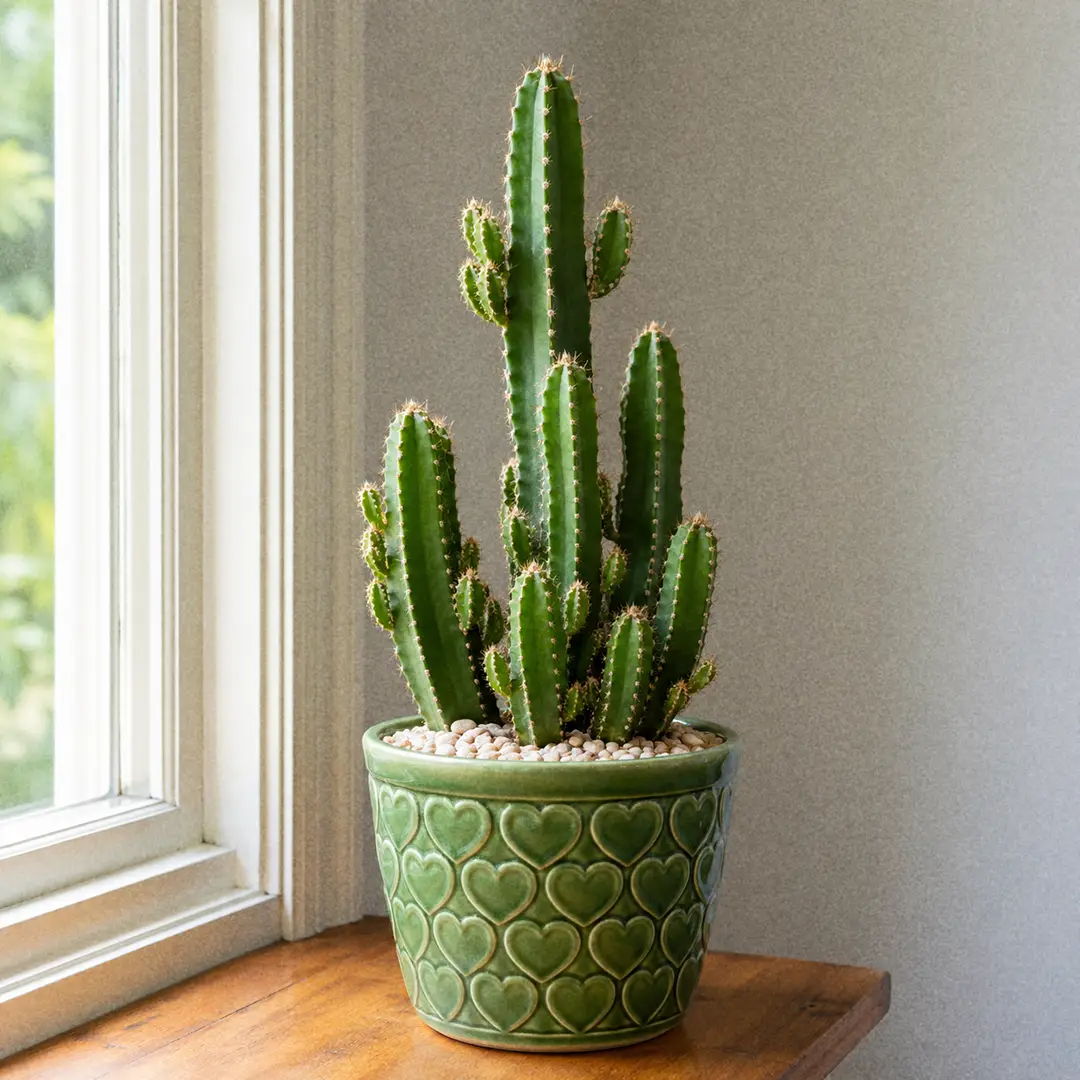
Complete Guide to Fairy Castle Cactus Care and Growth
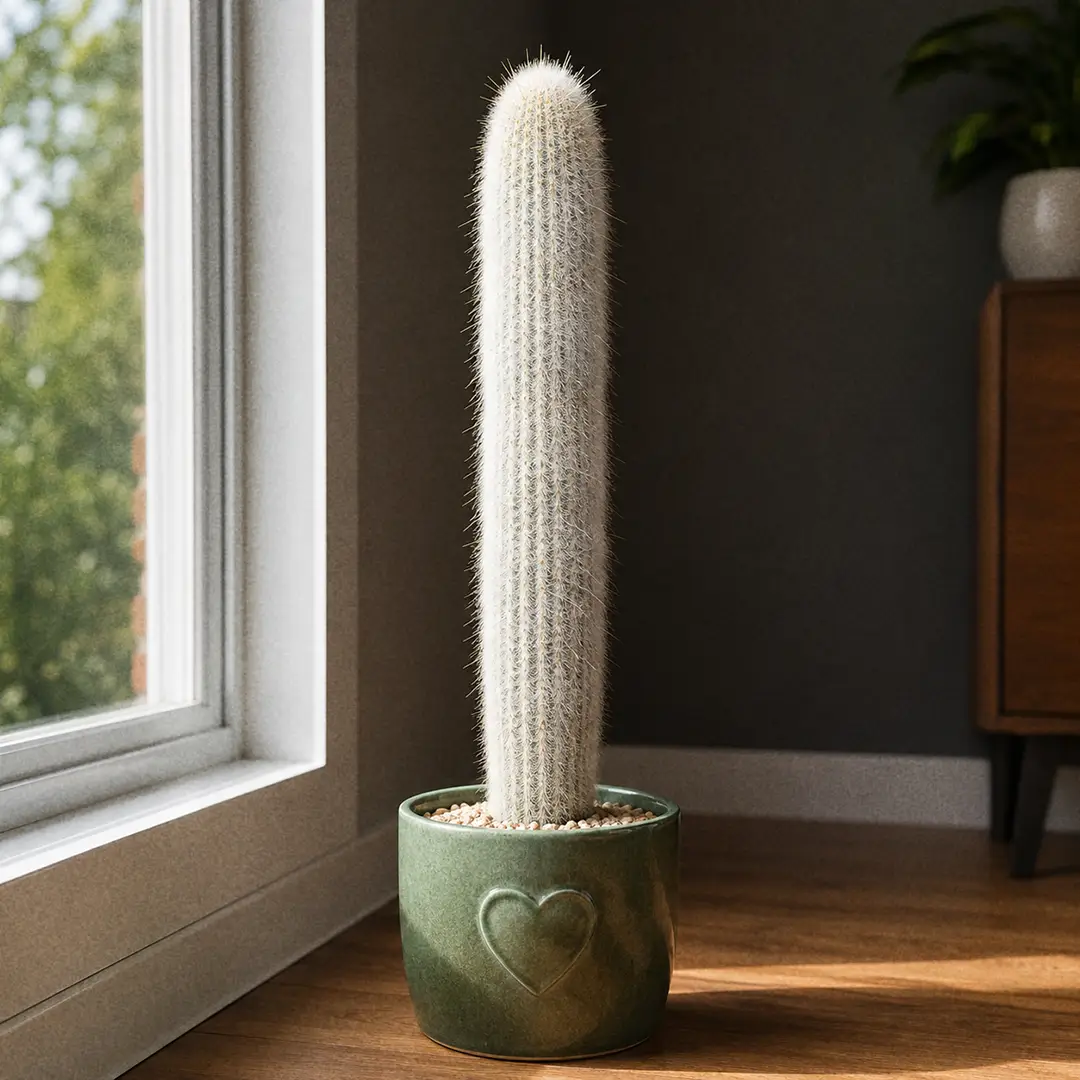
Complete Guide to Silver Torch Cactus Care and Growth
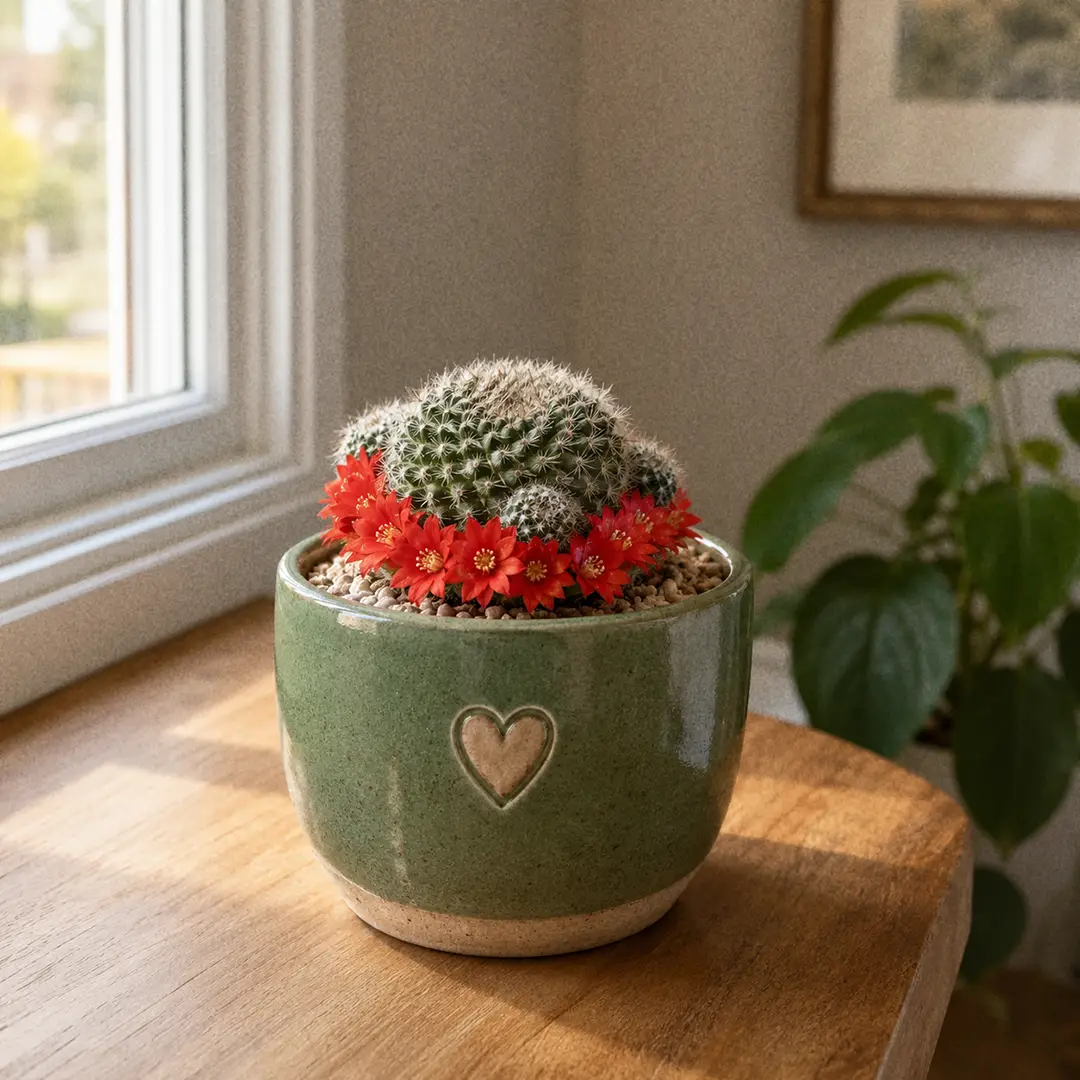
Complete Guide to Crown Cactus Care and Growth
How to Propagate Succulents from Leaves & Offsets
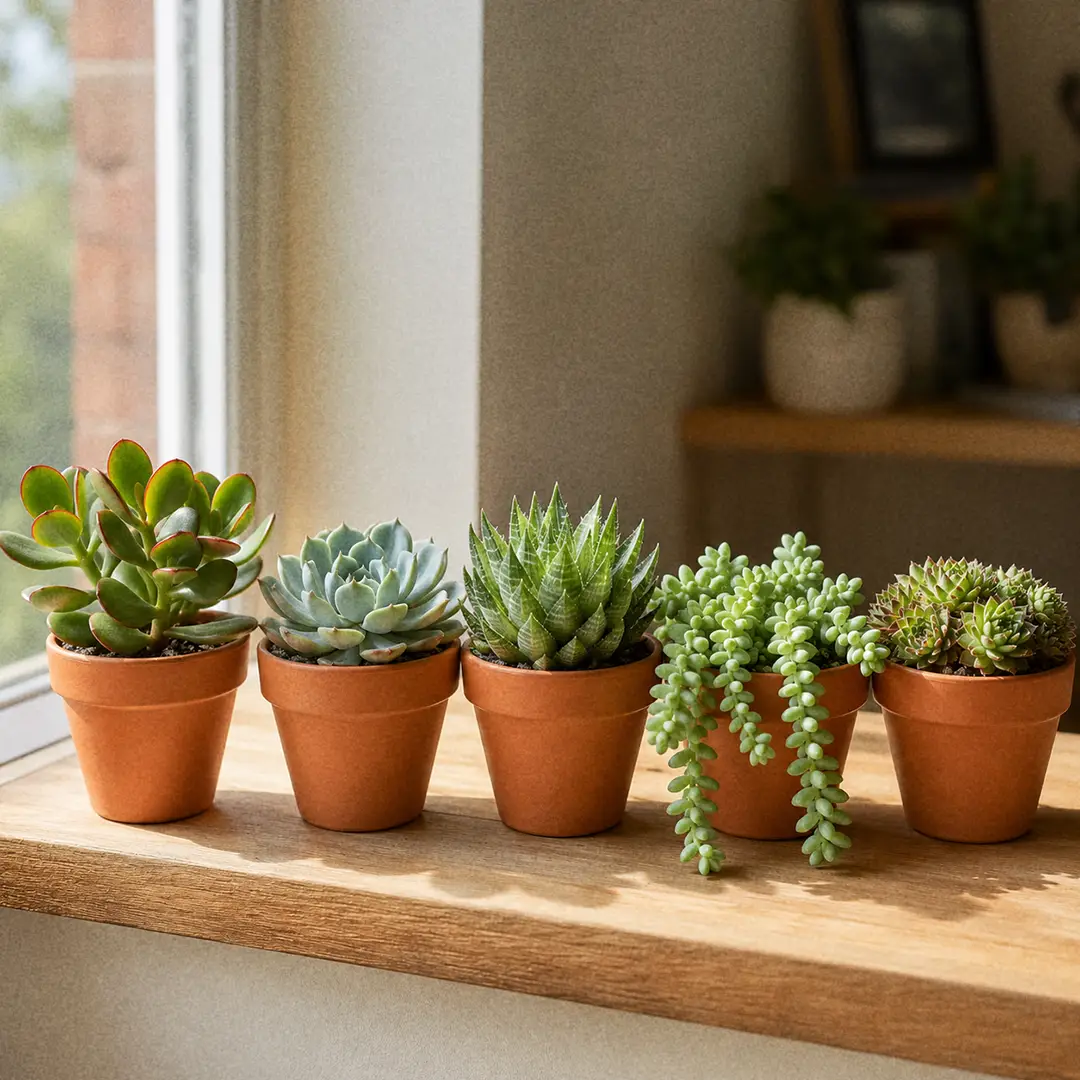
Succulent Care Indoors: How to Stop Killing Jade and Echeveria
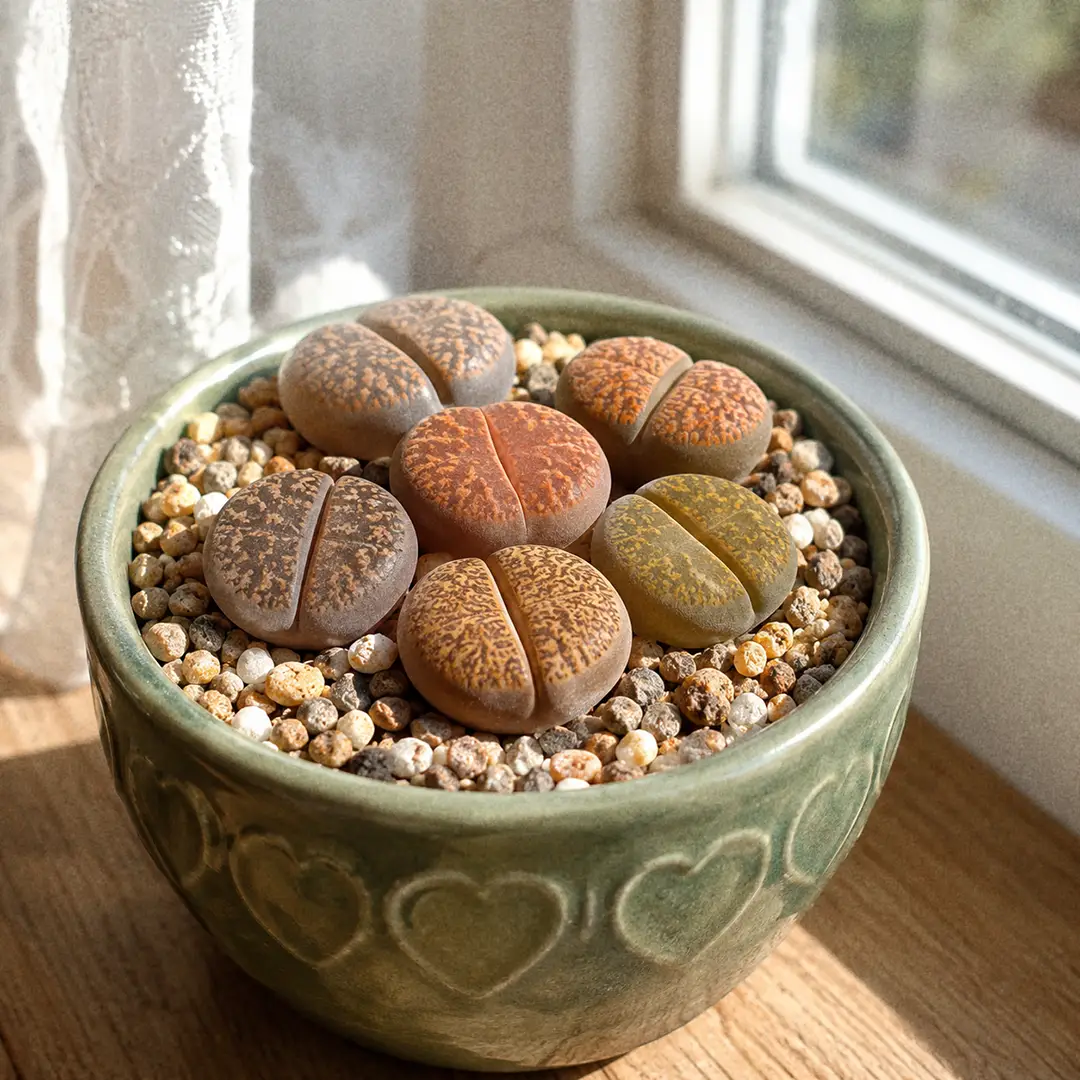
Complete Guide to Lithops Care and Growth (Living Stones)
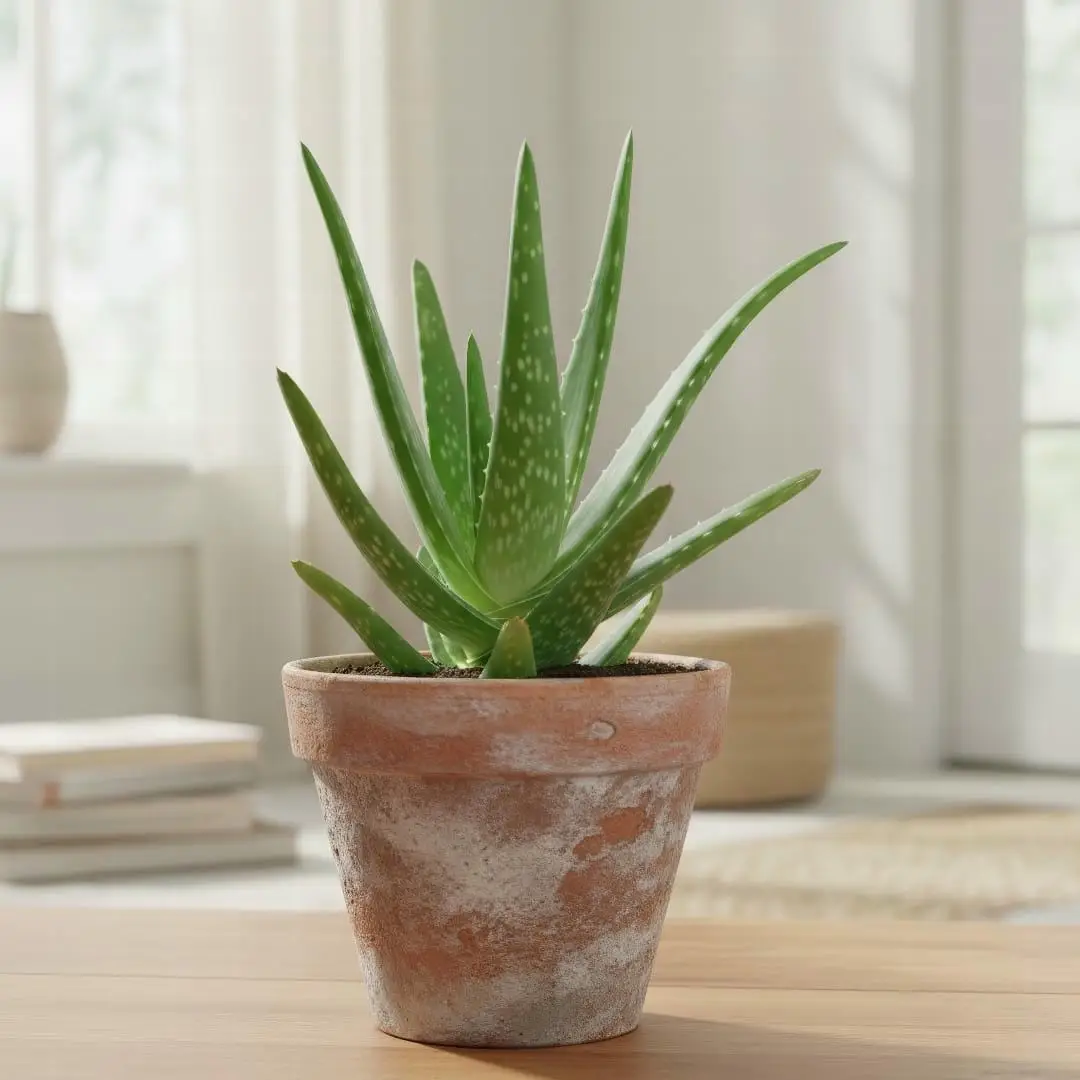
Complete Guide To Aloe Vera Care and Growth
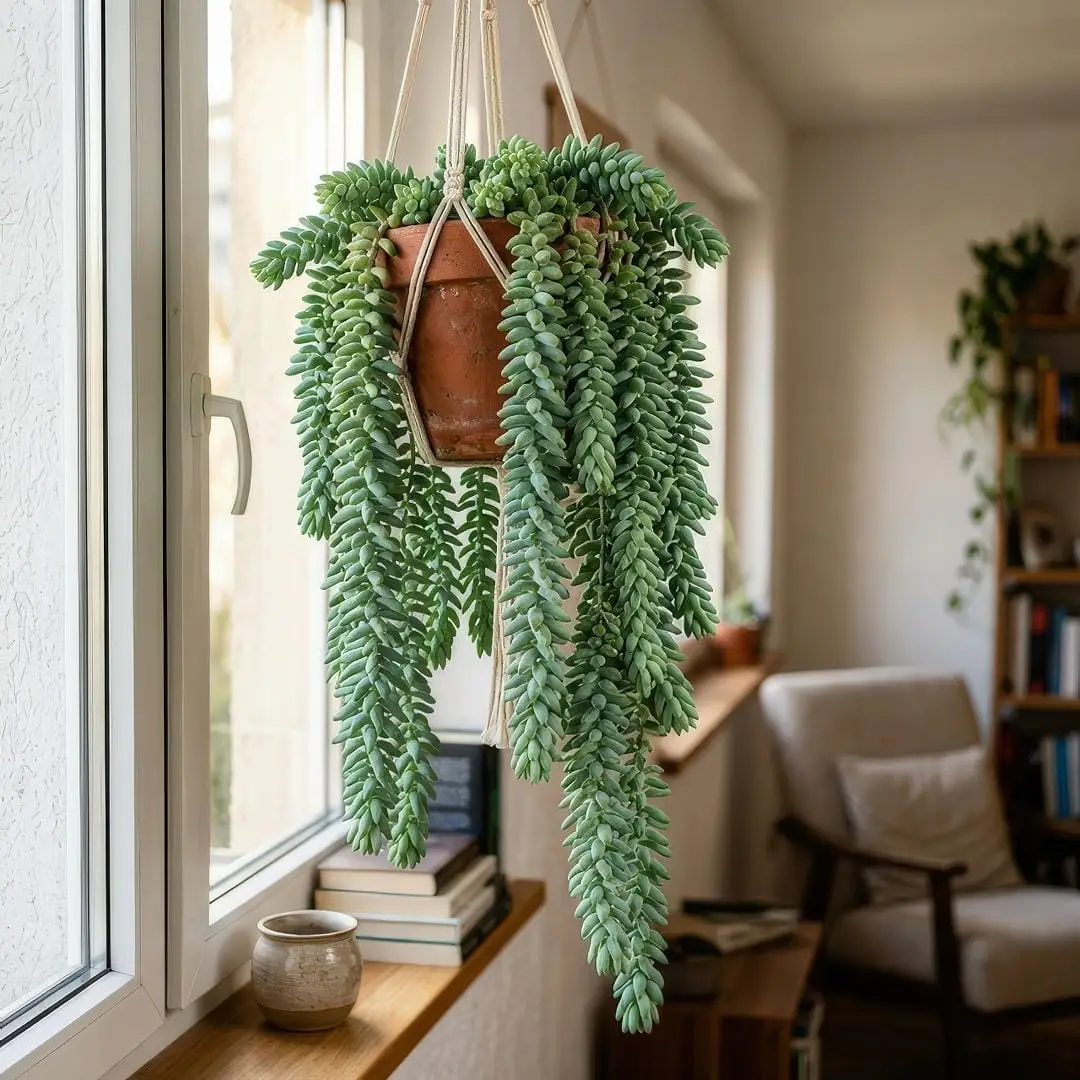
Complete Guide to Burro's Tail Care and Growth
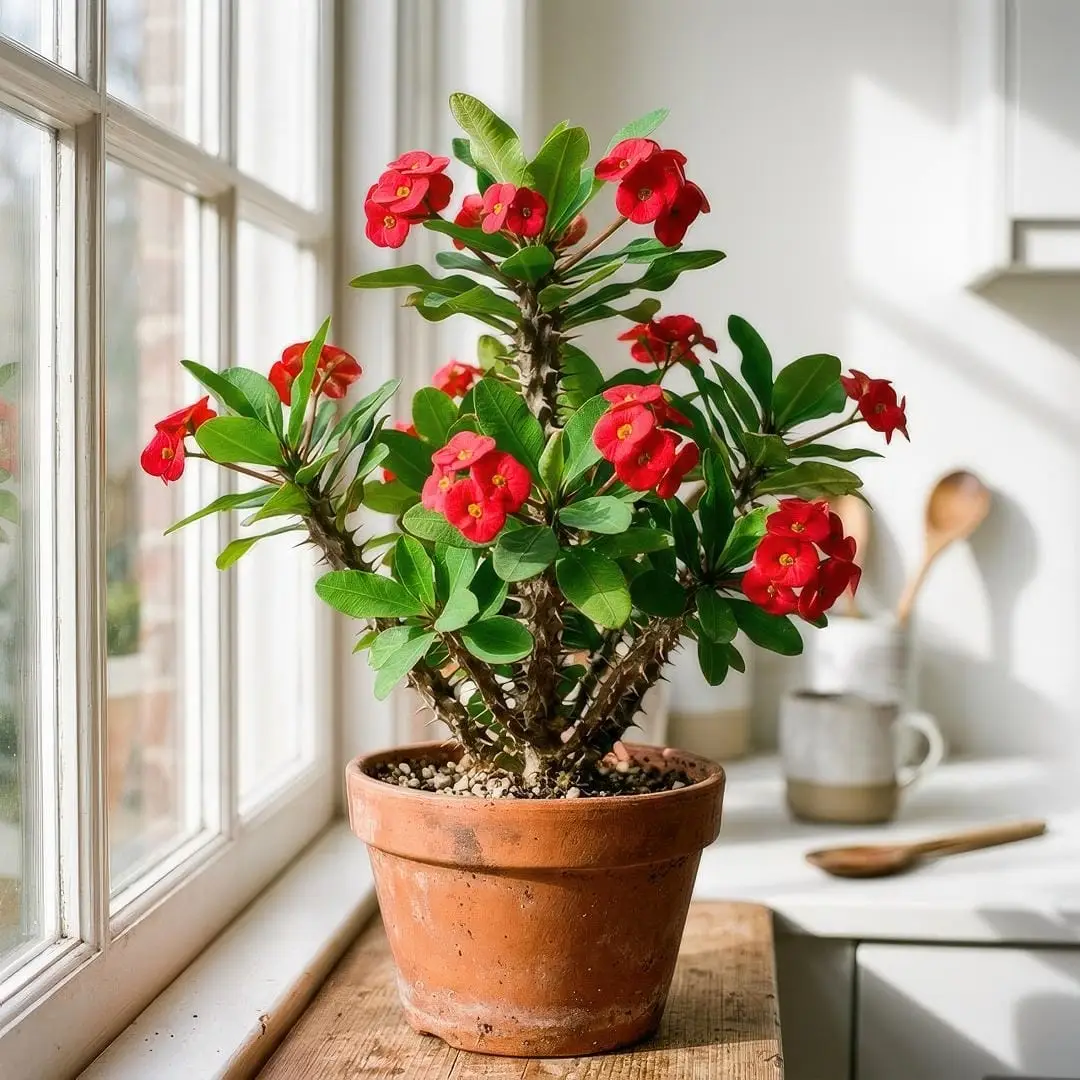
Complete Guide to Crown of Thorns Care and Growth
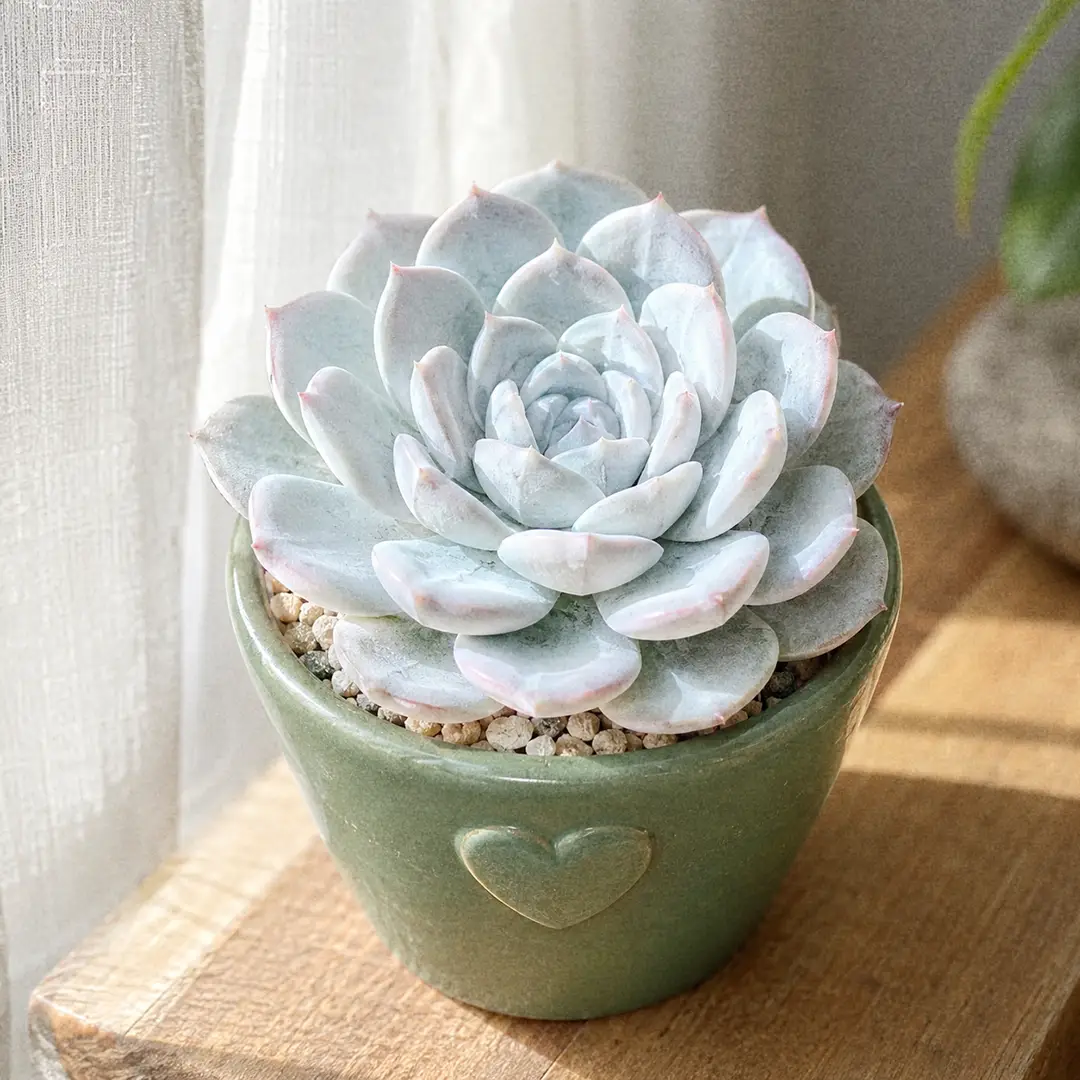
Complete Guide to Echeveria Care and Growth

Complete Guide to Flaming Katy Care and Growth
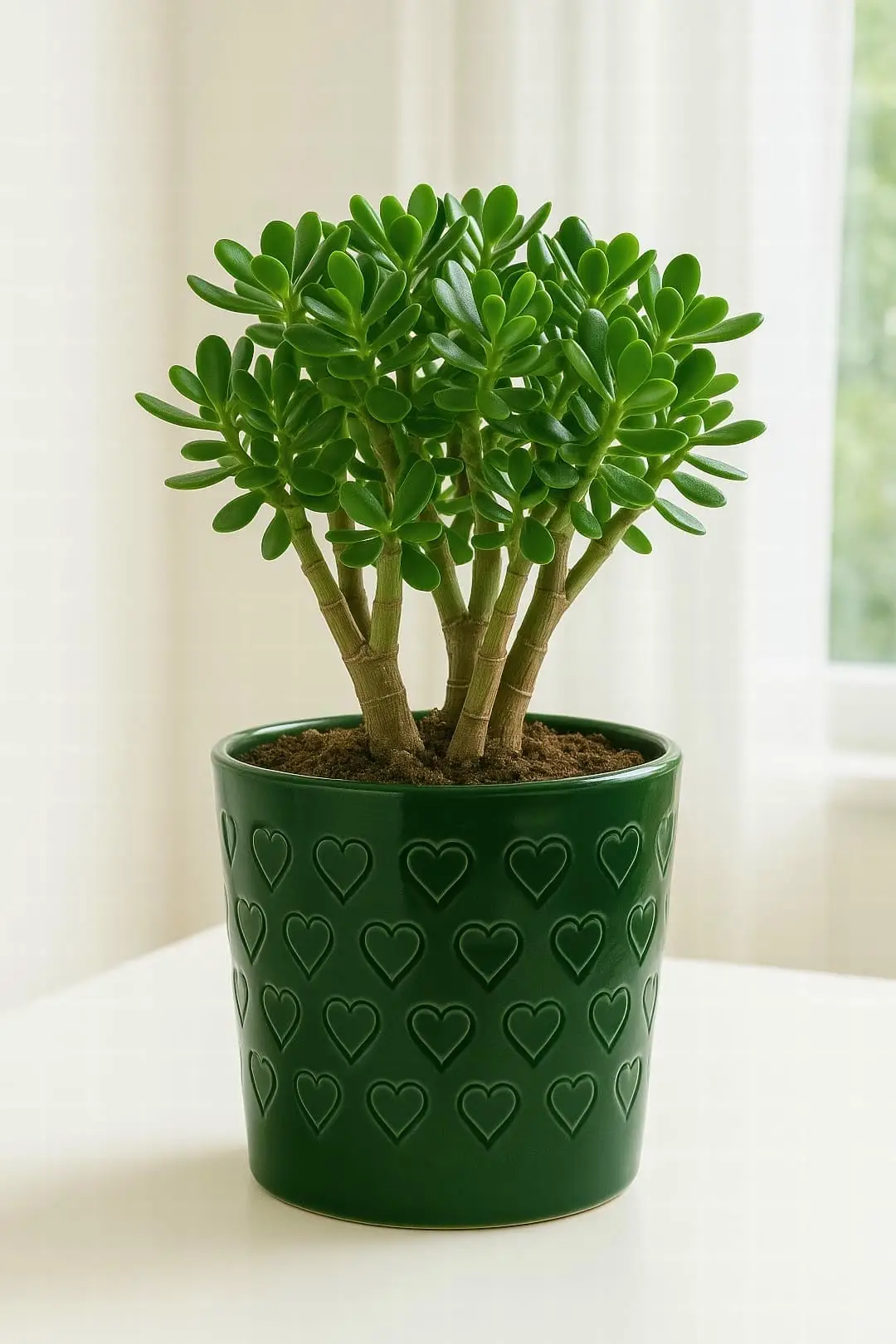
Complete Guide to Jade Plant Care and Growth
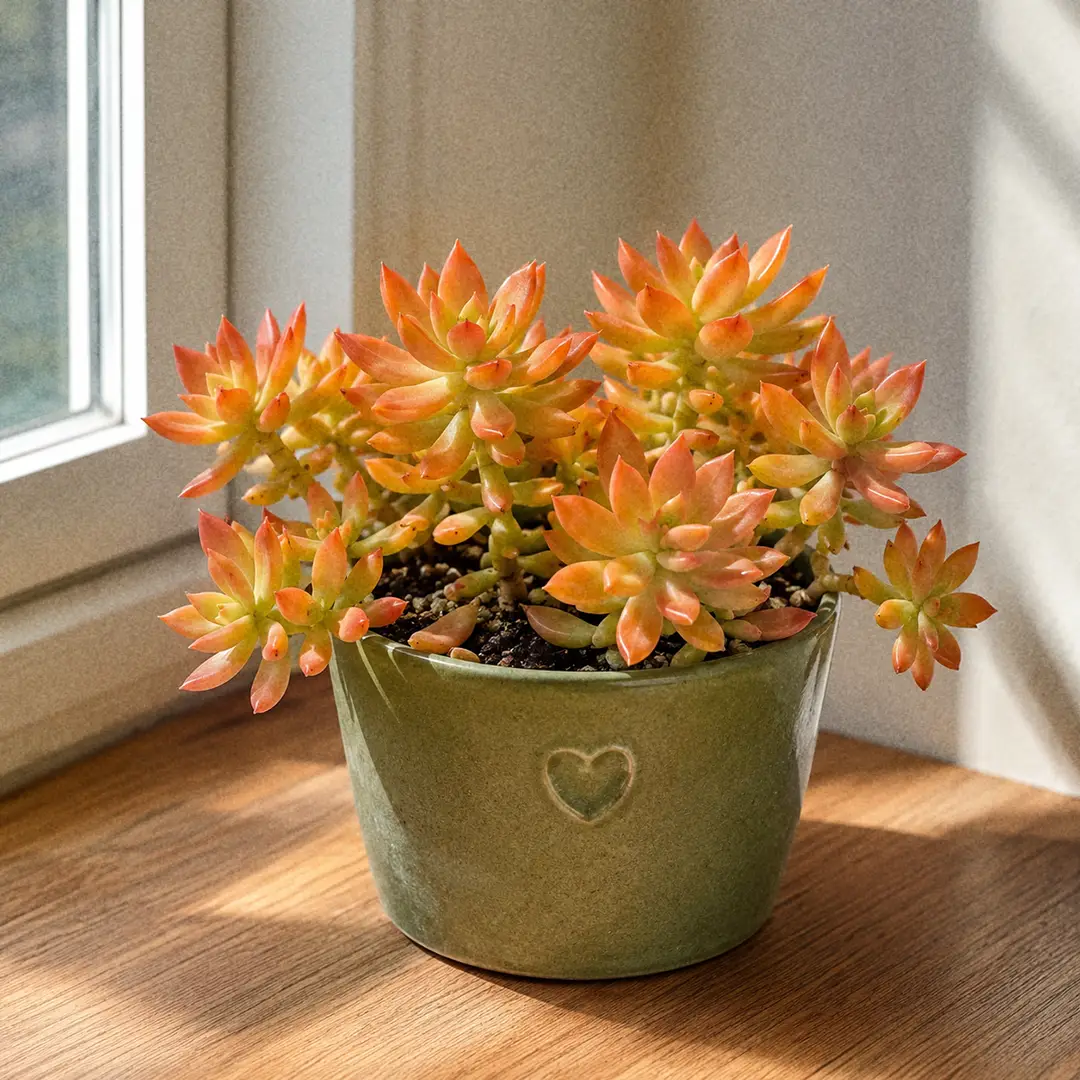
Complete Guide to Sedum Adolphii Care and Growth
Complete Guide to Queen of the Night Care and Growth
Complete Guide to Domino Cactus Care and Growth
Complete Guide to Peanut Cactus Care and Growth
Complete Guide to Rat Tail Cactus Care and Growth
Complete Guide to Ghost Plant Care and Growth
Complete Guide to Hens and Chicks Care and Growth

Complete Guide to String of Coins Care and Growth
Complete Guide to Silver Squill Care and Growth
Complete Guide to Jelly Bean Plant Care and Growth
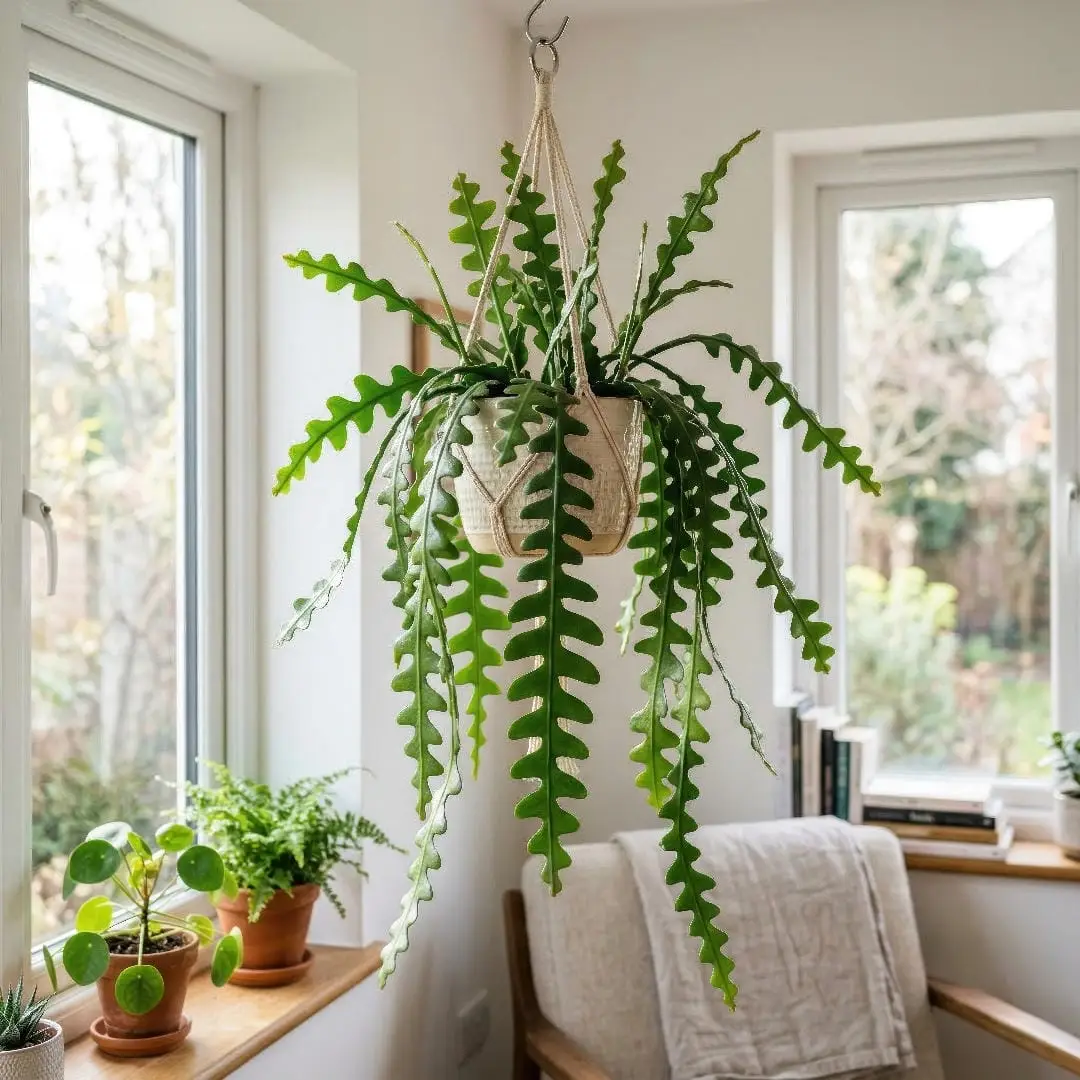
Complete Guide to Fishbone Cactus Care and Growth

Complete Guide to Mistletoe Cactus Care and Growth
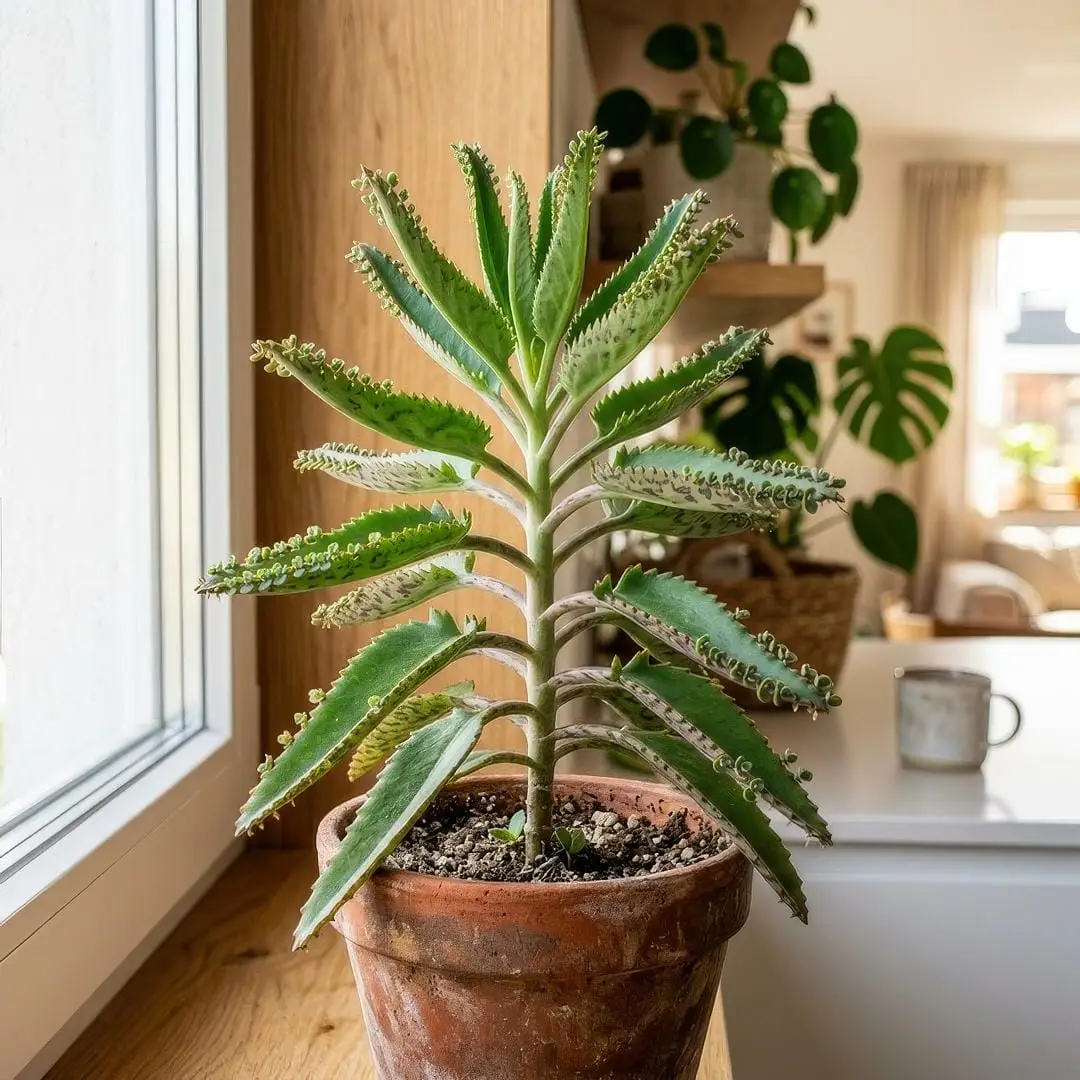
Complete Guide to Mother of Thousands Care and Growth
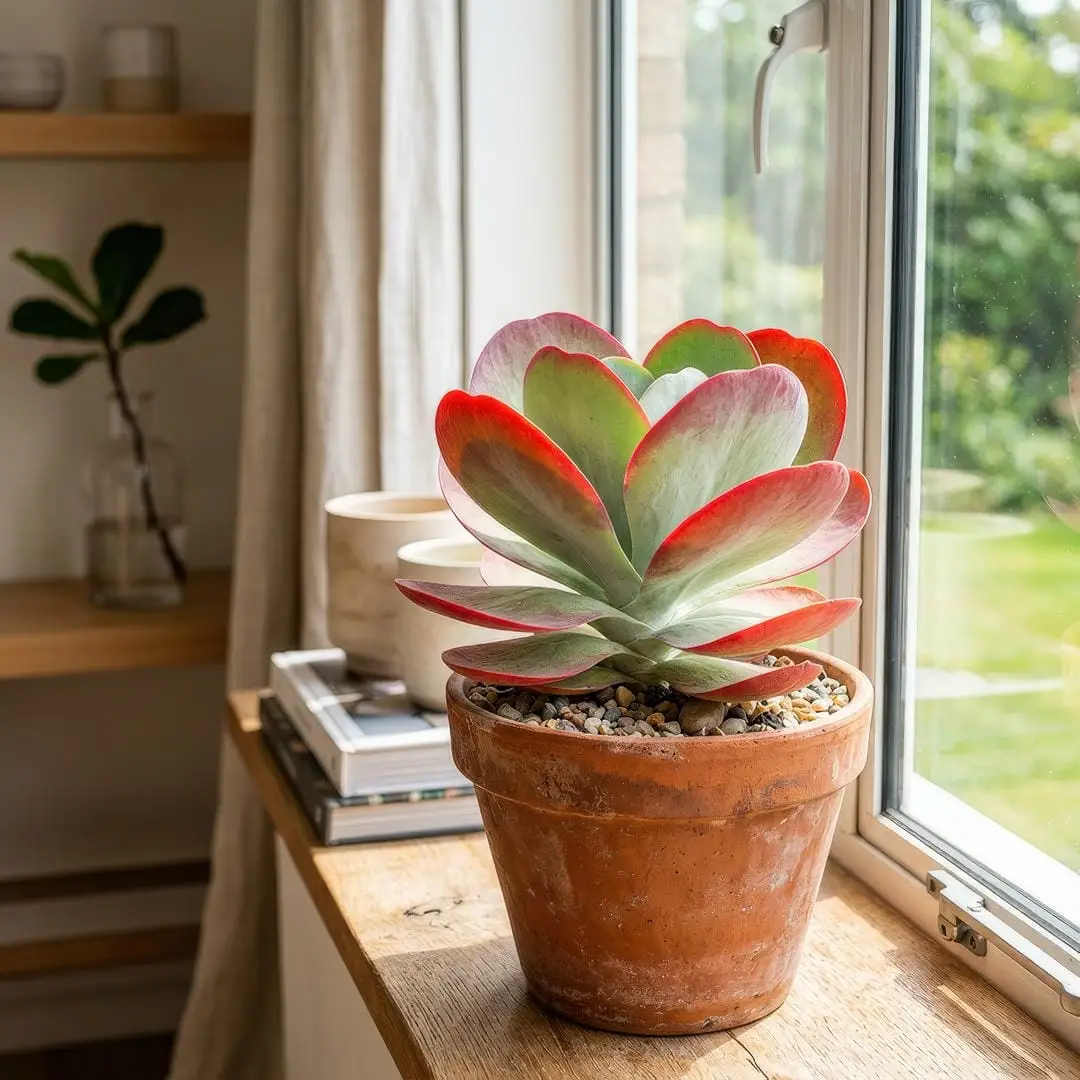
Complete Guide to Paddle Plant Care and Growth
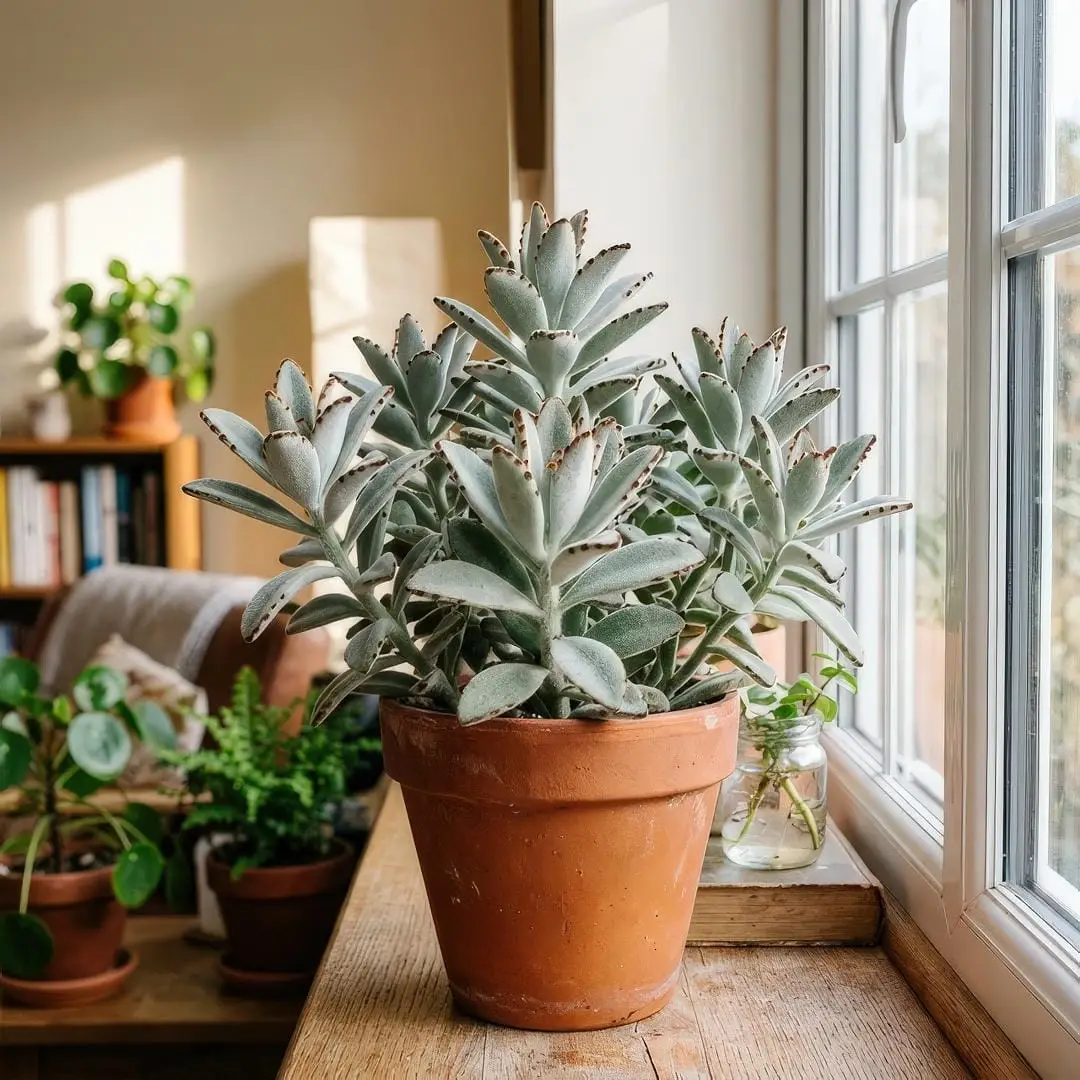
Complete Guide to Panda Plant Care and Growth

Complete Guide to Elephant Bush Care and Growth

Complete Guide to Pencil Cactus Care and Growth

Complete Guide to African Milk Tree Care and Growth

Complete Guide to Gasteria 'Little Warty' Care and Growth

Ox Tongue Care

Houseplant101 Forum
Questions & Comments
Ask a question, share your plant experience, or help other plant owners.
Comments are temporarily unavailable.
Open the Houseplant101 ForumNo comments yet
Be the first to ask a question or share your experience about this page.
Log in or create an account
Comments use your Houseplant101 Forum account, but you can stay on this page.
Create a new account