
Snowball Cactus
Mammillaria gracilis fragilis
Thimble Cactus, Mammillaria vetula subsp. gracilis, Mammillaria fragilis, Snowdrift Cactus


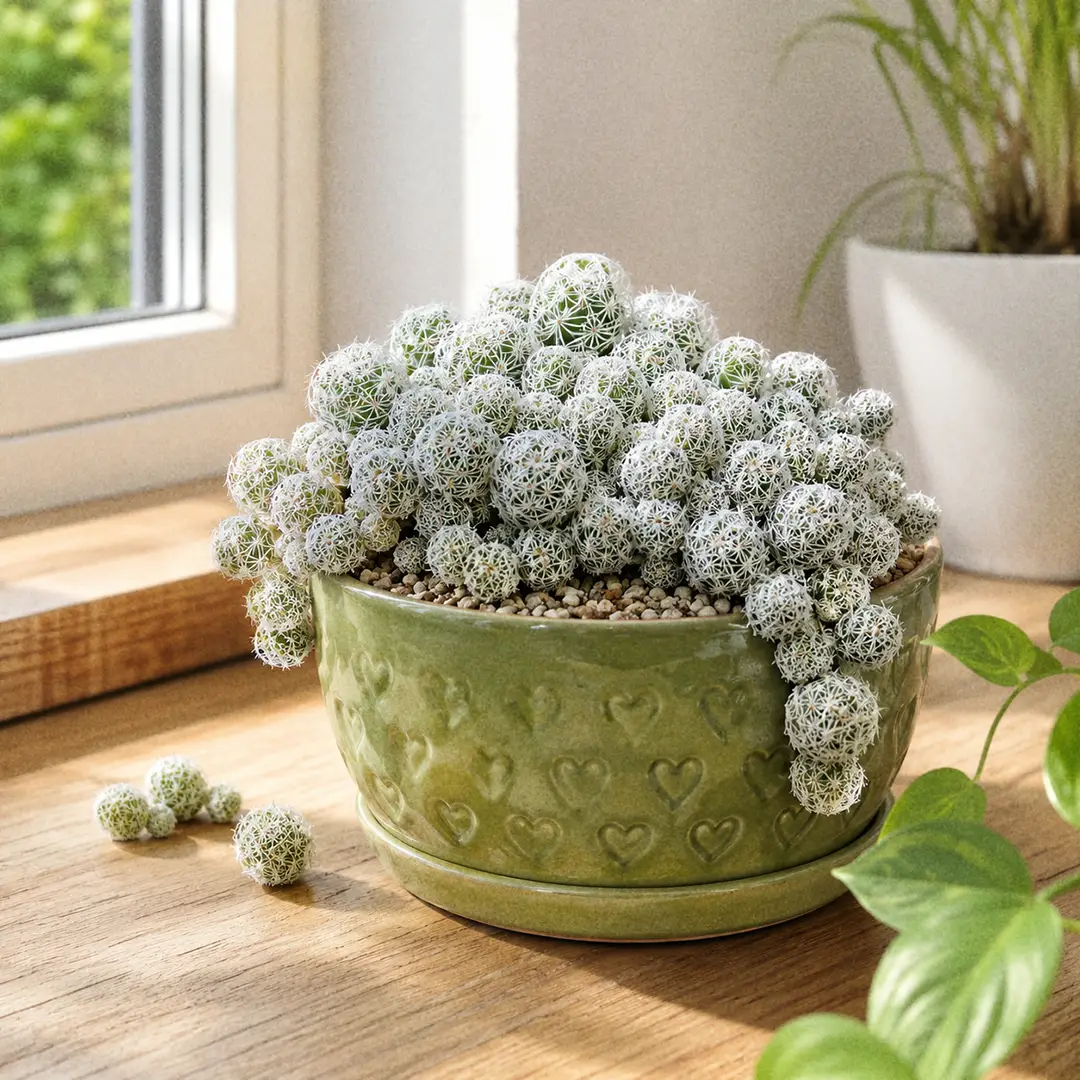
Snowball Cactus is a tiny white-spined clumper whose thimble-sized stems pop off at a touch and root themselves wherever they land. Learn how to grow Mammillaria gracilis fragilis indoors, keep the clump tight, and turn every dropped pup into a new plant.
📝 Snowball Cactus Care Notes
🌿 Care Instructions
⚠️ Common Pests
📊 Growth Information
🪴 In This Guide 🪴

☀️ Snowball Cactus Light Requirements (Indoor Lighting Guide)
The Sweet Spot
Snowball Cactus wants as much light as a windowsill can give it, including several hours of direct sun. A south-facing sill is the first choice, with a west window close behind. An east window works and keeps the plant healthy, though clumps grown there tend to be a little looser and flower less reliably.
Those white spines are the clue. The dense spine coat is a built-in sunshade, which is how this plant survives on open limestone hills in central Mexico with nothing shading it. Put it in a dim corner and you waste the one adaptation it arrived with. Our Indoor Lighting Guide helps if you are still learning to judge a spot by eye.
Too Little Light
The first sign is stretching. Instead of short fat thimbles you get long pale sausages with wider gaps between the spine clusters, and the clump loses its snowdrift look entirely. That is leggy growth, and stretched segments never shorten back up. You can only remove them and grow better ones.
The second sign is that the clump goes floppy and starts shedding, because elongated stems are heavier and their grip on the parent is already weak. If your winter light is poor, a small grow light running six hours a day keeps the growth tight.
Too Much Light
Genuine sunburn is rare on an acclimated plant, since the spines do most of the work. It does happen to shop-bought plants moved straight from a shaded greenhouse bench onto a hot summer sill, where the exposed side turns corky yellow-brown. That is sunburn, the marks are permanent, so increase light over two weeks instead of all at once.
A dusty pink or bronze flush on the stems is a different thing and completely fine. It is sun-stress pigment, and on this plant it usually means you have found the right spot.

💧 Snowball Cactus Watering Guide (How to Water Properly)
Watering Frequency
The method is soak and dry, and the dry half matters more than the soak. Water thoroughly, then leave the pot alone until the mix is dry all the way to the bottom. In spring and summer that lands around every 10-14 days in a small terracotta pot on a sunny sill, longer in plastic or a cooler room.
From late autumn the answer is basically nothing. A cool, bone-dry rest of eight to ten weeks keeps the clump compact and sets the spring flowers, so put the watering can away and do not feel guilty about it. Because the clump hides the soil surface completely, judging dryness by eye is impossible here. Poke a bamboo skewer down the side of the pot, or use a moisture meter.
How to Water
Water at the edge of the pot rather than over the top of the plant. Water trapped between packed stems sits there for hours and starts fungal spotting, especially in cool weather. Soak until it runs from the drainage holes, then empty the saucer.
Honestly, bottom watering suits this plant better than anything else. Stand the pot in an inch of water for 15 minutes, let the mix wick it up, then drain it fully. Nothing splashes, nothing gets dislodged, and no pups float away.
Signs of Trouble
A thirsty Snowball Cactus goes slightly soft, and individual stems look wrinkled or shrunken at the base. A good soak firms it up within a day. Mild shriveling in late summer is normal and harmless.
The emergency looks different: dark, translucent, or mushy tissue at the soil line while the mix is still damp. That is root rot or mushy stems, and on a plant made of small segments it travels through the clump quickly. When you cannot decide whether to water, wait another week.
🪴 Best Soil for Snowball Cactus (Potting Mix & Drainage)
What the Soil Needs
Everything hinges on how fast the pot dries out. Snowball Cactus has fine shallow roots that rot within days in soil that stays wet, so the mix needs to be gritty, open, and low in organic matter. Ordinary potting compost holds water far too long and will kill it eventually.
There is a second reason grit matters here. Dozens of stems press against the soil surface, and any segment resting on damp compost begins to rot from the contact point. A dry, mineral surface prevents that entirely. Our Soil Guide covers why drainage does so much of the work in a pot.
DIY Soil Mix
A dependable blend is 1 part cactus and succulent soil to 1.5 parts pumice, perlite, or coarse grit. Pumice is the pick of the three because it holds a trace of moisture without ever going soggy. Then add a half-inch top dressing of coarse grit or small gravel, which is not decoration on this plant. It keeps the lowest stems off wet soil and gives dropped pups somewhere clean to root.
Pre-Made Options
Bagged cactus mix works as a base but is nearly always too dense straight from the sack. Cut it half and half with pumice and it becomes a good Mammillaria mix. Our potting soil guide compares the usual brands. Pair it with a shallow terracotta pan, whose porous walls pull moisture out through the sides, and most of this plant's problems are solved before they start.
🍼 Fertilizing Snowball Cactus
When and How Often
Feed only during active growth, roughly every four to six weeks from the first spring watering until the end of August. Stop after that so the clump hardens off before its winter rest. Nothing at all in winter, when the plant takes up nothing and the salts simply accumulate. Water lightly first and then feed, because fertilizer on bone-dry roots scorches them.
What to Use
Use a low-nitrogen cactus fertilizer with more potassium than nitrogen, or a tomato feed diluted to quarter strength. Potassium supports flowering and firm growth, while heavy nitrogen gives you soft swollen stems that split their skin and drop off even more readily than usual. Our Fertilizing Guide explains the ratios, and the fertilizers guide covers what to buy.
Over-Fertilizing Signs
Overfed clumps look wrong in a specific way: unusually large, pale, glossy stems with thin sparse spines, and pups that fall at the slightest touch. You may also see a white crust of salts on the grit. Flush the pot with plain water two or three times, then skip feeding for the rest of the season.
🌡️ Snowball Cactus Temperature Range
Ideal Range
Normal room temperature suits it all summer, anywhere from 65-85°F. This plant handles heat well and genuinely enjoys a hot sunny sill in July, provided the soil dries between waterings and there is a little air movement.
Winter is where the real number lives. A cool rest at 45-55°F for eight to ten weeks, with the pot completely dry, is what triggers spring flowers. An unheated spare room, a porch, or a cool conservatory sill all work. It survives a warm winter perfectly well, it just stays green and flowerless.
Drafts and Heat Sources
Cold on its own is not the danger. Cold plus wet soil is, and that combination rots a healthy clump in under a fortnight. Kept dry, this cactus takes brief dips close to freezing without complaint.
Keep it off the top of a radiator, where the pot dries within hours and the fine roots cook. Avoid the swing of a door opening onto winter air too, since repeated cold blasts on damp soil are the worst possible pairing for it. A drafty but dry windowsill is fine.
💦 Snowball Cactus Humidity Requirements
Ideal Humidity
Ordinary dry household air, anywhere from 30-50%, is perfect. This is one of the rare houseplants that prefers your home drier rather than damper, so ignore anything you have read about raising humidity for tropical plants. Do not mist it and do not stand it on a pebble tray.
Where Damp Air Causes Problems
Steamy bathrooms and closed terrariums are the two places this plant fails. Moisture settles between the packed stems, cannot evaporate, and fungal spotting follows within weeks. Kitchens are usually fine as long as the sill is sunny and the air moves. If a room feels muggy and still to you, the cactus agrees.
🌸 Snowball Cactus Flowers (Bloom Care and Timing)
What the Flowers Look Like
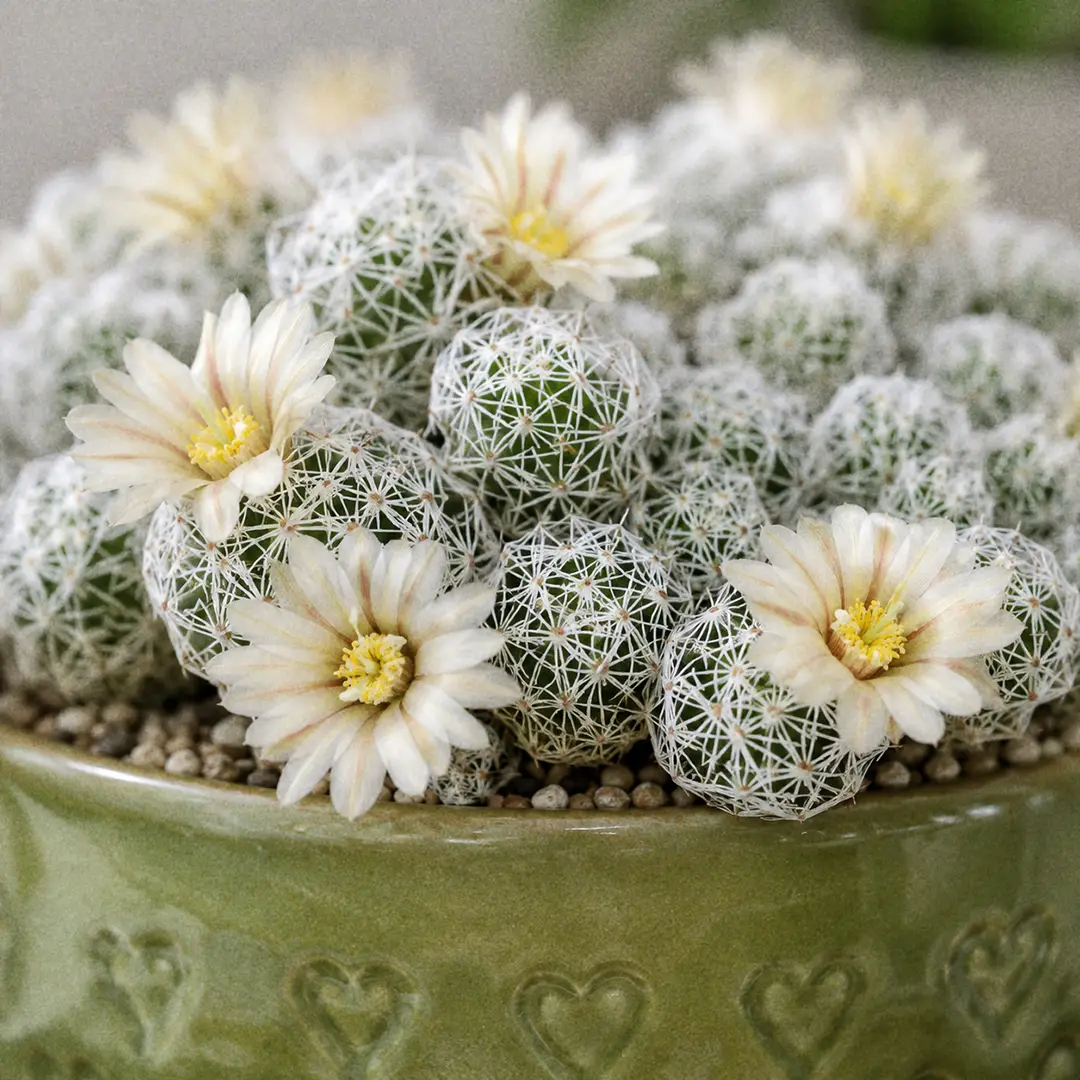
The flowers are small, roughly half an inch across, creamy white to pale yellow with a soft brown or pinkish stripe down the middle of each petal. They open in a loose ring around the top of the older stems, several at once on a mature clump, and each one lasts a few days.
They are modest compared to the neon show a Peanut Cactus or a Crown Cactus puts on. What you get instead is a scatter of pale stars across a mound of white spines, which is quietly lovely at close range on a windowsill.
How to Trigger Bloom
Two things do it, and both happen in winter. Keep the plant cool, around 45-55°F, and keep the pot completely dry from late autumn until growth restarts in spring. That combination tells the plant a season has passed, and buds form on stems that are at least two or three years old.
The third requirement is light. Even during the dry rest the plant needs a bright position, not a dark cupboard. Weak winter light plus a cool rest gives you a healthy plant and no buds at all.
If It Won't Bloom
The usual reason is a warm, watered winter on a heated sill. Nothing is wrong with the plant, it simply never got the signal, and that counts as failure to bloom rather than a disease. Fix the winter and flowers generally follow the next spring.
Age is the other honest answer. Constantly dropping and regrowing pups means a clump can be full of young stems that are not old enough to flower. Leave the oldest central stems undisturbed rather than pulling them for propagation, and give the plant a couple of seasons.
🏷️ Snowball Cactus Types and Varieties
The Standard Form
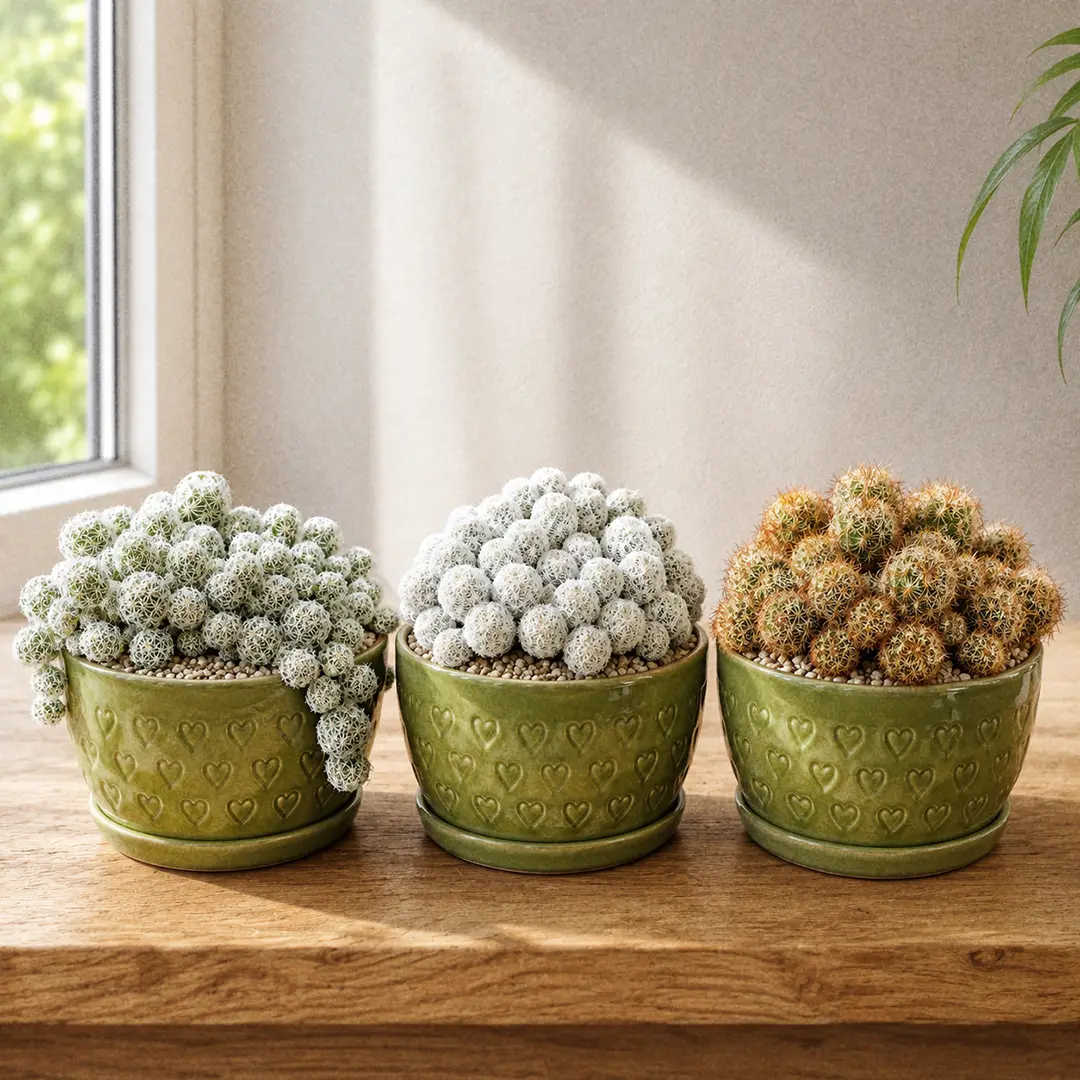
The plant sold plainly as Mammillaria gracilis fragilis, or simply as Thimble Cactus, has slim cylindrical stems about an inch long covered in fine white radial spines. It offsets constantly and sprawls sideways into a loose, spreading mat. This is the one you find in most garden centres, usually in a tiny pot already ringed with fallen pups.
'Arizona Snowcap'
The most popular named cultivar, and the best looking of the group. 'Arizona Snowcap' has shorter, fatter stems with dense chalk-white spines pressed flat against the body, so it reads as pure white rather than green-and-white. It clusters more tightly and stays neater. It is also slower and a little more prone to rot, so keep it grittier and drier than the standard form.
'Copper King' and Oddities
'Copper King' carries the same growth habit with warm coppery-gold spines instead of white, and it colors up strongest in full sun. You will also meet crested and monstrose forms, plus plants grafted onto a tall rootstock in the manner of a Moon Cactus. Grafted specimens grow fast and look dramatic, but they are short-lived next to a plant on its own roots.
Mammillaria Relatives Worth Knowing
If you like this genus, the family is large and forgiving. Old Lady Cactus grows a single woolly globe, Powder Puff Cactus hides silky white hairs over hooked spines, Lady Finger Cactus makes upright golden fingers, Feather Cactus builds a snowy cushion of branched, genuinely soft spines, and Pincushion Cactus covers the rest of the genus. All of them want roughly the care described on this page.
🪴 Potting and Repotting Snowball Cactus
When to Repot
Every two to three years is plenty, always in spring as growth restarts. The real signal is the clump spilling over the rim with stems dangling in mid-air, or water running straight through a pot that has become more root than soil. This is not a plant that needs frequent moves, and every move costs pups.
Choosing a Pot
Go wide and shallow. A pan or bulb bowl suits the sideways growth far better than a deep pot, where the extra soil under the roots just stays wet. Terracotta is the better material here since it breathes and dries fast. Drainage holes are non-negotiable, and our plant pots guide covers the trade-offs.
Only go up one size, an inch of extra diameter at most. Oversized pots hold moisture that a small root system cannot use.
Step-by-Step Repotting
Let the soil dry out completely first, which makes the job cleaner and gentler on the roots. Lay a folded towel on the bench to catch pups, because you will lose some however careful you are.
Slide the clump out, crumble away the loose old mix, and check the roots for the white cottony patches of root mealybugs. Set the plant at the same depth it sat before, never deeper, then fill around it with gritty mix and finish with a grit top dressing. Now wait: do not water for a week to ten days so any broken roots seal over. Our Repotting Guide covers the general method.
✂️ Pruning Snowball Cactus
Does It Need Pruning?
Not in any conventional sense. There is nothing to shape and no growth to cut back. What this plant needs instead is occasional editing, because a clump left alone for years turns into a sprawling mat with a bare, woody-looking centre.
How to Tidy the Clump
Twist off the outermost stems that hang past the rim, along with any that stretched during a dark winter. Use your fingers or blunt tweezers rather than scissors, since the segments detach at their natural break point without leaving a cut wound. Removing them redirects energy into the older central stems, which are the ones that flower.
Removing Spent Flowers and Damaged Stems
Faded flowers dry into small papery scraps that lodge between the spines and hold moisture. Puff them out with a bulb blower. Any stem that has gone soft, brown, or corky should come out immediately, along with the tissue underneath it, before the rot travels sideways into its neighbours.
🌱 How to Propagate Snowball Cactus
The Easiest Cactus to Propagate
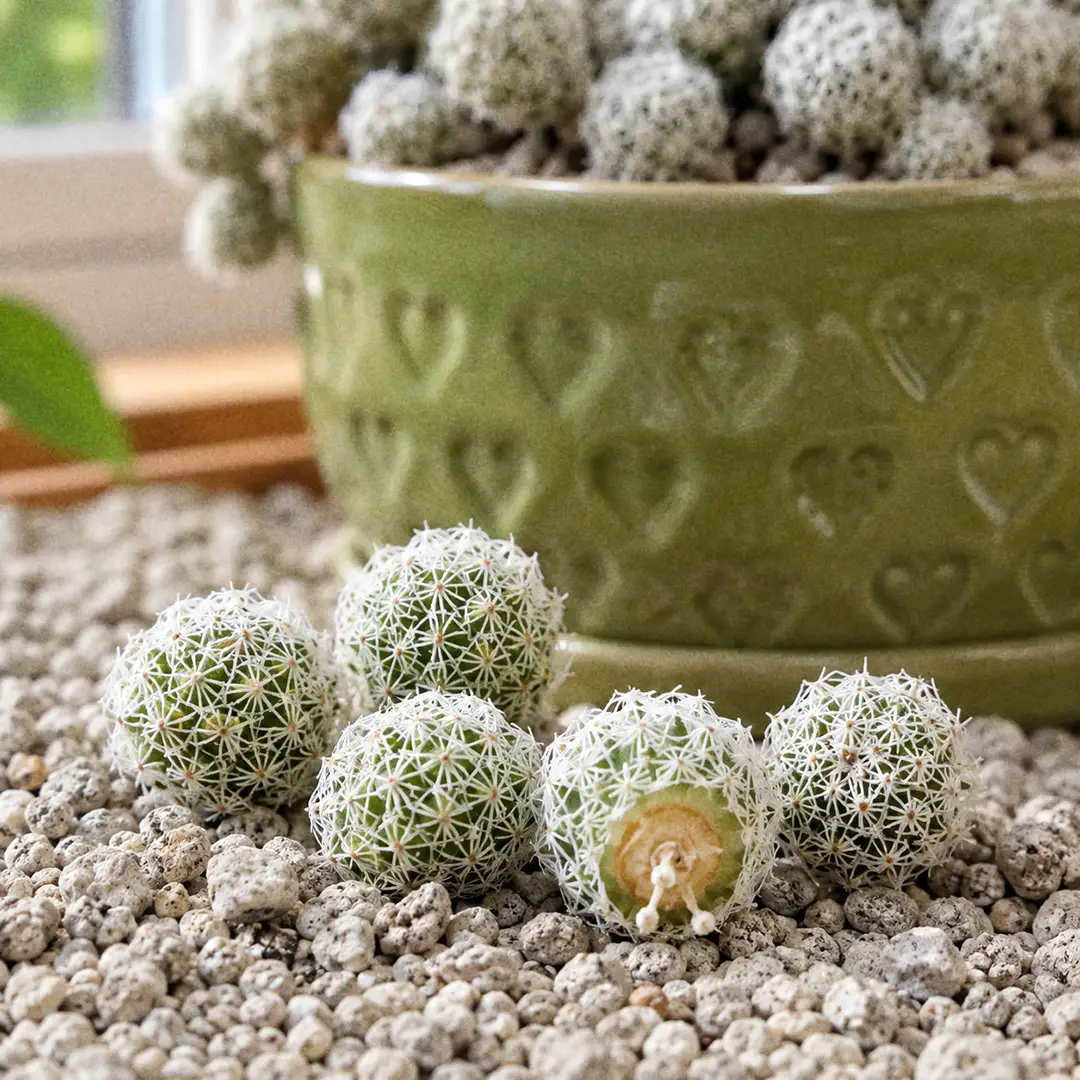
This plant propagates itself and you mostly supervise. Every stem is a ready-made cutting that detaches at a natural break point, leaving a scar that seals within days. That fragility is the whole strategy in habitat: animals knock segments loose, the pieces roll downhill, and each one roots where it lands. In your house they land in the saucer.
Step-by-Step Propagation
- Collect the loose pups, or gently twist off a few firm outer stems. Take from the outside of the clump, never the flowering centre.
- Leave them on a dry surface out of direct sun for three to five days, until the break point looks dry and papery.
- Fill a shallow pot with gritty cactus mix and add a grit top dressing.
- Set each pup on the surface, base down, and press it in barely. Do not bury it.
- Wait a week, then water lightly every 10 days or so.
Roots usually appear within two to four weeks in spring or summer. Our succulent propagation guide covers the same principles across other plants.
Tips for Success
Lay the pups on the surface rather than pushing them into damp soil. Buried cactus segments rot more often than they root, and this one has plenty of surface area to make roots from. Warmth speeds the whole thing up, so aim for 70-80°F.
Do it in spring or early summer. Autumn pups sit there doing nothing until the light returns, and cold damp soil is exactly where they rot. Plant several per pot too: a dozen pups spaced across a shallow pan makes a convincing full clump inside a single season.
🐛 Snowball Cactus Pests and Treatment
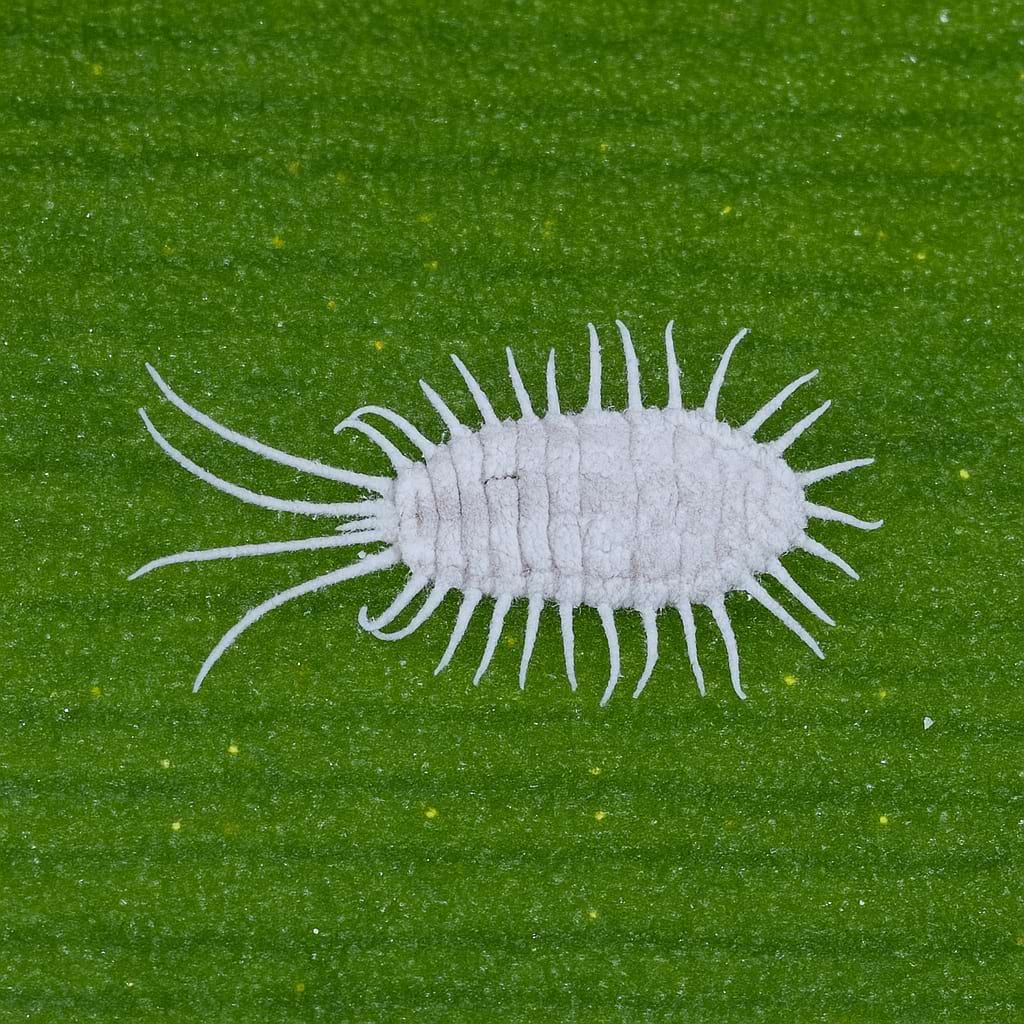
Dense white spines make this plant a hiding place, which is the one real downside of that snowdrift look. Check it monthly under a bright light or with a phone camera zoomed in, because trouble here is far easier to catch early than to clear later.
Mealybugs are the main offender. Their white fluff blends almost perfectly into white spines, so look for it packed into the crevices between stems rather than out on open surfaces. Dab each one with a cotton bud dipped in 70% isopropyl alcohol, then repeat weekly for a month to catch the eggs.
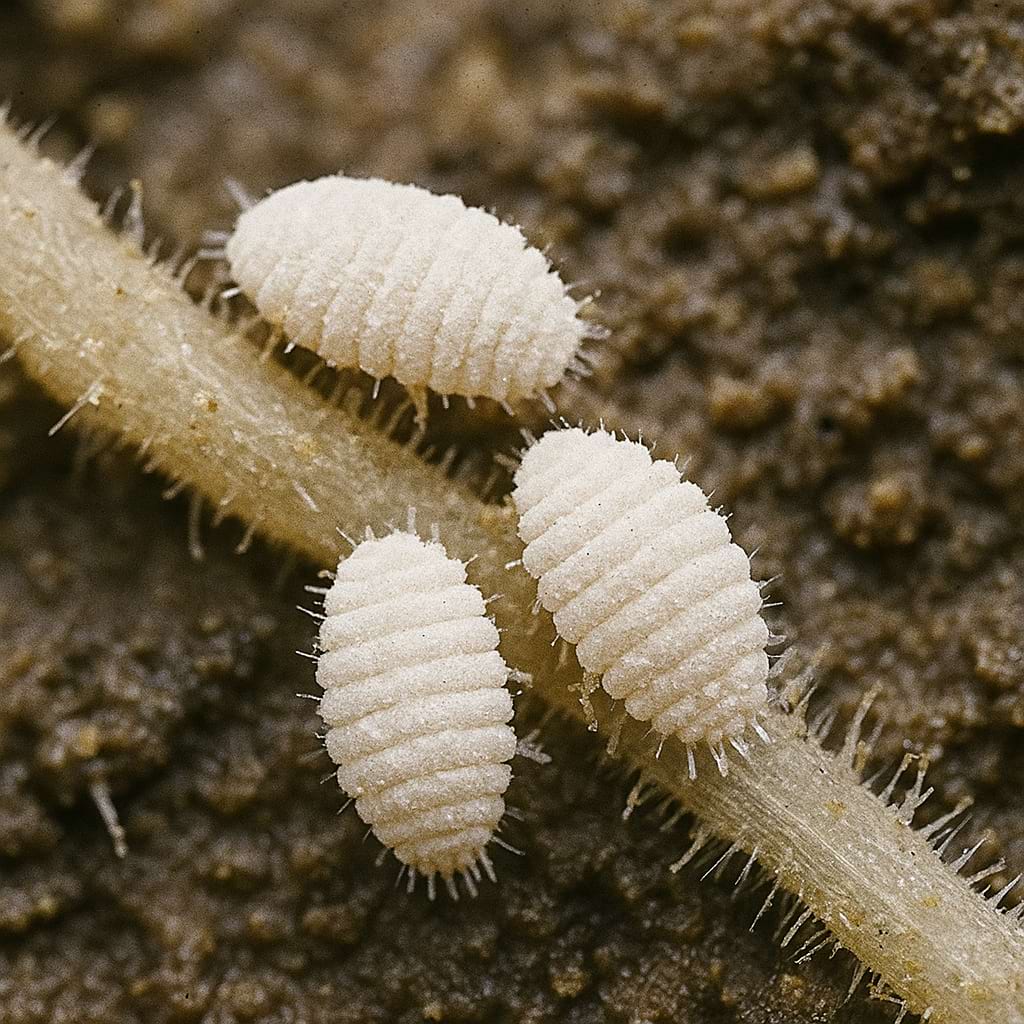
Root mealybugs hide below the soil and show up as a plant that sulks, stops growing, and pales for no obvious reason. Slide the pot off and look for white powder on the roots and the inner pot walls. Treat by bare-rooting, rinsing thoroughly, and repotting into fresh dry mix.
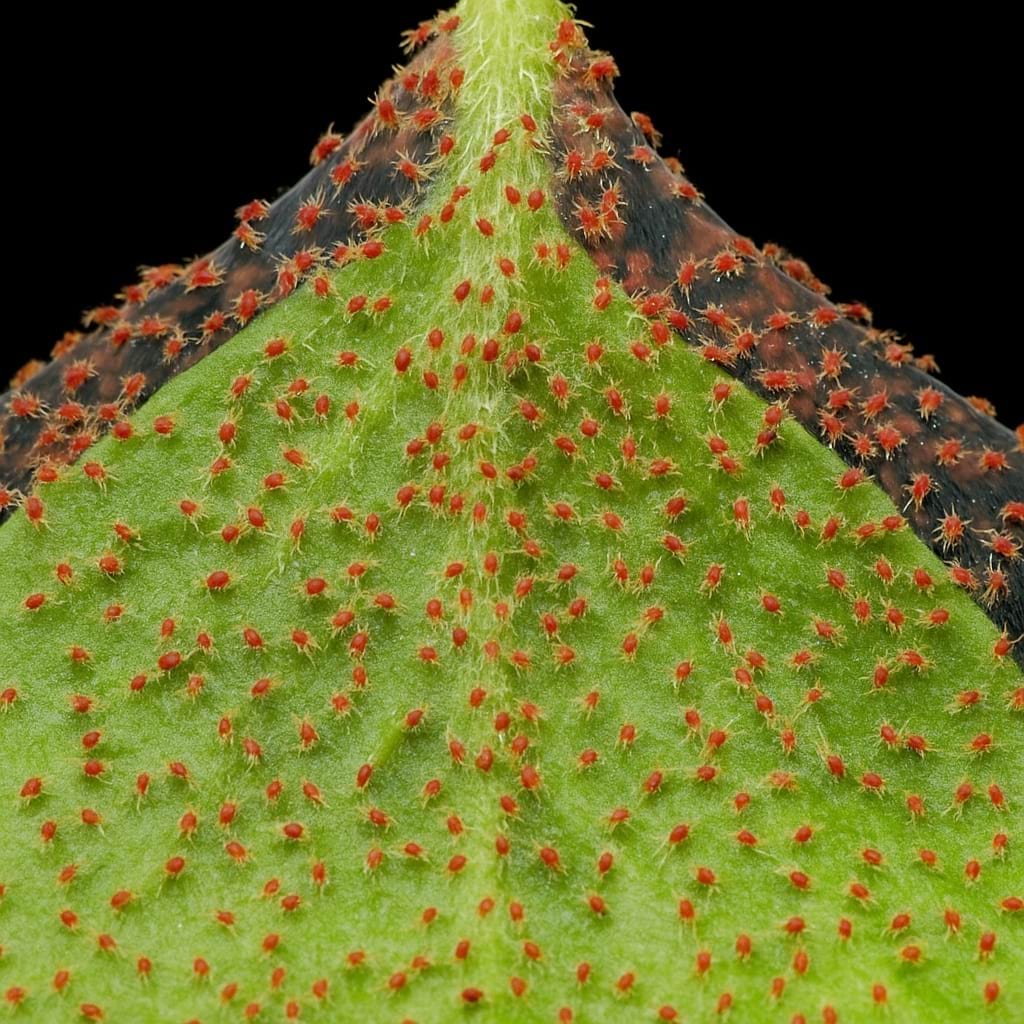
Spider mites favour hot dry sills, which is exactly what this cactus likes. They leave fine webbing between the spines and a rusty, stippled cast to the stems. Rinsing is awkward on a plant that sheds when handled, so a systemic treatment usually works better.
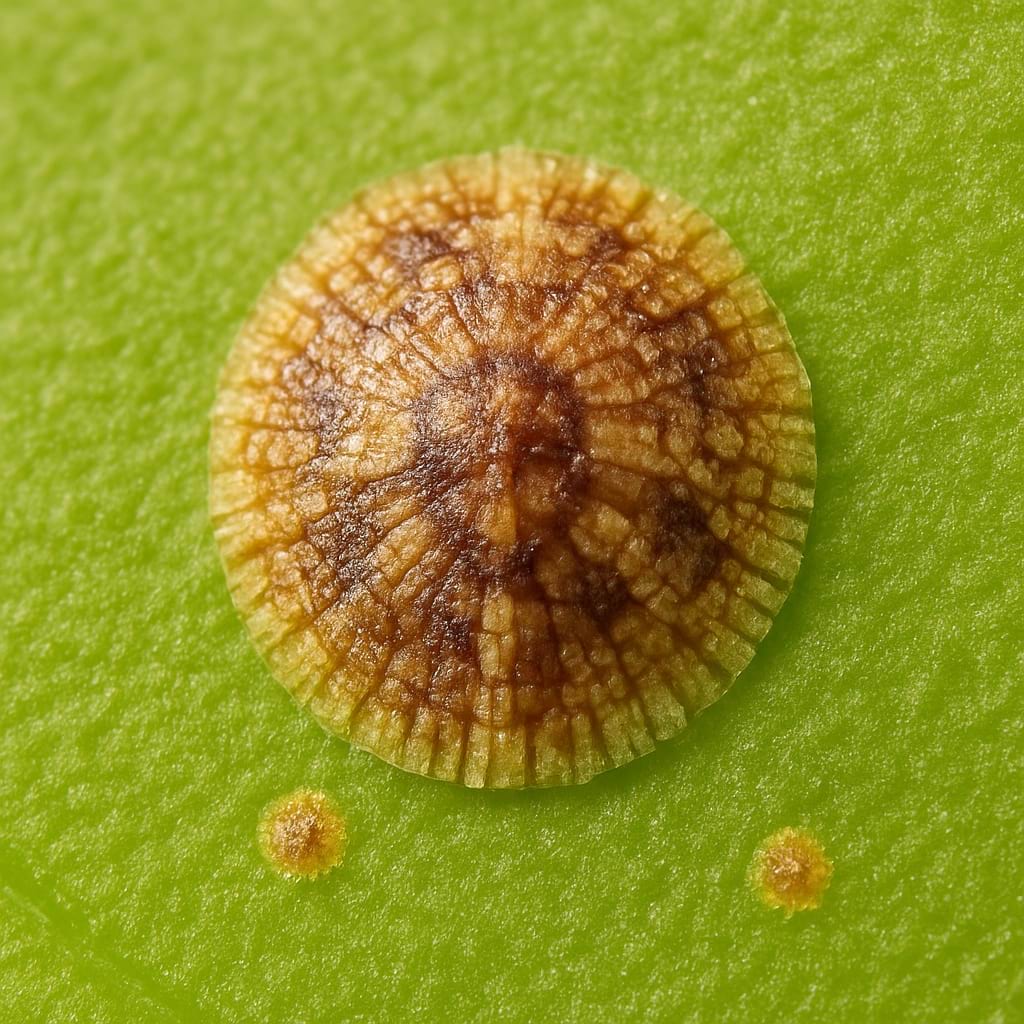
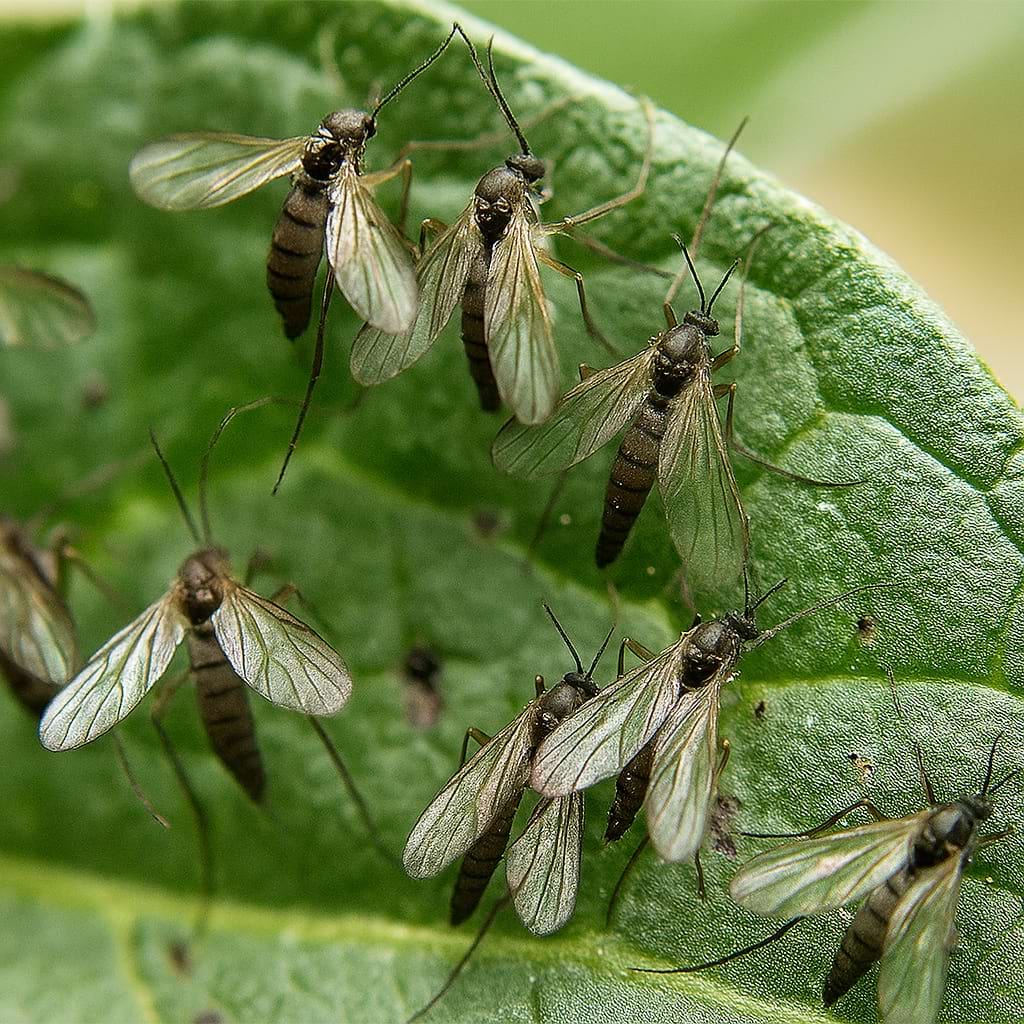
Scale insects appear as small brown bumps clamped to the stems, and fungus gnats only turn up if the soil is being kept far too wet. If gnats appear, treat it as a watering warning rather than a pest problem.
🩺 Common Snowball Cactus Problems
Nearly every problem with this plant comes back to water or light, and both are easy to correct once you know the pattern.
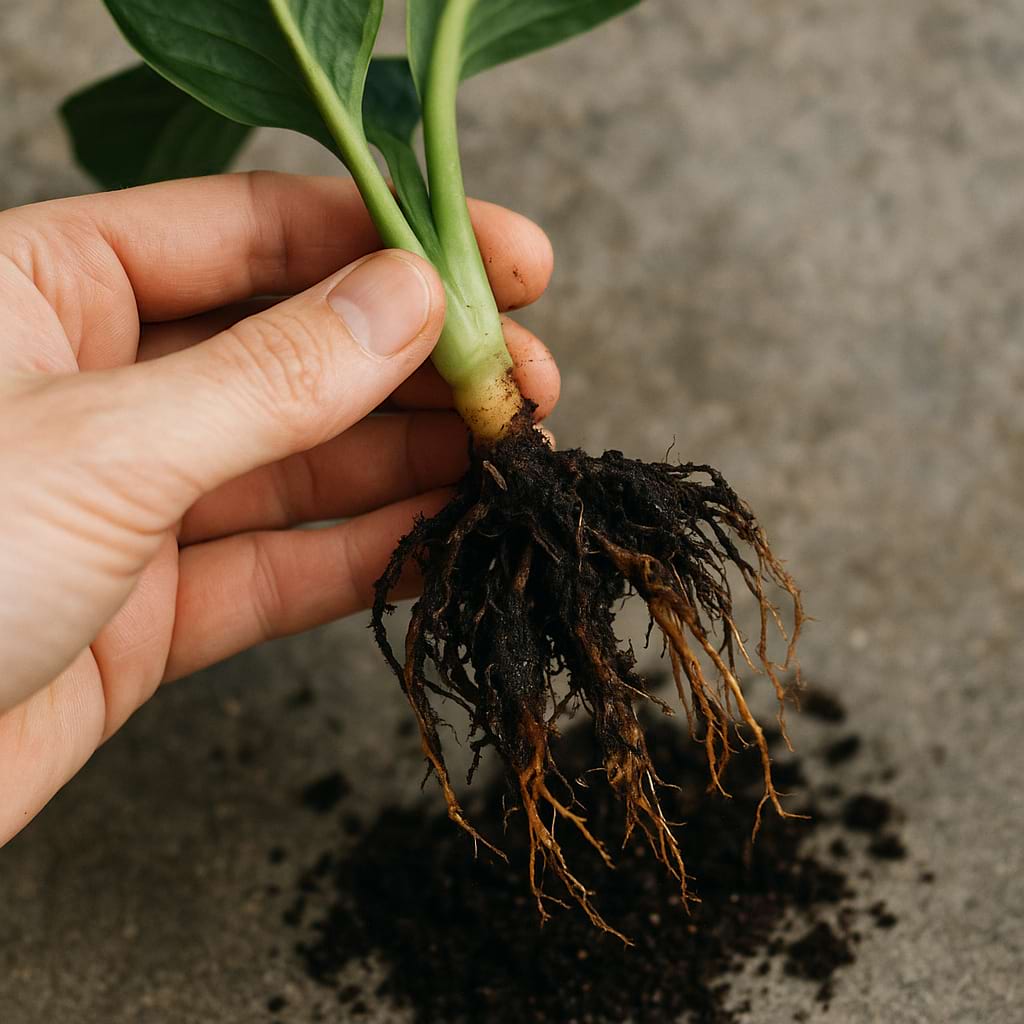
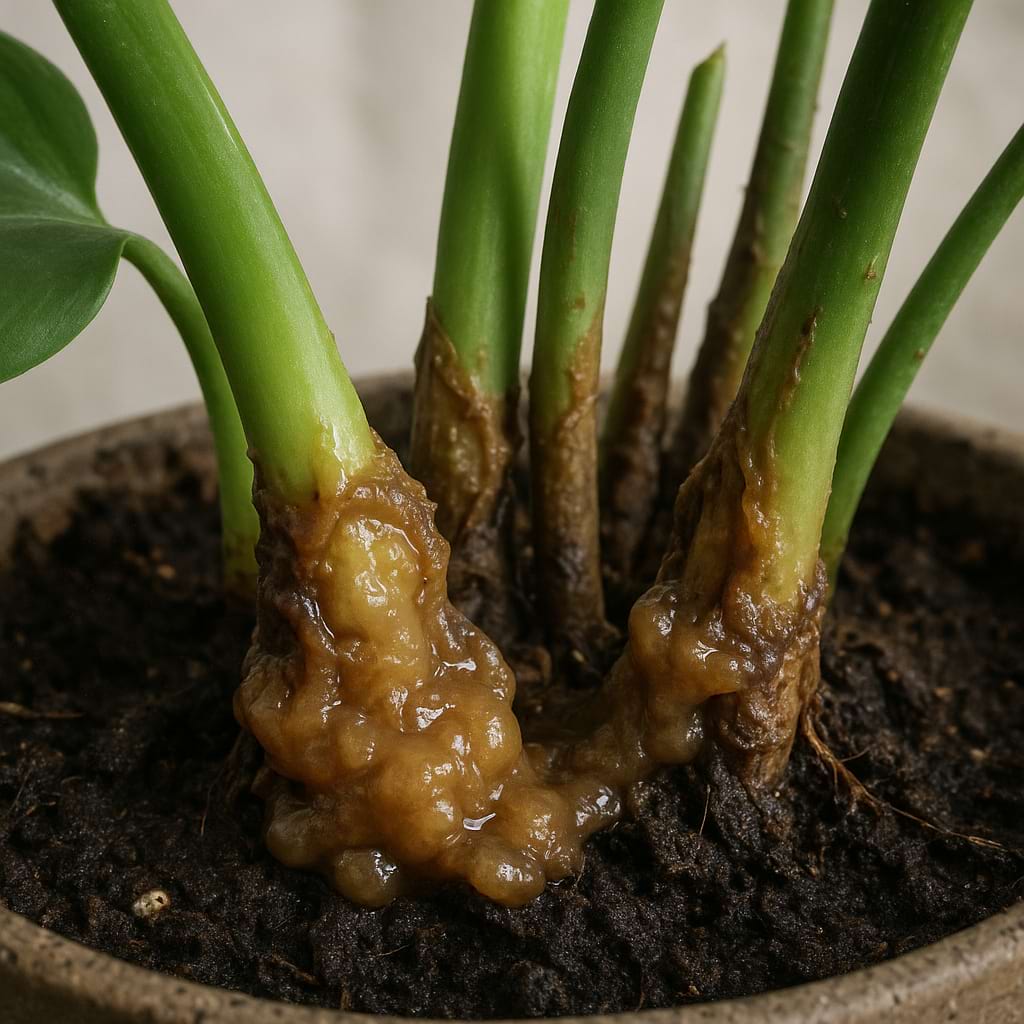
Root rot is the one that kills. It starts as darkening at the soil line, then stems go soft and translucent and pull away with a wet grey base. Stop watering at the first sign, unpot the plant, cut away everything soft with a sterile blade, and let it dry for several days before repotting into fresh gritty mix. Healthy pups salvaged from the top usually survive even when the parent does not.
Mushy stems without any root involvement often come from water sitting between segments after overhead watering in cool weather. Remove the affected stems immediately and switch to bottom watering.
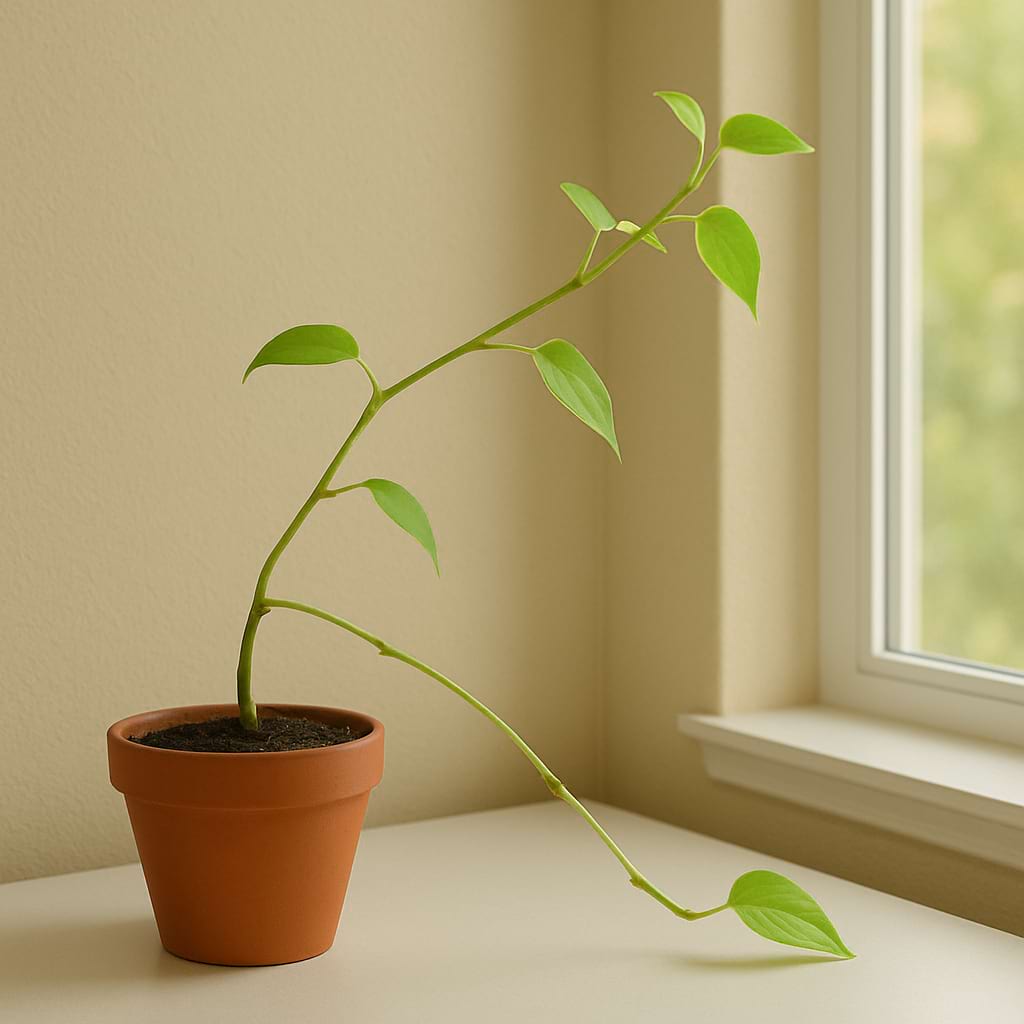
Leggy growth means too little light. Stems elongate, spacing widens, and the clump loses its shape. It cannot be reversed on existing stems, so move the plant brighter and edit out the stretched pieces over time.
Yellowing on a cactus usually means soggy roots rather than hunger, especially when the stems feel soft too. Yellow-brown corky patches on one side only are sunburn instead.
Stunted growth right through spring and summer points at a root problem, an exhausted mix, or a pot that has turned solid with roots. Repot and check underneath.

🖼️ Snowball Cactus Display and Styling Ideas
Solo Setups
The single best presentation is a wide, shallow terracotta pan with a grit top dressing, set where you can look down on it. This plant grows outward, so a bowl lets the clump fill the surface and spill just over the rim like a small drift of snow. A tall pot fights the plant's shape and always looks half empty.
Grouped Arrangements
It works beautifully in a mixed cactus bowl as the pale low filler around taller specimens, and the white spines contrast sharply with dark green or blue-toned species. Pair it with something upright like a Lady Finger Cactus for height and let the Snowball spread across the base. Everything in the bowl needs the same gritty soil and dry winter, so stick to cacti rather than mixing in tropical succulents.
Where Not to Put It
Keep it off high-traffic edges, coffee tables, and anywhere a sleeve or a cat's tail will brush past. Every knock costs stems. Bathrooms and other humid rooms are out, and so are shady shelves more than a couple of feet from a window.
🌟 Snowball Cactus Pro Care Tips
- Keep a shallow spare pot of gritty mix next to the plant. Drop stray pups straight onto it instead of binning them and you will have a second full clump within a year.
- Move the pot by lifting from underneath, never by grabbing the rim, and never slide it across a sill.
- Bottom water it. Nothing splashes, nothing gets dislodged, and no pups end up floating in the saucer.
- Use a bulb blower, the kind sold for camera lenses, to clear dust and dried flower debris from between the stems.
- Water in the morning so any moisture that does settle between stems evaporates during the day rather than sitting there all night.
- Give it a genuinely cold, dry winter and it will flower. Skip the rest and it will not, however well you feed it.
- Top dress with fresh grit each spring. It looks better, and it keeps the lowest stems off damp soil.
❓ Frequently Asked Questions
Why does my Snowball Cactus keep falling apart?
It is supposed to. The subspecies name fragilis refers to exactly this, and it is how the plant reproduces in the wild. Stems break away at a natural joint whenever they are bumped. Nothing is wrong with your plant, and every fallen piece is a free new one.
Is Snowball Cactus safe for cats and dogs?
Yes, it is non-toxic to both. The only real risk is mechanical, since the fine spines can lodge in a paw or a mouth. Keep it out of reach of anything with a curious face and it causes no trouble.
How often should I water a Snowball Cactus?
Roughly every 10-14 days in spring and summer, but only once the mix is bone dry all the way through. Through a cool winter rest, none at all for eight to ten weeks. Check with a skewer rather than a calendar, because pot size and light change the interval a lot.
Why is my Snowball Cactus turning brown at the base?
Brown, soft, or wet tissue at the soil line is root rot and it needs action the same day. Dry brown corky tissue that is firm to the touch is usually just age, where the oldest stems harden over time. Firm and dry is fine, soft and dark is not.
Will it flower indoors?
Yes, on stems that are two or three years old, after a cool and completely dry winter. Expect small creamy white flowers in late winter or spring. A warm, watered winter reliably produces no flowers at all.
Can I grow a new plant from a single fallen piece?
Easily. Let the break point dry for three to five days, set the pup on gritty soil without burying it, and wait a week before watering lightly. Roots typically form in two to four weeks during the growing season.
Why has my cactus stretched and gone pale?
Not enough light. Stems elongate and spines thin out when the plant sits more than a foot or two from a bright window. Move it to a south or west sill, or add a grow light. Stretched stems stay stretched, so remove them gradually as tight new growth fills in.
Does it need a special pot?
A wide shallow terracotta pan with drainage holes is ideal. It matches the plant's sideways habit, dries quickly, and gives dropped pups somewhere to root. Deep pots hold too much wet soil under a shallow root system.
How big does a Snowball Cactus get?
Individual stems stay about an inch long, but a happy clump spreads to 6-12 inches across and 3-5 inches tall over several years. It is a permanent windowsill plant, never a floor plant.
ℹ️ Snowball Cactus Info
Care and Maintenance
🪴 Soil Type and pH: Very gritty, fast-draining cactus and succulent mix
💧 Humidity and Misting: Thrives in ordinary dry household air and rots in damp, still, humid corners.
✂️ Pruning: No real pruning. Twist off stray pups to keep the clump tidy and remove spent flowers.
🧼 Cleaning: Puff dust off with a soft brush or a bulb blower. Never wipe the stems, since the segments detach at the lightest pressure.
🌱 Repotting: Repot every 2-3 years in spring, or once the clump is spilling over the rim of the pot.
🔄 Repotting Frequency: Every 2-3 years
❄️ Seasonal Changes in Care: Bright light and regular soaks from spring through summer, then a cool, completely dry winter rest that sets the following season's flowers.
Growing Characteristics
💥 Growth Speed: Moderate for a cactus
🔄 Life Cycle: Evergreen perennial clustering cactus
💥 Bloom Time: Late winter into spring, sometimes again in autumn, with small flowers opening for a few days at a time
🌡️ Hardiness Zones: 9-11
🗺️ Native Area: Rocky limestone hills of Hidalgo and Querétaro in central Mexico
🚘 Hibernation: Cool, bone-dry rest near 45-55°F for 8-10 weeks in bright light
Propagation and Health
📍 Suitable Locations: South and east windowsills, sunny kitchen sills, shallow bowls, dish gardens, small cactus collections
🪴 Propagation Methods: Pick up any detached stem segment, let it callus for a few days, and set it on gritty mix.
🐛 Common Pests: Mealybugs, Root Mealybugs, Spider Mites, Scale Insects, Fungus Gnats
🦠 Possible Diseases: Root rot, stem rot at the soil line, fungal spotting in cool damp soil
Plant Details
🌿 Plant Type: Clustering miniature cactus
🍃 Foliage Type: Evergreen leafless stems covered in white radial spines
🎨 Color of Leaves: Pale green body under a dense white spine coat
🌸 Flower Color: Creamy white to pale yellow with a soft brown or pink midstripe
🌼 Blooming: Yes, on mature clumps, after a cool and dry winter rest
🍽️ Edibility: Not grown as an edible plant.
📏 Mature Size: 3-5 inches tall
Additional Info
🌻 General Benefits: Pet-safe, propagates itself without any help, stays small forever, tolerates neglect, and looks like a drift of snow on a windowsill
💊 Medical Properties: No documented medicinal uses.
🧿 Feng Shui: A soft-looking white cactus that brings bright, calm energy to a sill without the sharp spikes of a larger desert species.
⭐ Zodiac Sign Compatibility: Capricorn
🌈 Symbolism or Folklore: Quiet multiplication, resilience, small beginnings that spread
📝 Interesting Facts: The name fragilis refers to how easily the stems break away from the parent plant. In habitat this is the plant's whole reproductive strategy: a passing animal knocks segments loose, they cling to fur or tumble downhill, and each one roots where it stops. Botanists now treat it as a subspecies form of Mammillaria vetula, though nurseries still sell it under the older name.
Buying and Usage
🛒 What to Look for When Buying: Look for a firm clump with bright white spines and no gaps where pups have already dropped. Skip plants that are pale and stretched, soft near the soil line, or sitting in dark, sodden compost.
🪴 Other Uses: Windowsill specimen, dish-garden filler, miniature cactus bowl, and an easy plant to give away in pieces.
Decoration and Styling
🖼️ Display Ideas: Shallow bowls, wide low pots, terracotta pans, grouped mini-cactus collections, sunny kitchen windowsills
🧵 Styling Tips: Because it spreads sideways rather than upward, this cactus looks best in a wide, shallow pot where the clump can fill the whole surface.
🪴 See also 🪴
Complete Guide to Leaf of Life Care and Growth
Complete Guide to Aeonium Care and Growth
Complete Guide to Crested Brain Cactus Care and Growth
Complete Guide to Feather Cactus Care and Growth
Complete Guide to Spiral Cactus Care and Growth
Complete Guide to Fairy Castle Cactus Care and Growth
Complete Guide to Silver Torch Cactus Care and Growth
Complete Guide to Crown Cactus Care and Growth
How to Propagate Succulents from Leaves & Offsets
Succulent Care Indoors: How to Stop Killing Jade and Echeveria
Complete Guide to Lithops Care and Growth (Living Stones)
Complete Guide To Aloe Vera Care and Growth
Complete Guide to Burro's Tail Care and Growth
Complete Guide to Crown of Thorns Care and Growth
Complete Guide to Echeveria Care and Growth
Complete Guide to Flaming Katy Care and Growth
Complete Guide to Jade Plant Care and Growth
Complete Guide to Sedum Adolphii Care and Growth
Complete Guide to Queen of the Night Care and Growth
Complete Guide to Domino Cactus Care and Growth
Complete Guide to Easter Lily Cactus Care and Growth
Complete Guide to Peanut Cactus Care and Growth
Complete Guide to Rat Tail Cactus Care and Growth
Complete Guide to Ghost Plant Care and Growth
Complete Guide to Hens and Chicks Care and Growth
Complete Guide to String of Coins Care and Growth
Complete Guide to Silver Squill Care and Growth
Complete Guide to Jelly Bean Plant Care and Growth
Complete Guide to Fishbone Cactus Care and Growth
Complete Guide to Mistletoe Cactus Care and Growth
Complete Guide to Mother of Thousands Care and Growth
Complete Guide to Paddle Plant Care and Growth
Complete Guide to Panda Plant Care and Growth

Complete Guide to Elephant Bush Care and Growth
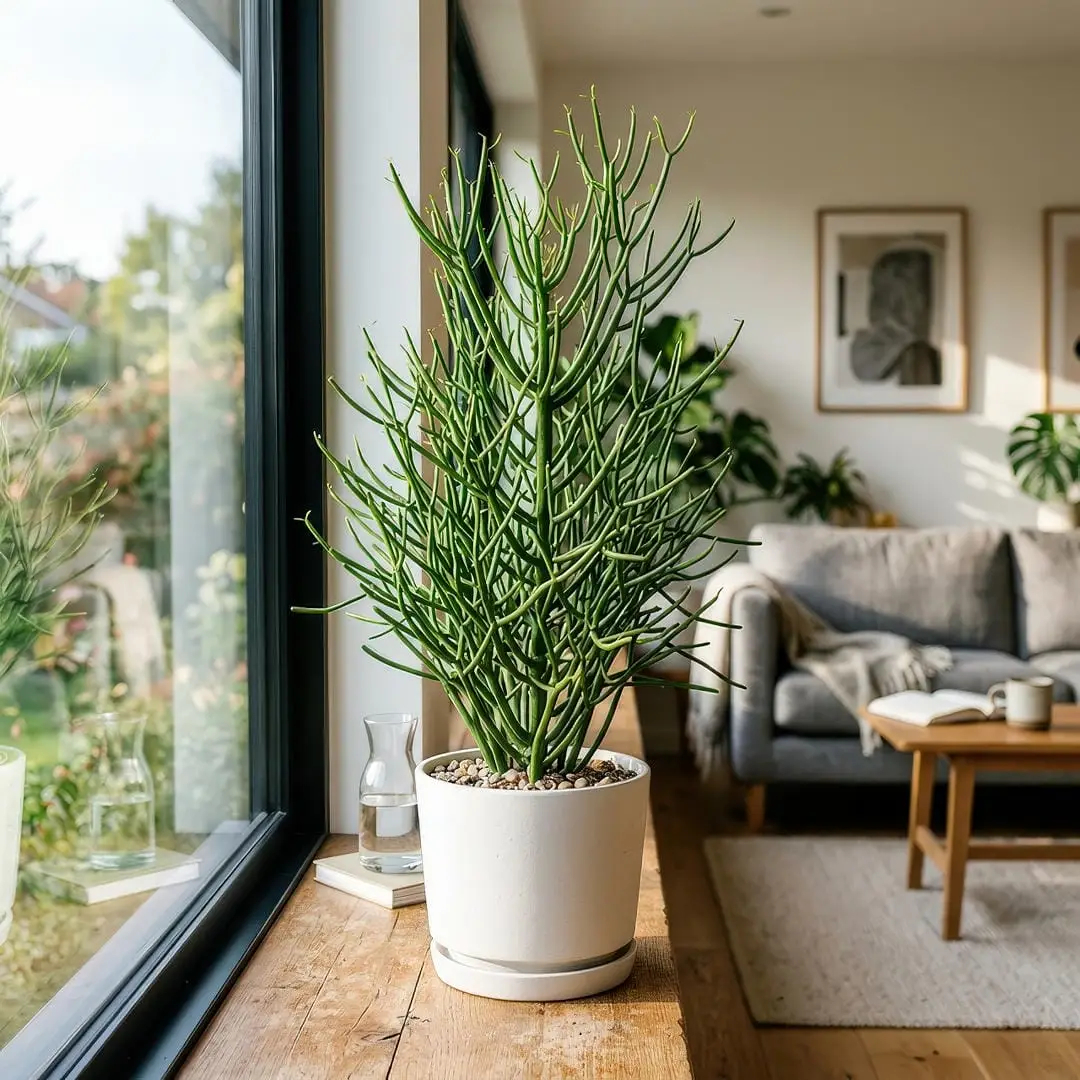
Complete Guide to Pencil Cactus Care and Growth
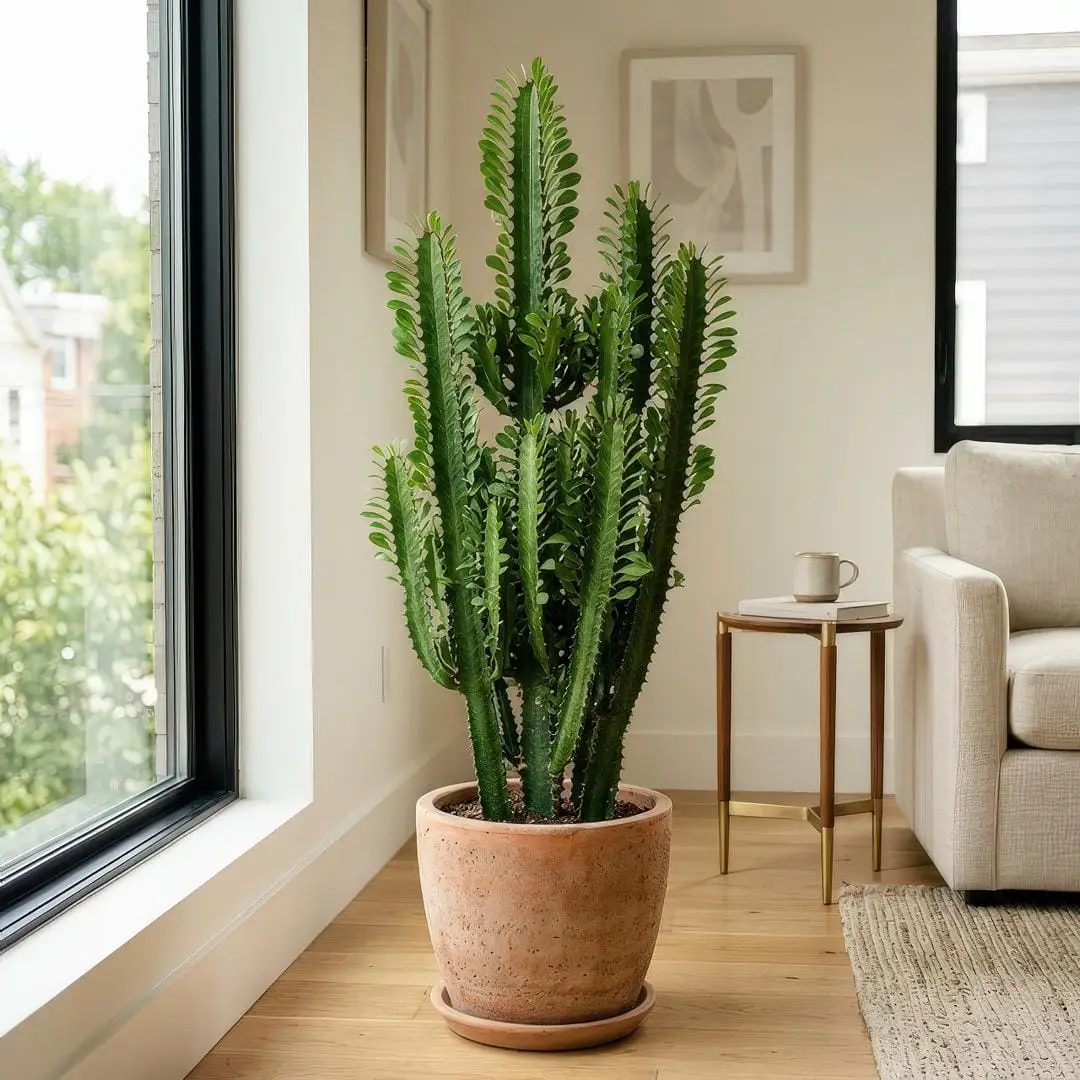
Complete Guide to African Milk Tree Care and Growth
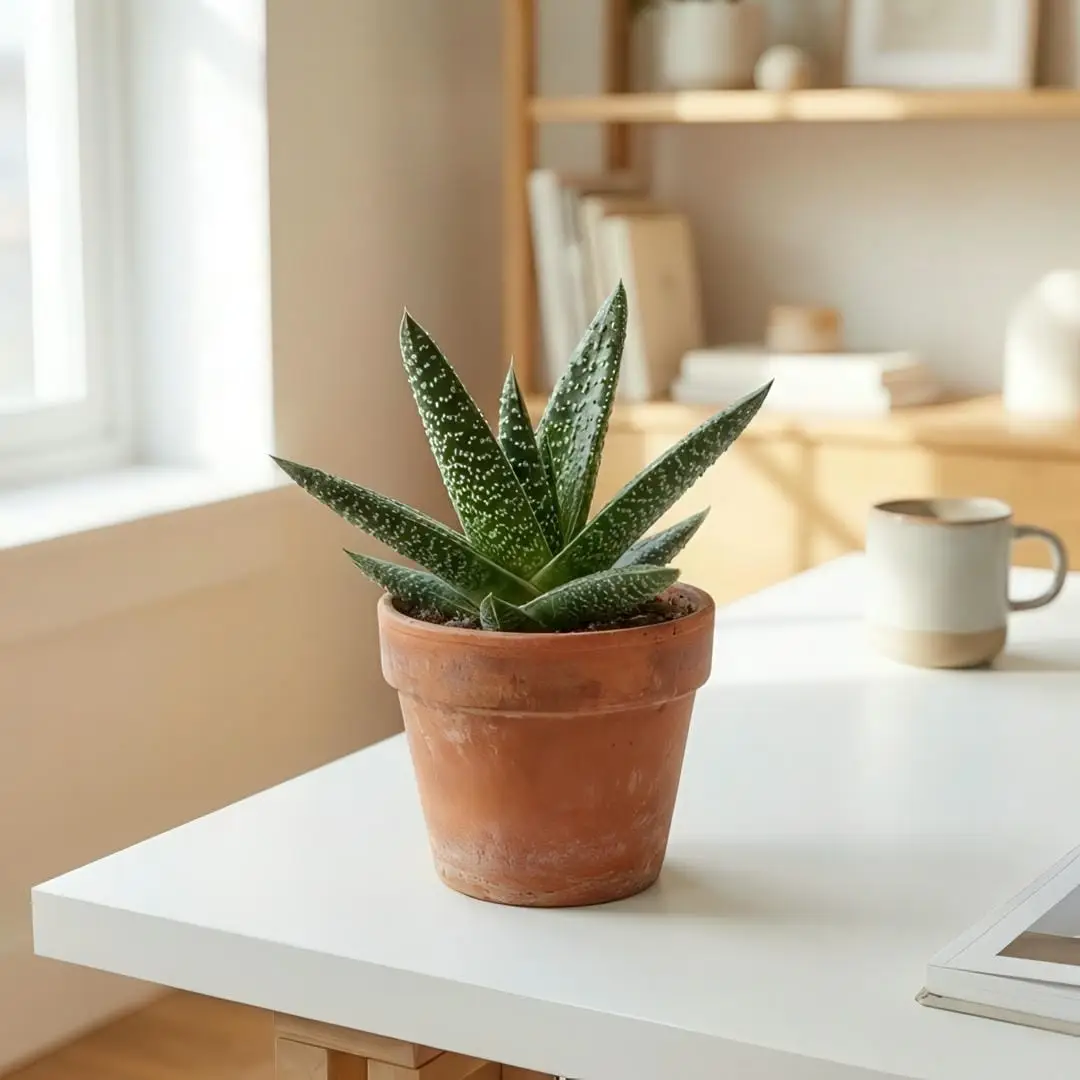
Complete Guide to Gasteria 'Little Warty' Care and Growth
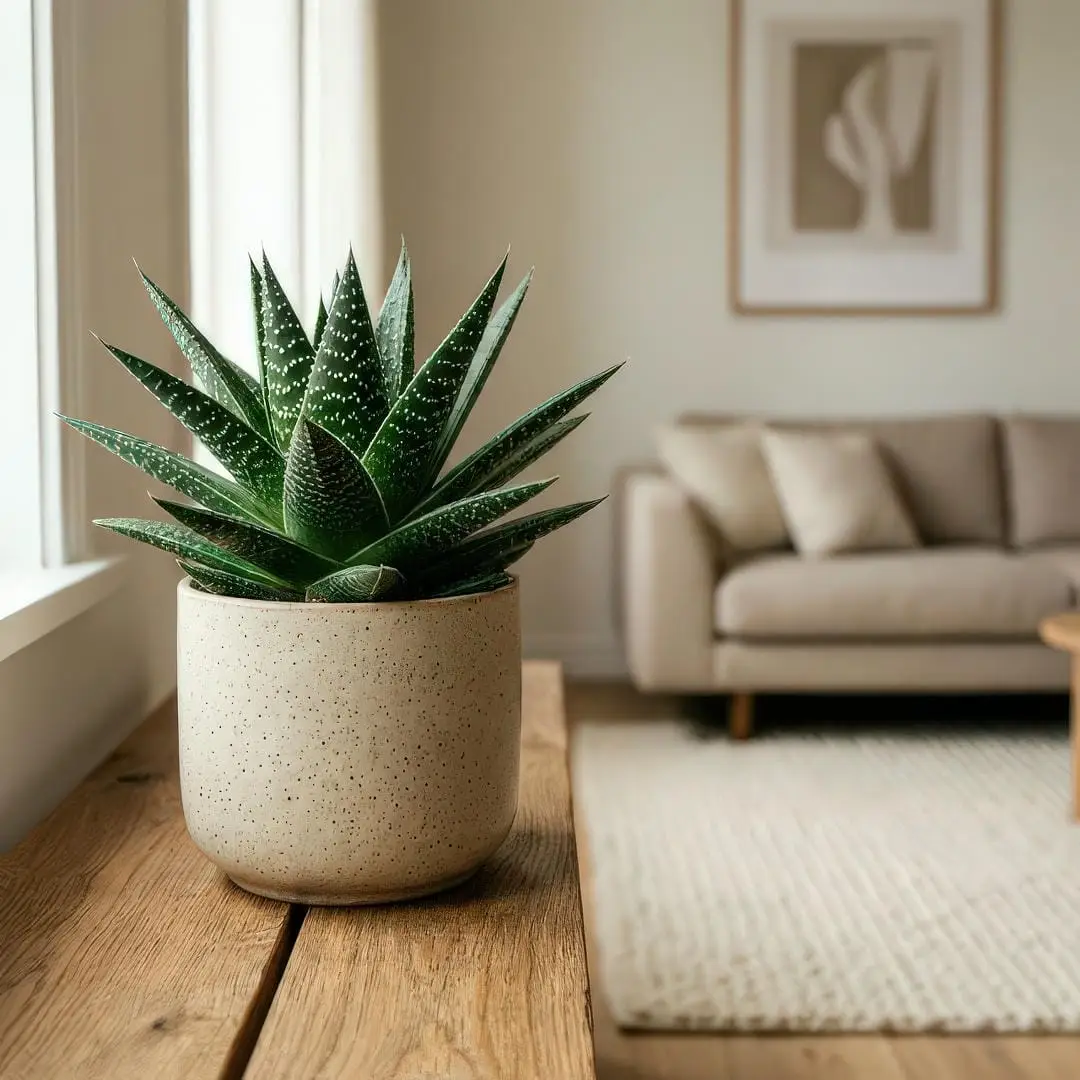
Ox Tongue Care

Houseplant101 Forum
Questions & Comments
Ask a question, share your plant experience, or help other plant owners.
Comments are temporarily unavailable.
Open the Houseplant101 ForumNo comments yet
Be the first to ask a question or share your experience about this page.
Log in or create an account
Comments use your Houseplant101 Forum account, but you can stay on this page.
Create a new account