
Hens and Chicks
Sempervivum tectorum
Common Houseleek, Roof Houseleek, Liveforever, Jupiter's Beard


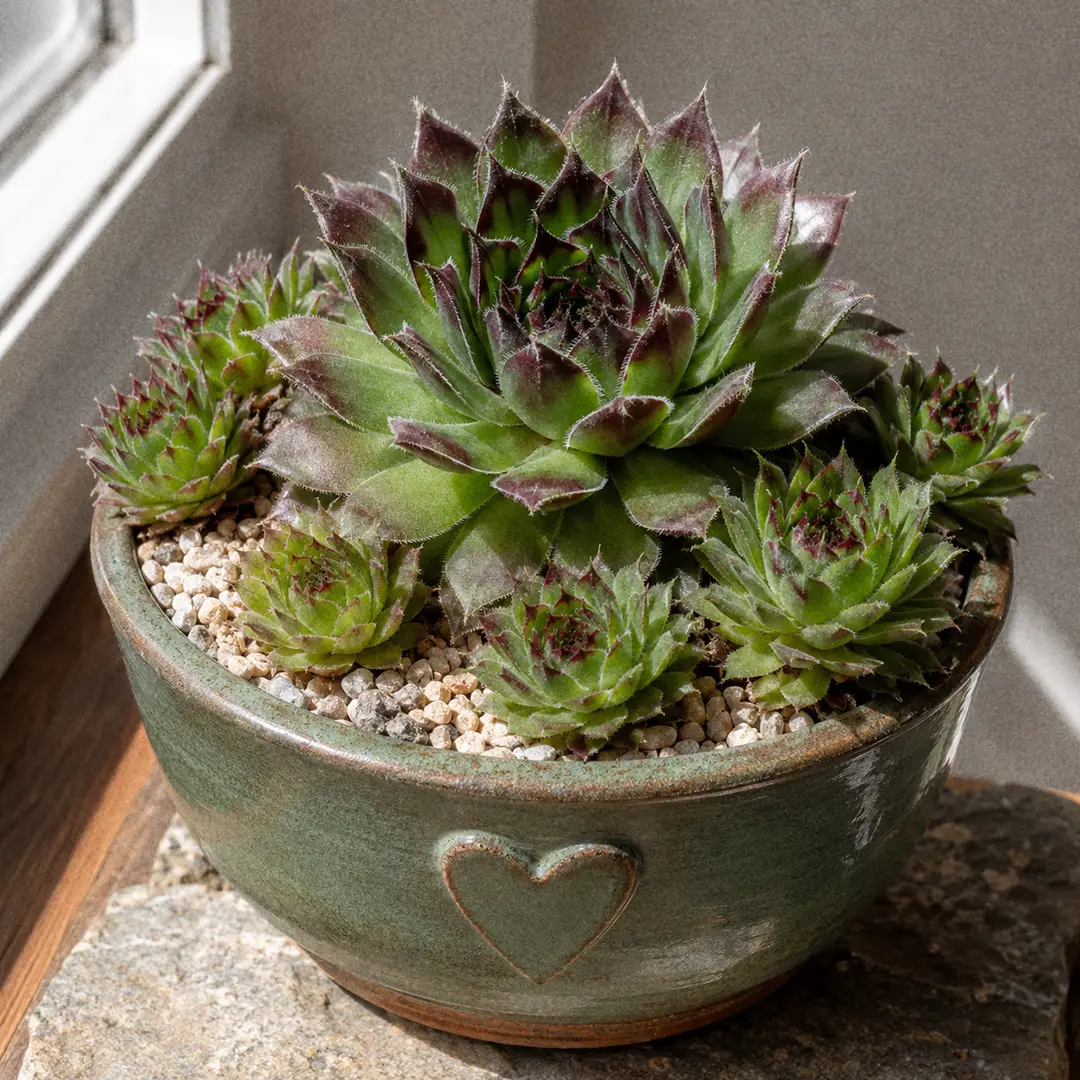
Hens and Chicks (Sempervivum tectorum) is the cold-hardy rosette succulent that shrugs off frozen balconies, baking windowsills, and a month of neglect, then thanks you by multiplying. Each mother rosette (the hen) rings herself with baby offsets (the chicks), so one plant quietly becomes a colony.
📝 Hens and Chicks Care Notes
🌿 Care Instructions
⚠️ Common Pests
📊 Growth Information
🪴 In This Guide 🪴

☀️ Hens and Chicks Light Requirements (Full Direct Sun)
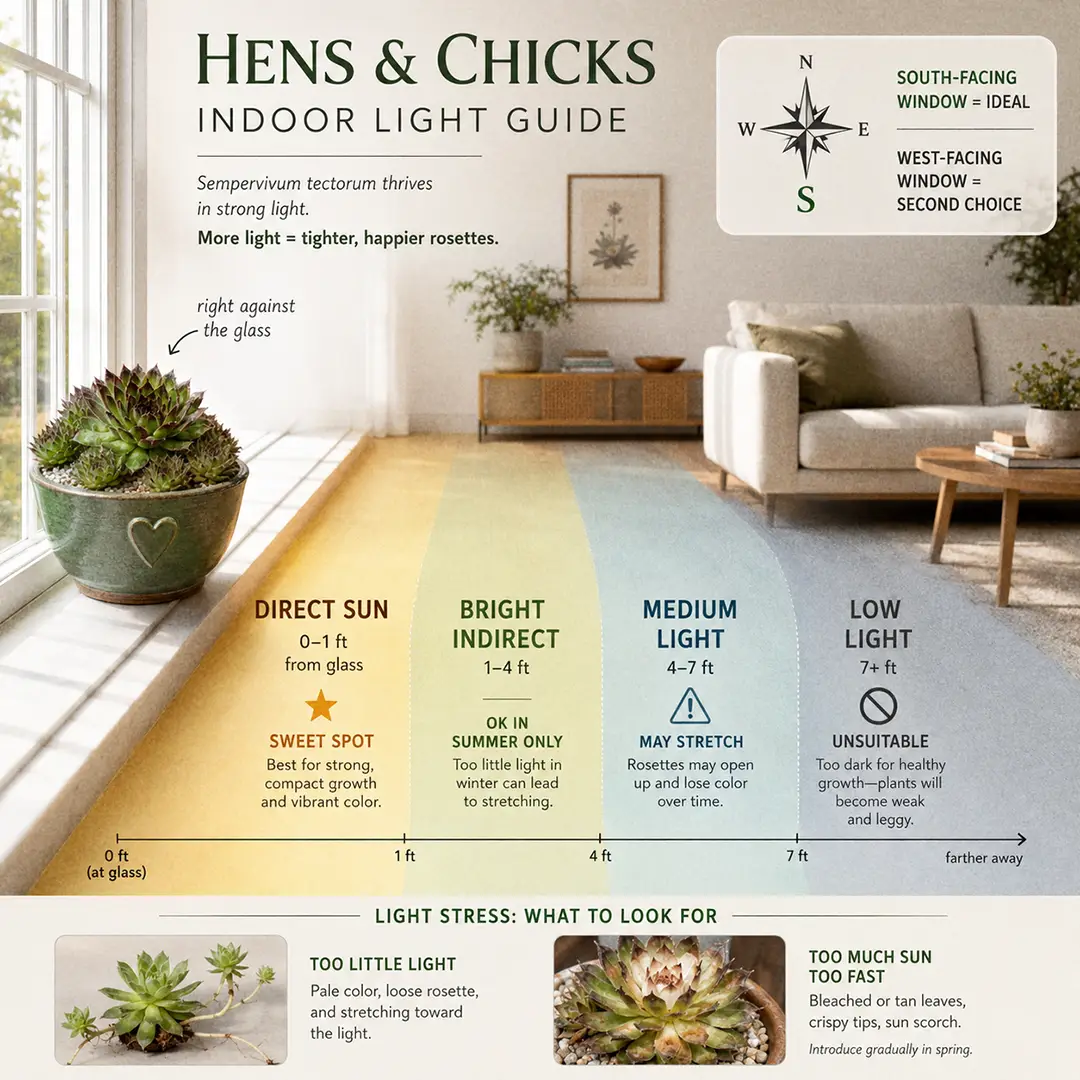
Sempervivum is a full-sun plant in the most literal sense. In its native mountains it bakes on exposed rock all day, and indoors it wants the brightest spot you own. Light is the one thing this otherwise unkillable plant will sulk about.
The Sweet Spot
Six or more hours of direct sun a day. Indoors that means a south-facing windowsill with the pot sitting right against the glass, not a side table a few feet into the room. An unobstructed west window is the runner-up. Better still, give the plant an outdoor season: a balcony rail, a porch step, or a window box from spring through autumn puts every indoor spot to shame. In a dim home, a full-spectrum grow light running 12 to 14 hours a day, six inches above the rosettes, keeps the colony tight. See light for houseplants for the broader picture.
Too Little Light
This is the most common indoor complaint. A shaded Sempervivum opens its rosette flat, stretches its center upward, and fades from rich red-tipped color to plain washed-out green. The whole plant looks loose and leafy instead of tight and geometric. Stretched growth never recompresses, but the chicks a recovering plant produces in better light will grow up tight and properly colored, so the colony fixes itself within a season.
Too Much Light
Almost impossible for an established plant. The only real risk is a sudden move: a rosette raised on a dim shop shelf and dropped straight onto a blazing July windowsill (or outdoors) can bleach or scorch within days. Harden it off over one to two weeks, starting with morning sun only. After that, full summer sun is exactly what it wants.
💧 Hens and Chicks Watering Guide (Soak When Bone Dry)
If you remember one thing: this plant dies from care, not neglect. Those plump leaves are water tanks, and the species survives on whatever rain reaches a roof tile. Your job is mostly to stay out of the way.
Watering Frequency
In spring and summer, water deeply only after the soil has been completely dry for several days. For a shallow terracotta bowl on a sunny sill, that works out to roughly every two to three weeks. Outdoors, normal rainfall usually covers it entirely; you only step in during a multi-week drought. In winter, a cold-resting plant needs nothing at all, and a plant in a heated room needs a small drink every five to six weeks at most. The chopstick test settles any doubt: push one to the bottom of the pot, and if it comes out cool or damp, wait. See watering houseplants for the general technique.
How to Water
Water the soil, never the rosettes. Pour around the base until water runs from the drainage hole, wait ten minutes, and empty the saucer. Water that sits in the center of a rosette overnight is the single fastest route to crown rot, especially in cool weather. Bottom watering works well for a gritty mix and keeps the leaves dry while the roots drink.
Signs of Trouble
A thirsty Sempervivum closes its rosette slightly and crisps its outermost ring of leaves; one deep drink reopens it within days. An overwatered one shows the opposite: lower leaves turn translucent, yellow, then mushy, and pull away with no resistance. By the time the heart of the rosette feels soft, root rot has moved in, and the rescue is to separate the healthy chicks and let the hen go.
🪴 Best Soil for Hens and Chicks (Lean and Gritty)
This species grows wild in rock crevices, scree slopes, and the gaps between roof tiles. The closer your mix gets to "gravel with a rumor of soil," the happier the plant.
What the Soil Needs
Fast drainage above all. The mix should be at least half mineral, dry out fully within a week, and hold almost no water against the roots. Rich, soft potting soil is actively harmful: it stays damp, pushes loose open growth, and sets up winter rot. The root system is shallow and wide, so depth matters far less than sharpness. Neutral to slightly alkaline pH is fine; there is no number worth chasing.
DIY Soil Mix
- 1 part standard cactus and succulent mix
- 1 part coarse pumice (or perlite)
- 1 part coarse sand or fine gravel
Squeeze a damp handful; it should fall apart the moment you open your fingers. If it clumps, add more grit. This same recipe suits the Echeveria, Jade Plant, and Haworthia sharing the windowsill, so mix a big batch once. More on mixes in our soil guide.
Pre-Made Options
Bagged cactus mix straight from the garden center is still too peaty for a Sempervivum. Cut it 50/50 with pumice, perlite, or gravel before potting. Skip anything labeled moisture-retentive or enriched with compost. If you only fix one thing about a struggling store-bought plant, fix the soil.
🍼 Fertilizing Hens and Chicks (Almost Never)
Mountain rock supplies close to zero nutrition, and the plant is built for it. Feeding is the most optional part of this entire guide.
When and How Often
One feed in late spring and an optional second in midsummer is the absolute ceiling. Plenty of growers never fertilize their Sempervivums at all and see no difference. Never feed in autumn or winter, and never feed a freshly repotted colony for at least two months.
What to Use
A low-nitrogen cactus and succulent fertilizer (something like 2-7-7) at quarter to half strength, applied to already-damp soil. A weak liquid kelp works too. Dilution guidance lives in our fertilizing guide.
Over-Fertilizing Signs
Soft, fast, pale growth and rosettes that open up and lose their tight cup shape. Colors dull toward plain green, and a white salt crust appears on the soil or pot rim. Flush the pot with plain water two or three times and skip feeding for the rest of the year; the next generation of chicks grows back tight.
🌡️ Hens and Chicks Temperature Range
This is where Sempervivum stops being just another rosette succulent. It is hardy to roughly -30°F (-34°C), which makes it the one succulent on this site that genuinely prefers to spend winter in the cold.
Ideal Range
During the growing season, anything from 60 to 80°F (15 to 27°C) is comfortable, and summer heat is no problem with enough sun. In winter the plant wants the opposite of coddling: a cold, nearly dry rest somewhere between 30 and 50°F (-1 to 10°C). An unheated porch, a cold frame, a garage window, or simply staying outside all do the job. Frost on a dry plant is harmless; the killer combination is cold plus soggy soil.
Drafts and Heat Sources
Here is the fun reversal: the cold drafty windowsill that kills your tropical plants is the best seat in the house for a Sempervivum. What wears it down is the opposite corner, a warm, dim room in January. Months of radiator heat with weak winter light produce stretched, pale, exhausted rosettes. Keep the pot away from heat sources, give it the coldest bright spot you have, and it comes through winter looking carved from stone.
💦 Hens and Chicks Humidity Requirements
Ideal Humidity
Dry air, 30 to 50 percent, exactly what most homes already have. No misting, no pebble trays, no humidifier, and absolutely no closed terrariums. Alpine air is thin and dry, and the plant's whole design assumes it.
Easy Humidity Boosters
None needed, ever. The only humidity concern runs the other way: damp, still air around the rosettes in a cool room invites rot and rust spotting. Good airflow is the real booster here. Crack a window in summer, or run a small fan a few hours a day if the plant lives in a stuffy corner, and skip bathrooms and kitchen sinks entirely.
🌸 Hens and Chicks Flowers (One Dramatic Goodbye)
A Sempervivum bloom is strange and a little bittersweet. Knowing how the story ends turns a moment of panic into one of the best shows in the succulent world.
What the Flowers Look Like
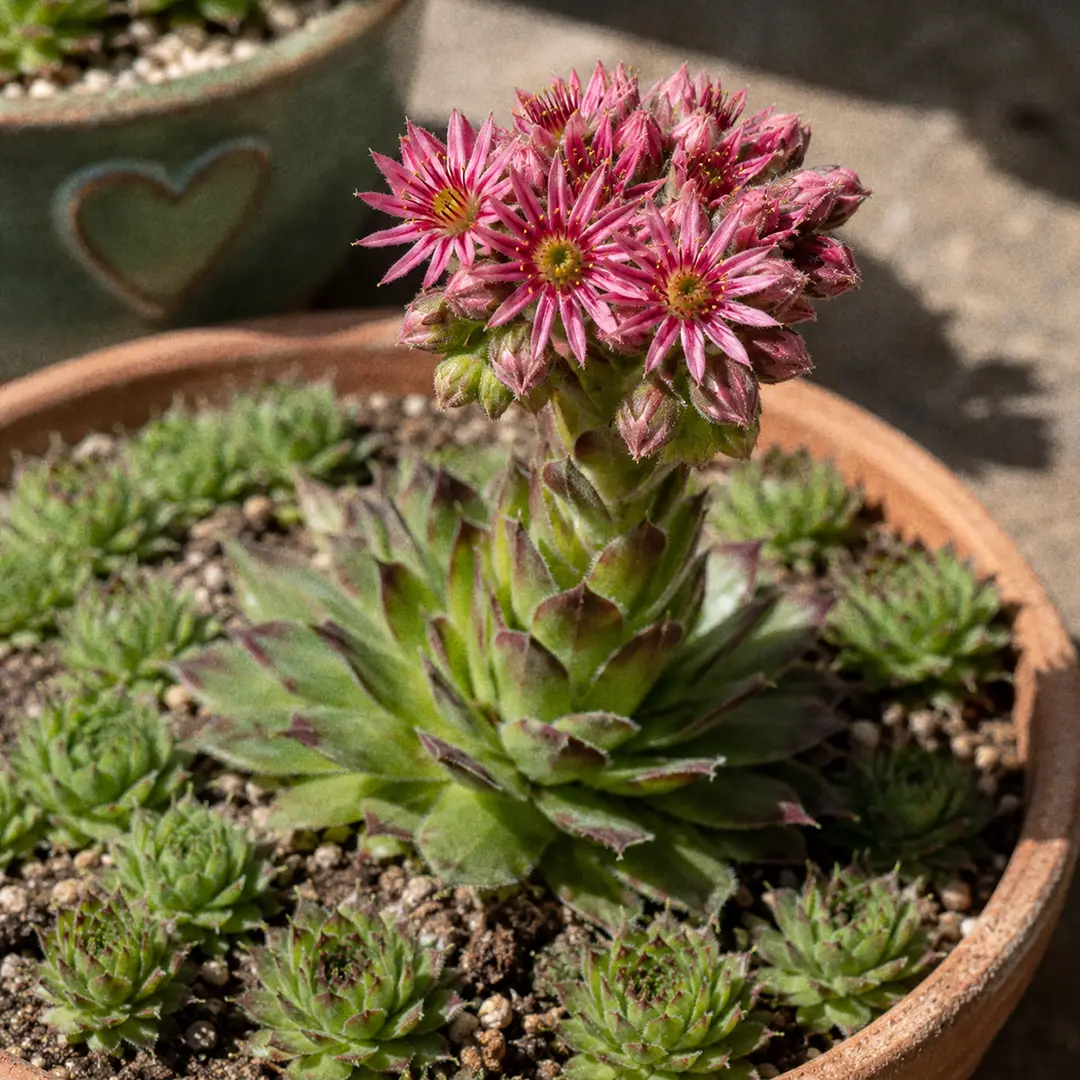
In its third or fourth summer, a mature hen suddenly changes shape. The flat rosette puckers upward and stretches into a thick, leafy stalk 8 to 12 inches tall, looking almost like a small green pinecone. At the top opens a cluster of starry pink to reddish-purple flowers, each with up to a dozen narrow pointed petals around a golden center. The display lasts several weeks, and outdoors it hums with bees.
The Monocarpic Catch
Each rosette is monocarpic: it flowers once, sets seed, and dies, the same one-way bloom as a Paddle Plant. The old name Liveforever is still honest, though, because by the time a hen blooms she has spent years producing chicks, and the colony carries on without missing a beat. You lose one rosette and keep the plant.
What to Do When a Hen Blooms
Nothing, at first. Enjoy the show. Cutting the stalk early does not save the hen; the decision to bloom is final from the day the center starts to rise. Once the flowers fade and the stalk browns, grip the dead rosette at its base and twist it out, then fill the gap with gritty mix or simply nudge a neighboring chick into the space. The hole closes within a season. One useful distinction: a blooming hen rises as a thick stalk with buds, while a light-starved rosette stretches loose and flat with no buds at all.
🏷️ Hens and Chicks Types and Varieties
There are thousands of named Sempervivum cultivars, which makes this one of the most collectible hardy plants on earth. The good news: every single one takes the same care described in this guide.
Sempervivum tectorum (Common Houseleek)
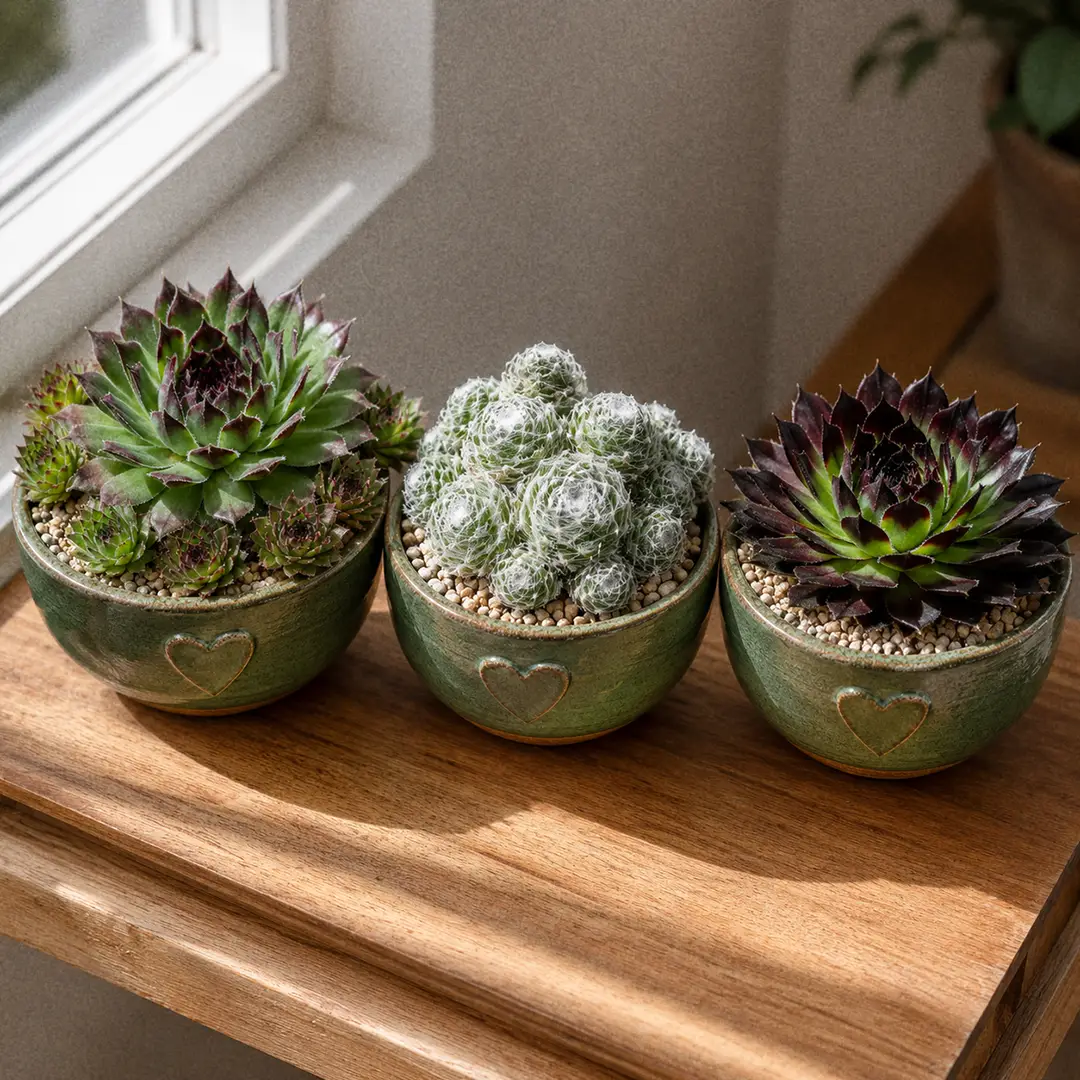
The classic. Rosettes 3 to 4 inches across in green to blue-green, each pointed leaf tipped in maroon-purple and edged with a fringe of fine pale hairs. This is the species Europeans grew on rooftops for a thousand years, and it remains the toughest and most forgiving starting point.
Sempervivum arachnoideum (Cobweb Houseleek)
Smaller rosettes, usually an inch or two across, wrapped in fine white webbing that stretches from leaf tip to leaf tip as if a spider got there first. The web is the plant's own sunscreen. It wants even more sun than the common species and rewards it with bright pink summer flowers. Irresistible in a strawberry pot pocket.
Dark and Colored Cultivars
Breeders have pushed Sempervivum into nearly every color a leaf can hold. 'Black' opens green and deepens to glossy burgundy-black, 'Red Beauty' holds shades of wine red, and 'Pacific Blue Ice' goes silvery lavender-blue. Expect the colors to shift through the year; cool weather and strong sun deepen them, while summer heat and shade soften them toward green. That seasonal change is normal, not a care failure.
Hens and Chicks vs Echeveria
The eternal mix-up, since both are rosette succulents sold under the same nickname. The tell is the leaf surface: a Sempervivum leaf is matte, slightly hairy at the edges, and never powdery, while an Echeveria leaf wears a chalky wax coating you can smudge with a finger. The deeper difference is climate. Sempervivum is frost-proof and wants a cold winter; Echeveria is a tender Mexican plant that dies at a freeze and lives happily in a warm room year-round. Buy the one that matches your windowsill, not just the look.
🪴 Potting and Repotting Hens and Chicks
When to Repot
Every two to three years in spring, or whenever the chicks have carpeted every square inch and started climbing over the rim. Crowding is not an emergency (wild colonies pack themselves into rock cracks far tighter than any pot), so this is a chore you can postpone without guilt.
Choosing a Pot
Wide and shallow beats deep and narrow every time, because the roots are shallow and the colony spreads sideways. A terracotta bowl, an unglazed dish, a stone trough, or a strawberry pot with a rosette in each pocket all work beautifully. Clay wicks moisture out of the mix and buys you a margin for error. One non-negotiable: a drainage hole. A sealed planter is a slow execution for this plant.
Step-by-Step Repotting
Let the soil dry out completely first; a bone-dry colony lifts out clean. Tip the whole mat onto your palm, shake off the spent mix, and snip away any dark mushy roots. This is also the natural moment to pull off a few chicks for new pots. Settle the hens into fresh dry gritty mix at the same depth as before, leaving bare gravel between rosettes for future chicks to land on, and top-dress with fine grit. Wait five to seven days before the first light watering so any nicked roots callus instead of rotting. The full general routine is in our repotting guide.
✂️ Pruning Hens and Chicks
Pruning a Sempervivum is housekeeping, not shaping. Ten minutes a season covers it.
When to Prune
Three triggers: a bloomed-out hen that has browned and died, crispy dried leaves around the base of any rosette, and a colony so crowded the chicks are stacking on top of each other. All three are best handled in spring or summer when the plant heals fastest.
How to Prune
Twist out a dead rosette at its base with a gentle rocking motion; it usually releases whole, roots and all. Pull dried outer leaves off with your fingers, working sideways rather than upward. For thinning, snip the runner connecting a chick to its hen with clean scissors and lift the chick out with a teaspoon. Wipe blades with rubbing alcohol between plants.
Managing the Clump
You cannot pinch a rosette succulent into bushiness; with Sempervivum you edit the colony instead. Want a tight carpet that fills the bowl? Leave every chick where it lands. Want one sculptural hen with a neat ring of offsets? Remove the surplus chicks each spring and pot them up as gifts. The plant supplies the raw material either way.
🌱 How to Propagate Hens and Chicks
The name is the instruction manual. Every healthy hen produces chicks on short runners, each one a complete plant waiting to be unplugged, and the success rate is about as close to 100 percent as propagation gets.
Best Method
Chick separation beats everything else by a mile. Leaf cuttings barely work for Sempervivum and seeds take years (and never come true for named cultivars), so skip both unless you enjoy long odds. The chicks root so readily that the only real decision is which ones to take. The broader principles live in our succulent propagation guide.
Step-by-Step Chick Separation
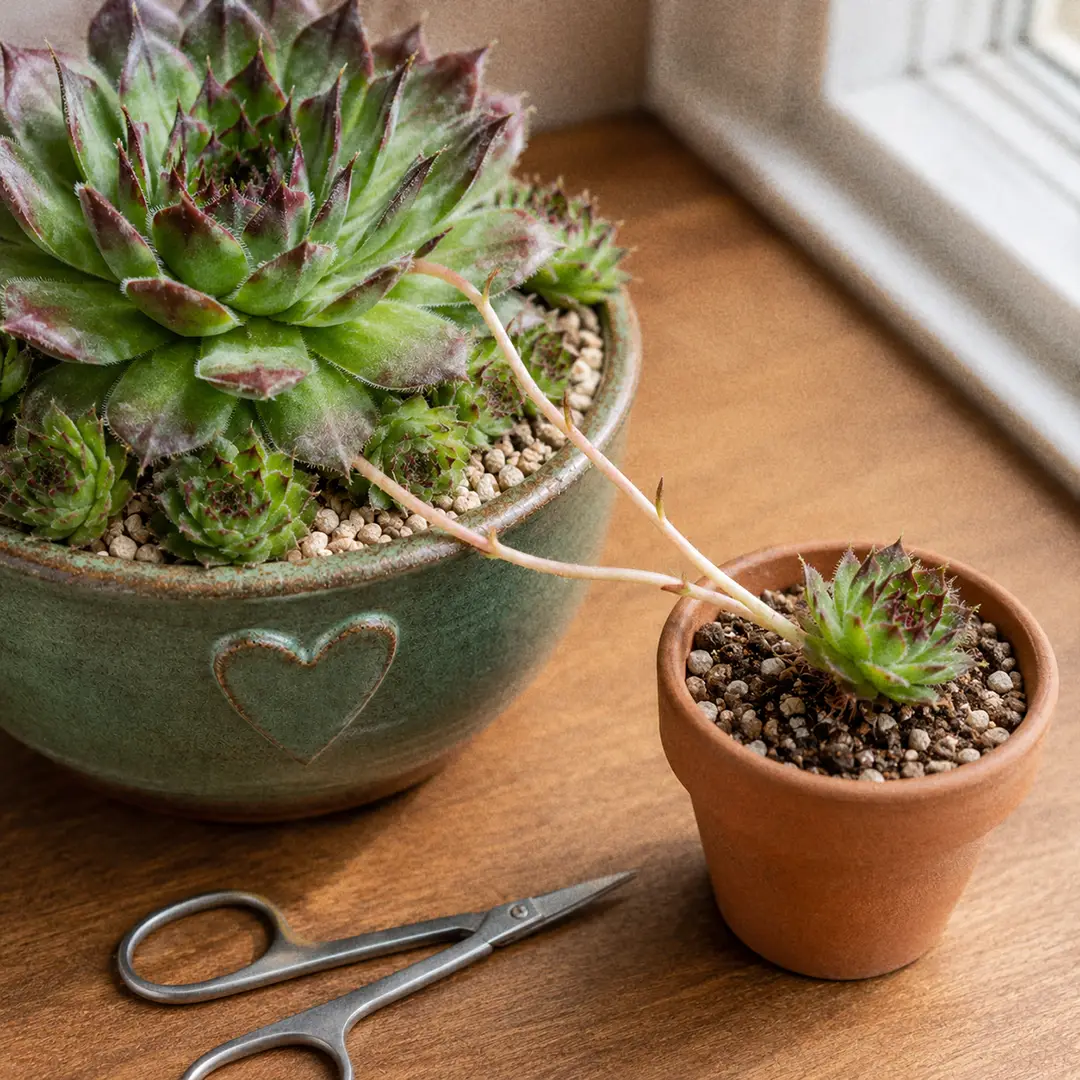
Wait until a chick is roughly the size of a quarter; bigger chicks establish faster. Follow its runner back toward the hen and snip it close to the chick with clean scissors. Lift the chick, keeping any small roots it already has, and set it on top of dry gritty mix in a small pot, pressing the base down just enough to make contact. Do not bury the rosette. Park it in bright light out of harsh midday sun, give the first light watering after three or four days, then water sparingly until it resists a gentle tug, usually within two to three weeks. After that, treat it exactly like an adult.
Tips for Success
Spring and early summer separations root fastest, though the method works any time the plant is growing. A chick with no roots at all is still viable; it just needs an extra week or two of patience. The stub of runner left on the hen dries up and disappears on its own. And resist the urge to water a freshly potted chick daily; damp grit and time do the work, while constant moisture only invites rot.
🐛 Hens and Chicks Pests and Treatment
A Sempervivum in strong sun and dry air is a hard target, and most colonies never see a pest. The tight leaf folds are the spot to check, with a quick look straight down into each rosette once a week or so.
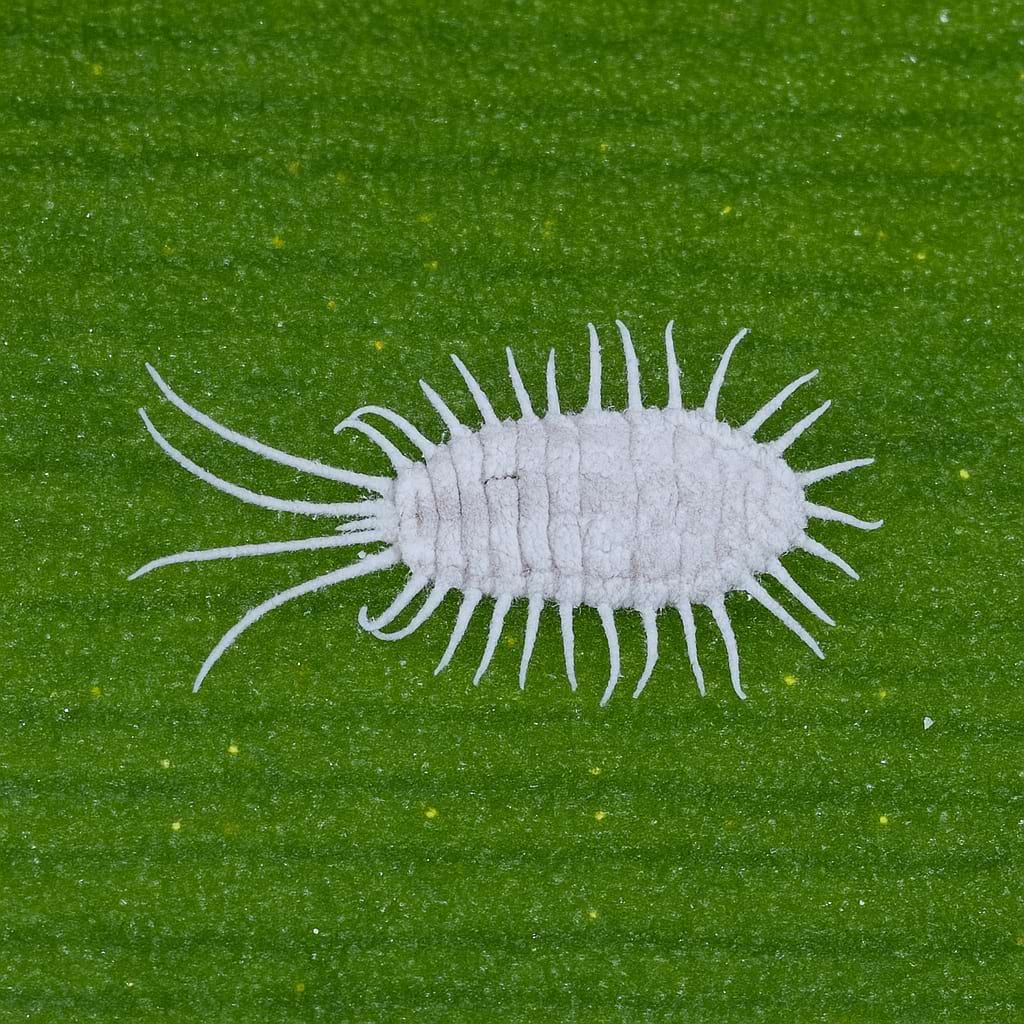
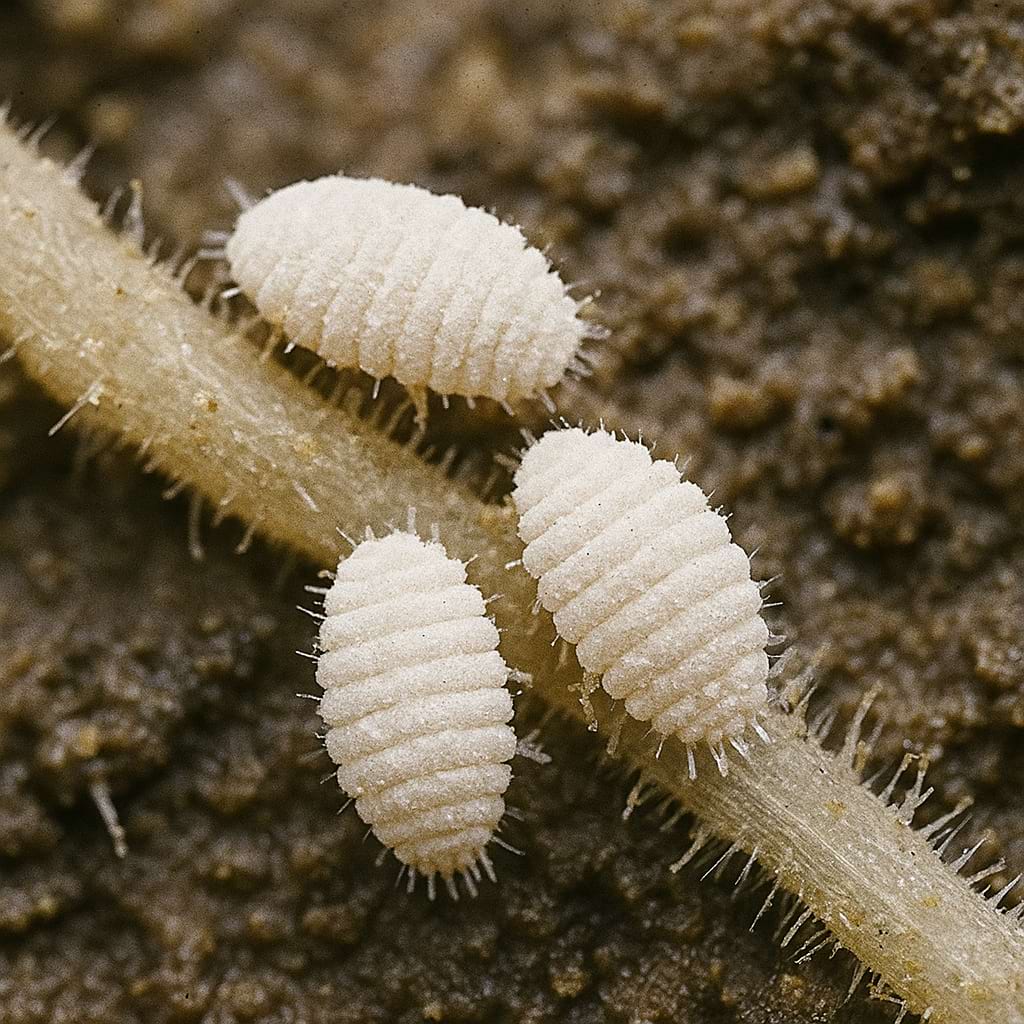
Mealybugs are the main offender, appearing as small white cottony tufts wedged between leaves or down in the rosette center. Dab each one with a cotton swab dipped in 70 percent isopropyl alcohol and repeat weekly until a month passes clean.
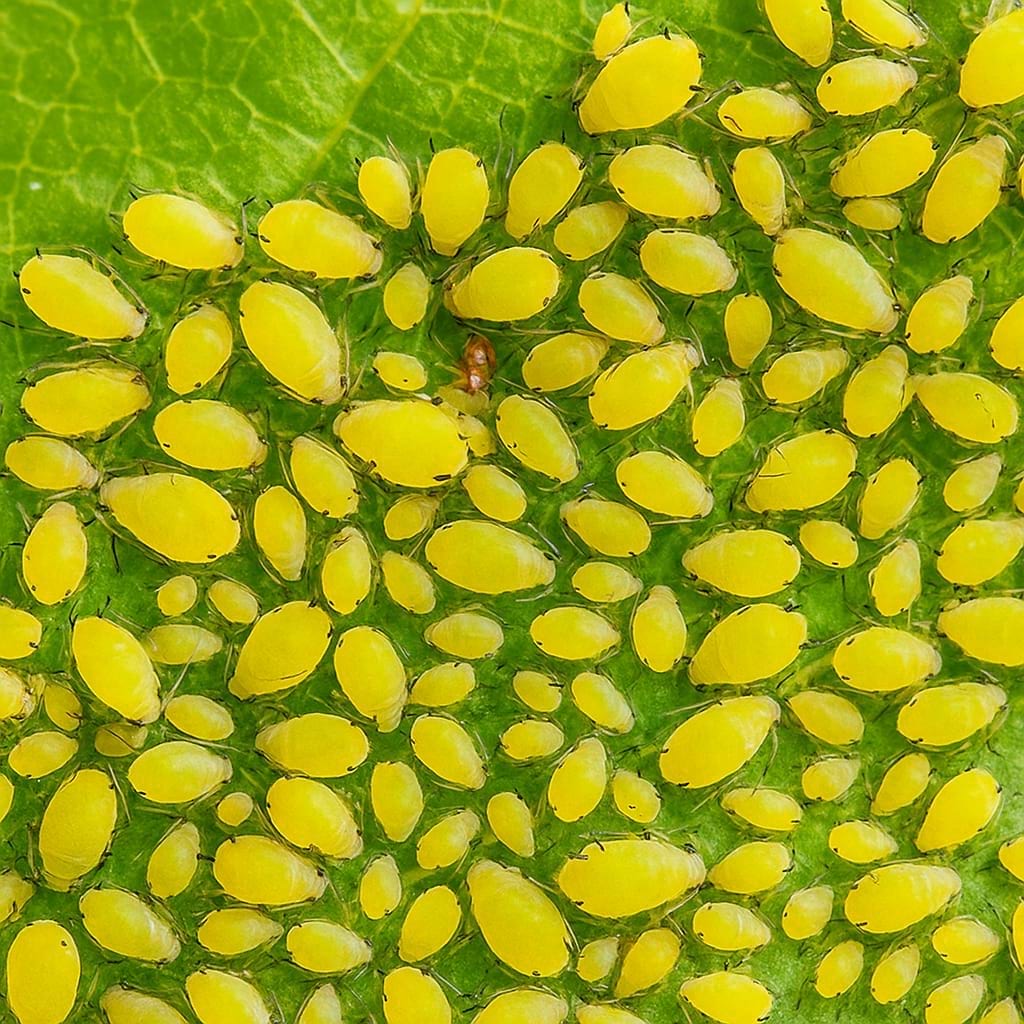
Aphids mostly show up on the soft tissue of a rising flower stalk, especially outdoors. A hard jet of water clears them, with a follow-up of insecticidal soap a few days later if they regroup.
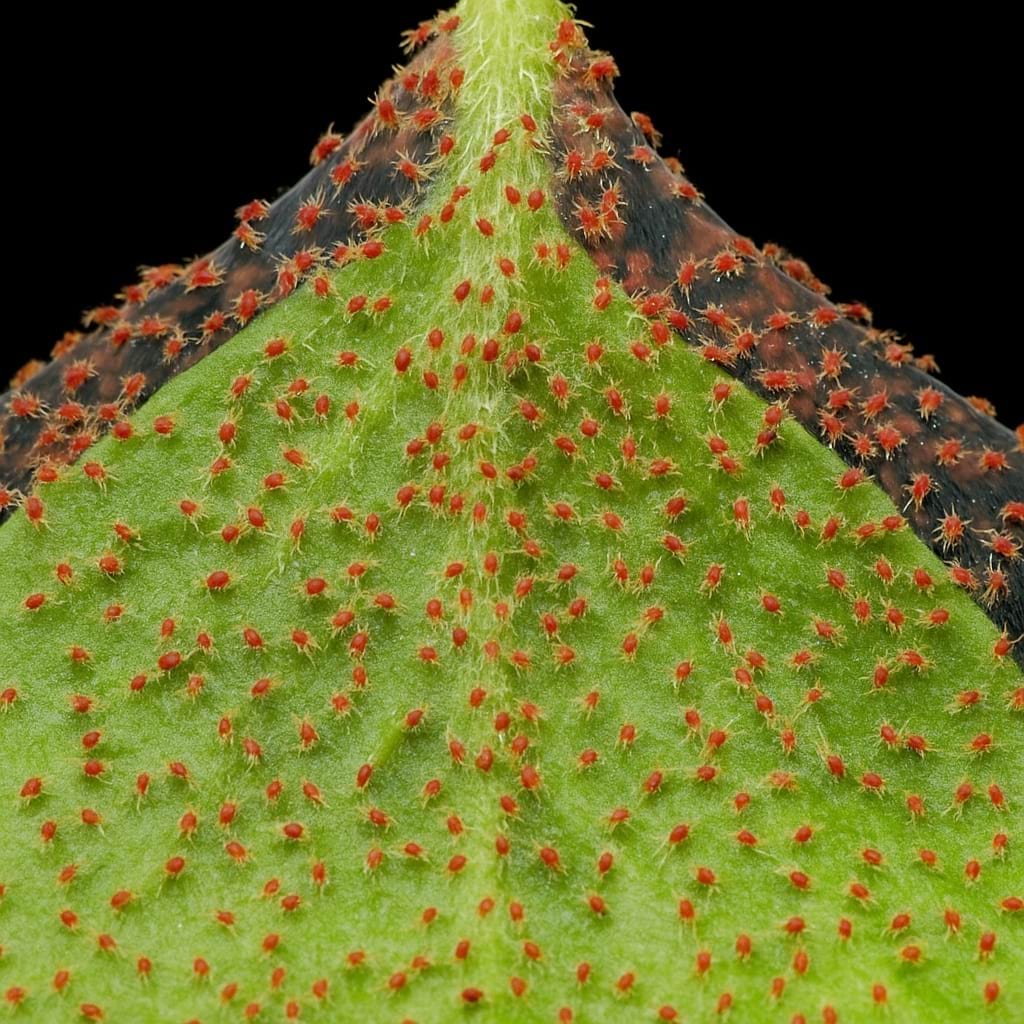
Spider mites turn up in hot, sheltered spots as pale speckling and fine webbing between leaves. A thorough rinse plus one application of insecticidal soap usually ends it.
Root mealybugs look like white powder on the roots when you tip the plant out, and they quietly drain a colony for months before anything shows above the soil. Bare-root the plant, rinse the roots, and repot in fresh dry mix.
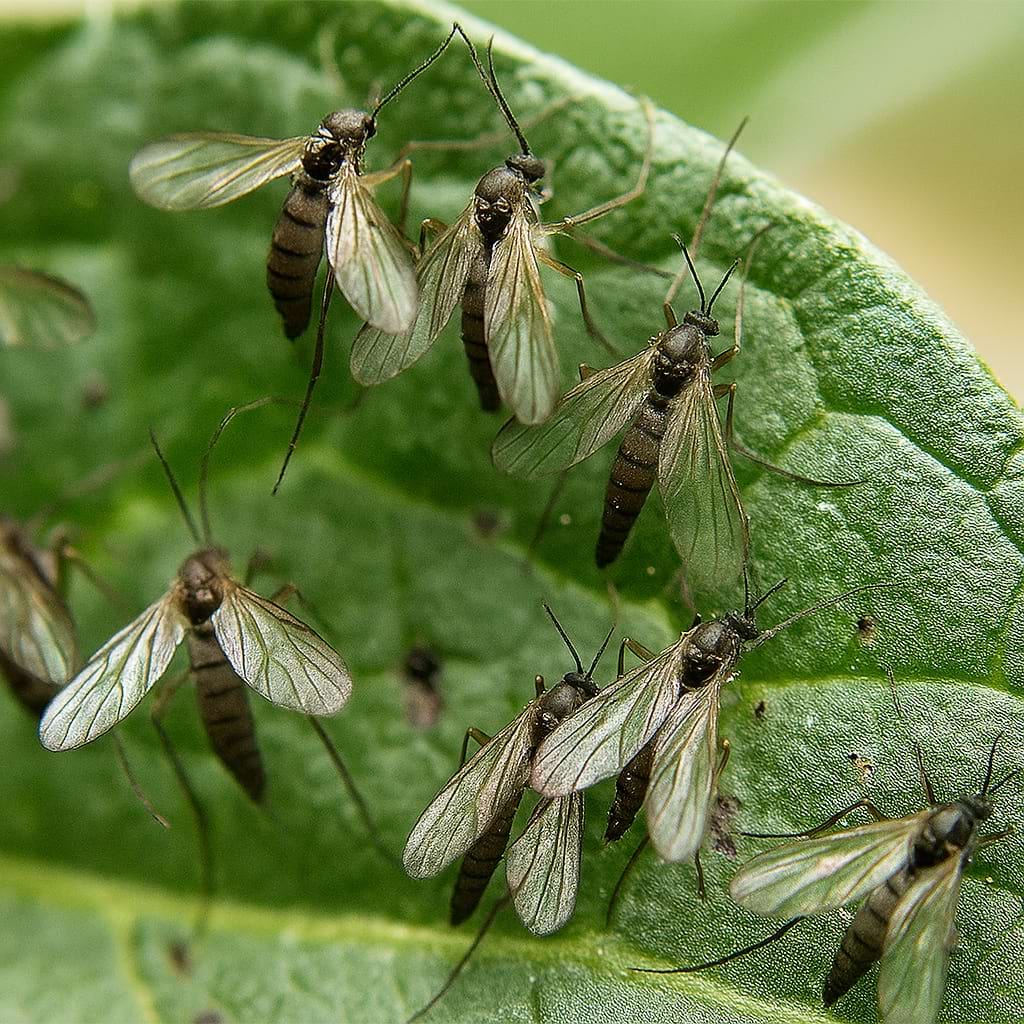
Fungus gnats around a Sempervivum mean one thing: the soil is staying wet far too long. Fix the watering or the mix and the gnats leave on their own.
🩺 Common Hens and Chicks Problems
Nearly every Sempervivum problem comes down to too much water, too little light, or both at once. The plant tells you which through its leaves.
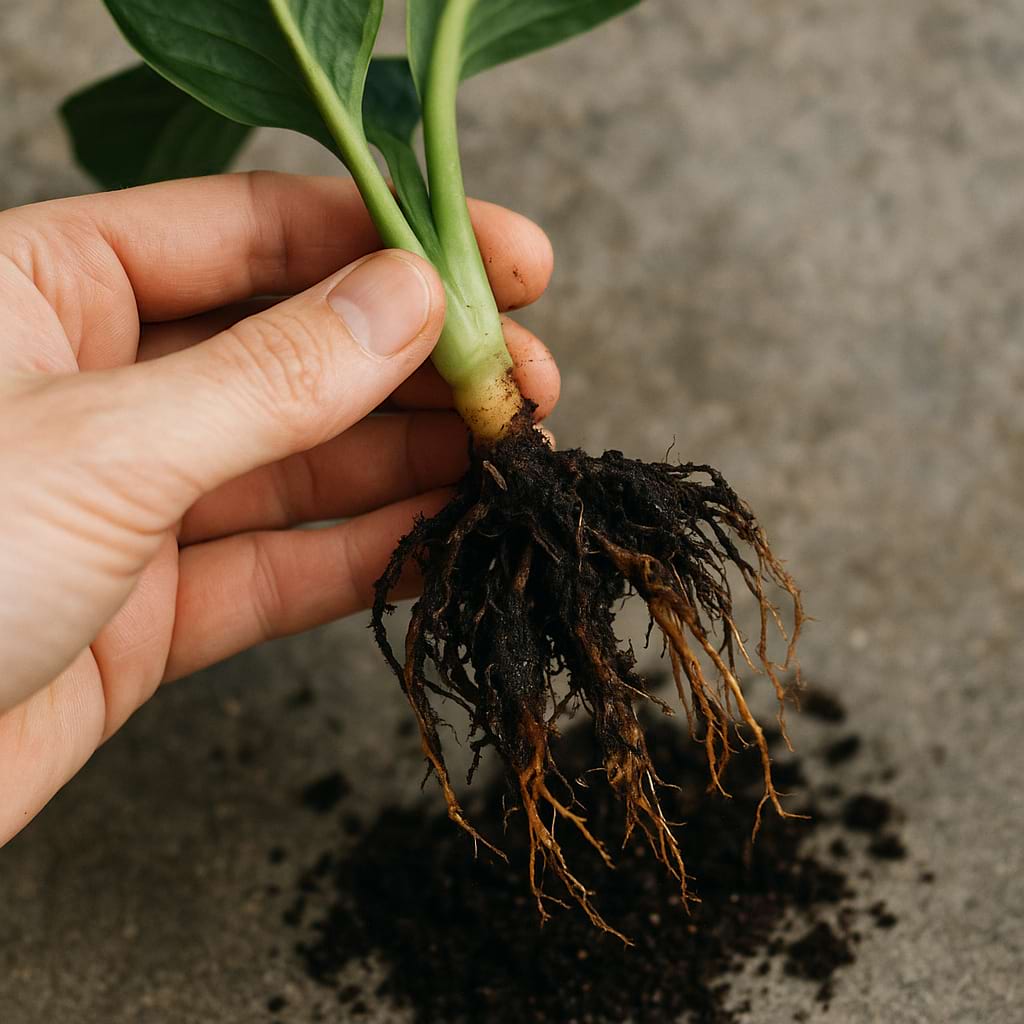
Root rot is the one genuine killer. Watch for translucent yellowing lower leaves and a sour smell at the soil line. Caught early, you can tip the plant out, cut away brown mushy roots, and replant in dry grit. Caught late, save the chicks; they are usually still clean even when the hen is gone.
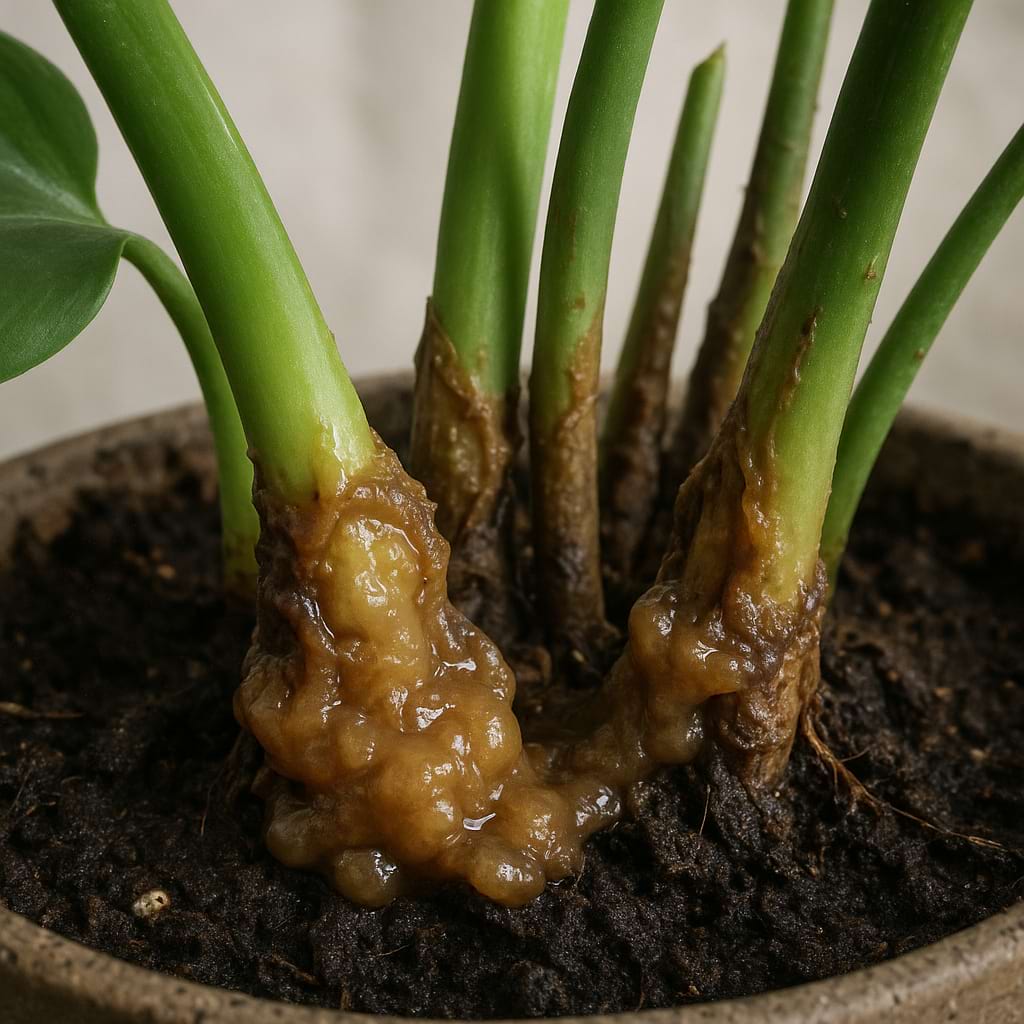
Mushy stems and crown rot follow water sitting in the rosette through cold damp weather. A hen with a soft brown center will not recover, so twist her out before the rot reaches her chicks. Prevention is simple: water the soil, not the plant, and keep winter watering close to zero.
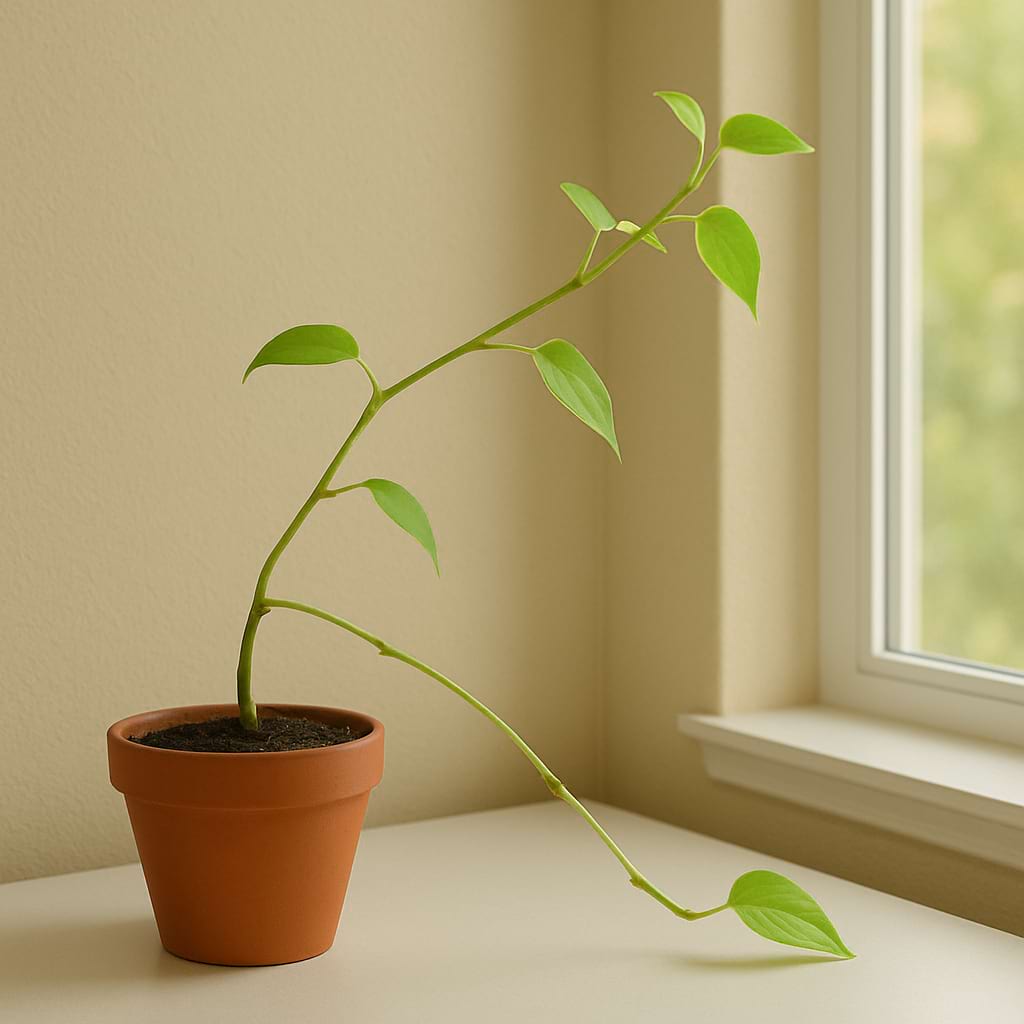
Leggy growth means too little sun. The rosette loosens, pales, and rises. The stretch is permanent for that rosette, but new chicks grown in proper light come up tight.
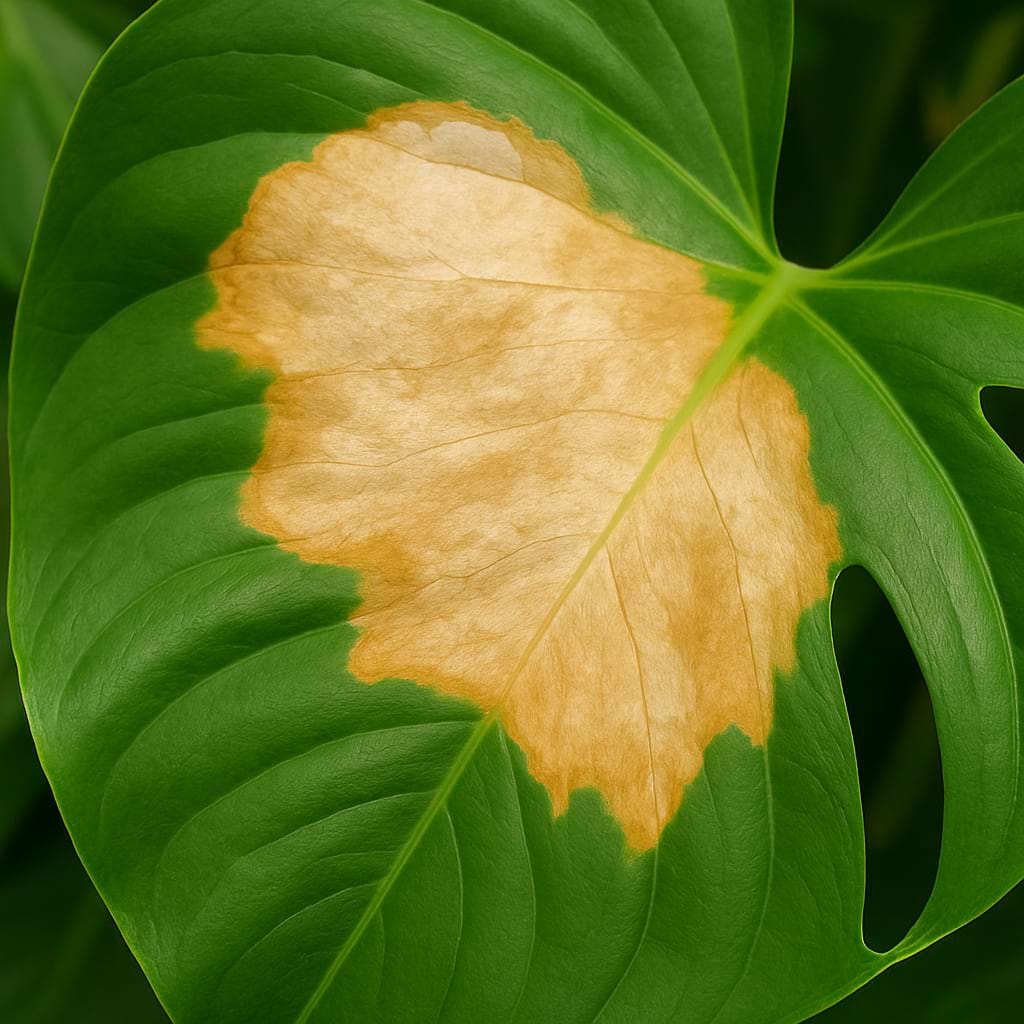
Sunburn only follows a sudden move into much stronger light, leaving bleached or tan papery patches that never fade. Harden plants off over a week or two and it simply does not happen.
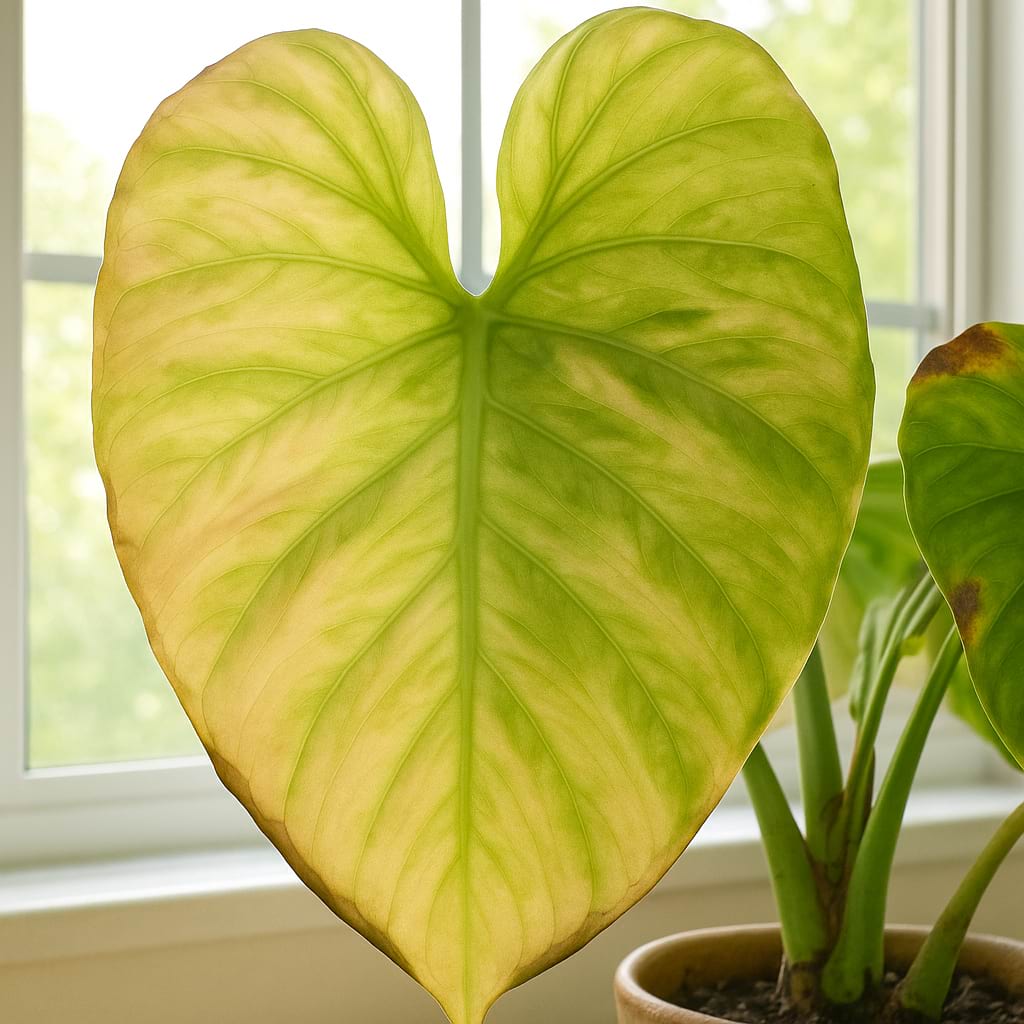
Yellowing leaves across the rosette point to chronic overwatering or heavy soil holding moisture too long. Let the pot dry fully and rethink the mix.
Pale, faded leaves have two readings. In a dim room, fading means light hunger. In a healthy plant moving from spring into hot summer, softening color is the normal seasonal shift most cultivars go through. Check the light first before assuming trouble.
Stunted growth on a plant that should be spreading usually traces back to rich, dense soil or a deep pot that stays damp at the bottom. Ironically, the cure is meaner conditions: more grit, more sun, less water.

🖼️ Hens and Chicks Display and Styling Ideas
Geometry is the whole appeal here, so the best displays keep the staging simple and let the rosettes repeat.
Solo Setups
A single colony in a wide, shallow terracotta bowl, top-dressed with pale gravel, is the timeless look. Set it on a sunny sill, a porch step, or an outdoor table where you can look down into the rosettes, because Sempervivum reads best from above. The hen-and-ring-of-chicks pattern does the decorating for you.
Grouped Arrangements
Mix three cultivars in one dish (a green tectorum, a wine-red 'Red Beauty', a silvery cobweb) for year-round color contrast with identical care. A strawberry pot with a rosette tucked into every pocket becomes a tower of colonies within two seasons. Outdoors, Sempervivum carpets rock gardens, wall crevices, and trough edges. Indoors on a sunny sill it lines up well beside a Jade Plant for height, an Echeveria for softness, or a fuzzy Panda Plant for texture, all in matching clay pots.
Where Not to Put It
Warm, dim rooms are the slow killer: no spot more than a foot or two from a bright window will hold one long-term. Closed terrariums are a death trap of trapped humidity. Skip steamy bathrooms, deep rich planters shared with thirsty tropical plants, and any outdoor pocket where rain collects and cannot drain.
🌟 Hens and Chicks Pro Care Tips
- When in doubt, do not water. This plant forgives a month of drought and punishes a week of damp.
- Give it the coldest, brightest windowsill in the house for winter. The spot that kills your tropicals is its favorite.
- Top-dress with gravel or grit. It keeps the lowest leaves dry, stops soil splash, and makes the rosettes pop visually.
- Pick a wide, shallow container over a deep one, every time.
- A summer outdoors (balcony, porch, doorstep) does more for color and tightness than anything you can do inside.
- Do not panic when a rosette rises into a thick budded stalk. That is a bloom, not a disease, and the chicks carry on.
- Separate a few chicks every spring even if you do not need them. They make better gifts than anything you can buy for five dollars.
- Buying tip: a powdery, chalky coating on the leaves means you are holding an Echeveria, not a Sempervivum. Check before it spends winter outside.
- After repotting, wait a week before watering. Dry callusing time prevents most rot.
- Quarantine new plants for a month before adding them to an established bowl, mostly for root mealybugs.
❓ Frequently Asked Questions
Why is my Hens and Chicks growing tall in the middle?
Two possibilities. If the center has risen into a thick stalk with flower buds, the rosette is blooming, which happens once in its life; enjoy it, then remove the spent rosette and let the chicks fill in. If the whole rosette has loosened and stretched pale with no buds, it is starved for light and needs a much sunnier spot.
Do Hens and Chicks die after flowering?
The individual rosette that flowers does die; the species is monocarpic. The colony does not. By the time a hen blooms she has produced years of chicks, and they continue growing as if nothing happened. Twist out the dead rosette and the gap closes within a season.
Can Hens and Chicks live indoors year-round?
Yes, with two honest conditions: the brightest windowsill you own (south-facing, pot against the glass) or a strong grow light, plus a cool winter spot. In a warm dim room the rosettes stretch and fade within months. If you have an unheated porch or a cold bright stairwell, winter it there and it will look better than ever by spring.
How often should I water Hens and Chicks?
Indoors, roughly every two to three weeks in spring and summer, and only once the soil has been bone dry for several days. In winter, almost never; a cold-resting plant can go months without water. Outdoors, rain usually handles the whole job.
Are Hens and Chicks safe for cats and dogs?
Yes. Sempervivum tectorum is non-toxic to cats, dogs, and humans. A nibbled leaf might cause mild stomach upset just from the fleshy tissue, but the plant contains nothing poisonous, which makes it one of the safest succulents for a home with pets.
What is the difference between Hens and Chicks and Echeveria?
Look at the leaf surface. Sempervivum leaves are matte with tiny hairs along the edges and no powder; Echeveria leaves wear a chalky wax bloom that smudges at a touch. Sempervivum is frost-hardy and wants a cold winter, while Echeveria dies at a freeze and prefers a warm room year-round.
When can I separate the chicks from the mother plant?
Once a chick is about the size of a quarter, it is ready, with or without its own roots. Snip the runner close to the chick, set it on dry gritty mix without burying the rosette, and water lightly after a few days. It roots in two to three weeks. Smaller chicks work too; they just take longer to establish.
Why is my Hens and Chicks losing its red color?
Usually one of two harmless reasons. Strong sun and cool temperatures deepen Sempervivum colors, so a plant moved to a dimmer or warmer spot fades toward green, and most cultivars naturally soften in summer heat anyway. Move it into more sun and the color returns with the next flush of growth, deepest of all after a few chilly autumn nights.
Can Hens and Chicks survive frost outside?
Comfortably. Sempervivum tectorum is hardy in zones 3 through 8 and tolerates roughly -30°F (-34°C) when its soil is dry. The danger is not cold but cold plus wet, so give outdoor plants sharp drainage and they will shrug off snow sitting right on the rosettes.
Why are the bottom leaves of my Hens and Chicks drying up?
If the dying leaves are crisp and papery, that is the normal life cycle; old outer leaves dry out as new ones grow from the center, and you can pull them away once they release easily. If the lower leaves are soft, translucent, or mushy instead, that is overwatering, and the pot needs to dry out completely before trouble climbs higher.
ℹ️ Hens and Chicks Info
Care and Maintenance
🪴 Soil Type and pH: Lean, gritty, sharp-draining mix of mineral chunks with a little organic matter; neutral to slightly alkaline pH is fine.
💧 Humidity and Misting: Happiest in dry, moving air around 30 to 50 percent; dislikes damp, still corners.
✂️ Pruning: Twist out spent rosettes after flowering and pull dried leaves from the base of the clump.
🧼 Cleaning: Brush fallen debris out of the rosettes with a soft dry paintbrush; never wipe the leaves with a damp cloth or let water sit in the rosette center.
🌱 Repotting: Every 2 to 3 years in spring, or whenever the chicks have carpeted every inch of the container.
🔄 Repotting Frequency: Every 2-3 years
❄️ Seasonal Changes in Care: Active growth from spring through early autumn; a cold, nearly dry winter rest keeps rosettes tight and colors deep.
Growing Characteristics
💥 Growth Speed: Moderate
🔄 Life Cycle: Perennial colony; each individual rosette is monocarpic and dies after its single bloom
💥 Bloom Time: Mid to late summer on mature rosettes, usually in their third or fourth year
🌡️ Hardiness Zones: 3-8 outdoors; one of the very few succulents that prefers life outside
🗺️ Native Area: Mountains of southern Europe, from the Pyrenees through the Alps into the Apennines and Carpathians
🚘 Hibernation: Cold winter rest at 30 to 50°F (-1 to 10°C), nearly dry; frost on a dry plant is completely fine
Propagation and Health
📍 Suitable Locations: Unheated sunny porches, balcony boxes, south windowsills in cool rooms, rock gardens, outdoor troughs, green roofs
🪴 Propagation Methods: Nearly automatic from chicks; snip the runner and pot the offset.
🐛 Common Pests: Mealybugs, Aphids, Spider Mites, Root Mealybugs, Fungus Gnats
🦠 Possible Diseases: Root rot, crown rot from water sitting in the rosette, rust spotting in damp still air
Plant Details
🌿 Plant Type: Hardy evergreen rosette succulent
🍃 Foliage Type: Tight stemless rosettes of plump pointed leaves edged with fine pale hairs (cilia); no powdery coating
🎨 Color of Leaves: Green to blue-green with maroon-purple tips on the species; cultivars in red, copper, lavender, and near-black
🌸 Flower Color: Starry pink to reddish-purple flowers with up to a dozen narrow petals on a thick leafy stalk
🌼 Blooming: Yes; each rosette flowers once in summer after several years, then dies and is replaced by its chicks
🍽️ Edibility: Not eaten; non-toxic but not a food plant
📏 Mature Size: 3-4 inches per rosette; flowering stalks rise 8-12 inches
Additional Info
🌻 General Benefits: Practically indestructible, frost-proof, pet-safe, multiplies for free, thrives on neglect
💊 Medical Properties: European folk medicine used the leaf juice like aloe on minor burns and insect bites; not a substitute for actual treatment
🧿 Feng Shui: A threshold guardian; centuries of rooftop tradition cast the Houseleek as a protector of the home, so it suits entrances, balconies, and windowsills facing the street
⭐ Zodiac Sign Compatibility: Capricorn
🌈 Symbolism or Folklore: Protection, endurance, and renewal
📝 Interesting Facts: The species name tectorum means "of rooftops." For well over a thousand years Europeans grew this plant on their roofs in the belief that it warded off lightning, a tradition tied to the god Jupiter (hence the old name Jupiter's Beard), and Charlemagne even ordered it planted on roofs across his empire. The genus name Sempervivum translates as "always alive," which is honest marketing: the species survives roughly -30°F (-34°C) when dry. Each rosette is monocarpic, so the "Liveforever" lives forever as a colony while every individual hen dies after one dramatic bloom.
Buying and Usage
🛒 What to Look for When Buying: Pick a pot with a tight, flat-sitting mother rosette and several chicks already visible around her. Avoid stretched plants with gaps between the leaf rows (a dim shop shelf does that within weeks), any rosette with soft translucent lower leaves, and plants sold with a chalky powder coating, because those are Echeverias mislabeled as Hens and Chicks.
🪴 Other Uses: Green roofs, living walls, wedding and party favors, fairy gardens, wreaths and table arrangements, beginner propagation projects
Decoration and Styling
🖼️ Display Ideas: A shallow terracotta bowl with gravel top-dressing, a mixed-cultivar rock garden dish, a strawberry pot with a rosette in every pocket, balcony window boxes, hypertufa troughs
🧵 Styling Tips: Choose a wide, shallow container rather than a deep one, leave bare gravel between rosettes so the chicks have somewhere to land, and mix a green, a red, and a cobweb cultivar in one bowl for contrast that lasts all year.
🪴 See also 🪴
Complete Guide to Leaf of Life Care and Growth
Complete Guide to Aeonium Care and Growth
Complete Guide to Crested Brain Cactus Care and Growth
Complete Guide to Feather Cactus Care and Growth
Complete Guide to Snowball Cactus Care and Growth
Complete Guide to Spiral Cactus Care and Growth
Complete Guide to Fairy Castle Cactus Care and Growth
Complete Guide to Silver Torch Cactus Care and Growth
Complete Guide to Crown Cactus Care and Growth
How to Propagate Succulents from Leaves & Offsets
Succulent Care Indoors: How to Stop Killing Jade and Echeveria
Complete Guide to Lithops Care and Growth (Living Stones)
Complete Guide To Aloe Vera Care and Growth
Complete Guide to Burro's Tail Care and Growth
Complete Guide to Crown of Thorns Care and Growth
Complete Guide to Echeveria Care and Growth
Complete Guide to Flaming Katy Care and Growth
Complete Guide to Jade Plant Care and Growth
Complete Guide to Sedum Adolphii Care and Growth
Complete Guide to Queen of the Night Care and Growth
Complete Guide to Domino Cactus Care and Growth
Complete Guide to Easter Lily Cactus Care and Growth
Complete Guide to Peanut Cactus Care and Growth
Complete Guide to Rat Tail Cactus Care and Growth
Complete Guide to Ghost Plant Care and Growth
Complete Guide to String of Coins Care and Growth
Complete Guide to Silver Squill Care and Growth
Complete Guide to Jelly Bean Plant Care and Growth
Complete Guide to Fishbone Cactus Care and Growth
Complete Guide to Mistletoe Cactus Care and Growth
Complete Guide to Mother of Thousands Care and Growth
Complete Guide to Paddle Plant Care and Growth
Complete Guide to Panda Plant Care and Growth

Complete Guide to Elephant Bush Care and Growth
Complete Guide to Pencil Cactus Care and Growth
Complete Guide to African Milk Tree Care and Growth
Complete Guide to Gasteria 'Little Warty' Care and Growth
Ox Tongue Care

Houseplant101 Forum
Questions & Comments
Ask a question, share your plant experience, or help other plant owners.
Comments are temporarily unavailable.
Open the Houseplant101 ForumNo comments yet
Be the first to ask a question or share your experience about this page.
Log in or create an account
Comments use your Houseplant101 Forum account, but you can stay on this page.
Create a new account