
String of Coins
Xerosicyos danguyi
Penny Plant, Silver Dollar Vine, Dollar Vine, Dollar Plant


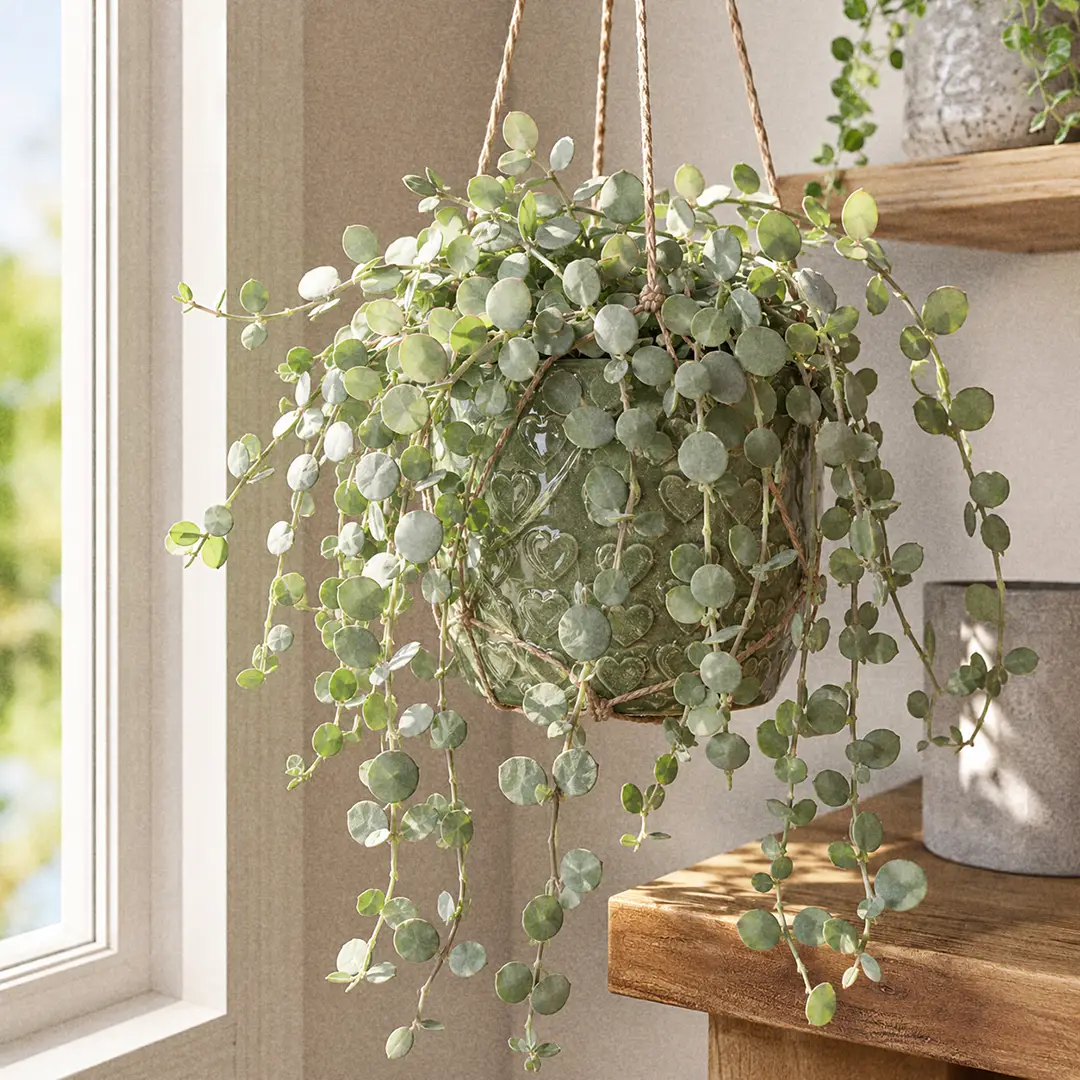
String of Coins (Xerosicyos danguyi) is the Madagascan succulent vine that hangs perfect silvery-blue discs in pairs along thick climbing stems, and reaches for whatever it can grip with tiny curling tendrils. It is a rare member of the cucumber family, and one of the toughest trailing succulents for a sun-blasted windowsill.
📝 String of Coins Care Notes
🌿 Care Instructions
⚠️ Common Pests
📊 Growth Information
🪴 In This Guide 🪴

☀️ String of Coins Light Requirements (Bright Direct Sun)
Light is the single thing this plant cares about most. It comes from the open spiny thicket of southwest Madagascar, so a windowsill that would scorch a String of Hearts is the bare minimum here.
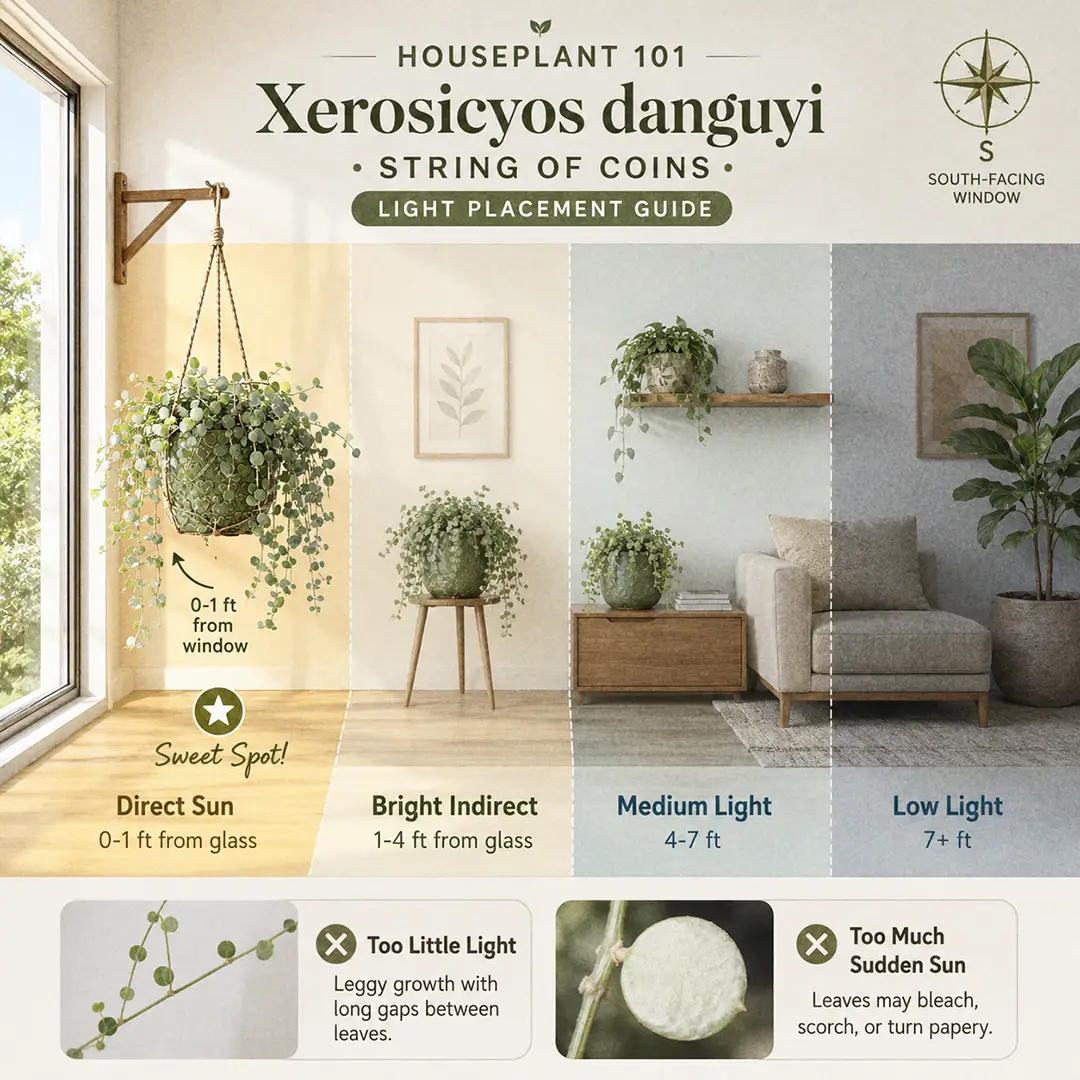
The Sweet Spot
A south or west window with four to six hours of direct sun a day is the gold standard. An unobstructed east window works for the brightest months but usually leaves the vine stretched by late winter. Set the pot right at the glass for most of the year, and pull it back two or three inches in July and August only if leaf edges start to blanche. In a dim apartment, a 14 hour full-spectrum grow light hanging six inches above the crown does the same job. See light for houseplants for the broader picture.
Too Little Light
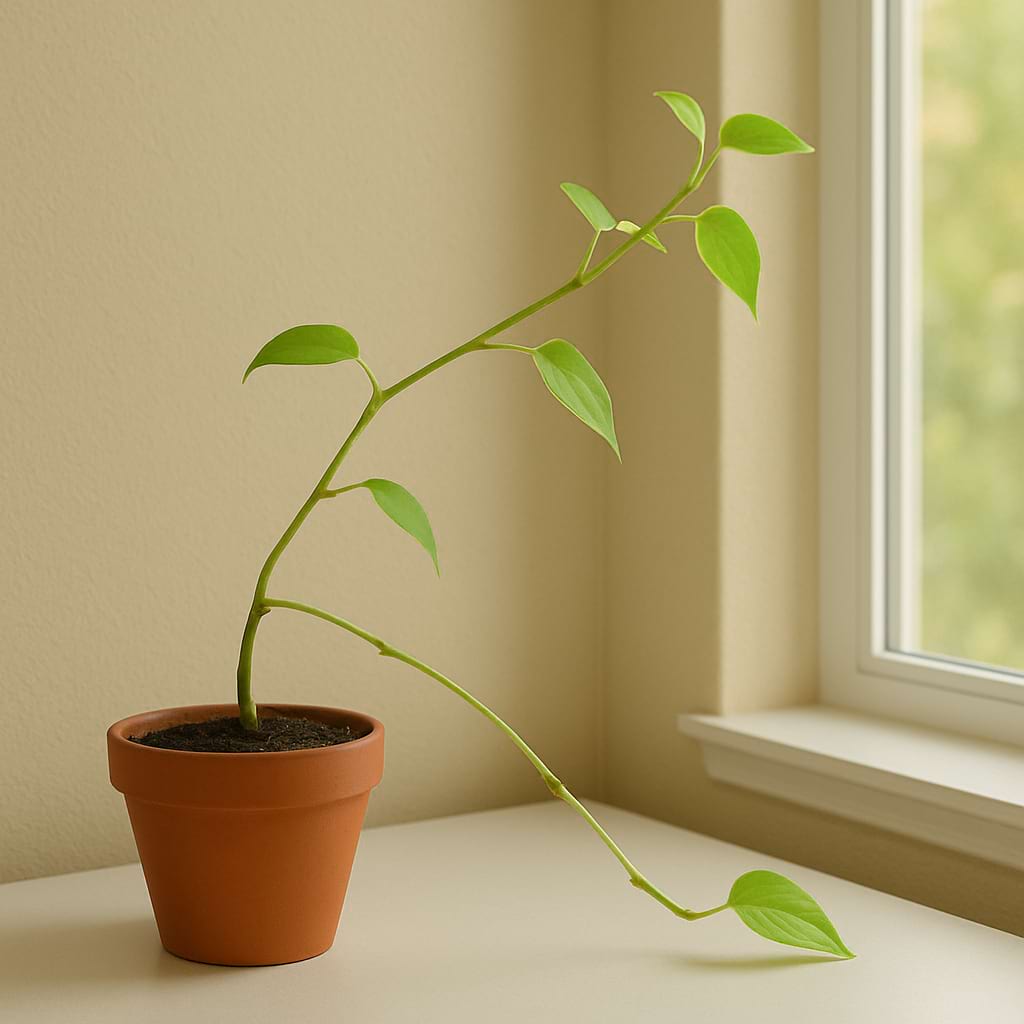
This is by far the most common indoor problem. A vine kept in medium light stretches between every pair of leaves, the internodes (the gaps along the stem) lengthen, and the new coins come in noticeably smaller and greener. The silvery sheen fades to dull green. The plant will keep growing, but a year later you have a sad sparse rope rather than a dense silver curtain. The fix is brighter light immediately, plus pruning back the stretched section and rooting the tips in the same pot to thicken the crown.
Too Much Light
Almost impossible to achieve indoors in a normal home, but a plant moved straight from a shaded shop window to a bare south-facing summer sill can sunburn on the leaves facing the glass. Watch for a sudden bleached or papery patch on the south-side discs. Harden the plant into stronger sun over two weeks by moving it closer in stages. A faint pink blush at the leaf edges is the happy version of stress and shows the vine is loving life.
💧 String of Coins Watering Guide (Soak and Dry)
Overwatering kills more String of Coins than every other care mistake combined. The thick coin-shaped leaves are water tanks, and the green stems store extra reserve, so the plant is built to coast for weeks without a drink.
Watering Frequency
In spring and summer, water deeply only once the soil is completely dry from top to bottom. For a 5 inch terracotta pot in a sunny window, that lands roughly every 10 to 14 days. A glazed pot, a hanging basket out of direct sun, or a peatier mix stretches the interval out toward three weeks. Push a thin wooden chopstick to the bottom of the pot; if it comes out cool or shaded with damp soil, wait a few more days. See watering houseplants for the broader technique.
In autumn and winter, cut watering hard. A vine kept cool at 50 to 60°F (10 to 15°C) only needs one small drink every four to six weeks. A plant in a warm 70°F (21°C) living room still wants water every three to four weeks to keep the coins plump.
How to Water
Pour room-temperature water around the base of the crown until it drains freely out of the pot, wait ten minutes, then tip out the saucer. Never let the pot stand in water. The leaves themselves do not mind the occasional splash, unlike an Echeveria, so an overhead rinse to clear dust is fine on a sunny morning when the leaves will dry quickly. Bottom watering is a clean option for hanging baskets, since lifting the pot down for a soak in the kitchen sink is easier than reaching up with a watering can.
Signs of Trouble
A thirsty vine starts flattening the coins. Healthy leaves are domed and slightly puffy; under-watered leaves go flat and the edges curl in just a touch. One deep water plumps them back up within two or three days. An overwatered vine looks the opposite: lower leaves go translucent yellow, then mushy, then drop with a wet plop. By the time the base of the main stem feels soft, root rot has climbed into the crown and the rescue is to take healthy tip cuttings and start over.
🪴 Best Soil for String of Coins (Gritty and Fast-Draining)
After light, soil is the next biggest call. A gritty mineral mix forgives the occasional heavy hand with the watering can and is the difference between a vine that hits ten feet and one that quietly rots in its second winter.
What the Soil Needs
A mix that drains in seconds, dries fully within a week, and holds very little water against the roots. Xerosicyos danguyi grows in limestone-rich sandy soil in southwest Madagascar, so the natural substrate is sharp mineral grit with a thin smear of organic matter. Aim to recreate that. Slightly alkaline pH is fine; you do not need to chase a specific number.
DIY Soil Mix
- 1 part standard cactus and succulent mix
- 1 part coarse pumice (or perlite)
- 1 part coarse horticultural sand or fine gravel
Squeeze a damp handful of the finished mix; it should fall apart the instant you open your fingers. If it holds together as a clump, add more pumice. The same recipe works beautifully for a Burro's Tail, a Jade Plant, an Echeveria, or a String of Bananas sitting on the same shelf.
Pre-Made Options
Most bagged "cactus and succulent" mixes from a garden center are still too peaty for a Xerosicyos straight out of the bag. Cut them 50/50 with pumice or perlite before potting. Skip anything advertised as "moisture-retentive" or "premium" with added compost; those bags are pitched at general houseplants and will hold the roots too wet for a desert vine. See repotting for the broader picture.
🍼 Fertilizing String of Coins (Light Annual Feeds)
A slow-to-moderate grower from nutrient-poor habitat. Overfeeding pushes soft pale growth that lengthens the gaps between coins and ruins the dense silvery look, so when in doubt, feed less.
When and How Often
Feed only during active growth, from mid spring to late summer. Two or three feedings a year is plenty: one in late May, one in early July, and an optional last one in mid August. Skip the rest of the year, and never feed a freshly repotted plant for the first two months.
What to Use
Use a low-nitrogen cactus and succulent fertilizer (around 2-7-7 or 5-10-10) at half the label strength. Water with plain water first, then apply the diluted feed to damp soil. A quarter-strength liquid kelp works just as well as a gentle organic option. See fertilizing houseplants for general dilution guidance.
Over-Fertilizing Signs
A white crust on the soil surface or around the pot rim means salt build-up. Flush the pot with two or three pot volumes of plain water, skip the next planned feeding, and dilute further next time. New stems growing with very long internodes and oversized soft green coins are the early warning that you are pushing the plant too hard.
🌡️ String of Coins Temperature Range
A forgiving plant on temperature. Normal household conditions feel pleasant to a species that handles 100°F (38°C) afternoons and 50°F (10°C) nights in its native thicket.
Ideal Range
Through spring, summer, and autumn, aim for 65 to 85°F (18 to 29°C). Normal indoor temperatures are fine, and a hot south windowsill in July is welcome as long as you have hardened the plant into stronger sun first. The vine tolerates brief outdoor drops to around 35°F (2°C) if completely dry at the root, but indoor plants should never see below 50°F (10°C) for long.
Drafts and Heat Sources
A light winter rest at 50 to 60°F (10 to 15°C) for six to eight weeks keeps the vine tight and triggers blooming on mature outdoor plants. An unheated bright porch, a cool spare room, or a windowsill behind a thermal curtain all work. Avoid cold drafts from open doors in winter, and keep the pot a clear foot away from any working radiator, because the dry blast shrivels the lowest leaves and dries the soil unevenly.
💦 String of Coins Humidity Requirements
Ideal Humidity
Comfortable in normal household humidity, anywhere from 30 to 45 percent. No misting, no humidifier, no pebble trays, and absolutely no closed terrariums. The whole point of the thick silvery coins is to thrive in dry air, so anything that holds humidity above 60 percent for long is a real problem indoors.
Easy Humidity Boosters
You almost never need any. The only humidity-related risk is a damp, cool, still corner in late autumn before the heating kicks in, when stagnant air at low temperatures invites fungal spotting at the leaf joints. A small clip-on fan running a few hours a day prevents it. Skip steamy bathrooms unless they have a strong extractor and a bright window, and keep the vine away from kitchen sinks where rising steam settles on the leaves.
🌸 String of Coins Flowers (Rare Indoors)
The bloom is not the reason anyone grows this plant. The flowers are tiny, yellow-green, and easy to miss, and they only appear on mature outdoor plants in late spring and summer. Indoor vines almost never bloom, and that is fine.
What the Flowers Look Like
Small clusters of half-inch yellow-green star-shaped flowers on short stalks at the leaf axils, with male and female flowers on separate plants (the species is dioecious, like a kiwi vine). The display is interesting botanically but visually unremarkable, and even outdoor plants in California or Florida need a few years of strong sun before they bother to flower.
How to Trigger Bloom
Honestly, do not bother indoors. The conditions that nudge a vine toward blooming are very strong direct sun for at least eight months of the year, a cool dry winter rest, and a plant at least three years old and well over four feet of vine length. If you live in USDA zones 10 to 11 and the vine spends the summer on a sunny patio, you may get a quiet show. Everyone else, grow it for the silver coins and let the bloom be a happy surprise if it ever happens.
If It Won't Bloom
Almost no indoor String of Coins ever flowers, and that is the normal outcome. The plant is grown for its foliage and its climbing habit, not its blossoms. If a non-flowering plant bothers you, pick a reliable succulent bloomer like Echeveria instead.
🏷️ String of Coins Types and Varieties
The species itself is the main event. There are very few selected forms in cultivation, but the genus and its close cousins are worth knowing.
Xerosicyos danguyi (the standard form)
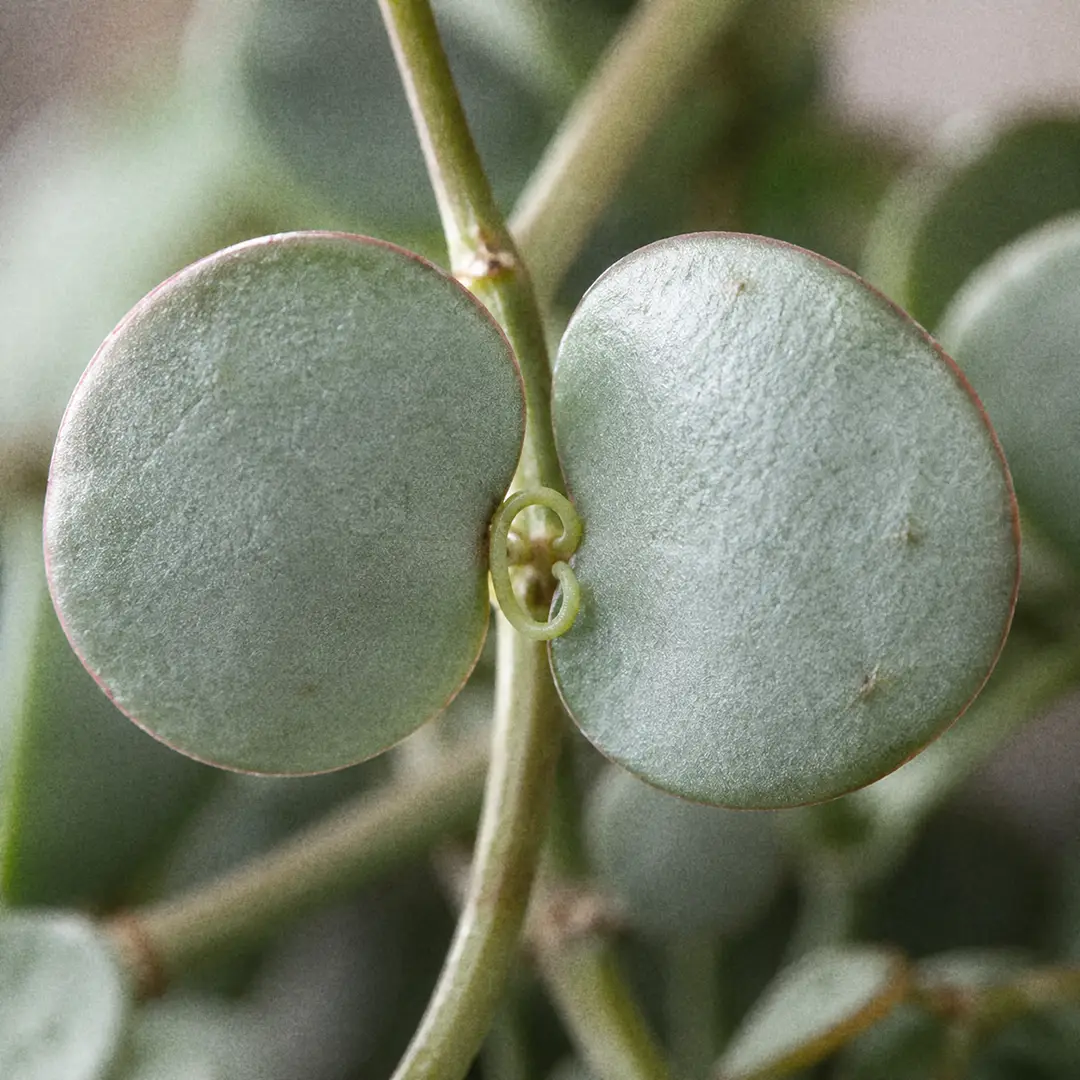
The classic String of Coins. Round flat silvery blue-green leaves an inch to an inch and a half across, growing in alternate pairs along thick green-grey stems, with small curling tendrils at the leaf axils that grip onto whatever they can find. Vines reach 10 to 15 feet over years if allowed to climb. Slow to moderate grower, easy to propagate, very long-lived.
Xerosicyos perrieri
A close relative sometimes sold under the same common name. The leaves are slightly more oval and a touch greener, the vine is more slender, and the plant is a little fussier about strong light. Care is otherwise identical. Less common in cultivation than X. danguyi.
Xerosicyos pubescens
A truly rare collector species with fuzzy leaves and a thick swollen caudex (a fat water-storing base). It is more a caudiciform succulent than a vine and is grown almost as a bonsai. If you spot one, expect a triple-digit price tag and a slow growth pace; care follows the same low-water, high-light rules.
Common Look-Alikes Worth Knowing
The flat coin shape gets confused with two other plants on a shop shelf. The String of Nickels (Dischidia nummularia) hangs much smaller bright green discs from a delicate epiphytic vine and wants a totally different care routine, with bark instead of grit and higher humidity. The Silver Dollar Vine label is also sometimes pinned to Crassula arborescens, a shrubby jade relative with similar silvery round leaves on an upright stem rather than a vine. Always check the scientific name on the tag before you buy.
Good Shelf Companions
A String of Coins looks best alongside other trailing or climbing succulents with different leaf shapes. A String of Pearls gives round green beads at a smaller scale. A String of Bananas brings curving green crescents. A String of Dolphins adds a quirky silhouette. A Burro's Tail drops a thick green-grey cascade that contrasts the flat silver coins beautifully. A Jade Plant or a single mature Echeveria anchors the group with an upright shape. Stick to matching terracotta or stoneware pots so the leaf shapes themselves stay the focus.
🪴 Potting and Repotting String of Coins
When to Repot
A String of Coins is a slow to moderate grower and prefers to be snug. Repot every two to three years, or only when the roots have fully filled the pot and you can see them curling out of the drainage hole. Spring or early summer is the best window. Avoid repotting in autumn or winter unless you are rescuing a plant from rotted soil.
Choosing a Pot
A small terracotta pot one inch wider than the current one is the gold standard. Clay wicks moisture out of the mix and shortens the drying time, which protects the roots through any winter watering mistakes. For a vine you want to hang, pick a shallow plastic hanging basket with strong drainage holes and a clip-on saucer that you can remove to drain. The root system is fairly compact, so a wide shallow pot is better than a tall narrow one. At least one drainage hole, no exceptions.
Step-by-Step Repotting
Let the soil dry completely for a week first; the root ball loosens cleanly when bone dry. Tip the plant onto your palm, gently tease away the spent soil, and inspect the roots for any soft brown patches. Trim those off with sterilised scissors. Settle the crown into fresh dry gritty mix at the same depth as before, then arrange the vines so they hang or climb the way you want them. Top-dress with a layer of pale gravel or fine pumice if you like, and then leave the plant bone dry for a full week before the first cautious water. That short dry pause is what stops opportunistic root rot from setting in through any cuts you made during the repot.
✂️ Pruning String of Coins
A String of Coins benefits more from regular pruning than most succulents, because the vines will keep racing in one direction if you let them. A few cuts a year keep the plant tidy and dense.
When to Prune
Spring and early summer are best, when the plant is in active growth and cuts heal fast. Prune any time you see a vine that is far longer than the rest, has lost its leaves on a long bare section, or has stretched from low light. Snip the vine back to just above a healthy pair of leaves, and the cut node will usually push a new branch within a few weeks.
How to Prune
Use sterilised, sharp blades. Wipe the blade with rubbing alcohol before and between cuts. Snip cleanly through the green stem about a quarter-inch above a leaf node; the plant will branch from that node. Save every cutting for propagation. A single pair of leaves with a node is enough to start a new plant, and a well-pruned vine often gives you a dozen free plants in one session.
Pinching for Bushiness
Pinch the growing tip of any vine that is getting too long. The plant responds to tip pinching by branching laterally at the next node down, which is the easiest way to turn a single sparse vine into a dense silver curtain. Do this once a season on every active vine for the first two years and you will end up with a much fuller plant than one that has been left to its own devices.
🌱 How to Propagate String of Coins
This is one of the easiest succulent vines in the world to multiply. Cuttings root fast, take in almost any season, and rarely fail. A single pruning session can fill three new pots.
Best Method
Stem cuttings are the only reliable route. Single-leaf propagation does not work for Xerosicyos (unlike Echeveria or Jade Plant), because a coin without a stem node has nothing to grow from. Water rooting works too, but soil rooting is faster and the resulting plant transitions to dry soil more smoothly. See succulent propagation for the broader principles.
Step-by-Step Propagation
Snip a healthy vine into segments four to six inches long, with at least two pairs of leaves each. Cut just below a leaf node. Strip the lowest pair of leaves off so you have a bare half-inch of stem at the bottom. Set the cuttings on dry kitchen paper in a shaded warm spot for two to three days until the cut end calluses over. Push the calloused ends about half an inch deep into dry gritty mix, three or four cuttings to a small pot for a fuller look. Place in bright indirect light, and from the second week onward, water lightly once a week. New roots form within two to three weeks, and new growth appears at the top within five to six weeks. Once new leaves emerge, move the pot back into stronger direct sun.
Tips for Success
The single biggest mistake is rooting the cuttings in soft potting mix instead of grit; soft soil holds the cut end wet and the stem rots before it roots. The second biggest mistake is skipping the callus step and pushing fresh cuttings straight into damp soil. Three dry days on a paper towel is a tiny pause that almost guarantees success. If you want to root in water instead, suspend the cutting so only the bare stem dips in, change the water weekly, and pot the cutting into grit as soon as the first roots reach an inch long; longer water roots sulk when they hit dry mix.
🐛 String of Coins Pests and Treatment
A healthy String of Coins on a bright sunny windowsill rarely has pest trouble, but the tight joints where the leaves meet the stems are perfect hiding spots for soft-bodied insects. A weekly check with a small hand lens is the best prevention.
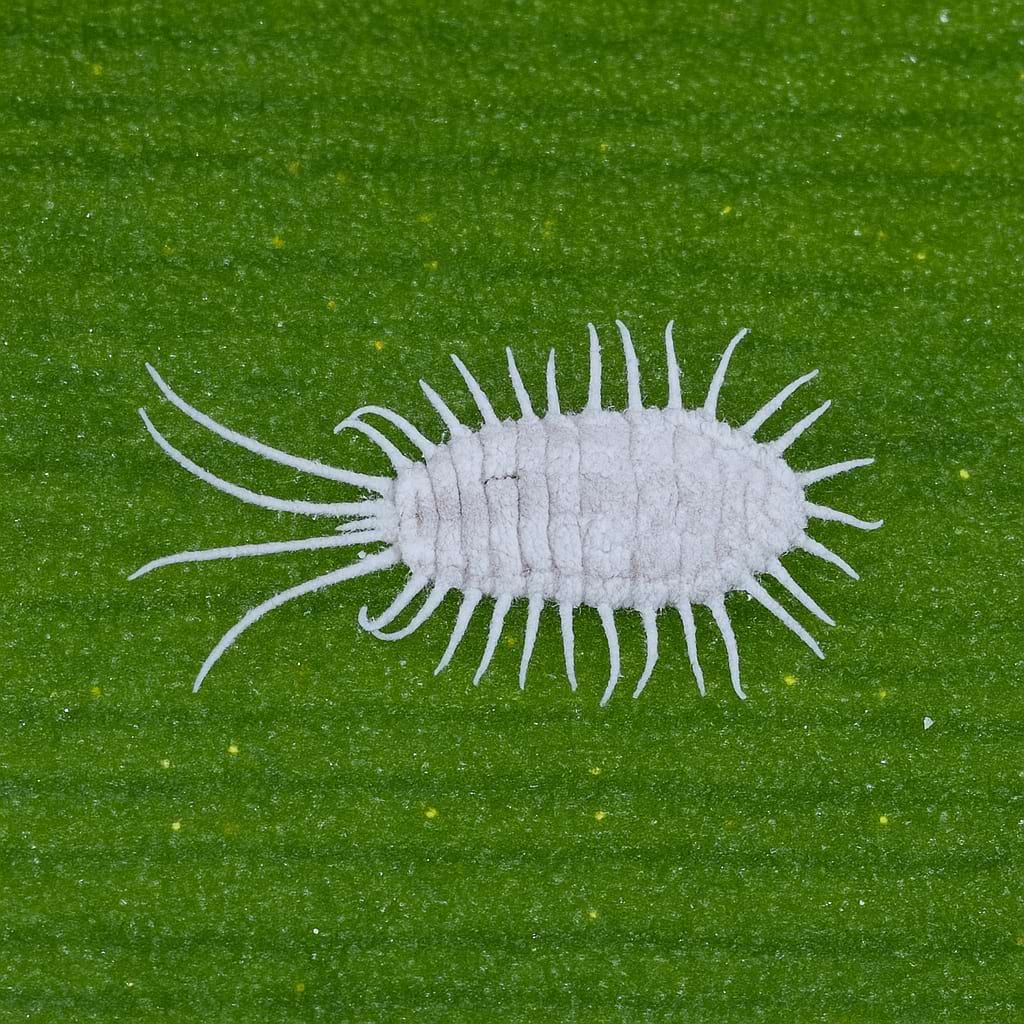
Mealybugs are by far the most common pest on this plant. They look like tiny tufts of white cotton tucked into the leaf joints and along the underside of the stems. Dab each one with a cotton swab dipped in 70 percent isopropyl alcohol, then repeat weekly until none reappear for a month. For a heavier infestation, a granular soil-applied insecticide clears the colony from the inside.
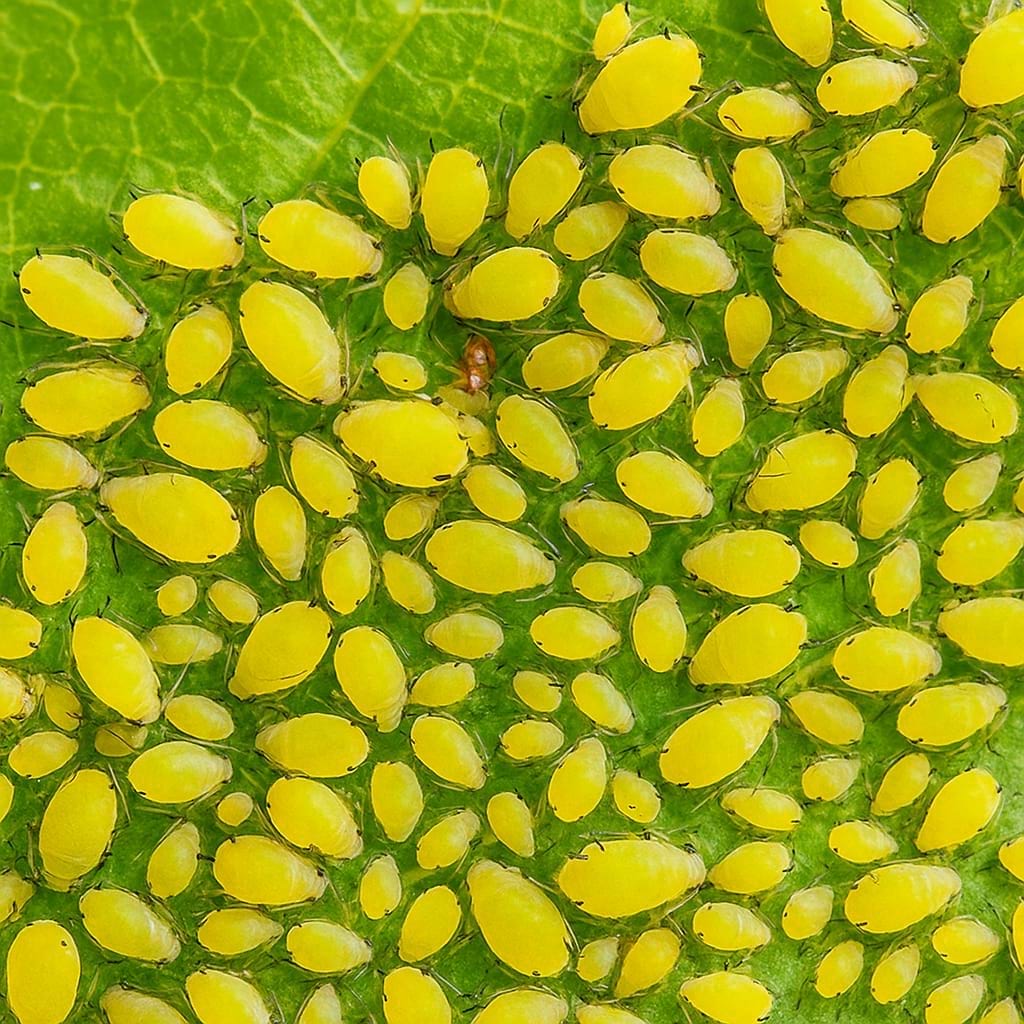
Aphids sometimes cluster on the soft new growth at the tips of vines, especially in spring. A sharp blast of water aimed at the tip usually clears them. A second pass with insecticidal soap a few days later finishes the job.
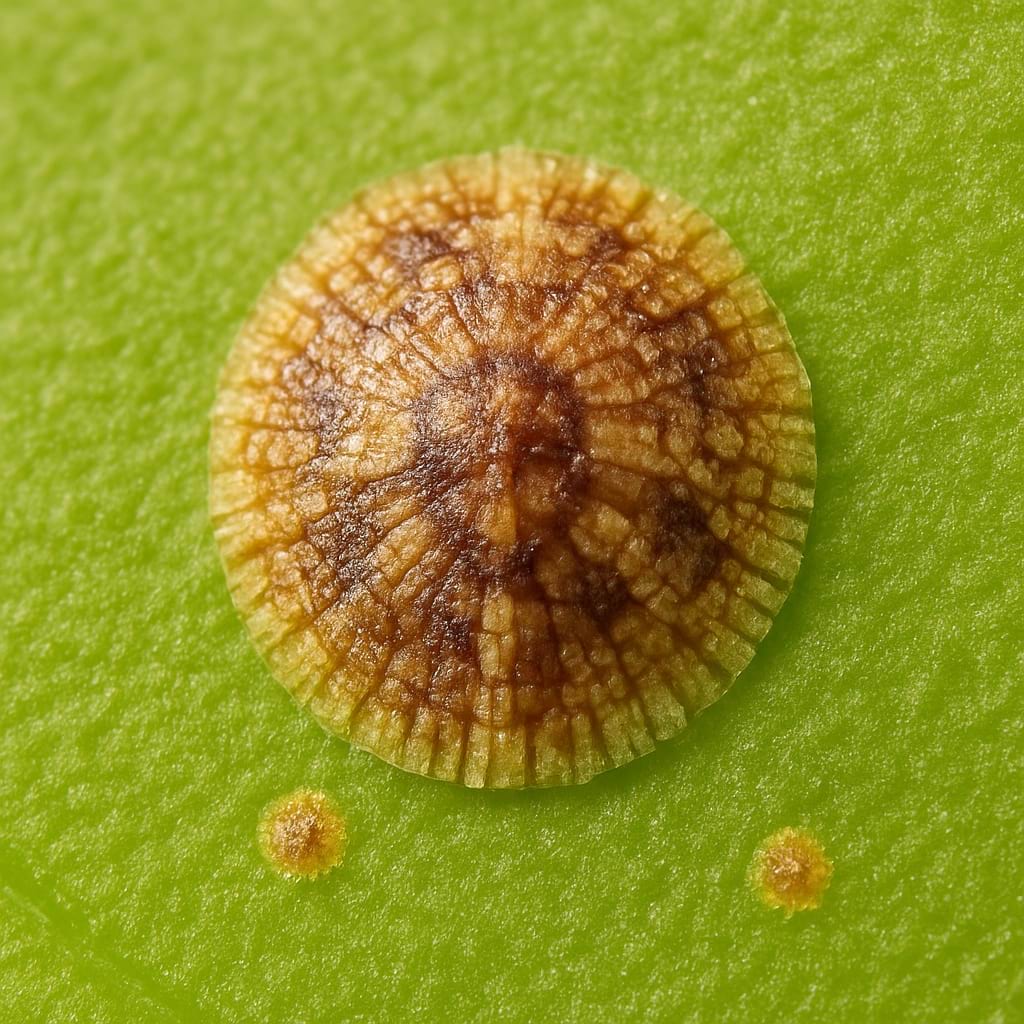
Scale insects show up as small immobile brown or grey bumps stuck against the stem or the underside of leaves. Scrape them off gently with a wooden toothpick and follow up with horticultural oil if more than a handful are present.
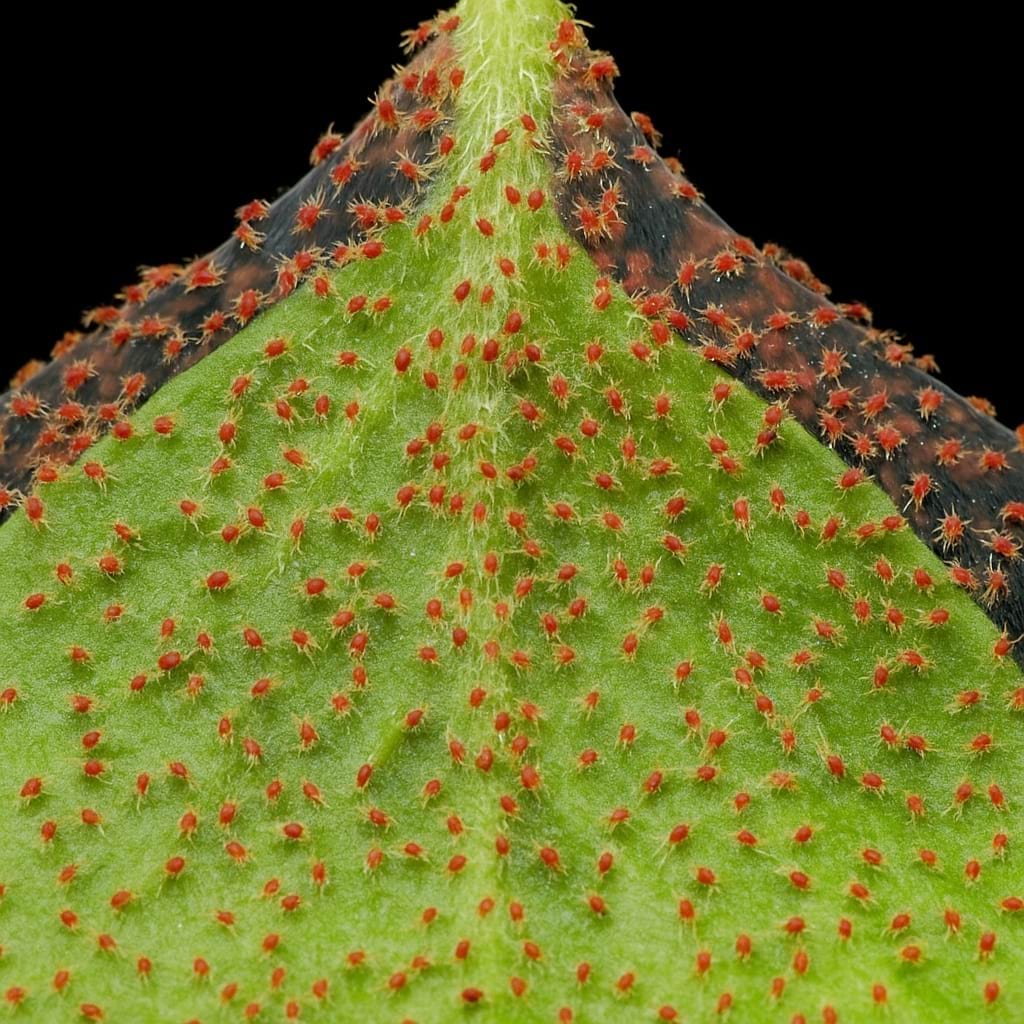
Spider mites appear in hot dry summers as tiny pale dots and fine webbing tucked between the leaves. A rinse with room-temperature water and a single application of insecticidal soap usually clears them.
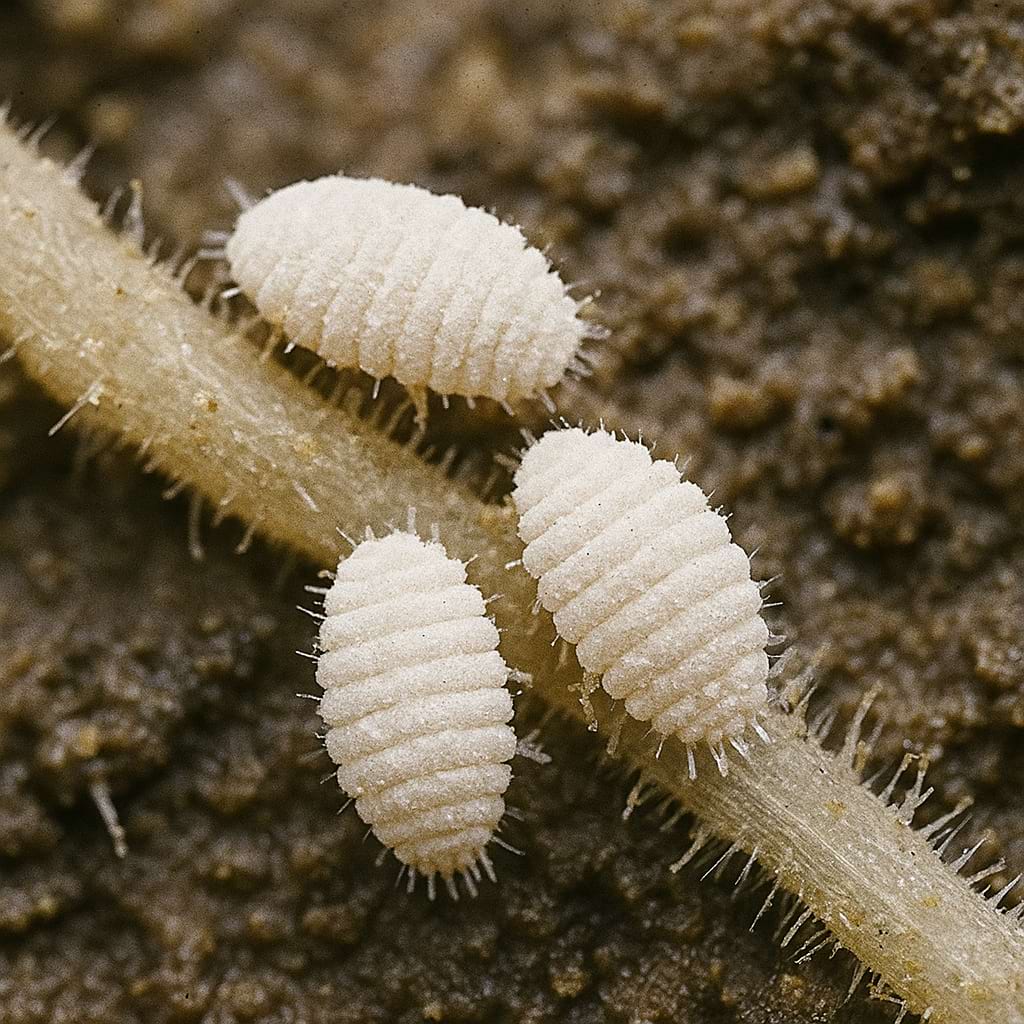
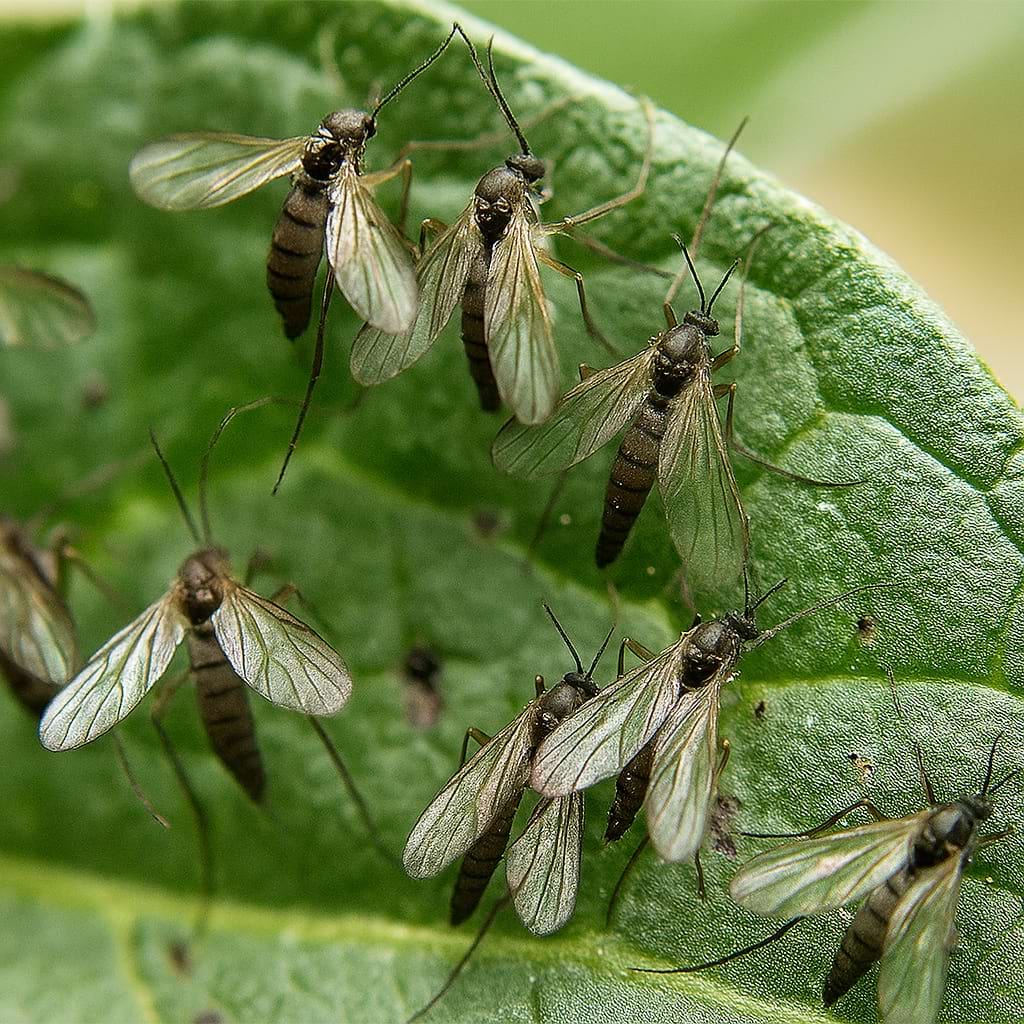
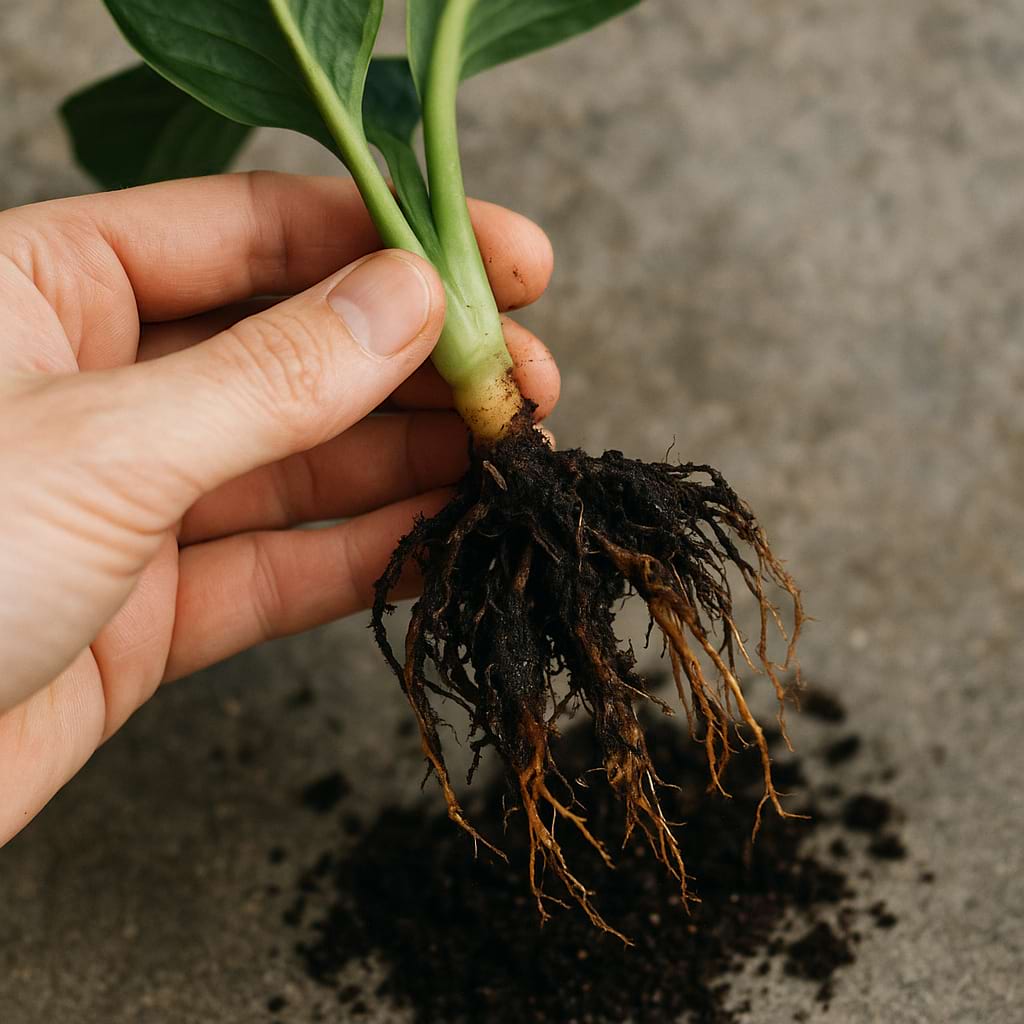
Root mealybugs hide below the soil line and look like flecks of white powder on the outer roots when you tip the plant out. They are the silent killer of long-lived succulent collections. Bare-root the plant, wash the roots clean, and repot in fresh dry gritty mix with a soil-drench insecticide. Fungus gnats only show up if the soil is staying wet too long, which is a watering problem first and a pest problem second; let the pot dry out fully and the gnats vanish on their own.
🩺 Common String of Coins Problems
Almost every String of Coins problem traces back to one of three causes: too much water, too little light, or a sudden change in conditions. Get those three right and the plant rarely complains.
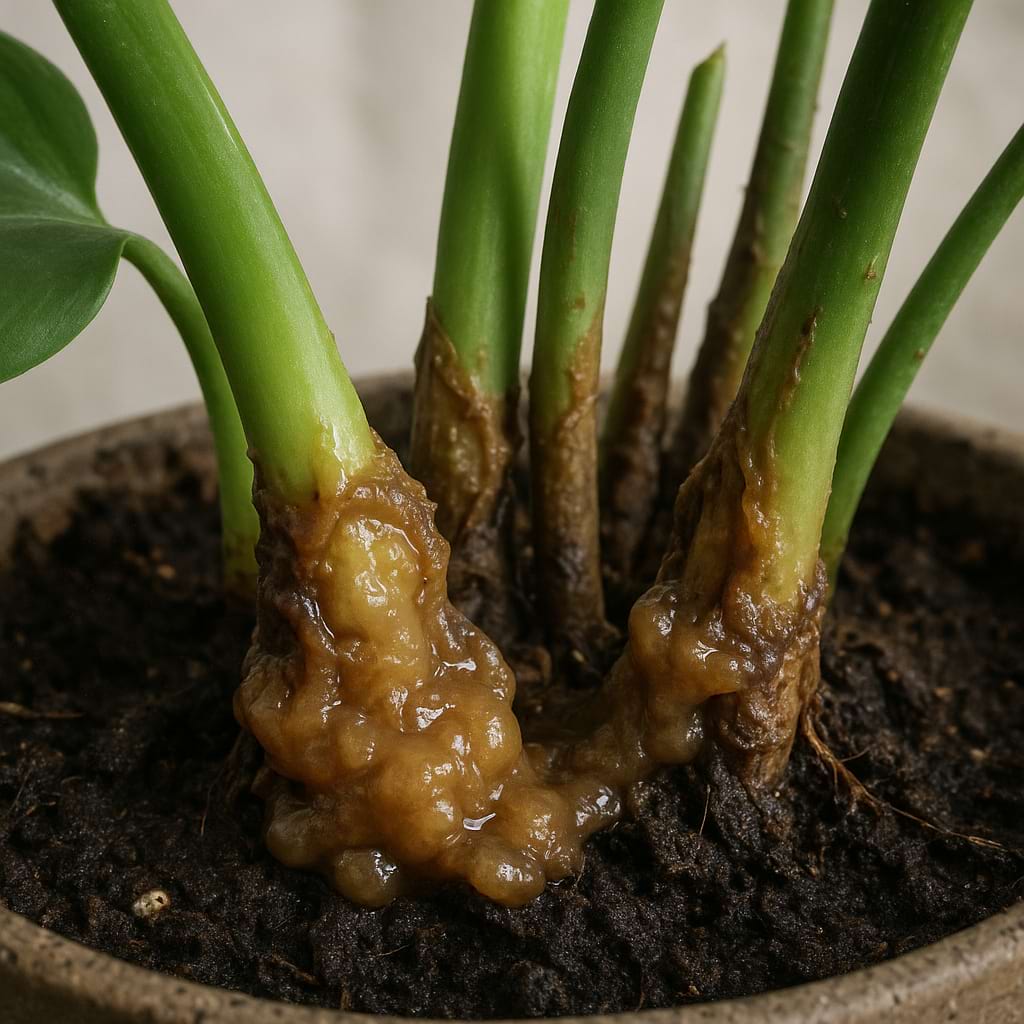
Root rot is the number one killer. The first warning is yellow translucent lower leaves and a faint sour smell at the soil surface. By the time the base of the main stem feels soft, the rot has usually climbed past the roots into the crown. The rescue is to take clean tip cuttings above the damage, callus them for three days, and start fresh in dry grit. Catching it early means tipping the plant out, cutting away the brown soft roots, and replanting in fresh dry gritty mix.
Mushy stems usually follow root rot or a cold wet winter. Once a section of stem has gone soft, you cannot save it, but a clean cut into healthy green tissue above the damage almost always callouses and re-roots into a perfect new plant. Prevention is gritty soil, a terracotta pot, and the discipline to skip a watering whenever you are unsure.
Leggy growth is the most common indoor complaint and a pure light problem. The vine stretches between leaf pairs, the internodes lengthen, and the new coins come in smaller and greener. The stretched section will not recompress, but pinching the tips and growing in stronger light will produce dense new growth that hides the old gaps.
Sunburn and leaf scorch shows as bleached, papery patches on the leaves facing the strongest sun, usually after a sudden move to a hotter window. The scar does not fade. Prevent it by hardening the plant into stronger light over two weeks.
Leaf drop of healthy upper leaves usually means a watering shock (cold water, drowning, or repeated drying out to the point of crisping). The occasional drop of a single old leaf from the base of a stem is normal.
Yellowing of upper leaves signals chronic overwatering or a salt-clogged pot. Flush the soil with plain water, ease back on feeding, and give the plant longer between waters.
Wilting and drooping on the entire vine almost always means the roots have died, not that the plant needs water. Tip the plant out and check; soft brown roots mean rot, and the rescue is tip cuttings.
Stunted growth on a plant that should be filling out is almost always a heavy, peaty soil that stays wet too long, or a pot far too large for the current root mass.

🖼️ String of Coins Display and Styling Ideas
This is one of the most versatile display plants in the succulent world, because you can train it to climb upward or let it pour down. Either choice produces a striking show.
Solo Setups
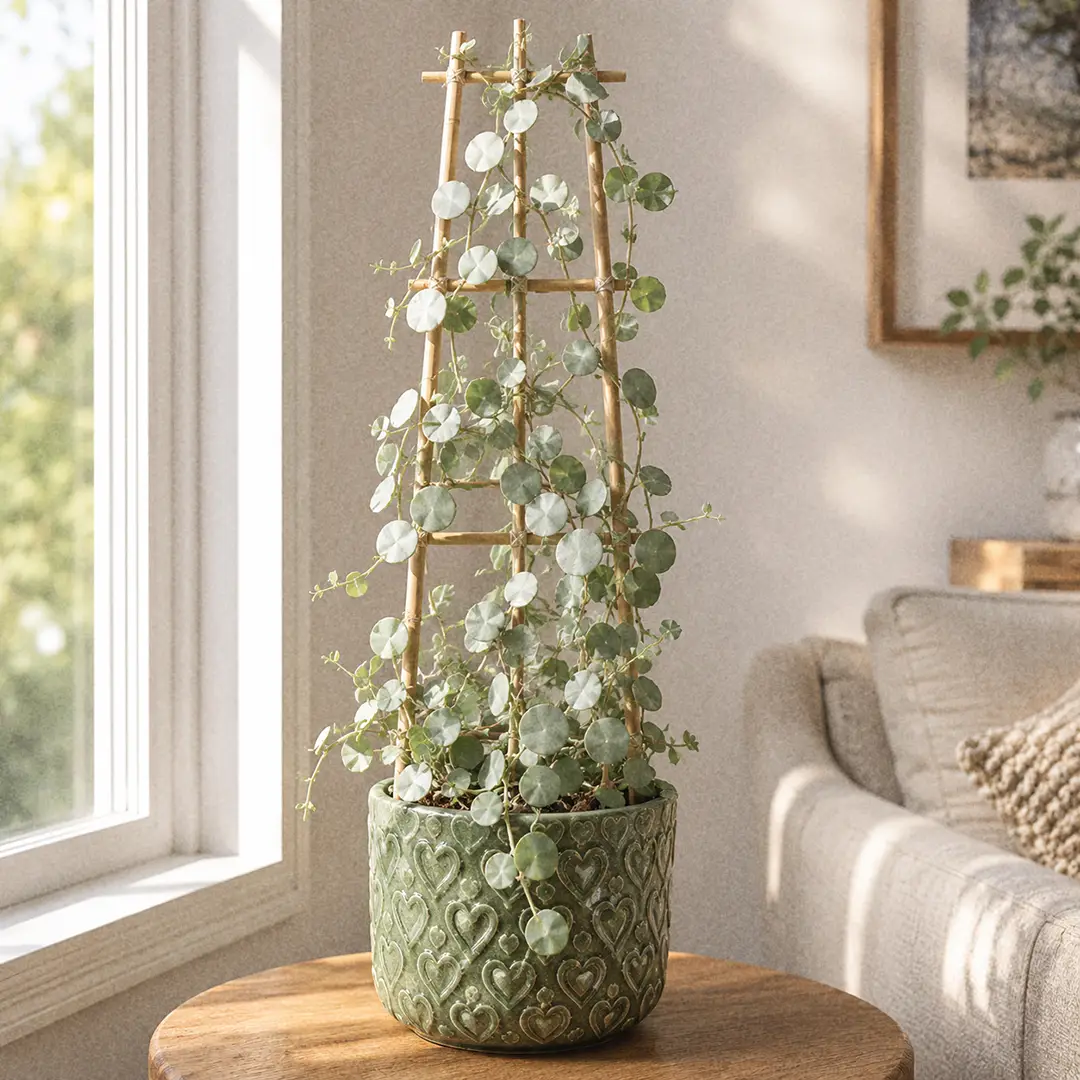
For a trailing display, a hanging basket near a sunny window is the classic look. Let the vines hang in single long strands rather than tangling them, since the coin pattern reads best as a clear line. A wide low pot with a few stems draping over the rim is just as striking on a windowsill. For a climbing display, set a small bamboo trellis or wire form into the pot and gently weave the youngest vines around it; the tendrils will take over the job within a few weeks.
Grouped Arrangements
In a tall plant shelf, pair a climbing String of Coins on the lowest level with trailing companions above so the silver discs frame an emerald cascade. A String of Pearls, a String of Bananas, or a Burro's Tail work beautifully in this role. A String of Buttons is another natural shelf-mate, since both plants build structure upward before they trail. On a sunny windowsill, line up the coin vine in a small terracotta pot beside a sturdy Jade Plant and a chalky Echeveria for a clean trio of leaf shapes (flat disc, paddle, rosette). Keep the pots and the surface tones matching so the foliage stays the focus.
Where Not to Put It
Skip steamy bathrooms without strong extractors, dark hallways, sealed glass terrariums, and any spot more than four feet from a bright window. A closed terrarium is a death trap for this plant, since still humid air against the silvery leaves invites fungal spotting within weeks. Anywhere a leaky window drips in winter or a humidifier mists nearby is also off limits.
🌟 String of Coins Pro Care Tips
- Lean dry, always. If you are not sure whether to water, wait three more days.
- Use a terracotta pot the first year you grow this plant; the clay wicks moisture out and gives you a generous safety margin.
- Pinch every long vine once a season for the first two years to build a dense, full crown. Skip this and you end up with a few long ropes instead of a curtain.
- A small bamboo trellis turns the plant into a vertical accent in minutes; the tendrils do the climbing on their own once you tuck the first vine into the frame.
- Save every piece you trim. Stem cuttings root in two to three weeks and make excellent gifts for fellow succulent growers.
- Quarter-turn the pot once a week so the vines grow evenly rather than leaning toward the light.
- Quarantine any new succulent for a month before placing it on a shelf with the rest of your collection, mostly because of root mealybugs.
- A faint pink blush at the leaf edges in summer is the happy version of sun stress, not a warning sign. Hold the plant in that spot.
- Take the plant outside for the summer if you have a sheltered balcony. The stronger sun and cooler nights thicken the coins and intensify the silver color.
- Mark the date of every watering on a small calendar near the plant for the first year. The pattern teaches you the real drying rate in your home faster than any general rule.
❓ Frequently Asked Questions
Is the String of Coins safe for cats and dogs?
The species is not formally listed by the ASPCA, and no significant toxicity has been reported in the houseplant literature. That said, the broader Cucurbitaceae family contains plants with bitter compounds, and any plant matter can upset a pet stomach. The safer move is to keep the vine out of chewing range by hanging it or training it up a tall trellis. If you specifically want a documented pet-safe trailing succulent, choose a String of Hearts or a Burro's Tail instead.
Why is my String of Coins stretching with big gaps between leaves?
The vine is reaching for stronger light. The internodes (gaps between leaf pairs) lengthen and the new coins come in smaller and greener whenever the plant is more than three or four feet from a bright window. Move the pot within a foot of a south or west window, or set up a grow light six to eight inches above the crown. The stretched section will not recompress, but pinching the tips will push out dense new branches that hide the gaps.
How often should I water a String of Coins indoors?
Roughly every 10 to 14 days in spring and summer for a 5 inch terracotta pot in a sunny window, and only every four to six weeks in winter. Always check the soil first; the schedule is a guide, not a rule. Push a chopstick to the bottom of the pot and water only if it comes out bone dry.
Why are my String of Coins leaves going flat and wrinkly?
Flat coins are the plant's way of asking for water. Healthy leaves are slightly domed and feel firm to a gentle squeeze. Flat or wrinkled leaves usually plump back up within two days of a deep watering. If the leaves are also yellowing or feel soft and mushy, the problem is the opposite (overwatering and probable root rot); check the roots before adding more water.
Can String of Coins climb on its own?
Yes, and that is one of its best features. Small curling tendrils emerge from the leaf axils and grip onto whatever they can find: a trellis, a moss pole, a wire form, or nearby branches in a dense shelf display. Tuck the first vine into the support gently and the plant takes over within a few weeks.
How fast does a String of Coins grow?
Slow to moderate. Expect six to twelve inches of new vine per year on a well-grown indoor plant in strong light. The vines can reach 10 to 15 feet over many years if allowed to climb or trail freely. Stronger light, regular pinching, and warm summer conditions all push the pace.
What is the difference between String of Coins and String of Nickels?
Two completely different plants. String of Coins (Xerosicyos danguyi) is a thick-stemmed climbing succulent from Madagascar in the cucumber family, with flat silvery-blue leaves an inch across and curling tendrils. The String of Nickels (Dischidia nummularia) is a delicate epiphytic vine from Southeast Asia with much smaller bright green discs that wants bark mix, higher humidity, and no direct sun. The two look superficially similar at a glance but want opposite care routines.
Why won't my String of Coins flower?
Most indoor plants never flower, and that is normal. The vine needs three or more years of growth, very strong direct sun, and ideally a cool dry winter rest before it bothers to bloom. Even then, the flowers are tiny yellow-green clusters that are easy to miss. Grow the plant for its silver foliage and climbing habit, not for the flowers.
Can I grow a String of Coins outdoors?
In USDA hardiness zones 10 to 11 and equivalent climates, yes, as long as the plant is sheltered from heavy rain in winter and given fast-draining gritty soil. Everywhere else, grow it as a houseplant on a sunny windowsill, or move it outdoors for the summer only. The vine tolerates brief drops to around 35°F (2°C) outdoors if completely dry at the root, but indoor plants should never see below 50°F (10°C) for long.
How do I make my String of Coins fuller at the top?
Two things together. Pinch the tips of every vine once a season to force branching, and lay any long cuttings directly on the soil surface of the same pot; the cut nodes will root in place and create new growth points right where you want them. Within a year of consistent tip-pinching and on-pot rooting, a single sparse plant turns into a dense silver crown.
ℹ️ String of Coins Info
Care and Maintenance
🪴 Soil Type and pH: Gritty, fast-draining cactus and succulent mix with added pumice, perlite, or coarse sand; neutral to slightly alkaline pH.
💧 Humidity and Misting: Comfortable in low household humidity around 30 to 45 percent; dislikes damp still air.
✂️ Pruning: Trim long vines to keep shape and pinch tips to encourage branching.
🧼 Cleaning: Wipe dust off the leaves once a season with a dry soft brush; the silvery surface is not waxed like an Echeveria and tolerates light cleaning.
🌱 Repotting: Bump up one pot size in spring every 2 to 3 years, or whenever the roots have filled the pot.
🔄 Repotting Frequency: Every 2-3 years
❄️ Seasonal Changes in Care: Active growth in spring and summer; cool dry winter rest at 50 to 60°F (10 to 15°C) keeps the vine tight and the leaves plump.
Growing Characteristics
💥 Growth Speed: Slow to Moderate
🔄 Life Cycle: Perennial
💥 Bloom Time: Late spring to summer on mature outdoor plants; rare indoors
🌡️ Hardiness Zones: 10-11 outdoors; grown as a houseplant in all other zones
🗺️ Native Area: Southwest Madagascar, in the dry spiny thicket biome on limestone outcrops and sandy plains
🚘 Hibernation: Light winter rest at 50 to 60°F (10 to 15°C) for six to eight weeks; not a hard dormancy
Propagation and Health
📍 Suitable Locations: Sunny south or west windowsills, bright kitchens, sunrooms, plant shelves under strong grow lights, hanging baskets near a bright window, small trellises and moss poles
🪴 Propagation Methods: Very easy from stem cuttings; each pair of leaves with a node roots in days.
🐛 Common Pests: Mealybugs, Aphids, Scale Insects, Spider Mites, Root Mealybugs, Fungus Gnats
🦠 Possible Diseases: Root rot, mushy stems, fungal spotting from water sitting on the stems
Plant Details
🌿 Plant Type: Climbing and trailing semi-succulent vine
🍃 Foliage Type: Pairs of round, flat, silvery blue-green coin-shaped leaves about an inch across, growing in alternating pairs along thick green-grey stems with curling tendrils at the leaf axils
🎨 Color of Leaves: Silvery blue-green with a faint pink blush on the edges in strong sun
🌸 Flower Color: Small inconspicuous yellow-green clusters
🌼 Blooming: Rare indoors; common on mature outdoor plants in late spring and summer
🍽️ Edibility: Not eaten; no significant toxicity reported but not a food plant
📏 Mature Size: 4-6 inches at the base; climbing or trailing vines reach 6-15 feet
Additional Info
🌻 General Benefits: Drought-tolerant, fast and forgiving to propagate, doubles as a climber or trailer, unique conversation-piece foliage
💊 Medical Properties: None of significance for indoor growers
🧿 Feng Shui: A vine of small silver coins reads as quiet prosperity; a happy spot for a wealth corner or a home office shelf
⭐ Zodiac Sign Compatibility: Taurus
🌈 Symbolism or Folklore: Quiet prosperity, patience, and resilience
📝 Interesting Facts: Xerosicyos danguyi is one of the few succulents in the Cucurbitaceae family, which also contains cucumbers, squash, melons, and pumpkins. The genus name comes from the Greek xeros meaning dry and sicyos meaning cucumber, a fitting label for a drought-adapted cucumber relative. The species was named for Paul Auguste Danguy, a French botanist at the Muséum national d'Histoire naturelle in Paris who worked extensively on Madagascan flora in the early 20th century. In the wild it grows in the spiny thicket of southwest Madagascar, scrambling up shrubs and small trees with its curling tendrils, and its thick silvery leaves reflect the intense low-latitude sun. Despite its tropical origin, it handles direct windowsill sun far better than almost any other trailing succulent.
Buying and Usage
🛒 What to Look for When Buying: Pick a plant with firm plump leaves, even silvery-blue color, short internodes (the gaps between leaf pairs), and visible tendrils on the newer growth. Avoid plants with wrinkled or flattened leaves, dark blotches on the stems, leggy pale growth, or soft mushy spots anywhere on the vine.
🪴 Other Uses: Hanging baskets in conservatories and bright bathrooms, climbing displays on small trellises or moss poles, succulent dish gardens with vertical interest, indoor wreaths over wire frames, gift cuttings for fellow succulent growers
Decoration and Styling
🖼️ Display Ideas: Trailing from a high shelf or hanging basket, climbing a small bamboo trellis or wire form, draped over the rim of a wide low pot on a sunny windowsill, or trained around a circular wire wreath frame
🧵 Styling Tips: Choose a pot in a warm clay or matte stoneware tone so the silvery leaves pop, and let the vines spill over the rim in long single strands rather than tangling them, since the coin pattern reads best as a clear line.
🪴 See also 🪴
Complete Guide to Leaf of Life Care and Growth
Complete Guide to Aeonium Care and Growth
Complete Guide to Crested Brain Cactus Care and Growth
Complete Guide to Feather Cactus Care and Growth
Complete Guide to Snowball Cactus Care and Growth
Complete Guide to Spiral Cactus Care and Growth
Complete Guide to Fairy Castle Cactus Care and Growth
Complete Guide to Silver Torch Cactus Care and Growth
Complete Guide to Crown Cactus Care and Growth
How to Propagate Succulents from Leaves & Offsets
Succulent Care Indoors: How to Stop Killing Jade and Echeveria
Complete Guide to Lithops Care and Growth (Living Stones)
Complete Guide To Aloe Vera Care and Growth
Complete Guide to Burro's Tail Care and Growth
Complete Guide to Crown of Thorns Care and Growth
Complete Guide to Echeveria Care and Growth
Complete Guide to Flaming Katy Care and Growth
Complete Guide to Jade Plant Care and Growth
Complete Guide to Sedum Adolphii Care and Growth
Complete Guide to Queen of the Night Care and Growth
Complete Guide to Domino Cactus Care and Growth
Complete Guide to Easter Lily Cactus Care and Growth
Complete Guide to Peanut Cactus Care and Growth
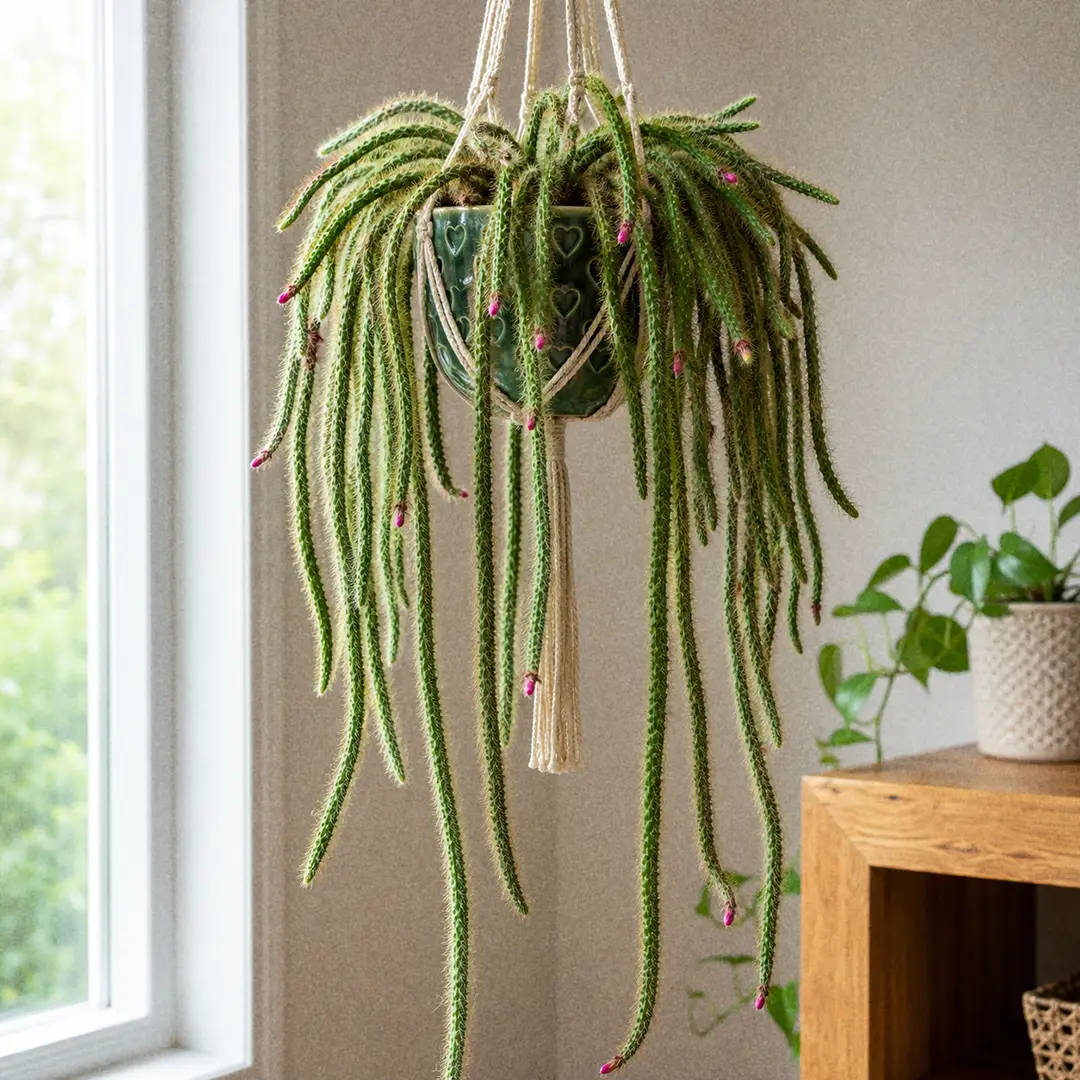
Complete Guide to Rat Tail Cactus Care and Growth
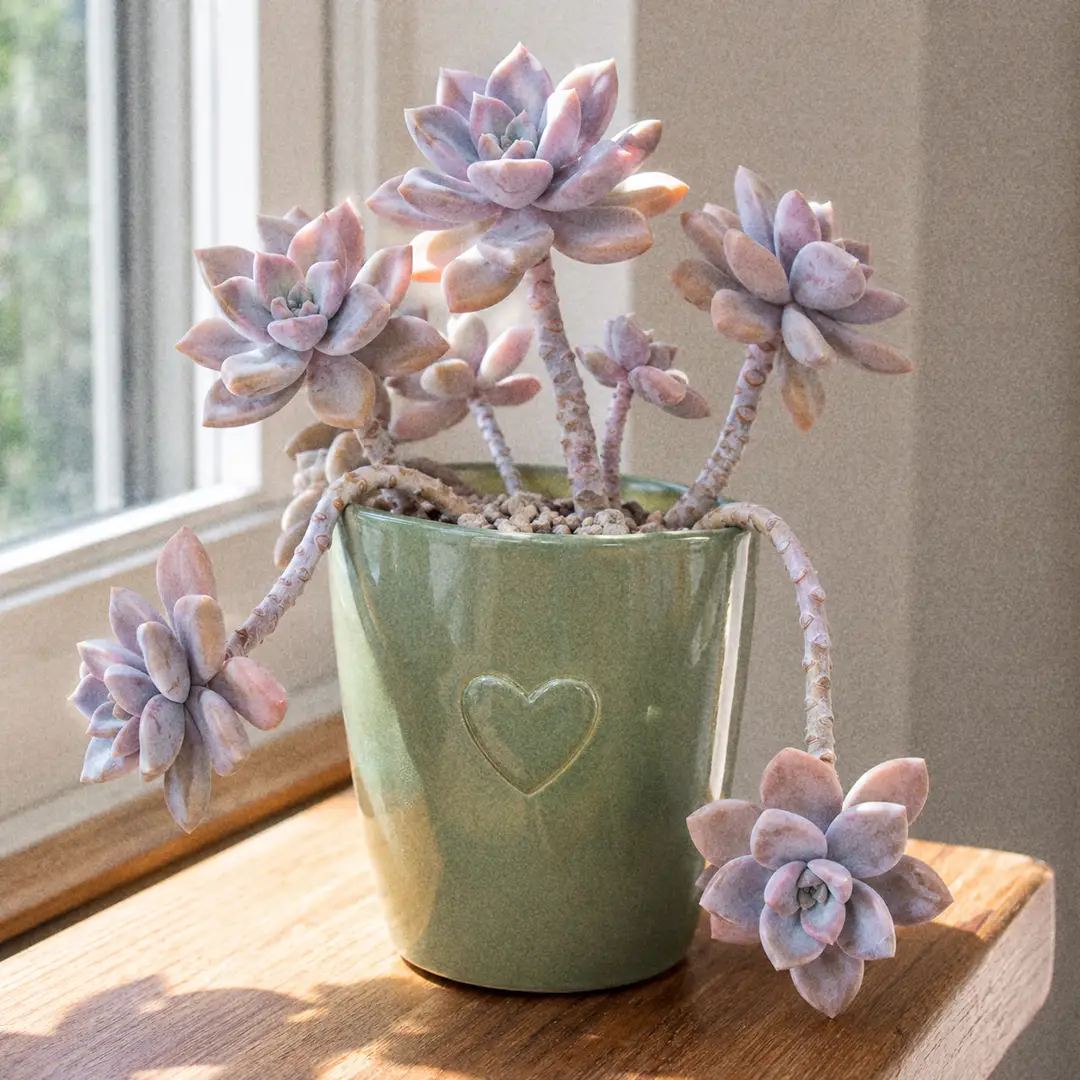
Complete Guide to Ghost Plant Care and Growth
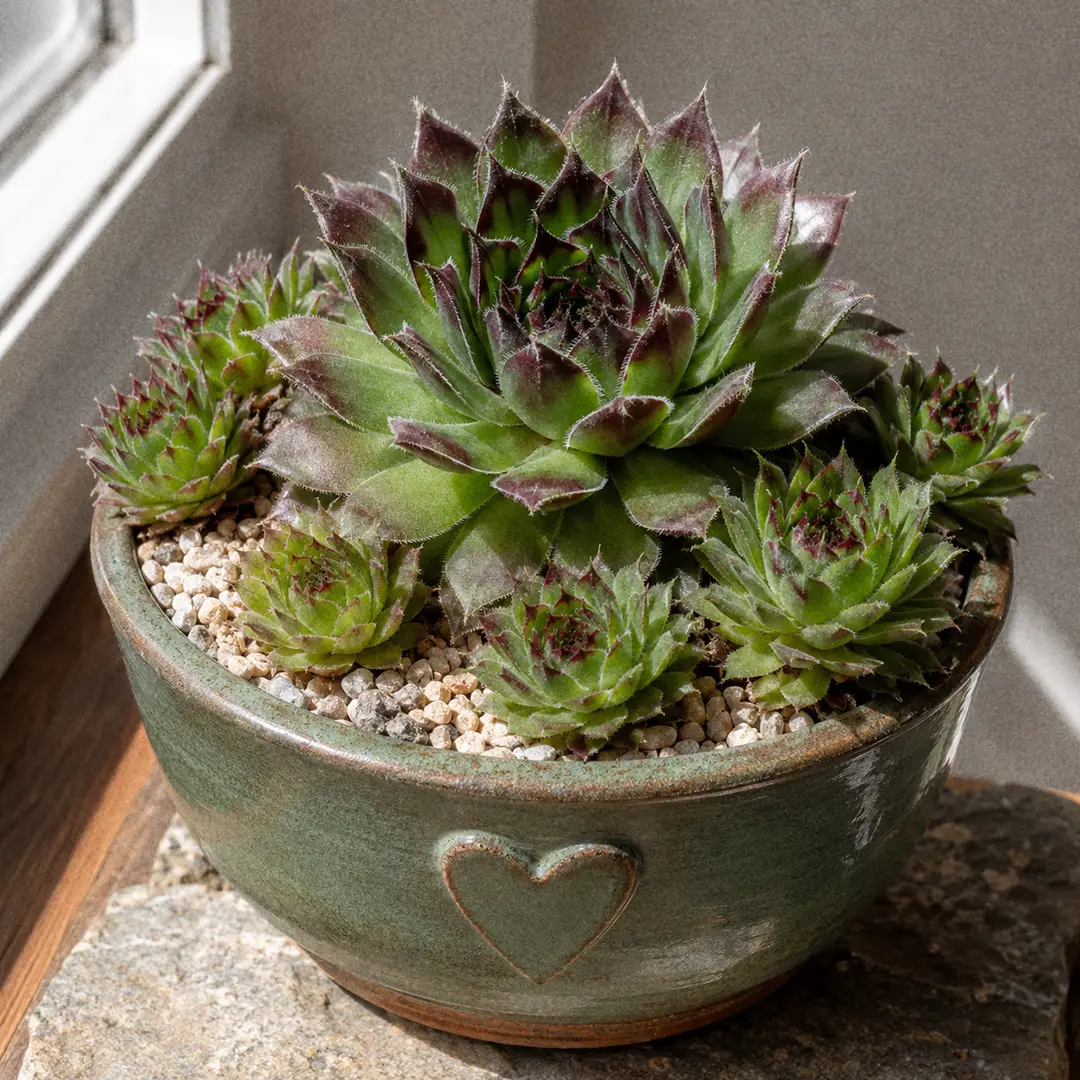
Complete Guide to Hens and Chicks Care and Growth
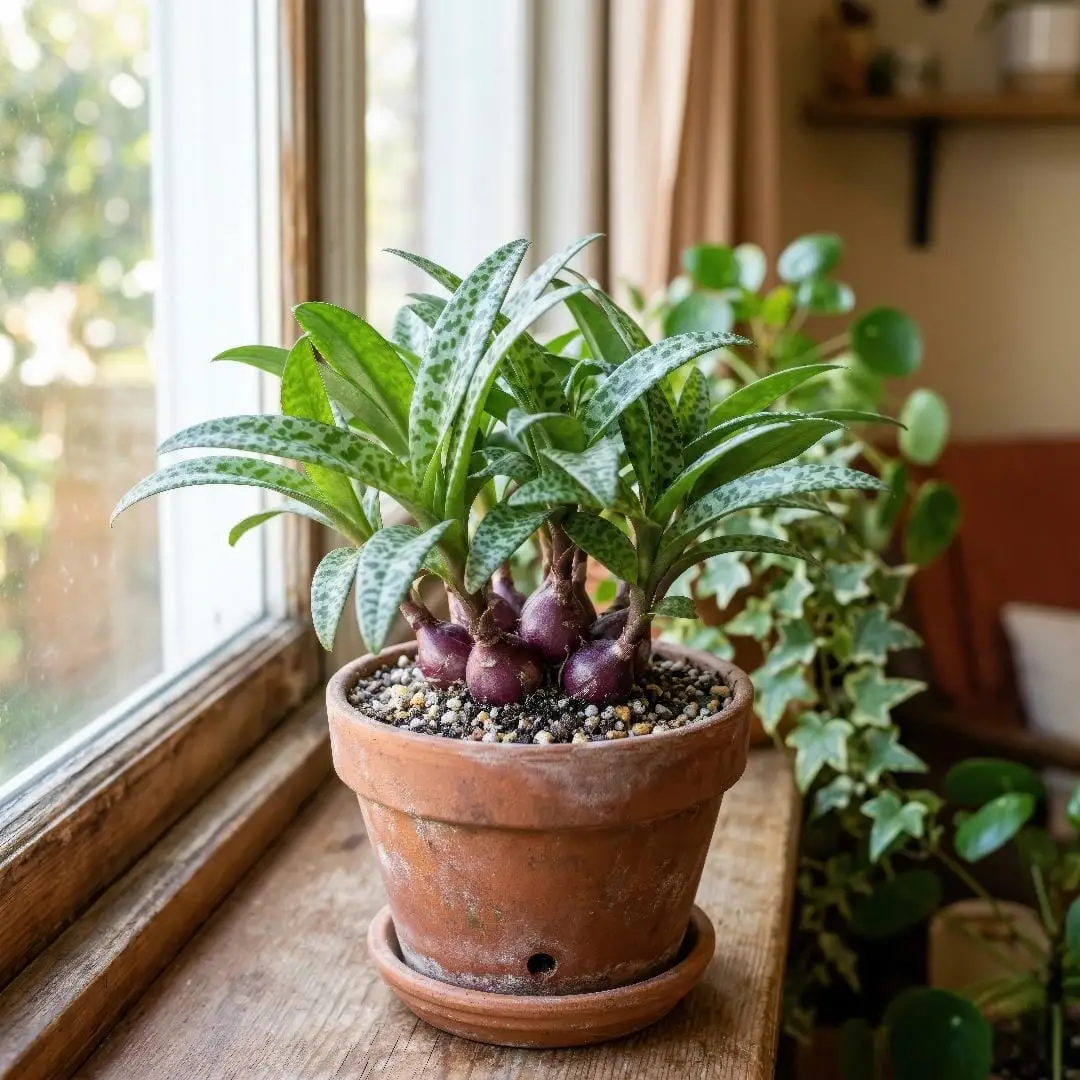
Complete Guide to Silver Squill Care and Growth
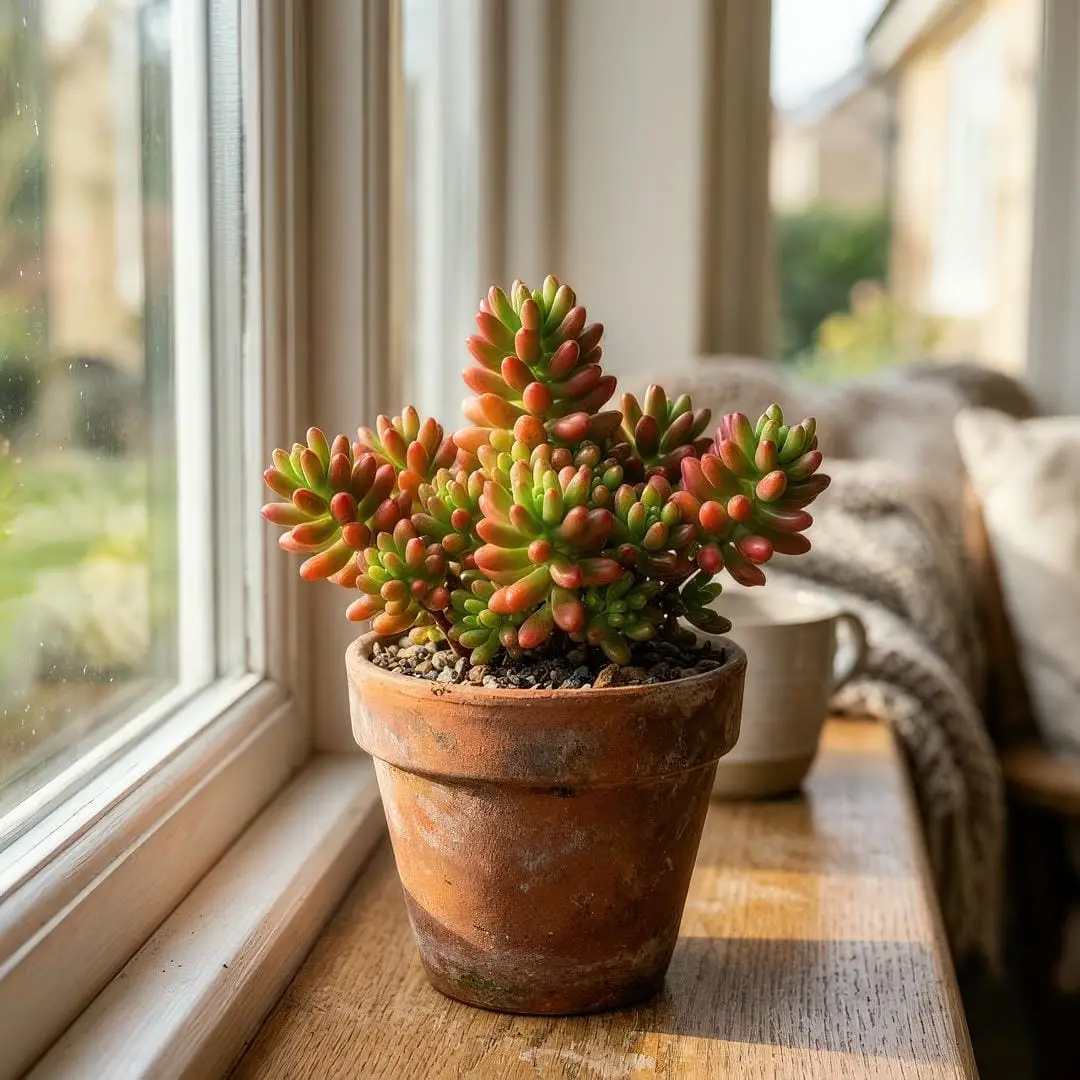
Complete Guide to Jelly Bean Plant Care and Growth
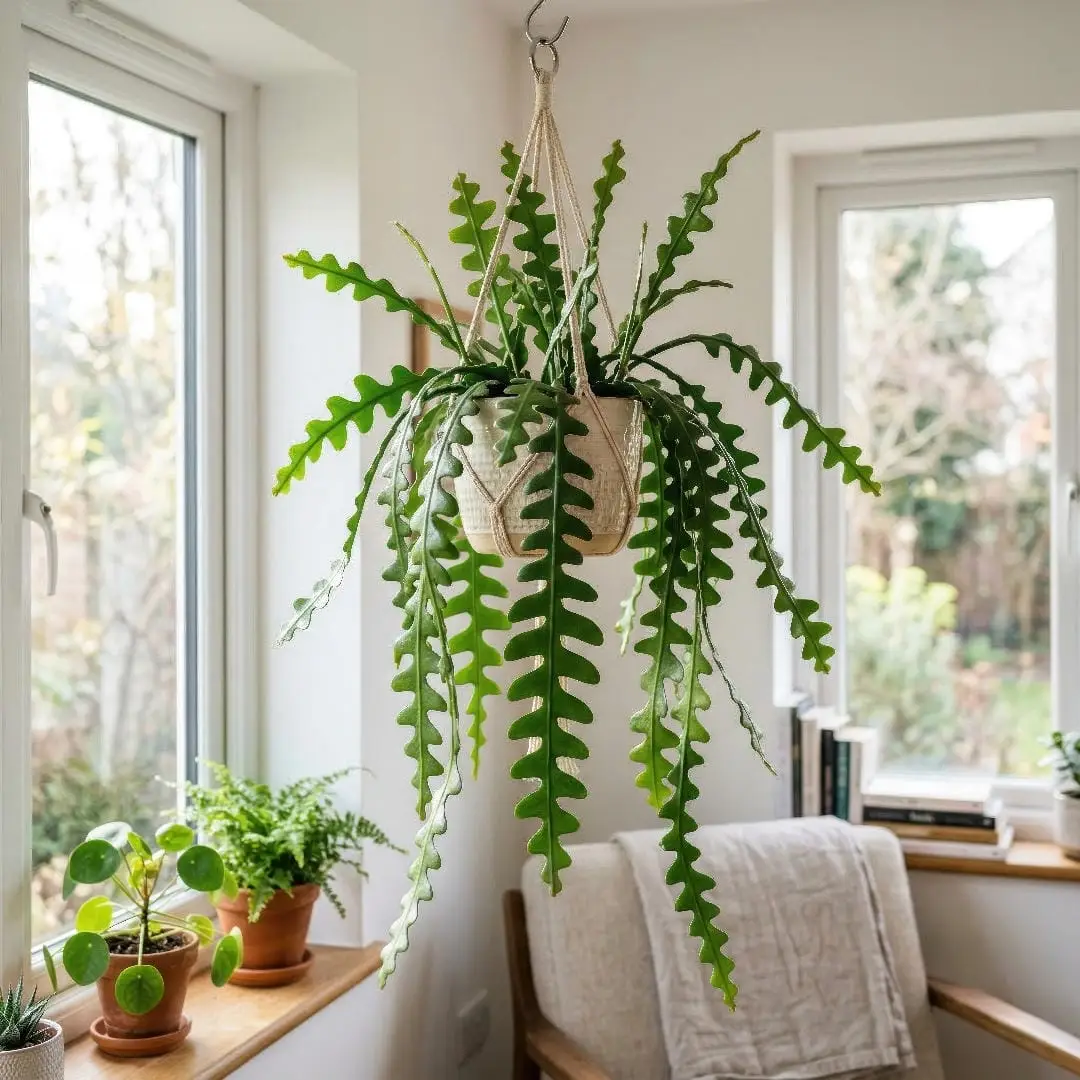
Complete Guide to Fishbone Cactus Care and Growth
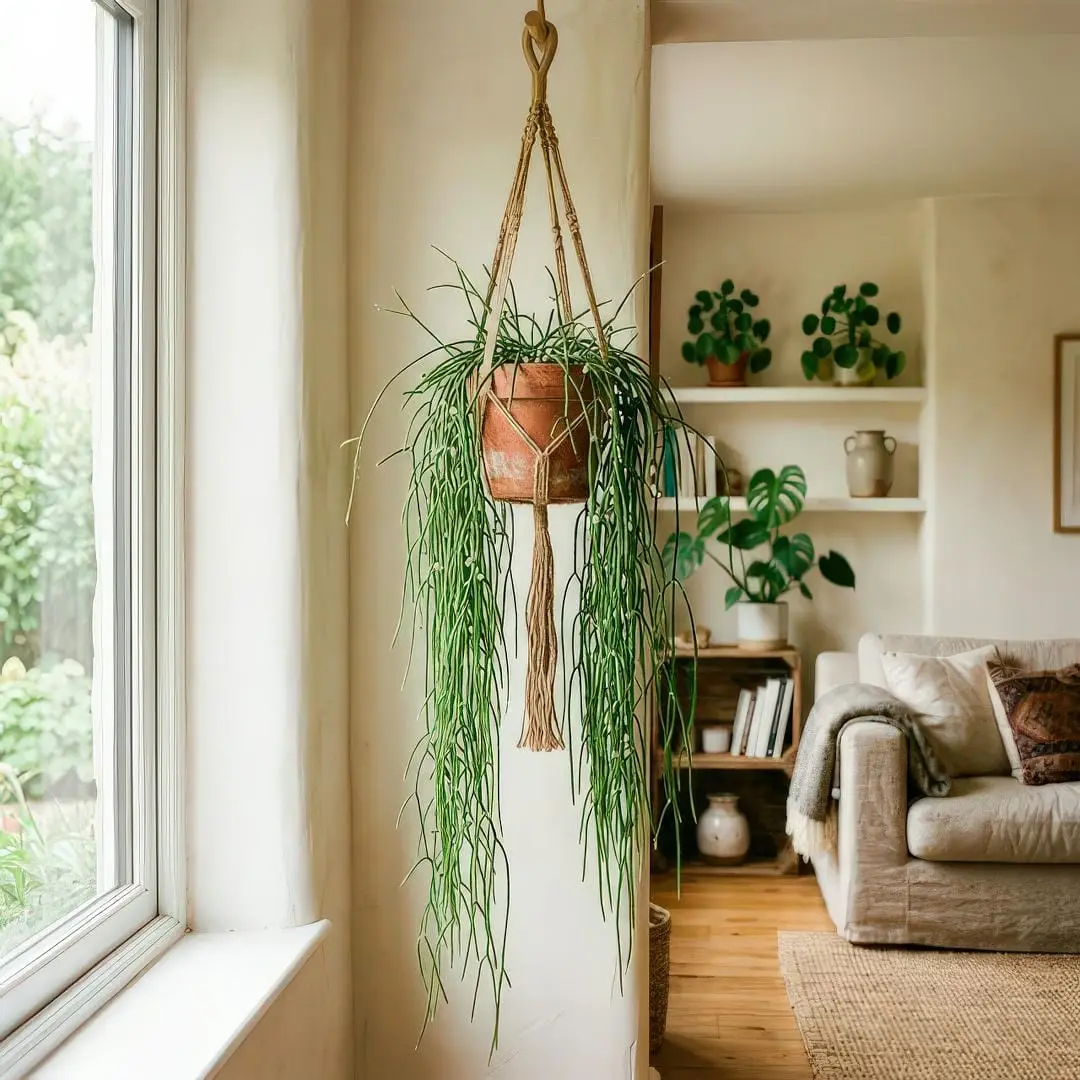
Complete Guide to Mistletoe Cactus Care and Growth
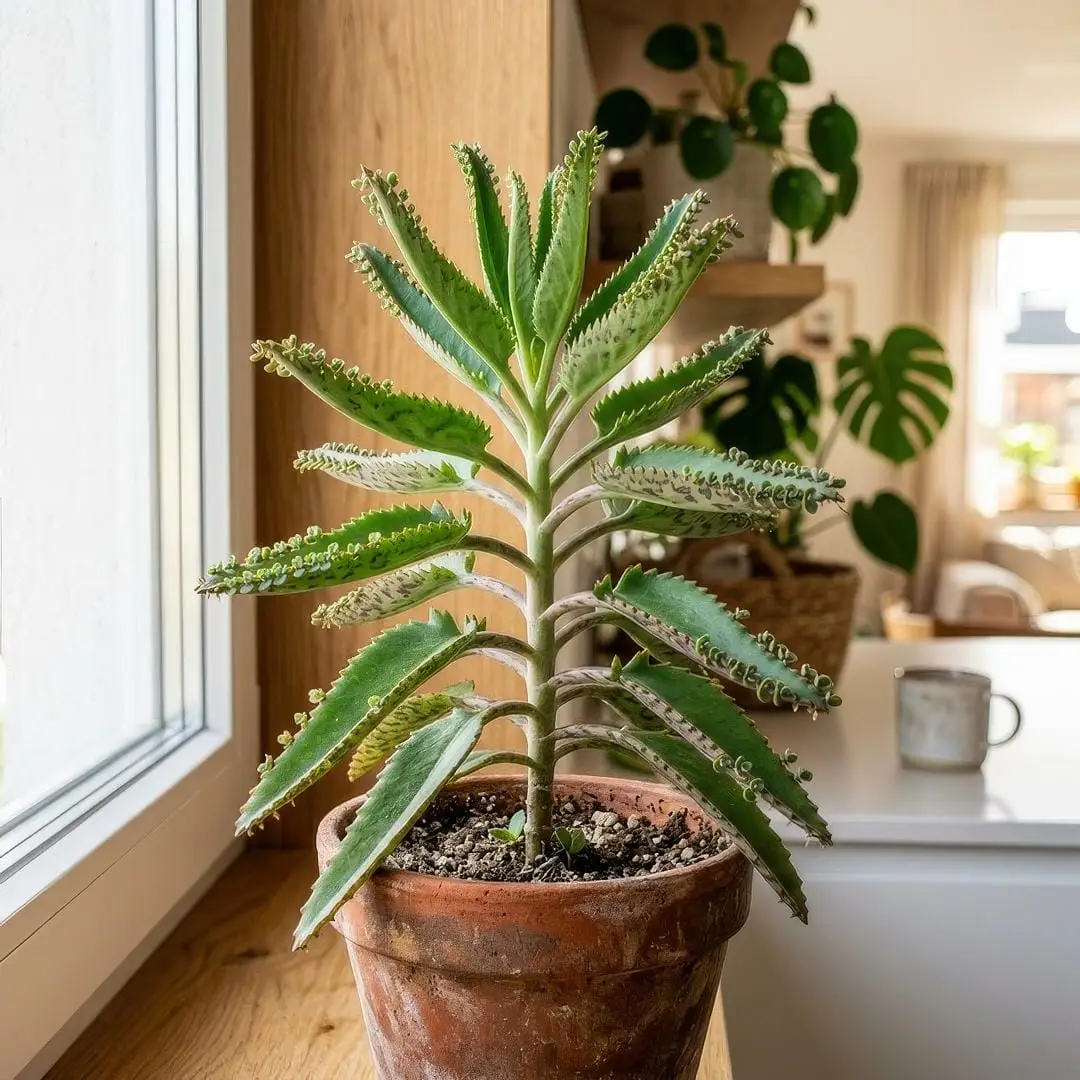
Complete Guide to Mother of Thousands Care and Growth
Complete Guide to Paddle Plant Care and Growth
Complete Guide to Panda Plant Care and Growth

Complete Guide to Elephant Bush Care and Growth
Complete Guide to Pencil Cactus Care and Growth
Complete Guide to African Milk Tree Care and Growth

Complete Guide to Gasteria 'Little Warty' Care and Growth
Ox Tongue Care

Houseplant101 Forum
Questions & Comments
Ask a question, share your plant experience, or help other plant owners.
Comments are temporarily unavailable.
Open the Houseplant101 ForumNo comments yet
Be the first to ask a question or share your experience about this page.
Log in or create an account
Comments use your Houseplant101 Forum account, but you can stay on this page.
Create a new account