
String of Buttons
Crassula perforata
Necklace Vine, Stacked Crassula, Pagoda Necklace


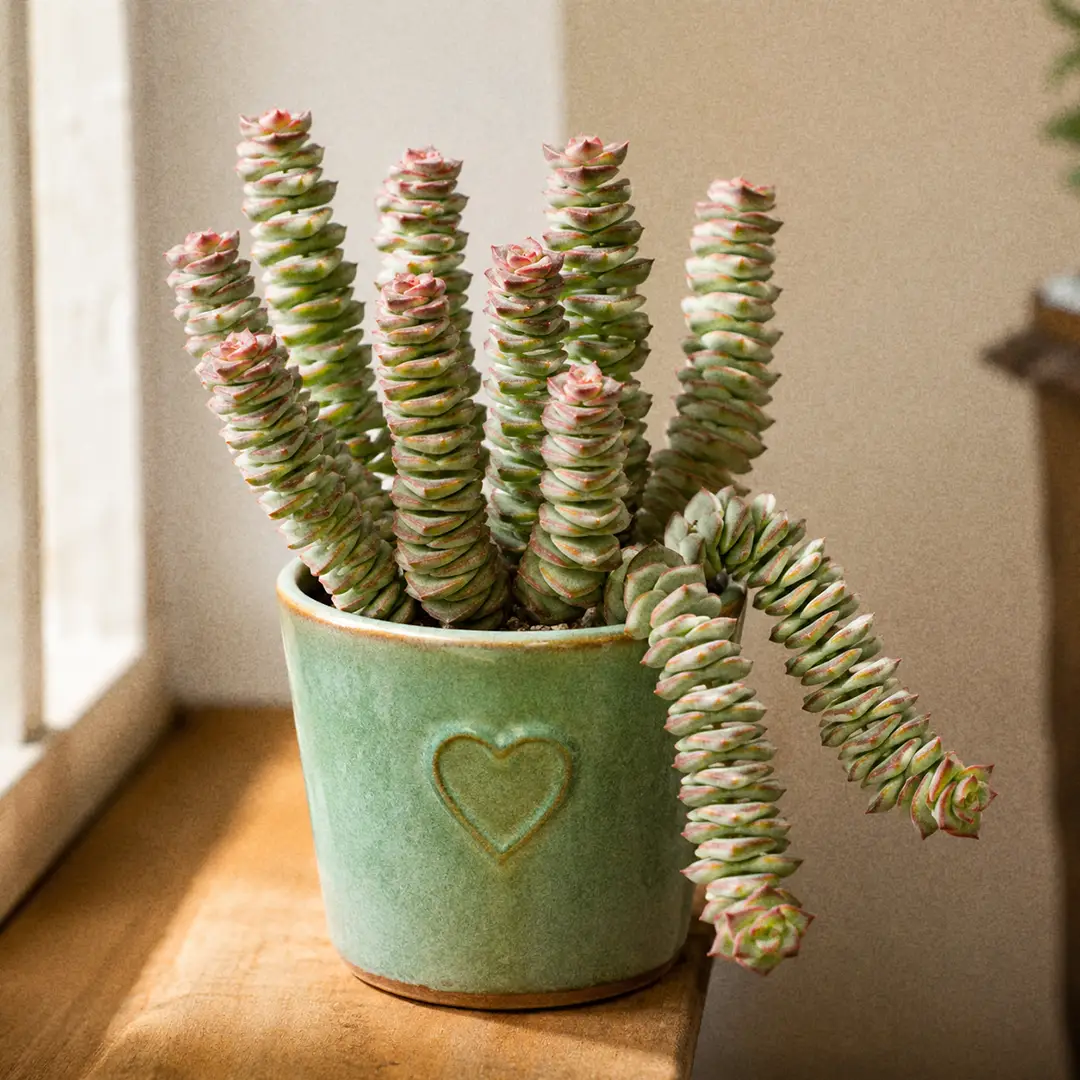
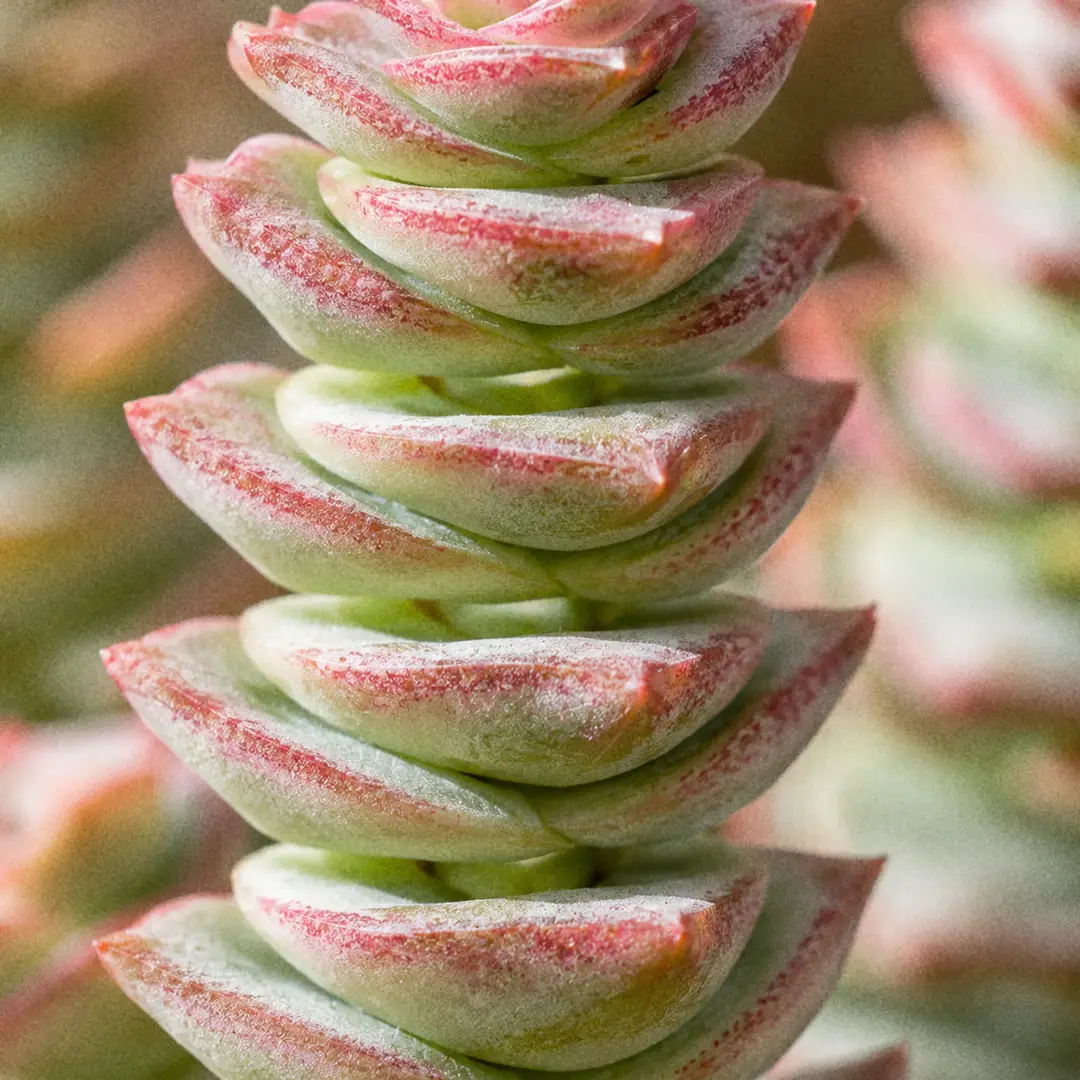
String of Buttons is a stacked succulent with triangular leaves that look threaded onto the stem like buttons on a cord. Learn how to keep the spiral columns tight, bring out the pink leaf edges, and grow this easygoing Crassula from one cutting into a full pot.
📝 String of Buttons Care Notes
🌿 Care Instructions
⚠️ Common Pests
📊 Growth Information
🪴 In This Guide 🪴

A Note From Our Plant Expert
Anastasia here. String of Buttons is the odd one out in the "string of" family, and that is exactly why I like it. Instead of dangling beads on a thread, it builds little stacked towers of triangular leaves that only start to lean and trail once they get tall. It shrugs off missed waterings, roots from any cutting, and blushes pink at the leaf edges when the sun hits it right. If a String of Pearls has ever defeated you, this Crassula is the forgiving one.
☀️ String of Buttons Light Requirements (Indoor Lighting Guide)
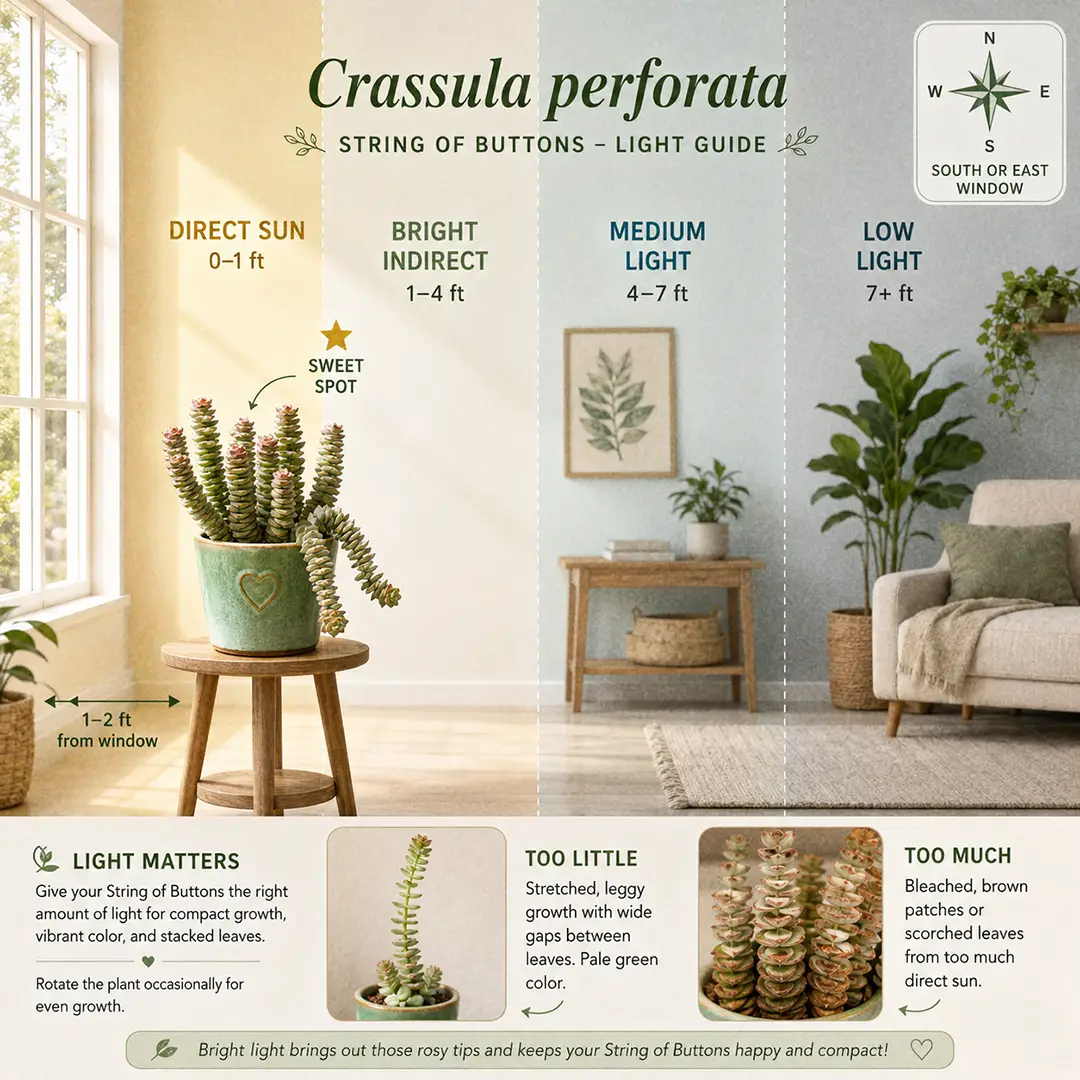
Light decides almost everything about how this plant looks: how tightly the leaves stack, whether the edges turn pink, and whether the columns stand up or flop.
The Sweet Spot
String of Buttons wants bright light with three to four hours of direct sun, ideally the gentle kind. A spot right beside a south or east-facing window is close to perfect. Morning sun is the safest bet, because it delivers the intensity the plant needs without the burn risk of hot afternoon rays through glass.
Good light keeps the leaf pairs stacked close together, like buttons pressed neatly on a cord. It also triggers the pink to red edging on the leaf margins, the plant's best feature. In dimmer spots the plant survives, but the stacks loosen and the color fades to plain gray-green.
Too Little Light
Stretching shows up fast. The gaps between leaf pairs widen, new leaves come in smaller, and the columns lean toward the window instead of standing straight. The pink edges disappear entirely. This stretched growth never tightens back up, so the fix is part correction and part haircut: move the plant to a brighter spot, then trim the leggy sections once new compact growth appears. A grow light 6 to 12 inches above the plant works well if your windows cannot deliver.
Too Much Light
This is a sun-lover, so real damage takes some doing, but it happens. Intense afternoon summer sun pressed against the glass can bleach the leaves to a pale yellow-white or leave brown papery scorch patches. A plant moved suddenly from a shady shop to a blazing window is the classic victim. Introduce stronger sun gradually over a week or two, and pull the pot back a foot from a hot west window in July and August.
💧 String of Buttons Watering Guide
Like every Crassula, this plant stores water in its thick leaves and would rather be forgotten than fussed over.
Watering Frequency
Use the soak-and-dry method. Let the soil dry out completely, then water deeply. In spring and fall, its main growing seasons, that usually means every 10 to 14 days. In the hottest weeks of summer and through winter, the plant rests and drinks far less, so stretch the gap to three or four weeks.
Check the soil, not the calendar. Poke a wooden skewer to the bottom of the pot; if it comes out clean and dry, water. The leaves also tell you plenty. Firm, plump leaves mean the plant is fine. Slightly wrinkled, thinner leaves mean it is ready for a drink. Our watering guide covers the technique in more depth.
How to Water
Drench the soil until water runs from the drainage hole, then empty the saucer. Shallow sips keep the surface damp and the root zone dry, which encourages weak roots and rot at the stem base. Because the stacked stems often crowd the soil surface on a mature plant, bottom watering is a tidy option: set the pot in an inch of water for 15 minutes and let it drain.
Signs of Trouble
- Soft, translucent, yellowing lower leaves: overwatering. Let the soil dry fully and check the roots if it continues.
- Wrinkled leaves on bone-dry soil: thirst. A deep soak plumps them back within a day or two.
- Wrinkled leaves on damp soil: the roots have rotted and can no longer drink. Unpot, trim to firm tissue, and repot dry.
- Leaves dropping at a touch: usually too much water, occasionally deep drought. The soil moisture tells you which.
🪴 Best Soil for String of Buttons
Drainage is half the care routine. Get the mix right and the watering almost handles itself.
What the Soil Needs
A gritty, fast-draining mix that dries within about a week. Regular potting soil holds moisture far too long for the fine roots of a Crassula, and wet soil at the base of those stacked stems is an open door for rot.
DIY Soil Mix
A reliable recipe:
- 2 parts cactus and succulent mix
- 1 part perlite or pumice
- 1 part coarse sand or fine gravel
Water should vanish into the mix within a few seconds of pouring. If it pools on the surface, add more grit. The soil guide explains why aeration matters more than nutrition for succulents like this.
Pre-Made Options
Any bagged cactus and succulent mix works with a couple of extra handfuls of perlite stirred in. Skip moisture-control blends and rich "indoor plant" mixes entirely; they stay wet for two weeks or more, which this plant cannot tolerate.
🍼 Fertilizing String of Buttons
This plant evolved on rocky South African slopes and treats fertilizer as a bonus, not a requirement.
When and How Often
Feed once a month during spring and fall, the two active growing windows. Skip midsummer, when heat slows the plant down, and skip winter entirely. Feeding a resting plant just loads the soil with unused salts.
What to Use
A liquid cactus and succulent fertilizer diluted to half strength is ideal. A balanced houseplant formula works too if you dilute it to a quarter strength. Apply to soil that is already slightly damp so the roots never take a concentrated hit. The fertilizing guide covers dilution basics.
Over-Fertilizing Signs
Stretched, soft, oddly fast growth that flops over is the giveaway, along with white crust on the soil surface. Flush the pot with plain water until it runs clear from the bottom, then skip feeding for at least two months.
🌡️ String of Buttons Temperature Range
Normal room temperatures suit this plant with no adjustments.
Ideal Range
Aim for 65 to 80 degrees Fahrenheit (18 to 27 Celsius). It tolerates brief dips to around 40 Fahrenheit (4 Celsius) but is not frost-hardy; a freeze turns the water-filled leaves to mush overnight. Outdoors it grows year-round only in zones 9 to 11.
Drafts and Heat Sources
Keep it off icy winter windowsills where leaves touch cold glass, and away from radiators and heat vents that cook one side of the plant. A bit of temperature swing between day and night actually helps, since cooler evenings deepen the pink leaf edges. A bright room that cools off after sunset is doing the plant a favor.
💦 String of Buttons Humidity Requirements
Dry air is a friend here, which makes this one of the easiest plants for centrally heated homes.
Ideal Humidity
Anything from 30 to 50 percent, which is standard indoor air. Leave the misting bottle and the pebble tray for your ferns. The tight leaf stacks trap moisture against the stem, so extra humidity does more harm than good here.
What to Avoid
Steamy bathrooms and crowded, airless plant shelves. Constant dampness in those stacked leaf joints invites mealybugs and fungal rot. Give the plant a spot with decent air movement and it will never have a humidity problem in its life.
🌸 String of Buttons Flowers and Bloom
The flowers are a small bonus rather than the main event, but they are charming when they arrive.
What the Flowers Look Like
In spring, mature plants can send up small clusters of star-shaped, pale yellow to cream flowers from the tips of the stems. Each bloom is tiny, but a well-grown plant produces them in sprays that hover just above the stacked columns. There is a light, sweet scent if you get close.
How to Trigger Bloom
Age and light do most of the work. Young plants rarely flower; established plants in a bright window with a cool, dry winter rest are the most likely to bloom. Keep winter temperatures on the cool side of comfortable, hold back water, and resume normal care as days lengthen in late winter.
If It Won't Bloom
Indoors, many perfectly healthy String of Buttons never flower, and that is normal. Do not chase blooms with fertilizer; this plant flowers on maturity and seasonal rhythm, not on feeding. Enjoy the foliage, which is the reason to grow it anyway.
🏷️ String of Buttons Types and Varieties
The stacked Crassulas are a small family of lookalikes, and shops mix the names up constantly. Here is how to tell them apart.
Crassula perforata (the standard form)
The classic String of Buttons. Triangular gray-green leaves in pairs that fuse around the stem, stacked into neat spiraling columns, with pink to red edges in good sun. Stems grow upright to about 18 inches, then lean and sprawl with age.
Crassula perforata 'Variegata'
The variegated form adds cream and buttery yellow striping along the leaf edges, which blends with the pink margins into a soft sunset gradient. It is slightly slower-growing and wants a touch more light to hold its color, but care is otherwise identical.
Crassula 'Baby's Necklace'
A hybrid between Crassula perforata and Crassula rupestris. It is more compact, with rounder, chubbier leaves pressed even tighter together, and it flushes a deeper red under sun stress. A great pick for small pots and windowsill collections.
How It Compares to Other Strings
Among the strings, this is the structural one. The Senecio strings like String of Pearls, String of Bananas, and String of Dolphins dangle from day one, while String of Buttons builds architecture first and only trails once the columns grow long enough to lean. Its true cousin on the site is the Jade Plant, a fellow Crassula with the same easygoing nature. If you like the stacked look in a trailing package from the start, Burro's Tail delivers a similar leaf-packed density in hanging form.
🪴 Potting and Repotting String of Buttons
A slightly cramped pot and a gritty mix keep this plant happiest.
When to Repot
Every 2 to 3 years in spring, or whenever the columns and offsets have crowded across the entire soil surface. Water racing straight through the pot without soaking in is another sign the roots have filled all the available space.
Choosing a Pot
Go up just one size, an inch or two wider at most. A wide, shallow pot suits the shallow roots and gives new offsets room to spread sideways. Terracotta is the best material because it pulls moisture out of the soil between waterings, and its weight anchors a plant that gets top-heavy as the columns grow. A drainage hole is mandatory.
Step-by-Step Repotting
- Let the soil dry out fully before you start; dry root balls slide out cleanly.
- Tip the pot and support the columns with your free hand. They snap easily, so handle the plant by the root ball, not the stems.
- Shake off the old soil and trim any dark, mushy roots back to firm tissue.
- Set the plant in fresh gritty mix at the same depth it grew before, working soil in around the roots.
- Wait a week before the first watering so any broken roots callus over. Any leaves that snapped off in the process can be tucked into the soil surface; some will root. The repotting guide has the full technique.
✂️ Pruning String of Buttons
Pruning is how you turn a sprawling, leggy plant back into a tight cluster of columns.
When to Prune
Spring is best, right as growth picks up, because the plant rebounds fastest and the cuttings root most reliably. Avoid heavy pruning during the midsummer rest and in winter.
How to Prune
Use clean, sharp scissors and cut a stem just above a leaf pair. The stub below the cut will sprout one or two new growing points, which makes the plant branch and thicken. Old stems that have gone bare at the base can be cut back hard; new growth usually emerges from the woody base within a few weeks.
Beheading Leggy Columns
If a column has stretched in low light, behead it. Cut the compact, good-looking top off with an inch of bare stem, let it dry for two days, and plant it beside the parent. The stretched lower section stays in the pot and resprouts. This is standard practice with stacked Crassulas, and it turns one leggy plant into a fuller pot. Persistent stretching means the light needs fixing too; see the leggy growth guide.
🌱 How to Propagate String of Buttons
This is one of those succulents that practically propagates itself. Every pruned column is a plant in waiting.
Best Method
Stem cuttings in soil, no contest. Individual leaves can technically sprout, but they are slow and unreliable compared to a cutting that comes with a head start of stacked leaves.
Step-by-Step
- Cut a healthy 2 to 4 inch section of stem just below a leaf pair.
- Gently twist off the lowest pair of leaves to expose a short length of bare stem.
- Let the cutting dry in a shaded spot for 2 to 3 days until the cut end calluses. Skipping this step is the main reason cuttings rot.
- Stand the callused end in barely damp succulent mix, about an inch deep. Plant several cuttings in one pot for a full look sooner.
- Keep the pot in bright, indirect light and mist the soil surface every few days.
- Roots form in 2 to 4 weeks. When a gentle tug meets resistance, switch to normal soak-and-dry watering.
Tips for Success
Spring and early fall cuttings root fastest. Water propagation works, but the fine roots it produces adapt poorly to soil, so soil-rooting saves a step. Mature plants also produce offsets around the base that can be separated with roots attached during repotting, which is the fastest route of all. The succulent propagation guide covers all three methods.
🐛 String of Buttons Pests and Treatment
The stacked leaf joints give pests good hiding spots, so a quick inspection at watering time pays off.
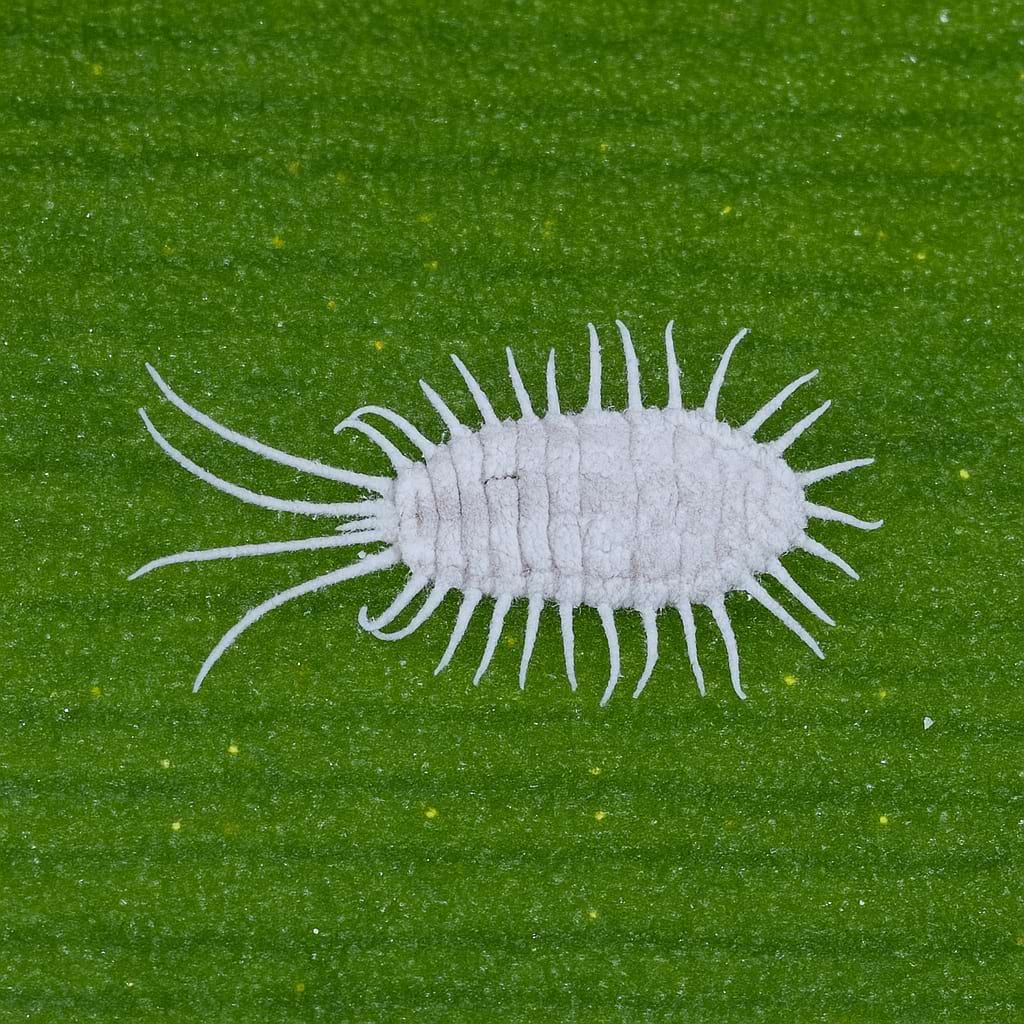
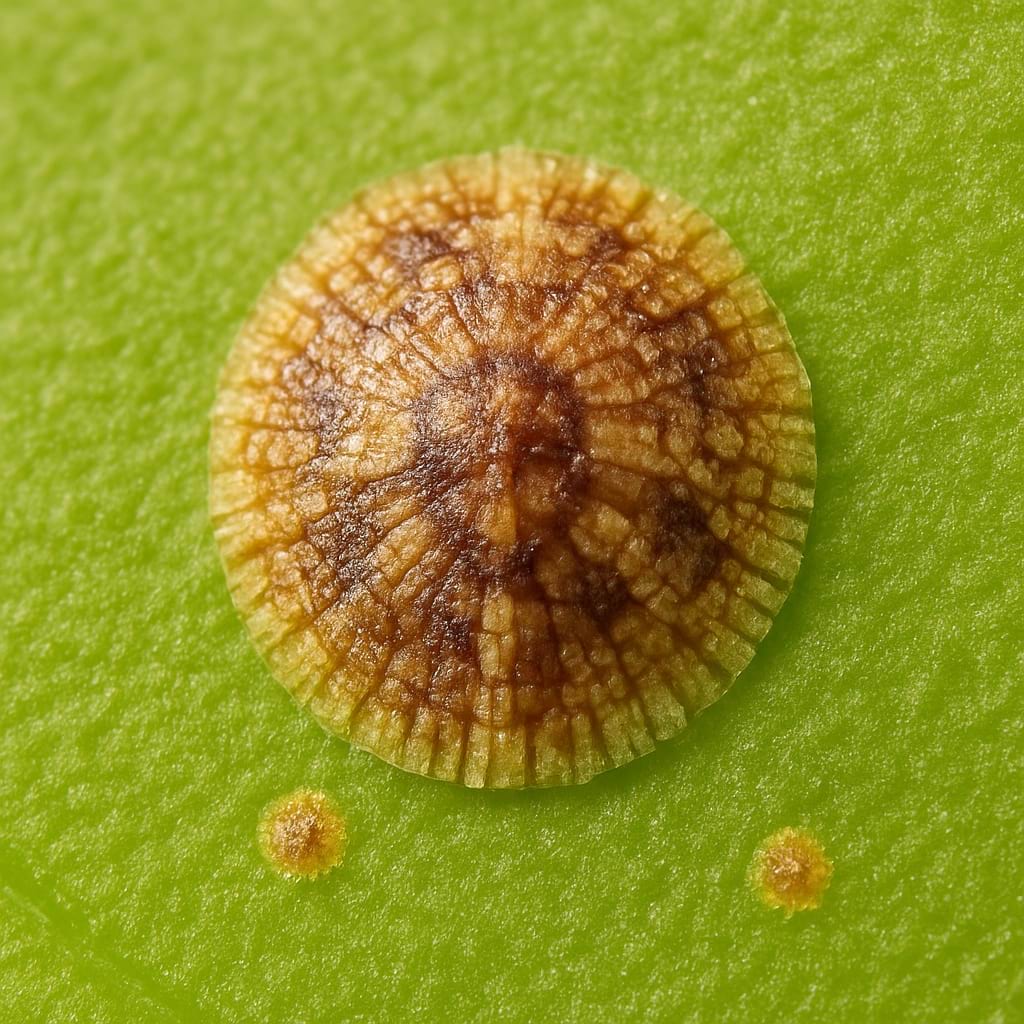
Mealybugs are enemy number one. They wedge their white cottony bodies deep into the leaf stacks where sprays struggle to reach. Dab each cluster with a cotton swab dipped in 70 percent isopropyl alcohol, repeat weekly, and follow with insecticidal soap for heavy infestations. Scale insects show up as small brown bumps along the stems; scrape them off with a fingernail and treat the same way.
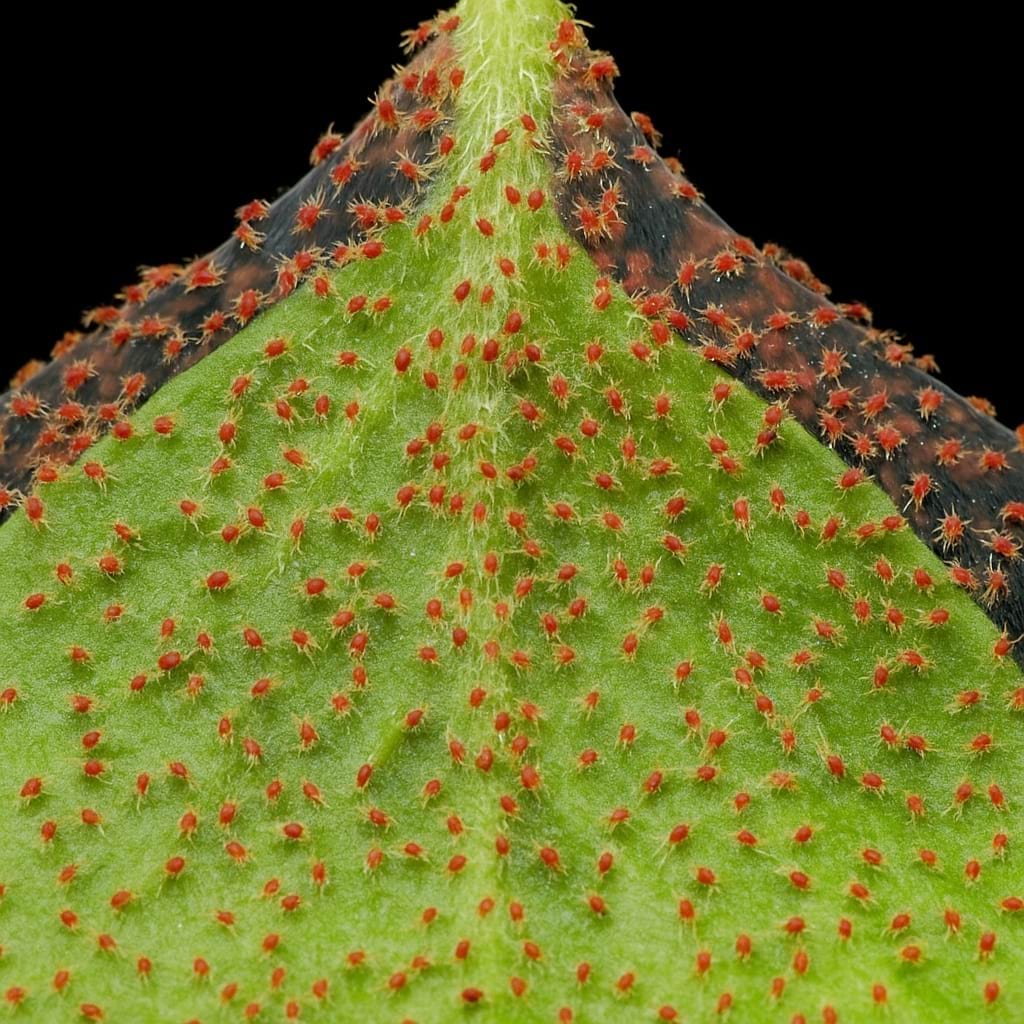
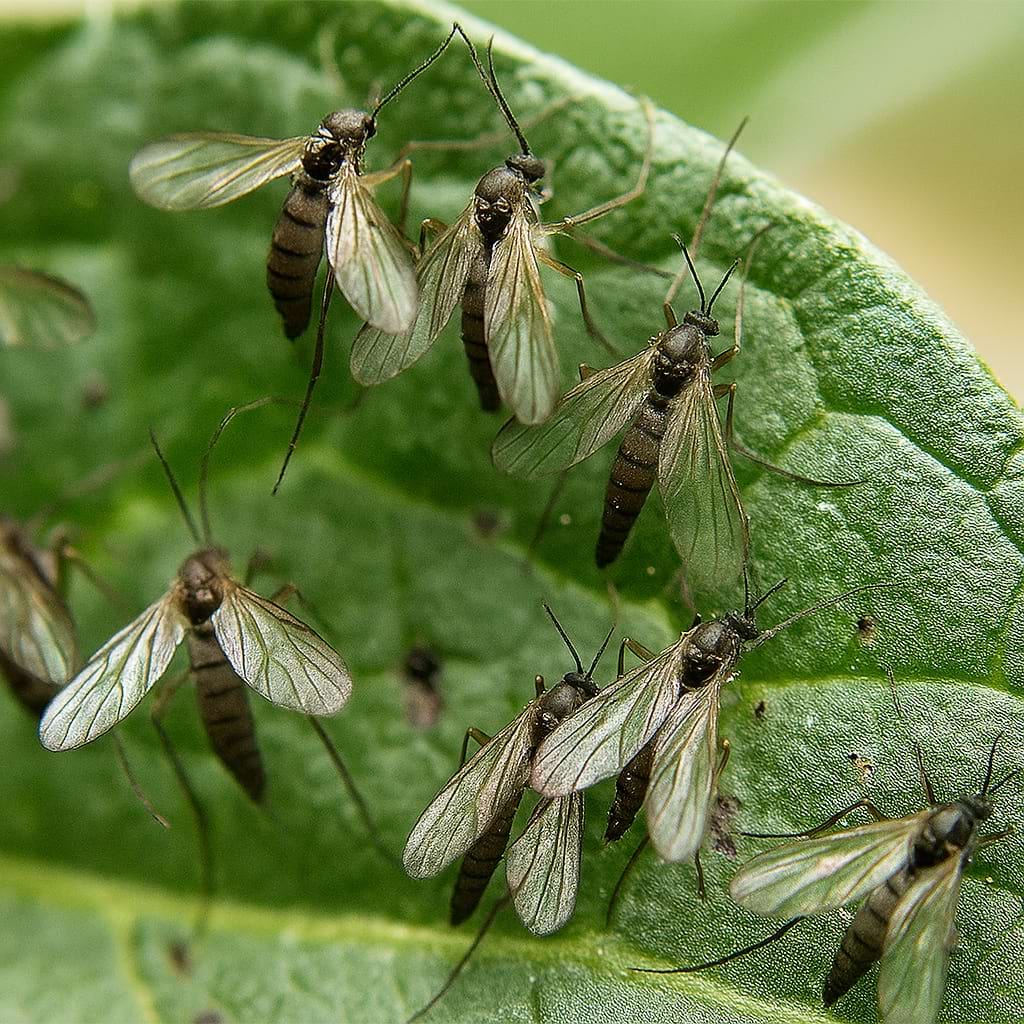
Spider mites appear in hot, dry, stagnant corners, leaving fine webbing and pale stippled leaves. Rinse the plant under lukewarm water weekly until they are gone. Fungus gnats breeding in the pot mean the soil is staying wet too long; fix the watering rhythm and they disappear on their own.
🩺 Common String of Buttons Problems
Nearly every problem this plant has traces back to too much water or too little light.
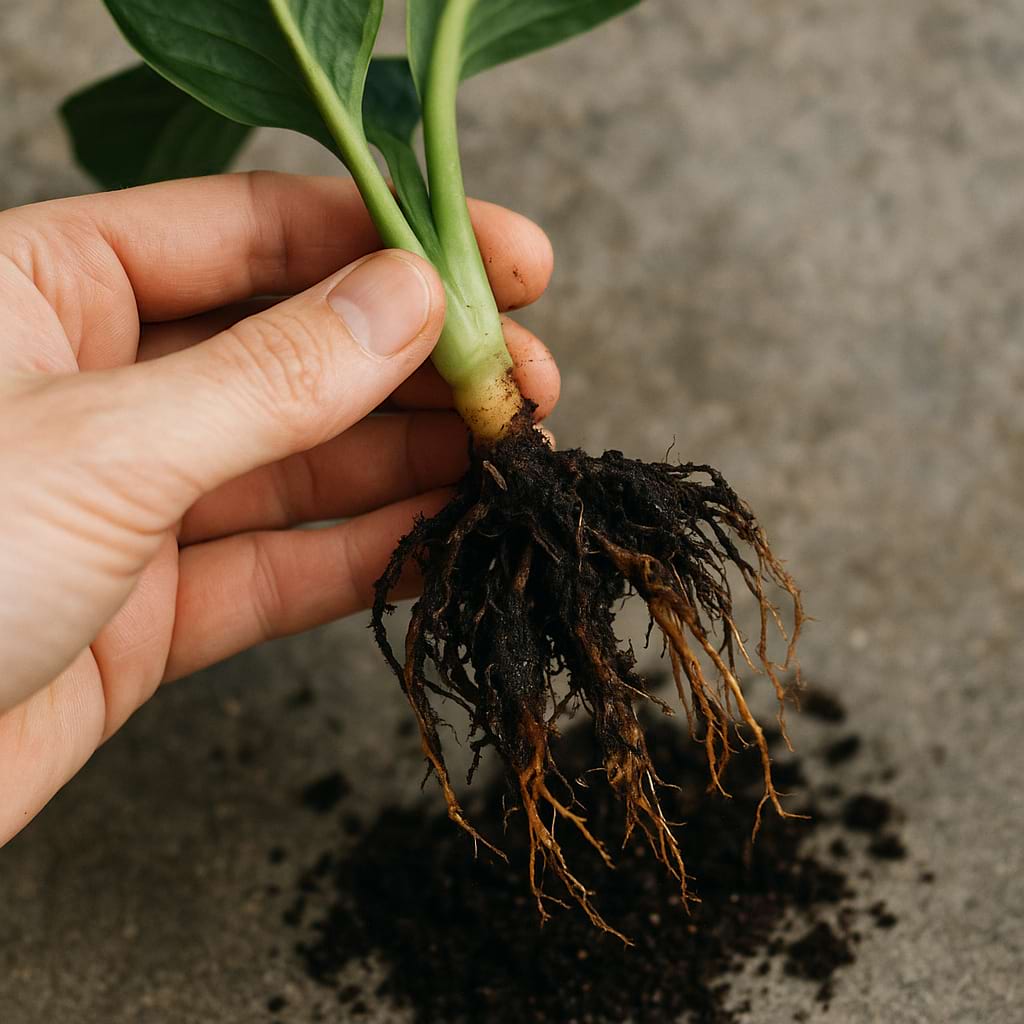
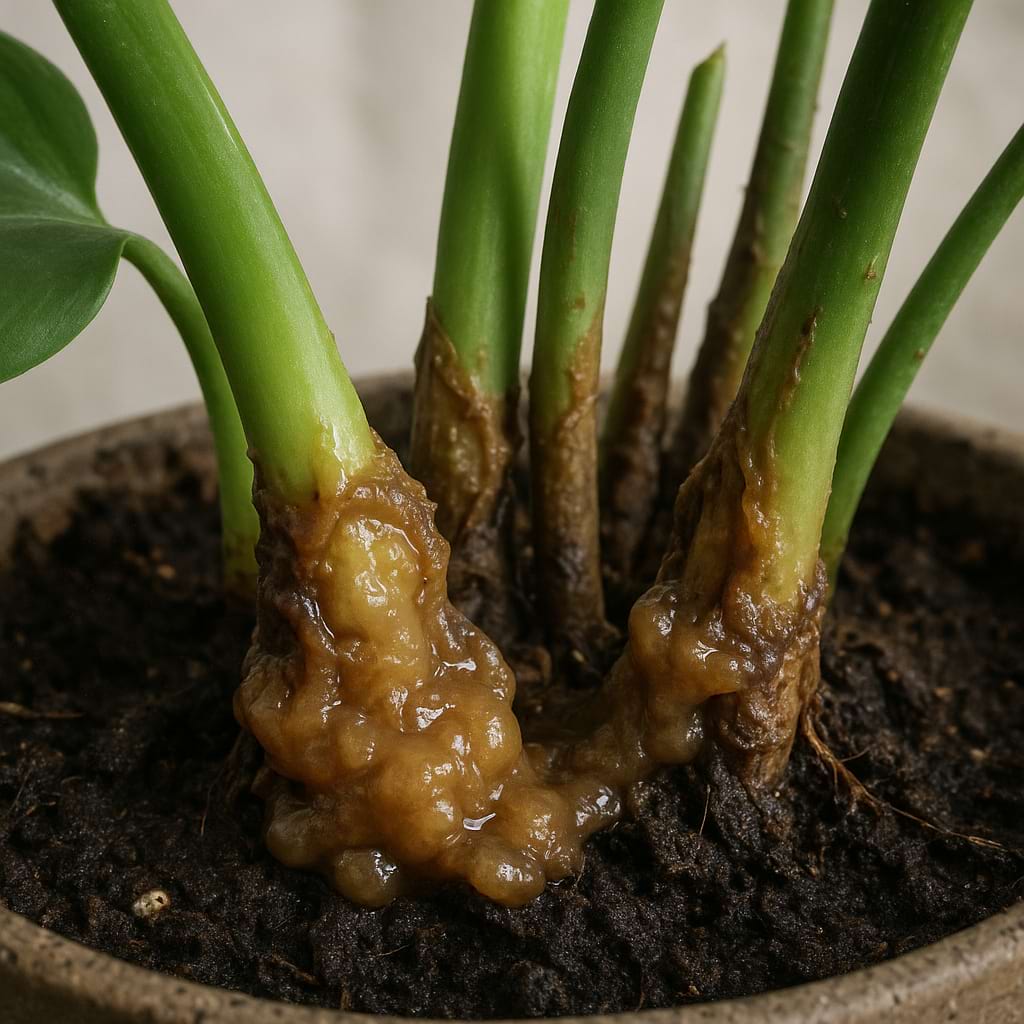
Root rot is the one that kills. It starts invisibly in soggy soil and announces itself with soft, yellowing lower leaves and a darkening stem base. Unpot immediately, cut away everything mushy, and restart the healthy tops as cuttings if the base is too far gone. Mushy stems are the same disease at a later stage, and the cutting rescue is usually the only option left.
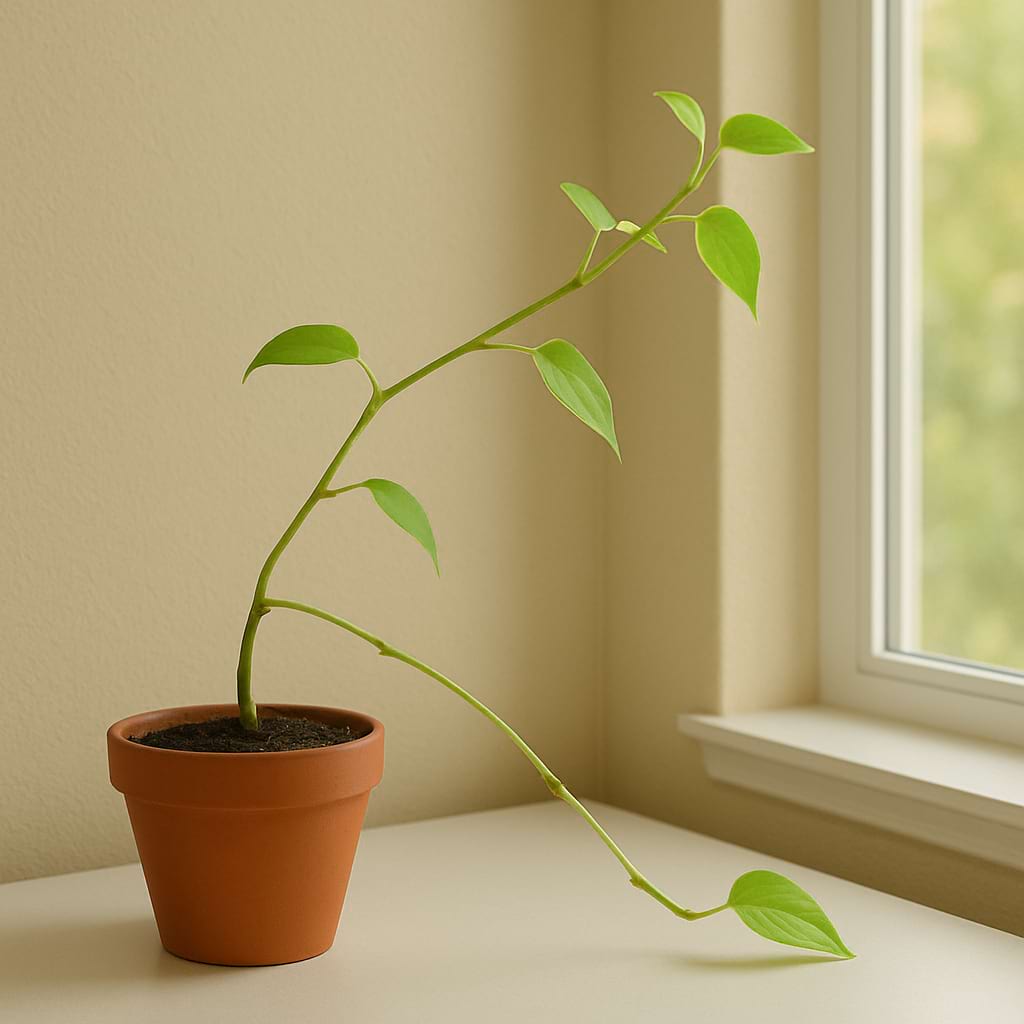
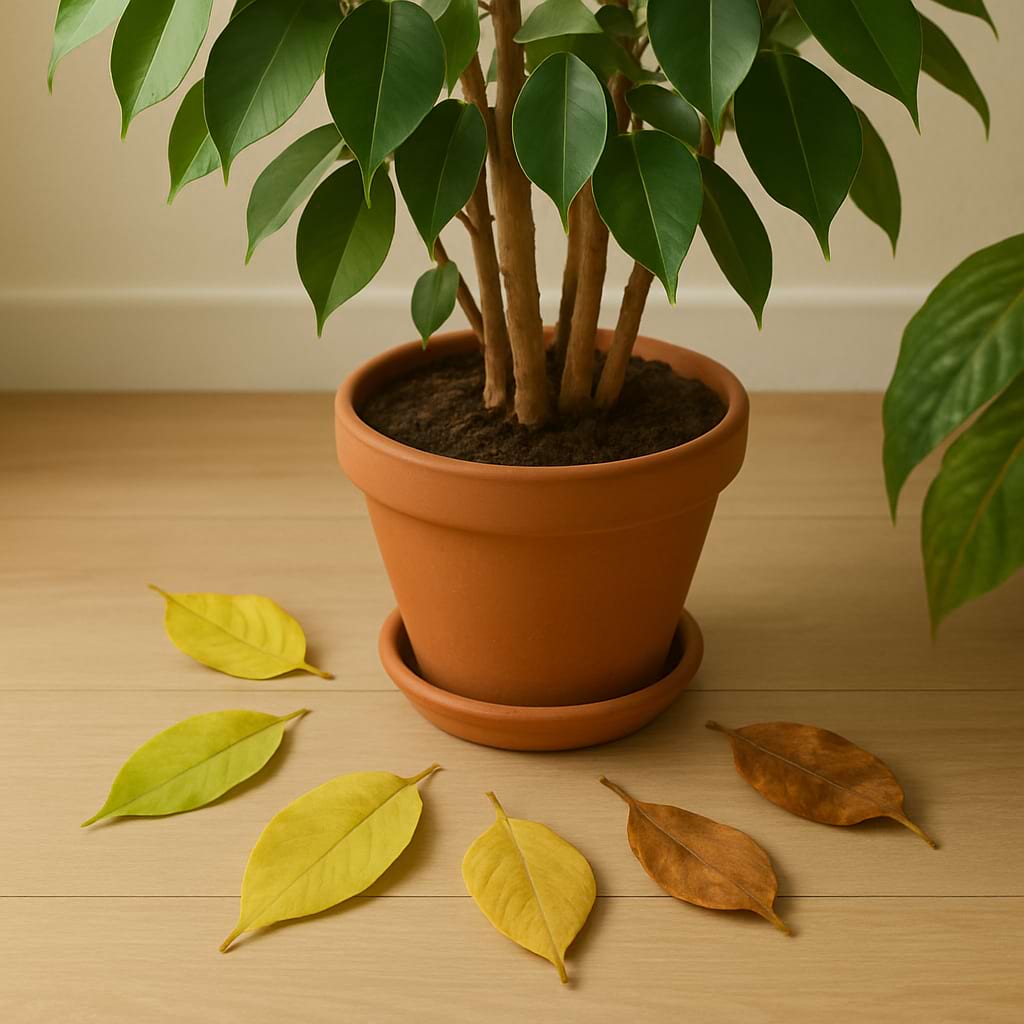
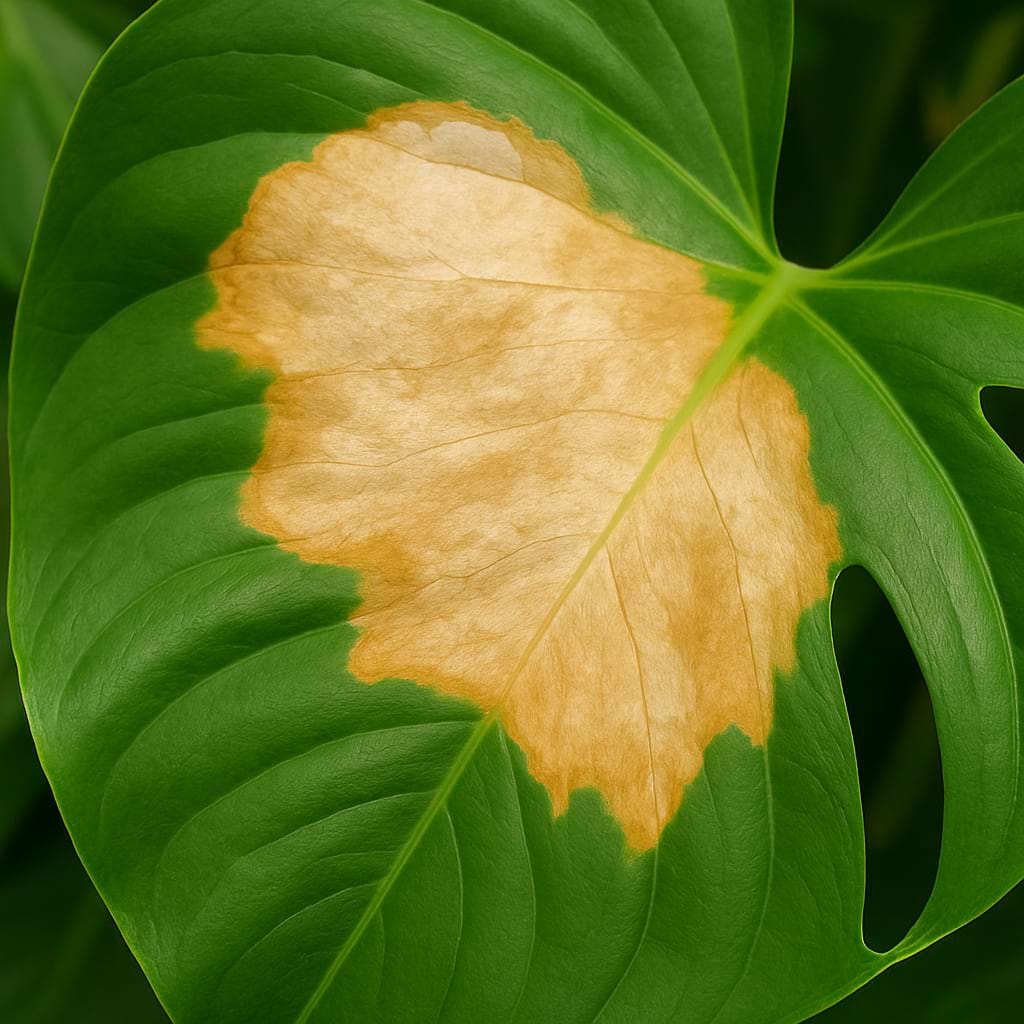
Leggy growth with wide gaps between leaf pairs means the light is too dim; brighten the spot and behead the stretched columns. Yellowing leaves that feel soft point to overwatering, while leaf drop at the slightest touch usually means the same. Crisp brown patches are sunburn from a too-sudden move into harsh sun. Scarred leaves never heal, but new growth comes in clean once conditions improve.

🖼️ String of Buttons Display and Styling Ideas
This plant changes shape as it ages, and the best display changes with it.
Solo Setups
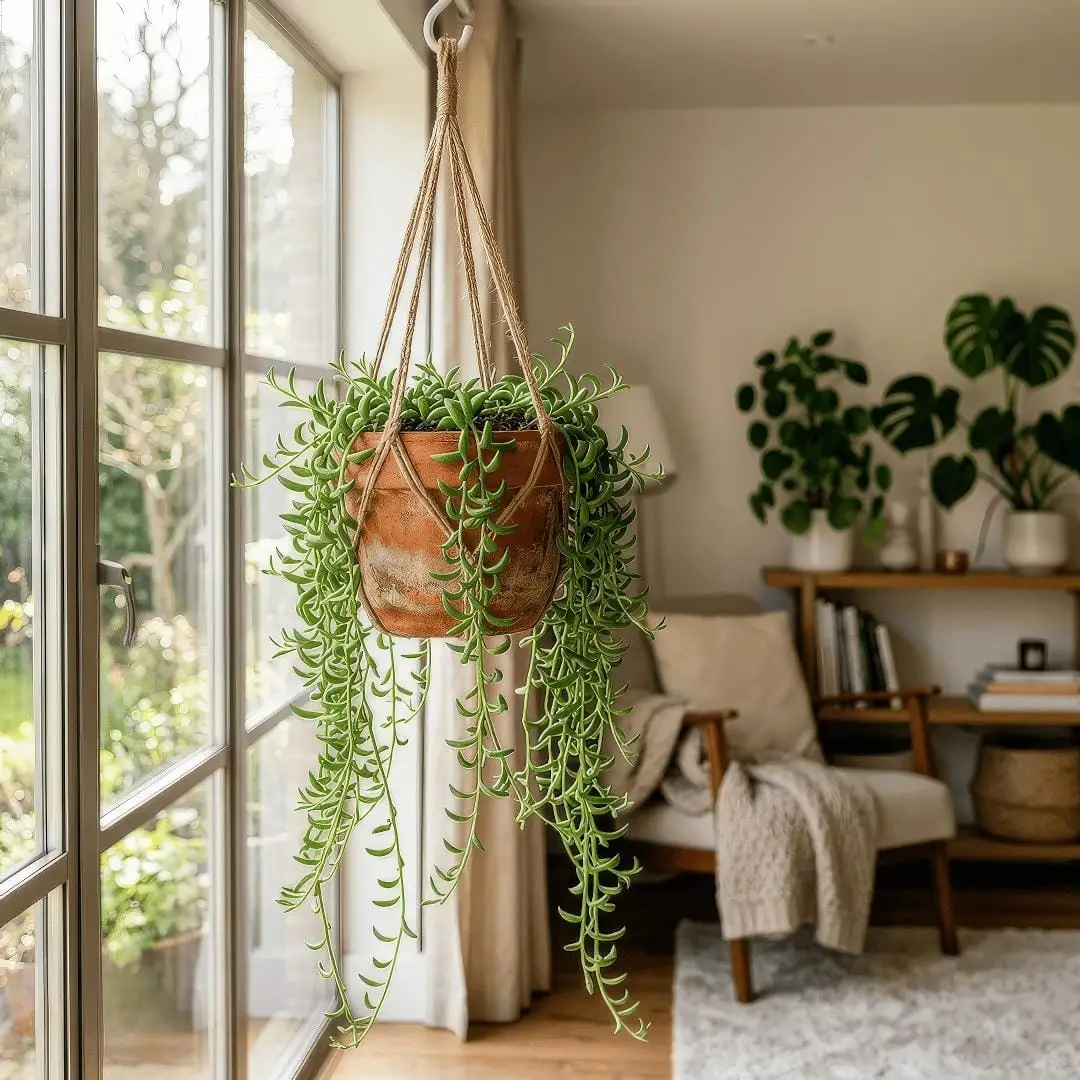
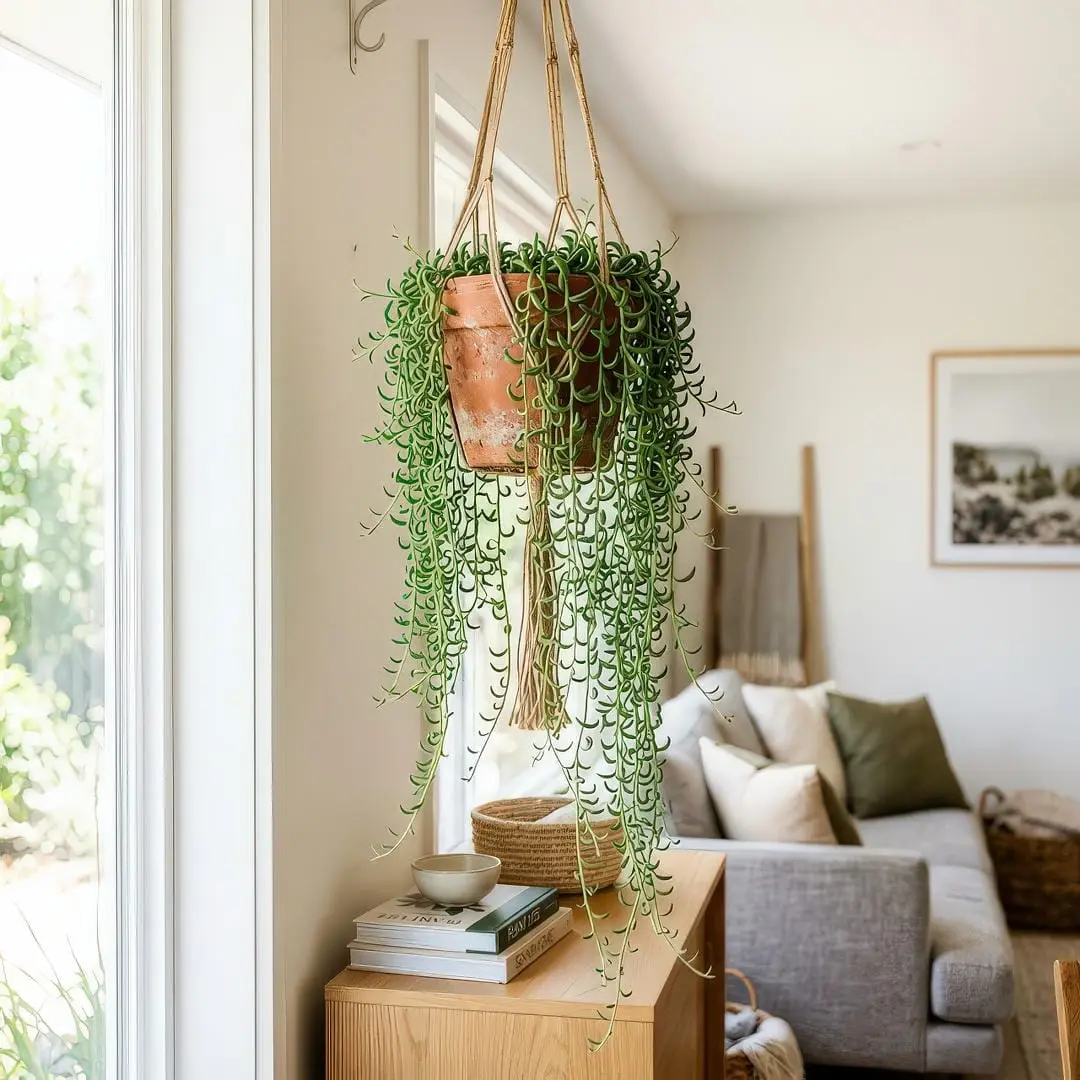
Young plants are windowsill architecture: neat upright columns that look sharpest in a simple pot where the geometry does the talking. As the stems lengthen and lean, move the pot to a shelf edge or a hanging planter and let the columns spill over. A mature specimen with a dozen cascading stacked stems is a genuinely unusual hanging plant, closer to a sculpture than a vine.
Grouped Arrangements
In mixed succulent bowls, String of Buttons plays the vertical accent among rosettes like Echeveria elegans and fuzzy textures like Panda Plant. It also belongs in any String of plants collection shelf. Set it beside String of Pearls, String of Rubies, and String of Hearts and it reads as the tower among the ropes, which makes the whole group more interesting.
Where Not to Put It
Dim corners and humid bathrooms. Low light stretches the stacks apart within weeks, and damp air rots the leaf joints. It also gets top-heavy, so skip narrow, lightweight pots on high shelves where a curious cat or a bumped elbow sends it flying.
🌟 String of Buttons Pro Care Tips
- Read the spacing. Tight leaf stacks mean the light is right. Widening gaps are your earliest, most reliable warning that the plant wants a brighter spot.
- Chase the blush. A few hours of direct morning sun plus cool nights produce the strongest pink edges. All-day shade produces plain green.
- Behead without guilt. Stacked Crassulas are built for it. The top becomes a new plant, the base resprouts, and the pot ends up fuller than before.
- Water on leaf feedback. Slightly thinner, less rigid leaves are the plant asking for water. Plump leaves mean wait, whatever the calendar says.
- Respect the summer lull. Slowed growth in the hottest weeks is a natural rest, not a problem to fix with extra water or food.
- Handle by the root ball. The columns snap at the joints surprisingly easily. Pot up any casualties; they root.
❓ Frequently Asked Questions
Is String of Buttons toxic to cats and dogs?
Treat it as mildly toxic, like its cousin the Jade Plant. Crassulas can cause vomiting and lethargy in pets that chew them in quantity. It is not among the most dangerous houseplants, but a high shelf or hanging pot is the sensible spot in a home with nibblers.
Why is my String of Buttons stretching out?
Not enough light. The gaps between leaf pairs widen as the plant reaches for the sun, and that stretched growth never compacts again. Move it to a brighter window or under a grow light, then behead the leggy columns once new tight growth appears and replant the tops.
Why are the leaves turning pink or red?
That is sun stress, and in this plant it is the good kind. Bright light, direct sun, and cool nights trigger protective pigments along the leaf edges, producing the pink to red margins the plant is loved for. Plain green leaves just mean softer light, not poor health.
How fast does String of Buttons grow?
At a moderate to fast pace for a succulent. In good light, expect several inches of new column height per growing season, plus offsets appearing around the base. A single 4-inch cutting can become a full, multi-stemmed pot within two years.
Can String of Buttons hang like String of Pearls?
Eventually, yes, but it gets there differently. It grows upright for the first year or two, then the lengthening columns lean over the pot rim and trail downward. A mature plant in a hanging pot cascades beautifully, though the stems hold their stacked, architectural shape rather than dangling loosely like a String of Pearls.
Why are leaves falling off my String of Buttons?
Leaves that drop at the lightest touch usually mean overwatering, especially if they feel soft first. Dry, wrinkled leaves dropping mean severe thirst. Check the soil to tell the two apart. Some shedding of the oldest leaves at the base of long stems is normal aging.
Should I mist my String of Buttons?
No. The tightly stacked leaves trap moisture against the stem, and misting invites rot and mealybugs into exactly those crevices. Normal room humidity is all it wants, and drier is better than damper.
Is String of Buttons the same as Baby's Necklace?
Close relatives, not the same plant. Baby's Necklace is a hybrid of Crassula perforata and Crassula rupestris, with rounder, chubbier leaves packed even more tightly and a deeper red blush. Care for both is identical, and they look great side by side.
ℹ️ String of Buttons Info
Care and Maintenance
🪴 Soil Type and pH: Cactus and Succulent Mix
💧 Humidity and Misting: Normal household air is perfect; avoid muggy rooms.
✂️ Pruning: Behead leggy columns and trim sprawling stems to keep the plant compact.
🧼 Cleaning: A soft brush or puff of air removes dust from the stacked leaves.
🌱 Repotting: Every 2-3 years in spring, or when columns crowd the pot edge.
🔄 Repotting Frequency: Every 2-3 years
❄️ Seasonal Changes in Care: Grows in spring and fall; ease off water during peak summer heat and in winter.
Growing Characteristics
💥 Growth Speed: Moderate to Fast
🔄 Life Cycle: Perennial
💥 Bloom Time: Spring, with small pale yellow star-shaped flowers.
🌡️ Hardiness Zones: 9-11
🗺️ Native Area: South Africa (Eastern and Western Cape)
🚘 Hibernation: Short rest in midsummer heat and again in winter
Propagation and Health
📍 Suitable Locations: Sunny windowsills, high shelves, hanging pots once mature, mixed succulent bowls.
🪴 Propagation Methods: Very easy from stem cuttings; every trimmed column can become a new plant.
🐛 Common Pests: Mealybugs, Spider Mites, Scale Insects, Fungus Gnats
🦠 Possible Diseases: Root rot from overwatering is the main threat.
Plant Details
🌿 Plant Type: Stacked Trailing Succulent
🍃 Foliage Type: Evergreen
🎨 Color of Leaves: Gray-green with pink to red edges in strong light
🌸 Flower Color: Pale yellow to cream
🌼 Blooming: Occasionally indoors on mature plants
🍽️ Edibility: Not edible; treat as mildly toxic to cats and dogs like other Crassulas.
📏 Mature Size: 12-18 inches upright
Additional Info
🌻 General Benefits: Architectural stacked shape that no other trailing succulent matches.
💊 Medical Properties: None documented; not a medicinal plant.
🧿 Feng Shui: Crassulas are traditionally linked with growth and good fortune, like their jade plant cousin.
⭐ Zodiac Sign Compatibility: Capricorn
🌈 Symbolism or Folklore: Steadiness, patience, quiet structure
📝 Interesting Facts: The species name perforata means "perforated." The paired triangular leaves fuse around the stem, so the stem looks like it has been threaded straight through each leaf, the same way a cord passes through a stack of buttons.
Buying and Usage
🛒 What to Look for When Buying: Pick a plant with tight, evenly spaced leaf stacks and visible pink edges. Wide gaps between leaf pairs mean it was grown in light that was too dim.
🪴 Other Uses: Excellent structural accent in mixed succulent arrangements and dish gardens.
Decoration and Styling
🖼️ Display Ideas: Sunny windowsills while young, hanging pots and shelf edges once the columns lean over.
🧵 Styling Tips: The geometric stacks look best in simple pots. Pair with rounded succulents like Burro's Tail for shape contrast.
🪴 See also 🪴
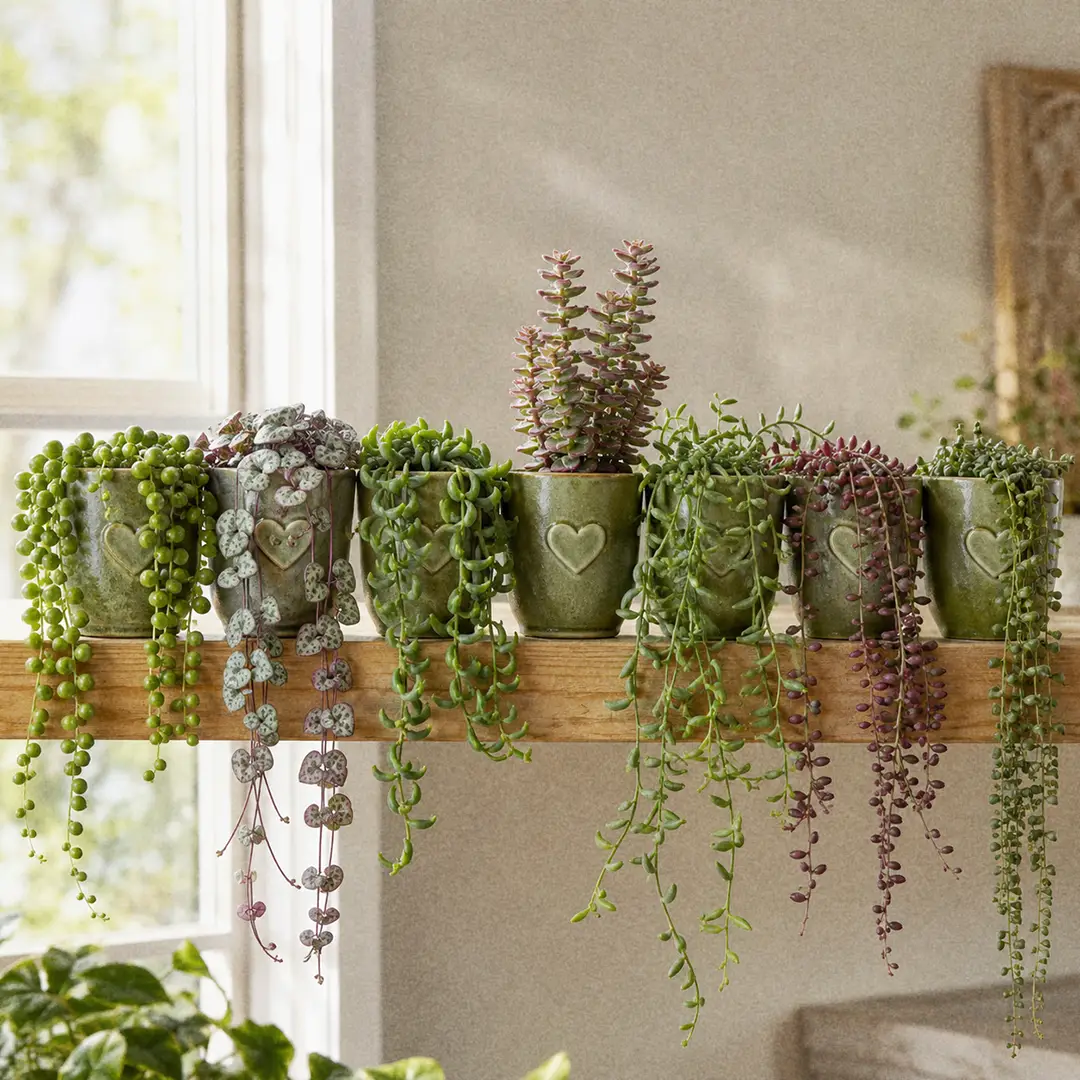
String of Plants: All 10 "String of" Succulents Ranked and Compared
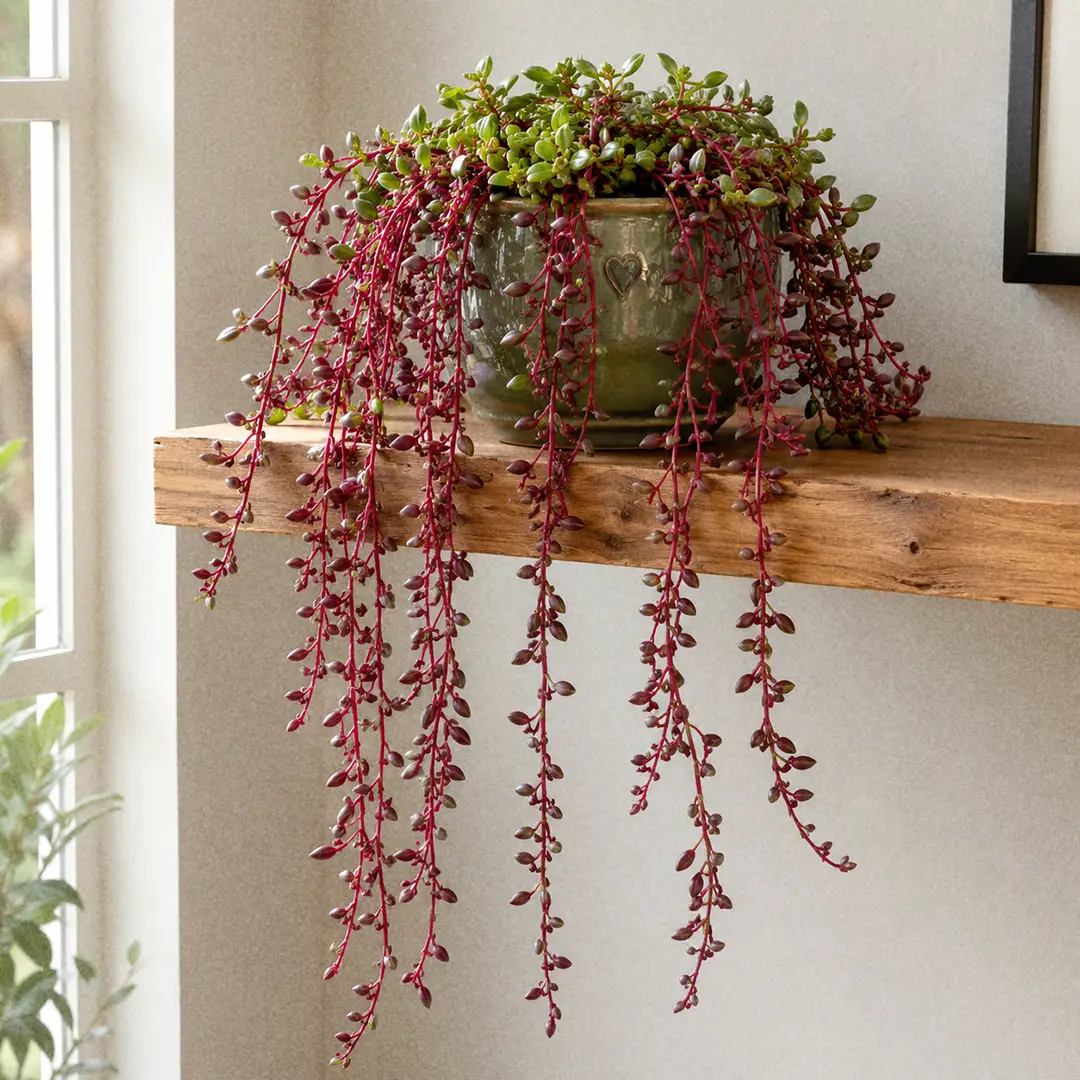
Complete Guide to String of Rubies Care and Growth
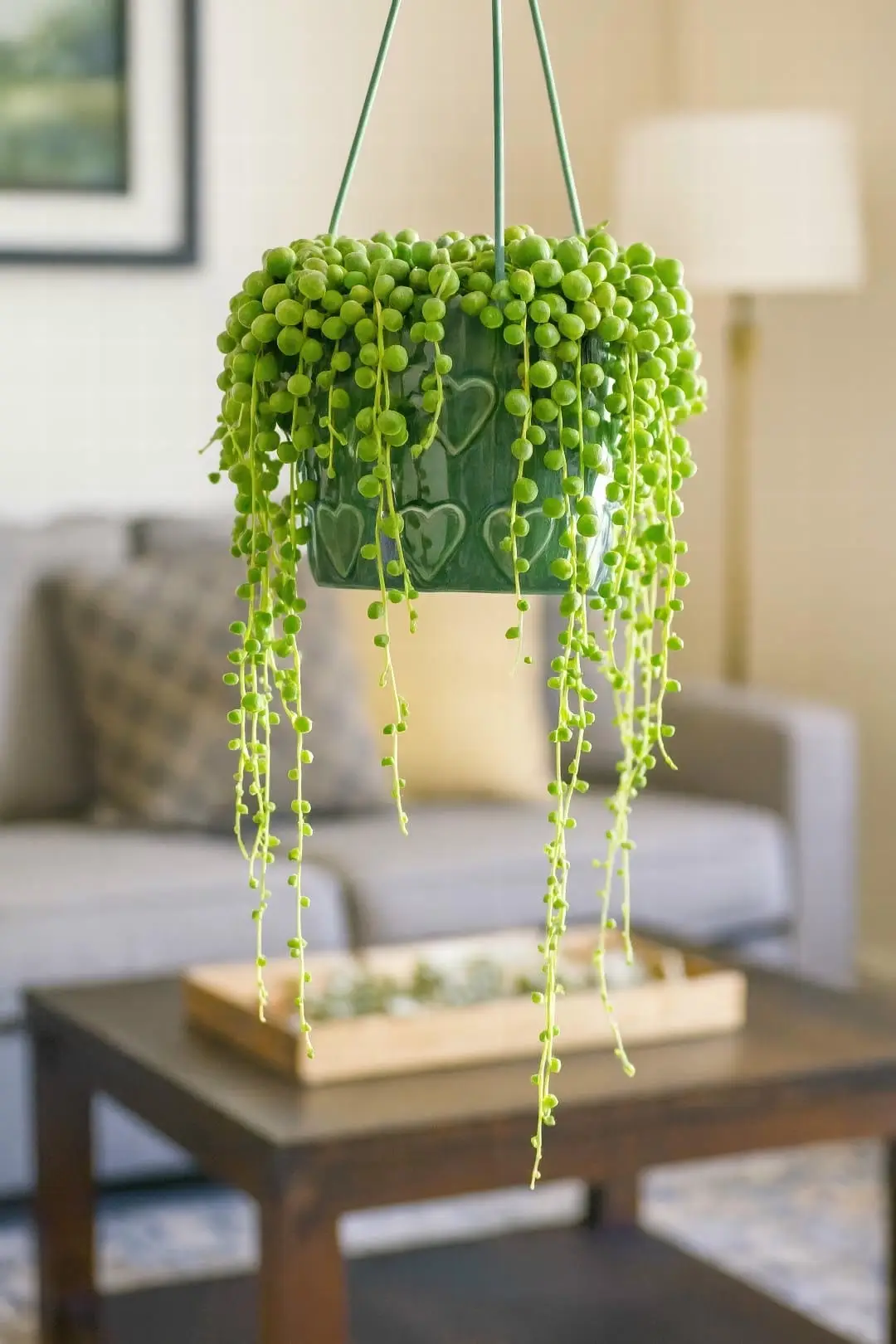
Complete Guide to String of Pearls Care and Growth
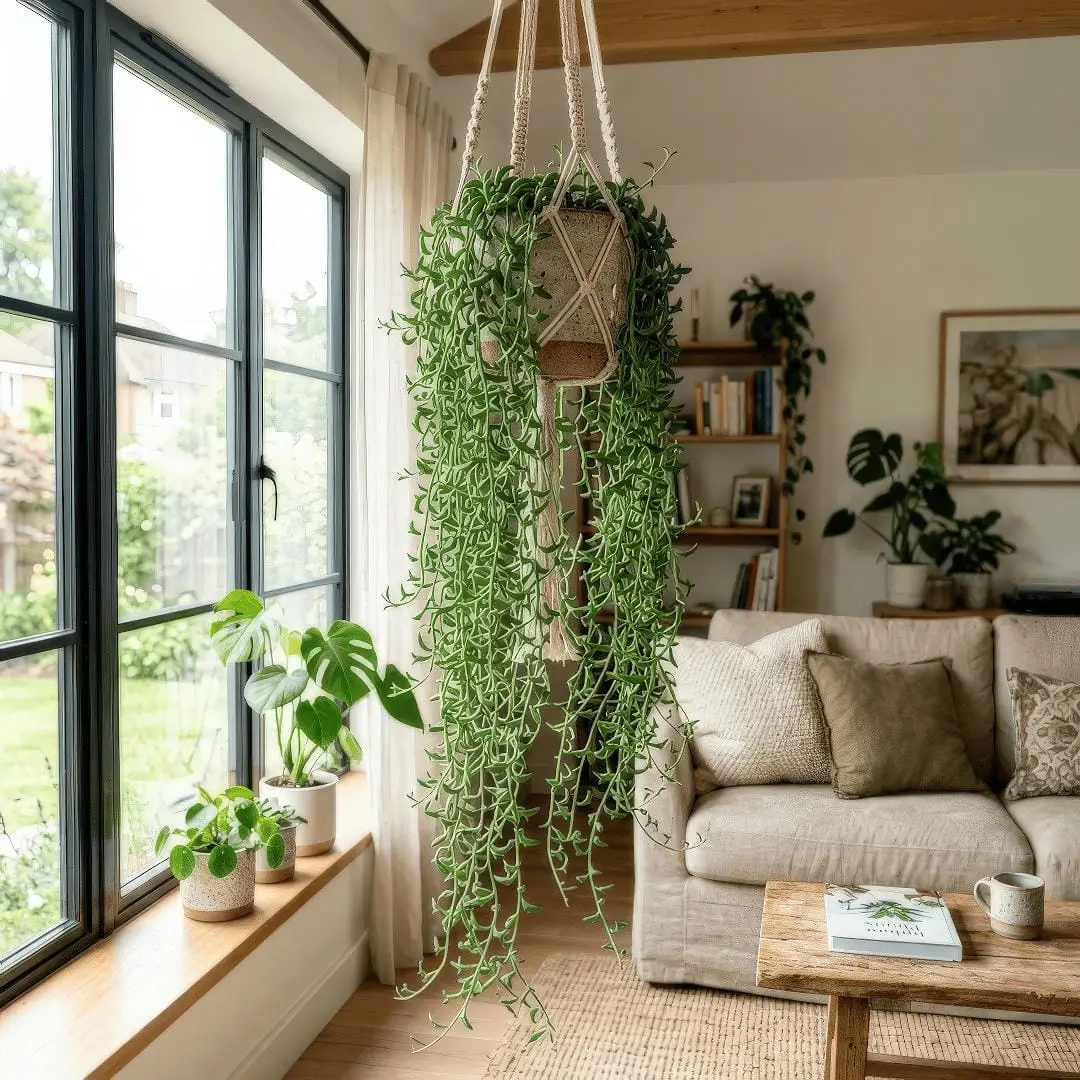
Complete Guide To String of Dolphins Care and Growth
Complete Guide to String of Bananas Care and Growth
Complete Guide To String of Fishhooks Care and Growth


Houseplant101 Forum
Questions & Comments
Ask a question, share your plant experience, or help other plant owners.
Comments are temporarily unavailable.
Open the Houseplant101 ForumNo comments yet
Be the first to ask a question or share your experience about this page.
Log in or create an account
Comments use your Houseplant101 Forum account, but you can stay on this page.
Create a new account