
String of Rubies
Othonna capensis
Little Pickles, Ruby Necklace, String of Pickles


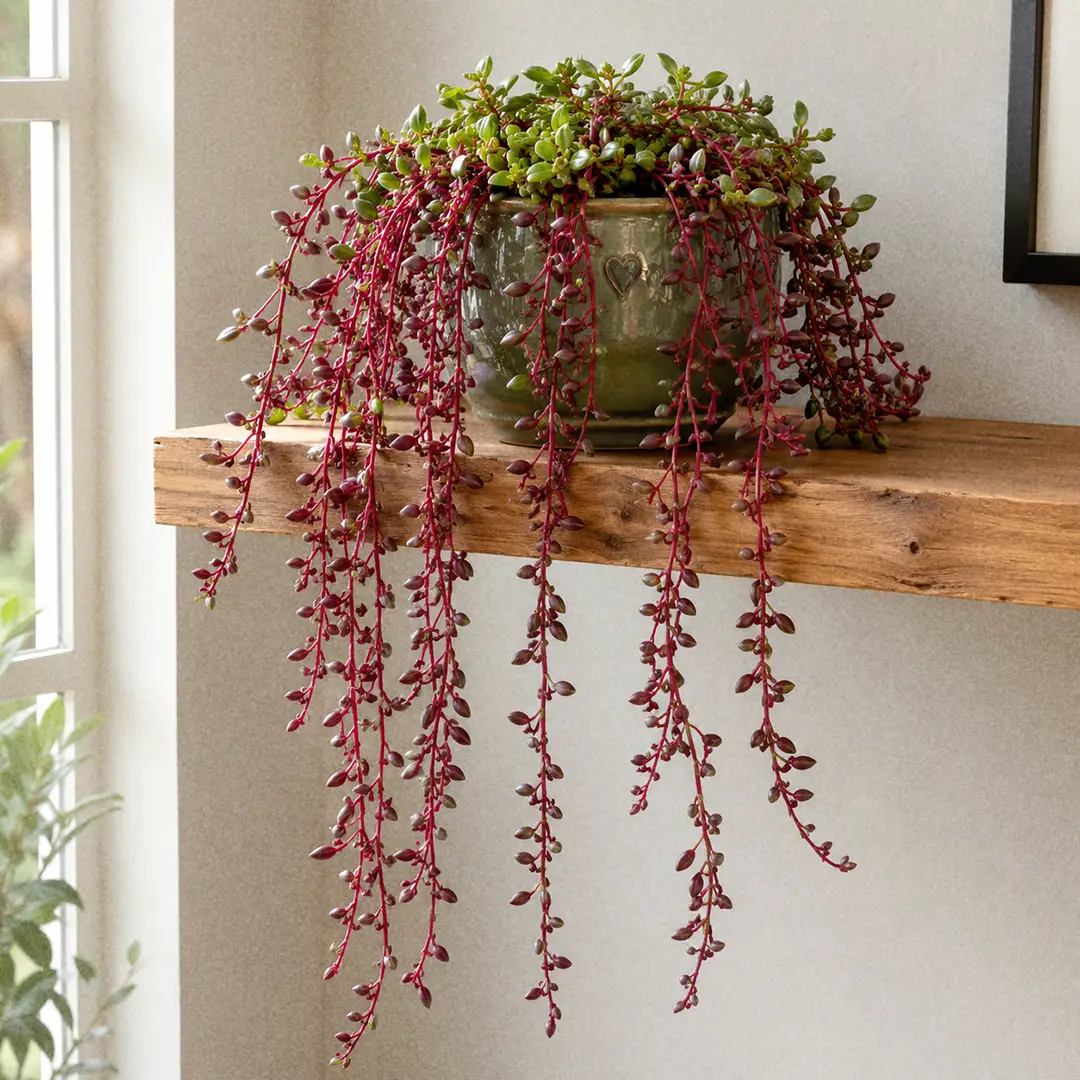
String of Rubies is a fast-growing trailing succulent with bean-shaped leaves on bright red stems that deepen to burgundy in strong light. Learn how to coax the ruby color, trigger its cheerful yellow blooms, and keep this beginner-friendly succulent thriving year-round.
📝 String of Rubies Care Notes
🌿 Care Instructions
⚠️ Common Pests
📊 Growth Information
🪴 In This Guide 🪴

A Note From Our Plant Expert
Anastasia here. The String of Rubies is the plant I send people to when they love the look of a String of Pearls but want something easier, faster, and more dramatic. Give it enough light and the bean-shaped leaves and red stems deepen to ruby, and unlike most trailing succulents, it actually blooms indoors in cheerful yellow daisy flowers. It rewards a sunny spot and a hands-off watering schedule. If you have killed pearls before, start here.
☀️ String of Rubies Light Requirements (Indoor Lighting Guide)
Light is the single biggest lever you have with this plant. It controls the color of the stems, the density of the crown, and whether or not you ever see a flower.
The Sweet Spot
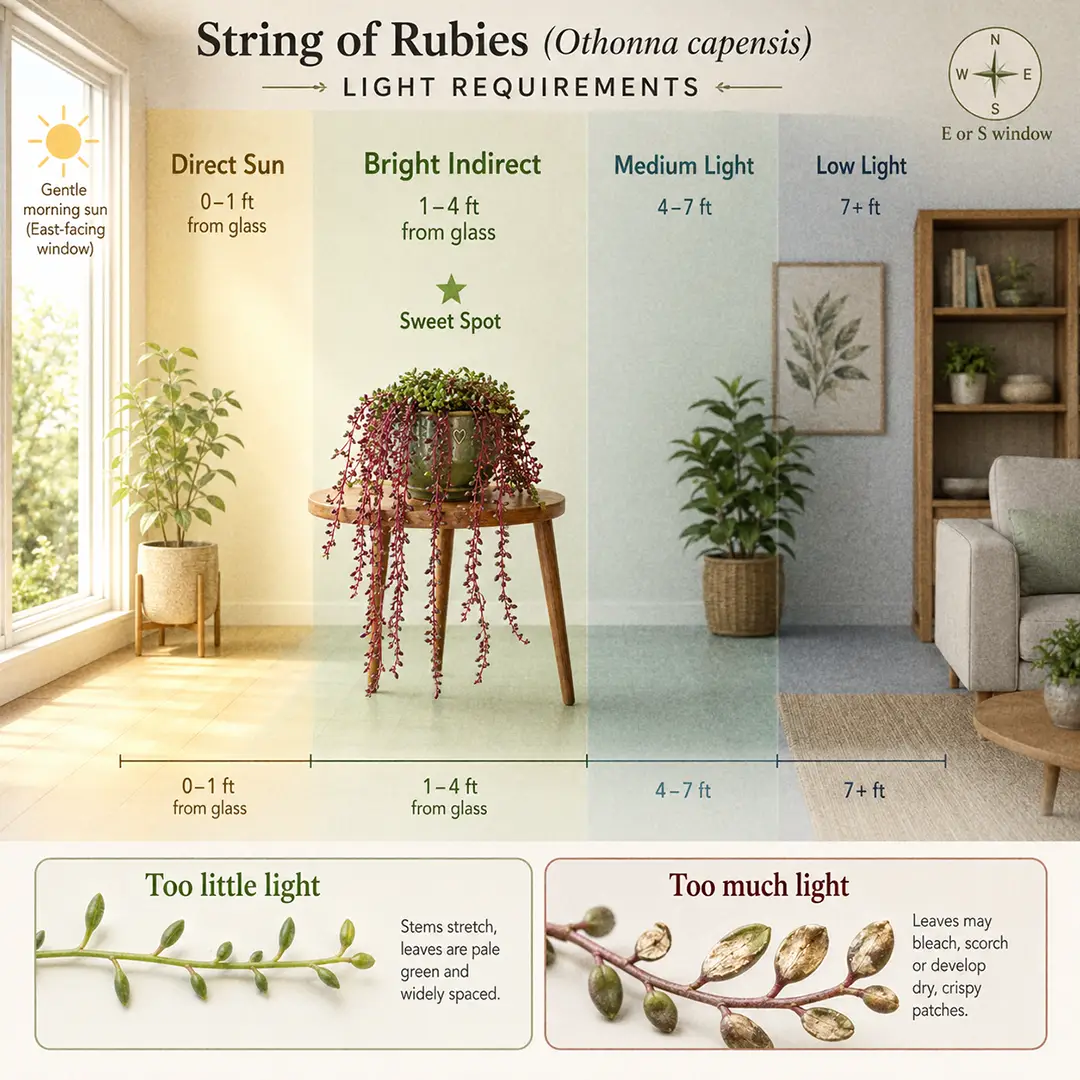
String of Rubies wants bright light with two to four hours of gentle direct sun. A spot right beside an east-facing window is close to ideal. A south or west window works too, as long as you pull the plant back a foot or so from the glass during the hottest summer afternoons.
This is one of the more sun-tolerant trailing succulents. Unlike the String of Hearts, which mostly wants filtered light, String of Rubies actively rewards a little direct exposure. Morning sun is what turns the stems that deep ruby color you bought it for. In medium indirect light it stays mostly green, still healthy but missing the signature look.
Too Little Light
Stretching is the first sign. Stems lengthen between leaves, the crown thins out, and new growth comes in green instead of red. You may also see leaves drop from the inner part of the plant while the tips keep growing, which leaves you with long, sparse strands and a balding center. A grow light a foot above the crown fixes this quickly if you have no bright window to offer.
Too Much Light
Hot afternoon sun pressed straight against the glass can scorch the leaves, leaving brown, papery patches that do not heal. If the leaves look bleached white or faded yellow rather than richly red, the plant is past color stress and into actual sun damage. Step it back from the window or add a sheer curtain. Plants moved suddenly from a dim shop to a south window also burn, so transition over a week or two if you brought yours home from a low-light store.
💧 String of Rubies Watering Guide
Underwatering is rarely fatal. Overwatering almost always is. Your job is to keep the soil dry more often than damp.
Watering Frequency
Use the soak-and-dry method. Wait until the soil is bone dry all the way through the pot, then water thoroughly. In spring and summer with good light, this often lands every 10 to 14 days. In winter, you might stretch to once a month or less. Forget the calendar and check the soil instead. A wooden chopstick pushed to the bottom of the pot is the simplest moisture meter you can use.
You can also read the leaves. Plump, firm beans mean the plant is well watered. Slightly soft, less-rounded beans mean it is ready for a drink. Wrinkled, deflated beans mean you waited too long, but a thorough soak usually plumps them back up within a day. For a deeper walkthrough of the technique, our watering guide covers the basics that apply to every succulent.
How to Water
When you do water, drench the soil until it runs out the drainage hole, then dump anything in the saucer so the roots are never sitting in a puddle. Light sips on a schedule cause shallow roots and crown rot.
Bottom watering is a great alternative once the crown gets dense. Set the pot in a shallow basin with an inch of water for 15 minutes, then let it drain. This keeps water off the packed stems at the soil surface.
Signs of Trouble
- Mushy, translucent leaves and blackened stems near the soil: classic early root rot. Pull the plant, cut back to firm tissue, and repot in dry succulent mix.
- Shriveled, wrinkled leaves with bone-dry soil: thirsty plant. Water thoroughly.
- Shriveled leaves with damp soil: rotted roots can no longer absorb water. Same fix as root rot: unpot, inspect, salvage what is firm.
- Yellowing leaves dropping from the crown: usually a sign of soggy soil. Hold off on water and improve drainage.
🪴 Best Soil for String of Rubies
Soil is half of the watering equation. Even careful watering will not save this plant if it sits in a dense, moisture-holding mix.
What the Soil Needs
You want a gritty, fast-draining blend that dries within a week of being watered. Standard potting soil straight from the bag is too rich and stays wet too long. The roots of this plant are shallow and fine, and they suffocate fast in damp peat.
DIY Soil Mix
A simple recipe that works every time:
- 2 parts cactus or succulent potting mix
- 1 part perlite or pumice
- 1 part coarse sand or fine gravel
The added grit creates air pockets, which is what shallow succulent roots need to stay healthy. If your finger sinks into the mix easily and water disappears through it in seconds, you have it right. Our soil and potting guide goes deeper on why drainage and aeration matter more than nutrients here.
Pre-Made Options
A bagged cactus and succulent mix will work straight from the store if you add a generous handful of perlite per pot. Look for blends that already include pumice, perlite, or sand. Avoid moisture-control mixes and peat-heavy "indoor plant" blends, which hold far too much water.
🍼 Fertilizing String of Rubies
This plant is a light feeder. It evolved on poor, rocky South African soils, and a little goes a long way.
When and How Often
Feed once a month during spring and summer with a balanced succulent fertilizer diluted to half the recommended strength. Stop feeding completely from late fall through winter. The plant slows down in cool, short-day months and unused fertilizer just builds up in the soil.
Always apply fertilizer to soil that is already lightly damp. Pouring fertilizer onto bone-dry roots is the fastest way to chemically burn them. For a broader primer, see our fertilizing guide.
What to Use
A cactus-and-succulent liquid fertilizer is the easiest choice. A balanced 5-5-5 or 10-10-10 also works if you dilute heavily. If you want to give the plant a small bloom nudge in fall, a fertilizer slightly higher in phosphorus (the middle number) can help, but it is not required.
Over-Fertilizing Signs
Soft, leggy, oddly pale new growth is the first clue you are overdoing it. Crusty white deposits on the soil surface are mineral buildup from too much fertilizer or hard tap water. Flush the pot thoroughly with plain water until it runs clear from the drainage hole, then back off the feeding for a couple of months.
🌡️ String of Rubies Temperature Range
This is a warm-climate plant that lives happily in a normal home.
Ideal Range
Aim for 65 to 80 degrees Fahrenheit (18 to 27 Celsius) during the active growing season. In winter, it tolerates a slight chill down to about 50 Fahrenheit (10 Celsius), and a cooler rest can even encourage heavier blooming. It is not frost-hardy. Anything below 40 Fahrenheit (4 Celsius) will damage leaves and stems quickly.
Drafts and Heat Sources
Keep the plant away from cold drafts in winter, especially near windows that get icy at night; pull it a few inches off the glass when temperatures dip. Equally, skip the spot directly above a radiator or near a heating vent. Constant hot dry air desiccates the leaves and stresses the plant into dropping foliage.
💦 String of Rubies Humidity Requirements
Most succulents dislike humid air, and this one is no exception.
Ideal Humidity
Average household humidity of 30 to 50 percent suits it perfectly. You do not need to do anything special. In fact, do not.
What to Avoid
Skip the humidity tray, the misting routine, and the bathroom shelf next to the shower. Persistent moisture on the leaves invites fungal issues, mealybugs, and soft tissue rot. If you grow it alongside humidity-loving plants like ferns or Anthurium crystallinum, keep it on a drier, well-ventilated side of the room.
🌸 String of Rubies Flowers and Bloom
This is one of the major selling points of the plant and a key way it differs from most other trailing succulents.
What the Flowers Look Like
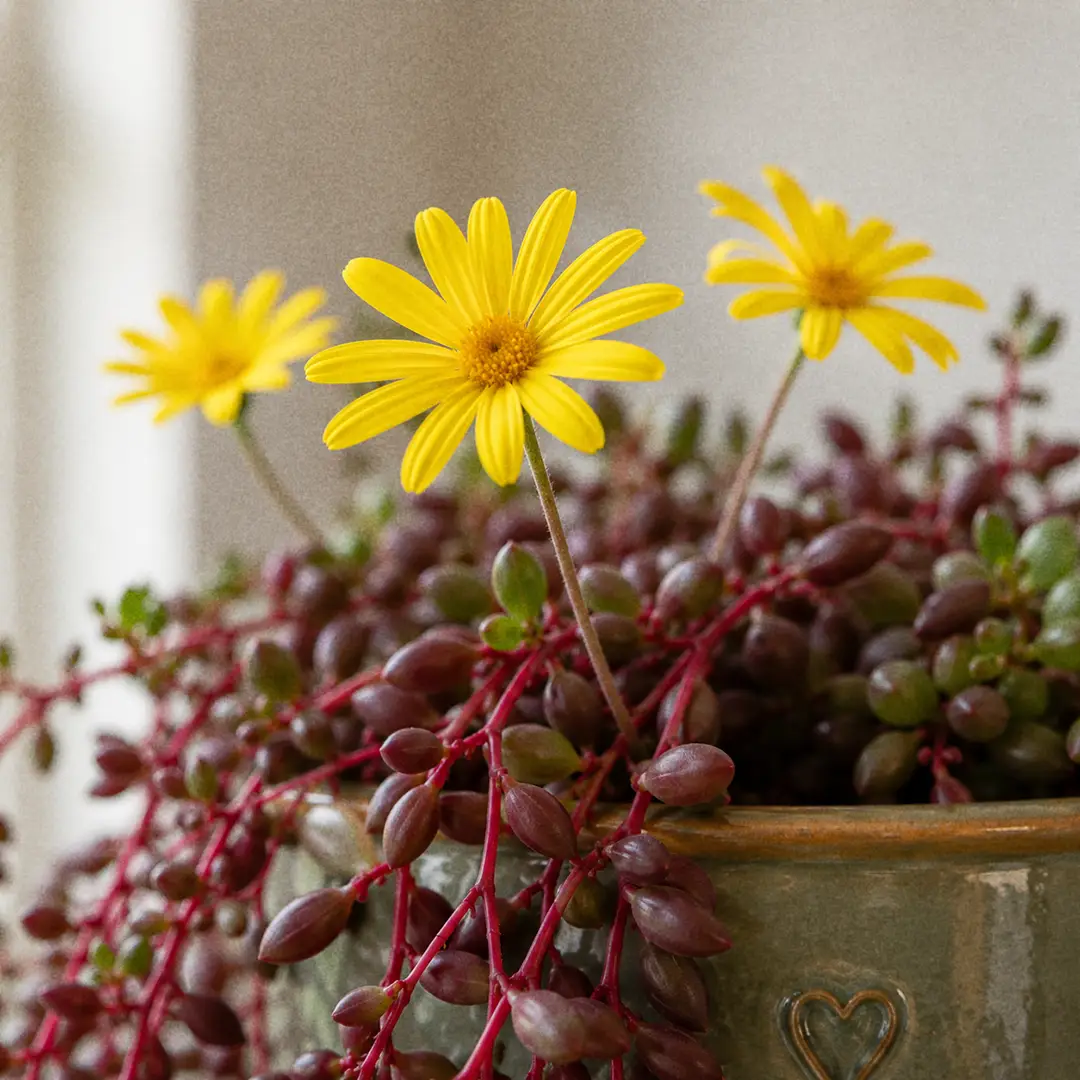
The blooms are small, bright yellow daisy-like flowers on slender stalks raised an inch or two above the foliage. They open during the day and close slightly at night, with a faint sweet fragrance. A healthy plant can carry dozens of buds at once across the crown and trailing strands.
How to Trigger Bloom
Two things drive flowering: light and a cool winter rest. Plants kept in bright light year-round, with a slight drop in temperature and watering during late fall and early winter, bloom heavily from late autumn through spring. A south or east window with two to three hours of direct sun gives the best chance of a full show.
This makes String of Rubies a much more rewarding bloomer indoors than String of Pearls or String of Bananas, which usually need outdoor conditions to flower reliably.
If It Won't Bloom
The two usual culprits are not enough light and too much warmth in winter. Move the plant closer to your sunniest window and let winter temperatures dip into the low 60s Fahrenheit (around 15 to 17 Celsius) for a few weeks, with watering cut back to mimic its natural dry rest. Resume normal care as days lengthen.
🏷️ String of Rubies Types and Varieties
Othonna capensis is sold under a single species name, but you will see a handful of names floating around at nurseries and online.
Othonna capensis (the standard form)
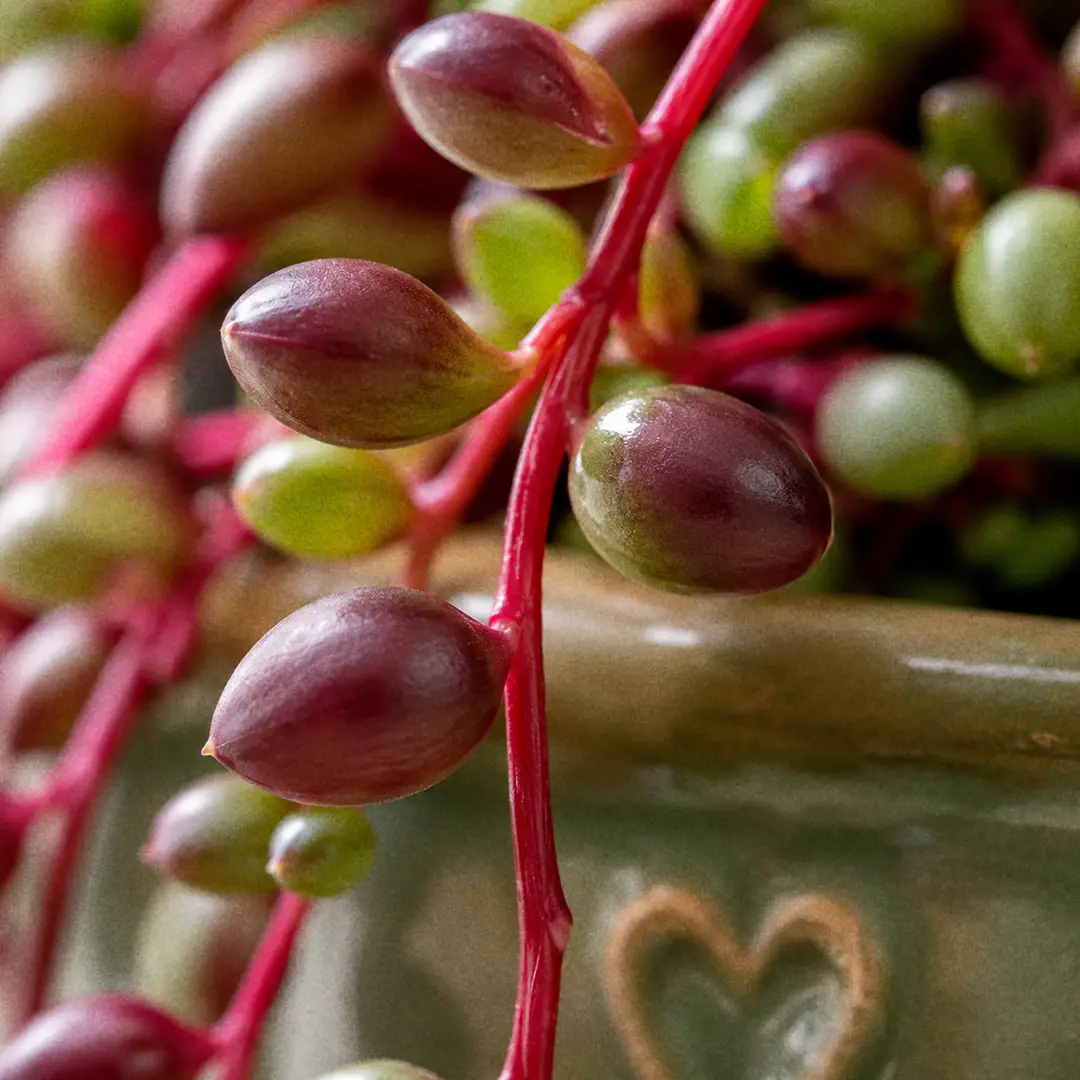
This is what most shops simply label as "String of Rubies" or "Ruby Necklace." Bean-shaped green leaves, bright red stems, deep burgundy color under strong sun. It is the form you should expect when buying.
"Little Pickles" Selection
Some growers market a slightly more upright, smaller-leaved form under the name "Little Pickles." In practice the differences are subtle, often just a function of how the plant was grown rather than a true cultivar. Care is identical to the standard form.
How It Compares to Other Strings
If you are building a collection of trailing succulents, String of Rubies fits in beautifully alongside String of Pearls, String of Bananas, String of Dolphins, and String of Fishhooks. It is the easiest of the bunch and the only one that reliably flowers indoors. For a completely different silhouette in the same collection, String of Buttons stacks its leaves into upright spiral columns instead of dangling strands. The closest visual relative in terms of cascading red-tinged stems is the Wax Ivy, although that plant has flatter, ivy-shaped leaves rather than rounded beans.
🪴 Potting and Repotting String of Rubies
This plant likes to be a little cozy in its pot, which makes repotting an occasional task rather than an annual one.
When to Repot
Repot every 2 to 3 years, or when the crown spreads across the entire surface of the pot with little soil visible. A telltale sign is water running straight through without absorbing, which means the roots have filled the pot and there is no soil left to hold moisture. Spring is the best time to do this, just as growth picks up.
Choosing a Pot
Go up only one size, no more than an inch or two wider than the current pot. Oversized pots hold too much wet soil around the small root ball and lead straight to rot. A shallow pot suits the shallow root system better than a deep one. Terracotta is excellent because it wicks moisture away from the soil between waterings. Whatever you use, a drainage hole is non-negotiable.
Step-by-Step Repotting
- Stop watering for a week before repotting so the soil is dry and the root ball comes out cleanly.
- Gently tip the plant out of its old pot, supporting the crown with one hand.
- Tease off the old soil and inspect the roots. Trim any black, mushy, or hollow sections back to firm white tissue with clean scissors.
- Add a layer of fresh gritty mix to the new pot, set the plant at the same depth it grew before, and fill in around the roots.
- Wait a full week before watering. Letting any small wounds in the roots dry and callus first prevents rot from sneaking in. Our repotting guide covers this approach in more detail.
✂️ Pruning String of Rubies
Light pruning keeps the plant looking like a plant rather than a tangle of bare strings.
When to Prune
Spring and early summer are best. Pruning during winter dormancy slows recovery and can leave the plant looking sparse for months. Avoid heavy cuts during a bloom cycle if you want to enjoy the flowers.
How to Prune
Use clean, sharp scissors and trim the longest or balding strands back to a length you like. Cut just above a node, which is where leaves meet the stem. New growth will branch from that point, making the strand denser over time. Save every cutting; they are propagation material.
Pinching for Bushiness
Pinching the tips of healthy strands encourages branching from the crown, which is the best way to keep a String of Rubies from looking like a few long thin tails. Pinch once or twice a year and the plant stays full. If yours has already gone leggy, see the leggy growth guide for recovery steps.
🌱 How to Propagate String of Rubies
This is one of the easiest succulents to propagate. Every cutting is a new plant in waiting.
Best Method
Stem cuttings in soil are the most reliable approach. Water propagation works too but is slower and slightly riskier, since roots formed in water transfer poorly to soil and often have to regrow a second set.
Step-by-Step
- Take 3 to 6 inch cuttings from healthy, plump strands. Make the cut just below a node.
- Strip the leaves off the bottom inch or so of the cutting.
- Let the cut end dry and callus over for 1 to 3 days. This step is non-negotiable. Fresh cuts placed straight into soil tend to rot.
- Lay the cuttings flat on top of damp succulent mix or press the callused end gently into the soil. Several cuttings in the same pot give you a full plant faster than a single strand.
- Place the pot in bright, indirect light. Mist the surface lightly every few days to keep things barely damp, not wet.
- Roots usually form within 2 to 3 weeks. Once you can give a cutting a gentle tug and feel resistance, it is rooted. Switch to normal soak-and-dry watering from that point.
Tips for Success
Spring and early summer give the fastest rooting. Winter cuttings often sit dormant until light and warmth return. For a fast, full hanging basket, plant cuttings all the way around the rim of the pot so new growth spills over the edge. Our succulent propagation guide covers the broader technique.
🐛 String of Rubies Pests and Treatment
Healthy plants in good light rarely get attacked, but a few common pests will show up if conditions slip.
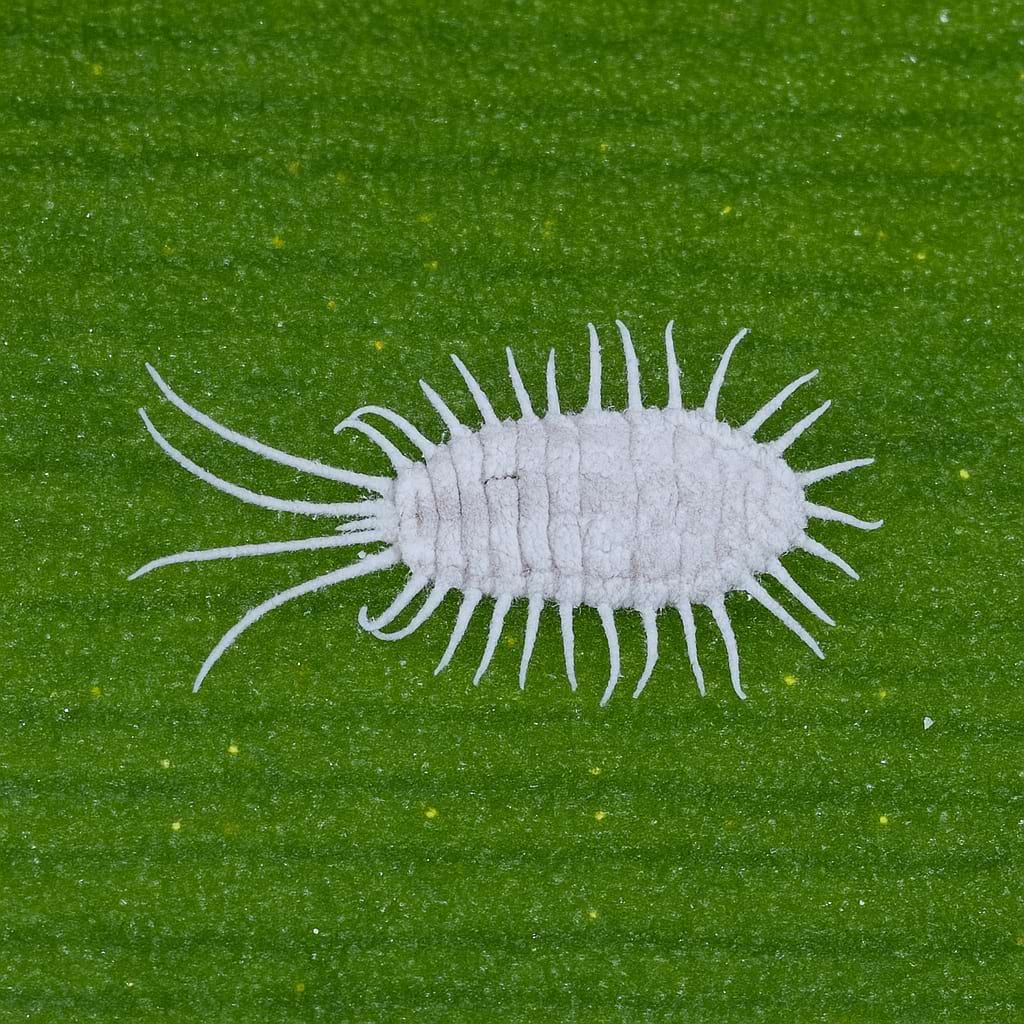
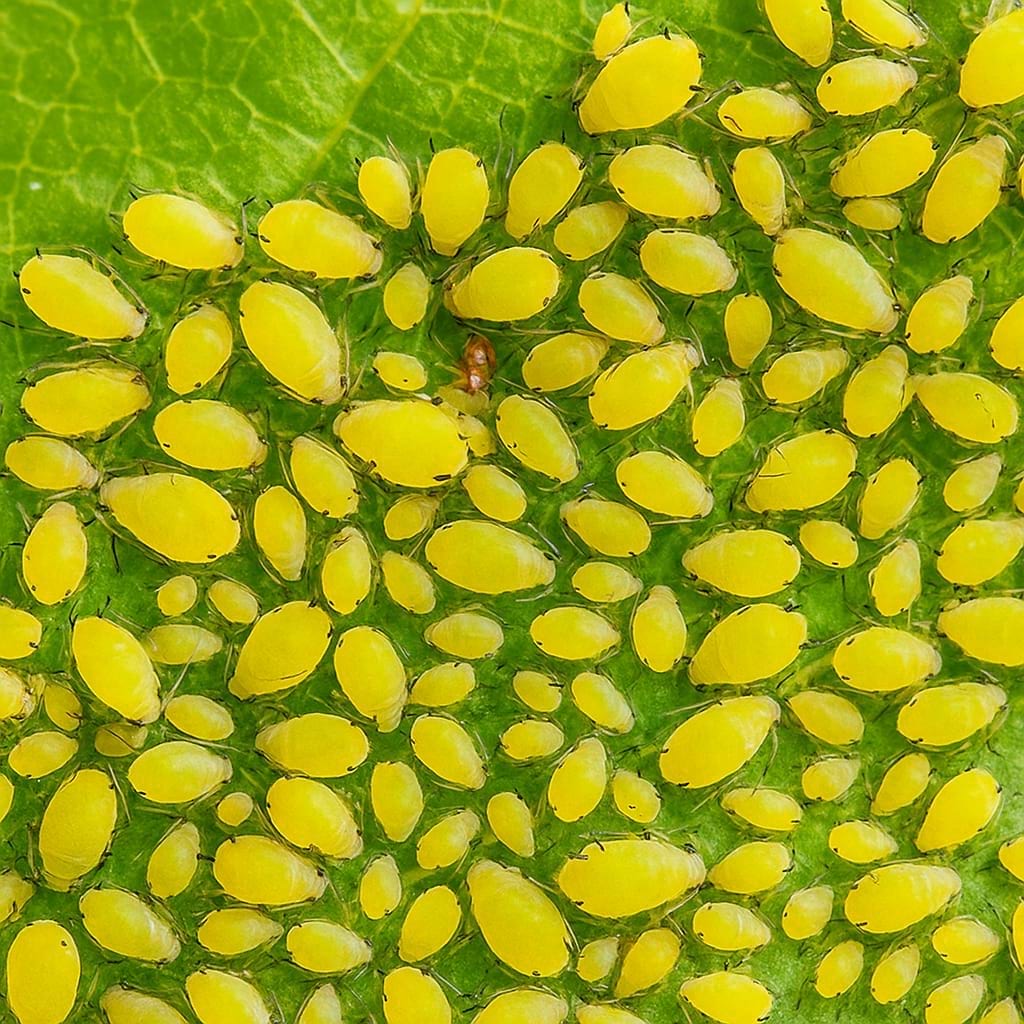
Mealybugs are the most frequent visitors, tucking into the crown and leaf bases as cottony white blobs. Dab them off with a cotton swab dipped in 70 percent isopropyl alcohol, then follow up with insecticidal soap if the infestation is heavy. Aphids sometimes cluster on soft new growth during bloom, and the same soap spray handles them.
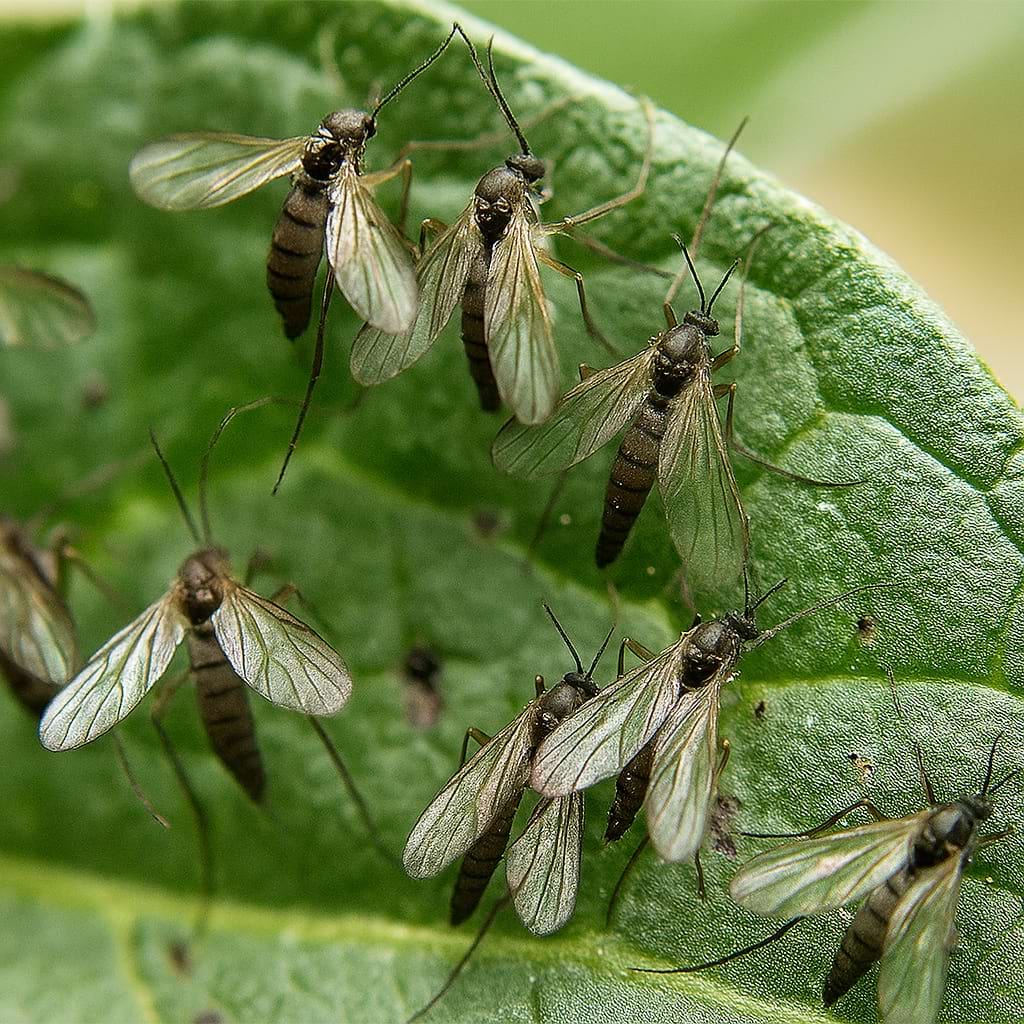
Spider mites move in when air is hot and dry. Look for fine webbing in the crown and pinprick spots on the leaves; a thorough rinse in lukewarm water, repeated weekly, knocks them back. Fungus gnats only show up when the soil stays wet too long, so they are a watering symptom. Let the soil dry fully and they vanish.

🩺 Common String of Rubies Problems
Most issues with this plant come back to water, light, or a combination of the two.
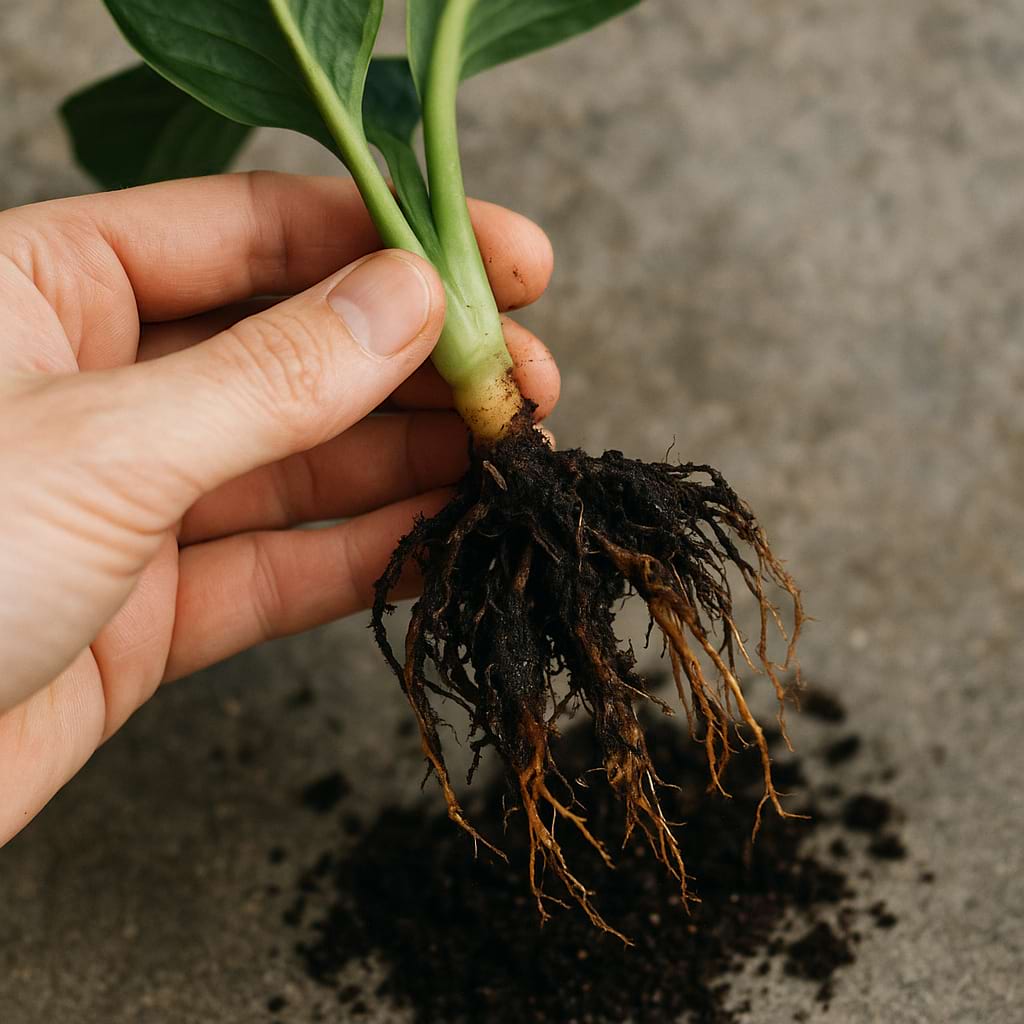
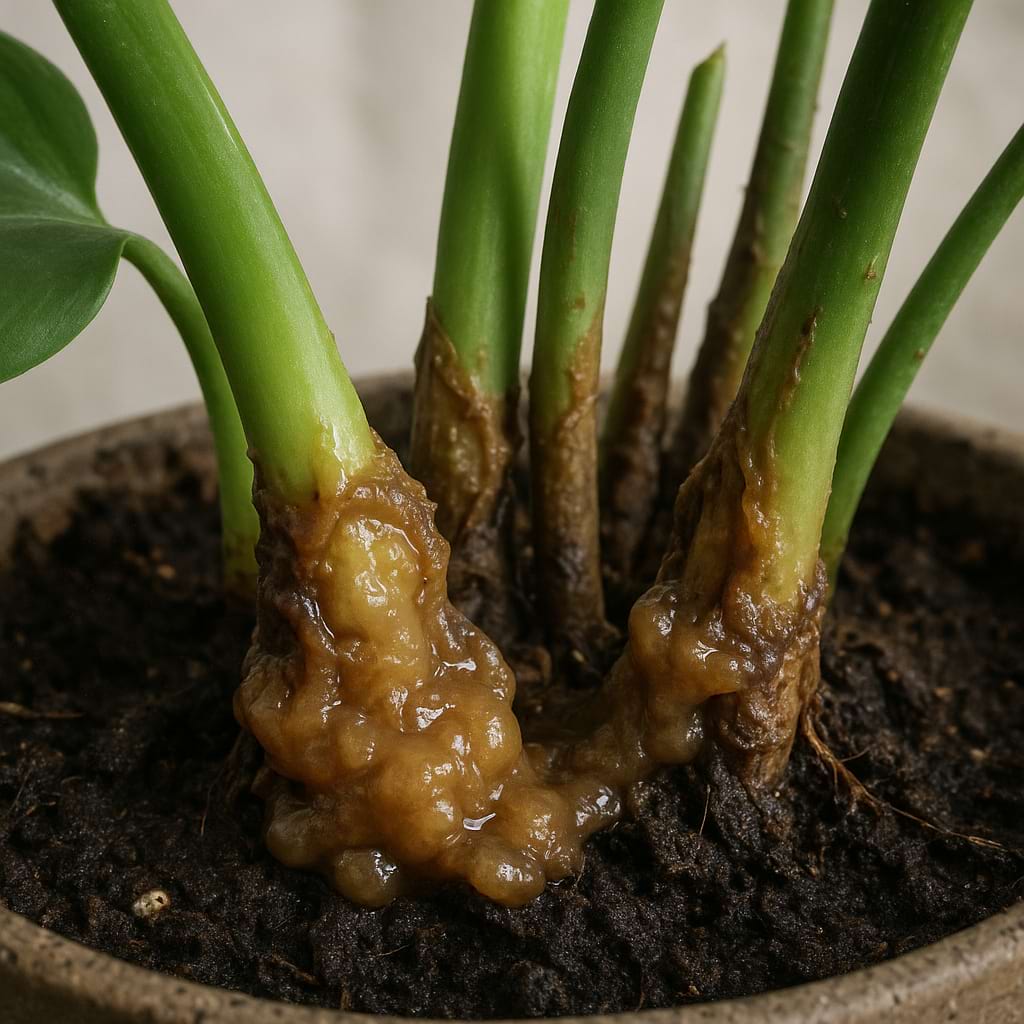
Root rot is the headline killer. It starts with soft, translucent leaves and blackened stems near the soil, and by the time you notice, the roots are usually mush. Catch it early by unpotting, cutting back to firm tissue, and repotting in dry, fresh mix. Mushy stems at the crown are the same problem in a different costume. Fix the drainage and watering routine, not just the symptom.
Yellowing leaves usually point to overwatering, especially if they feel soft. Crisp yellow leaves with dry soil are the opposite problem. Leggy growth with sparse, stretched stems and lost red color means not enough light. Move the plant closer to a brighter window or add a grow light. Wilting and drooping on a Rubies almost always means root trouble; the leaves on this plant rarely droop from thirst because they shrivel instead. Sunburn or leaf scorch appears as papery brown patches after the plant moves too quickly into harsh direct sun.

🖼️ String of Rubies Display and Styling Ideas
The red stems are this plant's whole personality. Display it where they show.
Solo Setups
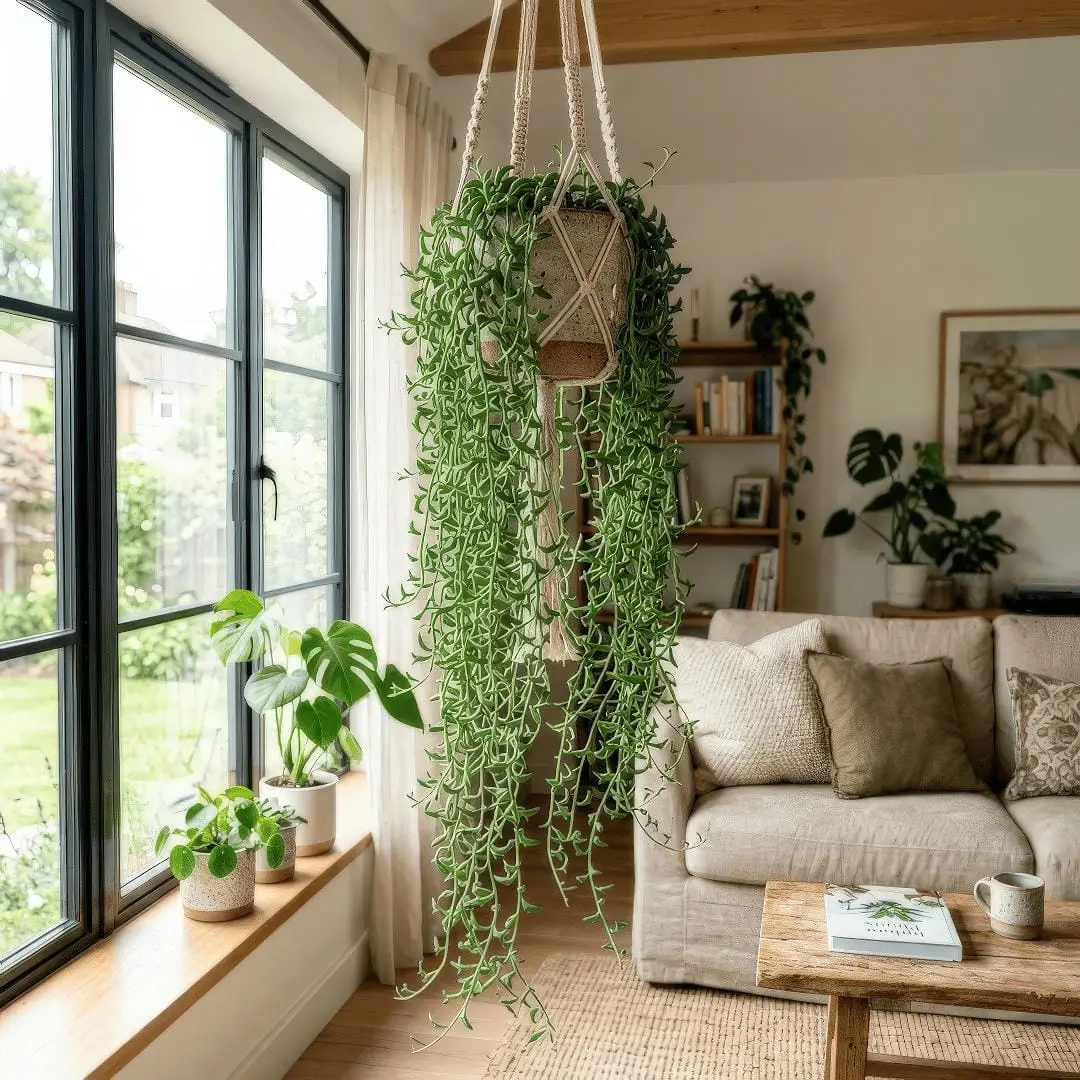
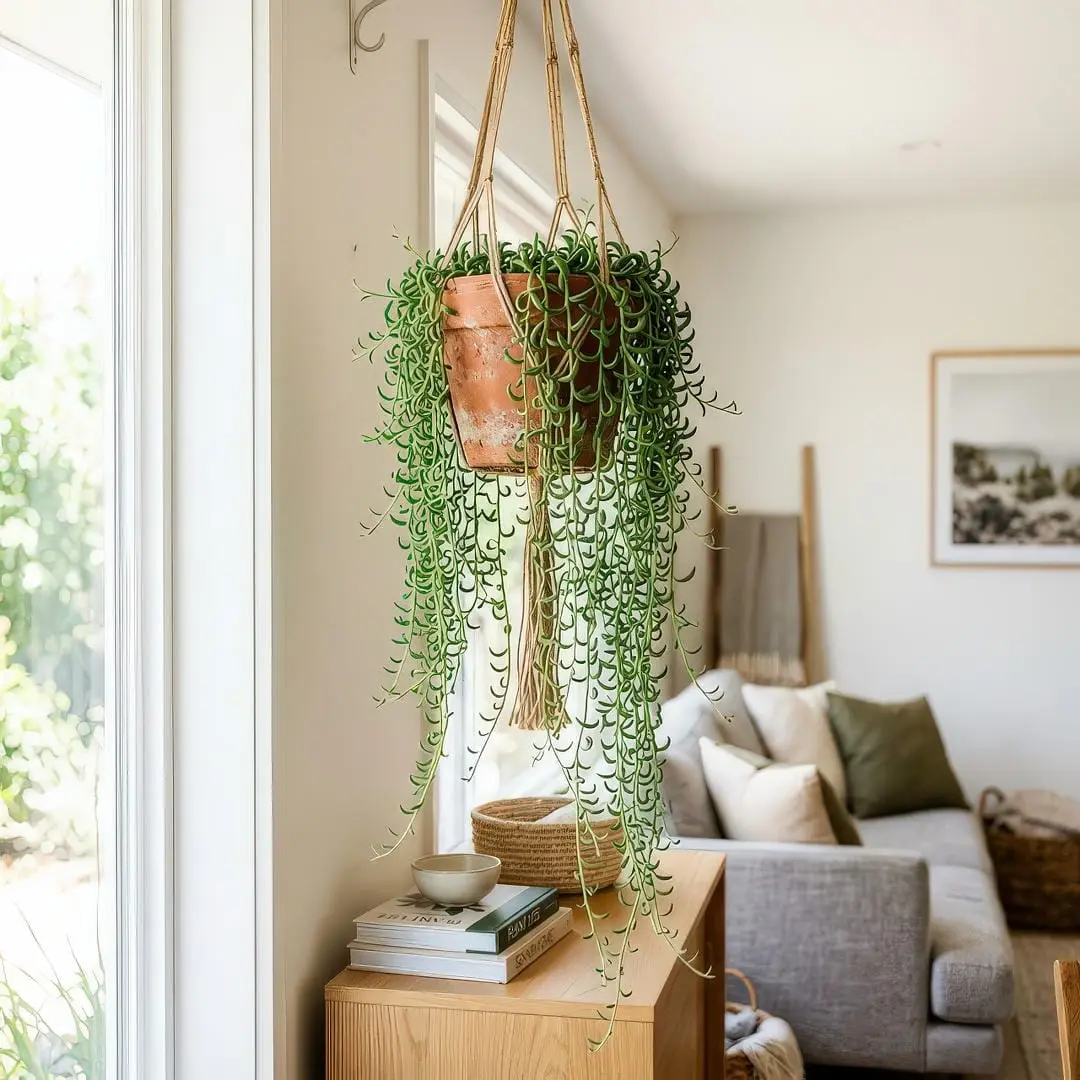
A hanging basket near a sunny window is the classic look and lets the strands cascade naturally. A pedestal pot on a side table works just as well and lets the strands spill down past the rim. Pale pots, white planters, and natural unglazed terracotta all let the ruby tones do the talking. Avoid busy pots that compete with the foliage.
Grouped Arrangements
In a mixed succulent bowl, String of Rubies makes a brilliant spiller around upright plants. The red stems pop next to silver-leaved succulents like Silver Squill, and the trailing habit balances out compact rosettes. It also looks fantastic grouped with other String plants. Pair it with String of Pearls and String of Bananas for a three-way contrast of round, banana, and ruby-bean leaves all dangling from the same shelf.
Where Not to Put It
Anywhere dim. A pretty but dark corner is the fastest way to lose the ruby color and the bloom potential. Same for bathrooms with no bright window: too humid, too dark. The plant tells you where it wants to be by what it does with its color.
🌟 String of Rubies Pro Care Tips
- Color is a light meter. If the stems are turning green, increase light. If the leaves are bleached or scorched, decrease it. Adjust within the same room before moving rooms.
- Pinch early, pinch often. A young plant pinched at the tips a couple of times in its first year will be twice as full as an unpinched one.
- Let it get a little hungry in winter. Cooler temperatures, drier soil, and no fertilizer for two months in late fall set up the strongest bloom display you will see.
- Use a shallow pot. Deep pots hold too much wet soil around shallow roots. A wide, shallow planter dries faster and suits the root system.
- Don't replant a struggling one into a bigger pot. A sick String of Rubies needs dry fresh soil and a smaller pot, not more room.
- Save your prunings. They root nearly every time in spring. Tuck cuttings into bald spots on the parent to refill the crown.
❓ Frequently Asked Questions
Is String of Rubies toxic to cats and dogs?
String of Rubies is generally considered non-toxic to mildly toxic. It is not on the major pet poison registries as a serious threat, but the sap can cause mild stomach upset if a pet eats a large quantity. As with any houseplant, keep it out of reach of curious pets. Hanging it high is the easiest way to remove the temptation.
Why are my String of Rubies stems turning green instead of red?
The red color is a sun-stress response. In medium or indirect light, the plant simply does not need to produce the protective pigments that create the ruby color. Move it to a brighter window with a couple of hours of direct sun and the new growth will come in red within a few weeks. Existing green stems will not change color, but the fresh growth will give you the look you want.
How fast does String of Rubies grow?
In good light, it is one of the faster trailing succulents and can put on several inches of new growth each month in spring and summer. A young plant can fill out a full hanging basket in a single growing season if you root cuttings back into the same pot.
Why is my String of Rubies dropping leaves?
Leaf drop usually means the soil has been too wet for too long. The plant sheds older leaves first to protect itself when the roots are stressed. Check the soil, ease off on watering, and inspect the roots for soft black patches if the dropping continues. Sudden temperature changes and very low light can also cause leaf loss but are less common.
Can String of Rubies grow outdoors?
Yes, in USDA hardiness zones 9 to 11, it can grow outdoors year-round as a trailing ground cover or in hanging containers. In cooler climates, you can move it outside during the warm months as long as you bring it back in well before temperatures drop below 50 Fahrenheit (10 Celsius). Acclimate it slowly to outdoor sun over a week or two to prevent scorch.
How is String of Rubies different from String of Pearls?
They are close relatives in the same plant family. String of Rubies has bean-shaped leaves on bright red stems and is significantly easier to grow than String of Pearls, which has perfectly round bead-like leaves on thin green stems. Rubies is more sun-tolerant, more forgiving of watering mistakes, faster-growing, and a much more reliable bloomer indoors.
Why won't my String of Rubies bloom?
The two most common reasons are not enough light and not enough of a winter rest. The plant blooms most heavily after a cool, dry stretch in late fall and early winter. Give it the sunniest window you have, let the room drop into the low 60s Fahrenheit for a few weeks in late autumn, and cut watering back during that time. Resume normal care in early spring and you should see flowers.
Should I prune off the flower stalks after blooming?
Yes. Once the yellow flowers fade, snip the spent flower stalk back to the base. This redirects the plant's energy into growing new foliage rather than seeds. A clean cut also keeps the plant looking tidy and reduces the chance of mold forming on dying flower tissue.
ℹ️ String of Rubies Info
Care and Maintenance
🪴 Soil Type and pH: Cactus and Succulent Mix
💧 Humidity and Misting: Average household humidity is fine; it dislikes muggy air.
✂️ Pruning: Trim long strands to keep the crown full and encourage branching.
🧼 Cleaning: A gentle puff of air removes dust; avoid wiping the waxy leaves.
🌱 Repotting: Every 2-3 years or when the crown outgrows its pot.
🔄 Repotting Frequency: Every 2-3 years
❄️ Seasonal Changes in Care: Cut watering back sharply in fall and winter; expect slower growth.
Growing Characteristics
💥 Growth Speed: Fast
🔄 Life Cycle: Perennial
💥 Bloom Time: Late fall through spring, with peak flowering in winter.
🌡️ Hardiness Zones: 9-11
🗺️ Native Area: South Africa (Cape Province)
🚘 Hibernation: Mild winter rest, not full dormancy
Propagation and Health
📍 Suitable Locations: Hanging baskets, high shelves, bright windowsills, mixed succulent bowls.
🪴 Propagation Methods: Effortless from stem cuttings rooted in soil or water.
🐛 Common Pests: Mealybugs, Aphids, Spider Mites, Fungus Gnats
🦠 Possible Diseases: Root rot is the main risk if drainage or watering is off.
Plant Details
🌿 Plant Type: Trailing Succulent
🍃 Foliage Type: Evergreen
🎨 Color of Leaves: Green to deep ruby red on red stems
🌸 Flower Color: Bright yellow daisy-like blooms
🌼 Blooming: Frequently indoors with enough light
🍽️ Edibility: Not edible; treat as mildly toxic to pets if chewed in quantity.
📏 Mature Size: 2-4 inches (base)
Additional Info
🌻 General Benefits: One of the few trailing succulents that blooms reliably indoors.
💊 Medical Properties: None documented; not a medicinal plant.
🧿 Feng Shui: Trailing red-stemmed plants are linked with vitality and quiet energy in cascading spaces.
⭐ Zodiac Sign Compatibility: Leo
🌈 Symbolism or Folklore: Warmth, persistence, quiet flair
📝 Interesting Facts: The red color in the stems and leaves is a sun-stress response. The plant produces pigments called anthocyanins as a kind of natural sunscreen. Under medium light it stays mostly green; under strong light it deepens to ruby and burgundy.
Buying and Usage
🛒 What to Look for When Buying: Pick a plant with a dense crown, plump bean-shaped leaves, and visible red tones on the stems. Avoid any with mushy bases or pale, stretched growth.
🪴 Other Uses: Excellent spiller in mixed succulent arrangements and dish gardens.
Decoration and Styling
🖼️ Display Ideas: Hanging planters, tall shelves, sunny windowsills, and combo pots with upright succulents.
🧵 Styling Tips: The red stems pop against pale or neutral pots. Pair with silver or blue-leaved succulents for contrast.
🪴 See also 🪴
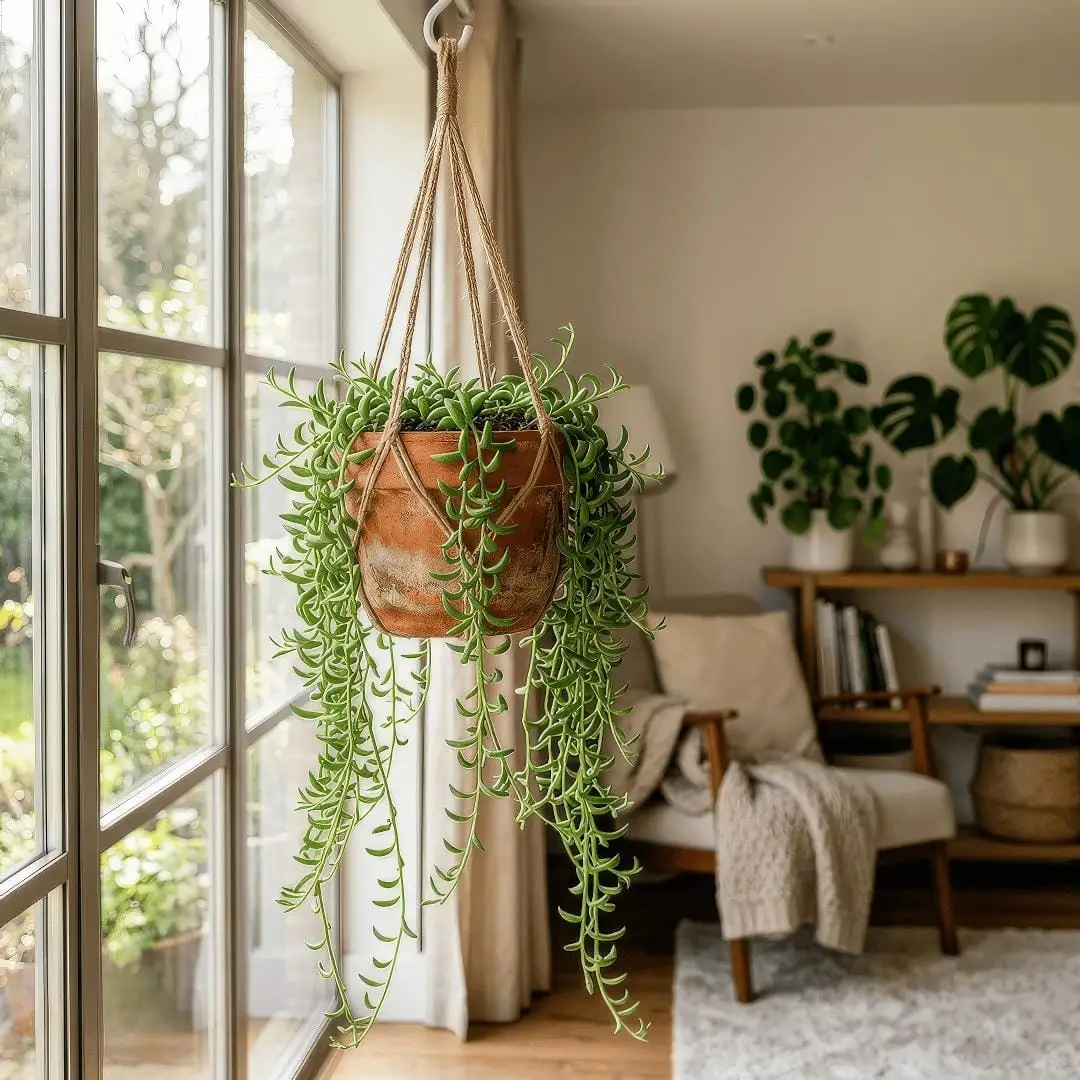
Complete Guide to String of Bananas Care and Growth
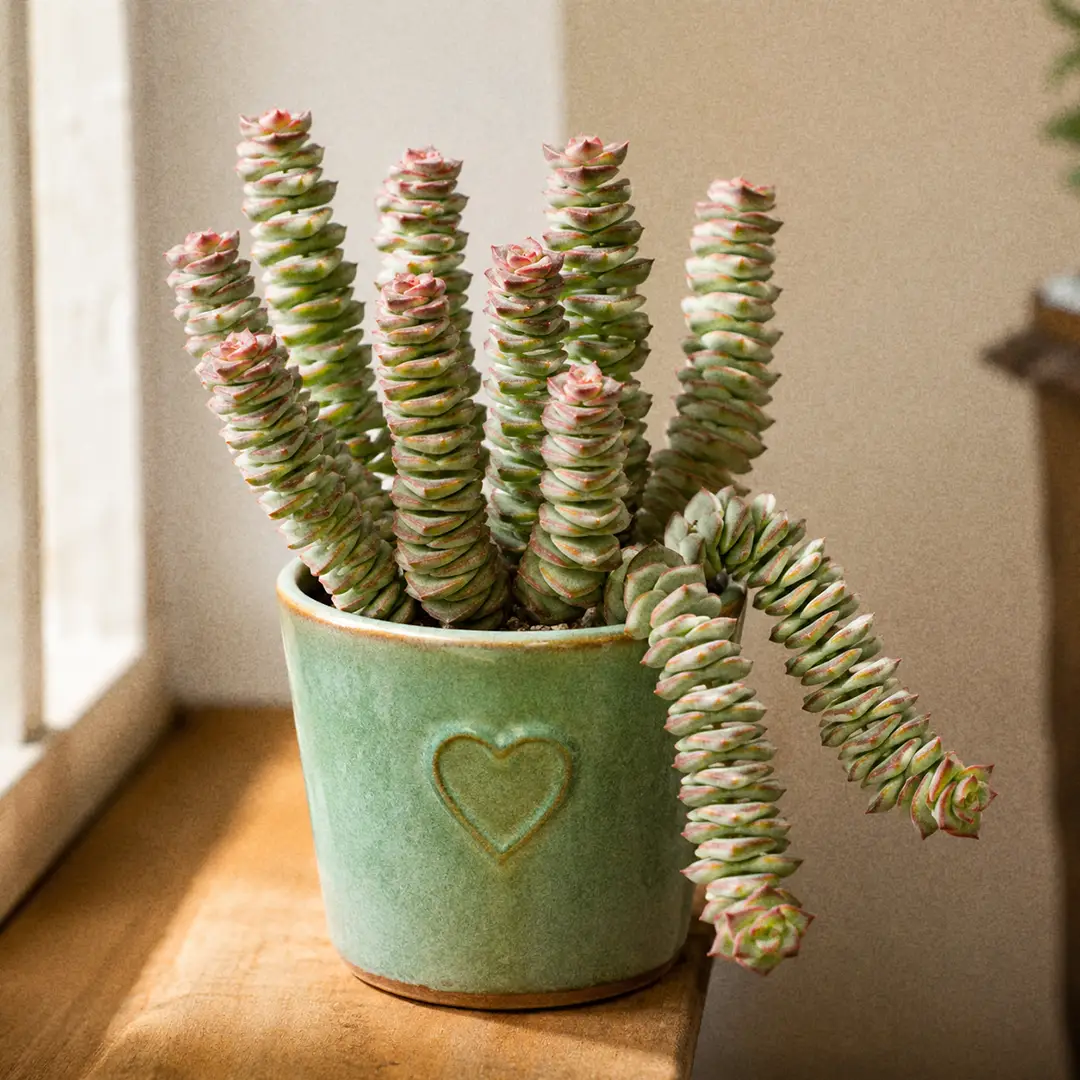
Complete Guide to String of Buttons Care and Growth
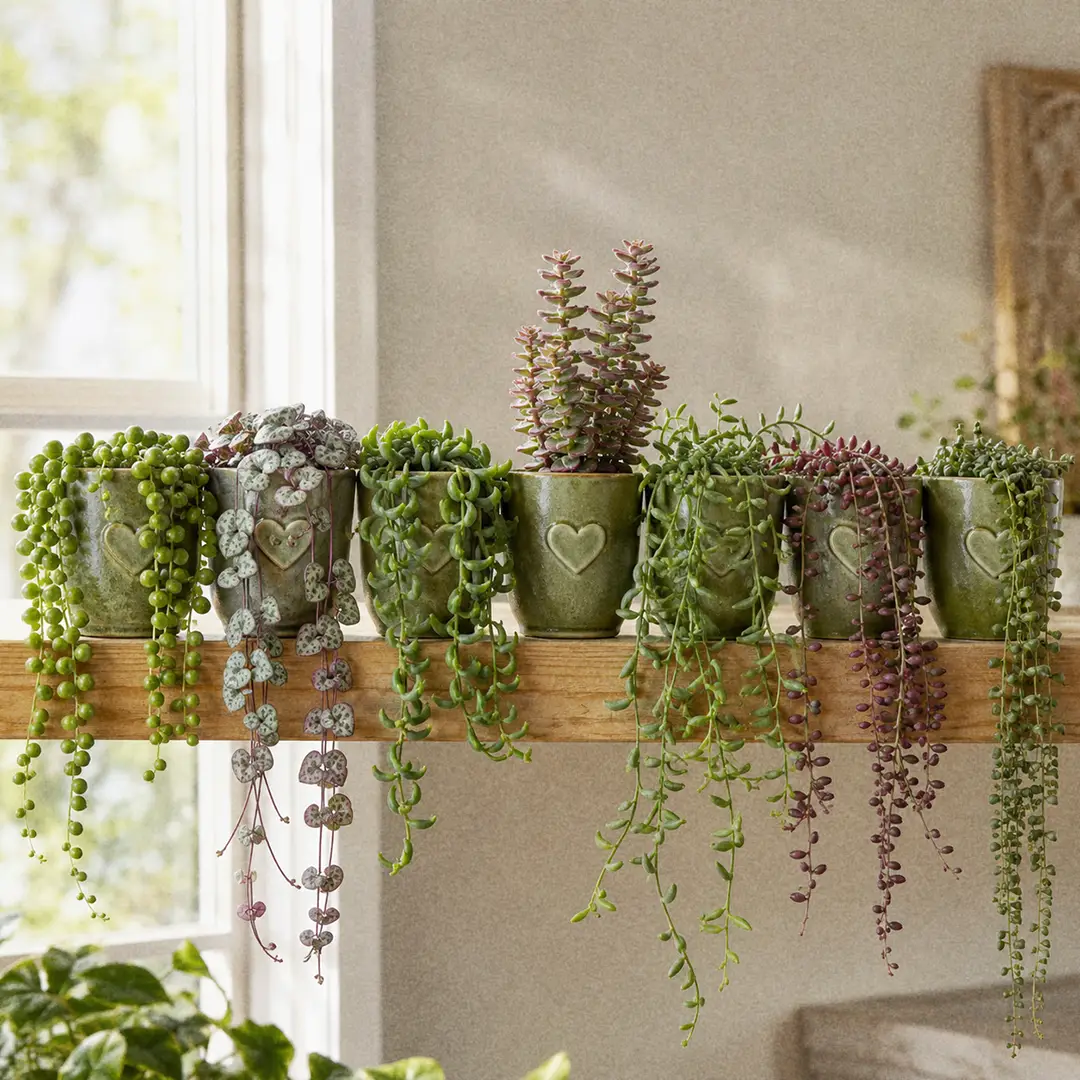
String of Plants: All 10 "String of" Succulents Ranked and Compared
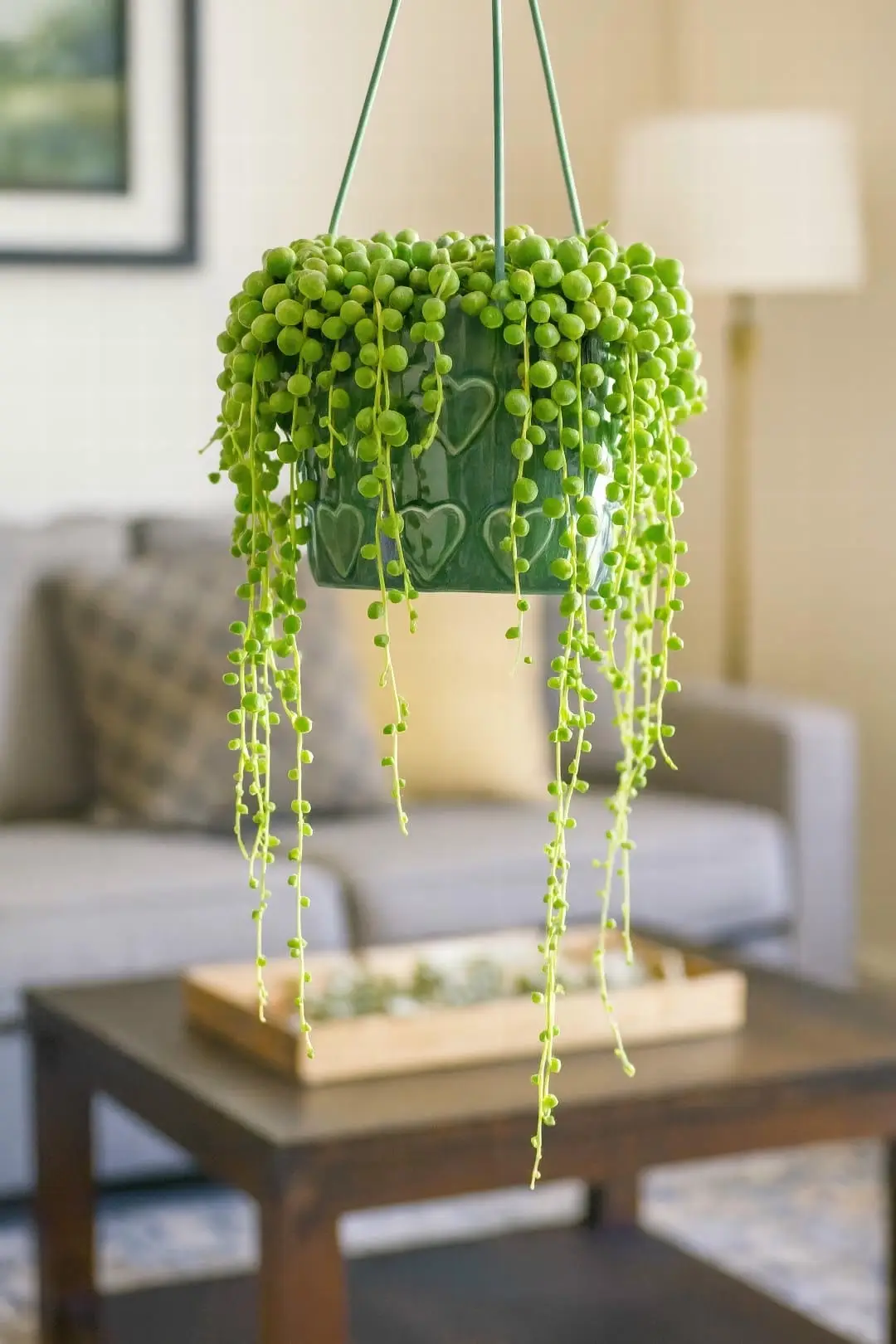
Complete Guide to String of Pearls Care and Growth
Complete Guide To String of Dolphins Care and Growth
Complete Guide To String of Fishhooks Care and Growth


Houseplant101 Forum
Questions & Comments
Ask a question, share your plant experience, or help other plant owners.
Comments are temporarily unavailable.
Open the Houseplant101 ForumNo comments yet
Be the first to ask a question or share your experience about this page.
Log in or create an account
Comments use your Houseplant101 Forum account, but you can stay on this page.
Create a new account