🌵
Ultimate Guide to Succulent & Cactus Care
What Defines a Succulent?
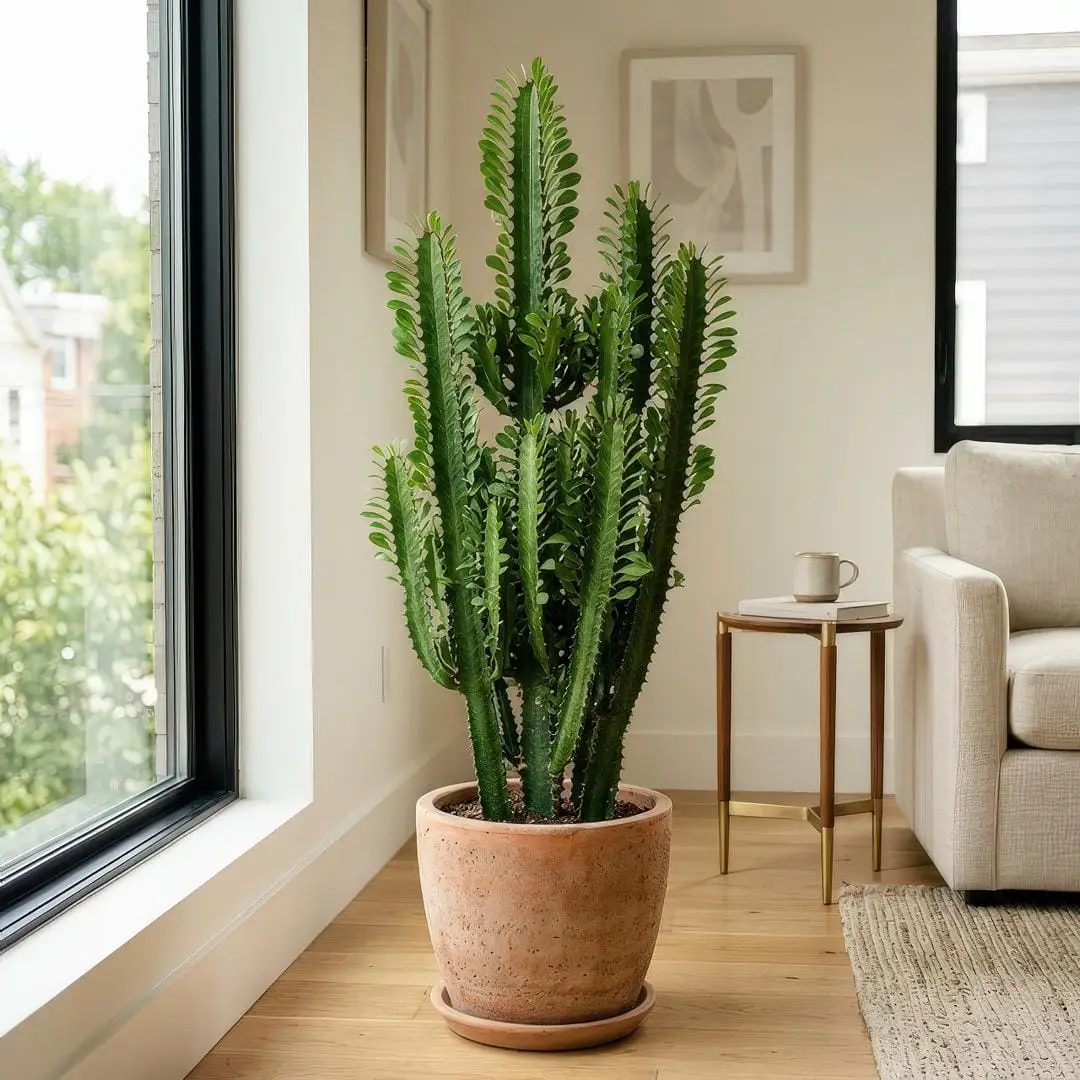
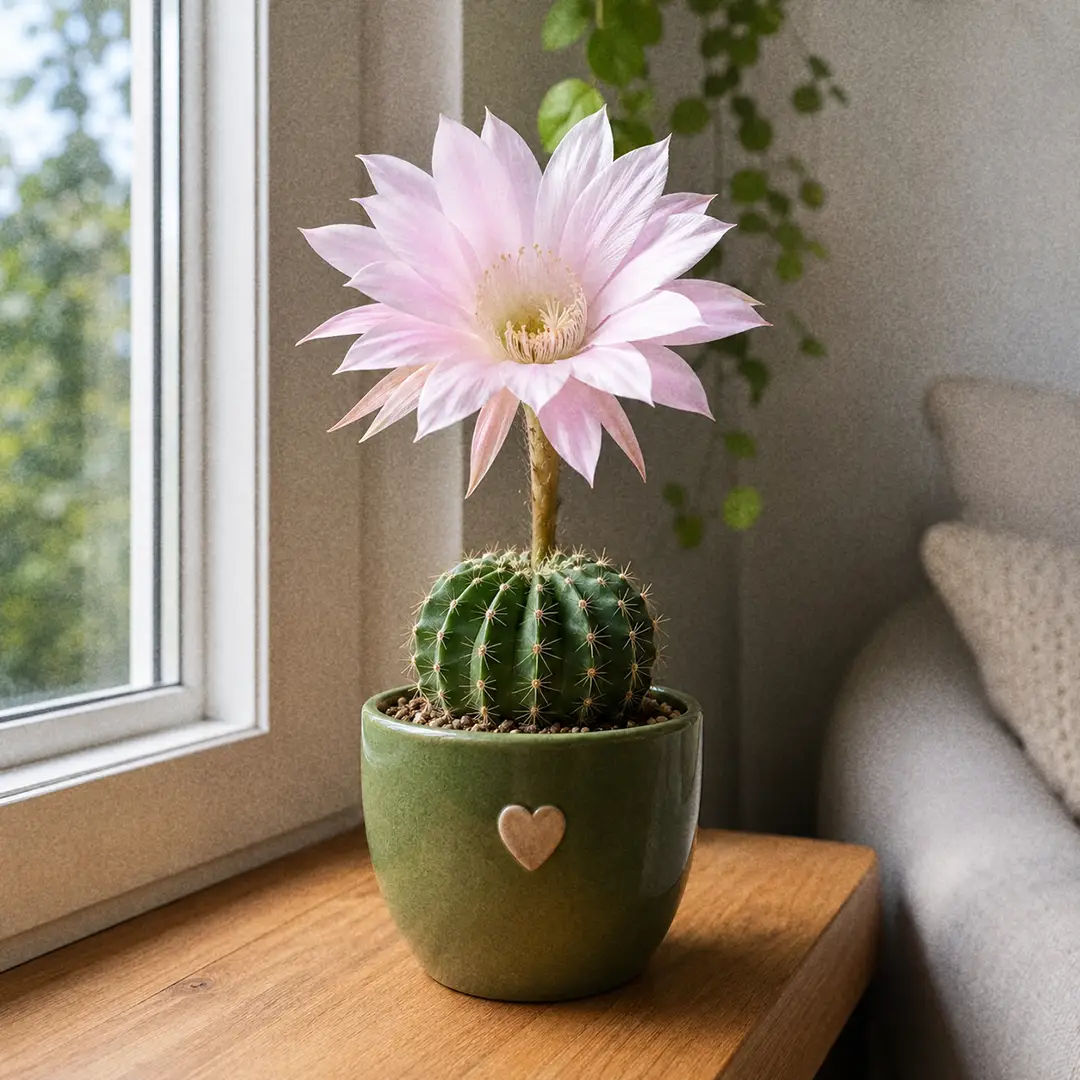
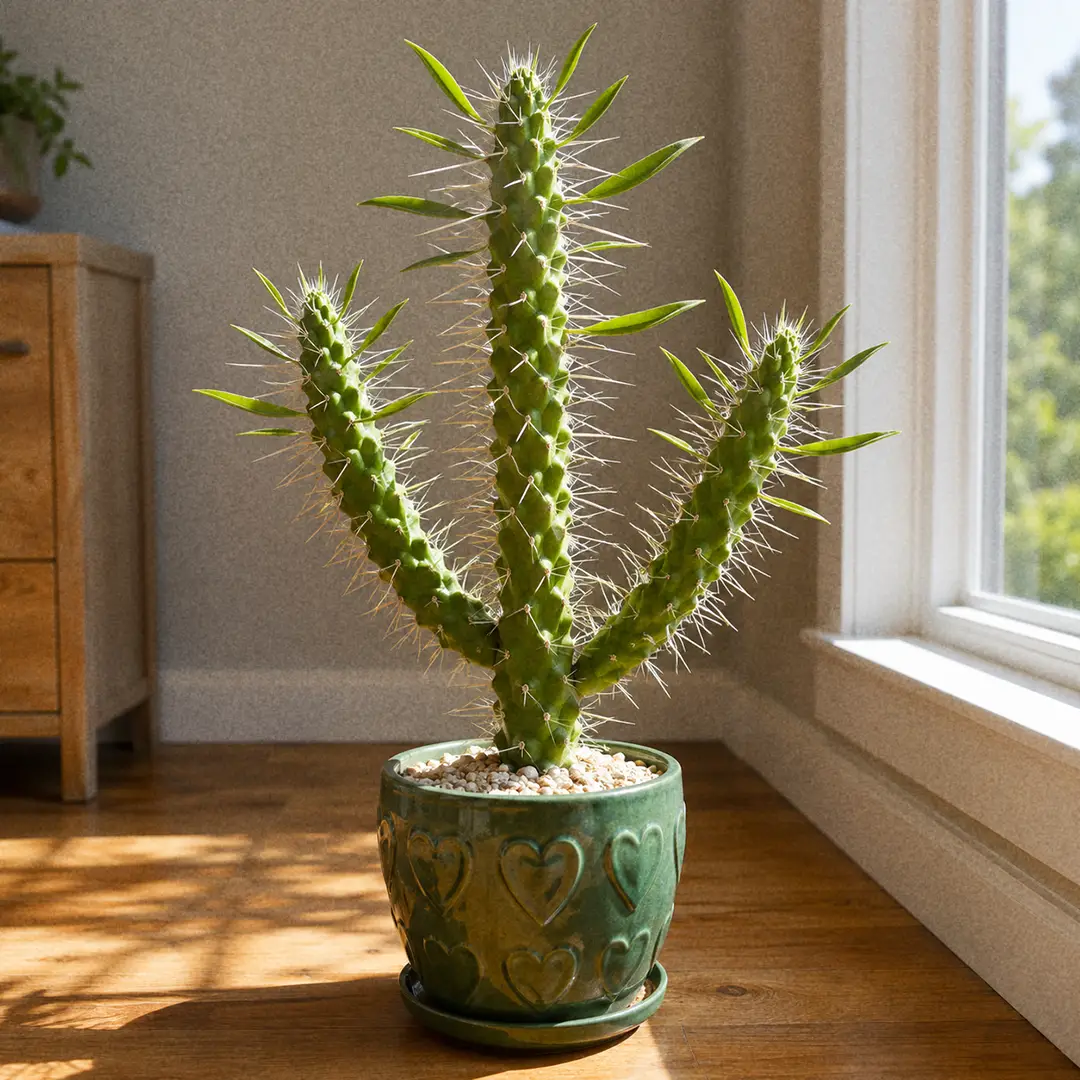
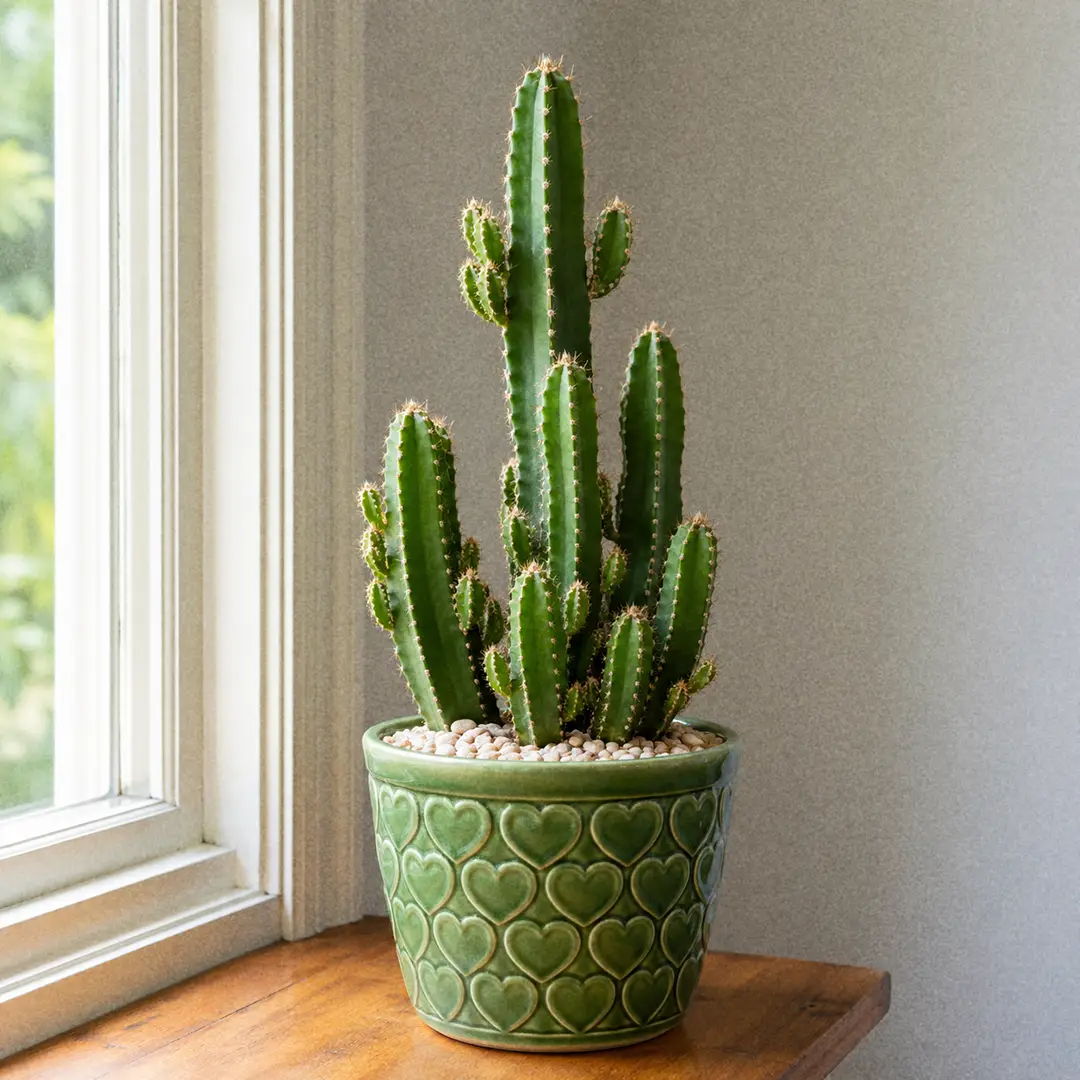
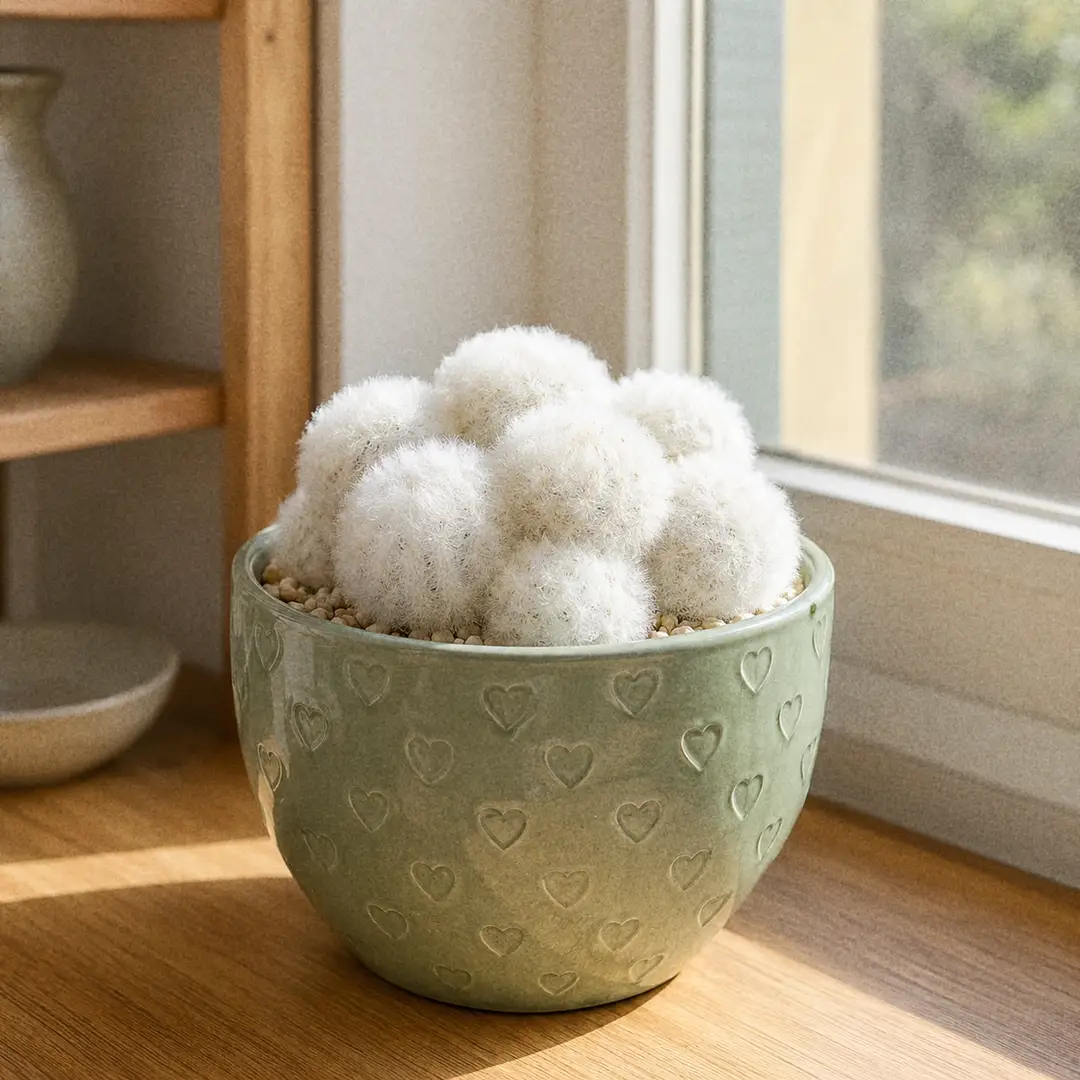
“Succulent” isn’t a scientific family, but a description of plants that store water in their thick, fleshy leaves, stems, or roots. This adaptation allows them to survive in dry environments. Cacti are simply a specific family of succulents (Cactaceae) that generally have areoles (small bumps where spines grow). All cacti are succulents, but not all succulents are cacti!☀️
Light: The Most Important Factor
Give Them Sun!
Lack of light is the #1 killer of indoor succulents. In the wild, they grow under the blazing sun. Indoors, they need the brightest spot you have.
- Ideal: A south or west-facing windowsill.
- Signs of Low Light:
- Etiolation: The plant stretches out, becoming tall and skinny with large gaps between leaves.
- Fading Color: Vibrant purples and pinks turn dull green.

💧
Watering: Soak and Dry
The 'Soak and Dry' Method
Never water a succulent significantly unless the soil is 100% dry.
- Check the soil (all the way to the bottom).
- If dry, water thoroughly until it drains out the bottom.
- Wait until it is bone dry again (this might take 2-4 weeks or more!).
Overwatering causes leaves to turn yellow, translucent, and mushy. This is rot, and it is largely irreversible.
🌱
Soil and Potting
Fast Draining Mix is Essential
Regular potting soil holds too much water. You must use a gritty, fast-draining mix.
- Recipe: 50% Potting Soil + 50% Perlite, Pumice, or Coarse Sand.
- Pots: Always use a pot with a drainage hole. Terracotta pots are excellent because they are porous and help the soil dry out faster.
📋
Popular Succulent Groups
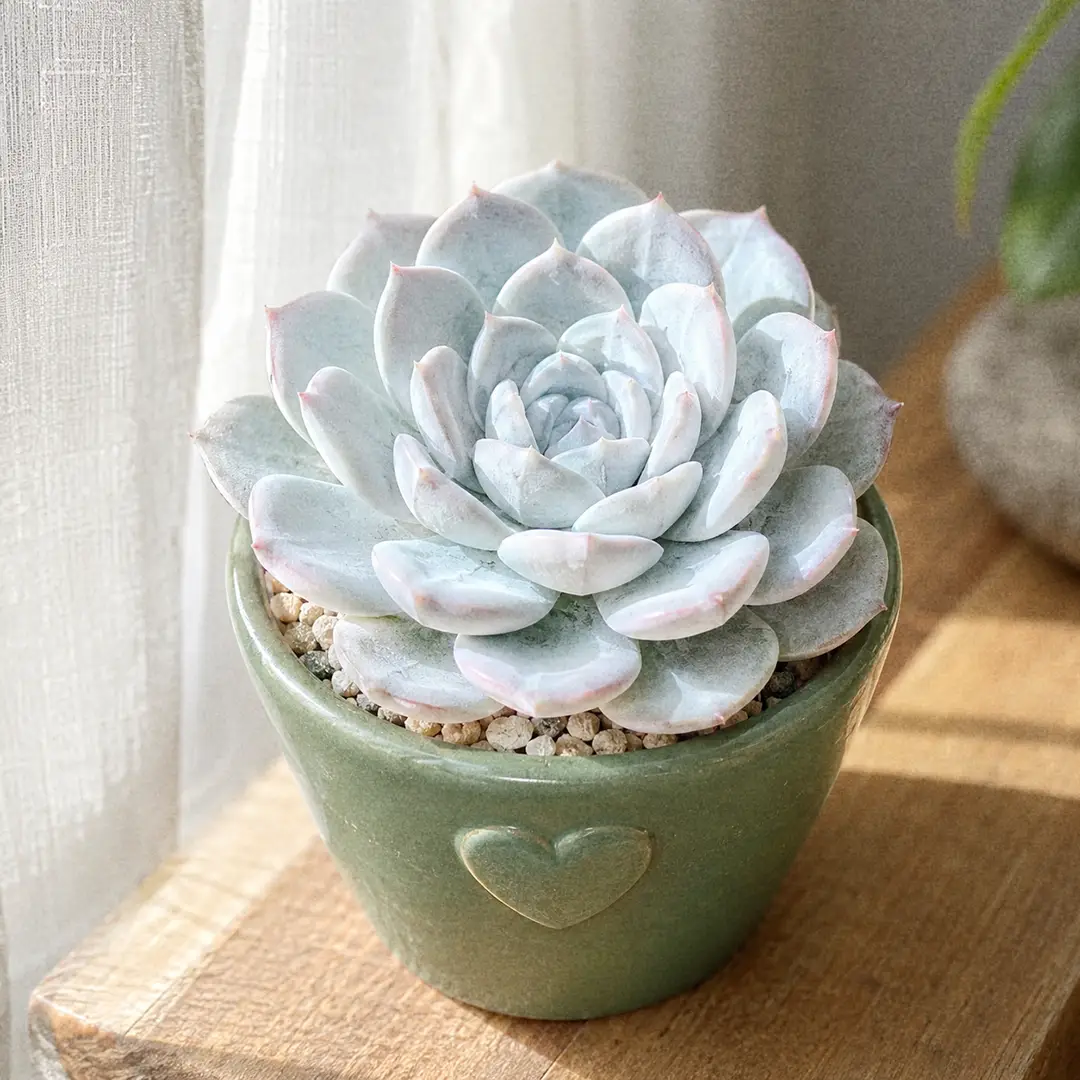
Rosette Succulents (Echeveria, Sempervivum)
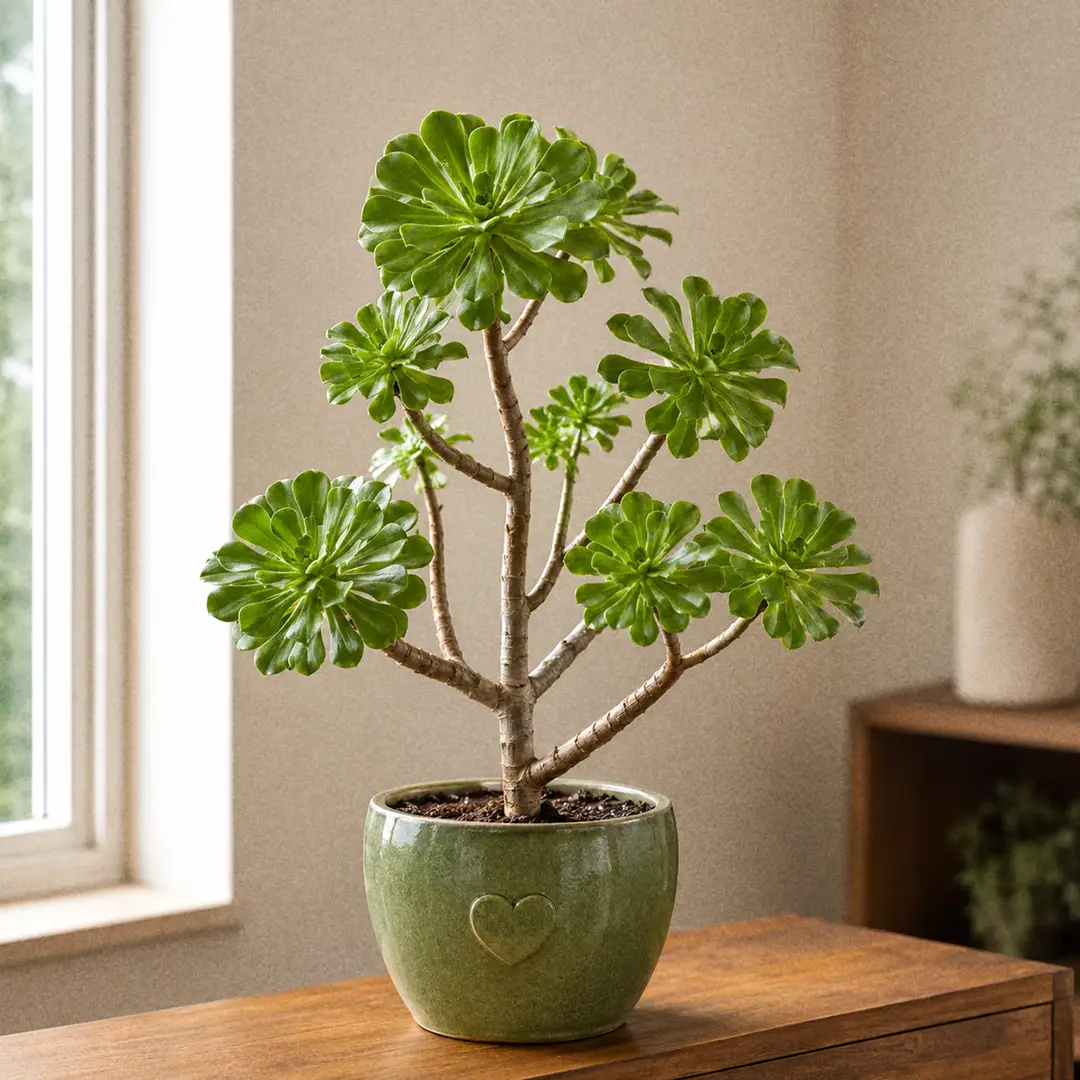
These form beautiful, flower-like shapes. They need the most light to keep their tight form.Soft Succulents (Jade Plant, Aloe Vera, Haworthia)
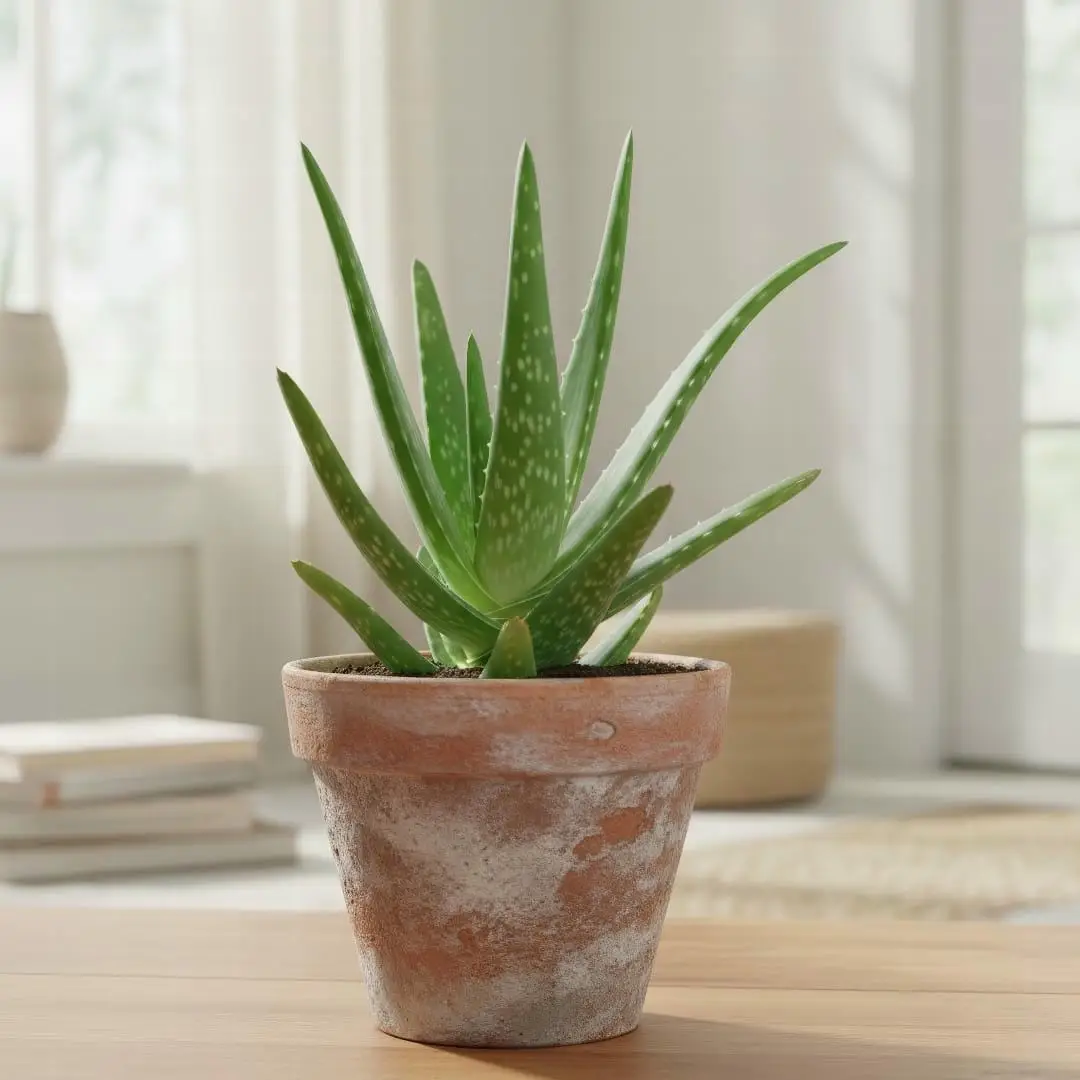
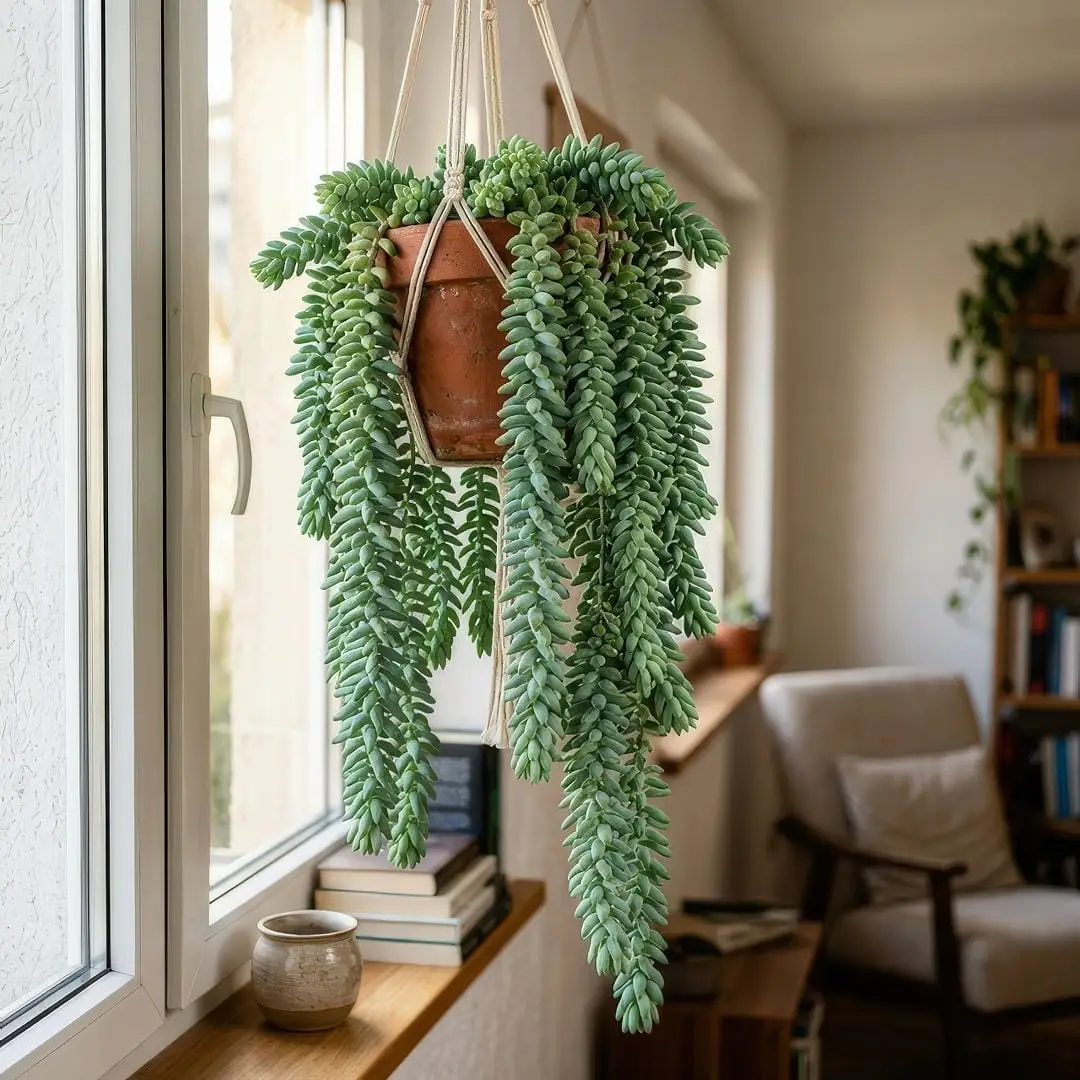
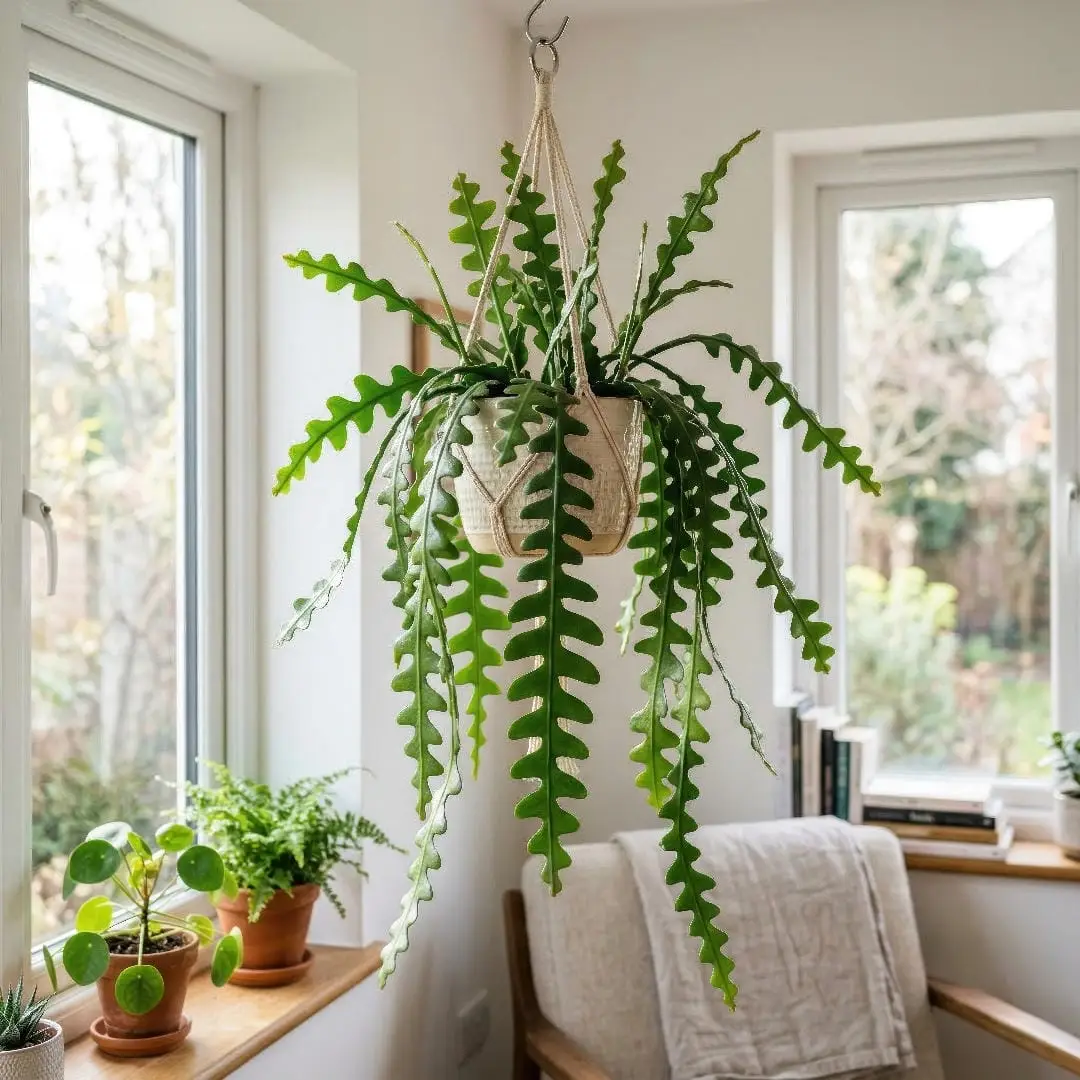
Generally more tolerant of lower light than Echeveria. Haworthia, in particular, loves bright indirect light and is great for indoors.Hanging Succulents (String of Pearls, Burro's Tail)
Perfect for hanging baskets in a bright window. Be careful when handling Burro’s Tail, as the leaves fall off easily!