
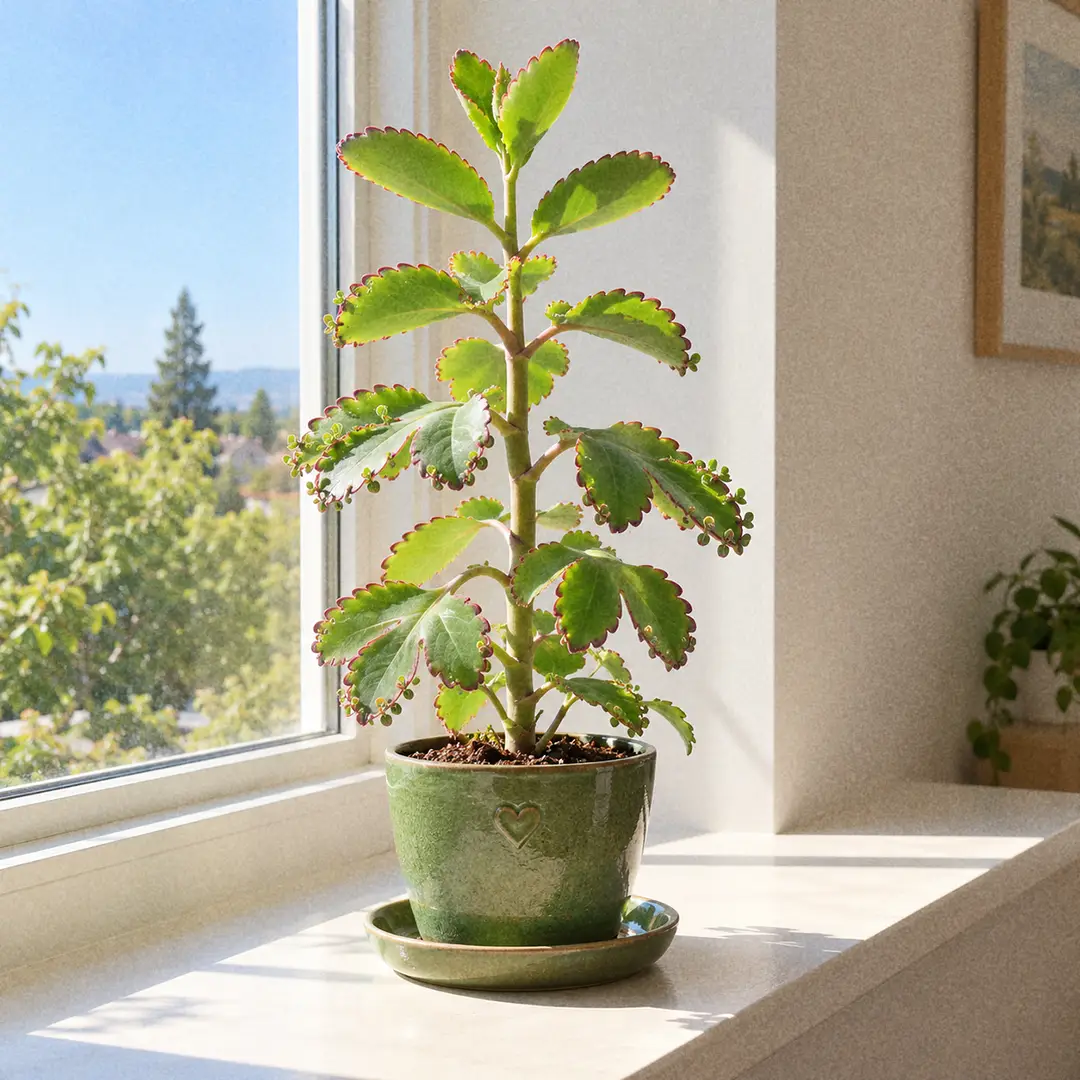
Leaf of Life
Bryophyllum pinnatum
Kalanchoe pinnata, Miracle Leaf, Cathedral Bells, Air Plant, Goethe Plant, Wonder of the World, Life Plant, Resurrection Plant


Leaf of Life grows finished baby plants along the notches of its own leaf edges, which is why a single leaf laid on damp soil turns into a dozen seedlings. Bryophyllum pinnatum is close to unkillable, and the real skill is keeping it out of every other pot in the room. This guide covers the light, the watering rhythm, the containment, and the toxicity you need to know about before you buy one.
📝 Leaf of Life Care Notes
🌿 Care Instructions
⚠️ Common Pests
📊 Growth Information
🪴 In This Guide 🪴
We may earn a commission when you buy through these links. How we choose products →

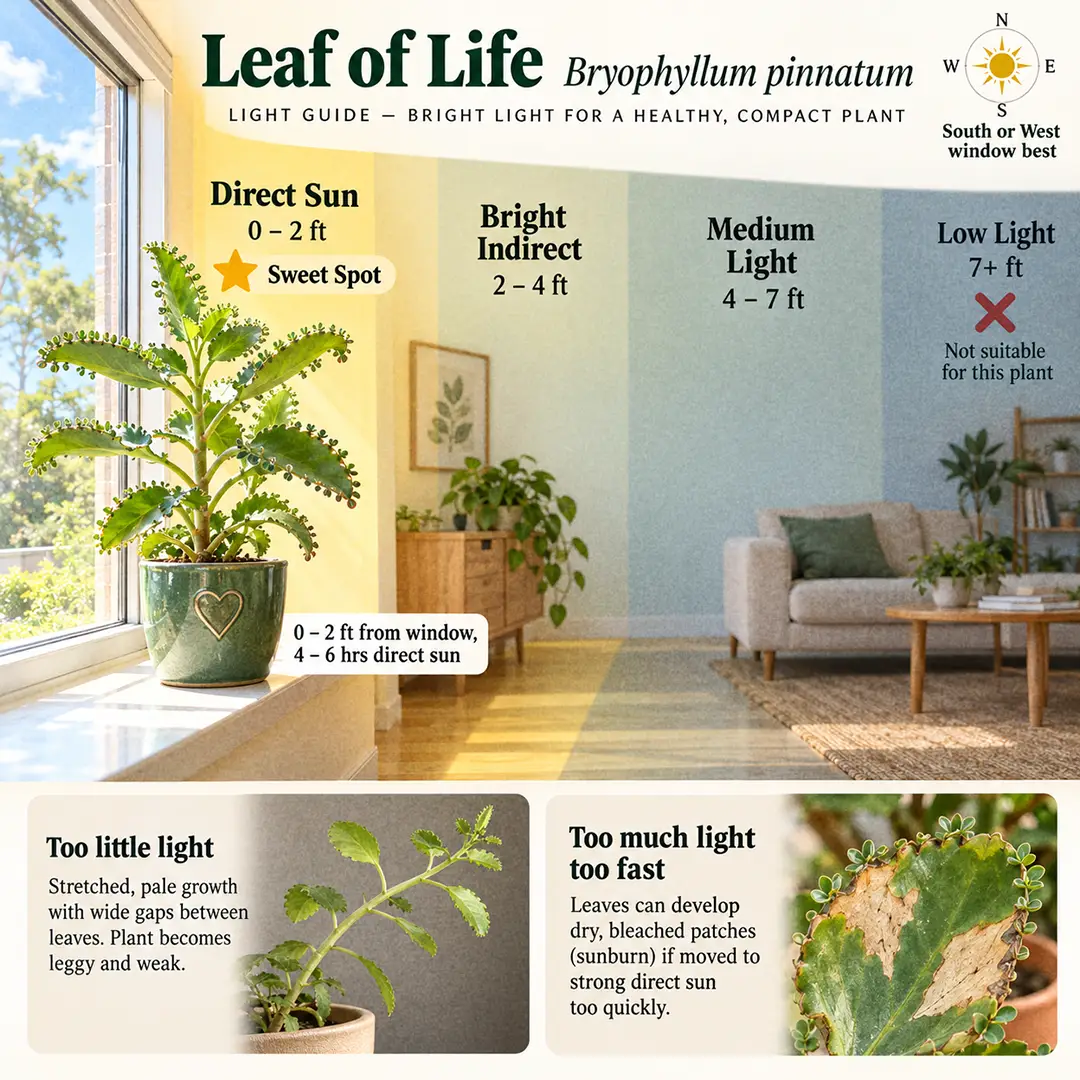
☀️ Leaf of Life Light Requirements (Bright Light Guide)
Light decides whether you get a stocky plant with purple-edged leaves or a floppy green pole. Bryophyllum pinnatum is not fussy about much, but it is honest about light within weeks.
The Sweet Spot
An unobstructed south or west window, with the plant right on the sill or within two feet of the glass. Four to six hours of direct sun a day is ideal, and this plant genuinely wants the sun rather than tolerating it. In that kind of light the stem stays thick, the leaf pairs sit close together, and the margins often pick up a red-purple flush.
East windows work too, with gentler results. You get a healthy plant, slightly taller and greener, with fewer plantlets along the leaf edges. North windows are the one placement to avoid outright.
If your brightest window is still dim, a grow light on a ten-hour timer eight to twelve inches above the plant will do the job. Our indoor light guide covers how to judge a room honestly.
Too Little Light
This is the common failure, and it happens fast. The stem stretches, the gaps between leaf pairs open up to two or three inches, and the whole plant leans toward the window like it is trying to leave. Leaves thin out and go pale. Plantlet production drops off, since the plant has no spare sugar for making babies.
Stretched stems never compact again. You prune them off and regrow in better light, which the pruning section below covers.
Too Much Light
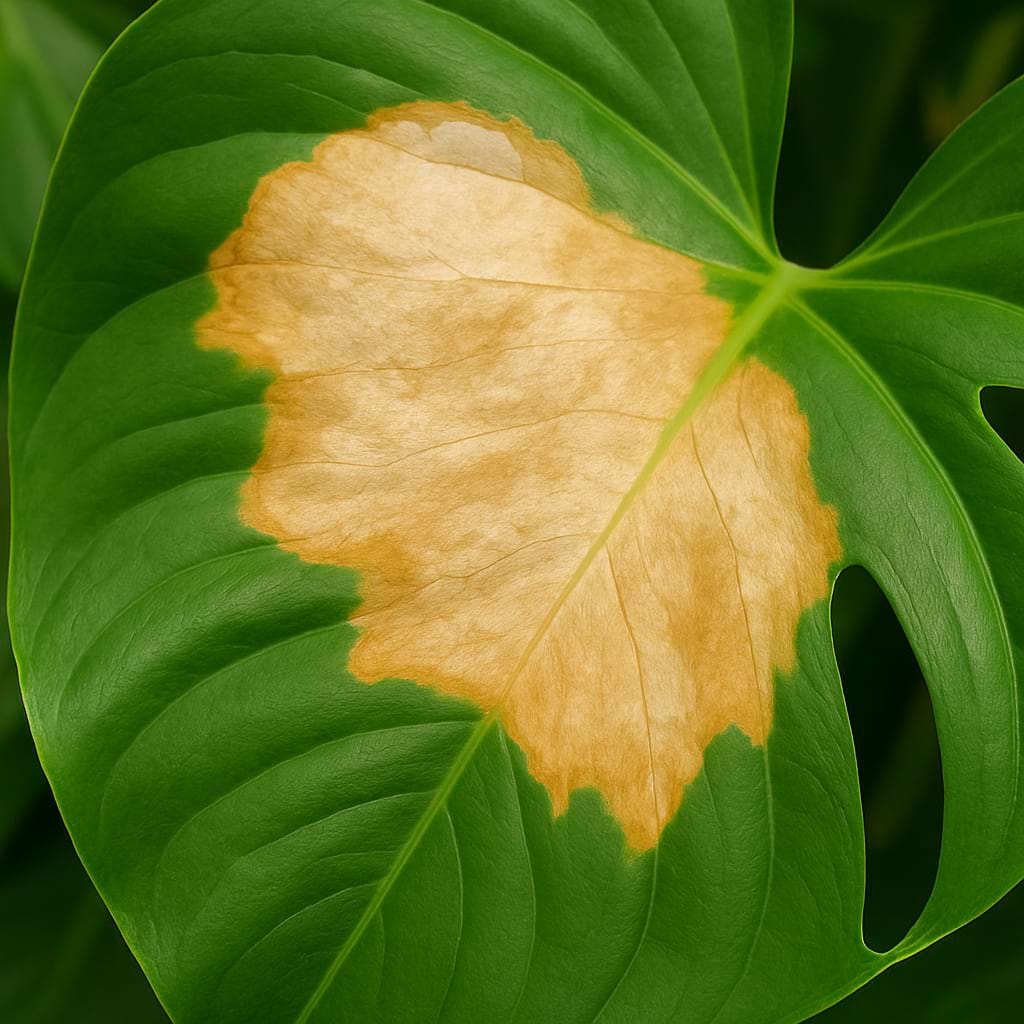
Rare indoors, and it takes a sudden change rather than steady brightness. Moving a plant from a shady corner straight into full afternoon sun, or carrying it outside for summer without a transition, bleaches pale tan patches into the leaf surface. Those patches are permanent. Shift a plant to brighter light across two weeks, an hour or so more sun each day, and it will handle almost anything a window can throw at it.
💧 Leaf of Life Watering Guide (Soak and Dry)
Watering Frequency
Let the soil dry all the way through, then water deeply. That is the whole rule, and it does not change much across the year beyond how long the drying takes.
In spring and summer, in a bright spot and a gritty mix, that usually lands somewhere between every ten days and every two weeks. In winter it stretches to every three or four weeks, sometimes longer. Do not water on a schedule. Push a finger two inches into the pot, or use a moisture meter if you are still learning to read succulent soil. Damp means wait.
The leaves tell you too. A thirsty Leaf of Life has slightly soft, thinner lower leaves that lose their squeak when you press them. A well-watered one feels taut.
How to Water
Water at the soil, not over the plant. Pour slowly across the whole surface until it runs out of the drainage hole, then tip the saucer out after twenty minutes. Standing water at the base is how the stem rots.
Keep water off the leaf margins where the plantlets sit. Those little rosettes hold moisture in their crevices and turn to mush, and the rot can travel back into the parent leaf. Bottom watering sidesteps that completely: set the pot in an inch of water for fifteen minutes, let it drink from below, then drain it.
Room-temperature tap water is fine. This plant has no opinion about water quality.
Signs of Trouble
Overwatering shows up as yellow, translucent lower leaves that feel soft and wet rather than thin, a stem that goes dark near the soil line, and a sour smell from the pot. By the time the stem is soft the roots have usually been gone for a while. Cut a healthy top section, let it callus for a few days, and restart the plant from that.
Underwatering is much less dramatic. Leaves wrinkle, the lowest pair dries up and drops, and growth pauses. A soak fixes it within a day or two.
🪴 Best Soil for Leaf of Life (Gritty Mix)
What the Soil Needs
Fast drainage and not much else. In Madagascar this plant grows in thin, poor, rocky ground, and rich soil makes it soft and floppy rather than lush. You want a mix that wets through, drains within seconds, and dries evenly.
Ordinary houseplant compost on its own is too spongy. It holds water around the roots for days, and that is the most reliable way to kill an otherwise unkillable plant.
DIY Soil Mix
Two parts commercial cactus and succulent mix to one part pumice or coarse horticultural grit. If you are starting from regular potting soil, go half and half. Perlite works, though it floats to the top over time and does nothing for the weight of the pot, which matters because a tall Leaf of Life is top-heavy.
Horticultural sand is fine. Builder's sand is not, since the fine particles pack down and do the opposite of what you want. Our potting soil guide has the general principles, and the indoor succulent care guide covers the family as a whole.
Pre-Made Options
Any bagged cactus mix will keep this plant alive without amendment. Adding grit just means you can water with less anxiety. Whatever you use, the pot needs a drainage hole; there is no version of this that works in a sealed cachepot.
🍼 Fertilizing Leaf of Life (Feeding Schedule)
When and How Often
Once a month through spring and summer, and nothing at all from October to March. This plant grows fast enough without help, and feeding a semi-dormant succulent in winter produces weak, stretched growth that never firms up.
Plenty of people never feed it at all and the plant does fine. Repotting into fresh mix every year or two supplies enough.
What to Use
A balanced liquid houseplant feed at half the label strength, applied to already-damp soil. Cactus fertilizers with lower nitrogen suit it slightly better, since high nitrogen pushes soft growth. Our fertilizing guide covers reading the numbers on the bottle.
Over-Fertilizing Signs
Soft, pale, oversized leaves on a stem that cannot hold them up. A white crust on the soil surface. Brown leaf tips on a plant that is not short of water. Flush the pot through with plain water three or four times and skip the next two feeds.
🌡️ Leaf of Life Temperature Range
Ideal Range
Anywhere between 60F and 85F (15-29C) suits it, which is to say normal indoor temperatures year round. Growth speeds up at the warm end and slows at the cool end, and neither bothers the plant. Keep it above 45F (7C) in winter. Below about 28F (-2C) the tissue freezes and turns to slime overnight, and the plant does not come back. It is frost tender in a way that catches people out, because it looks so tough.
Drafts and Heat Sources
Cold window glass in winter is worth watching. A leaf pressed against a frozen pane will get a blackened patch even when the room is warm, so pull the plant back a few inches on cold nights. Radiators dry the soil faster than you expect, which is a scheduling problem rather than a health problem. Check the soil more often instead of moving the plant.
Summering Outdoors
It will love a summer outside, and that is also the moment this plant becomes a nuisance. Plantlets drop into every pot on the patio and into the gaps in the paving. If you live anywhere in USDA zone 9 or warmer, keep it in a pot on a hard surface and sweep up underneath. Never plant it in the ground.
💦 Leaf of Life Humidity Requirements
Ideal Humidity
Whatever your house already has. Anything from 30 to 60 percent works, and the plant is no happier at the top of that range than the bottom.
Why Extra Humidity Backfires
Misting a Leaf of Life does nothing useful and creates a real risk. Water settles in the notches where plantlets attach, rots them, and the damage spreads into the leaf. Put the mister away.
Pebble trays and humidifiers are unnecessary here. If you are running a humidifier for a Calathea or a fern in the same room, keep this plant at the far end of it with good air movement around the leaves. Our humidity guide explains when extra moisture actually earns its place.
🌸 Leaf of Life Flowers (Cathedral Bells)
What the Flowers Look Like
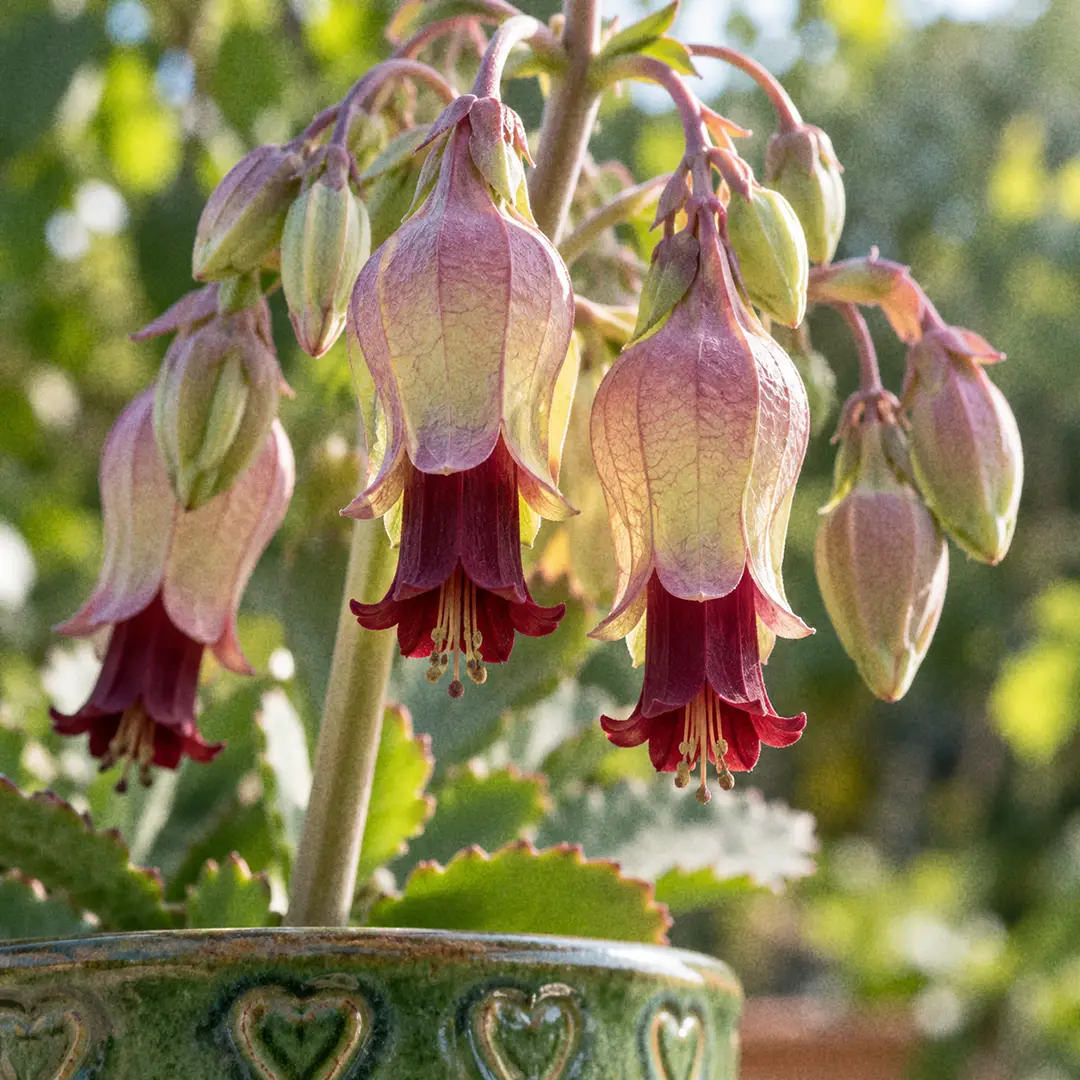
The bloom is the reason for the name Cathedral Bells. A mature plant sends up a tall stalk topped with hanging clusters of inflated, bell-shaped flowers, each around two inches long. The swollen outer calyx is greenish-white flushed pink, and the darker red-maroon corolla pokes out of the end. They hang downward in loose bunches, and a well-flowered plant looks like a small chandelier.
When and How It Blooms
Winter into spring, on plants that are a couple of years old and have had a bright summer behind them. This is a short-day plant, so long uninterrupted nights are part of the trigger, and a plant sitting under a lamp until midnight will often skip flowering.
To encourage it: maximum light through summer, a slightly pot-bound root system, much less water from autumn, and a room that goes properly dark at night.
If It Will Not Bloom
Most indoor plants of this species never flower, and that is normal. The usual causes are not enough summer light, too much artificial light in the evenings, or a plant that is simply too young. Flowering also tires the main stem out, so a plant that has bloomed often goes downhill afterward. By then the plantlets it has scattered make that a non-event.
🏷️ Leaf of Life Types and Varieties
Bryophyllum or Kalanchoe
You will see this plant sold as both Bryophyllum pinnatum and Kalanchoe pinnata, and both are defensible depending on which botanist you ask. Salisbury named the genus Bryophyllum in 1805 for the plantlet-producing species, and most modern treatments fold it back into Kalanchoe as a subgenus. Nurseries, invasive-species registers and African and Indian herbal literature still use Bryophyllum heavily, which is why searching one name misses half the information about the plant.
Close Relatives You Will Confuse It With
Mother of Thousands (Bryophyllum daigremontianum) is the plant people most often mix this one up with. Its leaves are narrow, pointed and sharply toothed, with plantlets crowded along the whole edge and purple mottling underneath. Leaf of Life has broader, rounder, scalloped leaves that often split into three or five leaflets as the plant matures, and it produces plantlets mainly from notches on detached or damaged leaves rather than continuously.
Mother of Millions (Bryophyllum delagoense) is easy to separate from both. Its leaves are narrow tubes, almost pencil-shaped, with plantlets clustered only at the tips.
Named Cultivars
There are none worth chasing. This is a wild species grown as it comes, and variation between plants is down to light and age rather than breeding.
🪴 Potting and Repotting Leaf of Life
When to Repot
Every one to two years in spring, or whenever the plant starts tipping over. Growth is fast, and a rootbound plant in a small pot goes from healthy to horizontal in one gust from an open window.
Signs it is time: roots at the drainage hole, soil that dries out within days of watering, or a stem so tall the pot no longer balances it.
Choosing a Pot
Go up one size, no more. Heavy beats pretty here. Terracotta is the practical choice because it wicks moisture out of the mix and the weight keeps a tall plant upright. Deep pots suit the plant better than shallow bowls, since the stem needs anchorage.
The pot must have a drainage hole. Our plant pots guide covers the trade-offs between materials.
Step-by-Step Repotting
- Let the soil dry out first. Dry rootballs come apart cleanly and dry roots resist damage.
- Tip the plant out and shake the old mix off the roots. Work over a tray, because you will dislodge plantlets and you want to catch them rather than find them growing in the carpet later.
- Trim any roots that are black or hollow.
- Set the plant at the same depth in fresh gritty mix, firm it lightly, and add a top layer of grit if you want to discourage fallen plantlets from rooting on the surface.
- Wait a week before watering. Fresh cuts on succulent roots need time to seal. Our repotting guide covers the general process.
✂️ Pruning Leaf of Life
When to Prune
Spring and summer, whenever the plant gets taller than you want or the gaps between leaves open up. Cutting during the winter rest is fine, but the plant will sit there doing nothing until the light comes back.
How to Prune for a Bushier Plant
Cut the main stem back to any height you like with clean bypass pruners. New shoots break from the leaf axils below the cut, usually two or three of them, which is how you turn one leggy pole into a bushy plant.
The piece you removed is a free plant. Let the cut end dry for two or three days, then push it into dry gritty mix and leave it a week before the first water.
Removing Plantlets
This is the maintenance job nobody mentions. Run a thumbnail along the leaf margins every few weeks and flick off the plantlets before they drop on their own. That is a two-minute task, and skipping it for a month means seedlings in every pot within arm's reach.
Damaged and fallen leaves are the bigger source. A leaf knocked to the floor will root into a crack, a rug, or a neighbouring pot. Pick fallen leaves up the same day and bin them, sealed, rather than composting them.
🌱 How to Propagate Leaf of Life (and How to Stop It)
Why This Plant Propagates Itself
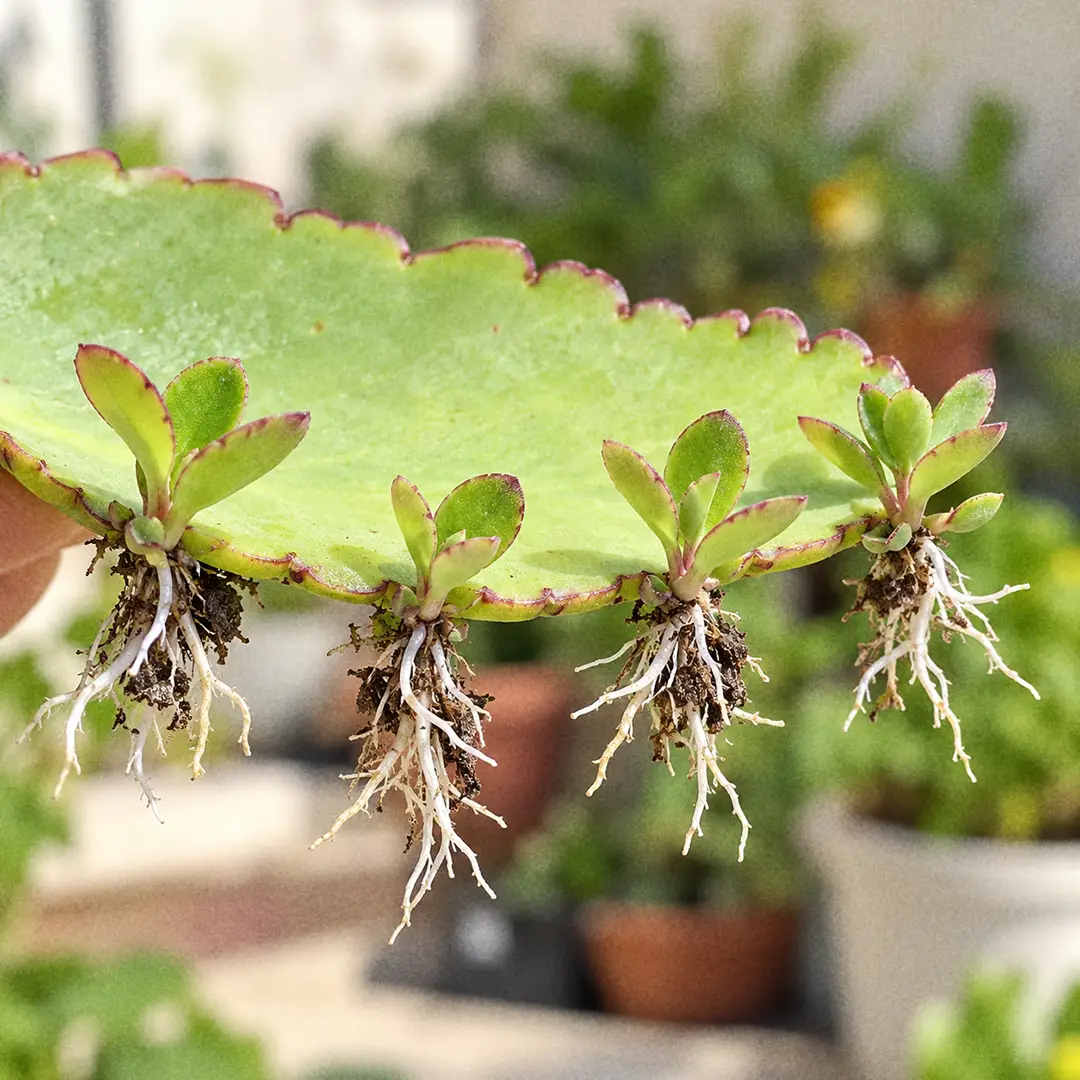
Every notch along the scalloped leaf edge holds a dormant growth point. Separate a leaf from the stem, or damage one, and those points switch on. Within a couple of weeks each notch pushes out a complete miniature plant with its own leaf pair and a tuft of white roots, fed by water stored in the parent leaf. When they are big enough they detach and fall.
That is where the names come from. Miracle Leaf, Life Plant, Resurrection Plant, Wonder of the World. It is also why a single leaf in an envelope can start a whole windowsill.
The Leaf Method
Pick a mature, undamaged leaf. Snap it off cleanly at the stem, lay it flat on the surface of barely-damp gritty mix, and do not bury it. Keep it somewhere bright and warm, and mist the surface of the soil, not the leaf, if it dries out completely.
Plantlets appear along the edges within two to three weeks. Leave them attached until each one has two or three leaf pairs and visible roots, then lift them off and pot them individually. A single leaf routinely gives ten to twenty plants. Pinning the leaf down with a small stone helps the roots find soil.
Stem Cuttings
Faster to a full-sized plant if you want one specimen rather than twenty. Cut a four to six inch tip, strip the lowest leaf pair, let it callus for two or three days, then push it into dry gritty mix. Water lightly after a week. Roots form in two to three weeks. Our succulent propagation guide covers the callusing step in more detail.
Controlling the Spread
Nobody needs help propagating this plant. Keeping the count down is the harder job, and a few habits handle it.
- Stand the pot on a wide saucer or tray so fallen plantlets land on a hard surface rather than in soil.
- Keep at least a foot of clear space between it and any other pot. Plantlets travel further than seems possible.
- Top-dress with coarse grit. Plantlets that land on stone dry out instead of rooting.
- Sweep or wipe under the plant weekly.
- Bin unwanted plantlets in sealed household waste. Do not compost them, and never tip them onto open ground.
If you live in a frost-free climate, none of this is optional. Bryophyllum pinnatum is listed among Hawaii's most invasive horticultural plants, is a NEMBA Category 1b species in South Africa where it may not be grown, sold or given away, is a declared noxious weed in New South Wales, is prohibited entry into Western Australia, and sits on Florida's invasive species list as a Category II plant. Keep it in a pot, keep it indoors, and do not plant it outside in any warm region.
🐛 Leaf of Life Pests and Treatment
This plant is not a pest magnet, and healthy specimens in good light are rarely troubled. Problems tend to arrive on a neighbouring plant.
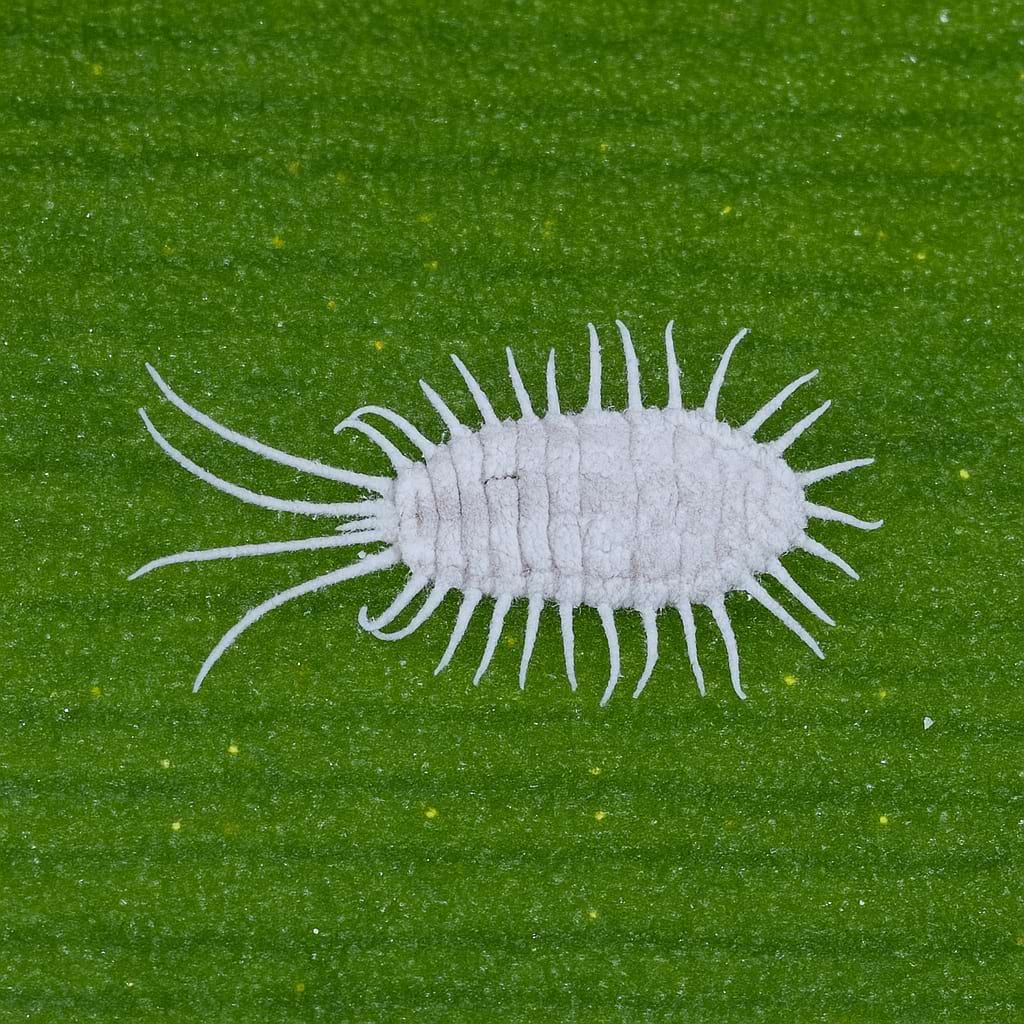
Mealybugs are the one to watch for. They tuck into the leaf axils and the crevices where plantlets attach, which are exactly the spots you cannot see well. White cottony fluff in a joint is the giveaway. Dab each insect with a cotton bud soaked in 70 percent isopropyl alcohol, then check again in a week, and again the week after.
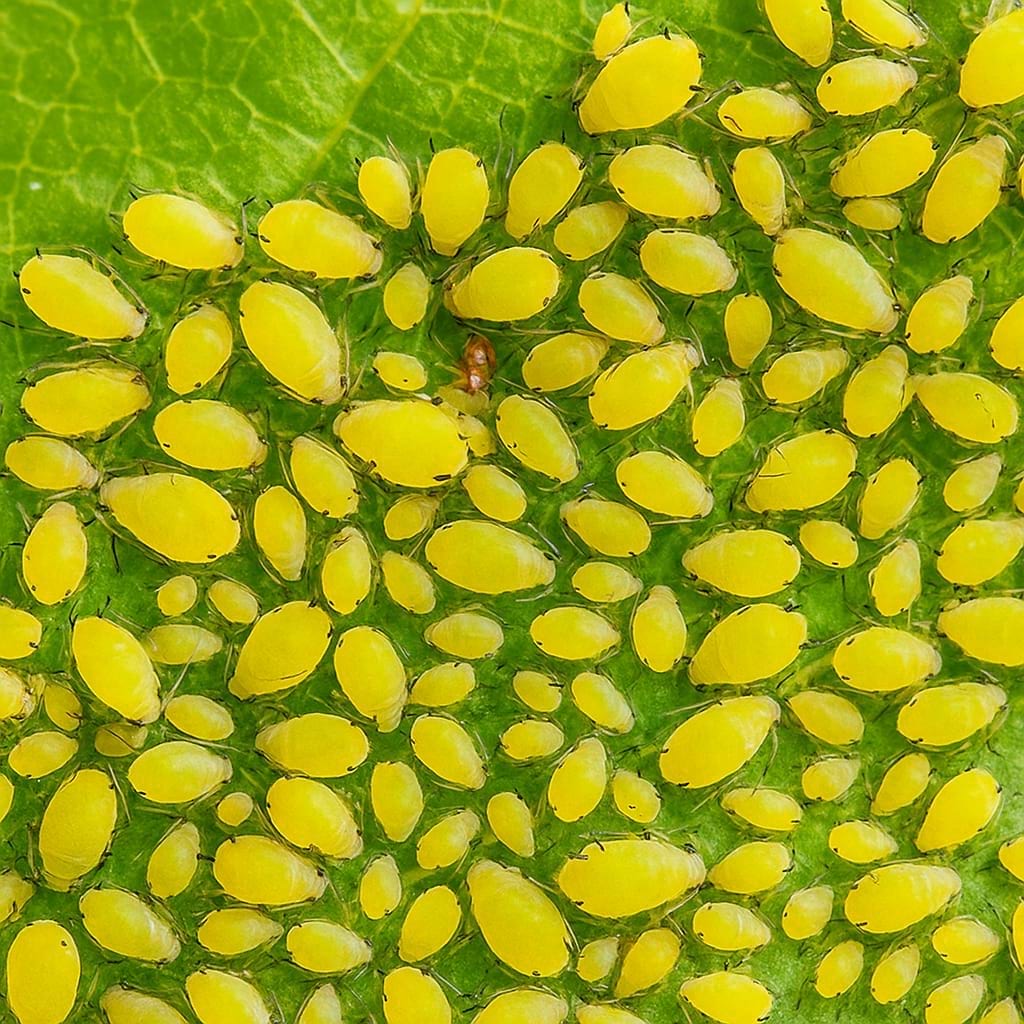
Aphids cluster on flower stalks and new growth, most often on plants that have summered outside. A firm rinse under a tap removes most of them, and insecticidal soap handles the rest.
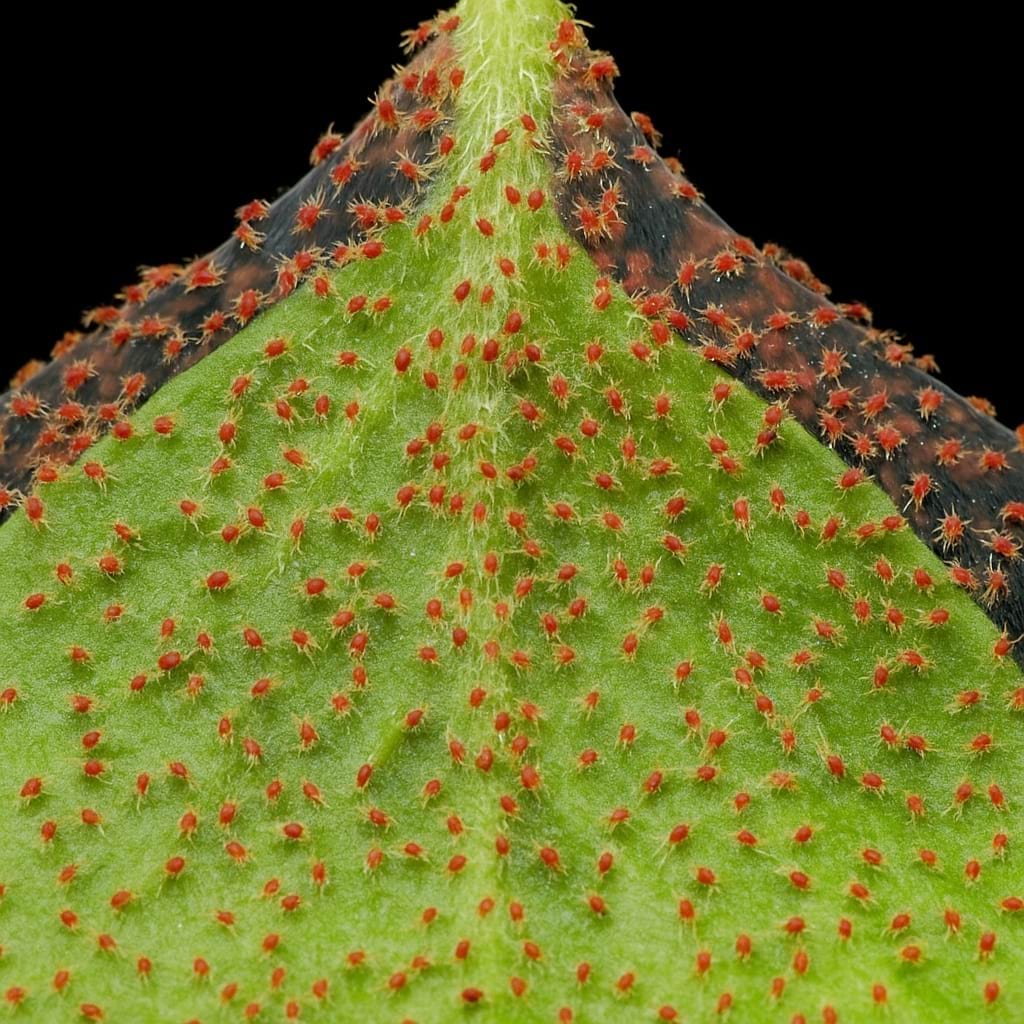
Spider mites turn up in hot, dry, still air. Look for fine webbing between leaf pairs and pale stippling on the leaf surface. Better air movement and a wipe-down with diluted neem oil usually ends it.
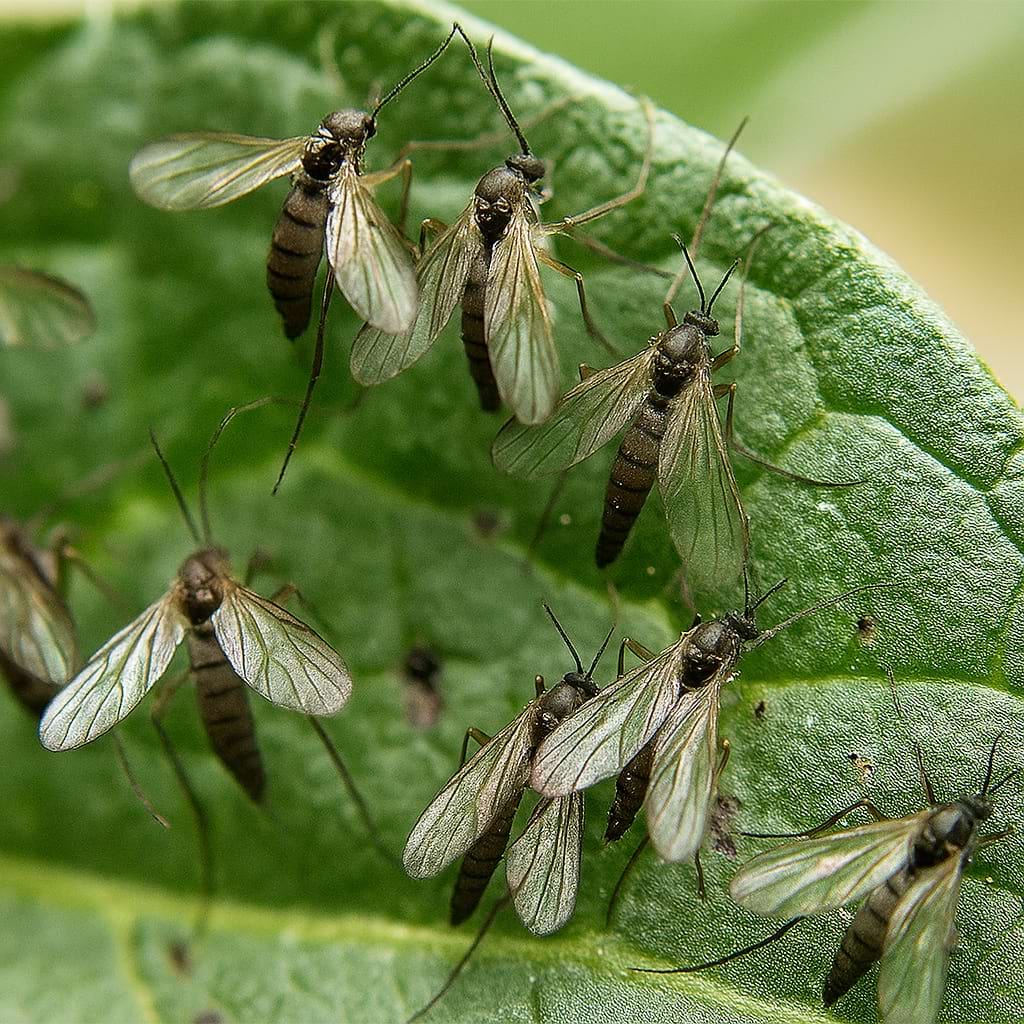
Fungus gnats mean the soil is staying wet too long. Fix the watering and they leave.
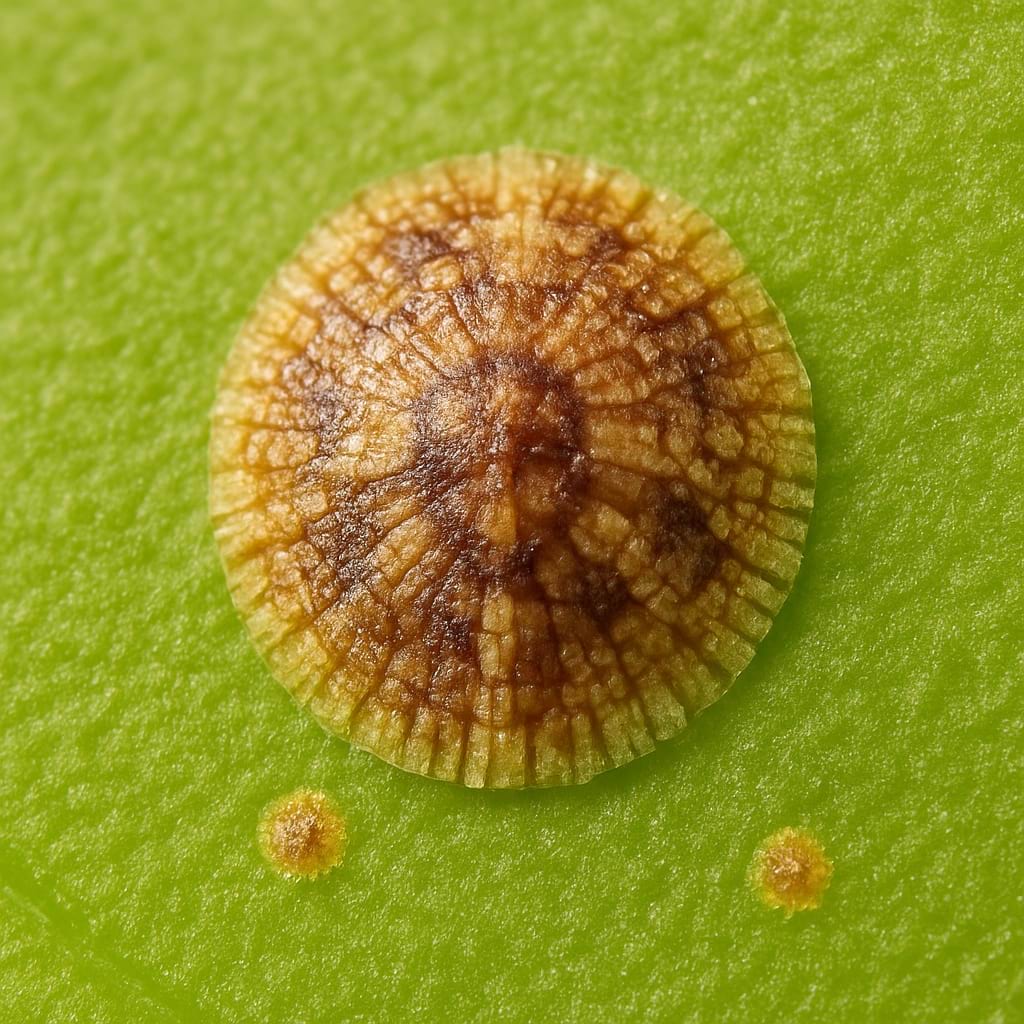
Scale insects appear as small brown bumps on the stem that do not brush off. Scrape them away with a fingernail and treat with neem.
🩺 Common Leaf of Life Problems
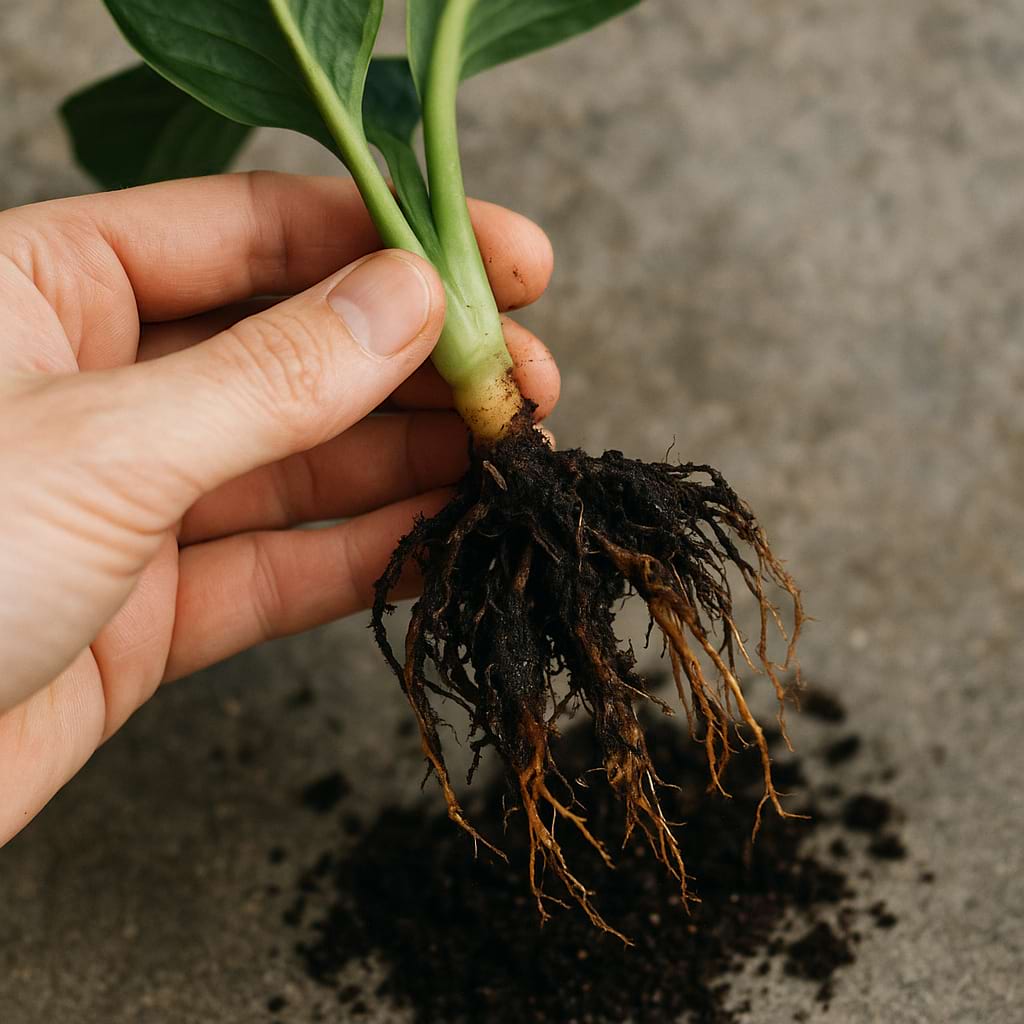
Root rot is the only problem likely to kill this plant, and it always traces back to soil that stayed wet. Yellow, soft lower leaves and a dark base are the signs. Take a clean cutting from the top, callus it, and restart. The old rootball is not worth saving.
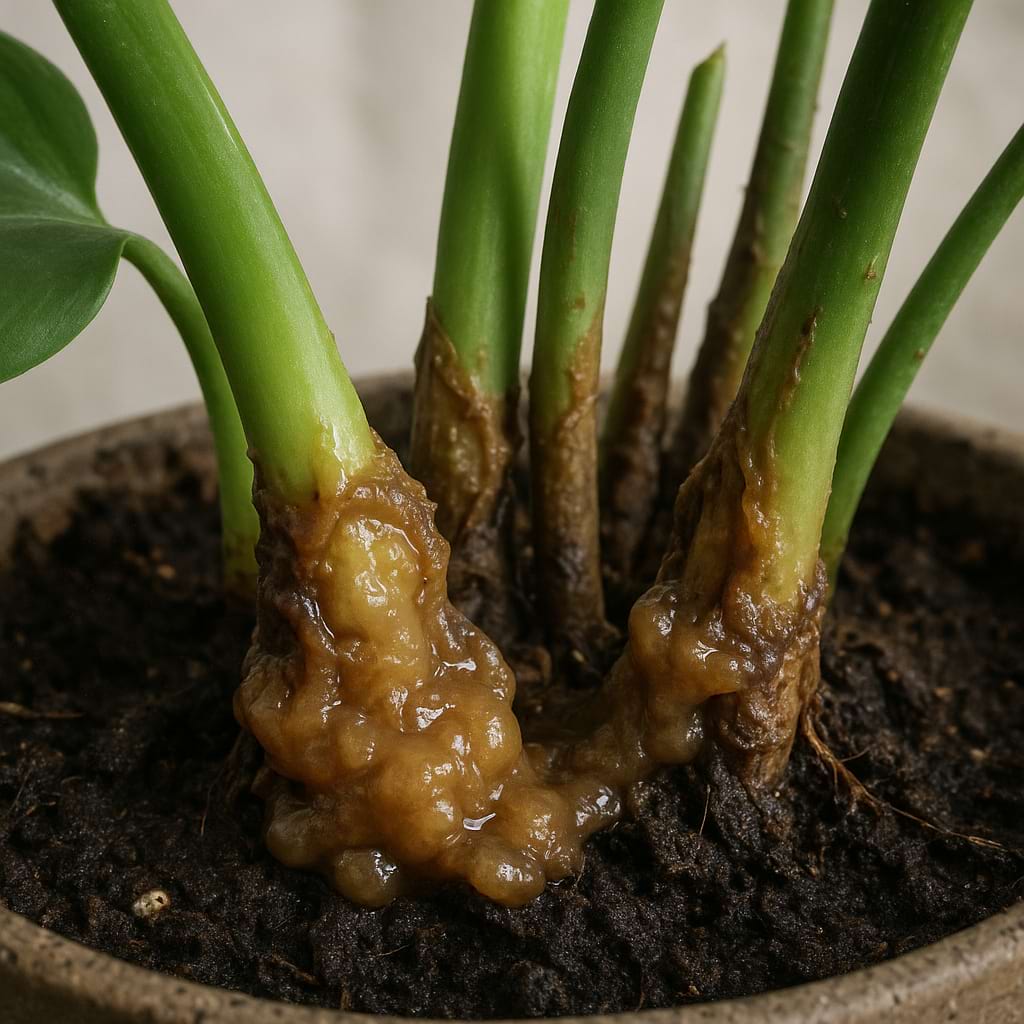
Mushy stems are the late stage of the same thing. Cut back above the damage into firm green tissue.
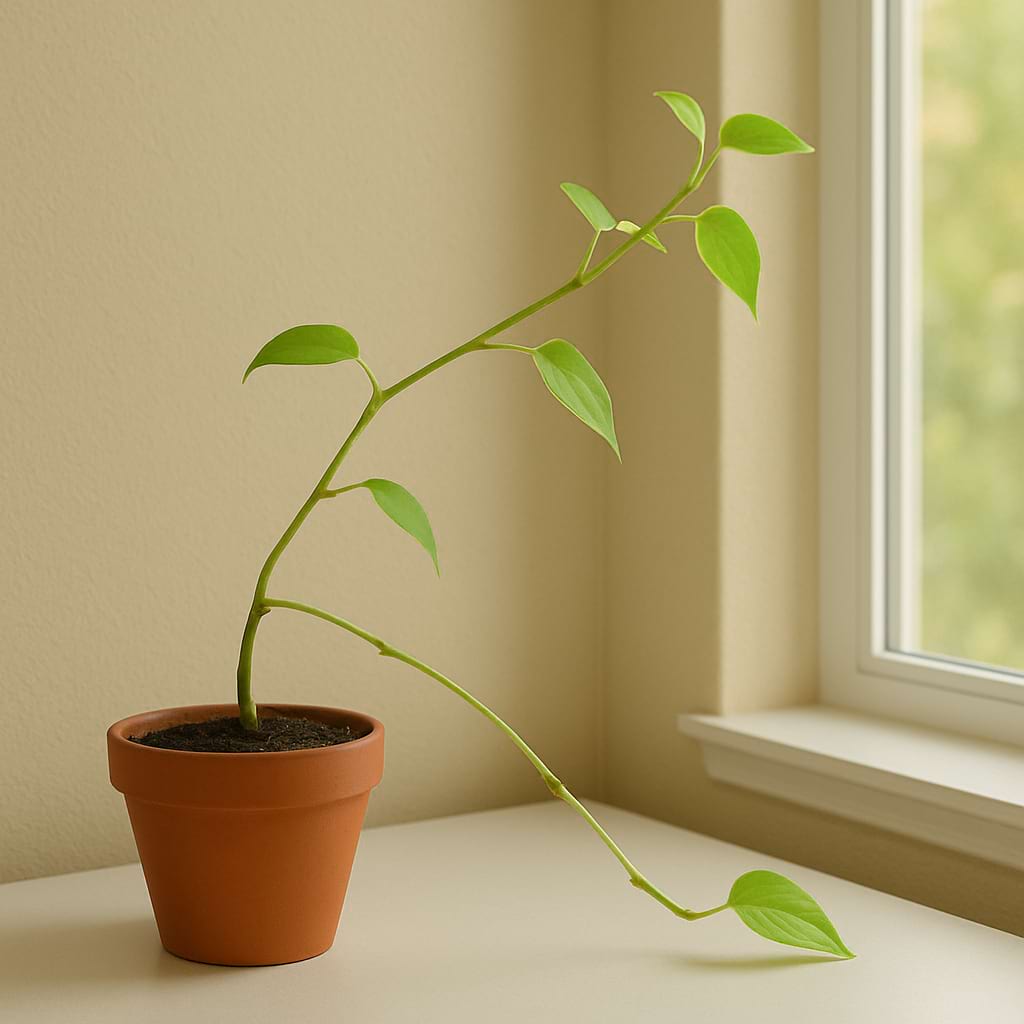
Leggy growth is the most common complaint and it is always light. Long bare stretches between leaf pairs mean the plant is reaching. Prune hard and move it to a brighter window.
Yellowing leaves at the base of an otherwise healthy plant are usually just age, since this species sheds its oldest leaves as it grows. Yellowing across the whole plant means overwatering.
Leaf drop after a move or a cold night is shock, and the plant recovers on its own once conditions settle.
Sunburn shows as dry bleached patches after a sudden move into strong sun. It does not heal, so acclimate gradually instead.
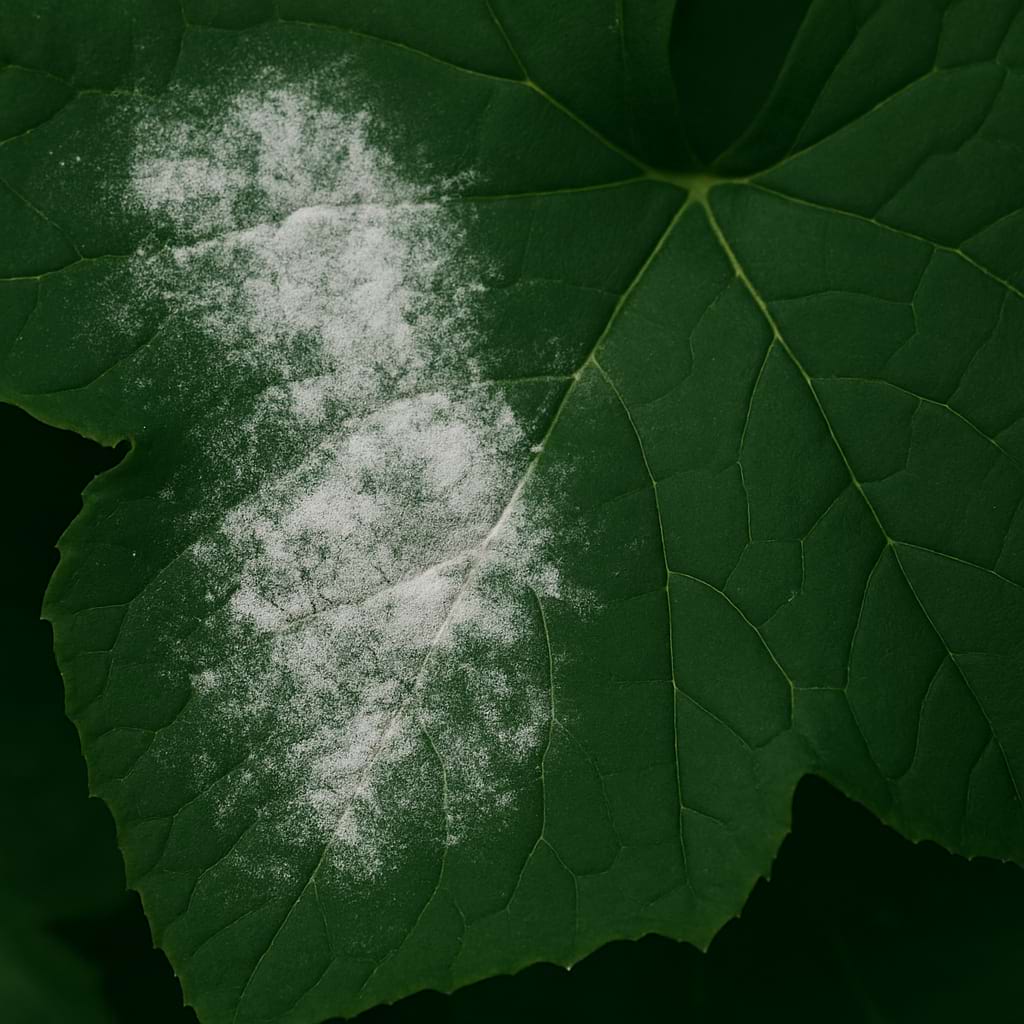
Powdery mildew turns up as a white dusty film in cool, damp, still conditions. Improve airflow, stop any overhead watering, and remove the worst leaves.
Stunted growth with pale colour on a plant that gets enough light usually means it has exhausted its pot. Repot into fresh mix.

🖼️ Leaf of Life Display and Styling Ideas
Solo on a Sunny Sill
The best placement is a wide south-facing windowsill with a large saucer underneath and nothing else on the ledge. Full sun keeps the plant compact and brings out the purple leaf margins, and the bare space around it stops plantlets colonising anything.
Pots That Suit It
Heavy and plain. A tall Leaf of Life in a light plastic pot will end up on the floor, taking a cascade of plantlets with it. Terracotta, stone and concrete all work and all help the soil dry. A grit top-dressing looks tidy and doubles as plantlet control.
Where Not to Put It
Not in a mixed arrangement, not on a packed plant shelf, and not on a high shelf above anything you care about. Not within reach of a cat or dog that chews plants, which is a toxicity point rather than a styling one. And not outdoors in the ground anywhere that does not freeze.
If you want the same easy-succulent look without the containment work, Elephant Bush and Panda Plant stay where you put them.
🌟 Leaf of Life Pro Care Tips
- Stand the pot on a tray. It is the single change that prevents most of the mess.
- Water less than you think. When in doubt, wait another week.
- Rotate the pot a quarter turn weekly so the stem grows upright instead of leaning.
- Top-dress with coarse grit. It stops fallen plantlets rooting and it steadies a top-heavy plant.
- Do not mist. Water in the leaf notches rots plantlets and then the leaf.
- Strip the leaf margins every few weeks rather than dealing with seedlings later.
- Prune hard when it gets leggy. This plant regrows from almost nothing.
- Keep it well away from pets, and never move it into open ground in a frost-free climate.
❓ Frequently Asked Questions
Is Leaf of Life toxic to cats and dogs?
Yes, and seriously so. Bryophyllum pinnatum contains bufadienolide cardiac glycosides, the same class of compound that makes foxglove and oleander dangerous. They interfere with the heart's electrical activity, so poisoning can cause vomiting, drooling and diarrhoea, and at higher doses abnormal heart rhythm and collapse. Livestock deaths from Bryophyllum species are documented in Australian veterinary literature, with the flower heads the most toxic part. Keep this plant away from pets and children, and call your vet or a poison control line immediately if an animal has chewed it.
What is the difference between Bryophyllum and Kalanchoe?
They are the same group of plants under two names. Bryophyllum was described in 1805 as a separate genus for the species that grow plantlets on their leaves, and most current classifications treat it as a subgenus inside Kalanchoe. Both Bryophyllum pinnatum and Kalanchoe pinnata refer to this plant, and you will find nurseries, herbal texts and weed registers using either.
Why does my Leaf of Life grow babies on its leaves?
Each notch along the leaf margin contains a dormant growth point. When a leaf is detached, damaged or simply mature, those points activate and grow into complete plantlets with their own leaves and roots, fed by water stored in the parent leaf. It is vegetative reproduction, and it is the plant's main way of spreading.
How do I grow a Bryophyllum plant from a single leaf?
Lay a mature leaf flat on barely-damp gritty soil in a bright, warm spot and leave it there. Do not bury it and do not keep it wet. Plantlets appear along the edges within two to three weeks, and once each has a few leaves and visible roots you can lift them off and pot them separately. One leaf commonly produces ten to twenty plants.
Is Leaf of Life invasive?
In warm climates, yes. It is listed among Hawaii's most invasive horticultural plants, is a NEMBA Category 1b species in South Africa where growing or distributing it is prohibited, is a declared noxious weed in New South Wales, is barred from entry into Western Australia, and appears on Florida's invasive species list as Category II. Grown indoors in a pot in a cold climate it is manageable. Do not plant it in the ground anywhere frost-free.
Can you eat Leaf of Life or use it medicinally?
Do not eat it. The plant has a long history in folk medicine across Africa, India, the Caribbean and South America, where leaf preparations have been used for a range of complaints, and that history is why it carries names like Miracle Leaf and Wonder of the World. It also contains cardiotoxic glycosides, and traditional use is not the same as evidence of safety. Treat it as an ornamental plant only, and talk to a doctor rather than a plant guide about anything medical.
How fast does Leaf of Life grow?
Fast. In a bright spot through spring and summer it adds several inches a month and can reach two to three feet in a single season, eventually four or five feet indoors. Growth stops almost entirely in winter. The speed is why legginess appears so quickly in poor light.
Does Leaf of Life die after flowering?
The flowering stem usually declines afterward rather than the whole plant dying outright, and blooming indoors is uncommon in the first place. Even when the main stem gives out, the plantlets it has produced carry the plant on indefinitely, which is why this species is close to impossible to lose once you have one.
Why is my Leaf of Life tall and floppy?
Not enough light. The stem stretches, the gaps between leaf pairs widen, and the plant leans toward the window. Stretched stems will not shrink back, so cut the plant down to a few inches, move it to a south or west window, and let it regrow compact. The piece you cut off roots easily as a new plant.
ℹ️ Leaf of Life Info
Care and Maintenance
🪴 Soil Type and pH: Gritty, nutrient-poor, fast-draining succulent mix
💧 Humidity and Misting: Ordinary room humidity is fine; it wants nothing extra.
✂️ Pruning: Cut the stem back when it gets leggy and strip plantlets you do not want.
🧼 Cleaning: Wipe leaves with a dry soft cloth, gently, or you will knock plantlets onto the floor.
🌱 Repotting: Every 1-2 years in spring, one size up, into fresh gritty mix.
🔄 Repotting Frequency: Every 1-2 years
❄️ Seasonal Changes in Care: Cut watering right back from late autumn, stop feeding, and keep it above 45F (7C).
Growing Characteristics
💥 Growth Speed: Fast
🔄 Life Cycle: Evergreen perennial succulent that reproduces mainly by leaf-margin plantlets
💥 Bloom Time: Winter to spring on mature plants
🌡️ Hardiness Zones: 9b-12
🗺️ Native Area: Madagascar; naturalised across the tropics
🚘 Hibernation: Semi-dormant through winter with very little growth
Propagation and Health
📍 Suitable Locations: Sunny windowsills, south and west windows, conservatories, bright kitchens
🪴 Propagation Methods: Lay a leaf on damp soil. That is the whole method, and stopping it is the harder job.
🐛 Common Pests: Mealybugs, Aphids, Spider Mites, Fungus Gnats, Scale Insects
🦠 Possible Diseases: Root rot, stem rot, powdery mildew
Plant Details
🌿 Plant Type: Succulent
🍃 Foliage Type: Evergreen, thick fleshy leaves with scalloped margins; young leaves simple, mature leaves often split into three or five leaflets
🎨 Color of Leaves: Light to mid green, often edged or streaked purple-red in strong sun
🌸 Flower Color: Pendant bells, greenish-white calyx flushed pink with a red-maroon corolla
🌼 Blooming: Flowers in winter and spring on mature plants in strong light; hanging clusters of inflated bell-shaped flowers on a tall stalk
🍽️ Edibility: Not edible. Contains bufadienolide cardiac glycosides and is poisonous to people, pets and livestock.
📏 Mature Size: 2-5 feet indoors
Additional Info
📝 Interesting Facts: The notches along the leaf margin each hold a dormant growth point. Detach a leaf, or simply lay it on damp soil, and those points wake up and grow into complete plantlets with their own leaves and roots while still attached to the parent leaf. Goethe kept the plant on his desk and sent leaves to friends in his letters, which is why German growers still call it the Goethe Plant. The same trick is what makes the species a listed invasive weed in Hawaii, New South Wales and South Africa.
Buying and Usage
🛒 What to Look for When Buying: Almost nobody sells this in a garden centre. It moves hand to hand, as a single leaf in an envelope or a rooted plantlet from a neighbour, because one plant produces hundreds. If you do buy one, pick a plant with a firm upright stem, plump leaves and short gaps between leaf pairs.
🪴 Other Uses: Teaching plant for vegetative reproduction; widely used in folk medicine across Africa, India, the Caribbean and South America, though the plant is cardiotoxic and should never be eaten.
Decoration and Styling
🖼️ Display Ideas: Sunny windowsill on a wide saucer, standing alone on a shelf with nothing else within dropping range, or a deep pot where it can get tall
🧵 Styling Tips: The silhouette is upright and slightly awkward, so a heavy, plain pot suits it better than anything decorative. Put it where people can see the leaf edges up close, because the fringe of tiny plants is the entire point.
📚 References ▼
- 📘 Kalanchoe pinnata | LLIFLE Encyclopedia of Succulents
- 📘 Kalanchoe pinnata | Hawaiian Ecosystems at Risk (HEAR)
- 📘 Kalanchoe | ASPCA Toxic and Non-Toxic Plants
- 📘 McKenzie and Dunster, The toxicity to cattle and bufadienolide content of six Bryophyllum species | Australian Veterinary Journal
- 📘 National List of Invasive Terrestrial Plant Species (NEMBA) | South Africa DFFE
🪴 See also 🪴
Complete Guide to Aeonium Care and Growth
Complete Guide to Crested Brain Cactus Care and Growth
Complete Guide to Feather Cactus Care and Growth
Complete Guide to Snowball Cactus Care and Growth
Complete Guide to Spiral Cactus Care and Growth
Complete Guide to Fairy Castle Cactus Care and Growth
Complete Guide to Silver Torch Cactus Care and Growth
Complete Guide to Crown Cactus Care and Growth
How to Propagate Succulents from Leaves & Offsets
Succulent Care Indoors: How to Stop Killing Jade and Echeveria
Complete Guide to Lithops Care and Growth (Living Stones)
Complete Guide To Aloe Vera Care and Growth
Complete Guide to Burro's Tail Care and Growth
Complete Guide to Crown of Thorns Care and Growth
Complete Guide to Echeveria Care and Growth
Complete Guide to Flaming Katy Care and Growth
Complete Guide to Jade Plant Care and Growth
Complete Guide to Sedum Adolphii Care and Growth
Complete Guide to Queen of the Night Care and Growth
Complete Guide to Domino Cactus Care and Growth
Complete Guide to Easter Lily Cactus Care and Growth
Complete Guide to Peanut Cactus Care and Growth
Complete Guide to Rat Tail Cactus Care and Growth
Complete Guide to Ghost Plant Care and Growth
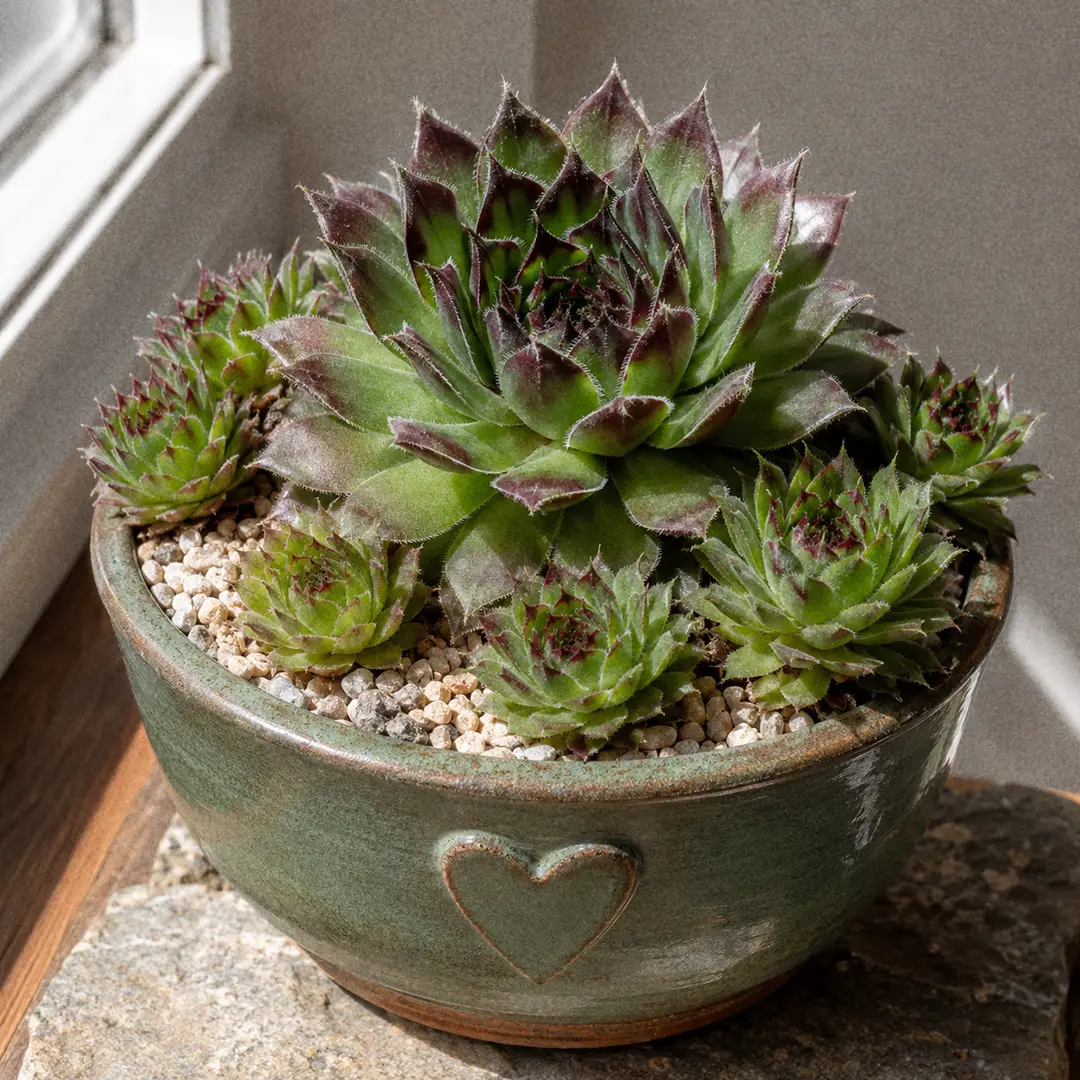
Complete Guide to Hens and Chicks Care and Growth
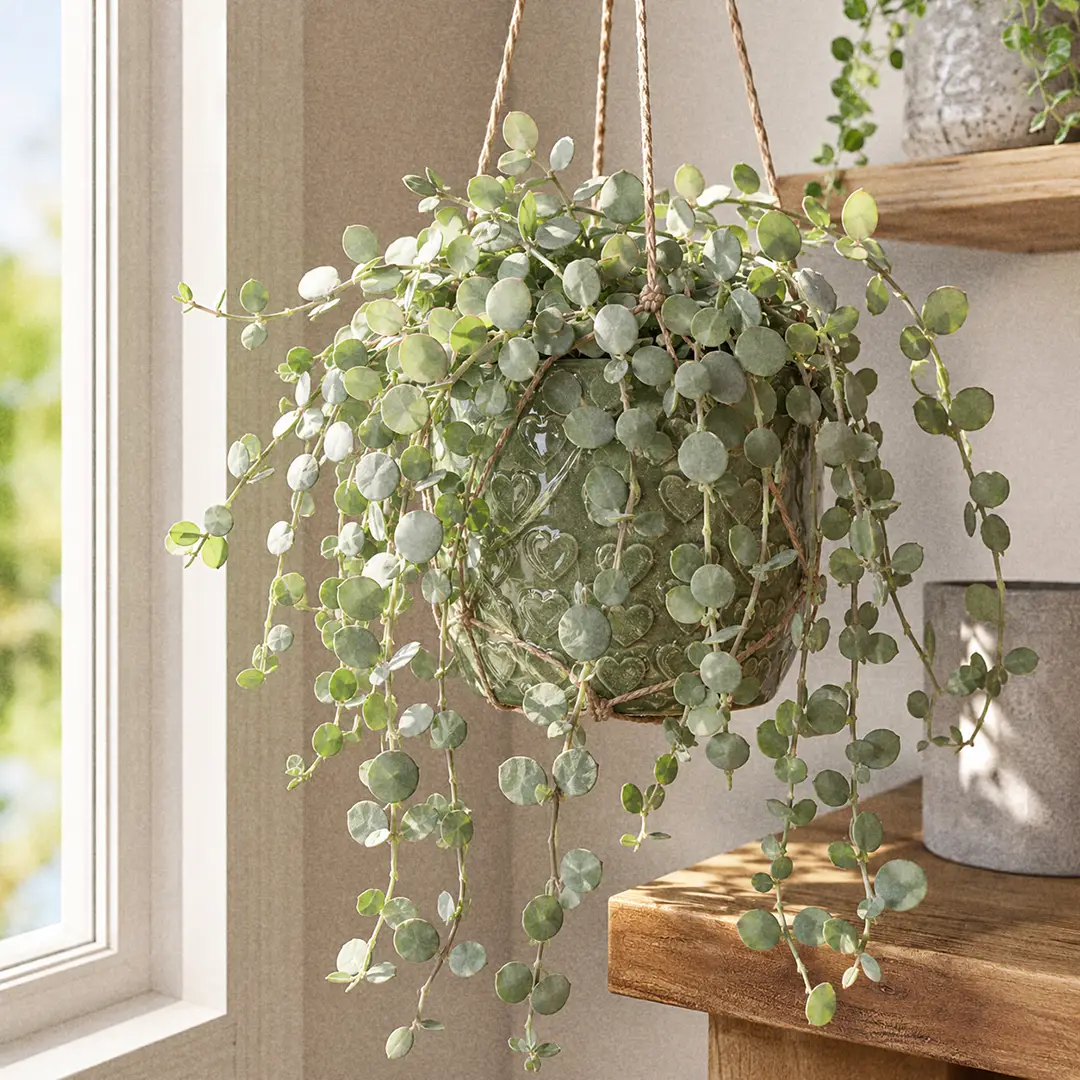
Complete Guide to String of Coins Care and Growth
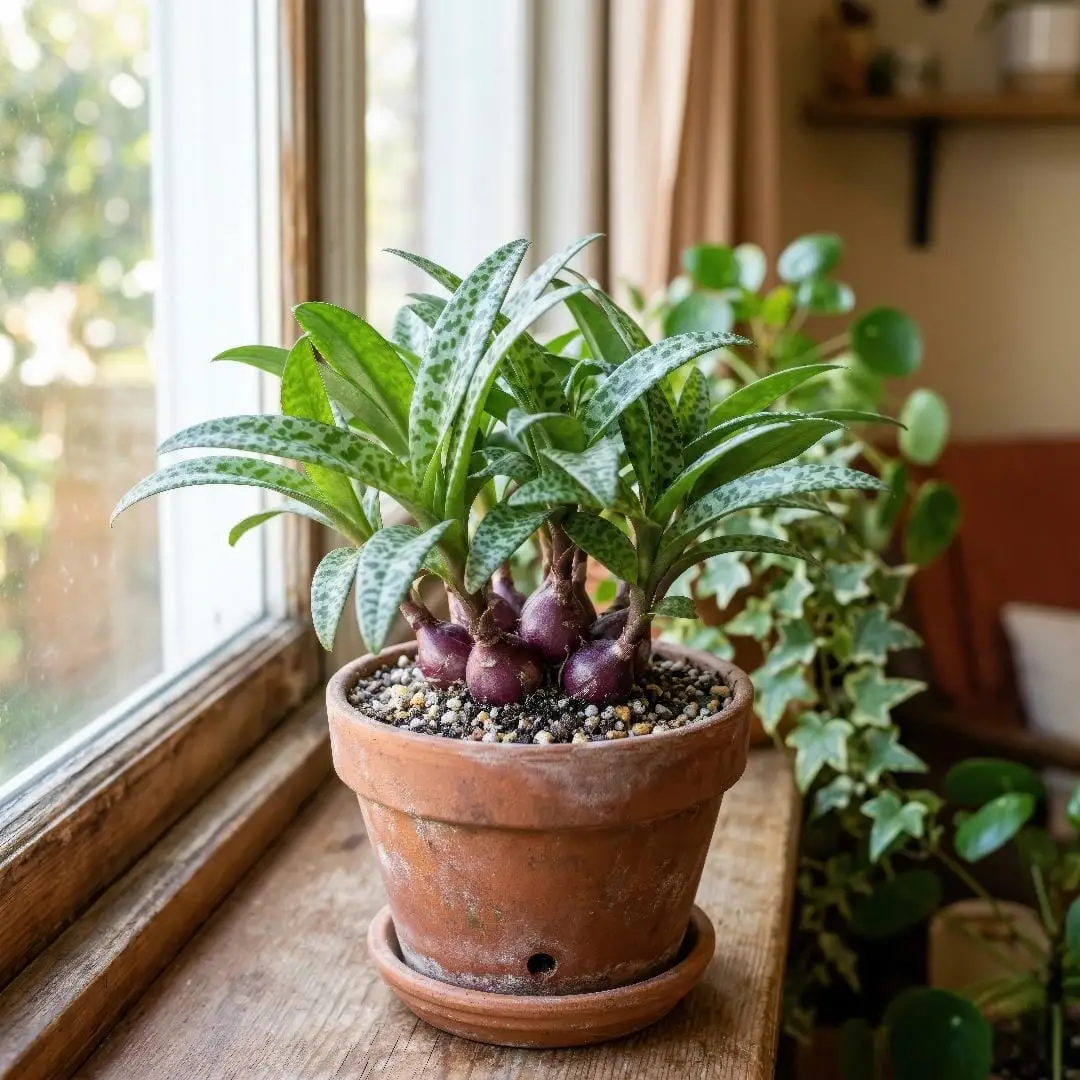
Complete Guide to Silver Squill Care and Growth
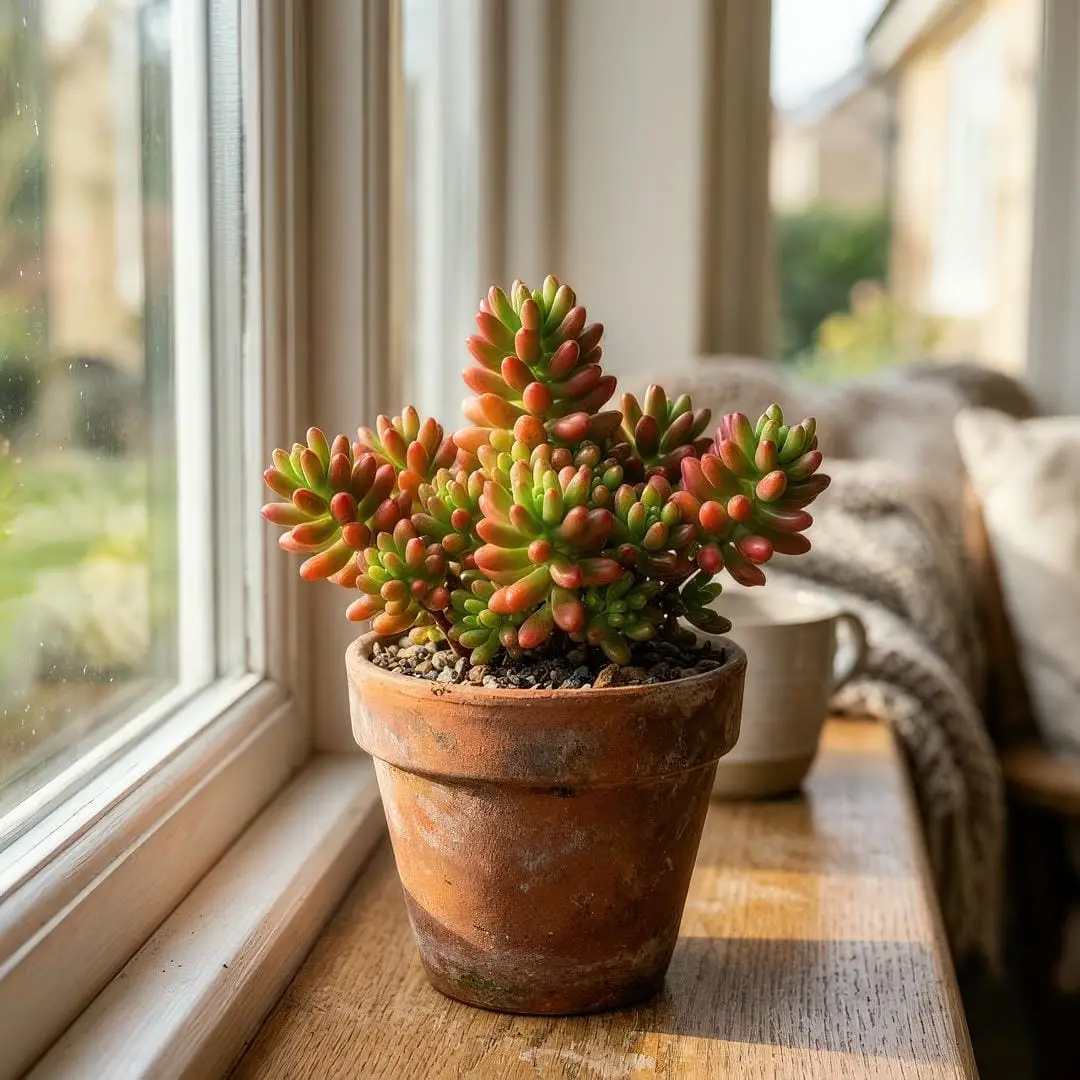
Complete Guide to Jelly Bean Plant Care and Growth
Complete Guide to Fishbone Cactus Care and Growth
Complete Guide to Mistletoe Cactus Care and Growth
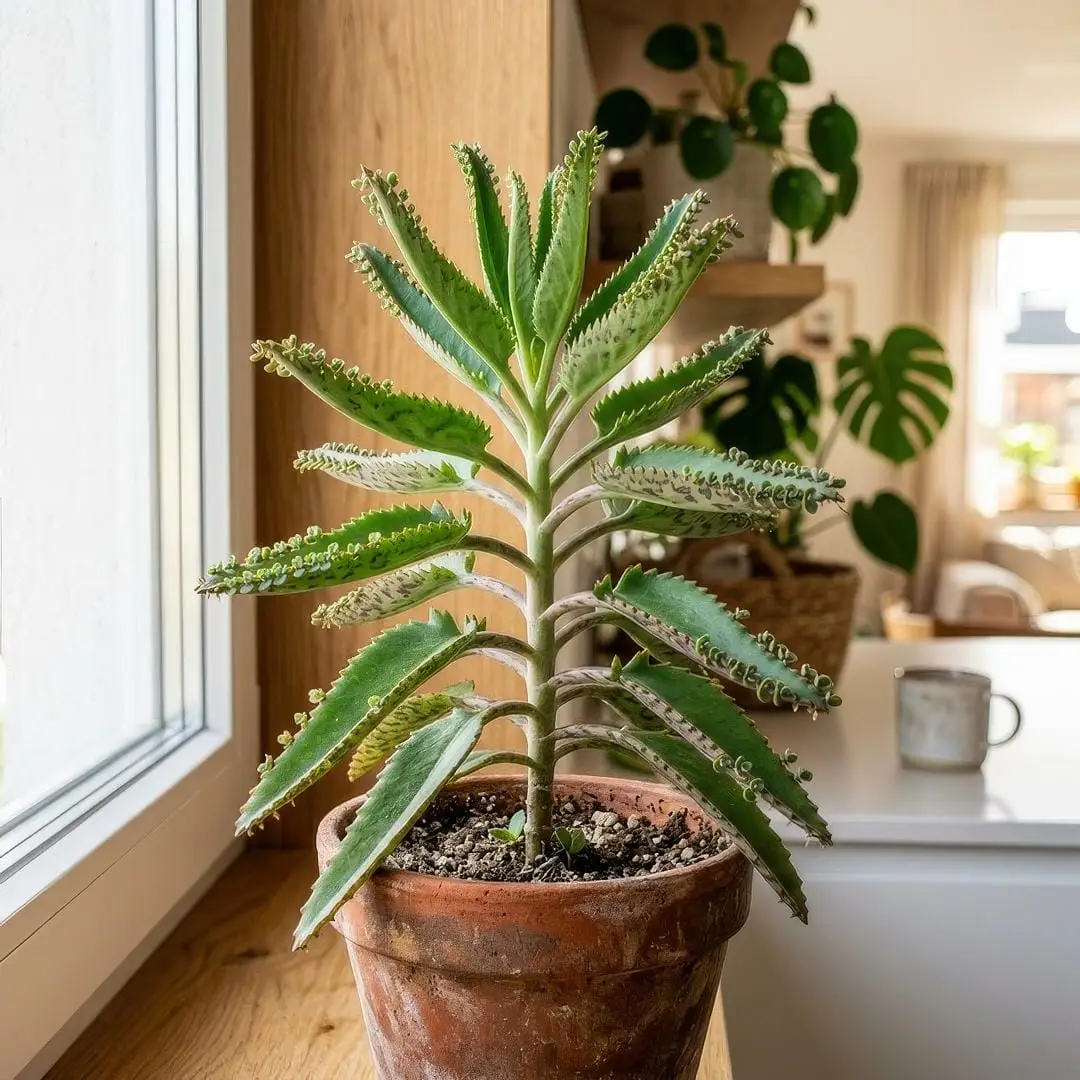
Complete Guide to Mother of Thousands Care and Growth
Complete Guide to Paddle Plant Care and Growth
Complete Guide to Panda Plant Care and Growth

Complete Guide to Elephant Bush Care and Growth
Complete Guide to Pencil Cactus Care and Growth
Complete Guide to African Milk Tree Care and Growth
Complete Guide to Gasteria 'Little Warty' Care and Growth
Ox Tongue Care

Houseplant101 Forum
Questions & Comments
Ask a question, share your plant experience, or help other plant owners.
Comments are temporarily unavailable.
Open the Houseplant101 ForumNo comments yet
Be the first to ask a question or share your experience about this page.
Log in or create an account
Comments use your Houseplant101 Forum account, but you can stay on this page.
Create a new account