
Feather Cactus
Mammillaria plumosa
Feather Ball Cactus, Plumed Cactus, Cactus Plumoso


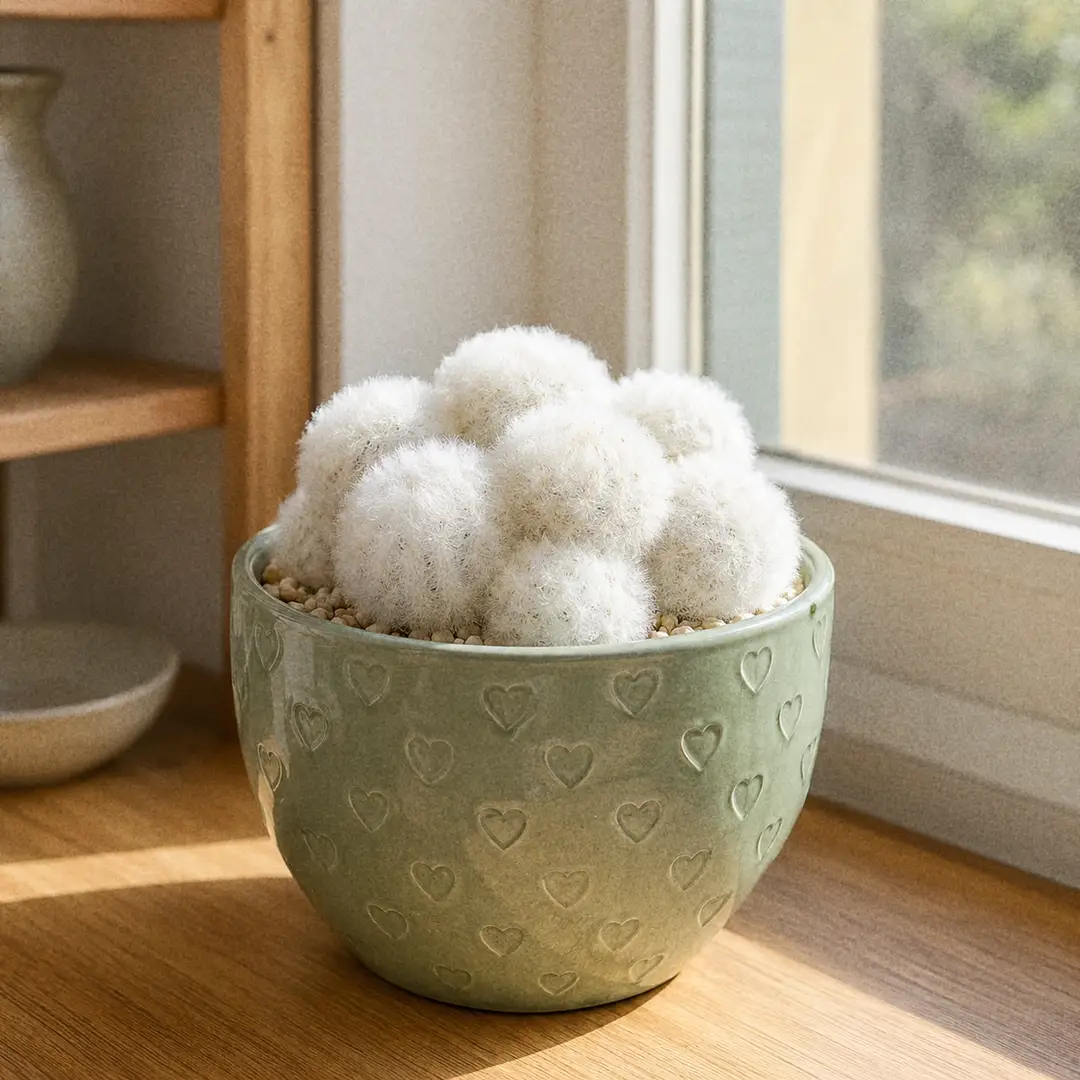
Feather Cactus is a low white cushion of soft, branched plume-like spines that feels like a powder puff and flowers in the middle of winter. Learn how to grow Mammillaria plumosa indoors, and how to water it without ruining the coat.
📝 Feather Cactus Care Notes
🌿 Care Instructions
⚠️ Common Pests
📊 Growth Information
🪴 In This Guide 🪴

☀️ Feather Cactus Light Requirements (Indoor Lighting Guide)
The Sweet Spot
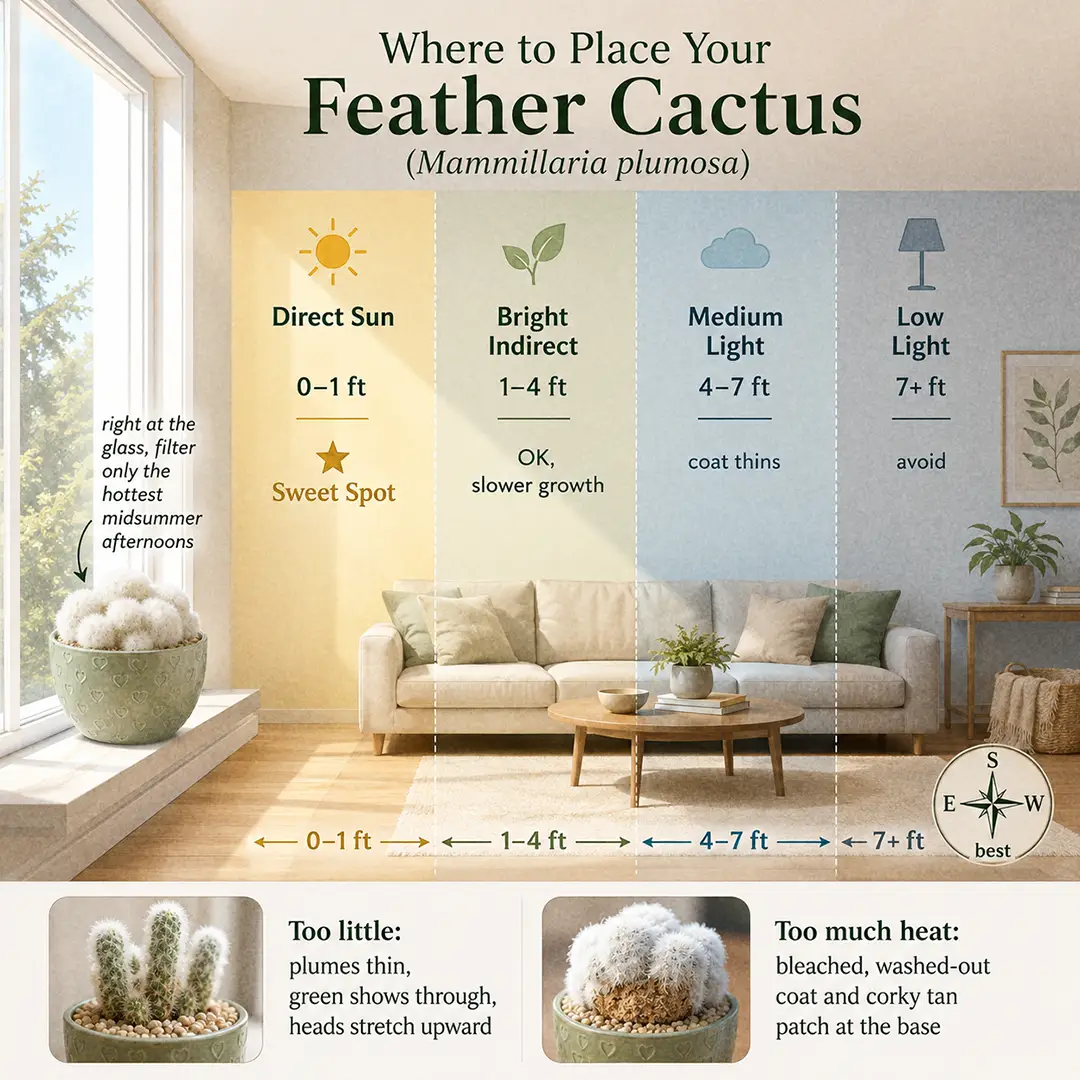
Feather Cactus wants as much light as a windowsill can give it, with only the harshest midsummer afternoons filtered. A south-facing sill is the first choice, and an east or west window works nearly as well. Sit it right up against the glass rather than a few feet back, because those white plumes reflect and scatter a good deal of light before any of it reaches the green body underneath.
That white coat is the clue to what the plant is used to. It grows on exposed limestone cliffs in northeastern Mexico, where the plumes act as a built-in sunshade over the stem. So it is built for glare, and it uses more light than a bare green cactus of the same size would.
Too Little Light
A shaded Feather Cactus does something odd before it stretches: the plumes come in thinner and further apart, so the fluffy look goes patchy and you start to see green through the coat. That is the earliest warning, and it shows up months before the body changes shape.
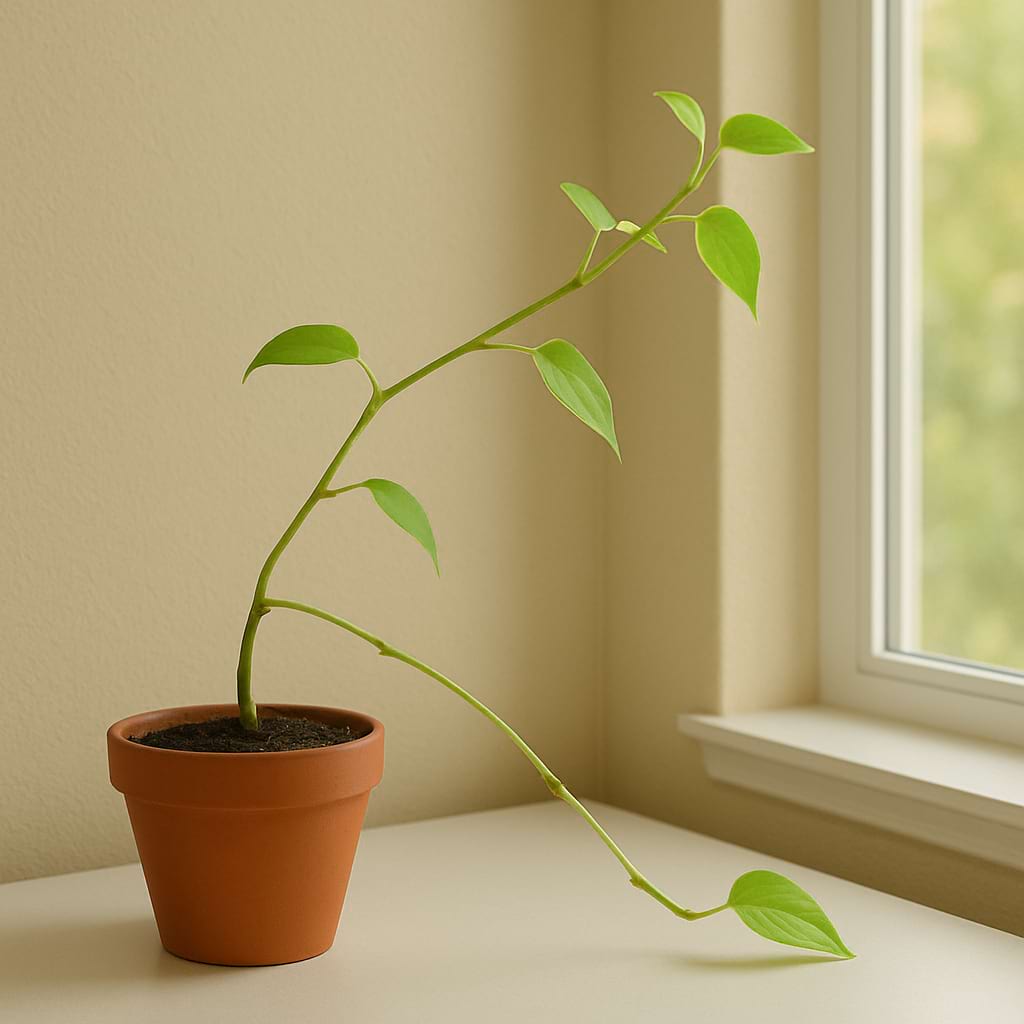
Keep it dim and the heads eventually push upward into narrow cones instead of staying flat, which is leggy growth and does not reverse. Winter is when this creeps up on people, so a grow light on a timer through the dark months keeps the cushion tight. Our Indoor Lighting Guide helps if you are still learning to read a spot by eye.
Too Much Light
Real sunburn is rare here, because the plumes do their job. The risk comes from a sudden move, taking a plant off a dim shop shelf and parking it in blazing afternoon sun behind hot glass. Then the exposed skin at the base can scorch to a corky tan patch. Increase light over two or three weeks instead.
Yellowing or a bleached, washed-out cast through the plumes themselves points to heat rather than light. Move it off a sill that is cooking above 100°F in July, or hang a sheer curtain for the worst two hours.
💧 Feather Cactus Watering Guide (How to Water Properly)
Why This One Is Different
Most cactus guides tell you to water the soil and avoid the body. For Feather Cactus that is not a nicety, it is the whole game. The branched plumes work like felt: they wick water in, hold it against the stem, and dry slowly. One overhead watering leaves grey matted patches that stay damp for two or three days, and damp skin under a warm blanket of spines is exactly where crown rot begins.
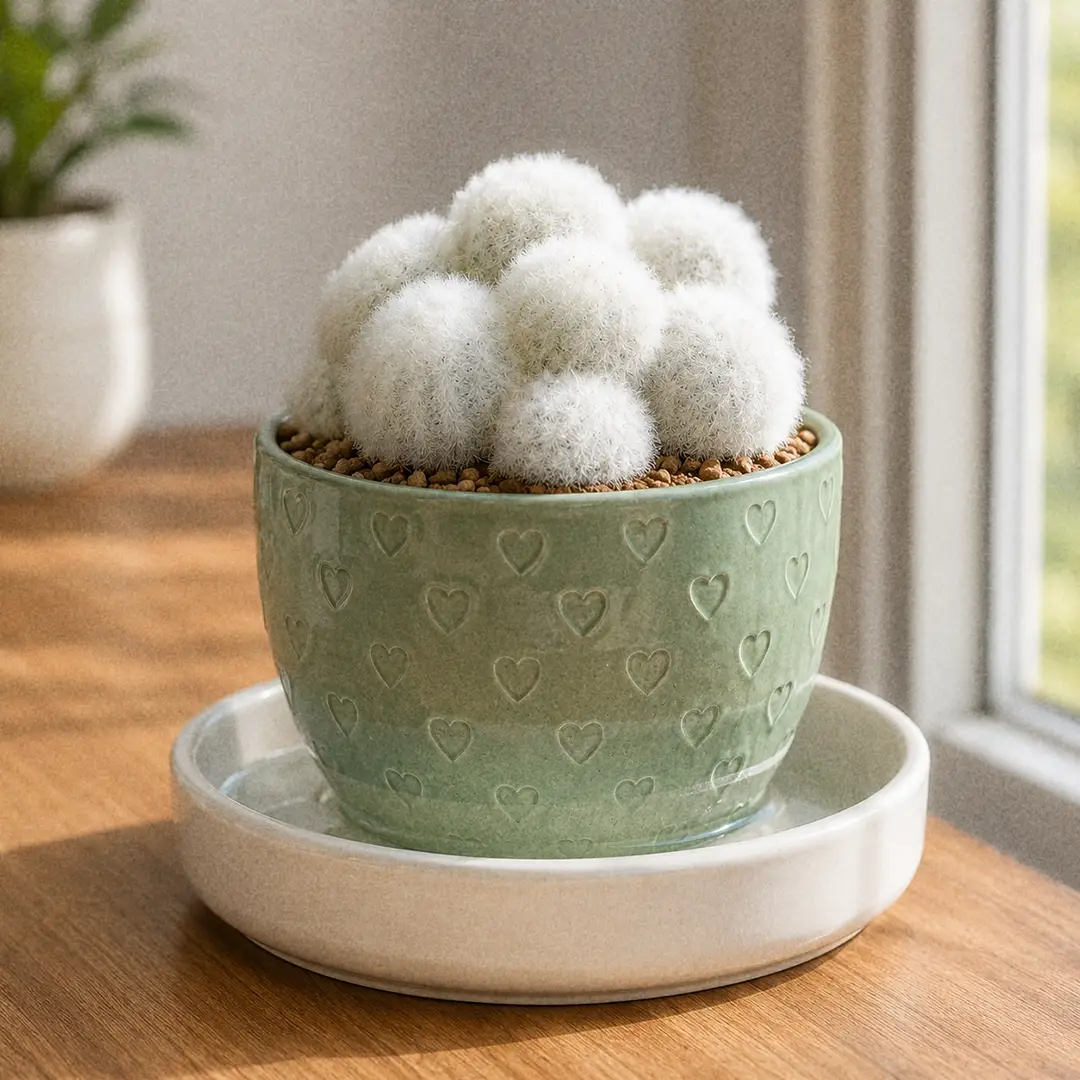
So the rule is bottom watering, every time. Stand the pot in an inch or two of water for 15-20 minutes, let the mix draw it up, then lift it out and drain it fully. Our bottom watering guide covers the technique, and this is the plant it was made for.
Watering Frequency
Wait until the mix is bone dry all the way through, not just at the surface. In a small terracotta pot on a bright sill that lands around every 12-16 days in spring and summer. In plastic or a cooler room, stretch it further. A moisture meter earns its keep on this plant, because you cannot poke a finger into the soil without crushing the plumes at the edge of the cushion.
From late autumn, cut back hard. Through the cool rest it wants a barely damp pot once a month at most, and nothing at all if the room sits below 50°F. Feather Cactus flowers in winter, so unlike most desert cacti it is not fully switched off, but the soil should still be dry far more often than not.
Signs of Trouble
An underwatered cushion goes slightly soft and the heads look a little sunken, though the plumes hide it well, so lift the pot instead. A dry pot is startlingly light, and weight is the most reliable gauge you have with this species.
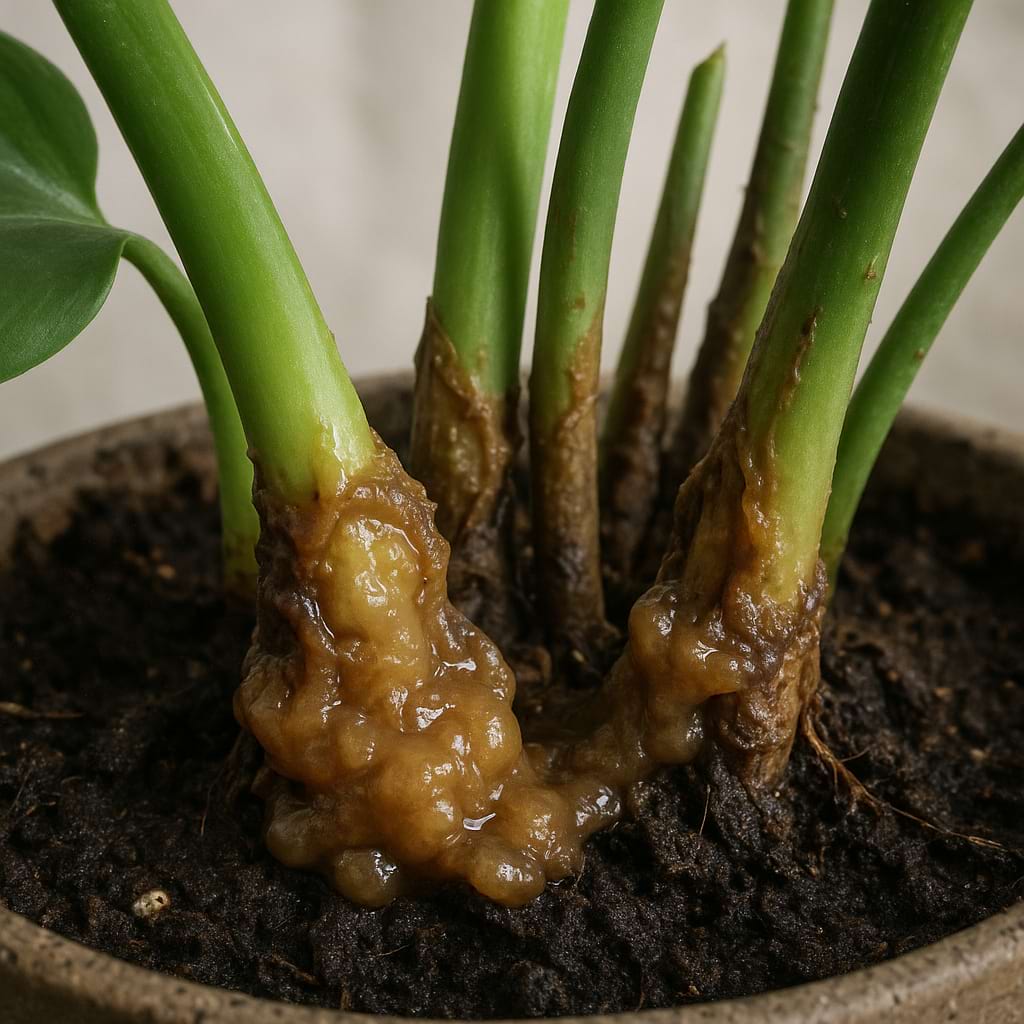
The other direction is much more dangerous. Soft, dark, or translucent tissue at the soil line, or a patch of coat that has gone grey and stayed grey, means root rot or mushy stems is already underway. On a plant this small it moves in days. When in doubt, do not water.
🪴 Best Soil for Feather Cactus (Potting Mix & Drainage)
What the Soil Needs
Two things: it has to dry fast, and it should lean alkaline. Feather Cactus grows on limestone in the wild, and while it survives in ordinary neutral cactus mix, plants grown with a little lime in the pot tend to build denser, whiter plumes and stay firmer through winter. That is a difference you can see, not a collector's superstition.
Speed of drying matters even more than usual, because you will be bottom watering and the whole root ball gets thoroughly wet each time. Our Soil Guide explains why open structure beats rich compost in a pot.
DIY Soil Mix
A blend that works: 1 part cactus and succulent soil, 2 parts pumice or coarse grit, and a generous handful of crushed limestone chips or dolomite grit. If you cannot find limestone, crushed and rinsed eggshell does the same job more slowly. Roughly two thirds mineral by volume looks extreme next to a houseplant mix, and it is meant to.
Top the surface with pale grit or fine limestone chippings. Here the top dressing does double duty: it keeps the base of the cushion off wet soil, and it stops splashed soil from staining the lowest plumes, which never come clean again.
Pre-Made Options
Bagged cactus mix is a fine starting point but is almost always too water-retentive on its own. Cut it with an equal or greater volume of pumice and add your lime. Our potting soil guide compares what is on the shelf. Skip anything heavy on peat or coir, since peat is acidic and holds water long after the plant wants it gone.
🍼 Fertilizing Feather Cactus
When and How Often
Feed once a month from the first proper watering of spring until early September, then stop. Because you are bottom watering, dilute the feed into the tray water rather than pouring anything over the pot. Never feed a bone-dry root ball: water plain first, then feed on the following cycle.
What to Use
A low-nitrogen cactus fertilizer at half the recommended strength, or a tomato feed at quarter strength. The higher potassium supports the winter flowers, and keeping nitrogen down keeps the body firm. Our Fertilizing Guide explains the ratios and the fertilizers guide covers the products. A plant this slow needs very little.
Over-Fertilizing Signs
Watch for a white crust on the grit, heads that swell and feel spongy, or new growth coming in oddly pale and stretched. Those point to salt buildup and excess nitrogen. Flush the pot once from the top, carefully, with the plant tipped so the runoff does not soak the plumes, then leave it unfed for two months. Overfed tissue is watery, which raises the risk of both rot and cold damage.
🌡️ Feather Cactus Temperature Range
Ideal Range
Through the growing season it is content anywhere between 65-85°F (18-29°C), which covers most homes without any effort at all. It handles genuine desert heat well as long as the pot is not standing in soggy soil, so a hot summer sill is no problem.
The Cool Rest It Wants
From late autumn, aim for 45-55°F (7-13°C) with bright light and a nearly dry pot. A cool spare room, an unheated porch, or a bright landing all work. This is what triggers the winter flowers, and a Feather Cactus kept at 70°F year round usually grows perfectly well and simply never blooms.
It is tougher in the cold than it looks. Kept completely dry, mature plants shrug off brief dips near freezing. Wet and cold together is what kills, every time.
Drafts and Heat Sources
Keep it well away from radiators, which dry the body faster than the roots can keep up and cancel the cool rest you are trying to give it. A draughty winter window is fine, welcome even, as long as no cold air is blowing across damp plumes.
💦 Feather Cactus Humidity Requirements
Ideal Humidity
Dry is right. Ordinary household air at 30-50% suits it, and lower is fine too. Never mist this plant. Misting is the single fastest way to ruin the coat, and there is no version of this species that benefits from it.
Airflow Matters More Than Moisture
Because the plumes trap air against the body, a still humid room lets moisture linger where you cannot see it, which leads to fungal spotting and grey matted patches. A sill that gets opened now and then, or a small fan in a closed room, does more good than any humidity tweak. Our humidity guide covers the broader topic, but for this plant the instruction is to keep it dry and keep air moving.
🌸 Feather Cactus Flowers (How to Make It Bloom)
What the Flowers Look Like
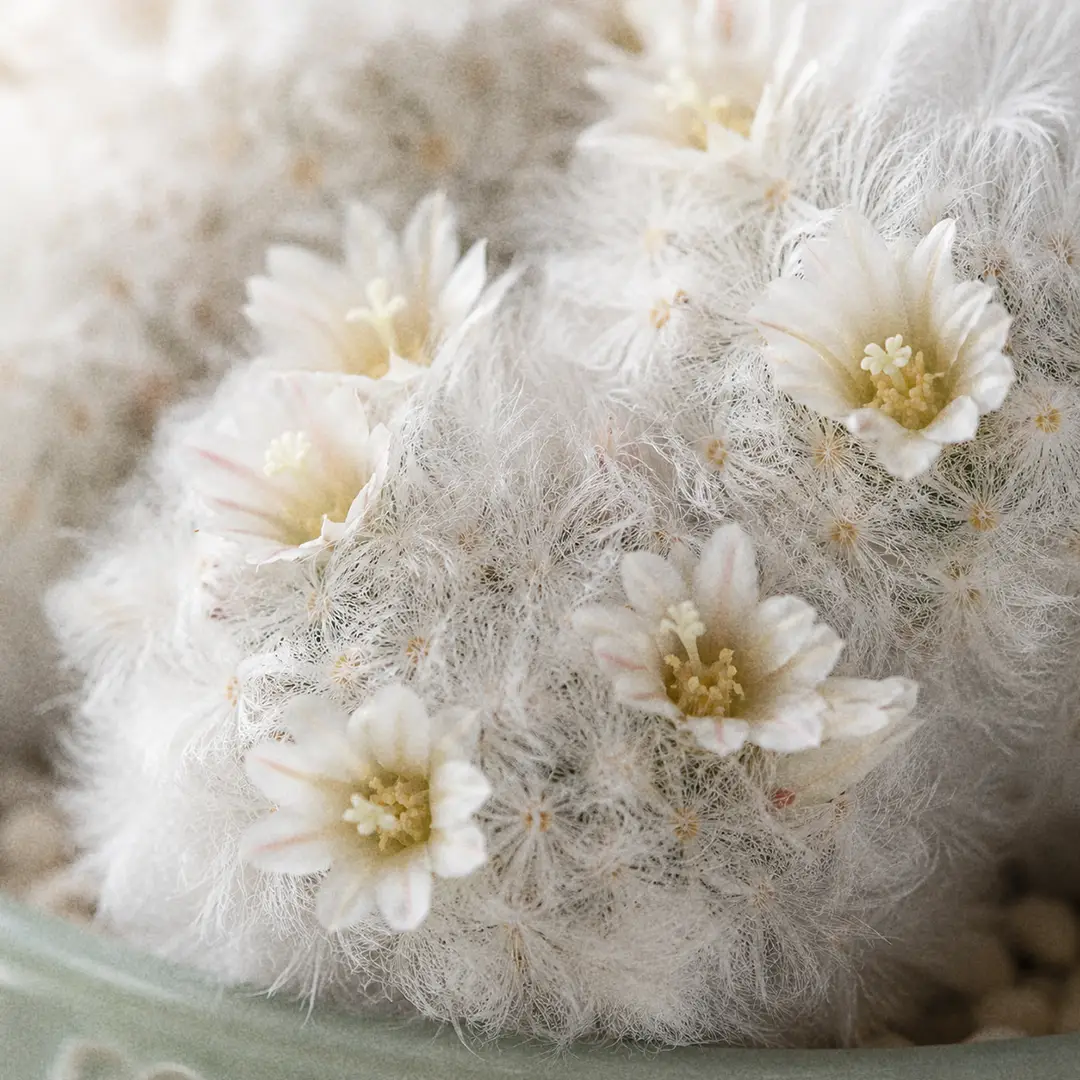
Small, creamy white to pale yellow, sometimes with a faint pink midstripe, and roughly half an inch across. They open in a loose ring between the plumes rather than standing above them, so a flowering cushion looks like it has been sprinkled with tiny stars. Many plants carry a light sweet scent in the afternoon, which is unusual in the genus.
The timing is the best part. Feather Cactus blooms from late autumn into winter, often November through February, when almost nothing else on a cactus shelf is doing anything. A Crown Cactus gives you spring. This one covers December.
How to Trigger Bloom
Three things, in order of importance: strong light all summer, a cool autumn drop into the 45-55°F range, and a pot that stays dry through it. Reduce watering from late September and let the temperature fall naturally. Buds appear as small pale points pushing up between the plumes, easy to miss until they open.
Plants usually start flowering at around three to four years old, once a head is an inch and a half or so across. A single head may open only a handful of blooms, but an established cushion of a dozen heads puts on a proper display.
If It Won't Bloom
A healthy plant that never flowers is nearly always kept too warm in winter or too dim in summer. Those two account for most cases of failure to bloom in this species. Too much nitrogen is the third possibility, and it usually arrives alongside soft, fat heads.
Give it time as well. Small plants sold in two-inch pots are often only a year or two old, and no amount of correct care hurries them along.
🏷️ Feather Cactus Types and Varieties
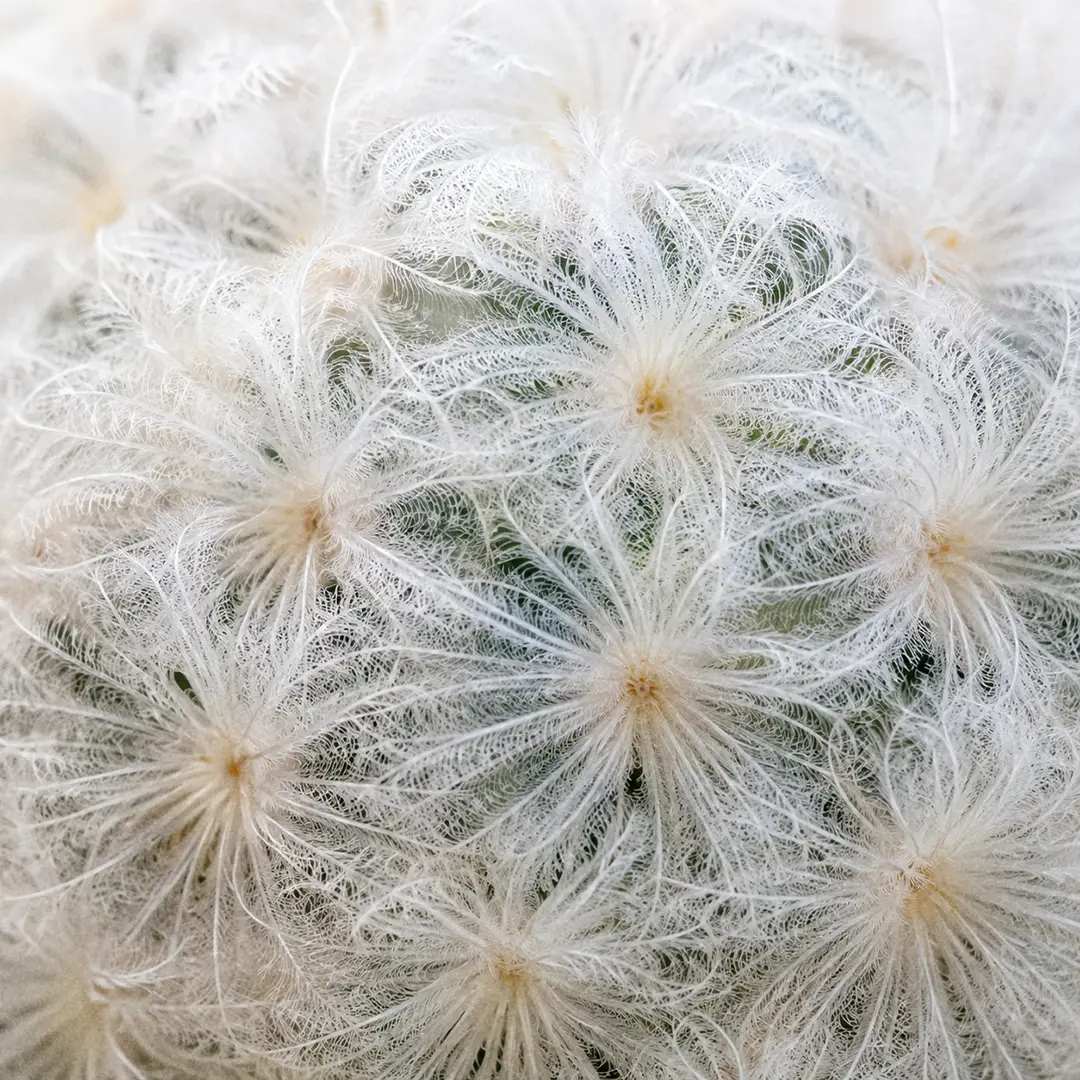
Mammillaria plumosa is a single species with very little cultivar variation, so the differences you will actually meet are in form and in the lookalikes sold beside it.
The Standard Form
Pale green tubercled heads about an inch and a half across, each areole carrying forty or more branched white spines arranged like miniature feathers. Heads offset freely from the base and knit into a low mound that reaches eight to sixteen inches across over many years. This is what nearly every plant sold as Feather Cactus will be.
Cristate and Monstrose Forms
Occasionally you will find a crested Feather Cactus, where the growing point fans out into a rippling white ridge instead of a globe. They are grafted more often than not, grow slowly, and cost several times the price. Care is identical, though crests trap debris in their folds and need cleaning more often.
Lookalikes Worth Knowing
The plant most often confused with it is the Powder Puff Cactus, Mammillaria bocasana, which is also white and fluffy but hides hooked central spines under the wool that will catch your finger. Feather Cactus has no hooks at all. The Old Lady Cactus, Mammillaria hahniana, is woolly rather than plumed, with visible white spines and a ring of magenta flowers at the top, and the Snowball Cactus looks chalky white but is firmly spined. For the same soft look at a much larger scale, the Old Man Cactus is the column version.
🪴 Potting and Repotting Feather Cactus
When to Repot
Every three to four years is plenty, since this is a slow plant. The real triggers are a cushion spilling over the rim, roots emerging from the drainage hole, or a mix that has broken down and stopped draining. Early spring is the window, once flowering has finished and before summer growth starts.
Choosing a Pot
Go wide and shallow, the opposite of what most cacti want. Feather Cactus spreads sideways from a modest root system, so a deep pot leaves a reservoir of damp soil the roots never reach. A shallow bowl an inch or two wider than the cushion is ideal. Terracotta breathes and dries faster than plastic, which suits this plant, and drainage holes are non-negotiable. Our plant pots guide compares materials.
Step-by-Step Repotting
Let the soil dry completely first so the old mix crumbles away cleanly. Handle the plant by the root ball, or slide a folded strip of newspaper under the cushion, and resist gripping the top: fingers compress and stain the plumes, and a squashed patch takes a year to grow out. There are no sharp spines to hurt you here, which makes this the friendliest cactus in the collection to repot.
Ease it out, crumble off the old soil, trim any blackened roots, and set it back in fresh gritty mix at exactly its previous depth. Never bury the base of the cushion. Add the grit top dressing, then wait a full week before the first bottom watering so cut roots callus over. Our repotting guide covers the general steps.
✂️ Pruning Feather Cactus
Does It Need Pruning?
No. It grows as a self-contained cushion and never needs shaping. The only cuts you will ever make are to remove rotted tissue or to take offsets for propagation.
Cleaning the Plumes
This is the maintenance job that replaces pruning, and it matters more than you would think. The feathery coat catches dust, lint, seeds, and the occasional dead insect, and trapped debris holds moisture. Use a puffer bulb or a short burst of canned air to blow the surface clean every month or two, and lift stubborn bits out with fine tweezers.
Never rinse it, never wipe it with a cloth, and never use leaf shine of any kind. Water and pressure both flatten the plume structure permanently.
Dividing a Crowded Cushion
When a mound gets so dense that the centre stays damp and dull after watering, lift it in spring and twist the outer heads away to give the middle room to breathe. That is as close to pruning as this plant gets.
🌱 How to Propagate Feather Cactus
Best Method: Offsets
Feather Cactus offsets generously from the edges of the cushion, and those pups are the easy route. Late spring to early summer is best, when growth is active and wounds heal fast. Our succulent propagation guide covers the general principles, and this species follows them closely with one extra rule about keeping the plumes dry.
Step-by-Step
Pick an outer head at least three quarters of an inch across with its own full coat of plumes. Hold it at the base, not the top, and twist sideways where it joins the mother. It should pop free with a small clean scar. If it resists, slide a sterile blade under it rather than tearing it away.
Rest the offset somewhere dry, bright, and out of direct sun for five to seven days so the wound dries to a firm callus. That wait is longer than for most cacti, because the plumes shade the cut and slow it down. Then set the pup on the surface of dry gritty mix, cut side down, without burying it, and prop it upright with a couple of small stones if it wobbles.
Do not water for the first week. After that, bottom water very lightly every ten days or so. Roots take three to six weeks, and a gentle sideways nudge that meets resistance tells you it has taken hold.
Growing From Seed
Seed is slower but rewarding, and it is how nursery stock is legitimately produced for a species that is threatened in the wild. Sow on the surface of moist gritty mix in spring, cover with a clear lid, and keep it around 70°F in bright indirect light. Seedlings are green and bald for the first few months, and the plumes only develop properly in the second year.
Tips for Success
The failure mode is always moisture. A pup set on damp soil without a full callus rots within a week. Plant three or four together in one shallow bowl for a full-looking cushion in half the time, and hold off on fertilizer until you see clear new growth.
🐛 Feather Cactus Pests and Treatment
Common Pests
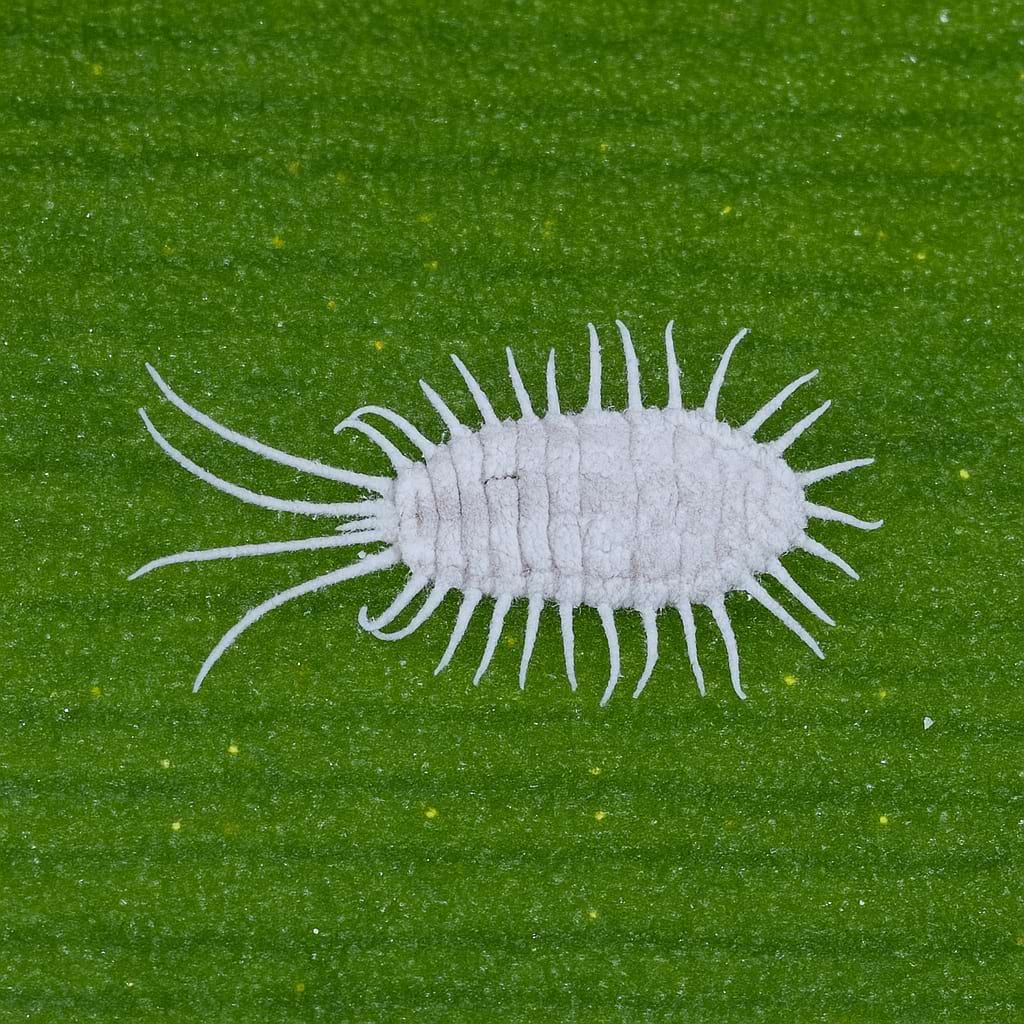
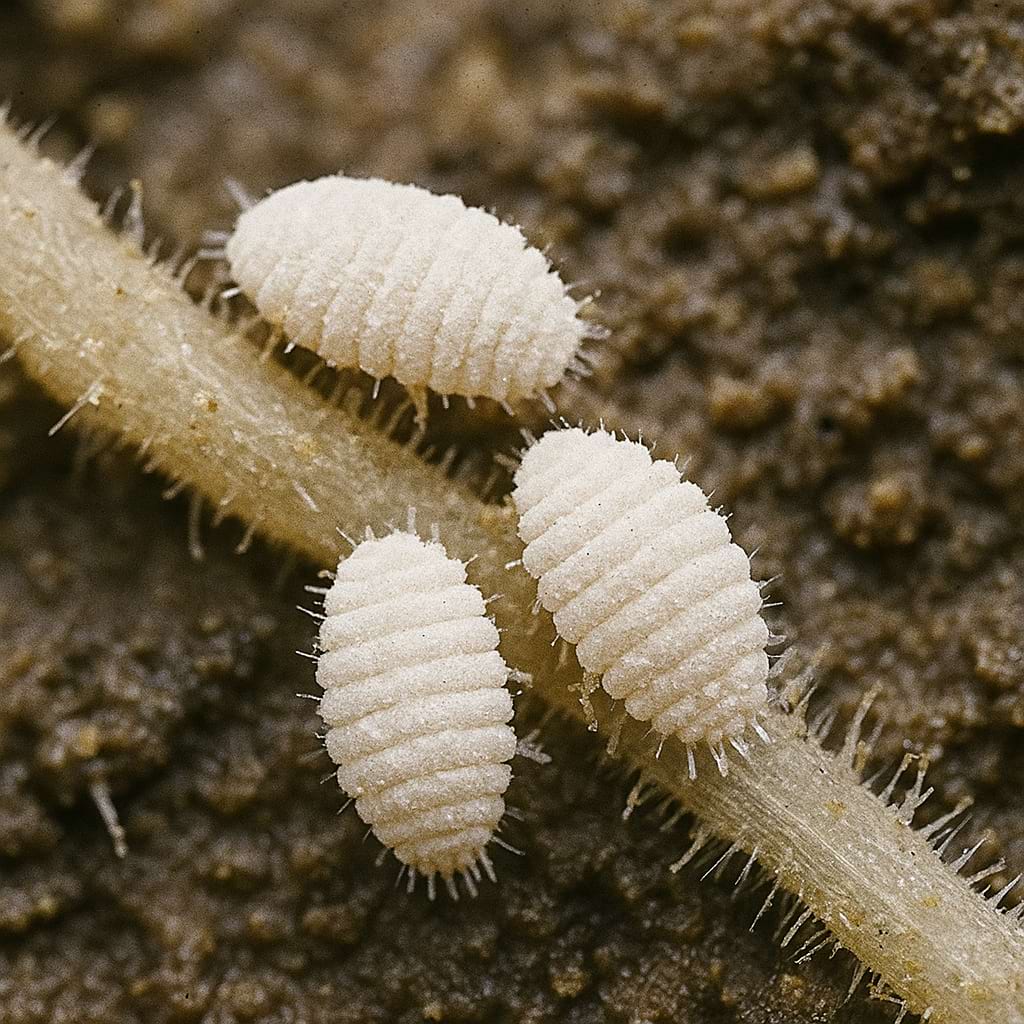
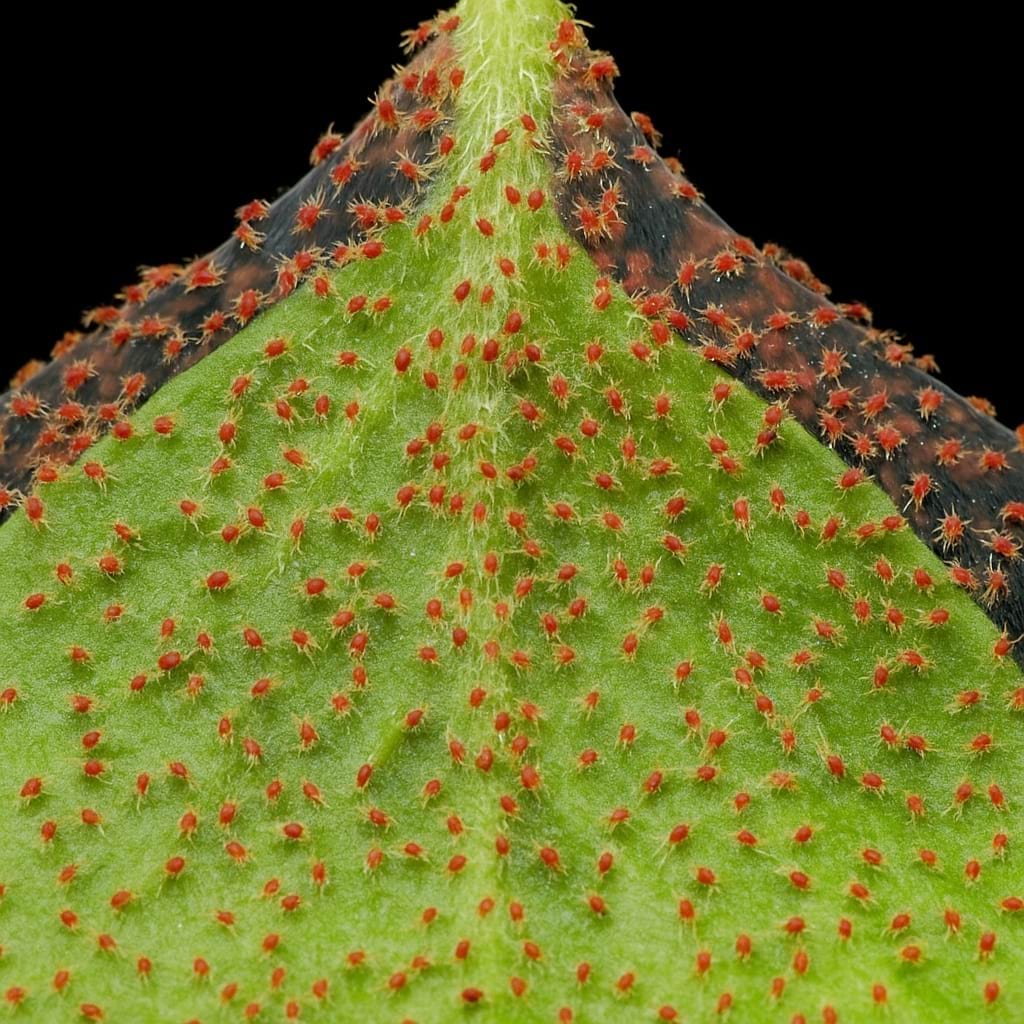
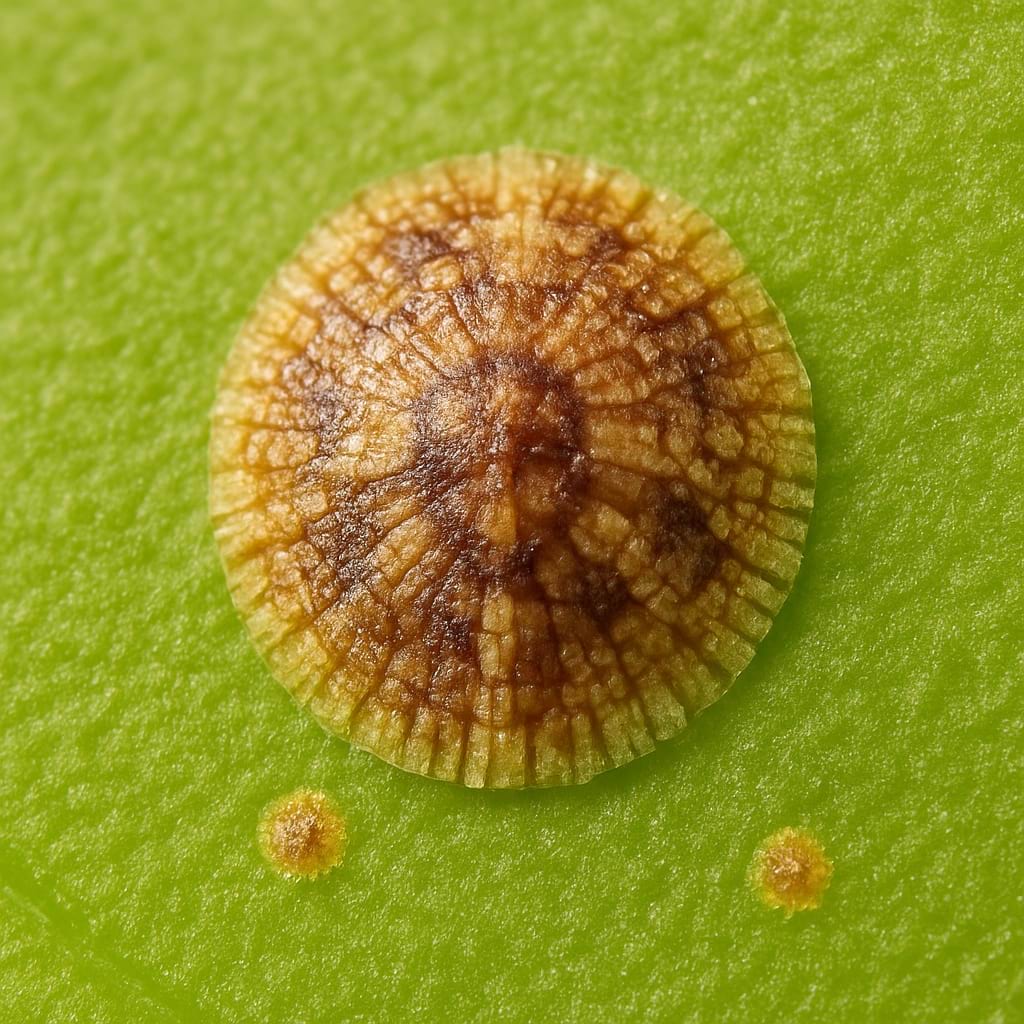
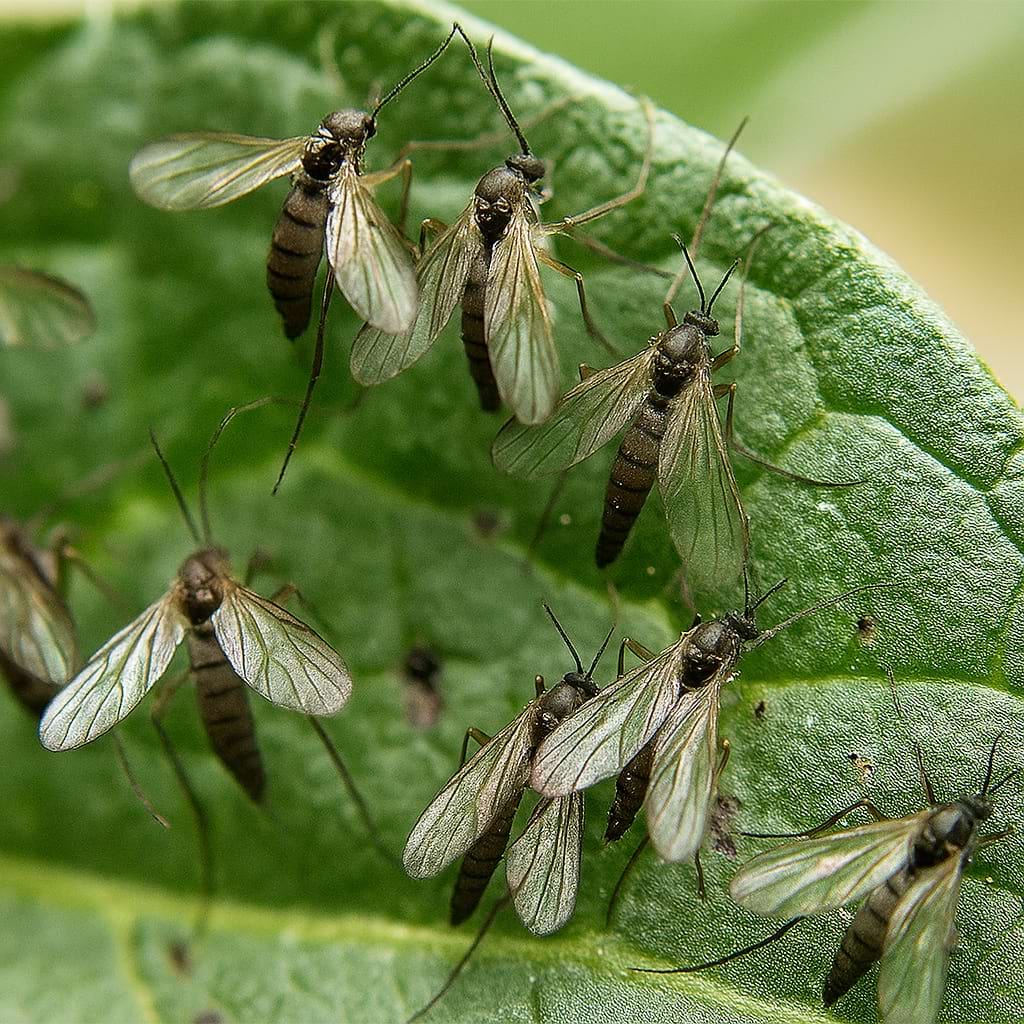
Mealybugs are the serious threat here, and the reason is obvious once you look: white cottony insects hiding in a white cottony plant. They can breed unseen for months inside the plumes. Root mealybugs are the underground version, showing as white powder on the roots and causing a slow unexplained decline. Spider mites leave fine webbing that tangles into the coat, scale insects sit as small brown limpets on the exposed base, and fungus gnats are a signal that your mix is staying wet too long.
Treatment and Prevention
Spraying is a problem on this plant, because a soaked coat is worse than the pest. Dab individual mealybugs with a cotton bud barely damp with rubbing alcohol, working between the plumes with tweezers and a magnifier. For a bad infestation, a systemic granular insecticide worked into the soil is the better tool, since it treats the plant without wetting a single spine. Root mealybugs need the plant unpotted, roots rinsed under a tap with the top kept dry, and a repot into a clean pot.
Prevention beats treatment by a mile. Look into the plumes with a torch every month, especially where heads meet, quarantine new arrivals for a few weeks, and read pest prevention in winter before the cool rest begins.
🩺 Common Feather Cactus Problems
Rot From Wet Plumes and Wet Soil
This species has two rot routes rather than one. The familiar one is root rot from soggy soil, appearing as soft brown tissue at the base and spreading up. The other is crown rot, which starts in the plumes after overhead watering or misting and works downward into the head. Unpot, cut back to clean firm tissue, dust the wound with sulphur or cinnamon, dry it for several days, and replant in dry mix. If the crown is gone, save the healthiest outer offsets and start again.
Grey, Matted, or Stained Plumes
Grey clumped patches almost always mean water hit the plant. Once matted, plumes rarely recover their loft, and the affected areole will not regrow them, so the marks stay until new heads grow over the top. Brown or rusty staining low down is splashed soil, which is why the grit top dressing earns its place. Fungal spotting shows as dark specks on the skin beneath and calls for better airflow plus a drier routine.
Thin Coat, Stretching, and No Growth
Sparse plumes with green showing through is the light warning, and it precedes leggy growth by months. A plant that simply sits there for a year or more may be showing stunted growth from exhausted soil, a pot that is far too large, or root mealybugs, so check the roots before writing it off as slow. Genuine slowness is normal here, but an inch of growth over several seasons is expected, not zero.


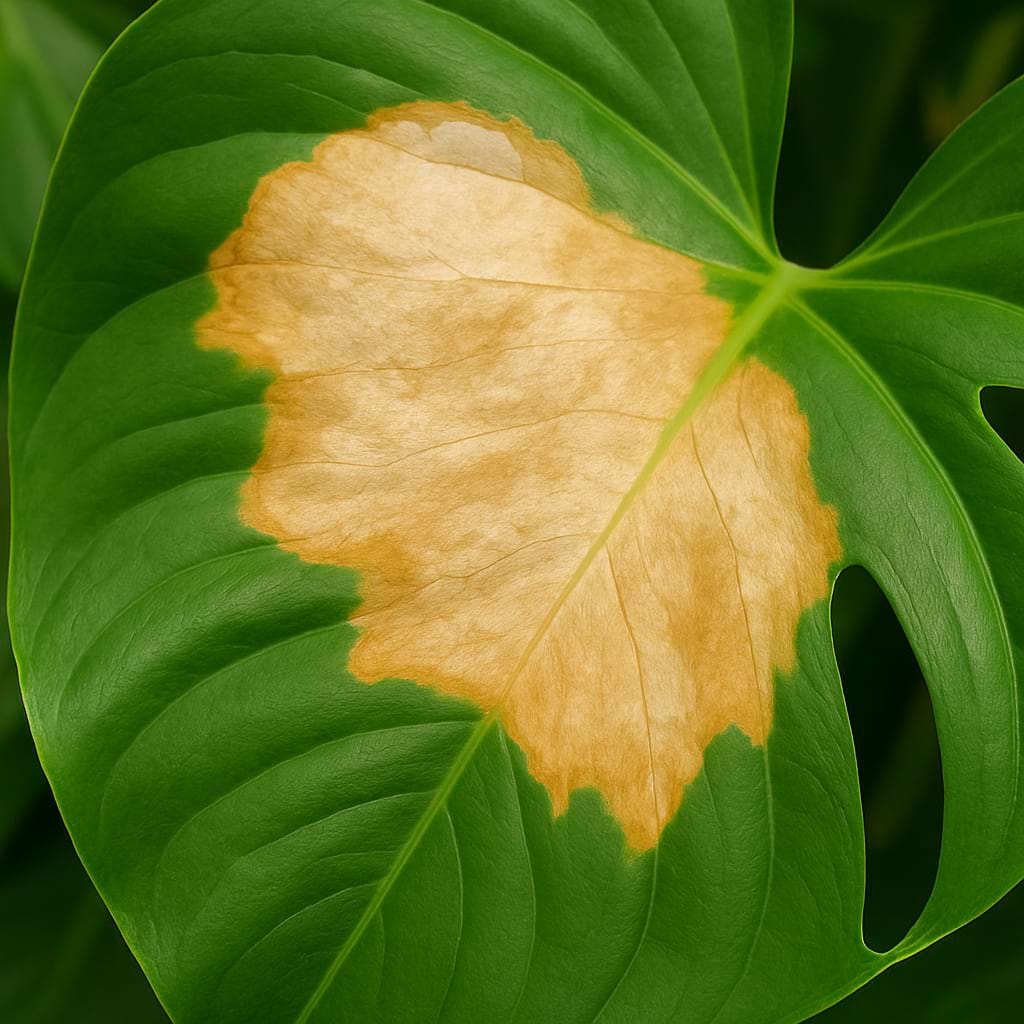


🖼️ Feather Cactus Display and Styling Ideas
Solo Setups
The cushion is the whole point, so give it room to spread and show it from above. A wide shallow bowl with a dark grit top dressing makes the white plumes glow, and a dark glazed or charcoal pot does the same. Set it where people will reach out, on a desk, a bedside table, or a low sill, because the surprise of touching a cactus that feels like down is half the pleasure of owning one.
Grouped Arrangements
Pair it with dark-bodied, sharply spined cacti so the texture contrast does the work. A deep green Star Cactus or a ribbed Golden Barrel Cactus beside a white cushion reads beautifully, and a Pincushion Cactus shares its care schedule exactly. Avoid crowding the cushion against its neighbours, since pressed plumes flatten and trapped air stays damp.
Where Not to Put It
No bathrooms, no steamy kitchen corners, and nowhere with poor airflow. Keep it off dim north-facing shelves, where the coat thins within a season. And keep it clear of a mister, a leaky hanging basket, or a helpful housemate with a watering can.
👍 Feather Cactus Pro Care Tips
💧 Bottom water, always. This single rule decides whether the plant lives or dies. Never let water touch the plumes.
🚫 Never mist it. There is no situation in which misting helps this plant, and it mats the coat permanently.
🪨 Add limestone to the mix. It grows on limestone in the wild, and a little lime builds denser, whiter plumes.
🌬️ Clean with air, not water. A puffer bulb or canned air lifts dust out. Cloths and rinsing destroy the feather structure.
❄️ Cool it down in autumn. Eight weeks near 45-55°F with a dry pot is what buys you winter flowers.
🥣 Use a wide, shallow pot. The cushion spreads sideways, and a deep pot just holds damp soil the roots never touch.
🔦 Torch the plumes monthly. Mealybugs hide in white fluff, and a light plus a magnifier catches them early.
⚖️ Judge water by weight. You cannot poke the soil without crushing plumes, so lift the pot instead.
❓ Frequently Asked Questions
Is Feather Cactus safe to touch?
Yes, and it is one of very few cacti you can say that about. The white plumes are soft, branched, flexible spines with no hooks and no barbs, so a mature cushion feels like a powder puff. Handle it as little as you can, though, since finger oils and pressure flatten the plumes and those marks last a long time.
Is Feather Cactus toxic to cats and dogs?
Feather Cactus is non-toxic to cats and dogs. With no sharp spines either, it is genuinely one of the safest cacti to keep around animals or small children, though a determined cat can still wreck the coat.
How often should I water a Feather Cactus?
Roughly every 12-16 days in spring and summer, but only once the mix is bone dry, never on a schedule. Cut back to once a month or less through the cool autumn and winter rest. Bottom water every single time.
Can I mist my Feather Cactus?
No. Misting is the most common way people ruin this plant. Water sitting in the plumes mats them into grey clumps, holds damp against the body, and leads to crown rot. It wants dry air and good airflow, not moisture.
Why has my Feather Cactus gone grey and flat in patches?
Almost certainly water on the plumes, from overhead watering, misting, or a splash. Matted plumes do not fluff back up, and the affected areoles will not produce new ones. Keep it dry from now on and the patches slowly disappear as new heads grow over them.
Why won't my Feather Cactus flower?
Usually a warm winter. This species blooms in response to a cool, dry autumn at around 45-55°F, so a plant kept at room temperature all year rarely sets buds. Weak summer light and excess nitrogen are the other two causes, and plants under three years old are often simply too young.
How big does a Feather Cactus get?
Individual heads stay small at about an inch and a half across and two to three inches tall. The cushion is what grows, spreading to eight inches in a few years and up to sixteen inches on an old, well-grown plant. It is slow, so full size takes decades.
Does Feather Cactus need special soil?
It does better in a very gritty mineral mix with limestone or dolomite added, because it grows on limestone cliffs in the wild. Ordinary cactus mix cut heavily with pumice will keep it alive, but the lime tends to produce a denser, whiter coat and a firmer plant.
How do I clean dust out of the plumes?
Use a puffer bulb, a rubber camera blower, or a short burst of canned air held a few inches away, then pick stuck debris out with fine tweezers. Never rinse, wipe, or brush the plant, since all three flatten the feathery spine structure for good.
Can Feather Cactus survive frost?
Kept completely dry, an established plant tolerates brief dips to around freezing without damage, which is more cold tolerance than most people expect. Wet soil plus cold is what kills it. Do not test this on purpose, and bring it somewhere frost-free before winter sets in.
ℹ️ Feather Cactus Info
Care and Maintenance
🪴 Soil Type and pH: Gritty mineral cactus mix with limestone chips
💧 Humidity and Misting: Wants dry air and steady airflow. Humid, still rooms mat the plumes and invite rot.
✂️ Pruning: None needed. Blow debris out of the plumes and divide crowded cushions in spring.
🧼 Cleaning: Never wipe or rinse. Blow dust off with a puffer bulb or canned air, and lift trapped debris out with fine tweezers.
🌱 Repotting: Repot every 3-4 years in spring, or when the cushion overhangs the rim of the pot.
🔄 Repotting Frequency: Every 3-4 years
❄️ Seasonal Changes in Care: Bright and watered from spring to early autumn, then a cool, nearly dry rest from late autumn that carries it through winter flowering.
Growing Characteristics
💥 Growth Speed: Slow
🔄 Life Cycle: Evergreen perennial clumping cactus
💥 Bloom Time: Late autumn through winter, typically November to February, with small scented flowers nestled between the plumes
🌡️ Hardiness Zones: 9-11
🗺️ Native Area: Limestone cliffs and rocky slopes of Nuevo Leon and Coahuila, northeastern Mexico
🚘 Hibernation: Cool, nearly dry rest near 45-55°F from late autumn, with bright light kept up throughout
Propagation and Health
📍 Suitable Locations: South and east windowsills, bright sunrooms, shallow bowls, alpine troughs, grouped cactus collections
🪴 Propagation Methods: Twist off offsets from the edge of the cushion, callus them for a week, then set them on dry gritty mix.
🐛 Common Pests: Mealybugs, Root Mealybugs, Spider Mites, Scale Insects, Fungus Gnats
🦠 Possible Diseases: Root rot, crown rot under matted wet plumes, fungal spotting
Plant Details
🌿 Plant Type: Clumping cushion cactus
🍃 Foliage Type: Evergreen leafless stems hidden under dense feathery spines
🎨 Color of Leaves: Pale green body, almost entirely covered in white
🌸 Flower Color: Creamy white to pale yellow, occasionally flushed pink
🌼 Blooming: Yes, in winter, after a cool and dry autumn rest
🍽️ Edibility: Not grown as an edible plant.
📏 Mature Size: 2-3 inches tall
Additional Info
🌻 General Benefits: Pet-safe, harmless to handle, flowers in winter when nothing else does, stays small, and forms a striking cushion over time
💊 Medical Properties: No documented medicinal uses.
🧿 Feng Shui: One of the few cacti with no sharp energy at all, which makes it a safe pick for a desk or a bedroom sill where spiky plants feel hostile.
⭐ Zodiac Sign Compatibility: Pisces
🌈 Symbolism or Folklore: Softness under a hard reputation, quiet protection, winter warmth
📝 Interesting Facts: The white plumes are true spines, not hairs. Each one is branched like a tiny feather, which is what gives the cushion its downy look. In the wild the plumes shade the body from limestone glare and catch condensing fog, and the species is considered threatened across its small native range.
Buying and Usage
🛒 What to Look for When Buying: Look for bright white, evenly spread, fluffy plumes and a firm cushion. Avoid plants with grey matted patches, brown staining in the coat, or any hint of moisture down in the crown.
🪴 Other Uses: Windowsill specimen, alpine-house plant, dish-garden centrepiece, and a good first cactus for a household with children or pets.
Decoration and Styling
🖼️ Display Ideas: Shallow bowls, wide low pots, dark grit top dressing, alpine troughs, grouped with dark-bodied cacti for contrast
🧵 Styling Tips: The cushion spreads sideways, so a wide shallow pot suits it far better than a deep one. Dark pots and dark grit make the white plumes glow.
🪴 See also 🪴
Complete Guide to Leaf of Life Care and Growth
Complete Guide to Aeonium Care and Growth
Complete Guide to Crested Brain Cactus Care and Growth
Complete Guide to Snowball Cactus Care and Growth
Complete Guide to Spiral Cactus Care and Growth
Complete Guide to Fairy Castle Cactus Care and Growth
Complete Guide to Silver Torch Cactus Care and Growth
Complete Guide to Crown Cactus Care and Growth
How to Propagate Succulents from Leaves & Offsets
Succulent Care Indoors: How to Stop Killing Jade and Echeveria
Complete Guide to Lithops Care and Growth (Living Stones)
Complete Guide To Aloe Vera Care and Growth
Complete Guide to Burro's Tail Care and Growth
Complete Guide to Crown of Thorns Care and Growth
Complete Guide to Echeveria Care and Growth

Complete Guide to Flaming Katy Care and Growth
Complete Guide to Jade Plant Care and Growth
Complete Guide to Sedum Adolphii Care and Growth
Complete Guide to Queen of the Night Care and Growth
Complete Guide to Domino Cactus Care and Growth
Complete Guide to Easter Lily Cactus Care and Growth
Complete Guide to Peanut Cactus Care and Growth
Complete Guide to Rat Tail Cactus Care and Growth
Complete Guide to Ghost Plant Care and Growth
Complete Guide to Hens and Chicks Care and Growth

Complete Guide to String of Coins Care and Growth
Complete Guide to Silver Squill Care and Growth
Complete Guide to Jelly Bean Plant Care and Growth
Complete Guide to Fishbone Cactus Care and Growth

Complete Guide to Mistletoe Cactus Care and Growth
Complete Guide to Mother of Thousands Care and Growth
Complete Guide to Paddle Plant Care and Growth
Complete Guide to Panda Plant Care and Growth

Complete Guide to Elephant Bush Care and Growth

Complete Guide to Pencil Cactus Care and Growth
Complete Guide to African Milk Tree Care and Growth

Complete Guide to Gasteria 'Little Warty' Care and Growth
Ox Tongue Care

Houseplant101 Forum
Questions & Comments
Ask a question, share your plant experience, or help other plant owners.
Comments are temporarily unavailable.
Open the Houseplant101 ForumNo comments yet
Be the first to ask a question or share your experience about this page.
Log in or create an account
Comments use your Houseplant101 Forum account, but you can stay on this page.
Create a new account