
Star Cactus
Astrophytum asterias
Sand Dollar Cactus, Sea Urchin Cactus, Star Peyote, Kabuto Cactus


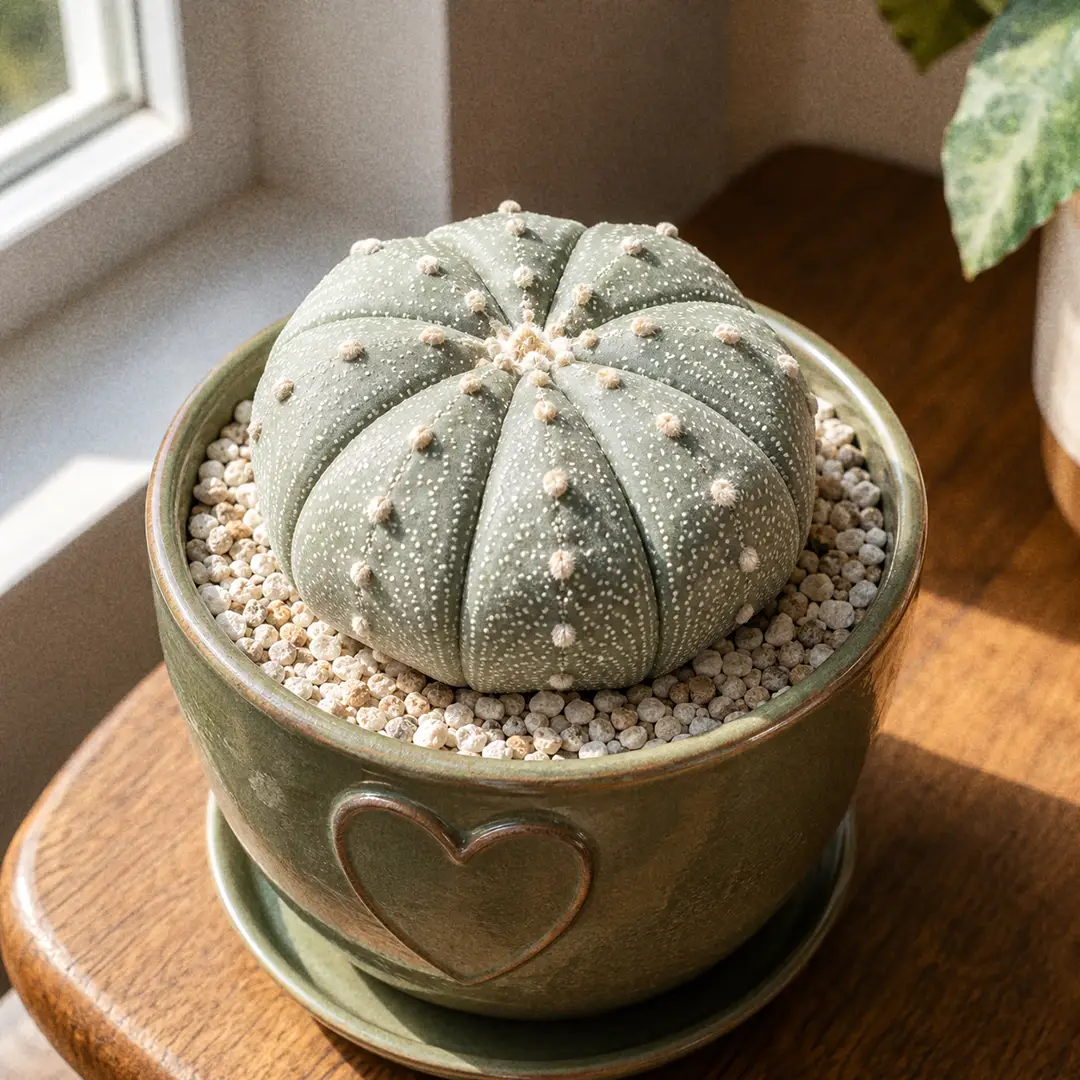
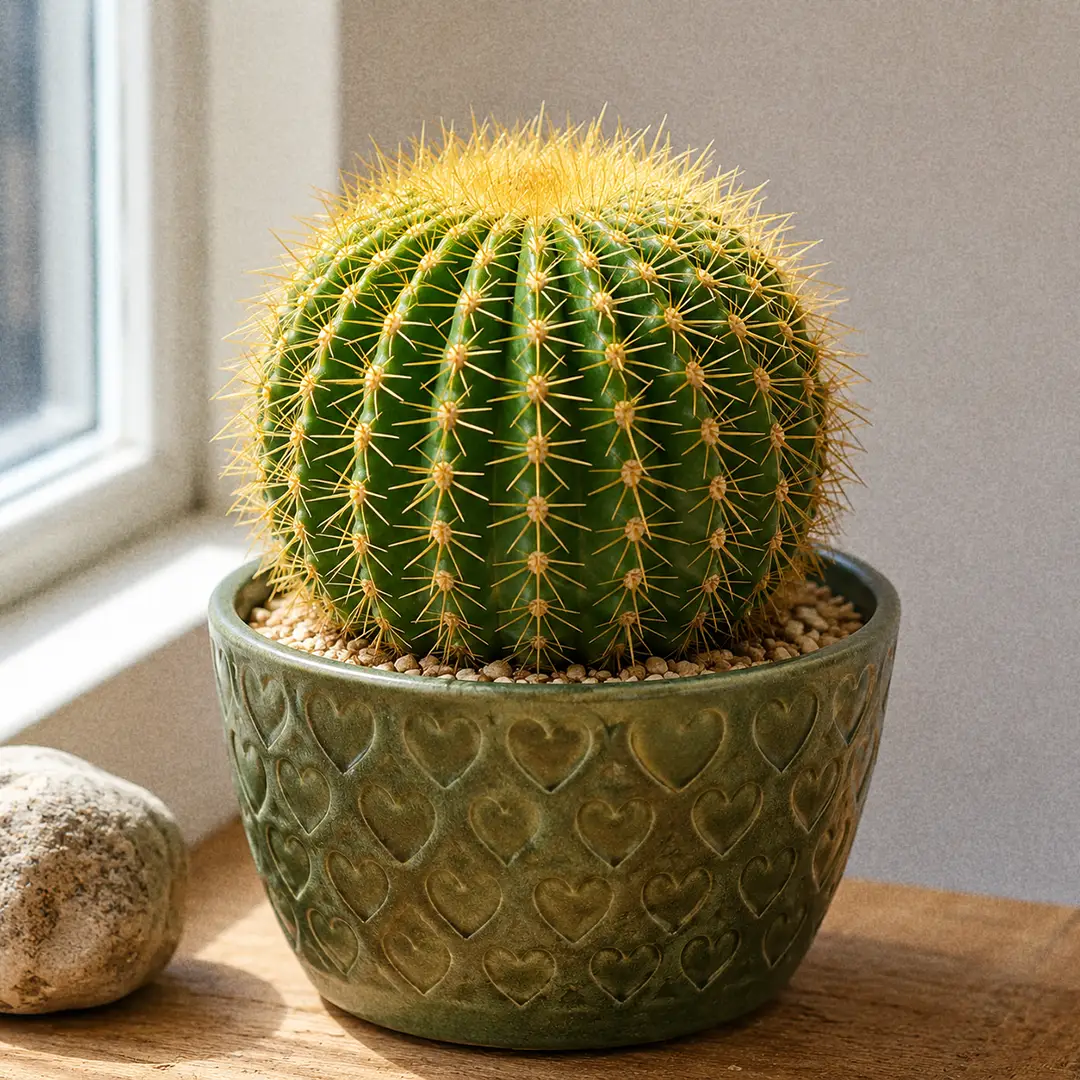
The Star Cactus (Astrophytum asterias), also called the Sand Dollar Cactus, is a small spineless globe of perfect geometry: eight ribs, a sprinkle of white woolly flecks, and a sunny yellow flower that opens in summer. Slow, patient, and almost impossible to overlove with light, it is one of the most rewarding desert cacti you can grow on a windowsill.
📝 Star Cactus Care Notes
🌿 Care Instructions
⚠️ Common Pests
📊 Growth Information
🪴 In This Guide 🪴

☀️ Star Cactus Light Requirements (Bright Direct, Some Filter in Summer)
Light is where the Star Cactus splits from the candy-shop Moon Cactus it is often confused with. Astrophytum asterias is a true desert plant from northeastern Mexico, and it wants a lot more sun than most colorful indoor cacti. With no spines to shade itself, every ray counts.
The Sweet Spot
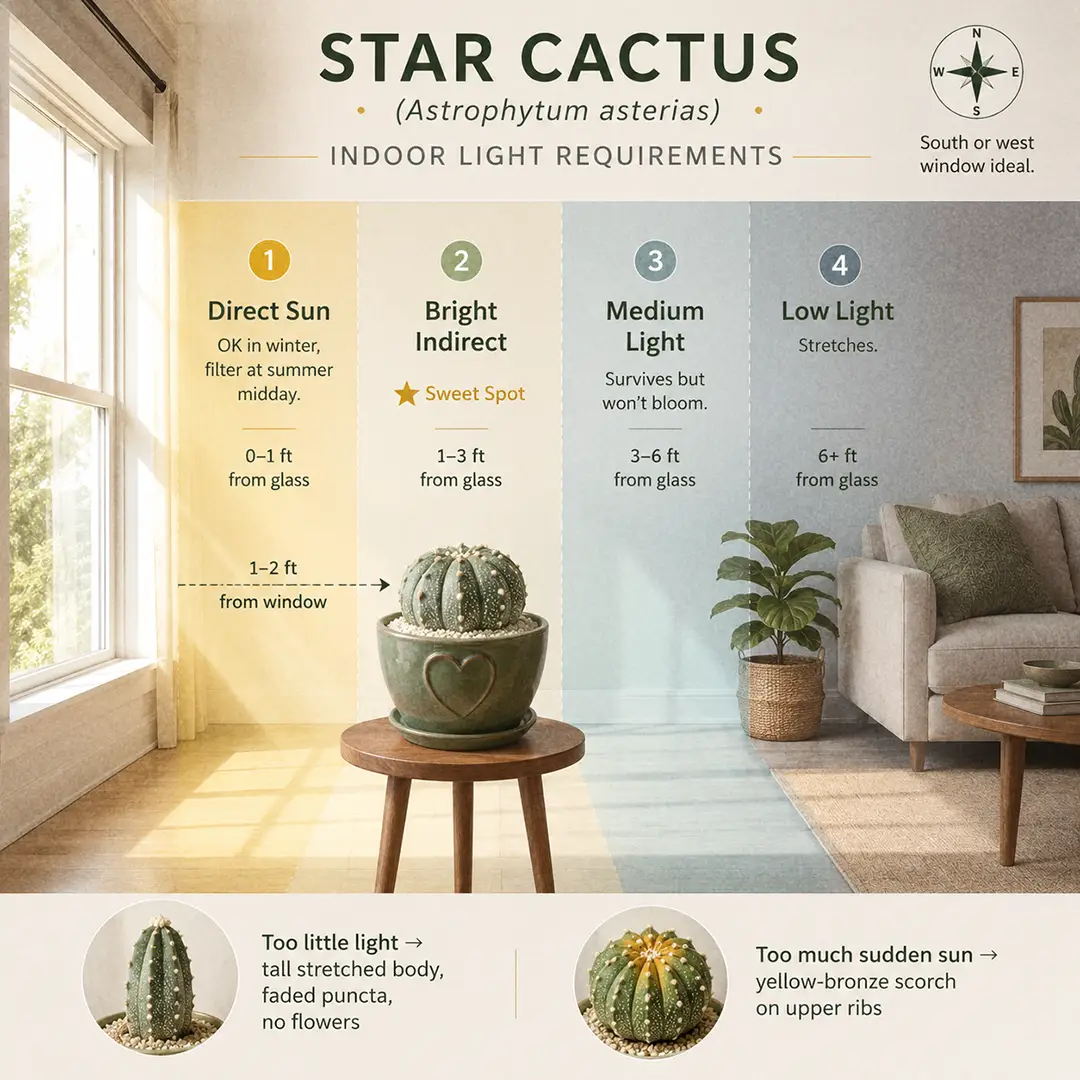
An unobstructed south or west window is ideal. Aim for four to six hours of direct sun a day in spring, autumn, and winter, with a sheer curtain filtering the hottest summer hours. East windows work too and give the cleanest body color, though flowering is less reliable. Under a grow light, run a strong fixture on a 12 to 14 hour timer within a foot of the plant.
Too Little Light
The body elongates upward instead of staying flat, the pale gray-green color turns a deeper, almost dull green, and the puncta (the white flecks) fade. Worse, an under-lit Star Cactus rarely flowers. If your plant is taller than it is wide, the cause is almost always low light. Slide it to a sunnier window or add a grow light over several weeks; once stretched, the elongated section never re-shortens.
Too Much Light
Surprisingly hard to give a Star Cactus too much, but it can happen. Under a sudden summer south sun after a dim winter, a yellowish bronze tint appears on the upper ribs. Pull the plant back a foot from the glass for two weeks, then ease it back. Scorched patches scar permanently. See light for houseplants for background.
💧 Star Cactus Watering Guide (Soak, Then Long Dry)
If you can master the watering rhythm, you have already mastered the Star Cactus. The plant stores enough water in its squat body to outlast almost any drought, and rot is the single most common killer indoors. The rule is simple: when in doubt, do not water.
Watering Frequency
In active growth (April through September), soak the soil thoroughly when it has dried top to bottom. For a 4-inch terracotta pot in a bright room, that lands every 14 to 21 days. Larger pots and cooler rooms stretch longer. Probe with a wooden skewer; the next drink only comes when the mix is bone dry. See watering houseplants for background.
From late October through February, give the plant a near-total dry rest. A small sip every six to eight weeks in a warm room; a plant kept cool at 50 to 55°F (10 to 13°C) can stay completely dry for three months. This winter drought is what triggers next summer's flowering.
How to Water
Water at the soil, not over the body. A long-spouted watering can or turkey baster keeps moisture off the woolly flecks. Pour until water runs out the drainage holes, wait ten minutes, then empty the saucer. Never let the pot sit in standing water. Bottom watering works well if your mix is properly gritty.
Signs of Trouble
A thirsty Star Cactus pulls in slightly and the ribs deepen as the flesh shrinks. A single deep soak rehydrates the plant in a day or two. An overwatered plant tells a different story: yellowing from the base up, a soft mushy bottom, sometimes a sour smell from the pot. Once the base has gone soft, the plant is rarely recoverable. Cut the firm top off cleanly, callus it in dry shade for a week, and try to re-root on fresh dry grit.
🪴 Best Soil for Star Cactus (Sharp and Mineral)
The soil mix matters more than the watering schedule. A correctly built gritty mix forgives an extra drink; a peaty mix punishes the most patient watering.
What the Soil Needs
You want a mix that drains in seconds, dries fully within a week, and contains very little organic matter. Astrophytum roots are fine and brittle, and they sit in damp soil less happily than most indoor cacti. Aim for at least 50 percent inorganic content (pumice, perlite, coarse sand) by volume.
DIY Soil Mix
- 1 part standard cactus and succulent mix
- 1 part coarse pumice (or perlite)
- 1 part coarse horticultural sand or fine gravel
- A small handful of crushed limestone or oyster shell grit (optional, nudges the pH toward slightly alkaline)
Squeeze a damp handful of the finished mix; it should crumble apart the second you open your fingers. If it stays clumped, add more pumice. See repotting season for general timing.
Pre-Made Options
Bagged "cactus mix" from most garden centers is too peaty for a Star Cactus on its own. Cut it 1:1 with pumice or coarse perlite before potting. Bonsai akadama and the "Boon mix" used for desert succulents both work straight from the bag.
Pot Choice
A small unglazed terracotta pot is the gold standard. The clay wicks moisture out and shortens the drying time, which is exactly what fine Astrophytum roots want. Size it only half an inch wider than the body itself; oversized pots hold wet soil at the edges that the small root system never reaches.
🍼 Fertilizing Star Cactus (A Thin Diet)
The Star Cactus grows slowly even when well fed, and overfeeding does more harm than help. A thin diet keeps the body firm and compact, which is the look you want.
When and How Often
Feed only during active growth, from May through August. Twice a year is plenty: once in late spring, once in midsummer. Skip the rest of the year entirely. A freshly repotted plant gets no fertilizer for the first three months.
What to Use
A low-nitrogen cactus fertilizer (around 2-7-7 or 5-10-10) at half the label strength. Always water with plain water first, then apply the diluted feed to damp soil so the brittle roots are not chemically burned. See fertilizing houseplants for guidance.
Over-Fertilizing Signs
A white crust on the soil surface or pot rim is salt build-up from feed or hard tap water. Flush the pot with two or three pot volumes of plain water and skip the next feeding. A puffy, fast-growing body that splits or scars is another sign you have pushed too hard.
🌡️ Star Cactus Temperature Range
Astrophytum asterias is a warm-room plant in summer and a cool-room plant in winter. The dramatic temperature swing is part of the natural cycle that triggers flowering.
Ideal Range
From spring through autumn, the plant is comfortable at 65 to 90°F (18 to 32°C), which covers normal indoor temperatures with room to spare. Short spells into the high 90s are fine if the air moves and the soil is dry.
Winter Rest
In winter, drop the plant to 45 to 55°F (7 to 13°C) if you can. A cool unheated bedroom, enclosed porch, or bright sunroom works well. The plant will not grow at these temperatures, and that is the point: the cool dry rest signals next summer's flower buds. Indoors, keep above 40°F (4°C) to be safe.
Drafts and Heat Sources
Skip a spot directly above a radiator or beside a heating vent. A bright cool windowsill that drops at night is much better than a warm dim corner.
💦 Star Cactus Humidity Requirements
Ideal Humidity
Easy. The Star Cactus is comfortable at normal household humidity, 30 to 45 percent. No misting, no humidifier, no pebble trays. Most heated homes in winter run drier than this and the plant is fine.
Avoid Damp Stagnant Air
The one humidity trap is a humid, cool, still corner in late autumn before heating kicks in. Damp air around the woolly flecks invites fungal spotting. A small clip-on fan solves it. Skip closed terrariums and steamy bathrooms; both are far too wet.
🌸 Star Cactus Flowers (Big Yellow Blooms in Summer)
This is the payoff. A mature Star Cactus throws out flowers that look two sizes too big for the plant: a single 2 to 3 inch lemon-yellow bloom with a deep red-orange throat, opening from the woolly crown on a sunny morning.
What the Flowers Look Like
Buds emerge from the central areole at the top of the plant in late spring as small fuzzy beige nubs. Each bud opens over three to five days into a single sun-disc flower. A healthy mature plant produces four to eight flowers in waves through summer, with each bloom lasting two to three days.
How to Trigger Blooming
Three things have to line up: the plant must be mature (three to five years old from seed, or at least 2 inches across), the previous winter must have been cool (45 to 55°F / 7 to 13°C) and almost completely dry, and spring light must be strong, ideally a south or west window.
If It Won't Bloom
The usual culprits are too little light and too warm a winter. A plant kept in a 70°F (21°C) living room all winter will grow happily but rarely flower. Move it to your coolest bright spot in November and cut watering to almost nothing.
🏷️ Star Cactus Types and Varieties
The Star Cactus has been bred for decades, especially in Japan, into a small army of named cultivars. They all share the same flat globular shape and yellow flowers; what changes is the puncta pattern, the rib count, and the body texture.
Astrophytum asterias (Wild Form)
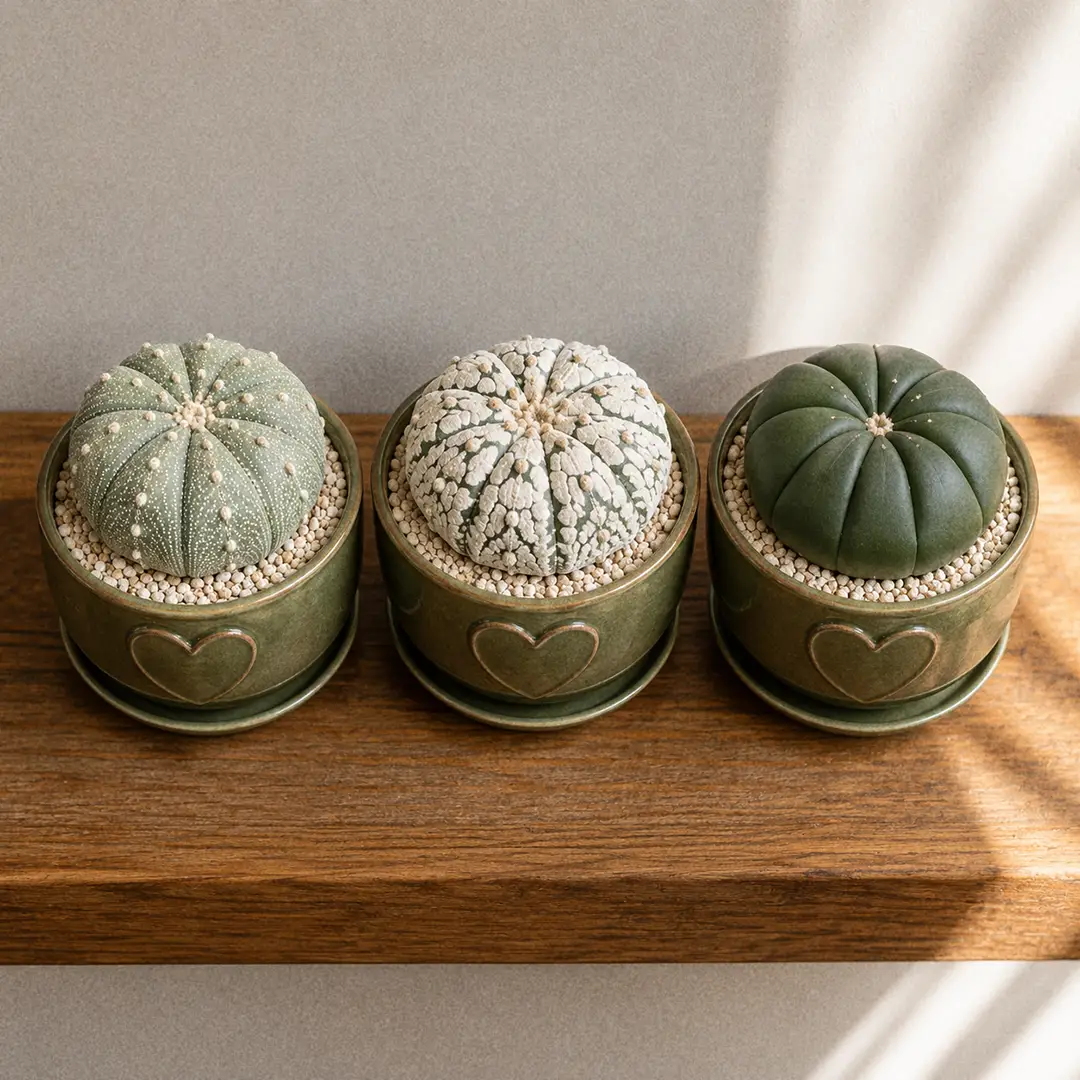
The species form. Eight ribs, evenly spaced white flecks, smooth blue-green body. This is what wild plants look like and what most general garden centers carry.
'Super Kabuto'
The most famous Japanese cultivar. The white flecks are dramatically enlarged and merge into broad chalky patches, sometimes covering most of the body. Slower-growing than the wild form and noticeably more expensive, but the look is incredible.
'Nudum'
The opposite extreme: a smooth, almost waxy green body with no white flecks at all. Reads like a perfect green sand dollar.
'Hanazono' (Many-Flower Form)
A cultivar with extra areoles scattered along the ribs instead of only at the crown, meaning multiple flowers can open at once. Striking when in full bloom.
'Onzuka'
Compact body with raised, ridged puncta that almost feel embossed under a fingertip. Sought after by collectors.
'V-Type'
The white flecks are arranged in clear V-shaped chevrons running down each rib. A modern Japanese selection.
Close Cousins on the Shelf
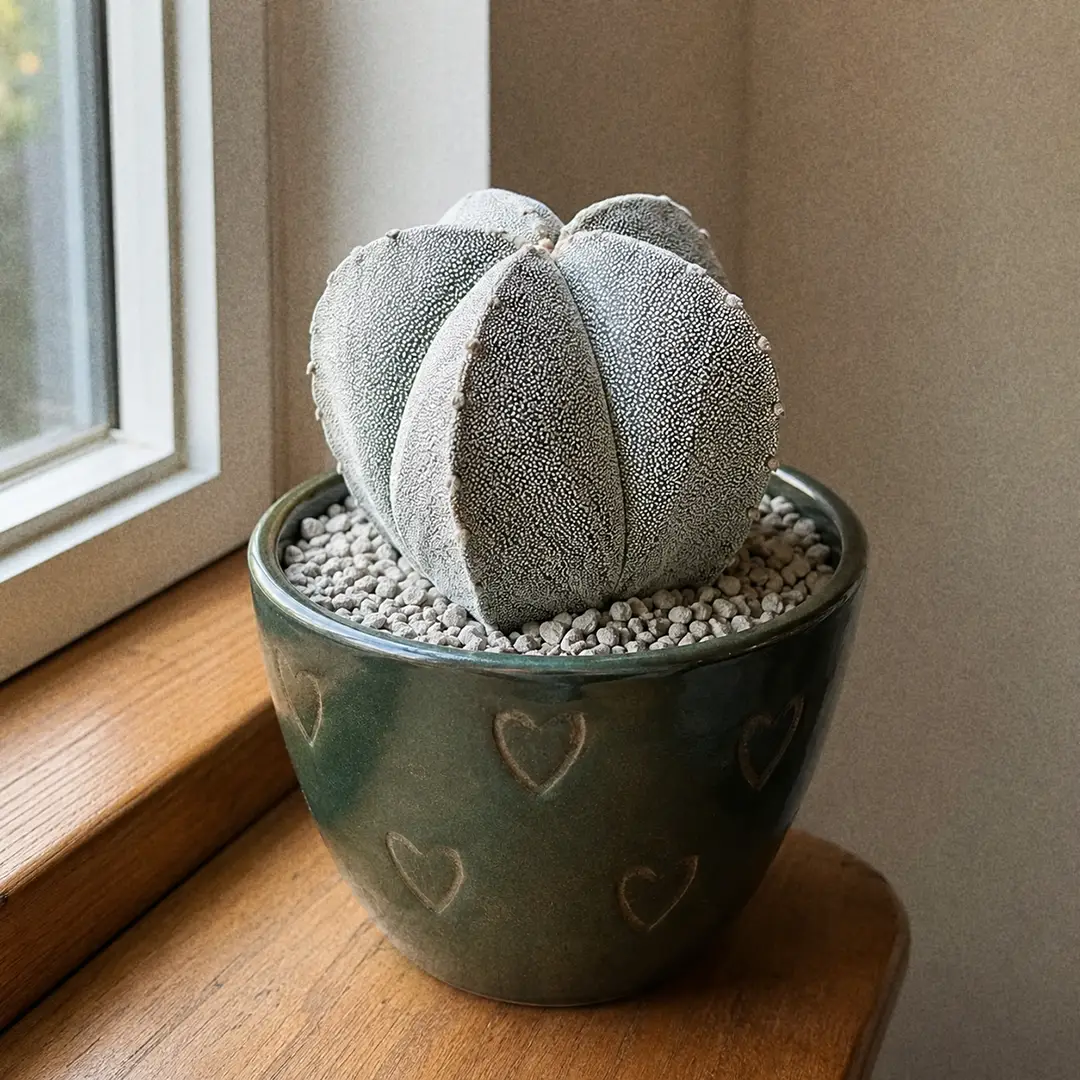
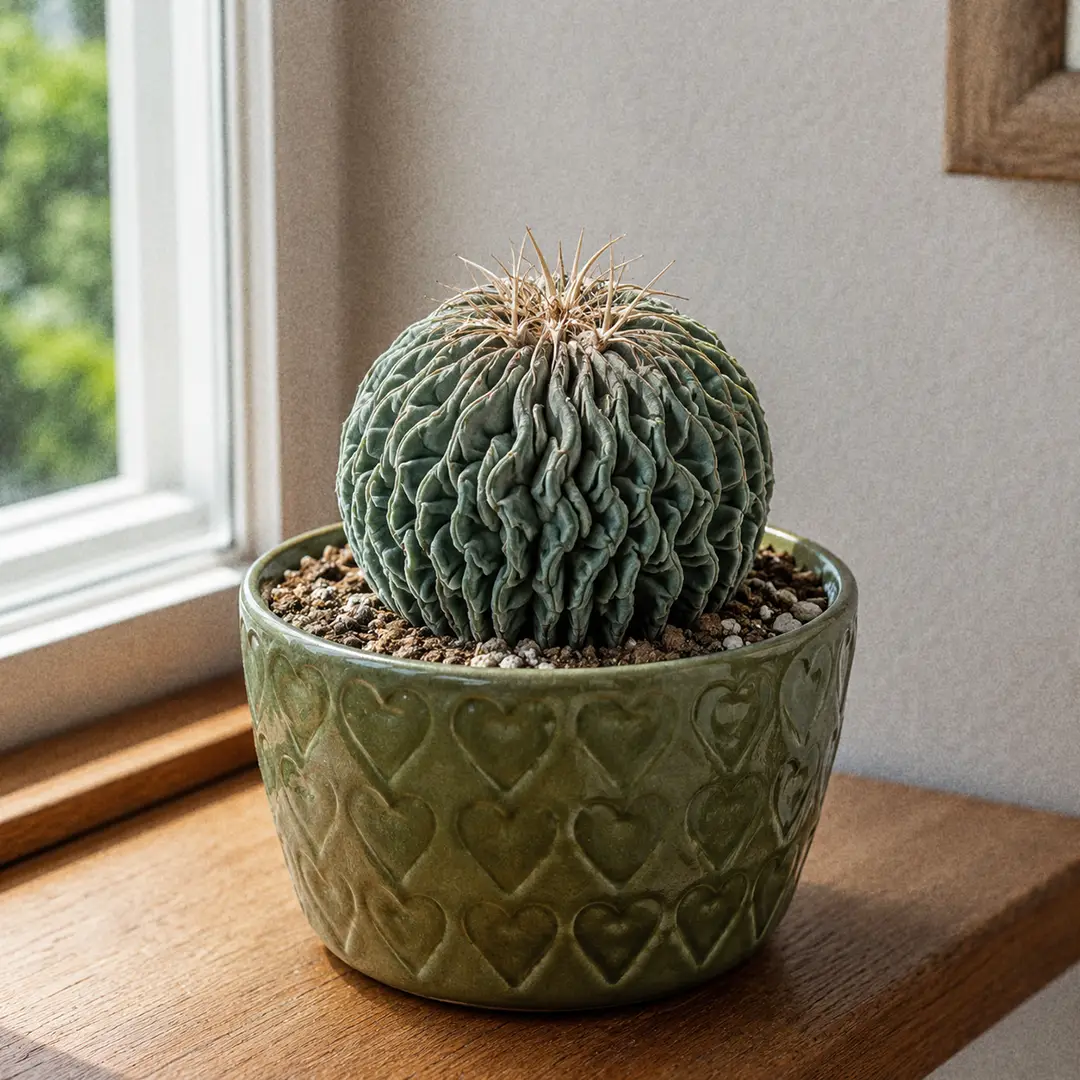
Astrophytum asterias has three close relatives often kept together: the five-ribbed and taller Bishop's Cap Cactus (A. myriostigma), A. ornatum (the spined cousin), and A. capricorne (Goat's Horn, with twisted papery spines). On the same shelf, the flat star geometry pairs beautifully with the upright Old Man Cactus, the perfect sphere of the Golden Barrel Cactus, and the crowded wavy ribs of a Brain Cactus for a busy-textured contrast to the Star Cactus's smooth body.
🪴 Potting and Repotting Star Cactus
The Star Cactus is slow, snug, and almost lazy about repotting. Resist the urge to upsize.
When to Repot
Repot every three to four years, or when the body is sitting right at the rim of the pot with no clay showing around it. Spring or early summer is the only good window. Skip autumn and winter unless you are rescuing a plant from rotted soil.
Choosing a Pot
A small unglazed terracotta pot, half an inch wider than the body, with a drainage hole. Shallow is better than deep; the root system stays small and concentrated near the surface. Decorative cover pots are fine as long as you lift the inner pot out to water.
Step-by-Step Repotting
- Wait until the soil is bone dry. A dry plant lifts cleanly out of its pot.
- Cradle the body with a folded paper towel so you do not bruise the woolly flecks.
- Tip the old pot sideways, slide the rootball out, and crumble the old soil away with your fingers.
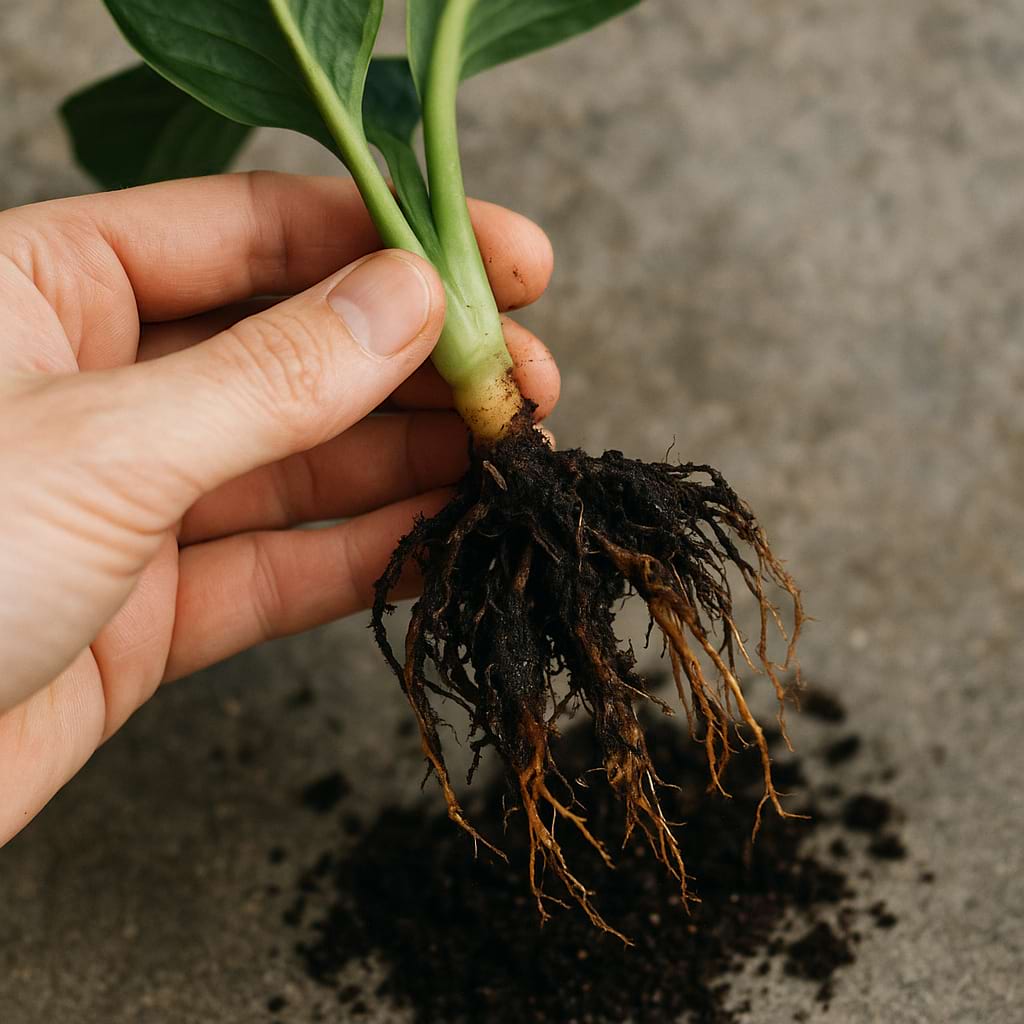
- Inspect the roots. Healthy ones are firm and pale tan; trim any black or mushy roots with sterile scissors.
- Set fresh gritty mix in the new pot. Plant at the same depth as before, never burying any part of the green body, and tamp the mix lightly with a chopstick.
- Top-dress with pale gravel or fine white pumice to make the puncta pop and keep the base dry.
- Do not water for one full week so any nicked roots can callus over.
✂️ Pruning Star Cactus
You Almost Never Prune
The Star Cactus does not branch, shed, or grow leggy in a way that needs trimming. A well-grown plant is naturally tidy from year one. If you are reaching for scissors, something else is wrong.
Rescue Cuts Only
The one reason to cut into the body is rescue surgery. If the base has rotted, slice cleanly across the body well above the damaged tissue with a sterile, very sharp blade, let the cut callus in dry shade for a week, then set it on fresh dry grit and treat as a propagated piece.
Removing Spent Flowers
Once a flower closes for good, twist or trim the spent bloom off at its base with sterile scissors. Leaving it on the crown traps moisture in the woolly tuft and invites fungal spots.
🌱 How to Propagate Star Cactus
Astrophytum asterias propagates primarily from seed rather than offsets. The plant rarely pups on its own, and any offsets are usually grafted onto a green rootstock for speed.
Best Method: Seed
Seed is the realistic home method, even though it is slow. Fresh Astrophytum seed is widely available online and germinates in about a week.
Step-by-Step Seed Propagation
- Fill a shallow tray with a thin layer of sterile, very gritty mix (50/50 cactus mix and fine pumice).
- Lightly moisten the mix with distilled water.
- Scatter seeds on the surface without burying them; Astrophytum seeds need light to germinate.
- Cover the tray with clear plastic and place it somewhere warm (75 to 85°F / 24 to 29°C) and bright but not in direct sun.
- Seedlings appear in 5 to 10 days as tiny green spheres.
- Vent the cover gradually over four to six weeks to harden them off.
- Keep seedlings in their tray for the first year; expect a marble-sized plant after 18 to 24 months.
Grafting for Speed
Specialist growers graft young Astrophytum seedlings onto a fast-growing green rootstock like the Moon Cactus base. A grafted Star Cactus can hit blooming size in two years instead of five, at the cost of a shorter lifespan and a less natural shape. See succulent propagation for the technique.
Tips for Success
Patience is the whole game. Keep seedlings sterile, never let the mix dry to dust, and never crowd the tray.
🐛 Star Cactus Pests and Treatment
The spineless body is a small invitation to pests, but the dry growing conditions keep most of them at bay. The ones that do appear hide in the woolly flecks at the crown.
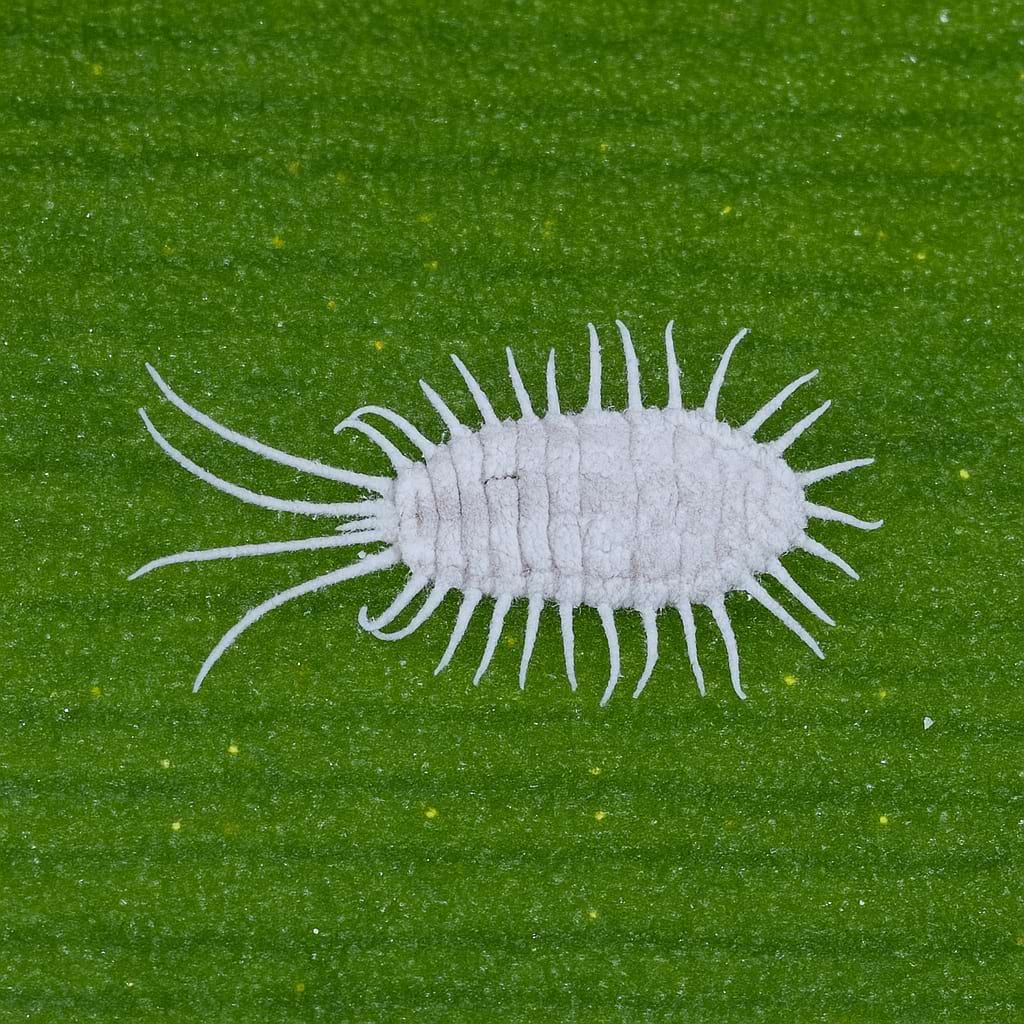
- Mealybugs: The most common pest. Look for cottony white tufts tucked between the ribs or hiding inside the woolly areoles at the crown. Dab each one with isopropyl alcohol on a cotton swab every five to seven days for three weeks. For heavy cases, a soil drench with an imidacloprid-based insecticide is the cleanest solution.
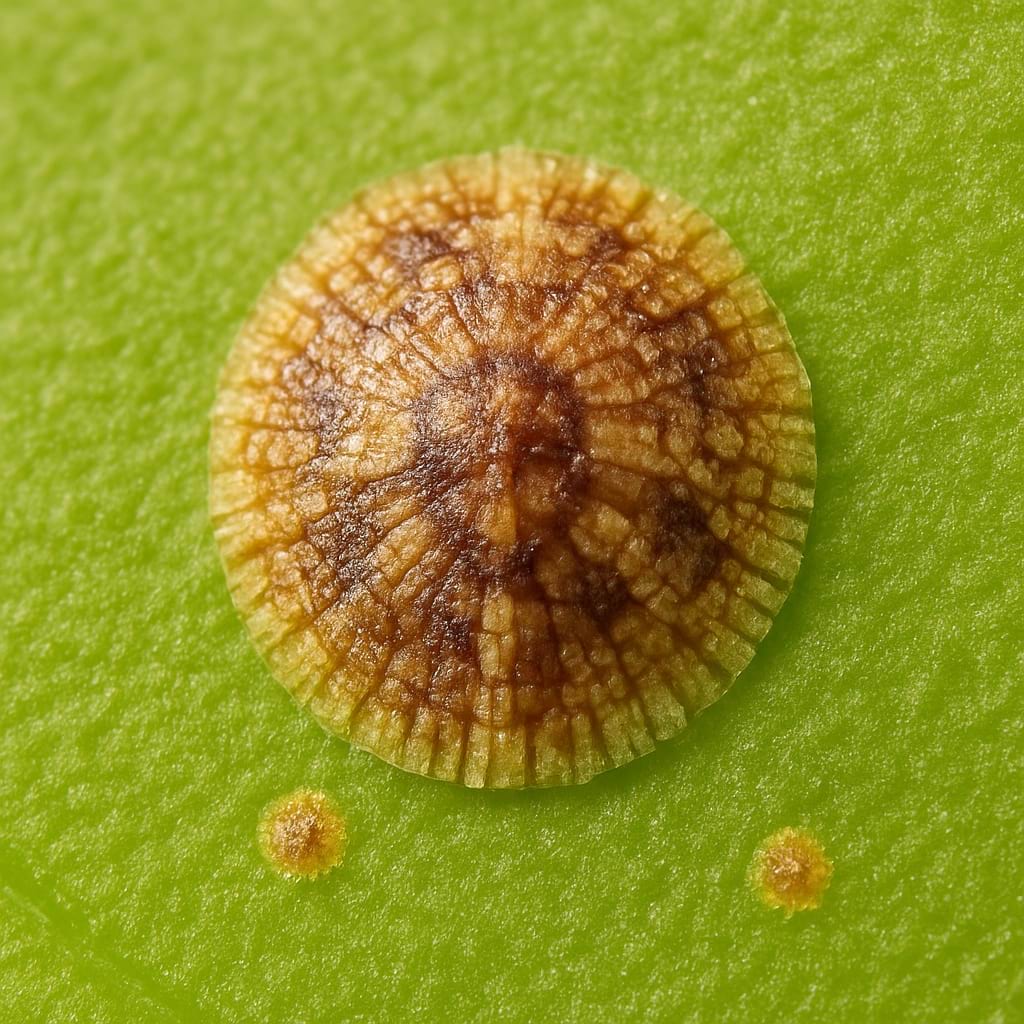
- Scale Insects: Small flat brown or tan shells stuck to the body. Scrape off carefully with a fingernail or wooden toothpick and follow up with neem oil applied with a soft brush.
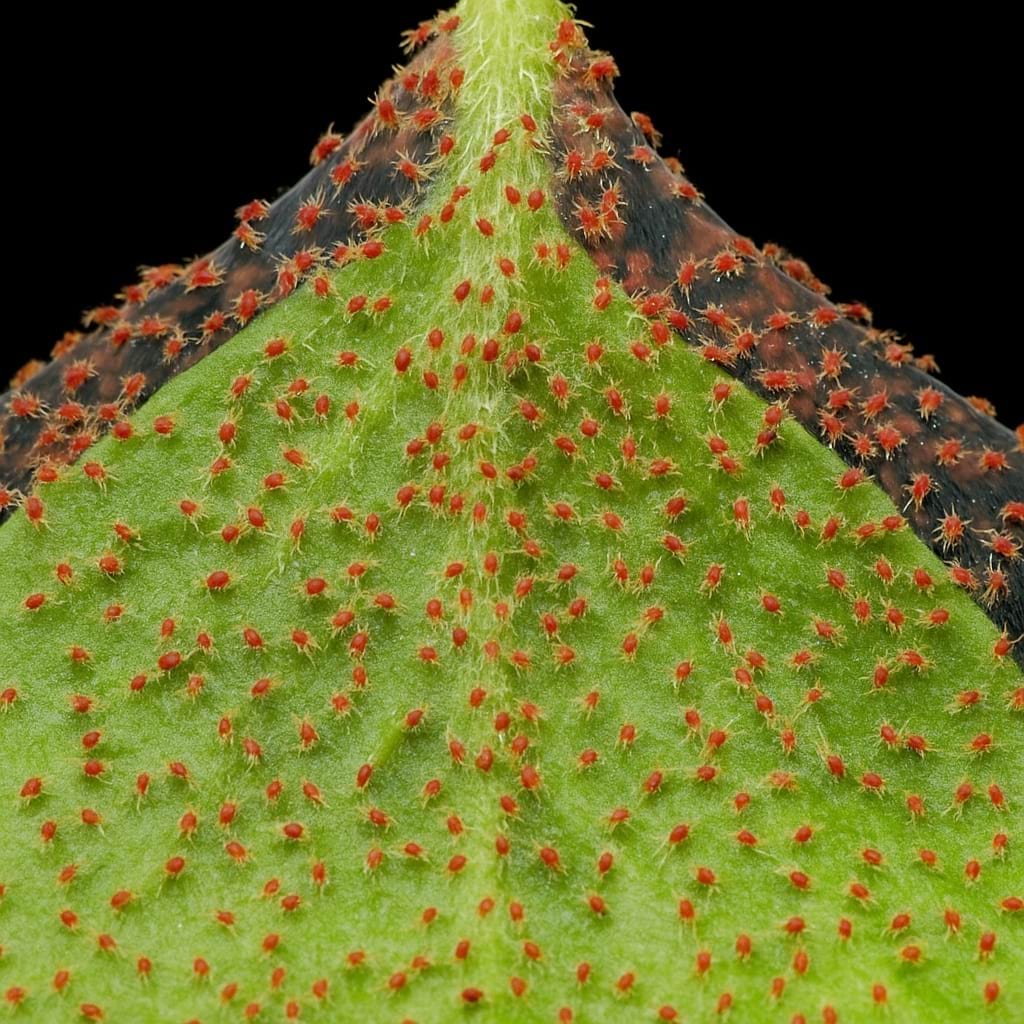
- Spider Mites: Fine webbing in the rib grooves in warm, dry indoor air. Wipe gently with a soft cloth and treat with a mild horticultural soap.
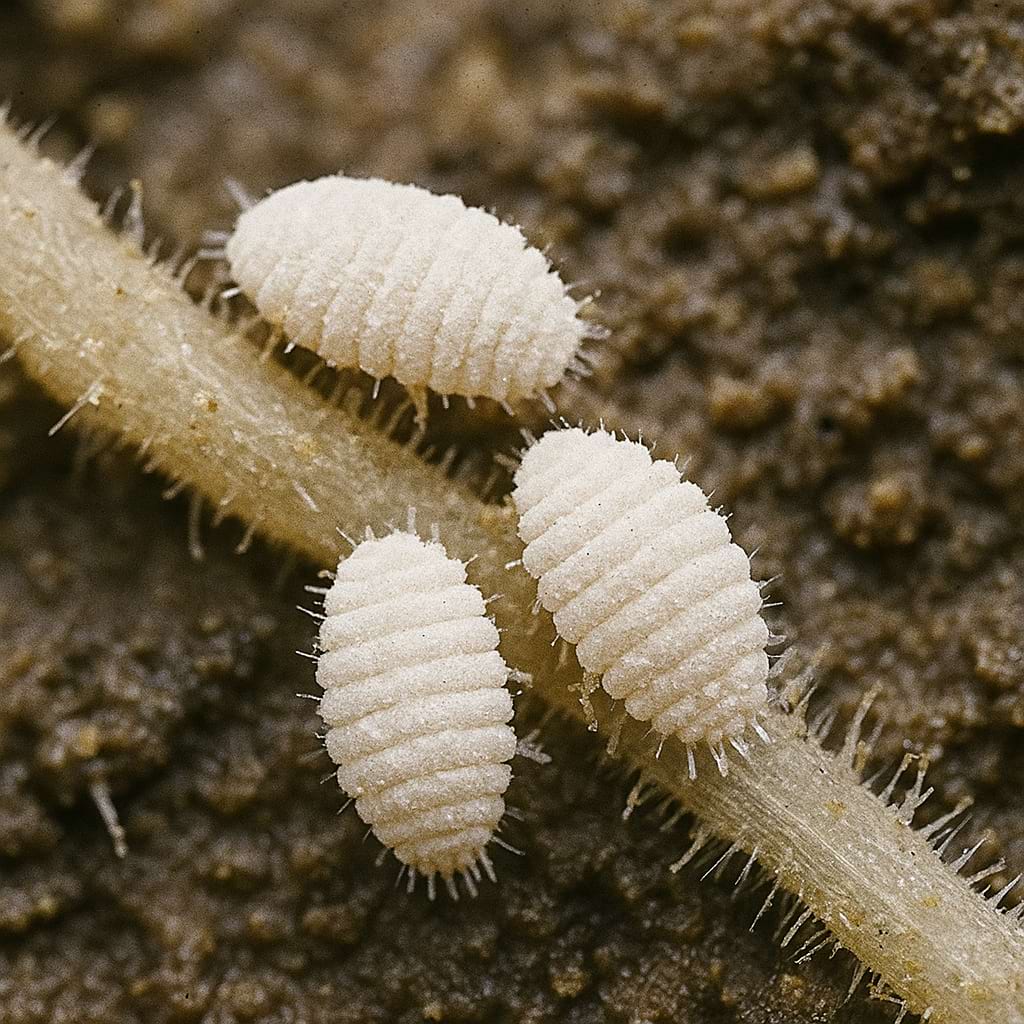
- Root Mealybugs: White powdery clusters on the roots, only visible when you unpot the plant. Wash the roots clean under running water, repot in fresh dry mix, and skip watering for two weeks.
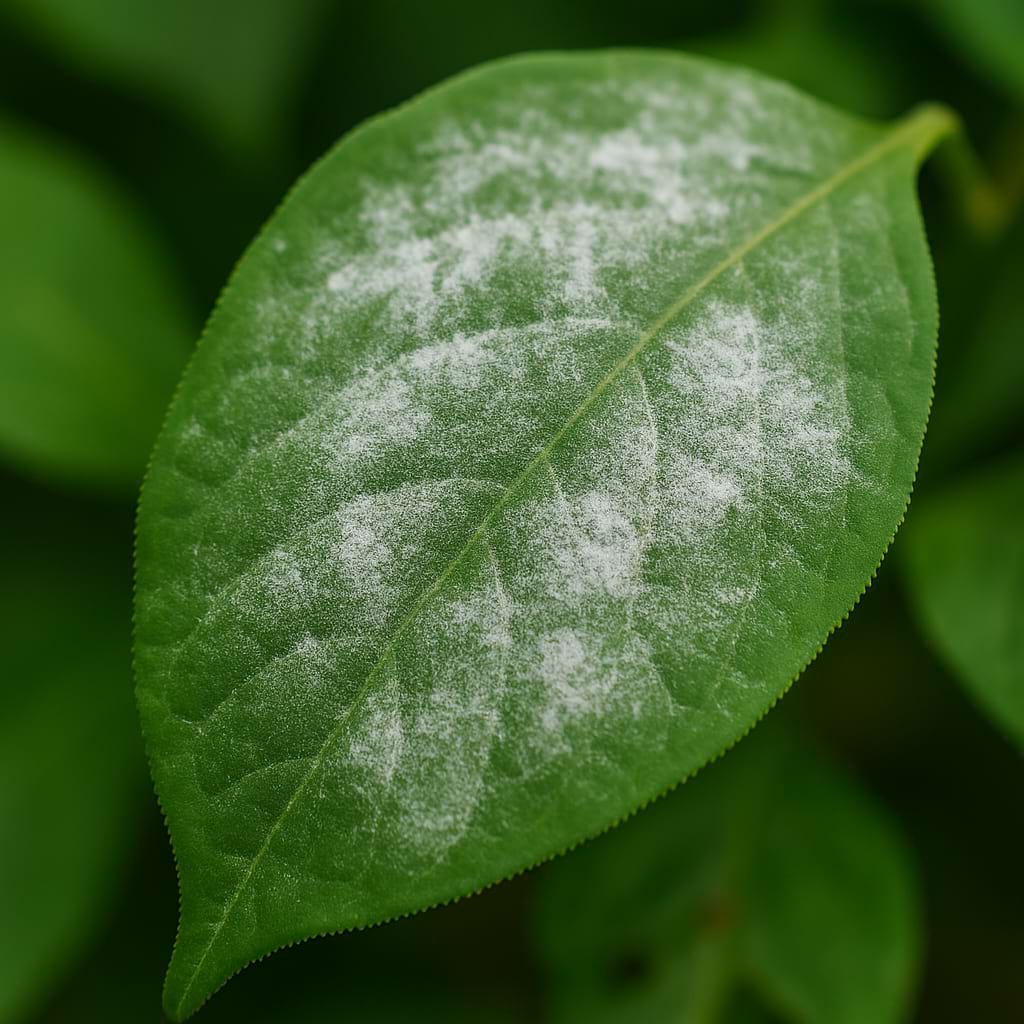
When treating, keep liquid sprays off the woolly flecks. Standing moisture there is what invites fungal spotting, which is harder to fix than any pest.
🩺 Common Star Cactus Problems
Almost every Star Cactus problem traces back to overwatering, wrong light, or too warm a winter.
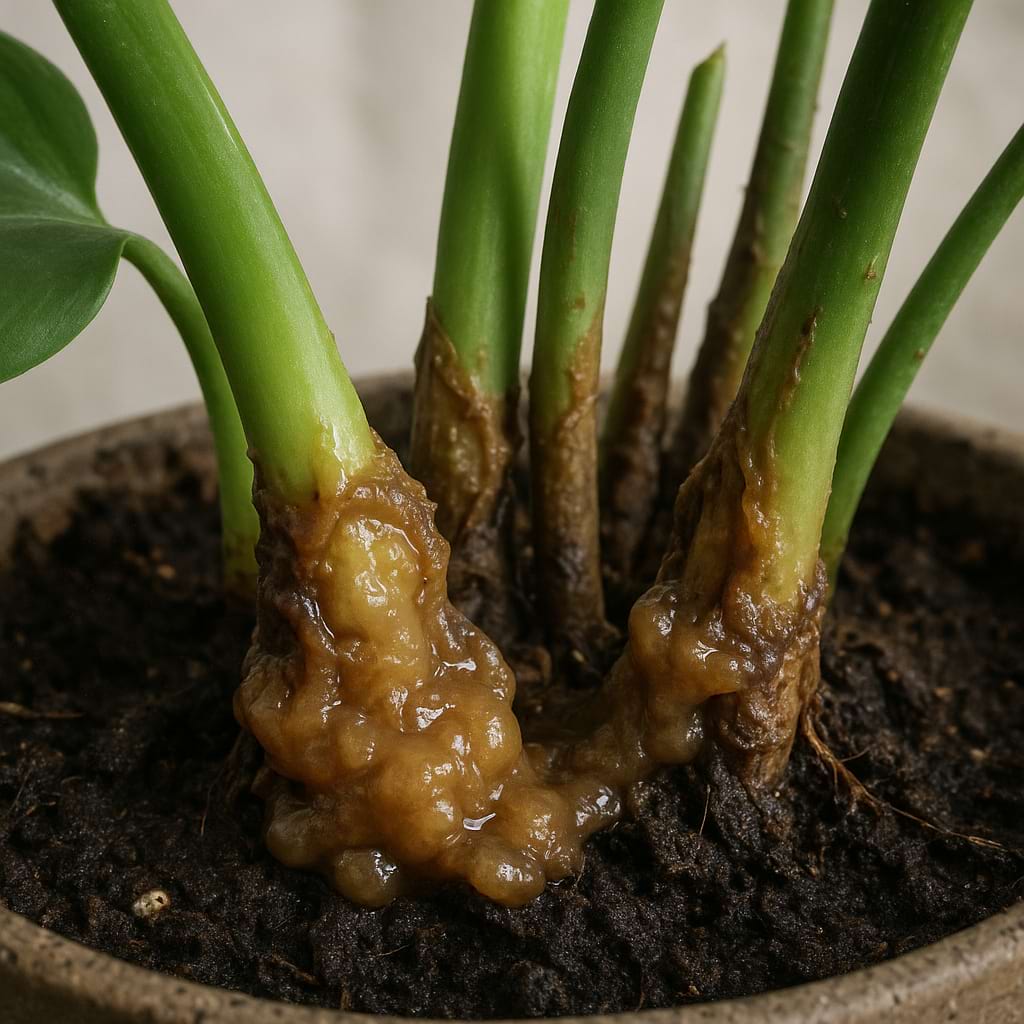
- Root rot and a mushy base: The number one killer. The bottom softens, turns brown, and the body collapses. Prevent with gritty soil, a terracotta pot, and long dry spells.
- Brown-black spots on the body: Usually fungal disease from water sitting on the body or in the woolly flecks. Water at the soil only and dab fresh spots with cinnamon or a copper fungicide.
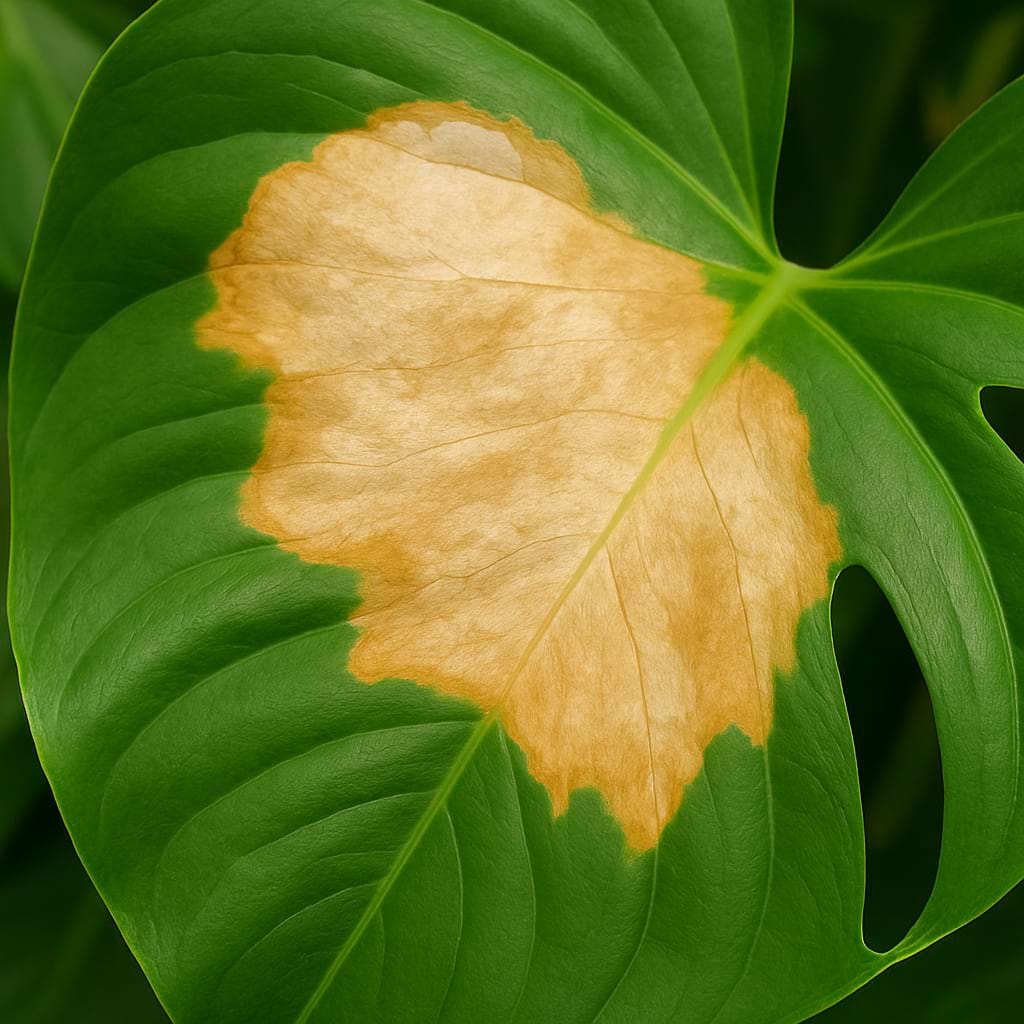
- Sunburn: A yellow-bronze patch on the side facing the window after a sudden move to strong sun. Pull back from the glass for two weeks, then ease the plant in.
- Wilting body: Usually thirst. The ribs deepen and the body softens; a single deep soak rehydrates the plant within a day.
- Etiolation (stretched body): Taller than wide, paler color, faded puncta. Cause is always low light. Move to a brighter spot or add a grow light. Stretched tissue does not re-shorten.
- Failure to bloom: Too young, too warm a winter, or too little spring light. Give a proper cool dry winter rest.
- Stunted growth: Old exhausted soil or chronic underwatering. Repot in fresh gritty mix and resume the normal soak-and-dry rhythm.
- Splitting or scarring: Usually too much water at once after a long dry, or too much fertilizer pushing soft growth.

🖼️ Star Cactus Display and Styling Ideas
The Star Cactus is small and architectural, more sculpture than houseplant. Style it like one.
Solo Setups
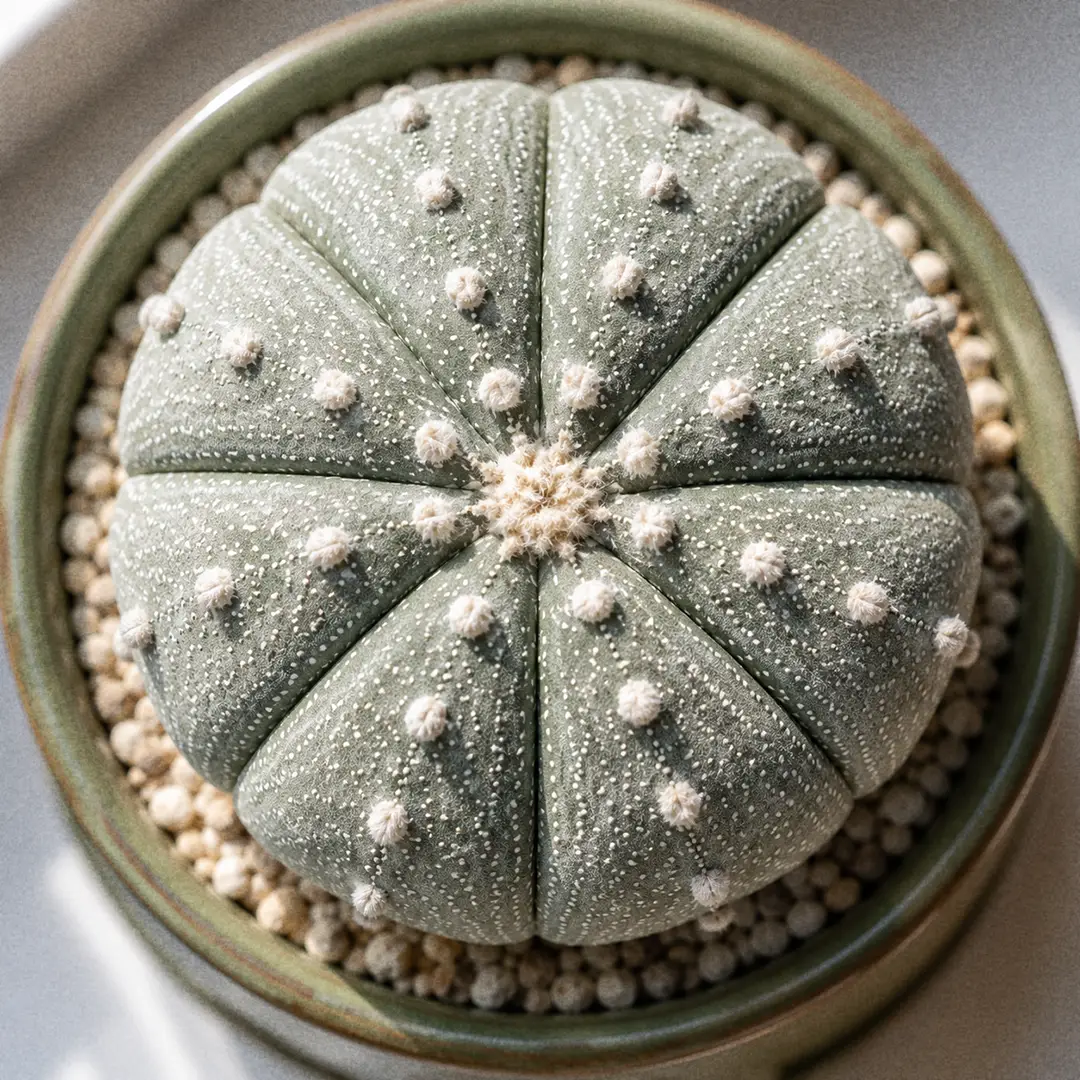
A mature Star Cactus in a small matte ceramic pot, top-dressed with pale gravel, on a low wooden tray with one smooth black stone beside it. Viewed from above, the star geometry reads instantly. Deep navy, charcoal, or warm sand pot colors all frame the body well.
Grouped Arrangements
A trio of cultivars (wild form, Super Kabuto, Nudum) in matched small pots reads like a museum case. Keep the pots identical and let the bodies do the talking.
Desert Dish Garden
For a small desert dish, set a Star Cactus alongside one or two small green cacti and a low rosette like Aloe Vera. The flat star plays beautifully against round bodies and upright columns, and a small Fairy Castle Cactus at the back gives the dish some height without ever outgrowing it. Top-dress with bare gravel; skip moss and bark, both too damp.
Where Not to Put It
Closed terrariums (too wet), dim bedrooms (the plant stretches and never flowers), and humid bathrooms (fungal spots within a season). Children's rooms and pet households are fine.
🌟 Star Cactus Pro Care Tips
✅ Look down at the plant. The star geometry is the whole point. Place it on a low shelf or side table near eye level.
☀️ Give it as much sun as you can. A south or west window with a few hours of direct sun is the sweet spot.
💧 Wait longer than you think between waterings. Bone dry top to bottom before the next drink. When in doubt, wait another week.
🪴 Use a small terracotta pot. The clay does half the work of keeping the roots happy.
🥶 Cool, dry winter is the magic trick. 45 to 55°F (7 to 13°C) and almost no water from November to February unlocks the summer bloom.
🧂 Keep water off the woolly flecks. The puncta are absorbent and slow to dry. Pour at the soil.
🛒 Choose carefully. Firm body, even flecks, no soft base, no scarring on the upper ribs. Seed-grown plants live longer than nursery grafts.
🐾 Spineless and pet-safe. Safe to touch and non-toxic, but place it where pets cannot knock it over.
🌱 Try seed if you have patience. A tray of Astrophytum seedlings is one of the most satisfying long projects in indoor gardening.
🔁 Less is more. This plant punishes attention and rewards restraint.
❓ Frequently Asked Questions
Is the Star Cactus the same as the Moon Cactus?
No, though they often get confused. The Moon Cactus is the brightly colored grafted plant (a chlorophyll-free Gymnocalycium mihanovichii on a green rootstock), and the Star Cactus is the flat spineless globe Astrophytum asterias, grown on its own roots. The Moon Cactus is sometimes also called "Star Cactus" because of the star-shaped spine pattern, which is where most of the confusion comes from.
Is the Star Cactus toxic to cats and dogs?
No. Astrophytum asterias is non-toxic if a curious pet takes a nibble, and the plant is fully spineless, so there is no mechanical risk either. It is one of the safest cacti for households with cats, dogs, or small children.
How long does a Star Cactus live?
A long time. With reasonable care, a Star Cactus can live 25 to 50 years or more on its own roots. Grafted specimens are shorter-lived, often 5 to 10 years, because the rootstock eventually fails.
Why is my Star Cactus growing tall instead of flat?
Too little light. The plant is stretching toward the brightest source it can find. Move it to a sunnier spot, ideally a south or west window, or add a grow light. The stretched section will not flatten back out, but new growth from now on will be compact.
Will a Star Cactus flower indoors?
Yes, reliably, once the plant is mature (three to five years old or at least 2 inches across) and given a proper cool dry winter rest. A warm winter is the most common reason an indoor Star Cactus refuses to bloom.
My Star Cactus has spots on the body. What is going on?
Almost always fungal spotting from water sitting on the body or in the woolly flecks. Move the plant somewhere brighter and better-ventilated, water at the soil only, and dab fresh spots with cinnamon or a copper fungicide. Old spots scar permanently.
Is the Star Cactus endangered in the wild?
Yes. Native populations in Texas and northeastern Mexico are tiny and protected, and wild collection is illegal under CITES. Almost every Star Cactus sold today is nursery-grown from seed by specialist Japanese and Mexican growers, so buying one supports cultivation rather than depleting wild stock.
Do I need to fertilize a Star Cactus?
Lightly, at most twice a year. A half-strength low-nitrogen cactus feed in late spring and again in midsummer is plenty. Overfeeding pushes soft growth and can split the perfect ribs.
ℹ️ Star Cactus Info
Care and Maintenance
🪴 Soil Type and pH: Gritty, fast-draining cactus mix heavy on pumice, perlite, and coarse sand; neutral to slightly alkaline pH.
💧 Humidity and Misting: Comfortable in low household humidity around 30 to 45 percent; hates damp stagnant air.
✂️ Pruning: None; the Star Cactus is naturally tidy and does not branch or shed.
🧼 Cleaning: Brush dust gently from the body and the white flecks with a soft dry makeup brush; never wipe with a wet cloth.
🌱 Repotting: Move up one pot size only when the body sits right at the rim of the pot, usually every 3 to 4 years.
🔄 Repotting Frequency: Every 3-4 years
❄️ Seasonal Changes in Care: Active growth from spring through early autumn; a cool, dry winter rest is required for the plant to flower the following summer.
Growing Characteristics
💥 Growth Speed: Very Slow
🔄 Life Cycle: Long-lived perennial
💥 Bloom Time: Late spring through summer, in flushes over several weeks
🌡️ Hardiness Zones: 9-11 outdoors; grown as a houseplant in all cooler zones
🗺️ Native Area: Northeastern Mexico (Tamaulipas, Nuevo León) and a small remnant population in southern Texas; endangered in the wild
🚘 Hibernation: Cool, dry winter rest with almost no water from November through February
Propagation and Health
📍 Suitable Locations: Bright south or west windows, sunrooms, plant shelves under a grow light, sunny office desks
🪴 Propagation Methods: From seed (slow but reliable) or by grafting offsets onto a green rootstock for faster growth.
🐛 Common Pests: Mealybugs, Scale Insects, Spider Mites, Root Mealybugs
🦠 Possible Diseases: Root rot, fungal spotting on the body, basal stem rot
Plant Details
🌿 Plant Type: Slow-growing globular desert cactus
🍃 Foliage Type: Spineless ribbed globe, usually 8 ribs (occasionally 5-10), with small woolly areoles down the center of each rib
🎨 Color of Leaves: Pale gray-green to blue-green body dusted with small white woolly flecks (puncta) in patterns that vary by cultivar
🌸 Flower Color: Bright lemon yellow petals with a deep red-orange throat
🌼 Blooming: Yes, reliably in summer on mature plants given strong light and a proper winter rest
🍽️ Edibility: Not edible; grown strictly as an ornamental. The closely related Peyote cactus is unrelated to indoor Astrophytum.
📏 Mature Size: 1-3 inches tall (rarely to 4 inches)
Additional Info
🌻 General Benefits: Extremely low-maintenance, spineless and safe to handle, pet-safe, compact, long-lived, reliable indoor bloomer with good care
💊 Medical Properties: None
🧿 Feng Shui: The round body and even ribs are considered grounding and balanced; a calm earth-element plant for desks and small windowsills, without the prickly defensive energy of spiny cacti
⭐ Zodiac Sign Compatibility: Capricorn, Virgo
🌈 Symbolism or Folklore: Patience, quiet endurance, and slow steady growth; the sand-dollar shape is associated with calm and good fortune in coastal folklore
📝 Interesting Facts: The Star Cactus gets its scientific name from the Greek astron (star) and phyton (plant), a nod to the perfect star you see looking straight down at the plant. The white woolly flecks on the body are called puncta, and their pattern is fingerprint-unique to each plant. In the wild, Astrophytum asterias is critically endangered, with most remaining populations protected on a small reserve in Starr County, Texas, and parts of Tamaulipas, Mexico. Almost every Star Cactus sold today is nursery-grown from seed, often in Japan, where breeders have spent decades selecting for showy puncta patterns and unusual rib counts.
Buying and Usage
🛒 What to Look for When Buying: Look for a plant with a firm, plump body, even white flecks, and no soft spots at the base. A clean dry top with no scarring is the sign of a well-grown specimen. Avoid plants whose body is wider than the pot rim, leaning to one side, or sitting on damp peaty soil.
🪴 Other Uses: Mini desert dish gardens, color accents on bright office desks, collector specimens for cactus shelves, child-safe and pet-safe gift cactus thanks to the lack of spines
Decoration and Styling
🖼️ Display Ideas: Solo in a small glazed pot that frames the star shape from above, a trio of cultivars in matched pots, or a low desert bowl with small green cacti and bare gravel
🧵 Styling Tips: Look at the plant from above whenever you can; the symmetry is the whole show. Top-dress with pale gravel or fine white pumice to make the puncta pattern pop.
🪴 See also 🪴
Complete Guide to Bishop's Cap Cactus Care and Growth
Complete Guide to Brain Cactus Care and Growth
Complete Guide to Christmas Cholla Care and Growth
Complete Guide to Eve's Needle Cactus Care and Growth
Complete Guide to Totem Pole Cactus Care and Growth
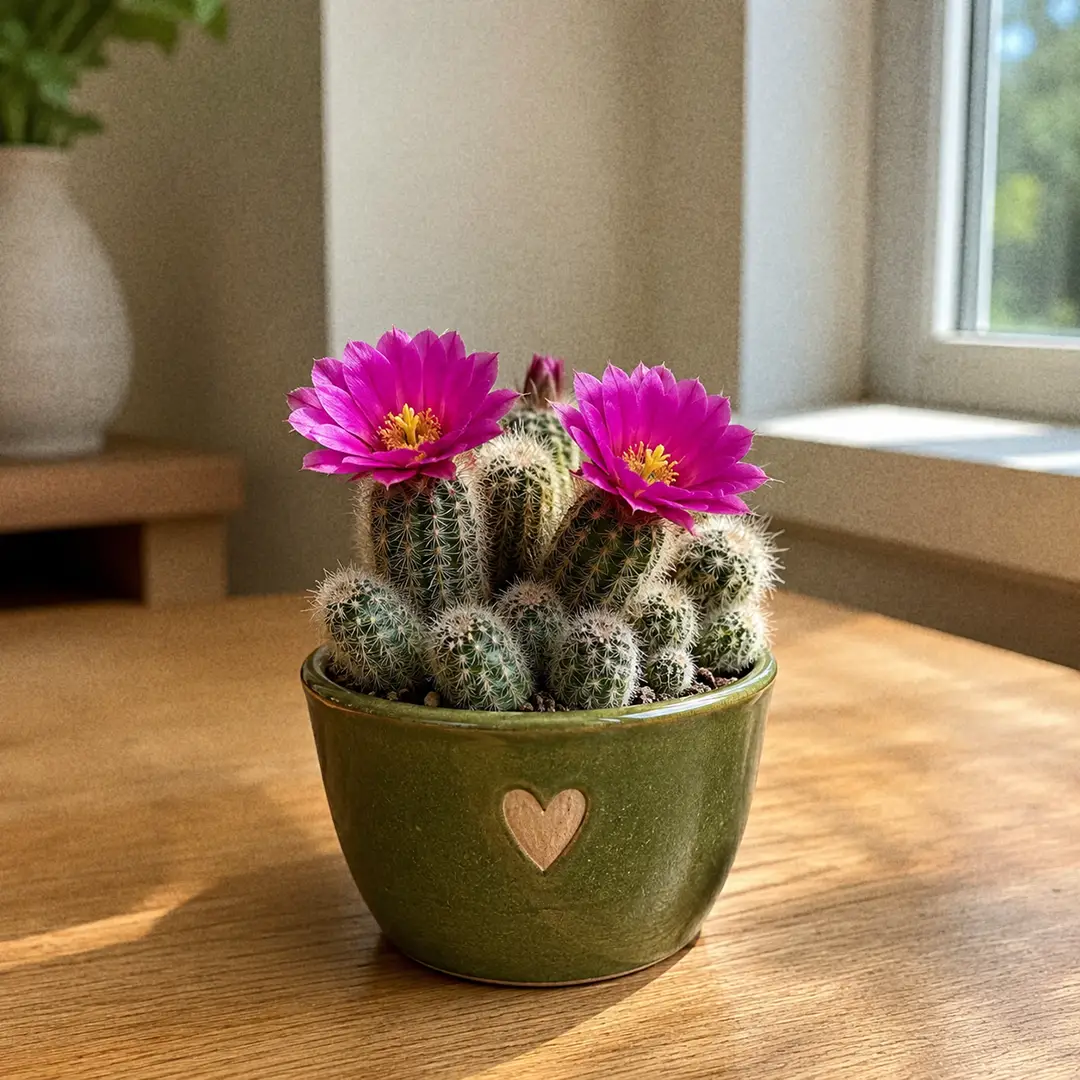
Complete Guide to Hedgehog Cactus Care and Growth
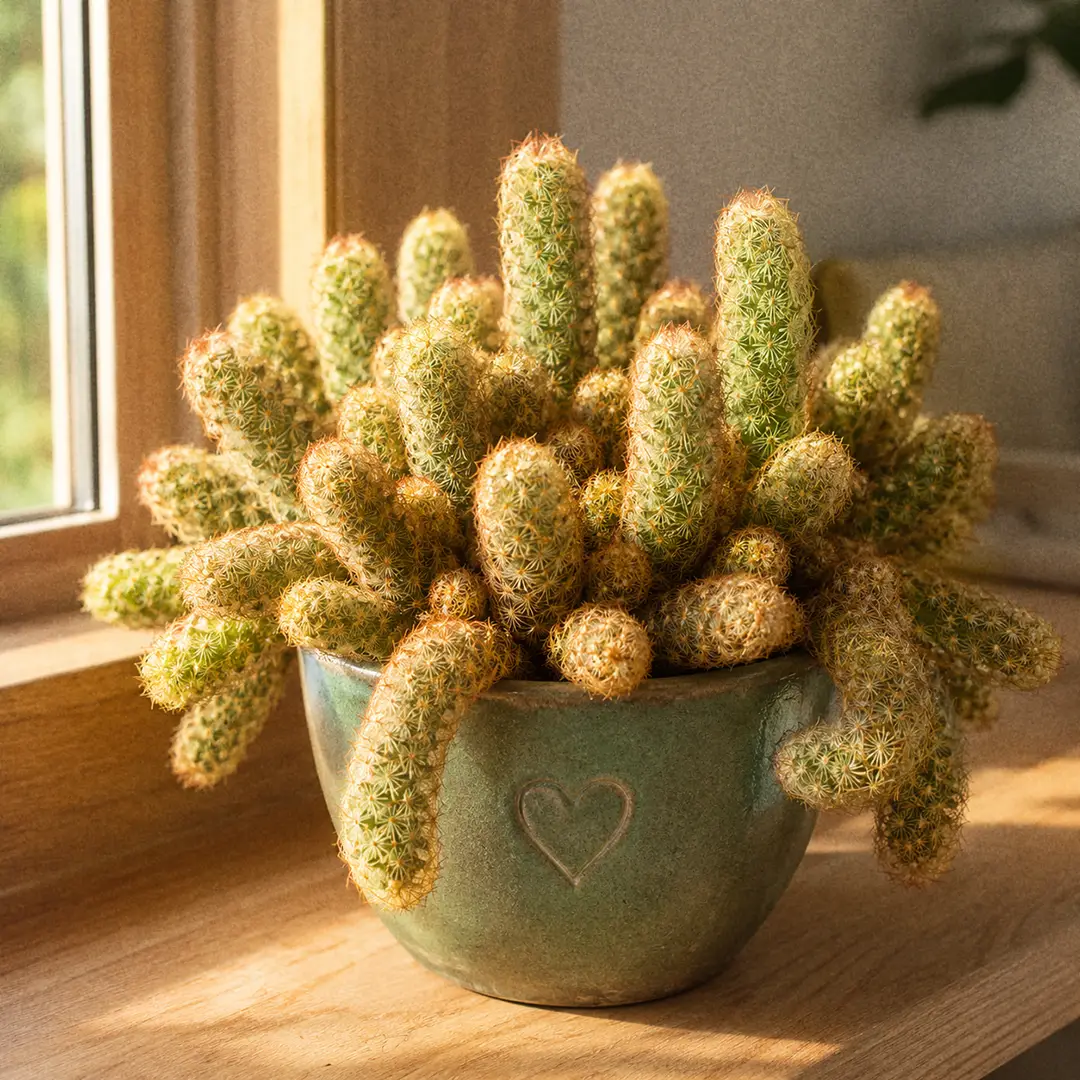
Complete Guide to Lady Finger Cactus Care and Growth
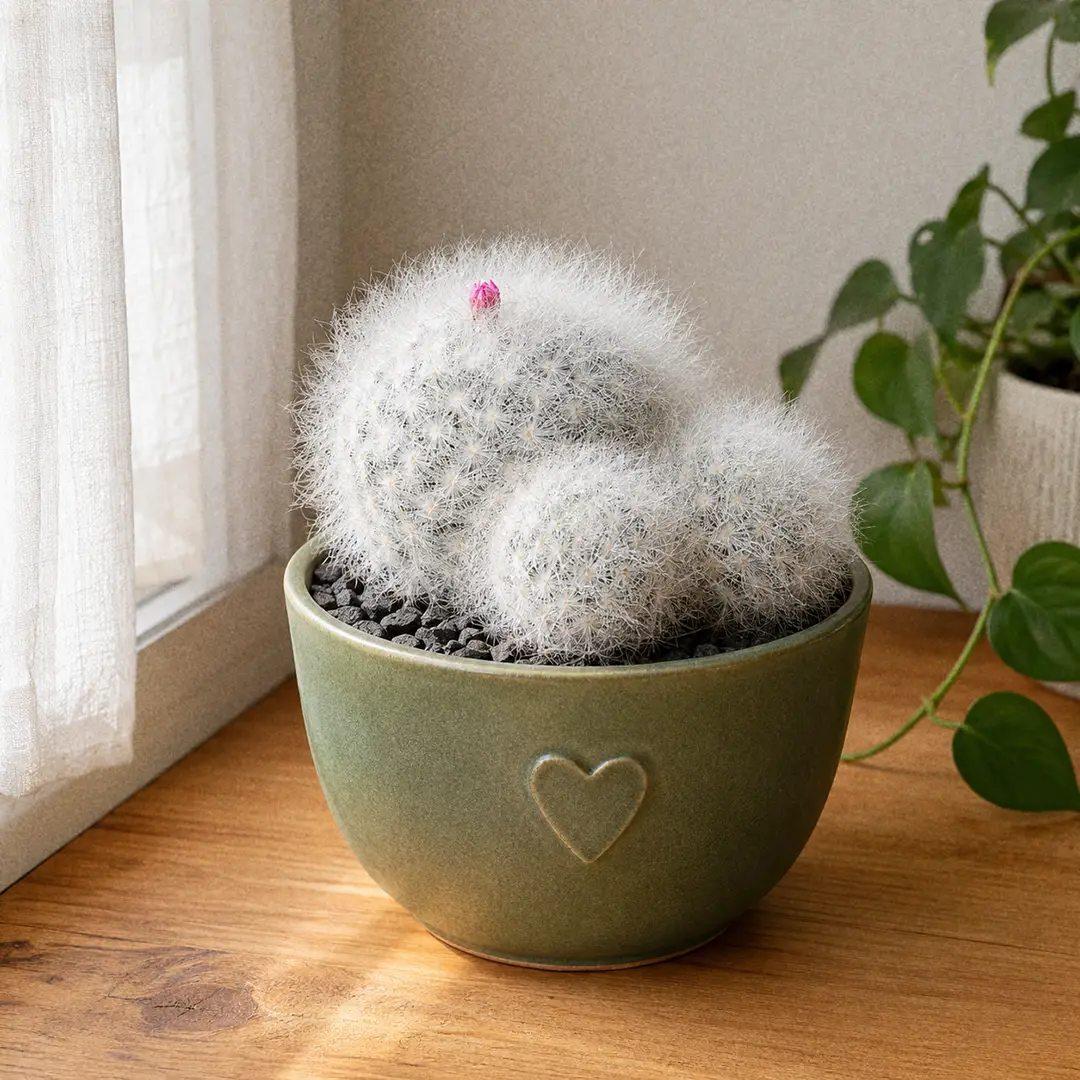
Complete Guide to Old Lady Cactus Care and Growth
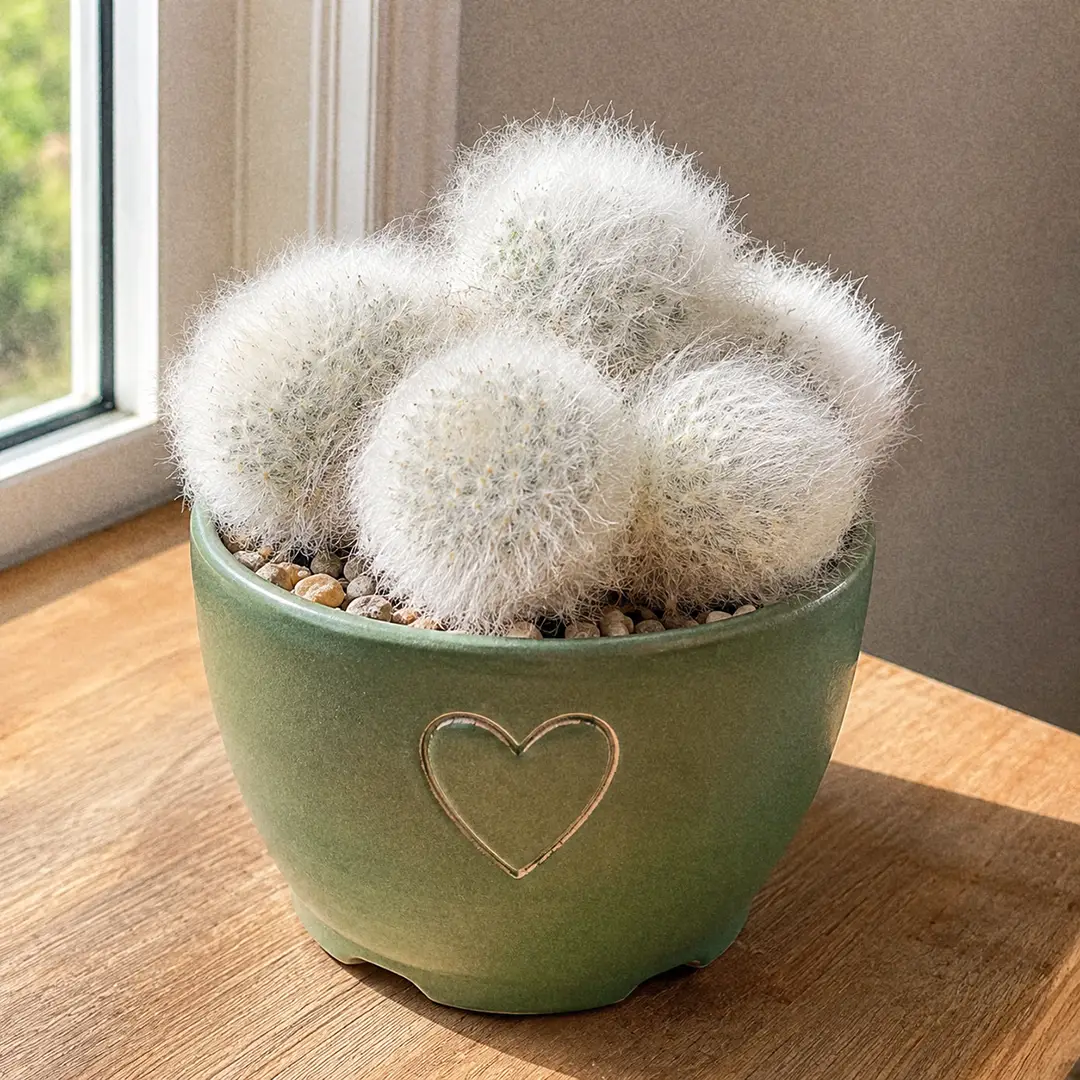
Complete Guide to Powder Puff Cactus Care and Growth
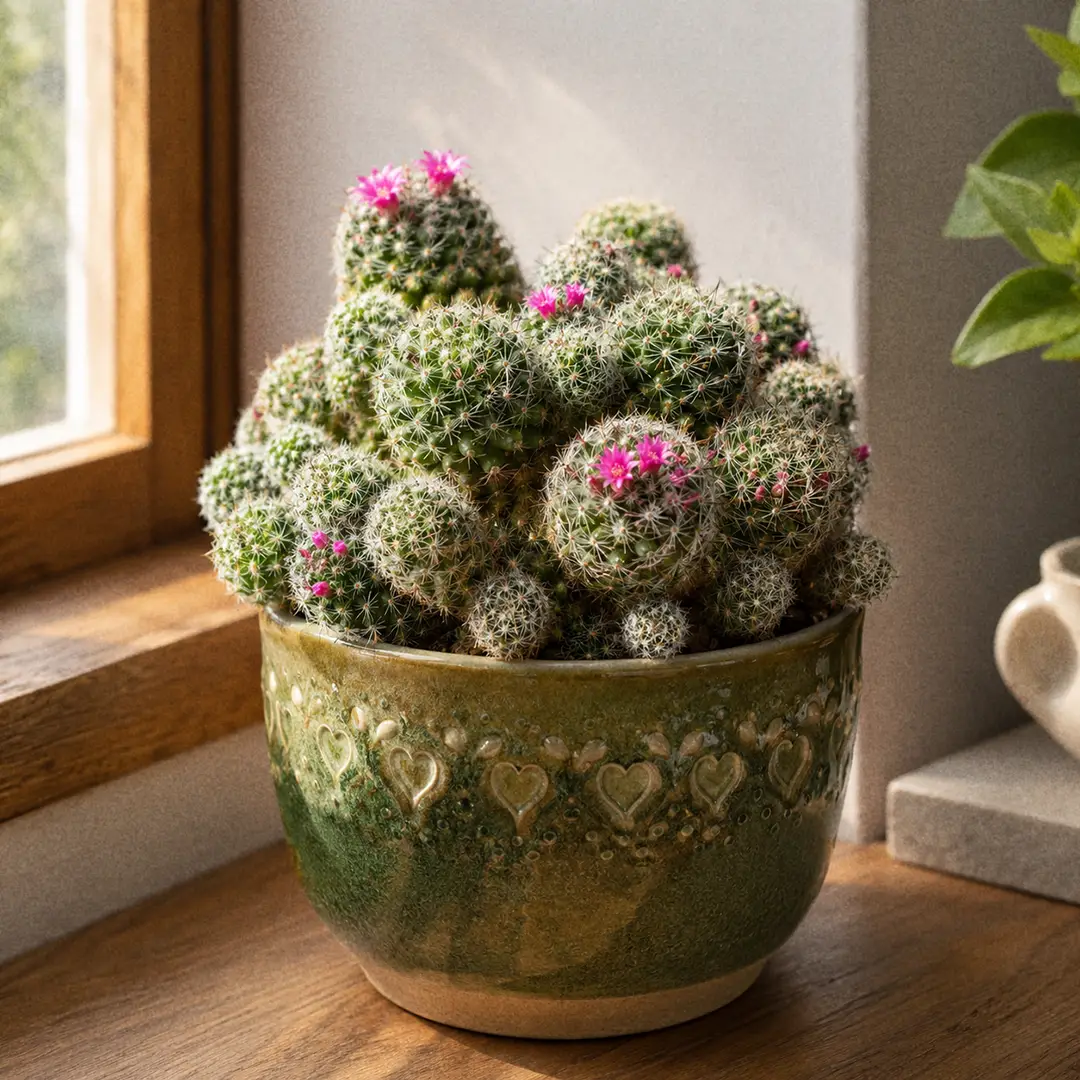
Complete Guide to Pincushion Cactus Care and Growth
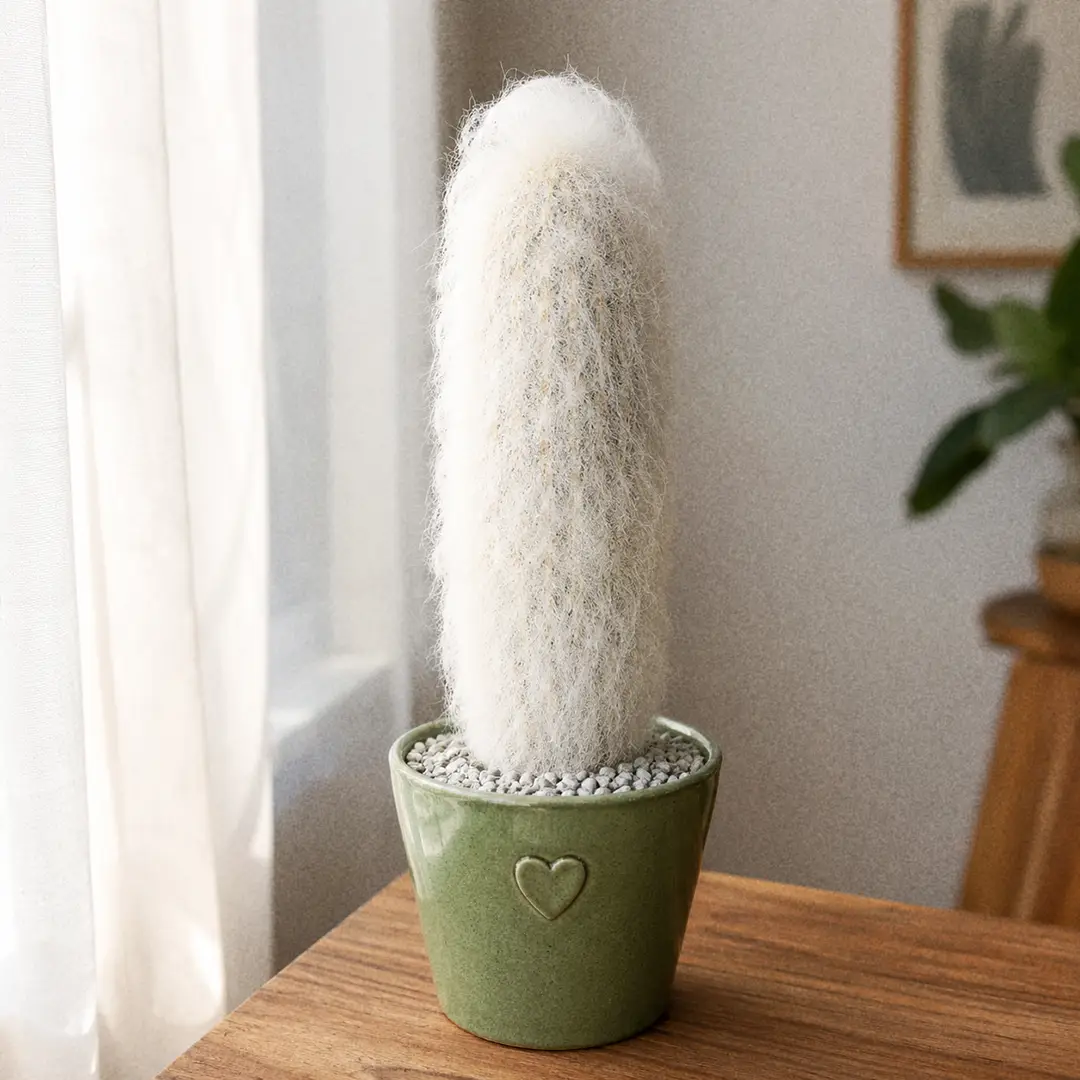
Complete Guide to Peruvian Old Man Cactus Care and Growth
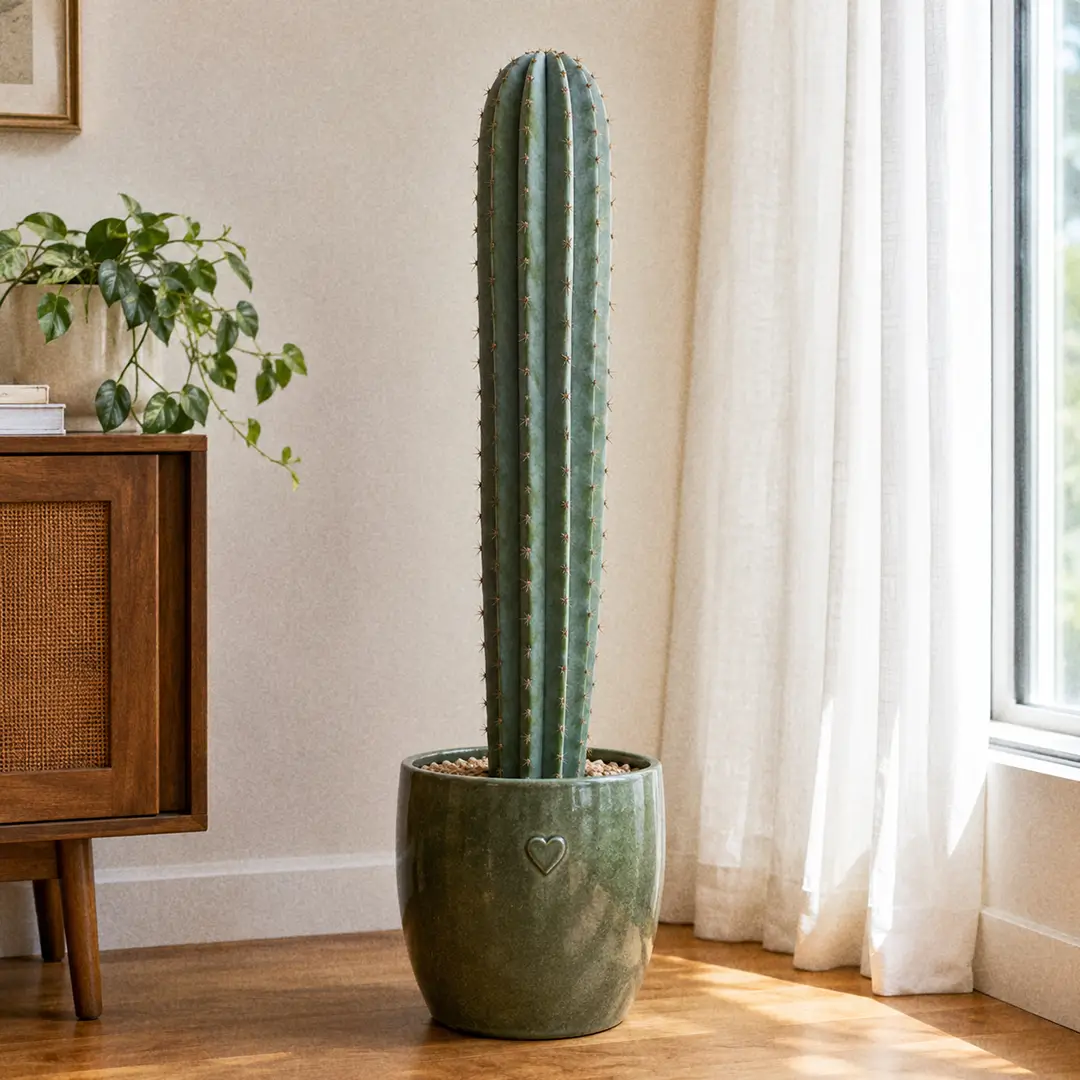
Complete Guide to Peruvian Apple Cactus Care and Growth
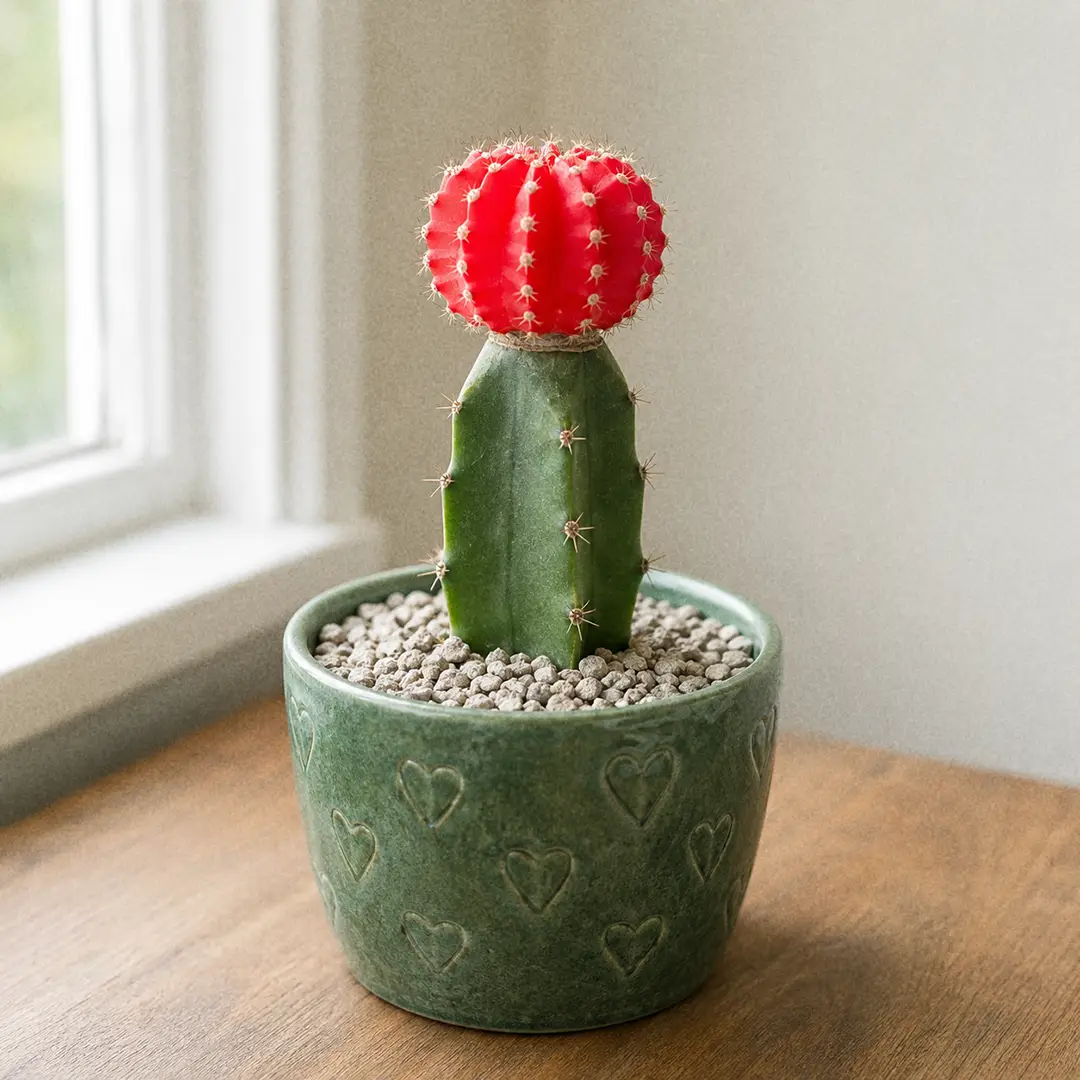
Complete Guide to Moon Cactus Care and Growth

Houseplant101 Forum
Questions & Comments
Ask a question, share your plant experience, or help other plant owners.
Comments are temporarily unavailable.
Open the Houseplant101 ForumNo comments yet
Be the first to ask a question or share your experience about this page.
Log in or create an account
Comments use your Houseplant101 Forum account, but you can stay on this page.
Create a new account