
Spiral Cactus
Cereus forbesii f. spiralis
Cereus peruvianus spiralis, Twisted Cactus, Corkscrew Cactus, Cereus validus f. spiralis, Cereus forbesii 'Spiralis'


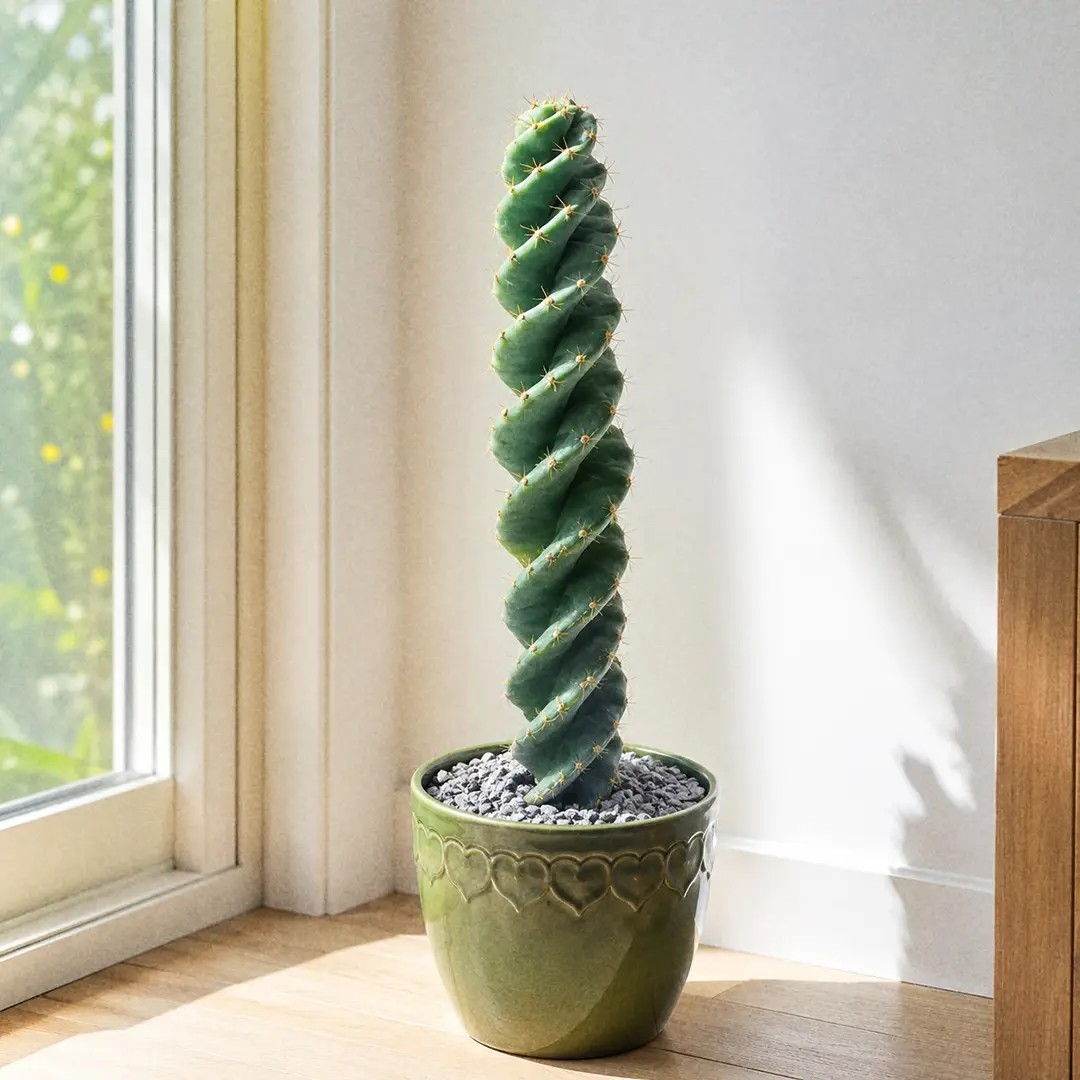
Spiral Cactus is a blue-green columnar cactus whose ribs wind around the stem in a slow corkscrew, and the twist is a permanent genetic quirk rather than a training trick. Learn how to grow Cereus forbesii f. spiralis indoors and keep every new inch spiralling as tightly as the last.
📝 Spiral Cactus Care Notes
🌿 Care Instructions
⚠️ Common Pests
📊 Growth Information
🪴 In This Guide 🪴

☀️ Spiral Cactus Light Requirements (Full Sun Indoors)
The Sweet Spot
This is a full-sun plant and it does not compromise. Aim for at least four to six hours of direct sun a day, which indoors means a south-facing window or a bright west window with the plant sitting close to the glass. An unobstructed east window can work if the morning sun is strong and uninterrupted, but it is the minimum acceptable spot rather than a good one.
Cereus forbesii grows in open dry scrub across northern Argentina and Paraguay, standing in the open with nothing shading it. A room that feels bright to you is usually dim by that standard. If you are still learning to judge a window by eye, our Indoor Lighting Guide walks through it.
Too Little Light and the Spiral Problem
Here is the part specific to this plant. In weak light a Spiral Cactus keeps growing, but the new column comes in narrower, paler, and much less twisted. You end up with a plant that spirals beautifully for the first eight inches and then runs almost straight above that, which is leggy growth and a partial reversion rolled into one. It never corrects itself.
That makes light the single most important thing on this page. Watch the newest growth at the tip through spring and summer, and if the ribs are flattening out, move the plant closer to the glass or add a grow light for winter.
Too Much Light
Genuine sunburn is uncommon but possible, and it always follows a sudden move. A plant taken from a shaded shop shelf straight into a blazing south window can bleach to yellow-white or develop dry corky patches on the sun-facing side, which is sunburn and permanent. Increase light over two or three weeks instead.
A purplish or bronze flush across the ribs in high summer is different and harmless. That is sun stress pigment, and it usually means the plant is getting exactly what it wants.

💧 Spiral Cactus Watering Guide (Soak and Dry)
Watering Frequency
Water thoroughly, then wait until the mix is dry all the way to the bottom of the pot. Through spring and summer that lands around every two to three weeks in a terracotta pot in a sunny window. In a plastic pot, a cool room, or a large volume of soil, stretch it further.
Winter is a different plant entirely. From November through February, a Spiral Cactus kept cool wants almost nothing, perhaps one small drink in December and another in February if the column starts to look sunken. A warm heated room needs slightly more, roughly once a month, but still far less than summer. Our watering guide covers the general principle, and a moisture meter settles arguments about whether the bottom of a deep pot is really dry.
How to Water
Take the plant to a sink and drench it until water pours from the drainage holes, then let it drain completely before it goes back on its saucer. A thorough soak followed by a long dry spell mimics desert rain and builds a much better root system than frequent sips, which only wet the top inch and leave the deeper roots idle.
Try to keep water off the column itself. Cereus skin carries a waxy blue bloom that spots and streaks when droplets dry on it, and the marks stay.
Signs of Trouble
A thirsty Spiral Cactus goes slightly soft and the rib valleys deepen, as though the whole column has been compressed a little. That is normal, harmless, and fixed by one good soak.
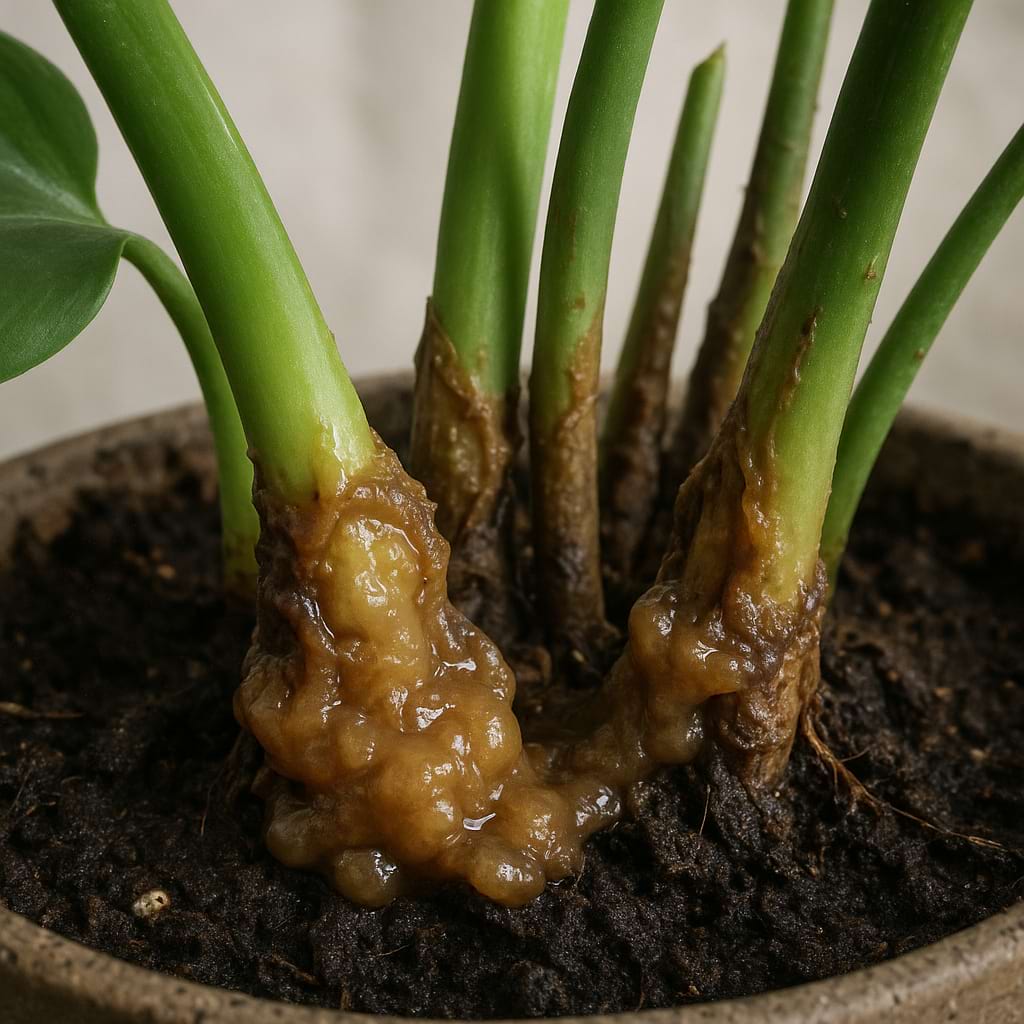
Soft, dark, or translucent tissue at the soil line while the mix is still damp is the emergency. That is root rot or mushy stems, and because the base carries the weight of a tall column, a rotted foot topples the plant. When in doubt, wait another week.
🪴 Best Soil for Spiral Cactus (Potting Mix & Drainage)
What the Soil Needs
The mix has one job: dry out quickly. Cereus roots are coarse and shallow relative to the size of the plant, and they rot within days in soil that stays wet. Standard potting compost holds water far too long and will eventually kill even a large healthy column.
You want something gritty enough that water runs straight through and the pot feels light again within a couple of weeks. Our soil guide explains why drainage behaves differently inside a pot than in the ground.
DIY Soil Mix
A dependable blend is 1 part bagged cactus soil to 1 part pumice, perlite, or coarse grit, and going grittier than that does no harm. Pumice is the best of the three because it adds weight low in the pot, which matters for a top-heavy column, and it holds a trace of moisture without ever turning soggy.
Finish with a layer of coarse grit or small stones on the surface. It keeps the base of the plant off damp soil, where stem rot nearly always begins, and it stops the mix blowing about when you water.
Pre-Made Options
Bagged cactus mix is a fine starting point but almost every brand is too dense out of the bag. Cut it half and half with pumice and it becomes a proper Cereus mix. Our potting soil guide compares the common bags. Skip anything with a high peat or coir content, since those hold water long after the plant has stopped wanting it.
🍼 Fertilizing Spiral Cactus
When and How Often
Feed monthly from March through September, and not at all through winter. Water lightly first, then feed, because fertilizer poured onto a bone-dry root ball burns the fine root tips. Stop by the end of September so the plant firms up before its cool rest.
What to Use
Use a low-nitrogen cactus fertilizer at half the strength on the label, or a tomato feed diluted to a quarter. Nitrogen builds fast, soft, watery tissue, which on a columnar cactus means a weak section that bulges, scars easily, and holds the spiral poorly. Potassium and phosphorus support firm growth and eventual flowering. Our fertilizing guide explains the ratios and the fertilizers guide covers what to buy.
Over-Fertilizing Signs
A white crust on the soil surface, an unusually soft column, or a swollen pale band of new growth all point to too much feed. Flush the pot with plain water two or three times and skip fertilizer for a couple of months. Overfed plants also carry more water in their tissue, which raises the risk of both rot and winter cold damage.
🌡️ Spiral Cactus Temperature Range
Ideal Range
Ordinary room temperatures suit it well through the growing season, roughly 65-85°F (18-29°C), and it is happy considerably hotter than that in a summer window. Heat is not the enemy here. Cold wet soil is.
The Winter Rest
A cool, bright, dry winter at 50-55°F (10-13°C) does two useful things: it stops the plant growing weakly in low light, and it sets up flowering on mature specimens. A spare bedroom, an enclosed porch, or a bright unheated hallway all work. Kept dry, an established plant tolerates brief dips to around 40°F without damage.
Drafts and Heat Sources
Keep it clear of radiators, which dry the root ball unevenly and cancel the cool rest. Cold draughts matter far less than they would for a tropical plant, but avoid a spot where freezing air pours in over damp soil, since frozen tissue ruptures and scars permanently.
💦 Spiral Cactus Humidity Requirements
Ideal Humidity
Dry air is what this plant wants, and normal household humidity of 30-50% is ideal. Never mist it and skip the pebble tray. High humidity combined with cool temperatures is the recipe for fungal spotting on the column, so bathrooms and steamy kitchens are the wrong rooms.
Keeping Air Moving
Airflow matters more than moisture. Still, humid air keeps the rib valleys damp after watering, and that is where soft brown spots begin. A window that gets opened occasionally is plenty. Our humidity guide covers the topic in general, but for a Cereus the instruction is simply to leave it dry.
🌸 Spiral Cactus Flowers (Night Blooms on Mature Plants)
What the Flowers Look Like
Cereus flowers are spectacular and most people never see them indoors. They are large white funnels, six to eight inches across, with pinkish or brownish outer petals and a faint sweet scent. They open after dark and close by mid-morning, lasting a single night, which is a habit shared with the Queen of the Night and pollinated by moths and bats in the wild.
If a flower is pollinated, it sets a smooth reddish-purple fruit with sweet white flesh. Indoors, without a second plant and a night pollinator, fruit is essentially unheard of.
How to Trigger Bloom
Size is the gatekeeper. A Spiral Cactus usually needs to reach three feet or more, which at four to eight inches of growth a year means the better part of a decade from a small plant. There is no shortcut, though buying a large specimen skips the waiting.
Beyond size, the requirements are the ones the rest of this guide already covers: as much direct sun as you can give it through summer, a lean low-nitrogen feed, and a cool dry winter rest. Plants grown in half-light stay green and healthy and simply never bloom.
If It Won't Bloom
For a plant under three feet, patience is the only answer and nothing is wrong. For a large mature column that still refuses, the usual causes are insufficient light, a winter spent warm and watered, or too much nitrogen. Fix the winter rest first, since it is the piece almost everyone skips.
🏷️ Spiral Cactus Types and Varieties
What Name Is On the Label
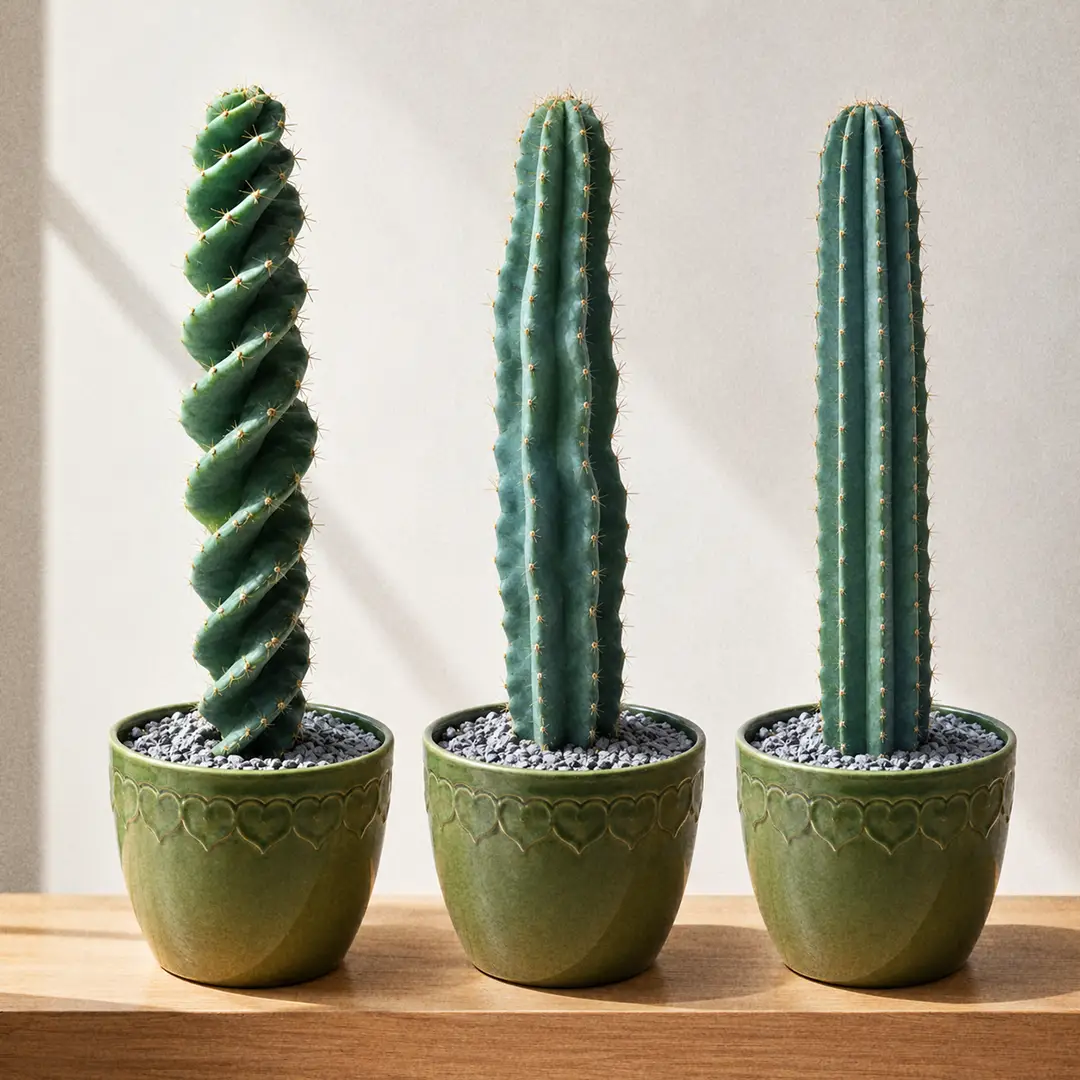
Spiral Cactus is sold under a confusing pile of names: Cereus forbesii f. spiralis, Cereus forbesii 'Spiralis', Cereus validus f. spiralis, and very often Cereus peruvianus spiralis. The last is the least accurate, since Cereus peruvianus is an old catch-all name no longer considered valid. They are all the same plant and all want identical care.
Tightly Spiralled Cuttings
The plants worth buying are grown from cuttings taken off a well-twisted column. The spiral is a fixed mutation that carries through in vegetative propagation, so a cutting from a tight plant grows a tight plant. Expect a clean helix running the full height, roughly one full turn every four to six inches.
Seed-Grown Plants
Seed is where the disappointment happens. Seedlings from a spiralled parent come out mixed: some spiral tightly, many spiral loosely, and a fair number grow straight ribs like the ordinary species. Cheap small plants sold in trays are often seed-grown, so check that the twist is already visible before you buy.
Spiral Cactus vs Peruvian Apple Cactus
The other regular mix-up is with the Peruvian Apple Cactus, which has its own 'Spiralis' cultivar and gets shelved beside this one constantly. The Peruvian Apple is a bigger, faster, greener plant with more pronounced spines, while Cereus forbesii stays bluer, slower, and more sparsely spined. Care is close enough that it hardly matters. For a knobby irregular column instead of a twisted one, the Totem Pole Cactus is the plant you actually want.
🪴 Potting and Repotting Spiral Cactus
When to Repot
Every two to three years is plenty for a plant this slow. The signals are roots pushing out of the drainage holes, a mix that has broken down into something dark and slow to dry, or a column tall enough that the pot tips when you nudge it. Spring, as growth restarts, is the time.
Choosing a Pot
Weight is the deciding factor here, unlike most cacti. A three-foot column in a light plastic pot goes over the first time a cat brushes past it, taking a chunk out of the spiral on the way down. Choose heavy terracotta or a thick glazed pot, only one size up from the old one, with real drainage holes. Our plant pots guide compares the options. Adding pumice rather than perlite to the mix helps too, since it settles heavier in the base.
Step-by-Step Repotting
Let the soil dry completely first so the root ball crumbles away cleanly. Wrap the column in a folded strip of newspaper or a thick towel, since the spines along the rib edges are stiff enough to draw blood. Ease the plant out, brush off the old mix, and trim any blackened or shrivelled roots.
Set it at the same depth it grew before and no deeper, because a buried section of column rots. Firm the mix around the base so a tall plant stands upright, add your grit top dressing, and then wait a week before watering so damaged roots callus over. Our repotting guide walks through the general process.
✂️ Pruning Spiral Cactus
Does It Need Pruning?
Not for shape, no. A Spiral Cactus grows as a single column and looks best left alone, so the only reasons to cut are height, damage, or a section that has lost its twist.
Beheading a Tall Column
When the plant outgrows its ceiling or the top gets too heavy for the base, cut it. Take a clean sharp knife, slice horizontally through the column at the height you want, and the top becomes a cutting while the bottom usually sprouts one or more new heads below the cut. Dust both cut faces with sulphur or cinnamon and keep the mother plant dry for two weeks.
Cutting Away Reverted Growth
If the top of your plant has gone straight from a spell in poor light, you can cut back to where the spiral is still tight and let it branch from there. Give the plant much better light first, or the new heads will grow straight too and you have lost the height for nothing.
🌱 How to Propagate Spiral Cactus
Best Method: Stem Cuttings
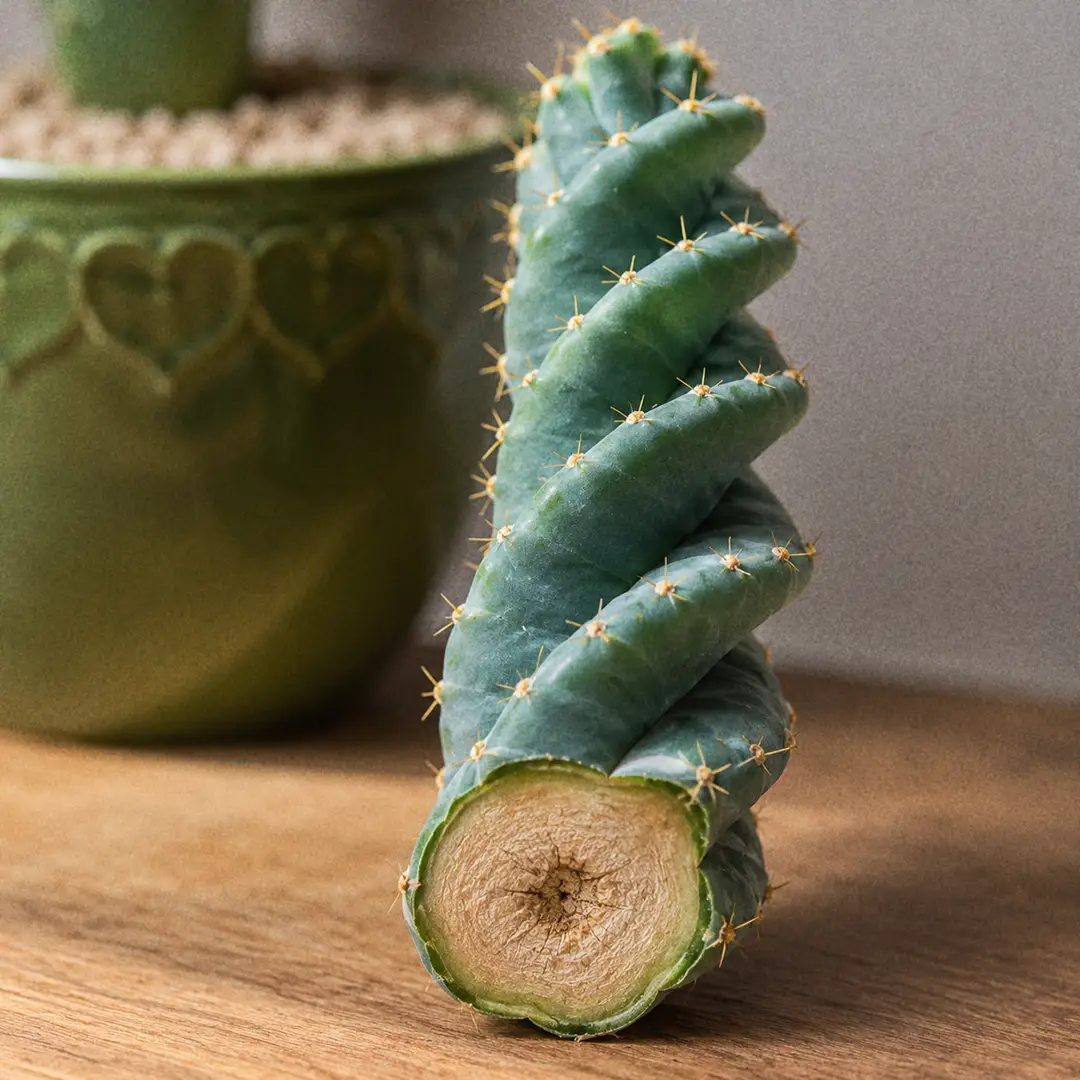
Cuttings are the only reliable way to reproduce this plant, and the reason is worth understanding. The spiral is a mutation carried in the growing tissue, so a cutting taken from a tightly spiralled section grows into a tightly spiralled plant. Seed does not behave, and a packet of seed from a spiralled mother produces a mixed tray of twisted and straight seedlings. Take cuttings in late spring or early summer, when wounds heal fastest.
Step-by-Step
Choose a section at least four inches long from a well-twisted part of the column. Cut straight across with a clean sharp knife, wiping the blade with alcohol first, and note which end was the top, since a cutting planted upside down will not root.
Stand the cutting somewhere dry, shaded, and airy for one to two weeks until the cut face dries to a firm callus. This is longer than most cuttings need, because the stem is thick and wet inside. A cutting planted before it calluses rots almost every time.
Then set it upright in barely moist gritty mix, buried just an inch or so, and prop it with stones or a stake so it cannot fall over. Keep it bright but out of fierce midday sun, and do not water for the first two weeks. Roots usually form in four to eight weeks, and gentle resistance to a light tug tells you it has taken.
Tips for Success
Moisture is the only real failure mode. Err dry at every step. Large cuttings root more reliably than small ones because they carry more stored energy, so take a decent length rather than a stub. Our succulent propagation guide covers the callusing principle in more depth.
🐛 Spiral Cactus Pests and Treatment
Common Pests
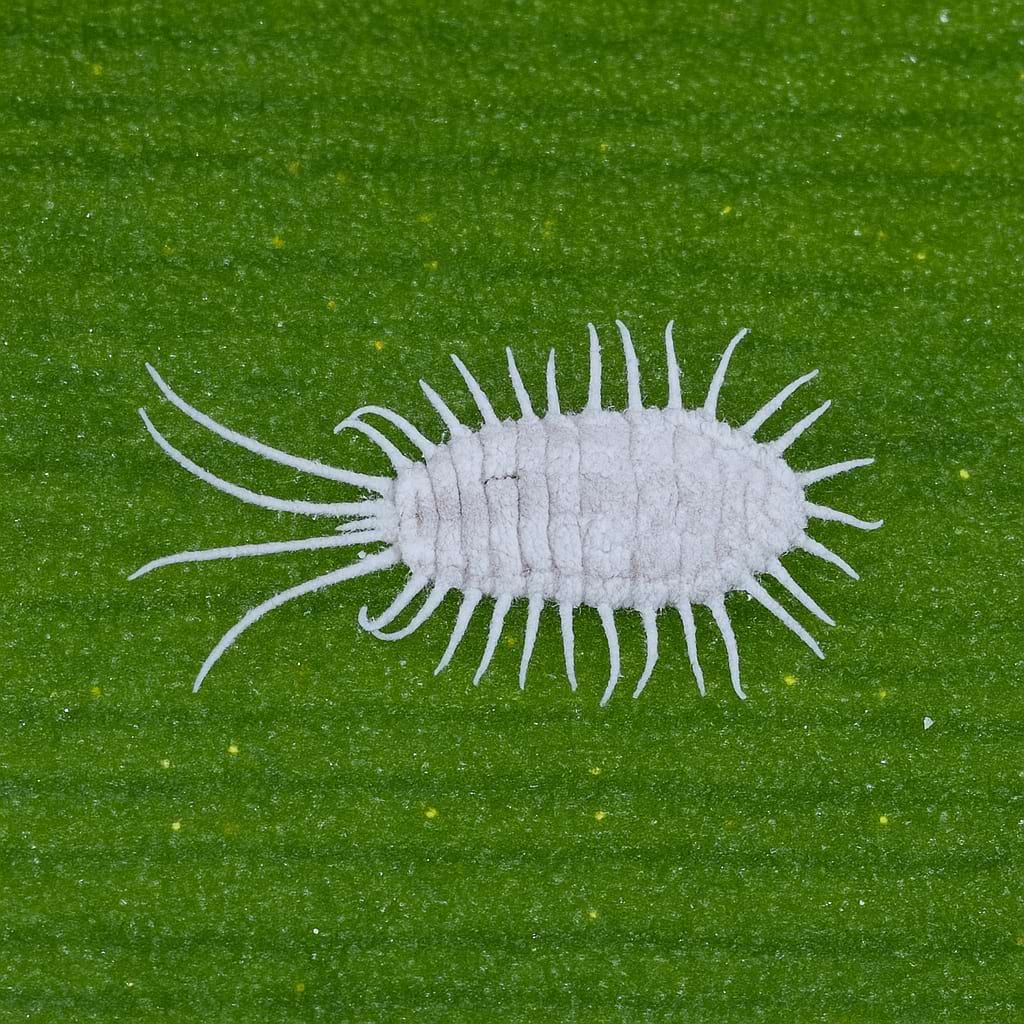
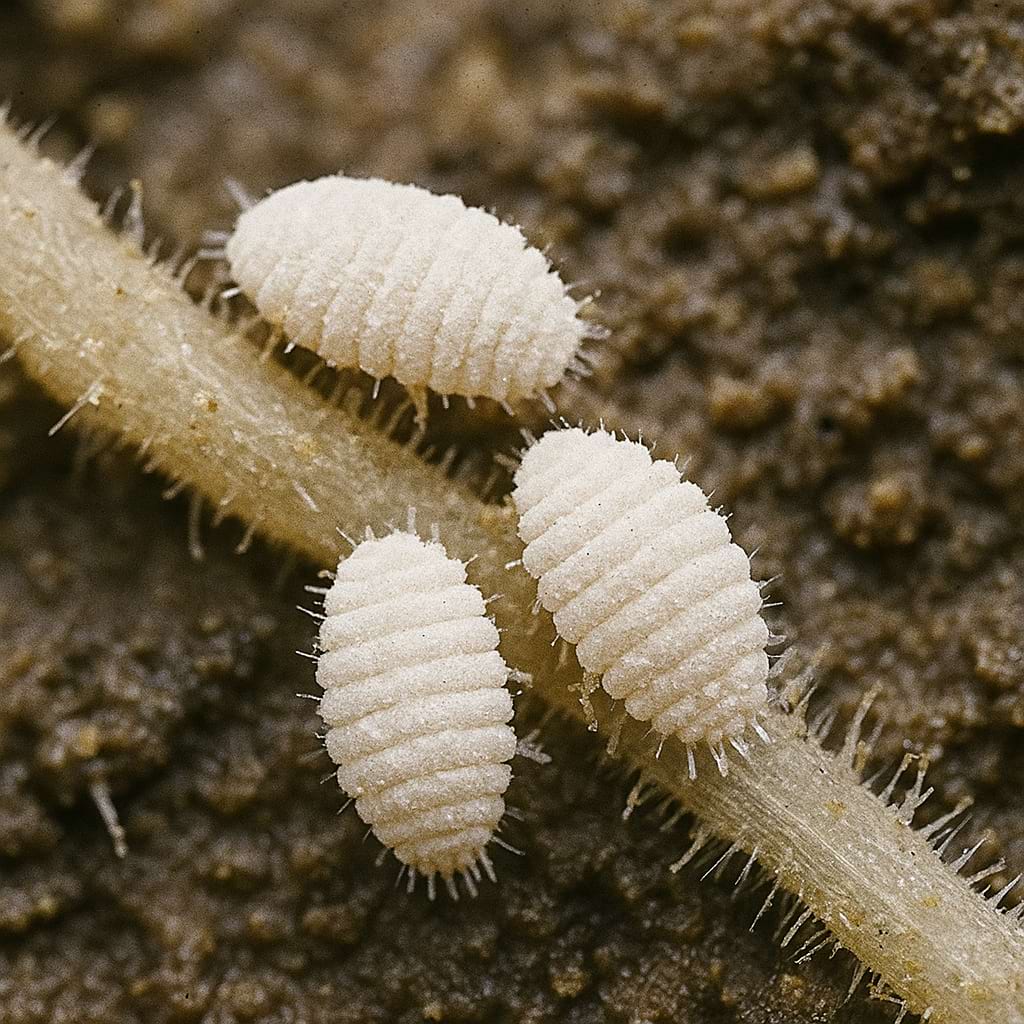
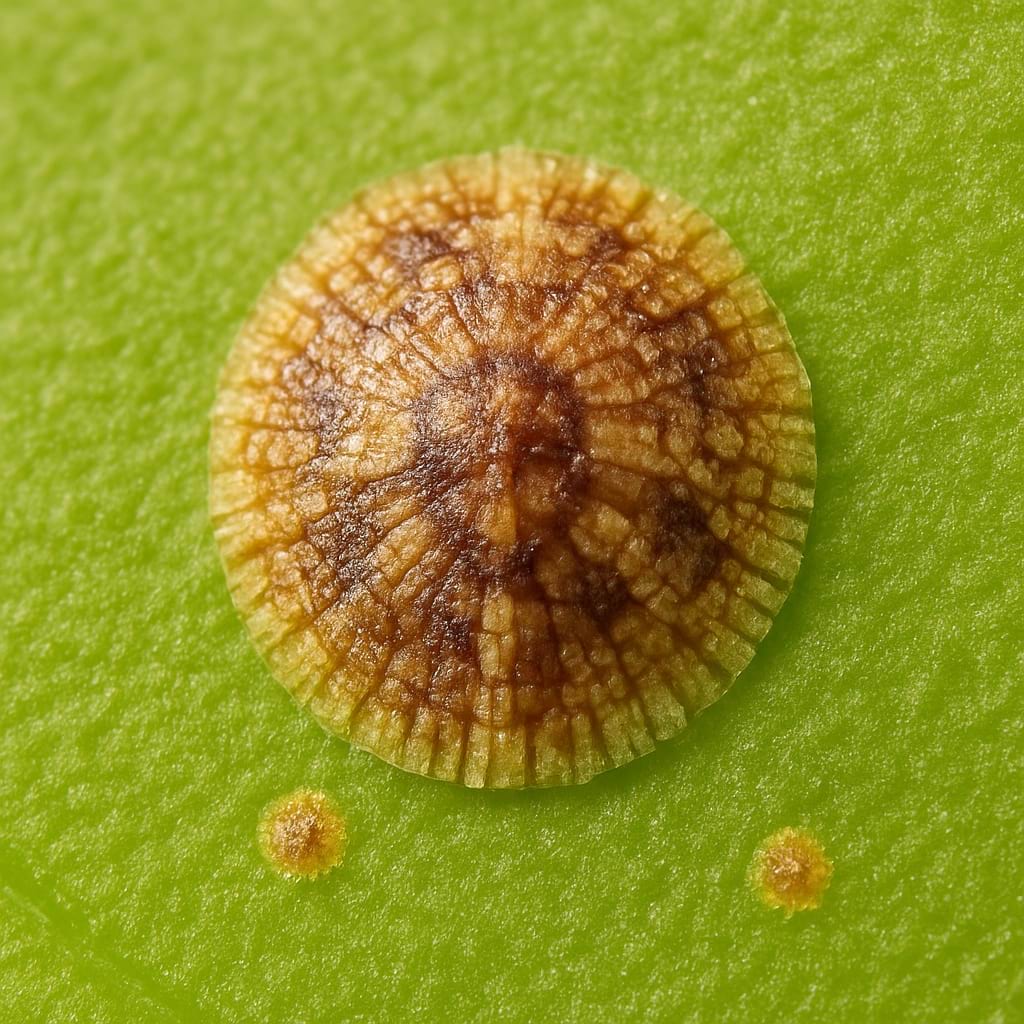
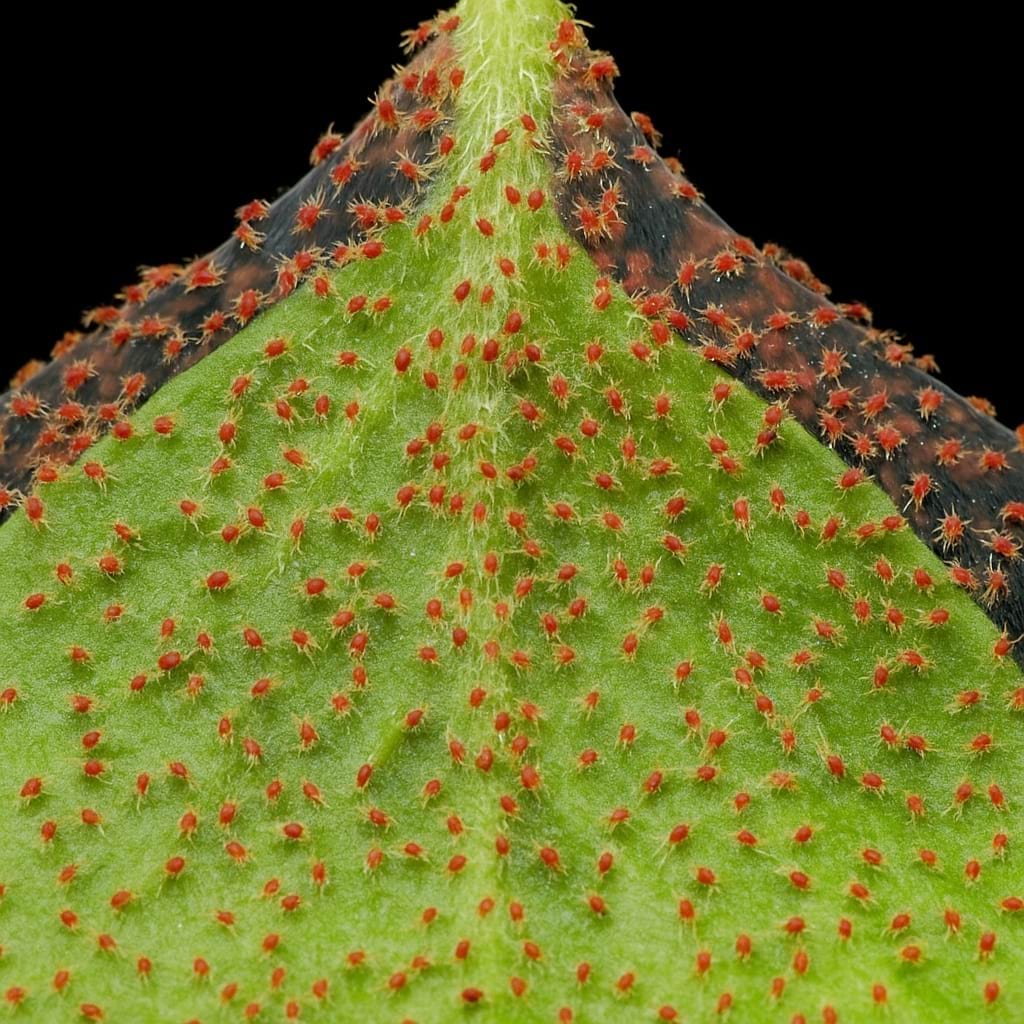
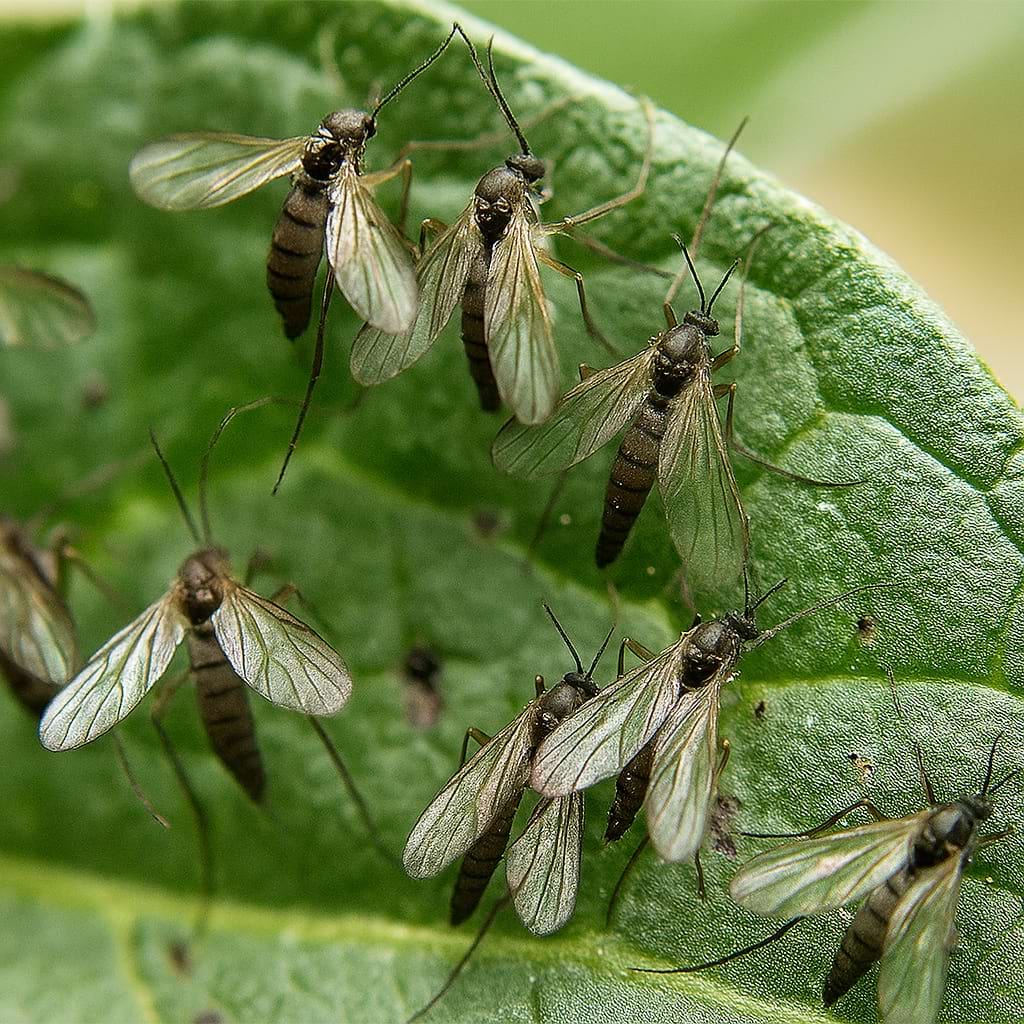
Mealybugs are the main pest, tucking into the rib valleys and around the spine clusters as white cottony blobs. The twisted ribs give them more hiding places than a straight column does, so they go unnoticed longer here. Root mealybugs live in the soil, look like white powder on the roots, and cause a slow unexplained decline that people blame on watering for months. Scale insects show up as small brown limpets stuck flat to the skin, spider mites leave fine webbing and a stippled bronze cast near the growing tip, and fungus gnats mean the soil is staying wet far too long.
Treatment and Prevention
Dab mealybugs and scale with a cotton bud dipped in rubbing alcohol, working along every rib valley, then follow with insecticidal soap if they return. Root mealybugs need the plant unpotted, the roots rinsed under a tap, and a repot into fresh mix in a clean pot. Spider mites retreat with better airflow, and fungus gnats vanish once the mix is allowed to dry properly.
Check the column monthly by turning the pot and looking down into the spiral from above, which is the only angle that shows every valley. Quarantine new plants for a few weeks, and read pest prevention in winter before the cool rest starts.
🩺 Common Spiral Cactus Problems
Rot From Overwatering
Rot causes nearly every Spiral Cactus death. It appears as root rot or mushy stems, typically a soft brown or translucent patch at the soil line that travels upward. Unpot the plant, cut back to clean firm white tissue, dust the wound with sulphur or cinnamon, dry it for one to two weeks, and replant in dry gritty mix. If the base is beyond saving, treat the healthy upper column as a cutting and start again.
Losing the Spiral
The complaint unique to this plant is a column that starts twisted and continues straight. That is light, almost always. Weak light produces a narrower, paler, flatter-ribbed section, part leggy growth and part reversion, and the affected section stays that way forever. Move the plant to real direct sun, and cut back to good growth if the straight part bothers you.
Corking, Yellowing, and Stalling
A brown, dry, bark-like crust creeping up from the base of an older plant is corking, which is normal woody ageing rather than disease. It is firm to the touch, unlike rot, which is soft. Yellowing usually points to overwatering or old exhausted soil, so check the roots first. A plant that puts on nothing for a whole season is showing stunted growth, and the usual causes are too little light, a pot that has gone solid, or year-round watering with no winter rest.


🖼️ Spiral Cactus Display and Styling Ideas
Solo Setups
The twist needs side light to read properly. Against a plain pale wall with sun raking across it, the shadows fall into the rib valleys and the spiral is obvious from across the room. Backlit or lit flat from the front, the same plant just looks like a green post. A simple cylindrical pot in concrete or terracotta keeps the attention on the silhouette.
Grouped Arrangements
Set it as the tall element in a desert corner and surround it with rounder shapes. A Golden Barrel Cactus at the base gives a clean sphere against the vertical, a Bishop's Cap Cactus adds a spineless star outline, and a white-fleeced Old Man Cactus makes the textural opposite. A White Ghost Cactus beside it turns the group into a study in pale columns.
Where Not to Put It
Keep it out of hallways, off low side tables, and away from anywhere people walk past closely, since the spines catch sleeves and a toppled column shatters its own ribs. Skip bathrooms and dim north-facing rooms entirely, and never place it where a door or a curtain sweeps against it.
👍 Spiral Cactus Pro Care Tips
☀️ Sun protects the spiral. Every hour of direct light keeps the new growth tightly twisted. Shade loosens it permanently.
🔍 Buy with the twist visible. Seed-grown seedlings often grow straight. Check the plant, not the label.
🪨 Use a heavy pot. A tall column in a light plastic pot is a fall waiting to happen, and a fall breaks the ribs.
💧 Skip winter watering. Kept cool at 50-55°F, this plant wants next to nothing between November and February.
🧊 Callus cuttings for two weeks, not two days. Thick stems hold a lot of water, and a rushed cutting rots.
🌀 Inspect from above. Looking straight down the column is the only way to see into every rib valley where mealybugs hide.
🧴 Do not polish the stem. The blue waxy bloom on the skin never grows back once you rub it off.
🍼 Feed lean. Too much nitrogen builds a soft bulging section that holds the spiral badly.
❓ Frequently Asked Questions
Is Spiral Cactus toxic to cats and dogs?
Cereus is non-toxic to cats and dogs, so the sap poses no poisoning risk. The spines are the real hazard, and they are stiff enough to injure a curious pet, so place the plant somewhere animals do not brush past it.
Does the spiral happen naturally or is it trained?
It is a genetic mutation, fixed in the plant, and nothing you do makes it spiral or unspiral. Turning the pot, rotating the plant toward the light, or twisting the stem achieves nothing. The only thing under your control is how tightly the new growth expresses that twist, and that comes down to light.
Why is my Spiral Cactus growing straight at the top?
Not enough direct sun. Weak light produces a narrower, paler section with much flatter ribs, and it stays that way permanently. Move the plant to a south or bright west window, add a grow light through winter, and cut back to well-twisted growth if you want to restart the column.
How fast does a Spiral Cactus grow?
Slowly, roughly four to eight inches a year indoors in good light, and less than that in a dim spot. Over many years it reaches three to six feet in a pot. Plants in the ground in warm climates get considerably taller.
How often should I water a Spiral Cactus?
Every two to three weeks through spring and summer, but only once the mix is dry all the way down, never on a fixed schedule. In winter, with the plant kept cool, water once a month at most or not at all. Always drain fully and never leave it standing in a saucer.
Will my Spiral Cactus flower indoors?
Possibly, but only once it is large, usually over three feet tall, which takes years. The flowers are big white night-opening funnels that last a single night. Good sun, lean feeding, and a cool dry winter make it more likely.
Can I grow Spiral Cactus from seed?
You can, but the seedlings will not all be spiralled. Seed from a twisted parent produces a mix of tightly twisted, loosely twisted, and completely straight plants. Cuttings from a spiralled section are the only way to guarantee the twist.
Why is the base of my Spiral Cactus turning brown and woody?
If it is firm and dry, that is corking, a normal sign of age as the oldest tissue toughens into bark. Nothing needs doing. If the brown area is soft, dark, or damp, that is rot and needs cutting out immediately.
What is the difference between Cereus forbesii and Cereus peruvianus?
Cereus peruvianus is an old, botanically invalid catch-all name that nurseries still use for several different Cereus species, this one included. The valid name for Spiral Cactus is Cereus forbesii f. spiralis, sometimes listed as Cereus validus. All of them want identical care, so the label difference is a naming argument rather than a growing one.
ℹ️ Spiral Cactus Info
Care and Maintenance
🪴 Soil Type and pH: Gritty, sharply draining cactus and succulent mix
💧 Humidity and Misting: Thrives in ordinary dry household air and dislikes damp, still, humid rooms.
✂️ Pruning: Only to behead a column that has outgrown its space or to remove a section that has reverted to straight growth.
🧼 Cleaning: Wipe the ribs with a soft dry brush or a puff of air. Avoid scrubbing, since the blue waxy bloom on the skin does not grow back.
🌱 Repotting: Repot every 2-3 years in spring, into a heavy pot only one size larger.
🔄 Repotting Frequency: Every 2-3 years
❄️ Seasonal Changes in Care: Full sun and regular soaks from March to September, then a cool, bright, dry rest through the winter that keeps the column from stretching.
Growing Characteristics
💥 Growth Speed: Slow to moderate (4-8 inches per year)
🔄 Life Cycle: Evergreen perennial columnar cactus
💥 Bloom Time: Summer nights on mature plants over three feet tall; each flower opens for a single night
🌡️ Hardiness Zones: 9-11
🗺️ Native Area: Dry scrub of northern Argentina, Bolivia, and Paraguay
🚘 Hibernation: Cool, dry winter rest near 50-55°F with bright light and little or no water
Propagation and Health
📍 Suitable Locations: South and west windows, bright corners with direct sun, sunrooms, desert-style plant groupings
🪴 Propagation Methods: Cut a section of tightly spiralled stem, callus it for one to two weeks, then root it upright in dry gritty mix.
🐛 Common Pests: Mealybugs, Root Mealybugs, Scale Insects, Spider Mites, Fungus Gnats
🦠 Possible Diseases: Root rot, stem rot at the soil line, fungal spotting in cold wet soil
Plant Details
🌿 Plant Type: Columnar cactus with helically twisted ribs
🍃 Foliage Type: Evergreen leafless column with 5-8 spiralling ribs
🎨 Color of Leaves: Blue-green to grey-green stem with a waxy bloom
🌸 Flower Color: White with pinkish or brownish outer petals
🌼 Blooming: Yes, but only on large mature plants, and only at night
🍽️ Edibility: The reddish fruit is edible and mildly sweet, though indoor plants almost never set it.
📏 Mature Size: 3-6 feet indoors over many years
Additional Info
🌻 General Benefits: Pet-safe, sculptural year round, very drought tolerant, thrives on neglect, and propagates true from cuttings
💊 Medical Properties: No documented medicinal uses.
🧿 Feng Shui: A rising spiral form is read as upward-moving energy, though the spines mean it belongs in a corner rather than beside a doorway or seating area.
⭐ Zodiac Sign Compatibility: Capricorn
🌈 Symbolism or Folklore: Patience, slow progress, growth that takes the scenic route
📝 Interesting Facts: The spiral is a fixed genetic mutation, not a response to sunlight or to turning the pot. It arose in cultivation and is now maintained by cuttings, since seed-grown plants produce a mix of tightly twisted, loosely twisted, and completely straight seedlings.
Buying and Usage
🛒 What to Look for When Buying: Look for a firm blue-green column with the twist visible from top to bottom and no pale stretched section near the growing tip. A plant that spirals at the base and runs straight at the top was grown too dark.
🪴 Other Uses: Architectural floor plant, desert-corner centerpiece, rootstock for grafting, and a conversation piece for a sunny office.
Decoration and Styling
🖼️ Display Ideas: Sunny corners, plant stands, desert-style groupings with barrel and globe cacti, minimalist concrete or terracotta planters
🧵 Styling Tips: The spiral reads best against a plain wall with side light, which throws shadows into the rib valleys and makes the twist obvious from across a room.
🪴 See also 🪴
Complete Guide to Leaf of Life Care and Growth
Complete Guide to Aeonium Care and Growth
Complete Guide to Crested Brain Cactus Care and Growth
Complete Guide to Feather Cactus Care and Growth
Complete Guide to Snowball Cactus Care and Growth
Complete Guide to Fairy Castle Cactus Care and Growth
Complete Guide to Silver Torch Cactus Care and Growth
Complete Guide to Crown Cactus Care and Growth
How to Propagate Succulents from Leaves & Offsets
Succulent Care Indoors: How to Stop Killing Jade and Echeveria
Complete Guide to Lithops Care and Growth (Living Stones)
Complete Guide To Aloe Vera Care and Growth
Complete Guide to Burro's Tail Care and Growth
Complete Guide to Crown of Thorns Care and Growth
Complete Guide to Echeveria Care and Growth
Complete Guide to Flaming Katy Care and Growth
Complete Guide to Jade Plant Care and Growth
Complete Guide to Sedum Adolphii Care and Growth
Complete Guide to Queen of the Night Care and Growth
Complete Guide to Domino Cactus Care and Growth
Complete Guide to Easter Lily Cactus Care and Growth
Complete Guide to Peanut Cactus Care and Growth
Complete Guide to Rat Tail Cactus Care and Growth
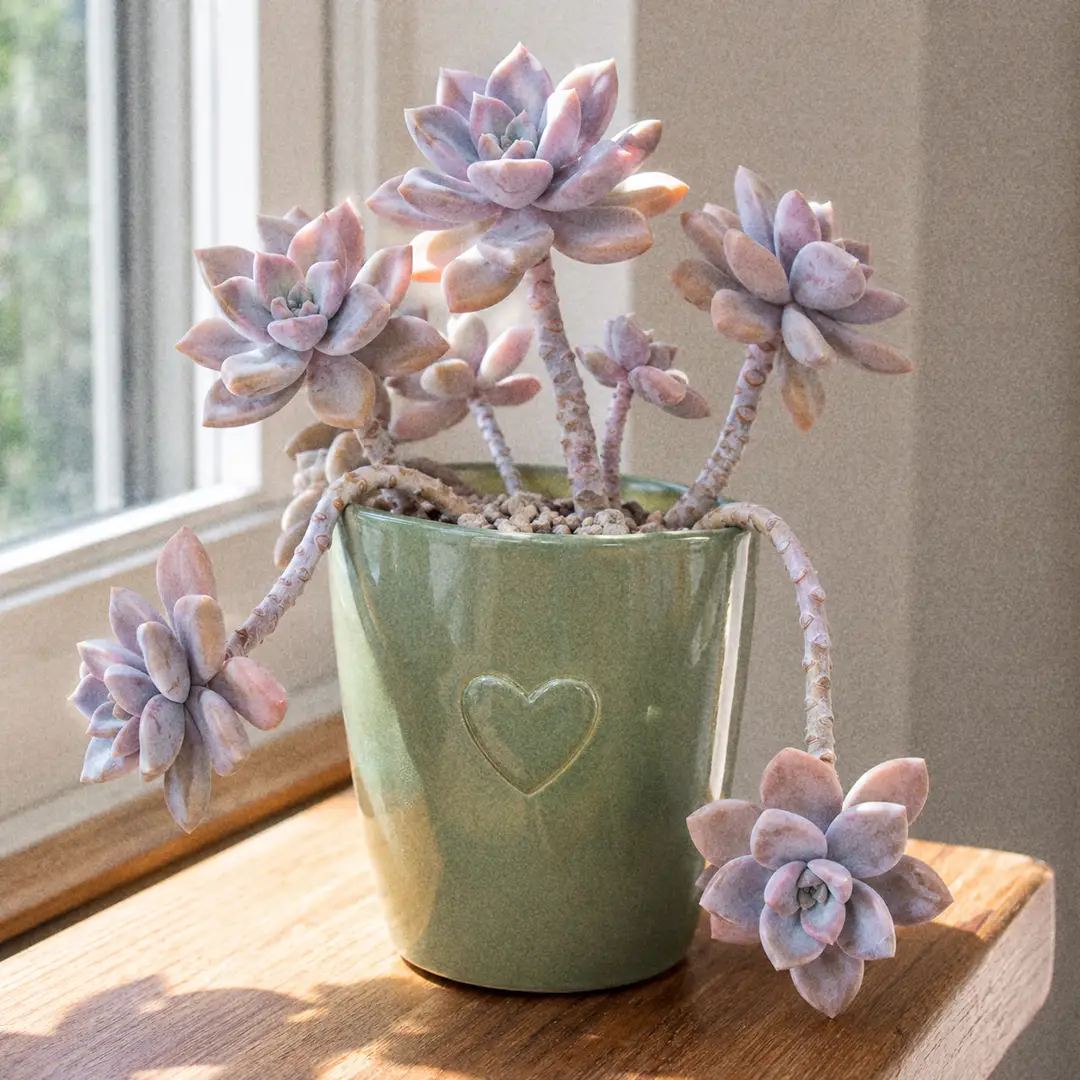
Complete Guide to Ghost Plant Care and Growth
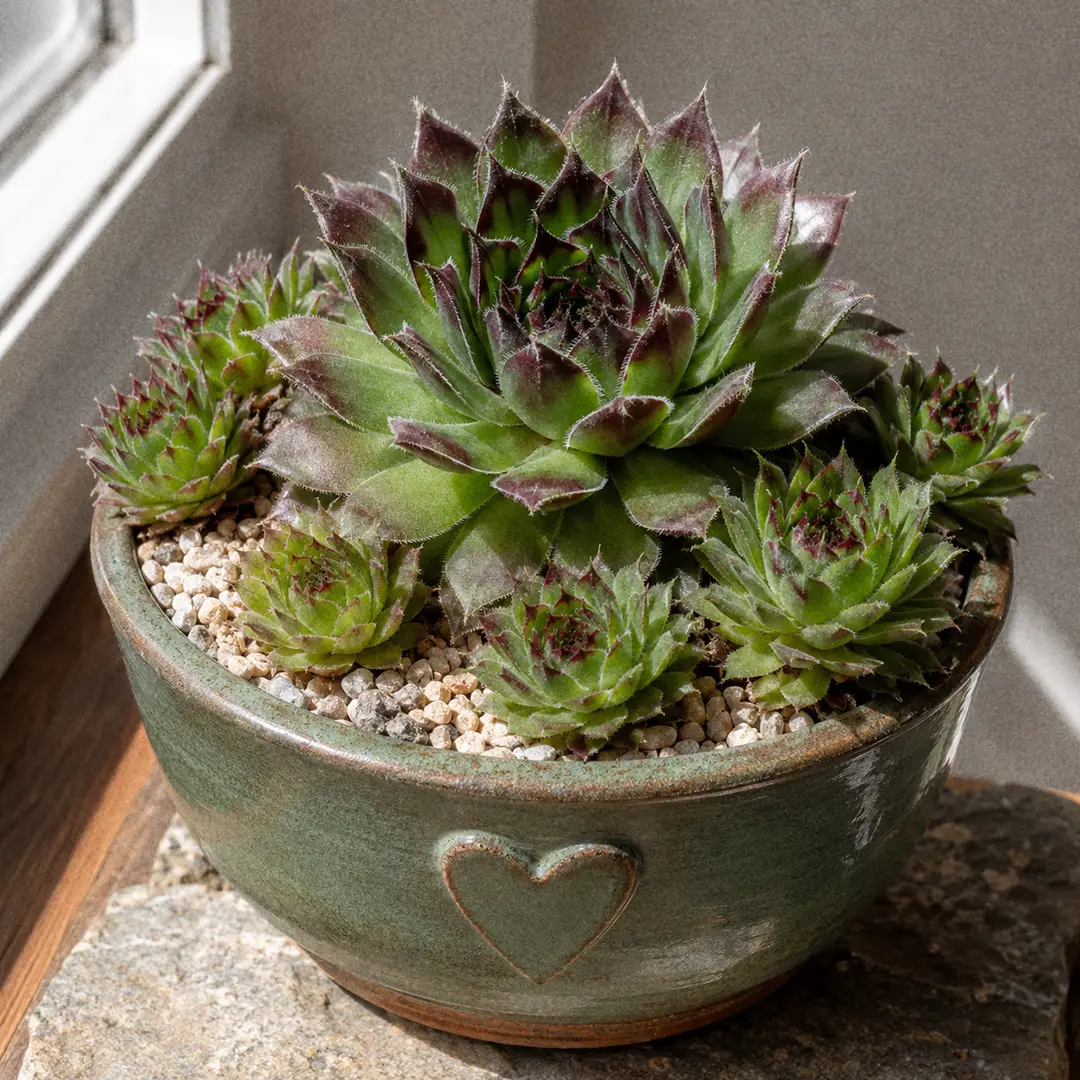
Complete Guide to Hens and Chicks Care and Growth
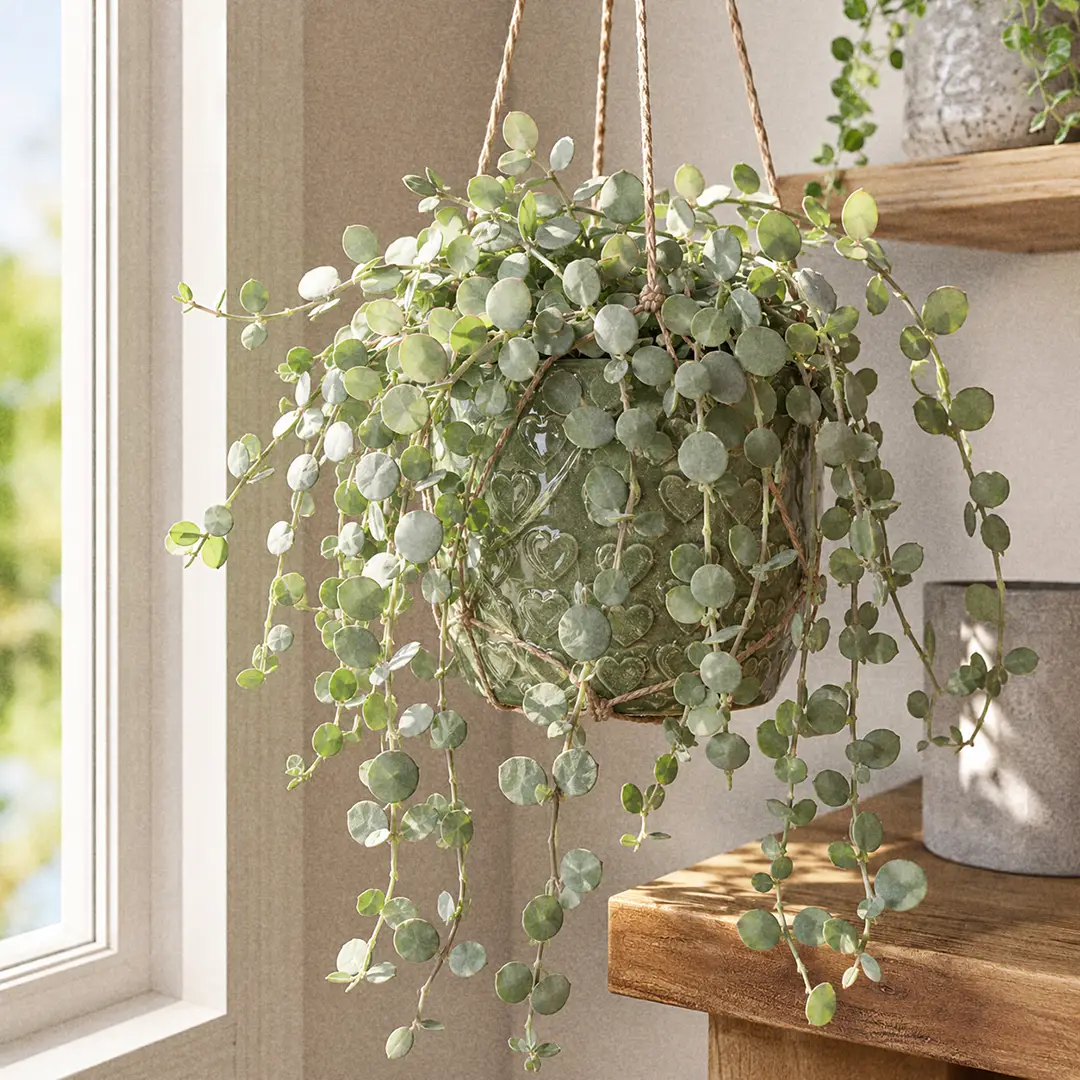
Complete Guide to String of Coins Care and Growth
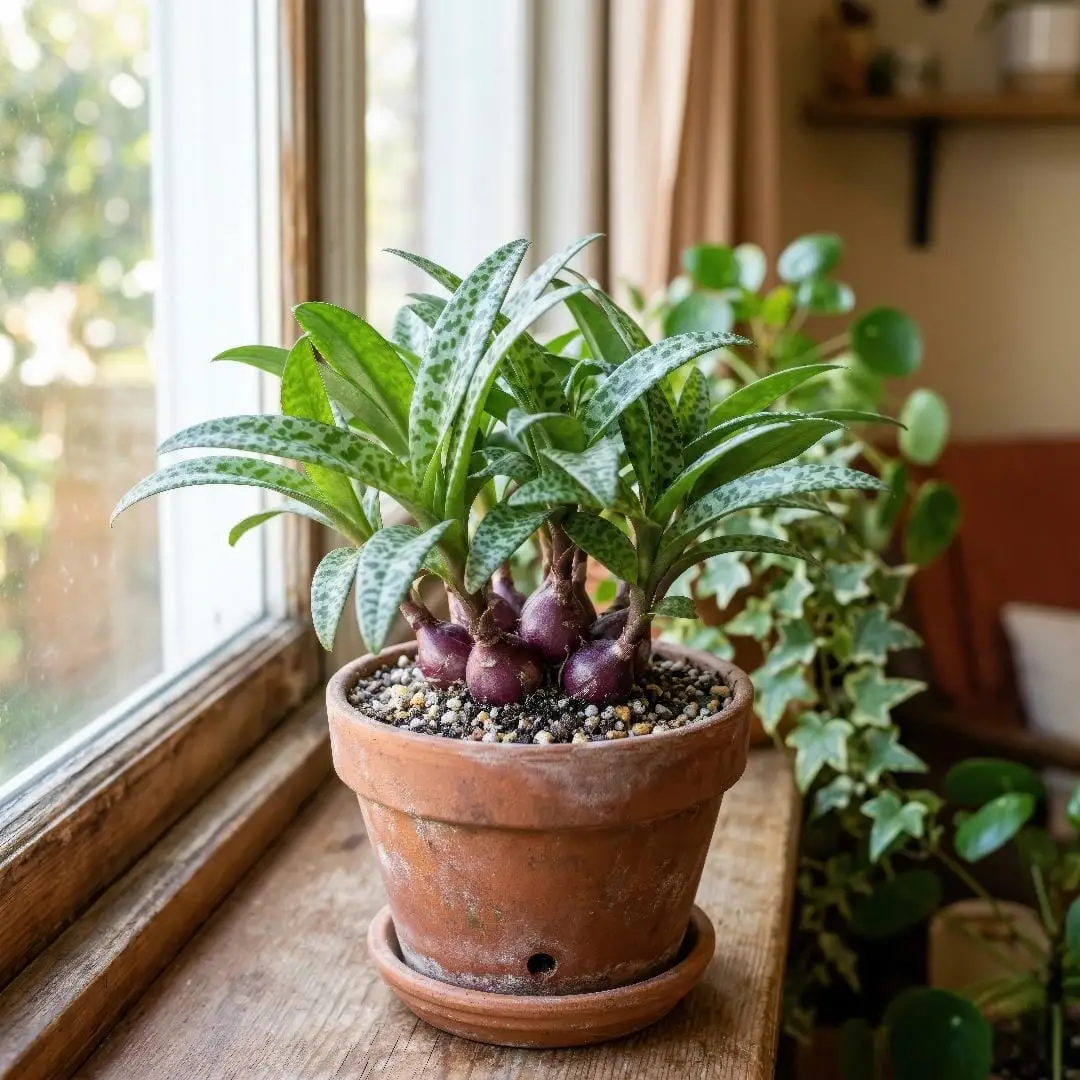
Complete Guide to Silver Squill Care and Growth
Complete Guide to Jelly Bean Plant Care and Growth
Complete Guide to Fishbone Cactus Care and Growth
Complete Guide to Mistletoe Cactus Care and Growth
Complete Guide to Mother of Thousands Care and Growth
Complete Guide to Paddle Plant Care and Growth
Complete Guide to Panda Plant Care and Growth

Complete Guide to Elephant Bush Care and Growth
Complete Guide to Pencil Cactus Care and Growth
Complete Guide to African Milk Tree Care and Growth
Complete Guide to Gasteria 'Little Warty' Care and Growth
Ox Tongue Care

Houseplant101 Forum
Questions & Comments
Ask a question, share your plant experience, or help other plant owners.
Comments are temporarily unavailable.
Open the Houseplant101 ForumNo comments yet
Be the first to ask a question or share your experience about this page.
Log in or create an account
Comments use your Houseplant101 Forum account, but you can stay on this page.
Create a new account