
 AI Overview
 🪴 In This Guide 🪴

📺 Dying Houseplant Video Guide

🪴 Start with the soil and roots
Before you panic over the leaves, check the soil. Most beginner plant deaths trace back to watering, and the soil tells you which direction you went wrong.
Feel the top two inches. Soggy soil that never seems to dry points one way, dust-dry soil that has pulled from the pot points the other. If the plant is really struggling, slide it out of the pot and look at the roots. Firm and white or tan is healthy. Brown, soft, and smelly means trouble. That five-second check rules in or out the single most common killer, root rot, before you change anything else.
🟡 Yellowing leaves
Yellow leaves are the symptom I get asked about most, and overwatering is the usual culprit. When roots sit in wet soil too long, they can't take up oxygen, and the lower leaves yellow and drop.
That said, a single yellow leaf at the bottom of an otherwise happy plant is often just old age. Widespread yellowing, soft stems, and constantly wet soil are the warning signs. Underwatering and a lack of nutrients can yellow leaves too. Our full guides on yellowing leaves and nutrient deficiency help you tell them apart.

🥀 Drooping or wilting
A droopy plant looks thirsty, so most people water it. Sometimes that is exactly wrong.
Feel the soil first. Dry soil plus drooping means the plant was thirsty, and it should recover within hours of a good drink. Wet soil plus drooping is the dangerous one, because it usually means the roots are damaged and can no longer move water, even though there is plenty around them. In that case, stop watering and check for root rot. The wilting and drooping guide walks through both paths.
🍂 Brown, crispy edges
Brown, papery edges and tips usually mean the air is too dry, the plant is underwatered, or both. Tropical plants like calatheas and ferns feel it first, especially near heaters or air conditioning.
Steady watering and a bit more humidity fix most cases. If the brown is a hard, scorched patch on the side facing a bright window, that is sunburn instead. Our brown crispy edges guide covers the difference and the fix.
🟤 Spots and patches
Spots are trickier because a few different problems look similar at a glance.
Dark brown or black spots, sometimes with a yellow halo, often point to overwatering or a fungal or bacterial disease. A dusty white coating is usually powdery mildew. Small, crisp brown spots can simply be physical or scorch damage. Look at the color, the shape, and whether the spots are spreading, then match it to the closest guide.
😵 Mushy base or stems
A soft, dark, mushy stem at the soil line is one of the more serious signs, and it nearly always comes back to too much water.
When stems turn to mush, the rot has usually reached the base of the plant. Act fast: take the plant out of its wet soil, cut away anything soft, and check whether any firm, healthy tissue and roots remain. If they do, there is a real chance to save it. Our guides on mushy stems and root rot cover the rescue step by step.

🐛 Bugs, webbing, or sticky leaves
Sometimes the plant isn't sick, it is under attack. Fine webbing between stems, tiny moving dots, white cottony tufts, or a sticky residue on the leaves all point to pests.
Check the undersides of the leaves, where most pests hide. Spider mites leave webbing and stippled leaves, mealybugs look like little cotton specks, and thrips leave silvery streaks. Isolate the plant from your others straight away, then treat it. Our pest damage guide helps you identify exactly what you are dealing with.
📏 Leggy or not growing
Not every struggling plant is rotting or infested. Some are just starved of light.
Long, stretched stems with big gaps between leaves mean the plant is reaching for a brighter window. Small new leaves, pale color, or no growth at all often point the same way. Move it somewhere brighter and growth usually tightens up. See our guides on leggy growth, stunted growth, and pale, faded leaves.
♻️ When to save it, when to let go
Here is the reassuring part: a plant is not dead just because it looks rough. If any stem is still firm and green inside, or any root is still white and solid, you have something to work with.
Fix the cause first, whether that is soggy soil, a dark corner, or a pest. Trim away what is clearly dead so the plant stops spending energy on it. Then give it stable conditions and wait. Recovery is slow and often unglamorous, and new growth can take weeks to appear. I only call it a day when every stem is hollow or mushy and no firm roots are left. Until then, it is worth the patience.
❓ Frequently Asked Questions
Why is my plant dying even though I water it?
Frequent watering is the most common cause of beginner plant deaths, not a cure. Constantly wet soil suffocates the roots and leads to root rot. Feel the soil and only water when the top inch or two is dry.
Can a dying plant be saved?
Often, yes, if some healthy growth or firm roots remain. Fix the underlying cause, trim away dead parts, and give it stable light and water. Recovery can take weeks, so be patient before giving up.
How do I know if it is overwatering or underwatering?
Feel the soil. A droopy plant in wet soil is usually overwatered and may have root rot, while a droopy plant in dry soil that perks up after watering was simply thirsty.
Should I repot a dying plant right away?
Only if the problem is root rot, a pest infestation in the soil, or a pot with no drainage. Repotting is stressful, so for most other issues it is better to fix light and watering first.
My plant lost a few leaves after I brought it home. Is it dying?
Probably not. Some leaf drop is normal as a plant adjusts to a new spot. Worry only if it keeps dropping leaves for more than a couple of weeks or shows other symptoms.
🪴 See also 🪴

How Often Should You Water Houseplants?
10 Easiest Houseplants That Are Almost Impossible to Kill
How to Protect Indoor Plants from Summer Heat
Summer Houseplant Care Checklist
Tap Water, Filtered, or Distilled? What Houseplants Actually Need
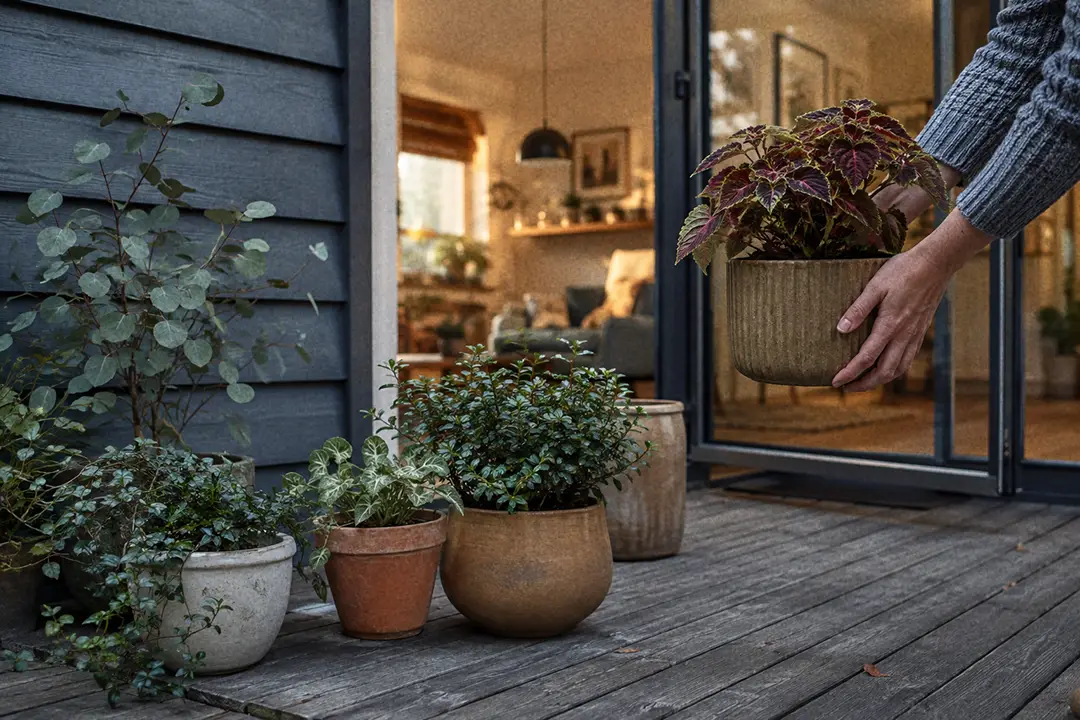
Bringing Outdoor Plants Back Inside (Without Bringing the Bugs)

How to Acclimate a New Plant to Your Home
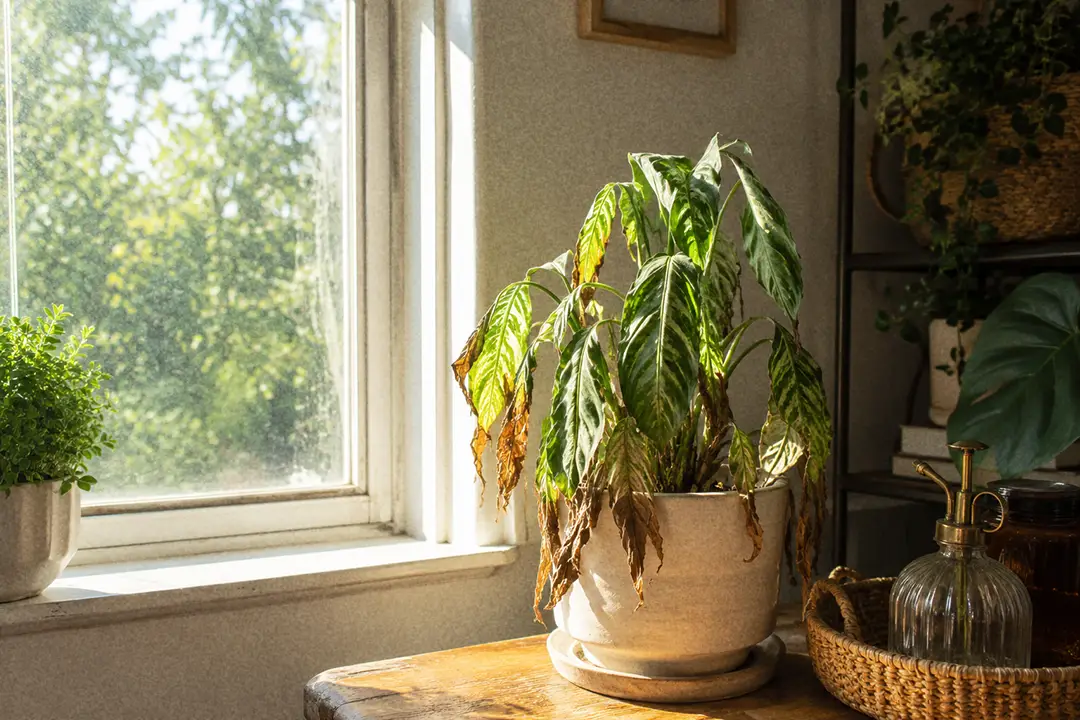
Common Summer Houseplant Problems (and How to Fix Them)
Your First 30 Days: A Beginner's First-Aid Guide
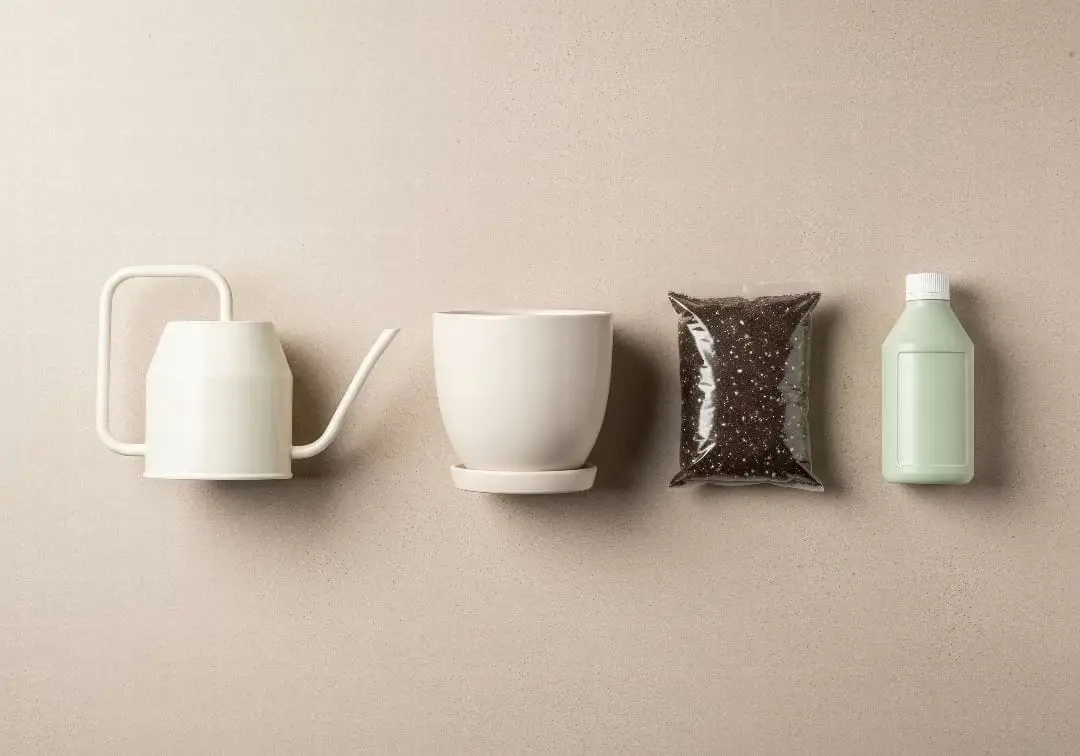
The Only 4 Plant Care Tools You Actually Need to Get Started

Houseplant101 Forum
Questions & Comments
Ask a question, share your plant experience, or help other plant owners.
Comments are temporarily unavailable.
Open the Houseplant101 ForumNo comments yet
Be the first to ask a question or share your experience about this page.
Log in or create an account
Comments use your Houseplant101 Forum account, but you can stay on this page.
Create a new account