
 AI Overview
 🪴 In This Guide 🪴

📺 How Often Should You Water Houseplants Video Guide

🗓️ Why a set schedule fails
A weekly schedule treats every plant and every home as if they were the same. They are not. A pothos in a sunny June window drinks far faster than the same pothos in a north-facing room in January.
Water by the calendar and sooner or later you will pour into a pot that was still wet, or leave one bone-dry for days after it needed a drink. The pot, the light, and the season all pull the timing around. So instead of counting days, water the plant in front of you based on what its soil is actually doing.
✋ How to tell a plant is thirsty
The finger test
Push a finger into the soil up to the second knuckle, roughly two inches down. If damp soil clings to your skin, wait. If it feels dry that far down, most plants are ready. This one habit saves more plants than any tool you can buy.
Lift the pot
A freshly watered pot is heavy. A dry one feels surprisingly light. After a week of finger tests, start lifting your pots too, and you will learn what "needs water" feels like in your hands. That is quicker than digging in every time.
When a meter helps
If you own a lot of plants, or deep pots where your finger never reaches the roots, a moisture meter reads moisture down where it matters. It is not essential, but it does take the guessing out of big or self-watering pots.

🌗 What changes the timing
A few things move the needle far more than any schedule could.
Light and season
Brighter light and warm weather speed up growth, and faster growth means faster drying. A plant might want water twice a week in July and once every two weeks in December, same plant, same windowsill. Our light guide explains how to read your windows.
Pot size and material
Small pots dry out fast. Terracotta breathes and dries quicker than plastic or glazed ceramic. A seedling in a tiny clay pot on a sunny sill is on a completely different clock than a big plastic pot in a shady corner.
The plant itself
Snake plants and succulents store their own water and like to dry out fully. Ferns and calatheas prefer to stay lightly moist. Knowing which camp your plant sits in matters more than any number on a label.
💧 How to water properly
When the soil is dry, water thoroughly. Pour slowly until water runs from the drainage holes, then stop. That soaks the whole root ball and rinses out built-up mineral salts. A quick splash every couple of days only wets the top inch and leaves the deeper roots parched.
Tip the saucer out after about fifteen minutes. A pot left standing in water is the quickest path to root rot. And if your pot has no drainage hole at all, that is the first thing I would fix. The watering guide covers the technique in full.

⚠️ Overwatered or underwatered?
Beginners almost always read a sad plant as thirsty and add more water. Often that is the opposite of what it needs.
Overwatering tends to show as yellowing lower leaves, a soft base, and soil that stays wet for days. The leaves can feel limp and mushy. Underwatering looks like dry, crispy edges, drooping that perks back up an hour after a drink, and soil shrinking away from the sides of the pot.
Here is the confusing part: both can cause drooping. The soil settles the argument. Wet soil under a droopy plant means stop and check the roots. Dry soil under a droopy plant means water it. When you are unsure, feel the soil before you reach for the can. Our guides on yellowing leaves and wilting go further.
📋 A rough guide by plant type
Treat these as training wheels, not rules. Always check the soil first.
| Plant type | Let it... | Rough summer frequency |
|---|---|---|
| Snake plant, ZZ, cactus, succulents | dry out completely | every 2 to 3 weeks |
| Pothos, philodendron, monstera | top 1 to 2 inches dry | about weekly |
| Peace lily, ferns, calathea | stay lightly moist, never soggy | every few days |
In winter, stretch all of these out as growth slows. For the seasonal swings, see watering houseplants in summer and how to water in winter.
❓ Frequently Asked Questions
How often should I water my houseplant?
There is no universal schedule. Check the top one to two inches of soil and water when it feels dry for most plants. How often that happens depends on light, season, pot, and plant type.
Should I water on a set day each week?
Use a set day as a reminder to check, not to water automatically. If the soil is still damp, skip it and check again in a few days.
Is it better to underwater or overwater?
Slightly underwatering is safer. Most houseplants bounce back from a missed drink, but sitting in soggy soil causes root rot, which is much harder to reverse.
How do I know if I am overwatering?
Yellowing lower leaves, a soft or mushy stem base, and soil that stays wet for many days are the usual signs. Let the soil dry out and check the roots.
Does the type of pot really matter?
Yes. Terracotta and small pots dry out quickly, while plastic, glazed, and large pots hold moisture longer. The same plant needs water on a different schedule depending on its pot.
🪴 See also 🪴
10 Easiest Houseplants That Are Almost Impossible to Kill
How to Water Houseplants in Summer & While on Vacation

Why Is My Plant Dying? A Beginner's Diagnostic Guide
Tap Water, Filtered, or Distilled? What Houseplants Actually Need

How to Acclimate a New Plant to Your Home
Your First 30 Days: A Beginner's First-Aid Guide
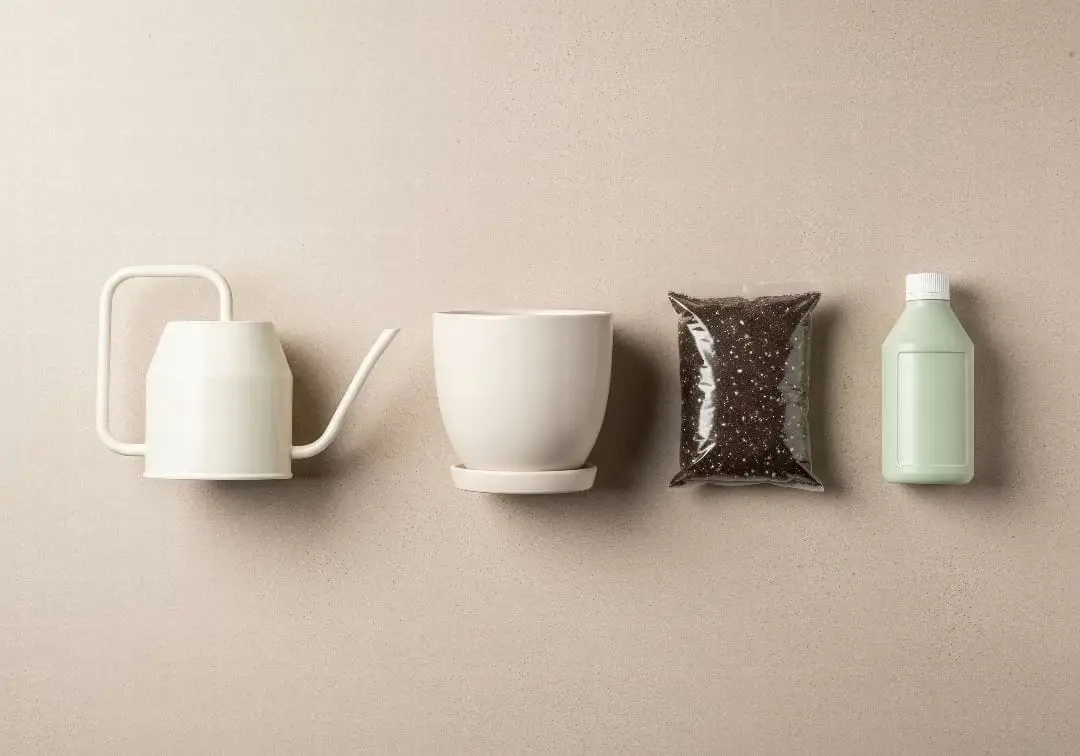
The Only 4 Plant Care Tools You Actually Need to Get Started


Houseplant101 Forum
Questions & Comments
Ask a question, share your plant experience, or help other plant owners.
Comments are temporarily unavailable.
Open the Houseplant101 ForumNo comments yet
Be the first to ask a question or share your experience about this page.
Log in or create an account
Comments use your Houseplant101 Forum account, but you can stay on this page.
Create a new account