
 AI Overview
 🪴 In This Guide 🪴

😮 Why new plants sulk
Your plant spent its whole life in a greenhouse: bright, humid, warm, and perfectly consistent. Your living room is none of those things. The light is dimmer, the air is drier, and the temperature swings.
That gap is why a new plant often sulks for a week or two. It is not sick, it is recalibrating. The mistake most of us make is reacting to that stress by changing everything at once, more water, a new pot, a sunnier window, which only piles on more shock. The goal of the first few weeks is the opposite: keep things calm and let the plant catch up.
📦 The first day
Start by looking the plant over properly. Check the tops and undersides of the leaves, the stems, and the soil surface for any sign of bugs. Wipe off dust, and snip away any leaves that are already yellow or clearly dead.
Then resist the urge to do more. Do not repot it, do not fertilize it, and do not park it in your brightest window. Give it a drink only if the soil is actually dry. On day one, less is genuinely more. Our guide on bringing your plant home covers the unboxing in more detail.
🔍 Quarantine and pest check
If you already own plants, this step matters more than any other. Keep the newcomer in a separate room, away from the rest, for about two weeks.
Pests love to hitch a ride home from shops and nurseries, and one infested plant can spread spider mites or mealybugs through a whole collection in days. Two weeks of separation gives any hidden eggs time to hatch where you can catch them. Check it every few days, and if you spot anything, our pest damage guide helps you treat it before it travels.

🌞 Easing into the light
A plant that was grown under strong, even light can still scorch if you drop it straight into a hot, direct window, because the move itself leaves it stressed and sensitive.
Start it in bright indirect light. A spot near an east-facing window, or a few feet back from a brighter one, is a safe bet for most plants. After a week or two, once it looks settled, you can shift it toward its permanent home. If that spot is sunny, move it closer over several days rather than all at once. The light guide explains how to judge each window.
💧 Watering a newcomer
New plant owners tend to show love with water, and a stressed plant in soggy soil is the fastest way to lose it.
Check before you pour. Feel the top inch or two of soil, and only water when it is dry, the same way you would with any established plant. Nursery soil is often dense and holds water longer than you expect, so err on the dry side while the roots settle. Skip fertilizer entirely for the first month, since a recovering plant cannot use it and the salts can burn stressed roots. For the basics, see how often to water houseplants.
⚖️ Normal stress vs a real problem
Knowing what is normal saves a lot of needless worry.
A few lower leaves yellowing or dropping in the first couple of weeks is normal adjustment. A brief pause in growth is normal too. What is not normal is a mushy stem base, soil that stays wet for a week, fast yellowing across the whole plant, or visible bugs. Those point to overwatering, root rot, or pests rather than simple settling in. When in doubt, our why is my plant dying guide helps you read the symptom.
🪴 When to repot
It is tempting to move a new plant into a prettier pot the moment it arrives. Hold off.
Give it two to four weeks to adjust before you repot, so it only handles one big change at a time. There are a couple of exceptions worth acting on sooner. If you find root rot, or the plant came in a pot with no drainage hole, fixing that beats waiting. Otherwise, once the plant looks comfortable and is pushing new growth, it is ready. Our repotting guide walks through doing it gently.
❓ Frequently Asked Questions
Why is my new plant dropping leaves?
Some leaf drop is a normal reaction to a change in light, humidity, and temperature. As long as the plant keeps some healthy growth and is not sitting in soggy soil, give it a couple of weeks to settle before worrying.
Should I repot a plant as soon as I bring it home?
No. Wait two to four weeks so the plant can adjust to your home first. Repotting right away stacks a second shock on top of the move, unless the plant has root rot or no drainage.
Do I really need to quarantine a new plant?
Yes, if you own other plants. Keep the newcomer separate for about two weeks and check it for pests, since hitchhikers like spider mites and mealybugs spread quickly once they reach your collection.
Where should I put a new plant first?
Start it in bright indirect light, away from harsh direct sun, heaters, and cold drafts. Once it looks stable after a week or two, you can move it toward its permanent spot.
How long does it take a plant to adjust to a new home?
Usually two to four weeks. During that time you may see some leaf drop or pause in growth. Steady light and careful watering help it settle faster.
🪴 See also 🪴

How Often Should You Water Houseplants?
10 Easiest Houseplants That Are Almost Impossible to Kill
How to Protect Indoor Plants from Summer Heat
Summer Houseplant Care Checklist

Why Is My Plant Dying? A Beginner's Diagnostic Guide
Tap Water, Filtered, or Distilled? What Houseplants Actually Need
Bringing Outdoor Plants Back Inside (Without Bringing the Bugs)
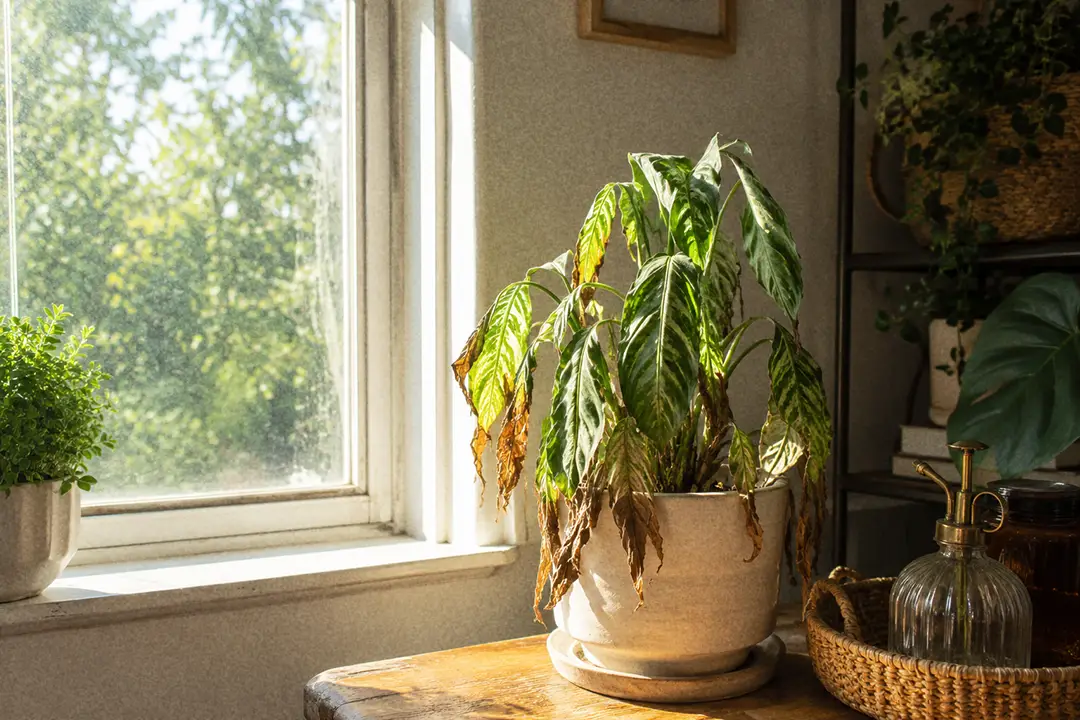
Common Summer Houseplant Problems (and How to Fix Them)
Your First 30 Days: A Beginner's First-Aid Guide
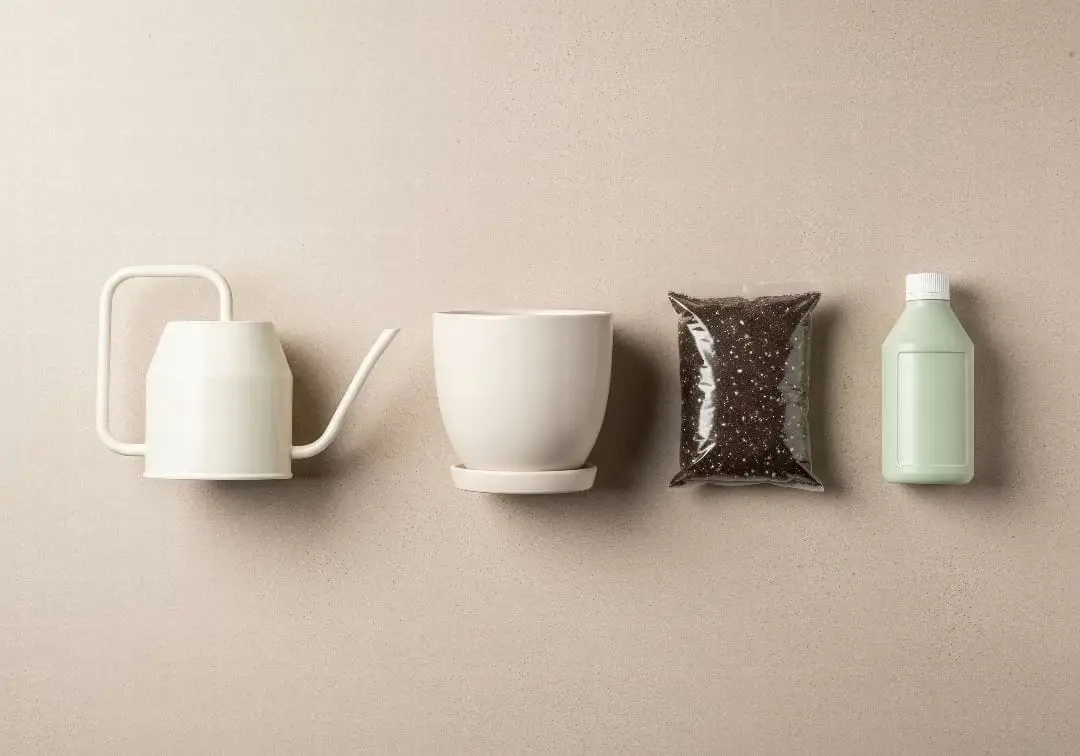
The Only 4 Plant Care Tools You Actually Need to Get Started


Houseplant101 Forum
Questions & Comments
Ask a question, share your plant experience, or help other plant owners.
Comments are temporarily unavailable.
Open the Houseplant101 ForumNo comments yet
Be the first to ask a question or share your experience about this page.
Log in or create an account
Comments use your Houseplant101 Forum account, but you can stay on this page.
Create a new account