
 AI Overview
 🪴 In This Guide 🪴

📺 Summer Houseplant Care Checklist Video Guide

💧 Watering in Summer
The biggest summer change is how quickly soil dries out. A pot that stayed moist for a week in spring can go bone-dry in two days during a heatwave.
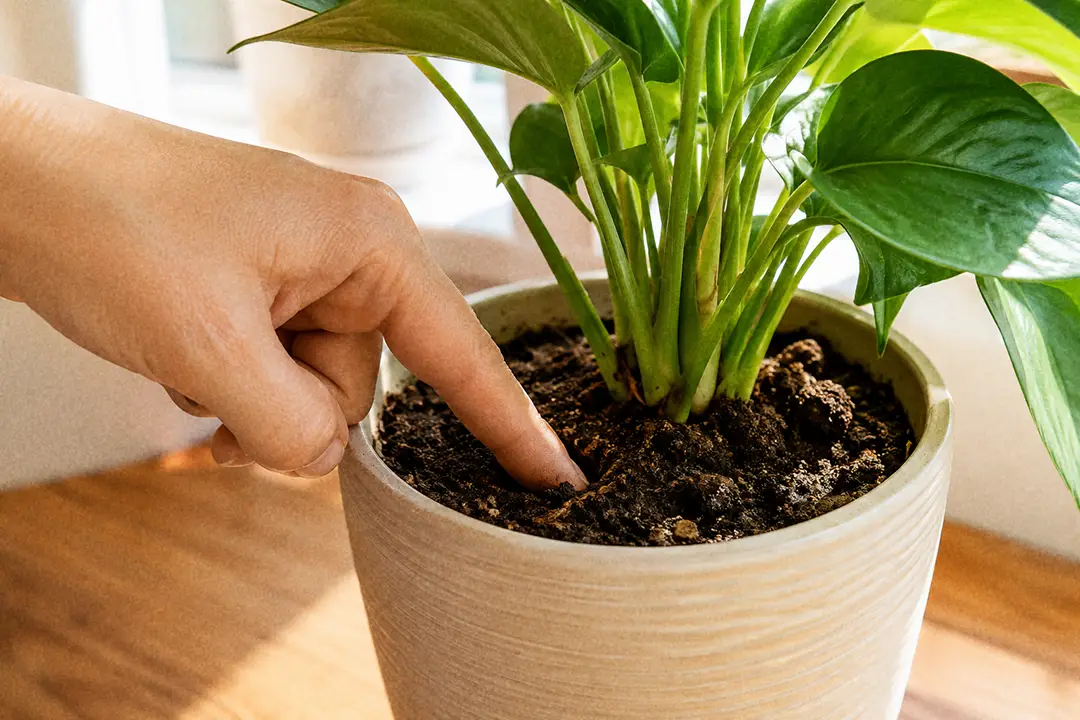
Check, don't schedule
Drop the fixed weekly routine. Feel the top 1–2 inches of soil with your finger and water only when it is dry. Bright windows and small pots dry fastest, so check those first. A moisture meter takes the guesswork out if you have a lot of plants.
Water at the right time
Water early in the morning or in the evening so roots can absorb moisture before the heat evaporates it. Use room-temperature water, since cold water can shock warm roots. For the full method, see our Watering Guide.
🌞 Light & Sun Protection
Long summer days mean more light, which is wonderful until it tips into sunburn. South- and west-facing windows get intense in the afternoon.
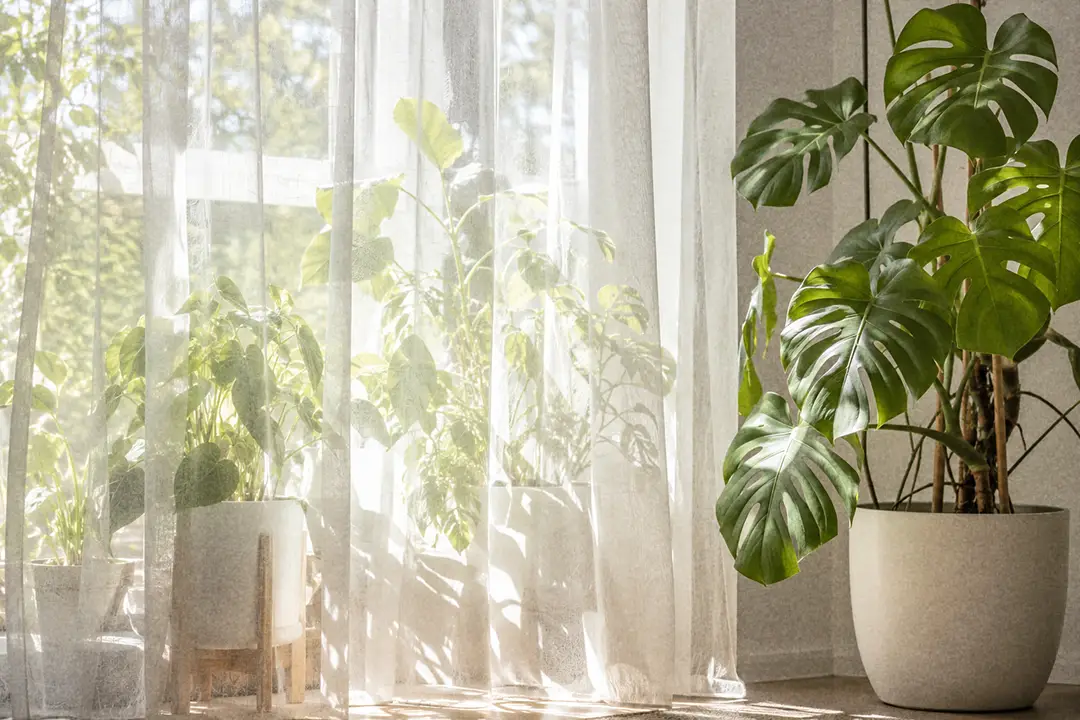
Soften the harshest light
Hang a sheer curtain to diffuse direct sun, or pull plants back a foot or two from the glass. Tropical foliage like Calatheas and Marantas scorch quickly, while succulents and cacti handle far more. If you see bleached or crispy patches, read up on sunburn and leaf scorch.
Rotate for even growth
I rotate plants a quarter turn each week so every side gets light and nothing leans or stretches toward the window.
💦 Humidity & Airflow
Air conditioning is a hidden summer problem. It cools your home but strips moisture from the air, which tropicals dislike.
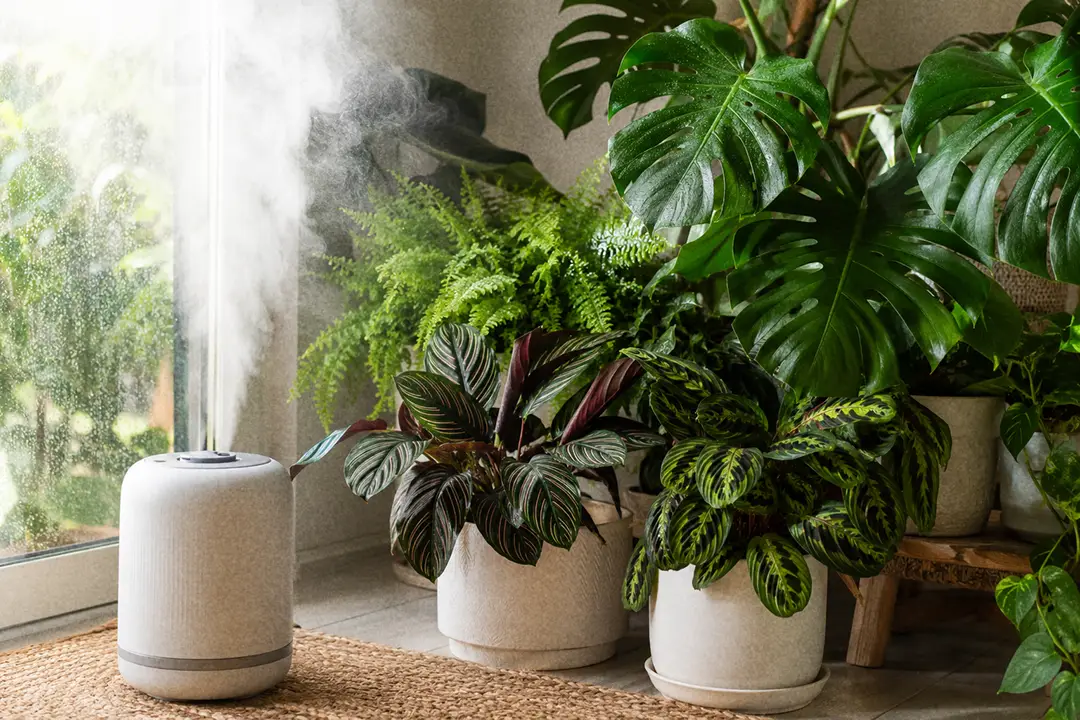
- Run a humidifier near humidity-loving plants.
- Group plants together to create a shared humidity bubble.
- Keep plants out of the direct draft of AC vents and fans.
A little gentle airflow is good and helps prevent fungus, but a cold blast aimed straight at the leaves causes curling and drop. See our Humidity Guide for setups that work.
🌿 Feeding & Growth
Summer is the main growing season, so plants actually use the nutrients you give them.
Feed with a balanced fertilizer at about half strength every two to four weeks while plants are actively pushing new leaves. The one rule I never break: never fertilize a stressed plant. If something is wilting, scorched, or recovering from heat, hold off until it bounces back. Our Fertilizing Guide covers timing and dilution.
This is also a good window for repotting anything that has outgrown its pot, since plants recover quickly in warm, bright conditions.
🐛 Summer Pests to Watch
Warmth and dry air are exactly what sap-sucking pests love, so populations explode in summer.
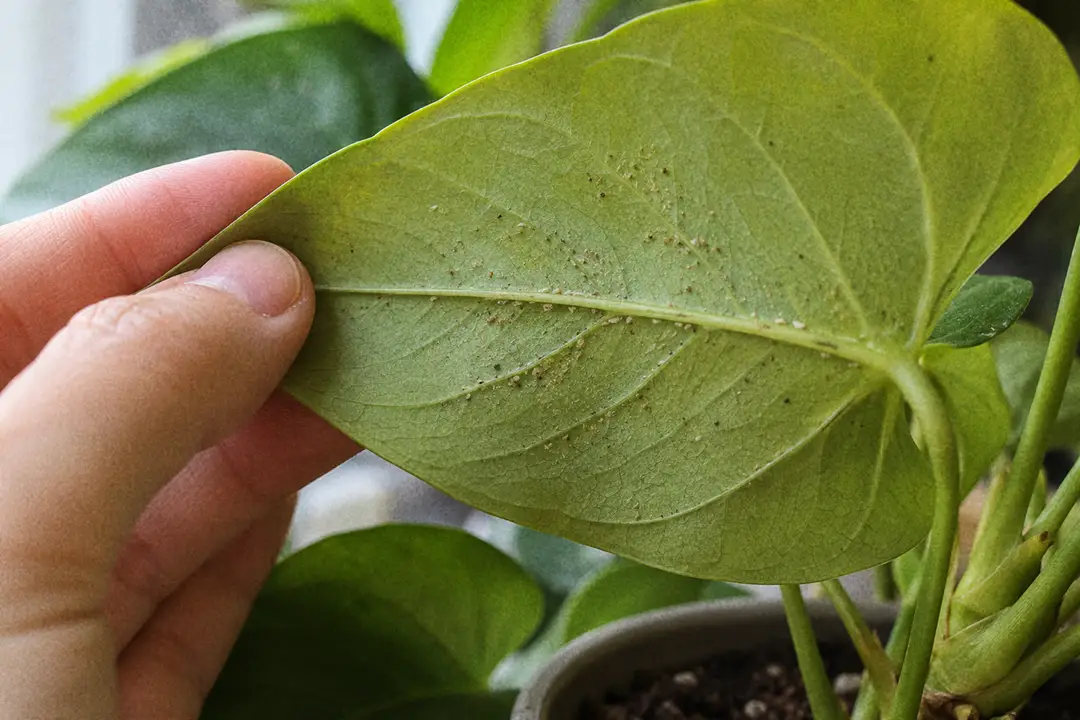
- Spider mites thrive in hot, dry air. Look for fine webbing and stippled, dusty-looking leaves.
- Thrips leave silvery streaks and tiny black specks.
- Fungus gnats multiply when you overwater to compensate for heat.
Inspect the undersides of leaves weekly. Catching an outbreak early is the difference between a quick wipe-down and losing a plant. If you spot damage, our pest damage guide helps you identify the culprit.
✅ The Full Summer Checklist
Print this or keep it on your phone:
- ☐ Check soil moisture every 1–3 days
- ☐ Water early morning or evening with room-temperature water
- ☐ Diffuse harsh afternoon sun with sheer curtains
- ☐ Rotate plants weekly for even growth
- ☐ Raise humidity for tropicals; keep plants off AC drafts
- ☐ Feed at half strength every 2–4 weeks (skip stressed plants)
- ☐ Repot anything root-bound while growth is fast
- ☐ Inspect leaf undersides weekly for pests
- ☐ Acclimate slowly before moving any plant outdoors
For heatwave-specific tactics, pair this with our guide on protecting indoor plants from summer heat.
❓ Frequently Asked Questions
How often should I water houseplants in summer?
Check the soil more often than you do the rest of the year, usually every one to three days for tropicals. Water when the top 1–2 inches feel dry rather than on a fixed schedule.
Should I fertilize houseplants in summer?
Yes. Summer is peak growing season, so a balanced fertilizer at half strength every two to four weeks supports new growth. Stop feeding any plant that looks stressed or scorched until it recovers.
Is it bad to keep plants near an air conditioner?
Cold, dry drafts from an AC unit can cause leaf curling, browning, and sudden drop, especially on tropicals. Keep plants out of the direct airflow and away from the vent.
Why is my plant drying out so fast in summer?
Higher temperatures and longer daylight speed up water use and evaporation. Larger plants in small pots and those in bright windows dry out fastest and may need water every day or two.
Can I move my houseplants outside for summer?
Many can, but acclimate them slowly to outdoor light over one to two weeks and keep them out of direct midday sun at first. Sudden full sun causes scorch even on sun-loving plants.
🪴 See also 🪴
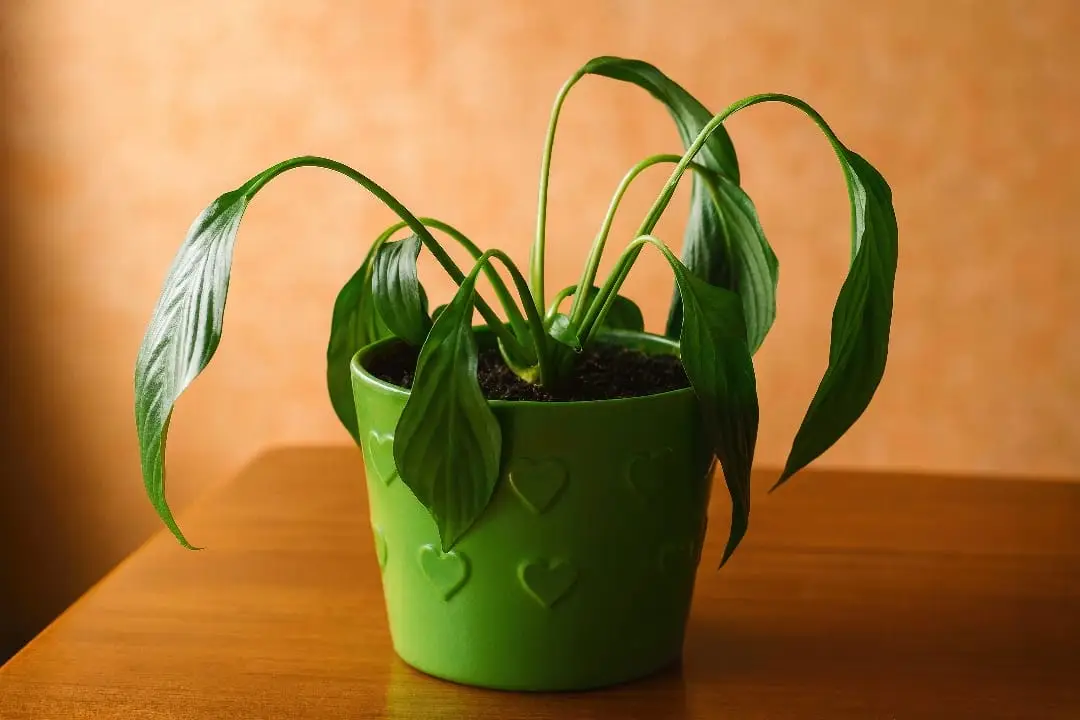
How to Protect Indoor Plants from Summer Heat
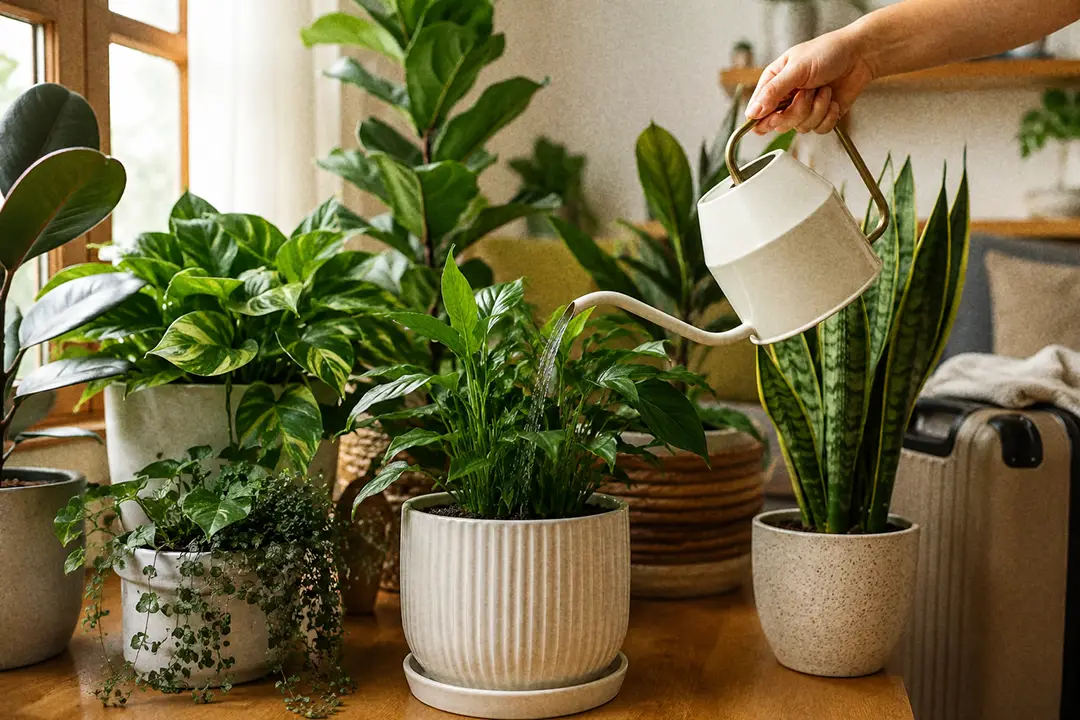
How to Water Houseplants in Summer & While on Vacation

Why Is My Plant Dying? A Beginner's Diagnostic Guide
The End-of-Summer Houseplant Reset
Tap Water, Filtered, or Distilled? What Houseplants Actually Need
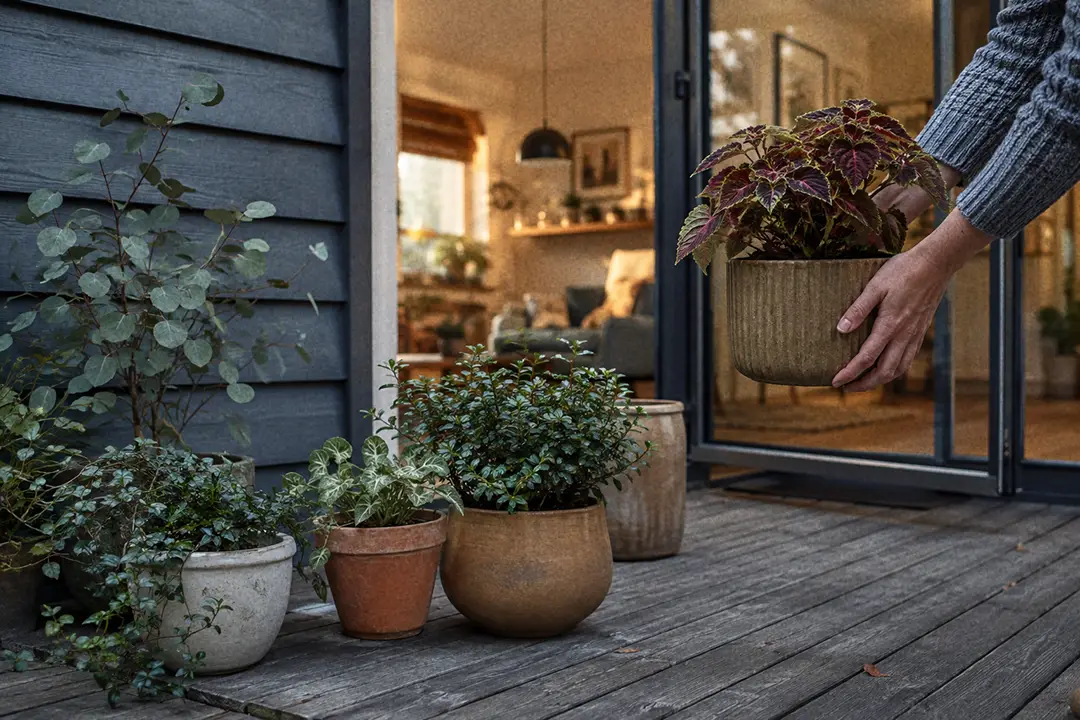
Bringing Outdoor Plants Back Inside (Without Bringing the Bugs)
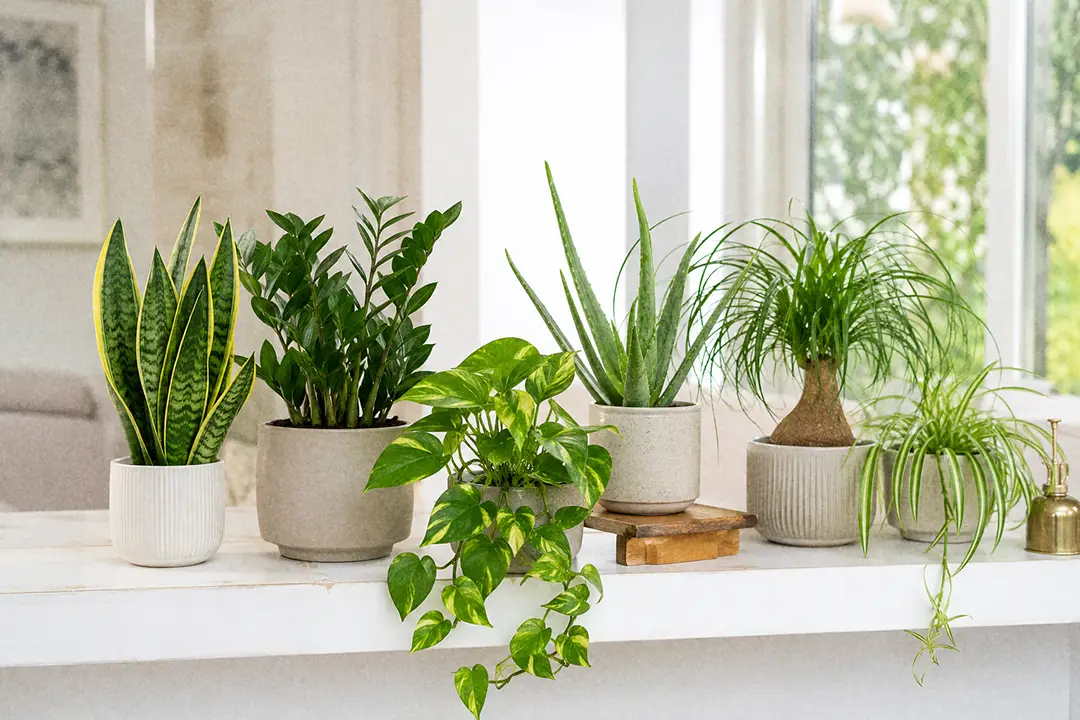
7 Low-Maintenance Plants That Survive Summer Travel

How to Acclimate a New Plant to Your Home
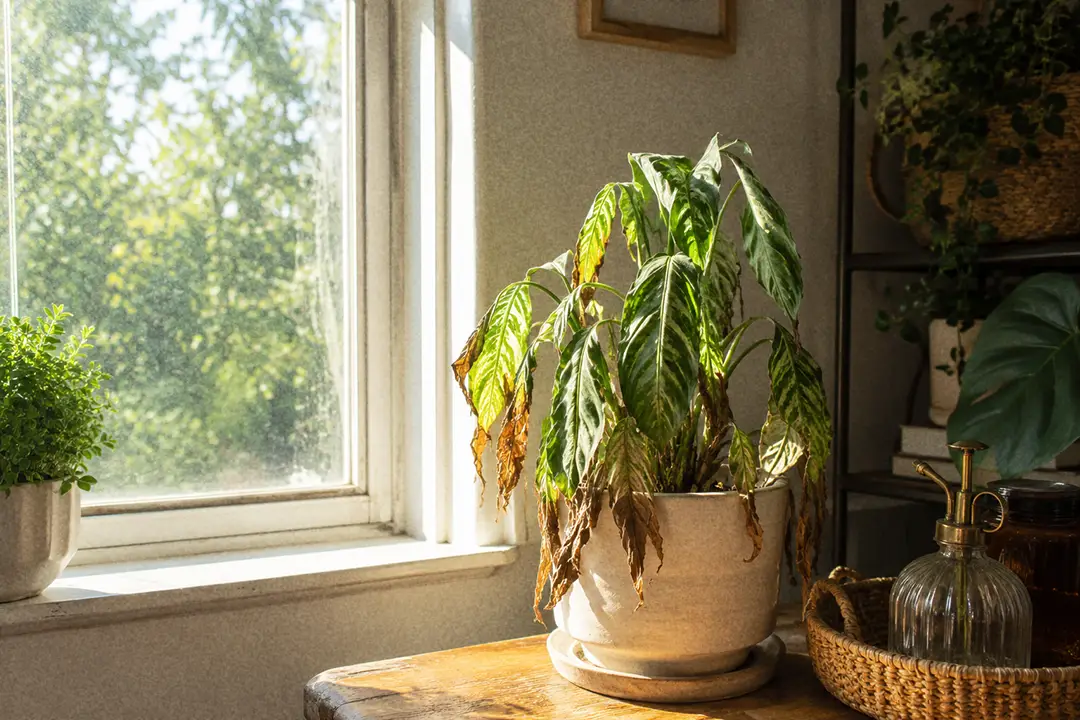

Houseplant101 Forum
Questions & Comments
Ask a question, share your plant experience, or help other plant owners.
Comments are temporarily unavailable.
Open the Houseplant101 ForumNo comments yet
Be the first to ask a question or share your experience about this page.
Log in or create an account
Comments use your Houseplant101 Forum account, but you can stay on this page.
Create a new account