
 AI Overview
 🪴 In This Guide 🪴

🌡️ When to Start Moving Them
The temperature outside decides this, not the calendar.
Watch the night lows, not the daytime highs
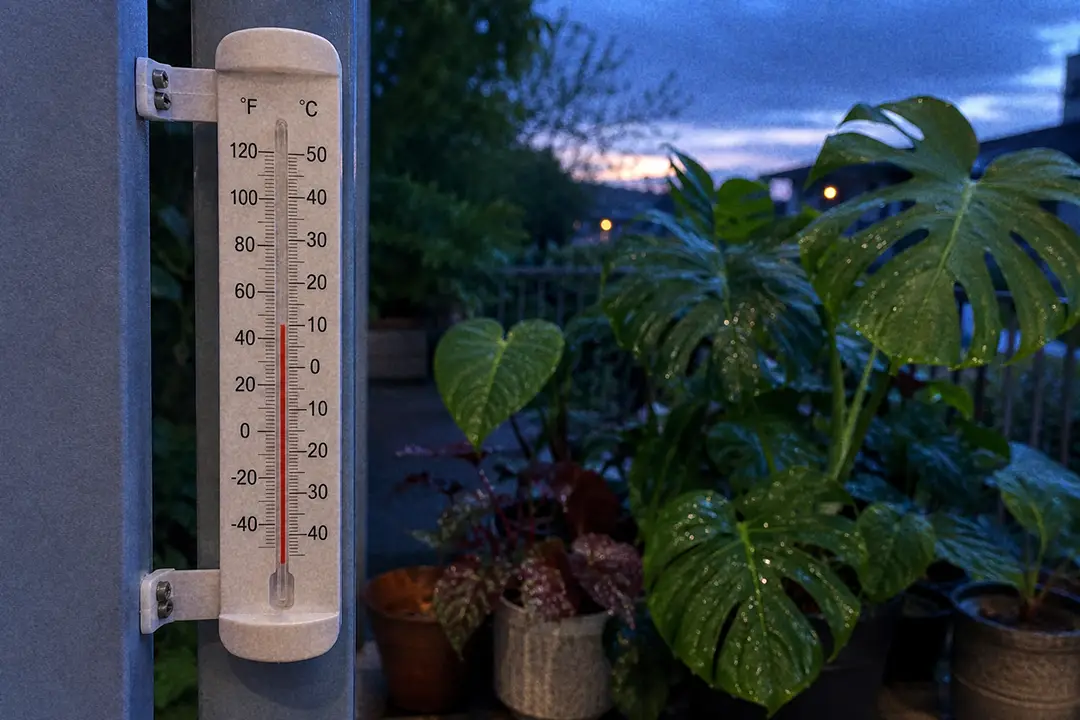
Most tropical houseplants start to suffer once nights fall below 50°F (10°C). Daytime can still feel like summer while the night is quietly stressing your plants. Check the overnight forecast for the coming ten days, and when you see a 50°F night approaching, start the process.
Some plants need to come in sooner
The thin-leaved tropicals complain first. Calatheas, Marantas, Anthuriums, and Nerve Plants want to be inside while nights are still in the high 50s. Monsteras, Philodendrons, and Pothos can wait a bit longer. Succulents, Jade Plants, and most cacti actually enjoy cool autumn nights and can stay out until you are close to frost.
Do not wait for the frost warning
A frost warning is not a starting pistol. If you are hauling twelve pots inside in one panicked evening, you will skip the pest check, and that is exactly when problems get indoors. Give yourself a two week window.
🔍 The Pest Inspection
This is the part that actually matters. Everything else is housekeeping.
Where to look
Turn each plant around in good light and check the undersides of leaves, the joints where leaf meets stem, the growing tips, and the rim and underside of the pot. Most pests hide rather than sitting on top of a leaf where you would notice them.
What you are looking for
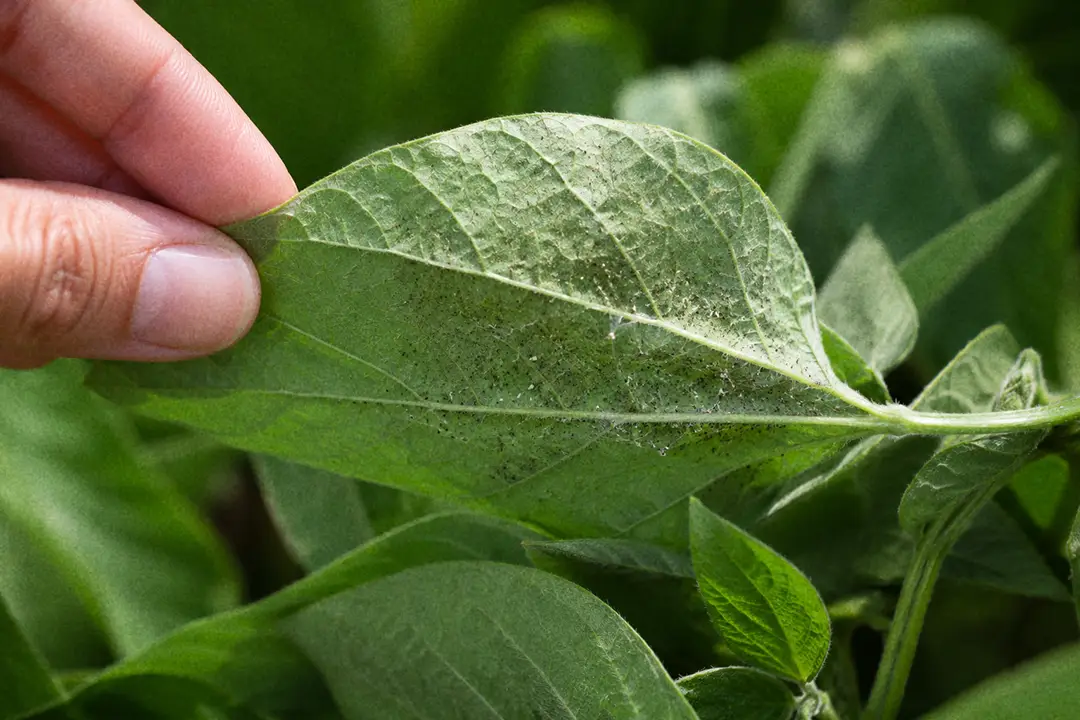
Fine webbing between leaves points to spider mites. White cottony tufts in the leaf joints are mealybugs. Small brown bumps that do not brush off are scale insects. Silvery streaking with tiny black specks means thrips. Slugs and snails love the dark underside of a pot that has been sitting on soil all summer, so lift every pot and look.
Check the soil too
Outdoor pots collect things. Fungus gnat eggs, ants, earwigs, and the occasional worm all ride in through the drainage holes. Scrape off the top inch of soil and replace it with fresh potting mix. If a pot has been sitting directly on the ground, expect roots to have grown out of the base into the soil below, so free them gently before you lift.
🧼 Cleaning & Tidying Up
A summer outdoors leaves plants dusty, splashed with soil, and carrying leaves they no longer need.
Rinse everything
Take each plant to the hose or the shower and spray the leaves thoroughly, top and underside. A firm spray physically removes a large share of mites and their eggs before any treatment. Let the water run through the pot as well, which flushes out built up fertilizer salts.
Trim what is already spent
Cut off yellowing, chewed, or sun damaged leaves. They will not recover, and the plant will drop them anyway once light levels fall. Removing them now means fewer dead leaves rotting on your windowsill in October. Skip any hard pruning though, since a plant heading into lower light does not need to fund new growth right away.
Wash the pot, not just the plant
Wipe down the outside of the pot and the saucer with soapy water. Pots pick up algae, spiders, and egg cases along the rim. If the plant slides out of its pot easily, check the outside of the root ball too.
🚧 Quarantine & Treatment
Even a plant that looks perfectly clean deserves a probation period.
Treat before they come in
After rinsing, spray the whole plant with insecticidal soap or a neem solution, covering leaf undersides and stem joints. Repeat after seven days, then again after fourteen. Most pest eggs survive the first treatment, and the repeat schedule is what actually breaks the cycle.
Keep them separate for two to three weeks
Put newly returned plants in a spare room, a hallway, or at minimum on the far side of the room from your indoor collection. Two to three weeks is long enough for anything you missed to become visible while it is still contained. Our guide on acclimating a new plant covers the same principle for shop bought plants.
Check again at the end of quarantine
Look one more time before a plant joins the shelf. If you find anything, the plant stays in isolation and the treatment schedule starts over. Our pest damage guide helps you match symptoms to the culprit, and winter pest prevention picks up once everything is indoors.
🔆 Easing the Light Shock
The biggest cause of autumn leaf drop is not cold and it is not pests. It is light.
Indoor light is far dimmer than you think
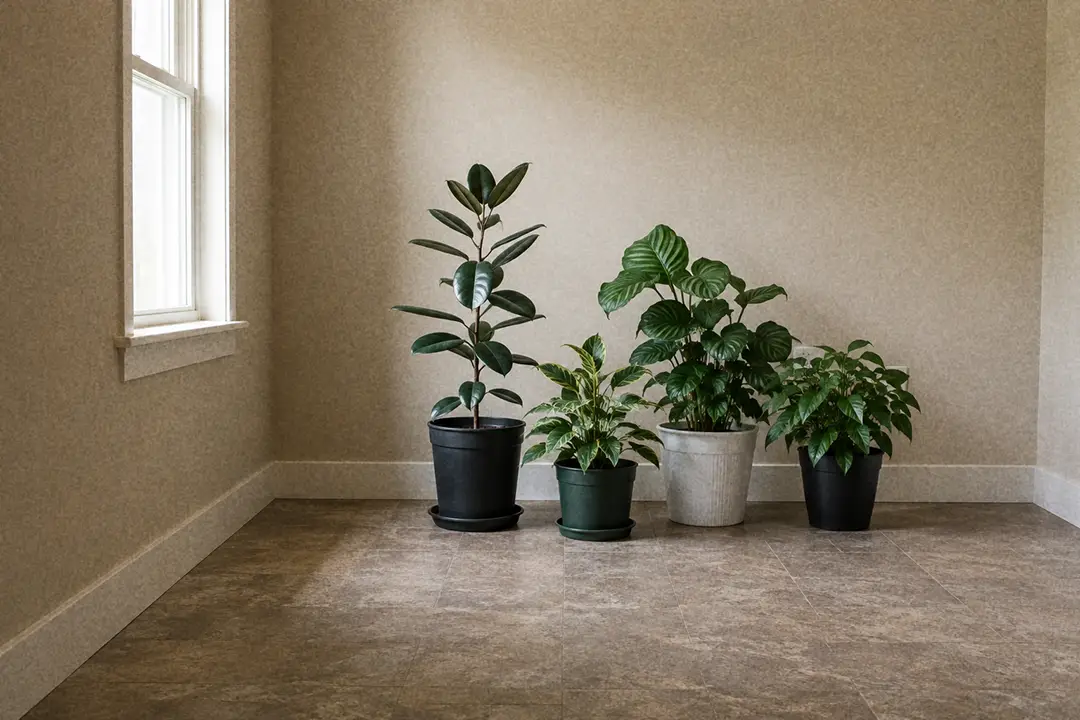
A shaded patio can still deliver several thousand foot candles. A bright indoor window a few feet from the glass might give a few hundred. Your eyes adjust and the difference barely registers, but the plant notices immediately and sheds the leaves it can no longer support.
Step it down over a week or two
Move plants from full sun to a shadier outdoor spot first, then to a covered porch, then indoors, with a few days at each stage. If the weather forces your hand, bring them in at night and put them back out during the day for the final week. Our guide to autumn light covers what happens next.
Give them the best window you have
Once inside, the plants that summered outdoors should get your brightest spot, usually a south or west window. If your windows are limited, a grow light on a timer makes the transition much gentler. Some leaf drop is normal even when you do everything right, so do not panic at a few yellowing leaves in the first fortnight.
💧 Adjusting Care Indoors
Your summer routine will drown these plants if you carry it over unchanged.
Water far less often
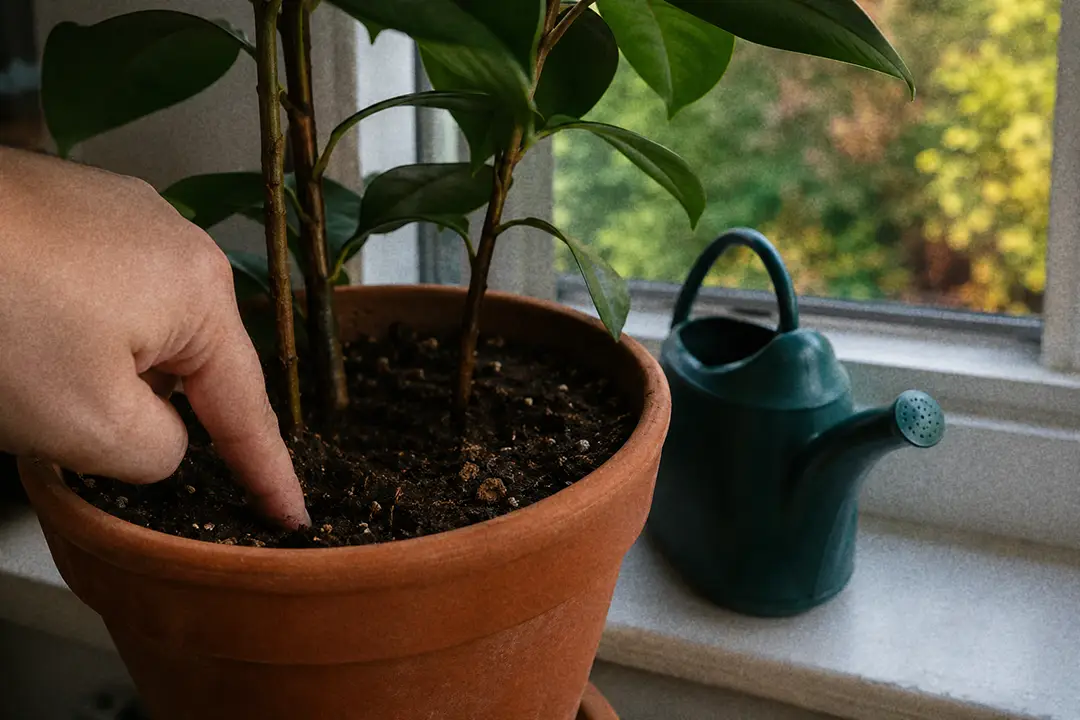
Outside, sun and wind dried the pot fast and you probably watered every day or two. Indoors, with weaker light and still air, the same pot can hold moisture for a week or more. Check the top inch with your finger or a moisture meter before every watering. Overwatering a plant that has just lost light is the fastest route to root rot.
Ease off the fertilizer
Growth slows as light drops, so the plant needs fewer nutrients. Give one last light feed if the plant is still actively growing, then taper off through September and October. Our guide to adjusting watering and fertilizer in autumn has the details.
Watch the humidity and the drafts
Once heating starts, indoor air dries out sharply, and plants used to outdoor humidity feel it first as crispy brown edges. Keep plants away from radiators and doorways, and consider a humidifier for the tropicals.
✅ The Move-In Checklist
Work through this for each plant:
- ☐ Check the ten day forecast for nights near 50°F (10°C)
- ☐ Lift the pot and look underneath for slugs and escaped roots
- ☐ Inspect leaf undersides, stem joints, and growing tips
- ☐ Rinse the whole plant, top and underside, with a firm spray
- ☐ Replace the top inch of soil
- ☐ Trim spent, chewed, and sun damaged leaves
- ☐ Wash the pot and saucer
- ☐ Treat with insecticidal soap or neem, then repeat on days 7 and 14
- ☐ Step the plant down through shadier spots over one to two weeks
- ☐ Quarantine away from the indoor collection for two to three weeks
- ☐ Cut watering frequency and taper fertilizer
Once everything is inside, our autumn houseplant care checklist and preparing houseplants for winter take over from here.
❓ Frequently Asked Questions
When should I bring my houseplants back inside?
Start when nighttime temperatures begin dipping toward 50°F (10°C), which for most people is two to four weeks before the first frost. Tropicals like Monsteras and Calatheas should come in earlier than succulents and cacti, which tolerate cool nights better.
How do I get rid of bugs before bringing plants indoors?
Rinse the whole plant with a strong spray of water, check leaf undersides and stem joints, then treat with insecticidal soap or neem. Replace the top inch of soil to remove fungus gnat eggs, and quarantine each plant away from your indoor collection for two to three weeks.
Why do my plants drop leaves after coming inside?
They are reacting to a sudden drop in light. Outdoor shade is still far brighter than an indoor window, so the plant sheds the leaves it can no longer support. Move plants in gradually and give them your brightest spot to keep the loss small.
Should I repot before bringing plants indoors?
Only if the plant is badly root bound or the soil has broken down. A plant that is already facing a light change does not need root disturbance on top of it. Wait until spring unless the roots are circling the pot.
Do I need to change how I water once plants are back inside?
Yes. Indoor light is weaker and there is no wind or sun drying the pot, so soil stays wet much longer. Check the top inch before every watering rather than keeping your summer schedule.
🪴 See also 🪴
How to Protect Indoor Plants from Summer Heat
How to Water Houseplants in Summer & While on Vacation
Summer Houseplant Care Checklist

Why Is My Plant Dying? A Beginner's Diagnostic Guide
The End-of-Summer Houseplant Reset
Tap Water, Filtered, or Distilled? What Houseplants Actually Need
7 Low-Maintenance Plants That Survive Summer Travel

How to Acclimate a New Plant to Your Home

Houseplant101 Forum
Questions & Comments
Ask a question, share your plant experience, or help other plant owners.
Comments are temporarily unavailable.
Open the Houseplant101 ForumNo comments yet
Be the first to ask a question or share your experience about this page.
Log in or create an account
Comments use your Houseplant101 Forum account, but you can stay on this page.
Create a new account