
Nerve Plant
Fittonia albivenis
Mosaic Plant, Net Plant, Painted Net Plant, Fittonia


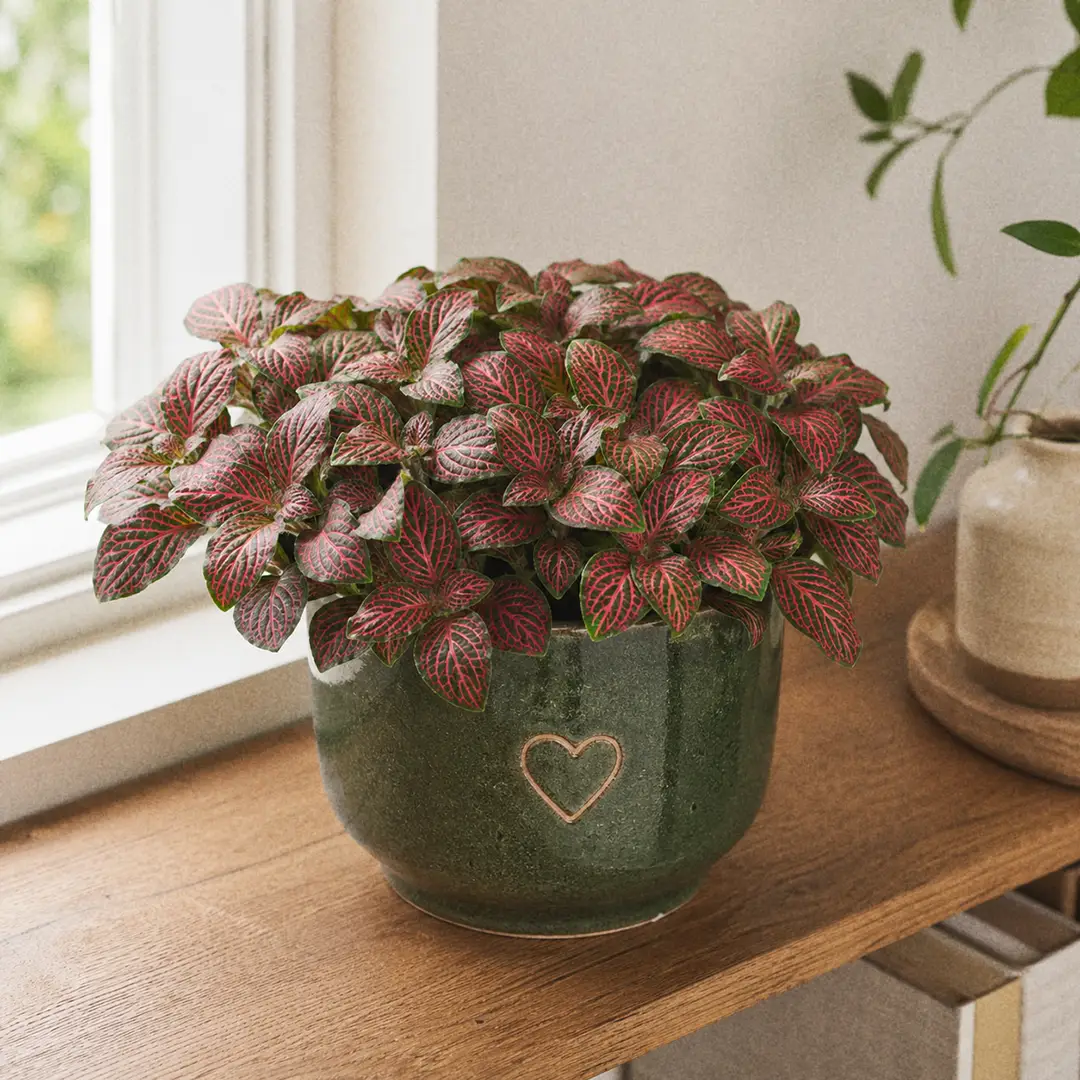
Nerve Plant (Fittonia albivenis) is a small tropical foliage plant famous for its boldly veined leaves in red, pink, or white on deep green, and its dramatic tendency to wilt completely when thirsty, then spring back to life within minutes of watering. A perfect choice for terrariums, humid bathrooms, and anywhere you want a compact living mosaic.
📝 Nerve Plant Care Notes
🌿 Care Instructions
⚠️ Common Pests
📊 Growth Information
🪴 In This Guide 🪴

A Note From Our Plant Expert
Hi everyone, Marina here. I have to admit that my first real encounter with a Nerve Plant was a minor panic attack.
I had one on a shelf in my plant room, and one morning I came in to find it completely flat. Every single stem had collapsed sideways. The leaves were lying on the soil like the plant had just given up on being a plant. I picked up the pot, checked for drama, found nothing obviously wrong, and then realized the soil was bone dry. I watered it thoroughly. Thirty minutes later the whole thing was standing upright, leaves perky, looking like nothing had happened.
That is what Nerve Plant people affectionately call "the faint," and it is the most useful alarm system in all of houseplant keeping. No other plant tells you so clearly, so urgently, and so reversibly that it needs water.
Nerve Plant (Fittonia albivenis) is a small, spreading tropical from the rainforest floor of Peru. It is grown for its deeply veined leaves, which look like tiny mosaics of red, pink, white, or silver etched onto dark green. It loves shade and humidity, making it one of the few plants that thrives in a north-facing bathroom or a sealed terrarium. If you give it moisture and warmth, it rewards you with some of the most intricate foliage of any plant in your collection.
This guide covers everything: the right light, the moist-but-not-soggy watering balance, terrarium setup, the best varieties, and how to handle the faint without panicking. If you love humidity-loving foliage plants, you might also enjoy our guide to the Calathea Orbifolia or the Prayer Plant.
📺 Nerve Plant Video Guide

☀️ Nerve Plant Light Requirements (Shade Tolerant, Not Shade Dependent)
Best Light for Nerve Plant Indoors
One of the most appealing things about Fittonia is that it genuinely does well in lower light. In its natural habitat it lives on the floor of dense tropical rainforest, where direct sunlight barely reaches the ground. That said, "low light" does not mean "dark corner."
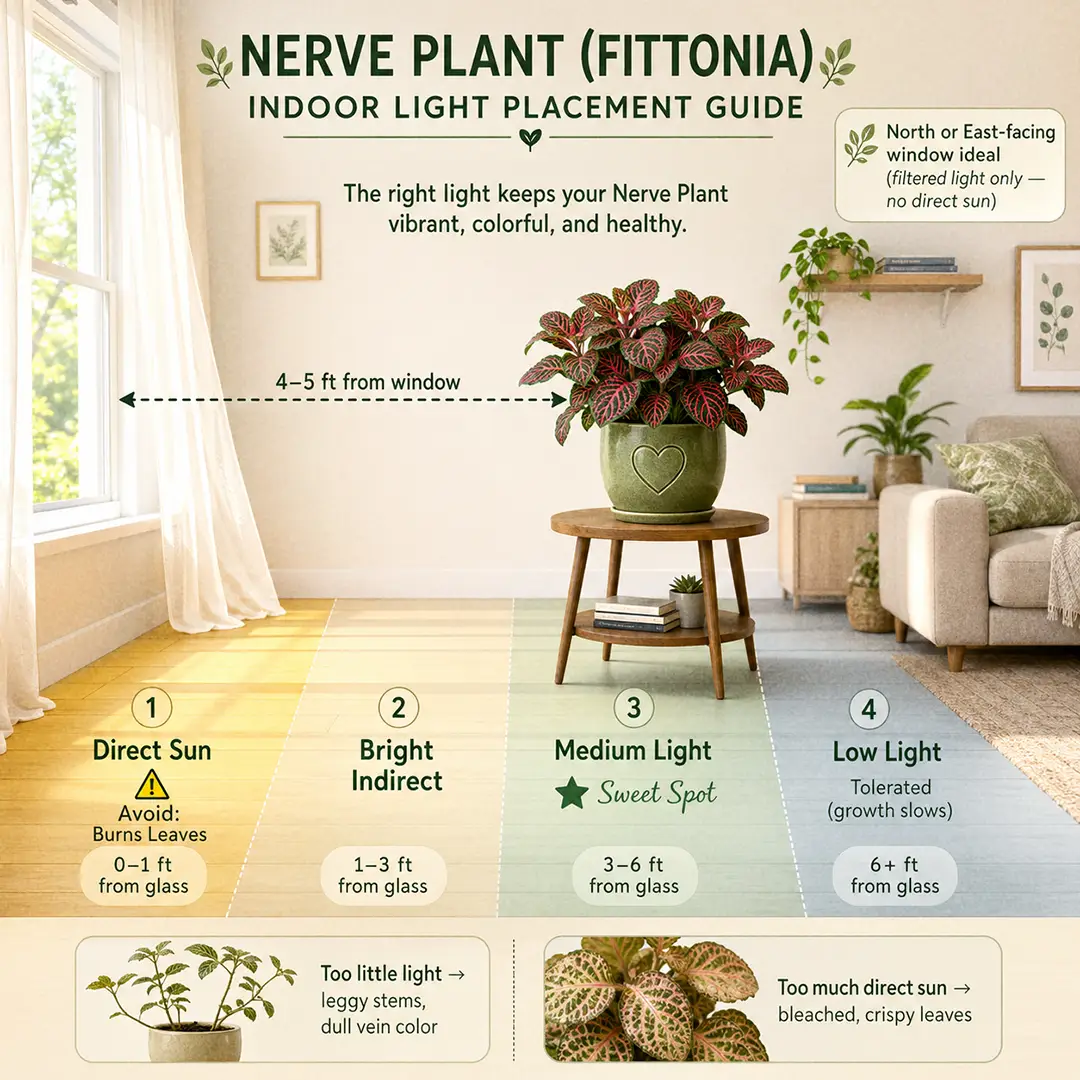
Ideal Lighting: Bright, indirect or medium indirect light is where Nerve Plant looks its best. An east-facing windowsill or a spot a few feet back from a south or west window is ideal. North-facing windows work too, as long as they are not completely dark. The plant will grow more slowly in a north window but will stay healthy.
Why the Right Light Matters: Good indirect light keeps the veining vivid and the growth compact. Too little light and the plant stretches, spacing between leaf nodes increases, and the color contrast between vein and leaf base dulls noticeably.
Can Nerve Plant Handle Direct Sun?
No. Even an hour of direct midday or afternoon sun will bleach and burn the leaves almost immediately. The veining fades to a washed-out pale, and the edges turn crispy brown. If you can see the sun's direct beam falling on the plant, move it back or put a sheer curtain between the plant and the window.
Morning sun (an east window before 10am) is the one exception. The very gentle early-morning light is usually fine and can actually perk the plant up.
Low Light vs. No Light
Nerve Plant is one of the better choices for genuinely lower-light rooms, but it needs at least some ambient brightness to survive long-term. If your room is dark enough that you need a lamp on during the day to read, the plant will struggle. A small grow light placed above it for 10-12 hours a day is an easy fix and works very well for terrariums kept away from windows.
Light Signs to Watch For
- Compact, richly colored leaves with sharp vein contrast: light is right.
- Stretching stems and wide spacing between leaves: move it closer to a light source.
- Pale, bleached patches or crispy edges: too much direct sun; move it back or add a curtain.
💧 Nerve Plant Watering Guide (The Faint and What It Means)
How Often to Water Nerve Plant
Nerve Plant is a thirsty plant by houseplant standards. It grows on the floor of humid tropical forest where moisture is constant, and it never really hardened for dry conditions. The goal is to keep the soil consistently moist, but not waterlogged.
Watering Frequency: During the growing season (spring through early fall), most Nerve Plants need water every 3-5 days in a typical home environment. In a humid bathroom or terrarium, you can stretch this to every 5-7 days. In winter, growth slows and you can go a bit longer, but the "top of the soil is dry" test applies year-round.
The Test: Stick your finger into the soil up to the first knuckle. If the surface feels dry or just barely damp, water. Do not wait until the soil is fully dry throughout.
The Faint: Nerve Plant's Unique Watering Alarm
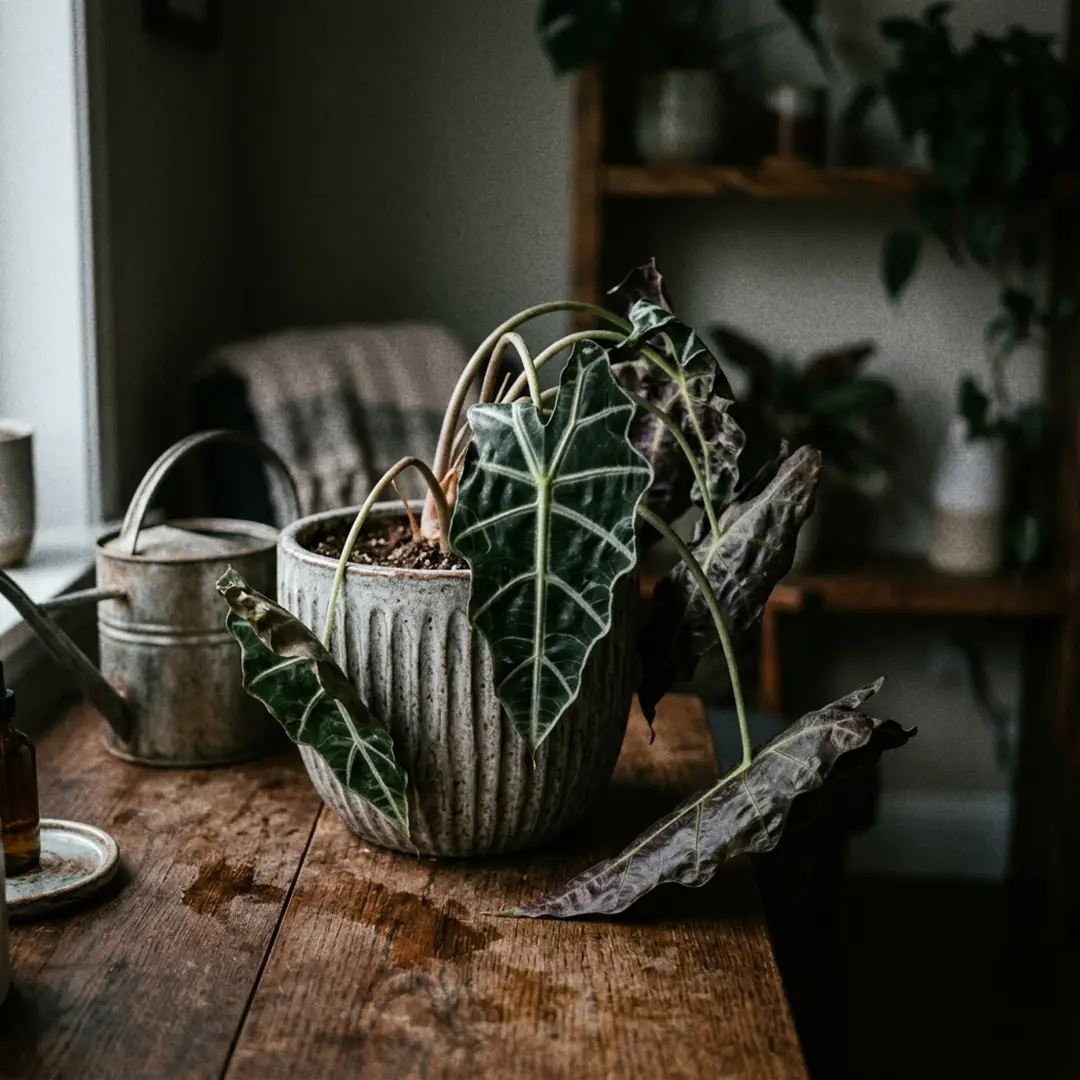
When Nerve Plant goes without water for too long, the stems lose turgor pressure and the whole plant collapses flat. This looks alarming but it is not (usually) fatal. Water thoroughly and the plant almost always recovers within 20-30 minutes.
However, the faint is a signal, not a feature. If it is happening more than occasionally, you are probably waiting too long between waterings. Repeated fainting stresses the plant and weakens the root system over time.
How to Water Nerve Plant Correctly
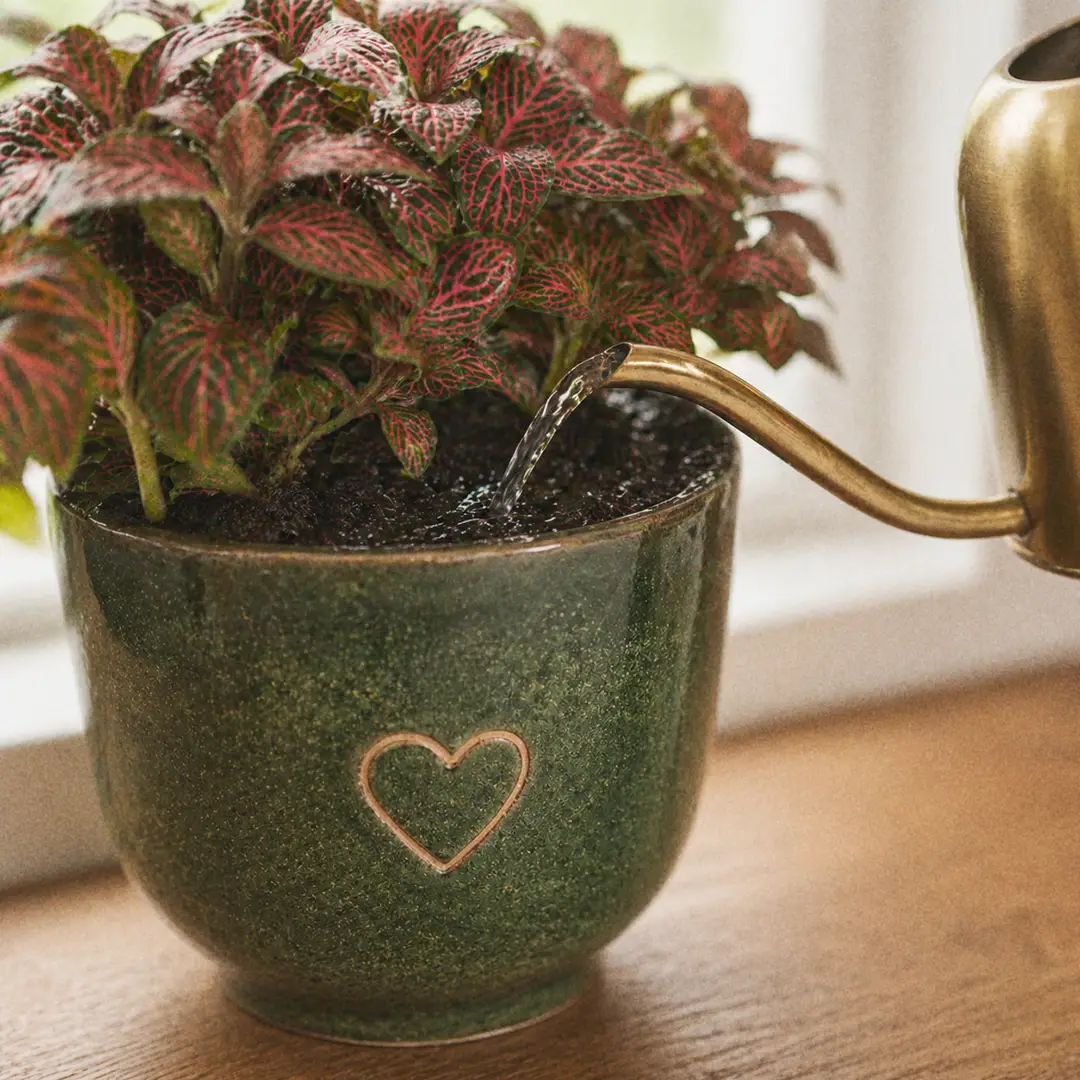
Use room-temperature water and water slowly at the base of the plant until water runs through the drainage holes. Tip out any water sitting in the saucer after 15-20 minutes. Nerve Plant roots sit in consistently moist soil, but standing water in the saucer will rot them faster than most people expect.
Bottom watering works beautifully for Fittonia. Set the pot in a shallow tray of water for 15-20 minutes. The soil wicks up what it needs. This is particularly good if you are trying to keep the leaves dry in a high-humidity setup where wet foliage can invite mold.
Overwatering vs. Underwatering
- Overwatering signs: Yellowing leaves that feel soft, a mushy sour-smelling soil, and stems that collapse at the base rather than at the tips. This is root rot territory and needs action fast.
- Underwatering signs: The faint. Leaves collapse dramatically. Soil is dry. Recovery is swift with a good drink. If the soil is dry AND the leaves do not recover after watering, the root system may be damaged.
🪴 Best Soil for Nerve Plant (Moisture-Retentive but Not Dense)
Recommended Soil Mix for Nerve Plant
Fittonia wants soil that holds moisture without becoming waterlogged. Think "consistently damp" rather than "constantly wet." Achieving that balance comes down to the mix.
Ideal Soil Composition: A peat-based or coco-coir potting mix with added perlite is the standard recommendation. Aim for roughly two parts potting mix to one part perlite. The peat or coco holds moisture; the perlite keeps the structure open so roots get oxygen and drainage stays functional.
DIY Mix: Combine two parts coco-coir or peat, one part perlite, and one small handful of orchid bark or coarse sand. This gives the right balance between water retention and aeration. The soil should clump lightly when squeezed but not hold a tight ball.
What to Avoid: Avoid dense, heavy garden soil or potting mixes designed for succulents and cacti. Overly heavy soil stays wet too long (rot risk); overly fast-draining soil cannot keep up with the plant's thirst.
Soil pH for Nerve Plant
Slightly acidic to neutral, around pH 6.0 to 6.5, is perfect. Most quality peat or coco-coir mixes fall naturally in this range.
Drainage Holes Are Non-Negotiable
Every pot used for Nerve Plant must have drainage holes. In a terrarium setting the rules shift slightly (see the terrarium tips in the display section), but in any conventional pot, drainage is essential.
🍼 Fertilizing Nerve Plant (Light Touch, Long Season)
Best Fertilizer for Nerve Plant
Nerve Plant is not a heavy feeder, but regular light fertilizing during the growing season keeps the leaves lush and the vein colors vibrant.
Fertilizer Type: A balanced liquid houseplant fertilizer (10-10-10 or 20-20-20) diluted to half the recommended strength is ideal. Avoid fertilizers very high in nitrogen alone since excessive nitrogen pushes leafy growth at the expense of color contrast in the veining.
Frequency: Fertilize every 2-4 weeks from early spring through late summer. In fall and winter, reduce to once every 6-8 weeks or stop entirely if the plant is barely growing.
How to Fertilize Nerve Plant Without Burning It
Always apply liquid fertilizer to soil that is already moist. Applying to dry soil concentrates the salts right at the root tips and can cause the leaf edges to turn brown. Water first, then feed. Once every 2-3 months, flush the pot thoroughly with plain water to rinse out any salt buildup.
Signs of Over- or Under-Feeding
- Over-feeding: Crispy brown leaf edges despite adequate watering, salt crust on the soil surface, pale bleached patches.
- Under-feeding: Slow growth, dull vein color, leaves smaller than typical for the variety.
🌡️ Nerve Plant Temperature Range (Tropical Comfort Zone)
Ideal Temperature for Nerve Plant
Nerve Plant is a tropical plant through and through, and it wants warmth year-round.
Ideal Temperature Range: 60-80°F (15-27°C) covers the full comfort zone. The sweet spot for active growth is 65-75°F (18-24°C). Most modern homes fall right in this range, which is part of what makes Fittonia a good indoor plant.
Temperature Extremes to Avoid
Cold Drafts: This is the single most common temperature problem with Nerve Plant. A cold draft from an air conditioning vent, a single-pane window in winter, or an open door in a cold climate can cause rapid leaf drop and stem collapse. Keep the plant away from any source of cold moving air.
Below 55°F (13°C): Chilling injury sets in quickly. The plant does not have a frost-tolerant bone in its body. If you summer it outside (which works beautifully in a shaded humid spot), bring it in well before night temperatures drop.
Heat Above 85°F (29°C): High heat combined with dry air causes rapid moisture loss through the leaves, which speeds up the faint cycle. If your home gets warm in summer, increase watering frequency and raise humidity.
💦 Nerve Plant Humidity Requirements (The High-Humidity Specialist)
This is where Nerve Plant is genuinely demanding, and it is the number one reason it struggles in certain homes.
Ideal Humidity: 60% or higher is the target. In a tropical rainforest, ambient humidity runs 80-90%. Most homes sit at 30-50% in winter. That gap is real, and Fittonia feels it.
Signs of Low Humidity: Brown, crispy leaf edges are the first signal. The veining may look dull, and the plant may be fainting more frequently than its watering schedule would explain.
How to Raise Humidity for Nerve Plant
- Terrarium: The single best home for a Nerve Plant. A sealed or partially sealed terrarium holds humidity at 70-90% without any effort. Perfect for Fittonia.
- Humid rooms: A steamy bathroom with good indirect light is genuinely ideal. Many plant keepers find their Nerve Plants thrive most in a bathroom.
- Humidifier: A small humidifier placed nearby is the most reliable way to raise humidity in a normal room. Aim for 60%+.
- Pebble tray: Fill a shallow tray with pebbles, add water until it sits just below the surface, and set the pot on top. Evaporation from the tray raises local humidity. This helps but will not get you to 60% in a dry room on its own.
- Grouping plants: Clustering several humidity-loving plants together raises the local humidity slightly through collective transpiration.
Can You Mist a Nerve Plant?
Misting is often suggested but is rarely effective. It raises humidity for about 10 minutes, and the moisture sitting on the leaves can encourage fungal issues in less ventilated rooms. A humidifier is a better investment than a spray bottle.
🌸 Nerve Plant Flowers (Should You Let It Bloom?)
Nerve Plant does technically flower, though most growers never see it happen and many actively prevent it.
The flowers are small, whitish or reddish spikes that emerge on stiff upright stems from the center of the plant. They look nothing like the intricate foliage. They are not fragrant, not showy, and most experienced Fittonia growers pinch them off the moment they appear.
Why Pinch the Flowers?: When Nerve Plant puts energy into flowering, it tends to stop producing the lush, tightly packed new foliage that makes the plant so attractive. The plant often becomes slightly leggy and open after flowering. Pinching the flower spike early redirects that energy back into leaf growth and keeps the plant bushy and compact.
When to Let It Bloom: If you are curious or if seeds are your goal, let it flower. The plant is not harmed by blooming. Just know that a round of pruning and fresh fertilizing will help it come back to full compact form afterward.
Encouraging or Discouraging Blooms: Nerve Plant does not need any special conditions to bloom. It tends to flower in spring or when the plant is slightly rootbound. Consistent pinching of the growing tips is the most effective way to keep the plant in a perpetual vegetative state.
🏷️ Nerve Plant Types and Varieties (Red, Pink, White, and Mini)
The variety of Fittonia on the market has expanded considerably in recent years. The common name "nerve plant" now covers dozens of cultivars with different vein colors, leaf sizes, and growth habits.
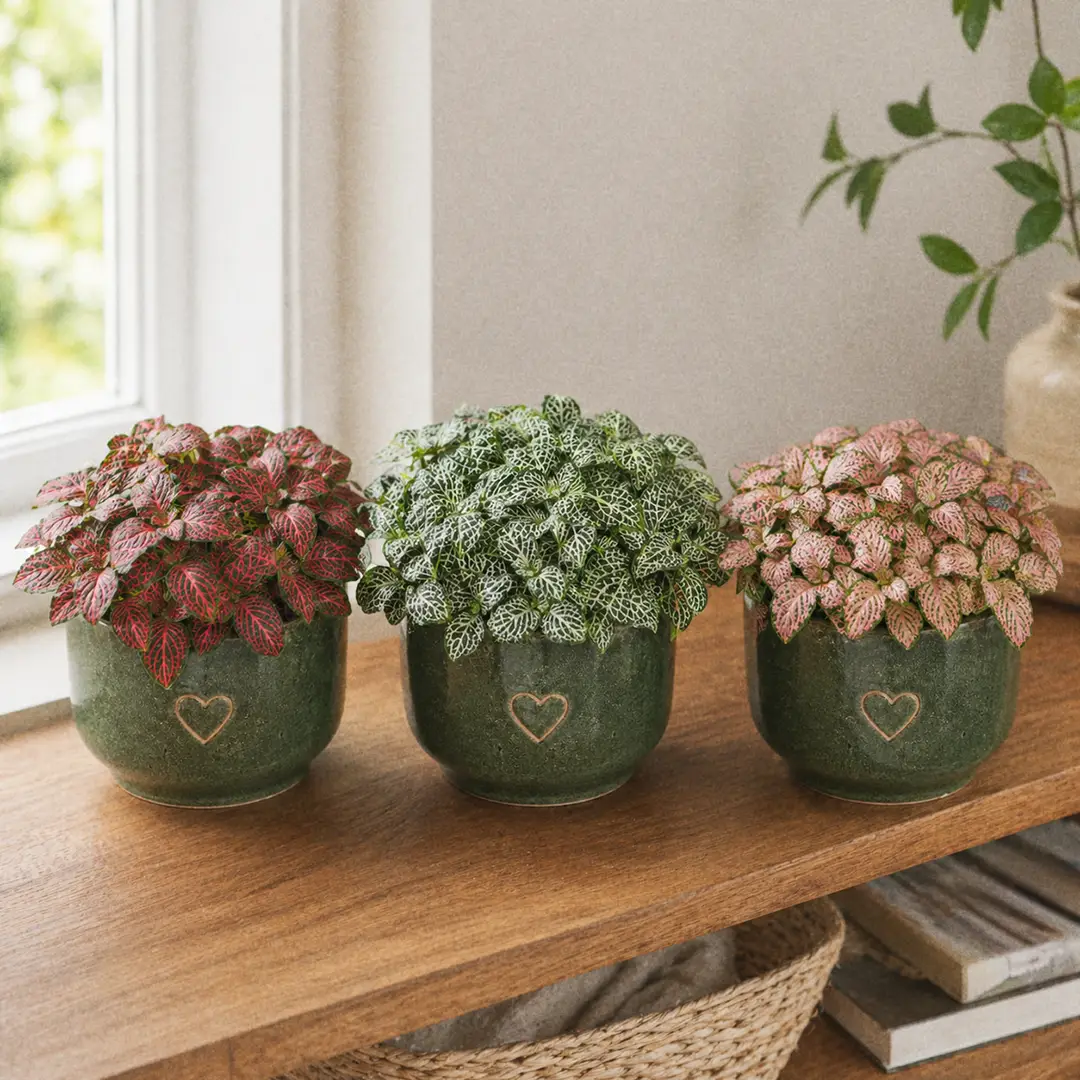
- Fittonia albivenis 'Argyroneura' (Silver Nerve Plant): The classic. White or silver veins on dark green leaves. Clean, elegant, widely available.
- Fittonia albivenis 'Verschaffeltii' (Red Nerve Plant): Bold red or carmine veins on green leaves. More dramatic than the white form and equally easy to grow.
- Fittonia 'Frankie': One of the most popular modern cultivars. Pink and green leaves with light pink veins; the whole leaf is blushed with pink. Looks almost confection-like.
- Fittonia 'Pink Star': Brighter, deeper pink veins on green leaves. More vivid than standard pink varieties.
- Fittonia 'Ruby Red' (or 'Red Star'): Very deep crimson-red veining, almost jewel-like under good lighting.
- **Fittonia 'Mini White' (or 'Mini'): A compact form with smaller leaves and fine white veining. Excellent for terrariums and tiny spaces.
- Fittonia 'Fortissimo': Larger leaves than the standard Fittonia, strong red veining. Makes a bigger visual impact in a standard pot.
- Fittonia 'White Anne': Finely veined white on a slightly paler green; a softer, more delicate look than the original Argyroneura.
All cultivars share the same care requirements. Differences are purely cosmetic: leaf size, vein color, base color intensity, and overall plant size.
🪴 Potting and Repotting Nerve Plant
Best Pot and Size for Nerve Plant
Nerve Plant is shallow-rooted and low-growing, so pot choice matters more than it does for many other houseplants.
Pot Size: A shallow, wide pot suits Nerve Plant much better than a deep, tall one. Choose a pot 2-4 inches wider than the plant's current spread rather than focusing on depth. A 4-6 inch pot works for most nursery plants. Wide, low dish pots or terrariums are also ideal.
Pot Material: Terracotta can work but dries out faster than the plant likes, so you will water more frequently. Glazed ceramic or plastic is often easier to manage because the soil stays moist longer. If you use terracotta, stick to small pots and water more often.
Drainage: As always, drainage holes are a must in any conventional pot. The one exception is a true closed terrarium where the water cycle is self-contained (covered in the display section).
When to Repot Nerve Plant
Repot every 1-2 years, or when roots start emerging from the drainage holes. Spring is the ideal time, right as new growth picks up.
How to Repot Nerve Plant
- Water the plant 24 hours before so the soil holds together without being sopping wet.
- Gently ease the plant out of its pot. The shallow root ball often comes out in one piece.
- Shake off old soil and inspect the roots. Trim any black or mushy roots cleanly with sterile scissors.
- Pick a pot one size up (1-2 inches wider than the root ball). Going too large risks waterlogging the excess soil.
- Add a layer of fresh mix to the bottom, position the root ball, and fill in around the sides. The crown of the plant should sit at the same depth as before, not buried.
- Water lightly and keep the plant out of bright light for a week while it settles.
A repot is also an ideal time to take stem cuttings for propagation (covered below).
✂️ Pruning Nerve Plant (Pinching for Bushiness)
Nerve Plant responds very well to regular pinching, and it is the key technique for keeping the plant dense and full rather than tall and straggly.
When and Why to Prune Nerve Plant
- Pinching growing tips: Every few weeks, pinch or snip the tips of the longest stems just above a leaf node. This removes the apical dominance and encourages the plant to branch and fill in laterally. A well-pinched Nerve Plant looks like a lush carpet of veined leaves.
- Leggy stems: If stems have stretched significantly between nodes, cut them back by half. New growth from lower nodes will fill in within a couple of weeks.
- Flower spikes: Remove these as soon as they appear if you want to keep the plant vegetative (see the bloom section above).
- Yellowing or damaged leaves: Remove these at the stem as they appear. This is routine hygiene and does not stress the plant.
How to Prune
Clean scissors or pinch with your fingers. Always cut just above a node (the point where a leaf joins the stem). Leaving a bare stub below the cut leads to die-back toward the soil.
After any significant pruning, a light fertilizer application supports the burst of new growth that follows.
🌱 How to Propagate Nerve Plant (Stem Cuttings in Water or Soil)
Nerve Plant is one of the most enjoyable plants to propagate because stem cuttings root quickly and reliably.
Propagating Nerve Plant by Stem Cuttings
This is the standard method and it almost always works.
Best Time: Spring or early summer, when the plant is in active growth, gives the fastest results. You can propagate at any time of year if the plant is healthy and warm.
Water Propagation:
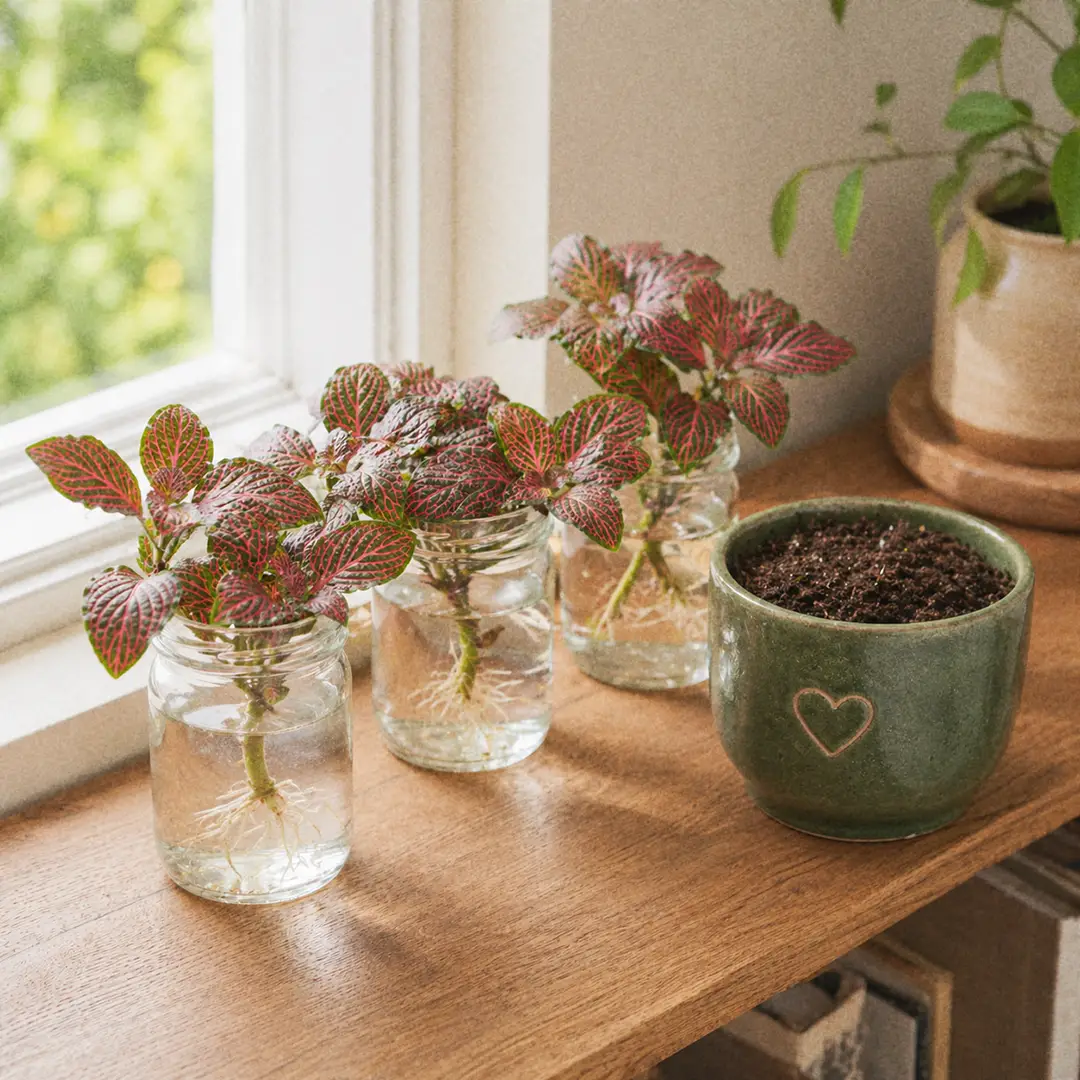
- Select a healthy stem with 2-3 sets of leaves. Cut just below a leaf node, leaving the cutting about 2-4 inches long.
- Remove the bottom pair of leaves, leaving a bare inch or so of stem.
- Place the cutting in a small glass of room-temperature water. The nodes should be submerged; the leaves should sit above the water.
- Set the glass in bright indirect light and change the water every 3-4 days.
- Roots typically appear within 1-2 weeks. Once they are about an inch long, pot the cutting into a moistened soil mix.
- Water consistently and keep in a humid spot for the first week while the transition to soil happens.
See our full guide to water propagation for more tips on rooting cuttings in water.
Soil Propagation:
- Take cuttings as above. Let the cut ends dry for 30 minutes if you are working in a very humid environment.
- Moisten the potting mix thoroughly before inserting the cuttings.
- Make small holes with a pencil and insert the cuttings, firming the soil around the stem base.
- Cover the pot loosely with a clear plastic bag or prop it inside a transparent container to maintain humidity around the cutting.
- Keep in warm, bright indirect light. Avoid full sun and cold locations.
- Roots form in 2-3 weeks. You will know by a gentle tug meeting resistance.
- Remove the cover gradually over several days once roots have formed, then care for as normal.
Propagating in a Terrarium
Nerve Plant cuttings root exceptionally well inside a high-humidity terrarium. Drop a cutting directly onto moist substrate, press the stem gently into the surface, and the humid enclosure does the rest. This is one of the most low-effort propagation methods available.
🐛 Nerve Plant Pests and How to Treat Them
Nerve Plant is not especially pest-prone when its environment is healthy, but a stressed or overwatered plant can attract several common houseplant pests.
Common Pests on Nerve Plant
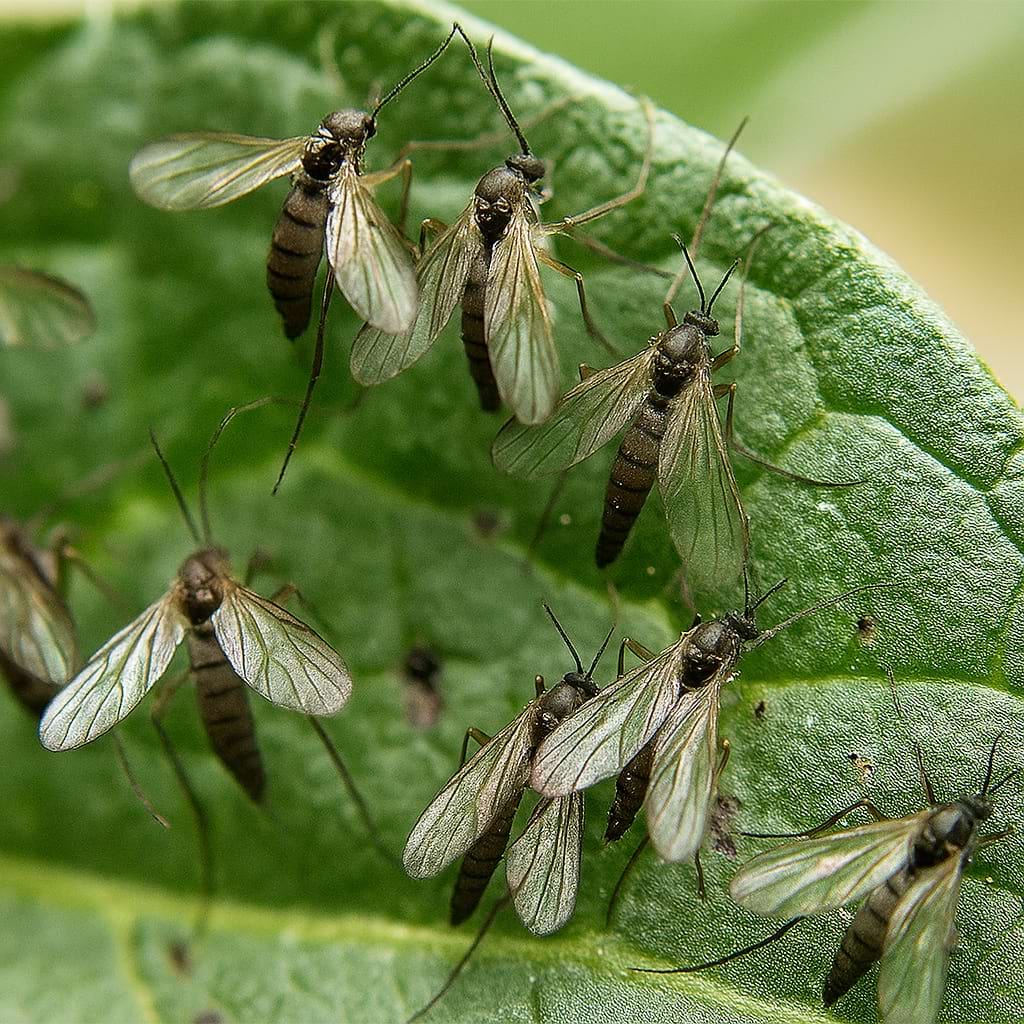
Fungus Gnats: The most common pest for this plant, because Fittonia's constantly moist soil is exactly what female fungus gnats want for laying eggs. You will see small black flies hovering around the soil. The larvae damage roots, which can cause sudden wilting that looks identical to underwatering.
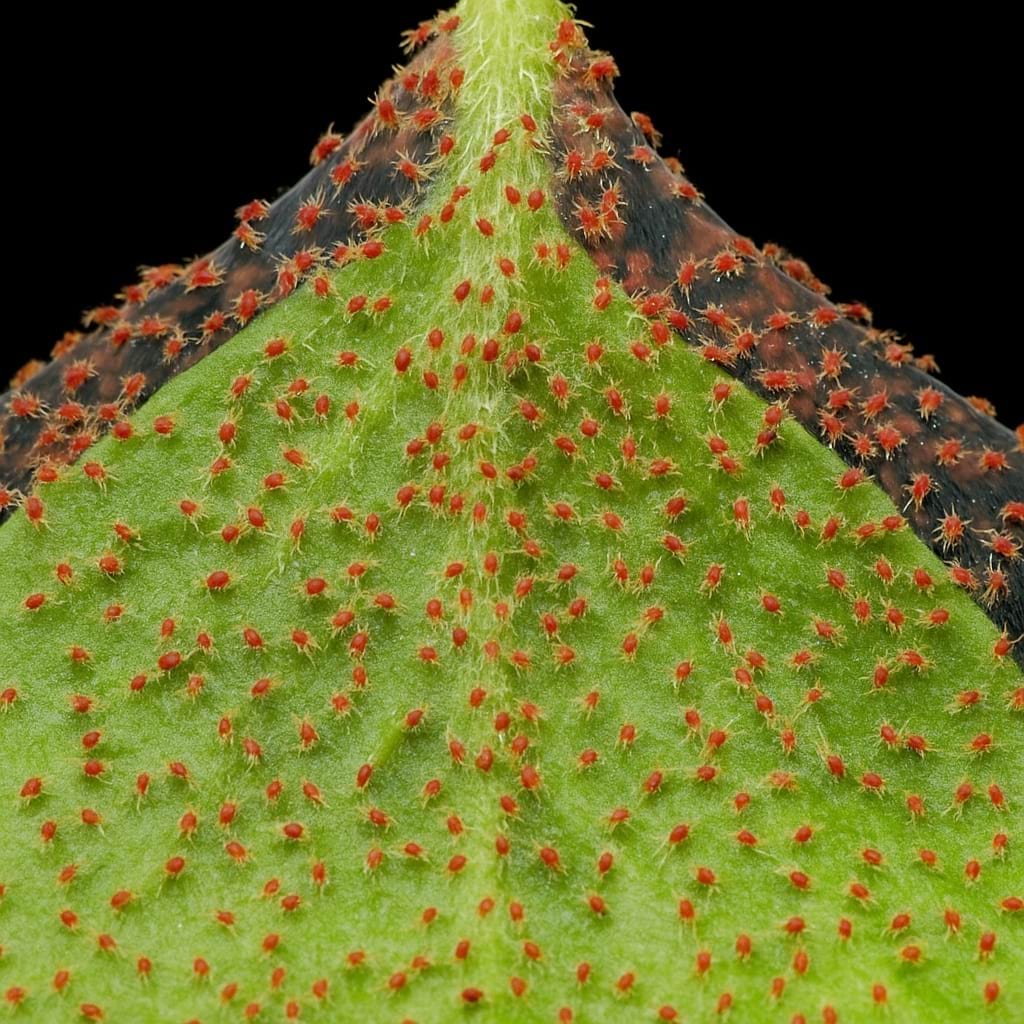
Spider Mites: Thrive in dry conditions. Fine webbing between leaf nodes, pale stippling on the leaf surface, and a gritty feel when you run a leaf between your fingers. Ironic that a moisture-loving plant can get spider mites, but it happens in homes where humidity fluctuates.
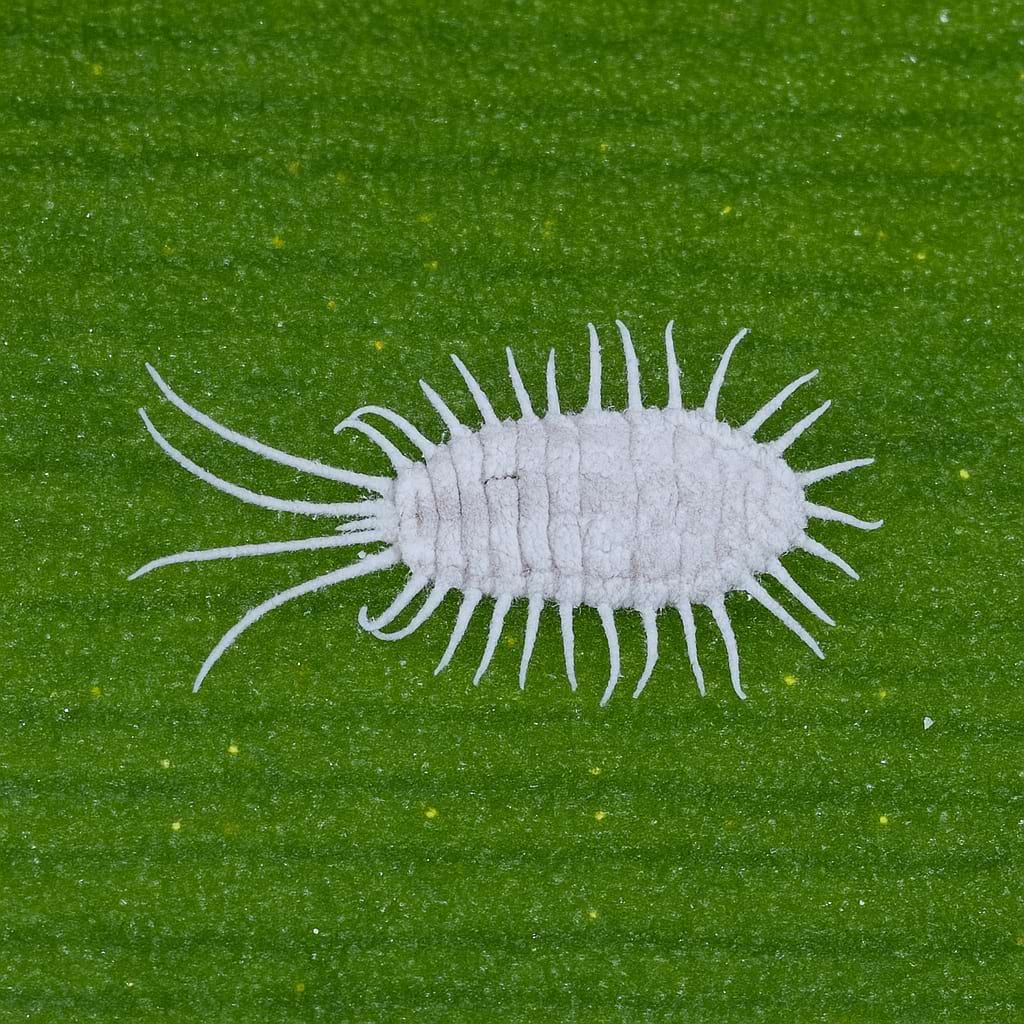
Mealybugs: White, cottony deposits tucked into leaf axils and along stems. They sap plant juices and secrete honeydew that leads to sooty mold if untreated.
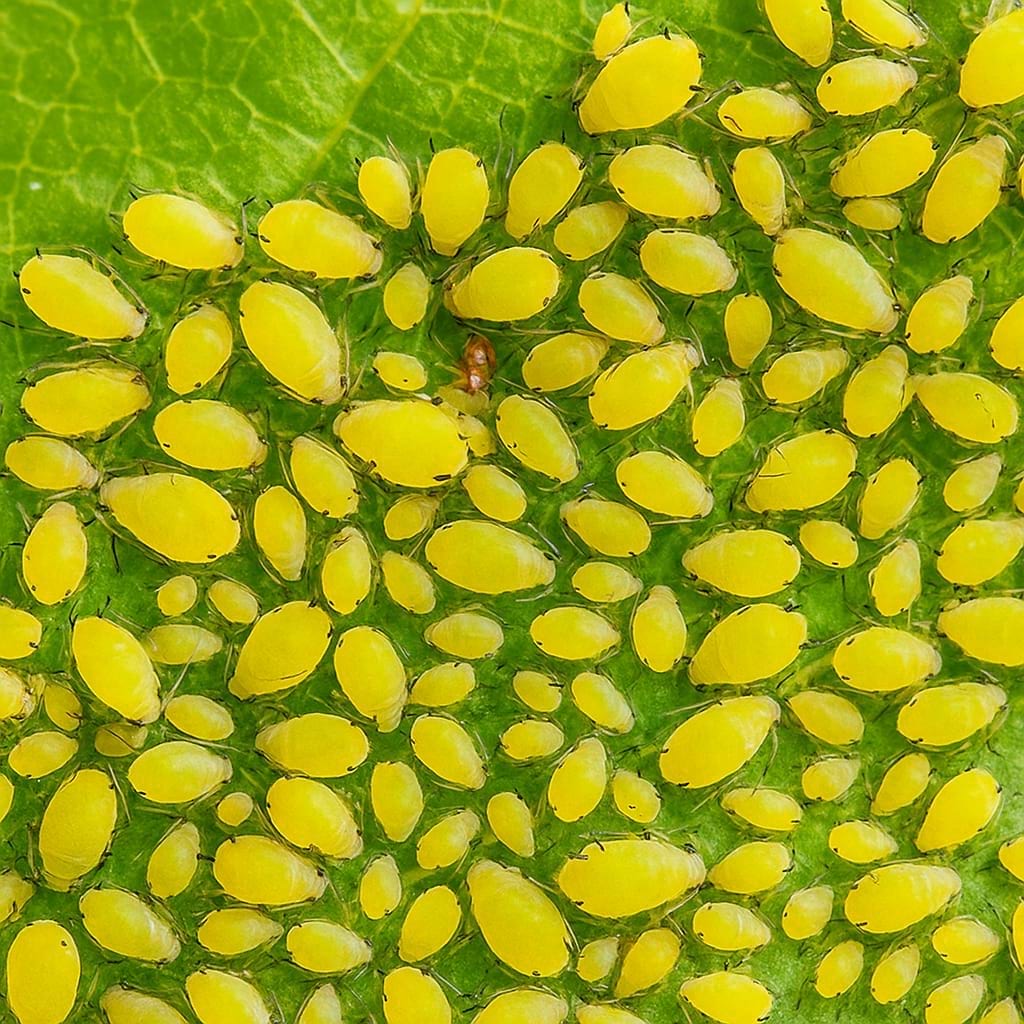
Aphids: Soft-bodied insects on new growth and stem tips, often pale green or black. Easier to spot on Fittonia's small leaves than on larger plants.
Pest Treatment for Nerve Plant
Isolate the plant immediately at the first sign of pests. For most infestations, wipe down all leaf surfaces with a soft cloth dampened with a diluted neem oil solution or insecticidal soap. Treat every 5-7 days for 3 weeks to break the egg cycle. Rinse the plant in the sink at the start of treatment if the infestation is heavy.
For fungus gnats specifically: reduce watering frequency, apply a layer of coarse sand or perlite as a top dressing to make the soil surface less attractive for egg-laying, and use yellow sticky traps to catch adults. A soil drench of diluted neem oil deals with the larvae in the soil.
🩺 Common Nerve Plant Problems and Diseases
Most Nerve Plant problems trace back to water or humidity. Once you know the cause, the fix is almost always straightforward.
Wilting / The Faint: Sudden complete collapse of stems and leaves. If the soil is dry, water immediately and the plant should recover within 30 minutes. If the soil is already moist and the plant still faints, suspect root rot or fungus gnat larval damage to the roots.
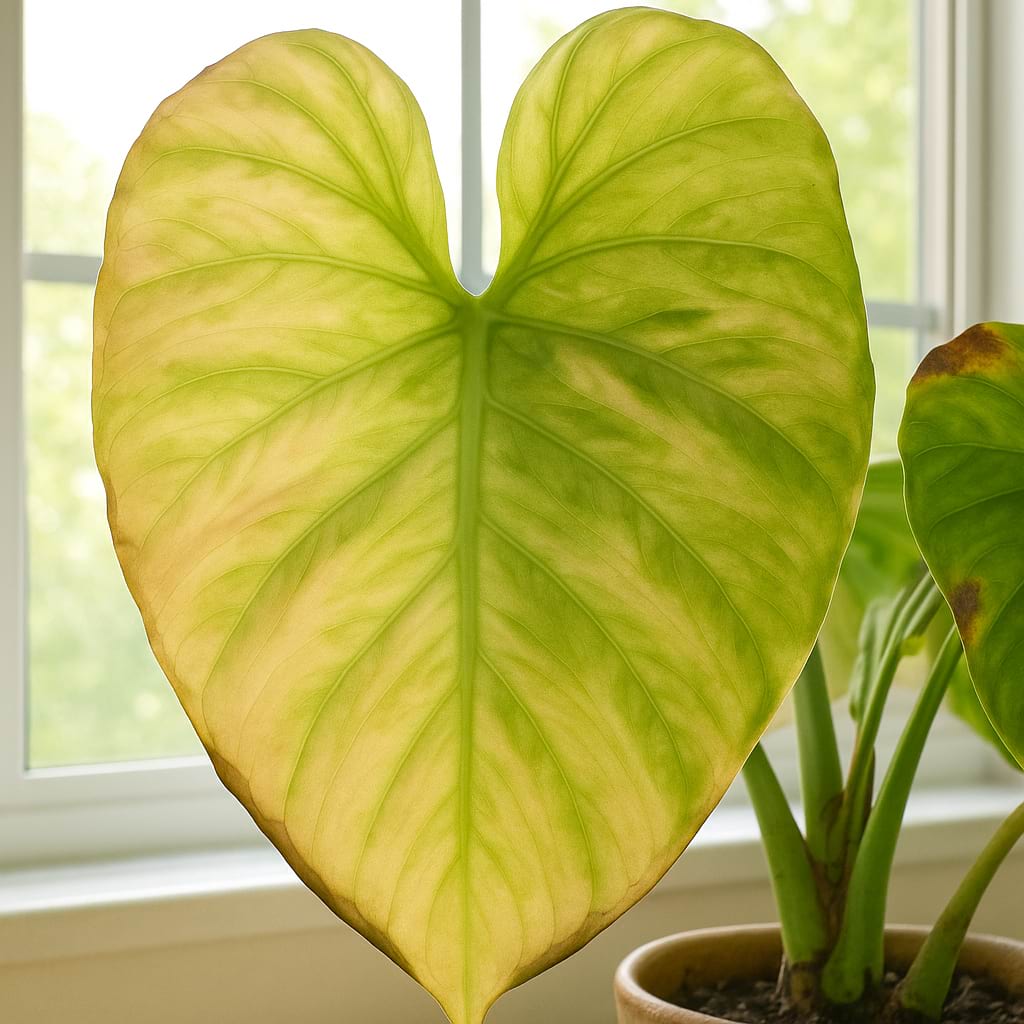
Yellowing Leaves: Yellow leaves that feel soft usually mean overwatering. Yellow leaves on a dry plant in low light mean too little light and moisture stress. Check both.
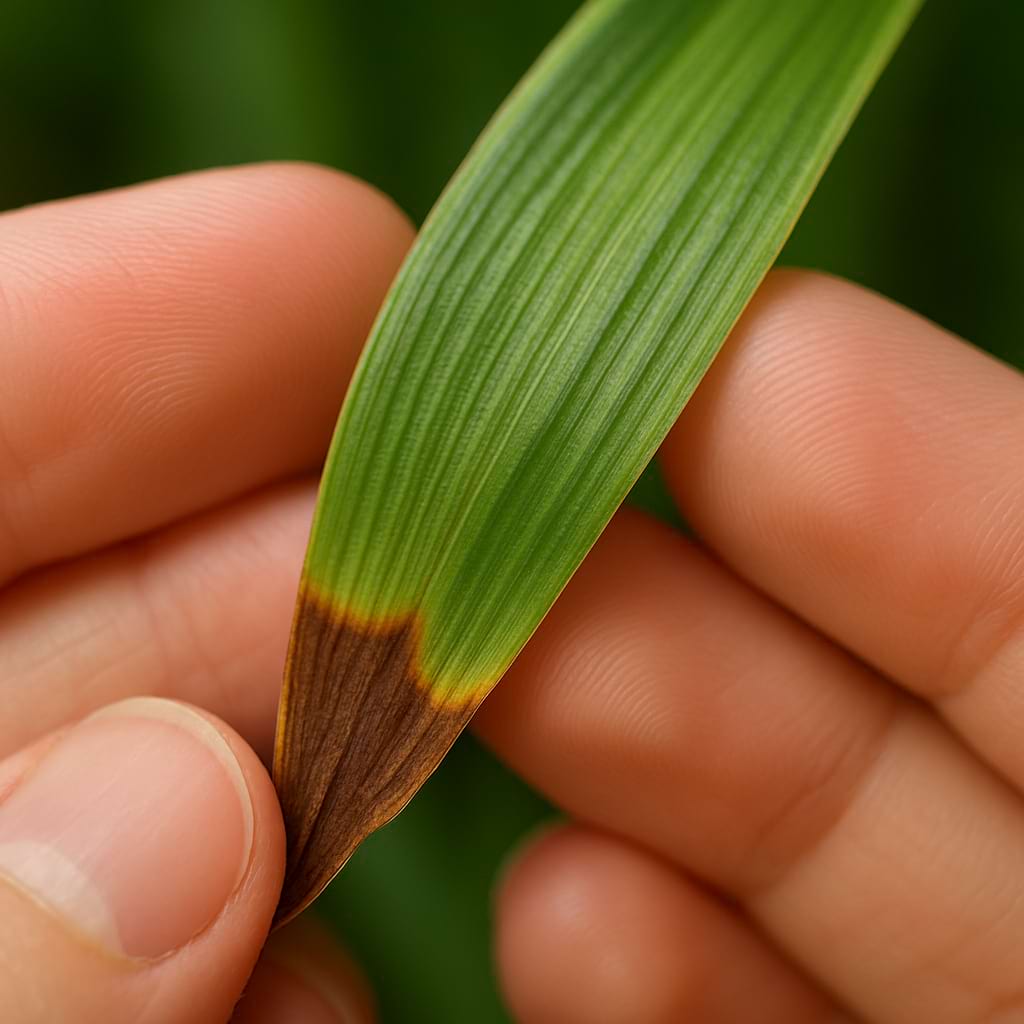
Brown Crispy Edges: The most common symptom of low humidity. Also possible from cold drafts, direct sun, or salt build-up from over-fertilizing. Address humidity first; flush the soil if you suspect salt.
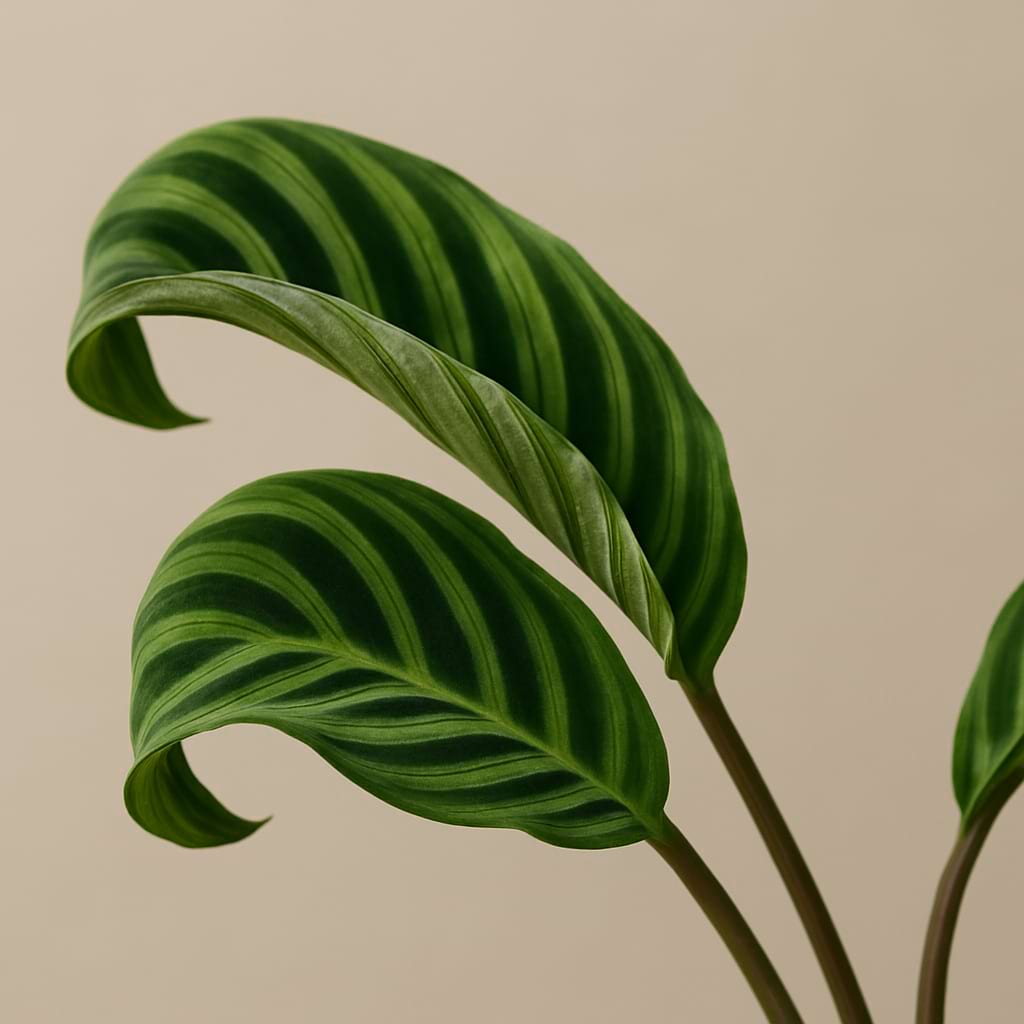
Curling Leaves: Leaves curling inward usually mean the plant is losing moisture faster than it can take it up. Low humidity and underwatering both cause this. Can also happen after a cold shock.
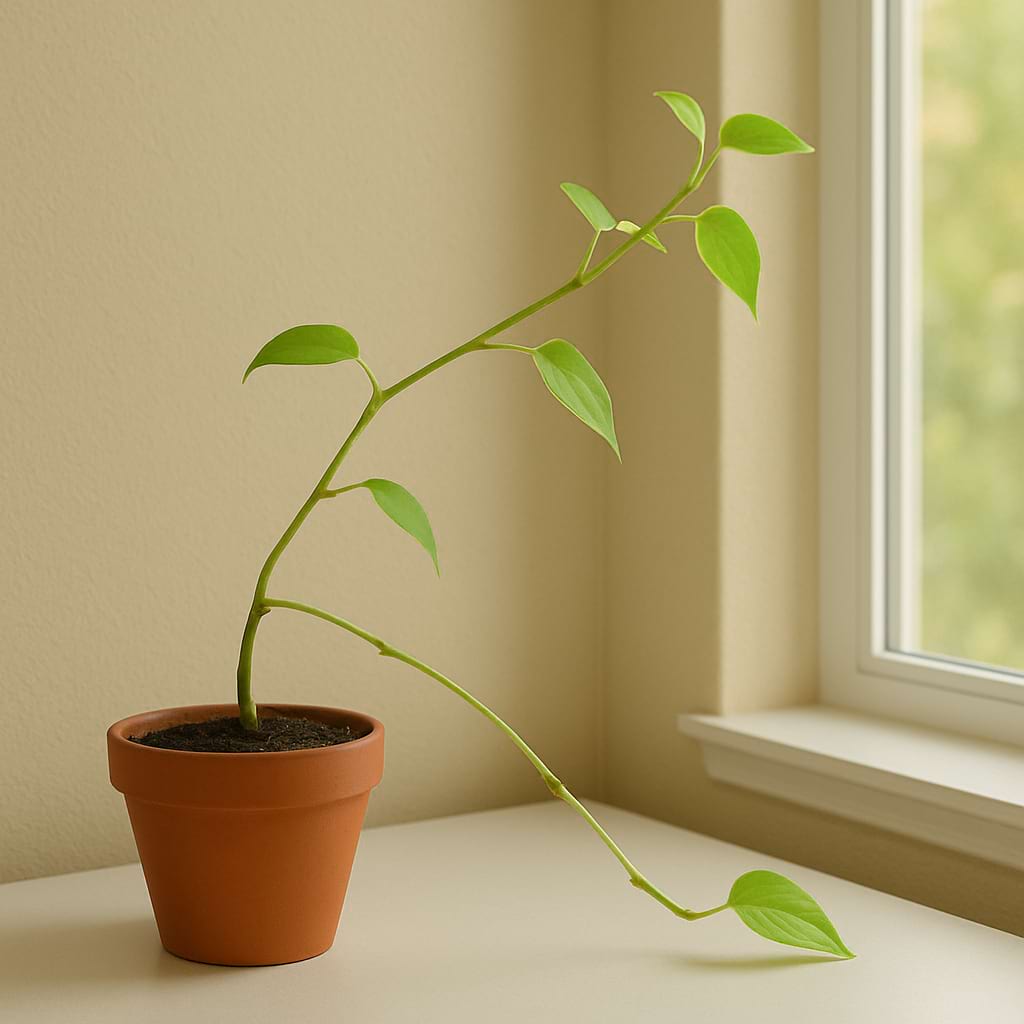
Leggy Growth: Long gaps between leaf nodes, the plant reaching upward instead of spreading. Almost always a light problem. Move closer to a window or add a grow light, then pinch back the stretched stems.
Pale Faded Leaves: Washed-out color on the leaf background, vein contrast reduced. Can be too much direct light, nutrient deficiency, or the plant being genuinely rootbound with depleted soil.
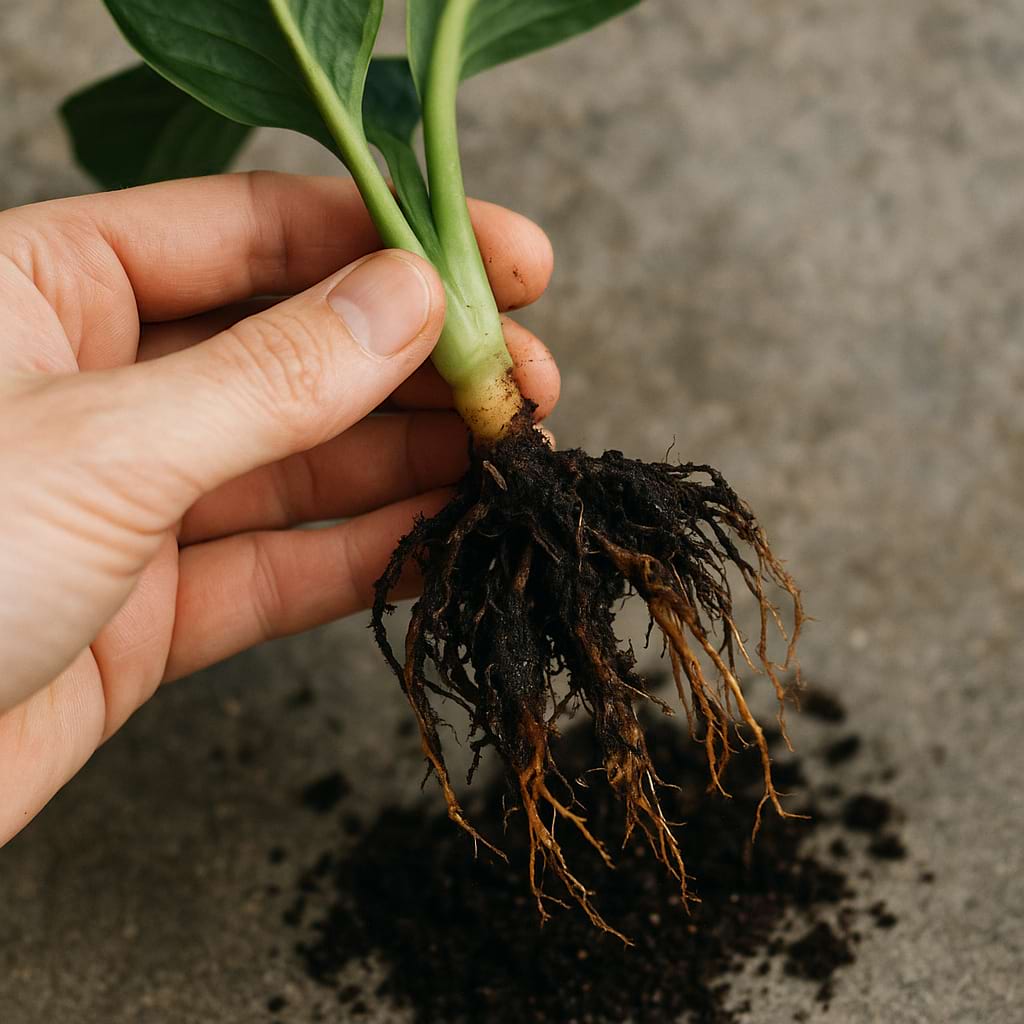
Root Rot: Mushy stems at the base, a sour soil smell, leaves that do not recover despite watering. Remove the plant from its pot, trim all blackened or mushy roots, let the root ball air dry for an hour, and repot in fresh dry soil. Hold off watering for 2-3 days.
Gray Mold (Botrytis): A fuzzy gray mold on leaves or stems, most common in terrariums with poor airflow. Remove all affected material immediately, improve ventilation in the enclosure, and reduce moisture.

🖼️ Nerve Plant Display and Styling Ideas
Fittonia's compact size and dramatic leaf patterning make it surprisingly flexible for display. The key is matching the location to its humidity needs.
Terrarium Display (The Natural Habitat Setup)
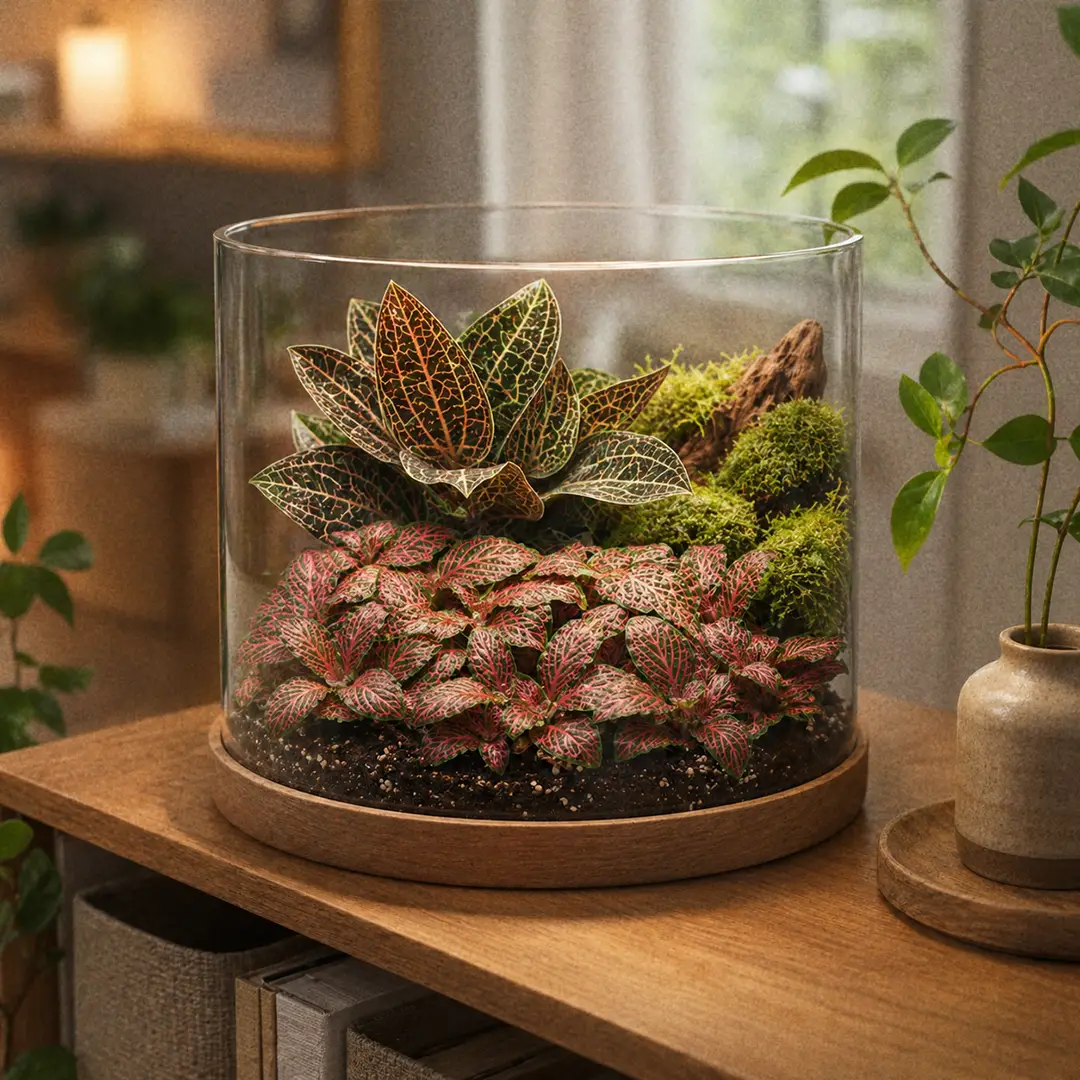
A glass terrarium is the most natural home for a Nerve Plant and the setup where it looks most spectacular. In a low open or partially sealed terrarium, pair it with:
- Jewel orchids (like Macodes petola) for a forest floor look.
- Moss: Cushion moss, sheet moss, or mood moss fills gaps and holds moisture.
- Small ferns: A miniature fern adds height and texture next to the spreading Fittonia carpet.
- Frosty Fern: This frosted spikemoss carpets the substrate with silver-white tips, a snowy contrast to the Nerve Plant's colored veins, and shares its exact love of high humidity.
- Silver Sparkle Pilea: Its tiny silver-blue trails creep and spill through a terrarium, the cool frosted foliage a lovely contrast to the Nerve Plant's bold veining.
Plant multiple varieties in one terrarium for a living mosaic effect. Red, white, and pink vein forms planted together look extraordinary under warm LED grow lighting.
Bathroom Display
A naturally humid bathroom with a frosted or north-facing window is perfect. Group a red-vein Nerve Plant with a small Peacock Fern and a trailing String of Hearts for a shelfie that actually thrives in the conditions.
Hanging Basket Display
In a very humid room, Nerve Plant can trail lightly from a small hanging planter. The stems are not strong climbers, but they will drape over the pot edge attractively once the plant fills in. A bathroom hanging planter is ideal for this use.
Tabletop Grouping
On a regular shelf or side table, pair Nerve Plant with a compact Prayer Plant and a small fern. A Calathea Pinstripe works well as the taller plant in that group, since it wants the same 60% humidity and gives you height above the low Fittonia carpet. All three share similar humidity and light needs, and the contrast of the Fittonia's bold veining against the Maranta's patterned leaves is a beautiful combination.
Pot Styling
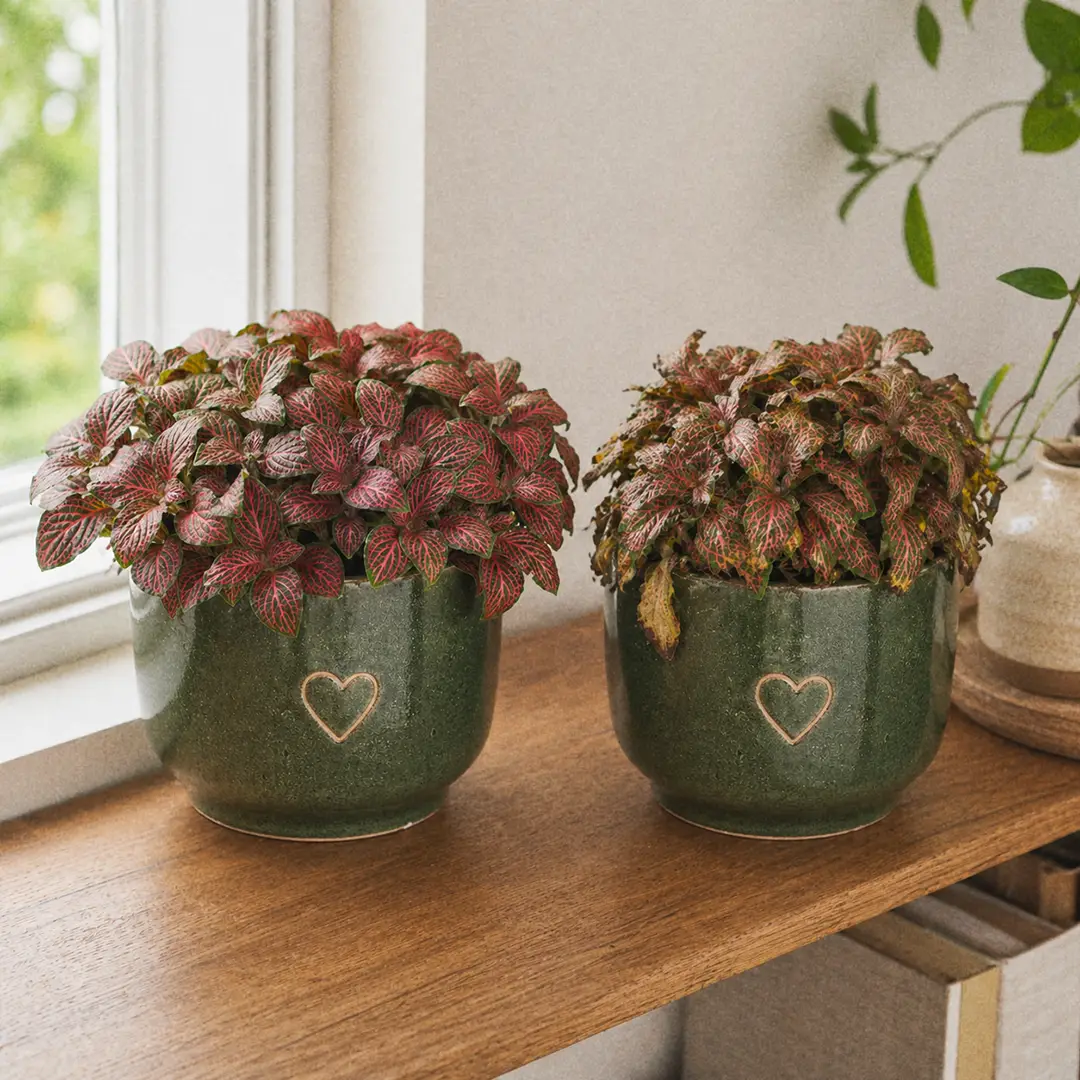
The intricate, small-scale patterning of Fittonia's leaves looks best in pots that let the plant be the star. Simple, solid-colored pots work best. A low, wide ceramic dish in muted green or terracotta allows the colorful veining to pop.
🌟 Nerve Plant Pro Care Tips
☀️ North or east window first. Bright indirect or medium indirect is the sweet spot. Direct sun even for an hour burns leaves quickly.
💧 Check the soil, not the schedule. Surface dry means water; moist means wait. Never let it get fully dry.
🚨 Do not panic at the faint. Collapsed Nerve Plant plus dry soil equals one thorough watering. Recovery in 30 minutes.
💦 Humidity is the biggest variable. 60%+ is the target. A bathroom, a terrarium, or a humidifier gets you there. Misting is not enough.
🌡️ Draft-proof the location. A cold vent or winter window edge can cause leaf drop overnight. Warm, still air keeps the plant happy.
✂️ Pinch early, pinch often. Regular tip pinching keeps the plant bushy and dense. A never-pruned Nerve Plant becomes a leggy, straggly mess within months.
🌸 Pinch flower spikes. The moment you see a stiff upright spike forming, snip it off. Flowering redirects energy away from the foliage you actually want.
🪴 Shallow and wide pots beat tall ones. Match the root structure to the pot shape; Fittonia grows out, not down.
🌱 Propagate constantly. A jar of water cuttings sitting on a windowsill means you always have fresh compact plants to replace aging ones.
🏡 Terrariums are the cheat code. A sealed or semi-sealed glass container eliminates the humidity problem entirely. Best setup for anyone who finds Nerve Plant tricky in open air.
❓ Frequently Asked Questions
Why does my Nerve Plant keep wilting even though I water it?
If watering does not solve the faint within 30 minutes, the roots may be damaged. The two most common culprits are root rot from overwatering (check for mushy black roots and sour-smelling soil) and fungus gnat larval damage (look for tiny worms in the soil near the roots). Both require repotting into fresh soil with any damaged roots trimmed away.
Is Nerve Plant toxic to cats and dogs?
No. Fittonia albivenis is non-toxic to cats, dogs, and humans. It is one of the few tropical foliage plants that is genuinely pet-safe, which makes it a popular choice for households with curious animals.
Why are the leaf edges on my Nerve Plant turning brown?
Brown crispy edges are almost always a humidity problem. Nerve Plant needs 60% or higher ambient humidity; most homes run at 30-50% in winter. Move the plant to a more humid location (bathroom, terrarium, or near a humidifier). Also check for cold drafts, direct sun exposure, and fertilizer salt buildup.
Can Nerve Plant grow in a terrarium?
Yes, and it thrives there. A glass terrarium maintains the high humidity Fittonia needs without any additional effort. Use a well-draining substrate, provide bright indirect or artificial light, and make sure there is some airflow (even a partially sealed lid) to prevent gray mold. Nerve Plant is one of the most commonly used terrarium plants for exactly this reason.
How do I make my Nerve Plant bushy instead of leggy?
Regular pinching is the answer. Every few weeks, snip the tips of the longest stems just above a leaf node. This prevents the plant from focusing all its growth upward and encourages it to branch sideways. Combined with good light (medium indirect), the plant will stay compact and full. A plant in too-low light will stretch no matter how much you prune it.
How fast does Nerve Plant grow?
At a moderate pace in good conditions. With bright indirect light, consistent moisture, and high humidity, you will see new leaf pairs appearing regularly through spring and summer. In lower light or drier air, growth slows considerably. The plant stays small overall, spreading rather than growing tall, reaching about 6 inches in height and up to 18 inches wide over time.
Should I remove the flowers from my Nerve Plant?
Most growers do. The flowers are small and not ornamental, and allowing the plant to flower redirects energy away from foliage production. Pinch flower spikes off as soon as they appear. If you are curious what the flowers look like, let one develop, but plan to prune the plant back and fertilize afterward to restore the lush compact habit.
Why are the veins on my Nerve Plant fading?
Fading vein color usually means the plant is in too much direct sunlight (leaves wash out) or, more rarely, too little light (colors dull). It can also happen when the plant is root-bound in exhausted soil with no available nutrients. Check the light first, then check when the plant was last repotted or fertilized.
Can I grow multiple Nerve Plant varieties in the same pot?
Yes, and it looks fantastic. Different colored varieties (red, white, pink veins) planted together in a wide shallow dish create a mosaic effect. Make sure all plants are roughly the same size so no single variety dominates, and keep the soil and humidity conditions consistent for all of them since they share the same needs.
How do I keep Nerve Plant alive in a dry climate?
A closed or semi-closed glass terrarium is the most reliable solution in a dry climate. Alternatively, place the plant in the most humid room in your home (usually the bathroom), run a humidifier close by, and use glazed ceramic or plastic pots rather than terracotta to minimize moisture loss through the pot walls. Water more frequently in dry conditions than the usual guidance suggests.
ℹ️ Nerve Plant Info
Care and Maintenance
🪴 Soil Type and pH: Peat or coco-coir based, moisture-retentive but well-draining.
💧 Humidity and Misting: High humidity essential; 60% or above is ideal.
✂️ Pruning: Pinch stem tips regularly to keep the plant bushy; remove flower spikes to preserve foliage quality.
🧼 Cleaning: Wipe leaves gently with a damp cloth; avoid harsh rubbing on the delicate veined surface.
🌱 Repotting: Every 1-2 years or when roots emerge from drainage holes.
🔄 Repotting Frequency: Every 1-2 years
❄️ Seasonal Changes in Care: Reduce fertilizing in winter; maintain high humidity year-round. Growth slows in winter but the plant does not go truly dormant.
Growing Characteristics
💥 Growth Speed: Moderate
🔄 Life Cycle: Perennial
💥 Bloom Time: Spring to summer; small inconspicuous spikes that are usually pinched off.
🌡️ Hardiness Zones: 11-12 (outdoors)
🗺️ Native Area: Peru and other parts of tropical South America
🚘 Hibernation: No
Propagation and Health
📍 Suitable Locations: Terrariums, bathrooms, humid shaded shelves, north or east windowsills.
🪴 Propagation Methods: Very easy from stem cuttings in water or directly in moist soil.
🐛 Common Pests: Fungus Gnats, Spider Mites, Mealybugs, Aphids
🦠 Possible Diseases: Root rot, botrytis (gray mold), powdery mildew, fungal leaf spots.
Plant Details
🌿 Plant Type: Herbaceous Perennial
🍃 Foliage Type: Evergreen
🎨 Color of Leaves: Dark green with red, pink, white, or silver veins depending on variety.
🌸 Flower Color: Small white or reddish flower spikes (usually removed)
🌼 Blooming: Rarely or infrequently; flowers are not ornamental
🍽️ Edibility: Not edible
📏 Mature Size: 3-6 inches
Additional Info
🌻 General Benefits: Stunning foliage, pet-safe, excellent terrarium plant, improves indoor aesthetics.
💊 Medical Properties: None known
🧿 Feng Shui: Associated with vitality and creative energy; low-growing "ground cover" energy in feng shui.
⭐ Zodiac Sign Compatibility: Virgo
🌈 Symbolism or Folklore: Resilience, hidden strength, the beauty in small things.
📝 Interesting Facts: Fittonia is nicknamed the "drama queen" of houseplants because it collapses dramatically when it needs water, leaves lying flat as if lifeless, yet perks up within 20-30 minutes of a thorough drink. This theatrical response makes it impossible to fatally underwater without knowing.
Buying and Usage
🛒 What to Look for When Buying: Look for plants with firm, brightly veined leaves and no yellowing. Avoid pots where the soil looks bone dry or the stems look mushy at the base. Compact bushy plants outperform leggy ones by a wide margin.
🪴 Other Uses: Terrariums, vivaria, dish gardens, hanging baskets in high-humidity rooms.
Decoration and Styling
🖼️ Display Ideas: Ideal in terrariums paired with moss and other humidity lovers like jewel orchids; also beautiful in a low wide dish garden or trailing from a small hanging planter in a steamy bathroom.
🧵 Styling Tips: The intricate veining makes Nerve Plant look like a living piece of stained glass. Pair it with the plain green leaves of a Boston Fern or a Maranta to let the pattern stand out.

Houseplant101 Forum
Questions & Comments
Ask a question, share your plant experience, or help other plant owners.
Comments are temporarily unavailable.
Open the Houseplant101 ForumNo comments yet
Be the first to ask a question or share your experience about this page.
Log in or create an account
Comments use your Houseplant101 Forum account, but you can stay on this page.
Create a new account