
 AI Overview
 🪴 In This Guide 🪴

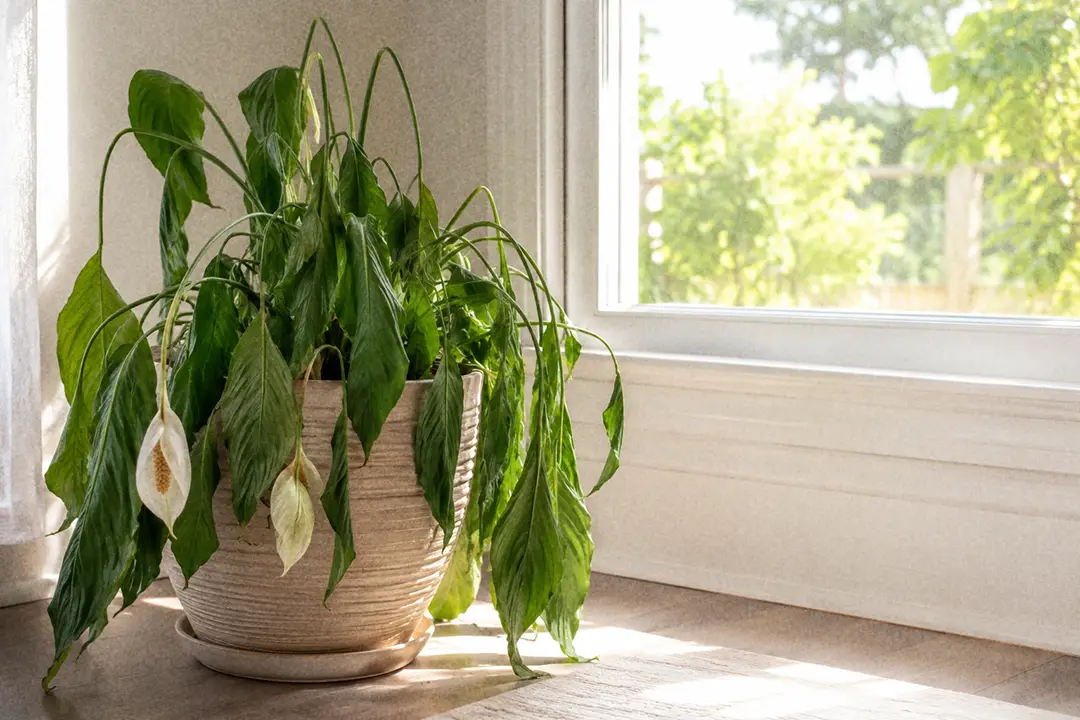
🥵 Heat Wilting & Drooping
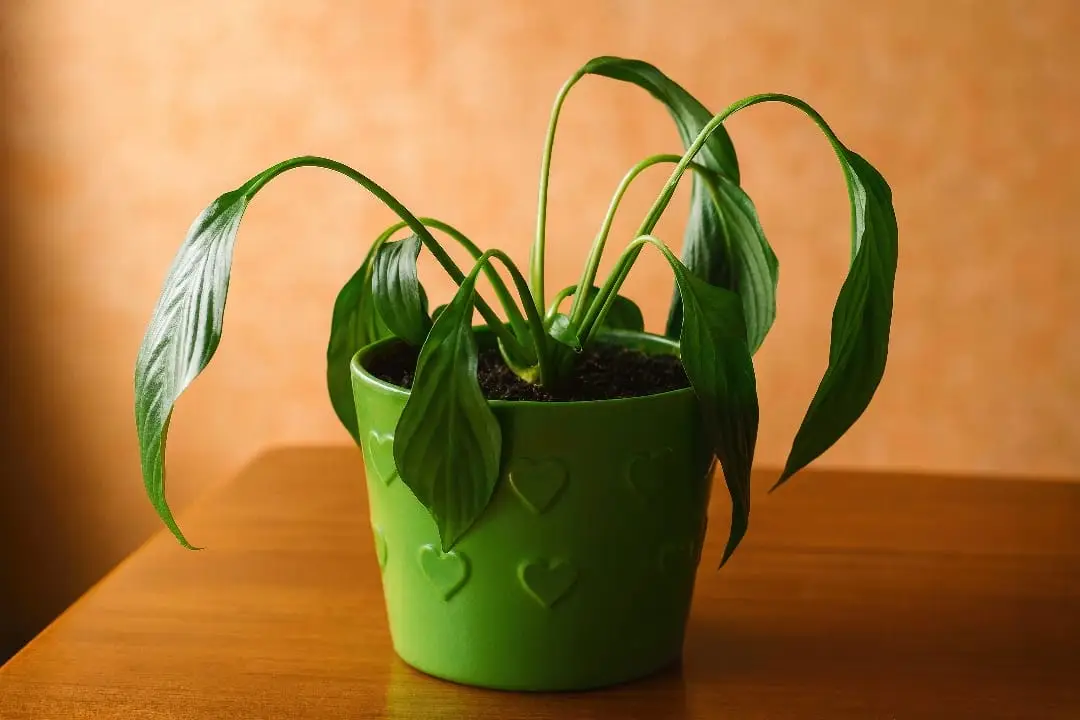
The classic summer distress signal. Leaves go limp, sometimes overnight, even when the soil is still damp.
What's happening
In high heat, a plant can lose water through its leaves faster than its roots can replace it. That is why a plant can wilt with moist soil. If the soil is dry, it is plain thirst.
The fix
Move the plant out of direct afternoon sun and into a cooler, shadier spot. Water if the top inch is dry, using room-temperature water. Do not drench a plant that is wilting in wet soil, since that points to root rot, not thirst. Our guide on wilting and drooping covers how to tell the two apart.
🌞 Sunburn & Leaf Scorch
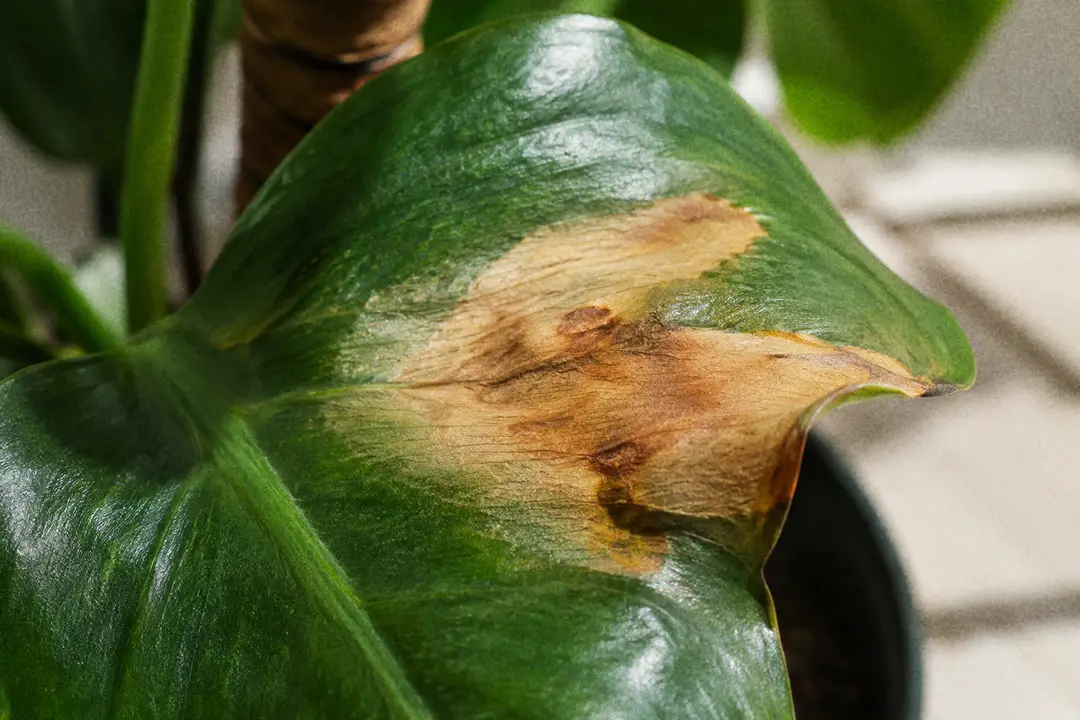
Summer sun is far stronger than spring sun, and plants that were happy in a bright window in April can burn in July.
Sunburn shows up as bleached, tan, or crispy patches on the side of the plant facing the glass. It does not spread or heal, so damaged leaves stay marked. Pull plants back from intense south- and west-facing windows or add a sheer curtain. Calatheas, ferns, and Marantas are the first to scorch. See sunburn and leaf scorch for recovery steps.
🍂 Crispy Brown Edges
Brown, papery edges are the summer signature of dry air, often made worse by air conditioning.
Tropicals like Calatheas, Marantas, and Anthuriums want humidity that summer AC strips away. Raise humidity with a humidifier or by grouping plants, and keep them off direct AC drafts. Inconsistent watering also contributes, so aim for steady moisture. Our crispy edges guide digs into the causes.
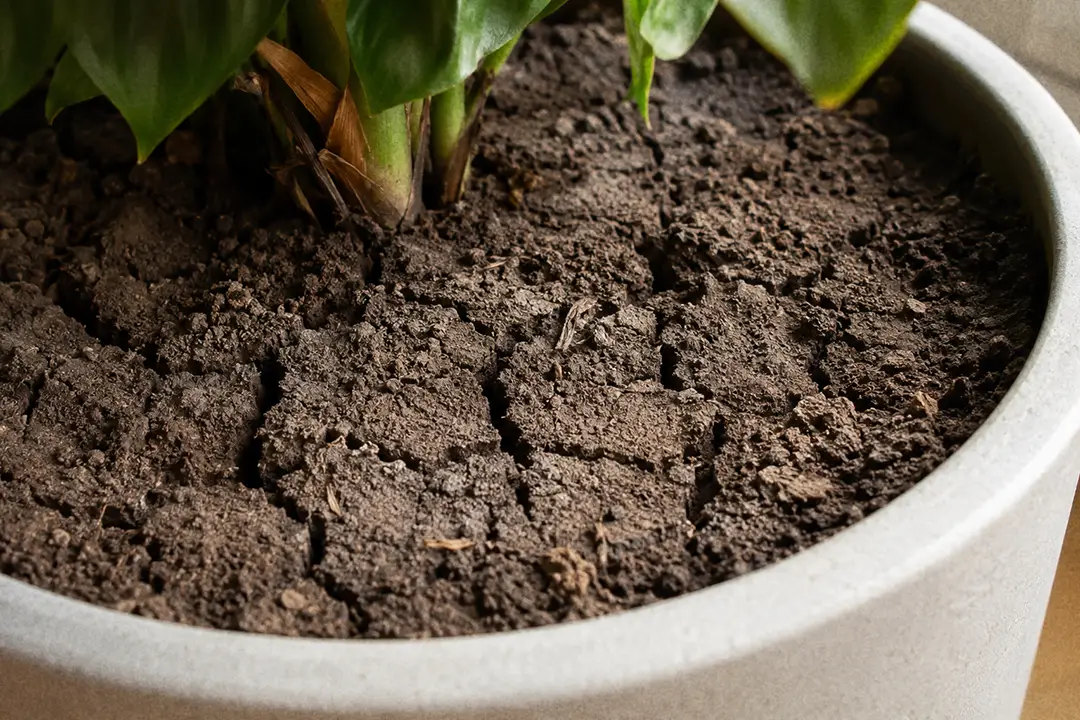
💧 Soil Drying Out Too Fast
If you feel like you are watering constantly, you probably are, and that is normal in summer.
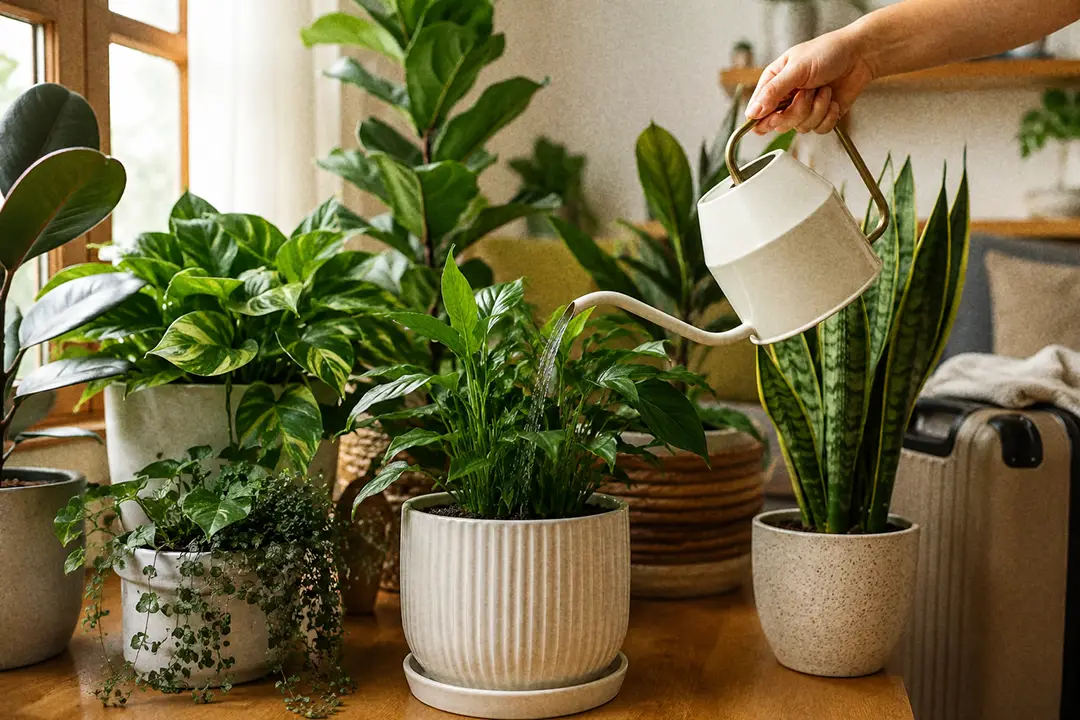
Heat and long days speed up both evaporation and how fast roots drink. Small pots and bright spots dry fastest. Rather than soaking on a schedule, check the top 1–2 inches every day or two and water when dry. A moisture meter helps if you have many plants, and a chunky, well-draining soil mix holds moisture more evenly than dense old soil. For frequency, see our Watering Guide.
🐛 Summer Pest Outbreaks
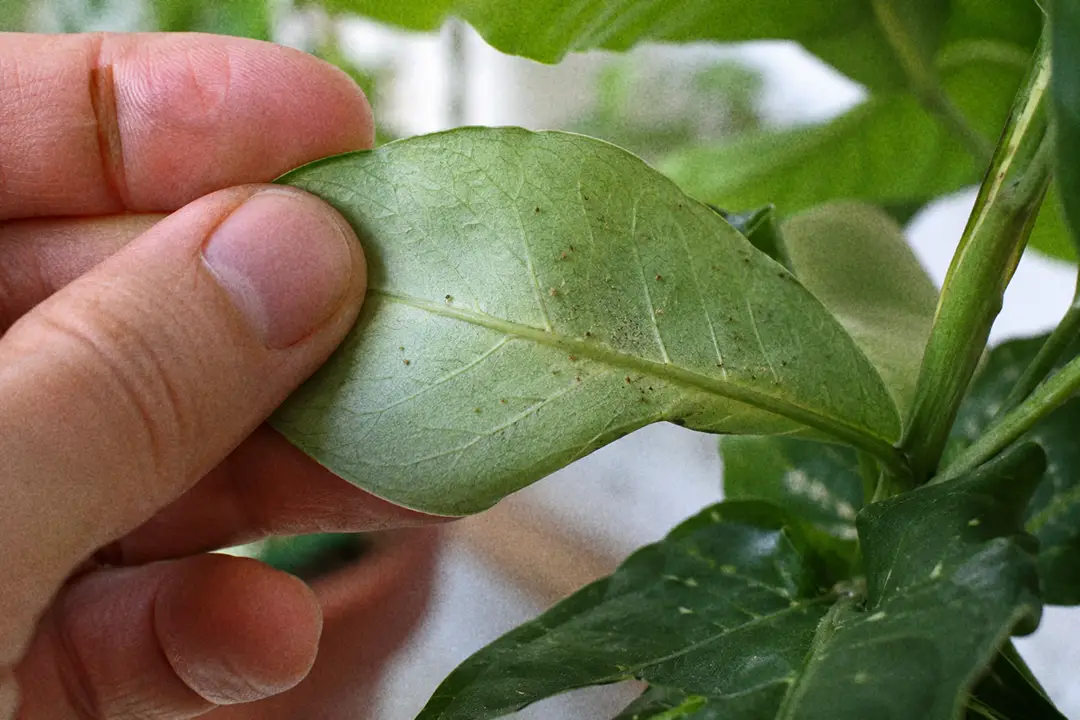
Warm, dry air is a breeding accelerator. A few bugs in June can become an infestation by July.
- Spider mites: fine webbing and stippled, dusty leaves; they love hot, dry air.
- Thrips: silvery streaks and tiny black flecks.
- Mealybugs: white cottony tufts in leaf joints.
Inspect leaf undersides weekly, isolate anything infested, and treat early. Our pest damage guide helps you match symptoms to the culprit.
🛡️ Preventing Summer Problems
Most of these never start if you stay ahead of them:
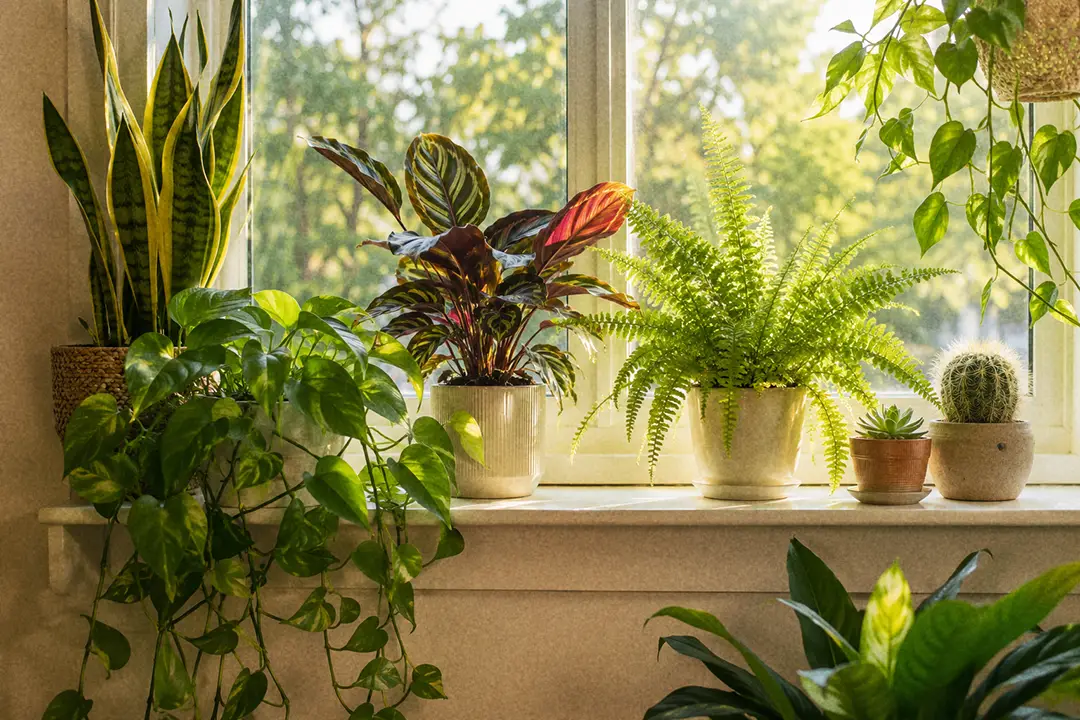
- ☐ Diffuse harsh afternoon sun before plants scorch
- ☐ Check soil every 1–2 days and water when dry
- ☐ Keep humidity up and plants off AC drafts
- ☐ Inspect leaf undersides weekly for pests
- ☐ Skip fertilizer on any stressed or wilting plant
For a full seasonal routine, see our Summer Houseplant Care Checklist and our guide to protecting plants from summer heat.
❓ Frequently Asked Questions
Why are my plant's leaves curling in summer?
Curling usually means the plant is trying to reduce water loss from heat or a dry draft. Check for underwatering, harsh direct sun, and cold AC air blowing on the leaves.
How do I tell sunburn apart from underwatering?
Sunburn appears as bleached, tan, or crispy patches on the side facing the window, while underwatering causes overall wilting and dry, evenly browning edges. Sunburn damage stays where the light hit; thirst affects the whole plant.
Why does my soil dry out so quickly in summer?
Heat and long daylight hours increase evaporation and how fast roots drink. Small pots, porous soil, and bright windows all speed this up, so check moisture every day or two.
Are pests worse in summer?
Yes. Warmth and dry air let spider mites, thrips, and mealybugs reproduce much faster, so weekly leaf inspections matter more in summer than any other season.
Should I repot a struggling plant in the middle of summer?
Only if the problem is root rot or a severely root-bound pot. Otherwise, fix the light, water, and humidity first, since repotting a stressed plant in extreme heat adds more shock.
🪴 See also 🪴
How to Protect Indoor Plants from Summer Heat
How to Water Houseplants in Summer & While on Vacation
Summer Houseplant Care Checklist

Why Is My Plant Dying? A Beginner's Diagnostic Guide
The End-of-Summer Houseplant Reset
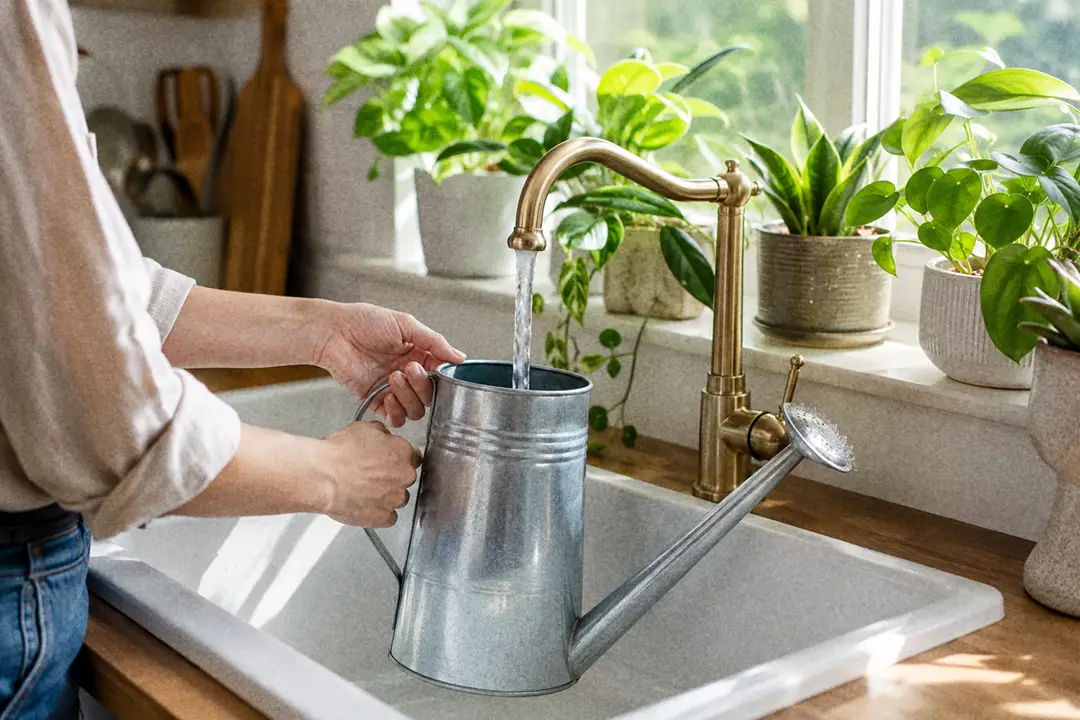
Tap Water, Filtered, or Distilled? What Houseplants Actually Need
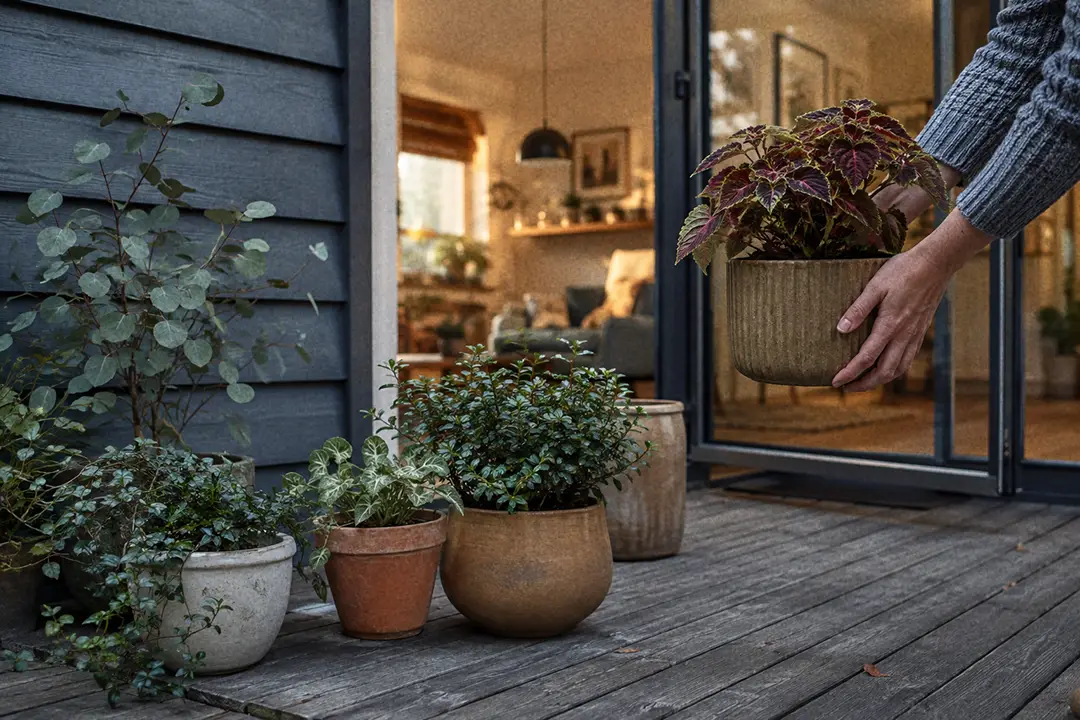
Bringing Outdoor Plants Back Inside (Without Bringing the Bugs)
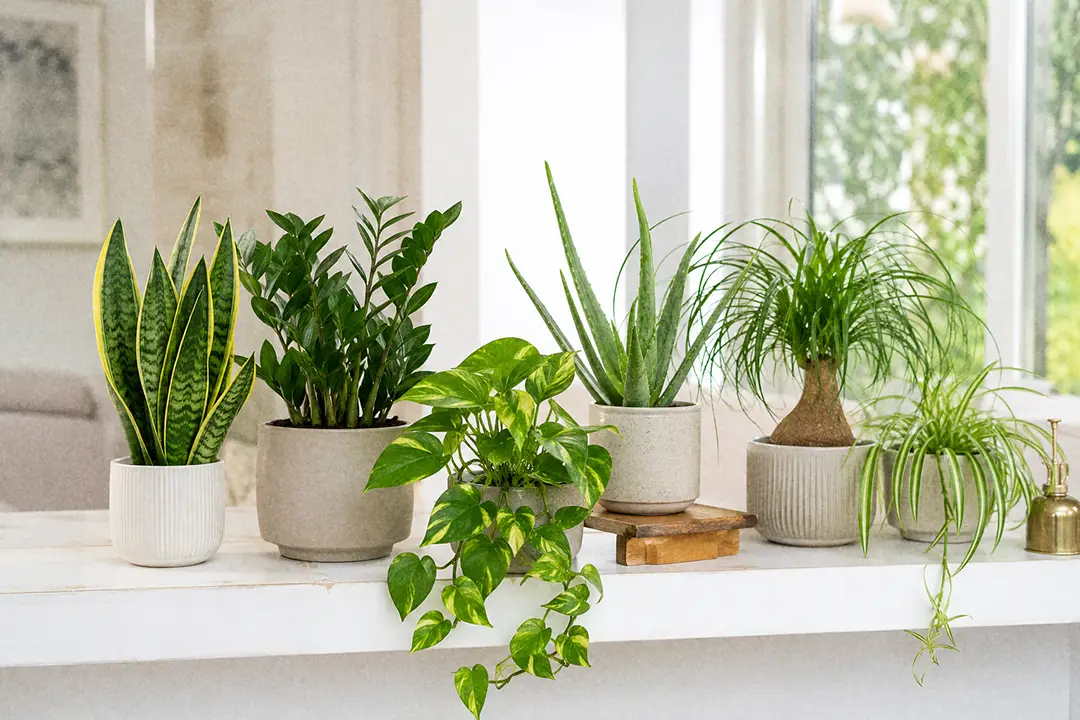
7 Low-Maintenance Plants That Survive Summer Travel


Houseplant101 Forum
Questions & Comments
Ask a question, share your plant experience, or help other plant owners.
Comments are temporarily unavailable.
Open the Houseplant101 ForumNo comments yet
Be the first to ask a question or share your experience about this page.
Log in or create an account
Comments use your Houseplant101 Forum account, but you can stay on this page.
Create a new account