
 AI Overview
 🪴 In This Guide 🪴

A Note From Our Plant Expert
Anastasia here. Most people pick a fern by the look of the frond, and that is the right instinct for the wrong reason: the frond also tells you how much fuss the plant will need. Thick, leathery fronds put up with a heated flat. Lacy ones want a bathroom. Below are the fifteen ferns people actually buy, and how to match one to your room. For watering, soil and feeding, the full fern care guide has it all.
🧭 How to Choose an Indoor Fern
Three quick checks sort out almost every fern in a shop. None of them needs a botany degree.
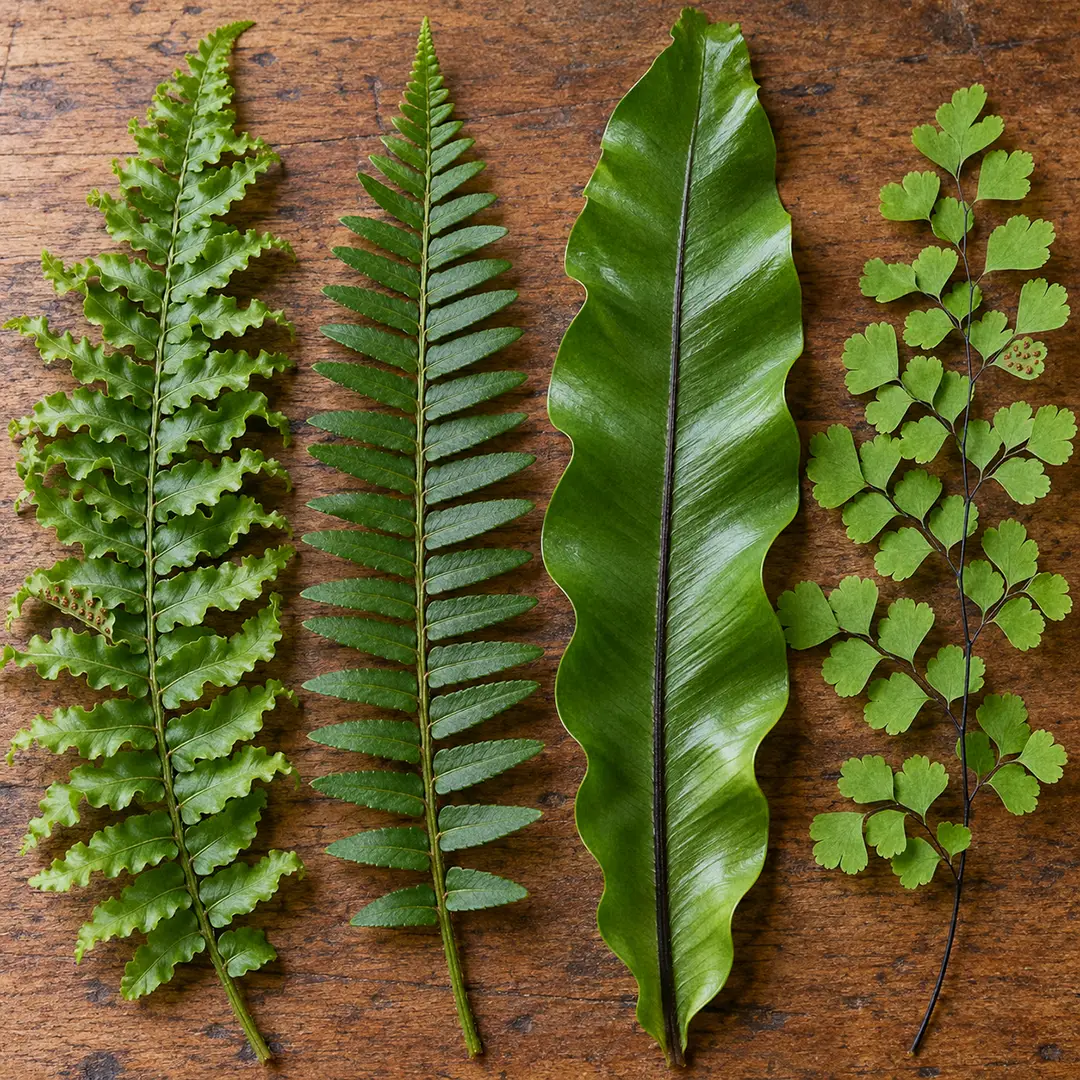
Read the Frond First
Thin, finely divided fronds lose water fast and brown the moment the air dries out. Thick, glossy, waxy or undivided fronds hold on to moisture and forgive a dry room. If your home runs warm and dry all winter, start with the second kind.
Terrestrial or Epiphytic
Most ferns grow out of damp forest soil and want their pot kept evenly moist. A second group, the epiphytes, grow on tree branches and have creeping, often furry rhizomes that rot in wet compost. Staghorn, blue star and rabbit's foot ferns are in that second group. If a rhizome crawls over the pot rim, treat the plant as an epiphyte: chunky bark mix, a soak, then a partial dry-out.
Check It Is a Real Fern
A few popular "ferns" are not ferns at all, and they want brighter light and less water. The asparagus fern is the usual one. Skip to plants sold as ferns if the tag has you unsure.
Check the Plant Before You Buy
Look into the centre of the pot first. Brown, crumbling fronds in the middle mean the fern already dried out in the shop, and it rarely gets its shape back. Turn a frond over and check for the fine webbing and pale speckles of spider mites, which ferns pick up in dry retail spaces. Then lift the pot. If it feels feather-light, the plant has been thirsty for days, and I would pick a heavier one.
🌿 1. Boston Fern (Nephrolepis exaltata 'Bostoniensis')
Why It's Popular
The classic. Arching, frilly fronds that spill out of a hanging basket, sold cheaply in every garden centre each spring. It is the fern most people picture when they hear the word, and the one they most often give up on by February, when the heating has been running for months.
Care Notes
- Struggles in dry winter air and sheds leaflets all over the floor.
- Wants its soil kept evenly damp, never bone dry.
- Loves a shaded porch in summer.
- Dozens of cultivars exist; see our Boston fern varieties.
Full details in our 👉 Boston Fern care guide.
🌿 2. Kimberley Queen Fern (Nephrolepis obliterata)
Why It's Popular
It looks like a Boston fern that has been to the gym. The fronds are narrower, stiffer and more upright, and the leaflets stay on the plant instead of dropping. People who killed a Boston fern usually succeed with this one.
Care Notes
- Copes with ordinary room humidity.
- Takes brighter light than most ferns, including some gentle morning sun.
- Can be divided at repotting to make two plants.
Full details in our 👉 Kimberley Queen Fern care guide.
🌿 3. Bird's Nest Fern (Asplenium nidus)
Why It's Popular
It does not look like a fern at all. Broad, glossy, apple-green fronds unfurl from a central rosette, a bit like a banana leaf in miniature. That solid leaf loses far less water than a divided one, which makes it one of the easiest ferns to keep.
Care Notes
- Water the soil, not the central cup, or the crown can rot.
- Handles medium light well.
- Grows from a single crown, so it cannot be divided.
Full details in our 👉 Bird's Nest Fern care guide.
🌿 4. Blue Star Fern (Phlebodium aureum)
Why It's Popular
Matte, blue-grey fronds with deep lobes and a waxy coating. The colour is unusual for a fern, and that coating is why it copes with dry air better than almost anything else on this list.
Care Notes
- An epiphyte: use a bark-heavy mix and let the top inch dry.
- The fuzzy rhizome sits on top of the soil. Do not bury it.
- Tolerates medium light.
Full details in our 👉 Blue Star Fern care guide.
🌿 5. Staghorn Fern (Platycerium bifurcatum)
Why It's Popular
Antler-shaped fronds reaching out from a flat shield, usually mounted on a board like living wall art. It looks like an expert's plant but is surprisingly forgiving, because a mounted fern can never sit in soggy compost.
Care Notes
- Soak the whole mount in a sink, then let it dry partly.
- Leave the brown shield fronds at the base alone. They are meant to look like that.
- Several species are sold; compare them in our staghorn fern varieties.
Full details in our 👉 Staghorn Fern care guide.
🌿 6. Maidenhair Fern (Adiantum raddianum)
Why It's Popular
Wire-thin black stems and tiny, fan-shaped leaflets that tremble in a breeze. It is probably the prettiest fern you can buy, and the one people fail with most often.
Care Notes
- One missed watering on a warm day can crisp half the plant.
- Needs 50 percent humidity or more.
- Happiest in a bright bathroom or under a cloche.
Full details in our 👉 Maidenhair Fern care guide.
🌿 7. Rabbit's Foot Fern (Davallia)
Why It's Popular
The furry, silver-brown rhizomes creep over the pot edge like little paws, and kids love them. The fronds above are fine and lacy, but those fleshy feet store water and buy you a few forgetful days.
Care Notes
- Treat it as an epiphyte: shallow pot or basket, airy mix.
- Never bury the rhizomes.
- Related furry ferns are compared in how to tell similar ferns apart.
Full details in our 👉 Rabbit's Foot Fern care guide.
🌿 10. Holly Fern (Cyrtomium falcatum)
Why It's Popular
Stiff, glossy, holly-shaped leaflets that look almost plastic. It is the toughest fern here, and the one I suggest for a dim hallway or a cool room.
Care Notes
- Tolerates low light, cool temperatures and uneven watering.
- Handles dry air better than any lacy fern.
- Slow, so it rarely outgrows its spot.
Full details in our 👉 Holly Fern care guide.
🌿 11. Crocodile Fern (Microsorum musifolium 'Crocodyllus')
Why It's Popular
Long, strap-shaped fronds with a crinkled, net-veined pattern that really does look like crocodile skin. It is a statement plant that people photograph before they buy.
Care Notes
- Thick fronds, but it still enjoys humidity above 50 percent.
- Handles medium light, though growth slows.
- Keep water off the crown and let the top inch dry.
Full details in our 👉 Crocodile Fern care guide.
🌿 12. Macho Fern (Nephrolepis biserrata)
Why It's Popular
The biggest of the common Nephrolepis, with broad, coarse fronds that can pass four feet. A single macho fern fills a porch corner or a tall plant stand.
Care Notes
- Needs room. Plan on a large basket or a pedestal.
- Tougher and less messy than a Boston fern.
- Water often in summer; big fronds drink fast.
Full details in our 👉 Macho Fern care guide.
🌿 13. Austral Gem Fern (Asplenium × dimorphum 'Austral Gem')
Why It's Popular
A sterile Asplenium hybrid bred for growing indoors. It has thick, dark green fronds, stays around a foot and a half across, and drops no spore dust. These days it is the fern I recommend most.
Care Notes
- Copes with ordinary room humidity.
- Medium to bright indirect light.
- Keep it lightly moist and it gets on with things.
Full details in our 👉 Austral Gem Fern care guide.
🌿 14. Crispy Wave Fern (Asplenium nidus 'Crispy Wave')
Why It's Popular
A bird's nest fern with deep, tight ruffles along every frond. It became a trend plant almost overnight, and the wavy texture reads well on a shelf at eye level.
Care Notes
- Same care as a bird's nest fern.
- Water around the rosette, not into it.
- Slow growing, so buy the size you want.
Full details in our 👉 Crispy Wave Fern care guide.
🌿 15. Silver Lace Fern (Pteris ensiformis 'Victoriae')
Why It's Popular
Slim fronds with a bright silver-white stripe down the middle of each leaflet. It adds a variegated look that few other ferns offer, at a size that suits a windowsill.
Care Notes
- Keep the soil evenly moist.
- Likes humidity; a bathroom with a window suits it.
- Too little light fades the silver stripe.
Full details in our 👉 Silver Lace Fern care guide.
🟢 Easiest Indoor Ferns for Beginners
If you have killed a fern before, start here. Each of these survives an ordinary heated home with ordinary attention.
The Three to Start With
The Kimberley Queen gives you the classic arching look without the shedding. The bird's nest fern takes medium light and forgives a late watering. The austral gem was bred for exactly this job. Keep one of them through a winter and you will know how your home treats ferns. How it looks in February tells you more than any care tag, and then you know whether a maidenhair stands a chance.
Easy Once You Get the Setup Right
The blue star, staghorn and holly fern are all easy, but only when you treat them as what they are. The first two are epiphytes that hate soggy compost. The holly fern just wants to be left somewhere cool and shaded.
The Fussy Ones
The thinner the frond, the harder the fern. The maidenhair fails fast in dry air. The Boston fern is sold as a beginner plant and struggles in a heated room. The Australian tree fern wants so much water, humidity and space that it belongs in a conservatory.
🌙 Best Ferns for Low Light
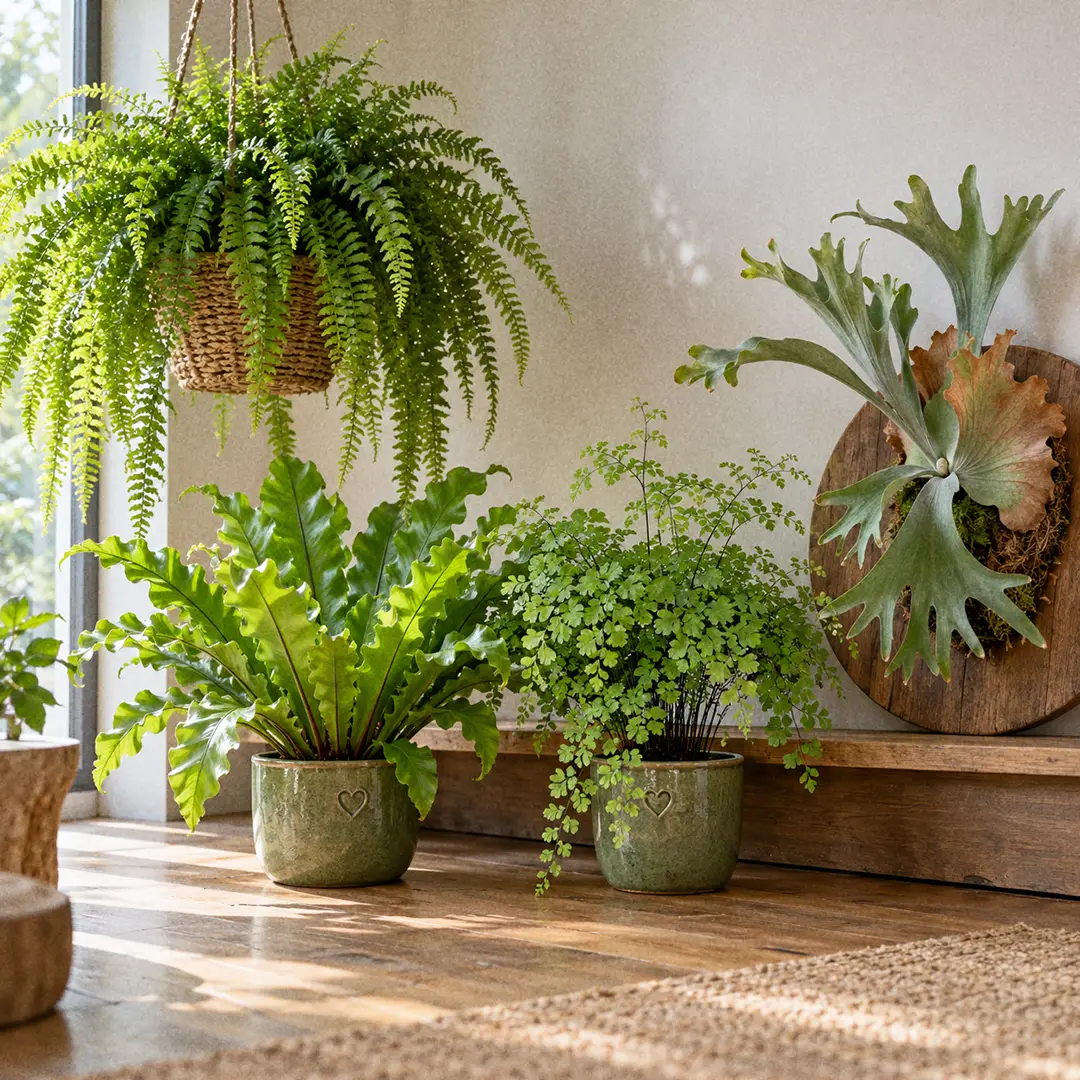
How Low Is Too Low
No fern grows in a dark room. The tolerant ones manage in a north window or several feet back from a brighter one, somewhere you could still read at noon without a lamp. Below that, growth stalls, new fronds come in small, and the plant slowly thins out over a few months.
The Shade-Tolerant Ferns
The holly fern leads, then the bird's nest and the crocodile fern. The Korean rock fern and kangaroo fern also cope. Maidenhairs and variegated ferns like silver lace thin out fastest in dim light, so keep those near a window.
When the Room Is Truly Dark
A small grow light on a timer fixes a dark corner cheaply, and ferns need less of it than most houseplants. For more shade-tolerant plants, browse our low-light houseplants.
🛁 Best Ferns for Bathrooms
Why Bathrooms Suit Ferns
A bathroom with a window fixes the problem that kills most ferns, because showers keep the air humid for hours. A windowless bathroom does not work, though. Humidity cannot replace light.
The Best Bathroom Ferns
Put the fussy ones here: a maidenhair, a silver lace fern, a delta maidenhair or the rarer mahogany fern with its coppery new growth. The crocodile fern likes the steam too. Our plants that love humidity roundup has more ideas for the same room.
Terrarium Ferns
The heart fern, frosty fern and peacock fern sulk on an open shelf and thrive under glass. With these, the container decides the outcome more than your watering does. If you love a fern that needs humidity you cannot give it, buy a glass cloche along with it. A heart fern under glass is a simple plant; the same one on an open shelf in a heated flat rarely lasts a month.
🔥 Best Ferns for Dry Heated Rooms
Pick the Frond, Not the Name
Thick, leathery, waxy or undivided fronds hold water and cope with dry air. Lacy fronds do not, whatever the label promises. Radiators and heating vents make it worse, so keep any fern a few feet away from both.
The Dry-Air Ferns
The blue star comes first, then the holly, staghorn, button and rabbit's foot ferns. The austral gem belongs here too. The leatherleaf fern is grown for florists because its fronds resist drying, and it makes an underrated houseplant.
🪴 Hanging, Tabletop or Mounted Ferns
Ferns for Hanging Baskets
The Nephrolepis family was made for baskets: the Boston, Kimberley Queen, macho and the trailing fish tail fern. Warm air gathers near the ceiling, so hanging ferns dry out faster and need checking more often.
Ferns for a Table or Shelf
Choose anything that grows as a compact rosette or clump. The crispy wave and bird's nest look best at eye level. The button, lemon button, Korean rock and autumn fern stay small enough for a desk.
Ferns You Can Mount
Only epiphytes can be mounted. The staghorn grows best on a board, and our staghorn mounting guide shows how. Blue star, rabbit's foot and bear's paw ferns mount well too. A Boston or bird's nest fern on a board either rots or dries out, so keep those in pots.
🔍 How to Tell Similar Ferns Apart
Boston vs Kimberley Queen vs Macho
All three are Nephrolepis and all three arch. The Boston is the softest and frilliest, and it drops leaflets at the slightest excuse. The Kimberley Queen is stiffer, narrower and more upright. The macho is simply bigger and coarser. Shops often label all three "Boston fern", so judge by the frond. Boston cultivars like Dallas, Fluffy Ruffles and the yellow-streaked Tiger fern mostly differ in frilliness and size.
Bird's Nest vs Crispy Wave vs Japanese Bird's Nest
Plain Asplenium nidus has broad fronds with a gentle wave. 'Crispy Wave' is tightly ruffled along the whole frond. The Japanese bird's nest fern (Asplenium antiquum) has narrower, more upright fronds in a tighter funnel. Its cultivar 'Osaka' ruffles the frond edges, and 'Leslie' and the larger 'Crissie' fork at the tips. Care is the same for all of them.
The Furry-Rhizome Ferns
Rabbit's foot fern (Davallia) has silver-brown rhizomes and the finest fronds. The squirrel's foot fern is smaller, with darker, thinner feet. The white rabbit's foot fern is Humata, a different genus with bright white rhizomes. Bear's paw fern (Aglaomorpha) is much larger, with thick tan rhizomes. All four take the same epiphyte care.
Maidenhair vs Delta Maidenhair
Most maidenhairs in shops are Adiantum raddianum, whatever the tag says. The names describe frond shape and cultivar rather than different species, and the care is identical. Do not pay extra expecting one to be easier.
🚫 Plants Sold as Ferns That Are Not Ferns
Asparagus, Foxtail and Ming Fern
The asparagus fern, foxtail fern and ming fern are Asparagus species. They flower, set red berries and grow from seed, and the fine "foliage" is actually flattened stems. They want more light and less water than a real fern, and the ASPCA lists them as toxic to cats and dogs.
Artillery Fern
The artillery fern (Pilea microphylla) is a Pilea, a relative of the Chinese money plant. The name comes from its tiny flowers, which fire pollen into the air in a visible puff. It likes more sun and less water than any fern.
Fern Allies: Selaginella and Whisk Fern
Frosty and peacock ferns are Selaginella, or spikemosses. They are lycophytes, an older lineage related to clubmosses, and they need terrarium humidity. The whisk fern (Psilotum nudum) is a primitive fern relative with no true leaves or roots, just forking green stems. Both sit closer to real ferns than any asparagus fern does, but neither behaves like a Boston fern.
❓ Frequently Asked Questions
What is the most popular indoor fern?
The Boston fern is still the best seller, mostly because it is cheap and sold everywhere in hanging baskets. The Kimberley Queen and the bird's nest fern are close behind, and both are easier to keep looking good in a heated home.
What is the easiest indoor fern for a beginner?
The Kimberley Queen fern. It has the arching Boston fern shape on stiffer fronds that shed far less and put up with ordinary room humidity. Bird's nest, blue star and austral gem ferns are close behind.
Which fern is best for low light?
Holly fern handles shade better than any other common fern, followed by the bird's nest fern. No fern grows in a truly dark room, though. A north window or a spot several feet back from a brighter one is the minimum.
Which ferns grow well in a bathroom?
Maidenhair, delta maidenhair, silver lace and crocodile ferns all do well in a bathroom with a window, where showers keep the air humid for hours. A windowless bathroom is too dark for any fern.
Do all ferns need high humidity?
No. Ferns with thick, leathery or waxy fronds, such as blue star, holly, staghorn and rabbit's foot ferns, manage in a heated room. Thin, lacy fronds like a maidenhair's crisp up in the same spot. If you want a lacy one anyway, a small humidifier next to it makes the difference.
Are indoor ferns safe for cats and dogs?
Most true ferns, including Boston, bird's nest, maidenhair and staghorn ferns, are listed as non-toxic by the ASPCA. Asparagus, foxtail and ming ferns are not real ferns, and they are toxic to pets. Our pet-safe houseplants roundup has more options.
Is an asparagus fern a real fern?
No. Asparagus, foxtail and ming ferns are Asparagus species. They flower, set red berries and want more light and less water than a true fern. See plants sold as ferns above.
Where can I find fern care instructions?
This page is about choosing. For watering, soil, feeding, repotting and fixing brown fronds, read the full fern care guide, then the care guide for your specific fern.
🪴 See also 🪴
Complete Guide to Crissie Bird's Nest Fern Care and Growth
Complete Guide to Osaka Bird's Nest Fern Care and Growth
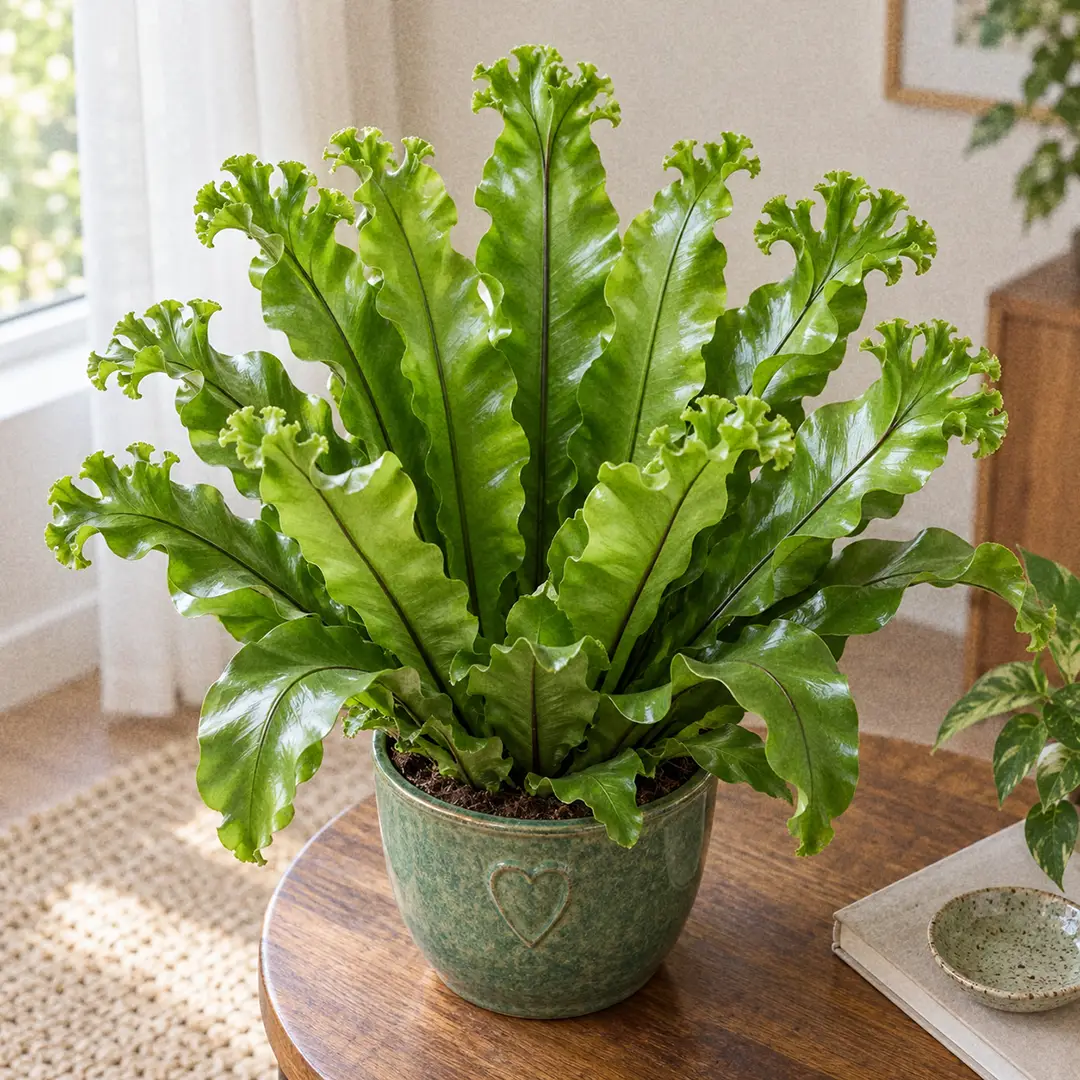
Complete Guide to Leslie Bird's Nest Fern Care and Growth

Complete Guide to Superbum Staghorn Fern Care and Growth
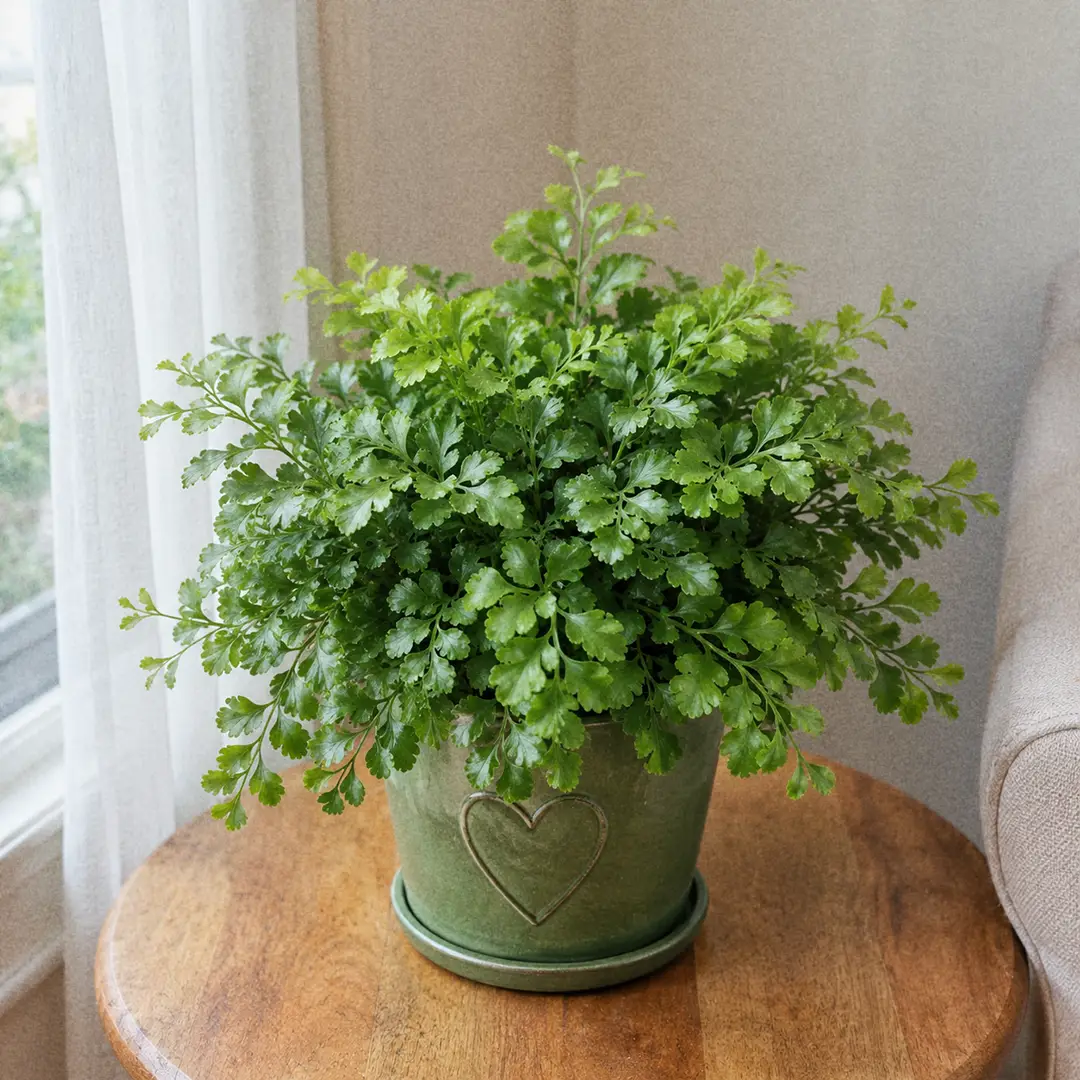
Complete Guide to Austral Gem Fern Care and Growth
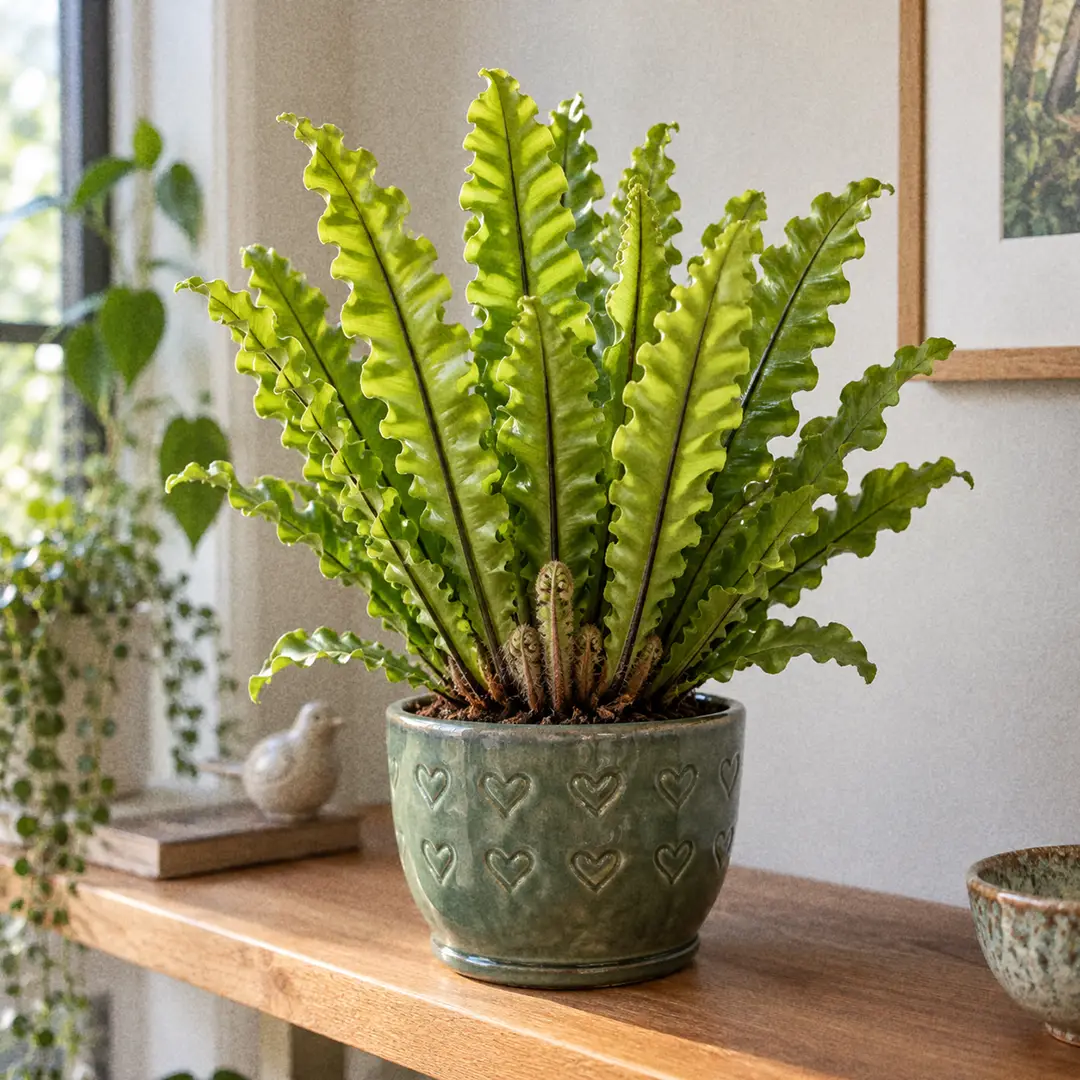
Complete Guide to Crispy Wave Fern Care and Growth
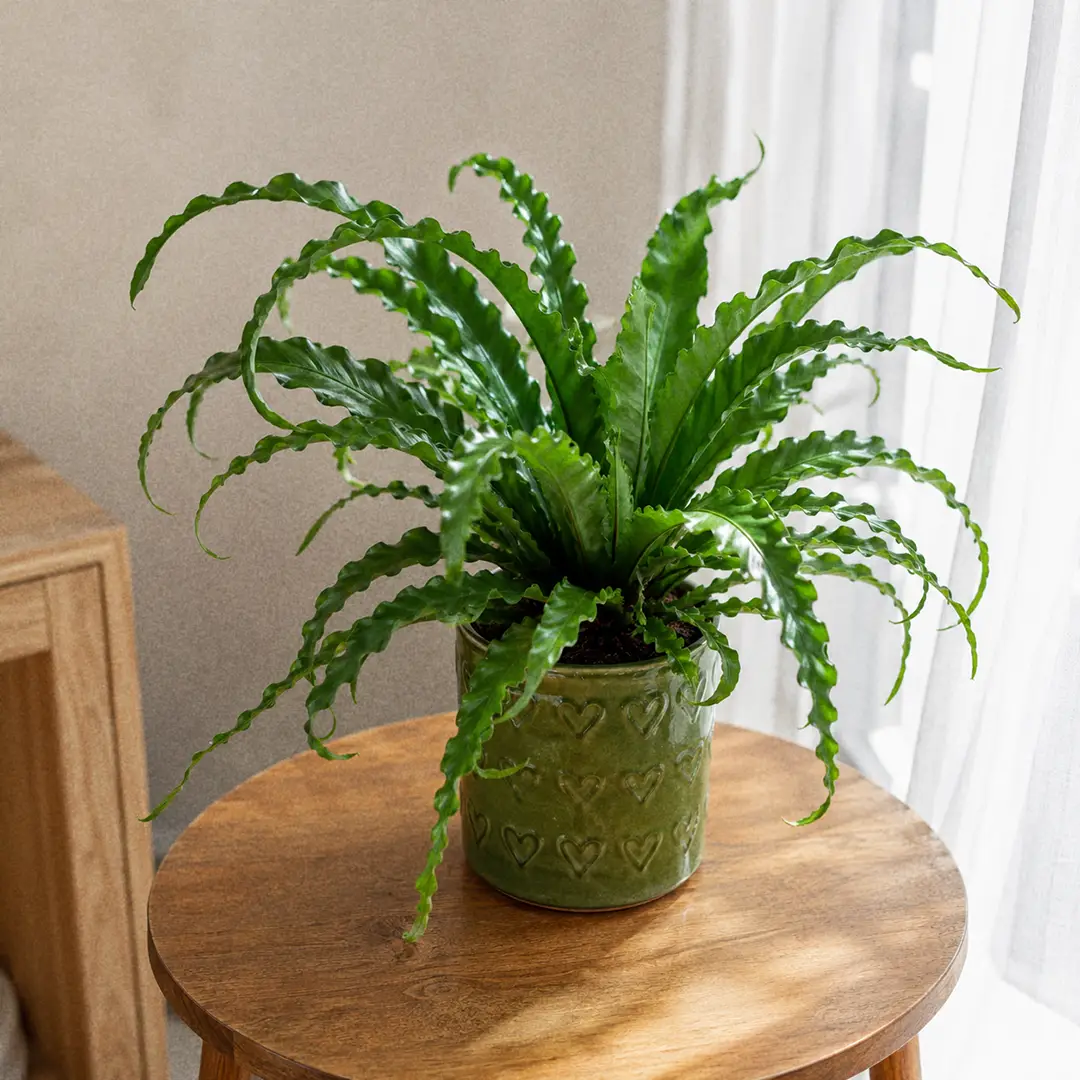
Complete Guide to Japanese Bird's Nest Fern Care and Growth
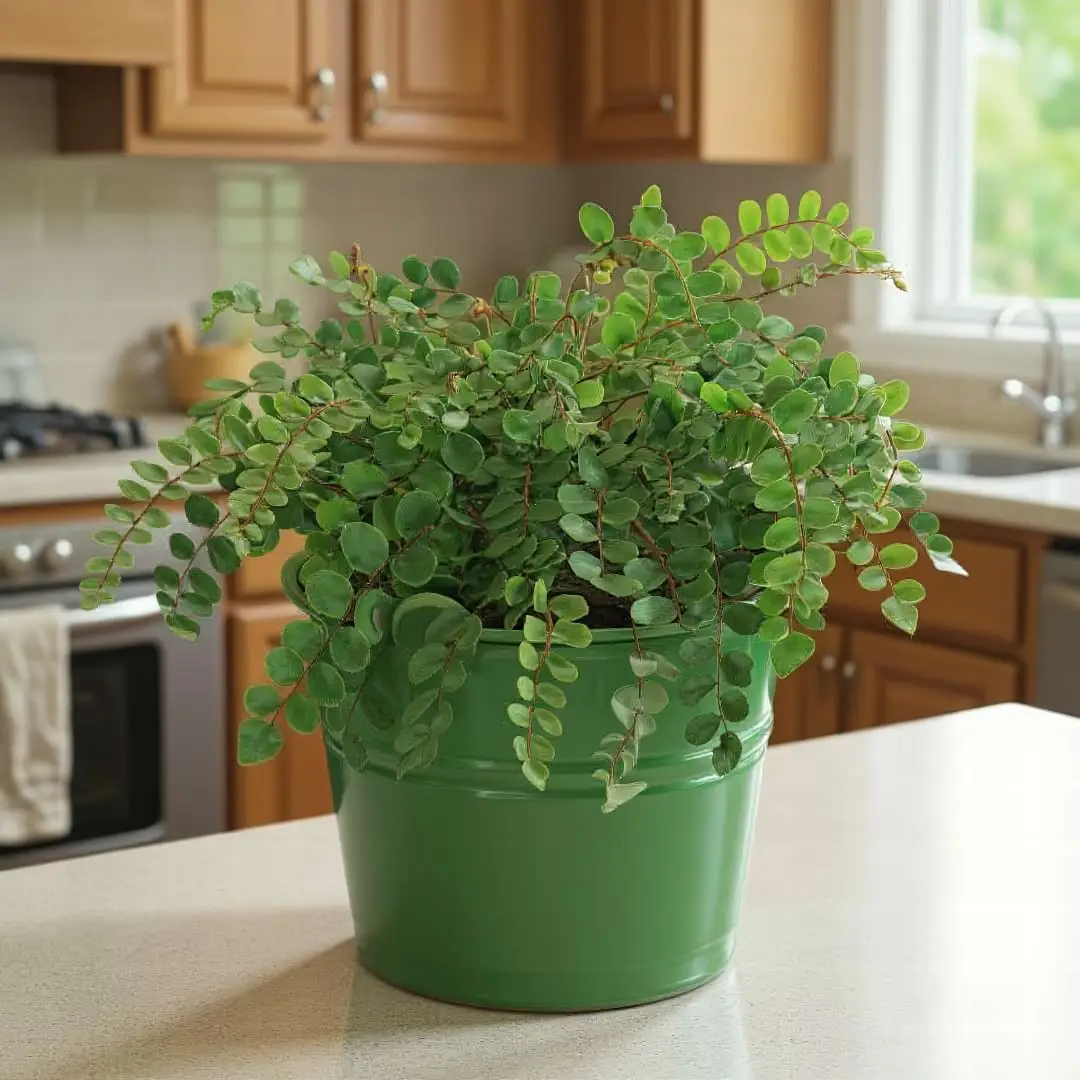
Complete Guide to Button Fern Care and Growth
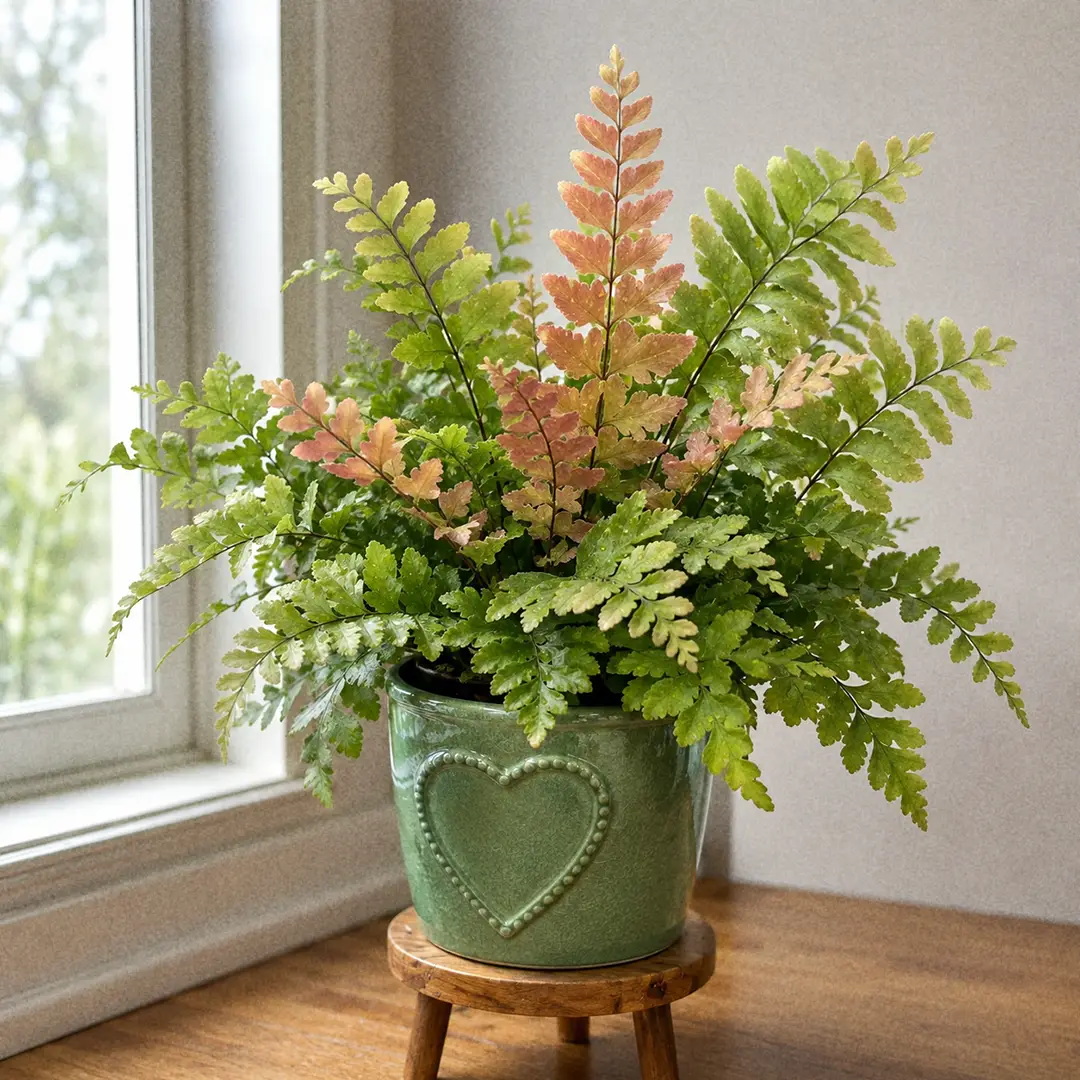
Complete Guide to Mahogany Fern Care and Growth
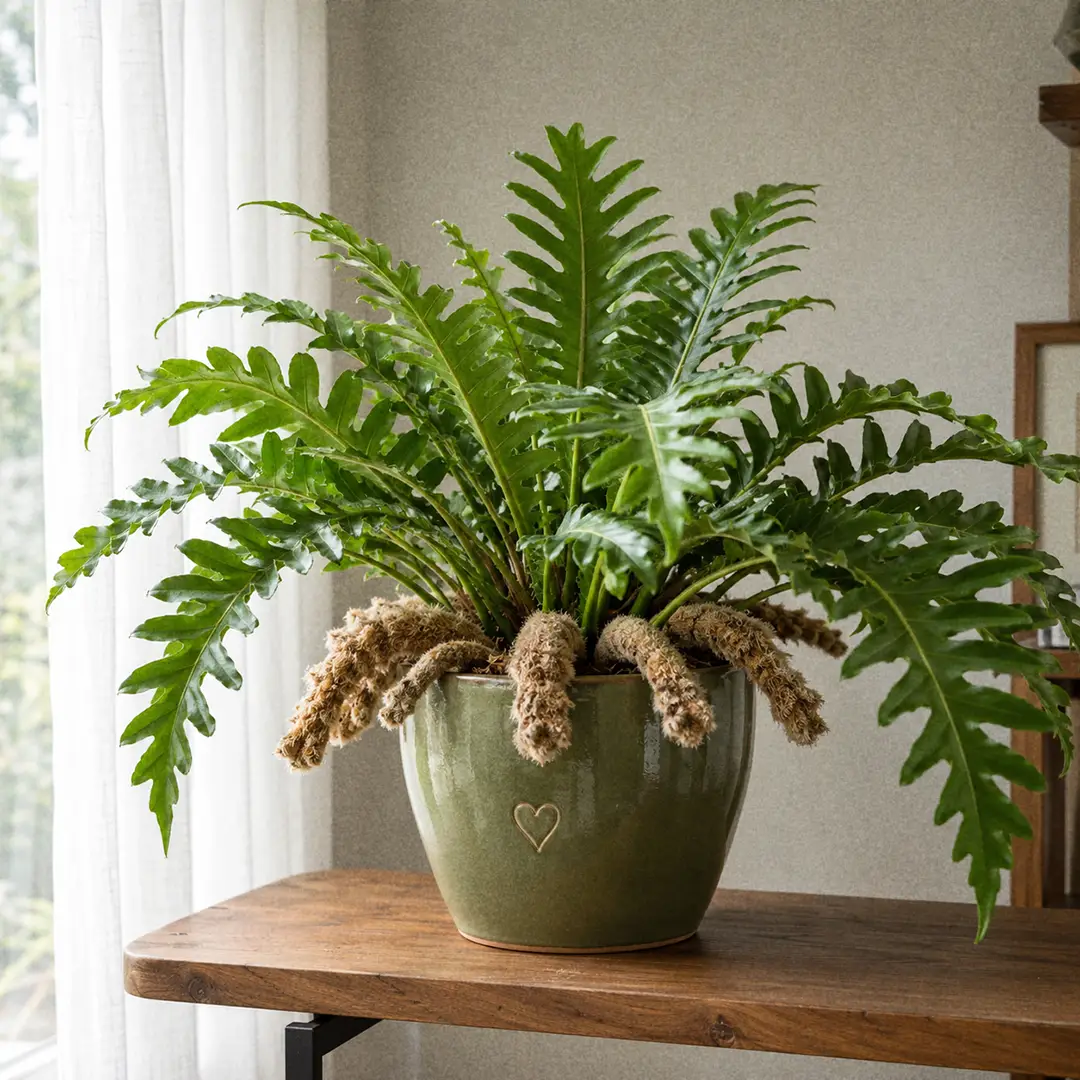
Complete Guide to Bear's Paw Fern Care and Growth
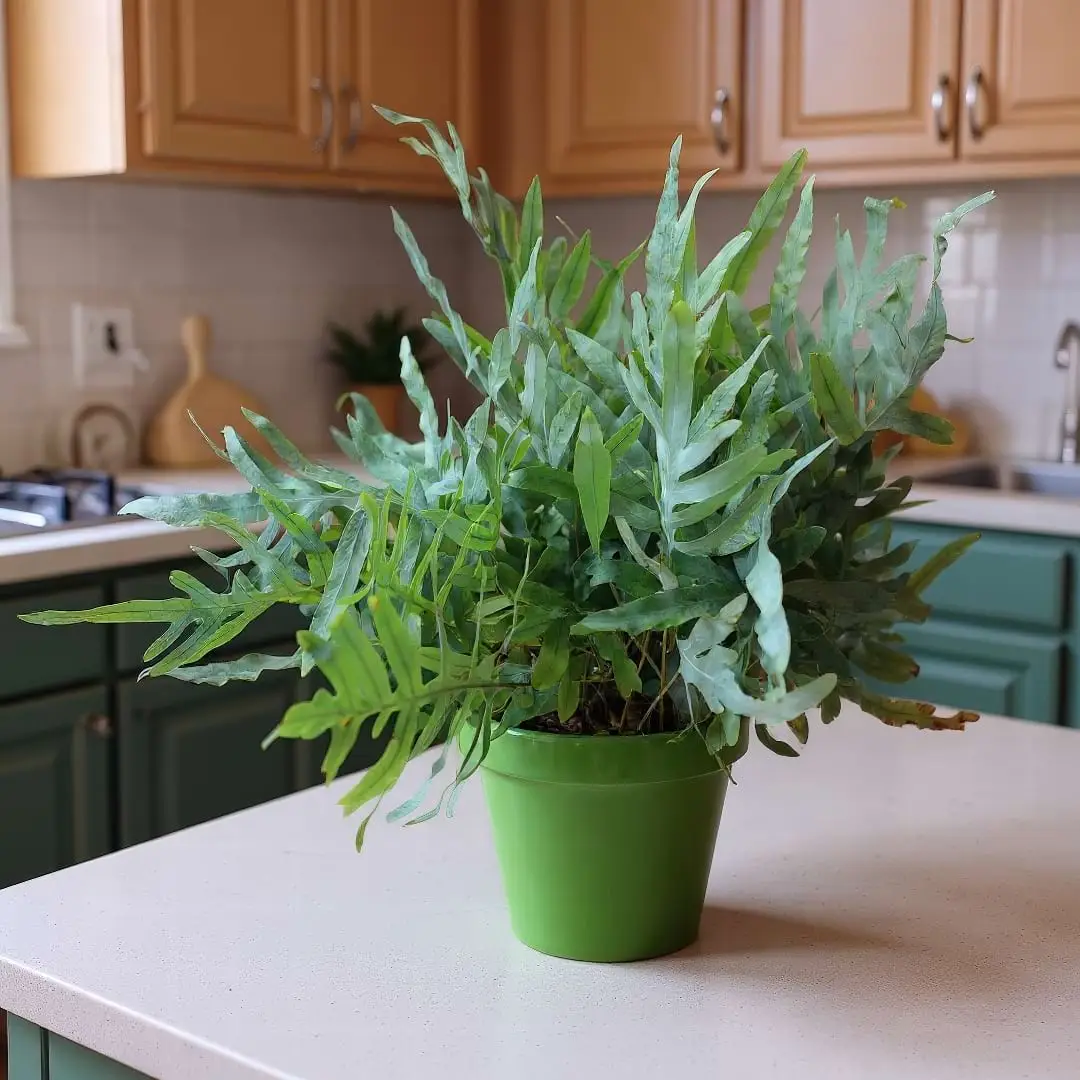
Complete Guide to Blue Star Fern Care and Growth
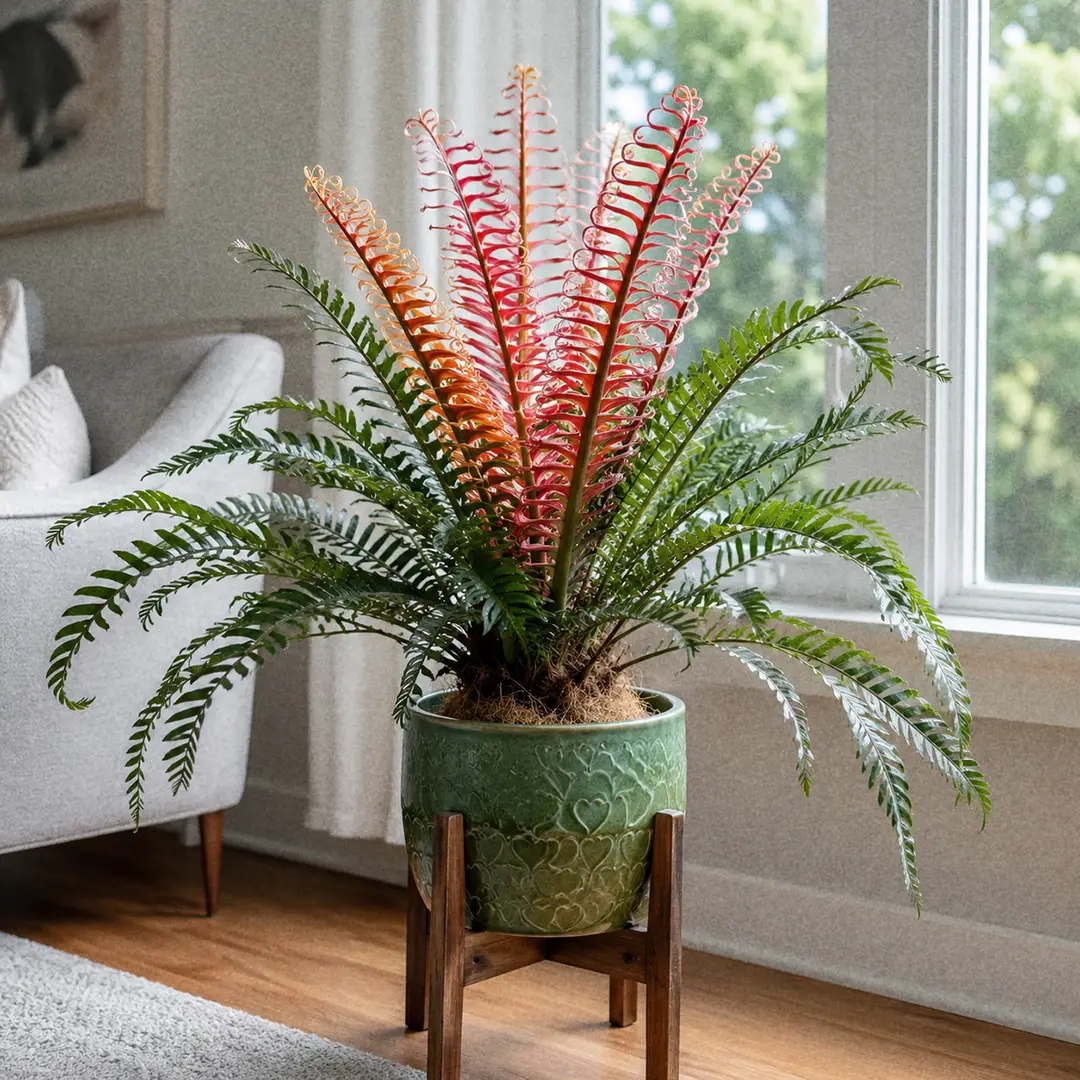
Complete Guide to Volcano Fern Care and Growth
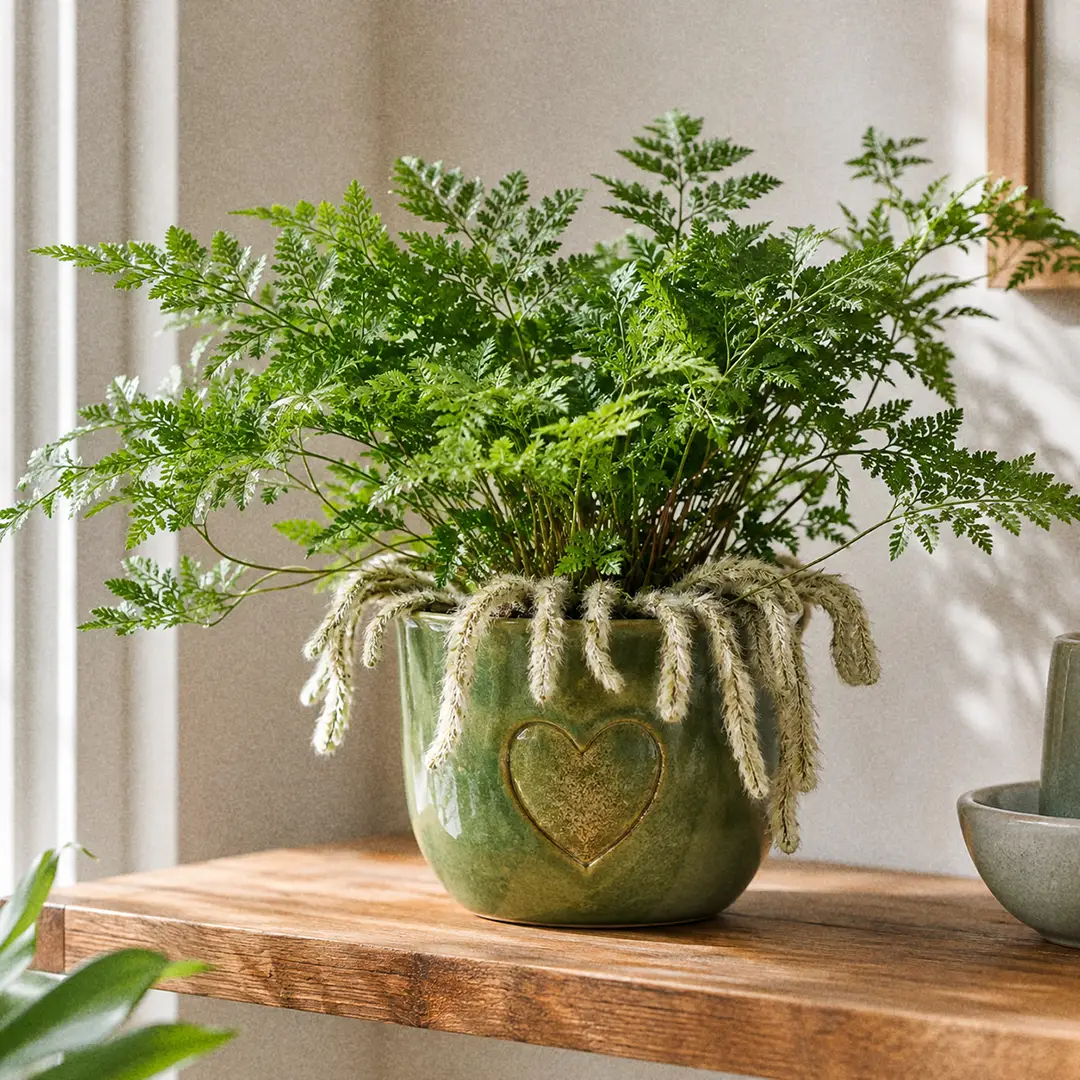
Complete Guide to White Rabbit's Foot Fern Care and Growth

Houseplant101 Forum
Questions & Comments
Ask a question, share your plant experience, or help other plant owners.
Comments are temporarily unavailable.
Open the Houseplant101 ForumNo comments yet
Be the first to ask a question or share your experience about this page.
Log in or create an account
Comments use your Houseplant101 Forum account, but you can stay on this page.
Create a new account