
Volcano Fern
Blechnum brasiliense 'Volcano'
Dwarf Brazilian Tree Fern, Red Brazilian Tree Fern, Neoblechnum brasiliense


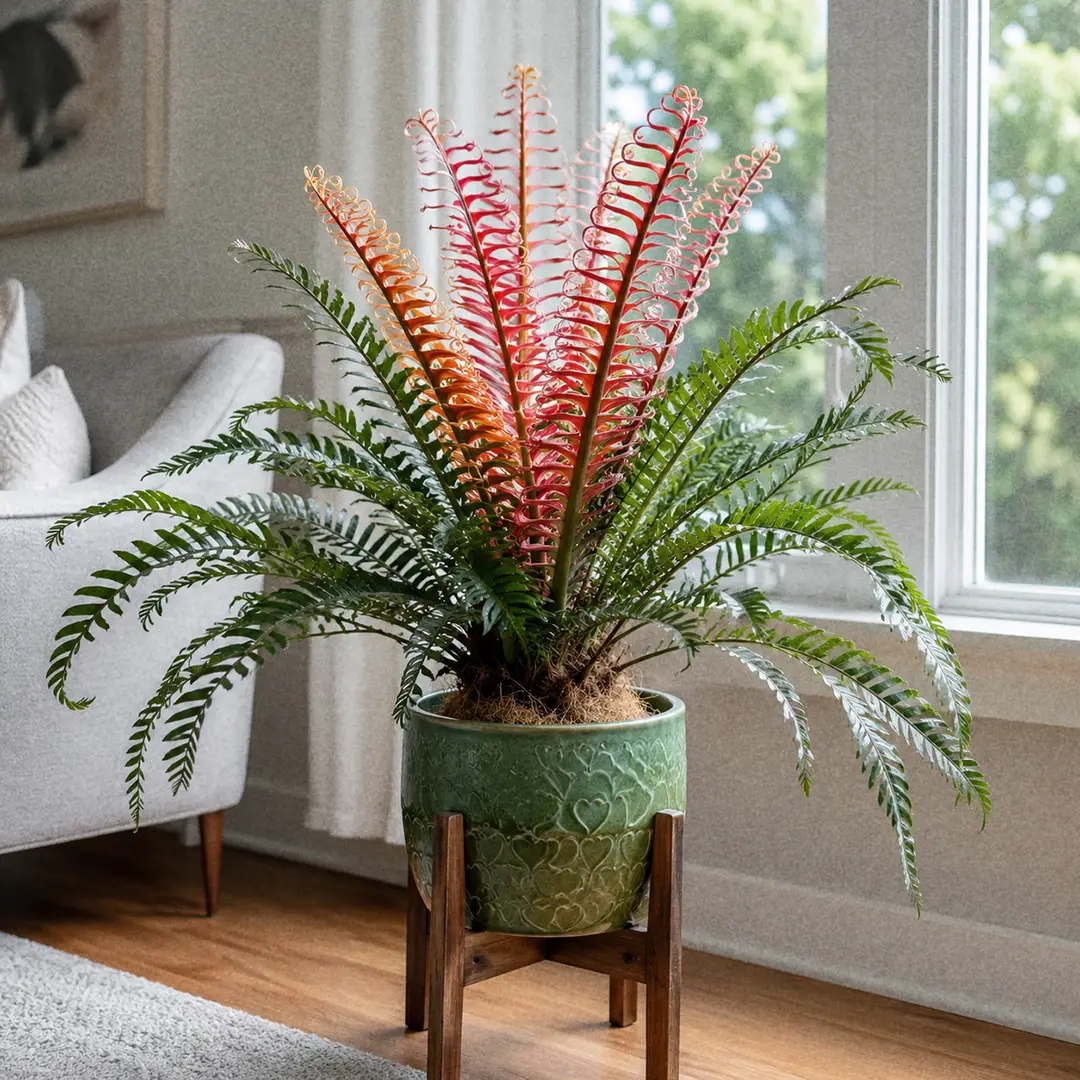
Volcano Fern pushes out new fronds in deep burgundy red before they cool to bronze and settle into glossy green, so a healthy plant wears three colors at once. Learn how to grow Blechnum brasiliense 'Volcano' indoors and keep the red flushes coming.
📝 Volcano Fern Care Notes
🌿 Care Instructions
⚠️ Common Pests
📊 Growth Information
🪴 In This Guide 🪴

☀️ Volcano Fern Light Requirements (Bright Indirect)
The Sweet Spot
Volcano Fern wants bright indirect light, which is brighter than most people expect from a fern and still nowhere near direct sun. The best indoor spot is two to four feet back from an east-facing window, or right up close to a north-facing one. In the wild it grows on the shaded floor of Brazilian Atlantic forest, under a canopy that breaks the light up before it lands.
South and west windows work if a sheer curtain sits between the glass and the plant, or if the fern is set well off to one side so it never catches the afternoon beam. Our Indoor Lighting Guide is useful if you are still learning to read a room by eye.
Too Little Light
In a dim corner this fern does not die dramatically, it just gets dull. New fronds come up washed-out pink or straight to pale green, skipping the deep red entirely, and that is the whole reason you bought the plant. Growth also stretches: fronds get longer, floppier and thinner, and the rosette loses its tight upright shape.
Old fronds hanging on while nothing new appears for months is the other tell. Winter light in northern homes is usually the culprit, and a grow light on a timer for a few hours a day fixes it cheaply.
Too Much Light
Direct sun is the fastest way to ruin a Volcano Fern. An hour of unfiltered midday light through glass bleaches the fronds to a papery yellow-tan, and once a pinna scorches it stays scorched. That damage is leaf scorch, and it never heals.
Milder overexposure shows up as flat, faded green with a slightly grey cast, plus crispy tips that appear even though you have been watering properly. Move the plant back a couple of feet before you start blaming the humidity.

💧 Volcano Fern Watering Guide (Evenly Moist, Always)
Watering Frequency
Forget the "let the top inch dry" advice you use on most houseplants. Volcano Fern wants the mix evenly moist all the way through, all the time. In a warm bright room that usually means watering every three to five days in summer, stretching to seven or ten in a cool winter room.
Water harder when fiddleheads are unfurling. A new frond is mostly water while it uncoils, and a plant that goes thirsty mid-unfurl will abort the frond or leave it permanently crumpled at the tip. Check with a finger an inch down, or a moisture meter if you would rather not guess.
How to Water
Water the soil, not the crown. Pour slowly around the edge of the pot until it runs freely from the drainage holes, then empty the saucer after ten minutes. Water pooling in the center of the rosette in a cool room is the classic route to crown rot.
Bottom watering suits this plant well, because it wets the whole rootball evenly and keeps the crown dry. Stand the pot in an inch of water for fifteen minutes, then let it drain completely.
Water Quality
This is an acid-loving fern, and hard tap water gradually pushes the soil pH up and leaves mineral crust behind. If your water is very hard, rainwater or filtered water is worth the trouble. Use room-temperature water only, since cold water straight from the tap shocks the roots and stalls growth.
Signs of Trouble
A thirsty Volcano Fern goes limp and dull within a day, and the outer fronds crisp from the tip inward. Rehydrate by soaking the pot in a basin for twenty minutes rather than pouring a jug over the top.
Overwatered is different: the fronds yellow evenly from the base of the plant outward, the soil smells sour, and the base feels soft. That is root rot, and the fix is repotting into fresh airy mix, not more water.
🪴 Best Soil for Volcano Fern (Acidic and Airy)
What the Soil Needs
Two things at once: it must hold moisture and it must stay airy. A dense compost that sits wet suffocates the roots, and a chunky free-draining mix dries out faster than this fern can cope with. The target is a mix that stays damp for days but still lets you see air pockets when you squeeze it.
pH matters more here than it does for most houseplants. Volcano Fern is a genuine acid lover, happiest somewhere around 5.0 to 6.0, which is the range ericaceous compost is blended for.
DIY Soil Mix
An easy recipe that works:
- 3 parts coco coir or peat-based potting mix
- 1 part fine orchid bark
- 1 part perlite
- 1 handful of worm castings per pot
The bark keeps the structure open for a year or two before it breaks down, which is roughly how long you want to go between repots anyway. Our soil guide covers the reasoning behind each ingredient.
Pre-Made Options
An ericaceous or azalea compost is the closest off-the-shelf match, loosened with a couple of handfuls of perlite. A standard peat-based houseplant mix also works if you add perlite and bark, though you may need to feed slightly more often. Skip cactus mixes entirely, and skip anything heavy on limestone grit. If you are comparing bags, our potting soil guide breaks down what is actually inside them.
🍼 Fertilizing Volcano Fern (Gentle and Regular)
When and How Often
Feed every three to four weeks from early spring through late summer, and stop completely from autumn until you see the first new fiddlehead in spring. Ferns are light feeders with fine roots, so frequency beats strength.
What to Use
A balanced liquid houseplant fertilizer at quarter strength is ideal. Something with a slight nitrogen lean supports frond production, but avoid high-nitrogen lawn-style feeds, which push soft floppy growth that flops open instead of standing upright. Always water first, then feed, so the fertilizer never hits dry roots. Our fertilizing guide and the fertilizer roundup go deeper if you want options.
Over-Fertilizing Signs
Brown crispy frond tips on a plant you have been watering correctly usually mean salt buildup, not low humidity. A white crust on the soil surface or around the drainage holes confirms it. Flush the pot with plain water three or four times, let it drain fully, and skip the next two feeds.
🌡️ Volcano Fern Temperature Range
Ideal Range
Aim for 60-75°F (16-24°C), which is comfortable room temperature in most homes. Growth slows noticeably below 60°F and stops around 50°F. The plant survives a brief dip near freezing outdoors, which puts it in USDA zones 9-11, but frond damage starts well before that so there is no reason to test it.
A slightly cooler winter, around 60-65°F, is fine and even helpful, as long as you cut back on water to match.
Drafts and Heat Sources
Radiators and forced-air vents are the real enemy indoors. Dry moving heat pulls moisture out of the fronds faster than the roots can replace it, and the tips brown within days. Keep the fern at least a few feet from any heat source.
Cold draughts do their own damage. An open window in winter, or a spot pressed against freezing glass, causes sudden frond collapse and blackened new growth. Front doors and unheated porches are bad places for this plant.
💦 Volcano Fern Humidity Requirements
Ideal Humidity
60 percent or higher is where this fern looks its best, and it will limp along around 50 percent with browning tips. Average heated homes sit near 30 percent in winter, which is why so many people watch a healthy fern slowly crisp from November onward.
Easy Humidity Boosters
A small humidifier running near the plant is the only method that reliably moves the number, and it is worth it for a fern this size. Grouping plants together helps a little, and a pebble tray helps a little less than people claim. A bright bathroom with a window is often the single best room in the house for this plant. Misting is close to useless on its own, and in still air it encourages fungal spotting on the fronds, so pair any humidity setup with gentle air movement. Our humidity guide covers the trade-offs.
🌸 Does the Volcano Fern Bloom?
Spores Instead of Flowers
No, and it never will. Ferns are far older than flowering plants and reproduce with spores rather than flowers, seeds or fruit. Anyone selling you a "flowering Volcano Fern" is selling you something else.
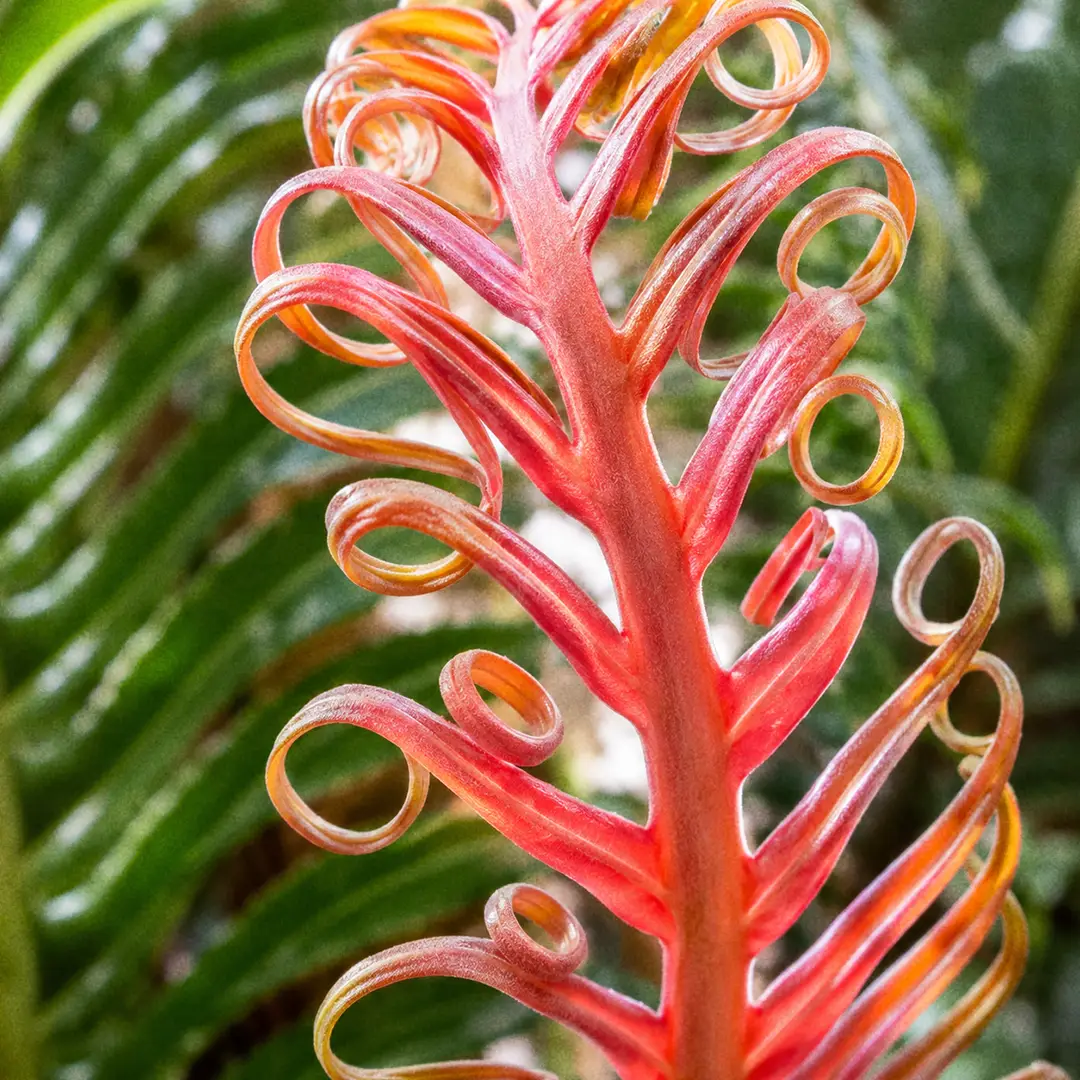
The color show does all the work a flower would. Each new frond emerges deep burgundy red, holds that color for a week or two, fades through copper-bronze over another few weeks, then hardens into glossy dark green. With a plant flushing several fronds a season, you get red, bronze and green on the same rosette for much of the summer.
The Two Kinds of Fronds
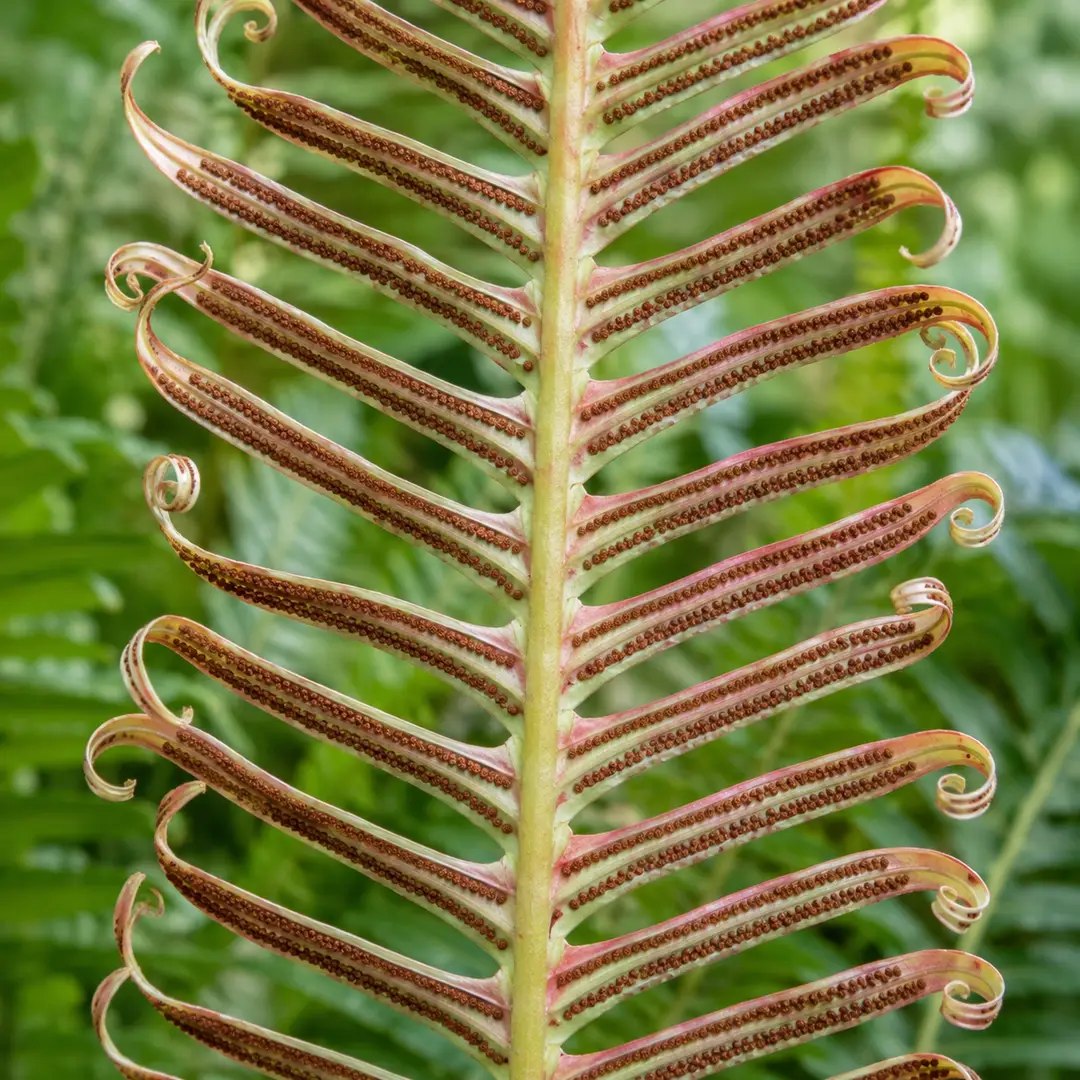
Blechnum ferns are dimorphic, which means they grow two frond shapes. The broad ones you notice are sterile fronds that do nothing but photosynthesize. Mature plants also send up narrower, stiffer, more upright fertile fronds with much thinner pinnae, and those carry the spores.
Spores or Scale Insects?
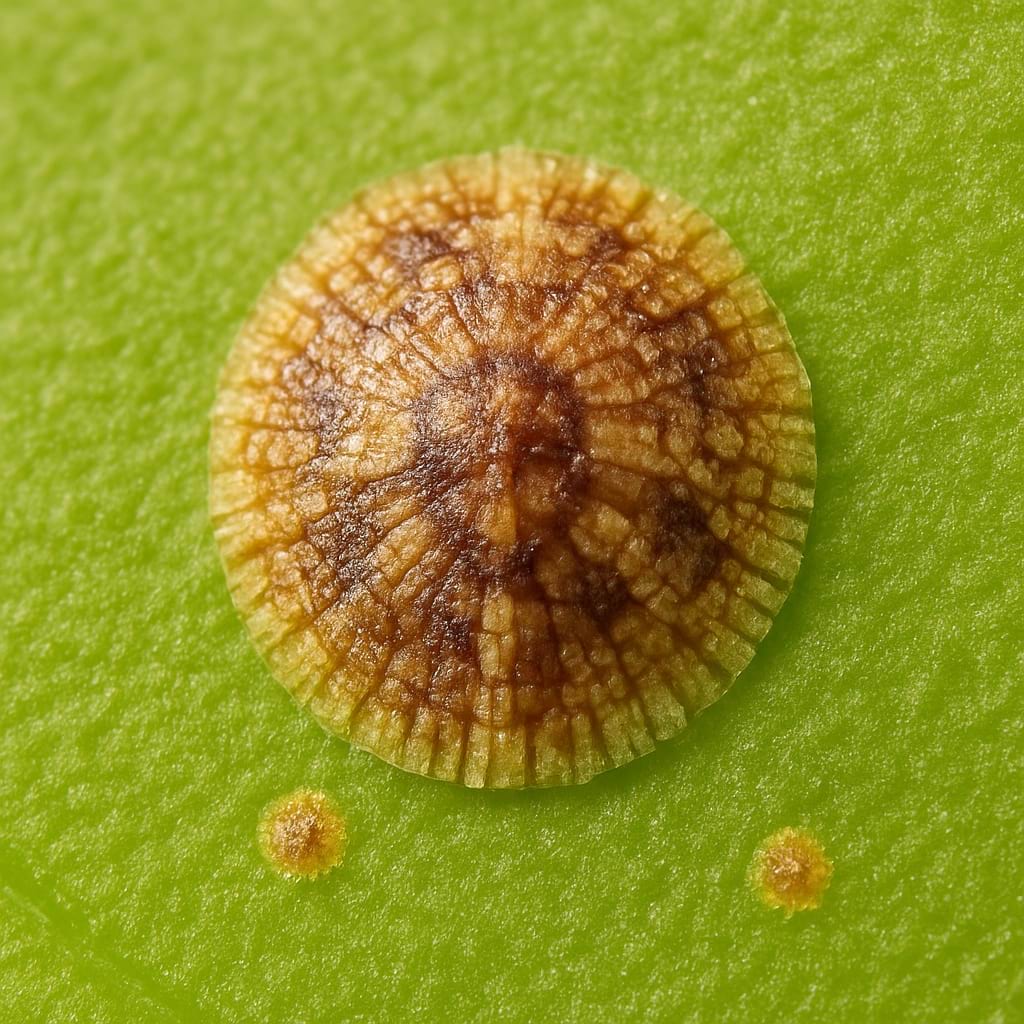
Turn a fertile frond over and you will see two continuous brown lines running the length of each pinna, one on either side of the midrib. That is normal Blechnum spore production, not a pest. Scale insects look like scattered raised bumps in random positions and scrape off with a fingernail; spore lines are neat, symmetrical and part of the leaf.
🏷️ Volcano Fern Types and Lookalikes
Blechnum brasiliense 'Volcano'
The plant this guide is about. It was selected from the plain species for redder new growth that holds its color longer, and some plants keep a pinkish-bronze cast even on fronds that have fully hardened. It is also a touch more compact than the species, which is why nurseries often label it as a dwarf.
The Straight Species
Plain Blechnum brasiliense still flushes red, just less intensely and for less time, and it grows taller and looser. If you are buying from a general garden centre and the label says only "Brazilian Tree Fern", you are probably getting this rather than 'Volcano'. Care is identical either way.
Blechnum brasiliense 'Crispum'
A less common cultivar with wavy, ruffled frond edges instead of flat ones. The red flush is present but the crinkled texture is the selling point. Genuinely hard to find outside specialist fern nurseries.
Not the Same as a Silver Lady Fern
This is the usual mix-up. Silver Lady Fern is Blechnum gibbum, a close relative with the same trunk-forming habit and rosette shape, but its new fronds come up pale silvery green, never red. Silver Lady also has slightly broader pinnae and is fussier about cold. If the new growth on your plant has never been red, you very likely have a gibbum.
For red new growth on a plant that shrugs off cool rooms, the Autumn Fern is the easier alternative. Its coppery flush is less saturated, but it is a much more forgiving houseplant. The Mahogany Fern pulls the same bronze-red trick indoors year-round and asks for a good deal less humidity.
🪴 Potting and Repotting Volcano Fern
When to Repot
Every two to three years, in spring, or sooner if roots are circling out of the drainage holes and the pot dries out faster every week. This is a slow grower and it does not enjoy being disturbed, so resist the urge to repot annually.
Choosing a Pot
Go one size up only, and always with drainage holes. A pot that is too large holds a ring of wet unused soil around the rootball, which is how a fern that likes moisture still manages to rot.
Plastic and glazed ceramic both work well because they hold moisture. Unglazed terracotta wicks water out of the mix fast, which fights everything this plant wants. Our pot guide compares the materials.
Step-by-Step Repotting
- Water the plant a day ahead so the rootball holds together.
- Slide it out and gently tease the outer roots loose without combing through the core.
- Add fresh mix to the new pot so the crown will sit at exactly the height it sat before.
- Centre the plant, fill around the sides and firm lightly.
- Water thoroughly and keep it out of bright light for a week while it settles.
The one rule that matters: never bury the crown. As this fern ages it builds a short fibrous trunk, and the growing point sits on top of it. Soil piled over that crown causes rot within weeks. Our repotting guide has the general version of this process.
✂️ Pruning Volcano Fern
When to Prune
Only when a frond has genuinely finished. Fronds yellow and brown from the outside of the rosette inward as they age, and losing a few a year is normal. Spring, just before the new flush, is the natural time for a tidy-up.
How to Prune
Cut the spent frond off at its base with clean scissors, close to the trunk but without nicking the trunk itself. Never cut into the central crown, since every future frond comes from there and the plant has no backup growing point.
For a frond that is only brown at the tip, trim the damaged part following the natural leaf outline and leave the healthy green section working. Snip along the pinna line rather than cutting straight across, and it will not look pruned.
What Not to Cut
Leave the fertile fronds alone unless they are dying. Leave the fibrous brown trunk alone too, since those matted old frond bases are structure rather than debris. Do not remove more than a third of the fronds at once.
🌱 How to Propagate Volcano Fern
Best Method: Division
Division is the only realistic route for most people. Volcano Fern is a single-crown plant for its first few years, so you cannot divide a young specimen at all. Older plants sometimes produce offsets at the base of the trunk, and those are what you separate.
Step-by-Step Division
- Wait until spring, and water the plant well the day before.
- Slide the whole plant out of its pot and wash enough soil off the base to see where the offset joins the parent.
- Cut cleanly through the connecting rhizome with a sterilised knife, keeping as many roots as possible with the offset.
- Pot each piece into its own small pot of fresh acidic mix, crown sitting at soil level.
- Water in, cover loosely with a clear bag for two weeks to hold humidity, and keep out of direct light.
Expect the division to sulk. Blechnum re-establishes slowly, and a divided piece can sit doing nothing for a couple of months before the first new frond appears. That pause is normal and not a sign you botched it. Our plant division guide covers the general technique.
Growing From Spores
Spores work, but this is a project rather than a weekend job. Scrape ripe brown spores from a fertile frond onto paper, sow them thinly on sterilised damp peat mix in a covered container, then keep it warm, bright and closed. You will see a green film of prothalli in four to eight weeks, and recognisable small ferns several months after that.
Two catches. Spores lose viability within a few weeks at room temperature, so sow them fresh. And 'Volcano' is a selected cultivar, so seedlings often revert toward the plain species and come up less red. Division is how you keep the color.
🐛 Volcano Fern Pests and Treatment
Volcano Fern is fairly pest-resistant outdoors and rather less so on a dry windowsill. The general rule with ferns is to go gentle: fine fronds burn easily, so dilute everything further than the label says and test on one frond first.
- Scale insects are the most common problem, appearing as brown raised bumps along the frond midribs and on the trunk. Scrape them off with a fingernail or a cotton bud dipped in diluted rubbing alcohol.
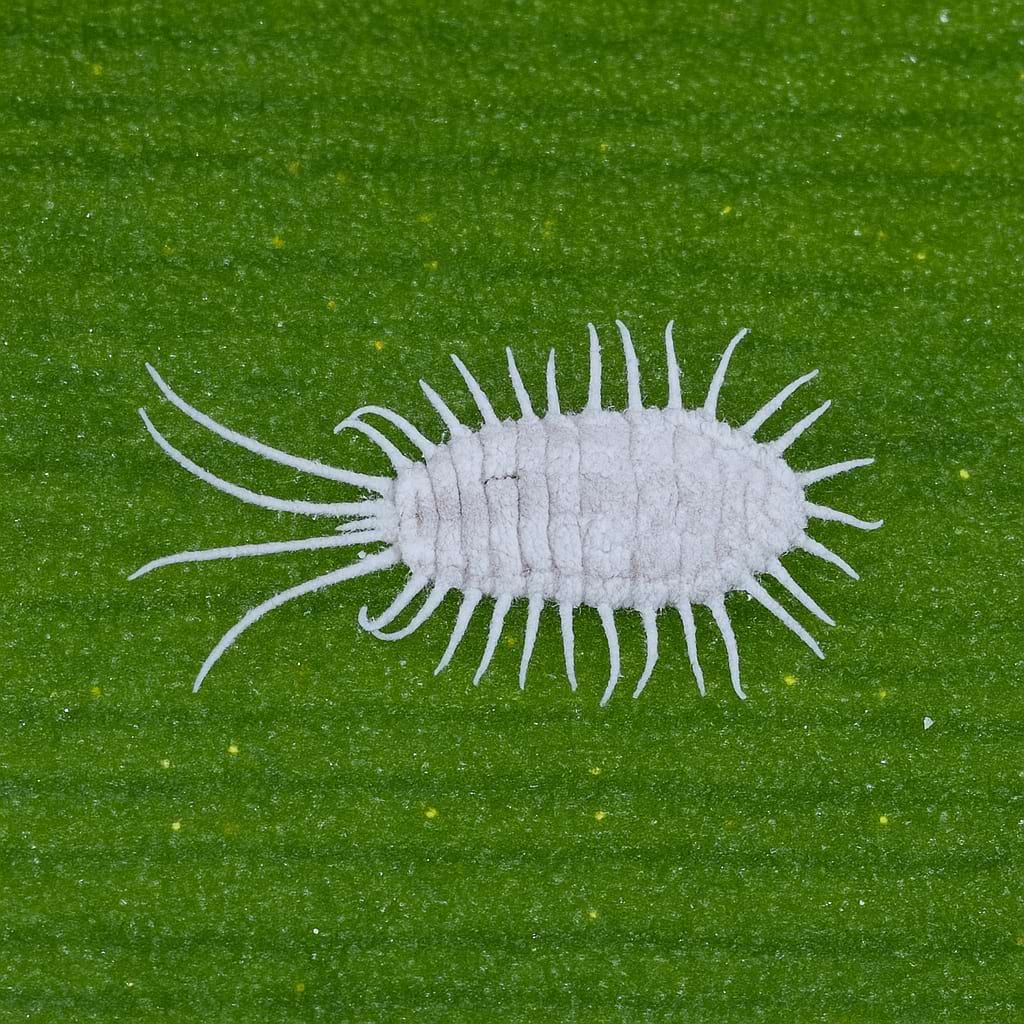
- Mealybugs hide as white cottony fluff deep in the crown and where fronds meet the trunk. Dab each one with alcohol on a cotton bud, then check again weekly for a month.
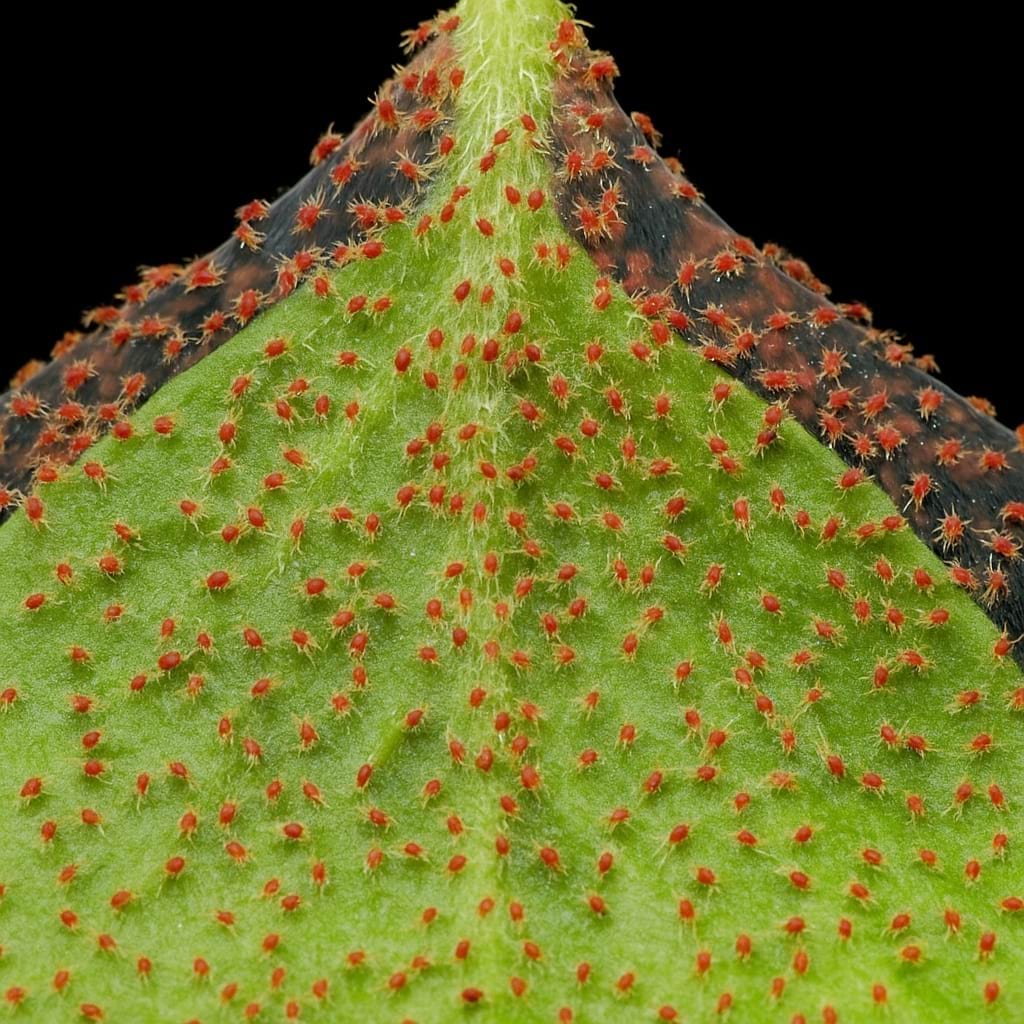
- Spider mites show up as fine webbing and a stippled, dusty look on the fronds, and they arrive almost exclusively when the air is too dry. Raise the humidity and rinse the plant thoroughly in the shower.
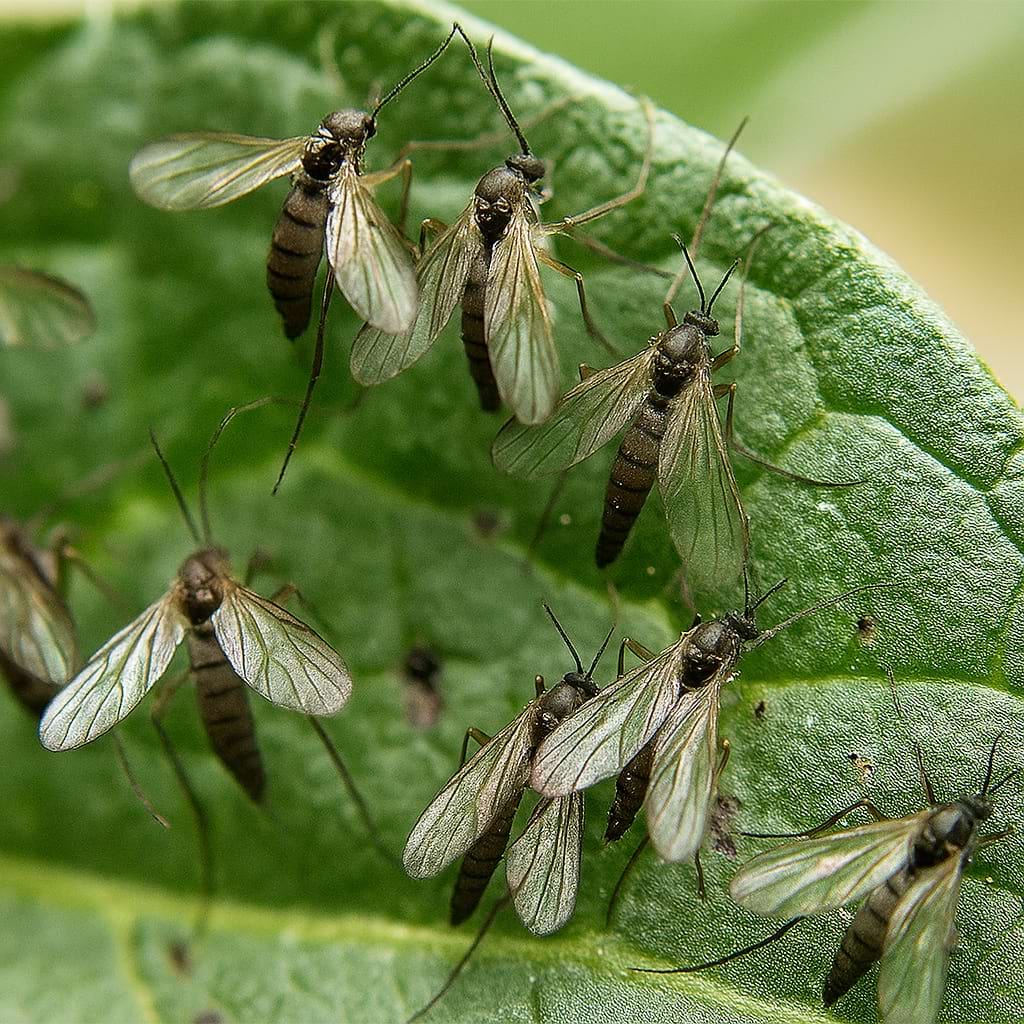
- Fungus gnats are close to inevitable on a plant kept this moist. Yellow sticky traps handle the adults, and letting only the very top of the soil dry between waterings handles the larvae.
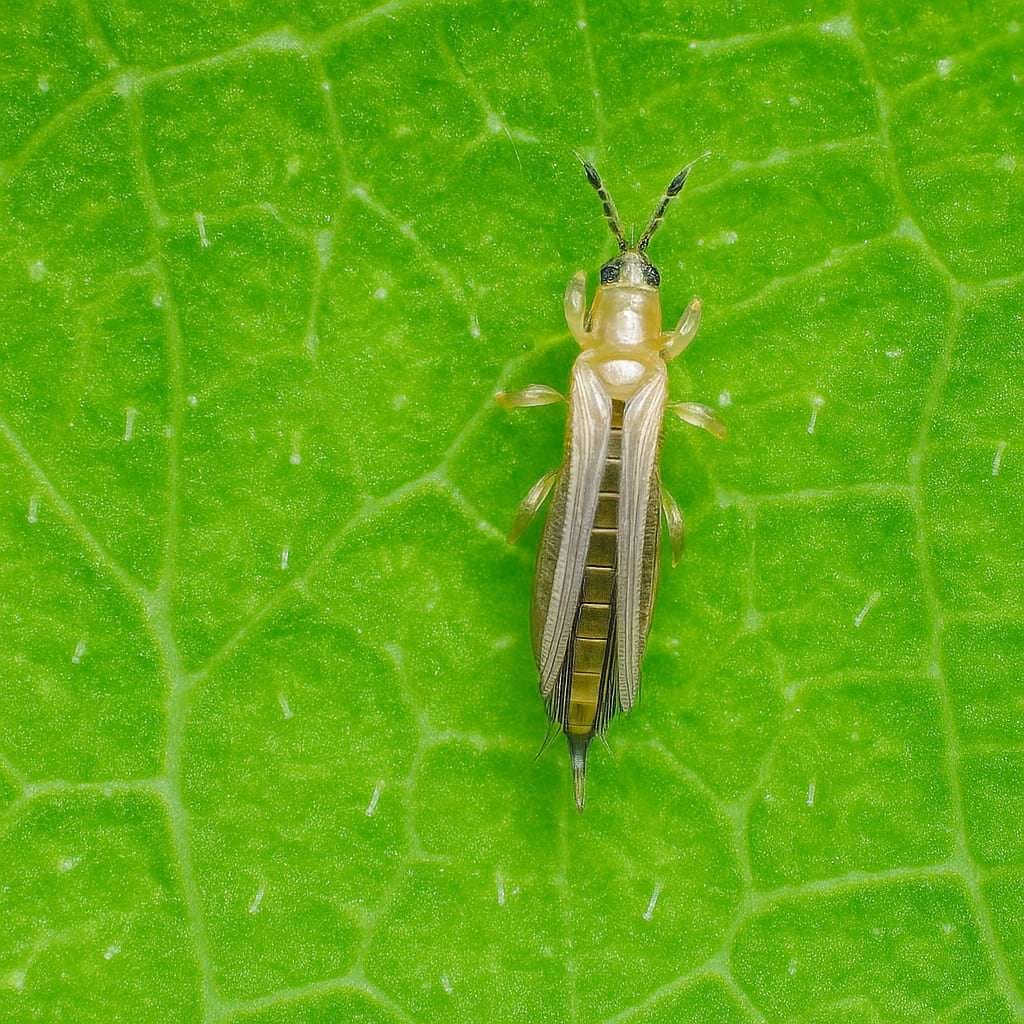
- Thrips are less common but cause silvery scarring on new fronds. Isolate the plant immediately, since they spread through a collection fast.
Insecticidal soap works on all of these. Neem oil also works, but it can mark fern fronds, so use it sparingly and never in direct light.
🩺 Common Volcano Fern Problems
Nearly every problem with this plant traces back to one of two things: the rootball dried out, or the air is too dry. Diagnose in that order and you will be right most of the time.
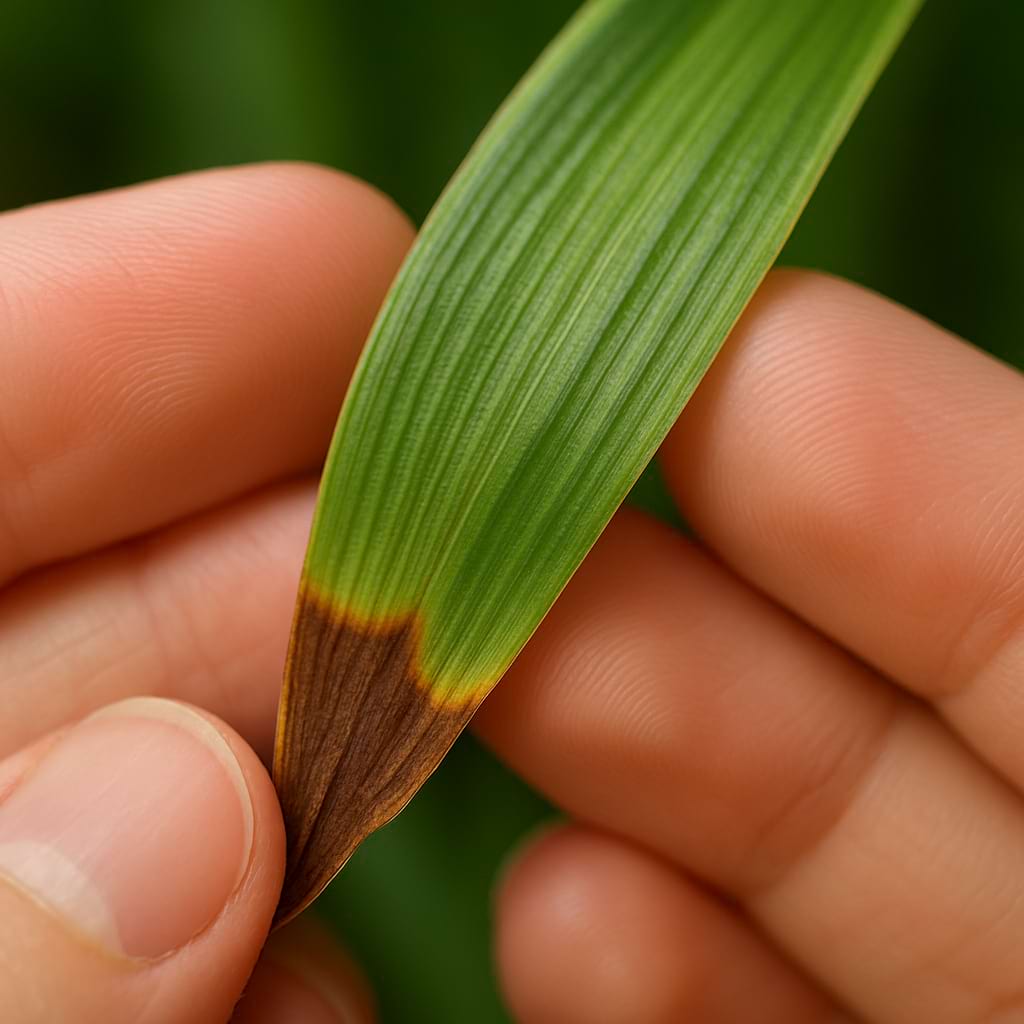
- Brown crispy edges on otherwise healthy fronds mean low humidity, a heat source too close, or fertilizer salt buildup. Check all three before settling on the humidity.
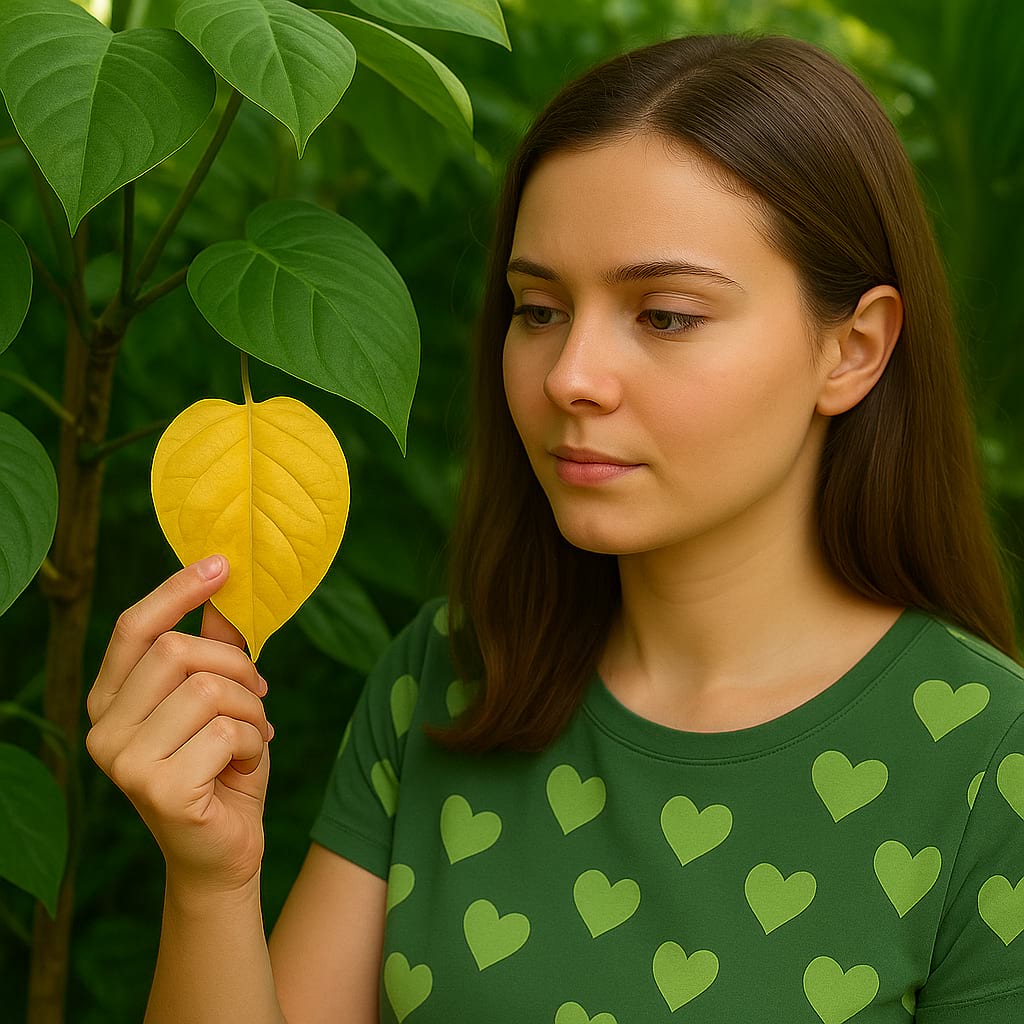
- Yellowing fronds starting from the base of the plant usually mean overwatering or soil that has gone dense and airless. A single old outer frond yellowing is just normal ageing.
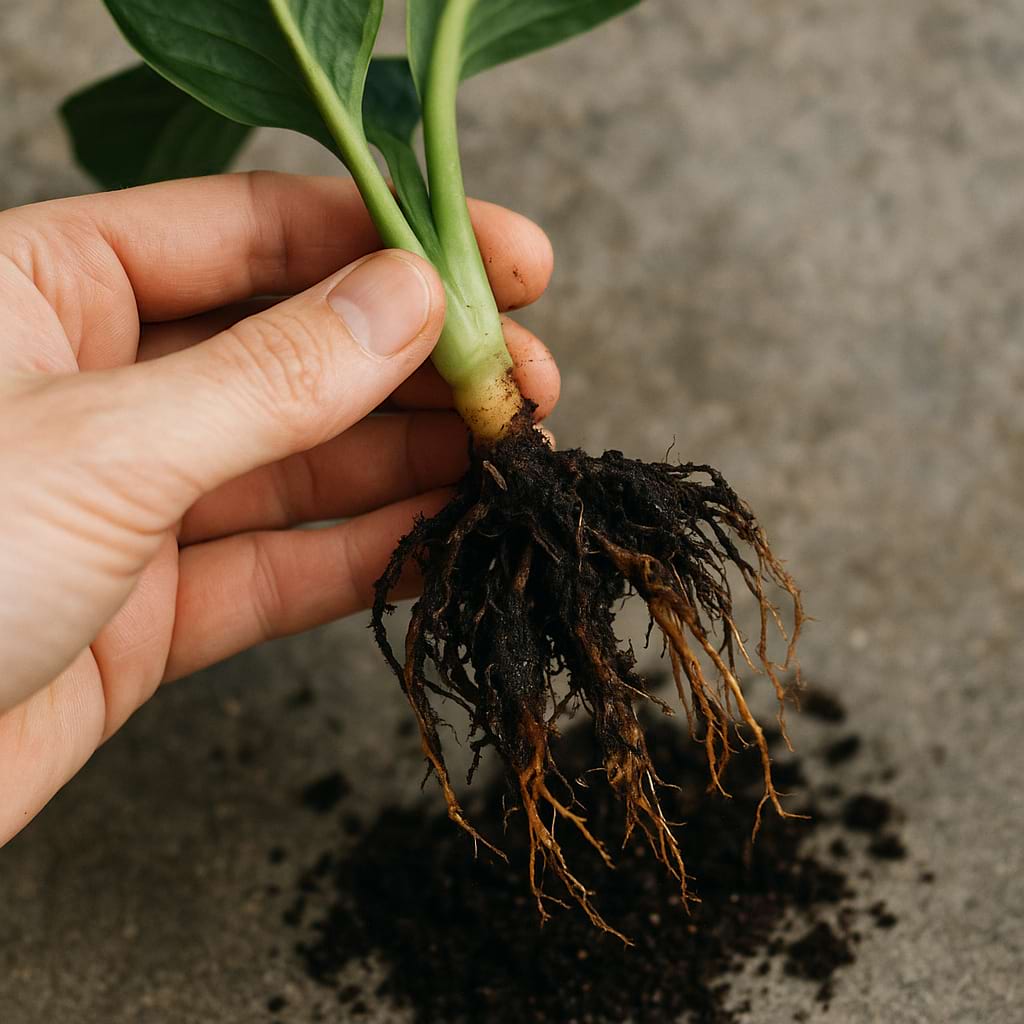
- Root rot turns the crown soft and the soil sour. It comes from a pot with no drainage or a mix that has collapsed, not from watering often. Repot into fresh airy mix and cut away any black mushy roots.
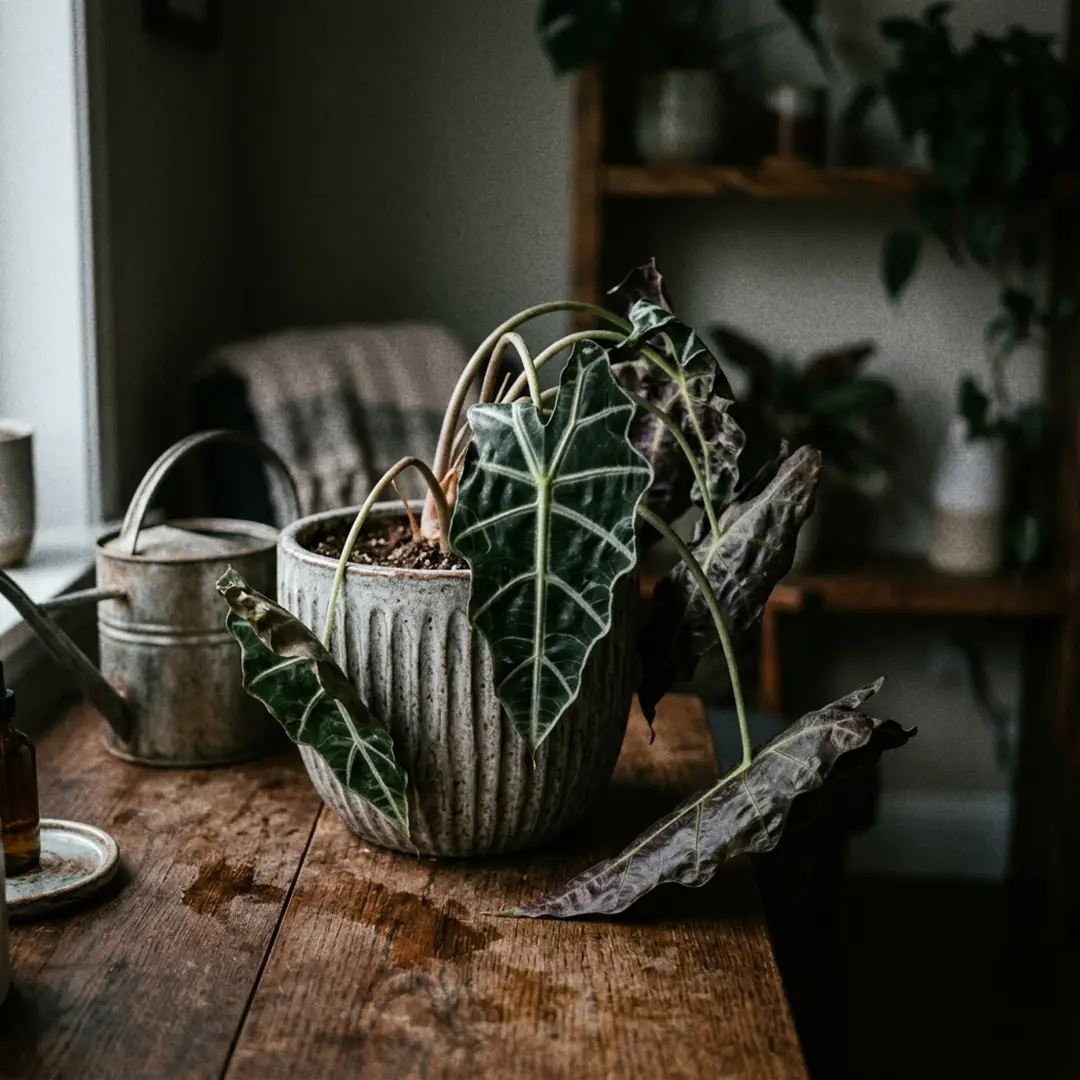
- Wilting and drooping happens within a day of the rootball drying out. Soak the pot in a basin for twenty minutes rather than watering from the top.
- Pale faded fronds with no red on the new growth mean the light is too low, or occasionally that the plant is hungry after a long unfed stretch.
- Stunted growth and no new fiddleheads for a full season points to cold, a rootbound pot, or a winter without enough light.
- Frond drop after a move or a repot is shock, and the plant usually pushes replacements once conditions settle.
Fungal leaf spotting appears as small dark spots with yellow haloes, and it shows up in humid rooms with no air movement. Remove the affected fronds and get a fan circulating gently nearby.
🖼️ Volcano Fern Display and Styling Ideas
Show the Color Off With Backlight
Young red fronds look muddy in flat frontal light and glow when light comes from behind or the side. Placing the fern where a window sits slightly behind it turns the new growth translucent, which is the whole point of owning this plant.
Solo Setups
Give it space. The rosette arches out two to three feet across on a mature plant, and cramming it between other pots makes the fronds grow lopsided toward the light. A low plant stand in a shaded corner near a bright window is close to perfect, and raising the pot slightly lets the developing trunk read as part of the plant instead of disappearing into the soil line.
Grouped Arrangements
Deep green and dark burgundy neighbours make the red flush pop rather than compete with it. A Crocodile Fern with its heavily textured fronds pairs well because the leaf shapes are so different. Grouping also nudges the local humidity up, which this fern appreciates.
Where Not to Put It
Not on a sunny south windowsill, not above a radiator, and not in a hallway that gets a blast of cold every time the front door opens. Those three spots account for most unhappy Volcano Ferns.
🌟 Volcano Fern Pro Care Tips
- Water on a schedule, not on a hunch. This is one of the few houseplants where a routine beats checking, because a single missed week costs you a whole flush of new fronds.
- Keep the crown dry. Water the soil around the edge of the pot, never into the middle of the rosette.
- Give it a shower every few weeks. Tepid water rinses dust off the fronds, discourages spider mites, and gives the humidity a short boost.
- Rotate the pot a quarter turn weekly so the rosette grows evenly instead of leaning.
- Feed at quarter strength, more often. Fine fern roots burn easily at full-strength doses.
- Do not tidy the trunk. Those matted brown frond bases are the plant's structure, and stripping them exposes the growing point.
- Move it outdoors for the summer if you have deep shade available. A season of humid outdoor air produces the reddest fronds you will ever get from this plant.
❓ Frequently Asked Questions
Why are my Volcano Fern's new fronds green instead of red?
Almost always too little light. The red pigment develops in bright indirect light, and in a dim corner new fronds come up pale pink or straight to green. Move the plant closer to an east or north window, or add a grow light for a few hours a day, and the next flush should colour properly.
Is the Volcano Fern toxic to cats and dogs?
True ferns including Blechnum are not listed as toxic to cats or dogs, so a curious pet chewing a frond is not an emergency. Eating a large amount of any plant can still cause vomiting, so it is worth placing the pot out of easy reach.
How big does a Volcano Fern get indoors?
Realistically two to three feet tall and about as wide over several years. Outdoors in a frost-free climate it reaches four to five feet with a short trunk, but pot culture and indoor light keep it considerably smaller. It is a slow grower either way.
Does the Volcano Fern really grow a trunk?
Yes, though slowly. Over five to ten years it builds a short fibrous trunk from old frond bases, usually reaching six to twelve inches indoors. It is not woody like a tree trunk, it is a dense mat of roots and old stem, so never bury it or cut into it.
Can I grow a Volcano Fern in a terrarium?
A young one, yes, and it thrives in that humidity. The problem is that it outgrows a standard terrarium within a couple of years, so treat it as a temporary resident and plan to move it into a pot.
Why are the tips of my fronds brown when I water regularly?
Dry air is the usual answer, especially in winter with the heating on. Fertilizer salt buildup is the second, which you can spot as white crust on the soil surface. Flush the pot with plain water a few times and get the humidity above 50 percent.
Should I cut off the brown lines on the underside of the fronds?
No, those are spores, and they are a sign of a mature healthy plant. Scale insects sit as scattered raised bumps that scrape off; spore lines run continuously along both sides of the midrib and are part of the leaf.
Can a Volcano Fern live outside year-round?
Only in USDA zones 9-11. It handles a brief dip near freezing, but the fronds are damaged well before that, so anywhere with real frost means bringing it indoors for winter. A shaded patio through the summer months does it a lot of good.
How often should I repot a Volcano Fern?
Every two to three years in spring, into a pot one size larger. It resents disturbance and grows slowly, so more frequent repotting sets it back rather than helping. Keep the crown at exactly the height it sat before.
Why did my divided Volcano Fern stop growing?
Blechnum re-establishes very slowly after division, and a two-month pause with no new fronds is completely normal. Keep it humid, evenly moist and out of direct light, and be patient before you assume it has failed.
ℹ️ Volcano Fern Info
Care and Maintenance
🪴 Soil Type and pH: Acidic, moisture-retentive peat or coir mix with bark and perlite
💧 Humidity and Misting: Wants 60 percent or higher with moving air; dry rooms scorch the frond tips.
✂️ Pruning: Cut old fronds off at the base once they brown, and never cut into the central crown.
🧼 Cleaning: Rinse the fronds under a tepid shower every few weeks. Skip leaf shine products, which clog the frond surface.
🌱 Repotting: Repot every 2-3 years in spring into a pot one size up, keeping the crown at the same height it was sitting before.
🔄 Repotting Frequency: Every 2-3 years
❄️ Seasonal Changes in Care: Steady moisture and feeding from spring to late summer, then a cooler, drier, unfed winter with the light kept as bright as possible.
Growing Characteristics
💥 Growth Speed: Slow
🔄 Life Cycle: Evergreen perennial fern
💥 Bloom Time: Never flowers; spores ripen on narrow fertile fronds in summer
🌡️ Hardiness Zones: 9-11
🗺️ Native Area: Atlantic forest of southeastern Brazil and parts of Peru and Bolivia
🚘 Hibernation: No true dormancy, but growth stalls below 60°F and the plant needs less water through winter
Propagation and Health
📍 Suitable Locations: Bright bathrooms, east or north windows, plant rooms, conservatories, shaded patios in summer
🪴 Propagation Methods: Divide an offsetting clump in spring, or sow fresh spores if you are patient.
🐛 Common Pests: Scale Insects, Mealybugs, Spider Mites, Fungus Gnats, Thrips
🦠 Possible Diseases: Root rot, crown rot, fungal leaf spotting in still humid air
Plant Details
🌿 Plant Type: Trunk-forming terrestrial fern
🍃 Foliage Type: Evergreen pinnate fronds in an upright rosette
🎨 Color of Leaves: Burgundy red when new, then bronze, then glossy deep green
🌸 Flower Color: None
🌼 Blooming: No. Ferns reproduce by spores, not flowers.
🍽️ Edibility: Not grown as an edible plant.
📏 Mature Size: 2-3 feet indoors
Additional Info
🌻 General Benefits: Pet-safe, changes color through the season without any flowers, builds a small trunk with age, and stays a manageable size indoors
💊 Medical Properties: No documented medicinal uses.
🧿 Feng Shui: A soft, upward-arching plant that fills a shaded corner with movement and warm color, useful where a spiky plant would feel too sharp.
⭐ Zodiac Sign Compatibility: Cancer
🌈 Symbolism or Folklore: Renewal, quiet drama, growth that shows its age in layers
📝 Interesting Facts: The cultivar was selected for redder, longer-lasting new growth than the plain species, and the name describes a scarlet flush rising out of a dark green crown. Botanists have since moved the species into the genus Neoblechnum, so you will see it sold under both names.
Buying and Usage
🛒 What to Look for When Buying: Look for a tight crown with at least one red or bronze frond in progress and no brown mush at the base. Avoid plants with a dry rootball or with every frond fully hardened to green, which often means it has been sitting dark and cold.
🪴 Other Uses: Shaded patio container in summer, conservatory specimen, large terrarium or bathroom feature plant, understory planting in frost-free gardens.
Decoration and Styling
🖼️ Display Ideas: Low plant stands, bright bathroom corners, grouped with dark-leaved foliage plants, raised pots that show the developing trunk
🧵 Styling Tips: Place it where light comes from behind or the side, because backlight makes the young red fronds glow instead of reading as brown.
🪴 See also 🪴
Complete Guide to Silver Staghorn Fern Care and Growth
Complete Guide to Crown Fern Care and Growth
Complete Guide to Eyelash Fern Care and Growth
Complete Guide to Crissie Bird's Nest Fern Care and Growth
Complete Guide to Osaka Bird's Nest Fern Care and Growth
The 15 Most Popular Indoor Ferns and How to Choose One
Complete Guide to Leslie Bird's Nest Fern Care and Growth
Complete Guide to Superbum Staghorn Fern Care and Growth
Complete Guide to Austral Gem Fern Care and Growth
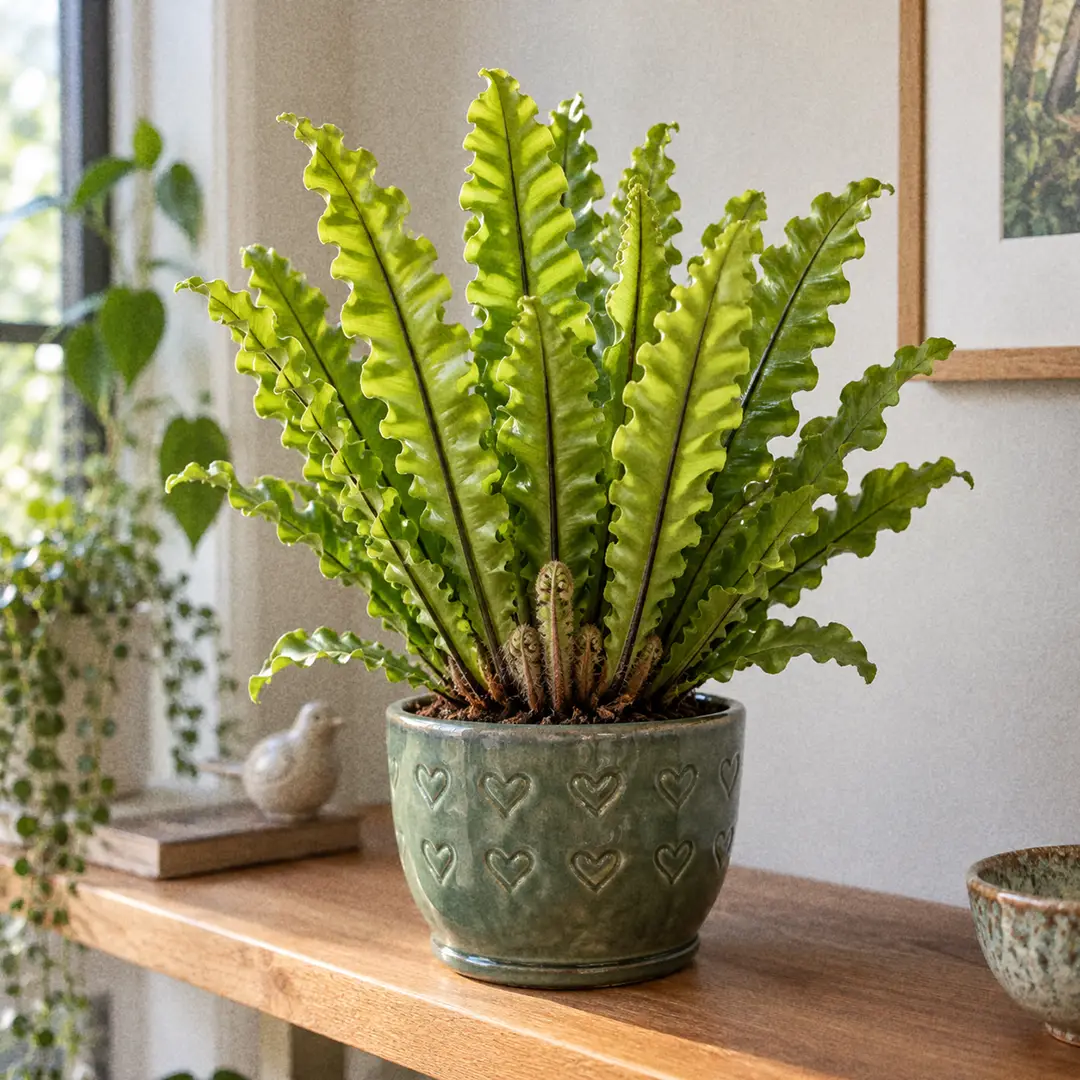
Complete Guide to Crispy Wave Fern Care and Growth
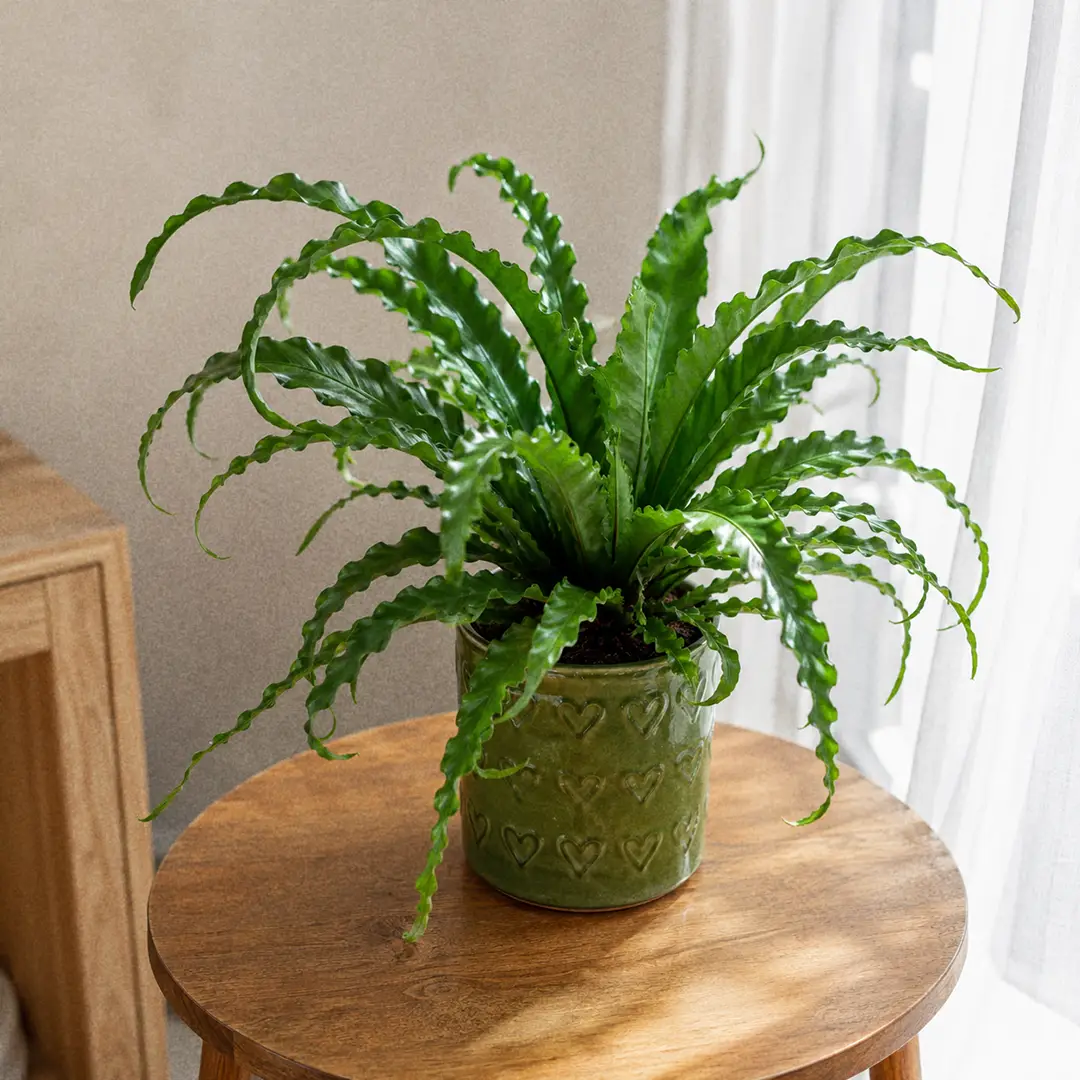
Complete Guide to Japanese Bird's Nest Fern Care and Growth
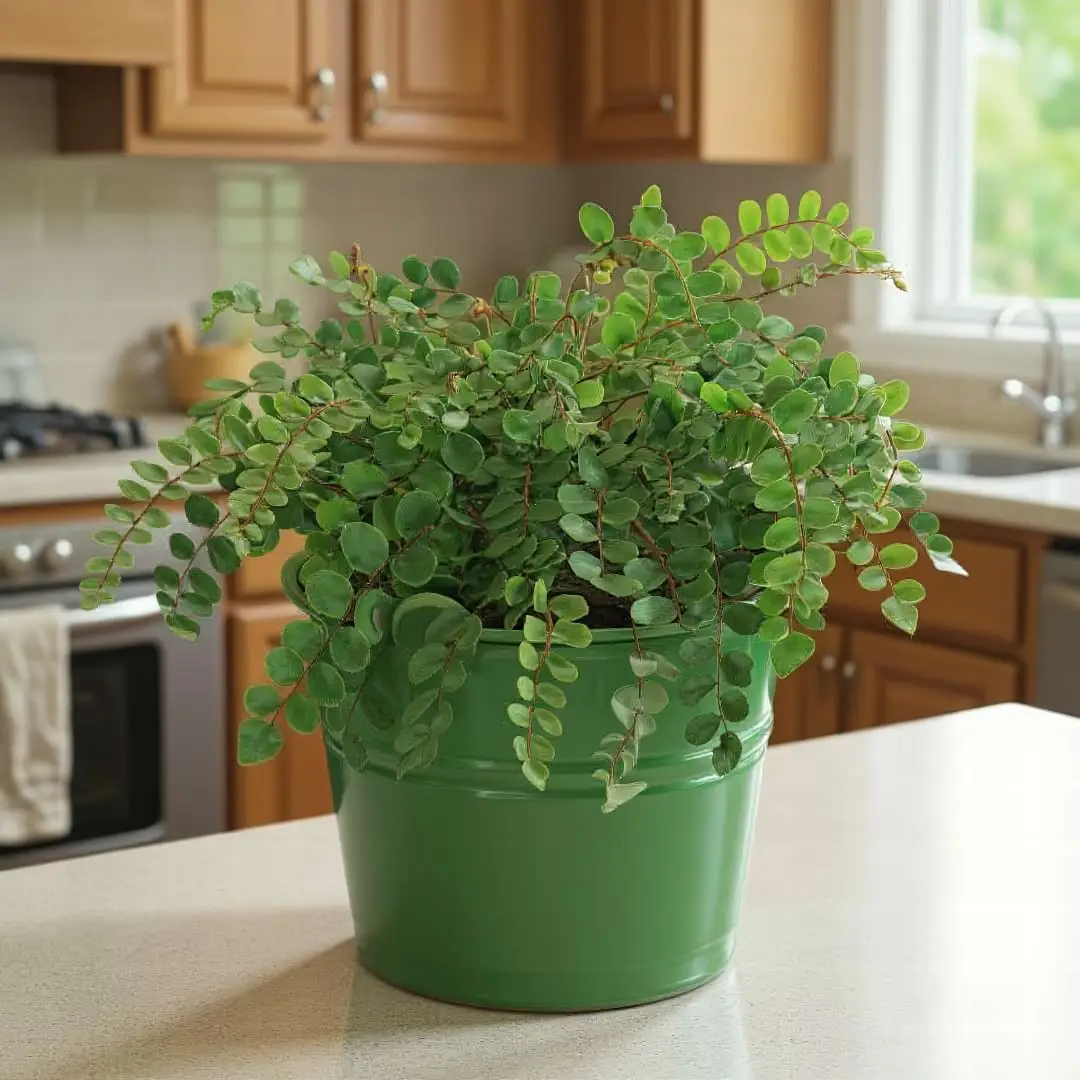
Complete Guide to Button Fern Care and Growth
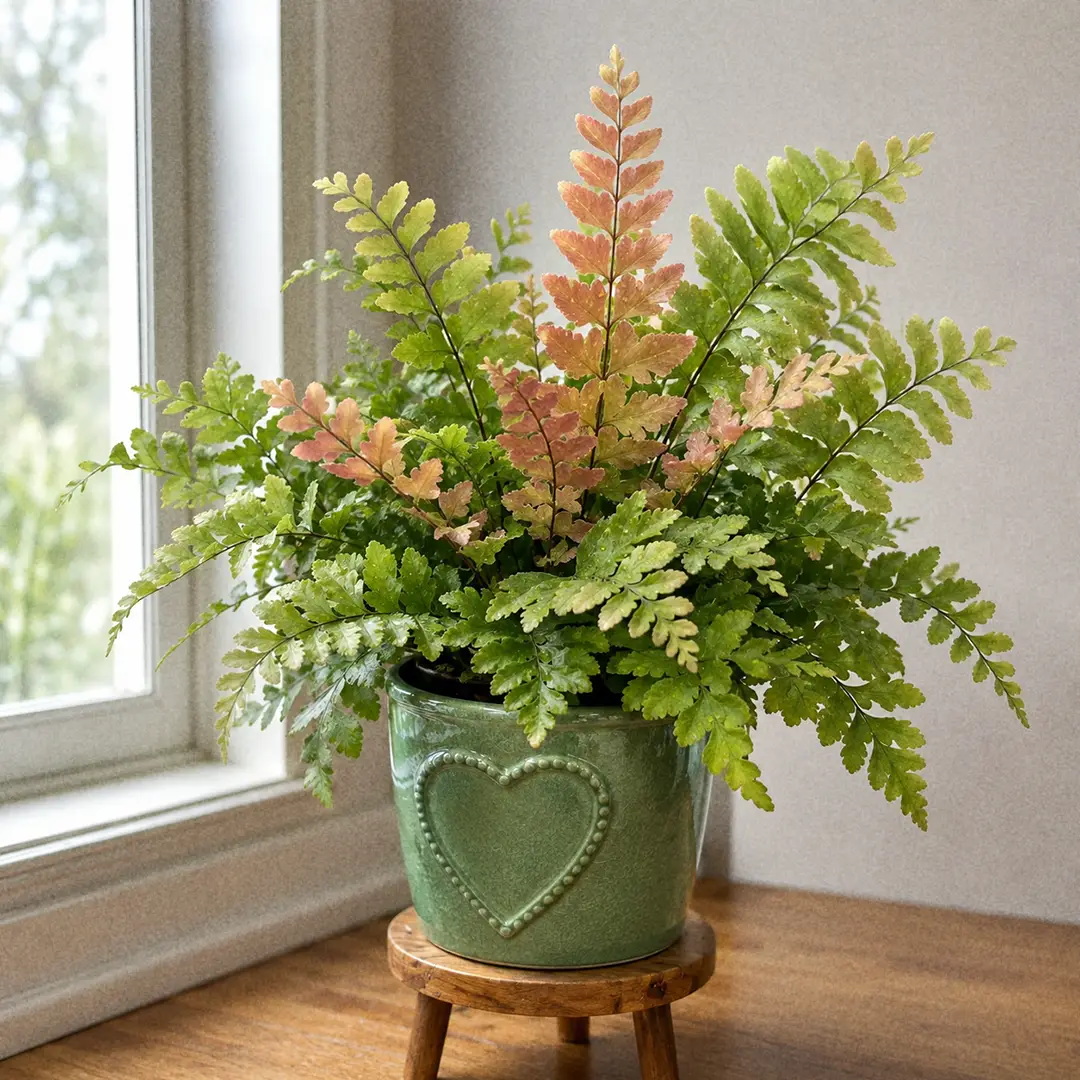
Complete Guide to Mahogany Fern Care and Growth
Complete Guide to Bear's Paw Fern Care and Growth
Complete Guide to Blue Star Fern Care and Growth
Complete Guide to White Rabbit's Foot Fern Care and Growth

Houseplant101 Forum
Questions & Comments
Ask a question, share your plant experience, or help other plant owners.
Comments are temporarily unavailable.
Open the Houseplant101 ForumNo comments yet
Be the first to ask a question or share your experience about this page.
Log in or create an account
Comments use your Houseplant101 Forum account, but you can stay on this page.
Create a new account