
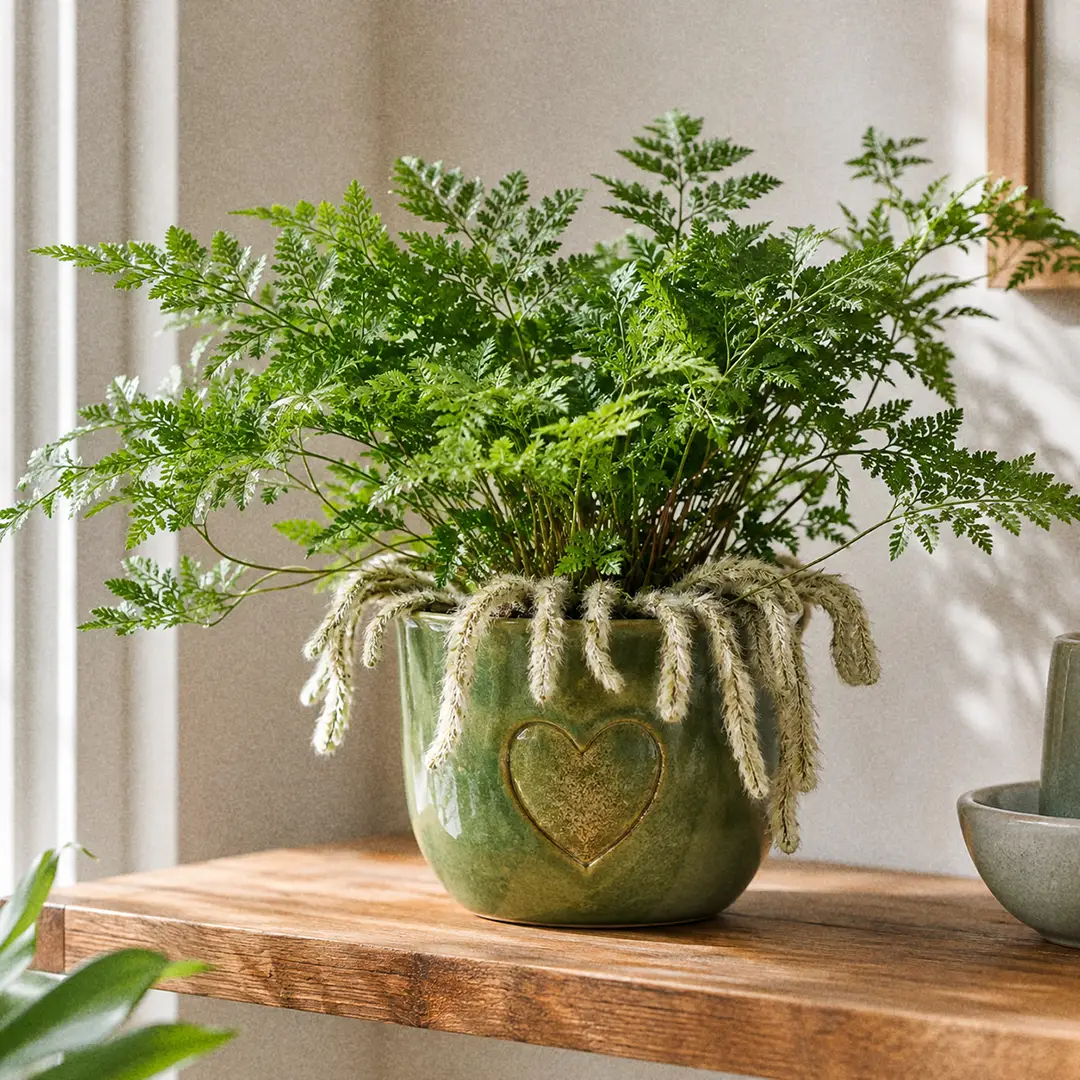
White Rabbit's Foot Fern
Humata tyermanii
Humata tyermannii, Silver Hare's Foot Fern, Davallia tyermanii, White Paw Fern, Shinobu Fern


White Rabbit's Foot Fern is the epiphytic fern whose silver-furred rhizomes crawl out of the pot and over the rim like a pile of small white paws. Learn how to keep those rhizomes plump, why they must never be buried, and how to root new ones from a single furry tip.
📝 White Rabbit's Foot Fern Care Notes
🌿 Care Instructions
⚠️ Common Pests
📊 Growth Information
🪴 In This Guide 🪴

☀️ White Rabbit's Foot Fern Light Requirements (Bright Indirect)
The Sweet Spot
Bright indirect light, with no direct sun landing on the fronds. An east window is the easy answer, where the plant gets an hour of soft morning sun and then bright ambient light for the rest of the day. A north window works nearly as well. South and west windows are fine only if the plant sits a few feet back or behind a sheer curtain.
In the wild this fern grows on tree trunks and mossy rock faces in Malaysian and southern Chinese forests, under a canopy that filters everything reaching it. That is the light you are copying. Our Indoor Lighting Guide is worth a read if you are still learning to judge a spot without a meter.
Too Little Light
This fern handles dimmer rooms better than most of its relatives, which is why it turns up in offices and windowless bathrooms. It still has a floor. In genuine gloom the fronds space themselves further apart, new growth comes in smaller than the old, and the rhizomes stop travelling altogether.
That stall reads as stunted growth and undersized new fronds. If the only free spot in your home is dark, a small grow light on a timer for six hours a day fixes it completely.
Too Much Light
Direct sun is the fast way to ruin one. An afternoon of unfiltered summer sun through glass bleaches the fronds to a washed-out yellow-green, then scorches the tips brown, which is sunburn. The damaged sections never green back up, so you live with them until the frond is old enough to remove.
Strong sun dries the rhizomes too. Those silvery scales protect them from ordinary air, not from hot glass. A rhizome that goes from plump to wrinkled during a heatwave is telling you the spot is too bright and too dry at once.

💧 White Rabbit's Foot Fern Watering Guide (Top Inch Dry)
Watering Frequency
Water when the top inch of the mix feels dry to your finger. In a bright room through spring and summer that usually lands around every 5 to 7 days. In winter, with lower light and cooler air, it can stretch to 10 or 12. Never water on a fixed schedule, because a chunky epiphyte mix in a shallow pot dries at a wildly different rate depending on the room.
The fronds are leathery enough to ride out a short dry spell, and that is the main reason this plant is kinder than a Maidenhair Fern. What it will not forgive is the opposite: a pot kept permanently soggy. If you are unsure, a cheap moisture meter removes the guesswork for the first few months.
How to Water
Take it to the sink and water thoroughly until it drains freely from the bottom, then let it stop dripping before it goes back on the shelf. Water standing in a saucer is the most common cause of trouble with this plant.
The rhizomes drink as well. They pull moisture in through those furry scales, so a light misting of the rhizomes on watering day keeps them plump, particularly in dry winter rooms. What you should not do is pour water over them and walk away, because moisture pooling where a rhizome meets the mix rots it at exactly that point. Our watering guide covers technique in more detail.
Signs of Trouble
Underwatered, the fronds go limp and slightly grey before crisping at the edges, and the rhizomes wrinkle like a deflating balloon. A thorough soak usually plumps the rhizomes back within a day, though badly crisped fronds are finished and should come off.
Overwatered, the fronds yellow from the base of the plant outward and the mix starts to smell sour. That is the road to root rot, and on this fern it often shows up first as a soft brown patch on a rhizome that was resting against wet compost.
🪴 Best Soil for White Rabbit's Foot Fern
What the Soil Needs
Think epiphyte, not houseplant. This fern grows clinging to bark with its roots in leaf litter and moss, so it wants a mix that holds a little moisture and drains almost immediately. Standard bagged potting soil is too dense on its own and stays wet in the middle long after the surface has dried.
Airflow matters as much as drainage. Roots that cannot breathe rot, and the root system here is small relative to the amount of foliage it supports.
DIY Soil Mix
An easy recipe that works: two parts coco coir or peat, two parts fine orchid bark, one part perlite, plus a handful of chopped sphagnum moss if your home runs dry. Coarse horticultural charcoal is a good optional extra for keeping the mix sweet between repots.
The result should feel light and springy in the hand, and water should run straight through a fresh batch rather than pooling on the surface.
Pre-Made Options
An orchid or aroid mix straight from the bag is close enough, and lightening a quality potting soil with an equal volume of bark and perlite gets you there too. African violet mix on its own is too fine and holds too much water. Whatever you choose, our soil guide explains why the ratios matter.
🍼 Fertilizing White Rabbit's Foot Fern
When and How Often
Feed every four weeks from spring through early autumn, then stop completely once growth slows down in late autumn. Ferns are light feeders by nature, and this one grows slowly enough that a monthly rhythm is plenty.
What to Use
A balanced liquid houseplant fertilizer diluted to half the label strength is the safe choice. Fish emulsion and seaweed feeds suit ferns well if you can live with the smell for an afternoon. Always water first and feed into damp mix, because fertilizer hitting dry roots is what burns them.
Over-Fertilizing Signs
Brown, crisp frond tips on a plant that is otherwise well watered usually mean salt buildup rather than dry air. A white crust on the surface of the mix or around the drainage holes confirms it. Flush the pot with plain tepid water for a minute or two, let it drain hard, and skip the next two feeds. Our fertilizing guide explains the flushing routine.
🌡️ White Rabbit's Foot Fern Temperature Range
Ideal Range
Normal room temperature suits it perfectly: 60-75°F (16-24°C). It handles the low 80s without complaint as long as humidity keeps pace, and it slows to a crawl below 55°F. Treat 50°F (10°C) as the hard floor, since colder than that causes frond damage that only shows up days later as blackened tissue.
A slight night-time drop is welcome and mirrors what the plant would get under a forest canopy.
Drafts and Heat Sources
The two things to avoid are both about moving air. A winter draft from a frequently opened door browns the fronds on that side of the plant. A radiator, heating vent, or wood stove is worse, because dry heat pulls moisture out of the fronds and the rhizomes at the same time.
Air conditioning gets overlooked. A vent blowing across a shelf keeps the air both cold and bone dry, which is the fastest way to crisp this plant. Move the pot a few feet out of the airstream and the problem disappears.
💦 White Rabbit's Foot Fern Humidity Requirements
Ideal Humidity
Aim for 50-60%. This fern is noticeably tougher than the tissue-paper ferns and gets by around 40%, but the fronds stay fuller and the rhizomes stay plumper at the higher end. Below 35% you will fight brown tips all winter.
Easy Humidity Boosters
A pebble tray under the pot, a cluster of plants grouped together, or a spot in a bathroom with a window all help. The reliable fix in a dry home is a small humidifier running nearby. Misting the fronds feels productive but the effect fades within the hour, so treat it as a treat rather than a strategy. Our humidity guide has the full rundown.
🌸 Does White Rabbit's Foot Fern Bloom?
No Flowers, Ever
No, and no fern does. Ferns arrived long before flowering plants existed and reproduce with spores instead of seeds, so there is no bloom to wait for, no season to trigger, and nothing you did wrong. Anything sold as a flowering rabbit's foot fern has had fake blooms pushed into the pot on wires.
Spores Instead of Flowers
Turn a mature frond over in late summer and look near the tips of the small leaflets. You will find little pocket-shaped structures, each holding a cluster of spore cases. In Humata these sori sit tucked at or very near the leaflet tips and are slightly cupped, which is one of the reliable ways to tell this plant from its Davallia cousins on a crowded shop bench.
Spores or Scale Insects?
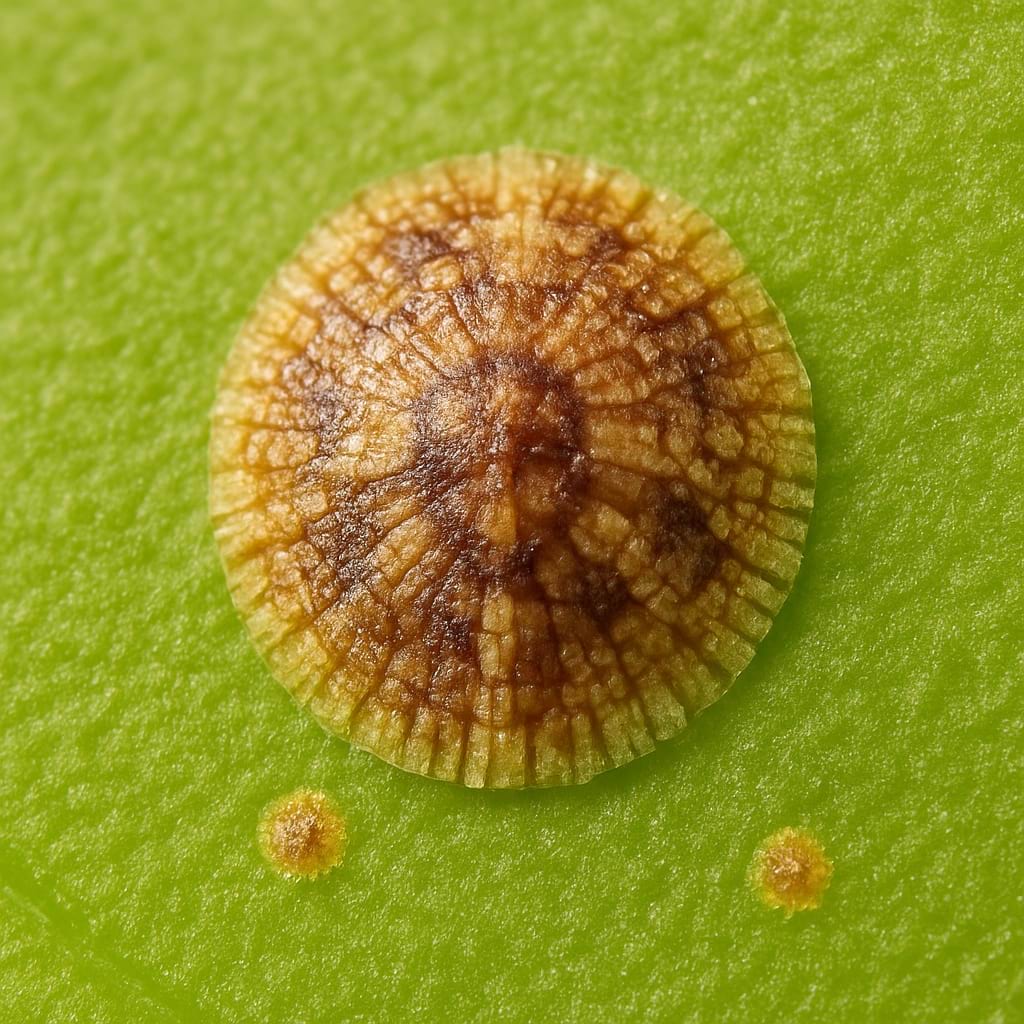
Almost every new owner finds those brown bumps and reaches for the pest spray. Check the pattern first. Sori appear only on the undersides of mature fronds, in the same repeating arrangement on every frond, and never on the stalks or the rhizomes. Scale insects scatter at random, cluster along stalks and rhizomes, and pop off with a fingernail. Sori will not budge.
The Rhizomes Are the Show
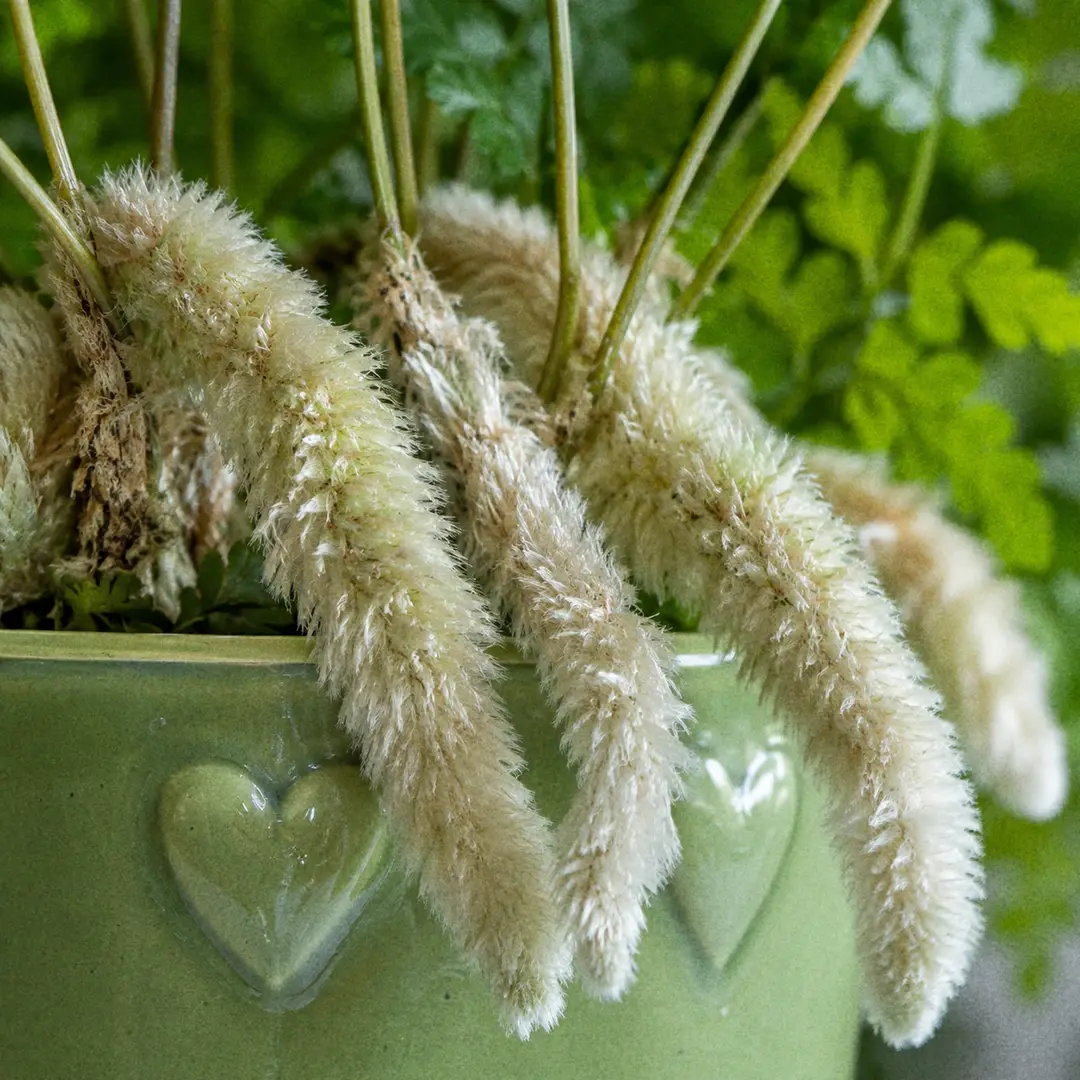
Instead of flowers you get the reason people buy this plant. The furry silver rhizomes creep over the pot rim, then over one another, building into a knotted mat of pale paws that improves every year. A ten-year-old specimen is genuinely striking, and nothing else in a fern collection looks like it.
🏷️ White Rabbit's Foot Fern Types and Lookalikes
Humata tyermanii
There is only one form in general cultivation, and it is the plant described throughout this guide: silver-white furred rhizomes, finely cut triangular fronds around 8 to 12 inches long, leathery to the touch. You will see it labelled Humata tyermannii with two n's, and also as Davallia tyermanii, since it sat inside Davallia for years before being moved to its own genus.
The Name Problem
Nurseries sell this plant under at least four names, which is why so many people end up with something other than what they thought they were buying. It gets tagged as Bear's Paw Fern, Silver Hare's Foot Fern, and plain Rabbit's Foot Fern depending on who potted it. The reliable tell is the colour of the fur: Humata is the whitest of the group, closer to silver-grey than to brown.
How It Differs From the Davallias
The true Rabbit's Foot Fern (Davallia fejeensis) has thicker rhizomes coated in tan to reddish-brown fur, and airier, more finely dissected fronds. The Squirrel's Foot Fern (Davallia trichomanoides) is smaller again, with slim russet feet and very lacy fronds. Humata sits between them in size, with the palest fur and the firmest fronds of the three.
And the Real Bear's Paw
The plant that properly owns the Bear's Paw name is the Bear's Paw Fern (Aglaomorpha meyeniana), a much bigger fern with chunky paws several times the thickness and broad leathery fronds. If a shop sold you a small white-footed fern as a Bear's Paw, you have a Humata. That is not a downgrade, just a mislabelled pot.
🪴 Potting and Repotting White Rabbit's Foot Fern
When to Repot
Every two to three years, in spring. This is a slow grower with a shallow root system and it does better slightly snug than swimming in fresh mix. Repot when the rhizomes have circled the whole rim and begun stacking on themselves, when water runs straight through without wetting anything, or when the mix has broken down into something dark and dense.
Choosing a Pot
Wide and shallow beats deep every time. A bulb pan, an azalea pot, or a shallow bowl gives the rhizomes room to travel across the surface and avoids a deep column of soggy mix sitting below a small root ball. Drainage holes are essential. Terracotta suits a humid home, plastic or glazed ceramic a dry one.
Only go up an inch or two in width. A big jump surrounds those small roots with wet mix they cannot use.
Step-by-Step Repotting
Slide the plant out and support the rhizomes with your hand, since they snap more easily than they look. Tease away the old loose mix without pulling where the rhizomes attach. Set the plant in fresh mix at the same depth it sat before, then arrange the rhizomes so they lie on top of the surface, curling wherever they want to.
That last part is the whole job. Buried rhizomes rot, and a rotted rhizome takes every frond growing from it along with it. If one has strayed far past the rim, coil it gently back over the mix instead of cutting it off. Water lightly and keep the plant out of direct sun for a couple of weeks while it settles. Our repotting guide covers the general routine.
✂️ Pruning White Rabbit's Foot Fern
When to Prune
There is no pruning season, just tidying as you go. Old fronds yellow and die off naturally throughout the year, and clearing them keeps the plant looking sharp and improves airflow around the crown.
How to Prune
Follow a dying frond down to where its stalk meets the rhizome and cut it there with clean scissors. Do not tear it off, because a torn stalk can damage the rhizome underneath. Never trim a frond halfway either: a cut frond does not regrow from the cut, it just sits there with a blunt brown end for months.
Leave the Rhizomes Alone
This is the one real rule. Those furry rhizomes look untidy to some people and get trimmed off by well-meaning owners, which removes both the plant's best feature and a good share of its growing points. The only time you cut a rhizome is when you are deliberately taking a cutting. If a section has gone shrivelled and brown all the way through, it is dead and can go, but squeeze it first to be sure it is genuinely dry and hollow.
🌱 How to Propagate White Rabbit's Foot Fern
Best Method
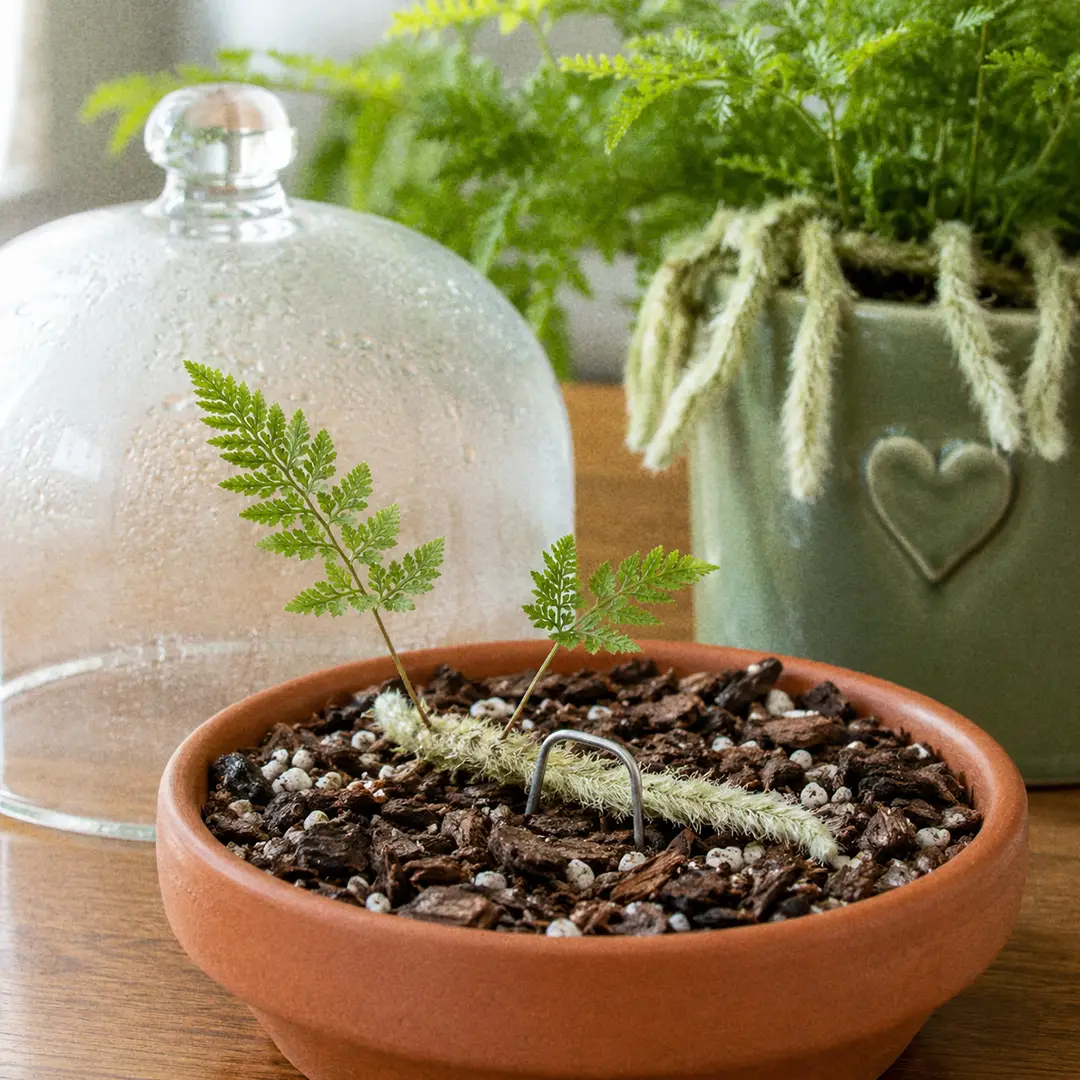
Rhizome tip cuttings, easily. Spores are possible but take the better part of a year and a sterile setup, and division only works on a plant that has grown into several separate clumps. A furry tip pinned onto damp mix roots quietly with no equipment at all. Spring and early summer give the fastest results.
Step-by-Step Rhizome Cuttings
- Pick a healthy rhizome tip with at least one or two fronds growing from it. A bald piece with no fronds rarely takes.
- Cut a 2 to 3 inch section with clean scissors, cutting behind the fronds so the growing tip stays on your cutting.
- Fill a small shallow pot with the same chunky mix you use for the parent, and moisten it.
- Lay the cutting on the surface, fur side up, fronds pointing upward. Do not bury any part of it.
- Pin it down with a bent paperclip, a hairpin, or a length of florist wire so it stays in firm contact with the mix. People skip this step, and it is the one that decides the outcome, because a rhizome that lifts away from the surface will not root.
- Cover with a clear bag or a propagation dome to hold humidity, leaving a gap for airflow.
- Keep it warm, in bright indirect light, lightly damp but never wet.
Roots appear from the underside of the rhizome in about four to eight weeks. Test by tugging the cutting very gently. Resistance means it has anchored, and you can start opening the bag for longer each day until it comes off for good.
Tips for Success
Take two or three cuttings rather than one, since strike rates vary between rhizomes. Keep the parent well watered while it recovers. If a cutting shrivels, it dried out under a bag that was open too long. If it goes mushy, the mix was too wet. Our propagation guide has more on humidity tents and timing.
🐛 White Rabbit's Foot Fern Pests and Treatment
This fern is not a pest magnet, but the dense mat of rhizomes gives insects plenty of sheltered crevices, so regular inspection matters more here than on a plant with open stems.
Scale insects are the most common find. Look for small brown domes on frond stalks and tucked along the rhizomes, plus sticky residue on the shelf below. Scrape them off with a fingernail or a cotton bud dipped in rubbing alcohol.
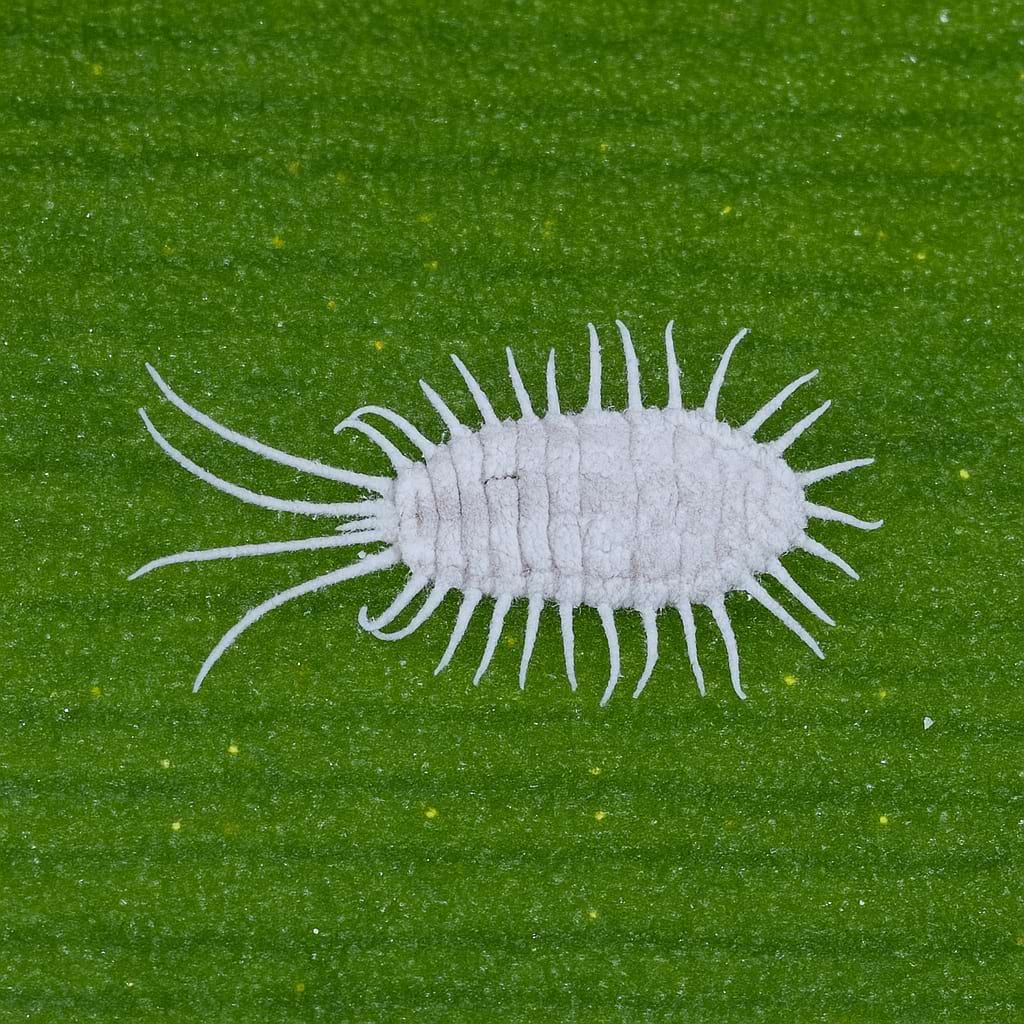
Mealybugs look like tiny white cotton specks and favour the junction where a frond emerges from a rhizome. Dab each one with an alcohol-soaked cotton bud, then check again a week later for the ones you missed.
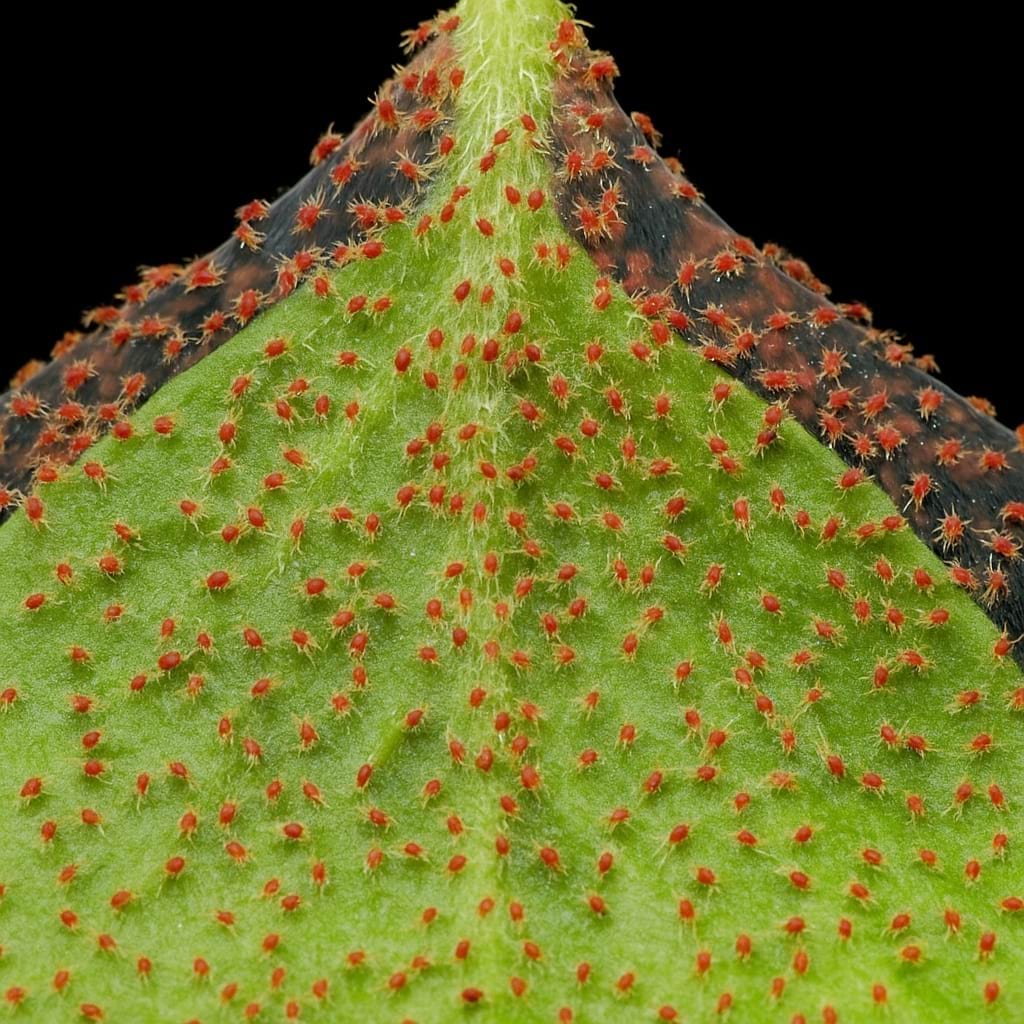
Spider mites arrive when the air is dry. Fine webbing between leaflets and a stippled, dusty look across the fronds give them away. Raising humidity and rinsing the fronds under a shower knocks a small outbreak back quickly.
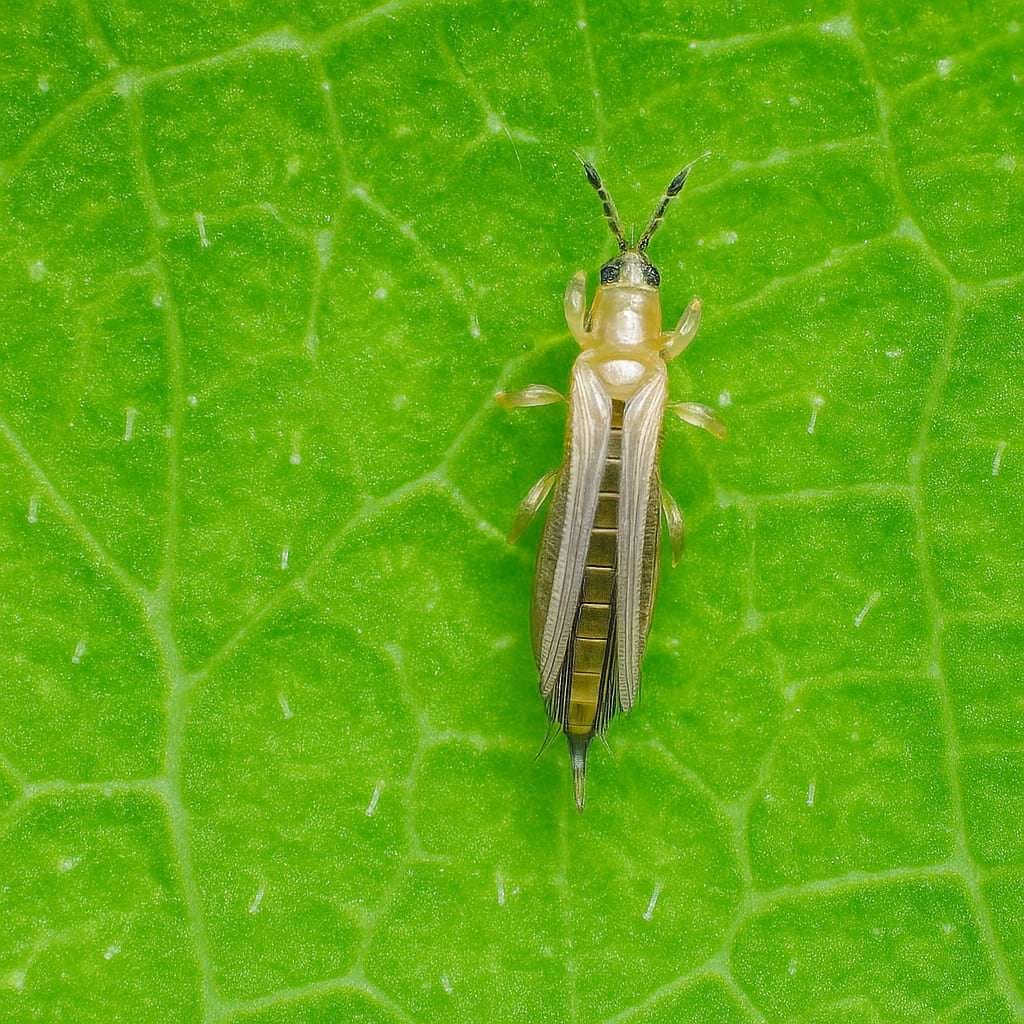
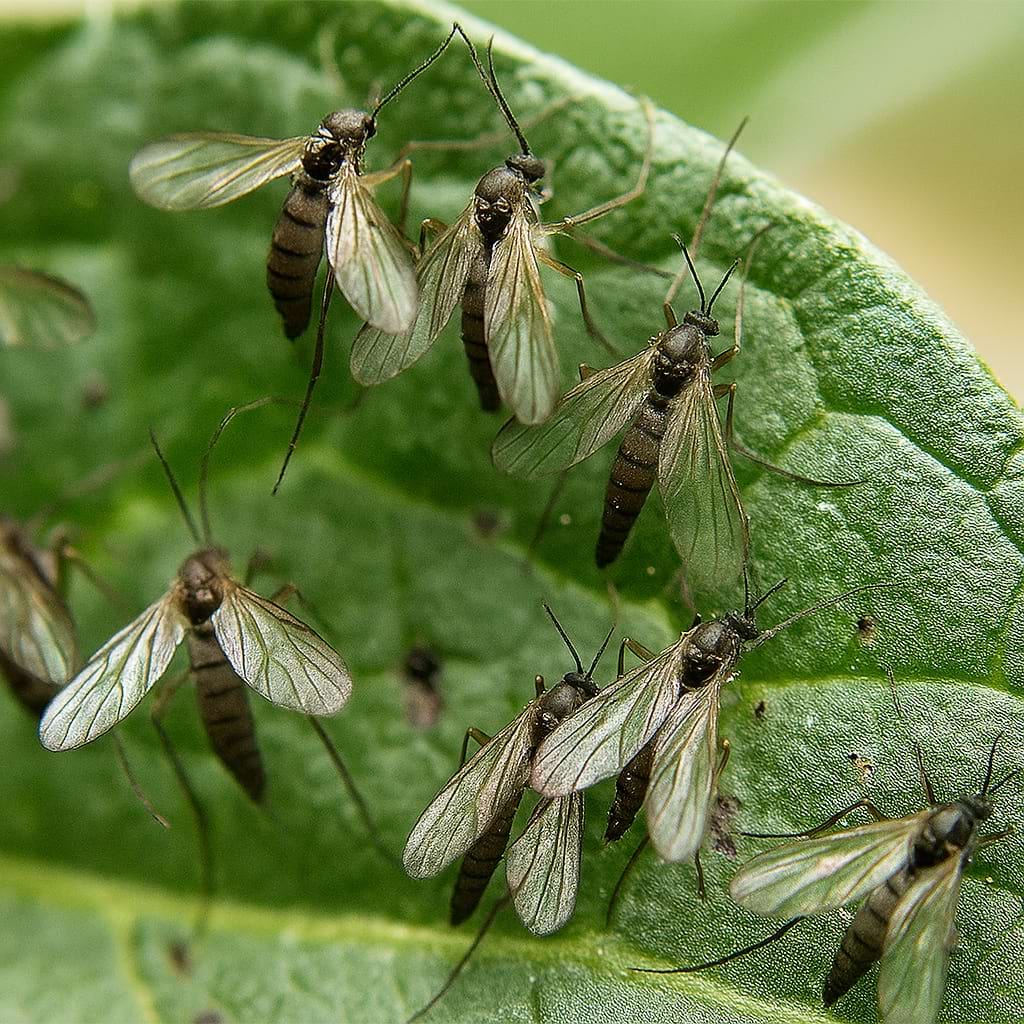
Thrips leave silvery scarring and black specks, while fungus gnats are a symptom rather than a disease and mean the mix is staying too wet.
One warning specific to ferns: they react badly to neem oil and insecticidal soap. Use half the recommended dilution, test a single frond, and wait 48 hours before treating the whole plant. Never spray in direct sun.
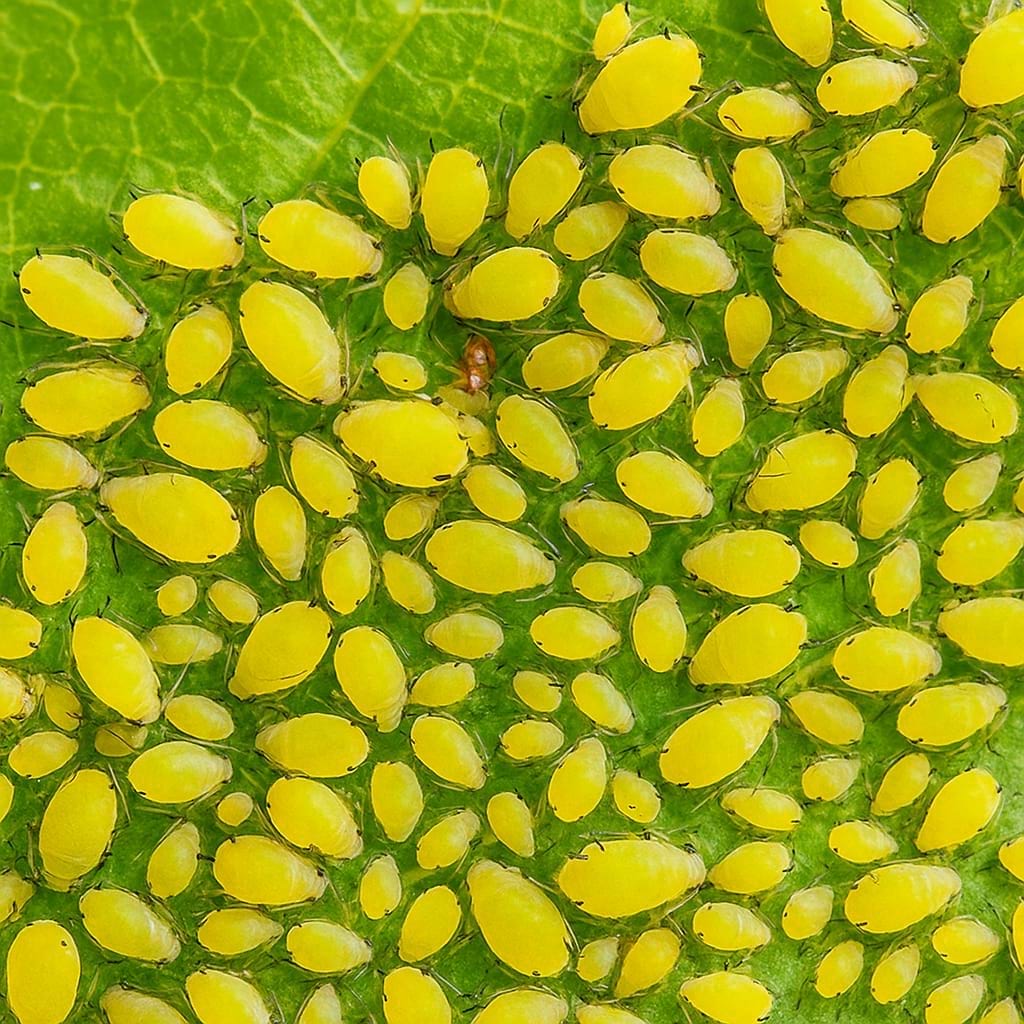
🩺 Common White Rabbit's Foot Fern Problems
Nearly all trouble here traces back to one of three things: soggy mix, dry air, or a buried rhizome.
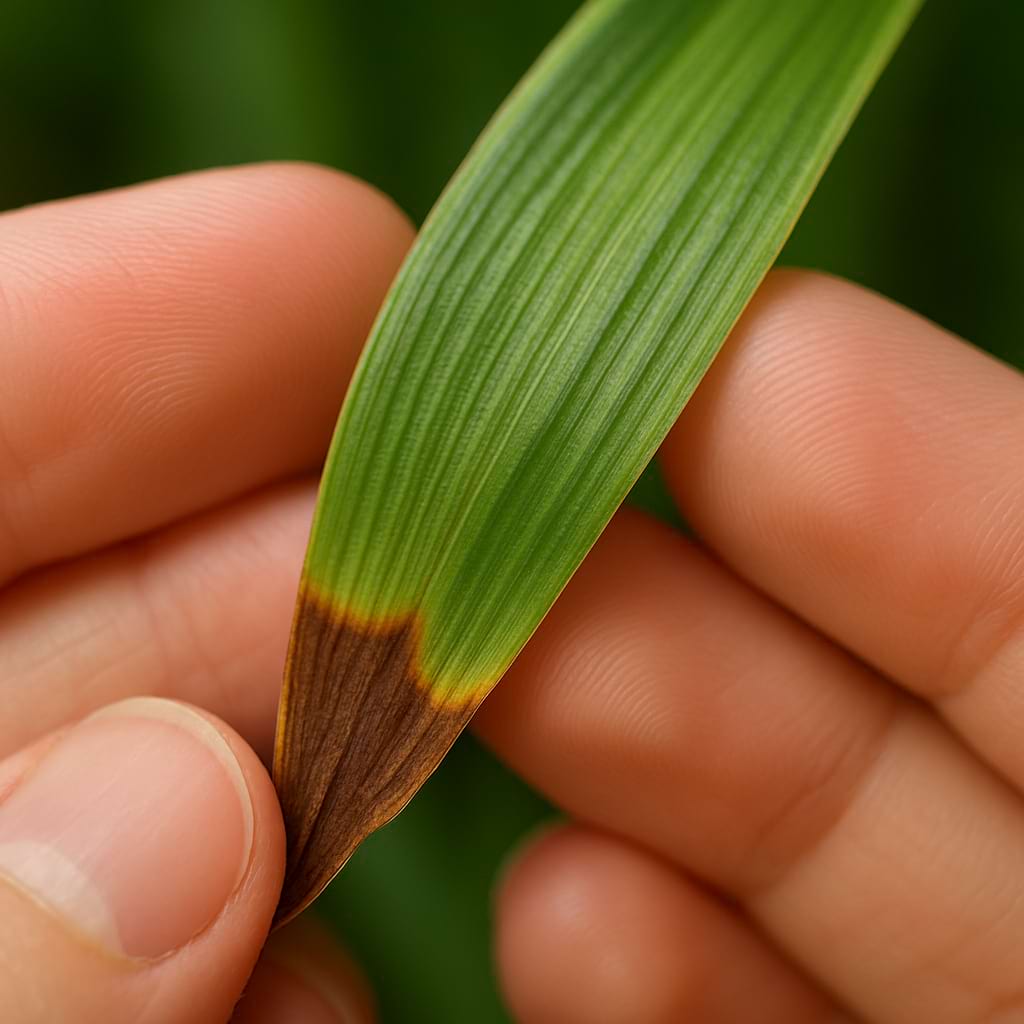
Brown crispy tips and edges are the usual complaint and mean the air is too dry, the plant sat dry for too long, or salts have built up in the pot. Feel the mix to work out which, then fix humidity or flush the pot. See brown crispy edges.
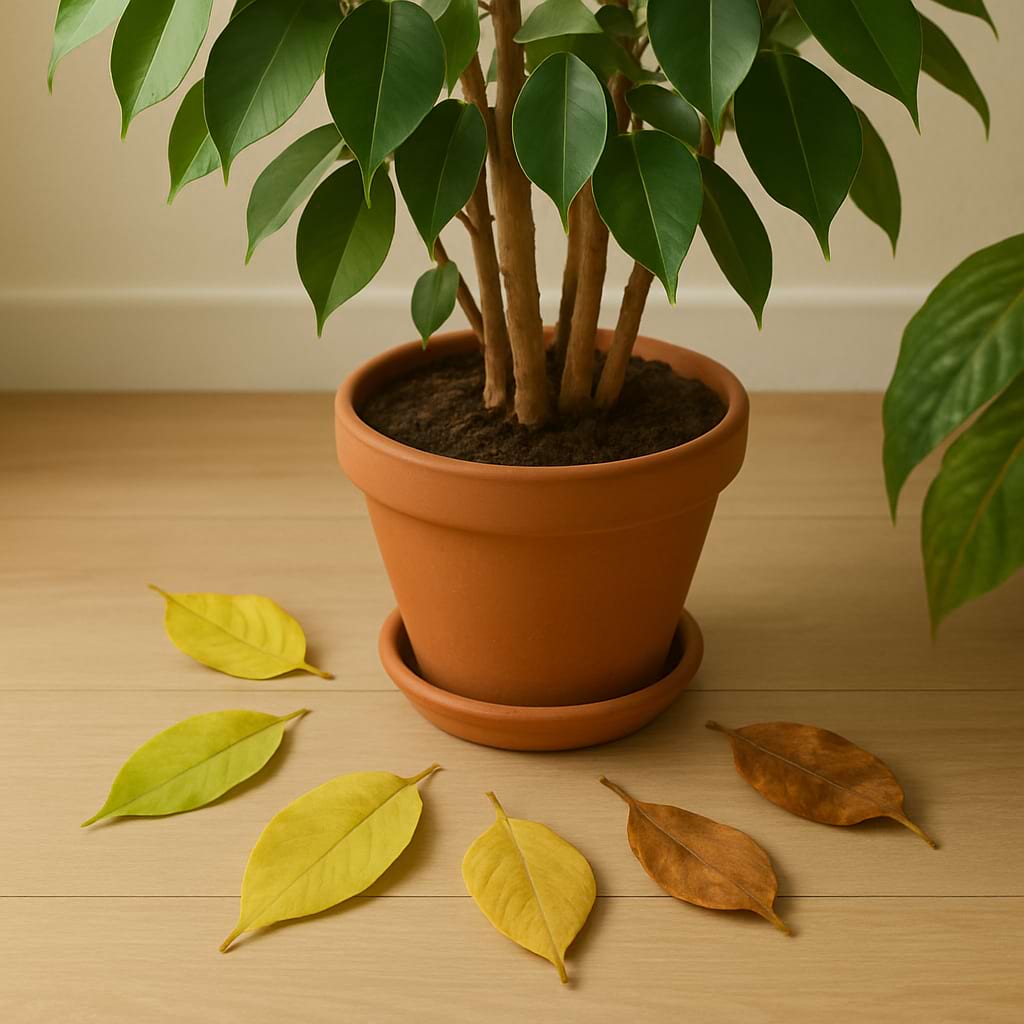
Yellowing fronds starting at the base of the plant point to overwatering, especially if the mix smells sour. One or two old fronds yellowing at a time is just normal turnover. See yellowing leaves.
Shrivelled rhizomes mean the plant is thirsty, the air is very dry, or both at once. Soak the pot thoroughly and mist the rhizomes daily for a week and they usually plump back up.
Soft brown rhizomes are rot, and the cause is nearly always a rhizome buried under mix or a pot kept permanently wet. Cut out the mushy section, lift the remaining rhizomes onto the surface, and let the mix dry further between waterings. See root rot.
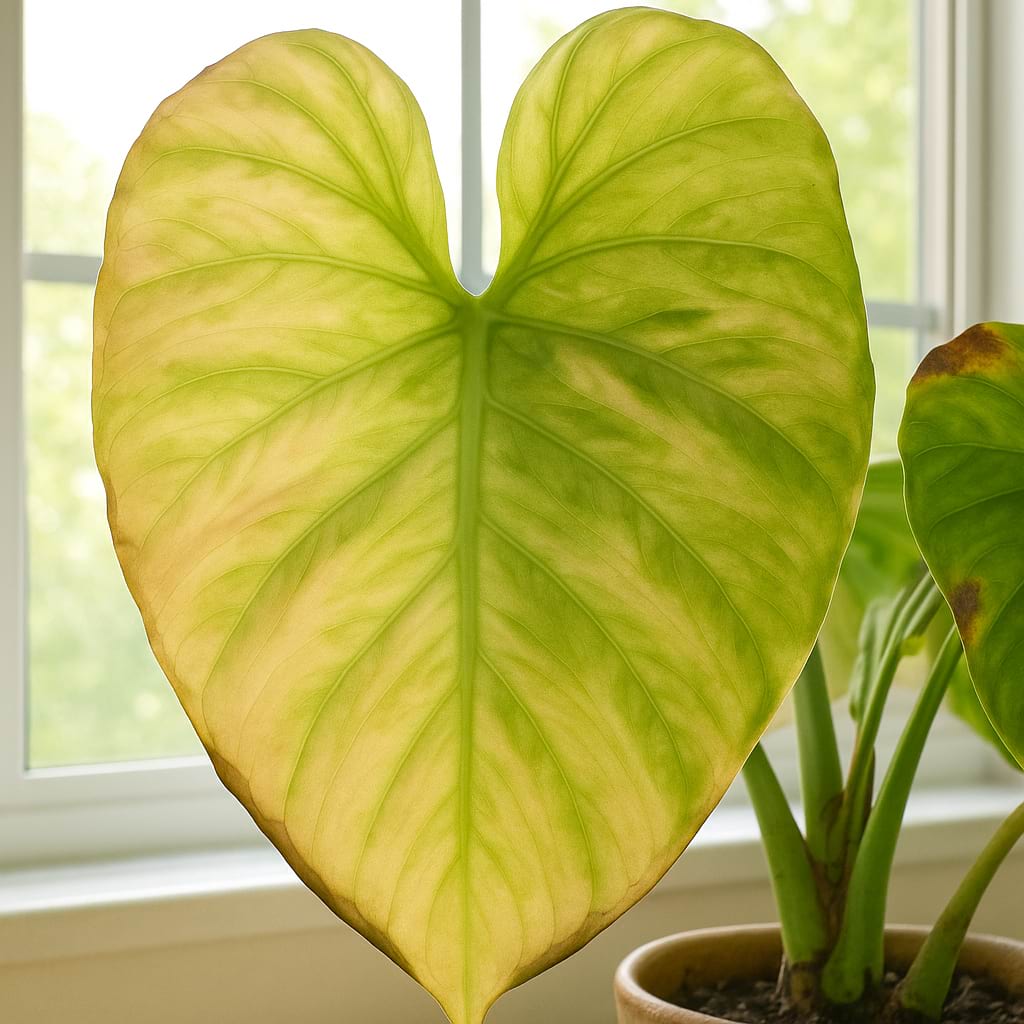
Pale, washed-out fronds usually mean too much light, or a plant that has not been fed in a very long time. See pale faded leaves.
Frond drop and sudden collapse after a move typically means cold, a draft, or a sharp change in humidity. It often recovers if you steady the conditions quickly. See leaf drop.




🖼️ White Rabbit's Foot Fern Display and Styling Ideas
Show the Feet
Every styling decision comes down to one question: can you see the rhizomes? A tall pot hides them, so use something shallow and wide and put the plant where you look at it from the side rather than down into it. A low bowl on a coffee table beats the same plant on a floor stand every time.
Hanging and High Spots
A hanging basket is the classic choice, and it lets the rhizomes wander over the edge and hang in mid-air, which is where they look best. A high shelf, the top of a bookcase, or a wall-mounted planter does the same job. Keep it away from ceiling heat vents, which are drier than the rest of the room.
Mounted and Sculptural Setups
Because it is an epiphyte, this fern takes happily to a bark slab, a piece of driftwood, or a kokedama ball, much like a Staghorn Fern or a giant Superbum Staghorn Fern but at a smaller and far less demanding scale. Wire the rhizomes onto damp sphagnum and let them grip. Mounted plants dry fast, so plan on soaking them twice a week.
Where Not to Put It
Skip sunny windowsills, spots directly above radiators, and narrow shelves where the rhizomes have nowhere to travel. A bathroom with a window is close to perfect.
🌟 White Rabbit's Foot Fern Pro Care Tips
- Keep every rhizome above the mix. If one is buried, uncover it and lay it on top. This single habit prevents most failures with this plant.
- Never trim the rhizomes to tidy the plant. They are the feature and they carry the growing points.
- Mist the rhizomes, not just the fronds, on watering day in winter. They take up moisture through the fur.
- Use a shallow pot. Deep pots hold a wet column of mix that the shallow roots never reach.
- Rotate the pot a quarter turn weekly so fronds fill in evenly instead of all leaning toward the window.
- Half-strength fertilizer only. Full strength burns fern roots fast.
- Test any pest spray on one frond first and wait two days. Ferns react badly to neem and soap at normal dilutions.
- Rinse the fronds in a tepid shower every month or two to clear dust and knock back early mites.
❓ Frequently Asked Questions
Is White Rabbit's Foot Fern safe for cats and dogs?
Yes. Humata tyermanii is non-toxic to cats and dogs, as are the other true ferns in this family. A pet that chews a frond might get a mild upset stomach from the roughage, but there is nothing poisonous in the plant.
Why are the furry rhizomes crawling out of the pot?
Because that is exactly what they are built to do. In the wild the rhizomes creep across bark and rock, and in a pot they run over the rim and keep going. It is a sign of a healthy, established plant, not a sign that it needs a bigger pot.
Should I bury the rhizomes in the soil?
No, never. Buried rhizomes rot within weeks and take the fronds attached to them along. If yours arrived potted with the rhizomes under the mix, gently uncover them and rest them on the surface instead.
What is the difference between this and a Rabbit's Foot Fern?
They are different genera. Humata tyermanii has whitish-silver fur and firmer, more leathery fronds. The true Rabbit's Foot Fern, Davallia fejeensis, has tan to reddish-brown fur and airier, more delicate fronds. Shops use both names for both plants, so judge by fur colour rather than the label.
Why are the frond tips turning brown?
Dry air is the most likely cause, followed by a pot that stayed dry too long, then fertilizer salt buildup. Check the mix first. If it has been evenly damp and you feed regularly, flush the pot with plain water and raise the humidity around the plant.
How fast does it grow?
Slowly. Expect a few new fronds each season and maybe an inch or two of rhizome travel a year in average light. A plant with a full mat of rhizomes across the pot is usually several years old, which is why big specimens cost what they do.
Can I grow it in a terrarium?
Yes, in a large open or partly open one. It appreciates the humidity, but a sealed jar keeps the mix too wet for the rhizomes. Give it good airflow and a surface the rhizomes can spread across.
My fern has brown bumps under the fronds. Is it scale?
Probably not. Check whether they sit in a regular repeating pattern near the leaflet tips on every mature frond. If so, those are spores, which is a good sign. Randomly scattered bumps on stalks and rhizomes that flick off with a fingernail are scale insects.
Why did the whole plant collapse after I moved it?
Sudden changes in light, temperature, or humidity make a fern drop fronds all at once. Put it somewhere stable with bright indirect light and steady moisture. As long as the rhizomes are still firm, it will push new fronds within a month or two.
ℹ️ White Rabbit's Foot Fern Info
Care and Maintenance
🪴 Soil Type and pH: Chunky, airy epiphytic mix with bark and perlite
💧 Humidity and Misting: Prefers 50-60% but copes with ordinary room air better than a maidenhair does.
✂️ Pruning: Snip spent fronds at the base only. Leave every rhizome attached unless you are propagating.
🧼 Cleaning: Rinse the fronds under a tepid shower every month or two. Keep a duster away from the rhizomes, since the silvery scales rub off and do not grow back.
🌱 Repotting: Repot in spring when the rhizomes have circled the pot rim, setting them on top of the mix rather than under it.
🔄 Repotting Frequency: Every 2-3 years
❄️ Seasonal Changes in Care: Steady water and monthly feeding from spring to early autumn, then less water and no fertilizer through a cooler, slower winter.
Growing Characteristics
💥 Growth Speed: Slow to moderate
🔄 Life Cycle: Evergreen epiphytic perennial fern
💥 Bloom Time: Never. Ferns reproduce with spores instead of flowers.
🌡️ Hardiness Zones: 10-11
🗺️ Native Area: Forests of southern China, Malaysia, and neighbouring parts of tropical Asia
🚘 Hibernation: No true dormancy, but growth pauses in low winter light and water needs drop noticeably
Propagation and Health
📍 Suitable Locations: East windowsills, bright bathrooms, hanging baskets, shallow bowls, plant shelves, mounted bark slabs
🪴 Propagation Methods: Pin a 2-3 inch furry rhizome tip with one or two fronds onto damp mix and keep it humid.
🐛 Common Pests: Scale Insects, Mealybugs, Spider Mites, Thrips, Fungus Gnats, Aphids
🦠 Possible Diseases: Root rot, fungal leaf spotting, rhizome rot in soggy or buried conditions
Plant Details
🌿 Plant Type: Creeping epiphytic fern with furred surface rhizomes
🍃 Foliage Type: Evergreen, finely divided, leathery triangular fronds
🎨 Color of Leaves: Deep to mid green with a slight gloss
🌸 Flower Color: None
🌼 Blooming: No. Spores form in small pocket-shaped sori near the leaflet tips.
🍽️ Edibility: Not grown as an edible plant.
📏 Mature Size: 8-14 inches tall
Additional Info
🌻 General Benefits: Pet-safe, tolerates lower light than most ferns, tougher fronds than a maidenhair, and gives a genuinely unusual furry-rhizome display
💊 Medical Properties: No documented medicinal uses.
🧿 Feng Shui: A soft, low, spreading plant that rounds off hard corners and shelf edges, useful anywhere a room feels too angular.
⭐ Zodiac Sign Compatibility: Pisces
🌈 Symbolism or Folklore: Quiet persistence, shelter, patience, growth that spills past its container
📝 Interesting Facts: The silvery fur on the rhizomes is not root hair. It is a dense coat of papery scales called paleae, and it protects the creeping stem from drying out on an exposed tree branch. The genus name Humata comes from the Latin for ground or earth, which is a small joke on a plant that almost never touches it.
Buying and Usage
🛒 What to Look for When Buying: Pick a plant with plump, evenly furred rhizomes and firm fronds. Skip any with shrivelled or bald rhizomes, rhizomes buried under the mix, or a pot that feels heavy and sour.
🪴 Other Uses: Hanging basket specimen, kokedama subject, mounted bark or driftwood display, and a bright bathroom shelf plant.
Decoration and Styling
🖼️ Display Ideas: Shallow bowls, hanging baskets, high shelves, mounted slabs, wide low planters where the rhizomes have room to travel
🧵 Styling Tips: The rhizomes are the whole point, so use a shallow, wide pot and put the plant at or slightly below eye level where the furry feet are visible.
🪴 See also 🪴
Complete Guide to Crissie Bird's Nest Fern Care and Growth
Complete Guide to Osaka Bird's Nest Fern Care and Growth
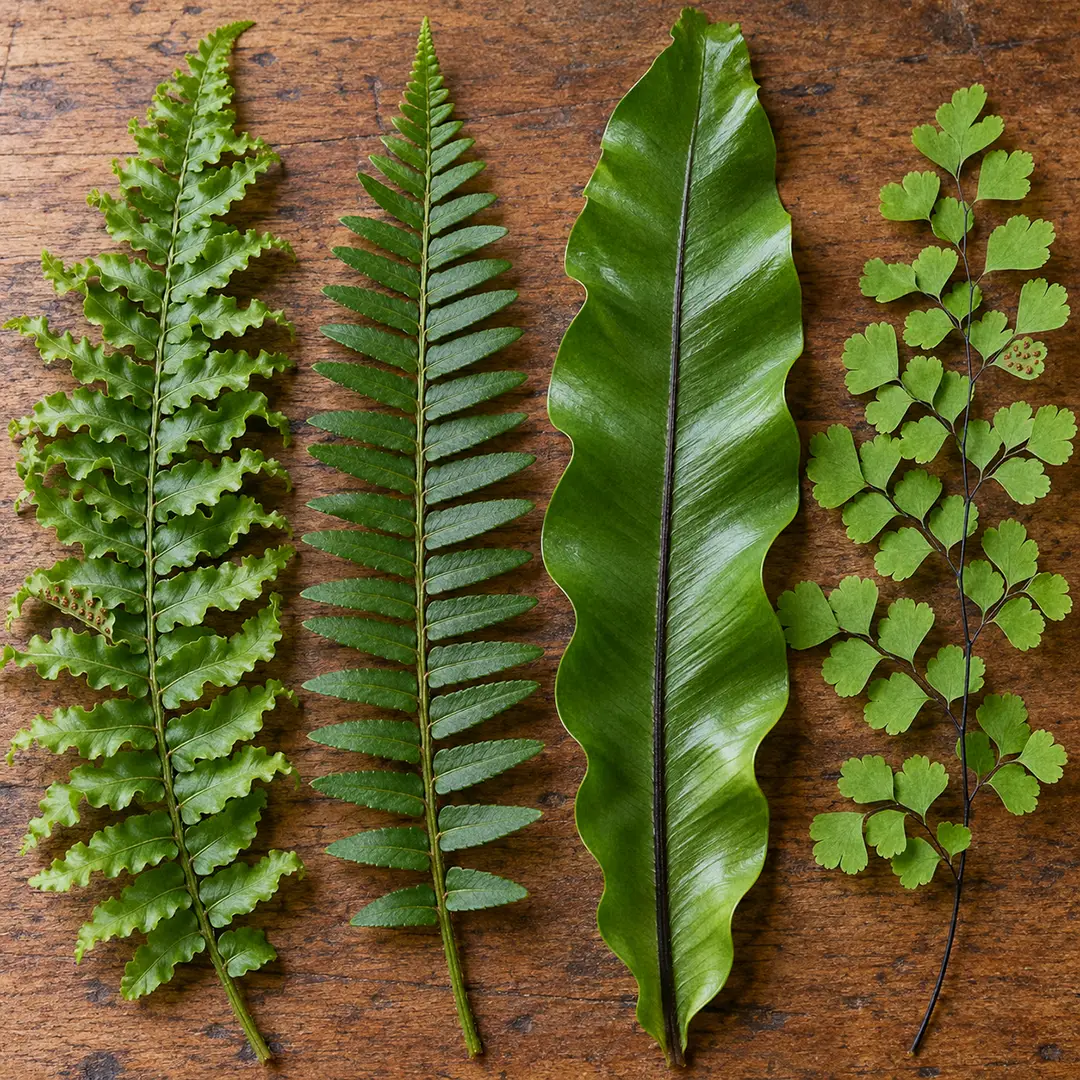
The 15 Most Popular Indoor Ferns and How to Choose One
Complete Guide to Leslie Bird's Nest Fern Care and Growth

Complete Guide to Superbum Staghorn Fern Care and Growth
Complete Guide to Austral Gem Fern Care and Growth
Complete Guide to Crispy Wave Fern Care and Growth
Complete Guide to Japanese Bird's Nest Fern Care and Growth
Complete Guide to Button Fern Care and Growth
Complete Guide to Mahogany Fern Care and Growth
Complete Guide to Bear's Paw Fern Care and Growth
Complete Guide to Blue Star Fern Care and Growth
Complete Guide to Volcano Fern Care and Growth

Houseplant101 Forum
Questions & Comments
Ask a question, share your plant experience, or help other plant owners.
Comments are temporarily unavailable.
Open the Houseplant101 ForumNo comments yet
Be the first to ask a question or share your experience about this page.
Log in or create an account
Comments use your Houseplant101 Forum account, but you can stay on this page.
Create a new account