

Superbum Staghorn Fern
Platycerium superbum
Superb Staghorn Fern, Giant Staghorn Fern, Moosehorn Fern, Elkhorn Fern


The Superbum Staghorn Fern is the giant of the staghorn world, a single sculptural rosette with a tall shield nest and long hanging antlers. Learn how to mount, water, and feed Platycerium superbum indoors so it keeps growing for decades.
📝 Superbum Staghorn Fern Care Notes
🌿 Care Instructions
⚠️ Common Pests
📊 Growth Information
🪴 In This Guide 🪴

☀️ Superbum Staghorn Fern Light Requirements (Bright Indirect)
The Sweet Spot
Give a Superbum bright, indirect light for most of the day. An east-facing wall or window is ideal, where it catches soft morning sun and bright light afterward. Hang it 3-5 feet from a south or west window instead and it will be just as happy, as long as the hot afternoon rays do not hit the fronds directly.
Superbum handles more light than most ferns. In its home range in eastern Australia it grows high on trees along rainforest edges, so it gets dappled sun rather than deep shade. That is why a dim hallway rarely works for it. Our Indoor Lighting Guide helps you judge a spot by eye.
Too Little Light
In a dark corner, growth almost stops. New antler fronds come in thin, floppy, and deep green instead of pale silver-grey, and the plant may skip making a new shield altogether. It will not die quickly, which is the trap, because it just shrinks year by year. If a bright wall is not an option, a strong grow light aimed at the fronds works well.
Too Much Light
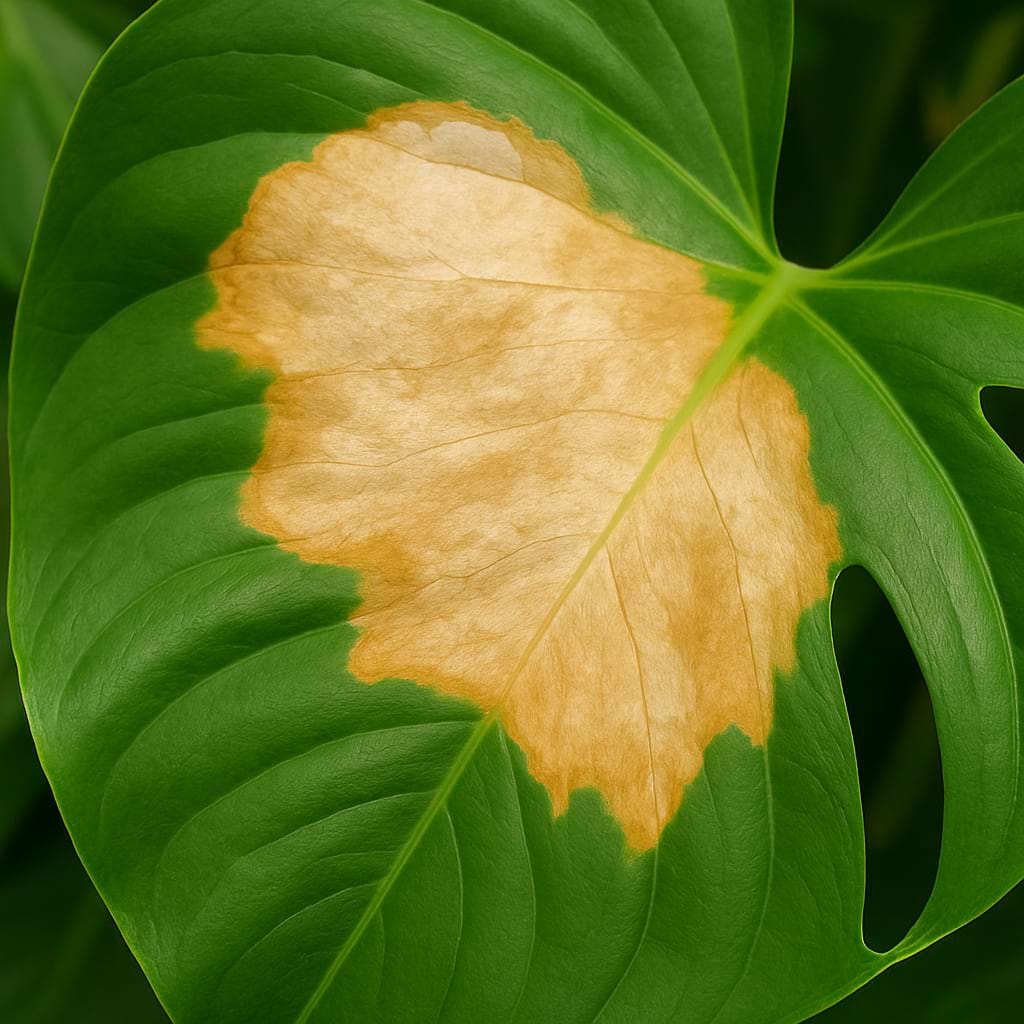
Hours of hot direct afternoon sun behind glass bleach the fronds to yellow-white and scorch the tips brown. That is sunburn, and the marks stay for the life of the frond. A sheer curtain or a few extra feet from the glass fixes it. Gentle morning sun, on the other hand, is welcome and keeps growth compact.

💧 Superbum Staghorn Fern Watering Guide (How to Water a Mounted Fern)
Watering Frequency
Forget the calendar and use the weight of the mount. Lift the board or basket right after a soak so you know what "full" feels like, then water again when it feels noticeably light and the moss behind the shield is almost dry. Indoors that usually lands around once a week in spring and summer and every 10-14 days in winter.
Mounted plants dry much faster than potted ones, so a sunny spot or a heated room can shorten that gap to five days. A cool room with a big moss pad can stretch it past two weeks. Our watering guide covers the general habits.
How to Water
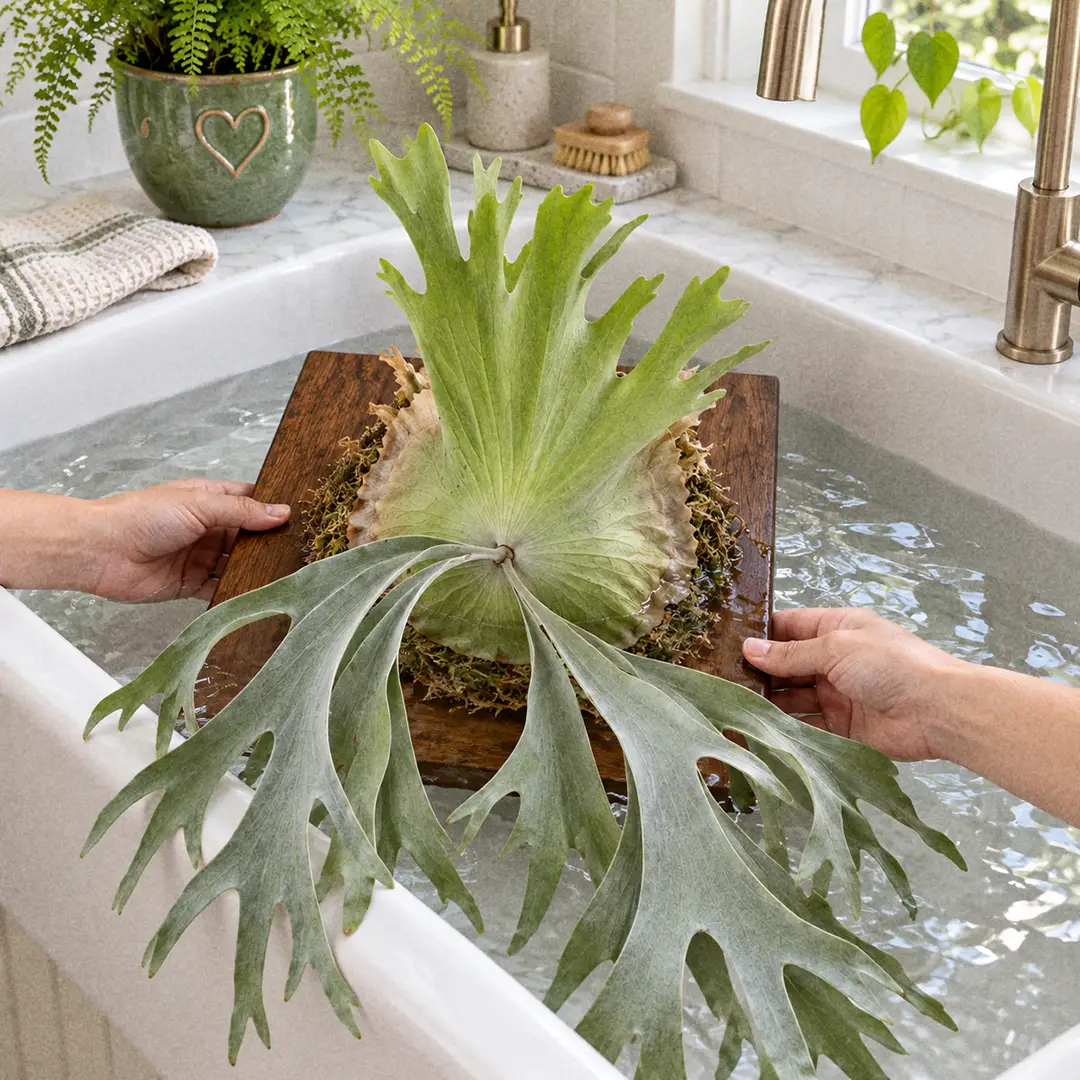
The easiest method is a full soak. Take the mount down, set it face up in a sink or tub with a few inches of lukewarm water, and let the moss and the base of the shield sit for 10-20 minutes. Then stand it upright to drip until it stops, and hang it back up.
For a plant that is already too big to move, water slowly into the open top of the shield nest with a watering can. That is exactly how rain reaches it in the wild. Let the water run through the old shields and out the bottom, and put a towel or tray underneath the first few times.
Signs of Trouble
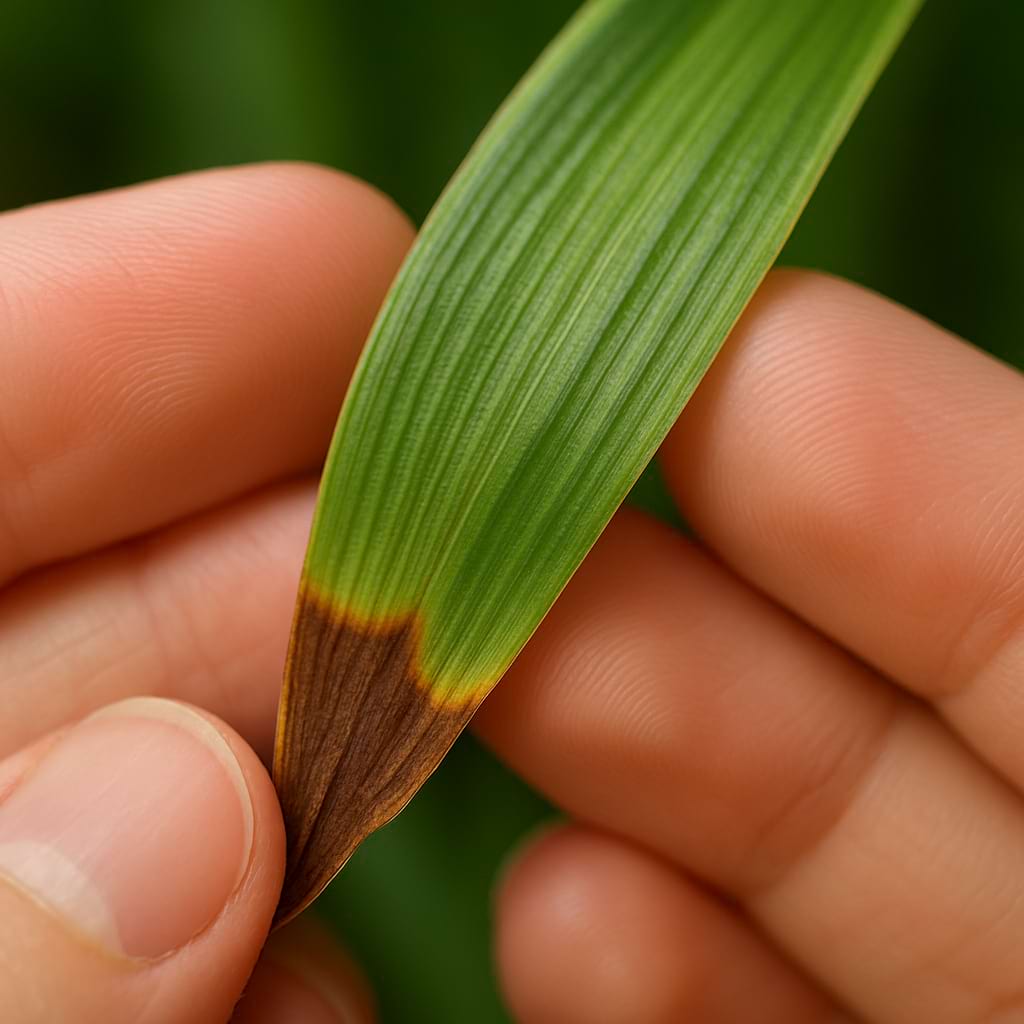
Thirst shows first on the antlers. They go limp, droop more than usual, and the tips turn brown and crisp. A good soak perks them up within a day.
Overwatering is the more dangerous one. Black or dark brown soft patches at the base of the shield, a sour smell from the moss, and antlers that yellow from the base are signs of root rot. Let it dry out properly and stretch the gap between soaks.
🪴 Best Growing Medium for Superbum Staghorn Fern (No Soil Needed)
What the Roots Need
Superbum is an epiphyte, so it grows on trees rather than in the ground. Its short roots live tucked behind the shield fronds in a layer of rotting leaves, and they need air as much as water. Dense potting soil stays wet and airless, which is how most indoor staghorns rot. Our Soil Guide explains why drainage decides so much.
Best Mounting Medium
Long-fiber sphagnum moss is the standard, and it is hard to beat. It holds moisture, drains instantly, and stays springy for years. Soak it first, then pack a mound 2-3 inches thick where the plant will sit. Mixing in a handful of chunky orchid bark keeps the center from compacting over time.
Baskets and Pots
A moss-lined wire basket suits a young plant that is not ready for a board, and it lets the shield eventually wrap the basket entirely. If yours came in a plastic nursery pot, it can stay there for a season in an airy orchid bark mix, but move it to a mount or basket within a year. The shield wants to grow flat against something, and a pot rim gets in its way.
🍼 Fertilizing Superbum Staghorn Fern
When and How Often
Feed once a month from spring through late summer, when new antlers and shields are forming. Stop in autumn and skip winter entirely. Always feed right after a soak, never onto dry moss, since dry roots burn easily.
What to Use
A balanced liquid fertilizer, such as a 10-10-10 or 20-20-20, diluted to half strength is all it needs. Add it to the soaking water or pour it slowly into the top of the nest. Our Fertilizing Guide explains the numbers.
Growers in Australia also feed the old-fashioned way: a small piece of banana peel or a few used tea leaves tucked behind the top of the shield, where they rot down like fallen leaves would in the forest. It works, but keep it small, because a big soggy pile invites fungus gnats. Our staghorn banana peel guide covers the method.
Over-Fertilizing Signs
Brown crispy tips on brand-new antlers, a white crust on the moss, or blackened edges on the young shield mean too much food. Flush the mount with two or three plain soaks and skip feeding for two months.
🌡️ Superbum Staghorn Fern Temperature Range
Ideal Range
Normal room temperatures suit it perfectly. Aim for 65-80°F (18-27°C) during the day, with nights no colder than about 55°F. It tolerates summer heat into the 90s if the air moves and the mount stays watered.
Cold, Drafts, and Heat Sources
Keep it above 50°F (10°C). Below that, fronds can develop dark cold-damage patches, and frost kills the shield. If yours summers outdoors, bring it in once nights drop toward 50°F. Indoors, keep it away from heating vents and radiators, which dry a mount out in a day or two, and away from drafty doors in winter.
Summering Outdoors
A few months outside in summer often gives a Superbum its best growth of the year. Hang it in bright shade, under a tree canopy or a covered porch, once nights stay above 55°F. Harden it off over a week so the fronds do not scorch, and check the mount every couple of days, because wind and warmth dry moss out fast. Before bringing it back in, rinse it and look under the antlers for hitchhiking pests.
💦 Superbum Staghorn Fern Humidity Requirements
Ideal Humidity
Around 50-70% is ideal, but Superbum is tougher than its tropical look suggests. It copes with ordinary room air of 40% as long as you keep up with soaking. Very dry winter air shows up as brown antler tips first.
Easy Humidity Boosters
A humidifier nearby is the most reliable fix. A bright bathroom works well too. Skip heavy daily misting, which does little and can leave the shield wet in still air. Good airflow matters just as much as moisture. Read boosting humidity in winter before the heating season starts.
Why Airflow Matters
Humid, still air is where rot starts. A mount that stays wet for days in a closed, steamy room is at more risk than one in drier air with a breeze. A small fan on low or a window cracked open now and then keeps the shield base drying between soaks.
🌸 Superbum Staghorn Fern Spores (Does It Flower?)
No Flowers, Only Spores
Like every fern, Superbum never flowers. It reproduces with spores, dust-fine specks that form on the underside of mature antler fronds. A plant usually needs several years of growth before it makes any, so a young mount will show none.
What the Spore Patch Looks Like
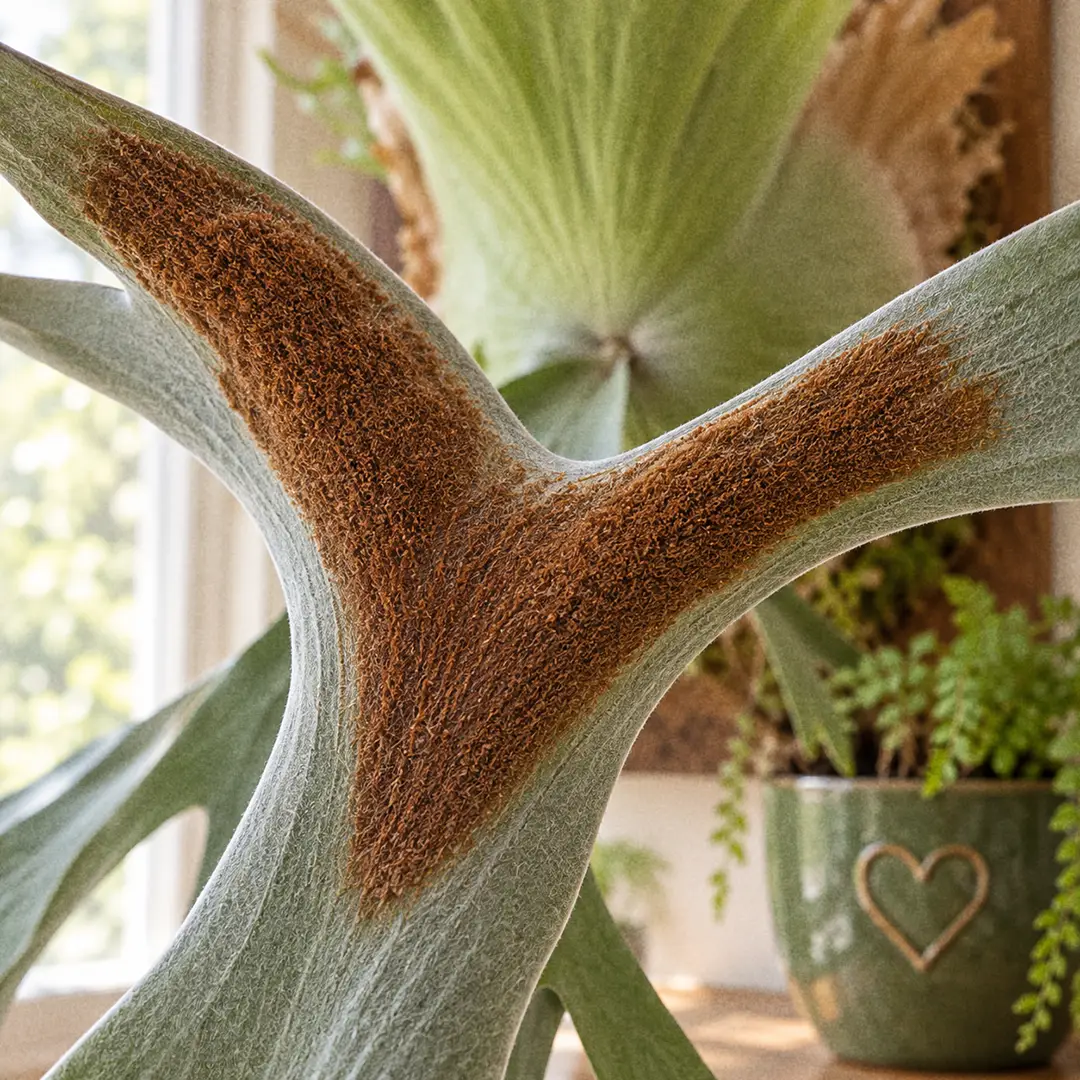
On a mature plant, a large velvety patch appears in summer on the underside of the antler, right at the first fork. It starts green, turns shiny brown as the spores ripen, and then goes dull and fuzzy once they have dropped. People often mistake it for disease or a fungus. It is neither, so do not scrape it off.
Why the Patch Matters
That spore patch is also the easiest way to confirm what you bought. True Platycerium superbum carries one patch at each first fork. Its lookalike, Platycerium grande, carries two. The difference is covered in the Types section below.
🏷️ Superbum Staghorn Fern Types and Lookalikes
Superbum has no named cultivars. What matters to a buyer is telling it apart from the other big staghorns, because labels in the plant trade are often wrong.
Superbum vs. Platycerium grande
These two look almost identical as mature plants. Both grow a single huge rosette, a tall upright shield with lobed edges, and broad hanging antlers, and neither makes pups. The reliable difference is the spore patch: one patch per fork on superbum, two on grande. Grande comes from the Philippines and wants warmer, more humid conditions, while superbum is Australian and more forgiving indoors. Many plants sold as "Grande" are actually superbum, so check the fronds on an older specimen.
Superbum vs. Common Staghorn Fern
The everyday Staghorn Fern, Platycerium bifurcatum, is smaller, faster, and the easy starter. It makes plenty of pups that fill a board into a clump, and its shield stays low and rounded. Superbum stays a single plant, grows far bigger, and its shield stands tall with finger-like lobes at the top.
Other Staghorns Worth Knowing
The Silver Staghorn Fern (Platycerium veitchii) grows upright antlers and loves bright sun, while giant collector species like Platycerium wandae push size even further. Our staghorn fern varieties guide compares the whole genus side by side.
Buying a Healthy Superbum
Most plants are sold young, either already mounted on a small board or in a nursery pot, since every one is raised from spore. Look for a firm green shield pressed against its base, with no black or soft patches, and pale silvery antlers rather than dark, limp ones. Turn the plant over and check the undersides for scale before paying. A young plant with a healthy growing shield settles in far better than a large specimen with a damaged one.
🪴 Mounting and Remounting Superbum Staghorn Fern
When to Mount or Remount
Mount a young plant as soon as you get it home from a nursery pot, ideally in spring. After that, move it only when the shield has grown well past the edges of the board, usually every 3-5 years. Superbum hates disturbance, so never pull an established shield off its board. Screw the old board onto a bigger one instead.
Choosing a Mount
Pick a board at least twice as wide as the current shield, because this species gets big. Rot-resistant hardwood such as cedar or teak lasts for years, and cork bark slabs look natural. Skip treated timber, which leaches chemicals. Add a sturdy hook and a wall anchor rated for the weight, since a mature mount full of water gets heavy.
Step-by-Step Mounting
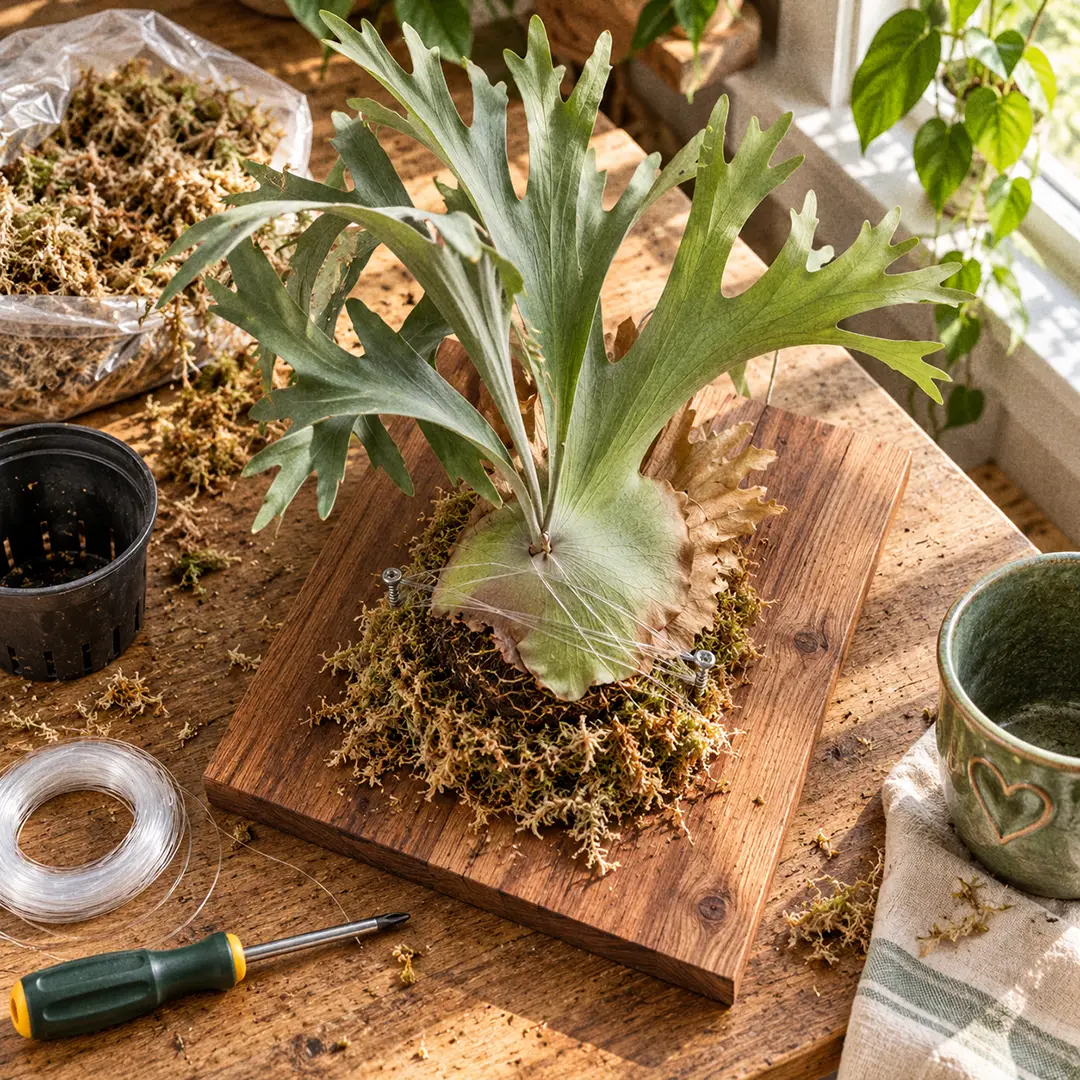
- Fix screws or small nails in a circle around where the plant will sit, a little wider than the root ball.
- Pack a mound of soaked sphagnum moss 2-3 inches thick in the center.
- Tease away most of the old potting mix and set the root ball on the moss, with the shield facing the board and the antlers pointing down or outward.
- Tuck more moss around the edges, then wrap fishing line or plastic-coated wire across the base, hooking it around the screws. Keep the line over the older, lower shield, never across the growing green edge.
- Soak the whole mount, drain it, and keep it out of direct sun for two weeks.
The new shield grows over the line and moss within a season or two, and then you can clip the line. Our staghorn mounting guide has more mount options.
✂️ Pruning Superbum Staghorn Fern
Leave the Shields Alone
The brown papery shields are not dead leaves to tidy up. They protect the roots, hold water, and build the nest that feeds the plant. Removing them is the most common way people harm a healthy Superbum, so never cut, peel, or pull them off, even when they look shabby.
Trimming Antler Fronds
Only remove an antler frond when it is completely brown and dry. Cut it cleanly at the base with sharp scissors. A frond with brown tips but green elsewhere is still feeding the plant, so leave it.
Don't Wipe the Fronds
The pale silvery fuzz on the antlers is a layer of tiny hairs that protect against sun and water loss. Wiping with a cloth rubs it off and leaves dark green patches. Rinse dust off with a gentle lukewarm shower instead.
🌱 How to Propagate Superbum Staghorn Fern
Why There Are No Pups
Superbum does not produce pups, and it cannot be divided. The whole plant is one crown, so cutting it apart kills it. Spores are the only way to make new plants, which is part of why good specimens cost more than the common staghorn.
Step-by-Step Spore Propagation
- In summer, wait for a spore patch to turn shiny brown, then cut the frond tip and lay it on white paper inside a paper envelope for a few days. The brown dust that drops is the spores.
- Fill a small clear container with sterilized, moist peat-free coir or sphagnum, and boil or microwave it first to kill mold.
- Sprinkle the spores thinly over the surface, close the lid, and keep it warm at 70-80°F in bright indirect light.
- After a month or two, a green film appears. These are tiny heart-shaped plates called prothalli.
- Mist them with distilled water every week or so to let fertilization happen. Tiny first fronds appear months later.
Our propagation hub covers the basics, and the staghorn propagation guide walks through spores in more detail.
Tips for Success
Keep everything clean, since mold is the main failure. Expect years, not months: a spore-grown superbum takes several years to reach a size worth mounting. For most people, buying a young mounted plant is the practical route, and spore sowing is a fun long project.
🐛 Superbum Staghorn Fern Pests and Treatment
Common Pests
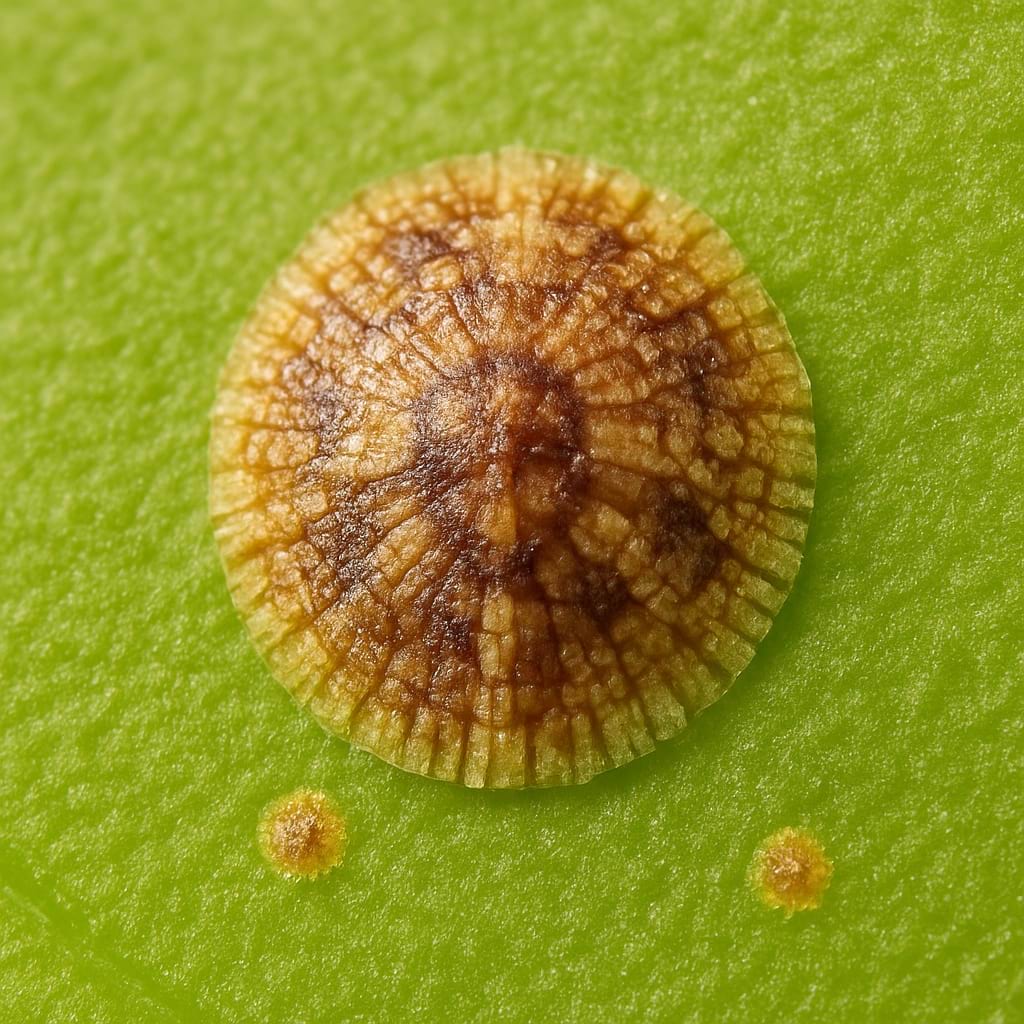
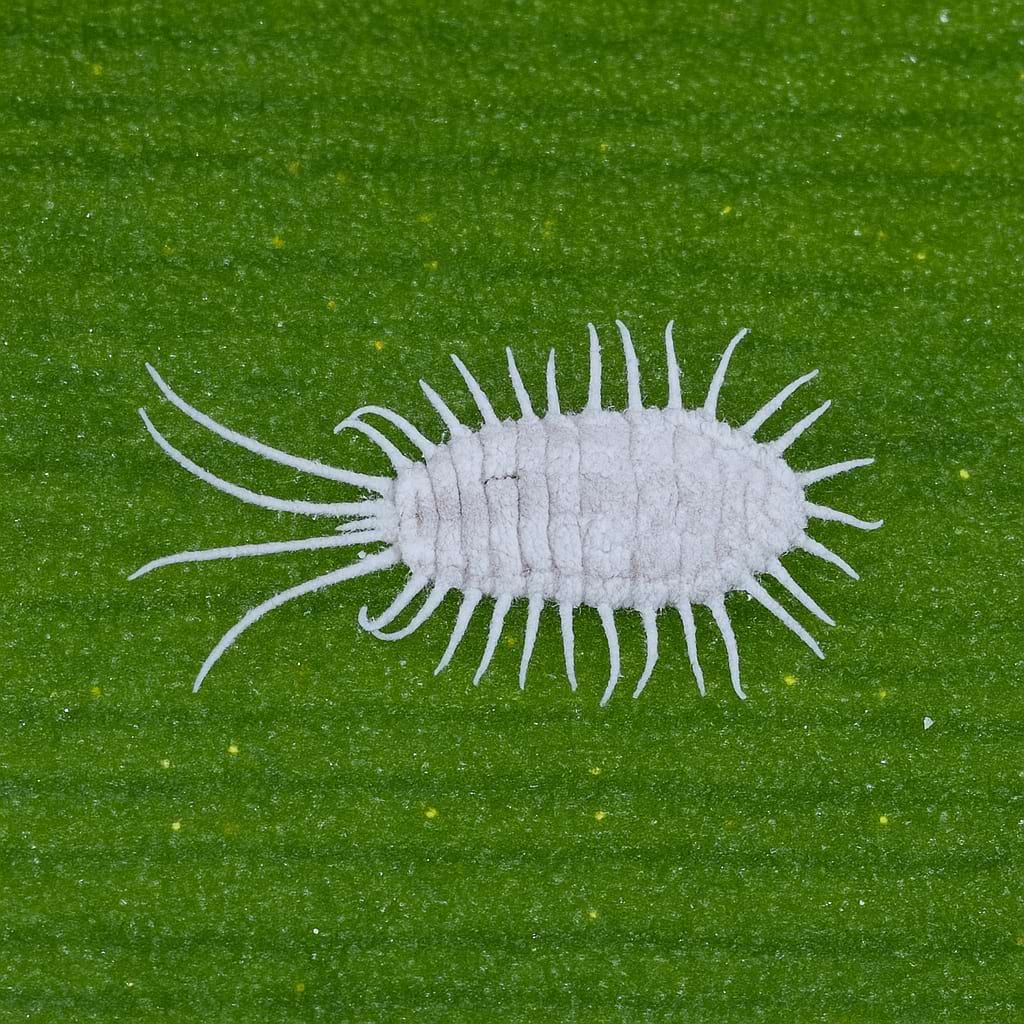
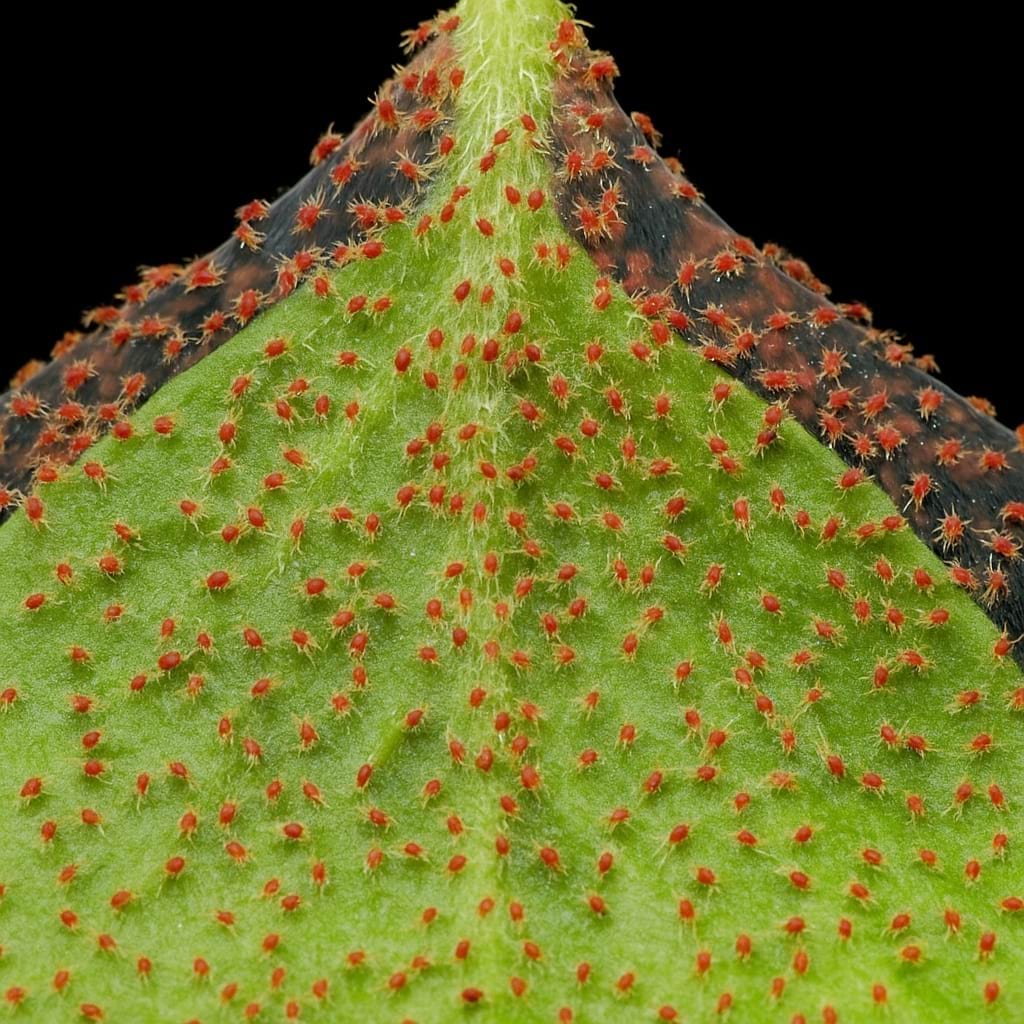
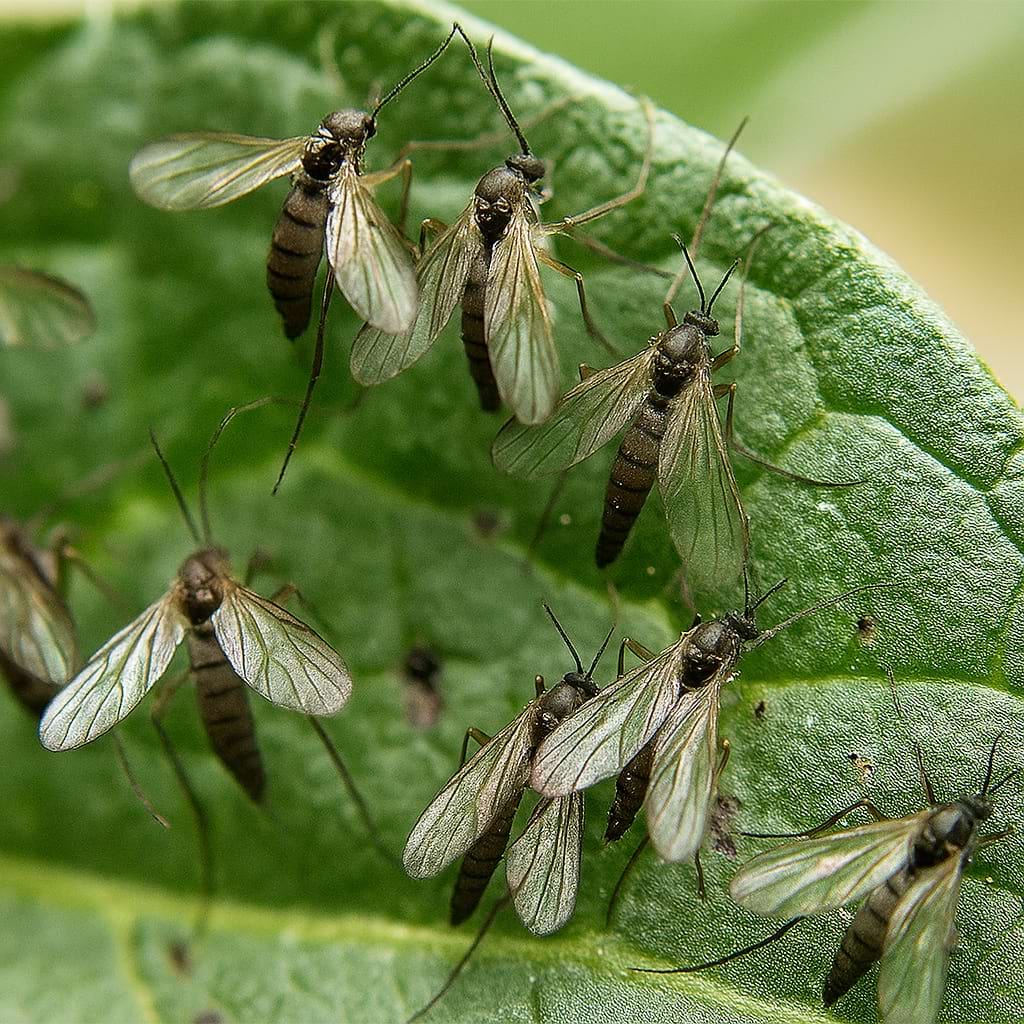
Scale insects are the big one. They look like small brown bumps stuck along the veins on the underside of the antlers, and people often confuse them with spore patches. Spores rub off as dust, scale does not. Mealybugs hide as white cottony blobs where the antlers meet the shield. Spider mites show up in hot dry rooms as fine webbing and pale speckling, and fungus gnats mean the moss is staying wet too long.
Treatment and Prevention
Skip oils and harsh sprays, which damage the protective hairs. Pick scale off with a fingernail or a cotton swab dipped in rubbing alcohol, and repeat weekly until none return. A systemic granule sprinkled into the nest helps with heavy scale. Spider mites back off with higher humidity, and gnats disappear once the mount dries properly between soaks. Check the undersides of the antlers every time you water.
🩺 Common Superbum Staghorn Fern Problems
Black Base and Rot
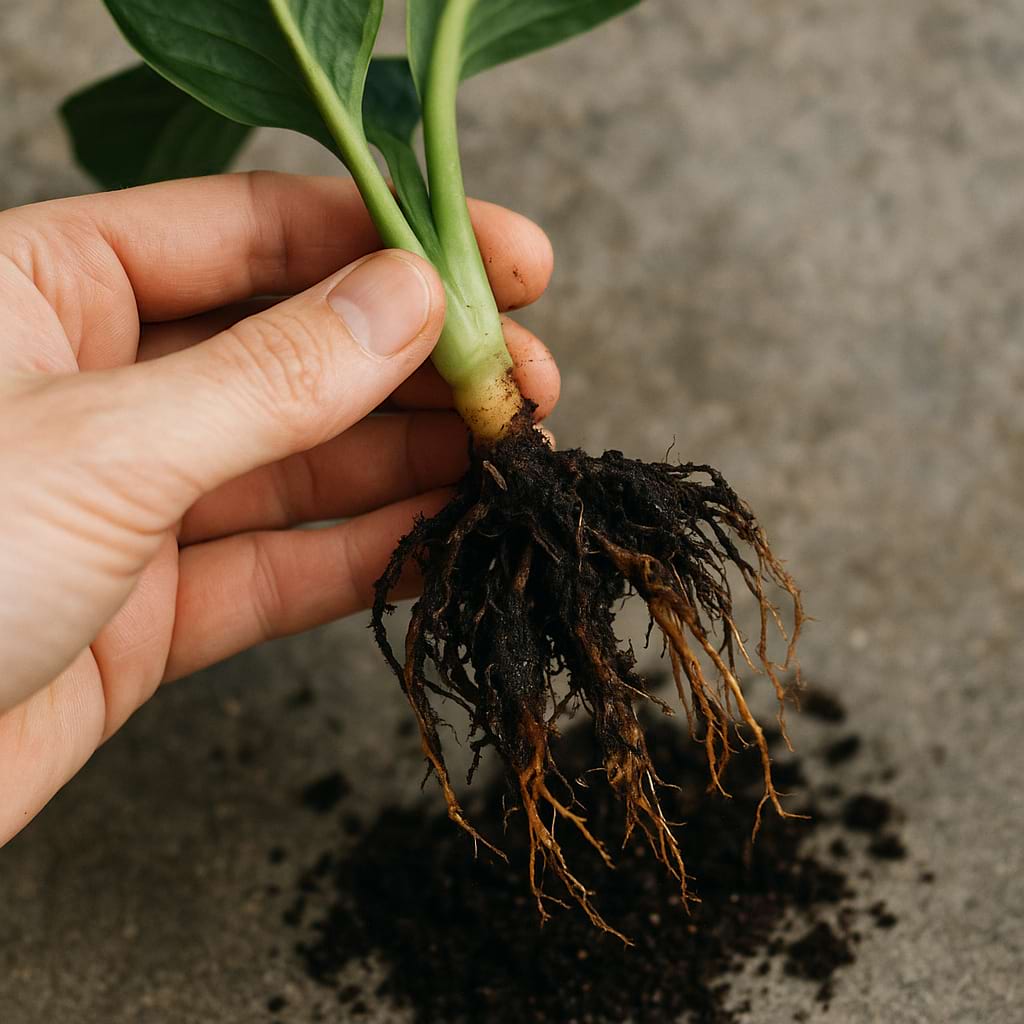
Soft black patches at the base of the shield, spreading upward, are the main killer. That is root rot from a mount kept wet in cool or still air, often in winter. Let it dry fully, move it somewhere warmer with better airflow, and water less often. If the growing point at the center goes mushy, it rarely recovers.
Brown Shields (Usually Normal)
A green shield turning tan and papery over a few months is normal ageing, not a problem. Each new shield grows over the old one. Worry only if the brown is soft, black, or smells bad.
Brown Tips and Spots
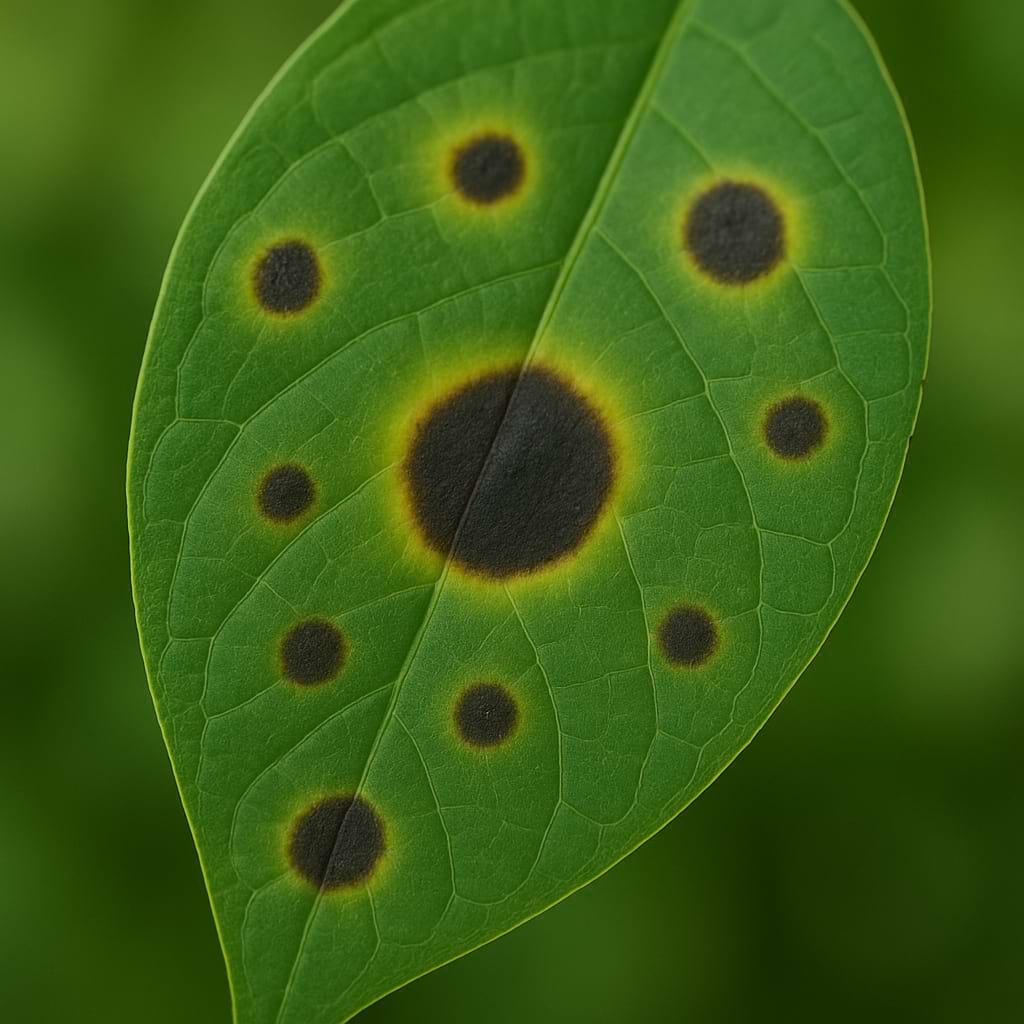
Crispy brown antler tips are brown crispy edges from dry air or a mount left dry too long. Dark spots in the middle of fronds are brown and black spots, usually cold damage or water sitting on the fronds in a cool room.
Yellowing and Slow Growth
Antlers yellowing from the base point to overwatering. Pale, weak new growth with no new shield in a whole year is stunted growth, usually from low light or no feeding. More light fixes most of it.


🖼️ Superbum Staghorn Fern Display and Styling Ideas
Solo Wall Mount
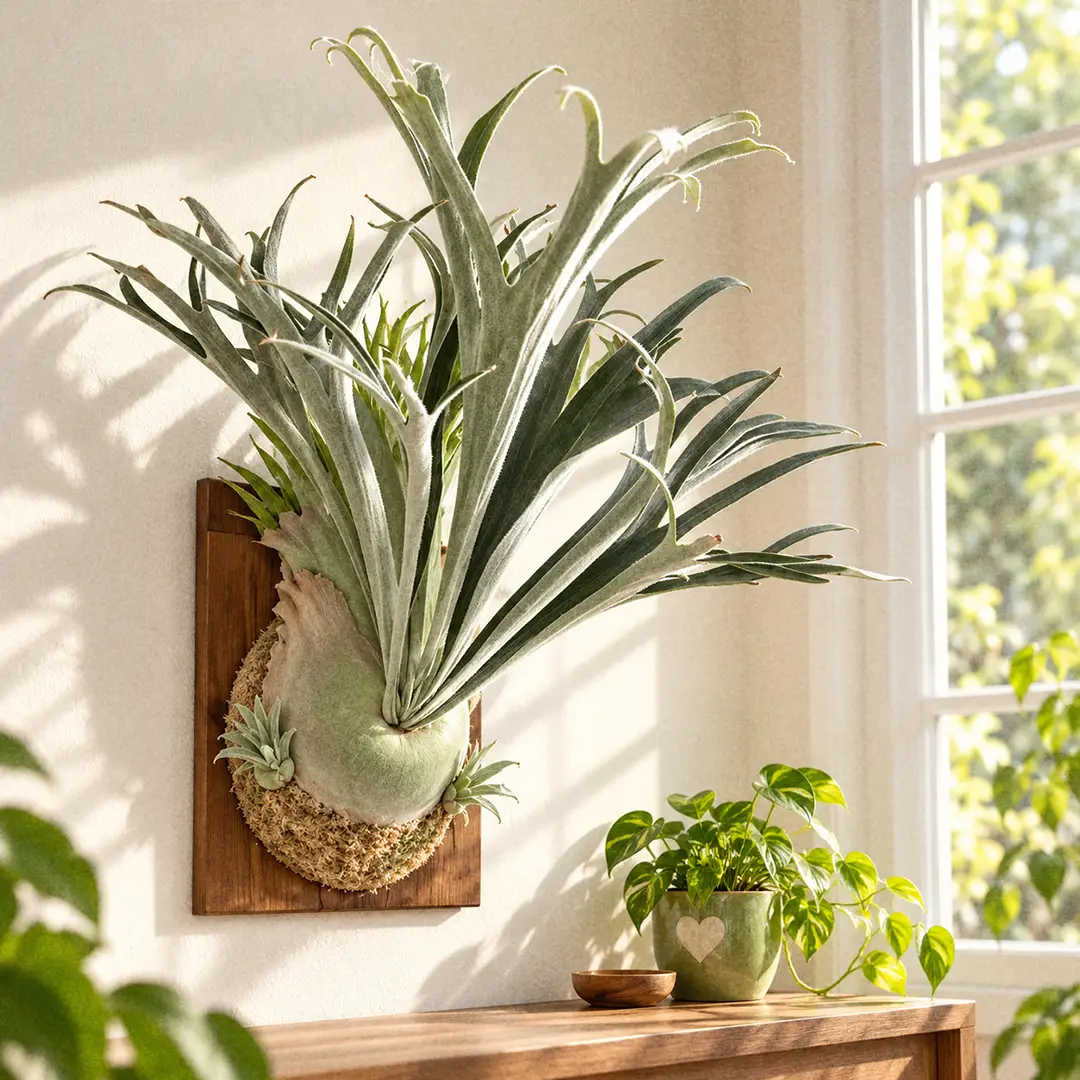
Superbum is at its best as a single piece of living wall art. Hang it at or just above eye level on a bright wall, with plenty of empty space around it so the antlers can spread and hang. A dark wall behind it makes the silvery fronds pop. Leave at least 3 feet of clear wall on each side for the plant it will become.
Grouped Arrangements
Pair it with smaller epiphytes for a gallery wall. A White Rabbit's Foot Fern or a Crested Fishtail Fern on a smaller slab adds texture below it, and a hanging Spanish Moss softens the edges. A potted Bird's Nest Fern on a console below echoes the upright nest shape.
Where Not to Put It
Avoid dim hallways, spots right above a radiator, and anywhere it cannot be taken down for a soak. Tight corners are a poor choice too, since the antlers bruise against walls.
👍 Superbum Staghorn Fern Pro Care Tips
⚖️ Water by weight. Lift the mount after a soak and soak again when it feels light.
🟤 Never remove the brown shields. They are the plant's roots, water tank, and food store.
🪵 Mount it big from the start. A board twice the width of the shield saves a risky remount later.
🍌 Feed the nest lightly. A small scrap of banana peel or diluted fertilizer beats a heavy dose.
🖐️ Don't wipe the fronds. The silvery hairs are protection, so rinse dust off instead.
🔍 Count the spore patches. One patch per fork means true superbum, two means grande.
🌡️ Bring it in before 50°F. Cold wet nights cause black spots and rot.
🧘 Expect slow growth. One or two new shields and a few antlers a year is a healthy pace.
❓ Frequently Asked Questions
Is Superbum Staghorn Fern toxic to cats and dogs?
No. The ASPCA lists staghorn ferns as non-toxic to cats and dogs. A cat chewing the antlers will not be poisoned, though it will leave damage that stays on the frond.
Why is the shield frond turning brown?
Usually it is supposed to. Shields grow green, then age to tan and papery while a new one forms on top. It only signals a problem if the brown is soft, black, or spreading from the base, which points to rot.
Does Superbum Staghorn Fern make pups?
No, never. It grows as one single rosette for its whole life, which is why it cannot be divided. New plants come from spores only.
How do I tell Platycerium superbum from Platycerium grande?
Look under a mature antler frond. Superbum has one spore patch at each first fork, while grande has two. Young plants without spores are very hard to tell apart.
How often should I water a mounted Superbum?
Roughly once a week in spring and summer and every 10-14 days in winter, but go by weight. Soak when the mount feels light and the moss is almost dry. Always let it drain fully before hanging it back up.
How big does a Superbum Staghorn Fern get?
In the wild the shield nest reaches about 3 feet across and the antlers can hang 6 feet. Indoors it grows slowly, often 2-4 feet across over many years, which is still big, so plan wall space accordingly.
Can I grow Superbum in a pot?
For a short while, yes, in chunky orchid bark rather than soil. Long term it does much better on a board or in a basket, where the shield can grow flat and the roots get air.
Can Superbum live outside?
In frost-free climates like zones 10-12, yes, hung in bright shade under a tree or covered patio. Elsewhere, move it outdoors for summer and bring it back inside once nights fall toward 50°F.
Why is my Superbum not growing?
Low light is the usual cause, followed by no feeding and cold. It is also naturally slow, so one new shield and a few antlers a year is healthy. Move it brighter and feed monthly in spring and summer.
Should I mist my Superbum Staghorn Fern?
Light misting on a warm, dry day does no harm, but it does not replace soaking and adds little humidity. Heavy daily misting in a cool, still room can keep the shield base wet and encourage rot. A humidifier and regular soaks do far more good.
ℹ️ Superbum Staghorn Fern Info
Care and Maintenance
🪴 Soil Type and pH: Epiphytic mount of sphagnum moss over a hardwood board, or a moss-lined wire basket
💧 Humidity and Misting: Prefers 50-70% humidity with good airflow; tolerates average room air if watered well.
✂️ Pruning: Never remove the brown shield fronds; only trim fully dead antler fronds at the base.
🧼 Cleaning: Do not wipe the fronds. The fine silvery hairs protect the plant and rub off easily, so rinse dust away with a gentle shower instead.
🌱 Repotting: Rarely needed. Move to a larger board every few years when the shield overlaps the edges of the old mount.
🔄 Repotting Frequency: Every 3-5 years (remount, do not repot)
❄️ Seasonal Changes in Care: Water and feed through spring and summer, then water less often and stop feeding in winter while growth slows.
Growing Characteristics
💥 Growth Speed: Slow
🔄 Life Cycle: Evergreen perennial epiphytic fern
💥 Bloom Time: Does not flower; produces spore patches on mature antler fronds in summer
🌡️ Hardiness Zones: 10-12
🗺️ Native Area: Rainforest margins and open forest of eastern Queensland and northeastern New South Wales, Australia
🚘 Hibernation: No true dormancy, but growth slows noticeably in winter
Propagation and Health
📍 Suitable Locations: Bright walls near east windows, sunrooms, covered patios in warm climates, bathrooms with strong natural light
🪴 Propagation Methods: Grows from spores only, since this species does not make pups and cannot be divided.
🐛 Common Pests: Scale Insects, Mealybugs, Spider Mites, Fungus Gnats
🦠 Possible Diseases: Rot at the base of the shield from overwatering, fungal spotting in cold wet conditions
Plant Details
🌿 Plant Type: Epiphytic bracket fern
🍃 Foliage Type: Evergreen, with sterile shield fronds and fertile antler fronds
🎨 Color of Leaves: Pale grey-green with silvery hairs; shields age to papery tan-brown
🌸 Flower Color: N/A (spores are brown)
🌼 Blooming: No, ferns reproduce by spores
🍽️ Edibility: Not edible.
📏 Mature Size: 2-4 feet indoors (shield nest up to 3 feet tall in time)
Additional Info
🌻 General Benefits: Pet-safe, extremely long-lived, a true living wall sculpture, and a single rosette that never sprawls with pups
💊 Medical Properties: No documented medicinal uses.
🧿 Feng Shui: An upward-reaching shield and outward-reaching antlers, often read as growth and protection hung on a wall.
⭐ Zodiac Sign Compatibility: Leo
🌈 Symbolism or Folklore: Strength, patience, and quiet grandeur
📝 Interesting Facts: In the wild the upright shield fronds work like a compost bin, catching falling leaves that rot down into food and water storage for the fern. Unlike the common staghorn, this species never makes pups, so every plant grows as one giant rosette started from spore.
Buying and Usage
🛒 What to Look for When Buying: Check the label and, on older plants, the spore patches: true superbum has one spore patch at the first fork of each antler, while Platycerium grande has two. Choose a firm green shield with no black soft patches at the base.
🪴 Other Uses: Wall art, living sculpture for covered patios, and a statement specimen for sunrooms and conservatories.
Decoration and Styling
🖼️ Display Ideas: Mounted on a hardwood board at eye level, in a hanging wire basket, or on a large cork slab in a bright sunroom
🧵 Styling Tips: Give it wall space far larger than it needs now. A superbum doubles in width over several years and looks cramped against a shelf edge.
🪴 See also 🪴
Complete Guide to Silver Staghorn Fern Care and Growth
Complete Guide to Crown Fern Care and Growth
Complete Guide to Eyelash Fern Care and Growth
Complete Guide to Crissie Bird's Nest Fern Care and Growth
Complete Guide to Osaka Bird's Nest Fern Care and Growth
The 15 Most Popular Indoor Ferns and How to Choose One
Complete Guide to Leslie Bird's Nest Fern Care and Growth
Complete Guide to Austral Gem Fern Care and Growth
Complete Guide to Crispy Wave Fern Care and Growth
Complete Guide to Japanese Bird's Nest Fern Care and Growth
Complete Guide to Button Fern Care and Growth
Complete Guide to Mahogany Fern Care and Growth
Complete Guide to Bear's Paw Fern Care and Growth
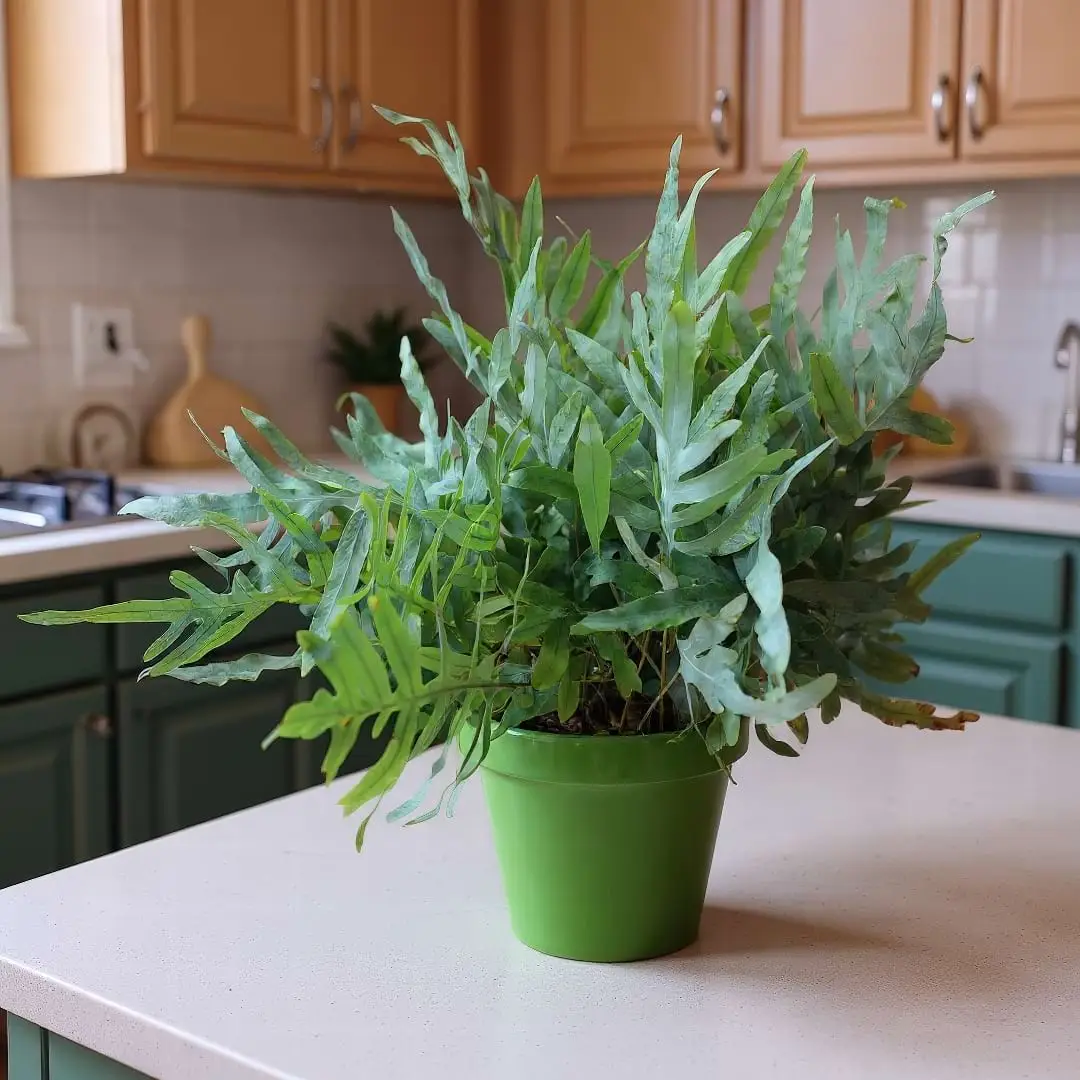
Complete Guide to Blue Star Fern Care and Growth
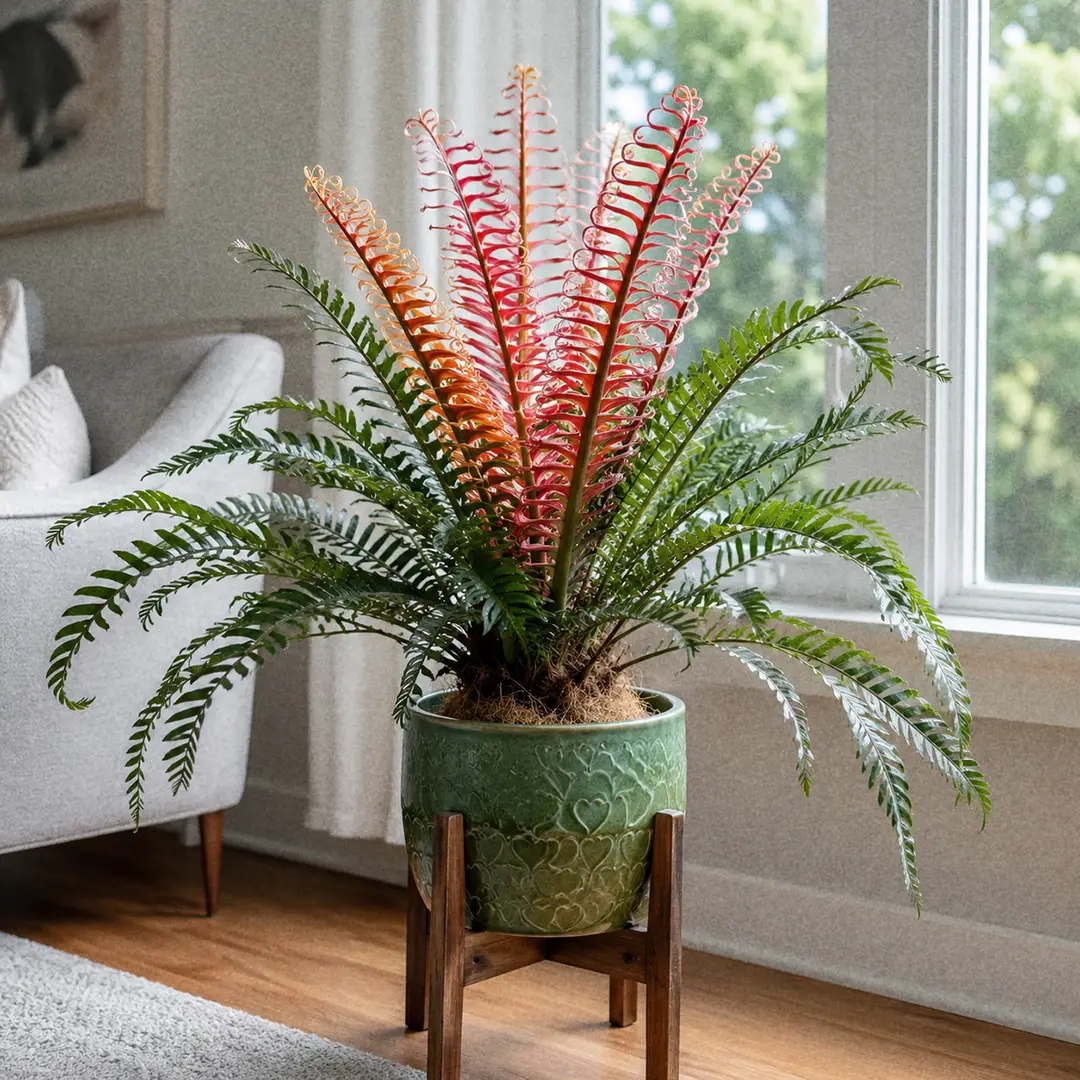
Complete Guide to Volcano Fern Care and Growth
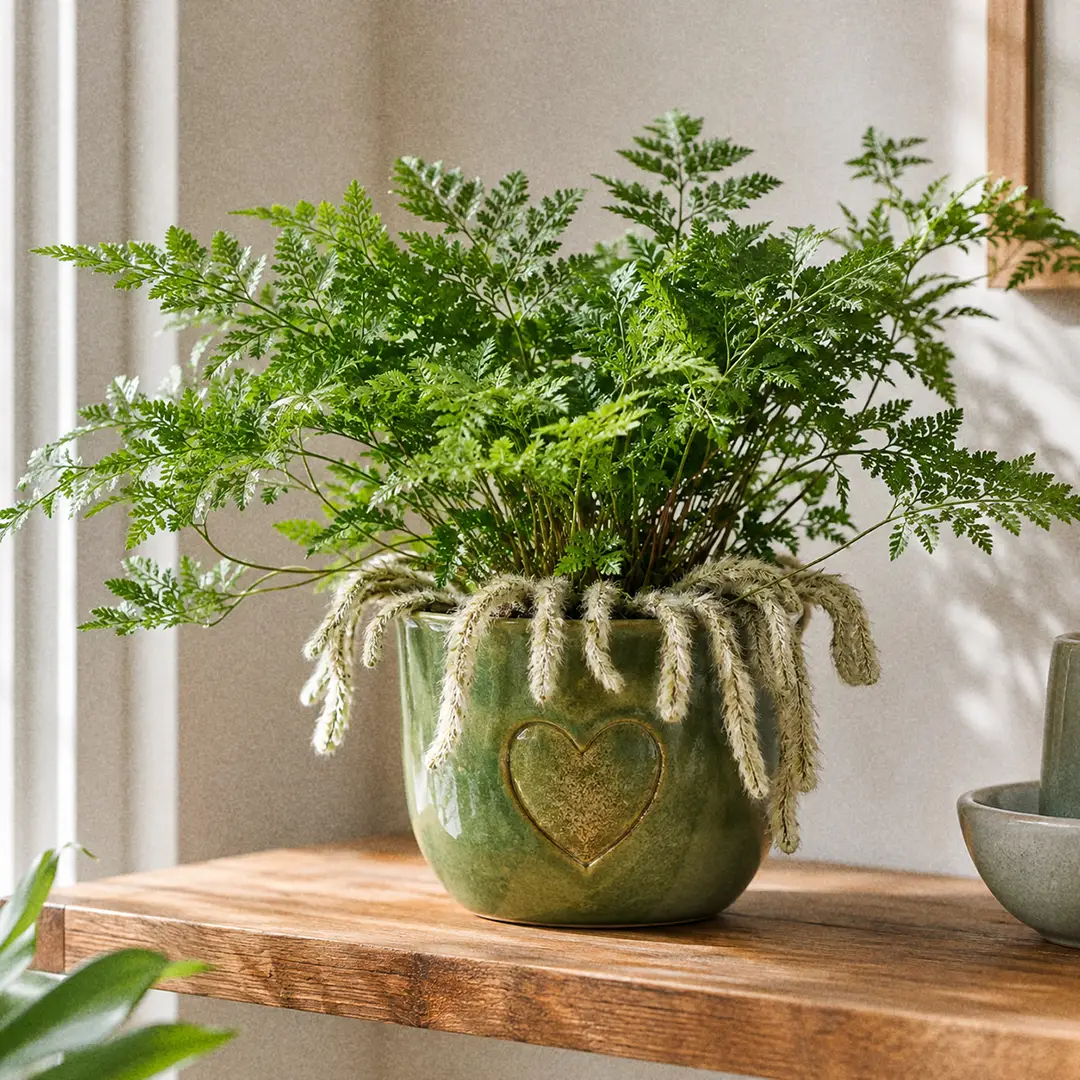
Complete Guide to White Rabbit's Foot Fern Care and Growth

Houseplant101 Forum
Questions & Comments
Ask a question, share your plant experience, or help other plant owners.
Comments are temporarily unavailable.
Open the Houseplant101 ForumNo comments yet
Be the first to ask a question or share your experience about this page.
Log in or create an account
Comments use your Houseplant101 Forum account, but you can stay on this page.
Create a new account