
Crown Fern
Aglaomorpha coronans
Drynaria coronans, Snake Leaf Fern, Santa Rosa Fern, Basket Fern, Aglaomorpha


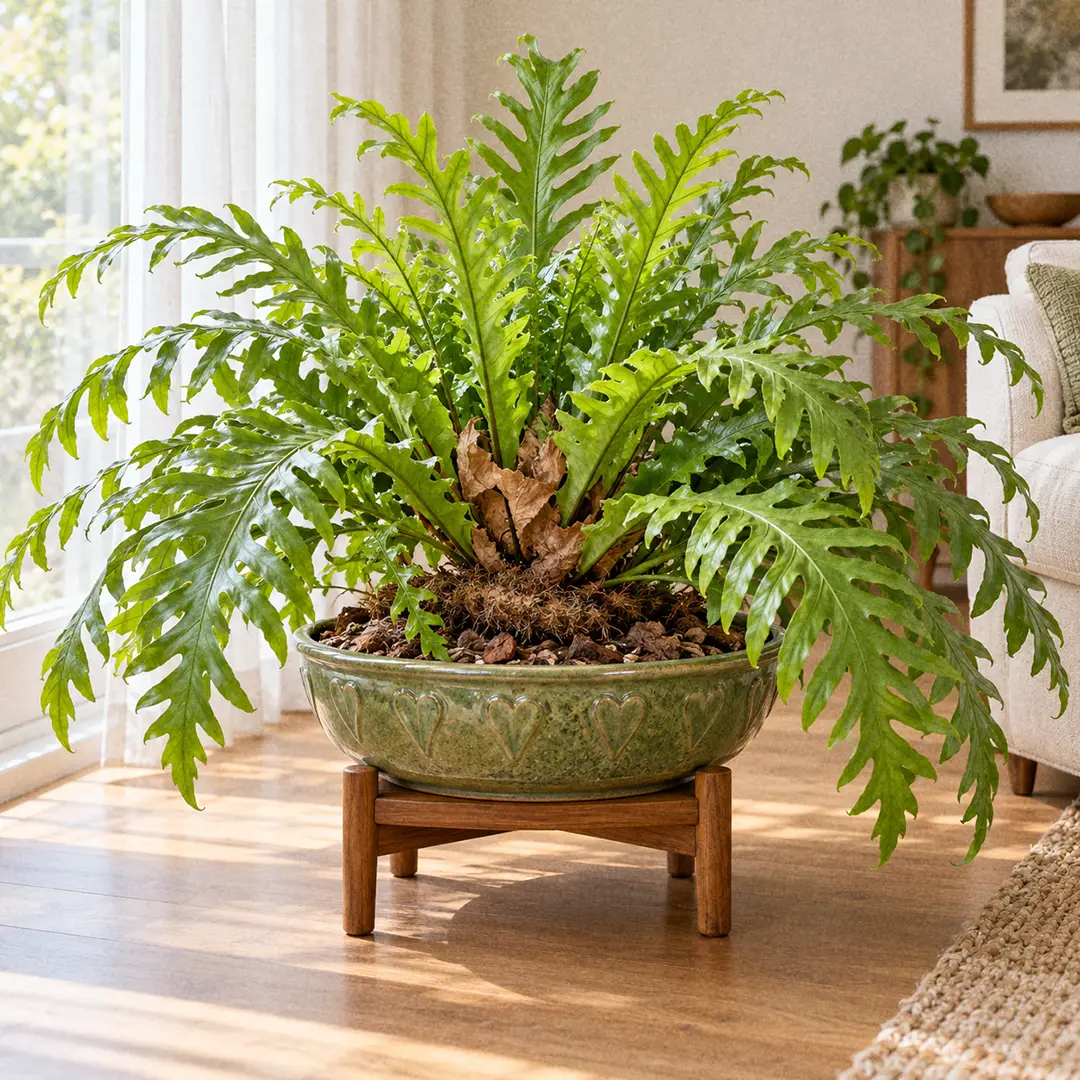
Crown Fern (Aglaomorpha coronans) is a big epiphytic fern whose long, deeply lobed fronds widen at the base into a nest, all growing from a thick fuzzy rhizome. Learn how to grow it indoors in a pot, basket or mount, with the chunky mix and bright filtered light it needs.
📝 Crown Fern Care Notes
🌿 Care Instructions
⚠️ Common Pests
📊 Growth Information
🪴 In This Guide 🪴

☀️ Crown Fern Light Requirements (Bright Filtered Light)
The Sweet Spot
Crown fern wants bright, indirect light. In the wild it is an epiphyte, growing on trees and rocks across tropical and subtropical Asia, from central Nepal through southern China and Indochina to Taiwan, the Ryukyu Islands of southern Japan and Peninsular Malaysia. Under a canopy it gets plenty of light, but filtered through leaves for most of the day.
Indoors, that translates to a spot right beside an east window, or about 3-5 feet back from a south or west window. A north window can carry it through summer, though winter light there is usually too weak for steady growth. Because the fronds spread out in every direction, choose a spot where the whole crown sees the light, not just one side. Our Indoor Lighting Guide helps if you are unsure how bright a spot really is.
Too Little Light
A crown fern in a dim corner does not collapse. It simply stalls. New fronds arrive months apart, come in shorter than the old ones, and the plant can look frozen for a whole season. This fern is slow even in good light, so a dark spot makes it look almost artificial. If the newest fronds are clearly smaller than the last set, move it closer to the window or add a grow light for the winter months.
Too Much Light
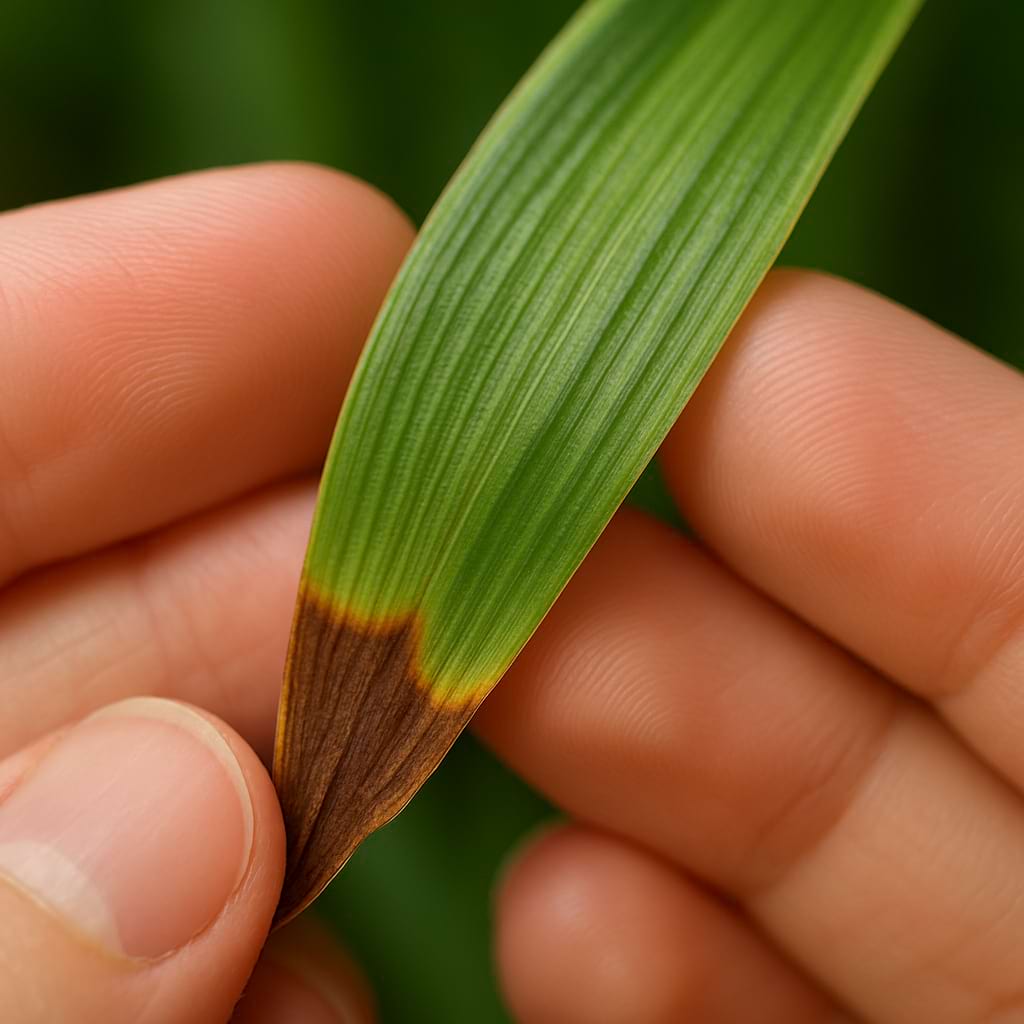
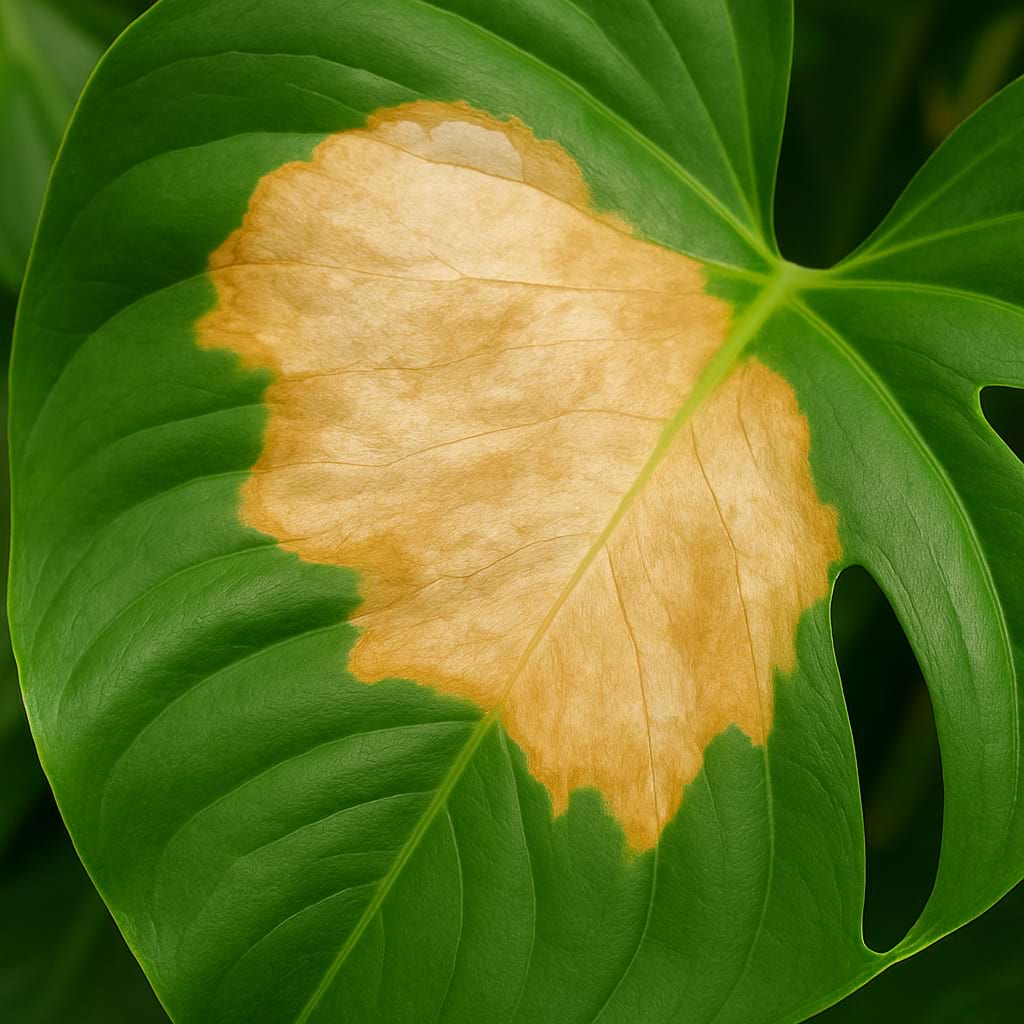
An hour or two of soft morning sun is fine. Long afternoon sun through hot glass is not. The leathery fronds first fade to a washed-out yellow-green, then develop dry brown patches, which is leaf scorch. Those patches never turn green again, so a sheer curtain or a few feet of distance from a sunny window is the easy fix.

💧 Crown Fern Watering Guide (Moist, Never Soggy)
Watering Frequency
From spring to late summer, crown fern likes to stay lightly moist, never wet. Water when the top inch or two of the mix feels dry. In a chunky bark mix in a warm, bright room, that usually works out to about once a week in summer, but your pot, room and mix will change that number, so check rather than follow the calendar.
In winter, growth almost stops and the plant needs far less. Let the mix dry a bit deeper before watering again. The thick rhizome stores water, so this fern rides out a short dry spell much better than it handles a week in wet compost.
How to Water a Pot, Basket or Mount
In a pot, water slowly over the whole surface of the mix until it runs out of the drainage holes, then empty the saucer. Never leave the pot standing in water.
Baskets lined with moss or coco fiber dry out faster than pots. The simplest method is to lower the whole basket into a sink or bucket of room-temperature water for about 10 minutes, then let it drip dry before you hang it back up. A mounted plant gets the same soak, one or two times a week in summer.
Watering Around the Nest
The nest of widened frond bases exists to catch falling leaves and rain in the forest. Indoors, you do not need to fill it. Water poured straight into the center runs down onto the rhizome and can sit there, which is the start of rot in a cool room. Aim the water at the mix around the rhizome instead. Our watering guide covers the basics if you are new to this.
Signs of Trouble
A thirsty crown fern goes dull, the fronds soften slightly and the tips turn brown and crisp. A good soak fixes the first two quickly, though crisp tips stay crisp. Yellowing fronds, a rhizome that feels soft or dark, and a sour smell from the pot mean the opposite: too much water and the start of root rot. A firm, fuzzy rhizome is the best sign that your watering is right.
🪴 Best Soil for Crown Fern (Chunky Epiphyte Mix)
What the Soil Needs
Crown fern roots are built to cling to bark and rock, with air moving around them. Ordinary potting compost packs down into a dense, wet block, and the roots and rhizome rot in it. The mix needs to let water run through in seconds while still holding a little moisture in its pieces. Think orchid mix with a bit of soil in it, not soil with a bit of bark. Our Soil Guide explains why air in the root zone matters so much.
DIY Crown Fern Mix
A reliable recipe is 2 parts medium orchid bark, 1 part coarse perlite or pumice, and 1 part houseplant compost or coco coir. The bark gives structure and air, the perlite keeps it open, and the compost or coir holds just enough water between drinks. A handful of chopped sphagnum moss helps in a dry home. If you buy a bagged mix, an orchid or aroid blend is the closest starting point. Our potting soil guide compares the common options.
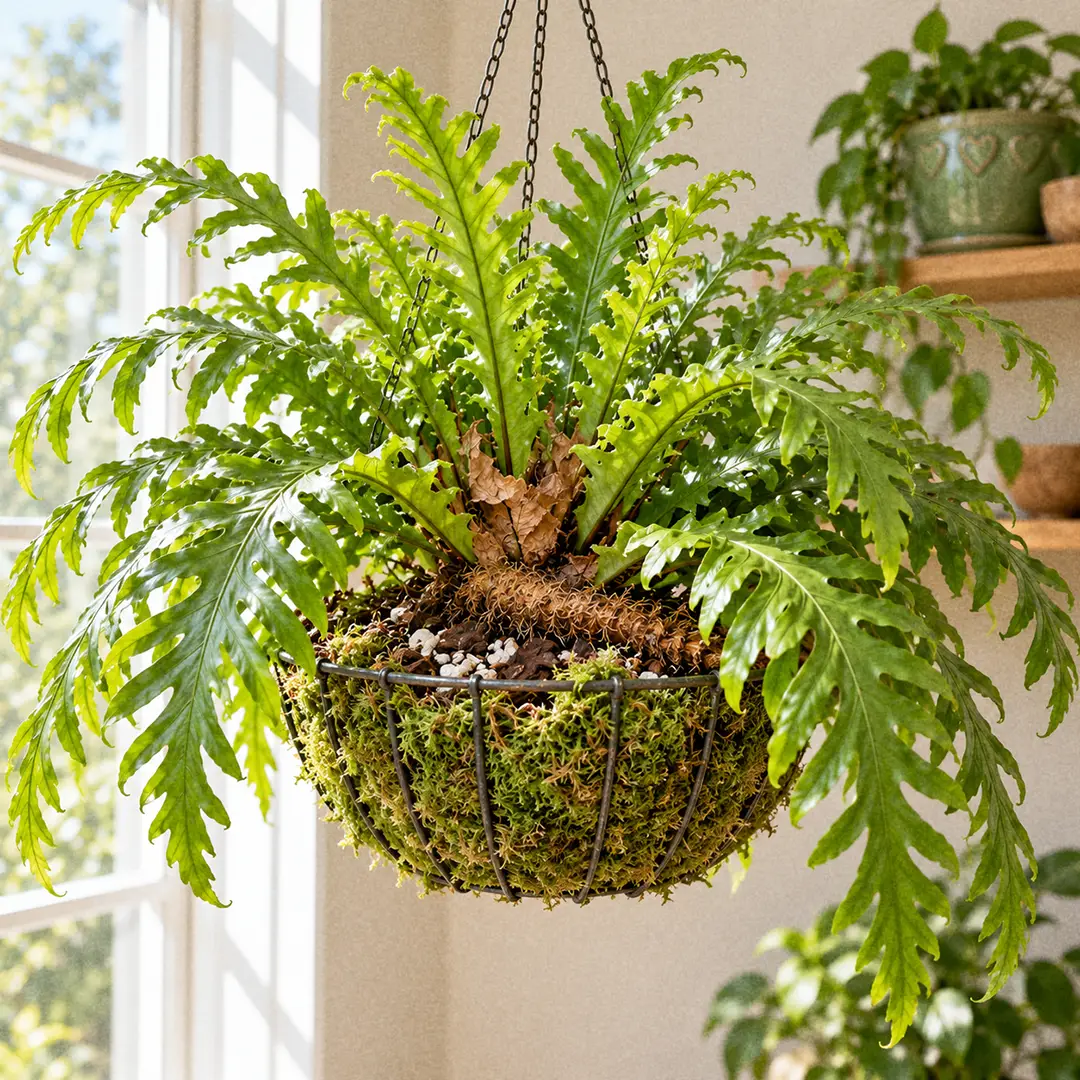
You have three options, and all of them work. A wide, shallow pot is the easiest for beginners because it dries evenly and is simple to water. A wire or slatted basket lined with sphagnum or coco fiber suits the plant's natural habit, since the rhizome can creep over the edge without fighting the pot. Mounting on a board works best for young plants and divisions. Once a crown fern reaches full size it gets heavy, and a basket or pot is far more practical than a board on the wall.
🍼 Fertilizing Crown Fern
When and How Often
Crown fern is a light feeder. Fertilize about once a month from mid-spring to late summer, while it is pushing out new fronds. Stop in autumn and give it nothing through winter, when slow growth means the salts just build up in the mix.
What to Use
A balanced liquid houseplant fertilizer at half strength is all it needs, or an orchid or fern fertilizer at the dilution on the label. Pour it onto damp mix around the rhizome, not into the nest. For a mounted plant or a basket, add the diluted fertilizer to the soaking water. Skip slow-release granules, which can sit against the rhizome and burn it. Our Fertilizing Guide explains the ratios, and the fertilizers guide covers what to buy.
Over-Fertilizing Signs
Brown frond tips together with a white crust on the mix or bark point to salt buildup. Flush the pot with plain water a few times, let it drain fully, and skip feeding for a couple of months. More fertilizer does not make this slow fern grow faster.
🌡️ Crown Fern Temperature Range
Ideal Range
Ordinary room temperatures of roughly 65-85°F (18-29°C) suit it well. Crown fern is frost tender. Treat 55°F (13°C) as the winter floor indoors: it can ride out the odd cooler night, but long spells in the 50s stop growth and make wet roots much more likely to rot.
Summering Outdoors
In a warm climate it can spend summer outside in shade once nights stay above about 55°F. Hang it under a tree or a covered porch, out of afternoon sun, and bring it back in before autumn nights cool down. Check the nest and the undersides of the fronds for hitchhiking insects before it comes indoors.
Drafts and Heat Sources
Keep it away from heating vents and radiators, which dry the fronds and the mix far faster than you expect. A cold winter window is the other risk. Fronds touching freezing glass can brown overnight.
💦 Crown Fern Humidity Requirements
Ideal Humidity
This is one of the easier ferns when it comes to humidity. Its leathery fronds and water-storing rhizome cope with ordinary room air of around 40% far better than a thin-leaved Maidenhair Fern would. It still grows best at 50% or more, with fewer brown tips and faster new fronds.
Easy Humidity Boosters
Stand a potted plant on a tray of wet pebbles, keeping the pot above the waterline. Grouping it with other plants helps, and a small humidifier makes the biggest difference in winter when the heating runs. Our guide to boosting humidity in winter has more ideas.
🌸 Crown Fern Flowers and Spores
Does Crown Fern Flower?
No. Like every fern, crown fern never flowers or sets seed. It reproduces by spores, tiny dust-like cells released from the undersides of mature fronds. A plant that is not flowering is not a plant with a problem.
What the Spore Dots Look Like
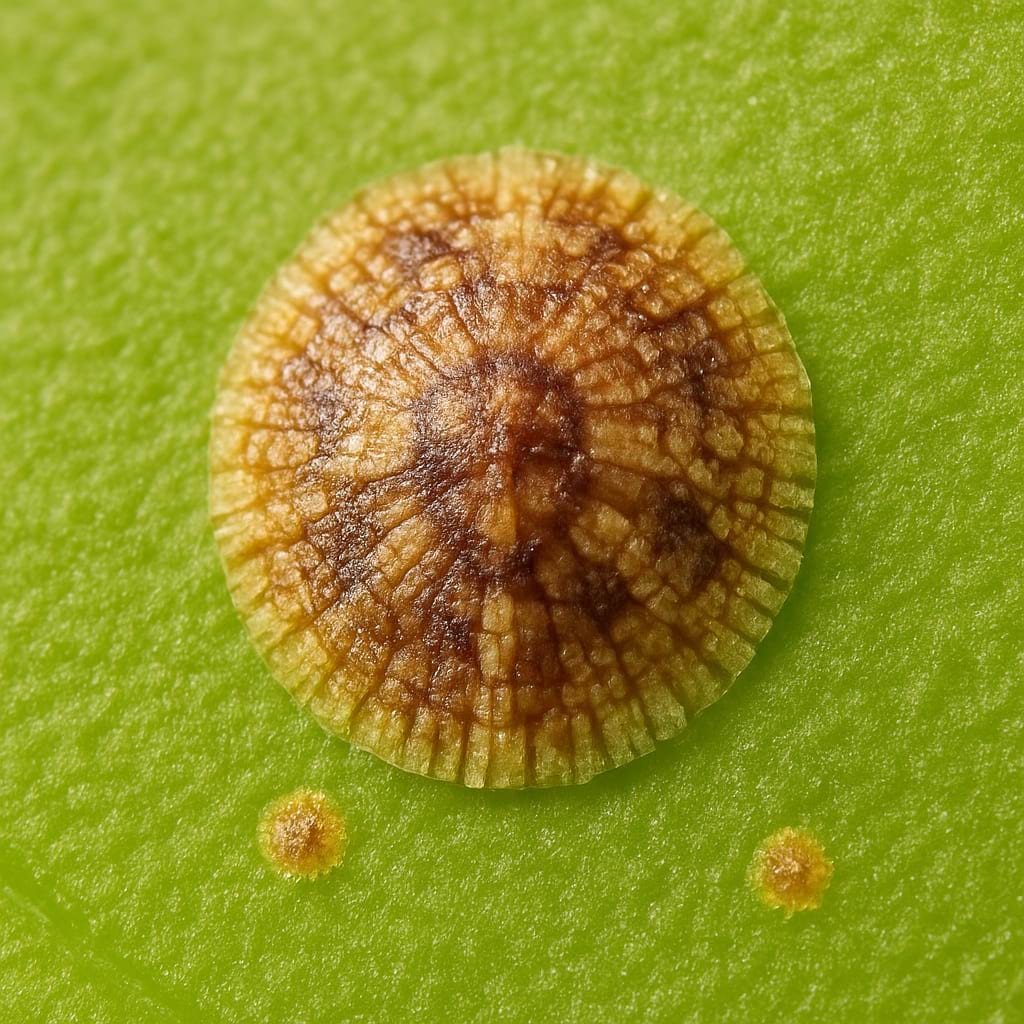
On mature fronds you will find small, round, brown dots on the undersides, set in neat rows between the side veins. These are the sori, the clusters that hold the spores. They are completely normal and should be left alone.
The dots worry new owners because they look a little like scale insects. The difference is pattern. Sori sit in tidy, regular rows on the underside of the leaf blade. Scale bumps are scattered at random, often along the midrib and stems, and they rub off to leave a sticky or damaged spot.
Growing From Spores
You can collect spores and raise new plants from them, but it is slow and fiddly. Division is far quicker for home growers, and both methods are covered in the propagation section below.
🏷️ Crown Fern Types and Varieties
One Species, Several Names
There are no well-known named cultivars of crown fern. What changes from shop to shop is the label. You may find it as Aglaomorpha coronans, as Drynaria coronans (the name Kew's Plants of the World Online currently accepts), or as Snake Leaf Fern, Santa Rosa Fern or simply Basket Fern. Several UK and European sellers offer young plants as Aglaomorpha coronans 'Jim'. I could not find any description of how 'Jim' differs from the species, and the care is the same.
Crown Fern vs Bear's Paw Fern
The Bear's Paw Fern (Aglaomorpha meyeniana) is a close cousin in the same genus, with the same fuzzy creeping rhizome and leathery lobed fronds. It is grown mainly for its chunky, furry paws and stays a more modest size. Crown fern is the one to buy if you want a big crown of long fronds as the centerpiece of a room.
Crown Fern vs Staghorn and Oak-Leaf Fern
A Staghorn Fern builds its nest from separate shield fronds that clasp the mount, while its antler fronds do the growing. The oak-leaf fern (Drynaria quercifolia) also grows separate short, brown, oak-leaf-shaped nest fronds. Crown fern has neither. Its nest is just the widened, lobed base of each ordinary frond. Be careful with the name "crown staghorn" in shops, too: it usually refers to Platycerium coronarium, a true staghorn and a different plant.
Crown Fern vs Bird's Nest Fern
The Bird's Nest Fern also catches debris in a central rosette, but its fronds are whole, undivided straps rising from a tight crown, with no creeping rhizome. Crown fern's fronds are deeply cut into finger-like lobes, and the plant spreads sideways along its rhizome over the years.
🪴 Potting and Repotting Crown Fern
When to Repot
Repot in spring, roughly every one to two years. The signs are a rhizome creeping over the rim and out of the pot, a mix that has broken down into something dark and slow to drain, or a plant so top-heavy that it tips over. Crown fern does well slightly snug, so do not rush it into a big container.
Choosing a Pot
Go wide and shallow rather than deep, with drainage holes. The rhizome spreads across the surface and the roots stay fairly near the top, so a deep pot just holds a reservoir of wet mix underneath. Pick something heavy, or a pot that sits inside a heavier cover pot, because a mature plant with fronds arching out on every side is easy to knock over. A basket is a good alternative at any size. Our plant pots guide compares materials.
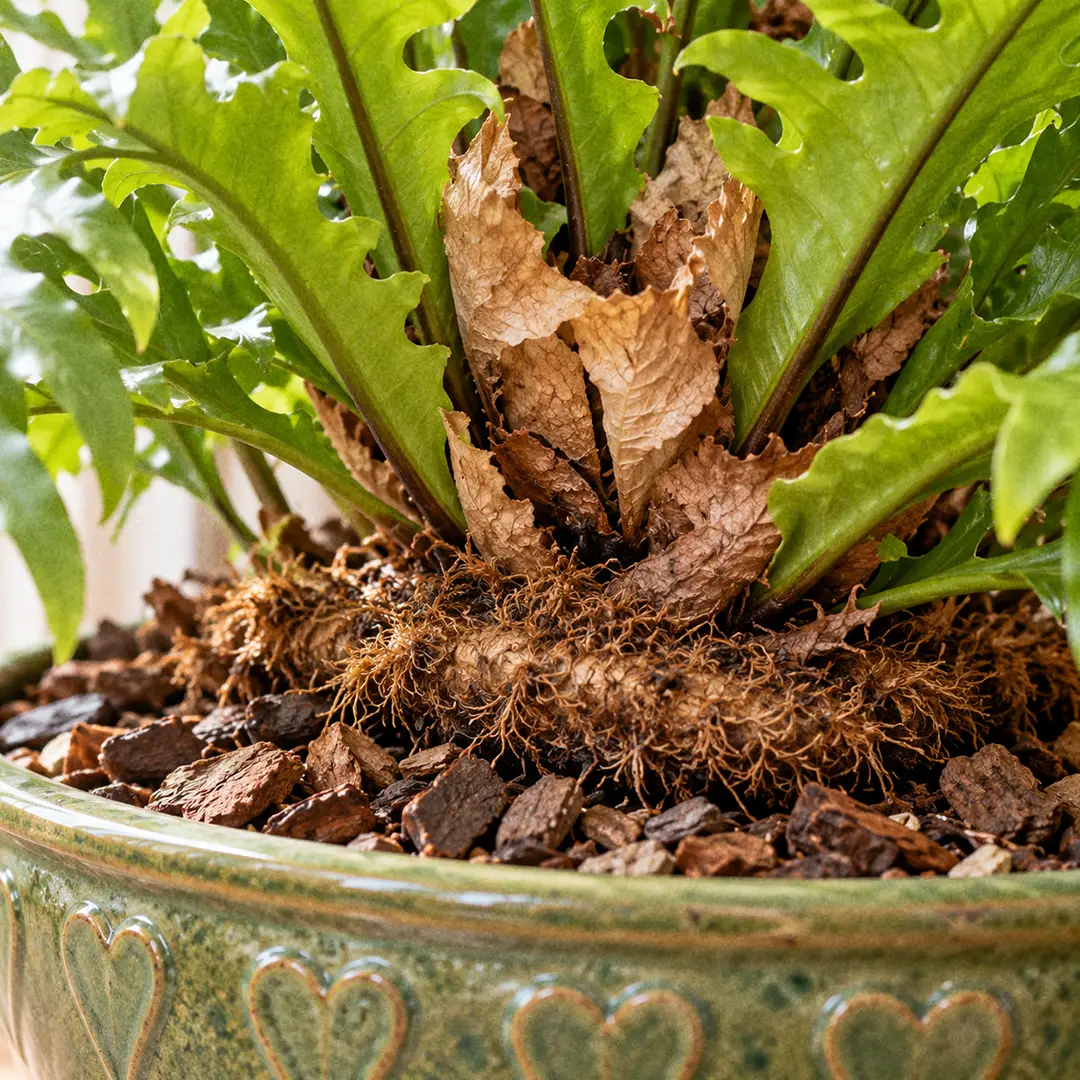
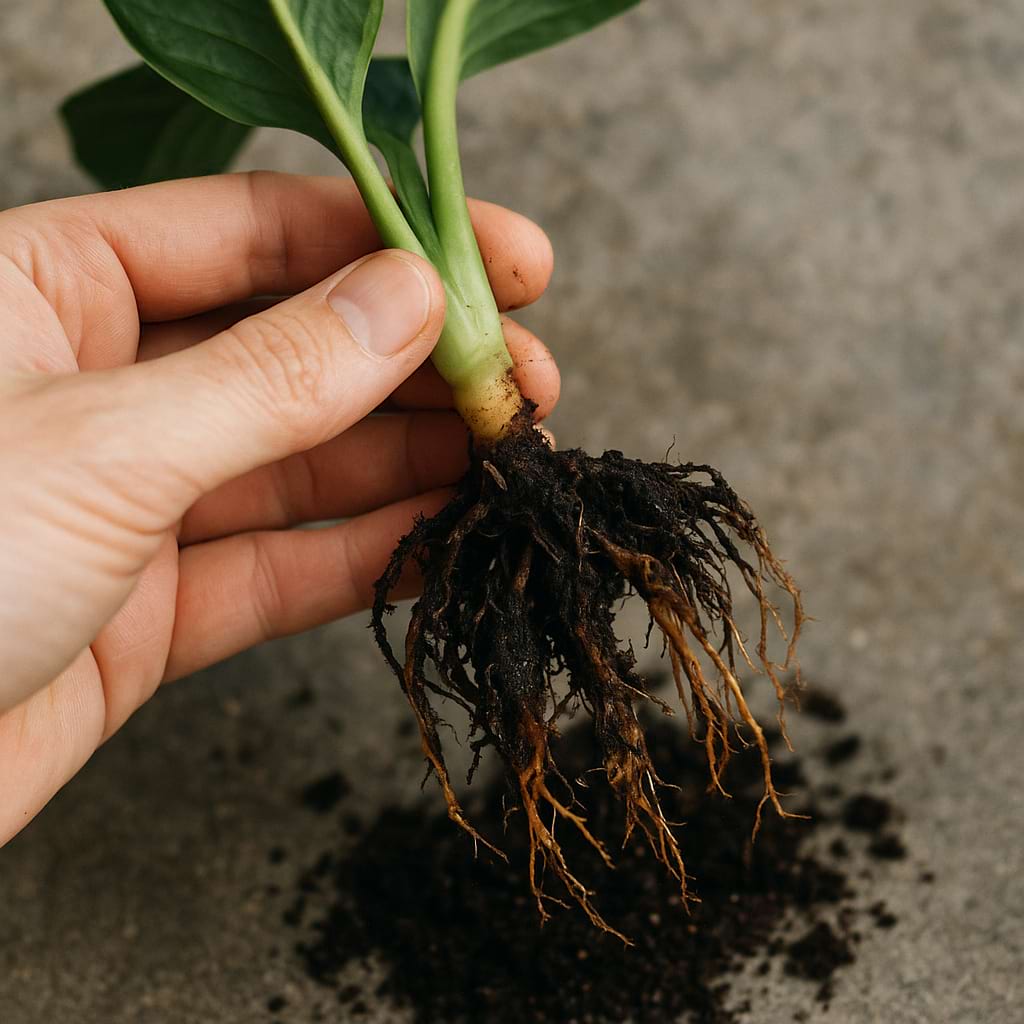
Water the plant a day before so the roots are flexible. Ease it out of the old pot and shake off as much of the old mix as you can, then trim any black, mushy or hollow roots. Fill the new pot partway with fresh chunky mix and set the rhizome on top of the mix, not under it. The fuzzy rhizome should stay exposed to the air, just as it grows on a tree. Fill around the roots, firm gently, and pin a wobbly rhizome in place with a bent piece of wire or a U-shaped pin.
Water it in, let it drain, and keep it out of direct sun for a week while it settles. Our repotting guide covers the general process.
✂️ Pruning Crown Fern
When to Prune
Crown fern needs very little pruning. Spring is the best time to tidy it, cutting out fronds that are old, damaged or mostly brown, so the new season's fronds have room and light.
How to Prune
Cut an unwanted frond close to its base with clean, sharp scissors. Leave the dry, papery brown frond bases that make up the nest. They are part of the plant's structure, they protect the rhizome, and it is normal for them to brown while the frond above stays green. Pulling them off leaves the rhizome bare and does nothing for the plant.
Trimming Brown Tips
Brown, crispy tips can be trimmed for looks. Follow the natural shape of the lobe and leave a thin line of brown rather than cutting into green tissue, which only starts a new brown edge.
🌱 How to Propagate Crown Fern
Best Method: Division
Dividing the rhizome is the reliable way to make a new crown fern. Do it in early spring, when the plant is about to start growing again, so the pieces settle in quickly. A large clump with several growing points is ideal. Our plant division guide covers the basics of splitting plants.
Step-by-Step Division
Lift the plant out of its pot and shake off the loose mix so you can see where the rhizome branches. With a clean, sharp knife, cut the rhizome into sections, making sure each one has at least one healthy frond and some roots of its own. Bigger sections with two or three fronds settle in much faster than small ones. Let the cut ends dry in the air for an hour or so.
Set each section on top of a small pot of moist chunky mix, rhizome exposed, and pin it down so it cannot rock. Keep it in bright, indirect light and in higher humidity than usual. A clear plastic bag tented loosely over the pot works, as long as you open it every few days for fresh air. Water lightly, keeping the mix just moist.
Growing From Spores
Spores are possible but slow. Collect them from a mature frond by laying it face down on paper for a day or two, then sow the dust on the surface of moist, sterile mix in a closed container kept at 70°F (21°C) or above. Tiny green growths appear first, and it takes many months before they look like little ferns. It is a fun project, not a quick one.
Tips for Success
The most common mistake is cutting divisions too small. A section with no frond has no way to feed itself and usually rots. Expect new growth to take several weeks to a few months, since this is a slow fern, and do not fertilize until the first new frond appears.
🐛 Crown Fern Pests and Treatment
Common Crown Fern Pests
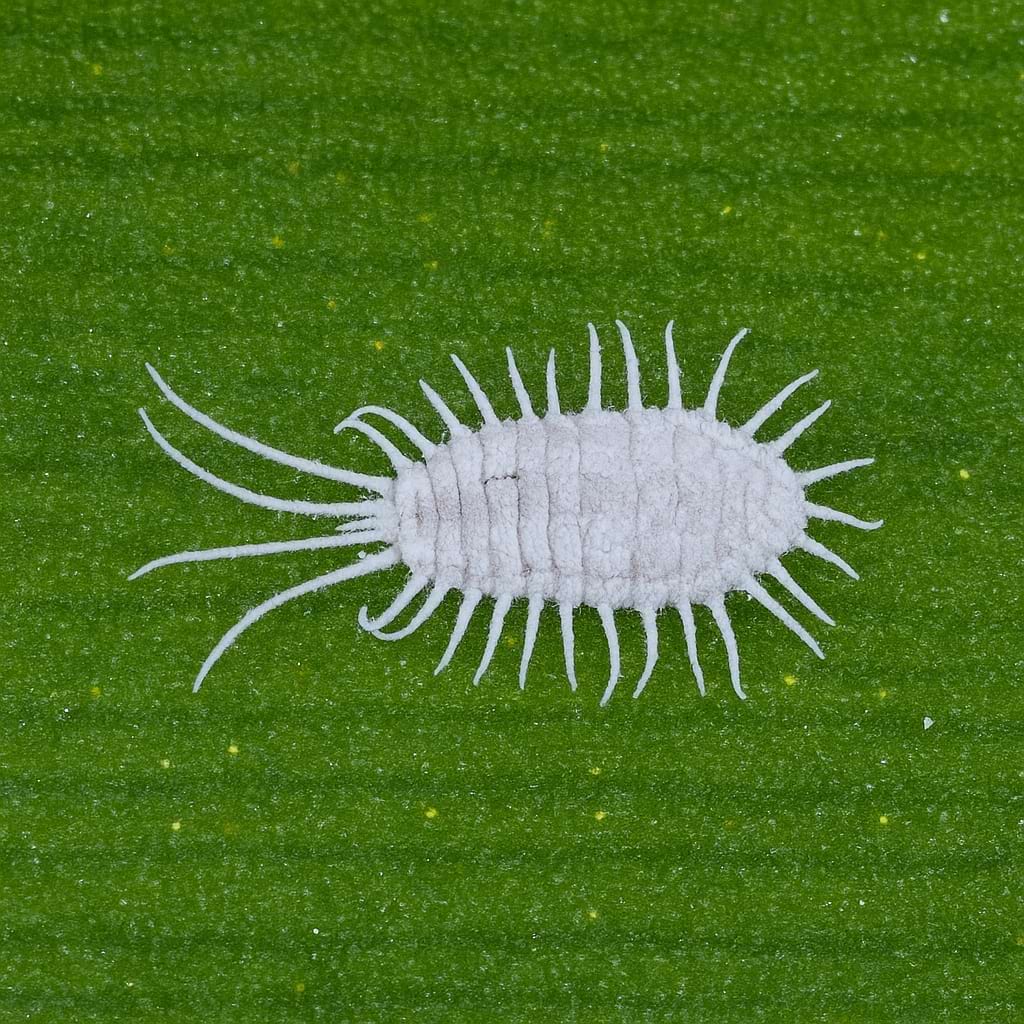
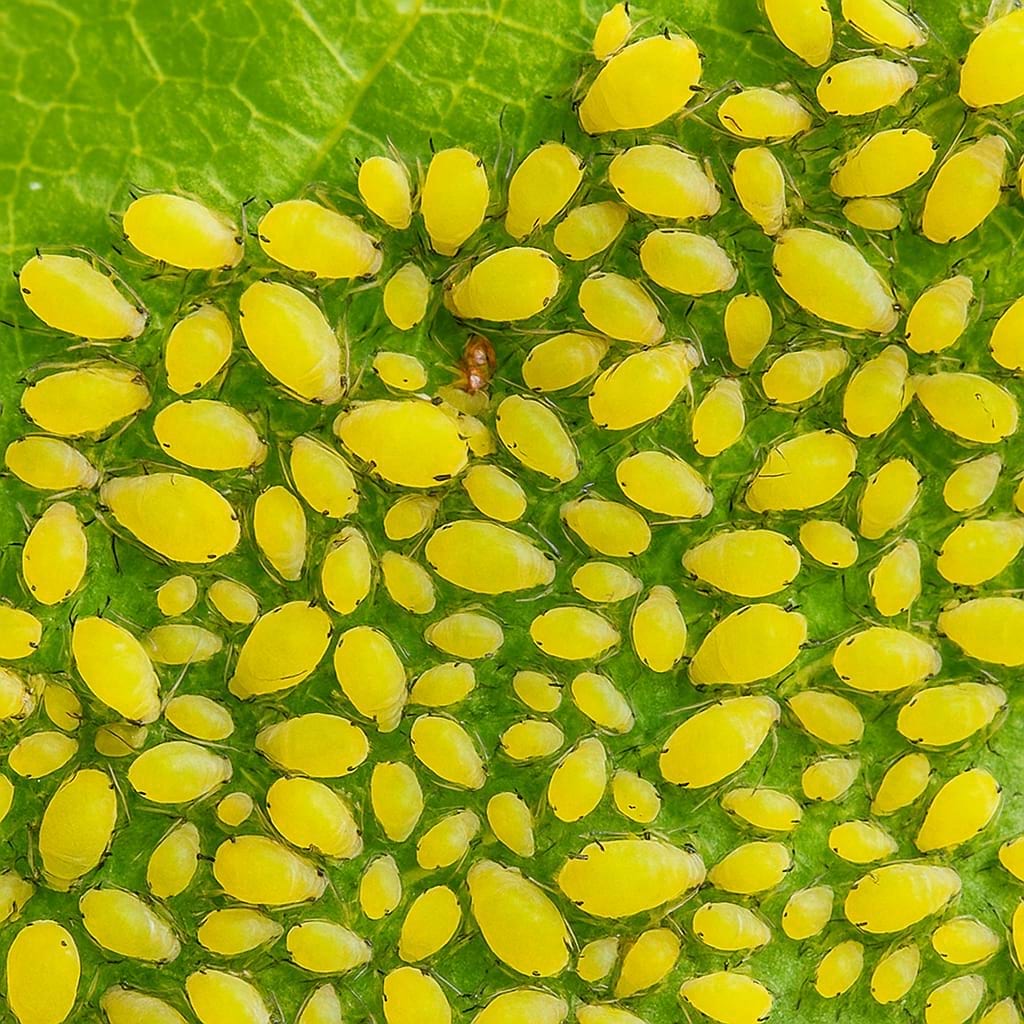
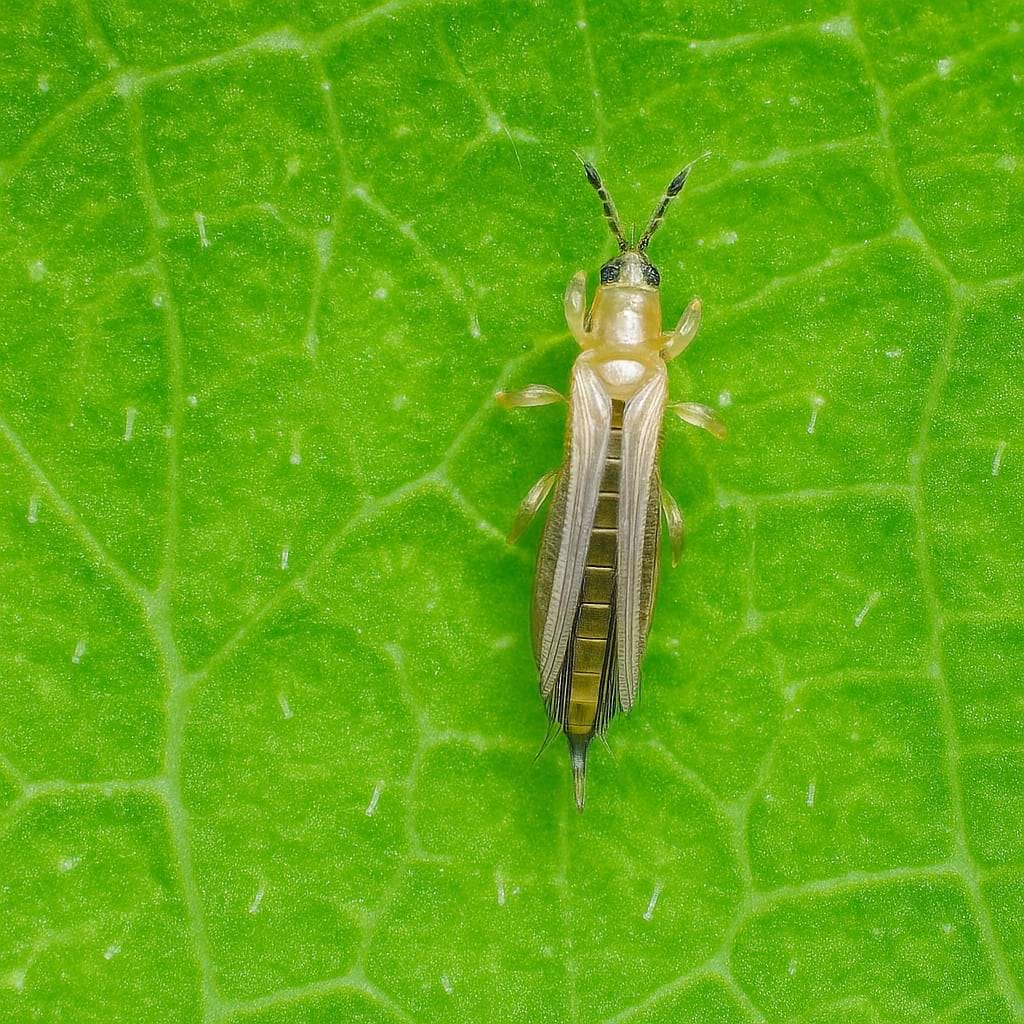
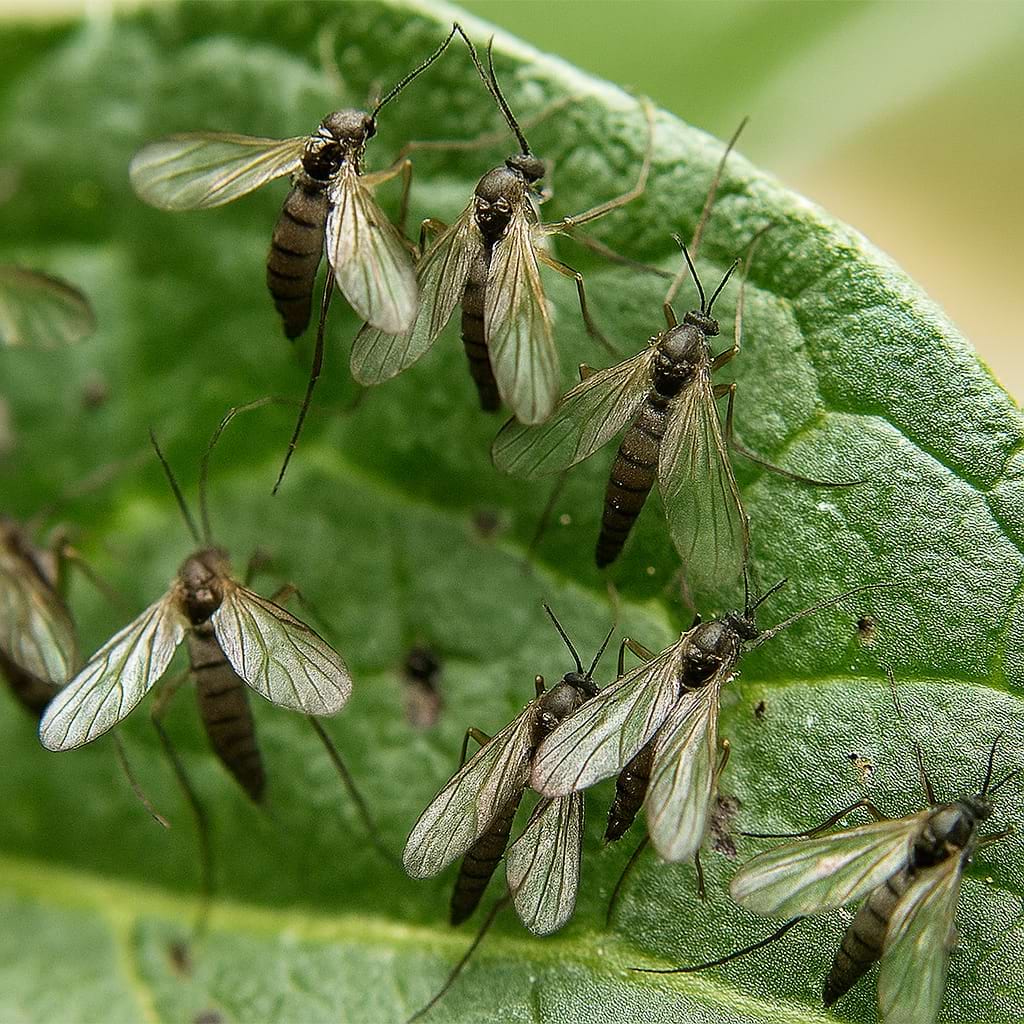
Scale insects are the main pest to watch for. They look like small brown or tan bumps along the midribs, stems and rhizome, and they leave sticky honeydew behind. Mealybugs hide as white cottony tufts in the nest and between the rhizome scales. Aphids and thrips go for soft, unfurling new fronds, leaving them twisted or silvery. Fungus gnats are a sign that the mix is staying wet too long.
Treating Pests Safely
Ferns can be sensitive to sprays, so always test a treatment on one frond and wait a couple of days before treating the whole plant. Scrape scale off gently with a fingernail or a cotton bud dipped in rubbing alcohol, and dab mealybugs the same way. A lukewarm shower knocks aphids and thrips off new fronds. Let the mix dry out more between waterings to clear fungus gnats.
Preventing Infestations
Check the undersides of the fronds, the nest and the rhizome once a month, because scale builds up quietly on a plant this size. Keep new plants away from the rest of your collection for a few weeks, and read pest prevention in winter before the heating season.
🩺 Common Crown Fern Problems
Rhizome Rot From Overwatering
Most crown fern losses start with wet mix. The rhizome turns soft and dark, fronds yellow from the base, and the pot smells sour. That is root rot. Unpot the plant, cut away every soft section back to firm tissue, let it dry for a few hours, and replant in fresh, dry chunky mix with the rhizome on top.
Brown Tips and Crispy Edges
Brown, crispy edges usually come from a mix that dried out too far combined with dry air, or from fertilizer salts building up. Water more evenly, add some humidity, and flush the pot if you see a white crust.
Yellow, Pale or Slow Fronds
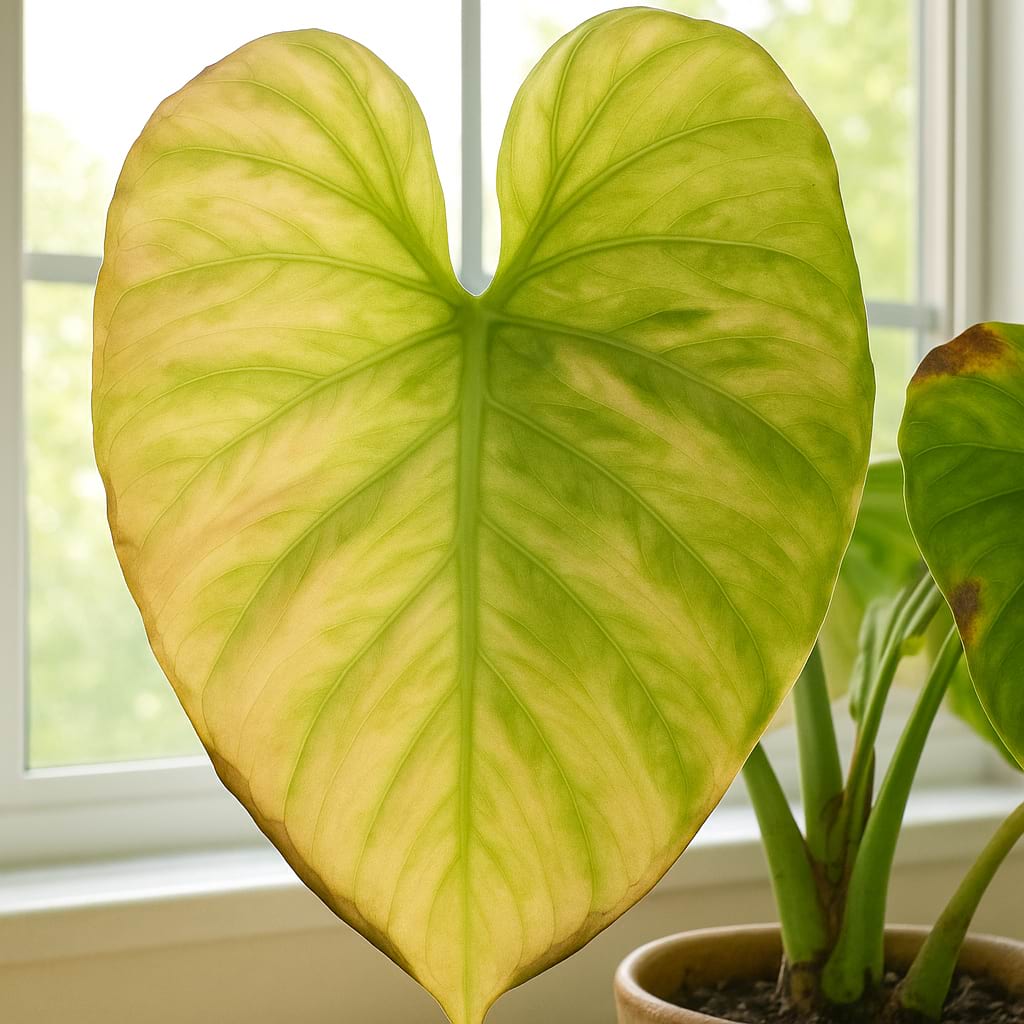
Pale, washed-out fronds in a bright spot usually mean too much direct sun, so move the plant back from the window. Yellowing along with a soft rhizome points to overwatering. Small new fronds and months of no growth are stunted growth, almost always from low light, cold or a plant that has not been fed in a long time.
Lopsided or Bent Fronds
Fronds pressed against a wall or a window for weeks can set permanently in that shape. Give the plant space on every side and turn it a quarter turn every few weeks so the crown stays even.


🖼️ Crown Fern Display and Styling Ideas
Hanging Baskets
A hanging basket shows off what makes this fern special. The fronds arch out in a full ring and the fuzzy rhizome can creep over the rim. Hang it near an east window or a few feet back from a brighter one, at a height where you can reach it for watering. Use a strong hook, since a soaked basket of a mature plant is heavy.
Plant Stands and Floor Pots
In a wide, shallow pot on a low plant stand, crown fern makes a bold statement plant for a living room corner. Raise it so the fronds hang free instead of resting on the floor, and leave a clear circle around it so they do not bend against furniture or walls.
Mounted Displays
A young plant or a division looks striking mounted on a cedar board or a slab of cork bark with a pad of sphagnum behind it, like a Staghorn Fern. Keep in mind that it keeps growing, so plan to move it to a basket once it gets heavy.
Where Not to Put It
Skip spots in hot afternoon sun, dark hallways, and anywhere next to a heater or air conditioning vent. Narrow spaces are a bad fit too, because the fronds need room.
🌟 Crown Fern Pro Care Tips
Watering and Mix Tips
- 🪵 Think orchid mix, not soil. Chunky bark and perlite keep air around the roots and the rhizome.
- 💧 Water the mix, not the nest. Water sitting in the center reaches the rhizome and can start rot.
- 🛁 Soak baskets and mounts. A 10-minute dunk wets the lining evenly, and a quick splash does not.
- ❄️ Cut back in winter. Growth slows and the mix stays wet much longer.
Placement and Growth Tips
- ☀️ Bright, but filtered. Morning sun is fine, while hot afternoon sun scorches the fronds.
- 🌀 Leave the rhizome exposed. Never bury it when you repot or divide.
- 🍂 Keep the brown frond bases. The papery nest is normal and protects the rhizome.
- 🔄 Rotate it now and then. A quarter turn every few weeks keeps the crown even.
❓ Frequently Asked Questions
Is crown fern toxic to cats and dogs?
Crown fern is not on the ASPCA's list of toxic plants, and I could not find any documented reports of poisoning. That is not the same as a confirmed safe rating, though. If you have a pet that chews plants, hang it out of reach.
Should I bury the fuzzy rhizome?
No. The rhizome grows on the surface in nature, clinging to bark, and it should stay exposed in a pot or basket too. Burying it in wet mix is the quickest way to rot it. Pin it on top of the mix if it wobbles.
Why are the bases of the fronds brown and papery?
That is normal. The widened base of each frond forms part of the nest, and as the plant matures those bases dry to a papery brown while the frond above stays green. Leave them in place, since they protect the rhizome.
How big does a crown fern get?
In the wild, single fronds can reach close to 6 feet long. Indoors it grows far smaller, with fronds usually around 2-3 feet long and a plant of roughly that height and width. It is a slow grower, so it takes years to reach that size.
Is Aglaomorpha coronans the same as Drynaria coronans?
Yes, they are two names for the same plant. Botanists disagree about whether Aglaomorpha should be merged into Drynaria, and Kew's Plants of the World Online currently uses Drynaria coronans. Most shops still sell it as Aglaomorpha, and the care does not change.
Is this the same plant as the New Zealand crown fern?
No. In New Zealand, "crown fern" means Blechnum discolor (also sold as Lomaria discolor), a ground-growing forest fern with an upright rosette. It needs very different care, so check the botanical name on the label.
Can I mount a crown fern like a staghorn?
Yes, especially a young plant or a division. Attach it to a board with a pad of sphagnum behind the rhizome, and soak it once or twice a week in summer. A full-grown plant gets heavy, so most growers move large ones to a basket or a wide pot.
Why is my crown fern growing so slowly?
It is a naturally slow fern, so a few new fronds a year is normal. Growth speeds up in warm, bright spring and summer conditions with regular light feeding. If it has stalled completely, look at light first, then temperature.
Why are the frond tips turning brown?
The usual causes are mix that dried out too far, very dry air, or fertilizer salts. Water more evenly, add a pebble tray or humidifier, and flush the pot if you see a white crust. Old tips will not turn green again, but new fronds should stay clean.
ℹ️ Crown Fern Info
Care and Maintenance
🪴 Soil Type and pH: Chunky, airy epiphyte mix based on orchid bark and perlite
💧 Humidity and Misting: Copes with ordinary room humidity better than most ferns, but grows best around 50% or higher.
✂️ Pruning: Cut away old, damaged fronds in spring and leave the papery frond bases that form the nest.
🧼 Cleaning: Rinse the fronds under a lukewarm shower now and then, and lift fallen debris out of the nest by hand.
🌱 Repotting: Repot in spring when the rhizome creeps over the rim or the mix breaks down, keeping the rhizome on the surface.
🔄 Repotting Frequency: Every 1-2 years
❄️ Seasonal Changes in Care: Steady moisture, monthly feeding and bright filtered light from spring to late summer, then less water, no fertilizer and a warm spot through winter.
Growing Characteristics
💥 Growth Speed: Slow
🔄 Life Cycle: Evergreen perennial epiphytic fern
💥 Bloom Time: Does not flower; spores form on the frond undersides
🌡️ Hardiness Zones: Frost tender; outdoors year round only in frost-free climates
🗺️ Native Area: Tropical and subtropical Asia, from central Nepal through southern China and Indochina to Taiwan, the Ryukyu Islands and Peninsular Malaysia
🚘 Hibernation: No true dormancy; growth slows in winter
Propagation and Health
📍 Suitable Locations: Bright living rooms, hanging baskets near east windows, plant stands, sunrooms, bright bathrooms
🪴 Propagation Methods: Divide the creeping rhizome in early spring, keeping fronds and roots on every piece.
🐛 Common Pests: Scale Insects, Mealybugs, Aphids, Thrips, Fungus Gnats
🦠 Possible Diseases: Rhizome and root rot in wet compost, leaf scorch in hot sun
Plant Details
🌿 Plant Type: Epiphytic fern
🍃 Foliage Type: Evergreen, leathery, deeply lobed fronds
🎨 Color of Leaves: Glossy light to mid green
🌸 Flower Color: None (spore-bearing fern)
🌼 Blooming: No, ferns do not flower
🍽️ Edibility: Not grown as an edible plant.
📏 Mature Size: 2-3 feet indoors (much larger in the wild)
Additional Info
🌻 General Benefits: Bold architectural foliage, grows in pots, baskets or on mounts, and copes with average room humidity better than most ferns
💊 Medical Properties: No documented medicinal uses for home growers.
🧿 Feng Shui: A large, upward-reaching rosette of fronds that brings a calm, green, forest feeling to a room.
⭐ Zodiac Sign Compatibility: Cancer
🌈 Symbolism or Folklore: Shelter, self-reliance, slow and steady growth
📝 Interesting Facts: The species name coronans refers to the crown-like ring of fronds. Unlike a staghorn fern, it does not grow separate shield fronds: the nest that catches falling leaves is made from the widened bases of its ordinary fronds. Kew's Plants of the World Online currently lists it as Drynaria coronans.
Buying and Usage
🛒 What to Look for When Buying: Choose a plant with a firm, fuzzy brown rhizome sitting on top of the mix, several glossy fronds and new growth unfurling from the center. Skip plants with a soft or dark rhizome or a sour-smelling, waterlogged pot.
🪴 Other Uses: Statement plant for a large room, hanging basket specimen, mounted wall piece, and a sheltered shade-house plant in warm climates.
Decoration and Styling
🖼️ Display Ideas: Hanging baskets, wide shallow pots on plant stands, large boards for smaller plants, grouped with other epiphytic ferns
🧵 Styling Tips: Give it room on every side. The fronds arch out in a full circle, so it looks best where it can be seen from below or at eye level.
🪴 See also 🪴
Complete Guide to Silver Staghorn Fern Care and Growth
Complete Guide to Eyelash Fern Care and Growth
Complete Guide to Crissie Bird's Nest Fern Care and Growth
Complete Guide to Osaka Bird's Nest Fern Care and Growth
The 15 Most Popular Indoor Ferns and How to Choose One
Complete Guide to Leslie Bird's Nest Fern Care and Growth

Complete Guide to Superbum Staghorn Fern Care and Growth
Complete Guide to Austral Gem Fern Care and Growth
Complete Guide to Crispy Wave Fern Care and Growth
Complete Guide to Japanese Bird's Nest Fern Care and Growth
Complete Guide to Button Fern Care and Growth
Complete Guide to Mahogany Fern Care and Growth
Complete Guide to Bear's Paw Fern Care and Growth
Complete Guide to Blue Star Fern Care and Growth
Complete Guide to Volcano Fern Care and Growth
Complete Guide to White Rabbit's Foot Fern Care and Growth

Houseplant101 Forum
Questions & Comments
Ask a question, share your plant experience, or help other plant owners.
Comments are temporarily unavailable.
Open the Houseplant101 ForumNo comments yet
Be the first to ask a question or share your experience about this page.
Log in or create an account
Comments use your Houseplant101 Forum account, but you can stay on this page.
Create a new account