
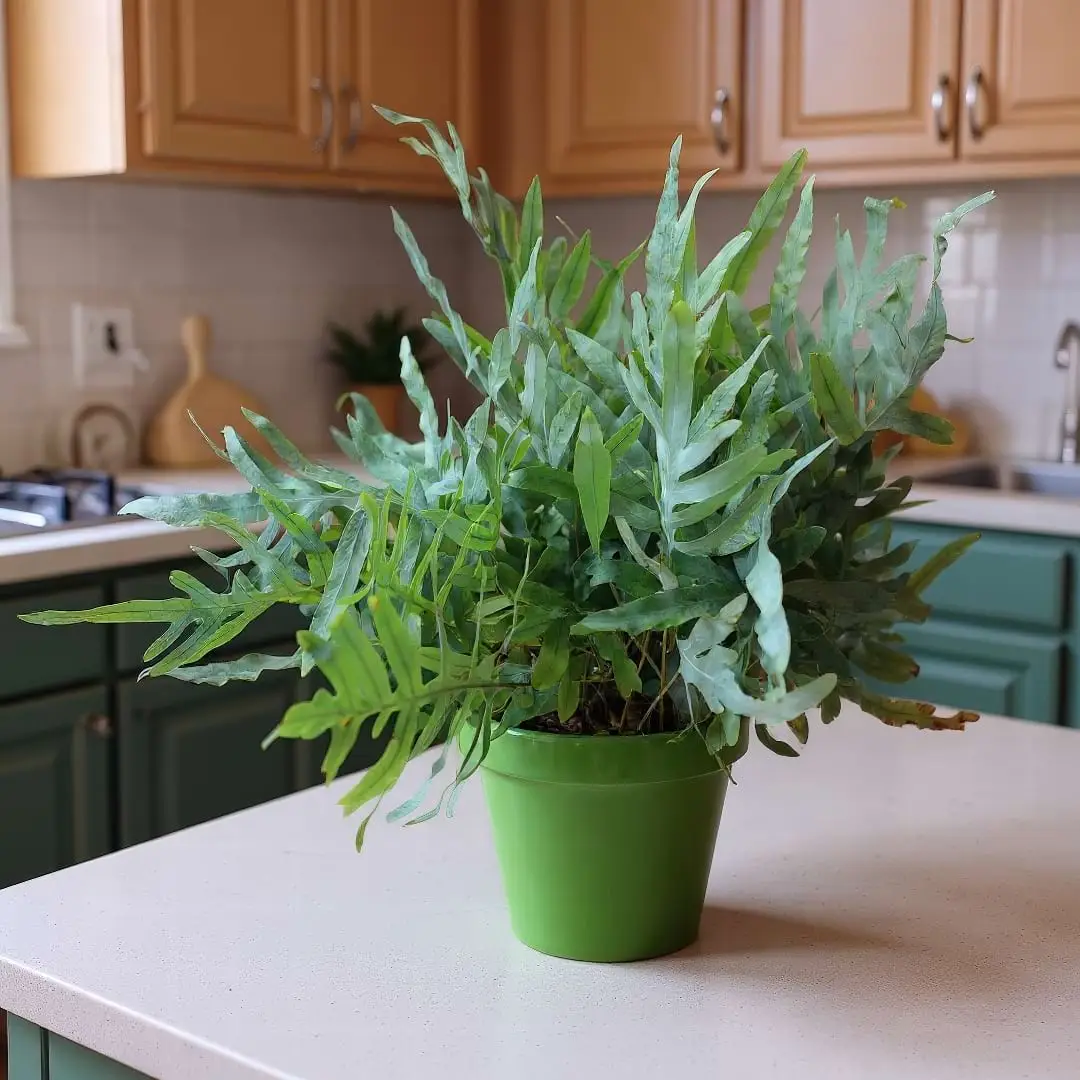
Blue Star Fern
Phlebodium aureum
Golden Polypody, Blue Fern, Cabbage Palm Fern


Blue Star Fern is one of the easiest ferns to keep lush indoors once you understand its two non-negotiables: airy roots and exposed rhizomes. This guide shows you how to keep the fronds blue, avoid rot, and grow a full, relaxed plant in normal home conditions.
📝 Blue Star Fern Care Notes
🌿 Care Instructions
⚠️ Common Pests
📊 Growth Information
🪴 In This Guide 🪴

📺 Blue Star Fern Video Guide

☀️ Blue Star Fern Light Requirements (Indoor Lighting Guide)
Best Light for Blue Star Fern
Blue Star Fern grows best in medium to bright indirect light. Think of the kind of light that is bright enough to read by comfortably, but not the kind that throws a hard hot square of sun across the leaves all afternoon. An east-facing window is excellent. A north-facing window with a wide open sky view also works. South or west exposures are fine too, as long as the plant sits back a little or the light is filtered.
This fern can manage medium light better than many classic indoor ferns. That flexibility is part of its charm. But there is a difference between survival and good form. If the plant is too far from the window, the fronds often come in greener, looser, and less dramatically lobed. The famous powdery blue tone shows best when the plant gets strong filtered light for most of the day.
If your room is tricky to read, our Indoor Lighting Guide helps you judge distance from the window, direction, and seasonal shifts. In rooms with limited daylight, a full-spectrum grow light 12-18 inches above the fronds for about 10-12 hours a day gives very nice results.
How Much Direct Sun Can Blue Star Fern Take?
A little early morning sun is usually fine, especially in cooler months. Harsh midday or afternoon sun is where trouble starts. Blue Star Fern fronds are thicker than the fronds on a Boston Fern, but they still scorch when they sit in direct hot light for too long.
A useful rule is to watch the quality of the sun, not just whether direct sun touches the plant at all. Soft morning sun is gentle. A long blast from a west window in July is not. If the leaf surface feels hot to the touch, move the pot back or filter the light.
Compared with Bird's Nest Fern, Blue Star Fern likes similar brightness but gives clearer visual feedback when the light is too dim because the blue cast fades first. Compared with Kangaroo Fern, it usually wants the same soft brightness, though Blue Star tends to show sunburn faster on the broadest fronds.
Signs of Incorrect Lighting for Blue Star Fern
- Too little light: New fronds come in longer and flatter, the plant looks greener than blue, growth slows, and the whole fern leans toward the window.
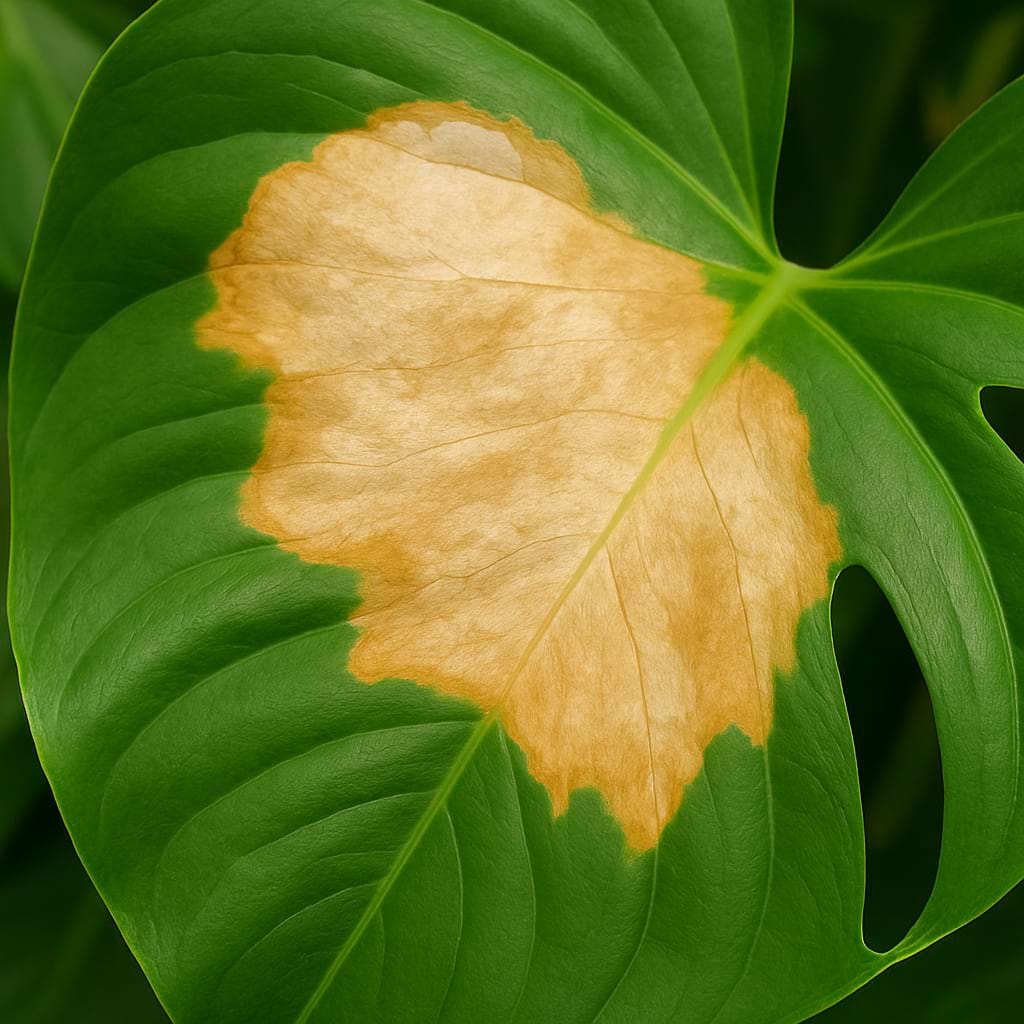
- Too much direct sun: You may see pale bleached patches, crisp tan marks, or dry tips that appear quickly after a bright weather shift.
- Best placements indoors: East window, bright bathroom window, shelf beside a filtered south window, or under a grow light.
- Placements to avoid: Hot south windowsill with no curtain, dark hallway shelves, and deep interior corners where the plant never "sees" the sky.

💧 Blue Star Fern Watering Guide (How to Water Without Rot)
How to Water Blue Star Fern
Blue Star Fern likes the root zone lightly moist, not soaked and not bone dry. That often confuses people because the fuzzy rhizomes on top look like something that should stay desert dry. In reality, the roots under the mix want steady moisture, while the rhizomes want air.
The easiest rhythm is this: water when the top inch of the mix feels just slightly dry, then water thoroughly until excess runs out of the drainage holes. After that, let the pot drain fully. Never leave the root ball sitting in a saucer of water.
What makes Blue Star Fern different from a standard potted fern is where you aim the water. Pour around the root zone, not right over the rhizomes every single time. A little splash is not fatal, but repeated soaking on the furry rhizomes can push them toward rot.
If you are still learning how to read moisture, the basics in our watering guide help a lot. A moisture meter is also useful for bark-heavy mixes that feel dry on top before the middle is ready.
Top Watering vs Bottom Watering for Blue Star Fern
Top watering is the most natural option for Blue Star Fern because it flushes salts from the mix and lets you see exactly how quickly water is moving through the bark and perlite. It also gives you a chance to keep the rhizomes mostly dry by directing water toward the edges of the pot first.
Bottom watering also works, especially for wide shallow pots that dry unevenly. Set the pot in water for 15-20 minutes, then lift it out and let it drain completely. This is handy if the bark has become hydrophobic and water keeps sliding straight down the sides during top watering.
I would not rely on bottom watering forever without the occasional top flush, though. Bark mixes can collect fertilizer salts and mineral residue over time, and a thorough top watering helps reset the pot.
Seasonal Watering Rhythm for Blue Star Fern
The schedule changes with the season, but the principle stays the same.
- Spring: Growth restarts, new fronds begin to unfurl, and the root zone dries a bit faster. Check every 5-7 days.
- Summer: In bright rooms or terracotta pots, watering may be needed every 4-6 days. In cooler rooms, it may still be weekly.
- Autumn: Growth slows and evaporation drops. Start checking less often and let the top of the mix dry a touch more.
- Winter: Water less often, but do not let the whole pot stay dry for long stretches. Heating systems dry the air, even when the soil dries more slowly.
The mistake I see most often is watering by calendar. The second most common mistake is overcorrecting and letting the pot go fully dry because the plant is "an epiphyte." Blue Star Fern is airy, yes, but it is not a drought plant.
Signs of Watering Problems in Blue Star Fern
- Too wet: Yellowing fronds, a heavy sour-smelling pot, blackening rhizomes, and limp growth that does not recover after the soil dries slightly.
- Too dry: Brown tips, fronds that feel thinner and duller than usual, curling, and a root ball that pulls away from the pot edge.
- Too uneven: New growth stalls, older fronds crisp at the tips, and the plant seems to swing between droopy and soggy.
- Best correction: Fix the mix and pot size before you blame yourself. Many watering issues are really bad soil or a pot that is too deep.
If you are troubleshooting symptoms already, keep an eye on root rot, yellowing leaves, and brown crispy edges, since Blue Star Fern tends to bounce between those three signals first.
🪴 Best Soil for Blue Star Fern (Potting Mix and Drainage)
Why Blue Star Fern Needs an Airy Mix
Blue Star Fern naturally grows on trees, rocks, and debris-rich surfaces where water passes through quickly and the roots get plenty of oxygen. That tells you almost everything you need to know about potting mix. Dense, peat-heavy mud is the wrong environment. A chunky mix that stays lightly moist while still letting air circulate is the right one.
This is why so many people struggle with Blue Star Fern after buying it from a shop. It often comes home in a nursery mix that is fine for greenhouse turnover but too dense for a normal living room. If the plant seems hard to water correctly, the mix is often the first thing worth changing.
For general potting principles, our soil guide is useful. But Blue Star Fern is a plant where extra bark and airflow matter more than average.
Best Potting Mix Recipe for Blue Star Fern
My favorite home mix for Blue Star Fern is simple:
- 2 parts quality houseplant mix or coco-based fern mix
- 1 part fine orchid bark
- 1 part perlite or pumice
- A small handful of worm castings or leaf mold if you want the mix to feel a little richer
That gives you moisture retention, airflow, and enough structure for the creeping rhizomes to sit comfortably on top. If you tend to overwater, increase the bark and perlite a bit more. If your home is very hot and dry, keep the base mix slightly more moisture-retentive.
Pre-made orchid-fern blends also work well. If you are shopping instead of mixing, our potting soil guide can help you compare ingredients quickly.
Pot Choice and Rhizome Placement for Blue Star Fern
The pot matters almost as much as the mix. Blue Star Fern usually does best in a wide, shallower pot rather than a deep one. The rhizomes like to crawl, and a low container lets you show them off instead of burying them.
Terracotta is great if you tend to overwater, because it dries a little faster and adds some breathing room. Plastic is fine too, especially in dry homes, as long as the pot has drainage holes. If you want a decorative container, our plant pots guide can help you decide whether a nursery pot inside a cachepot makes more sense than planting directly.
Wherever you pot it, keep the rhizomes on top of the mix. Think "resting on the soil," not "planted under the soil." The roots can tuck into the mix. The rhizomes should stay visible.
🍼 Fertilizing Blue Star Fern
How Often to Fertilize Blue Star Fern
Blue Star Fern is not a heavy feeder. It grows steadily, but it does not want constant rich feeding. A balanced liquid fertilizer diluted to half strength every 4-6 weeks through spring and summer is enough for most indoor plants.
If the fern is in very bright light and pushing lots of new growth, you can feed on the slightly more frequent end of that range. If it sits in medium light and grows at an easy pace, less is better. With ferns, overfeeding usually shows up as brown tips, crusty residue in the pot, or fronds that look a little rough around the edges.
Our fertilizing guide covers the broader pattern, but Blue Star Fern rewards restraint.
Best Fertilizer Habits for Blue Star Fern
- Feed only during active growth, usually spring through late summer.
- Water the pot lightly first if the mix is quite dry.
- Avoid pouring fertilizer concentrate directly onto the rhizomes.
- Flush the mix with plain water every month or two if you fertilize regularly.
- Stop feeding in winter or when the plant clearly slows down.
If your tap water is mineral-heavy, be even gentler with fertilizer. Brown tips on Blue Star Fern are often a stack of small irritations, not just one dramatic mistake.
🌡️ Blue Star Fern Temperature Range
Best Temperature for Blue Star Fern Indoors
Blue Star Fern is happiest in the same temperature range that feels comfortable to most people, roughly 60-80°F (16-27°C). It does not need a chilly rest period, and it does not like sudden cold drafts.
Warm rooms are fine as long as humidity and watering stay balanced. Cooler rooms are fine too, as long as you avoid letting the plant sit near a drafty windowpane in winter. Once temperatures fall much below 55°F (13°C), stress starts to show up quickly in soft damaged fronds and stalled growth.
Where Temperature Problems Start
The usual trouble spots are not dramatic outdoor cold snaps. They are ordinary indoor placements that people do not think about:
- Next to heating vents that dry the fronds out all day
- In the path of an air conditioner
- Pressed against cold glass in winter
- Near frequently opened exterior doors
If you summer the plant outdoors in a shaded spot, bring it back inside before nights turn cool. This is a fern that likes stability more than extremes.
💦 Blue Star Fern Humidity Needs
How Much Humidity Does Blue Star Fern Need?
Blue Star Fern looks best at about 50-70% humidity. That said, it is less touchy than a Maidenhair Fern or some thin-fronded Boston types. In a decent potting mix, it can live in average household humidity if the watering is steady and the plant is not parked beside a heater.
What low humidity changes first is the finish. Instead of broad cool-toned fronds, you start getting rough tips, edges that look tired, and new growth that is smaller than it should be. The plant may survive, but it stops looking elegant.
If humidity is a recurring issue in your home, our humidity guide breaks down what actually works and what just feels nice but does very little.
Best Ways to Raise Humidity for Blue Star Fern
There are a few methods that work well:
- Humidifier: The cleanest, most dependable option. A room humidifier is the fast fix if several plants share the space.
- Plant grouping: Blue Star Fern looks great in a fern cluster and benefits from the slightly moister microclimate.
- Bright bathroom placement: If the room has enough light, this is often close to ideal.
- Pebble tray: Helpful, though milder than a humidifier.
- Gentle rinsing or light misting: Fine as grooming, but not the main long-term answer.
Misting is not useless, but it is short-lived. I think of it as a comfort measure and a dust-control trick, not as the full humidity plan.

What Low Humidity Looks Like on Blue Star Fern
- Brown or papery tips, especially on older fronds
- Smaller new fronds that unfurl unevenly
- Fronds that look greener and flatter instead of broad and powdery blue
- More risk of spider mites in winter or air-conditioned rooms
If the plant keeps crisping up even though you are watering on time, stop assuming the answer is more water. Often the better answer is more humidity and a little less direct airflow.
🌸 Blue Star Fern Blooms, Spores, and Sori

Does Blue Star Fern Flower?
No. Blue Star Fern does not bloom because it is a true fern, not a flowering plant. There are no blossoms to wait for and no missed trick that suddenly makes it flower indoors. The show is the foliage, the blue bloom on the fronds, and the creeping golden rhizomes.
Instead of flowers and seeds, the plant reproduces through spores. Those spores form inside structures called sori on the undersides of mature fronds.
Brown Dots Under Blue Star Fern Fronds Are Usually Normal
This is one of the most common Blue Star Fern panic moments. A grower flips a frond over, sees rows of brown dots, and assumes pests or disease have arrived overnight. Usually, those dots are sori and they are perfectly normal.
Healthy sori are usually neat, repeated, and part of mature fronds only. Pests and disease look messier. Scale insects are raised and can often be scraped. Leaf spot tends to break the neat pattern and may appear on the top side too.
If the dots are organized, dry, and limited to the underside of older fertile fronds, your fern is simply being a fern.
🏷️ Blue Star Fern Types and Lookalikes
Common Blue Star Fern Forms
In houseplant shops, Blue Star Fern naming can be a little loose. Many plants are sold simply as Blue Star Fern even when the exact cultivar is not listed. These are the forms most home growers tend to run into:
- Standard Blue Star Fern: Broad, softly lobed fronds with that dusty blue-green cast people buy it for.
- Frillier Blue Star selections: Narrower or more deeply cut fronds, often sold under cultivar names or without a firm label.
- Young plants: Juvenile growth can be smoother and less dramatic. The most handsome lobing often shows up as the plant matures and gets better light.
That means a small nursery plant may not look especially impressive yet. Give it time. Mature Blue Star Fern is much more sculptural than the starter pot version suggests.
Blue Star Fern vs Kangaroo Fern and Bird's Nest Fern
If you are choosing between a few pet-safe ferns, the differences are useful:
- Blue Star Fern: Creeping rhizomes, blue-green fronds, airy epiphytic mix, moderate humidity needs.
- Kangaroo Fern: Also has surface rhizomes, but the fronds are usually greener, glossier, and more leathery.
- Bear's Paw Fern: Another creeping-rhizome cousin, but with much thicker, furrier paws and bold leathery fronds instead of the blue haze.
- Bird's Nest Fern: Upright rosette form with broad whole fronds, no crawling rhizomes, and a different watering habit because the center crown must stay clear.
- Crispy Wave Fern: The heavily rippled bird's nest cultivar. Same upright rosette and same keep-the-crown-dry rule, but the fronds are stiff and deeply corrugated, which gives it far more texture at a smaller size.
- Austral Gem Fern: A clumping Asplenium hybrid with thick, glossy, deeply divided fronds. Slower and smaller than the others, and the best of the group at tolerating dry room air.
If what you love is that dusty blue color and relaxed crawling habit, Blue Star Fern stands on its own. If you want a fern that reads more architectural and upright, Bird's Nest Fern is the better fit. If you want a similar rhizome habit with a tougher leaf texture, Kangaroo Fern is the obvious comparison.
🪴 Potting and Repotting Blue Star Ferns
When Blue Star Fern Needs Repotting
Blue Star Fern does not need frequent upsizing. In fact, it often looks better a little snug, with the rhizomes wandering across the surface and beginning to peek over the rim. Repot when one of these things happens:
- The rhizomes have fully claimed the surface and are circling the pot edge
- Water runs straight through because the mix has broken down unevenly
- The middle of the root ball has become dense, stale, or sour-smelling
- Growth has slowed even though light and watering still look right
For most indoor plants, that works out to every 2-3 years.
How to Repot Blue Star Fern
Repot in spring or early summer if you can. That gives the plant warm months to settle and restart growth.
- Water the plant the day before so the root ball is easier to handle.
- Choose a new pot only 1-2 inches wider than the old one, preferably wide rather than deep.
- Tip the plant out gently and inspect the roots and rhizomes.
- Trim away any black mushy roots or obviously dead pieces.
- Set fresh mix into the new pot and place the root ball so the rhizomes stay visible on top.
- Fill around the root zone without packing the mix down hard.
- Water thoroughly once, drain well, then return the plant to bright indirect light.
Our repotting guide walks through the general process if you want a visual refresher before you start.
Aftercare After Repotting Blue Star Fern
Repotting stress on Blue Star Fern usually looks like a small pause, not a dramatic collapse. Keep the mix lightly moist, hold fertilizer for about a month, and give the plant good humidity while it re-establishes.
What you do not want to do is "baby" it by burying the rhizomes more deeply for support. If the plant feels unstable, use a small top dressing of bark around the root ball instead of covering the rhizomes themselves.
✂️ Pruning Blue Star Fern
What to Cut and What to Leave Alone
Pruning Blue Star Fern is mostly about cleanup. You are not shaping a hedge here. Remove fronds that are fully yellow, badly torn, or mostly brown, cutting them as close to the base as you can without damaging new growth.
Leave lightly imperfect fronds alone unless they truly bother you. This fern carries a soft natural look, and a few small marks are not a crisis. If you cut every slightly damaged frond, you can thin the plant out more than you intended.
The rhizomes are also part of the plant's look. Do not trim them just because they wander. Only cut rhizomes when you are dividing or removing clearly rotten sections.
Cleaning and Grooming Blue Star Fern
Blue Star Fern fronds have a matte, almost dusty blue finish. That finish can rub off if you wipe hard with a cloth. Instead:
- Rinse the plant gently in lukewarm water
- Use a very soft brush if dust is collecting in the lobes
- Skip leaf shine products entirely
- Remove old crispy bits with scissors instead of tearing by hand
This is a small detail, but it matters. A harsh wipe can turn a lovely blue frond patchy green.
🌱 How to Propagate Blue Star Fern

Rhizome Division Is the Easy Method
Blue Star Fern is one of the easier ferns to multiply because it creeps rather than growing from one tight central crown. The best time to divide it is spring, usually during repotting.
For a broader look at clump and rhizome propagation, our plant division guide is worth bookmarking. For Blue Star Fern specifically, this is the pattern:
- Lift the plant from its pot and shake away enough mix to see the rhizomes clearly.
- Find natural sections where a rhizome branch already has roots and at least 2-3 healthy fronds.
- Use a clean sharp knife or pruners to separate each section cleanly.
- Pot each division into a small wide pot with fresh airy mix.
- Keep the mix lightly moist and humidity a little higher than usual for the first few weeks.
Small divisions survive, but medium-sized pieces establish much faster. If a division has only one frond and very few roots, it may live, though it often sulks for a while.
Can You Grow Blue Star Fern From Spores?
Technically, yes. Realistically, most indoor growers do not bother. Spore propagation is slow, fiddly, and much less predictable than division.
If you enjoy fern biology, it can be a fun project. If your goal is simply to get another plant, division is the sensible route. Blue Star Fern gives you a practical shortcut, so you may as well take it.
🐛 Blue Star Fern Pests and Treatment
Common Pests on Blue Star Fern
Blue Star Fern is not a pest magnet, but a stressed plant can still attract the usual indoor suspects.
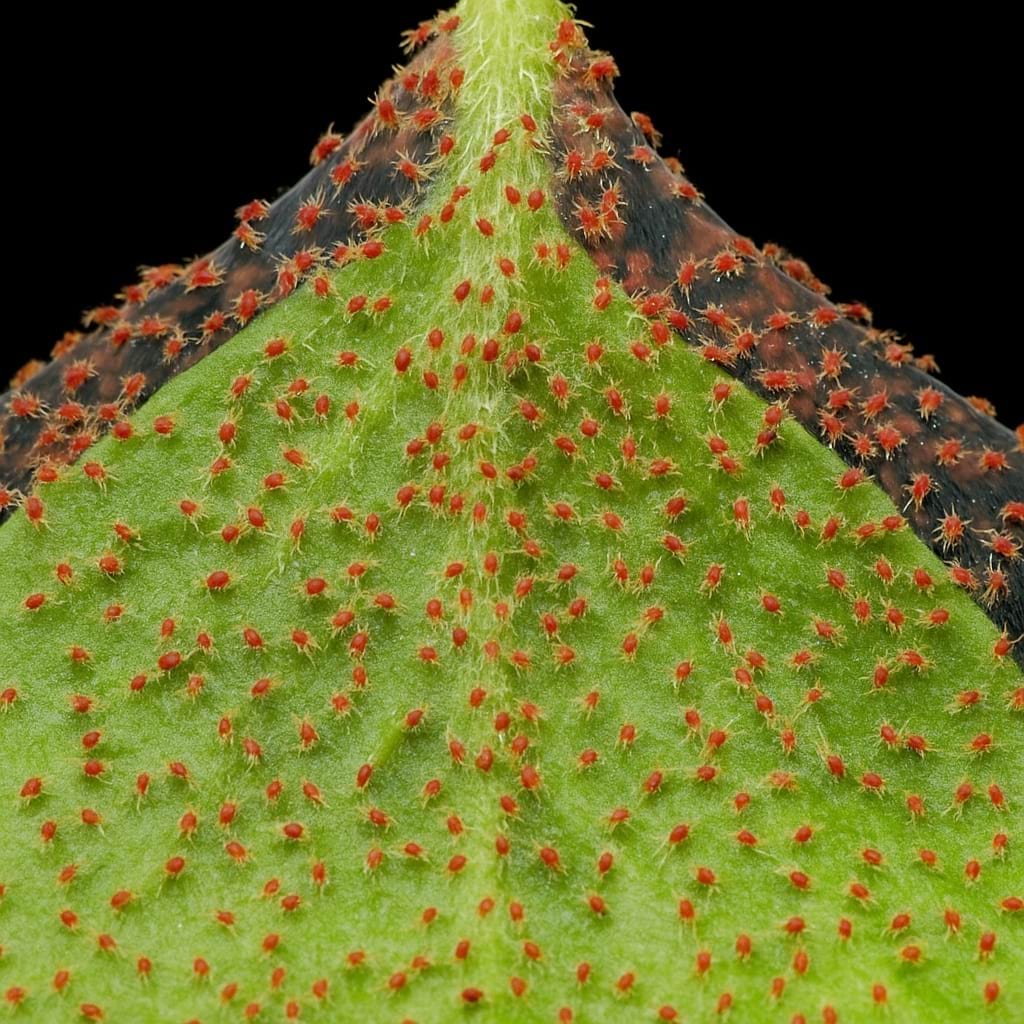
- Spider mites: The main dry-air pest. Look for stippling, dusty-looking fronds, and fine webbing.
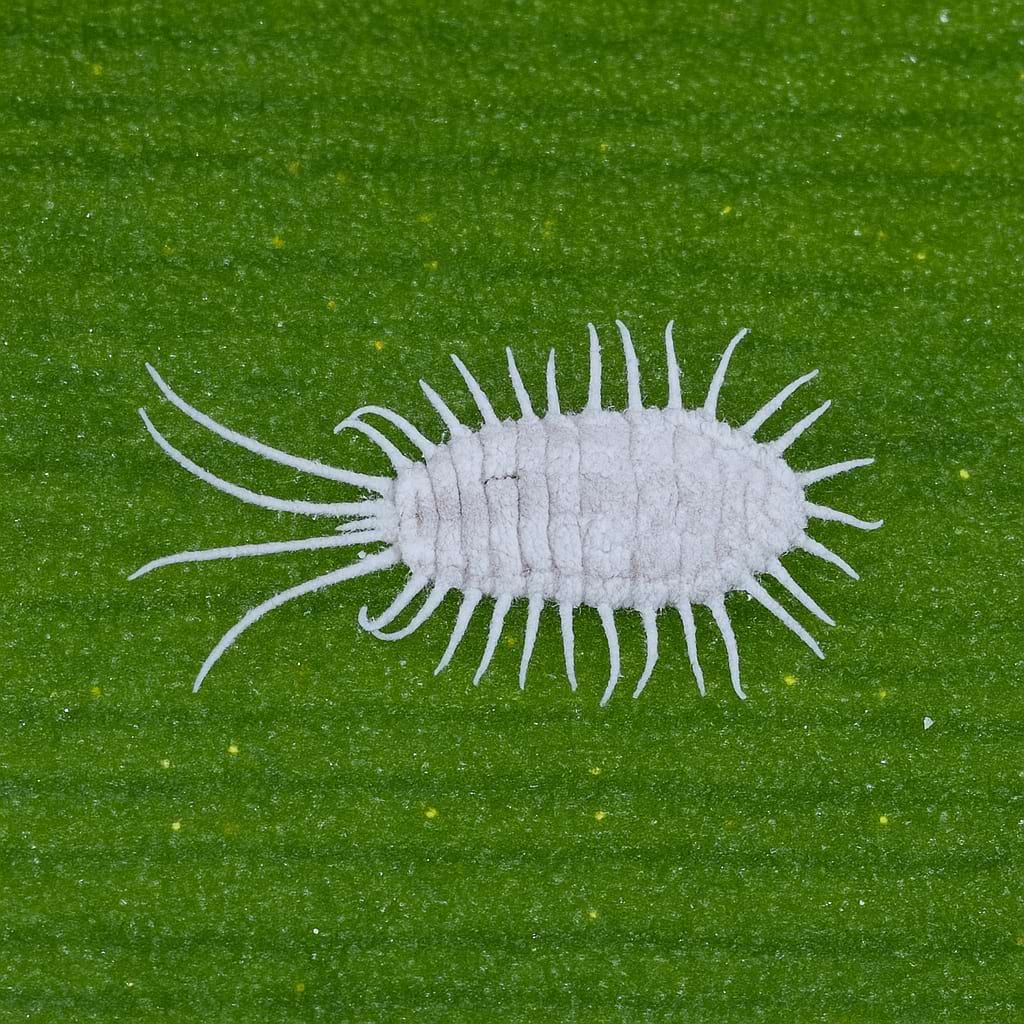
- Mealybugs: Often hide where fronds meet rhizomes or in tight protected creases.
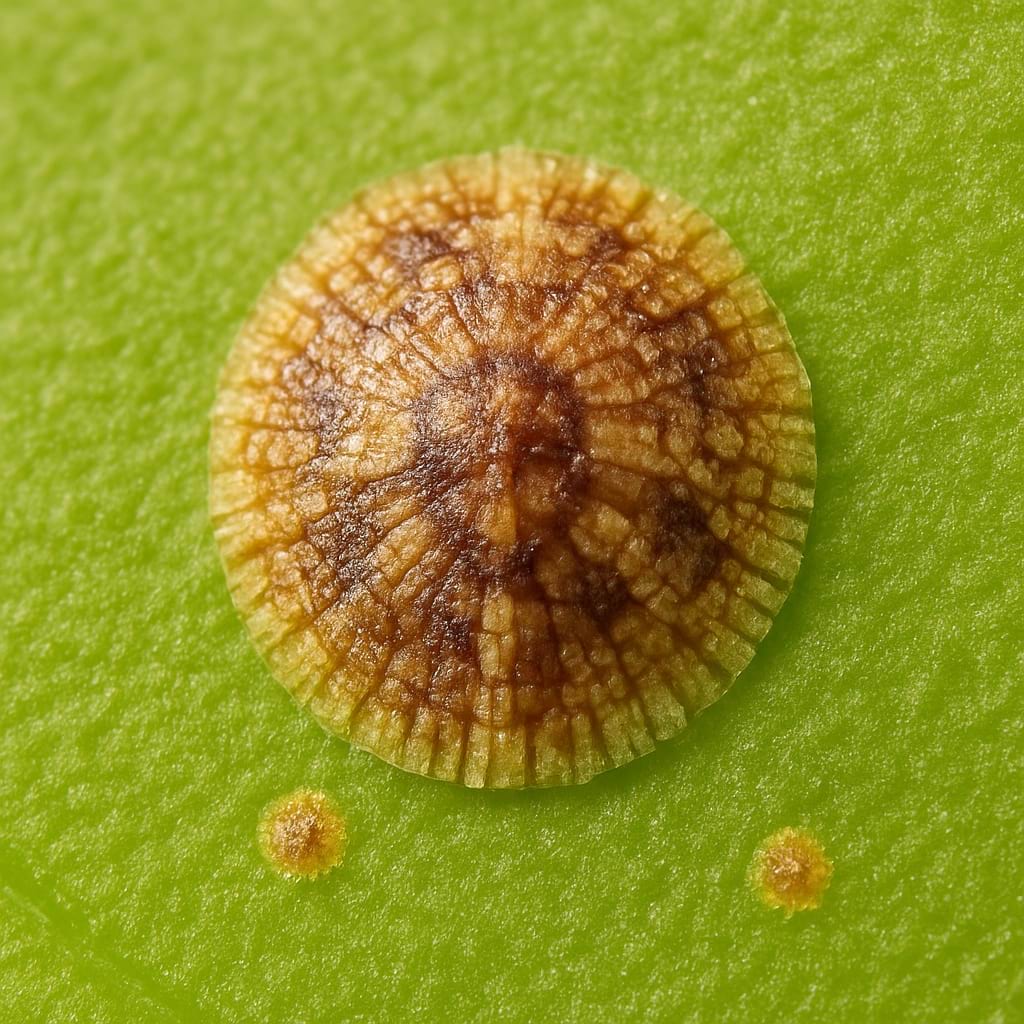
- Scale insects: Show up as small stuck-on bumps along the underside of the fronds or stems.
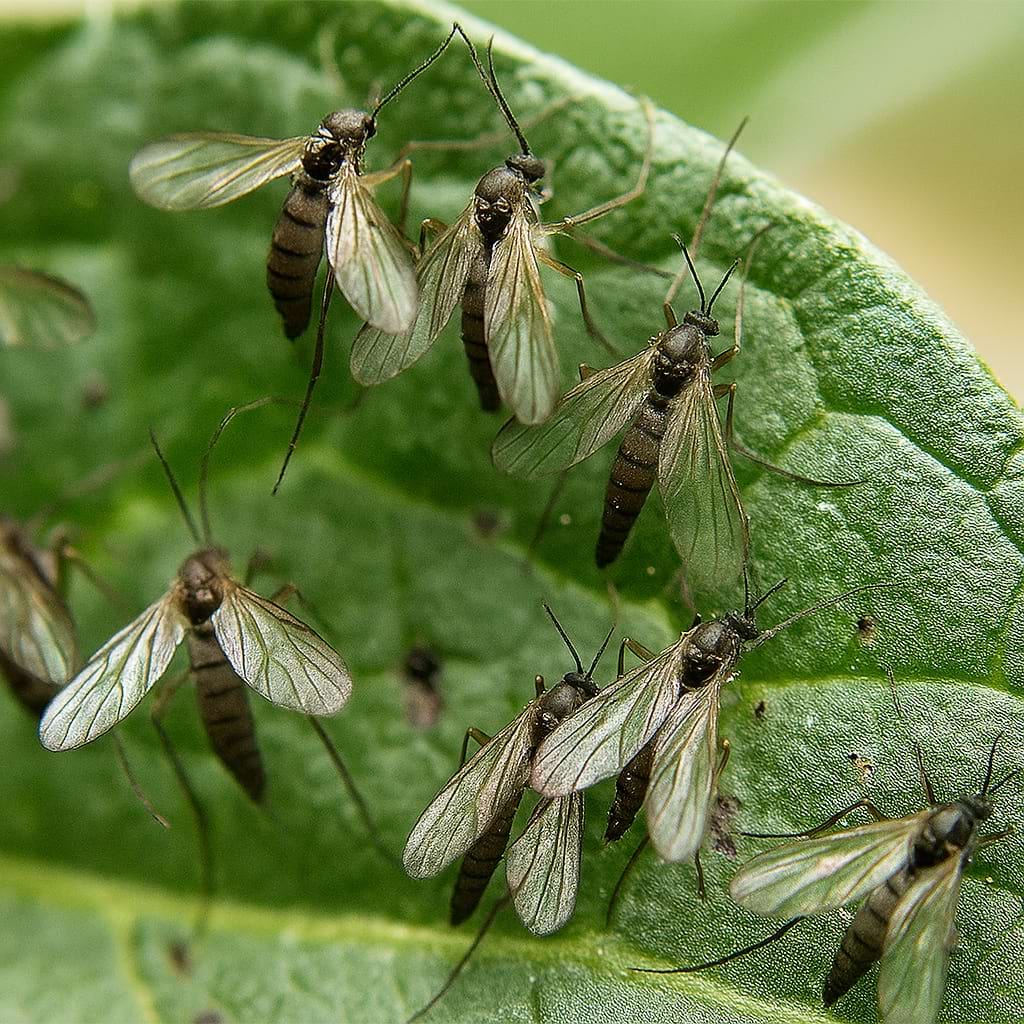
- Fungus gnats: Usually a sign that the mix is staying wet too long rather than a sign the fern itself is especially vulnerable.
Dry air and stale soggy soil are the two conditions that make pest trouble much more likely. Healthy Blue Star Fern is fairly resilient.
How to Treat Blue Star Fern Pests Safely
Start by isolating the plant. Then rinse the fronds, inspect the rhizomes closely, and choose the mildest treatment that fits the pest:
- Cotton swab with rubbing alcohol for mealybugs and small scale patches
- Insecticidal soap for spider mites and broader infestations
- Yellow sticky traps plus drier surface conditions for fungus gnats
- Better humidity for any mite-prone plant
Be gentle when handling the fronds. You want the pests gone, not a second round of damage from rough cleanup.
🩺 Blue Star Fern Problems and Diseases

Troubleshooting Your Blue Star Fern
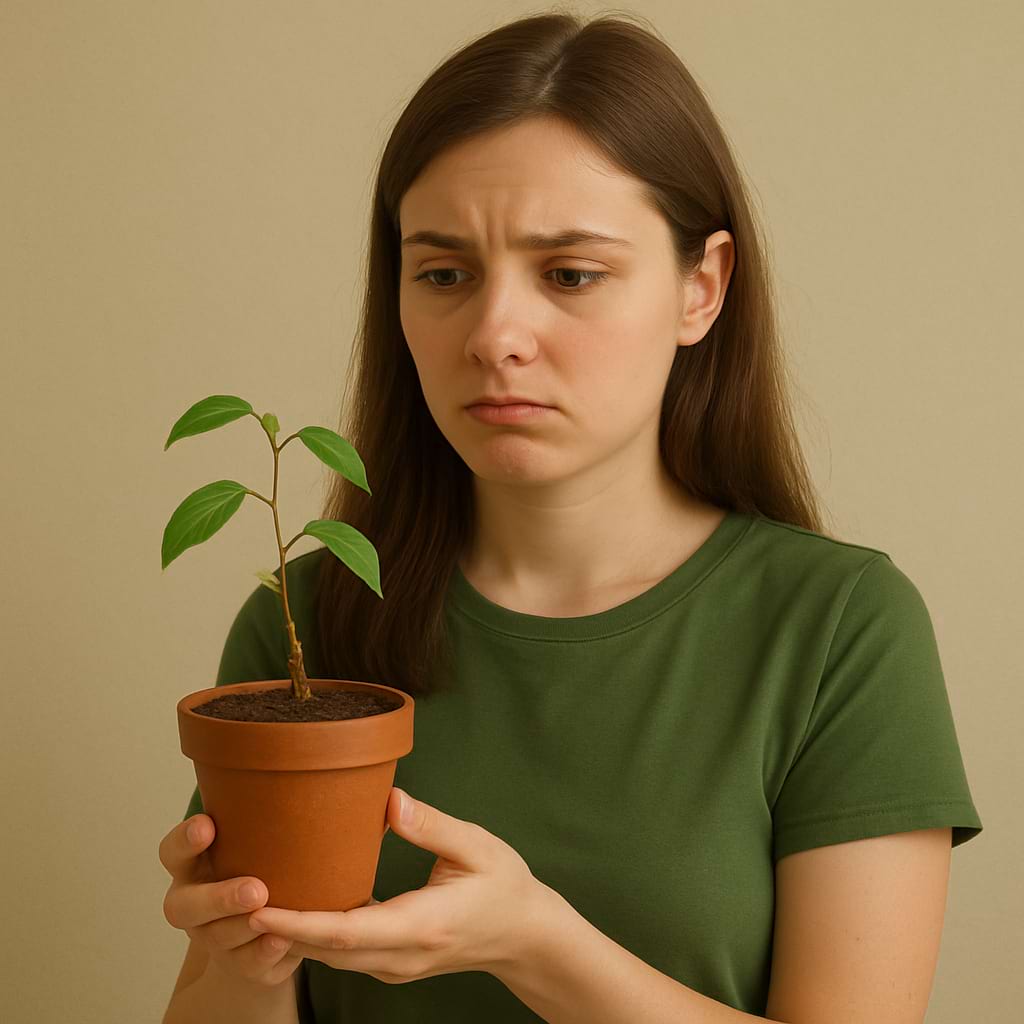
Most Blue Star Fern issues come back to three things: light that is too dim, a mix that is too dense, or rhizomes that are being kept too wet.
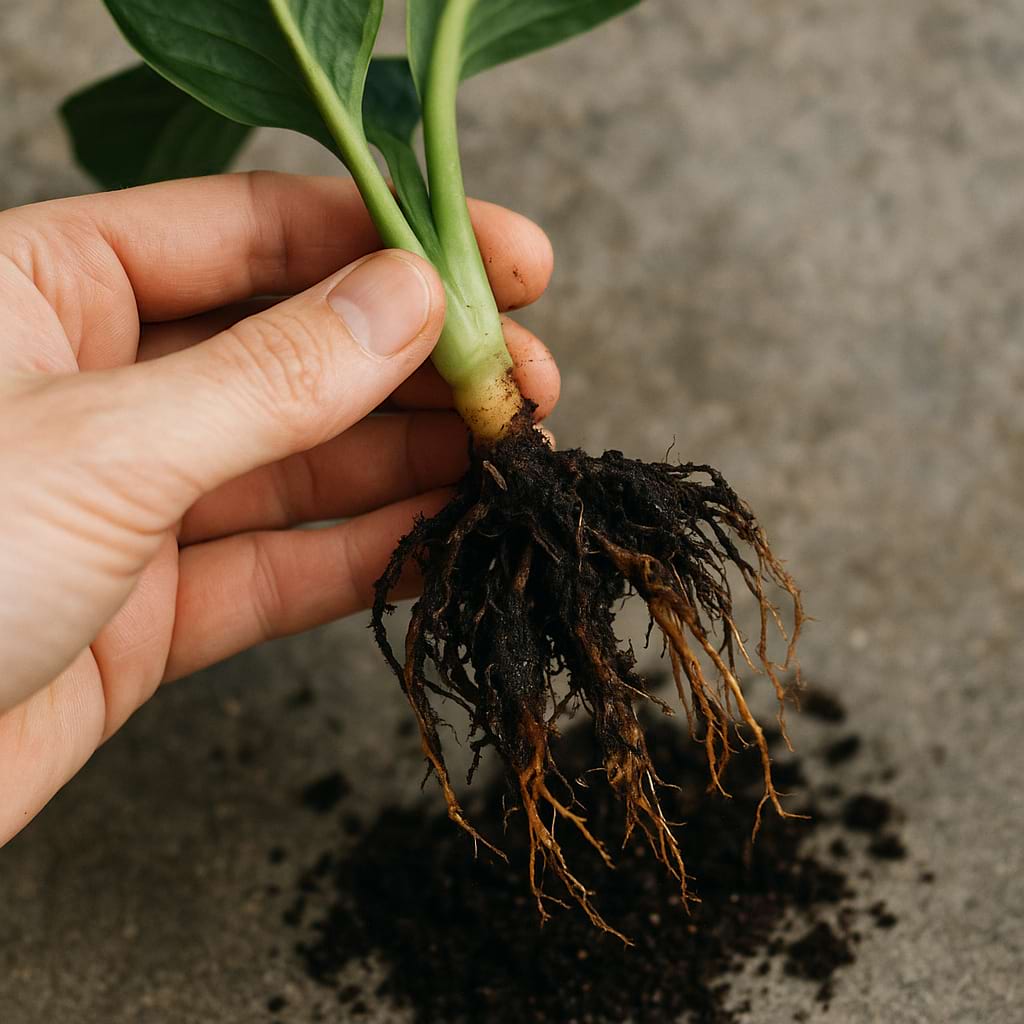
- Root rot: The biggest risk. Usually tied to deep pots, compact soil, or buried rhizomes. You may notice soft dark roots, black mush on the rhizomes, sour soil smell, and fronds yellowing from the base.
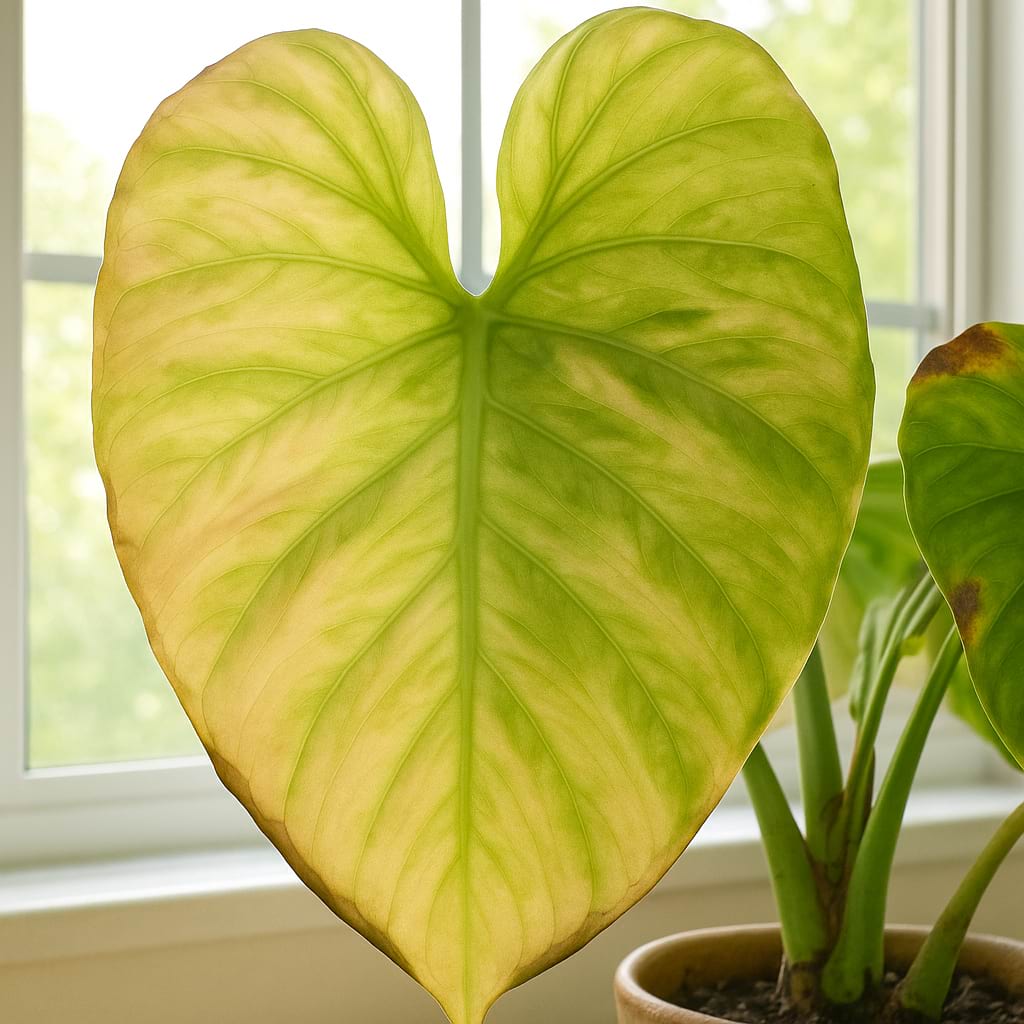
- Yellowing leaves: Often caused by overwatering, though a fully dried-out plant can yellow too. Check the root ball before you guess.
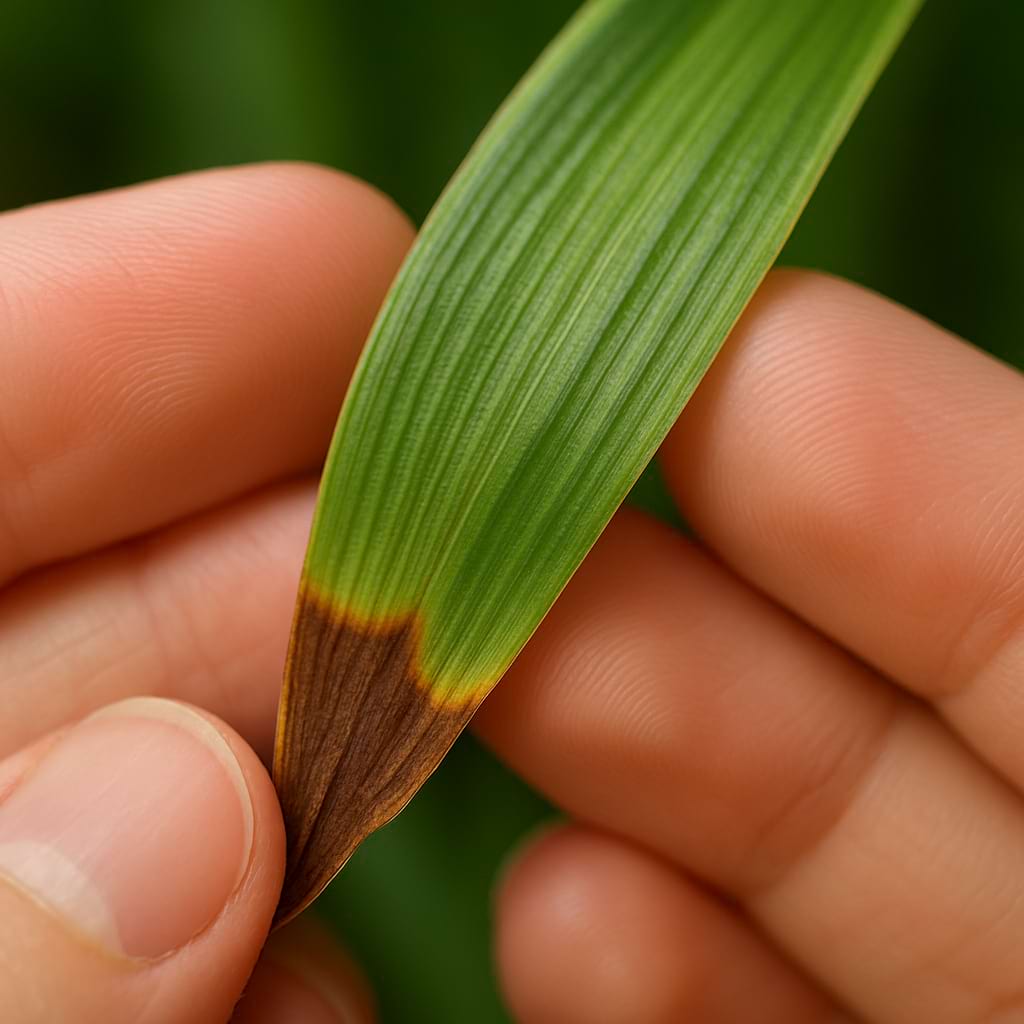
- Brown crispy edges: Usually dry air, inconsistent watering, or mineral buildup from hard water and fertilizer salts.
- Pale faded leaves: Common when the plant is sitting too far from the window. The fronds lose that blue-silver haze and start reading flat green.
- Sunburn: Shows as bleached or tan dry patches after too much direct sun.
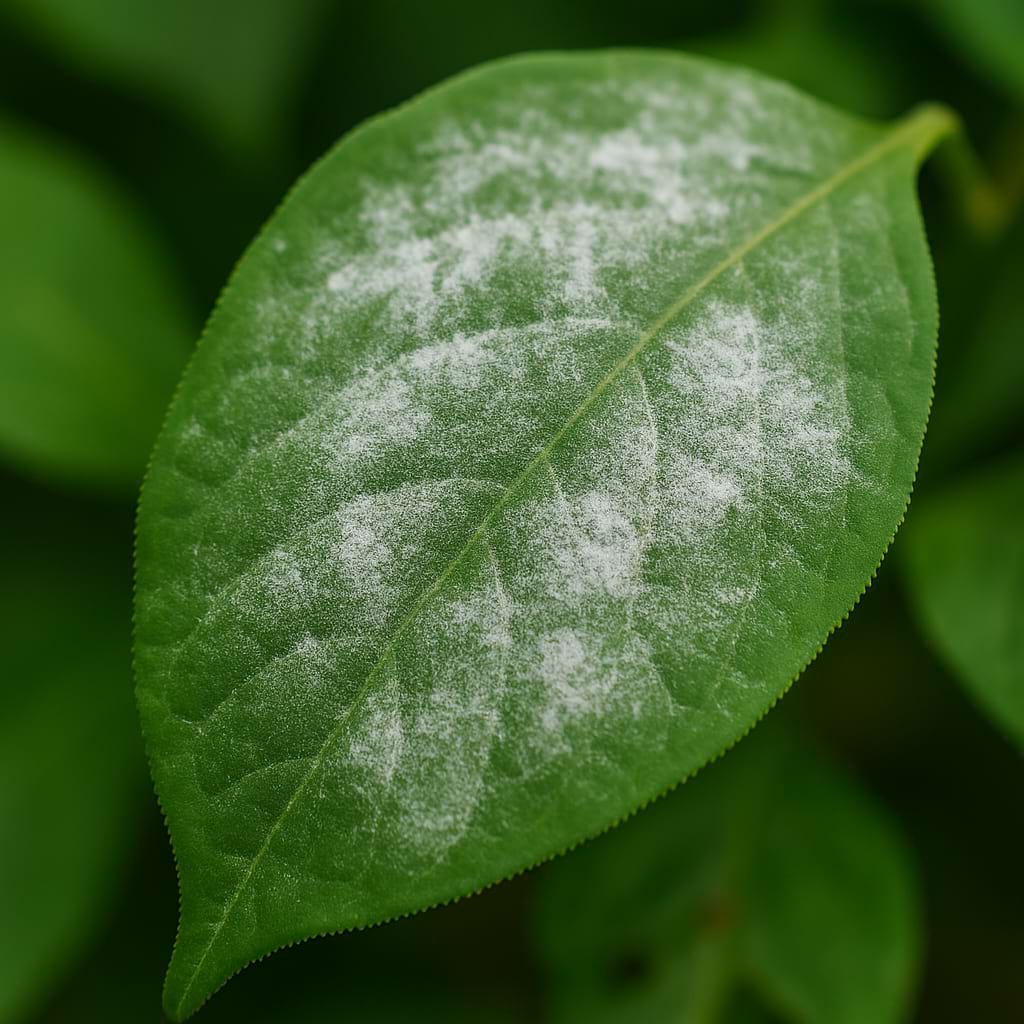
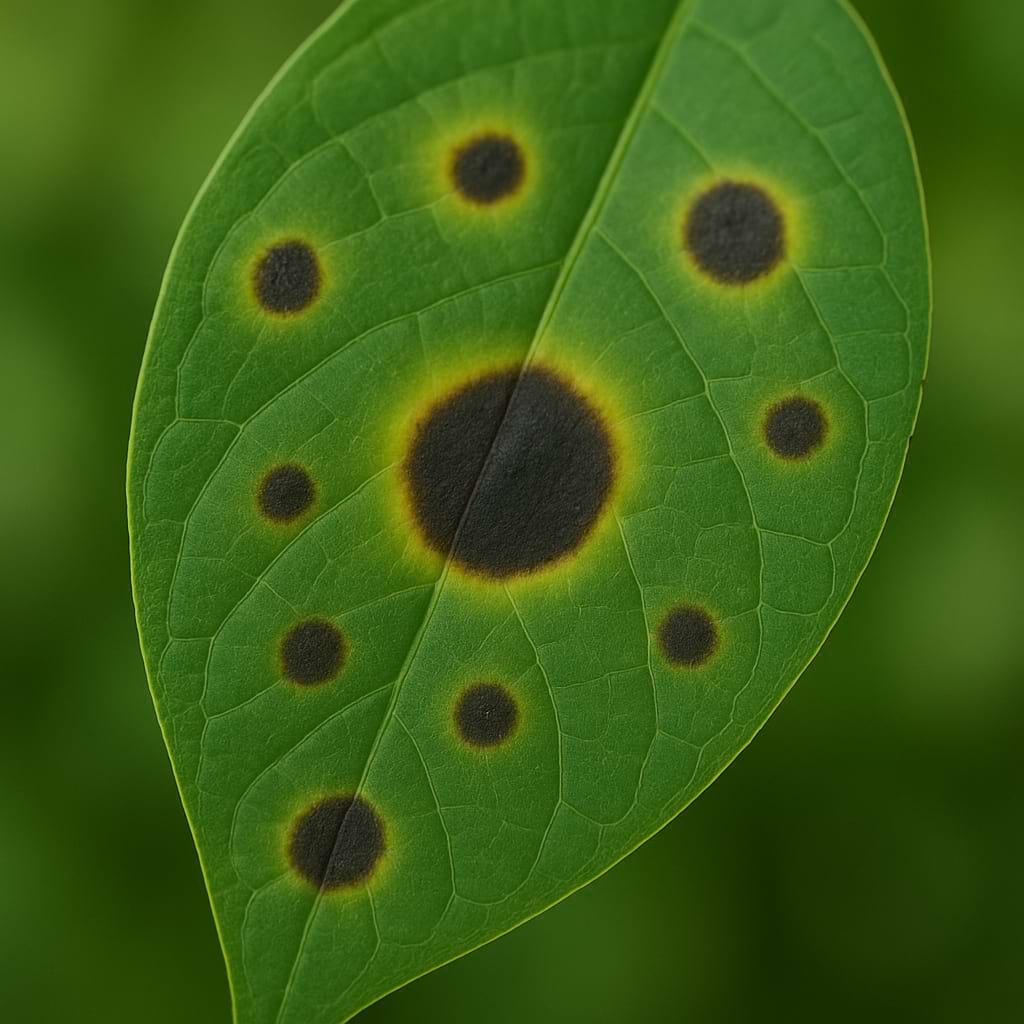
- Brown-black spots or fungal disease: More likely when fronds stay wet in stagnant air or when the root zone is constantly sour.
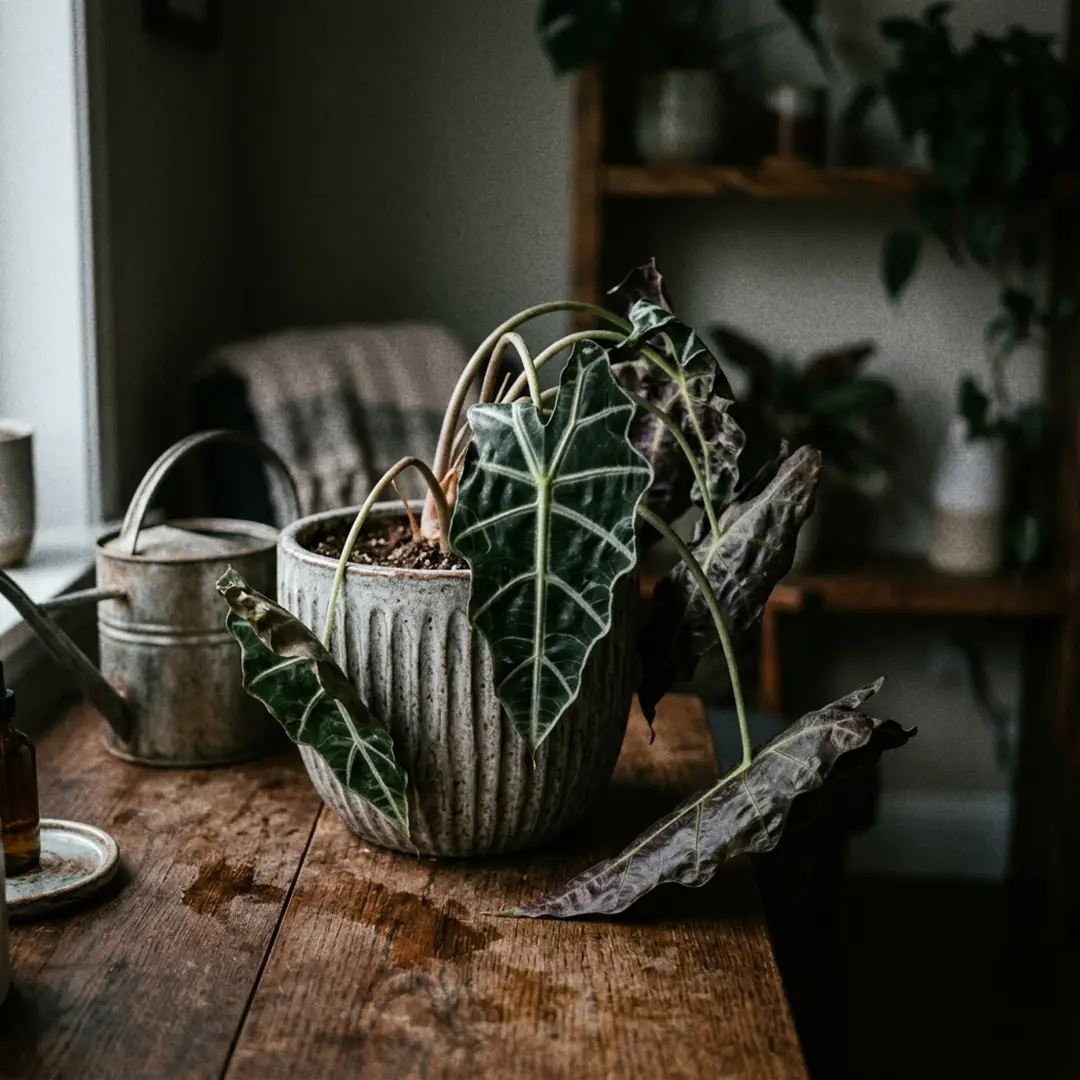
- Wilting or drooping: Can mean the plant is thirsty, but in Blue Star Fern it can also mean the roots are too damaged to take water up. Wet soil plus droopy fronds usually points back to rot.
- Stunted growth: Often a sign the mix is exhausted, the pot is overcrowded, or the plant has been stuck in low light for too long.
The comforting part is that Blue Star Fern often gives a warning before it fully crashes. If you catch the problem at the yellow-tip stage instead of the black-rhizome stage, recovery is usually straightforward.

🖼️ Blue Star Fern Display Ideas

Where Blue Star Fern Looks Best
Blue Star Fern is one of those plants that looks more expensive than it is because the color is unusual and the shape feels relaxed but sculptural. The best displays show off both the fronds and the wandering rhizomes.
- Wide shallow bowl: Probably the best look for this plant. It lets the rhizomes creep naturally.
- Pedestal planter: Raises the pot so the fronds can arch outward at eye level.
- Bathroom shelf or vanity: Great if the room is bright enough and you want the humidity to do part of the work.
- Fern grouping: Mix it with Bird's Nest Fern, Kangaroo Fern, or Heart Fern for a layered green corner. A Squirrel's Foot Fern is a good partner too, since it shares the exposed-rhizome habit at a much finer scale.
- Open shelf near filtered light: The blue tone reads especially well against wood, pale walls, and warm metal.
What I would avoid is cramming it into a dark corner just because it is "a fern." Blue Star Fern deserves to be seen. The color is half the point.
🌟 Blue Star Fern Care Tips (Pro Advice)
✅ Keep the rhizomes exposed. If you remember only one thing, remember this one.
✅ Use a wide pot, not a deep one. The plant grows across more than down.
✅ Bright filtered light keeps the fronds blue. Dim rooms make the plant greener and flatter.
✅ Water the roots, not the rhizomes. Aim the stream around the pot instead of soaking the furry top every time.
✅ Do not let the mix go fully bone dry for long. Blue Star Fern is airy, not drought-tough.
✅ Humidity helps the finish. Even when the plant survives dry air, it looks better with more moisture in the room.
✅ Rinse instead of polishing the fronds. The blue bloom rubs off if you wipe too hard.
✅ Repot because the mix is tired, not just because the plant is big. Old compact mix causes more trouble than a slightly snug pot.
✅ Divide in spring for easy propagation. Healthy rhizomes make new plants with very little drama.
✅ If the plant declines, inspect the root zone first. Blue Star Fern problems usually begin below the fronds.
❓ Frequently Asked Questions
Is Blue Star Fern safe for cats and dogs?
Yes. Blue Star Fern is considered non-toxic to cats, dogs, and people, which makes it one of the easier pet-safe ferns to keep indoors.
Should Blue Star Fern rhizomes stay above the soil?
Yes. The fuzzy creeping rhizomes should sit on top of the potting mix or only barely nestle into it. If you bury them, they stay too wet and often rot.
Why are the tips on my Blue Star Fern turning brown?
Brown tips usually point to dry air, inconsistent watering, or mineral-heavy tap water. Check humidity first, then look at how often the root ball is drying out.
Why is my Blue Star Fern losing its blue color?
The fronds usually lose their smoky blue cast when the plant is growing in light that is too dim. Move it closer to bright filtered light and new growth should color up better.
Can Blue Star Fern live in a bathroom?
Yes, if the bathroom has a bright window or a dependable grow light. The extra humidity often suits Blue Star Fern very well.
What is the easiest way to propagate Blue Star Fern?
Rhizome division in spring is the easy method. Split a healthy plant into sections with roots and a few fronds on each piece, then pot them in a fresh airy mix.
ℹ️ Blue Star Fern Info
Care and Maintenance
🪴 Soil Type and pH: Loose, humus-rich, slightly acidic to neutral epiphytic mix
💧 Humidity and Misting: Best at 50-70% humidity, but handles average indoor air better than many ferns if watering stays steady.
✂️ Pruning: Trim yellow or torn fronds at the base and leave healthy rhizomes exposed.
🧼 Cleaning: Rinse or gently brush dust away. Avoid leaf shine and hard scrubbing that rubs the blue bloom off the fronds.
🌱 Repotting: Every 2-3 years, or when the surface rhizomes crowd the rim of the pot.
🔄 Repotting Frequency: Every 2-3 years
❄️ Seasonal Changes in Care: Keep the mix a touch drier in winter, raise humidity during heating season, and protect the plant from cold drafts.
Growing Characteristics
💥 Growth Speed: Moderate
🔄 Life Cycle: Perennial
💥 Bloom Time: Does not bloom; produces spores on mature fronds
🌡️ Hardiness Zones: 9-11 outdoors, usually grown indoors
🗺️ Native Area: Florida, the Caribbean, Mexico, Central America, and northern South America
🚘 Hibernation: No
Propagation and Health
📍 Suitable Locations: Bright bathrooms, east windows, shaded patios in warm climates, wide tabletop planters, hanging baskets
🪴 Propagation Methods: Divide creeping rhizomes in spring, making sure each piece has roots and a few fronds.
🐛 Common Pests: Spider Mites, Mealybugs, Scale Insects, Fungus Gnats
🦠 Possible Diseases: Root rot, rhizome rot, and leaf spot when the mix stays stale and wet
Plant Details
🌿 Plant Type: Epiphytic fern
🍃 Foliage Type: Evergreen
🎨 Color of Leaves: Blue-green to silver-green
🌸 Flower Color: N/A
🌼 Blooming: Non-flowering fern
🍽️ Edibility: Not edible
📏 Mature Size: 1-2 feet indoors
Additional Info
🌻 General Benefits: Pet-safe foliage, unusual blue tone, forgiving growth, and easy spring division
💊 Medical Properties: No common household use
🧿 Feng Shui: Often used to soften a room and add calm, cooling energy
⭐ Zodiac Sign Compatibility: Aquarius
🌈 Symbolism or Folklore: Renewal, calm, adaptability
📝 Interesting Facts: The blue cast comes from a waxy bloom on the fronds, and the fuzzy rhizomes are meant to crawl above the surface rather than disappear into the soil.
Buying and Usage
🛒 What to Look for When Buying: Look for firm silvery fronds, active unfurling growth, and dry intact fuzzy rhizomes with no black mushy spots.
🪴 Other Uses: Great in shallow bowls, mounted-style displays, and tropical shelf groupings.
Decoration and Styling
🖼️ Display Ideas: Wide pots, pedestal planters, bathroom shelves, open terrariums when young, and mixed fern displays.
🧵 Styling Tips: The smoky blue foliage looks especially good with warm wood, matte green pottery, brass, and pale stone.
🪴 See also 🪴
Complete Guide to Silver Staghorn Fern Care and Growth
Complete Guide to Crown Fern Care and Growth
Complete Guide to Eyelash Fern Care and Growth
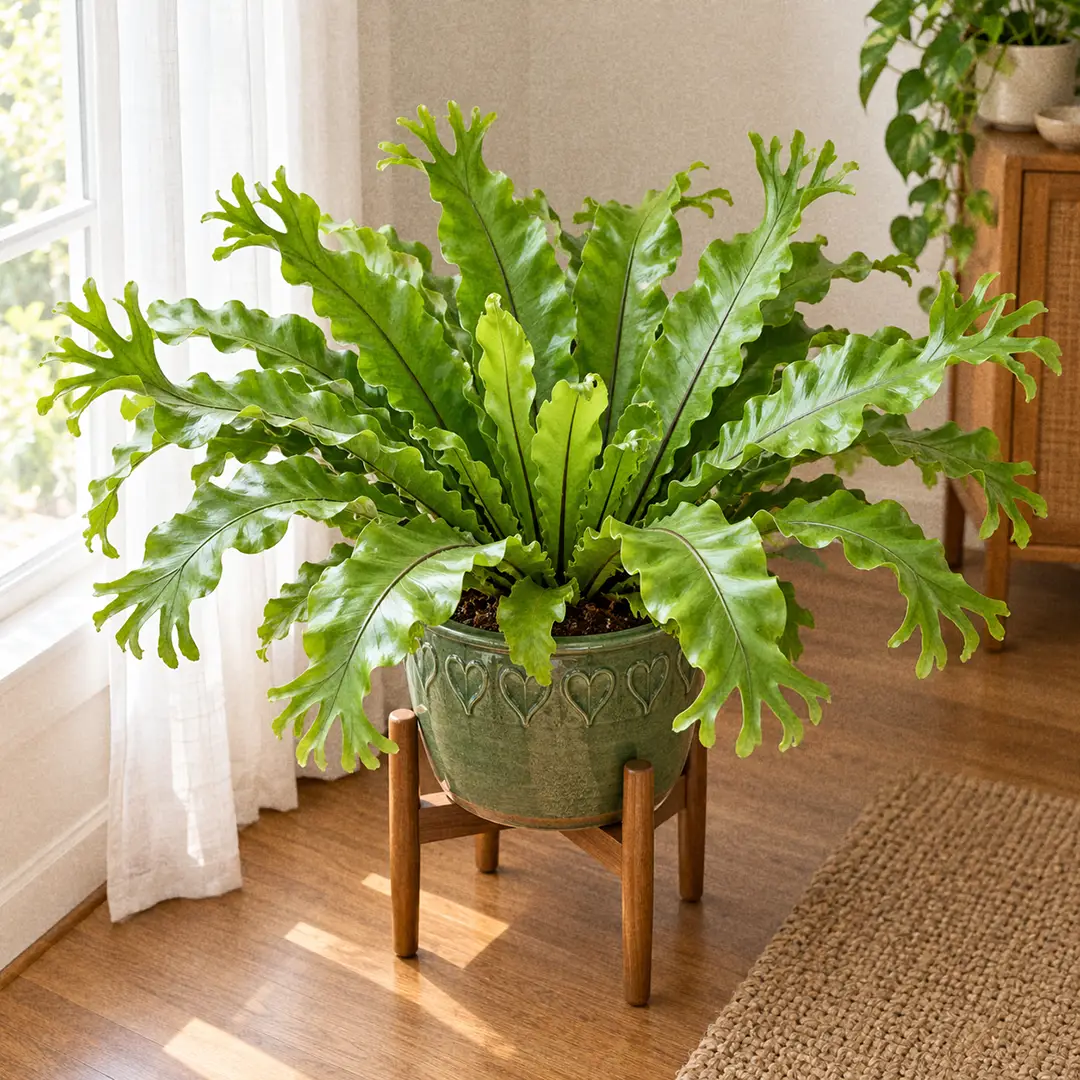
Complete Guide to Crissie Bird's Nest Fern Care and Growth
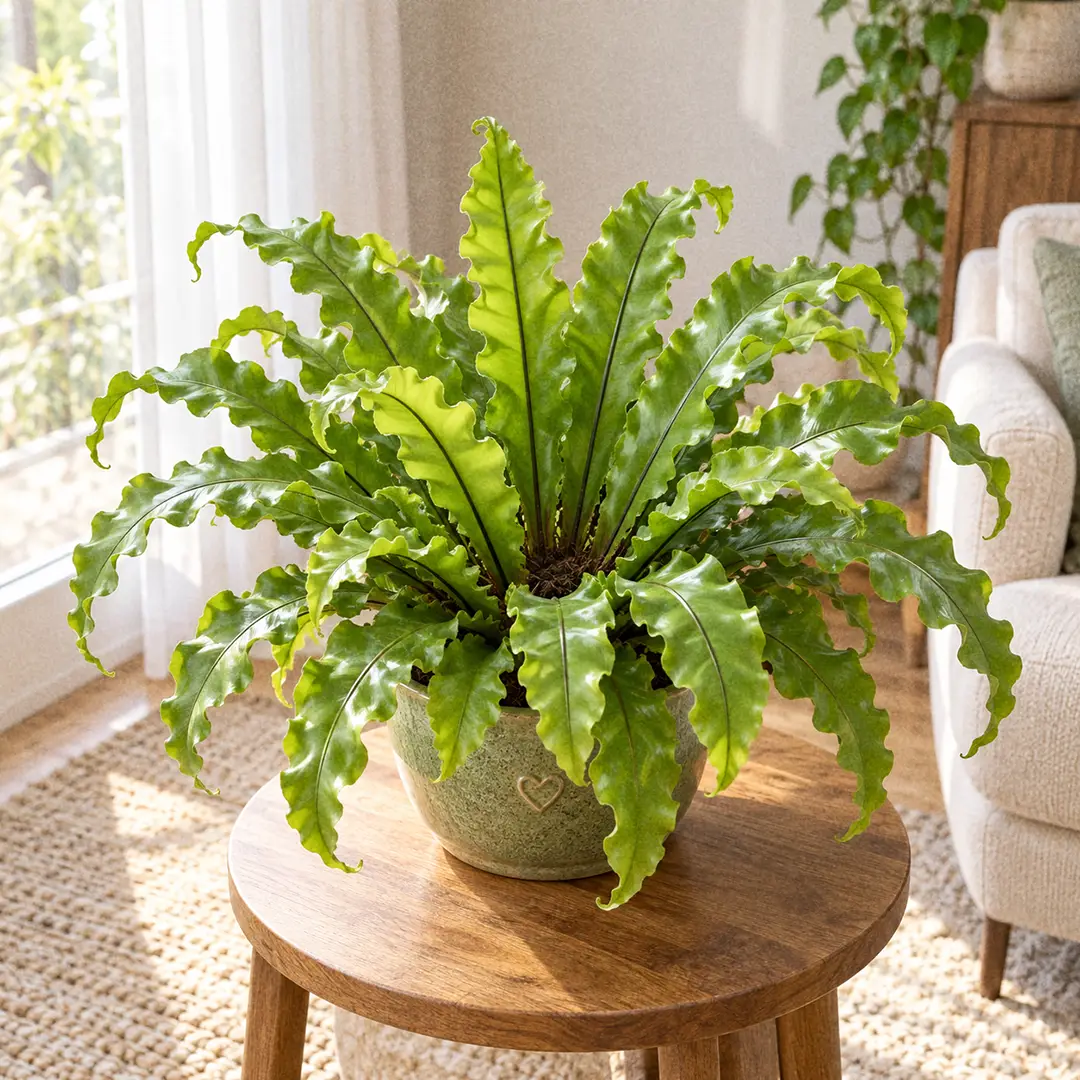
Complete Guide to Osaka Bird's Nest Fern Care and Growth
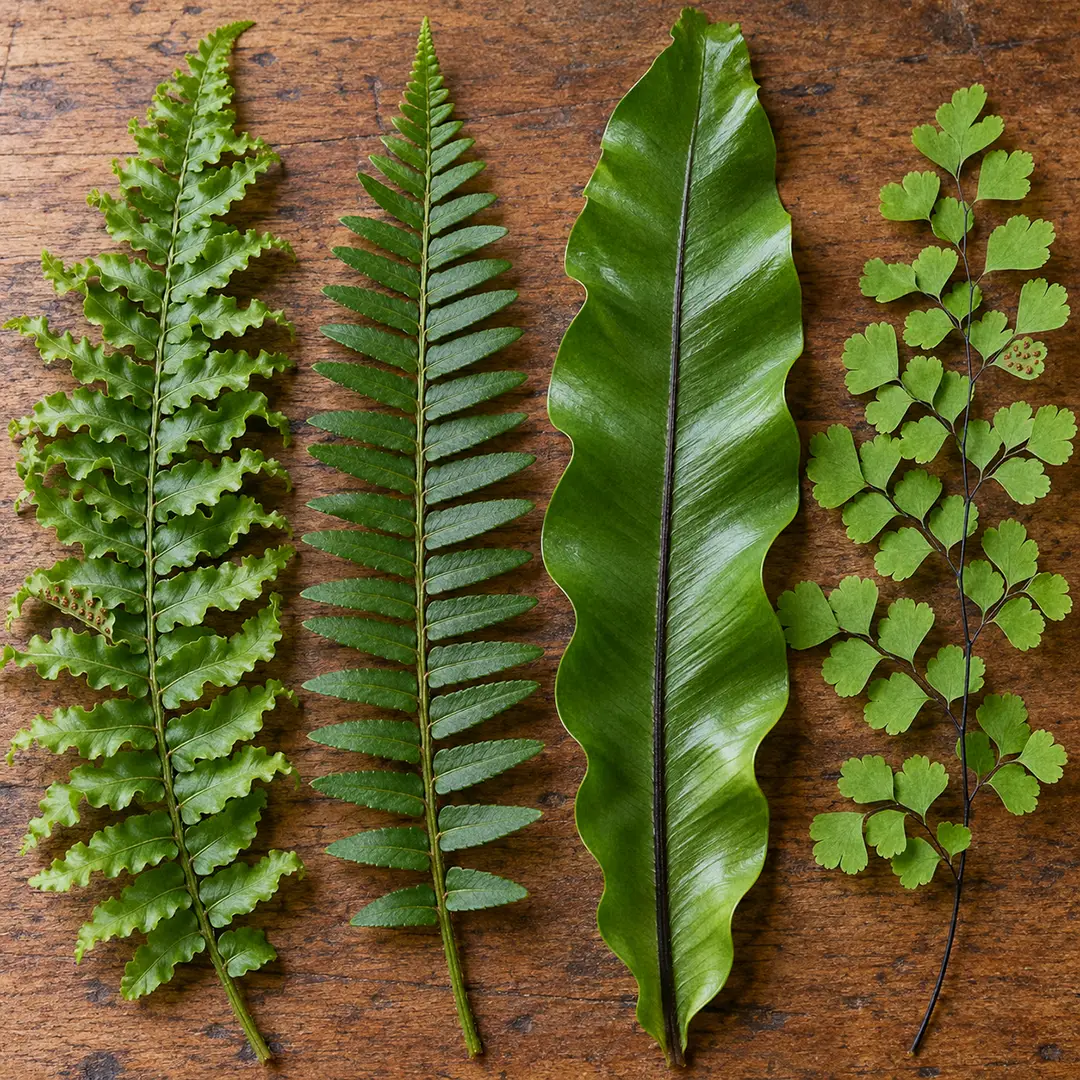
The 15 Most Popular Indoor Ferns and How to Choose One
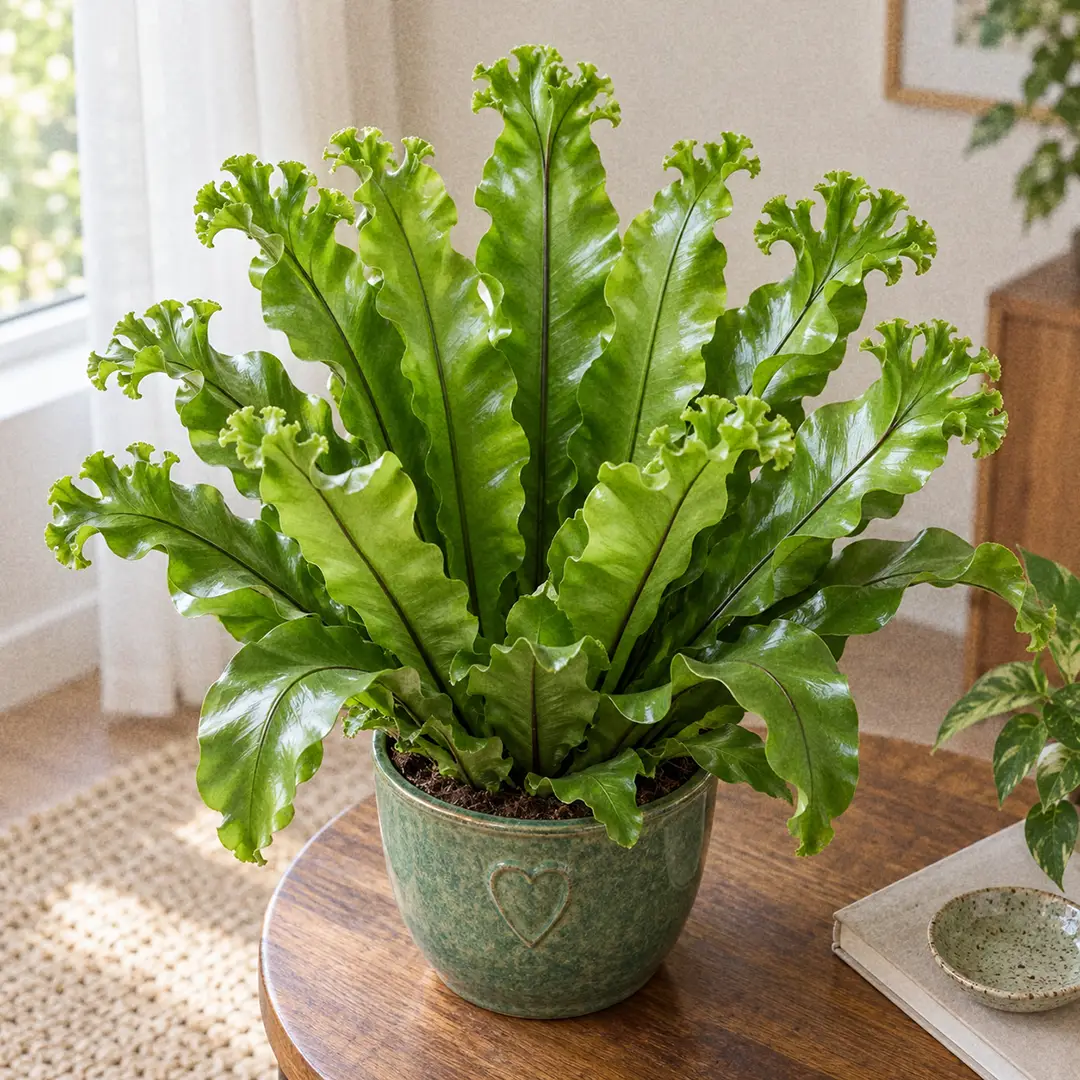
Complete Guide to Leslie Bird's Nest Fern Care and Growth
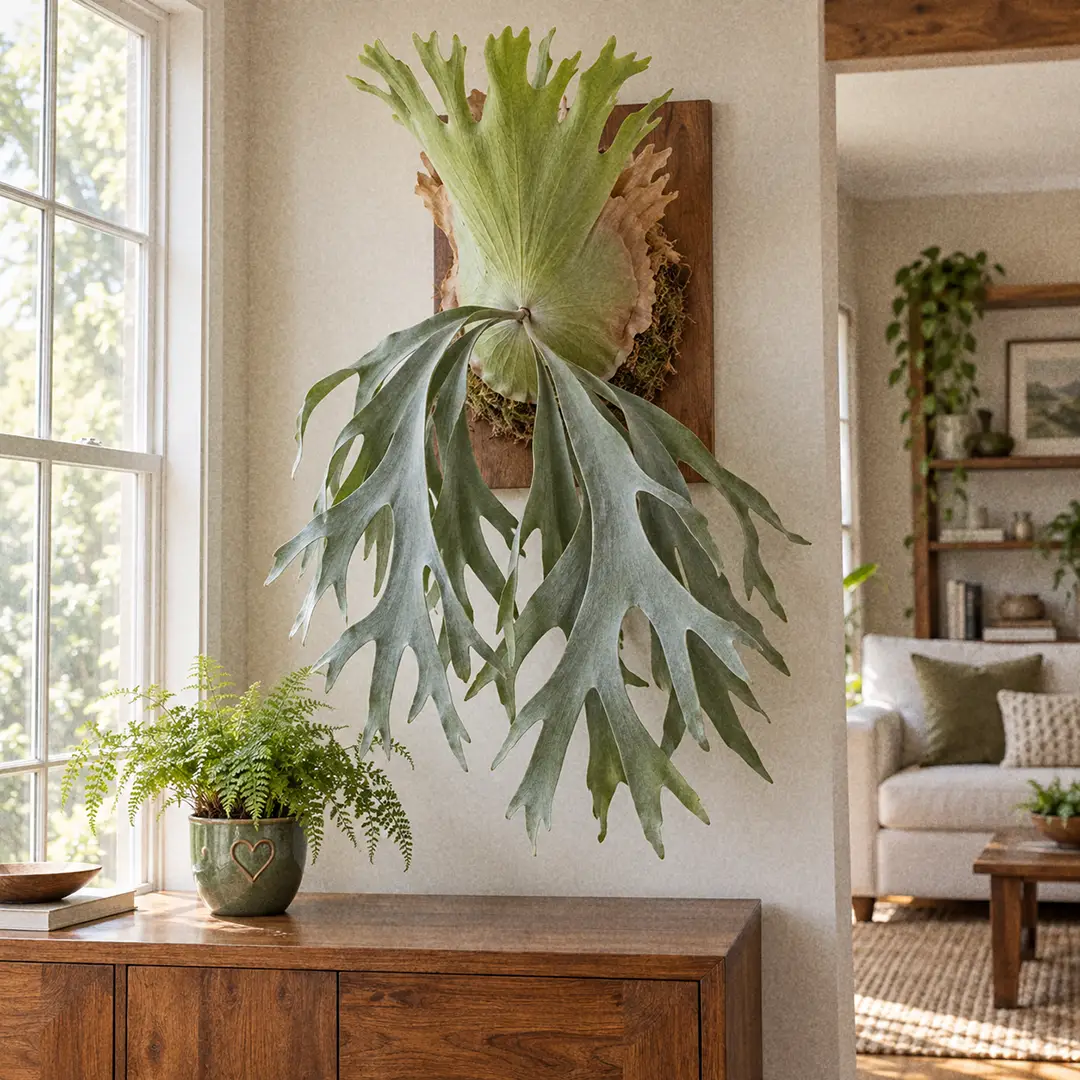
Complete Guide to Superbum Staghorn Fern Care and Growth
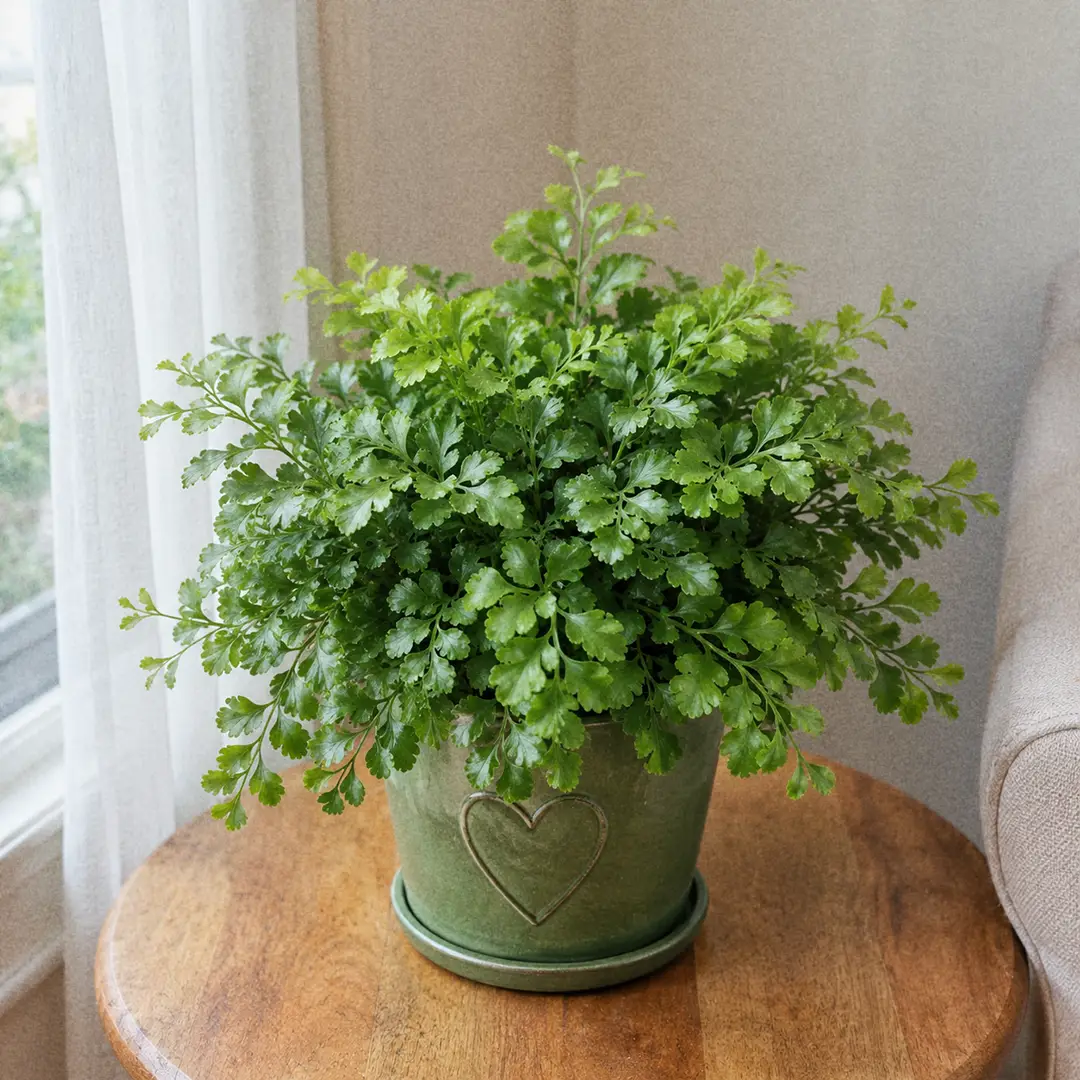
Complete Guide to Austral Gem Fern Care and Growth
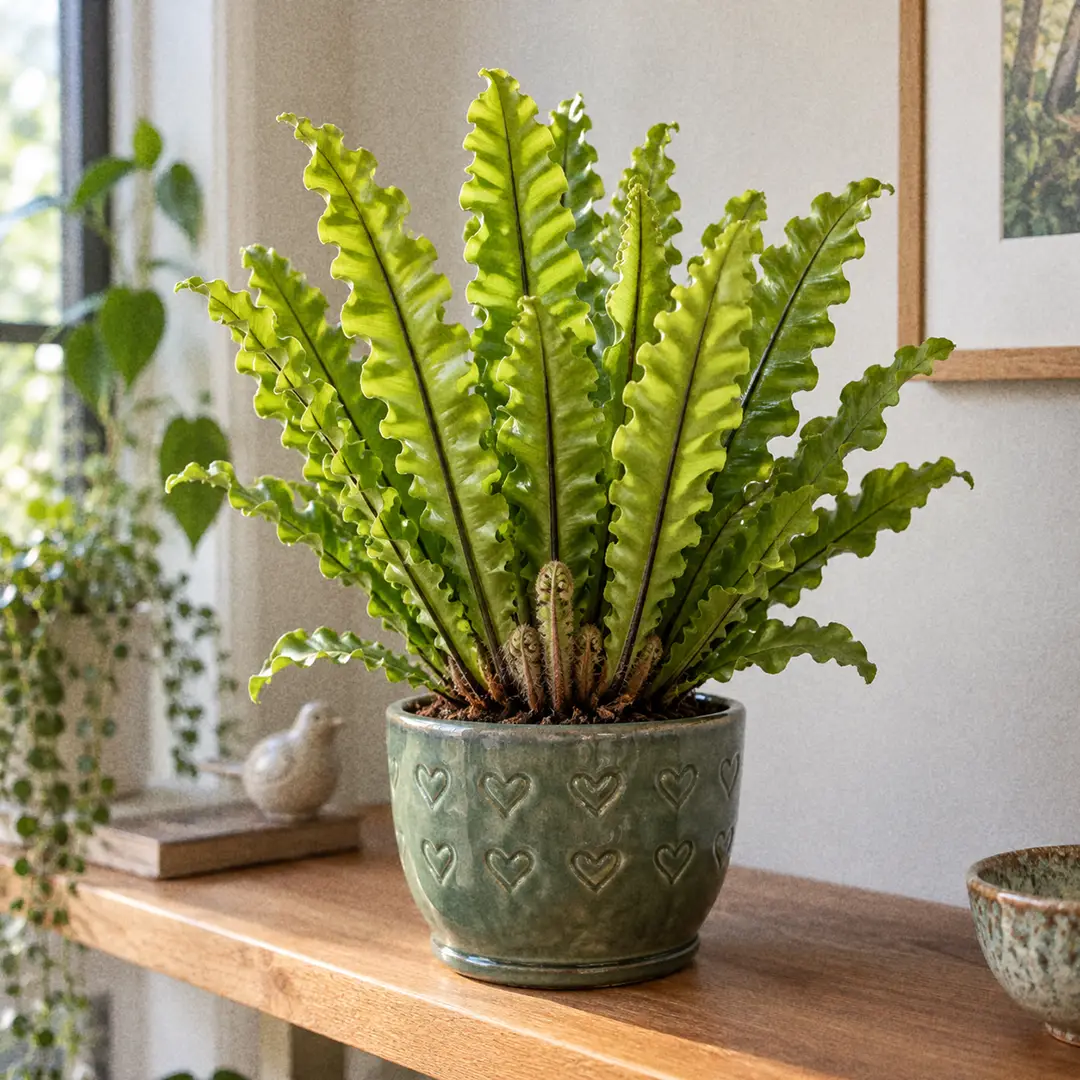
Complete Guide to Crispy Wave Fern Care and Growth
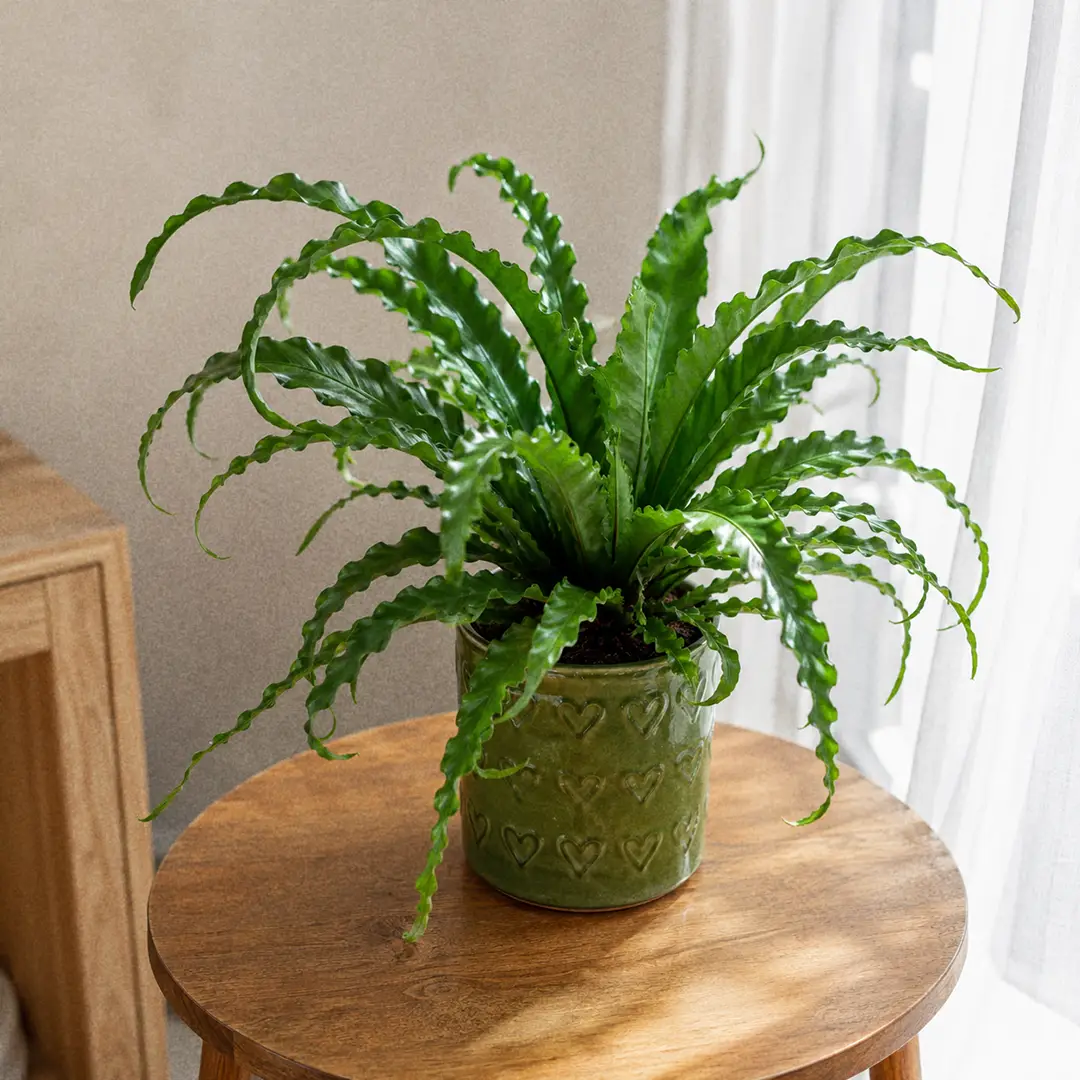
Complete Guide to Japanese Bird's Nest Fern Care and Growth
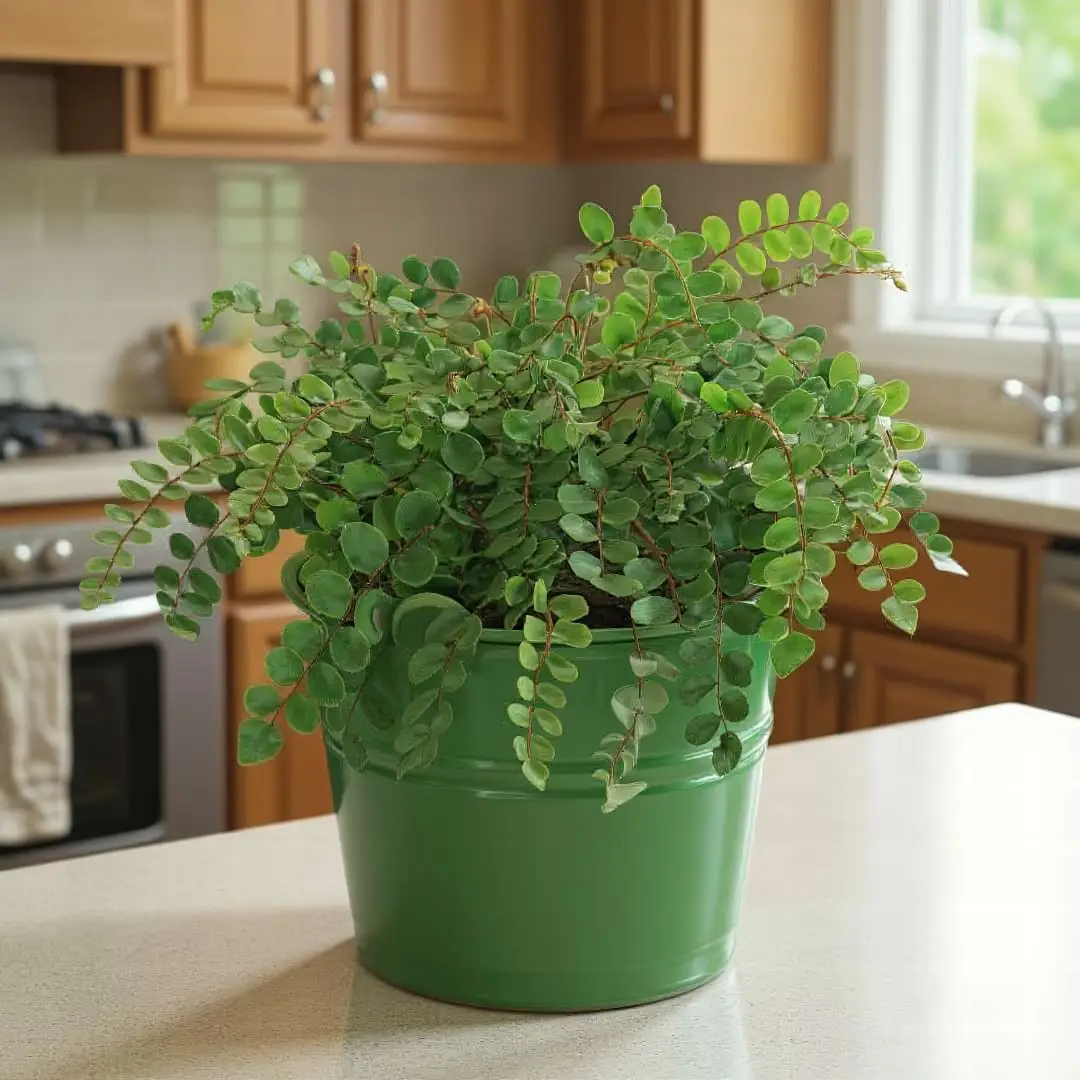
Complete Guide to Button Fern Care and Growth
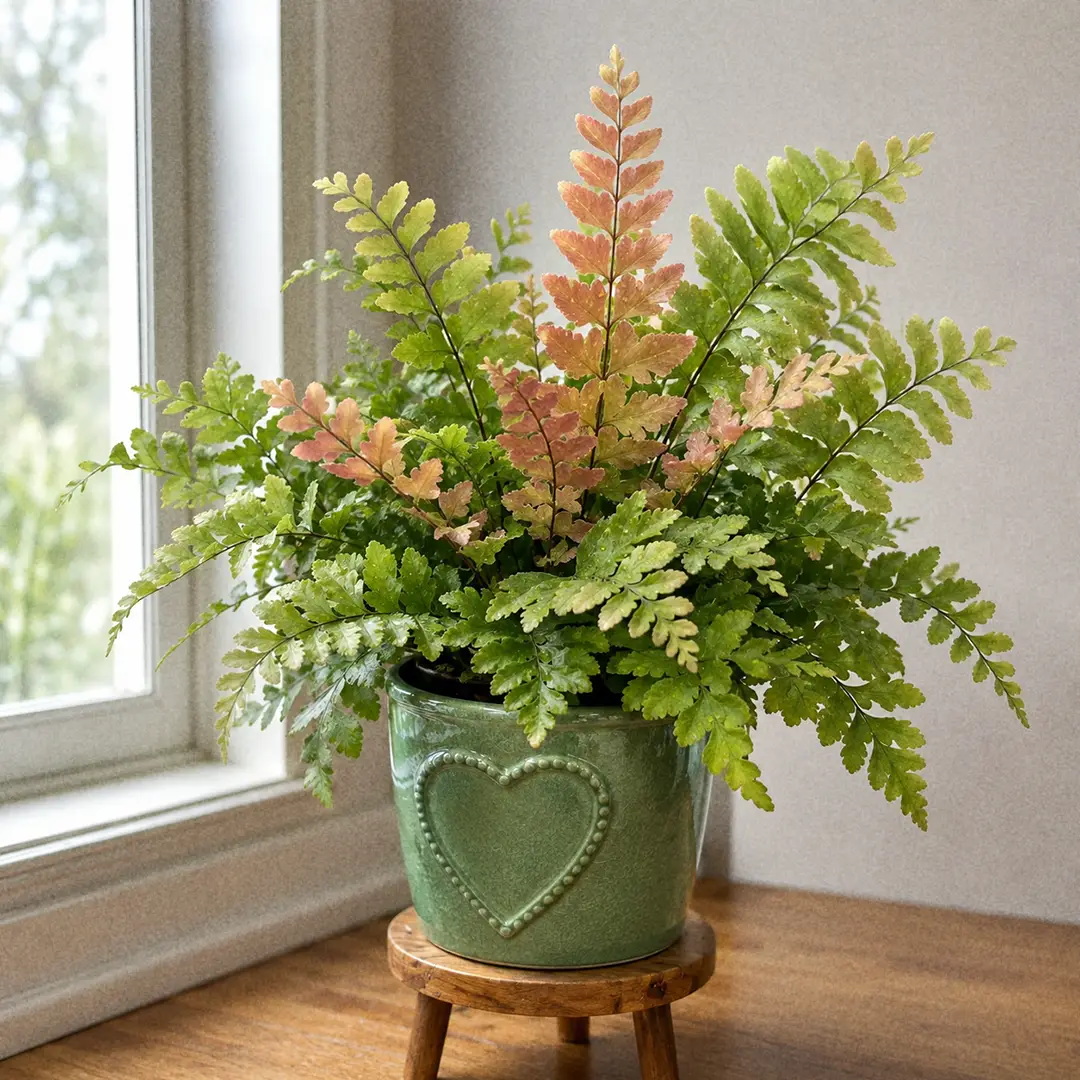
Complete Guide to Mahogany Fern Care and Growth
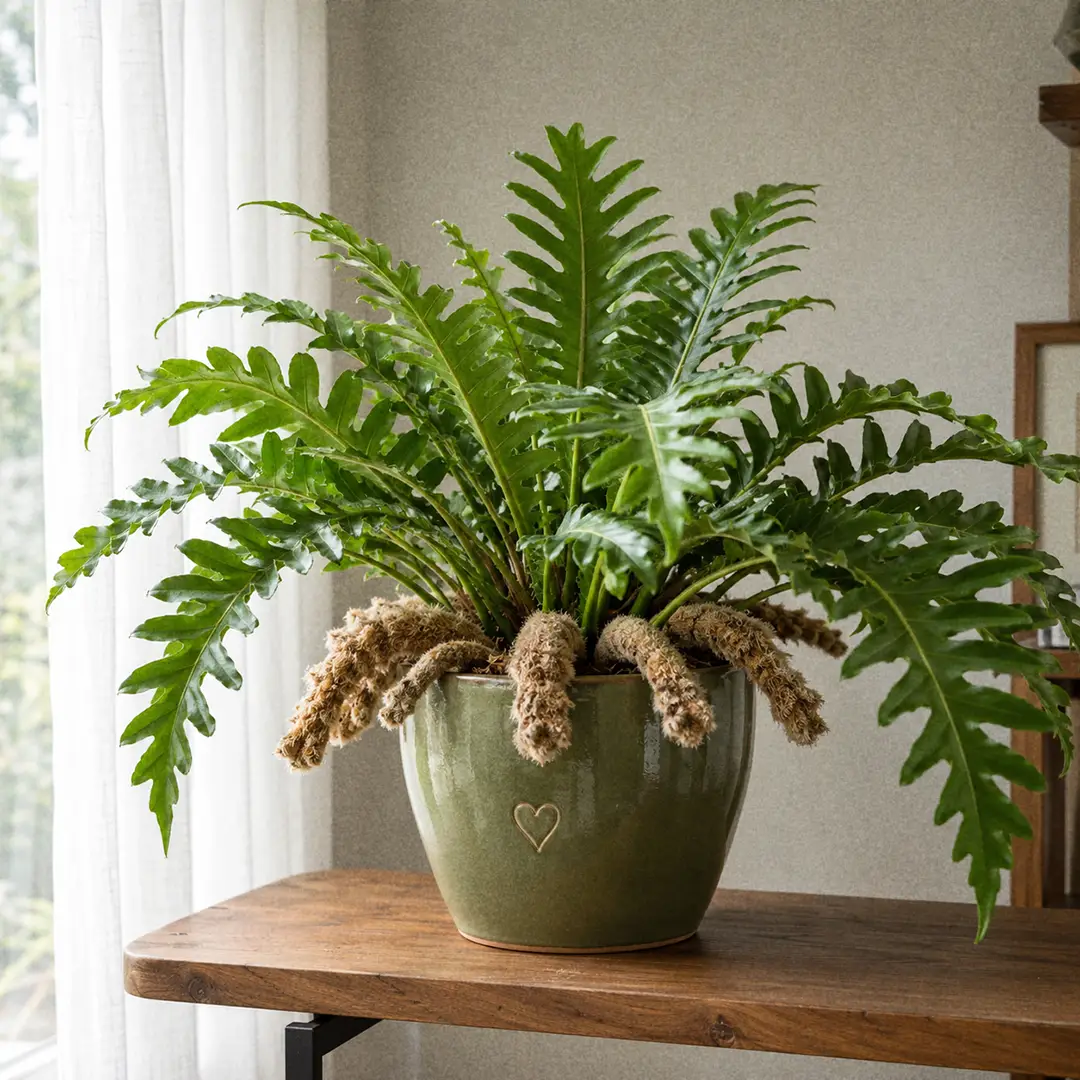
Complete Guide to Bear's Paw Fern Care and Growth
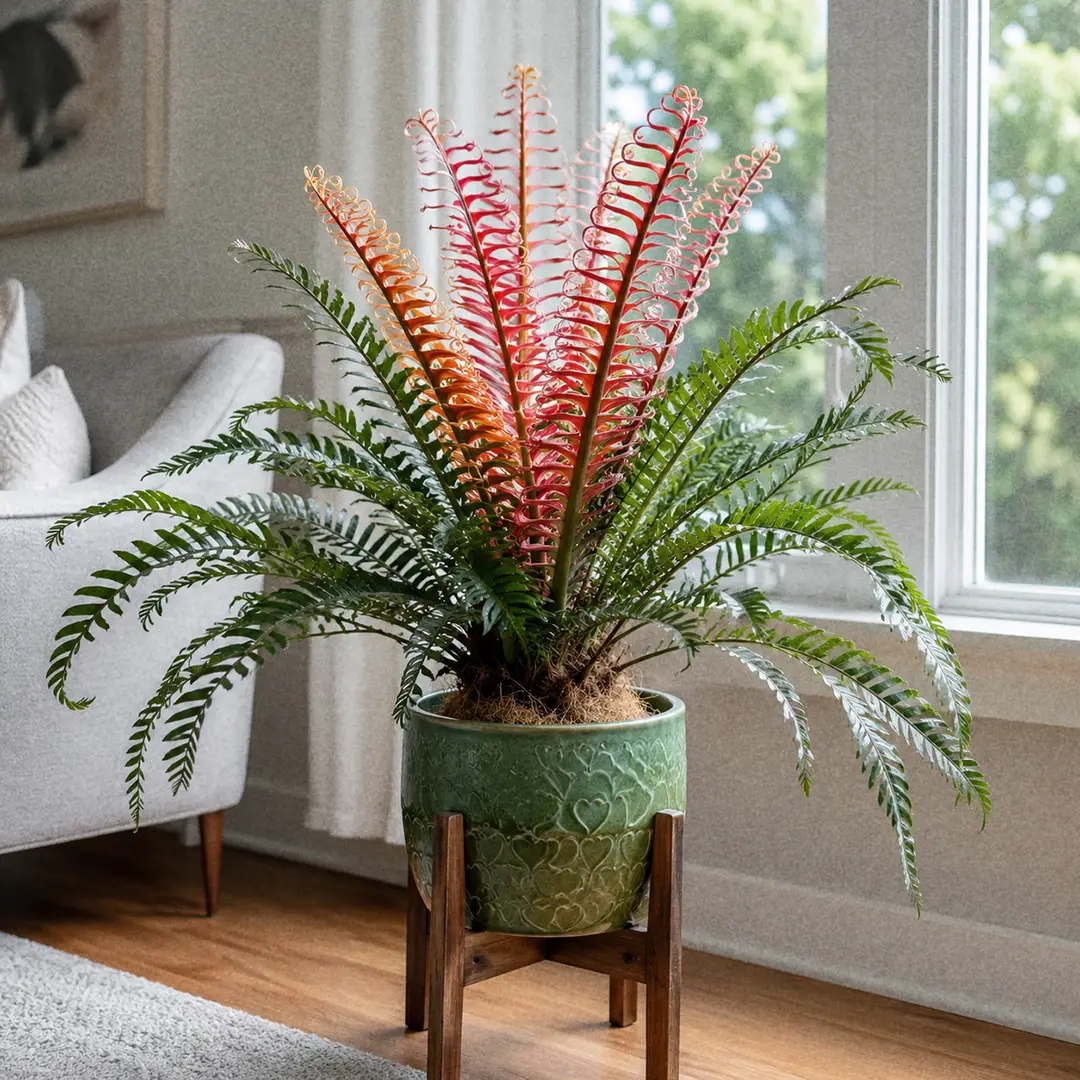
Complete Guide to Volcano Fern Care and Growth
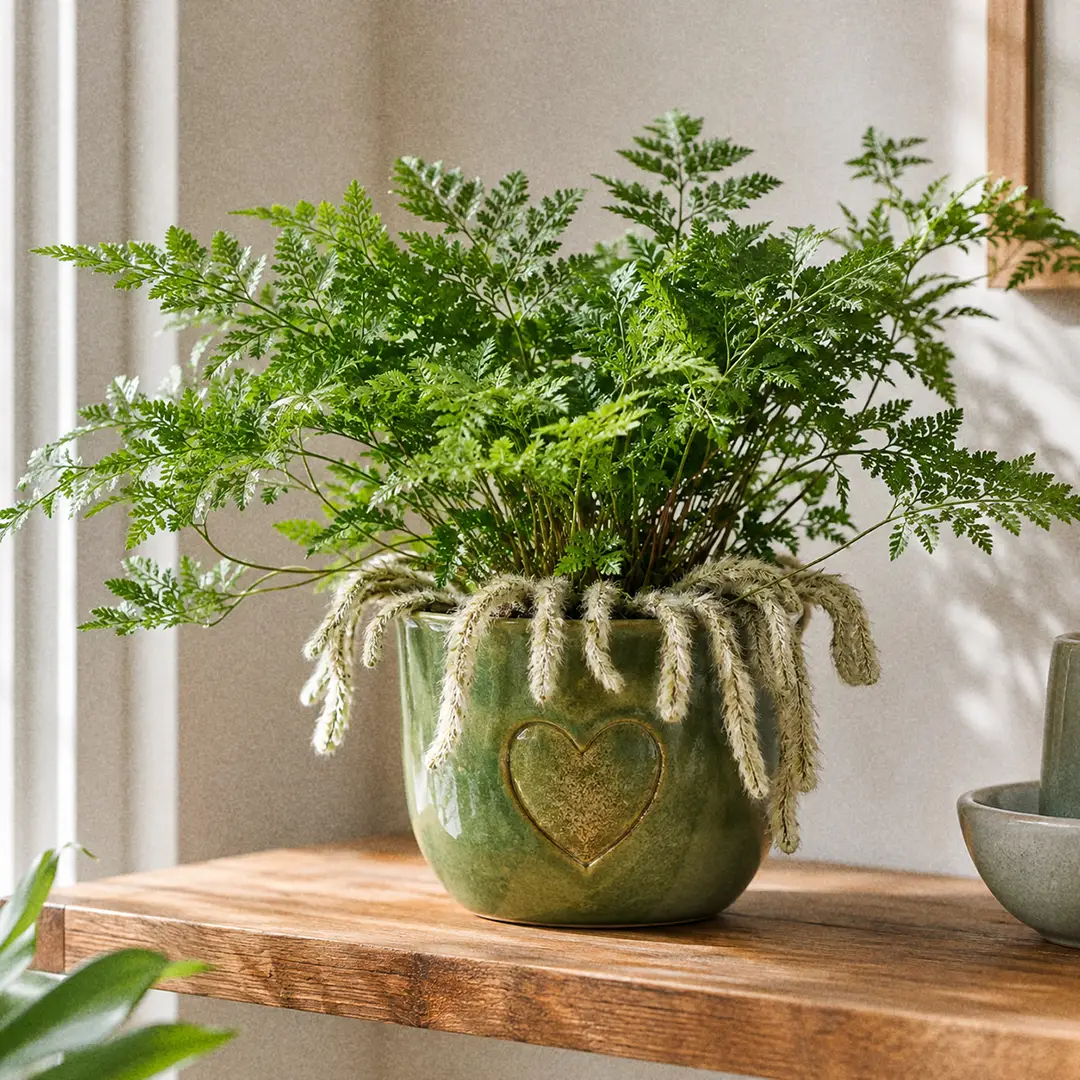
Complete Guide to White Rabbit's Foot Fern Care and Growth

Houseplant101 Forum
Questions & Comments
Ask a question, share your plant experience, or help other plant owners.
Comments are temporarily unavailable.
Open the Houseplant101 ForumNo comments yet
Be the first to ask a question or share your experience about this page.
Log in or create an account
Comments use your Houseplant101 Forum account, but you can stay on this page.
Create a new account