
Golden Zebra Bamboo Fern
Coniogramme emeiensis 'Golden Zebra'
Striped Bamboo Fern, Striped Mt. Emei Bamboo Fern, Coniogramme 'Marble Leaf', Golden Zebra Fern


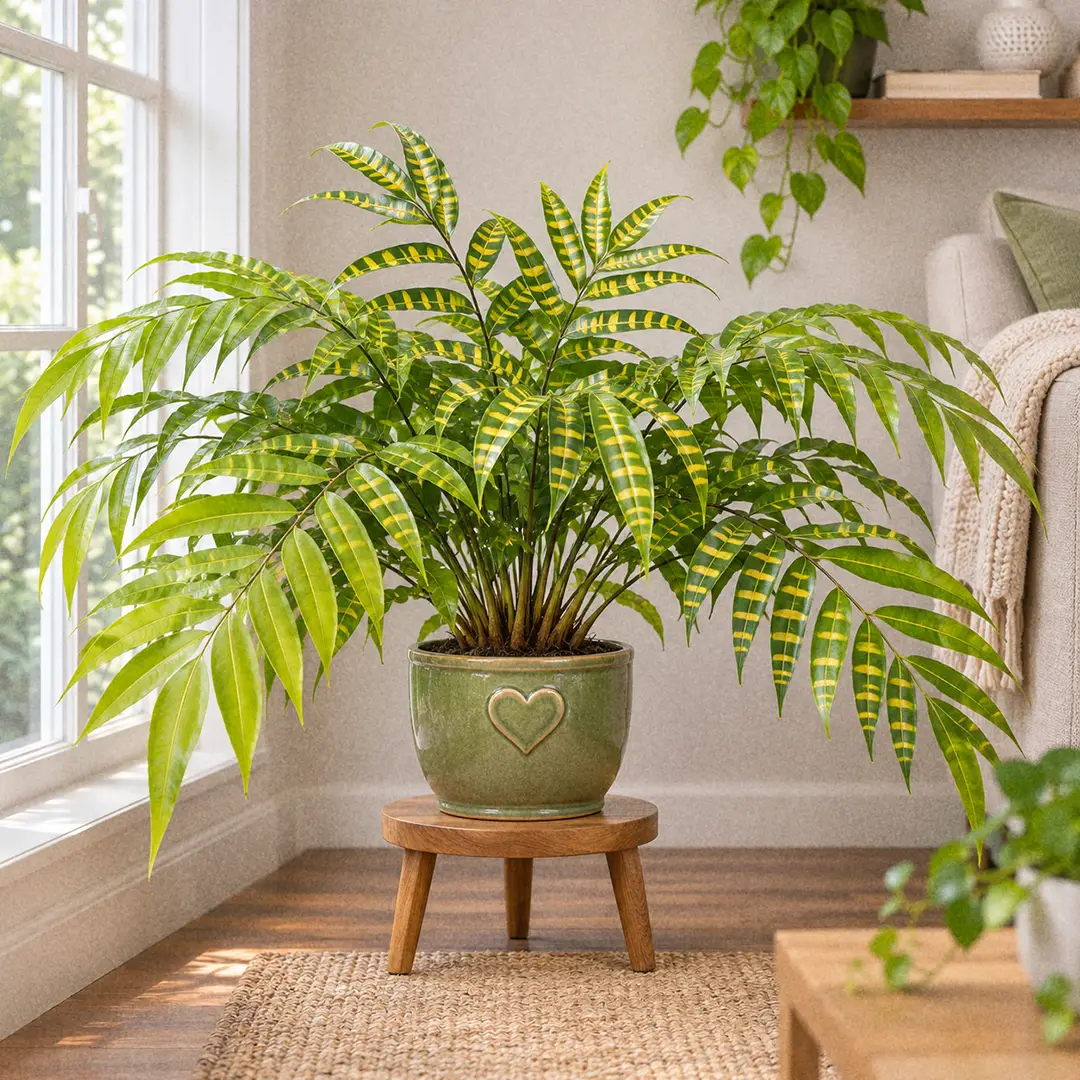
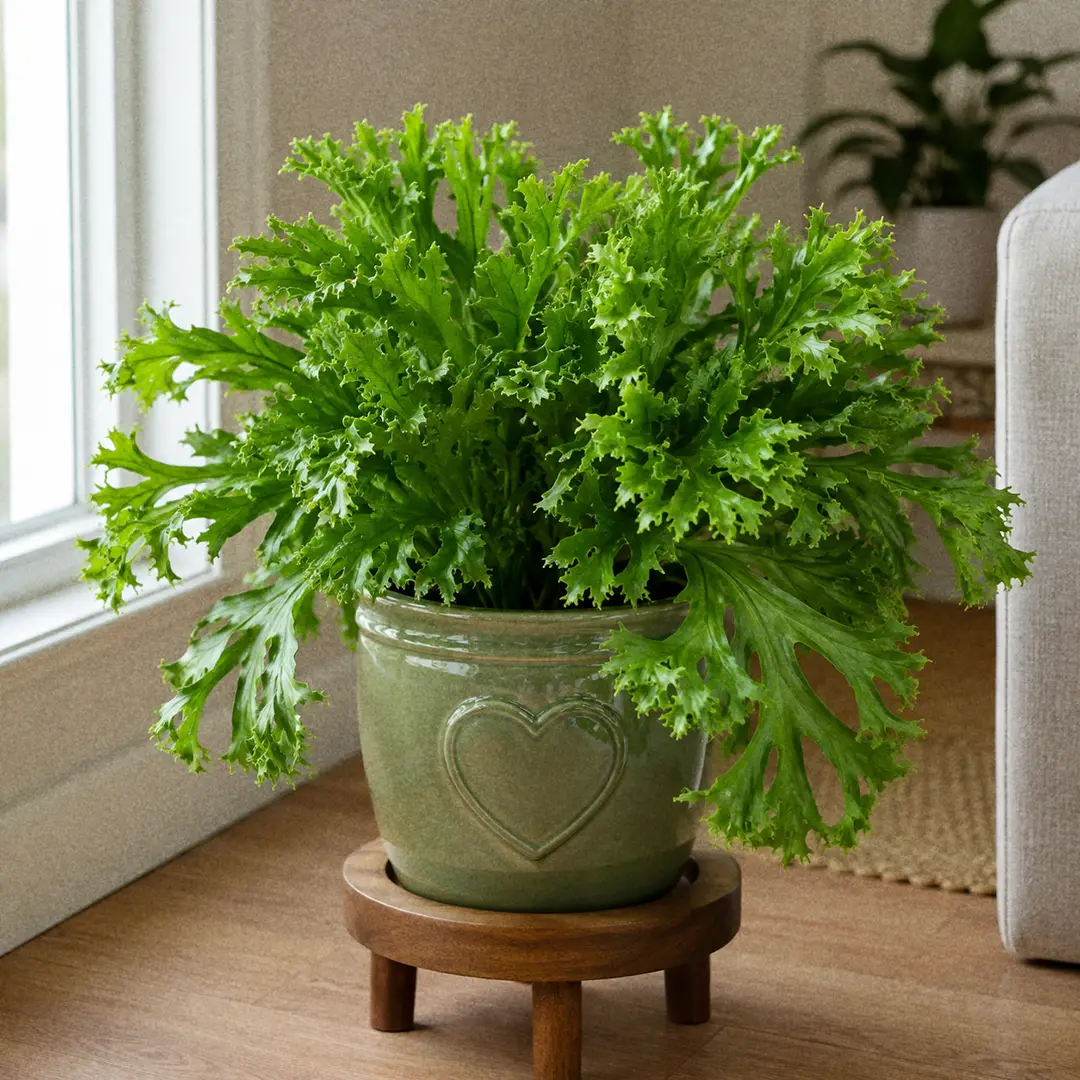
The Golden Zebra Bamboo Fern (Coniogramme emeiensis 'Golden Zebra') grows long, arching fronds of bamboo-like leaflets crossed by regular gold bands. Learn how to grow this partly hardy fern from Mt. Emei in a shady garden or a pot indoors, keep the stripes bright, and get it through winter.
📝 Golden Zebra Bamboo Fern Care Notes
🌿 Care Instructions
⚠️ Common Pests
📊 Growth Information
🪴 In This Guide 🪴

☀️ Golden Zebra Bamboo Fern Light Requirements (Bright Shade)
The Sweet Spot Indoors
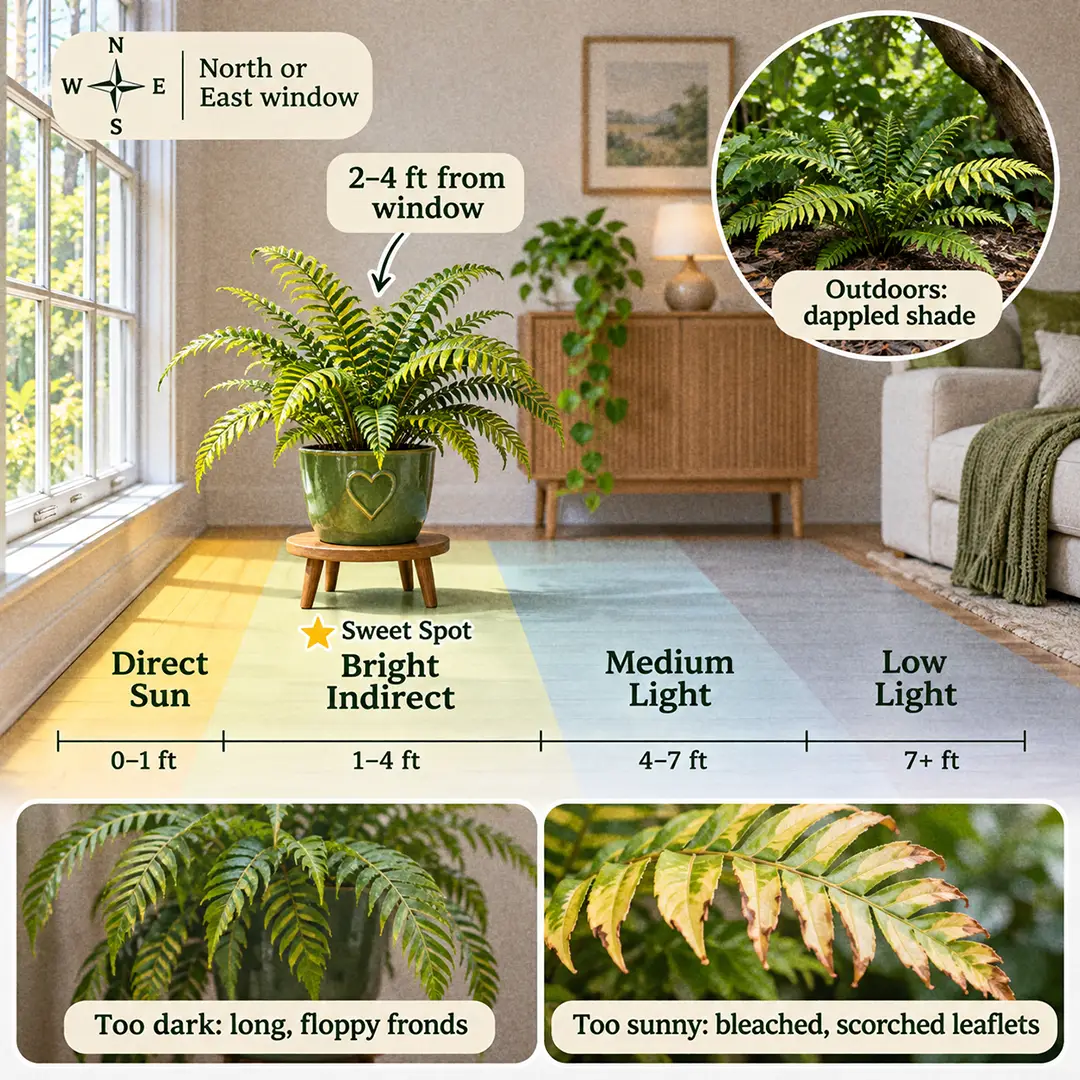
Indoors, give it bright indirect light. A spot right beside a north window works well, and so does an east window with the fern two to four feet back from the glass, where it gets an hour or two of gentle morning sun at most. Logee's, one of the few nurseries that sells it specifically as a houseplant, suggests the same north or east exposure.
Because the fronds arch out wide, a low plant stand next to the window is easier than a narrow sill. Our indoor light guide explains how to judge a spot with the hand-shadow test.
The Sweet Spot Outdoors
In the garden, it wants light or dappled shade: under high tree branches, on the north or east side of a building, or anywhere that gets morning sun and afternoon shade. This is how most nurseries describe it, since it is mainly sold as a shade perennial. Deep, dark shade under dense evergreens is too little and gives you fewer, weaker fronds.
Winter Light
Indoor light drops a lot from late autumn to early spring, so a spot that suited it in July can be too dim by December. Move the pot a little closer to the window for winter, keeping the fronds off the cold glass.
Too Much or Too Little Light
Direct afternoon sun scorches the leaflets. You will see bleached, papery patches and crisp brown edges, often starting on the gold bands, which is leaf scorch. At the other end, a dim room gives long, floppy fronds and a thin clump. If your brightest spot is still dim, a grow light a foot or two above the plant fills the gap.
💧 Golden Zebra Bamboo Fern Watering Guide (Evenly Moist)
Watering Frequency
Every nursery that sells this fern says the same thing: even moisture, not saturated. In practice, water when the top half inch of mix feels dry to your fingertip. Indoors in summer, a 6-inch pot often needs water every four to seven days. Outdoors in a pot on a warm patio, check it daily in a heat wave, since container ferns dry out much faster than ones in the ground.
In winter, growth slows and the plant drinks less. Let the surface dry a little further, but never let the whole root ball go dry. If it rests and drops some fronds, keep the mix just barely moist until new growth starts. Check by feel, not by the calendar. Our watering guide covers the finger and pot-weight checks.
How to Water
Water slowly over the whole surface until it runs from the drainage hole, then tip out the saucer after ten minutes. A fern sitting in a puddle is the fastest way to lose the roots. If the mix has shrunk away from the pot sides after drying out, bottom watering for 20 minutes rewets it evenly.
In the garden, water new plants weekly through their first summer, and in dry spells after that. A layer of leaf mulch keeps the soil cool and moist.
Signs of Trouble
- Limp fronds and crispy edges after the pot felt light: it dried out. Water thoroughly and trim the fronds that do not recover.
- Yellowing fronds in soggy mix with a sour smell: too wet. Check the drainage and look for root rot.
- Soft, dark bases on new fronds: the crown is staying wet. Water around the edge of the pot instead of into the middle.
🪴 Best Soil for Golden Zebra Bamboo Fern (Rich Woodland Mix)
What the Soil Needs
Plant Delights, the nursery that introduced it, notes that in the wild this fern seems to prefer moist woodland soil. Other growers describe rich, well-drained soil. So the target is a mix that stays damp but never packs down or holds water around the roots.
DIY Potting Mix
For pots, this simple blend works:
- 2 parts peat moss or coco coir
- 1 part fine orchid bark or leaf mould
- 1 part perlite
It holds moisture for days and still lets air reach the roots. Our soil guide explains what each part does.
Garden Soil and Pre-Made Options
In the ground, dig plenty of compost or leaf mould into the planting hole, especially in heavy clay, which stays cold and wet in winter. In pots, a peat-based houseplant mix with a couple of handfuls of perlite and bark does the job. Skip cactus mix, which dries too fast. See our potting soil picks if you would rather buy a bag.
🍼 Fertilizing Golden Zebra Bamboo Fern (Light Feeding)
When and How Often
Feed once a month from spring to late summer, while new fronds are unrolling. Stop in autumn and winter, when growth slows or stops. Garden plants in good soil with a yearly compost mulch often need no fertilizer at all.
What to Use
A balanced liquid fertilizer diluted to half strength is plenty for pots. Pour it onto soil that is already damp, never into a dry pot, because fern roots burn easily. Our fertilizing guide and fertilizer picks cover the options.
Over-Fertilizing Signs
Brown, burnt-looking tips soon after feeding, or a white crust on the soil, mean salts are building up. Flush the pot with plenty of plain water and skip the next feed. More food will not make the gold bands brighter.
🌡️ Golden Zebra Bamboo Fern Temperature Range
Hardiness Outdoors
Plant Delights lists it as hardy in USDA zones 7b to 9b, and most other nurseries agree on zone 7 or 7b as the cold limit. Zone 7b winters bottom out around 5-10°F (-15 to -12°C). A few sellers give wider ranges, from zone 6 up to zone 11, but those figures are not consistent, so I would trust 7b-9b. Roots in a pot are far more exposed than roots in the ground, so a container plant is less hardy than the zone number suggests.
Indoor Temperatures
Indoors, normal room temperatures of 60-75°F (16-24°C) suit it. Since it comes from a temperate mountain, it does not need tropical warmth, and one nursery specifically suggests growing it as a cool houseplant where it is not hardy. A bright, cool room is better than a warm, dry one. Keep it away from radiators, heating vents and cold window glass at night.
Houseplant or Garden Fern?
Here the sources split. Most nurseries sell it as a shade-garden perennial, and that is where its care is best recorded. Several shops, including Logee's, sell it as a houseplant, and some suggest bringing potted plants indoors over the coldest months. What is poorly documented is how it does indoors over many years. My honest read: it is a garden fern that tolerates indoor life in a cool, bright spot, rather than a true tropical houseplant.
💦 Golden Zebra Bamboo Fern Humidity Requirements
Ideal Humidity
Sellers recommend moderate to high humidity, and outdoors it handles humid summers without trouble. The fronds are thick and leathery, which tends to make a fern less fussy about air than the thin, lacy kinds, but indoor winter air with the heating on is still the hardest part of its year. Aim for 40-50% or more.
Easy Humidity Boosters
A small humidifier nearby is the most reliable fix in winter. A bright bathroom or a group of plants that love humidity helps too. Misting only raises the humidity for a few minutes. Our humidity guide has more ideas.
Signs the Air Is Too Dry
The first clue is brown, crisp tips on the outer leaflets while the soil is still moist. If it carries on, whole leaflet edges brown and new fronds dry at the tips before they finish unrolling. When that happens in winter with the heating on, the air is the problem, not your watering, and extra water in the pot will not fix it.
🌸 Golden Zebra Bamboo Fern Flowers and Spores
No Flowers
Like every fern, it never flowers. There are no buds to wait for, and nothing is wrong if it never blooms. The fronds are the whole show.
Spore Lines Along the Veins
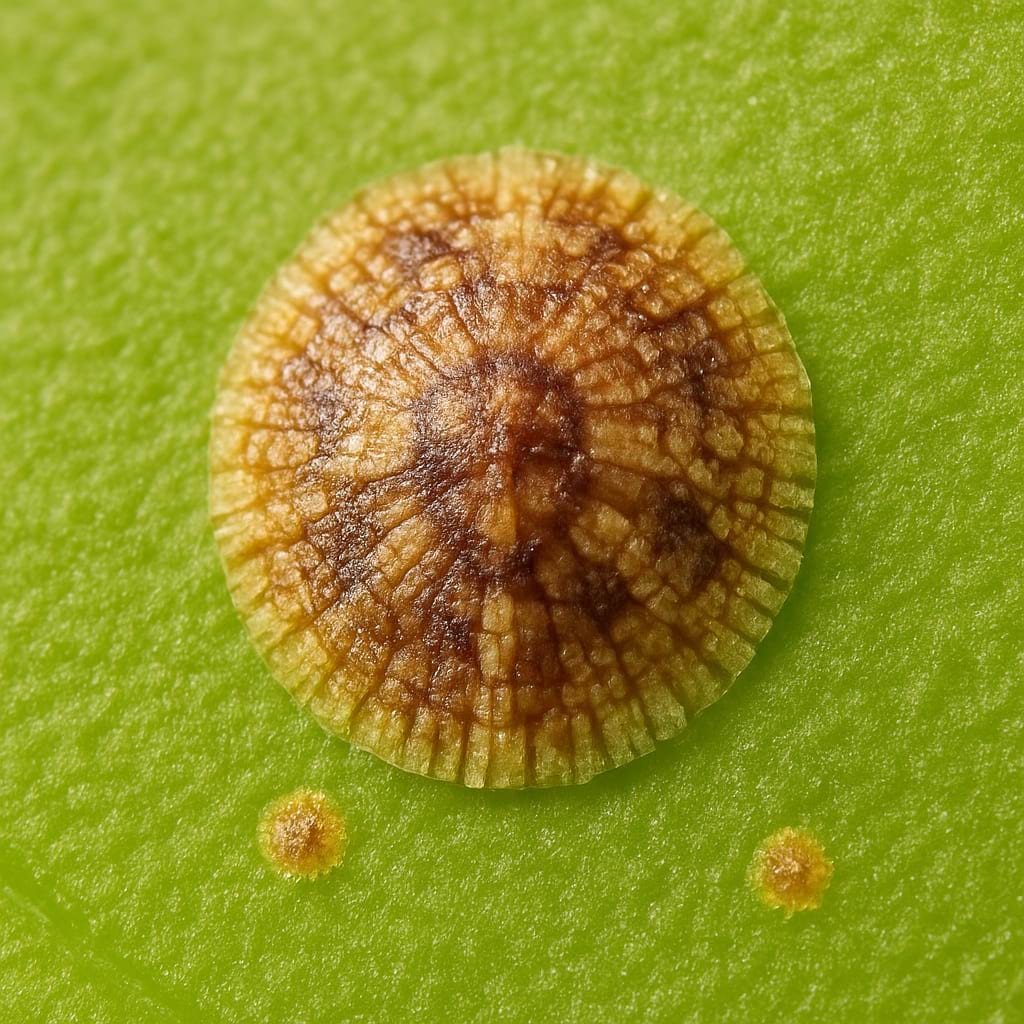
On mature fronds, turn a leaflet over. The genus name Coniogramme roughly means "dust line" in Greek, and it describes what you will find: spore cases forming thin brown lines that follow the veins on the underside, with no cover over them. That is normal and shows the frond is mature. Scale insects look different: separate raised bumps that scrape off with a fingernail.
How the Stripes Form
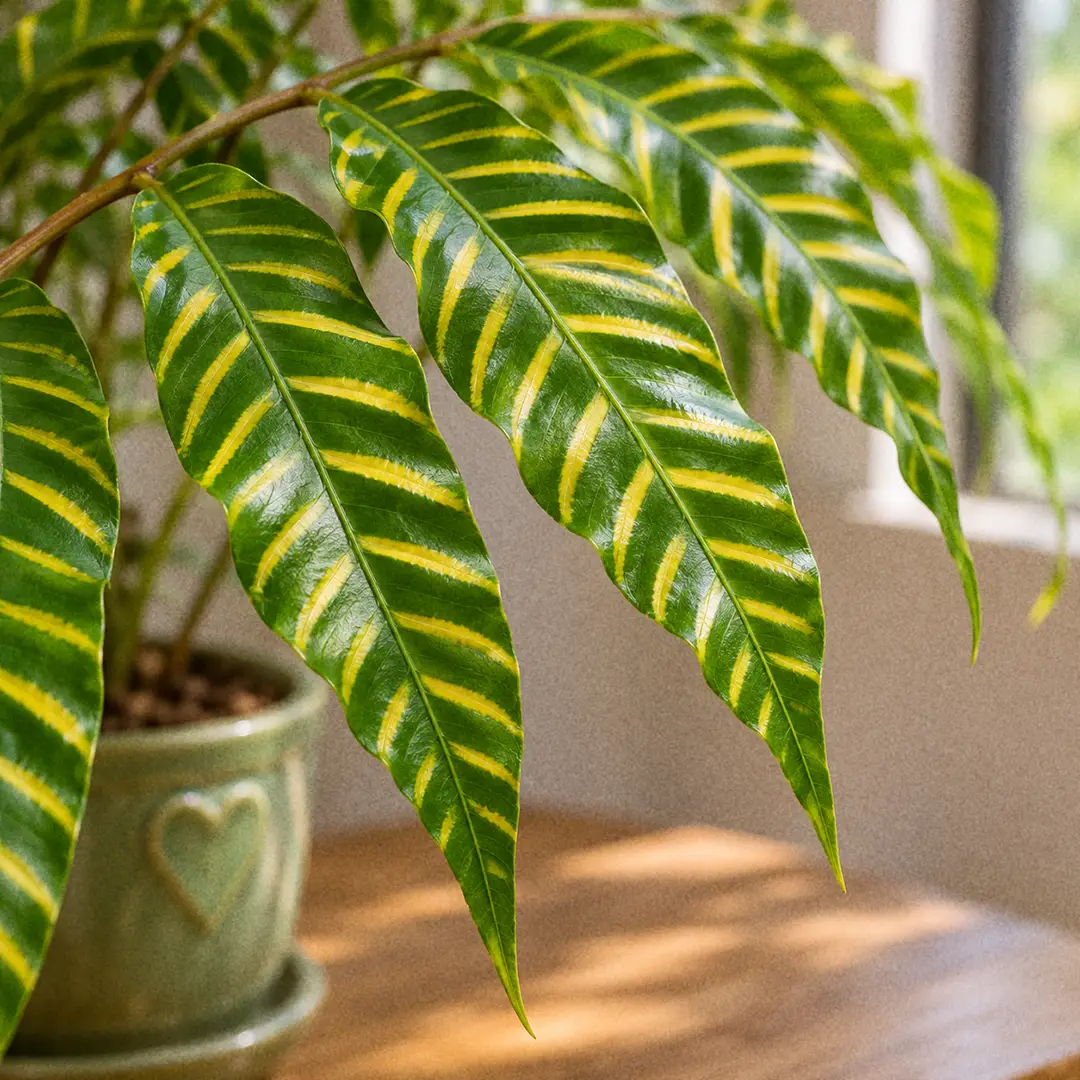
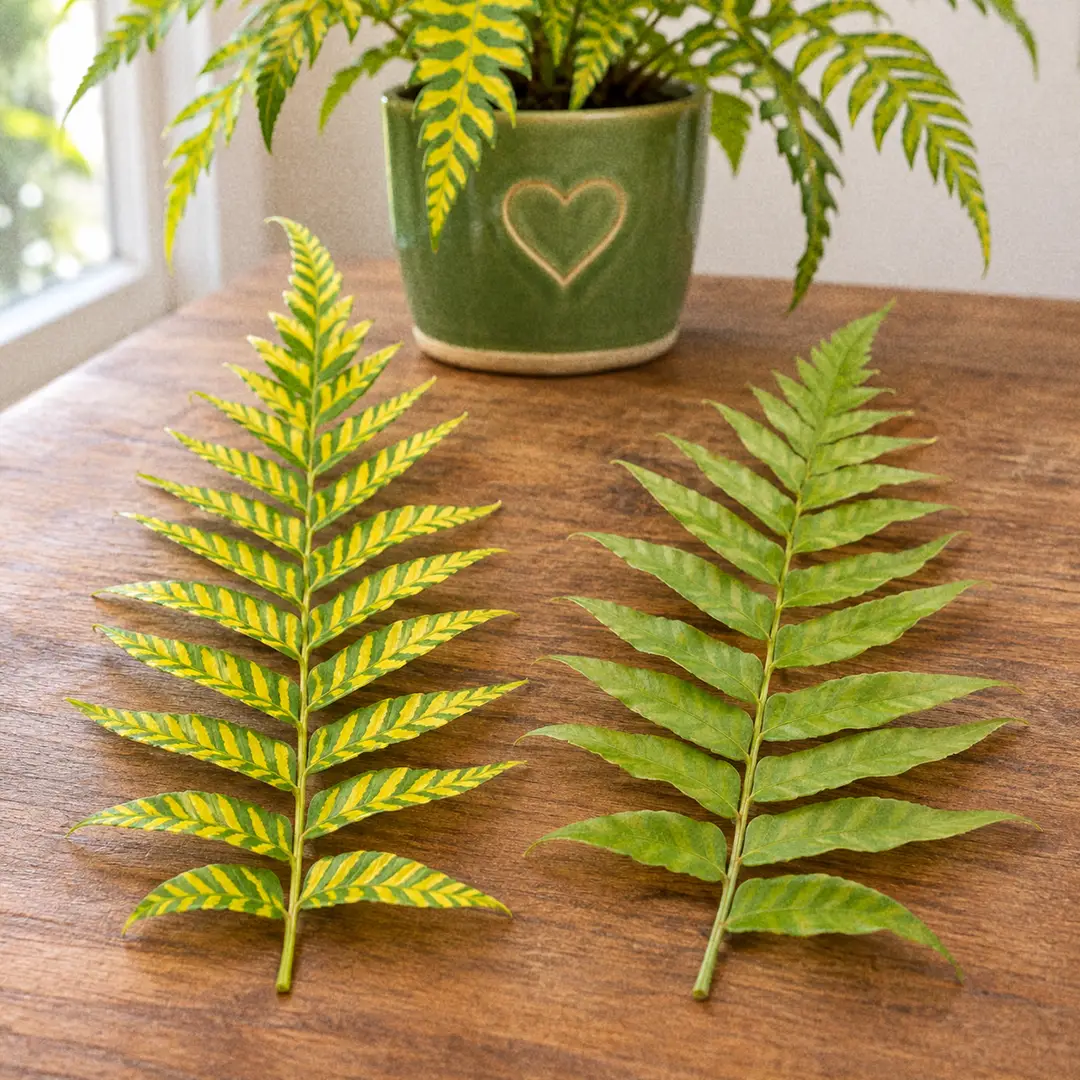
The gold markings follow the same side veins, which run from the midrib out toward the leaflet edge. That is why the bands sit at regular intervals straight across each leaflet, like the stripes on a zebra. Nurseries note that the banding is strongest on young fronds and fades as they age.
🏷️ Golden Zebra Bamboo Fern Types and Varieties
'Golden Zebra' and Its Other Names
'Golden Zebra' is a selected form of Coniogramme emeiensis, a species from southern China to northwestern Myanmar. Plant Delights and the JLBG garden introduced it in 2006 from Mt. Emei in Sichuan. A trade write-up notes that the first plants arrived at the nursery under the wrong name. You will also see it sold as 'Marble Leaf' or 'Marbled Leaves', and as Striped Mt. Emei Bamboo Fern. It is a fern, not a bamboo, and has nothing to do with the Lucky Bamboo or the Zebra Plant.
Golden Zebra vs Coniogramme japonica
Some labels and websites list 'Golden Zebra' under C. japonica or C. intermedia. Current plant lists keep C. emeiensis, C. japonica and C. intermedia as separate species, and the introducing nursery sells it as C. emeiensis. The Japanese bamboo fern, C. japonica, has a yellow-marked form of its own, C. japonica f. flavomaculata, with small yellow flecks in a herringbone pattern rather than bold bands. If your plant has neat gold bars straight across every leaflet, it is almost certainly 'Golden Zebra'.
Plain Coniogramme emeiensis
A few specialist nurseries sell the plain species, with all-green fronds of the same long, bamboo-like leaflets. Care is the same. If you love the shape but find the gold bands too busy next to other variegated plants, the plain form gives you the same bold outline in quiet green.
Golden Zebra vs Tiger Fern
The Tiger Fern is a gold-streaked Boston fern. It also has yellow and green stripes, but its fronds are cut into dozens of tiny leaflets, and it is a tropical plant that cannot live outside in cold winters. Pick the Tiger Fern for a hanging basket indoors and the Golden Zebra for a bold, upright shape or a shady garden.
🪴 Potting and Repotting Golden Zebra Bamboo Fern
When to Repot
Repot in spring every one to two years, or when roots fill the pot and it dries out within a day or two. It spreads slowly into a wider patch, so a crowded pot is a good moment to divide instead of moving up.
Choosing a Pot
Go up about two inches in width and always use a drainage hole. A wide, fairly shallow pot suits the spreading clump better than a deep one. Plastic or glazed ceramic keeps the mix moist longer than terracotta. For pots that stay outside in winter, pick frost-proof material. Our plant pot picks cover the options.
Step-by-Step Repotting
- Water the day before so the root ball is moist.
- Ease the plant out and loosen any circling roots.
- Set it in fresh mix with the crowns level with the surface, never buried.
- Fill around the sides, firm lightly and water well.
- Keep it out of direct sun for a week or two while it settles.
✂️ Pruning Golden Zebra Bamboo Fern
When to Prune
Cut off any frond that browns, yellows or flops over for good, at any time of year. On garden plants, wait until late winter or early spring to clear fronds damaged by cold, so they shelter the crown until then.
How to Prune
Cut the whole frond stalk off near the soil with clean scissors. Trimming only the brown tips leaves a chopped look, so once half a frond is damaged, take all of it. Never cut into the crown, where new fronds start.
Pruning for Brighter Stripes
Because the gold bands fade as fronds age, removing the oldest, dullest fronds in spring makes room for new ones with the strongest banding. Take two or three at a time rather than stripping the plant.
🌱 How to Propagate Golden Zebra Bamboo Fern
Best Method: Division
Division is the realistic home method. The plant spreads slowly from short rhizomes and forms several crowns, which you can separate into new plants. Do it in spring as new growth starts, so each piece has a full season to settle before winter.
Step-by-Step Division
- Water the day before, then lift the clump from the pot or the ground.
- Shake or rinse off enough soil to see the separate crowns.
- Cut through the rhizome with a clean knife. Each piece needs its own roots and at least two or three fronds.
- Pot each piece into fresh, moist mix at the same depth as before, or replant it in the garden.
- Keep the divisions in shade and evenly moist. A loose clear bag over small pots for two weeks helps.
Our plant division guide walks through the method.
Growing From Spores
Nurseries raise this fern from spores, but it is a slow job for a home grower. You collect spores from a mature frond, sow them on damp, sterile peat in a covered container, and wait weeks for a green film, then months for tiny fronds. It is a fun project, but division gives you a decent-sized plant in a fraction of the time.
Tips for Success
Divisions often sulk for a few weeks and lose an older frond or two. Cut those off and keep the mix moist. New fronds from the centre mean the piece has taken.
🐛 Golden Zebra Bamboo Fern Pests and Treatment
Indoor Pests
I could not find pest problems recorded for this fern specifically, so these are the usual suspects for potted ferns:
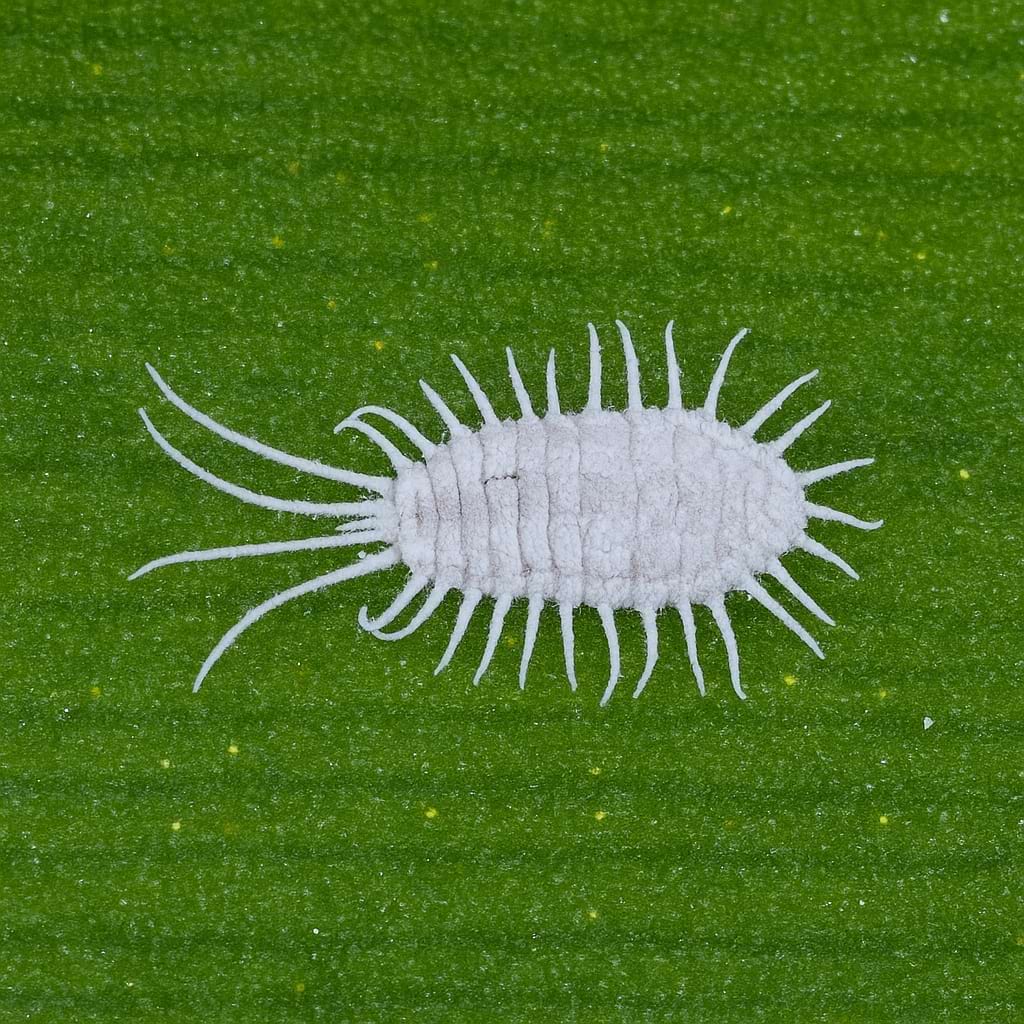
- Scale insects show up as brown bumps on the stalks and along leaflet midribs.
- Mealybugs hide as white fluff where fronds meet the crown.
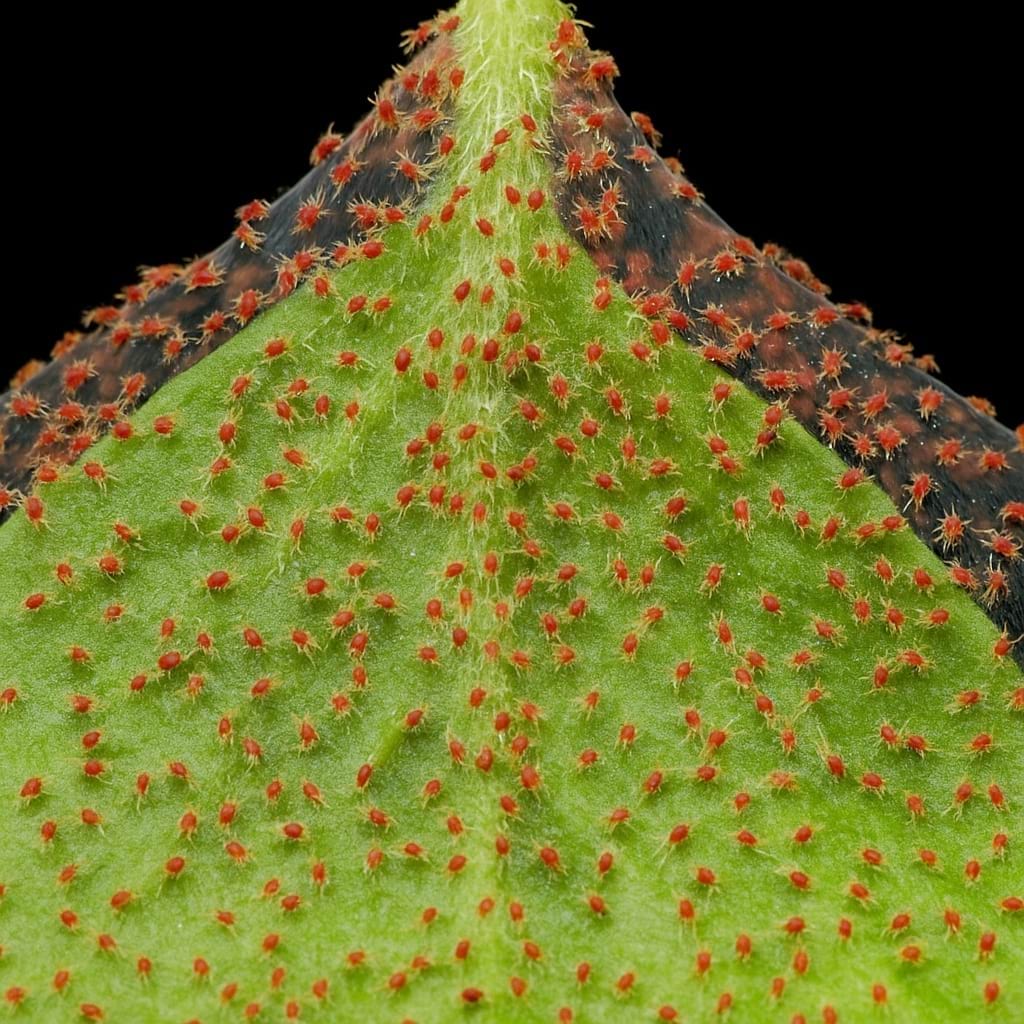
- Spider mites leave fine webbing and pale speckles in dry, heated air.
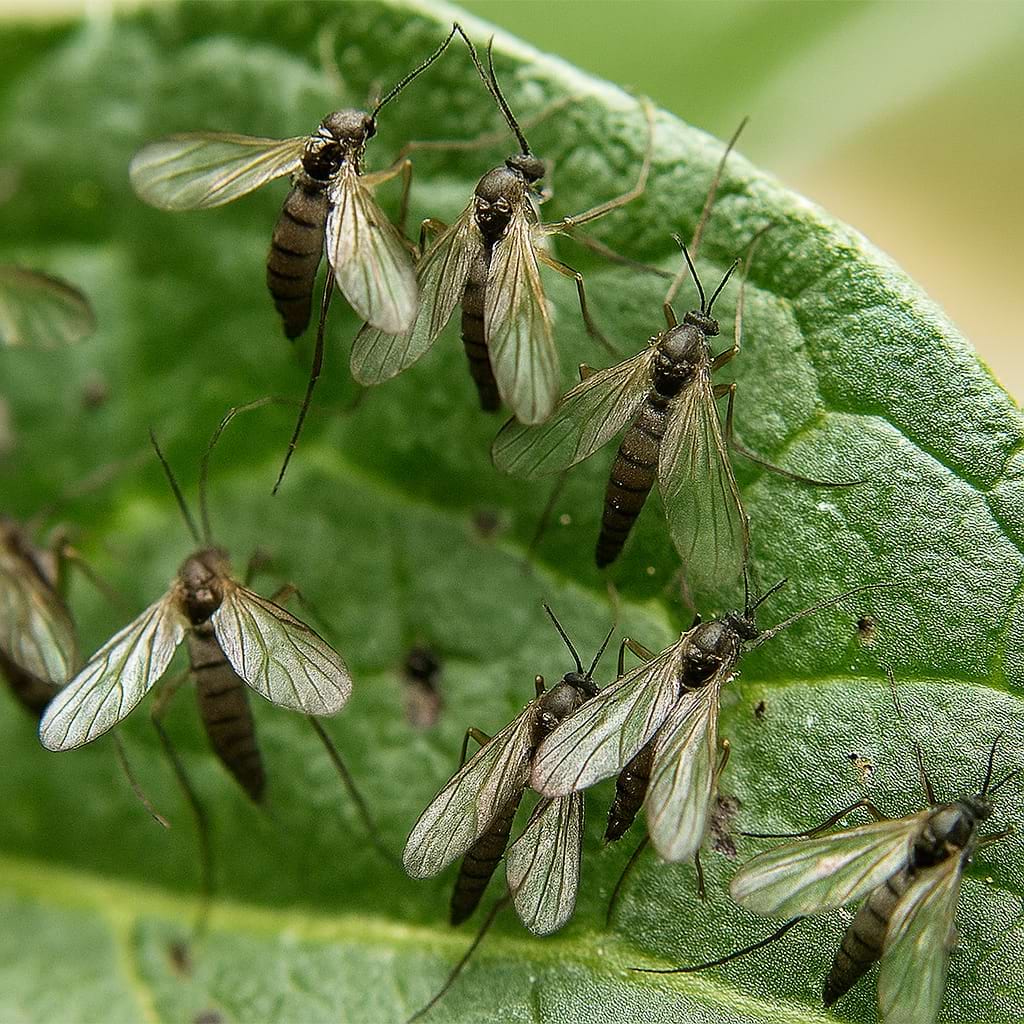
- Fungus gnats breed in constantly damp mix.
Outdoor Pests
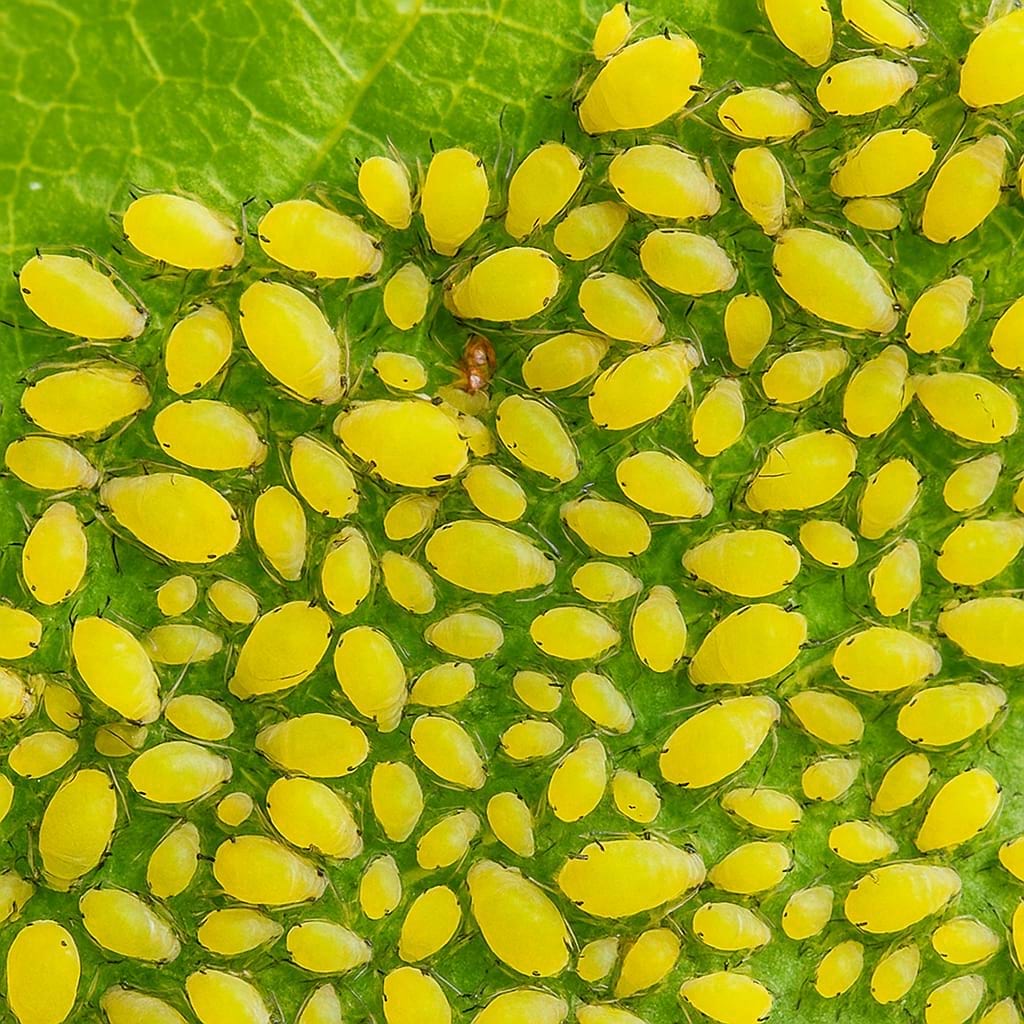
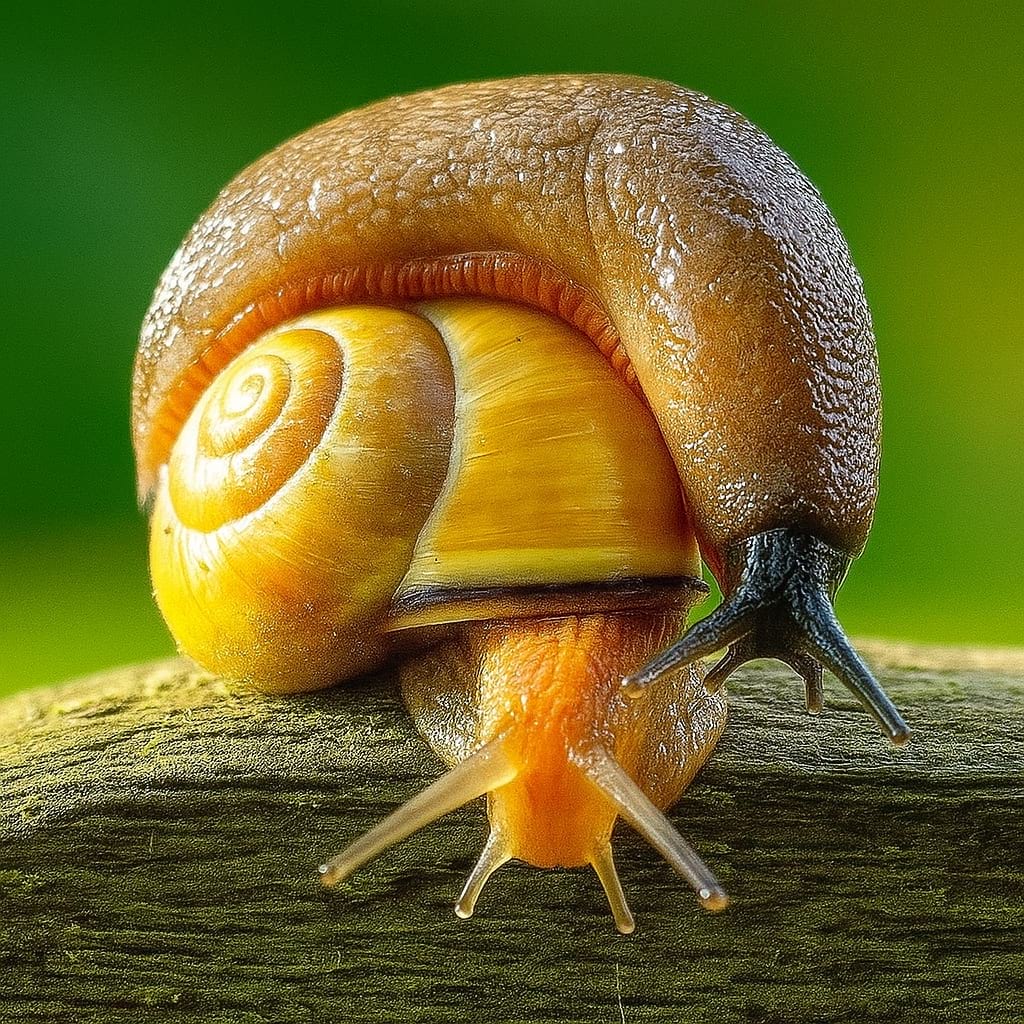
Nursery listings describe it as deer and rabbit resistant, which is a real plus in a woodland garden. Slugs and snails may still chew soft new fronds in damp spring weather, and aphids can cluster on fresh growth. Check pots for hitchhikers before you bring them indoors.
Treatment
Isolate an infested plant. Scrape off scale, dab mealybugs with rubbing alcohol on a cotton swab, and rinse mites and aphids off in the shower. Ferns can react badly to sprays, so test insecticidal soap or neem on one frond and wait two days before treating the rest.
🩺 Common Golden Zebra Bamboo Fern Problems
Fading Stripes
- Older fronds losing their gold bands is normal ageing, not disease. Nurseries note the banding is strongest on young fronds. It can look like pale, faded leaves, but the new fronds will still come in striped.
- Very dim light gives weaker growth overall. Move it a little closer to the window and remove the oldest fronds in spring.
Brown, Crispy or Scorched Fronds
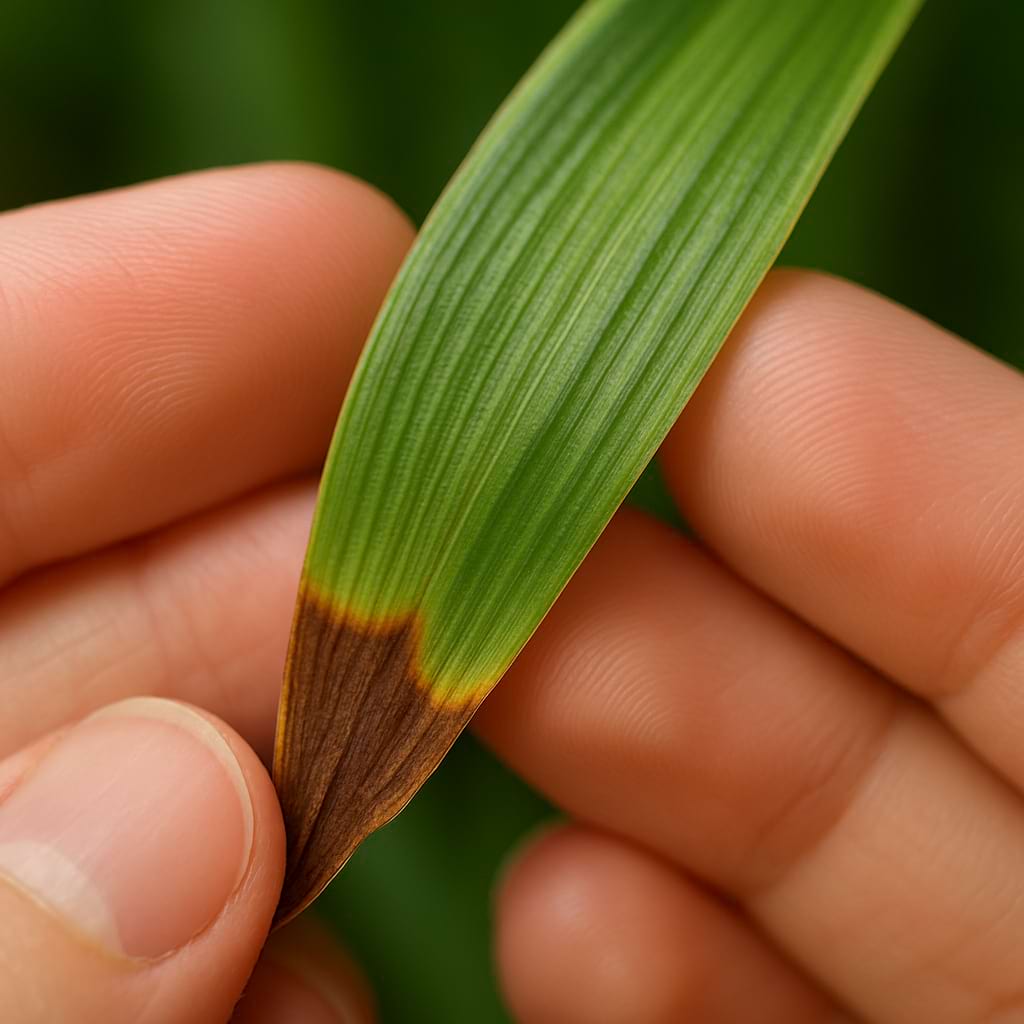
- Brown, crispy edges point to dry air, a pot that dried out or a spot next to a heater.
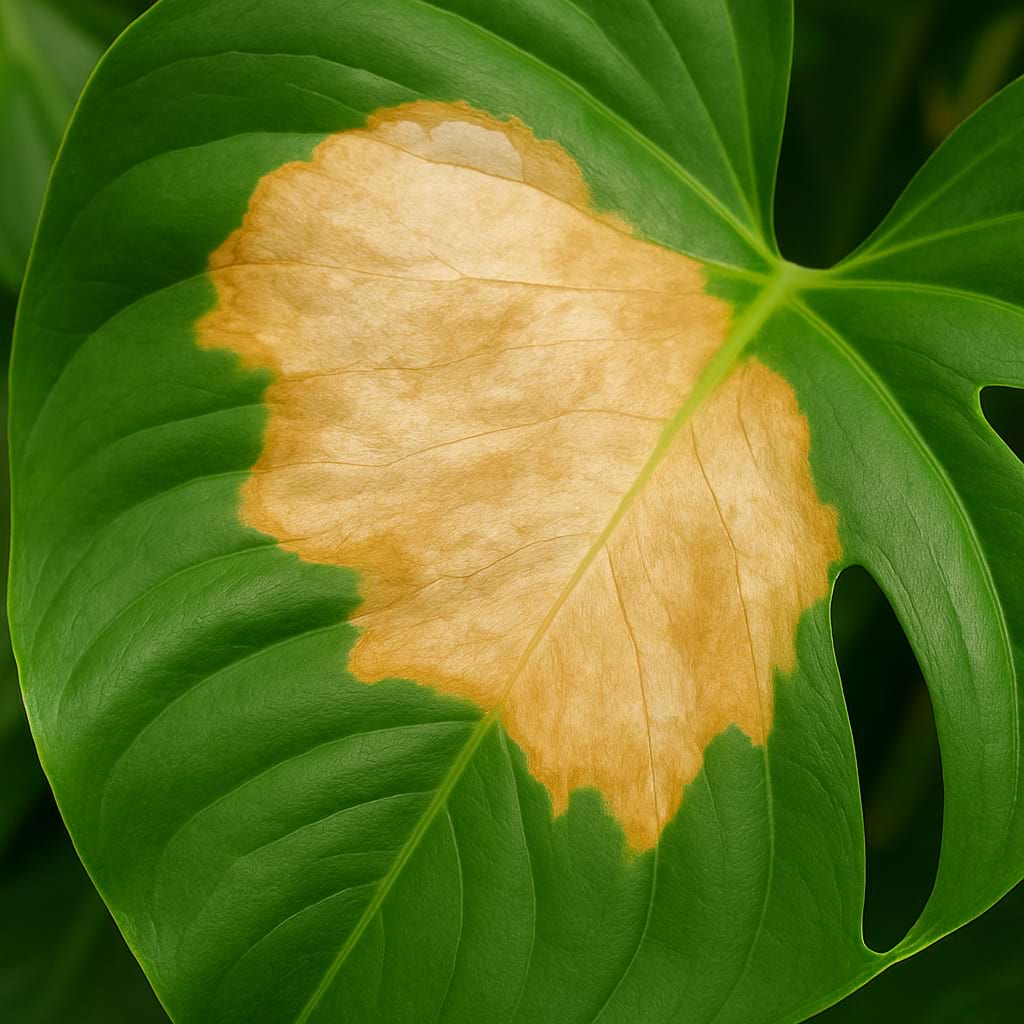
- Bleached patches on the sunny side are leaf scorch. Damaged leaflets do not recover, so move the plant and trim them.
Yellowing, Wilting and Root Trouble
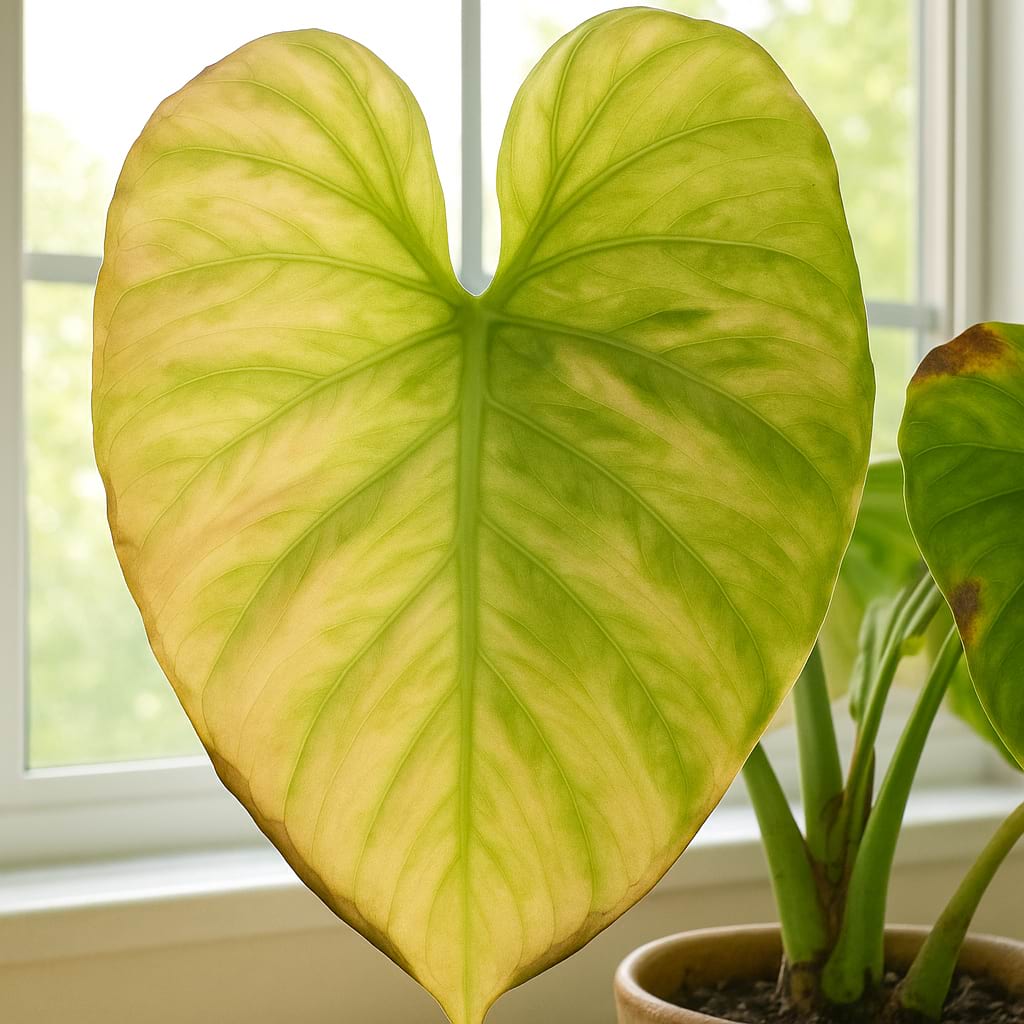
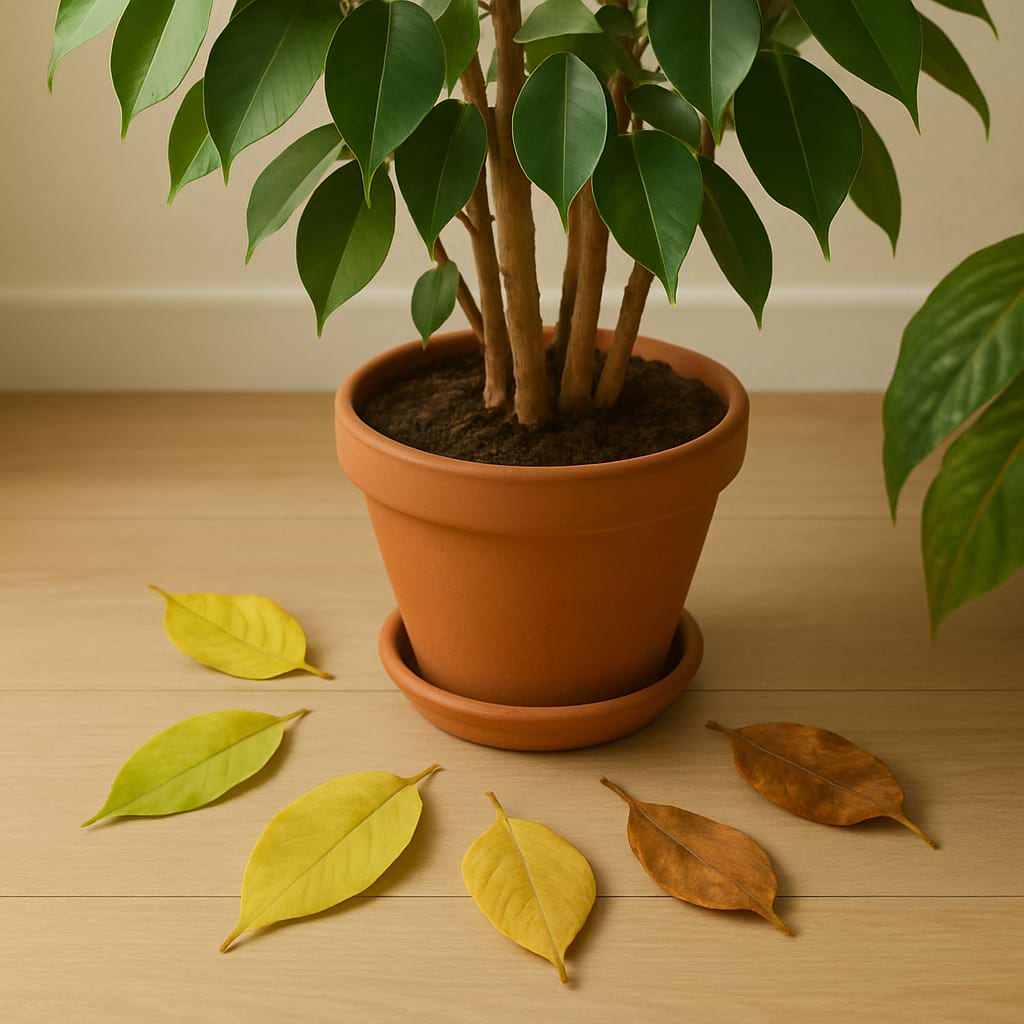
- Several yellowing leaves at once in wet soil mean overwatering or poor drainage.
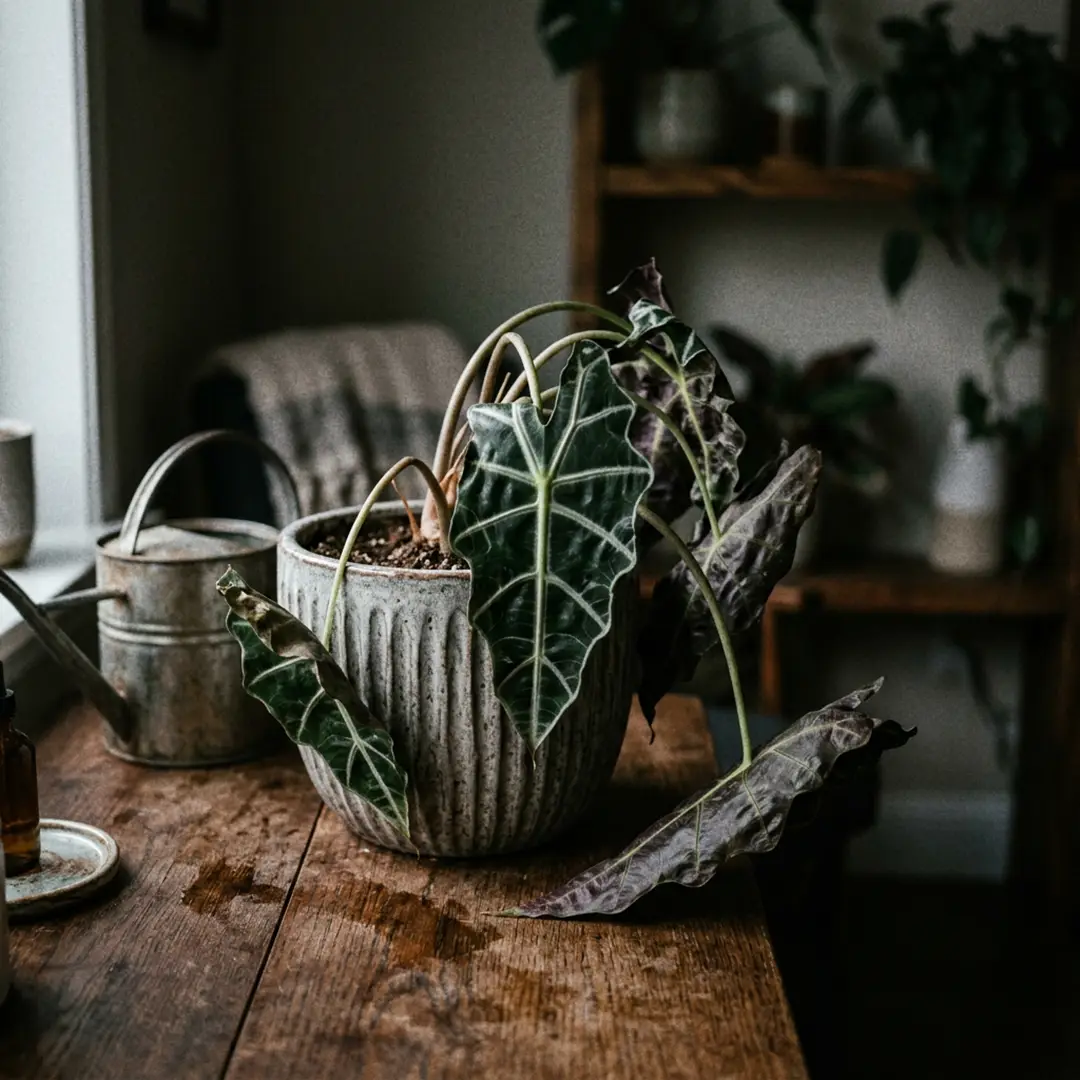
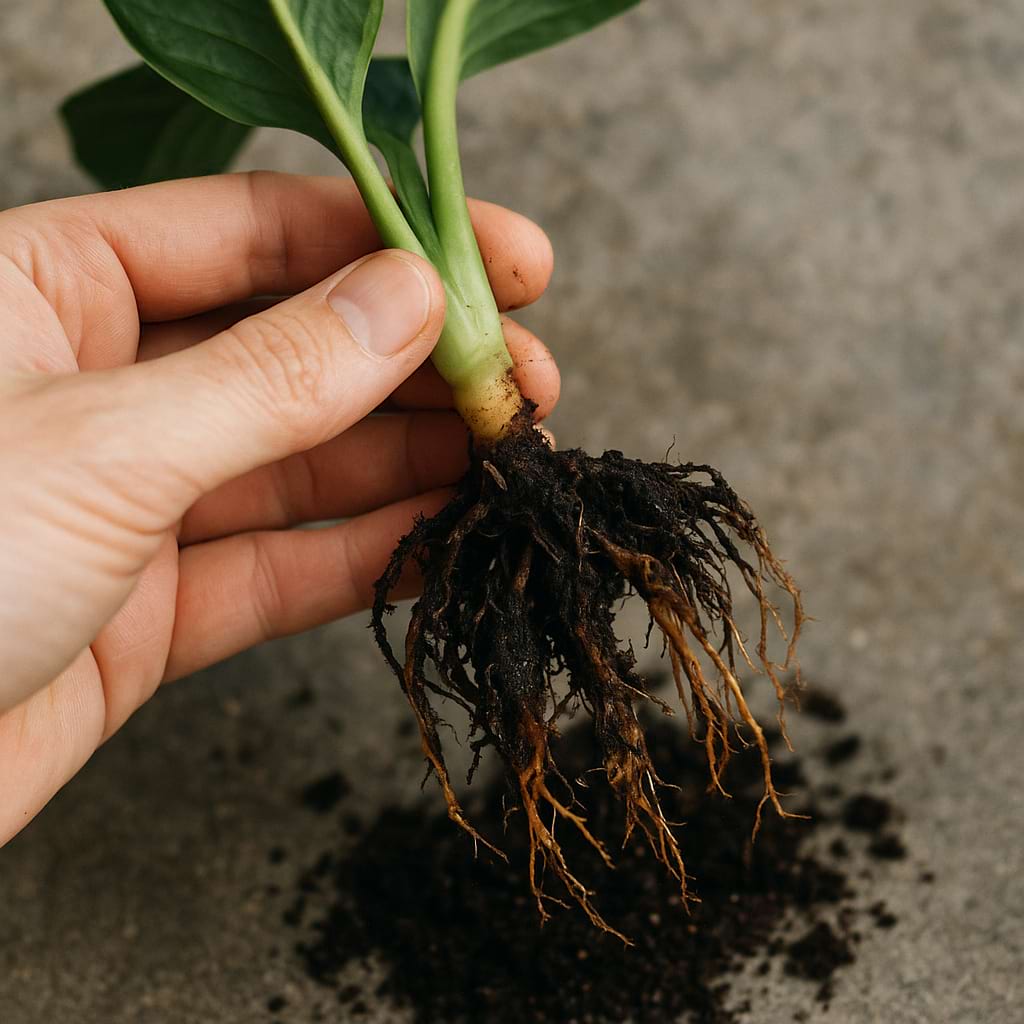
- Wilting in dry soil is thirst. In wet soil it suggests root rot: check for dark, mushy roots.
Winter Frond Loss
- It is semi-evergreen. Nurseries note it can go dormant in early winter in some years and come back in spring, so leaf drop after a cold spell is not a death sentence.
- Keep the soil just moist and wait. As long as the crown is firm, new fronds should appear in spring.

🖼️ Golden Zebra Bamboo Fern Display and Styling Ideas
Shade Garden Settings
This is where it looks most at home. Plant it in a woodland border where the long fronds can arch over a path. The gold bands light up a shady corner next to dark-leaved plants, and it pairs well with the silvery Japanese Painted Fern or the coppery new fronds of Autumn Fern.
Patio Pots and Indoor Stands
In a pot, give it width. Fronds up to four feet long need open space, so a low, wide container on a shaded patio or a plant stand beside a north window works far better than a crowded shelf. A plain pot keeps attention on the stripes.
Indoor Fern Groupings
Indoors, the gold bands look best next to solid greens and fine textures. A dark, glossy Holly Fern makes a good contrast, and the silver-striped Silver Brake Fern, from the same family, works if you want a striped pair. Grouping also raises the humidity around all of them.
Where Not to Put It
Skip south windows without a curtain, spots near radiators, and narrow shelves where the fronds bend against a wall. Outdoors, avoid full afternoon sun and soggy clay that stays wet all winter. For more fern partners, see our popular indoor ferns roundup.
🌟 Golden Zebra Bamboo Fern Pro Care Tips
Everyday Habits
- Lift the pot every few days. Weight tells you more than the soil surface.
- Water before the pot goes light, not after the fronds droop.
- Keep fronds off cold window glass in winter.
Seasonal Habits
- Cut the oldest, dullest fronds in spring so the brightly banded new ones have room.
- In zone 7, mulch the crown with leaves in autumn. In colder zones, bring pots into a cool, bright room or an unheated porch before hard frost.
- Run a humidifier indoors from the day the heating comes on.
- Divide crowded clumps in spring instead of buying ever-bigger pots.
❓ Frequently Asked Questions
Is the Golden Zebra Bamboo Fern a real bamboo?
No. It is a true fern in the family Pteridaceae, the same family as brake ferns. The "bamboo" part of the name comes from its long, straight leaflets, which look a bit like bamboo leaves. It spreads slowly and is not invasive like running bamboo.
Is the Golden Zebra Bamboo Fern safe for cats and dogs?
Its safety is unconfirmed. The ASPCA does not list Coniogramme, and while some sellers call it non-toxic, I found no veterinary source to back that up. Until there is, keep it out of reach of pets that chew plants and call your vet if one eats a lot.
Can it live indoors all year?
It can, in a cool, bright spot with steady moisture and decent humidity, and some nurseries sell it as a houseplant. It is better documented as a shade-garden plant, though, so expect it to be a little less predictable indoors than a Boston Fern. A summer outside in shade does it good.
Why are the gold stripes fading?
Fading on older fronds is normal: the banding is strongest on new growth. Cut the oldest fronds in spring to make room for fresh, bright ones. If new fronds also look weak, give the plant a little more indirect light.
Is it evergreen?
It is semi-evergreen. It keeps its fronds through mild winters, but in some years it goes dormant in early winter and regrows in spring. Indoors in a stable room it usually holds its fronds.
How big does it get?
Nurseries list it at 18-24 inches tall, spreading 2-3 feet or more. The fronds can reach about four feet long and arch outward, so it takes up more floor space than its height suggests.
What zone can I plant it outside in?
The introducing nursery lists zones 7b-9b. In zone 7, give it a sheltered, shady spot and a winter mulch. In colder zones, keep it in a pot and move it to a cool, frost-free place for winter.
Is it the same as Coniogramme japonica?
No. 'Golden Zebra' is sold as a form of Coniogramme emeiensis, a separate species from the Japanese bamboo fern, C. japonica. Care is very similar, but C. japonica's yellow-marked form has small herringbone flecks rather than bold gold bands.
How is it usually sold?
Mostly as small plants in 4-inch or quart pots from specialist and perennial nurseries, sometimes in the shade perennial section and sometimes with the houseplants. Check that the label says Coniogramme, since "golden zebra" is also used for unrelated plants such as a Heucherella.
Why are the tips turning brown?
Dry indoor air is the usual cause, followed by soil that dried out between waterings. Raise the humidity, water when the top half inch feels dry, and use rain or filtered water if your tap water is hard.
ℹ️ Golden Zebra Bamboo Fern Info
Care and Maintenance
🪴 Soil Type and pH: Moist, rich, humusy and well-drained, like woodland soil
💧 Humidity and Misting: Average to high humidity; keep it away from heaters and run a humidifier in winter indoors.
✂️ Pruning: Cut old, faded or damaged fronds off at the base, and clear winter-damaged fronds in early spring.
🧼 Cleaning: Rinse the fronds under a lukewarm shower a few times a year indoors; skip leaf-shine products.
🌱 Repotting: Repot in spring every 1-2 years into a wider pot, or divide the clump when it fills the pot.
🔄 Repotting Frequency: Every 1-2 years
❄️ Seasonal Changes in Care: New fronds come in spring and summer, so keep it moist and fed then. In winter it may lose fronds or rest; water less, stop feeding and protect pots from hard frost.
Growing Characteristics
💥 Growth Speed: Slow to Moderate
🔄 Life Cycle: Semi-evergreen perennial fern
💥 Bloom Time: Does not flower (reproduces by spores)
🌡️ Hardiness Zones: 7b-9b in the ground (some nurseries list 7 or wider); grown in pots or indoors elsewhere
🗺️ Native Area: The species grows in southern China to northwestern Myanmar. 'Golden Zebra' came from Mt. Emei in Sichuan, China.
🚘 Hibernation: Partly (may rest or lose fronds in a cold winter)
Propagation and Health
📍 Suitable Locations: Shady woodland gardens, shaded patio pots, beside a north window or a few feet back from an east window indoors
🪴 Propagation Methods: Divide the clump in spring; nurseries also raise it from spores.
🐛 Common Pests: Scale Insects, Mealybugs, Spider Mites, Aphids, Fungus Gnats, Slugs Snails
🦠 Possible Diseases: Root rot, crown rot in wet, cold soil
Plant Details
🌿 Plant Type: Clumping, slowly spreading terrestrial fern
🍃 Foliage Type: Long, arching, branched fronds with long, undivided, lance-shaped leaflets
🎨 Color of Leaves: Green to lime green with regularly spaced gold-yellow bands running across each leaflet along the side veins; brightest on young fronds
🌸 Flower Color: N/A
🌼 Blooming: No
🍽️ Edibility: Not edible
📏 Mature Size: 18-24 inches
Additional Info
🌻 General Benefits: Bold striped foliage for shade, deer resistant outdoors, works as both a garden and a container plant
💊 Medical Properties: None known for home use
🧿 Feng Shui: Its upright, bamboo-like fronds suit calm corners and entrances where you want a sense of steady growth.
⭐ Zodiac Sign Compatibility: Virgo
🌈 Symbolism or Folklore: Resilience, steady growth, calm
📝 Interesting Facts: Plant Delights Nursery and Juniper Level Botanic Garden introduced 'Golden Zebra' in 2006 from Mt. Emei, one of China's sacred mountains. It is a fern, not a bamboo; the name comes from its long, straight, bamboo-like leaflets.
Buying and Usage
🛒 What to Look for When Buying: Check the label says Coniogramme. Look for strong banding on the newest fronds, firm crowns and no scale bumps on the stalks. Small plants in quart or 4-inch pots are the usual size sold.
🪴 Other Uses: Woodland borders, shaded containers, mixed fern plantings
Decoration and Styling
🖼️ Display Ideas: Shaded patio pot, woodland border, plant stand by a north window
🧵 Styling Tips: Give it width. The fronds arch out much further than the plant is tall, so a wide, low pot or a spot with open space around it looks best.
🪴 See also 🪴
Complete Guide to Davana Blue Star Fern Care and Growth
Complete Guide to Silver Brake Fern Care and Growth
Complete Guide to Tricolor Brake Fern Care and Growth
Complete Guide to Silver Staghorn Fern Care and Growth
Complete Guide to Crown Fern Care and Growth
Complete Guide to Eyelash Fern Care and Growth
Complete Guide to Crissie Bird's Nest Fern Care and Growth
Complete Guide to Osaka Bird's Nest Fern Care and Growth
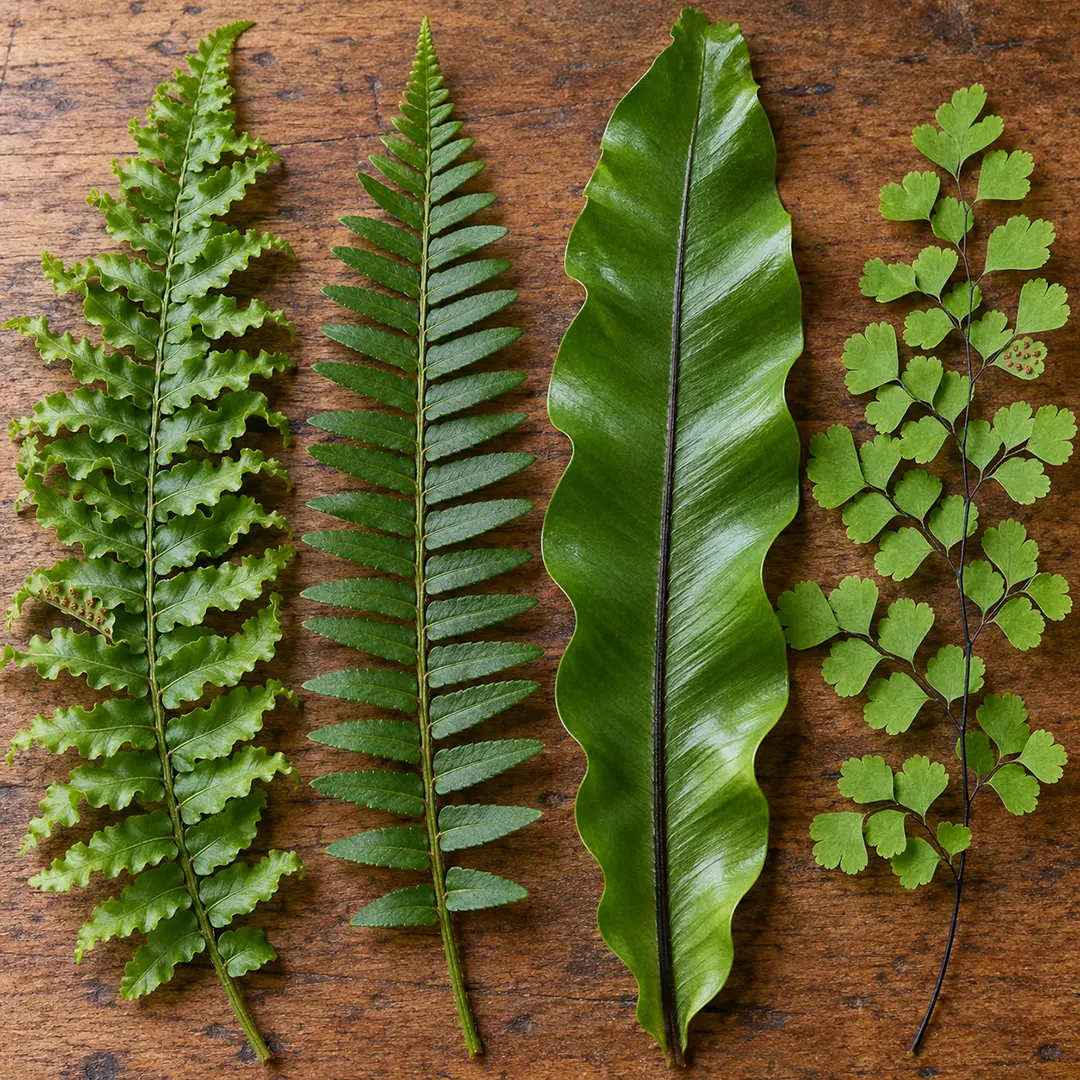
The 15 Most Popular Indoor Ferns and How to Choose One
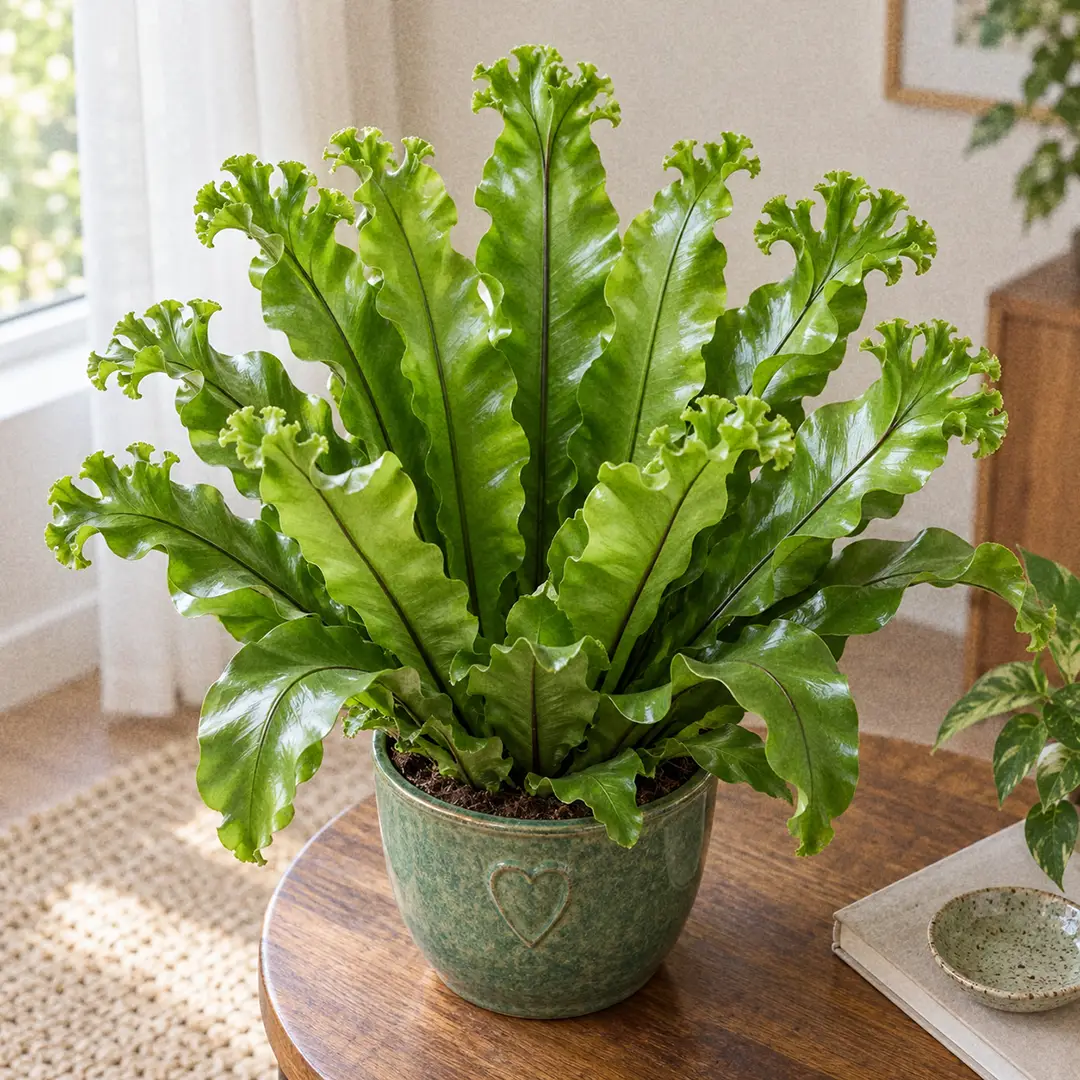
Complete Guide to Leslie Bird's Nest Fern Care and Growth
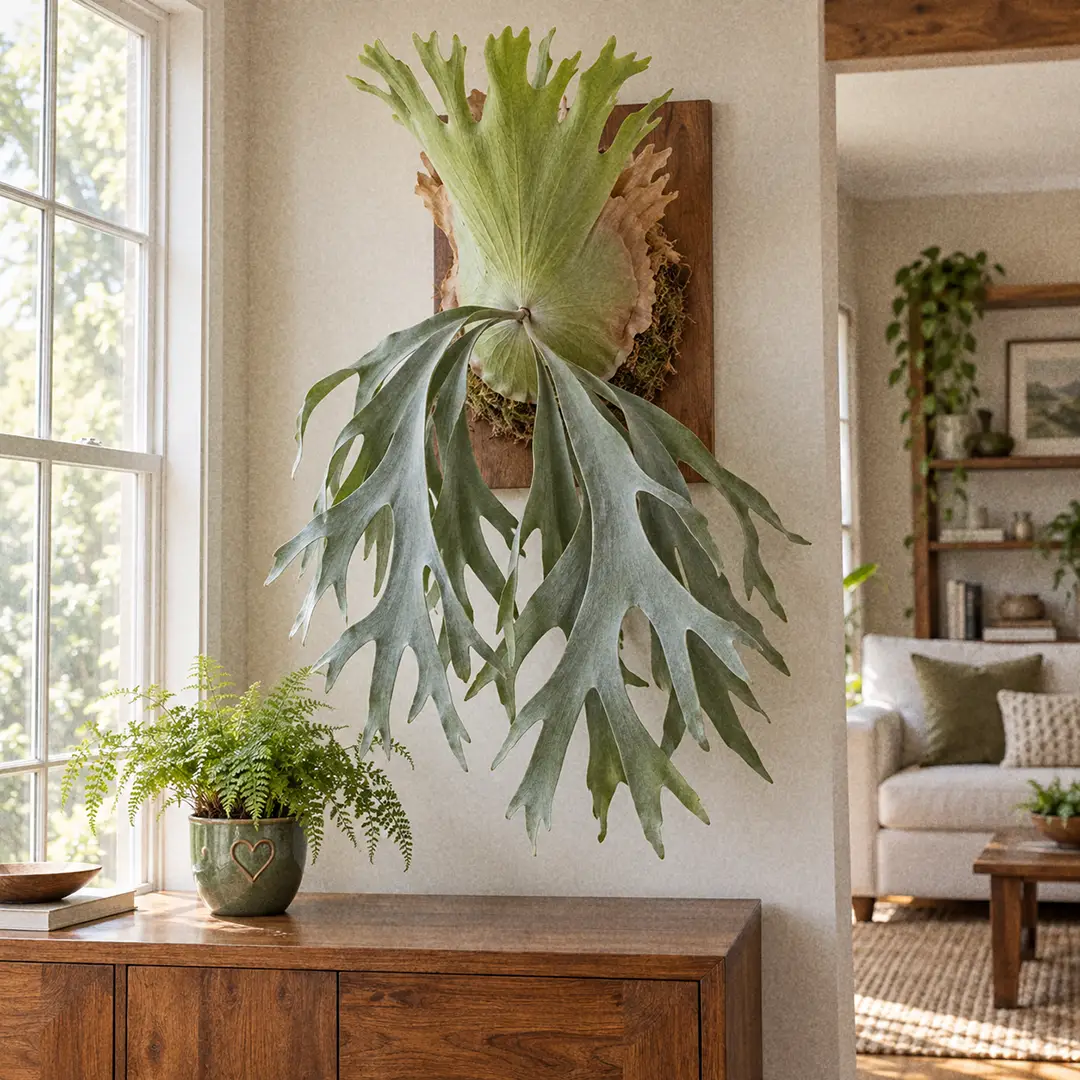
Complete Guide to Superbum Staghorn Fern Care and Growth
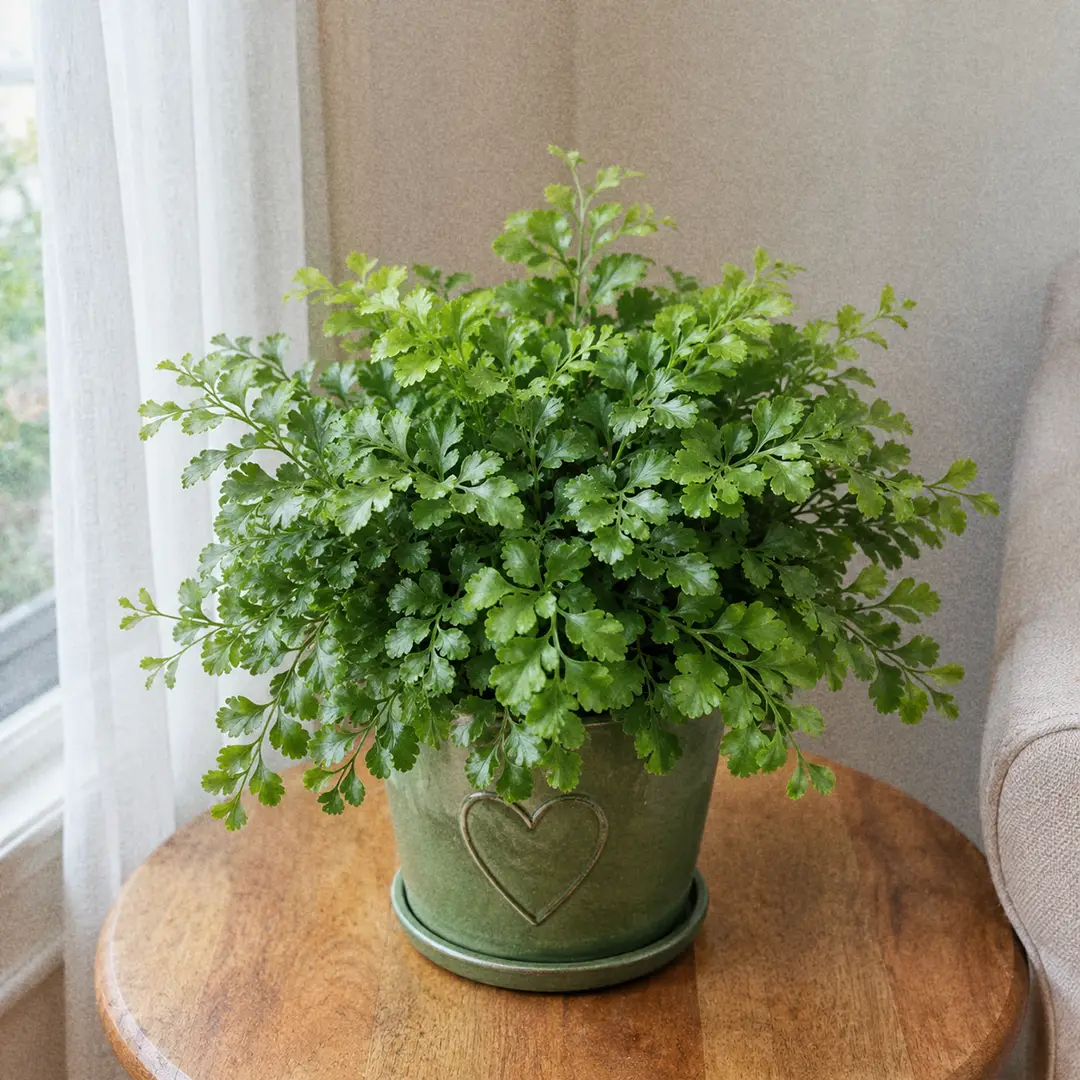
Complete Guide to Austral Gem Fern Care and Growth
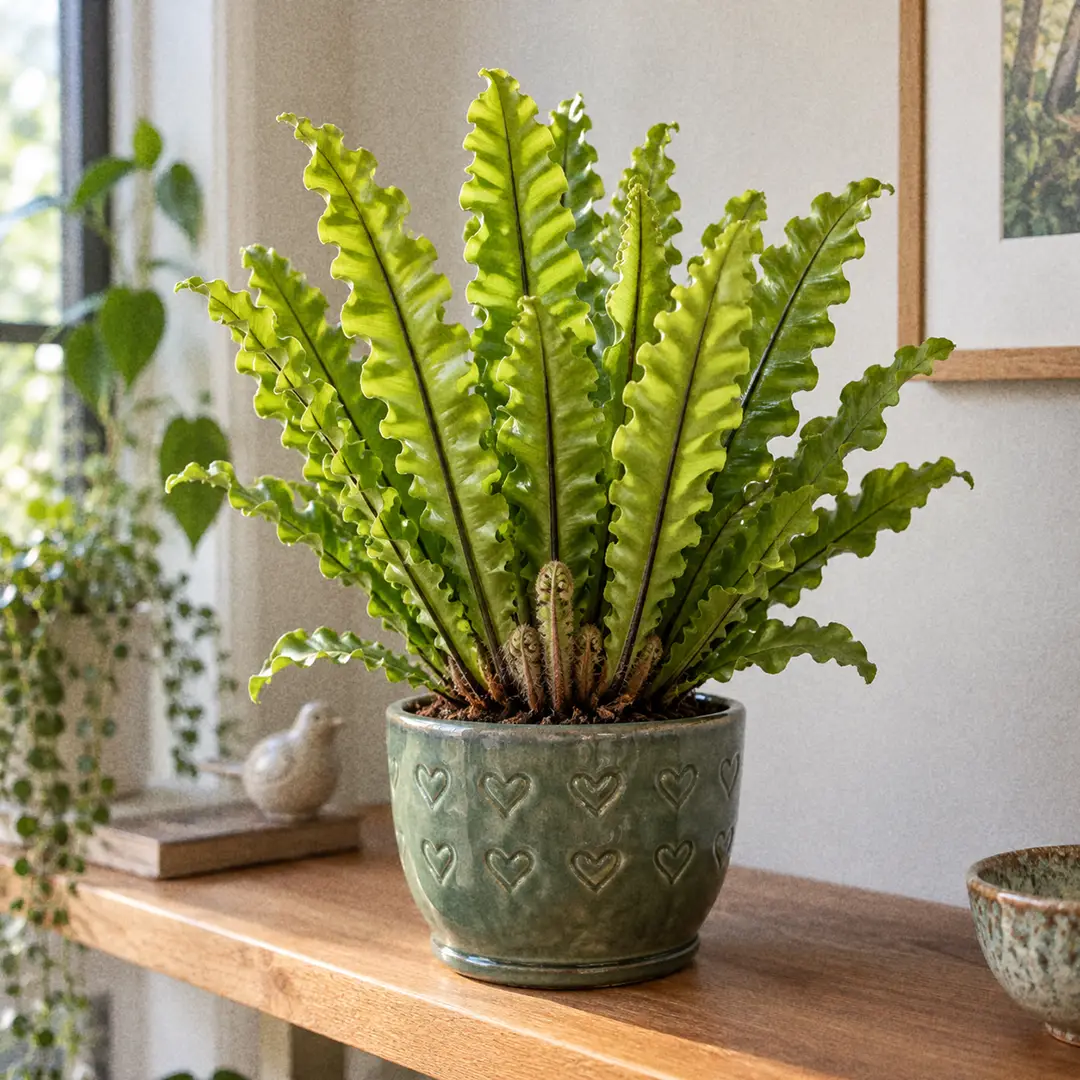
Complete Guide to Crispy Wave Fern Care and Growth
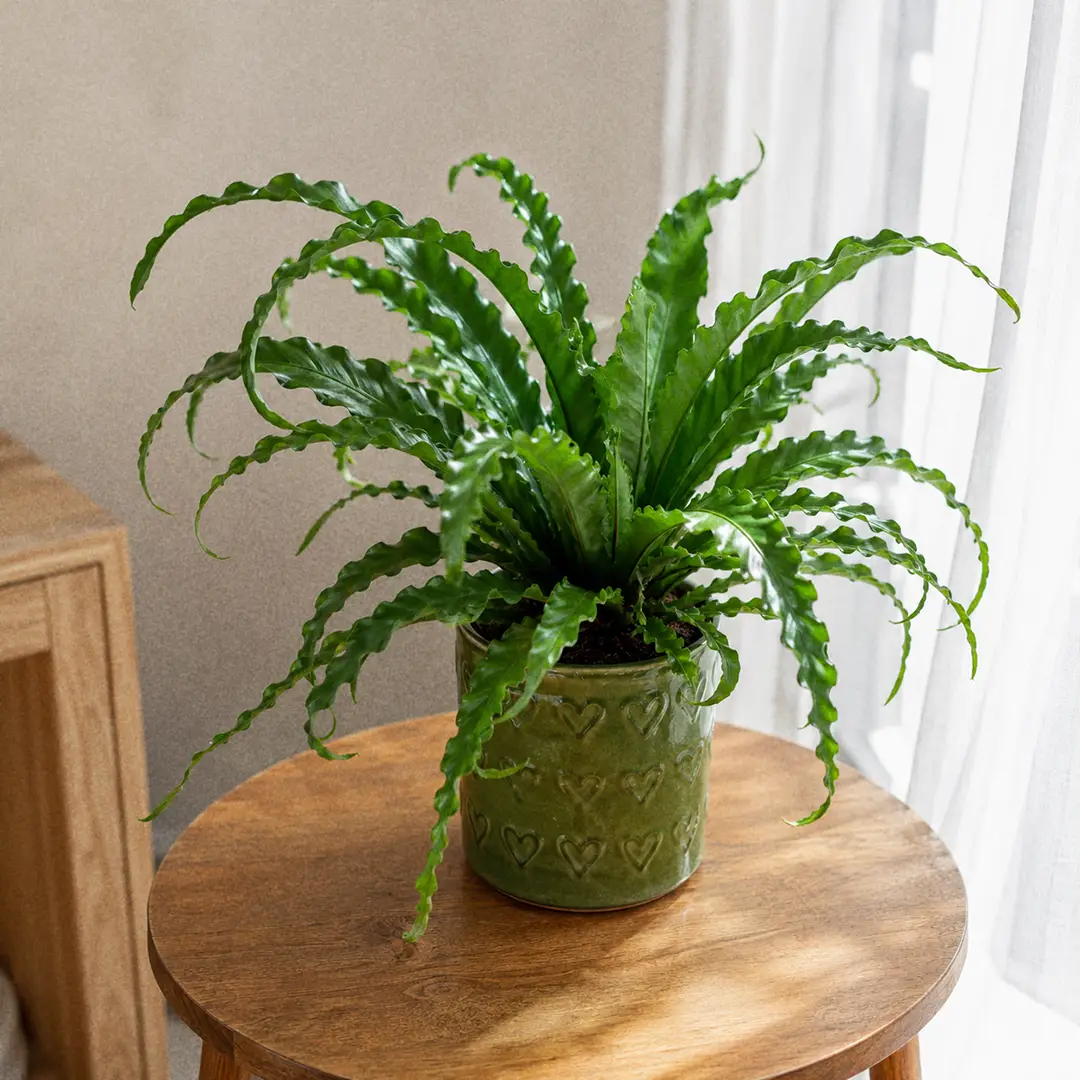
Complete Guide to Japanese Bird's Nest Fern Care and Growth
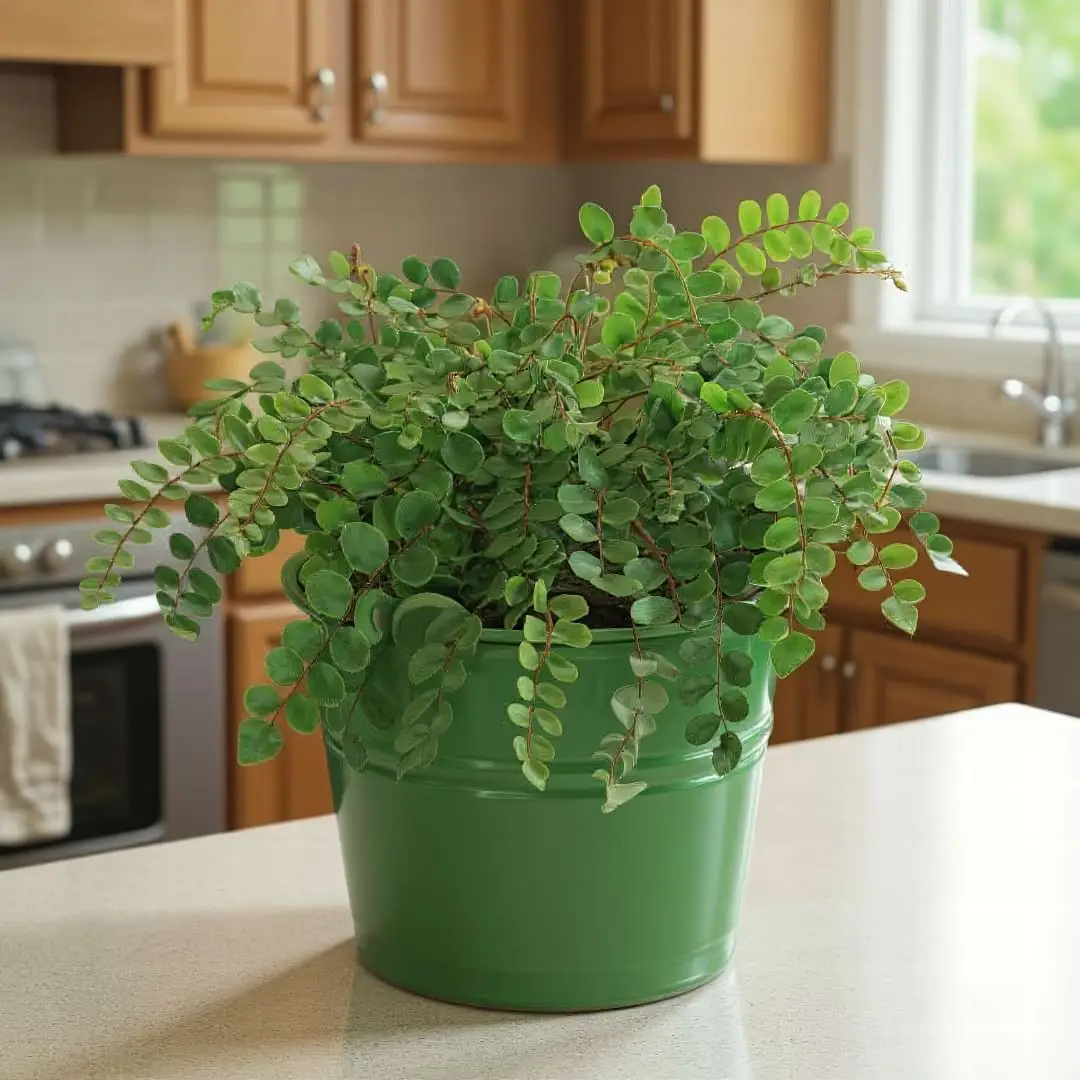
Complete Guide to Button Fern Care and Growth
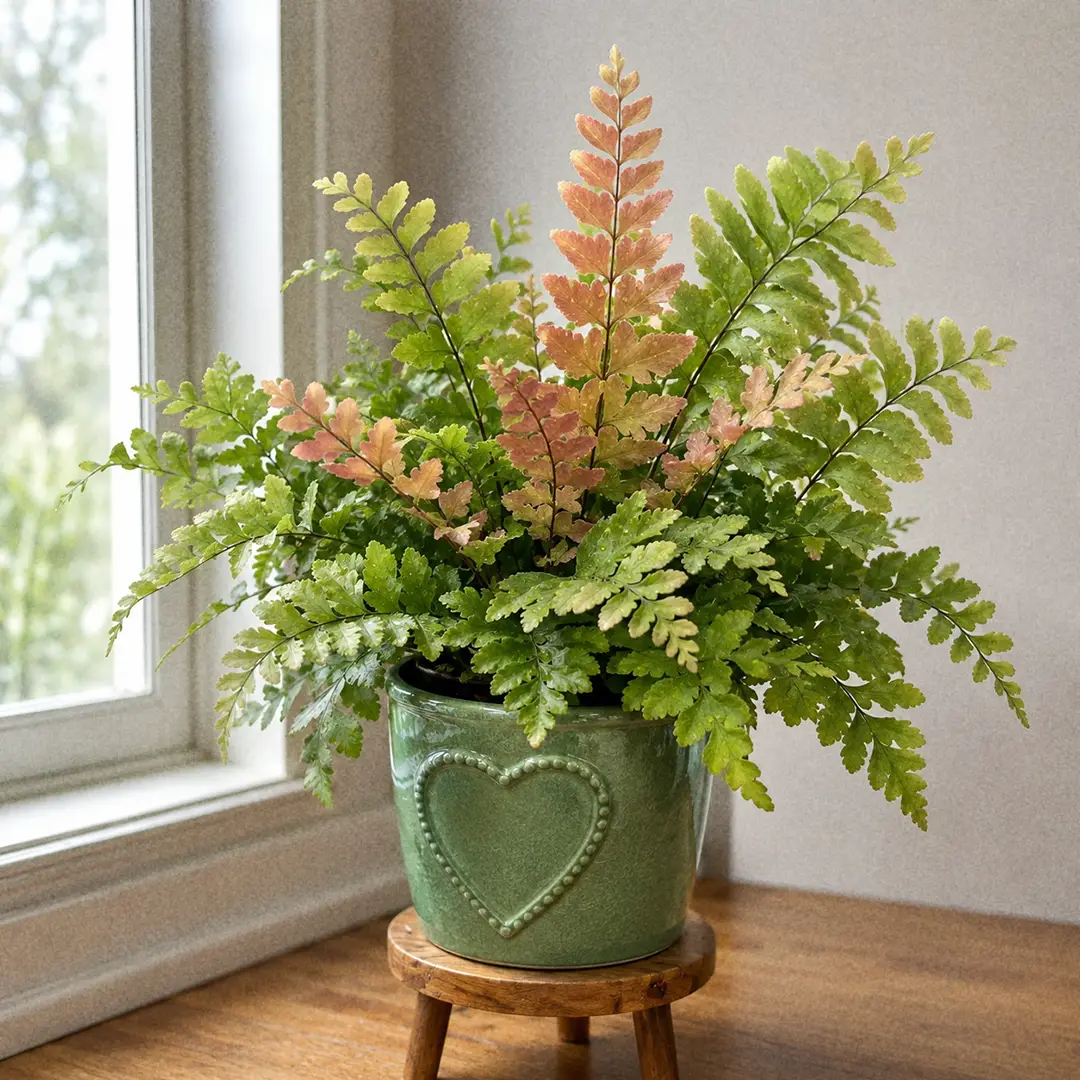
Complete Guide to Mahogany Fern Care and Growth
Complete Guide to Bear's Paw Fern Care and Growth
Complete Guide to Blue Star Fern Care and Growth
Complete Guide to Volcano Fern Care and Growth
Complete Guide to White Rabbit's Foot Fern Care and Growth

Houseplant101 Forum
Questions & Comments
Ask a question, share your plant experience, or help other plant owners.
Comments are temporarily unavailable.
Open the Houseplant101 ForumNo comments yet
Be the first to ask a question or share your experience about this page.
Log in or create an account
Comments use your Houseplant101 Forum account, but you can stay on this page.
Create a new account