
Crissie Bird's Nest Fern
Asplenium antiquum 'Crissie'
Crissie Fern, Forked Bird's Nest Fern, Crested Bird's Nest Fern, Asplenium nidus 'Crissie'


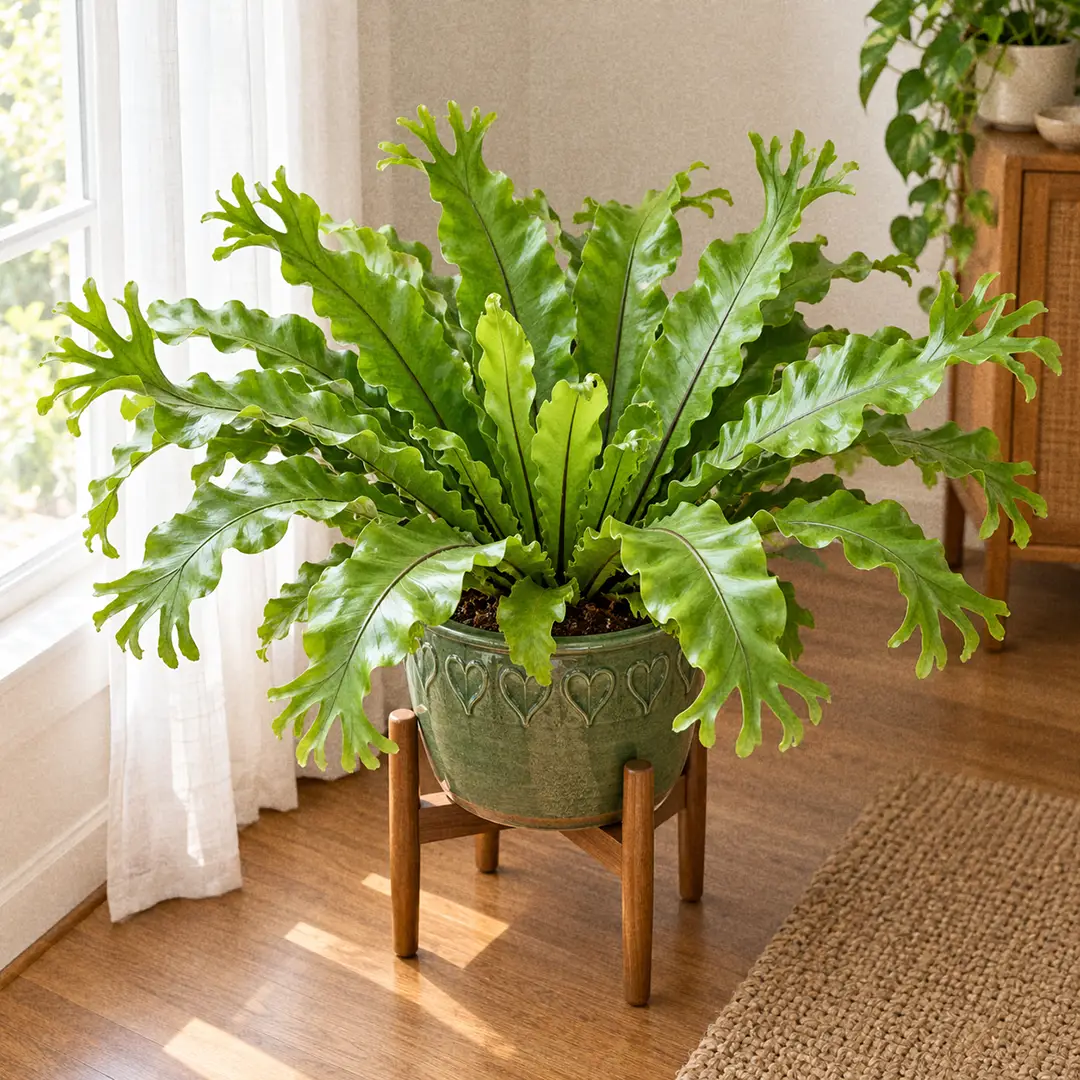
The Crissie Bird's Nest Fern is a wide, open bird's nest fern whose glossy fronds split into forked, antler-like tips as the plant matures. Learn how to grow Asplenium antiquum 'Crissie' indoors, keep those forked tips from browning, and water it without rotting the crown.
📝 Crissie Bird's Nest Fern Care Notes
🌿 Care Instructions
⚠️ Common Pests
📊 Growth Information
🪴 In This Guide 🪴

☀️ Crissie Bird's Nest Fern Light Requirements (Bright Indirect)
The Sweet Spot
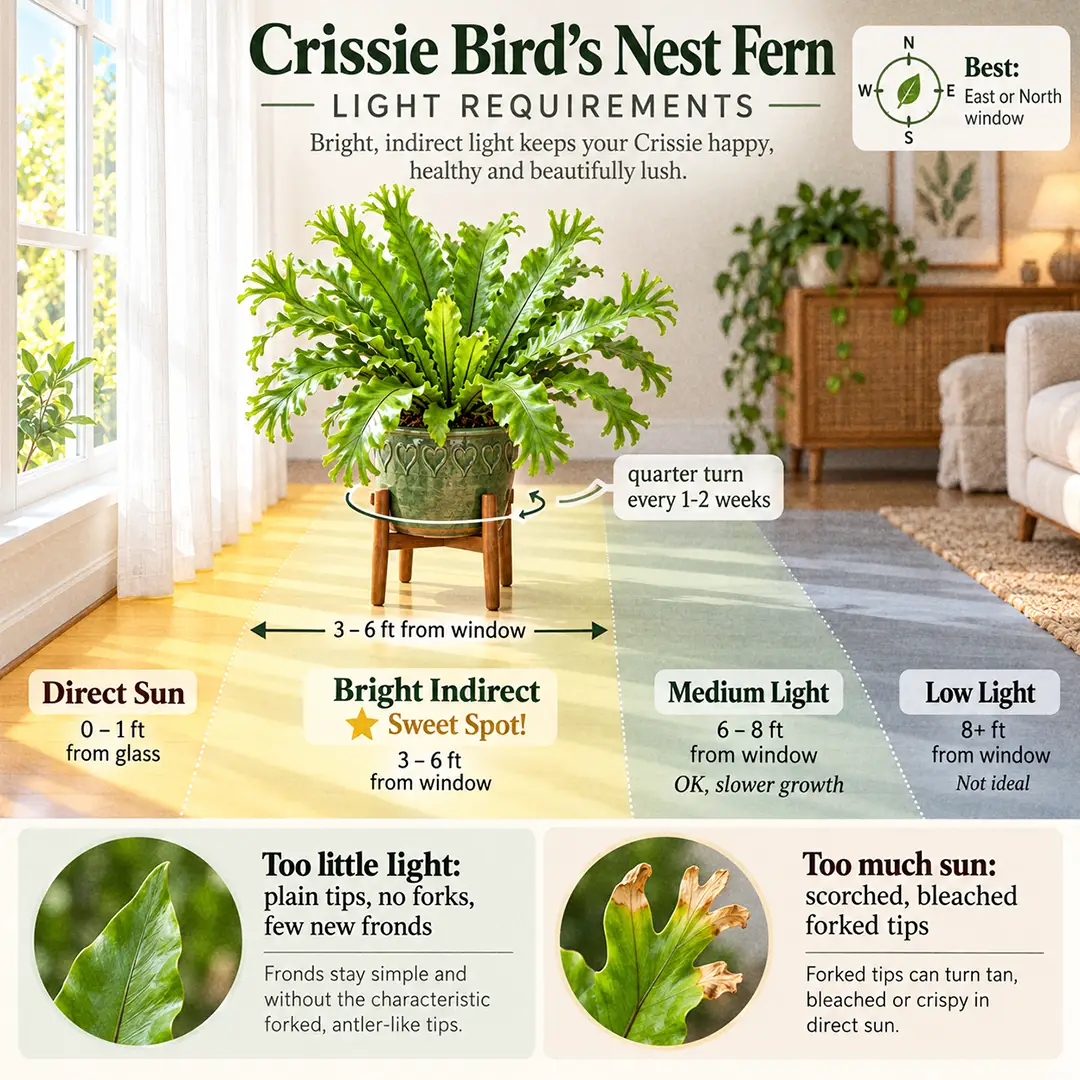
Bright indirect light, roughly 3 to 6 feet from an east or north window. A north window is safe at any distance. An east window gives an hour or two of weak morning sun, which Crissie takes without complaint. South and west rooms work too, as long as the plant sits well back or behind a sheer curtain. Our Indoor Lighting Guide shows how to judge a spot.
Because Crissie grows as a wide bowl, it also needs light reaching the whole rosette. Pushed into a corner with a wall on two sides, the back half grows slower and the plant ends up lopsided. A quarter turn every week or two keeps it round.
Too Little Light
Crissie survives in dim rooms for a long time, which hides the problem. The signs are slow: few or no new fiddleheads in a season, new fronds shorter than the old ones, and tips that come in plain or with a single shallow notch. The forking shows up on full-size fronds, so a plant that is barely growing never gets to make them. That is stunted growth in practice.
If the room has no good window, a grow light on a timer for eight hours a day does the job.
Too Much Light
Direct midday or afternoon sun through glass bleaches the fronds and leaves dry tan patches, which is leaf scorch. The forked tips are thinner than the rest of the blade and burn first.
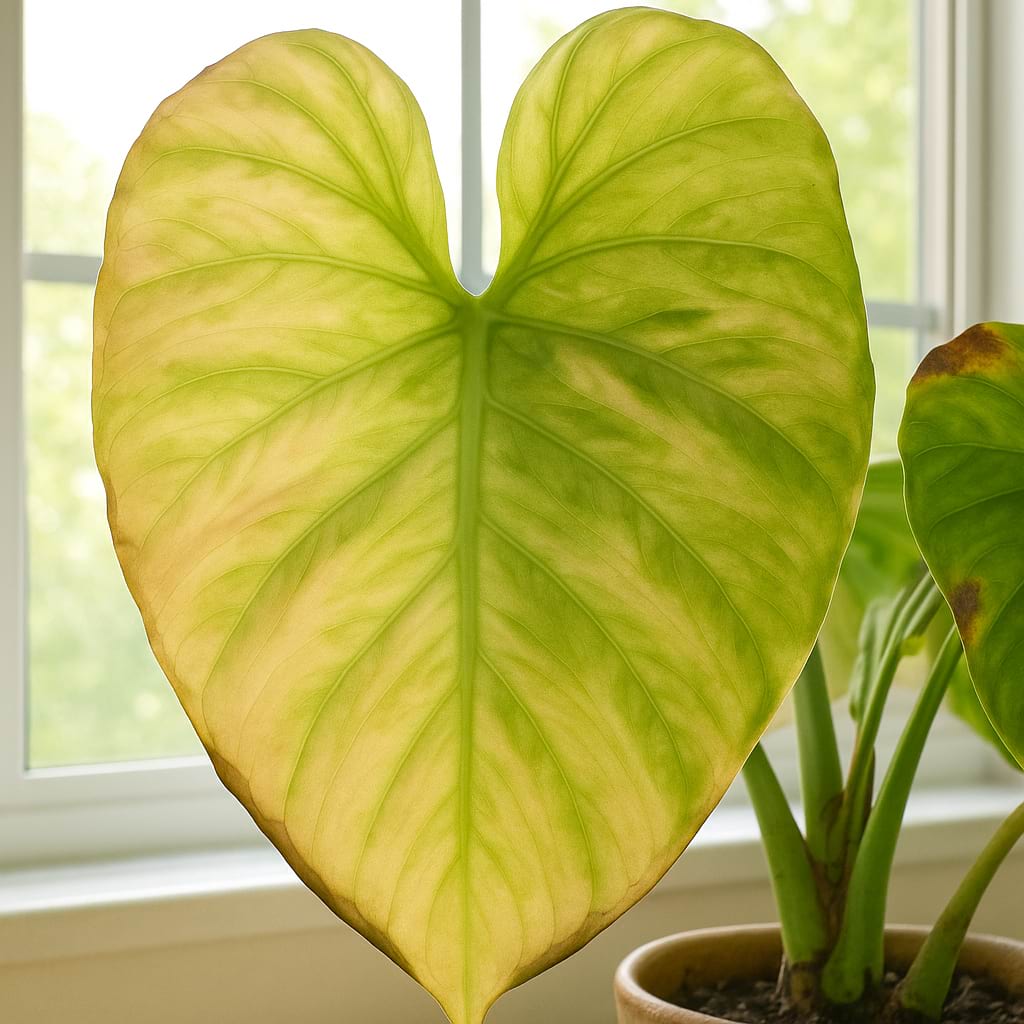
Light that is too strong without quite scorching has a quieter effect. The whole plant turns yellowish green, growth slows, and new fronds can come in thick, short, or twisted. Commercial growers raise this fern under heavy shade for exactly that reason. Move it back a few feet and the next fronds return to normal.
💧 Crissie Bird's Nest Fern Watering Guide (Never Into the Crown)
Watering Frequency
Water when the top inch of mix feels dry to your finger. For a Crissie in a 6-inch pot in a warm, bright room, that is usually about once a week in summer and every 10 to 14 days in winter. Treat those numbers as a starting point and let the finger test decide.
The aim is mix that stays lightly damp, like a wrung-out sponge. This fern is an epiphyte, a plant that grows on trees and rocks in the wild, so its roots want air as much as water. Letting the pot go bone dry is the other mistake: fronds that dry out completely brown at the forks and do not recover. If you tend to guess, a moisture meter helps.
How to Water at the Rim
Lift the outer fronds with one hand and pour slowly around the edge of the pot until water runs from the drainage holes. Empty the saucer after ten minutes.
Never pour into the middle. A bird's nest fern looks like a funnel, and people assume it wants filling like a bromeliad. It does not. Every frond grows from the fuzzy brown centre, and water sitting there rots it. Crissie's wide bowl makes this easier to get wrong than on an upright plant, because fronds splay out and guide a careless pour straight to the centre. A narrow-spout watering can is a real help. So is bottom watering: stand the pot in an inch of water for 15 to 20 minutes, then drain.
If water does land in the crown, tip the pot gently to pour it off and blot the rest with a paper towel.
Signs of Trouble
Too dry: the rosette loses its lift, outer fronds droop, and the forked tips turn brown and brittle. Water thoroughly and it firms up within a day or two, though brown tips stay brown.
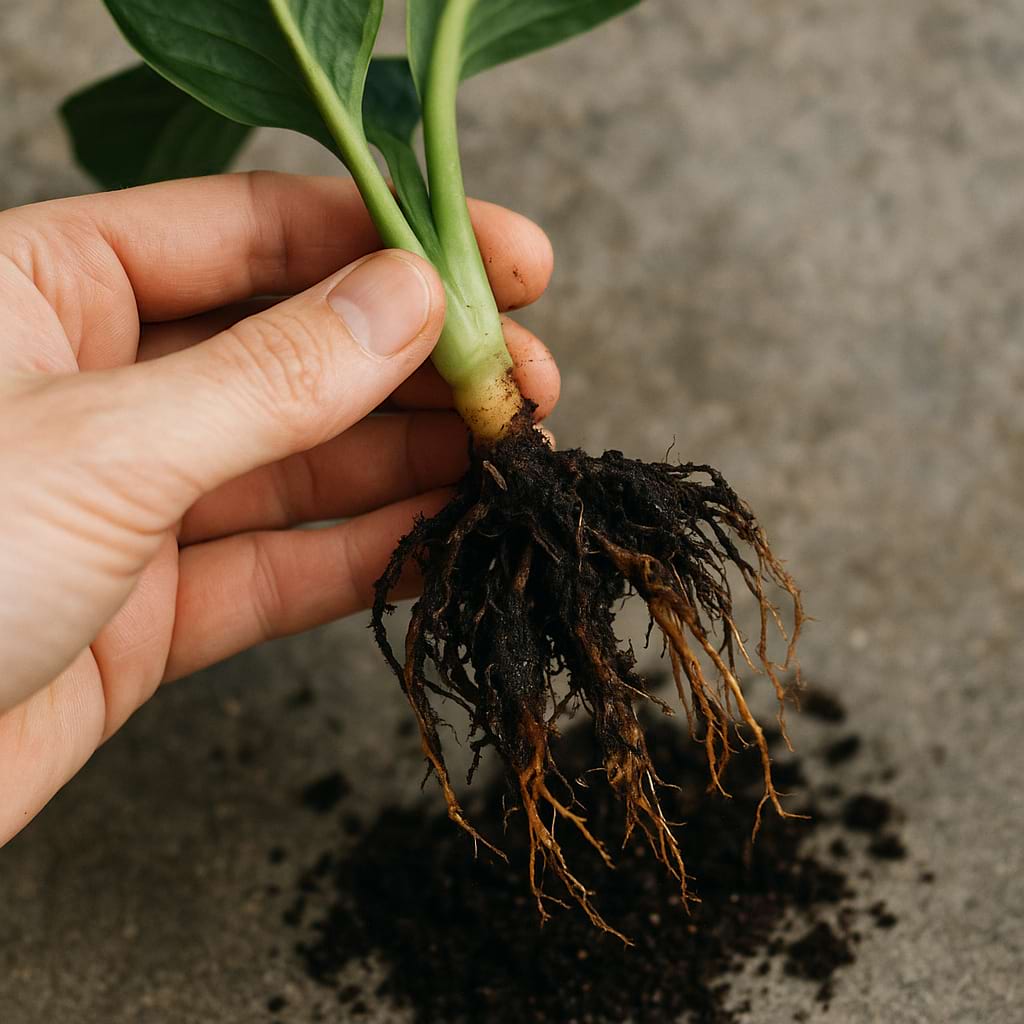
Too wet: lower fronds yellow from the base, the mix smells sour, and fungus gnats appear. A crown that feels soft is the most serious sign. That points to root rot or crown rot, and the plant needs fresh, drier mix straight away.
🪴 Best Soil for Crissie Bird's Nest Fern (Chunky Epiphyte Mix)
What the Soil Needs
Two things at once: fast drainage and a little stored moisture. Water should pass through the pot in a few seconds, and the mix should still feel slightly damp a few days later. Standard potting soil used on its own packs down within months, holds water against the roots, and is behind a lot of slow decline in bird's nest ferns.
Crissie adds one practical demand. The plant grows wider than its pot and gets top-heavy, so a mix with some weight in it (bark and pumice, not all peat and perlite) helps keep it upright.
DIY Soil Mix
A reliable recipe:
- 2 parts peat-free potting mix or coco coir
- 2 parts small or medium orchid bark
- 1 part pumice or perlite
- 1 part worm castings or fine compost
Mix it, dampen it, and squeeze a handful. It should fall apart when you open your hand. If it holds a ball, add more bark.
Pre-Made Options
A chunky aroid mix works as it comes. An orchid mix cut with one third regular potting soil is the other easy route. Avoid bags sold as moisture-control, and avoid garden soil entirely. Our houseplant soil guide explains the ingredients.
🍼 Fertilizing Crissie Bird's Nest Fern (Go Light)
When and How Often
Once a month from spring to the end of summer, and nothing from autumn through winter. Crissie grows faster than Leslie but it is still a fern, and it uses far less feed than a leafy tropical of the same size.
What to Use
A balanced liquid houseplant fertilizer diluted to half the label rate, or a quarter if your plant sits in lower light. Seaweed-based feeds are gentle and suit ferns. Apply it to damp mix, at the rim, the same way you water. Never pour or spray feed onto the fronds or into the crown. Our fertilizing guide has the basics and the fertilizer roundup compares products.
Over-Fertilizing Signs
This is one of the main reasons forked tips brown. Fertilizer salts collect at the frond ends, and on Crissie the ends are thin and divided, so they burn easily. Brown tips that keep appearing on a plant with good humidity, plus a white crust on the soil surface, point to feed. Growers also report thick, misshapen new fronds when feeding is too heavy, and the damage is worse if the pot dries out between feeds.
The fix is simple. Run plain water slowly through the pot for a couple of minutes, let it drain, and skip fertilizer for two months.
🌡️ Crissie Bird's Nest Fern Temperature Range
Ideal Range
Normal room temperature, 60°F to 80°F (16°C to 27°C). Growth slows under 60°F. The RHS rates this cultivar as a tender plant that wants a minimum of about 50°F (10°C), so treat that as the floor. Cold damage shows as dark, water-soaked patches on the fronds a few days after the chill. Frost kills it.
If it spends summer outside in the shade, bring it in before nights drop into the low 50s.
Drafts and Heat Sources
Crissie's width is what gets it into trouble here. The fronds reach well past the pot, so a plant that seems a safe distance from a radiator, a heating vent or a cold winter pane can have its tips right in the bad air or touching the glass. Check where the frond ends actually sit, not where the pot is. Tips that brown on one side of the plant only are nearly always a draft or heat source on that side.
💦 Crissie Bird's Nest Fern Humidity Requirements
Ideal Humidity
Between 50% and 60% keeps the forks clean. Crissie lives through 40% without dying, but the tips slowly crisp, and a branched tip has more thin edge to lose than a plain point does.
Easy Humidity Boosters
A bright bathroom is the best free option. Elsewhere, a small humidifier running nearby during the heating season is the only method that changes the numbers much. Pebble trays and grouping plants add a little. Skip misting: water sits in the folds of the forks and in the crown, which invites leaf spot and rot. Our humidity guide goes into more detail.
🌸 Crissie Bird's Nest Fern Flowers (None, Just Forked Fronds)
No Flowers, Ever
Crissie is a fern, and ferns do not flower or set seed. They reproduce by spores. Nothing you do with light or feeding will produce a bloom, so if you are waiting for one, you can stop. The foliage is the entire show.
How the Forked Tips Develop
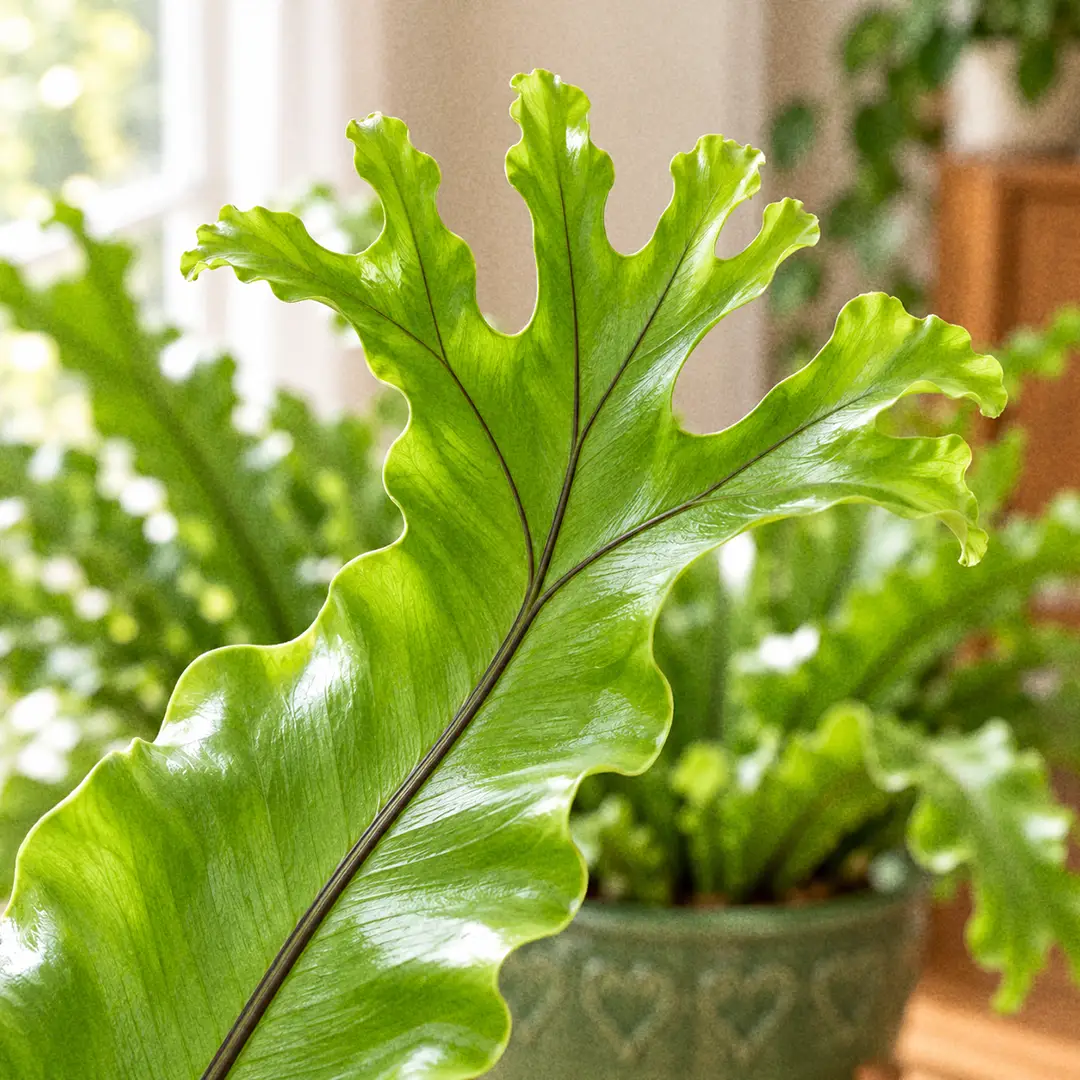
New fronds start as coiled fiddleheads in the centre of the rosette and unroll over a few weeks. On a mature Crissie the end of the frond divides as it opens. Usually it splits into two, and each of those may split again, so the tip ends up as a flat, branched fan with wavy edges. People compare it to antlers, a fishtail, or a hand with too many fingers. The forking varies from frond to frond, so expect a mix of simple Y shapes and busier ones on the same plant.
Young plants are different. Small Crissies often have plain or barely notched tips, and the branching arrives as the plant matures and the fronds lengthen. Do not unroll or handle fiddleheads to check on them. They bruise easily and a damaged one opens deformed.
Spore Lines Under the Fronds
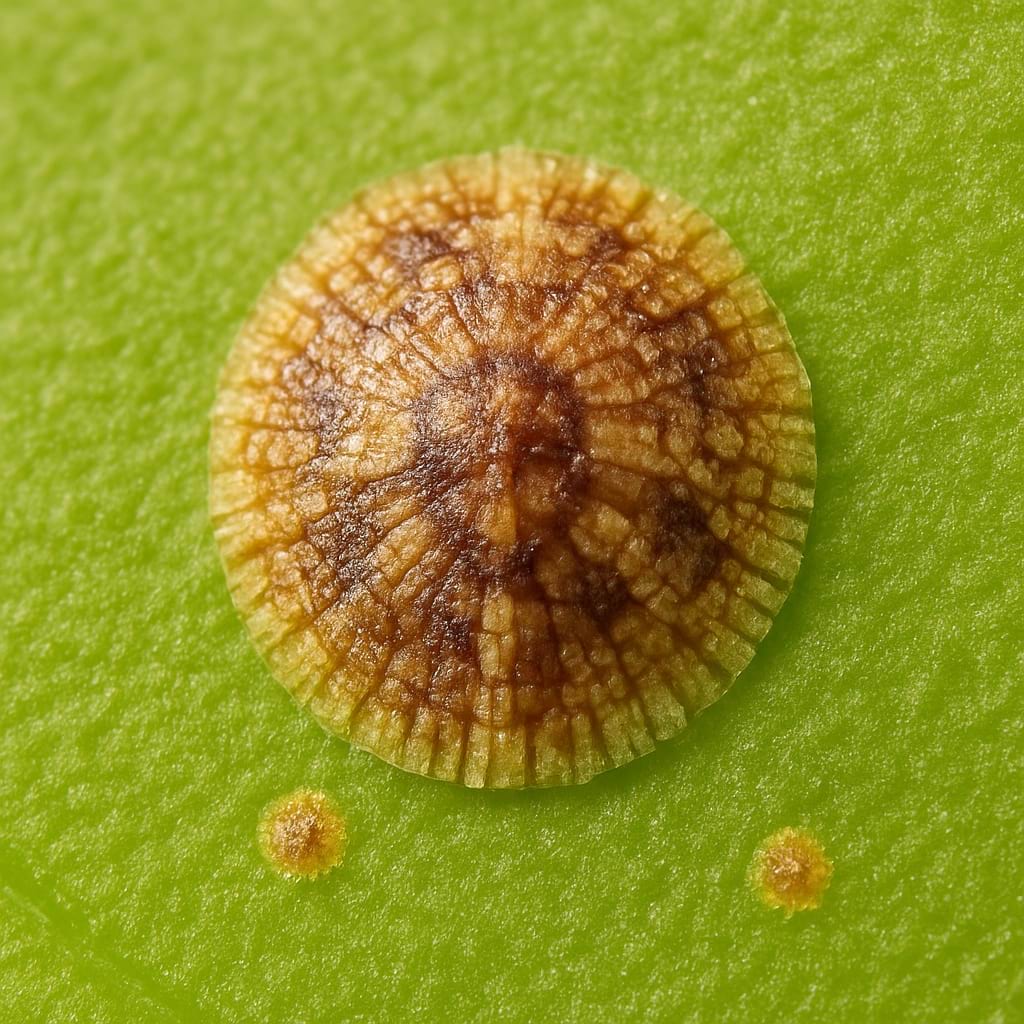
Older fronds may develop thin brown lines on the underside, slanting away from the midrib in tidy parallel rows. Those are sori, the fern's spore cases. They are not a disease and not insects. Scale insects are raised bumps dotted about at random; sori are flat, straight, and evenly spaced.
🏷️ Crissie Bird's Nest Fern Types and Varieties
How to Identify 'Crissie'
Look for three things together: a broad, open rosette that spreads wider than it is tall, smooth glossy fronds with only a mild wave along the edge, and frond ends that fork into branches. The RHS lists it as Asplenium antiquum 'Crissie'. Plenty of shops sell the same plant as Asplenium nidus 'Crissie' or simply "crested bird's nest fern". Care does not change with the label.
Crissie vs Leslie
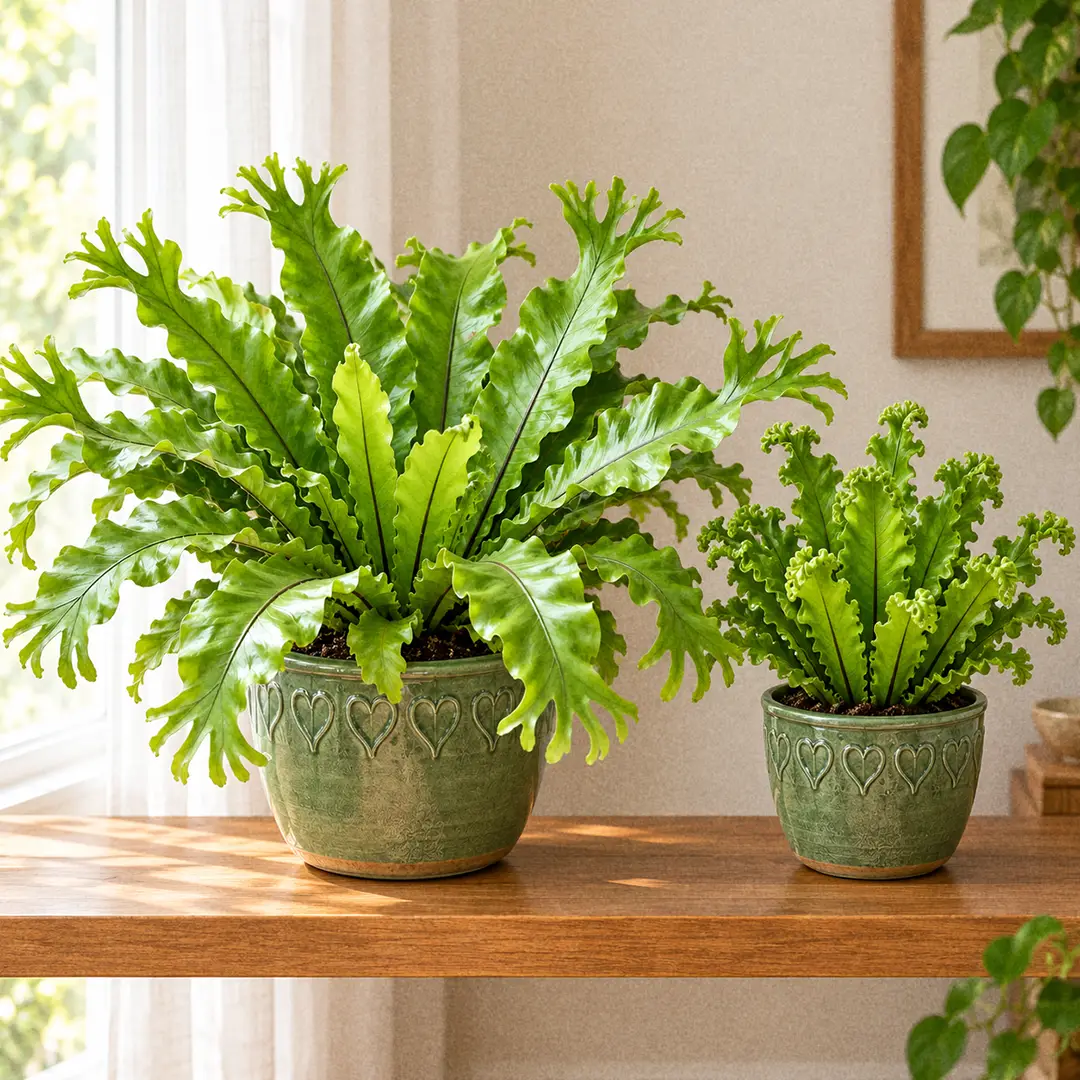
These two are the crested selections of the Japanese Bird's Nest Fern, and they get mixed up on shop shelves constantly. The Leslie Bird's Nest Fern is compact and upright, usually grown in 4 to 6-inch pots, with tight, frilly crests. Crissie is larger and more open, sold in 5 to 8-inch pots, with longer fronds and looser, more antler-like forks. Pick Leslie for a desk and Crissie for a plant stand.
Crissie vs Osaka and Crispy Wave
The Osaka Bird's Nest Fern has ruffled edges and a single pointed tip on every frond. The Crispy Wave Fern is stiff and pleated from base to tip, also ending in one point. The quick test is the end of the leaf. If it splits, you have Crissie or Leslie. If it does not, you have one of the wavy ones.
Crissie vs the Common Bird's Nest Fern
The standard Bird's Nest Fern (Asplenium nidus) has broad, plain fronds that widen in the middle, and it gets much larger with age. The Crested Fishtail Fern is the other fork-tipped fern you may see nearby. It is a different genus and spreads by a creeping rhizome, so it has no single central nest.
🪴 Potting and Repotting Crissie Bird's Nest Fern
When to Repot
Every two to three years, in spring. The roots are modest for the size of the plant, so the trigger is rarely a pot bursting with roots. More often the mix has broken down and stays wet, or the plant has become so wide that it tips over. A freshly bought Crissie in dense nursery peat benefits from a move into airy mix in its first spring.
Choosing a Pot
Go up one size only, and choose for stability. A wide, heavy pot (glazed ceramic or terracotta) suits Crissie better than a tall, light plastic one, because the spreading fronds act like a lever. A drainage hole is not optional. Our plant pot guide covers the options.
Step-by-Step Repotting
- Water the day before so the root ball slides out in one piece.
- Gather the fronds loosely upward with one hand. Do not grip the forked tips.
- Tip the plant out, shake off loose old mix, and cut away any black, mushy roots.
- Set it in the new pot with the crown level with, or slightly above, the surface. A buried crown rots.
- Fill around the sides, tap the pot to settle the mix, and water at the rim.
- Keep it in gentle light and hold off fertilizer for a month. The repotting guide has more on aftercare.
✂️ Pruning Crissie Bird's Nest Fern
When to Prune
Rarely. Crissie makes all its fronds from one point and each one lasts a long time, so remove a frond only when it is mostly yellow or brown. The oldest, outermost fronds fading one at a time is normal turnover. Several going at once is a care problem, and cutting will not solve it.
How to Prune
Trace the spent frond to its base and cut it close with clean scissors, without leaving a stub and without nicking the fronds beside it. Stay out of the centre. The crown is the plant's only growing point, and a cut there ends new growth for good.
Trimming Brown Forked Tips
Brown tips never turn green again, so trimming is purely cosmetic, and it is fine to do. Follow the outline of each branch of the fork with small scissors instead of cutting straight across, and leave a hair-thin line of brown so you are not cutting into living tissue. A frond cut square across loses its fork for good, so take as little as you can.
🌱 How to Propagate Crissie Bird's Nest Fern
Why Division and Cuttings Fail
A Crissie is one rosette on one crown. It makes no pups or runners, and it has no stems to cut. Some plant databases list division for this fern, but in a home pot there is nothing to divide, and cutting the crown in half kills both pieces. A frond placed in water just rots, because a frond has no growing point of its own.
This is why Crissie costs what it does. Nurseries raise it in bulk from young lab-grown plantlets, which is not something you can copy on a windowsill.
Growing Crissie From Spores
Spores are the one method open to a home grower. Be realistic about it: it takes a year or more, and seedlings of a named cultivar often do not copy the parent, so some or all of the young plants may have plain tips.
- Choose a mature frond with dark brown, raised spore lines.
- Cut it and lay it underside down on white paper in a still room for two to three days. Fine brown dust collects on the paper.
- Fill a clean, lidded container with fine peat or coir mix. Pour boiling water through it and let it cool and drain.
- Tap the dust thinly across the surface. Do not cover it with mix.
- Close the lid and keep it at about 70°F in bright shade.
Tips for Success
After one to three months, a green film that looks like moss spreads over the surface. Leave it alone and keep it damp by misting with cooled boiled water. First true fronds follow some months later. Thin the seedlings when they crowd, and open the lid a little more each week before potting them up. Most failed attempts come down to mould, so cleanliness matters more than anything else. For quicker projects with other plants, see our propagation guide.
🐛 Crissie Bird's Nest Fern Pests and Treatment
Common Pests
Scale insects are the pest most often tied to this fern. They are small tan or brown bumps on the undersides and along the midrib, and they leave sticky residue. Remember the sori check: straight, even rows are spores, random bumps are scale.
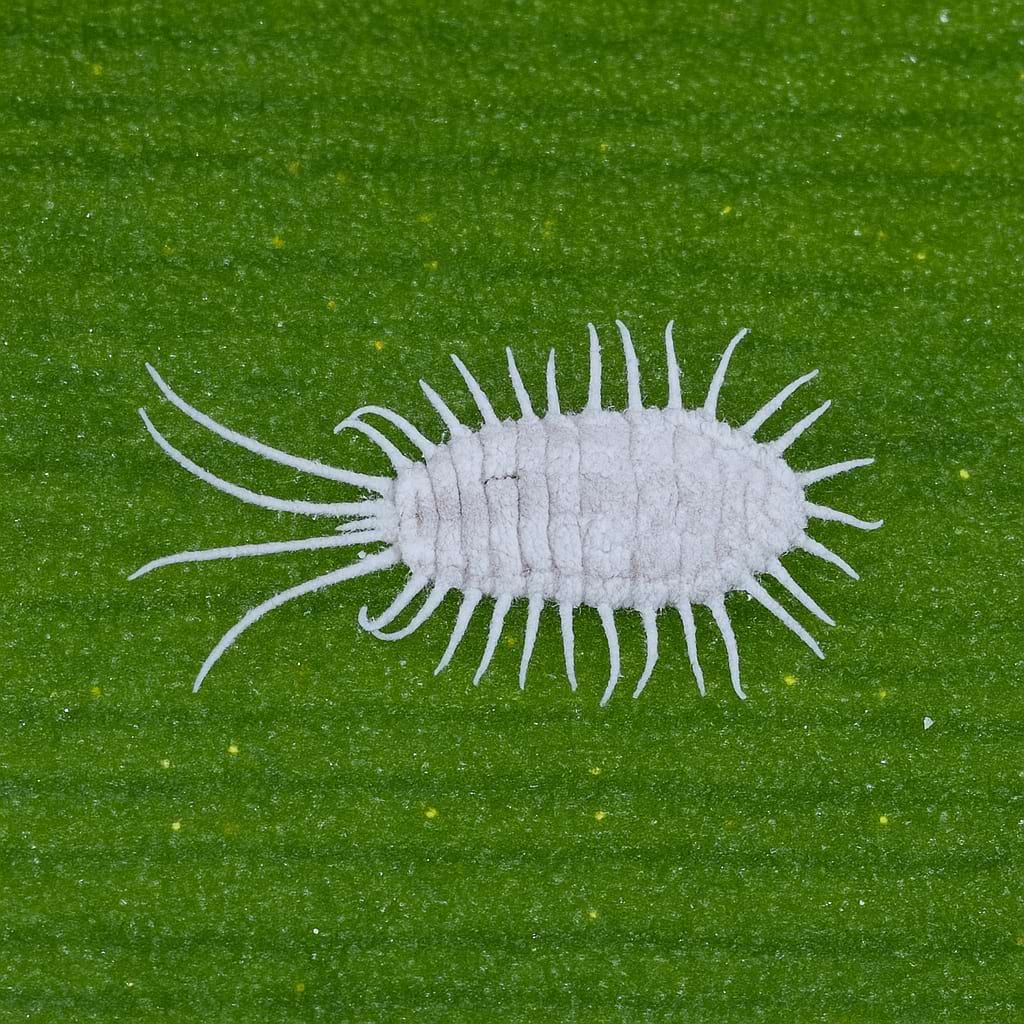
Mealybugs look like bits of white cotton. On Crissie they hide in two places, down in the crown and in the folds where a frond tip forks, so check both.
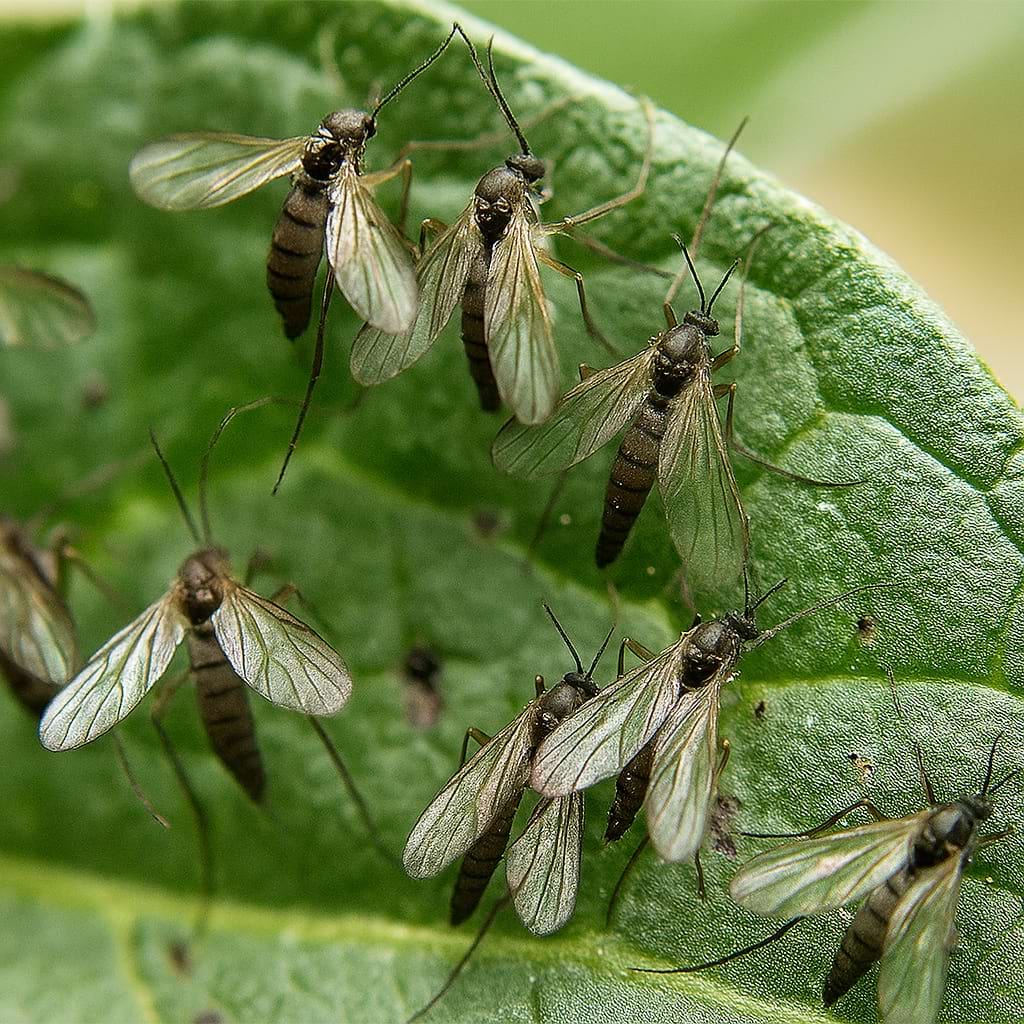
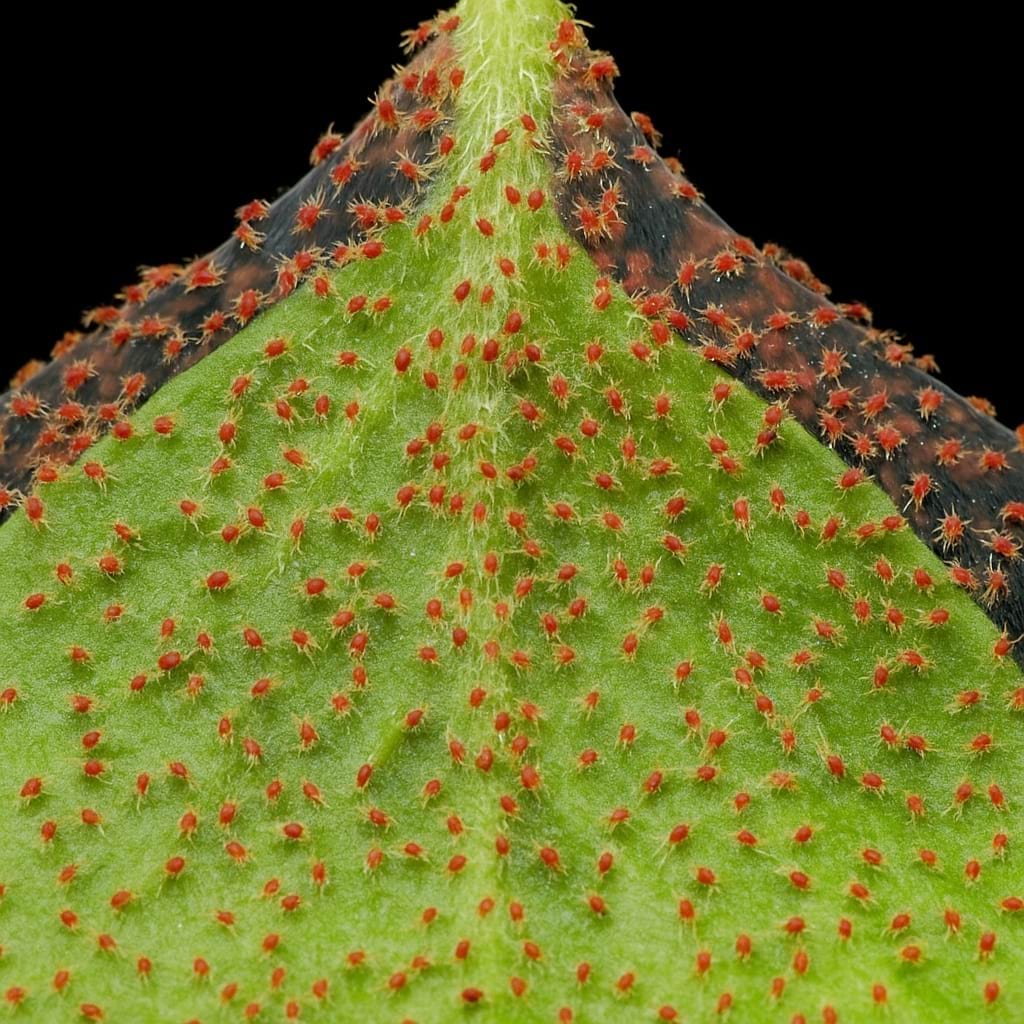
Fungus gnats are tiny black flies around the soil, and they mean the mix is staying too wet. Spider mites show as fine pale stippling in hot, dry rooms.
Treatment and Prevention
Fern fronds mark easily from sprays, so start with the gentlest option. Pick off scale with a fingernail or a damp cotton swab. Touch mealybugs with a swab dipped in diluted rubbing alcohol. For mites, rinse the fronds under a lukewarm shower with the pot tilted so water runs off the tips and not into the crown.
If you use insecticidal soap, try it on one frond and wait two days. Avoid neem and other oil sprays at full strength. Letting the top inch dry between waterings deals with gnats on its own.
🩺 Common Crissie Bird's Nest Fern Problems
Why the Forked Tips Turn Brown
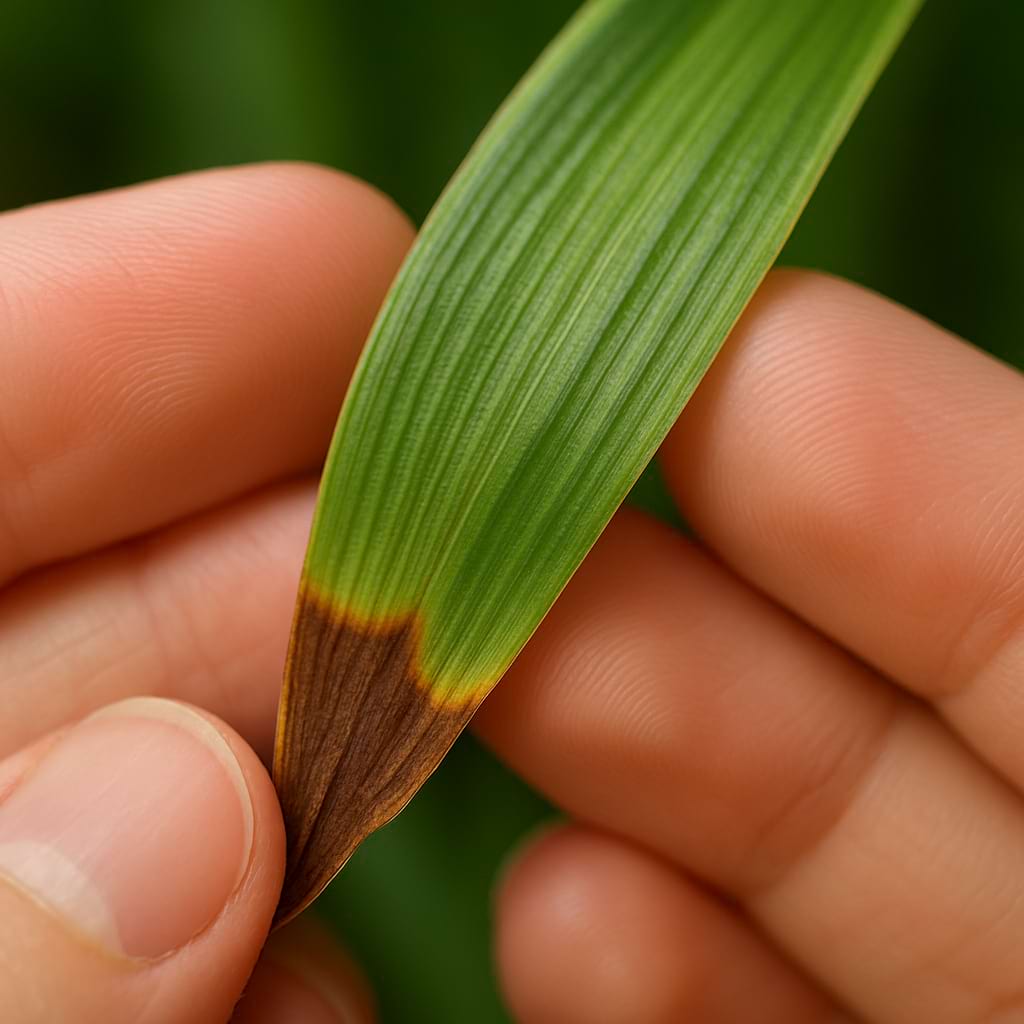
Brown, crispy tips are the complaint with this plant, and there are four usual causes. Dry air, especially in winter. A pot that went fully dry. Fertilizer salts. And bruising: the wide fronds brush against walls, curtains, and people walking past, and a knocked tip browns a week or two later. Work out which one fits, fix it, and judge by the next new frond.
Soft Centre and Yellow Fronds
A dark, soft, bad-smelling centre is crown rot from water sitting in the rosette. Caught early, you can dry it out and it may hold. Once the crown collapses the plant is lost. Root rot from soggy mix shows as fronds yellowing from the base. Yellowing on one old outer frond at a time is just age.
Spots, Pale Colour and Plain Tips
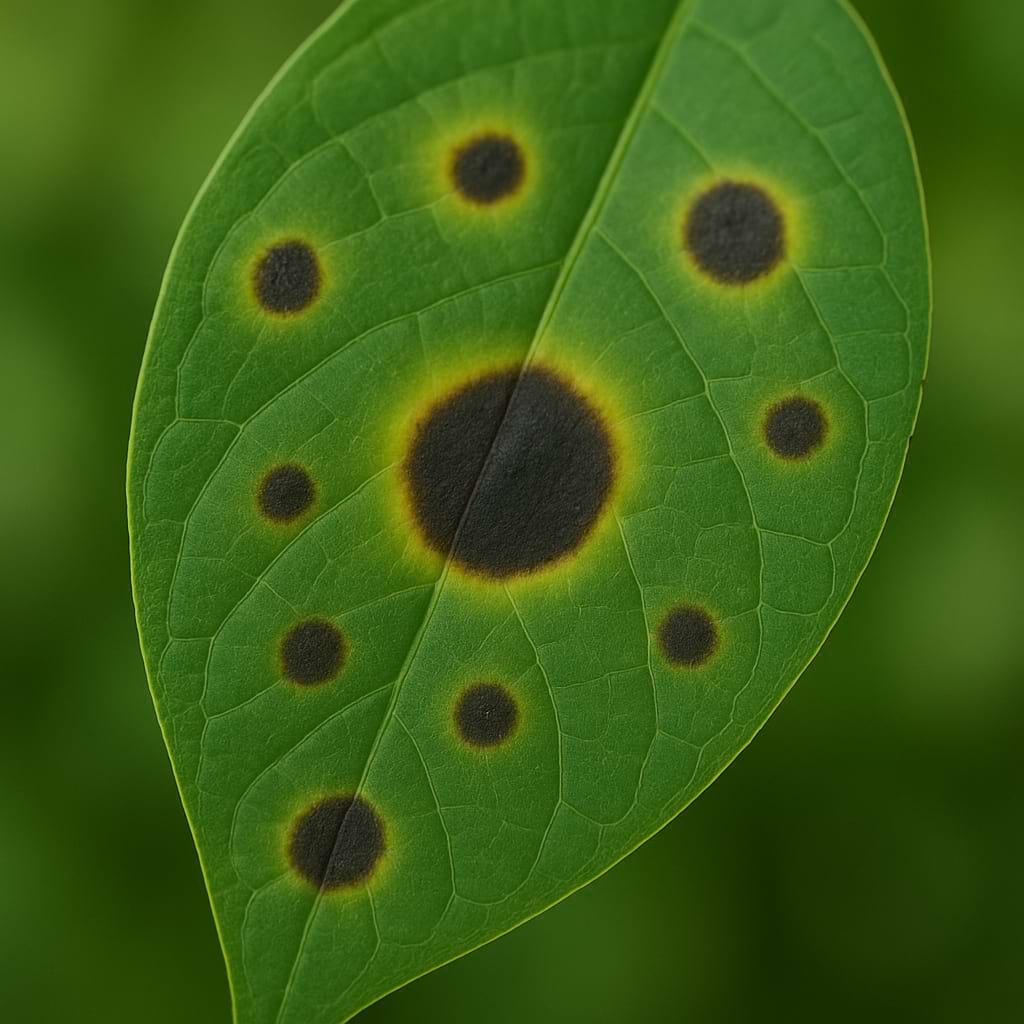
Translucent or brown spots that spread fast on wet fronds suggest bacterial blight, which growers link to overhead watering. Remove the frond and keep the foliage dry. Pale, washed-out fronds mean too much light. New fronds with no fork usually mean a young plant or one short on light.

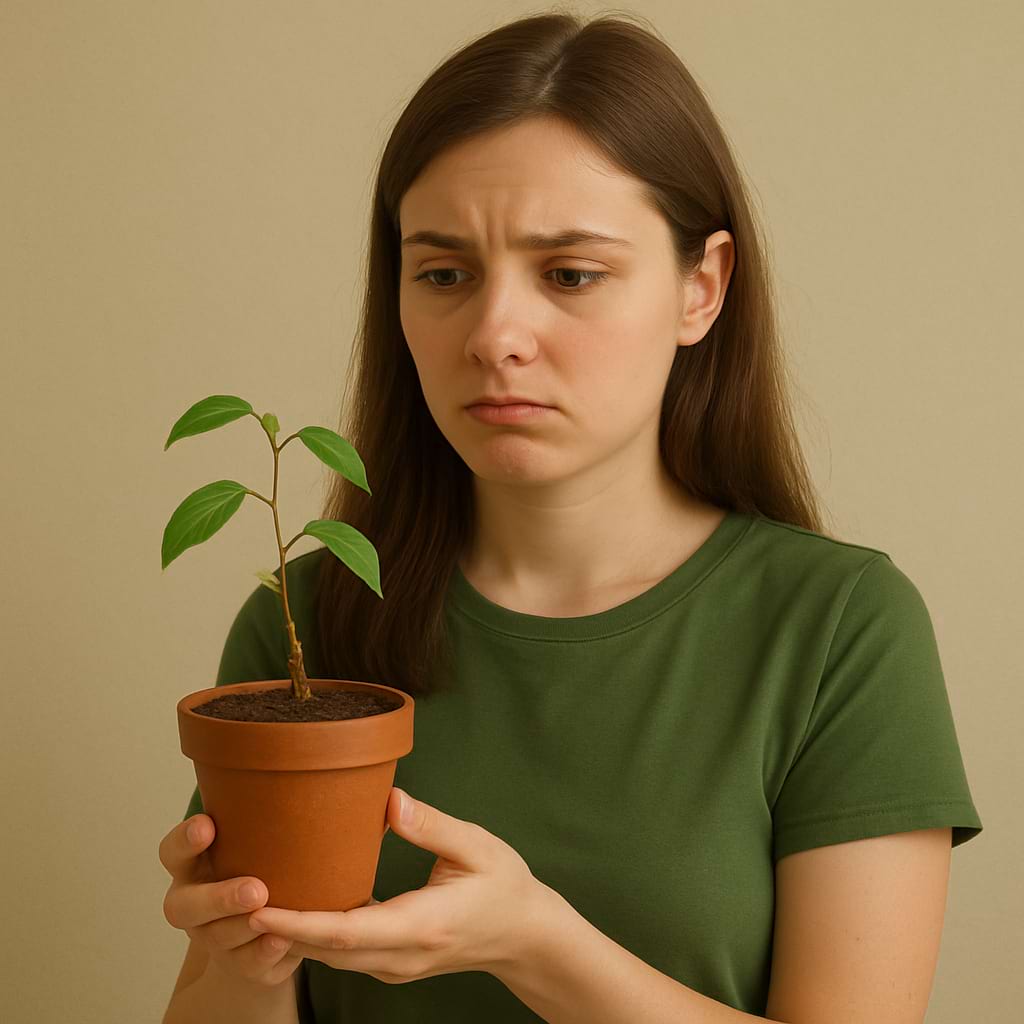
🖼️ Crissie Bird's Nest Fern Display and Styling Ideas
Solo Setups
Crissie is a stand-alone plant. A plant stand 18 to 24 inches high, or a low side table, puts the rosette where you look down into the bowl and across the forks. Leave a hand's width of clear air beyond the frond tips on every side. That gap is a styling choice and a care choice at the same time, because tips that touch things go brown.
Grouped Arrangements
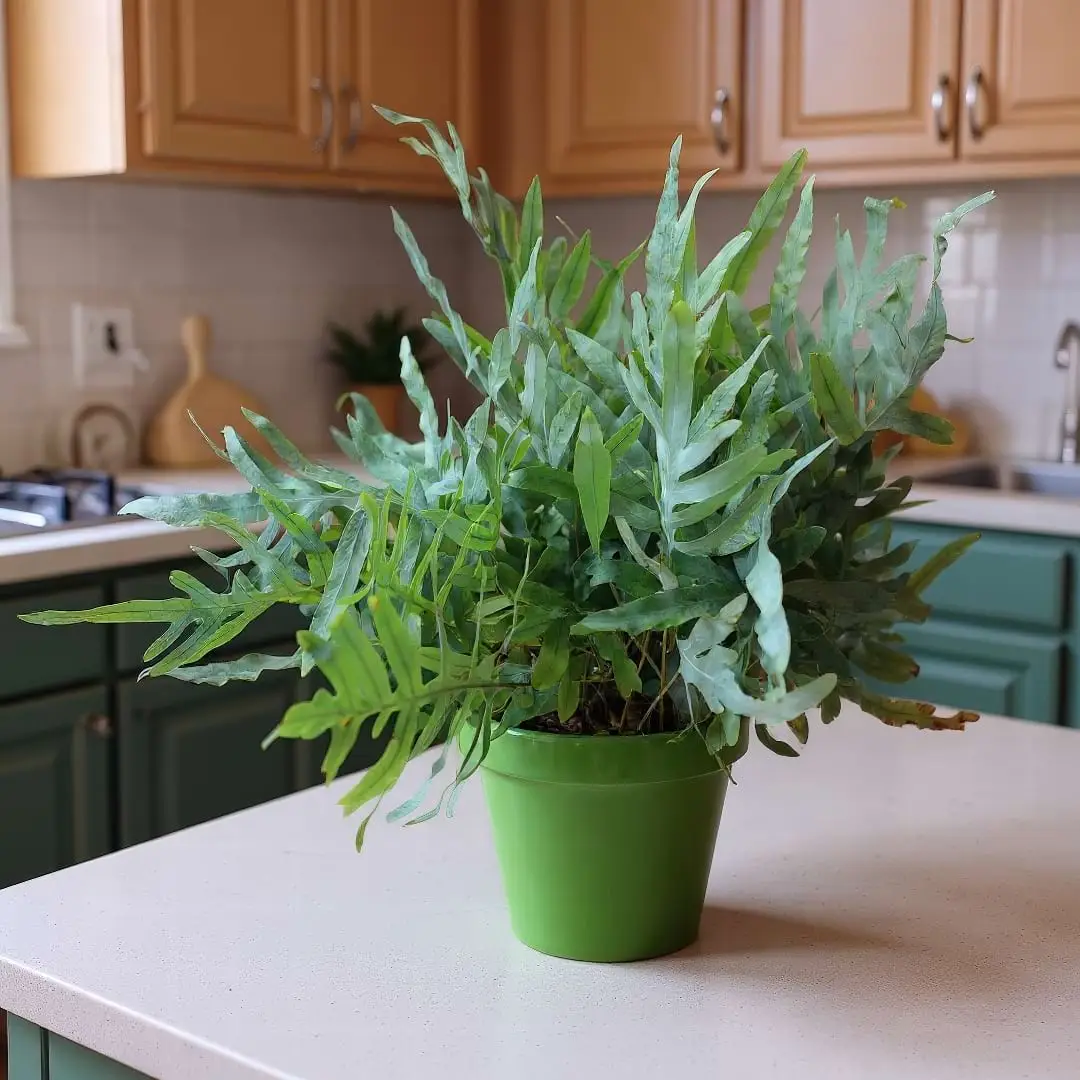
In a group, let it be the large glossy shape and put fine-textured plants beside it: a Maidenhair Fern, a Lemon Button Fern, or the blue-grey fronds of a Blue Star Fern. Set the neighbours lower or to the side so nothing presses into Crissie's fronds.
Where Not to Put It
Not on a narrow shelf where the fronds bend against the wall. Not in a hallway or beside a door where it gets brushed. Not on a sunny sill, and not above a radiator. A mature Crissie is also too wide for most desks, so that job belongs to Leslie.
🌟 Crissie Bird's Nest Fern Pro Care Tips
Everyday Habits
- Water at the rim with a narrow spout. The centre stays dry, every time.
- Turn the pot a quarter turn every week or two. The bowl stays even.
- Check where the tips are, not where the pot is. They reach further than you think toward heaters, glass, and walkways.
- Dust with a soft brush. Cloths catch in the forks and tear them.
Longer-Term Care
- Flush the pot with plain water every couple of months to clear fertilizer salts before they reach the tips.
- Judge your care by new fronds. Old damage stays; the next frond tells you if the fix worked.
- Do not move a struggling plant into a bigger pot. More wet mix makes rot worse.
- Run a humidifier in winter. That is when most tip browning starts.
❓ Frequently Asked Questions
Why are the forked tips on my Crissie fern turning brown?
The usual causes are dry air, a pot that dried out completely, fertilizer salt buildup, or the tips being brushed and bruised. Raise humidity, water more evenly, flush the soil, and give the plant more clearance. Existing brown will not heal, but new fronds should come in clean.
Is the Crissie Bird's Nest Fern safe for cats and dogs?
The ASPCA lists the bird's nest fern (Asplenium nidus) as non-toxic to cats and dogs, and Crissie belongs to the same group of ferns, so it is treated as pet-friendly. A pet that chews a lot of any plant can still get an upset stomach, and chewed fronds do not grow back.
What is the difference between Crissie and Leslie?
Size and shape. Crissie is larger and more open with longer fronds and looser forks. Leslie is compact and upright with tighter, frillier crests. Care is the same for both.
How big does a Crissie Bird's Nest Fern get?
Indoors, expect roughly 18 to 24 inches tall and 24 to 30 inches wide after several years. Published figures go up to about 3 feet for old plants in ideal conditions, but that is unusual in a home.
Why does my Crissie have plain tips with no forks?
It is most likely young. The branching develops as the plant matures. Low light can also keep fronds small and plain, so move it somewhere brighter and watch the next few fronds.
Can I water into the centre like a bromeliad?
No. Water held in the centre rots the crown, which is the plant's only growing point. Pour at the rim of the pot or water from below.
Can I divide or take cuttings from a Crissie fern?
No. It grows from a single crown with nothing to split, and fronds cannot root. Spores are the only home method, and spore-grown plants may not have forked tips.
Should I cut off the brown tips?
You can. Trim along the outline of each fork with small scissors and leave a thin brown margin. Cut the whole frond at the base only when most of it has died.
Can a Crissie fern live in a bathroom?
Yes, if the bathroom has a window. The humidity suits it well. Make sure there is enough room for the fronds to spread without touching the wall or shower curtain.
Is Crissie an Asplenium nidus or an Asplenium antiquum?
You will see both names on labels. The RHS and grower sources list it under Asplenium antiquum, the Japanese bird's nest fern. It does not affect how you look after it.
ℹ️ Crissie Bird's Nest Fern Info
Care and Maintenance
🪴 Soil Type and pH: Loose, airy, bark-based epiphytic mix
💧 Humidity and Misting: Prefers 50-60% humidity; dry air browns the thin forked tips before anything else.
✂️ Pruning: Cut only fully spent outer fronds at the base, and trim brown fork tips along their natural outline.
🧼 Cleaning: Wipe the flat part of each frond with a damp cloth while supporting it from below, and use a soft dry brush on the forked tips.
🌱 Repotting: Repot every 2-3 years in spring, one size up, into a wide stable pot with the crown at or just above the soil line.
🔄 Repotting Frequency: Every 2-3 years
❄️ Seasonal Changes in Care: Regular watering and monthly feeding in spring and summer. Less water, no fertilizer and extra humidity through the heating season.
Growing Characteristics
💥 Growth Speed: Slow to moderate
🔄 Life Cycle: Evergreen epiphytic perennial fern
💥 Bloom Time: Never flowers. Mature fronds can carry brown spore lines underneath, mostly in late summer and autumn.
🌡️ Hardiness Zones: 10-11 (frost-free only)
🗺️ Native Area: Cultivated selection. The species, Asplenium antiquum, is native to southern Japan, South Korea, Taiwan and southeast China.
🚘 Hibernation: No true dormancy, but growth slows below 60°F and watering should slow with it.
Propagation and Health
📍 Suitable Locations: Plant stands and side tables near north or east windows, bright bathrooms, wide shelves with clear space on all sides
🪴 Propagation Methods: Spores only. It grows from one crown, so it cannot be divided or grown from cuttings.
🐛 Common Pests: Scale Insects, Mealybugs, Fungus Gnats, Spider Mites
🦠 Possible Diseases: Crown rot, root rot, bacterial leaf blight
Plant Details
🌿 Plant Type: Rosette-forming epiphytic fern with an open bowl shape
🍃 Foliage Type: Evergreen, glossy strap-shaped fronds with wavy edges whose tips fork and branch on mature plants
🎨 Color of Leaves: Bright apple green with a darker midrib
🌸 Flower Color: None. Ferns do not flower.
🌼 Blooming: No. Reproduces by spores, not flowers or seeds.
🍽️ Edibility: Not edible. Grown as an ornamental.
📏 Mature Size: 18-24 inches indoors
Additional Info
🌻 General Benefits: Pet-friendly, tolerant of lower light than most ferns, tougher than lacy ferns, and big enough to fill a plant stand on its own
💊 Medical Properties: No documented medicinal uses.
🧿 Feng Shui: The open, upward-facing bowl is read as a gatherer of good energy, which is why it often ends up near an entry or in a living room corner.
⭐ Zodiac Sign Compatibility: Cancer
🌈 Symbolism or Folklore: Shelter, patience, growth that branches out
📝 Interesting Facts: The forking is a maturity trait. Growers describe the frond ends becoming branched as the plant ages, so a young Crissie in a small pot can look almost like a plain bird's nest fern.
Buying and Usage
🛒 What to Look for When Buying: Look into the centre first. The crown should be firm and clean with coiled new fronds. Check that at least a few fronds already fork, and skip plants whose fronds are creased from tight shelf packing.
🪴 Other Uses: Statement plant for a stand or side table, bright bathroom plant, and shade container plant outdoors in frost-free climates.
Decoration and Styling
🖼️ Display Ideas: Plant stands, low side tables, wide bathroom shelves, fern groupings where it plays the large glossy anchor
🧵 Styling Tips: Give it clear space all round and set it below eye level so you look down into the bowl and across the forked tips.
🪴 See also 🪴
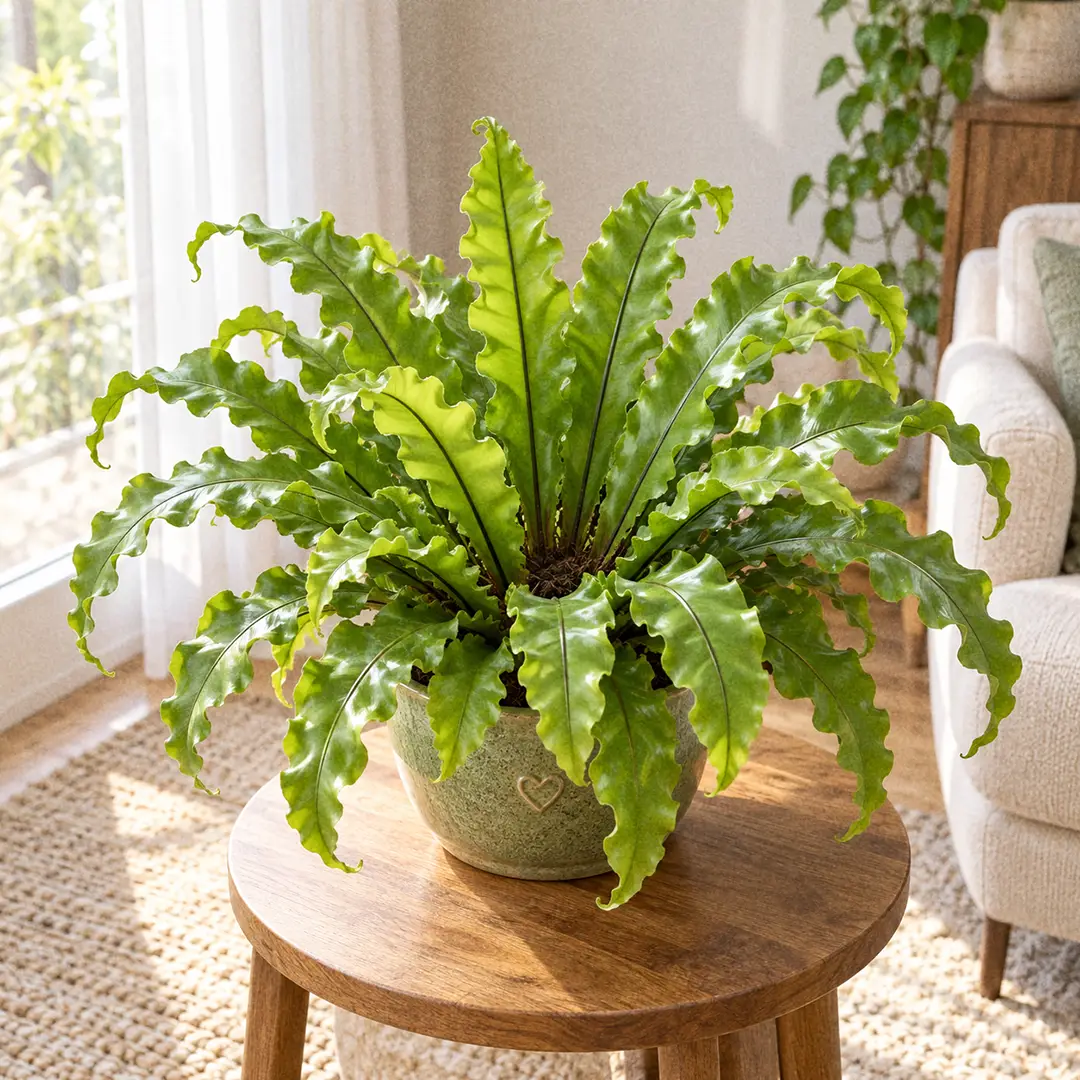
Complete Guide to Osaka Bird's Nest Fern Care and Growth
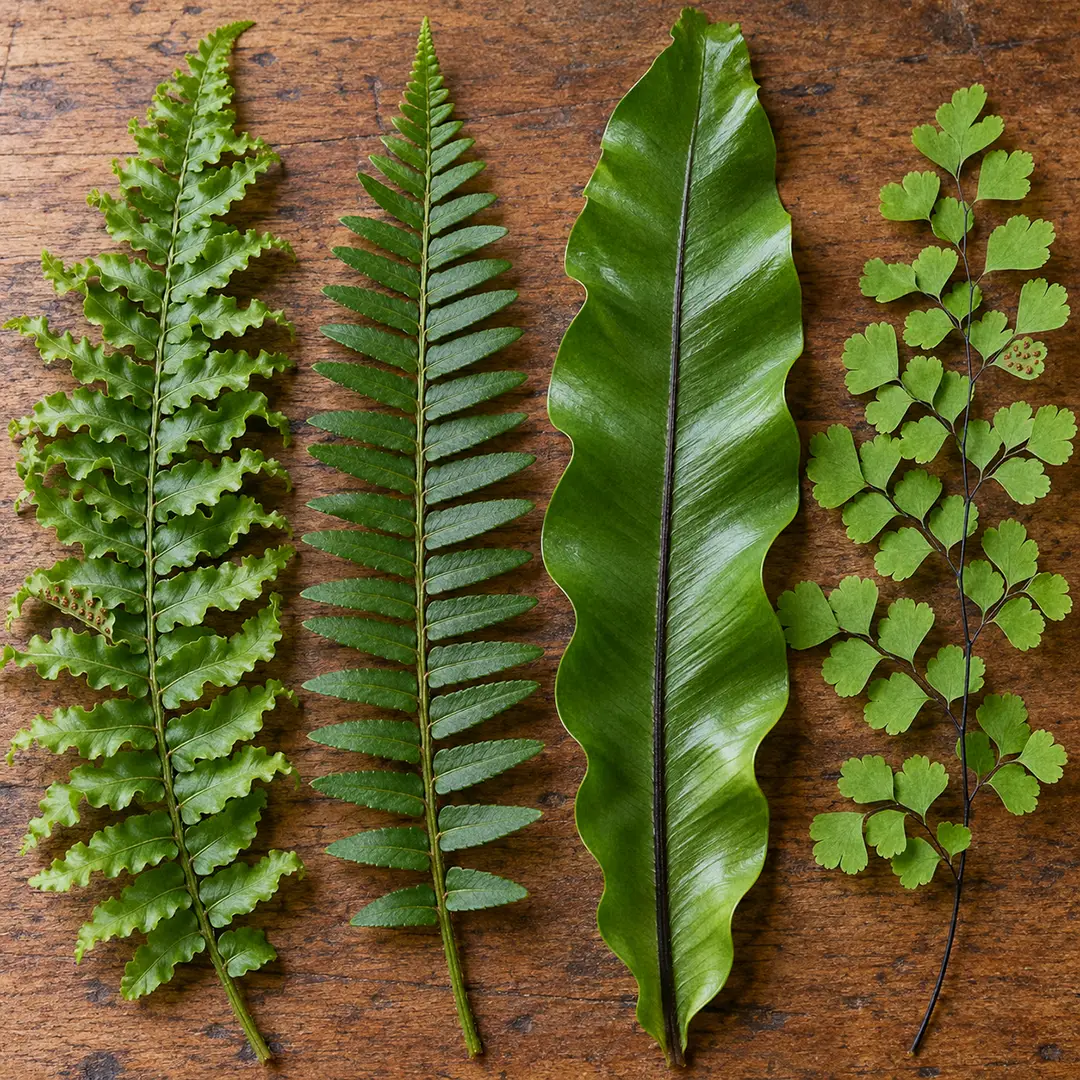
The 15 Most Popular Indoor Ferns and How to Choose One
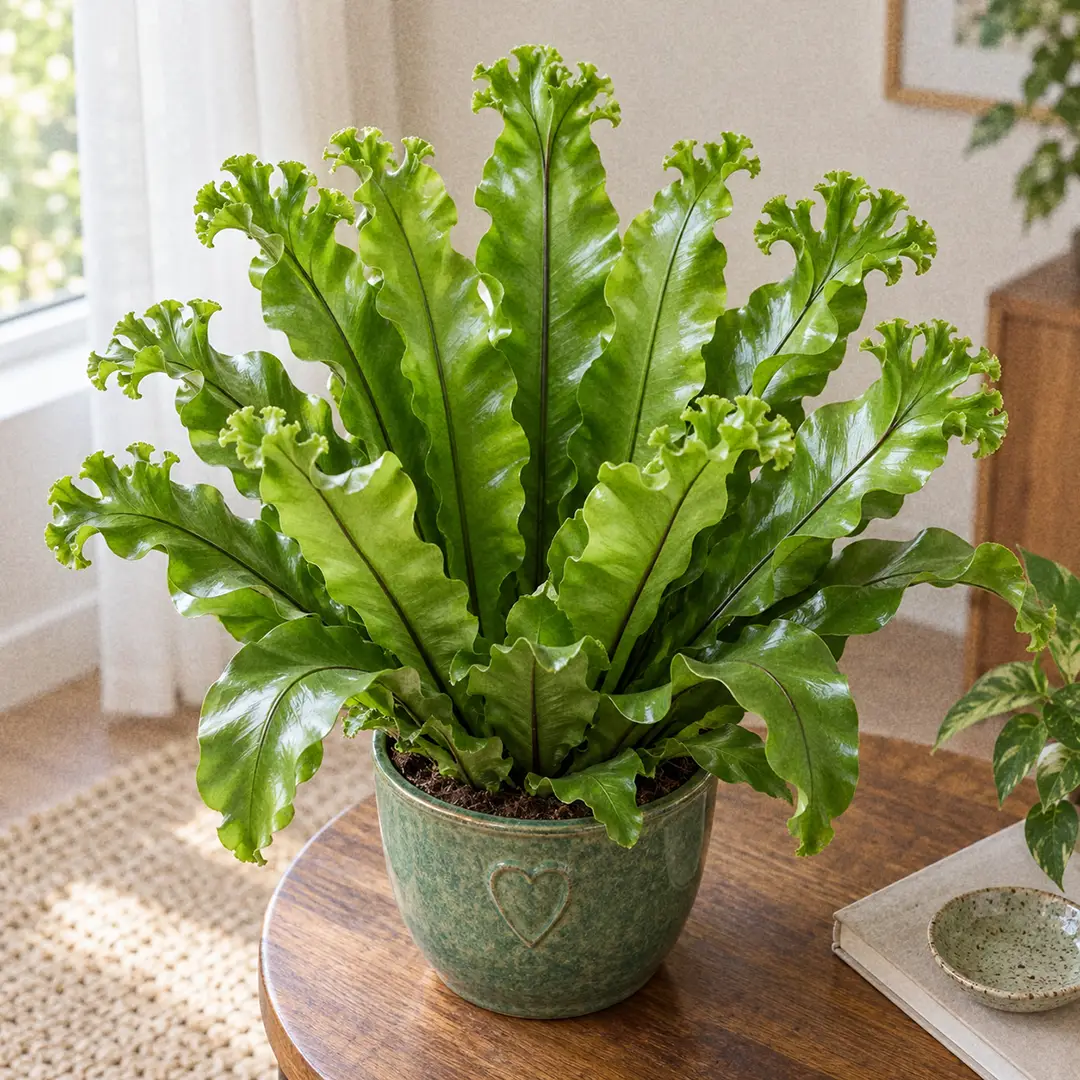
Complete Guide to Leslie Bird's Nest Fern Care and Growth
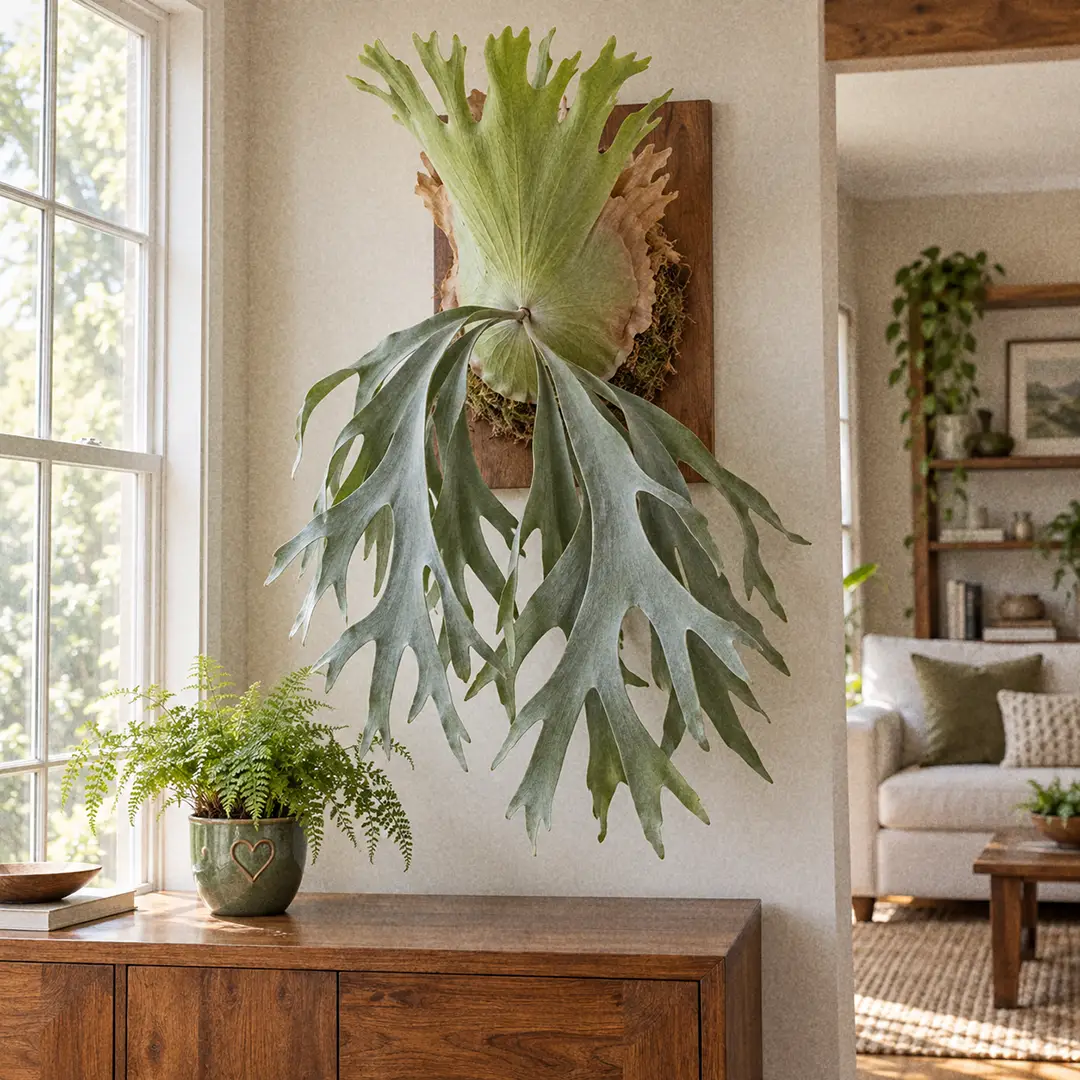
Complete Guide to Superbum Staghorn Fern Care and Growth
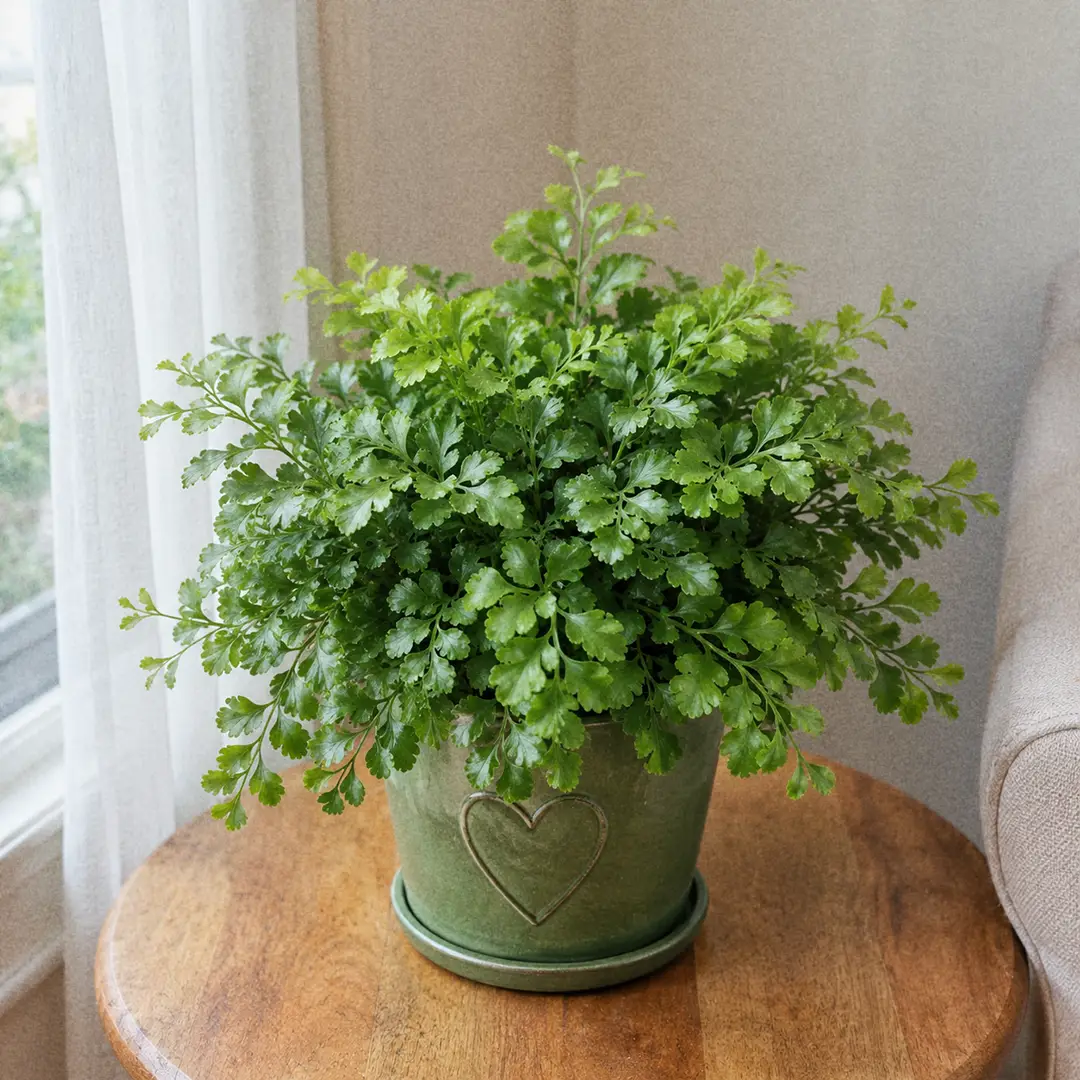
Complete Guide to Austral Gem Fern Care and Growth
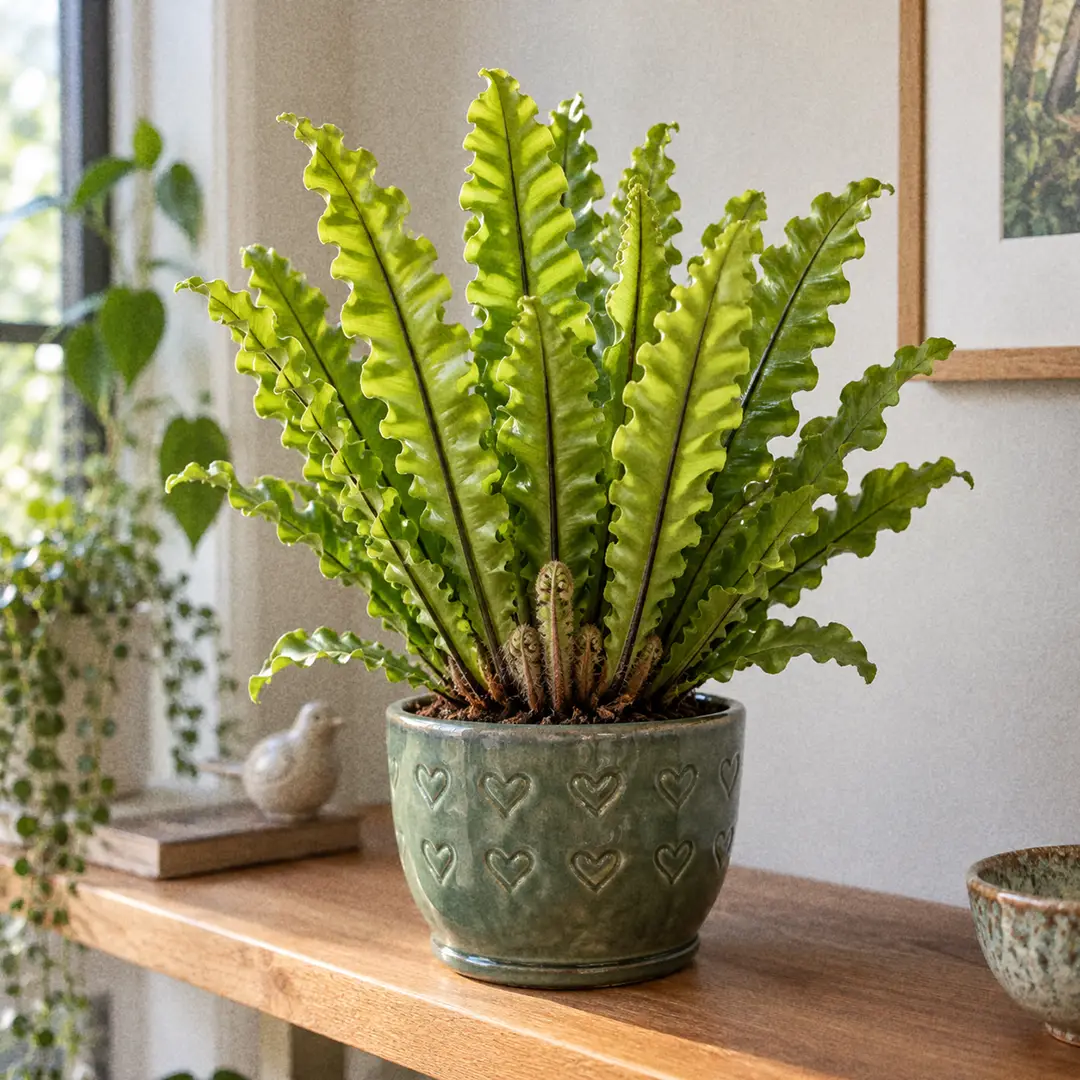
Complete Guide to Crispy Wave Fern Care and Growth
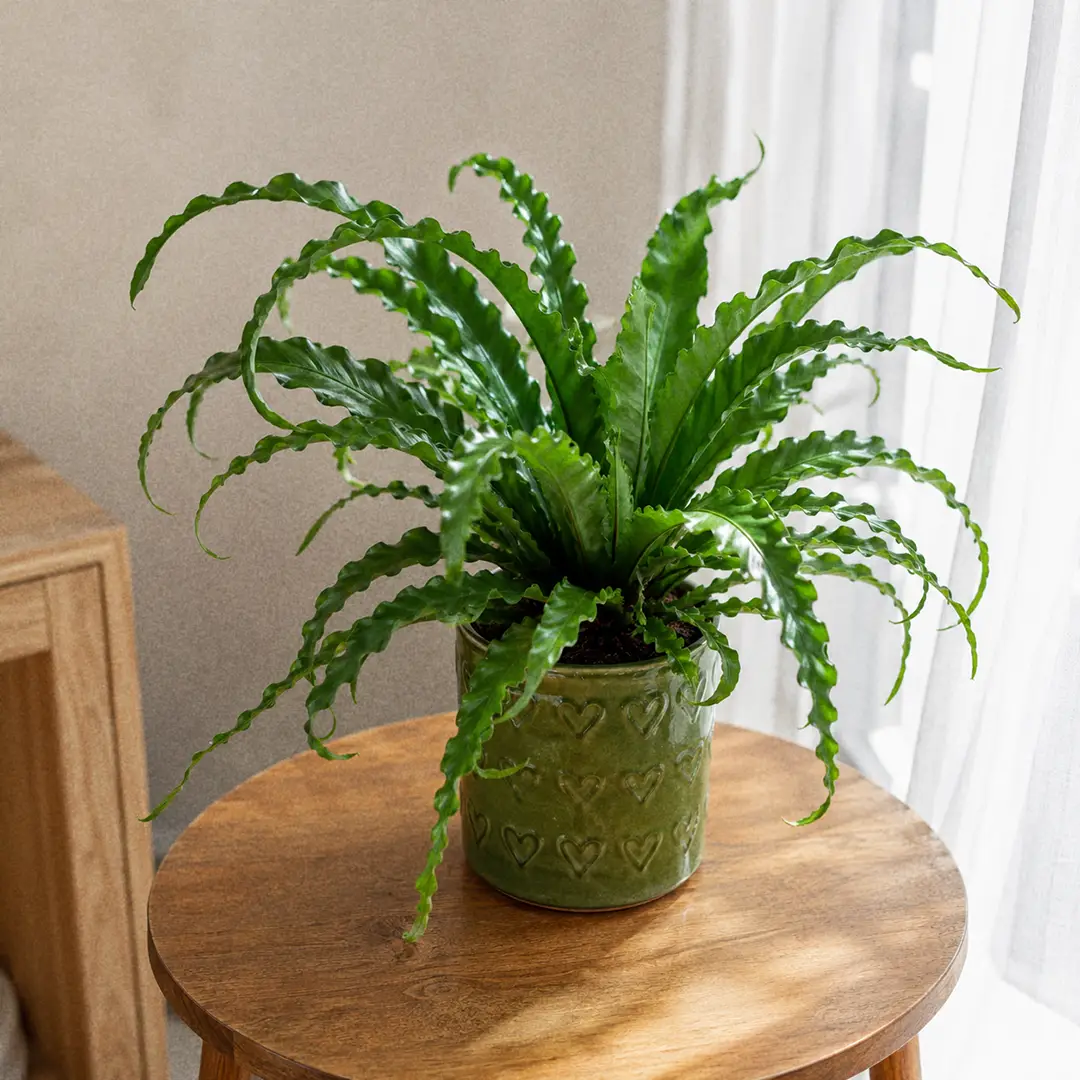
Complete Guide to Japanese Bird's Nest Fern Care and Growth
Complete Guide to Button Fern Care and Growth
Complete Guide to Mahogany Fern Care and Growth
Complete Guide to Bear's Paw Fern Care and Growth
Complete Guide to Blue Star Fern Care and Growth
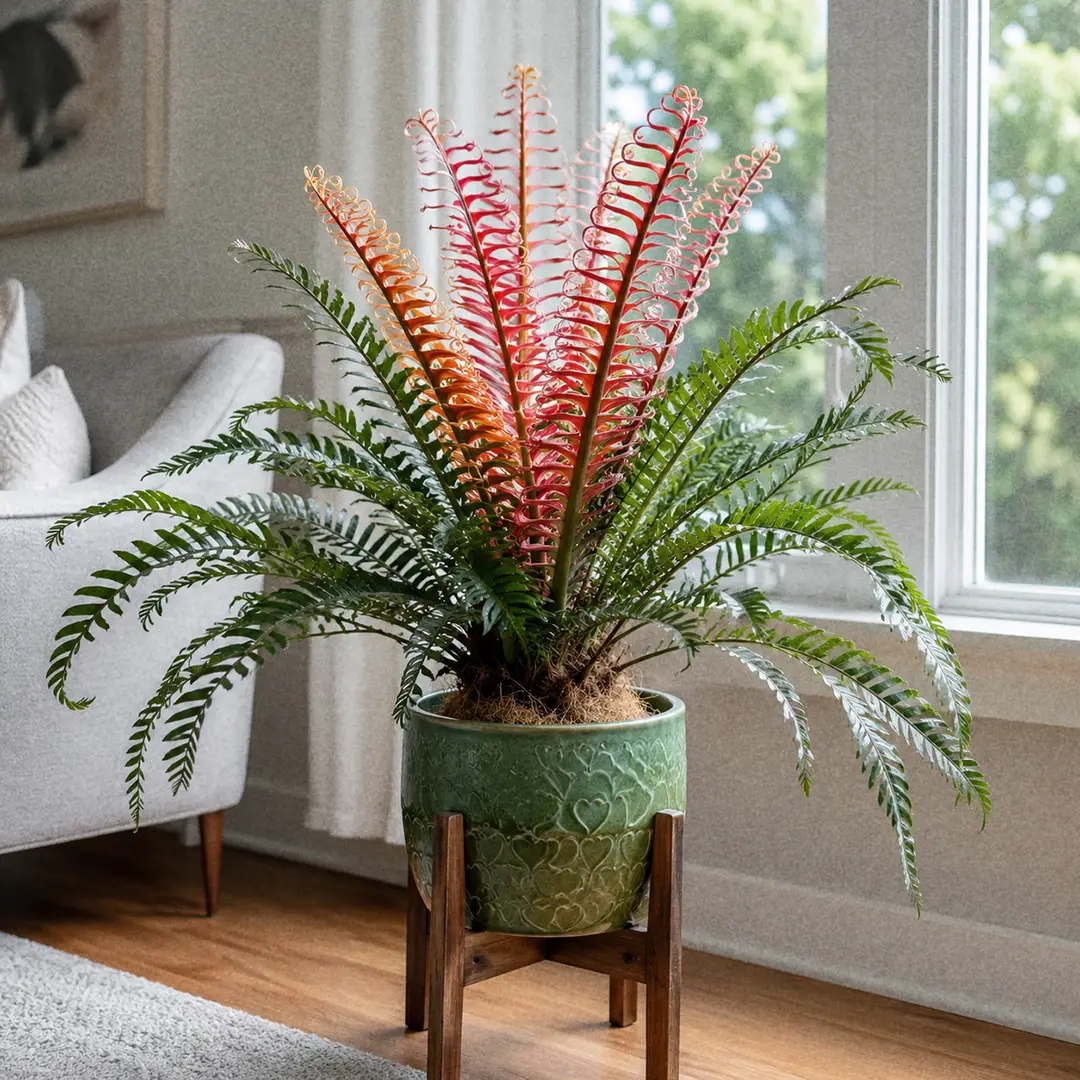
Complete Guide to Volcano Fern Care and Growth
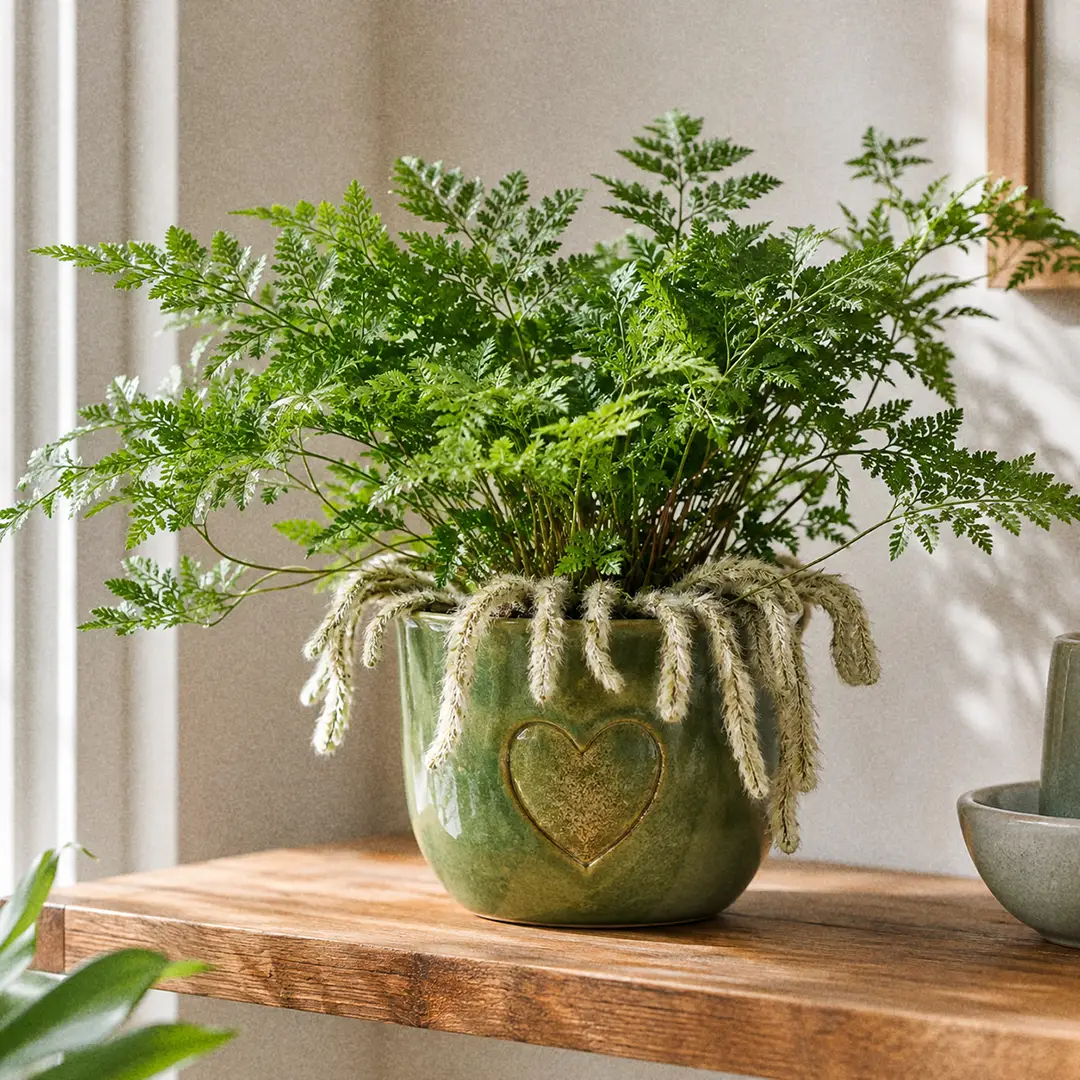
Complete Guide to White Rabbit's Foot Fern Care and Growth

Houseplant101 Forum
Questions & Comments
Ask a question, share your plant experience, or help other plant owners.
Comments are temporarily unavailable.
Open the Houseplant101 ForumNo comments yet
Be the first to ask a question or share your experience about this page.
Log in or create an account
Comments use your Houseplant101 Forum account, but you can stay on this page.
Create a new account