
Austral Gem Fern
Asplenium ×dimorphum 'Austral Gem'
Austral Gem, Asplenium Austral Gem, Asplenium 'Parvati', Asplenium Parvati, Parvati Fern, Austral Gem Bird's Nest Fern, Gem Fern, Mother Fern (Parvati)


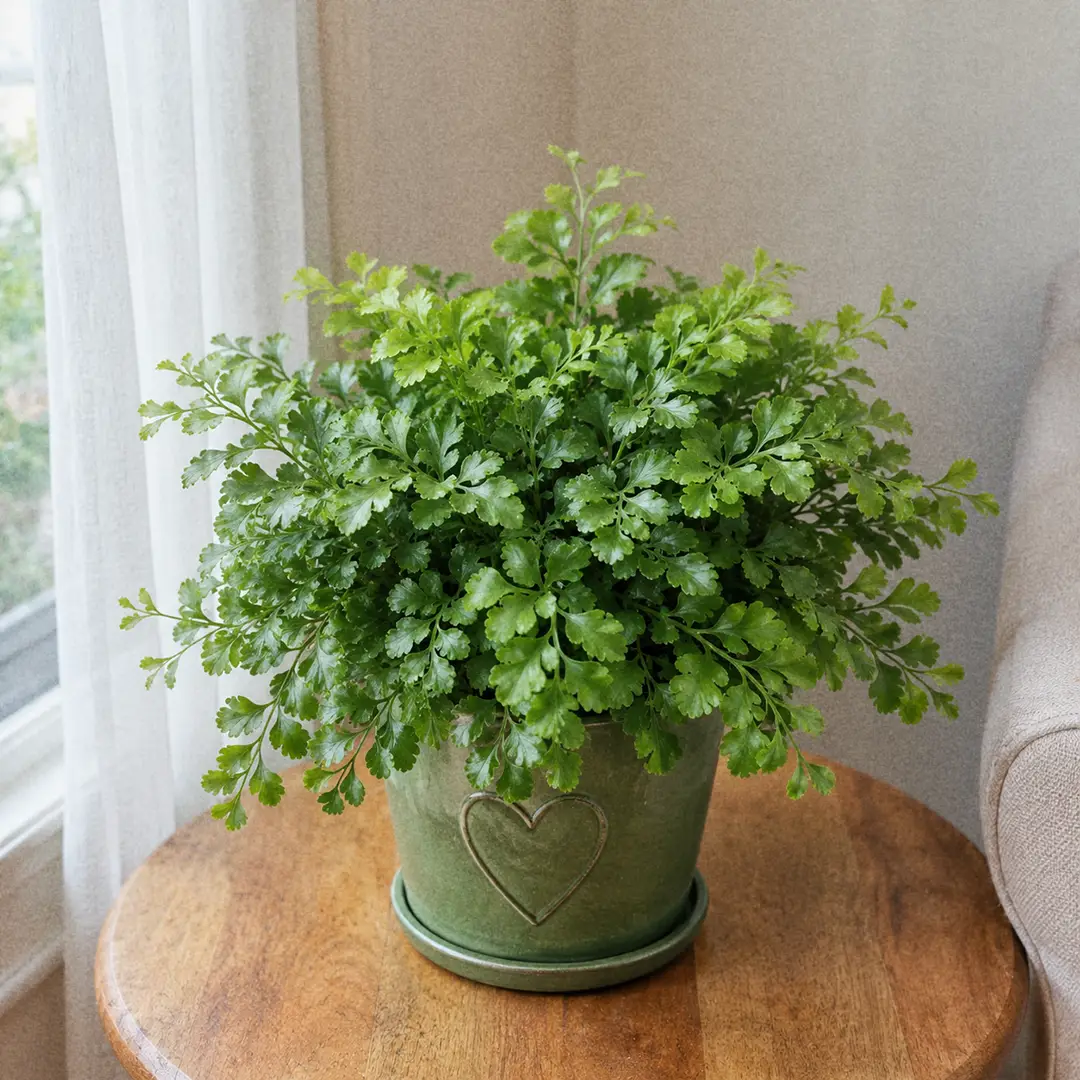
Austral Gem Fern, sold in Europe as Asplenium 'Parvati', is the fern for people who kill ferns. Its thick, glossy, leathery fronds hold moisture far better than a Maidenhair, it shrugs off ordinary living-room air, and it never sheds a single spore. Here is how to grow this compact Asplenium hybrid indoors, whichever name it came home under.
📝 Austral Gem Fern Care Notes
🌿 Care Instructions
⚠️ Common Pests
📊 Growth Information
🪴 In This Guide 🪴

☀️ Austral Gem Fern Light Requirements (Indoor Lighting Guide)
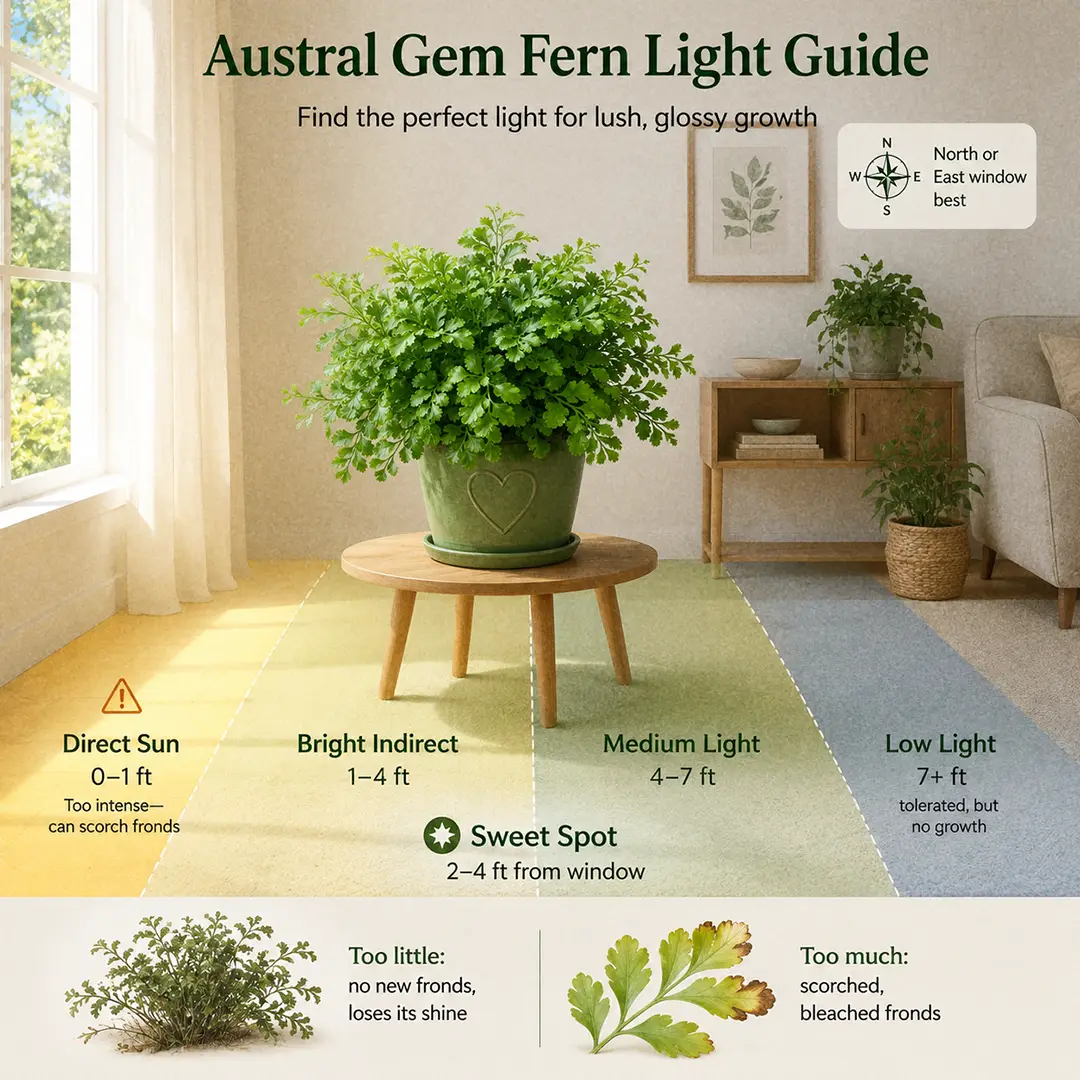
The Sweet Spot
Austral Gem wants medium to bright indirect light, and it is genuinely relaxed about the exact number. A north-facing window suits it perfectly. So does an east window, or a spot two to four feet back from a south or west window where a curtain softens the afternoon.
This comes straight from its parentage. Both parent species grow on the forest floor and on shaded rock faces, under a canopy that filters everything. Filtered is the key word. If you can read a paperback comfortably in that spot without turning a lamp on, the fern will be fine there. Our Indoor Lighting Guide helps if you are still learning to read a room by eye.
Too Little Light
This fern tolerates dim corners better than most houseplants, but tolerating and thriving are different things. In deep shade it simply stops. New fronds appear at a crawl, the existing ones lose their lacquered shine, and the clump slowly thins out at the centre. That is stunted growth, and on a plant this slow it can take months to notice.
Dim rooms also stay damp for longer, which is where the real danger sits. A pot that never dries in a dark corner is a rot risk. If your only free spot is genuinely gloomy, a small grow light running eight hours a day fixes both problems at once.
Too Much Light
Direct sun is the fast way to ruin this plant. An hour of unfiltered afternoon light through glass bleaches the fronds to a washed-out yellow-green, and longer exposure leaves dry brown patches that never recolour. That is leaf scorch, and the damaged frond has to be cut off rather than nursed back.
Gentle early morning sun for an hour is fine and even helps keep the clump compact. Anything from mid-morning onward should be filtered by a sheer curtain or blocked by distance.
💧 Austral Gem Fern Watering Guide (How to Water Properly)
Watering Frequency
The target is lightly moist, all the time, never wet. Water when the top inch of mix feels barely dry to a fingertip. In a warm room in summer that usually works out to every five to seven days; in a cool room in winter it can stretch to ten or twelve.
Those thick fronds buy you a grace period no other fern gives you. Where a Maidenhair crisps if you are a day late, Austral Gem holds its water and waits. Do not take that as permission to let it dry out completely, though. A fully dry root ball browns the oldest fronds first, and those never green up again. A moisture meter takes the guesswork out if you tend to overthink it.
How to Water
Water evenly all around the base until it runs out of the drainage holes, then tip out whatever collects in the saucer. Aim the spout at the soil rather than into the middle of the clump, because water pooling in the crown of a dense fern in a cool room invites rot at exactly the point the plant cannot afford to lose.
Room-temperature water is worth the small effort here. Cold water straight from the tap shocks fern roots and can cause a wave of frond drop a week later. If your tap water is very hard, see our notes on tap water versus filtered. Ferns react to mineral buildup faster than most plants, and Austral Gem is no exception.
Signs of Trouble
Underwatering shows as browning that starts at the frond tips and creeps inward, plus a general dullness. Give it a thorough soak, and if the mix has gone water-repellent and everything runs straight through, stand the pot in a few inches of water for twenty minutes using bottom watering.
Overwatering looks different and is far more dangerous. Fronds go yellow and limp while the soil stays damp, the base feels soft, and the pot smells sour. That is root rot starting, and it is the single most common cause of death for this plant. When you cannot decide whether to water, wait a day.
🪴 Best Soil for Austral Gem Fern (Potting Mix & Drainage)
What the Soil Needs
Austral Gem needs a mix that does two contradictory things: hold moisture, and drain freely. Its fine roots want steady dampness but suffocate in anything dense and compacted. Bagged potting soil straight from the sack holds water for far too long and packs down within a season.
The other requirement is organic matter. This is a forest-floor plant whose roots are used to leaf litter, so a lean gritty succulent mix starves it. Our Soil Guide covers the general principles if you want the background.
DIY Soil Mix
A blend that works reliably is 2 parts peat or coco coir, 1 part perlite, and 1 part fine orchid bark or leaf mould. The coir holds the moisture, the perlite keeps air pockets open, and the bark stops the whole thing collapsing into mud after a year.
A small handful of worm castings mixed in gives the plant a slow background feed and improves the structure at the same time. Skip heavy garden soil entirely, and skip pure peat, which goes water-repellent once it dries out.
Pre-Made Options
Any bagged mix labelled for ferns, African violets, or aroids makes a good base. Almost all of them are still a little too dense as sold, so cut them with a quarter to a third perlite by volume. Our potting soil guide compares the common bagged options and what they are actually made of.
🍼 Fertilizing Austral Gem Fern
When and How Often
Feed once a month from spring through early autumn, then stop entirely for winter. This is a slow grower with a modest appetite, and there is no benefit in pushing it. Growth almost stops in low winter light, so fertilizer applied in December just accumulates as salt in the soil.
Always water lightly before feeding. Fertilizer poured onto a dry root ball burns the fine roots, and fern roots are finer than most.
What to Use
A balanced liquid houseplant fertilizer at half the label strength is right. Ferns are sensitive feeders, and full-strength doses regularly cause the exact brown tips people blame on humidity. Our Fertilizing Guide explains the numbers, and the fertilizers guide covers what to buy.
Over-Fertilizing Signs
Watch for a white crust on the soil surface or around the pot rim, and browning that appears on fronds all over the plant at once rather than starting with the oldest ones. Both point at salt buildup. Flush the pot by running tepid water through it for a couple of minutes, let it drain completely, and skip the next two feeds.
🌡️ Austral Gem Fern Temperature Range
Ideal Range
Ordinary indoor comfort, 60-75°F (16-24°C), is what this fern wants year round. It has no dormancy period and no cold rest requirement, so there is nothing to change seasonally beyond watering less.
Below 50°F (10°C) growth stops and the fronds start looking sullen. A brief dip is survivable, but a cold windowsill all winter is not. Above about 85°F (29°C) the plant loses moisture faster than the roots replace it, and tips brown.
Drafts and Heat Sources
The two placements that cause the most trouble are directly above a radiator and directly under an air-conditioning vent. Both blast the fronds with moving, drying air, and this plant reacts to that faster than it reacts to low humidity itself.
A front door opening onto a cold hallway is the third one to watch in winter. If you notice fronds browning on one side of the plant only, the cause is almost always a draft coming from that direction. Our guide to keeping plants warm without overheating covers the winter placement problem in more detail.
💦 Austral Gem Fern Humidity Requirements
Ideal Humidity
Here is where this fern earns its reputation. It is comfortable at 40-50% humidity, which is what an ordinary heated home actually sits at. Most ferns want 60% and sulk below it. Austral Gem does not, because those thick waxy fronds lose water far more slowly than the thin papery fronds of a Maidenhair.
More humidity is still better, and at 55-60% the plant grows visibly faster. But you do not need to build anything to keep it alive.
Easy Humidity Boosters
The simplest fix is placement: a bathroom with a window, or a kitchen, gives you free humidity every day. Grouping it with other plants raises local moisture noticeably too. A pebble tray helps a little. A small humidifier helps a lot in a dry winter room, and our humidity guide covers what actually works versus what only feels productive. Misting is the one to skip: it raises humidity for about four minutes and leaves water sitting in the crown.
🌸 Austral Gem Fern Flowers (Why It Never Blooms)
Ferns Do Not Flower
Austral Gem will never produce a flower, and neither will any other fern. Ferns are far older than flowering plants and reproduce by spores instead, releasing them from small structures called sori on the undersides of the fronds. If a shop tag promises blooms on a fern, the tag is wrong.
This One Does Not Even Make Spores
The interesting part is that Austral Gem does not produce viable spores either. It is a sterile hybrid, so the undersides of the fronds stay clean and green with no brown sori lines at all. That is the fastest way to confirm you have the real thing rather than a lookalike seedling fern.
For most people this is a feature, not a loss. Fertile ferns shed fine brown spore dust onto shelves, floors, and nearby pots, and some people find that dust irritating. This one sheds nothing. The trade-off is that spore propagation is off the table completely, which shapes the whole propagation section below.
What To Look For Instead
The show here is foliage. Each new frond unfurls from a tight coiled fiddlehead at the centre of the clump, slowly straightening over a week or two, and that unfurling is the closest thing to an event this plant offers. New fronds come in a lighter apple green and darken to glossy deep green as they harden off.
🏷️ Austral Gem Fern Types and Varieties
Austral Gem Itself
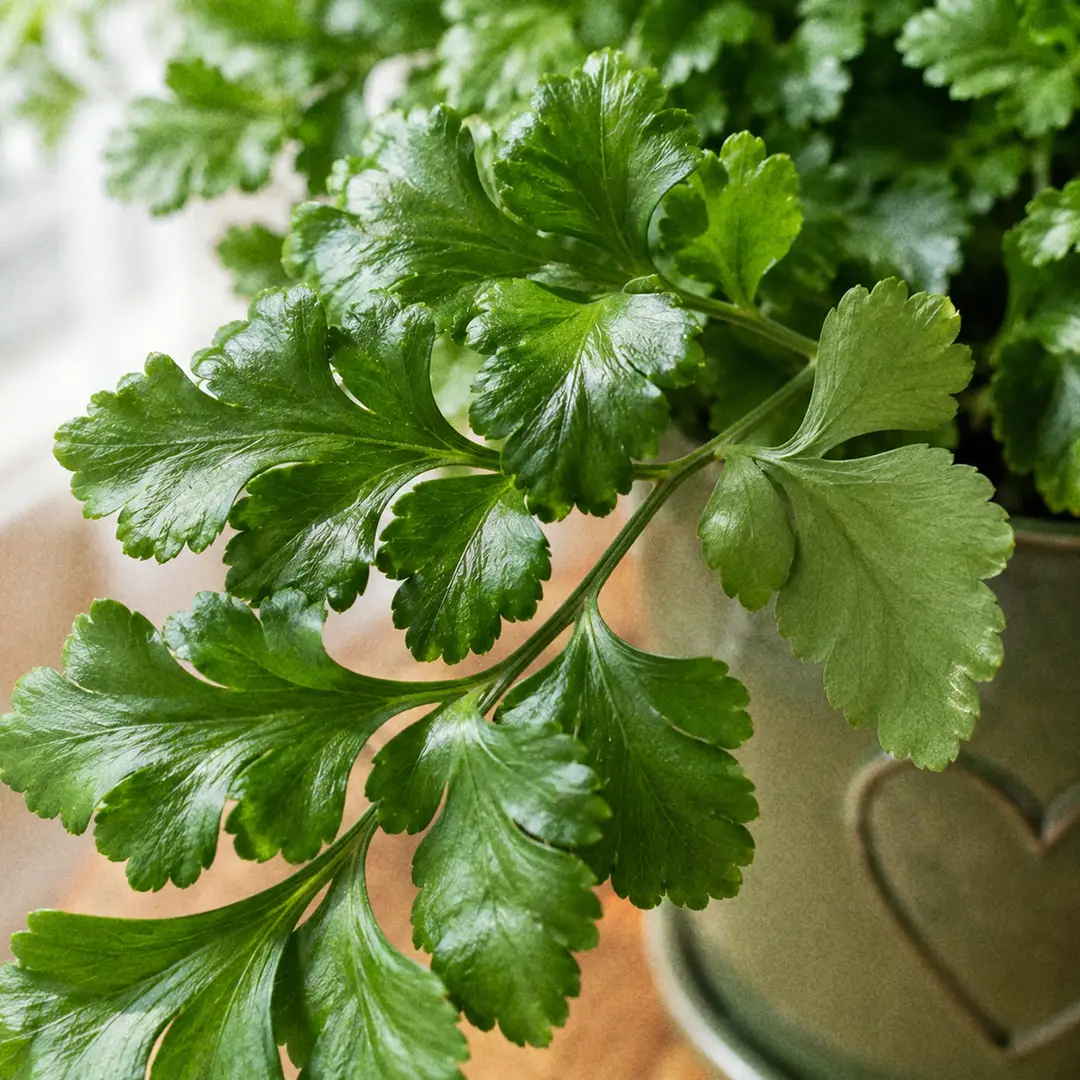
Strictly speaking there are no varieties of Austral Gem, because it is a single named cultivar rather than a species. Every plant sold under the name is a division or a tissue culture clone of one original hybrid, raised in Australia from a cross between Asplenium dimorphum and Asplenium difforme. That uniformity is why plants bought years apart look identical.
Austral Gem vs Parvati (Same Plant, Two Names)
This one trips up a lot of buyers. Asplenium 'Parvati' and Austral Gem are not two ferns, they are one clone with two commercial names. 'Parvati' is the registered cultivar name and the label you will see across the UK and Europe, sometimes written out as Asplenium dimorphum x difforme 'Parvati'. 'Austral Gem' is the trade name that stuck in North America and Australia.
So if one listing costs more because it sounds rarer, it is not. Buy whichever is cheaper, healthier, or the size you want, and every word on this page applies either way.
Austral Gem vs Bird's Nest Fern
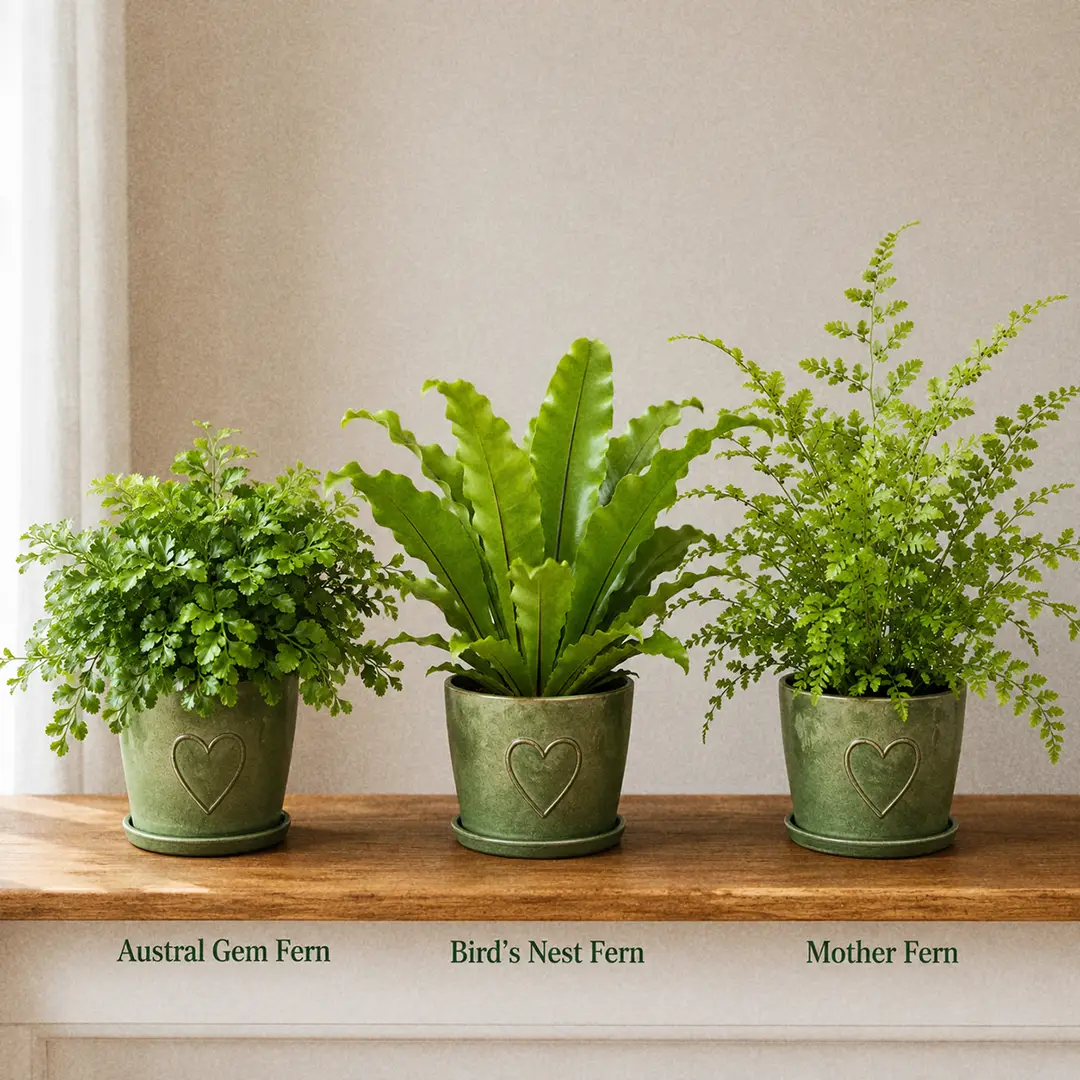
Shops sometimes label this plant "Austral Gem Bird's Nest Fern", which causes confusion. A true Bird's Nest Fern is Asplenium nidus and has wide undivided strap-shaped fronds arranged in a rosette, and the Japanese Bird's Nest Fern (A. antiquum) is the same idea in a smaller, more upright, wavy-edged package. Austral Gem has deeply divided, almost feathery fronds. They are cousins in the same genus, but they look nothing alike.
Austral Gem vs Mother Fern
The closer relative is the Mother Fern, Asplenium bulbiferum, which shares one parent's finely divided look. The clear giveaway is the plantlets: Mother Fern grows tiny baby ferns along the tops of its fronds, and Austral Gem never does. Mother Fern also wants more humidity and stays lacier and softer to the touch.
European sellers muddy this further by marketing 'Parvati' as "Mother Fern" as well. That label is wrong, and it matters: a true Mother Fern makes plantlets and wants steady humidity, while this one makes neither plantlets nor spores and shrugs off dry room air.
Related Asplenium Options
If you like the genus, Hart's Tongue Fern offers wavy strap fronds with a very different silhouette, and the Crocodile Fern gives you a bolder, more textured leaf for a similar shady spot.
🪴 Potting and Repotting Austral Gem Fern
When to Repot
Rarely. This is a slow grower with a modest root system, and it actively prefers being a little snug. Plan on every two to three years, and only when you see roots circling the base of the root ball or poking out of the drainage holes.
Spring is the right time, when the plant is about to push new growth and can recover quickly. Repotting a fern in November is asking for a sulk that lasts all winter.
Choosing a Pot
Go up one size only, an inch or two wider. A pot that is too large holds a reservoir of wet soil the small root system cannot use, and that is the classic route to root rot in ferns. Drainage holes are non-negotiable.
Glazed ceramic or plastic suits this plant better than terracotta, because unglazed clay pulls moisture out fast and this fern wants steady dampness. A wide, low, bowl-shaped pot also flatters the dome-shaped growth habit. Our plant pots guide compares materials.
Step-by-Step Repotting
Water the plant the day before so the root ball holds together. Slide it out, and resist the urge to tease the roots apart aggressively; fern roots are fine and break easily. Loosen only the outer surface and remove any dark mushy sections.
Set it into fresh mix at exactly the same depth it was growing before. Burying the crown even half an inch too deep causes rot at the centre. Firm it in gently, water thoroughly, and keep it out of bright light for a week. Our repotting guide covers the general technique.
✂️ Pruning Austral Gem Fern
When to Prune
There is no pruning season for this plant, because there is no shaping to do. You are only ever removing fronds that have finished. Older fronds at the outside of the clump naturally yellow and die back over time, and that is normal rather than a symptom.
How to Prune
Follow the tired frond down to the base of the plant and cut it off there with clean scissors, close to the crown but without nicking the crown itself. Never leave a stub halfway up, and never trim a frond in half. Half a frond is not something the plant can use, and the cut edge browns and stays brown.
The one exception is cosmetic. If a single frond has a small brown tip and the rest is healthy, you can trim the brown part away following the natural outline of the leaflets. It will not look perfect, but it beats losing the whole frond.
Do Not Shear It
Some ferns get cut back to the ground to force a flush of new growth. Do not do this to Austral Gem. It is far too slow to recover, and a plant stripped bare in April may still look sparse in September.
🌱 How to Propagate Austral Gem Fern
Division Is the Only Method
Because this hybrid is sterile, spore propagation is impossible, and ferns do not root from cuttings the way a Golden Pothos does. There are no plantlets on the fronds either, unlike its Mother Fern cousin. Division of the clump is the only way, and it only works once the plant is big enough to have multiple crowns.
That is also why this plant costs more than other small ferns. Every one in every shop came from a division or a lab, never from a packet of spores.
When to Divide
Spring, and only when the pot is genuinely full with several distinct growing points visible at the soil surface. A single-crown plant cannot be divided at all, and cutting one in half to try produces two dead halves. If you are unsure, wait another year.
Step-by-Step Division
- Water thoroughly the day before so the roots are hydrated and the mix holds together.
- Slide the plant out and shake or rinse enough soil off the base that you can see where the crowns separate.
- Find the natural seam between crowns. Ease them apart with your fingers where you can, and use a clean sharp knife only where roots are genuinely fused.
- Give each division a healthy share of roots and at least three or four mature fronds. A division with two fronds rarely makes it.
- Pot each piece into a snug container of fresh fern mix, at the same depth as before, and water it in.
Aftercare
Keep the new divisions in medium indirect light, warm, and lightly moist for the first month. Expect them to look unhappy for two or three weeks; some frond yellowing after division is normal, not a failure. Do not fertilize for six weeks, and do not overwater to compensate for the droop. New growth from the centre is the signal that the division took. Our plant division guide covers the technique across other plants.
🐛 Austral Gem Fern Pests and Treatment
Ferns are more chemically sensitive than most houseplants, which shapes how you treat everything below. Neem oil and many ready-made insecticidal sprays scorch fern fronds, so always test on one frond and wait 48 hours before spraying the whole plant.
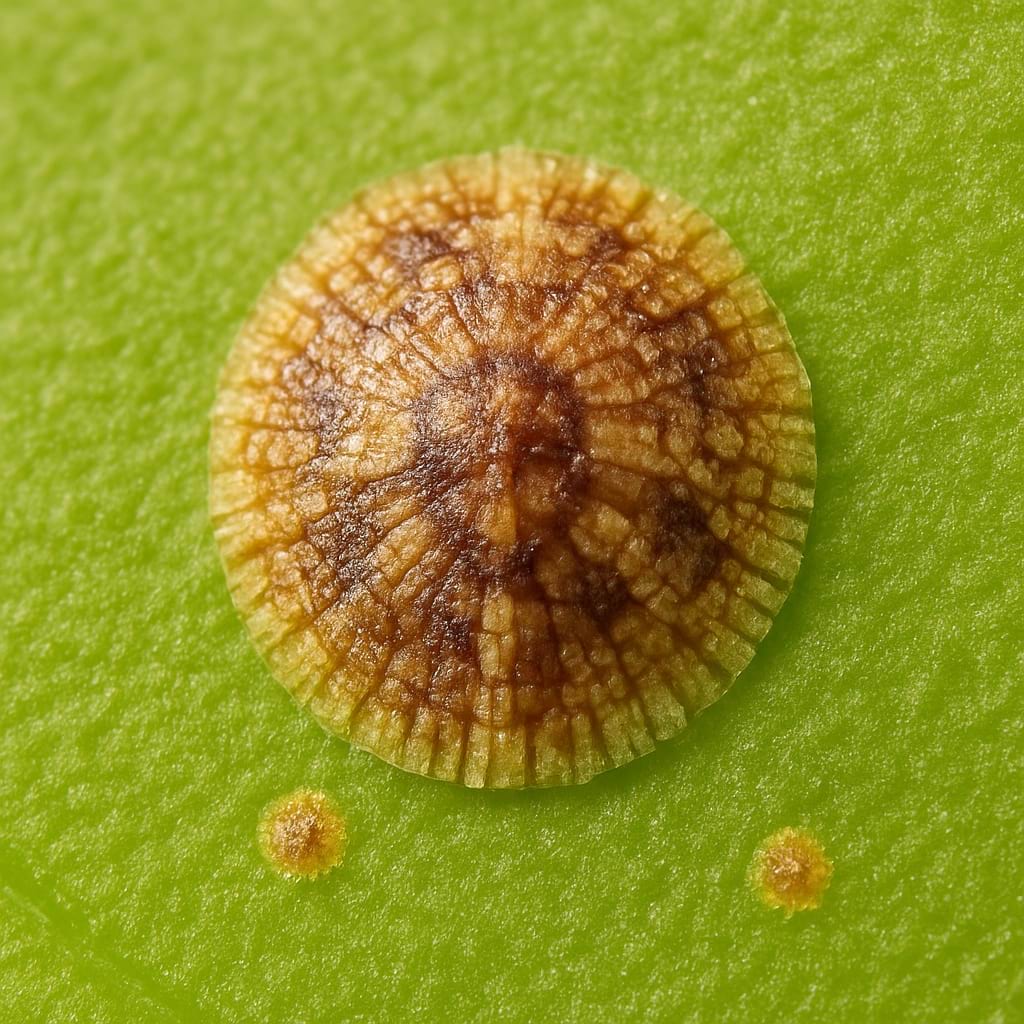
Scale insects are the most common problem here. They look like small brown or tan bumps stuck along the frond stems and midribs, and they hide well in a dense clump. Scrape them off with a fingernail or a cotton bud dipped in rubbing alcohol, then check weekly for a month.
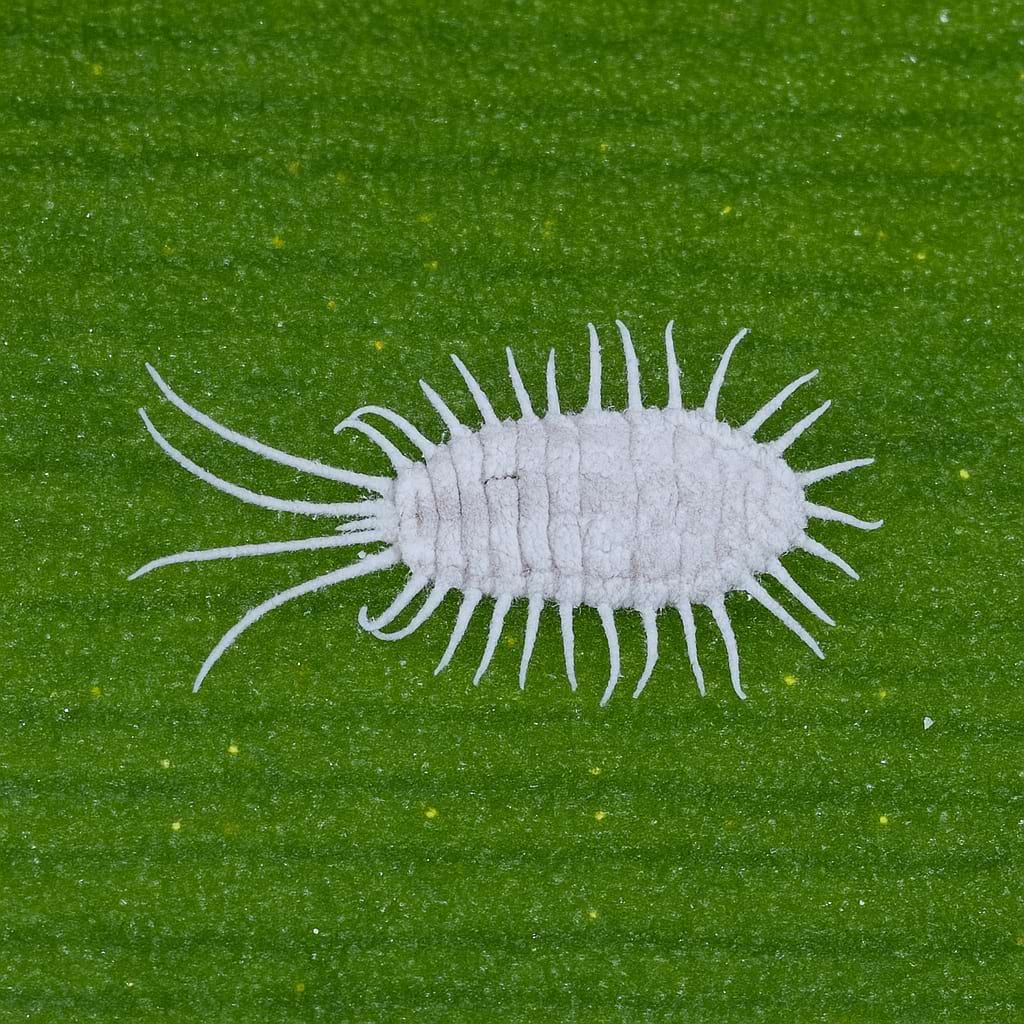
Mealybugs show up as white cottony fluff tucked into the crown and where leaflets meet the stem. Dab each one with alcohol on a cotton bud. The crown of a dense fern is their favourite hiding place, so look right down at the base.
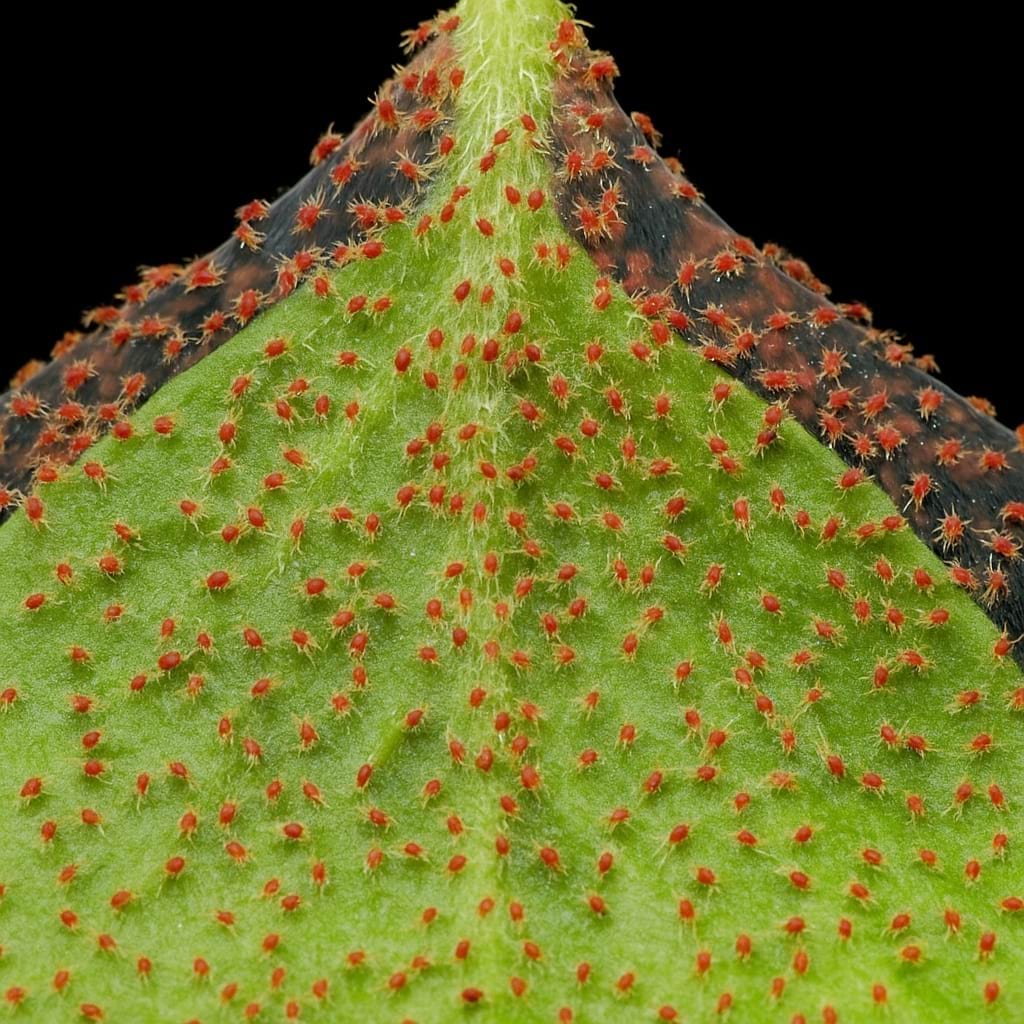
Spider mites arrive in dry winter rooms, leaving fine webbing and a stippled, dusty look on the fronds. A tepid shower knocks them back well, and raising humidity discourages them from returning.
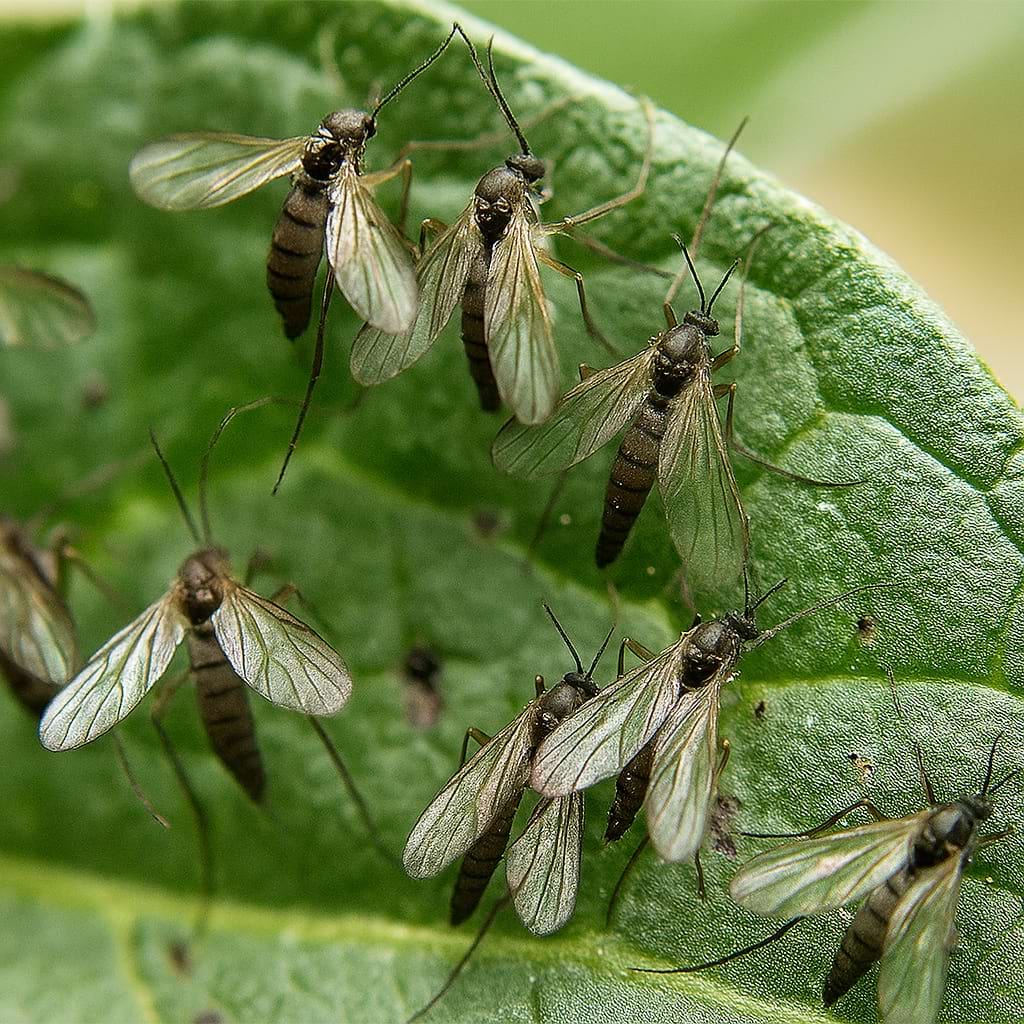
Fungus gnats breed in the constantly damp surface this fern requires. They do little direct harm but signal that the top layer is staying wetter than it should. Let the top inch dry properly between waterings and use yellow sticky traps.
🩺 Common Austral Gem Fern Problems
Brown Crispy Tips
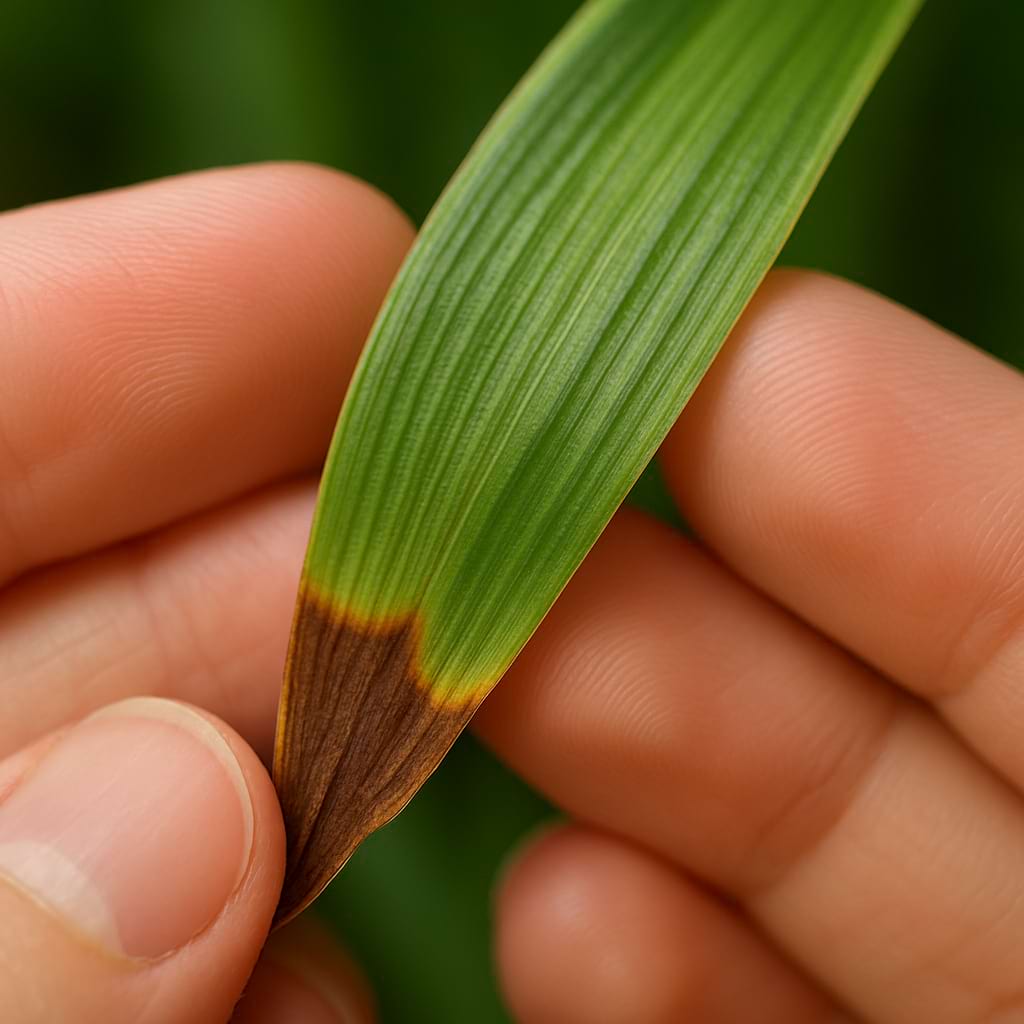
The most common complaint, and the cause is usually not what people assume. Brown crispy edges on this fern point at inconsistent watering, a drying draft, or salt buildup from tap water and fertilizer far more often than at low humidity, since Austral Gem copes with dry air better than its relatives. Check your watering rhythm first, then the placement, then flush the pot.
Yellowing Fronds
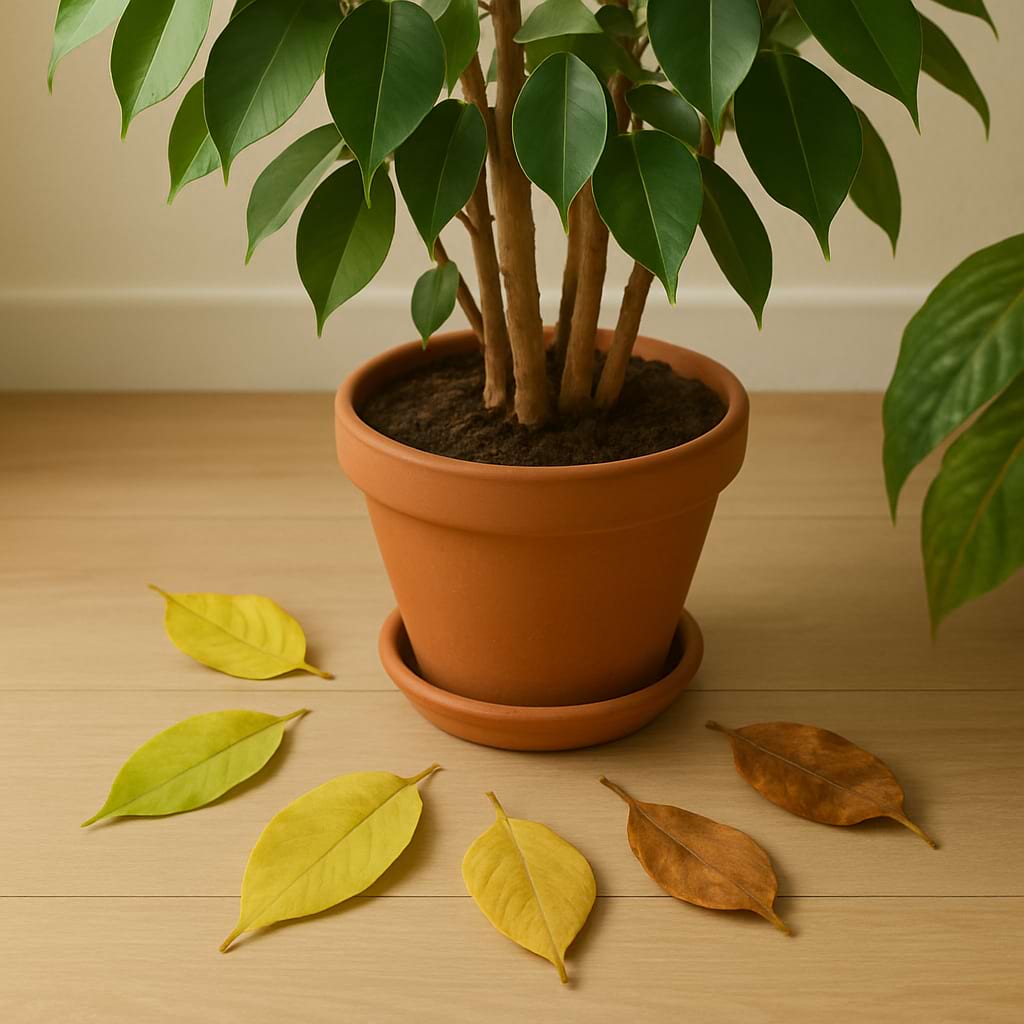
A single old outer frond yellowing is just age. Widespread yellowing across the plant, especially with soil that stays damp, means overwatering and the beginning of root trouble. Let the top inch dry, check that the drainage holes are clear, and confirm the pot is not standing in a saucer of water.
Root Rot and Mushy Crown
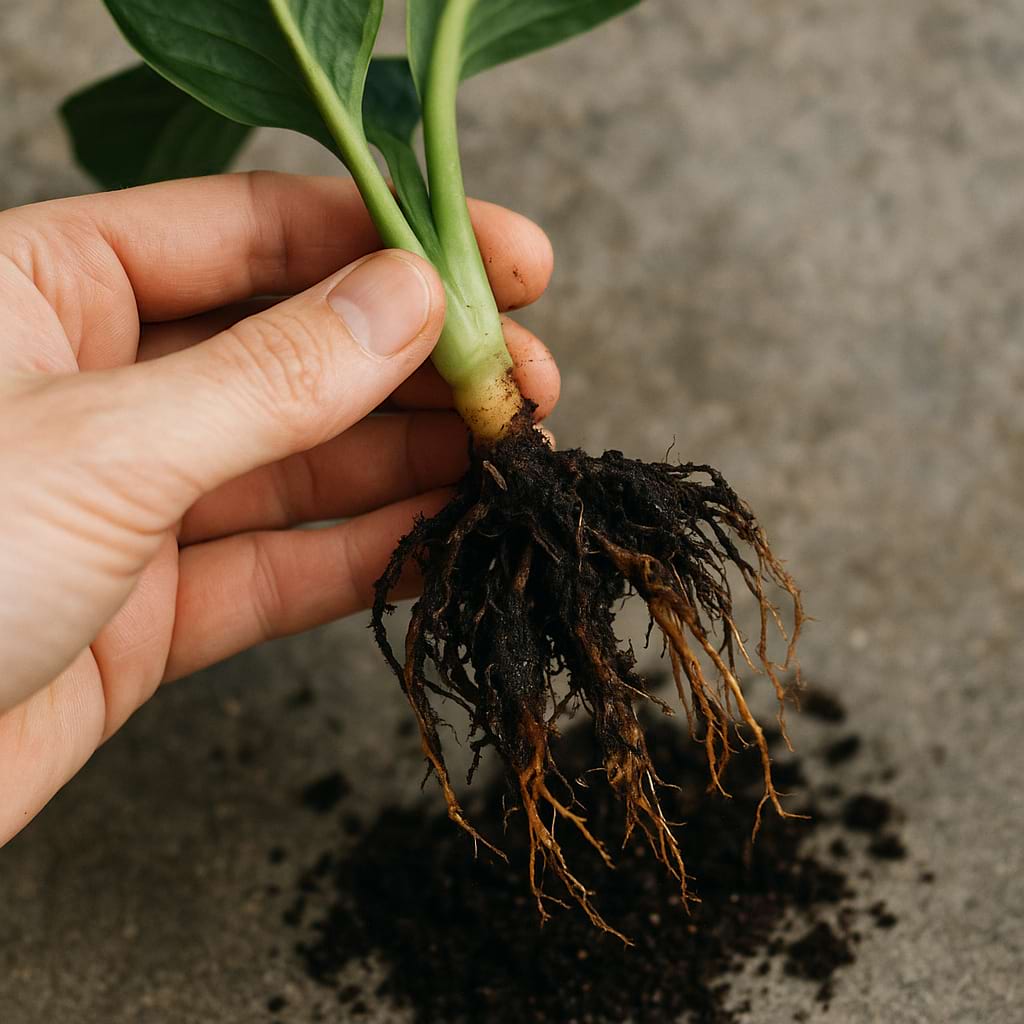
Root rot is the leading killer of this plant. Symptoms are limp yellowing fronds, a soft base, and a sour smell from the soil. Unpot it, trim every dark mushy root back to firm white tissue, repot into fresh airy mix in a slightly smaller pot, and water sparingly until new growth appears. Crown rot from burying the plant too deep, or from water pooling in the centre, looks similar and is treated the same way.
Sudden Frond Drop
A wave of fronds collapsing at once usually follows a shock: a move to a much colder or brighter spot, a blast of cold water, or a draft from a newly opened window. Return the plant to stable conditions and leave it alone. New growth from the crown means it is recovering, and impatient repotting at this stage makes things worse.

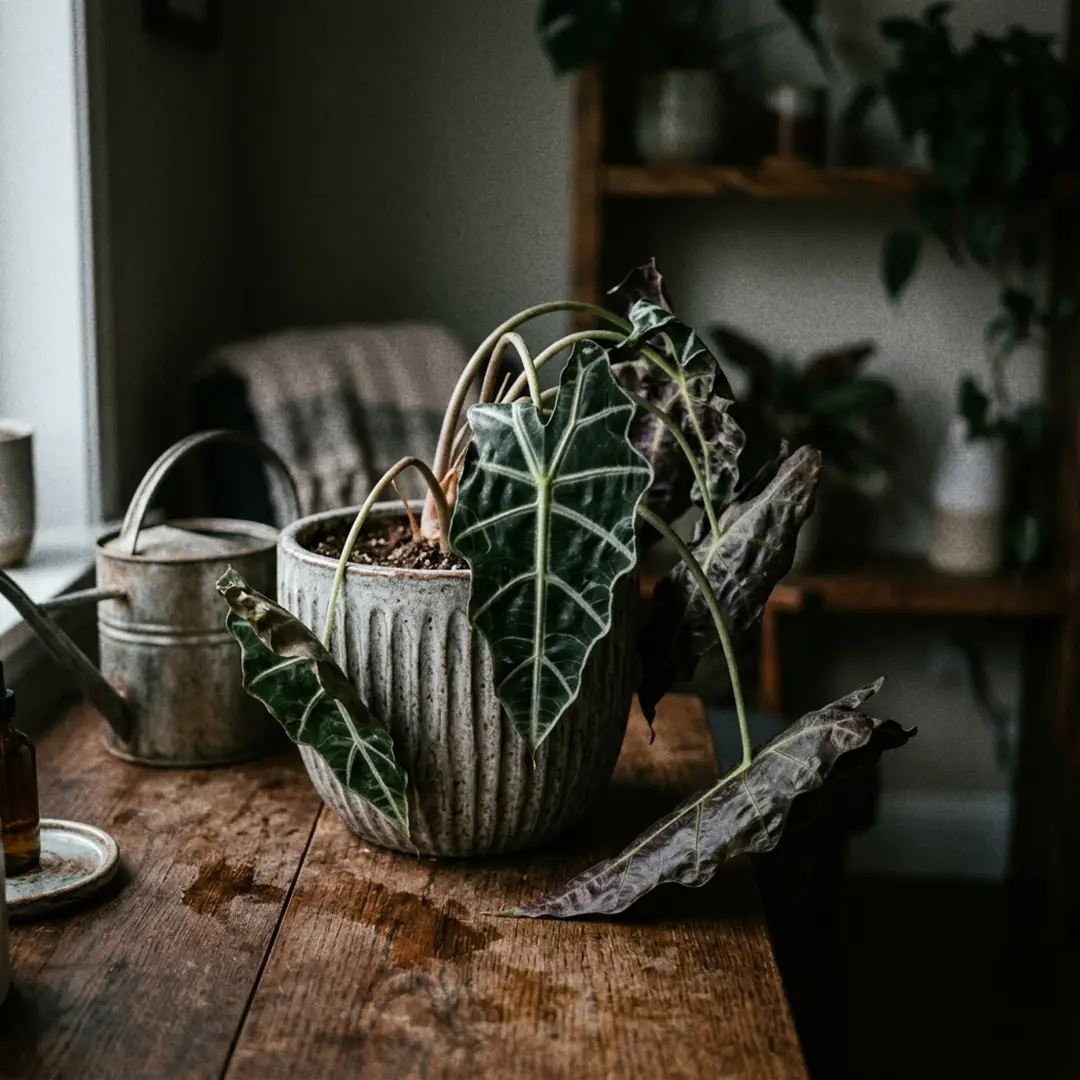
🖼️ Austral Gem Fern Display and Styling Ideas
Solo Setups
The neat, low, rounded shape makes this a natural table plant. A wide shallow bowl on a bedside table, a desk, or a bathroom shelf shows the dome off best, because you are looking slightly down onto it and seeing the whole silhouette. Skip tall pedestals, which hide the shape entirely.
Bathrooms with a window are the single best home for it: warm, humid, and rarely brightly lit. It is also one of the few ferns compact enough for a closed terrarium or a glass cloche, where the trapped humidity produces noticeably faster growth.
Grouped Arrangements
The glossy, deeply cut fronds contrast beautifully with something broad and matte. Pair it with a Bird's Nest Fern for a wide-strap counterpoint, or a Blue Star Fern for a cooler blue-green tone. Because all three want the same light and water, a shaded grouped corner is easy to keep alive.
Where Not to Put It
Not on a sunny south windowsill, not directly above a radiator, and not on top of the fridge, which is both warm and dry. Also skip the spot beside a frequently opened front door in winter.
🌟 Austral Gem Fern Pro Care Tips
- Buy the size you want. This fern is slow, and a small plant stays small for a long time. Paying more for a fuller clump saves you two years of waiting.
- Water the soil, not the crown. Water pooling in the dense centre in a cool room is how crown rot starts.
- Check the frond undersides when you buy. Clean green undersides with no brown sori lines confirm it is a genuine sterile Austral Gem.
- Test any spray on one frond first. Ferns burn easily from neem and insecticidal soaps that other plants shrug off.
- Flush the pot twice a year. Running tepid water through for two minutes clears the mineral salts behind most mystery brown tips.
- Rotate a quarter turn weekly. The clump grows toward the light and goes lopsided otherwise.
- Never bury the crown. Plant it at exactly the depth it grew before, every single time you repot.
❓ Frequently Asked Questions
Is Austral Gem Fern safe for cats and dogs?
Yes. Like other true ferns in the Asplenium genus, it is non-toxic to cats and dogs, and it is a good pick for a home with curious pets. A pet that chews a lot of foliage may still get an upset stomach, but the plant itself is not poisonous.
Why are my Austral Gem Fern's tips turning brown?
Most often inconsistent watering, a drying draft, or salt buildup from tap water and fertilizer, rather than low humidity. This fern copes with ordinary room air better than most, so check your watering rhythm and its position relative to radiators and vents before blaming the air.
How fast does Austral Gem Fern grow?
Slowly. Expect a handful of new fronds per year in good conditions, and a plant that takes several years to fill out a 6-inch pot. If yours seems to be doing nothing in winter, that is normal and not a problem to fix.
Can I grow Austral Gem Fern from spores?
No. It is a sterile hybrid and produces no viable spores, so the undersides of the fronds stay clean and green. Division of an established multi-crown clump is the only way to make more.
Is Asplenium Parvati the same as Austral Gem Fern?
Yes, exactly the same plant. 'Parvati' is the registered cultivar name for this Asplenium dimorphum x difforme hybrid, and 'Austral Gem' is the trade name it picked up in North America. Pick whichever tag is cheaper or healthier.
Why is my Parvati labelled "Mother Fern"?
Because European sellers often use that name, which is a mislabel. The real Mother Fern is Asplenium bulbiferum and it grows baby plantlets on top of its fronds. Parvati never does, and it takes dry air far better, so do not follow Mother Fern humidity advice for it.
Is it a real Bird's Nest Fern?
No, although it is sometimes sold under that name. A true Bird's Nest Fern is Asplenium nidus with wide undivided strap fronds. Austral Gem is a hybrid with finely divided fronds. They share a genus and similar care, and not much else.
Does Austral Gem Fern need a humidifier?
Not usually. It is comfortable at 40-50% humidity, which most homes hit naturally. A humidifier helps it grow faster in a dry winter room, but this is one of the very few ferns that will not decline without one.
Why did all my fronds go limp at once?
Almost always shock or root rot. If the soil is dry, water thoroughly and it should perk up within a day. If the soil is damp and the base feels soft, unpot it immediately and check the roots, because that is rot and it moves quickly.
ℹ️ Austral Gem Fern Info
Care and Maintenance
🪴 Soil Type and pH: Rich, airy, moisture-retentive mix with strong drainage
💧 Humidity and Misting: Happy around 40-50%, which is far lower than most ferns tolerate.
✂️ Pruning: Snip old or damaged fronds off at the base; never shear the whole plant.
🧼 Cleaning: Wipe the glossy fronds with a soft damp cloth, or rinse the whole plant in a tepid shower every few months.
🌱 Repotting: Repot every 2-3 years in spring, only when roots circle the base or fill the drainage holes.
🔄 Repotting Frequency: Every 2-3 years
❄️ Seasonal Changes in Care: Steady water and monthly feeding from spring to early autumn, then less water, no fertilizer, and a spot away from radiators through winter.
Growing Characteristics
💥 Growth Speed: Slow
🔄 Life Cycle: Evergreen perennial fern
💥 Bloom Time: Never. Ferns do not flower, and this sterile hybrid does not even produce viable spores.
🌡️ Hardiness Zones: 10-12
🗺️ Native Area: A cultivated hybrid raised in Australia from Norfolk Island and New Zealand parent species
🚘 Hibernation: No true dormancy, though growth slows to almost nothing in low winter light
Propagation and Health
📍 Suitable Locations: Bathrooms, north and east windowsills, bedside tables, desks, shaded kitchen corners, shelves out of direct sun
🪴 Propagation Methods: Division only. This hybrid is sterile and grows no viable spores.
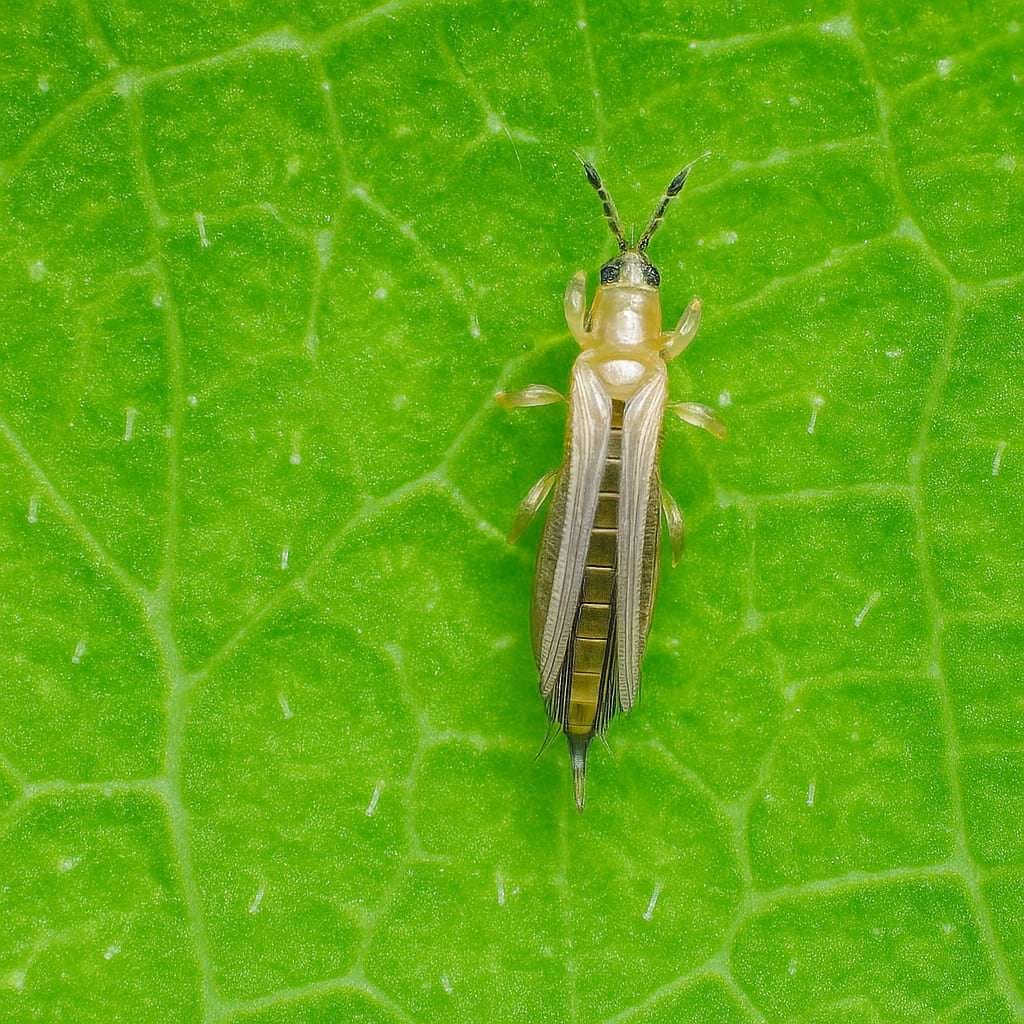
🐛 Common Pests: Scale Insects, Mealybugs, Spider Mites, Fungus Gnats, Thrips
🦠 Possible Diseases: Root rot, fungal leaf spotting, crown rot in soggy soil
Plant Details
🌿 Plant Type: Compact clumping fern
🍃 Foliage Type: Evergreen, thick, glossy, deeply divided fronds
🎨 Color of Leaves: Deep glossy green with a lacquered sheen
🌸 Flower Color: None
🌼 Blooming: No, and it produces no spores either
🍽️ Edibility: Not an edible plant.
📏 Mature Size: 12-18 inches tall
Additional Info
🌻 General Benefits: Pet-safe, tolerates ordinary dry household air, stays small, sheds no spores or brown dust, and holds its glossy colour year round
💊 Medical Properties: No documented medicinal uses.
🧿 Feng Shui: Soft, rounded, low-growing greenery that takes the hard edge off a corner or a bathroom shelf without demanding a bright window.
⭐ Zodiac Sign Compatibility: Cancer
🌈 Symbolism or Folklore: Shelter, quiet resilience, new growth in shaded places
📝 Interesting Facts: Austral Gem is a man-made cross between Asplenium dimorphum from Norfolk Island and Asplenium difforme from Australia and New Zealand, raised in Australia. Its registered cultivar name is actually 'Parvati', which is the name it is usually sold under in the UK and Europe. Like many hybrids it is sterile, so the fronds carry no spore-bearing sori on their undersides.
Buying and Usage
🛒 What to Look for When Buying: Look for a dense, low clump with firm glossy fronds and no yellowing at the base. Skip plants with browned crispy tips, a soft mushy centre, or fronds that feel thin and papery rather than leathery. Labels reading 'Parvati' or 'Asplenium dimorphum x difforme' are the same plant, so buy on the cheaper tag.
🪴 Other Uses: Bathroom greenery, terrarium and closed-case planting, shaded patio pot in summer, low centrepiece in a grouped fern arrangement.
Decoration and Styling
🖼️ Display Ideas: Bathroom shelves, bedside tables, low bowls, grouped fern collections, office desks under indirect light
🧵 Styling Tips: The dome shape reads best viewed from slightly above, so a low wide pot on a table beats a tall pedestal.
🪴 See also 🪴
Complete Guide to Silver Staghorn Fern Care and Growth
Complete Guide to Crown Fern Care and Growth
Complete Guide to Eyelash Fern Care and Growth
Complete Guide to Crissie Bird's Nest Fern Care and Growth
Complete Guide to Osaka Bird's Nest Fern Care and Growth
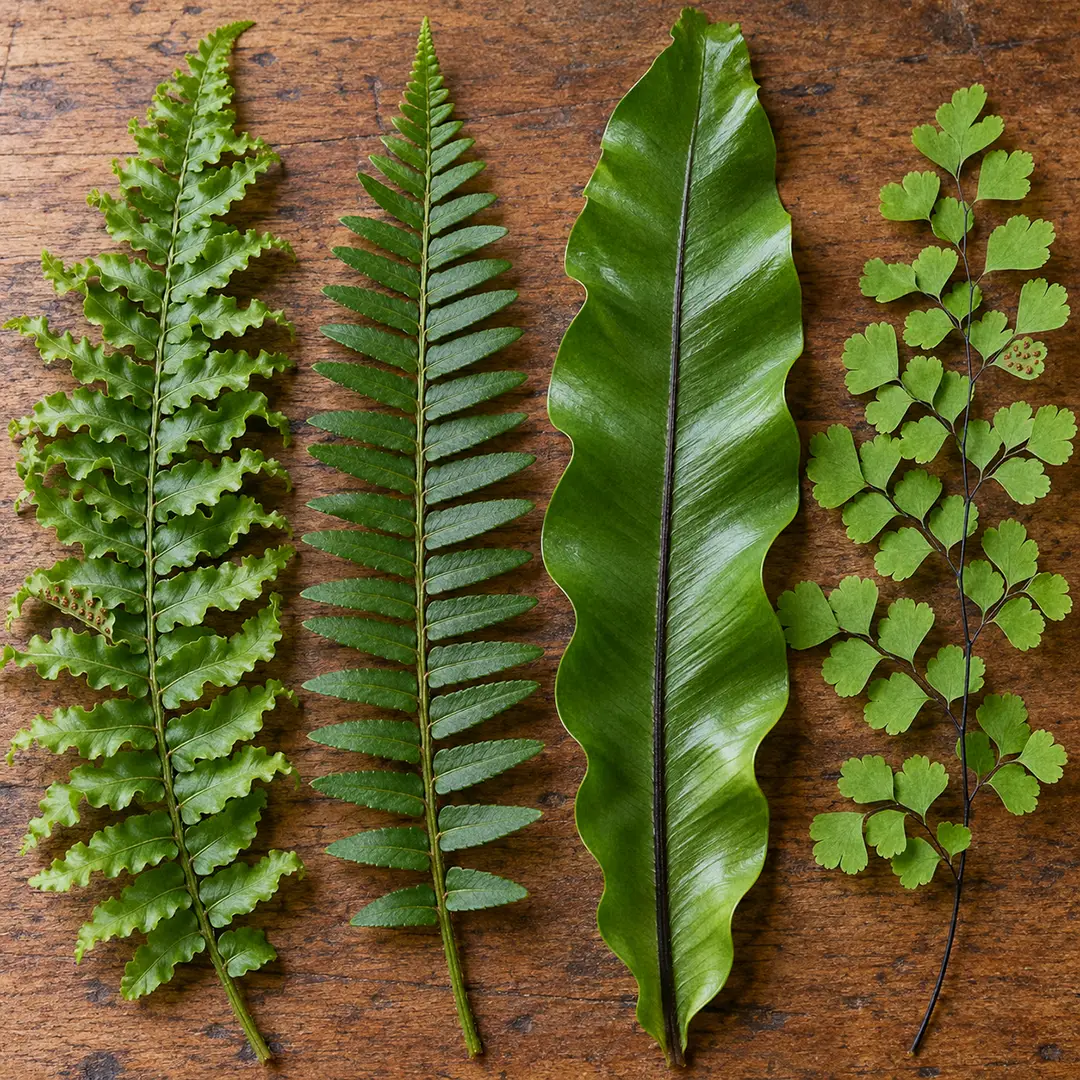
The 15 Most Popular Indoor Ferns and How to Choose One
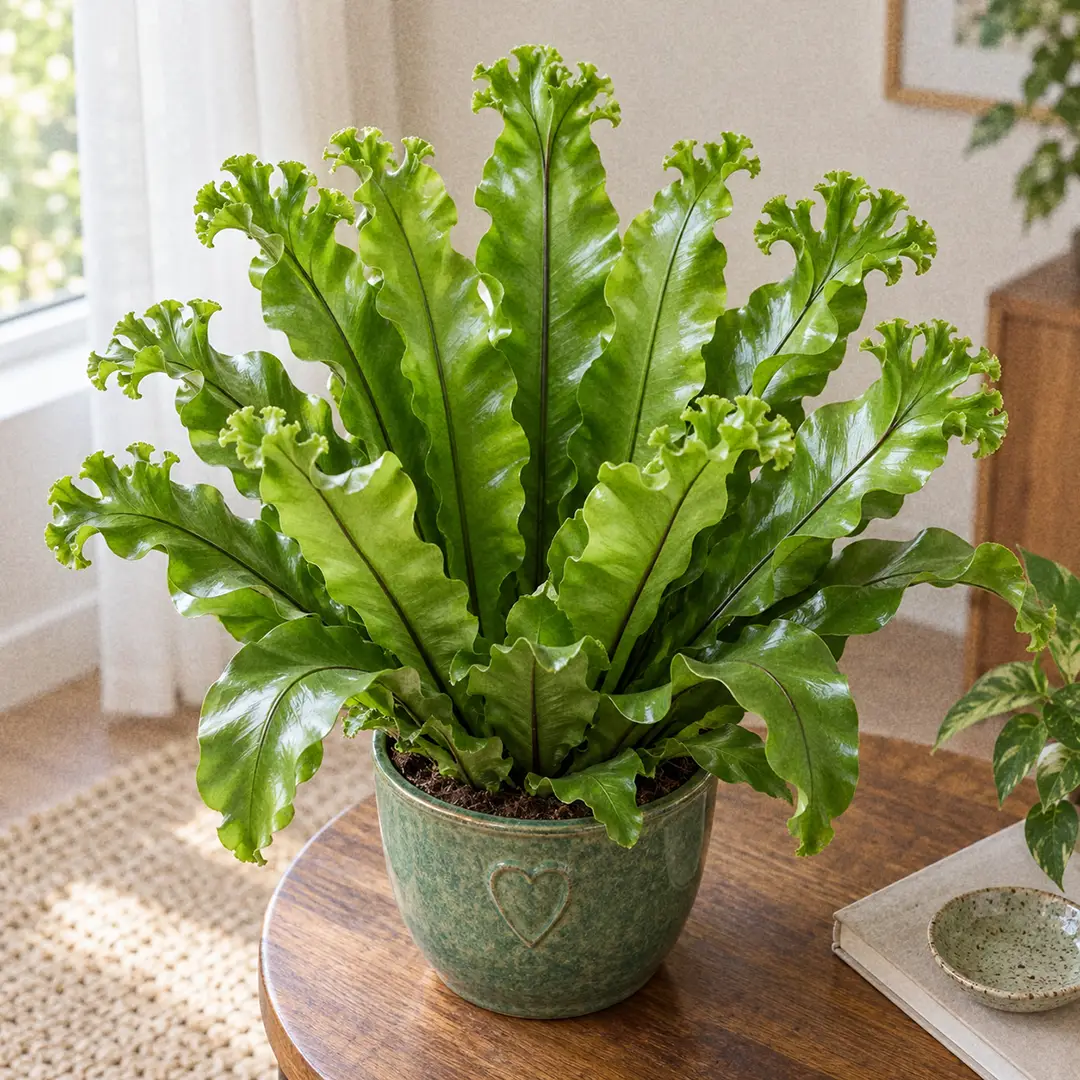
Complete Guide to Leslie Bird's Nest Fern Care and Growth
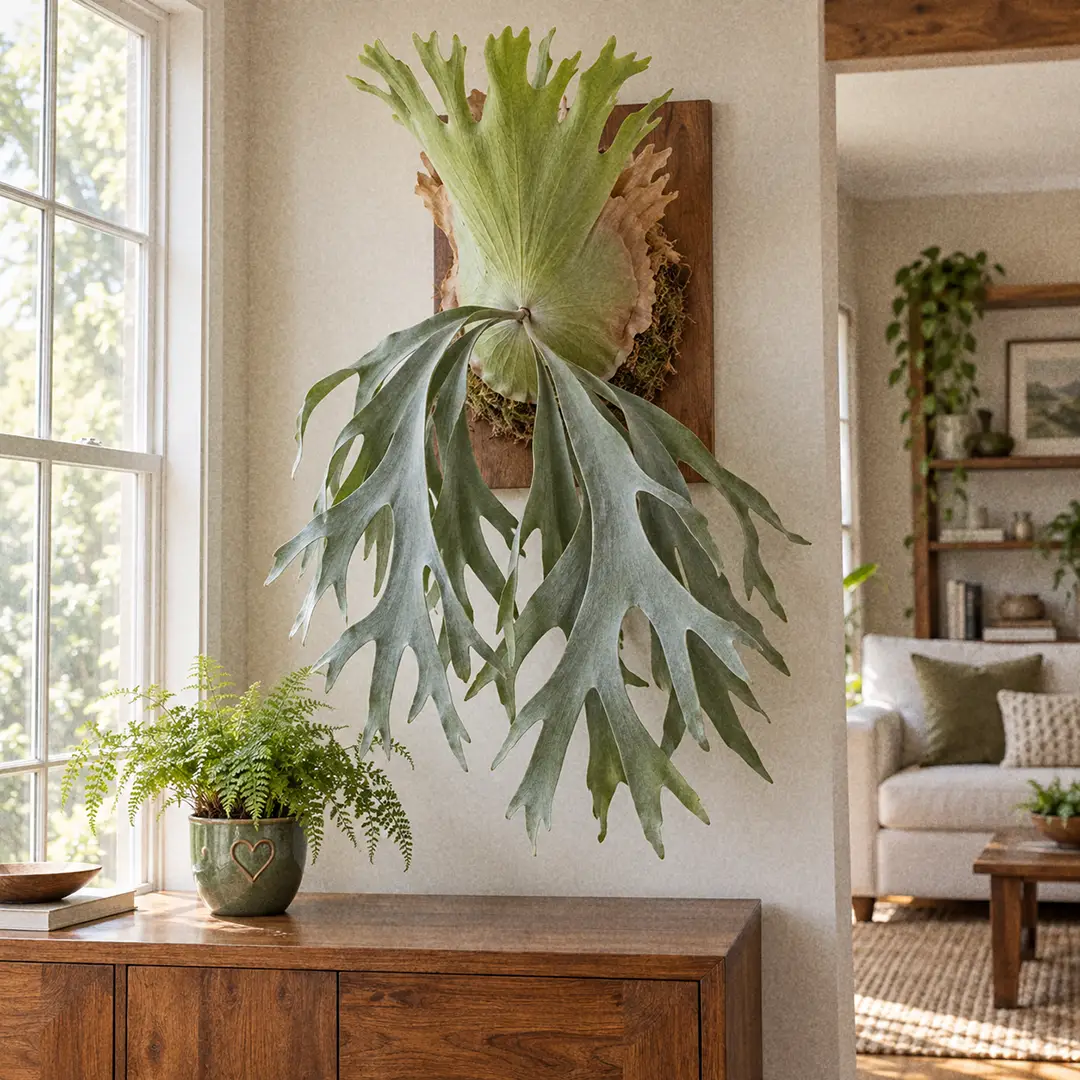
Complete Guide to Superbum Staghorn Fern Care and Growth
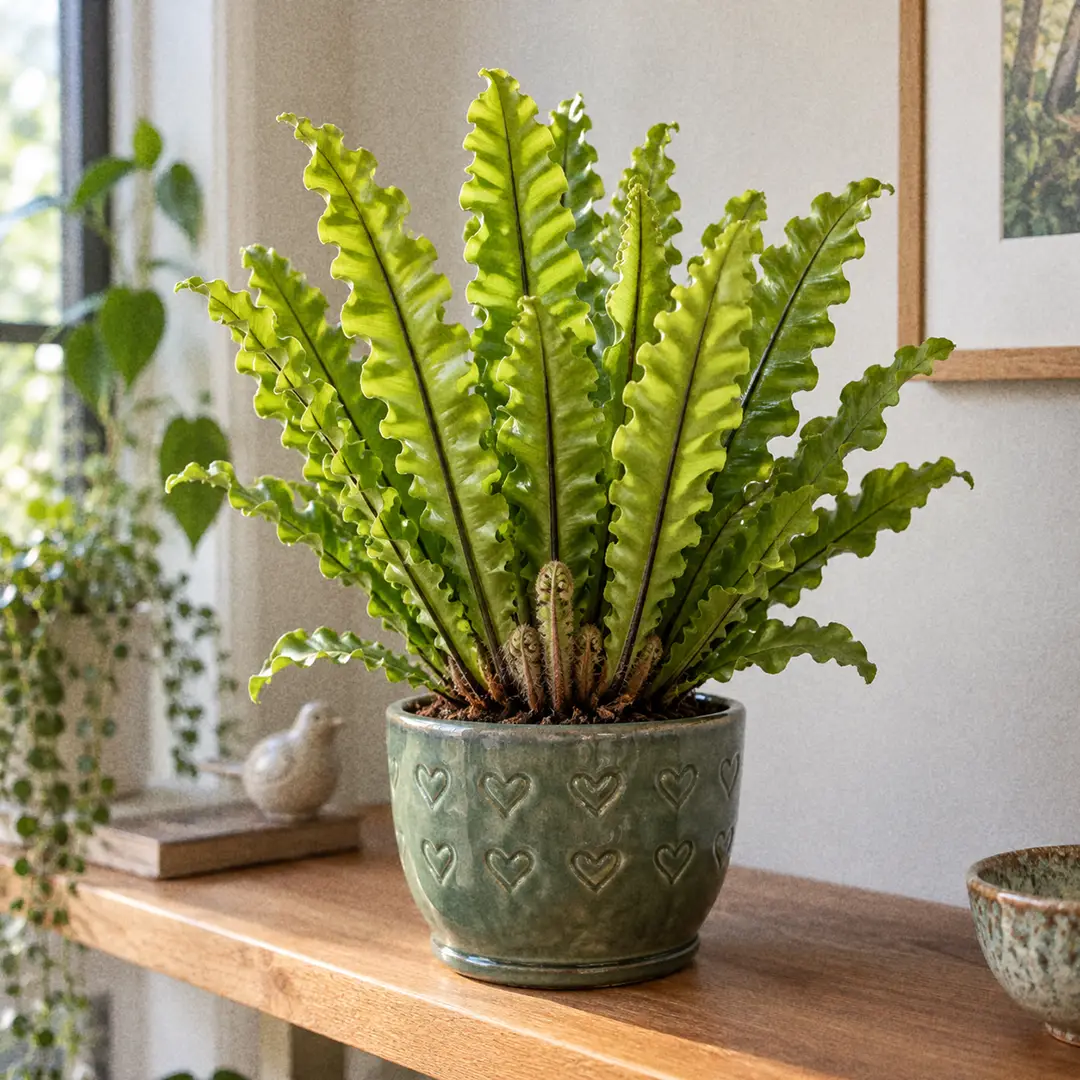
Complete Guide to Crispy Wave Fern Care and Growth
Complete Guide to Japanese Bird's Nest Fern Care and Growth
Complete Guide to Button Fern Care and Growth
Complete Guide to Mahogany Fern Care and Growth
Complete Guide to Bear's Paw Fern Care and Growth
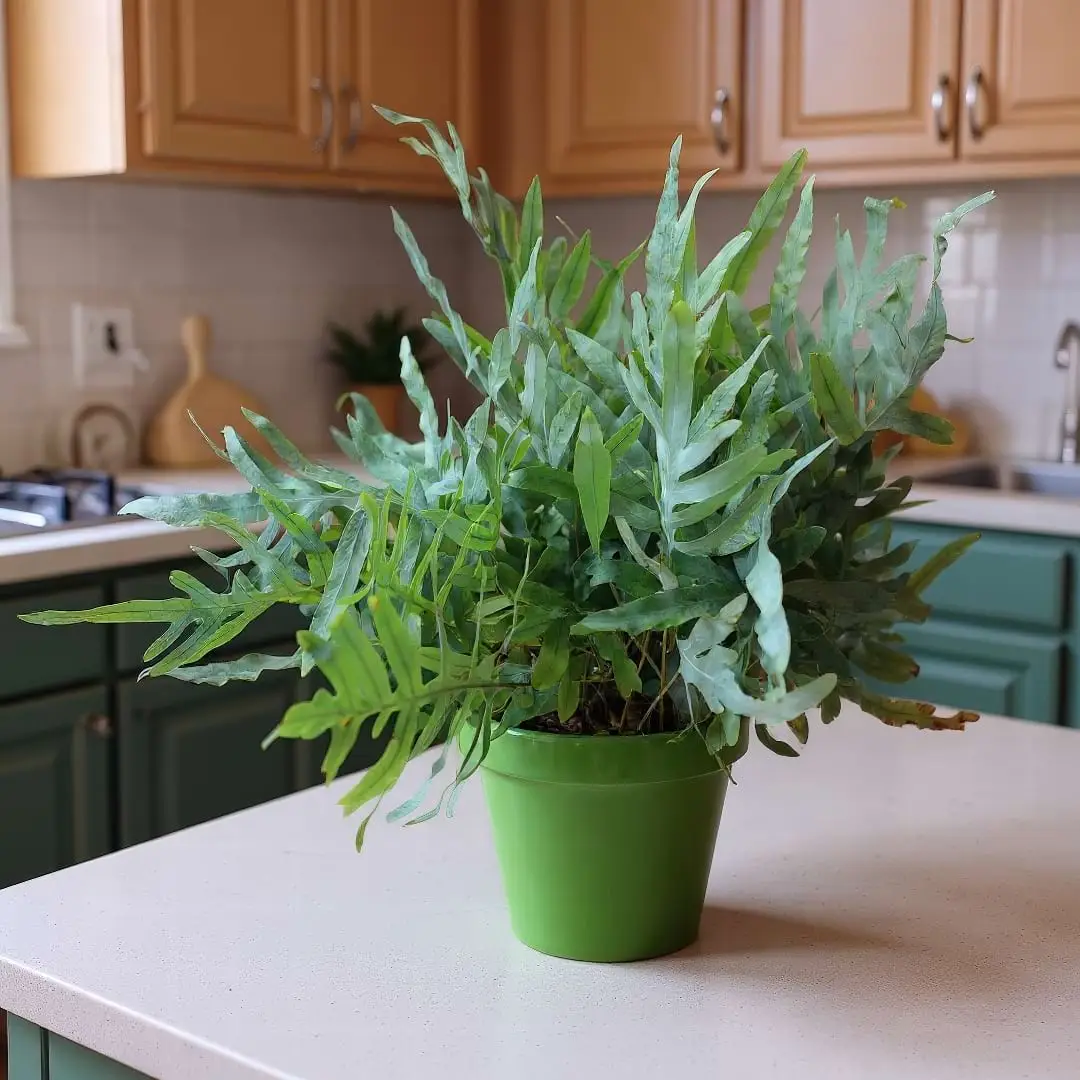
Complete Guide to Blue Star Fern Care and Growth
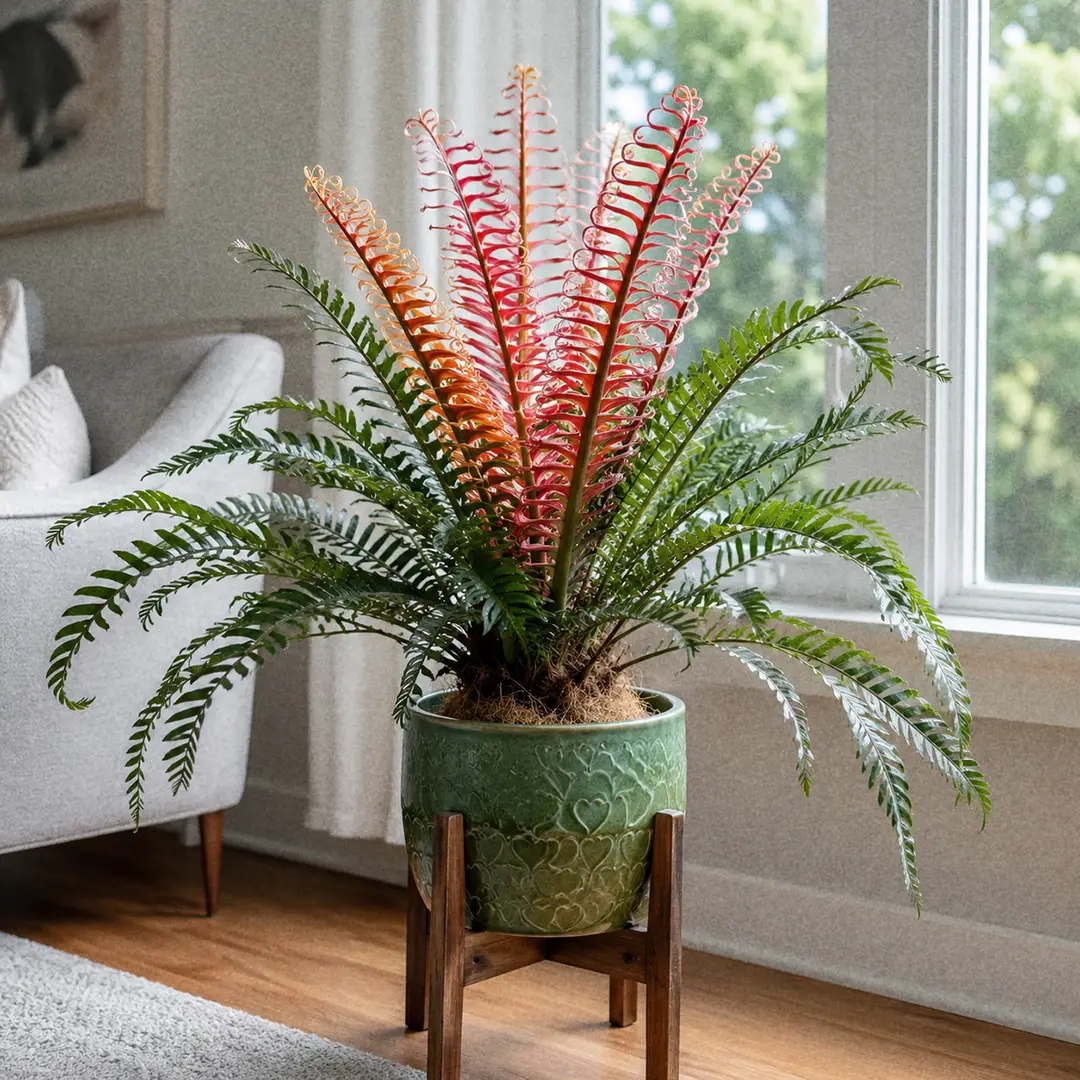
Complete Guide to Volcano Fern Care and Growth
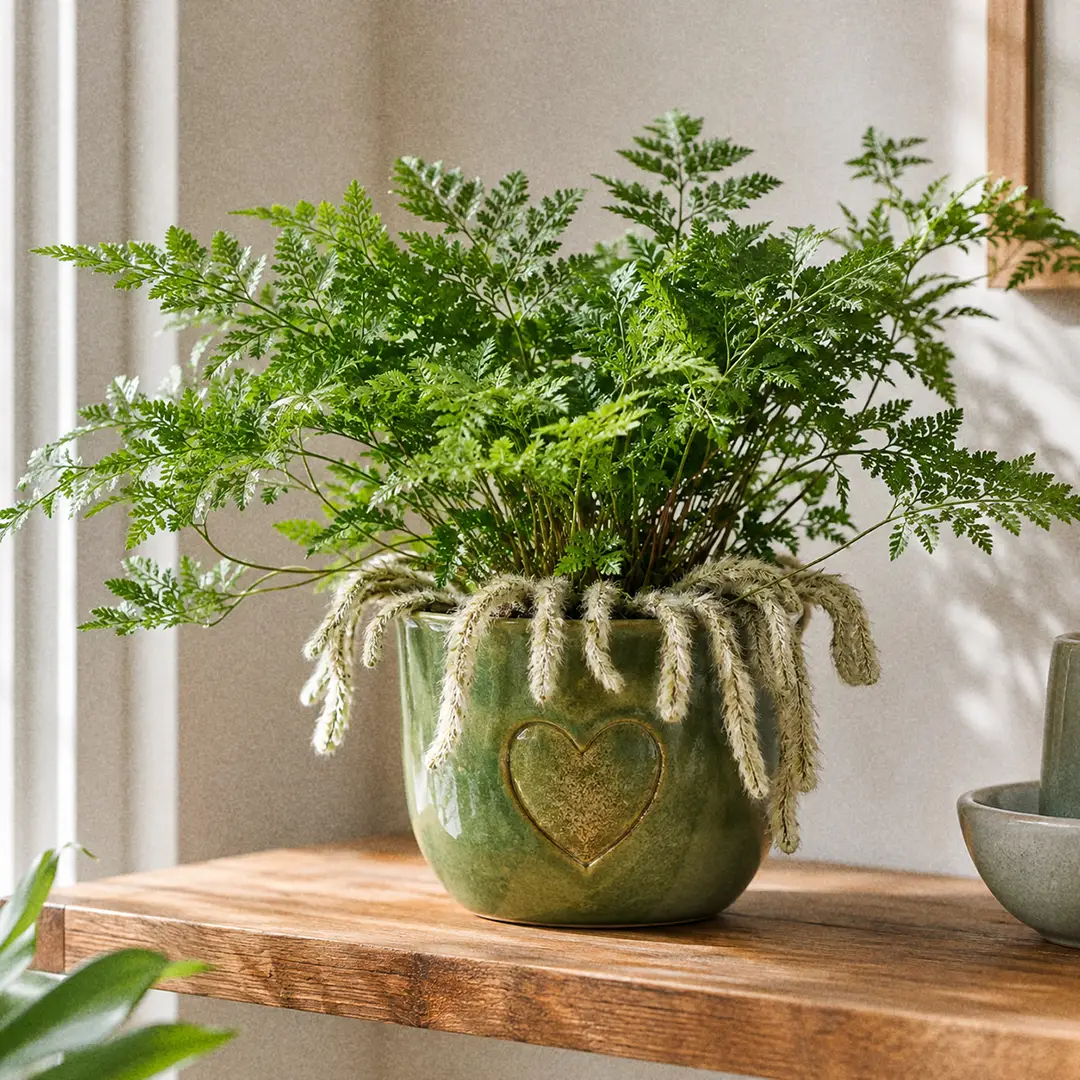
Complete Guide to White Rabbit's Foot Fern Care and Growth

Houseplant101 Forum
Questions & Comments
Ask a question, share your plant experience, or help other plant owners.
Comments are temporarily unavailable.
Open the Houseplant101 ForumNo comments yet
Be the first to ask a question or share your experience about this page.
Log in or create an account
Comments use your Houseplant101 Forum account, but you can stay on this page.
Create a new account