
Hart's Tongue Fern
Asplenium scolopendrium
European Hart's-Tongue, Hart's-Tongue, Deer's Tongue Fern, Phyllitis scolopendrium


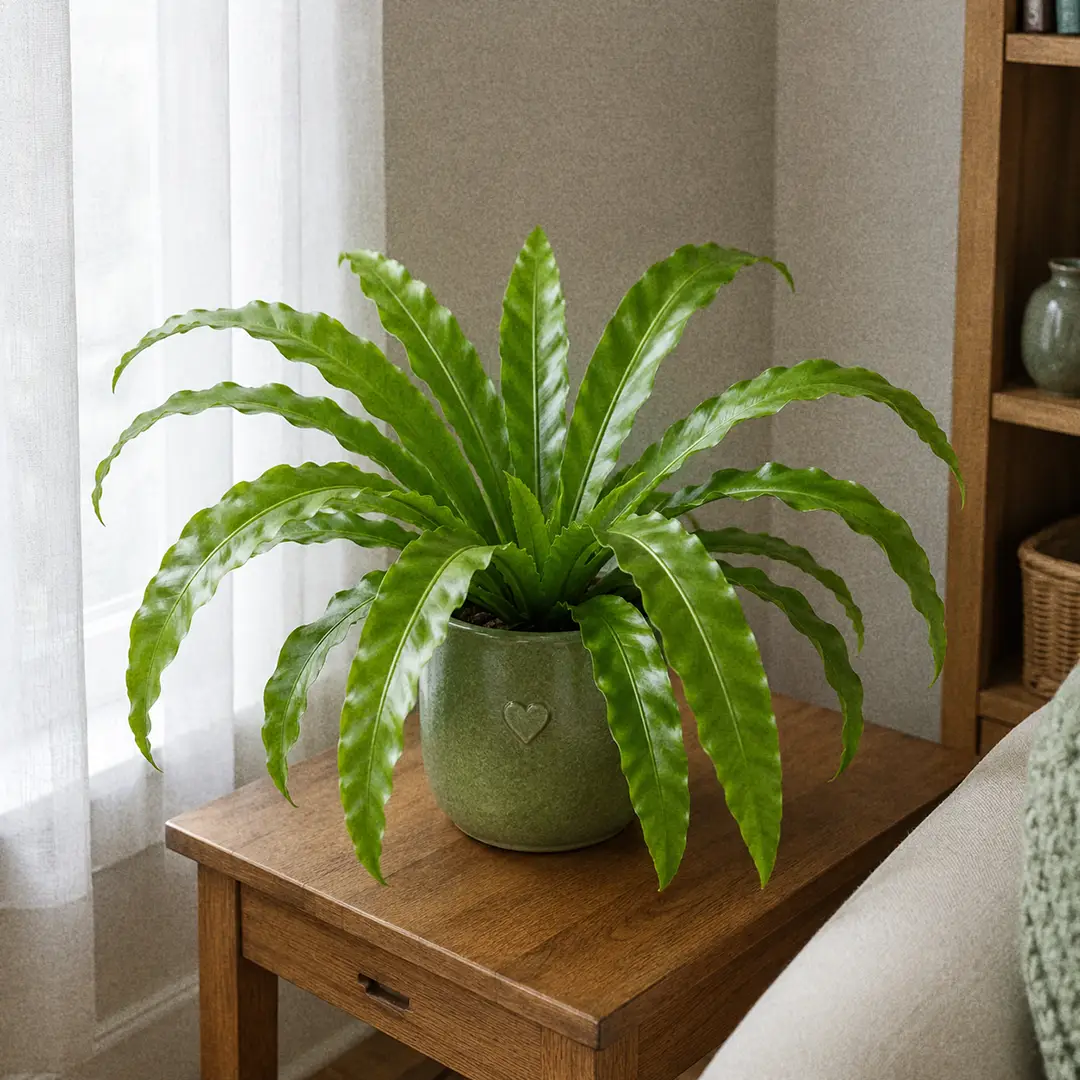
The Hart's Tongue Fern (Asplenium scolopendrium) is the rare fern with undivided, strap-like, glossy bright green fronds that look more like a rosette of polished blades than a feathery fern. It is one of the very few ferns that thrives equally well as a cool indoor houseplant and as a cold-hardy shade fern outdoors.
📝 Hart's Tongue Fern Care Notes
🌿 Care Instructions
⚠️ Common Pests
📊 Growth Information
🪴 In This Guide 🪴

📺 Hart's Tongue Fern Video Guide

☀️ Hart's Tongue Fern Light Requirements (Bright Indirect to Medium)
Light is where most indoor Hart's Tongue Ferns get into early trouble. In the wild this plant lives on shaded limestone cliffs and forest floors, where the sun reaches it only as filtered shafts. Indoors, that translates to bright but never direct light, and you have more room to err on the dim side than the sunny side.
The Sweet Spot
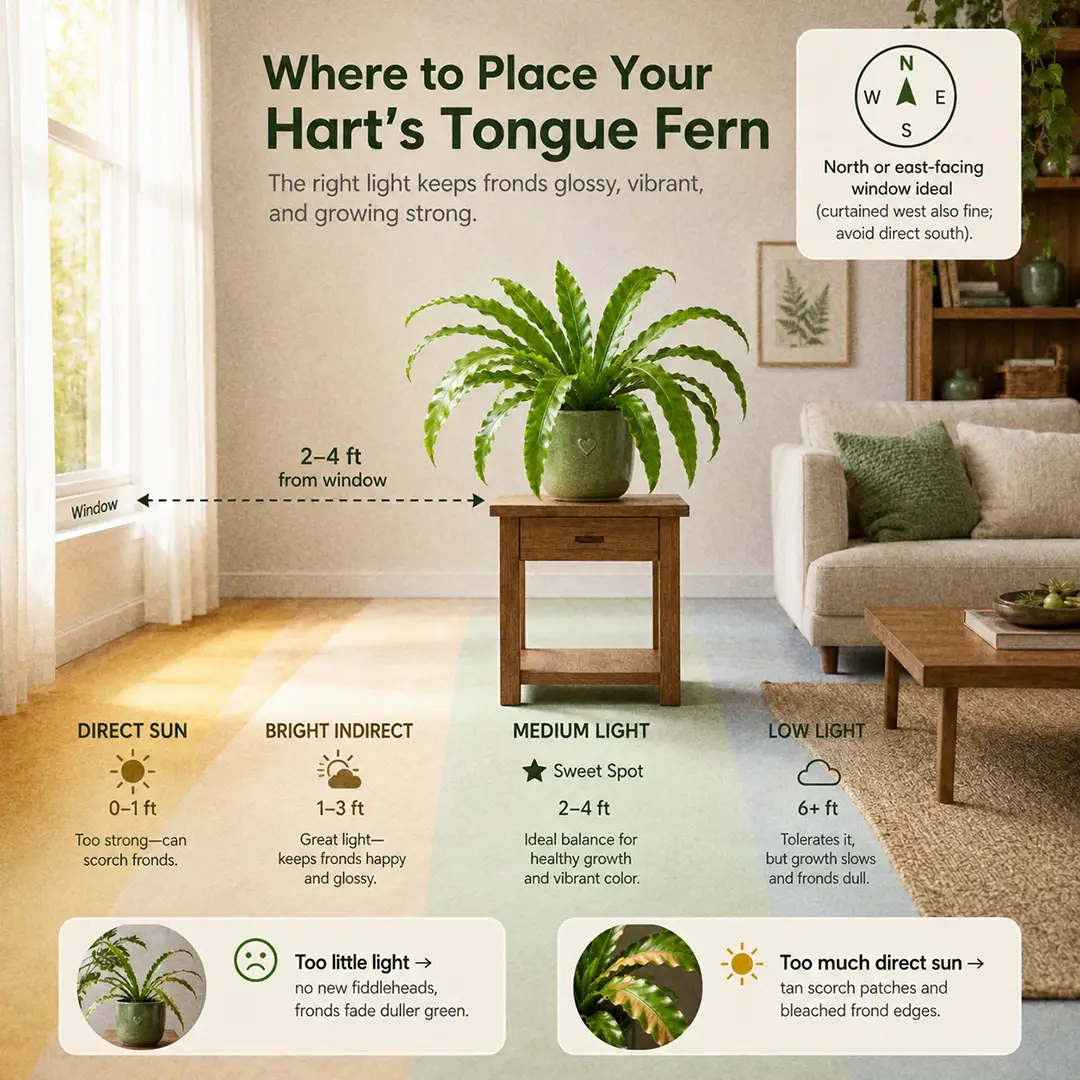
A north or east-facing window two to four feet back from the glass is the natural home for this fern. A west window works if you draw a sheer curtain across it from late morning onward. A south window is only safe if the plant sits well into the room, with the direct sun broken by a curtain. The fronds should look bright glossy green, not pale or scorched. See light for houseplants for the broader framework on window directions.
Too Little Light
A Hart's Tongue Fern in a truly dim corner does not collapse, but it stops producing new fiddleheads, holds its old fronds longer, and slowly fades to a duller, flatter green. Move it within a few feet of the brightest window in the room. A small LED grow bar on a 10 to 12 hour timer is enough to wake a stalled plant up; this is not a high-light plant, so you do not need a powerful setup.
Too Much Light
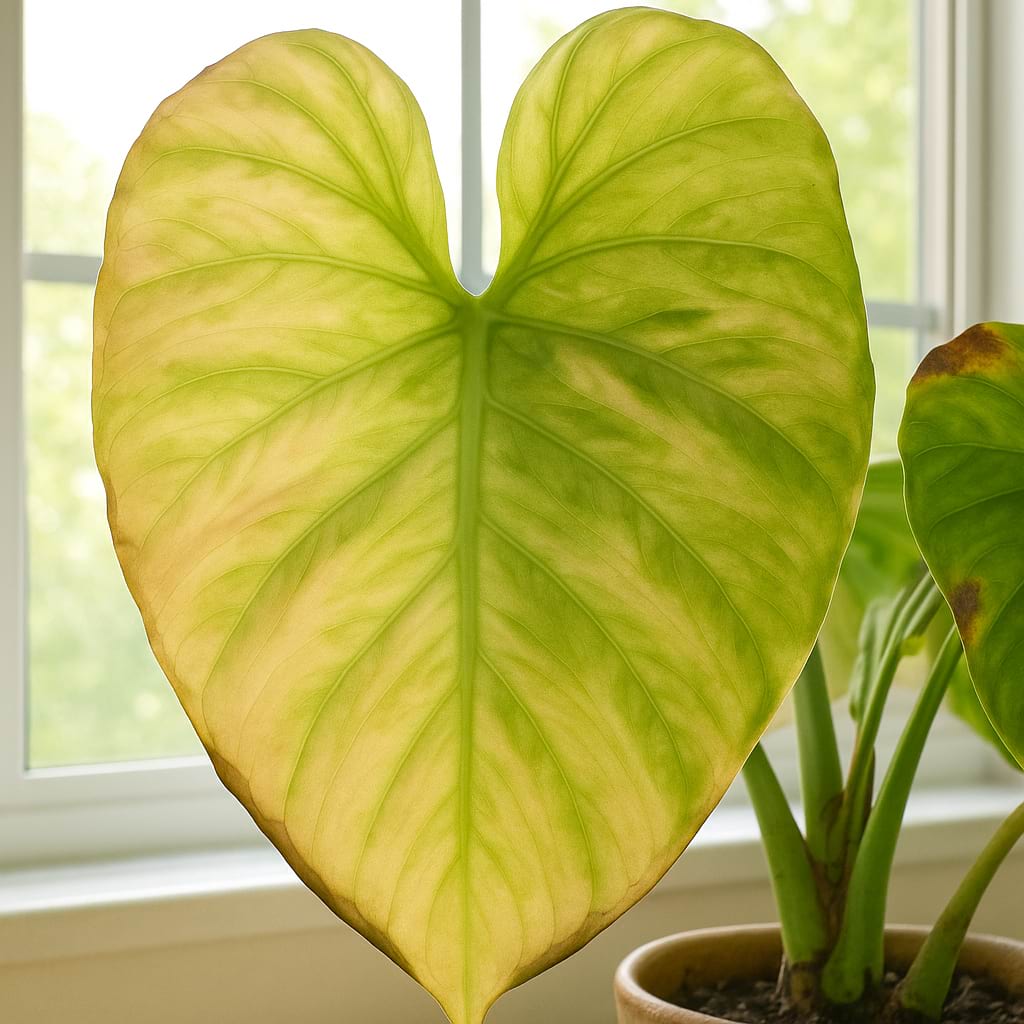
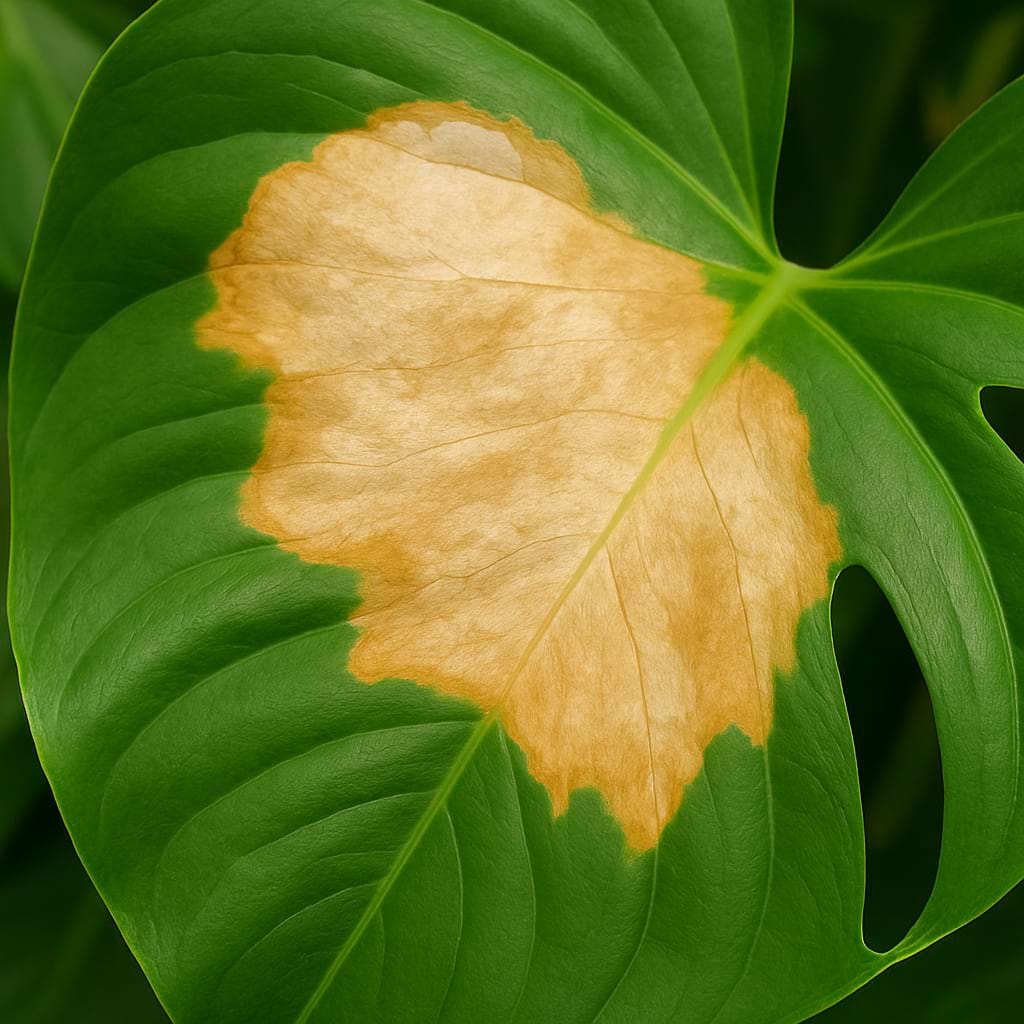
Direct sun bleaches the glossy fronds to a flat yellow-green within days and burns tan scorch patches along the upper surfaces within a week. The damage does not heal; affected fronds have to be trimmed off. If your plant has come from a shadier shop, harden it into stronger light over a couple of weeks by moving it gradually closer to the window, not in one jump.
💧 Hart's Tongue Fern Watering Guide (Evenly Moist, Never Soggy)
The soil should feel like a wrung-out sponge: damp through, never sitting in a puddle. The plant does not go dormant indoors, so the rhythm stays steadier than most houseplants.
Watering Frequency
In spring and summer, water when the top half-inch of soil starts to feel dry. For a 4 to 6 inch pot in a cool bright room, that usually lands every 5 to 7 days. In autumn and winter, stretch to once a week or every ten days; growth slows but does not stop. See watering houseplants for the basic technique.
How to Water
Pour room-temperature water around the base of the rosette until it drains out the bottom, then tip out any excess from the saucer. Never pour water into the center of the rosette; trapped water at the crown is the most common cause of rot on this plant. Filtered or rain water is gentler than hard tap water, but this fern actually tolerates mineral content better than most because of its alkaline-loving roots. Bottom watering works well alternated with a top water to flush salts.
Signs of Trouble
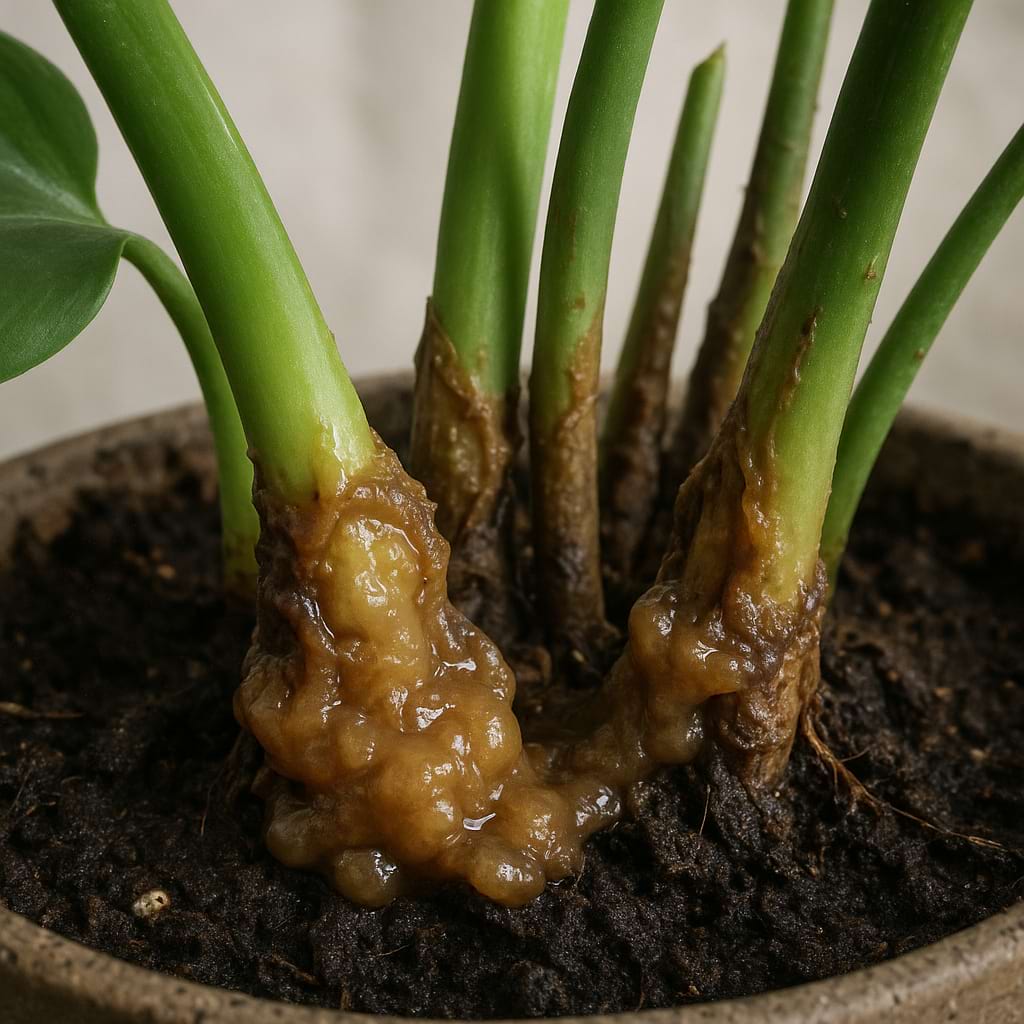
A thirsty plant droops slightly and the soil pulls from the pot edges; one good drink restores it within a day. An overwatered plant yellows from the lower fronds outward, the crown discolors brown, and the plant feels loose when you wiggle a leaf. Check the soil with a finger before every water, not by the calendar.
🪴 Best Soil for Hart's Tongue Fern (Loose, Humus-Rich, Slightly Alkaline)
Soil is where this fern parts ways with almost every other houseplant fern. Most ferns prefer acidic peat-heavy mixes. Hart's Tongue evolved on limestone cliffs and needs an alkaline tilt long term.
What the Soil Needs
A loose, airy, humus-rich mix that drains freely and never compacts, with a slight alkaline lean. A pinch of crushed limestone, oyster grit, or even crushed eggshell nudges the pH where the plant likes it.
DIY Soil Mix
- 2 parts standard houseplant or peat-free fern mix
- 1 part perlite or pumice for drainage
- 1 part composted bark fines or coco coir for structure
- A scant teaspoon of crushed limestone or oyster grit per quart of mix
Squeeze a damp handful. It should hold together briefly, then crumble apart when you tap it. If it stays packed like clay, add more perlite.
Pre-Made Options
Indoor fern mix is the closest commercial product, but every brand on the shelf is too acidic for this species. Cut whatever you buy with extra perlite and add a pinch of crushed limestone before potting. Avoid pure peat-based mixes labeled "azalea" or "rhododendron"; the acidity is exactly wrong. See repotting.
🍼 Fertilizing Hart's Tongue Fern (Light and Steady)
A slow grower from a nutrient-poor cliff habitat. Heavy feeding makes new fronds soft, pale, and prone to fungal spotting; light feeding keeps them firm, glossy, and properly green.
When and How Often
Feed once a month at half strength from early spring through late summer. Skip autumn, winter, and the first two months after a repot.
What to Use
A balanced liquid houseplant fertilizer (NPK around 10-10-10 or 20-20-20) diluted to half strength is the simplest option. Liquid kelp or fish emulsion at a quarter strength is a gentler organic alternative. Water with plain water first, then apply the diluted feed to already damp soil. See fertilizing houseplants.
Over-Fertilizing Signs
Brown crispy tips that do not respond to better humidity, a white crust on the soil, or a flush of overly pale soft new growth all mean too much feed. Flush with two pot volumes of plain water and skip the next two feeds.
🌡️ Hart's Tongue Fern Temperature Range
Surprisingly tough. Unlike most houseplant ferns, this one tolerates real cold, which is why the same plant works both indoors and as a hardy outdoor fern in many climates.
Ideal Range
Indoors, aim for 55 to 70°F (13 to 21°C). It prefers the cooler half of the normal household range and noticeably resents temperatures pushed above 75°F (24°C) for long stretches. A cool stairwell, a north-facing bathroom, a bright basement near a window, or a chilly bedroom all suit it better than a warm living room.
Drafts and Heat Sources
The two real risks are dry heat and freezing drafts. Keep the plant well away from working radiators and forced-air vents; the dry heat crisps frond edges almost immediately. Outdoor plants tolerate winter cold down to about 5°F (-15°C) in zones 5 through 9 and stay evergreen through frost, but indoor plants should never see below 40°F (4°C) or above 80°F (27°C). If you have a chilly bright porch or sunroom, it is one of the best winter homes you can give this fern.
💦 Hart's Tongue Fern Humidity Requirements
Ideal Humidity
Comfortable in the 50 to 70 percent range. It tolerates a normal household 40 percent, but you will see brown crispy frond tips creep in within a few months at that level. Below 35 percent, even short term, the fronds begin to scorch at the edges. See humidity for houseplants for the broader picture.
Easy Humidity Boosters
A pebble tray under the pot is enough in most homes during the growing season. In a dry winter with heating running hard, a small cool-mist humidifier nearby is far more reliable than misting; misting Hart's Tongue itself is fine but only buys you about 30 minutes of higher humidity. Grouping the plant with other ferns (Birds Nest, Maidenhair Fern, Holly Fern, Autumn Fern) creates a small humid microclimate without any equipment.
🌸 Hart's Tongue Fern Spores and Sori (No Flowers)
Ferns do not bloom. Hart's Tongue reproduces by spores, and it has one of the most photogenic spore arrangements in the fern world.
What the Sori Look Like
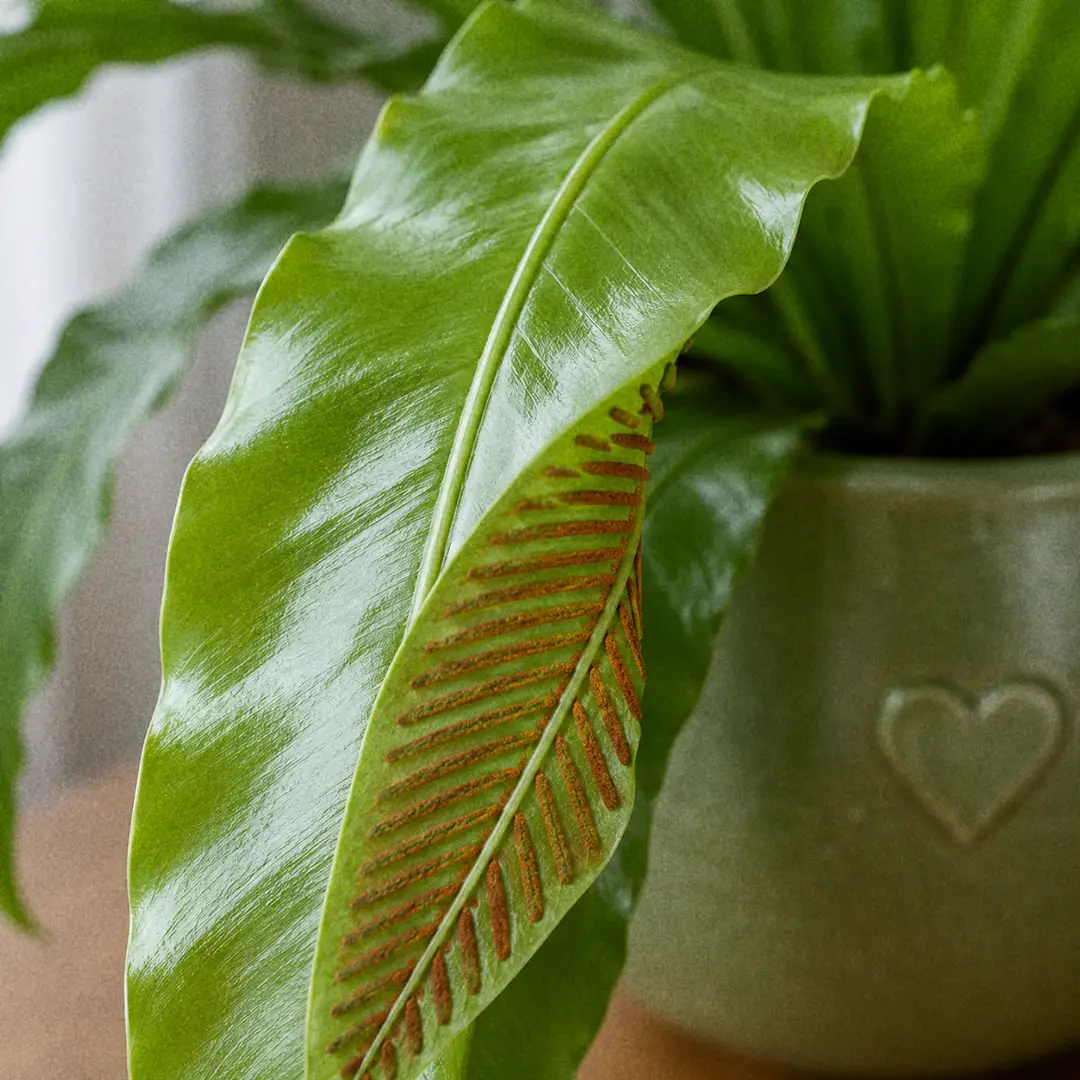
On the underside of a mature frond, long parallel rust-brown stripes run outward from the central midrib at a slight angle. Each stripe is a row of tiny spore cases packed shoulder to shoulder. The species name scolopendrium is Greek for centipede; the parallel brown stripes really do look like centipede legs walking down the back of the leaf. Sori appear in late summer on plants two years old or older.
How to Trigger Spore Production
Nothing exotic. A healthy plant in a cool bright spot with steady moisture sets sori on its own once the fronds have matured. Young plants do not produce sori for the first year or two; that is normal.
Are Sori a Problem?
No. First-time owners often mistake them for pest damage or fungal spotting. Flip a frond over: the pattern is too regular and too evenly placed to be either. Pests scatter; sori march in tidy parallel lines.
🏷️ Hart's Tongue Fern Types and Varieties
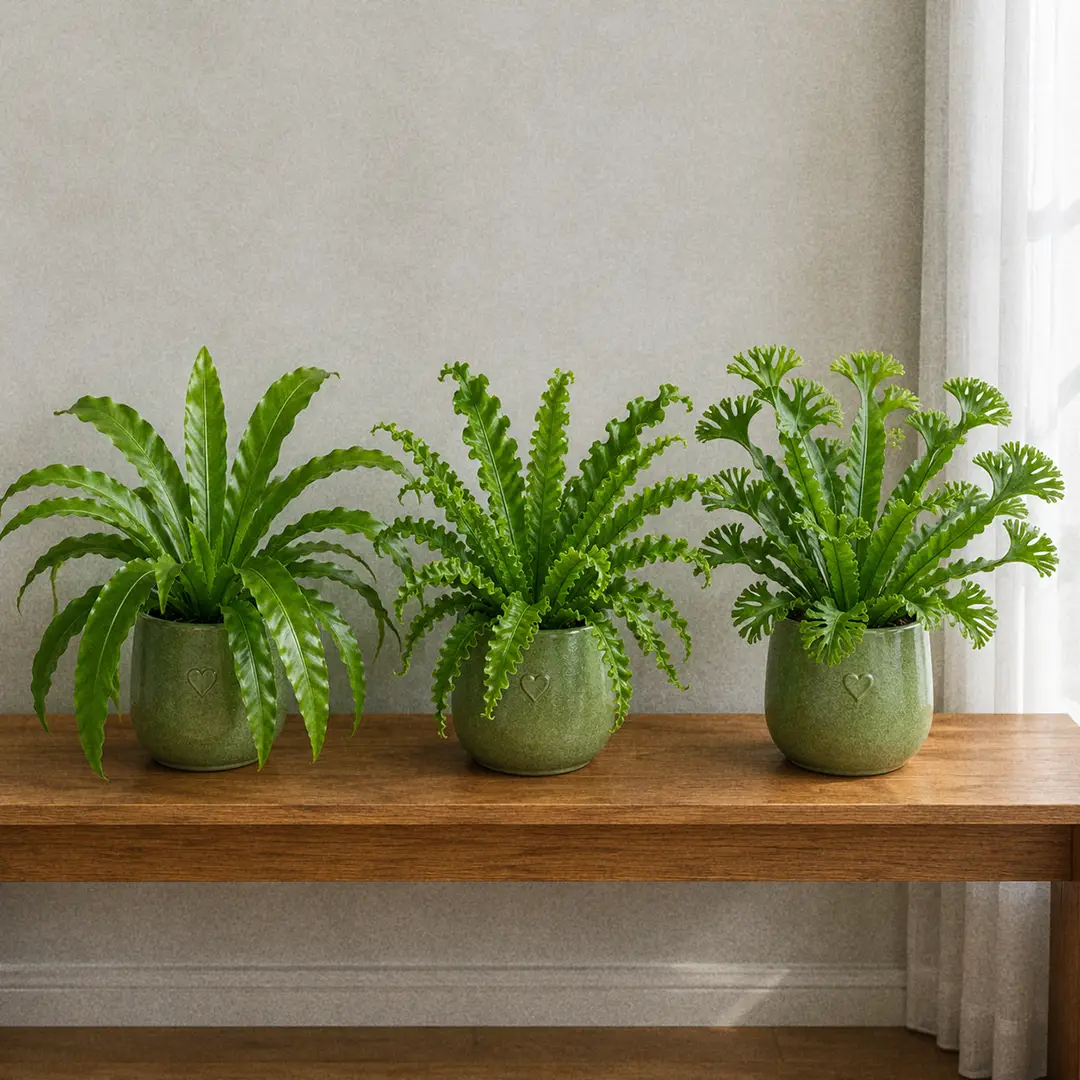
The wild green strap form is the easiest to find and the toughest to grow, but Hart's Tongue has been collected and bred for centuries in Britain, where Victorian fern enthusiasts went wild for any plant that mutated into a frilled, crested, or forked form. A handful of those cultivars are widely sold today.
Asplenium scolopendrium (Wild Form)
The plant you usually buy at a garden center. Plain glossy bright green strap fronds with slightly wavy edges, 12 to 18 inches long, in a tight rosette. The most beginner-friendly of the family and the cheapest to find.
Asplenium scolopendrium 'Crispa'
Heavily ruffled, wavy frond edges run the full length of each strap. The plant looks almost like green pasta laid out in a vase shape. Slower-growing than the wild form and the sori are often suppressed, since the wavy mutation interferes with spore production.
Asplenium scolopendrium 'Cristatum' (Crested Hart's Tongue)
The signature Victorian cultivar. Each frond tip splits into a fan-shaped crest, sometimes branching multiple times, so a mature plant looks like a rosette of small green hands. The frond bodies stay strap-shaped; only the tips are forked.
Asplenium scolopendrium 'Undulatum'
A more subtle wave than 'Crispa', with rippled rather than tightly frilled margins. A nice middle ground if 'Crispa' looks too busy and the wild form too plain.
Asplenium scolopendrium 'Kaye's Lacerated'
The most extreme cultivar in common cultivation. Fronds are deeply cut and frilled along the entire edge, so the plant reads almost like a different species at first glance. Slow and a little fussier than the wild form. A narrow-strap form called 'Angustifolium' shows up occasionally and slims each frond down to about an inch wide for a more delicate rosette.
Good Shelf Companions
The most obvious neighbor is the Bird's Nest Fern, since the two are close cousins in the same genus and the comparison is striking: one is an upright nest, the other a flat rosette of straps. The Japanese Bird's Nest Fern is the sharper version of that pairing, since its wavy-edged straps echo 'Crispa' and 'Undulatum' while standing bolt upright. Push that idea further and you get the Crispy Wave Fern, whose corrugated fronds are the closest thing in the genus to 'Crispa' grown into a nest. A third Asplenium, the compact Austral Gem Fern, makes the group complete by supplying finely divided glossy fronds against these plain straps. For a wider fern shelf, group Hart's Tongue with the dark glossy Holly Fern, the delicate fan-leaved Maidenhair Fern, the silvery Japanese Painted Fern, and the coppery new growth of an Autumn Fern. Outdoors, it slots beautifully into a shaded border behind the upright Christmas Fern or beside an Ostrich Fern.
🪴 Potting and Repotting Hart's Tongue Fern
When to Repot
A slow grower that prefers being slightly snug. Repot every 2 to 3 years, or when you see roots circling the bottom of the pot or pushing through the drainage hole. Early spring, just as the first new fiddleheads start to unfurl, is the best window.
Choosing a Pot
A clay or glazed ceramic pot one inch wider than the current one is enough; jumping more than that holds too much wet soil around an undersized rootball and invites crown rot. The pot needs at least one drainage hole. A shallow wide pot suits the spreading rosette habit better than a tall narrow one. Matte cream, sage, or stone-colored pots throw the glossy bright green fronds into nice contrast.
Step-by-Step Repotting
- Water lightly the day before so the rootball slides out cleanly.
- Tip the pot on its side and ease the plant out, supporting the base of the rosette.
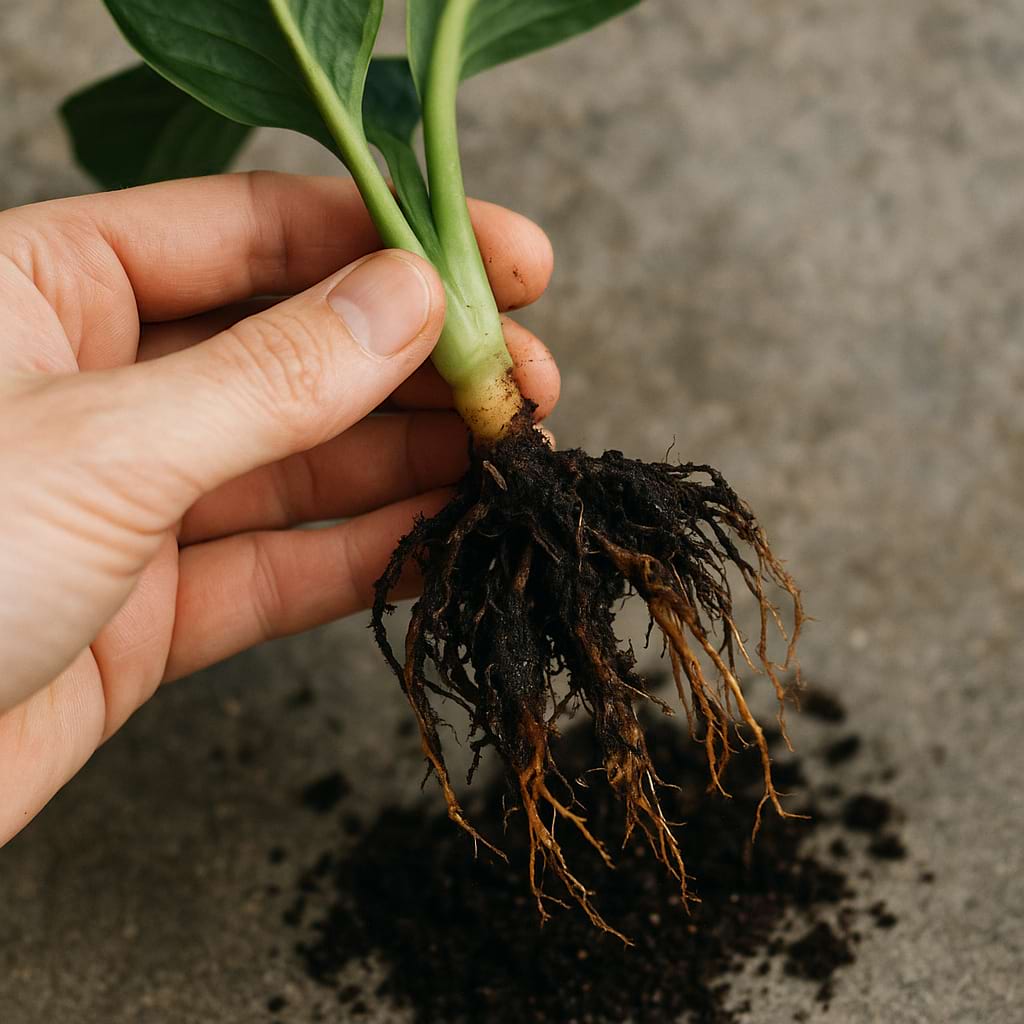
- Trim any black, mushy, or hollow roots back to firm pale tan tissue with sterile scissors.
- Add a layer of fresh mix to the new pot and set the plant in so the crown sits exactly where it was before. Burying the crown half an inch starts a rot.
- Backfill around the rootball with fresh mix, tamping lightly with your fingers.
- Water lightly to settle the soil. Skip fertilizer for the next two months.
✂️ Pruning Hart's Tongue Fern
When to Prune
There is no scheduled pruning. Just remove browned, damaged, or tired old fronds whenever you see them, any time of year. An older plant naturally sheds its outer fronds as the inner crown produces new ones.
How to Prune
Use clean sharp scissors. Sterilize the blades with rubbing alcohol first, especially if the plant has had any fungal spotting. Cut the offending frond off at its base, as close to the crown as you can without nicking the central rosette or any unfurling new fiddleheads. Never tear a frond off by hand; you will damage the crown.
Cleaning the Fronds
The glossy upper surfaces gather dust, which dulls the look and slightly reduces photosynthesis. Wipe each frond gently with a soft damp cloth every few weeks, supporting it from underneath so you do not crease it. Skip leaf-shine products; the natural gloss is already plenty.
🌱 How to Propagate Hart's Tongue Fern
Best Method: Division of Mature Clumps
Hart's Tongue propagates most reliably by dividing an older clump that has put out multiple crowns. Wait until a plant is at least 3 to 4 years old and has clearly developed two or more rosettes radiating from the base before attempting to divide it. See plant division for the broader technique.
Step-by-Step Division
- In early spring, just as new fiddleheads are pushing up, unpot the parent plant.
- Rinse most of the soil off the rootball so you can see where the separate crowns join.
- Use a sterilized sharp knife to cut straight down between the crowns. Each division needs at least one healthy crown and a substantial section of root.
- Pot each division into fresh slightly alkaline fern mix at the same depth it was before.
- Water lightly and place the new divisions out of direct sun in a humid cool spot for two weeks. Hold off fertilizer for 6 to 8 weeks. New growth from the center confirms the division has taken.
Spore Propagation
Possible but slow. Collect ripe brown sori by laying a mature frond on paper for a few days, sow the dust-like spores on a sterile damp slightly alkaline mix in a covered tray, and keep at 65 to 70°F (18 to 21°C) under low indirect light. A green mossy prothallus appears after weeks; tiny fern fronds follow weeks to months later. Expect a year or more from spore to a small plant. Division is faster and more reliable for almost every grower.
🐛 Hart's Tongue Fern Pests and Treatment
The smooth glossy fronds and tight rosette habit give pests fewer hiding places than on most ferns, but a few still find their way in.
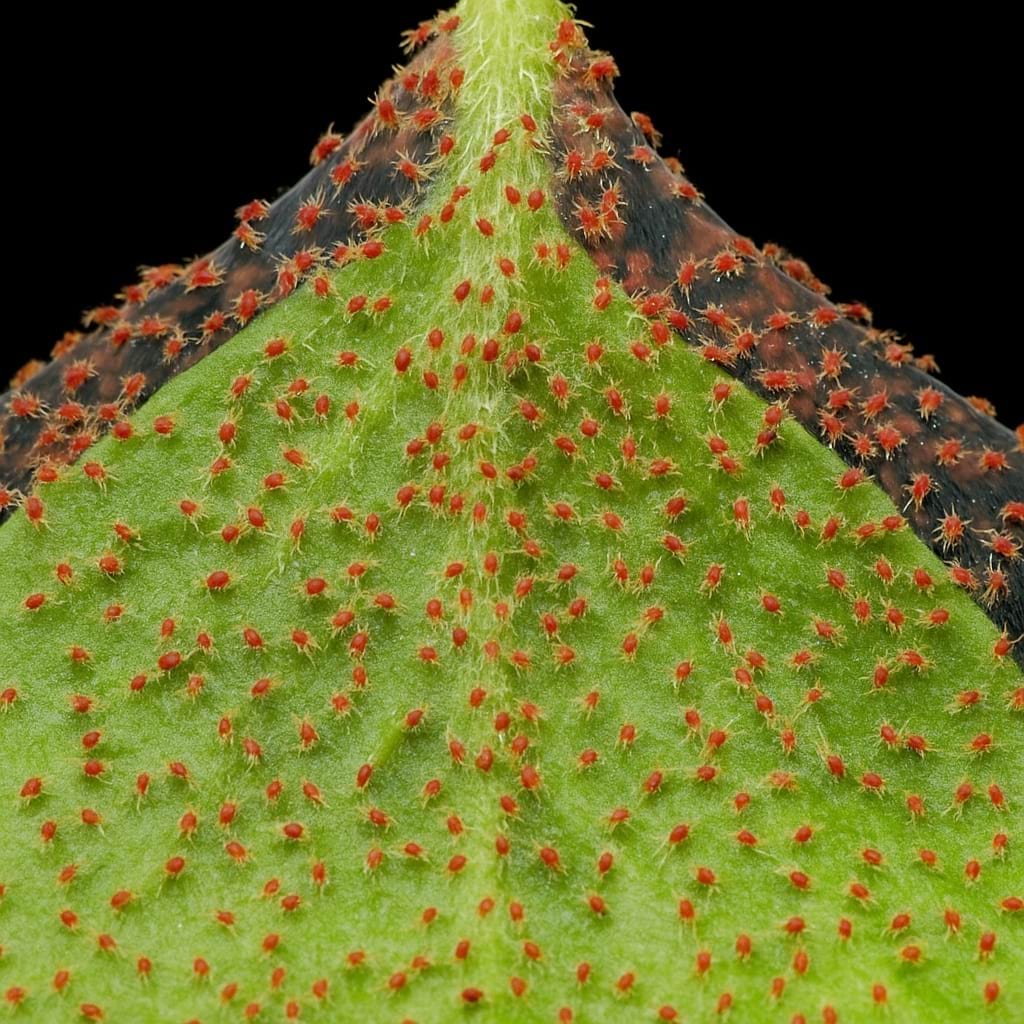
- Spider Mites: Most common in dry winter air. Look for fine speckling on the upper fronds and faint webbing in the rosette. Bump up humidity, wipe with a damp cloth, and treat with insecticidal soap every five days for three weeks if needed.
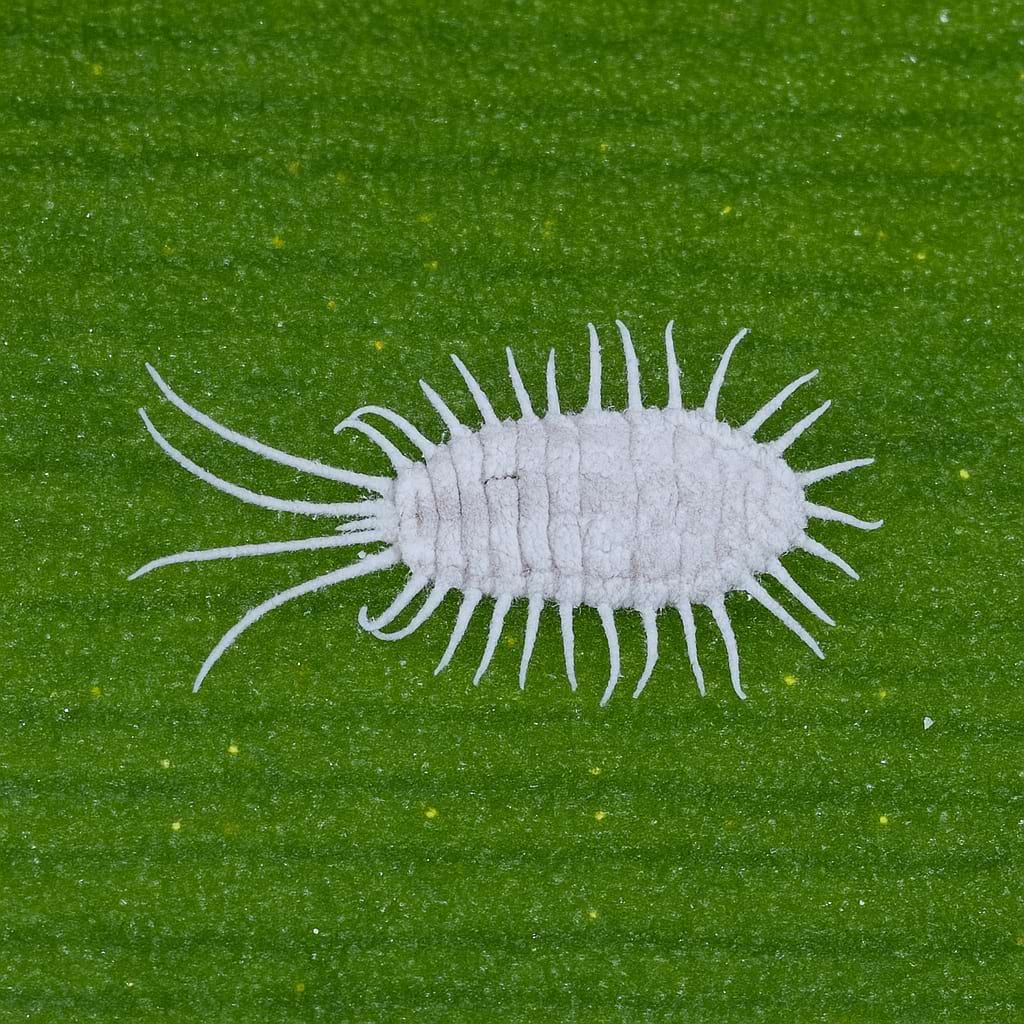
- Mealybugs: White cottony tufts in the central rosette or frond bases. Dab each with rubbing alcohol on a cotton swab every five days, or apply a systemic drench for stubborn cases.
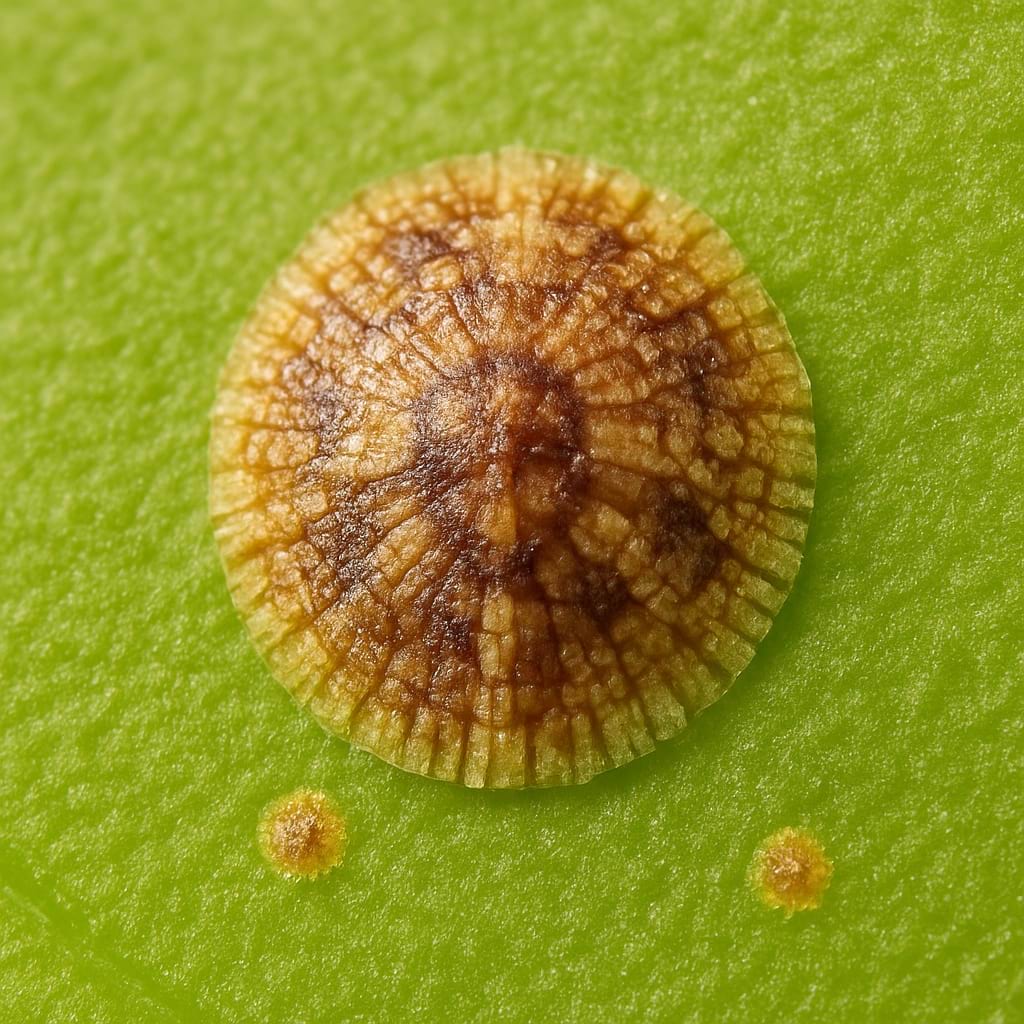
- Scale Insects: Flat brown bumps stuck along the midrib or frond undersides. Scrape off with a wooden toothpick and follow up with neem oil brushed on (not sprayed).
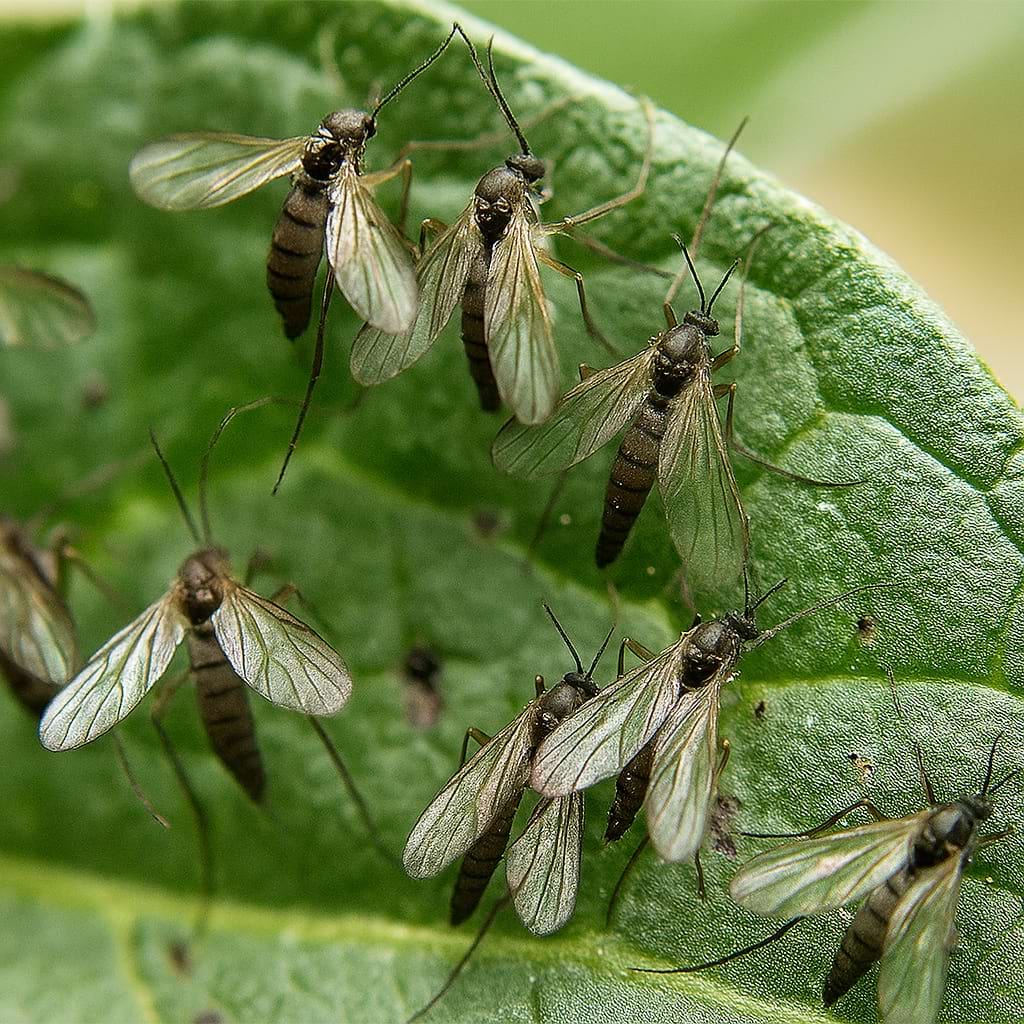
- Fungus Gnats: Small dark flies that thrive in this fern's steady moist soil. A layer of horticultural grit on top of the soil breaks the breeding cycle; yellow sticky traps catch adults.
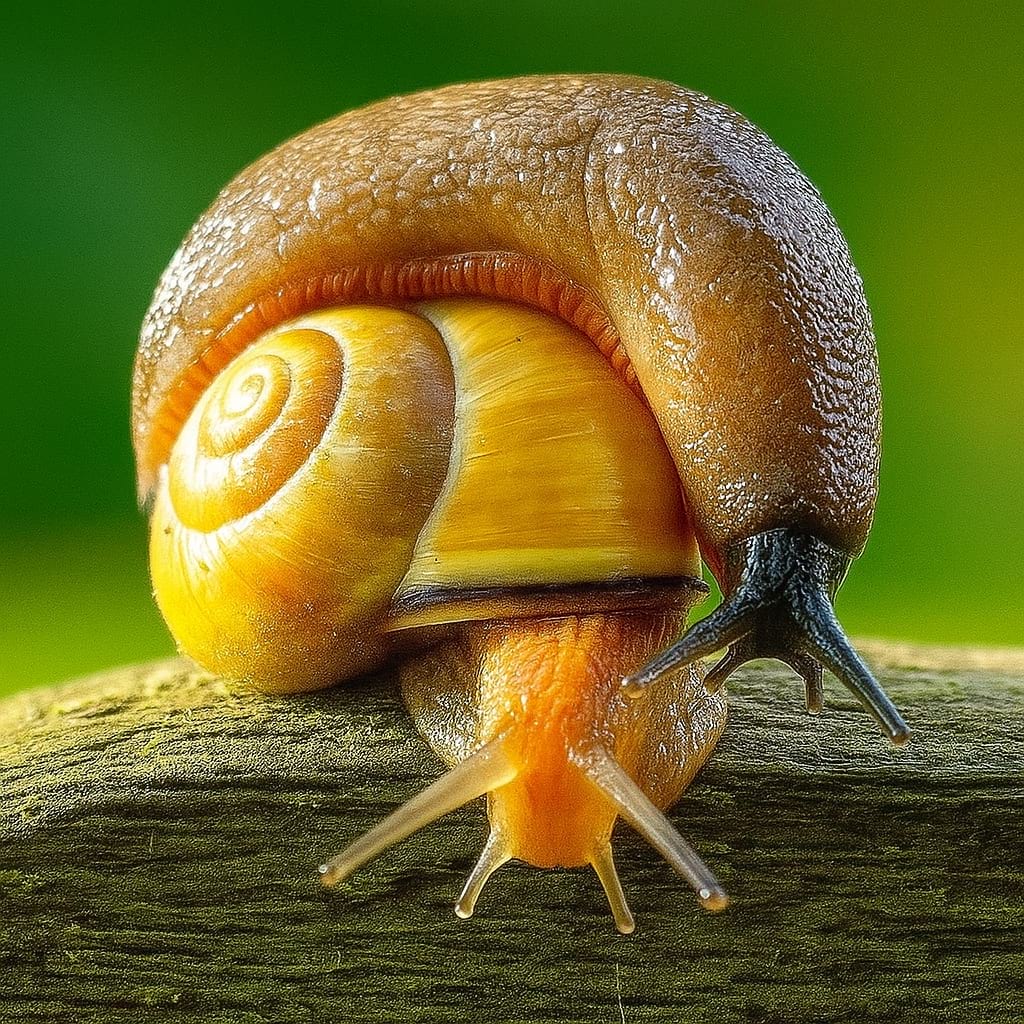
- Slugs and Snails: Outdoor or porch plants only. They chew ragged holes through the strap fronds overnight. Hand-pick at dusk or ring the pot with copper tape.
Catching a pest in the first week is the difference between five minutes of treatment and three weeks of it.
🩺 Common Hart's Tongue Fern Problems
Most problems trace back to one of three causes: water in the crown, dry air, or direct sun.
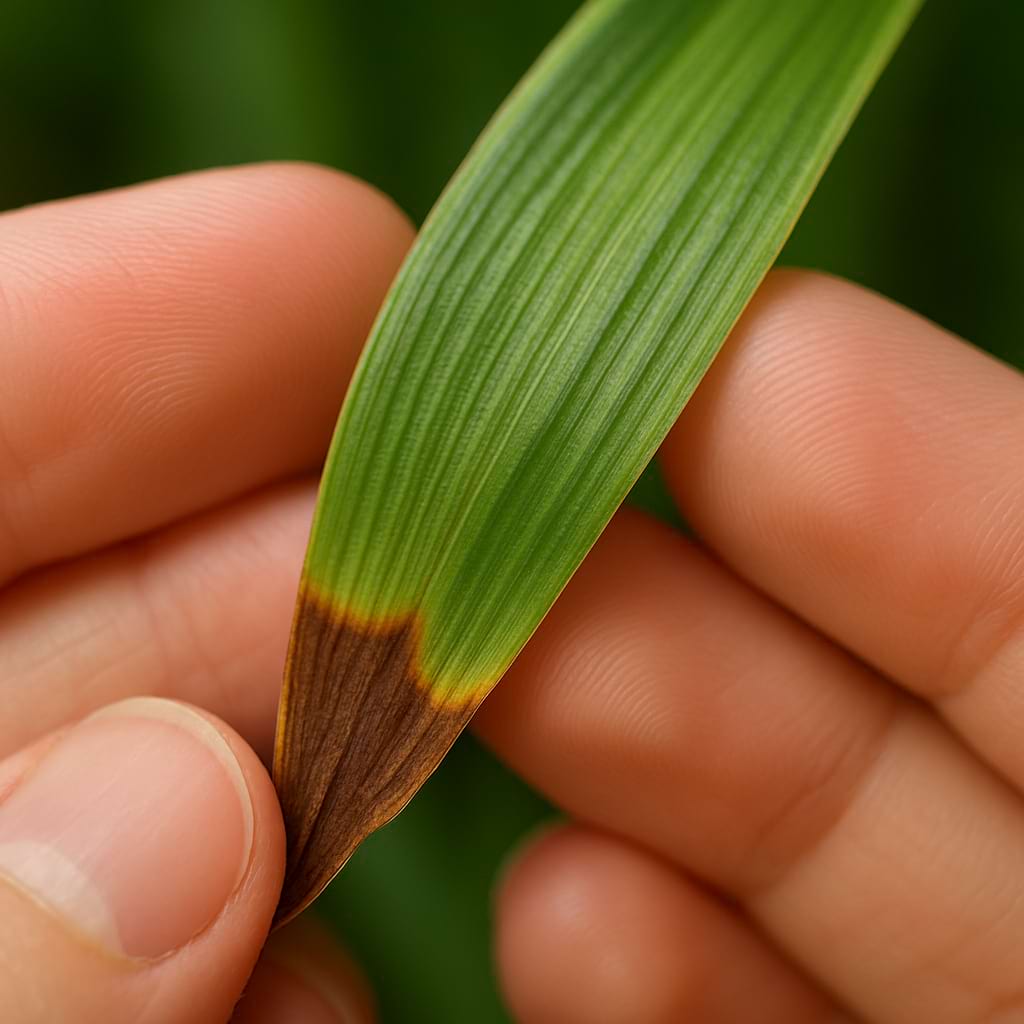
- Brown crispy edges: Dry air or hard water buildup. Bump up humidity and switch to filtered or rainwater. Trim crispy ends with sharp scissors; new fronds come in clean.
- Yellowing fronds: Overwatering is the usual cause. Older fronds yellowing one at a time at the outer edge is normal turnover.
- Root rot and mushy crown: Soggy soil or water trapped in the crown. The base discolors brown to black and the rosette feels loose. Unpot, trim every soft root and mushy crown tissue back to firm pale flesh, dust with cinnamon, and repot in fresh dry mix.
- Pale faded fronds: Too much direct sun bleaching, or too little light long term. Sun-bleached fronds show tan scorch patches; low-light fronds just look duller and may stretch upward.
- Sunburn: Tan or pale scorch patches on upper surfaces facing the sun. Move the plant out of direct sun. Damaged fronds do not recover.
- Stunted growth: Exhausted soil or root-bound conditions. Repot in spring with fresh slightly alkaline mix and start a half-strength monthly feed.
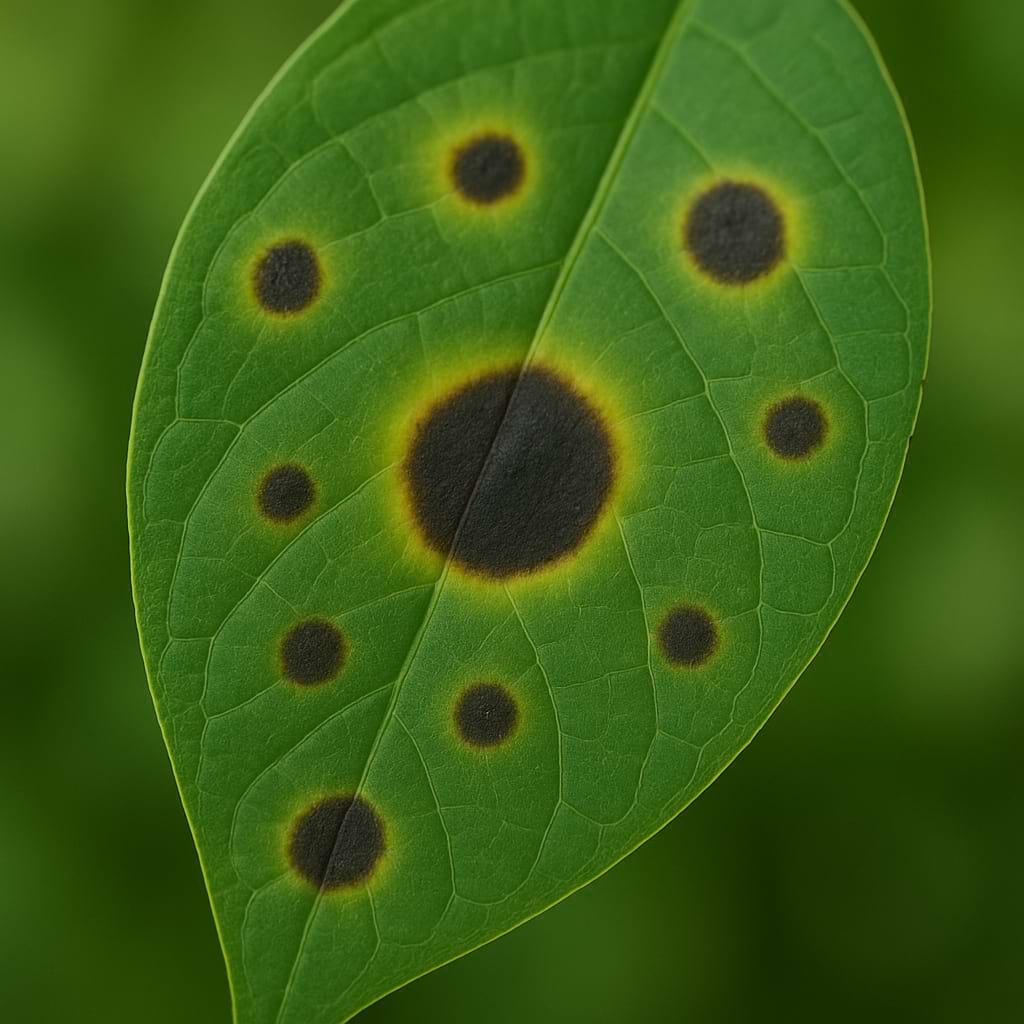
- Brown-black spots and fungal leaf spotting: Wet fronds, stagnant air, or splashing during watering. Remove affected fronds, add a small fan for airflow, and water at the soil only.

🖼️ Hart's Tongue Fern Display and Styling Ideas
Hart's Tongue is one of the most sculptural ferns you can grow. The undivided strap fronds give it a clean, graphic silhouette that suits modern and traditional interiors equally.
Solo Setups
A single mature rosette in a wide shallow ceramic pot, on a cool north window plant stand, is the cleanest display. Choose a pot in matte cream, sage, or pale stone to throw the glossy bright green fronds into contrast. The strap shape reads beautifully when the plant has room above and beside it; tucking it tight against a wall hides the fan-out of the rosette.
Grouped Arrangements
Pair Hart's Tongue with the upright vase of a Bird's Nest Fern to compare two very different Asplenium silhouettes. For a wider fern shelf, line up Hart's Tongue, Holly Fern, Japanese Painted Fern, and Maidenhair Fern on a low cool shelf near a north window, and you get a four-way texture comparison of strap, holly, silver, and lace fronds. The plant also works well as the centerpiece of a large open terrarium when young, paired with mosses and small selaginellas.
Outdoor Display
Outdoors in zones 5 through 9, Hart's Tongue is one of the most useful evergreen ferns for a shaded border. It holds its fronds through frost and snow, so the bed never goes bare in winter. Plant it in a shaded woodland border with Christmas Fern, Autumn Fern, Ostrich Fern, and the dramatic native Cinnamon Fern for an evergreen-to-deciduous mix that runs from low strap rosettes at the front to tall rust-fronded clumps at the back. Old limestone walls and damp stone edges are its natural habitat in the wild; if you have one, tuck the fern into a soil pocket and it will look like it has always lived there.
Where Not to Put It
Skip hot south-facing rooms, sunny conservatories, and steamy enclosed bathrooms. Skip windowsills directly above a working radiator. Skip dark interior hallway corners far from any window; the plant survives but slowly fades and stops producing new fronds.
🌟 Hart's Tongue Fern Pro Care Tips
✅ Lean alkaline. A pinch of crushed limestone, oyster grit, or even clean crushed eggshell in the pot mimics the cliff-side habitat this fern evolved on.
💧 Water at the soil, never into the crown. Water trapped in the center of the rosette is the fastest route to crown rot.
❄️ Keep it cool. This is a cool-room fern. A chilly north bathroom or stairwell suits it better than a warm living room.
💨 Watch for dry winter air. A pebble tray or small humidifier prevents the brown crispy edges that creep in once central heating fires up.
🪴 Step up pot sizes slowly. One inch wider at a time, never more. A too-big pot holds wet soil around an undersized rootball and invites rot.
✂️ Trim browned fronds at the base. Cutting halfway leaves a stub that yellows further and tugs energy away from new growth.
📅 Feed lightly, six months a year. Half-strength balanced feed once a month from spring through late summer. Skip autumn and winter entirely.
🌧️ Use filtered or rainwater when you can. Hart's Tongue tolerates hard water better than most ferns, but fluoride and chlorine still cause edge browning long term.
🌬️ Move air gently. A small clip-on fan running a few hours a day prevents the stagnant cool conditions that lead to fungal leaf spotting.
🌱 Divide an old clump rather than starting from spores. Spores are slow and finicky; division of a 3-year-old plant doubles your stock in one afternoon.
❓ Frequently Asked Questions
Is Hart's Tongue Fern toxic to pets?
No. Hart's Tongue Fern (Asplenium scolopendrium) is non-toxic to cats and dogs. The fronds are leathery and unappealing to chew, but a curious nibble does not poison them.
Can I grow Hart's Tongue Fern outdoors?
Yes, in USDA zones 5 through 9. It is one of very few ferns that lives equally well as a cold-hardy outdoor shade fern and as a cool indoor houseplant. Outdoors it stays evergreen through frost and snow. Plant it in a shaded border with limestone-amended soil and even moisture.
Why are the tips of my Hart's Tongue Fern turning brown and crispy?
Almost always low humidity, sometimes combined with hard tap water. Boost humidity with a pebble tray or small humidifier and switch to filtered or rainwater. New fronds come in clean once conditions improve.
What are the brown stripes on the underside of my Hart's Tongue Fern?
Those are sori, the spore-bearing structures, and they are completely normal on a mature fern. They appear in late summer in parallel lines that look a bit like centipede legs, which is where the species name scolopendrium comes from. They are not a pest or a disease.
How big does a Hart's Tongue Fern get?
Indoors, expect a rosette of 12 to 18 inches tall and 12 to 24 inches wide at maturity. Outdoors in a happy shaded garden bed, it can reach 24 inches tall. Growth is slow; a young 4 inch plant takes 2 to 3 years to fill out.
What is the difference between Hart's Tongue Fern and Bird's Nest Fern?
They are close cousins in the same genus Asplenium, but the shapes differ. Bird's Nest Fern (Asplenium nidus) forms an upright vase-like rosette of broad fronds emerging from a central crown. Hart's Tongue (Asplenium scolopendrium) forms a flatter rosette of narrower, leathery strap fronds that arch outward. Bird's Nest is tropical and frost-tender; Hart's Tongue is cold hardy to zone 5.
Why is my Hart's Tongue Fern growing so slowly?
Slow growth is normal. This is one of the slower ferns in the trade, and even a happy plant adds only a few new fronds per year. If growth has stalled completely, check for root-bound conditions or exhausted soil and repot in spring.
Can I keep a Hart's Tongue Fern in a terrarium?
Yes, when the plant is young. Young Hart's Tongue Ferns are perfect terrarium centerpieces, since they love the cool humid stable conditions inside a covered glass container. As the plant matures it will outgrow most terrariums, so plan to transition it to its own pot once the fronds start pressing against the glass.
ℹ️ Hart's Tongue Fern Info
Care and Maintenance
🪴 Soil Type and pH: Loose, humus-rich, well-draining mix amended with a pinch of crushed limestone or oyster grit; slightly alkaline pH 7.0-7.8 preferred.
💧 Humidity and Misting: Loves 50-70 percent; tolerates 40 percent with crispy tips as a warning.
✂️ Pruning: Snip off browned, damaged, or tired old fronds at the base any time of year.
🧼 Cleaning: Wipe glossy fronds gently with a soft damp cloth every few weeks to lift dust.
🌱 Repotting: Every 2-3 years in spring, only stepping up one pot size at a time.
🔄 Repotting Frequency: Every 2-3 years
❄️ Seasonal Changes in Care: Active spring through early autumn; slows in winter but stays evergreen and still needs steady moisture.
Growing Characteristics
💥 Growth Speed: Slow
🔄 Life Cycle: Evergreen perennial
💥 Bloom Time: Does not bloom; produces spores in summer on the undersides of mature fronds
🌡️ Hardiness Zones: 5-9 outdoors; grows year-round indoors in any zone
🗺️ Native Area: Europe, the British Isles, the Mediterranean, eastern North America, Japan, and parts of western Asia, almost always on limestone outcrops and shady cliff ledges
🚘 Hibernation: No true dormancy indoors; outdoor clumps slow but stay green through winter
Propagation and Health
📍 Suitable Locations: North or east windowsills, bright bathrooms, shaded entryways, cool stairwells, terrariums, shaded garden beds, north-facing patios
🪴 Propagation Methods: Division of mature clumps in spring, or spores for patient growers.
🐛 Common Pests: Spider Mites, Mealybugs, Scale Insects, Fungus Gnats, Slugs Snails
🦠 Possible Diseases: Crown rot, fungal leaf spotting, rust spots on stressed plants
Plant Details
🌿 Plant Type: Evergreen rosette-forming fern with simple, undivided strap-like fronds
🍃 Foliage Type: Evergreen, leathery, glossy
🎨 Color of Leaves: Bright glossy green on top, paler green underneath, with parallel brown sori on mature fronds
🌸 Flower Color: N/A
🌼 Blooming: Non-flowering; reproduces by spores
🍽️ Edibility: Not edible
📏 Mature Size: 12-18 inches indoors; up to 24 inches outdoors in shade
Additional Info
🌻 General Benefits: Pet-safe, evergreen all winter, doubles as outdoor and indoor plant, one of very few cold-hardy strap-leaf ferns
💊 Medical Properties: Historically used in European folk medicine as a mild astringent for wounds, no documented modern medical use
🧿 Feng Shui: A calming, water-element plant that softens hard corners; the curving strap fronds bring gentle horizontal flow into a room
⭐ Zodiac Sign Compatibility: Cancer, Pisces
🌈 Symbolism or Folklore: Renewal, quiet endurance, shelter; the strap-like fronds were once thought to ward off snakes in European folklore
📝 Interesting Facts: Asplenium scolopendrium is one of a tiny handful of ferns with undivided fronds, which is why early botanists kept moving it in and out of its own genus Phyllitis before settling it firmly inside Asplenium. The species name scolopendrium comes from the Greek for centipede; the long parallel brown sori on the underside of a mature frond line up exactly like the legs of a centipede running down a leg of the plant. In British folklore the fern was called "buttonhole" and was carried in pockets to ward off misfortune. The eastern North American subspecies, Asplenium scolopendrium var. americanum, is endangered in the wild, restricted to a few cool damp limestone sinkholes in New York, Tennessee, Alabama, and Michigan, and almost every plant in the indoor trade descends instead from the common European form.
Buying and Usage
🛒 What to Look for When Buying: Pick a plant with firm upright fronds, no yellowing or brown patches at the crown, and at least one new fiddlehead just beginning to unfurl from the center. Frilled and crested cultivars cost more and grow slower; the wild green strap form is the toughest of the family for a beginner.
🪴 Other Uses: Cool indoor accent, terrarium centerpiece when young, ornamental shade border outdoors, woodland garden filler, evergreen winter interest plant
Decoration and Styling
🖼️ Display Ideas: Solo on a north window plant stand, grouped with other Asplenium species for a fern shelf, tucked into a large open terrarium, planted in a shaded woodland border outdoors, edging a damp stone wall
🧵 Styling Tips: Use a matte cream, sage, or stone-colored pot to let the glossy bright green fronds pop; the strap shape lines up beautifully along a low shelf where several plants can fan their rosettes outward.
🪴 See also 🪴
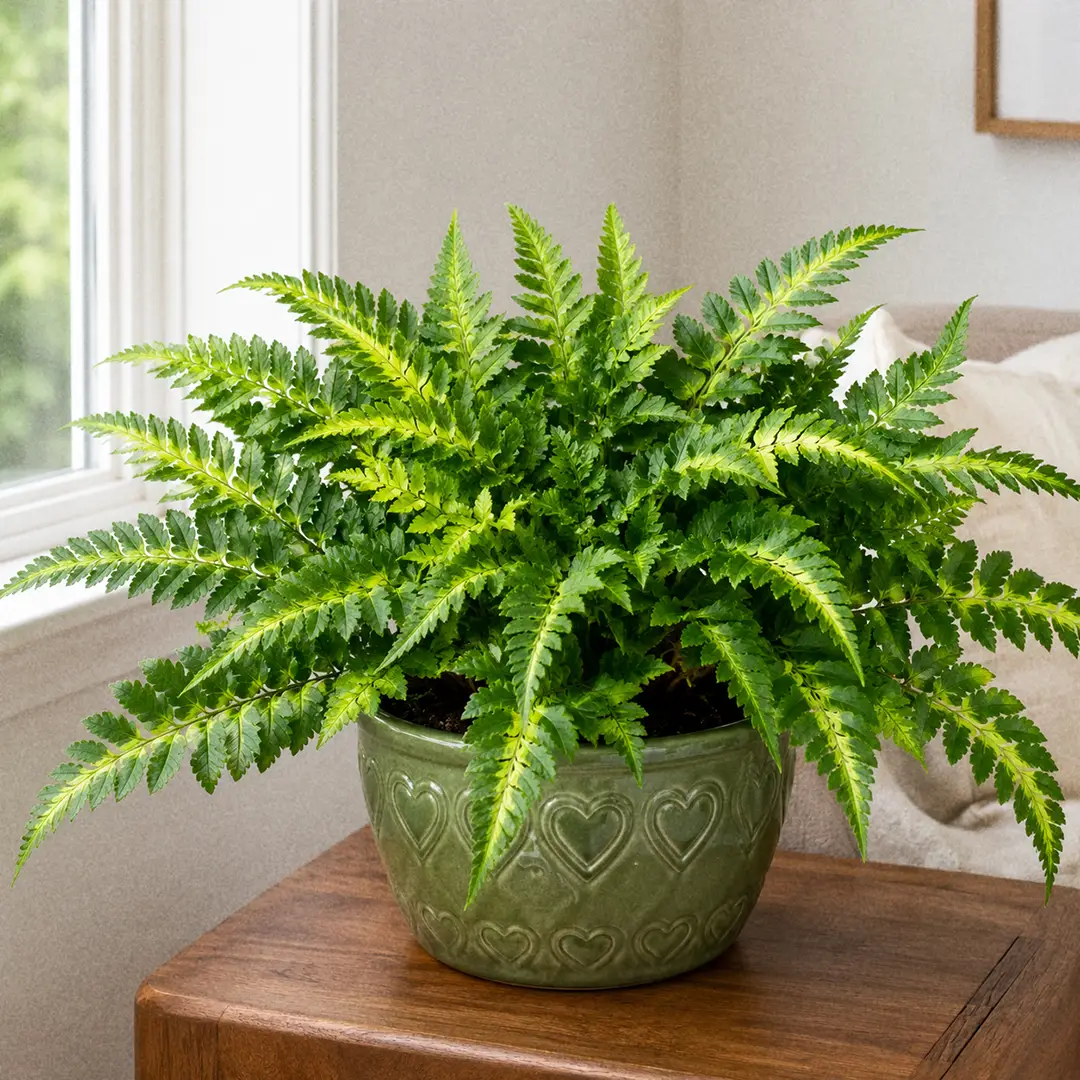
Complete Guide to East Indian Holly Fern Care and Growth
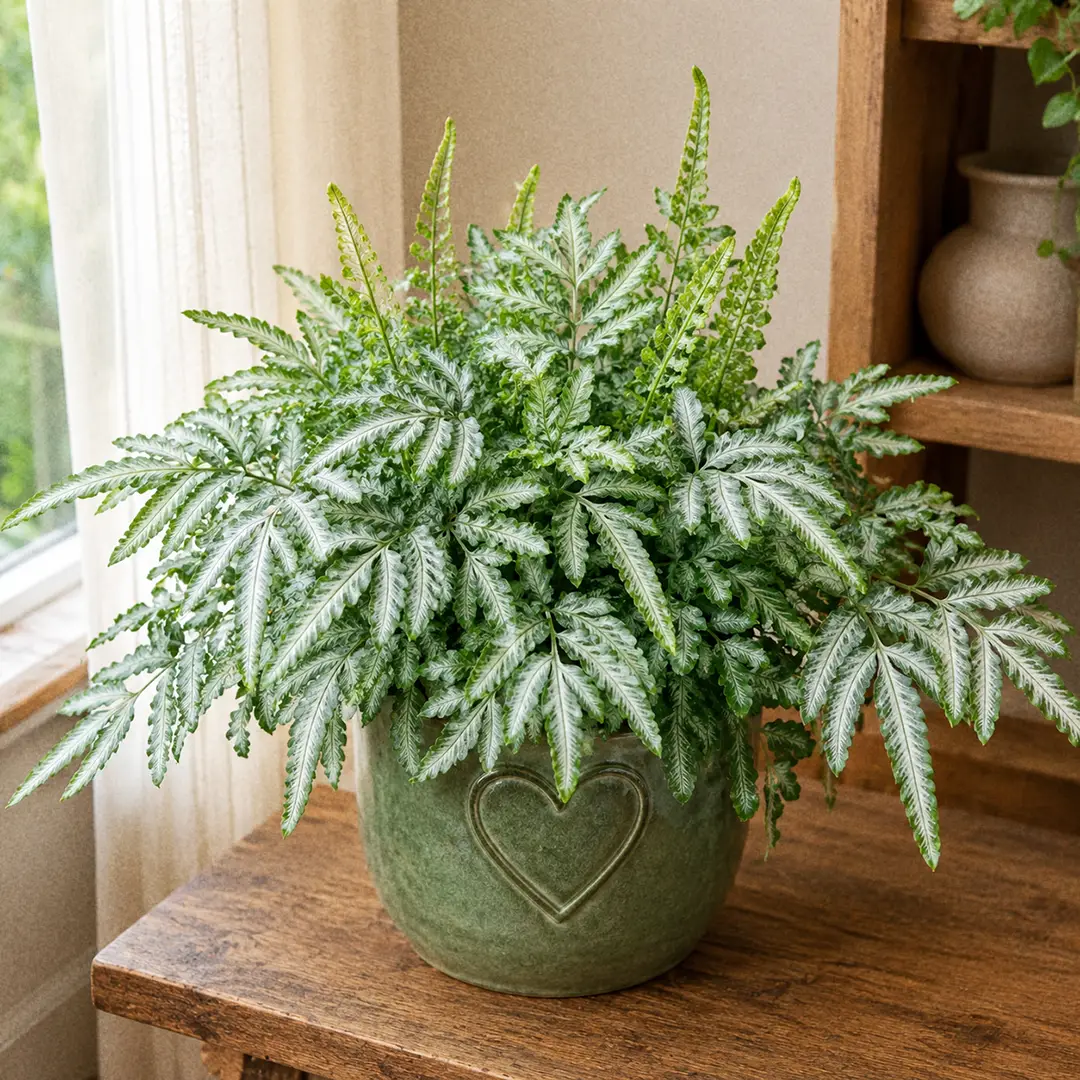
Complete Guide to Silver Lace Fern Care and Growth
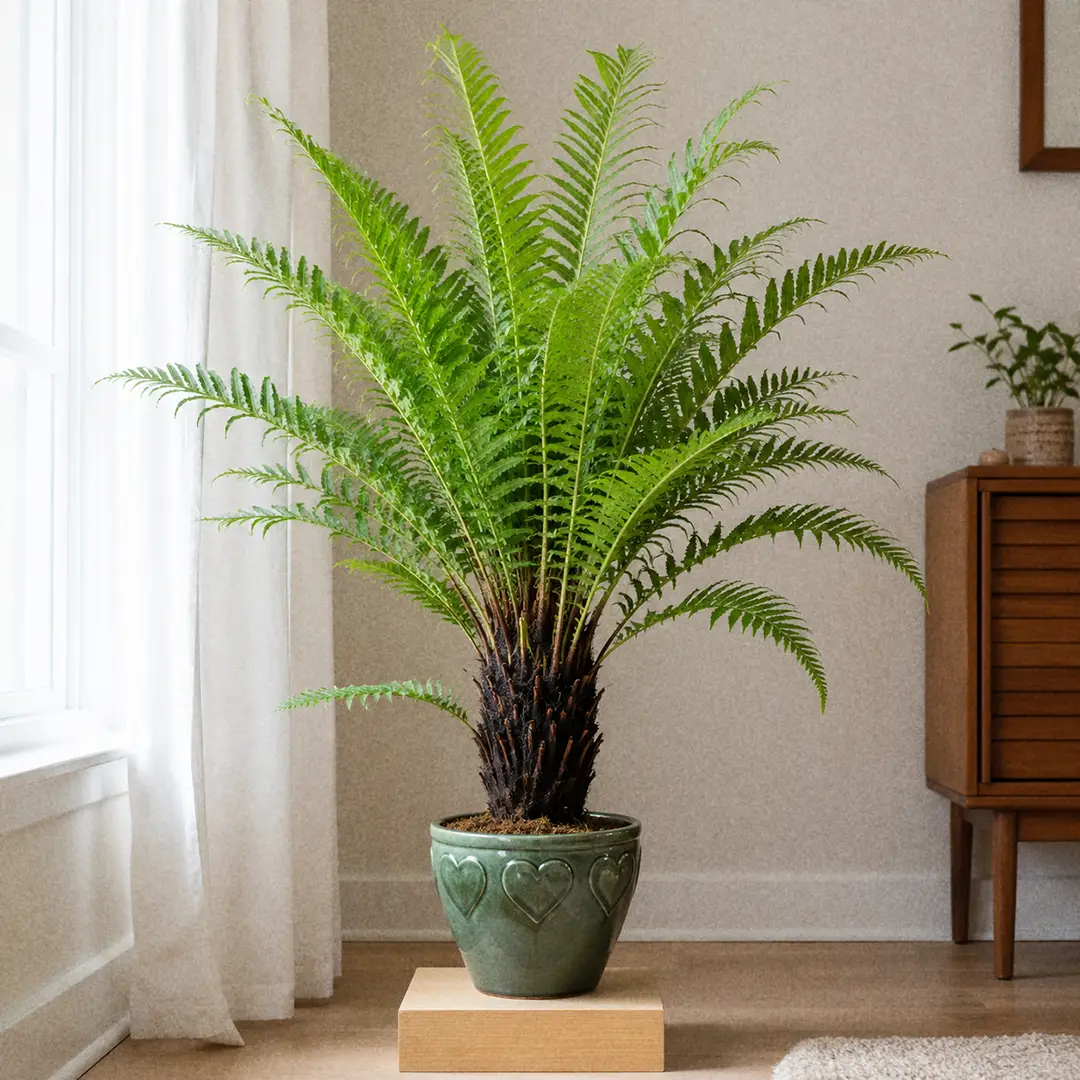
Complete Guide to Silver Lady Fern Care and Growth
Complete Guide to Squirrel's Foot Fern Care and Growth
Complete Guide to Tassel Fern Care and Growth
Complete Guide to Mother Fern Care and Growth
Complete Guide to Cinnamon Fern Care and Growth
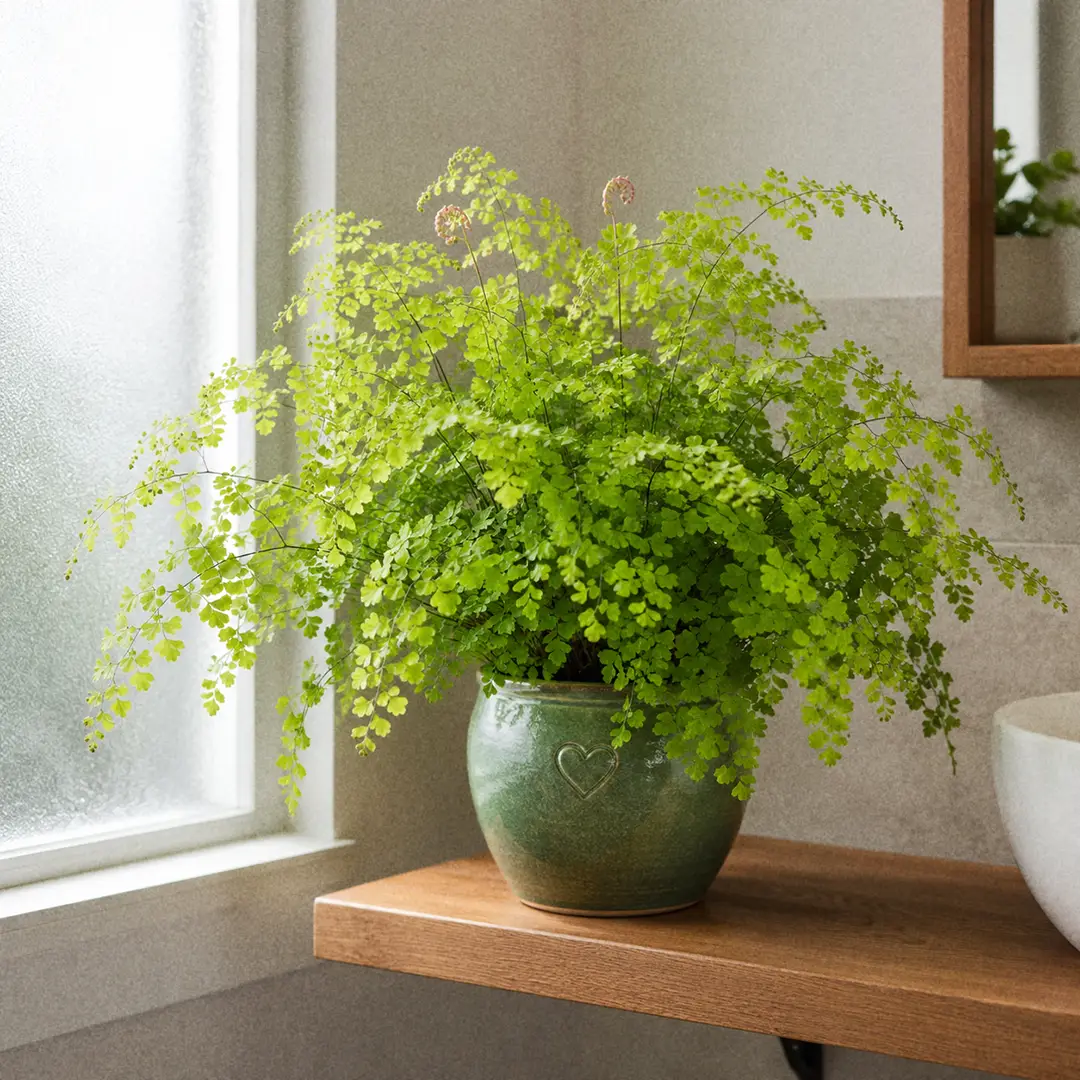
Complete Guide to Delta Maidenhair Fern Care and Growth
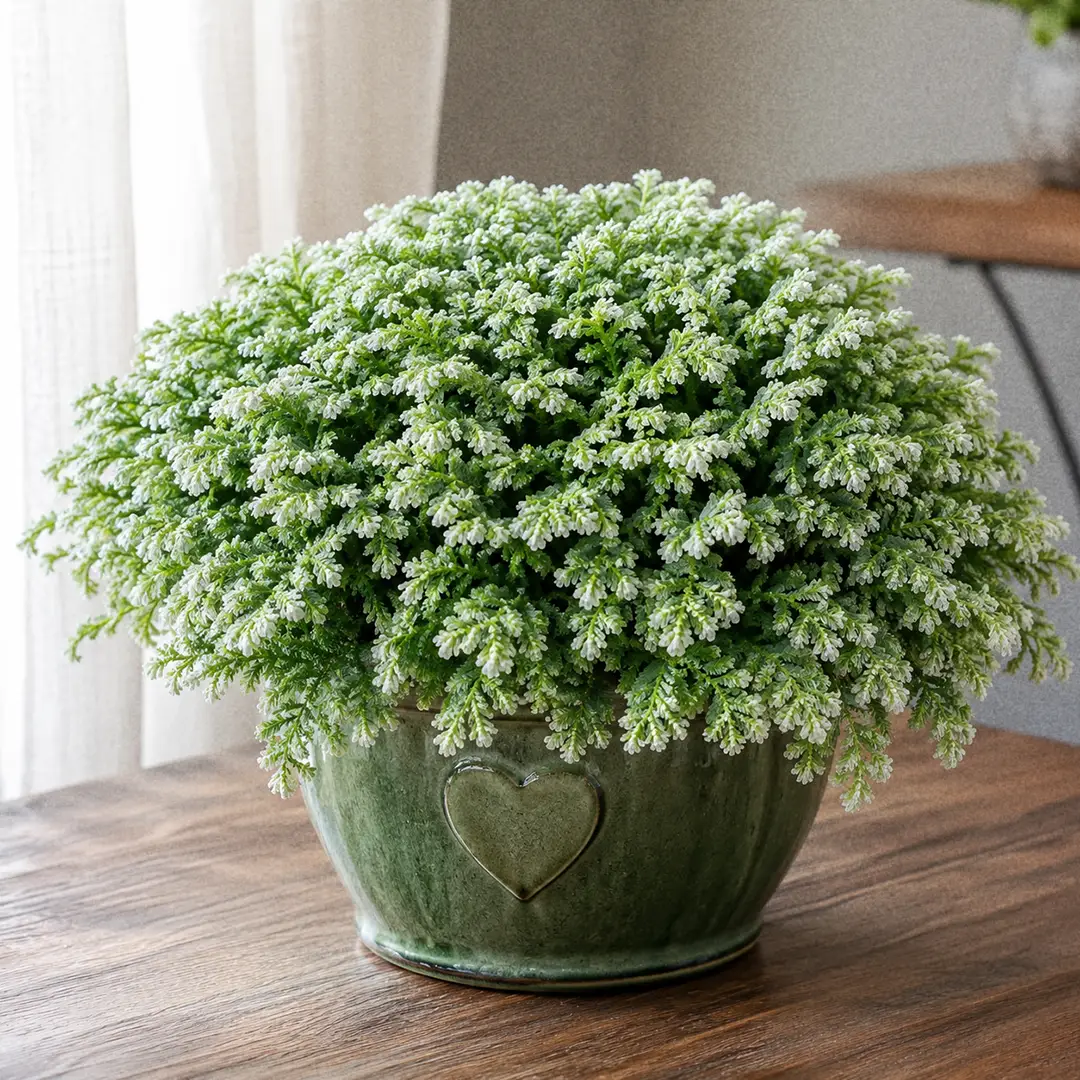
Complete Guide to Frosty Fern Care and Growth
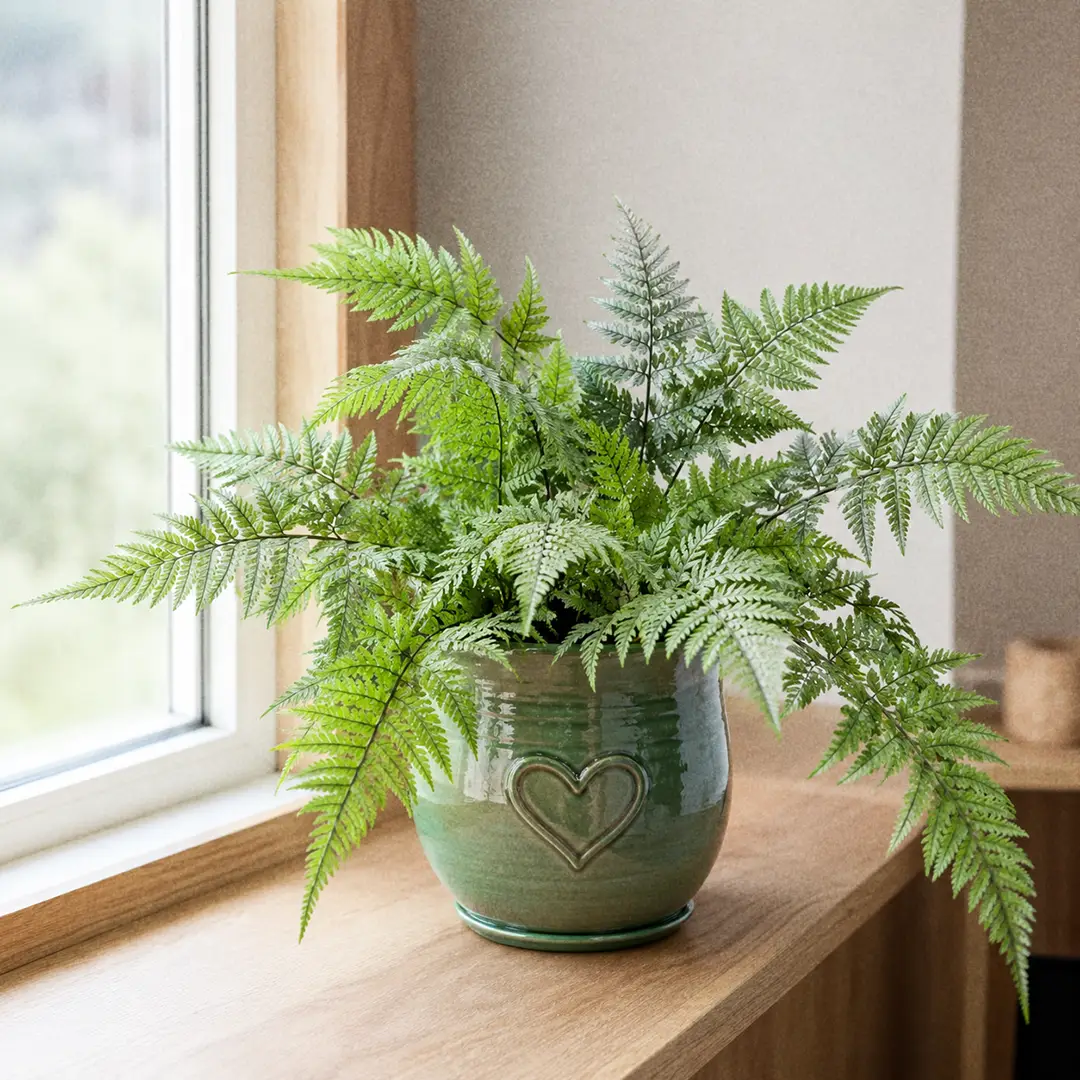
Complete Guide to Korean Rock Fern Care and Growth

Houseplant101 Forum
Questions & Comments
Ask a question, share your plant experience, or help other plant owners.
Comments are temporarily unavailable.
Open the Houseplant101 ForumNo comments yet
Be the first to ask a question or share your experience about this page.
Log in or create an account
Comments use your Houseplant101 Forum account, but you can stay on this page.
Create a new account