
Delta Maidenhair Fern
Adiantum raddianum
Delta Maidenhair, Black Maidenhair Fern, Raddi's Maidenhair


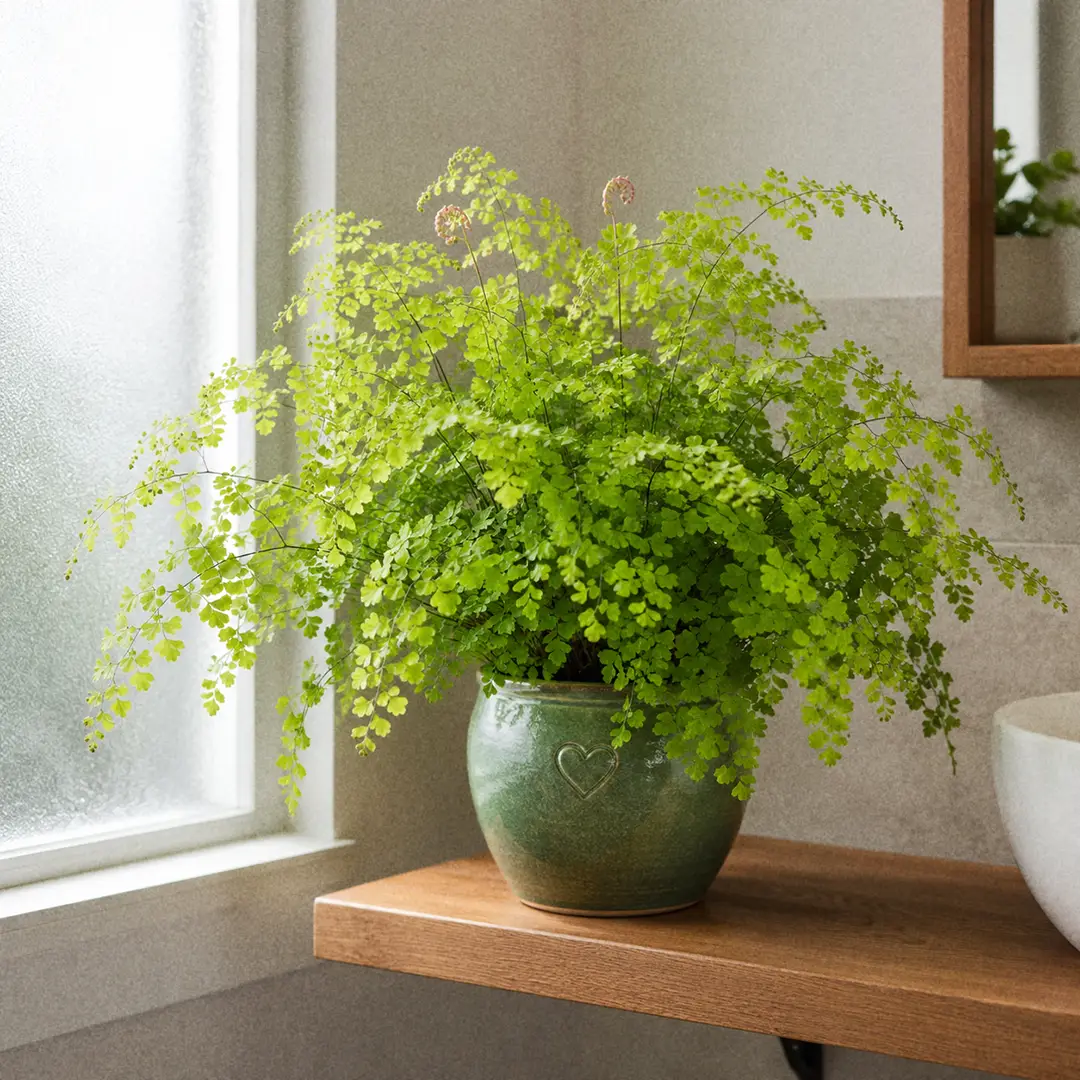
The Delta Maidenhair Fern (Adiantum raddianum) is the triangular-fronded species behind most maidenhair ferns sold as houseplants, built from hundreds of tiny fan-shaped leaflets on wiry black stems. It asks for one thing above all else, soil that never dries out, and rewards that single habit with the softest foliage in the house.
📝 Delta Maidenhair Fern Care Notes
🌿 Care Instructions
⚠️ Common Pests
📊 Growth Information
🪴 In This Guide 🪴

📺 Delta Maidenhair Fern Video Guide

☀️ Delta Maidenhair Fern Light Requirements (Bright Indirect)
In Brazilian forest, this fern grows in the gloom under the canopy, on shaded banks where the sun arrives filtered and broken. Its leaflets are barely more than a cell thick, which is why they look translucent when backlit and why an hour of direct sun ruins them.
The Sweet Spot
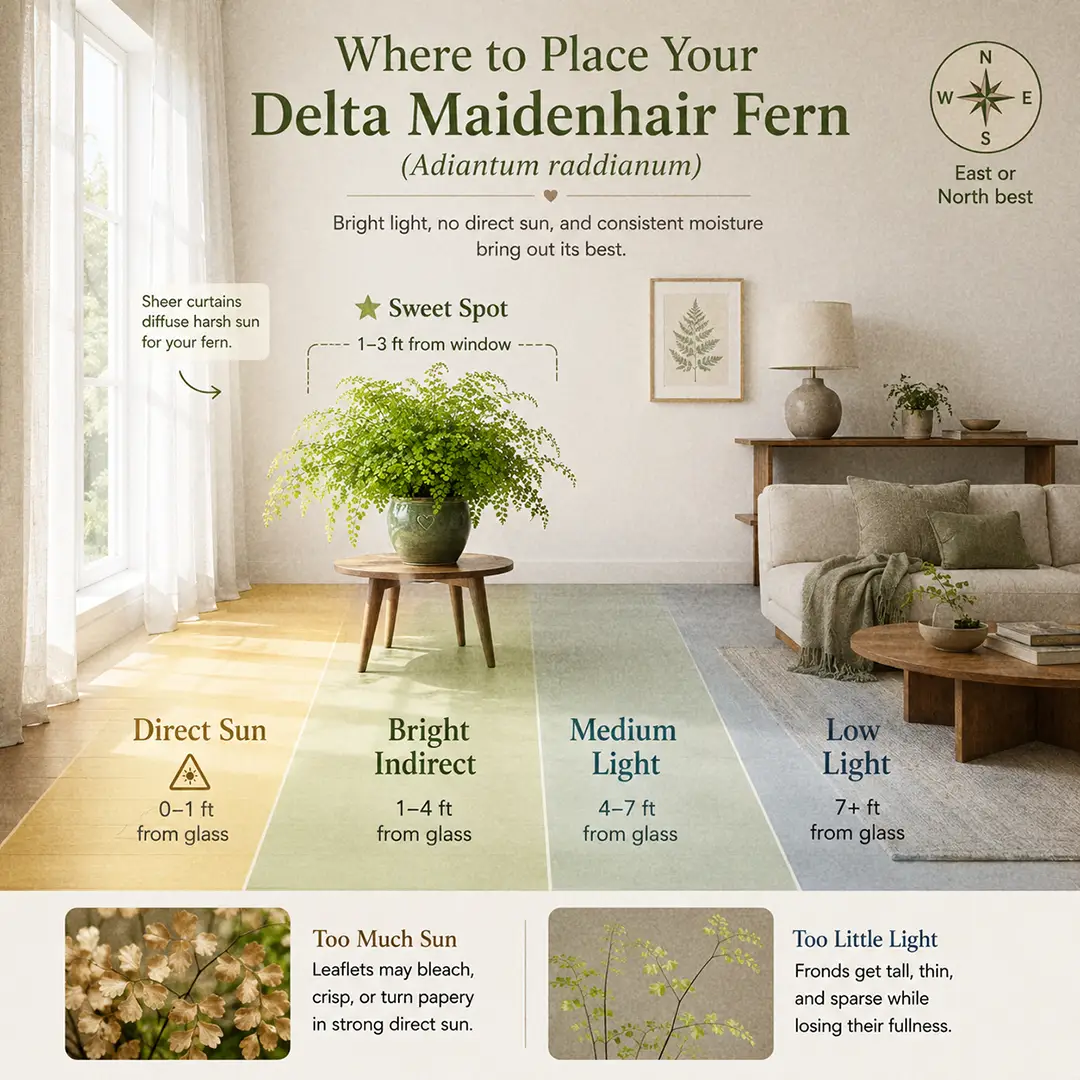
An east window, with the pot one to three feet back from the glass, is the ideal home. Morning sun is weak enough that a brief slant does no harm, and the rest of the day stays bright without heat. A north window works year round with the plant right against the glass. South and west rooms need a sheer curtain or a placement four to six feet in. You have it right when new fiddleheads keep appearing and the mature fronds stay an even green. See our guide to light for houseplants.
Too Little Light
Maidenhairs are shade plants, so they limp along in dim spots far longer than most houseplants will. What you lose is density: new fronds come up on longer, floppier stalks with wider gaps between the leaflets, and the clump thins from the center out. A fern more than eight feet from any window is running on fumes. Move it closer, or run a modest grow light for ten hours a day.
Too Much Light
Direct sun wrecks this plant faster than a missed watering does. Thirty minutes of summer afternoon sun through glass turns the exposed leaflets papery tan, and there is no partial recovery. The frond is finished. Watch for pale dry patches on the window side, and remember that a spot perfectly shaded in November can catch two hours of low sun in March.
💧 Delta Maidenhair Fern Watering Guide (Constantly Moist)
If you remember one line from this page, make it this one: the Delta Maidenhair Fern does not tolerate dry soil, not once, not for an afternoon. Nearly every dead maidenhair died from a single forgotten week.
Watering Frequency
Check the pot every two or three days with a fingertip, and water the moment the very top feels barely dry while everything below is still damp. That lands at every three to five days in summer and every seven to ten in winter. Pot size shifts the number most, since a four inch pot in a heated room can dry in 48 hours. Never wait for the plant to look thirsty, because by the time a maidenhair wilts, leaflets are already dying. Our moisture meter guide helps if you would rather not guess.
How to Water
Bottom watering is the technique I recommend for this species specifically. Set the pot in an inch of room-temperature water for fifteen minutes, then drain it fully. This soaks the whole root ball evenly, which matters because a peat-heavy mix that has dried at the edges channels top-poured water straight down the sides while the middle stays dry. It also keeps water out of the crown, where standing moisture rots the growing points.
Water quality matters more here than for most plants. Adiantum species are genuinely sensitive to fluoride and chlorine, which accumulate as brown leaflet tips over months. Rainwater is best, filtered is nearly as good, and standing tap water overnight sheds the chlorine but not the fluoride.
Signs of Trouble
Underwatering shows as browning that starts at the outer leaflet edges and races inward, with whole fronds going crisp and shattering at a touch. Overwatering looks different: fronds yellow from the base of the clump and the soil stays wet for over a week. Soggy is as dangerous as dry. See our watering guide.
🪴 Best Soil for Delta Maidenhair Fern
The soil is doing something slightly contradictory here. It has to hold enough water that the root ball never dries between waterings, while staying open enough that the fine roots keep getting air. Get the mix right and the watering job becomes far more forgiving.
What the Soil Needs
Moisture retention comes first, since evenly damp soil is the whole game. Aeration comes second, because compacted wet peat suffocates roots and invites rot. Organic richness comes third, as this is a forest-floor plant used to leaf litter rather than mineral soil. Aim for a pH between 6.0 and 7.0, and avoid anything that shrinks away from the pot wall as it dries, since that gap sends your next watering straight to the saucer.
DIY Soil Mix
Two parts coco coir or peat moss, one part perlite, one part fine orchid bark, and a handful of worm castings per pot. The coir carries the moisture, the perlite and bark hold the structure open, and the castings feed the plant gently for months. Coir beats peat here because it rewets easily after a dry spell, while dried peat repels water stubbornly.
Pre-Made Options
A bagged African violet mix is the best off-the-shelf answer, since it is already light, moisture-holding, and mildly acidic. Add a handful of perlite and use it as is. A general fern mix works with a third of its volume swapped for perlite and bark. Skip cactus mixes, heavy garden soil, and moisture-control formulas. More in our soil guide.
🍼 Fertilizing Delta Maidenhair Fern
Ferns are light feeders by nature, and this one has fine roots that scorch easily. The risk of feeding a maidenhair is always overdoing it, never underdoing it.
When and How Often
Feed once a month from April through September, while fiddleheads are actively unrolling, and stop completely from October to March. Skip feeding for two or three months after repotting, since fresh mix carries enough to be going on with. A terrarium plant wants perhaps two feedings a year, because nothing drains away and salts simply build.
What to Use
A balanced liquid houseplant fertilizer, something like 10-10-10 or 20-20-20, diluted to a quarter of the label strength. Quarter, not half. I would rather you under-fed this plant for a year than fed it once at full dose. Always apply to damp soil, never a dry root ball. Slow-release pellets are a poor fit, since they keep releasing through the winter rest. See our fertilizing guide and our roundup of fertilizers.
Over-Fertilizing Signs
A white crust on the soil surface and around the pot rim is the clearest tell. Brown, scorched leaflet tips on otherwise fresh growth is the second, and it looks almost identical to fluoride damage, so consider both. Flush the pot with three pot volumes of plain water and hold off feeding for two months.
🌡️ Delta Maidenhair Fern Temperature Range
Tropical origin, but understory tropical, which means moderate and stable rather than hot. This fern is happiest in the range most people keep their homes.
Ideal Range
Aim for 60 to 75°F (16 to 24°C) year round, with a mild dip at night. Below 55°F (13°C) growth stops and cold damp soil invites rot. Above 80°F (27°C) the fronds transpire faster than the roots can resupply, and tips brown even with wet soil. What this plant dislikes most is not any temperature but sudden change, so a stable spot beats a warmer one that swings.
Drafts and Heat Sources
Radiators and heating vents are the most common winter killer, not because of the heat itself but because of the bone-dry air moving over those thin leaflets. Keep the plant at least four feet from any heat source and out of the airflow. Cold drafts do damage too: a fern pressed against single-glazed glass on a frosty night can blacken overnight. Air conditioning vents combine cold and dryness and are worst of all.
💦 Delta Maidenhair Fern Humidity Requirements
Here is where most Delta Maidenhairs are actually lost. People fix the watering and still watch the frond edges brown in January, because the room is running at 25 percent humidity.
Ideal Humidity
Target 50 to 70 percent. The plant is comfortable at 50, thrives at 60 and above, and starts browning at the leaflet margins below about 40. Most heated homes in winter sit between 20 and 30 percent, which is desert territory for this species. A cheap hygrometer removes the guesswork and costs less than replacing the fern.
Easy Humidity Boosters
A room humidifier is the only method that reliably moves the number, and in a dry winter home it is the difference between a full fern and a bare stalk. Everything else helps at the margins: a pebble tray, grouping plants so their combined transpiration lifts the local reading, or a glass cloche that traps moisture around the foliage. Choosing the room is the free option, since a bathroom with a decent window is close to perfect maidenhair habitat. Our humidity guide has more.
Why Misting Is Not the Answer
Misting raises humidity for roughly ten minutes, then the water evaporates and you are back where you started, while droplets sitting overnight on dense fronds encourage fungal leaf spot. If misting is all you have, do it in the morning so the foliage dries by evening.
🌸 Does Delta Maidenhair Fern Bloom?
It does not, and it never has. Ferns were established long before flowering plants existed, and Adiantum reproduces with spores rather than seeds.
Spores Instead of Flowers
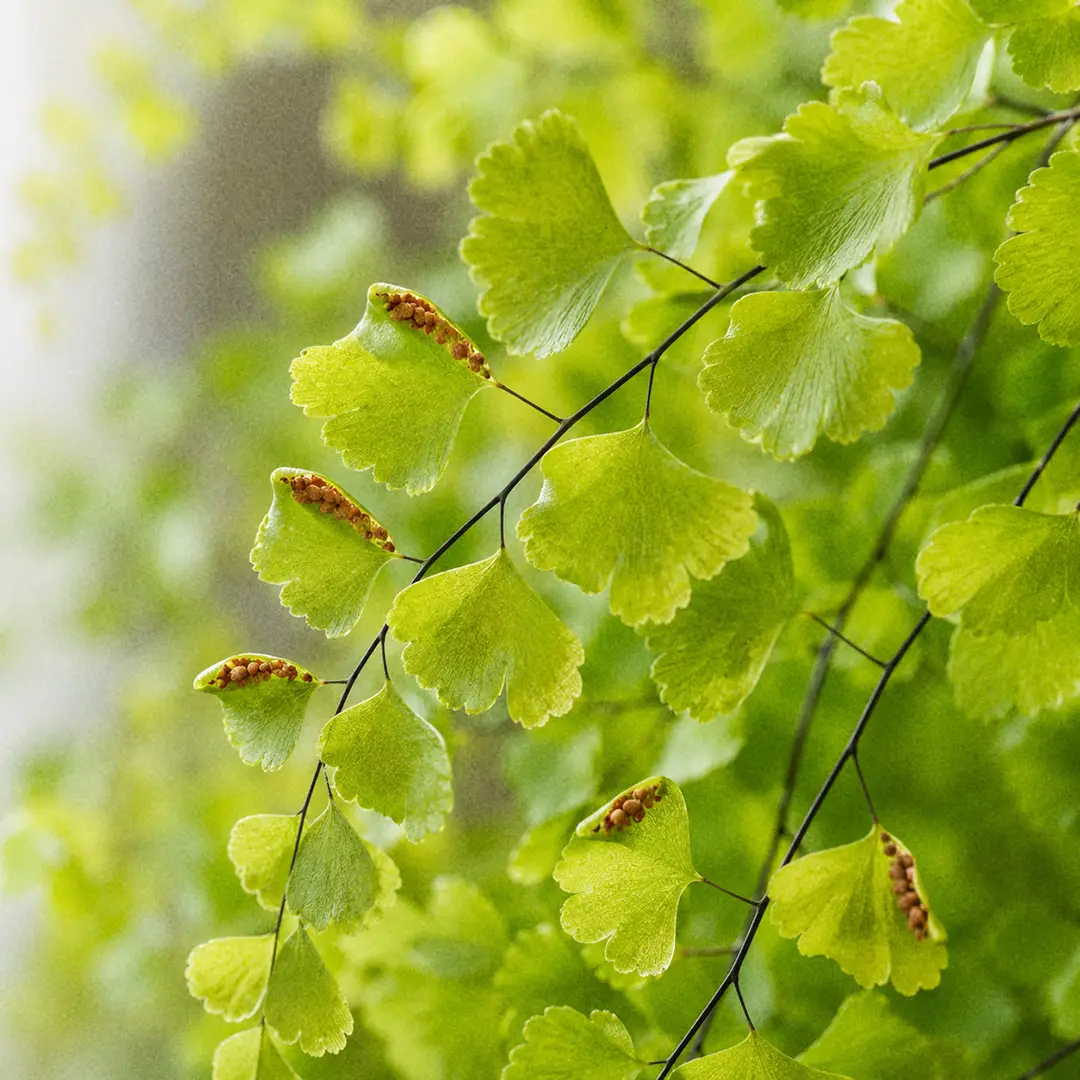
Look at the underside of a mature frond in late summer and you will find the outer edge of each little fan folded back over itself. Tucked under that flap are the sori, the clusters of spore cases. Botanists call the fold a false indusium, because a true indusium is a separate structure while Adiantum simply reuses the leaf margin. It is the neatest way to confirm you have a genuine maidenhair.
Spores or Scale?
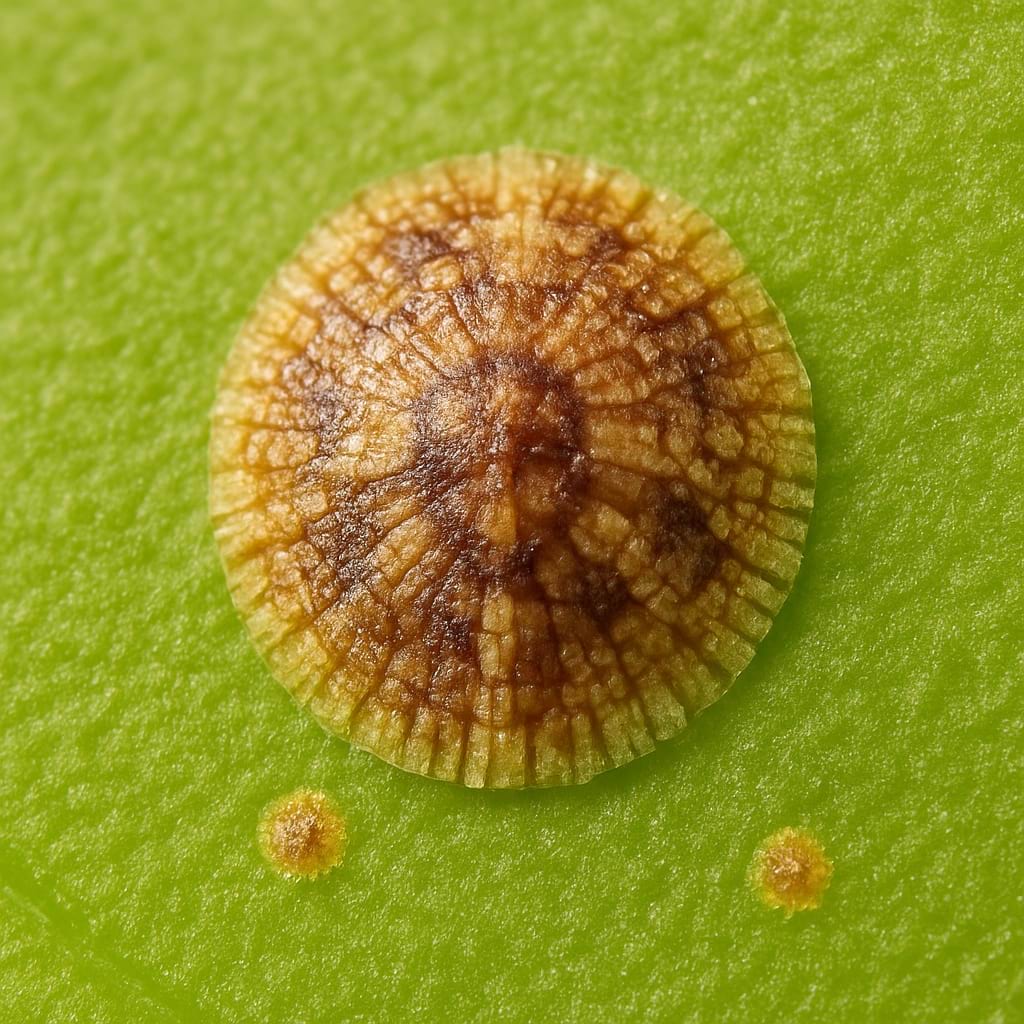
New owners often mistake ripening sori for scale insects and reach for a spray. Sori appear only along the folded outer margins of the leaflets, in an even repeating pattern on every mature frond, and never on the stems. Scale scatters at random, favors stems, and lifts off with a fingernail.
Texture Instead of Flowers
What this fern offers instead of flowers is texture, and no other common houseplant competes. Hundreds of tiny fans on hair-fine black stems catch light like nothing else on a shelf. New fronds unroll in tight coils and often flush bronze-pink before hardening to green, which is as close to a bloom as it gets.
🏷️ Delta Maidenhair Fern Types and Varieties
Adiantum raddianum is the workhorse of the maidenhair trade, and most ferns sold simply as "Maidenhair Fern" are this species or one of its cultivars. Worth knowing which you have, because a few are noticeably easier.
Why It Is Called Delta
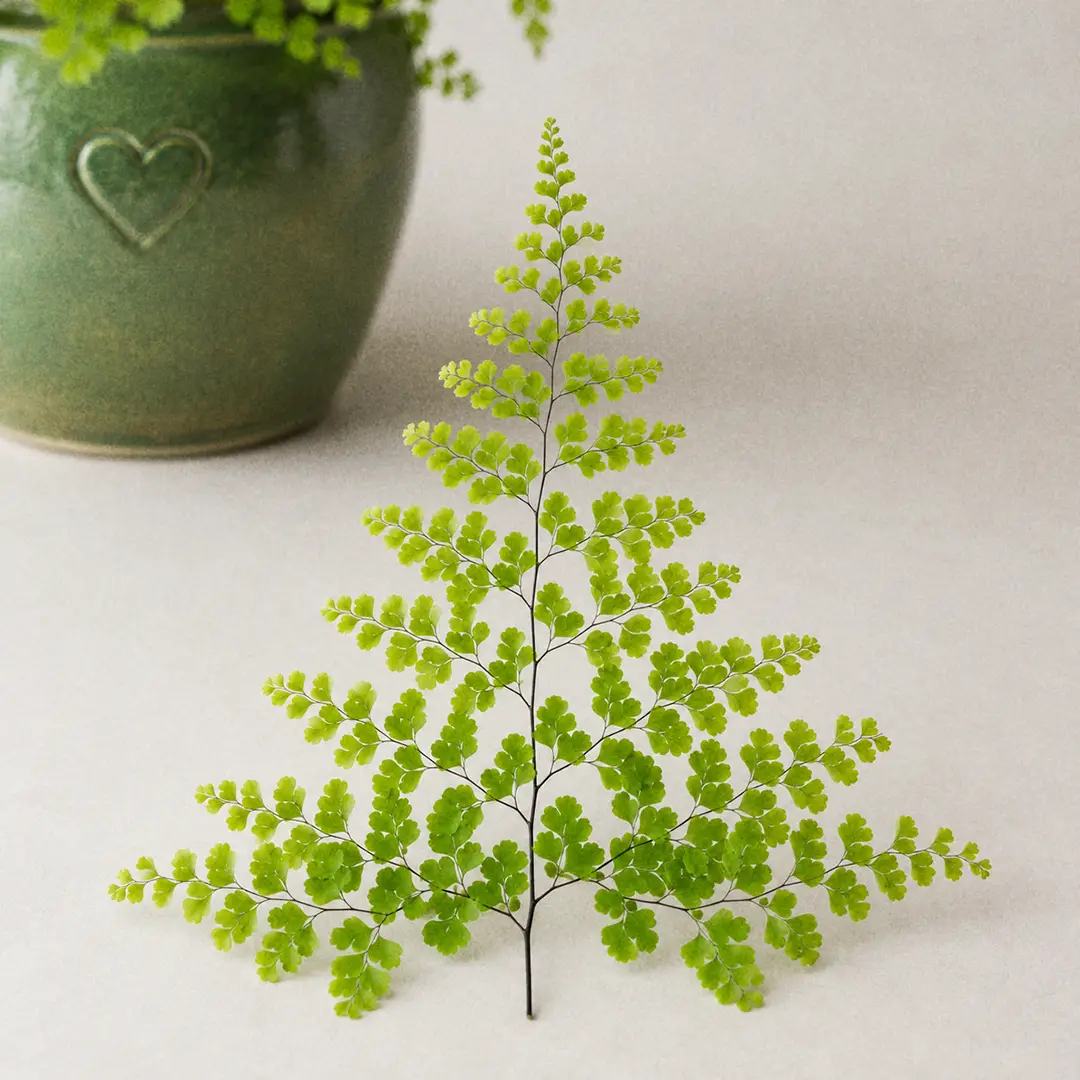
The name has nothing to do with the leaflets and everything to do with the whole frond. Hold one out flat and its outline is broadly triangular, widest at the base and tapering to a point, like the Greek letter delta. Compare that with the long, narrow fronds of the Southern Maidenhair and you have the most reliable field mark for identifying this species where labels are wrong.
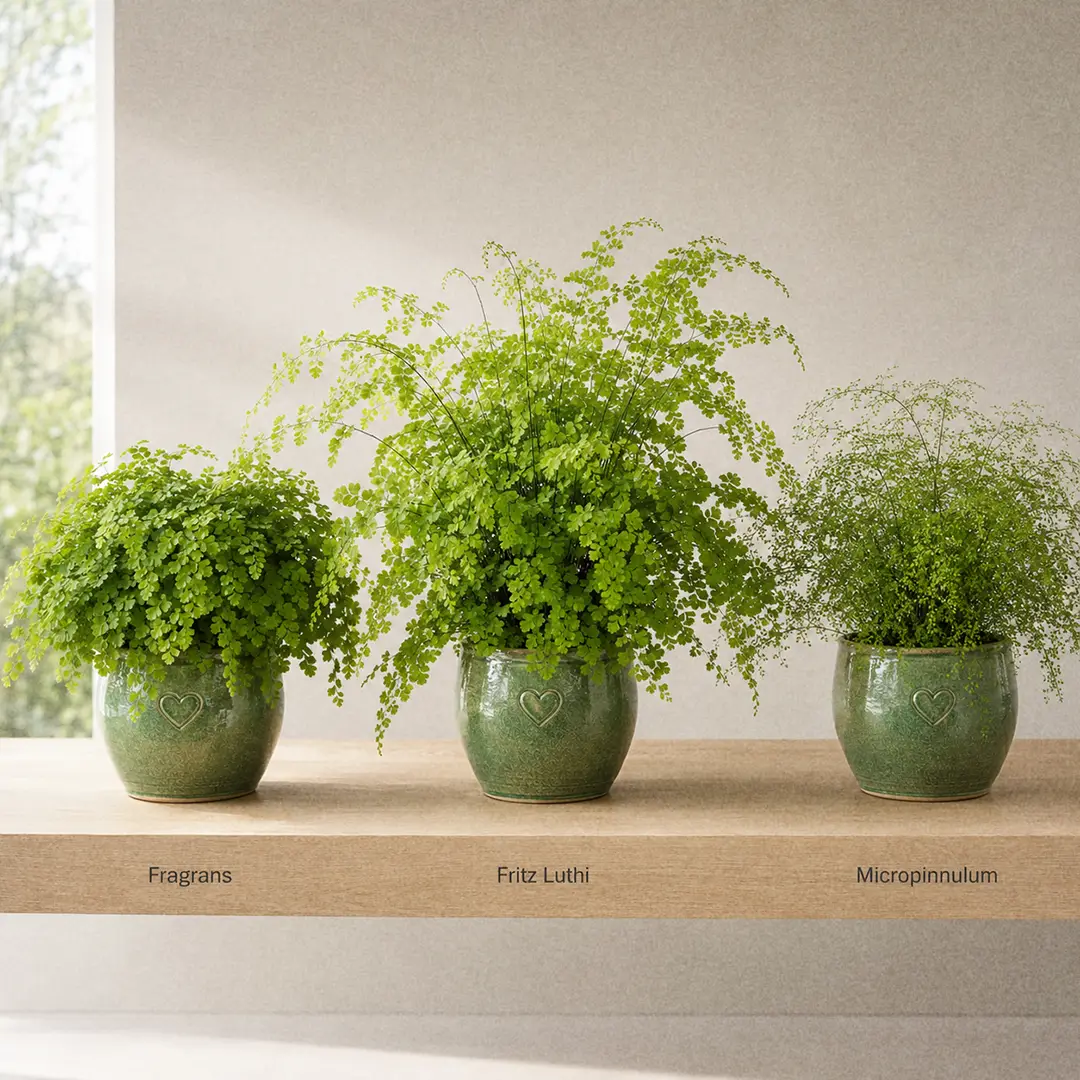
'Fragrans'
The most widely sold cultivar and the one behind most unlabeled maidenhairs in supermarkets. Dense, quick to fill a pot, and slightly more forgiving of ordinary room air than the species. The name promises a scent that is faint at best, so buy it for the vigor. If this is your first maidenhair, start here.
'Fritz Luthi'
The robust one. Larger fronds, a stronger arch, and a reputation for shrugging off conditions that flatten daintier cultivars. It reaches the upper end of the size range and makes a good standalone specimen on a plant stand where the fronds can cascade. My pick for anyone who has already killed one maidenhair.
'Micropinnulum'
The lace one, with leaflets so finely divided that the frond looks like green mist from a few feet away. It is the prettiest cultivar and the fussiest, wanting genuinely high humidity. Under glass it is spectacular. In a dry living room it browns within a month.
Other Adiantum Species Worth Knowing
Several relatives get sold under the maidenhair name. Adiantum capillus-veneris, the Southern or Venus Hair Fern, has narrow elongated fronds and a pendulous habit. Adiantum peruvianum, the Silver Dollar Maidenhair, carries leaflets the size of coins. Adiantum hispidulum, the Rosy Maidenhair, fans its fronds like a hand and is much the toughest of the group. For the genus as a whole, see our general Maidenhair Fern guide.
One more name to untangle: the Mahogany Fern (Didymochlaena truncatula) is sold as Tree Maidenhair Fern but sits in a different family entirely. Its leaflets are thick, leathery, and glossy rather than papery, and new fronds open coppery bronze. It is the one to buy when your living room air is too dry for a real maidenhair.
🪴 Potting and Repotting Delta Maidenhair Fern
This fern grows from a short creeping rhizome just under the surface, and that rhizome dislikes being disturbed. Repot when the plant needs it and not on a schedule.
When to Repot
Roughly every two years, in early spring as the first new fiddleheads appear. The signals are roots emerging from the drainage hole, water running straight through without soaking in, and a clump pushed proud of the soil surface. A mildly root-bound maidenhair is fine, even preferable, since a tight root ball holds moisture more evenly than a loose one. See our repotting guide.
Choosing a Pot
Go up one size only, four inches to five, or five to six. An oversized pot holds a reservoir of wet soil the roots cannot reach, a rot risk on a plant already watered generously. Here is the one place I break the usual advice: skip terracotta. Unglazed clay wicks moisture out through its walls and dries far too fast for a plant that must never dry. Glazed ceramic or plastic holds moisture steadier, and a wide, shallow shape suits the creeping rhizome.
Step-by-Step Repotting
- Water thoroughly the day before so the root ball holds together and slides out cleanly.
- Tip the pot sideways and ease the plant free by the root ball, never by pulling on fronds.
- Leave the root ball largely intact, teasing away only loose outer soil and trimming dark, soft roots.
- Set the plant in fresh mix so the rhizome sits level with the surface exactly as before, then backfill.
- Water thoroughly and return it to bright shade with high humidity. Hold fertilizer for two months.
Never bury the rhizome. That shallow creeping stem is where every new frond comes from.
✂️ Pruning Delta Maidenhair Fern
Pruning a maidenhair is mostly removal of what has already finished, plus one dramatic technique that saves plants everyone else would throw out.
When and How to Prune
Snip browned or yellowed fronds whenever you spot them, at any time of year, cutting each at the very base of its black stalk with clean sharp scissors. Never cut into the rhizome itself. Do not trim a partly-brown frond in half to tidy it, because the cut edge browns further and the frond dies back anyway.
The Full Cut-Back Rescue
If your fern dries out completely and every frond turns to crisp, do not bin it. Cut every frond off at soil level, water thoroughly, put the pot somewhere warm, bright, and humid, then keep the soil damp and wait. New fiddleheads commonly appear within three to six weeks. I have brought back plants that looked like a pot of brown wire.
Keeping the Clump Full
An annual tidy in early spring, taking out the oldest fronds just before the new flush, keeps the plant fresh rather than tired. Never remove more than a third of the living foliage at once, since the fern feeds itself through those fronds.
🌱 How to Propagate Delta Maidenhair Fern
Division is the practical method, because a mature plant naturally builds up multiple growing points along its creeping rhizome. Spores are an option for the patient.
Best Method: Rhizome Division
Early spring, combined with a repot, is the moment. You need a plant that fills its pot and shows several distinct clusters of fronds rather than one tight crown. A young plant should not be divided at all. Our plant division guide covers the general approach.
Step-by-Step Division
- Water the plant well the day before, then slide it out of its pot.
- Rinse or brush soil from the rhizome until you can see where the growing points separate.
- Cut between clusters with a clean sharp knife, giving every piece a good length of rhizome, plenty of roots, and at least four or five healthy fronds.
- Pot each division into fresh mix with the rhizome level at the surface.
- Water thoroughly, then keep the divisions bright, shaded, and humid, with the soil constantly damp.
Tips for Success
Take big divisions. Two generous halves establish quickly, while five small scraps sulk for a season and some die. Humidity during recovery decides the outcome, so tent each new pot loosely with a clear plastic bag for two or three weeks, opening it daily for air. New fiddleheads within a month tell you it worked.
Growing From Spores
Wait for the folded leaflet margins to darken to rusty brown, cut a mature frond, and lay it underside-down on white paper until the dust-fine spores drop. Sow them thinly onto damp sterilized peat, do not cover them, and seal the container under clear plastic in bright indirect light at around 70°F (21°C). Green film appears in weeks, prothalli in two or three months, recognizable little ferns after six months to a year.
🐛 Delta Maidenhair Fern Pests and Treatment
Pests are not this plant's main problem, but a stressed maidenhair in dry air attracts them, and treatment is trickier than usual because the foliage burns so easily.
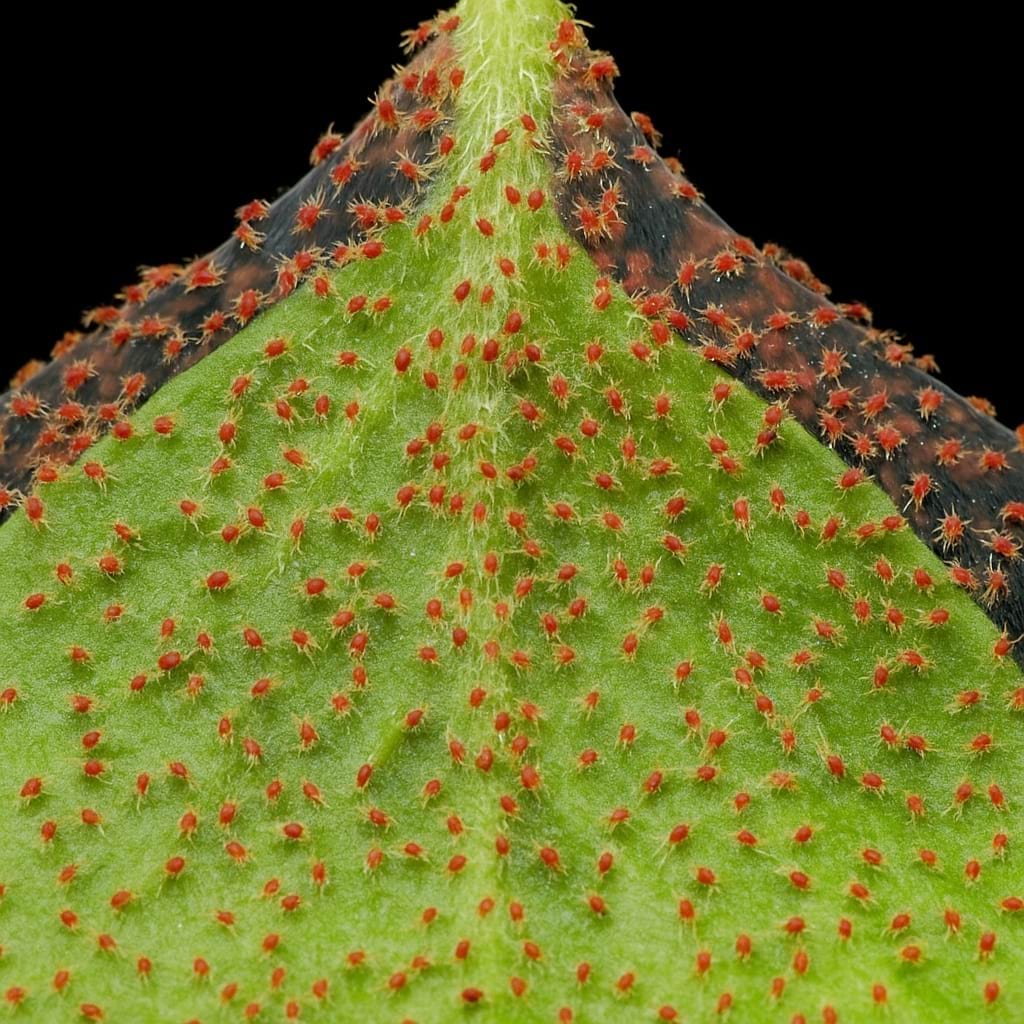
Spider mites are the pest to watch. They arrive precisely when humidity drops, so an infestation is usually a symptom of the same dry air that browns the frond tips. Look for fine webbing between leaflets and a dusty stippled look, then rinse the plant under a lukewarm shower, raise the humidity, and repeat weekly for three weeks.
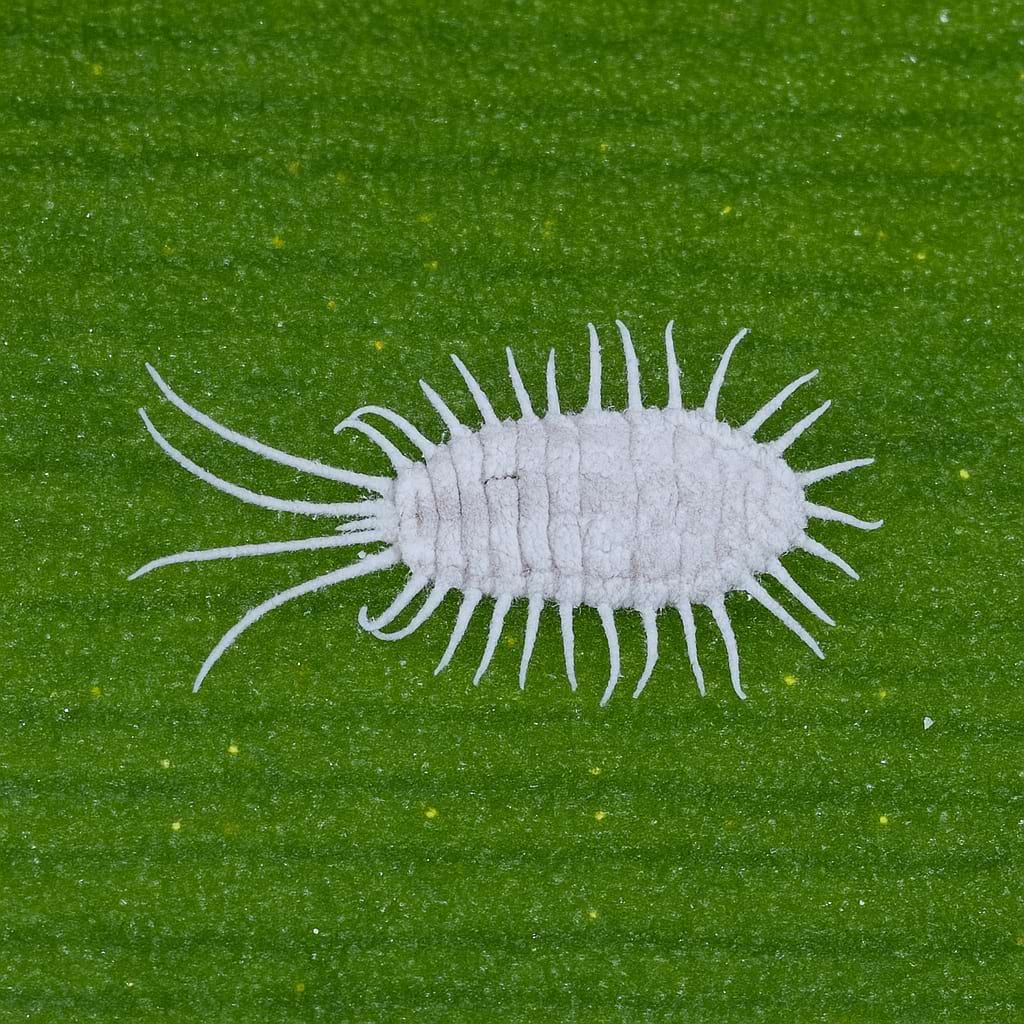
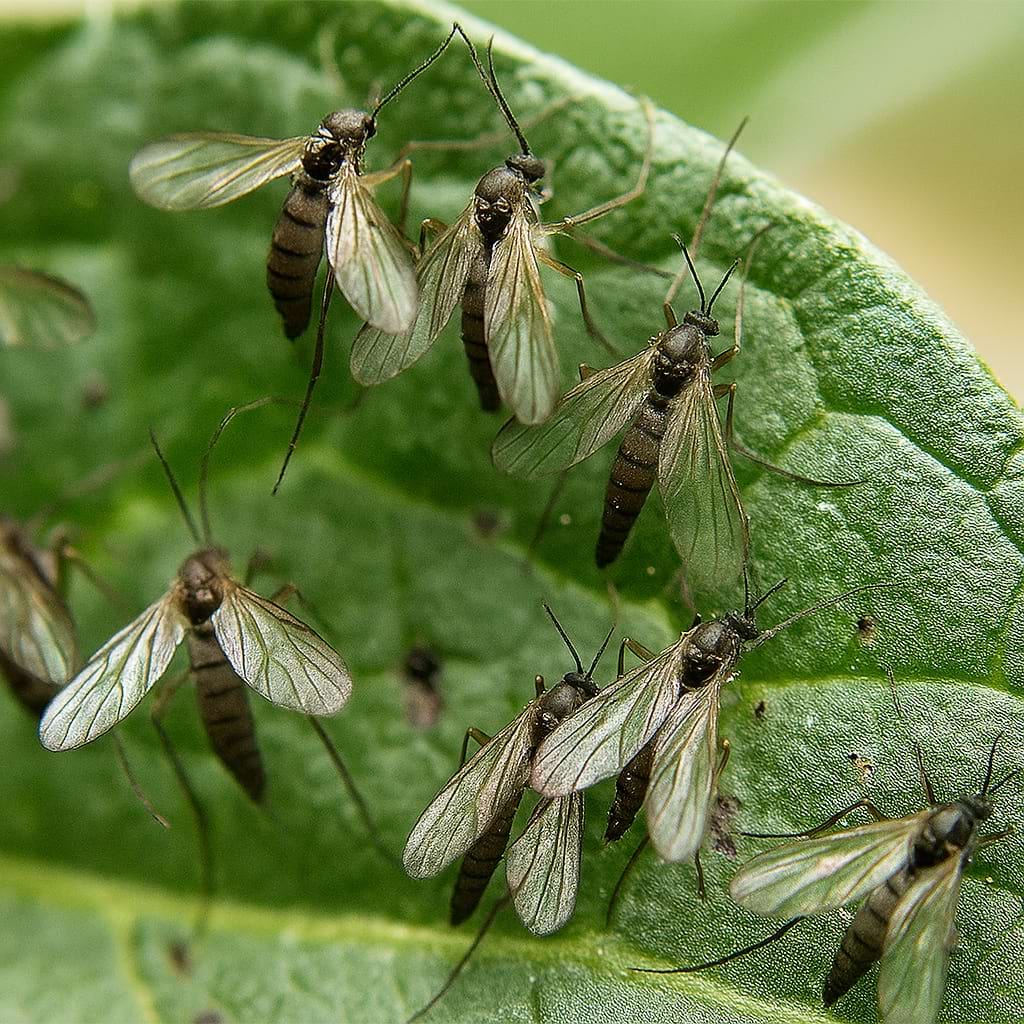
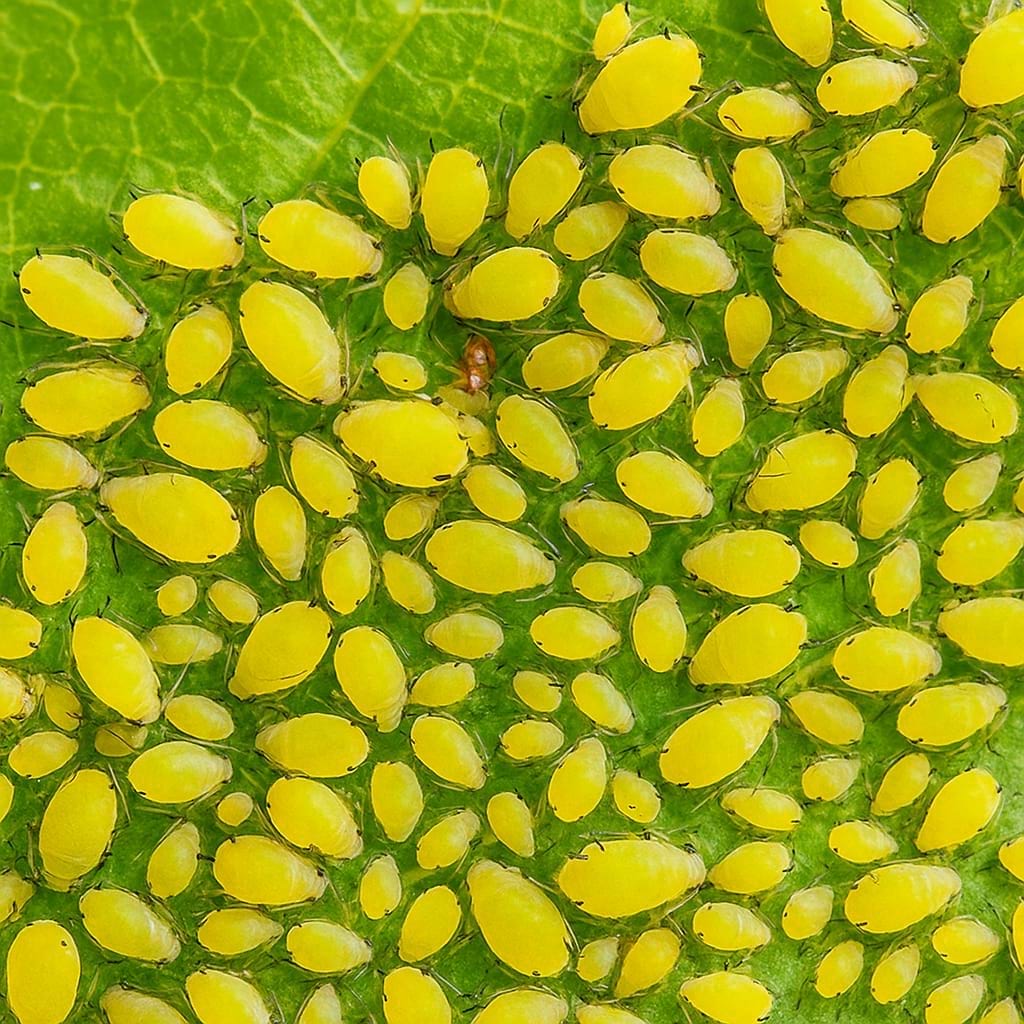
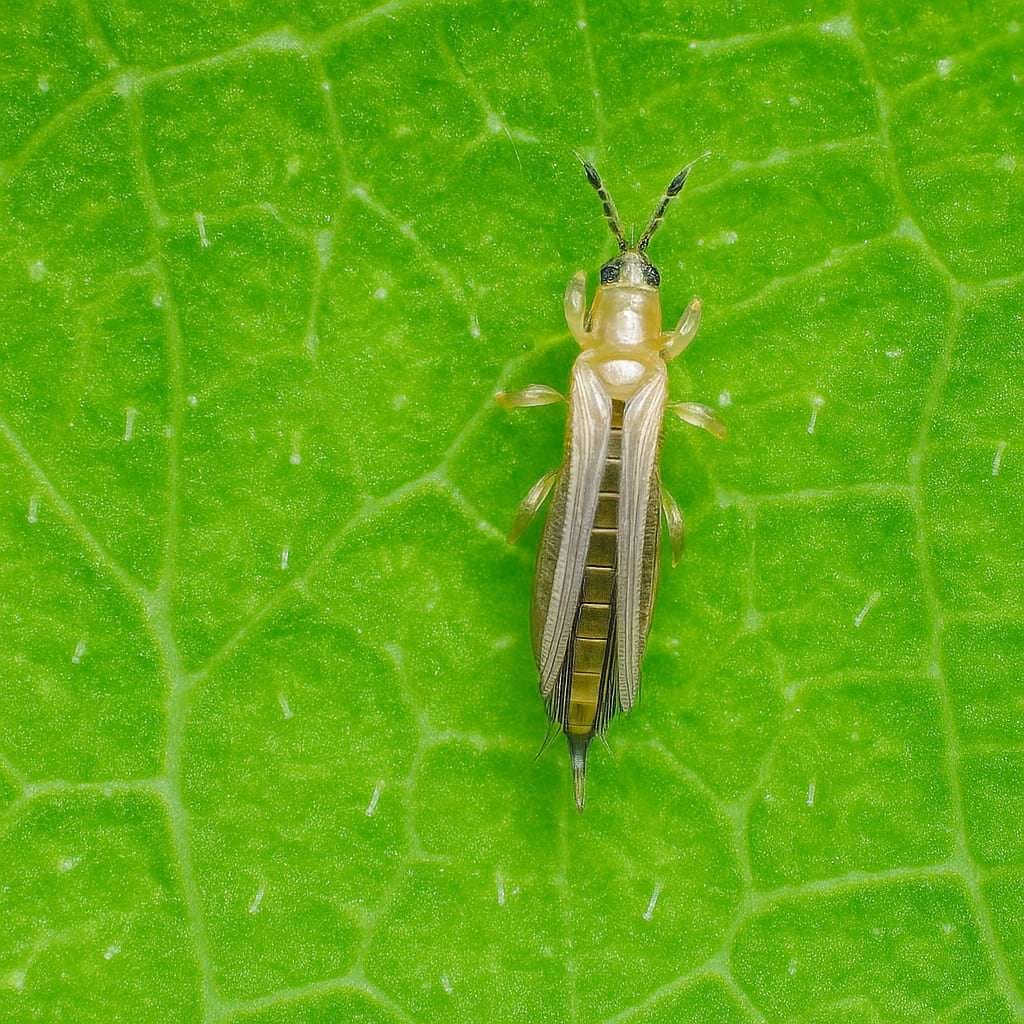
Mealybugs settle as white cotton in the crown; dab each with a cotton swab of 70 percent alcohol. Scale insects look like small brown bumps on the black stems and lift off the same way, though check the pattern first, since spores also read as brown dots. Aphids cluster on soft new fiddleheads in spring and rinse away under a gentle stream. Fungus gnats are almost inevitable on permanently damp soil; sticky traps and a top-dressing of fine grit keep them down without drying the pot out. Thrips are rarer, showing as silvery streaking with black specks.
One warning specific to ferns: oil-based sprays and full-strength insecticidal soaps scorch maidenhair foliage badly. If you must spray, use half strength and test one frond first. Water, alcohol swabs, and better humidity solve most of it.
🩺 Common Delta Maidenhair Fern Problems
Nearly every problem traces back to water or air. Check soil moisture first, humidity second, light third.
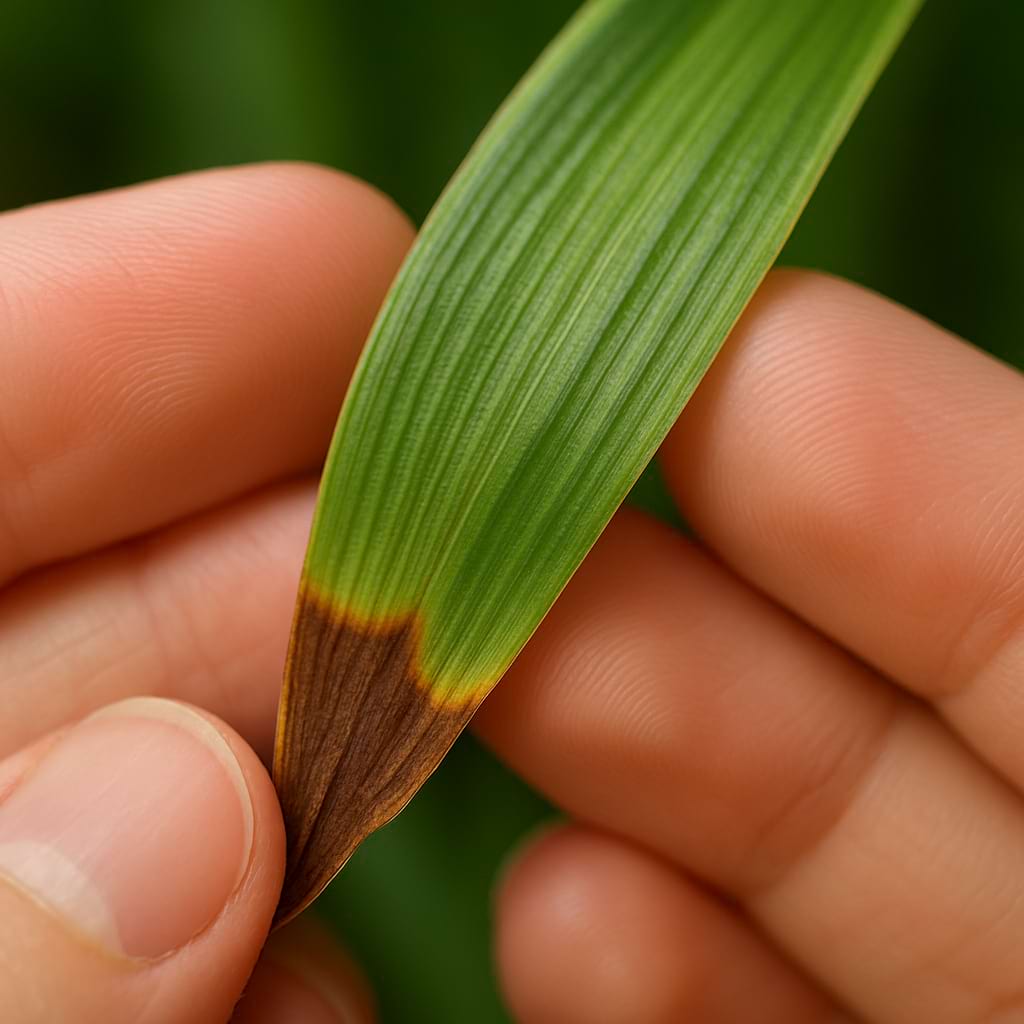
Brown crispy edges is the signature complaint. Three causes, in order of likelihood: air below 40 percent humidity, soil that dried out, and fluoride or chlorine in tap water. Damaged fronds never recover, so judge your fix by the new growth.
Leaf drop, where leaflets shed and leave bare black stems, follows a shock: a dry-out, a cold draft, or repotting. Those bare stems will not releaf, so cut them at the base.
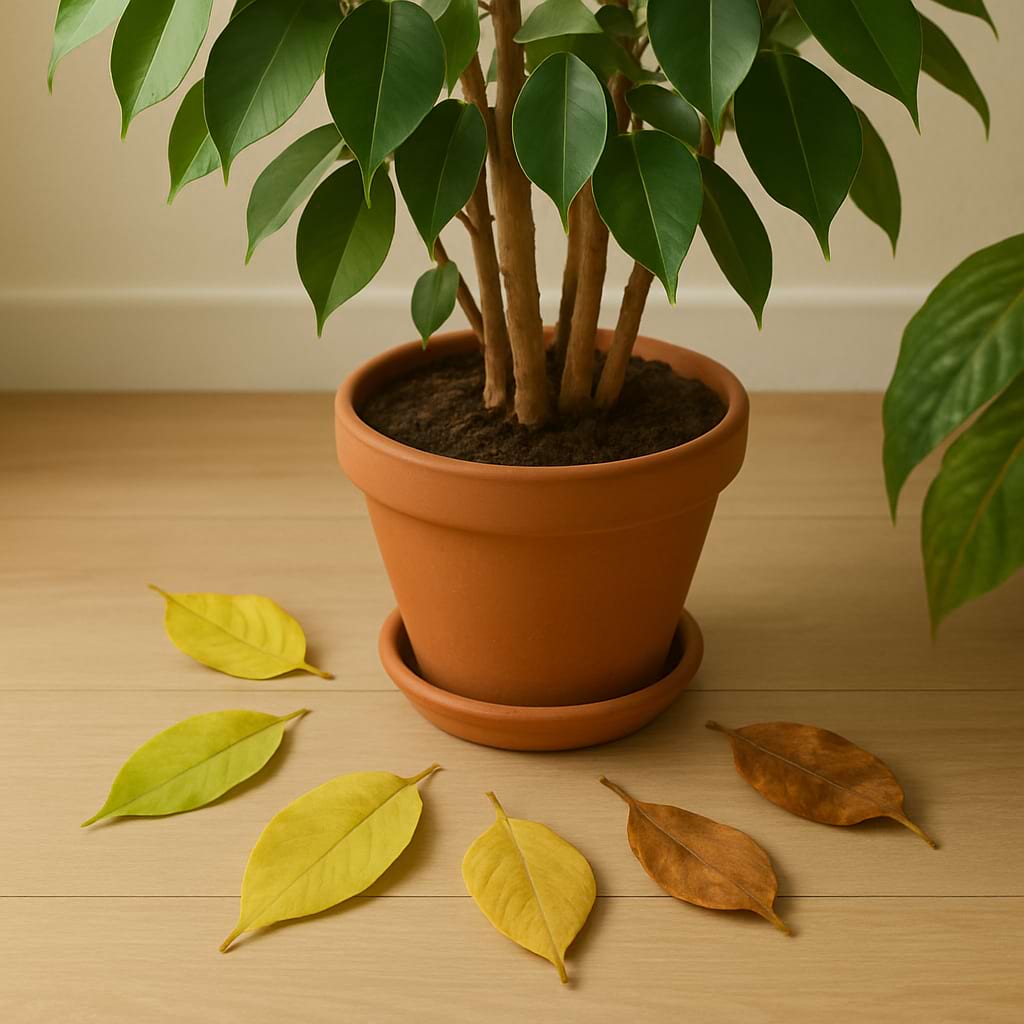
Yellowing leaves spreading through the clump usually means overwatering, especially if the soil has stayed wet more than a week. One or two old fronds yellowing at the outside is normal turnover.
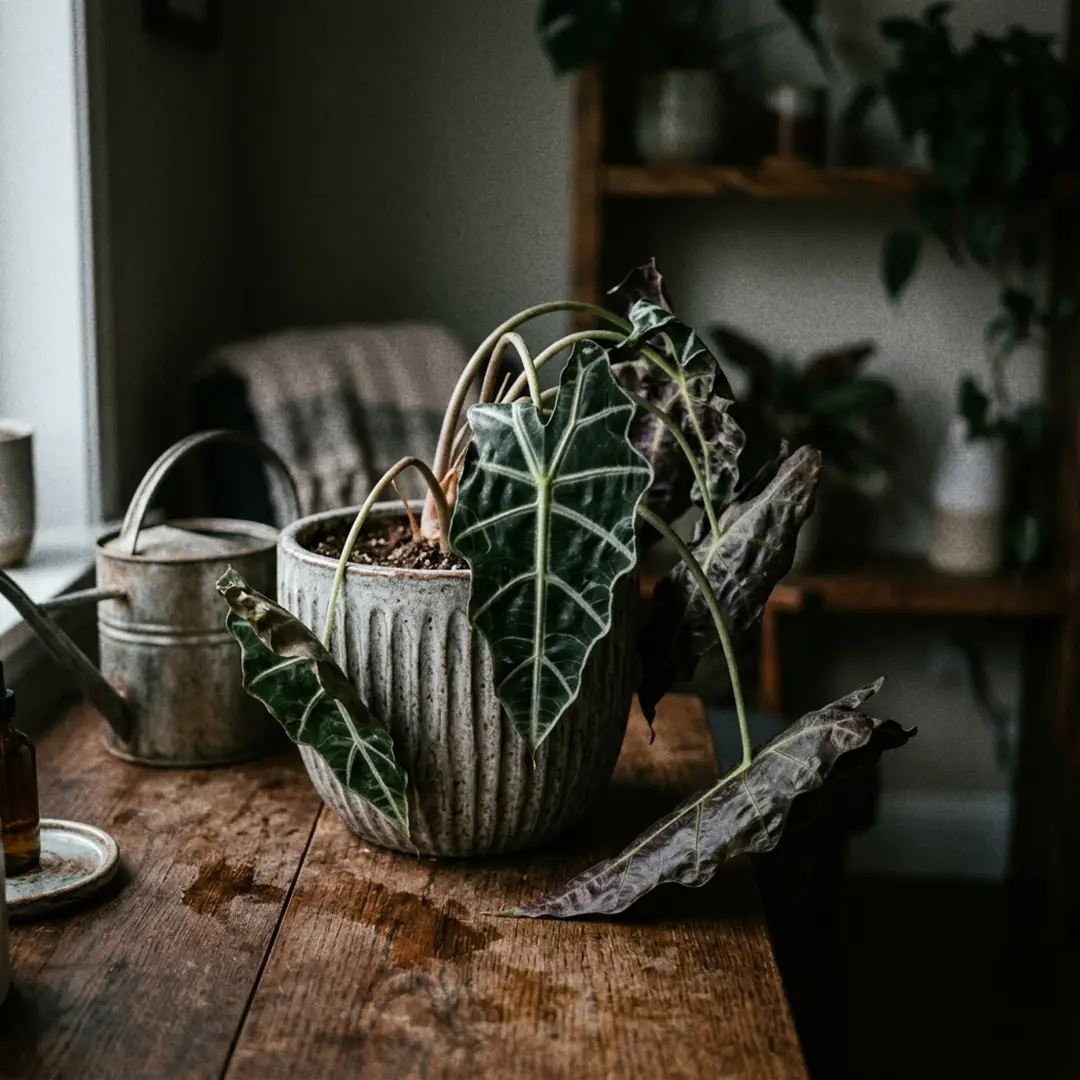
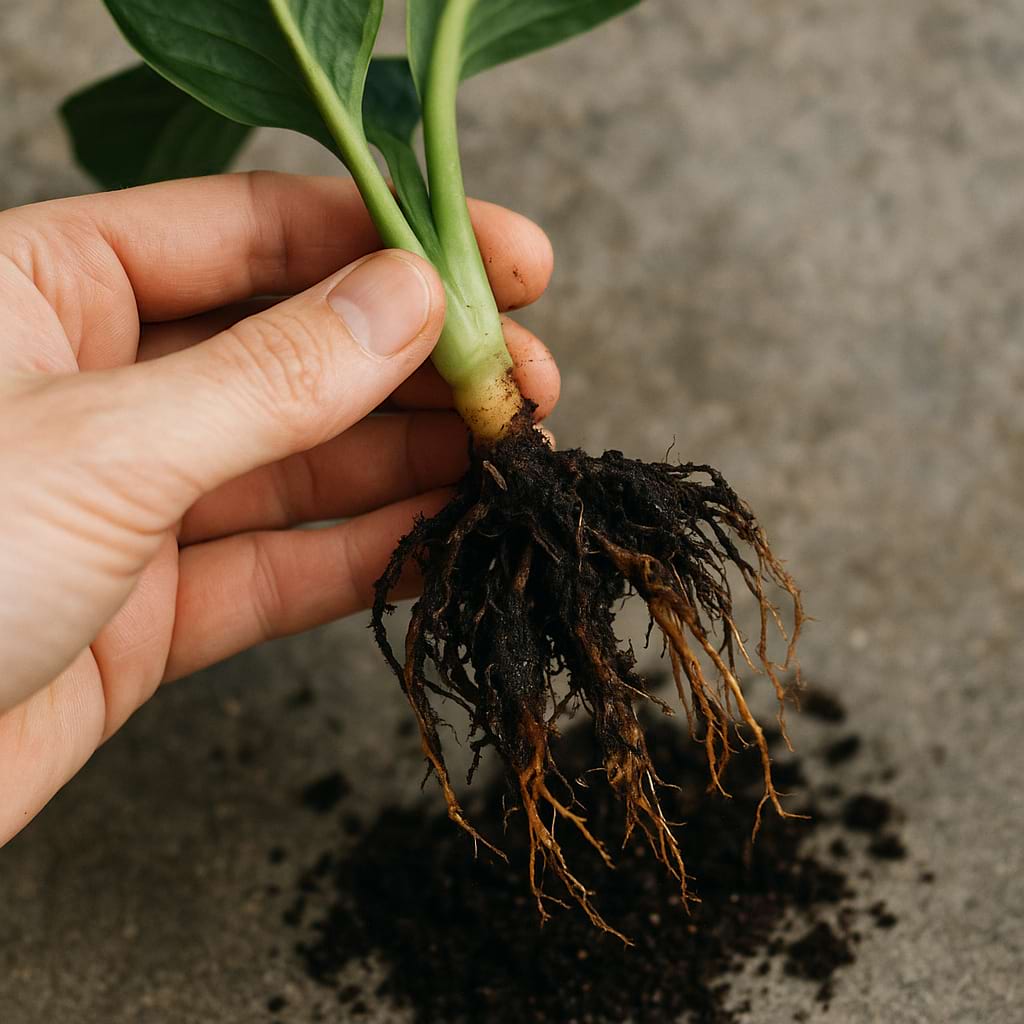
Wilting and drooping with dry soil is thirst, and a thorough soak fixes it. The same droop with wet soil means root rot: unpot, cut away brown mushy roots, repot into fresh airy mix, and water carefully while it rebuilds.
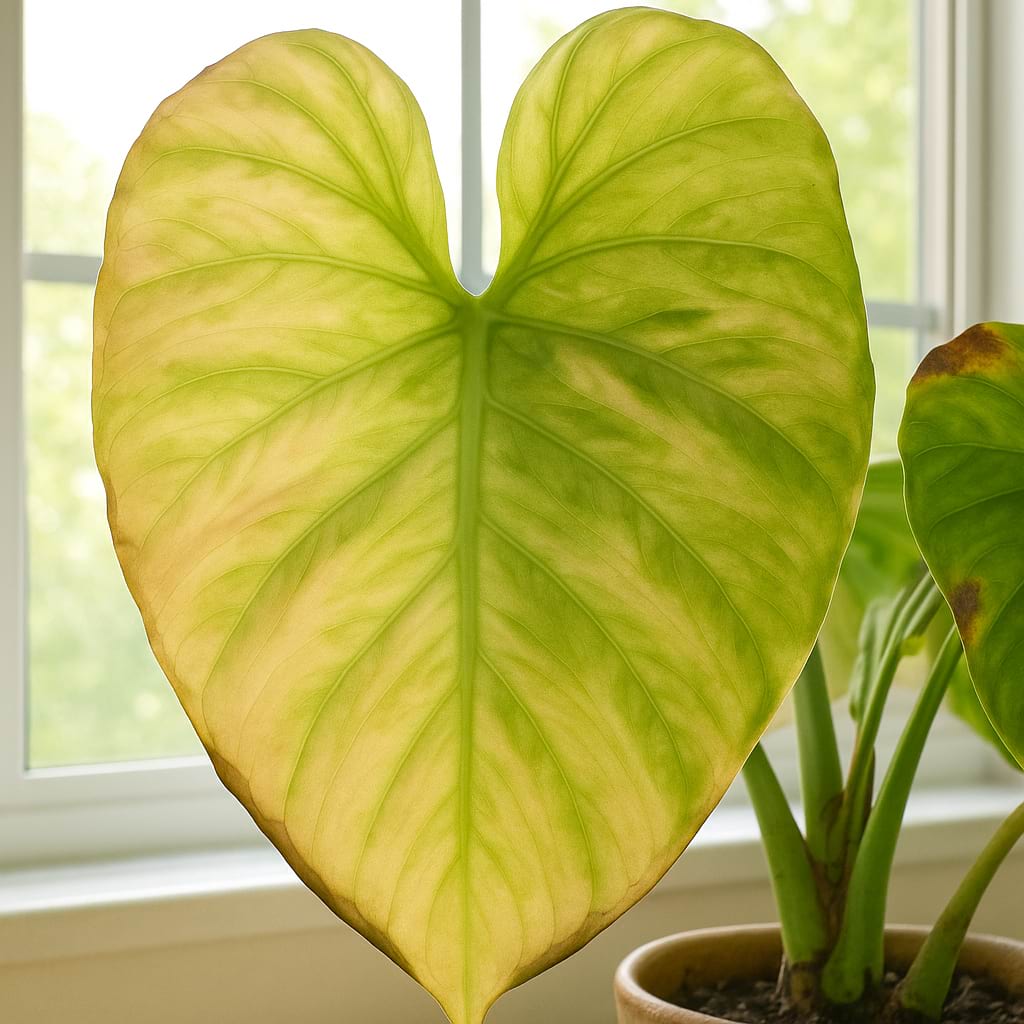
Pale faded leaves point to light. Too little gives a washed-out yellow-green with stretched stalks; too much bleaches papery patches on the window side.
Stunted growth through spring and summer, with everything else in order, suggests an exhausted pot. More than two years in the same soil calls for a repot into fresh mix.

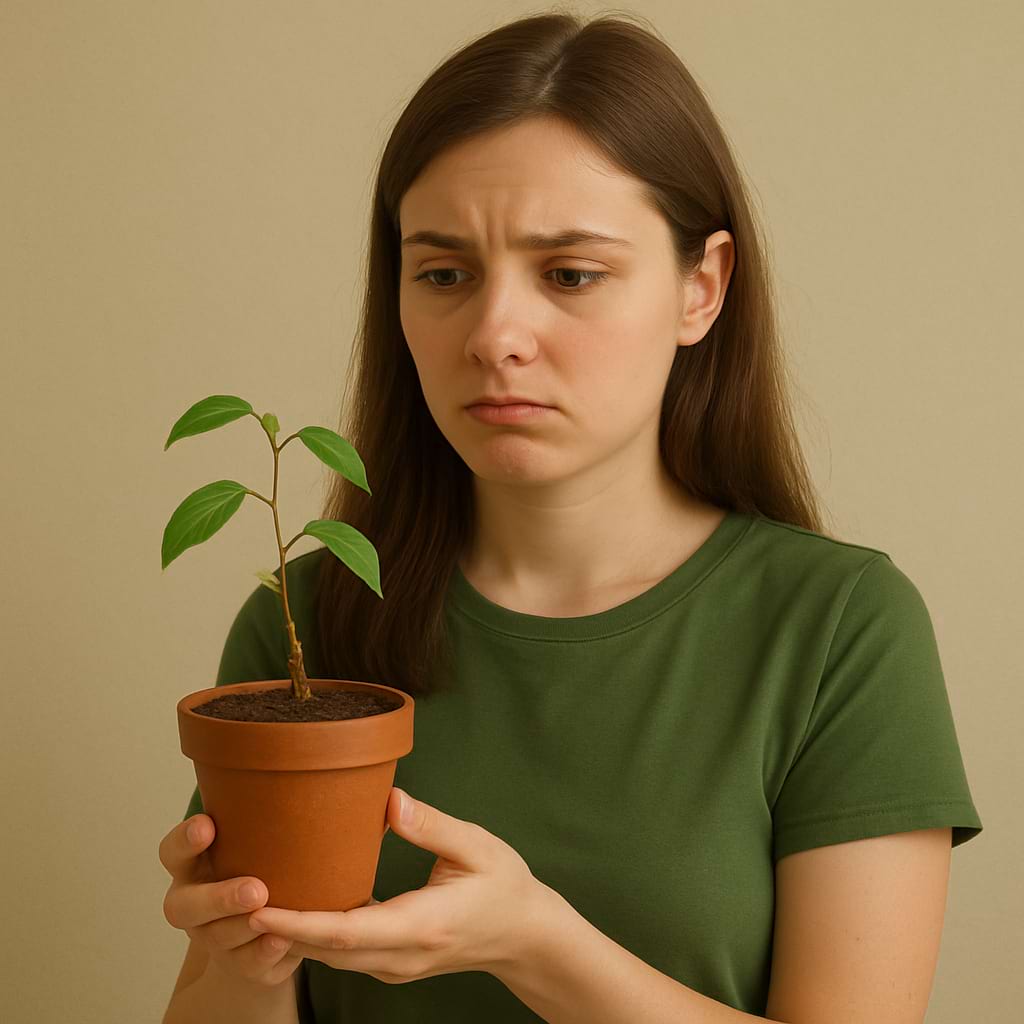
🖼️ Delta Maidenhair Fern Display and Styling Ideas
The styling problem with a maidenhair is that its fine texture vanishes against anything busy. Give it contrast and space and it becomes the most eye-catching plant on a shelf.
Bathrooms and Kitchens
The best display spot is also the best growing spot. A bathroom with a window gives this fern the steamy air it wants and keeps the fine foliage at eye level. Set it somewhere it will not be brushed against, since the leaflets bruise at a touch.
Under Glass
A glass cloche on a desk, a bottle garden, or an open terrarium solves the humidity problem permanently and looks deliberate rather than like a compromise. Pair 'Micropinnulum' with cushion moss and a stone or two for a self-managing miniature forest floor.
Grouped Arrangements
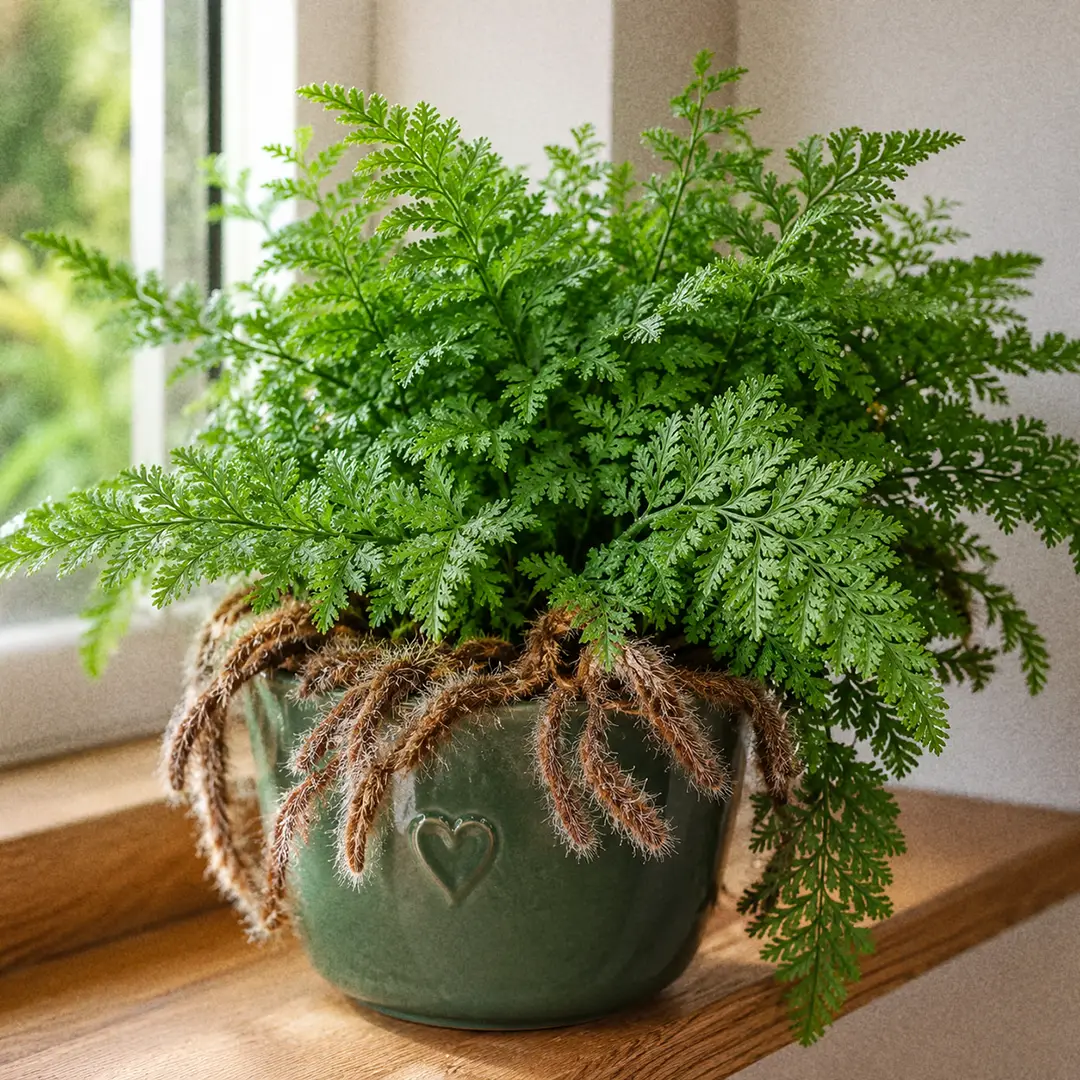
In a fern collection, the Delta Maidenhair is the fine-texture accent that makes coarser plants look better. Set it beside the broad fronds of a Bird's Nest Fern or the blue-green paddles of a Blue Star Fern and the contrast does the work, while a Rabbit's Foot Fern or the paler-footed White Rabbit's Foot Fern adds furry rhizomes as a third texture. If you want the same lacy look somewhere too dry for a maidenhair, a Squirrel's Foot Fern gets closest of anything, and a Korean Rock Fern or a Silver Lace Fern also carries it with far less complaint.
🌟 Delta Maidenhair Fern Pro Care Tips
💧 Bottom water on a fixed schedule. Set the pot in an inch of water for fifteen minutes every three or four days rather than waiting to notice dryness. Removing the judgment call removes the failure mode.
🌧️ Collect rainwater if you can. Fluoride and chlorine build up as brown tips over months. A bucket outside solves a problem no watering technique will.
🚫 Do not touch the fronds. No wiping, no leaf shine, no dusting. The leaflets bruise where fingers land and the marks stay. Rinse under a lukewarm shower instead.
🧊 Shallow and glazed beats deep and terracotta. Unglazed clay dries this plant out through the pot walls.
🔥 Move it in October. The radiator that was off all summer will brown your fern within weeks of coming on. Relocate before the heating season, not after the damage.
✂️ Never bin a crisped maidenhair. Cut everything to soil level, keep the soil damp and the air humid, and wait six weeks. The rhizome usually restarts.
❓ Frequently Asked Questions
What is the difference between a Delta Maidenhair Fern and a regular Maidenhair Fern?
Most ferns sold simply as "Maidenhair Fern" are in fact Adiantum raddianum, so the two are usually the same plant under different labels. Delta is the specific name for this species, taken from the triangular outline of its fronds. Other true maidenhairs exist, notably the narrow-fronded Southern Maidenhair.
Why does my Delta Maidenhair Fern keep going brown and crispy?
Dry air is the most common cause, dry soil the second, tap water chemicals the third. Get humidity above 50 percent, water the moment the surface feels barely dry, and switch to rainwater or filtered water if the tips brown while everything else looks right. Brown fronds never recover, so judge your fix by the new growth.
Is the Delta Maidenhair Fern toxic to cats and dogs?
No. Adiantum raddianum is non-toxic to cats, dogs, and people. A pet that chews a frond may get a mild upset stomach from the fibrous material, but no poison is involved. The bigger risk runs the other way, since those thin fronds do not survive a curious cat.
My maidenhair completely dried out. Is it dead?
Probably not. Cut every frond off at soil level, water thoroughly, keep the pot warm, bright, and humid, and maintain damp soil. The rhizome survives long after the foliage crisps, and new fiddleheads usually appear within three to six weeks.
How often should I water a Delta Maidenhair Fern?
Roughly every three to five days in summer and every seven to ten in winter, but check by touch rather than by calendar, since pot size moves that number a lot. Water as soon as the very top feels barely dry while the layer beneath is still damp.
Can I grow a Delta Maidenhair Fern in a terrarium?
Yes, and it is one of the best uses for this plant, because a terrarium delivers the constant humidity that is otherwise hard work indoors. Choose 'Micropinnulum' or a young plant of any cultivar, since a mature fern outgrows most vessels within a year or two. Vented vessels beat sealed ones, as saturated still air encourages fungal spots.
Does the Delta Maidenhair Fern need direct sunlight?
No, and direct sun actively harms it. The leaflets are thin enough to scorch within half an hour of summer afternoon sun through glass. Give it an east window a foot or two back, a north window right at the glass, or a sheer curtain in a south or west room.
What are the brown dots under my fern's leaves?
If they sit along the folded outer edges of the leaflets in the same repeating pattern on every mature frond, they are sori, the fern's spore clusters, and completely normal. If they scatter at random along the black stems and lift off with a fingernail, suspect scale insects.
Which Delta Maidenhair cultivar is easiest for a beginner?
'Fritz Luthi' is the toughest of the common cultivars and what I hand to anyone who has lost a maidenhair before. 'Fragrans' is the most widely available and nearly as forgiving. Save 'Micropinnulum' for a terrarium, because it is much the fussiest of the three.
ℹ️ Delta Maidenhair Fern Info
Care and Maintenance
🪴 Soil Type and pH: Loose, humus-rich, evenly moisture-retentive mix with free drainage; pH 6.0-7.0.
💧 Humidity and Misting: Wants 50 to 70 percent; below 40 percent the frond edges brown no matter how well you water.
✂️ Pruning: Cut spent or crisped fronds at the base; a fully dried plant can be sheared to the soil and will reflush.
🧼 Cleaning: Never wipe the fronds. Rinse under a lukewarm shower or let the plant sit in gentle rain; the leaflets bruise at a touch.
🌱 Repotting: Move up one pot size in early spring when roots fill the pot, roughly every two years. Handle the rhizome gently.
🔄 Repotting Frequency: Every 2 years
❄️ Seasonal Changes in Care: Grows hard from April to September; slows sharply in winter, when dry heated air becomes the main threat.
Growing Characteristics
💥 Growth Speed: Moderate in spring and summer, near dormant in winter
🔄 Life Cycle: Evergreen perennial indoors
💥 Bloom Time: Does not bloom; spores ripen under the folded leaflet margins in late summer
🌡️ Hardiness Zones: 10-11 outdoors; a houseplant everywhere colder
🗺️ Native Area: Humid forest understory and shaded streamside rock in tropical South America, chiefly Brazil and the Andean foothills
🚘 Hibernation: No true dormancy, but growth pauses through winter and watering should slow a little
Propagation and Health
📍 Suitable Locations: Bright bathrooms, kitchen windowsills, terrariums, north and east windows, shaded covered patios in warm climates
🪴 Propagation Methods: Divide the rhizome in early spring; spores work but take the better part of a year.
🐛 Common Pests: Spider Mites, Mealybugs, Scale Insects, Fungus Gnats, Aphids, Thrips
🦠 Possible Diseases: Root rot in waterlogged soil, crown rot from water sitting in the center, fungal leaf spot in still damp air
Plant Details
🌿 Plant Type: Small terrestrial fern with a short creeping scaly rhizome and arching, finely divided fronds
🍃 Foliage Type: Three to four times pinnate fronds with a broadly triangular outline; leaflets are fan-shaped, thin, and bright green
🎨 Color of Leaves: Fresh apple green maturing to mid green; new fronds often flush pale bronze-pink before hardening
🌸 Flower Color: N/A
🌼 Blooming: Does not bloom; sori sit beneath a folded flap of leaf tissue along the outer leaflet margins
🍽️ Edibility: Not edible
📏 Mature Size: 12-18 inches indoors
Additional Info
🌻 General Benefits: Pet-safe, terrarium-friendly, adds fine texture that no other common houseplant matches
💊 Medical Properties: Leaf infusions appear in old South American and European herbal traditions, with no modern clinical standing
🧿 Feng Shui: Read as soft, flowing water energy; suits a bathroom or an east-facing room where hard edges need breaking up
⭐ Zodiac Sign Compatibility: Pisces
🌈 Symbolism or Folklore: Discretion and quiet affection, from the Victorian language of flowers
📝 Interesting Facts: Adiantum comes from the Greek adiantos, meaning unwetted, because the leaflets shed water and come out of a soaking completely dry. The species name honours Giuseppe Raddi, the Italian botanist who collected Brazilian ferns in the 1810s. The word Delta refers to the triangular silhouette of the whole frond, which is the fastest way to separate this species from the narrower Southern Maidenhair.
Buying and Usage
🛒 What to Look for When Buying: Look for a dense clump with fronds green right to the tips and new fiddleheads uncurling at the center. Reject any plant with a browned outer ring, bone-dry soil, or a light pot, since a maidenhair that has already dried once is a gamble.
🪴 Other Uses: Closed and open terrariums, bottle gardens, cut foliage in small floral arrangements, shaded conservatory underplanting
Decoration and Styling
🖼️ Display Ideas: A bathroom shelf within reach of shower steam, a glass cloche on a desk, or the front row of a grouped fern shelf where the fine texture reads against broader leaves
🧵 Styling Tips: Give it a plain pale pot and a dark background. The black stems and airy leaflets disappear against busy patterns and show beautifully against a solid wall.
🪴 See also 🪴
Complete Guide to East Indian Holly Fern Care and Growth
Complete Guide to Silver Lace Fern Care and Growth
Complete Guide to Silver Lady Fern Care and Growth
Complete Guide to Squirrel's Foot Fern Care and Growth
Complete Guide to Tassel Fern Care and Growth
Complete Guide to Mother Fern Care and Growth
Complete Guide to Cinnamon Fern Care and Growth
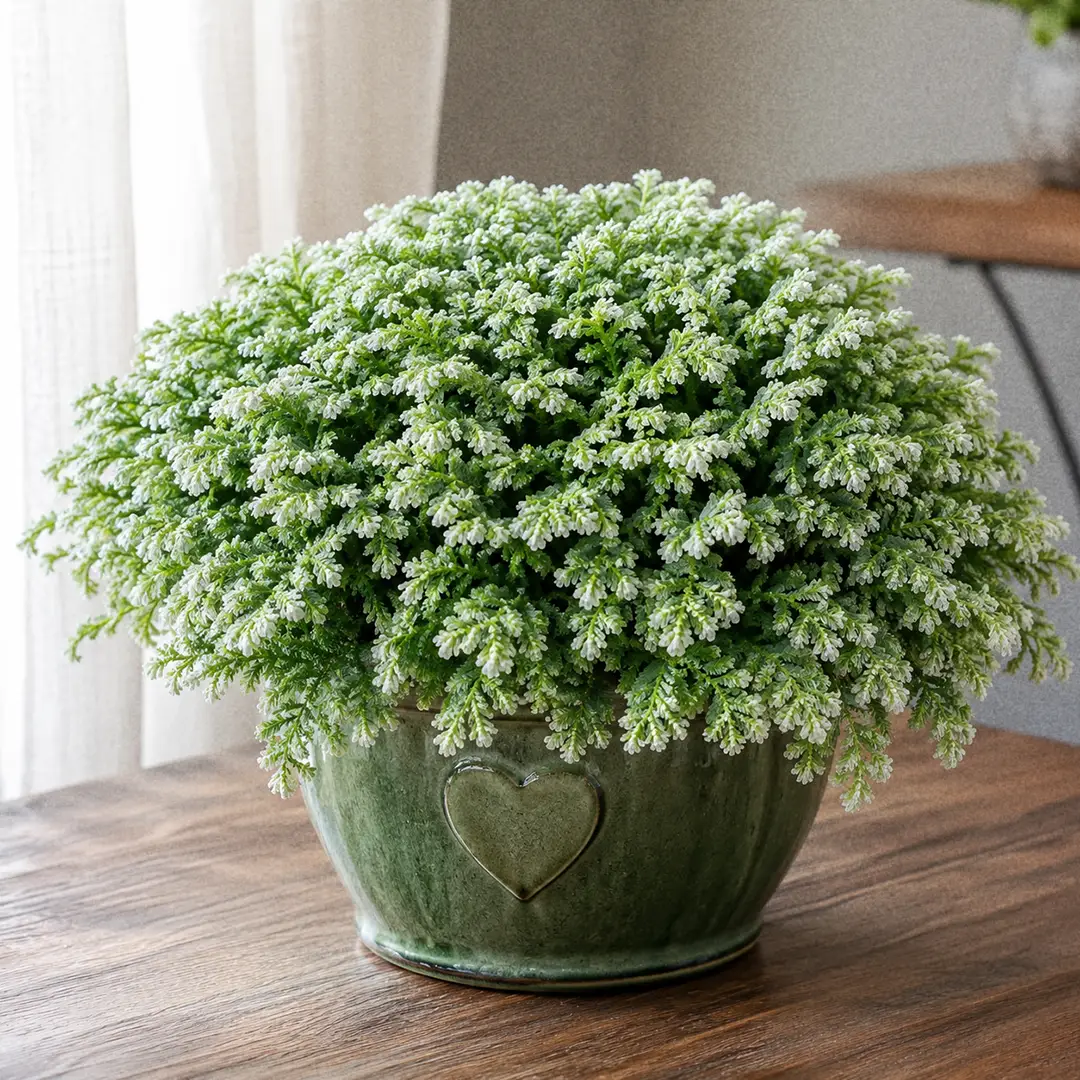
Complete Guide to Frosty Fern Care and Growth
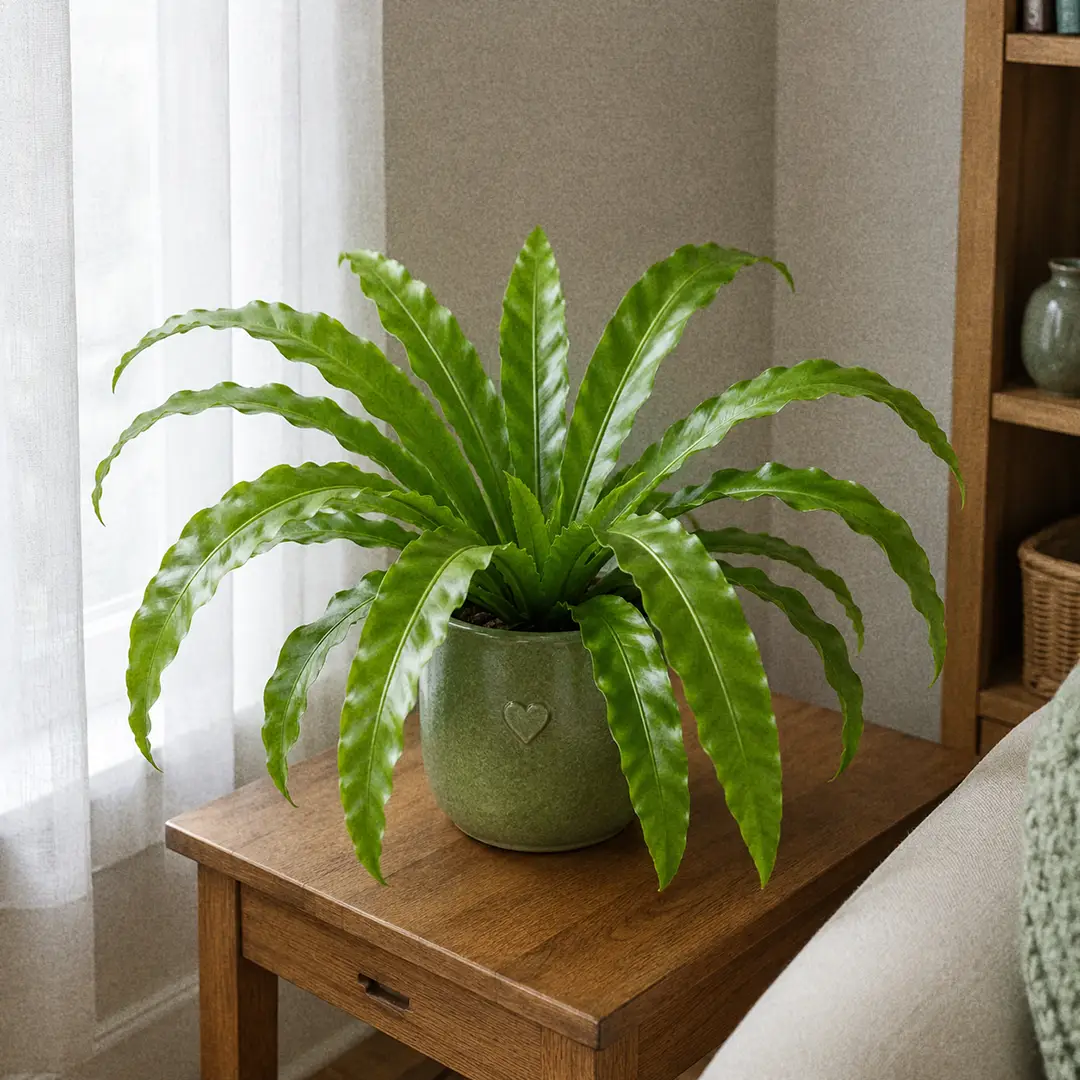
Complete Guide to Hart's Tongue Fern Care and Growth
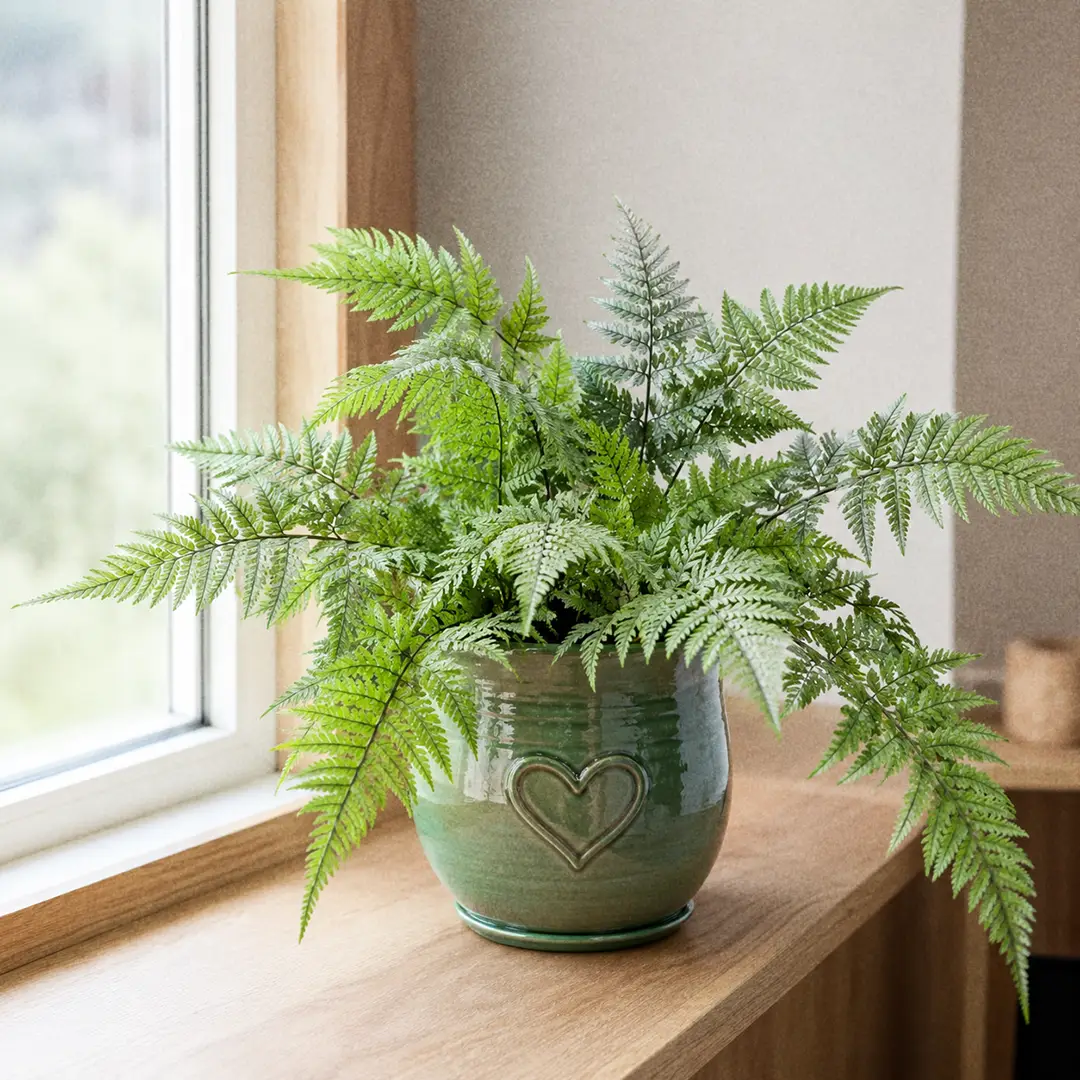
Complete Guide to Korean Rock Fern Care and Growth

Houseplant101 Forum
Questions & Comments
Ask a question, share your plant experience, or help other plant owners.
Comments are temporarily unavailable.
Open the Houseplant101 ForumNo comments yet
Be the first to ask a question or share your experience about this page.
Log in or create an account
Comments use your Houseplant101 Forum account, but you can stay on this page.
Create a new account