
Silver Lace Fern
Pteris ensiformis 'Victoriae'
Victorian Brake Fern, Silver Ribbon Fern, Sword Brake Fern


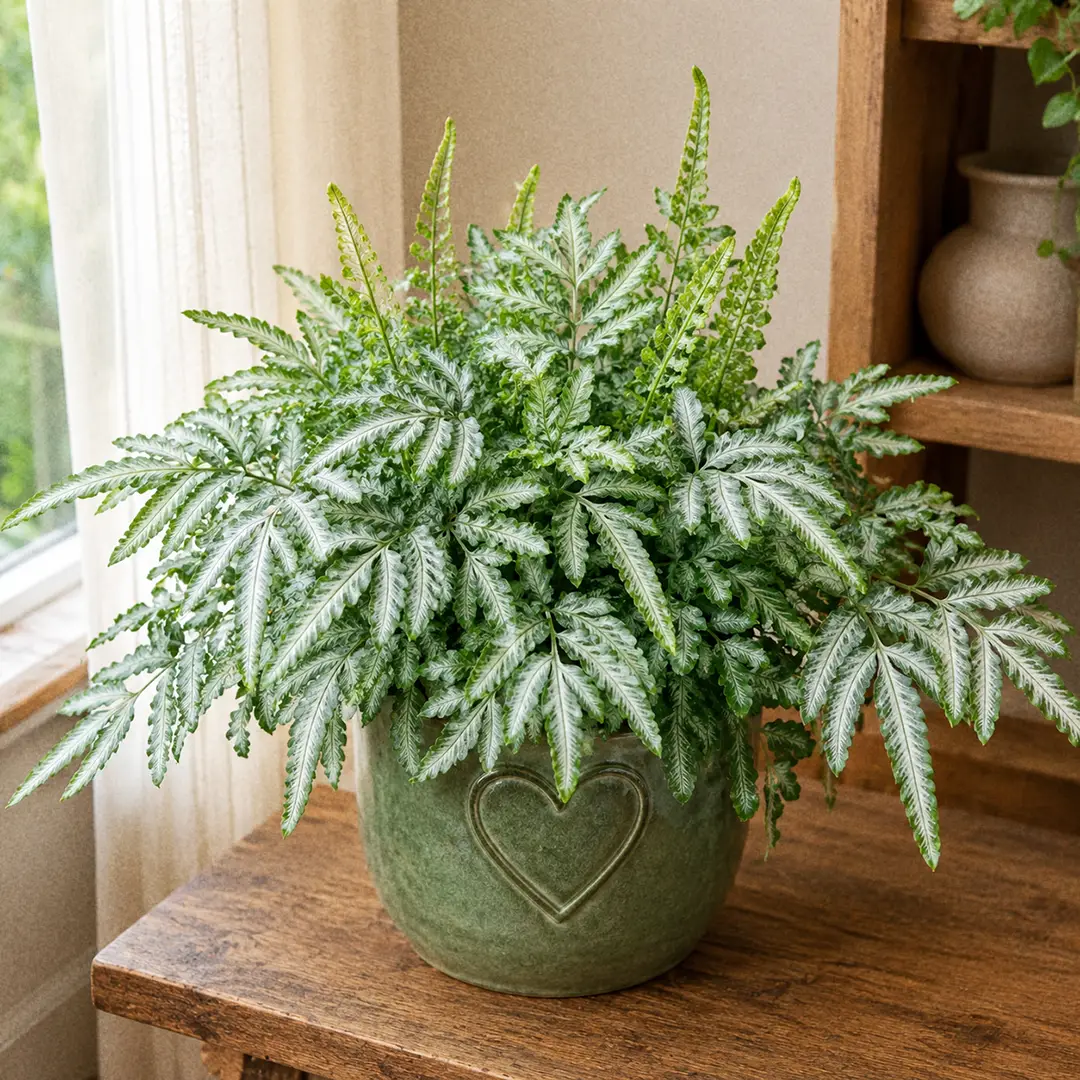
The Silver Lace Fern (Pteris ensiformis 'Victoriae') is a compact tabletop fern with delicate, finely cut fronds painted with a bright silvery-white stripe down the center of every leaflet. It is the showiest of the small brake ferns and a favorite for terrariums and humid bathrooms.
📝 Silver Lace Fern Care Notes
🌿 Care Instructions
⚠️ Common Pests
📊 Growth Information
🪴 In This Guide 🪴

📺 Silver Lace Fern Video Guide

☀️ Silver Lace Fern Light Requirements (Bright Indirect)
Getting the light right is the easiest win with this fern. The silver variegation is what you bought the plant for, and it only shows up properly when the plant is bright enough to feed itself but not so bright that the fronds bleach.
The Sweet Spot
A spot about two to four feet from an east-facing window is ideal. North-facing windows also work well, and so does a south or west window if you keep a sheer curtain between the glass and the plant. The fern wants the kind of light a forest floor gets: filtered, indirect, and steady all day. Under that light the silver bands stay sharp and the green stays a fresh, lively shade.
Too Little Light
Silver Lace Fern survives a dim corner but does not thrive there. New fronds come in smaller, slower, and with much weaker silver banding. If the silver fades to muted gray or growth stalls for months, move the plant closer to a window or add a small grow light.
Too Much Light
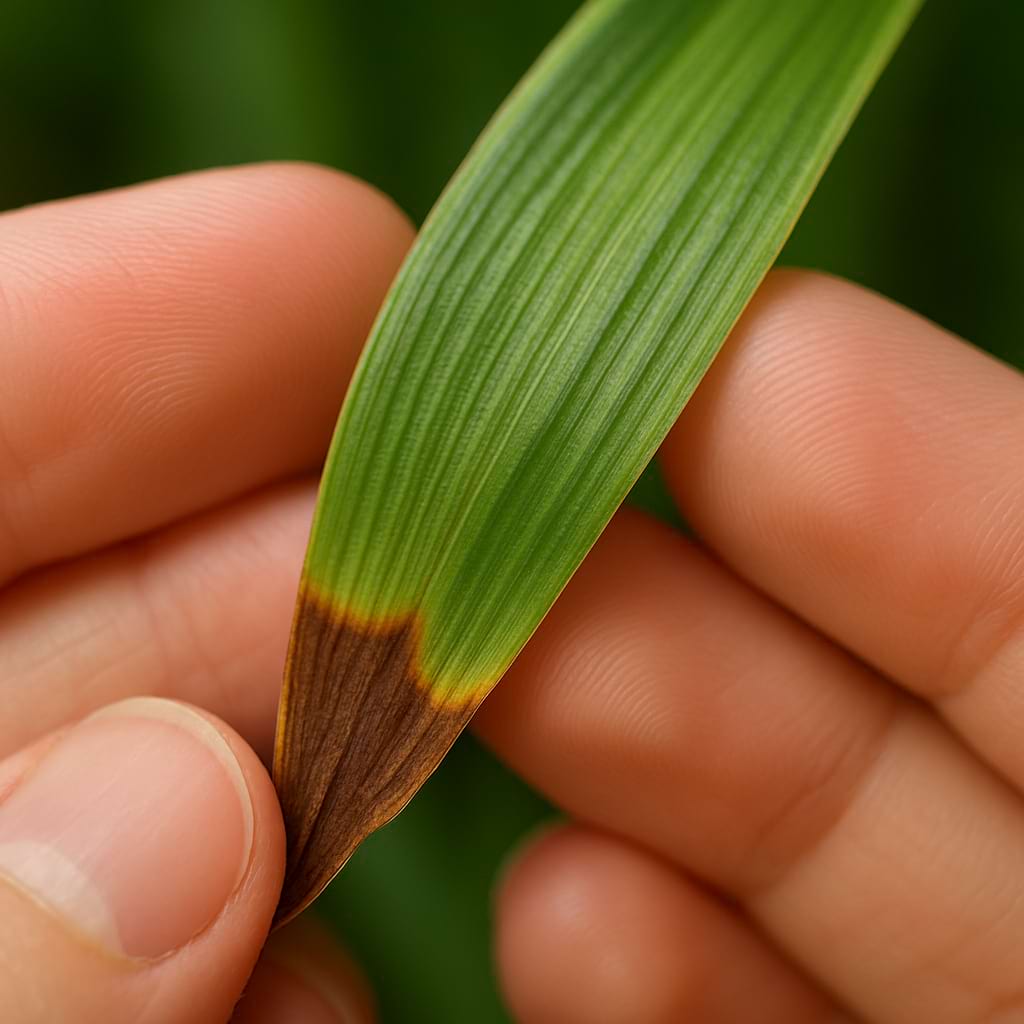
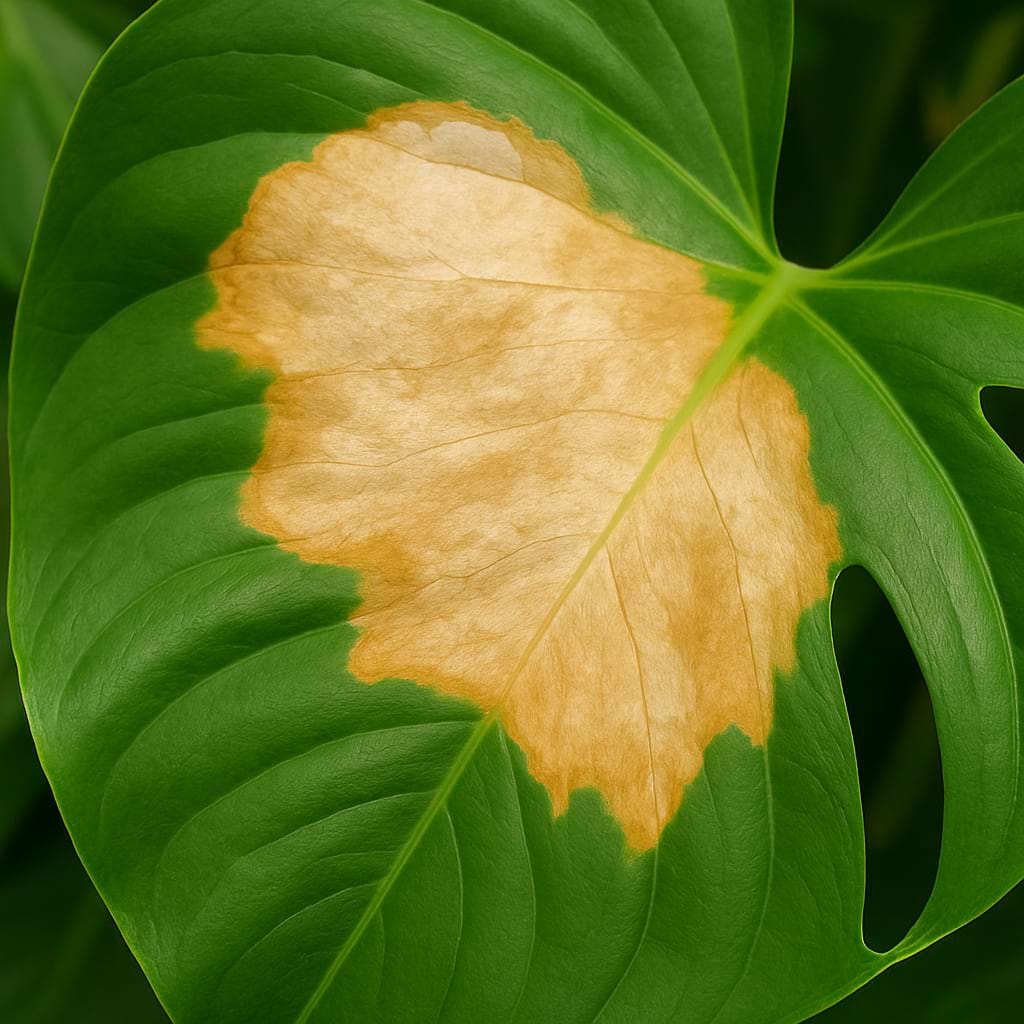
Direct sun is the fastest way to ruin a Silver Lace Fern. Thin fronds scorch within hours, leaving pale, papery patches and crisp brown tips. Bleached silver bands and tired-looking green are early warnings. Pull the plant back from the window or add a sheer curtain.

💧 Silver Lace Fern Watering Guide (Keep It Evenly Moist)
This fern has no drought tolerance. None. The fine fronds dry from the tips inward within a day of the soil drying out, and once a frond browns, it does not come back. Smart watering is the single most important habit for keeping it happy.
Watering Frequency
Check the soil every two or three days. Water as soon as the top half-inch starts to feel dry, well before the rest of the pot dries out. In a warm, bright spot during summer that usually means watering twice a week. In winter, in a cool room, you might stretch it to once a week. The schedule is less important than the soil feel; touch the soil before you reach for the can.
How to Water
Water all the way around the crown, not just on one side, until water runs freely from the drainage holes. Bottom watering works beautifully for this plant: set the pot in a tray of water for fifteen minutes, then lift it out and let it drain. Either way, never let the pot sit in standing water. Soggy roots turn to root rot faster than you would think.
Signs of Trouble
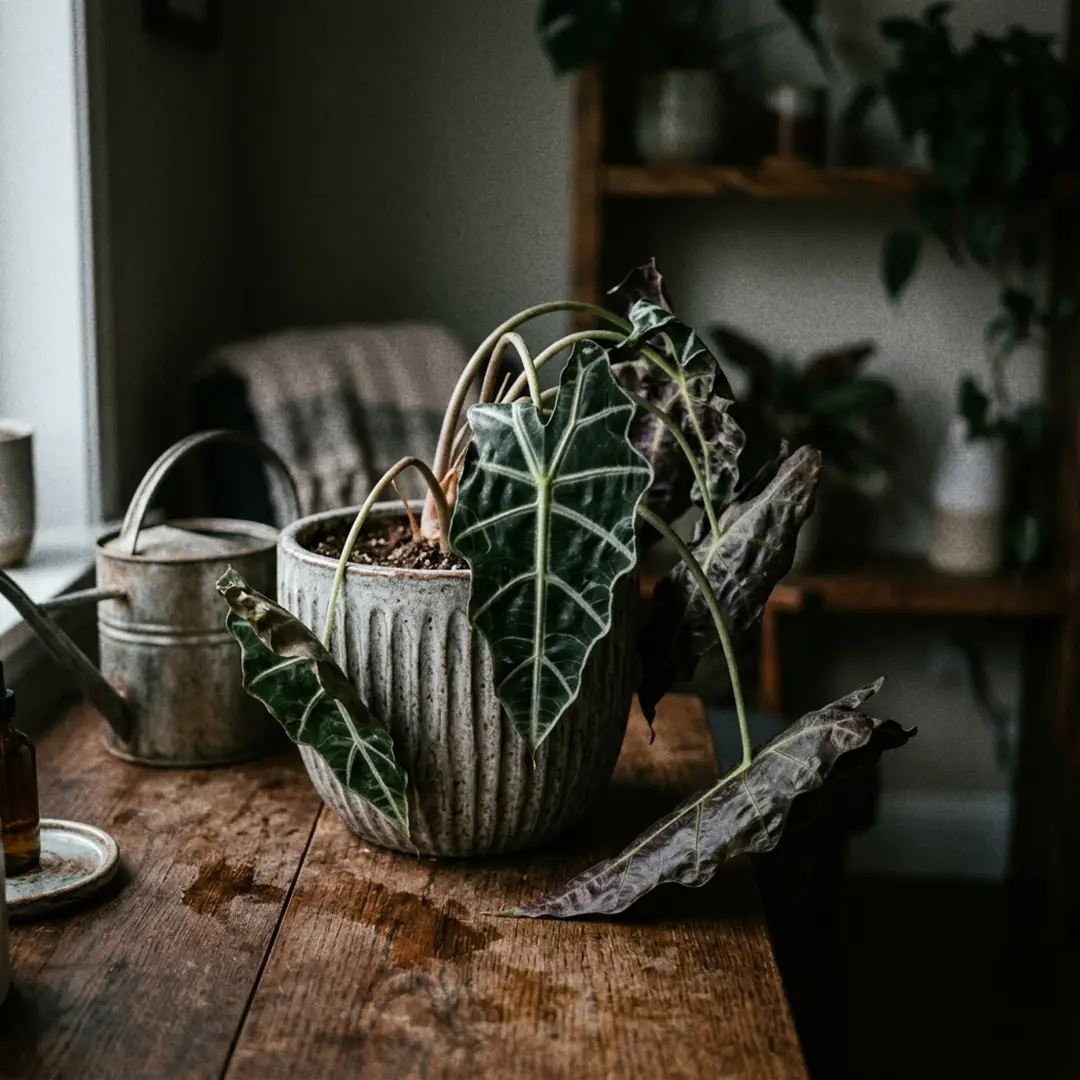
Wilting, drooping fronds usually mean the soil dried out. Drown the pot in the sink, let it drain, and most of the time the fern bounces back within a day. If wilting comes with mushy stems and dark, smelly soil, the problem is the opposite: too much water and the roots are rotting. The plant is also sensitive to fluoride and chlorine, so if your tap water is heavily treated and you notice brown frond tips on a plant that is otherwise well cared for, switch to filtered, rain, or distilled water.
🪴 Best Soil for Silver Lace Fern (Light and Moisture-Holding)
The right soil for this fern walks a tightrope: it must hold moisture so the roots never dry out, but it must also drain well enough that the roots never sit in water. Heavy garden soil and dense bagged mixes are both wrong.
What the Soil Needs
You want a loose, airy, slightly acidic mix that retains moisture without going soupy. Peat or coco coir gives you the moisture retention, perlite or pumice gives you the airflow, and a little bark or compost gives the roots something to grip and feed on. The pH should land around 5.5 to 6.5.
DIY Soil Mix
A simple recipe that works every time: two parts peat moss or coco coir, one part perlite, and one part fine orchid bark or composted leaf mold. Mix it loose, never compact it. If you only have houseplant potting soil on hand, cut it with about a third perlite by volume and you are most of the way there.
Pre-Made Options
A bagged African violet mix is a near-perfect off-the-shelf choice. So is any peat-based houseplant mix with "moisture control" on the label, as long as you add a generous handful of perlite to keep it from packing down. Avoid succulent and cactus mixes; they drain far too fast for a fern.
🍼 Fertilizing Silver Lace Fern (Light and Steady)
Silver Lace Fern is a light feeder. Overfeeding burns the delicate root tips and shows up as browned frond edges and stunted new growth, so the rule is little, often, and always diluted.
When and How Often
Feed the plant once every four weeks from early spring through the end of summer. Stop completely from late autumn through winter; growth slows and any fertilizer you add will just sit in the soil and build up salts. Always water the plant first, then apply fertilizer to already-moist soil so you do not shock the roots.
What to Use
A balanced liquid houseplant fertilizer (something like 10-10-10 or 20-20-20) diluted to half the recommended strength is perfect. A fish emulsion or worm-casting tea works equally well and is gentler. Avoid slow-release pellets near the crown; they release too unevenly for such a small pot.
Over-Fertilizing Signs
White crust on the soil surface or around the rim of the pot is salt buildup from too much fertilizer. Brown, crispy frond tips on a plant that has good humidity and consistent watering point to the same thing. Flush the pot with plain water two or three times in a row, let it drain completely, and skip the next feeding cycle.
🌡️ Silver Lace Fern Temperature Range
This is a tropical fern, but a forgiving one. It tolerates a wider temperature range than most ferns of its size because it grows naturally in both subtropical lowlands and cooler hill forests.
Ideal Range
Aim for 60-75°F (16-24°C) year-round. The plant is happy across that whole window and copes with brief dips to 50°F (10°C) without complaint. Sustained cold below 50°F slows growth and can cause yellowing fronds.
Drafts and Heat Sources
The bigger temperature problem is sudden change, not absolute numbers. A spot above a radiator, beside an air-conditioning vent, or next to a frequently opened winter door will dry the fronds out faster than any other location in the house. Pick a spot with stable, gentle airflow. If you can stand comfortably in that spot wearing a t-shirt, the fern is probably comfortable too.
💦 Silver Lace Fern Humidity Requirements
If watering is the most important habit, humidity is the most important environmental condition. Dry indoor air is the single biggest reason Silver Lace Ferns fail in homes. The good news is that this plant is small enough that you can fix the problem locally without raising the humidity of an entire room.
Ideal Humidity
The plant wants 60% relative humidity or higher. Below 50%, you will start to see brown frond tips no matter how perfectly you water. Most heated indoor air sits at 20-35% in winter, which is why so many ferns suffer through the cold months.
Easy Humidity Boosters
In order of how well they actually work:
- Closed terrarium or glass cloche: by far the best option. A sealed glass container holds humidity near 100% with zero effort.
- Cool-mist humidifier: a small humidifier running a few hours a day keeps a stable 50-65% pocket around the plant.
- Pebble tray: a shallow tray of pebbles and water with the pot on top raises local humidity by about 10-15%. Useful but rarely enough alone in a dry winter room.
- Group with other plants: shared transpiration from two or three humidity-loving neighbors creates a small humid microclimate.
- Bathroom or kitchen placement: rooms with daily showers or stovetop steam are naturally damper and often suit this plant without extra effort.
Misting feels useful but evaporates within minutes. Use it to supplement, not as your only strategy.
🏷️ Silver Lace Fern Types and Varieties
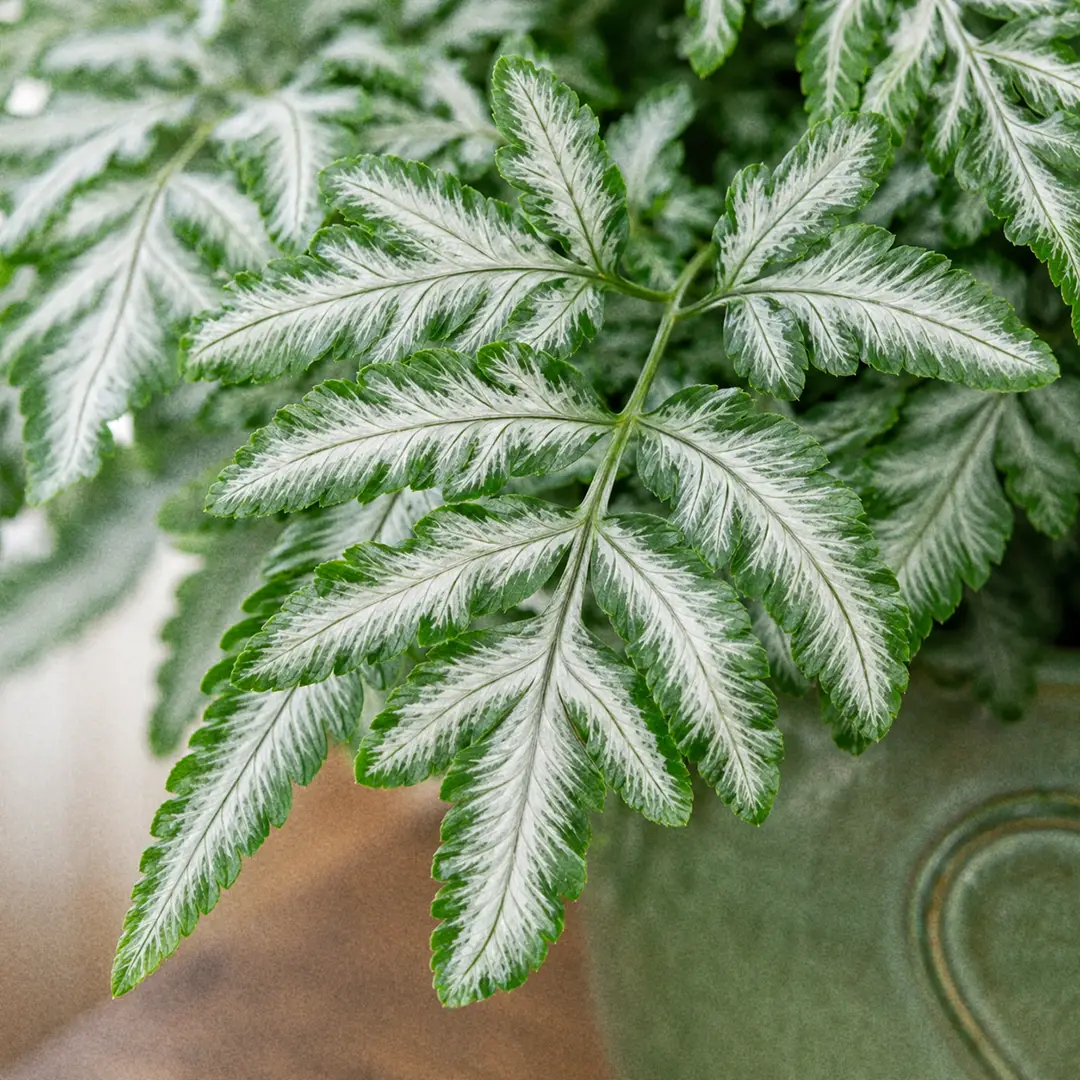
Pteris ensiformis is the species; 'Victoriae' is the variegated cultivar that almost everyone means when they say "Silver Lace Fern." A handful of close cousins are worth knowing.
Pteris ensiformis 'Victoriae'
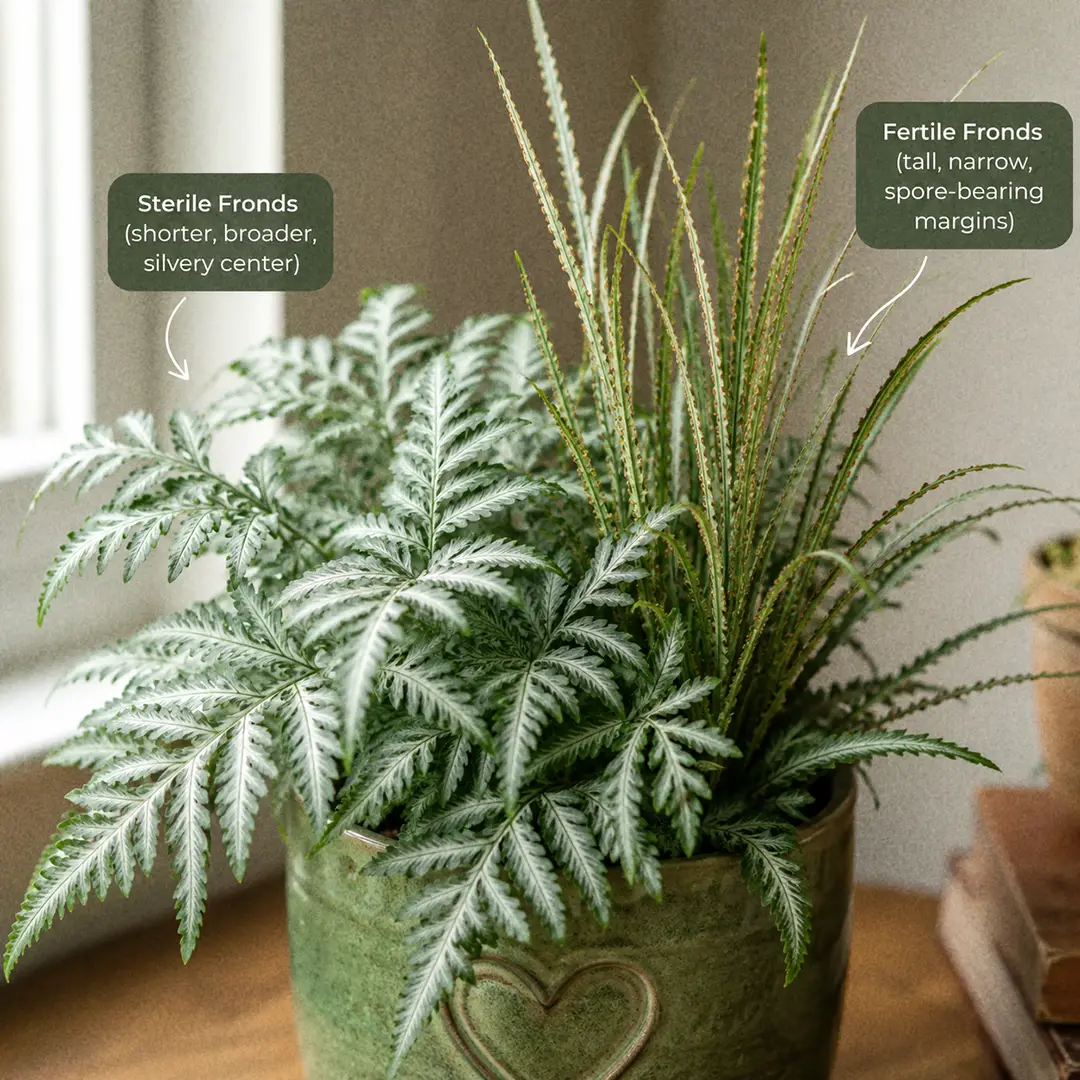
The classic Silver Lace Fern. Compact (12-18 inches), with strong silver banding down the middle of every leaflet. Produces two frond types on the same plant: short, broad sterile fronds with the strongest silver markings, and taller, narrower fertile fronds that look almost like blades of grass with a green edge. The fertile fronds are not a flaw; they are part of the plant's charm and the way it spreads by spores.
Pteris ensiformis 'Evergemiensis'
A slightly larger and even more strongly variegated variety, sometimes sold as 'Silver Ribbon.' The silver bands are wider and brighter, with more white than green on each leaflet. Care is identical to 'Victoriae,' but the heavier variegation means it needs a little more bright indirect light to keep that pale pigment going.
Close Relatives
The Brake Fern (Pteris cretica) is the larger, broader-leaved cousin in the same genus. Its 'Albolineata' cultivar is also called the Silver Ribbon Fern, which is a common mix-up: 'Albolineata' has wider, fewer leaflets per frond, while 'Victoriae' has many narrow, lace-like ones. If you want the fern look at a smaller, finer scale, choose Silver Lace; if you want a taller, fuller plant with similar variegation, choose Brake Fern.
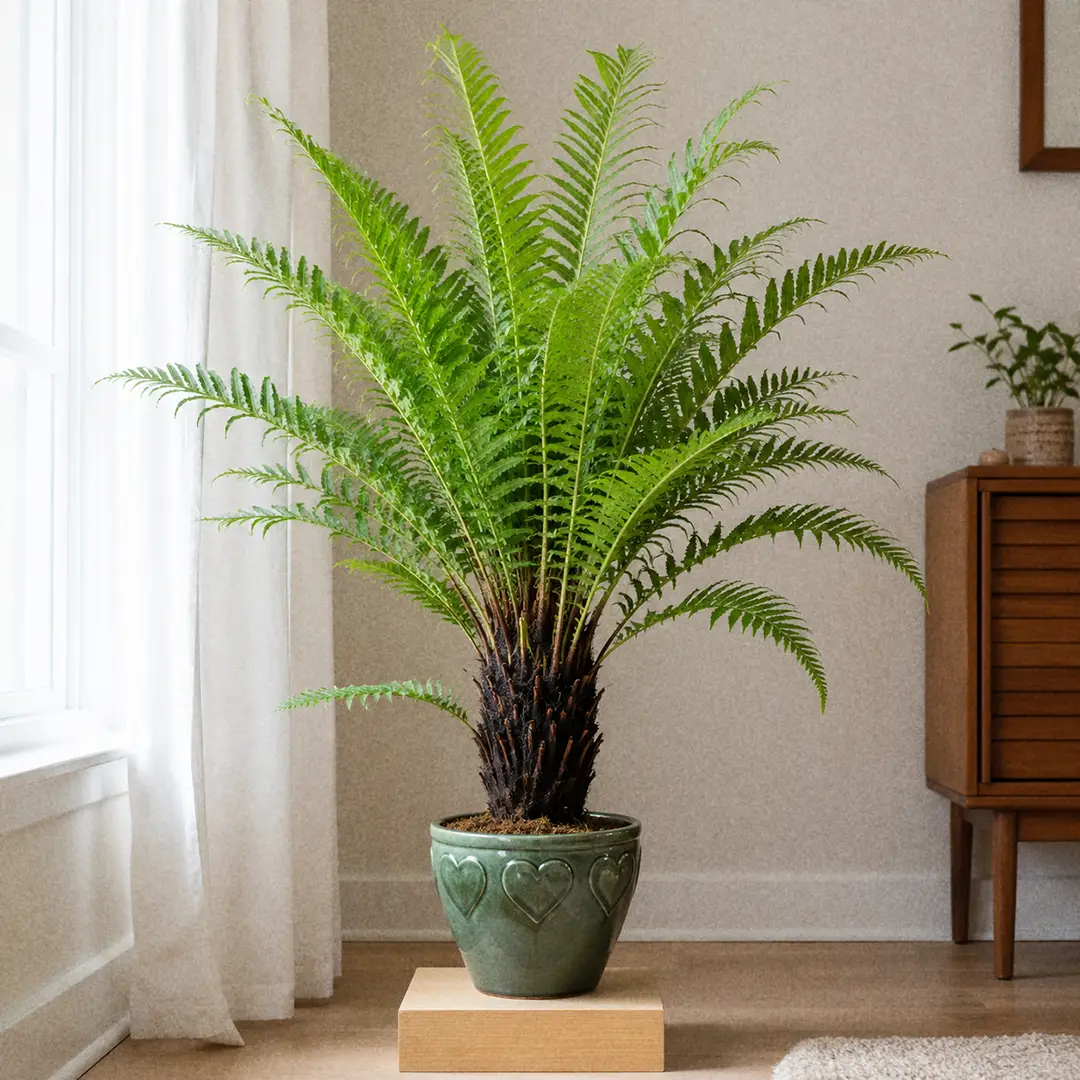
Worth separating from the shopping list entirely: the Silver Lady Fern (Blechnum gibbum) shares half a name and nothing else. It is a dwarf tree fern with a short black trunk and plain green once-cut fronds, no variegation involved. It does share the two-frond habit, though, producing narrow fertile fronds among the broad ones exactly as 'Victoriae' does.
🪴 Potting and Repotting Silver Lace Fern
This is a slow grower with a small, fibrous root system, so repotting is a once-every-two-years job at most. Resist the urge to size up the pot for the sake of it; Silver Lace Ferns actually prefer to be a little snug.
When to Repot
Repot when you see roots circling the bottom of the pot, growing out of the drainage holes, or when water runs straight through the pot without soaking in (a sign the root mass has crowded out the soil). Early spring, just as new fronds begin to emerge, is the best time. Avoid repotting in autumn or winter.
Choosing a Pot
Size up by only one inch in diameter. A pot that is too large holds too much wet soil around too few roots, which leads straight to rot. Glazed ceramic and plastic both work well because they hold moisture; terracotta wicks moisture away too fast for a plant that hates drying out. A drainage hole is non-negotiable.
Step-by-Step Repotting
- Water the plant the day before repotting so the root ball comes out cleanly.
- Slide the fern out of its pot. Gently loosen the bottom of the root ball with your fingers but do not break it up.
- Add an inch of fresh peat-based mix to the new pot.
- Set the fern in, keeping the crown (where the fronds emerge) at the same depth it was in the old pot.
- Fill around the sides with mix, tapping the pot to settle but not packing it down.
- Water thoroughly and return the plant to its usual spot. Skip fertilizer for a month while the roots settle in.
✂️ Pruning Silver Lace Fern
Pruning is mostly cleanup. Silver Lace Fern does not need to be shaped; it forms a tidy, compact rosette on its own. What it does need is regular removal of spent fronds to keep the plant looking fresh and to redirect energy into new growth.
When to Prune
Whenever you spot a yellow, brown, or shriveled frond, take it out. This is not a seasonal task; it is a once-a-week glance and a quick snip. A clean, fresh plant looks twice as good as one with three or four browning fronds sagging at the edges.
How to Prune
Use sharp, clean scissors. Cut the dying frond at its base, as close to the soil as you can manage without nicking neighboring stems. Never just trim off the brown tips; the frond will not regenerate the missing tissue and you will be left with a stub that looks worse than before.
A Note on Fertile Fronds
The tall, narrow fertile fronds with brown spore-bearing edges sometimes get mistaken for damaged growth. They are not. Leave them alone unless they look genuinely dead. They give the plant its airy, layered shape and they are how 'Victoriae' makes more of itself.
🌱 How to Propagate Silver Lace Fern
The easiest way to make more Silver Lace Ferns is by dividing a healthy mature plant. Spore propagation is possible but slow and finicky, and not something a casual home grower needs to bother with.
Best Method: Division
Division works because Silver Lace Fern grows from short, branching rhizomes (the thick, fuzzy underground stems). A healthy plant usually develops two or three distinct clumps over time, and these come apart cleanly. Spring repotting is the perfect moment to do it; you are unpotting the plant anyway.
Step-by-Step Division
- Unpot the fern and gently shake or rinse the soil off the roots so you can see the rhizomes clearly.
- Look for natural divisions: separate clumps of fronds with their own root and rhizome section.
- Pull the clumps apart with your hands if they come away easily. If they resist, use a clean, sharp knife to cut between them, making sure each new section has a healthy chunk of rhizome and at least three fronds.
- Pot each division in a small pot with fresh peat-based mix. The pot should be only slightly larger than the new root ball.
- Water thoroughly and place the divisions in bright indirect light at extra-high humidity (a clear plastic bag loosely tented over the pot helps for the first two weeks).
- New growth from the crown is your sign that the division has rooted in. Resume normal care.
More detail on technique is in our guide to plant division.
Tips for Success
Only divide healthy, mature plants; a stressed or sickly fern will not survive being pulled apart. Keep the new divisions warm and out of direct sun for the first month. Do not fertilize until you see fresh fronds emerging.
🐛 Silver Lace Fern Pests and Treatment
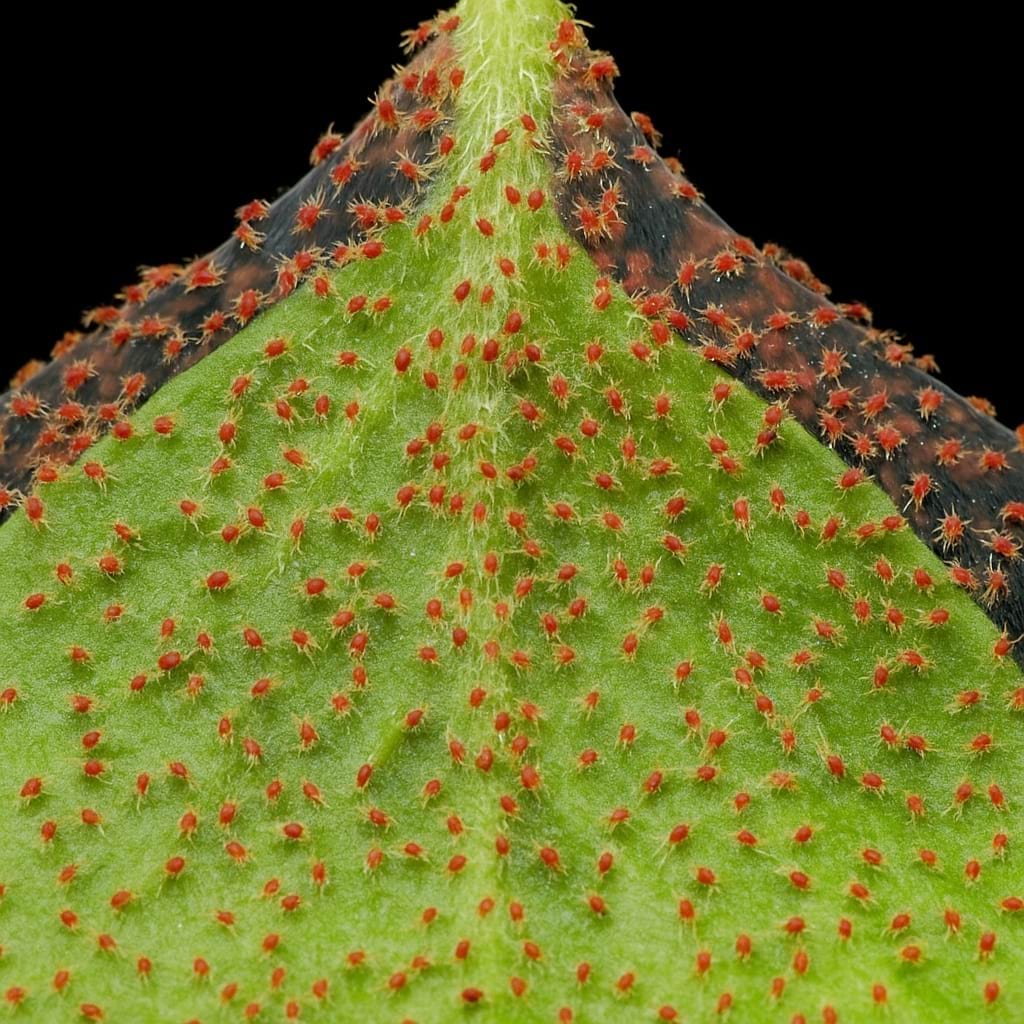
Silver Lace Fern is not a pest magnet, but its fine, sheltered fronds give insects plenty of places to hide. Inspect the underside of the fronds and the leaf bases every couple of weeks. Catching trouble early is the difference between a quick wipe-down and a full plant rescue.
Spider mites are the most common problem, especially in dry winter air. Look for fine webbing in the crown and speckled, dusty fronds. Raise humidity and rinse the plant in the shower.
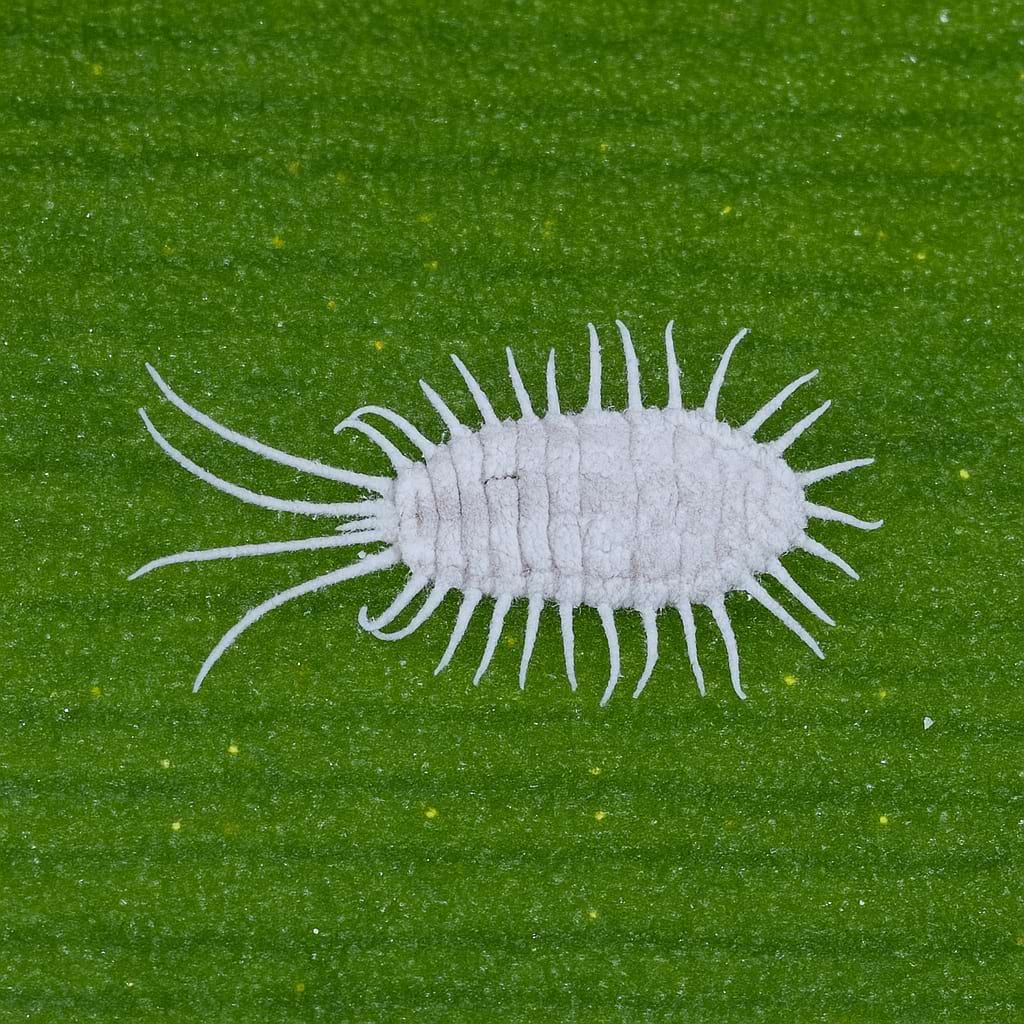
Mealybugs show up as small white cottony tufts in the joints where fronds meet the stem. Dab each one with a cotton swab dipped in 70% rubbing alcohol.
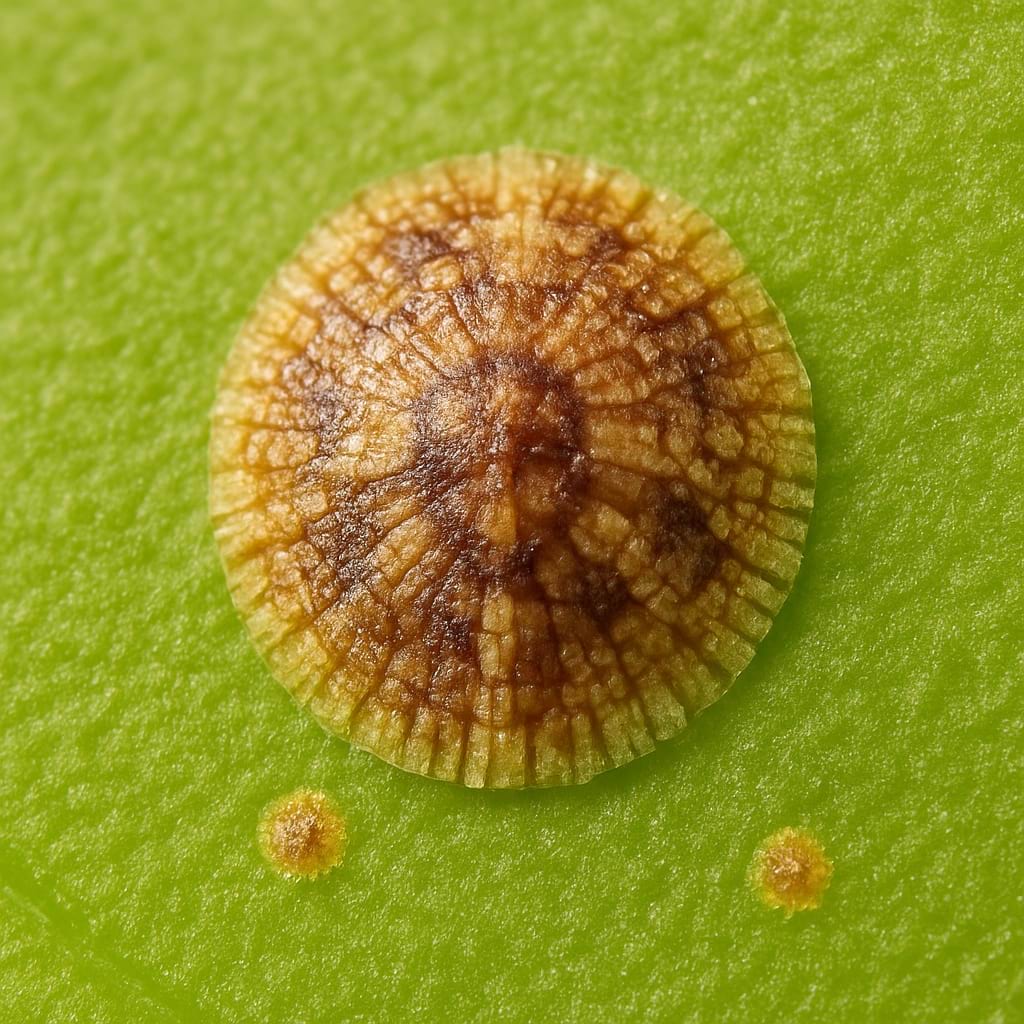
Scale insects appear as small brown bumps stuck to stems and frond undersides. Scrape gently with a fingernail or soft brush.
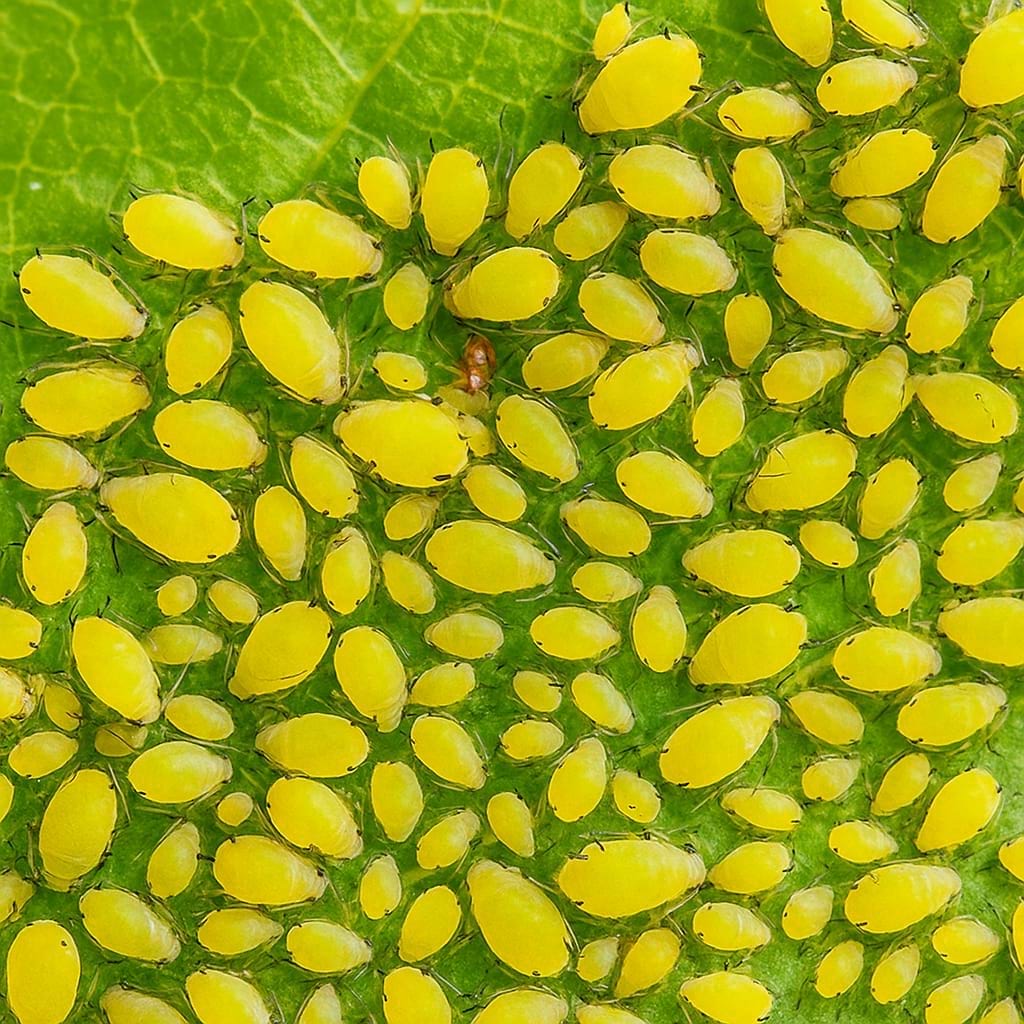
Aphids cluster on new fronds and rinse off easily in the sink before they multiply.
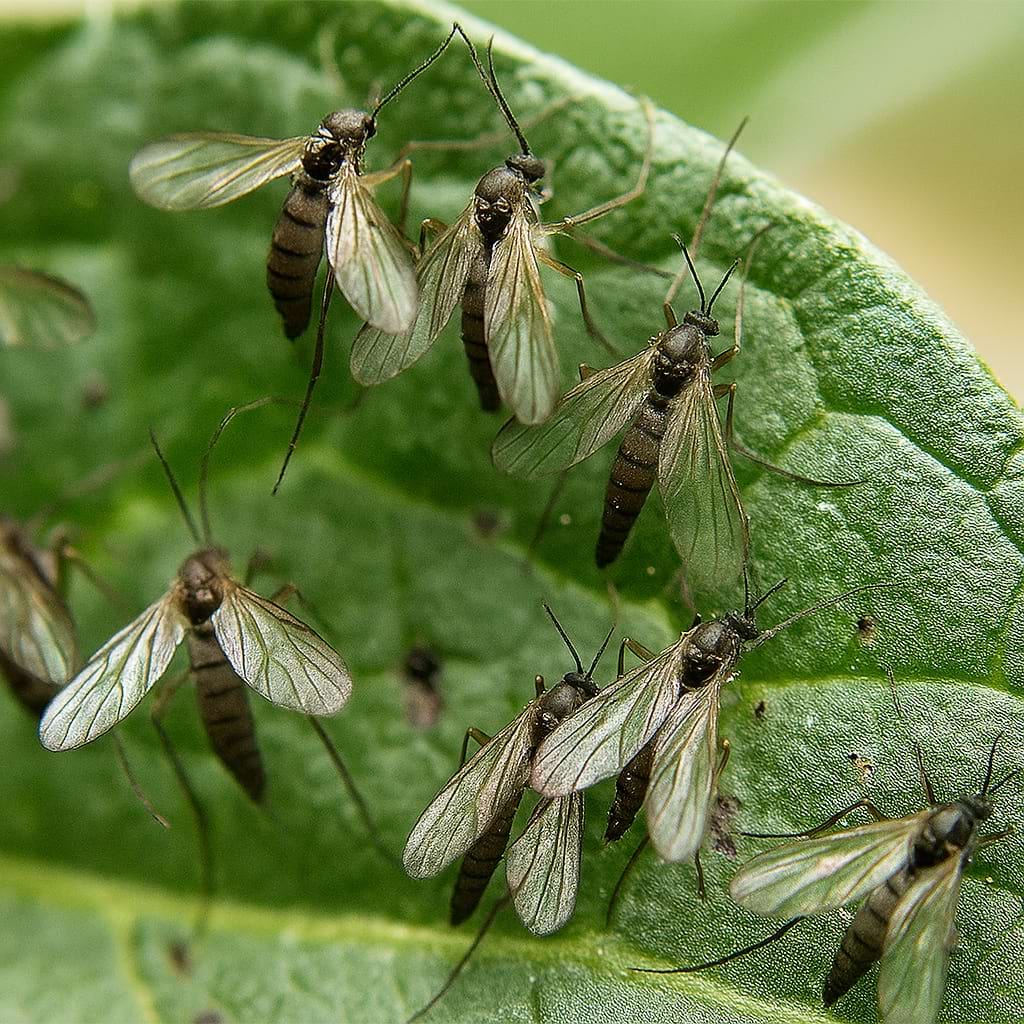
Fungus gnats breed in constantly damp soil. Let the very top layer dry between waterings (without letting the deeper soil dry) and add a top dressing of horticultural sand to break the cycle.
Avoid chemical insecticide sprays; the fine fronds burn easily. Weak insecticidal soap, tested on one frond first, is as harsh as you should go.
🩺 Common Silver Lace Fern Problems
Most issues come down to one of three things: humidity that is too low, soil moisture that is too low, or light that is too direct. Read the fronds and you will usually pinpoint which one.
- Brown, crispy edges: almost always low humidity. Raise it. This is the number one complaint with this plant and the easiest to solve.
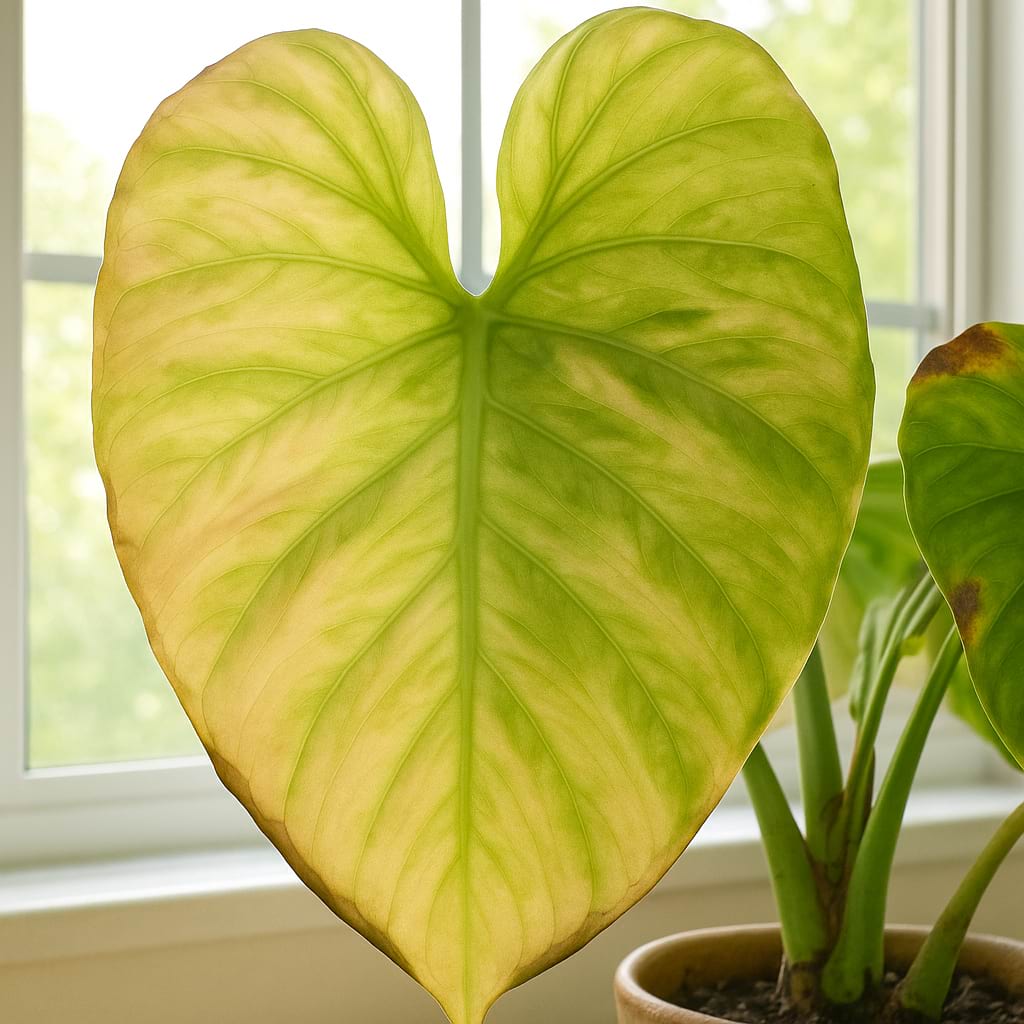
- Yellowing fronds: usually overwatering or a sudden temperature swing. Check the soil with a finger before watering and move the plant away from drafts or vents.
- Wilting and drooping: typically the soil dried out. A thorough soak usually revives the plant within 24 hours. If wilting persists in damp soil, suspect root rot and unpot to check the roots.
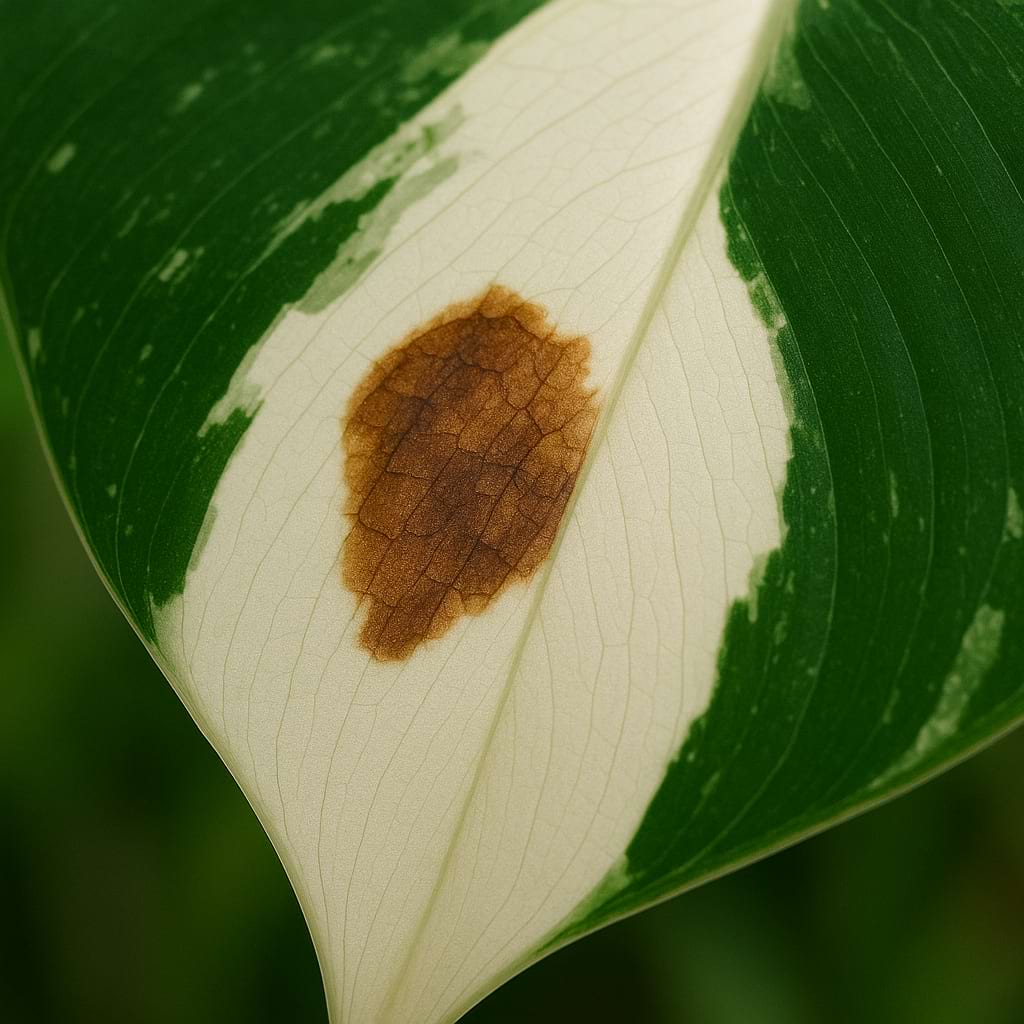
- Pale or faded silver: too much direct light is bleaching the variegation. Move the plant a few feet back from the window.
- Sunburn or leaf scorch: pale, papery patches with crisp edges, from direct sun. Filter the light or move the plant.
- Fading variegation: usually low light starving the plant. Move it closer to a window or add a small grow light.


🖼️ Silver Lace Fern Display and Styling Ideas
The silvery banding is the design feature you bought this plant for, so plan its display around contrast. Silver pops hardest against deep green foliage, warm wood tones, and matte dark ceramics.
Solo Setups
A single Silver Lace Fern on a small bathroom shelf, in a glass cloche on a coffee table, or in a hanging glass terrarium near a north window all look great. The plant is small enough that a single specimen carries a corner perfectly without needing to be propped up by larger plants.
Grouped Arrangements
Group Silver Lace Fern with other small, humidity-loving plants for both visual punch and shared microclimate. It contrasts beautifully with the broad green paddles of a Bird's Nest Fern, the dark, leathery rounds of a Button Fern, the cascading fronds of a Maidenhair Fern, or the arching, plantlet-bearing fronds of a Mother Fern. A trio of small ferns on a wooden tray makes an excellent windowsill scene.
Terrarium Star
This is one of the best ferns in the houseplant world for a closed terrarium or bottle garden. It stays small, loves trapped humidity, and the silver fronds light up the inside of a glass container. Pair it with a little moss, a piece of driftwood, and one or two smaller ferns and you have a self-sustaining miniature world.
Where Not to Put It
Avoid sunny windowsills, spots above radiators or heating vents, and dry, drafty corners. A breezy hallway with a forced-air vent overhead will brown the plant within a week.
🌟 Silver Lace Fern Pro Care Tips
💧 Check the soil twice as often as you water. The plant has zero drought tolerance. Touching the soil is a cheap habit that prevents the most common cause of frond death.
💦 Humidity beats every other trick. A small humidifier or a glass cloche fixes 90% of Silver Lace Fern problems. If you can only do one thing extra, do this.
✂️ Snip browning fronds at the base, not at the tips. Tip-trimming leaves an ugly stub. Base-cutting keeps the plant looking fresh.
🪴 Stay snug in the pot. Repot only when truly root-bound. A pot one size too big stays wet too long and rots the roots.
🚿 Use soft water if you can. Tap water with heavy chlorine or fluoride leaves brown frond tips even on otherwise happy plants. Rainwater, filtered, or distilled is gentler.
🪟 Bright but never direct. A spot two to four feet from an east window is the magic distance. A sheer curtain on a south window works too.
🐱 Safe for pets. Pteris ensiformis is non-toxic to cats and dogs, so put it where the family can enjoy it without worrying.
❓ Frequently Asked Questions
Why are the tips of my Silver Lace Fern turning brown and crispy?
Brown, crispy tips are almost always a humidity problem. This fern wants 60% humidity or higher, and most heated indoor air sits well below that. Add a humidifier, move the plant to a bathroom, or grow it in a closed terrarium. If humidity is already high and the tips still brown, switch to filtered or rain water; the plant is sensitive to fluoride and chlorine.
Is the Silver Lace Fern safe for cats and dogs?
Yes. Pteris ensiformis is non-toxic to both cats and dogs, so it is a safe choice for households with curious pets. Keep in mind that any plant nibbled in quantity can cause mild stomach upset, but there is no toxic risk to worry about.
Why does my Silver Lace Fern have two different kinds of fronds?
That is normal and a sign of a healthy plant. The short, broad fronds with the strong silver stripe are sterile fronds; their job is photosynthesis. The taller, narrower, grass-like fronds are fertile fronds; their job is to carry spores along their edges for reproduction. Both are part of the plant's natural shape, not signs of damage.
How often should I water my Silver Lace Fern?
Most homes need to water two or three times a week in spring and summer and once a week in winter, but the exact frequency depends on your light, temperature, and pot size. Touch the soil every two days; water as soon as the top half-inch starts to dry. Never let the whole pot dry out and never let it sit in standing water.
Can I grow a Silver Lace Fern in a terrarium?
Yes, and it is one of the best ferns for that purpose. Its small size, slow growth, and love of high humidity all suit a closed glass container. Use a peat-based mix with extra perlite, keep the terrarium out of direct sun, and you will only need to water lightly every few weeks.
My Silver Lace Fern lost its silver markings. What happened?
Two likely causes. Too little light starves the plant and new fronds come in smaller and less variegated. Too much direct light bleaches the silver and makes the green look tired. Move the plant to a spot with consistent bright indirect light, two to four feet from an east-facing window, and new fronds should show stronger banding within a few months.
How big does a Silver Lace Fern get indoors?
A mature plant tops out around 12-18 inches tall and roughly the same width, in a compact rosette. It is a slow to moderate grower, so expect a small specimen to take a year or two to reach full size. That compact habit is why the plant suits terrariums and tabletops so well.
What is the difference between Silver Lace Fern and Brake Fern?
Both are in the genus Pteris. Silver Lace Fern (P. ensiformis 'Victoriae') is small and lace-textured, with many narrow leaflets and a sharp silver center stripe. Brake Fern (P. cretica) is larger with broader, fewer leaflets per frond. The easy tell: Silver Lace Fern looks finer, smaller, and more delicate.
ℹ️ Silver Lace Fern Info
Care and Maintenance
🪴 Soil Type and pH: Peat-based houseplant mix with perlite and a handful of bark.
💧 Humidity and Misting: High, 60% or more.
✂️ Pruning: Snip spent or browned fronds at the base whenever you see them.
🧼 Cleaning: Mist the fronds with soft water or rinse gently in the sink.
🌱 Repotting: Every 2 years in spring, only when roots fill the pot.
🔄 Repotting Frequency: Every 2 years
❄️ Seasonal Changes in Care: Cut back feeding from late autumn through winter and reduce watering slightly.
Growing Characteristics
💥 Growth Speed: Slow to moderate
🔄 Life Cycle: Perennial
💥 Bloom Time: Does not flower; reproduces by spores on the underside of fertile fronds.
🌡️ Hardiness Zones: 9-11 (outdoors)
🗺️ Native Area: Tropical and subtropical Asia, Polynesia, northern Australia
🚘 Hibernation: No (growth slows in winter)
Propagation and Health
📍 Suitable Locations: Bathrooms, kitchens, terrariums, north-facing windowsills, plant shelves with grow lights
🪴 Propagation Methods: Easy by rhizome division in early spring.
🐛 Common Pests: Spider Mites, Mealybugs, Scale Insects, Fungus Gnats, Aphids
🦠 Possible Diseases: Root rot, leaf spot
Plant Details
🌿 Plant Type: Fern
🍃 Foliage Type: Evergreen
🎨 Color of Leaves: Bright green with a wide silvery-white central band
🌸 Flower Color: N/A
🌼 Blooming: Does not bloom
🍽️ Edibility: Not edible
📏 Mature Size: 12-18 inches indoors
Additional Info
🌻 General Benefits: Adds soft texture, pet-safe, terrarium-ready
💊 Medical Properties: None for home use
🧿 Feng Shui: Brings a sense of calm and balance to small rooms
⭐ Zodiac Sign Compatibility: Cancer
🌈 Symbolism or Folklore: Grace, modesty, quiet beauty
📝 Interesting Facts: The 'Victoriae' cultivar is named after Queen Victoria and produces two very different frond shapes on the same plant: short, broad sterile fronds with the famous silver stripe, and tall, narrow fertile fronds that look almost like blades of grass.
Buying and Usage
🛒 What to Look for When Buying: Pick a plant with crisp silver banding (not faded), no brown frond tips, and a healthy crown of new growth in the center. Lift the pot and check that water drains freely from the bottom.
🪴 Other Uses: A classic plant for closed terrariums, fairy gardens, and bottle gardens where its small size and love of trapped humidity shine.
Decoration and Styling
🖼️ Display Ideas: Beautiful on a bathroom shelf, inside a glass cloche, or tucked among other small ferns on a tabletop tray.
🧵 Styling Tips: Pair its silvery fronds with deep green broadleaf plants like a Peace Lily or Bird's Nest Fern for high textural contrast.
🪴 See also 🪴
Complete Guide to East Indian Holly Fern Care and Growth
Complete Guide to Silver Lady Fern Care and Growth
Complete Guide to Squirrel's Foot Fern Care and Growth
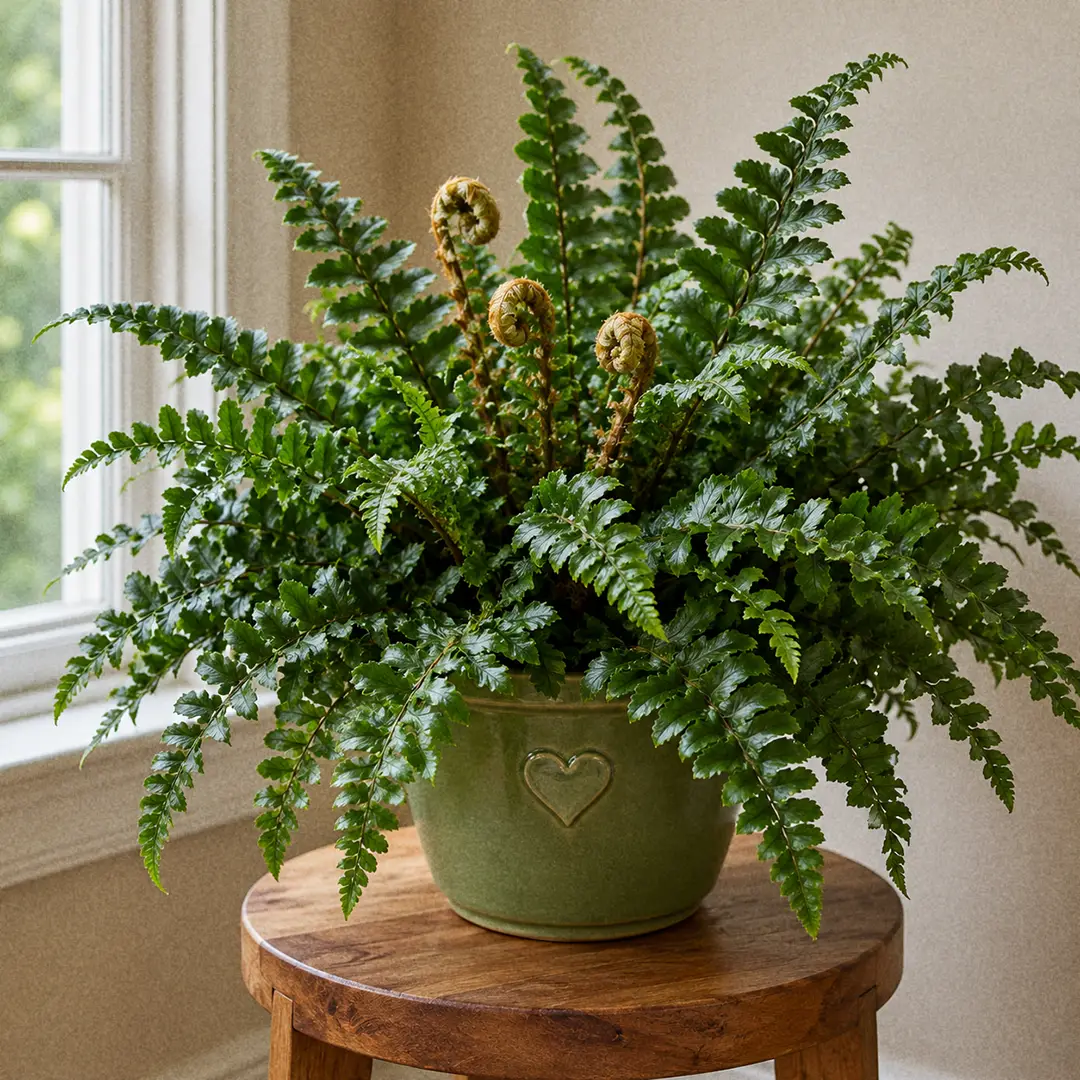
Complete Guide to Tassel Fern Care and Growth
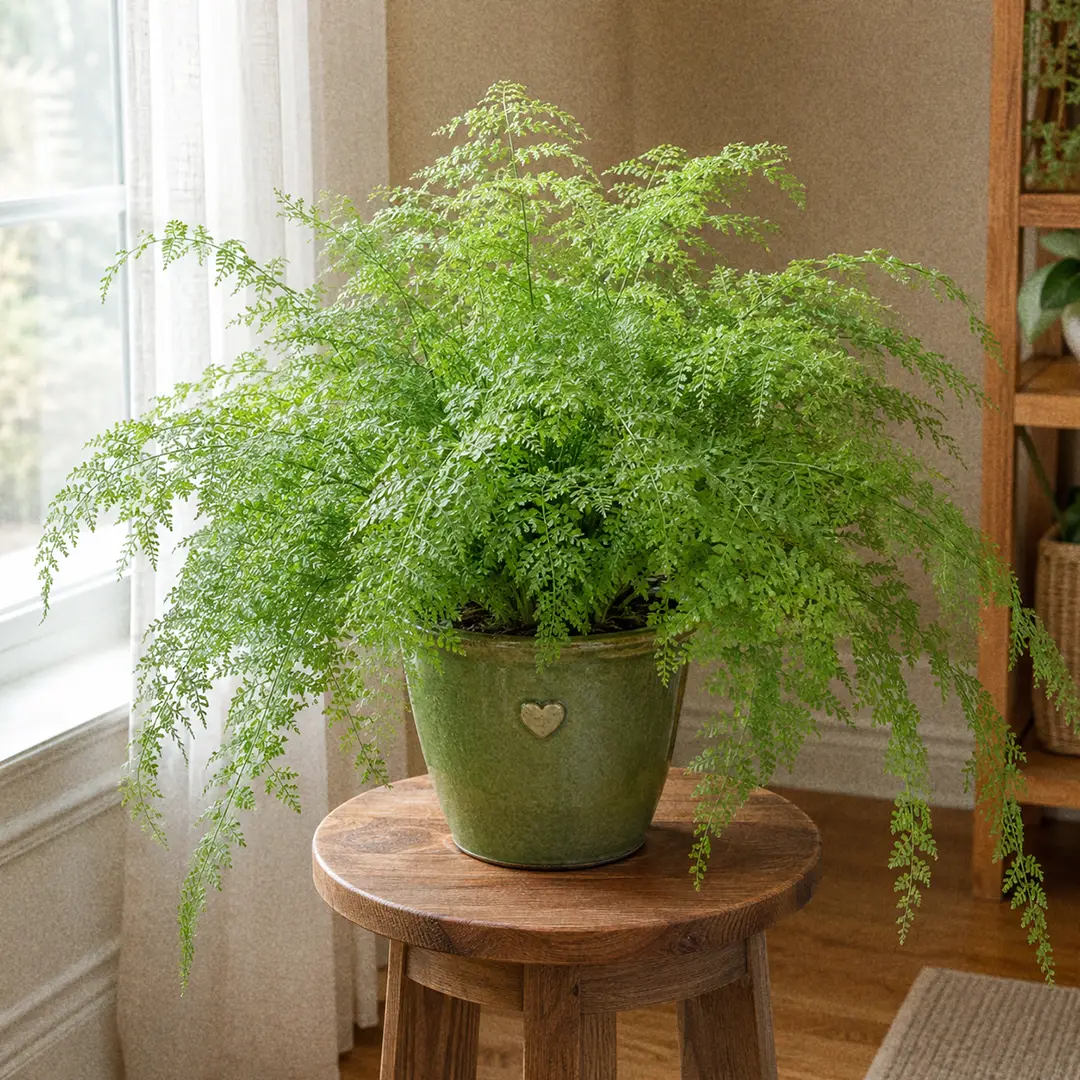
Complete Guide to Mother Fern Care and Growth
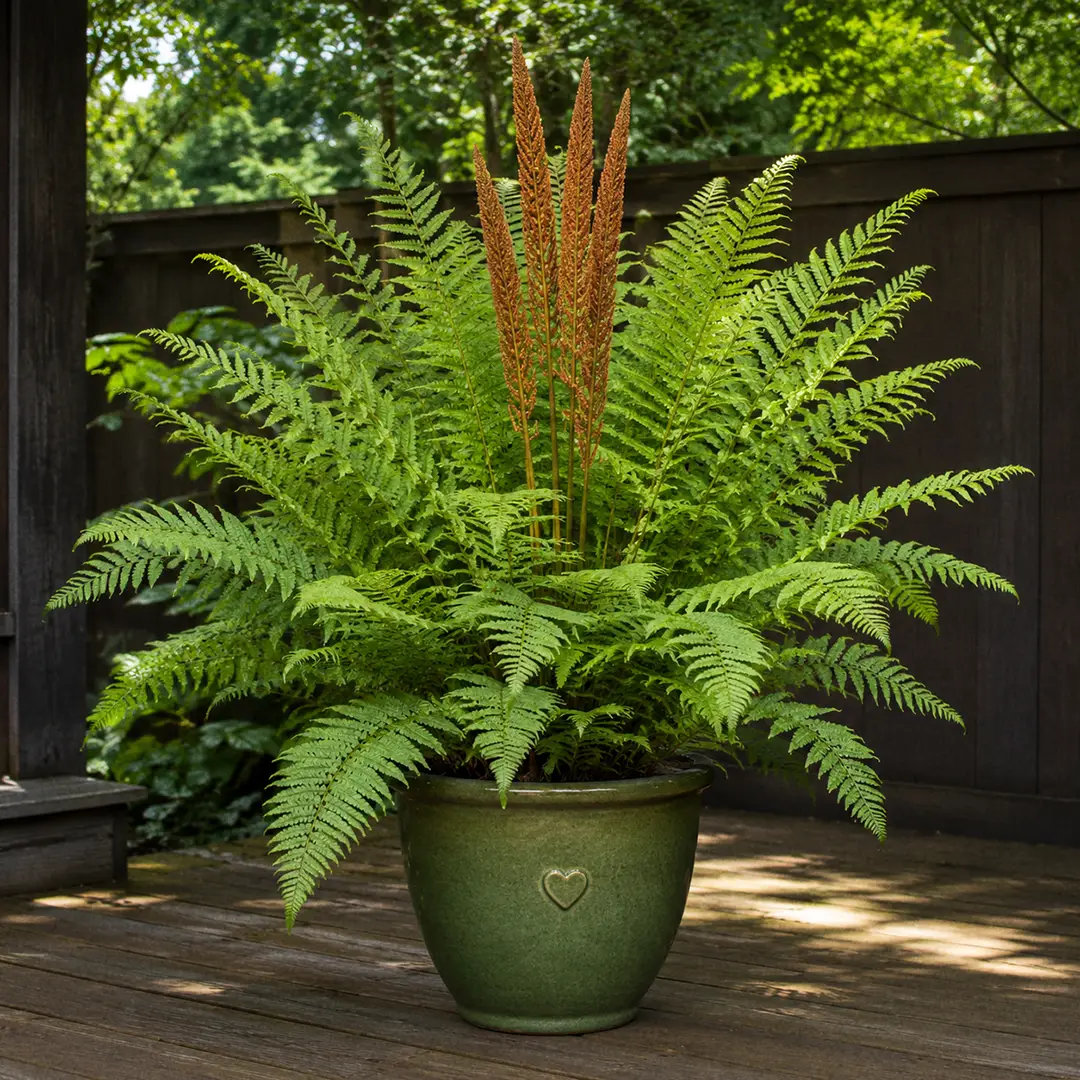
Complete Guide to Cinnamon Fern Care and Growth
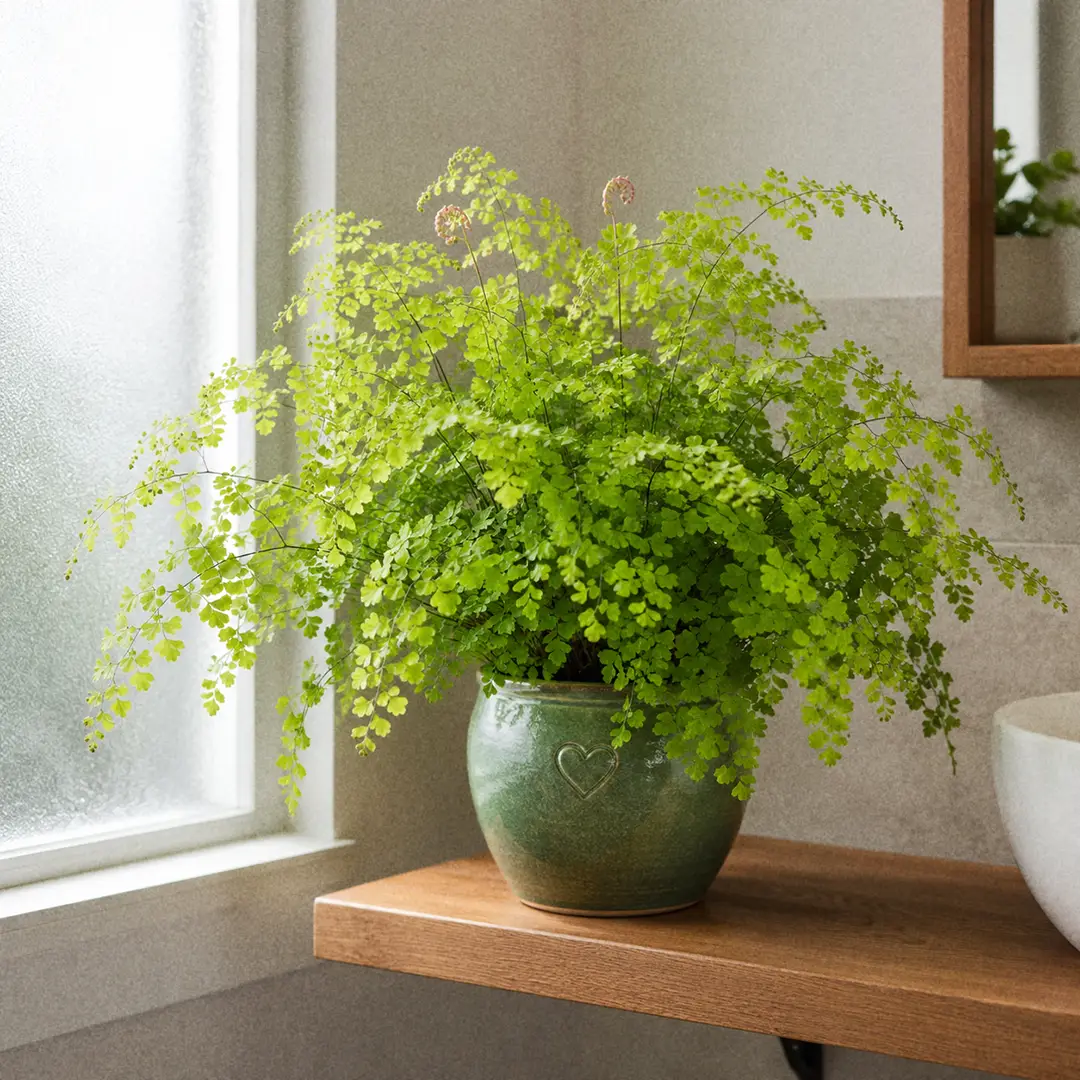
Complete Guide to Delta Maidenhair Fern Care and Growth
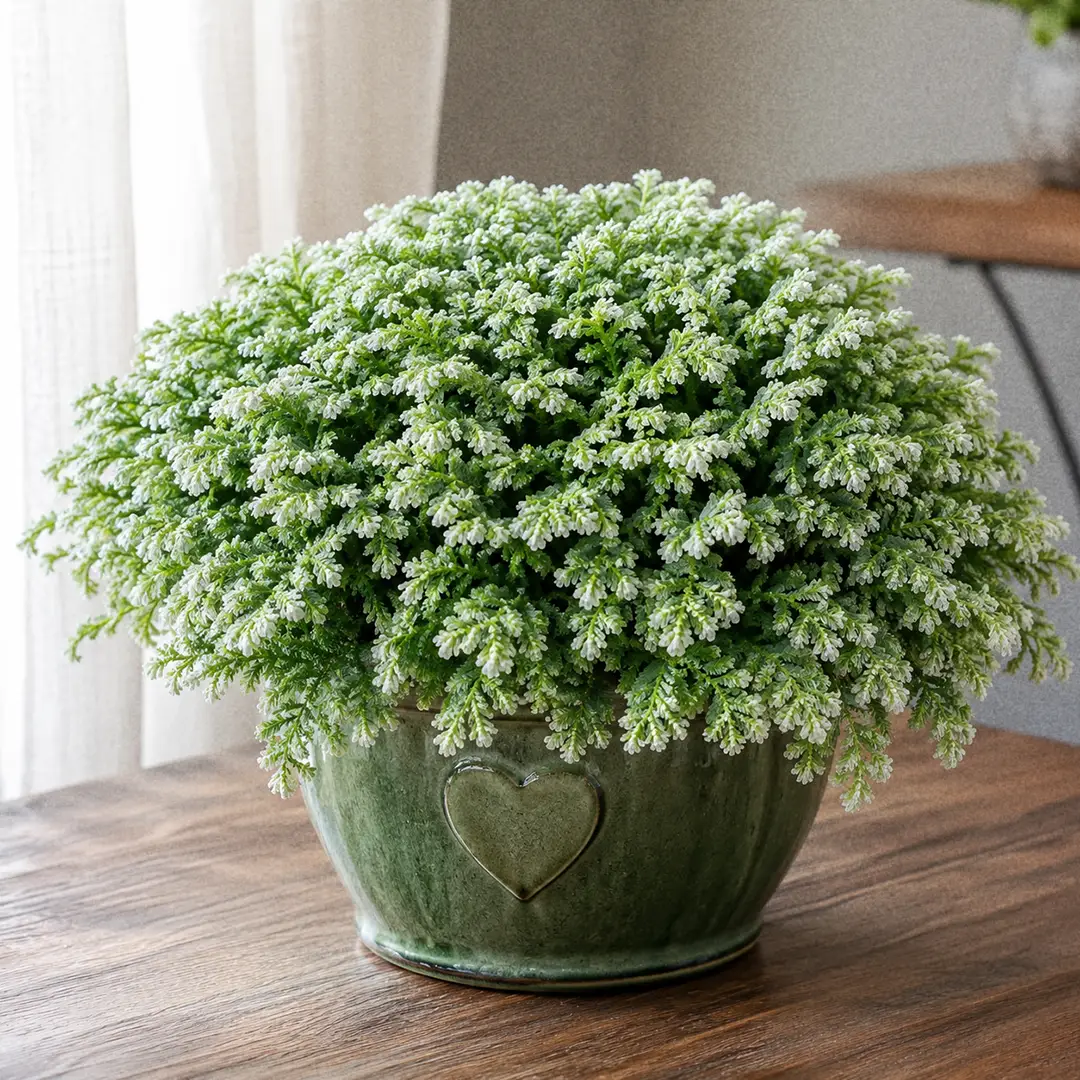
Complete Guide to Frosty Fern Care and Growth
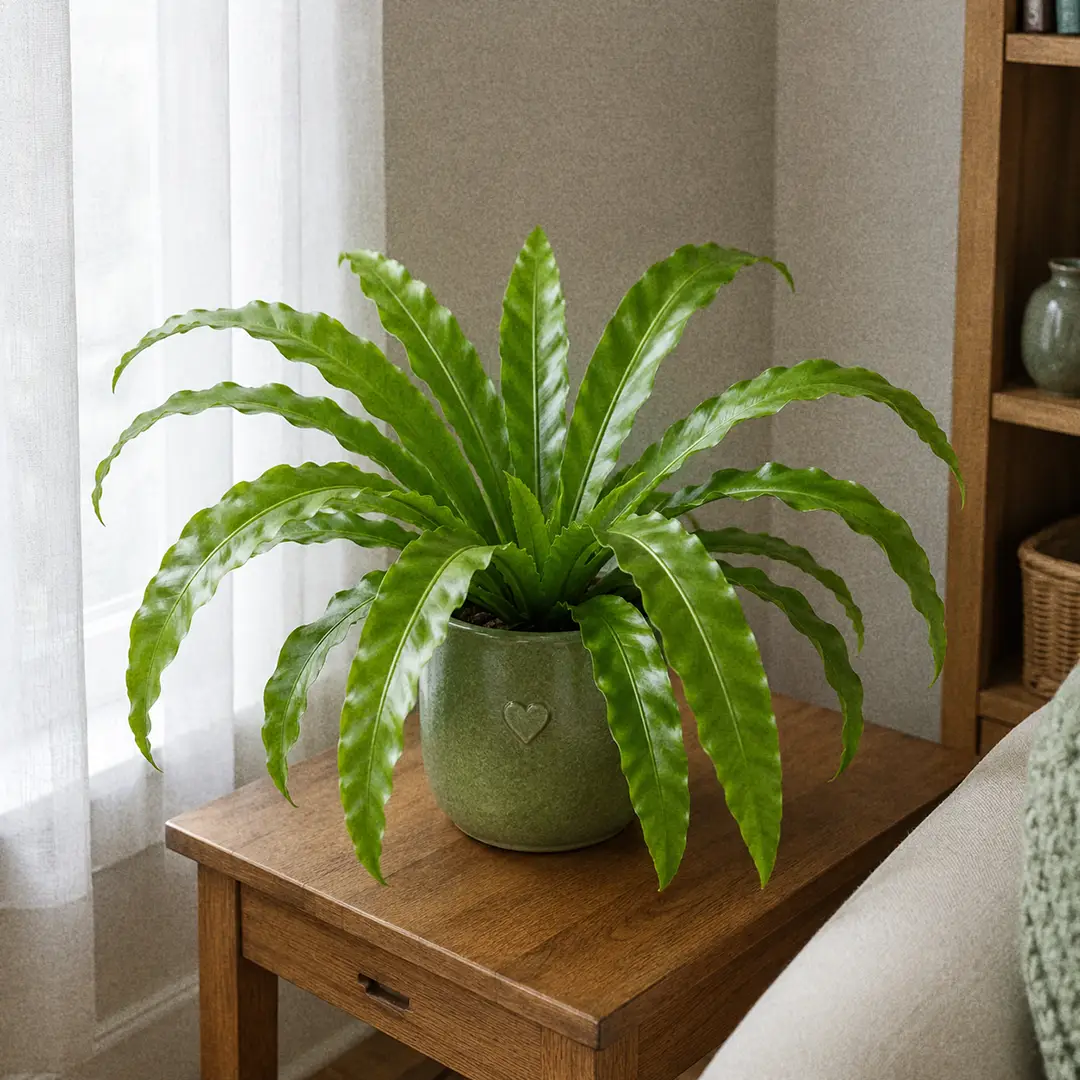
Complete Guide to Hart's Tongue Fern Care and Growth
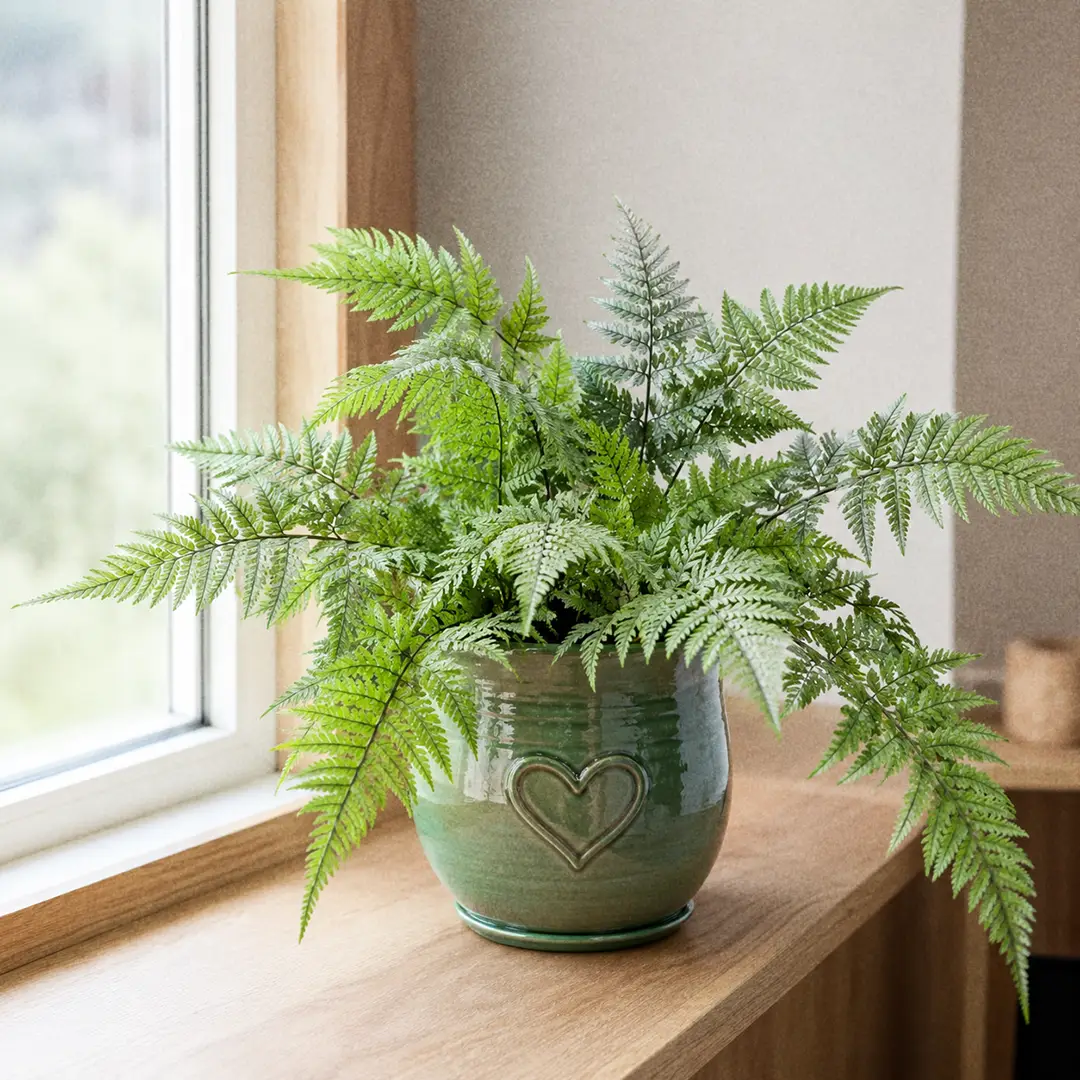
Complete Guide to Korean Rock Fern Care and Growth

Houseplant101 Forum
Questions & Comments
Ask a question, share your plant experience, or help other plant owners.
Comments are temporarily unavailable.
Open the Houseplant101 ForumNo comments yet
Be the first to ask a question or share your experience about this page.
Log in or create an account
Comments use your Houseplant101 Forum account, but you can stay on this page.
Create a new account