
Mahogany Fern
Didymochlaena truncatula
Tree Maidenhair Fern, Mahogany Maidenhair Fern, Didymochlaena lunulata, Didymochlaena sinuosa


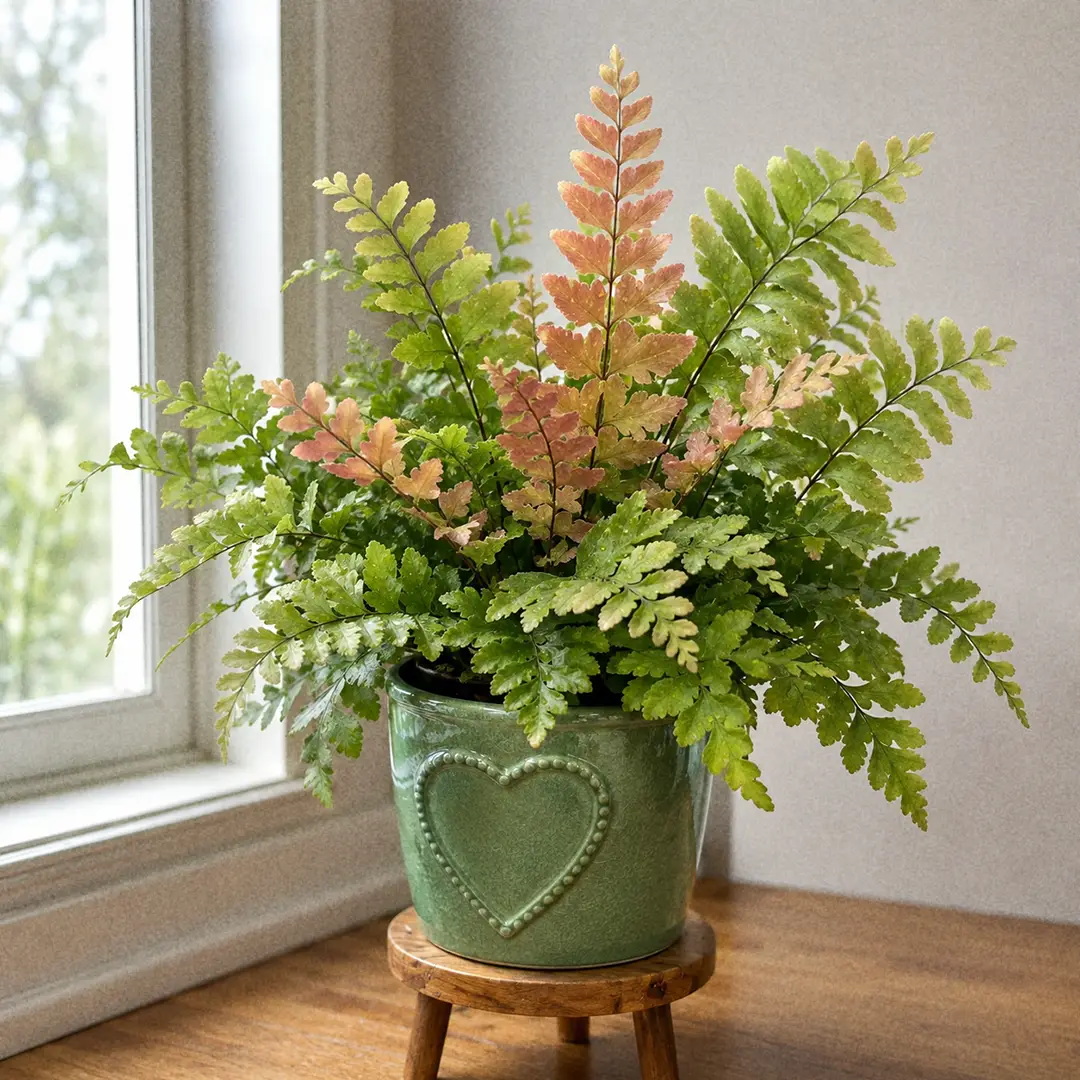
Mahogany Fern pushes out new fronds in coppery bronze-red before they harden to glossy deep green, and it forgives the dry air that kills a true maidenhair. Learn how to grow Didymochlaena truncatula indoors and keep those colored fronds coming.
📝 Mahogany Fern Care Notes
🌿 Care Instructions
⚠️ Common Pests
📊 Growth Information
🪴 In This Guide 🪴

📺 Mahogany Fern Video Guide

☀️ Mahogany Fern Light Requirements (Indoor Lighting Guide)
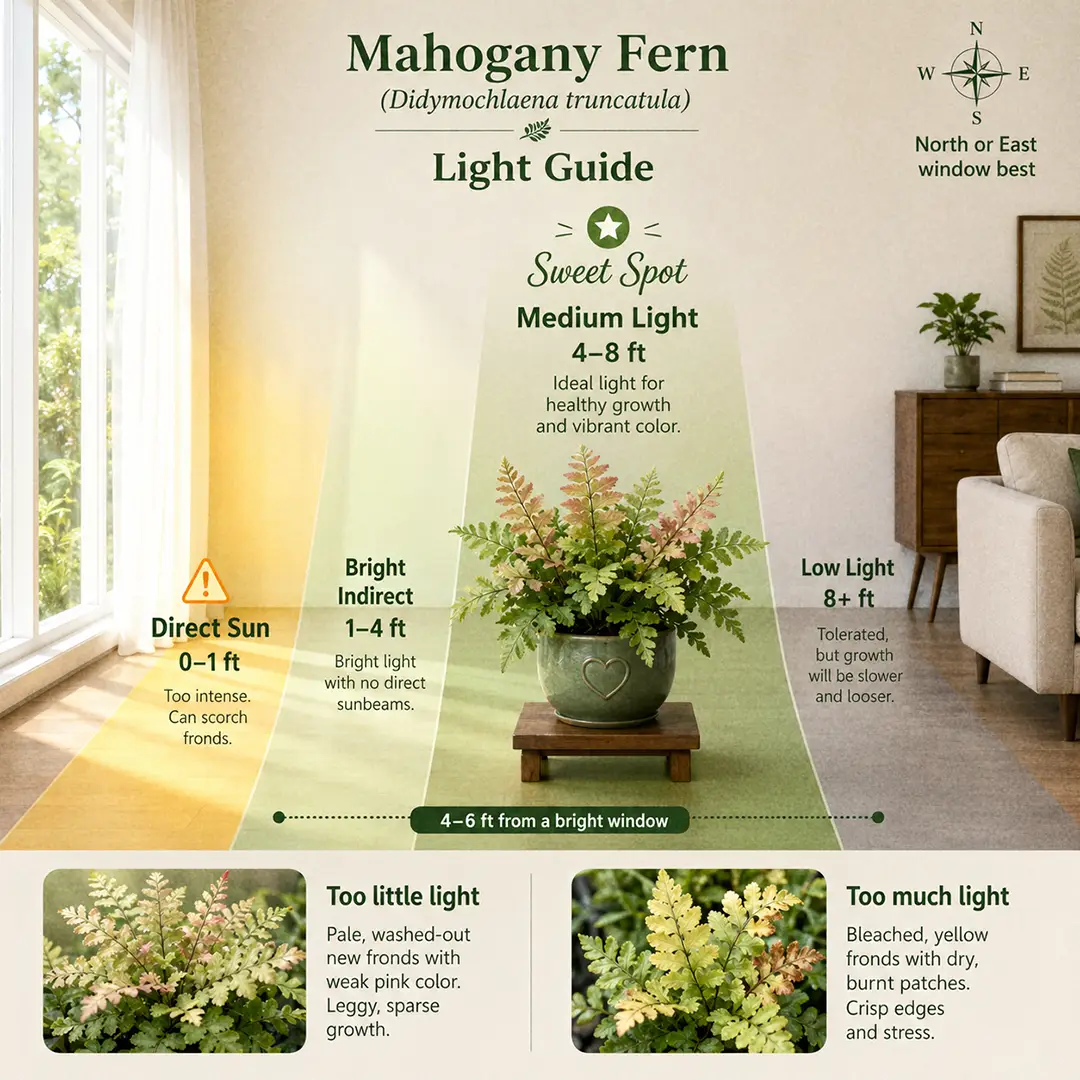
The Sweet Spot
Mahogany Fern wants medium to bright indirect light, which in practice means a north window it can sit right beside, or an east window a couple of feet back. It grows on the floor of tropical rainforests, under layers of canopy, so it is built for dappled and filtered light rather than open sun.
A south or west room works fine as long as the plant sits several feet from the glass or behind a sheer curtain. If you can hold your hand where the fern will live and see a soft, fuzzy-edged shadow, that is the right amount. Our Indoor Lighting Guide walks through judging a spot by eye.
Too Little Light
This fern tolerates gloom better than most, which is exactly why people overdo it. In genuinely dark corners it does not die dramatically, it just stops. New fronds come slowly, arrive smaller than the old ones, and the bronze flush on fresh growth fades to a washed-out tan.
That gradual shrinking is stunted growth, and it usually gets blamed on fertilizer when light is the real cause. In a dim winter room, a grow light running eight hours a day keeps new fronds coming at full size.
Too Much Light
Direct sun is the fast way to ruin this plant. Even an hour of unfiltered afternoon light bleaches the glossy pinnules to pale yellow-green and burns dry patches through them, which is leaf scorch. Scorched tissue never recovers, so the frond has to be cut off and regrown.
New fronds are the most vulnerable part. That soft coppery growth has not toughened up yet, and a sunbeam that an old frond shrugs off will crisp a new one in a single afternoon.
💧 Mahogany Fern Watering Guide (How to Water Properly)
Watering Frequency
Aim for evenly moist, never soggy, and never bone dry. Check by pushing a finger into the soil: when the top half inch feels dry but there is still dampness below, water. In a warm room that lands around twice a week in summer and roughly weekly in winter, though pot size and light shift it a lot.
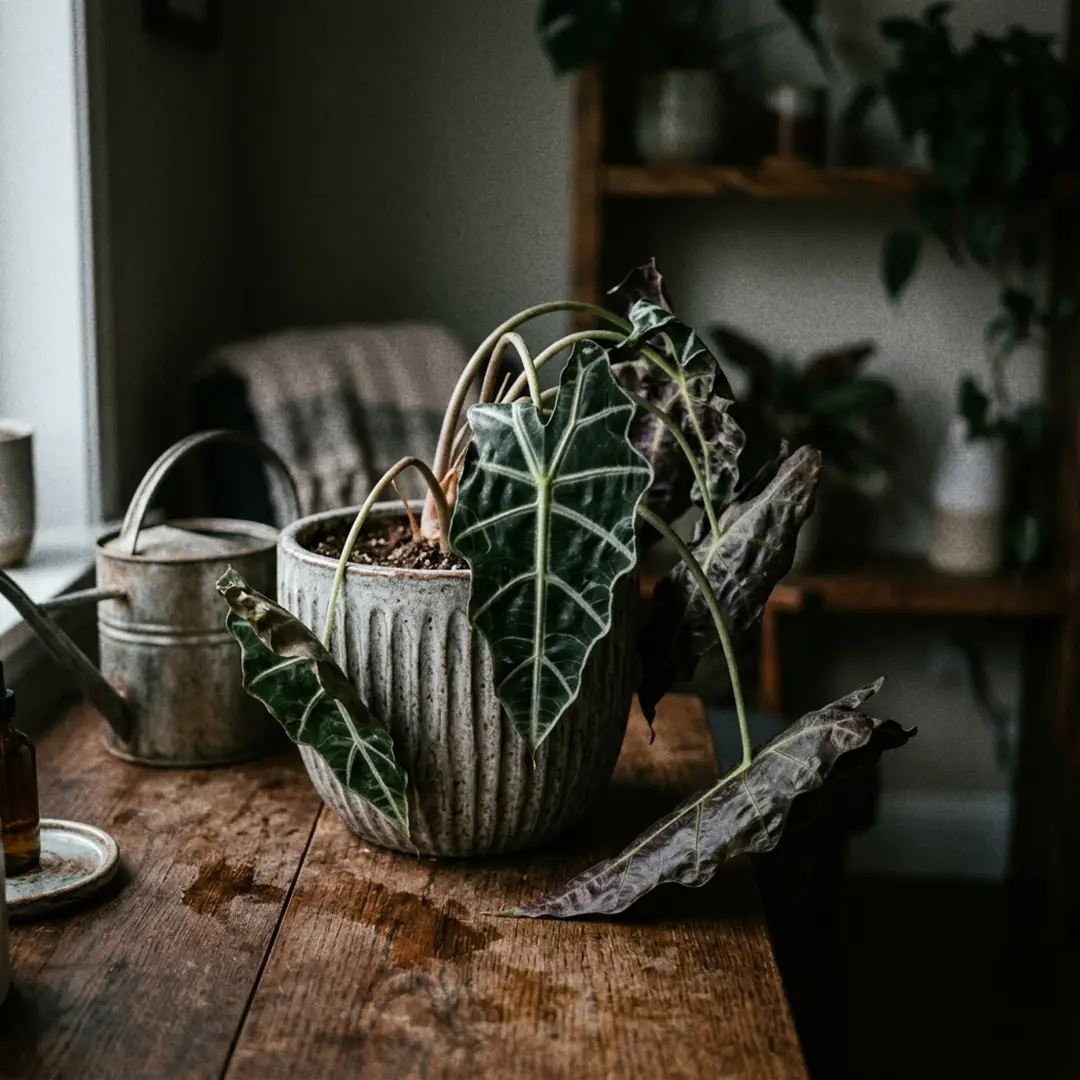
The dangerous stretch is the one where you forget for ten days. A Mahogany Fern that dries out fully drops fronds and browns from the tips inward, and unlike a Boston Fern, it does not always bounce back from the base with a burst of new growth. If you tend to lose track, a moisture meter is worth more here than on almost any other houseplant.
How to Water
Water thoroughly until it runs from the drainage holes, then tip out the saucer after ten minutes. Half-watering is a real problem with peaty fern mixes, because a splash on top wets the surface while the core of the root ball stays dry, and roots die in that dry middle.
If the soil has shrunk away from the sides of the pot, water is running straight down the gap and out. Fix it by bottom watering: stand the pot in a few inches of water for twenty minutes, then drain. Room-temperature water is best, and filtered or rainwater keeps the frond tips cleaner if your tap water is hard.
Signs of Trouble
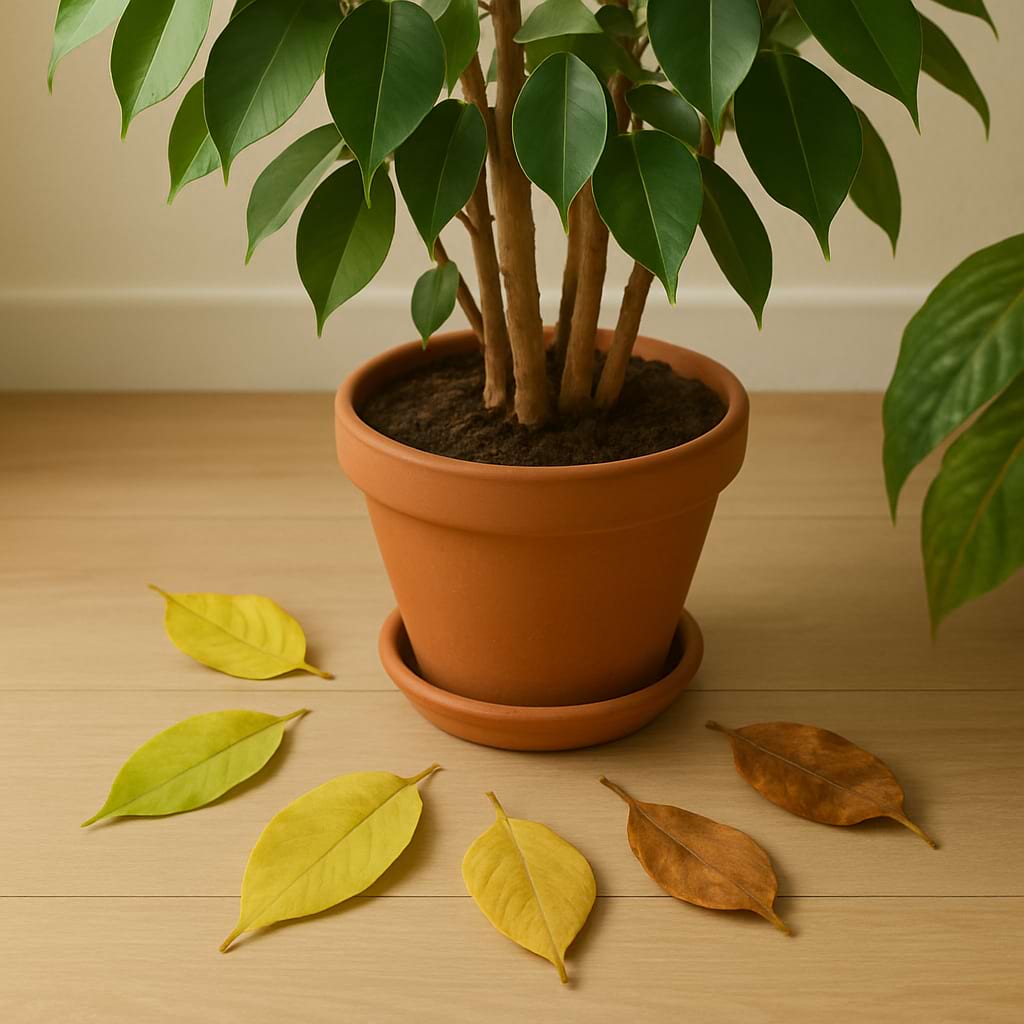
Underwatering shows as crispy brown tips and edges first, then whole fronds going papery. Fronds that go limp and droop all at once usually mean the root ball dried out completely.
Overwatering looks different. Fronds go yellow and soft rather than crisp, the base of the plant feels mushy, and the soil smells sour. That is root rot, and it is the one mistake this fern rarely survives. The line to hold is damp, not wet.
🪴 Best Soil for Mahogany Fern (Potting Mix & Drainage)
What the Soil Needs
The mix has to do two contradictory things: hold moisture so the roots never dry, and drain fast enough that they never sit in water. Rainforest floor soil is loose and full of leaf litter, and that is the texture to copy. Dense, compacted potting soil suffocates the fine roots within a season.
Slightly acidic is ideal, around pH 5.5 to 6.5, which most peat and coir mixes hit naturally. Our Soil Guide covers the general principles.
DIY Soil Mix
A blend that works reliably is 2 parts peat or coco coir, 1 part orchid bark or fine composted pine bark, and 1 part perlite. The coir holds the water, the bark keeps air pockets open, and the perlite lets the excess out. A handful of worm castings adds slow nutrition without burning anything.
Pre-Made Options
Bagged African violet mix is the closest off-the-shelf match, since it is already light and slightly acidic. Cut it with about a quarter perlite and it becomes a good fern mix. Standard all-purpose potting soil is too heavy on its own, so lighten it the same way. Our potting soil guide compares the common bags. Whatever you use, refresh it every couple of years, because peat breaks down into a dense sludge that holds water and no air.
🍼 Fertilizing Mahogany Fern
When and How Often
Feed once a month from spring through early autumn, and stop entirely from late autumn to late winter while growth slows. Ferns are light feeders by nature, evolved on a thin diet of decomposing leaf litter, so the pace here is slower than for a fast-growing tropical.
Always water lightly before you feed. Fertilizer poured onto dry roots burns the root hairs, and this fern has plenty of fine ones.
What to Use
A balanced liquid houseplant fertilizer at half strength is all it needs. Something like a 20-20-20 diluted well, or a fish emulsion if you do not mind the smell for a day. Slow-release pellets work too, though they keep releasing through winter when the plant is not using much. Our Fertilizing Guide explains the ratios and the fertilizers guide covers what to buy.
Over-Fertilizing Signs
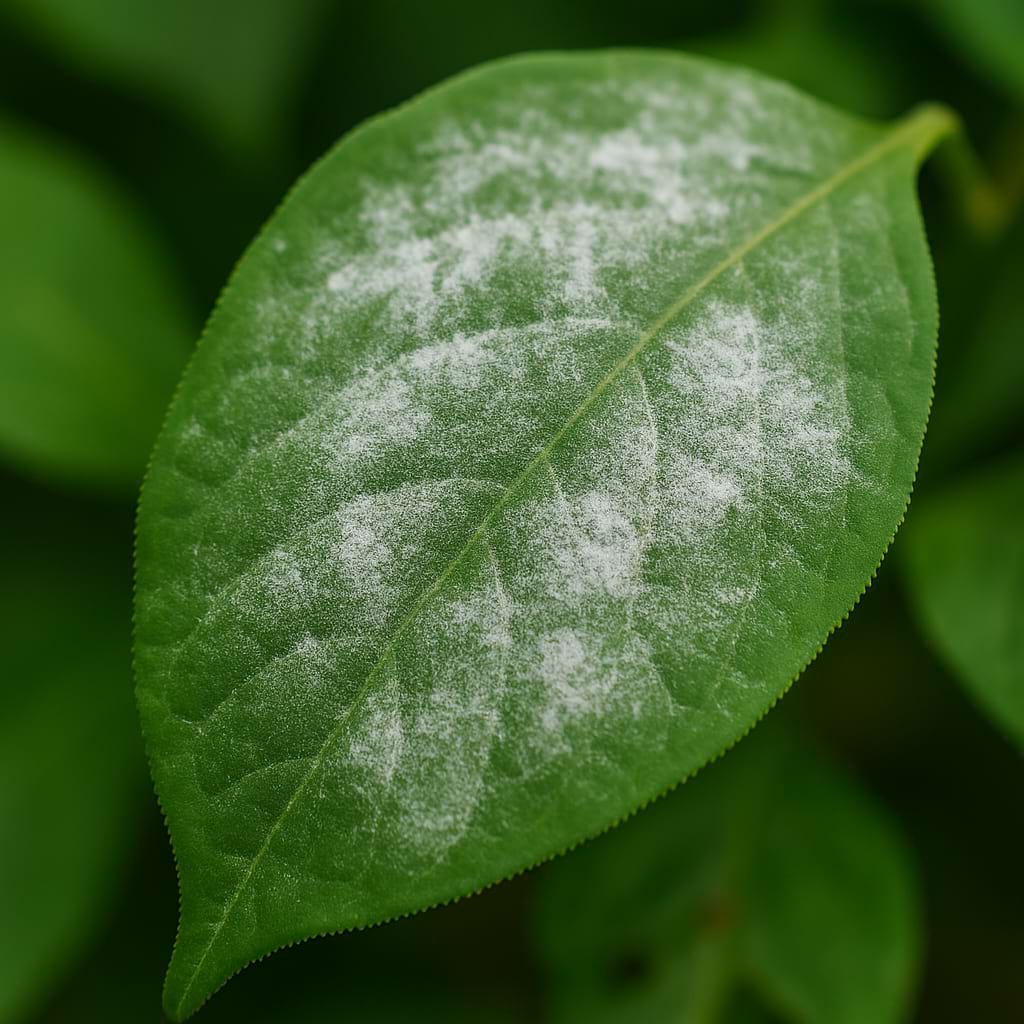
Brown, burnt frond tips on a plant you have been watering properly usually mean salt buildup rather than dry air. Look for a white crust on the soil surface or around the pot rim to confirm it. Flush the pot with plain water three or four times, let it drain fully, and skip feeding for two months. Weak, oversized, floppy fronds point the same way.
🌡️ Mahogany Fern Temperature Range
Ideal Range
Normal indoor comfort suits it well, roughly 60-75°F (15-24°C). This is a true tropical, so it has no cold rest and no dormancy to observe. Below 55°F growth stalls, and anything near freezing damages the fronds outright.
Steady beats warm. A room that swings twenty degrees between afternoon and midnight stresses the plant more than a consistently cool one would.
Drafts and Heat Sources
Radiators, heating vents, and fireplaces are the main indoor threats, because they push hot dry air straight across the fronds and crisp the tips within days. A spot beside a heat source is the single most common reason an indoor Mahogany Fern browns in winter.
Cold drafts do their own damage. An entryway that gets blasted every time the door opens, or a windowsill where fronds touch freezing glass overnight, causes blackened patches and sudden leaf drop. Air conditioning vents count as drafts too, dry and cold at once.
💦 Mahogany Fern Humidity Requirements
Ideal Humidity
Target 50-60% or higher. The good news is that this fern is genuinely more forgiving than its lookalikes, and it will hold together at 40% where a Delta Maidenhair Fern would already be shedding. Below about 35%, though, the tips start browning and no amount of watering fixes it.
Easy Humidity Boosters
A humidifier near the plant is the only method that reliably changes the number, and it is worth it in a dry winter house. Grouping plants together works too, since each one transpires into the shared pocket of air.
A pebble tray helps a little in the immediate area around the pot. Misting is the least effective option and, on a fern this densely divided, sitting droplets in still air can encourage fungal leaf spot. Our humidity guide covers the options in more detail. A bright bathroom solves the whole problem at once.
🌸 Mahogany Fern Flowers and Spores
It Never Flowers, and That Is Normal
Mahogany Fern does not bloom, and it never will. Ferns split off from the flowering plant lineage long before flowers existed, so there are no buds to wait for and no failure to bloom to diagnose. Anything sold as a "flowering fern" is either mislabeled or a different plant entirely.
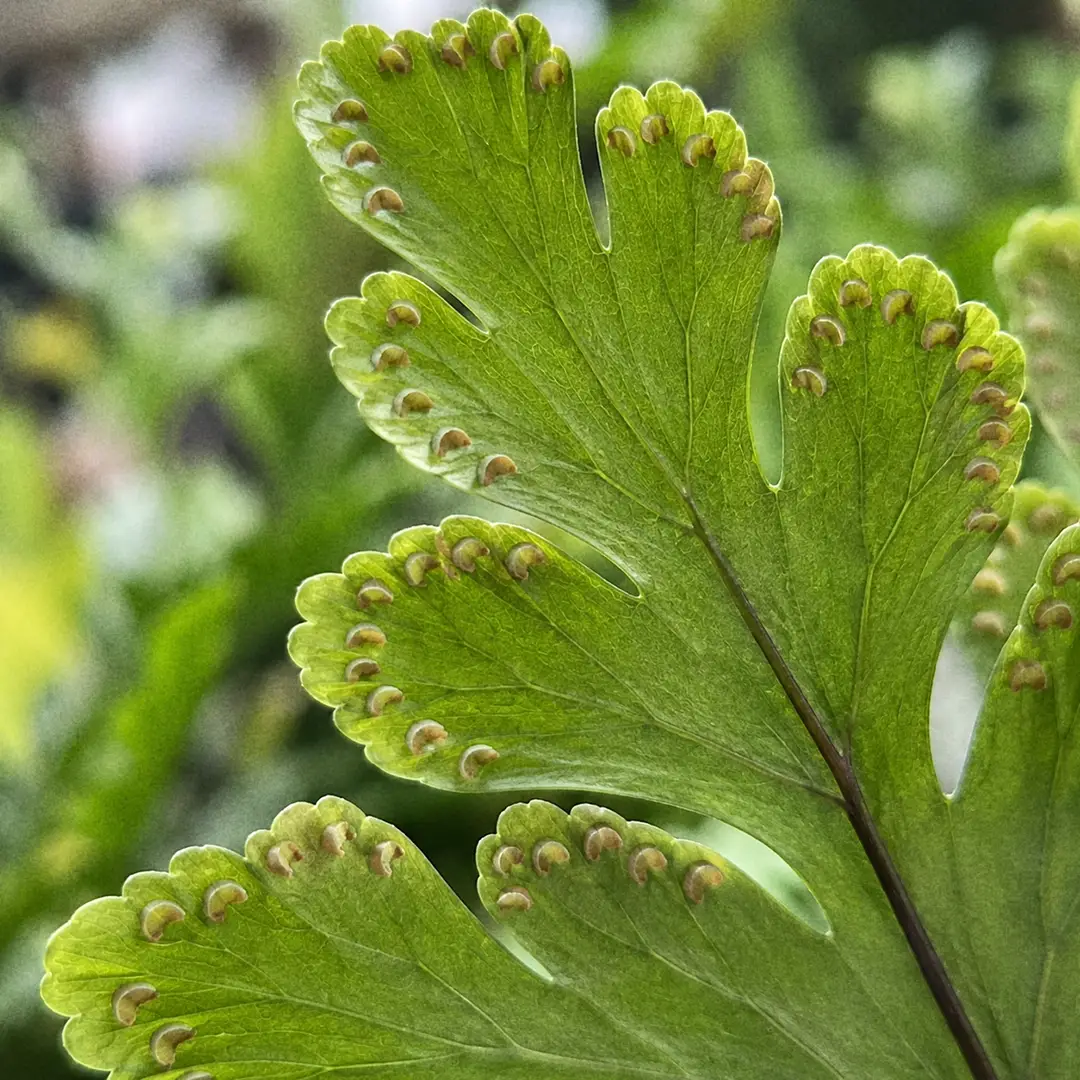
What it produces instead are spores, and on this species they are worth a look. Turn a mature frond over and you will see neat rows of small crescent-shaped bumps running along the edge of each leaflet. Each one is a cluster of spore cases covered by a curved half-moon flap called an indusium.
The Spores Are Where the Name Comes From
Those flaps are the reason for the botanical name. Didymochlaena translates roughly as "double cloak", describing the way the little lunate cover sits over each spore cluster. It is the feature botanists use to place this fern in its own family, separate from every other genus.
Do Not Mistake Spores for Pests
New growers see those brown dots underneath and reach for insecticide, which is an understandable mistake. Spores are arranged in a regular pattern, sit only on the undersides, and rub off as dry powder. Scale insects are scattered randomly, appear on stems and both leaf surfaces, and pop when pressed. A fern producing spores is a mature, healthy fern.
🏷️ Mahogany Fern Types and Varieties
One Species, Several Names
Didymochlaena is a genus of exactly one, so there are no cultivars to choose between and no variegated form to hunt down. What you will find instead is one plant sold under several names. Didymochlaena truncatula is the accepted one, but nurseries still label it D. lunulata and D. sinuosa, and all three are the same fern.
The common names shift too. Tree Maidenhair Fern and Mahogany Maidenhair both point here. It is not a maidenhair at all, but the twice-divided fronds and small fan-ish leaflets do the job of resembling one.
What It Actually Looks Like
Fronds arch out from a central crown, reaching two to three feet indoors, each one divided twice into rows of small oblong leaflets with slightly slanted bases. Mature foliage is dark, leathery, and noticeably glossy, which is what tells it apart from a matte true maidenhair across a room.
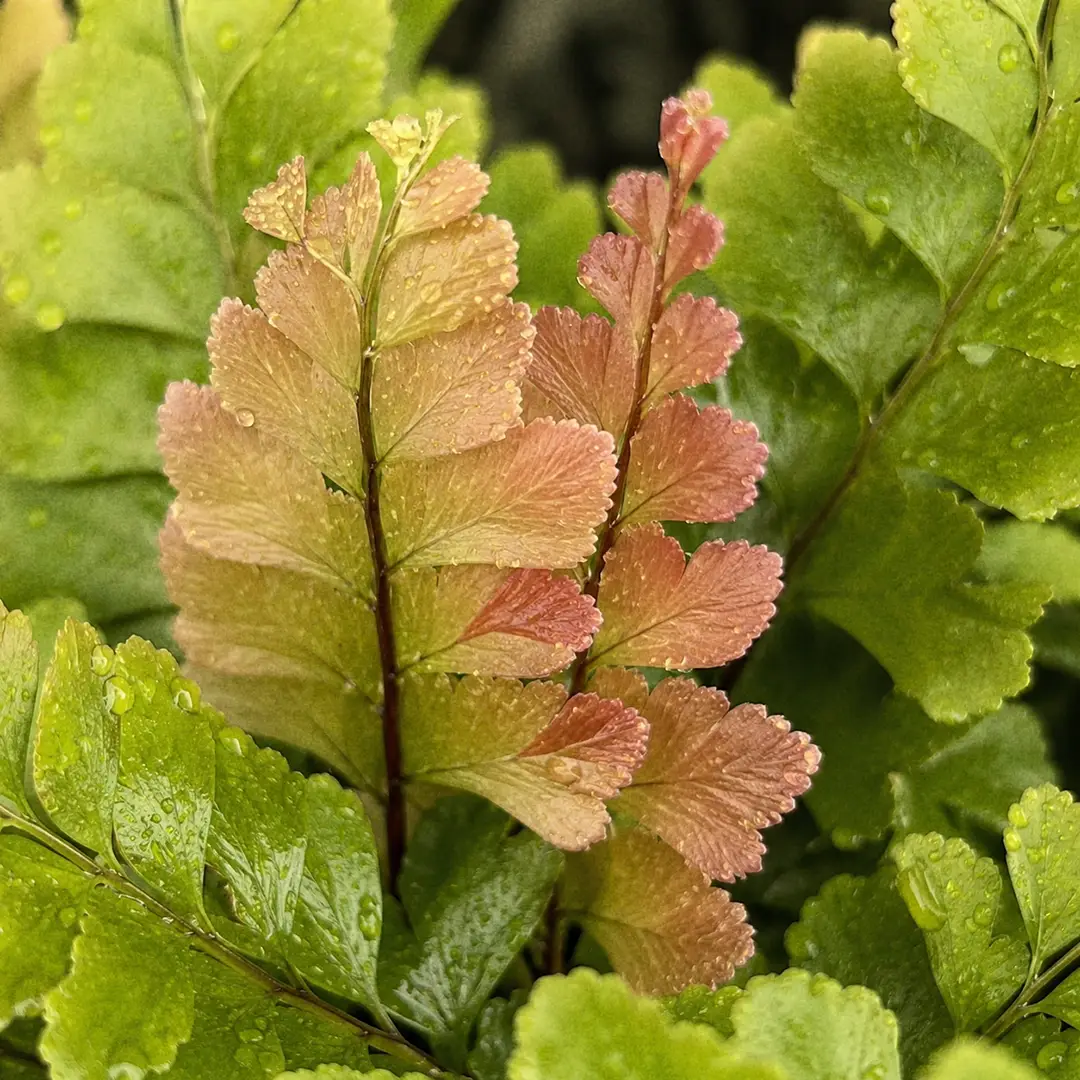
The bronze flush on new fronds fades over a few weeks as the tissue toughens. A well-grown plant produces fronds often enough that there is nearly always one in color.
Lookalikes Worth Knowing
Next to a Maidenhair Fern, Mahogany Fern has thicker, glossier leaflets and far more tolerance for imperfect care. Autumn Fern shares the coppery new growth trick but has broader, more triangular fronds and takes real cold. The Volcano Fern takes the same idea further with genuinely burgundy new fronds on stiff once-cut leaves, though it wants more humidity and a wetter pot than this one does. For the glossy leathery texture without the fine division, look at Holly Fern or Leatherleaf Fern.
🪴 Potting and Repotting Mahogany Fern
When to Repot
Every two to three years is typical, since this fern grows slowly and actively prefers being a little snug. Repot when roots circle the drainage holes, when water runs straight through without wetting anything, or when the plant dries out within a day of watering. Spring, as new fronds start appearing, is the right window.
Choosing a Pot
Go up one size only, an inch or two wider. A pot much larger than the root ball holds a ring of wet soil the roots cannot reach, and that is where rot begins. Drainage holes are non-negotiable.
Plastic and glazed ceramic suit this plant better than bare terracotta, which wicks moisture out of the mix faster than a fern likes. Our plant pots guide compares the materials. A slightly wide, shallow pot suits the shallow root system and gives the arching fronds a stable base.
Step-by-Step Repotting
Water the day before so the root ball slides out in one piece. Ease the plant out, support the crown rather than pulling on fronds, and tease apart any roots wrapped tightly around the outside.
Set it into fresh mix at exactly the same depth it grew before. Burying the crown is the classic repotting kill, because the growing point rots when covered. Firm the soil gently, water thoroughly, and keep the plant out of bright light for a week while it settles. Our repotting guide covers the general process.
✂️ Pruning Mahogany Fern
When to Prune
There is no pruning season here, just ongoing tidying. Remove fronds whenever they turn fully brown or yellow, which happens naturally as old ones age out. A frond that has finished is not coming back, and leaving it on gives fungus somewhere to settle.
How to Prune
Cut the whole frond off at the base with clean scissors, close to the crown, without nicking the growing point. Never cut a frond partway down, because the remaining stub browns and dies back on its own and looks worse than what you started with.
If only the tips have browned, you can trim the damage away following the natural outline of the leaflets. It is purely cosmetic, and the cut edge stays brown, so a light touch beats an aggressive one.
Reviving a Neglected Plant
A fern that has been left dry for weeks may look like a write-off. If the crown is still firm, cut every dead frond off at the base, soak the root ball properly, and put it somewhere humid and shaded. New fronds usually appear within four to six weeks from a crown that is still alive.
🌱 How to Propagate Mahogany Fern
Best Method: Division
Division is the only practical method at home. Ferns do not root from cuttings, and a piece of frond in water will simply rot, so ignore any advice that suggests otherwise. Spring, when the plant is pushing new growth and can recover quickly, is the time to do it. Our plant division guide covers the technique across other plants.
Older plants divide best. A fern that has filled its pot and formed multiple growing points will separate cleanly, while a young single-crown plant should be left alone for another year or two.
Step-by-Step
Water the plant well the day before, then slide it out of its pot and shake the loose soil off the roots so you can see what you are working with. Look for natural separations where the crown has split into distinct clusters of fronds.
Pull the sections apart by hand where you can, and use a clean sharp knife where the rhizome resists. Give each division its own roots and at least three or four healthy fronds, because smaller pieces rarely establish. Pot each one into fresh mix at its original depth, water thoroughly, and keep them warm, shaded, and humid for a month. A clear bag loosely over the pot helps enormously here.
Tips for Success
Expect a sulk. Fronds often droop or brown for a week or two after division, and that is normal shock rather than failure, so resist the urge to fix it with fertilizer. Feed nothing at all for the first six weeks while new roots form.
Spores are the other route, and they are a genuine project. Collect ripe brown spores onto paper, sow them on sterile damp mix under a clear lid, and wait. Green film appears in weeks, recognizable little ferns in six months to a year.
🐛 Mahogany Fern Pests and Treatment
Common Pests
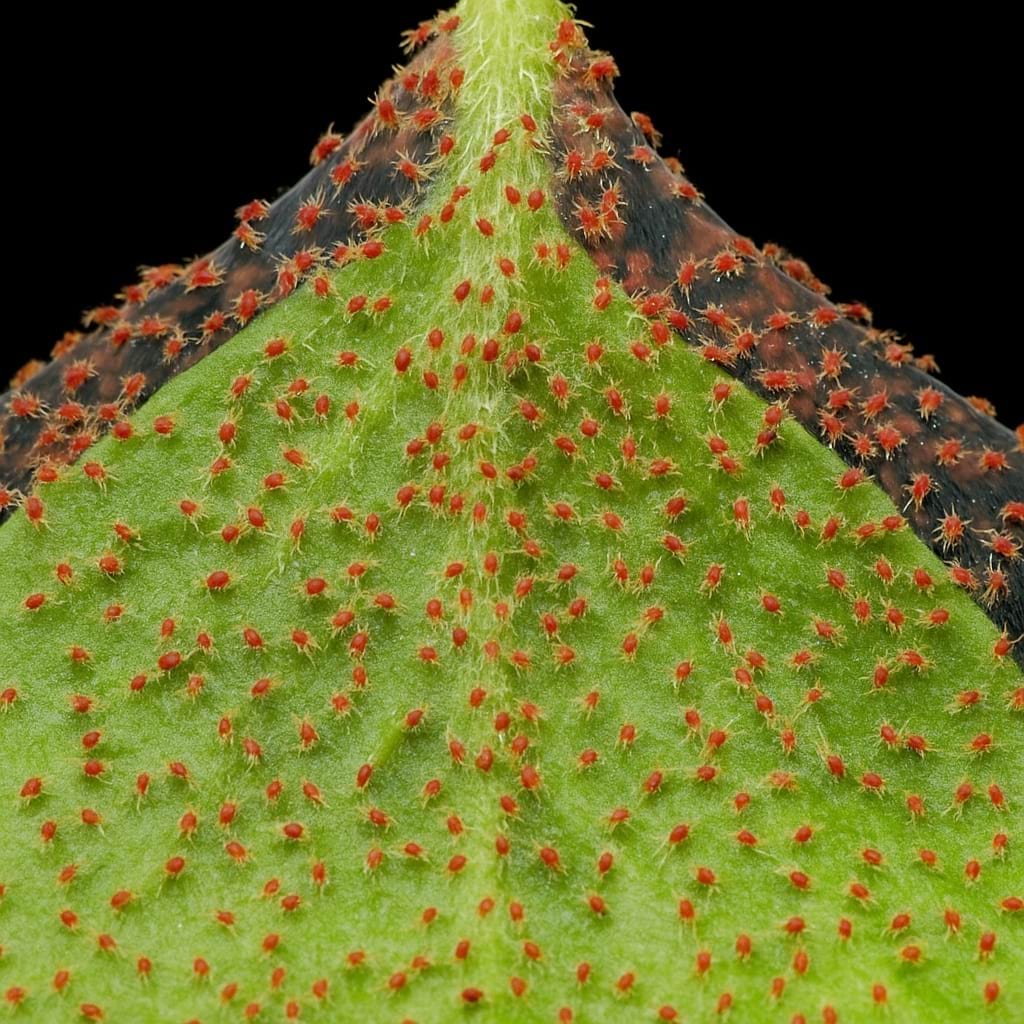
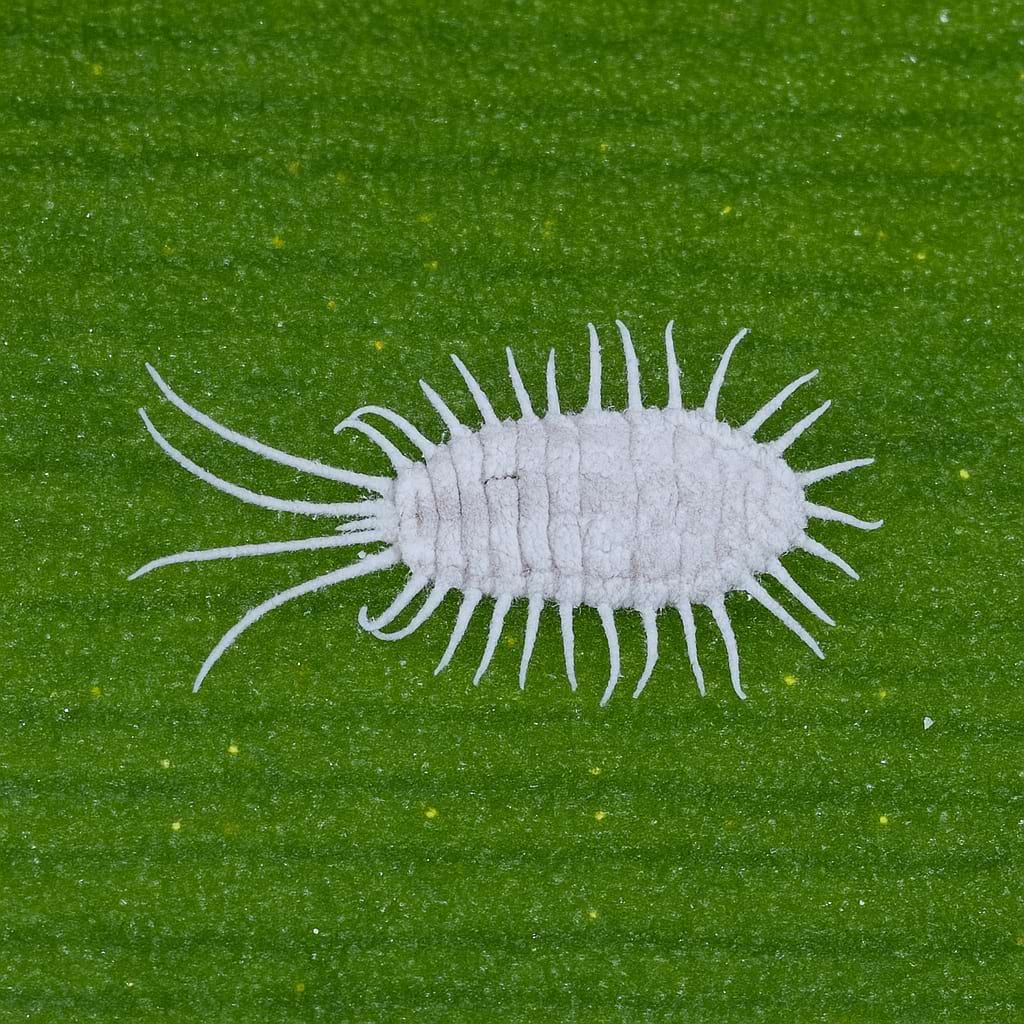
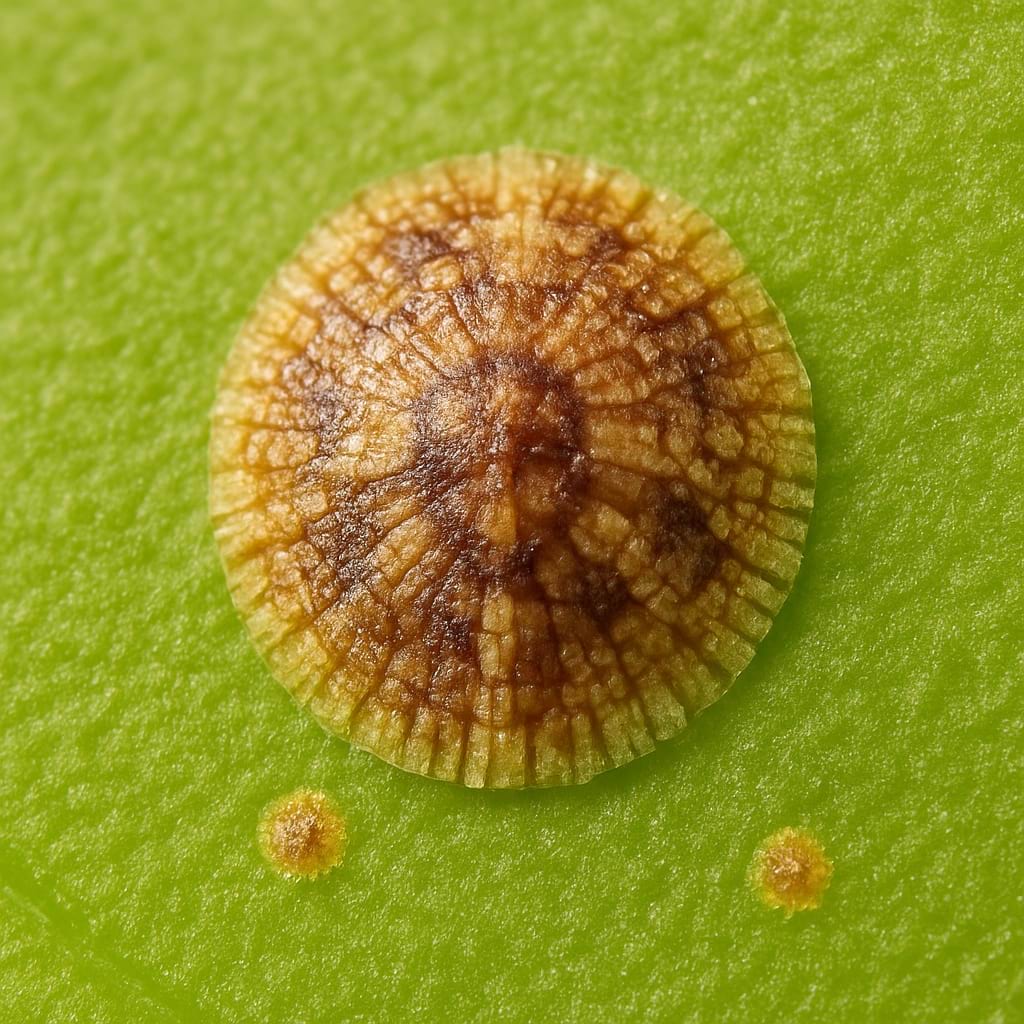
Spider mites are the biggest threat, and they thrive in exactly the dry warm air that stresses this fern. Watch for fine webbing between the leaflets and a dull stippled look on the fronds. Mealybugs tuck into the crown and the frond bases as white cottony specks, and scale insects stick to the stems as small brown bumps that do not move.
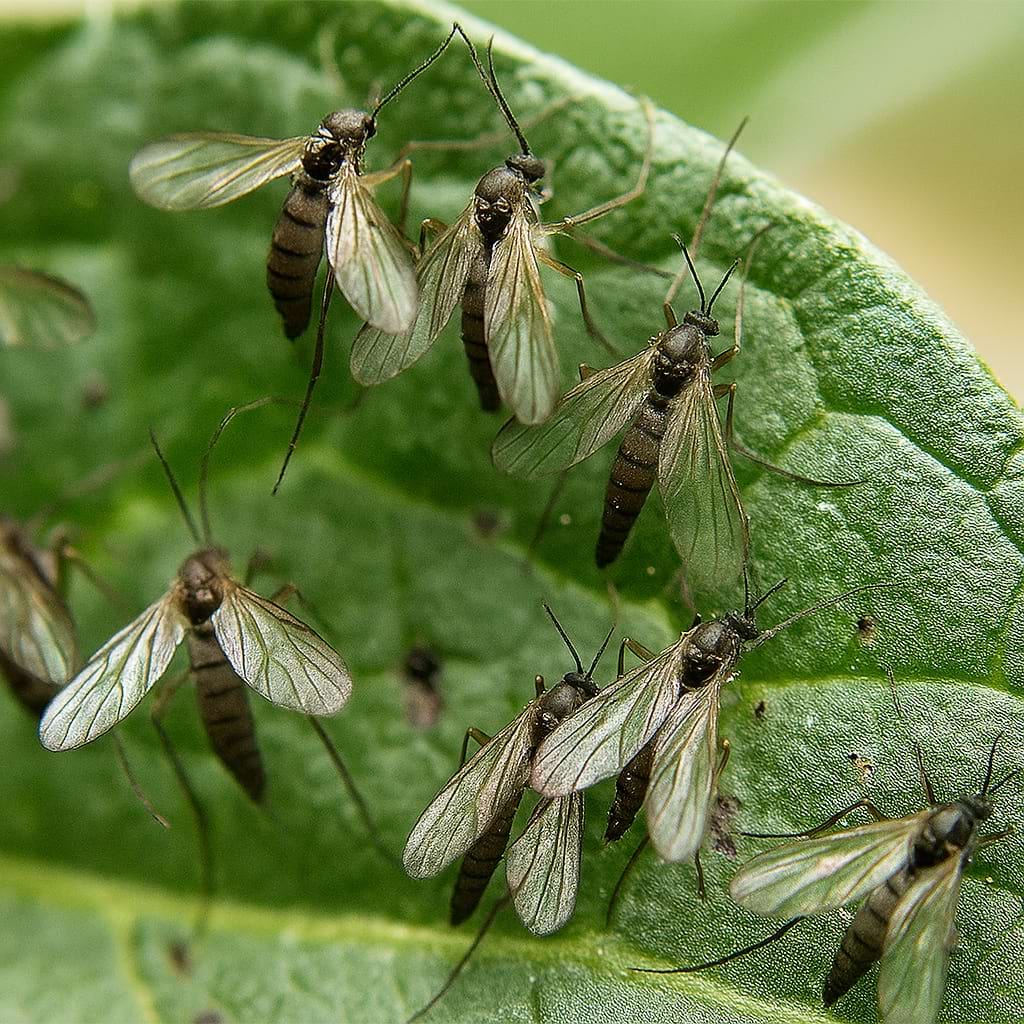
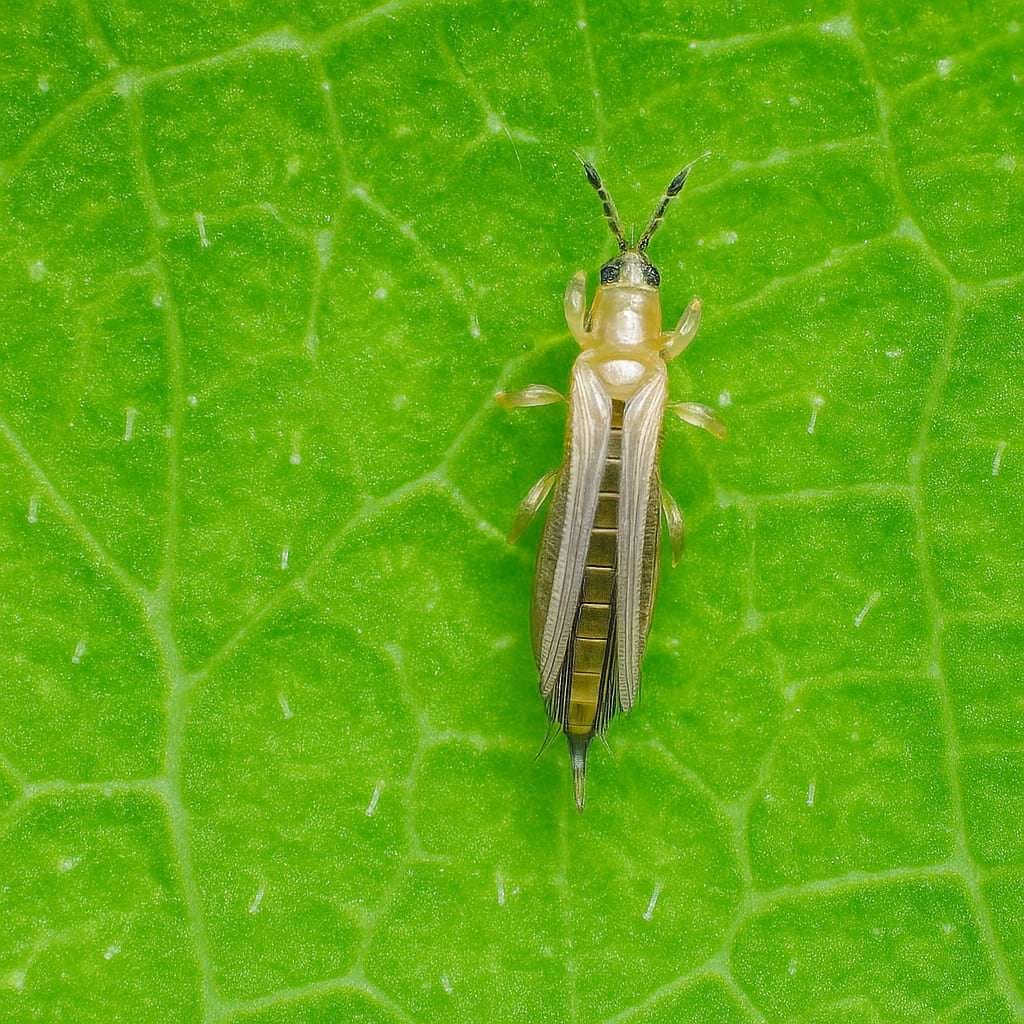
Fungus gnats are almost inevitable given the constantly damp soil this plant wants. They are more annoying than harmful, though heavy larvae numbers do chew fine roots. Thrips show as silvery scarring with tiny black dots of frass.
Treatment and Prevention
Ferns are sensitive to insecticides, so start gentle. A firm rinse in a lukewarm shower knocks off mites and a lot of everything else, and repeating it weekly for a month usually finishes an infestation. Insecticidal soap works, but test one frond first and never spray in direct sun. Skip neem oil at full strength on this plant, since it damages the fine pinnules.
Prevention is mostly humidity and airflow. Keep the air moist and mites struggle to establish; let the soil surface dry slightly between waterings and gnats lose their nursery. Quarantine new plants for a few weeks, and read pest prevention in winter before the heating goes on.
🩺 Common Mahogany Fern Problems
Brown Crispy Tips and Edges
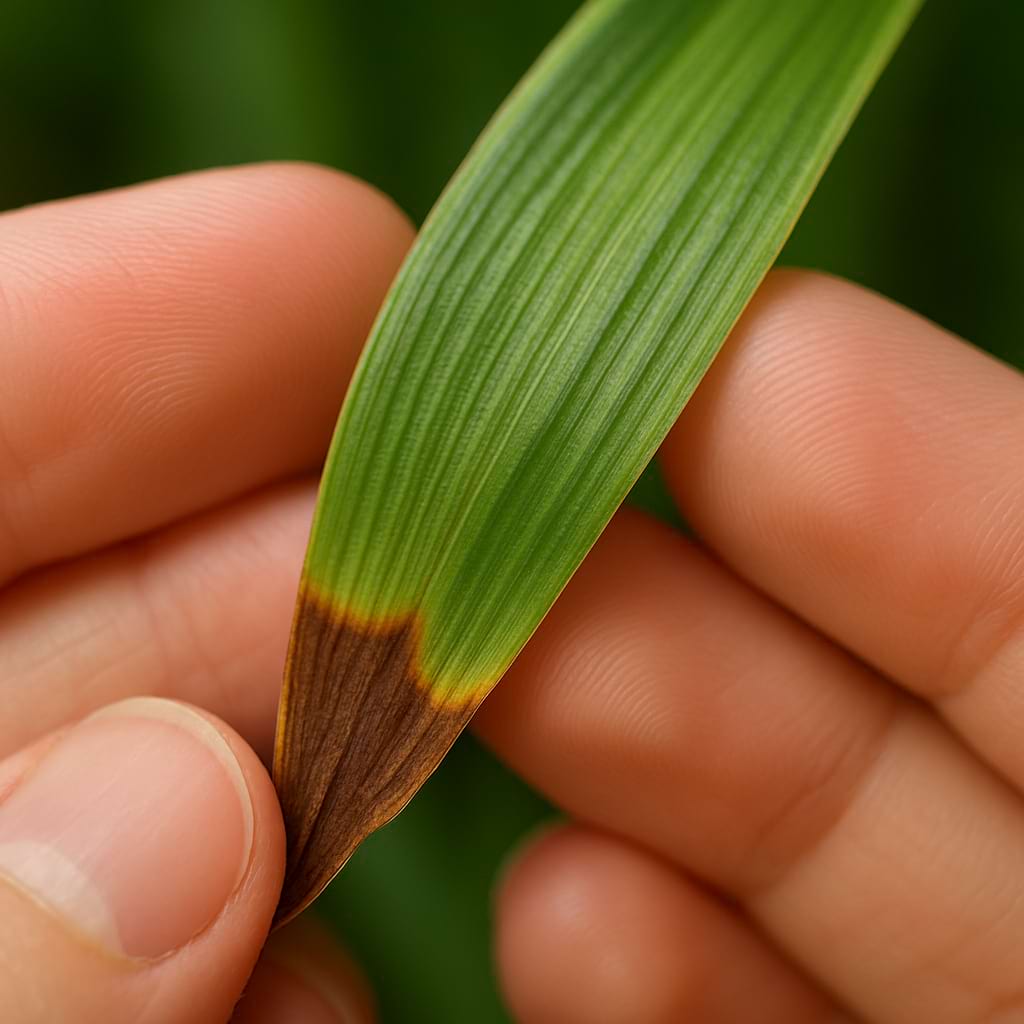
The signature complaint, and usually a moisture problem. Brown crispy edges come from dry air, an underwatered root ball, a nearby radiator, or salt buildup from hard water and fertilizer. Work through those in order: check the soil first, then the humidity, then the proximity of any heat source, then flush the pot.
Yellowing Fronds and Root Rot
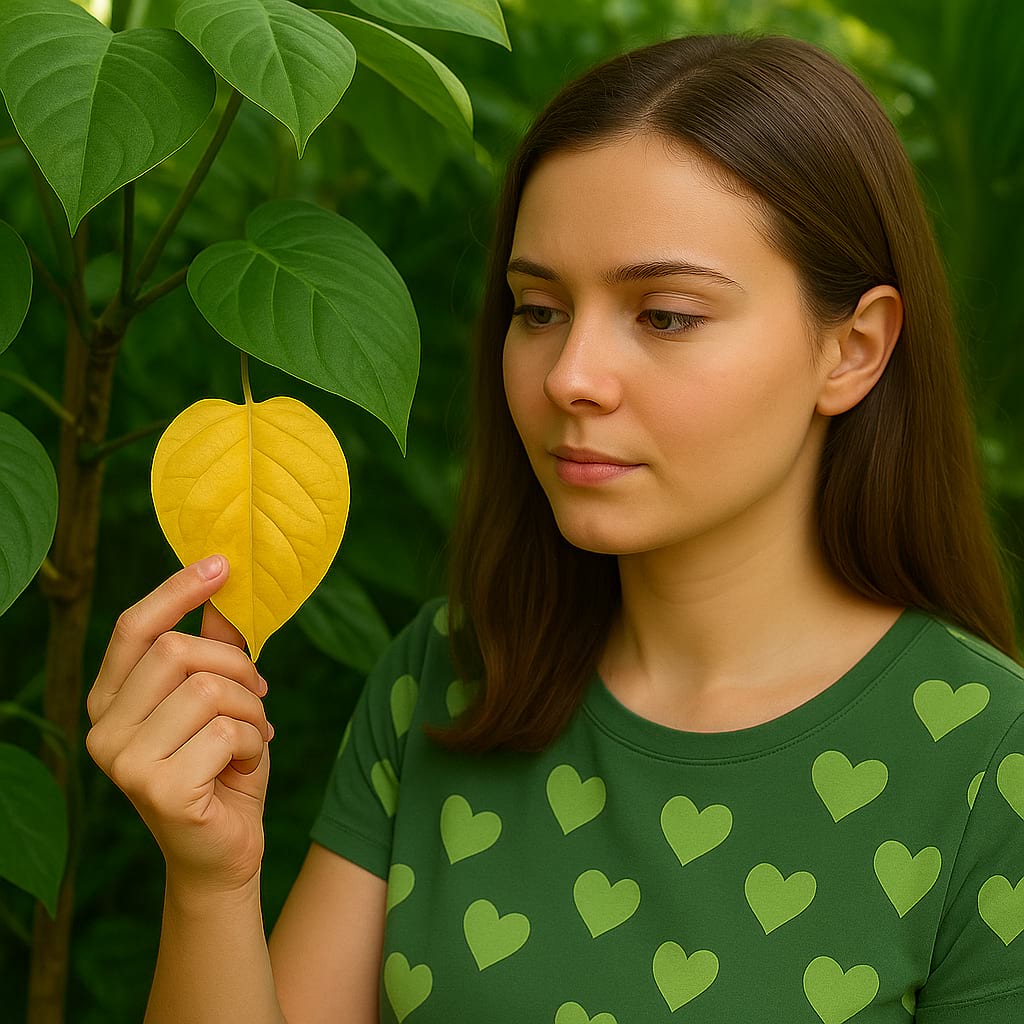
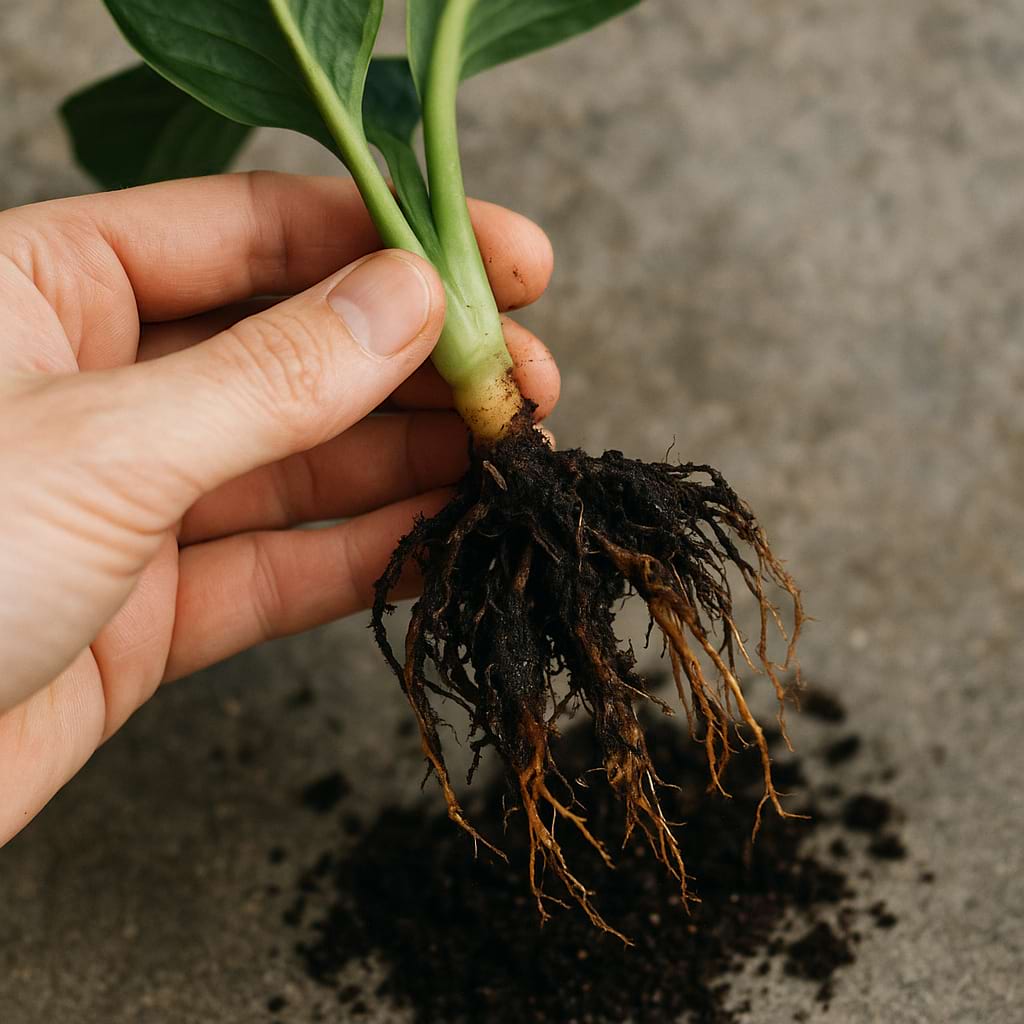
Fronds going soft and yellow rather than crisp point to too much water. Yellowing plus soggy soil and a sour smell means root rot is underway. Unpot, cut away any black mushy roots, and repot into fresh mix with a bigger share of perlite. A few older fronds yellowing at the bottom of a healthy plant is just normal turnover.
Drooping, Leaf Drop, and Spotting
Sudden wilting is nearly always a dried-out root ball, and a long soak brings the plant back if the crown is still firm. Widespread leaf drop follows cold drafts, a big move, or a sharp change in light. Dark spots with yellow halos on the fronds are fungal or bacterial leaf spot, caused by water sitting on foliage in still air. Remove the affected fronds, stop misting, and improve airflow.
🖼️ Mahogany Fern Display and Styling Ideas
Solo Setups
The arching habit deserves height. On a plant stand or a pedestal, the fronds spill outward and the plant reads as a soft green fountain, while on the floor the same fern looks flat and gets stepped on. Position it so a window backlights the foliage in the afternoon, because low light coming through a bronze new frond is the best thing this plant does.
Grouped Arrangements
It belongs in a fern corner. Set it beside the crinkled solid paddles of a Bird's Nest Fern and the round blue-green foliage of a Blue Star Fern and the contrast of leaf shapes carries the whole group. Grouping also raises the humidity around all of them, which every fern here benefits from.
Where Not to Put It
Avoid sunny south windowsills, the top of a radiator cabinet, and any spot in the path of an air conditioning vent. Skip drafty entryways too. A bathroom or kitchen with a decent window is close to perfect, and so is a shaded balcony over the summer, brought back in before nights drop below 55°F.
🌟 Mahogany Fern Pro Care Tips
💧 Never let it dry out completely. One forgotten fortnight costs you fronds that take months to replace.
🚿 Shower it monthly. A lukewarm rinse cleans dust off the pinnules and knocks spider mites back before they settle.
✂️ Cut dead fronds at the base. Half-cut fronds die back to a brown stub anyway.
🌡️ Keep it off the radiator. Winter tip browning is a heat source problem far more often than a watering problem.
🪴 Repot into a pot one size up. Oversized pots hold wet soil the shallow roots never reach.
🔆 Watch the new fronds. Bronze and full-sized means the light is right; pale and small means it is too dark.
🧪 Feed at half strength. Ferns burn easily on a full-dose fertilizer.
🍃 Skip the leaf shine. Oily products clog the fine leaflets and cause more browning than they prevent.
❓ Frequently Asked Questions
Is Mahogany Fern toxic to cats and dogs?
Mahogany Fern is non-toxic to cats, dogs, and humans, like true ferns generally. A pet that chews a frond may get a mild upset stomach from the roughage, but there is nothing poisonous in it. Do note that plants sold as "asparagus fern" are not true ferns and are toxic, so check the label.
Why are my Mahogany Fern's tips turning brown?
Four usual causes: dry air, a root ball that dried out, a radiator or vent blowing on it, or mineral salt buildup from hard water. Check the soil moisture first, then move the plant away from any heat source, then raise humidity toward 50%. If there is white crust on the soil, flush the pot several times with plain water.
How is Mahogany Fern different from a Maidenhair Fern?
They look related but are not. Mahogany Fern has thicker, glossier, more leathery leaflets and much sturdier stems, and it tolerates average household humidity where a true maidenhair collapses. It also flushes coppery bronze on new growth, which maidenhairs do not do.
Why are the new fronds red or bronze?
That is the plant's best feature working normally. Fronds emerge coppery bronze-red and harden to glossy dark green over several weeks as the tissue matures. Weak, pale, undersized new fronds mean too little light, not a health problem with the plant itself.
What are the brown dots on the underside of the leaves?
Spores, not pests. Mahogany Fern carries its spore clusters in neat crescent rows along the leaflet edges, each under a half-moon flap. They are arranged regularly, sit only on the undersides, and rub off as dry powder. Random scattered bumps on stems and upper surfaces would be scale instead.
How big does a Mahogany Fern get indoors?
Two to three feet tall and about as wide, reached slowly over several years. Given a decade in good conditions the rhizome builds a short upright trunk, which is where the Tree Maidenhair nickname comes from. In tropical gardens it can reach five feet.
How often should I water a Mahogany Fern?
Water when the top half inch of soil feels dry, which is roughly twice a week in summer and once a week in winter for a medium pot in a warm room. Never work from a fixed schedule, and never let the whole root ball dry out. Drain the saucer every time.
Can Mahogany Fern grow in low light?
It handles lower light better than most ferns, so a north-facing room or a spot several feet from a window suits it. True low light, like a windowless hallway, only produces slow, small, faded fronds. Medium indirect light is the honest floor.
Why is my Mahogany Fern dropping fronds?
Sudden frond loss usually follows a shock: the soil dried out completely, a cold draft hit it, or it was moved to a much darker or brighter spot. Older fronds yellowing and dying off a few at a time is normal aging. Whole-plant collapse with soggy soil points to root rot instead.
Can I put my Mahogany Fern outside in summer?
Yes, in deep shade, once nights stay above 55°F. A covered porch or a shaded balcony gives it warmth and humidity it never gets indoors. Bring it back in before autumn nights turn cold, and check the pot and fronds for hitchhiking pests first.
ℹ️ Mahogany Fern Info
Care and Maintenance
🪴 Soil Type and pH: Loose, humus-rich, moisture-retentive mix with good drainage
💧 Humidity and Misting: Prefers 50-60% or higher, though it copes with average rooms better than a true maidenhair.
✂️ Pruning: Cut spent brown fronds off at the base; never trim a healthy frond back to a stub.
🧼 Cleaning: Rinse the fronds under a lukewarm shower every few weeks. Do not use leaf shine products, which clog the fine pinnules.
🌱 Repotting: Repot every 2-3 years in spring, only when roots fill the pot, and move up just one pot size.
🔄 Repotting Frequency: Every 2-3 years
❄️ Seasonal Changes in Care: Water and feed steadily from spring through early autumn, then ease off feeding and water slightly less in winter while keeping the soil damp.
Growing Characteristics
💥 Growth Speed: Slow to moderate
🔄 Life Cycle: Evergreen perennial fern
💥 Bloom Time: Never flowers; produces spores on the frond undersides in summer
🌡️ Hardiness Zones: 9-11
🗺️ Native Area: Tropical rainforest understory across Africa, Madagascar, tropical Asia, the Pacific, and Central and South America
🚘 Hibernation: No true dormancy. Growth slows in winter, so feeding stops and watering eases back.
Propagation and Health
📍 Suitable Locations: North and east windows, bright bathrooms, shaded conservatories, plant shelves away from radiators
🪴 Propagation Methods: Divide the crown in spring, giving each piece its own roots and at least three fronds.
🐛 Common Pests: Spider Mites, Mealybugs, Scale Insects, Fungus Gnats, Thrips
🦠 Possible Diseases: Root rot, fungal leaf spot, bacterial blight in stagnant damp air
Plant Details
🌿 Plant Type: Terrestrial clumping fern with an erect trunk-forming rhizome
🍃 Foliage Type: Evergreen, glossy, twice-divided (bipinnate) fronds
🎨 Color of Leaves: Coppery bronze to mahogany red when new, maturing to glossy dark green
🌸 Flower Color: None
🌼 Blooming: No. Ferns reproduce by spores rather than flowers.
🍽️ Edibility: Not edible. Not grown as a food plant.
📏 Mature Size: 2-3 feet indoors
Additional Info
🌻 General Benefits: Pet-safe, tolerates lower light than most ferns, adds humidity to a room through transpiration, and keeps its glossy foliage all year
💊 Medical Properties: No documented medicinal uses.
🧿 Feng Shui: Soft, arching foliage that rounds off sharp corners and brings gentle wood energy to a shaded part of a room.
⭐ Zodiac Sign Compatibility: Cancer
🌈 Symbolism or Folklore: Renewal, quiet resilience, sheltered growth
📝 Interesting Facts: Didymochlaena is a genus of one, and it sits alone in its own plant family, Didymochlaenaceae. The name means "double cloak" and refers to the little half-moon flaps that cover the spore clusters along the edges of each leaflet. Given years, the rhizome builds a short upright trunk, which is where the nickname Tree Maidenhair comes from.
Buying and Usage
🛒 What to Look for When Buying: Look for a full crown with several fronds and, ideally, a bronze new frond unfurling. Skip plants with brown crispy tips, bare centres, or soil that has shrunk away from the pot walls.
🪴 Other Uses: Shaded patio container in warm climates, large terrarium or conservatory specimen, understory planting in frost-free gardens.
Decoration and Styling
🖼️ Display Ideas: Plant stands, low shelves, bathroom corners, grouped fern collections, shaded balconies in summer
🧵 Styling Tips: Raise it on a stand so the arching fronds can spill outward, and site it where backlight catches the bronze of a new frond.
🪴 See also 🪴
Complete Guide to Crissie Bird's Nest Fern Care and Growth
Complete Guide to Osaka Bird's Nest Fern Care and Growth
The 15 Most Popular Indoor Ferns and How to Choose One
Complete Guide to Leslie Bird's Nest Fern Care and Growth
Complete Guide to Superbum Staghorn Fern Care and Growth
Complete Guide to Austral Gem Fern Care and Growth
Complete Guide to Crispy Wave Fern Care and Growth
Complete Guide to Japanese Bird's Nest Fern Care and Growth
Complete Guide to Button Fern Care and Growth
Complete Guide to Bear's Paw Fern Care and Growth
Complete Guide to Blue Star Fern Care and Growth
Complete Guide to Volcano Fern Care and Growth
Complete Guide to White Rabbit's Foot Fern Care and Growth

Houseplant101 Forum
Questions & Comments
Ask a question, share your plant experience, or help other plant owners.
Comments are temporarily unavailable.
Open the Houseplant101 ForumNo comments yet
Be the first to ask a question or share your experience about this page.
Log in or create an account
Comments use your Houseplant101 Forum account, but you can stay on this page.
Create a new account