
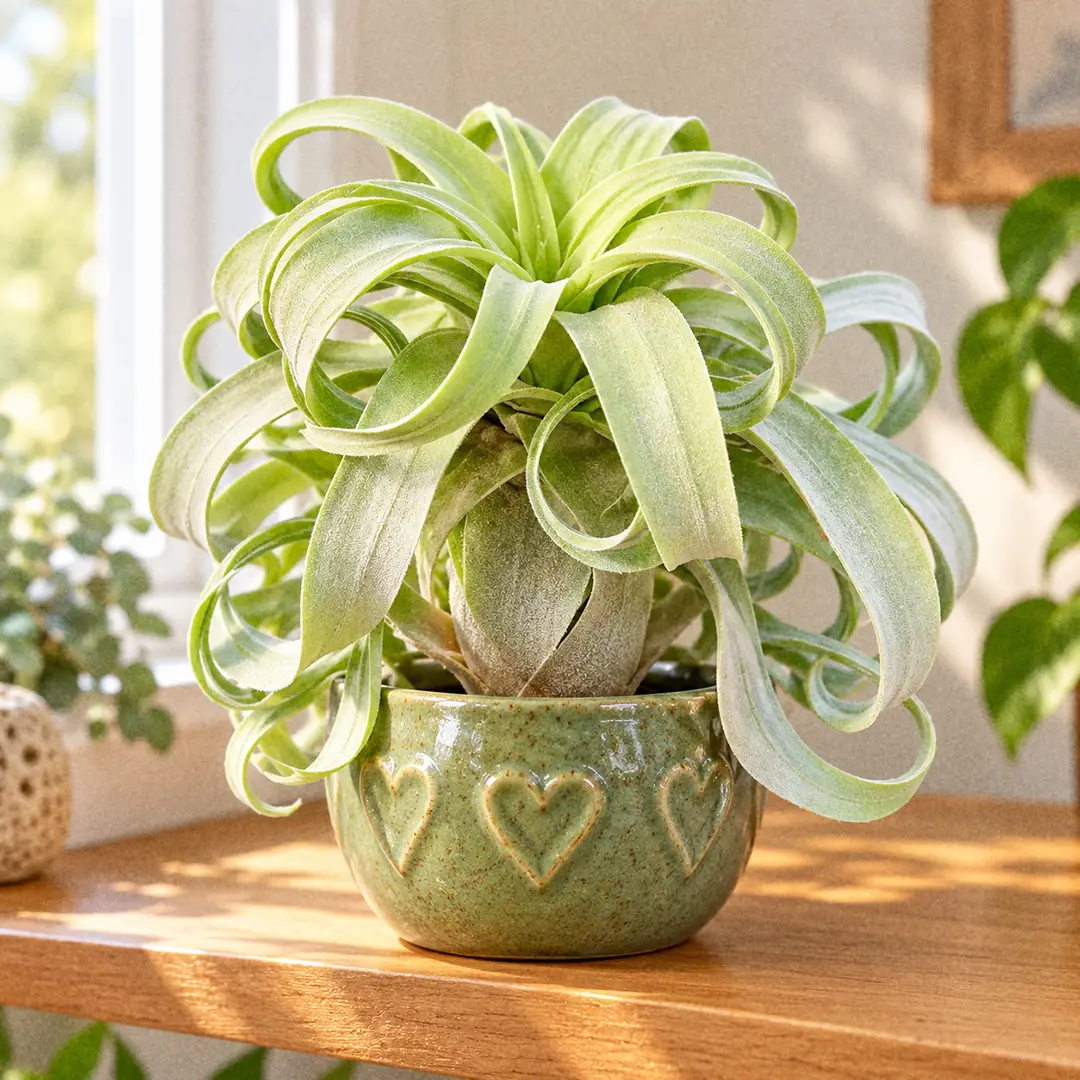
Streptophylla Air Plant
Tillandsia streptophylla
Shirley Temple Air Plant, Curly Air Plant, Twisted Leaf Tillandsia


The Streptophylla Air Plant curls its leaves into ringlets when it gets thirsty and relaxes them when it drinks, so it tells you exactly what it needs. Learn how to water Tillandsia streptophylla without rotting its hollow bulb base.
📝 Streptophylla Air Plant Care Notes
🌿 Care Instructions
⚠️ Common Pests
📊 Growth Information
🪴 In This Guide 🪴

☀️ Streptophylla Air Plant Light Requirements (Bright with Gentle Sun)
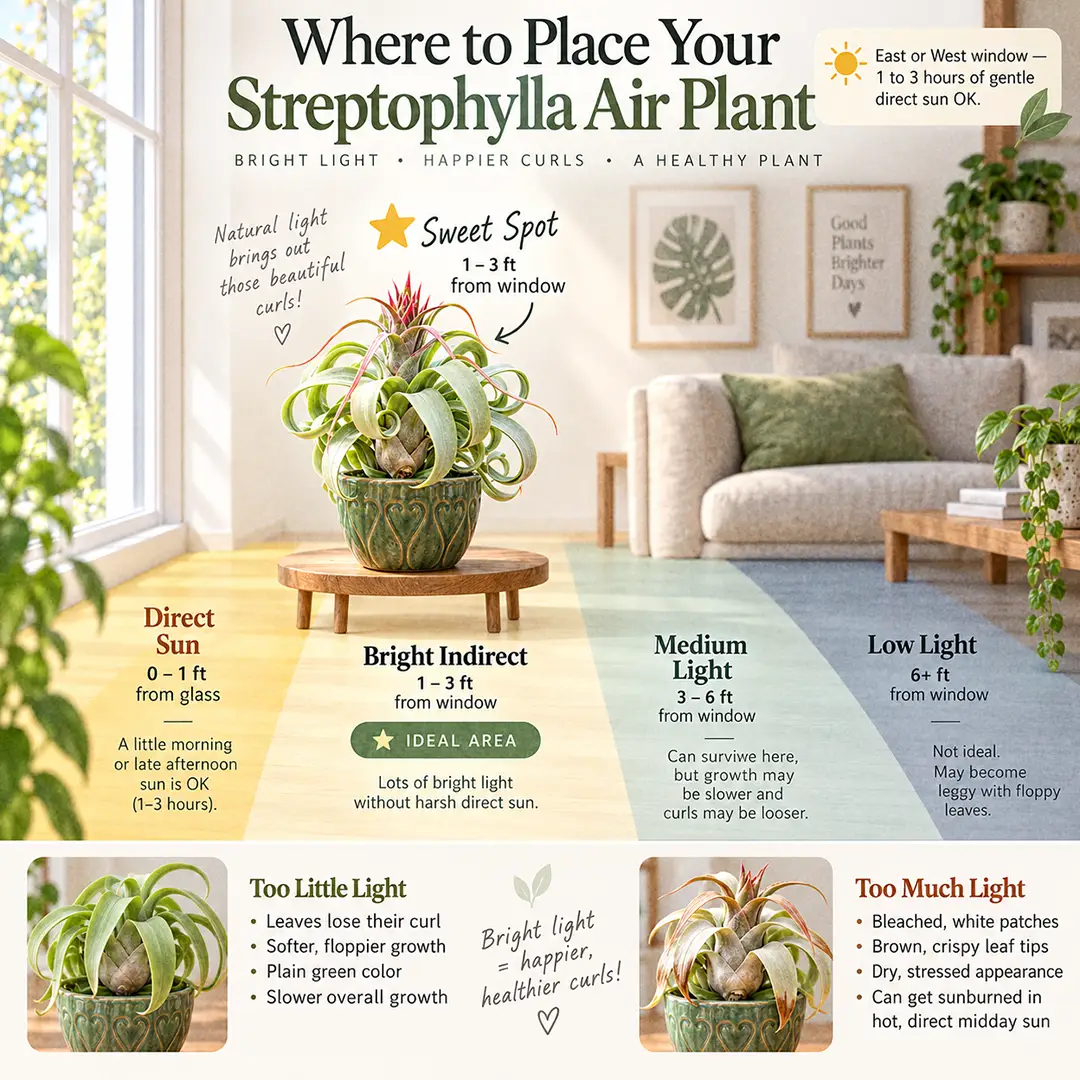
The Sweet Spot
This is a xeric Tillandsia, which is the botanical way of saying it comes from the sunny, exposed end of the genus. In habitat it clings to open tree branches in southern Mexico and Central America, where it takes strong light most of the day. Indoors that translates to bright light with one to three hours of soft direct sun, roughly one to three feet from an east or west window.
The dense silver fuzz on the leaves is your clue. Those scales are trichomes, and a heavy coat of them is nature's sunscreen. Plants with thick silver coats want more light than thin green ones. Our Indoor Lighting Guide covers how to judge a window by eye if you are not sure what you have.
Too Little Light
In a dim corner the leaves go softer, greener and floppier, losing the sculptural curl that makes this plant worth owning. Colour fades toward plain green because the plant produces fewer trichomes when it is not fighting sun, which shows up as pale, faded leaves.
A shaded Streptophylla also stops drying out properly between waterings, and that is where rot starts. Low light and a wet bulb together kill more of these than any pest. A north window alone rarely works. Add a grow light on a timer if that is your only option.
Too Much Light
Full unfiltered afternoon sun behind hot glass in midsummer will scorch it. The signs are dry bleached patches on the sun-facing leaves and crisping at the tips, which is leaf scorch and does not heal.
A pink or coppery blush across the whole plant is a different thing entirely. That is sun pigment, it looks fantastic, and it often means the plant is bright enough to think about flowering. Increase light over two or three weeks rather than moving it in one jump.
💧 Streptophylla Air Plant Watering Guide (Dunk, Never Soak)
Watering Frequency
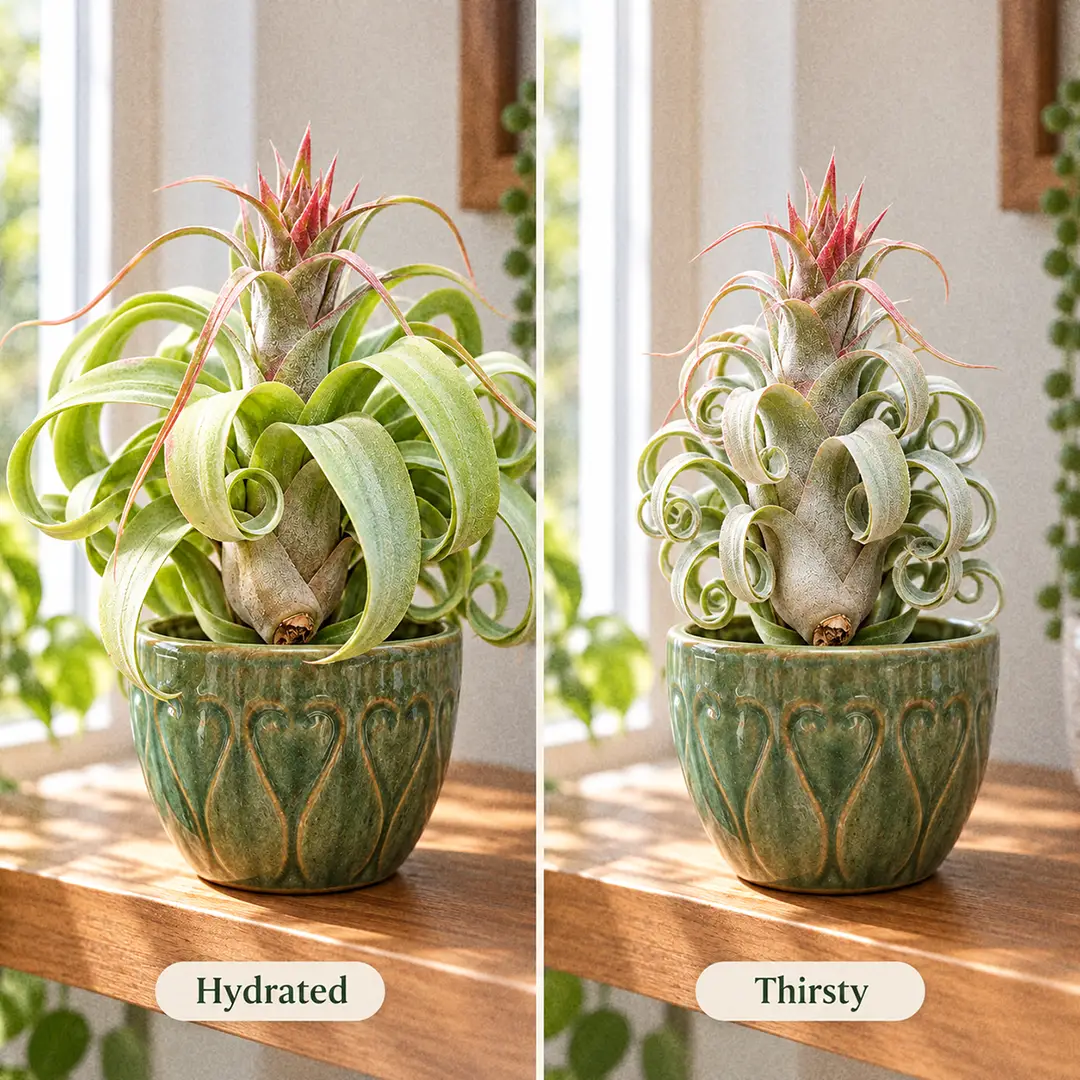
Aim for a dunk every 7 to 10 days in spring and summer, stretching to every 10 to 14 days in a cool, dim winter. Those are starting points, not rules, because this plant will tell you directly.
Watch the curl. Fully hydrated, the leaves relax into wide open arcs. As the plant dries, they screw down into progressively tighter ringlets. When the curl looks like a corkscrew and the leaf tips are starting to point back at the base, it is thirsty. That living gauge is worth more than any schedule, and it is why Streptophylla is such a forgiving plant to learn on.
How to Water Without Rotting the Bulb
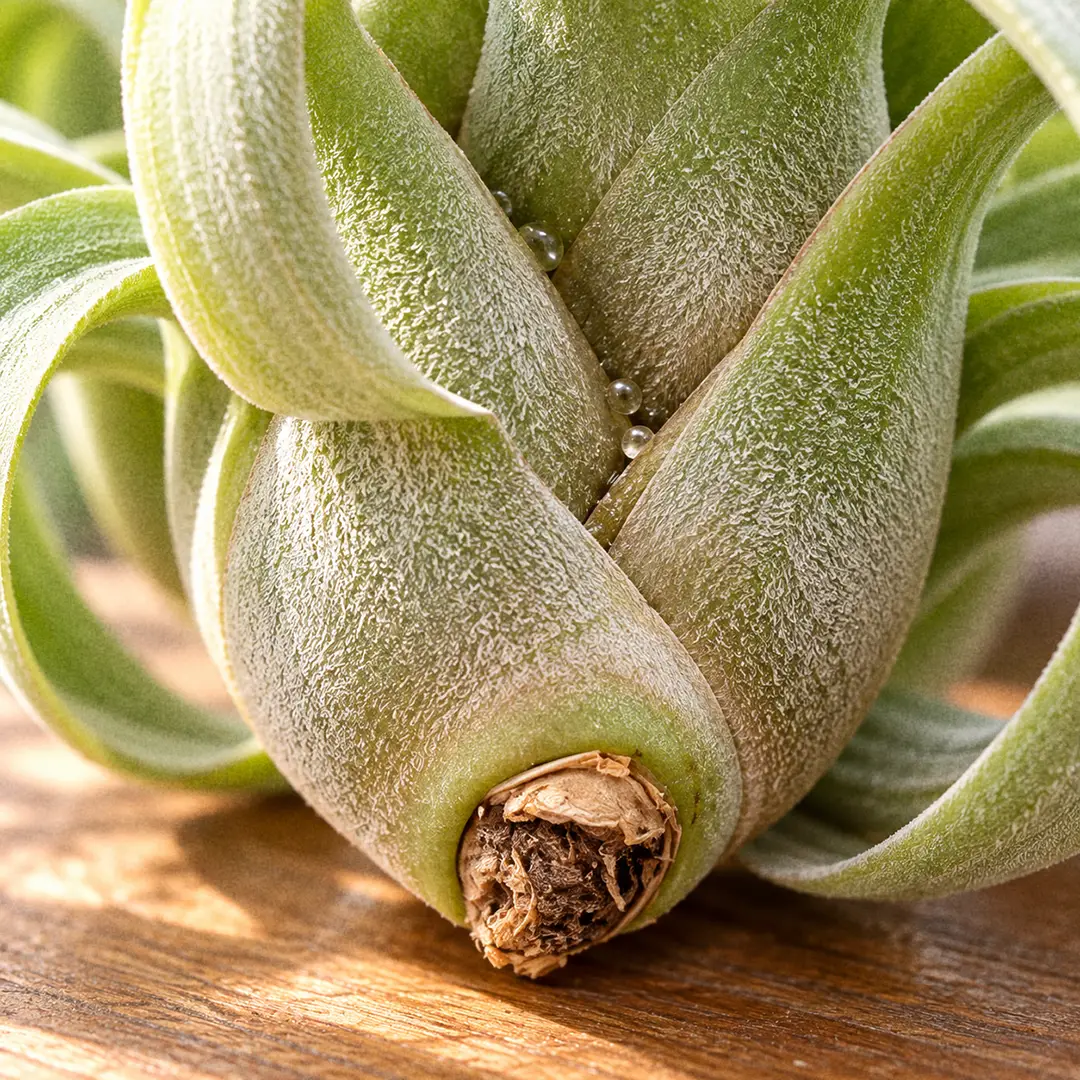
Here is the part that matters, and the part almost every generic air plant article gets wrong for this species. The swollen base is a pseudobulb, a hollow chamber formed by the tightly curved leaf sheaths. In the wild, ants live in it. In your living room, a long soak fills it with water that has nowhere to go.
So skip the bowl soak. Instead, dunk the whole plant in room-temperature water for 10 to 20 seconds, lift it out, then shake it firmly upside down two or three times to empty the bulb. Set it on a towel or in a wire rack base up for two to four hours until it is dry to the touch. Misting heavily two or three times a week works as an alternative in very dry rooms.
Use rainwater, filtered water or aquarium water if you can. Hard tap water leaves mineral crust on the trichomes, and softened water carries salt the plant will not tolerate.
Signs of Trouble
Curling that goes past tight ringlets into shrivelled, papery leaf tips means you have gone too long. Give it a longer 30 minute dunk in that case, dry it thoroughly, then go back to the normal rhythm.
The dangerous direction is the other one. If the plant feels loose, if leaves pull away from the base with no resistance, or if you see dark staining creeping up the bulb, water has been sitting inside. That is base rot, the air plant version of root rot, and by the time the centre goes soft it is over. Our watering guide has the general principles, but for this plant the drying step is everything.
🪴 Why Streptophylla Air Plant Needs No Soil
It Is an Epiphyte, Not a Potted Plant
Streptophylla has no functional root system for feeding. The few wiry roots it produces exist purely to grip a branch, the same way a climber's fingers grip a hold. Every drop of water and every mineral it uses enters through the trichomes on the leaves.
Put it in potting soil and you kill it, usually within a month. Damp medium against that bulb is the fastest route to rot there is. This is the single hardest habit for people coming from normal houseplants to break.
What to Mount It On Instead
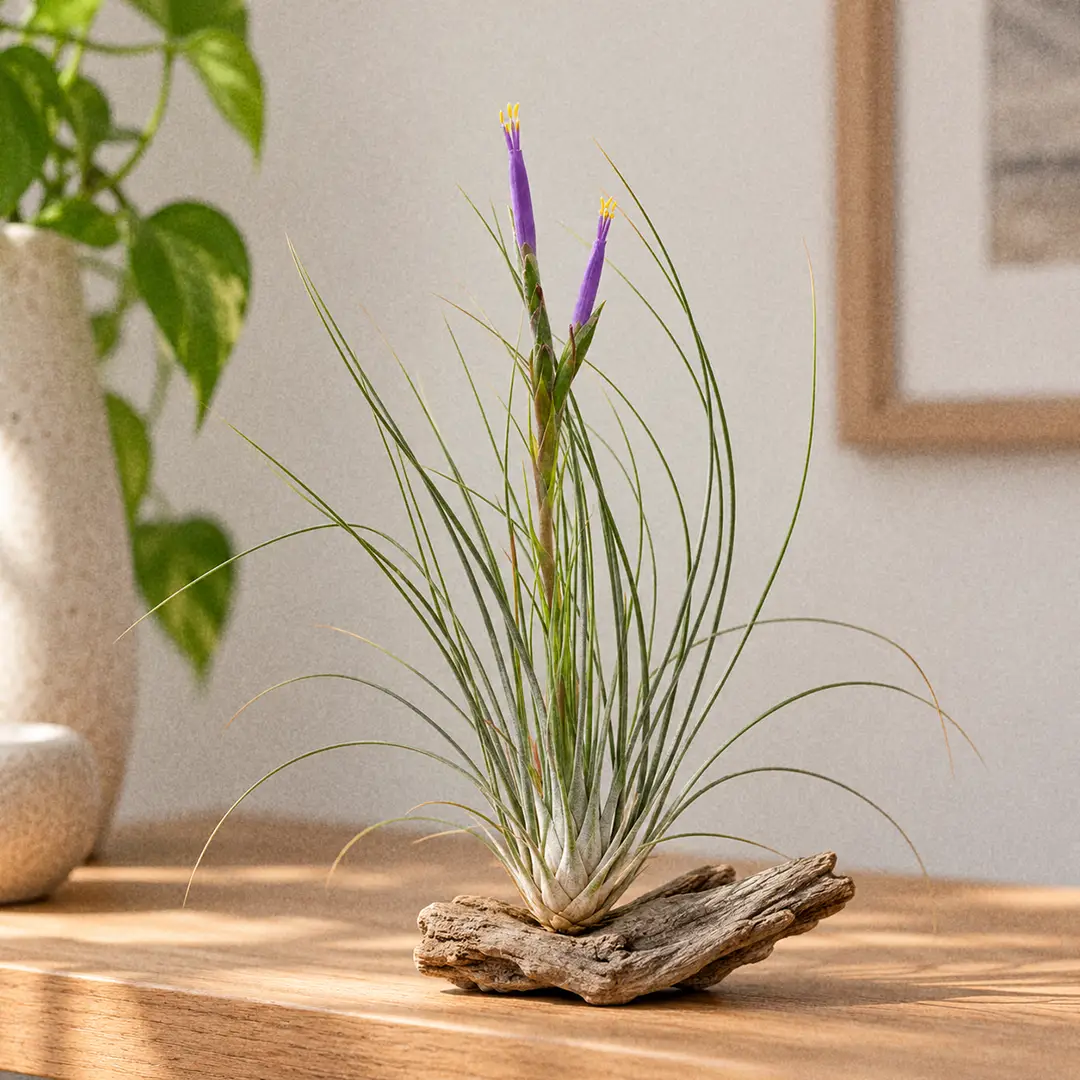
Cork bark, driftwood, grapevine, a slice of manzanita, a wire hoop, or nothing at all. Many growers simply rest theirs in a shallow dish or on a shelf and pick it up at watering time, which is perfectly fine and makes drying easy.
If you glue it down, use a dab of E6000 or a hot glue gun on the very base of the plant, avoiding the growing centre. Fishing line or coated wire wrapped around the bulb is the reversible option and the one I would choose for a plant this prone to base problems.
Position the Mount So It Drains
Mount it tilted, sideways, or fully upside down. Growers who lose these plants indoors are nearly always the ones who mounted them bolt upright, so the bulb sits like a cup. Angling the plant means the water you did not shake out runs away on its own. It is a five second decision that prevents the most common cause of death.
🍼 Fertilizing Streptophylla Air Plant
When and How Often
Feed once a month from early spring through to early autumn, and not at all in winter. Air plants grow slowly and store very little, so a light regular feed does far more than an occasional strong one.
What to Use
A bromeliad or Tillandsia-specific fertilizer is ideal because it is low in copper and low in urea nitrogen, both of which damage Tillandsias. If you only have a general houseplant feed, dilute it to a quarter of the label strength and check the label for copper first. Our fertilizer guide covers what the numbers mean.
Add the diluted feed to your dunking water rather than spraying it on, then rinse the plant in plain water at the next watering to stop residue building on the leaves.
Over-Fertilizing Signs
Too much feed shows up as burnt brown leaf tips and a dull, dirty-looking coat where the trichomes have been chemically damaged. There is no fix beyond stopping, rinsing well, and letting new growth replace the old. When in doubt, feed weaker. A fed Streptophylla flowers sooner, but an unfed one still lives for years.
🌡️ Streptophylla Air Plant Temperature Range
Ideal Range
Comfortable anywhere between 55°F and 90°F (13-32°C), which covers almost every heated home. It grows fastest in the 70s. Brief dips to around 40°F (4°C) are survivable if the plant is dry, but frost kills it outright, so bring outdoor plants in well before the first cold night.
A modest gap between day and night temperatures helps trigger flowering, which is one reason plants summered outside on a shaded porch tend to bloom more reliably than ones kept indoors year round.
Drafts and Heat Sources
Moving air is a friend here, not an enemy. Unlike most houseplants, this one benefits from a breeze because it speeds drying after watering. A ceiling fan or an open window is genuinely useful.
What it will not take is dry heat blasting straight at it. A spot directly above a radiator or in the path of a heating vent dries the plant out faster than you can water it, and the tips go crisp. Keep a couple of feet of distance from any heat source.
💦 Streptophylla Air Plant Humidity Requirements
Ideal Humidity
Anything from 40% to 70% suits it, and it copes with less. That heavy trichome coat evolved for exposed branches in a seasonally dry forest, so ordinary dry household air is not a problem. This is one of the few air plants that does not need coddling on the humidity front.
Easy Humidity Boosters
If your winter air drops below 30% you will notice faster curling and more frequent watering. Grouping several Tillandsias together raises the local moisture a little, and a small humidifier running nearby handles it properly.
Never sit this plant on a pebble tray or in a closed terrarium. Constant moisture with no drying window is precisely the condition its bulb cannot survive. Our humidity guide explains the difference between humid air and wet plants.
🌸 Streptophylla Air Plant Flowers (The Blush and the Spike)
What the Flowers Look Like
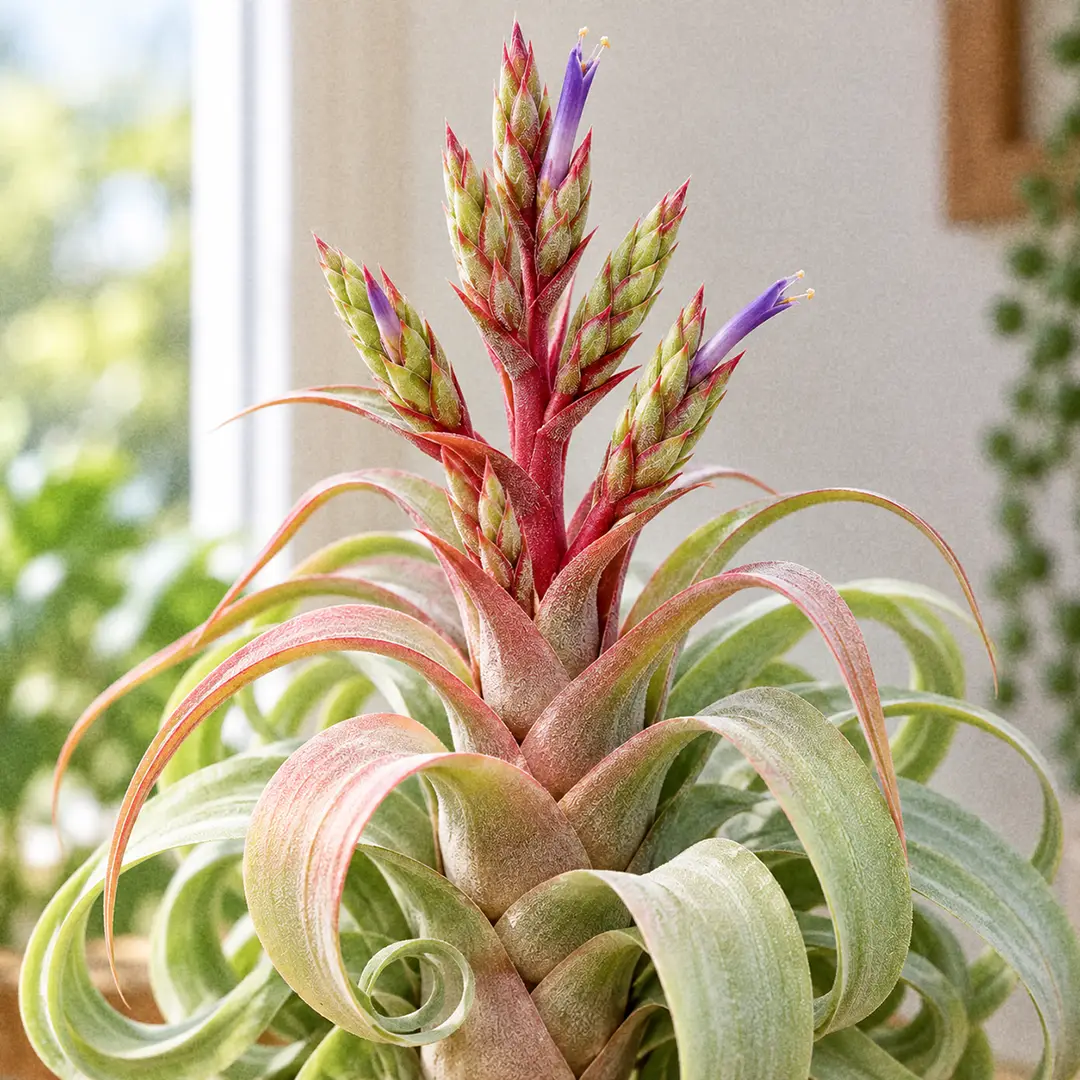
The bloom is the reason collectors chase this species. Weeks before anything opens, the whole plant blushes from silver-green to soft pink or coral. Then a tall branched scape pushes up from the centre, with a carmine-red stem and primary bracts and pale citron-green floral bracts arranged along several finger-like spikes.
Slim mauve to purple tubular flowers emerge from those bracts a few at a time. Individual flowers last a couple of days, but the coloured bracts hold their tone for weeks, so the whole show can run a month or more.
How to Trigger Bloom
Maturity and light do most of the work. A plant needs to reach roughly 5 to 6 inches across before it will flower at all, which takes several years from a pup. Give it the brightest position it can take without scorching, feed it monthly through the growing season, and let it experience a real day-night temperature swing.
The classic grower trick, if a mature plant is stalling, is to seal it in a clear bag with a ripe apple for two or three days. The apple releases ethylene gas, which pushes bromeliads into flower. Take it out afterward and let it dry fully.
After the Flowers
Streptophylla is monocarpic: it flowers once in its life, then slowly declines over a year or two while it puts everything into pups. This is not a failure and there is nothing to fix. The mother plant is not dying so much as dividing. See the propagation section for what to do with the offsets.
🏷️ Streptophylla Air Plant Types and Varieties
The Straight Species
Tillandsia streptophylla itself is what you will usually find, sold as a single unmounted plant in a small, medium or large grade. Most retail plants land around 4 to 7 inches. Very old specimens have been recorded at close to two feet across, but that is a decades-long project and not what arrives in a box.
Sizes are worth checking before you buy, because a 2 inch pup and a 7 inch near-blooming plant carry very different price tags and very different waits before flowering.
Tillandsia 'Eric Knobloch'
The most common hybrid, a cross of T. brachycaulos and T. streptophylla raised by a New Orleans grower in the 1960s. It reaches around 8 inches, so larger than either parent, with broader lime-green leaves that curl less tightly than a pure streptophylla but blush a deep red before flowering.
It is often sold simply as "streptophylla hybrid", which causes plenty of confusion. If the leaves look wide and green rather than narrow and silver, you likely have this one. It inherits the Brachycaulos tolerance for more water, though the bulb caution still applies.
Tillandsia 'Curly Slim'
A cross of T. intermedia and T. streptophylla, narrower and longer-leaved than either the species or Eric Knobloch, with a looser corkscrew twist. Its party trick comes from the intermedia side: it produces pups on the flower spike itself, so one plant can build into a hanging chain over time.
Lookalikes on the Shelf
The curl gets confused with other silver Tillandsias. Xerographica is much bigger, with broad ribbon leaves and no bulb. Harris's Air Plant has stiff triangular leaves and a woody stem. The Juncea Air Plant is grassy and upright with leaves far finer than these, and it never curls. The Baileyi Air Plant has similar channeled leaves, but they rise stiffly upward instead of curling. If it has a fat hollow base and narrow ringlet leaves, it is streptophylla.
The one that genuinely shares the bulb is the Butzii Air Plant, and the same dunk-and-shake rule applies to both. Tell them apart by colour: butzii is deep green freckled with chocolate spots and its leaves stay wiry and straight-ish rather than screwing into ringlets. The small, fuzzy Pruinosa Air Plant has the same hollow base too, but its short arms are coated in thick frosty fuzz and never reach ringlet length. The Medusa's Head Air Plant is the other big bulb on the shelf: its leaves are thicker, stiffer and snake outward rather than curling into ringlets.
🪴 Mounting and Displaying Streptophylla Air Plant
It Never Gets Potted
There is no repotting schedule here because there is no pot. The only reason to move this plant is a mount that has rotted, a display that has outgrown its base, or a clump that needs splitting. If you want it in a container for looks, use a dry decorative one with no medium in it and take the plant out to water.
Choosing a Mount
Cork bark and driftwood are the standards, both because they look right and because they dry fast. Avoid anything that holds moisture against the base: sphagnum moss, coco fibre, and untreated softwood all keep the bulb damp and are a slow route to rot.
How to Mount It
Hold the plant against the mount at an angle, with the bulb pointing slightly downward. Wrap coated florist wire or clear fishing line twice around the bulb and secure it behind the mount. Snug is enough, tight will crush the sheaths.
If you prefer glue, a small bead of E6000 on the very base works and holds for years. Leave the growing centre completely clear either way. Within a year or two the plant's grip roots will anchor it and the wire becomes decorative.
✂️ Pruning Streptophylla Air Plant
When to Prune
Only as needed. There is no shaping to do and no growth to encourage by cutting. Prune when leaves have genuinely died back, or when a spent flower spike has browned off after blooming.
How to Prune
Trim dry brown leaf tips at a slant with clean scissors, following the natural taper of the leaf so the cut disappears. A straight-across cut looks blunt and obvious on a plant this sculptural.
Remove whole dead outer leaves only when they come away with a gentle tug. If a leaf resists, it is still feeding the plant, so leave it. Cut a finished flower spike back to about an inch above the base once it has dried out completely.
🌱 How to Propagate Streptophylla Air Plant
Pups Are the Only Practical Method
After flowering, the mother plant sends out offsets from between her lower leaves, usually two to five of them over the following months. Some plants pup before the flower fully finishes. These pups are the whole propagation story: seed is possible but takes the better part of a decade to produce a plant of any size, so nobody does it at home.
When and How to Separate
Wait until a pup is about one third to one half the size of the mother. Separating earlier gives you a weak plant with almost no water storage, and it will struggle to establish.
Hold the mother firmly in one hand and the pup in the other, then twist and pull gently downward. It should release with a soft snap at the point where it joins. If it fights you, it is not ready. For stubborn ones, slice down through the join with a clean sharp blade, keeping as much of the pup's own base as you can.
Set the separated pup somewhere bright and airy for a day so the cut surface dries and seals before its first watering.
Or Just Leave Them Alone
The alternative, and the one I usually recommend, is to leave the pups attached and let the whole thing grow into a clump. Left alone, a mother and her offsets form a dense cluster that looks far better than three separate plants, and it blooms in overlapping waves as each pup matures.
The mother eventually browns out inside the clump and you can pick her remains away by hand. Clumps do need more attention at drying time, since the packed bases hold water. Shake harder, and give a clump longer upside down than you would a single plant.
🐛 Streptophylla Air Plant Pests and Treatment
Pests are uncommon on this plant, mostly because there is no soil to harbour them. When something does appear, it is nearly always one of a small handful.
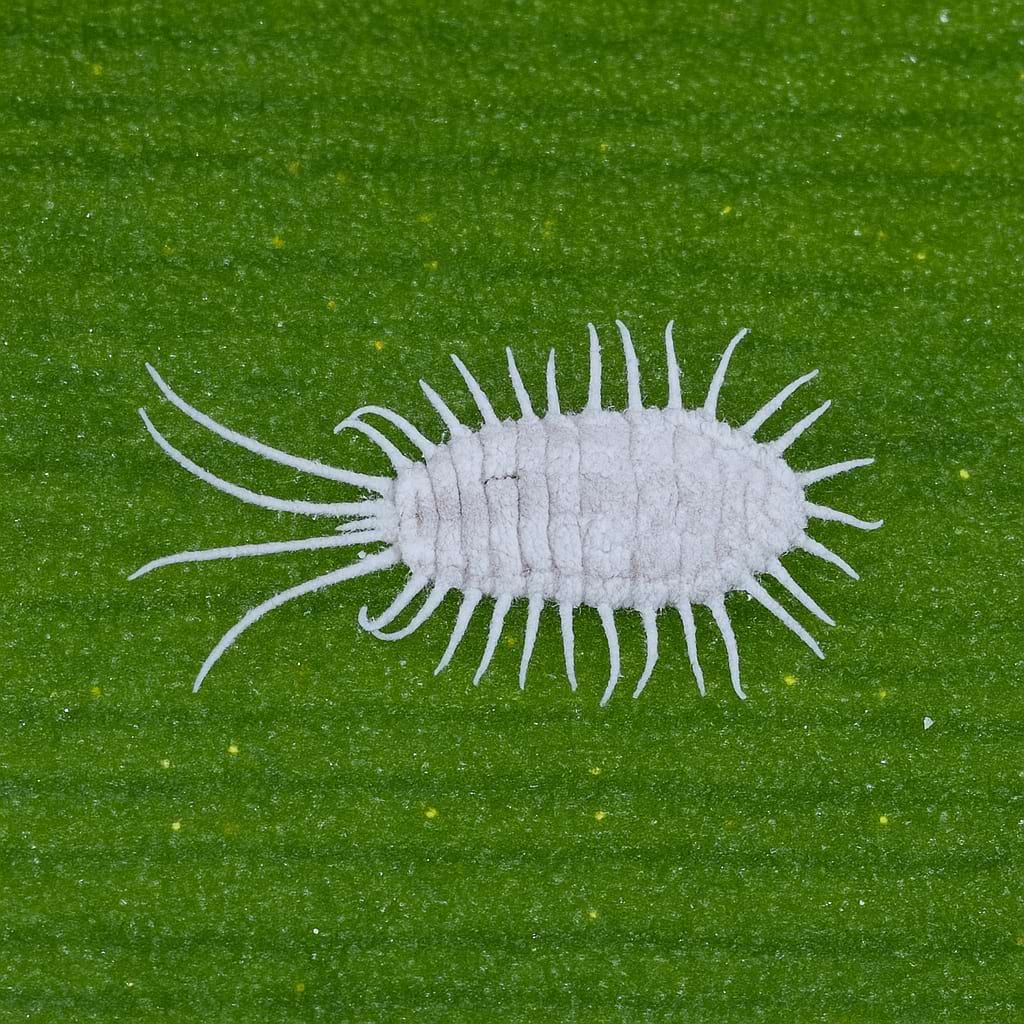
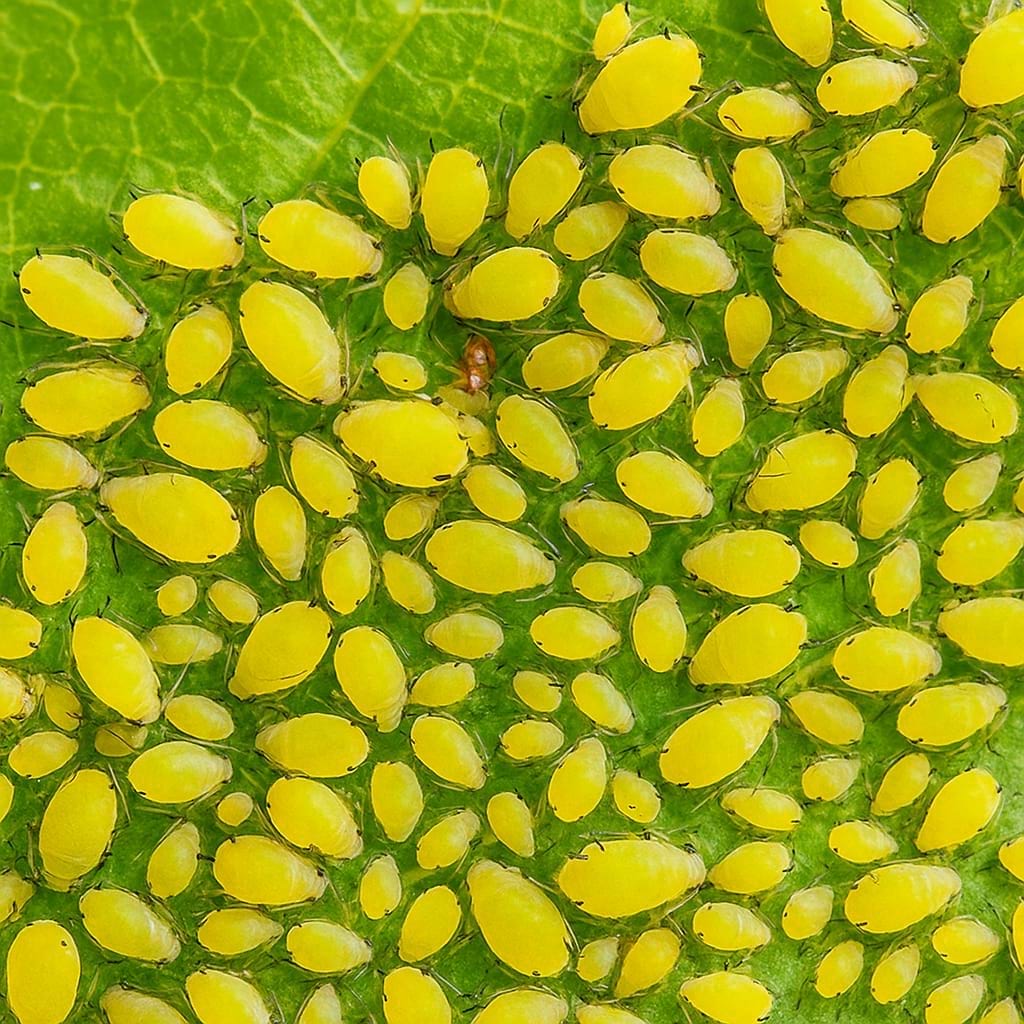
Mealybugs are the main one. They hide deep between the leaf sheaths at the bulb, exactly where you cannot see them, and show up as white cottony fluff. Dab each one with a cotton bud dipped in 70% isopropyl alcohol, then dunk the plant to rinse.
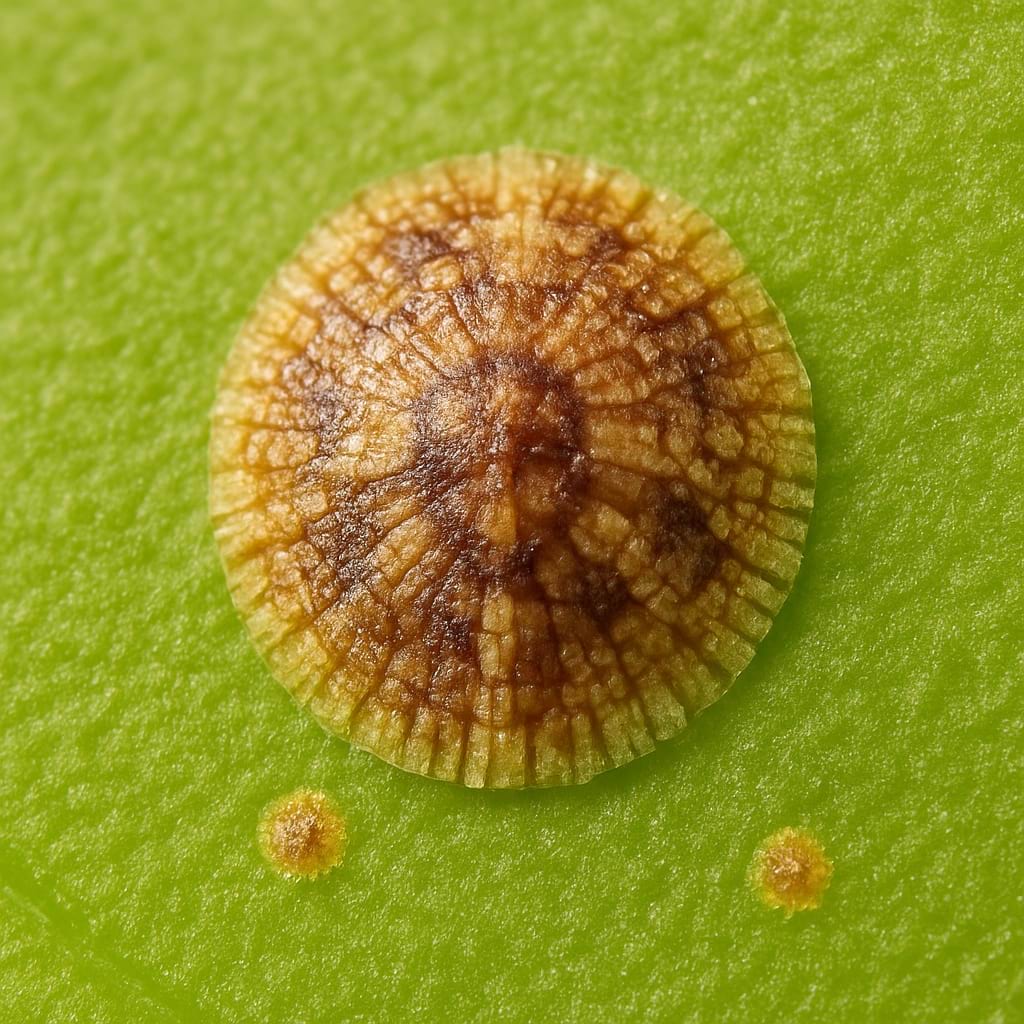
Scale insects look like small brown limpets stuck to the leaf underside. Scrape them off with a fingernail or an old toothbrush. They spread slowly, so a weekly check catches an outbreak early.
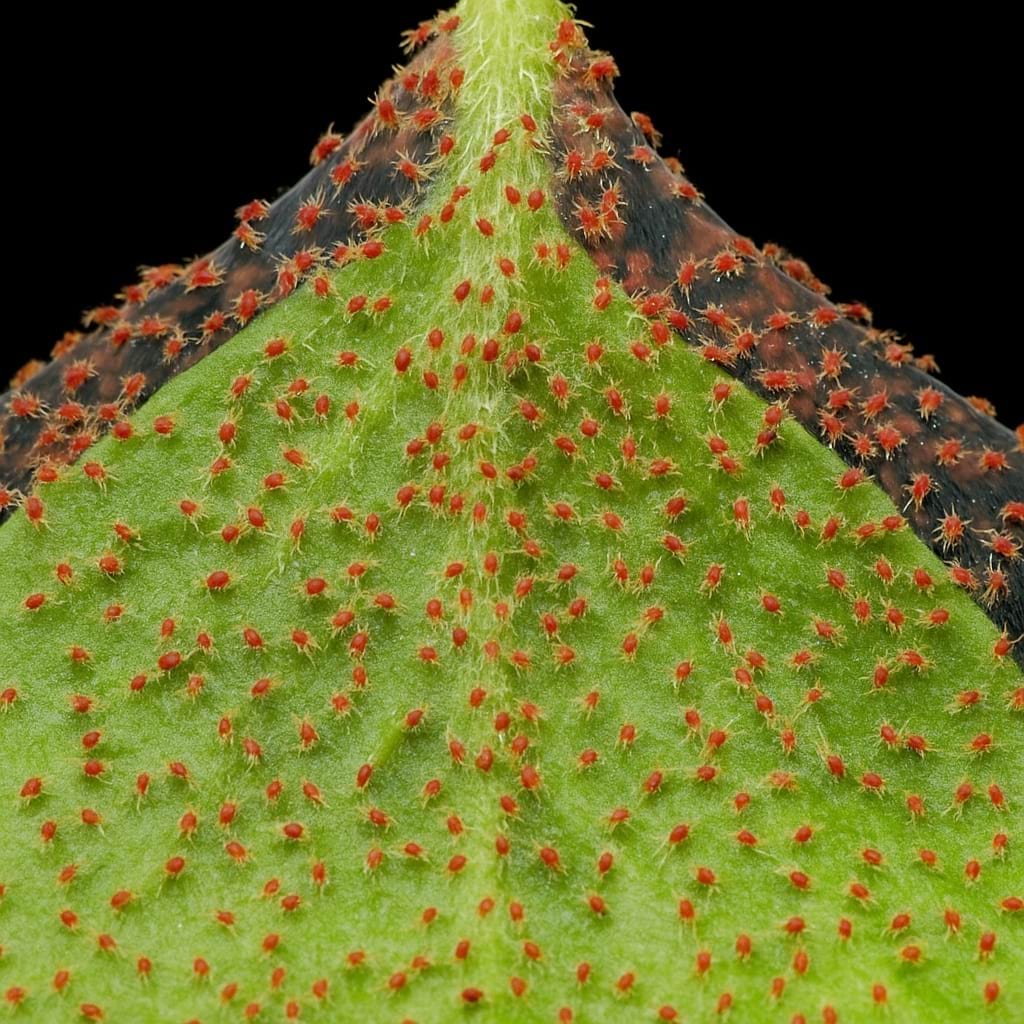
Spider mites turn up in hot dry spells, leaving fine webbing in the leaf curls and a dusty stippled look on the surface. Rinsing the plant hard under a tap twice a week for a fortnight usually clears them.
Aphids target the tender flower spike rather than the leaves. Pick them off, or knock them down with a firm spray of water.
Whatever you use, avoid oil-based sprays and anything containing copper. Oils clog the trichomes and stop the plant absorbing water, and copper is toxic to Tillandsias.
🩺 Common Streptophylla Air Plant Problems
Almost every problem with this species traces back to water sitting where it should not.
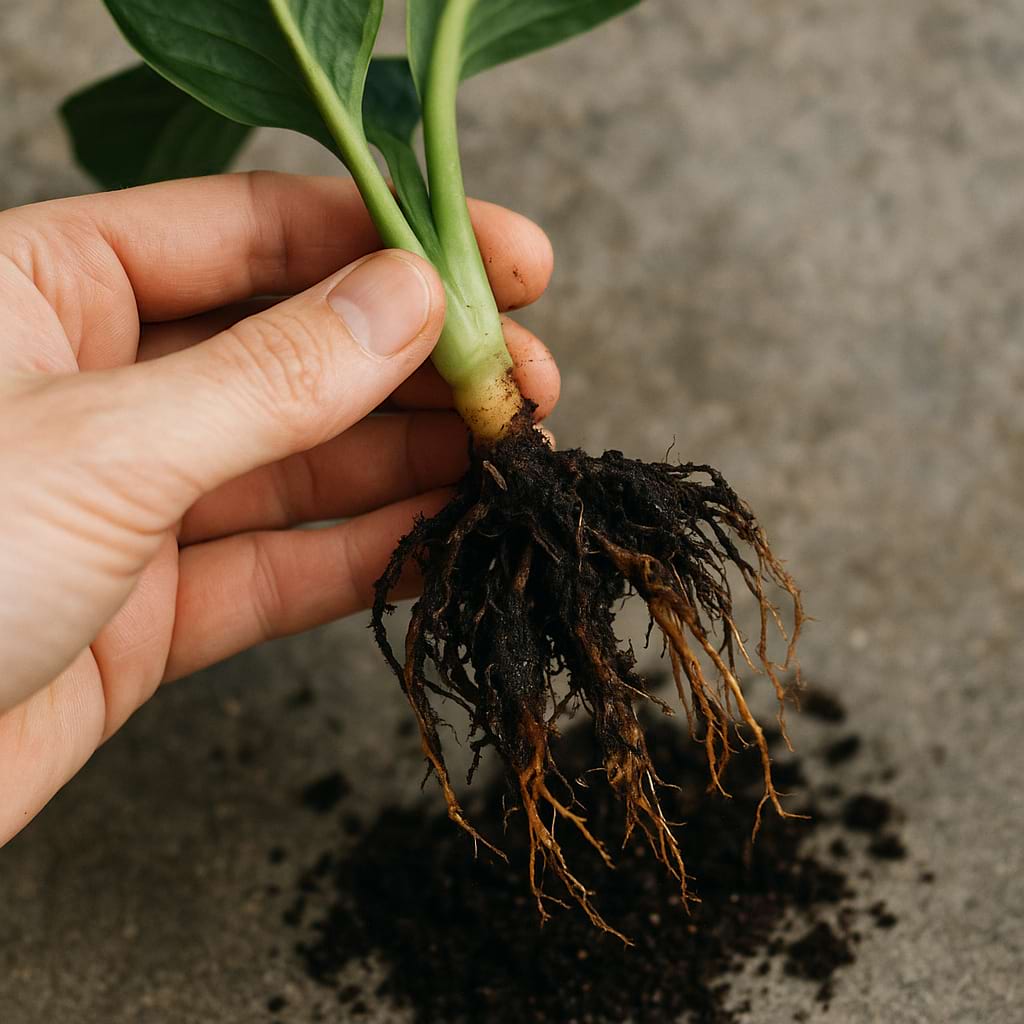
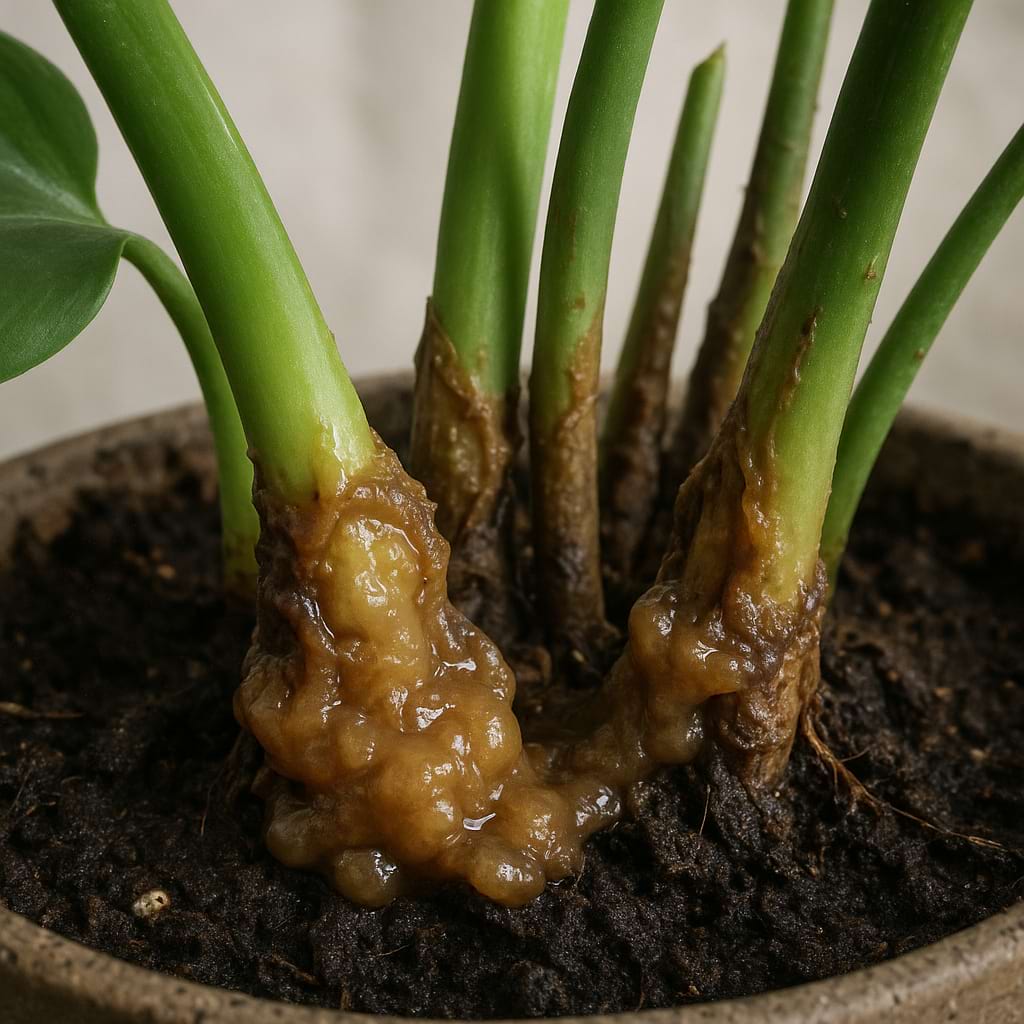
Base rot is the killer. The plant loosens, leaves pull free from the centre with no resistance, and the bulb turns dark and soft with a sour smell. This is root rot and mushy stems in air plant form, caused by soaking rather than dunking, or by failing to dry the plant upside down. Once the centre goes soft the plant cannot be saved. Salvage any healthy pups and start again.
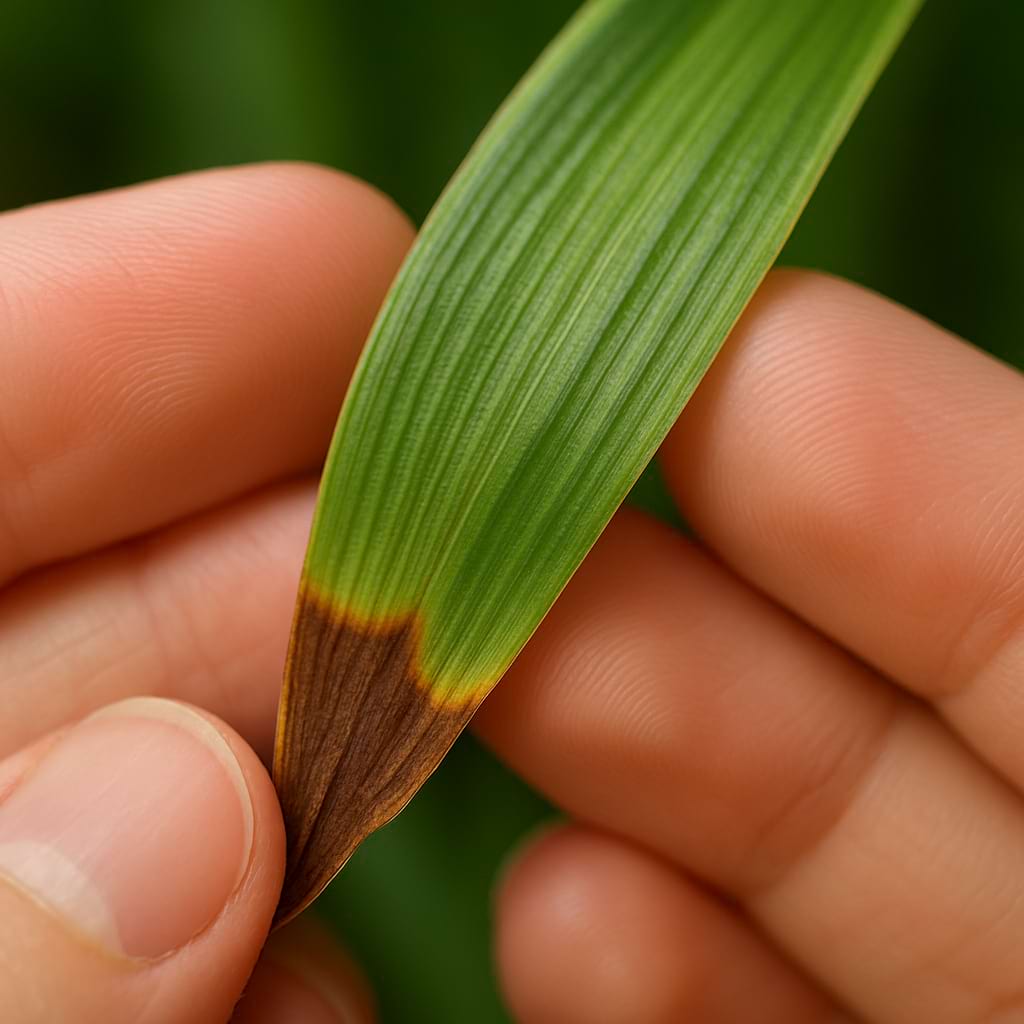
Crispy brown tips on an otherwise firm plant mean underwatering or dry heat, showing as brown crispy edges. Water more often, move it away from the radiator, trim the tips at an angle.
Bleached patches on the sun-facing side are sunburn from too much direct sun through glass. Filter the light and move the plant back a foot.
Soft, floppy, pale leaves with a lost curl point to too little light, which reads as pale faded leaves and often precedes wilting. Brighten the position gradually.
No flowers on a large plant is failure to bloom, and it is usually light, age, or a room with no temperature variation. Try the apple trick described in the bloom section.
🖼️ Streptophylla Air Plant Display and Styling Ideas
Solo Setups
The sculptural shape carries a display on its own. A single plant tilted on a slab of cork bark, hung on a plain wall at eye level, reads like a piece of art. Shadow matters here: side lighting throws the ringlets into relief in a way flat front lighting flattens.
A wire hoop stand or a small brass hanger also works, and both make watering trivial because you lift the whole plant off and take it to the sink.
Grouped Arrangements
Stage it with other Tillandsias at different heights. It pairs particularly well with the trailing lines of Spanish Moss and the small tight rosettes of a Sky Plant, where the contrast in size and texture does the work.
Where Not to Put It
Not in a closed terrarium, not in a jar, not nestled in moss, and not sitting flat in a bowl with the bulb down. All four trap moisture. If you want the glass vessel look, choose an open-sided one and take the plant out to water and dry.
🌟 Streptophylla Air Plant Pro Care Tips
- Shake it like you mean it. Two or three firm downward flicks after every dunk empties the bulb. This one habit prevents most deaths.
- Dry it upside down. Base up for two to four hours after watering, always. A wire dish rack is the perfect tool.
- Read the curl, not the calendar. Tight ringlets mean water, relaxed arcs mean wait.
- Give it airflow. A breeze is a benefit for this plant, not a hazard.
- Never wipe the leaves. The silver coat is living tissue that absorbs water. Rinse it, do not polish it.
- Skip copper and oil sprays. Both damage Tillandsias, and copper wire mounts will slowly poison the plant.
- Summer it outside in shade if you can. The temperature swing and stronger light bring flowering forward by years.
❓ Frequently Asked Questions
Why are my Streptophylla Air Plant leaves curling so tightly?
Tight ringlets mean the plant is dry and ready for a drink. This is normal behaviour and the species' most useful feature, not a problem. If the tips have also gone papery and shrivelled you have left it a bit long, so give it a 30 minute dunk, dry it upside down, and water more often from there.
Can I soak my Streptophylla in a bowl like other air plants?
Better not to. The hollow pseudobulb base traps water during a long soak, and that trapped water rots the plant from the inside. A 10 to 20 second dunk followed by a hard shake gives it everything it needs without filling the chamber.
Is Streptophylla Air Plant toxic to cats and dogs?
No. Tillandsias are not listed as toxic to cats or dogs by the ASPCA, so a nibble is not a poisoning risk. The stiff pointed leaves are still a choking and eye hazard for a playful pet, so keep it up high rather than at floor level.
How do I know if my air plant is rotting?
Squeeze the bulb gently. A healthy plant feels firm and slightly hollow. A rotting one feels soft or spongy, the base darkens, leaves pull out with almost no resistance, and there is often a sour smell. Once the centre goes soft the plant is finished.
How long does a Streptophylla Air Plant live?
Individually it flowers once and then declines over a year or two, which sounds short until you realise it leaves behind two to five pups. Left as a clump, a single original plant carries on more or less indefinitely through its offsets.
Why won't my Streptophylla flower?
Usually age or light. It needs to reach roughly 5 to 6 inches across, which takes several years, and it needs strong light plus a real day-night temperature difference. A mature plant that still stalls can be pushed with the ripe apple in a bag trick.
Do I need to fertilize air plants at all?
Not strictly, but it helps. A quarter-strength bromeliad feed once a month through spring and summer speeds growth and brings flowering forward. Just make sure the fertilizer is free of copper and low in urea nitrogen.
Can I glue my air plant to a mount?
Yes, a small bead of E6000 or hot glue on the very base is standard practice and holds for years. Keep glue away from the growing centre. Wire or fishing line is the reversible alternative, and easier to undo when you want to remount.
Should I separate the pups or leave them?
Either works. Separated pups let you spread the plant around or give them away, and should be at least a third the mother's size first. Left attached, they form a clump that looks better and flowers in overlapping waves. Clumps just need harder shaking after watering.
ℹ️ Streptophylla Air Plant Info
Care and Maintenance
🪴 Soil Type and pH: None. Epiphytic, grown mounted or free-standing without medium.
💧 Humidity and Misting: Handles dry household air well thanks to its heavy trichome coat, and dislikes damp still air.
✂️ Pruning: Trim dried leaf tips at an angle and pull off brown outer leaves once they come away easily.
🧼 Cleaning: Do not wipe the leaves. The silver fuzz is living trichomes and rubbing them off costs the plant its water-absorbing surface. Rinse instead.
🌱 Repotting: Never potted in soil. Remount only when a mount rots, or when a clump outgrows its base.
🔄 Repotting Frequency: Only when the mount fails
❄️ Seasonal Changes in Care: Bright light and regular dunking spring through autumn, then less water and more air movement through cool winter months.
Growing Characteristics
💥 Growth Speed: Slow
🔄 Life Cycle: Evergreen epiphytic bromeliad that flowers once and offsets
💥 Bloom Time: Spring to early summer on mature plants; the coloured bracts hold for several weeks
🌡️ Hardiness Zones: 9-11
🗺️ Native Area: Southern Mexico through Belize, Guatemala and Honduras, plus Cuba and the Bahamas, growing on tree branches from sea level to around 800 m
🚘 Hibernation: No true dormancy, but growth stalls in winter and watering should drop back.
Propagation and Health
📍 Suitable Locations: East and west windowsills, bright bathrooms with airflow, driftwood mounts, wire hangers, shallow dishes
🪴 Propagation Methods: Separate the pups that form after flowering, once each one is about a third the size of the mother.
🐛 Common Pests: Mealybugs, Scale Insects, Spider Mites, Aphids
🦠 Possible Diseases: Base rot, crown rot, fungal spotting in still damp air
Plant Details
🌿 Plant Type: Xeric epiphytic bromeliad with a hollow pseudobulb base
🍃 Foliage Type: Evergreen, densely silver-scaled, recurving and twisting
🎨 Color of Leaves: Silvery grey-green, blushing pink to red before flowering
🌸 Flower Color: Mauve to purple tubular flowers from carmine and citron bracts
🌼 Blooming: Yes, once at maturity, and the display lasts weeks
🍽️ Edibility: Not edible.
📏 Mature Size: 6-8 inches tall in bloom
Additional Info
🌻 General Benefits: Needs no soil, tells you when it is thirsty by curling, tolerates dry indoor air, is safe around cats and dogs, and multiplies itself after flowering
💊 Medical Properties: No documented medicinal uses.
🧿 Feng Shui: A rootless plant that lives on air suits high shelves and floating displays where a potted plant would feel heavy.
⭐ Zodiac Sign Compatibility: Aquarius
🌈 Symbolism or Folklore: Independence, adaptability, thriving without foundations
📝 Interesting Facts: The name streptophylla comes from the Greek for twisted leaf, and the curl is a live moisture reading rather than a fixed trait. A well-watered plant relaxes into loose arcs, while a thirsty one screws its leaves into tight ringlets. Growers nicknamed it the Shirley Temple for exactly that reason.
Buying and Usage
🛒 What to Look for When Buying: Choose a plant with a firm, hollow-sounding bulb and a dense silver coat. Squeeze the base gently: any softness, sponginess or dark staining means rot has already started and the plant will not recover.
🪴 Other Uses: Driftwood mounts, hanging displays, wreaths, terrarium accents (open ones only), and living wall panels.
Decoration and Styling
🖼️ Display Ideas: Cork bark, driftwood, wire hoops, shallow ceramic dishes, macrame hangers, grouped with other Tillandsias at different heights
🧵 Styling Tips: Mount it tilted or sideways so the bulb drains. It reads best at eye level where the curl of each leaf is visible against a plain wall.
🪴 See also 🪴
Complete Guide to Tectorum Air Plant Care and Growth
Complete Guide to Stricta Air Plant Care and Growth
Complete Guide to Medusa's Head Air Plant Care and Growth
Complete Guide to Tenuifolia Air Plant Care and Growth

Houseplant101 Forum
Questions & Comments
Ask a question, share your plant experience, or help other plant owners.
Comments are temporarily unavailable.
Open the Houseplant101 ForumNo comments yet
Be the first to ask a question or share your experience about this page.
Log in or create an account
Comments use your Houseplant101 Forum account, but you can stay on this page.
Create a new account