
Stricta Air Plant
Tillandsia stricta
Tillandsia Stricta, Stricta Soft Leaf, Stricta Hard Leaf, Upright Air Plant


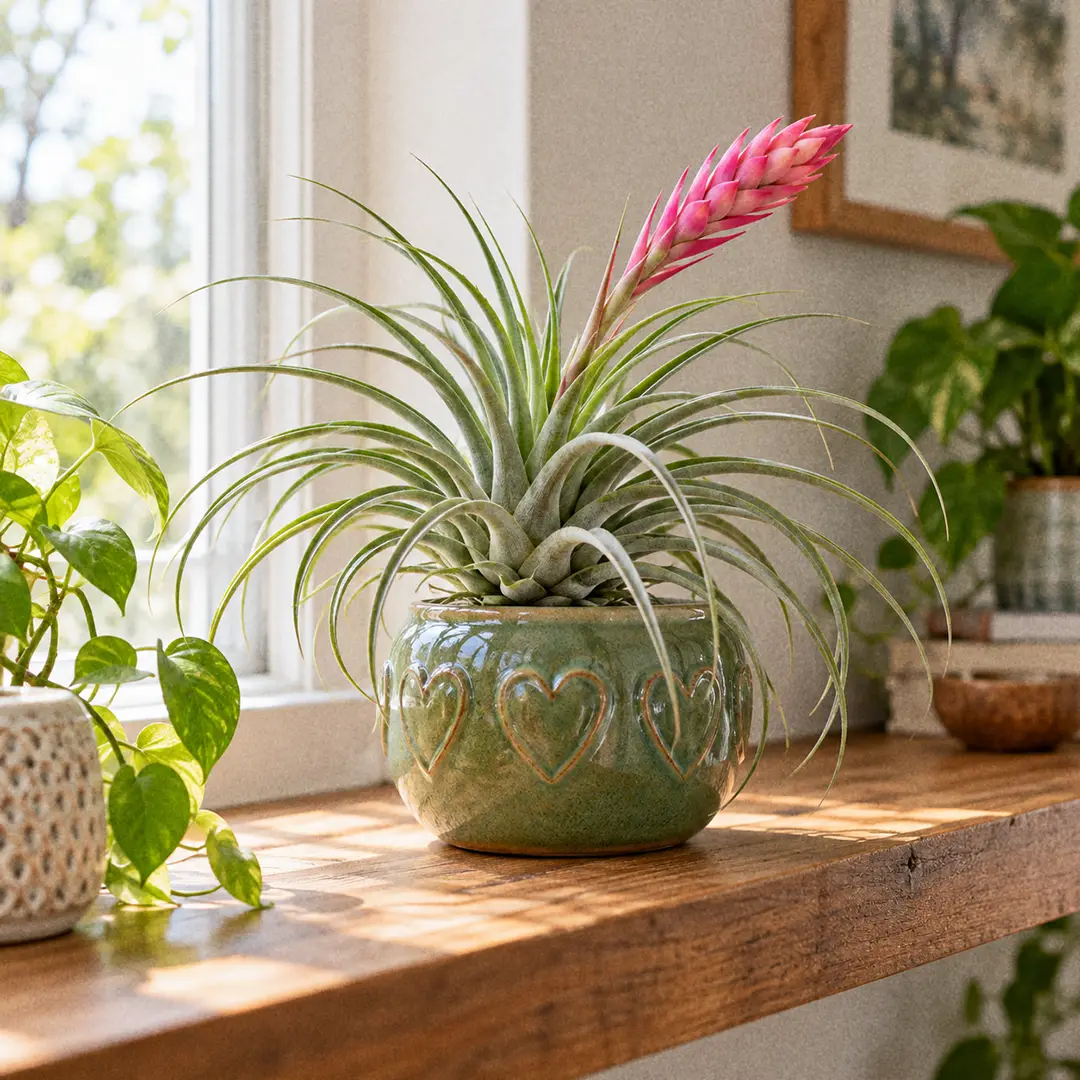
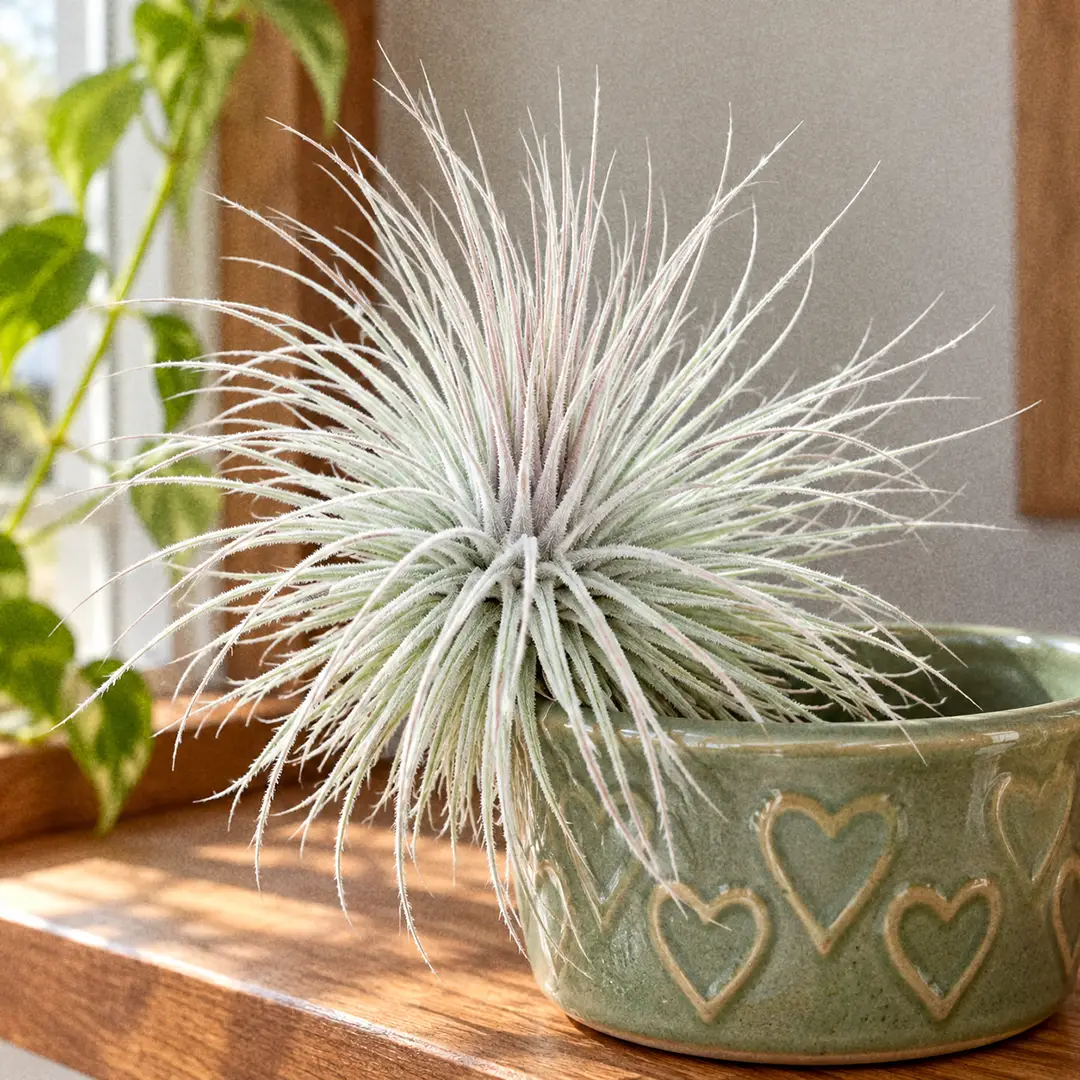
Stricta Air Plant is a soft, leafy green Tillandsia that blooms young with a bright pink bract and blue flowers, then pups into a clump. It is one of the easiest air plants for a beginner, as long as it gets enough water.
📝 Stricta Air Plant Care Notes
🌿 Care Instructions
⚠️ Common Pests
📊 Growth Information
🪴 In This Guide 🪴

A Note From Our Plant Expert
Anastasia here. The Stricta Air Plant is my usual answer when someone asks which air plant will flower for them first. It blooms young, with a fat pink bract and small blue flowers, and then it pups into a clump without any coaxing. The catch is that it drinks more than people expect. Those soft green leaves dry out much faster than the silver, fuzzy species, so the "mist it now and then" advice that keeps a Xerographica alive will slowly starve a Stricta.
☀️ Stricta Air Plant Light Requirements (Bright, Filtered)
Stricta grows on tree branches and rock faces across eastern South America, usually with some leaf cover overhead. Indoors it wants a bright spot with the harshest sun taken off.
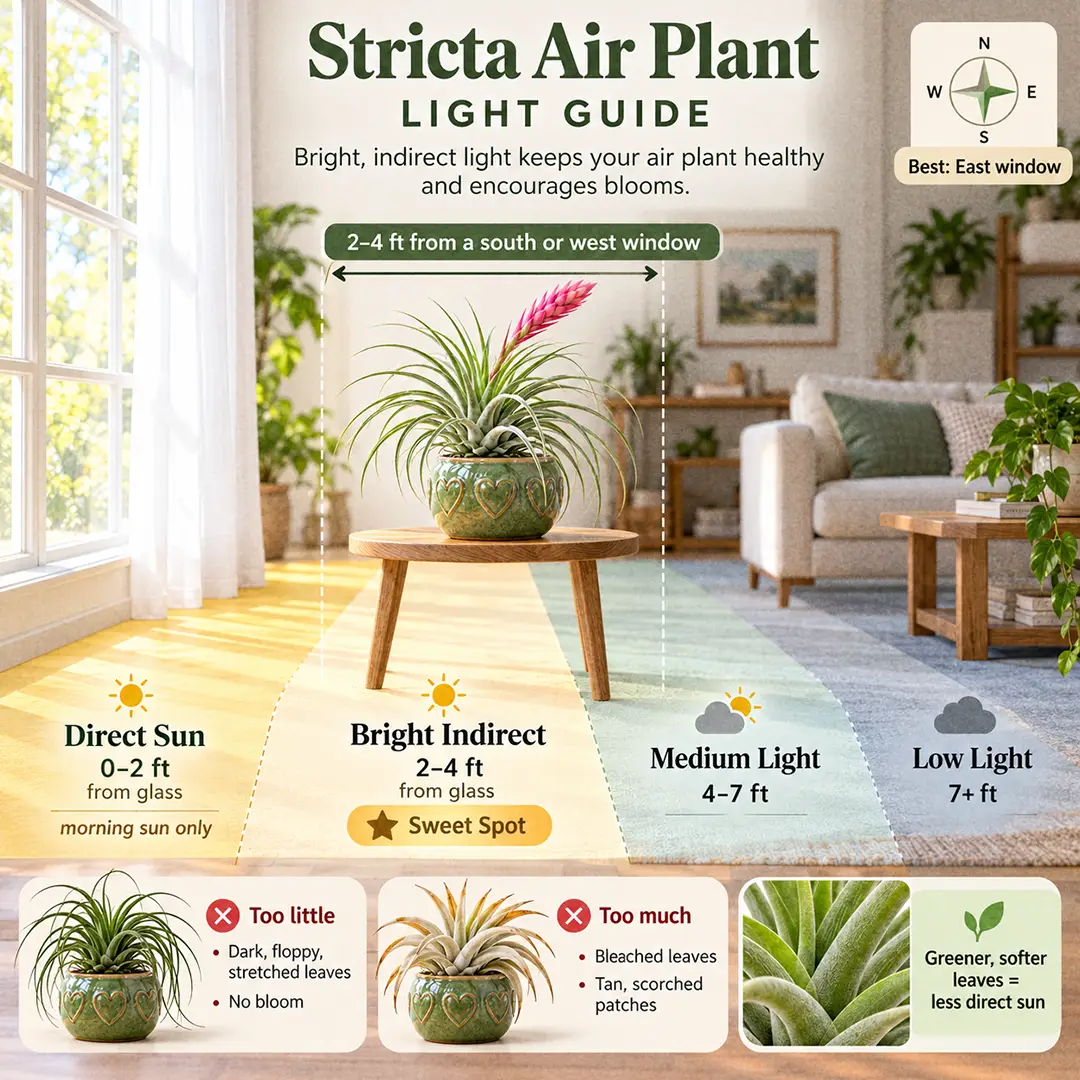
The Sweet Spot
An east window is the easiest win. The plant gets a couple of hours of gentle morning sun and bright, even light for the rest of the day. At a south or west window, set it two to four feet back or hang a sheer curtain between the plant and the glass.
No good window? A full-spectrum LED about 12 inches above the plant, running 10 to 12 hours a day, does the job. Our grow lights guide lists a few that work for air plants.
Too Little Light
Stricta puts up with a dim shelf for months, and that is the trap. The leaves turn a darker, flatter green, new growth comes in long and floppy, and the rosette opens out and loses its shape. A plant kept like this will not bloom and rarely pups. It also dries more slowly after watering, which raises the odds of rot.
Too Much Light
The leaf colour tells you how much sun a Stricta can take. Silver air plants are coated in tiny scales called trichomes that reflect light. A green, soft-leaf Stricta has far fewer, so hot afternoon sun through glass scorches it. Look for bleached or yellow leaves and dry tan patches on the window side.
The stiffer, grey-green hard-leaf form copes with more sun than the soft one, but neither wants a full summer afternoon against a south window. There is more on reading window light in our light guide.
💧 Stricta Air Plant Watering Guide (Soak Weekly, Mist Between)
Water is the one thing to get right with this species. Stricta is a mesic air plant, meaning it comes from places with regular rain and moist air, and its thin leaves hold little in reserve.
Watering Frequency
Soak the plant once a week for 20 to 30 minutes. In an average home, add a misting or two between soaks, enough to wet the leaves all over. Sellers of this plant generally recommend watering once or twice a week, and in a hot or dry room twice is the safer number.
Treat that as a starting point and let the plant correct you. A soft-leaf Stricta near a sunny window in a heated flat may want a second soak midweek. The same plant in a steamy bathroom can skip the misting. Hard-leaf plants sit in between: thirstier than a silver species, a little more forgiving than the soft form.
How to Water
Use rainwater, filtered water, or tap water that has stood overnight. Softened water carries salt and distilled water carries no minerals at all, so skip both for regular use. Submerge the whole plant in a bowl of room-temperature water, then lift it out and shake it upside down several times.
Stricta has a lot of fine leaves packed around a narrow centre, and that centre holds water like a cup. Set the plant upside down or on its side on a towel in moving air, and check that it is dry within about four hours. Water in the morning so it has the whole day. If the plant is in bloom, keep the pink bract above the waterline and wet only the leaves. Our watering guide has more on drying and airflow.
Signs of Trouble
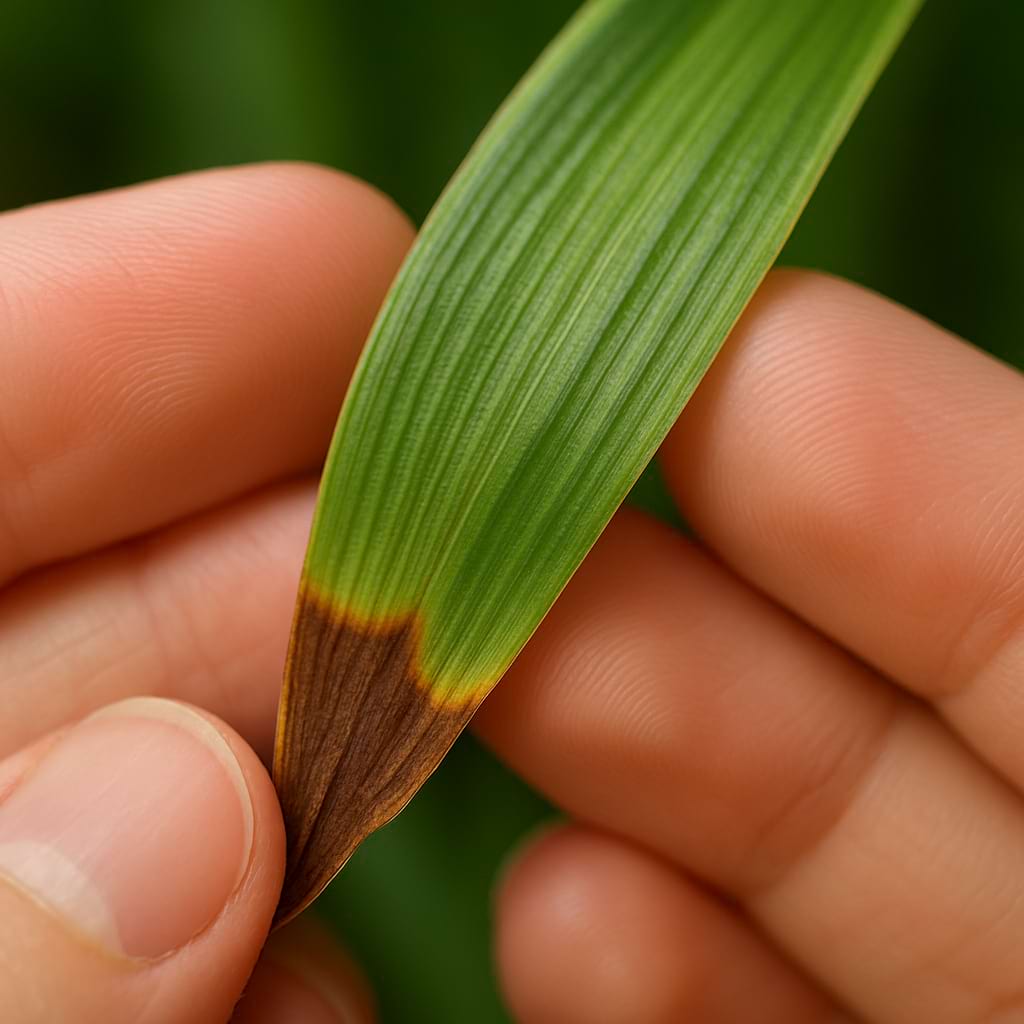
A thirsty Stricta shows it quickly. The leaves fold inward along their length, feel thin and papery, and the tips turn brown and crisp. One long soak of an hour or two usually plumps it up by the next day.
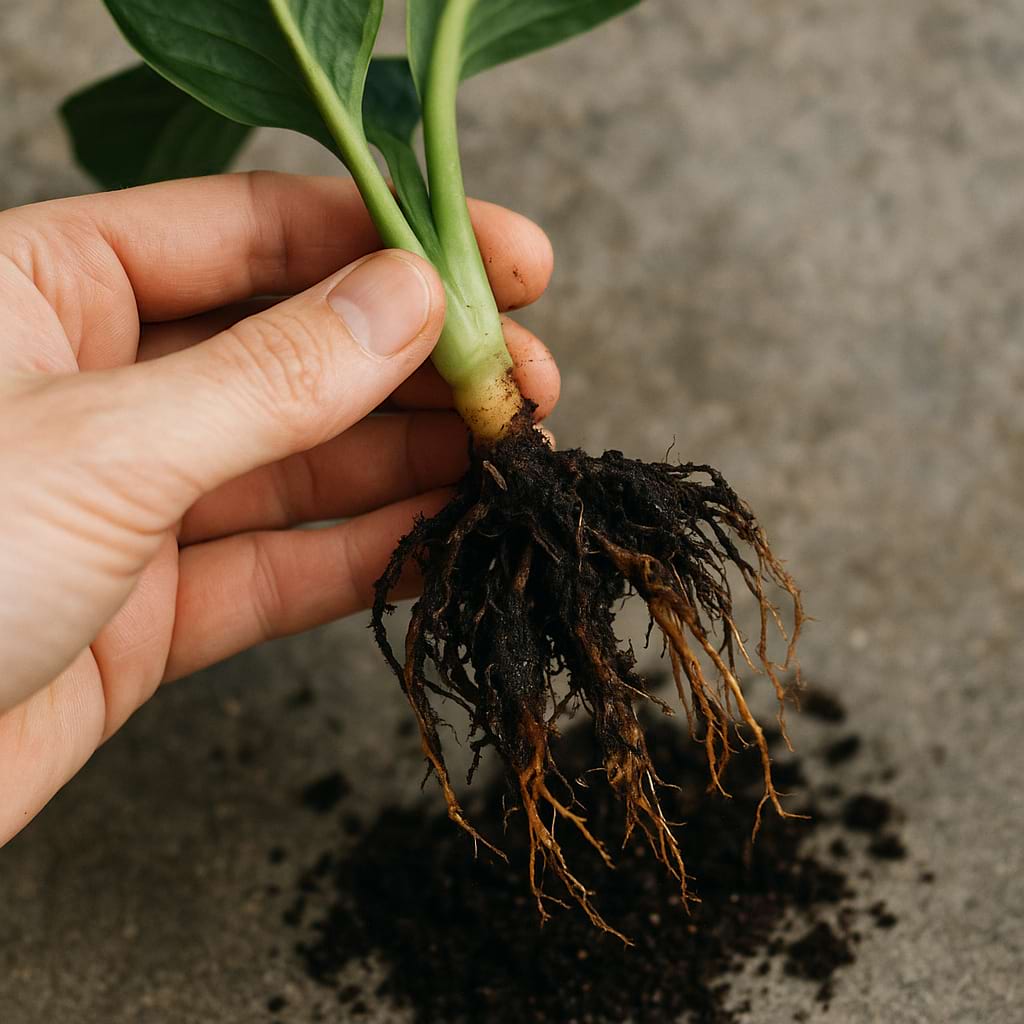
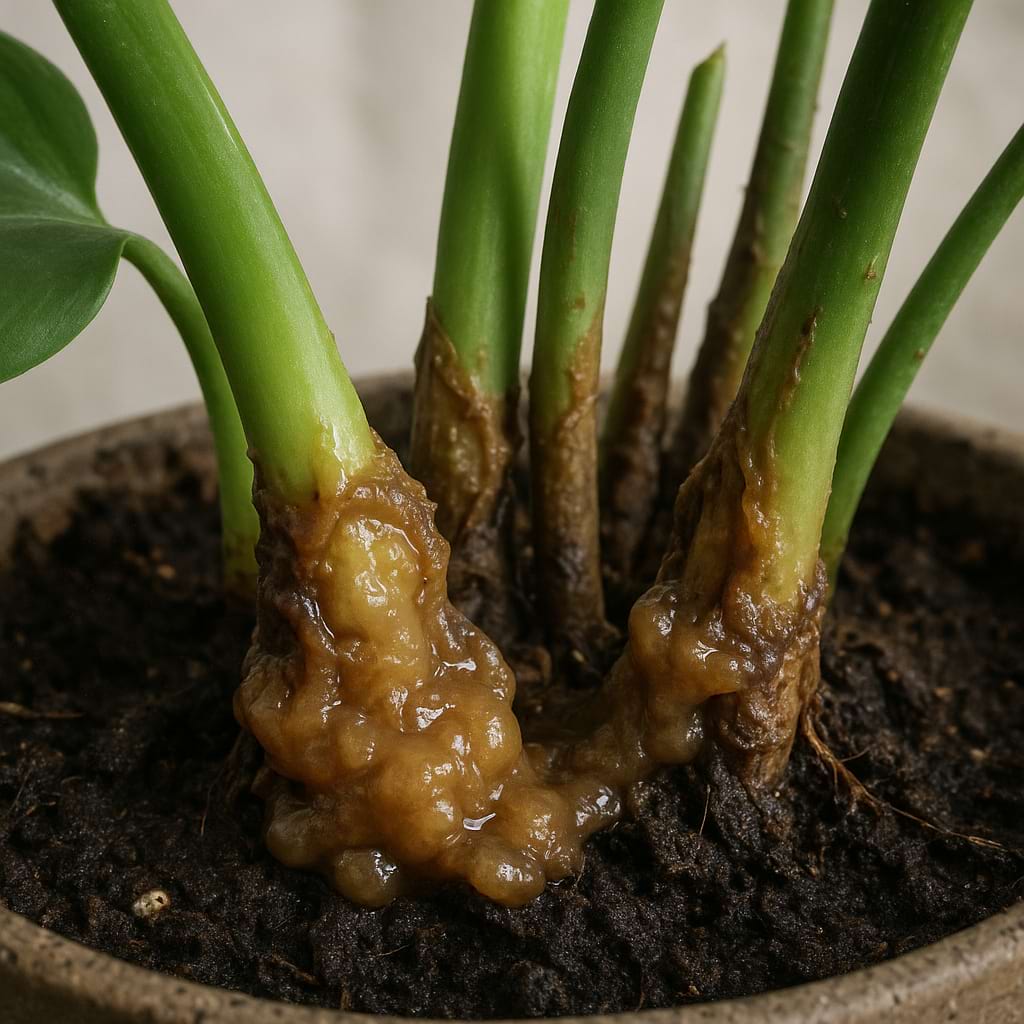
Too much water looks different. The base darkens to brown or black, goes soft, and the central leaves slide out when you tug them. That is rot, and it nearly always comes from water sitting in the centre, not from soaking too often.
🪴 Best Soil for Stricta Air Plant (None Needed)
Stricta is an epiphyte. Its few thin roots are anchors, and the leaves do all the drinking and feeding. It has no use for potting mix.
Why Stricta Skips Soil
Potting mix stays damp for days, and a Stricta base pressed into anything damp rots within weeks. The same goes for wet sphagnum moss tucked around the base to make a display look finished. Whatever touches the plant has to dry about as fast as the plant does.
What to Rest It On
Loose in an open dish is the simplest setup and the easiest to water. A ceramic holder, a shell, or a wire cradle works equally well. If you want the look of a potted plant, fill the pot with coarse orchid bark, lava rock, or pebbles and sit the Stricta on top with its base in the open air.
Containers to Avoid
Skip closed jars, lidded terrariums, and deep narrow vases. They hold humid, still air around a plant that has to dry out after every watering. Avoid copper wire and copper holders too, since copper is toxic to air plants.
🍼 Fertilizing Stricta Air Plant (Weak and Monthly)
Stricta will live without fertilizer, but it grows, blooms, and pups faster with a little. Growers who feed regularly report noticeably more pups per plant.
When and How Often
Feed once a month from spring to early autumn, when the plant is growing. Stop over winter. More often than monthly does not speed things up and risks burning the leaves.
What to Use
A bromeliad or air plant fertilizer is the simplest choice. A general water-soluble houseplant feed also works at one-quarter of the label strength. Stir it into the soak water and water as usual. Check that the nitrogen is not mostly urea, because air plants have no soil microbes to convert it into a form they can absorb. Our fertilizer guide has suggestions.
Over-Fertilizing Signs
Brown, scorched leaf tips shortly after a feed are the usual sign, sometimes with a pale crust left on the leaves. Rinse the plant in plain water, skip the next two feeds, and restart at a weaker dose.
🌡️ Stricta Air Plant Temperature Range
A plant that grows from sea level up to mountain forest is not fussy about room temperature. Normal household conditions suit it well.
Ideal Range
Aim for 60 to 85°F (15 to 29°C). Sellers list 50 to 90°F (10 to 32°C) as the workable range, and the plant survives brief dips toward 41°F (5°C) if it is dry. Frost kills it. A cooler night than day is fine and matches what it gets in the wild.
Drafts and Heat Sources
Radiators, heater vents, and wood stoves are the bigger danger indoors. Hot moving air strips water from thin leaves in a few hours, so a Stricta hung above a radiator can crisp up between one soak and the next. Air conditioning vents do the same thing more slowly.
Summering It Outdoors
Stricta grows well outside in bright shade once nights stay above 50°F (10°C), hung under a tree or a porch roof where rain can reach it. It dries faster outdoors, so check it more often, and bring it back in before autumn nights cool down.
💦 Stricta Air Plant Humidity Requirements
Humidity matters more for Stricta than for the silver air plants, because moist air slows the rate at which its leaves lose water.
Ideal Humidity
Aim for 50 to 70%. At that level a weekly soak is usually enough. Below about 40%, common in winter with the heating on, the plant dries out days before its next soak is due.
Easy Humidity Boosters
A bright bathroom or a spot near the kitchen sink is the easiest fix. Otherwise, mist the plant thoroughly two or three times a week or run a small humidifier nearby. Humid air still has to move, so do not shut the plant in a closed container to raise the moisture. Our humidity guide covers the options.
🌸 Stricta Air Plant Flowers (Pink Bract, Blue Petals)
The bloom is the reason most people buy a Stricta. It flowers at a small size, it flowers indoors, and the bract is large for the plant that carries it.
What the Flowers Look Like
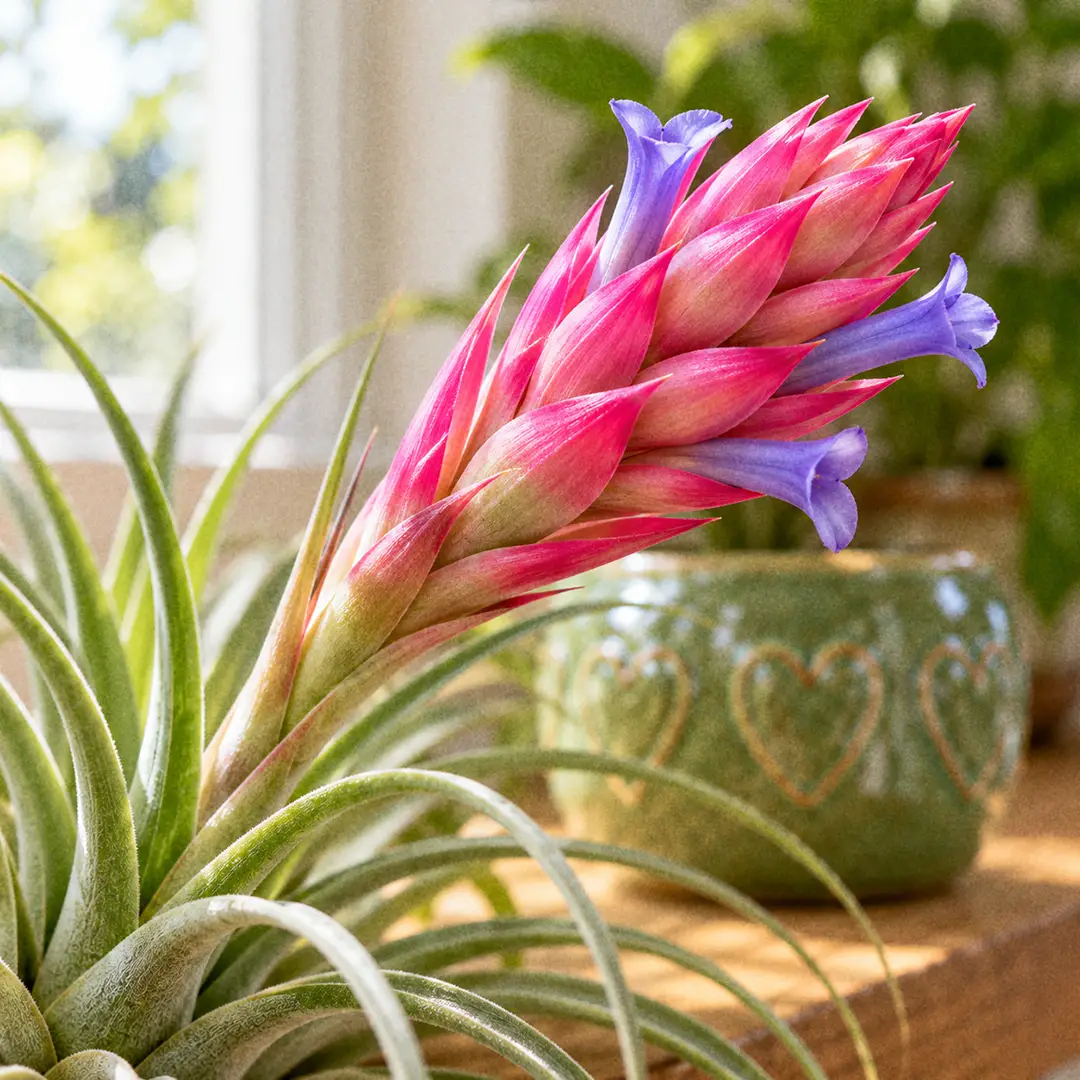
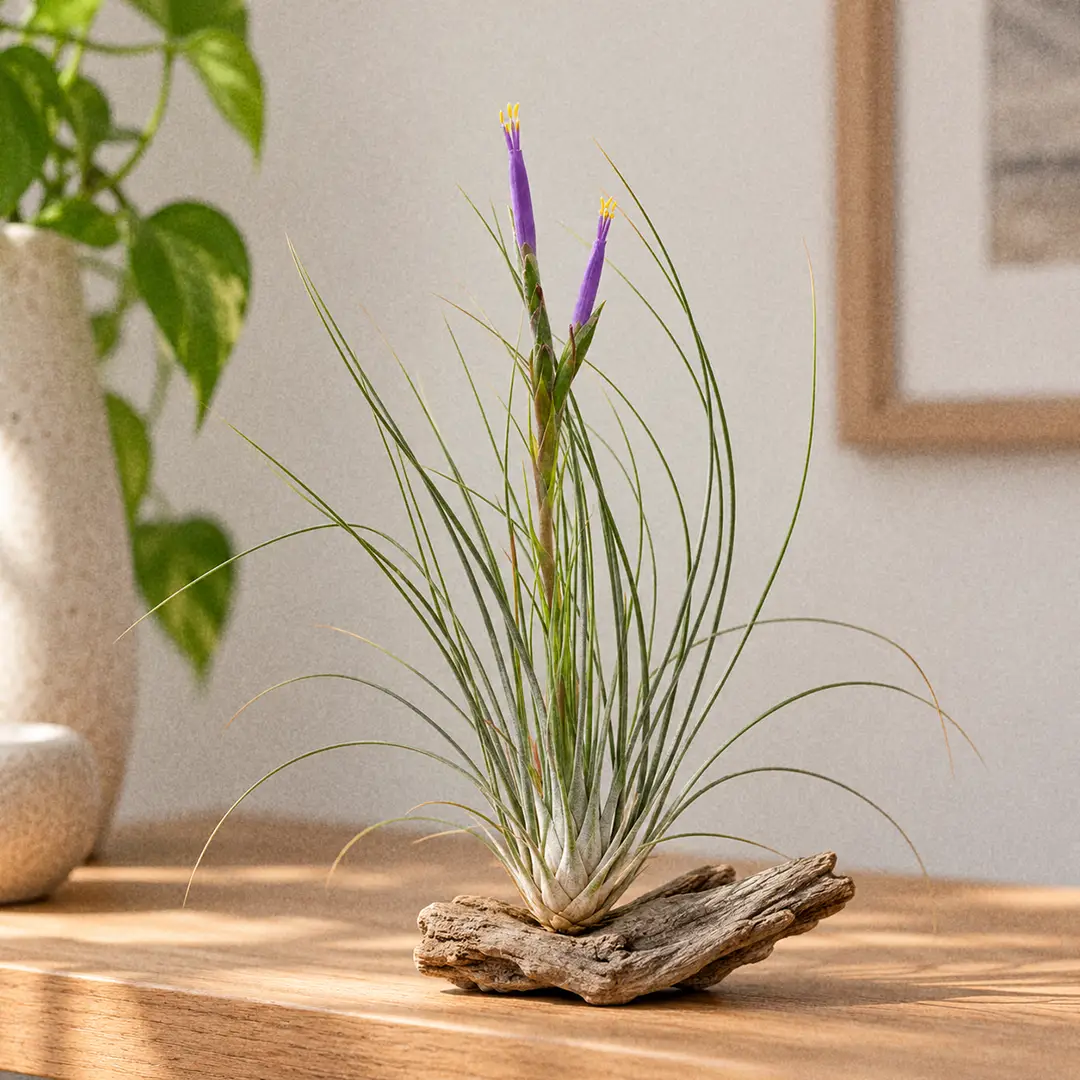
A short, arching stalk rises from the centre of the rosette and ends in a plump cone of overlapping bracts in pink to rose, sometimes paler toward cream. Small tubular flowers in blue to violet push out between the bracts, a few at a time.
How Long the Bloom Lasts
Each flower lasts about a day. The bract is the long-lasting part: in good conditions it holds its colour for weeks, and botanical sources put the upper limit at around 10 weeks. In a warm, dry living room expect less. Bright filtered light, steady watering, and keeping the bract out of the soak water all help it last. Once the pink turns straw-coloured, the show is over for that rosette.
How to Trigger Bloom
Blooming depends on maturity, so there is no shortcut for a plant that is too small. A pup usually needs a year or two to reach flowering size. What you control is the conditions: the brightest filtered light you have, a weekly soak without gaps, and a monthly feed from spring. Most plants flower in late spring or summer.
If It Won't Bloom
Low light is the first suspect. A Stricta that sits more than a few feet from a window often stays green and healthy-looking for years without flowering. Chronic underwatering is the second, since a plant that is always a bit dry has nothing to spare for a flower. Our failure to bloom page lists other causes.
🏷️ Stricta Air Plant Types and Varieties
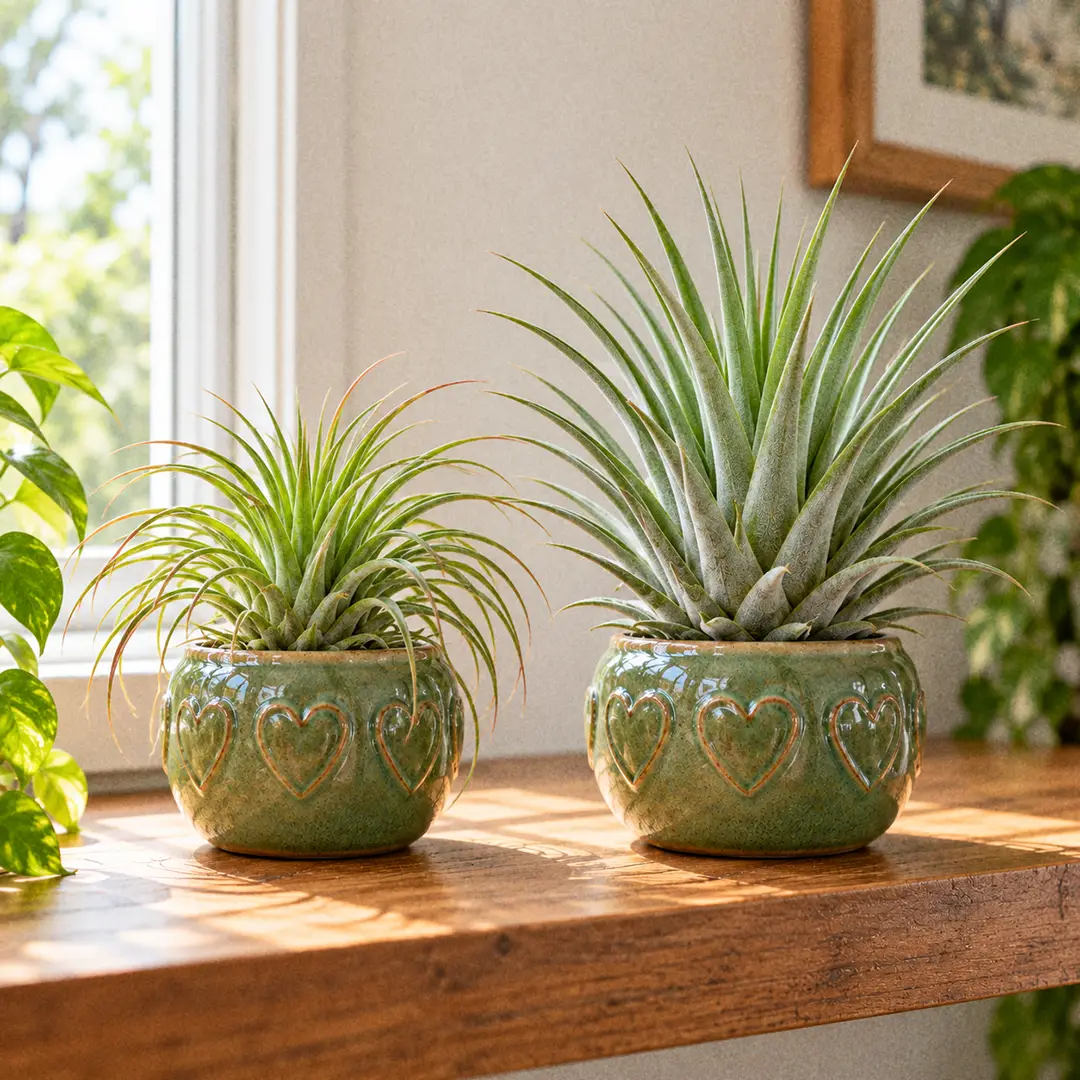
Stricta is one of the most variable air plants in the trade. Leaves range from soft to stiff and from light green through silver to nearly black, depending on where the parent stock came from. Shops mostly sort them into two groups, and knowing which you have tells you how to water it.
Stricta Soft Leaf
The smaller form, mature at around three to four inches across. The leaves are fine, flexible, and green, sometimes with a reddish tint in strong light. This is the thirstiest Stricta and the quickest to scorch, so it gets the most water and the gentlest light. It is also the form that tends to bloom at the smallest size.
Stricta Hard Leaf
A larger plant, around six inches across, with stiff grey-green leaves that hold a tidy, upright rosette. The extra silver means more trichomes, so it handles brighter light and a missed misting better than the soft form. The bloom is the same pink plume with blue flowers.
Stricta Hybrids: 'Houston' and 'Cotton Candy'
Stricta is a parent of some of the most widely sold air plant hybrids. 'Houston' is a cross between Stricta and Tillandsia recurvifolia, bred by Mark Dimmitt in the 1980s. It keeps Stricta's leafy rosette and adds silvery foliage from the other parent. 'Cotton Candy' comes from the same pairing and carries a soft pink bract with pale flowers. Both are a little more drought-tolerant than plain Stricta.
Stricta vs Similar Air Plants
Shoppers mix Stricta up with the Tenuifolia Air Plant, another green, thirsty species with a pink spike. Tenuifolia has shorter, stiffer, sharper leaves and a slimmer flower spike. The Sky Plant is stiffer and more silver than either and needs less water. The Ionantha Air Plant is much smaller and blushes red across its leaves before flowering, with no pink plume at all.
🪴 Mounting a Stricta Air Plant
There is no pot to outgrow, so "repotting" a Stricta means choosing what it sits on and moving it when the clump gets bigger.
Choosing a Mount
Cork bark, driftwood, and grapevine wood are the standard choices. Pick a piece small enough to fit in your soaking bowl, because a Stricta that cannot be soaked is hard to keep watered. Avoid treated or painted wood, and avoid hollows where water collects under the base.
How to Attach It
Angle the plant so it tilts sideways or slightly downward. That lets water run out of the centre on its own. Fix it with a small dab of waterproof plant-safe glue on the side of the base, or tie it on with fishing line or coated wire. Leave the bottom of the base open so new roots can grow out and grip.
When the Clump Outgrows Its Spot
A Stricta clump widens every time a round of pups matures. When it starts to crowd its holder, lift it into a wider dish or onto a larger piece of wood. Loose clumps are the easiest to manage because you can soak them whole and turn them to dry.
✂️ Pruning a Stricta Air Plant
Pruning is a tidy-up, not a way to shape the plant. A few minutes after a soak, when the leaves are flexible, is the best time.
Removing Dead Leaves
The outer leaves at the base dry out as the plant grows. Peel each one down and away from the base. If a leaf holds on, it is still attached to living tissue, so leave it for a week or two.
Trimming Brown Tips
Cut crisp tips with clean scissors at an angle, so the leaf still ends in a point. Then add water to the routine, because trimmed tips on a thirsty plant brown again within weeks.
Cutting the Spent Bloom
Once the bract has dried to a straw colour, snip the stalk as low as you can reach without cutting leaves. The plant gains nothing from keeping it, and removing it lets air into the centre. Wipe the blades with rubbing alcohol before moving on to another plant.
🌱 How to Propagate Stricta Air Plant
Stricta does most of this for you. After flowering, each rosette usually makes one to three pups at its base, and a fed plant in good light often makes more.
Best Method: Pups
Pups appear as small green tufts tucked between the lowest leaves, often while the bract is still pink. The mother feeds them for months as she slowly declines. Seed is possible but takes years to give a plant of any size, so pups are the practical route.
Step-by-Step Pup Removal
- Wait until the pup is a third to half the size of the mother. Smaller pups dry out too fast on their own.
- Soak the plant for 15 minutes so the leaves bend without snapping.
- Hold the mother at her base and grip the pup as low down as you can.
- Twist gently and pull downward. If it resists, cut it free with a clean, sharp blade close to the mother.
- Let the pup dry, then water it like an adult plant, with an extra misting each week for the first month.
Clump or Separate?
Leaving the pups on gives you a ball of rosettes that can bloom several heads at once, which is the best-looking thing a Stricta does. The price is slower drying, so a clump needs firmer shaking and more airflow after each soak. Separating gives you more plants to place or give away, and each one is easier to dry. More on dividing plants is in our propagation guide.
🐛 Stricta Air Plant Pests and Treatment
Air plants attract few pests, but the dense leaf bases of a Stricta give the ones that do turn up a place to hide.
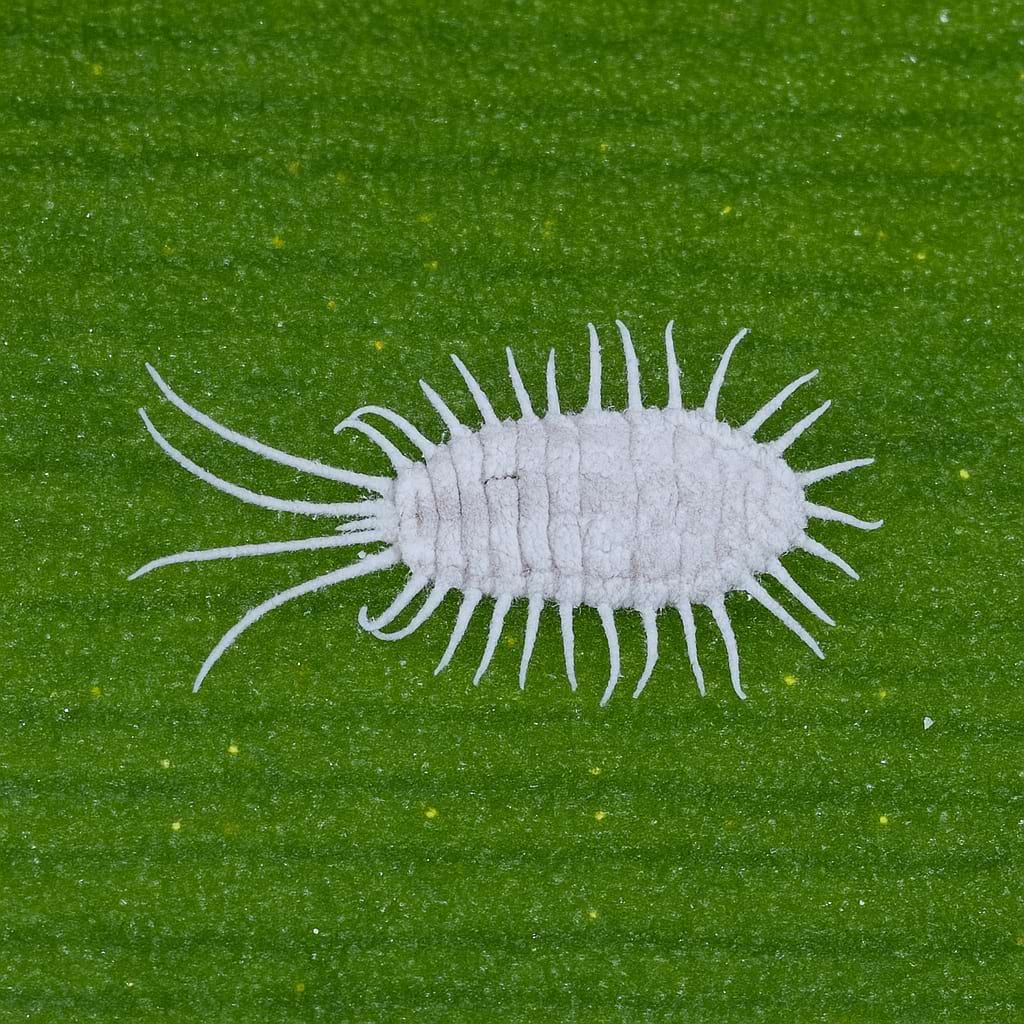
- Mealybugs: White cottony tufts deep between the leaf bases. Touch each one with a cotton swab dipped in rubbing alcohol, then rinse the plant.
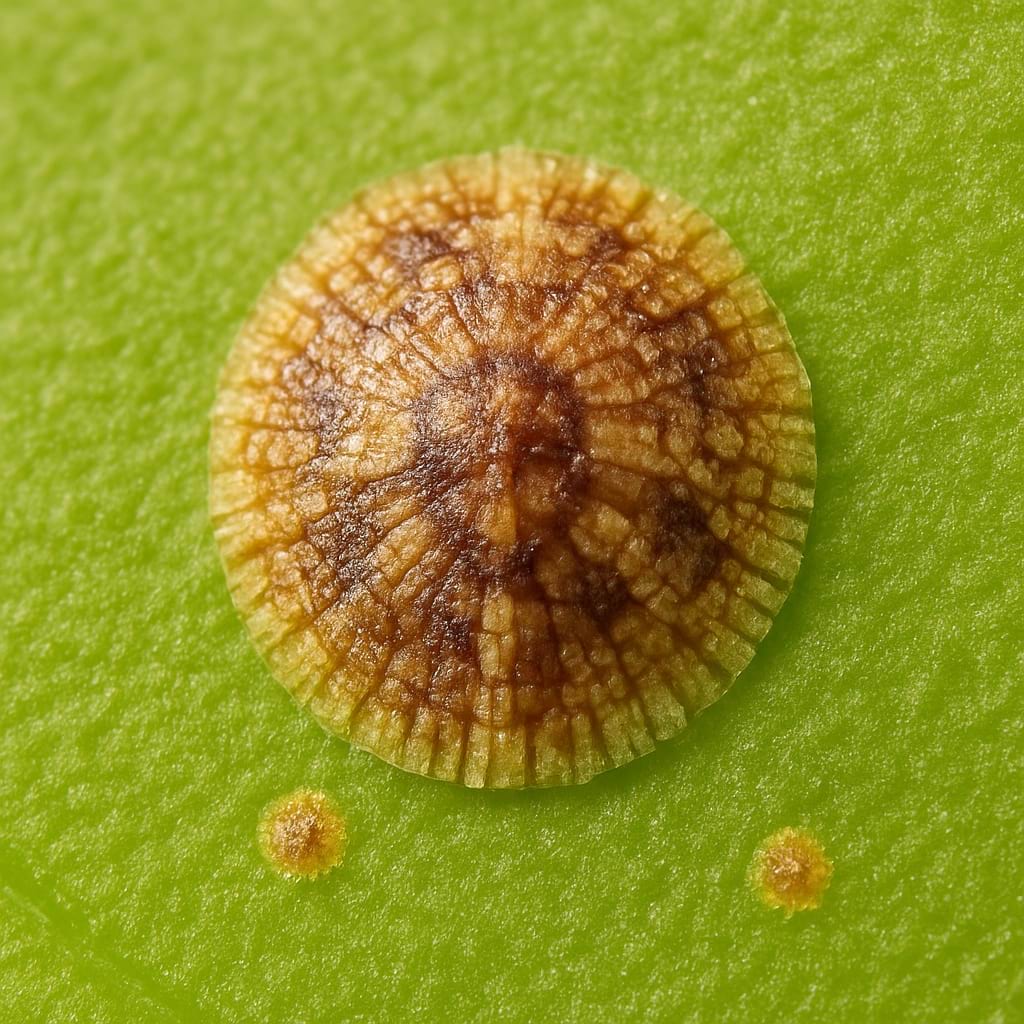
- Scale insects: Flat tan or brown bumps stuck to the leaves. Lift them off with a fingernail or a soft toothbrush and rinse.
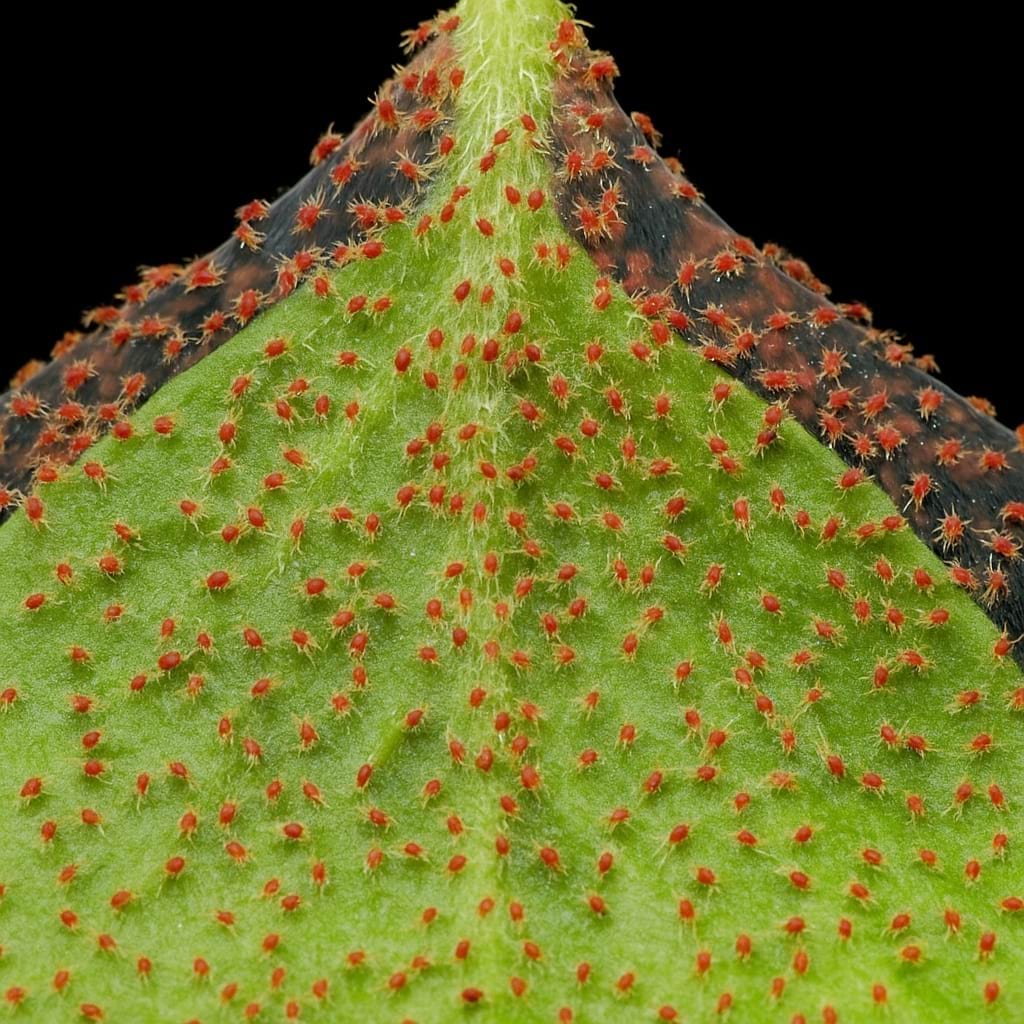
- Spider mites: Pale stippling and fine webbing in hot, dry rooms. Rinse under the tap and water more often.
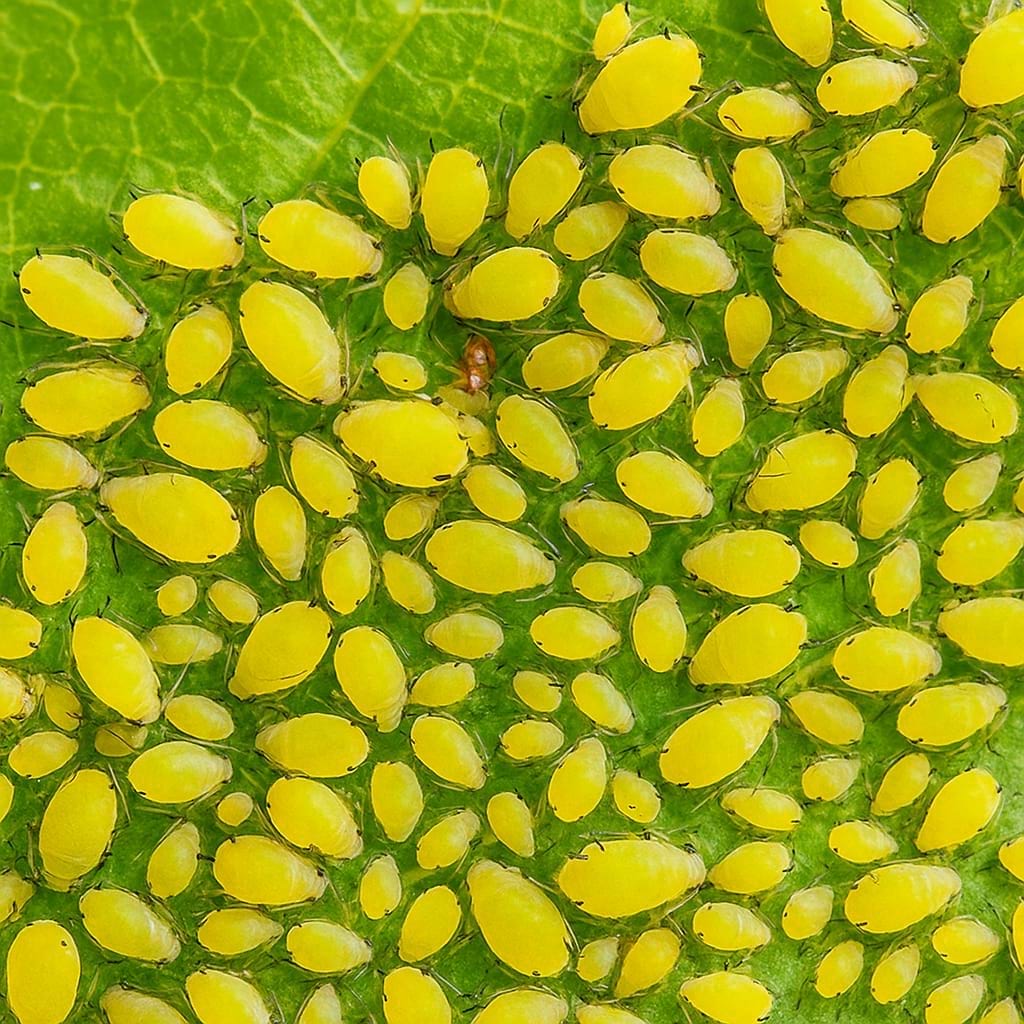
- Aphids: Small soft insects gathered on the flower stalk and bract. Wash them off with a gentle stream of water.
Isolate an infested plant from the rest of your air plants straight away, and check its neighbours. Avoid oil-based sprays and leaf shine products. They coat the trichomes the plant drinks through.
🩺 Common Stricta Air Plant Problems
Almost every Stricta problem comes down to water: too little reaching the leaves, or too much staying in the centre.
- Soft, dark base: Leaves pull out and the centre is brown or black. This is root rot from trapped water. That rosette cannot be saved, but healthy pups can be cut away and kept.
- Brown, crispy tips: Dry air or too few soaks. Add misting and move it away from heat. See brown crispy edges.
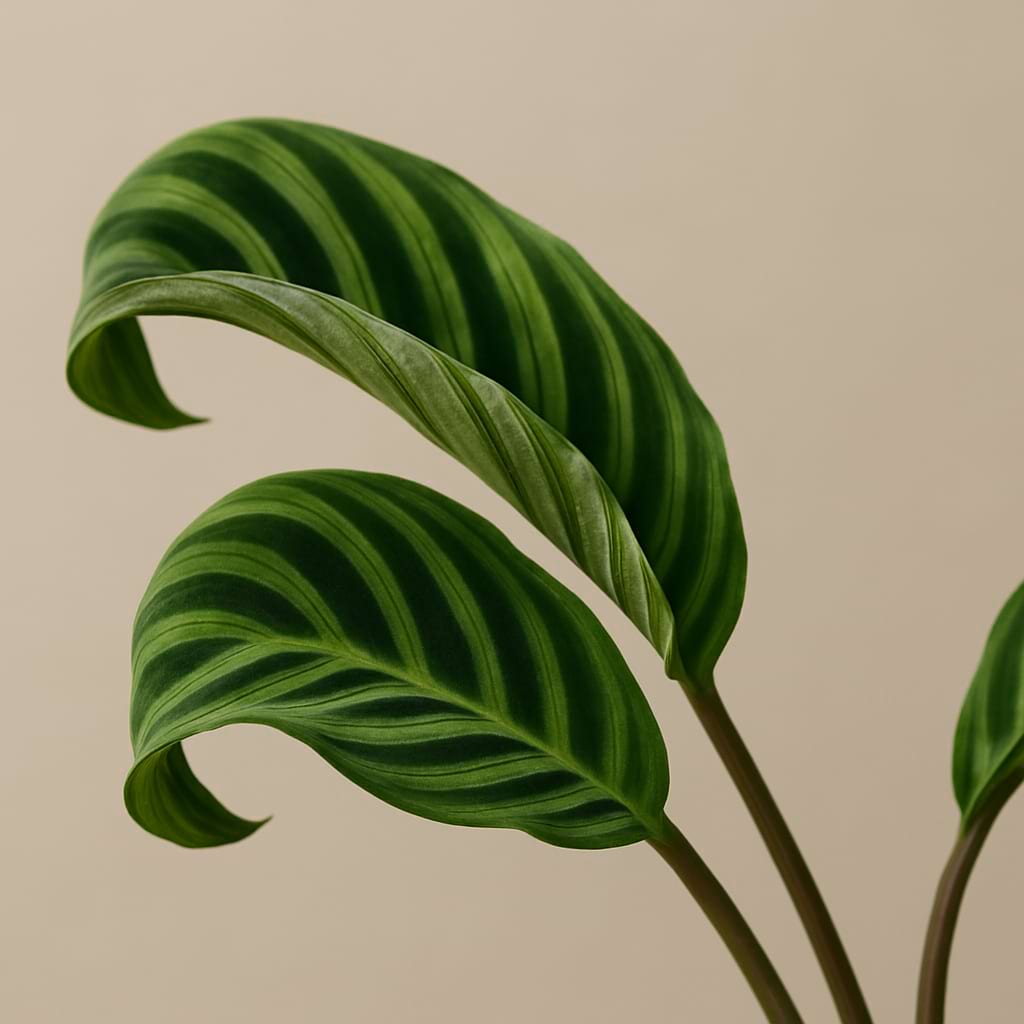
- Leaves folded or curled inward: Dehydration. Give it a one to two hour soak, then water more often. More on curling leaves.
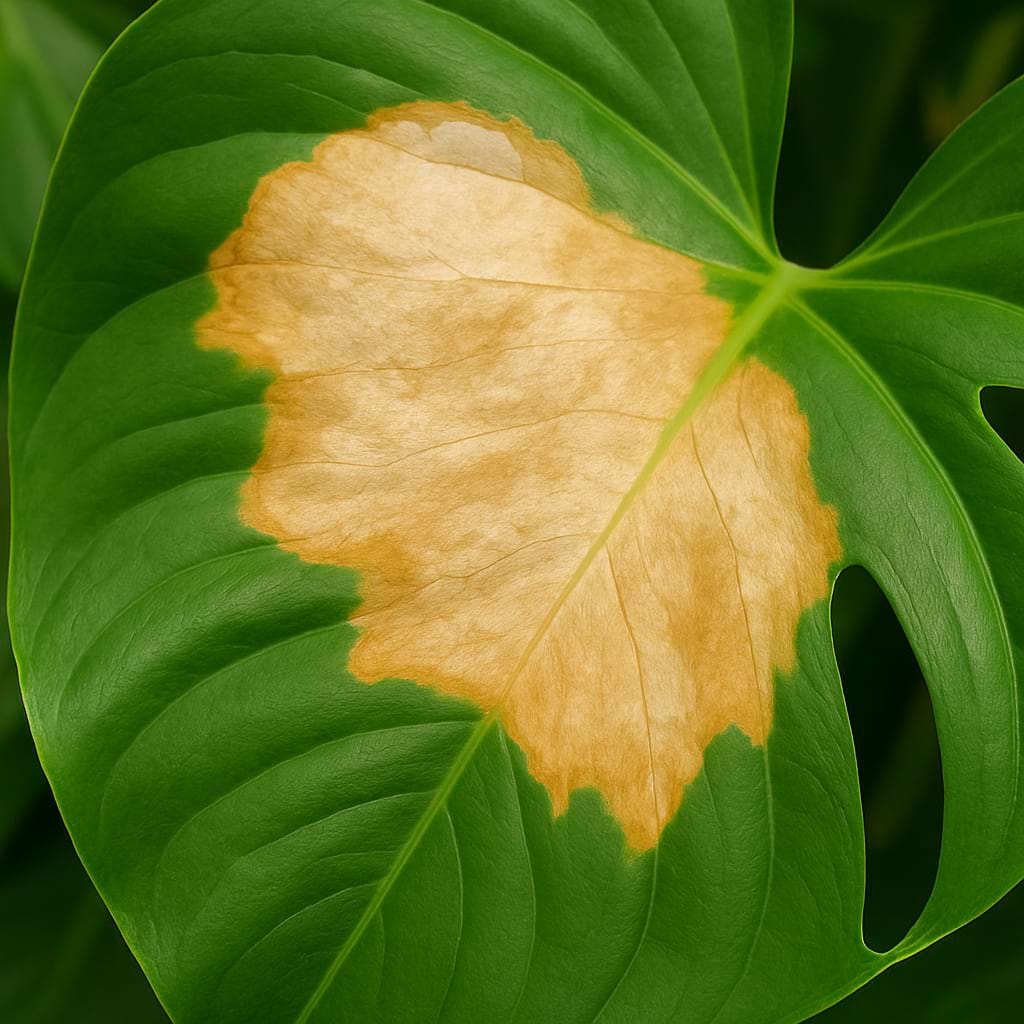
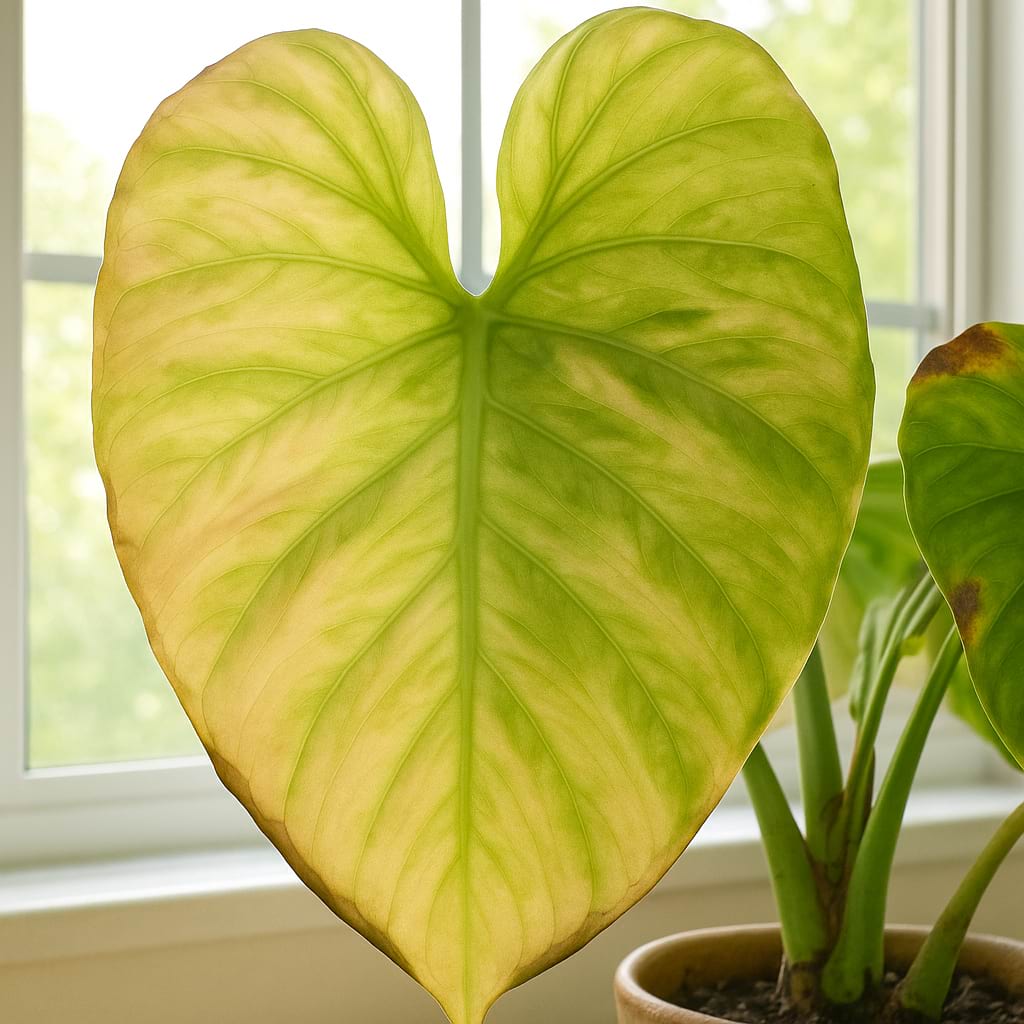
- Bleached or tan patches: Direct afternoon sun through glass. Move it back or add a sheer curtain. See sunburn and leaf scorch.
- Dark, floppy, stretched growth: Too little light. Move it closer to the window. See pale, faded leaves.
- Mother fading after bloom: Normal. Check the base for pups before you throw anything away.
🖼️ Stricta Air Plant Display and Styling Ideas
Stricta is soft and leafy, where most air plants are spiky or silver. The best displays show that off, and they come apart easily on watering day.
Solo Setups
A single plant in a small ceramic holder or a wire cradle suits a desk or a narrow windowsill, and takes up less room than a coffee mug. A blooming Stricta on a slim piece of driftwood makes a good table centrepiece for the weeks the bract is pink. An open glass bowl works as long as the opening is wide and the plant goes back in dry.
Grouped Arrangements
Pair Stricta with plants that look nothing like it. The silver curls of a Xerographica, the twisted arms of a Medusa's Head Air Plant, or the red blush of a Brachycaulos Air Plant all set off its green rosette. On a mixed board, keep the Stricta where you can reach it, since it needs water more often than its silver neighbours.
Where Not to Put It
Avoid closed terrariums, glued-in arrangements you cannot soak, shelves above radiators, and dark corners far from a window. A hot south windowsill in summer is also a poor spot for the soft-leaf form.
🌟 Stricta Air Plant Pro Care Tips
- Read the leaf colour. Greener and softer means more water and gentler light. Greyer and stiffer means it can take a little more sun and a little less water.
- Tilt it to dry. Drying a Stricta on its side or upside down matters more than how long you soak it.
- Keep the bloom dry. Wet bracts brown early. Dip the leaves and hold the flower above the water.
- Buy it in bud. A plant with a bract that is only starting to colour gives you the whole bloom at home.
- Feed for pups. A monthly weak feed through spring and summer is the simplest way to get a bigger clump.
- Do not bin the mother early. She keeps feeding her pups for months after the flower fades.
❓ Frequently Asked Questions
How often should I water a Stricta Air Plant?
Soak it for 20 to 30 minutes once a week and mist it once or twice between soaks. In a hot or dry room, soak it twice a week. Always shake it out and let it dry fully within about four hours.
Is Stricta Air Plant safe for cats and dogs?
Yes. The ASPCA does not list Tillandsia as toxic to cats or dogs, and air plants are widely sold as pet-safe. The leaves are not food, though, so a pet that eats a lot of them may get an upset stomach, and the plant will not recover from being chewed.
How long does a Stricta bloom last?
The small blue flowers last about a day each. The pink bract keeps its colour for several weeks, and up to around 10 weeks in good conditions. Warm, dry air and getting the bract wet both shorten it.
Does a Stricta Air Plant die after flowering?
The rosette that flowered slowly declines, usually over many months. Before it goes, it produces pups at its base, and those grow on to bloom in turn. The plant as a whole carries on as a clump.
What is the difference between soft-leaf and hard-leaf Stricta?
Soft-leaf Stricta is smaller, greener, and more flexible, and it needs more water and less direct sun. Hard-leaf Stricta is larger, with stiff grey-green leaves, and is a little more tolerant of bright light and dry spells. Both bloom pink with blue flowers.
Why is my Stricta turning brown?
Brown tips mean the plant is too dry, so add water and humidity. A brown or black base that feels soft means rot from water left in the centre. Dry lower leaves on their own are normal ageing.
Can I mist a Stricta without soaking it?
Misting alone rarely gives a Stricta enough water in a normal home. Use misting as a top-up between weekly soaks. The exception is a plant glued to a large mount, which you can rinse under the tap until it is dripping wet two or three times a week.
Can I grow Stricta Air Plant in a terrarium?
Only an open one with a wide mouth and good airflow. Take the plant out to water it and put it back once it is dry. Closed terrariums keep the base damp and cause rot.
Is Stricta a good air plant for beginners?
Yes. It is inexpensive, tolerant of ordinary room temperatures, and blooms and pups without special treatment. The one habit a beginner needs is a regular weekly soak with proper drying afterwards.
ℹ️ Stricta Air Plant Info
Care and Maintenance
🪴 Soil Type and pH: None. Grown mounted or loose, never planted in potting mix.
💧 Humidity and Misting: Prefers 50% humidity or higher and needs extra misting in heated or air-conditioned rooms.
✂️ Pruning: Peel off dry lower leaves, trim brown tips at an angle, and cut the flower spike at its base once the pink has faded.
🧼 Cleaning: The weekly soak rinses off dust. Shake water out of the centre afterwards, since the many fine leaves hold it.
🌱 Repotting: No repotting. Move it to a larger dish or mount when the clump outgrows its spot.
🔄 Repotting Frequency: Not applicable
❄️ Seasonal Changes in Care: Soak weekly and feed monthly in spring and summer. In winter keep the weekly soak, stop feeding, and mist more if the heating is on.
Growing Characteristics
💥 Growth Speed: Moderate to Fast (for an air plant)
🔄 Life Cycle: Evergreen epiphytic perennial that blooms once per rosette, then pups
💥 Bloom Time: Mostly late spring and summer on mature rosettes
🌡️ Hardiness Zones: 9-11
🗺️ Native Area: Eastern South America, from Venezuela and Trinidad through Brazil to northern Argentina, on trees and rocks from sea level to about 1,700 m
🚘 Hibernation: No true dormancy. Growth slows in winter.
Propagation and Health
📍 Suitable Locations: East windowsills, bright bathrooms, kitchen windows with a sheer curtain, driftwood mounts, open glass bowls
🪴 Propagation Methods: Leave the pups attached to form a clump, or twist them off once they are a third to half the size of the mother.
🐛 Common Pests: Mealybugs, Scale Insects, Spider Mites, Aphids
🦠 Possible Diseases: Base rot from trapped water, dehydration, sunburn in harsh direct sun
Plant Details
🌿 Plant Type: Epiphytic bromeliad (air plant)
🍃 Foliage Type: Evergreen rosette of many narrow, tapering leaves
🎨 Color of Leaves: Green to grey-green, with silvery and near-black forms
🌸 Flower Color: Pink to rose bracts with blue to violet petals
🌼 Blooming: Yes, indoors, once per rosette when mature
🍽️ Edibility: Not edible.
📏 Mature Size: 4-8 inches per rosette
Additional Info
🌻 General Benefits: Pet-safe, blooms young, pups readily into a clump, and needs no soil or pot
💊 Medical Properties: No documented medicinal uses.
🧿 Feng Shui: A soft green rosette for a bright window, where its upward growth and pink bloom bring a light, fresh feel to a small space.
⭐ Zodiac Sign Compatibility: Libra
🌈 Symbolism or Folklore: Freedom, new beginnings, generosity
📝 Interesting Facts: Tillandsia stricta grows across a huge stretch of eastern South America, from sea level to about 1,700 metres, on both trees and bare rock. That wide range is why the plant varies so much, from soft green forms to stiff, silvery ones.
Buying and Usage
🛒 What to Look for When Buying: Pick a plant with a firm, pale base and leaves that spring back when you brush them. Skip any with a dark or mushy centre, leaves that pull out easily, or a bloom that has already faded if you want to see the flowers.
🪴 Other Uses: Wedding and table decor, driftwood and shell mounts, mixed air plant boards, open terrarium accents
Decoration and Styling
🖼️ Display Ideas: Driftwood mounts, open glass bowls, ceramic air plant holders, hanging wire cradles, grouped air plant boards
🧵 Styling Tips: Let the pink bloom be the colour in the display. Keep the holder plain and pair it with silver species for contrast.
🪴 See also 🪴
Complete Guide to Magnusiana Air Plant Care and Growth
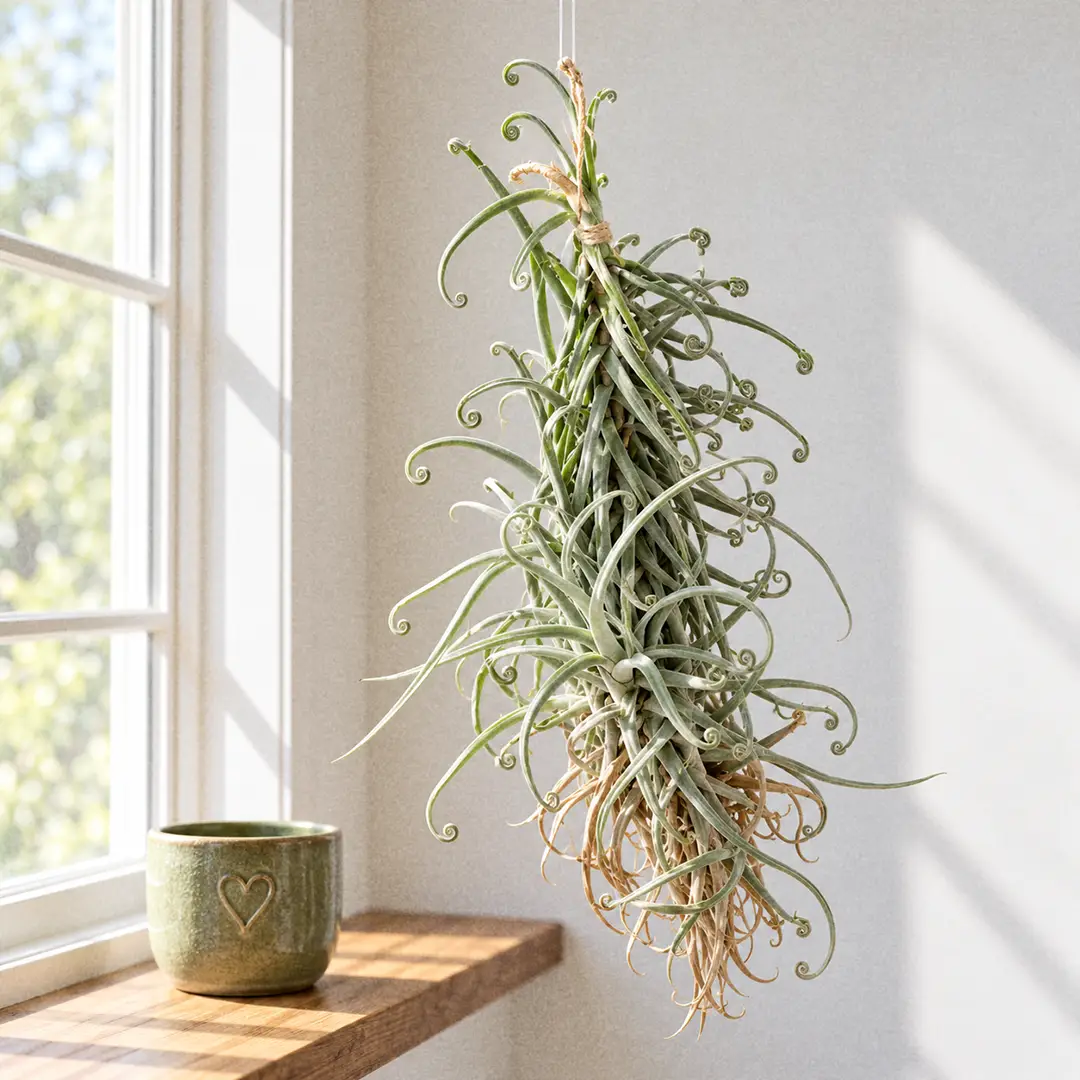
Complete Guide to Duratii Air Plant Care and Growth
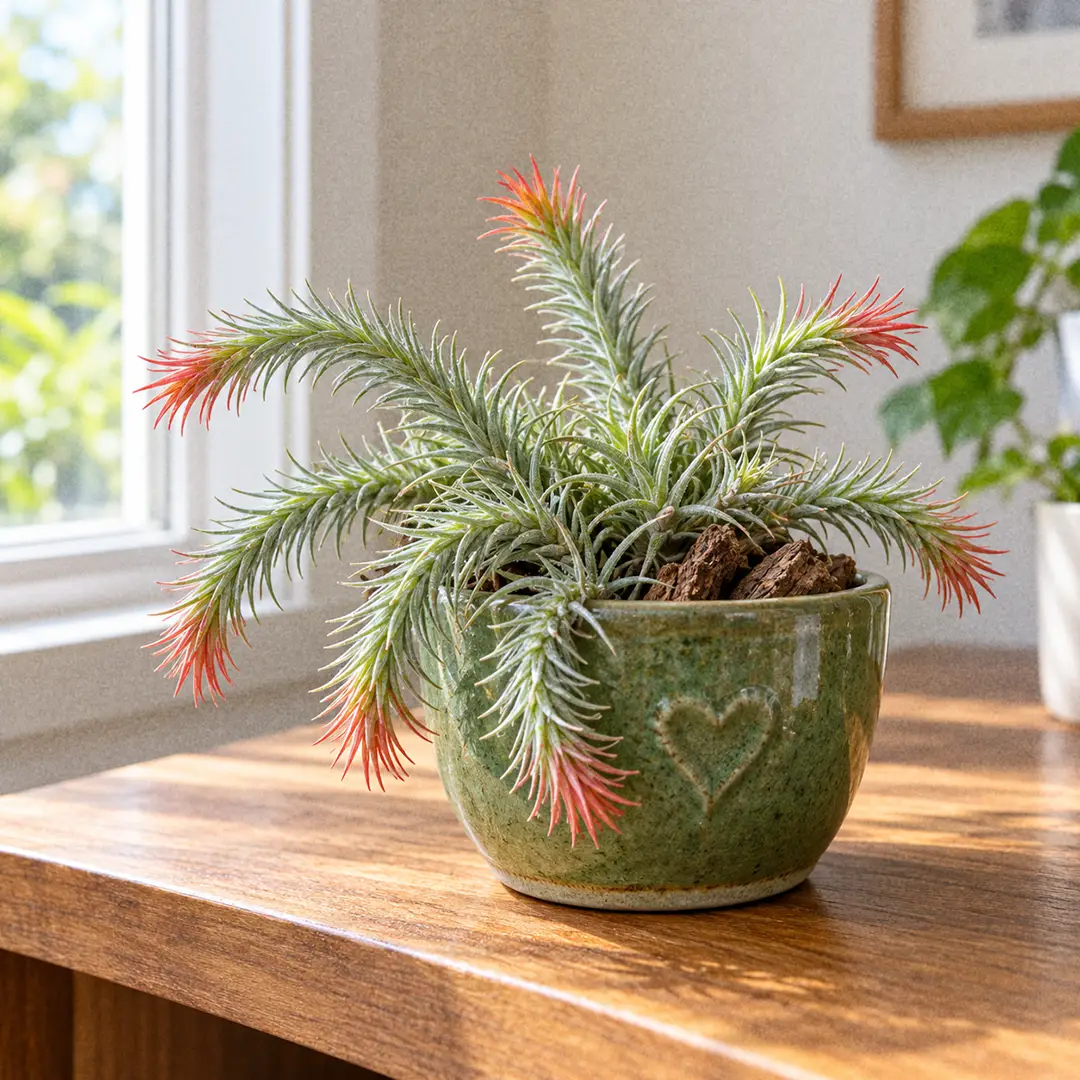
Complete Guide to Funkiana Air Plant Care and Growth
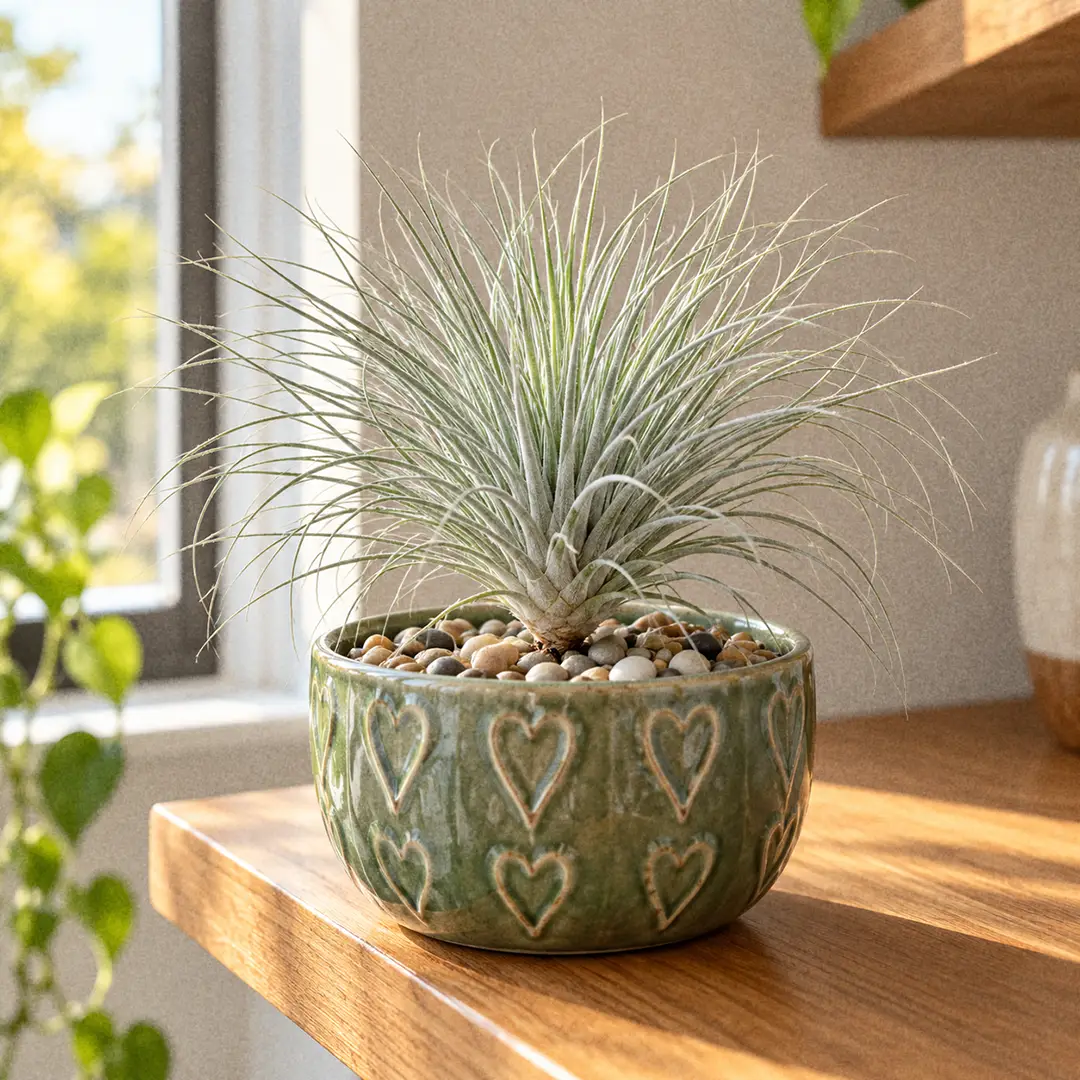
Complete Guide to Fuchsii Air Plant Care and Growth
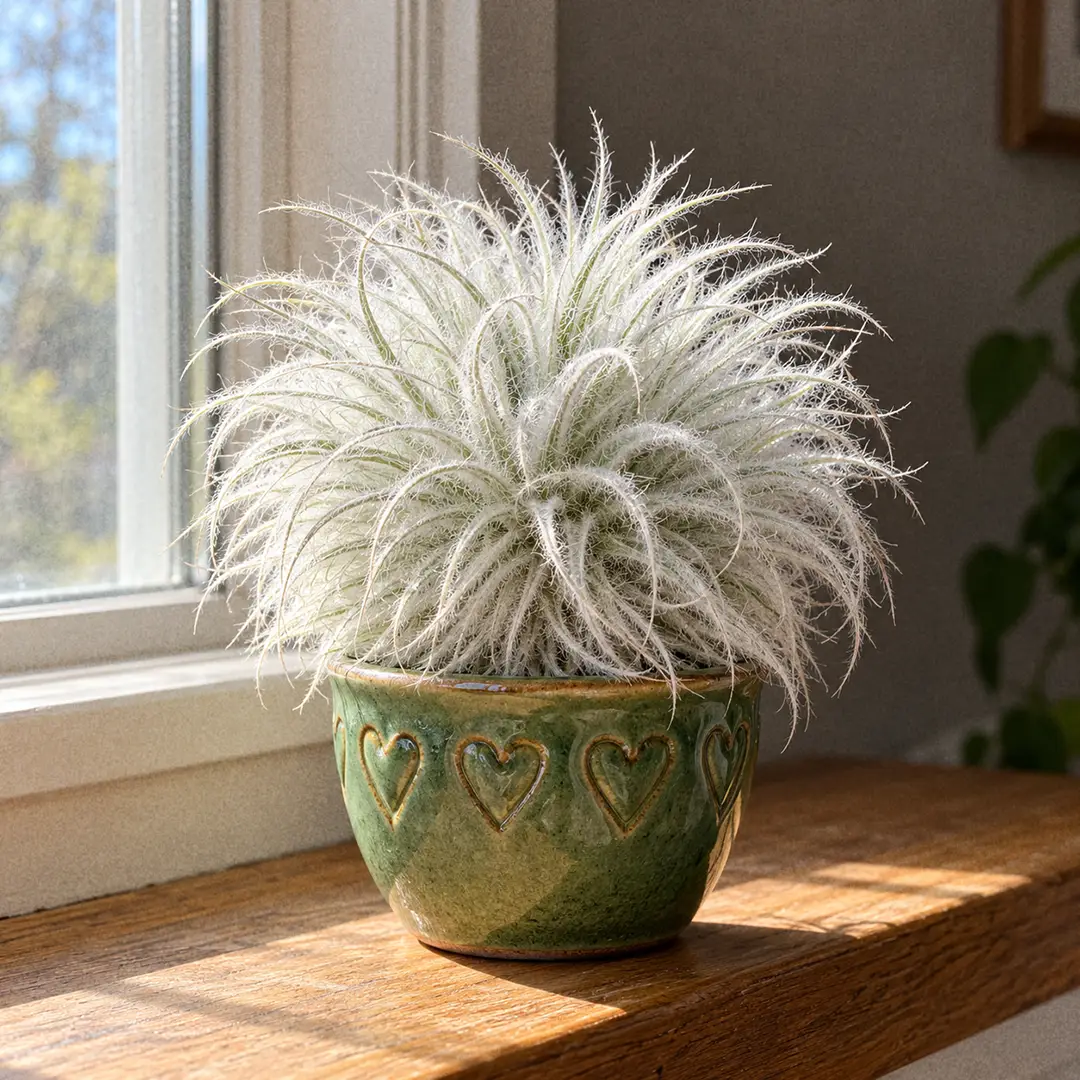
Complete Guide to Tectorum Air Plant Care and Growth
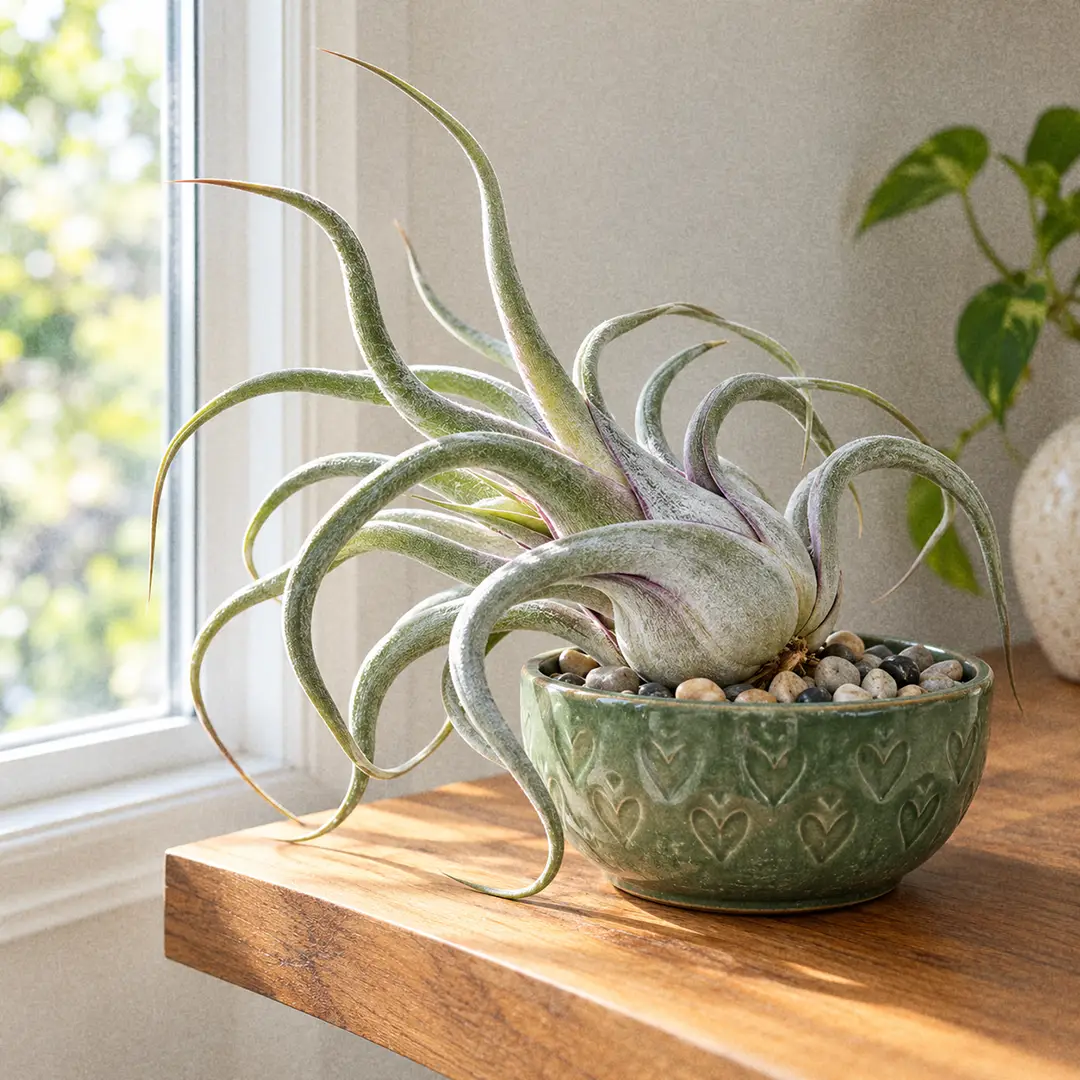
Complete Guide to Medusa's Head Air Plant Care and Growth
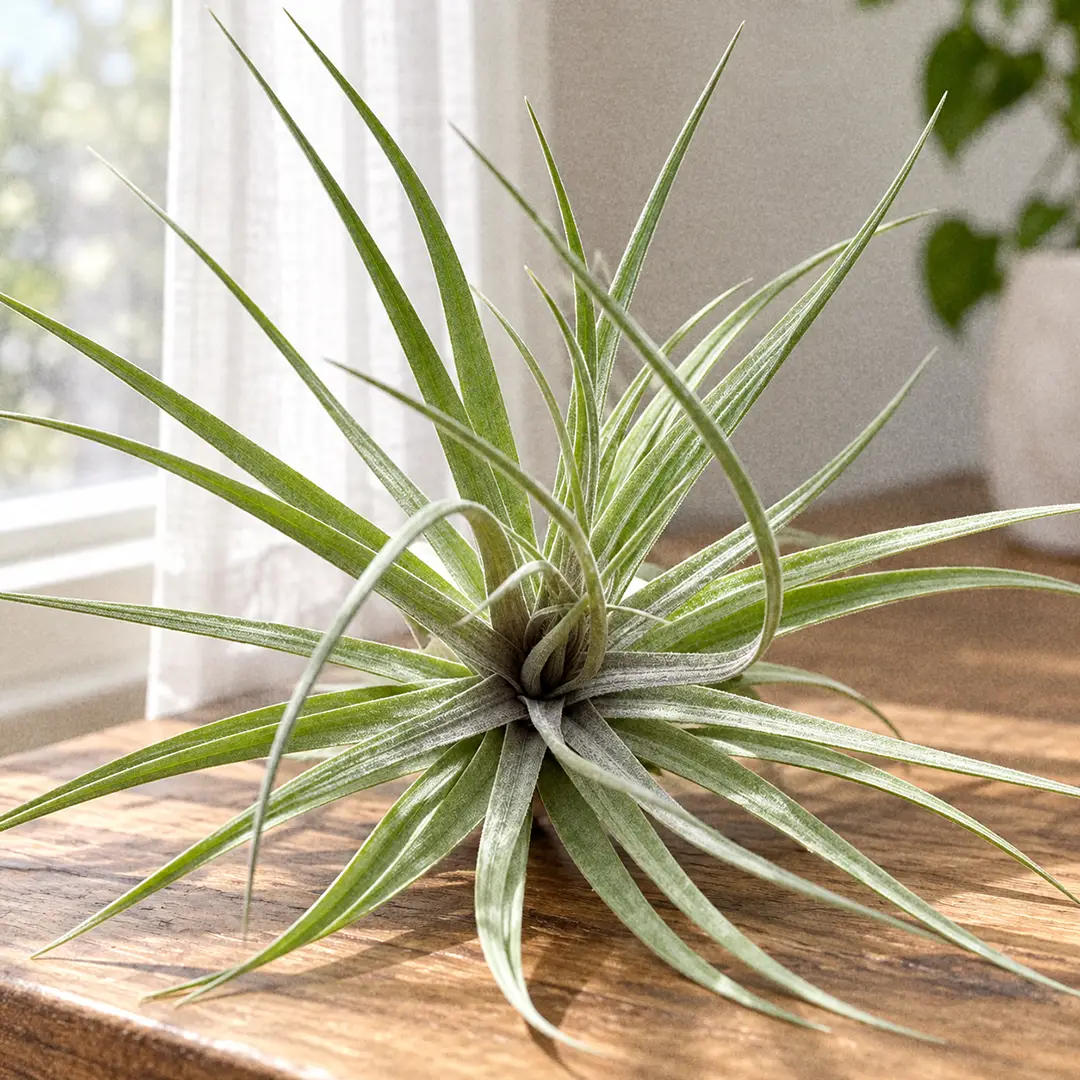
Complete Guide to Tenuifolia Air Plant Care and Growth
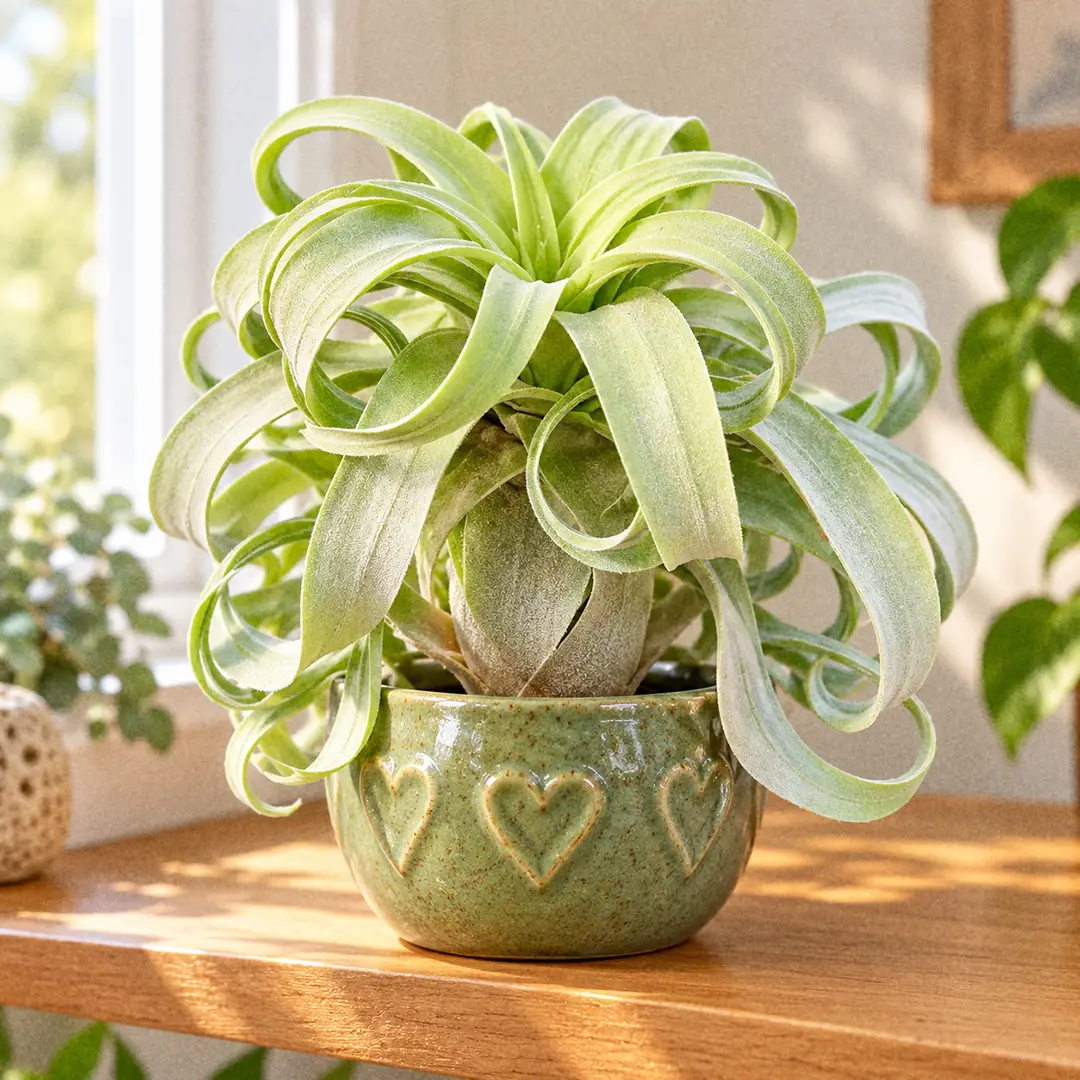
Complete Guide to Streptophylla Air Plant Care and Growth

Houseplant101 Forum
Questions & Comments
Ask a question, share your plant experience, or help other plant owners.
Comments are temporarily unavailable.
Open the Houseplant101 ForumNo comments yet
Be the first to ask a question or share your experience about this page.
Log in or create an account
Comments use your Houseplant101 Forum account, but you can stay on this page.
Create a new account