
Tenuifolia Air Plant
Tillandsia tenuifolia
Narrowleaf Airplant, Tillandsia Tenuifolia Blue Flower, Tenuifolia Emerald Forest, Tenuifolia Bronze, Tenuifolia Amethyst


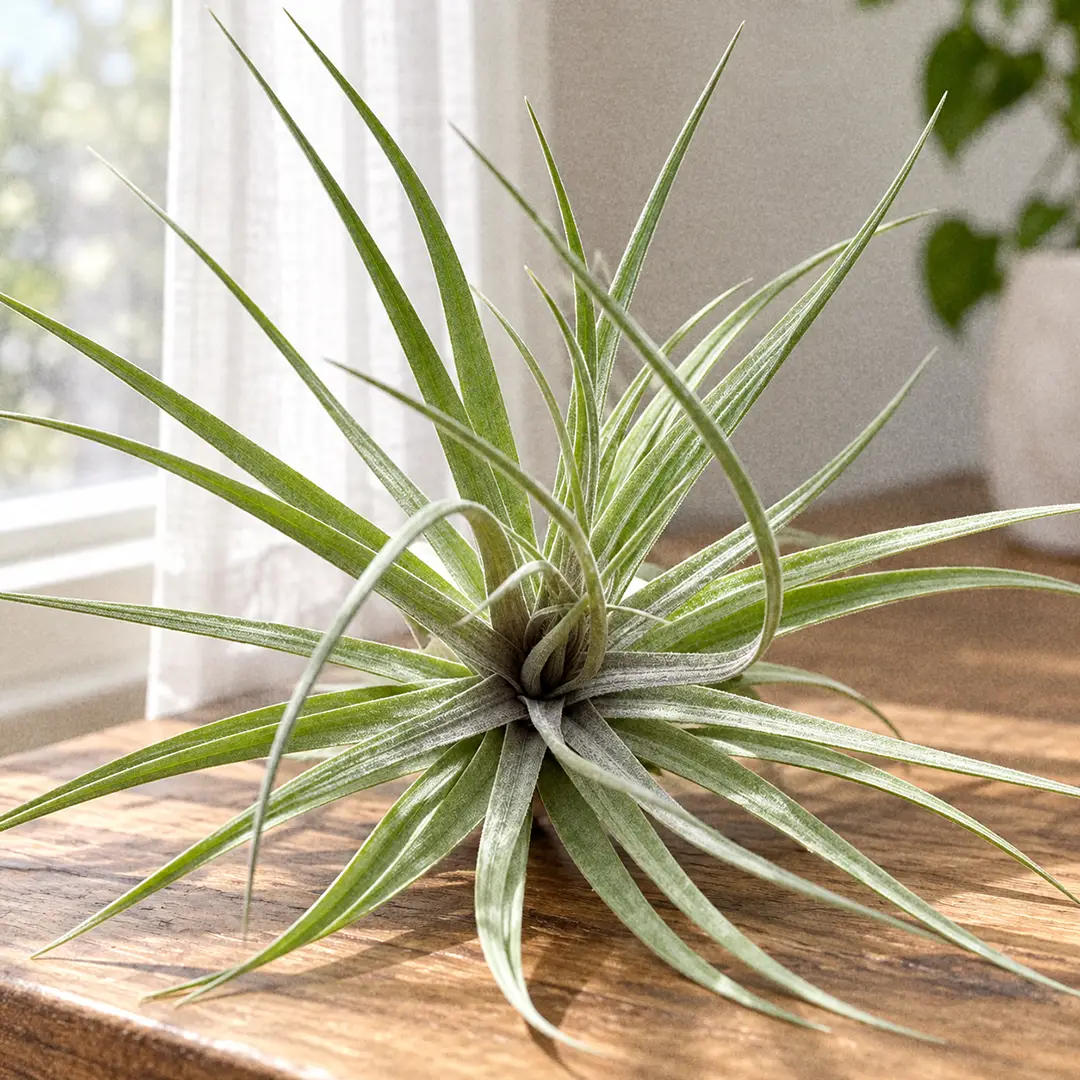
Tenuifolia Air Plant is a small, spiky green Tillandsia that pups fast into a full clump and raises a pink flower spike with blue or white petals. Learn how to water, light, and bloom Tillandsia tenuifolia indoors.
📝 Tenuifolia Air Plant Care Notes
🌿 Care Instructions
⚠️ Common Pests
📊 Growth Information
🪴 In This Guide 🪴

A Note From Our Plant Expert
Anastasia here. The Tenuifolia Air Plant is the one I hand people who want a full, bushy clump without paying clump prices. One small rosette pups quickly, and within a couple of years you have a spiky green cushion that throws up pink flower spikes with blue or white petals. The catch is water. This is a green, thirsty air plant, not a silver desert type, so it needs more than the occasional mist. If you have kept an Ionantha Air Plant alive, you are ready for this one.
☀️ Tenuifolia Air Plant Light Requirements (Bright, Filtered)
Tenuifolia grows on tree branches and rocks in the wild, where it gets bright light broken up by leaves and passing cloud. Indoors, that means bright indirect light for most of the day.
The Sweet Spot
An east window is ideal. A few hours of soft morning sun keeps the rosettes tight and colourful, and the rest of the day stays bright without scorching. A south or west window works too, as long as the plant sits two to four feet back or behind a sheer curtain.
Strong LED grow lights also work well, and they are the easiest fix for a dark flat. Keep a full-spectrum light on for 10 to 12 hours a day, about 12 inches above the plant. Our grow lights guide covers what to buy.
Too Little Light
A Tenuifolia in a dim corner stays alive for a while, which is what fools people. The leaves turn a darker, duller green, the rosettes loosen and stretch, and the plant stops making pups. It will never bloom in low light. If yours has not grown in six months, light is the first thing to change.
Too Much Light
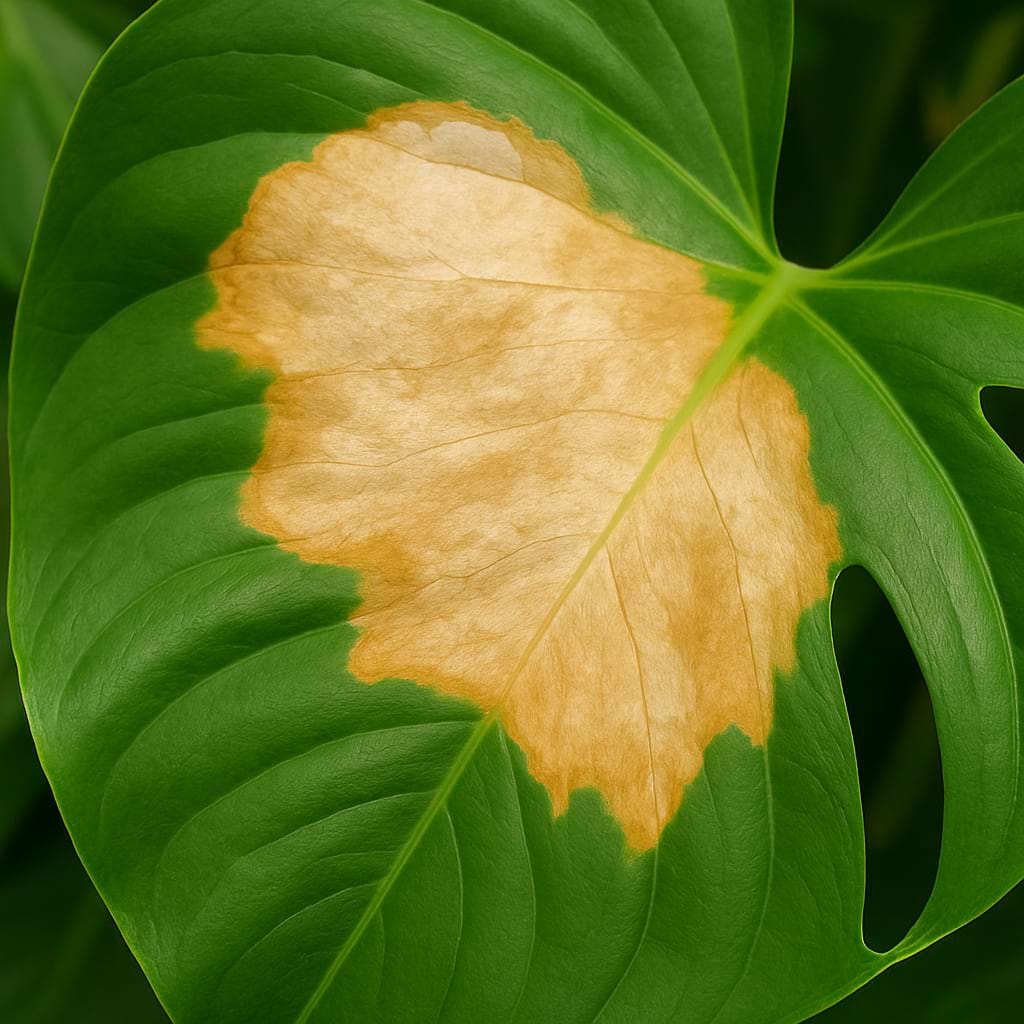
Green air plants have fewer of the silver scales (trichomes) that shield the desert types, so hot afternoon sun through glass burns them. Watch for bleached, yellowish leaves or dry tan patches on the side facing the window. Filtered light and a weekly soak fix this. A gentle bronze or reddish blush in bright light is normal and healthy, especially on the 'Bronze' form. Read more about placement in our light guide.

💧 Tenuifolia Air Plant Watering Guide (Soak Weekly, Mist Extra)
Watering is where most Tenuifolias are lost, and they are lost in both directions. The plant needs more water than a silver air plant, but its tight, packed base hates staying wet.
Watering Frequency
Soak it once a week for 20 to 30 minutes. In a dry, heated room, or if it lives near a sunny window, add a light misting once or twice between soaks. Growers who sell these plants recommend watering once or twice weekly, which is more than a xeric species like the Xerographica Air Plant will ever want.
In a humid bathroom or a bright, damp greenhouse, you can drop the misting and stick to one weekly soak.
How to Water
Fill a bowl with room-temperature rainwater, filtered water, or tap water left out overnight. Avoid softened water, which carries salt. Submerge the whole plant or clump, leave it 20 to 30 minutes, then lift it out and shake it firmly upside down. Set it on a towel, rosette facing down, somewhere with moving air.
It must be fully dry within about four hours. Clumps hold water between the heads much longer than single plants, so give a clump extra shakes and a spot near a fan or open window. Our watering guide explains more about drying and airflow.
Signs of Trouble
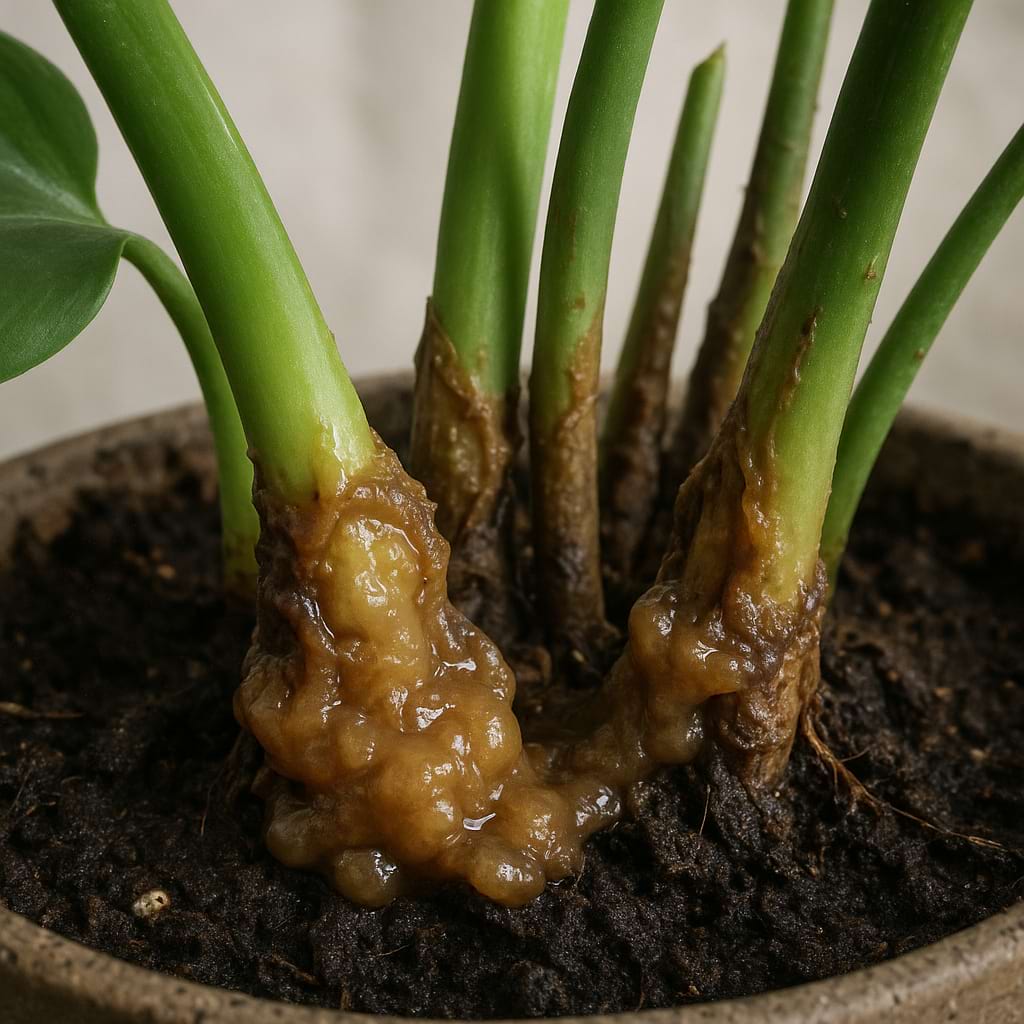
Underwatered Tenuifolia leaves curl inward more than usual, feel soft or limp, and dry to crispy tips. A longer soak usually brings it back within a day. Overwatering looks very different: the base turns brown or black, feels soft, and the centre leaves pull out with a gentle tug. That is rot, and it is almost always caused by poor drying rather than soaking too often.
🪴 Best Soil for Tenuifolia Air Plant (None at All)
Tenuifolia is an epiphyte. It clings to bark and stone with a few wiry roots and takes in water and food through its leaves. Soil does nothing for it except hold water against the base.
Why Soil Kills It
Potting mix stays damp for days. The base of an air plant sitting in wet mix rots within weeks, and the plant cannot use the soil anyway. Moss packed around the base does the same thing. If you want to set it in something, it must be a material that dries fast.
What to Use Instead
Most people grow it loose in an open dish or glass bowl, or mounted on wood (see Mounting below). If you like the look of a pot, fill it with coarse orchid bark, lava rock, or pebbles and rest the plant on top. The roots will grip the bark over time, which is fine, but the base should never be buried.
Clay Pots and Closed Containers
Unglazed clay dries quickly and works well. Avoid closed jars, lidded terrariums, and tall narrow vases. They trap moisture around the plant after watering and are one of the most common ways Tenuifolias rot.
🍼 Fertilizing Tenuifolia Air Plant (Weak and Monthly)
Fertilizer is optional, but it helps. A fed Tenuifolia pups faster and blooms more reliably, which is the whole point of growing this species.
When and How Often
Feed once a month from spring through late summer, the months when it is actively making pups. Skip it in winter when growth slows.
What to Use
Use a bromeliad or air plant fertilizer, or a general water-soluble houseplant feed at one-quarter strength. Add it to the soak water, soak as normal, and dry as normal. Avoid urea-based fertilizers, since air plants cannot break urea down without soil microbes to help. See our fertilizer guide for picks.
Over-Fertilizing Signs
Too much feed shows up as brown, burnt leaf tips and sometimes dark spots on the leaves. If you see this, skip a few months and rinse the plant well in plain water.
🌡️ Tenuifolia Air Plant Temperature Range
This species covers a huge wild range, from warm Caribbean islands to cooler southern Brazil, so it handles normal household temperatures without fuss.
Ideal Range
Keep it between 60 and 85°F (15 to 29°C). It tolerates short dips toward 50°F (10°C), and it can summer outdoors in shade once nights stay above that. Bring it in before autumn nights turn cold.
Drafts and Heat Sources
Keep it away from heater vents, radiators, and fireplaces. Hot, dry air pulls water from the thin leaves in hours. Cold drafts from doors in winter are less of a threat but can mark the leaves. An air conditioning vent blowing straight onto it dries it out almost as fast as a heater does.
💦 Tenuifolia Air Plant Humidity Requirements
Tenuifolia wants more humidity than the silver air plants. Aim for 50% or higher.
Ideal Humidity
Normal home air is fine as long as you keep up the weekly soak. Below about 40%, common in heated winter rooms, it dries out too fast between soaks.
Easy Humidity Boosters
A bright bathroom is the easiest upgrade. Otherwise, add one or two light mistings a week or run a small humidifier nearby. More in our humidity guide.
Signs the Air Is Too Dry
Leaf tips that brown between soaks, leaves that curl tighter by midweek, and pups that stall are the usual clues. If you see all three in winter, the heating is the problem, not your watering schedule.
🌸 Tenuifolia Air Plant Flowers (Pink Spike, Blue or White Petals)
Tenuifolia blooms indoors more easily than many air plants, and a clump can carry several spikes at once.
What the Flowers Look Like
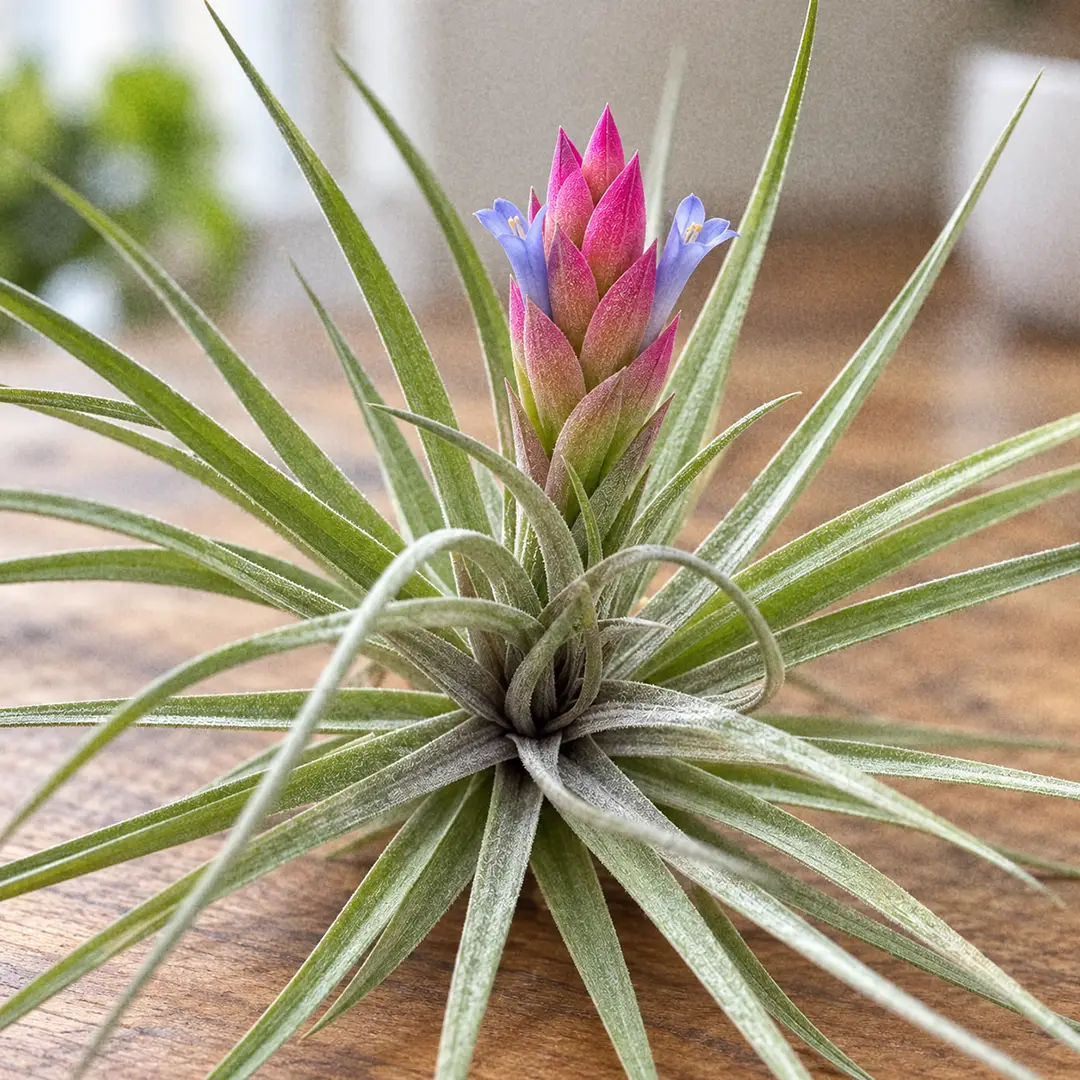
A short spike rises from the centre of a mature rosette, wrapped in bracts that shade from green or rose at the base to hot pink or red at the tip. Small tubular flowers push out from between the bracts, a few at a time. Depending on the form, the petals are light blue or white. Each flower lasts only a day or two, but the pink bract holds its colour for several weeks.
How to Trigger Bloom
A rosette blooms once it reaches mature size, which usually takes a year or two from a pup. You cannot force it, but you can make it much more likely. Give it the brightest filtered light you have, soak weekly, and feed monthly through spring and summer. Most indoor blooms show up in spring and summer.
After It Blooms
Each rosette flowers only once. After blooming, it puts its energy into pups, usually two or three, which appear at the base. The mother plant then slowly fades over months. This is normal and not a sign that anything went wrong. Leave the pups on for a bigger clump, or remove them once they are a third of the mother's size.
If It Won't Bloom
Low light is the most common cause, followed by a plant that is simply too young. A small single rosette from a shop may need another full season before it blooms. See our guide to failure to bloom for other causes.
🏷️ Tenuifolia Air Plant Types and Varieties
Tenuifolia is sold under several names, and the labels are not always consistent between shops. Botanists list four wild varieties (tenuifolia, disticha, saxicola, and vaginata), but at a shop you will usually meet these trade names instead. All of them need the same care.
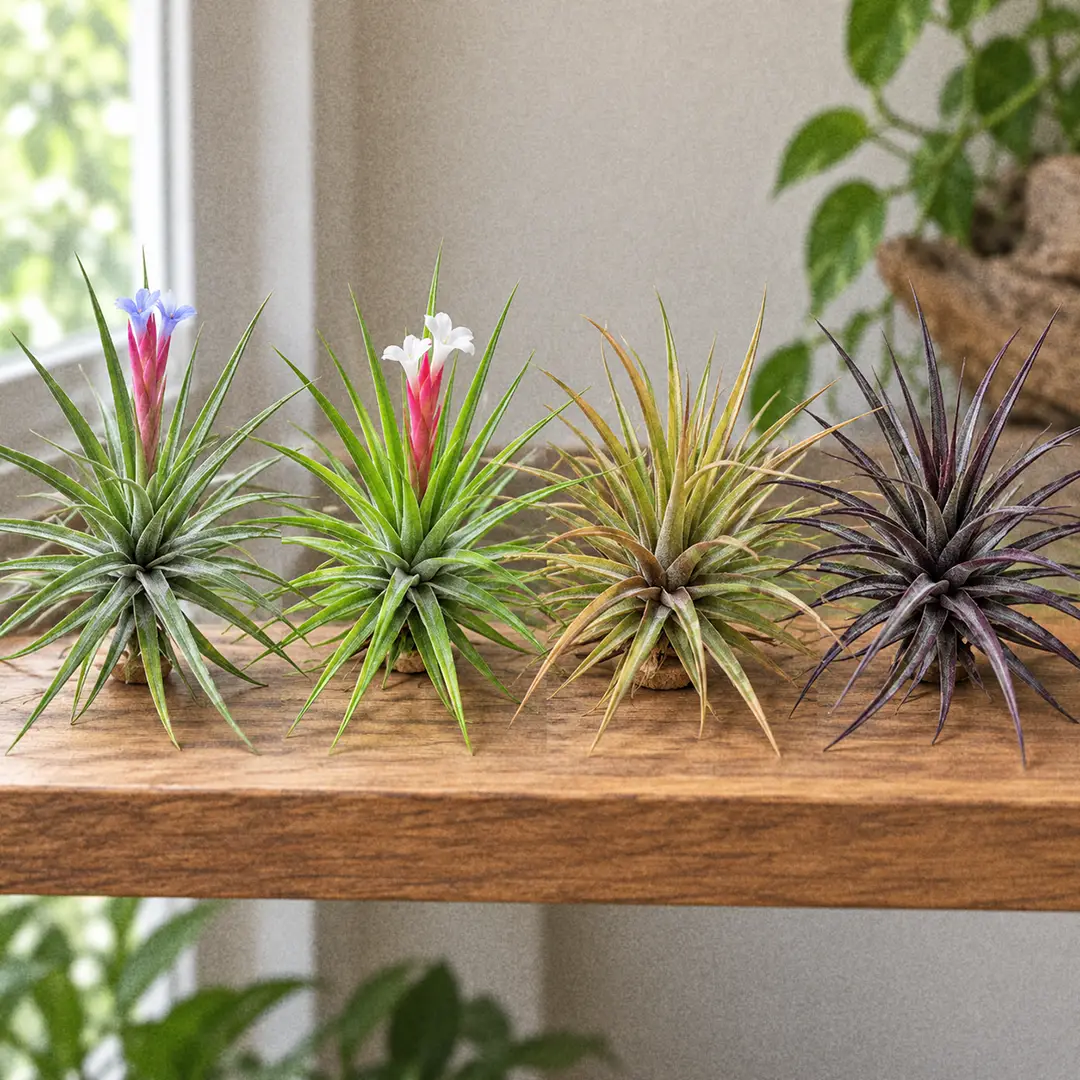
Tenuifolia 'Blue Flower'
This is the classic form most shops sell. It has narrow, stiff green leaves in a spiky rosette and a short pink spike with light blue petals. It is cheap, easy, and pups well.
Tenuifolia 'Emerald Forest'
A deeper green form that turns a brighter lime green in strong light. It carries bright pink bracts with white flowers instead of blue, and it is well known for clumping fast.
Tenuifolia 'Bronze'
Stiff, curving light green leaves that blush yellow to bronze in bright light, and a bronze-purple tone when it blooms. At three to five inches, it makes a thick, bushy filler that shops call the hedge of the air plant world.
Tenuifolia 'Amethyst' and var. surinamensis
'Amethyst' has dark, almost black-purple foliage and a pink spike, and it is sometimes labelled var. nigrifolia or var. surinamensis. Plain var. surinamensis has narrow green leaves, a rose-pink spike, and light blue petals. If you want colour without blooms, 'Amethyst' is the pick.
Tenuifolia vs Similar Air Plants
Tenuifolia is most often confused with the Ionantha Air Plant. Both are small, spiky rosettes, but Ionantha blushes red across the whole plant before it blooms and has softer, fuzzier leaves, while Tenuifolia stays green and raises a pink spike instead. The Sky Plant is another lookalike, with stiff silvery leaves and a pink bract with violet flowers. It is tougher and drier than Tenuifolia, so it needs less water. The Brachycaulos Air Plant is the closest match for care: another green, thirsty species, but with a broader, softer rosette.
🪴 Mounting a Tenuifolia Air Plant
Tenuifolia never needs repotting. Instead, you choose where it lives and move it when the clump gets bigger.
Choosing a Mount
Driftwood, cork bark, grapevine wood, and untreated branches all work. Avoid copper wire and treated or painted wood, since copper is toxic to air plants. Choose a mount that lets water drain away from the base rather than pooling in a hollow.
How to Attach It
Use a dab of waterproof, non-toxic plant glue or a little clear fishing line wrapped around the base. Do not glue over the base itself or cover it completely. Within a season, the wiry roots grab the wood on their own. If you plan to soak it, pick a small mount that fits in a bowl, or switch that plant to heavy misting plus a quick rinse under the tap.
Moving a Growing Clump
Once a clump spills past its dish or mount, lift it and set it somewhere larger. Keep the clump together if you want the full look, or divide it (see Propagation).
✂️ Pruning a Tenuifolia Air Plant
Tenuifolia needs very little pruning. A few minutes every month or two keeps a clump tidy.
What to Remove
Dry, papery leaves at the base of each rosette are normal. Pull them off gently, downward and outward. If one resists, leave it for another week. Snip the spent flower spike at its base once it fades.
Trimming Brown Tips
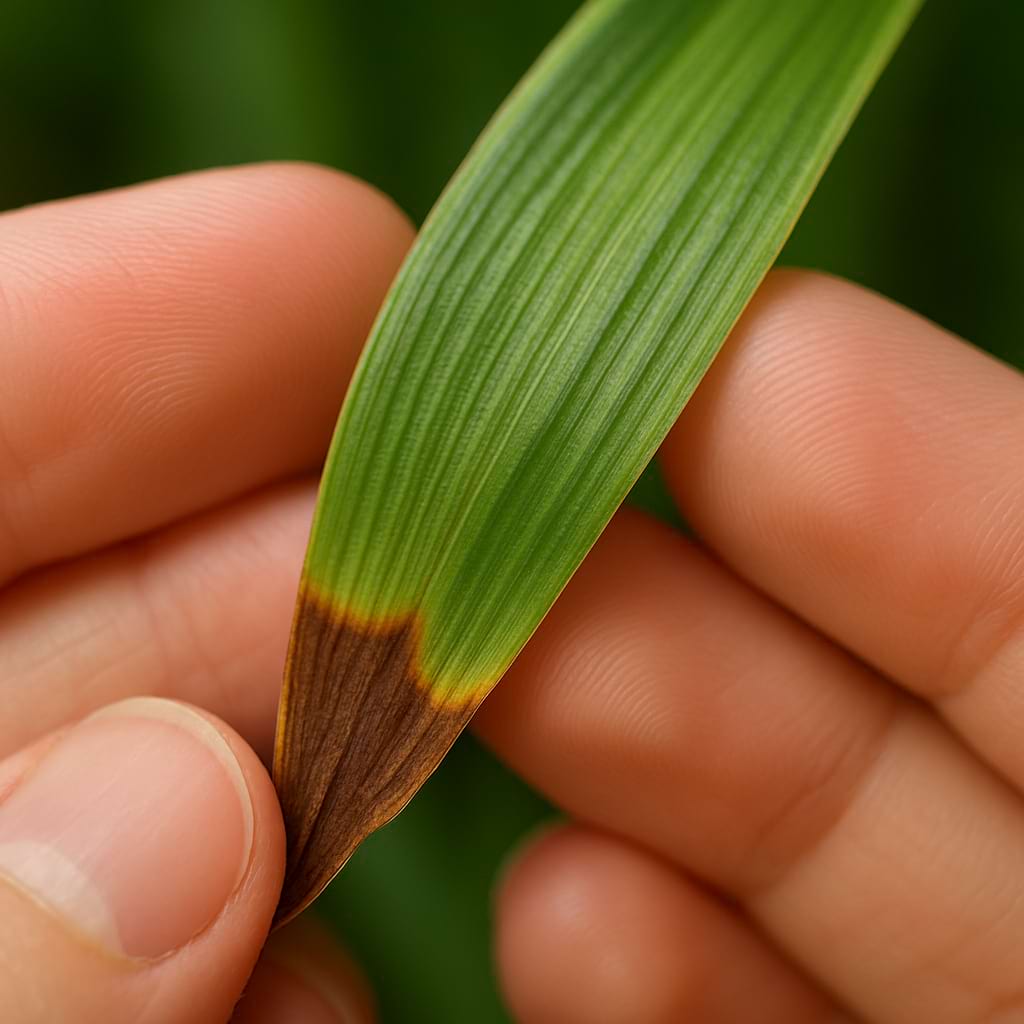
Brown, crispy tips usually mean the plant is thirsty. Trim them with clean scissors, cutting at an angle to follow the leaf's natural point. Then fix the watering, or the tips will simply brown again.
Cleaning Up a Clump
In a big clump, old mother plants die back behind the new pups. Once a mother is completely dry and brown, twist it out so air can reach the base of the younger heads.
🌱 How to Propagate Tenuifolia Air Plant
This is one of the easiest air plants to multiply. It makes pups readily, often before it blooms and always after.
Best Method: Pups
Pups sprout from the base of the mother, and sometimes between the lower leaves. You have two choices. Leave them attached and the plant grows into a clump, which is how most people grow Tenuifolia. Or remove them to start new plants and give them away.
Step-by-Step Pup Removal
- Wait until the pup is at least a third the size of the mother. Smaller pups struggle on their own.
- Soak the whole plant for 15 minutes first. Wet leaves are more flexible.
- Hold the mother in one hand and the pup at its base in the other.
- Twist and pull the pup gently downward and away. If it will not release easily, cut it off close to the mother with clean, sharp scissors.
- Let the pup dry upside down, then care for it just like an adult.
Tips for Success
Pups grow faster in bright, filtered light with regular feeding. A young pup usually needs one to two years before it is big enough to bloom. Seed is possible but very slow, so nearly every grower sticks with pups. For more on dividing plants, see our propagation guide.
🐛 Tenuifolia Air Plant Pests and Treatment
Pests are uncommon on air plants, but the tight bases of a Tenuifolia clump give them hiding places.
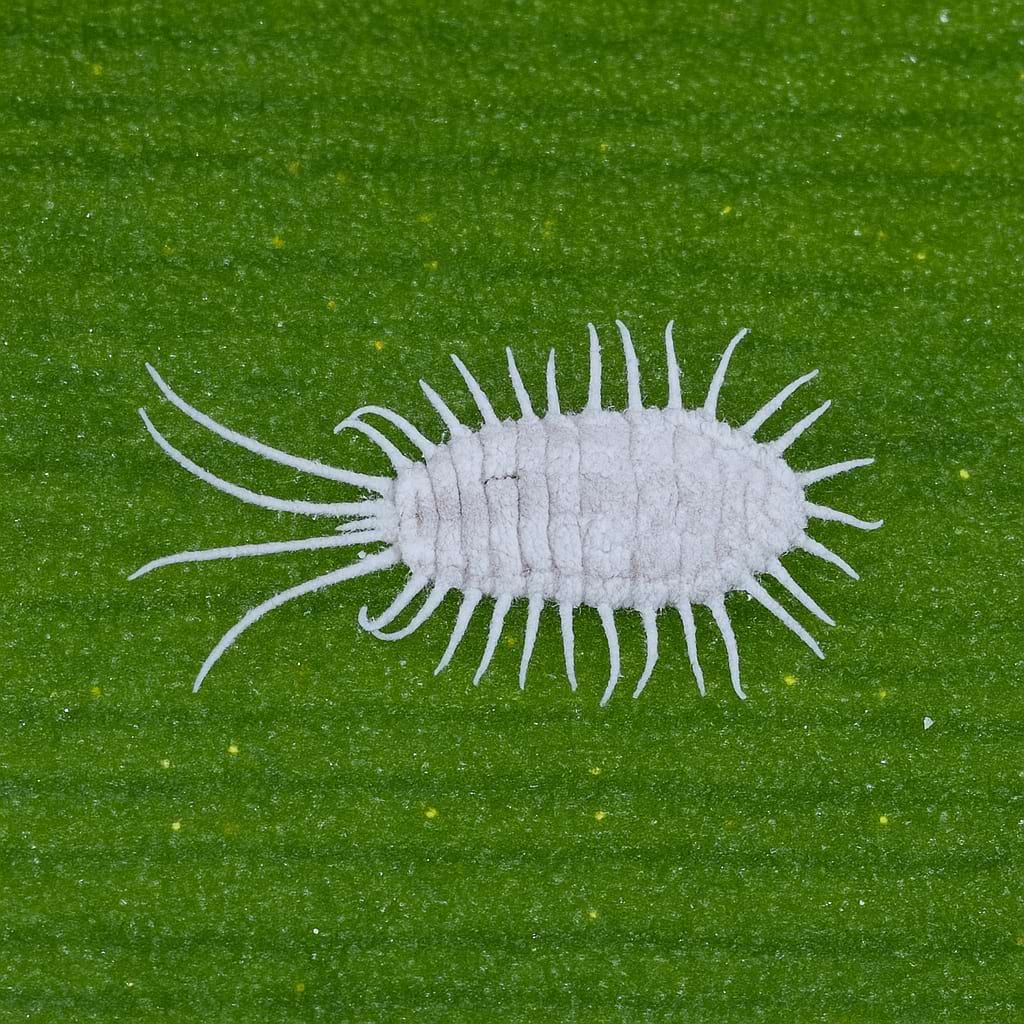
- Mealybugs: White, cottony clusters tucked deep between the leaves. Dab them off with a cotton swab dipped in rubbing alcohol, then rinse the plant well.
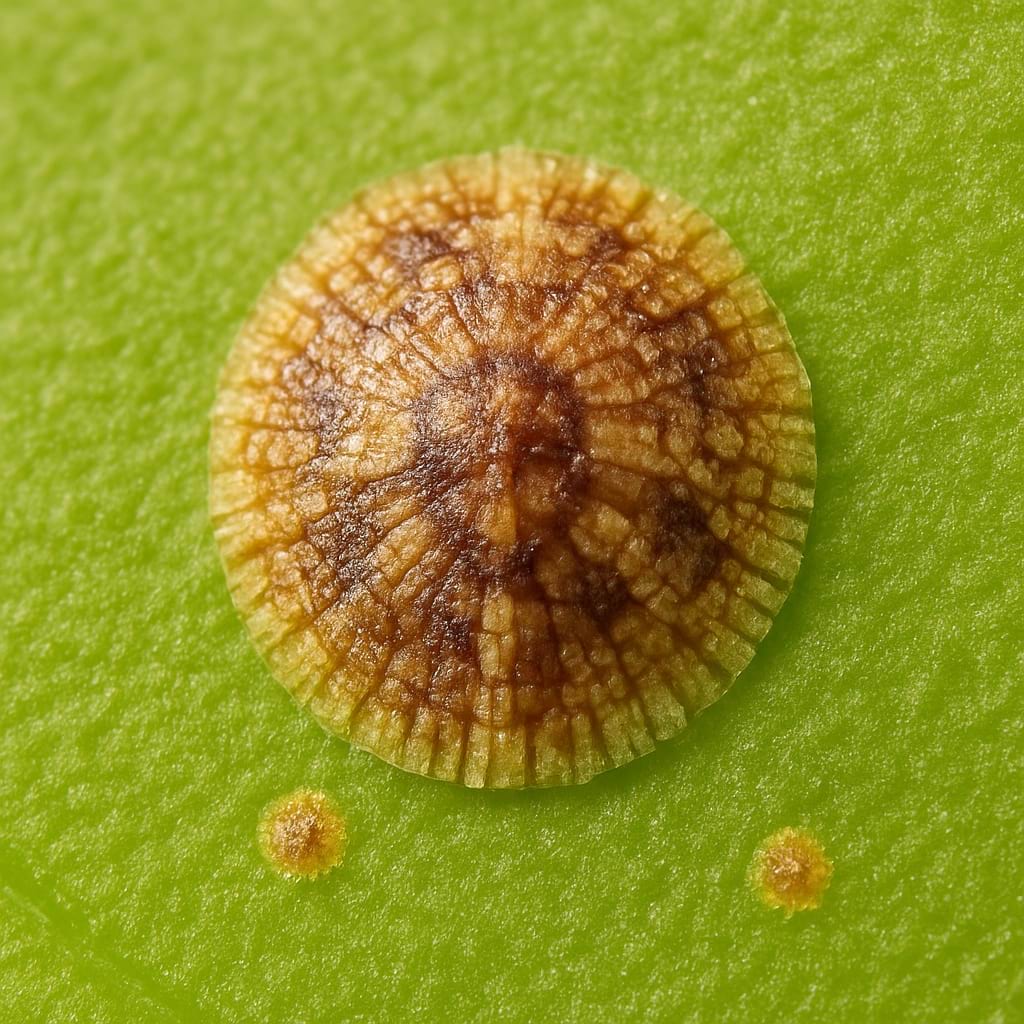
- Scale insects: Small, hard brown bumps on the leaves that do not wipe off easily. Scrape them off gently and rinse.
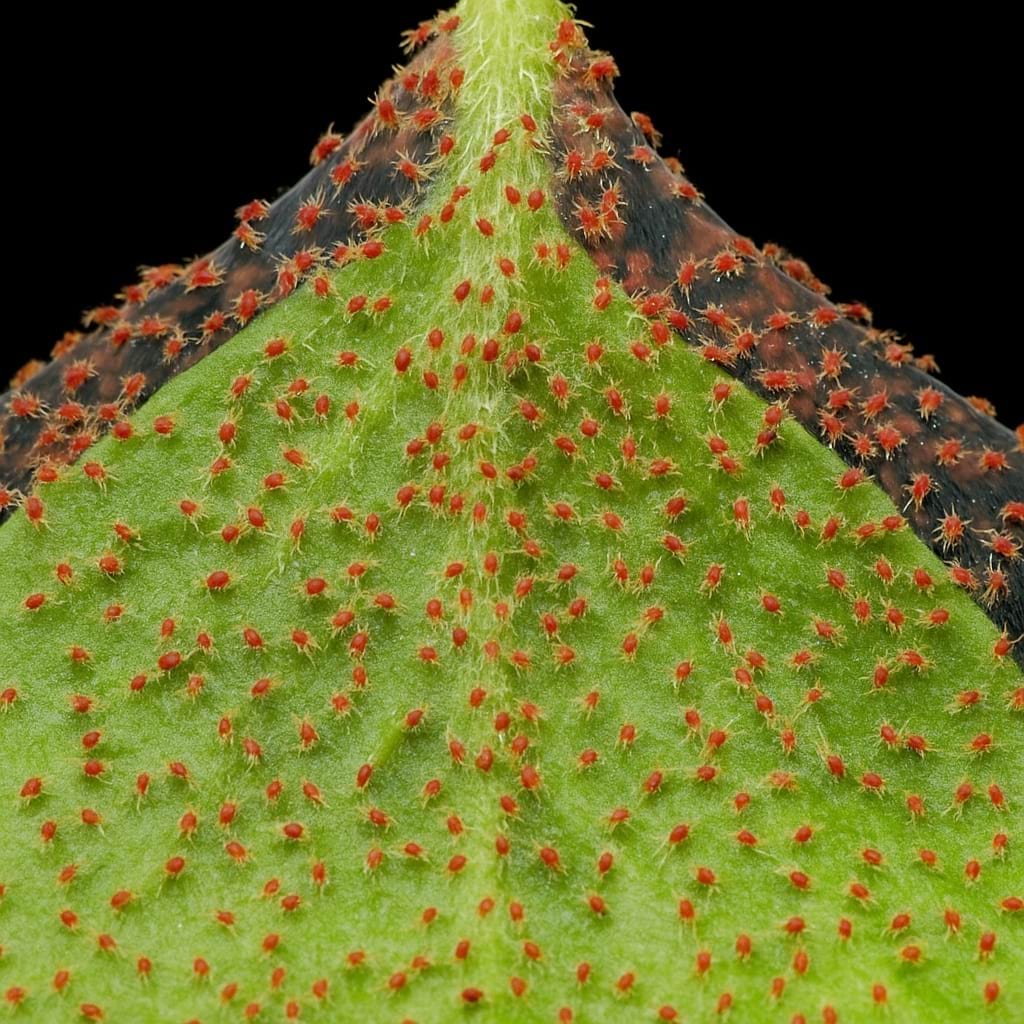
- Spider mites: Fine webbing and pale speckling in hot, dry rooms. Rinse under the tap and raise the humidity.
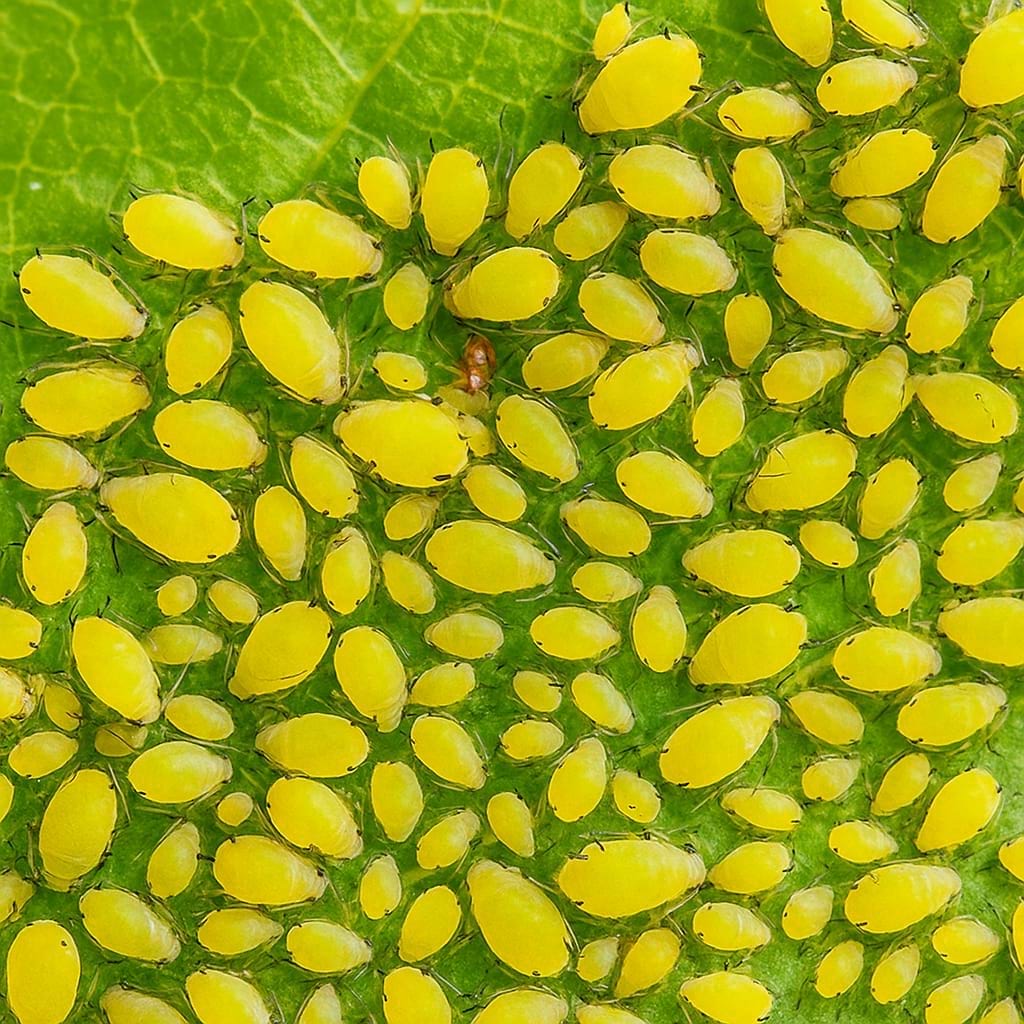
- Aphids: Soft green or black bugs, usually on the flower spike. A strong rinse washes them away.
Isolate any infested plant from your other air plants, and treat the whole clump rather than one head. Avoid oil-based sprays and harsh insecticides, which can clog the trichomes and damage the leaves. Check new air plants before adding them to a group display, since pests spread easily between plants packed close together.
🩺 Common Tenuifolia Air Plant Problems
Most Tenuifolia problems trace back to water, either too little or too slow to dry.
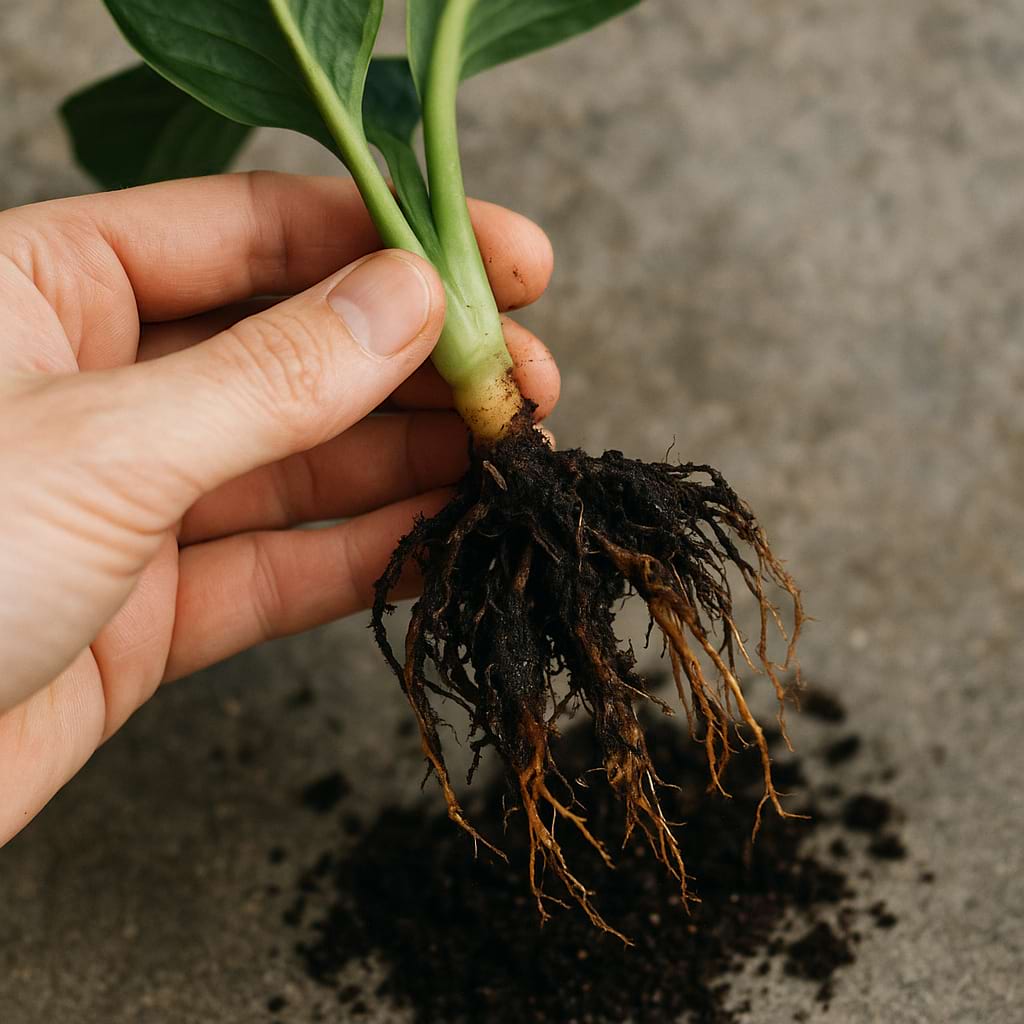
- Rotting base: A brown or black, mushy base and leaves that fall out from the centre. This is root rot caused by water trapped between the leaves. It cannot be reversed in that rosette, so remove it before it spreads through the clump.
- Brown, crispy tips: The plant is thirsty. Add a misting between soaks and check for nearby heat sources. See our guide to brown crispy edges.
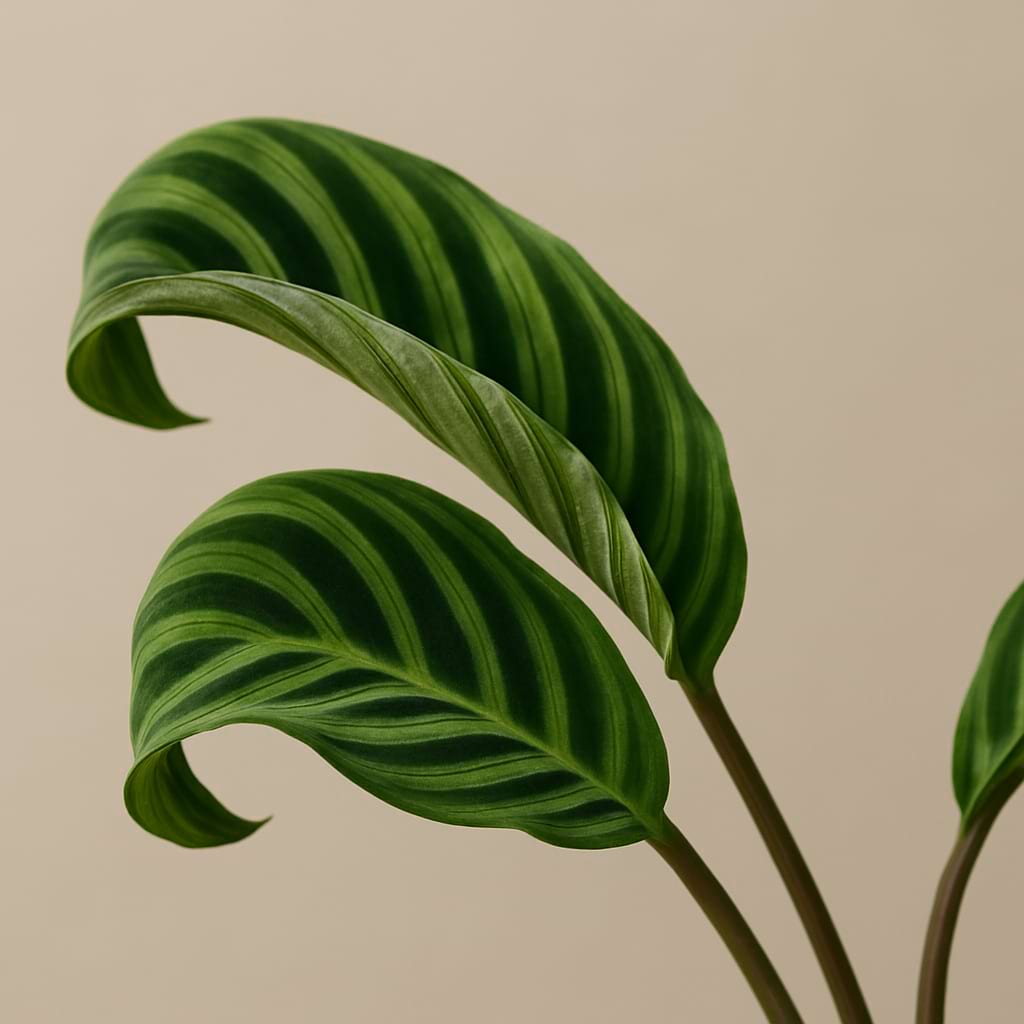
- Leaves curling tightly: Another dehydration sign. A long 45-minute soak usually relaxes the leaves within a day. More on curling leaves.
- Bleached or tan patches: Too much direct afternoon sun. Move it back from the window. See sunburn and leaf scorch.
- Dull, pale, stretched growth: Not enough light. Move it closer to a window or add a grow light. See pale, faded leaves.
- Mother plant dying after bloom: Normal. Look for pups at the base.
🖼️ Tenuifolia Air Plant Display and Styling Ideas
Tenuifolia's small, spiky, dense habit makes it easy to style, and a big clump looks good almost anywhere bright.
Solo Setups
A single large clump on a piece of driftwood or cork bark makes a strong, natural-looking display. Hang it on a wall near an east window, or set a smaller one in a seashell or open glass globe.
Grouped Arrangements
This is where Tenuifolia really earns its place. Use it as the dense green filler around taller or silver species. Pair it with the tall, grassy Juncea Air Plant, the silver curls of a Xerographica, or the red-blushing Brachycaulos. The contrast in shape and colour makes each plant stand out.
Mixed Air Plant Boards
A wall board or grid with several species is a good way to show off a collection. Put Tenuifolia at the bottom or in the gaps, where its spiky texture ties the display together, and keep the thirstier green species on the side you can reach most easily for misting.
Where Not to Put It
Skip closed terrariums, dark bookshelves, and spots right above a radiator or heating vent. Also avoid any display you cannot easily take down for its weekly soak.
🌟 Tenuifolia Air Plant Pro Care Tips
- Shake it like you mean it. After every soak, turn it upside down and shake firmly. A clump holds more water than you think.
- Water in the morning. That gives the plant a full day to dry before the cooler night.
- Keep the clump together. Tenuifolia looks best as a full cushion of heads, and a clump dries unevenly less often if it stays one piece on a good mount.
- Watch the leaf curl. Tighter curl means thirstier. Relaxed, open leaves mean it is well watered.
- Feed in spring for more pups. A monthly weak feed from spring on is the fastest way to a full clump.
- Label your form. 'Blue Flower' and 'Emerald Forest' look alike until they bloom, so note what you bought.
❓ Frequently Asked Questions
How often should I water a Tenuifolia Air Plant?
Soak it for 20 to 30 minutes once a week, and mist once or twice between soaks if the air is dry. It is a green, thirsty air plant, so it needs more water than silver types. Always shake it out and let it dry upside down within four hours.
Is Tenuifolia Air Plant safe for cats and dogs?
Yes. Tillandsias, including Tenuifolia, are considered non-toxic to cats and dogs. A cat chewing the leaves can still damage the plant, though, so keep it out of reach if yours likes to nibble.
Why is my Tenuifolia turning brown at the base?
A brown, soft base means rot from water trapped between the leaves. It usually happens when the plant is not shaken out or dries too slowly after soaking. Remove the affected rosette and improve drying for the rest of the clump.
Why are the tips of my Tenuifolia brown and crispy?
Crispy tips mean the plant is too dry. Add extra misting between soaks, move it away from heaters and air conditioning vents, and trim the brown tips at an angle.
What colour are Tenuifolia flowers?
The spike is pink to red, and the petals are either light blue or white, depending on the form. 'Blue Flower' and var. surinamensis have blue petals, while 'Emerald Forest' has white ones.
How long does it take a Tenuifolia to bloom?
A pup usually needs one to two years to reach blooming size. Bright, filtered light and monthly feeding in spring and summer help it get there faster.
Does my Tenuifolia die after it blooms?
Each rosette dies slowly after flowering, but only after it has made new pups. So the plant as a whole keeps going, and your clump gets bigger with every bloom.
Can I plant a Tenuifolia in soil?
No. Soil holds water against the base and causes rot. Grow it loose in an open dish, mounted on wood, or resting on bark or pebbles.
Why is my Tenuifolia not making pups?
Low light and no feeding are the usual causes. Move it to a brighter spot with filtered morning sun, and add a quarter-strength air plant fertilizer to the soak water once a month in spring and summer. Most plants pup within a season once both are fixed.
Can Tenuifolia live outside?
Yes, in summer or year-round in frost-free climates (roughly zones 10 to 11). Hang it in bright shade, such as under a tree or a covered porch, and water it more often in hot, dry weather. Bring it inside before nights fall below about 50°F (10°C).
Are Tenuifolia leaves sharp?
The leaf tips are stiff and pointed, more so than on softer species like Brachycaulos. They will not hurt you, but they can scratch, and they make the plant less appealing to curious pets.
Can I grow a Tenuifolia in a closed terrarium?
A closed terrarium traps moisture and air, which rots the base. An open glass globe or a bowl works, as long as it has plenty of air circulation and the plant is fully dry before it goes back in.
ℹ️ Tenuifolia Air Plant Info
Care and Maintenance
🪴 Soil Type and pH: None. Grown mounted or loose, never buried in potting mix.
💧 Humidity and Misting: Happiest at 50% humidity or higher, and needs extra misting in centrally heated rooms.
✂️ Pruning: Pull off dry lower leaves, trim brown tips at an angle, and cut the spent flower spike once it fades.
🧼 Cleaning: The weekly soak keeps it clean. Rinse under a gentle tap if dust settles between the stiff leaves.
🌱 Repotting: No repotting. Remount or move to a bigger dish when the clump outgrows its spot.
🔄 Repotting Frequency: Not applicable
❄️ Seasonal Changes in Care: Soak weekly and feed monthly from spring through summer. In winter, keep soaking weekly if the heating is on, and mist more, since indoor air dries out fast.
Growing Characteristics
💥 Growth Speed: Moderate
🔄 Life Cycle: Evergreen epiphytic perennial that blooms once per rosette, then pups
💥 Bloom Time: Mostly spring into summer on mature rosettes
🌡️ Hardiness Zones: 10-11
🗺️ Native Area: The Caribbean and tropical South America down to northern Argentina, on tree branches and rocks
🚘 Hibernation: No true dormancy. Growth slows in winter.
Propagation and Health
📍 Suitable Locations: Bright bathrooms, kitchen windows with a sheer curtain, open terrariums, driftwood mounts near an east window
🪴 Propagation Methods: Leave pups on to build a clump, or twist them off once they reach a third of the mother's size.
🐛 Common Pests: Mealybugs, Scale Insects, Spider Mites, Aphids
🦠 Possible Diseases: Base rot from trapped water, dehydration, sunburn in harsh direct sun
Plant Details
🌿 Plant Type: Epiphytic bromeliad (air plant)
🍃 Foliage Type: Evergreen rosette of stiff, narrow, sharp-tipped leaves
🎨 Color of Leaves: Green to grey-green; bronze or dark purple blush in some forms
🌸 Flower Color: Pink to red bract with light blue or white petals
🌼 Blooming: Yes, indoors, once per rosette when mature
🍽️ Edibility: Not edible.
📏 Mature Size: 3-5 inches per rosette
Additional Info
🌻 General Benefits: Pet-safe, pups quickly into a full clump, blooms indoors, and needs no soil or pot
💊 Medical Properties: No documented medicinal uses.
🧿 Feng Shui: A compact green clump that brings steady, living growth to a small bright corner without soil or mess.
⭐ Zodiac Sign Compatibility: Gemini
🌈 Symbolism or Folklore: Freedom, easy abundance, quiet resilience
📝 Interesting Facts: Carl Linnaeus described Tillandsia tenuifolia in 1753, making it one of the first air plants ever named. Its name means "slender-leaved," and it grows wild on both trees and rocks across a huge range, from Caribbean islands to the forests of southern Brazil.
Buying and Usage
🛒 What to Look for When Buying: Look for firm, green leaves that hold their shape and a tight, pale base. Skip plants with a dark or loose centre, heavy grey curling, or leaves that pull out easily. Clumps cost more but give you an instant full look.
🪴 Other Uses: Terrarium accent, filler plant in mixed air plant displays, driftwood and shell mounts, wedding and table decor
Decoration and Styling
🖼️ Display Ideas: Driftwood mounts, open glass globes, wall-mounted clumps, seashells, grouped air plant boards
🧵 Styling Tips: Use it as the green "hedge" in a mixed air plant display, packed around taller or silver species so its dense spiky texture fills the gaps.
🪴 See also 🪴
Complete Guide to Tectorum Air Plant Care and Growth
Complete Guide to Stricta Air Plant Care and Growth
Complete Guide to Medusa's Head Air Plant Care and Growth
Complete Guide to Streptophylla Air Plant Care and Growth

Houseplant101 Forum
Questions & Comments
Ask a question, share your plant experience, or help other plant owners.
Comments are temporarily unavailable.
Open the Houseplant101 ForumNo comments yet
Be the first to ask a question or share your experience about this page.
Log in or create an account
Comments use your Houseplant101 Forum account, but you can stay on this page.
Create a new account