
Capitata Peach Air Plant
Tillandsia capitata 'Peach'
Tillandsia capitata Peach, Peach Air Plant, Capitata Air Plant, Peach Capitata


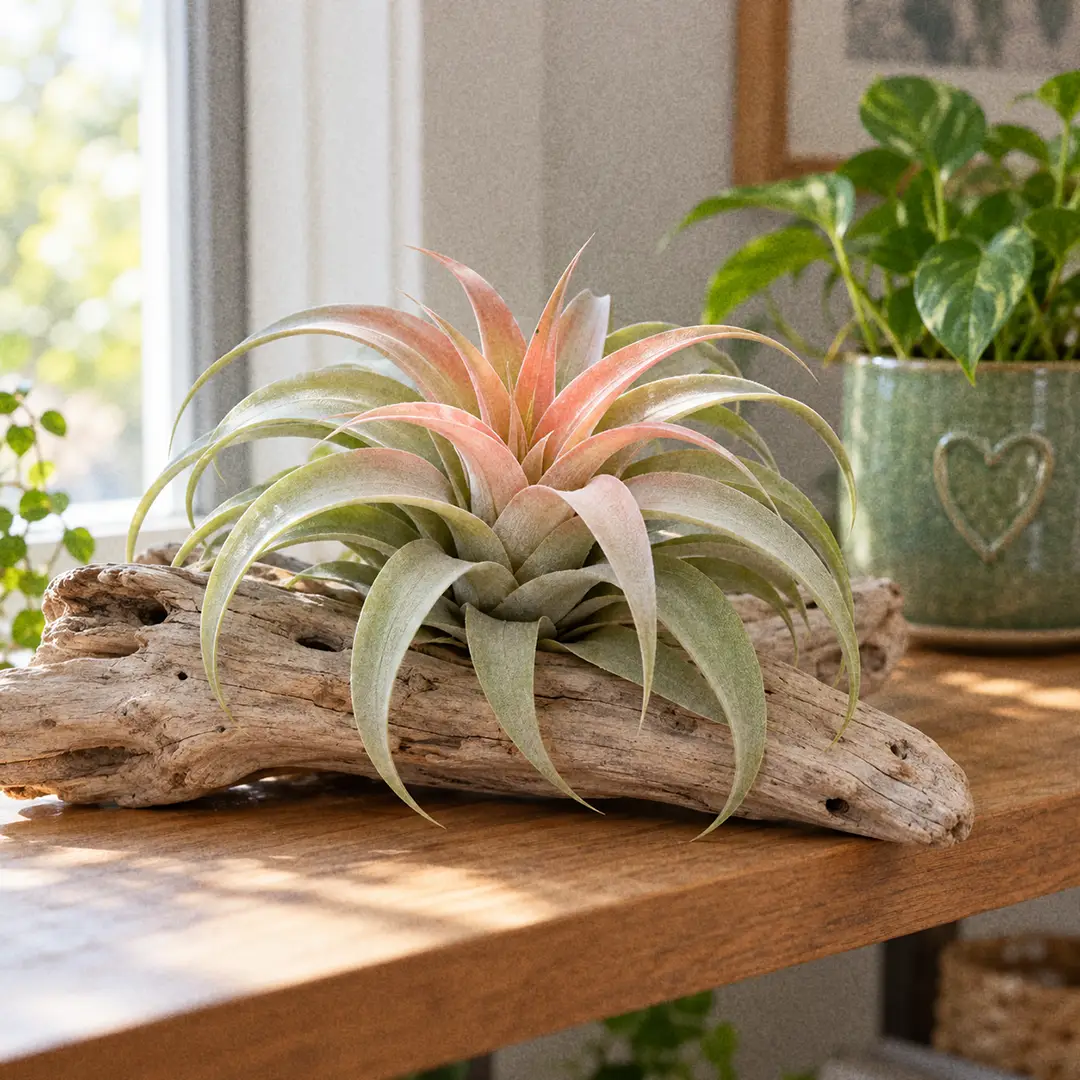
The Capitata Peach Air Plant is a soft, silvery-green Tillandsia whose center leaves turn peach and pink before purple flowers open. Learn how much light brings out the blush, how to soak and dry the velvety rosette without rot, and how to tell a natural peach plant from a dyed one.
📝 Capitata Peach Air Plant Care Notes
🌿 Care Instructions
⚠️ Common Pests
📊 Growth Information
🪴 In This Guide 🪴

☀️ Capitata Peach Air Plant Light Requirements (Bright Light for the Blush)
The Sweet Spot for Peach Color
Light does two jobs for this plant. It feeds it, and it decides how peach it looks. The best indoor position is within a foot or two of an east window, where it gets two or three hours of mild morning sun and bright shade for the rest of the day. A south or west window also works if the plant sits two to three feet back, or behind a sheer curtain, so the midday and afternoon sun arrives softened.
Expect the color to build slowly. A plant moved to a brighter spot takes several weeks to warm from silver-green toward peach, and the change starts at the center of the rosette and works outward.

Too Little Light
In low light the plant stays alive and loses everything that made you buy it. The peach drains away first. Then the rosette flattens and opens wide, the leaves grow longer and thinner, and the silver coating looks dull. A plant kept like this may never flower.
If your brightest spot is a north window or a shelf deep in the room, a small grow light set 8-12 inches above the plant for ten to twelve hours a day does the job. Our light guide explains how to judge a window if you are unsure what yours counts as.
Too Much Light
These leaves are softer than those of the stiff silver air plants, so they scorch more easily. Hot midday sun through glass leaves pale, bleached patches that later turn tan and papery, usually on the side facing the window. A healthy blush is even and warm. A burn is patchy and dry to the touch.
Move the plant toward stronger light in steps over two weeks. Outdoors in summer, hang it under a tree or a porch roof where it gets dappled light, not open sky at noon.
💧 Capitata Peach Air Plant Watering Guide (Soak, Shake, Dry)
Watering Frequency
Soak it about once a week. That is the baseline for a normal room. In hot weather, or with air conditioning or heating running all day, move to twice a week. In winter, with weak light and cool nights, every ten to fourteen days is enough.
The leaves tell you more than a calendar does. A well-watered Capitata Peach has broad, fairly flat leaves that feel firm and slightly cool. A thirsty one rolls its leaf edges inward into a deeper channel, and the whole rosette feels lighter and a bit limp when you lift it.
How to Soak It
Fill a bowl with room-temperature rainwater or tap water that has stood for a few hours. Put the plant in upside down so the whole rosette is under water and leave it for 20-30 minutes. Skip distilled water, which has none of the minerals the plant would get from rain, and skip softened water because of the salt.
Drying matters more than soaking. The leaves overlap at the base and form a small cup that holds water, and that cup is where rot begins. Lift the plant out, hold it by the base, shake it firmly a few times, and set it upside down on a towel or a rack in a bright, airy spot. It should be dry within about four hours. Put it back on display only when the center is dry.
Watering During Bloom and Signs of Trouble
When the plant is in flower, keep the flower head out of the water. Dip only the lower leaves, or hold the plant under a gentle tap with the center tilted away. Soaked flowers go brown and mushy within days.
Crisp brown tips and leaves that stay rolled after a soak mean it needs water more often. A dark, soft center or leaves that slide out with a light tug mean water has been sitting in the rosette. For the general principles behind all this, see our watering guide.
🪴 Best Growing Medium for Capitata Peach Air Plant (No Soil)
Why It Does Not Need Soil
Capitata Peach is an epiphyte. In nature the species grows attached to trees and rocks, and its few wiry roots are only anchors. Water and nutrients come in through the tiny scales on the leaves, called trichomes, which give the plant its silvery, velvety look. Buried in potting mix, the base stays wet and the plant rots, often within a couple of months.
What to Mount It On
Use anything that dries fast: cork bark, driftwood, grapevine, cholla wood, or a piece of lava rock. Fix the plant with coated wire, clear fishing line, or a small dot of waterproof plant-safe glue on the very base. Keep glue and wire away from the lowest leaves so the plant can still open as it grows.
Avoid copper wire, which is toxic to bromeliads, and do not pack moss around the base. Moss holds water exactly where this plant needs to dry.
Keeping It Loose
My preferred setup is no mount at all. Sit the plant in a shallow ceramic dish, a wire stand, or a wide open bowl with a layer of pebbles, and lift it out on soak day. A loose plant is easier to shake dry than one glued to a heavy branch. The one place to avoid is a closed glass container, where the air stays still and damp.
🍼 Fertilizing Capitata Peach Air Plant
When and How Often
Feed once a month from spring to early autumn and stop for winter. An unfed plant survives, but feeding speeds up growth a little and helps a mature plant reach flowering size, which is when the strongest color shows.
What to Use
Choose a fertilizer made for air plants or bromeliads and mix it at a quarter of the label rate into the soak water. Check that it is urea-free. Urea needs soil bacteria to break it down, so on a soil-free plant it does little except leave residue. Avoid any product with added copper. Our fertilizing guide and fertilizer roundup cover how to read the label.
Over-Fertilizing Signs
Too much fertilizer burns the leaf tips brown and can leave a pale crust on the leaves. Heavy nitrogen also pushes soft green growth, which works against the peach color you are after. If you see either, soak in plain water for the next two months.
🌡️ Capitata Peach Air Plant Temperature Range
Ideal Range
Normal room temperatures are fine. The plant is comfortable between 60°F and 85°F and tolerates a wider band of roughly 50-90°F. On hot days it dries out faster, so add a soak.
Cold Limits
Keep it above 50°F. It is not frost hardy, and a cold, wet plant rots far faster than a cold, dry one. If it spends summer outside, bring it in when nights start dropping toward 50°F, and in winter keep it from touching cold window glass.
Drafts and Heat Sources
Moving air is good for this plant. Hot, dry blasts are not. A shelf above a radiator or beside a heating vent will crisp the leaf tips between soaks, so keep it a few feet away from both.
💦 Capitata Peach Air Plant Humidity Requirements
Ideal Humidity
Household humidity of 40-60% suits it. In drier homes, especially in winter, the plant just needs soaking more often. A light misting between soaks is fine as a top-up, but it does not replace a soak. Our humidity guide has more on measuring your rooms.
Airflow Matters More
High humidity with still air is the risky combination, because the cupped center never dries. A bright bathroom with a window that opens is a good home. A windowless bathroom or a sealed terrarium is not. If you run a humidifier nearby, keep a fan or an open door in the same room.
🌸 Capitata Peach Air Plant Flowers (Peach Blush, Purple Blooms)
What the Blush and Flowers Look Like
The show starts with the leaves. As a mature plant gets ready to flower, the center of the rosette shifts from silver-green to peach, then to a warm pink, and the color spreads to the leaves around it. A compact, rounded flower head forms low in the middle. This is the "head" in the name capitata. Slim tubular flowers in purple to violet then push out of it a few at a time, each with yellow stamens at the tip.
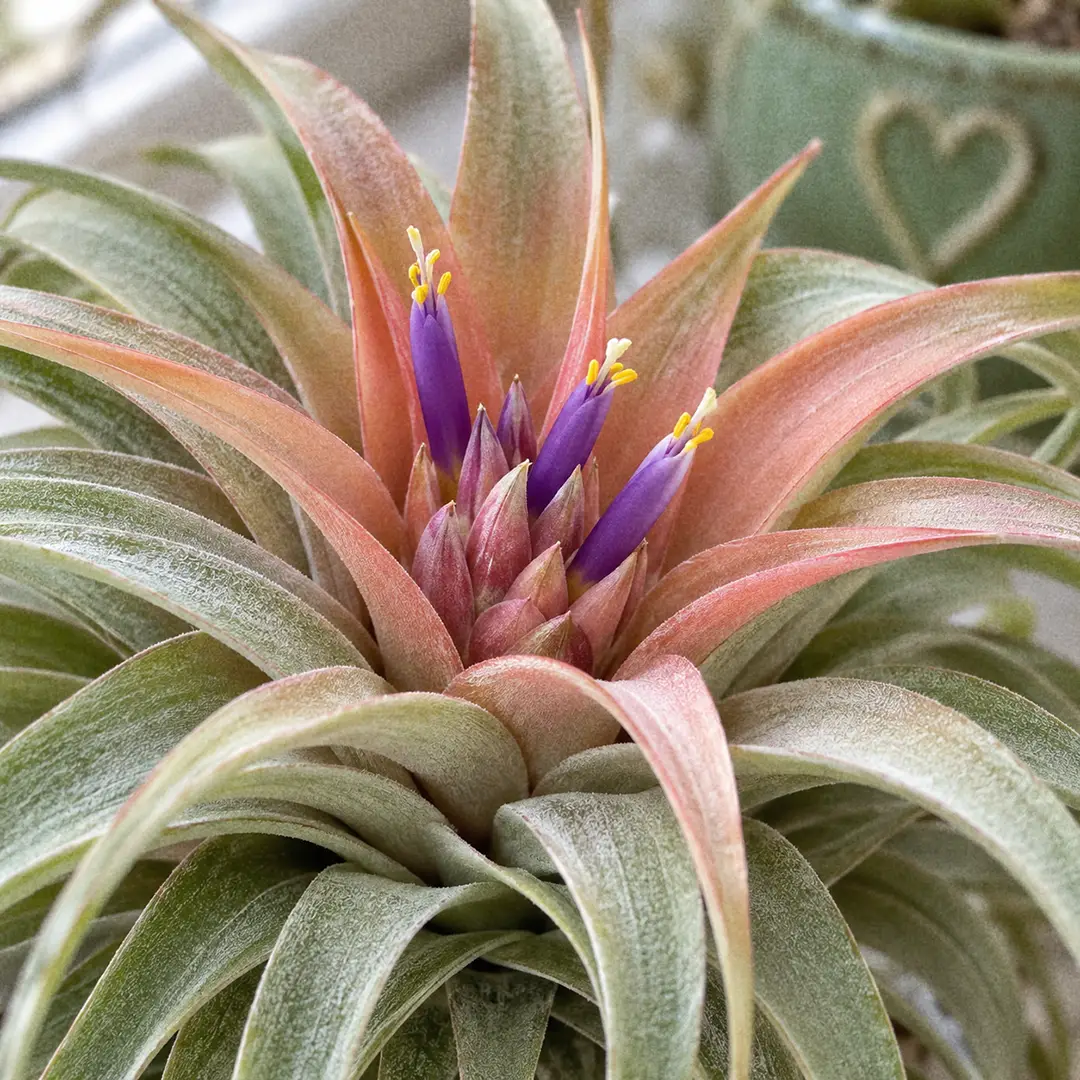
Each flower lasts only a few days. The blushed leaves stay colored for much longer, typically for weeks after the last flower has finished.
How to Trigger Bloom and Color
Age comes first. A small plant will not flower however well you treat it, and most plants need a few years to reach blooming size. Once it is mature, bright light is the main trigger, backed by regular soaks and monthly feeding in the growing season. The species usually flowers in spring and summer.
If the plant is full-sized and nothing is happening, you can try the ethylene method used on other bromeliads. Seal the dry plant in a clear bag with a ripe apple for three or four days out of direct sun, then return it to its spot. It works sometimes, and results show up weeks or months later, so try it once and be patient.
If It Stays Green
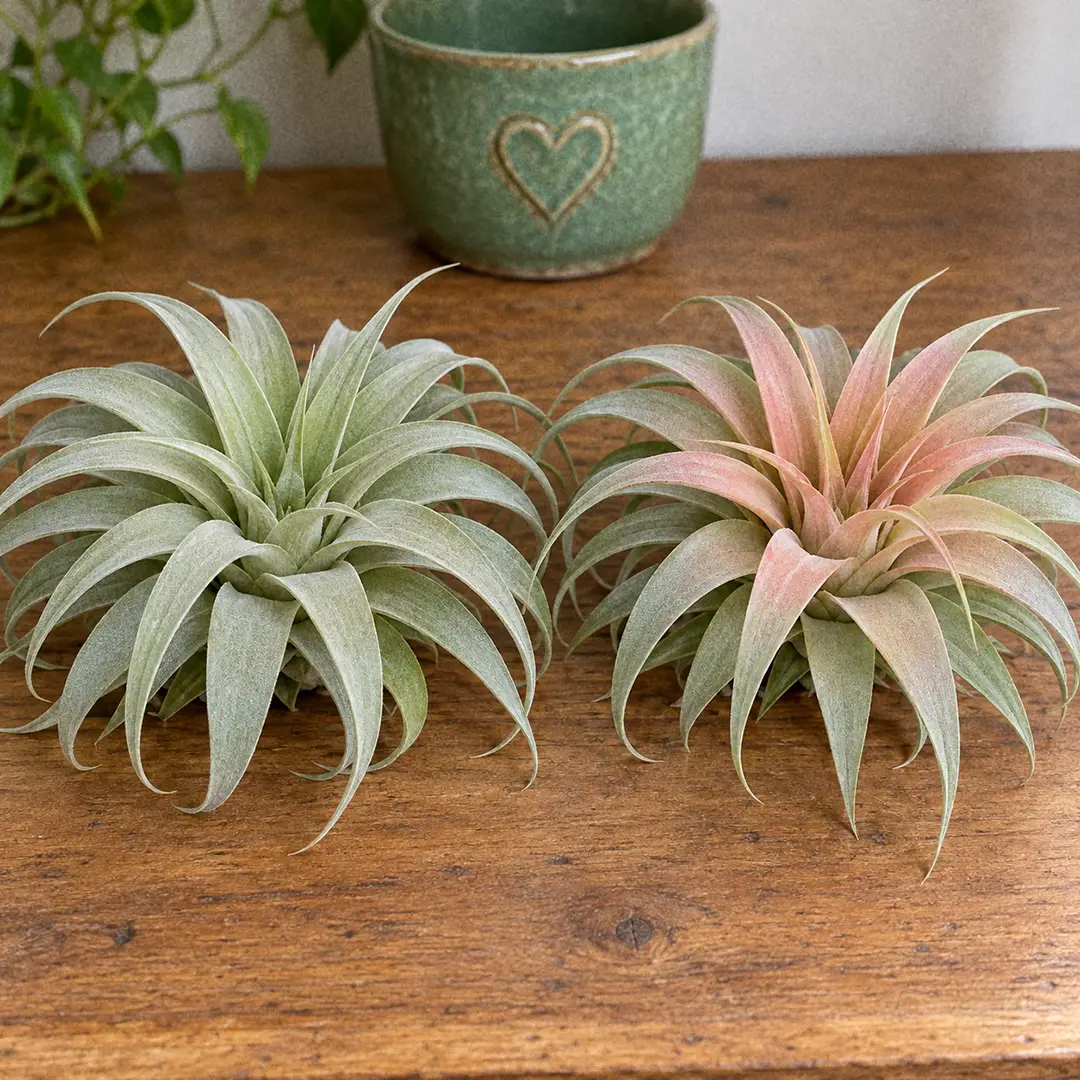
A green Capitata Peach is nearly always a young plant, a plant in weak light, or both. Move it closer to the window and give it a season. There is one more cause to know about. Some shops sell air plants sprayed with a peach or pink tint, and that color fades after a few months of watering. If your plant arrived bright peach and turned green from the tips of new growth inward, the color was probably applied. The plant underneath is healthy and can still blush naturally later. For other causes, see our page on failure to bloom.
After the Bloom
The rosette flowers once. Afterward it slowly declines over a year or two and puts its energy into pups at the base. The peach fades as the flower head dries, and the mother returns to green while the next generation grows.
🏷️ Capitata Peach Air Plant Types and Varieties
Capitata 'Peach'
This is the form most shops stock. It has soft, wide, silvery-green leaves in an open rosette, usually sold at 3-8 inches across, and it flushes peach to pink in strong light and at bloom. Old plants can grow larger, up to around a foot. Because Tillandsia capitata varies a lot from one region to another, growers sell several other forms under the same species name.
Capitata 'Yellow'
A Mexican form with gray-green leaves in a larger, more upright rosette of 12-18 inches. At bloom it produces a torch-like head of long yellow bracts instead of a peach blush, and that head stays colorful for a long time. It needs more room than 'Peach' and is sold mainly by bromeliad specialists.
Capitata 'Maroon' and Red Forms
Sold as 'Maroon', 'Marron', or 'Red', these have thicker leaves that go from deep green to wine red, with the strongest color at the base and in bright light. They color up well before flowering, so the plant looks red for most of the year. Plants labelled 'Rubra' are worth a second look at the listing: at least one specialist nursery describes theirs as a hybrid with Tillandsia concolor, not pure capitata.
Capitata 'Domingensis'
A miniature from limestone cliffs in the Dominican Republic, with narrow reddish leaves, a red flower stalk, and blue flowers. It clumps freely. The name has no botanical standing and is kept as a trade name to set this small form apart from the mainland plants.
Capitata Peach vs Similar Air Plants
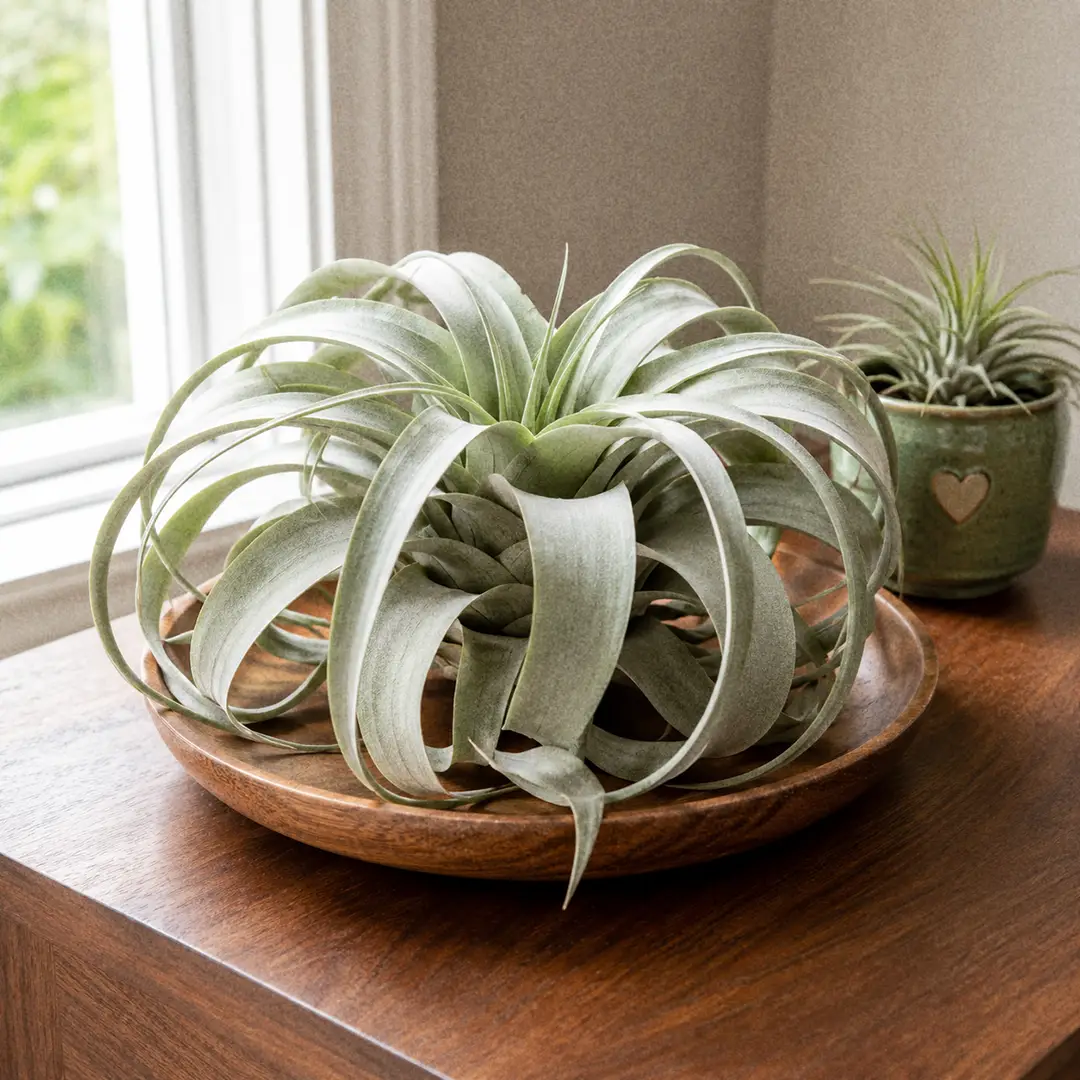
The closest match in shape is the Brachycaulos Air Plant, which is greener, thinner-leaved, and turns red instead of peach at bloom. The Ionantha Air Plant blushes scarlet on a rosette a fraction of the size. Harris's Air Plant is stiffer and more silver, with an upright red flower spike. The Xerographica Air Plant is the big silver relative with curling leaves, and it has been crossed with capitata. If you are still choosing, our general air plant guide compares the common species.
🪴 Mounting and Remounting Capitata Peach Air Plant
When to Remount
There is no repotting with this plant. Remount it when the wire loosens, the glue fails, or pups have crowded the mount. That usually works out to every two or three years.
Choosing a Mount
Pick a base that sheds water and gives the rosette room to widen. A flat slab of cork bark or a forked piece of driftwood suits the open shape. Skip treated timber, copper, and narrow-necked vases that squeeze the lower leaves and hold water around them.
Step-by-Step Mounting
Start with a dry plant. Set the base against the mount with the rosette tilted slightly outward, so water runs out of the center instead of collecting in it. Loop coated wire or fishing line around the lowest part of the base, snug but not tight, or use a pea-sized dot of waterproof glue. Wait a day before the next watering. Over time the plant may grow anchor roots and hold on by itself.
✂️ Pruning Capitata Peach Air Plant
Trimming Leaf Tips
Dry brown tips do no harm. If they bother you, cut them with clean scissors at a slant that follows the shape of the leaf, staying just inside the brown part.
Removing the Spent Flower Head
Leave the flower head alone while it has color. Once it is fully dry and brown, snip it out as low as you can reach, or pull it gently if it comes free. Taking it out keeps water from collecting around dead tissue in the center.
Clearing Dead Leaves
The lowest leaves dry out with age. Peel them away with a downward tug when they are papery. Leave any that resist, and leave the fading mother plant in place while she is still green, because she is feeding her pups.
🌱 How to Propagate Capitata Peach Air Plant
Pups Are the Best Method
Capitata Peach is propagated from pups, the offsets that appear at the base around and after flowering. A plant usually makes between one and three, sometimes more over the following seasons. Seed is possible but takes years to give a plant of any size, and seedlings may not match the parent's color, so it is not worth it at home.
Step-by-Step Pup Removal
- Wait until the pup is a third to half the size of the mother. Smaller pups often stall once separated.
- Soak the clump first so the leaves are flexible, then let it dry.
- Hold the mother at the base, grip the pup low down, and twist gently while pulling it down and away.
- If it does not release, cut the join with a clean, sharp blade.
- Leave the pup dry for a day, then begin normal weekly soaks.
Give a new pup bright light with no direct sun for the first few weeks, and start feeding after about a month. Our propagation guide covers offsets on other plants.
Growing a Clump
You can also leave the pups attached. They grow up around the mother, and in a few years you have a cluster that blushes and blooms on several heads, sometimes at once. When the mother has dried out completely, ease her out of the middle. Clumps need extra care when drying, since there are more tight spots for water to hide.
Propagation Tips for Success
Pups grow faster on the mother than off her, so there is no rush. Do not expect peach color on a young pup. It will be green or silver for a good while, and that is normal for a juvenile plant.
🐛 Capitata Peach Air Plant Pests and Treatment
Air plants have fewer pest problems than potted plants because there is no soil. The ones that do show up hide deep in the leaf bases.
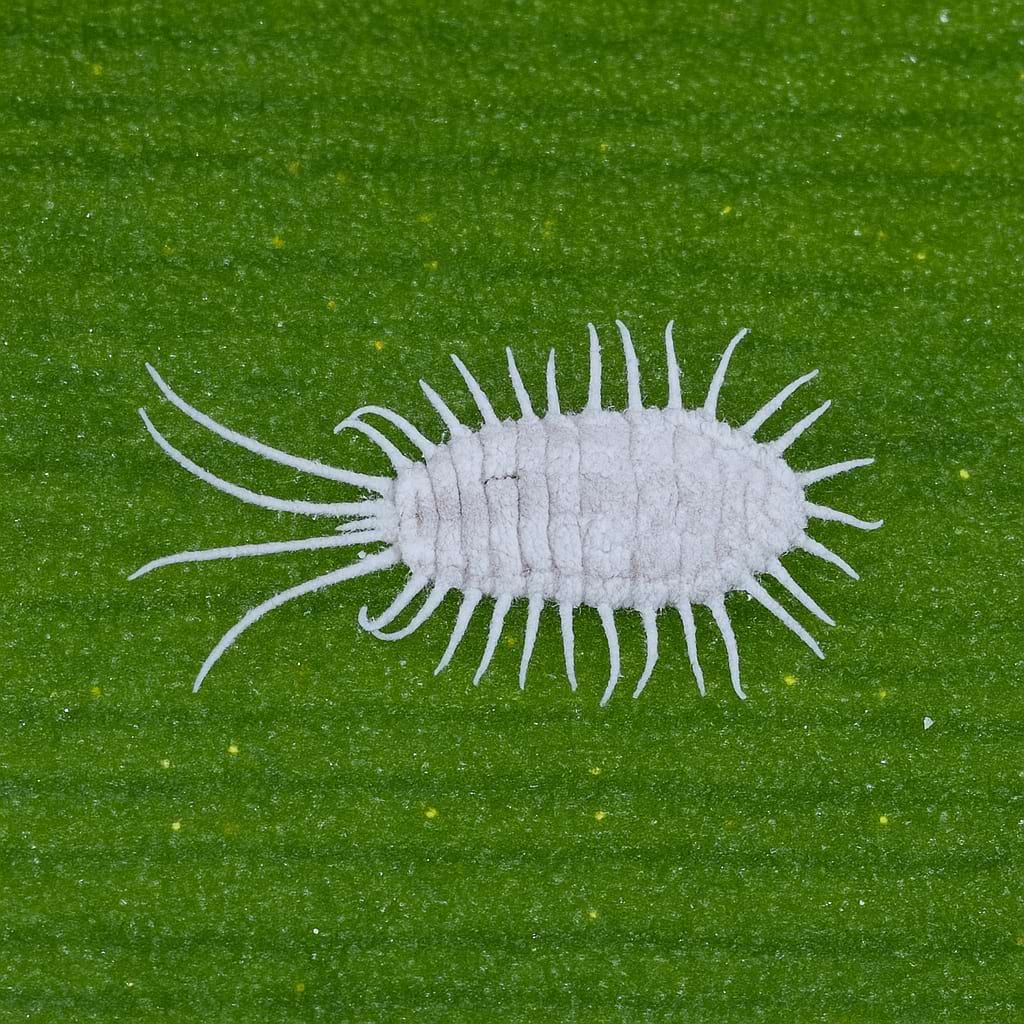
- Mealybugs look like bits of white cotton tucked between the lower leaves. Lift them out with a cotton swab dipped in rubbing alcohol, rinse the plant, and check weekly for a month.
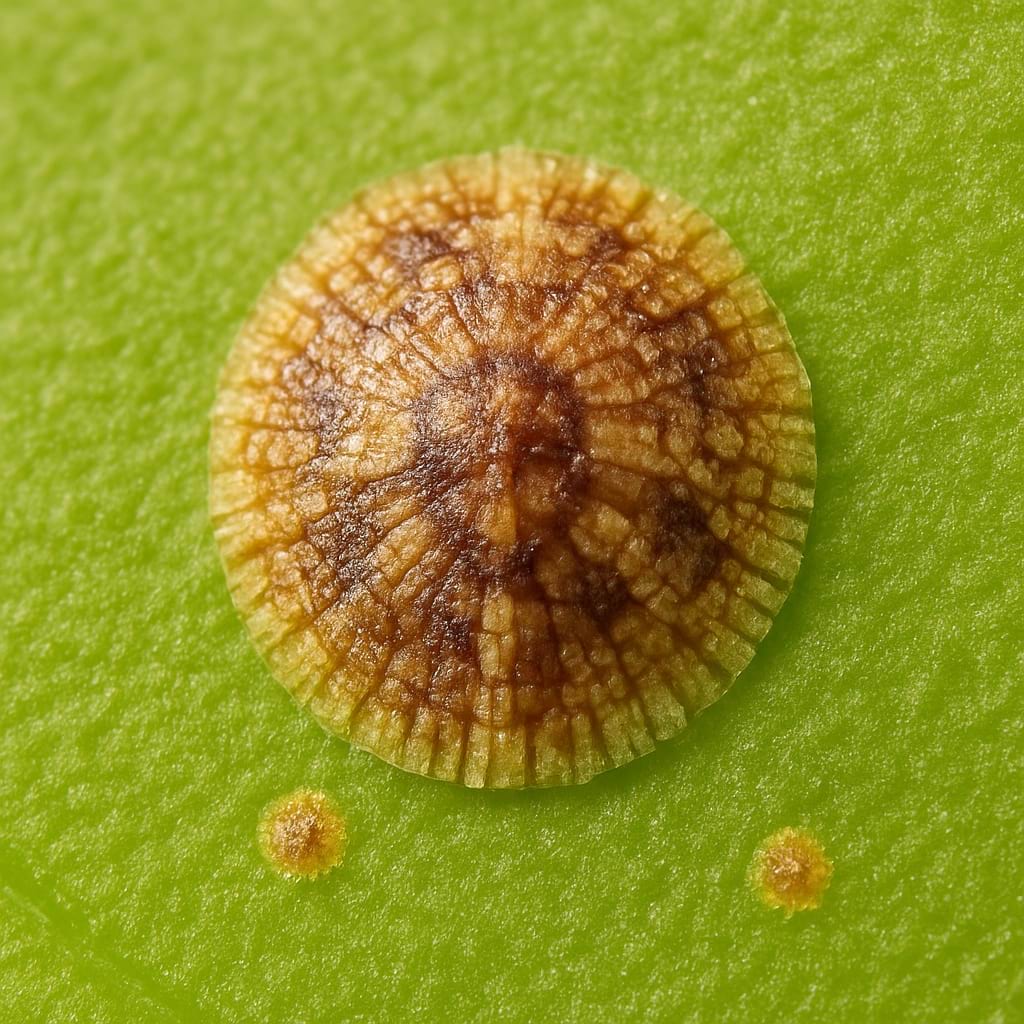
- Scale insects appear as small tan or brown bumps stuck flat to the leaves. Scrape them off with a fingernail or a soft toothbrush.
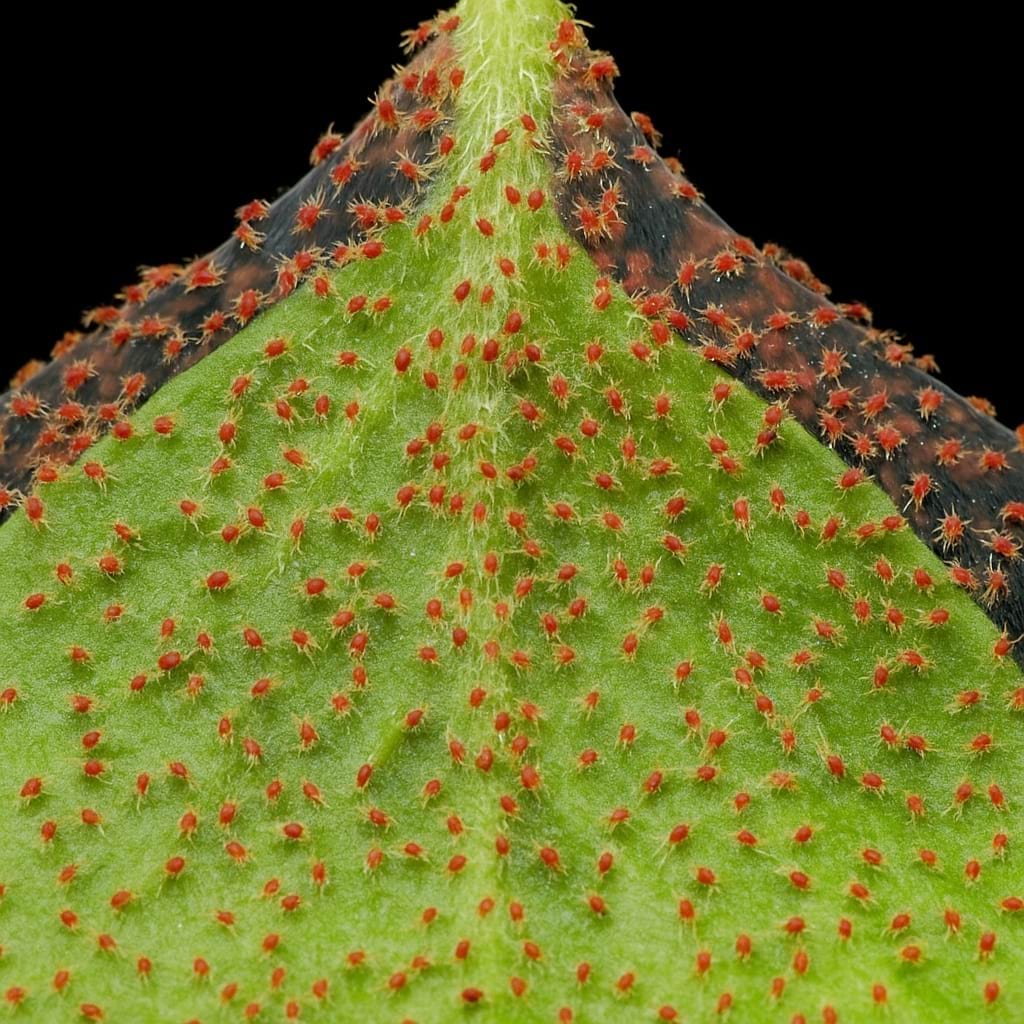
- Spider mites arrive in hot, dry rooms and leave fine webbing and dull, speckled leaves. A thorough soak and more regular watering usually clears them.
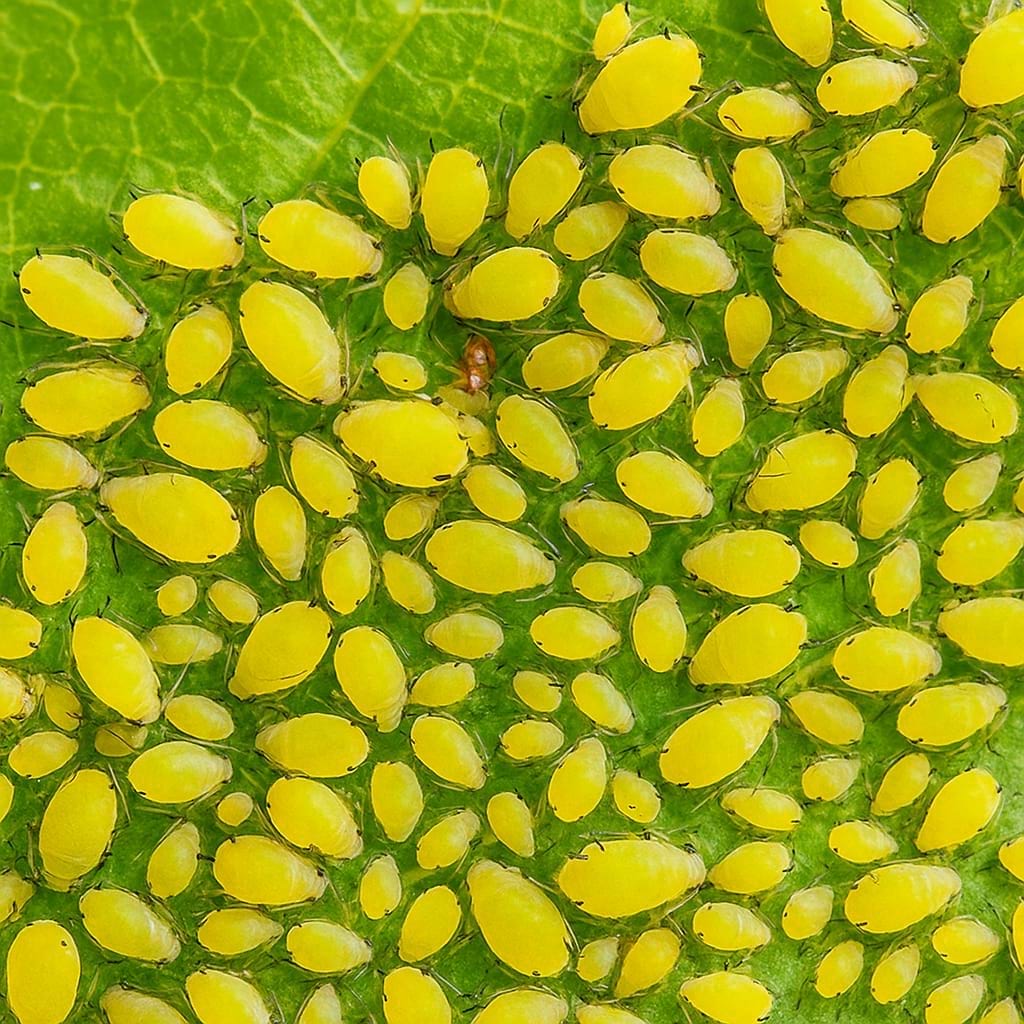
- Aphids sometimes gather on a fresh flower head, mostly on plants kept outside. Rinse them off under a gentle tap.
Go easy with sprays. Oils such as neem and horticultural oil clog the leaf scales the plant uses to take in water. Start with hand removal and rinsing. If you need more, use a diluted insecticidal soap once and rinse it off well the next day.
🩺 Common Capitata Peach Air Plant Problems
Most trouble comes down to water staying in the center or light being too weak.
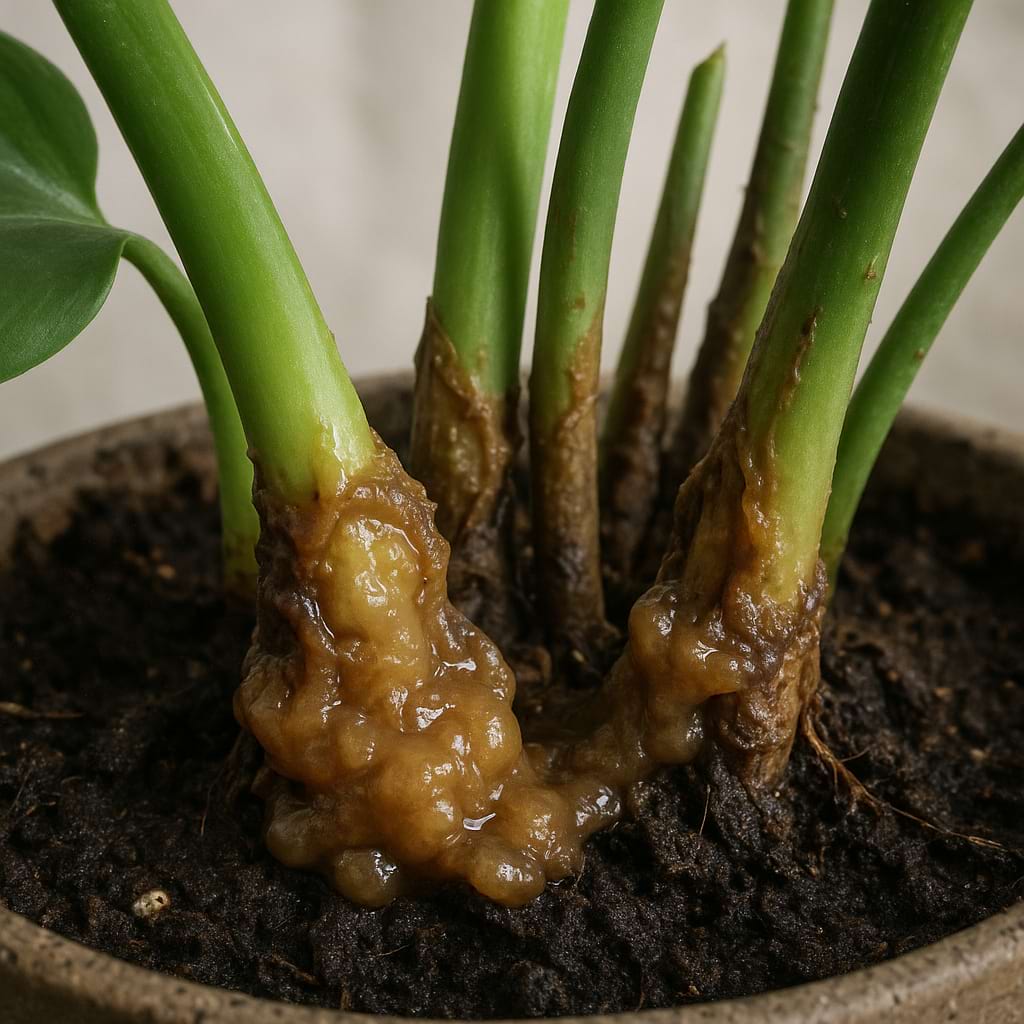
- A dark, soft base with leaves that fall out easily is rot, covered on our mushy stems page. It cannot be reversed once the core is soft. Save any firm pups and dry the next plant upside down every time.
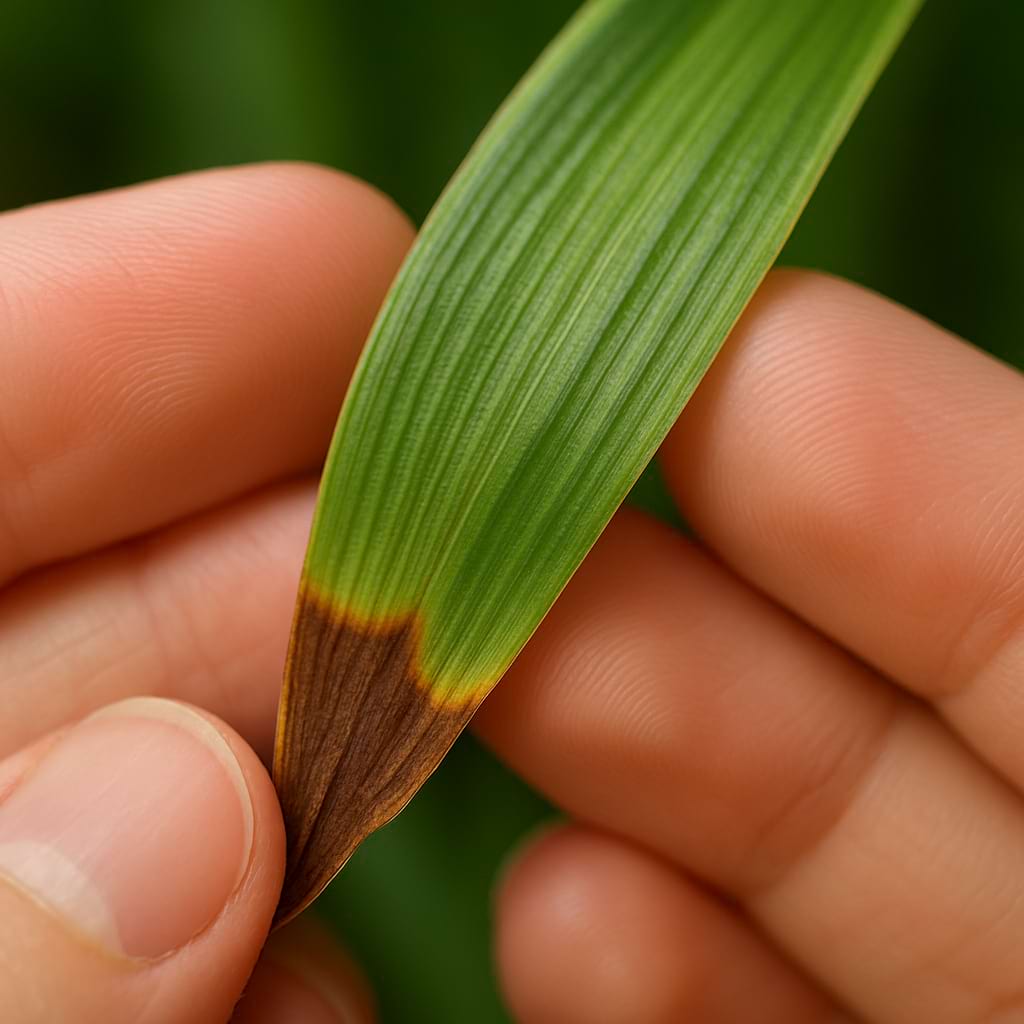
- Brown crispy edges mean the plant is drying too hard between soaks, or sitting near a heater. Water more often.
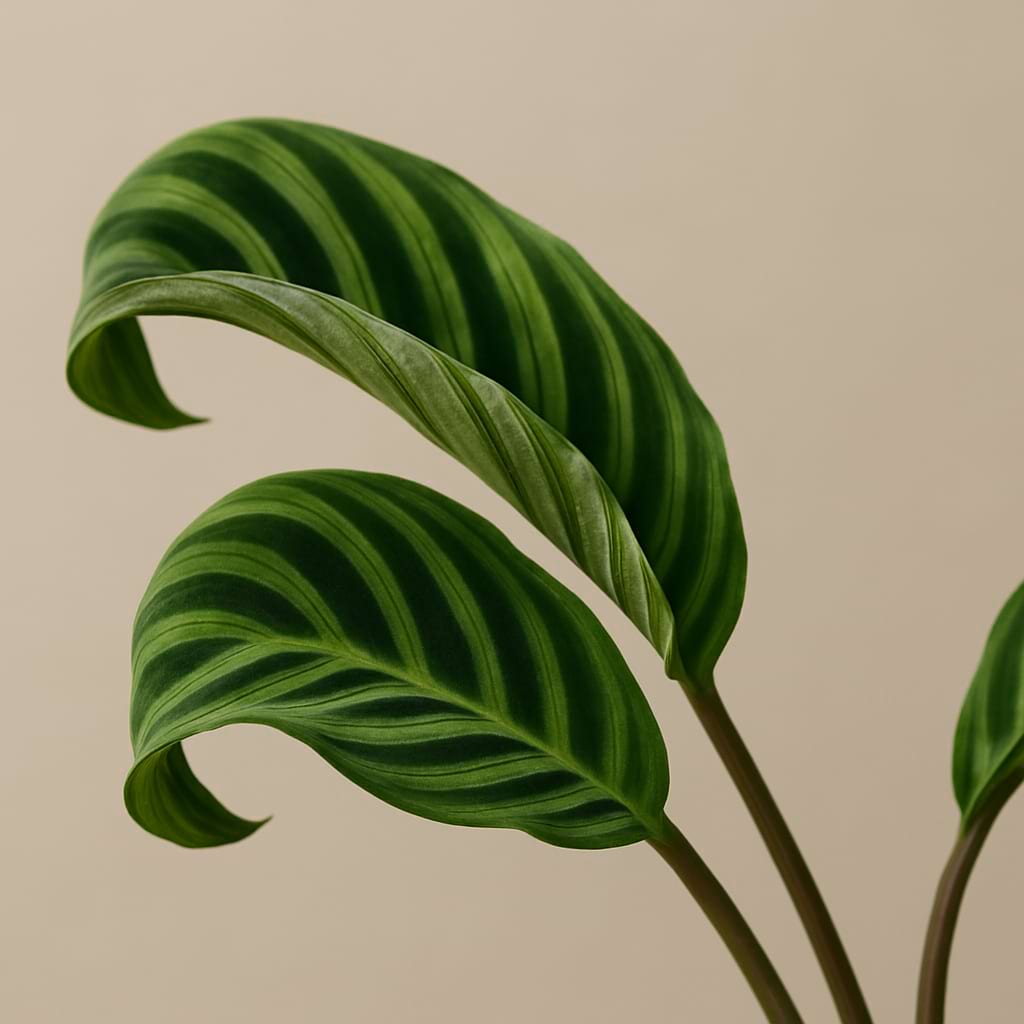
- Curling leaves that stay tightly channelled are an early thirst signal. Give it a longer soak of up to an hour, once.
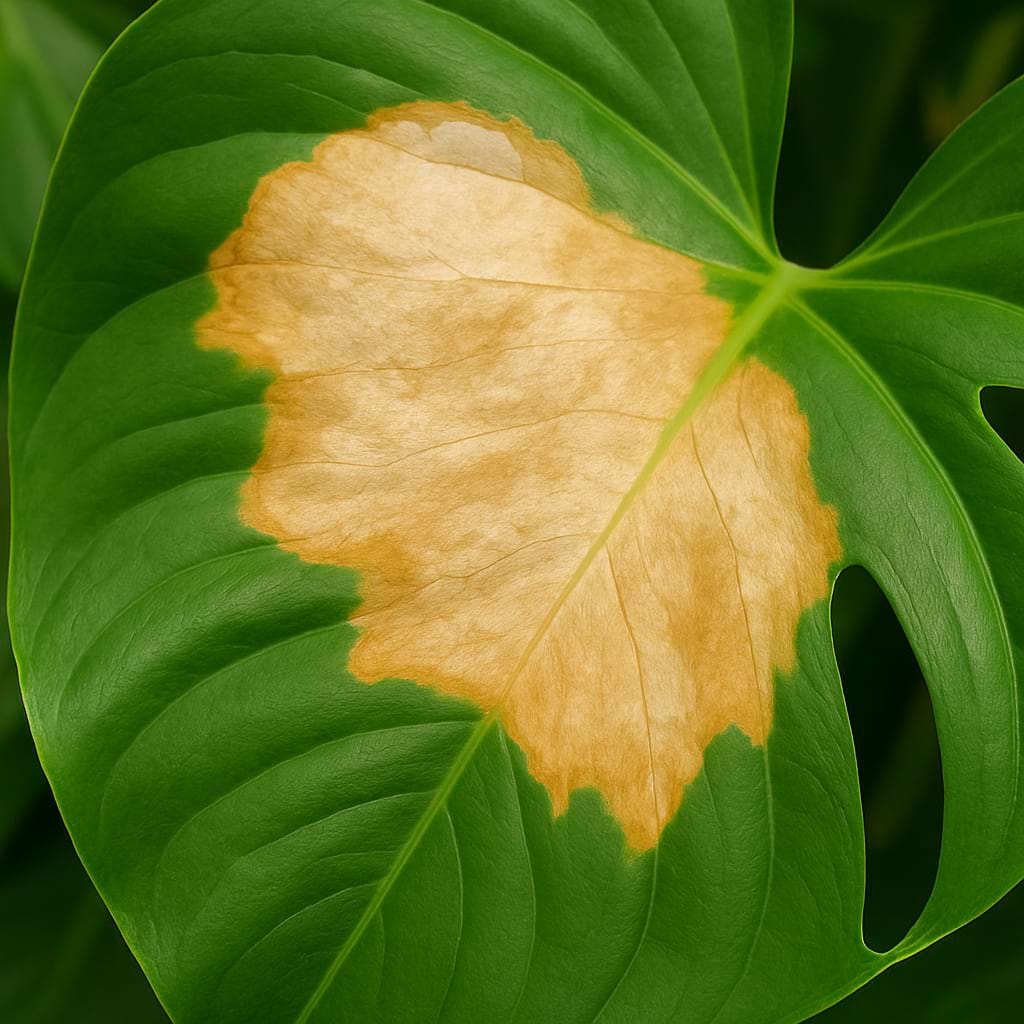
- Sunburn shows as pale, dry areas on the window side. The marks stay, but new leaves grow clean after you move the plant back.
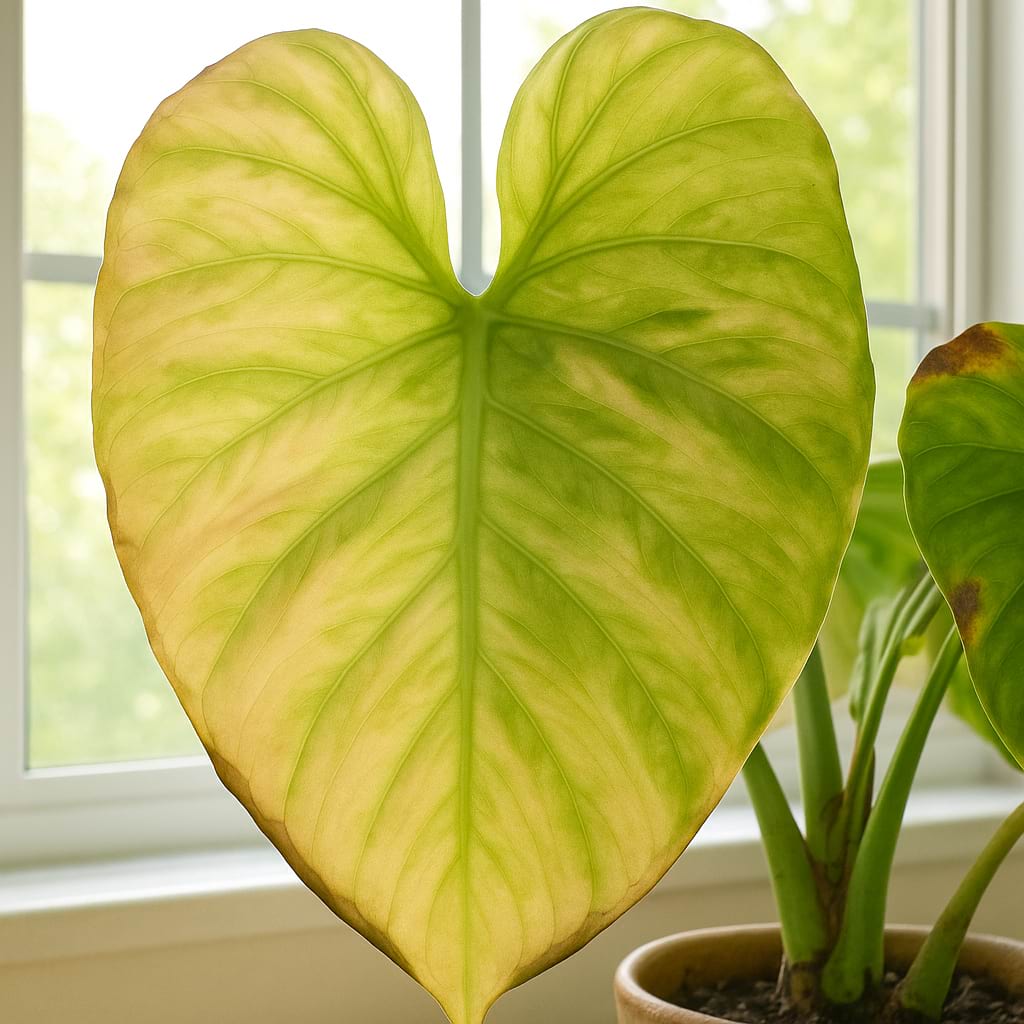
- Pale, faded leaves and a lost blush point to low light, or to a shop tint washing off.
- See failure to bloom. The plant is usually too young or too far from the window.
🖼️ Capitata Peach Air Plant Display and Styling Ideas
Solo Setups
The rosette is wide and soft, so it looks best where you can see into it from above or at an angle. A low dish on a side table near a window works well. So does a slab of cork bark hung at eye level with the plant tilted outward. Pale wood, white ceramic, and sage green all bring out the peach.
Grouped Arrangements
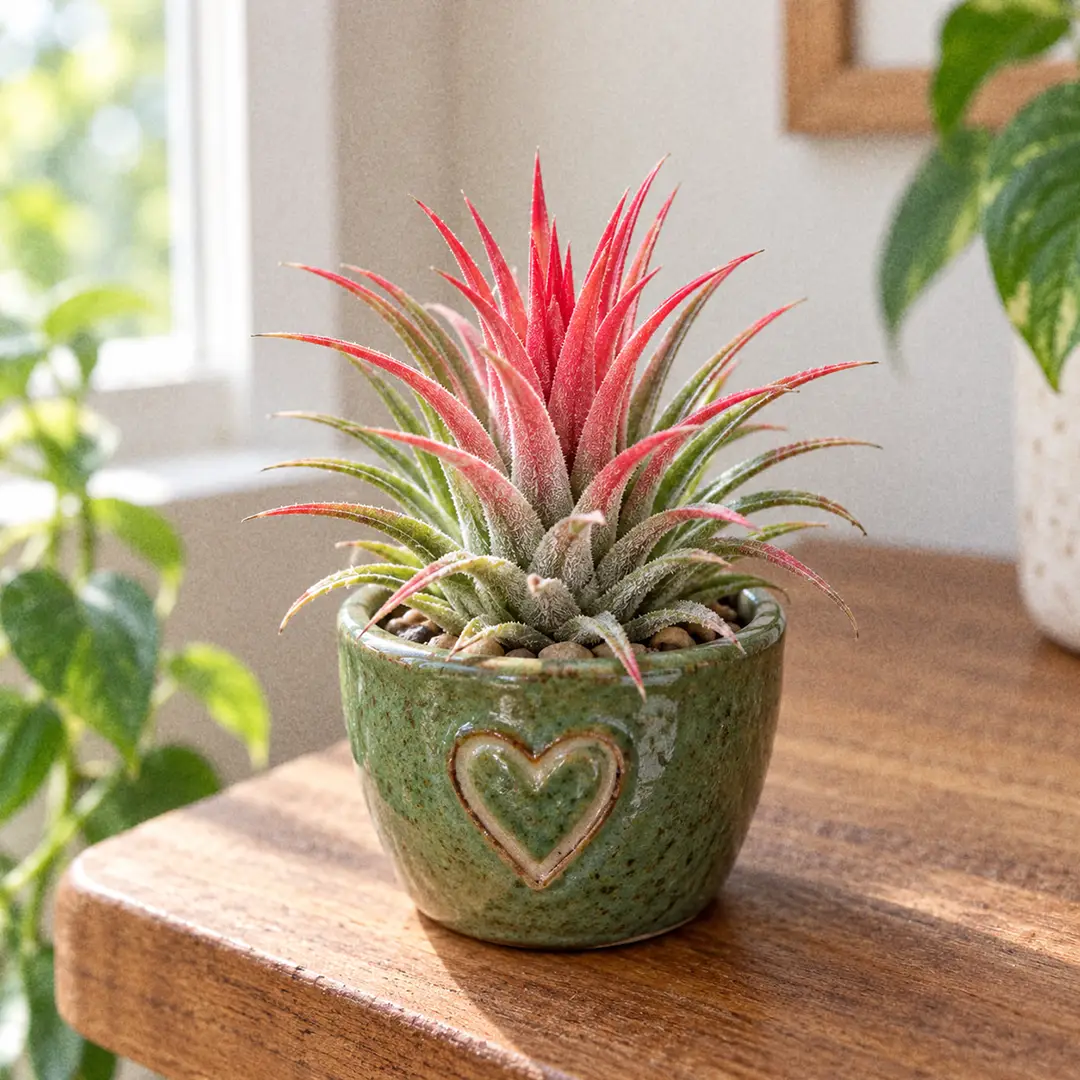
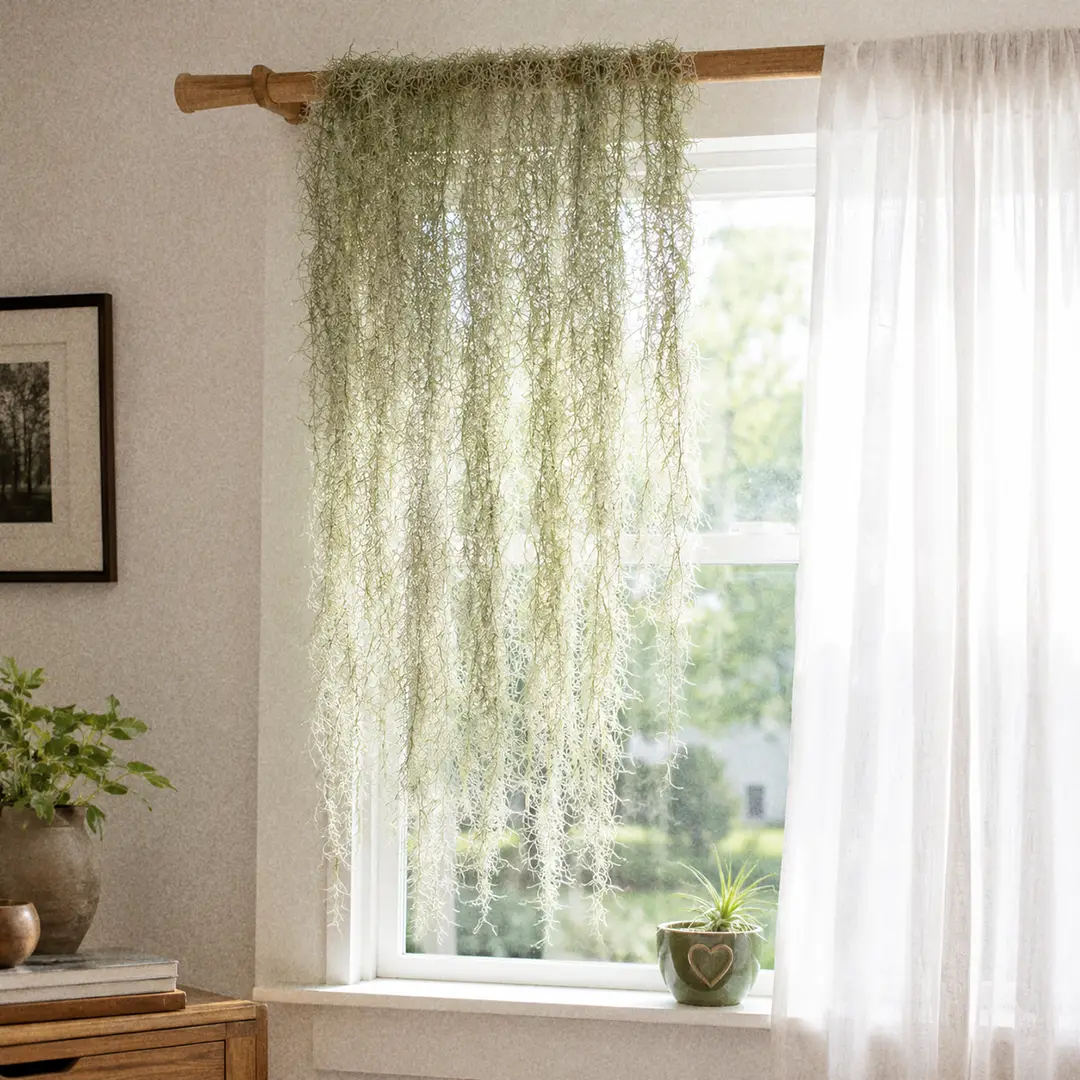
Pair it with air plants that differ in color and texture. A stiff silver Harris's Air Plant and a small cluster of Ionantha make a good trio with it, and a strand of Spanish Moss adds a loose, trailing element. Keep plants with similar watering needs together so soak day stays simple.
Where Not to Put It
Avoid closed terrariums, deep vases, and any container where the base sits in water. Dim shelves cost you the color. High spots that need a step stool mean the plant gets skipped on soak day, so keep it where you can reach it.
🌟 Capitata Peach Air Plant Pro Care Tips
- Buy for shape, not color. A firm, symmetrical green plant in good light will blush in time, while a tinted one loses its color in months.
- Soak in the morning so the plant has a full day of light and moving air to dry in.
- Tilt mounted plants slightly so the center drains by gravity.
- If you want more peach, change the light first. Feeding more will not do it.
- Newly shipped plants are often dehydrated. Give one long soak of about an hour on arrival, dry it well, then start the weekly routine.
- Keep it away from the fruit bowl unless you want it to flower. Ripening fruit gives off ethylene, the same gas used to nudge bromeliads into bloom.
- Before a two-week trip, soak it well, dry it fully, and move it a little back from the window.
❓ Frequently Asked Questions
Why is my Capitata Peach Air Plant green instead of peach?
Green is the plant's resting color. The peach shows up in bright light and when a mature plant is about to flower, so a young plant or one in a dim spot stays silvery green. Move it closer to an east or filtered south window and give it a few months.
Is the peach color on my air plant natural or dyed?
Both exist. Some retailers tint the leaves and say so in the listing with words like color-treated or tinted. Natural blush is strongest at the center and fades softly outward, while applied color tends to be even all over, including the oldest outer leaves, and washes out over a few months of soaking.
How often should I water a Capitata Peach Air Plant?
Soak it for 20-30 minutes about once a week, twice a week in hot or very dry conditions, and every ten to fourteen days in winter. Always shake it out and dry it upside down afterward.
Is Capitata Peach Air Plant safe for cats and dogs?
Yes. Tillandsias are not listed as toxic to cats or dogs. Cats do like to chew the leaves, which damages the plant, so keep it out of reach.
Does Capitata Peach die after blooming?
The rosette that flowered slowly declines over a year or two. Before it goes, it produces pups at the base, and those grow into the next flowering plants.
How big does a Capitata Peach Air Plant get?
Most plants are sold between 3 and 8 inches across and stay in that range indoors for years. An old, well-grown plant can reach about a foot, and a clump of pups takes up more space than that.
Can Capitata Peach take direct sun?
Gentle direct sun early in the morning or late in the afternoon is fine and deepens the color. Strong midday sun through glass can scorch the soft leaves, so filter it with a sheer curtain or move the plant back a couple of feet.
Can I mist it instead of soaking?
Misting alone rarely gives this plant enough water in a heated or air-conditioned home. Use soaking as the main method and misting as an extra on dry days, except during bloom, when a careful rinse of the lower leaves protects the flowers.
How long does the peach blush last?
The flowers themselves last days, but the colored leaves hold on for weeks around the bloom. A plant in strong light can keep a lighter peach tint outside of flowering as well.
Can I grow Capitata Peach in a terrarium?
Only in an open one with a wide mouth and plenty of air movement. Closed glass keeps the center of the rosette damp, and that leads to rot.
ℹ️ Capitata Peach Air Plant Info
Care and Maintenance
🪴 Soil Type and pH: None. Grown mounted or loose as an epiphyte.
💧 Humidity and Misting: Comfortable at 40-60% humidity as long as the air around it keeps moving.
✂️ Pruning: Trim dry leaf tips at an angle, peel off dead outer leaves, and remove the flower head once it has dried out.
🧼 Cleaning: The weekly soak rinses off dust. Do not wipe or polish the leaves, because that rubs off the soft scales the plant drinks through.
🌱 Repotting: Nothing to repot. Remount when the wire or glue fails or a clump outgrows its base.
🔄 Repotting Frequency: Every 2-3 years, or when the mount gives out.
❄️ Seasonal Changes in Care: Soak twice a week in hot, dry summer spells, drop to every 10-14 days in winter, and stop feeding from mid-autumn.
Growing Characteristics
💥 Growth Speed: Slow to Moderate
🔄 Life Cycle: Perennial rosette that flowers once, then produces pups.
💥 Bloom Time: Most often spring and summer on mature plants.
🌡️ Hardiness Zones: 9a-11 outdoors, houseplant elsewhere.
🗺️ Native Area: The species is native to Mexico, Honduras, Cuba, and the Dominican Republic.
🚘 Hibernation: Growth slows in cool, dim winter months and it needs less water.
Propagation and Health
📍 Suitable Locations: East windows, set-back south or west windows, bright bathrooms with a window, sunrooms, sheltered summer patios.
🪴 Propagation Methods: Separate the pups that form at the base after flowering once each is a third to half the size of the mother.
🐛 Common Pests: Mealybugs, Scale Insects, Spider Mites, Aphids
🦠 Possible Diseases: Center rot from water left sitting in the rosette, and soft collapse after slow drying in still air.
Plant Details
🌿 Plant Type: Epiphytic bromeliad.
🍃 Foliage Type: Evergreen.
🎨 Color of Leaves: Soft silvery green, blushing peach to pink in strong light and at bloom.
🌸 Flower Color: Purple to violet tubular flowers.
🌼 Blooming: A compact flower head forms in the center of the rosette while the surrounding leaves blush peach, then purple tubular flowers open a few at a time.
🍽️ Edibility: Not edible.
📏 Mature Size: 3-6 inches tall
Additional Info
🌻 General Benefits: Needs no soil or pot, and tells you how its light is doing by its color.
💊 Medical Properties: None known.
🧿 Feng Shui: A soil-free plant linked with the air element, often placed to lighten a heavy corner.
⭐ Zodiac Sign Compatibility: Libra, for the soft peach tones.
🌈 Symbolism or Folklore: Freedom and fresh starts, like most air plants.
📝 Interesting Facts: The name capitata means "headed" and refers to the dense, rounded flower head. The species is variable enough that growers sell it in peach, yellow, maroon, and miniature forms.
Buying and Usage
🛒 What to Look for When Buying: Read the listing for words like tinted, dyed, or color-treated. Choose a plant with a firm base, a tight center, and no brown mush between the leaves.
🪴 Other Uses: Used in wedding work, wreaths, and mounted arrangements because of the peach color.
Decoration and Styling
🖼️ Display Ideas: Cork bark mounts, driftwood, wire stands, open ceramic dishes, and grouped arrangements with silver air plants.
🧵 Styling Tips: Peach looks best against white, pale wood, sage green, and terracotta. It gets lost against orange or red backgrounds.
🪴 See also 🪴
Complete Guide to Baileyi Air Plant Care and Growth
Complete Guide to Harris's Air Plant Care and Growth
Complete Guide to Pruinosa Air Plant Care and Growth
Complete Guide to Ionantha Air Plant Care and Growth
Complete Guide to Spanish Moss Care and Growth
Complete Guide to Xerographica Air Plant Care and Growth
Complete Guide to Pink Quill Plant Care and Growth
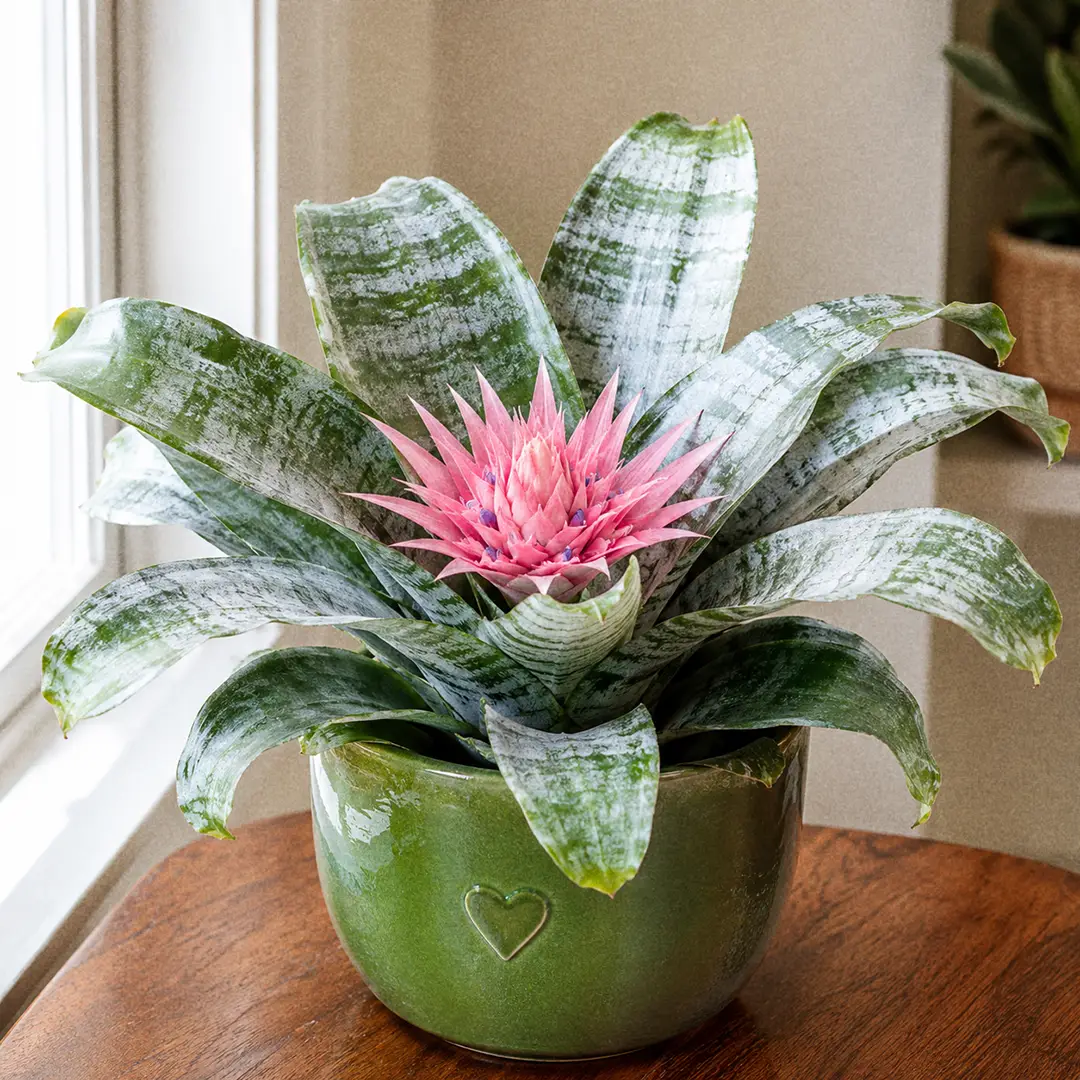
Complete Guide to Silver Vase Plant Care and Growth
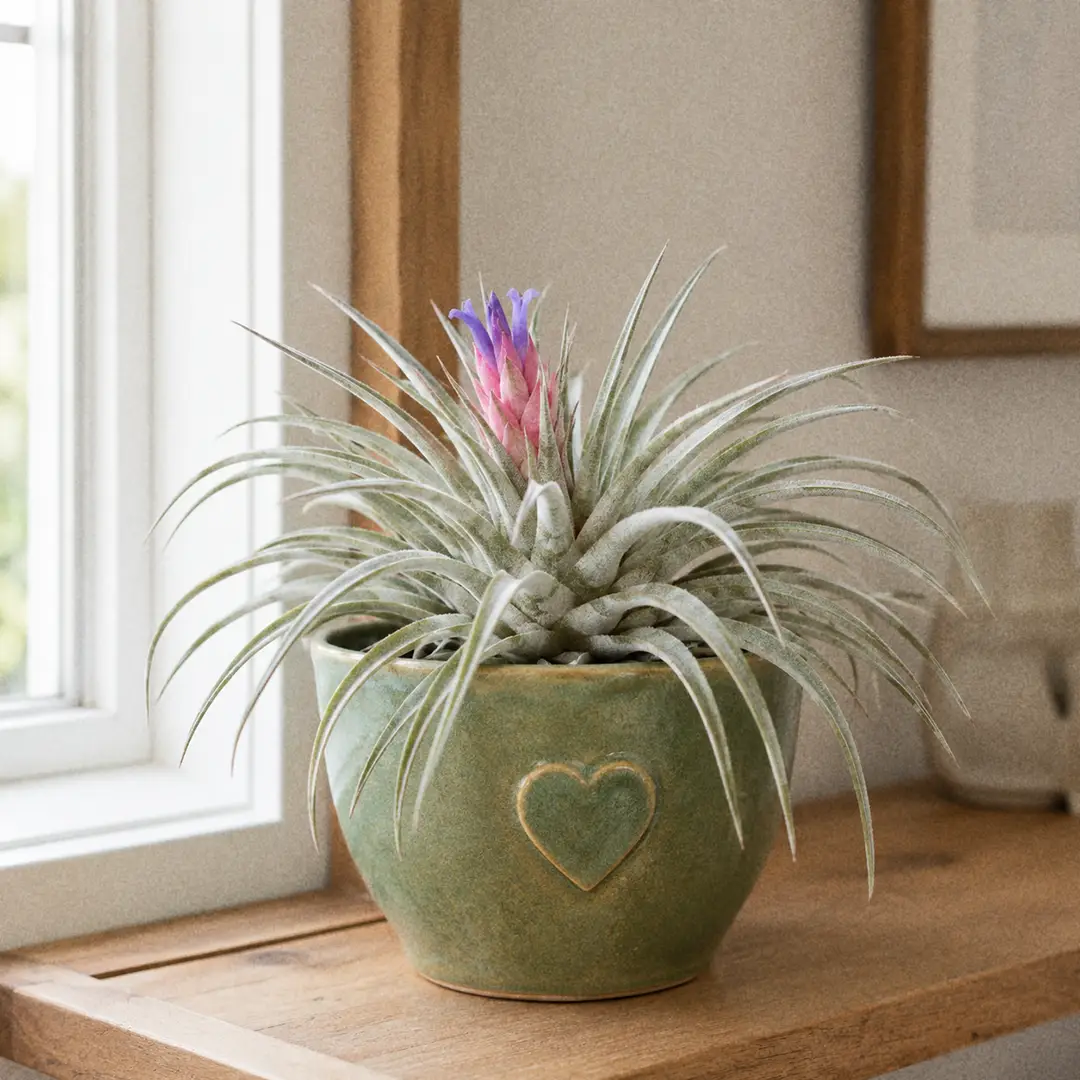
Complete Guide to Sky Plant Care and Growth
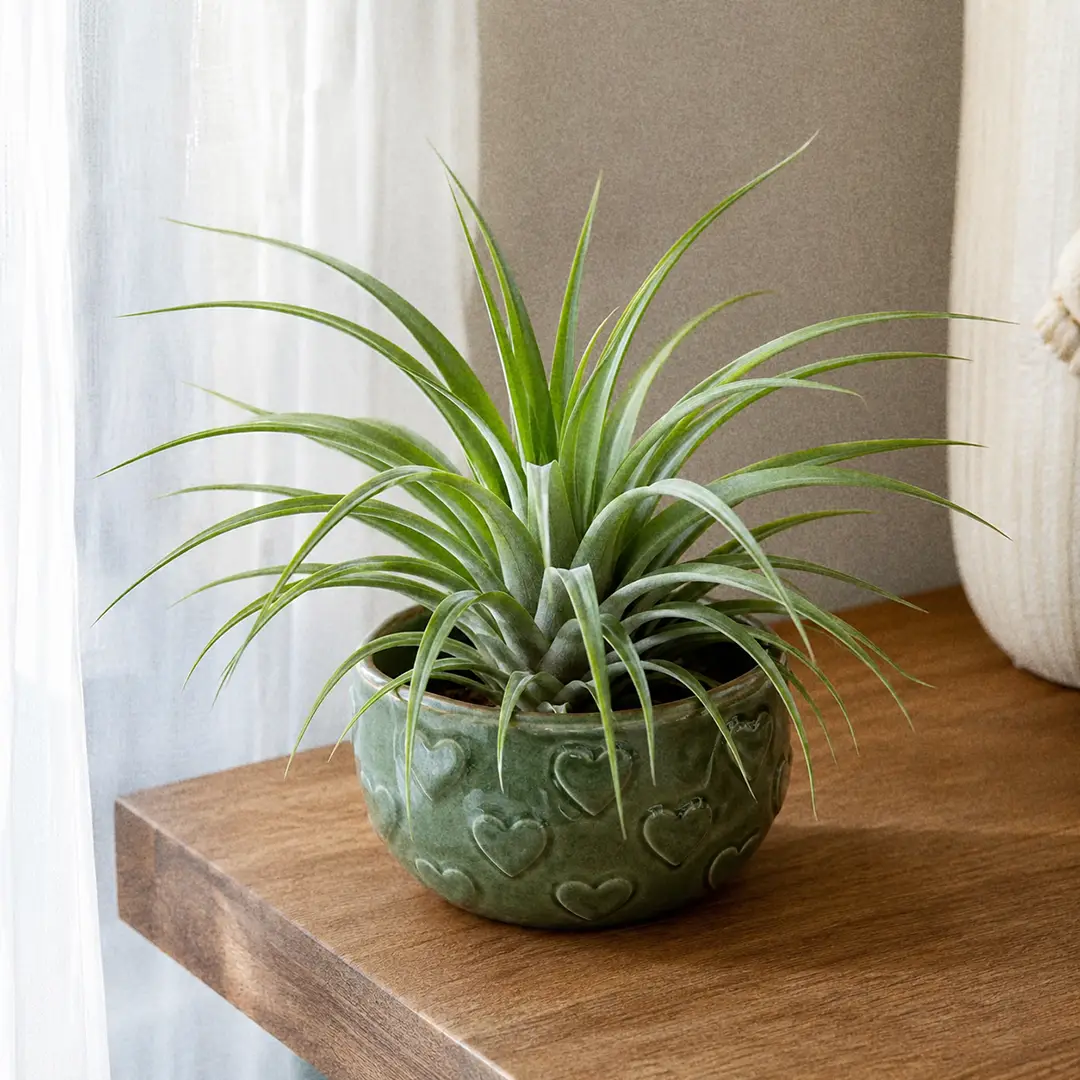
Complete Guide to Brachycaulos Air Plant Care and Growth

Houseplant101 Forum
Questions & Comments
Ask a question, share your plant experience, or help other plant owners.
Comments are temporarily unavailable.
Open the Houseplant101 ForumNo comments yet
Be the first to ask a question or share your experience about this page.
Log in or create an account
Comments use your Houseplant101 Forum account, but you can stay on this page.
Create a new account