
Philodendron Gloriosum
Philodendron gloriosum
Glorious Philodendron, Velvet Philodendron, Crawling Philodendron


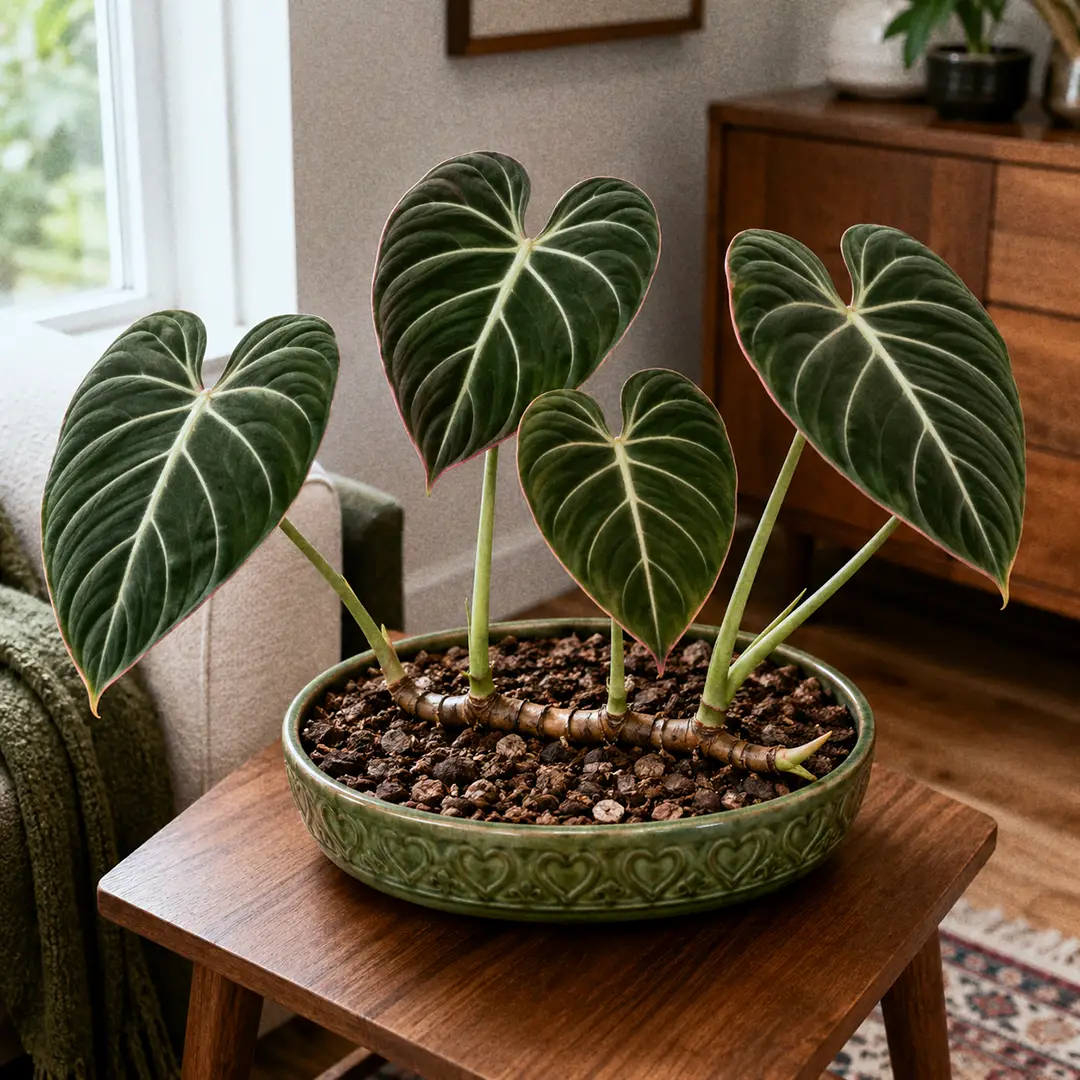
Philodendron Gloriosum grows huge velvet heart-shaped leaves with bright white veins, and it crawls sideways across the soil instead of climbing. Learn how to pot the rhizome correctly, keep the velvet leaves flawless, and divide it.
📝 Philodendron Gloriosum Care Notes
🌿 Care Instructions
⚠️ Common Pests
📊 Growth Information
🪴 In This Guide 🪴

☀️ Philodendron Gloriosum Light Requirements (Bright Indirect Light)
The Sweet Spot
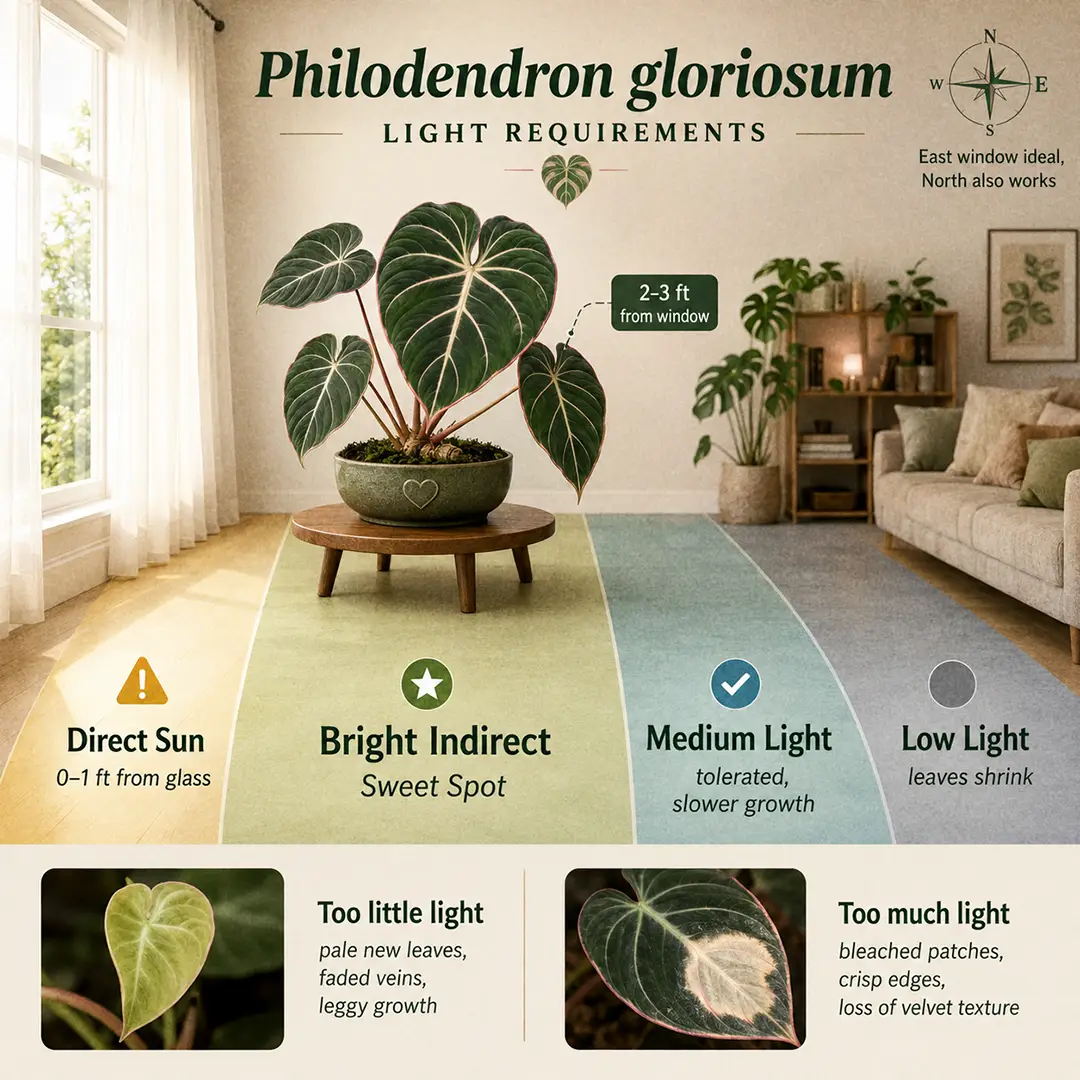
Gloriosum grows on the shaded floor of Colombian rainforests, under several layers of canopy, so it never sees the kind of light a windowsill cactus gets. Indoors it wants bright indirect light: two to four feet back from an east window, or right beside a north window, or a few feet inside a south or west window with a sheer curtain in between.
The practical test is simple. Stand where the plant sits at midday and look toward the window. If you can see a good patch of open sky without the sun itself glaring at you, the light is about right.
Too Little Light
This is the more common mistake, and it is slow enough to miss. New leaves come out smaller than the last ones, the white veins fade toward pale green, and the gaps between leaves along the rhizome stretch out. Growth may stall for months. Because the plant is naturally slow, people assume it is being normal when it is actually starving.
If your only spot is genuinely dim, a basic grow light on a 10 hour timer, held about 18 inches above the leaves, will do the job.
Too Much Light
Direct sun is the fast way to ruin a velvet leaf. The matte surface is built from tiny light-scattering cells, and once they burn you get permanent bleached patches, a washed-out yellow-green cast, or dry translucent windows in the leaf. That damage never heals, and since each leaf takes weeks to grow, losing one hurts. Read the light guide if you are unsure how to judge a room.
💧 Philodendron Gloriosum Watering Guide (How Often to Water)
Watering Frequency
Water when the top inch of mix has dried out. In a bright warm room in summer that usually lands somewhere between every 5 and 9 days. In winter, with less light and cooler air, it can stretch to two weeks or more. Do not put this plant on a schedule. Put your finger in the soil instead, or use a moisture meter if you would rather not.
Two things make Gloriosum different from a trailing Philodendron here. First, it is slow, so it drinks slowly. Second, the rhizome sits exposed on the surface, and a rhizome that stays wet is a rhizome that rots. Slightly too dry is a recoverable mistake. Slightly too wet, repeated every week, is not.
How to Water
Take it to the sink, pour room temperature water evenly over the whole surface until it runs freely from the drainage holes, then let it drain for a few minutes before it goes back on its saucer. That flush matters, because it carries away the fertilizer salts that otherwise build up and burn the fine roots.
Avoid soaking the rhizome itself where you can. Water around it rather than straight onto it. And never leave the pot standing in a full saucer, which is the quickest route to root rot. Bottom watering suits this plant well and keeps the crown dry.
Signs of Trouble
Thirst shows as slight limpness in the newest leaves and a subtle loss of depth in the velvet. Water it and it perks up within hours.
Overwatering looks different: yellowing that starts with the oldest leaves, a sour smell from the mix, and in bad cases a rhizome that goes soft and brown where it should be firm. If you can dent the rhizome with a fingernail, unpot it today. See the watering guide for the principles behind all of this.
🪴 Best Soil for Philodendron Gloriosum (Aroid Mix Recipe)
What the Soil Needs
Air first, moisture second. In the wild this plant runs across leaf litter and moss with its roots in a thin, loose, constantly draining layer. Standard bagged potting soil is far too dense: it packs down, holds water against the rhizome, and suffocates the roots.
You want a mix that feels chunky when you squeeze it, drains within seconds of watering, and still holds a trace of dampness a few days later.
DIY Soil Recipe
The mix I use for every velvet aroid:
- 4 parts orchid bark (fine to medium grade) for structure and air pockets
- 2 parts perlite or pumice for drainage
- 2 parts coco coir or peat for moisture retention
- 1 part worm castings for slow, gentle nutrition
- 1 part horticultural charcoal, optional, which keeps the mix sweet between repots
That lands at roughly 60% chunky material, which is the ratio to remember if you are improvising with whatever you have on the shelf.
Pre-Made Options
Any bagged aroid mix or monstera mix works as sold. If all you have is standard potting soil, cut it with an equal volume of bark and perlite before it goes anywhere near the plant. Our soil guide covers the ingredients in more detail.
🍼 Fertilizing Philodendron Gloriosum (When and What to Use)
When and How Often
Feed once a month from early spring through early autumn, while the plant is actually pushing new leaves. Stop through winter, when it is barely growing and unused fertilizer just accumulates as salt around the roots.
A chunky bark mix holds very few nutrients on its own, so regular light feeding matters more here than it would in dense soil.
What to Use
A balanced liquid houseplant fertilizer, something around 20-20-20 or 10-10-10, diluted to half the label strength. Apply it to already-damp soil, never to a bone dry pot, or you risk scorching the roots.
Slow release pellets work too, scattered once in spring, though you get less control over the dose. Compare the options in our fertilizer guide and the fertilizing basics.
Over-Fertilizing Signs
Crispy brown leaf tips paired with a white crust on the soil surface means salt buildup. Flush the pot with plain water three times over, wait a month, then resume at a weaker dose. Under-feeding shows up as steadily shrinking new leaves and a general pale cast, which is easy to confuse with a light problem, so check the light first.
🌡️ Philodendron Gloriosum Temperature Range
Ideal Range
65°F to 80°F (18°C to 27°C) covers the comfortable zone, and normal room temperature sits right in the middle of it. Growth slows noticeably below 65°F and stops around 60°F. Anything under 55°F risks cold damage, showing up as dark waterlogged patches on the leaves a day or two later.
This is a strictly indoor plant in most climates. Only zones 10 to 12 can keep it outside year round.
Drafts and Heat Sources
Sudden swings do more harm than any single reading. Keep it away from doors that open onto cold air, single-glazed windows in winter, air conditioning vents, and radiators. A leaf that spends its nights pressed against freezing glass will show blackened edges within a week.
If you summer the plant outdoors on a shaded porch, bring it back in when nights start dropping toward 60°F, and check it thoroughly for hitchhiking pests first.
💦 Philodendron Gloriosum Humidity Requirements
Ideal Humidity
Aim for 60% or higher. Gloriosum survives at 45%, but the velvet leaves are thin and they show dry air quickly, with brown crisping along the edges and new leaves that struggle to unfurl cleanly.
Easy Humidity Boosters
A small humidifier near the plant is the only method that reliably shifts the number. Grouping plants together helps a little. A pebble tray helps less than the internet claims.
Do not mist this plant. Water sitting on a velvety leaf leaves mineral spots and invites bacterial leaf spot. Our humidity guide explains what actually works.
🌸 Philodendron Gloriosum Flowers (Does It Bloom Indoors?)
What the Flowers Look Like
Like all aroids, Gloriosum has no petals. It makes an inflorescence: a pale green to cream hood called a spathe, wrapped around a cream coloured column called a spadix, sitting on a short stalk near the growing tip. Quietly attractive, and nothing like the flower most people picture.
Will It Bloom in Your Living Room?
Almost certainly not. Blooming needs a large, fully mature rhizome, several years of settled growth, and warm humid conditions closer to a greenhouse than a flat. Plenty of people grow this plant for a decade and never see a spathe, and that is normal rather than a sign of anything wrong.
Should You Cut It Off?
If you do get one, cutting it off is the usual advice. Producing an inflorescence costs the plant energy that would otherwise go into the next leaf, and on a plant this slow, that is a poor trade. Snip the stalk cleanly at the base with sterile scissors.
🏷️ Philodendron Gloriosum Types and Varieties
Standard Philodendron Gloriosum
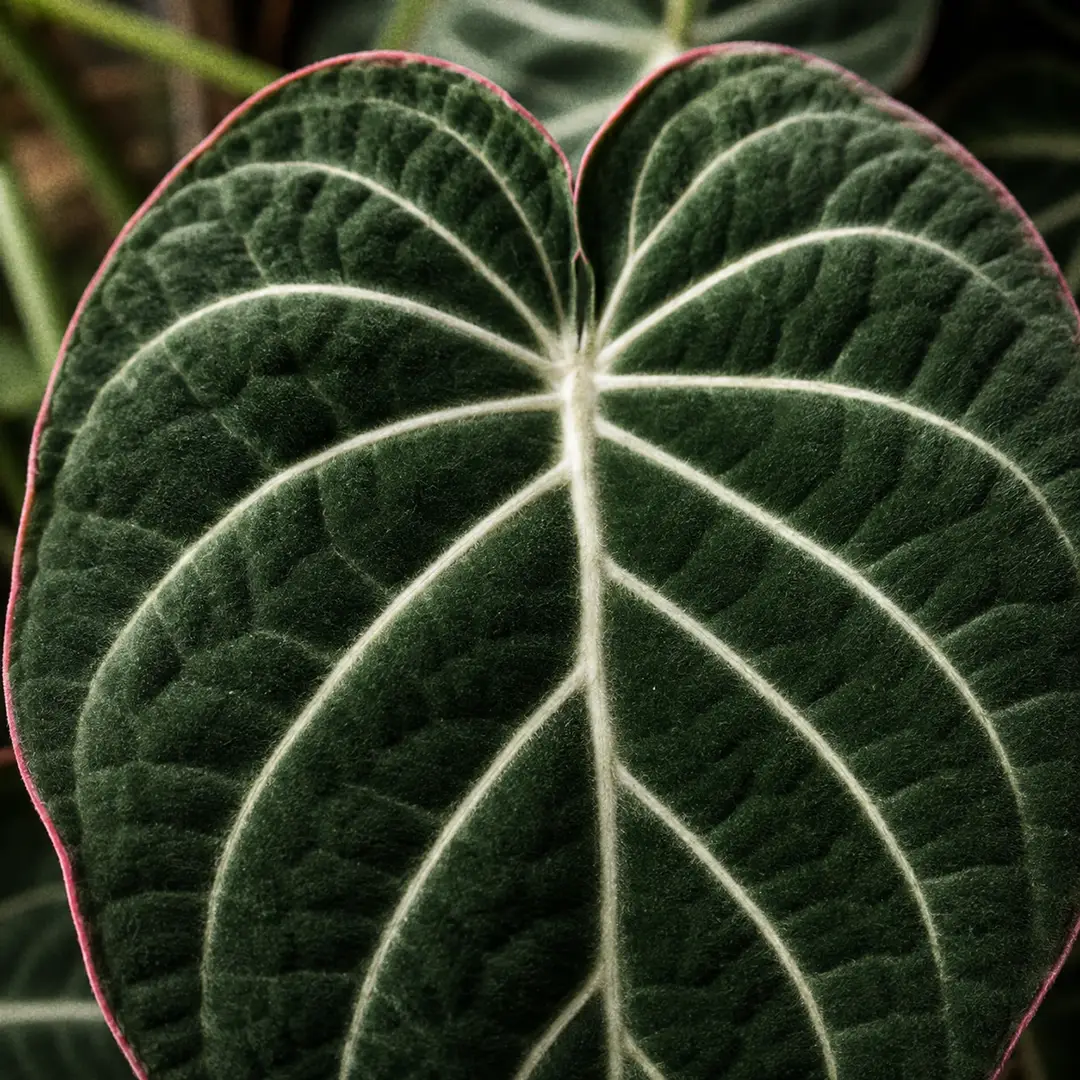
The common form, and the one most shops sell. Deep matte green heart-shaped leaves, cream to white veins of moderate width, and a thin pink edge that is brightest on freshly unfurled leaves. Leaves reach 12 to 16 inches on a settled indoor plant, considerably larger in a greenhouse.
Philodendron Gloriosum 'Zebra'
The most sought-after named form. The veins are wider, whiter, and more sharply defined against the dark leaf, giving it a striped look. Care is identical to the standard form. It costs far more, and mislabelled plants are common, so buy from a specialist seller and ask for photos of the actual plant.
Philodendron Gloriosum 'Dark Form'
Rounder, darker leaves with finer veining and a more pronounced reddish outline around the margin. The contrast is subtler than 'Zebra', but the leaf shape reads as noticeably broader and heavier.
Other Forms Worth Knowing
'Pink Back' has pale pink undersides and petioles. 'Round Form' loses the pointed tip for a fuller circular leaf. Variegated plants with cream sectors turn up occasionally and are rare and expensive.
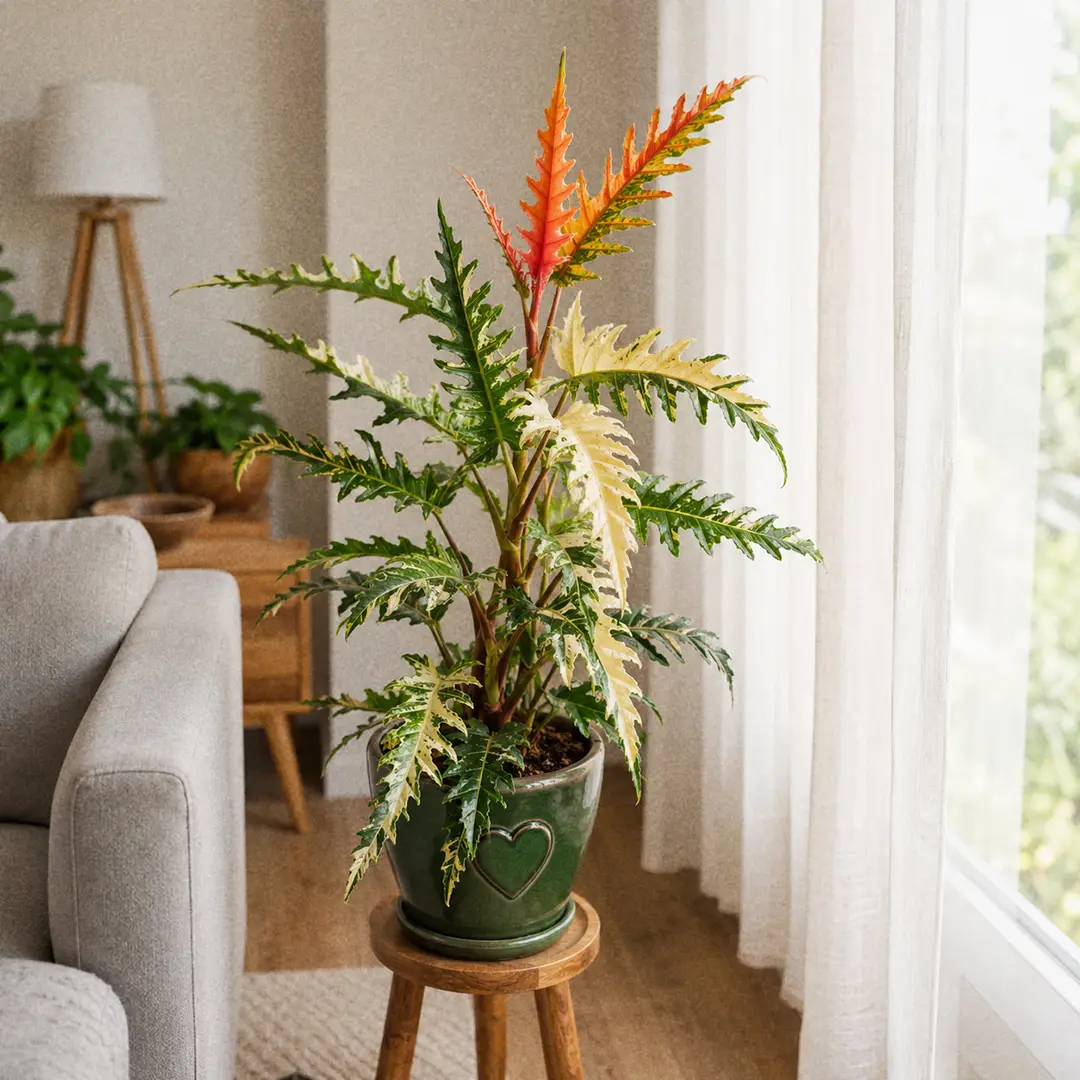
If you like this look, its closest cousins on the site are Philodendron Verrucosum, which is the same dark velvet and pale veining on a climber instead of a crawler, Philodendron Melanochrysum, the long-leaved "black gold" climber that gloriosum was crossed with to make the hybrid 'Glorious', Anthurium Crystallinum, which has the same white-veined velvet but climbs, and Alocasia Frydek for a sharper arrow-shaped take on the same palette. For a glossy rather than velvet finish on that same white-veined look, try an Alocasia Polly. And if you want a philodendron that contrasts sharply with this one, the jagged, fiery Philodendron Ring of Fire makes a good display partner for gloriosum's broad matte leaves.
🪴 Potting and Repotting Philodendron Gloriosum
Wide and Shallow, Never Deep
This is the most important thing on the page. Gloriosum crawls, so it needs room to travel sideways, not down. A tall narrow pot gives it nowhere to go and holds a column of wet mix under the roots.
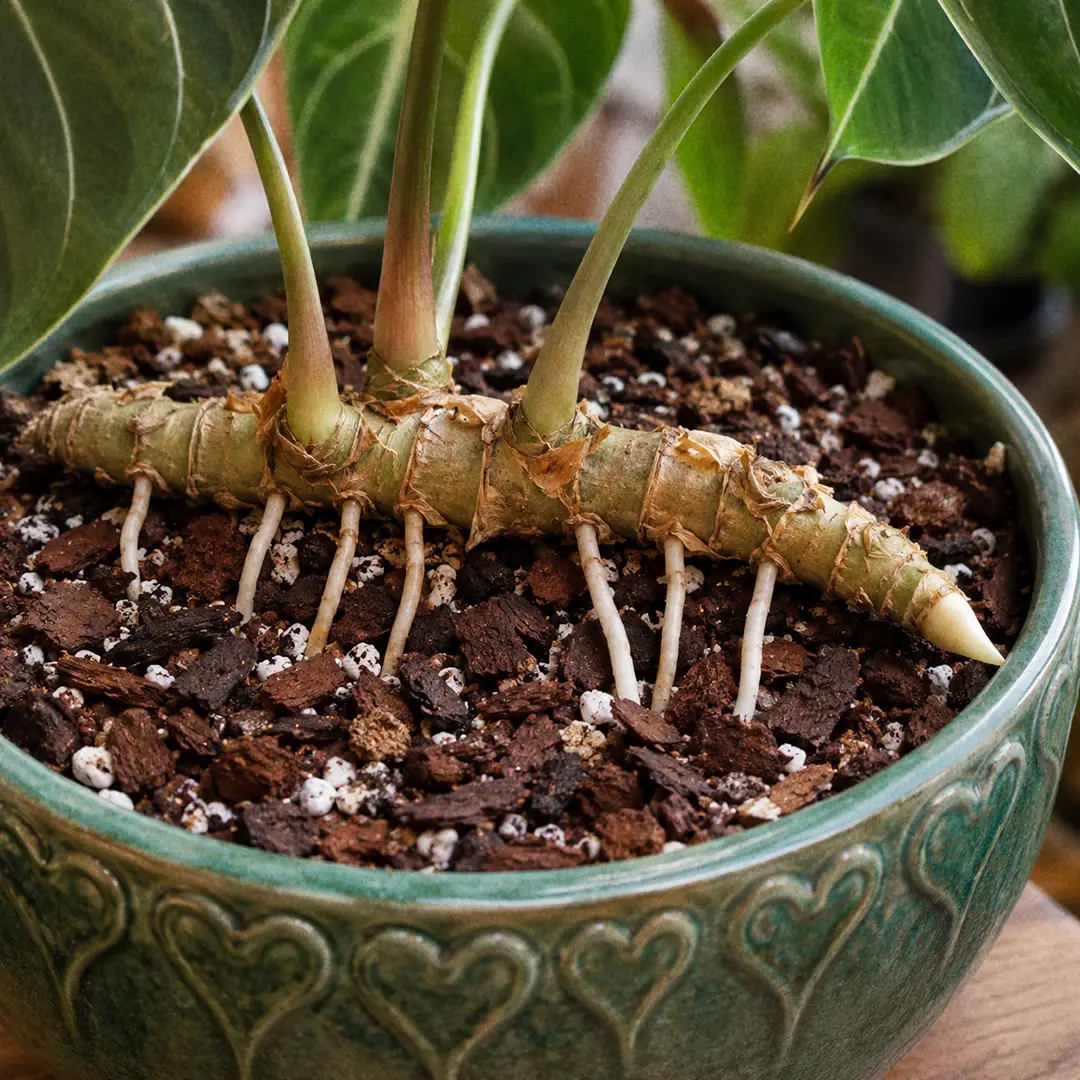
Use a wide, shallow container: a bulb pan, a low bowl, or a rectangular window box. Six to eight inches deep is plenty, and the wider the better. Our plant pots guide covers material choices.
The Rhizome Stays on Top
Lay the rhizome horizontally on the surface of the mix, with only the roots buried underneath. The thick stem itself should stay visible, resting on the soil like a log on the forest floor. Burying it is the most common cause of rot in this species.
Position it so the growing tip points across the widest stretch of empty pot, giving it the longest possible run before it reaches the rim.
When and How to Repot
Repot when the growing tip comes within an inch or two of the edge, which is usually every two years. Spring is the best time. Lift the whole plant, keep the root ball intact, set it into the new pot with the rhizome again resting on the surface, and backfill around the roots only. Water lightly and leave it alone for a week. See the repotting guide for the general method.
✂️ Pruning Philodendron Gloriosum
What to Prune
Very little. This plant grows one leaf at a time from a single tip, so there is nothing to shape and no bushiness to encourage. Remove yellowing, damaged, or fully dead leaves and nothing else.
Cut the petiole cleanly about an inch from the rhizome using sterilized scissors, then let the stub dry and drop off naturally rather than pulling it, which can tear the rhizome.
Never Prune the Rhizome for Tidiness
The bare older section of rhizome behind the leaves looks untidy, and people want to trim it. Do not. It stores water and starch that fuel the next leaf, and cutting it back sets the plant months behind. The only good reason to cut a rhizome is deliberate division, covered below.
🌱 How to Propagate Philodendron Gloriosum
Best Method: Rhizome Division
Forget leaf cuttings. A Gloriosum leaf with no node will sit in water looking fine for weeks and then rot, because there is no growth point for it to root from. Rhizome division is the method that works, and happily it works very well.
The requirement is simple: every section you cut must carry at least one node, meaning a point on the rhizome where a leaf grew or a dormant eye sits. Aim to leave one or two leaves per division as well.
Step-by-Step
- Wait until the rhizome is long enough. You want at least four or five nodes on the parent so both halves stay viable. Spring or early summer is best.
- Sterilize a sharp blade with alcohol or a flame.
- Cut between two nodes, straight through the rhizome, in one clean stroke. Sawing bruises the tissue.
- Dust both cut faces with cinnamon or powdered sulphur to discourage fungus.
- Let the cuts callus in open air for 2 to 24 hours, somewhere shaded.
- Pot each section in barely damp aroid mix, rhizome lying on the surface, roots tucked underneath, growth point facing up and outward.
- Keep it warm, humid, and bright, out of direct sun, and water sparingly until you see new roots gripping the mix.
Tips for Success
The back half without leaves is not a lost cause. As long as it carries a node it will usually push a new shoot within a couple of months, though it takes longer than the leafy front half.
Expect the first new leaf in 4 to 8 weeks. A clear plastic bag or a propagation box raises humidity nicely, but open it daily for air. Read the general propagation guide and the plant division article for more.
🐛 Philodendron Gloriosum Pests and Treatment
Common Pests
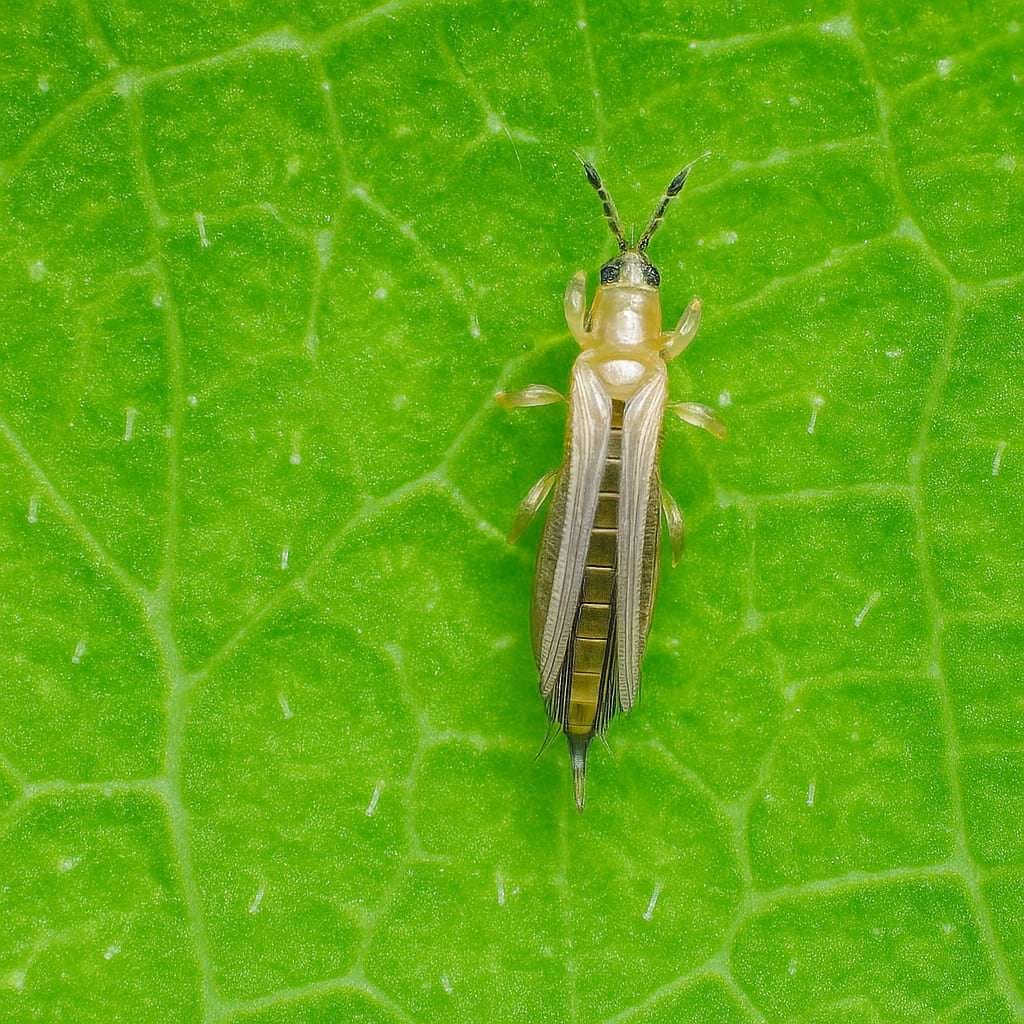
Thrips are the worst enemy of this plant and the hardest to spot. They rasp the leaf surface and leave silvery scarred streaks and tiny black specks of frass, and on a velvet leaf that damage is permanent and very visible. Check new growth with a hand lens.
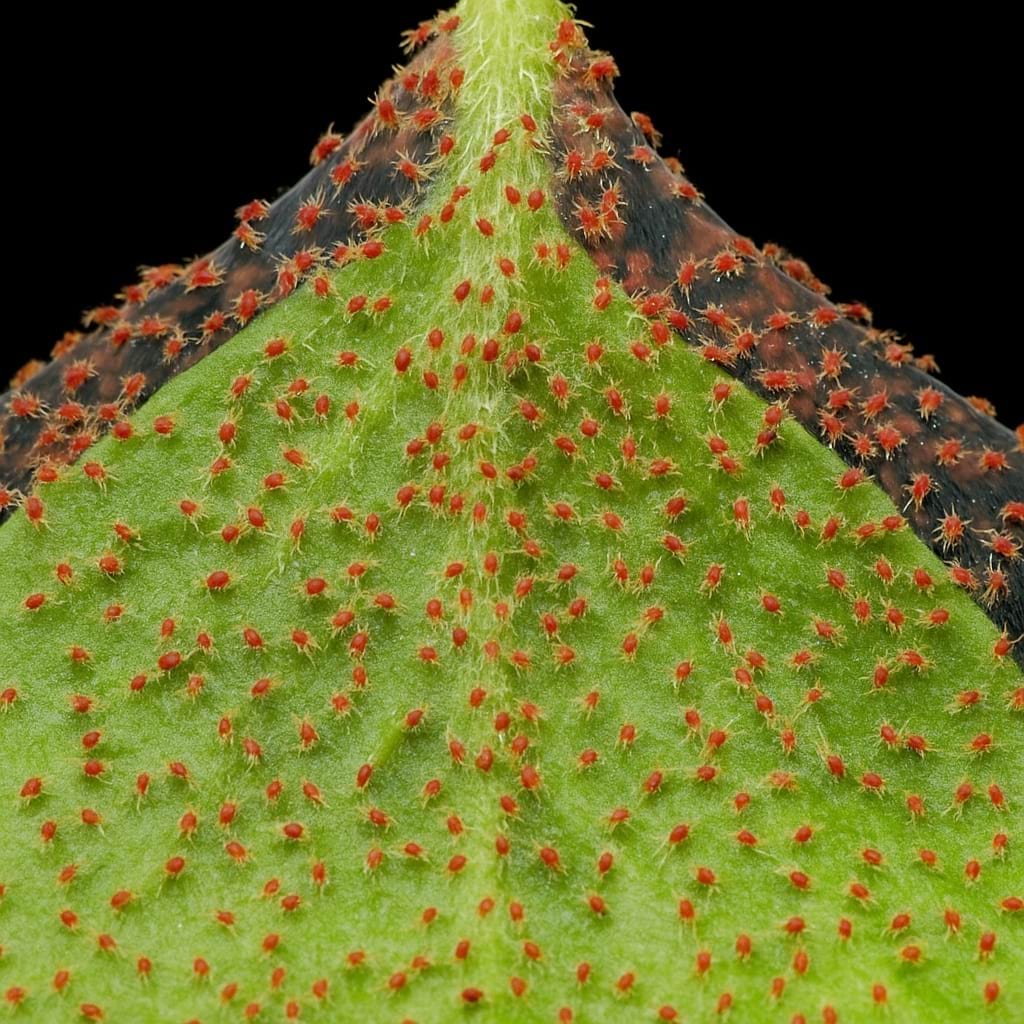
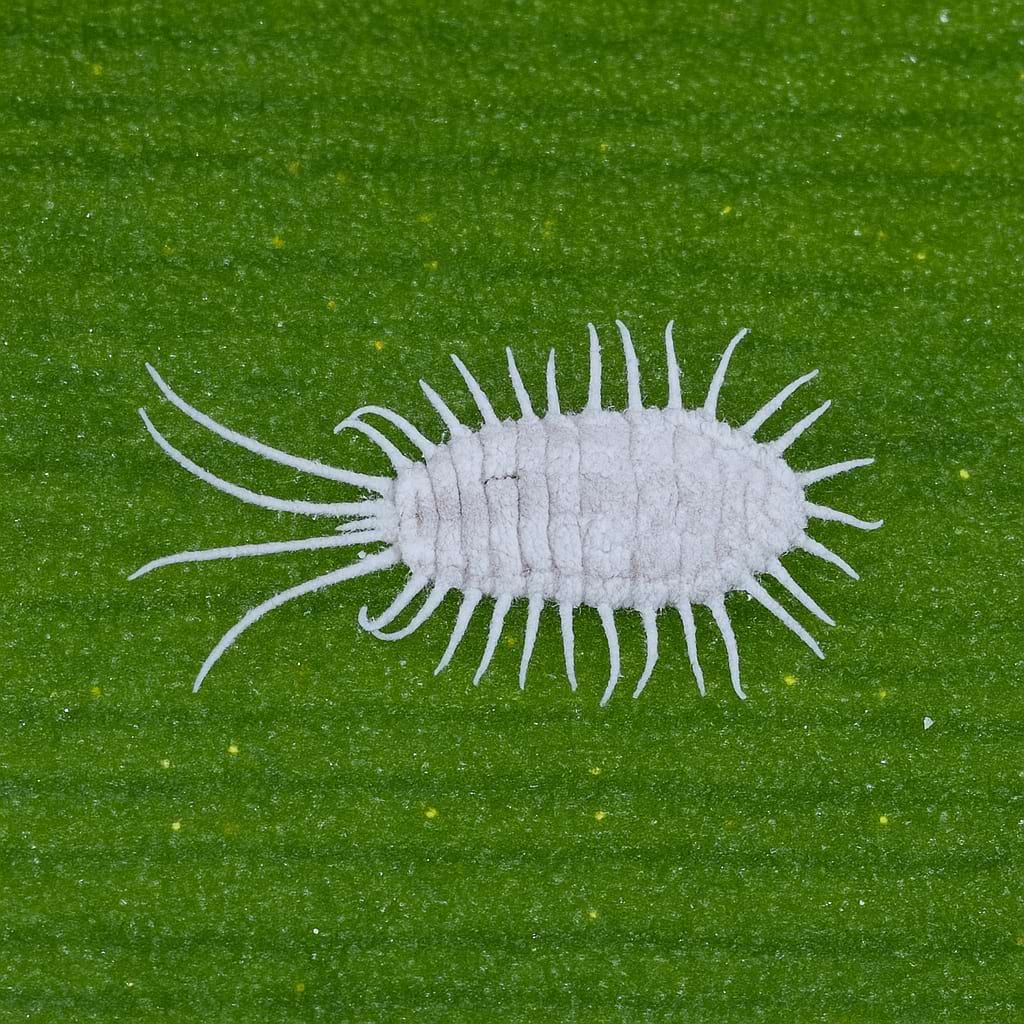
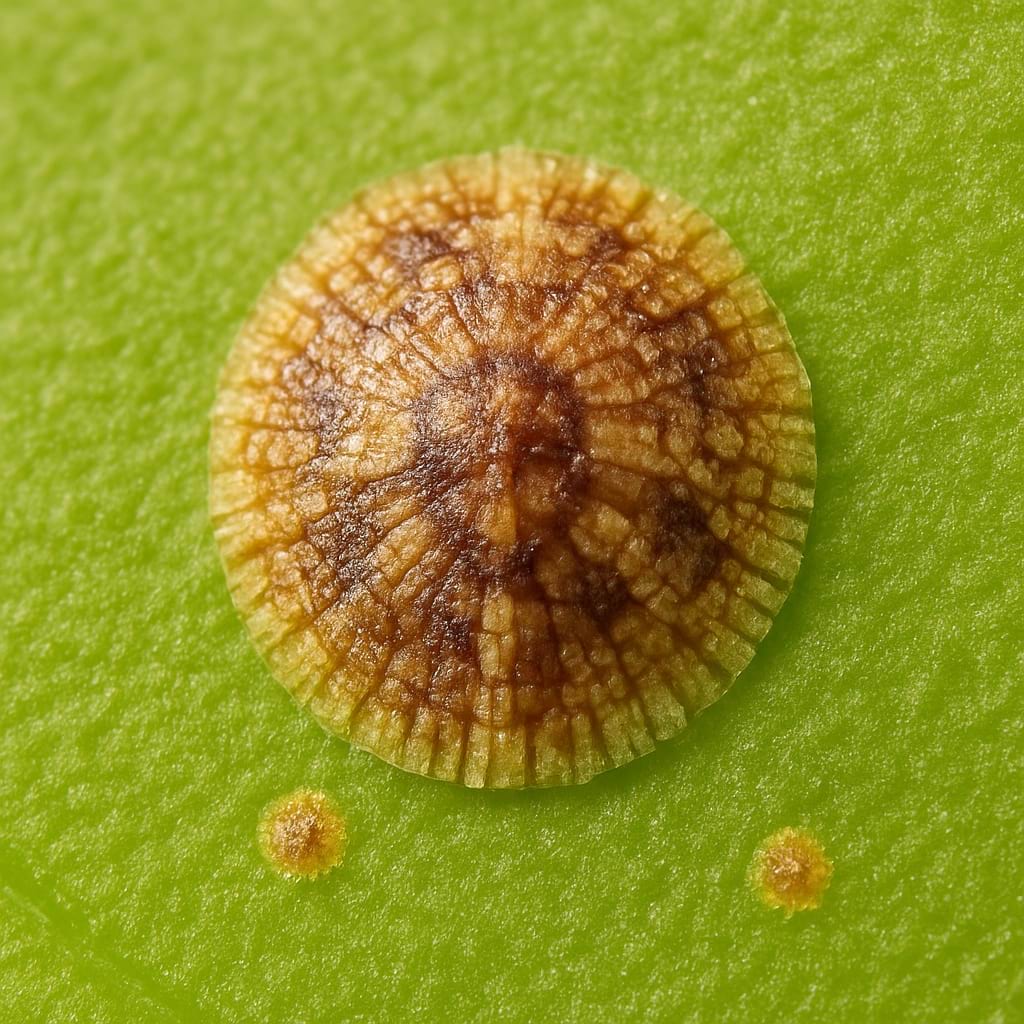
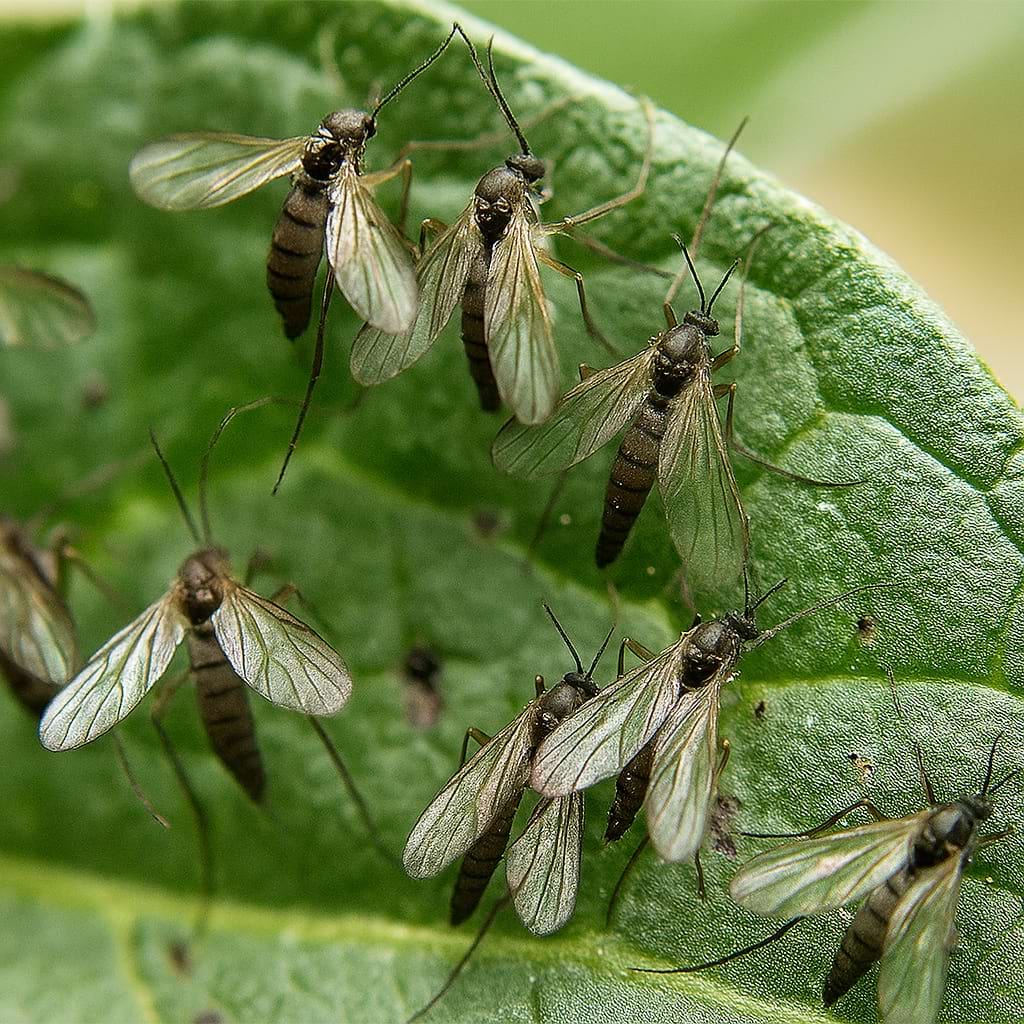
Spider mites arrive in dry warm air, leaving fine stippling and webbing where the petiole meets the leaf. Mealybugs hide in the crevices along the rhizome and inside unfurling leaves as white cottony clusters. Scale insects attach as small brown bumps on petioles and leaf undersides. Fungus gnats are a symptom rather than a threat: they mean the mix is staying damp too long.
Treatment and Prevention
Avoid spraying velvet leaves with anything oily, since neem and horticultural oil leave marks on the matte surface. Wipe individual pests off with an alcohol-dipped cotton bud, use insecticidal soap on the undersides and petioles rather than the leaf faces, and treat thrips with a systemic granule, which reaches them where sprays cannot.
Quarantine every new plant for three weeks. Inspect the unfurling leaf monthly, because that is where thrips do their damage before you can see them.
🩺 Common Philodendron Gloriosum Problems
Yellowing Leaves and Rot
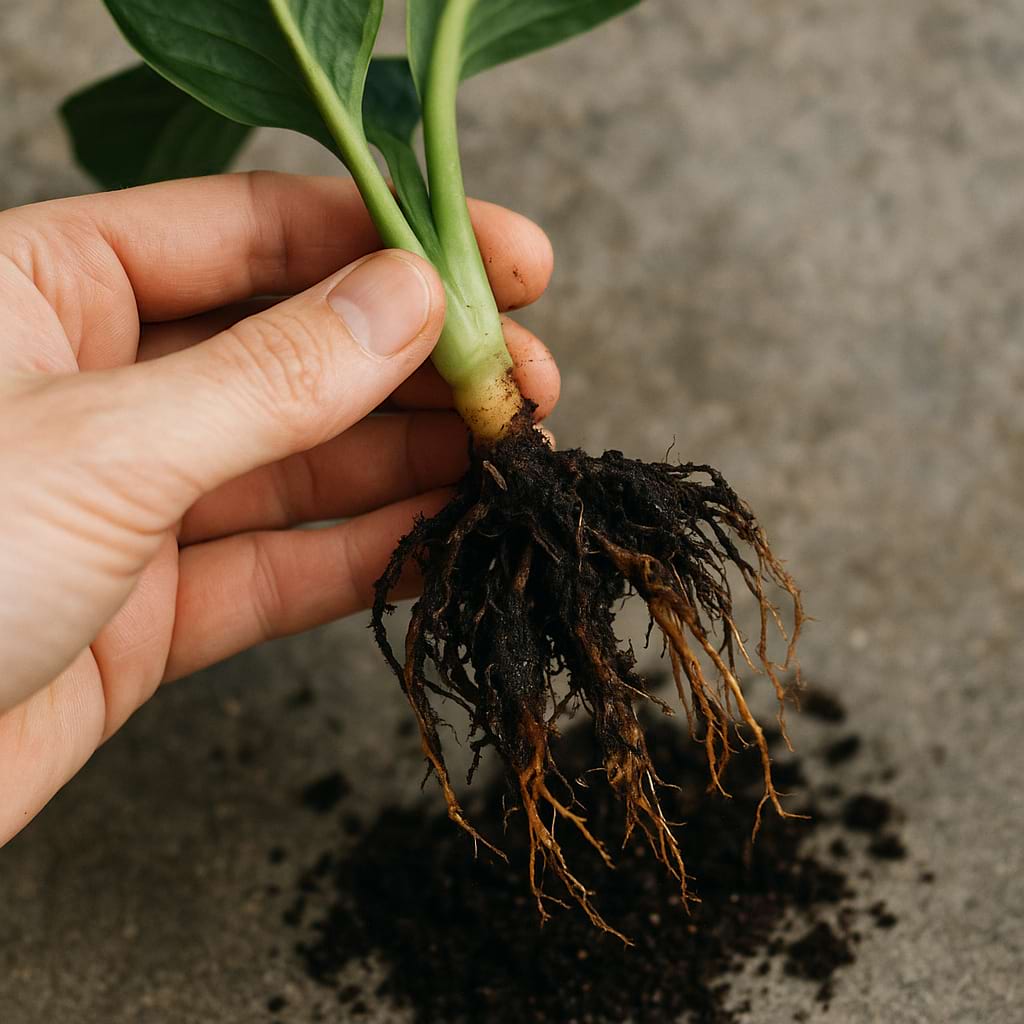
Yellowing that starts with the oldest leaf is usually normal ageing, one leaf at a time. Yellowing across several leaves at once, especially with damp soil, points at root rot. Unpot, cut away every brown mushy root and any soft section of rhizome, dust the cuts, and repot into fresh dry mix in a wider, shallower pot. Rot in this species almost always traces back to a buried rhizome or a pot that is too deep.
Brown Edges and Spots
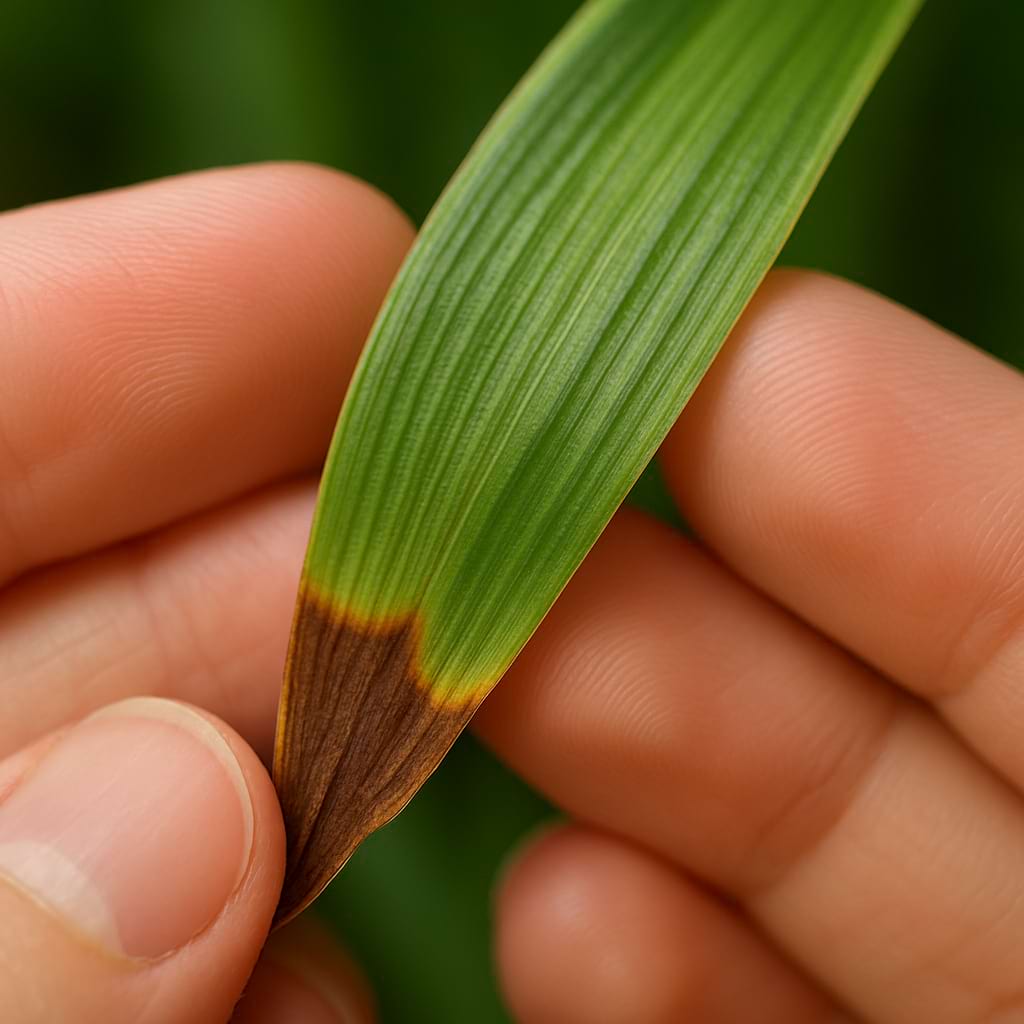
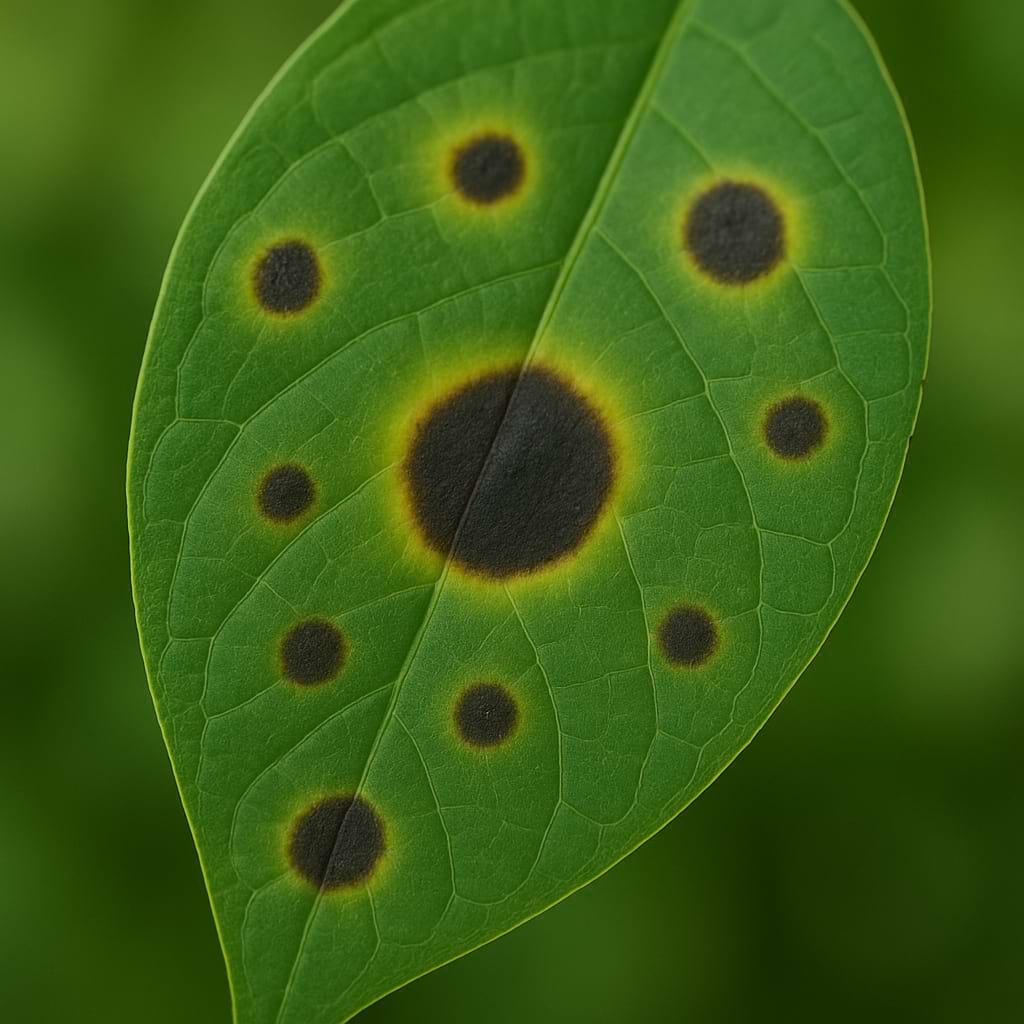
Crispy brown edges mean the air is too dry, or the soil went bone dry once too often, or salts have built up. Brown or black spots ringed with a yellow halo are bacterial leaf spot, usually from water sitting on the leaves. Remove affected leaves, improve airflow, and stop misting.
Small Leaves and Stalled Growth
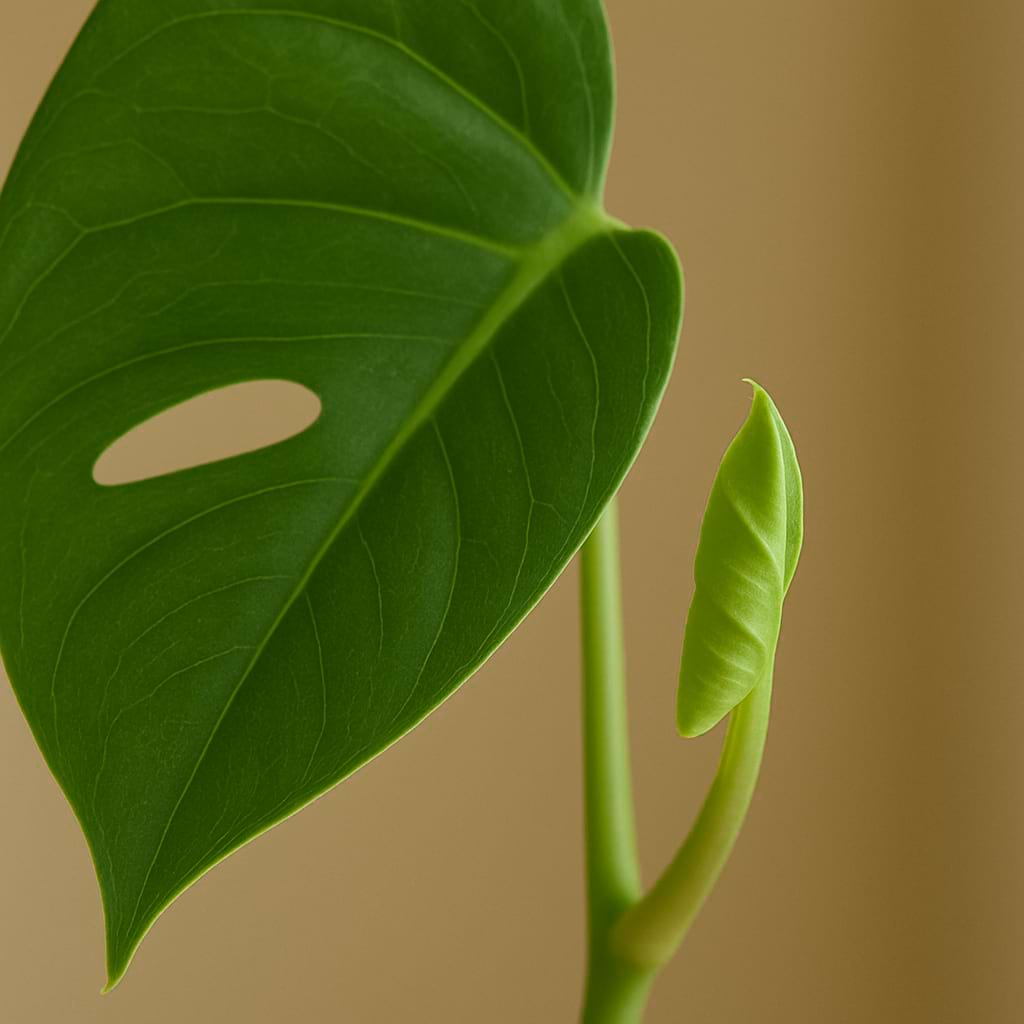
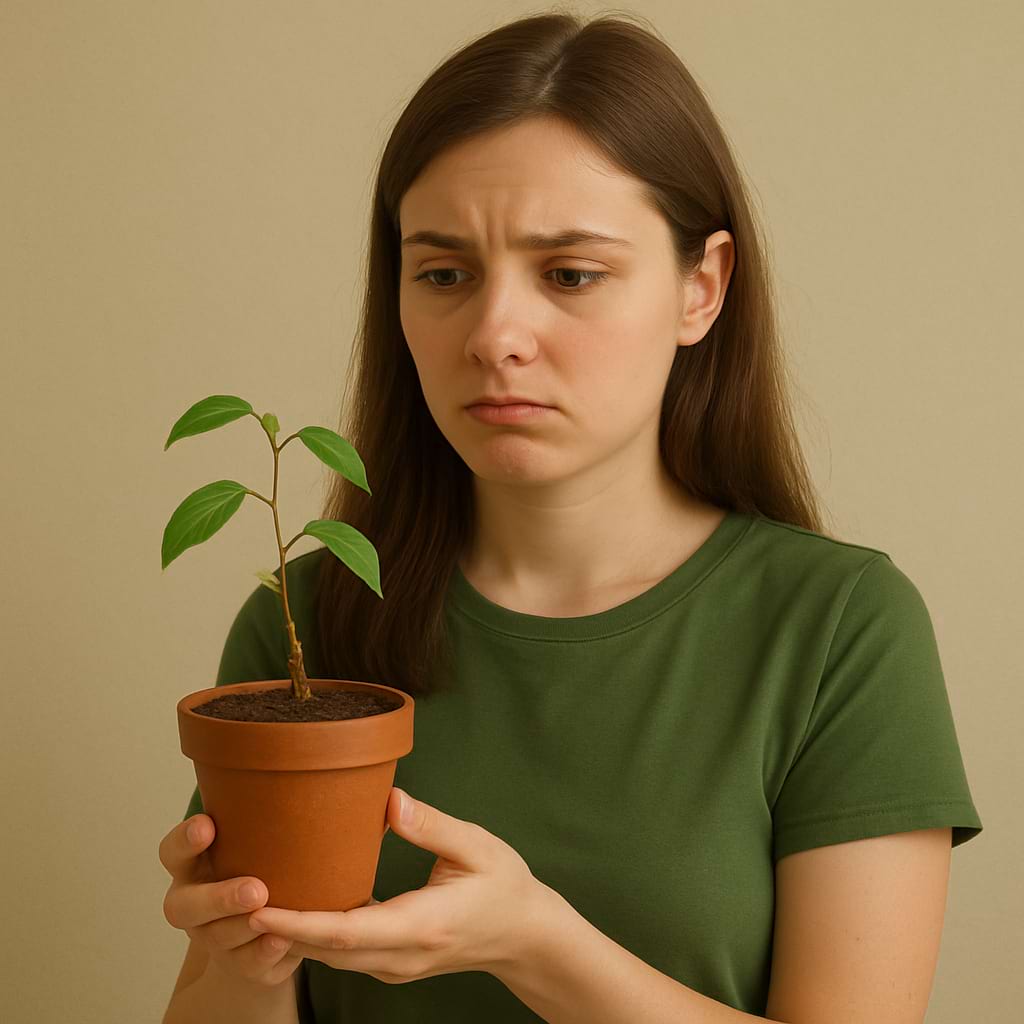
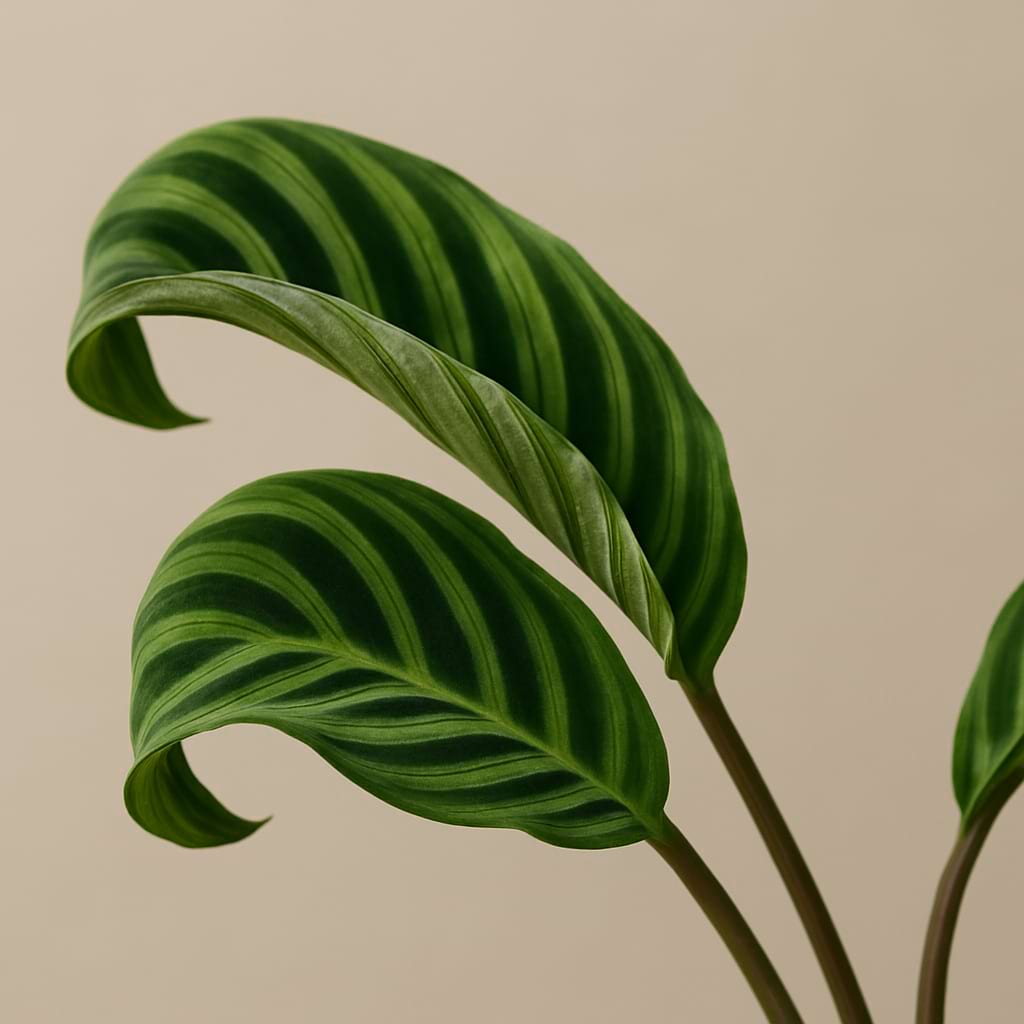
New leaves coming in smaller than the old ones is the classic complaint, and it is nearly always too little light or a hungry plant in exhausted mix. Stunted growth with no new leaf for months usually means one of those, or cold, or a rhizome that has run out of pot. Curling leaves point at thirst, low humidity, or a pest check that is overdue.

🖼️ Philodendron Gloriosum Display and Styling Ideas
Low and Wide Works Best
The leaves face upward and outward from a rhizome lying flat, so the plant reads best when you look slightly down on it. A low side table, a coffee table, or a plant stand below eye level shows the leaf faces properly. On a high shelf you mostly see stems.
A long rectangular planter is the most flattering container of all, because it lets the rhizome run in a straight line and the leaves march along it in a row.
Grouped Arrangements
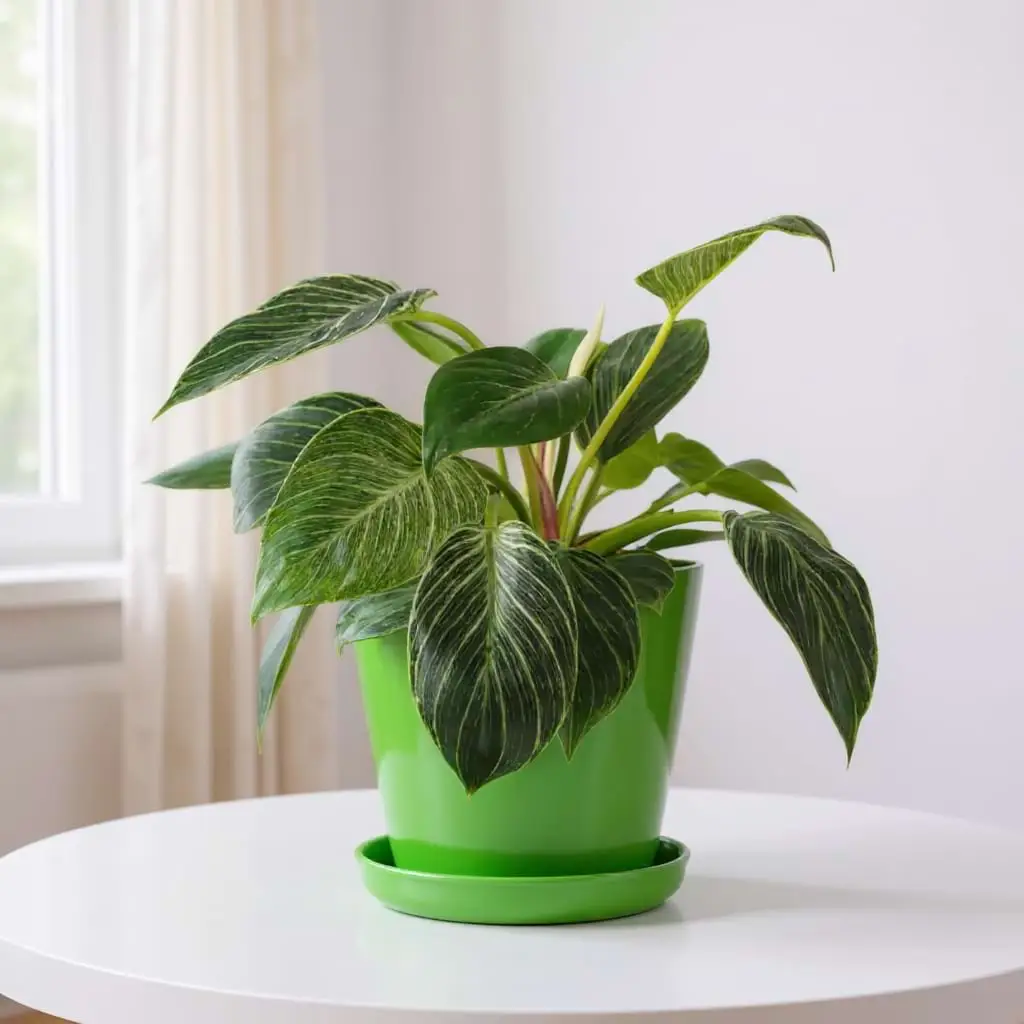
Pair it with contrasting textures rather than more velvet. Glossy foliage next to matte works well, so a Philodendron Birkin or a trailing Velvet Leaf Philodendron spilling from above makes a good partner. A King Anthurium raised on a stand behind it is the strongest contrast of all, since its long pleated leaves hang straight down while Gloriosum crawls flat. In a plant cabinet, the steady humidity gives you noticeably bigger leaves.
Where Not to Put It
No hanging baskets, no moss poles, no south-facing windowsills, and nowhere a cat or a toddler can chew it. The leaves contain calcium oxalate crystals and cause painful mouth swelling.
🌟 Philodendron Gloriosum Pro Care Tips
- Pot width beats pot depth every time. If you fix nothing else, fix this.
- Turn the pot a quarter turn weekly so the rhizome crawls straight instead of curving toward the light.
- Never use leaf shine on velvet foliage. It clogs the surface and dulls it permanently.
- Support a big new leaf with a bamboo skewer while the petiole hardens, or its own weight can flop it.
- Guide the rhizome tip back across the pot when it reaches the edge, gently, rather than letting it hang over.
- Buy in spring if you can. A plant shipped in winter sulks for months before it makes a leaf.
- Count nodes before dividing. Fewer than four on the parent and you should wait another season.
❓ Frequently Asked Questions
Why is my Philodendron Gloriosum growing smaller leaves?
Almost always not enough light, sometimes not enough food. Move it closer to a bright window without putting it in direct sun, and start monthly feeding at half strength during the growing season. New leaves get bigger gradually, one at a time, so give it three or four leaf cycles before you judge the result.
Should I bury the rhizome in soil?
No. The rhizome belongs on the surface with only the roots buried. A buried rhizome stays wet and rots, and that is the number one killer of this species indoors.
Is Philodendron Gloriosum toxic to cats and dogs?
Yes. Like all Philodendrons it contains insoluble calcium oxalate crystals, which cause burning, drooling, and swelling of the mouth and throat if chewed. Keep it well out of reach of pets and small children, and call a vet if you suspect your animal has eaten any.
How fast does Philodendron Gloriosum grow?
Slowly. A happy indoor plant makes roughly one new leaf every 4 to 6 weeks in the growing season and next to nothing in winter. A single leaf can take a month to fully unfurl. This pace is normal and not a problem to fix.
Can I propagate Philodendron Gloriosum from a single leaf?
No. A leaf with no rhizome node has no growth point and will never root. You need a section of rhizome with at least one node, cut cleanly and calloused before potting.
Why are my leaves crispy at the edges?
Dry air is the usual cause, followed by soil that dried out completely, followed by fertilizer salt buildup. Raise humidity toward 60%, water more consistently, and flush the pot with plain water if you see white crust on the surface.
Can Philodendron Gloriosum climb a moss pole?
No, and offering one does nothing. It is a terrestrial crawler that spreads horizontally along the ground. Give it a wide shallow pot instead of vertical support.
Why is my new leaf stuck or ripping as it unfurls?
Low humidity, most of the time. The sheath dries out and grips the emerging leaf. Raise the humidity and leave it alone. Do not peel a stuck leaf open by hand, because you will tear it.
How do I clean the velvet leaves?
Dust them with a soft dry make-up brush or a barely damp microfibre cloth, wiping gently along the direction of the veins. Never soak them, never spray them, and never use commercial leaf shine.
What size pot should I buy?
Choose width over volume. A container six to eight inches deep and at least four inches wider than the current rhizome span, so the growing tip has a year or two of runway ahead of it.
ℹ️ Philodendron Gloriosum Info
Care and Maintenance
🪴 Soil Type and pH: Chunky, airy aroid mix based on bark and perlite
💧 Humidity and Misting: Wants 60% or higher. The velvet leaves crisp at the edges in dry indoor air.
✂️ Pruning: Only remove damaged or dying leaves. Never cut the crawling rhizome unless you are dividing the plant.
🧼 Cleaning: Dust with a soft dry brush or a barely damp cloth, wiping along the veins. Never spray the velvet leaves or use leaf shine.
🌱 Repotting: Repot into a wider container when the rhizome tip reaches the rim, usually every 2 years in spring.
🔄 Repotting Frequency: Every 2 years, or whenever the rhizome runs out of room
❄️ Seasonal Changes in Care: Water and feed steadily from spring through early autumn, then ease back on both during the slow, dim winter months.
Growing Characteristics
💥 Growth Speed: Slow
🔄 Life Cycle: Evergreen creeping perennial aroid
💥 Bloom Time: Rarely flowers indoors; mature plants produce a green and cream spathe in the warm season
🌡️ Hardiness Zones: 10-12
🗺️ Native Area: Rainforest floors of Colombia, with scattered records elsewhere in tropical America
🚘 Hibernation: No true dormancy, but growth slows almost to a stop below 65°F and in low winter light
Propagation and Health
📍 Suitable Locations: Wide shallow pots, bright bathrooms, plant cabinets, low side tables, east windows
🪴 Propagation Methods: Cut the rhizome between two nodes, callus the wound, and pot each section with its growth point facing up.
🐛 Common Pests: Thrips, Spider Mites, Mealybugs, Scale Insects, Fungus Gnats
🦠 Possible Diseases: Root and rhizome rot, bacterial leaf spot, fungal leaf spotting
Plant Details
🌿 Plant Type: Terrestrial creeping aroid
🍃 Foliage Type: Evergreen velvety heart-shaped leaves
🎨 Color of Leaves: Deep matte green with cream to white veins and a pink leaf edge
🌸 Flower Color: Green spathe with a cream spadix
🌼 Blooming: No, almost never indoors
🍽️ Edibility: Not edible. All parts contain calcium oxalate crystals.
📏 Mature Size: 12-18 inches tall indoors
Additional Info
🌻 General Benefits: Large statement foliage on a compact plant, tolerates lower light than most velvet aroids, and divides easily into new plants
💊 Medical Properties: No documented medicinal uses.
🧿 Feng Shui: Broad heart-shaped leaves and low horizontal growth make it a calming, grounding plant for a living room or a bedroom shelf.
⭐ Zodiac Sign Compatibility: Taurus
🌈 Symbolism or Folklore: Patience, steady progress, growth that moves sideways rather than up
📝 Interesting Facts: Philodendron gloriosum was described by the French botanist Édouard André in 1876. Unlike most Philodendrons it is a crawler rather than a climber, and its thick rhizome creeps horizontally along the forest floor, putting up one new leaf at a time from the leading tip.
Buying and Usage
🛒 What to Look for When Buying: Look for a firm rhizome with a visible growing tip and at least three healthy leaves. Skip plants with a soft or shrivelled rhizome, a rhizome buried deep in wet soil, or leaves with dry translucent patches.
🪴 Other Uses: Statement foliage plant, plant cabinet specimen, collector aroid.
Decoration and Styling
🖼️ Display Ideas: Wide shallow bowls, low side tables, plant cabinets, bright bathroom shelves, grouped with other velvet-leaved aroids
🧵 Styling Tips: Give it a pot much wider than it is deep and set it low, at or below eye level, so the leaf faces tilt toward you instead of away.
🪴 See also 🪴
Complete Guide to Philodendron Melanochrysum Care and Growth
How to Propagate Philodendron Brasil (and Keep the Variegation)
How to Grow Philodendron: Care Guide and 22 Types Worth Owning
Complete Guide to Imperial Red Care and Growth
Complete Guide to Philodendron Verrucosum Care and Growth
Complete Guide to Philodendron Ring of Fire Care and Growth
Complete Guide to Philodendron Birkin Care and Growth
Complete Guide to Xanadu Care and Growth
Complete Guide to Hope Selloum Care and Growth
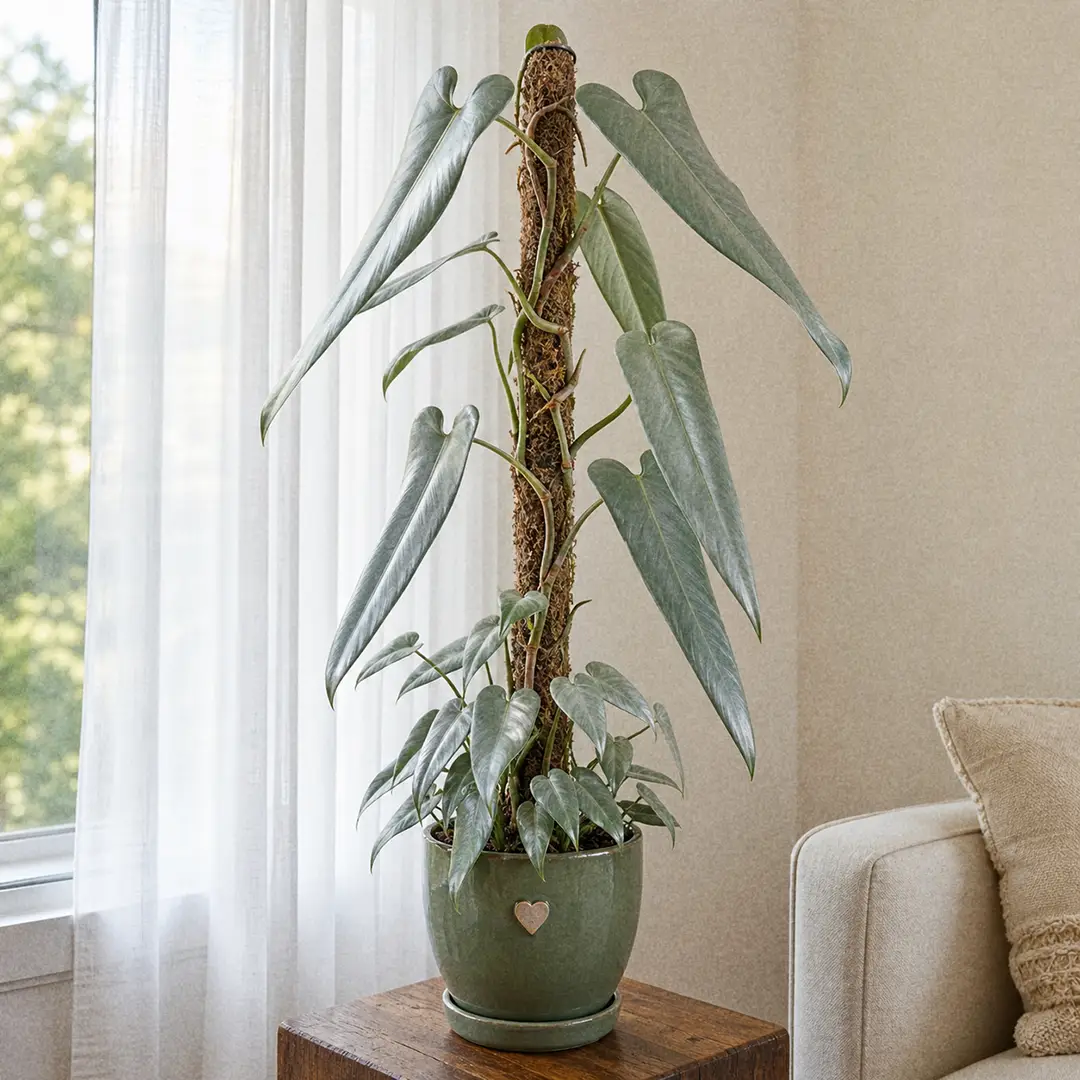
Complete Guide to Silver Sword Philodendron Care and Growth
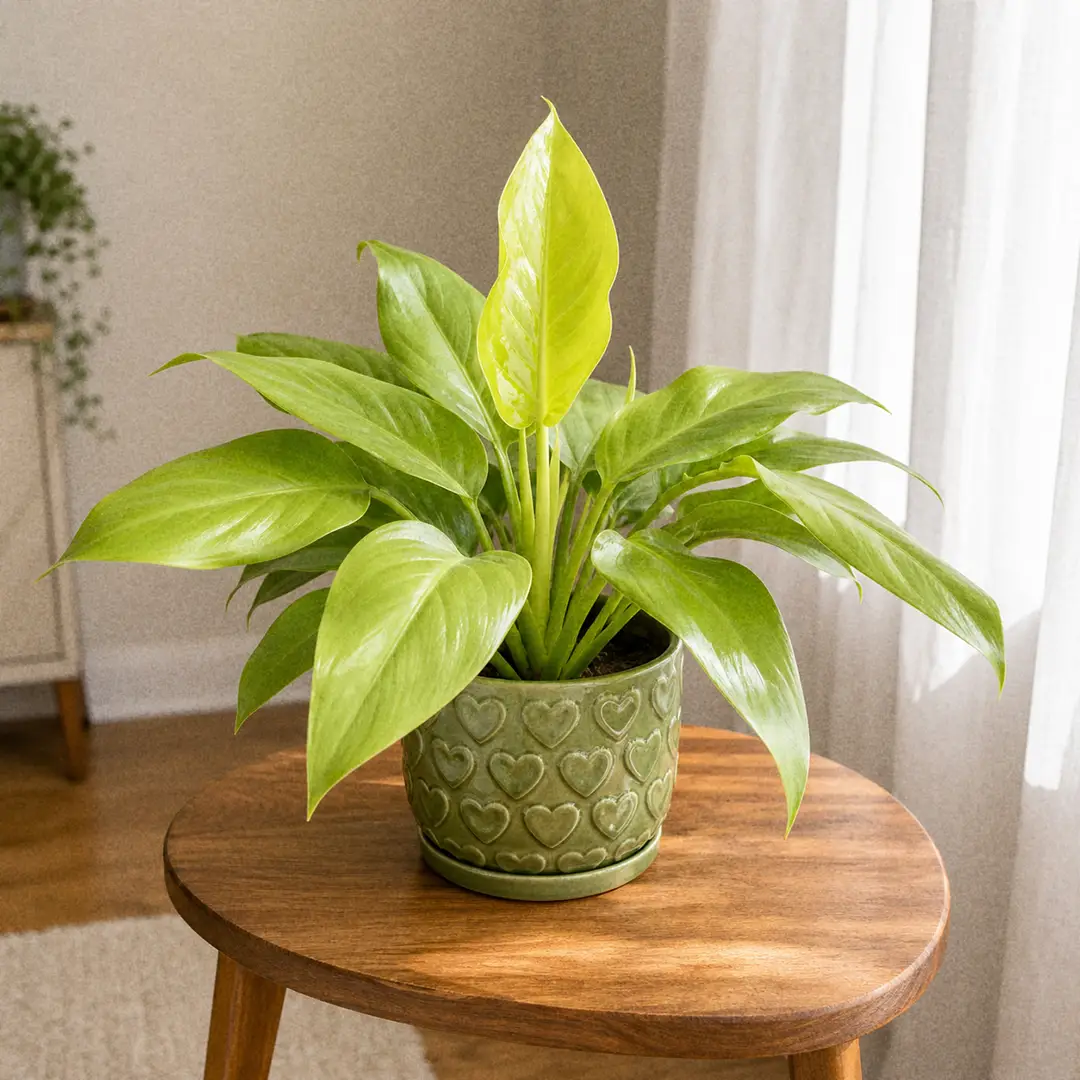
Complete Guide to Moonlight Philodendron Care and Growth
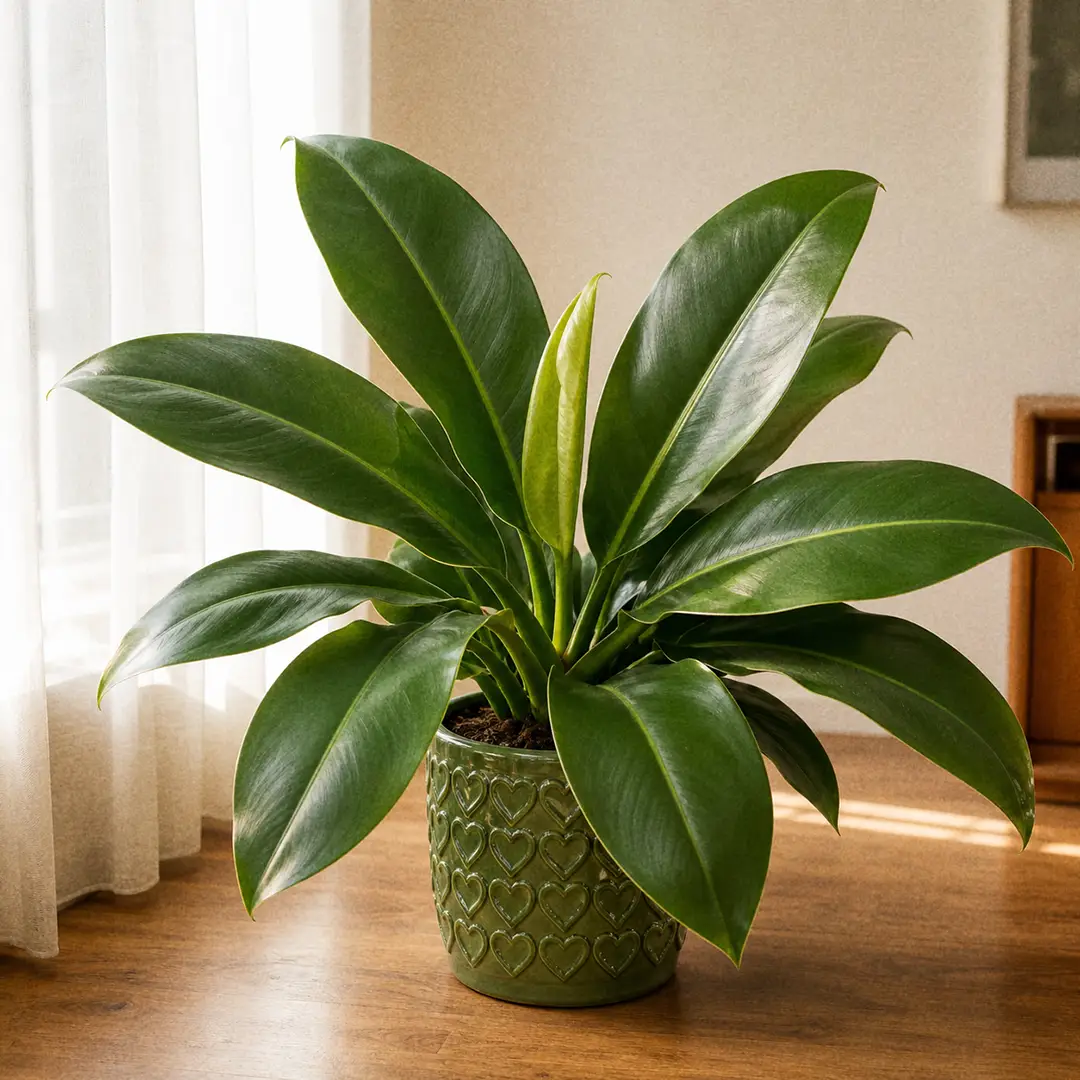
Complete Guide to Imperial Green Care and Growth
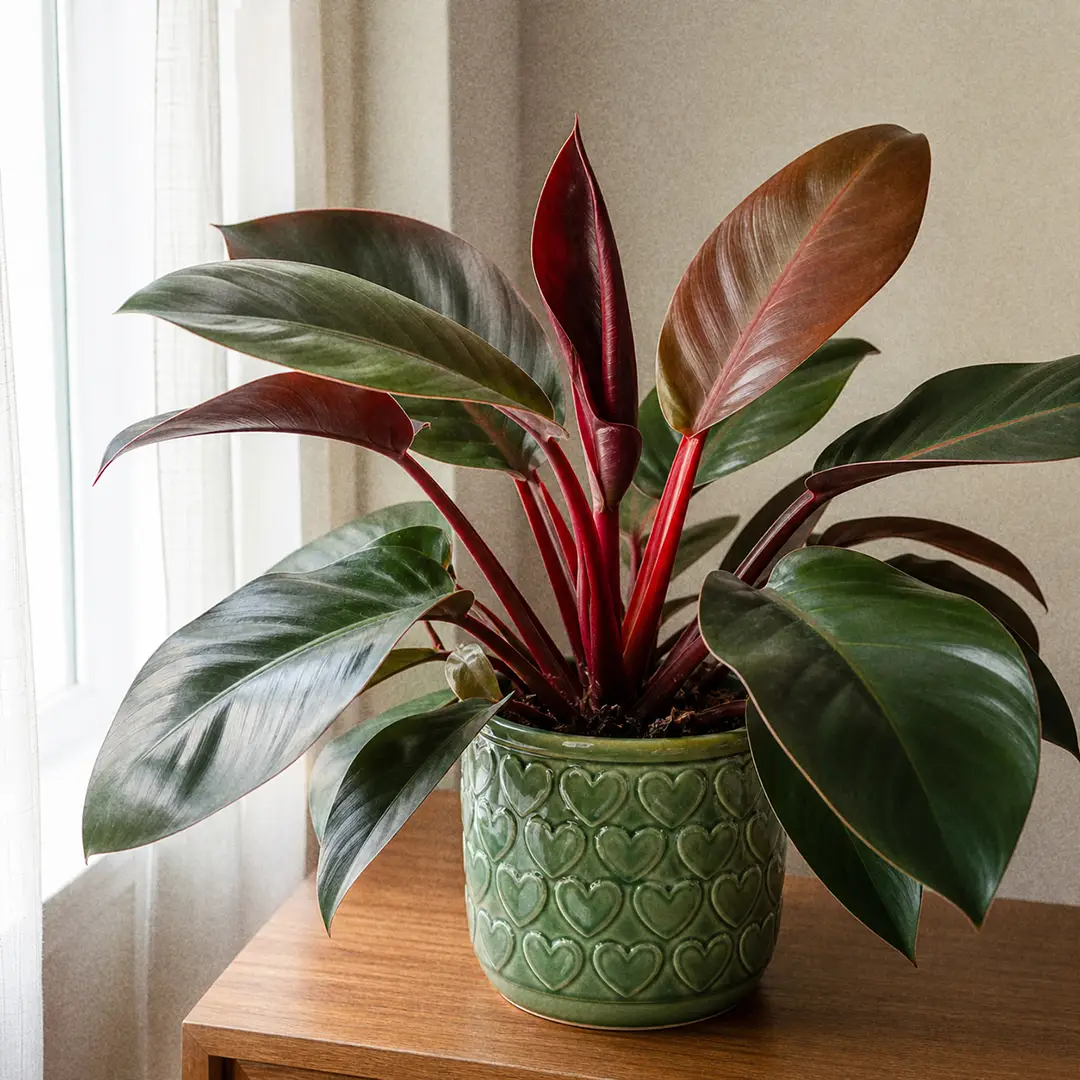
Complete Guide to Rojo Congo Care and Growth
Complete Guide to Prince of Orange Care and Growth
Complete Guide To Velvet Leaf Philodendron Care and Growth
Complete Guide To Heart-leaf Philodendron Care and Growth
Complete Guide to Philodendron Florida Beauty x Tortum Care and Growth
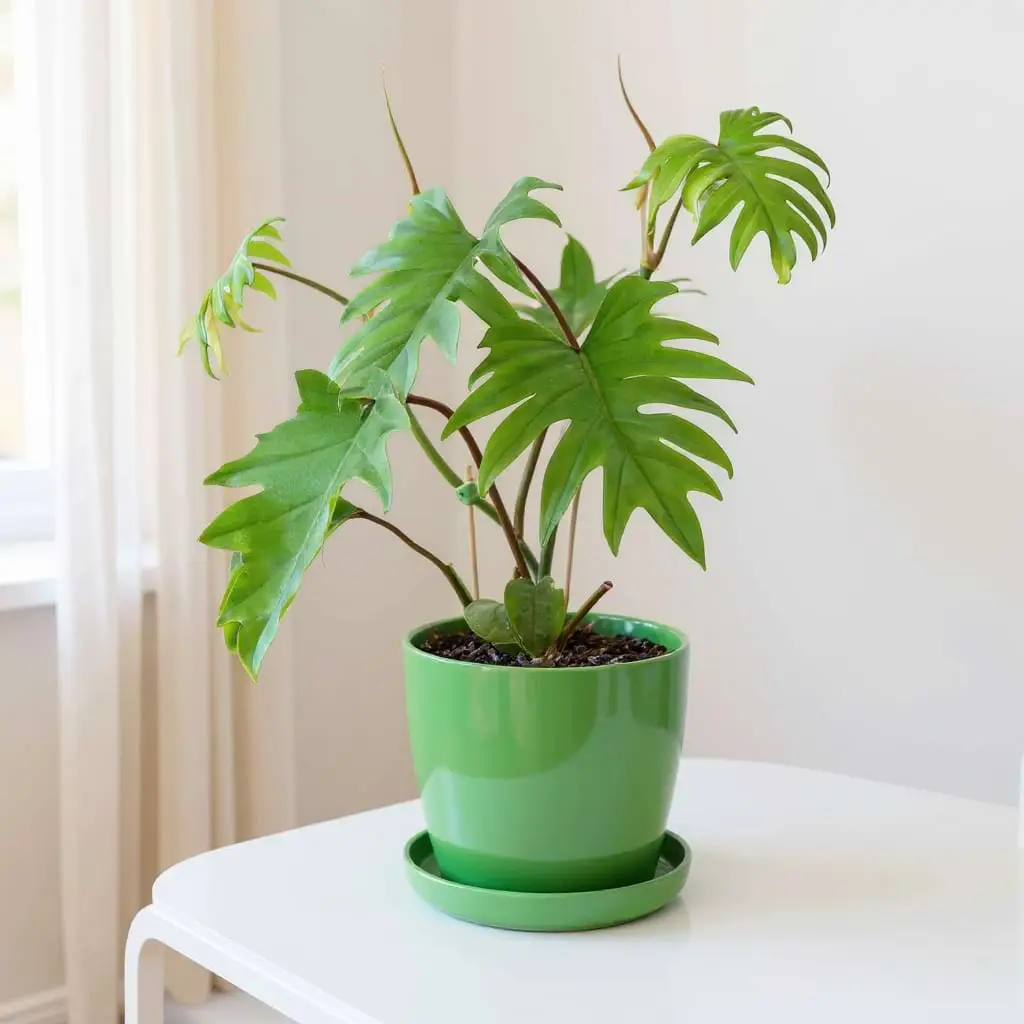
Complete Guide to Philodendron Mayoi Care and Growth
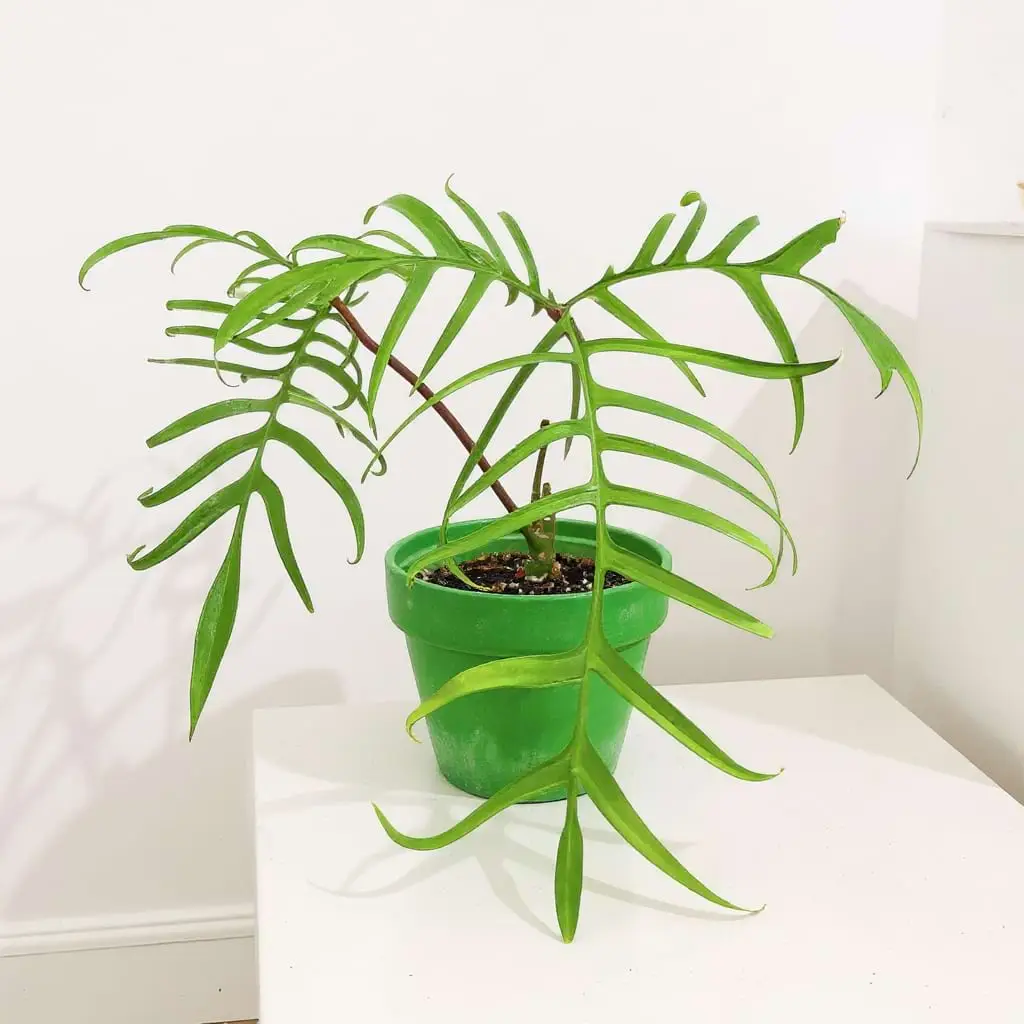
Complete Guide to Philodendron Polypodioides Care and Growth
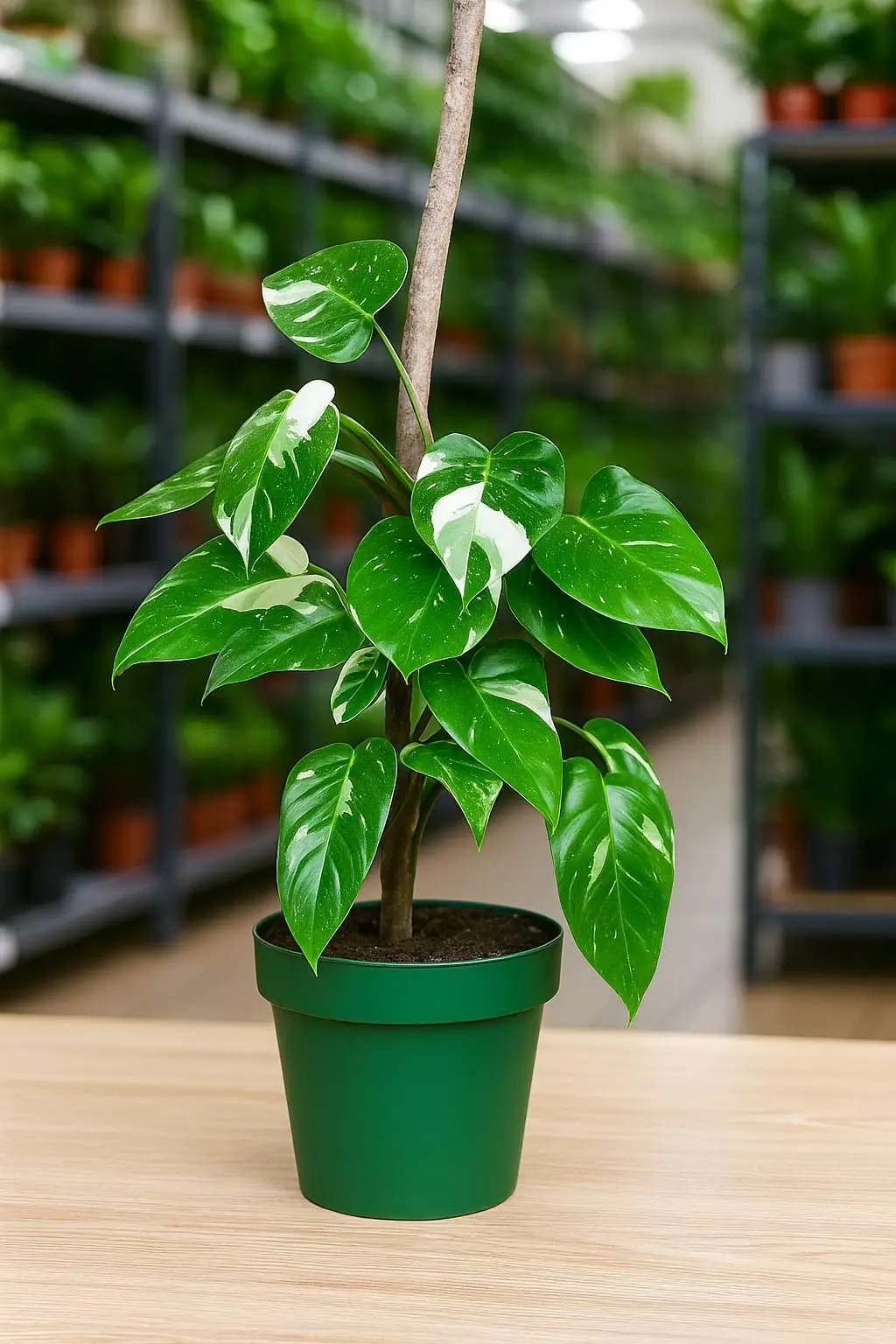
Complete Guide to Philodendron White Princess Care and Growth
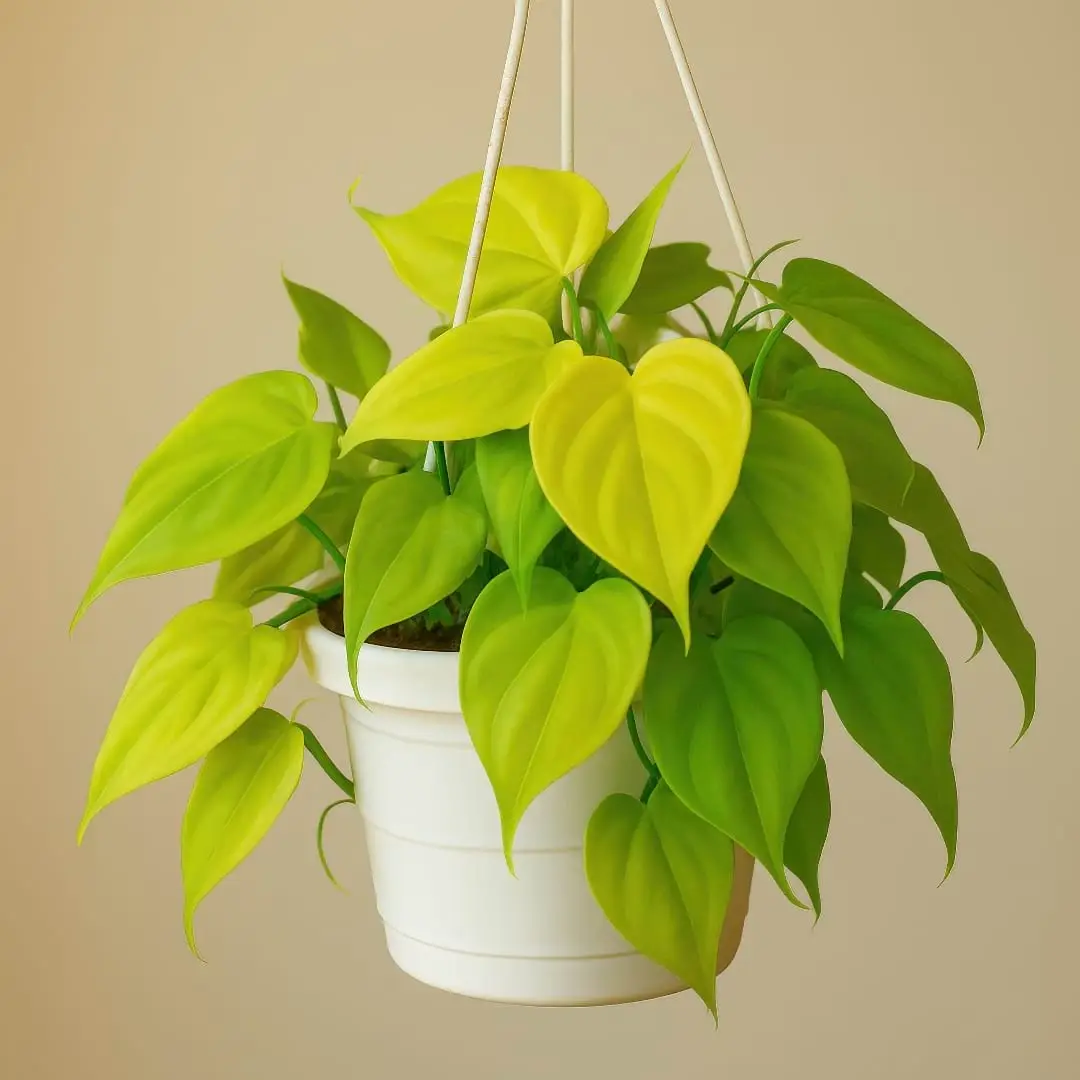
Complete Guide To Lemon Lime Philodendron Care and Growth

Houseplant101 Forum
Questions & Comments
Ask a question, share your plant experience, or help other plant owners.
Comments are temporarily unavailable.
Open the Houseplant101 ForumNo comments yet
Be the first to ask a question or share your experience about this page.
Log in or create an account
Comments use your Houseplant101 Forum account, but you can stay on this page.
Create a new account