
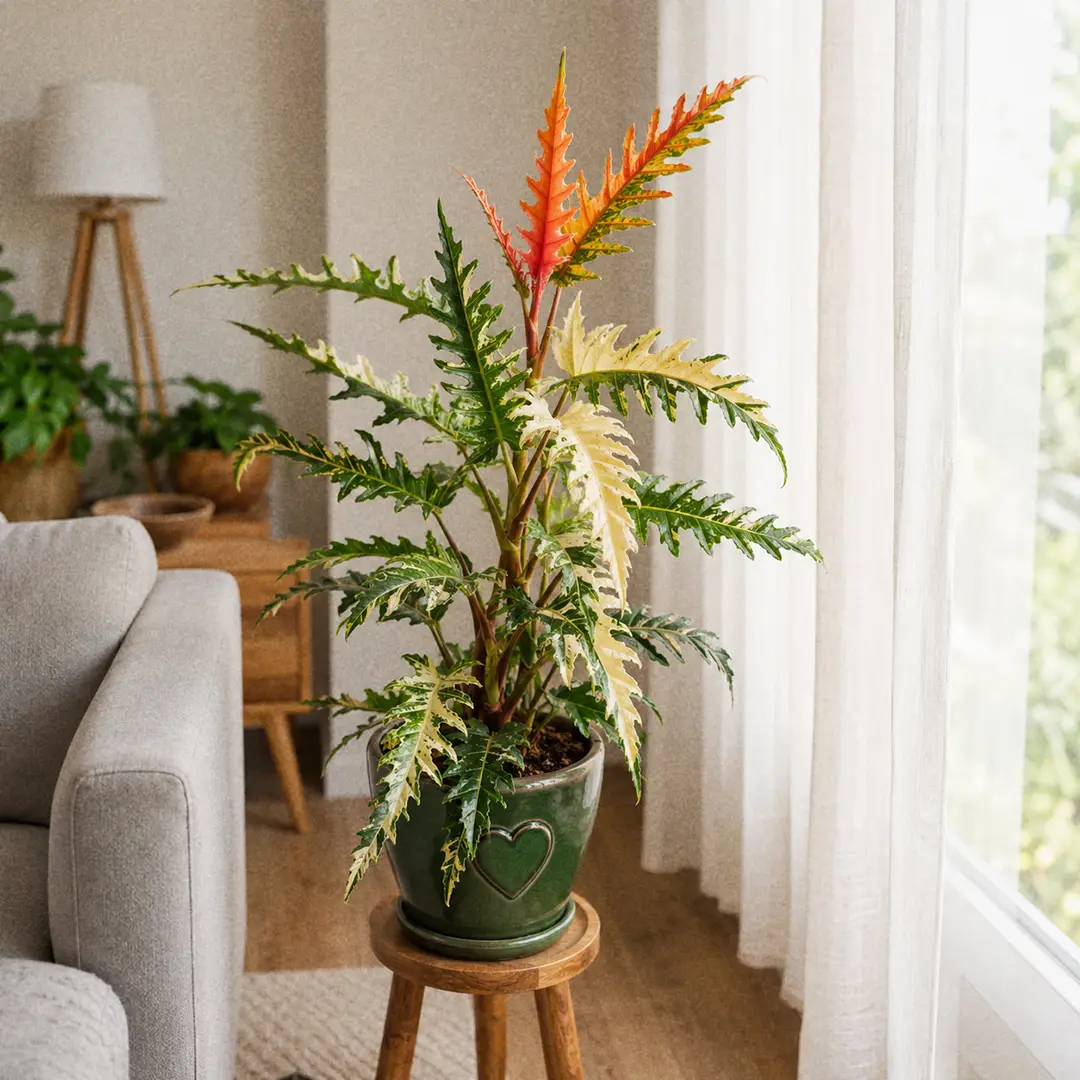
Philodendron Ring of Fire
Philodendron 'Ring of Fire'
Ring of Fire Philodendron, Variegated Ring of Fire, Henderson's Pride (green form)


Philodendron Ring of Fire is the aroid that unfurls new leaves in orange and red before they settle into cream, green, and pink. Learn how to keep that variegation bright, how fast it really grows indoors, and why the light you give it decides the color of every new leaf.
📝 Philodendron Ring of Fire Care Notes
🌿 Care Instructions
⚠️ Common Pests
📊 Growth Information
🪴 In This Guide 🪴

☀️ Philodendron Ring of Fire Light Requirements (Bright Indirect)
The Sweet Spot
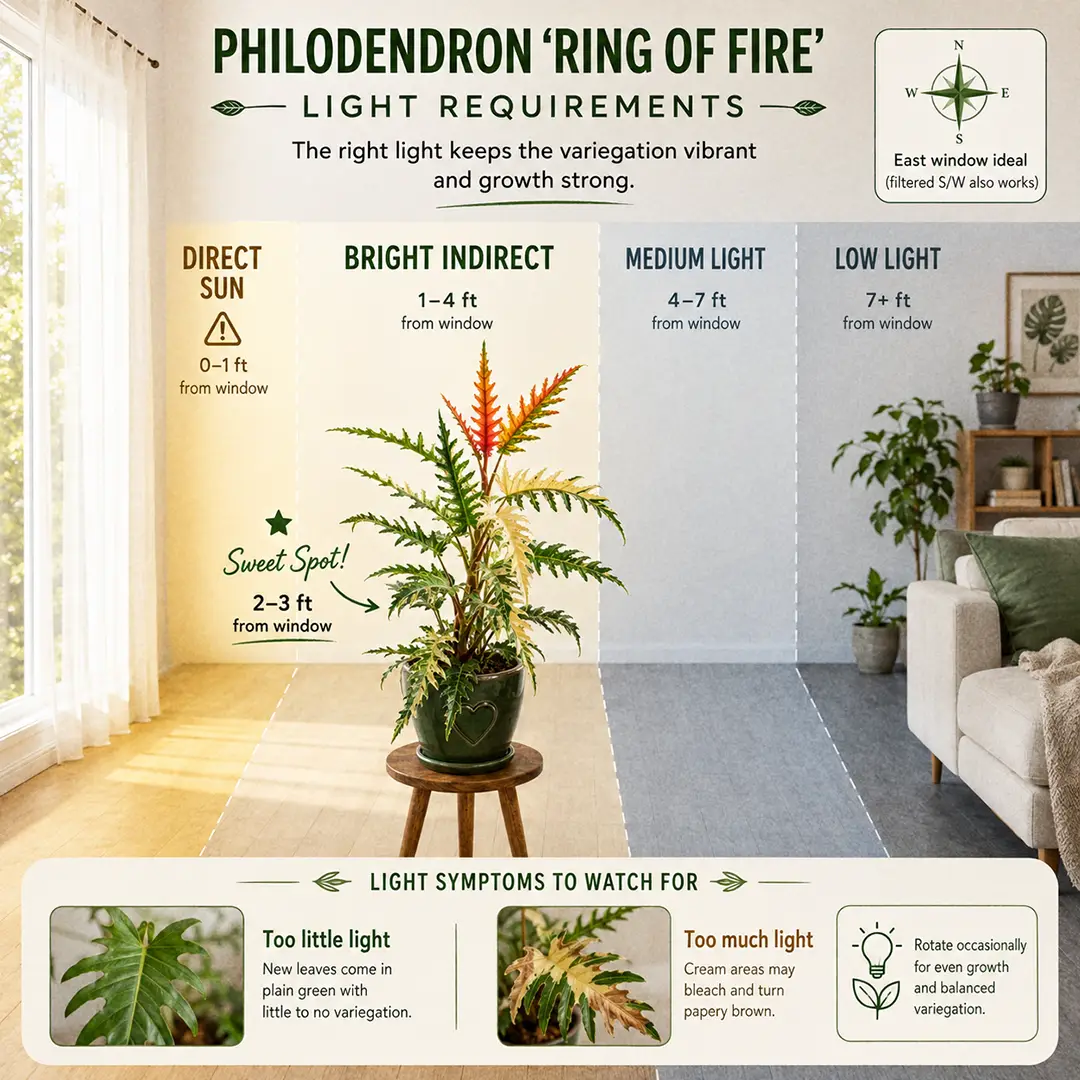
Ring of Fire wants bright indirect light, and it wants plenty of it. Within about three feet of an east-facing window is close to perfect: soft morning sun on the leaves, then bright ambient light for the rest of the day. A south or west window works just as well, as long as a sheer curtain sits between the glass and the plant through the hot afternoon hours.
There is a practical reason to be fussy here that does not apply to a plain green philodendron. The cream and orange patches contain little or no chlorophyll, so the green sections have to photosynthesize for the whole leaf. In weak light the plant cannot afford to build pale tissue, so it stops. Our Indoor Lighting Guide is worth a read if you are still learning to judge a spot by eye.
Too Little Light
The first sign is not a sick plant. It is a boring one. New leaves emerge with less and less color until they open fully green, and once that starts the plant keeps making green leaves until the light improves. This is reversion, and it is by far the most common complaint about this plant.
Low light also shrinks the new leaves and stretches the gaps between them, giving you leggy growth with none of the drama. If your room goes dim through winter, a grow light on a timer for eight to ten hours a day keeps the color coming.
Too Much Light
Direct afternoon sun is genuinely risky for this one, more so than for a green philodendron. The pale patches have no pigment to protect them, so they scorch first, going papery and brown while the green sections still look fine. That is sunburn, and the damage does not heal.
If you are moving a plant somewhere brighter, do it over two weeks rather than in one afternoon. Sudden strong light on a plant that has been coasting in shade produces bleached patches within days.
💧 Philodendron Ring of Fire Watering Guide (Soak and Drain)
Watering Frequency
Water when the top two inches of mix feel dry to your finger. In a bright warm room in summer that usually lands somewhere around once a week, and in winter it can stretch to every two or three weeks. Do not water on a schedule, because a slow-growing plant drinks slowly.
The two-inch rule matters more here than it does for a fast philodendron, and the reason is root pace. A Heartleaf Philodendron burns through water and forgives a heavy hand. Ring of Fire sits on the same water far longer, so the watering habit that keeps a heartleaf thriving will rot this one.
How to Water
Take the pot to a sink and pour slowly and evenly across the whole surface until water runs freely from the drainage holes. Let it drain for several minutes, then put it back. Never leave the pot standing in a saucer of water, and empty any decorative outer pot after watering.
If your mix is very chunky, water can channel straight down the sides without wetting the middle. Watering in two passes a minute apart fixes that, or you can use bottom watering every few weeks to be sure the core of the root ball is getting wet.
Signs of Trouble
Overwatering shows as yellowing on the oldest lower leaves, soft brown patches, and mix that stays dark and heavy for days. Left alone that becomes root rot, which on a slow grower is often fatal, because there is no spare energy to push replacement roots.
Underwatering is easier to spot and easier to fix: drooping stems, crisping tips, and a pot that feels suspiciously light. One good soak and the plant usually perks up within a day. If you cannot read the mix by feel, a moisture meter takes the guesswork out.
🪴 Best Soil for Philodendron Ring of Fire (Chunky Aroid Mix)
What the Soil Needs
This is an aroid, which means its roots evolved to grip bark and leaf litter rather than sit in dense ground soil. They need air pockets as much as moisture. Straight bagged potting soil compacts into a solid wet brick within a season, and that is where most Ring of Fire losses begin.
You want a mix that holds some moisture, drains fast, and stays loose for two or three years without collapsing.
DIY Soil Mix
A reliable recipe, by volume:
- 2 parts good quality potting soil
- 2 parts medium orchid bark
- 1 part perlite or pumice
- 1 part coco coir
A handful of horticultural charcoal keeps the mix sweet, and a handful of worm castings adds gentle nutrition. Squeeze a damp handful and it should hold its shape for a second, then fall apart. If it stays in a ball, add more bark.
Pre-Made Options
Any bagged mix sold as an aroid, monstera, or philodendron mix will do, and most are close to the recipe above already. Check the bag for visible bark chunks rather than fine peat dust. Our Soil Guide covers the ingredients in more detail if you want to build your own from scratch.
Avoid anything sold as moisture-retaining or with added water crystals. Those are made for thirsty annuals, not for an aroid that hates wet feet.
🍼 Fertilizing Philodendron Ring of Fire
When and How Often
Feed once a month at half strength from early spring through late summer, whenever the plant is actively pushing new leaves. Stop completely from late autumn until you see the first new growth of spring. Feeding a plant that is not growing just leaves salt in the mix.
What to Use
A balanced liquid houseplant fertilizer diluted to half the label strength is all this plant needs. Something around 20-20-20, or a gentler 3-1-2 ratio, works fine. Always water first and feed second, so the fertilizer never hits dry roots.
Do not go shopping for variegation boosters. No fertilizer increases the color on this plant, because variegation is genetic and light-driven, not nutritional. Our Fertilizing Guide has more on reading the numbers on the bottle.
Over-Fertilizing Signs
Brown crispy leaf tips on a plant you are watering correctly usually mean salt buildup. A white crust on the soil surface or around the drainage holes confirms it. Flush the pot with plain water three or four times through, let it drain fully, and skip the next two feedings.
🌡️ Philodendron Ring of Fire Temperature Range
Ideal Range
Keep it between 65°F and 80°F (18-27°C), which is ordinary indoor room temperature all year. Growth slows noticeably below 65°F and stops more or less completely below 60°F. Anything near 50°F risks blackened patches and stem damage.
Steady beats warm. A room that swings twenty degrees between afternoon and midnight stresses the plant more than a room that sits slightly cool but stays put.
Drafts and Heat Sources
Cold drafts are the fastest way to shock this plant. Keep it away from a door that opens outside in winter, and away from single-glazed glass on freezing nights, where the air right against the pane can be much colder than the rest of the room.
Heat sources cause the mirror-image problem. A radiator, a heating vent, or the top of a fridge dries the leaves and the mix at very different rates and hands you crisp brown edges. Air conditioning vents do the same thing in summer.
💦 Philodendron Ring of Fire Humidity Requirements
Ideal Humidity
Aim for 60 percent or higher. It survives at the 40 to 50 percent of normal household air, but it survives rather than thrives: leaves open smaller, edges brown, and growth gets even slower than usual.
Easy Humidity Boosters
A small humidifier running near the plant is the only method that reliably moves the number, and it shows up in leaf size within a couple of new leaves. Grouping plants together helps a little. A bathroom with a window is excellent, if the light there is bright enough.
Skip misting. It raises humidity for about ten minutes and leaves water sitting in the leaf joints, which invites bacterial spotting. Our Humidity Guide covers what actually works.
🌸 Philodendron Ring of Fire Flowers (Rare Indoors)
What the Flowers Look Like
Like every philodendron, Ring of Fire produces an aroid inflorescence rather than a conventional flower: a pale green to cream hood called a spathe wrapped around a narrow upright spadix. It looks like a slim, closed Peace Lily bloom in muted colors. No scent worth mentioning, no showy petals.
How to Trigger Bloom
Honestly, you do not. Philodendrons flower once they reach real maturity, which for this hybrid means several years old, large, and well fed in near-ideal conditions. Most indoor plants never get there, and the ones that do usually bloom in summer without any prompting at all.
If you want to shorten the odds, the recipe is the same as the recipe for good growth: bright indirect light, high humidity, warmth, something to climb, and consistent feeding through the growing season.
If It Won't Bloom
Do not treat this as a failure to bloom problem, because it is not one. Ring of Fire is grown entirely for its foliage, and a plant that never flowers is a completely normal, healthy plant.
If a bloom does appear on a young plant, plenty of growers cut it off. The inflorescence eats energy that a slow grower would rather spend on leaves, and the leaves are the whole point.
🏷️ Philodendron Ring of Fire Types and Varieties
Standard Ring of Fire
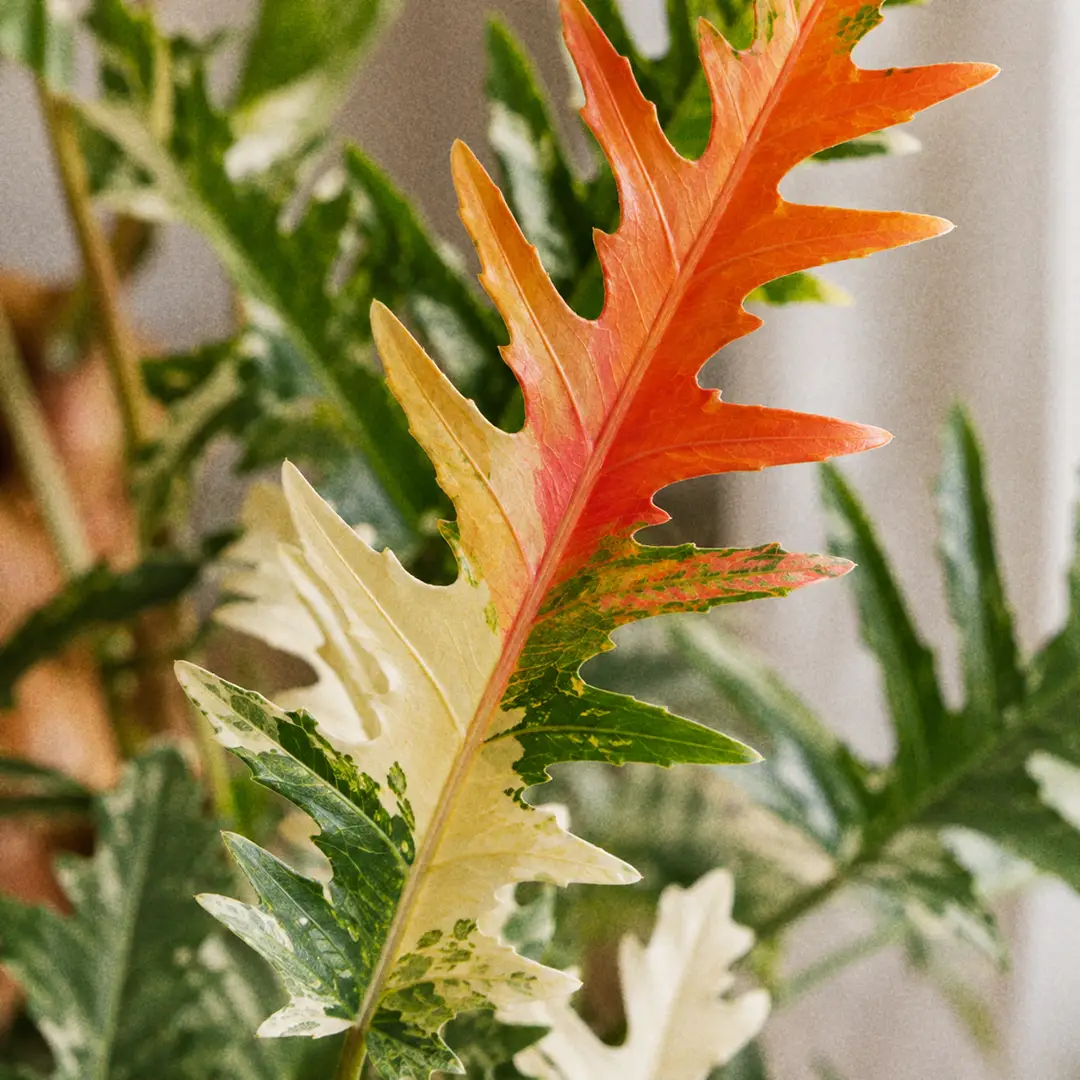
The plant almost everyone means: long, narrow, deeply serrated leaves with jagged edges, marked in green and cream, with new growth emerging orange or red before it settles down. Every leaf is different, and the same plant can produce a nearly white leaf followed by a nearly green one. That instability is the plant's character, not a fault.
Henderson's Pride, the Green Form
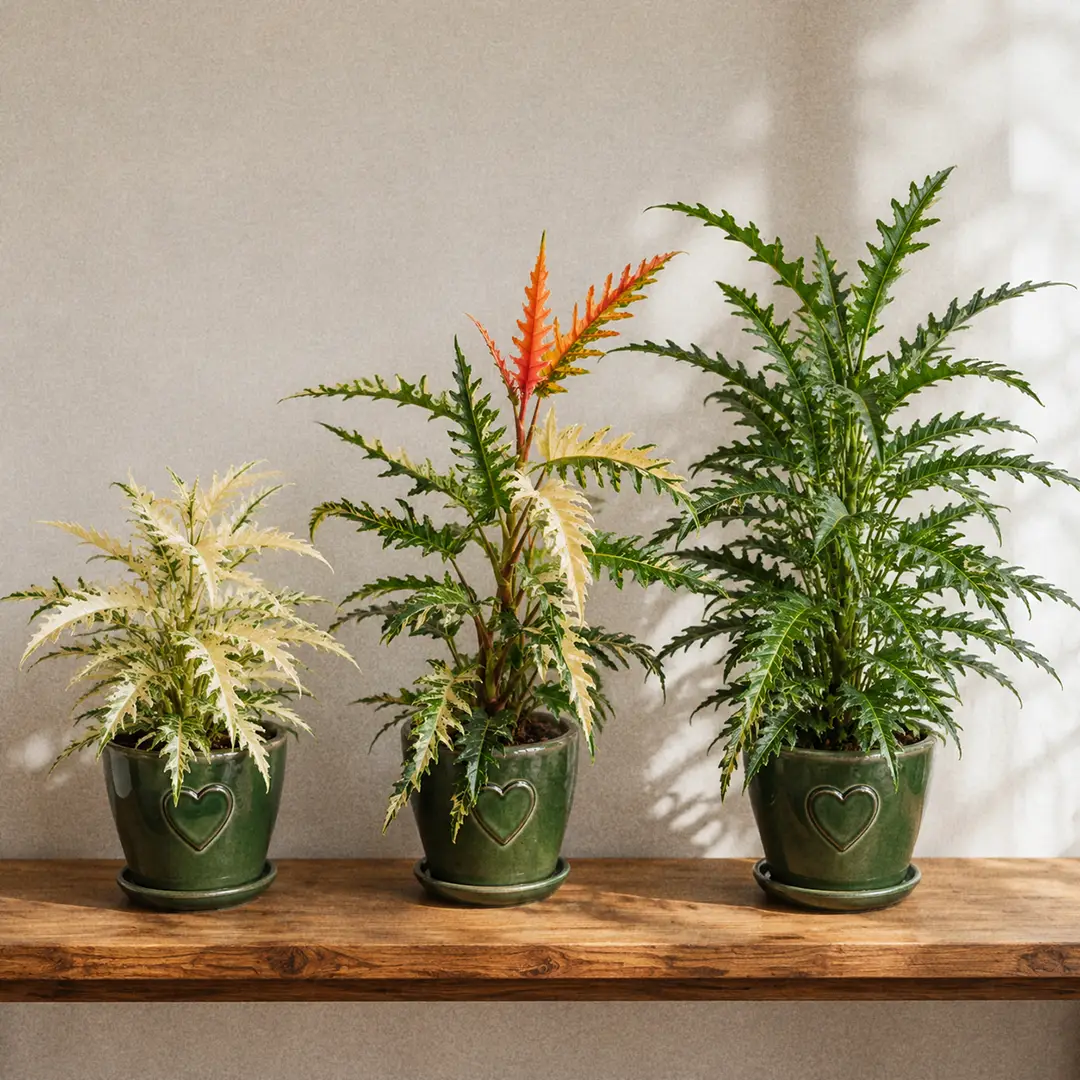
Ring of Fire was selected out of an older all-green cultivar called Henderson's Pride, which is still sold under that name. Same serrated leaf shape, same growth habit, no variegation. It grows faster, costs less, and asks far less of you, which makes it a genuinely good pick if you love the leaf shape and do not want to fight for color.
Variegated and White Ring of Fire
Some sellers list a Variegated Ring of Fire or a White Ring of Fire. In practice that usually means an individual plant with unusually heavy cream and white coverage rather than a separate cultivar. These photograph beautifully and grow very slowly, because there is so little green tissue left to power them. A mostly white plant is a project, not a first purchase.
How It Compares to Other Variegated Philodendrons
For fiery orange and red new growth, this is the one. For pink, the Philodendron Pink Princess is more reliable. For clean white on a compact plant, look at the Philodendron White Princess or the striped Philodendron Birkin. Sellers usually credit the serrated leaf shape to Philodendron tortum, though that parentage has never been formally registered. You can see the same jagged edge on the Philodendron Florida Beauty x Tortum.
🪴 Potting and Repotting Philodendron Ring of Fire
When to Repot
Every two to three years is plenty. Slow growers do better slightly snug than swimming in fresh mix. Repot when roots circle the bottom of the pot, poke out of the drainage holes, or when the plant dries out within two or three days of watering. Spring is the right season, so it has a full growing period to settle in.
Choosing a Pot
Move up one size only, roughly two inches wider. An oversized pot holds a large volume of wet mix that a small root system cannot use, and on this plant that is a direct route to rot.
Drainage holes are non-negotiable. Terracotta suits heavy-handed waterers because it wicks moisture out through the walls, while plastic or glazed ceramic pots suit anyone who tends to forget.
Step-by-Step Repotting
- Water lightly a day ahead so the root ball holds together.
- Slide the plant out, supporting the base of the stem instead of pulling on leaves.
- Loosen the outer roots gently and cut away anything brown, soft, or sour-smelling.
- Add fresh aroid mix to the new pot, set the plant at the same depth it sat before, and fill around the sides.
- Water thoroughly, drain fully, and keep it out of strong light for about a week.
Skip fertilizer for a month afterwards. Fresh mix carries enough already, and disturbed roots burn easily. Our Repotting Guide walks through the process in more detail.
✂️ Pruning Philodendron Ring of Fire
When to Prune
Rarely, and lightly. This plant grows too slowly for hard pruning to make any sense, and every leaf you remove is one it spent months building. Stick to leaves that are dead, badly damaged, or diseased, and cut in spring or summer when wounds close quickly.
How to Prune
Use clean, sharp scissors or shears wiped with rubbing alcohol first. Cut the leaf stem close to the main stem without nicking the stem itself. Wear gloves if your skin is sensitive, because philodendron sap irritates on contact.
Pruning All-White Growth
Here is the one judgement call worth making. If a stem section produces a run of leaves that are almost entirely white, that section is a net drain: it cannot photosynthesize and it slows the whole plant down. Cutting back to a node with a good green and cream balance pushes new growth from a section that can feed itself.
Do not get carried away. A leaf that is half cream is fine, and it is exactly what you bought the plant for. Only cut when leaves are so pale they are effectively blank.
🌱 How to Propagate Philodendron Ring of Fire
Best Method
Stem cuttings taken from a node. That is the whole list. Leaf cuttings do not work on philodendrons, because a leaf without a node has no growth point and will sit in water looking healthy for months before it rots. Spring and early summer are the right time, while the plant is actively growing.
Choosing the Right Cutting
This step decides whether propagation works, and it is specific to variegated plants. Pick a cutting whose leaves carry a decent amount of green. An all-white cutting has no chlorophyll and cannot fuel root growth, so it will almost always fail no matter how good your technique is.
Look for a section with at least one node, one or two leaves, and ideally a small aerial root already forming at the node. That aerial root is a real head start.
Step-by-Step
- Cut cleanly about half an inch below a node with sterilized shears.
- Remove the lowest leaf so the node itself sits bare.
- Root it in a jar of water with the node submerged and the leaves above the surface, or push the node into damp sphagnum moss in a clear container.
- Keep it warm and in bright indirect light, changing the water every few days.
- Wait for roots two to three inches long, then pot into aroid mix.
Tips for Success
Expect the first root tips at around two to three weeks and a pottable root system at six to eight. This plant is slow at everything, propagation included, so do not panic at week four.
Sphagnum moss gives a slightly better success rate than water, because the move into soil is less of a jolt. If you do root in water, pot up while the roots are still short. Our Water Propagation Guide covers that transition. Variegation on the new plant follows the cutting, so a cutting with strong color usually keeps it.
🐛 Philodendron Ring of Fire Pests and Treatment
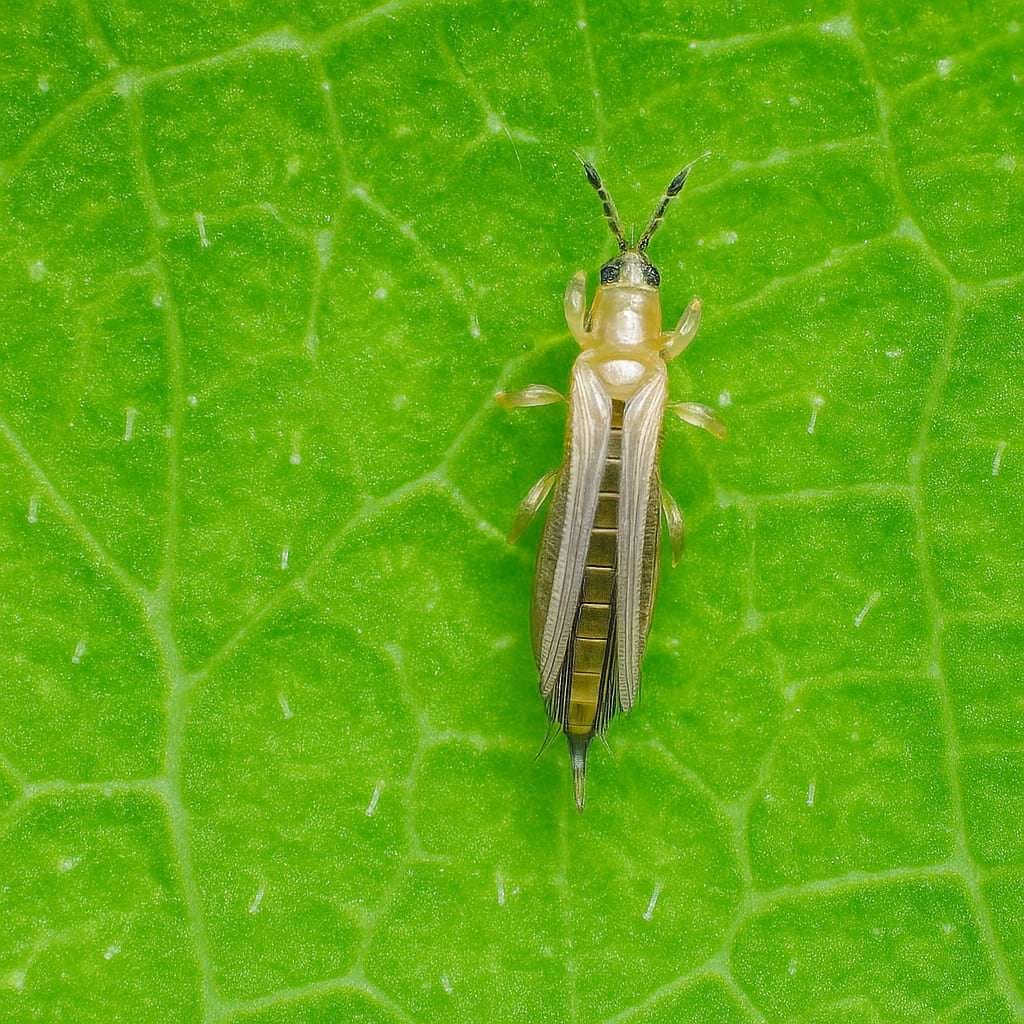
Thrips do the most damage here. They rasp at new growth before it unfurls, so the leaf opens already scarred with silvery streaks and distorted edges. Check the newest leaves and the growth point weekly.
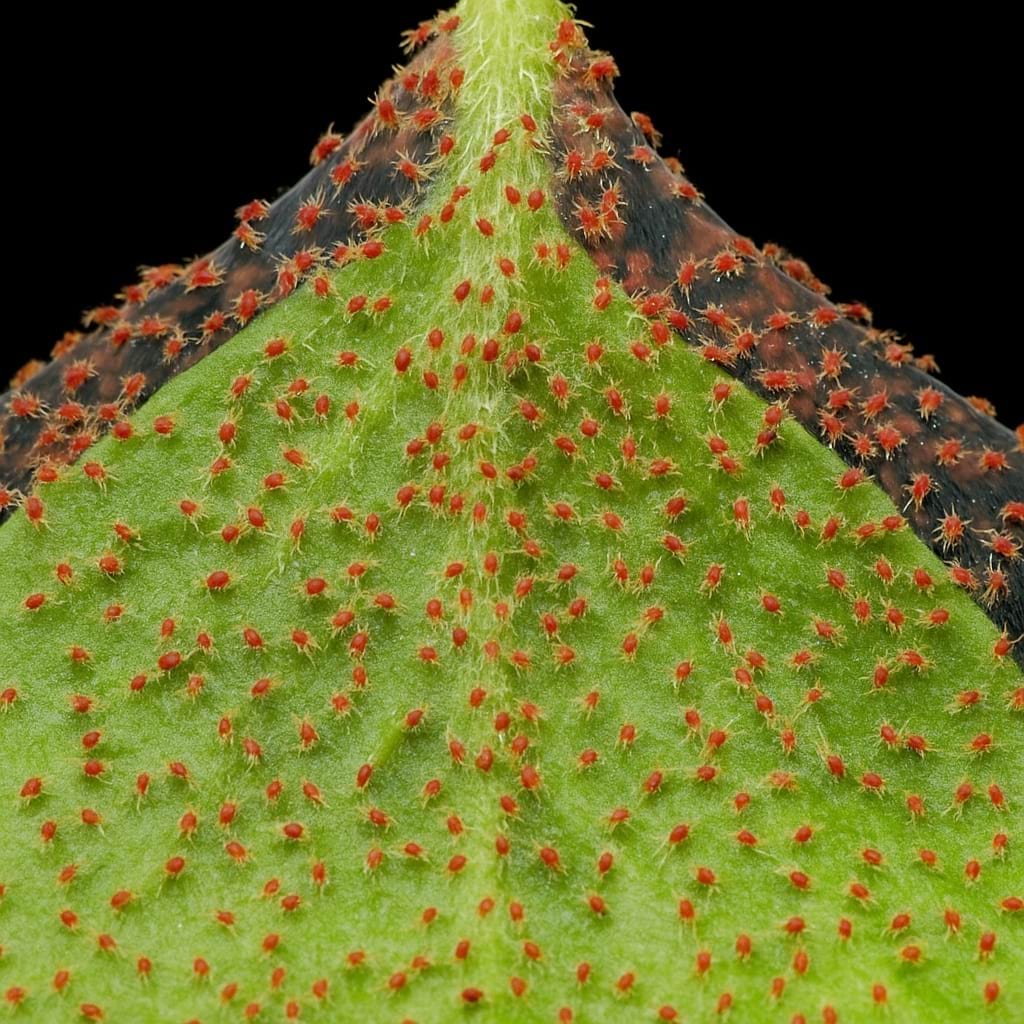
Spider mites turn up in dry winter air. Look for fine webbing in the leaf joints and a stippled, dusty look across the leaf surface. Raising humidity makes the plant much less appealing to them.
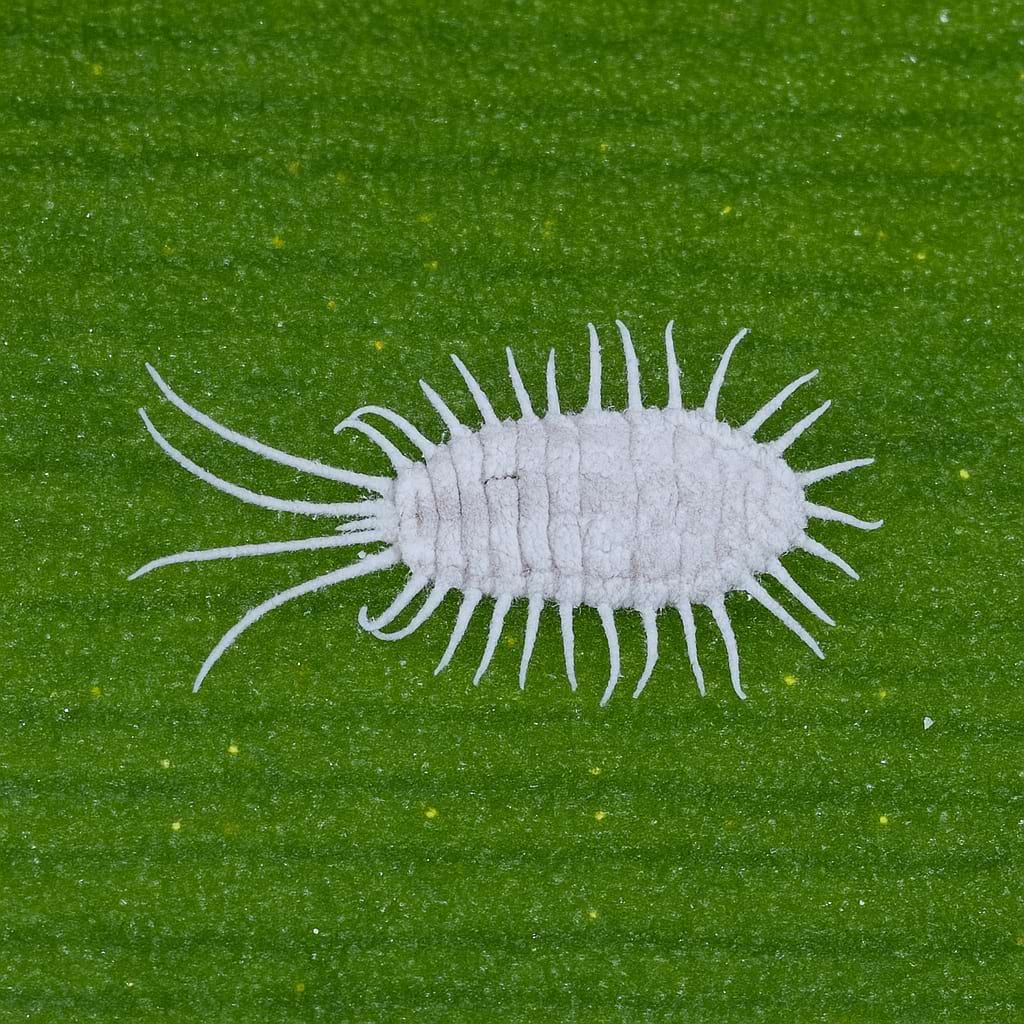
Mealybugs hide as white cottony spots where a leaf stem meets the main stem. Dab each one with a cotton bud soaked in rubbing alcohol, then repeat weekly for a month.
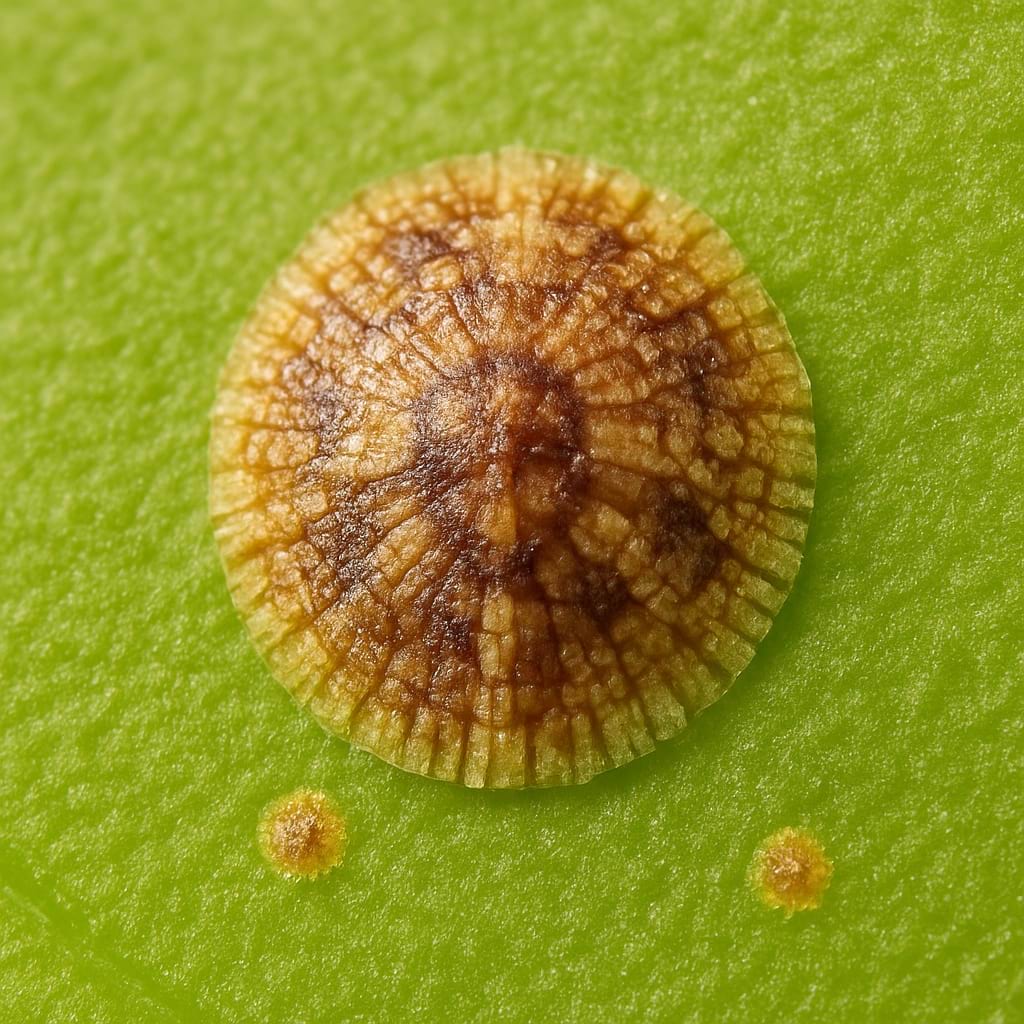
Scale insects look like small brown bumps stuck to stems and leaf undersides. Scrape them off by hand and follow with horticultural oil.
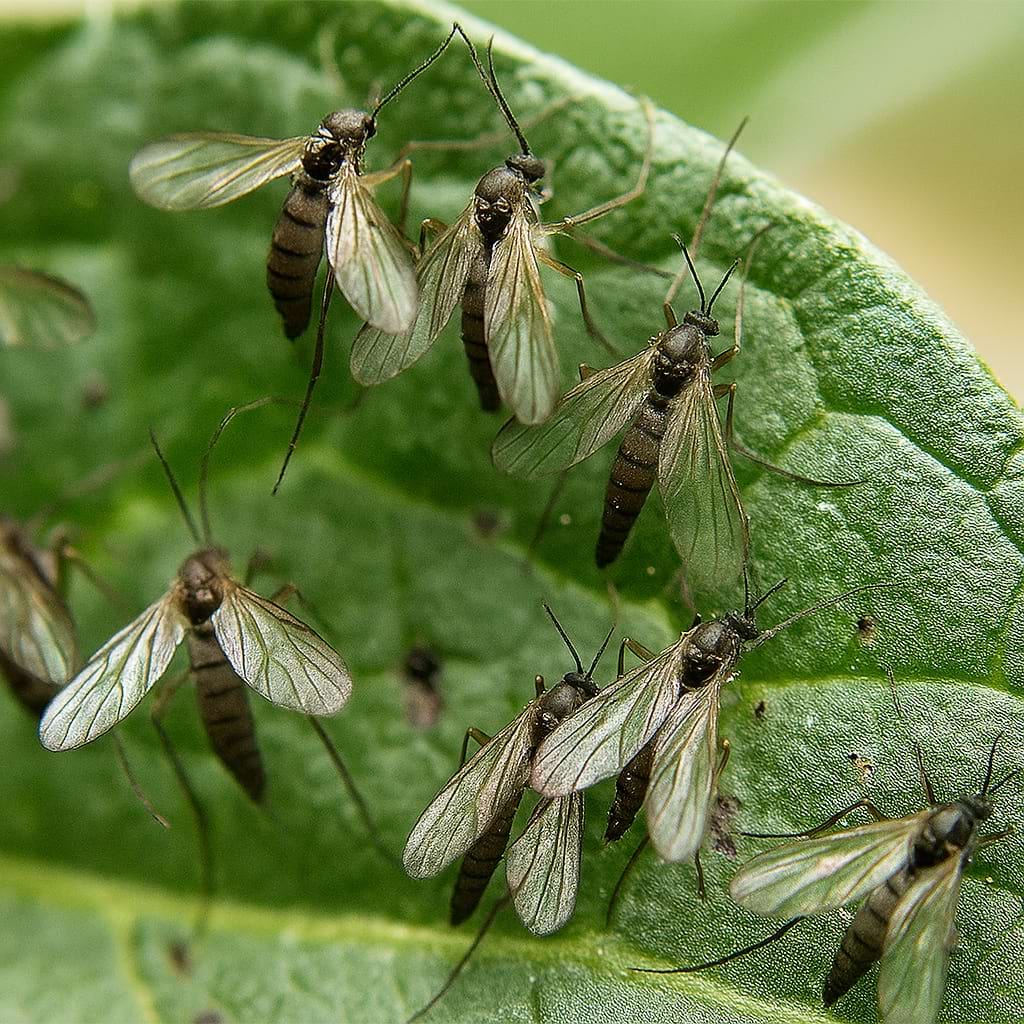
Fungus gnats mean your mix is staying wet too long. They do little harm to a healthy plant, but they are a warning about your watering.
For all of them the routine is the same: isolate the plant, wipe the leaves down, treat with insecticidal soap or neem every seven days for three or four rounds, and inspect the neighbours. A slow grower has less capacity to outgrow damage, so catching things early matters more here than on a fast philodendron.
🩺 Common Philodendron Ring of Fire Problems
Reversion is the big one. New leaves come out plain green because there is not enough light to support pale tissue. Move the plant brighter, and cut back to a well-variegated node if the green run keeps going for several leaves.
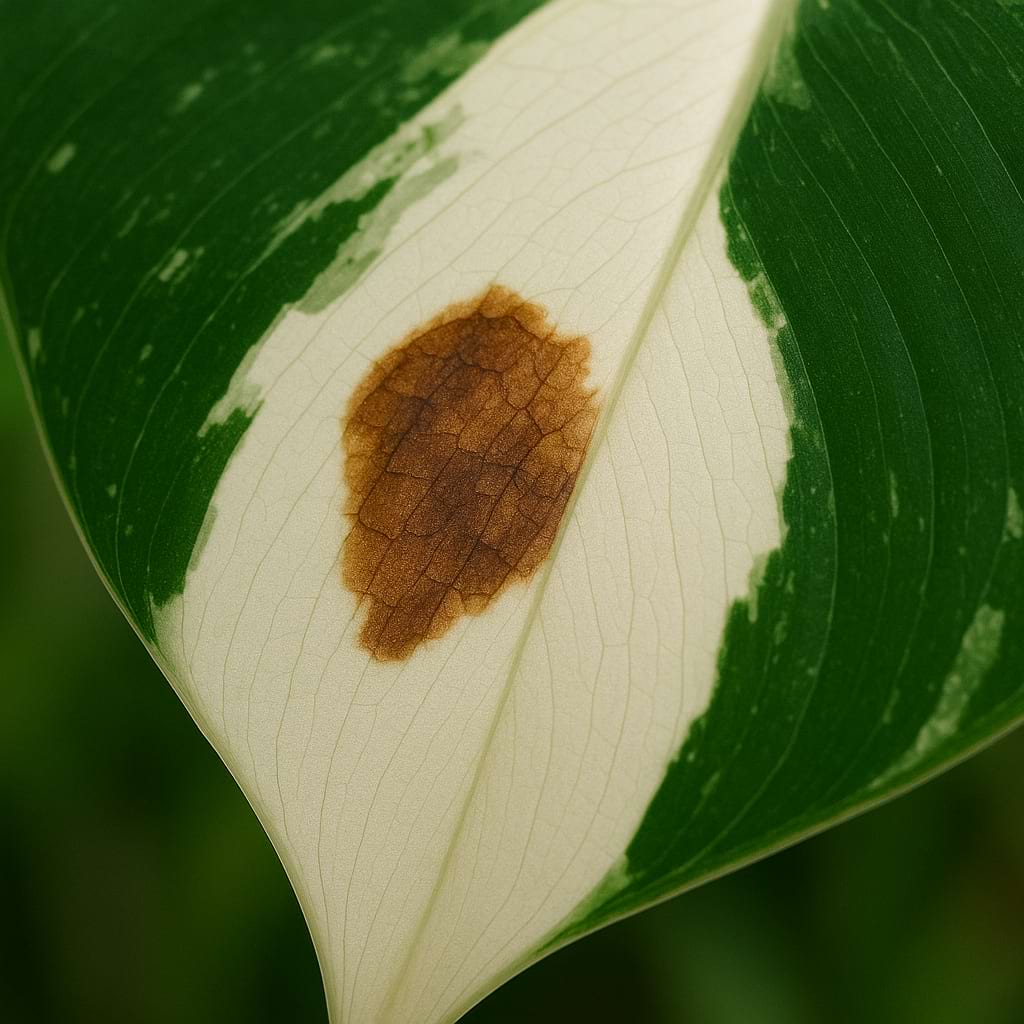
Browning variegation is the opposite mistake. The cream and white patches go papery brown while the green parts look fine, which means the light is too direct. Filter it with a sheer curtain.
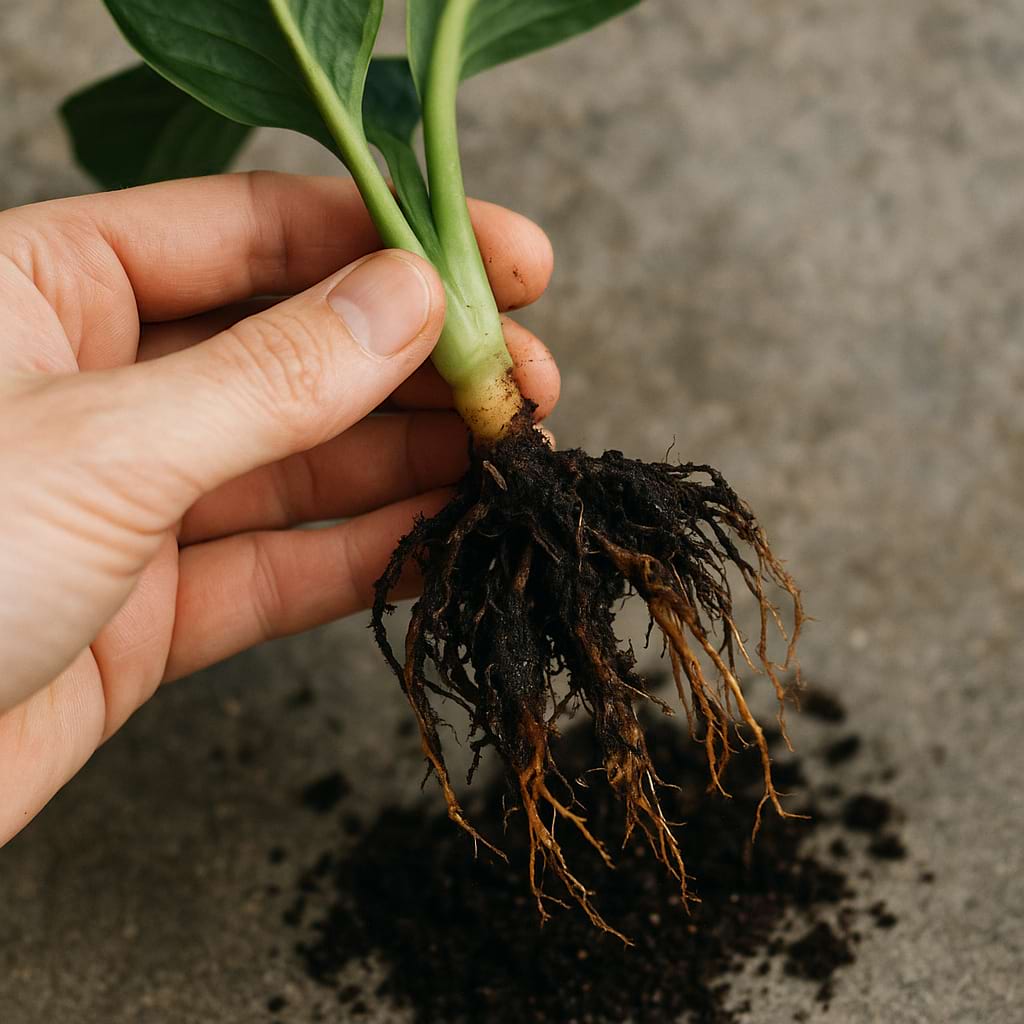
Root rot comes from dense mix, an oversized pot, or watering by calendar. Yellow lower leaves plus soil that stays wet for days is the signature. Unpot, cut away every soft brown root, and repot into fresh chunky mix.
Yellowing leaves low on the plant, one at a time, is ordinary aging. Several at once points at water, usually too much of it.
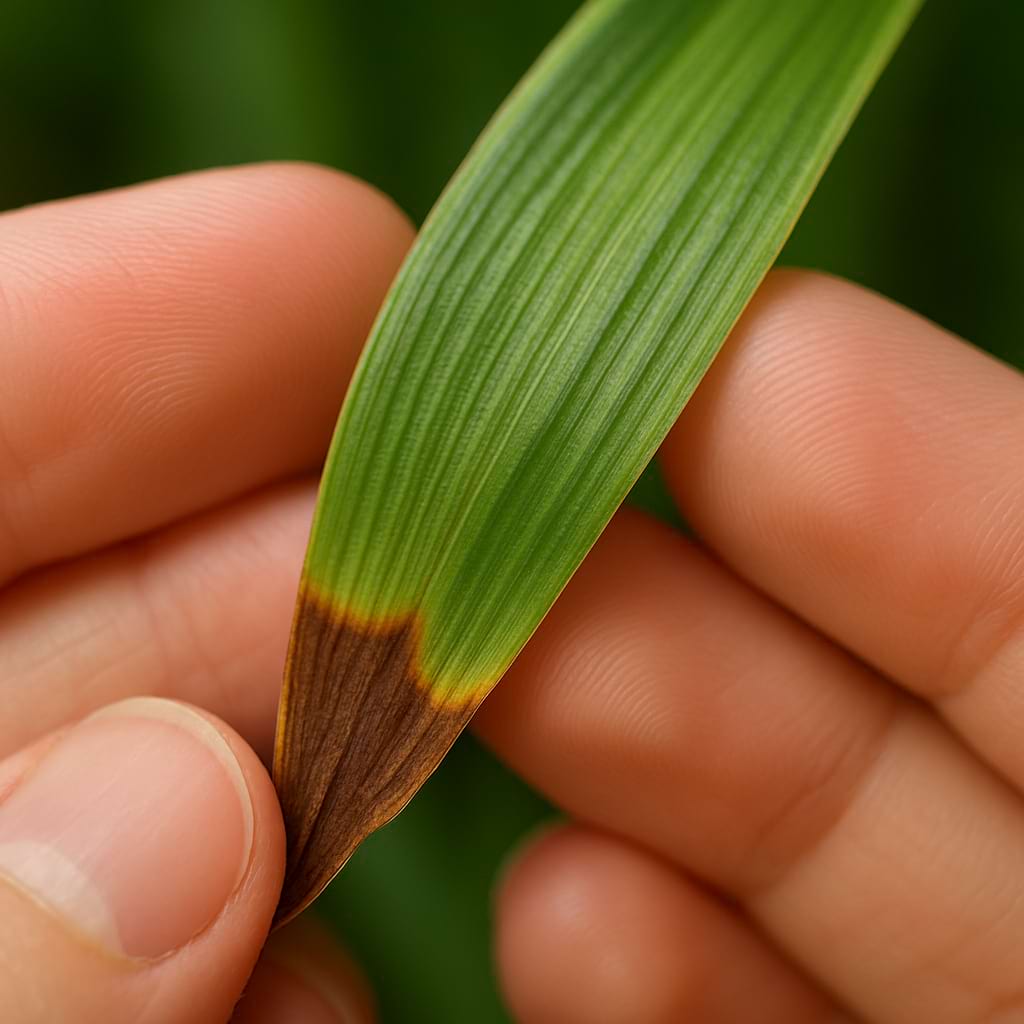
Brown crispy edges mean dry air, salt buildup from fertilizer, or a heat source too close. Check all three.
Small leaves and stunted growth usually mean the plant is under-lit or has never been given anything to climb. Both are fixable, but this plant responds slowly, so give any change a couple of months before you judge it.
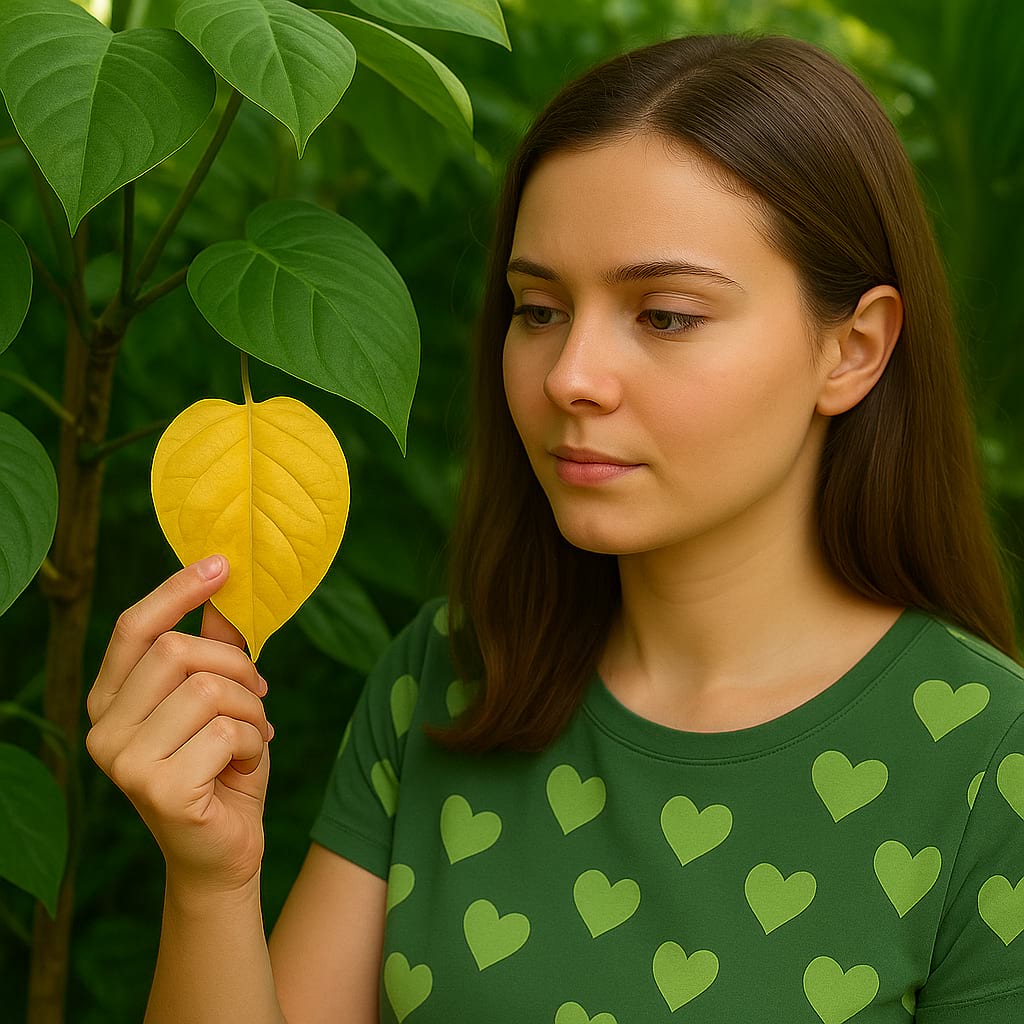
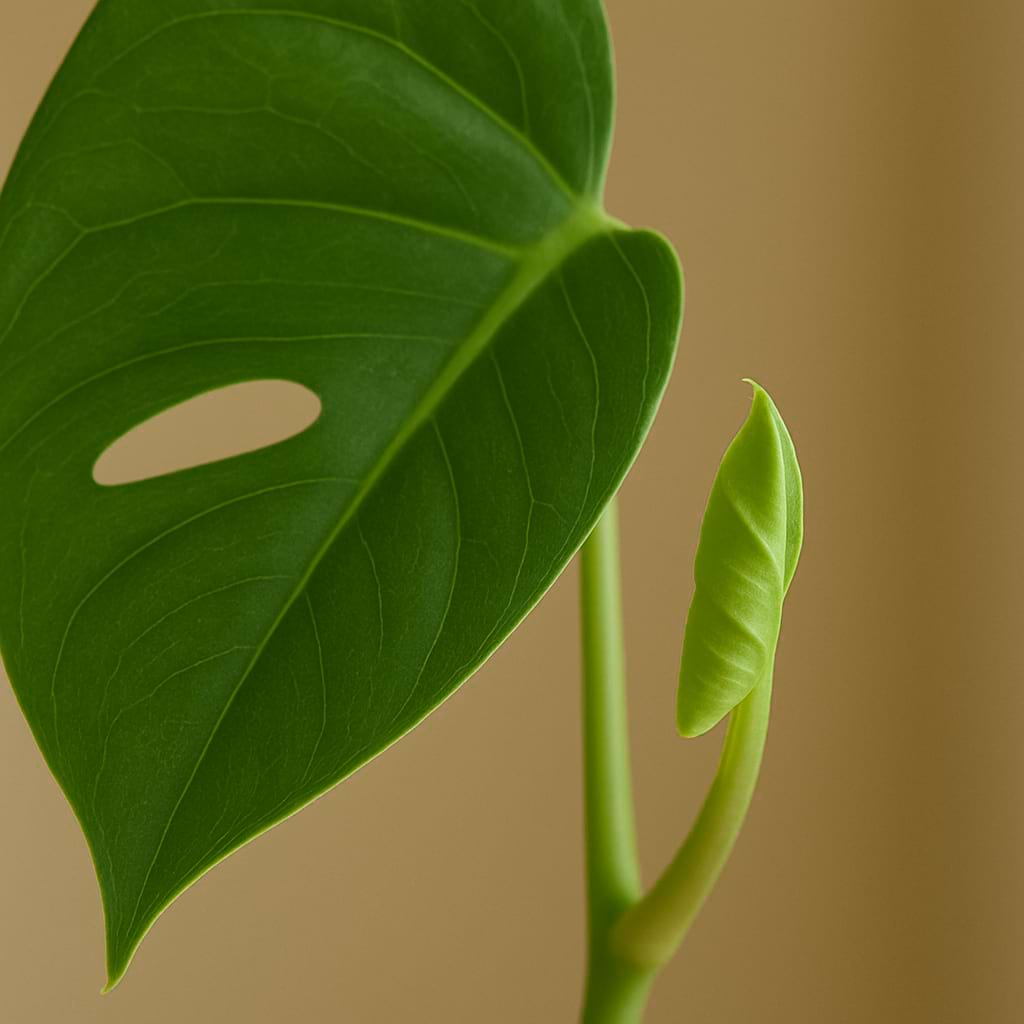
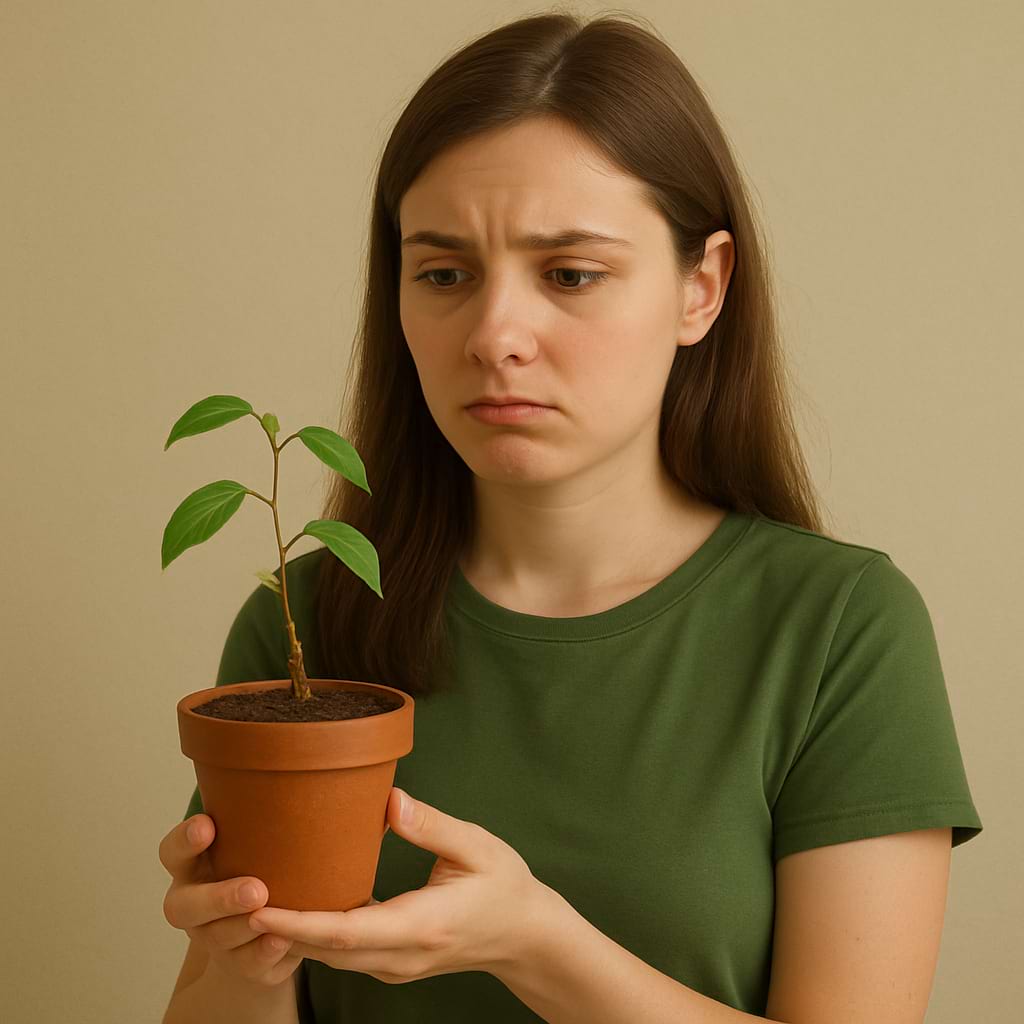
🖼️ Philodendron Ring of Fire Display and Styling Ideas
Solo Setups
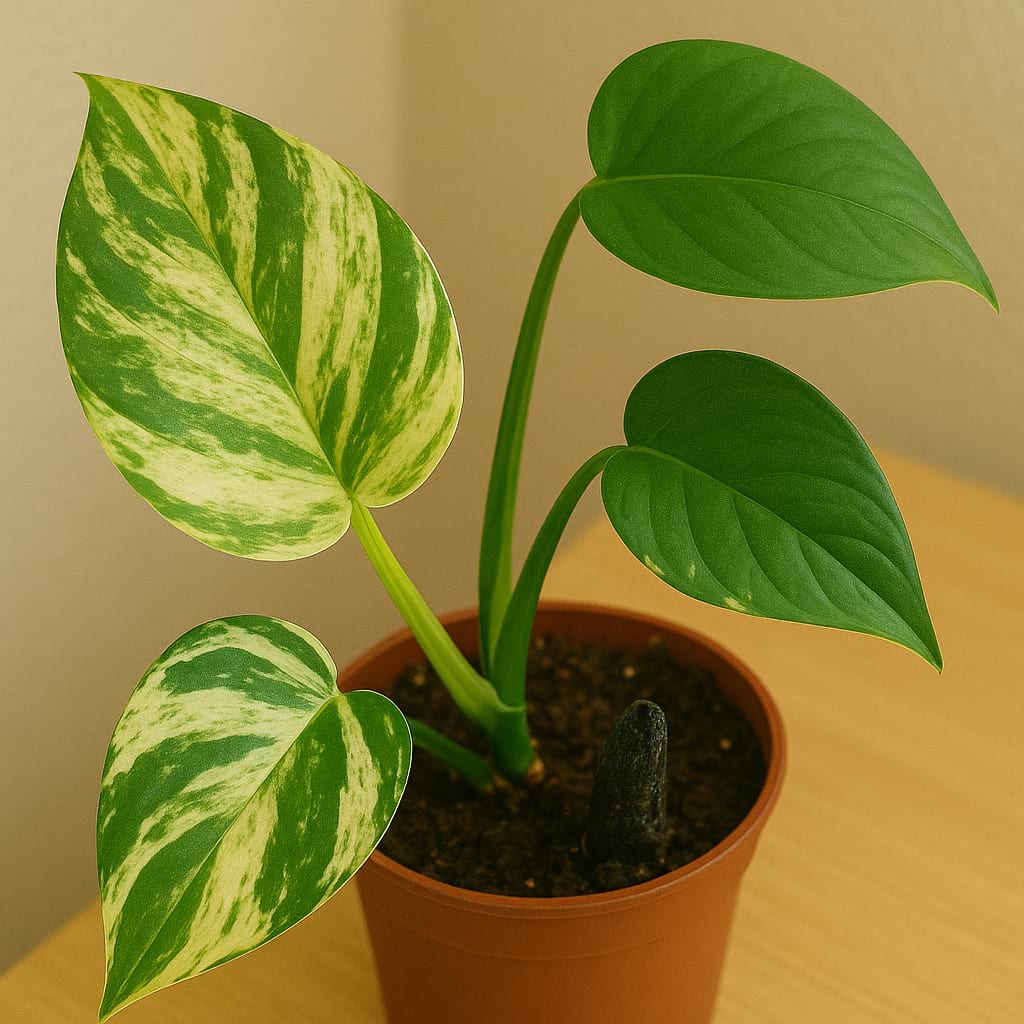
This plant earns a spot of its own. The leaves are large, jagged, and busy with color, so it looks best against a plain wall where the outline reads clearly. A plant stand at chest height puts the new growth at eye level, which is where the orange and red actually happen.
Give It Something to Climb
Young plants sit upright and self-supporting, but a mature Ring of Fire starts leaning and wants a climb. Sinking a moss pole into the pot early, before the plant needs it, saves you a disruptive job later. Aerial roots grab the damp moss, and a climbing plant reliably makes larger leaves than a sprawling one.
Grouped Arrangements
Pair it with solid dark green foliage that gives the eye somewhere to rest. A Philodendron Gloriosum and its velvety heart-shaped leaves contrast in both color and shape. Avoid crowding it with other heavily variegated plants, which cancel each other out.
Where Not to Put It
Not on the floor beside a door in winter, not above a radiator, and not in the dim corner where you wanted a splash of color. That last one is the trap, because a dim corner is exactly where a colorful plant stops being colorful.
🌟 Philodendron Ring of Fire Pro Care Tips
- Judge the plant by its newest leaf. Older leaves tell you about conditions six months ago. The leaf unfurling right now tells you about today.
- Rotate the pot a quarter turn every time you water so growth stays even and every side gets its share of the light.
- Wipe the leaves monthly. Dust dulls pale patches faster than green ones, and it cuts into the little light the leaf can actually use.
- Buy the plant, not the photo. Variegation varies enormously between individuals, so a plant you have seen in person beats a listing picture every time.
- Do not repot to fix slow growth. Slow is this plant's normal setting. A bigger pot full of fresh mix usually makes things worse, not better.
- Keep it away from children and pets. The sap irritates skin and mouths, and every part of the plant contains calcium oxalate crystals.
❓ Frequently Asked Questions
Why is my Philodendron Ring of Fire losing its variegation?
Almost always light. The pale patches cannot photosynthesize, so in a dim spot the plant stops investing in them and pushes plain green leaves instead. Move it into bright indirect light within about three feet of an east window, and if the green run continues, cut back to a node that still has good color.
How fast does Philodendron Ring of Fire grow?
Slowly. Expect a handful of new leaves a year rather than a flush every month, and roughly three to five years to reach its mature indoor size of three to four feet. Heavily variegated individuals are slower still, because they have less green tissue to work with.
Is Philodendron Ring of Fire toxic to cats and dogs?
Yes. Like all philodendrons it contains insoluble calcium oxalate crystals, which cause mouth pain, drooling, and swelling if chewed. Keep it out of reach of pets and children, and wash your hands after taking cuttings.
Does Philodendron Ring of Fire need a moss pole?
Not immediately, but it benefits from one. Young plants are self-supporting and upright, while mature plants lean and want to climb. A moss pole gives the aerial roots something to grip, and climbing plants consistently make larger leaves than unsupported ones.
Why are my new leaves smaller than the old ones?
Usually light, sometimes humidity, occasionally a root system that has run out of room. Check the light first. This plant also naturally makes smaller leaves through winter and picks the size back up in spring.
Can I propagate Philodendron Ring of Fire from a leaf?
No. You need a node, which is the small bump on the stem where a leaf and roots emerge. A leaf on its own has no growth point and will eventually rot. Take a stem cutting with at least one node and one partly green leaf.
Why does my Ring of Fire have brown patches only on the white parts?
That is sun damage. White and cream tissue has no pigment to shield it, so it burns while the green parts look untouched. Move the plant back from the glass or add a sheer curtain. The scorched areas will not recover.
Is Ring of Fire the same as Henderson's Pride?
They share a lineage but they are not the same plant. Henderson's Pride is the older all-green cultivar, and Ring of Fire is the variegated selection made from it. If you want the serrated leaf shape without the work of keeping color, Henderson's Pride is faster, cheaper, and easier.
How often should I water it in winter?
Less often than you expect. Growth slows almost to a stop below 65°F and in low light, so the plant uses far less water. Every two to three weeks is common, but check the top two inches of mix each time rather than counting days.
Is Philodendron Ring of Fire good for beginners?
It makes a reasonable second or third aroid rather than a first one. Nothing about its care is difficult, but it is expensive, slow to recover from mistakes, and unforgiving about light if you want to keep the color. Learn the basics on a Philodendron Brasil first.
ℹ️ Philodendron Ring of Fire Info
Care and Maintenance
🪴 Soil Type and pH: Chunky, fast-draining aroid mix
💧 Humidity and Misting: Happiest above 60 percent, and new leaves open larger and cleaner when you get there.
✂️ Pruning: Trim only damaged leaves and any fully white stem section that has stopped paying its way.
🧼 Cleaning: Wipe the broad leaves with a soft damp cloth every few weeks. Dust settles heavily on the pale variegated patches and dulls them fast.
🌱 Repotting: Repot every 2-3 years in spring, or when roots circle the bottom of the pot. Move up only one pot size.
🔄 Repotting Frequency: Every 2-3 years
❄️ Seasonal Changes in Care: Bright light, monthly feeding, and steady watering from spring through summer, then less water and no fertilizer through the dark months.
Growing Characteristics
💥 Growth Speed: Slow
🔄 Life Cycle: Evergreen perennial aroid
💥 Bloom Time: Rarely blooms indoors. Mature plants may produce a green and cream spathe in summer.
🌡️ Hardiness Zones: 10-12
🗺️ Native Area: Hybrid of garden origin; its parent species come from tropical Central and South America
🚘 Hibernation: No true dormancy, but growth slows almost to a stop below 65°F and in low winter light
Propagation and Health
📍 Suitable Locations: East windows, filtered south or west windows, bright bedrooms, plant shelves, offices with good ambient light
🪴 Propagation Methods: Root stem cuttings that carry a node and at least one partly green leaf, in water or damp sphagnum moss.
🐛 Common Pests: Thrips, Spider Mites, Mealybugs, Fungus Gnats, Scale Insects
🦠 Possible Diseases: Root rot, bacterial leaf spot, fungal leaf spotting in cold wet soil
Plant Details
🌿 Plant Type: Semi self-heading aroid that climbs at maturity
🍃 Foliage Type: Evergreen, large, deeply serrated leaves
🎨 Color of Leaves: Green, cream, white, yellow, pink, orange, and red, often several colors on one leaf
🌸 Flower Color: Pale green to cream spathe
🌼 Blooming: Rarely indoors, and the foliage is the reason to grow it anyway
🍽️ Edibility: Not edible. All parts contain calcium oxalate crystals.
📏 Mature Size: 3-4 feet indoors
Additional Info
🌻 General Benefits: Long-lived statement foliage, a different color pattern on every leaf, and a compact footprint for the size of the leaves
💊 Medical Properties: No documented medicinal uses.
🧿 Feng Shui: Warm, fiery leaf color paired with soft rounded growth, suited to a living room corner that needs energy without sharp edges.
⭐ Zodiac Sign Compatibility: Leo
🌈 Symbolism or Folklore: Transformation, warmth, growth that changes as it matures
📝 Interesting Facts: Ring of Fire started life as a green plant called Henderson's Pride, and the fiery variegated selection was picked out of that line later. Its variegation is unstable, which is exactly why no two leaves match and why a badly lit plant quietly slides back to plain green.
Buying and Usage
🛒 What to Look for When Buying: Buy a plant you can see in person if you can, because variegation varies wildly between individuals. Look for color spread across several leaves rather than one spectacular leaf, and check that the newest leaf still has color. Avoid plants that are more than half white, which grow painfully slowly and often stall.
🪴 Other Uses: Statement floor plant, moss pole specimen, focal point in a grouped tropical display
Decoration and Styling
🖼️ Display Ideas: Bright corners, plant shelves, moss pole displays, grouped with dark green foliage that makes the fiery color read
🧵 Styling Tips: Set it against a plain wall or a dark-leaved neighbour. Busy patterned backgrounds fight with the variegation and the leaves lose their impact.
🪴 See also 🪴
Complete Guide to Philodendron Melanochrysum Care and Growth
How to Propagate Philodendron Brasil (and Keep the Variegation)
How to Grow Philodendron: Care Guide and 22 Types Worth Owning
Complete Guide to Imperial Red Care and Growth
Complete Guide to Philodendron Verrucosum Care and Growth
Complete Guide to Philodendron Gloriosum Care and Growth
Complete Guide to Philodendron Birkin Care and Growth
Complete Guide to Xanadu Care and Growth
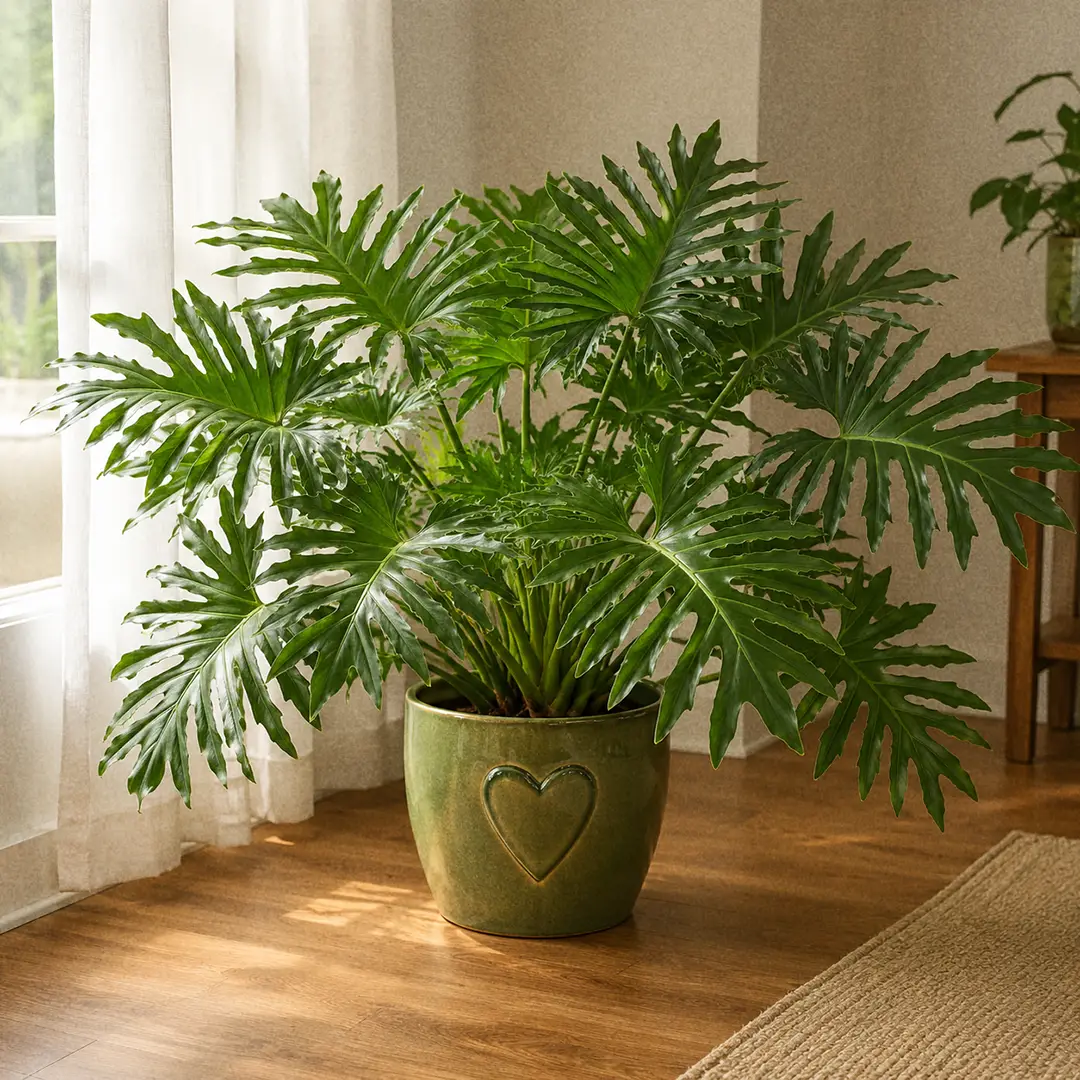
Complete Guide to Hope Selloum Care and Growth
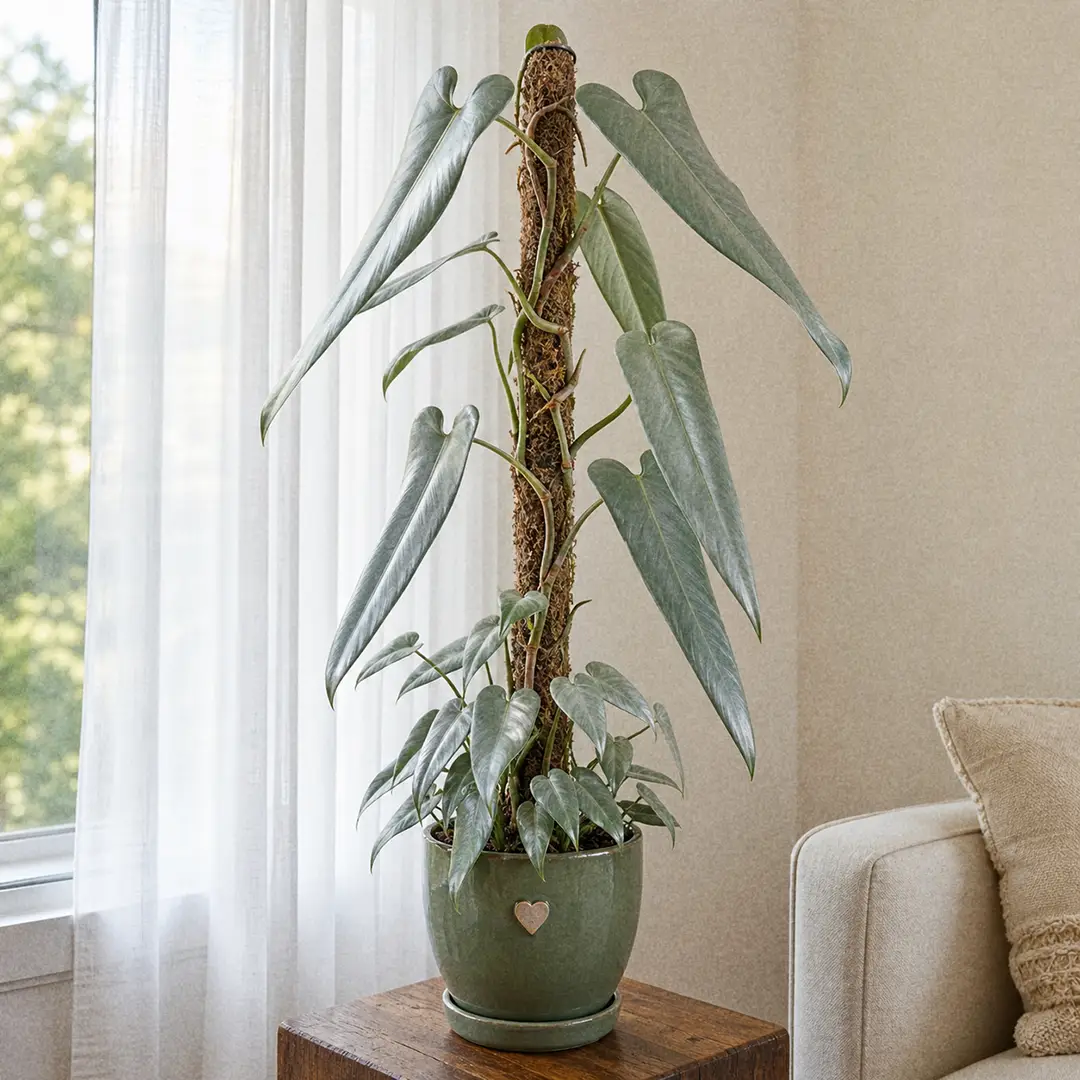
Complete Guide to Silver Sword Philodendron Care and Growth
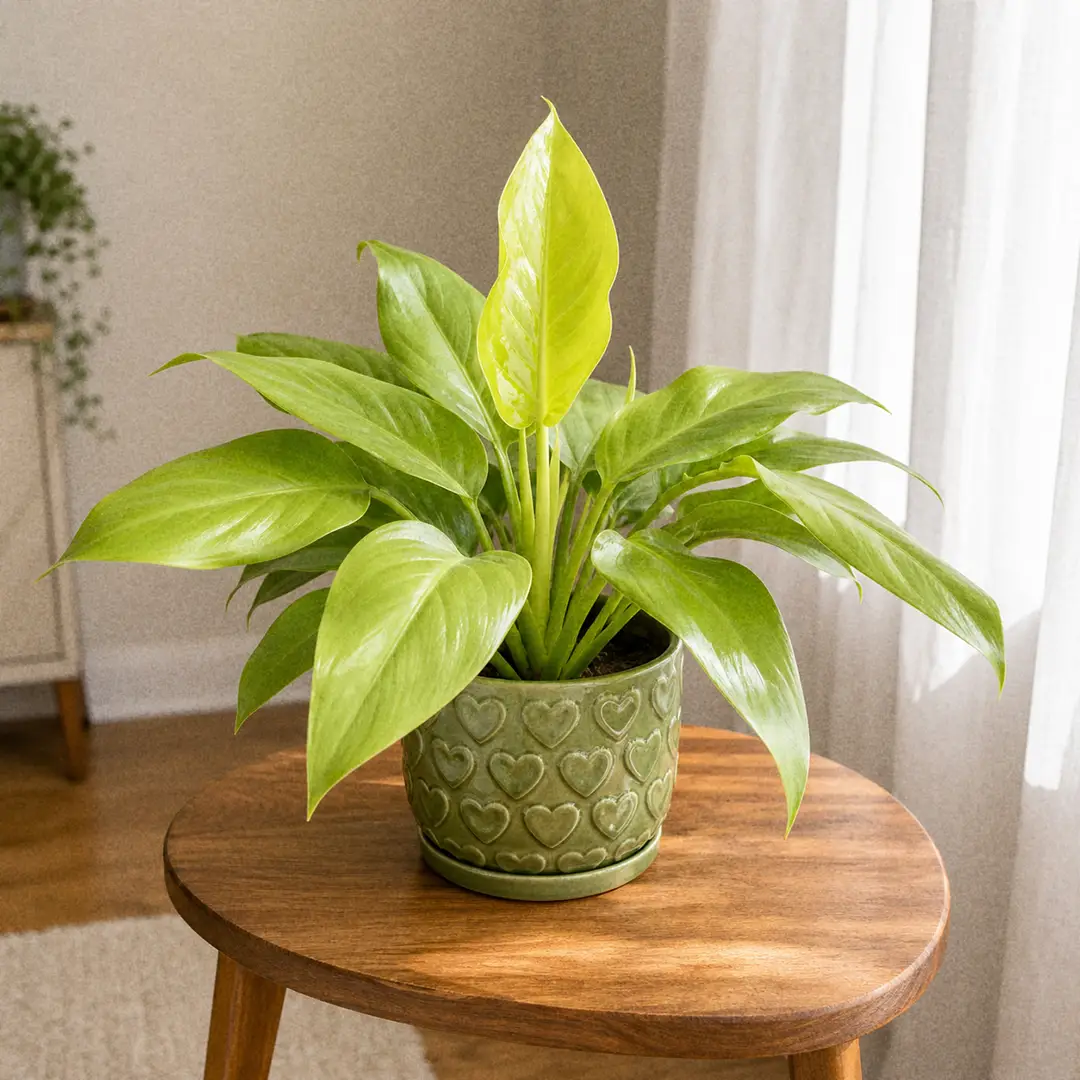
Complete Guide to Moonlight Philodendron Care and Growth
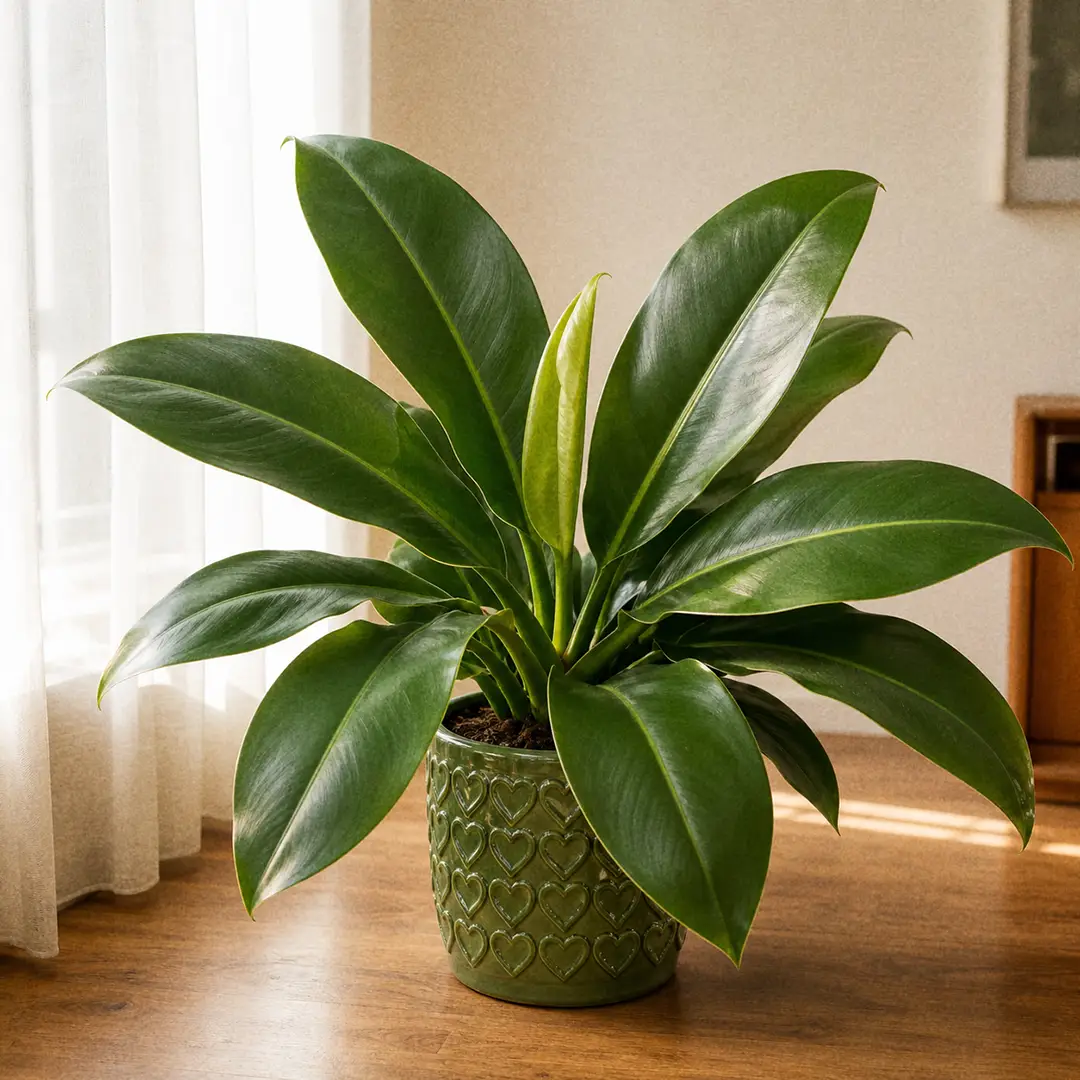
Complete Guide to Imperial Green Care and Growth
Complete Guide to Rojo Congo Care and Growth
Complete Guide to Prince of Orange Care and Growth
Complete Guide To Velvet Leaf Philodendron Care and Growth
Complete Guide To Heart-leaf Philodendron Care and Growth
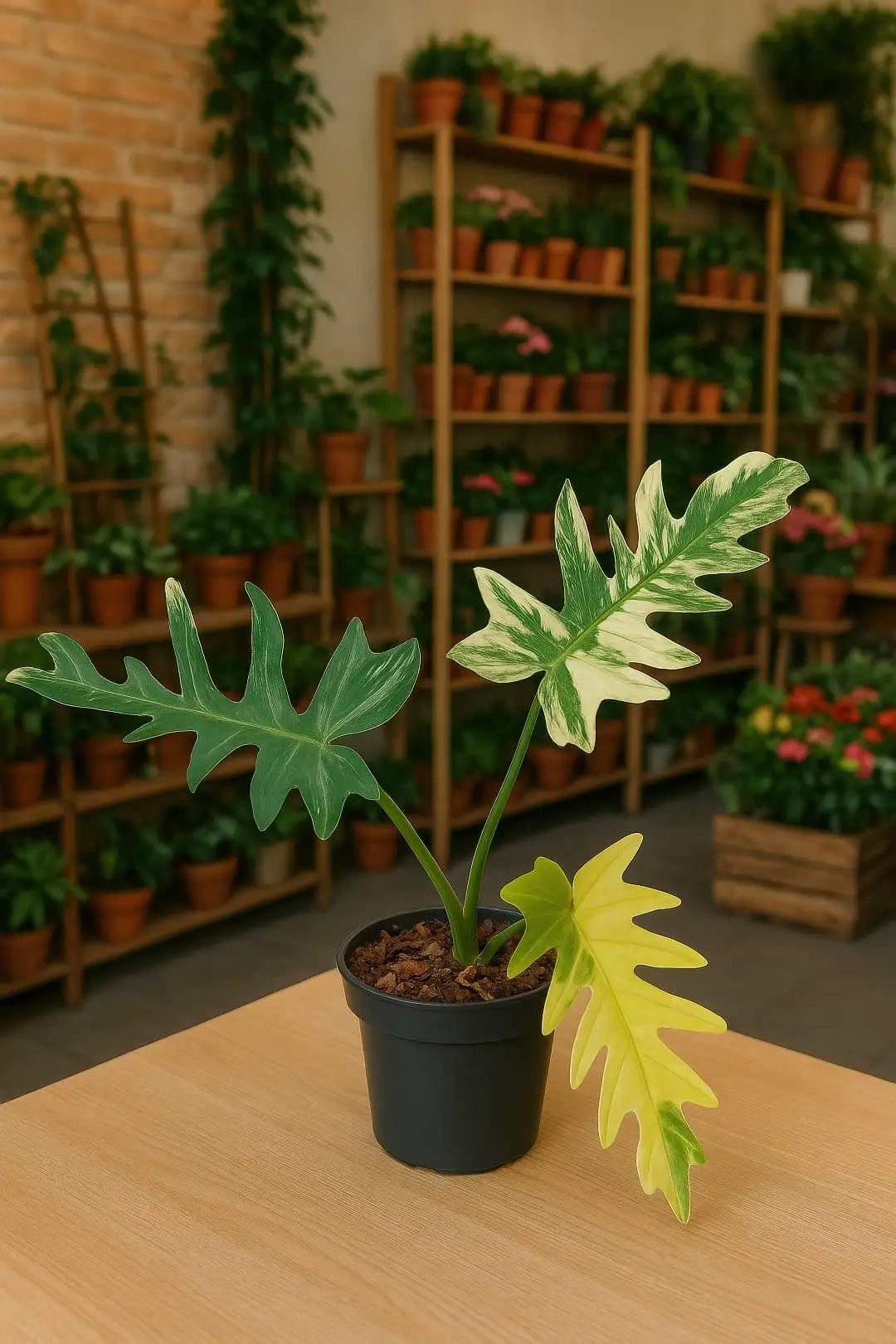
Complete Guide to Philodendron Florida Beauty x Tortum Care and Growth
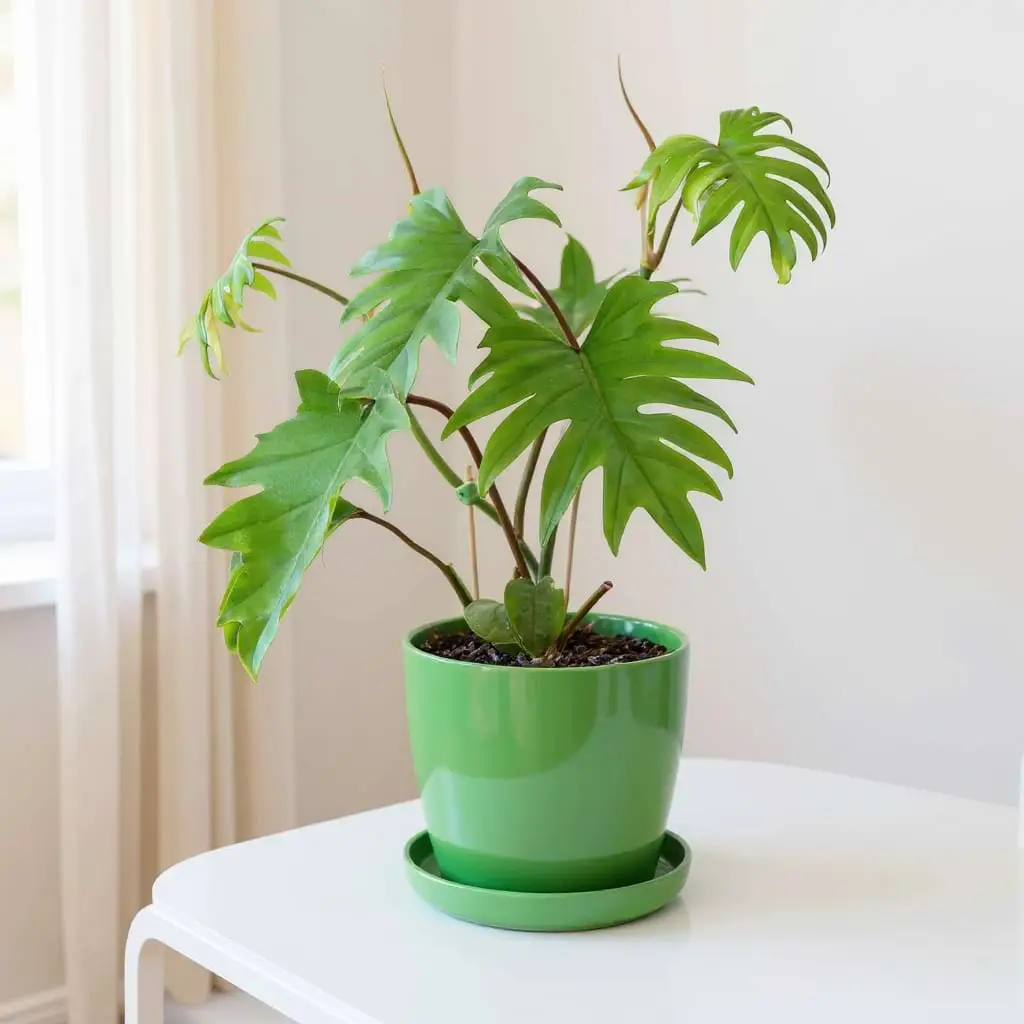
Complete Guide to Philodendron Mayoi Care and Growth
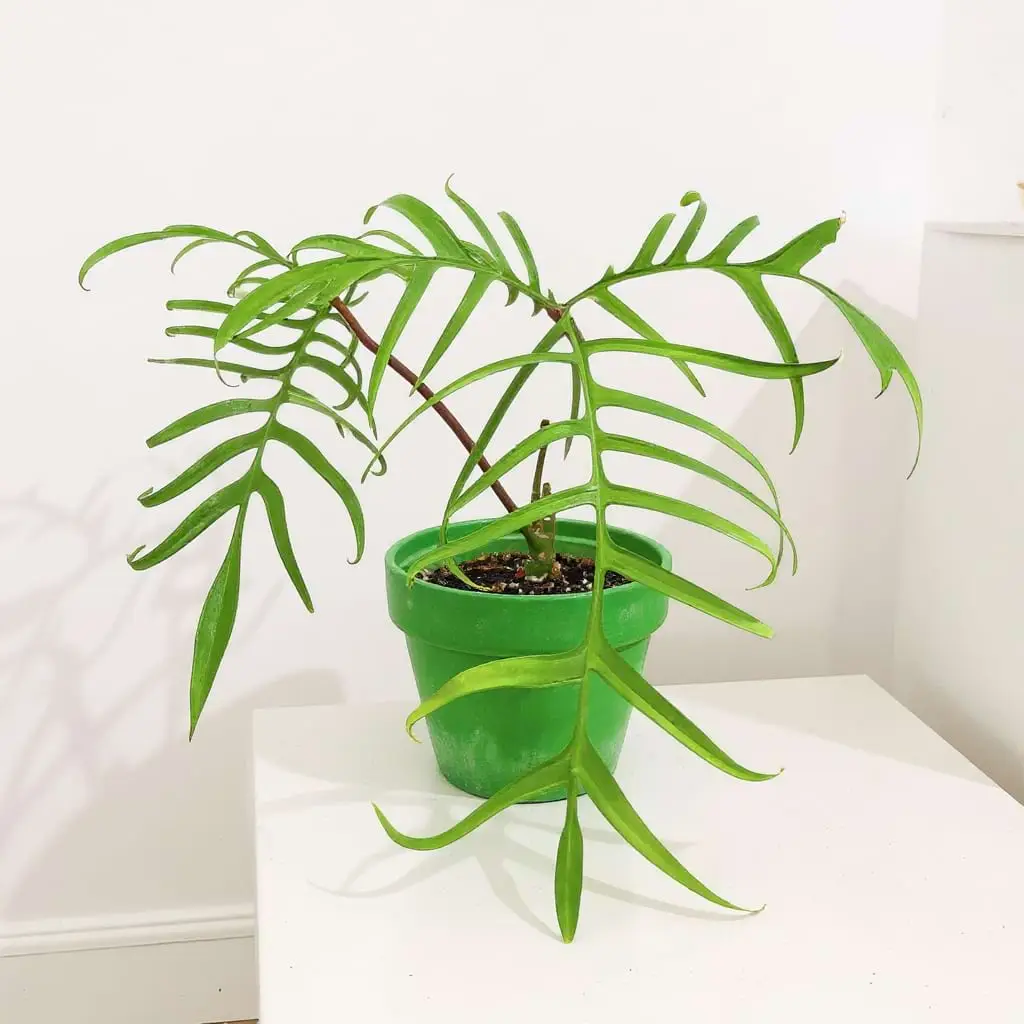
Complete Guide to Philodendron Polypodioides Care and Growth
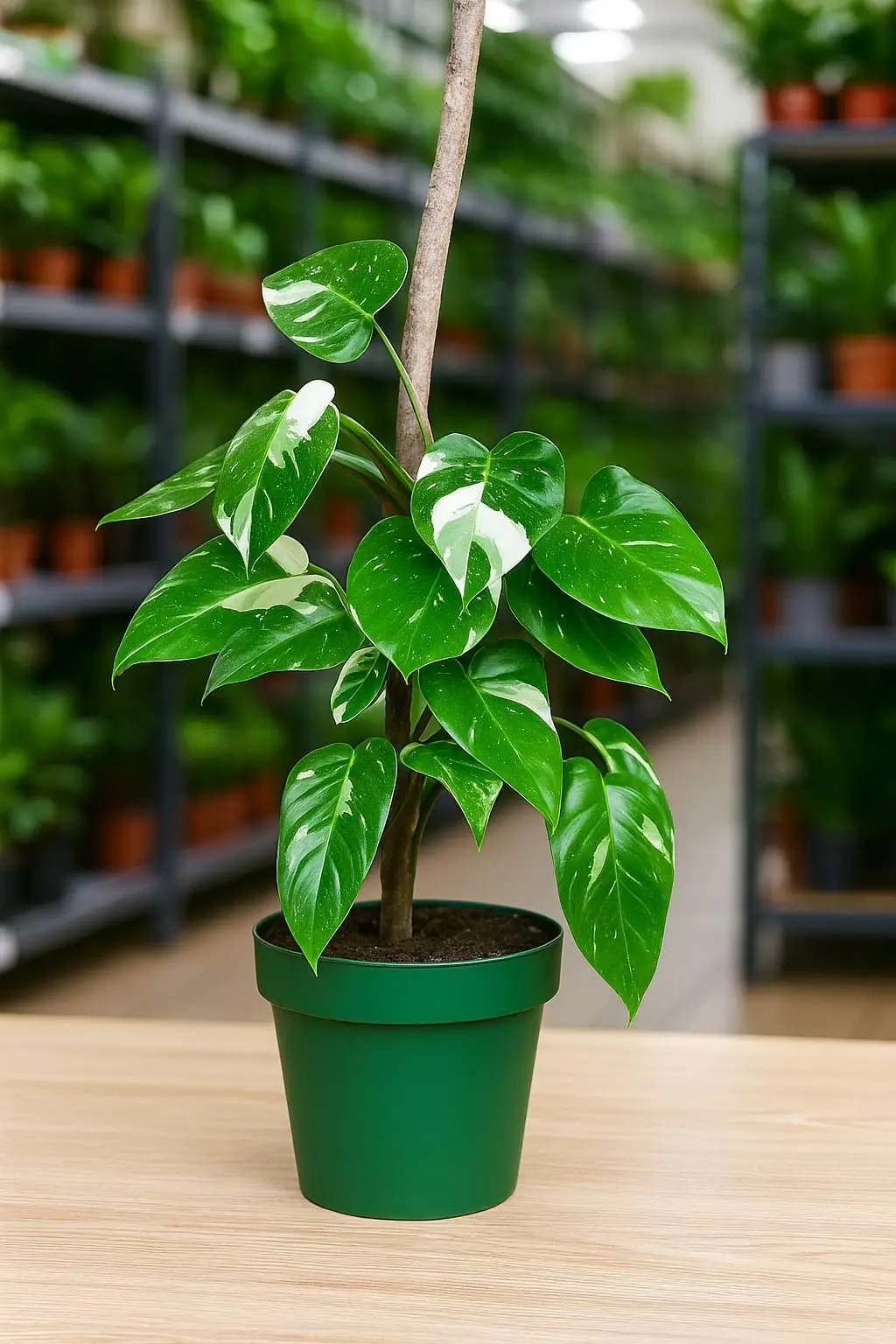
Complete Guide to Philodendron White Princess Care and Growth
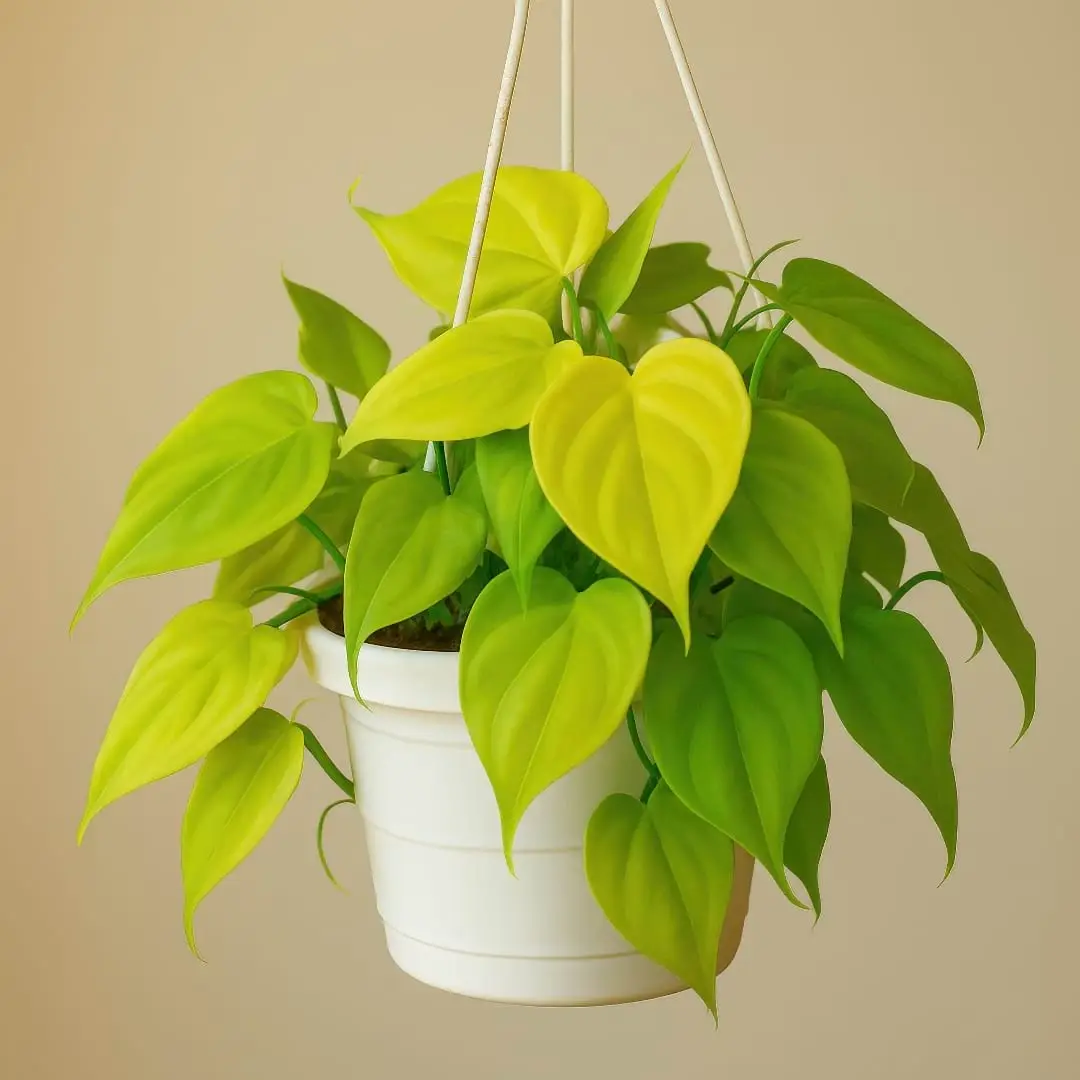
Complete Guide To Lemon Lime Philodendron Care and Growth

Houseplant101 Forum
Questions & Comments
Ask a question, share your plant experience, or help other plant owners.
Comments are temporarily unavailable.
Open the Houseplant101 ForumNo comments yet
Be the first to ask a question or share your experience about this page.
Log in or create an account
Comments use your Houseplant101 Forum account, but you can stay on this page.
Create a new account