
Philodendron Melanochrysum
Philodendron melanochrysum
Black Gold Philodendron, Melano, Philodendron andreanum


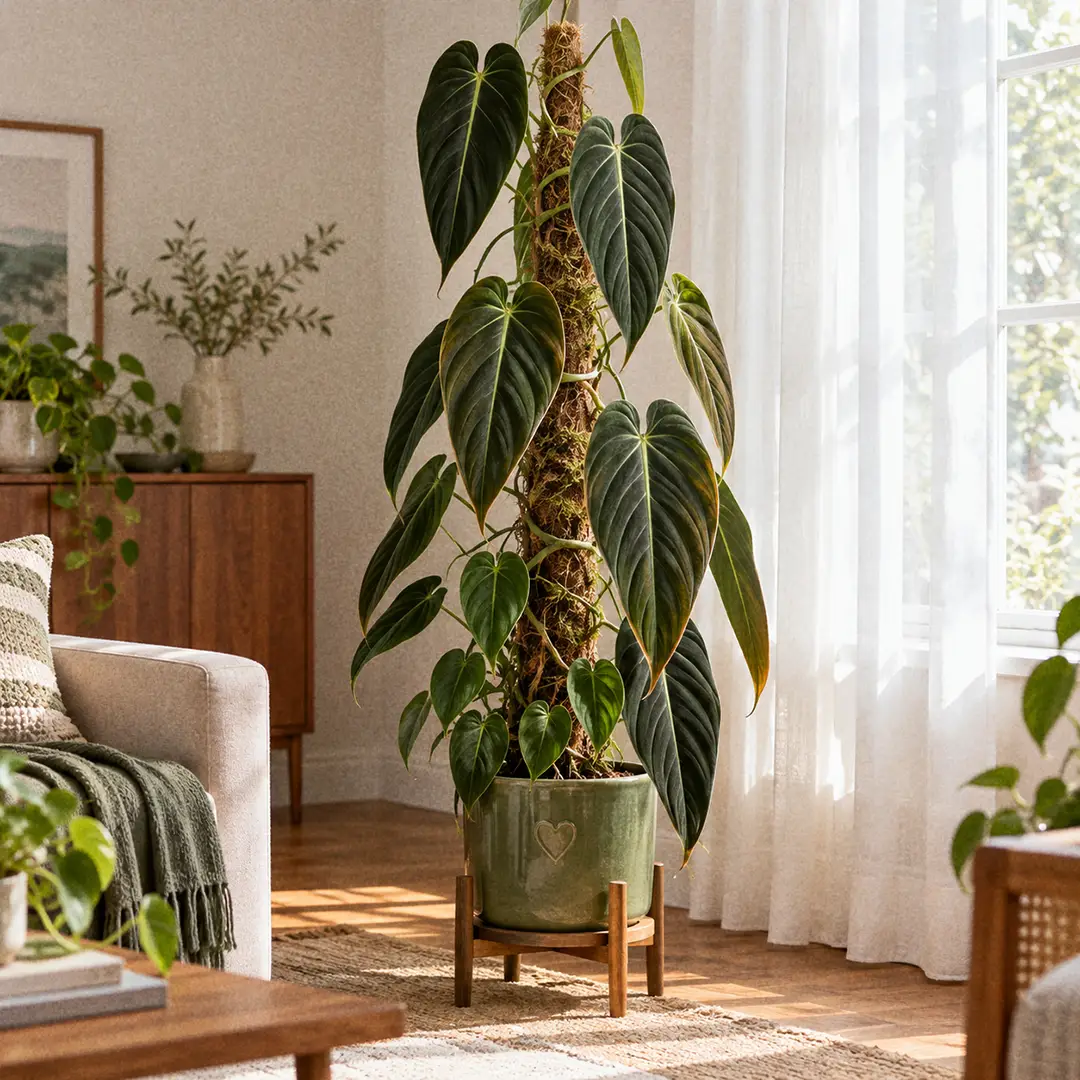
Philodendron Melanochrysum is the velvet climber whose long, near-black leaves glitter with gold flecks in the light. Learn how to grow it indoors, get it climbing, and turn small juvenile leaves into big, dramatic ones.
📝 Philodendron Melanochrysum Care Notes
🌿 Care Instructions
⚠️ Common Pests
📊 Growth Information
🪴 In This Guide 🪴

☀️ Philodendron Melanochrysum Light Requirements (Bright Indirect)
The Sweet Spot
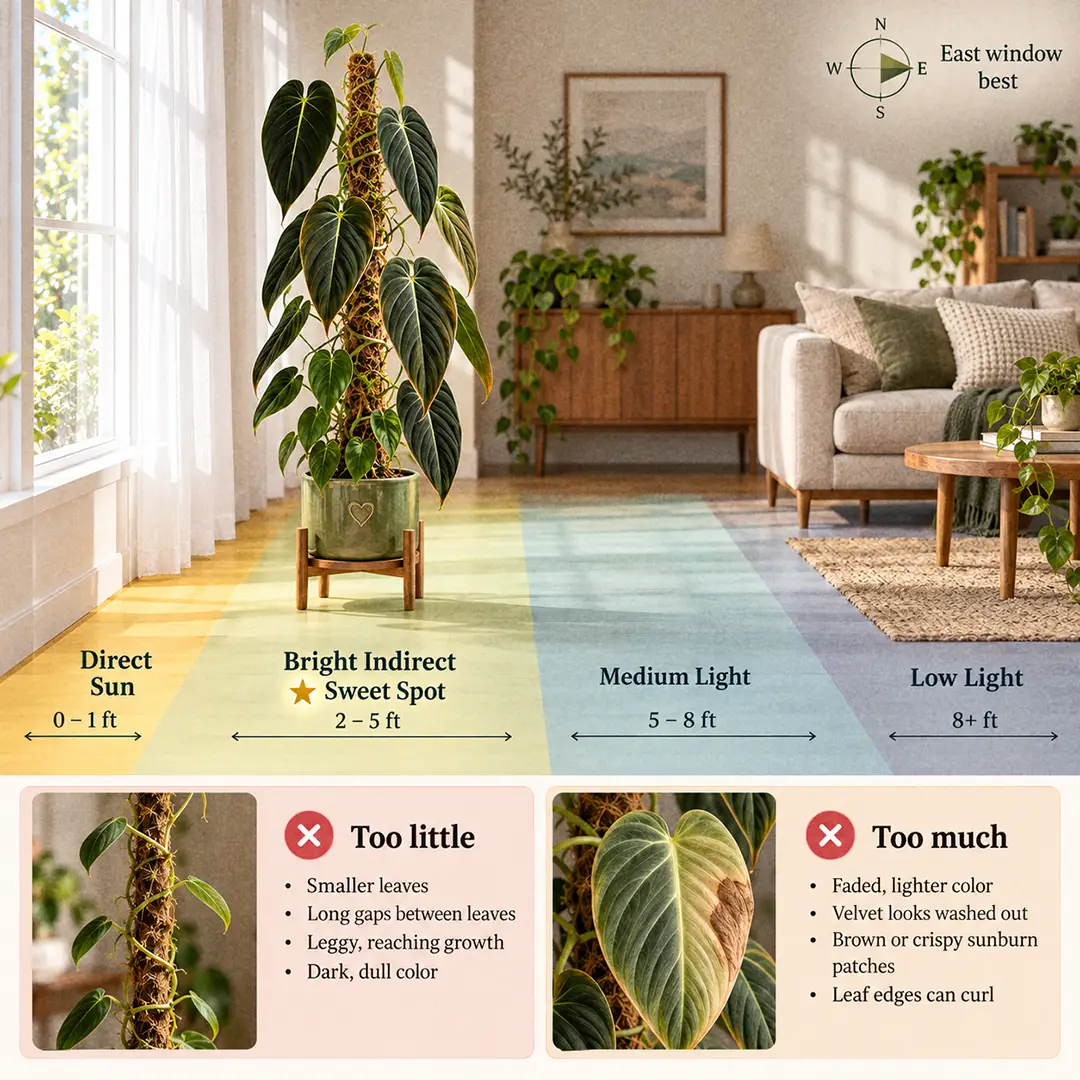
Melanochrysum wants bright indirect light: a spot where the plant sees plenty of sky but the sun never lands on the leaves for long. An east-facing window is ideal, with the pot a few feet back so it catches soft morning light. A south or west window works if a sheer curtain sits between the glass and the plant.
In the wild it climbs tree trunks in shady, wet Colombian forest, getting brighter light the higher it goes. That is worth copying indoors, because light is one of the triggers that tells the plant it is time to grow bigger adult leaves. Our Indoor Lighting Guide shows how to judge a spot by eye.
Too Little Light
In a dim room the plant keeps living but stops improving. New leaves come out the same size as the old ones, or smaller, and the gaps between leaves on the stem stretch out as it reaches for light. That is leggy growth, and it is the most common reason a melanochrysum stalls. A full-spectrum grow light a foot or two above the top of the pole fixes a dark corner neatly.
Too Much Light
Direct midday sun bleaches the velvet to a dull, faded green and can burn pale or brown patches into the leaf within an afternoon. That is sunburn, and a burned velvet leaf never recovers. A little early-morning sun is fine. Anything harsher needs a curtain.
💧 Philodendron Melanochrysum Watering Guide (How Often to Water)
Watering Frequency
Water when the top inch of mix feels dry, then water thoroughly. In spring and summer that is usually every 5-8 days in a chunky mix, and every 10-14 days in winter when growth slows. The goal is a root zone that stays lightly moist, like a wrung-out sponge, without ever going soggy or bone dry.
That middle ground is the trick with this plant. It dislikes drying out completely more than most philodendrons, yet its roots rot fast in dense wet soil. The fix is a mix so airy that you can water often without drowning it. A moisture meter helps while you learn the rhythm.
Water quality matters a little more than usual here. Hard tap water leaves mineral crust in the mix over time and can brown leaf tips, so filtered water or rainwater is a nice upgrade if your tap water is very hard. At minimum, let tap water stand overnight and flush the pot every few months.
How to Water
Pour room-temperature water slowly over the whole surface until it runs from the drainage holes, then empty the saucer after ten minutes. If your moss pole is real sphagnum, give it a splash at the same time so the aerial roots stay keen to grab on. Keep water off the leaves where you can, because droplets sitting on velvet can leave marks and invite spotting. Our watering guide covers the basics in more depth.
Signs of Trouble
Drooping, soft leaves with dry soil mean thirst, and the plant perks up within a day of a drink. Yellowing lower leaves with wet soil and a sour smell mean the opposite, usually the start of root rot. Crispy brown edges on new leaves are more often low humidity than a watering problem.
🪴 Best Soil for Philodendron Melanochrysum (Aroid Mix Recipe)
What the Soil Needs
Melanochrysum is a climber whose roots, in nature, grip bark and moss rather than sitting in dirt. It needs a mix that holds some moisture but is full of air pockets, so roots can breathe between waterings. Plain potting soil compacts into a wet brick and is the fastest route to rot. Our Soil Guide explains why drainage and air matter so much.
DIY Aroid Mix
A reliable recipe is 2 parts orchid bark, 1 part perlite or pumice, 1 part coco coir or peat, and a handful of horticultural charcoal. Some growers add a little worm castings for gentle nutrition. The mix should feel loose and chunky in your hand and fall apart when squeezed rather than clumping.
Pre-Made Options
Bagged "aroid mix" is the easy route and most are close to right. If yours looks fine and soil-heavy, open it up with extra bark and perlite. Our potting soil guide compares the common options, and a chunky houseplant mix is a better starting point than any standard compost.
Whatever you use, refresh it every year or two. Bark breaks down into fine crumbs over time, the mix stops draining, and the roots start sitting wet. A mix that used to dry in a week and now takes two is telling you it has broken down.
🍼 Fertilizing Philodendron Melanochrysum
When and How Often
Feed every 2-4 weeks from spring through late summer, when the plant is putting out new leaves. Cut back to every 6-8 weeks in winter, or stop if growth pauses entirely. A climbing melanochrysum making big leaves is hungrier than a juvenile sitting still, so match feeding to how actively it is growing.
What to Use
A balanced liquid fertilizer such as 20-20-20 or a foliage formula, diluted to half strength, works well. Always water first and feed second, so the roots are never hit with fertilizer while dry. Our Fertilizing Guide and the fertilizers guide cover what to buy.
Over-Fertilizing Signs
Brown, burned-looking leaf tips, a white crust on the mix, or small deformed new leaves point to salt buildup. Flush the pot with plain water for a couple of minutes and skip the next two feedings. With chunky aroid mixes, flushing every few months is a good habit anyway.
🌡️ Philodendron Melanochrysum Temperature Range
Ideal Range
Keep it between 65-82°F (18-28°C), which covers most heated homes. It grows fastest at the warm end. Below 60°F (15°C) growth stops, and anything near 50°F (10°C) risks cold damage that shows up as dark, water-soaked patches a few days later.
Drafts and Heat Sources
Cold drafts from doors and single-glazed windows in winter are the usual culprits, so pull the plant back from the glass on freezing nights. Keep it away from radiators and heating vents too, since the hot dry air they push out crisps new leaves as they unfurl.
Sudden swings are harder on it than a steady cool room. A plant that sits at 65°F all winter does fine, while one moved between a hot sunny sill by day and a cold one by night drops leaves and stalls. Pick a spot with even temperatures and leave it there.
💦 Philodendron Melanochrysum Humidity Requirements
Ideal Humidity
Aim for 60% or higher. The plant survives at 50%, but new leaves are fragile as they unroll, and in dry air they stick inside the old sheath, tear, or come out with brown crispy edges. That stuck-leaf problem is the most common way people lose leaves on this plant.
Easy Humidity Boosters
A small humidifier near the plant is the one tool that reliably works. Grouping it with other tropical plants helps a little. A large plant cabinet or a glass greenhouse cabinet solves humidity entirely, and melanochrysum thrives in one. Misting does almost nothing lasting and wets the velvet. For winter, read boosting humidity for indoor plants in winter.
Plant Cabinets and Greenhouse Setups
Many serious growers keep melanochrysum in a glass cabinet with a small fan and a grow light, and it is the easiest way to get large, perfect leaves. If you go this route, airflow is not optional. Still, saturated air invites fungal and bacterial spots on velvet leaves, so run a small USB fan on a timer and leave a little ventilation gap. The plant will outgrow most cabinets in a few years, which is a nice problem to have.
🌸 Philodendron Melanochrysum Flowers (Does It Bloom Indoors?)
What the Flowers Look Like
Like all philodendrons, melanochrysum flowers with a spathe and spadix: a pale, hooded leaf-like sheath wrapped around a finger-like spike. The spathe is cream to greenish and fairly plain. Nobody grows this plant for its flowers.
Will It Bloom Indoors?
Rarely. Flowering only happens on large, fully mature plants that have climbed well up a support, which most indoor plants never reach. Greenhouse specimens flower occasionally. If yours does, enjoy the novelty, and know that each bloom costs the plant some energy it would otherwise spend on leaves.
If It Won't Bloom
This is normal, not a failure to bloom you need to fix. A melanochrysum that never flowers but keeps producing bigger, darker leaves is doing exactly what you want. Put your effort into the pole, light, and humidity, and judge the plant by its leaves.
🏷️ Philodendron Melanochrysum Types and Varieties
Philodendron Melanochrysum (the Species)
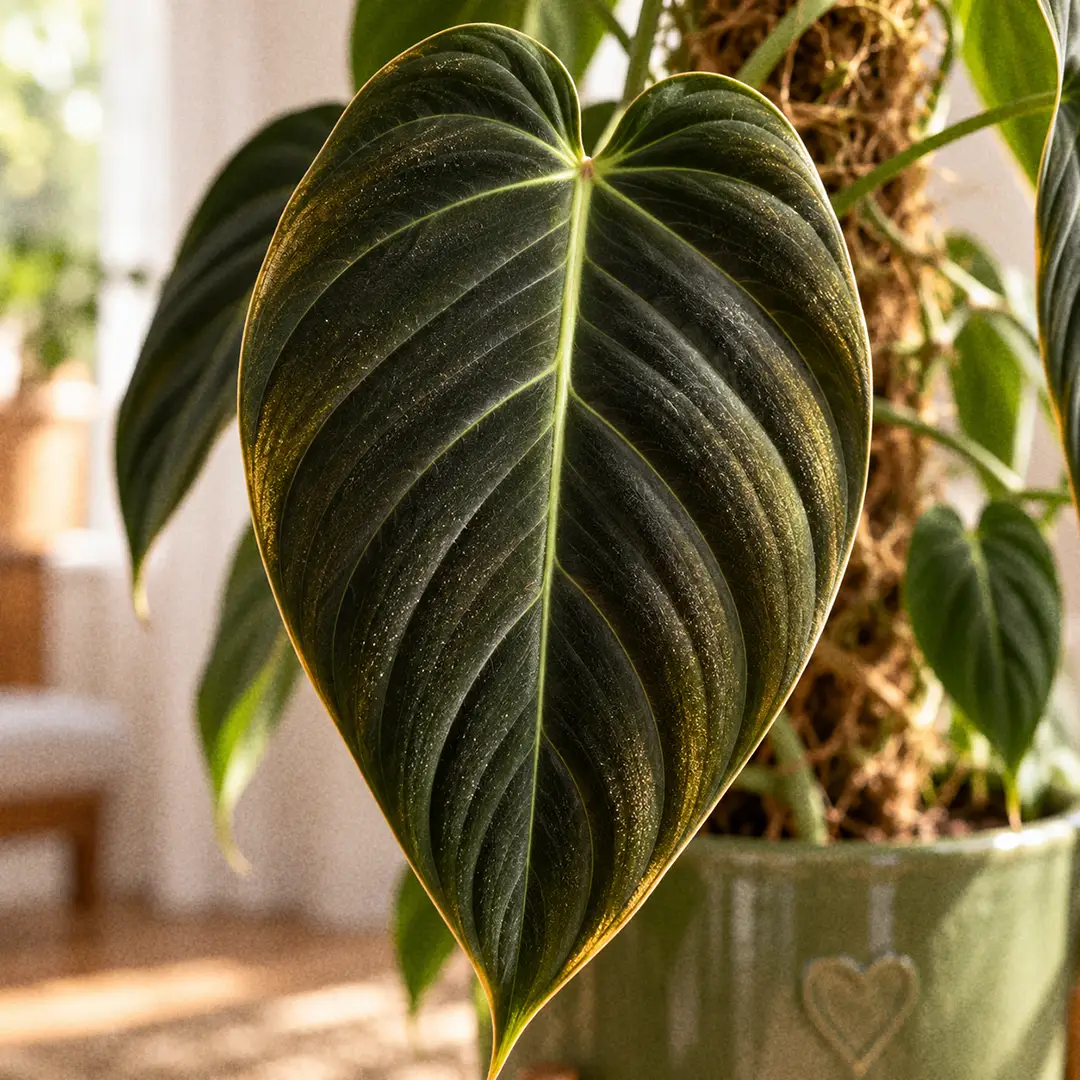
There are no named cultivars of the species itself. What changes is age. Juvenile plants have small, rounder heart-shaped leaves of about 3-6 inches, with a coppery tint on new growth. On a pole, each leaf grows longer and narrower until mature leaves reach 1-2 feet indoors and far more in the wild. The gold sparkle that gives it the name "black gold" shows best on those older, darker leaves.
Philodendron andreanum
Not a separate plant for most buyers. Andreanum is an older name for the same species, and most botanists now file it under melanochrysum. You will still see "andreanum" on labels, sometimes on plants with slightly glossier leaves. Care is identical.
'Splendid' (Verrucosum × Melanochrysum)
A hybrid made in Australia by Keith Henderson, crossing Philodendron Verrucosum with melanochrysum. It has broad velvet leaves with bold pale veins and copes better with average room humidity than either parent. A great choice if your home runs dry.
'Glorious' (Gloriosum × Melanochrysum)
Another Henderson hybrid, this time with the crawling Philodendron Gloriosum. 'Glorious' has large heart-shaped leaves with light green veins, and it climbs, unlike its crawling parent. If you want a velvet heart shape rather than long, strap-like leaves, this is the one.
Commonly Confused With
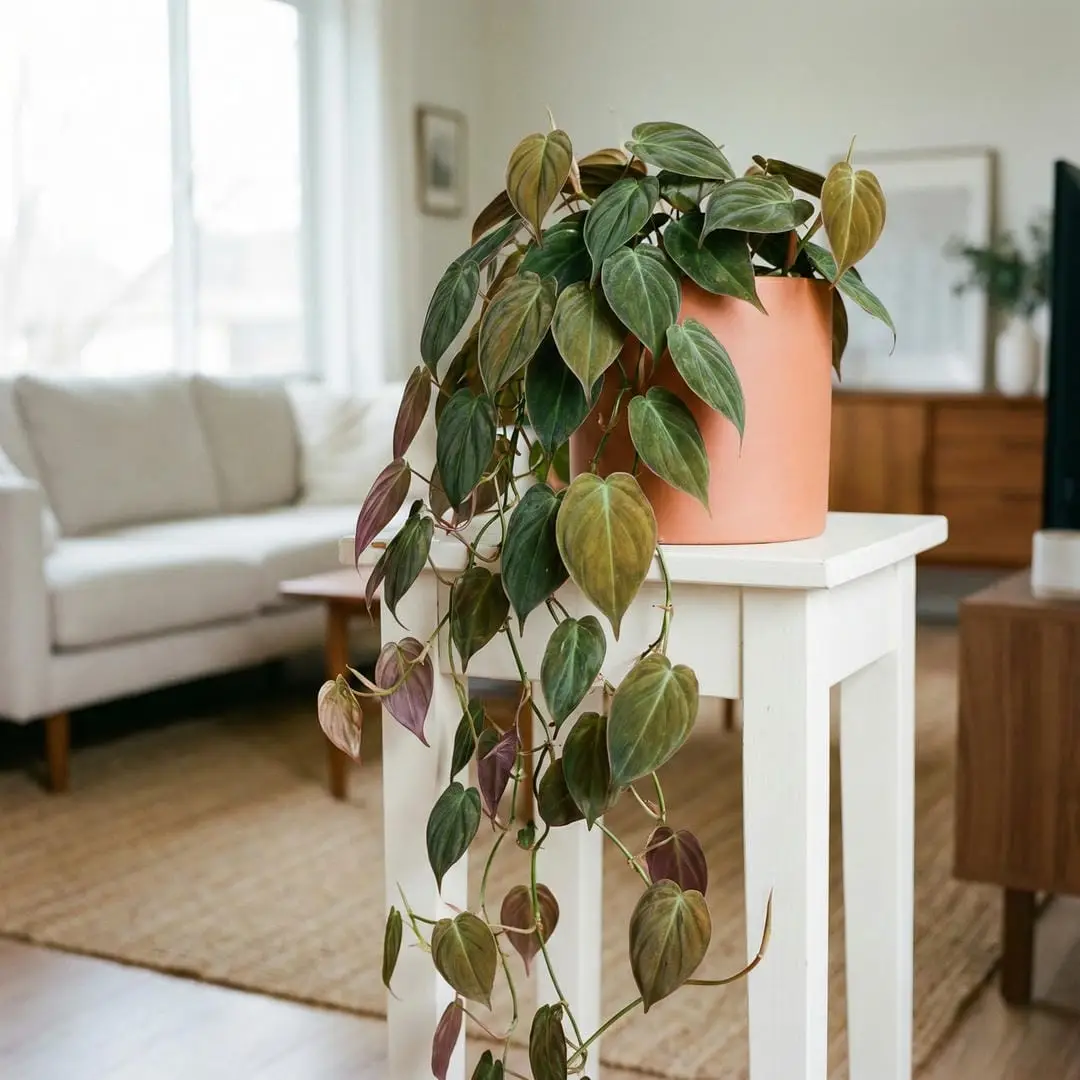
The small trailing Velvet Leaf Philodendron (micans) has a similar sheen but tiny leaves that never elongate. Juvenile melanochrysum also gets mixed up with Philodendron gigas, which has a bluer, greyer velvet. Browse our philodendron varieties collection to compare them side by side.
🪴 Potting and Repotting Philodendron Melanochrysum
Why It Needs a Moss Pole
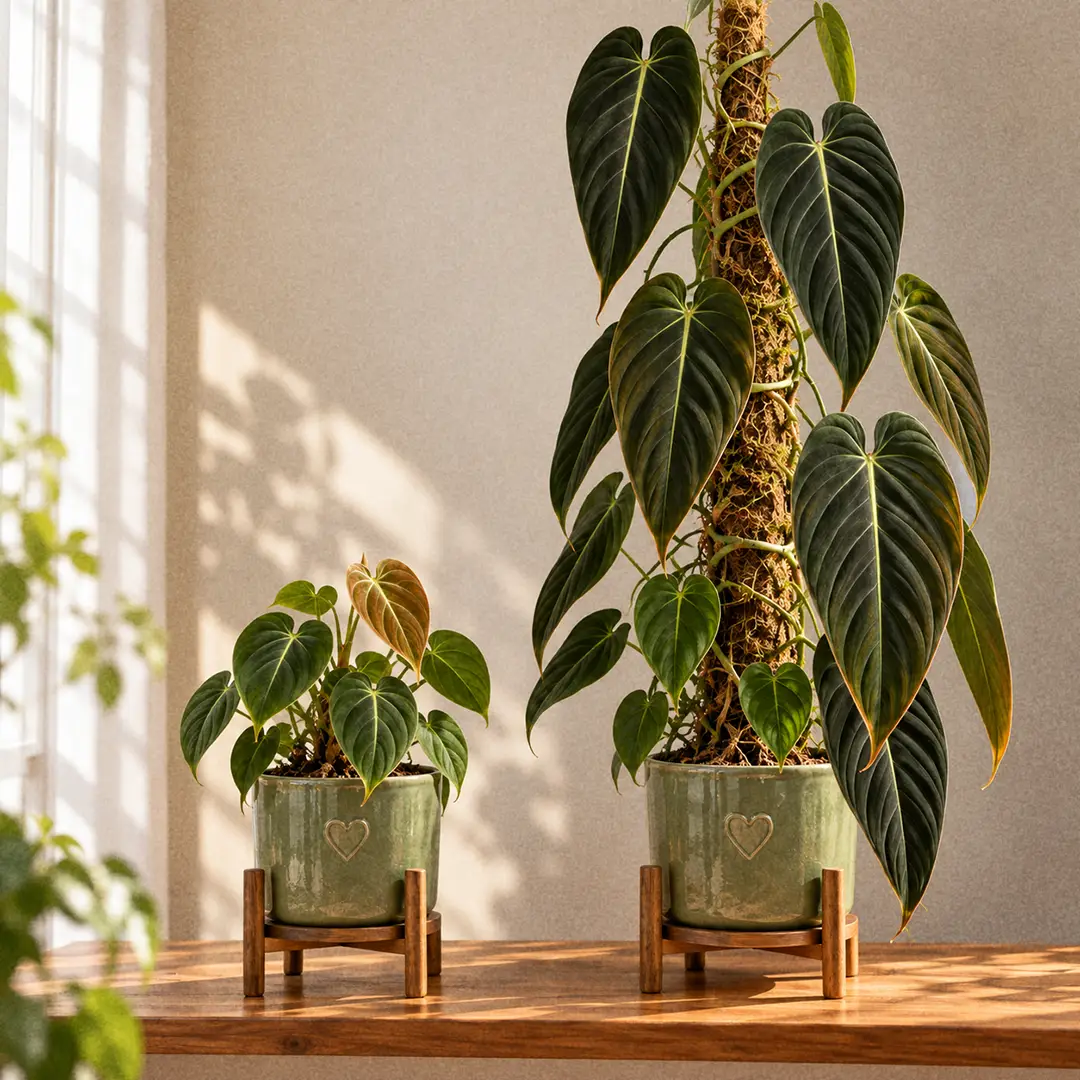
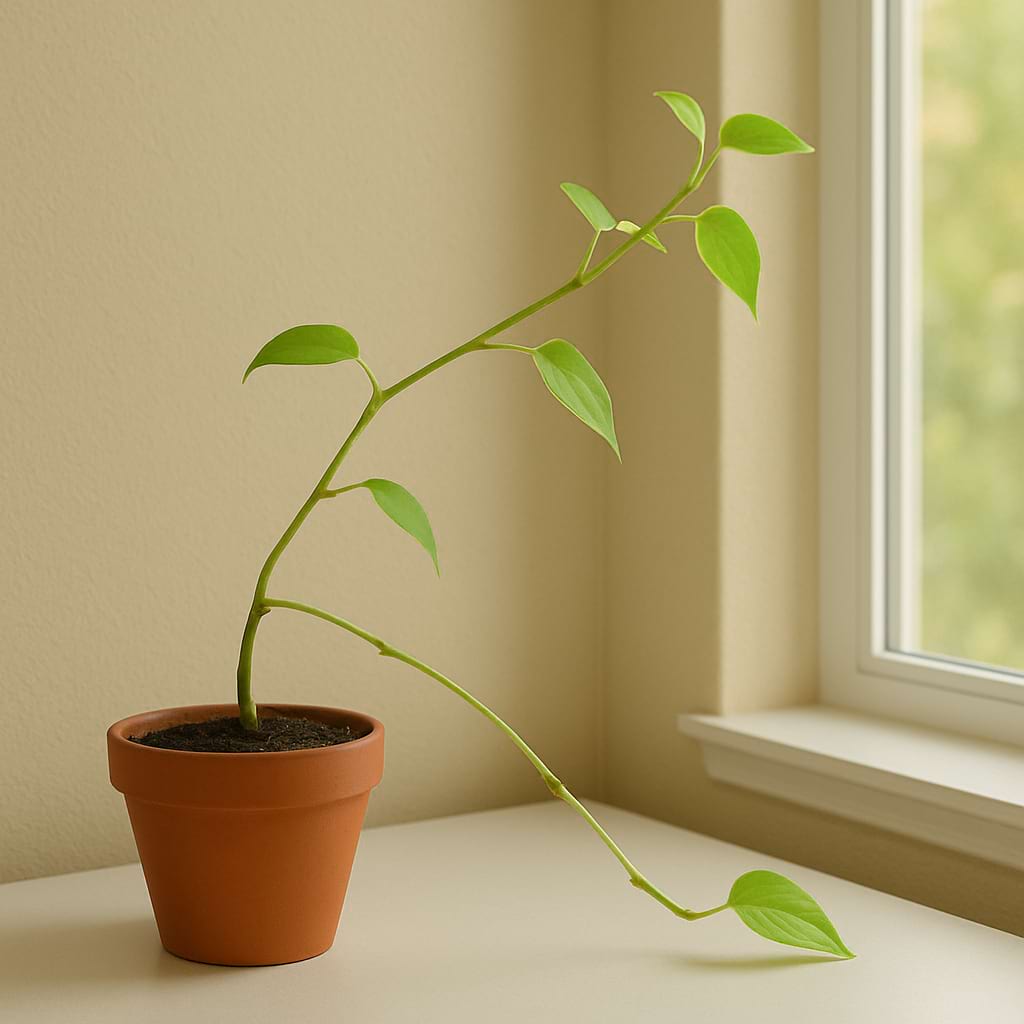
This is the section that matters most. Melanochrysum is a climber, and it only makes large adult leaves when its stem has something to cling to. Left to trail or sprawl, it stays juvenile forever. A moss pole of real sphagnum, or a coir pole kept damp, gives the aerial roots something to grip, and the leaves above each gripped node come out noticeably bigger. Add the pole at repotting, tie the stem on loosely with soft ties, and make sure the growing tip faces the pole.
When to Repot
Every 1-2 years in spring, or when roots circle the pot or poke out of the drainage holes. Go up only 1-2 inches in diameter. A pot that is too large holds wet mix the roots cannot reach, which invites rot.
Choosing a Pot and Repotting Step by Step
Plastic or glazed ceramic with drainage holes suits it, since they hold the steady moisture it likes. Terracotta dries too fast unless your mix is dense. Our plant pots guide compares materials.
Water the day before, ease the plant out, and loosen the outer roots. Set the pole in the new pot first, then position the plant against it at the same depth as before. Backfill with fresh aroid mix, water through, and keep it out of direct light for a week. Our repotting guide covers the general process.
✂️ Pruning Philodendron Melanochrysum
When to Prune
Hardly ever. Every leaf on this plant took weeks to make, so remove only leaves that are yellow, badly damaged, or diseased. Spring and summer are best for any cut, when the plant recovers quickly.
How to Prune
Use clean, sharp scissors and cut the leaf stalk close to the main stem. Wear gloves, because the sap irritates skin. Wipe your blades with rubbing alcohol between plants to avoid spreading disease.
Topping a Plant That Outgrows Its Pole
When the plant reaches the top of its pole, you have two options: extend the pole or take the top off. Cutting off the top two or three nodes gives you a cutting to root and usually pushes a new side shoot from the stem below. The new shoot starts with slightly smaller leaves and climbs its way back up.
🌱 How to Propagate Philodendron Melanochrysum
Best Method: Stem Cuttings
Melanochrysum propagates from stem cuttings, and each cutting needs at least one node, the bump on the stem where a leaf and aerial root emerge. A leaf alone will never grow into a new plant. Spring and early summer give the fastest results. Our propagation hub explains nodes and rooting in more detail.
Step-by-Step
Cut a section of stem with one or two nodes and, ideally, one leaf. Let the cut dry for an hour. Then place it in damp sphagnum moss, perlite, or a mix of both inside a clear container or a plastic bag to hold humidity. Keep it warm, around 75°F (24°C), in bright indirect light.
Roots usually form in 3-6 weeks. Wait until they are 2 inches long before potting into aroid mix, and add a small pole from day one. Keep the new pot inside a clear bag or a propagation box for another couple of weeks so the young roots adjust to soil while humidity stays high. Water propagation also works, but water roots sometimes struggle to adjust to soil, so moss is the safer route for an expensive cutting.
Tips for Success
Leafless nodes root fine; they just take longer to show a new leaf. Keep the moss damp, not wet, because a rotting node is the main failure. If you want to avoid cutting at all, air layering roots a node while it stays attached to the mother plant.
🐛 Philodendron Melanochrysum Pests and Treatment
Common Pests
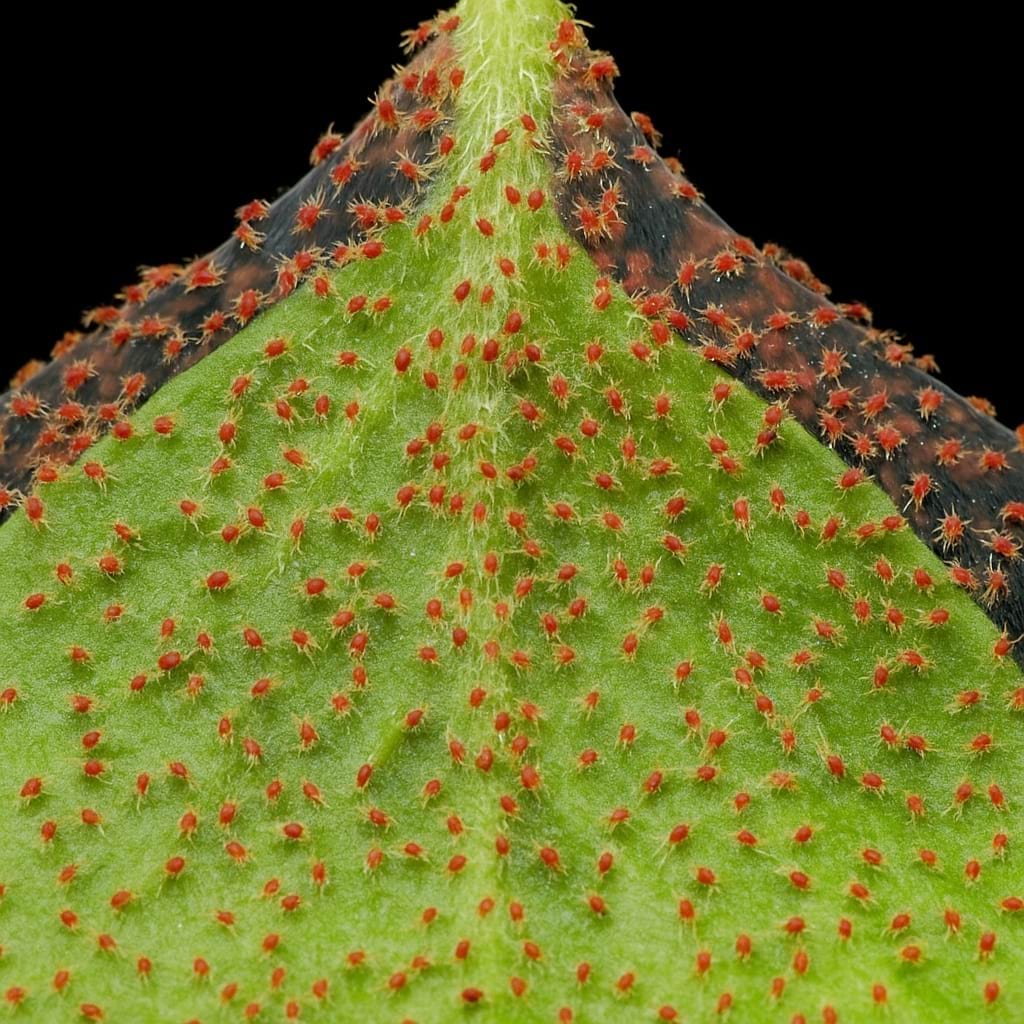
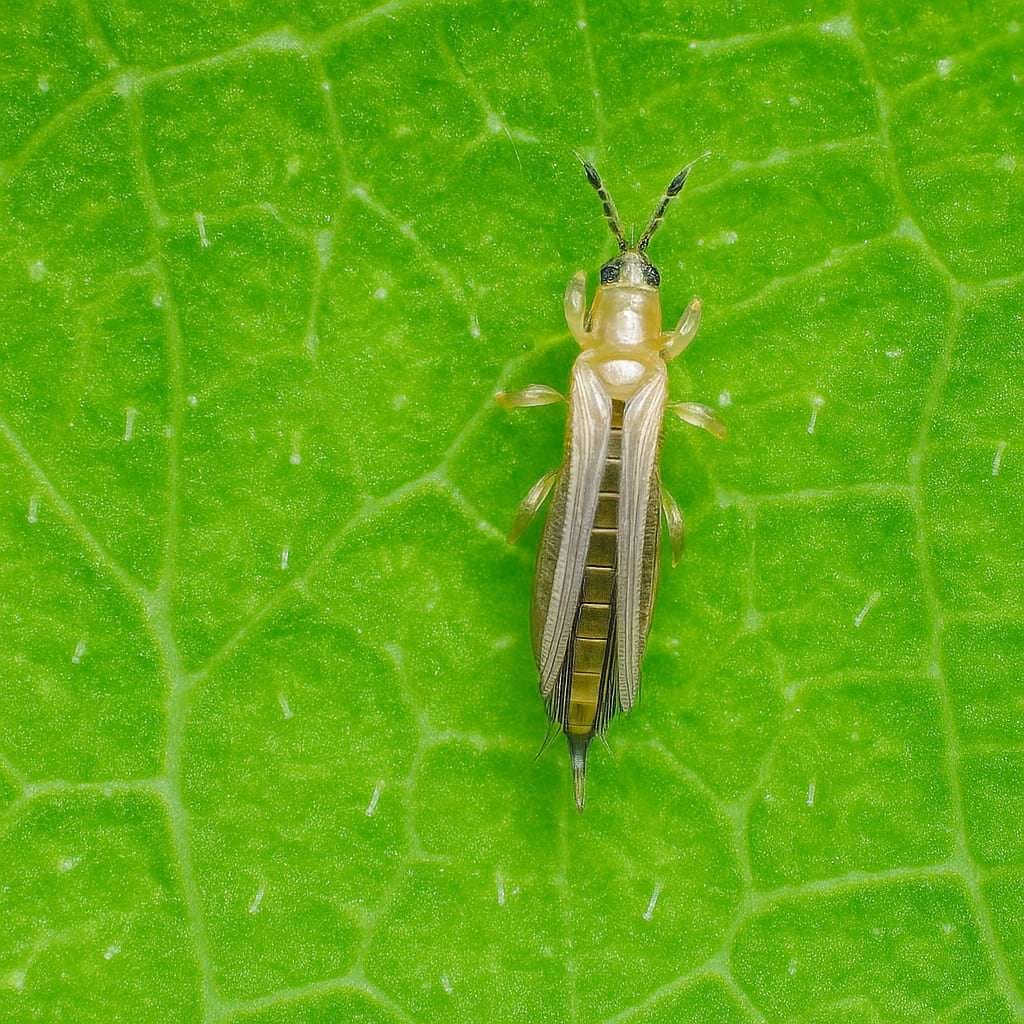
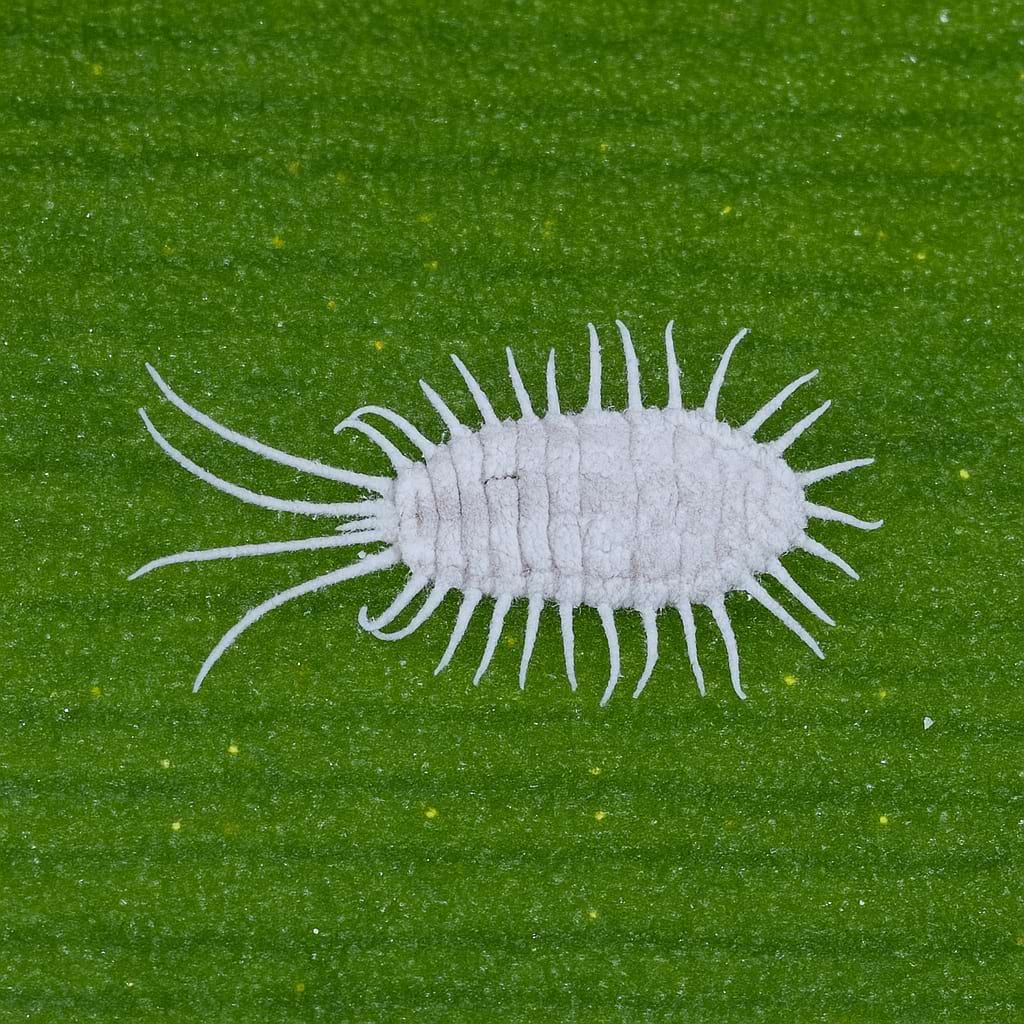
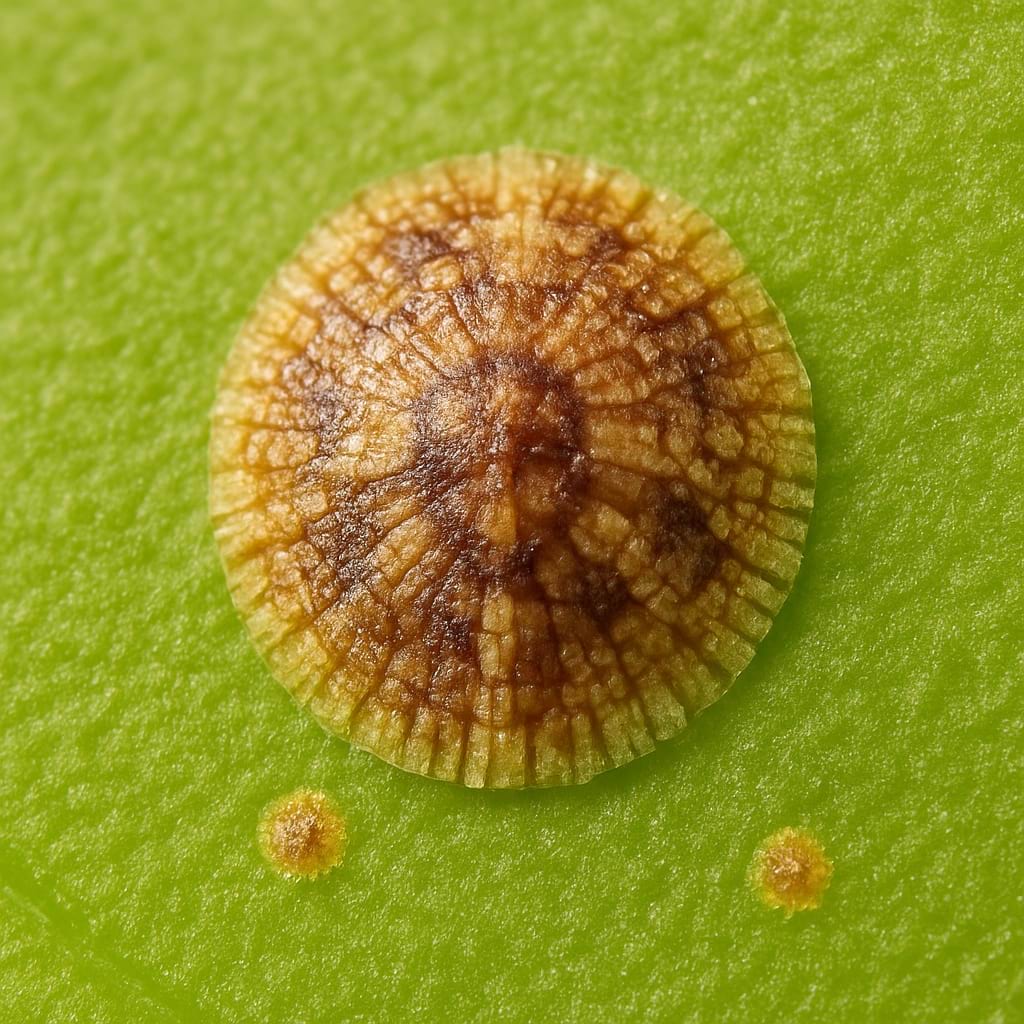
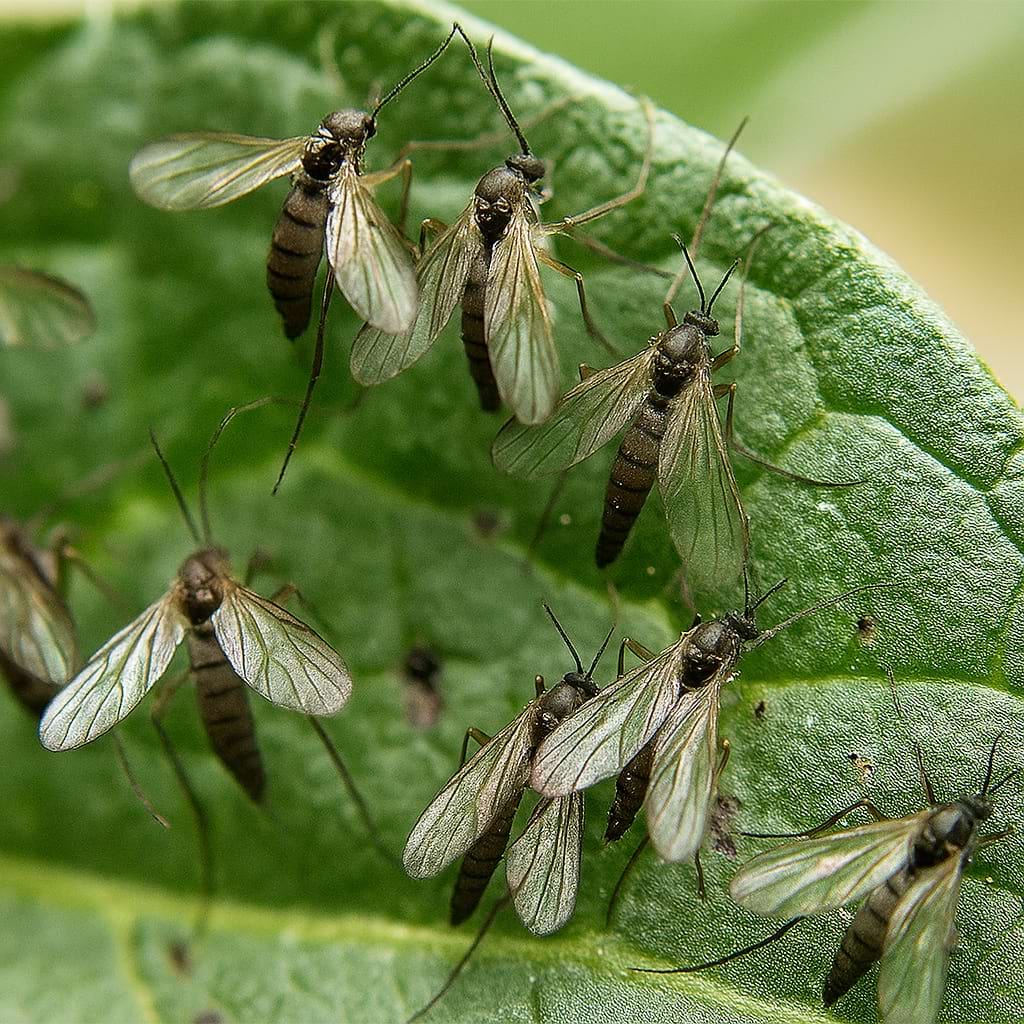
Spider mites are the biggest threat, because the dry warm air that stresses this plant is exactly what mites love. Look for fine webbing and pale speckling on the undersides. Thrips leave silvery scratches and black specks and often hide inside the sheath of an unfurling leaf. Mealybugs show up as white cottony tufts in leaf joints, and scale insects as small brown bumps along the stems. Fungus gnats mean the mix is staying too wet.
Treatment and Prevention
Velvet leaves mark easily, so treat gently. Rinse the plant in a lukewarm shower, then spray insecticidal soap or diluted neem oil, testing on one leaf first. Dab mealybugs and scale with a cotton bud in rubbing alcohol, avoiding the leaf surface. Repeat weekly for three weeks to catch hatching eggs. Higher humidity is the best prevention against mites, and quarantining new plants for two weeks stops most problems before they start.
🩺 Common Philodendron Melanochrysum Problems
Small New Leaves
The most searched problem, and almost always a support problem. A plant with no pole, or with its stem not attached to the pole, stays juvenile and makes small leaves. Low light and long gaps between feedings make it worse. Attach it to a damp moss pole, move it brighter, and feed through summer.
Torn, Stuck, or Crispy New Leaves
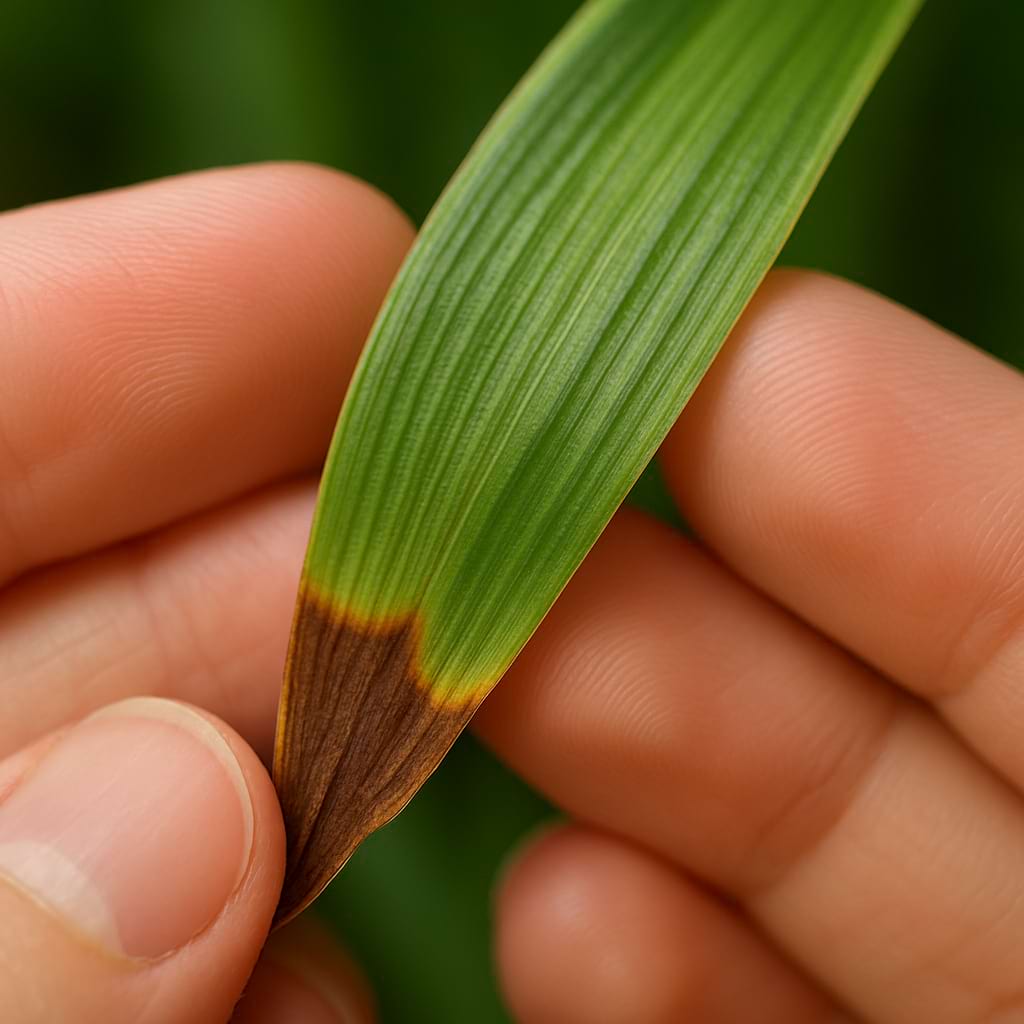
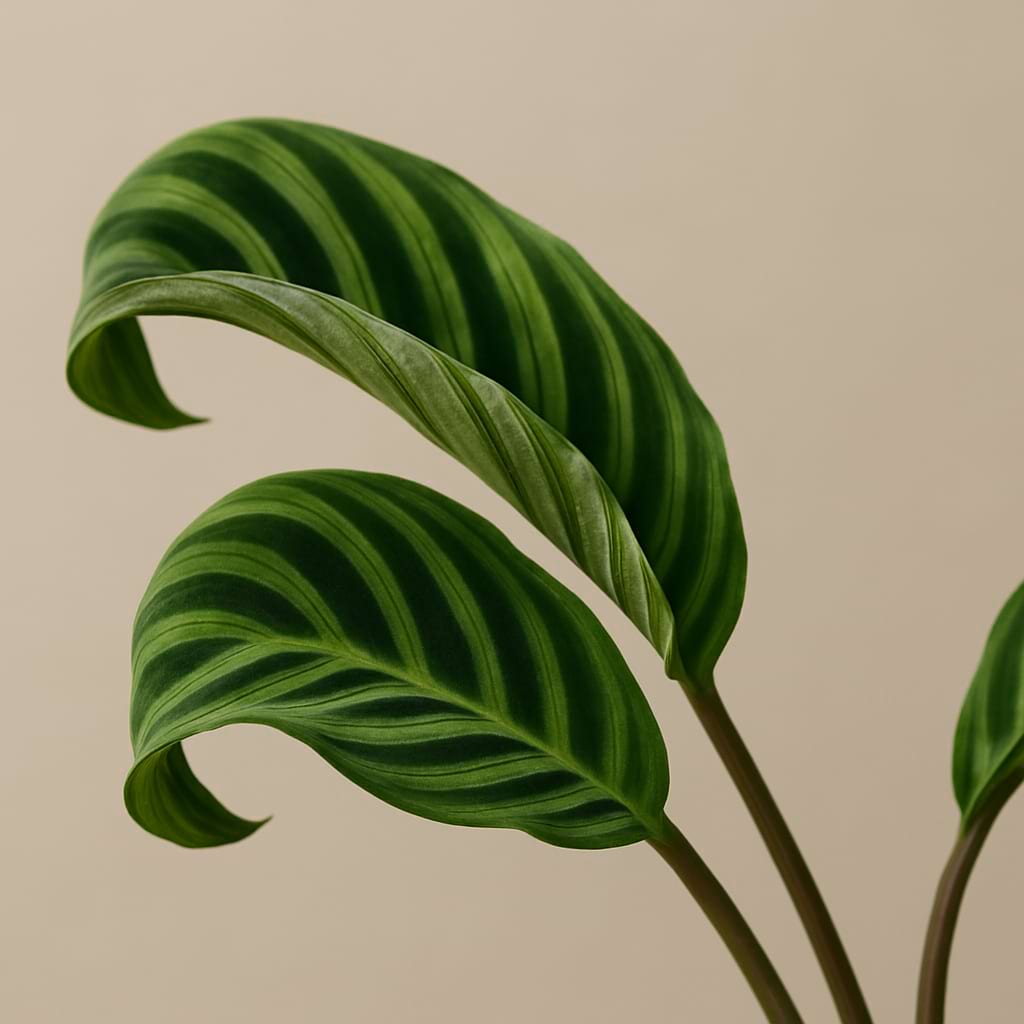
New leaves that get stuck in the sheath, tear on the way out, or open with brown crispy edges point to low humidity. Raise it above 60% and the next leaves open cleanly. Leaves that curl inward are also often a dry-air or underwatering sign.
Yellowing and Rot
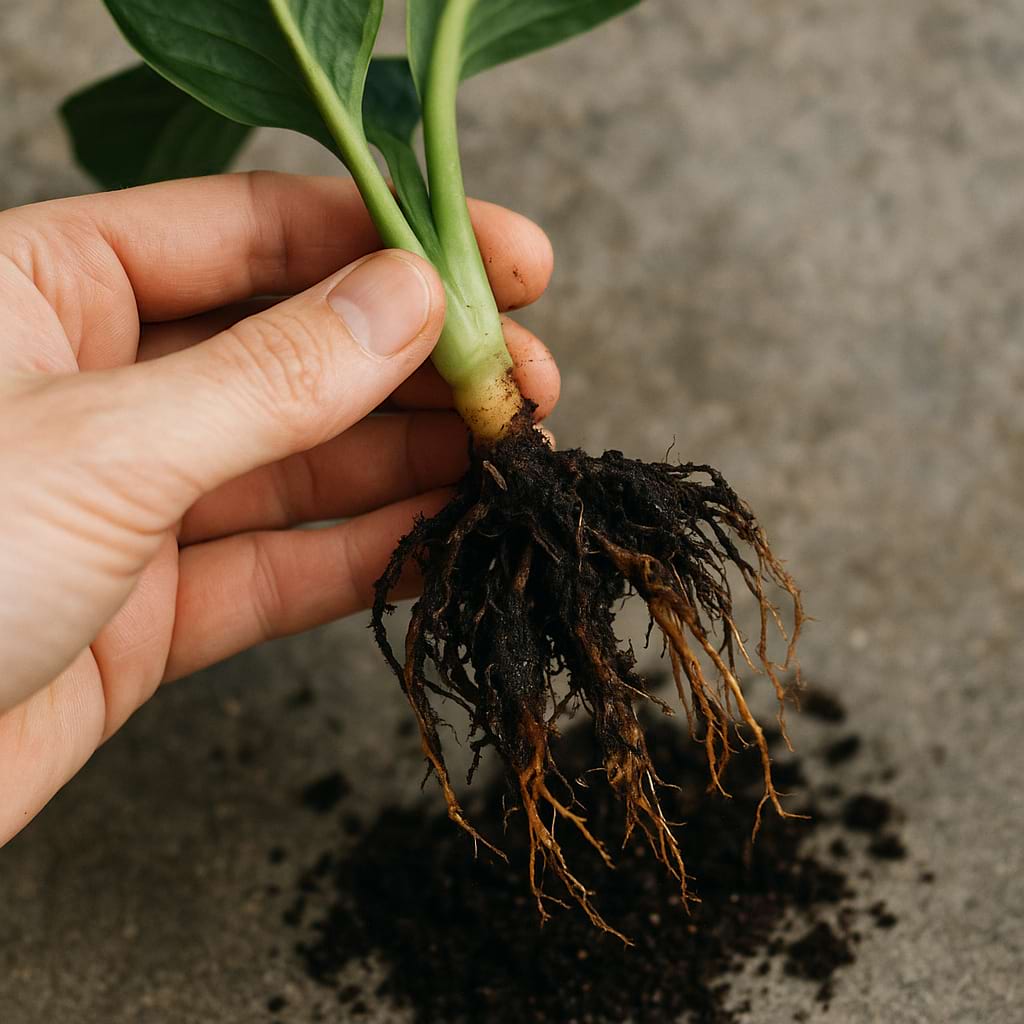
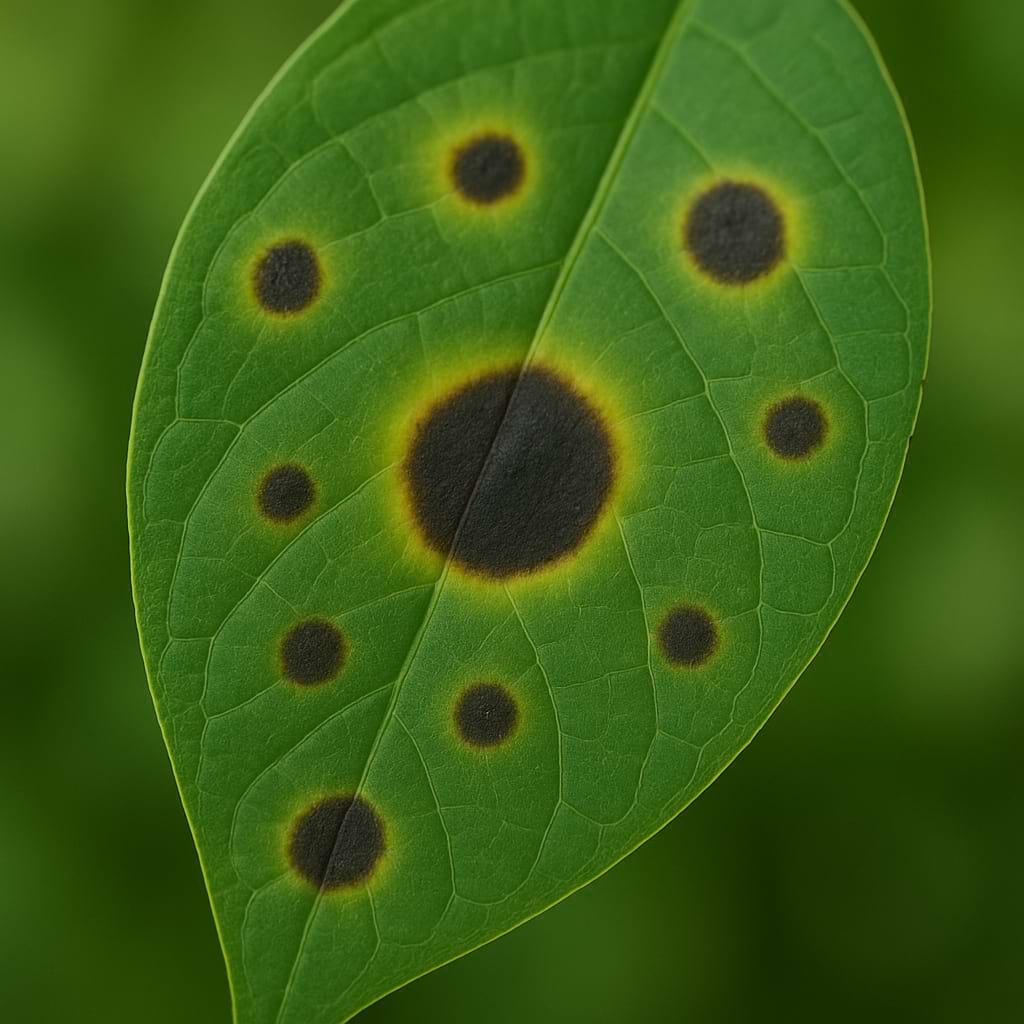
One old lower leaf yellowing now and then is normal ageing. Several yellowing leaves at once, with damp soil, suggest overwatering or root rot. Unpot, trim mushy black roots, and repot into fresh chunky mix. Dark wet-looking spots with yellow halos are usually bacterial or fungal, from water sitting on leaves in still air. Cut off affected leaves and improve airflow.
Faded Velvet and Leggy Stems
Leaves that look dull and lose their dark sheen, or stems with long bare gaps between leaves, usually mean the plant is not getting enough light. Old leaves will not darken again, but new ones will once the plant moves brighter. Stems that sprawl away from the pole instead of hugging it should be tied back in so the aerial roots can reach the moss.

🖼️ Philodendron Melanochrysum Display and Styling Ideas
Solo Setups
A single melanochrysum on a tall pole is a living sculpture, so give it its own spot. A corner near an east window works well, against a pale wall so the dark leaves stand out. Position it where light comes from the side, because that angle makes the gold flecks sparkle.
Grouped Arrangements
It looks stunning with other velvet aroids that share its needs. Pair it with the crawling Philodendron Gloriosum at its feet and a silver-veined Anthurium Crystallinum beside it for a trio of textures. A matte Alocasia Black Velvet keeps the dark palette going at a smaller scale. Grouping also raises humidity a little. A tall Monstera Deliciosa on its own pole nearby makes a good backdrop too, with glossy split leaves against the matte velvet.
Where Not to Put It
Skip rooms with dry heating blasting all winter, spots in direct afternoon sun, and busy hallways where passing people brush the leaves. Velvet bruises and marks easily, so keep it where nobody knocks it.
🌟 Philodendron Melanochrysum Pro Care Tips
🧗 Give it a pole on day one. No support means small juvenile leaves forever.
💦 Keep humidity above 60%. Dry air causes torn and stuck new leaves.
💧 Keep the moss pole damp. Aerial roots only grab onto moist moss.
🪴 Use chunky aroid mix. Lots of bark and perlite lets you water often without rot.
🖌️ Dust with a soft brush, not a wet cloth. Wiping flattens and marks the velvet.
☀️ Light from the side. It brings out the gold sparkle.
✂️ Top it instead of letting it flop. Once it outgrows the pole, cut and root the top.
🌡️ Keep temperatures steady. Warm and even beats warm and swinging.
🔍 Check inside new leaf sheaths. Thrips hide there before they show anywhere else.
📏 Extend the pole before it runs out. A stem that hangs off the top loses the grip that keeps leaves big.
❓ Frequently Asked Questions
Is Philodendron Melanochrysum toxic to cats and dogs?
Yes. Like all philodendrons, it contains insoluble calcium oxalate crystals, which the ASPCA lists as toxic to cats and dogs. Chewing causes mouth pain, drooling, and vomiting. Keep it out of reach of pets and children.
Why are my Philodendron Melanochrysum leaves so small?
It is almost always missing a climbing support. This plant needs to grip a damp moss pole to switch on adult leaf growth. Low light and irregular feeding also slow leaf size. Attach it to a pole and each new leaf should come out a little larger.
How big do Philodendron Melanochrysum leaves get indoors?
On a moss pole with good care, leaves commonly reach 1-2 feet long indoors. In the wild and in greenhouses they grow even longer. Juvenile plants from the shop start with leaves of only 3-6 inches.
How fast does Philodendron Melanochrysum grow?
Expect roughly one new leaf every 3-6 weeks in spring and summer, slowing in winter. Growth speeds up once the plant attaches to a pole, is warm, and is fed regularly.
What is the difference between melanochrysum and andreanum?
For home growers, none. Andreanum is an older name for the same species and most botanists treat them as one. Care is identical.
What is the difference between melanochrysum and 'Splendid'?
'Splendid' is a hybrid of verrucosum and melanochrysum. It has broader leaves with bolder pale veins and handles average room humidity better. Melanochrysum has longer, narrower, darker leaves with the gold sparkle.
Why are the new leaves on my melanochrysum tearing?
Low humidity. Unfurling leaves are soft and sticky, and in dry air they cling to the old sheath and rip. Keep humidity above 60% while a leaf is opening, and do not try to pull it free by hand.
Can Philodendron Melanochrysum grow in water?
Cuttings root in water, but it is not a good long-term home. Move rooted cuttings into chunky aroid mix once roots reach 2 inches.
Is Philodendron Melanochrysum good for beginners?
It is a good second philodendron. If you have kept a heart-leaf philodendron or pothos happy, you can grow this one, as long as you add a moss pole and keep humidity up.
Why does my melanochrysum have copper-colored new leaves?
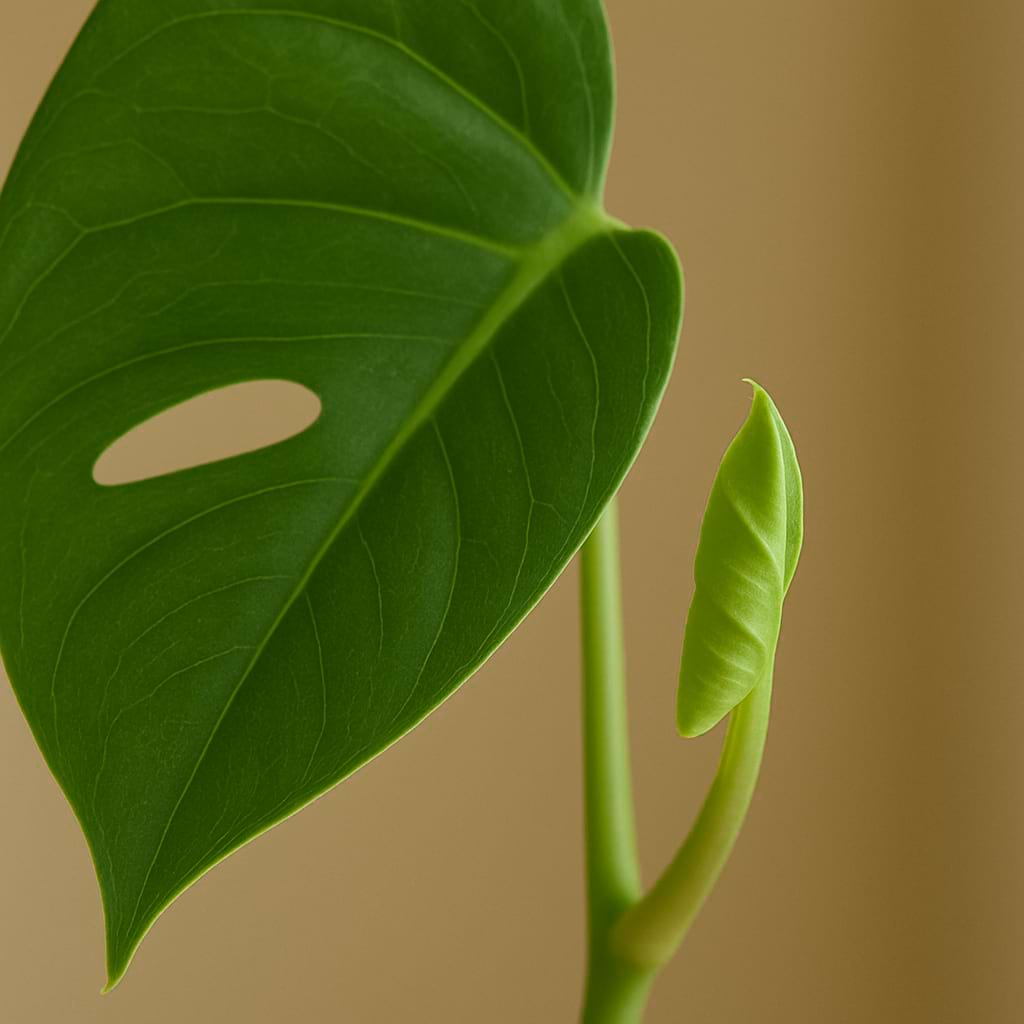
That is normal. New leaves often unfurl with a coppery or reddish tint and darken to deep green over a week or two. On juvenile plants the tint is strongest. It is a sign of healthy new growth, not a problem.
How do I get my melanochrysum to attach to the moss pole?
Tie the stem loosely against the pole with soft plant ties or velcro, with the aerial roots touching the moss. Keep the moss damp, since roots will not grow into dry moss. Within a few weeks the aerial roots should start to grip on their own, and you can remove the ties once they do.
ℹ️ Philodendron Melanochrysum Info
Care and Maintenance
🪴 Soil Type and pH: Chunky aroid mix with orchid bark, perlite, and coir
💧 Humidity and Misting: Aim for 60% or higher; below 50% new leaves often tear or crisp as they unfurl.
✂️ Pruning: Minimal; remove damaged leaves and top the plant only when it outgrows its pole.
🧼 Cleaning: Brush dust off the velvet with a soft dry paintbrush. Do not wipe with a wet cloth or leaf shine, which flattens the velvet and leaves marks.
🌱 Repotting: Repot every 1-2 years in spring, moving up only 1-2 inches in pot size.
🔄 Repotting Frequency: Every 1-2 years
❄️ Seasonal Changes in Care: Steady warmth, humidity, and moisture all year; slow feeding and water slightly less in winter.
Growing Characteristics
💥 Growth Speed: Moderate once climbing
🔄 Life Cycle: Evergreen perennial hemiepiphytic climber
💥 Bloom Time: Rarely blooms indoors
🌡️ Hardiness Zones: 10b-12
🗺️ Native Area: Wet Andean foothills of western Colombia
🚘 Hibernation: No true dormancy; growth slows in winter
Propagation and Health
📍 Suitable Locations: Bright rooms with an east window, plant cabinets, humid living rooms, greenhouse rooms
🪴 Propagation Methods: Root single-node stem cuttings in sphagnum moss, perlite, or water.
🐛 Common Pests: Spider Mites, Thrips, Mealybugs, Scale Insects, Fungus Gnats
🦠 Possible Diseases: Root rot, bacterial leaf spot, fungal spotting in stagnant humid air
Plant Details
🌿 Plant Type: Climbing aroid
🍃 Foliage Type: Evergreen, velvety, elongated heart-shaped leaves
🎨 Color of Leaves: Very dark green to near black with pale green veins and gold flecks
🌸 Flower Color: Cream to greenish spathe (rare indoors)
🌼 Blooming: Rarely indoors
🍽️ Edibility: Not edible; toxic if eaten
📏 Mature Size: 3-6 ft indoors on a pole
Additional Info
🌻 General Benefits: One of the most striking velvet foliage plants you can grow, and a climbing plant that fits a narrow footprint.
💊 Medical Properties: No documented medicinal uses.
🧿 Feng Shui: Upward-climbing growth is associated with progress and ambition; the dark leaves add grounding energy to a bright room.
⭐ Zodiac Sign Compatibility: Capricorn
🌈 Symbolism or Folklore: Slow reward, patience, quiet luxury
📝 Interesting Facts: The name melanochrysum comes from the Greek for "black gold", describing the tiny golden sparkles that show on the dark leaves in good light. It was also described as Philodendron andreanum, after the French collector Édouard André, and that name still turns up on plant labels.
Buying and Usage
🛒 What to Look for When Buying: Pick a plant with firm, unblemished velvet leaves and at least one healthy growing tip. Check the undersides and the new leaf sheath for pests, and skip plants with torn, crispy, or yellow new growth.
🪴 Other Uses: Specimen climber, plant cabinet feature, greenhouse display
Decoration and Styling
🖼️ Display Ideas: Tall moss pole in a corner near an east window, inside a large plant cabinet, or as the centerpiece of a velvet foliage group
🧵 Styling Tips: Place it where light hits the leaves from the side, which shows off the gold sparkle, and against a pale wall so the dark leaves read clearly.
🪴 See also 🪴
How to Propagate Philodendron Brasil (and Keep the Variegation)
How to Grow Philodendron: Care Guide and 22 Types Worth Owning
Complete Guide to Imperial Red Care and Growth
Complete Guide to Philodendron Verrucosum Care and Growth
Complete Guide to Philodendron Ring of Fire Care and Growth
Complete Guide to Philodendron Gloriosum Care and Growth
Complete Guide to Philodendron Birkin Care and Growth
Complete Guide to Xanadu Care and Growth
Complete Guide to Hope Selloum Care and Growth
Complete Guide to Silver Sword Philodendron Care and Growth
Complete Guide to Moonlight Philodendron Care and Growth
Complete Guide to Imperial Green Care and Growth
Complete Guide to Rojo Congo Care and Growth
Complete Guide to Prince of Orange Care and Growth
Complete Guide To Velvet Leaf Philodendron Care and Growth
Complete Guide To Heart-leaf Philodendron Care and Growth
Complete Guide to Philodendron Florida Beauty x Tortum Care and Growth
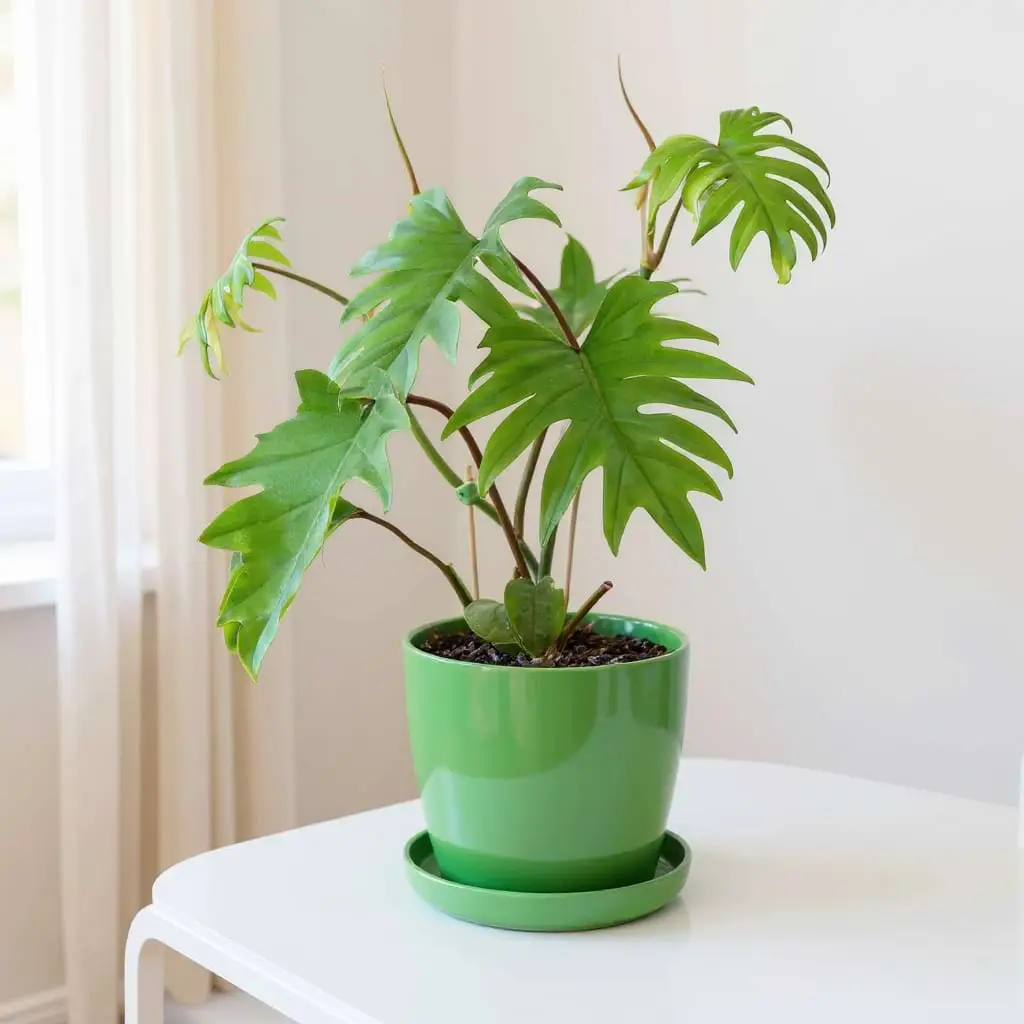
Complete Guide to Philodendron Mayoi Care and Growth
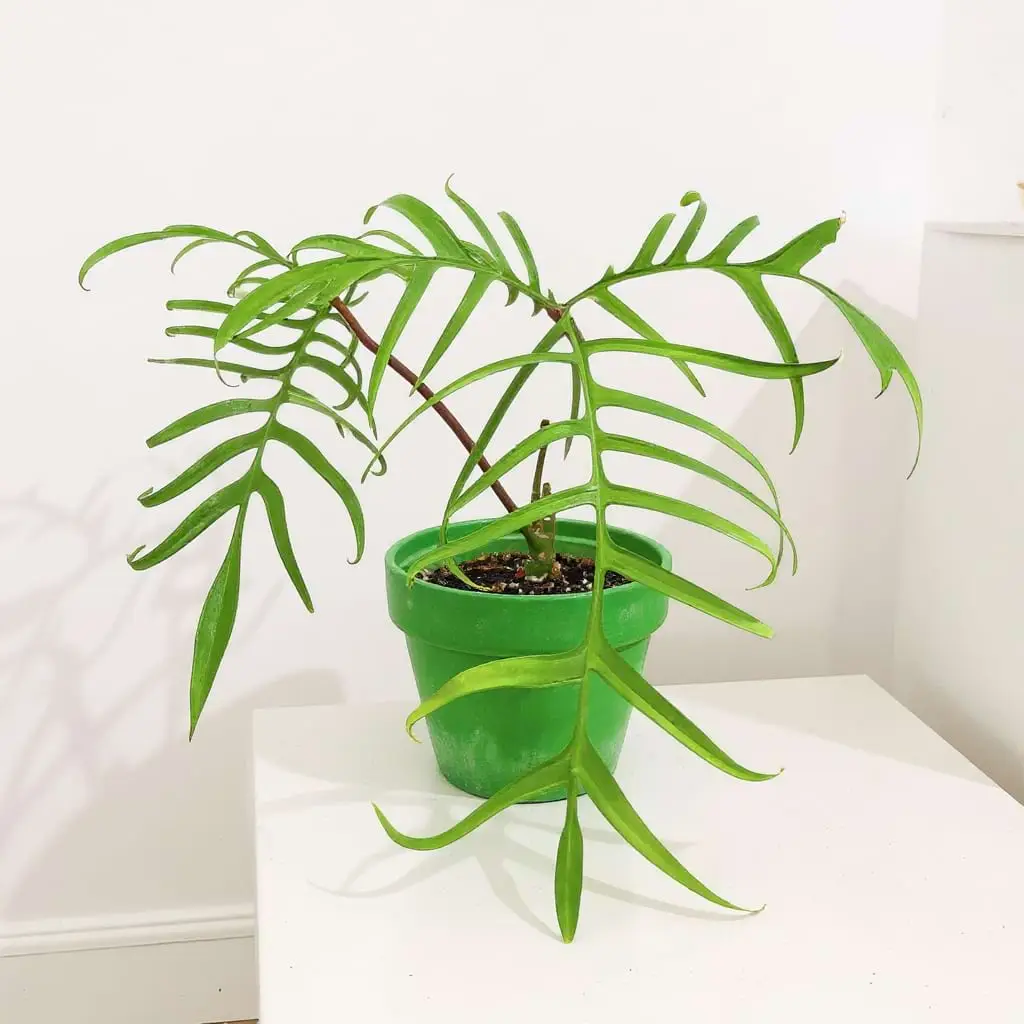
Complete Guide to Philodendron Polypodioides Care and Growth
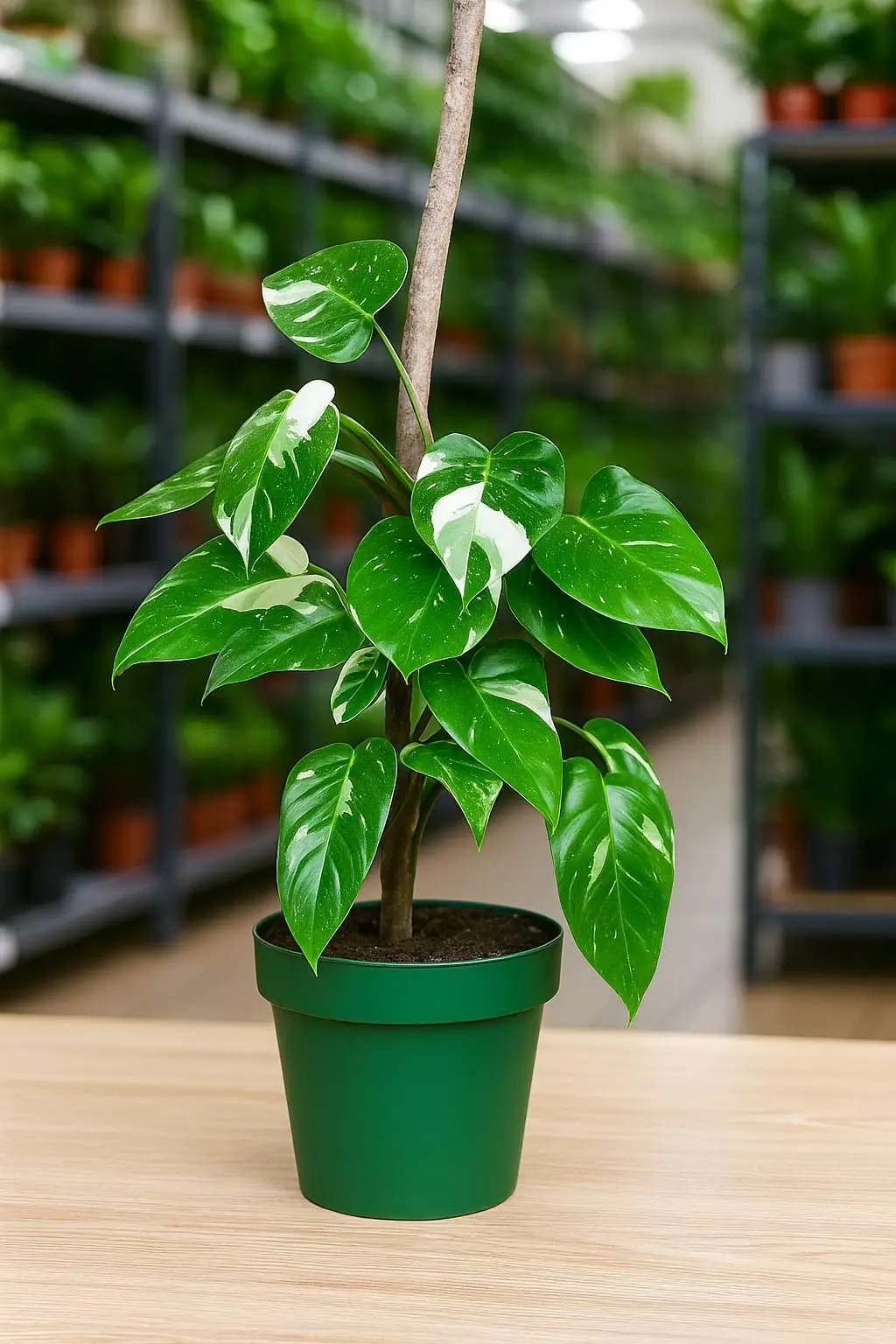
Complete Guide to Philodendron White Princess Care and Growth
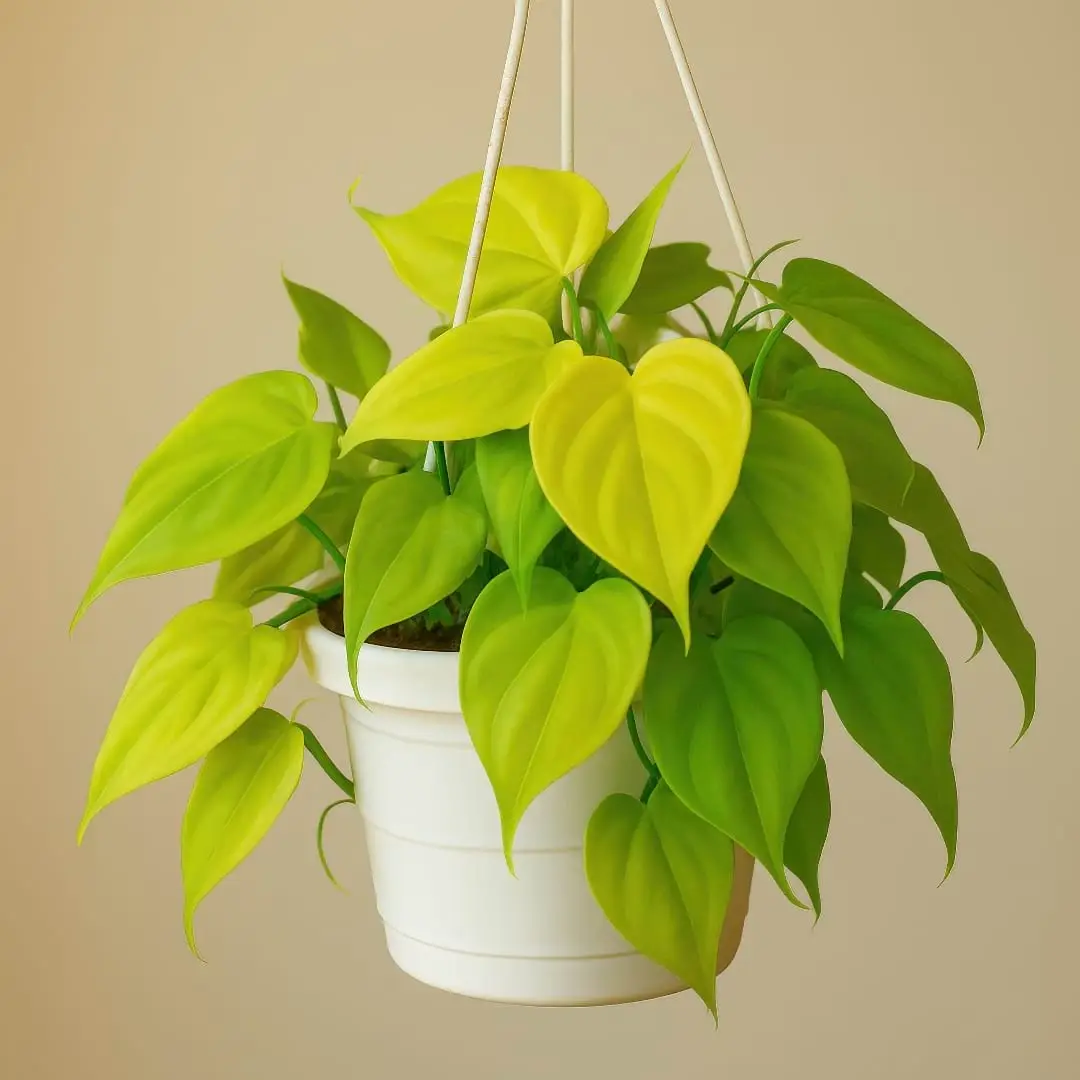
Complete Guide To Lemon Lime Philodendron Care and Growth

Houseplant101 Forum
Questions & Comments
Ask a question, share your plant experience, or help other plant owners.
Comments are temporarily unavailable.
Open the Houseplant101 ForumNo comments yet
Be the first to ask a question or share your experience about this page.
Log in or create an account
Comments use your Houseplant101 Forum account, but you can stay on this page.
Create a new account