
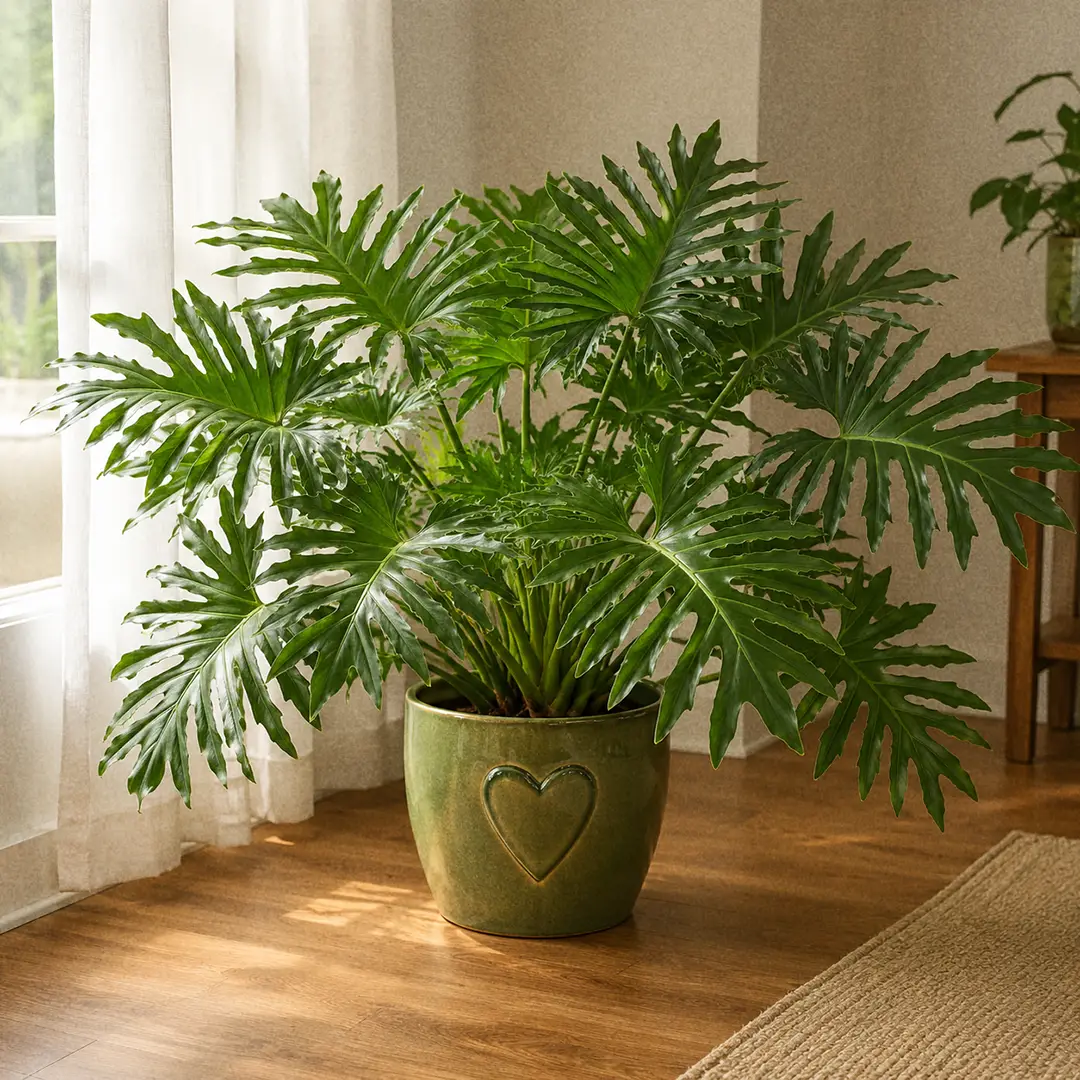
Hope Selloum
Thaumatophyllum bipinnatifidum 'Hope'
Philodendron Hope, Hope Philodendron, Dwarf Tree Philodendron, Lacy Tree Philodendron, Philodendron Selloum Hope, Split-Leaf Philodendron Hope


The Hope Selloum is the apartment-friendly version of the giant Tree Philodendron, with deeply lobed tropical leaves on a compact rosette that stays under four feet indoors. A forgiving, fast-growing aroid that brings rainforest drama to almost any bright corner.
📝 Hope Selloum Care Notes
🌿 Care Instructions
⚠️ Common Pests
📊 Growth Information
🪴 In This Guide 🪴

☀️ Hope Selloum Light Requirements
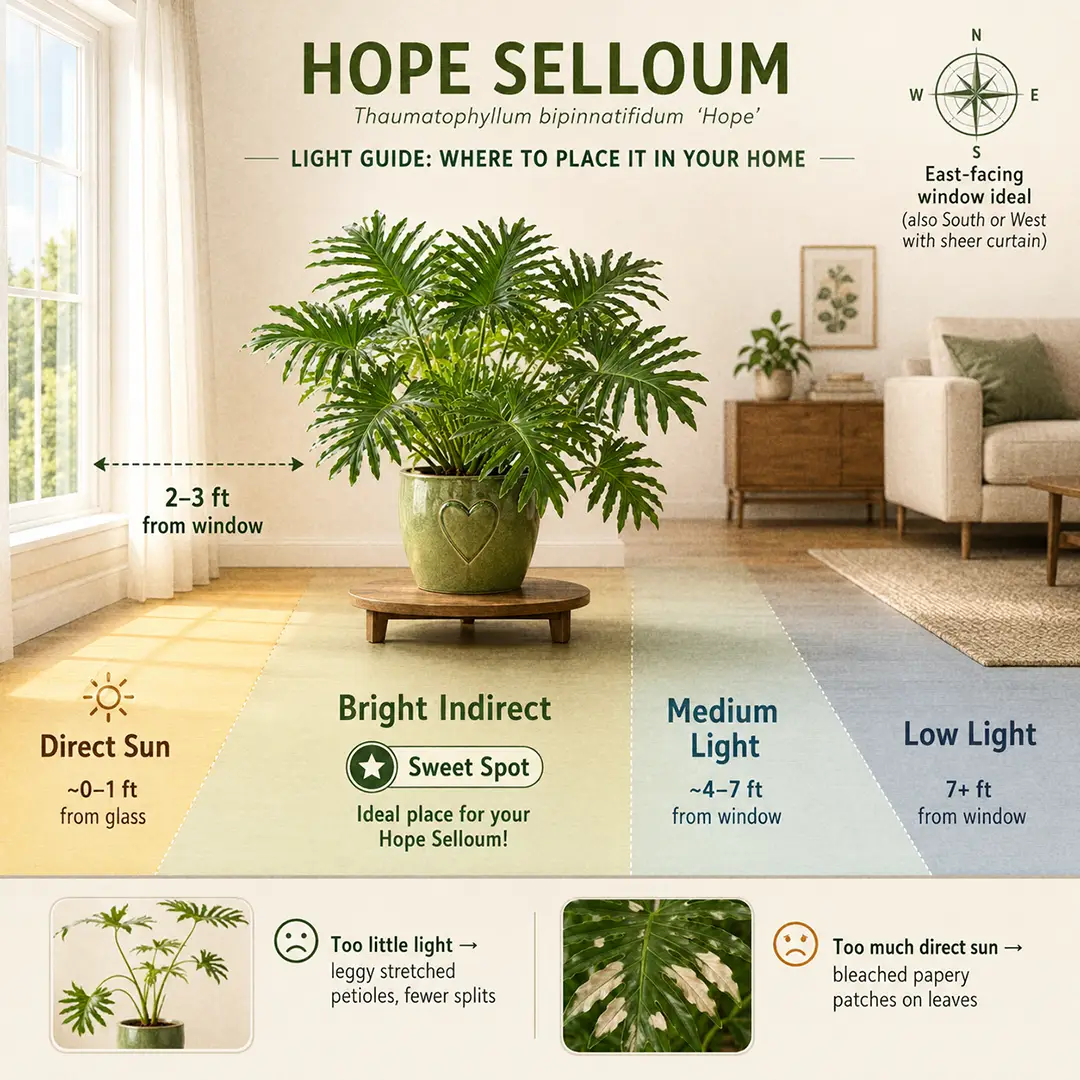
Light shapes the entire personality of this plant. Bright light builds tight rosettes with deeply cut leaves on short, sturdy petioles. Low light produces a stretched, floppy plant with smaller, less divided leaves.
The Sweet Spot
Bright indirect light for at least six to eight hours a day. A spot two to four feet back from an east-facing window is ideal. South or west works too with a sheer curtain. Unlike thinner-leafed aroids, the Hope enjoys an hour or two of gentle morning sun, which deepens the green.
Too Little Light
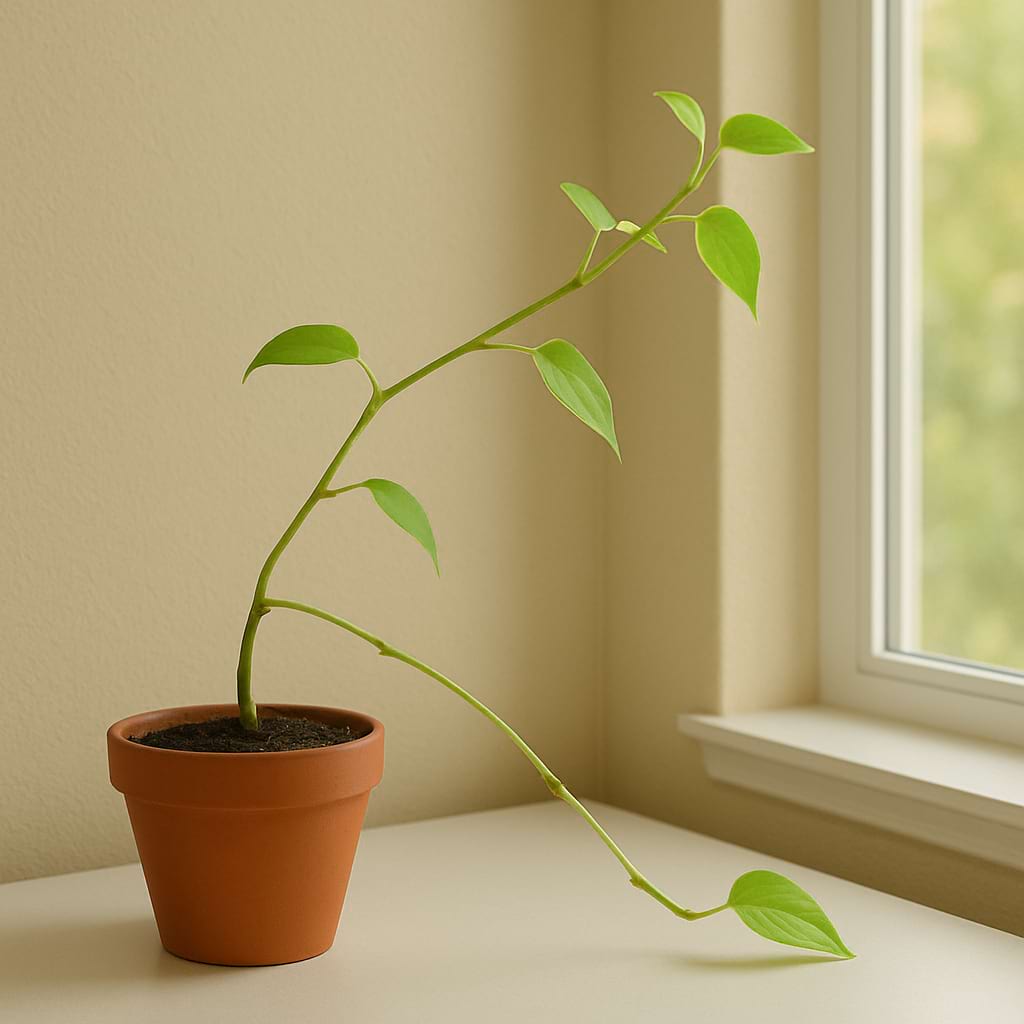
Petioles stretch long and thin, the rosette flops outward, and new leaves come in smaller and less divided. You may go months without a fresh leaf. If your plant is leaning toward the brightest part of the room, that's a clear request for more light. Move it closer to a window or add a grow light.
Too Much Light
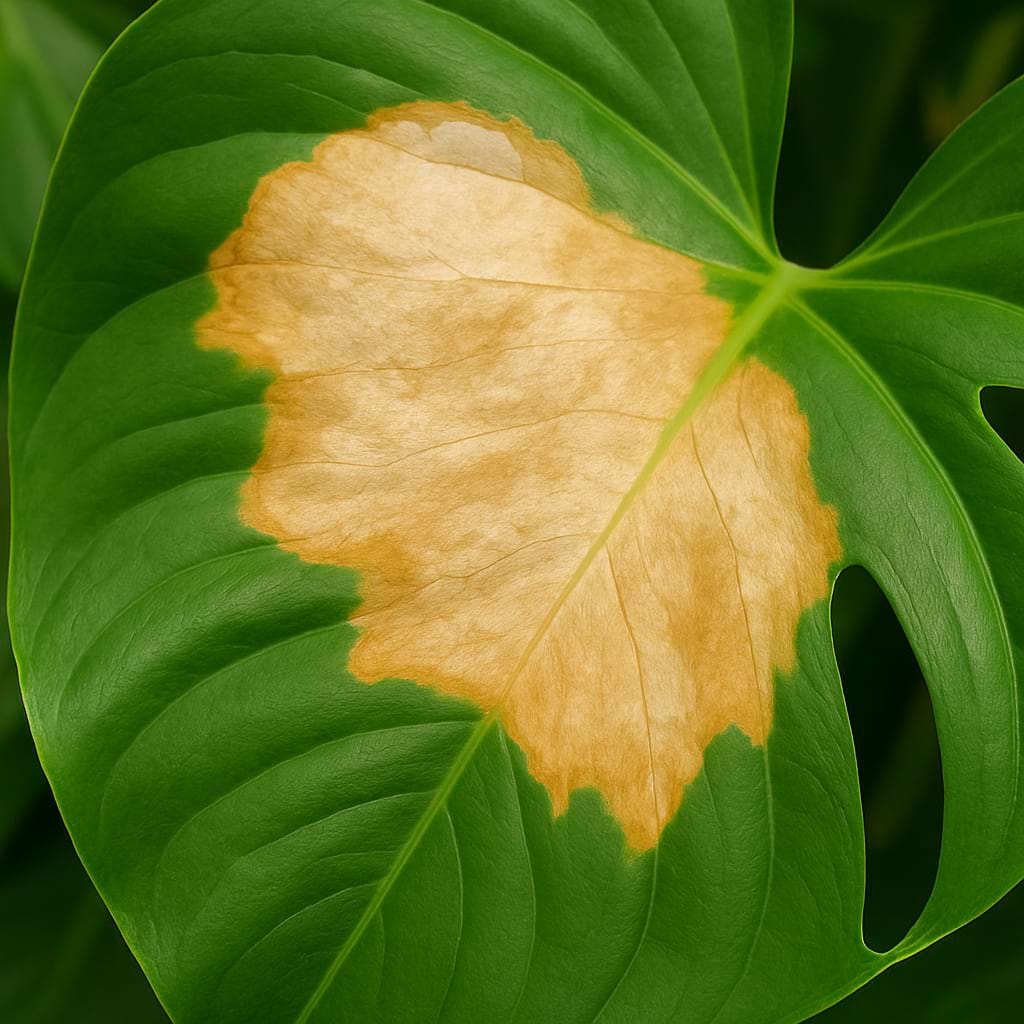
Direct, unfiltered afternoon sun through a south or west window in summer scorches mature leaves. Watch for bleached patches, papery dry sections, and a pale yellow wash from the edges in. Slide the plant a few feet back from the glass or hang a sheer curtain. Damaged leaves don't heal, but new ones come in with proper color once the light is right.
Rule of thumb: a soft, slightly fuzzy hand-shadow on the leaf means the light is right. A hard, crisp shadow means too much sun. No shadow at all means too dim.
💧 Hope Selloum Watering Guide
The Hope likes consistent moisture but absolutely cannot sit in soggy soil. Aroid roots breathe through air pockets in the mix, and waterlogged soil smothers them and invites root rot within a week or two.
How Often
Push a finger two knuckles deep into the soil. If the top inch or two feels dry and the soil below feels lightly damp, it's time to water. In a typical home with bright light, that's every five to ten days in spring and summer, stretching to every two weeks or more in winter. The watering houseplants primer covers the basics.
How to Water
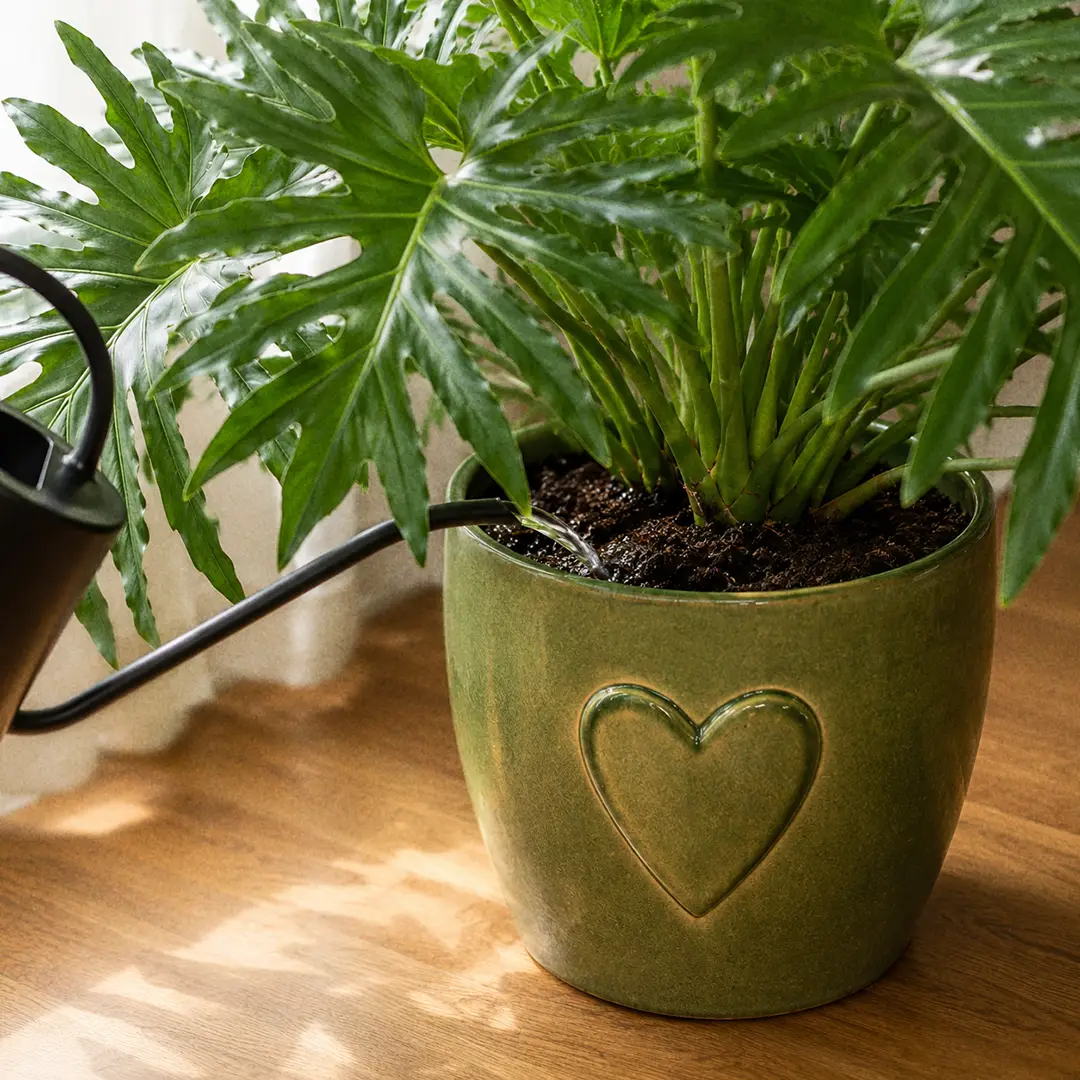
Pour slowly at the soil line until you see water run from the drainage hole. Let it drain fully, then tip out anything that pools in the saucer. The wide rosette can deflect water off broad leaves, so tilt the spout in under the canopy and aim at the soil itself.
Signs of Trouble
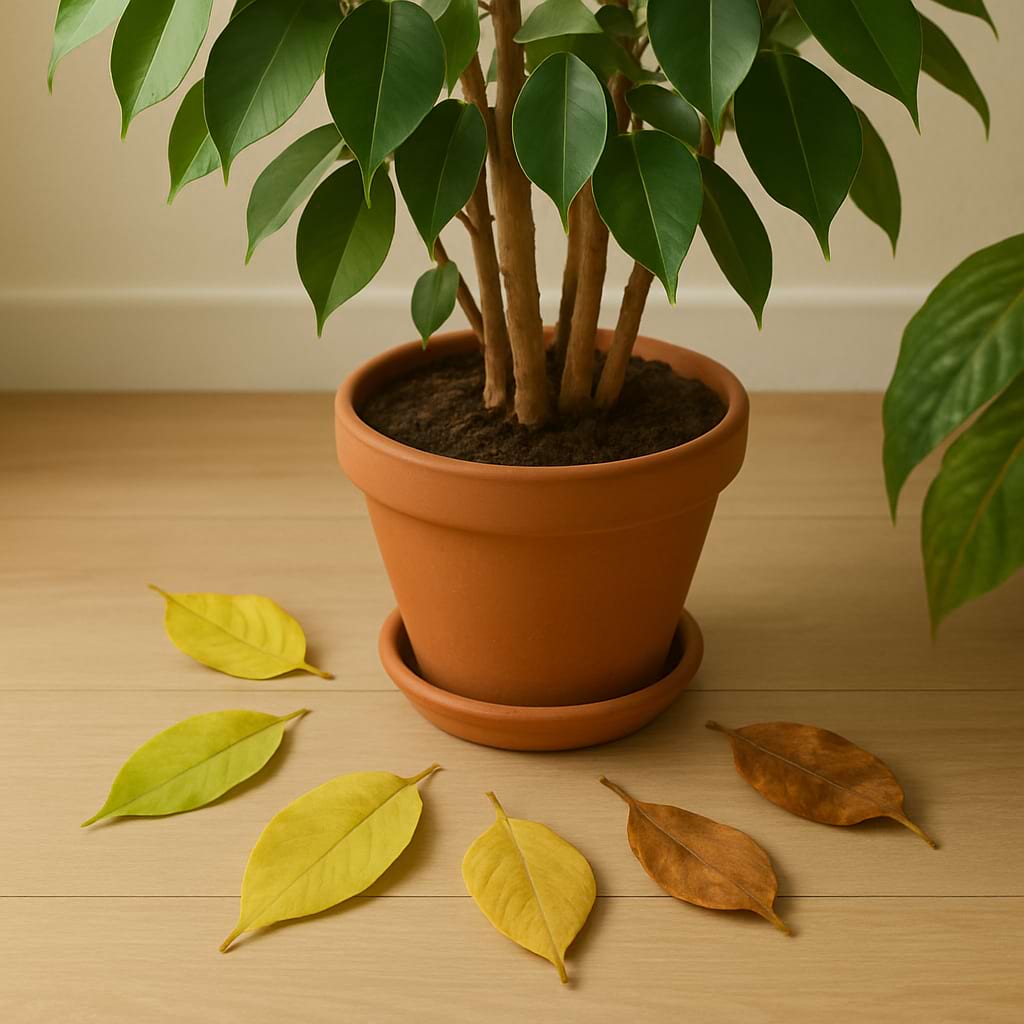
Overwatering: lower leaves turning yellow one after another, a faint sour smell, soft mushy stem sections at the soil line, soil staying wet for more than seven to ten days, petioles flopping outward, algae or mold on the surface.
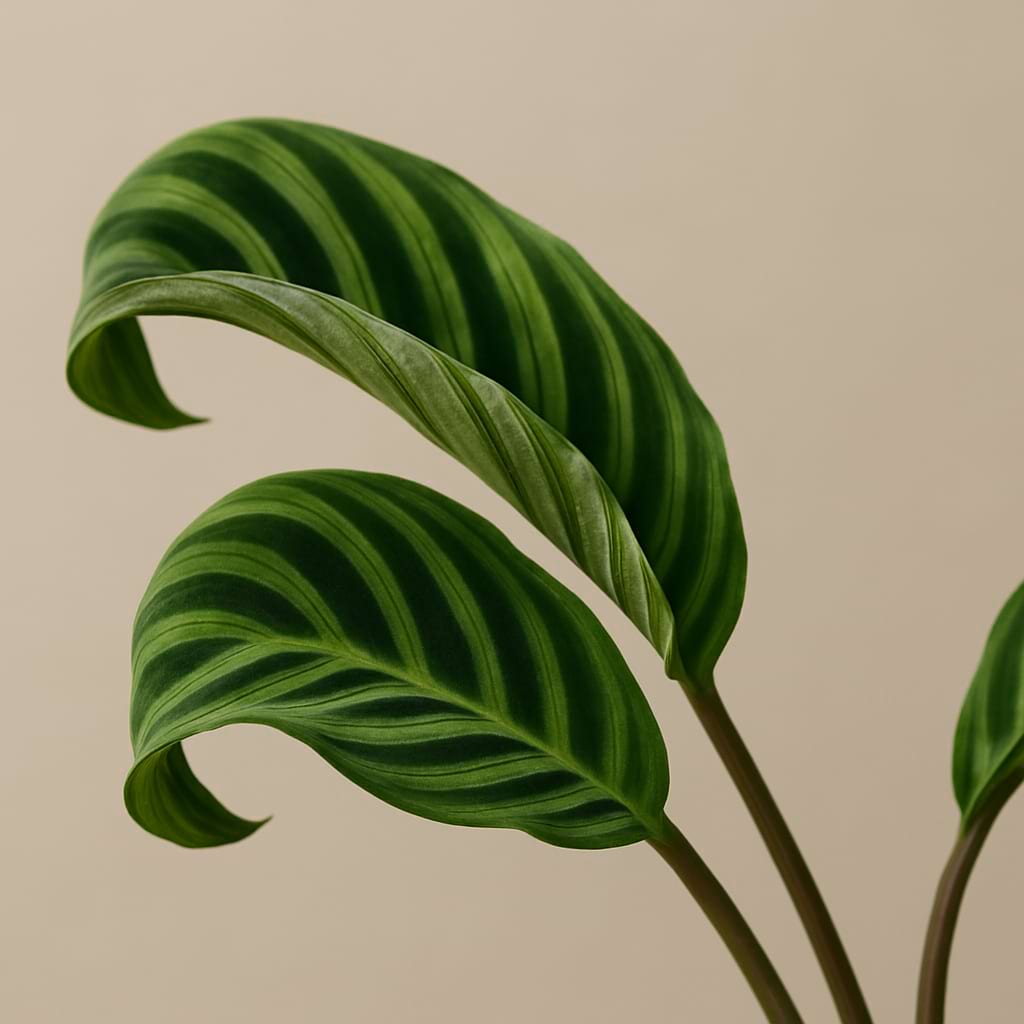
Underwatering: whole leaves drooping and folding inward, crispy brown edges, soil pulling away from the pot sides, new leaves stalling halfway through unfurling, dulling petioles.
If the soil has gone bone dry and is repelling water from the top, bottom watering is the fastest way to rehydrate. Twenty to thirty minutes in a basin of room-temperature water, then drain.
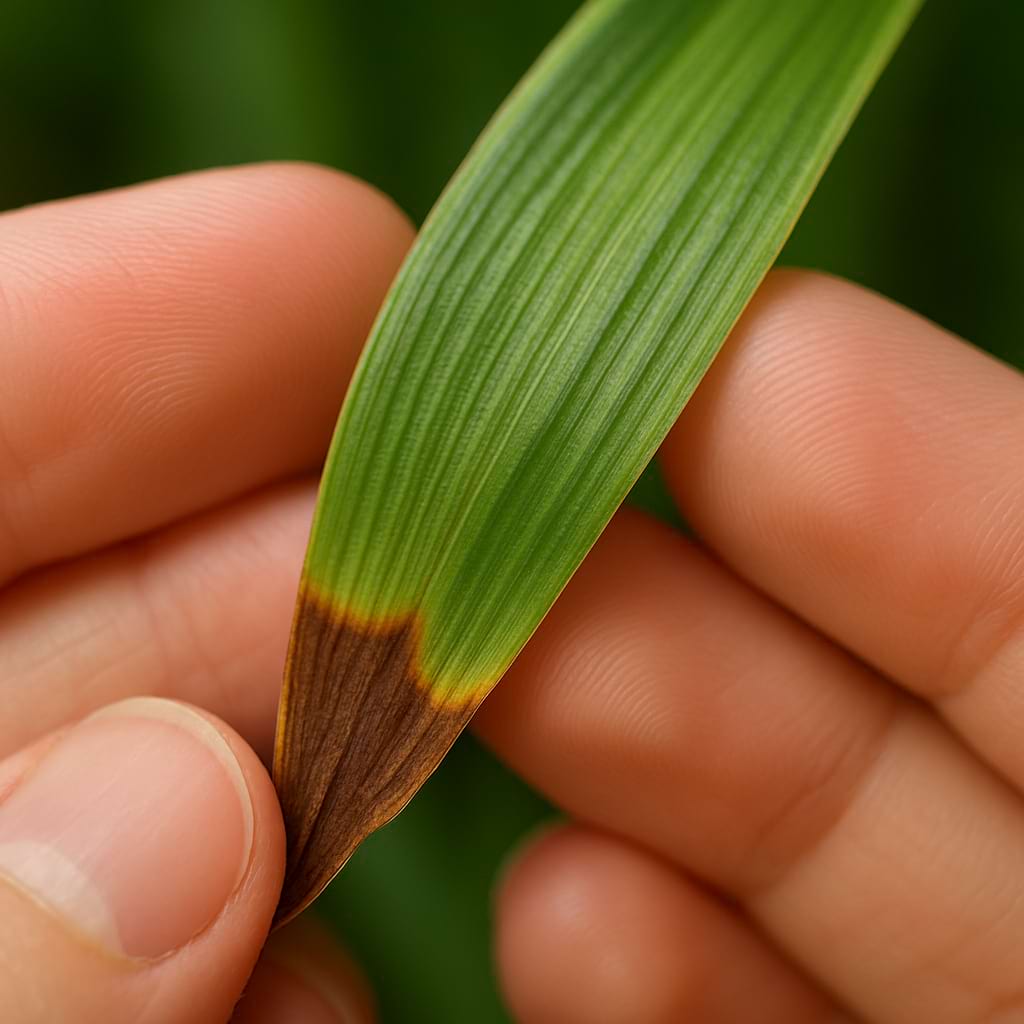
The Hope is not as fussy as a Calathea about water quality, but heavily chlorinated or hard water can cause brown tips over time. Leave a watering can out overnight or use filtered water if your tap runs rough.
🪴 Best Soil for Hope Selloum
What the Soil Needs
Standard bagged potting soil is too dense. It packs down, holds water too long, and starves the roots. The Hope wants a chunky, fast-draining mix.
A Simple DIY Aroid Mix
- 2 parts quality indoor potting soil
- 1 part orchid bark (medium grade)
- 1 part perlite or pumice
- 1/2 part horticultural charcoal
- 1/2 part worm castings or finished compost
Squeeze a fistful: it should hold together loosely, then crumble when you nudge it. Too clumpy means add more bark and perlite. Falls apart means add more soil. The soil for houseplants guide goes deeper.
Pre-Made Options
If DIY isn't your style, look for a bag labeled "aroid mix" or "monstera and philodendron mix." Avoid "moisture control" or "African violet mix," both far too wet for this plant. Cactus mix alone is too dry, but you can blend a third of it into a regular bag in a pinch.
Drainage is the single biggest soil decision for this plant. Get it right and most other care problems take care of themselves.
🍼 Fertilizing Hope Selloum
When and How Often
Big leaves cost the plant a lot of energy. The Hope is a moderately hungry plant, especially in its first few seasons indoors when it's still building out its rosette.
Feed every three to four weeks during the active growing season (roughly March through September). Stop completely from late fall through winter.
What to Use
A balanced liquid houseplant fertilizer with an NPK around 3-1-2, 10-10-10, or 20-20-20 works well. Always dilute to half the label dose. Aroids are sensitive to salt buildup. See fertilizing houseplants for the why.
If you prefer slow-release, a scoop of granular aroid food worked into the top inch in early spring feeds for several months. I still top that up with a diluted liquid feed every six weeks.
Reading the Plant
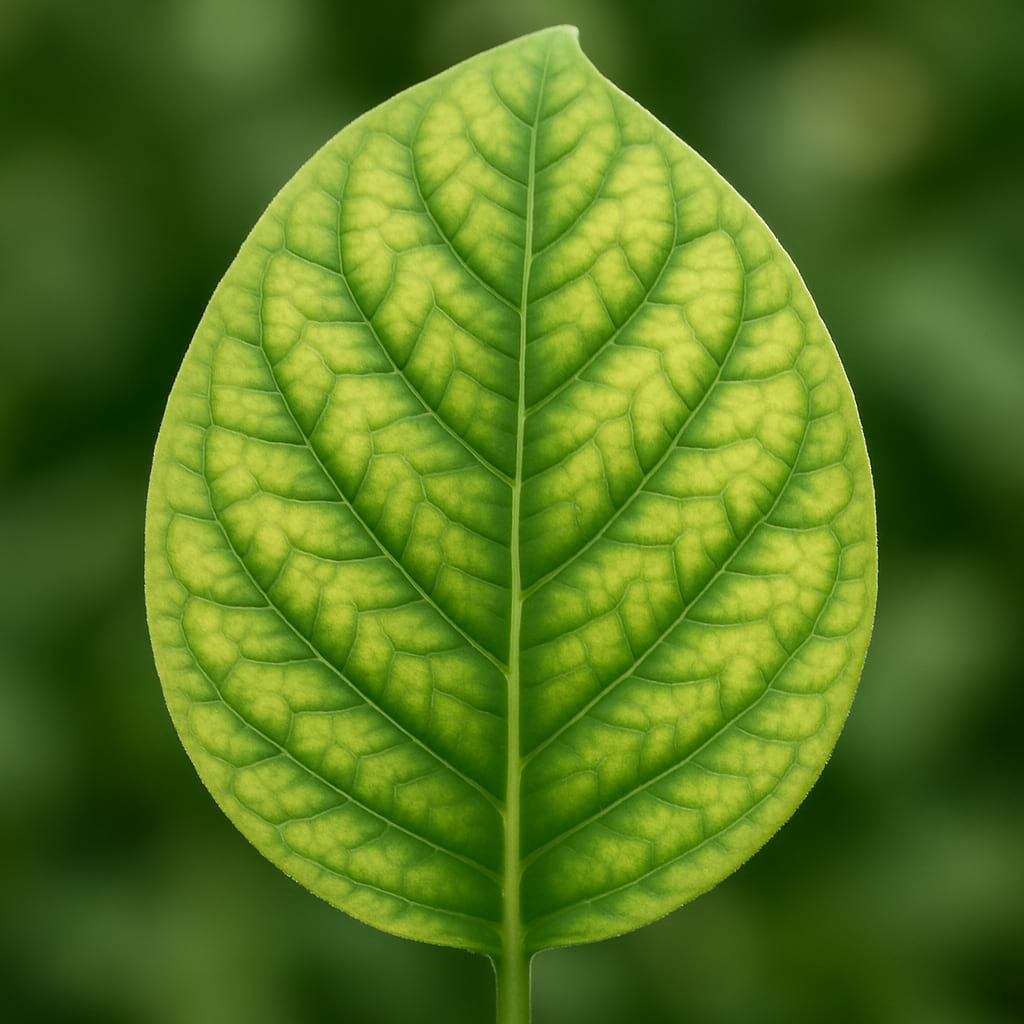
Deeply lobed new leaves close in size to older ones means feeding is on point. Smaller leaves with shallower lobes: bump up frequency or strength slightly. Brown tips with a white crust on the soil: too much fertilizer. Flush the pot with plain water until it runs clear and skip a feeding cycle. Pale stripes between veins on older leaves: try a monthly half-strength feed with micronutrients.
A well-fed Hope produces noticeably bigger, more deeply cut leaves in its second and third growing season. The patience pays off.
🌡️ Hope Selloum Temperature Range
Ideal Range
A tropical plant. The sweet spot is between 65 and 85°F (18-29°C), where most homes already live year-round. The Hope dislikes sudden swings.
Drafts and Heat Sources
Avoid cold drafts from leaky windows, hot blasts from heating vents, AC blowing directly on leaves, and anything below 55°F (13°C). Sustained exposure under 50°F can be fatal.
Seasonal Tips
Move the plant a step back from cold windows in winter. If you summer it outside (a shaded patio is ideal), bring it back in before nights regularly fall under 60°F. A quick wipe-down and pest inspection on the way back inside saves a lot of trouble later. In hot summer rooms, 90°F is fine as long as humidity doesn't crash and the soil doesn't go bone dry.
💦 Hope Selloum Humidity Requirements
Ideal Humidity
The Hope enjoys moisture in the air but doesn't demand it the way a Calathea Orbifolia would. One of the more forgiving big-leaf aroids on the humidity front.
- Ideal: 50 to 60 percent
- Tolerable: 40 percent
- Trouble below: 30 percent (crispy edges, stalled growth)
Easy Boosters
To boost it: run a small humidifier for a few hours a day, group the Hope with other tropical plants, set the pot on a tray of pebbles and water (pot on pebbles, not in water), or move it to a brighter bathroom. See humidity for houseplants for more. Misting offers only a brief boost and can invite fungal spots if leaves stay wet overnight, so mist in the morning or skip it.
🌸 Hope Selloum Flowers (Rare Indoors)
Why It Rarely Blooms Indoors
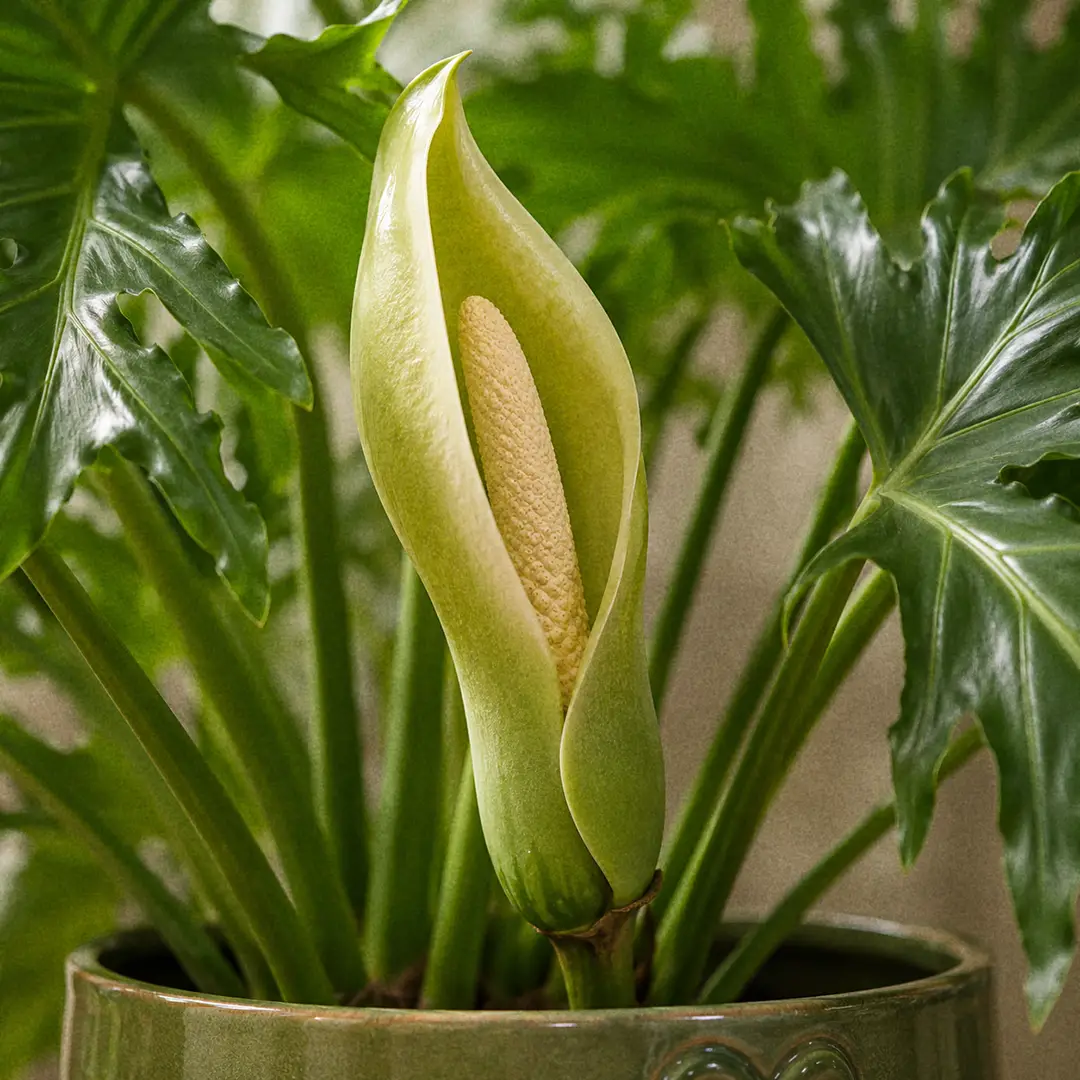
This plant is grown for its leaves. A mature outdoor Thaumatophyllum bipinnatifidum can produce the classic aroid inflorescence: a thick cream-green spathe wrapping a pale spadix. Indoors, on a 'Hope', it's genuinely rare.
What to Do If It Blooms
If yours blooms, treat it as a curiosity. The flower drains energy from the plant for a modest visual reward. Most growers either enjoy it as-is or snip it to redirect energy into more big lobed leaves. Either choice is fine.
A Fun Fact
In their native habitat, these flowers are slightly thermogenic, meaning the spadix actually heats up to attract pollinating beetles. You won't notice it on a houseplant, but it's a remarkable bit of biology.
🏷️ Hope Selloum Types and Varieties
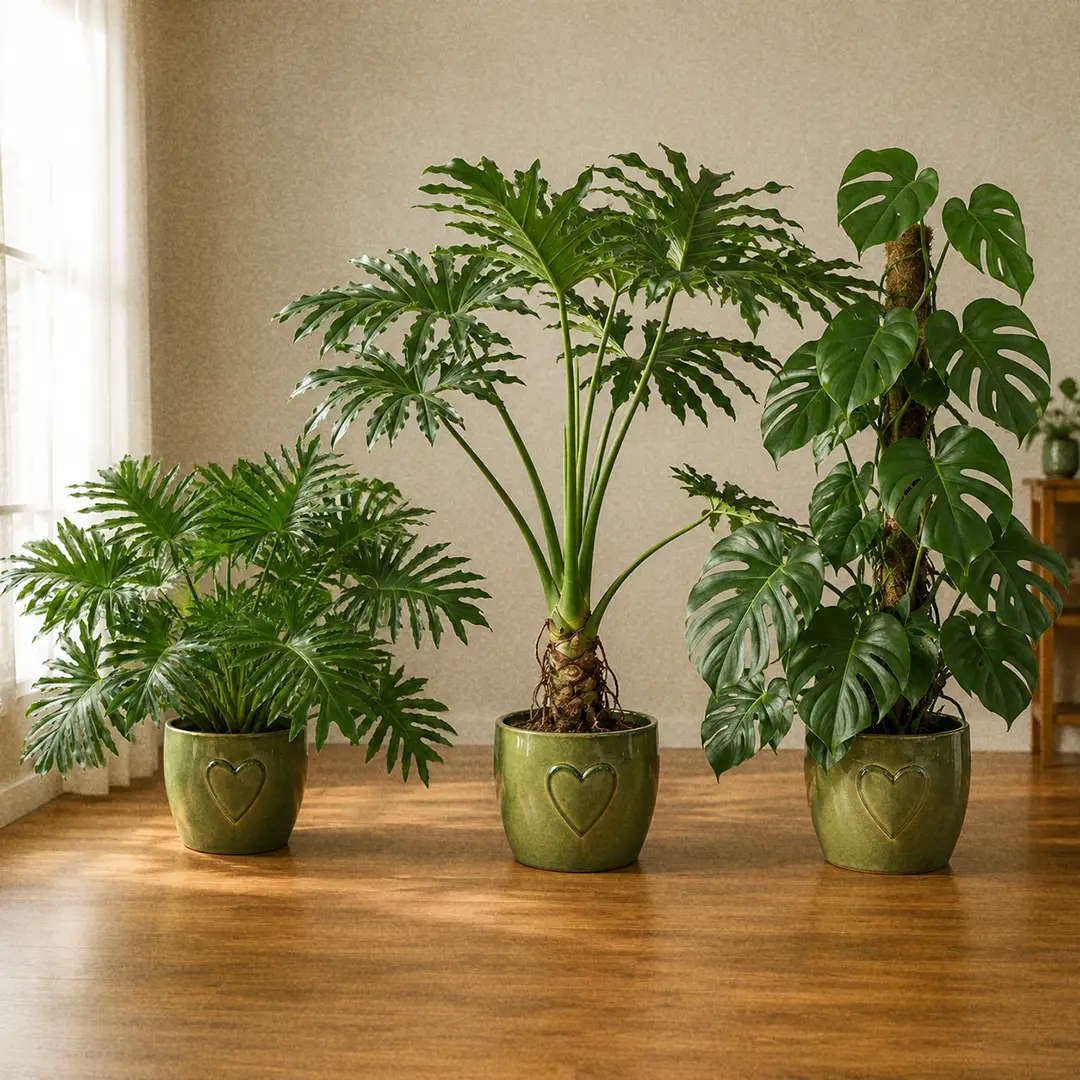
The Hope is a named compact cultivar of Thaumatophyllum bipinnatifidum. No further sub-varieties. The confusion is with similar-looking split-leaf aroids.
Hope vs. Tree Philodendron
Same species; Tree Philodendron is the giant six- to fifteen-foot version with a woody trunk. Hope gives you the same leaf shape permanently smaller.
Hope vs. Xanadu
Closest cousin and most common mix-up. Xanadu has smaller, rounder, less deeply lobed leaves with a horizontal habit. Hope reads bold; Xanadu reads tidier.
Hope vs. Monstera
Monstera Deliciosa leaves develop internal holes (fenestrations) plus edge splits. Hope leaves split only from the edge inward. Monstera climbs; Hope is a grounded rosette. Mini Monstera is a fast-vining climber. If it trails or climbs, it's not a Hope.
When buying, check for short sturdy petioles and a tight clump. Long petioles and a leggy plant means under-lit or mislabeled.
🪴 Potting and Repotting
The Hope grows faster than most self-heading Philodendrons and likes a roomy but not oversized pot.
When to Repot
Every two to three years, or when you see roots circling the root ball, roots growing out of drainage holes, water running straight through with no absorption, the rosette tipping over, or a slowdown in new leaves despite good care.
Choose a Wide, Low Pot
The Hope spreads outward more than upward. A wide low planter supports it better than a tall narrow one. New pot only one to two inches wider than the current one. Drainage holes are non-negotiable.
How to Repot
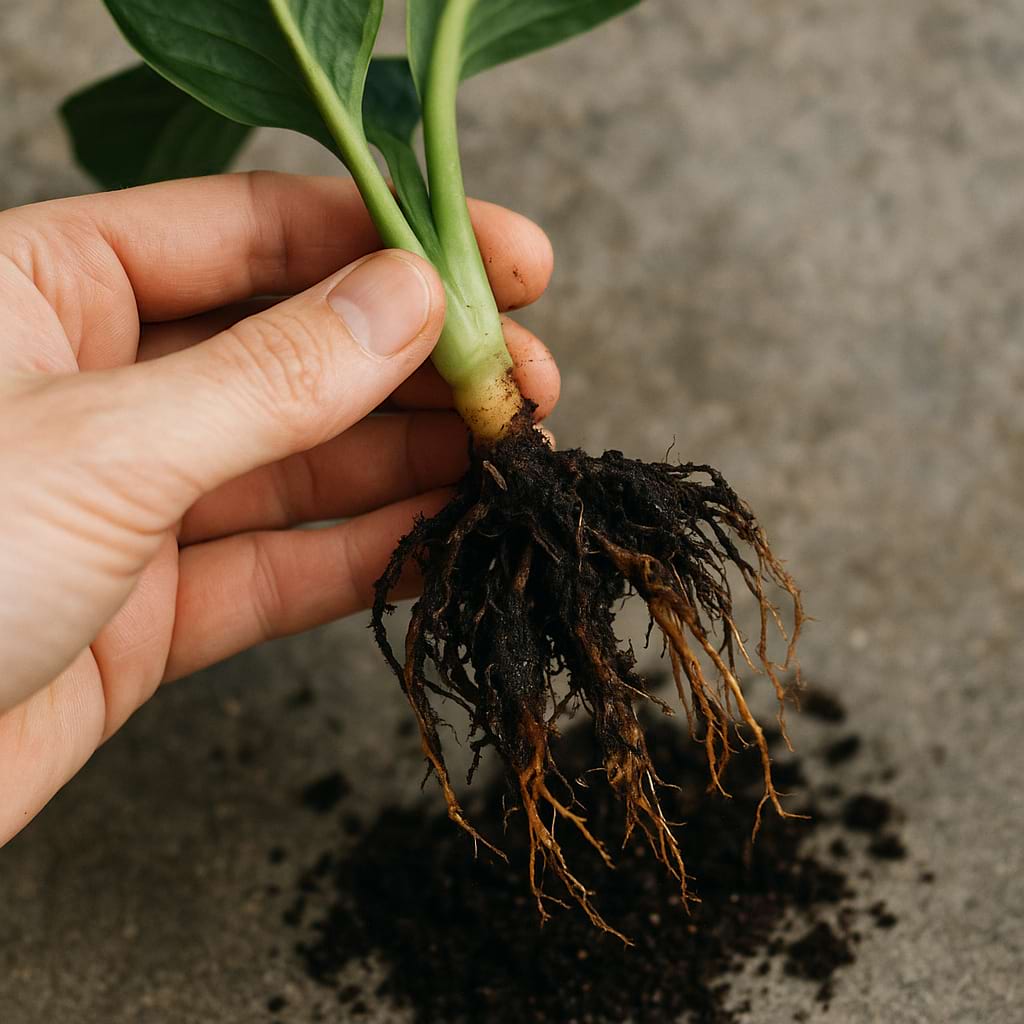
Water lightly the day before so the root ball holds together. Fill the bottom inch with fresh chunky aroid mix. Slide the plant out, loosen the outer roots, and trim any mushy, brown, or hollow ones. Set the plant in the new pot at the same depth (don't bury the crown). Backfill, tapping to settle. Water thoroughly and return to bright indirect light.
See repotting houseplants for general principles. Skip fertilizing for at least four weeks after a repot.
Terracotta dries faster (good if you tend to overwater); glazed ceramic and plastic hold moisture longer. For larger specimens, a heavy planter stops the plant from tipping under the broad canopy.
✂️ Pruning Hope Selloum
When to Prune
Pruning is cleanup, not shaping. This is a self-heading rosette, not a vine you "train." Snip whenever you spot yellowing, damaged, or fully spent lower leaves.
How to Prune
Cut yellowing or fully spent lower leaves at the petiole base with clean snips. Same for damaged or torn leaves. Trim browned tips with sharp scissors following the natural lobe shape. Leave aerial roots in place; you can tuck them back into the soil if they look untidy. Don't top the central growth point. That's where every new leaf comes from.
If a mature Hope crowds a tight corner, selectively remove the lowest oldest outermost leaves. No more than a third of the canopy in a single session, and only during active growth.
Leaf Cleaning
The deeply lobed leaves collect dust quickly. Every couple of weeks, wipe the upper and lower surfaces gently with a soft damp cloth, supporting each leaf with your other hand. Clean leaves photosynthesize better. Skip leaf shine sprays; plain water on a microfiber cloth is all the leaves need.
🌱 How to Propagate Hope Selloum
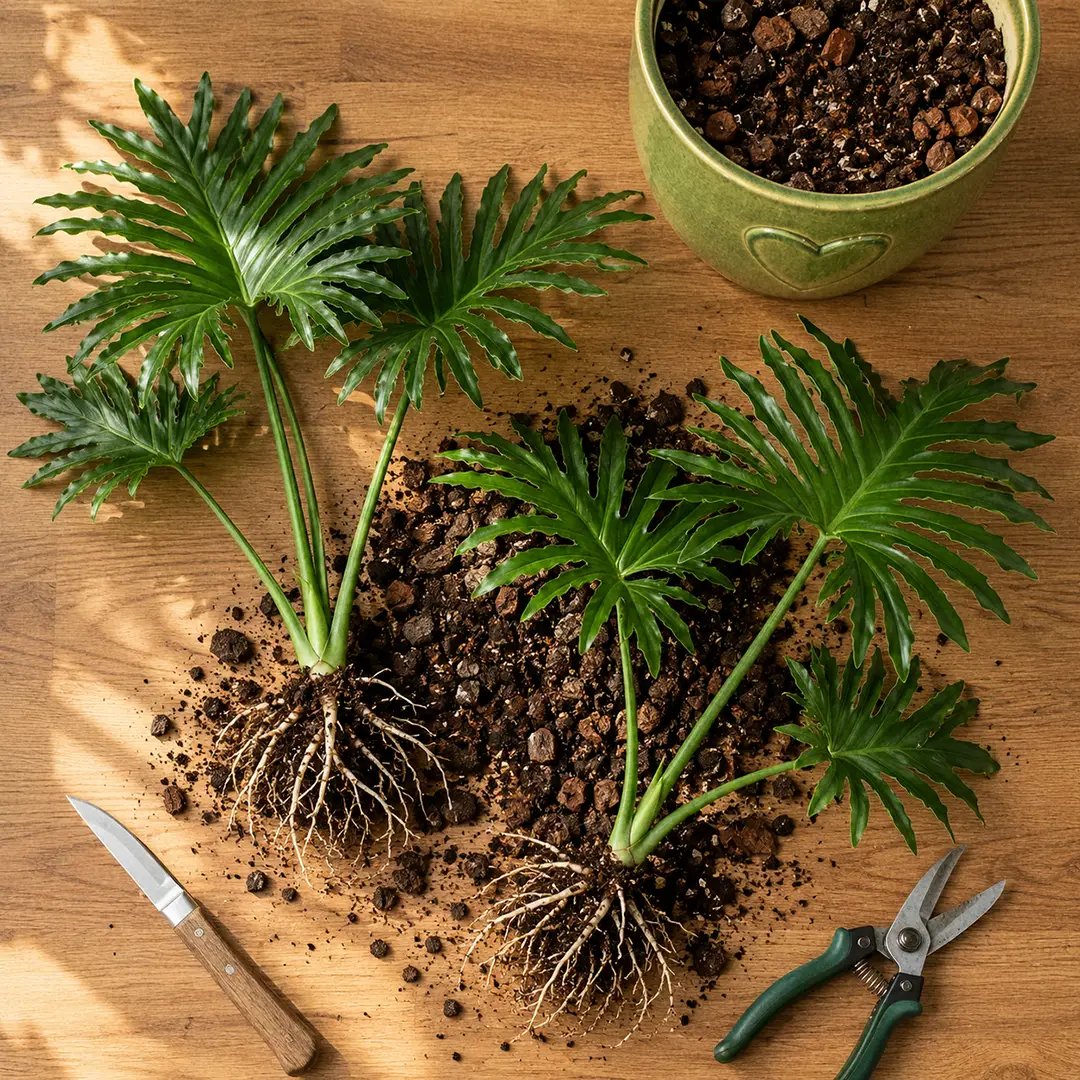
Stem cuttings don't work like they do on a Philodendron Birkin or Pink Princess because the Hope doesn't produce long stems with multiple nodes. Use division or basal offsets.
Division at Repotting (most reliable)
Wait until the plant shows two or more clearly separate crowns. At repotting time, slide the plant out, brush away soil to see how the crowns connect, and find a natural break point. Cut through any connecting tissue with a clean sharp knife. Pot each division in fresh mix at the original depth, water lightly, and place in bright indirect light. Hold off fertilizer for a month. Divisions sulk for two or three weeks, then start pushing fresh leaves. See plant division.
Basal Offsets (Pups)
Healthy mature plants regularly throw pups at the base. Once a pup has three or four leaves and its own attached roots, separate it during a repot.
A very mature Hope eventually develops a thick stem at the base. You can cut a section with a node and aerial root, callus the cut for a day, and root in damp sphagnum. Slow and unreliable. Single-leaf cuttings and top-cutting the crown both fail.
🐛 Hope Selloum Pests
A tough plant, but indoor air is dry and dusty. Inspect new leaves and undersides every couple of weeks. Quarantine new plants for two weeks before placing them next to the Hope. That habit prevents most disasters.
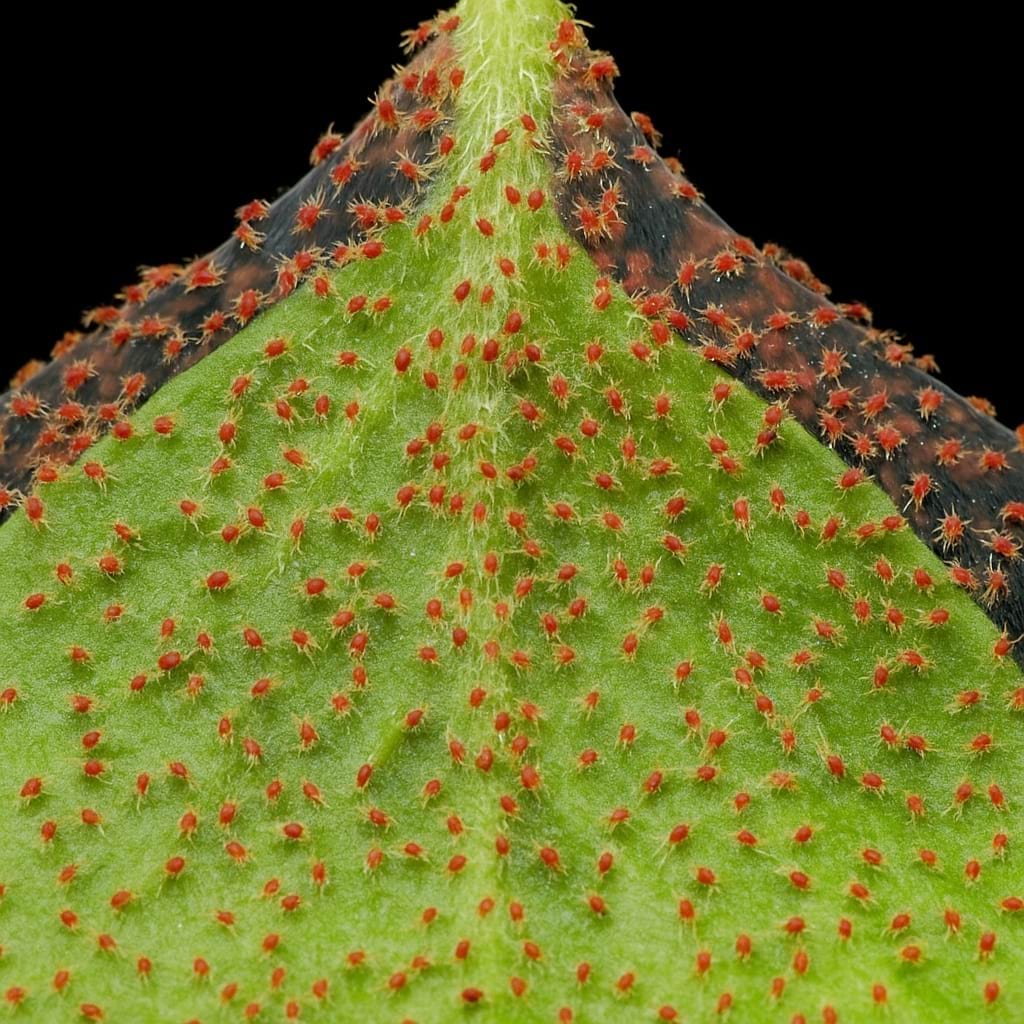
Spider mites are the most common, especially when winter heating dries the air. Fine webbing in leaf joints and stippled dots. Wipe leaves, raise humidity, treat with insecticidal soap or neem weekly until two clean inspections.
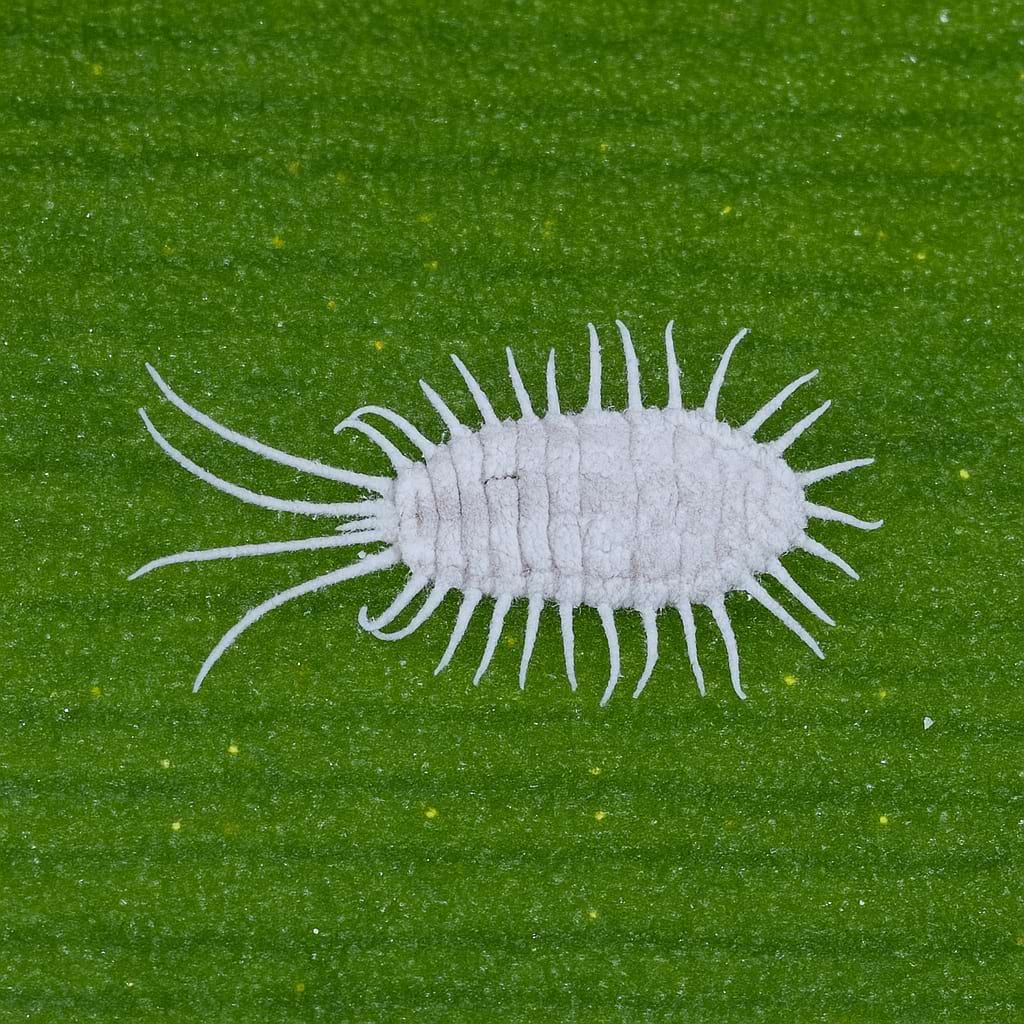
Mealybugs hide in unfurling leaf crevices and along petiole bases. Cottony tufts. Dab each with a cotton swab dipped in 70 percent alcohol, then wipe down. The warm rosette centre is a favorite hideout.
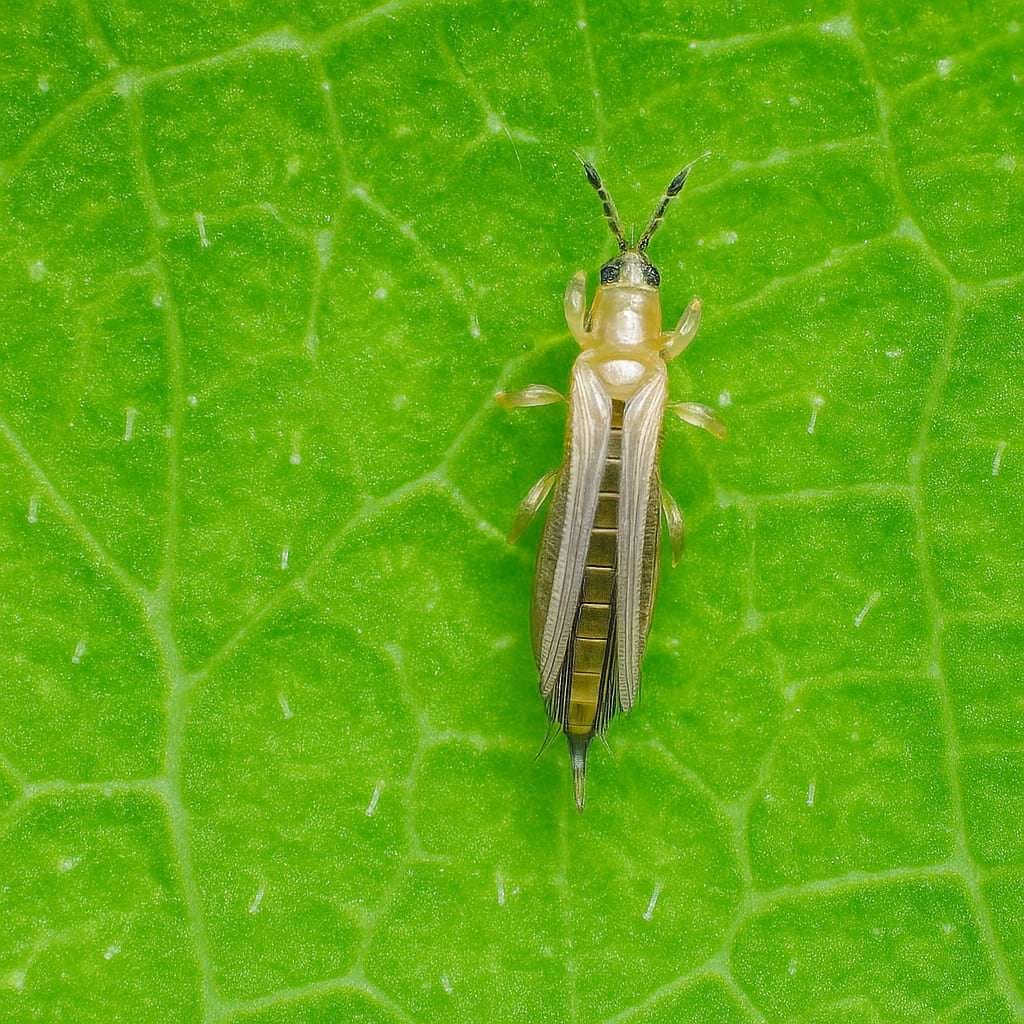
Thrips leave silvery scratches and deform new leaves before they open. Treat aggressively with a whole-plant drench or repeated weekly insecticidal soap, and isolate the plant.
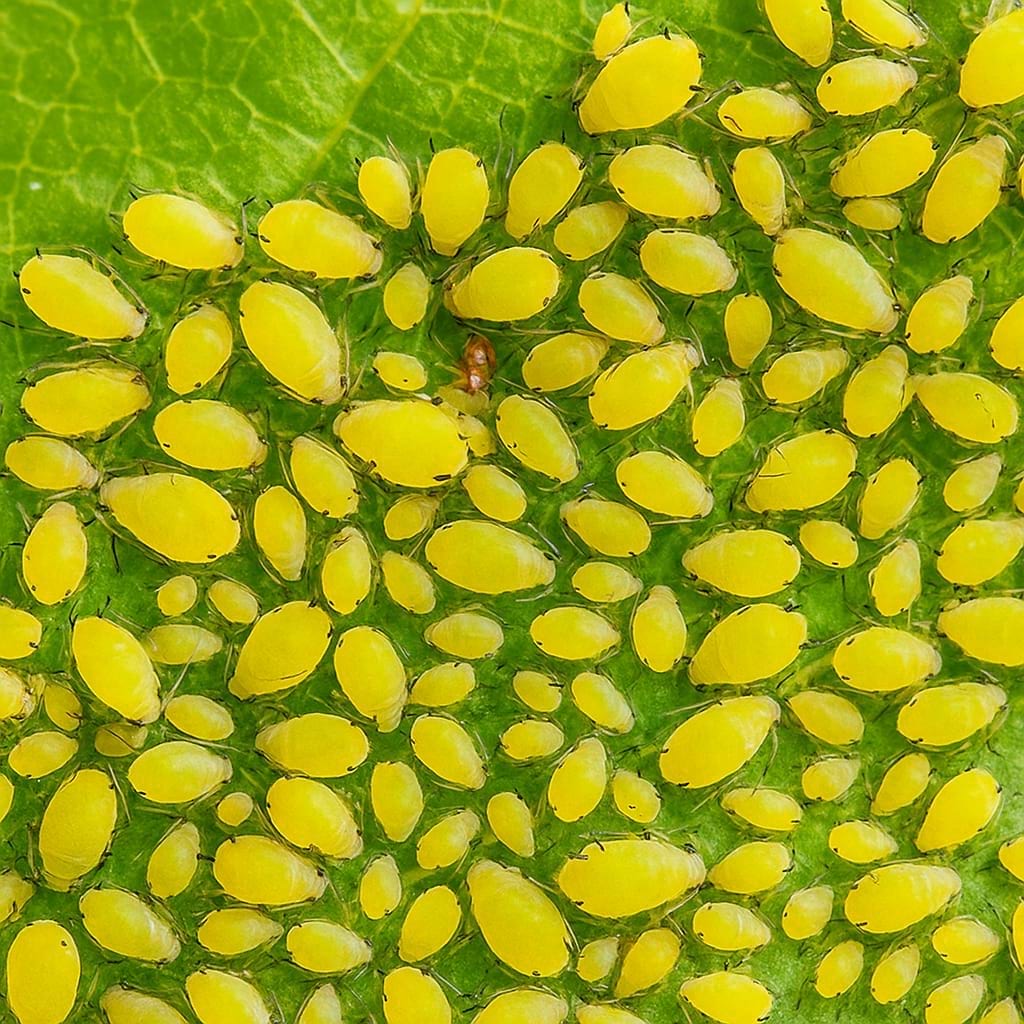
Aphids cluster on the freshest new growth. Rinse off in the sink, follow up with insecticidal soap.
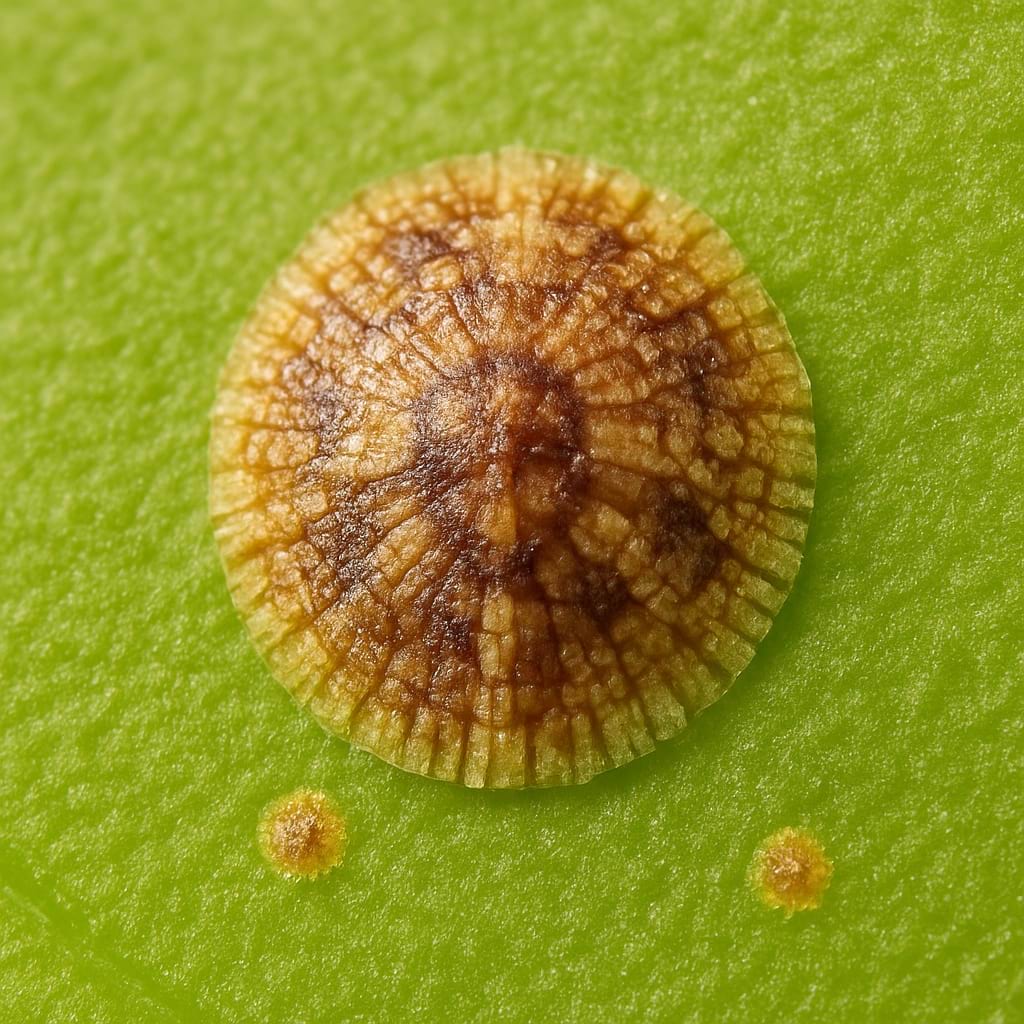
Scale insects appear as small brown bumps on petioles. Scrape off and treat with neem.
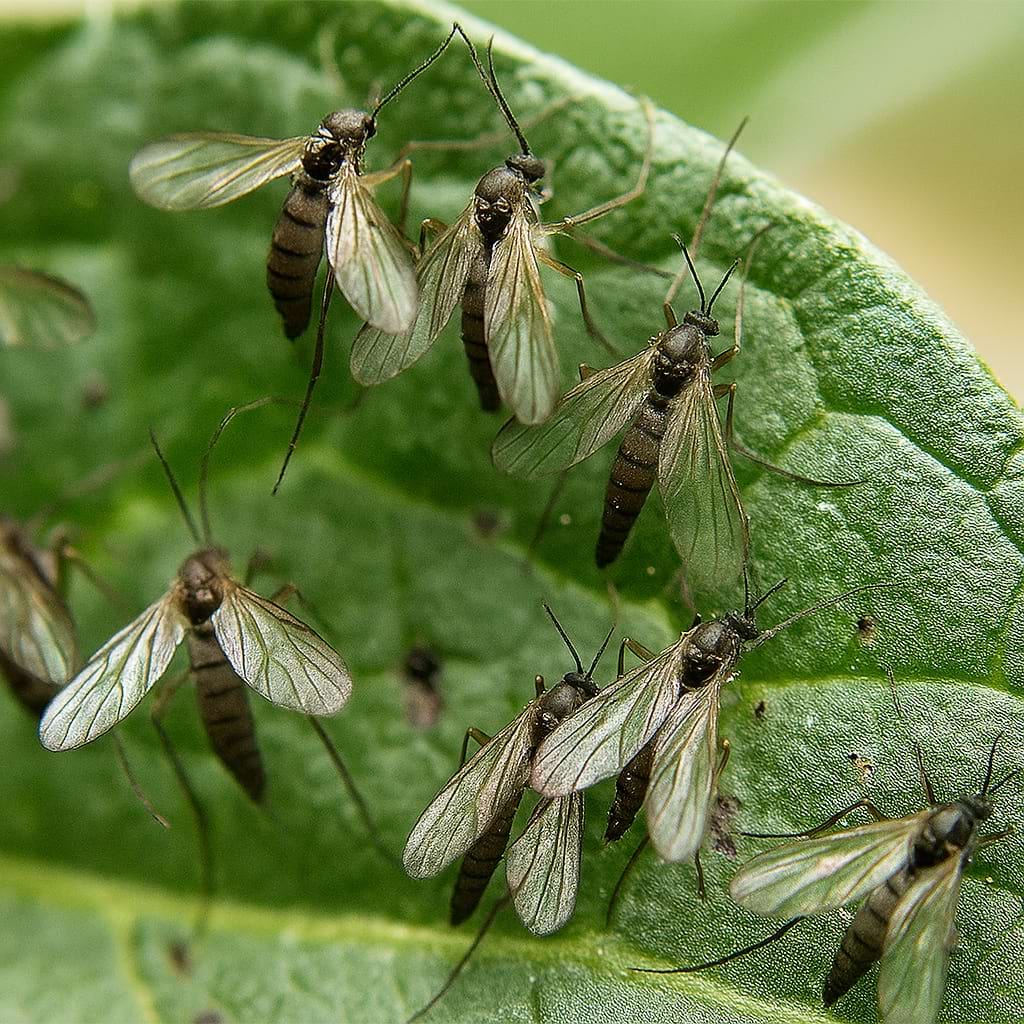
Fungus gnats signal soil staying too wet. Let the top inch dry between waterings, top-dress with sand or fine bark, and use yellow sticky traps.
🩺 Common Hope Selloum Problems
Most issues trace back to watering, light, or air.
Yellowing leaves on the lower tier usually mean overwatering. If the soil is wet a week after watering, you're watering too often or the soil is too dense. The occasional yellow lower leaf on a mature plant is normal aging.
Root rot is the worst-case overwatering. Yellowing with mushy stems and a sour smell means slide the plant out, trim every soft root back to firm white tissue, repot into fresh chunky mix, and hold off fertilizer for a month.
Brown crispy edges point to dry air, inconsistent watering, or salt buildup. Boost humidity, settle into a steady watering rhythm, and flush the pot every couple of months.
Leaf drop over a few days signals shock from a move, draft, light swing, or overwatering. Stabilize conditions and wait. A healthy Hope can lose a third of its canopy and rebuild within a season.
Curling leaves usually mean thirst, but can also signal pests or cold drafts.
Leggy growth (long thin petioles, sparse leaves, flopping rosette) means reach for more light.
Sunburn shows as bleached patches on leaves catching direct afternoon sun. Move back from the glass or add a sheer curtain.
Nutrient deficiency shows as smaller, paler, shallower-lobed leaves. Start a regular half-strength feeding schedule.
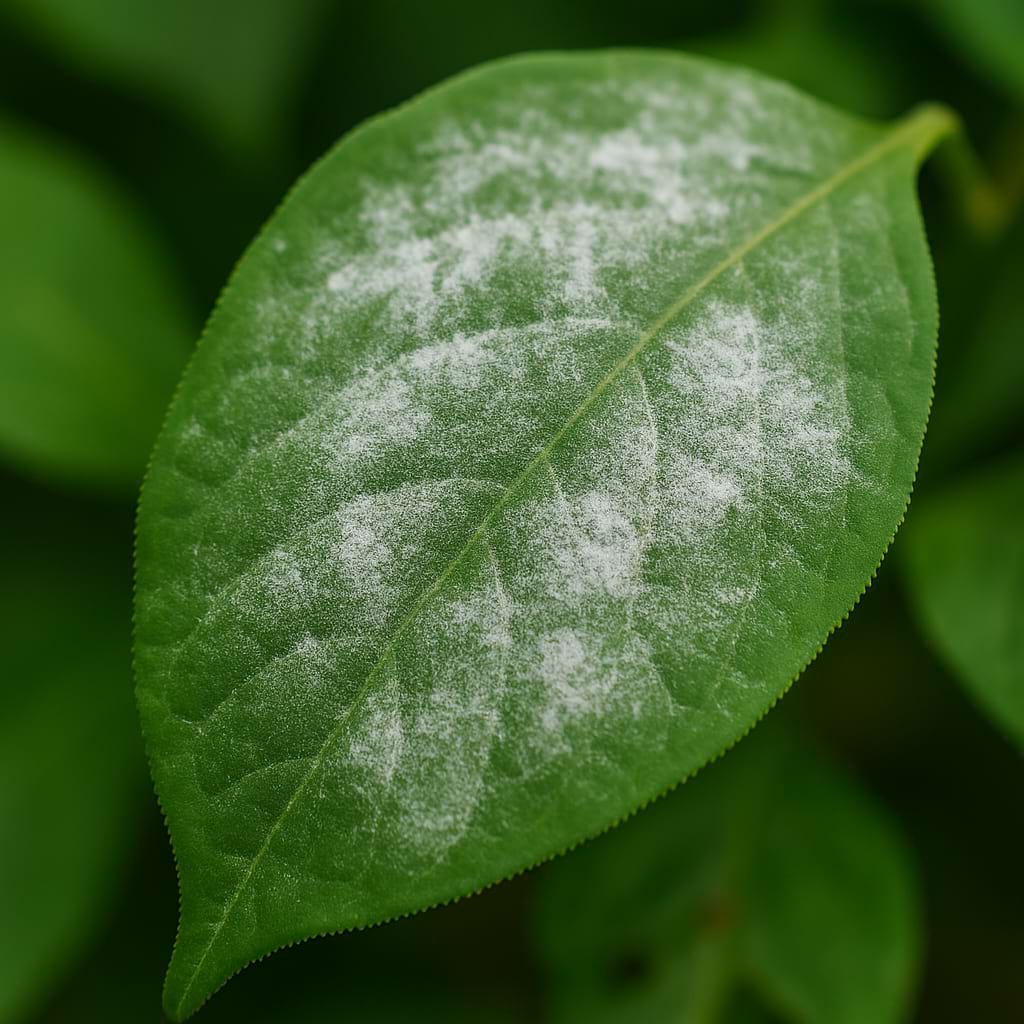
Fungal or bacterial leaf spot shows dark spots ringed with yellow when leaves stay wet overnight. Trim affected leaves, water at the soil only, and improve air circulation.

🖼️ Hope Selloum Display Ideas
Why It Works as a Floor Plant
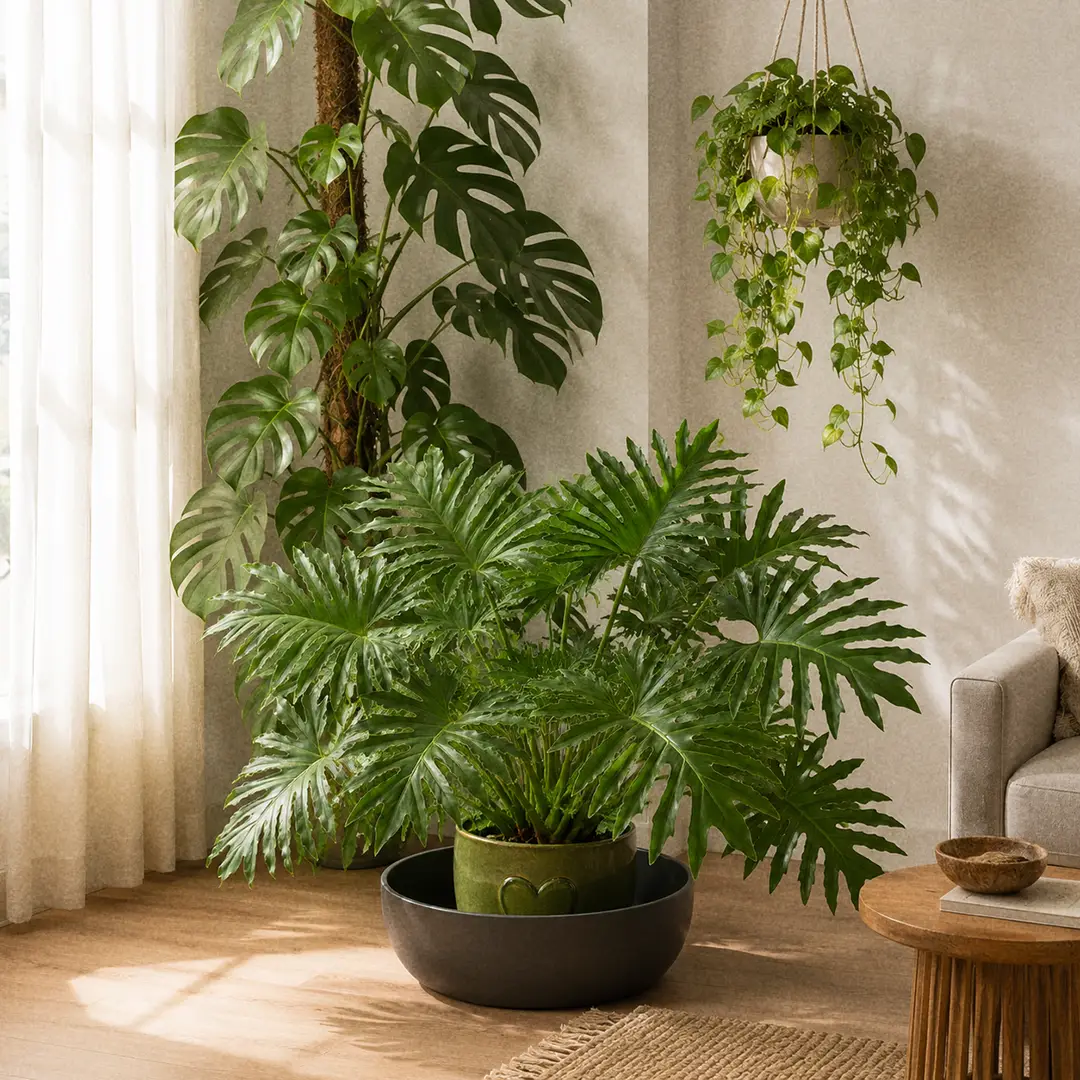
The deeply lobed leaves cast beautiful patterned shadows, fill empty floor space without crowding, and bring a true rainforest feel without demanding the ceiling height of a Bird of Paradise or a tall Fiddle-Leaf Fig.
Pots and Spots
For pots, charcoal or matte black ceramic frames the bright green leaves cleanly. Deep terracotta reads warm and cozy. Pale gray and concrete keep it modern. Wide woven baskets hide a plastic nursery pot and add tropical texture. Avoid loud patterns or strong colors.
Works well in a bright living room corner, sunroom, wide low plant stand in front of a tall window, or a bathroom with light and warmth.
Grouped Arrangements
Pair with a tall climbing Monstera Deliciosa for a layered split-leaf story. Add a trailing Heart-Leaf Philodendron cascading from a nearby shelf to soften the floor line. A Moonlight Philodendron brings a chartreuse pop against the deeper green. For texture contrast, a fine-leafed Boston Fern at one shoulder works beautifully.
Because the Hope grows wide rather than tall, it works as a centerpiece anchor in a grouped plant corner.
🌟 Hope Selloum Pro Tips
Light first, everything else second. A correctly placed Hope forgives a lot.
Go wide, not tall, when you pot up. A spreading rosette balances better in a low wide planter.
Underwater rather than overwater. A thirsty Hope perks back up within a day. A drowned one may not recover.
Mind the drafts. A spot that's great in summer can be too cold in January. Reassess every season.
Wipe leaves every two weeks. Dust dulls the green faster than people realize.
Keep it out of reach. Toxic to pets and people if chewed (calcium oxalate crystals in the sap).
Quarter-turn at every watering keeps the rosette symmetrical.
Feed through summer, then stop. The biggest leaf gains come from a steady warm-month rhythm with a long winter rest.
❓ Frequently Asked Questions
Is Hope Selloum the same as Philodendron Selloum?
Almost. Same species (Thaumatophyllum bipinnatifidum, formerly Philodendron selloum), but 'Hope' is a compact cultivar bred for indoor growing. The standard "Philodendron Selloum" or "Tree Philodendron" is the full-size version that can grow into a small tree. Hope stays under four feet.
How big does Hope Selloum get indoors?
Two to four feet tall and three to five feet wide in bright indirect light. Individual leaves can grow twelve to eighteen inches across.
How fast does it grow?
Moderate to fast for an aroid. Expect a new leaf every two to four weeks in spring and summer. A small nursery plant becomes a floor specimen in two to three growing seasons.
Is Hope Selloum toxic to pets?
Yes. Like all Philodendrons, it contains calcium oxalate crystals that irritate the mouth, throat, and digestive tract if chewed. Keep it out of reach. If a pet bites a leaf, call your vet.
Does it climb?
No. It's a self-heading aroid that grows as a rosette from a central crown. No moss pole or trellis needed. As it matures, it may develop a short visible stem at the base, but it doesn't climb the way a Monstera Deliciosa does.
Why is my Hope drooping?
Three common causes: thirsty soil, root rot, or low light. Check the soil first. Bone dry: water now. Wet over a week: trim damaged roots and repot. Healthy roots with average moisture but still flopping: move closer to a window.
Why are my leaves not splitting?
Young leaves come in less divided and pick up deeper lobes as the plant matures. If a mature plant is producing simpler leaves, it's almost always not enough light. Underfeeding can also produce shallower lobes.
How is it different from a Monstera Deliciosa?
Monstera leaves develop internal holes (fenestrations) plus edge splits. Hope leaves split only from the edge inward, with no internal holes. Monstera climbs; Hope is a sprawling rosette.
Can I grow it under a grow light only?
Yes, very successfully. A full-spectrum LED running ten to twelve hours a day produces excellent leaves, often better than a marginal window spot. Twelve to eighteen inches above the canopy.
Are aerial roots a problem?
No, they're normal and helpful. As the plant matures you may notice thick roots emerging from the base. Leave them in place or gently tuck them back into the soil if they look untidy.
ℹ️ Hope Selloum Info
Care and Maintenance
🪴 Soil Type and pH: Loose, chunky, well-draining aroid blend with a slightly acidic pH around 5.5-6.5.
💧 Humidity and Misting: Comfortable around 50-60 percent; tolerates average household air well.
✂️ Pruning: Trim yellowed lower leaves at the petiole base; no shape pruning needed.
🧼 Cleaning: Wipe leaves with a soft damp cloth every two weeks to keep them glossy and dust-free.
🌱 Repotting: Every 2-3 years or when roots circle the pot heavily.
🔄 Repotting Frequency: Every 2-3 years
❄️ Seasonal Changes in Care: Cut watering and stop feeding from late fall through winter.
Growing Characteristics
💥 Growth Speed: Moderate to Fast
🔄 Life Cycle: Perennial evergreen
💥 Bloom Time: Very rare indoors
🌡️ Hardiness Zones: 9b-11 outdoors
🗺️ Native Area: South American rainforests, especially Brazil, Bolivia, Argentina, and Paraguay
🚘 Hibernation: No, but growth slows in winter
Propagation and Health
📍 Suitable Locations: Bright living rooms, sunrooms, offices with windows, plant-filled corners, bathrooms with natural light
🪴 Propagation Methods: Division at repotting time and stem-base offsets are the reliable indoor methods.
🐛 Common Pests: Spider Mites, Mealybugs, Thrips, Aphids, Scale Insects, Fungus Gnats
🦠 Possible Diseases: Root rot, leaf spot, occasional bacterial blight
Plant Details
🌿 Plant Type: Self-heading evergreen aroid
🍃 Foliage Type: Evergreen, glossy, deeply pinnatifid (split-lobed) leaves
🎨 Color of Leaves: Bright medium green on emergence, deepening to glossy forest green
🌸 Flower Color: Cream-green spathe with a pale spadix (rarely seen indoors)
🌼 Blooming: Almost never indoors
🍽️ Edibility: Not edible, contains calcium oxalate crystals
📏 Mature Size: 2-4 feet indoors
Additional Info
🌻 General Benefits: Strong tropical statement plant; mild air-cleaning effect typical of aroids
💊 Medical Properties: None; sap is irritating
🧿 Feng Shui: Generous, expansive energy associated with abundance and protection
⭐ Zodiac Sign Compatibility: Leo
🌈 Symbolism or Folklore: Growth, generosity, tropical optimism
📝 Interesting Facts: The 'Hope' cultivar was bred specifically as a compact dwarf form of the giant Tree Philodendron. The species was reclassified out of Philodendron into the genus Thaumatophyllum in 2018, but most growers and nurseries still sell it under its original Philodendron name.
Buying and Usage
🛒 What to Look for When Buying: Pick a plant with at least one fully unfurled mature leaf and firm, upright petioles with no soft brown spots at the base.
🪴 Other Uses: Outdoor garden plant in tropical and subtropical zones; popular in office interiorscapes and hotel lobbies
Decoration and Styling
🖼️ Display Ideas: Floor plant for a bright corner; pairs beautifully with darker-leafed companions to highlight the bright green lobes
🧵 Styling Tips: Choose a wide, low planter rather than a tall narrow one to support the plant's spreading rosette.
🪴 See also 🪴
Complete Guide to Philodendron Melanochrysum Care and Growth
How to Propagate Philodendron Brasil (and Keep the Variegation)
How to Grow Philodendron: Care Guide and 22 Types Worth Owning
Complete Guide to Imperial Red Care and Growth
Complete Guide to Philodendron Verrucosum Care and Growth
Complete Guide to Philodendron Ring of Fire Care and Growth
Complete Guide to Philodendron Gloriosum Care and Growth
Complete Guide to Philodendron Birkin Care and Growth
Complete Guide to Xanadu Care and Growth
Complete Guide to Silver Sword Philodendron Care and Growth
Complete Guide to Moonlight Philodendron Care and Growth
Complete Guide to Imperial Green Care and Growth
Complete Guide to Rojo Congo Care and Growth
Complete Guide to Prince of Orange Care and Growth
Complete Guide To Velvet Leaf Philodendron Care and Growth
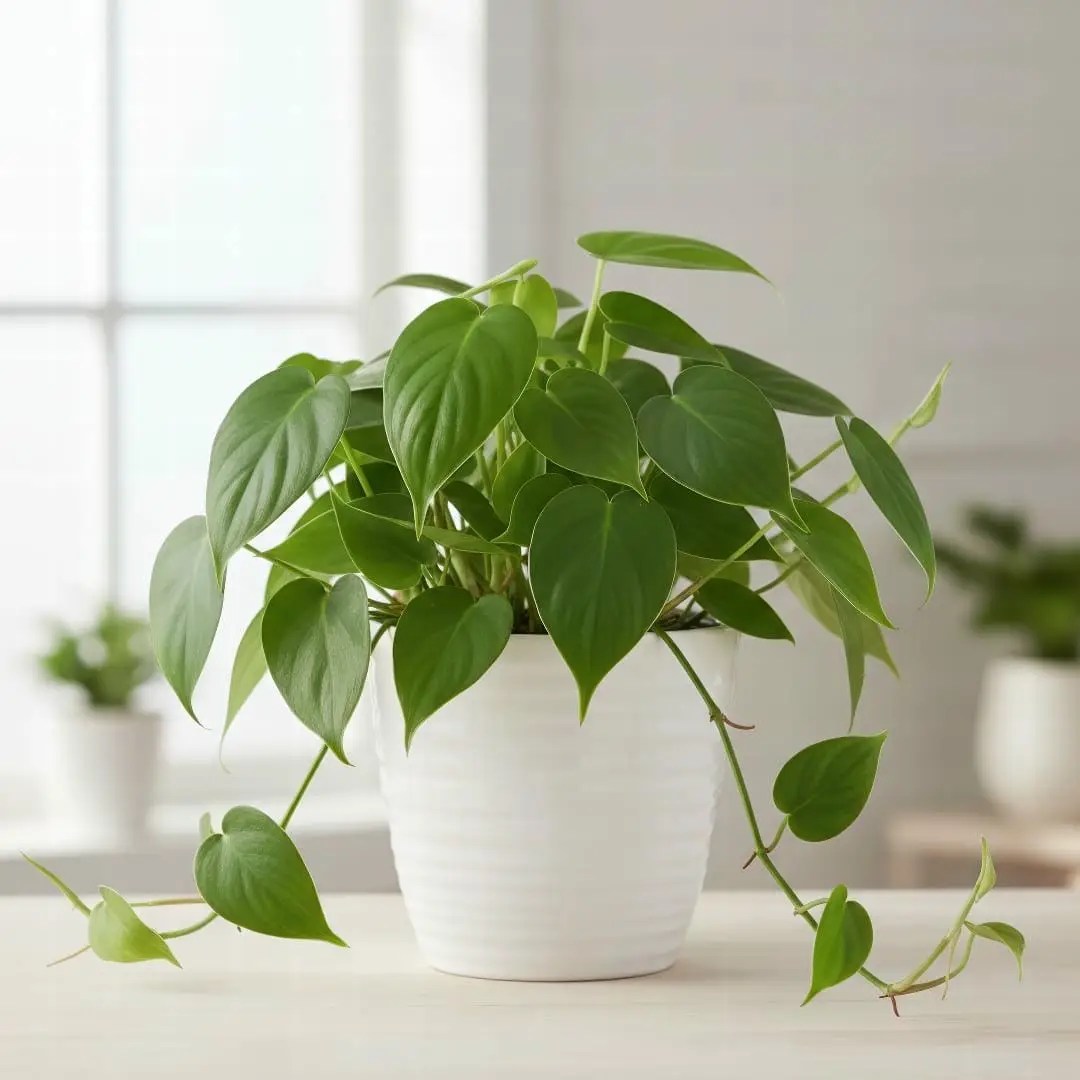
Complete Guide To Heart-leaf Philodendron Care and Growth
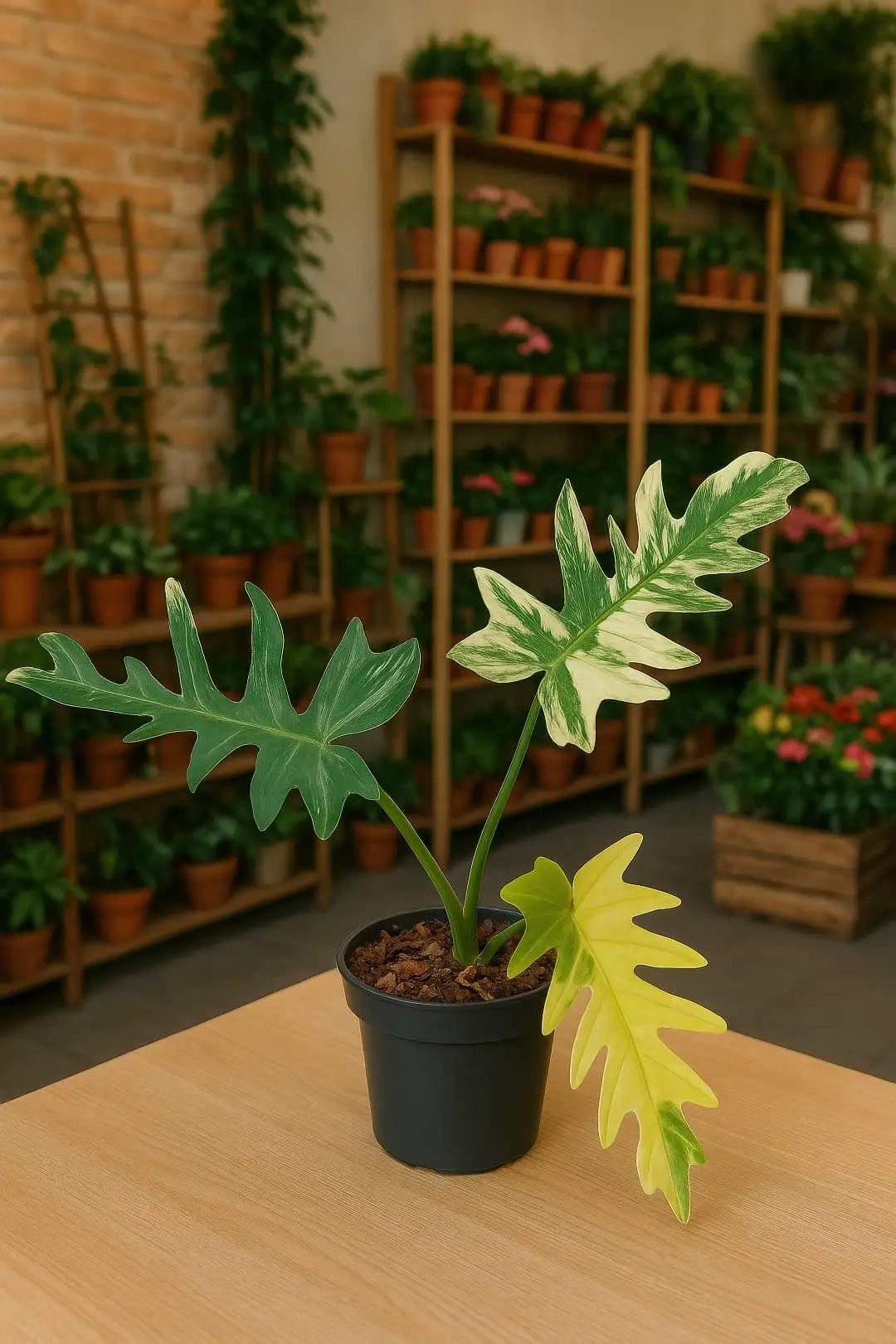
Complete Guide to Philodendron Florida Beauty x Tortum Care and Growth
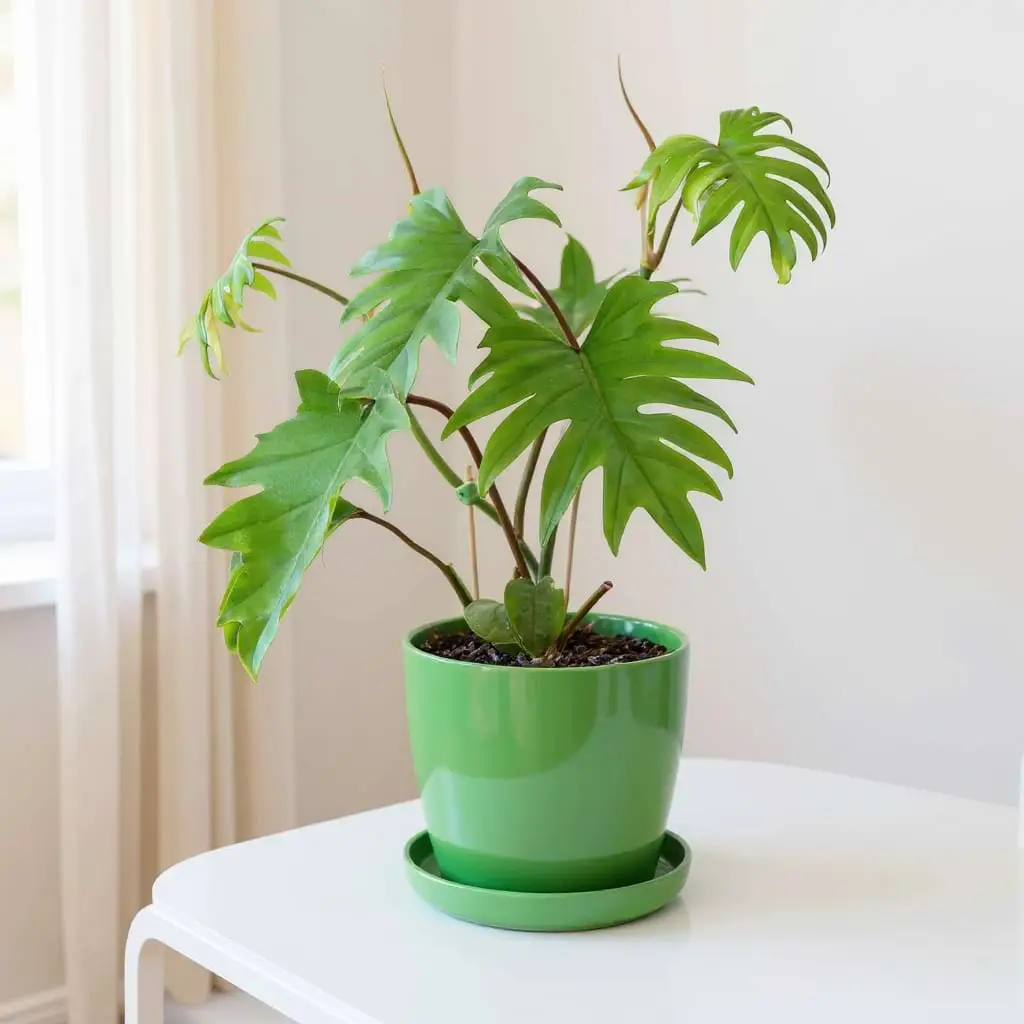
Complete Guide to Philodendron Mayoi Care and Growth
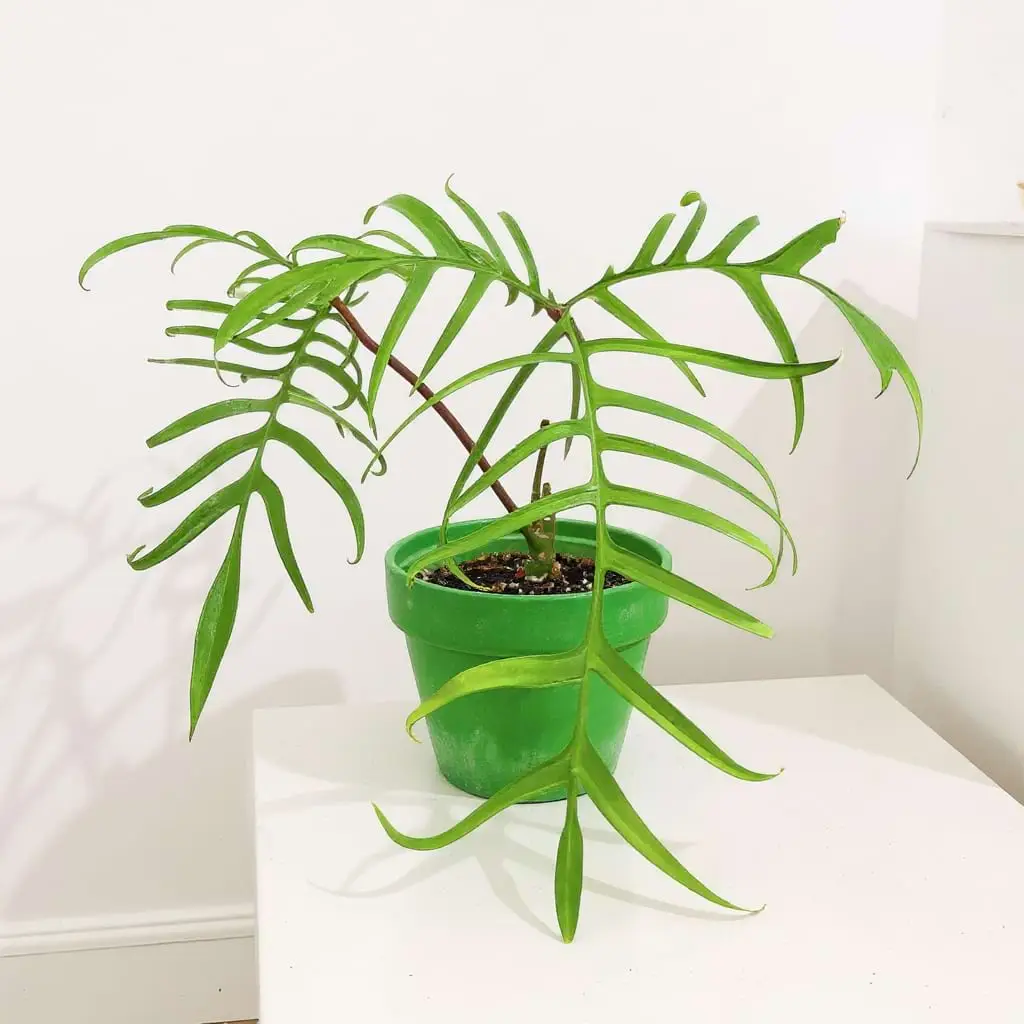
Complete Guide to Philodendron Polypodioides Care and Growth
Complete Guide to Philodendron White Princess Care and Growth
Complete Guide To Lemon Lime Philodendron Care and Growth

Houseplant101 Forum
Questions & Comments
Ask a question, share your plant experience, or help other plant owners.
Comments are temporarily unavailable.
Open the Houseplant101 ForumNo comments yet
Be the first to ask a question or share your experience about this page.
Log in or create an account
Comments use your Houseplant101 Forum account, but you can stay on this page.
Create a new account