
🪴 In This Guide 🪴

🎨 Keeping Philodendron Brasil Variegation When You Propagate
Why the Cutting You Pick Decides the Colour
Philodendron Brasil is a sport of the Heartleaf Philodendron (Philodendron hederaceum). A sport is a natural mutation on one branch, and in this case it gave the leaves a chartreuse to yellow stripe down the middle. Cuttings are clones, so they carry the same mutation. The catch is that the variegation is not locked in. Every Brasil vine can drift back toward the plain green parent, and a cutting tends to carry on the way its section of vine was already growing.
That means the leaf at a node is your best clue to what the new plant will do. Pick well, and most of your cuttings grow on as proper Brasils.
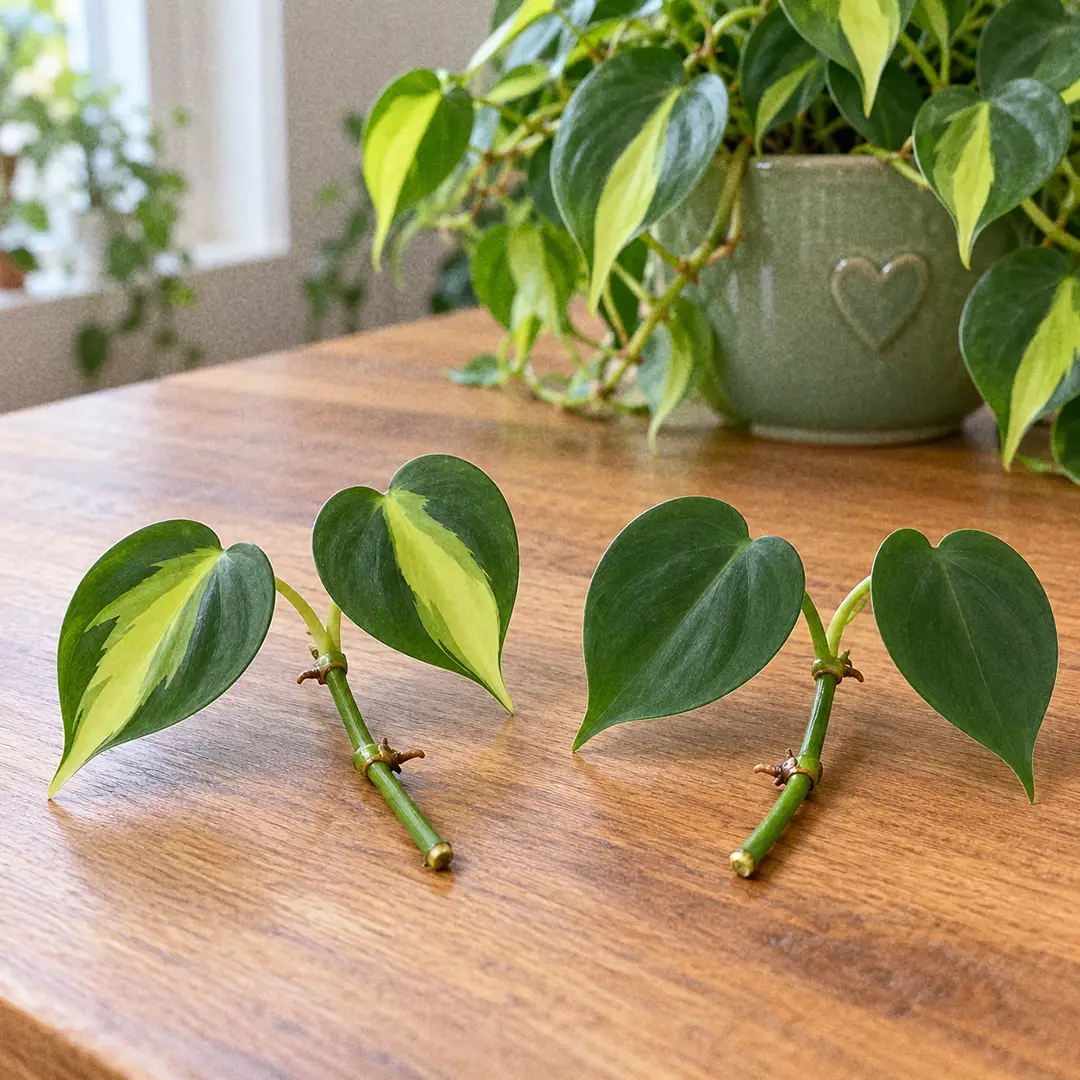
Choose Nodes Under Well-Variegated Leaves
Look along the vine and find a run of two or three leaves in a row that all show a clear lime stripe, with some dark green around it. Cut there. A leaf with roughly a third to a half of its surface in lime or yellow is ideal, because it has the colour you want and still has enough green to feed the cutting while it roots.
If only one leaf in a stretch is striped and its neighbours are green, the vine is already drifting. That cutting may still produce variegated leaves, but it is a coin toss.
Skip All-Green Stretches
Solid green sections of a Brasil are reversion in progress. A cutting from one of those stretches roots just as fast as a striped one, and it usually grows into a plant that is plain green from the start. It will look exactly like a Heartleaf Philodendron, because that is what it has become.
You do not have to throw green pieces away. They make a perfectly nice Heartleaf Philodendron. Just label the jar so you do not sell or gift it as a Brasil. Our reversion guide explains why variegated plants slide back to green and why a green leaf never gains stripes later.
What an All-Yellow Leaf Means
Now and then a Brasil pushes out a leaf that is almost entirely yellow or chartreuse. It looks exciting. The trouble is that the leaf has very little chlorophyll and does almost nothing to feed the plant. A cutting whose only leaf is all yellow often roots slowly, and the new growth can stay weak or pale.
If you want to try one, take a two-node cutting that also includes a green-and-lime leaf, so the cutting has something to live on. The cuttings I trust most have clear stripes with plenty of green around them.
✂️ Taking Philodendron Brasil Cuttings
Find the Node
Every cutting needs a node. That is the slightly swollen spot where a leaf stalk joins the vine, often with a small brown bump or a short aerial root beside it. Roots grow from there, and the new vine grows from a dormant bud at the same spot. A leaf snipped off at its stalk has no node and will never grow into a plant. The Monstera adansonii propagation guide covers node anatomy and that "zombie leaf" trap in more detail, and it applies to Brasil exactly.
Where and How to Cut
Use clean, sharp scissors or pruners wiped with rubbing alcohol. Cut about half an inch below a node. Each piece needs at least one node and one or two leaves, and a two- or three-node cutting gives you a spare if one node rots.
Brasil makes nodes every few inches, so one long vine can give you five or six cuttings. Tip cuttings, which include the growing end, put out new leaves fastest. Spring and summer give the quickest results, though Brasil will root year round in a warm home.
Brasil, Heartleaf or Pothos Cutting?
Loose cuttings get mixed up easily, and Brasil looks a lot like a variegated pothos. Two checks settle it. Look at the leaf stalk: pothos petioles have a groove running along the top, while Brasil stalks are rounded. Then look at the newest leaf. Philodendrons push new leaves out of a thin sheath called a cataphyll, which dries brown and falls off. Pothos leaves unfurl without one. Pothos leaves are also thicker and waxier.
A cutting with the Brasil shape but no stripe at all is most likely a reverted Brasil or a plain Heartleaf, which are the same plant as far as your pot is concerned.
💧 Philodendron Brasil Water Propagation, Soil and Moss
Rooting Brasil Cuttings in Water
- Remove the lowest leaf if it would sit underwater. Submerged leaves rot and foul the water.
- Stand the cutting in a glass of room-temperature water with the node under the surface and the remaining leaves above it.
- Put it in bright, indirect light somewhere warm. Keep the glass out of direct sun, which heats the water and grows algae.
- Change the water weekly, or sooner if it goes cloudy.
Roots usually appear in roughly 10-14 days. Water is my pick for a first attempt because you can see exactly what is happening. Our water propagation guide walks through the method for vining plants in general.
Straight Into Soil
Brasil is forgiving enough to skip the jar. Fill a small pot with a chunky, fast-draining mix like the one in the main Philodendron Brasil guide, moisten it, and bury the node about half an inch deep. Keep the mix lightly moist (not soggy) for the first few weeks, since a cutting with no roots cannot handle the dry-down an adult plant gets. A clear bag over the pot helps in dry winter air. New growth, or resistance when you tug gently, tells you it has rooted.
Sphagnum Moss for Weak Cuttings
Damp sphagnum moss in a clear cup with a loose lid is the gentlest option for short, leafless or tired cuttings. Squeeze the moss until it feels like a wrung-out sponge, press the node into it, and air the cup every few days. Moss roots handle the move into a pot better than water roots do. For most healthy Brasil cuttings, though, water or soil is simpler.
Moving Water Cuttings Into Soil
Pot up once the roots are about 2-3 inches long. Leaving cuttings in water for months makes the switch harder, because water-grown roots are thin and take time to adjust. Plant them in the chunky mix, water well, and keep it evenly moist for two to three weeks before going back to letting the top half dry. One older leaf may yellow during the move. That is normal.
🧺 Making a Full Philodendron Brasil Hanging Basket
Plant Several Cuttings Per Pot
One rooted cutting grows one vine, and one vine takes a long time to look like anything. For a full hanging basket, root six to eight cuttings at once and plant four to six of them together in a 6-inch pot. Space them around the edge with the leaves angled outward. Mix tip cuttings with mid-vine ones so some trail right away while the others fill in.
Coil and Pin Long Vines
Most Brasil baskets go bald on top while a few long strings hang down. Coiling fixes that. Take a long vine, loop it back across the soil surface of the same pot, and pin a node down with a bobby pin or a bent paperclip. Keep that spot moist and the node roots into the pot while it is still attached to the mother plant.
You can pin two or three nodes along one vine as it coils around. Once they have rooted (tug gently to check), leave them attached or cut the vine between them. Either way, each pinned node becomes a new crown of leaves in the pot.
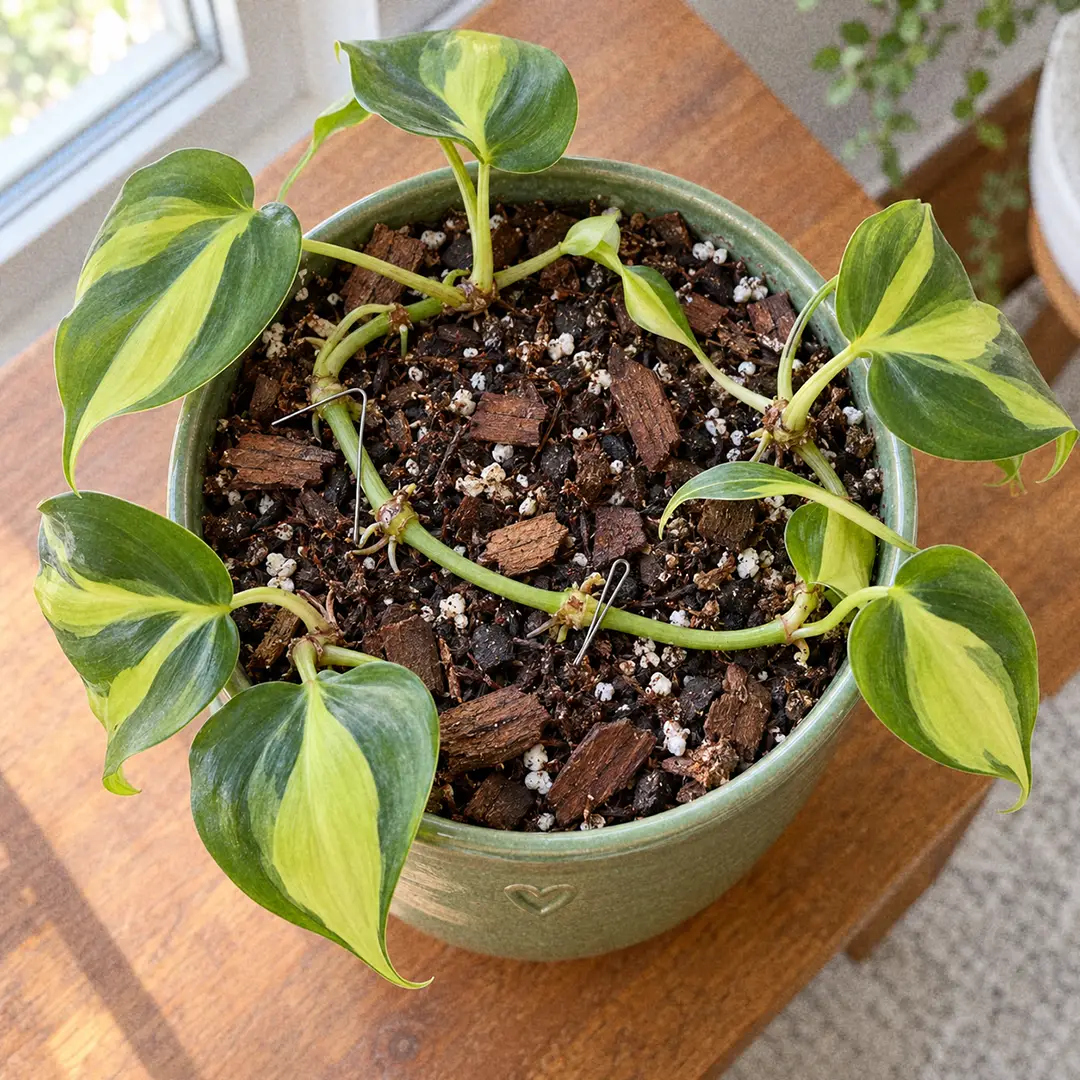
Prune Leggy Vines to Push Fuller Growth
Long vines with big gaps between leaves are a sign the plant has been stretching for light. Cut them back to just above a node. The bud at that node, and often one or two further back, wakes up and branches. Root the pieces you cut off and push them back into the same pot. Do this in spring or summer and stagger the cuts at different lengths, so the basket fills in at several levels. The pruning section of the Brasil care guide covers the regular trims.
🛠️ Troubleshooting Philodendron Brasil Propagation
Cuttings Rotting
A stem that turns brown, black or soft at the waterline is rotting. Cut back to firm green tissue above the damage and restart it in fresh water. If the rot has reached the only node, that cutting is finished. The usual causes are a leaf sitting in the water, water left unchanged for too long, or soil and moss kept soggy. A cold spot slows rooting and gives rot time to win, so keep cuttings warm.
Reverted Green Growth on a New Plant
If a rooted cutting starts pushing plain green leaves, it is reverting. Start with light, since low light is the most common trigger for Brasil. Move the pot closer to a bright window, out of hot direct afternoon sun. Then cut the green vine back to the last variegated leaf so it cannot outgrow the striped parts. If the entire young plant has gone green, it probably came from a green stretch of vine and will stay that way.
Leggy, Pale New Growth
Thin new vines with long gaps between small leaves mean the cutting wants more light. That kind of growth also tends to lose its stripes. Move it brighter and pinch the tip once it has a few leaves, which pushes it to branch. Our leggy growth guide covers the fix for vines in general.
🧤 Safety When Propagating Philodendron Brasil
Sap and Skin
Philodendron Brasil contains calcium oxalate crystals, and the sap on fresh cuts can irritate skin. Wear gloves if you are taking a lot of cuttings, and wash your hands and tools afterwards.
Keep Cuttings Away From Pets
Philodendron Brasil is toxic to pets. A glass of dangling cuttings on a low table is very tempting to a cat, so root them somewhere pets cannot reach and bin the trimmings straight away.
For more, see the complete Philodendron Brasil care guide, our general propagation guide and where Brasil sits among its cousins in the Philodendron varieties list.
❓ Frequently Asked Questions
Does Philodendron Brasil keep its variegation when propagated?
Usually, if you take the cutting from a well-variegated part of the vine. A cutting tends to carry on the way its node was growing, so a node under a striped leaf mostly produces striped leaves. Cuttings from all-green stretches often grow into all-green plants.
How long do Philodendron Brasil cuttings take to root?
In water, roots usually show in roughly 10-14 days in a warm, bright room. Soil and moss cuttings root on a similar schedule, you just cannot see it. Expect it to take longer in a cool winter room.
Can I propagate Philodendron Brasil from a single leaf?
No. A leaf cut at its stalk has no node, so it can grow roots but never a new vine. Every cutting needs a piece of stem with at least one node.
Should I root Philodendron Brasil in water or soil?
Either works, because Brasil roots very easily. Water lets you watch the roots and is the easiest for a first try. Soil skips the transplant step later, which suits people who forget to change jar water.
Can a reverted green Brasil cutting turn variegated again?
Rarely, and you cannot count on it. The green leaves themselves will never gain stripes. If you want a Brasil, root the variegated pieces and treat any all-green cutting as a Heartleaf Philodendron.
How many Philodendron Brasil cuttings should I put in one pot?
Four to six rooted cuttings in a 6-inch hanging pot gives a full look within a season. Space them around the edge and pin a few longer vines back onto the soil to fill the centre.
🪴 See also 🪴
Complete Guide to Philodendron Melanochrysum Care and Growth
How to Grow Philodendron: Care Guide and 22 Types Worth Owning
Complete Guide to Imperial Red Care and Growth
Complete Guide to Philodendron Verrucosum Care and Growth
Complete Guide to Philodendron Ring of Fire Care and Growth
Complete Guide to Philodendron Gloriosum Care and Growth
Complete Guide to Philodendron Birkin Care and Growth
Complete Guide to Xanadu Care and Growth
Complete Guide to Hope Selloum Care and Growth
Complete Guide to Silver Sword Philodendron Care and Growth
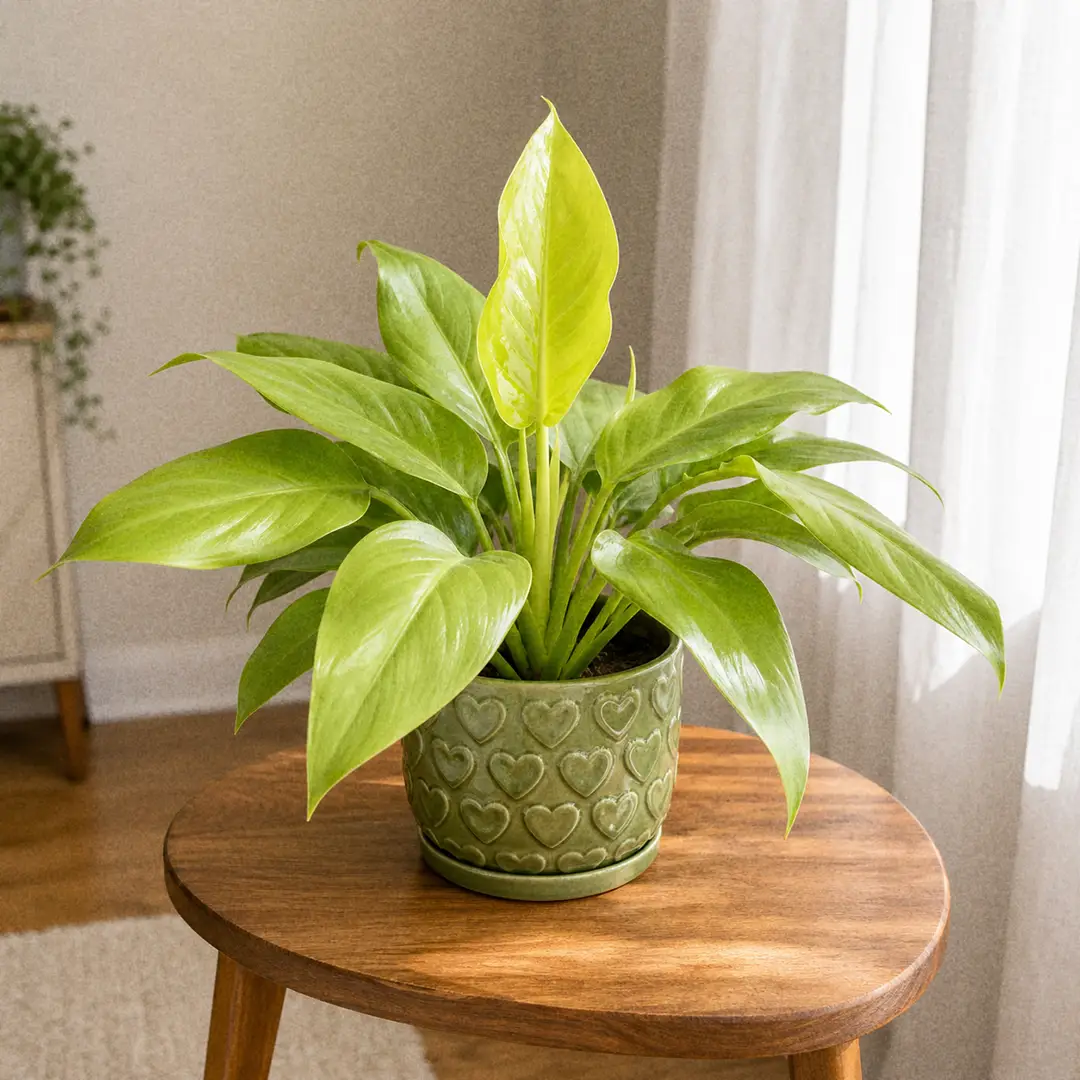
Complete Guide to Moonlight Philodendron Care and Growth
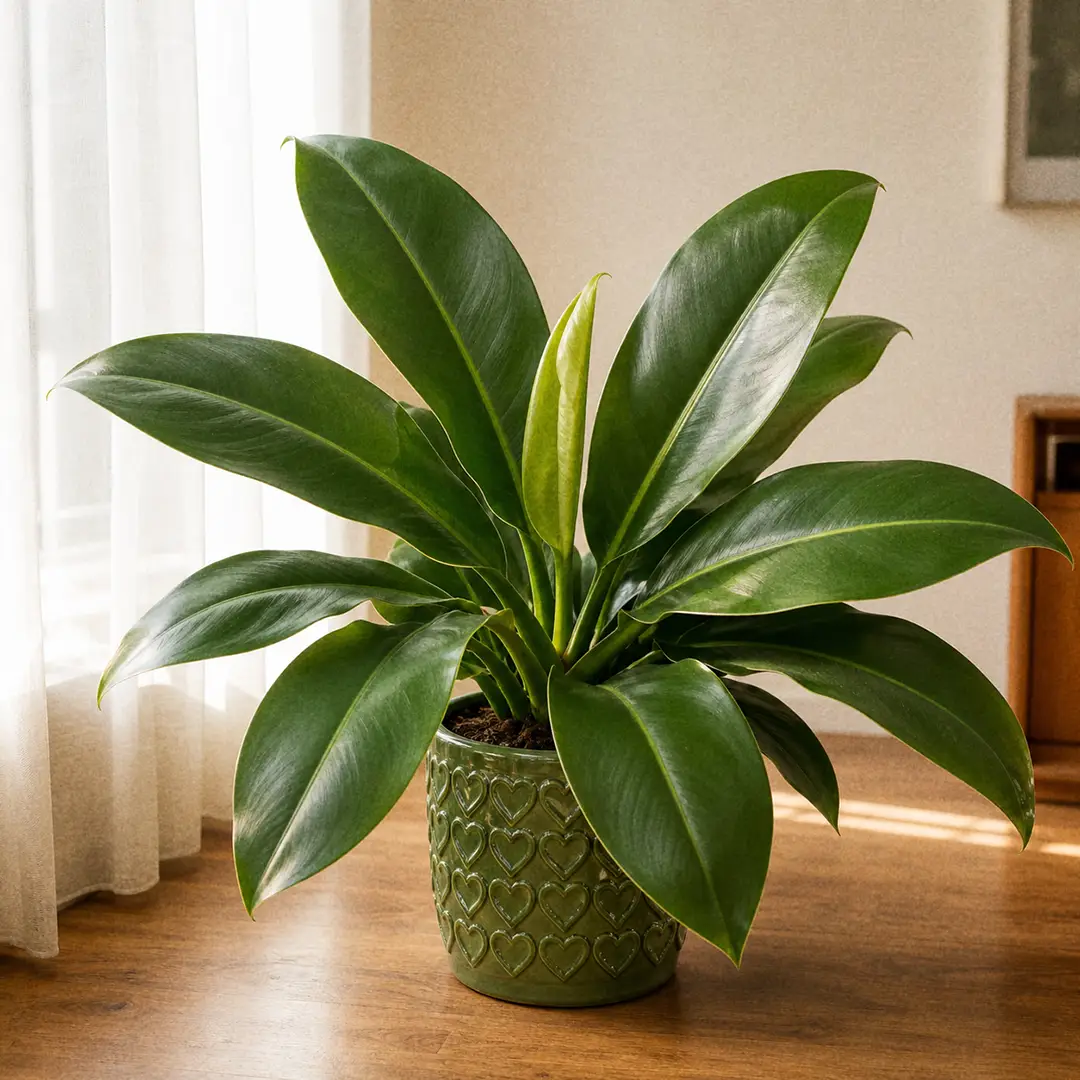
Complete Guide to Imperial Green Care and Growth
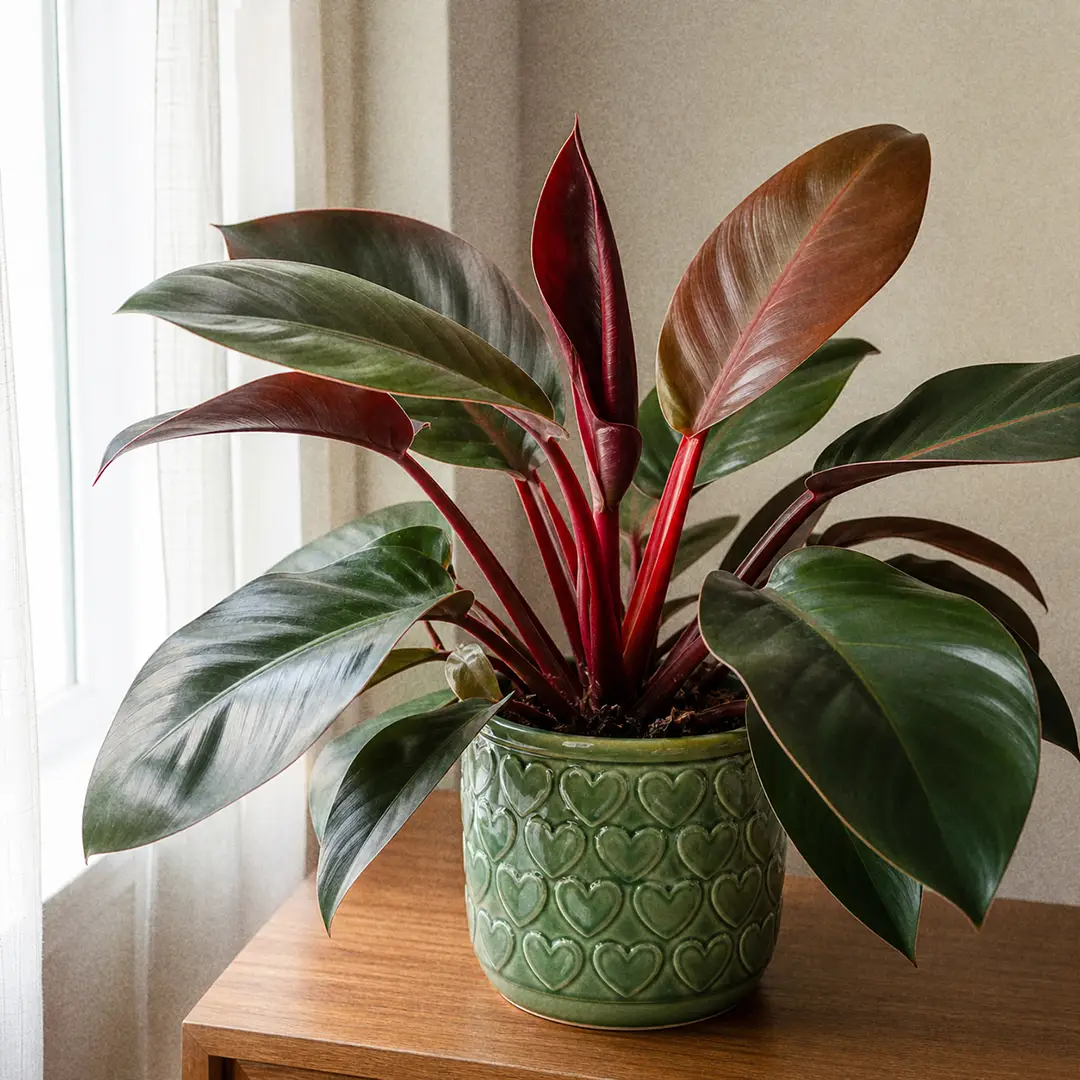
Complete Guide to Rojo Congo Care and Growth
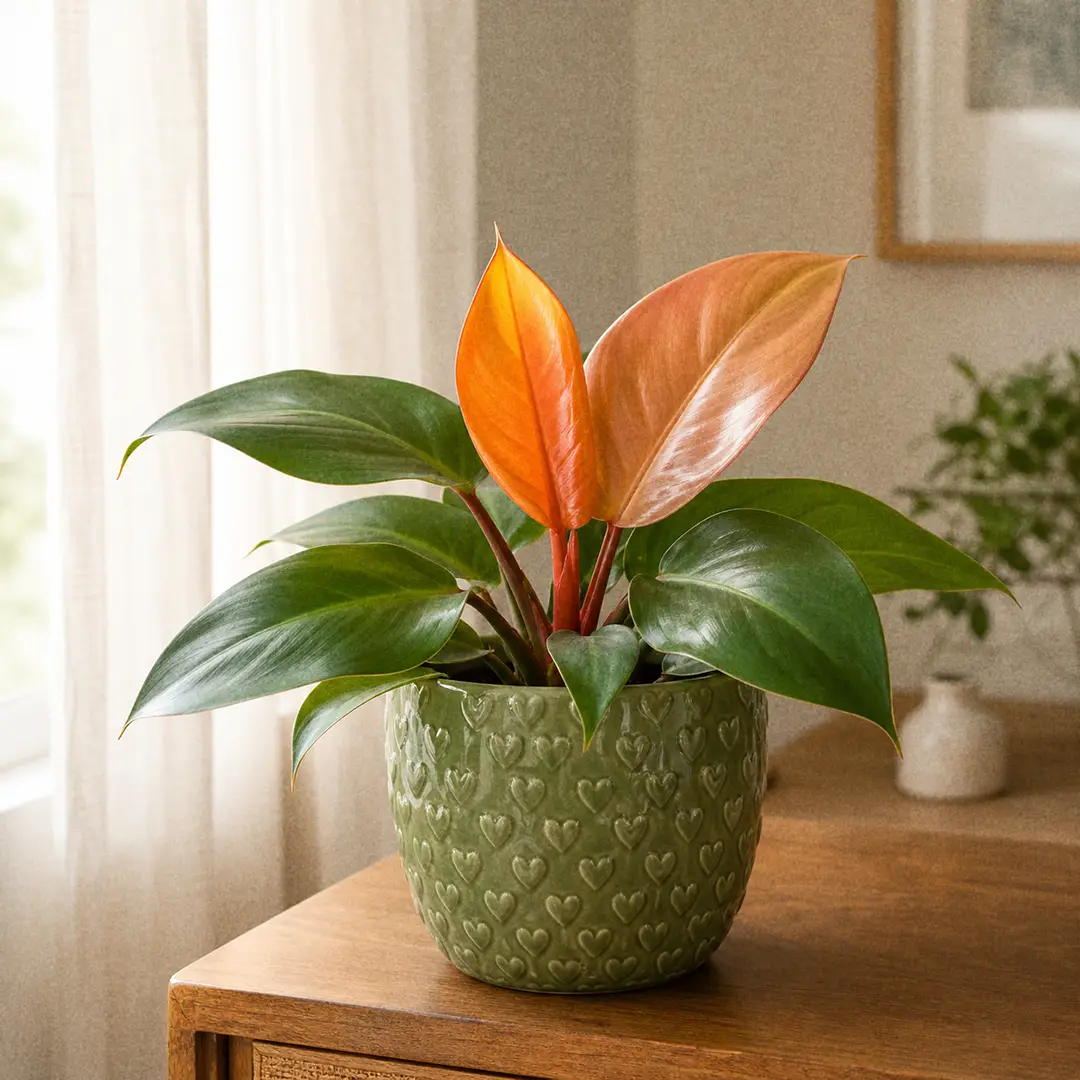
Complete Guide to Prince of Orange Care and Growth
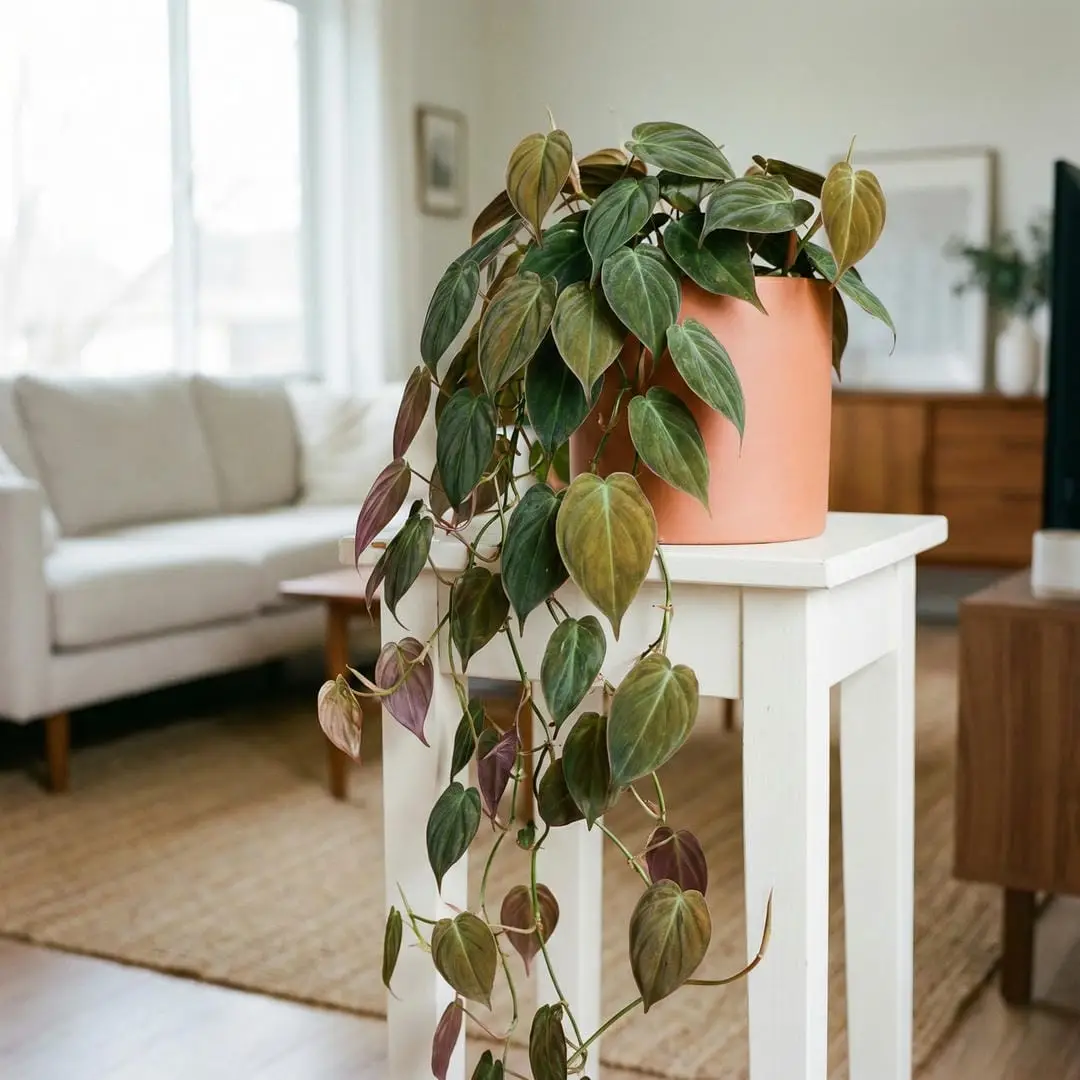
Complete Guide To Velvet Leaf Philodendron Care and Growth
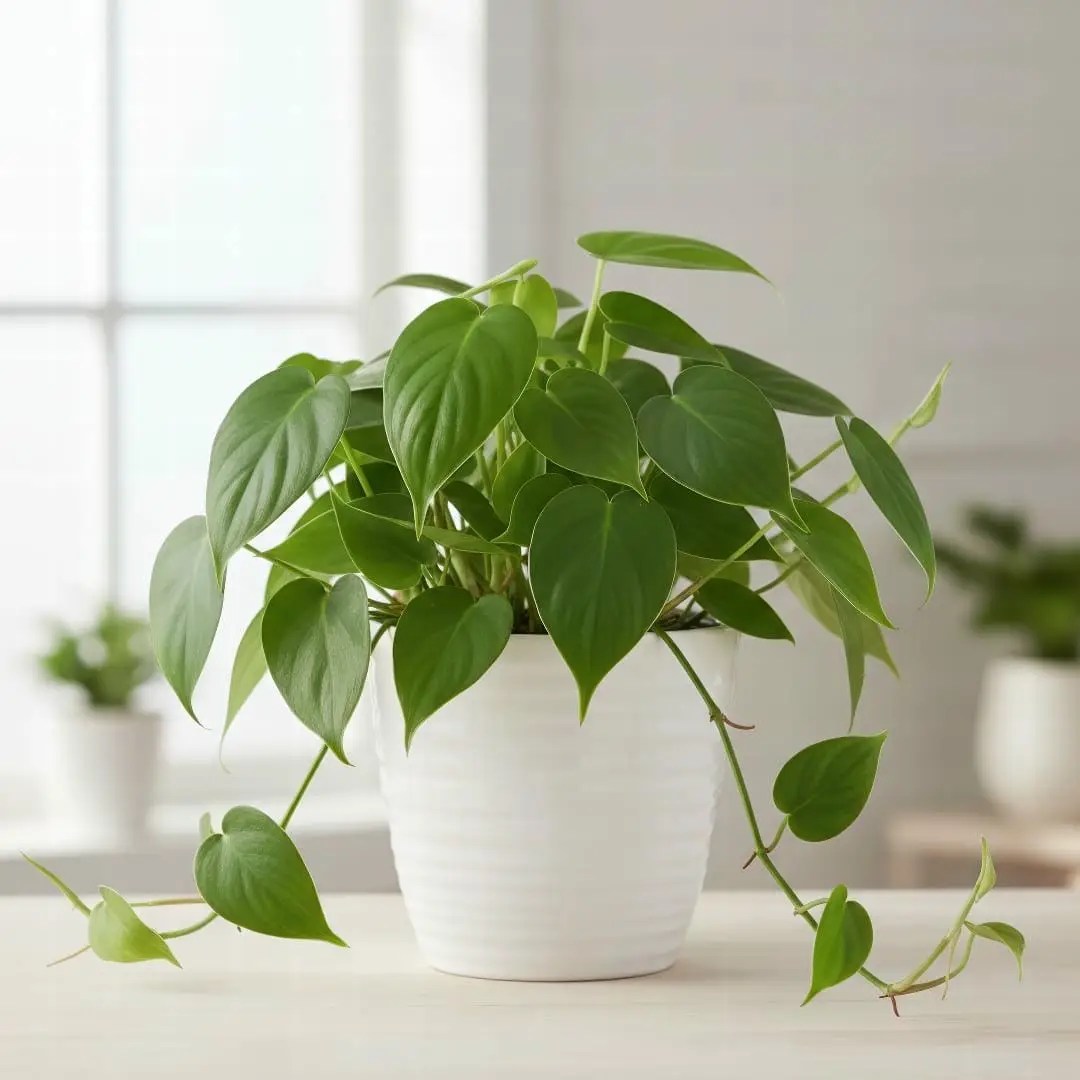
Complete Guide To Heart-leaf Philodendron Care and Growth
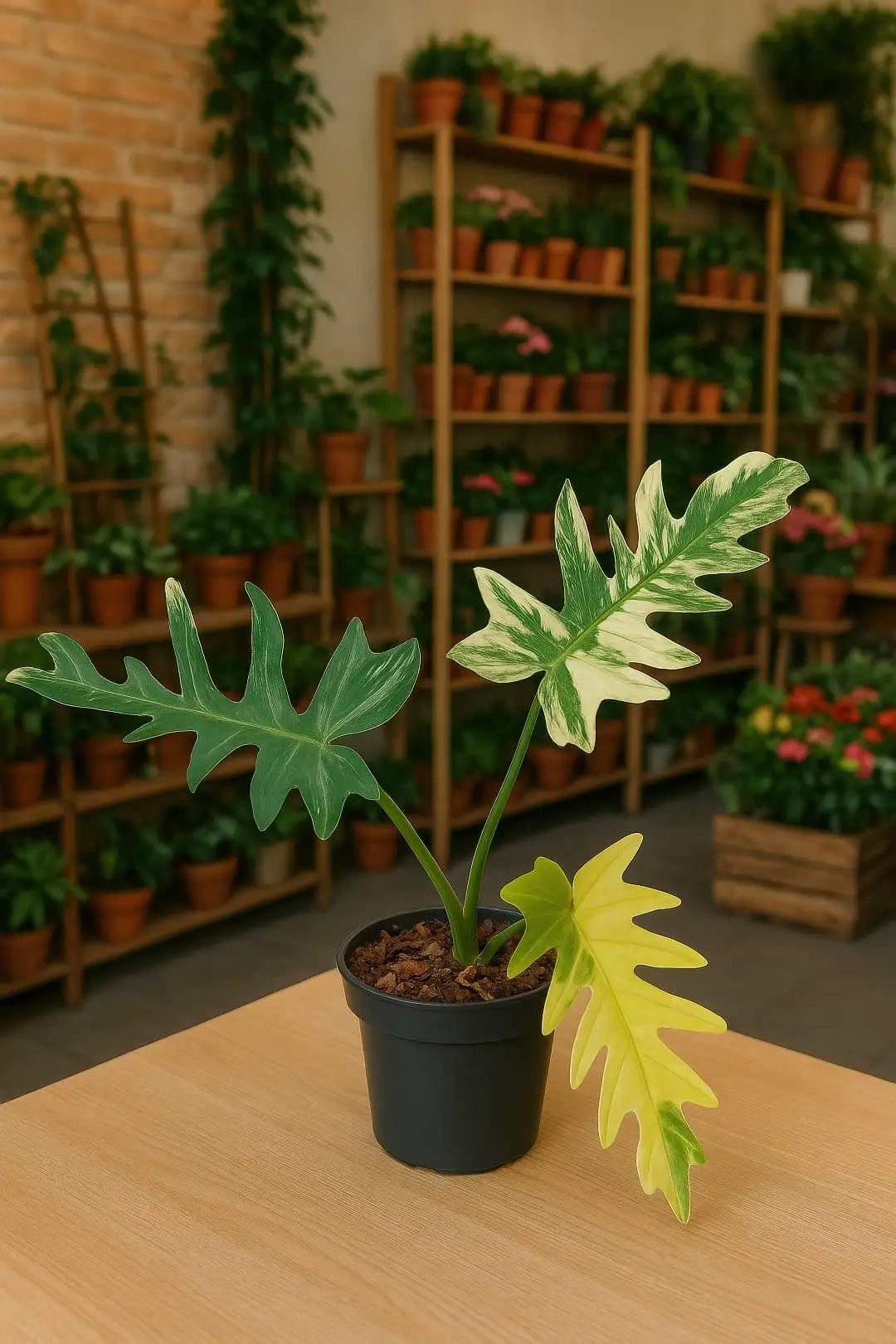
Complete Guide to Philodendron Florida Beauty x Tortum Care and Growth
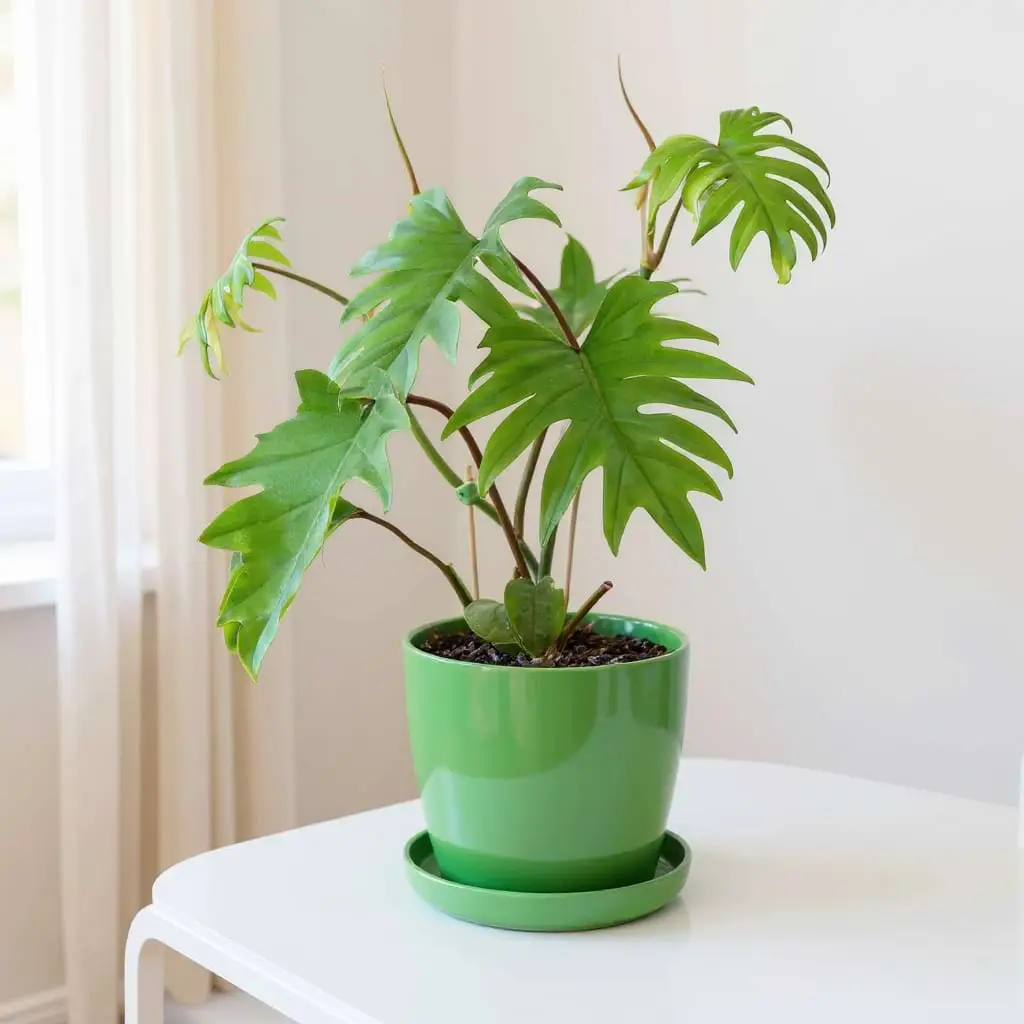
Complete Guide to Philodendron Mayoi Care and Growth
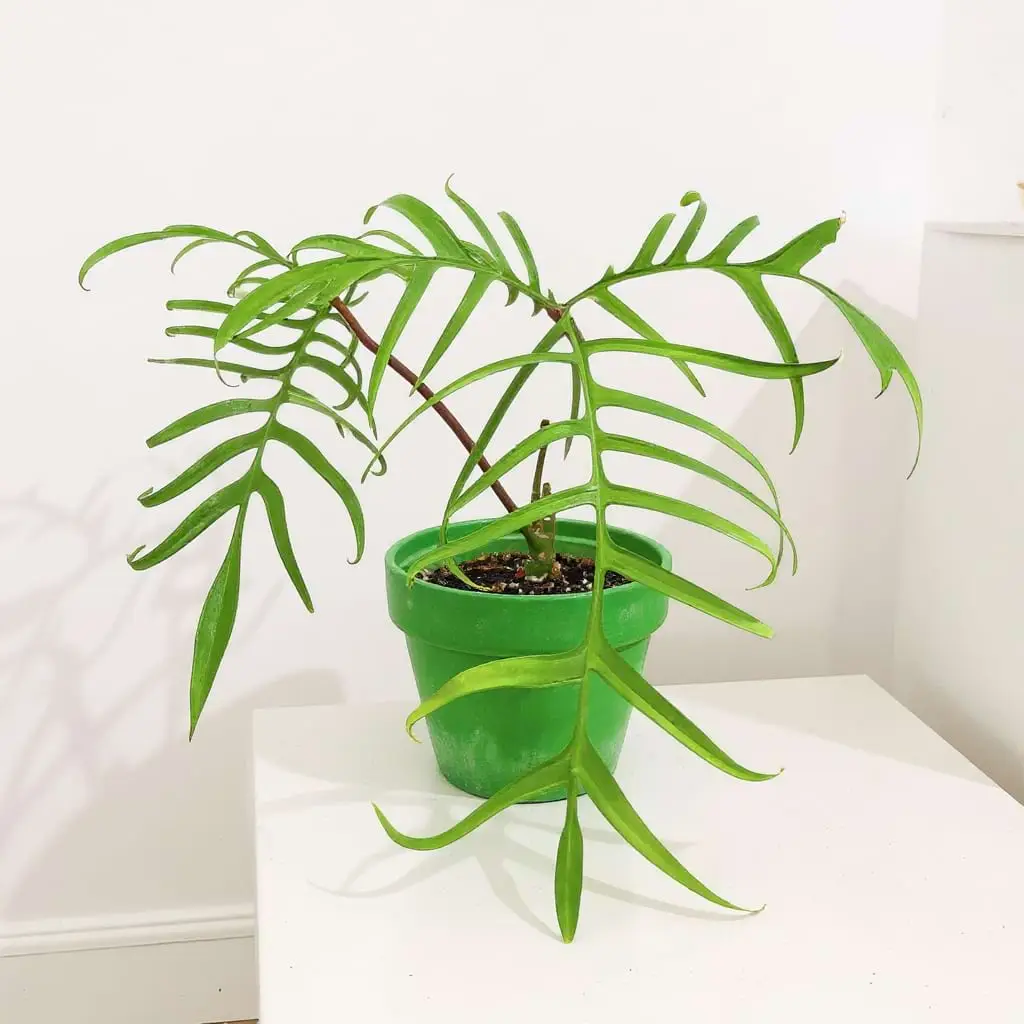
Complete Guide to Philodendron Polypodioides Care and Growth
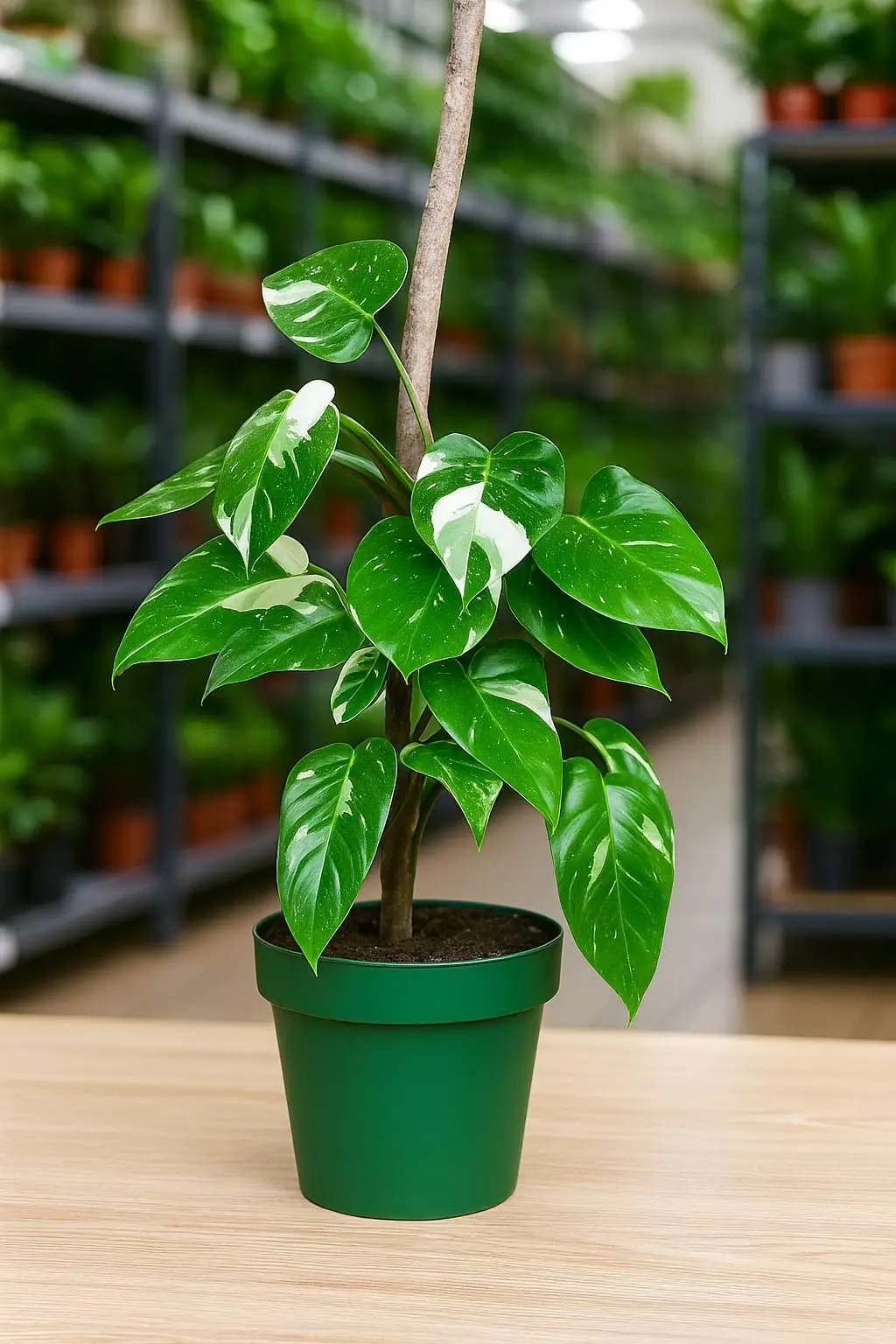
Complete Guide to Philodendron White Princess Care and Growth
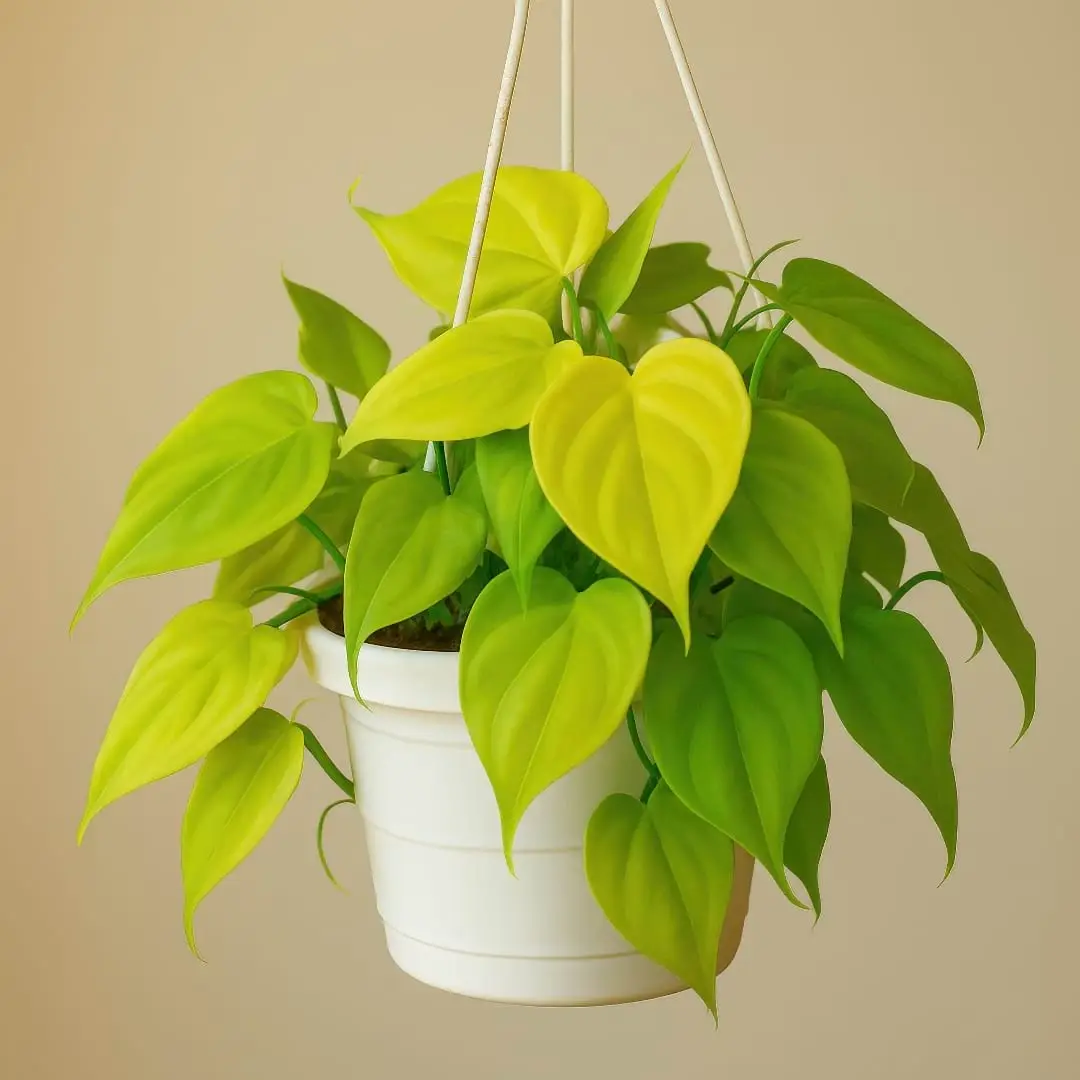
Complete Guide To Lemon Lime Philodendron Care and Growth

Houseplant101 Forum
Questions & Comments
Ask a question, share your plant experience, or help other plant owners.
Comments are temporarily unavailable.
Open the Houseplant101 ForumNo comments yet
Be the first to ask a question or share your experience about this page.
Log in or create an account
Comments use your Houseplant101 Forum account, but you can stay on this page.
Create a new account